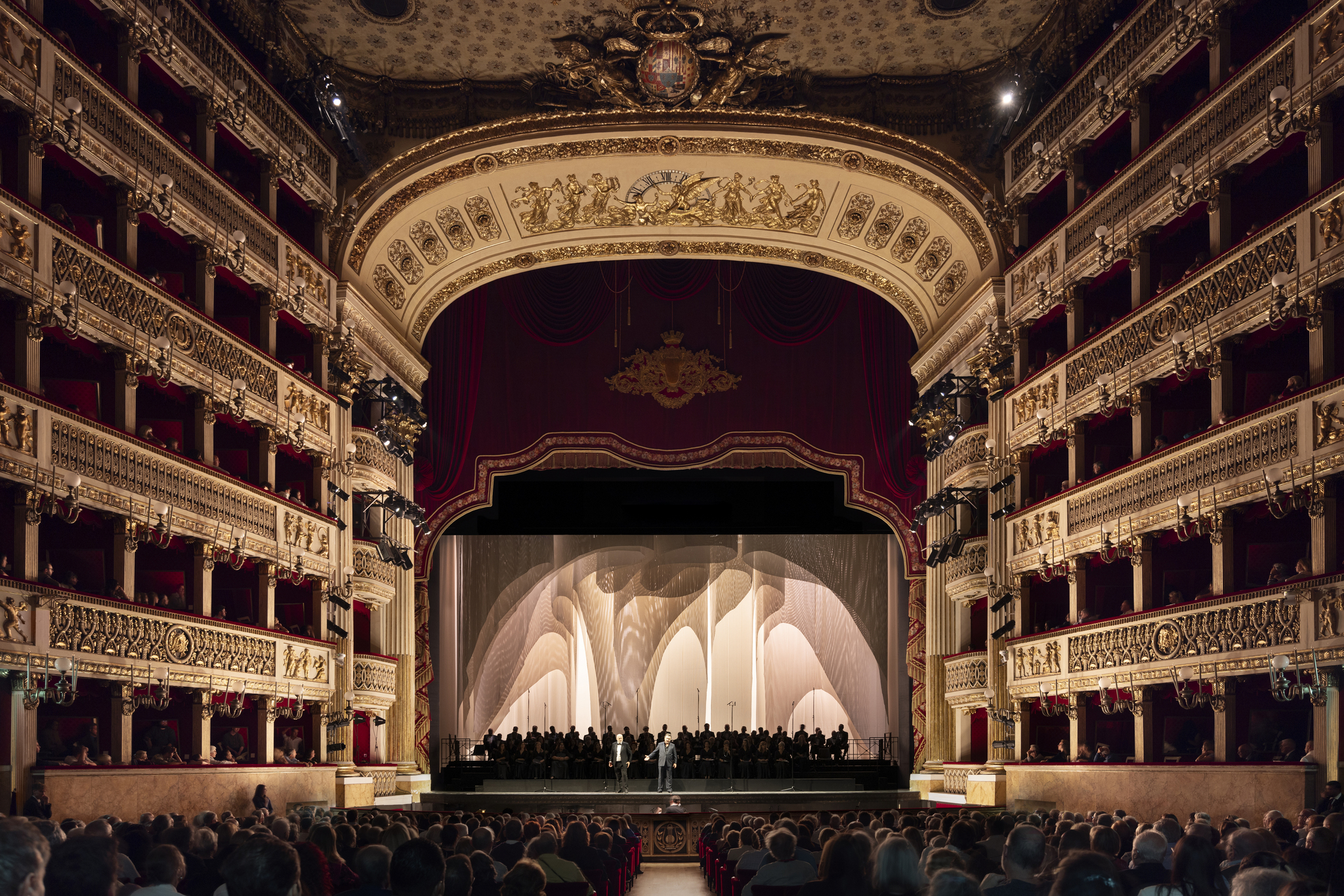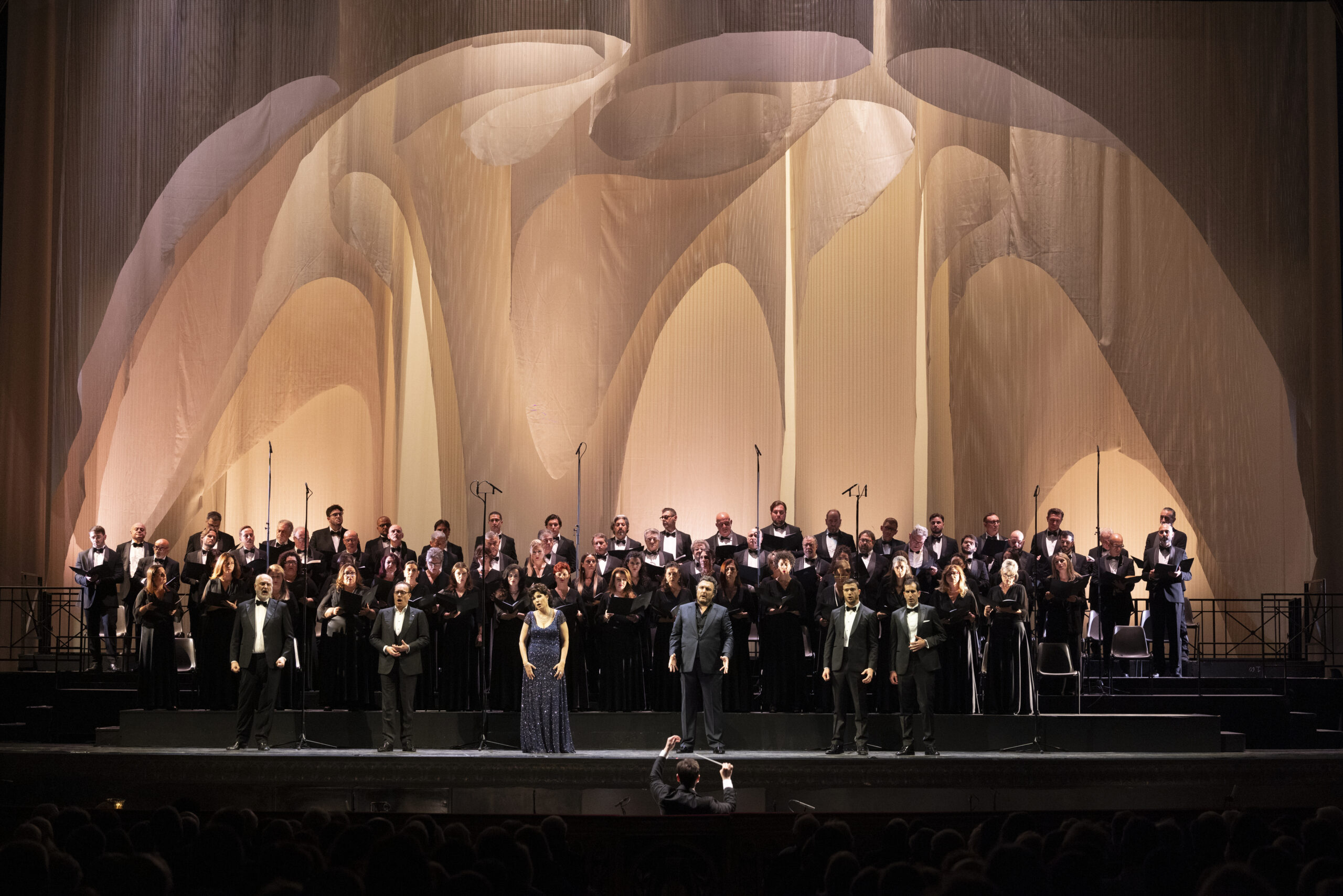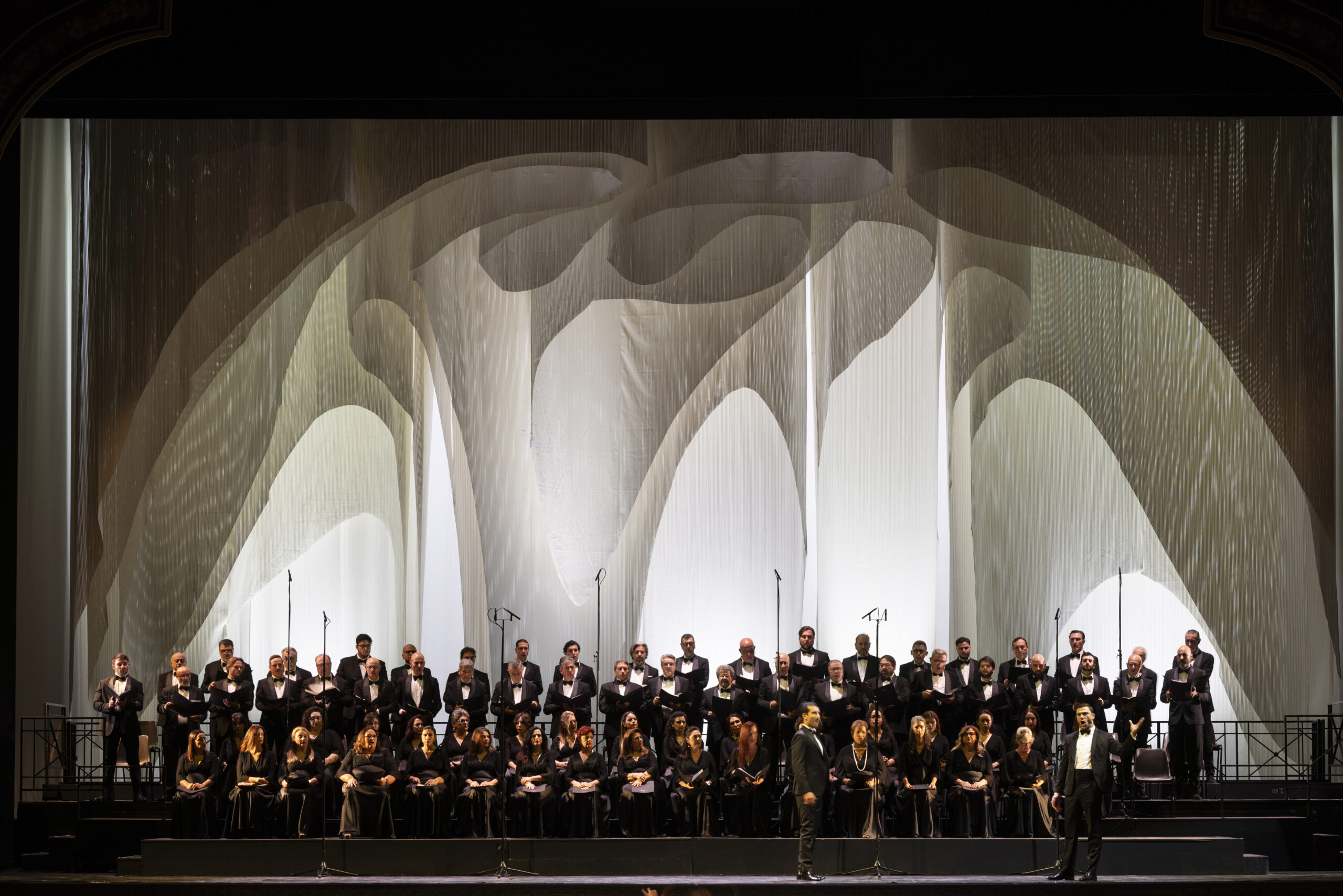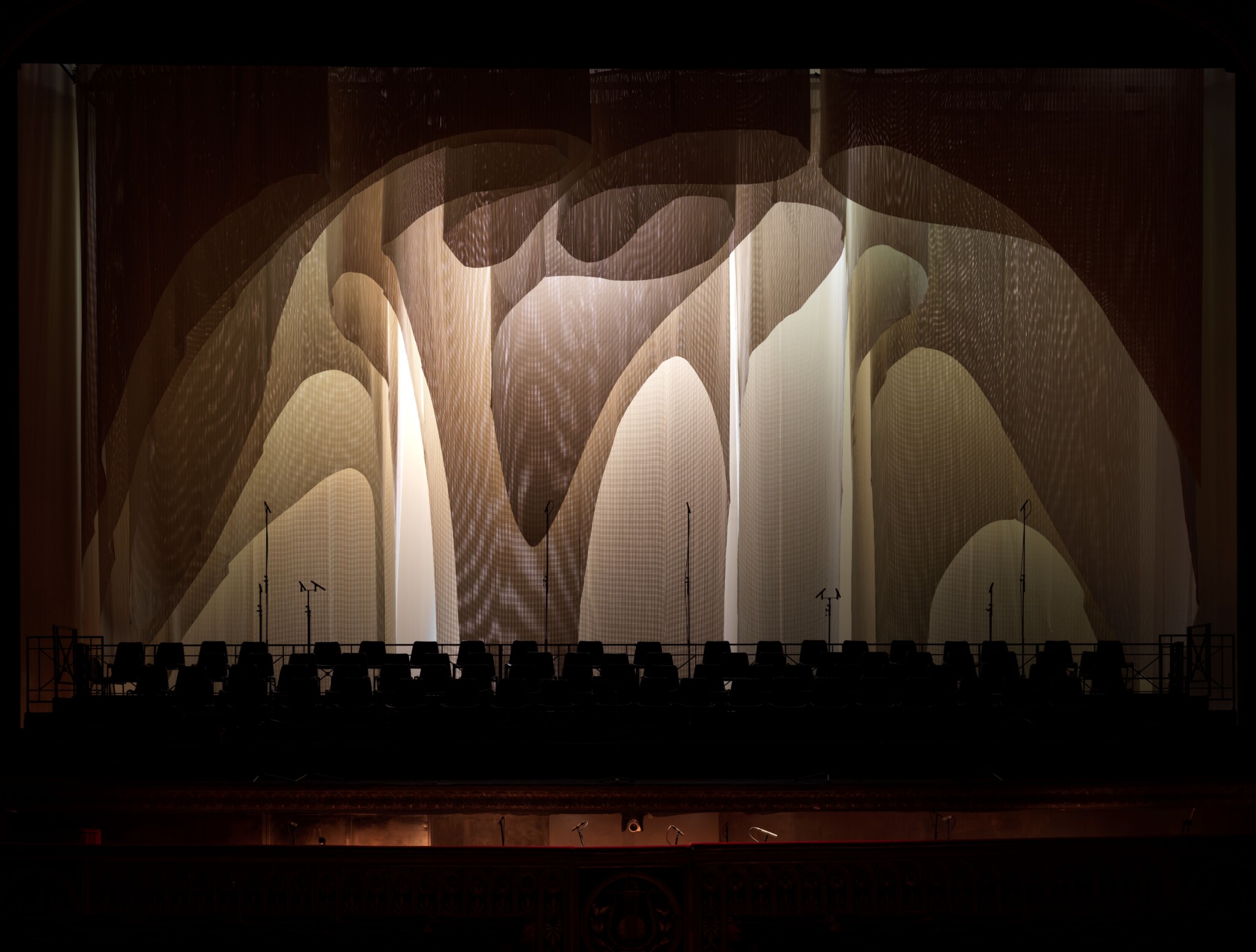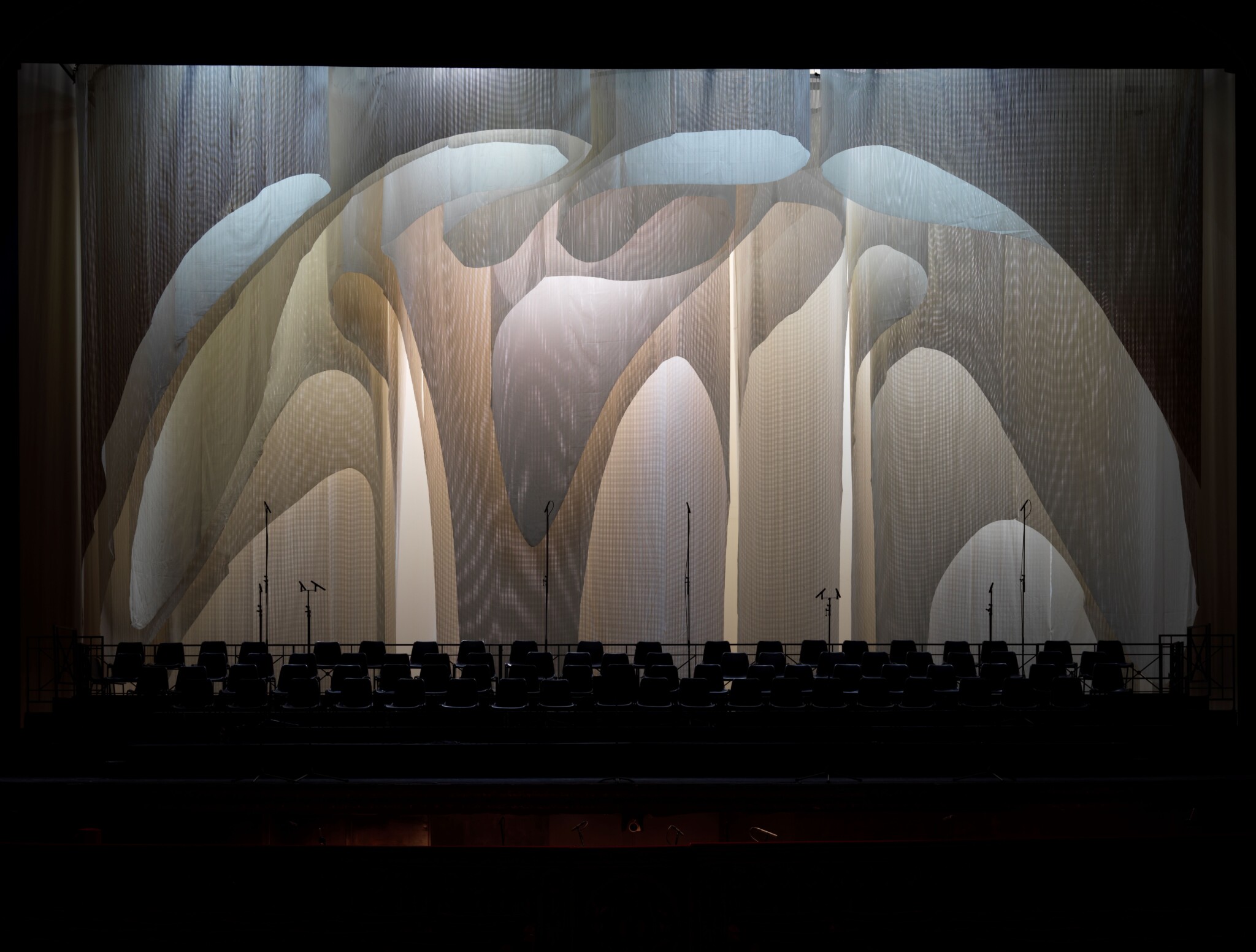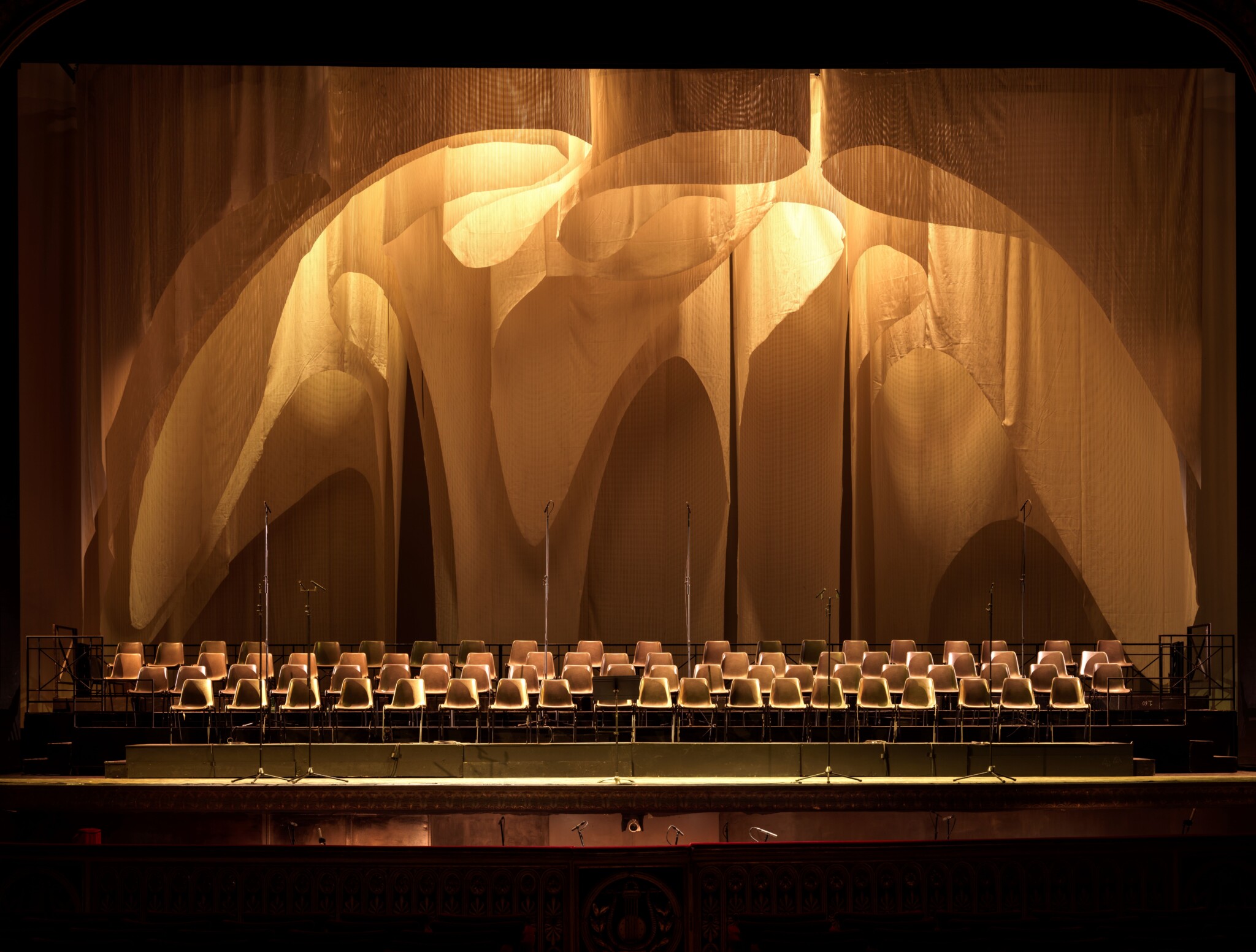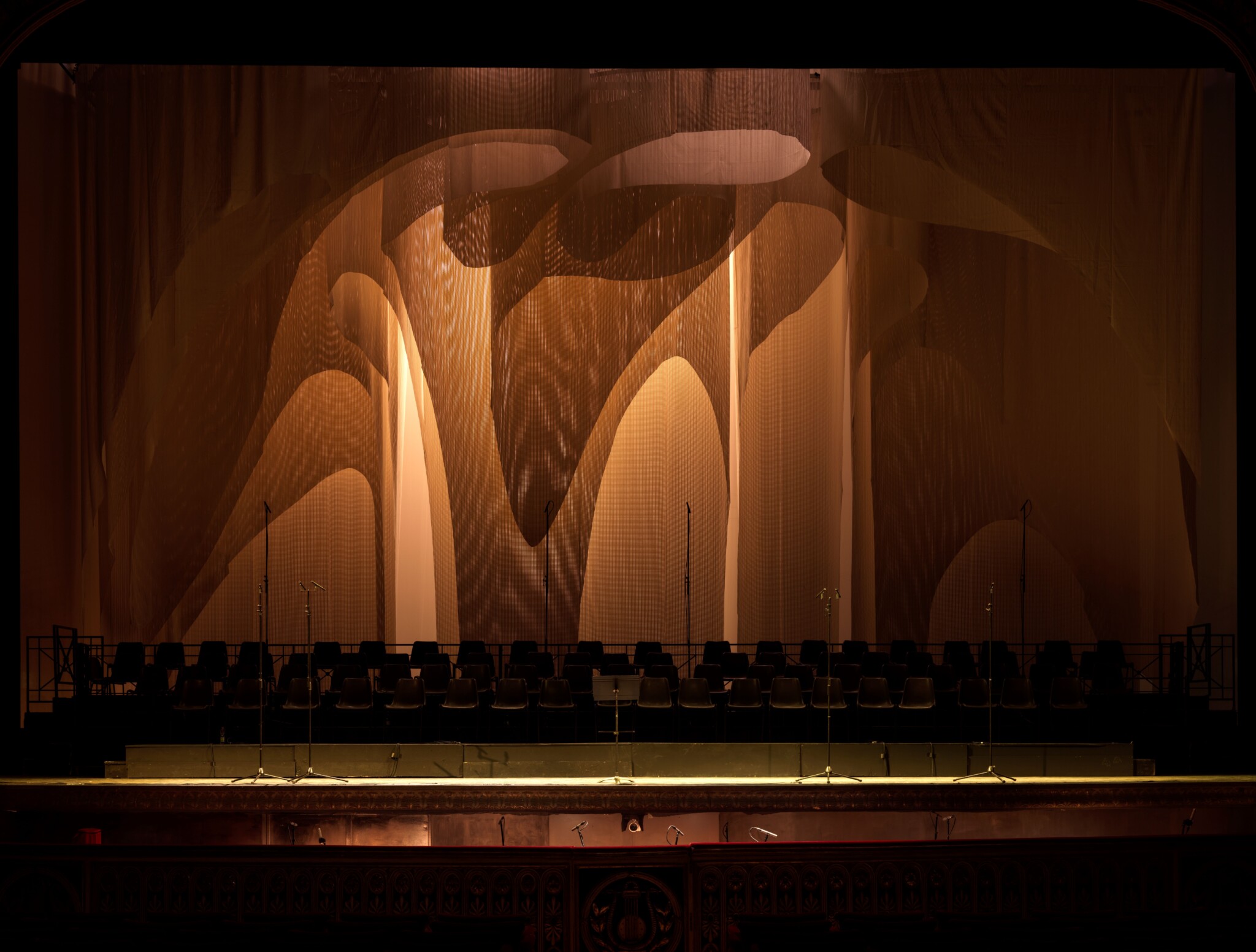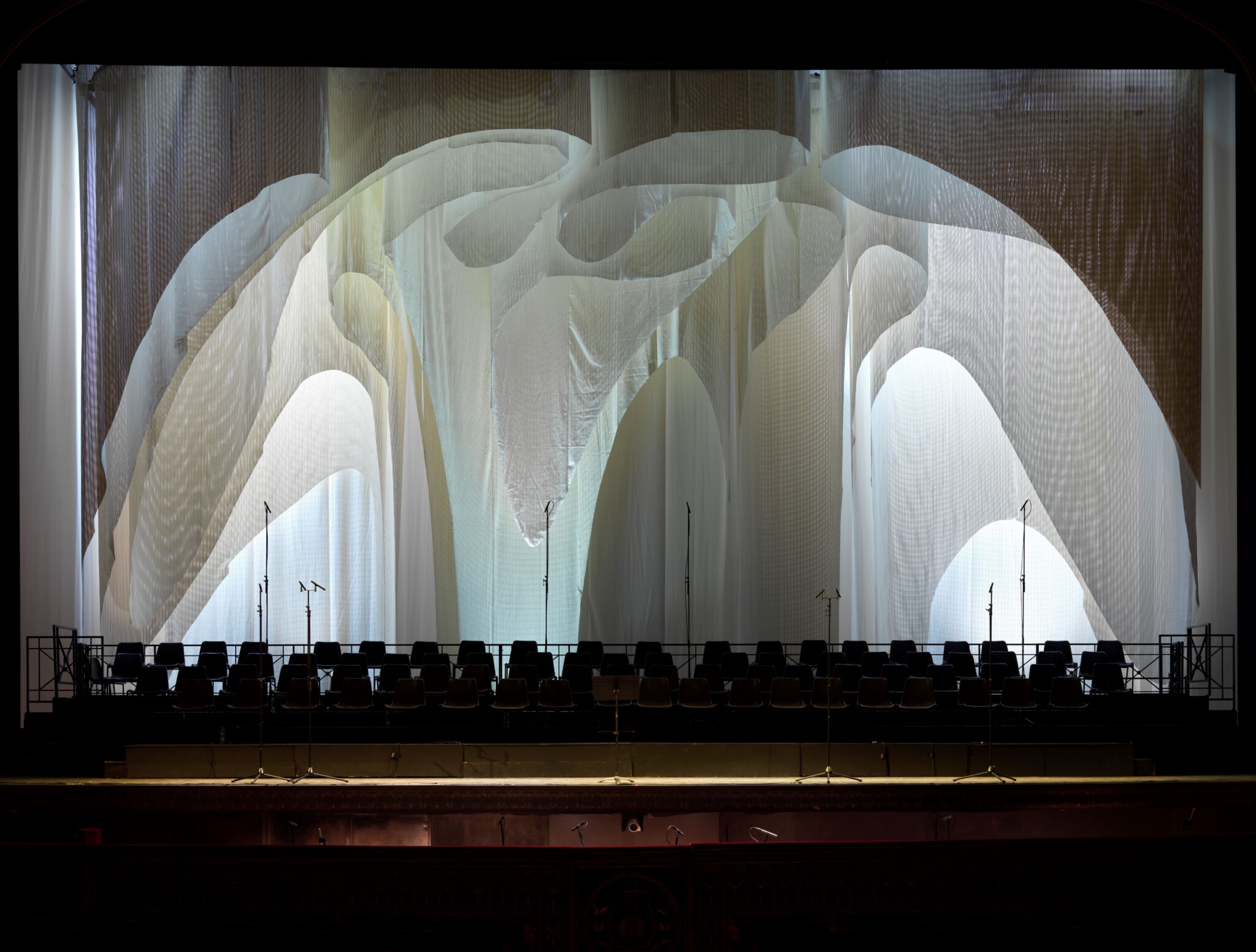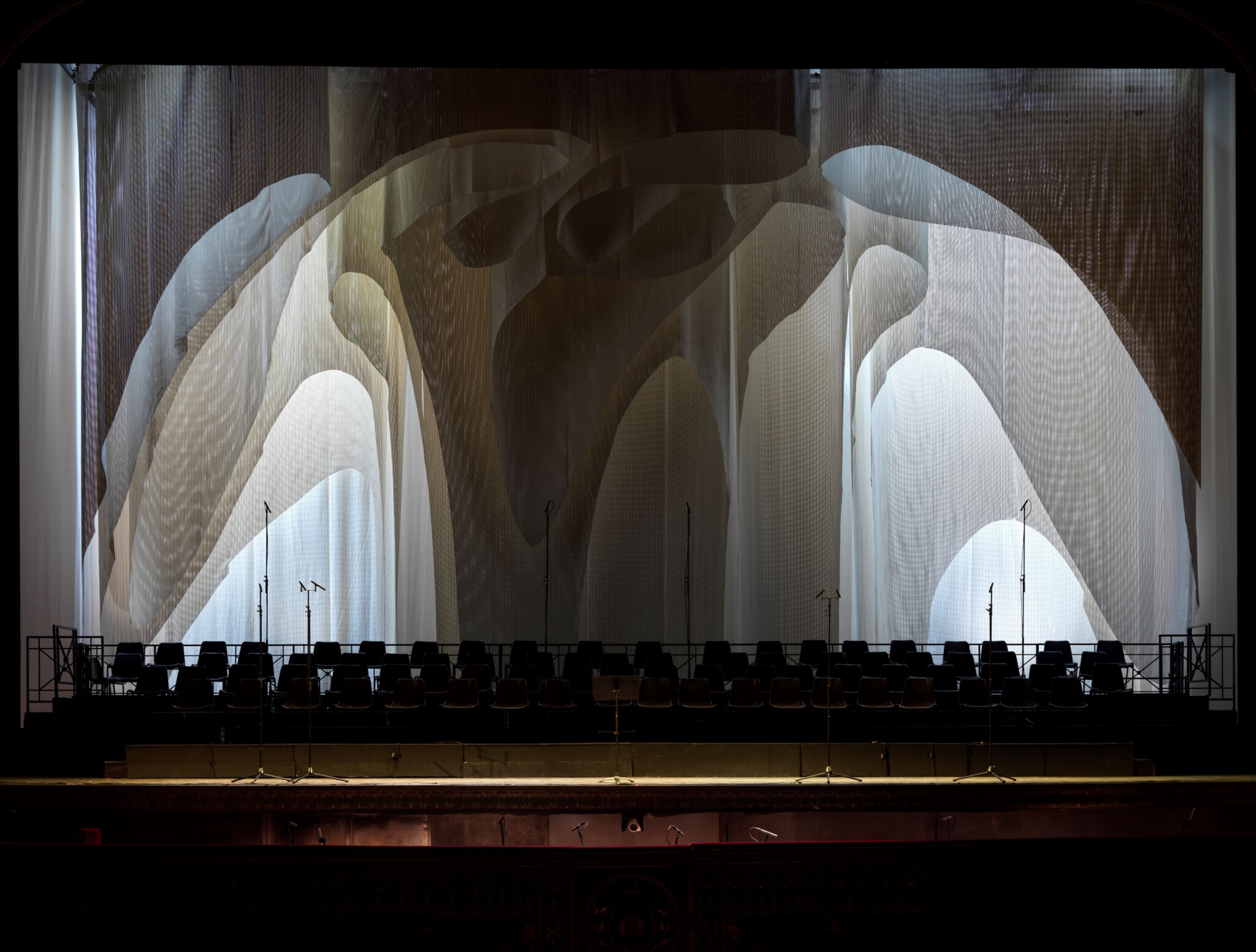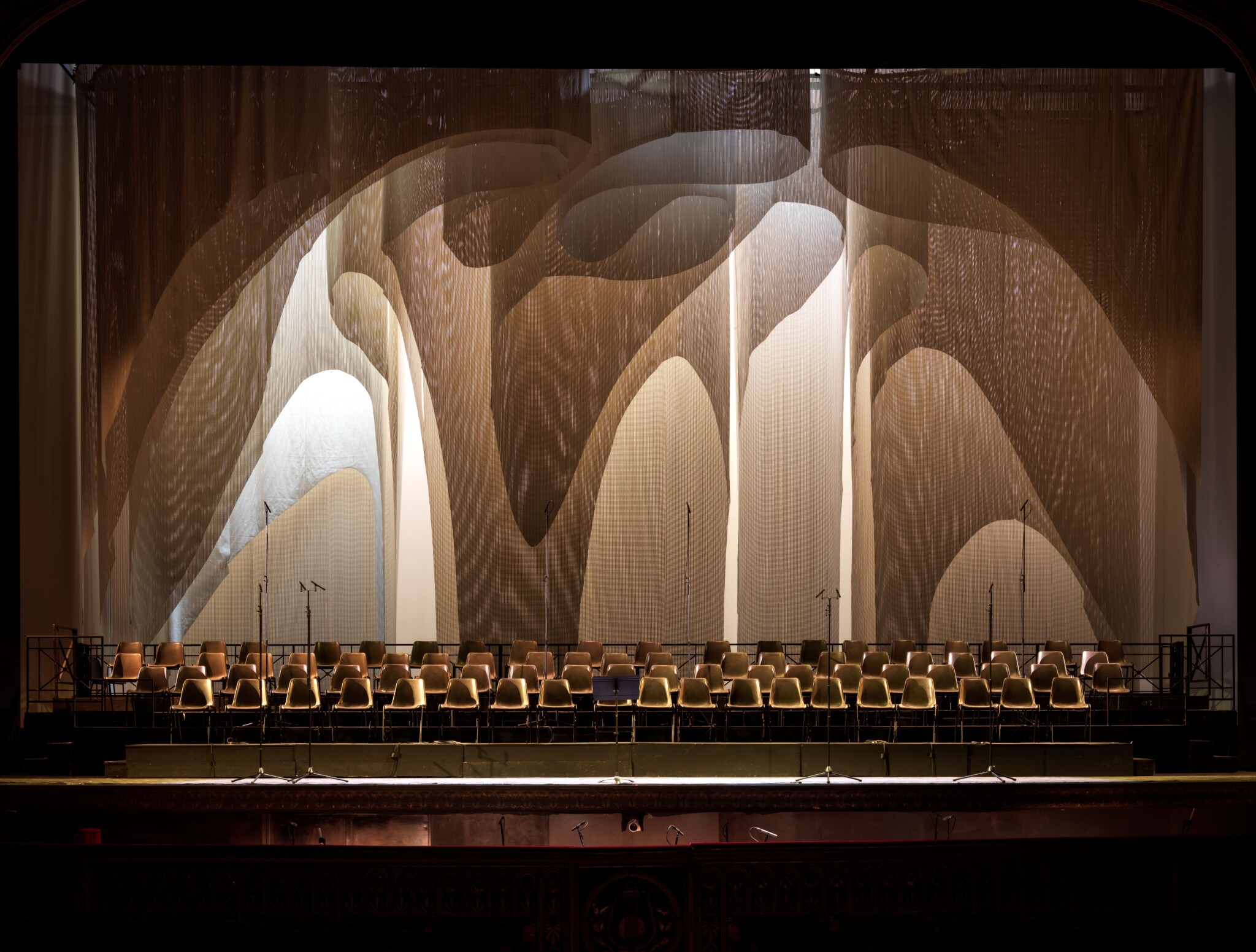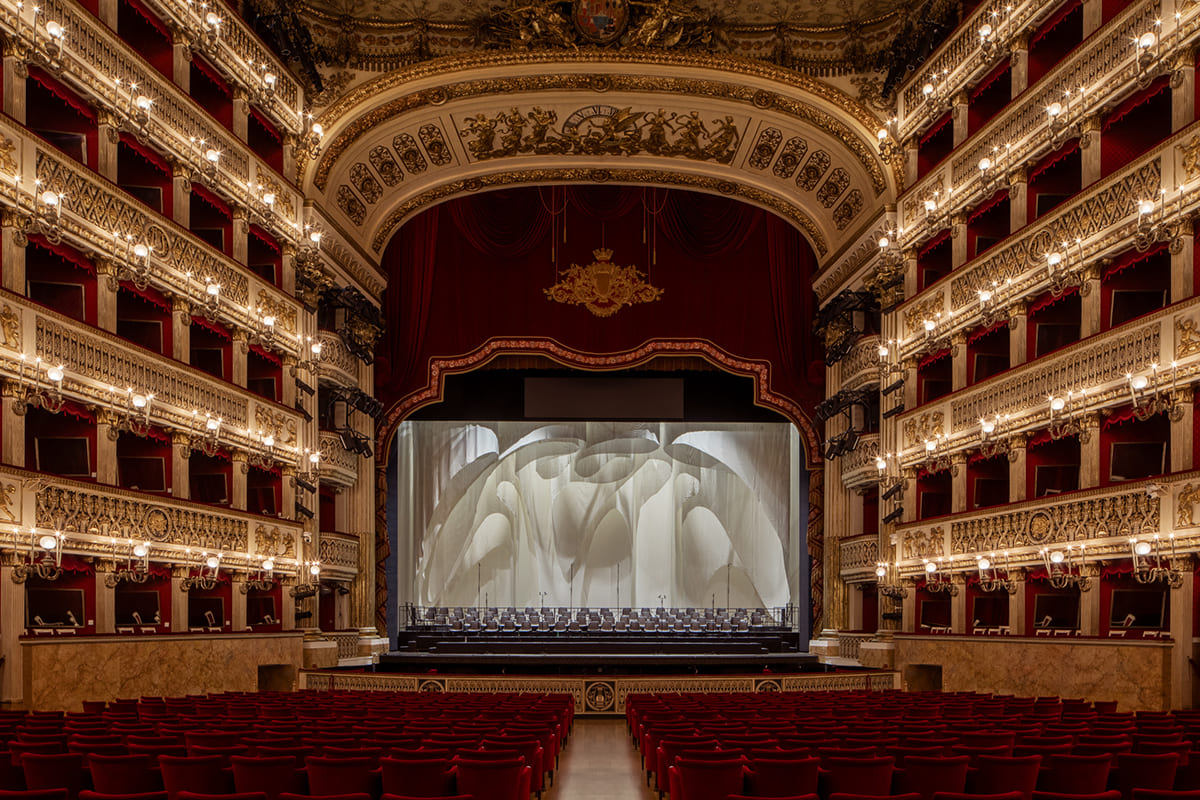
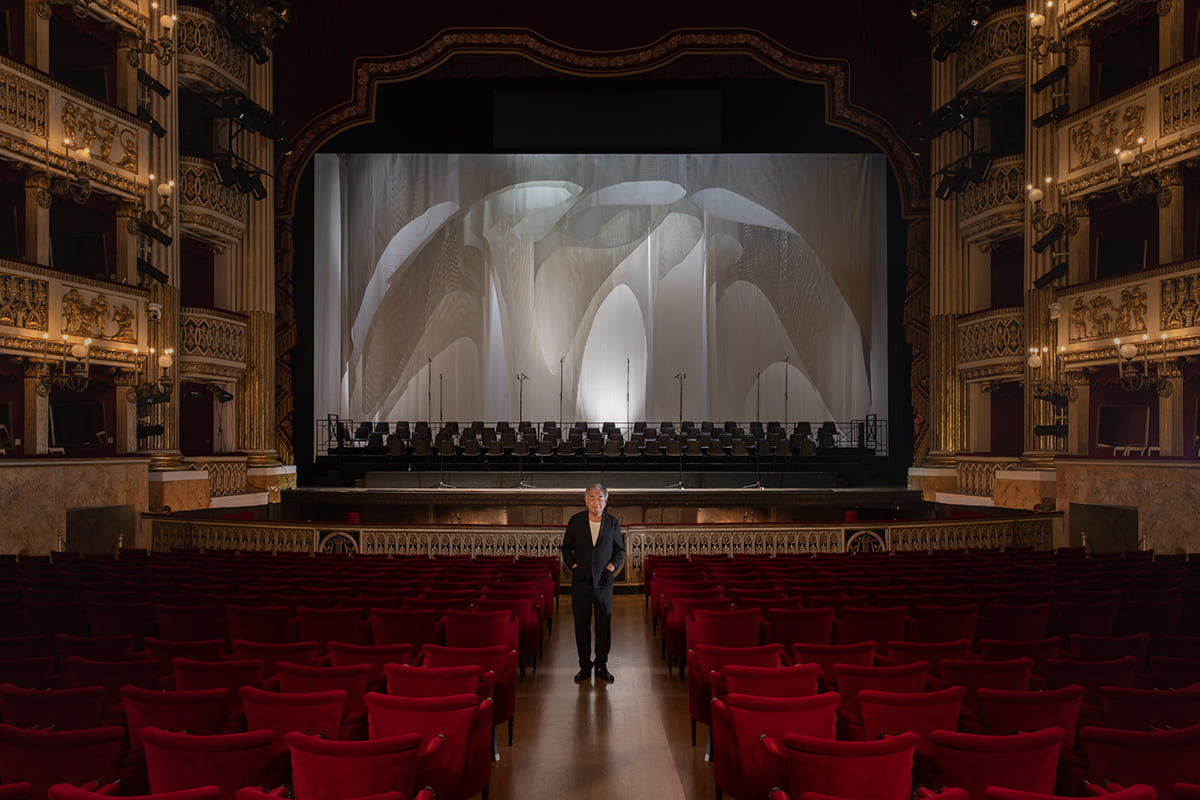
Shiwa Shiwa, the scenography for Simon Boccanegra at Teatro di San Carlo in Naples, designed by Kengo Kuma and presented in October 2024, redefines Giuseppe Verdi’s opera through innovative material and form. Crafted from Alcantara’s sustainable fabric, the installation evokes Genoa’s maritime setting while harmonizing light, sound, and texture to create a sensory dialogue with the performance. Featured in EDIT Napoli’s Cult section, the project connects historical storytelling with contemporary design, enhancing the emotional depth of the world’s oldest opera house.
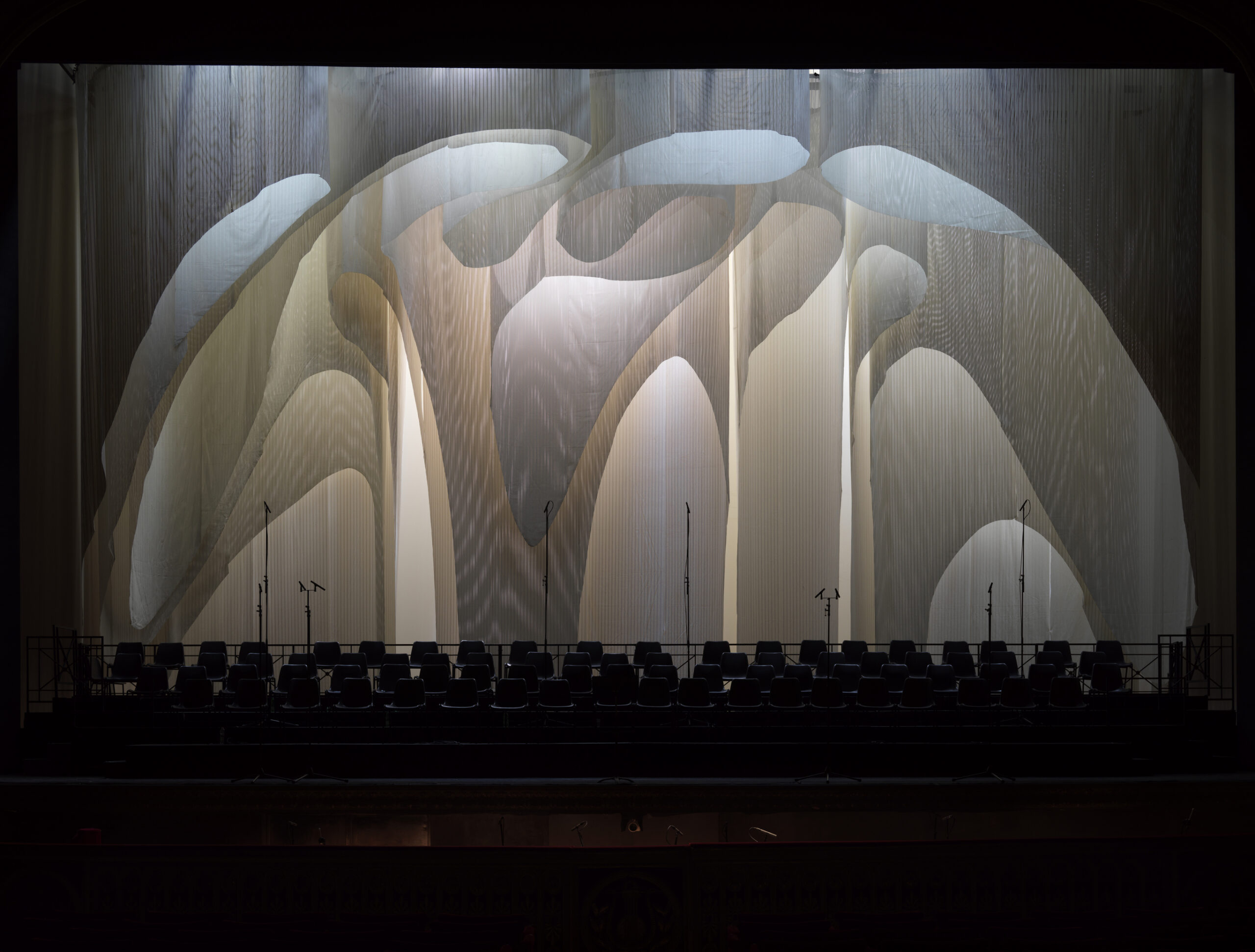
The scenography for Giuseppe Verdi’s Simon Boccanegra at the historic Teatro di San Carlo in Naples exemplifies a striking fusion of tradition and modernity. Designed by renowned Japanese architect Kengo Kuma and completed in October 2024, the project is titled Shiwa Shiwa, a term evoking the concepts of “stone” or “groove,” which symbolize fluidity and transformation. The scenography reinterprets the maritime themes of Verdi’s opera, set in Genoa, through a contemporary lens, connecting the historical story to the opera house’s Neapolitan context.
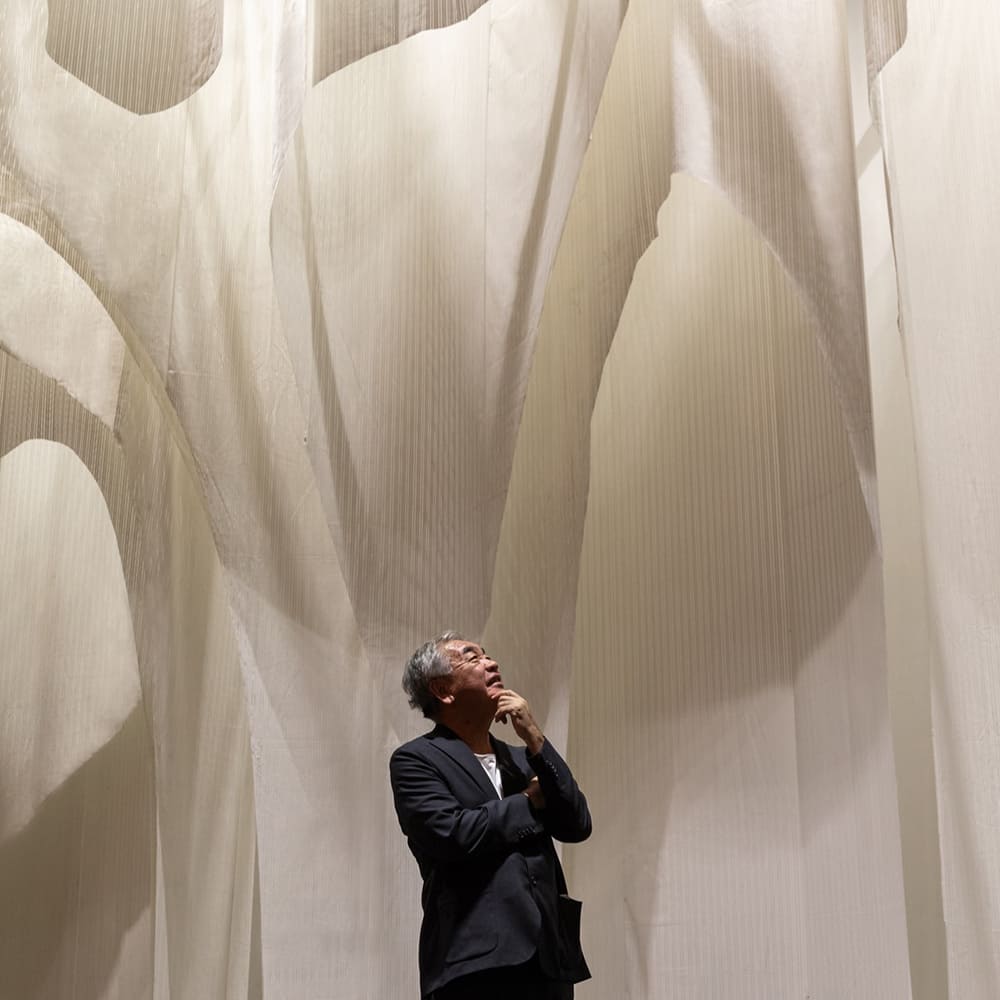
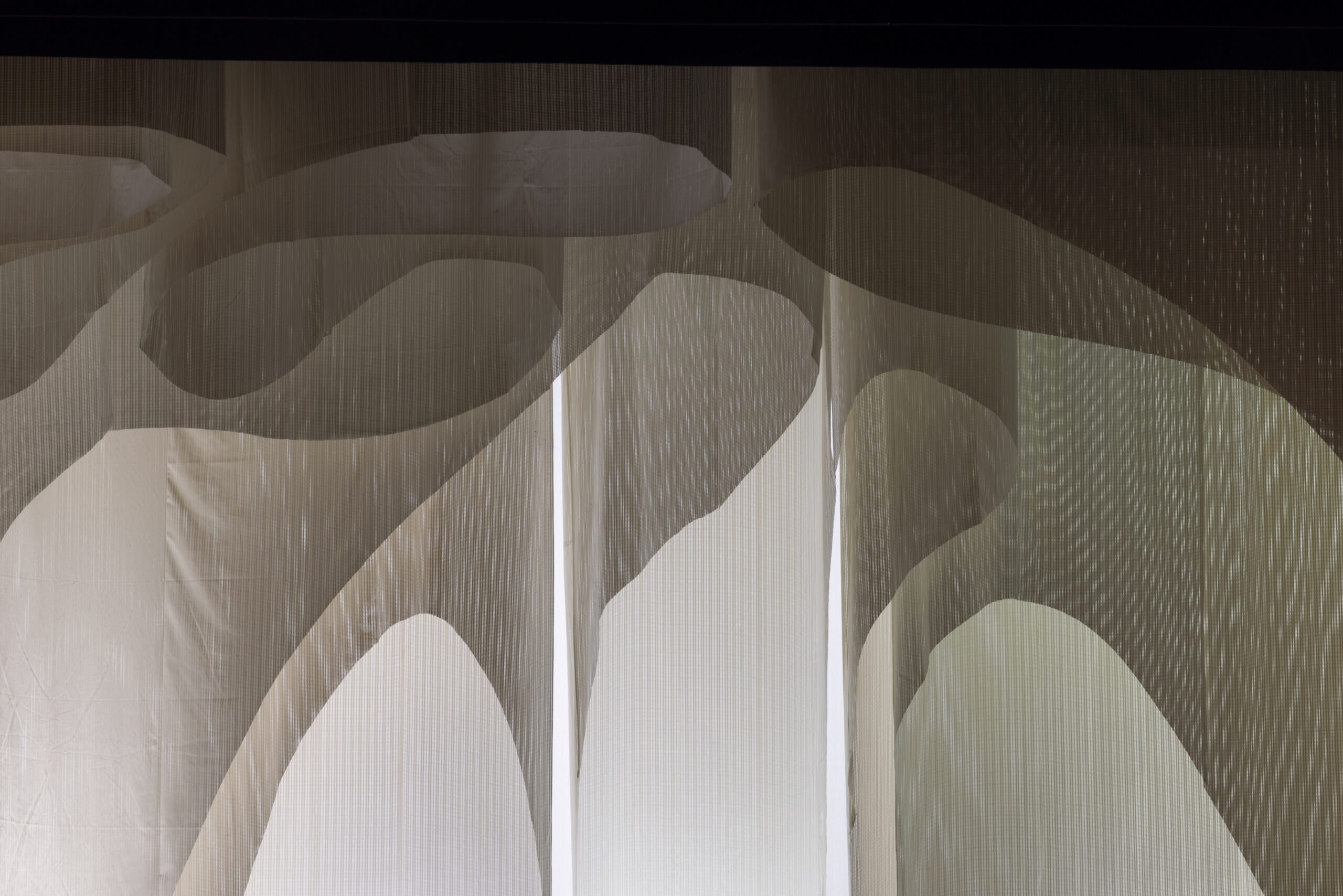
Crafted in collaboration with Alcantara, the installation features undulating fabric that flows across the stage, simulating the movement of water and the atmospheric shifts of the sea. The material, composed of recycled polyester with intricate perforations, combines transparency and a matte finish, allowing its expression to change under varying lighting conditions. This interplay creates a dynamic spatial depth and visual rhythm that mirrors the opera’s dramatic arcs.
Kuma’s design is more than a scenic backdrop; it becomes an integral participant in the performance. The fabric interacts with the orchestra’s music and the choir’s voices, forming a sensory dialogue that immerses the audience. The scenography’s innovative use of light enhances its transformative properties, amplifying its emotional resonance.
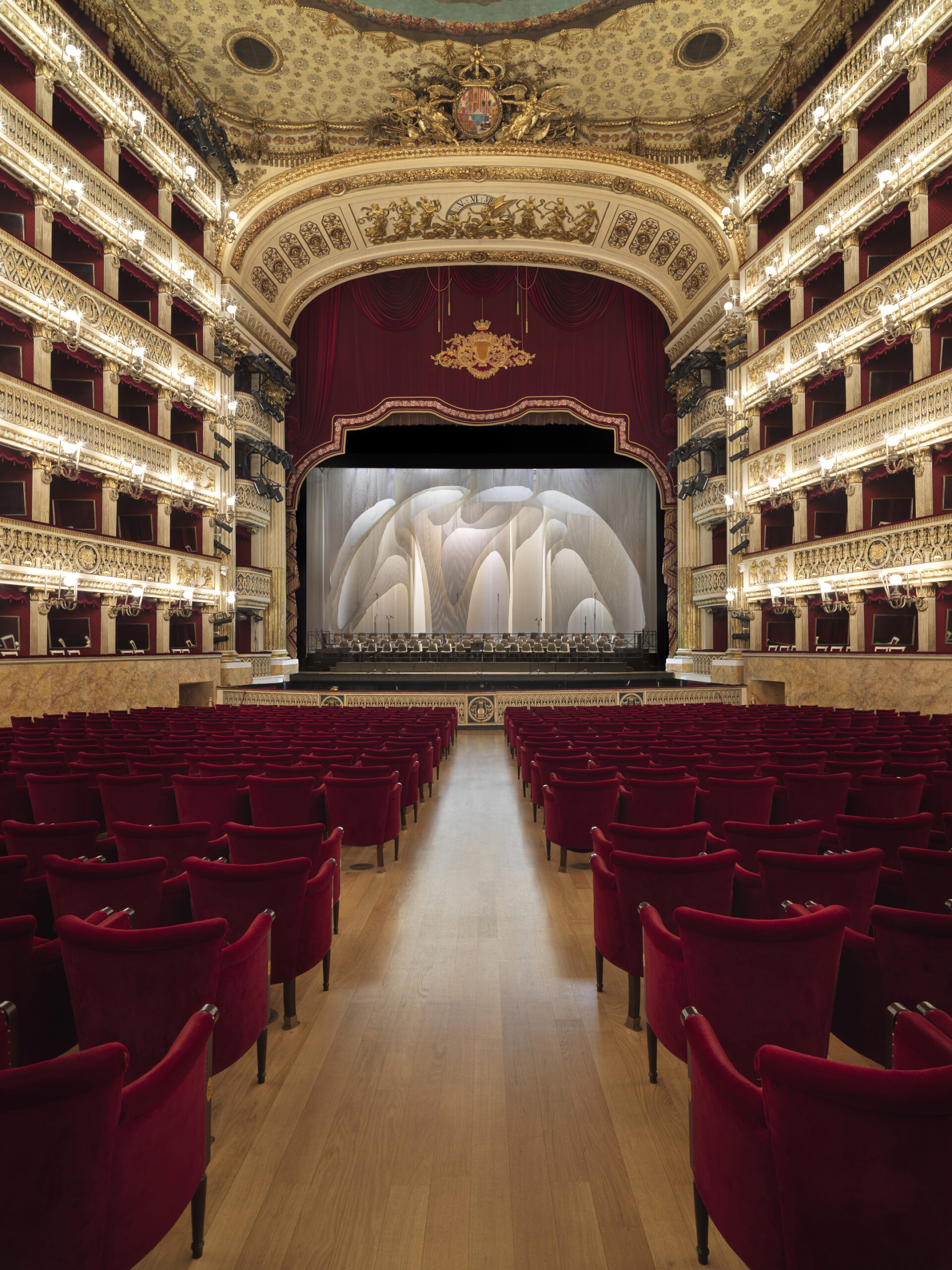
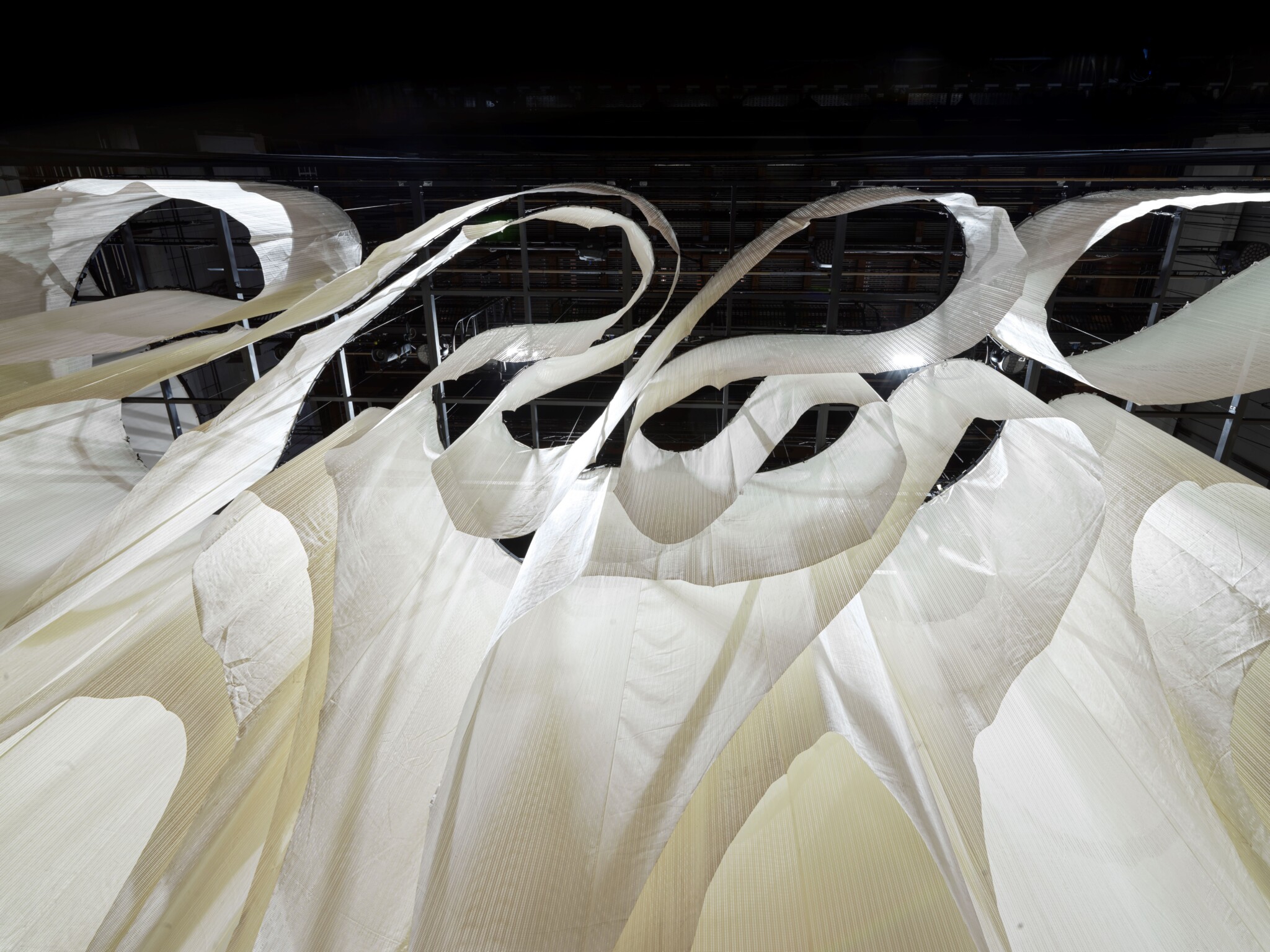
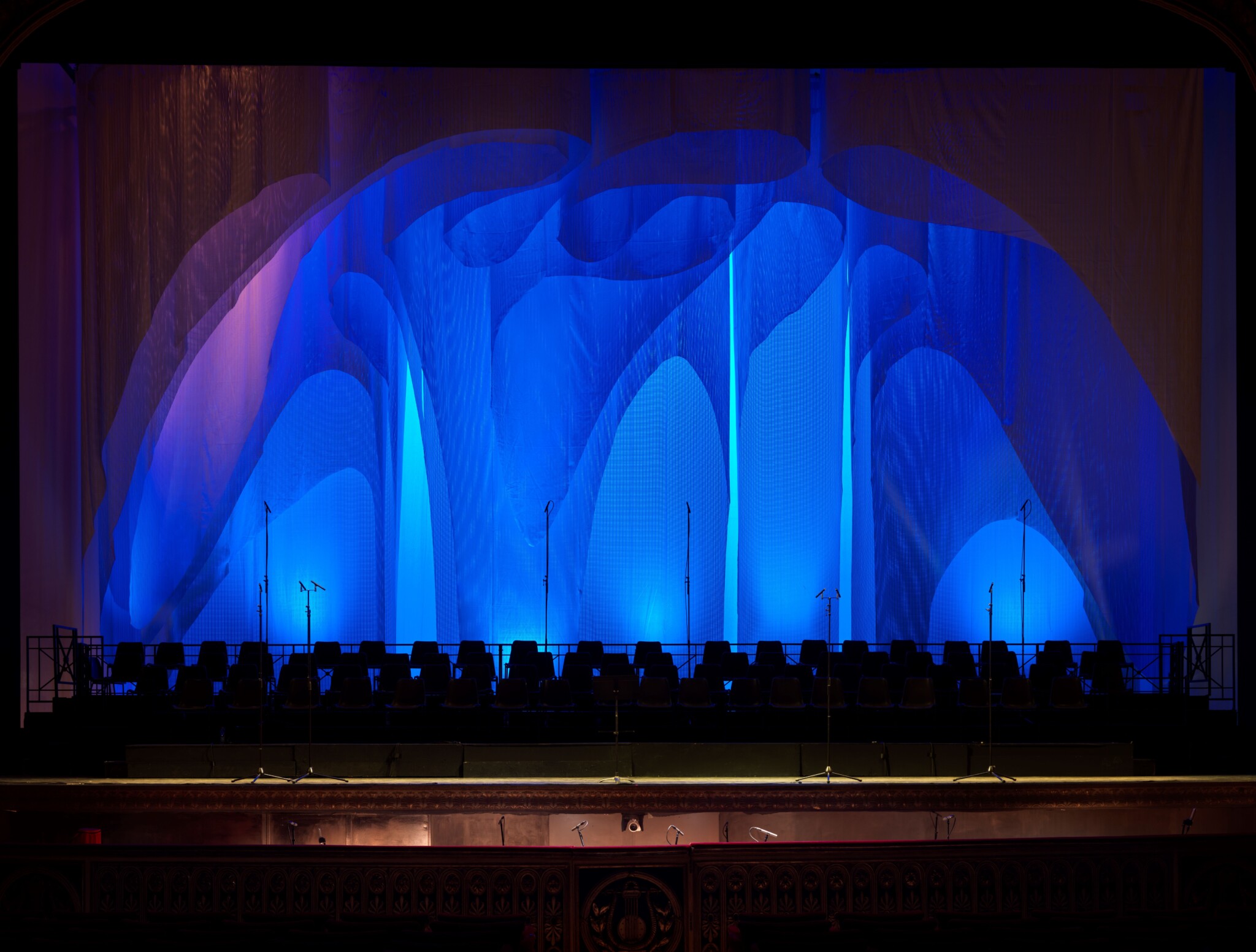
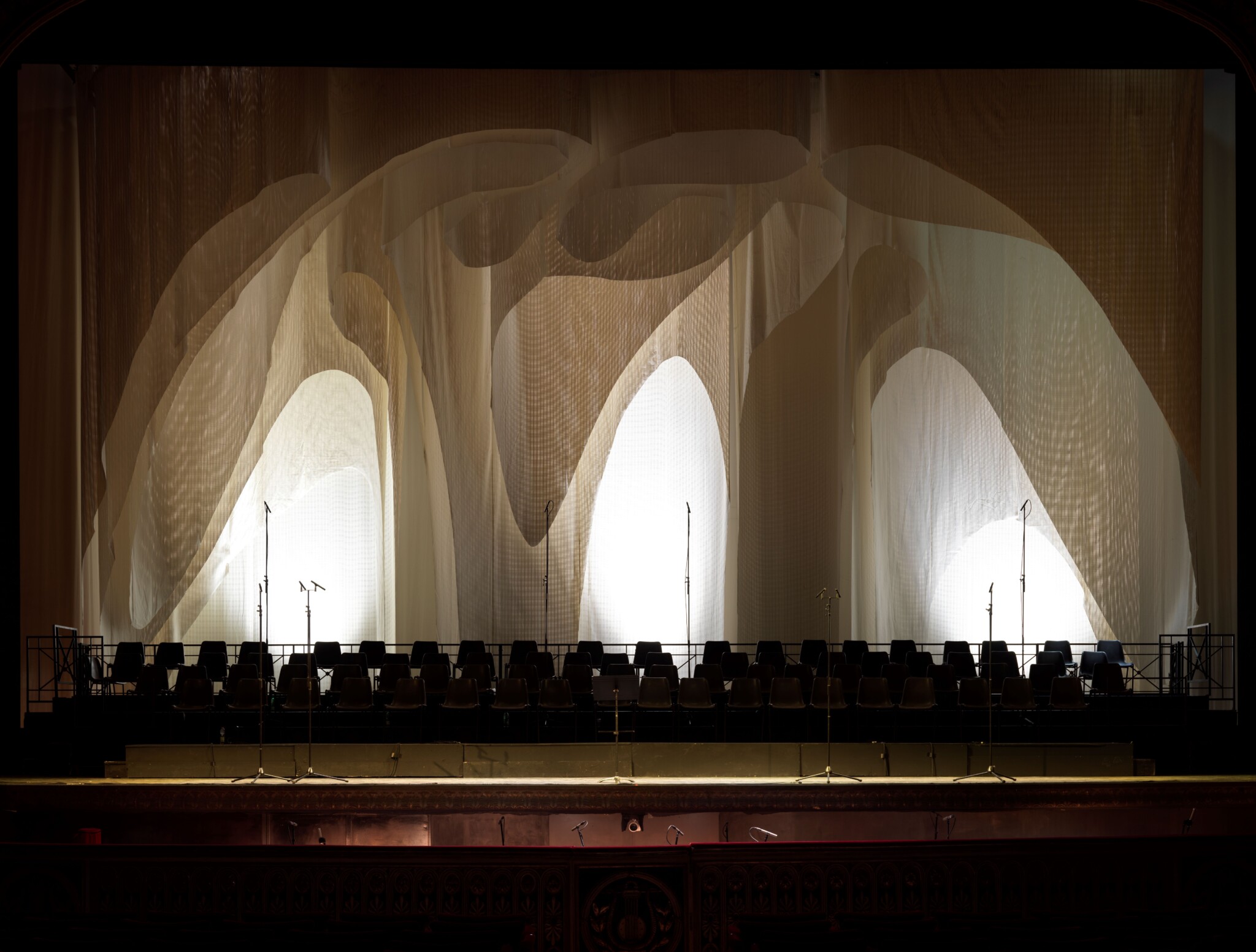
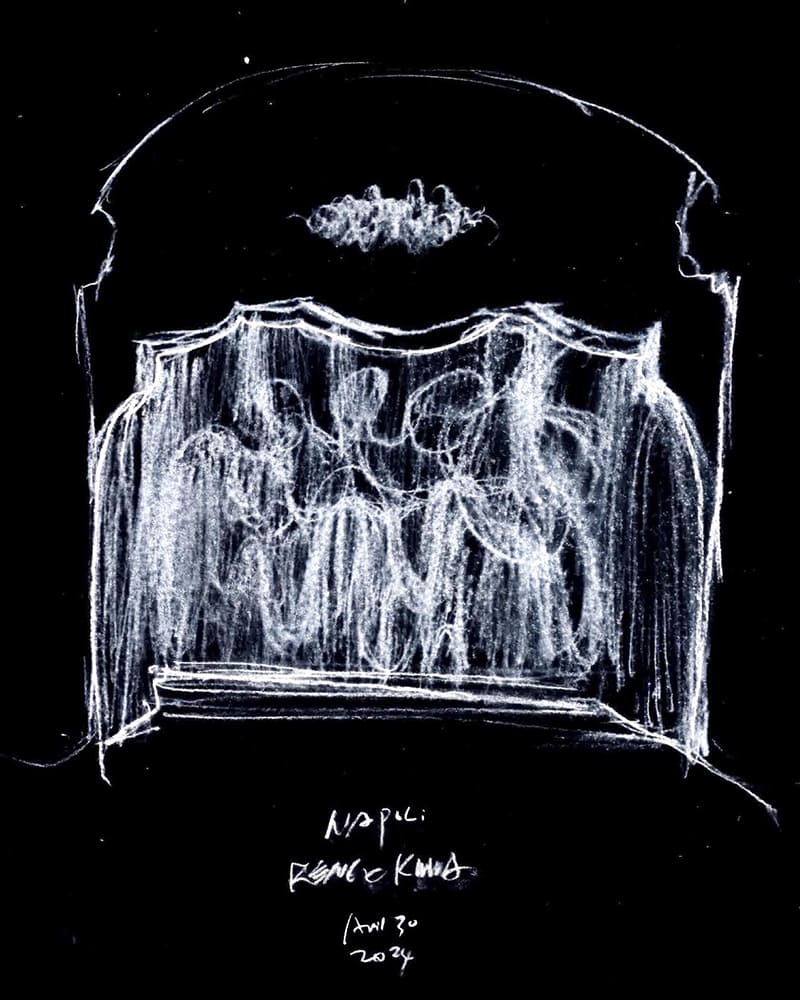
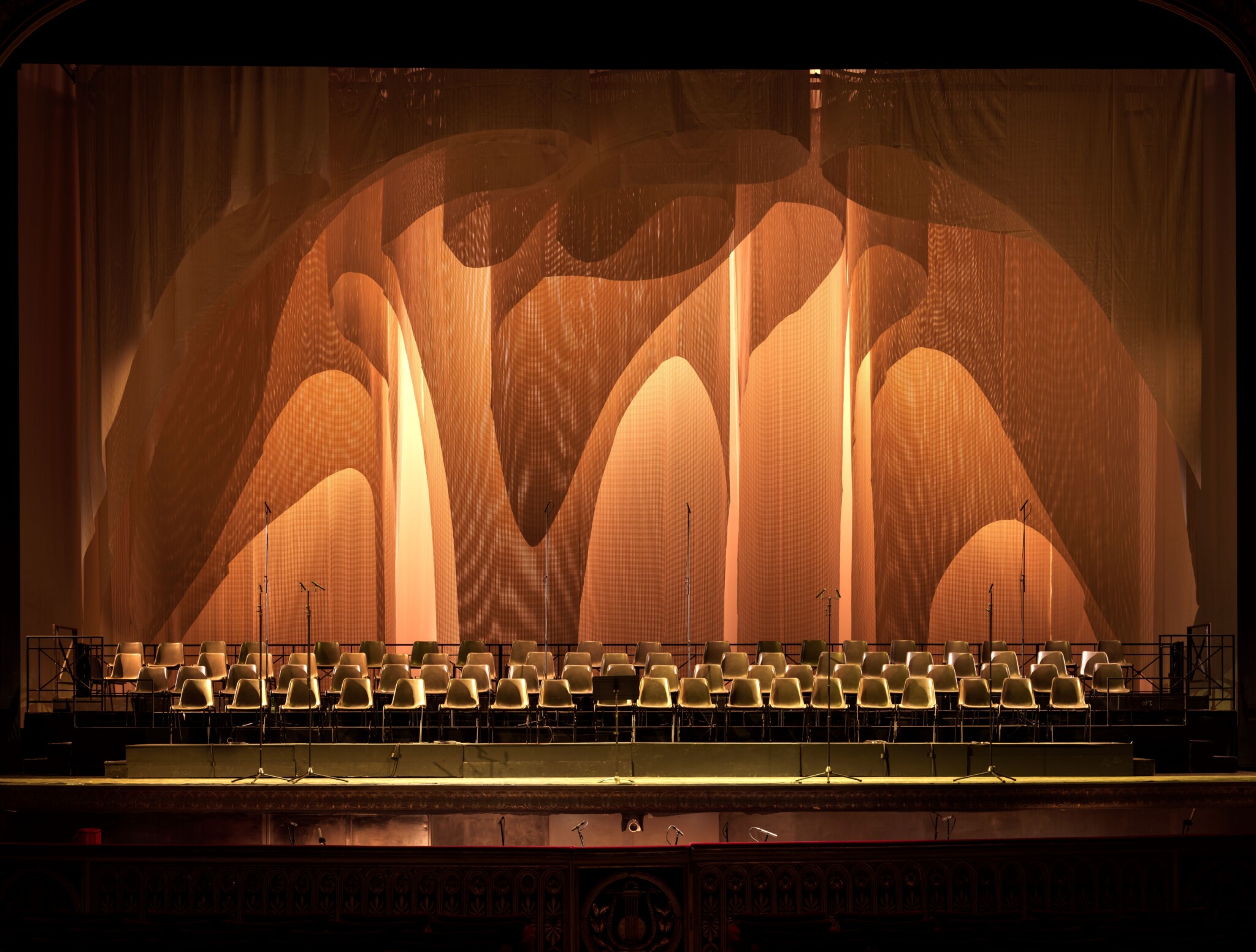
The algorithmic design of the fabric’s arrangement draws inspiration from “Differential Growth,” a natural phenomenon that lends the stage a balance of organic and structured aesthetics. This approach bridges the opera’s historical roots, first performed in 1857, with the technological and material advancements of today, providing a fresh perspective within Teatro di San Carlo, the world’s oldest opera house, established in 1737.
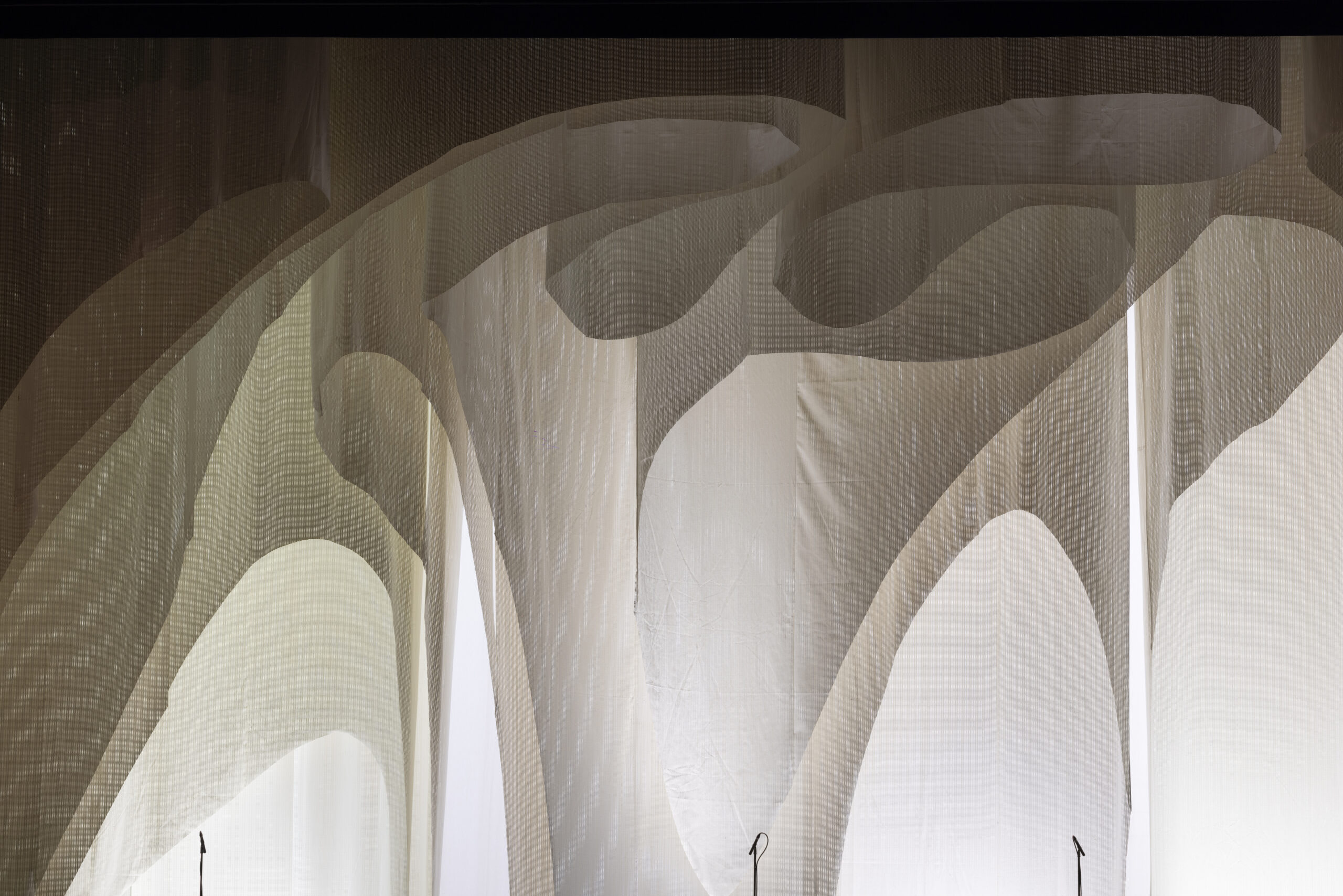
Shiwa Shiwa was also featured as part of EDIT Napoli’s Cult section, a program dedicated to experimental and boundary-pushing design. Presented during the design fair held from October 11–13, 2024, the scenography highlighted the synergy between traditional craftsmanship and contemporary design thinking. EDIT Cult extended its showcase beyond Naples’ city center to seaside neighborhoods, creating a dialogue between heritage and innovation.
By intertwining historical storytelling with cutting-edge material design, Shiwa Shiwa reinforces Teatro di San Carlo’s role as a beacon of cultural evolution. Kengo Kuma’s scenography not only revitalizes Verdi’s opera but also demonstrates how architectural ingenuity can amplify the narrative and emotional depth of the performing arts.
Gallery