

Architects: Richard Meier
Area: 260 m² (2,800 ft²)
Year: 1967
Photography: Richard Meier & Partners, Chuck Smith, Mike Schwartz
Client: Frederick J. Smith and Carole Smith
City: Darien
Country: United States
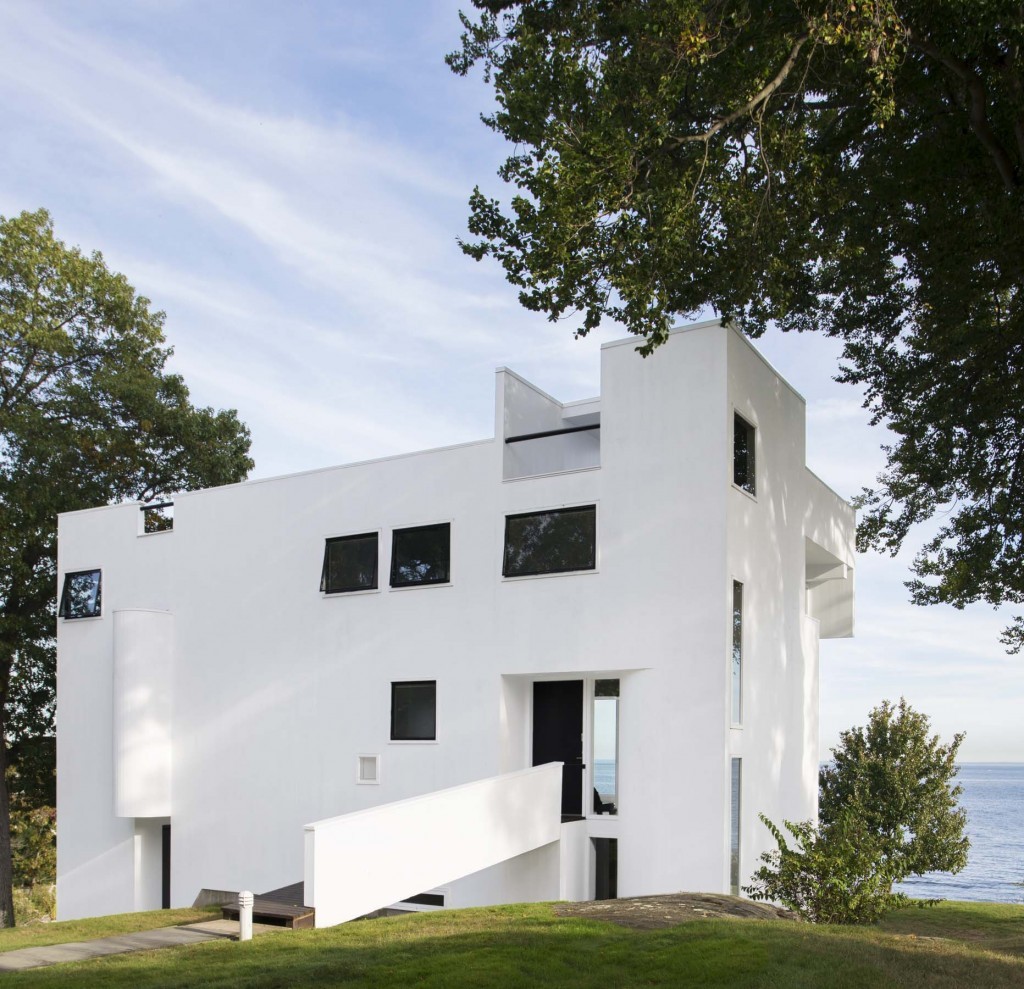
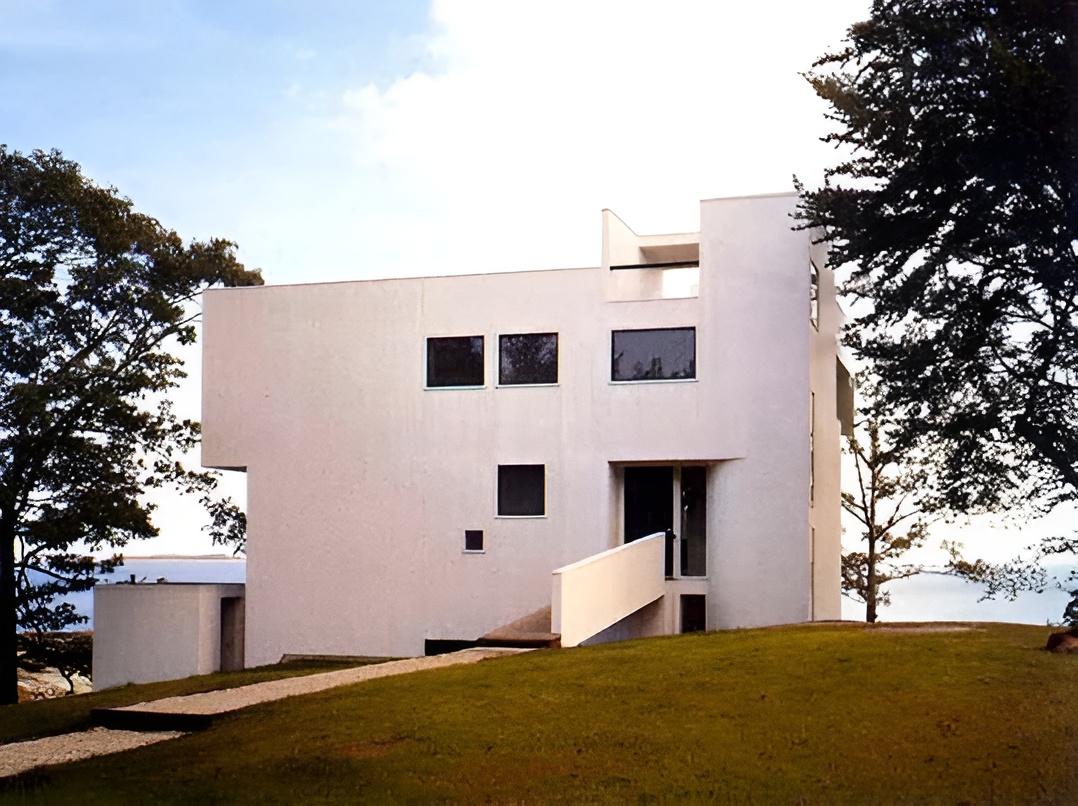
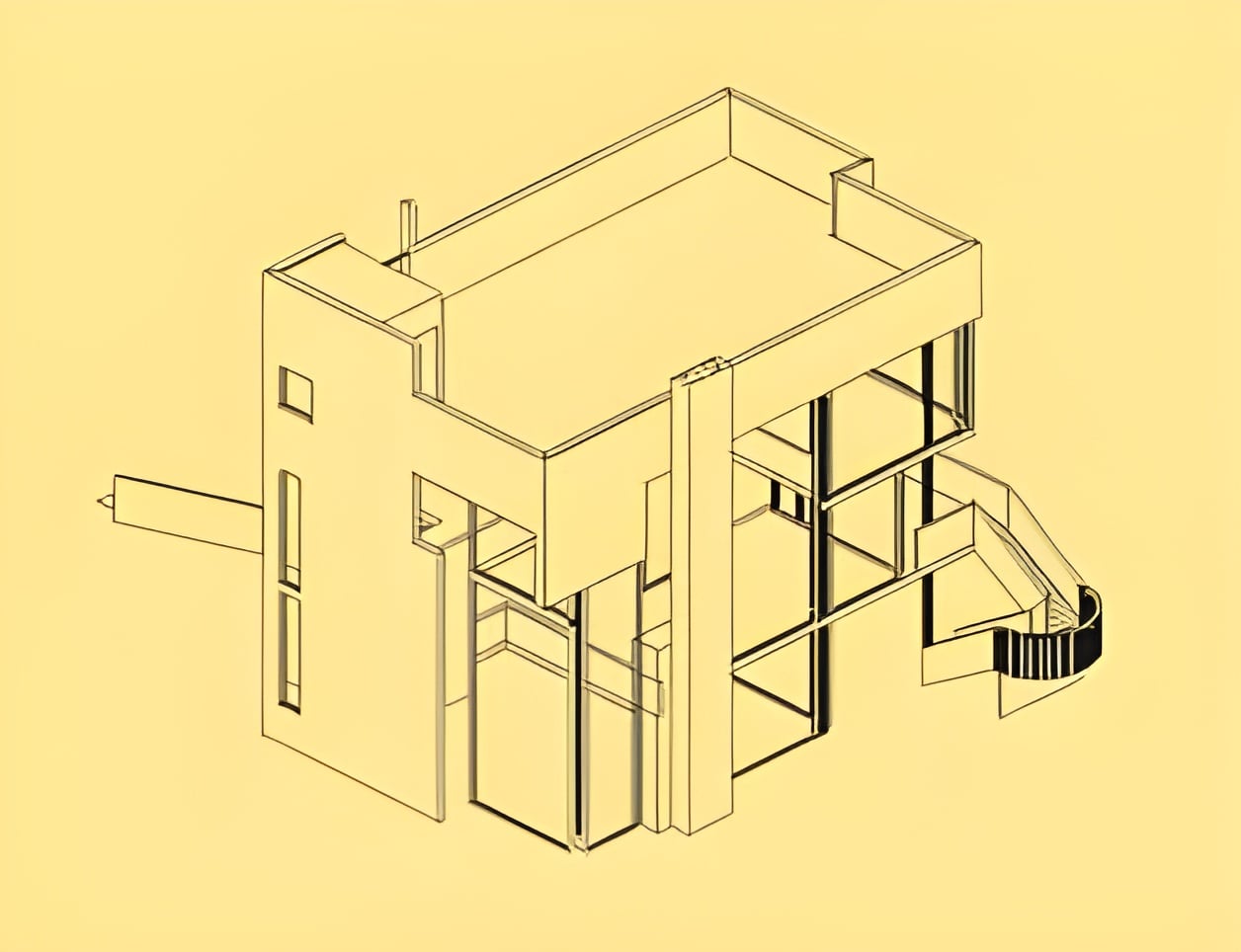
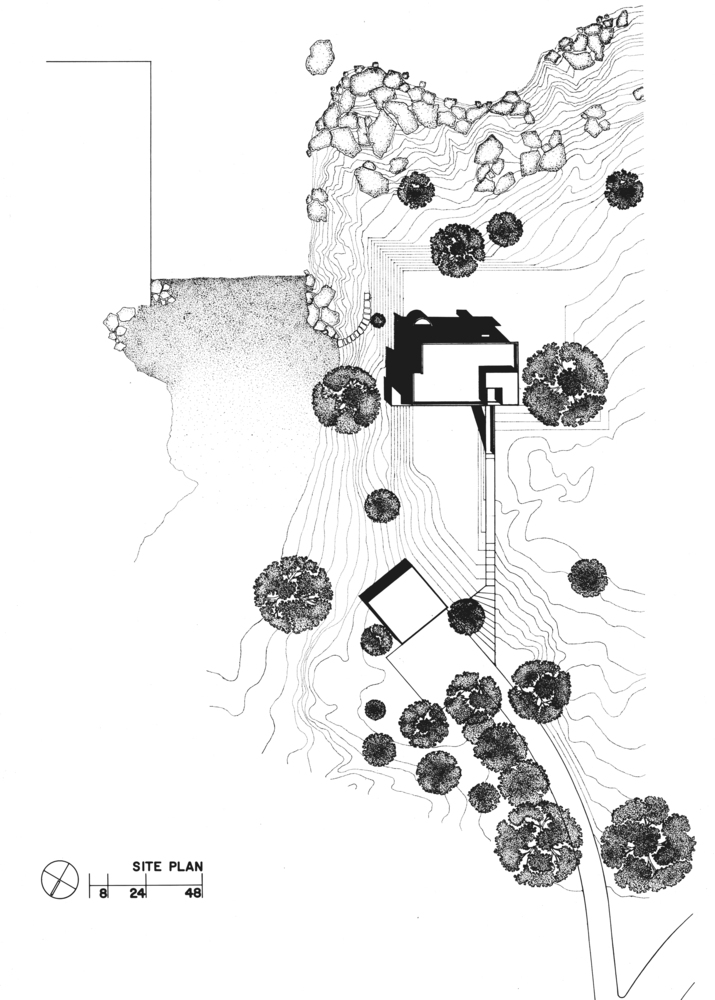
Smith House single-family residence designed by Richard Meier in Darien, Connecticut, established an early architectural language of geometric clarity, spatial sequencing, and contrast between opacity and transparency, completed in 1967. Built on a rocky coastal site overlooking Long Island Sound, the house organizes private spaces toward the road and public living spaces toward the water. Smith House uses a compact vertical volume rather than a sprawling plan, responding to the site’s slope, rock outcrops, trees, and shoreline. The opaque entry façade contains closed cellular rooms, while the rear façade opens through a three-story glass enclosure that frames sea, sky, and landscape. The project separates public and private zones through circulation, structure, and façade treatment. Its wood frame, steel columns, glass walls, white surfaces, and brick fireplace define a clear relationship between built form and natural setting. Smith House became one of Richard Meier’s first widely recognized works and helped establish the design principles that shaped his later career.
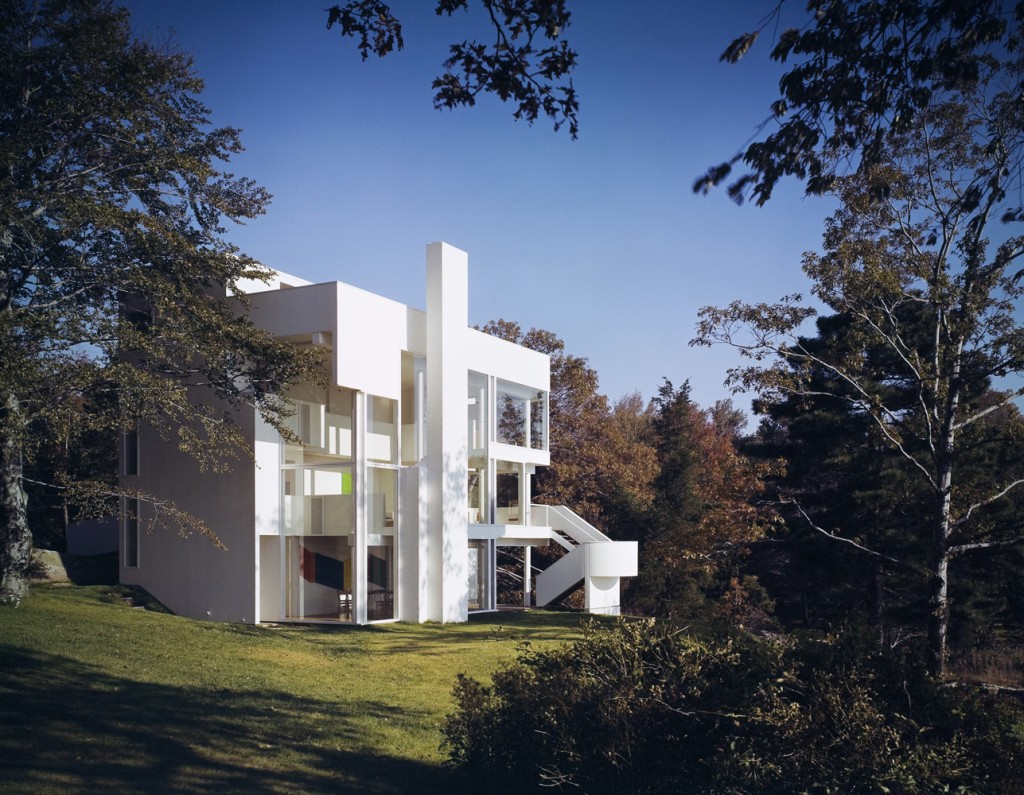
Smith House was designed by Richard Meier for Frederick J. Smith and Carole Smith in Darien, Connecticut. Completed in 1967, the house became one of Meier’s earliest major residential works and helped define the architectural language that would later characterize much of his practice.
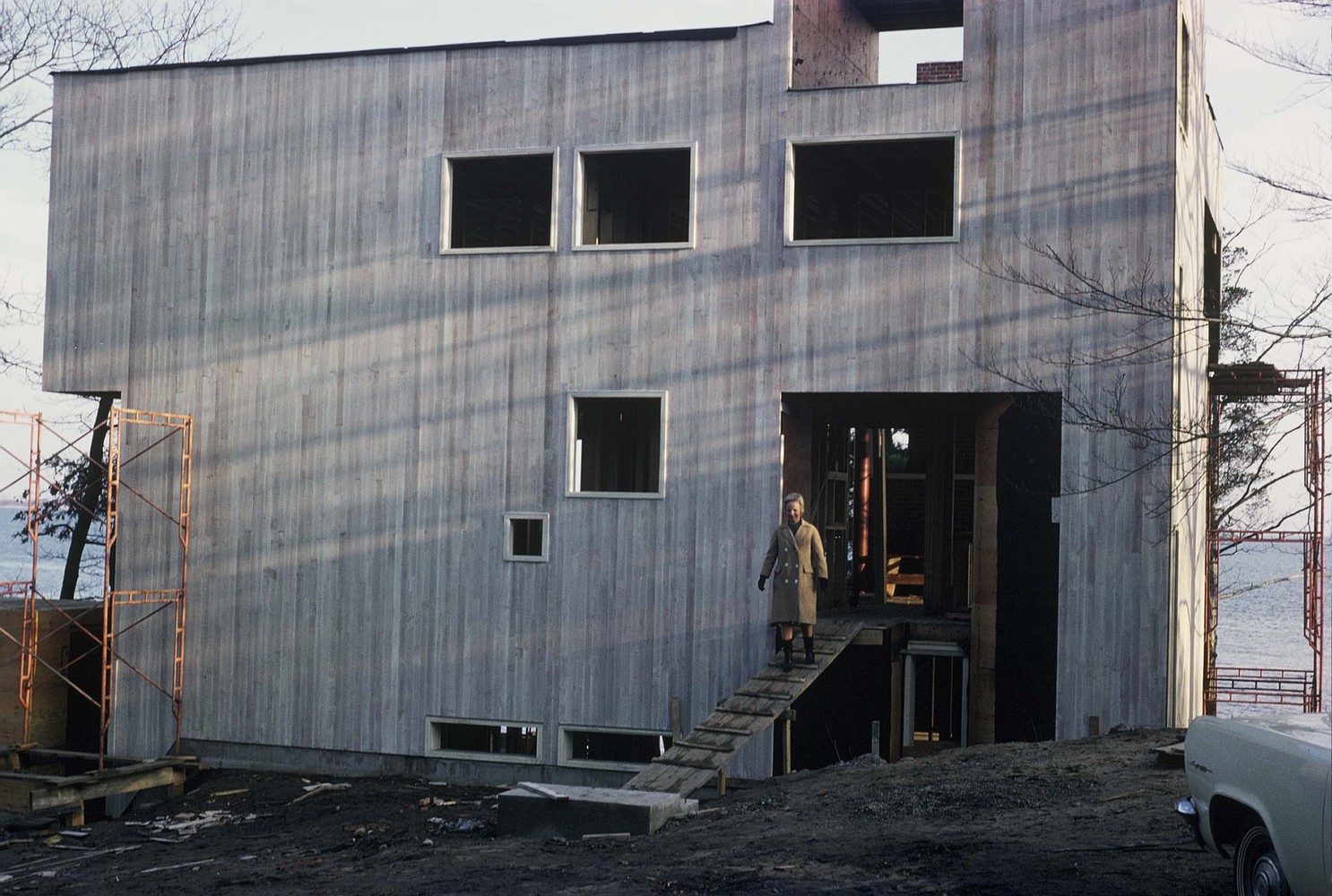
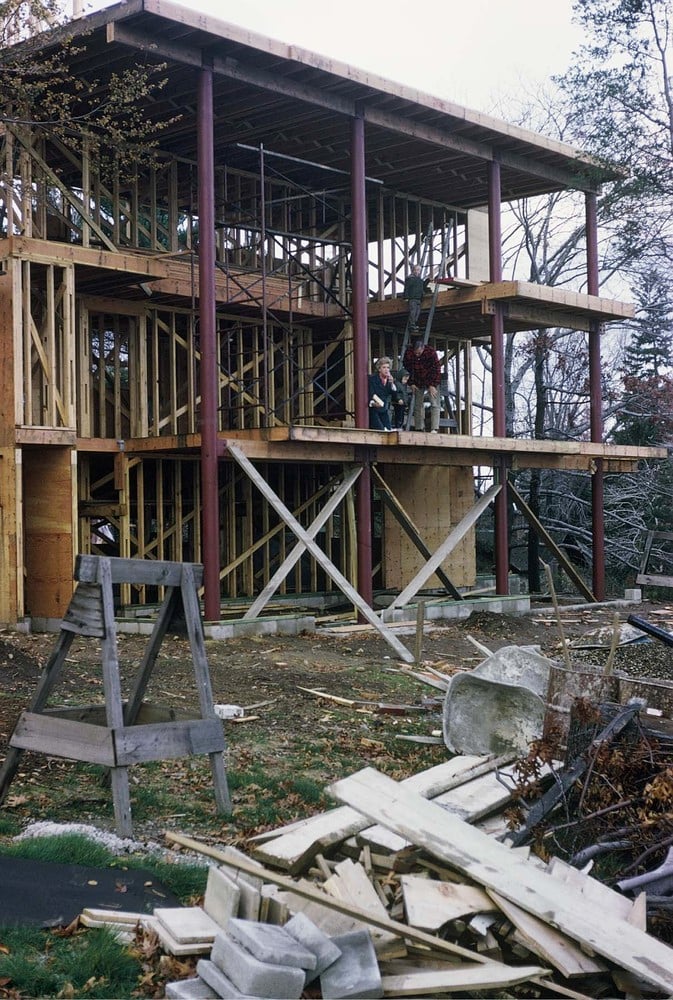
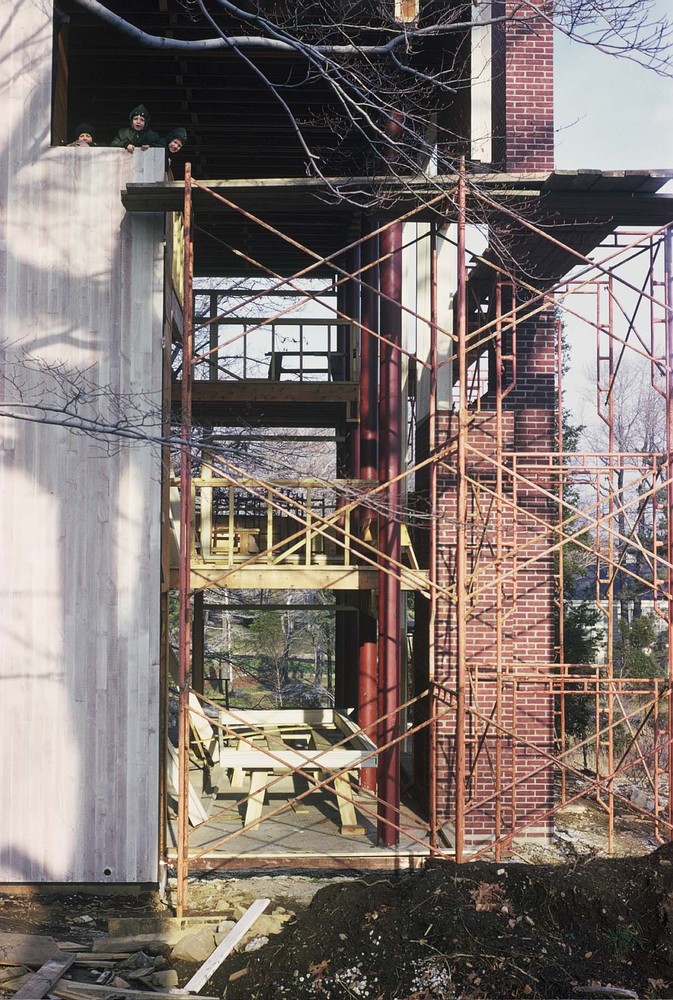

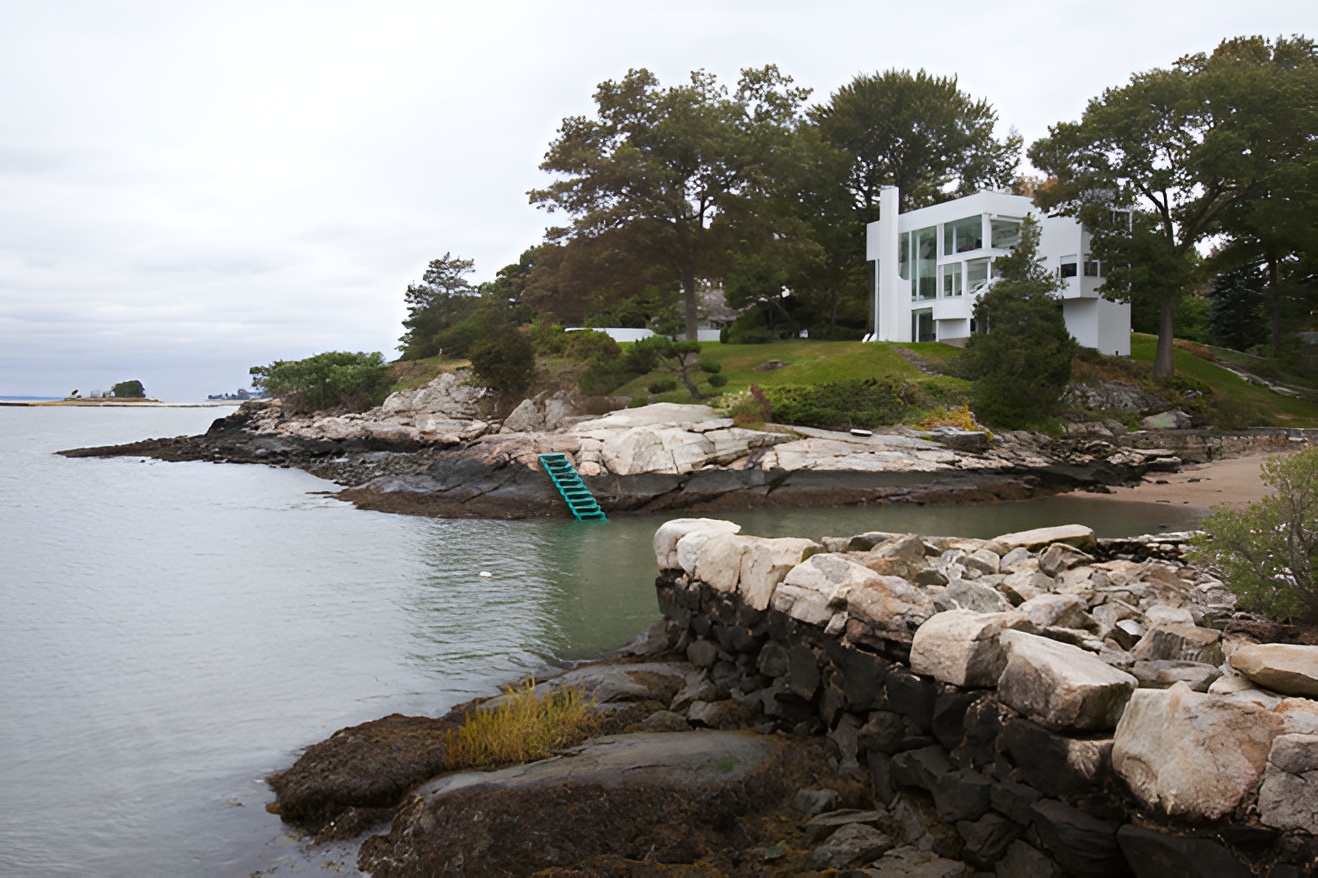
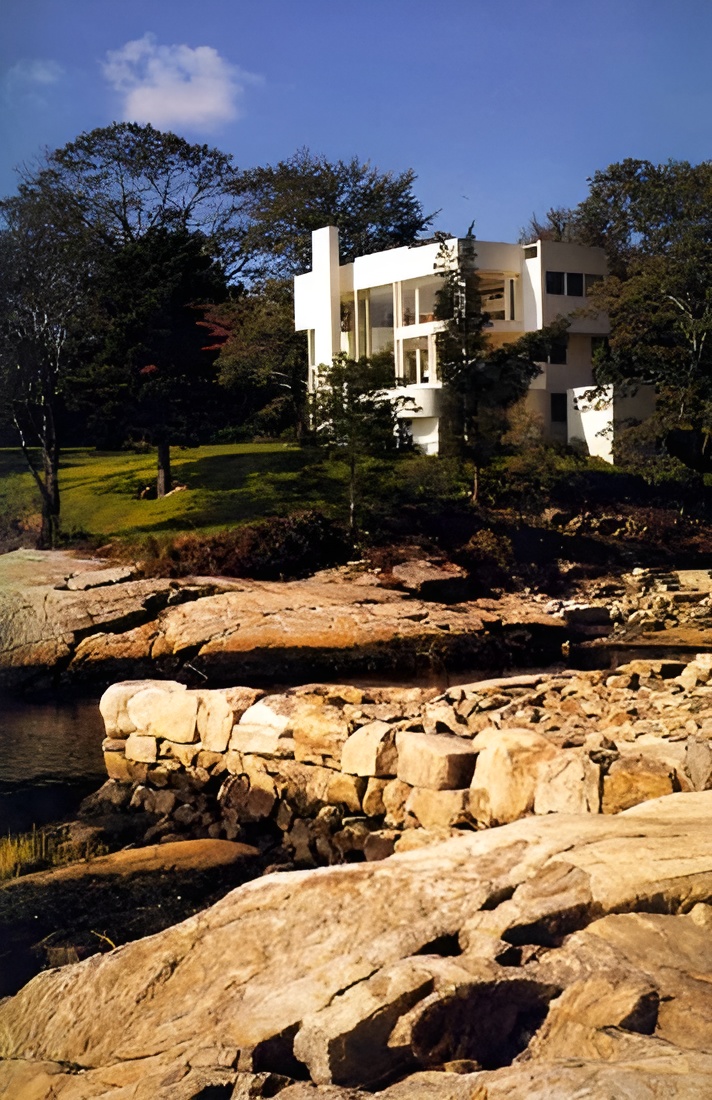
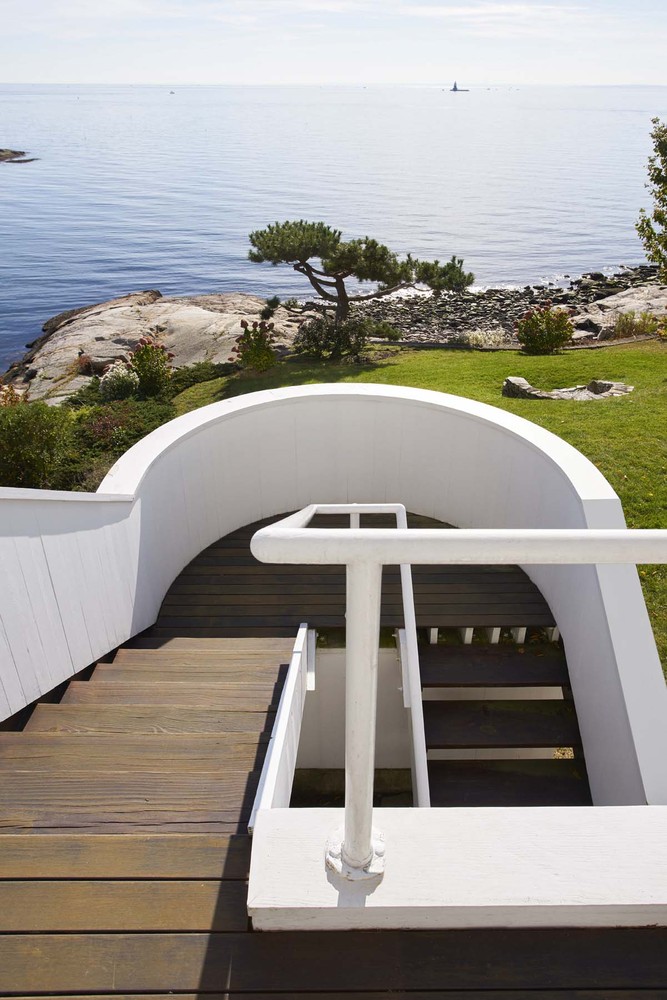
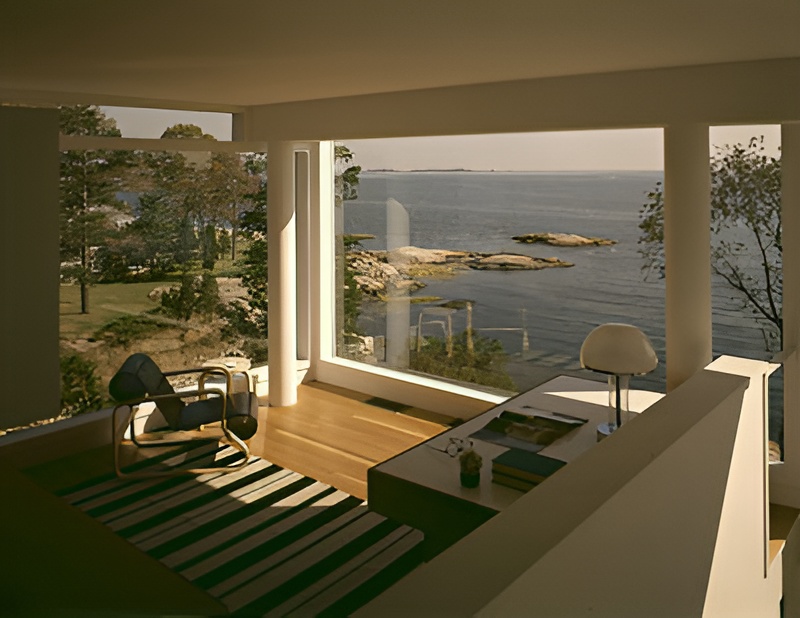
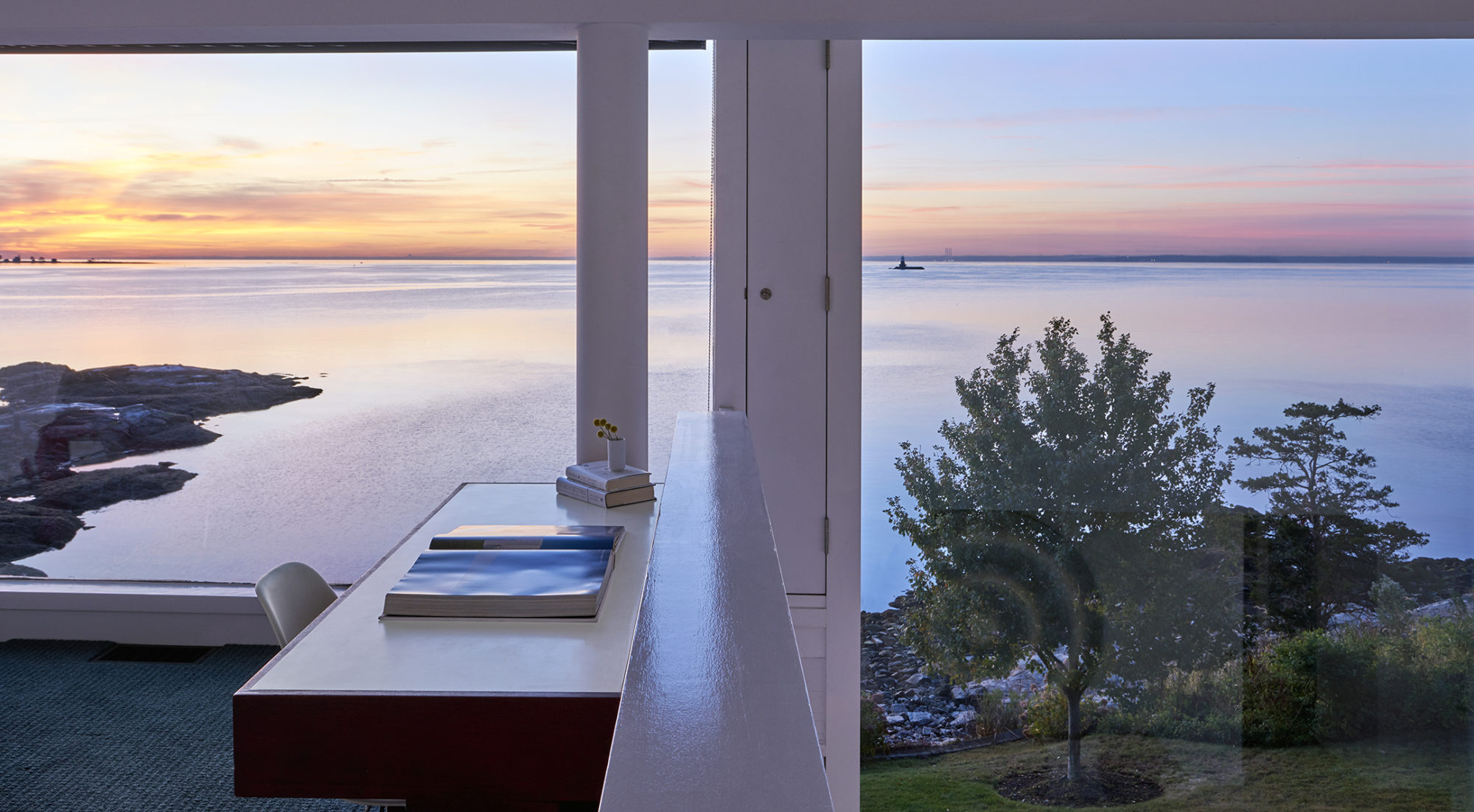
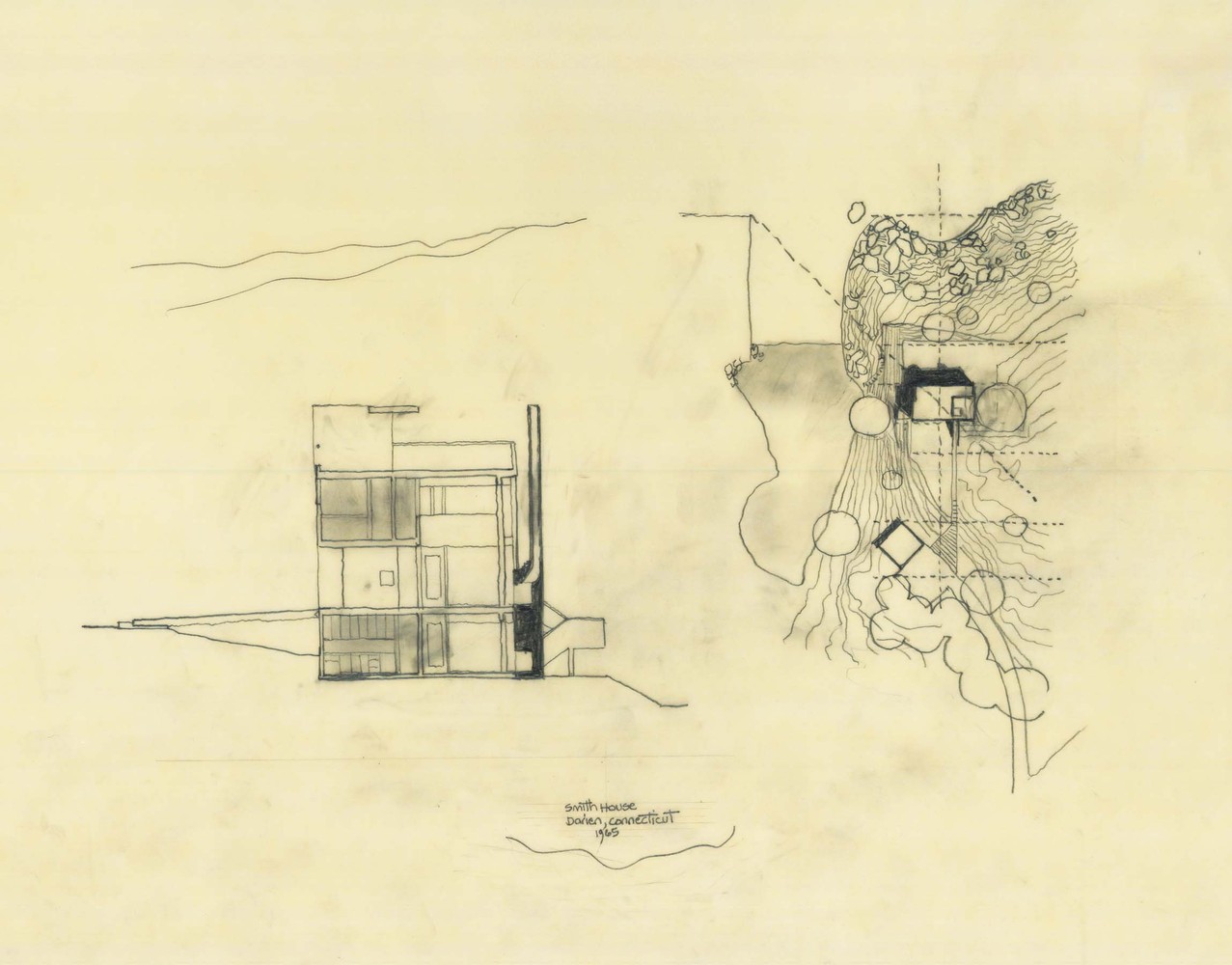
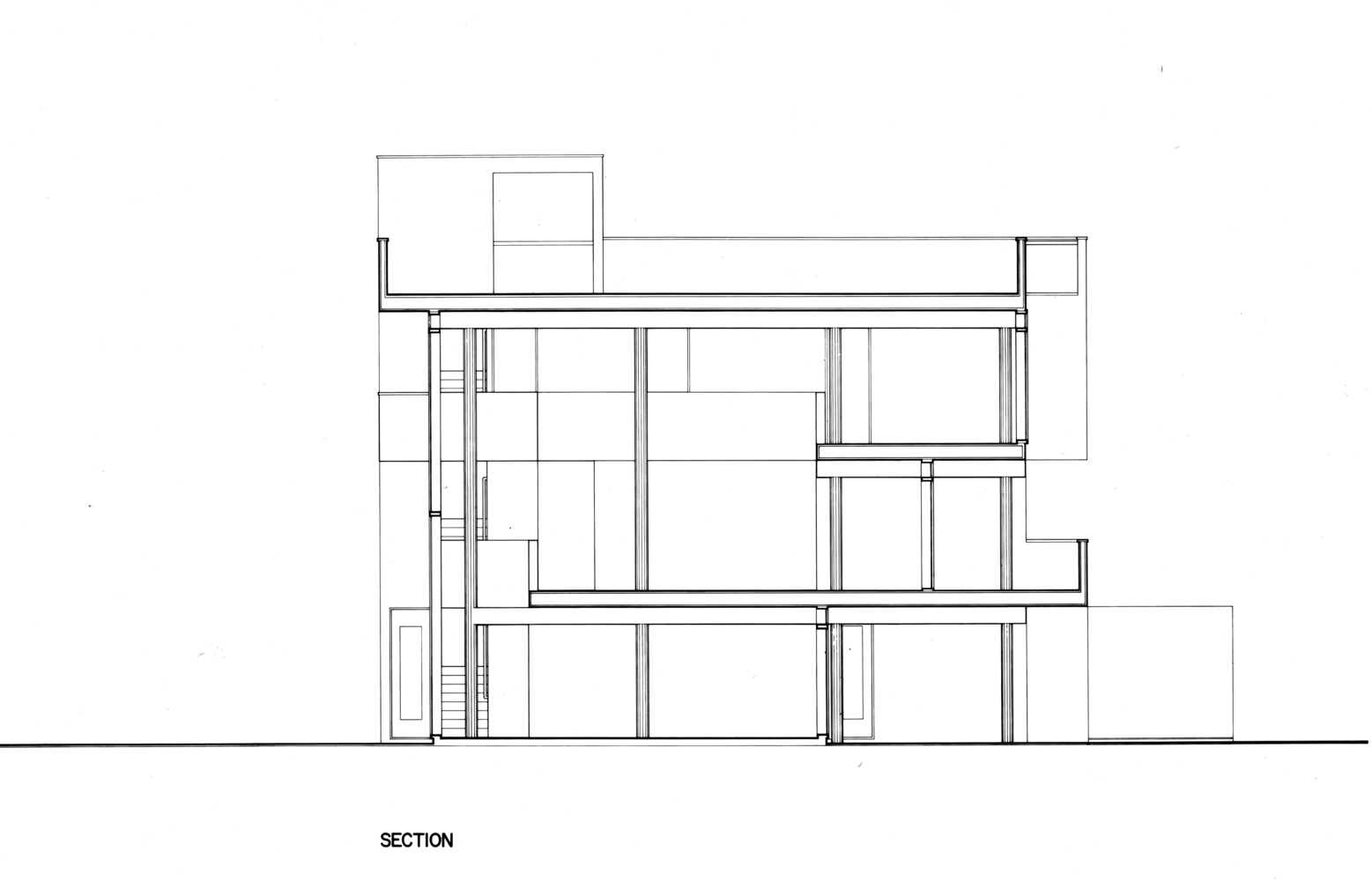
The house occupies a wooded coastal site overlooking Long Island Sound. The land rises from the entrance through dense evergreens before descending sharply toward a rocky shoreline and small sandy cove. Meier’s design responded to this topography by rejecting the original idea of a sprawling ranch house. Because the site was largely rock, a horizontal scheme would have required extensive excavation. Instead, the house was developed vertically, reducing site disturbance while creating a stronger spatial relationship with the slope and water.
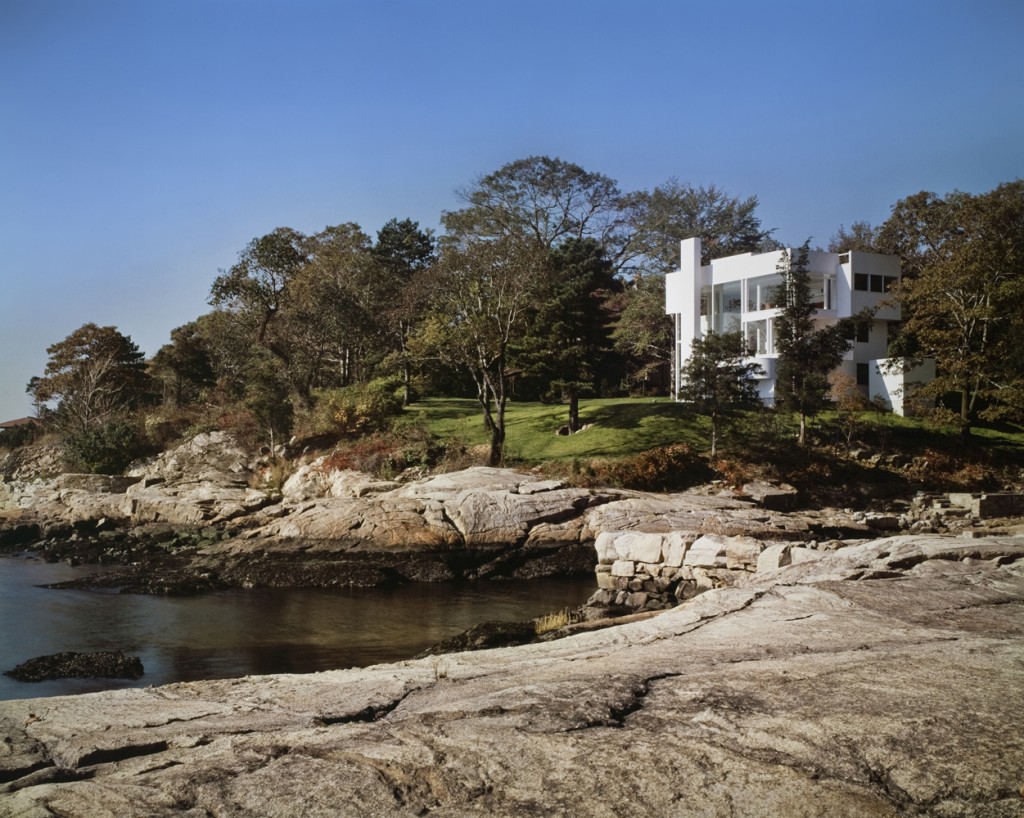
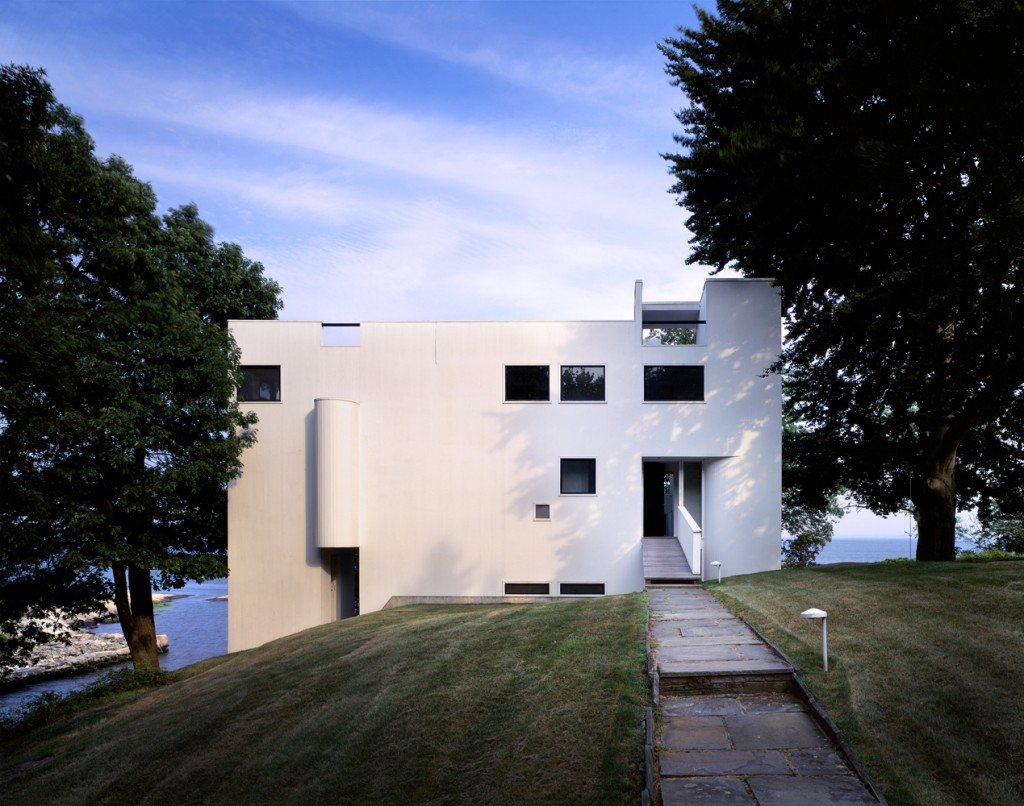
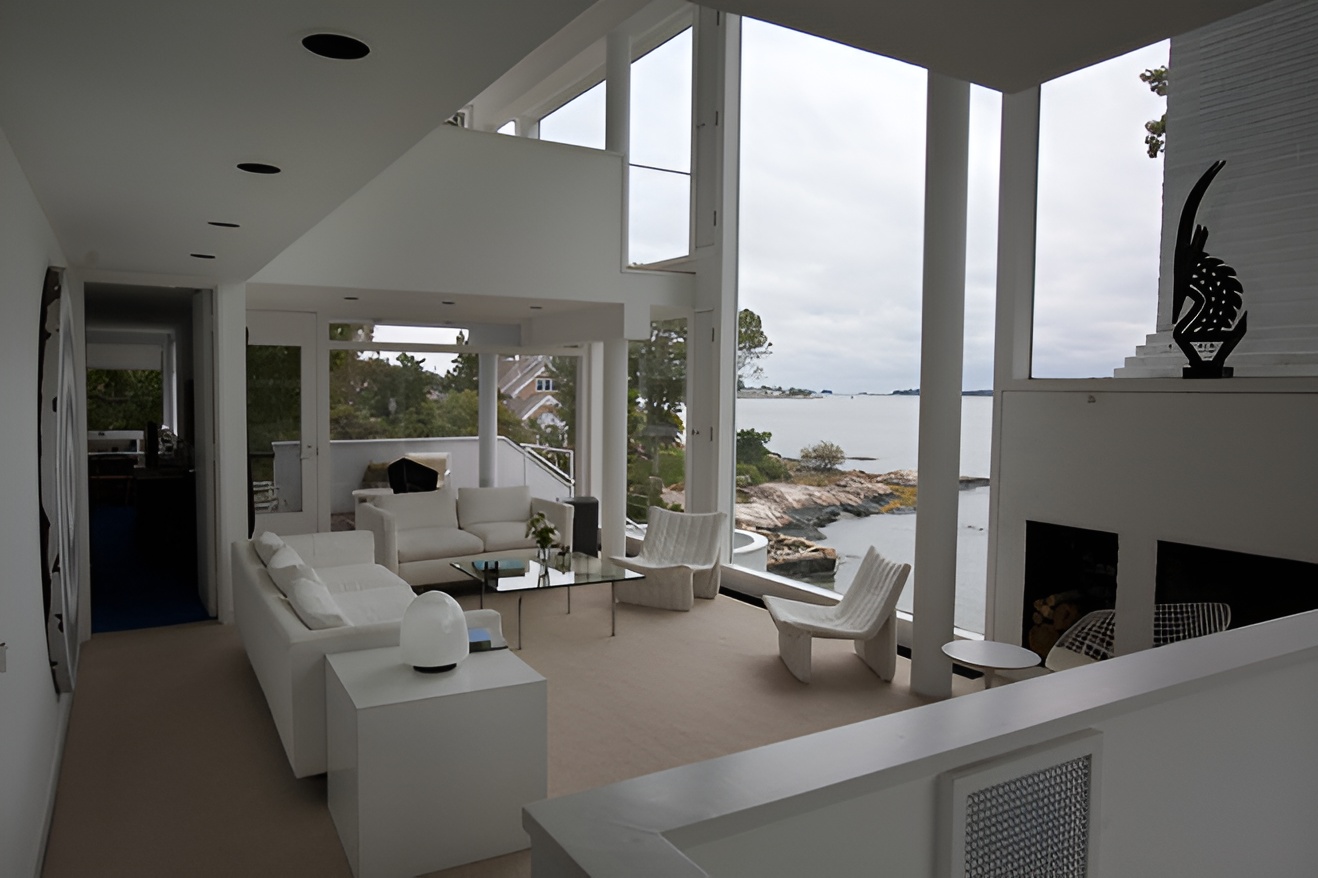
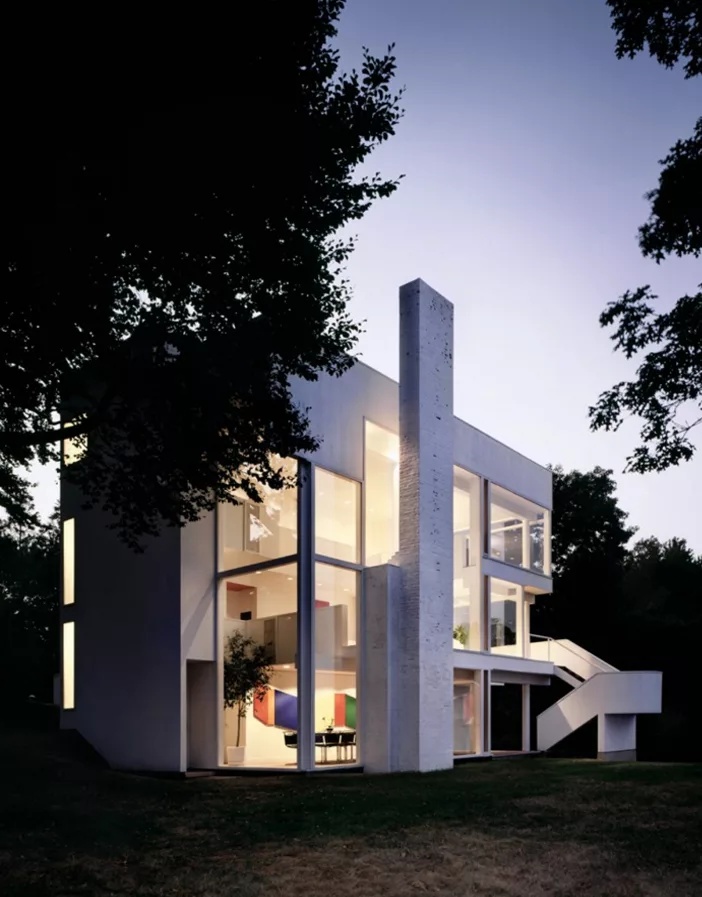
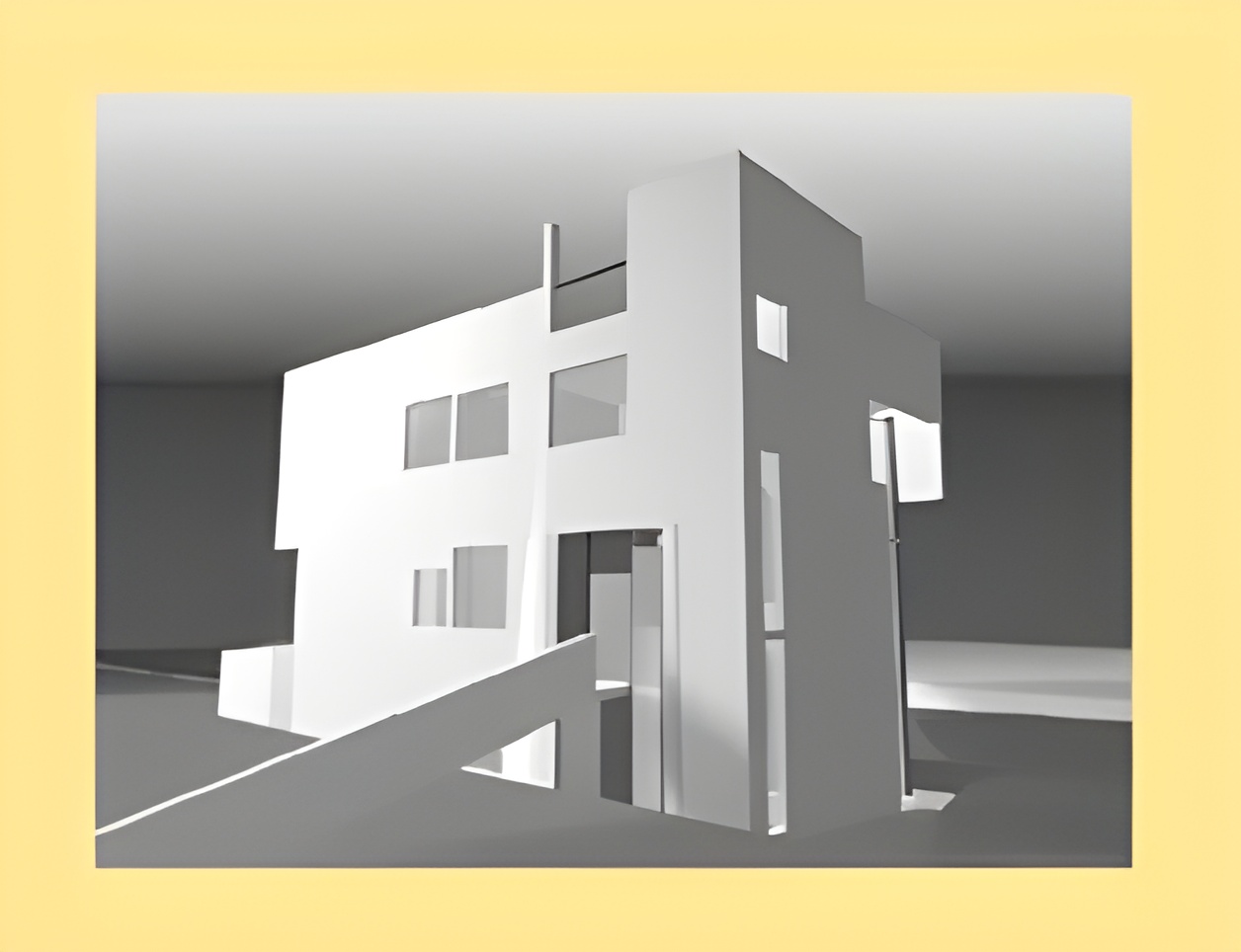
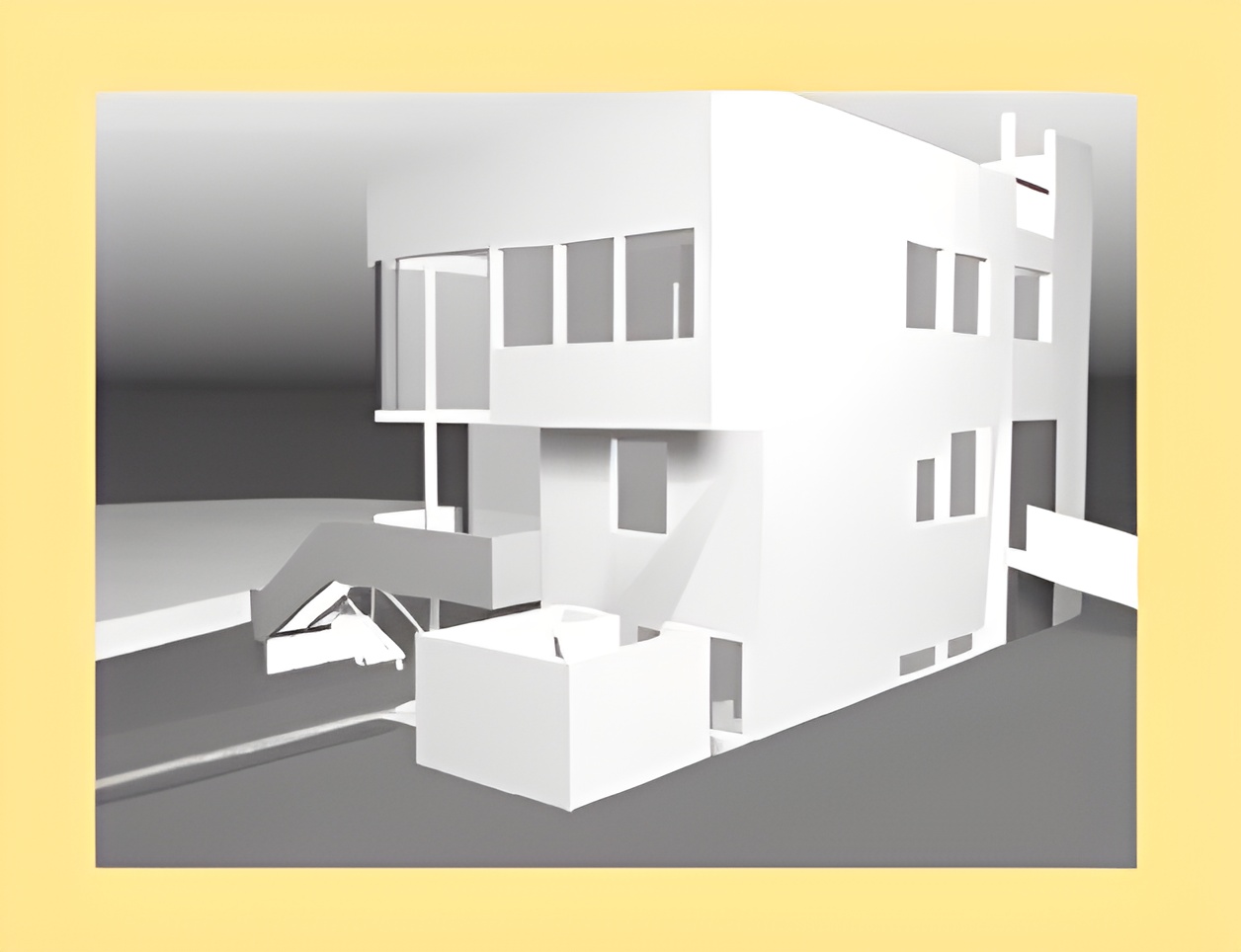
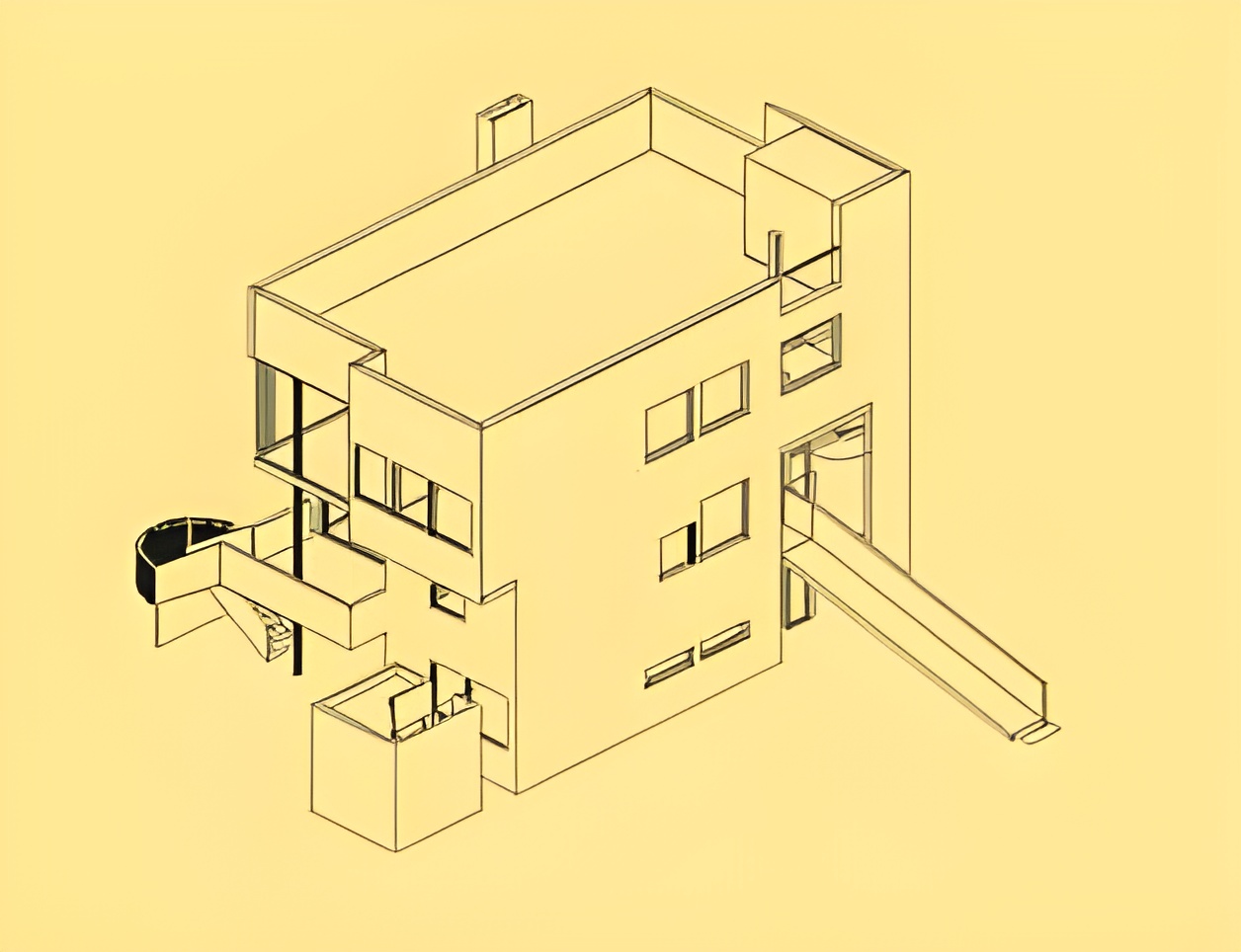
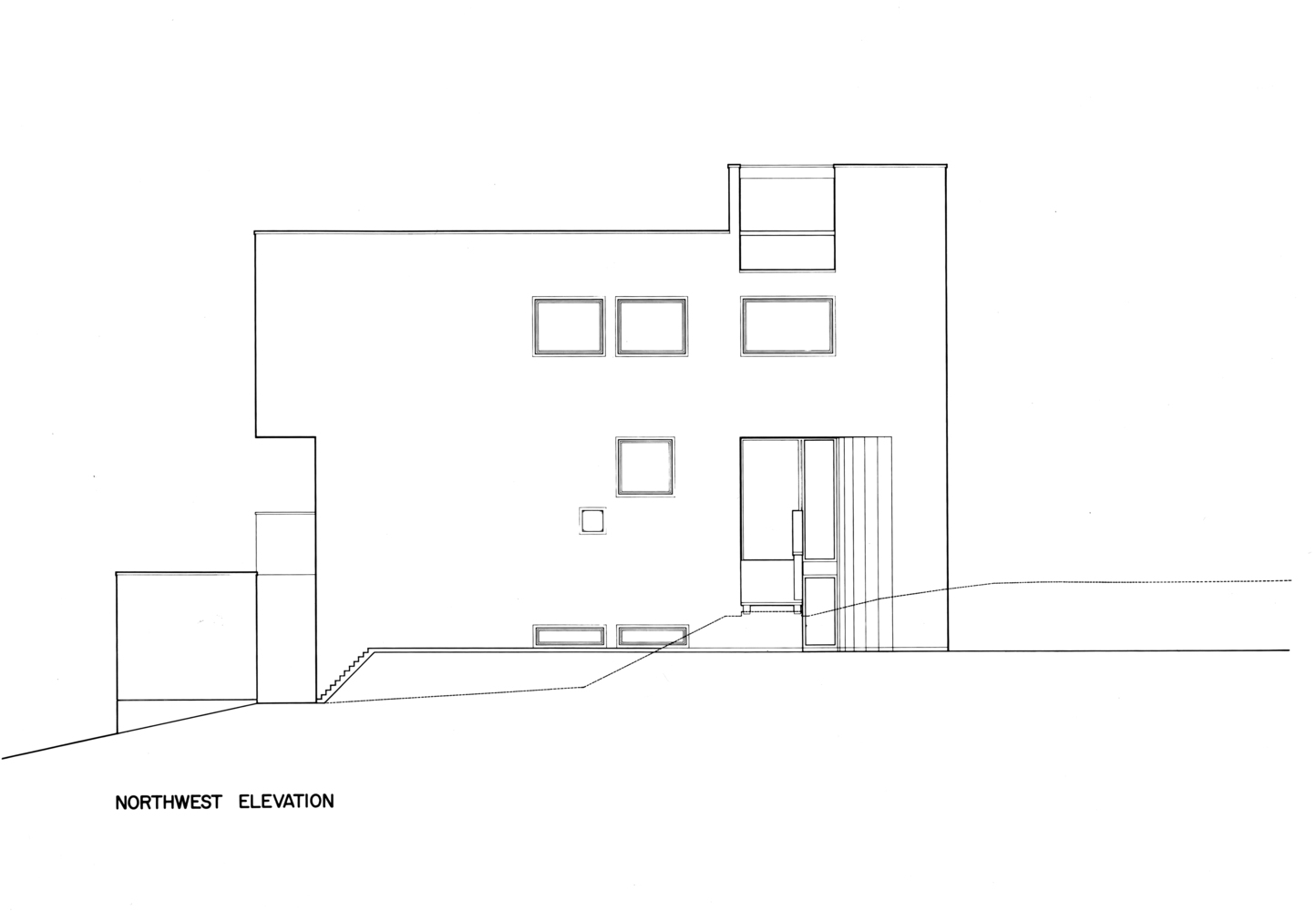
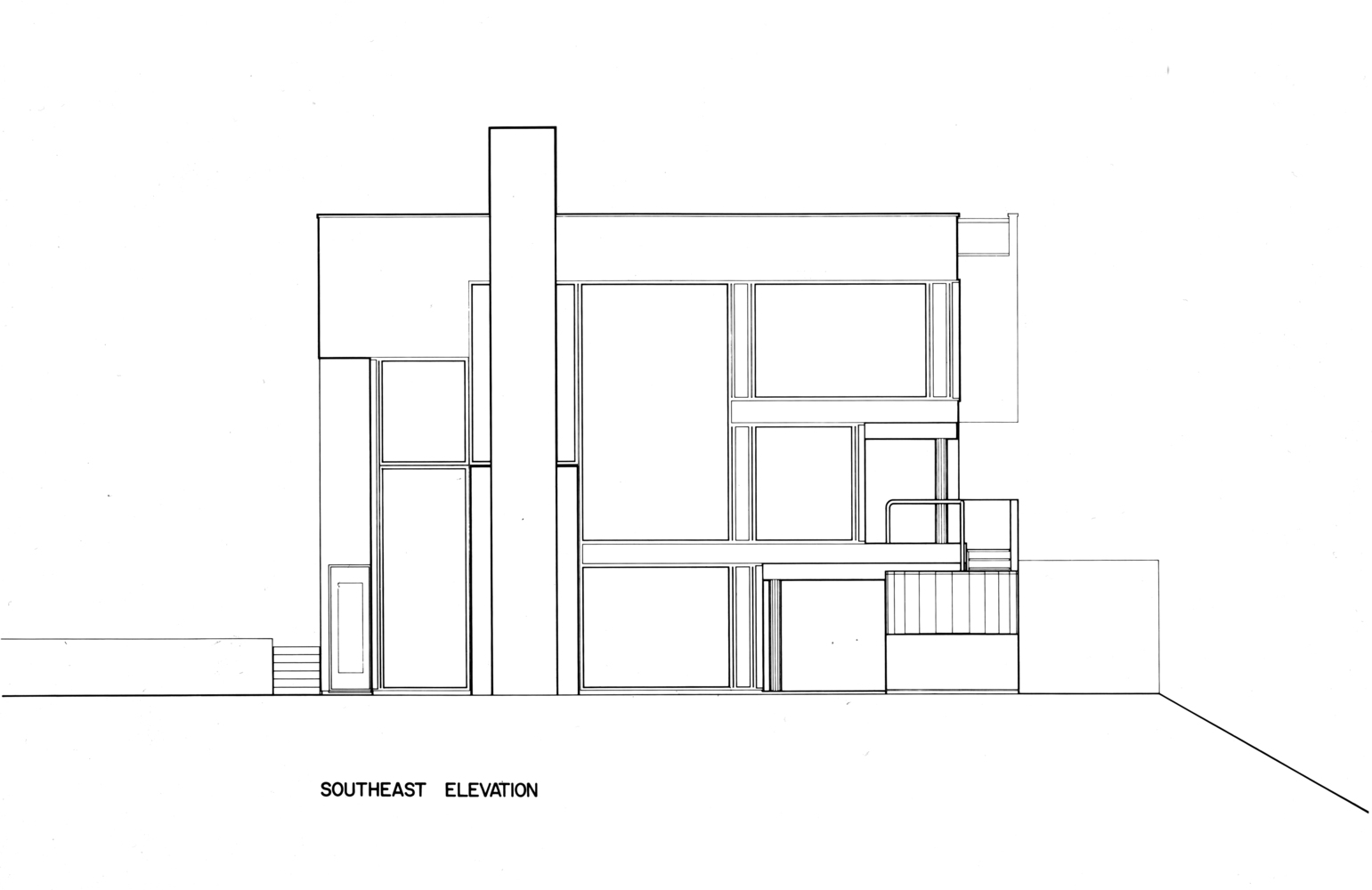
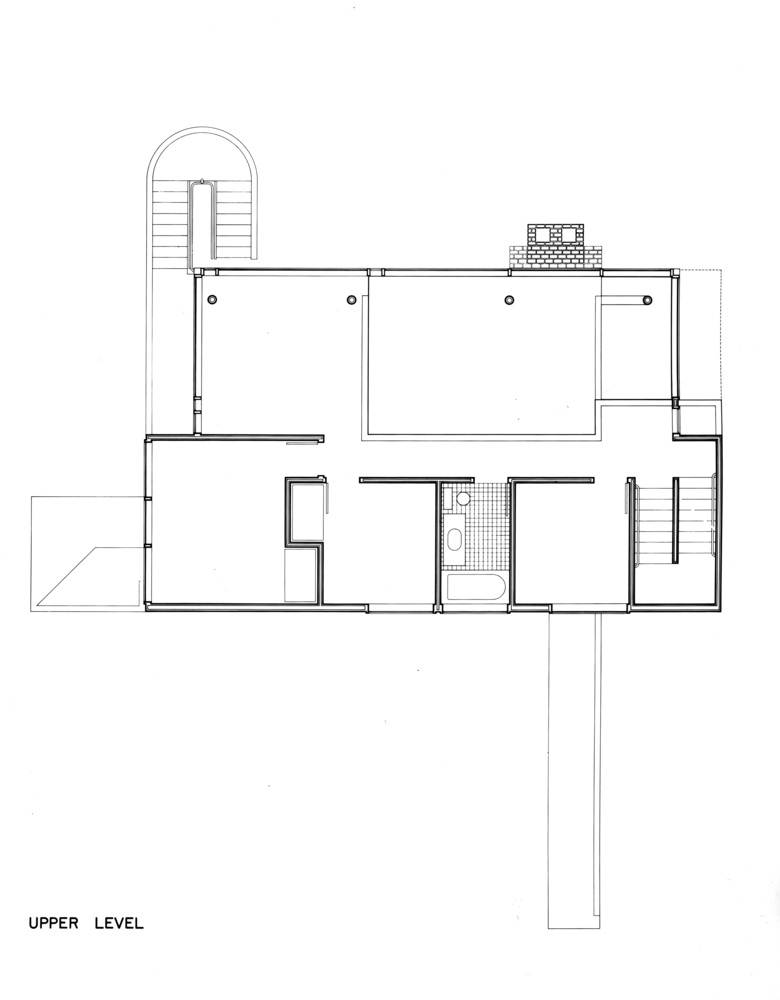
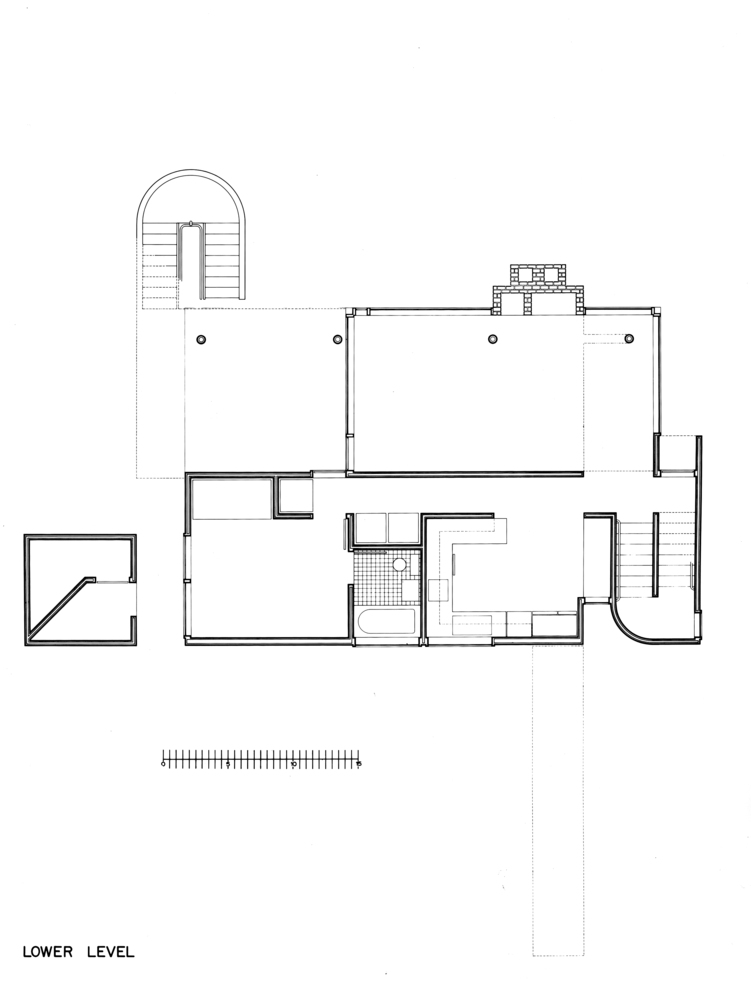
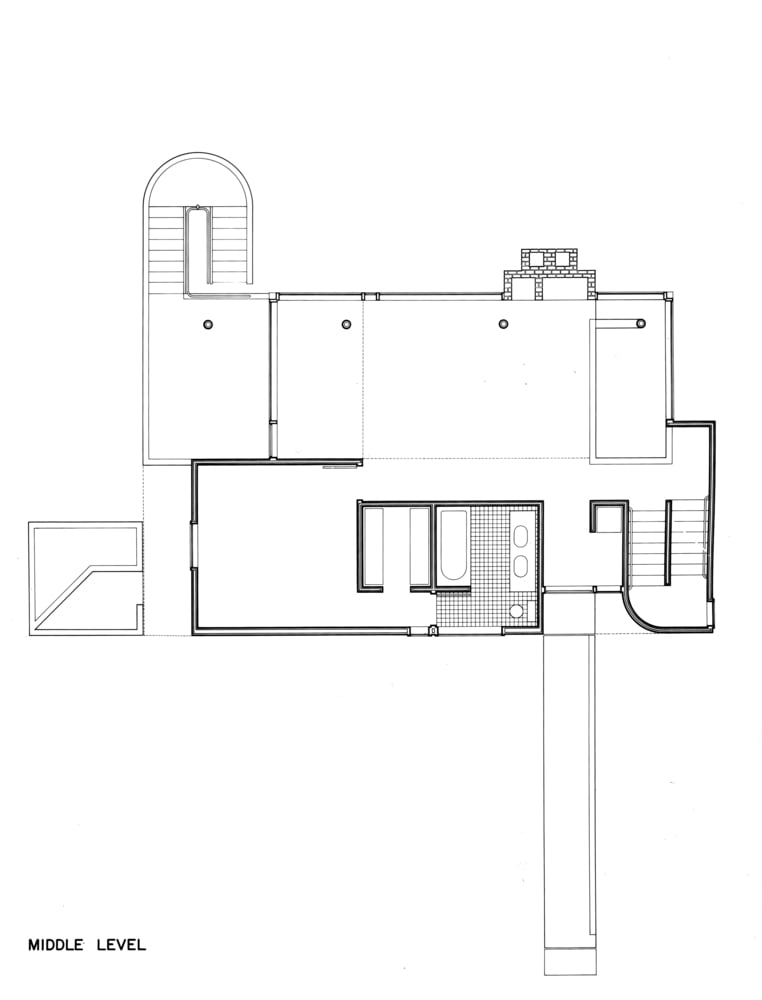
The project is organized around a clear separation between private and public zones. The entrance side faces the road, trees, and land. This side contains bedrooms and other private rooms arranged as closed cellular spaces behind an opaque white façade punctuated by carefully placed windows. The more open side faces Long Island Sound and contains the primary living spaces within a three-sided glass enclosure.
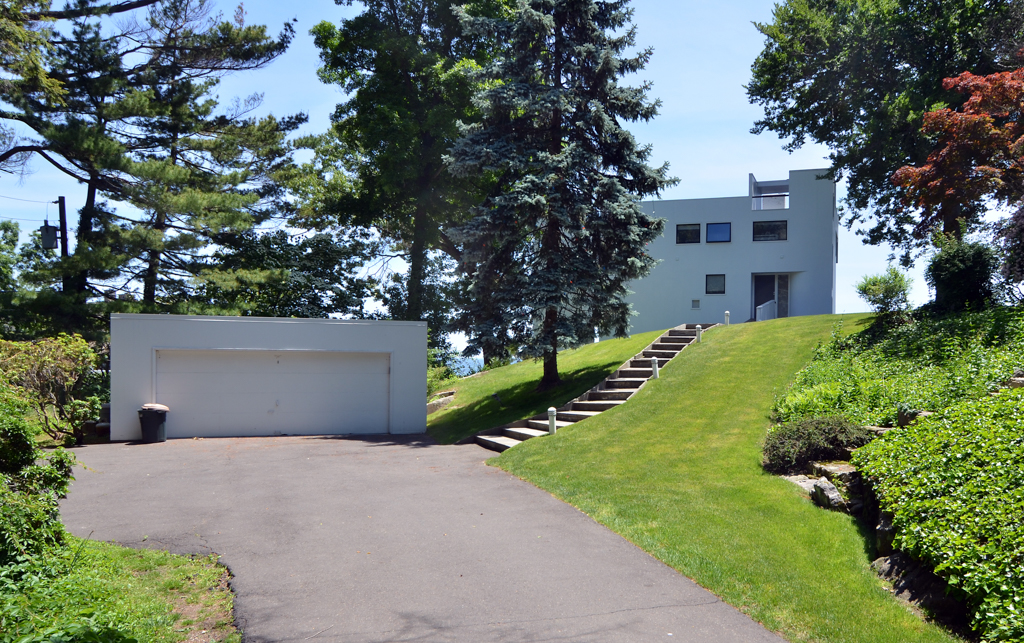
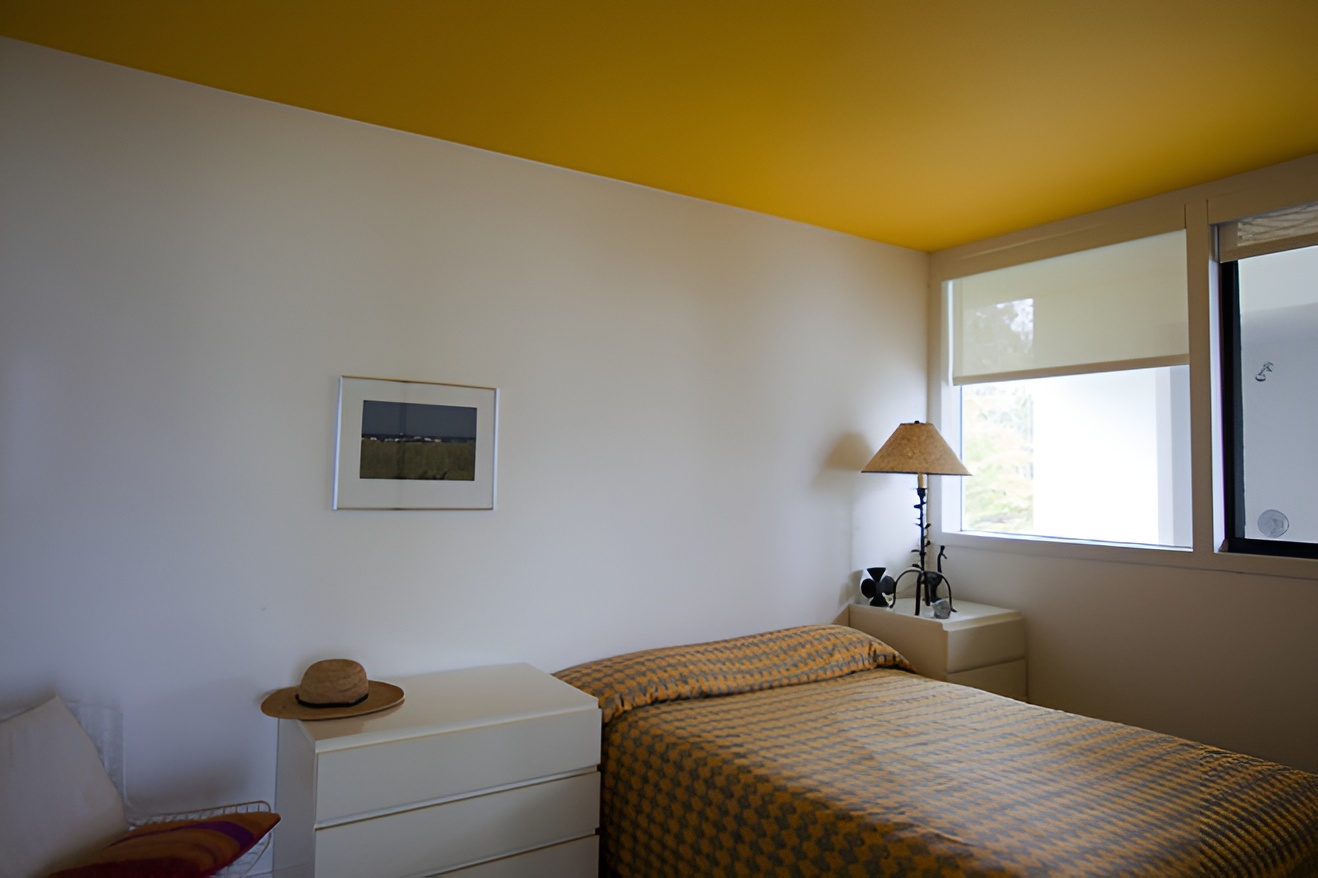
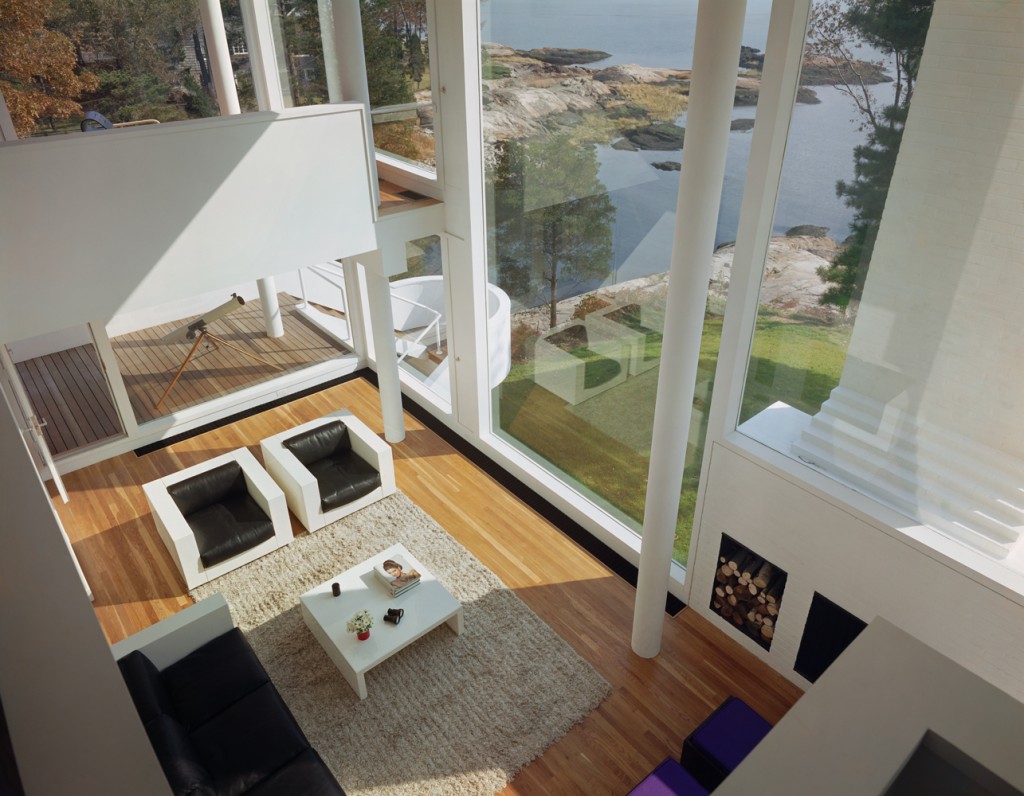
This reversal of conventional domestic organization gives the house its spatial tension. Visitors enter through the more enclosed private side before moving toward the expansive public areas and the view beyond. The progression from opacity to transparency is central to the experience of the house.
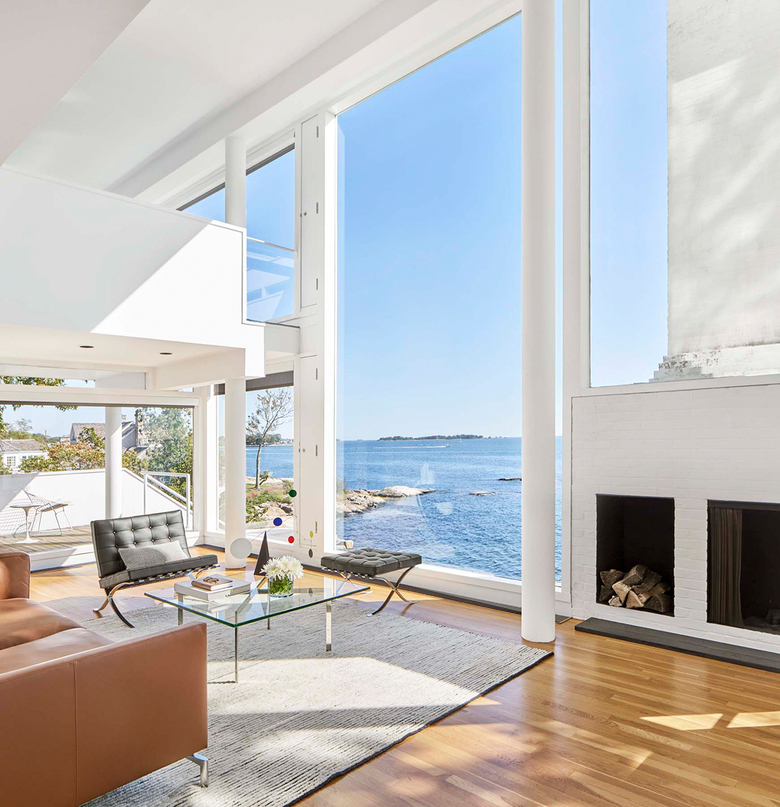
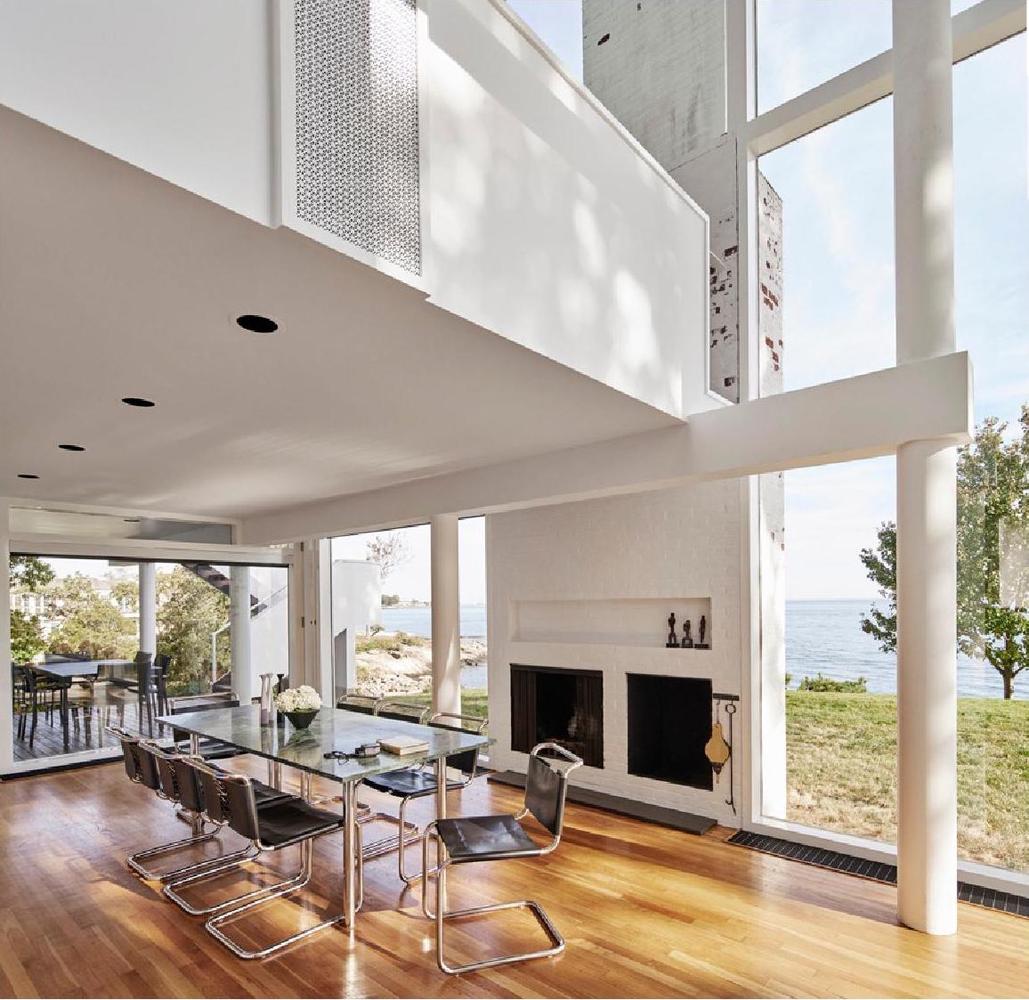
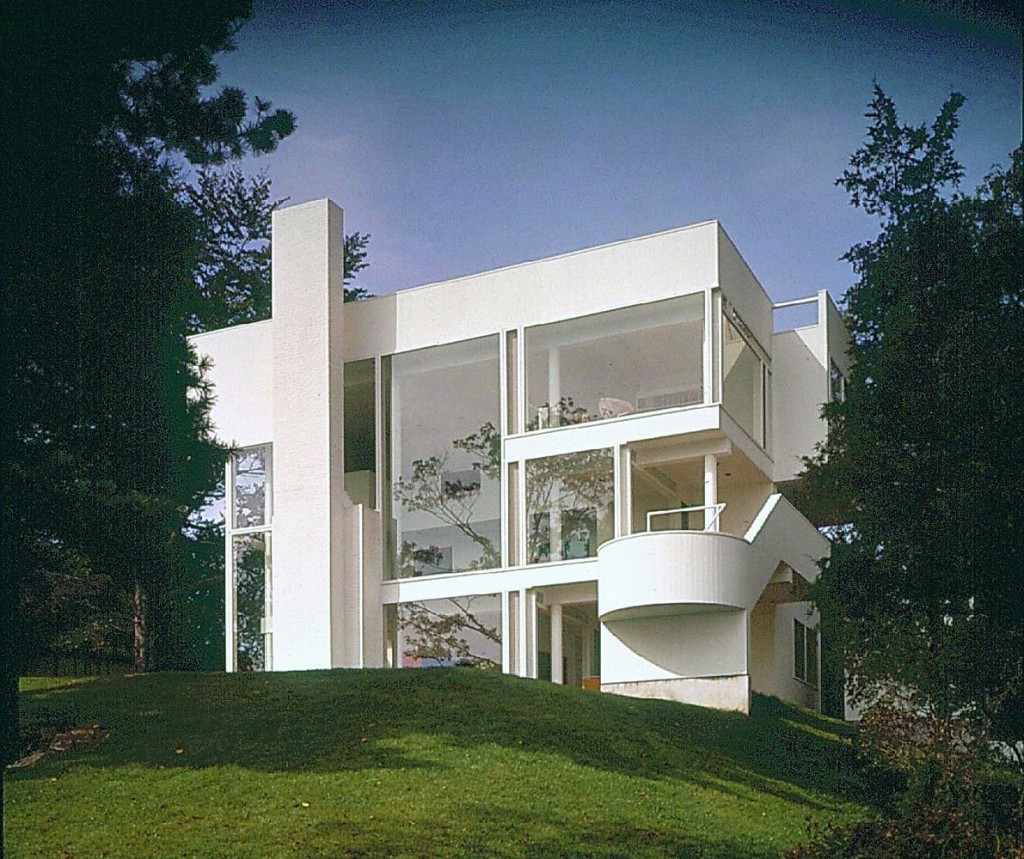
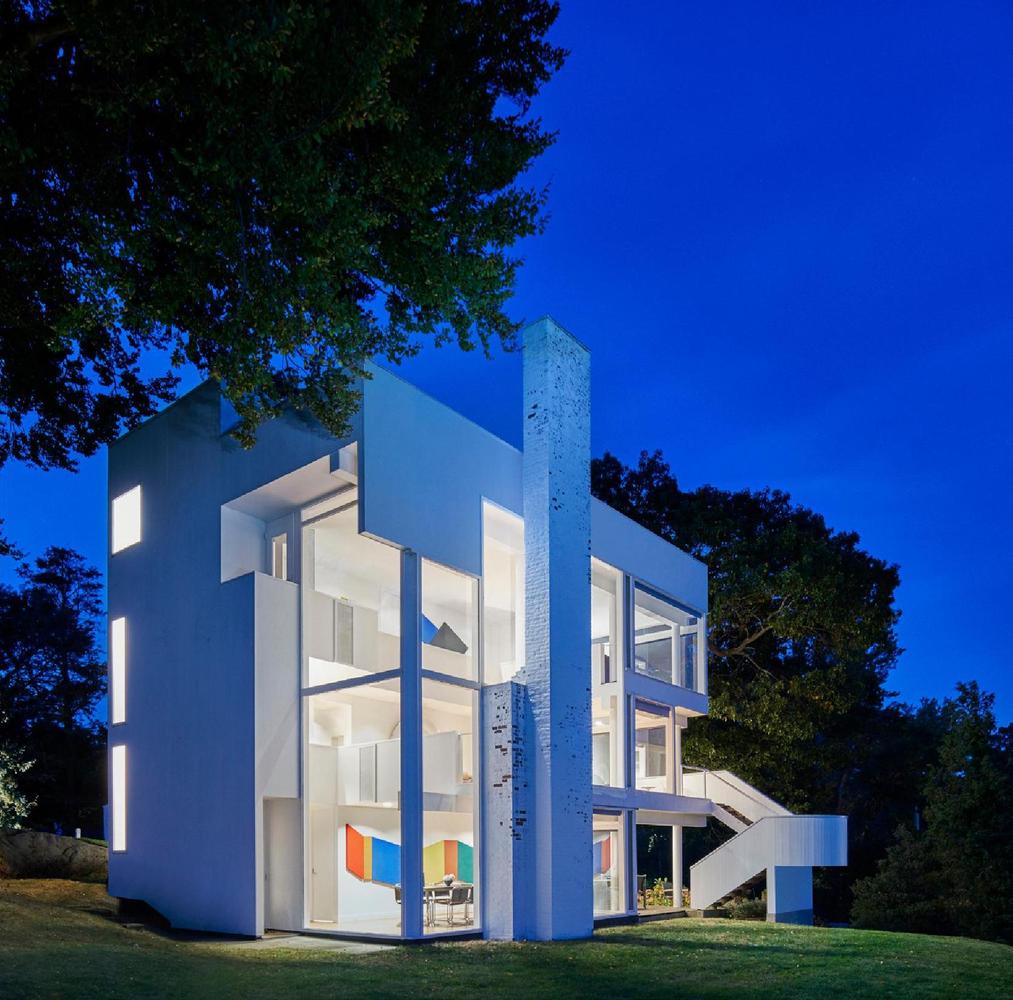
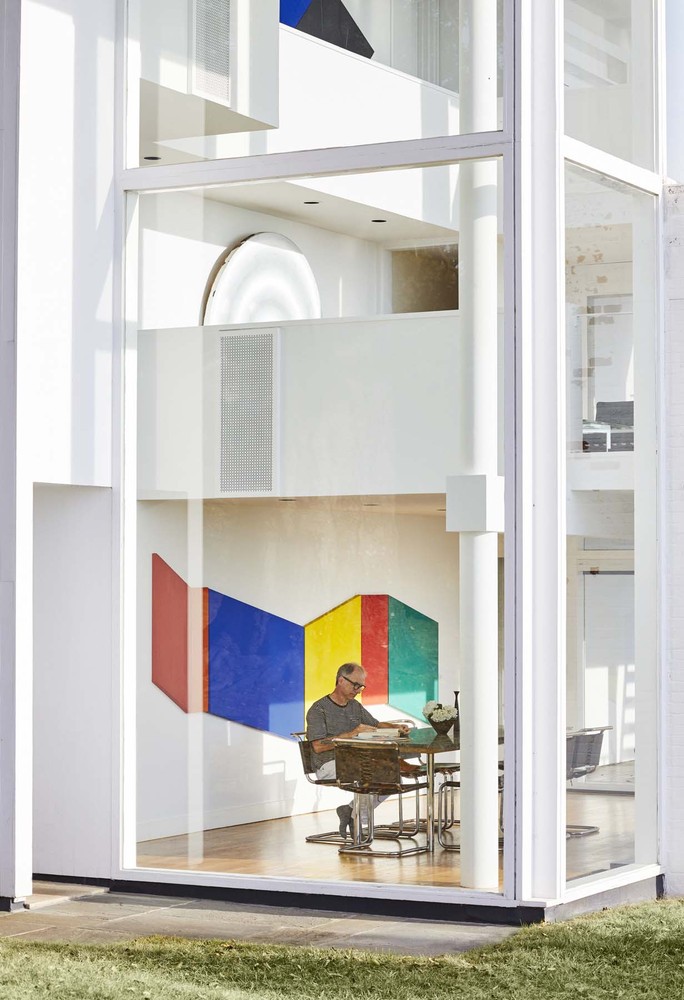
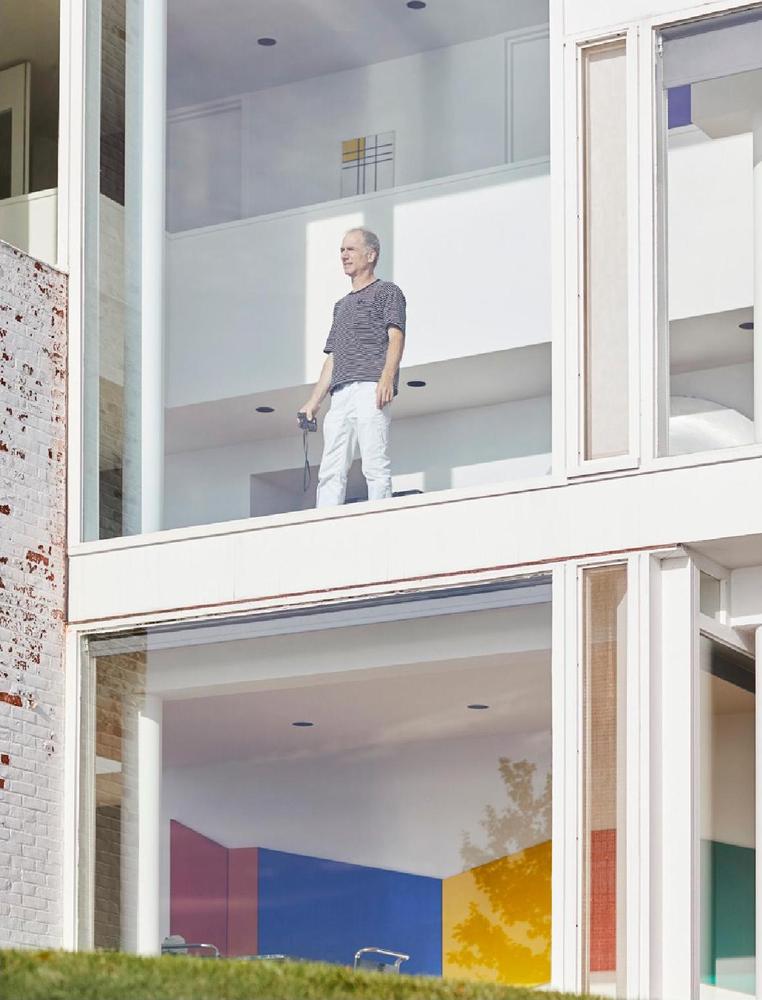
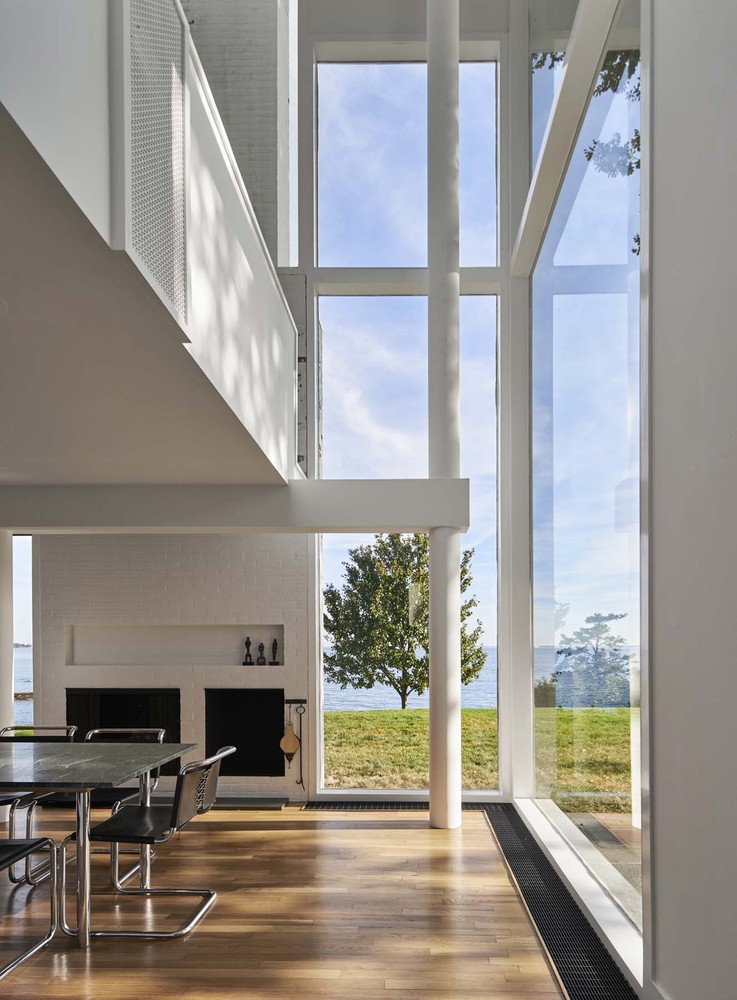
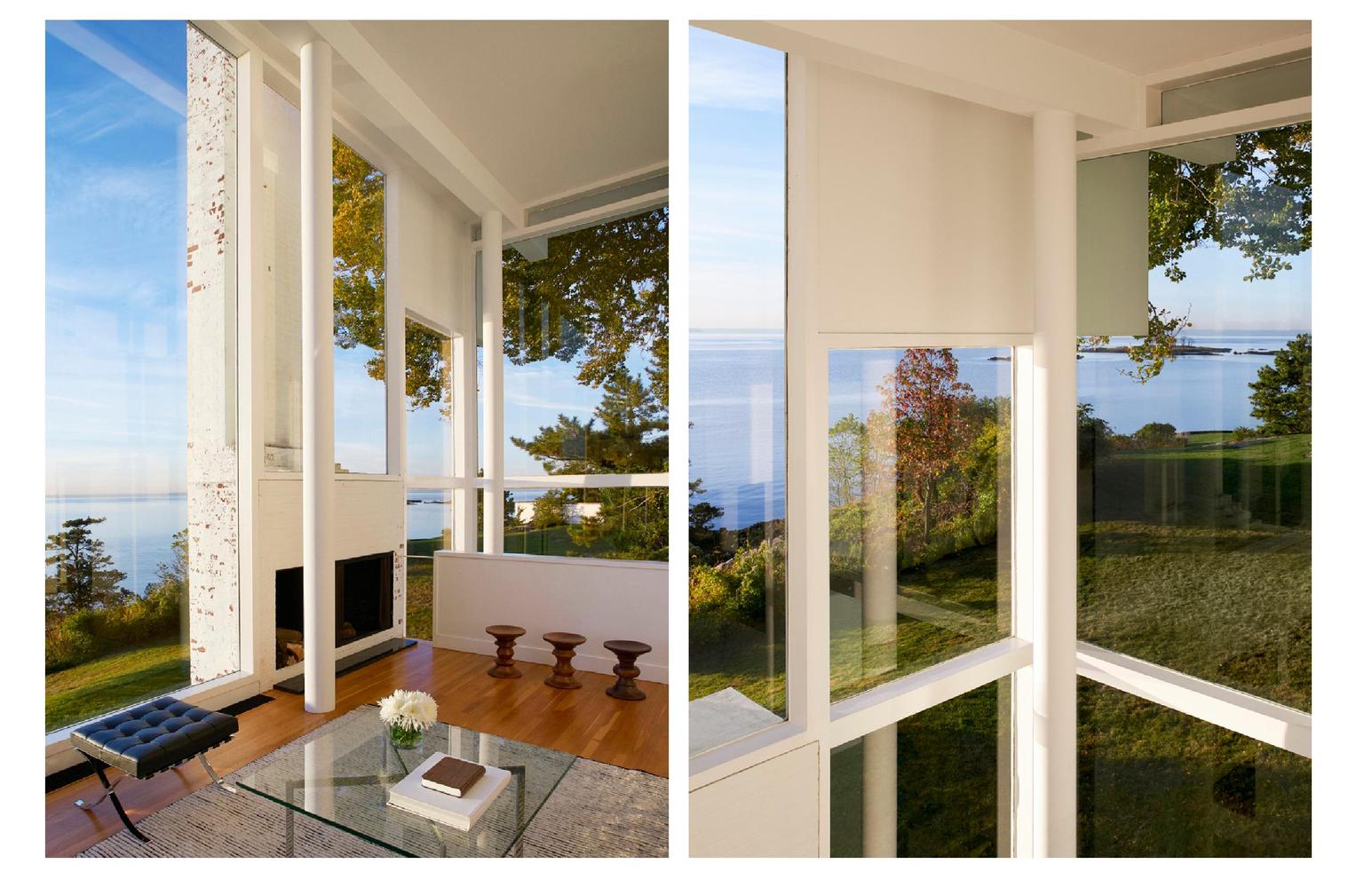
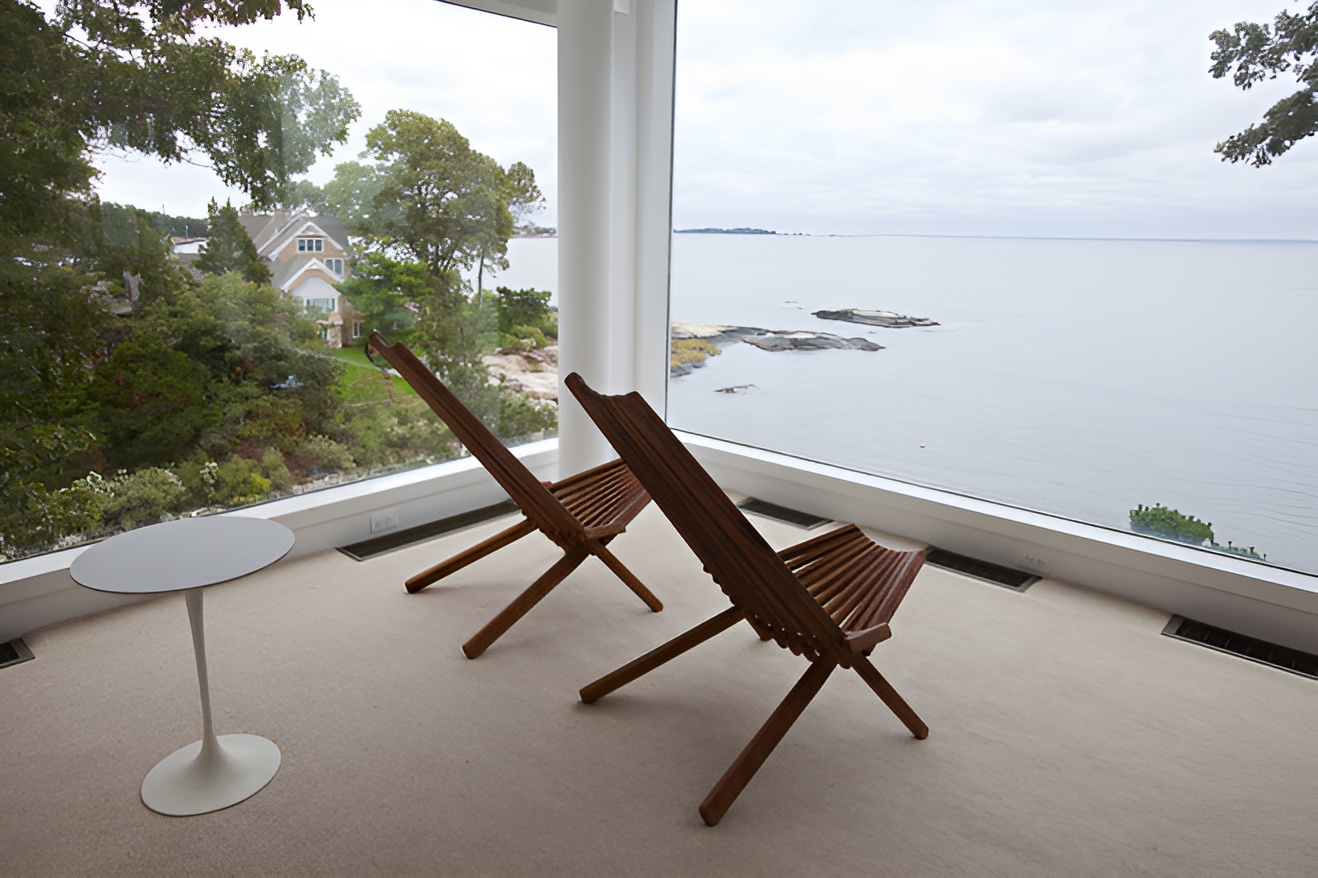
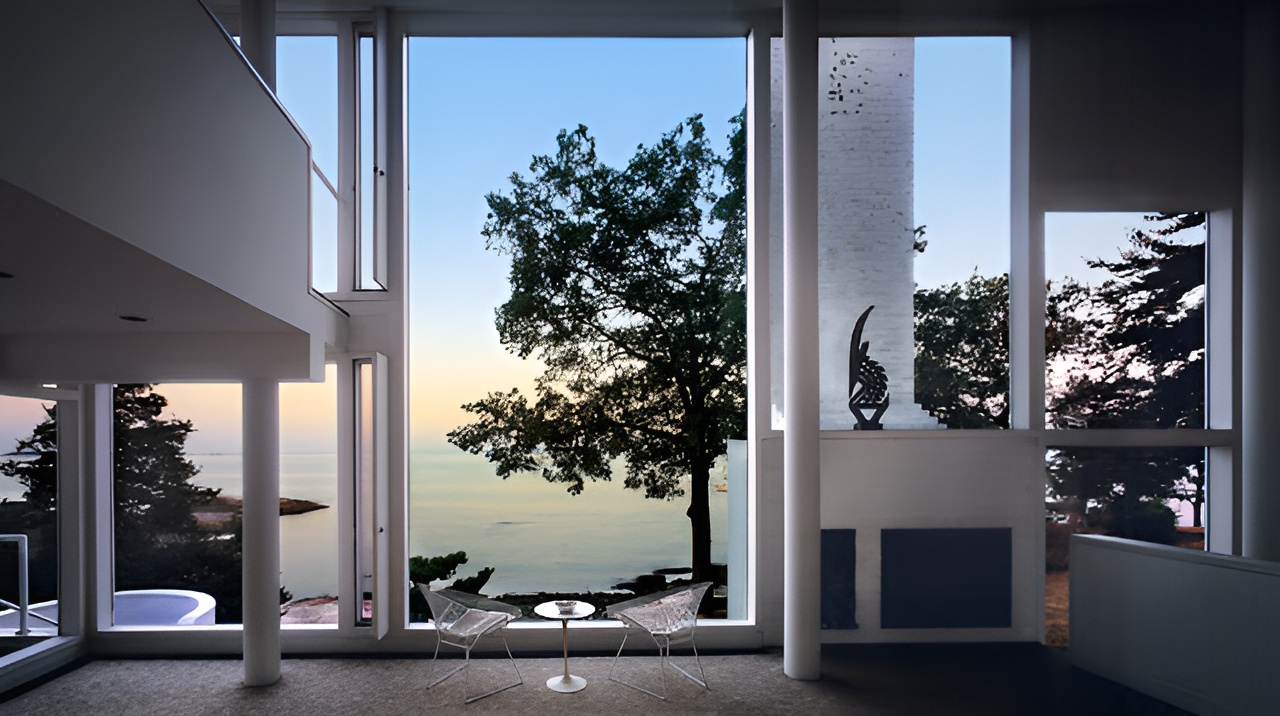
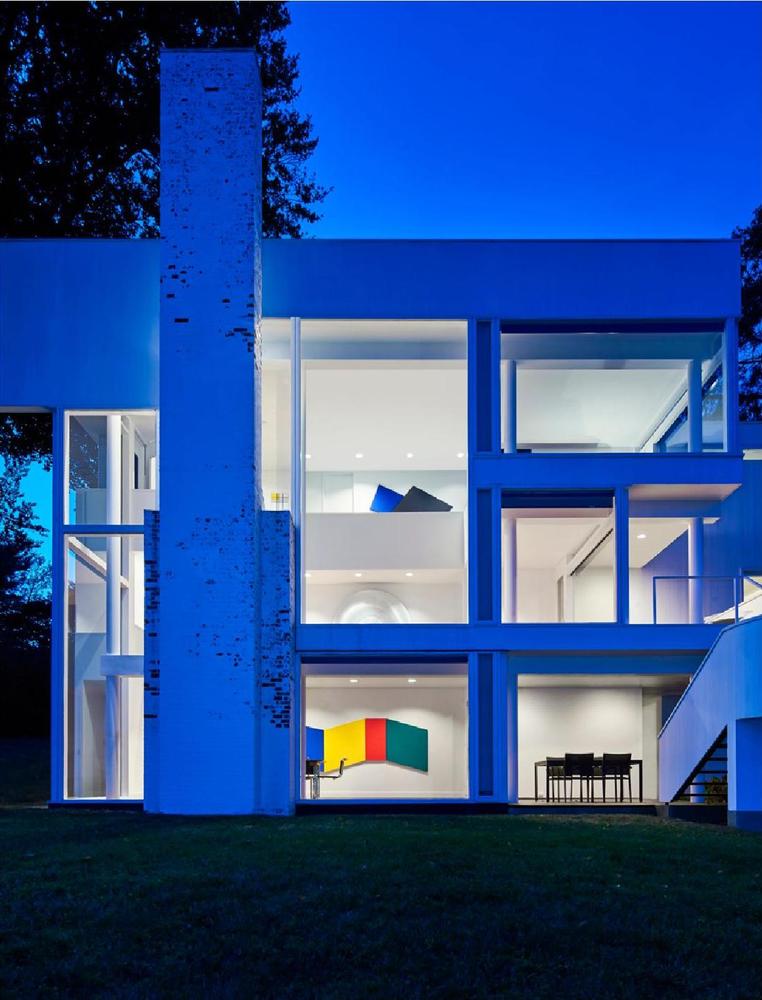
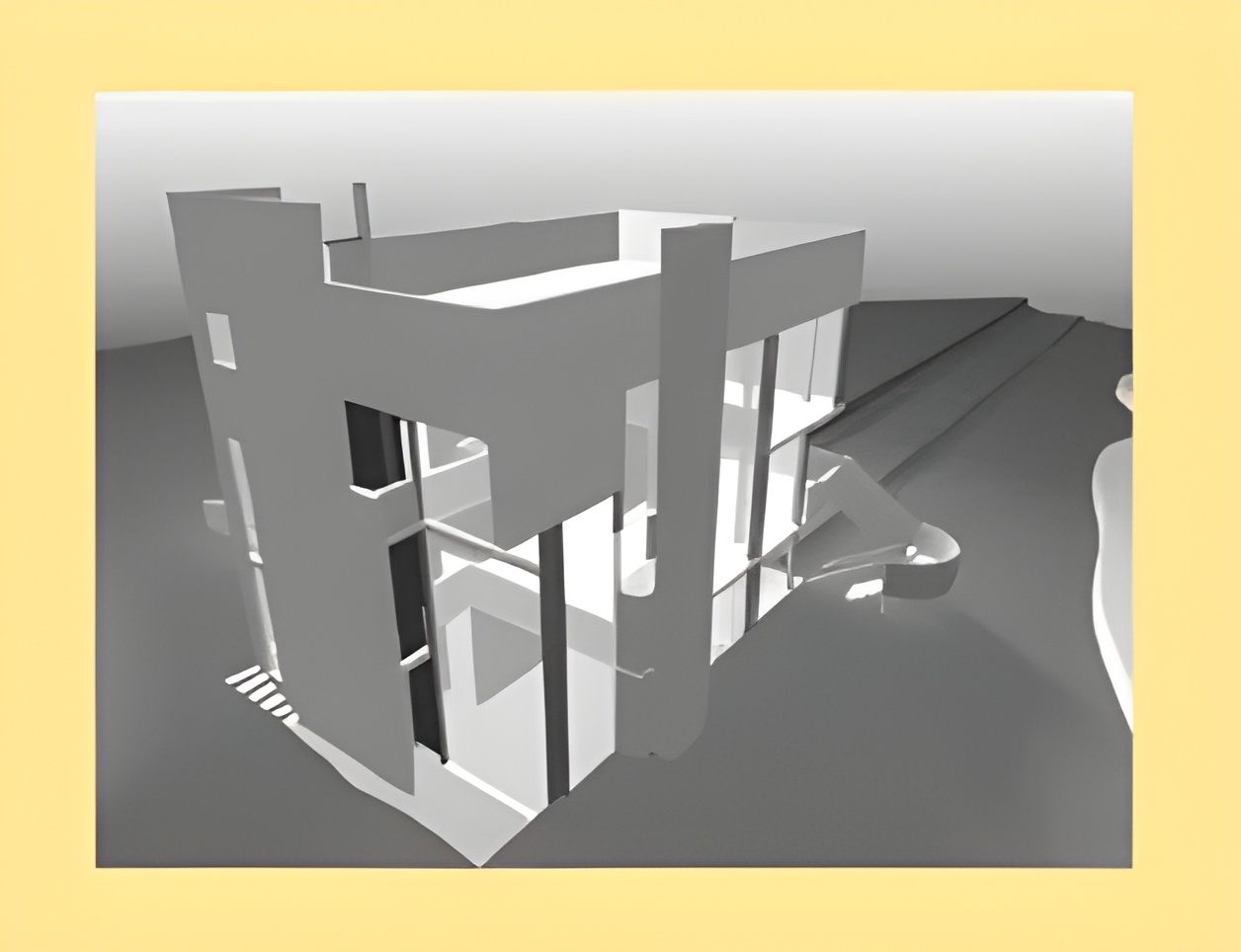
The rear façade is defined by large glass panels extending across three levels. These glazed surfaces frame the water and sky while allowing reflections of the interior and landscape to merge across the surface of the glass. Ground and upper levels appear as horizontal slabs held within white mullions, reinforcing the clarity of the composition.
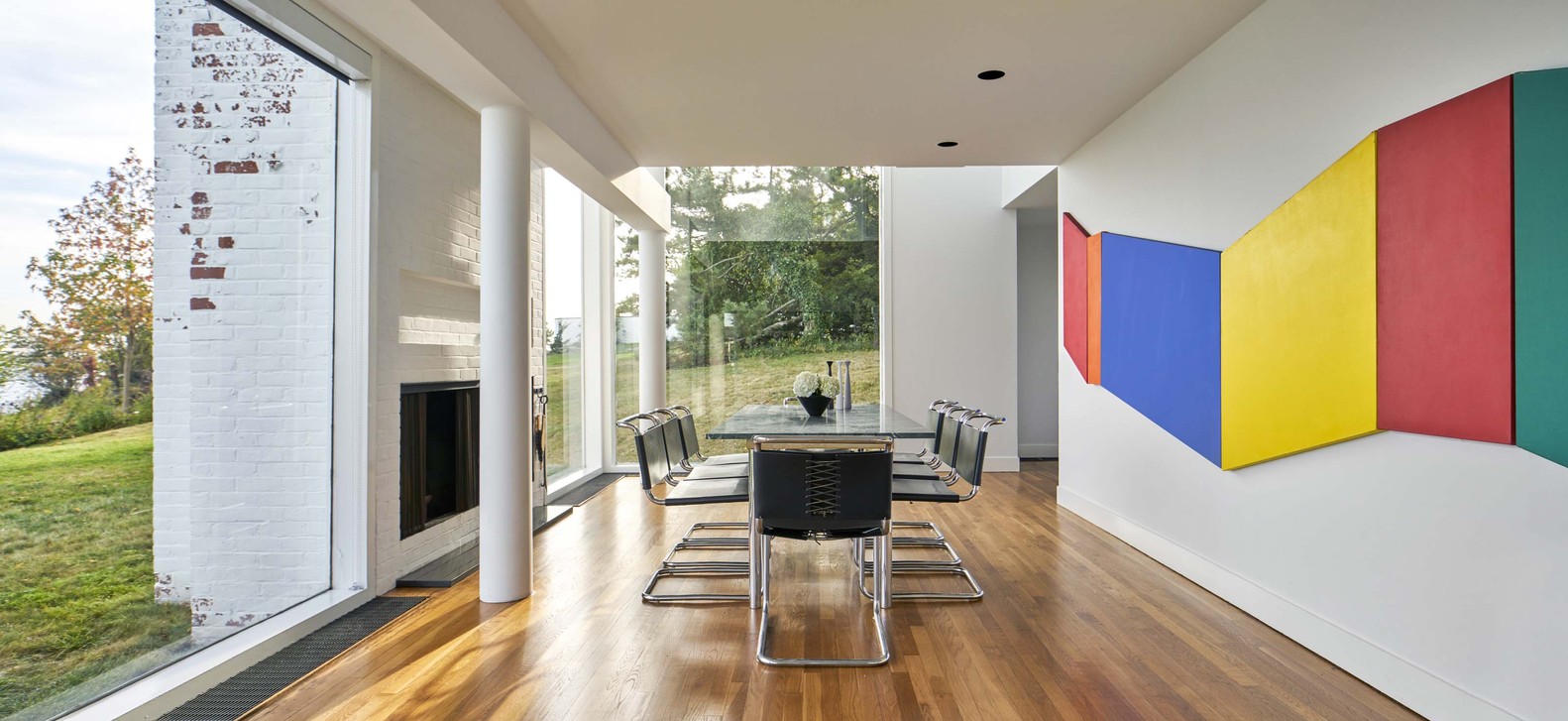
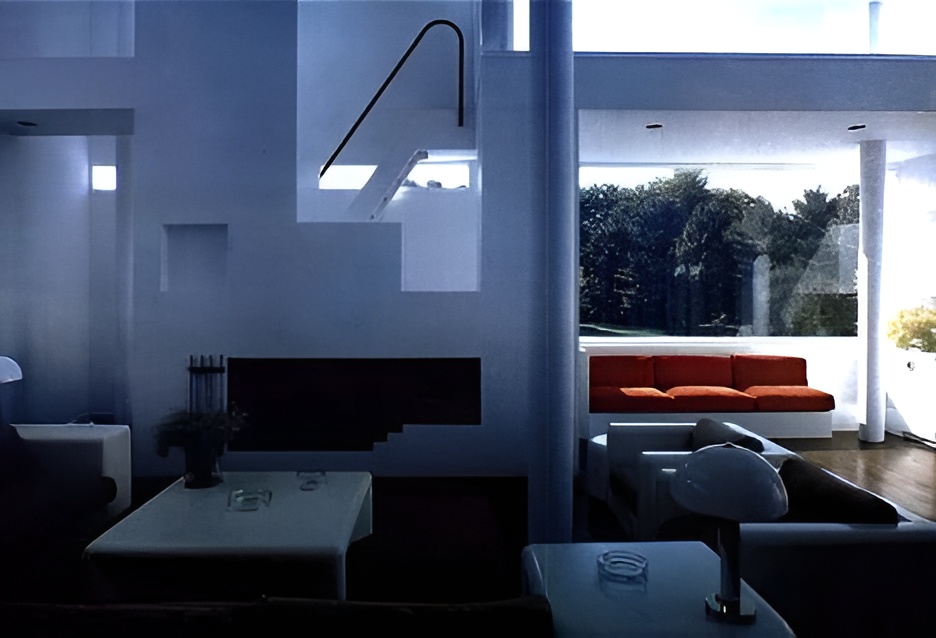
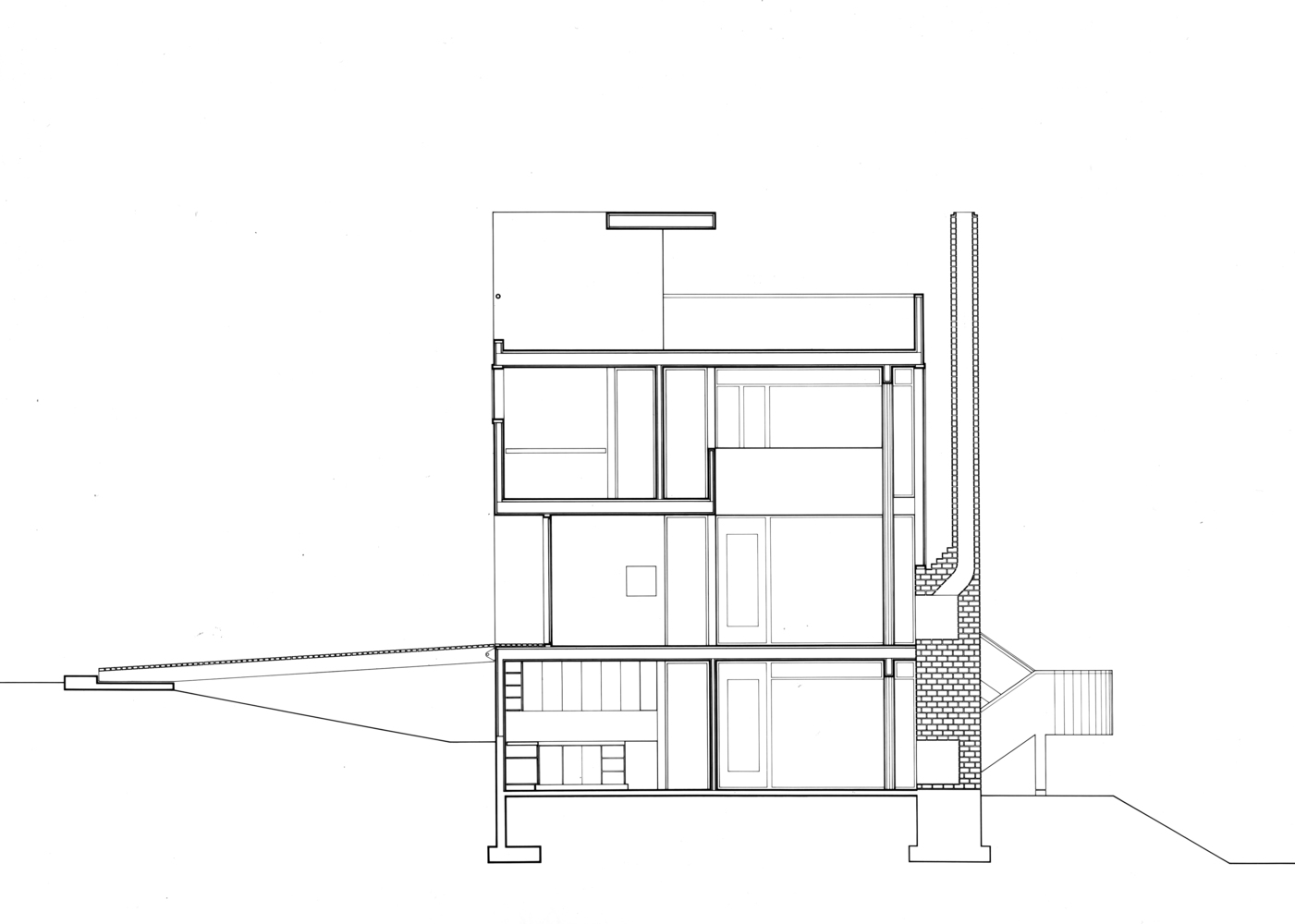
A painted brick fireplace is positioned directly opposite the entry and projects outward through the glass enclosure. Its placement delays the full view on arrival, directing movement and attention through the living space. Suspended between the chimney and steel structural columns, the glass wall creates a subtle pull toward the landscape. Balustrades set back from the glass amplify this sense of depth and openness.
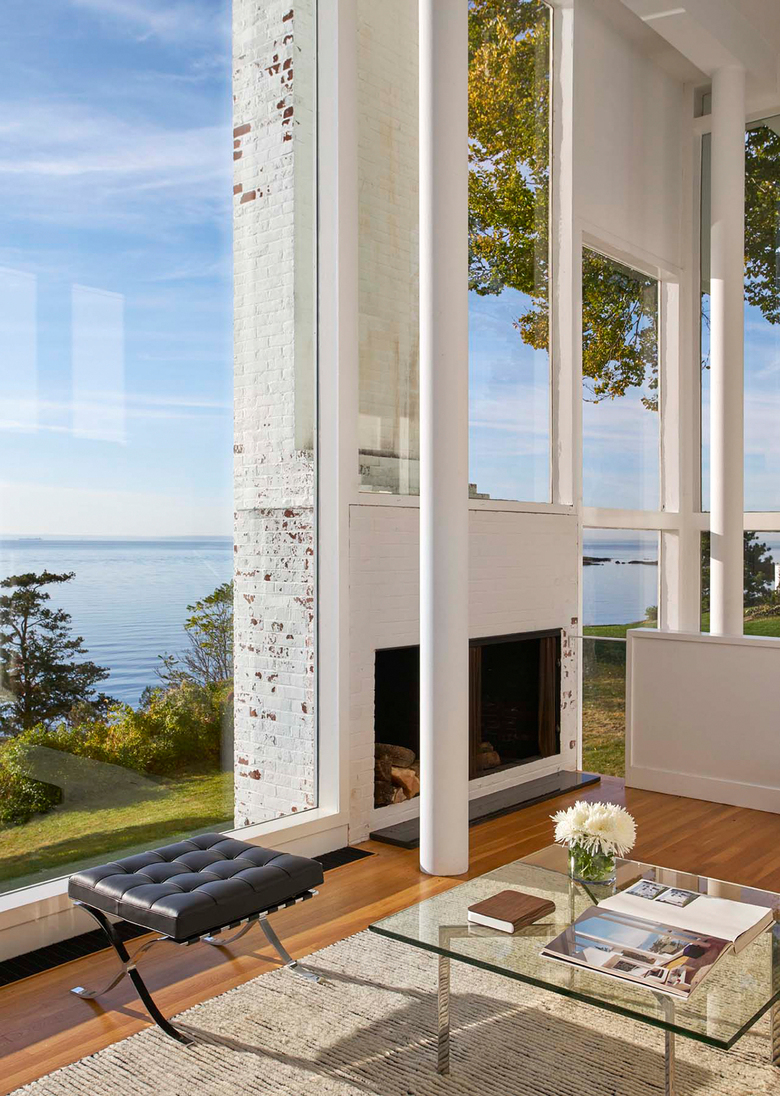
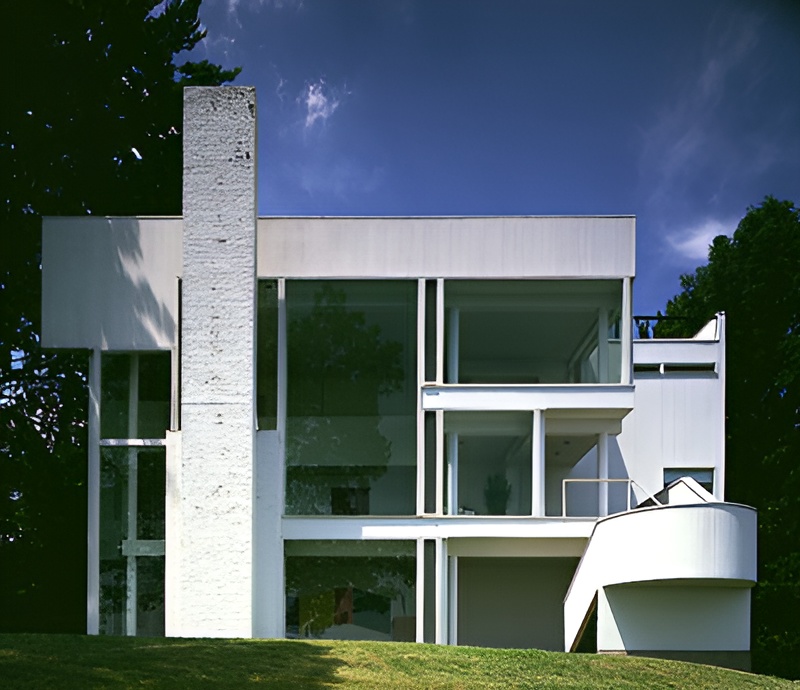
Although often mistaken for a concrete structure, Smith House was built primarily with a wood frame. Steel columns support the more open public areas, while the enclosed side of the house relies on timber-framed walls. This structural distinction reinforces the contrast between the solid private zone and the transparent public zone.
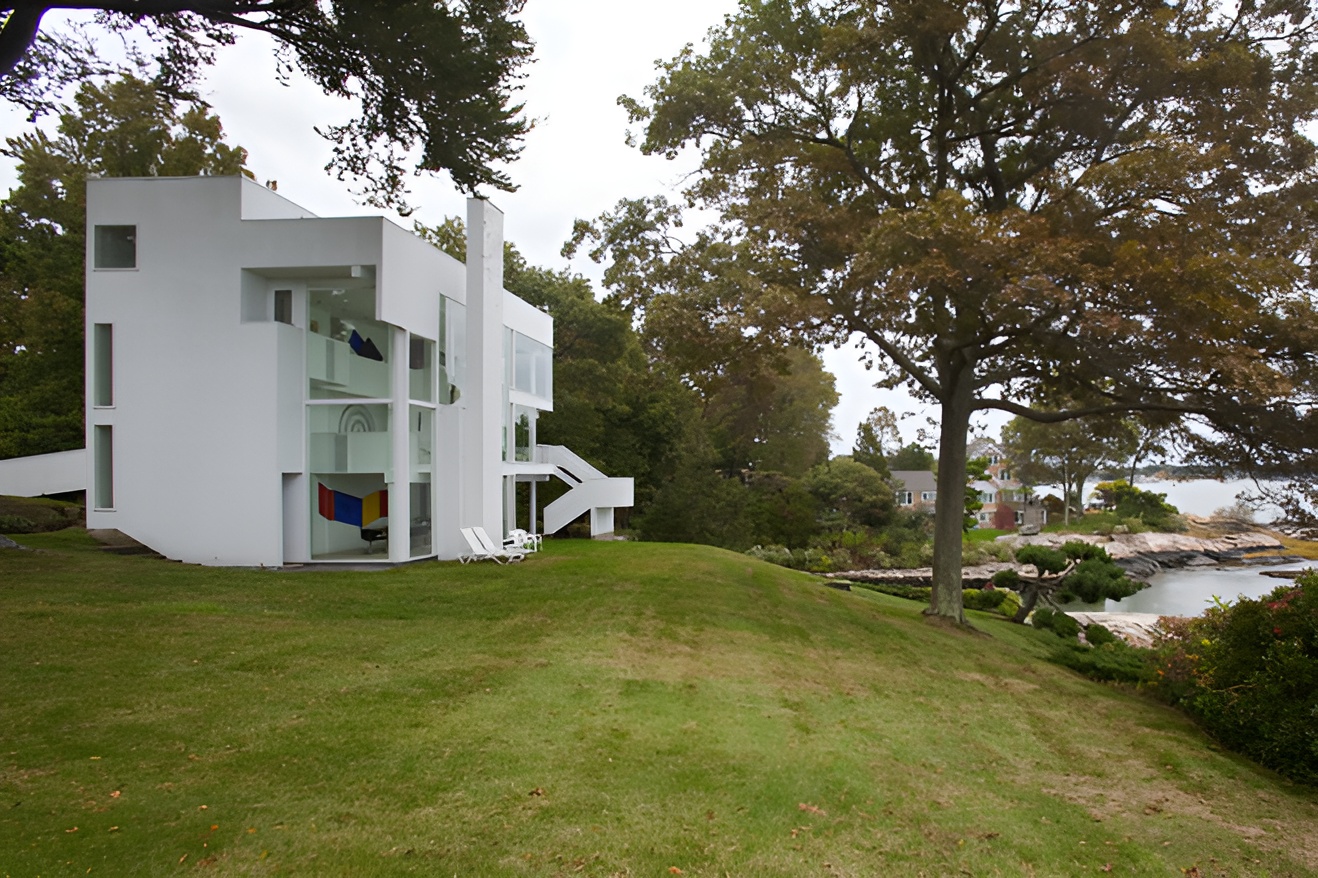
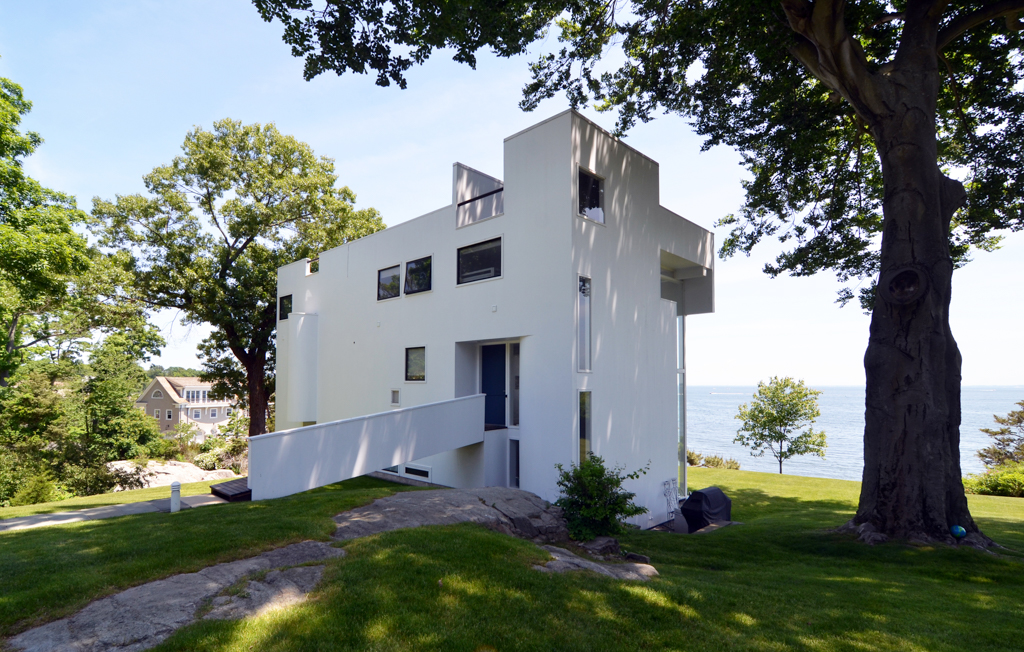
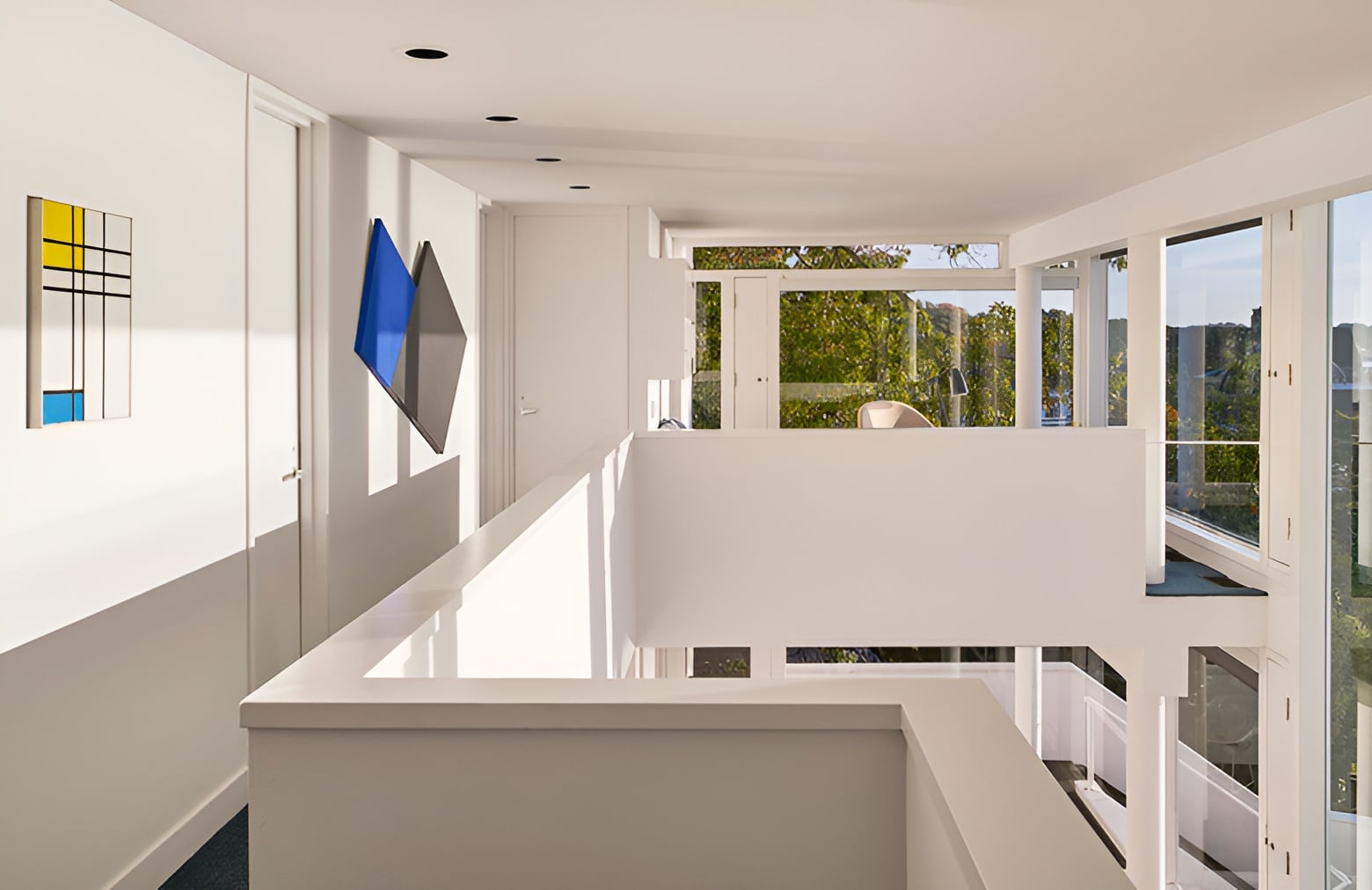
Circulation extends the logic of the site into the house. Movement begins at the approach road and continues through the entry, across the private zone, and into the open living areas facing the water. Interior stairs and level changes connect the three floors while maintaining visual relationships between public spaces.
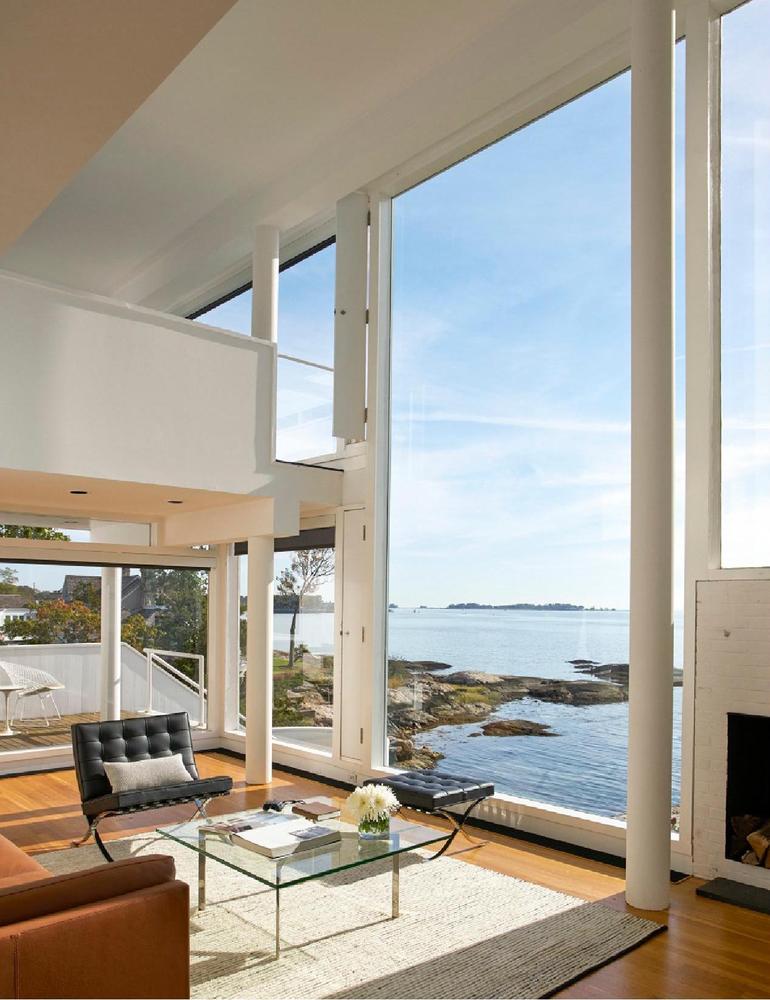
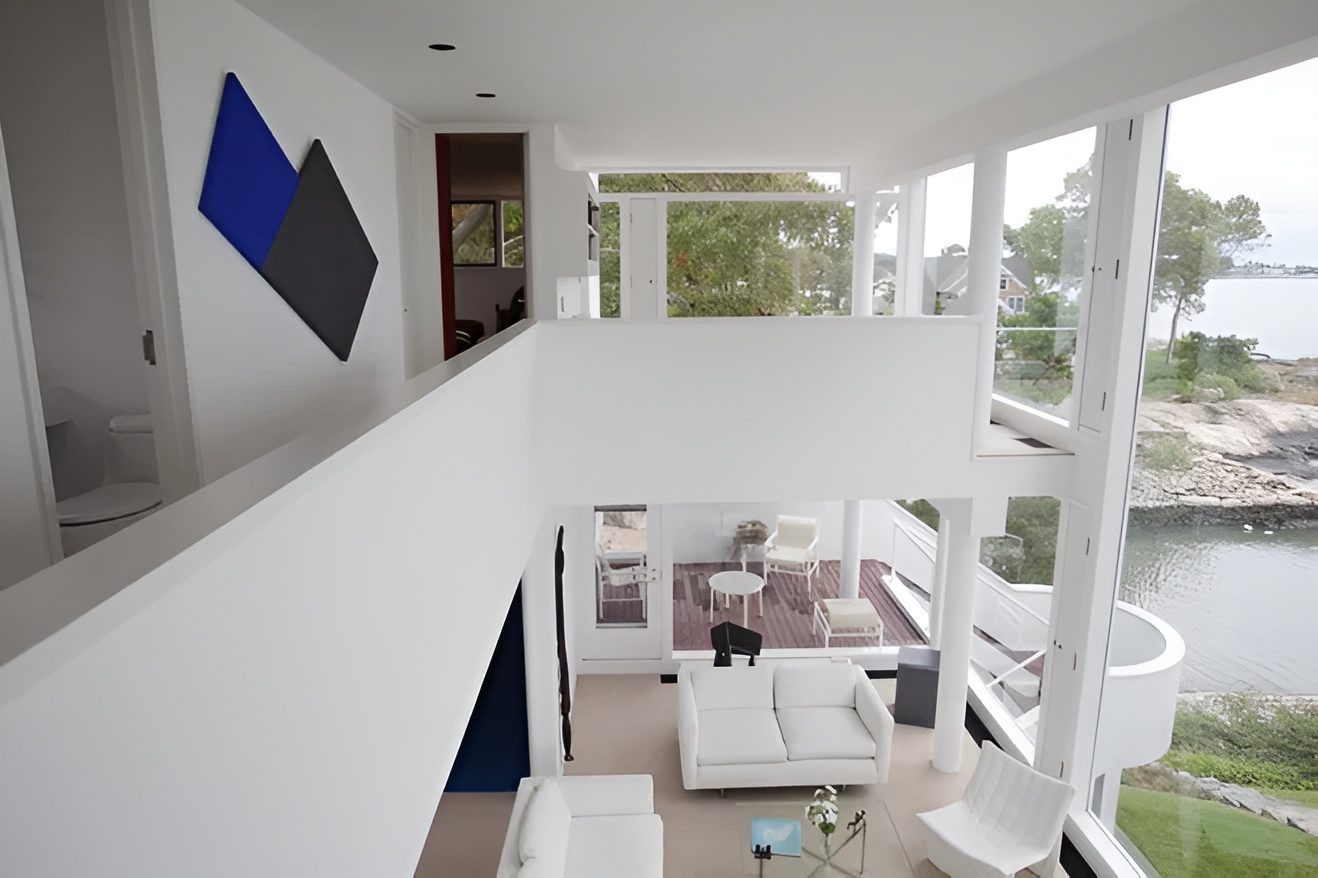
The house’s white surfaces heighten the contrast between architecture and landscape. Meier used the whiteness of the building to reflect changing light, seasons, and weather, making the natural surroundings part of the architectural experience. The compact prismatic volume, clear glazing, and geometric ordering became recurring elements in his later work.
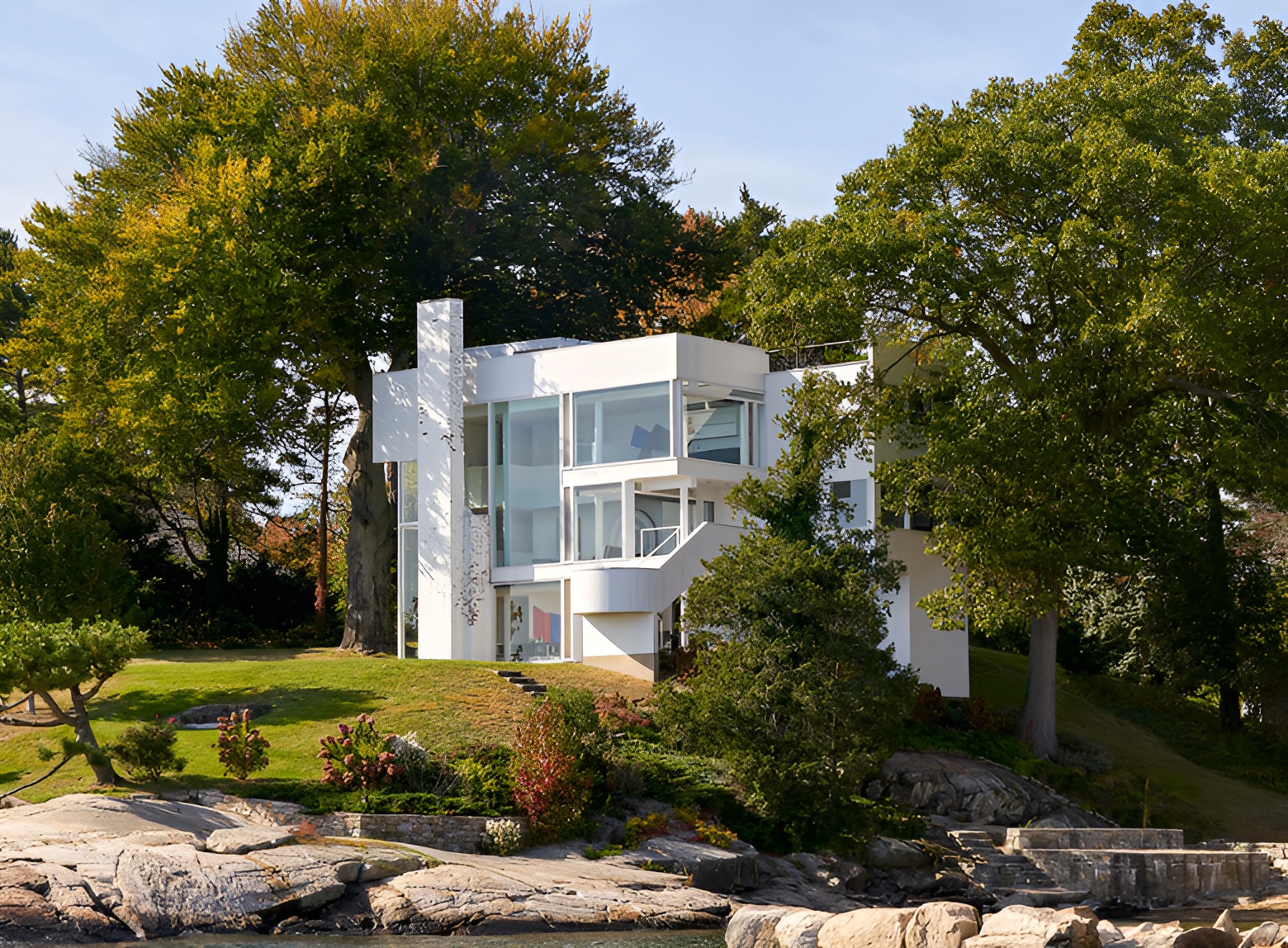
Smith House remained in the Smith family for more than five decades before being sold in 2022. The project received several awards, including the AIA Twenty-Five Year Award, recognizing its lasting architectural significance. More than fifty years after completion, the house remains an important example of American modern residential architecture and a key early work in Richard Meier’s career.
Project Gallery
Project Location
Address: 16 Shennamere Road, Darien, Connecticut 06820, United States
Location is for general reference and may represent a city or country, not necessarily a precise address.

