

Architects: Value Works Architects
Area: 132 m²
Year: 2025
Photography: Xian Space
Lead Architects: Vincent Wu
Architects Team: Liu Weijing, Guo Sihua
Materials: Goncalo Alves wood, natural marble, handcrafted copper metal, detachable solid wood ceiling, sound-absorbing modules, low-frequency traps
Client: Mr. Cen
City: Guangzhou
Country: China
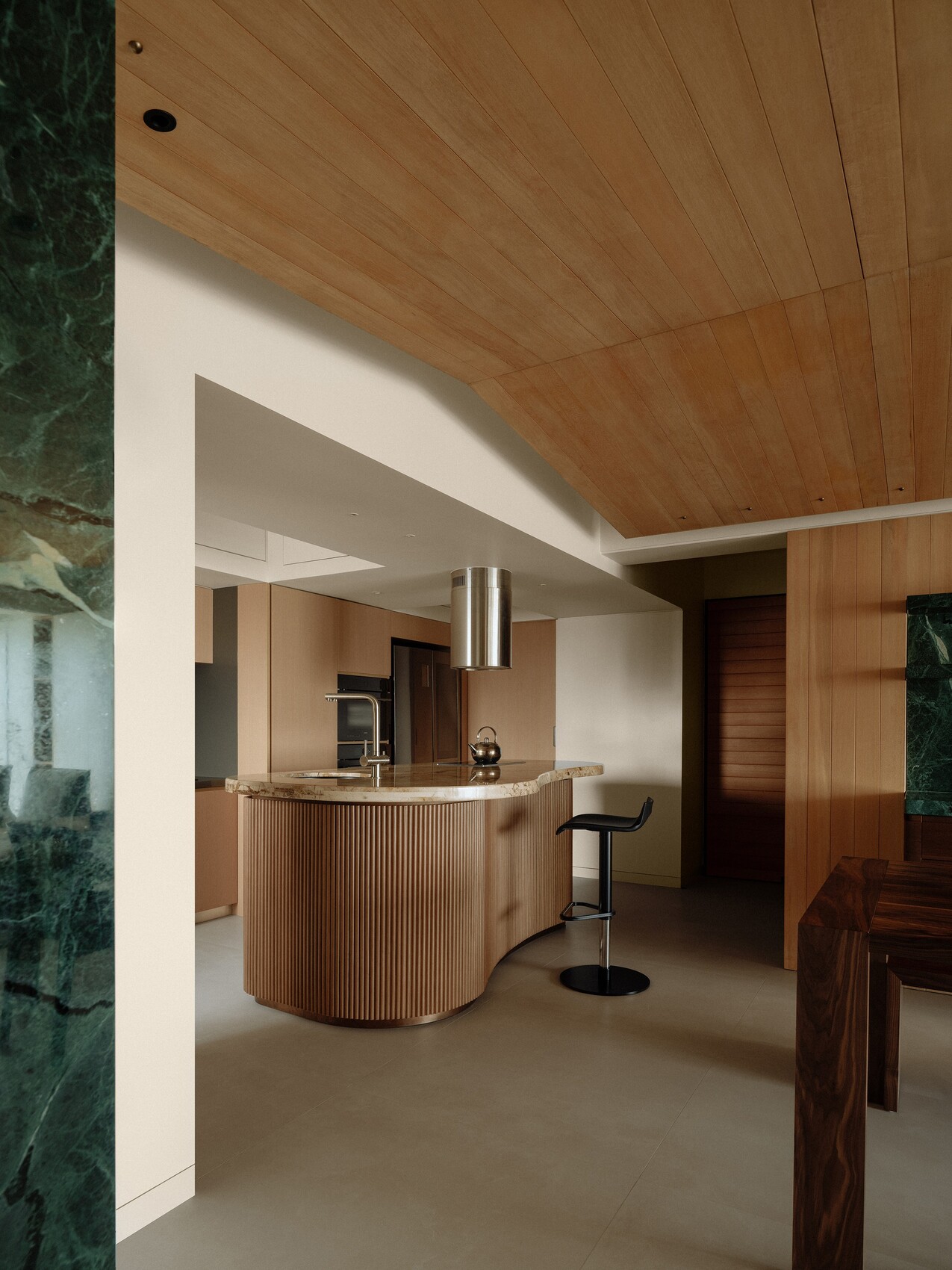
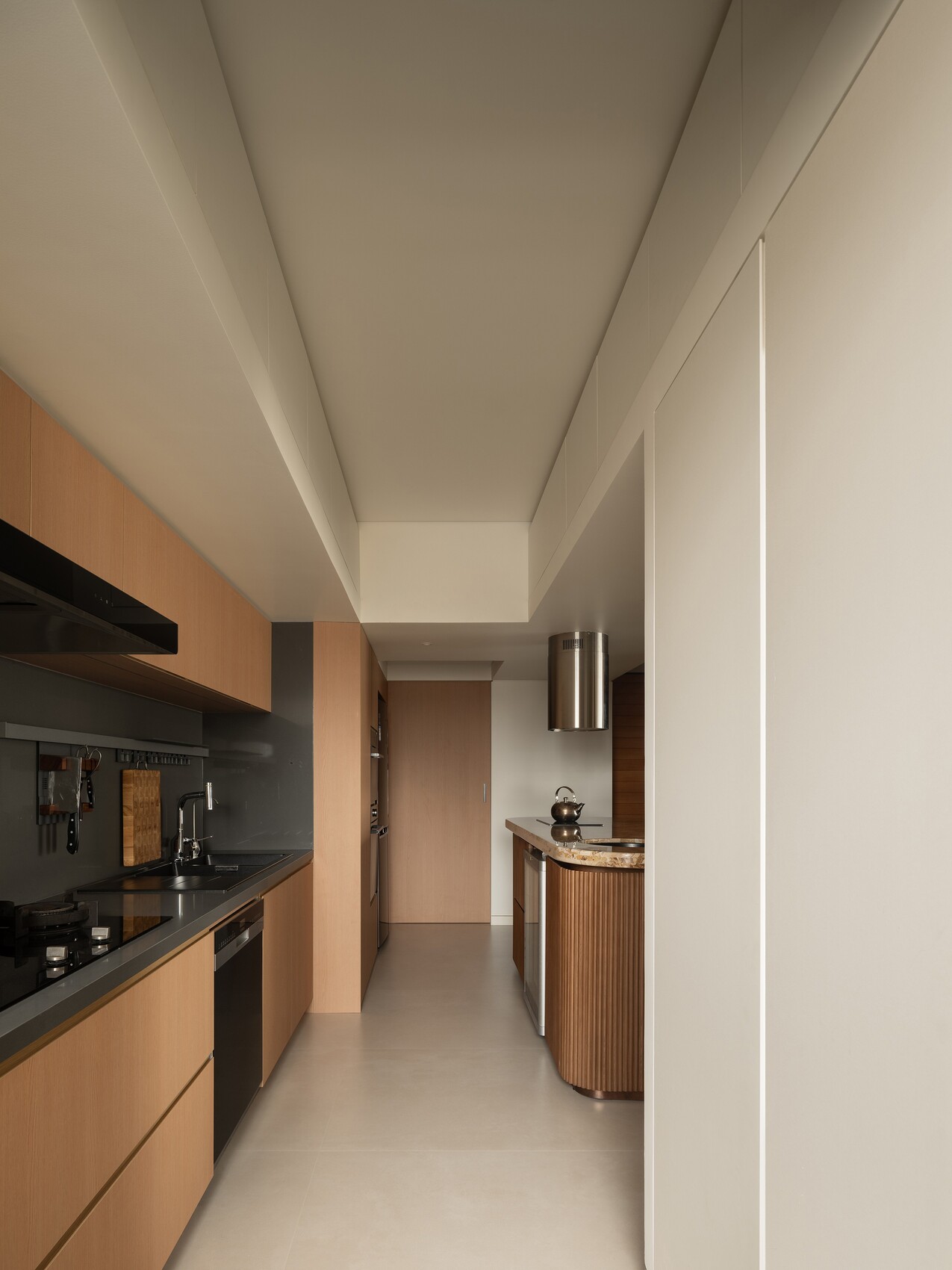
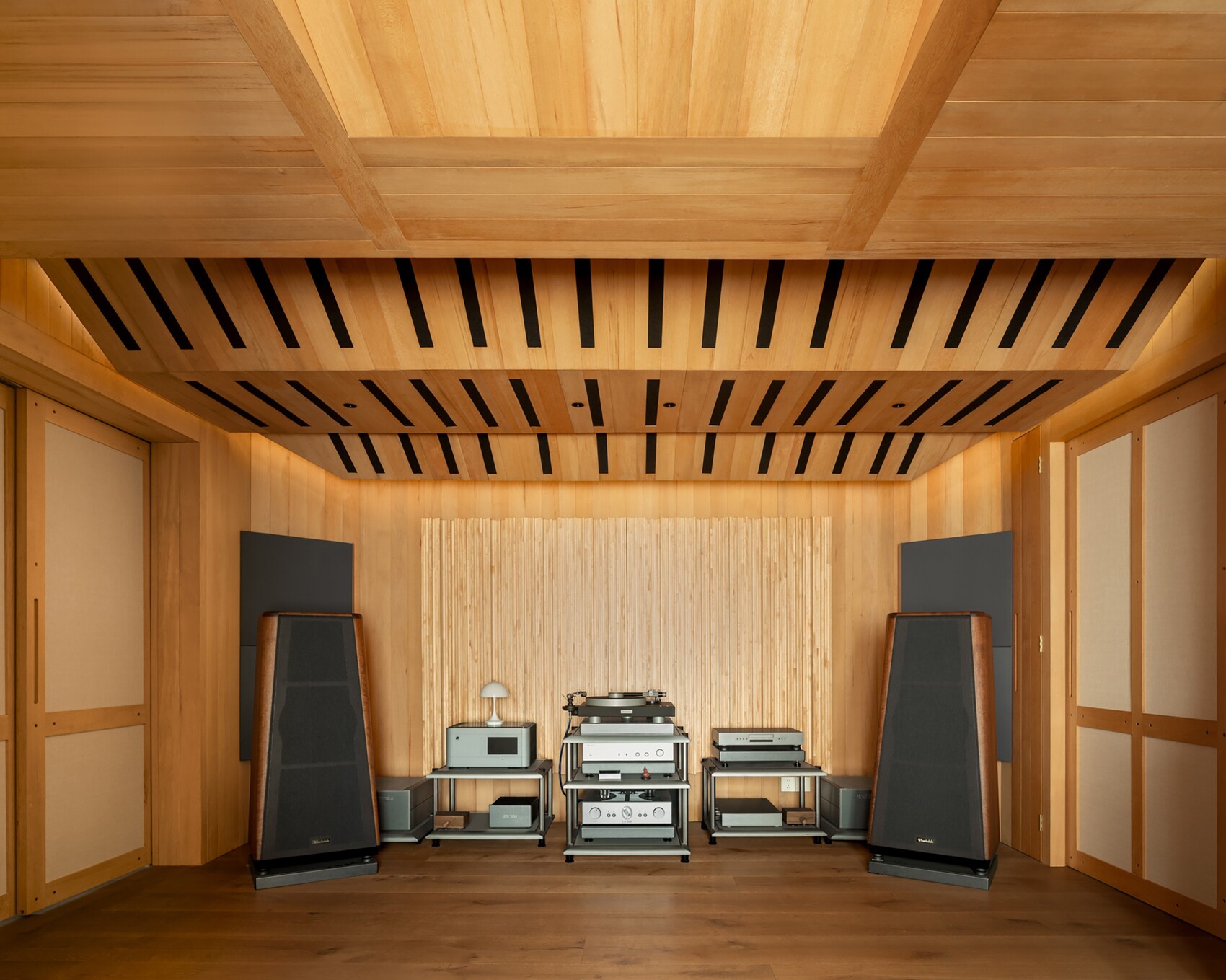
Sonic Realm Acoustic Mansion is a residential renovation by Value Works Architects located in Guangzhou’s Yuexiu District. Occupying 132 square meters within an aging urban apartment, the project reimagines the relationship between domestic life and acoustic performance through a comprehensive transformation of both space and atmosphere. The design introduces a listening-focused environment where architectural planning, material selection, and technical innovation work together to create a home that supports everyday living while accommodating professional-grade sound experiences. Circulation routes were reorganized to improve functionality and privacy, while visual connections between rooms increase daylight penetration and enhance spatial openness. Acoustic strategies inspired by concert hall design were integrated throughout the residence, including specialized sound insulation systems, low-frequency control measures, and carefully calibrated interior finishes. Sustainability also played a significant role in the project, informing the use of renewable materials, low-emission construction methods, and detachable building components designed for long-term adaptability. Through the renewal of an existing dwelling, the project demonstrates how residential renovation can enhance quality of life while extending the value and relevance of urban housing.
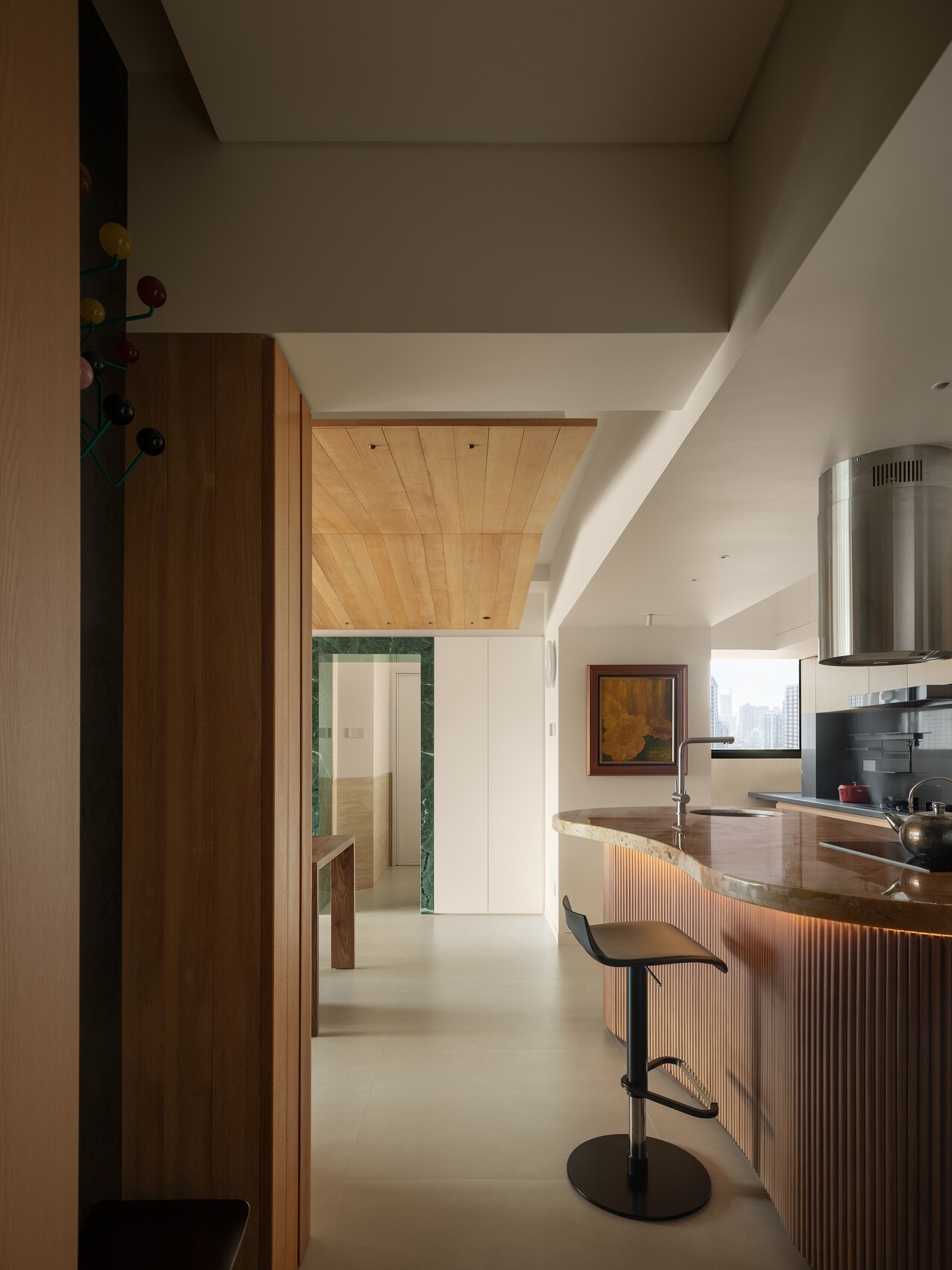
Located within one of Guangzhou’s most established urban neighborhoods, the project approaches renovation as an opportunity to reconsider how architecture can shape sensory experience. Rather than organizing the residence through conventional room-by-room planning, Value Works Architects developed a spatial concept centered on a dedicated listening environment that acts as the nucleus of the home. This strategy transforms music from a secondary activity into a defining architectural element, allowing sound, movement, and daily routines to influence the overall composition of the interior.
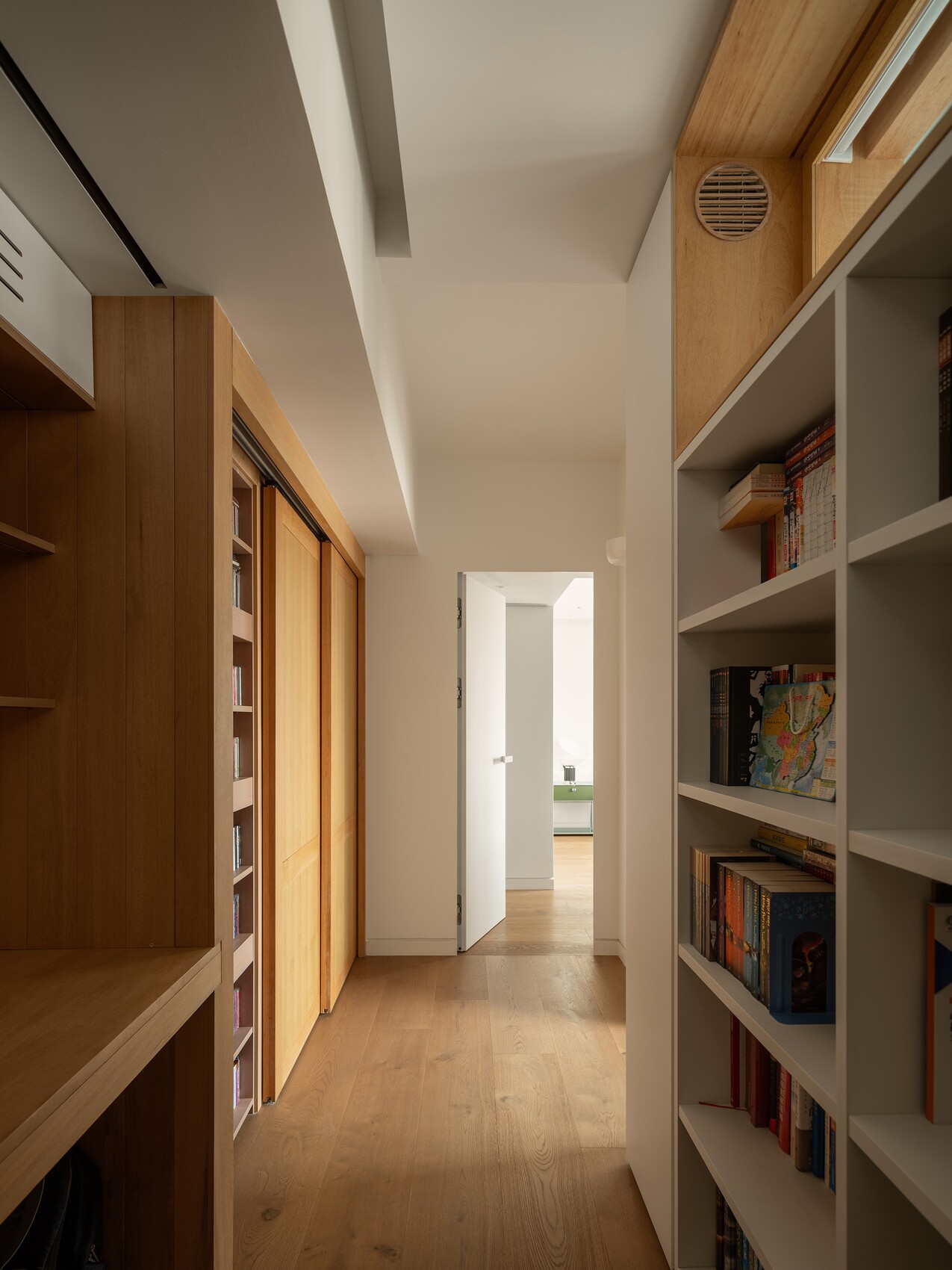
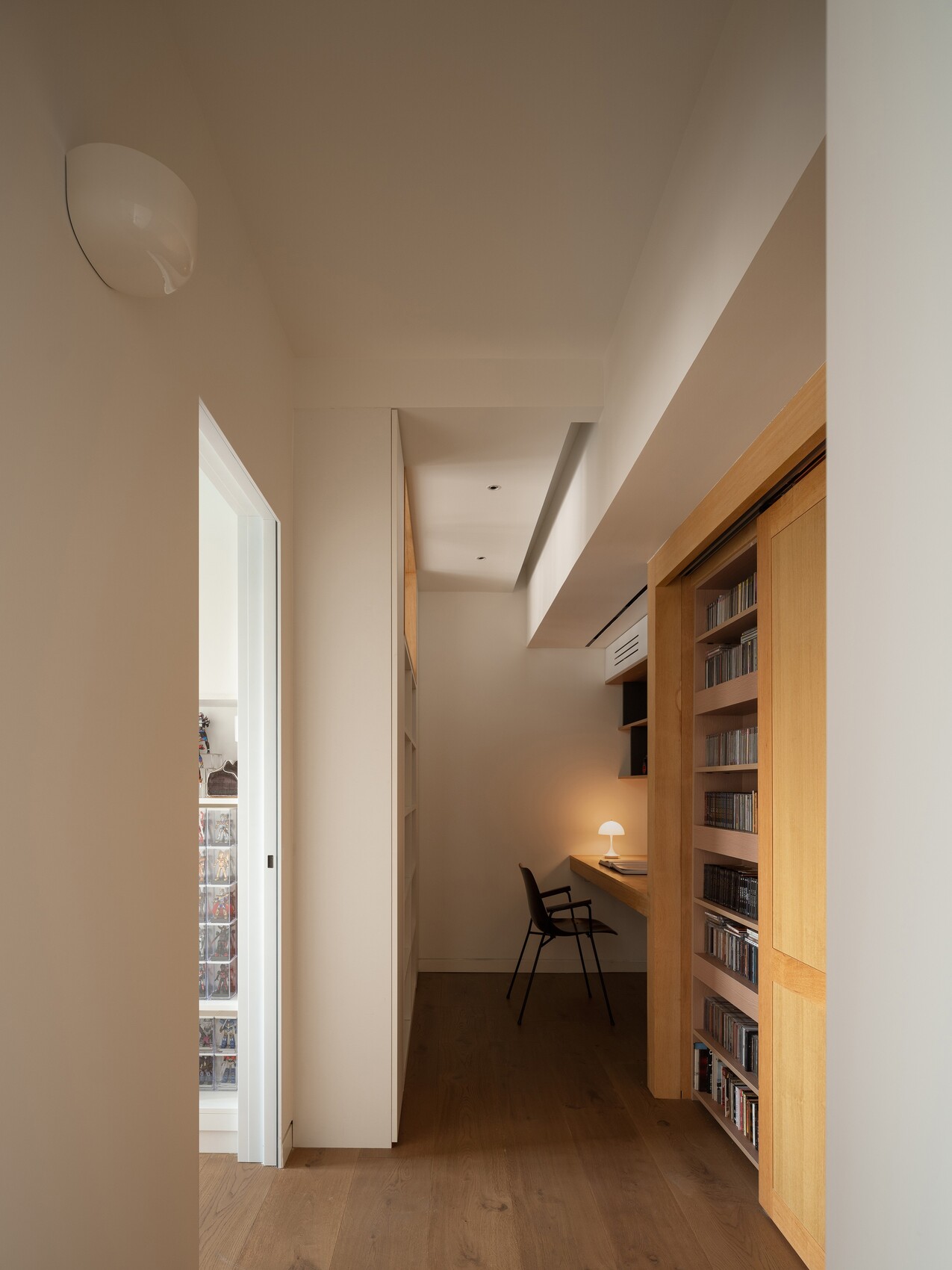
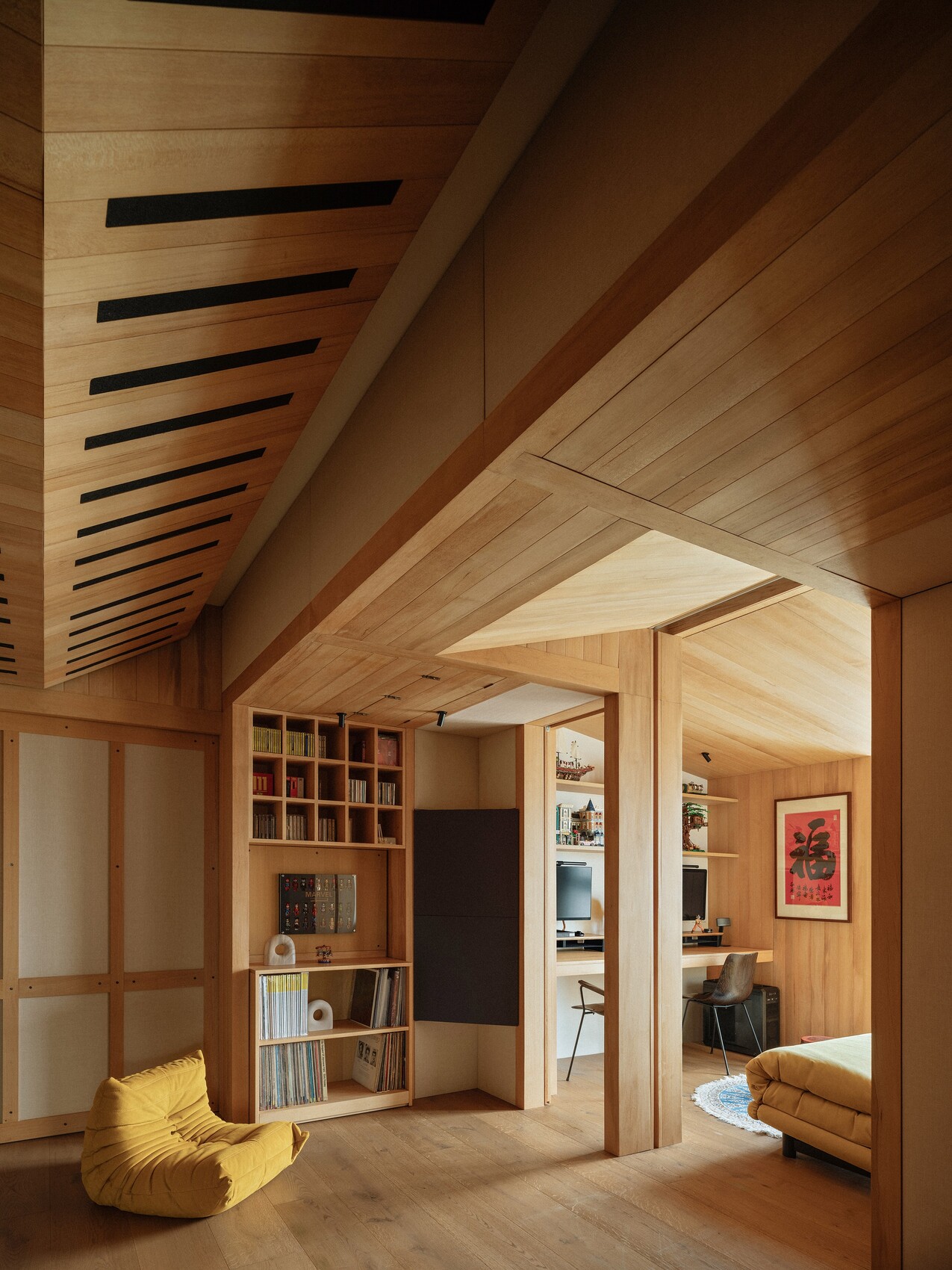
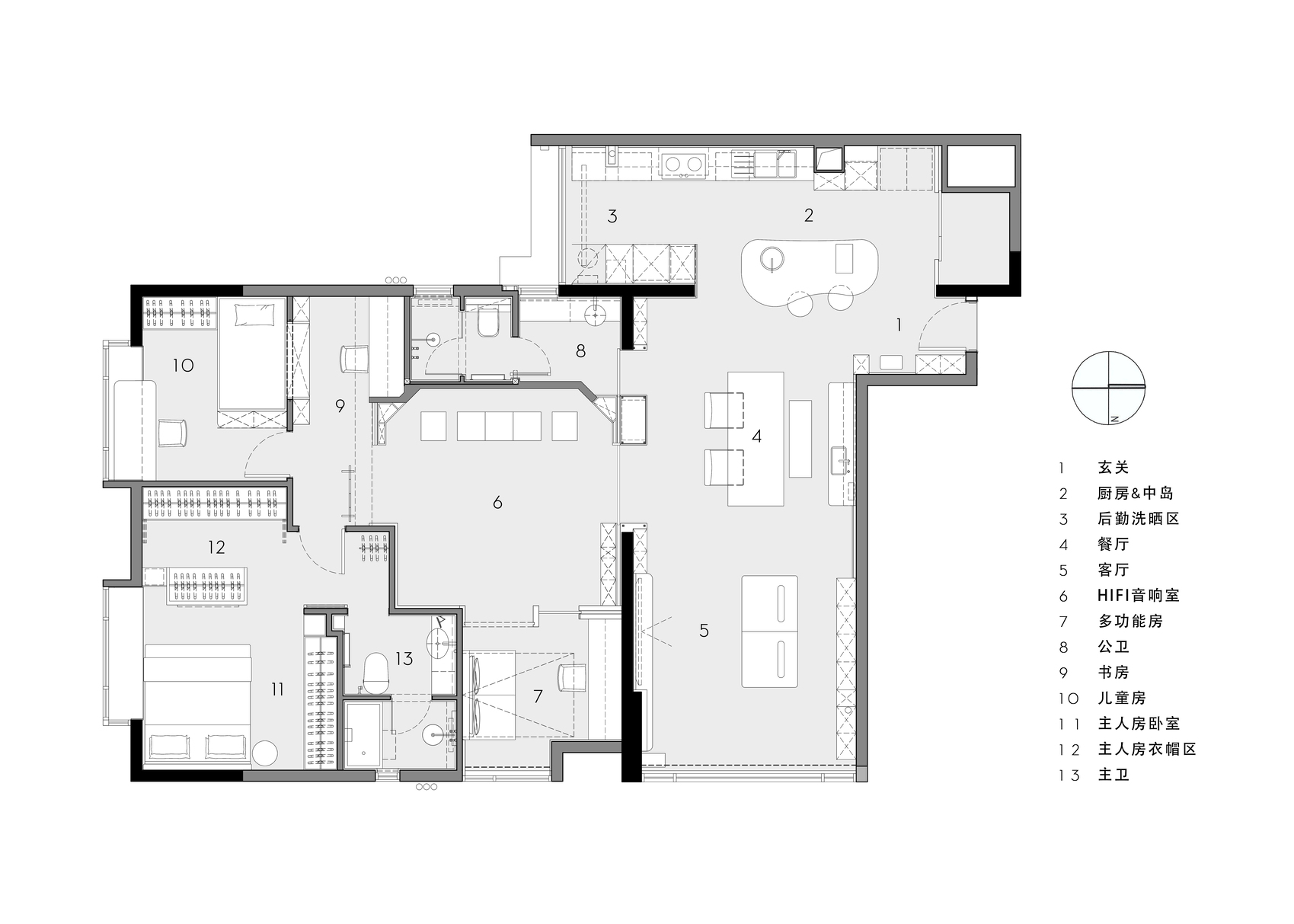
The original apartment reflected many of the limitations commonly found in older residential buildings, including inefficient circulation, fragmented spatial relationships, and limited opportunities for natural light. To address these issues, the design reorganizes the floor plan around interconnected living zones that reduce unnecessary transitional spaces while improving privacy. Access to secondary functions was carefully reconfigured to prevent circulation routes from passing through private areas, creating a clearer distinction between public and personal domains while supporting a more comfortable domestic environment.
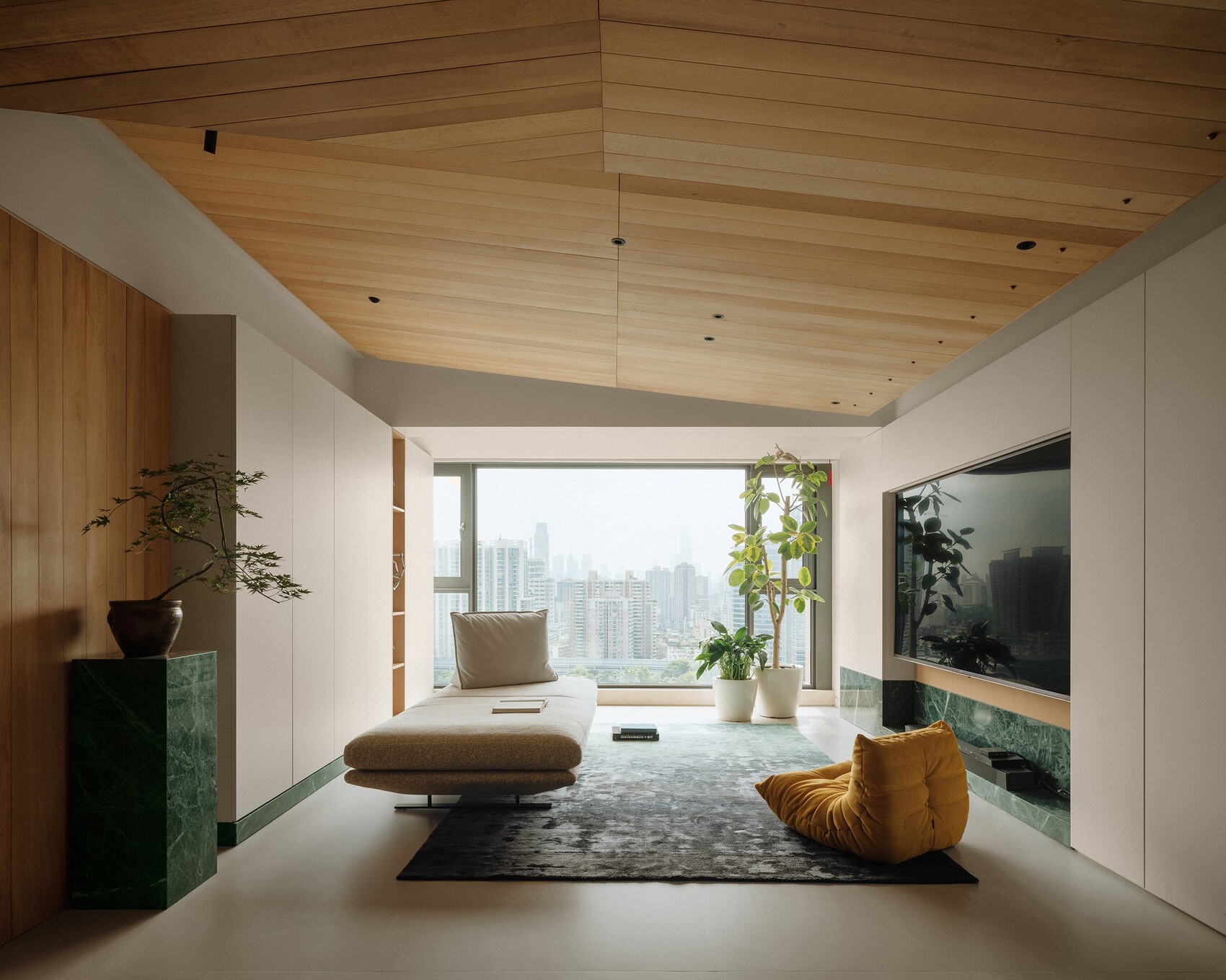
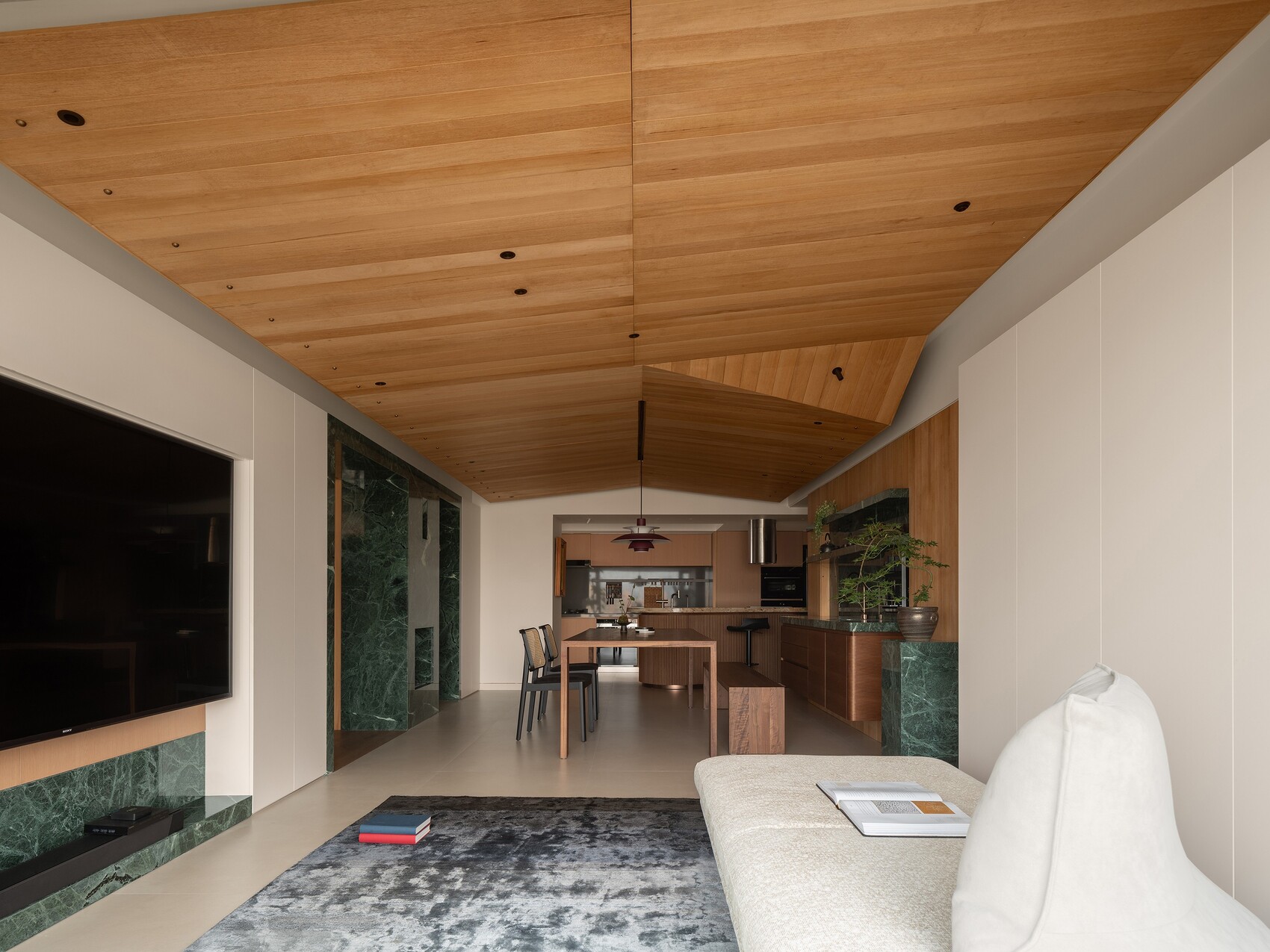
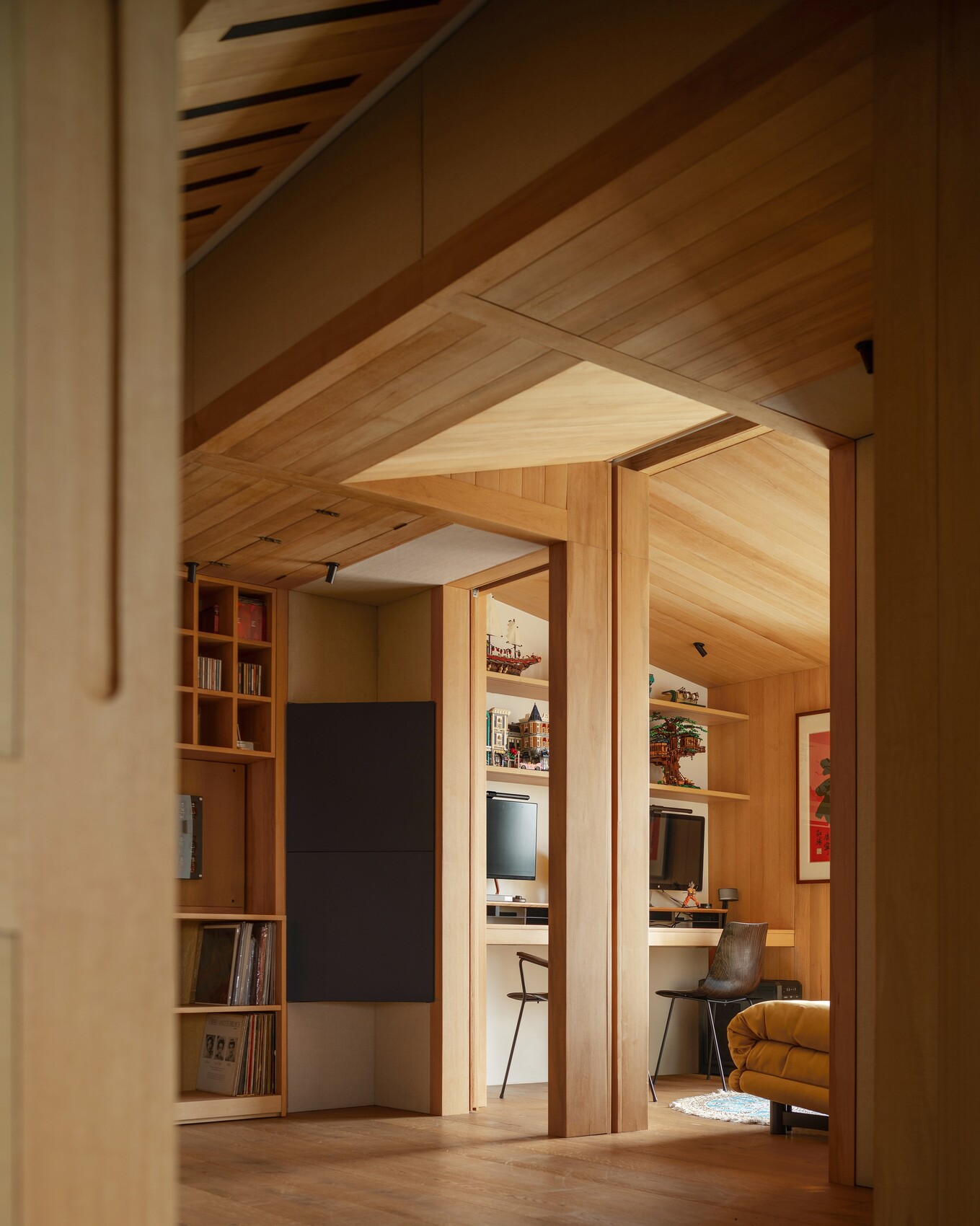
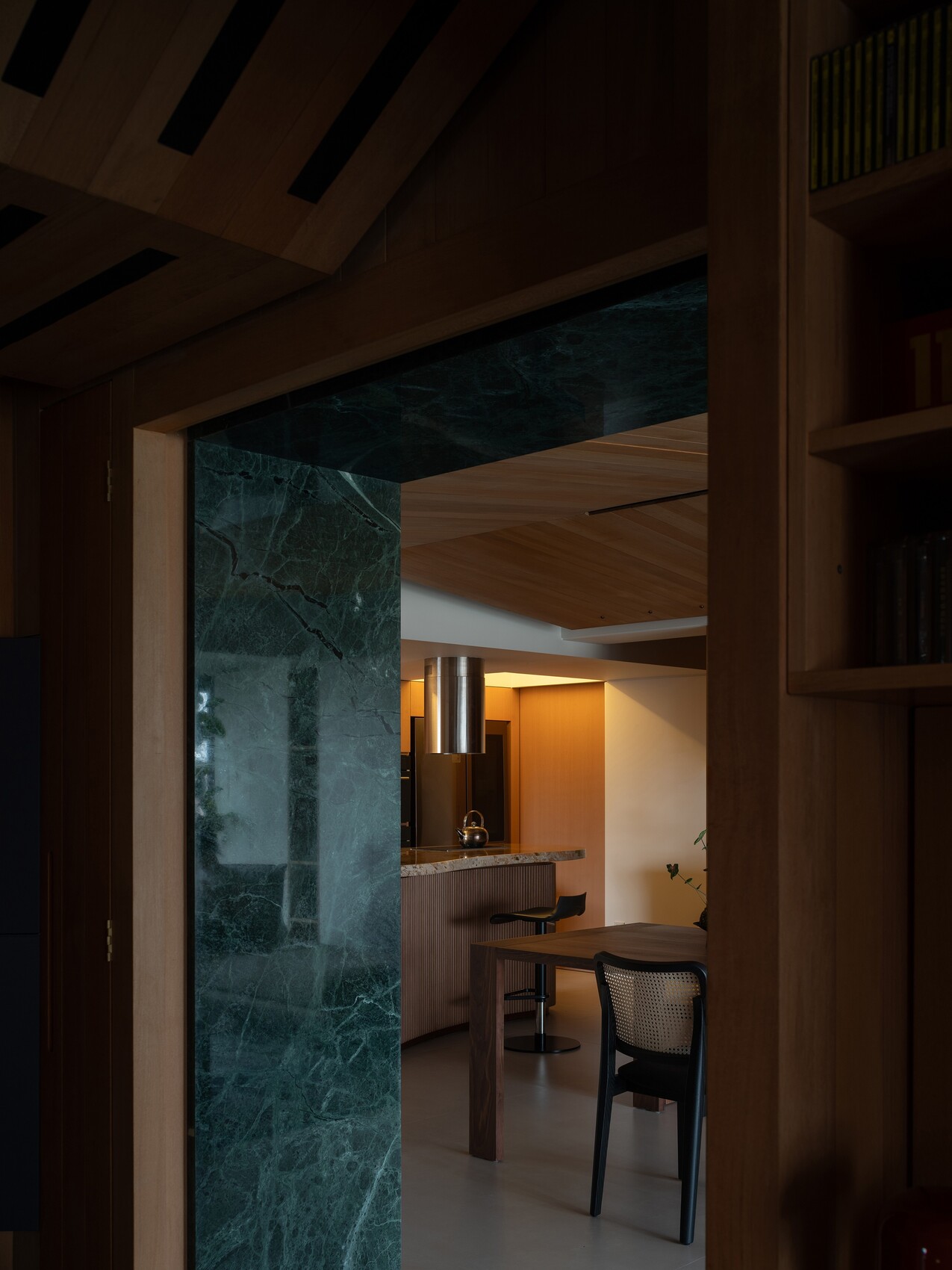
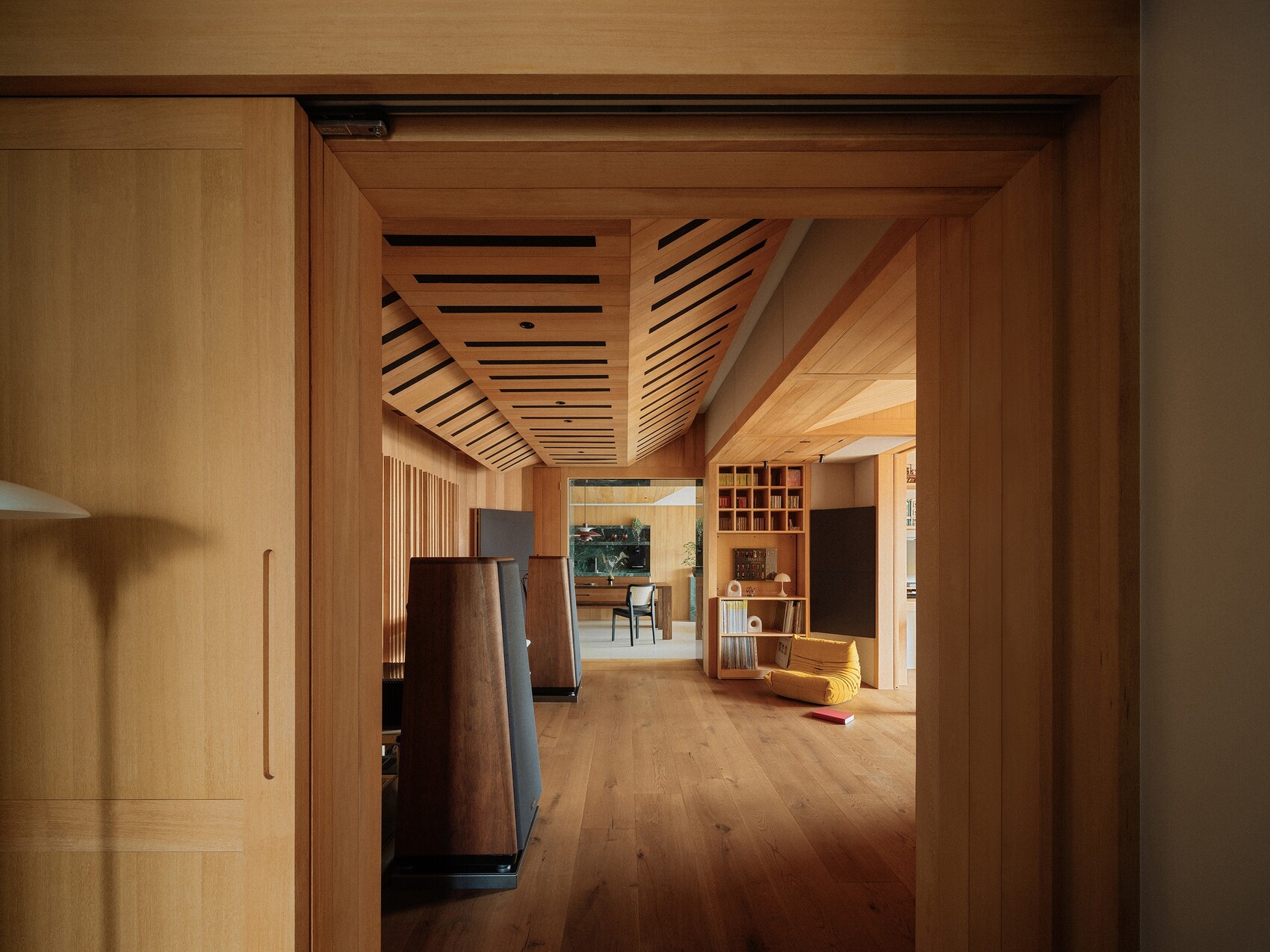
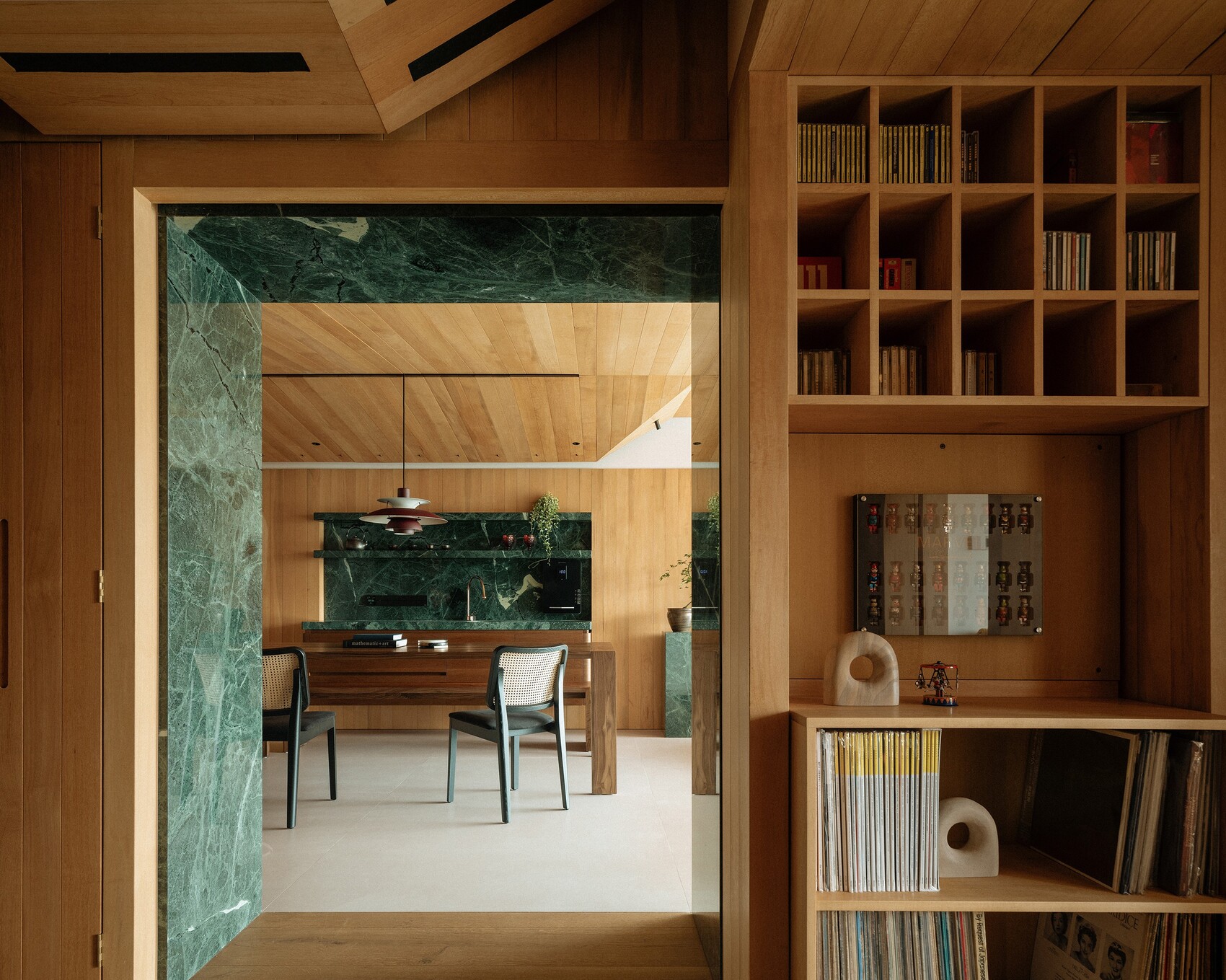
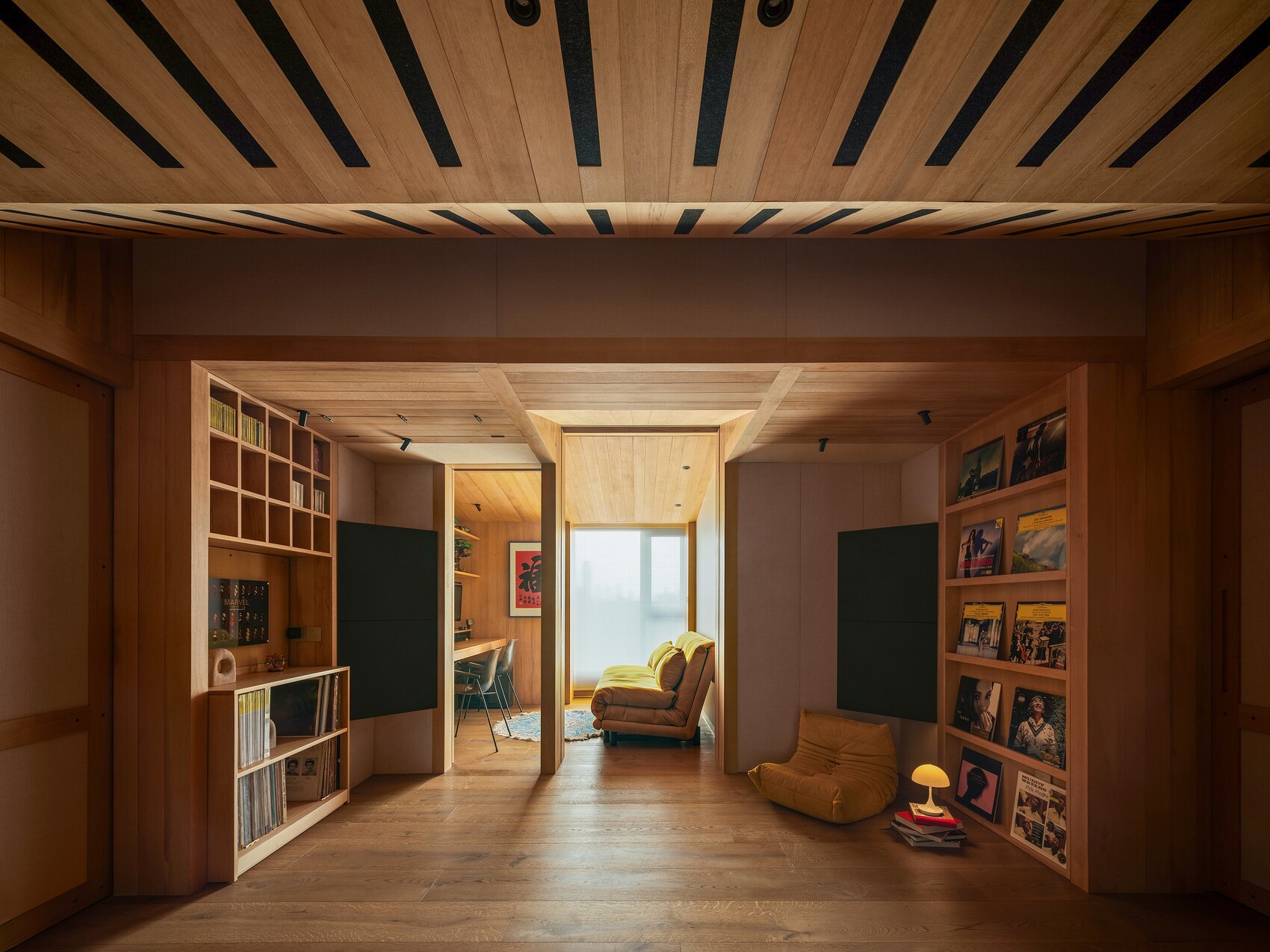
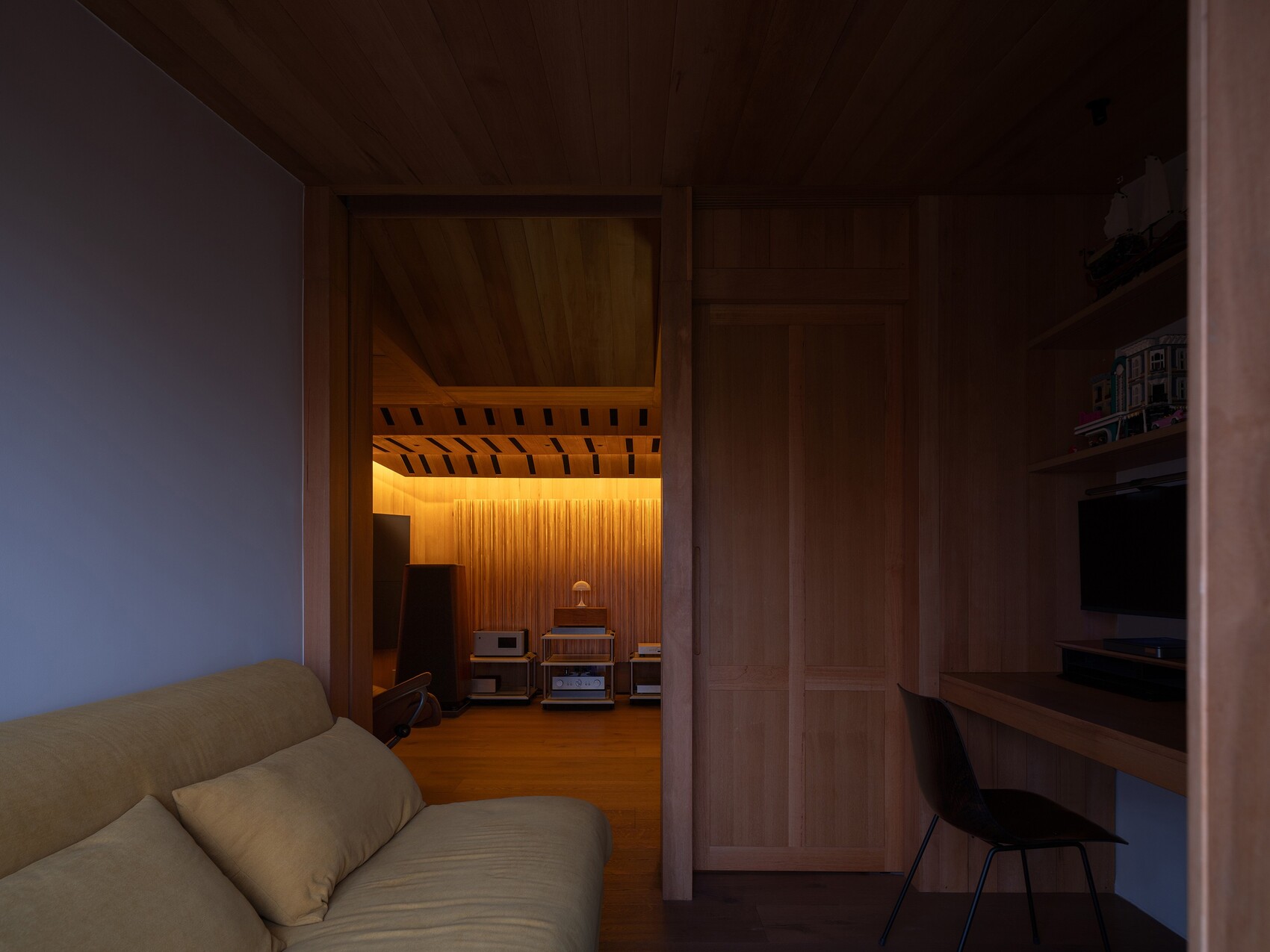
A strong emphasis on openness informs the spatial experience throughout the residence. Visual connections established between the living room, listening space, and children’s room encourage daylight to travel deeper into the interior, reducing the sense of confinement often associated with compact urban apartments. At the same time, adaptable partitions and flexible door systems allow spaces to be connected or separated according to changing needs. This versatility enables the home to accommodate a variety of social, recreational, and acoustic scenarios without sacrificing cohesion.
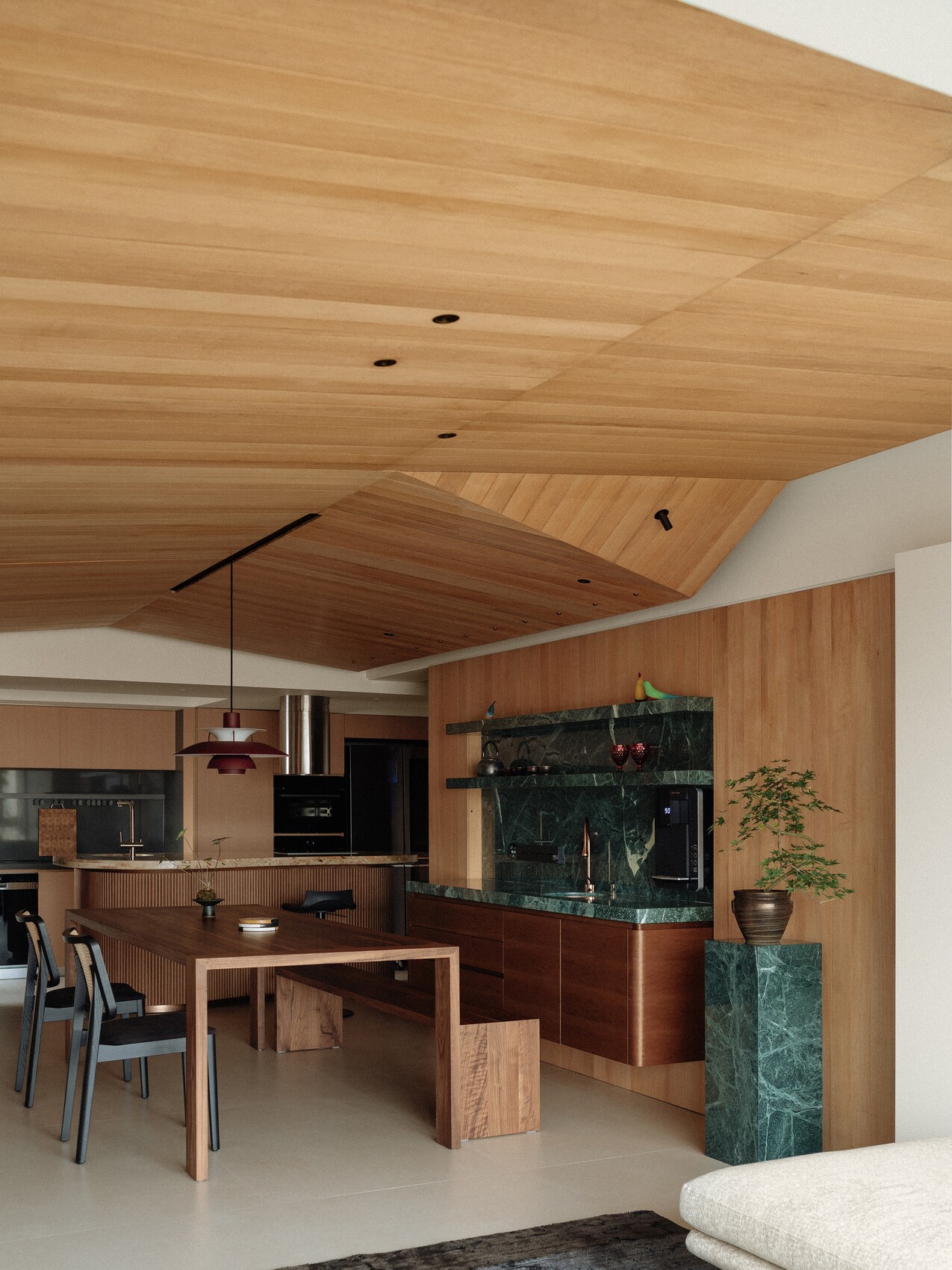
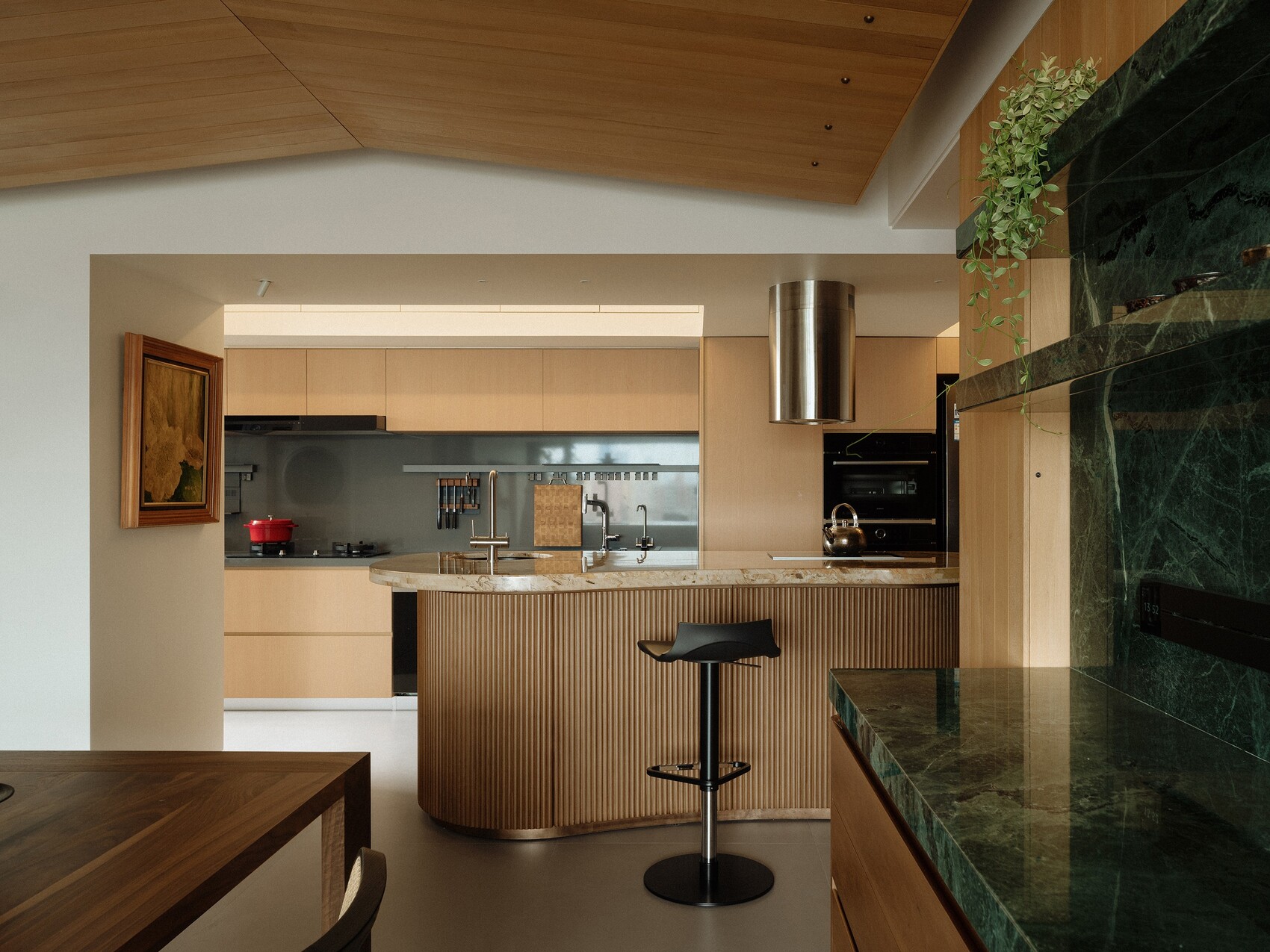
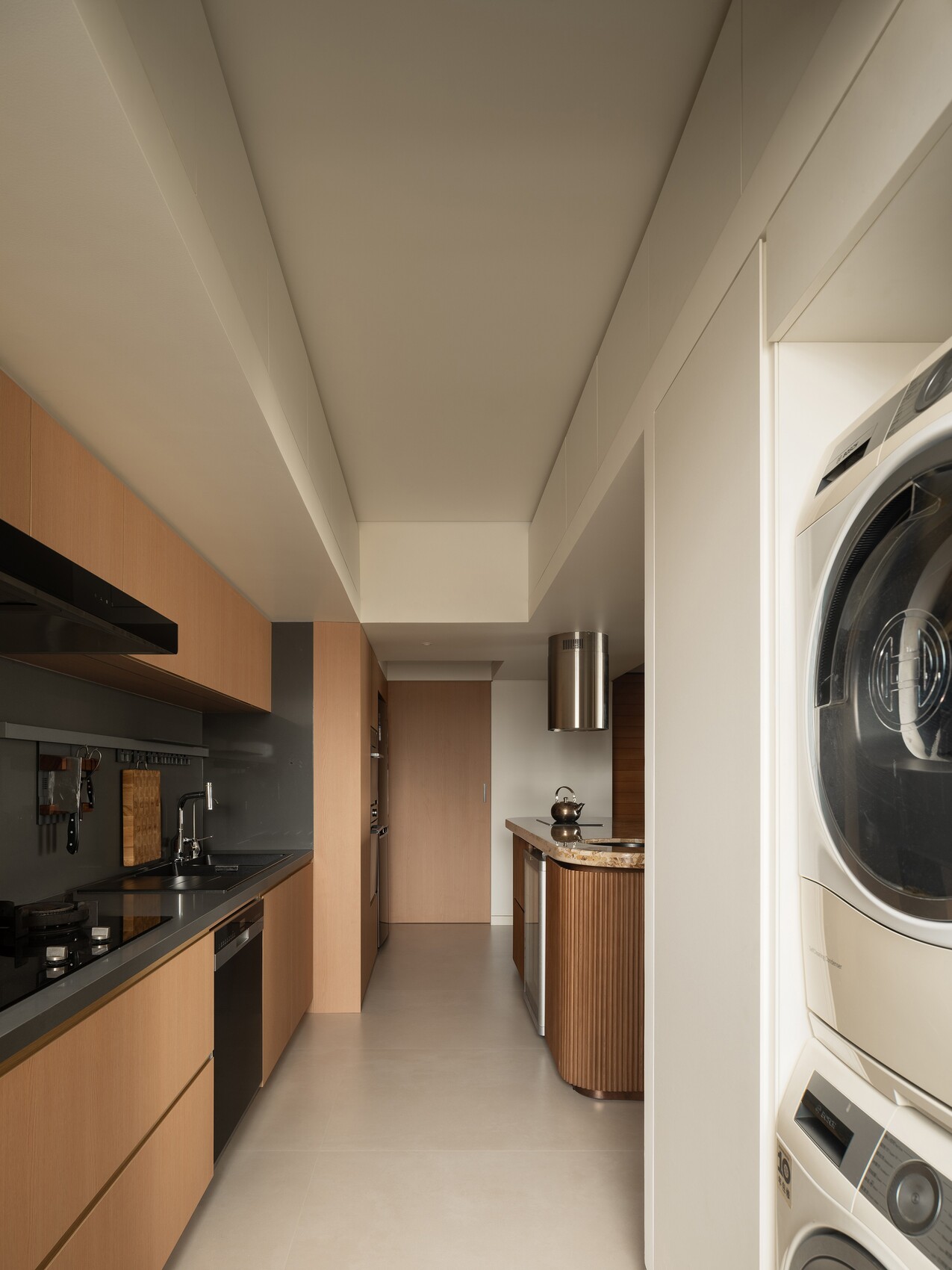
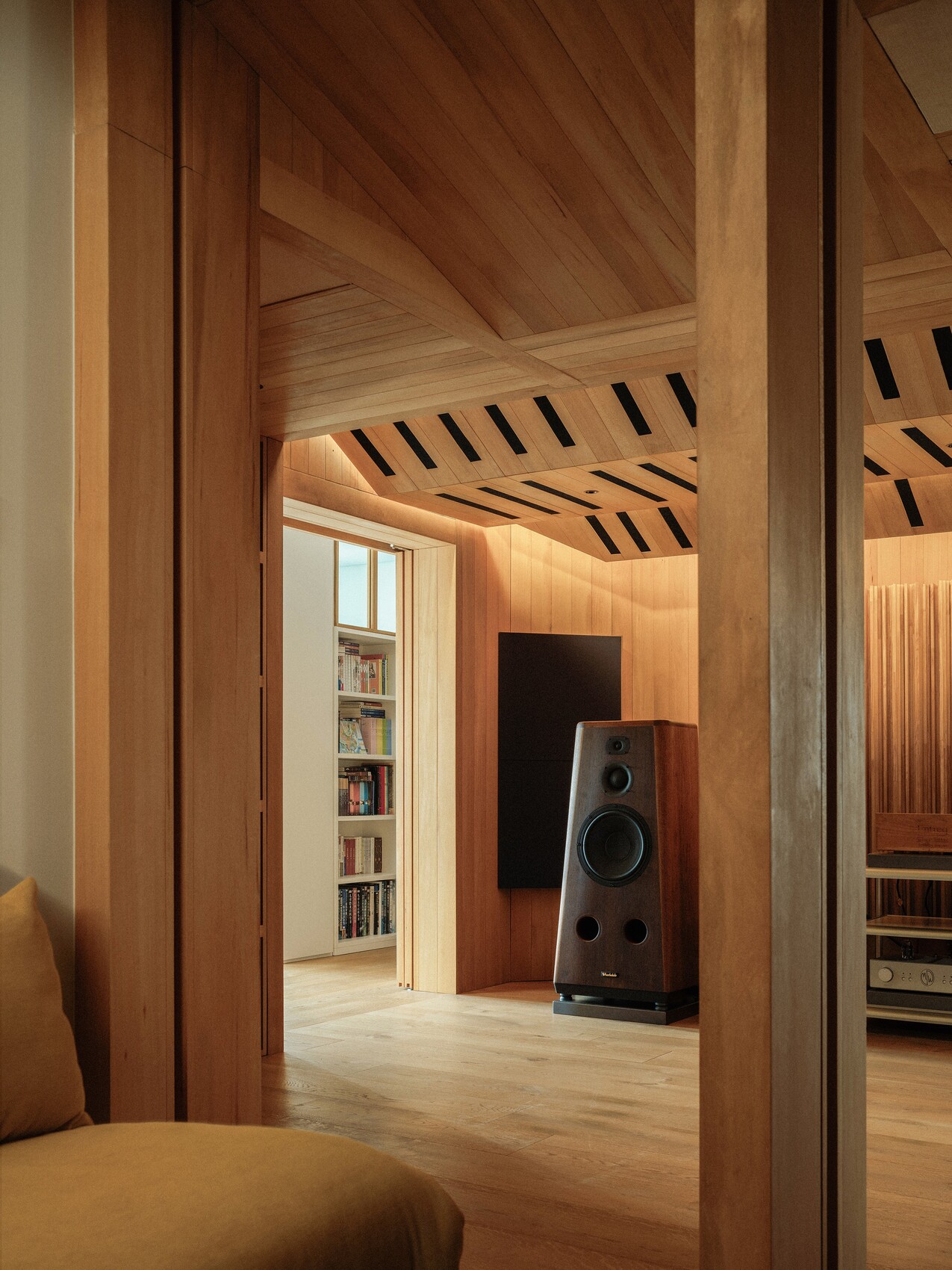
Acoustic performance became a central driver of the design process. Drawing inspiration from professional concert halls, the architects integrated a series of technical solutions that extend beyond conventional residential media-room standards. Stepped ceiling geometries improve sound distribution, while low-frequency traps and custom acoustic modules contribute to a balanced listening environment. A layered sound insulation strategy incorporating acoustic buffers, upgraded doors, and enhanced window systems helps contain sound within the residence, ensuring that high-fidelity audio experiences coexist harmoniously with the surrounding urban community.
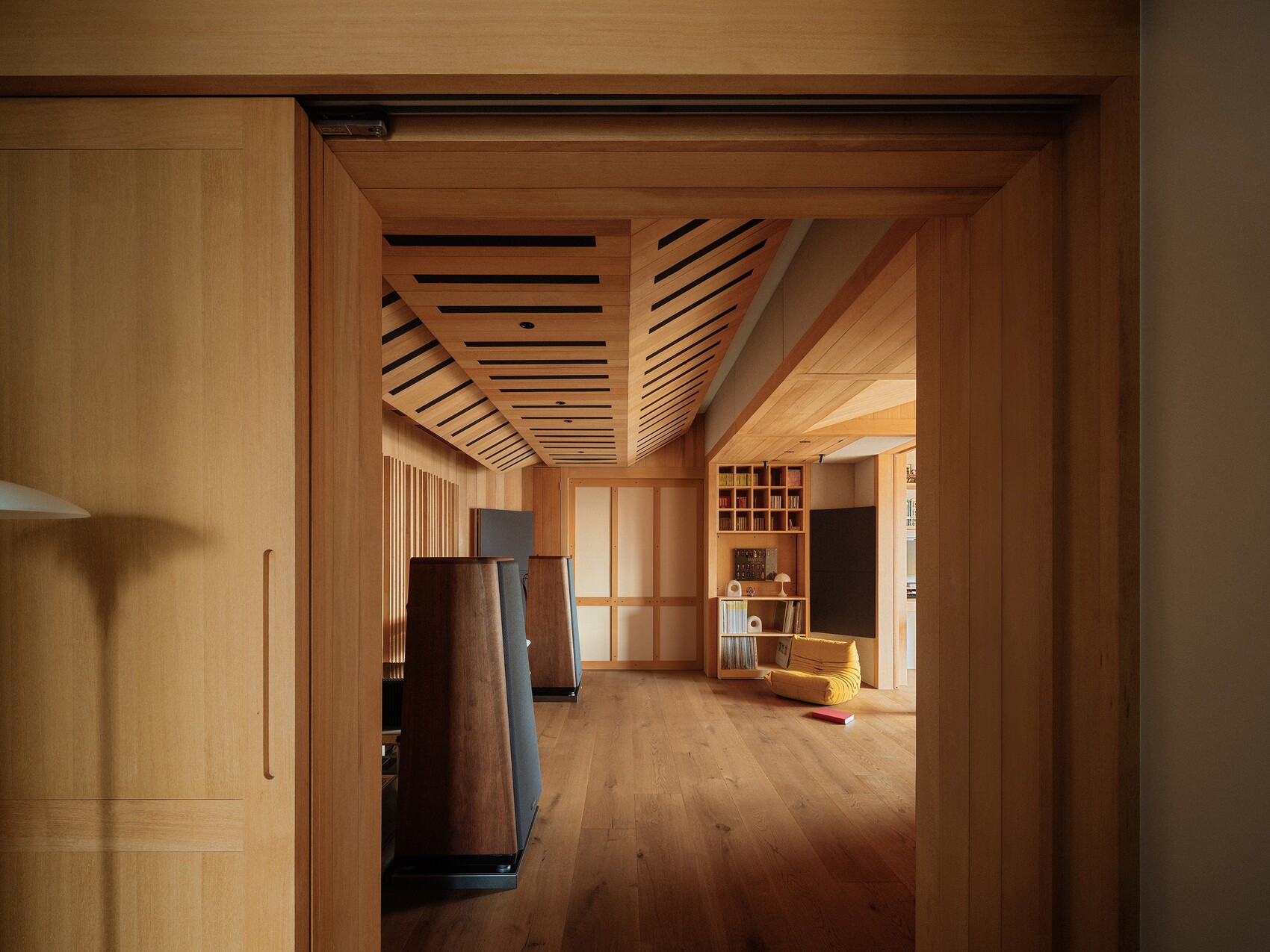
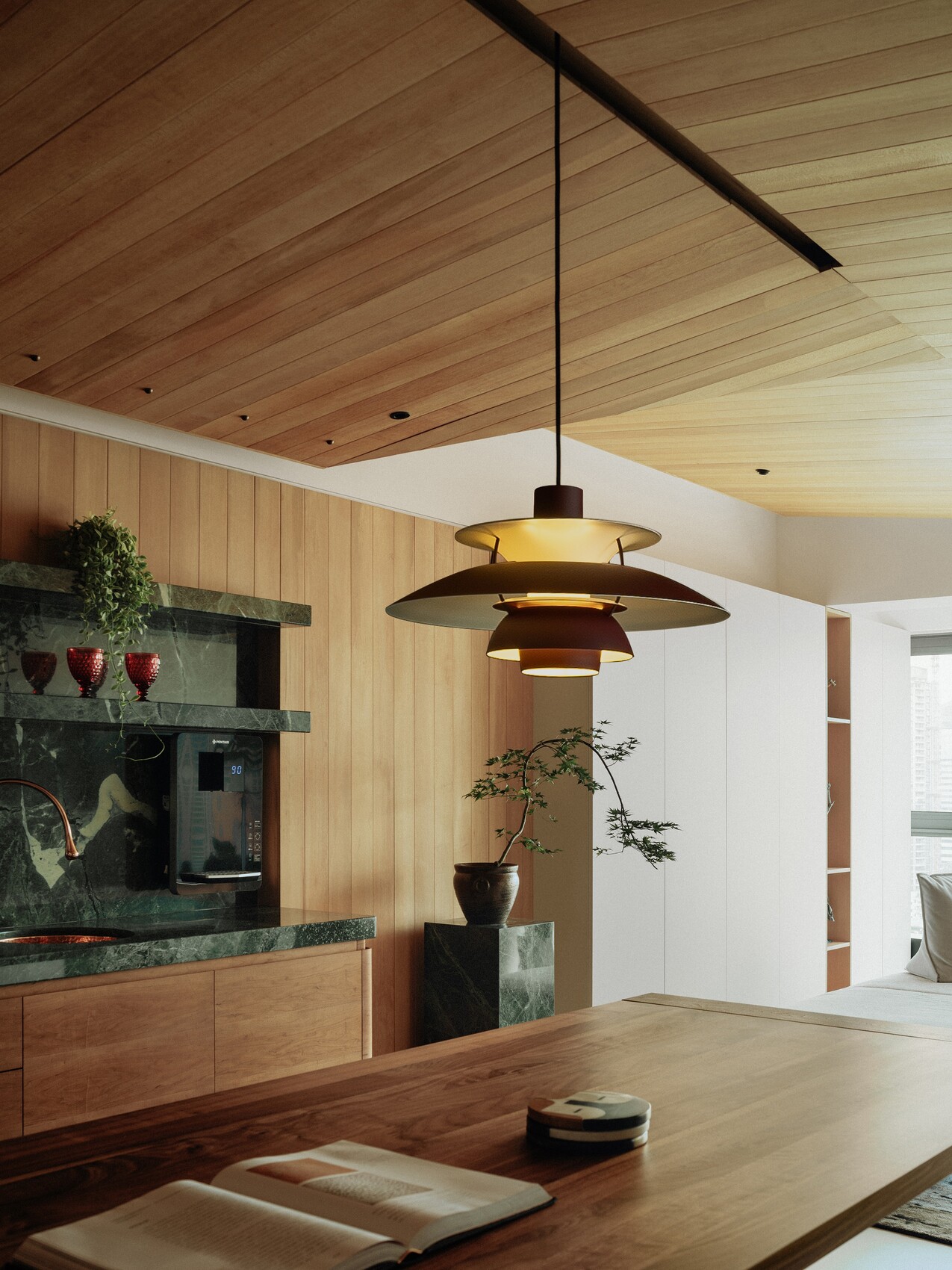
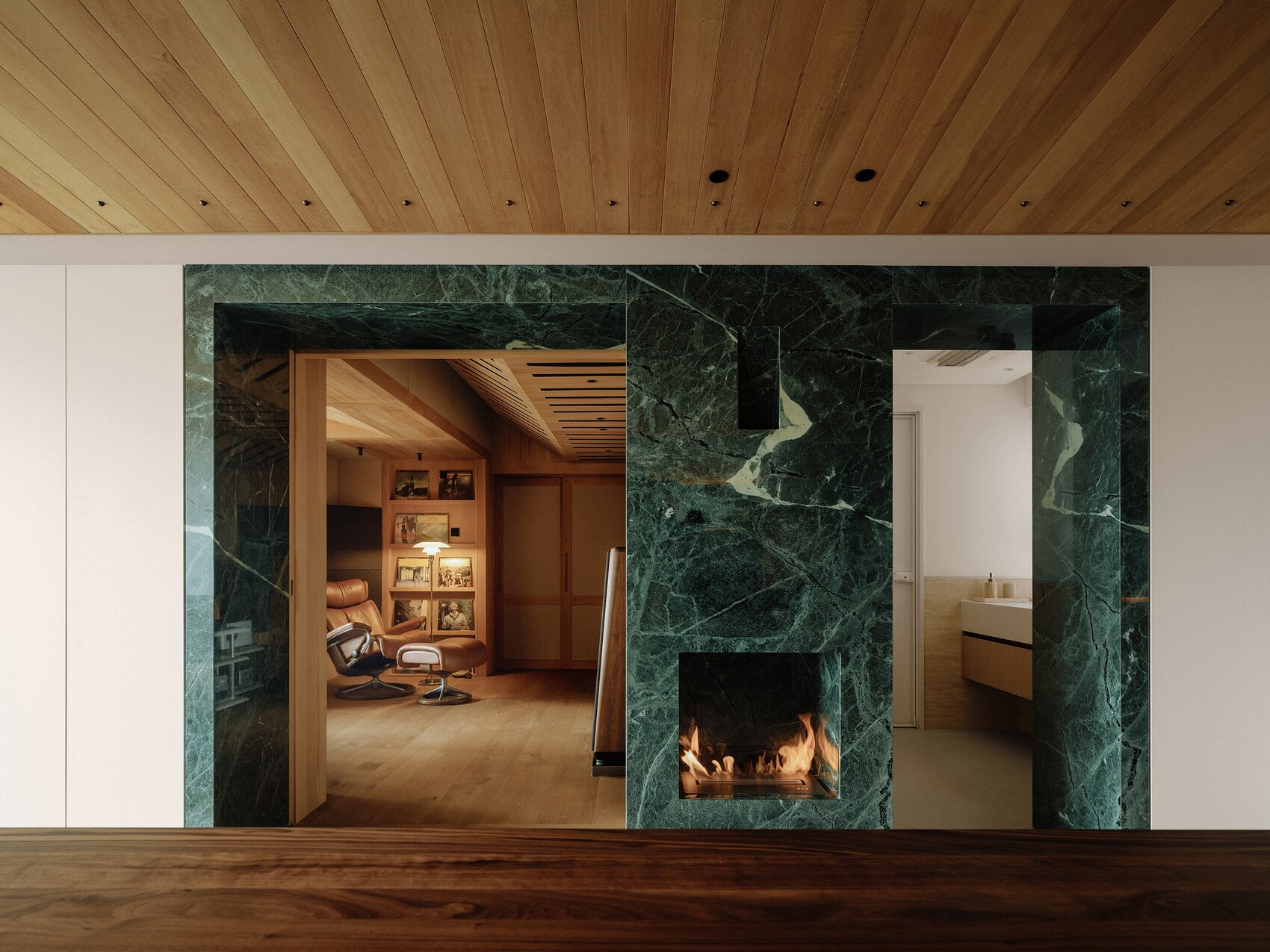
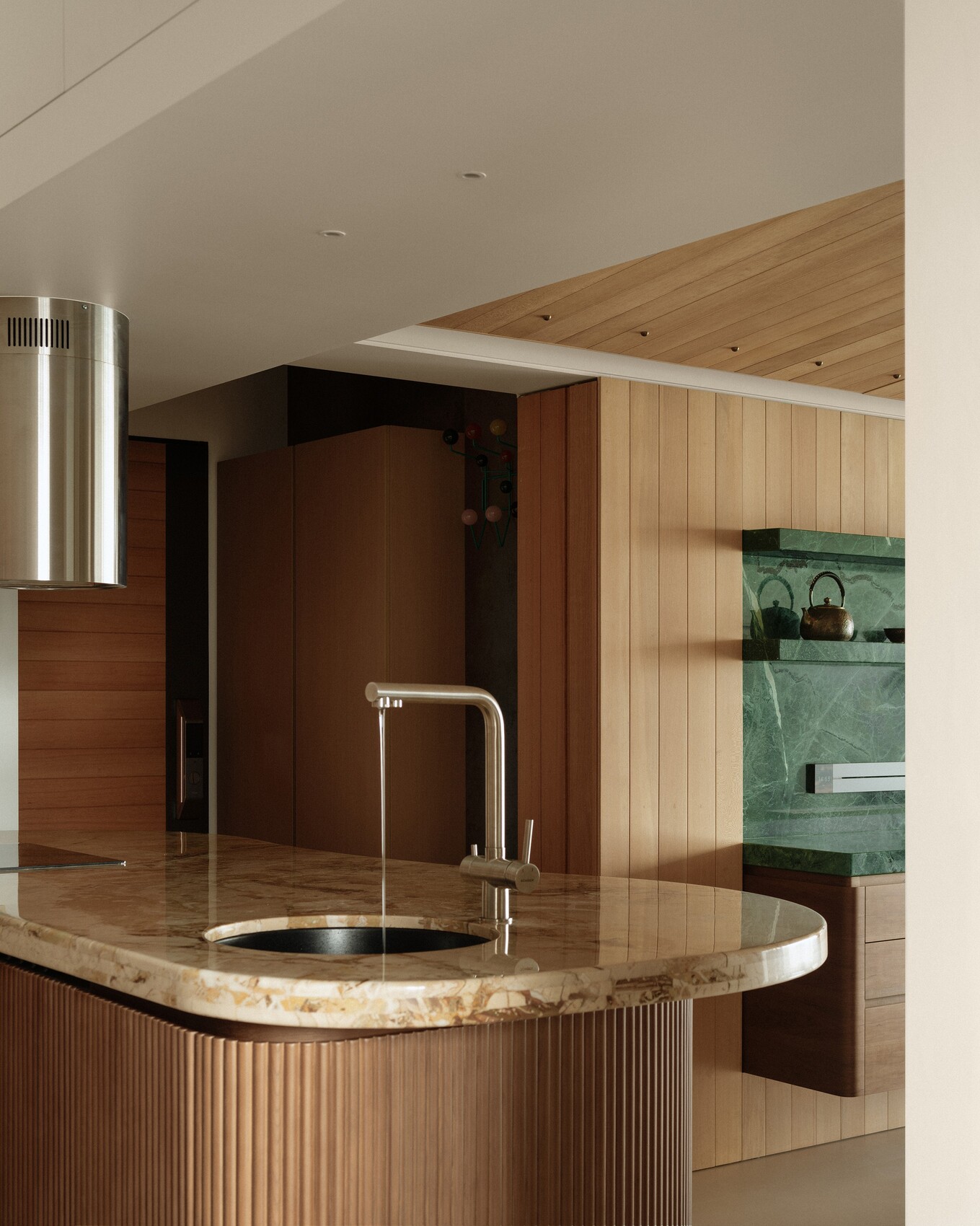
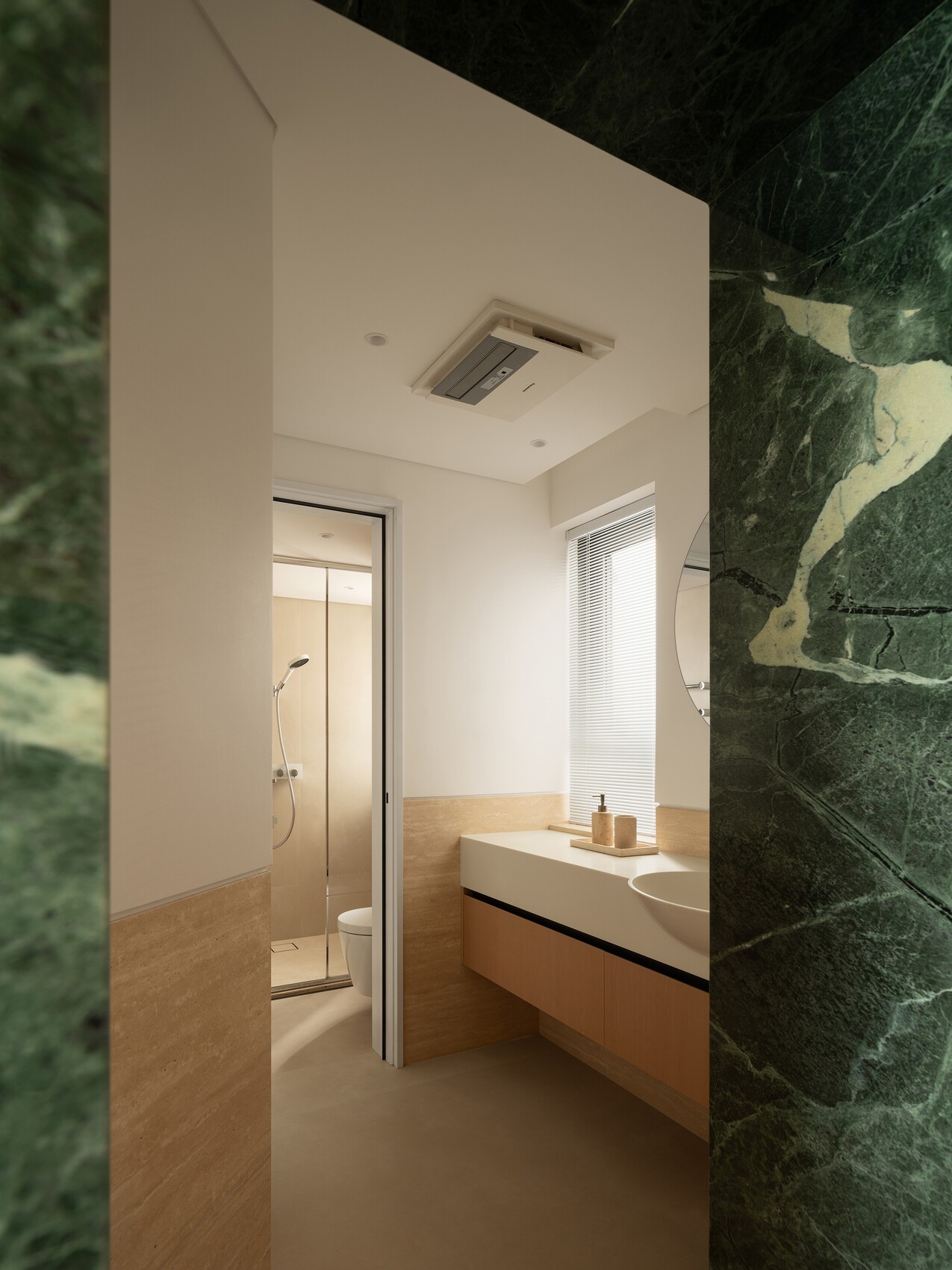
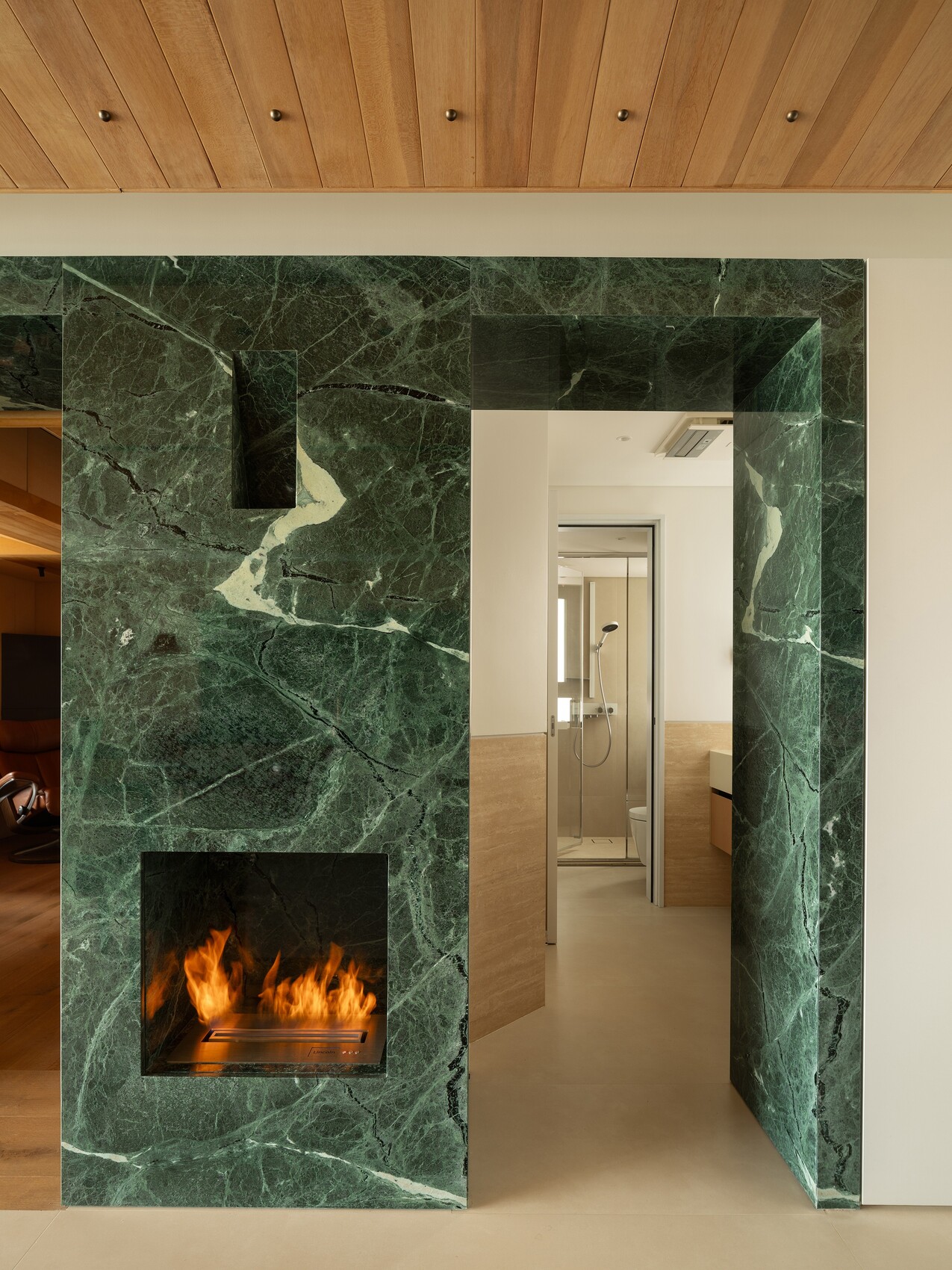
Materiality, craftsmanship, and sustainability converge throughout the project to reinforce both performance and longevity. Natural wood, marble, and handcrafted copper elements establish a warm tactile character while contributing to the acoustic qualities of the interior. Dry-installation techniques replace adhesive-intensive construction methods, allowing many components to be removed, maintained, or reused over time. Supported by detailed digital modeling and precise construction coordination, the renovation demonstrates how technical innovation and traditional craftsmanship can work together to revitalize existing housing. Through this careful balance of architectural renewal, acoustic refinement, and environmental responsibility, Sonic Realm Acoustic Mansion offers a compelling vision for the future of urban residential transformation.
Project Gallery
.jpg "Sonic Realm Acoustic Mansion / Value Works Architects 19")
Project Location
Address: Yuexiu District, Guangzhou, Guangdong, China
The location specified is intended for general reference and may denote a city or country, but it does not identify a precise address.

