

Architects: Pierre Koenig
Year: 1960
Photography: Pierre Koenig, Julius Shulman, J. Paul Getty Trust, Getty Research Institute J Paul Getty Trust, Mike Presser, Cameron Carothers, Jilbert Daniel, Chris Schroeer Heiermann, Frank Hashimoto, Design within Reach, Brontis5, cityNnature, Corpho, Ellen e2010, dalylab, Wikimedia Commons, mbtrama, Ovs at English Wikipedia
Client: Buck and Carlotta Stahl
City: Los Angeles
Country: United States
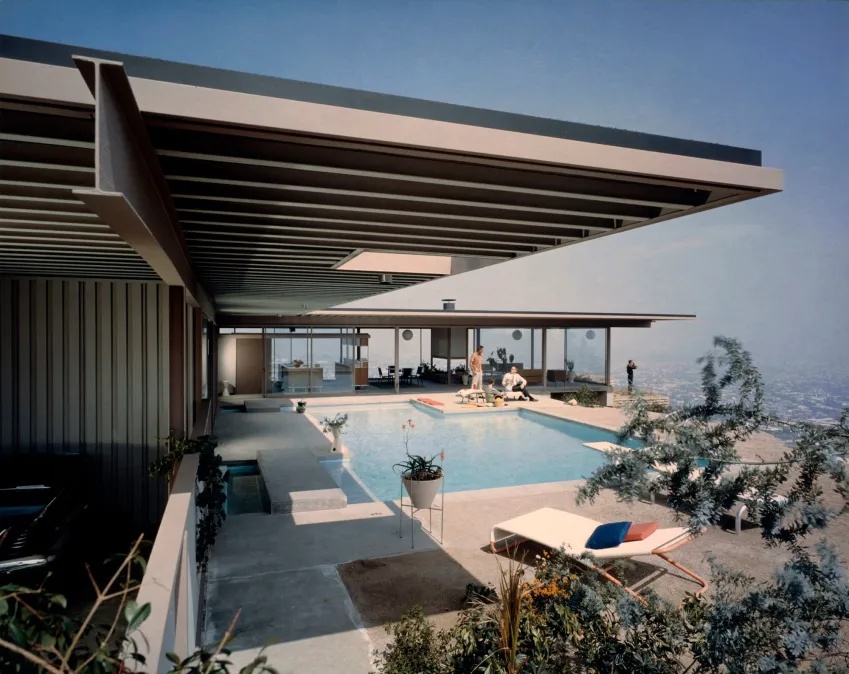
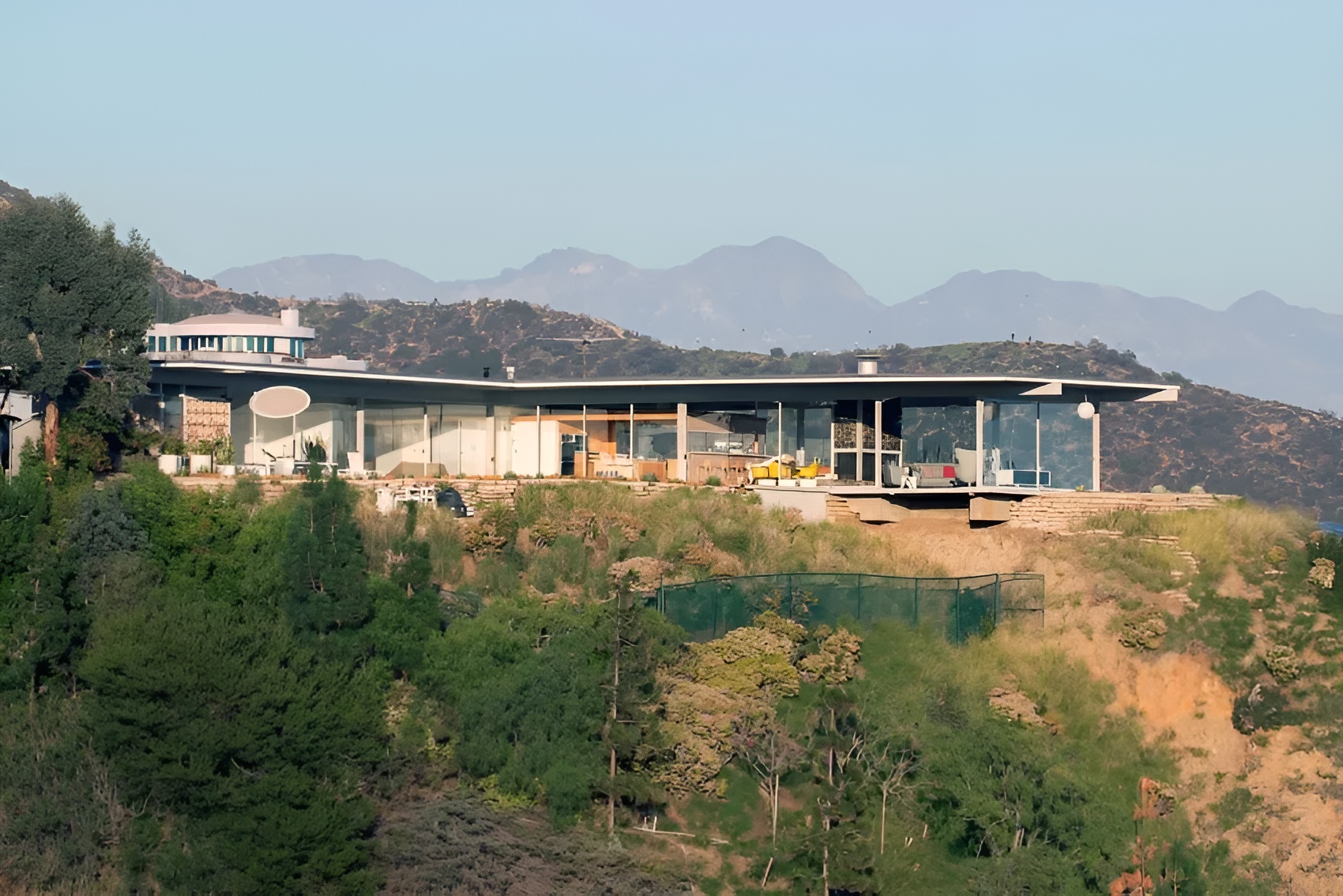
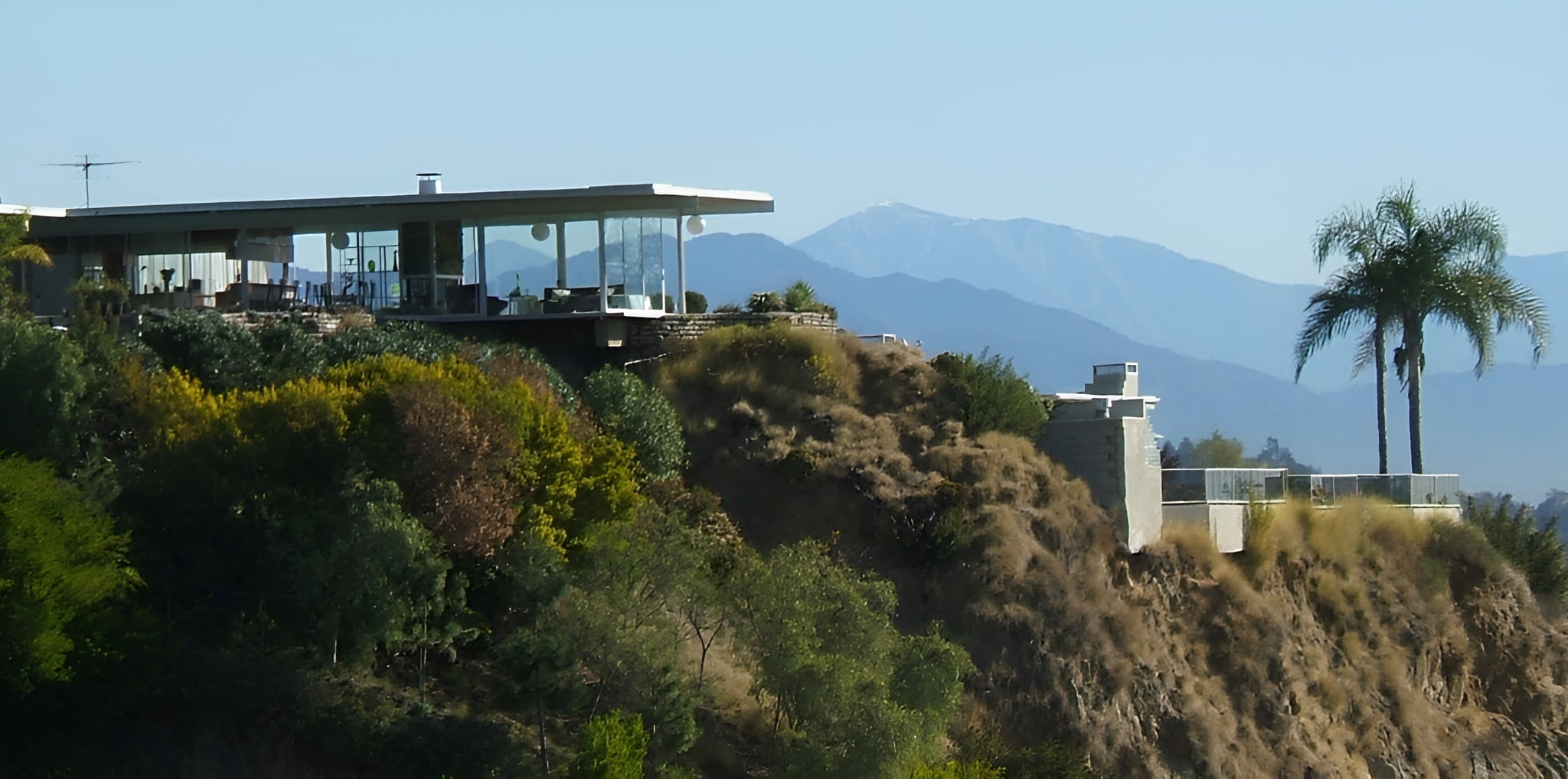
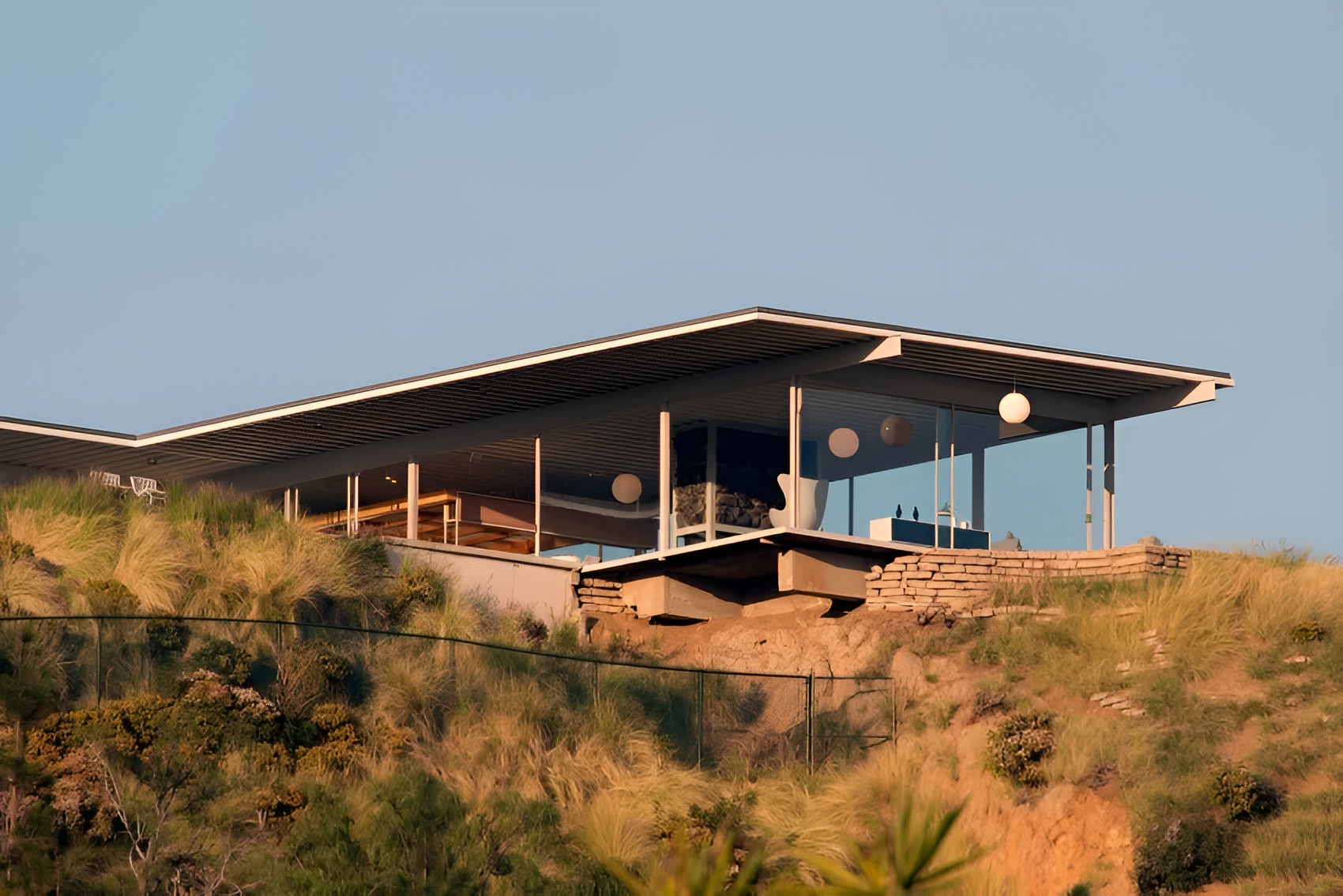
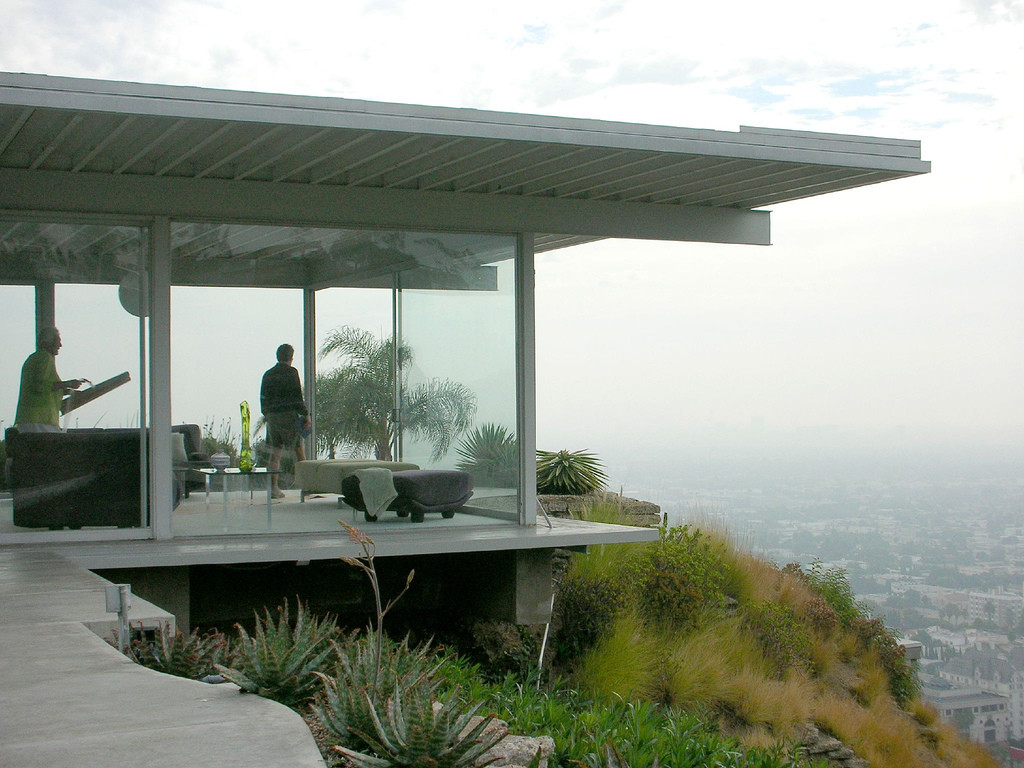
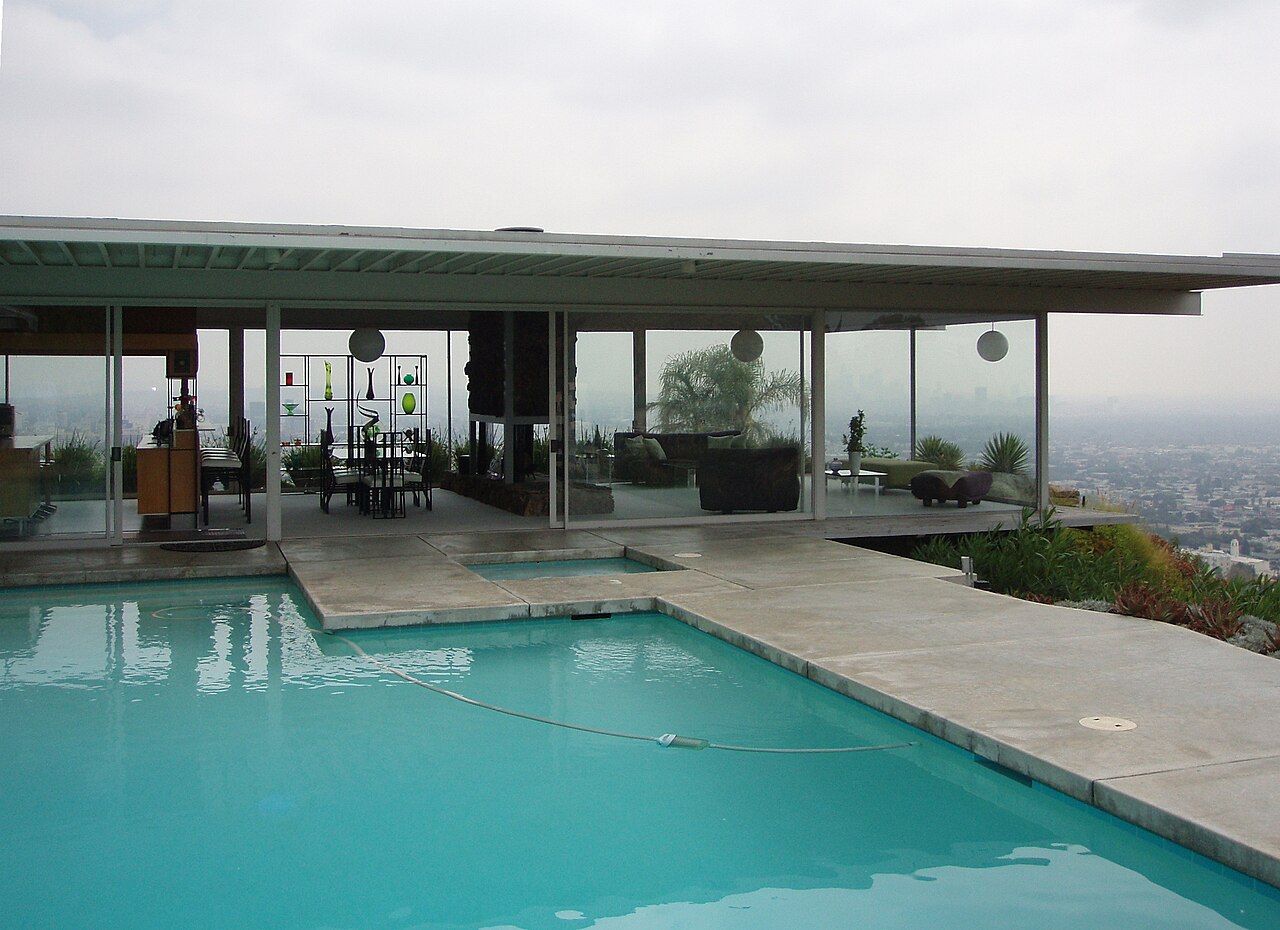
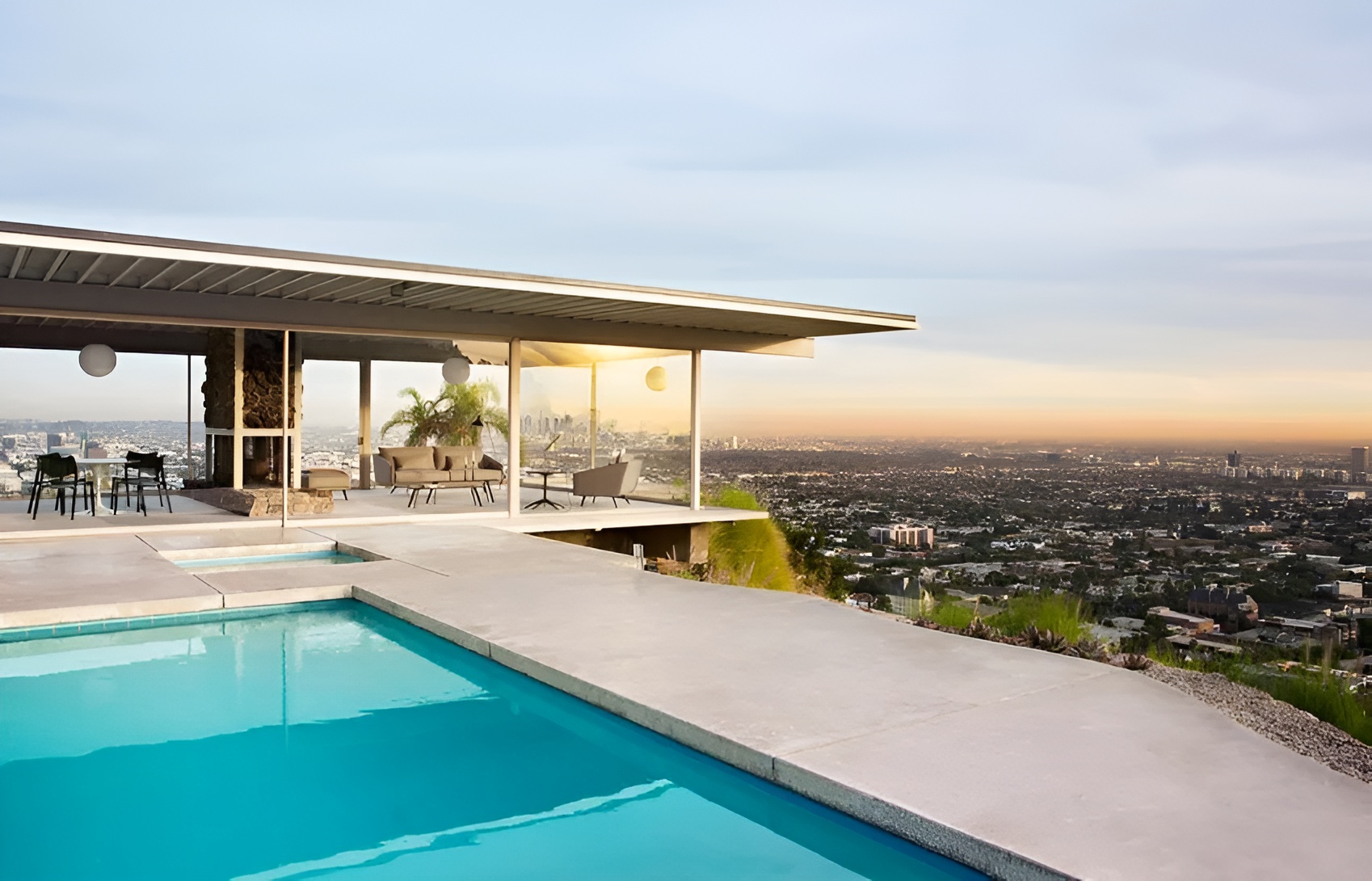
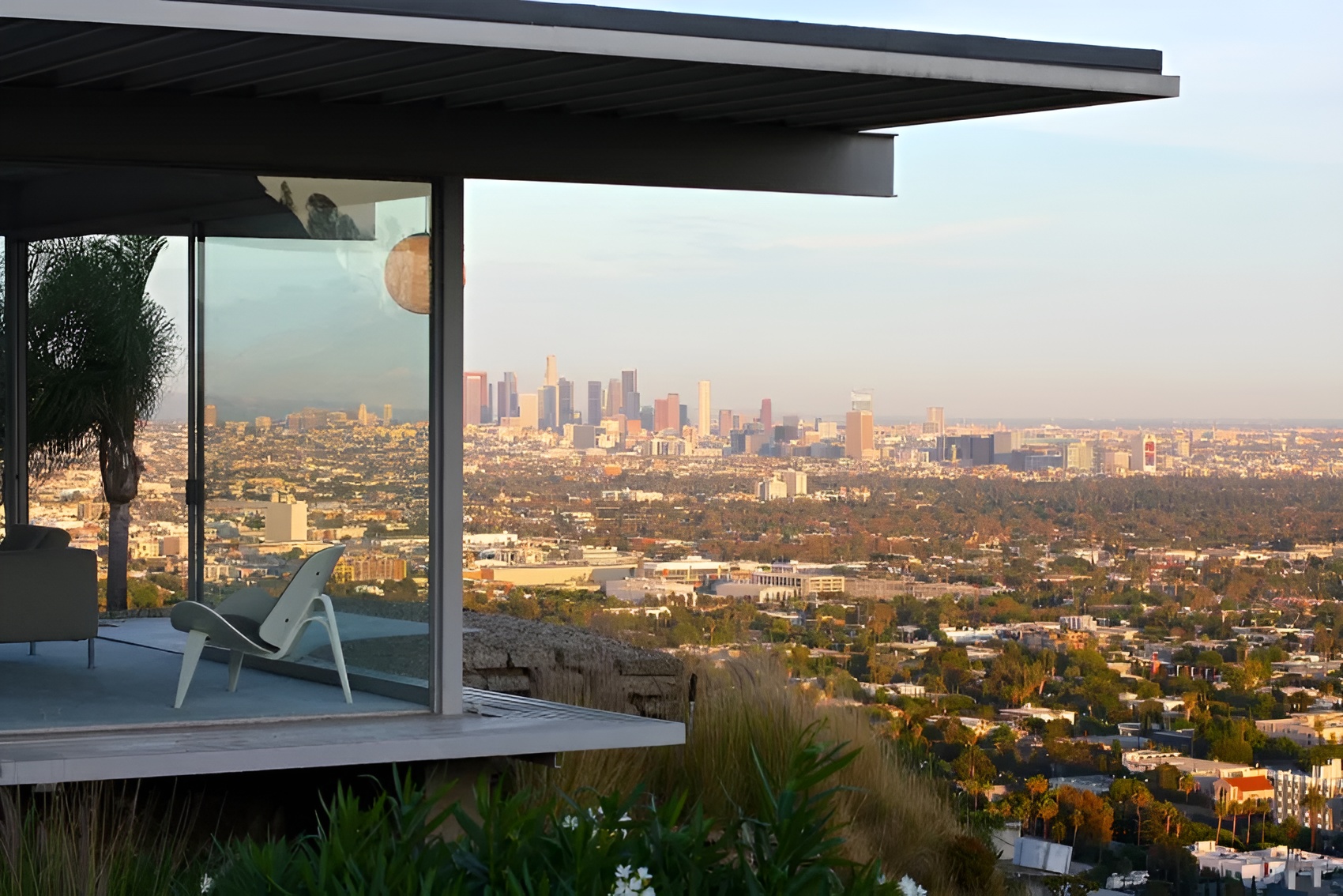
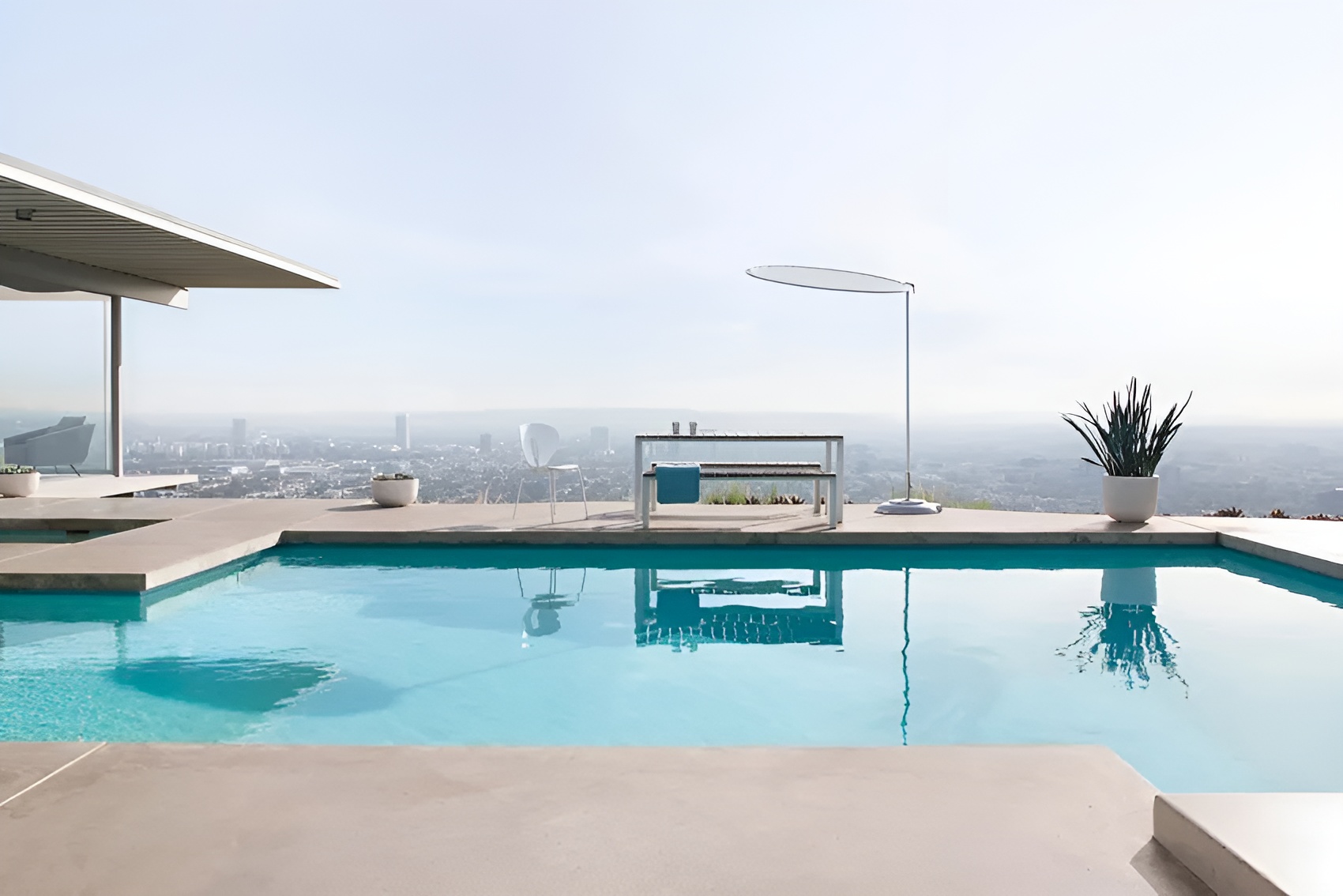
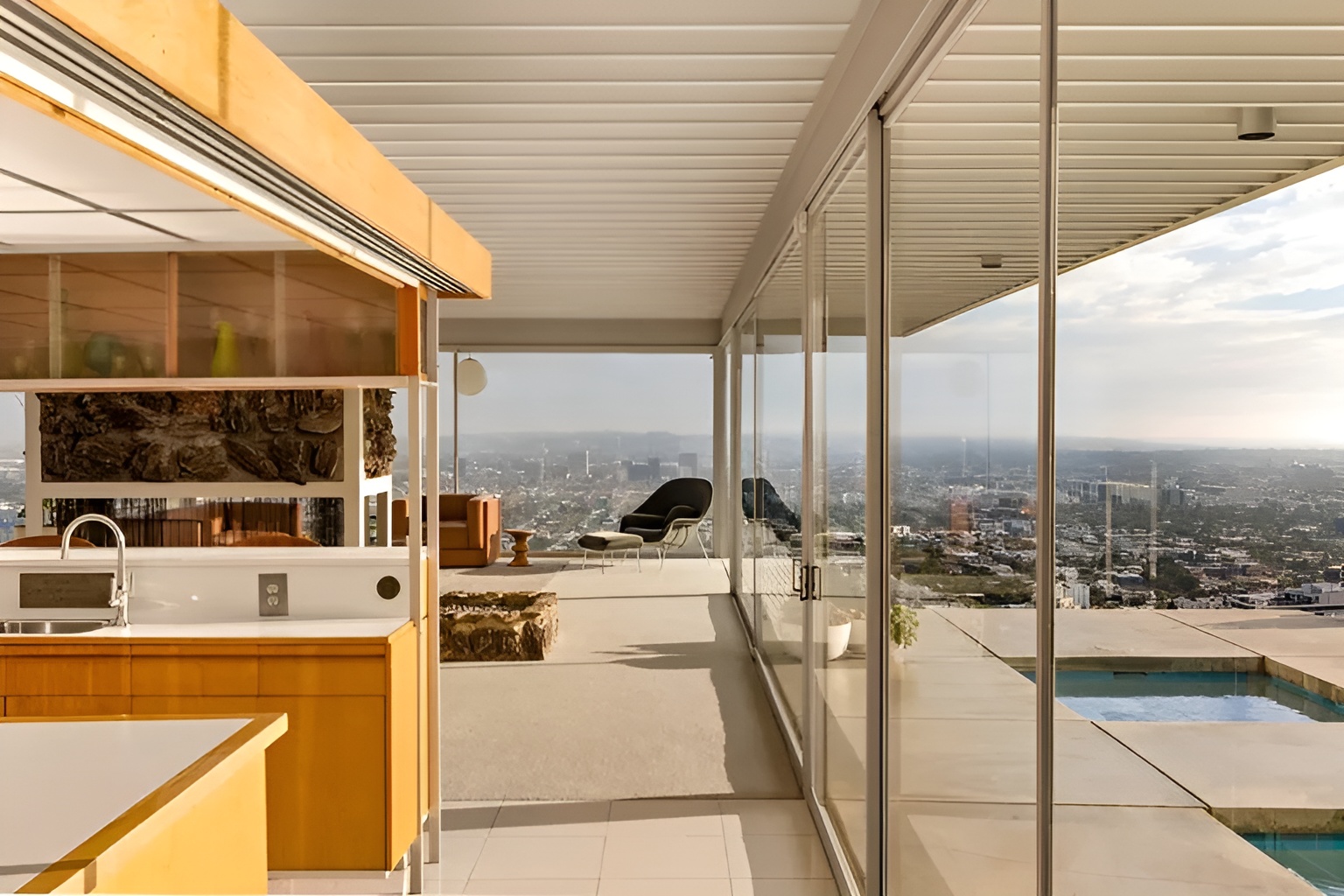
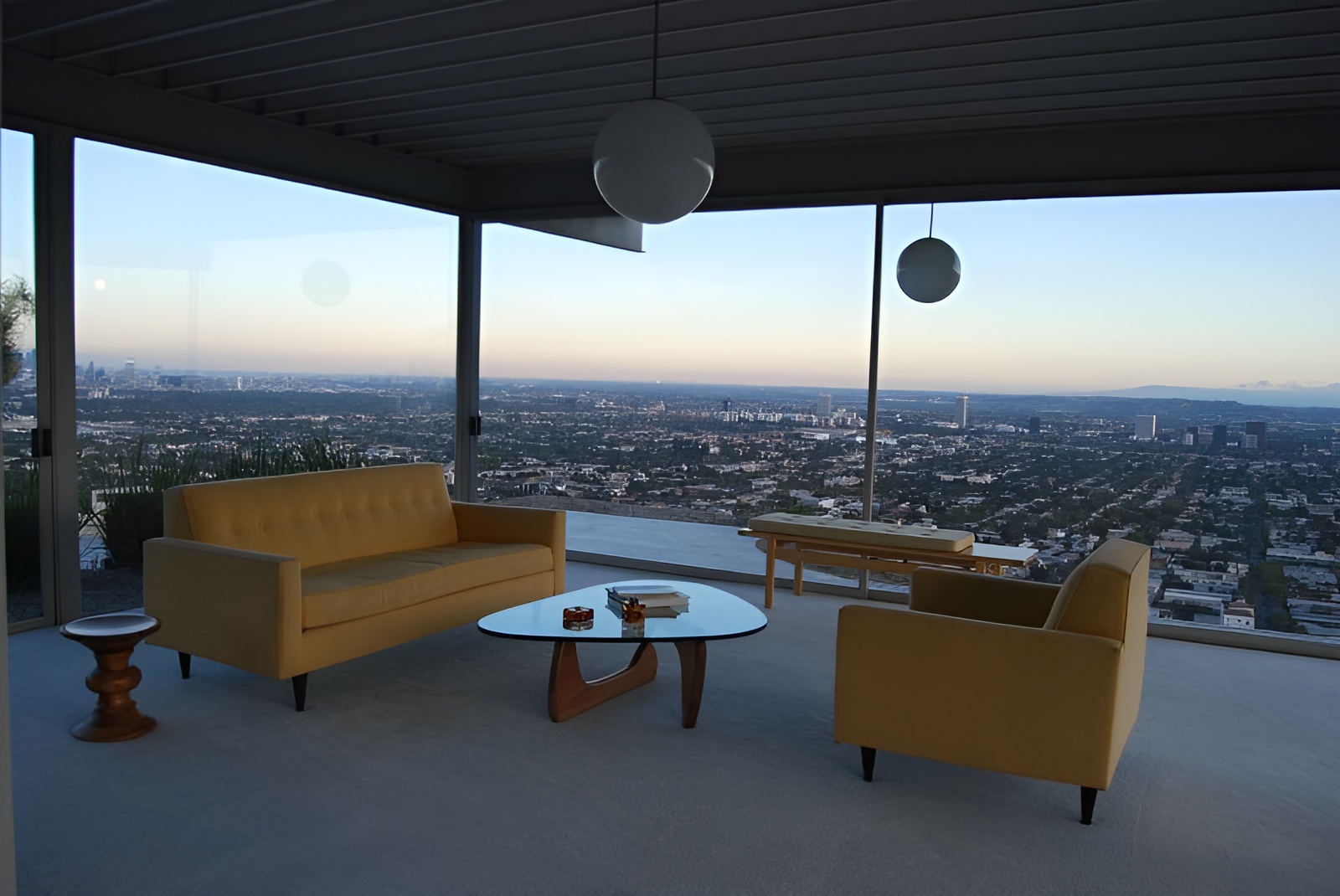
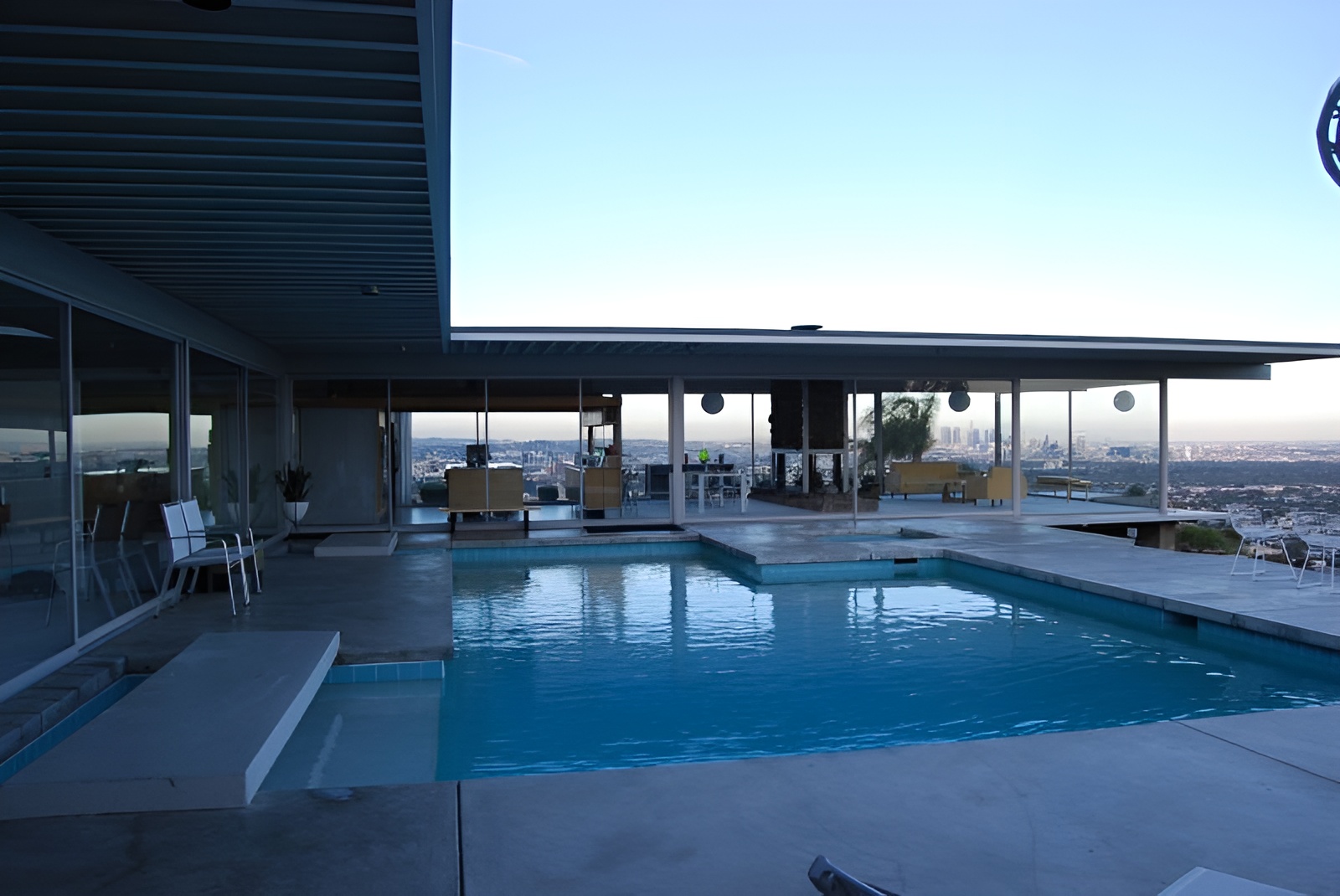
Stahl House residential house designed by Pierre Koenig in Los Angeles, California, redefined postwar residential architecture through its integration of steel construction, expansive glazing, and panoramic views, completed in 1960. Developed as Case Study House No. 22 for Buck and Carlotta Stahl, the project became one of the most recognized works of the Case Study House Program, an initiative established by Arts & Architecture magazine to explore new models of modern living. Positioned on a steep hillside in the Hollywood Hills, the house uses a lightweight steel frame and floor-to-ceiling glass walls to maximize openness while establishing a direct relationship with the surrounding landscape and city. The design organizes public and private functions through an L-shaped plan connected by a central circulation zone. A swimming pool occupies the intersection of the two wings, reinforcing spatial separation while extending visual continuity toward the Los Angeles skyline. The project demonstrates Pierre Koenig’s approach to industrial materials and efficient construction methods, translating modernist principles into a residential setting. Its transparent enclosure, open-plan living areas, and cantilevered position above the hillside contributed to its architectural significance. The house gained international recognition through Julius Shulman’s 1960 photographs, which documented the relationship between architecture, landscape, and urban context. Stahl House remains a key reference in mid-century modern architecture and continues to illustrate the potential of steel-frame residential construction, spatial flexibility, and visual connection between interior space and the surrounding environment.
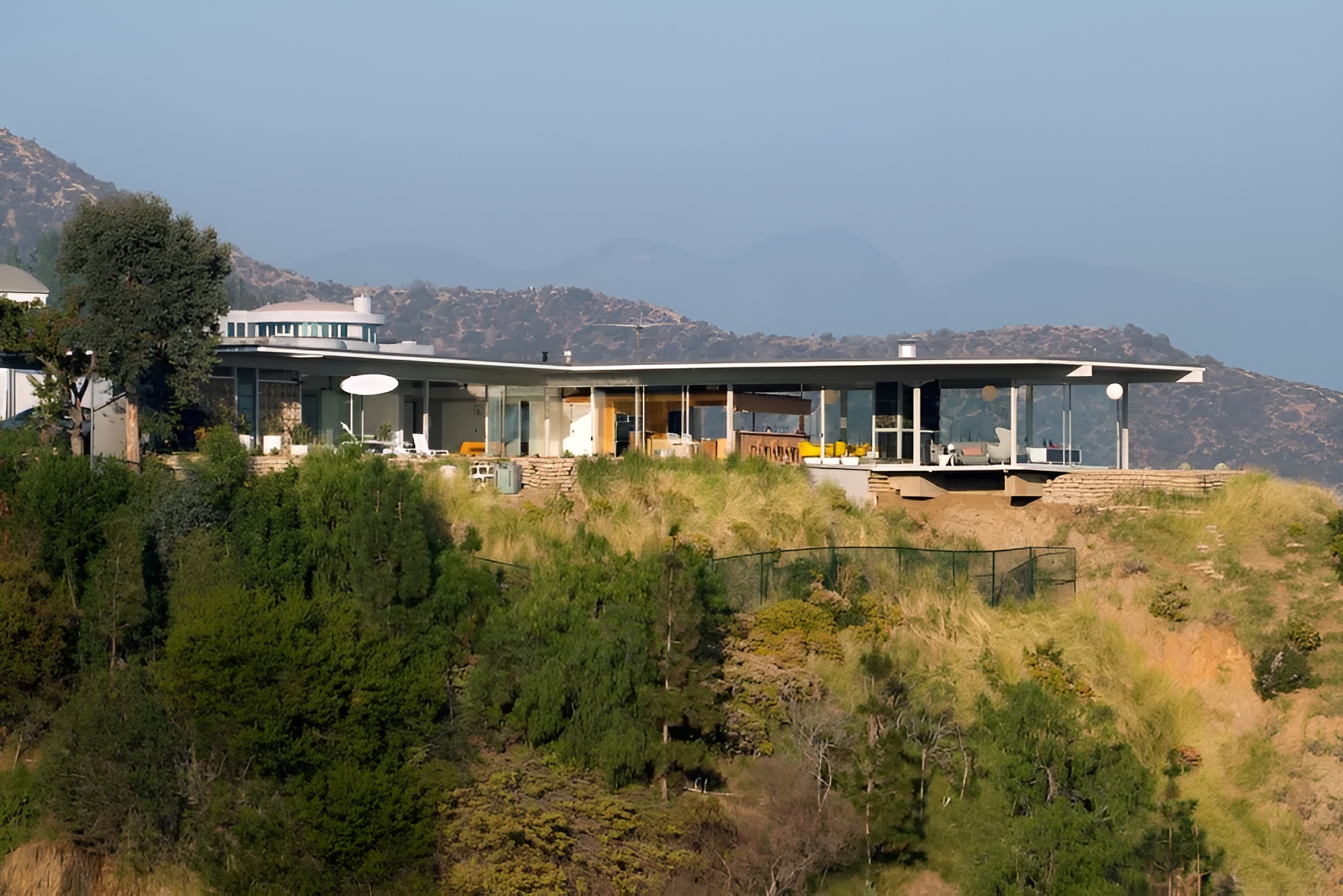
The Stahl House, known as Case Study House No. 22, was designed by Pierre Koenig for Buck and Carlotta Stahl in the Hollywood Hills of Los Angeles. Developed as part of the Case Study House Program sponsored by Arts & Architecture magazine, the residence became one of the most recognized examples of mid-century modern residential architecture. Construction began in 1959 and was completed in 1960.
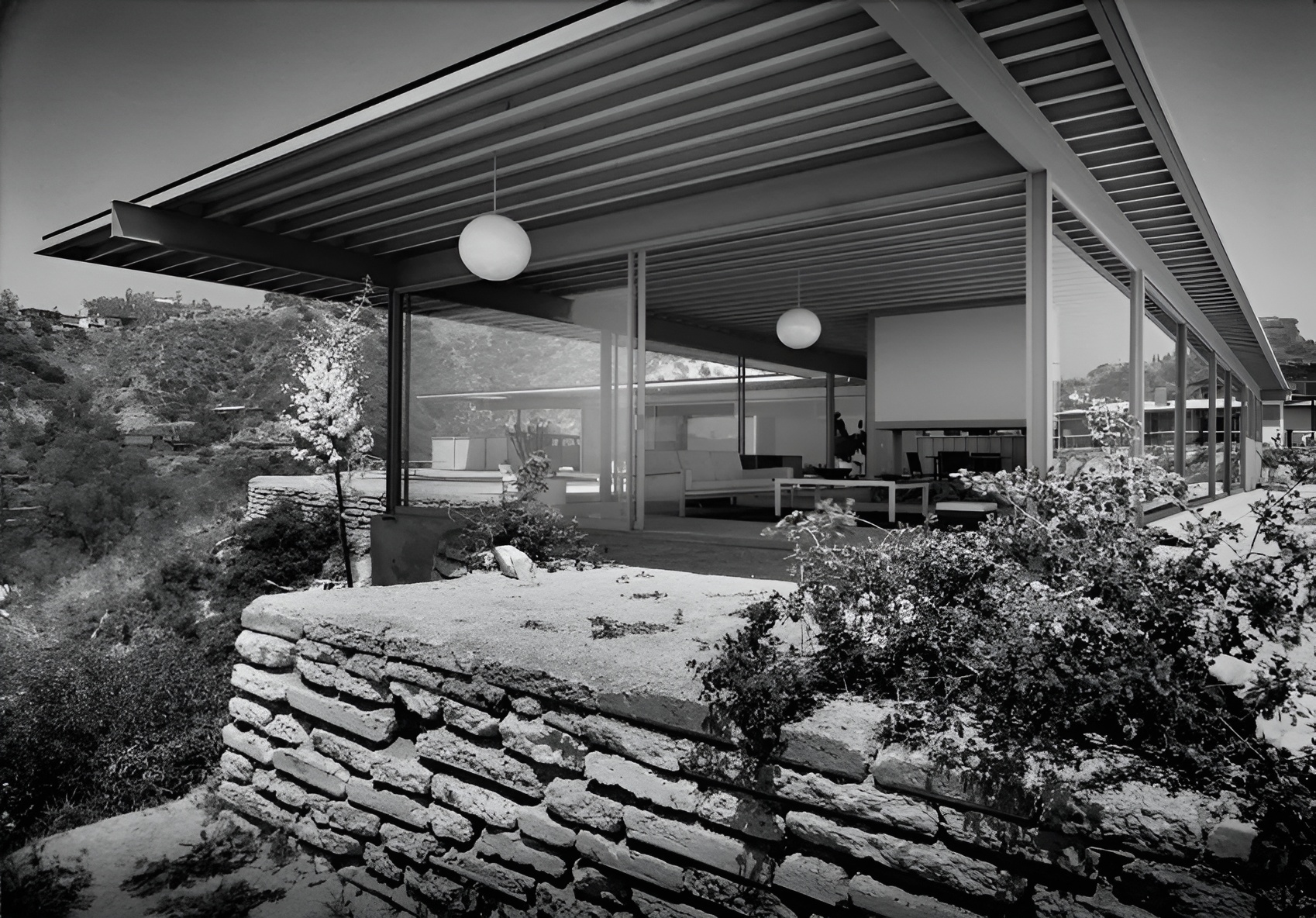
Buck Stahl purchased the hillside site in 1954 with the intention of building a modern house that would take advantage of panoramic views over Los Angeles. After initially preparing the site himself and developing preliminary concepts for the residence, Stahl commissioned Pierre Koenig in 1957 to refine the design and oversee its realization. Koenig retained the essential vision while developing a more rigorous architectural solution based on steel construction and modernist spatial principles.
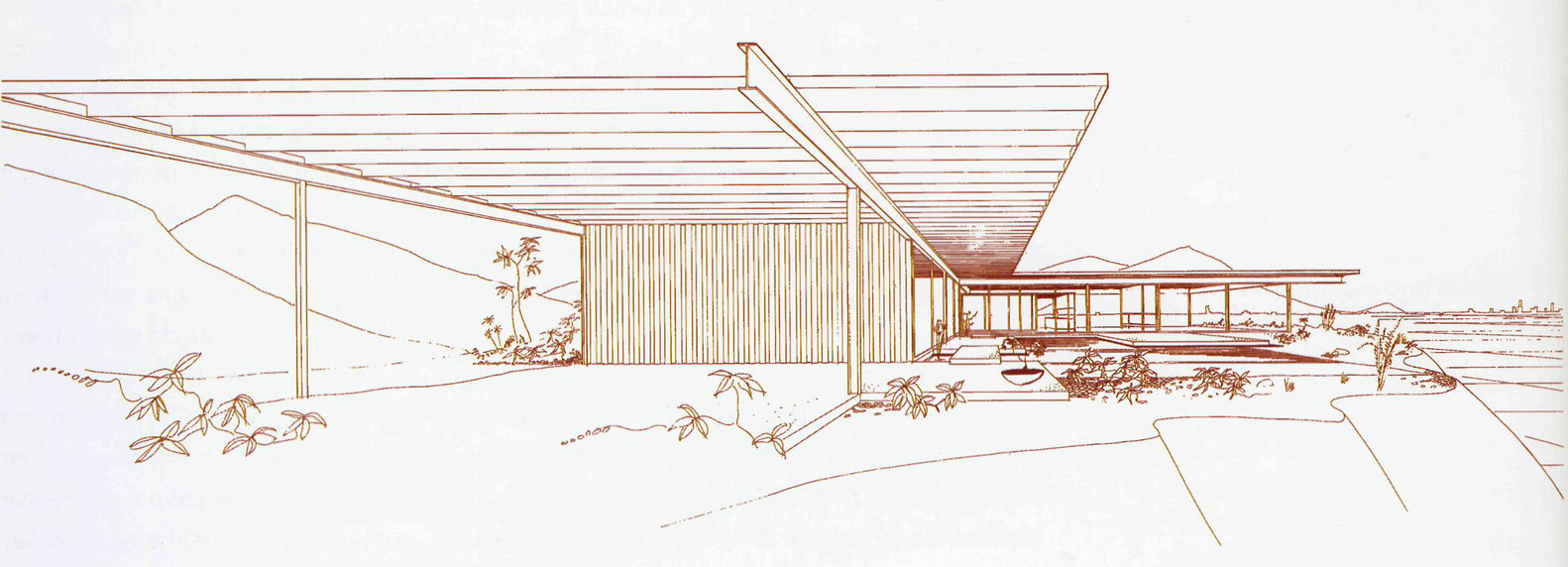
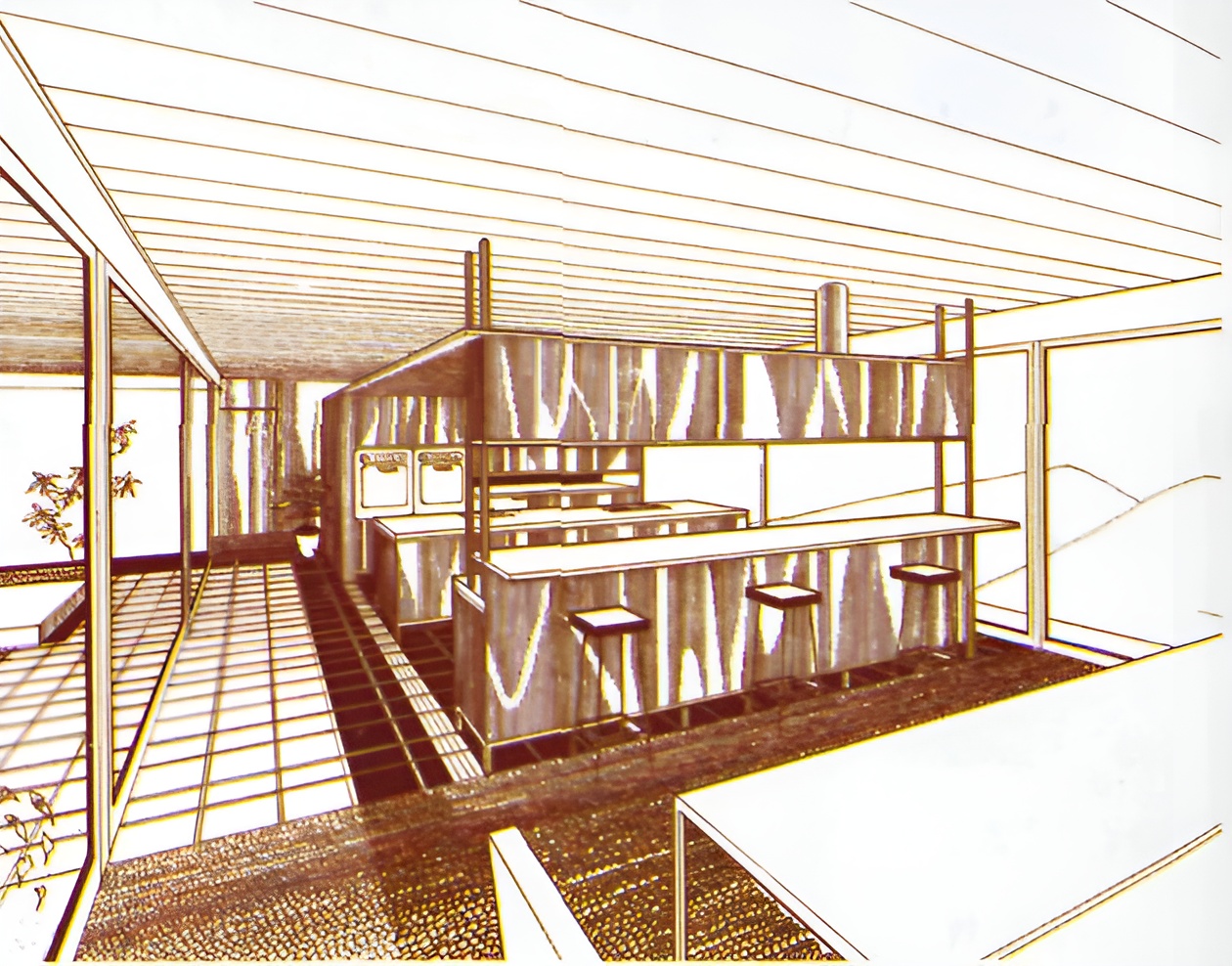
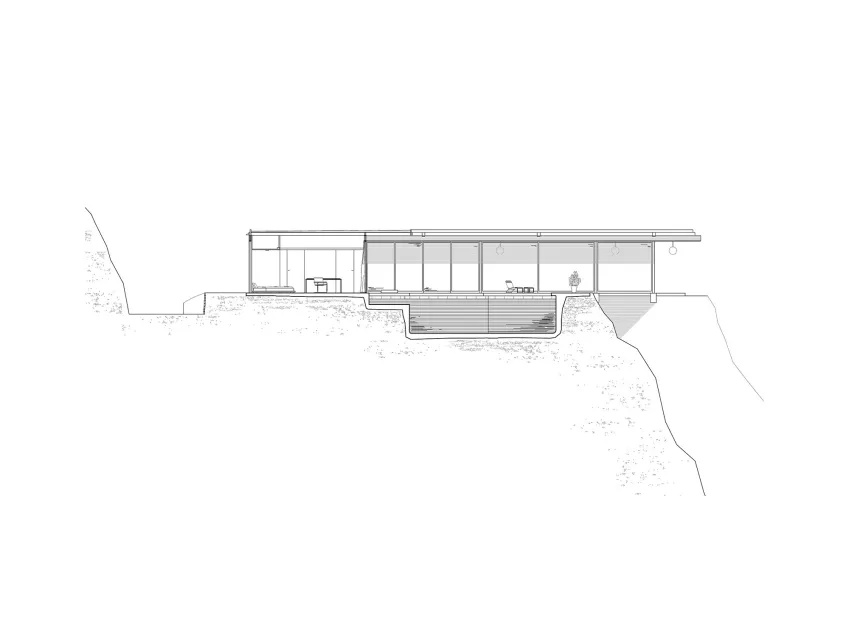
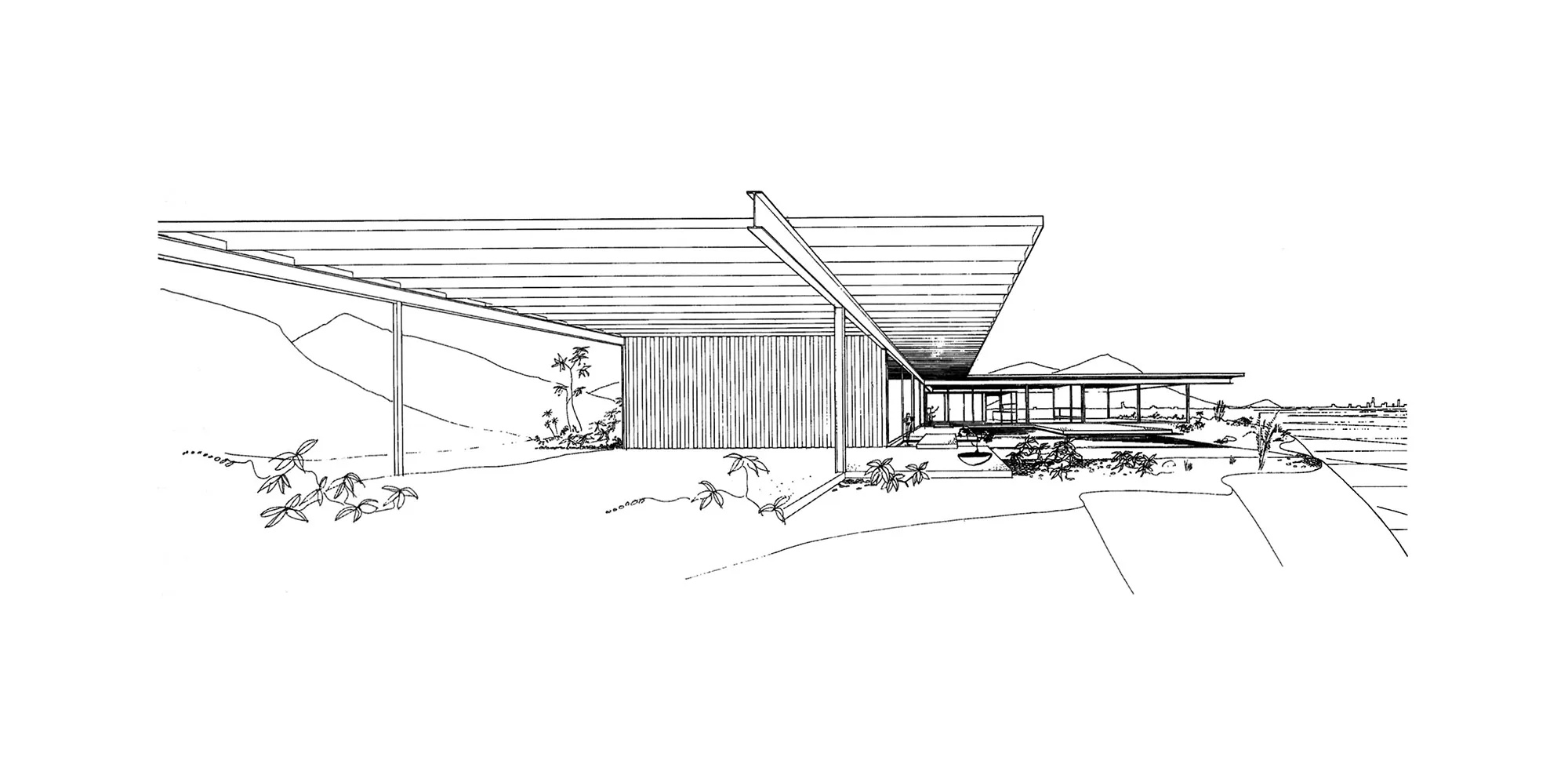
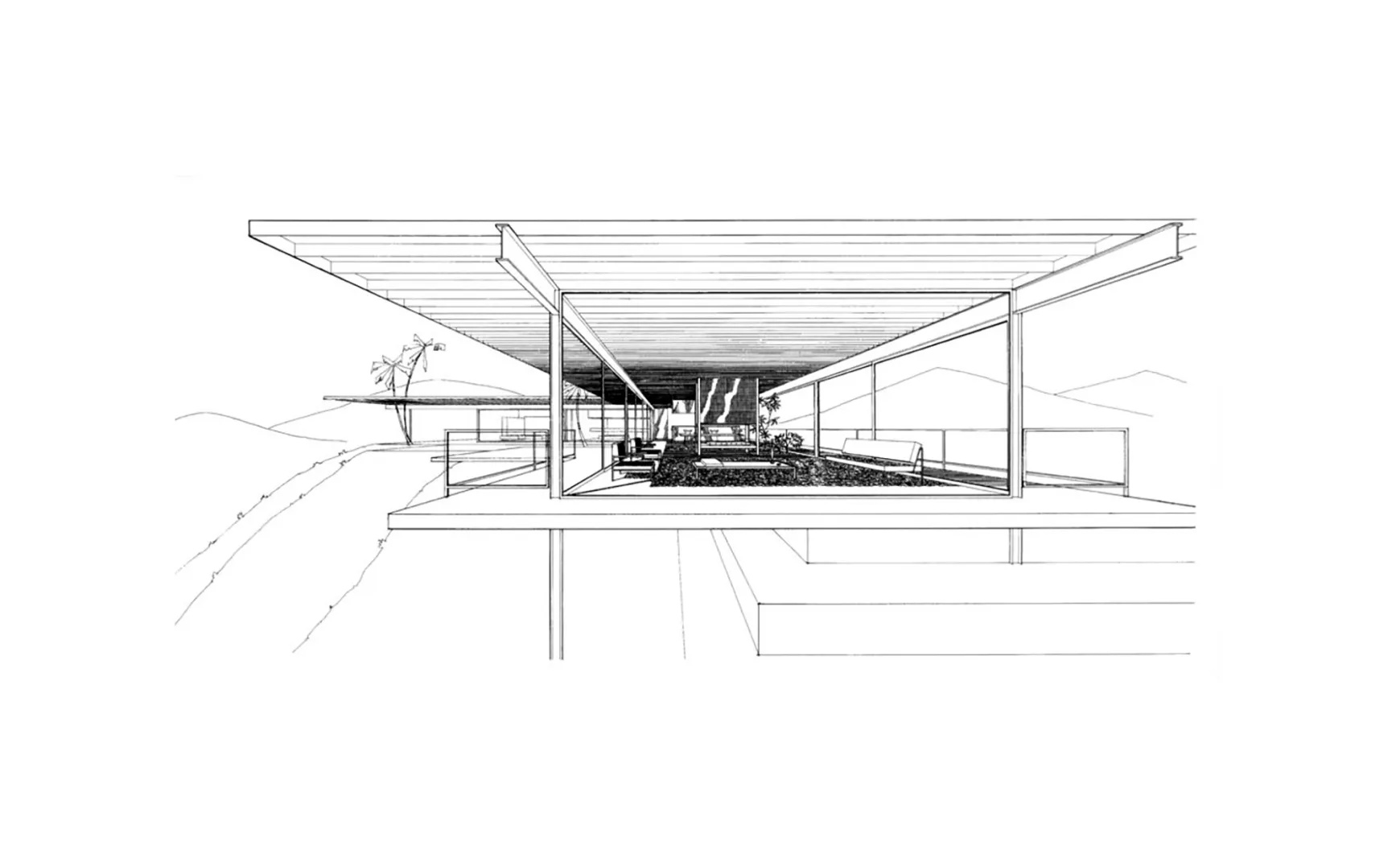
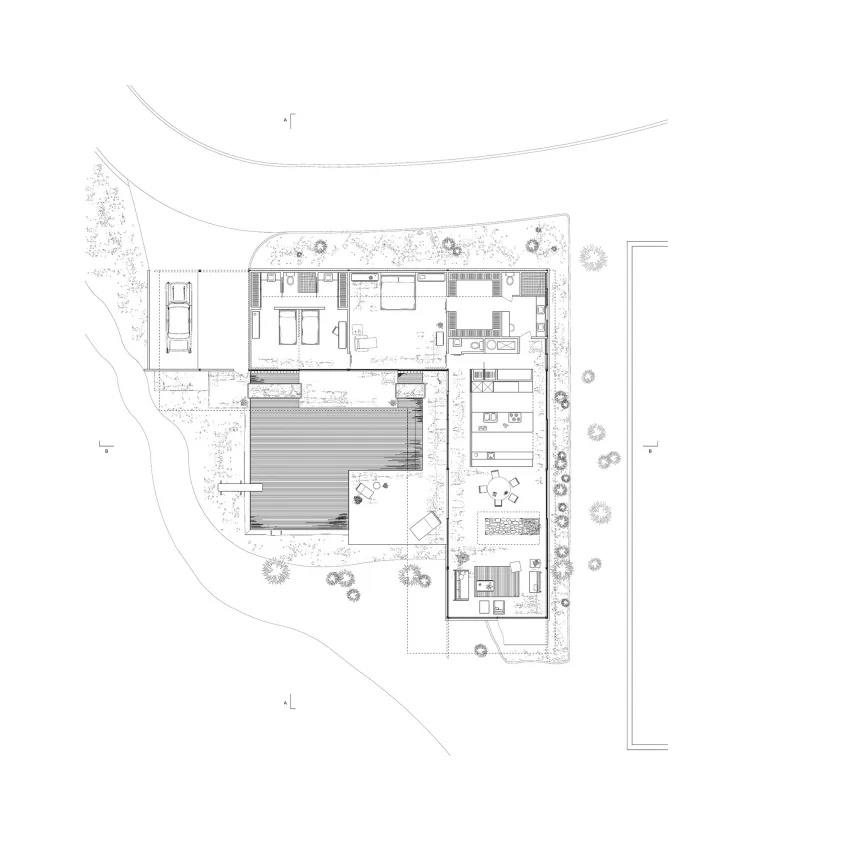
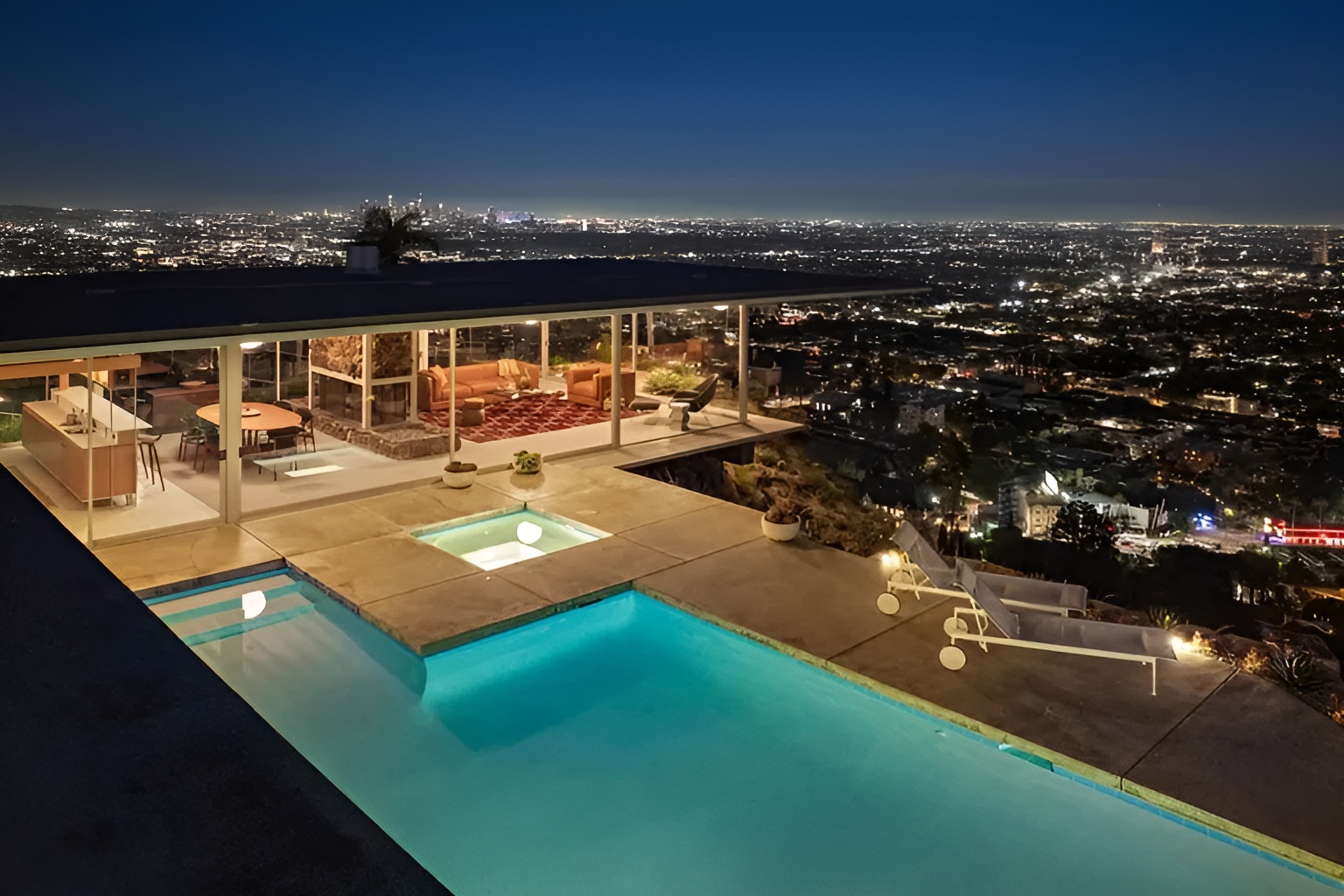
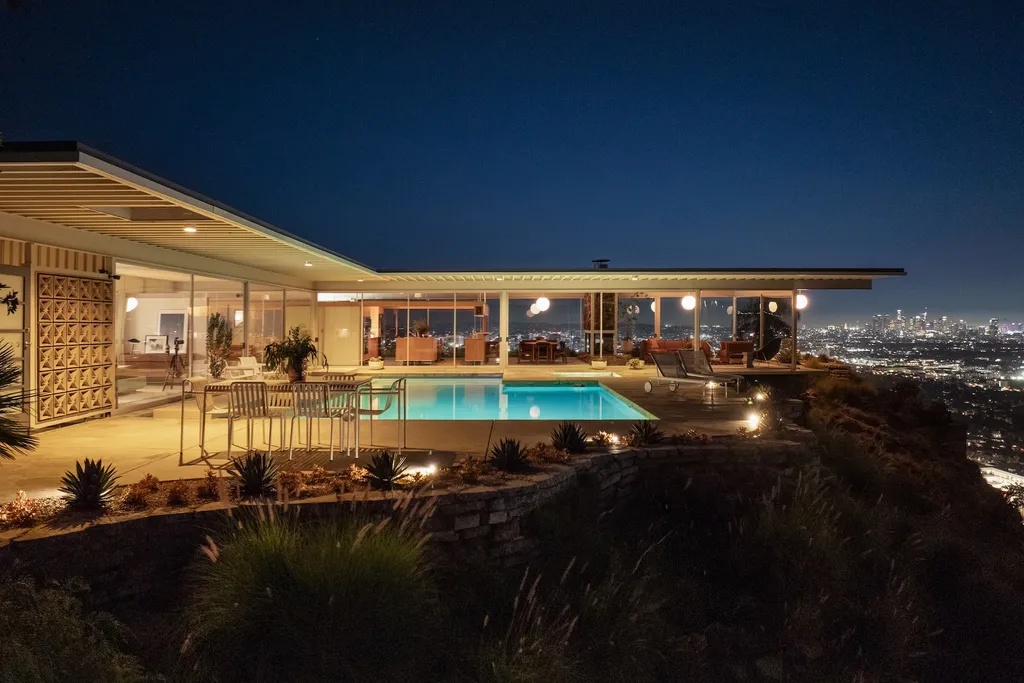
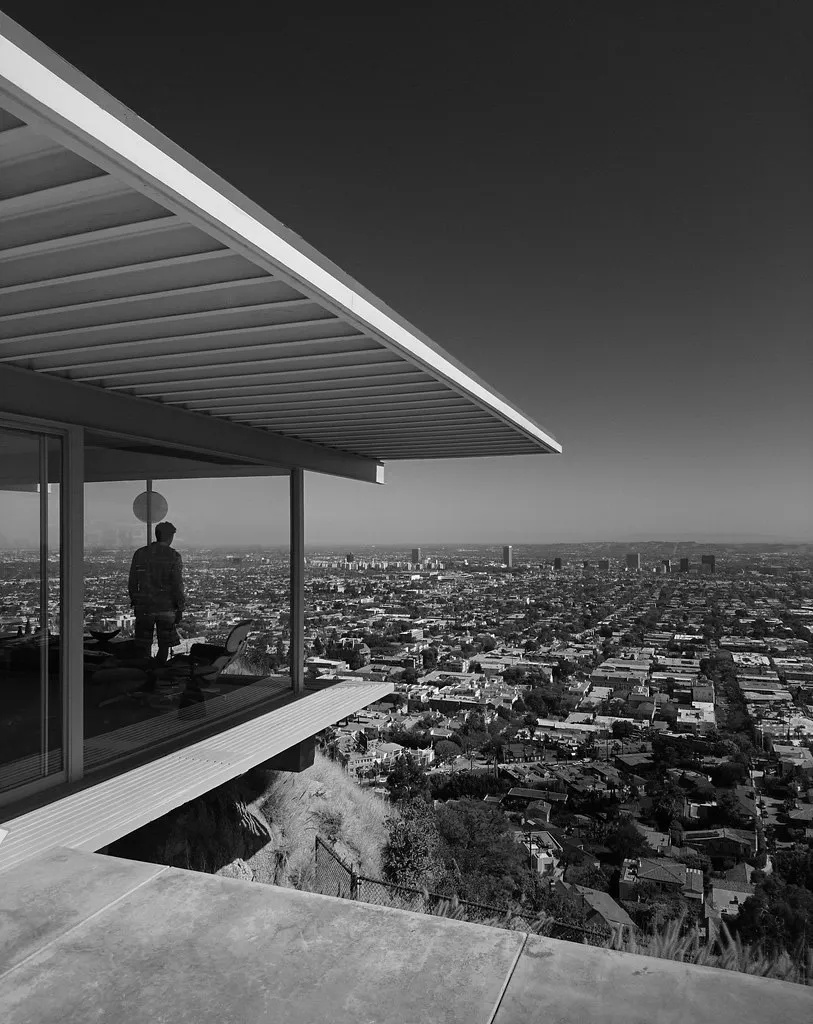
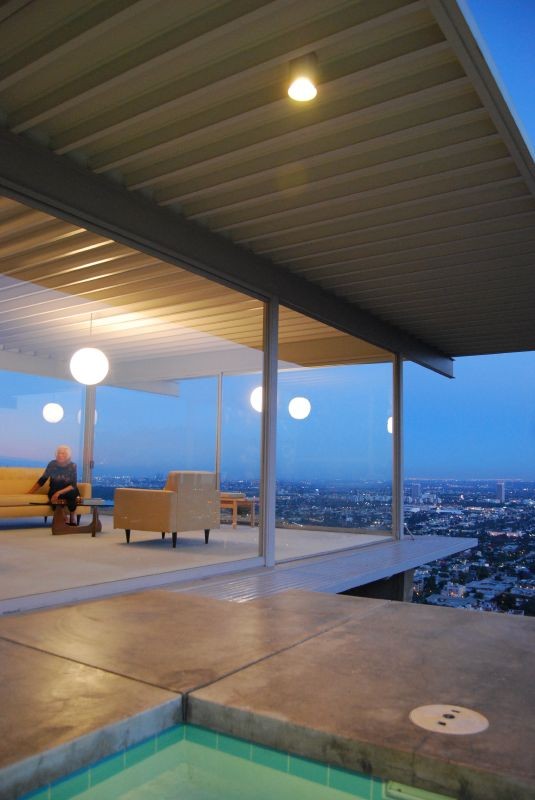
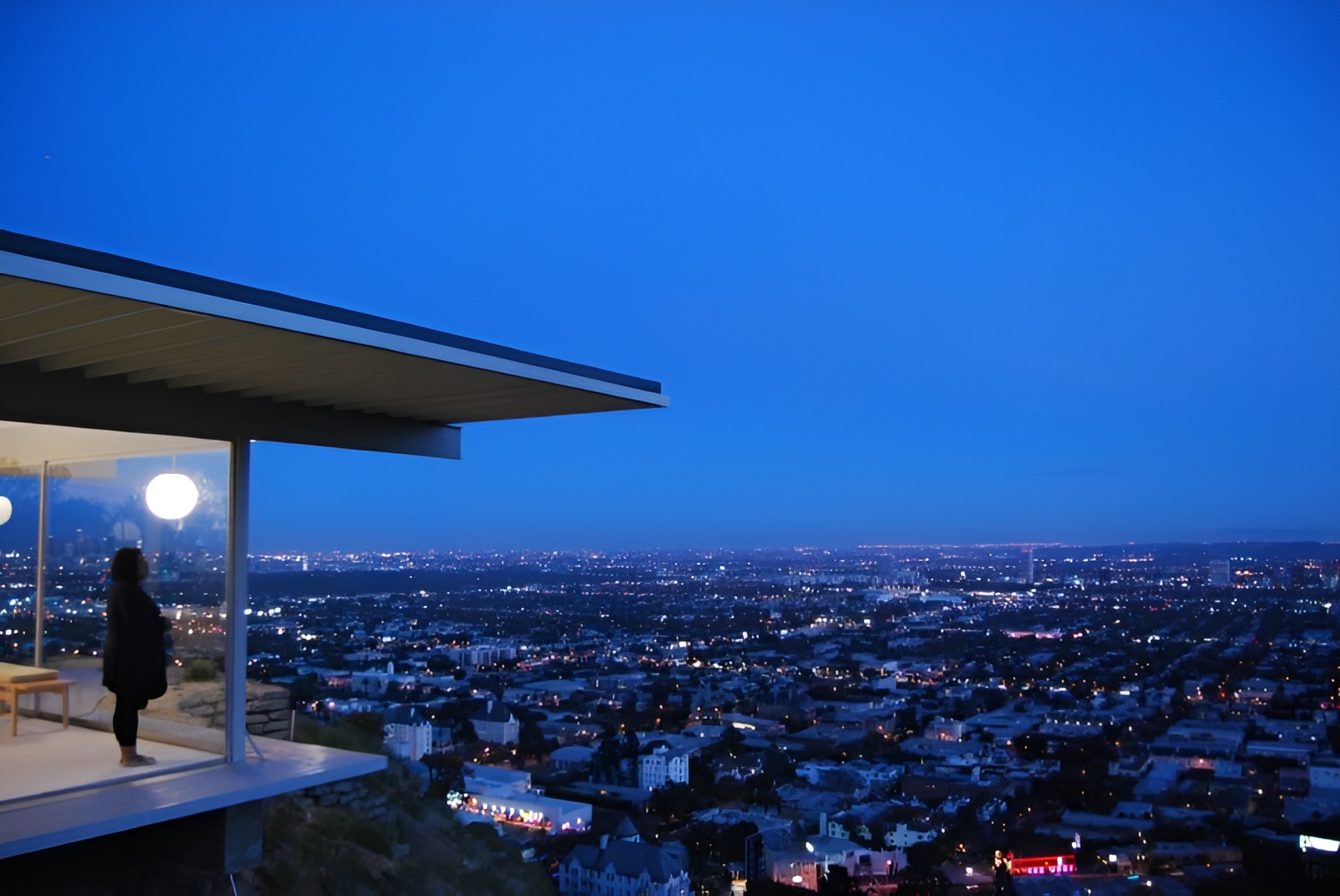
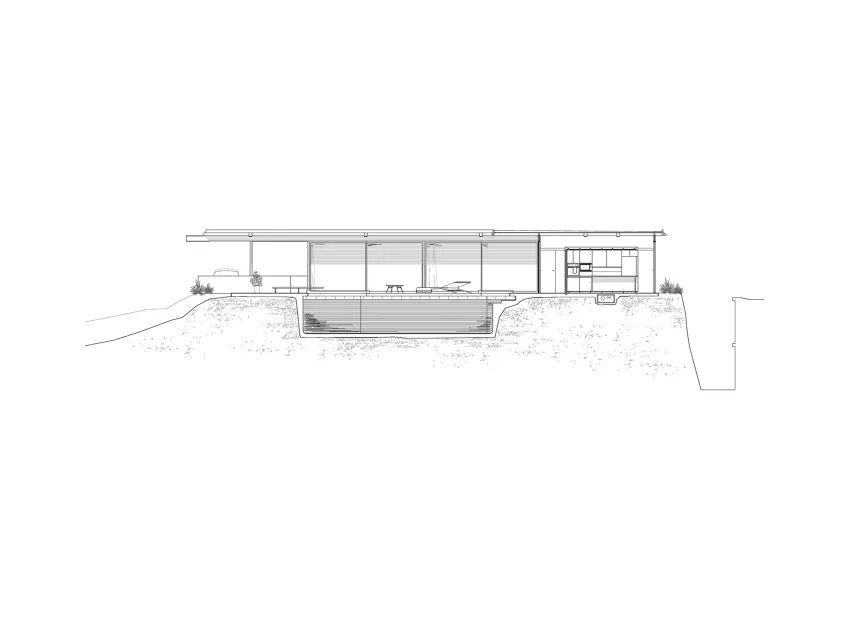
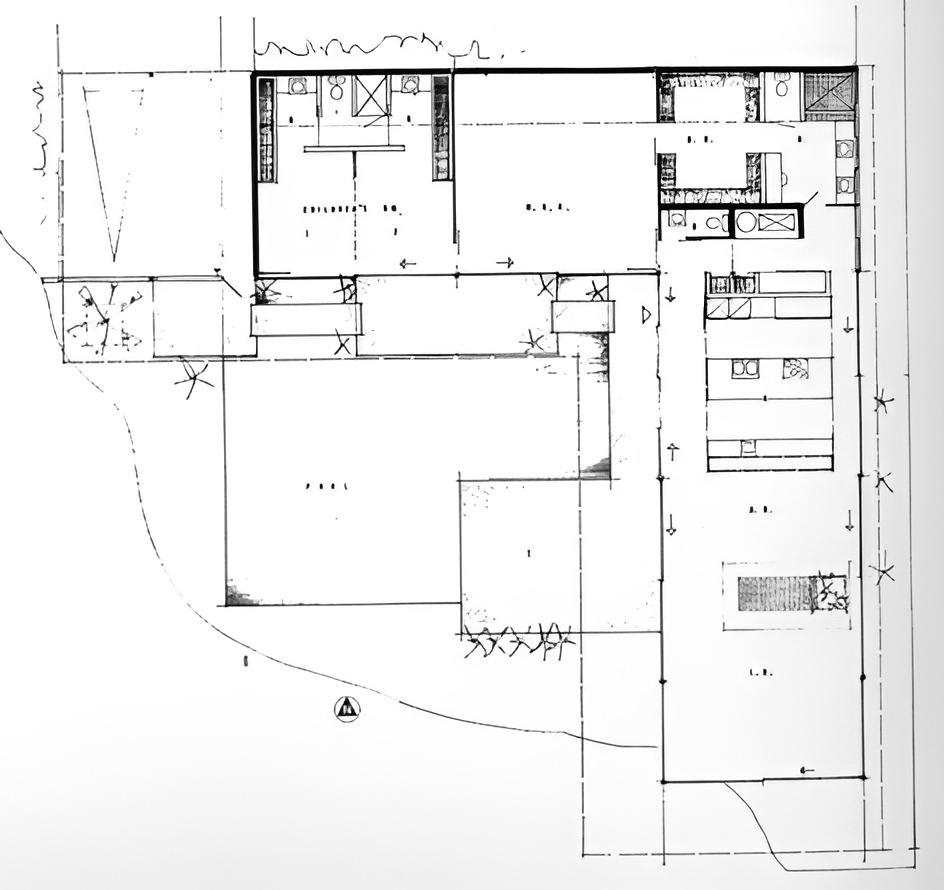
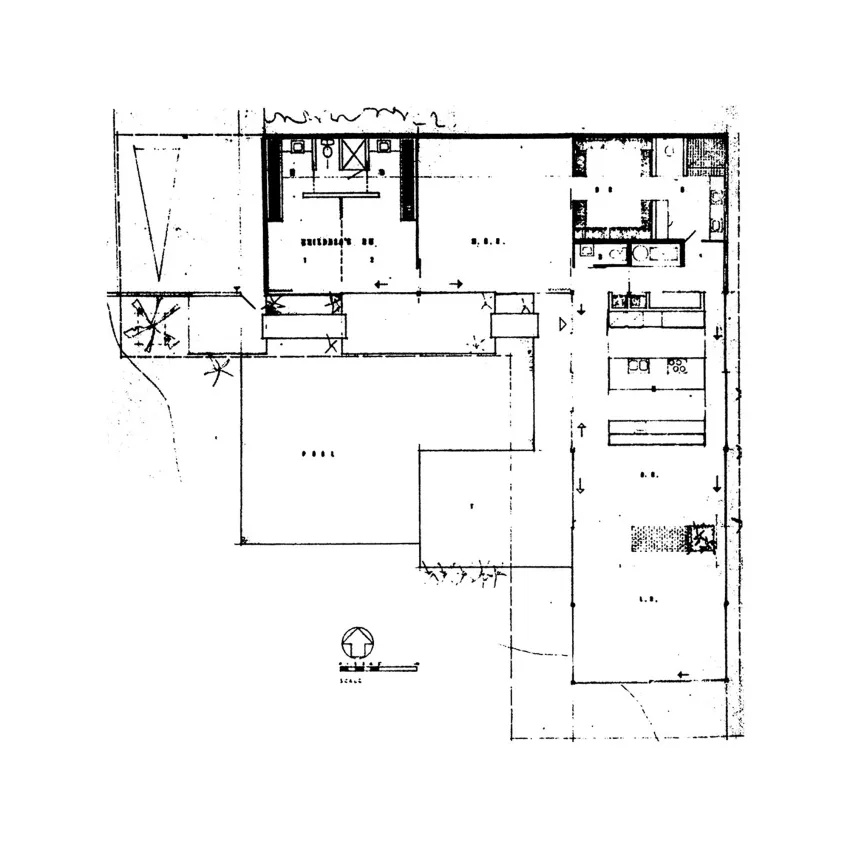
The residence occupies a steep hillside parcel and extends partially beyond the slope through a cantilevered steel structure. The house contains two bedrooms organized within an L-shaped plan. This arrangement separates public and private functions while maintaining visual continuity throughout the building. A single circulation spine connects the two wings, allowing the interior to function as a cohesive spatial sequence.
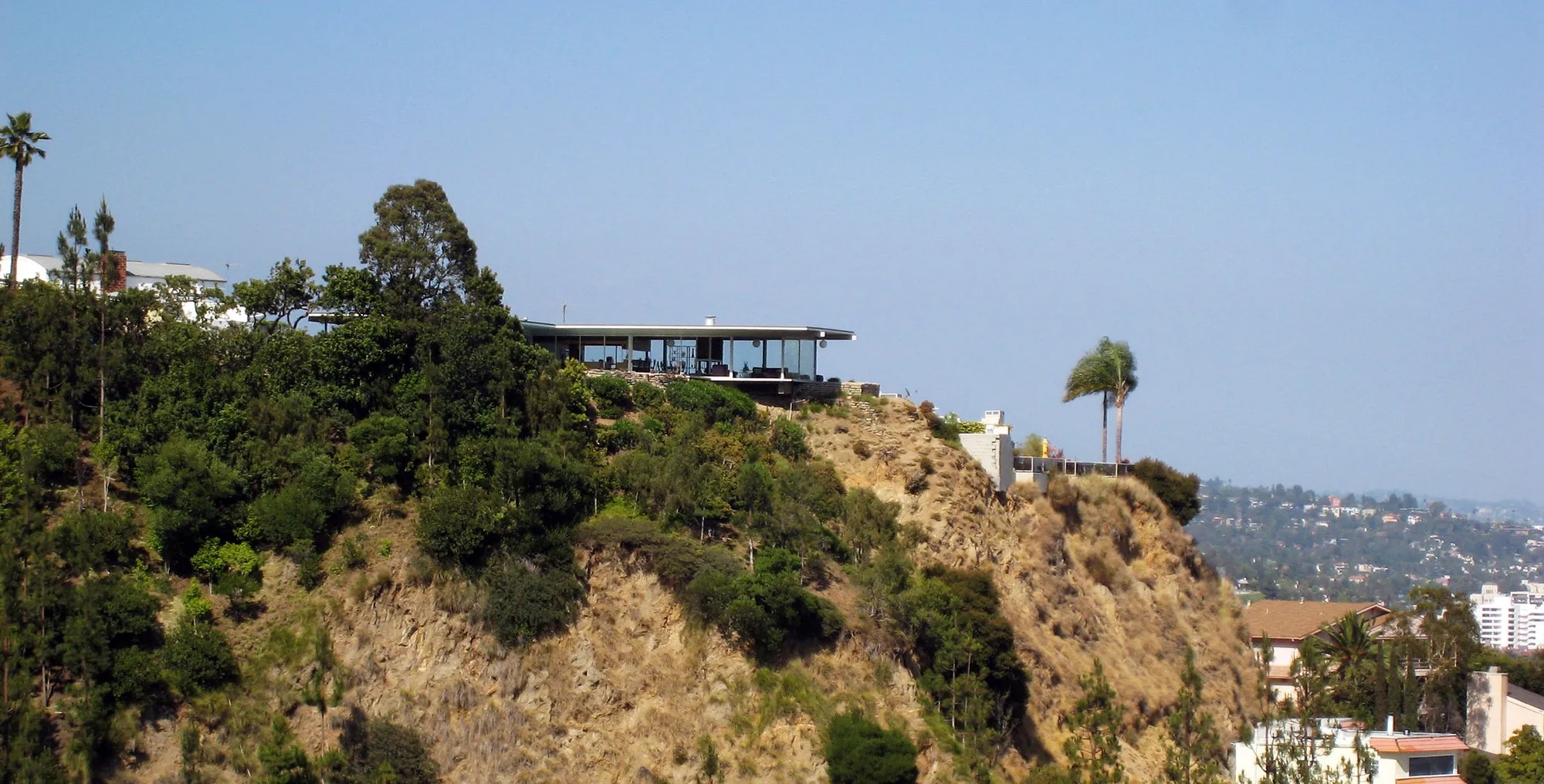
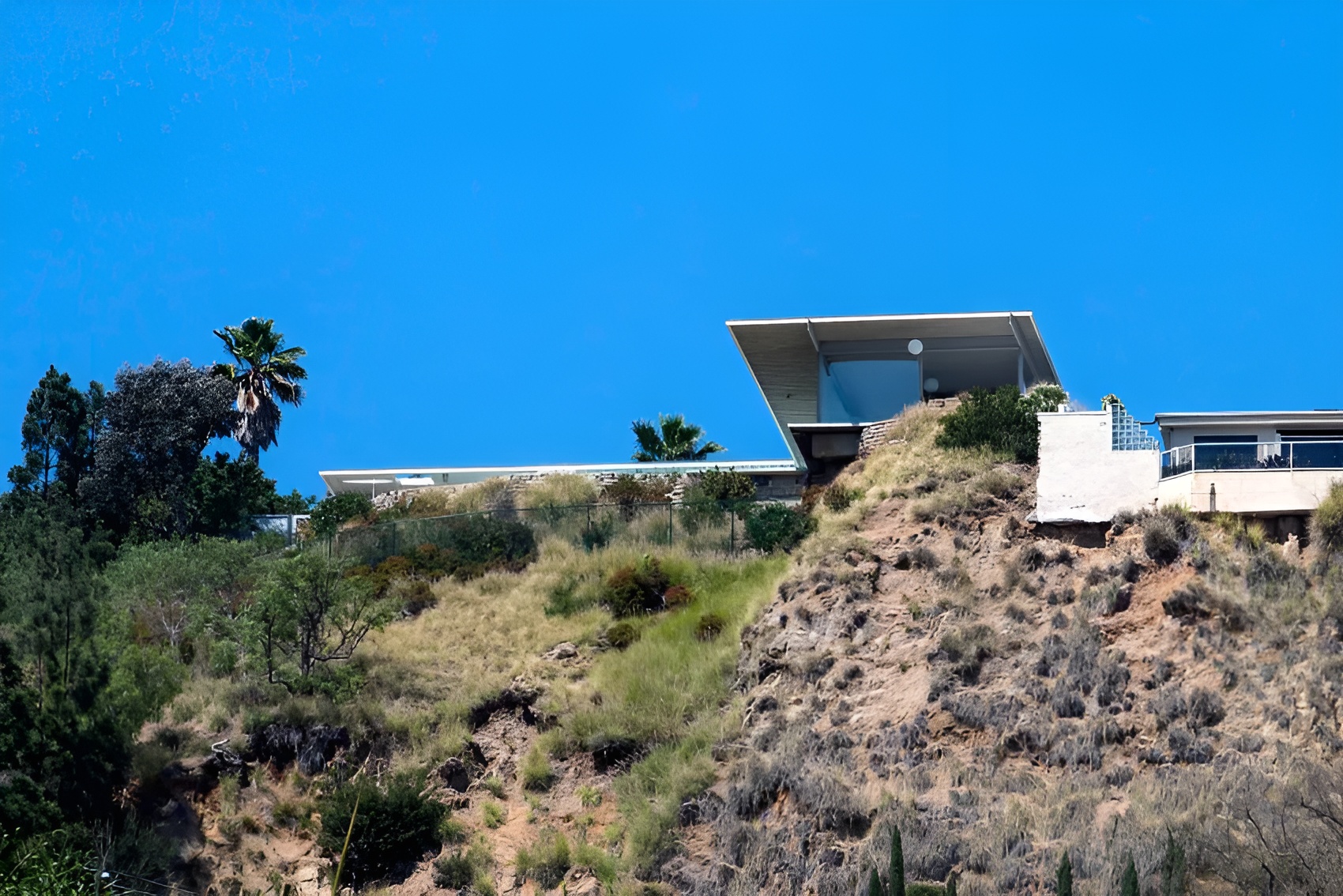
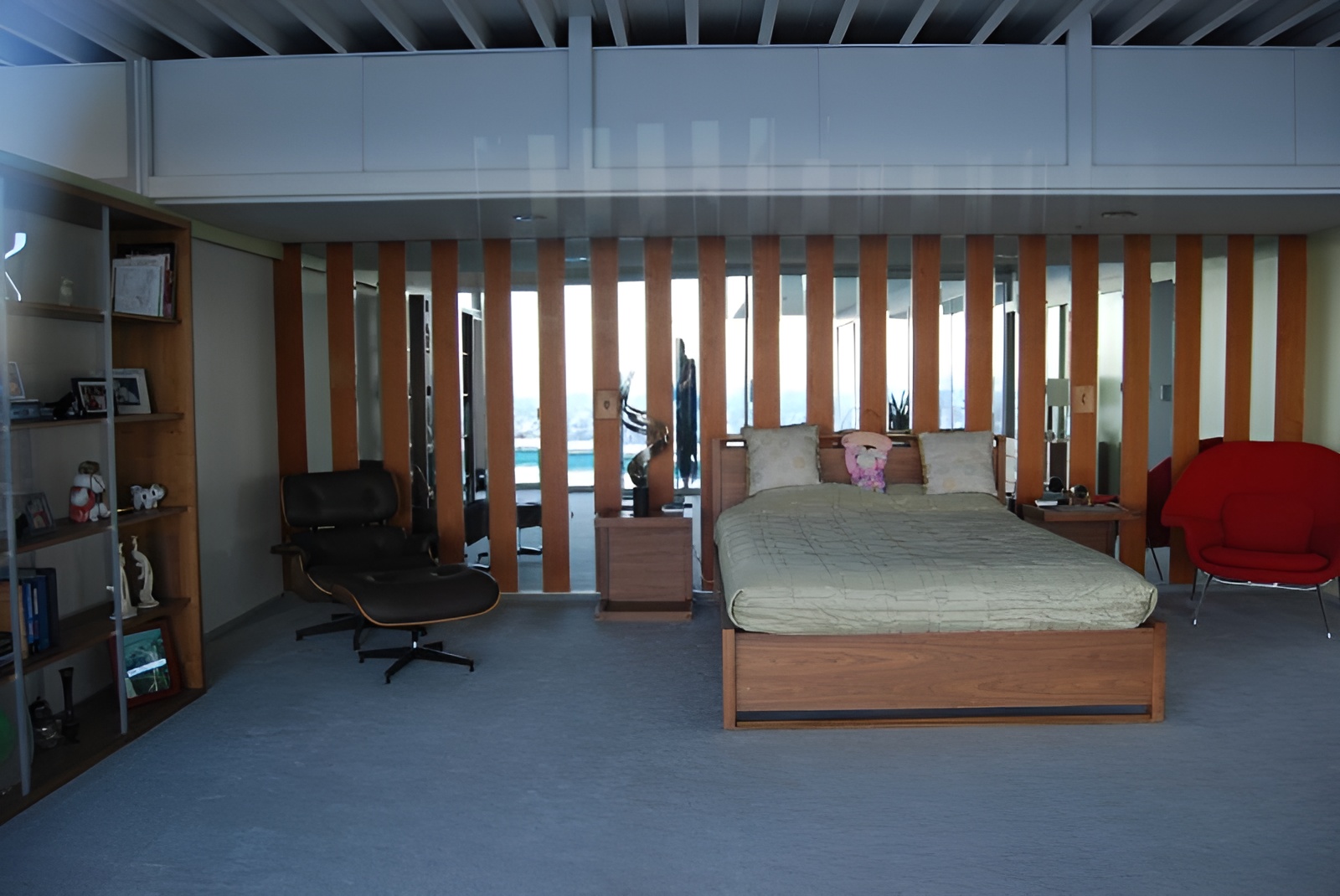
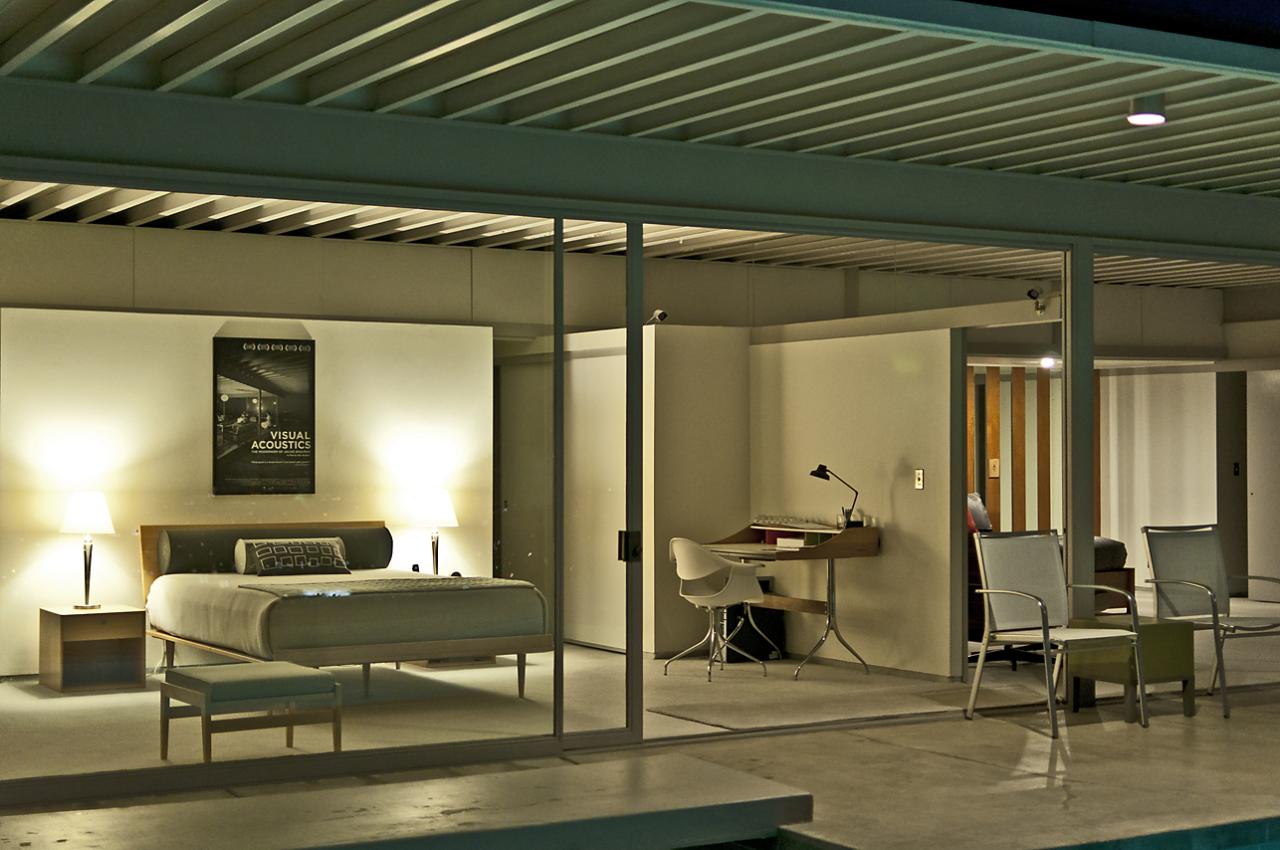
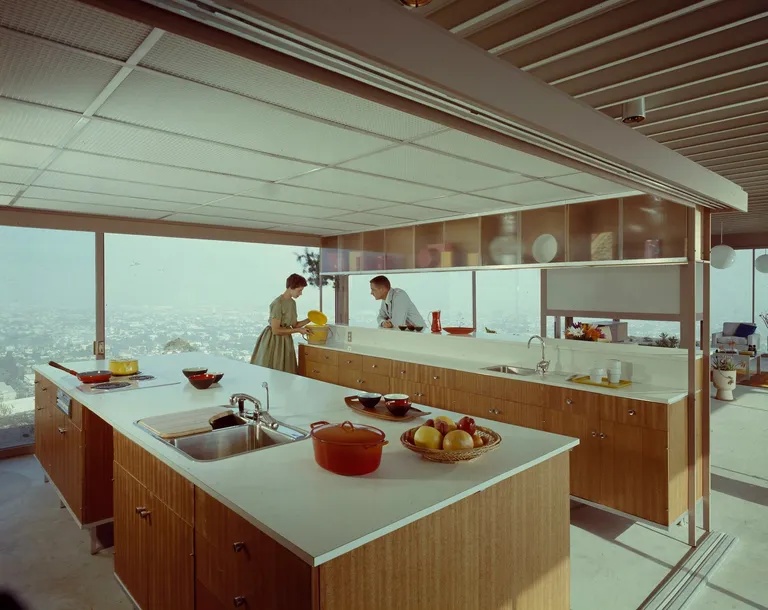
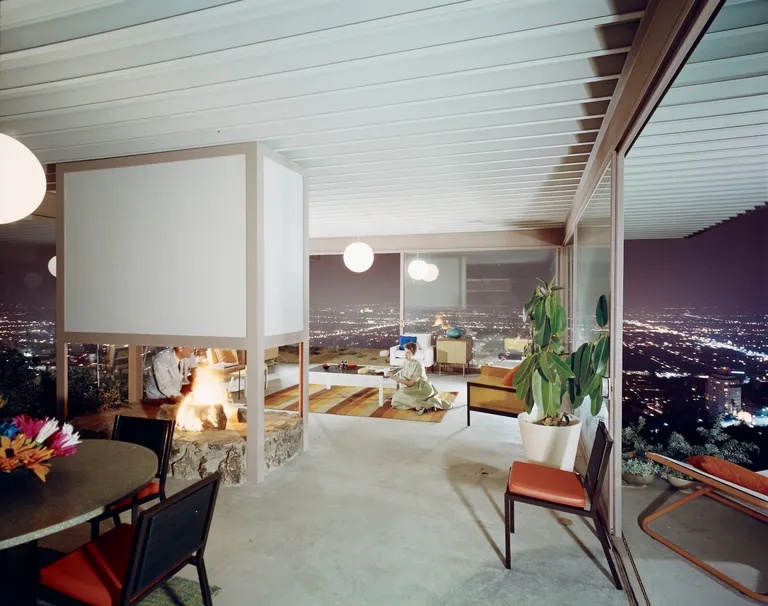
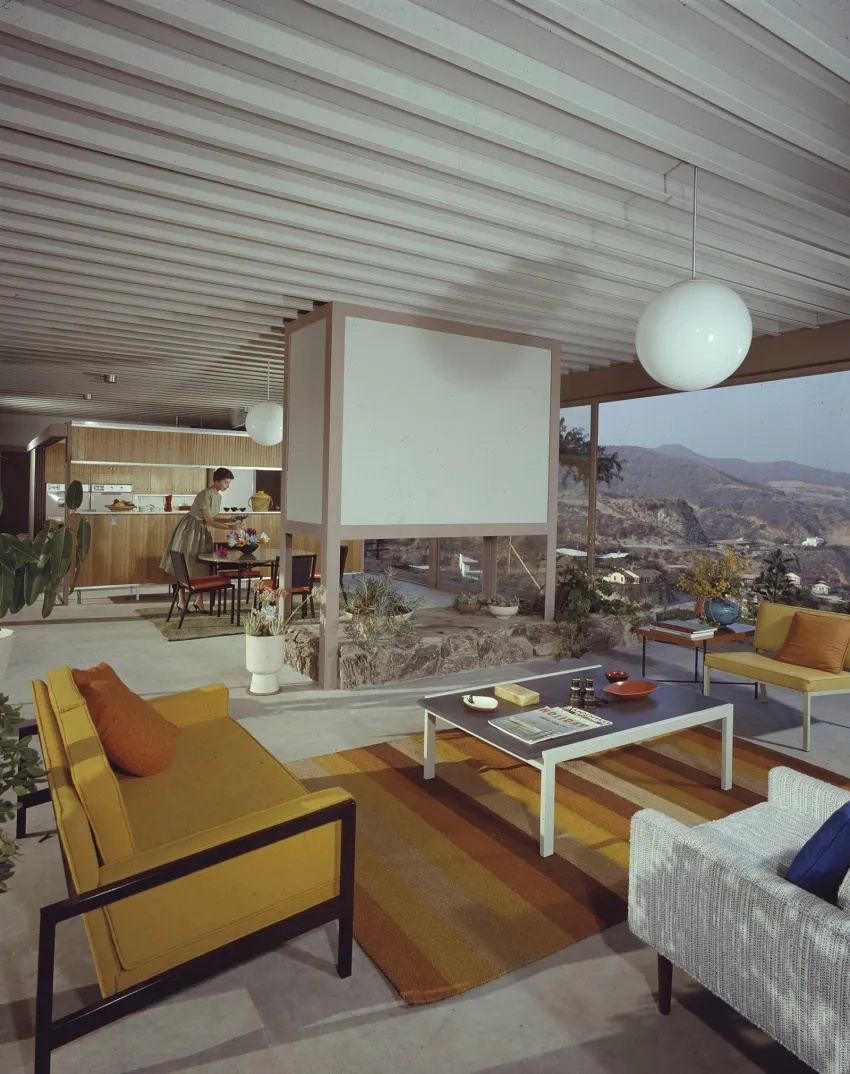
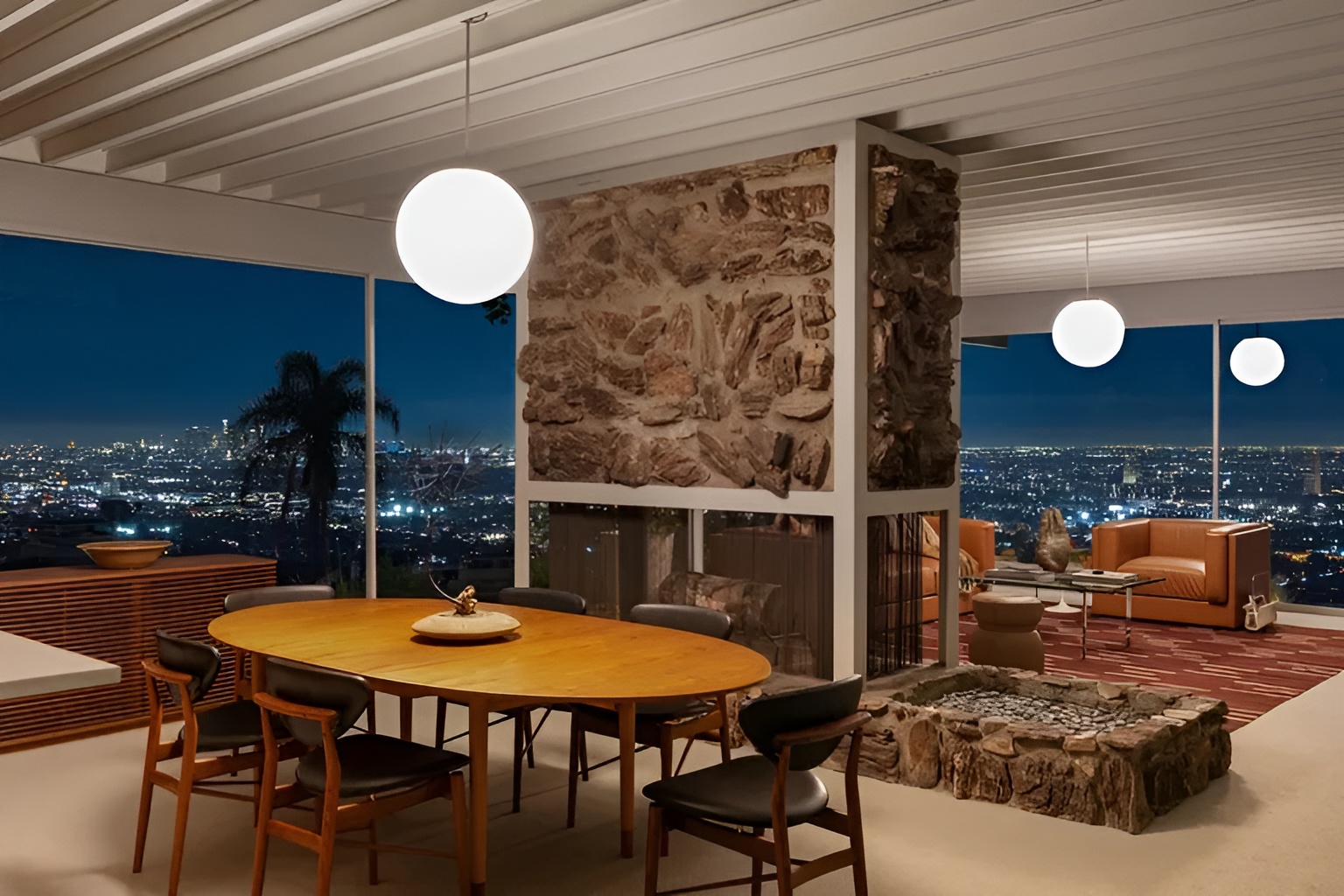
Steel framing made it possible to reduce structural obstructions and maximize transparency. Floor-to-ceiling glass walls define three sides of the house, opening the living spaces toward expansive views of Los Angeles. At the time of construction, the glass panels were among the largest commercially available. The design emphasizes openness and visual connection rather than enclosure, establishing the landscape as an integral component of the architectural experience.
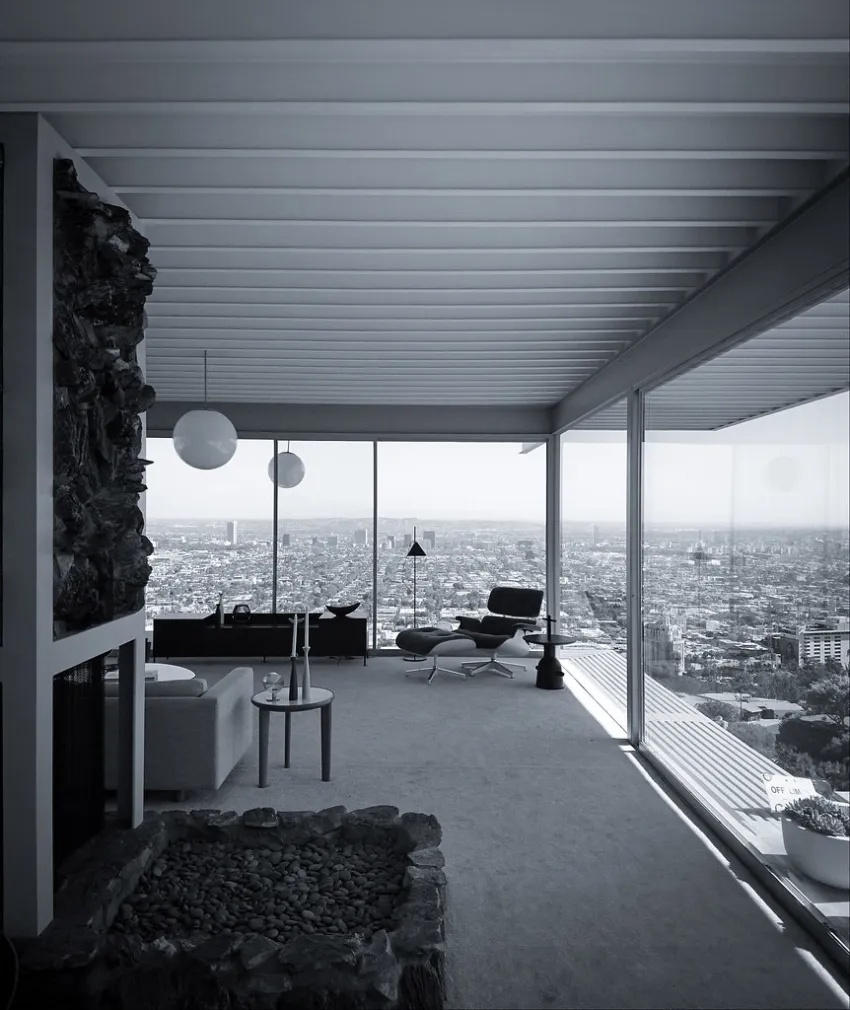
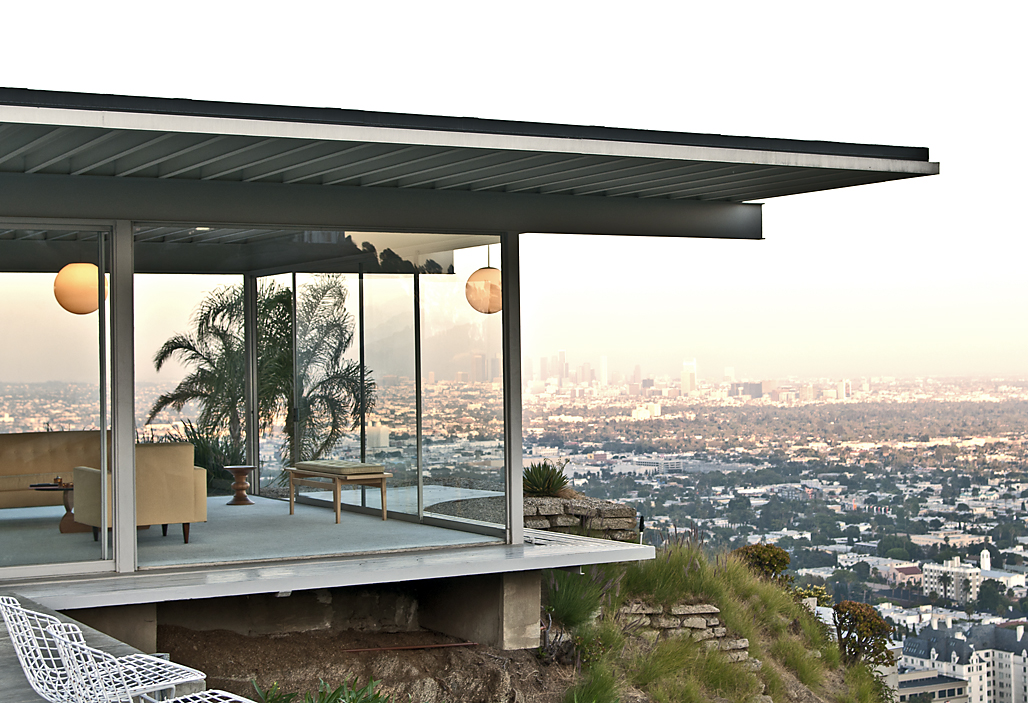
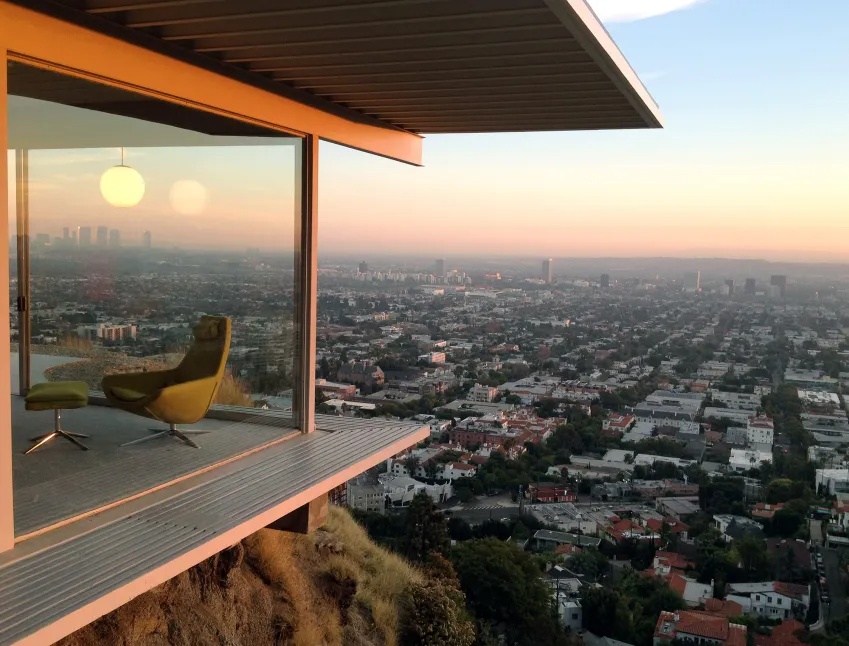
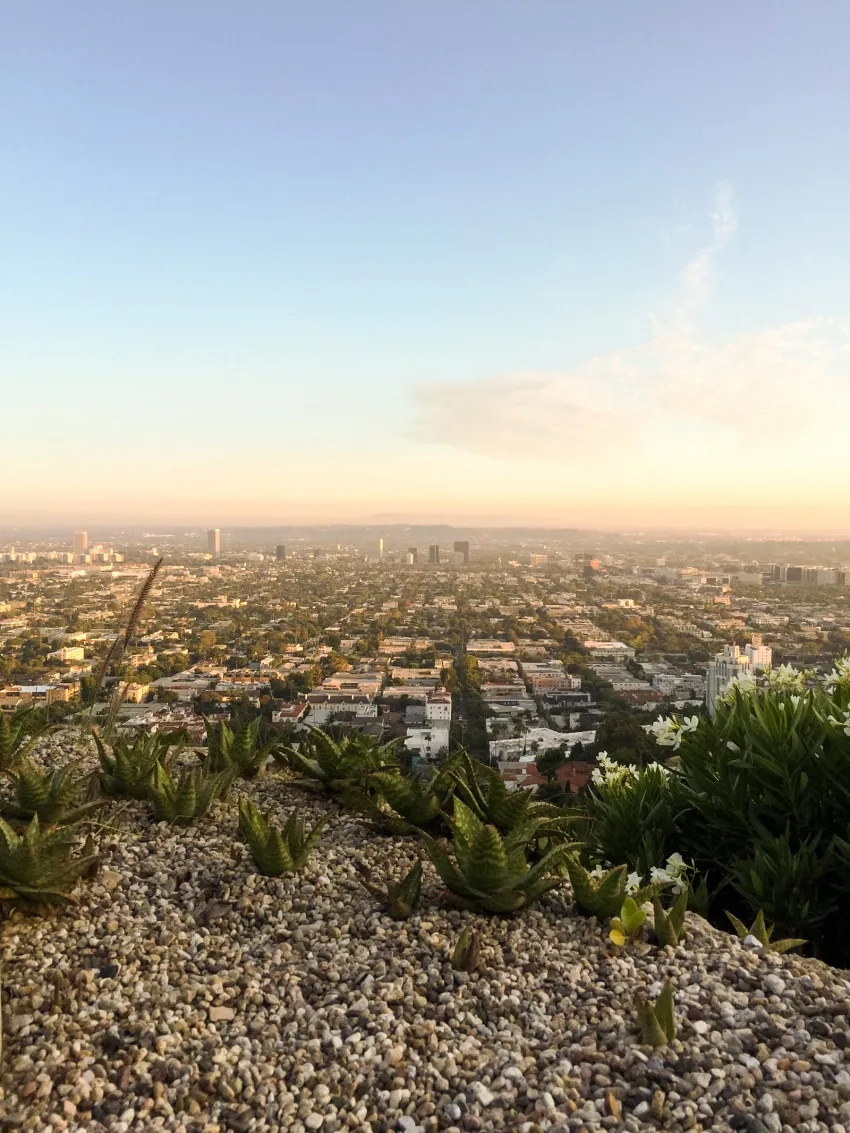
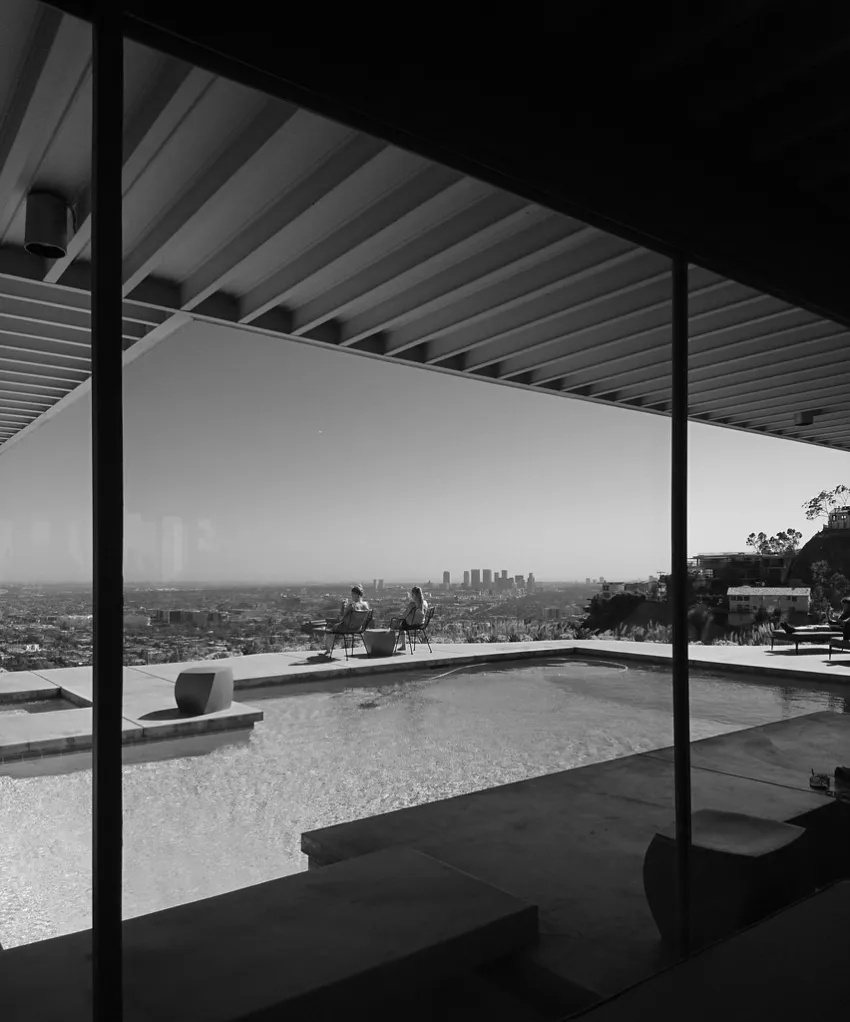
The swimming pool occupies the junction of the two wings and serves as a spatial mediator between the living areas, terrace, and surrounding landscape. Positioned alongside the primary living spaces, it reinforces the relationship between the house, the site, and the city beyond. The pool contributes to the spatial organization while extending sightlines across the hillside setting.
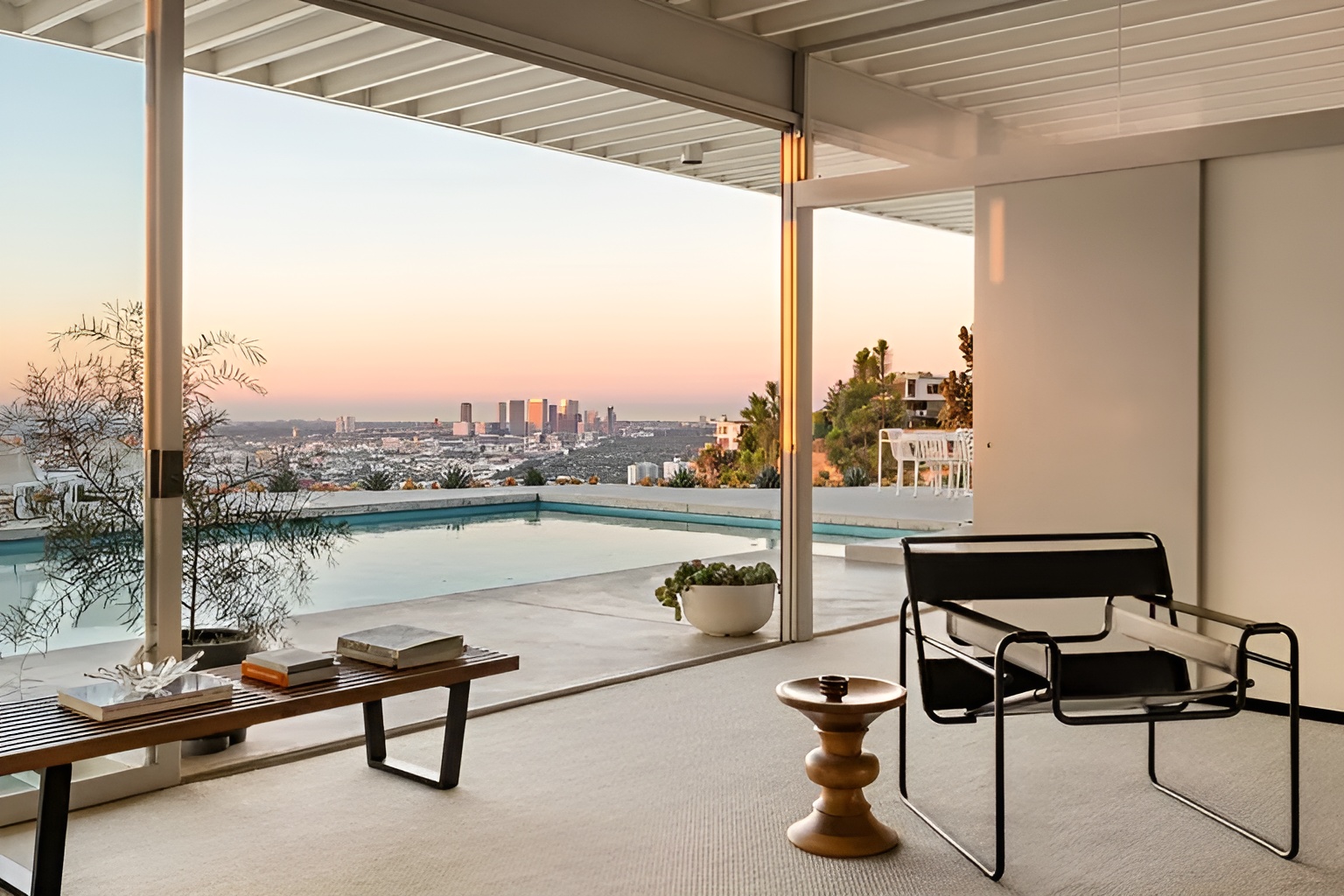
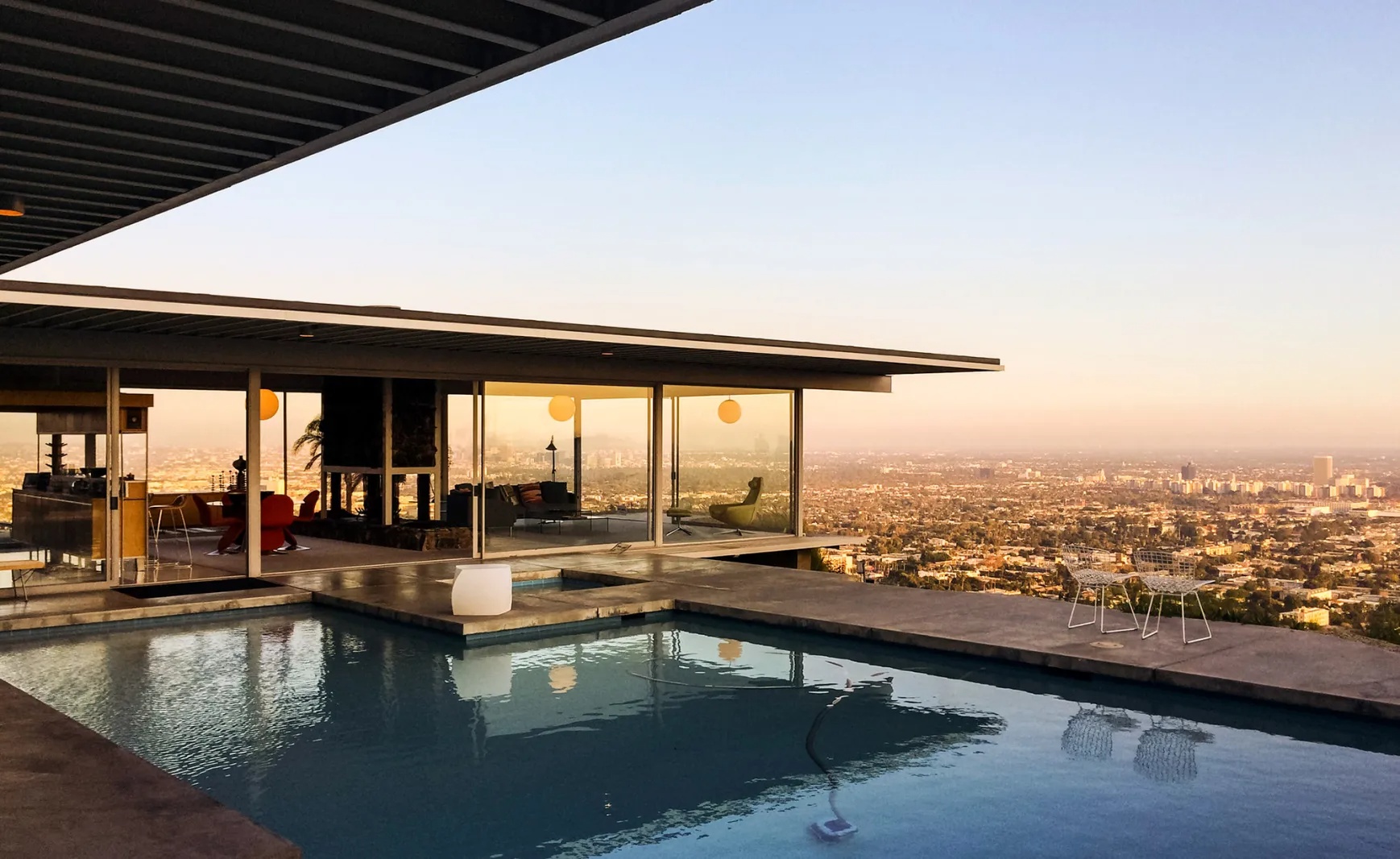
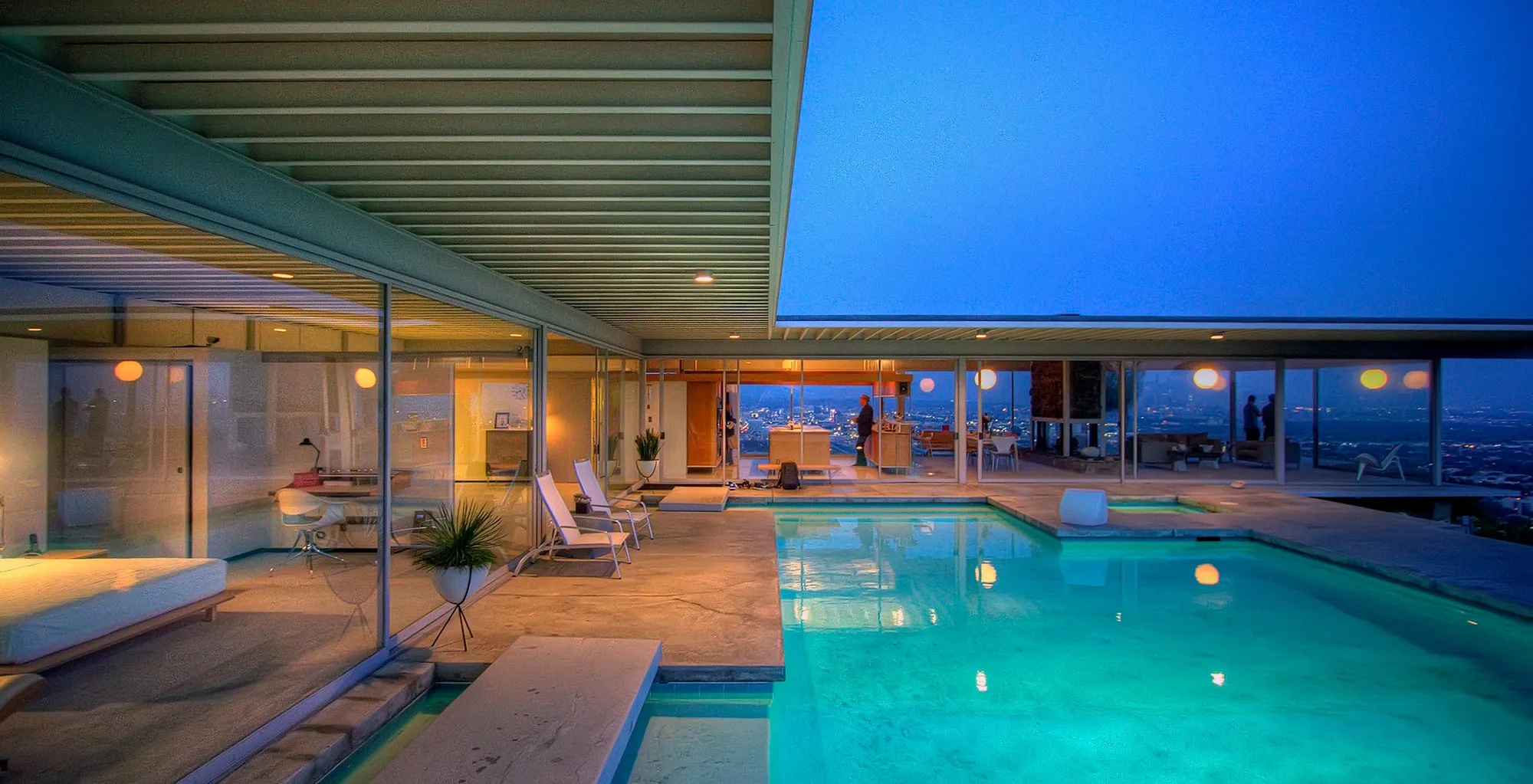
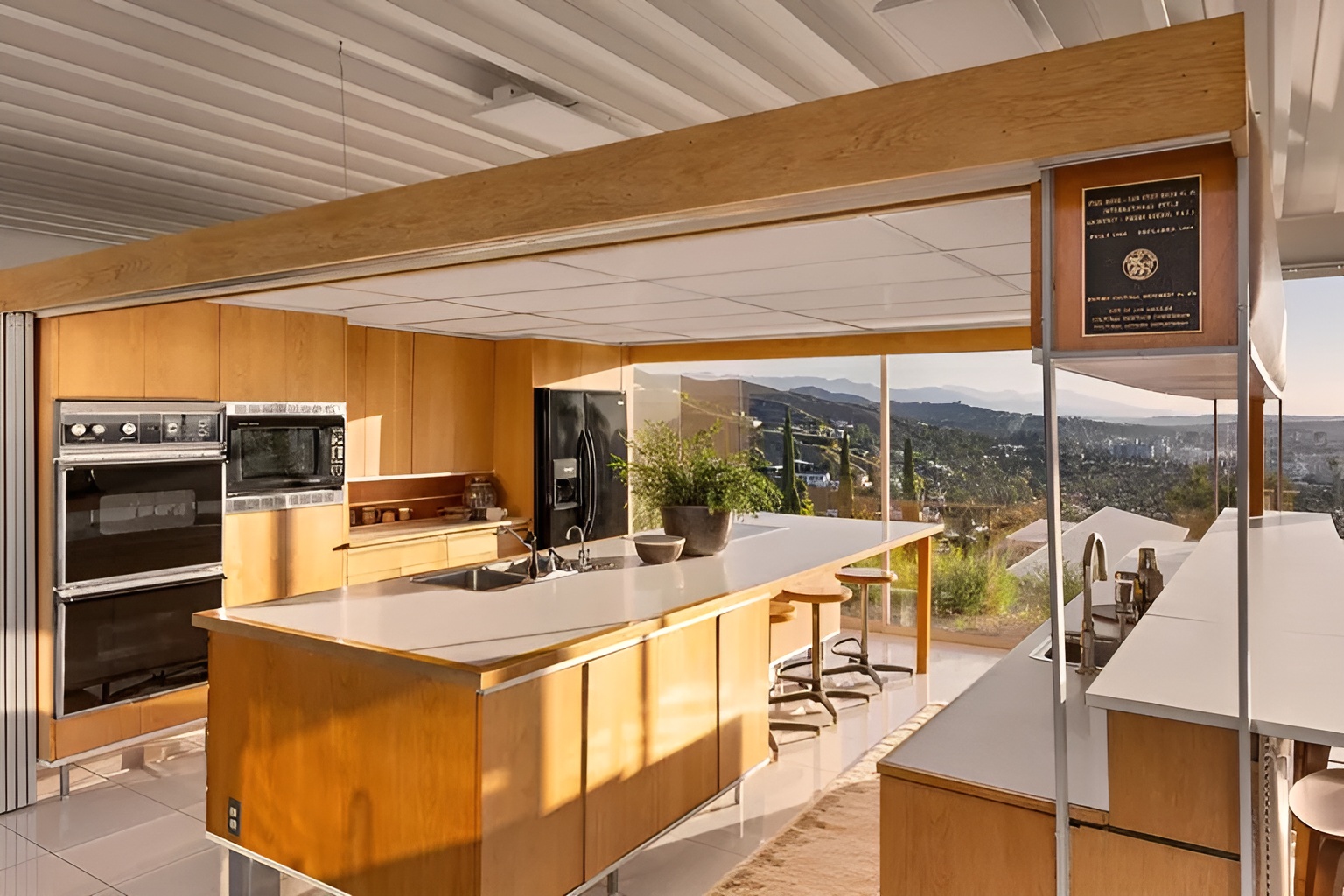
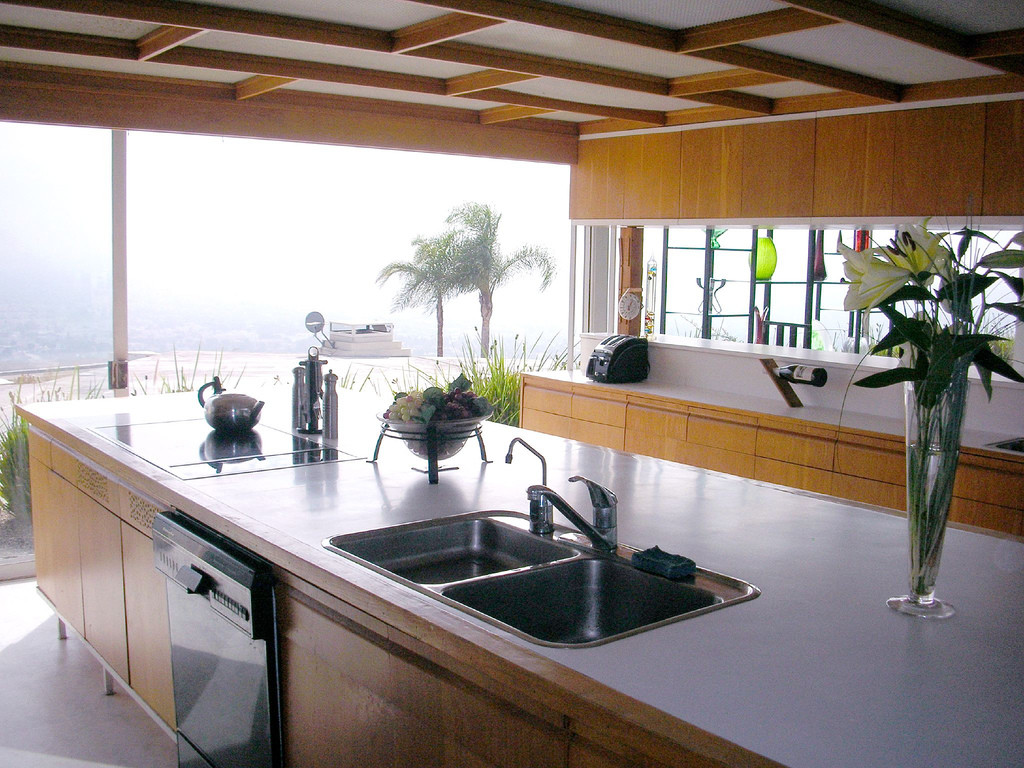
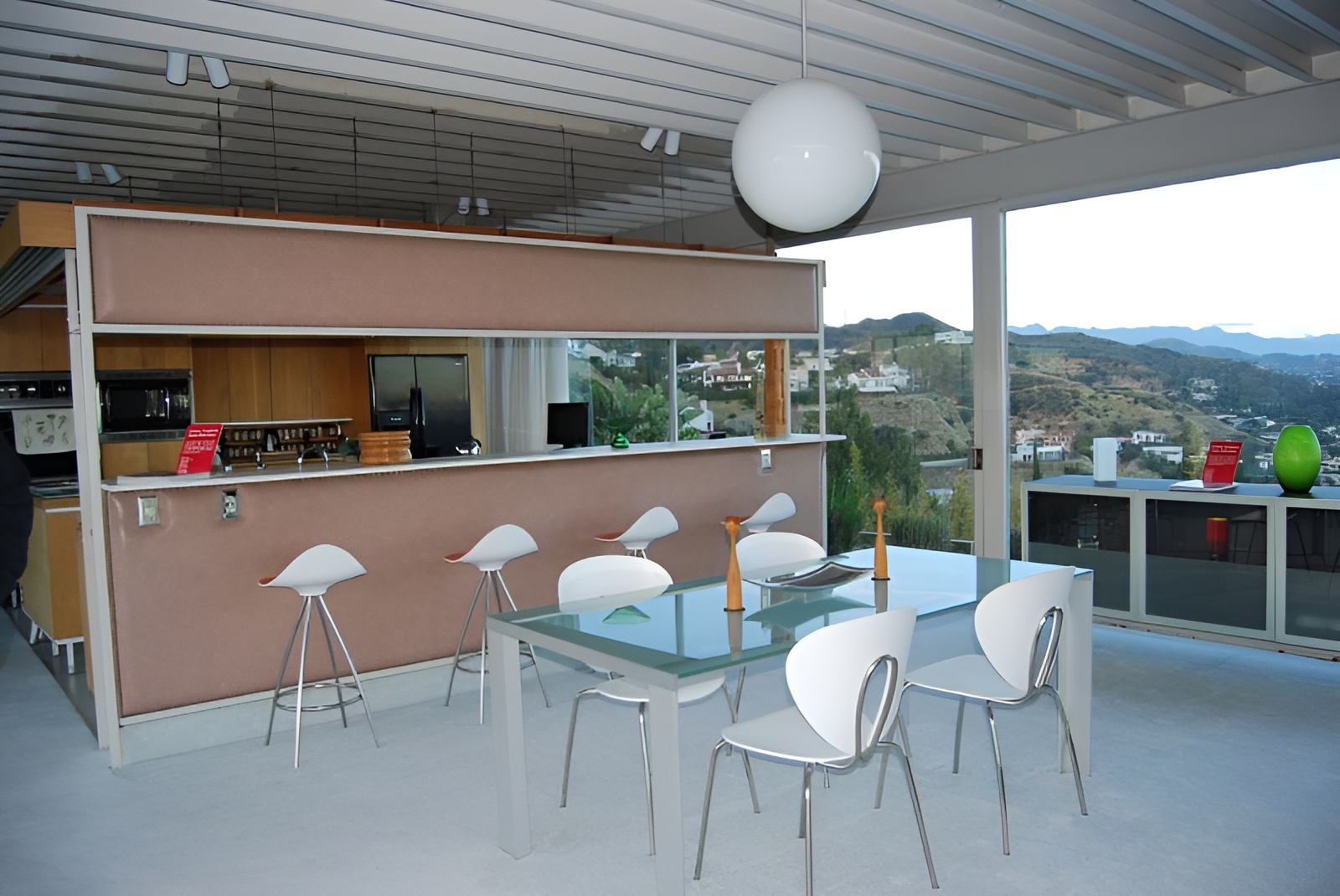
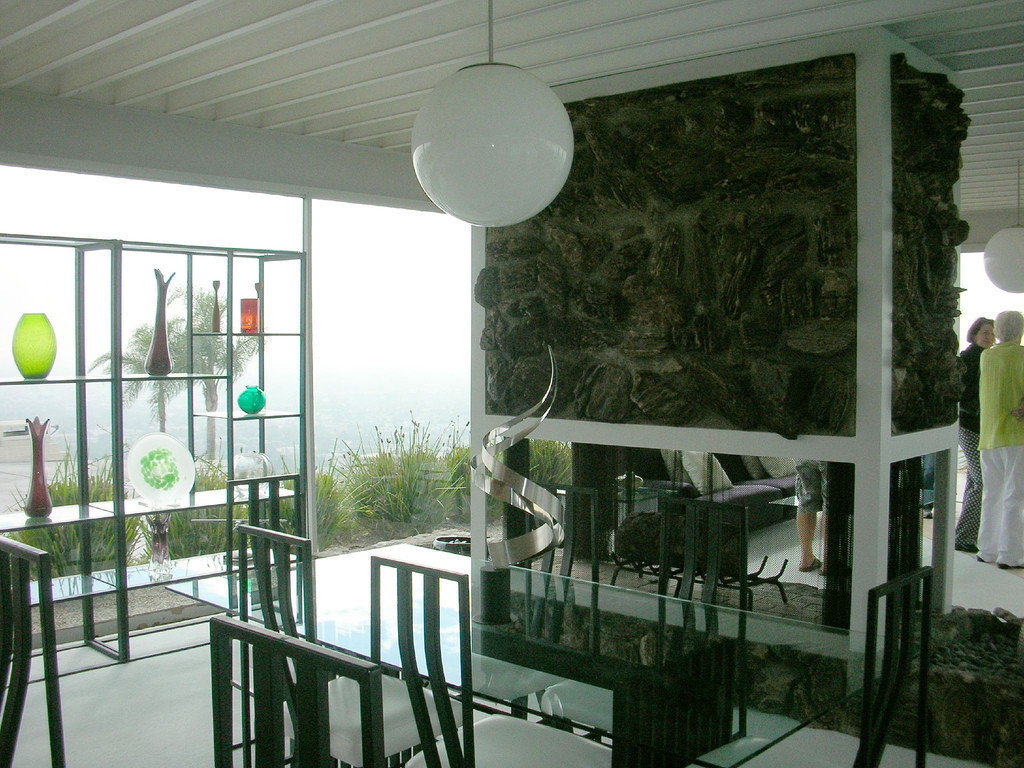
The interior reflects the goals of the Case Study House Program, which promoted efficient planning, modern materials, and adaptable living environments. Open living areas, radiant floor heating, and the integration of structure and enclosure demonstrate Koenig’s interest in industrial building systems applied to residential architecture. The steel frame supports a clear organizational strategy in which structural efficiency and spatial flexibility operate together.
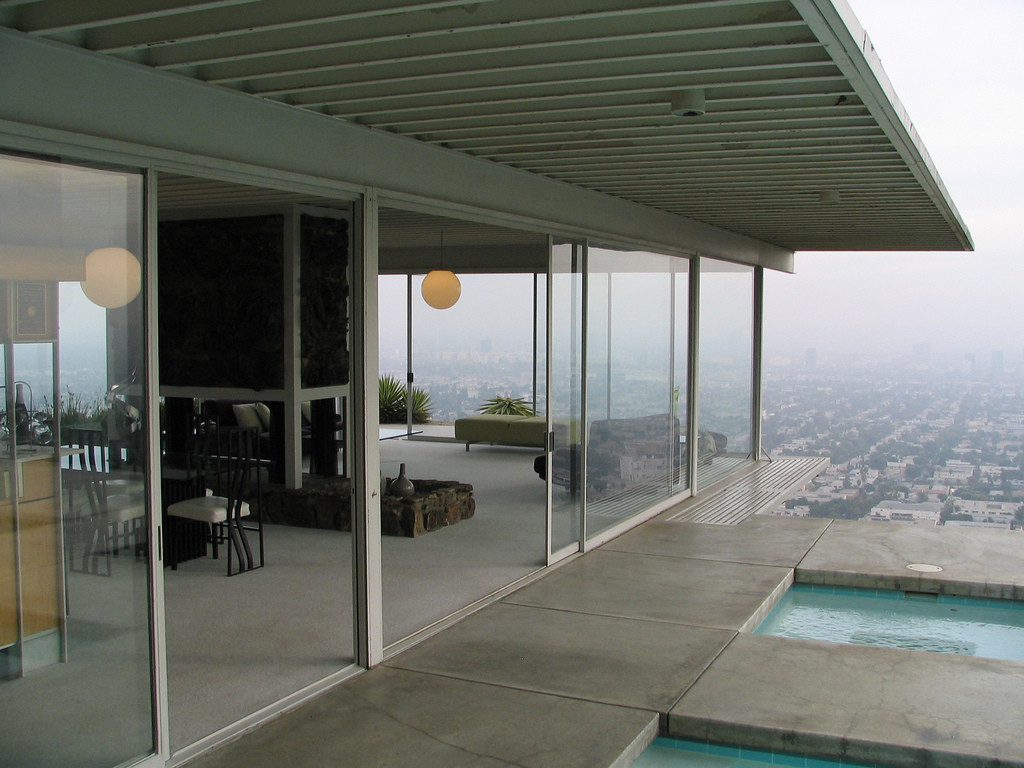
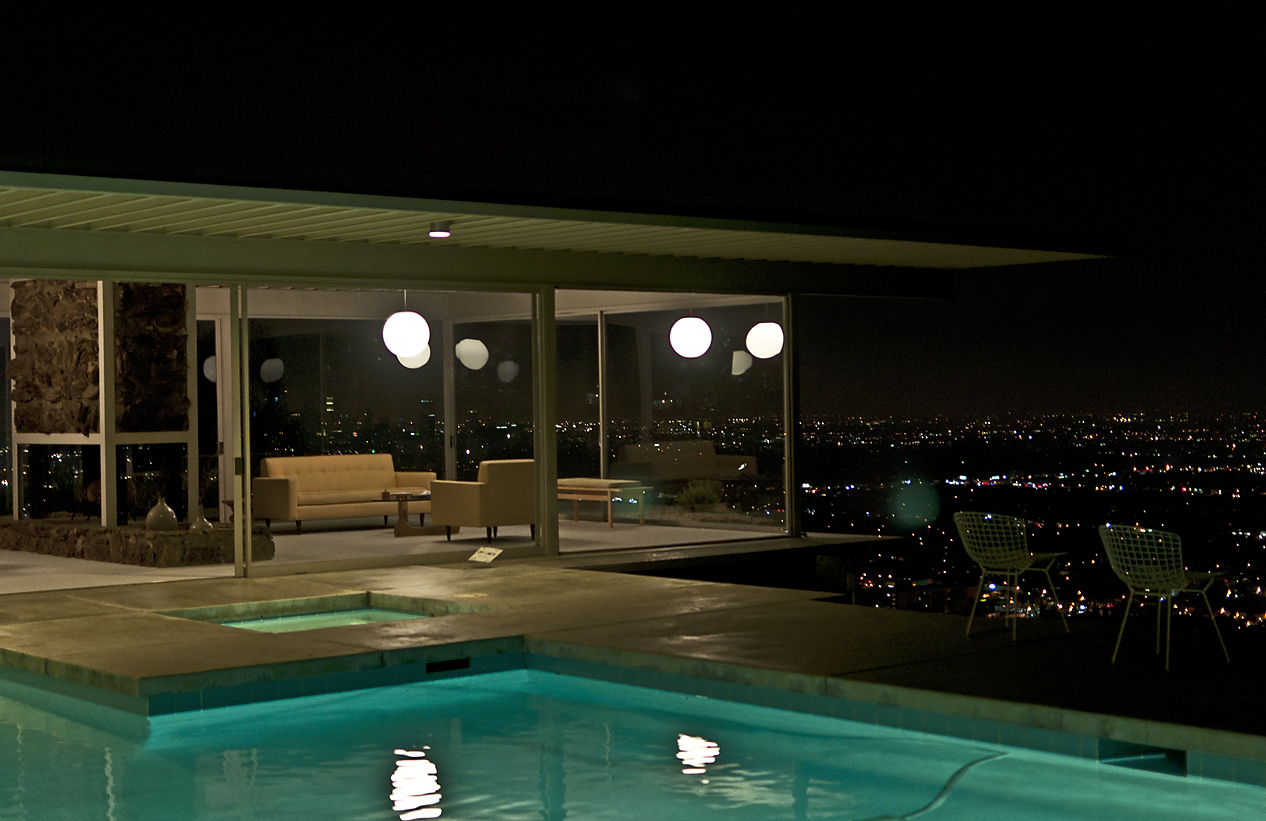
Although the house was completed in 1960, its international recognition emerged largely through the photographs of Julius Shulman. His images documented the residence suspended above the illuminated city, establishing a visual identity that became closely associated with Los Angeles modernism and postwar residential design. The photographs contributed significantly to the building’s architectural legacy and public recognition.
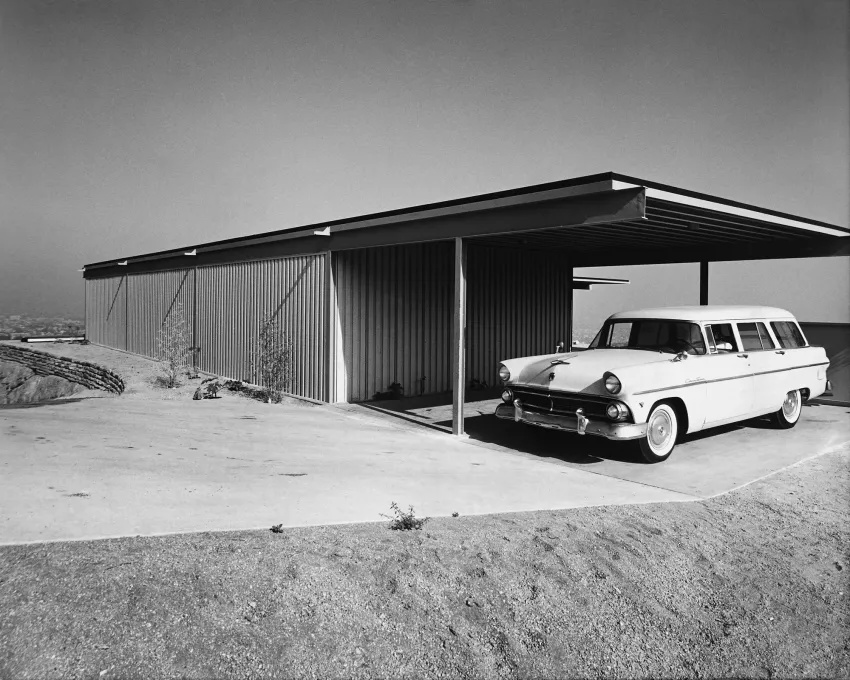
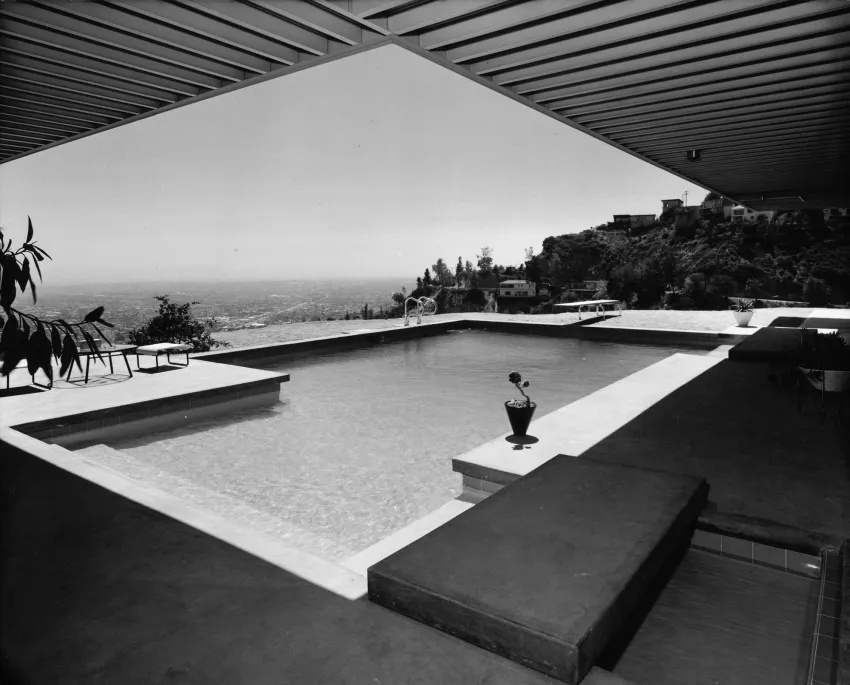
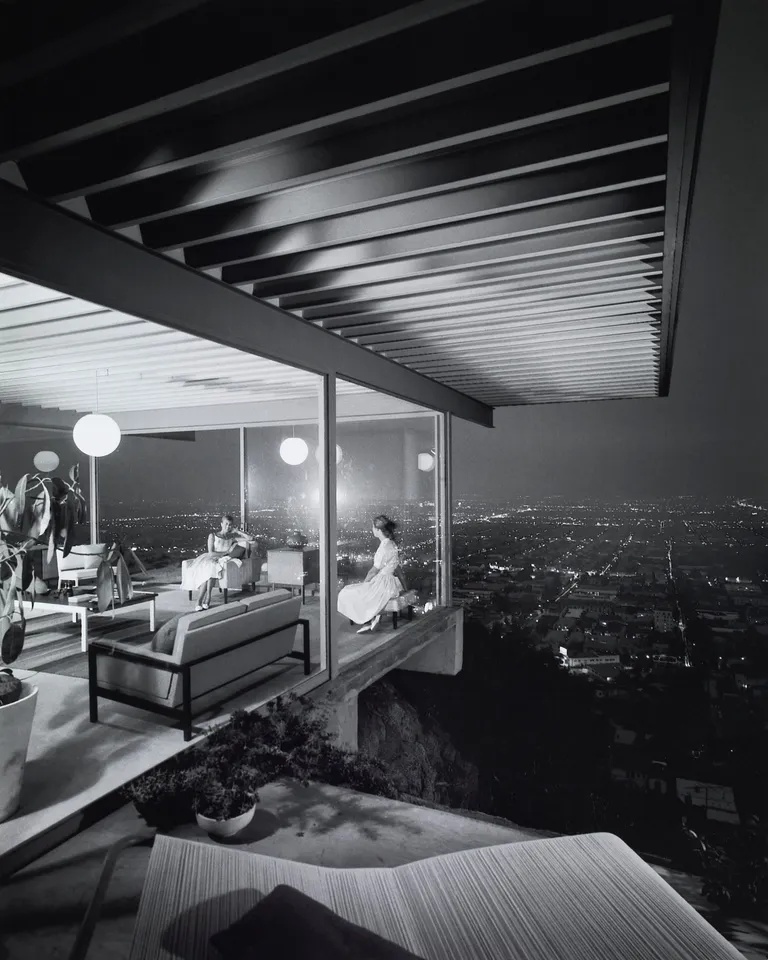
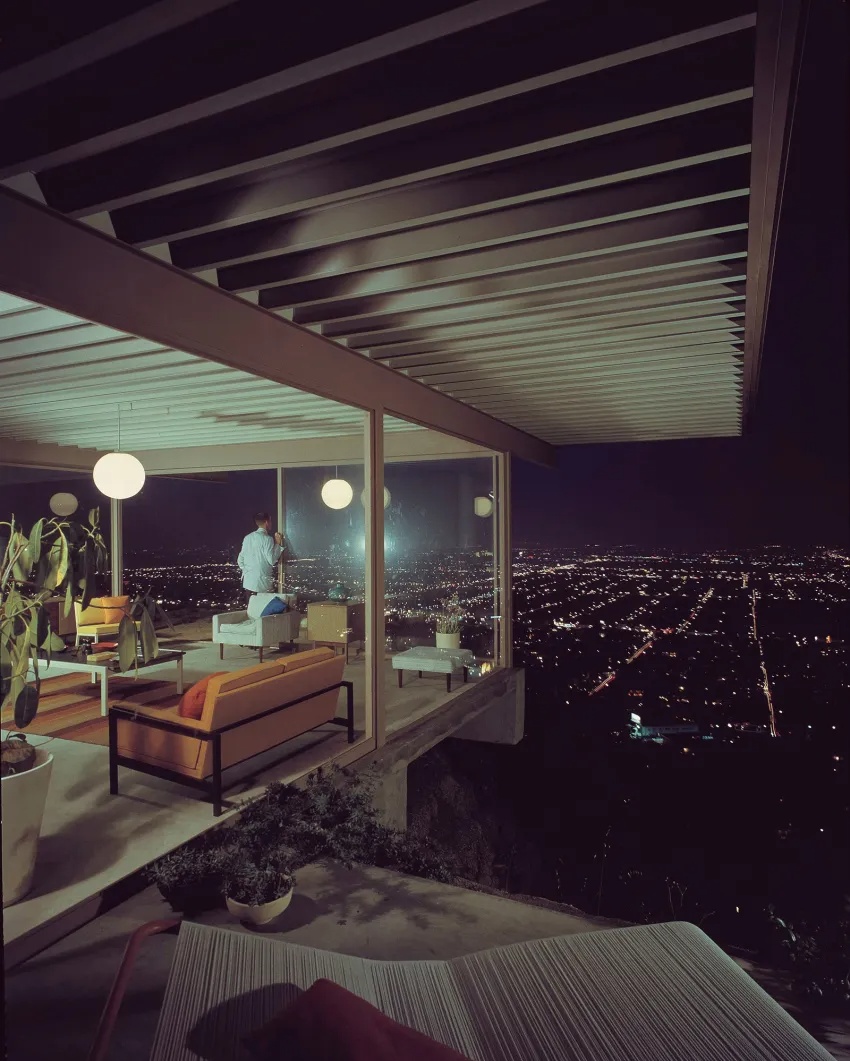
Stahl House remains one of the most influential residential projects of the twentieth century. Its combination of steel construction, transparent enclosure, open planning, and engagement with the surrounding landscape continues to serve as a reference point for discussions of modern residential architecture and the legacy of the Case Study House Program.
Project Gallery
Project Location
Address: 1635 Woods Drive, Los Angeles, California 90069, United States
Location is for general reference and may represent a city or country, not necessarily a precise address.

