

Architects: Sauerbruch Hutton
Area: 20,260 m²
Year: 2026
Photography: Helmuth Scham
Architects Team: Louisa Hutton, Matthias Sauerbruch, Vera Hartmann, Jürgen Bartenschlag, Tom Geister, Falco Hermann, Juan Lucas Young, Julia Blasius, Katja Correll, Maria Fernandez, Stefan Fuhlrott, Nan Liu, Lucia Martinez Estefania, Emanuela Mendes, Katarina Petrovic, Marco Rabaglino, Saskia Vendel
Structural Engineering: Werner Sobek
Building Services Engineering: ATM Herbert Marks GmbH, Rottenburg-Ergenzingen; GET Solutions
Building Physics & Acoustics: GN Bauphysik Finkenberger + Kollegen
Fire Safety: HHP
Landscape Planning: SINAI
Client: BPD Immobilienentwicklung GmbH
City: Konstanz
Country: Germany
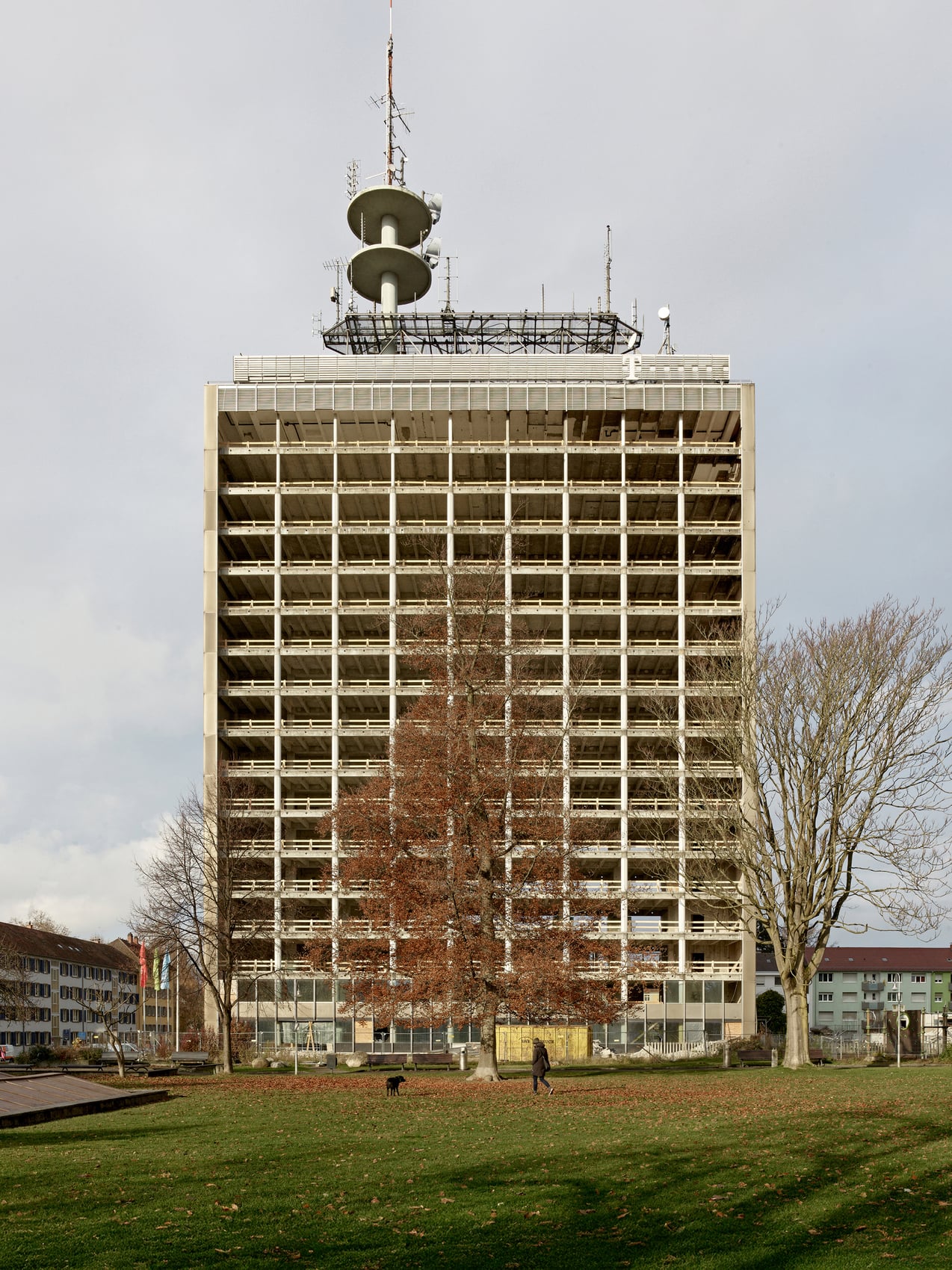
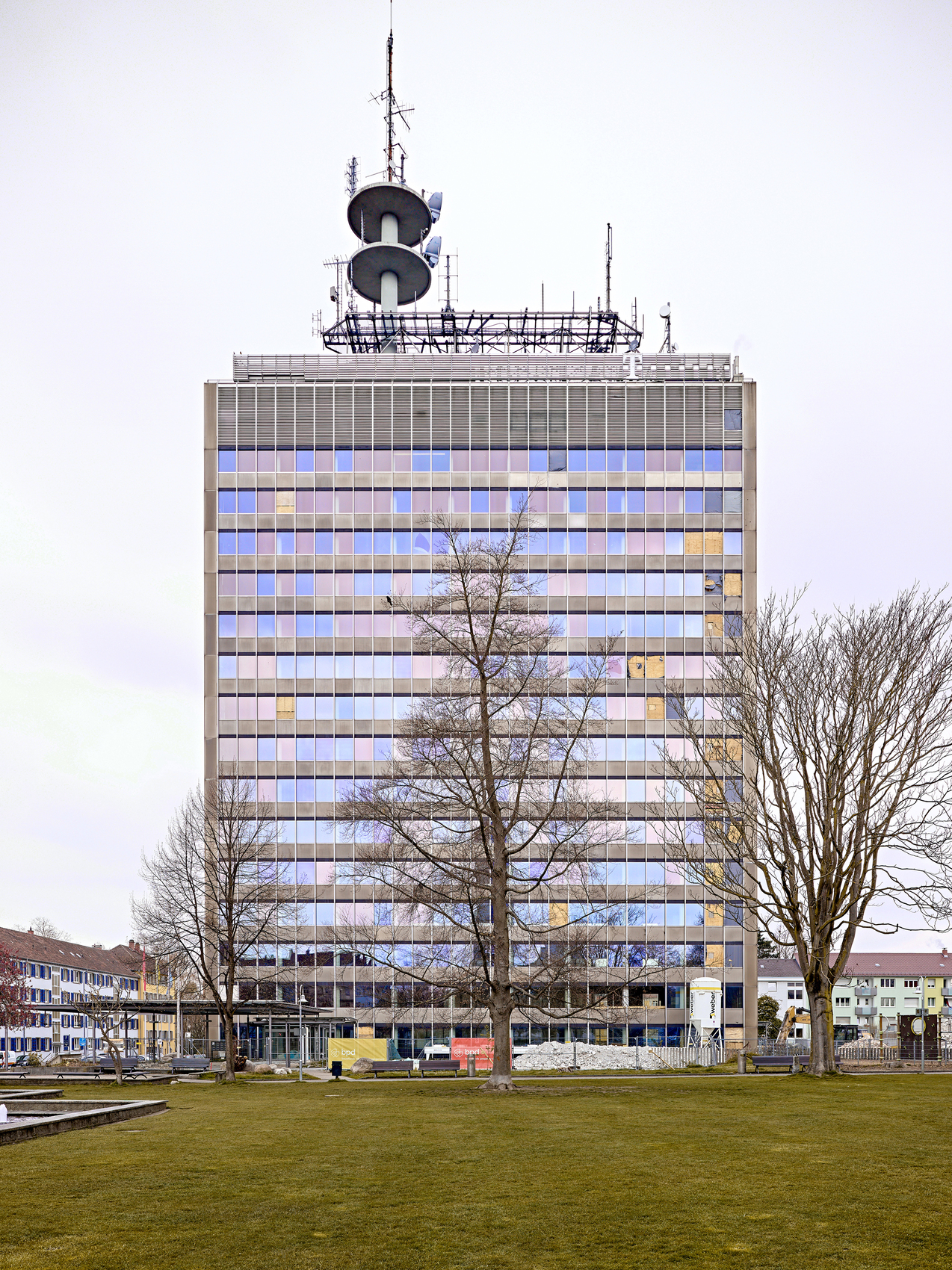
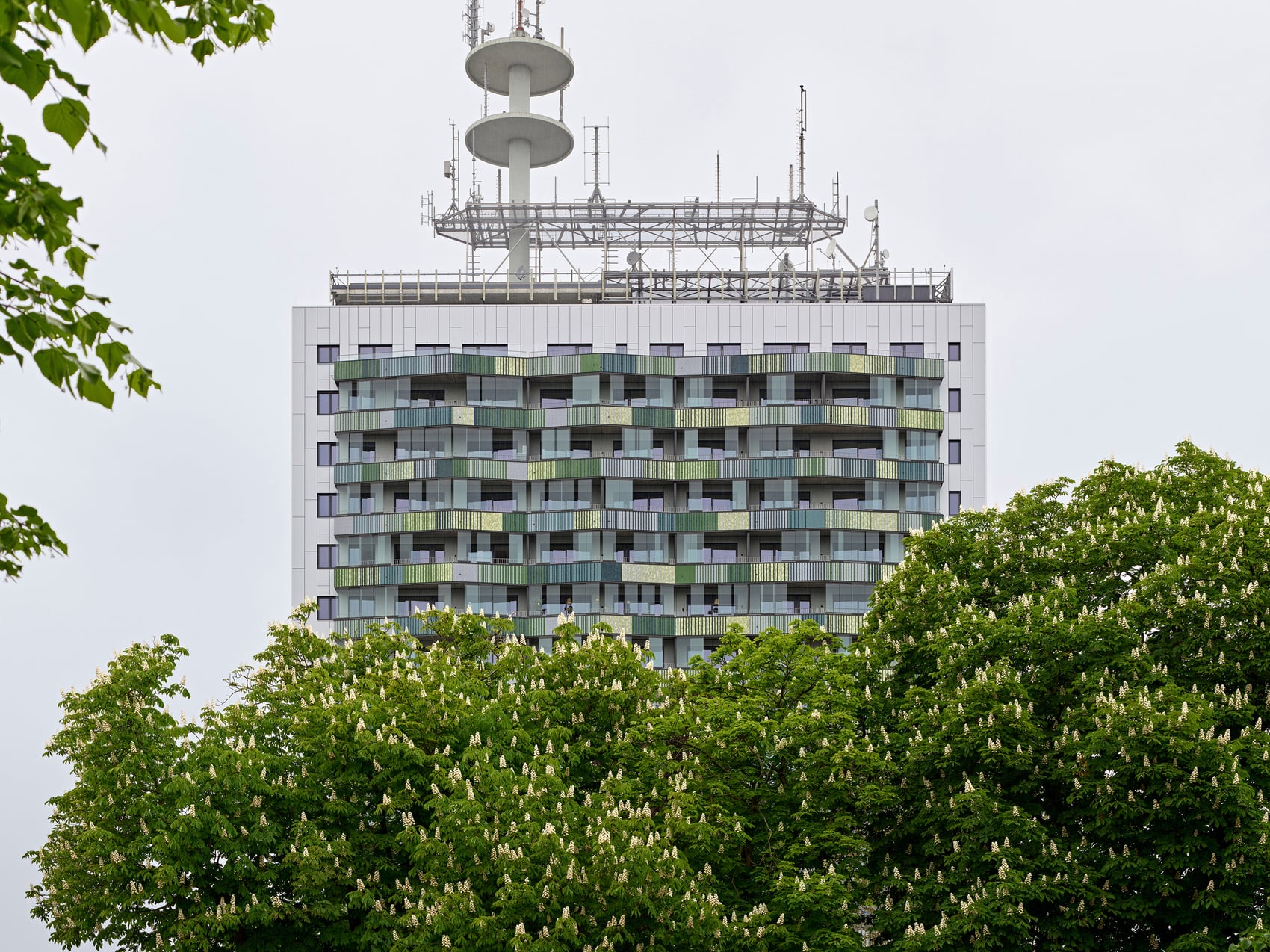
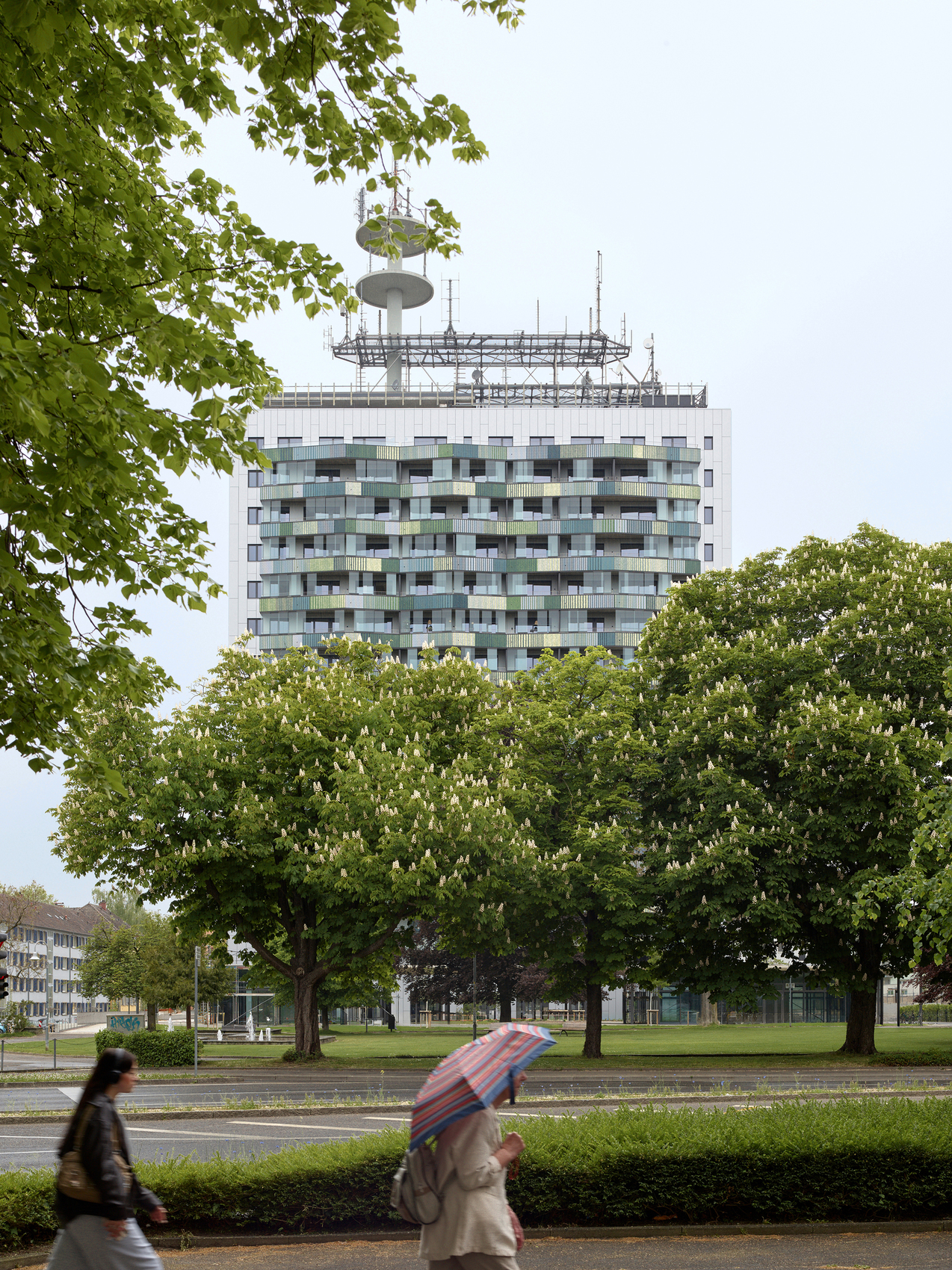
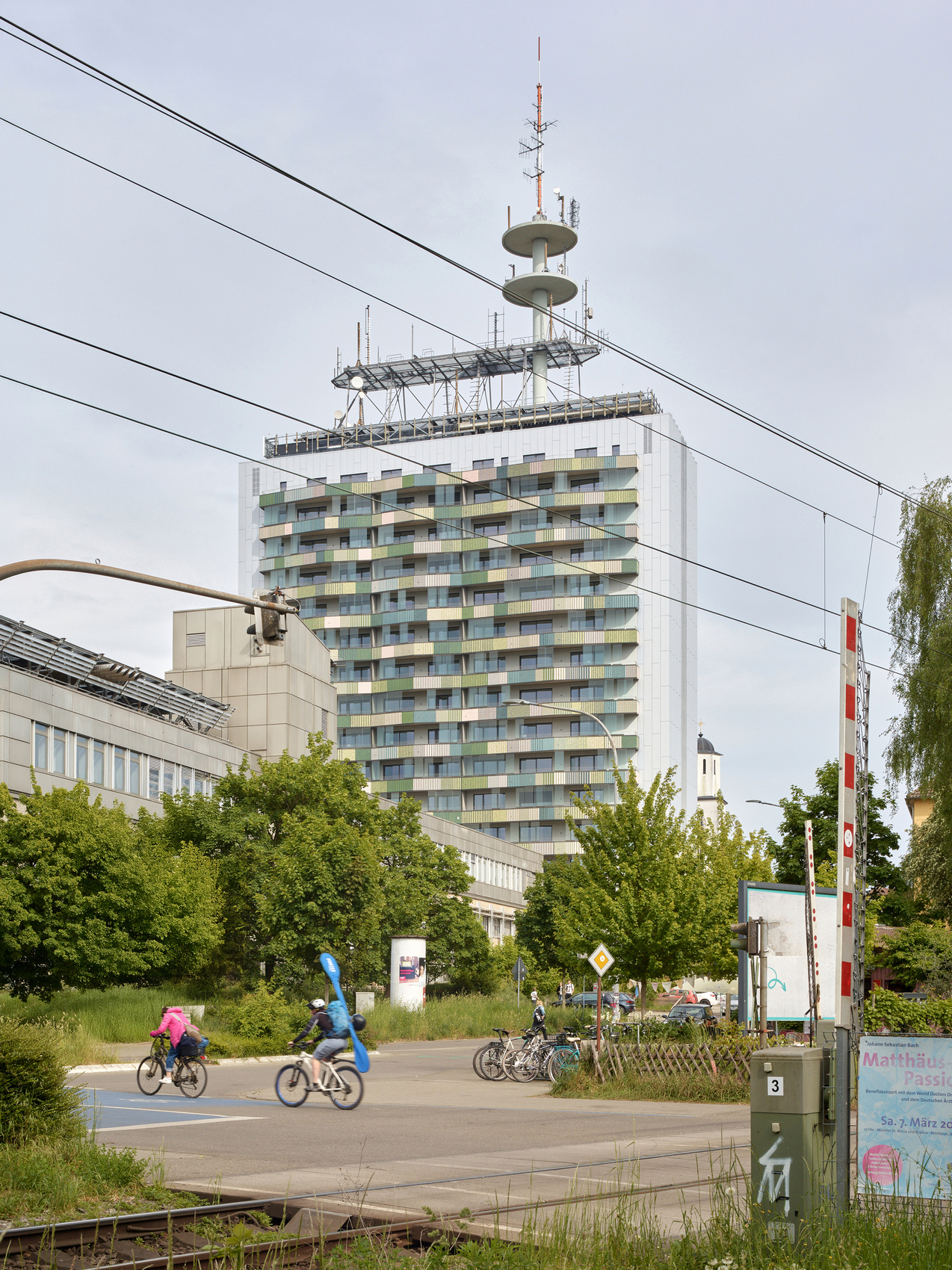
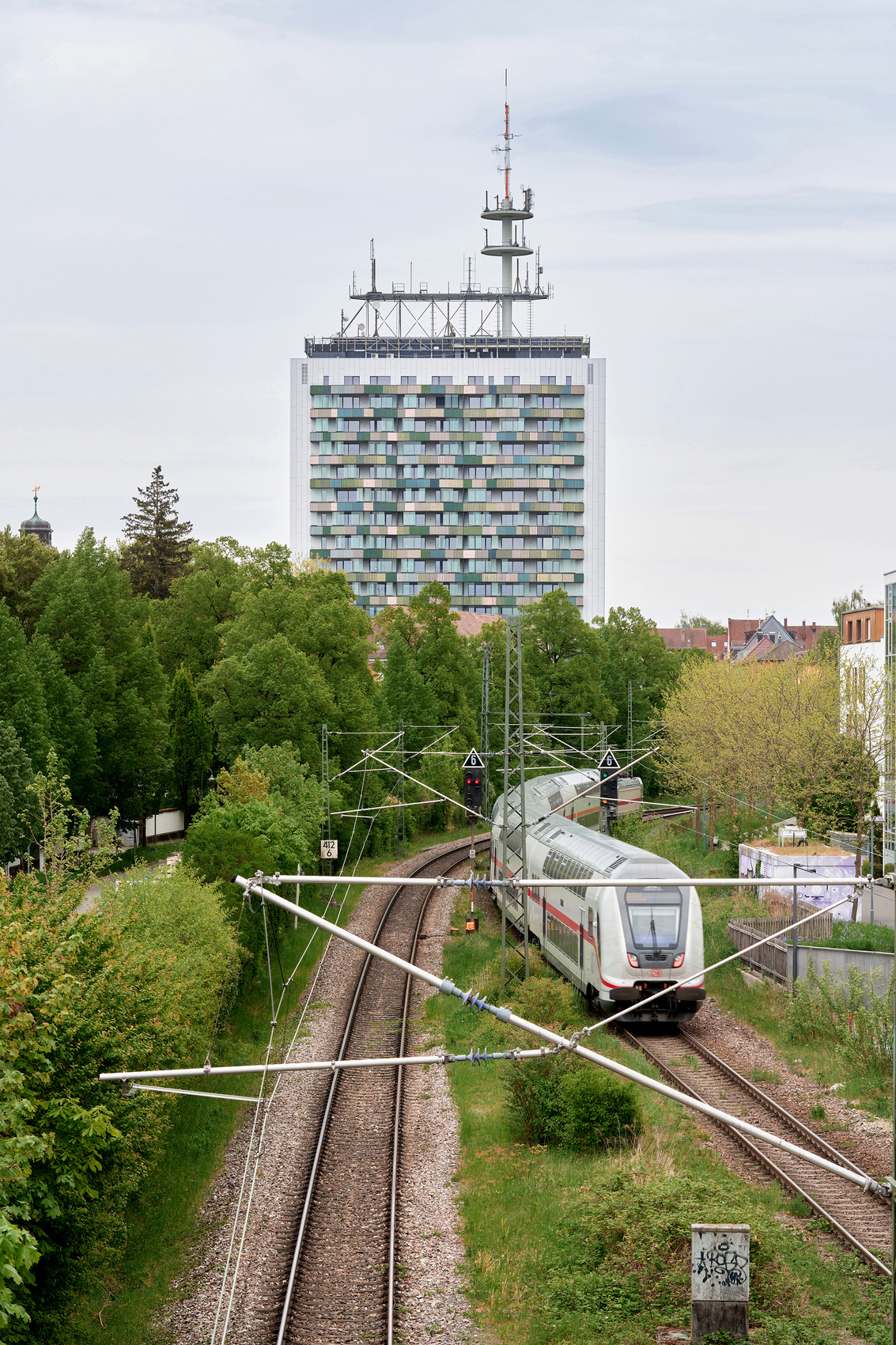
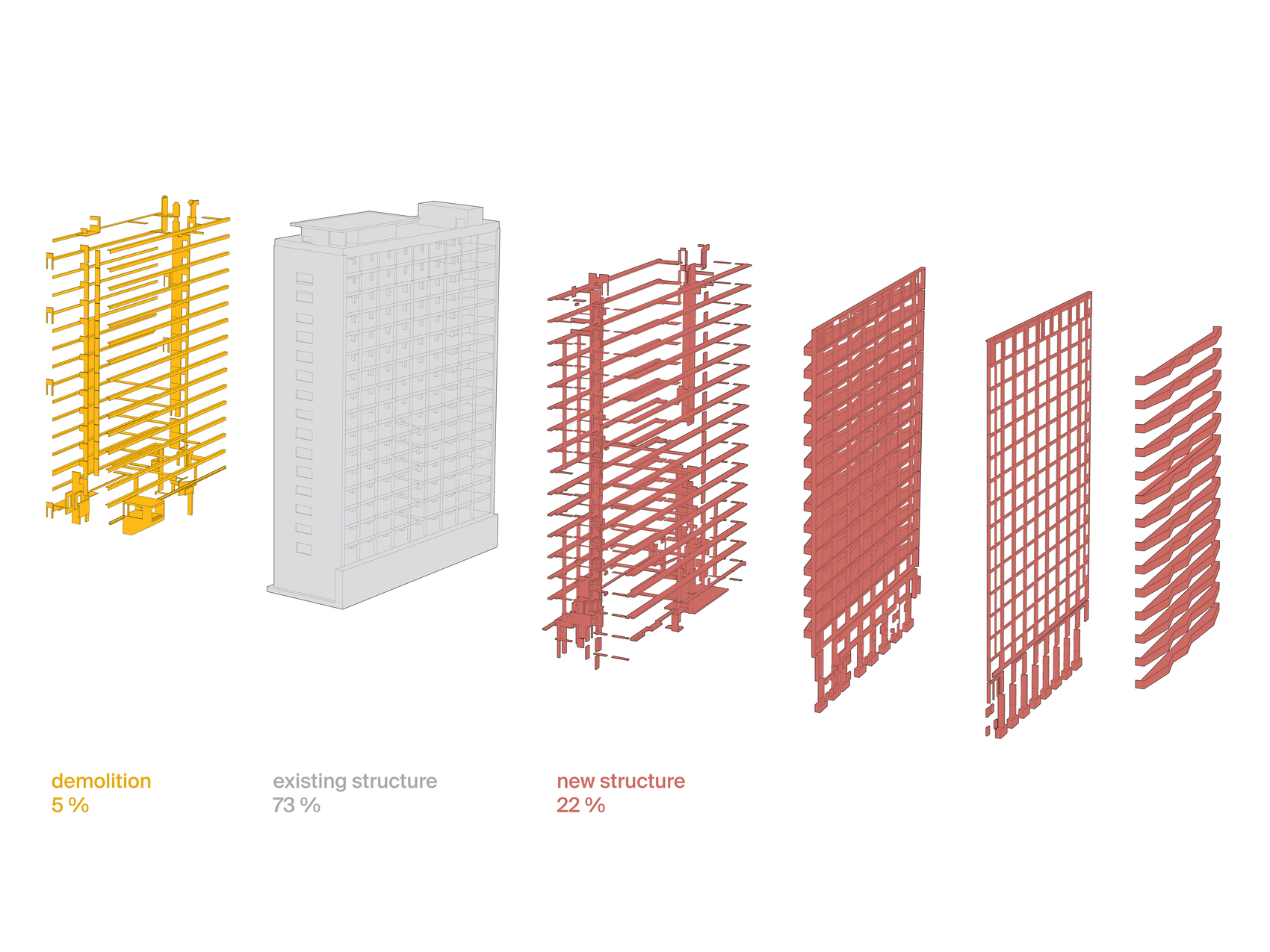
The transformation of Telekom Tower in Konstanz by Sauerbruch Hutton reimagines a vacant 1970s office high-rise as a residential building while preserving the majority of its existing structure. The project converts the tower into 98 apartments and introduces new public amenities, landscaped areas, and contemporary environmental systems that reconnect the site to its urban surroundings. New loggia levels and pavilion additions reshape the building’s relationship with the city, softening its formerly monolithic appearance and establishing stronger links to adjacent public spaces. By retaining 93 percent of the structural frame, the intervention significantly reduces embodied carbon while extending the lifespan of the building. The project demonstrates how adaptive reuse can simultaneously address environmental responsibility, housing demand, and urban regeneration, creating a renewed architectural identity that respects the building’s history while positioning it for future use.
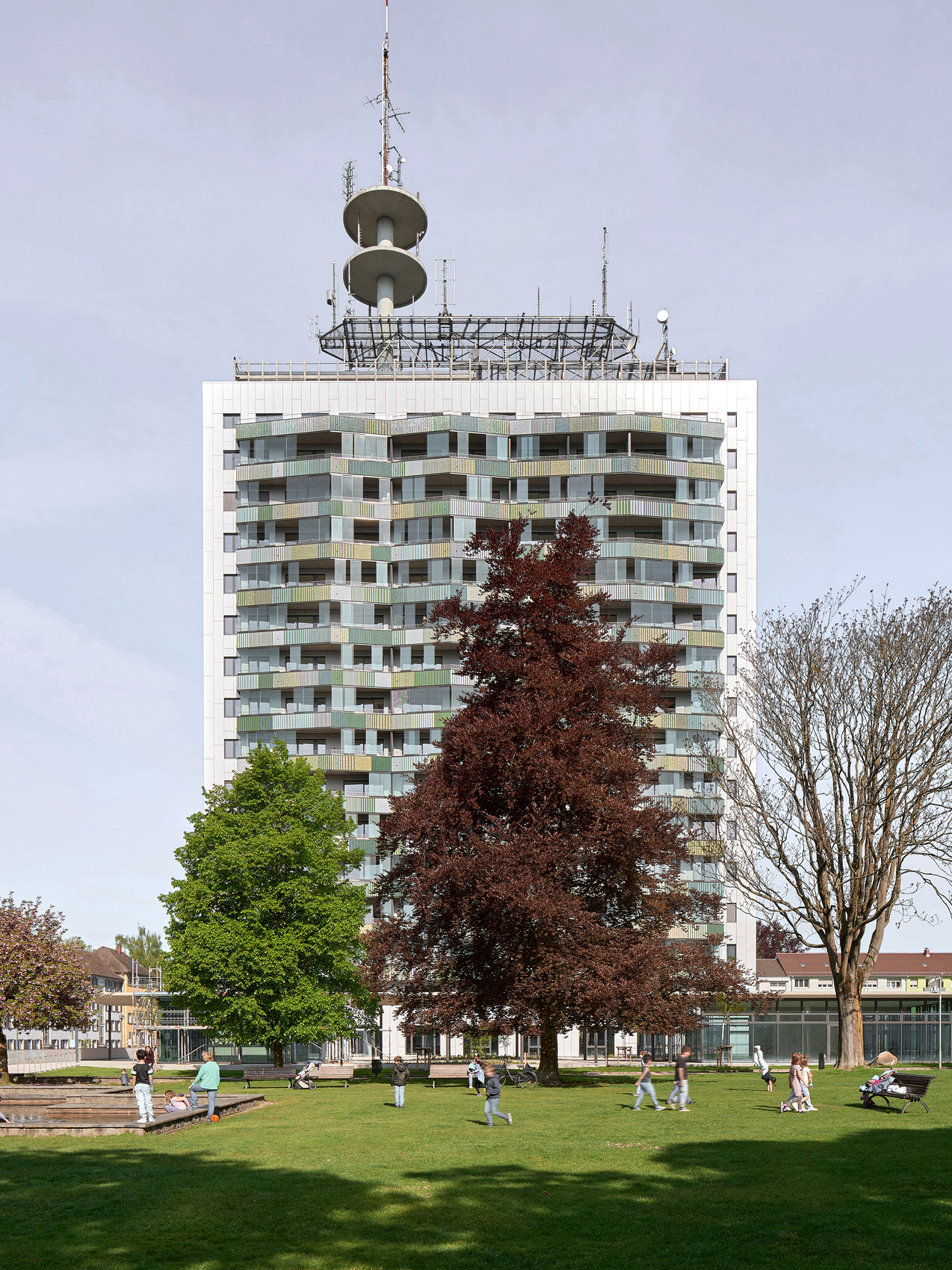
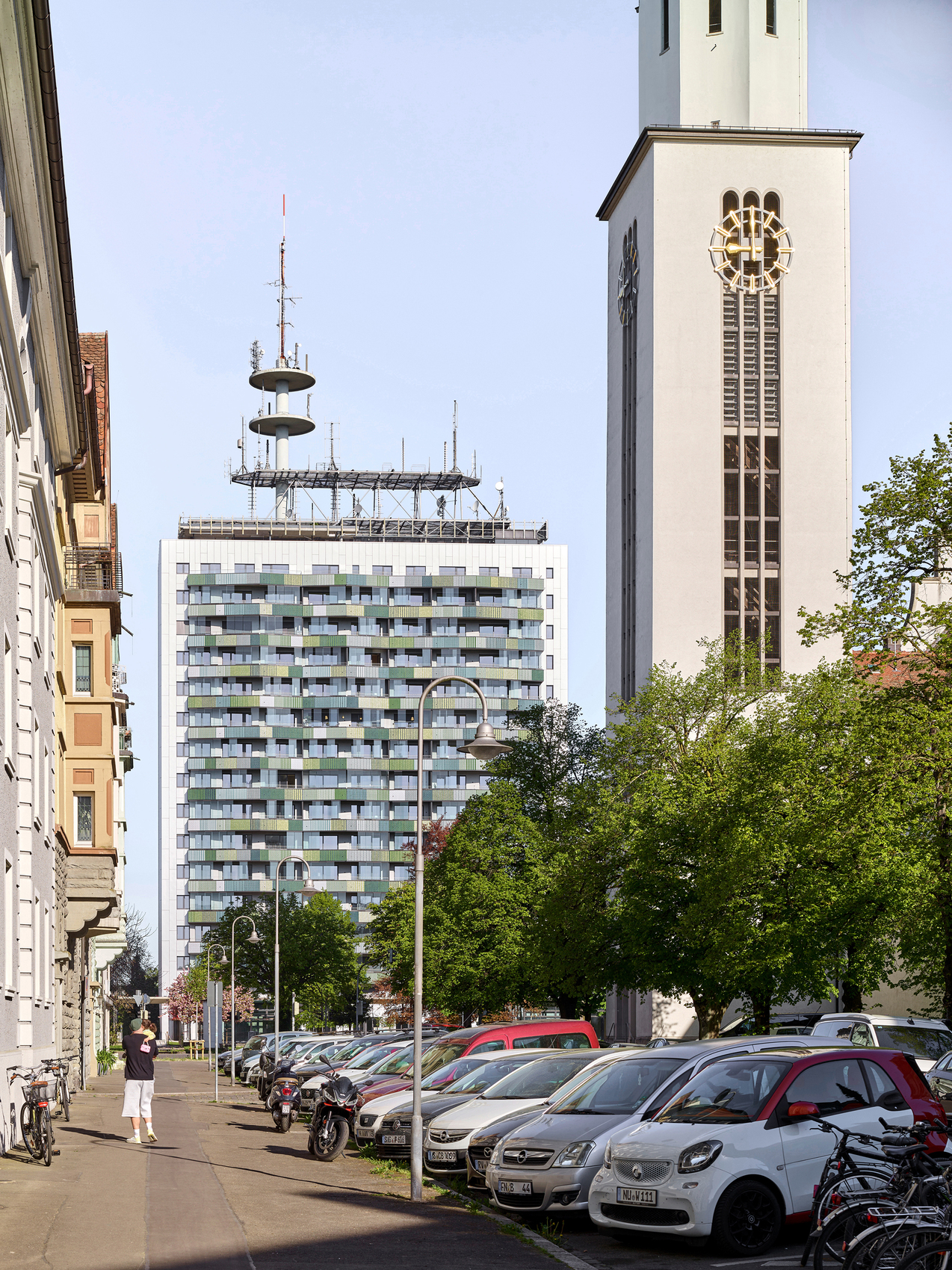
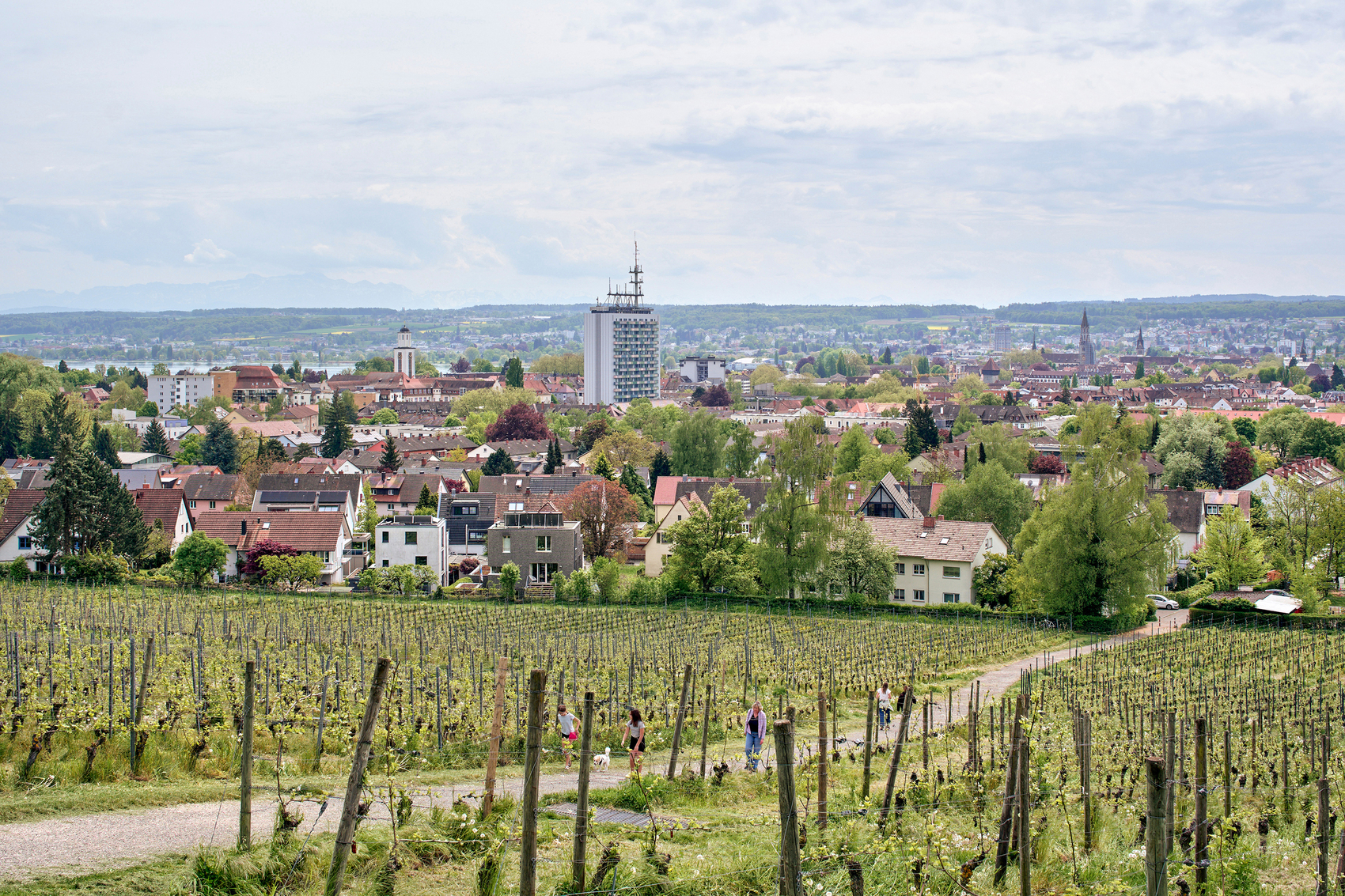
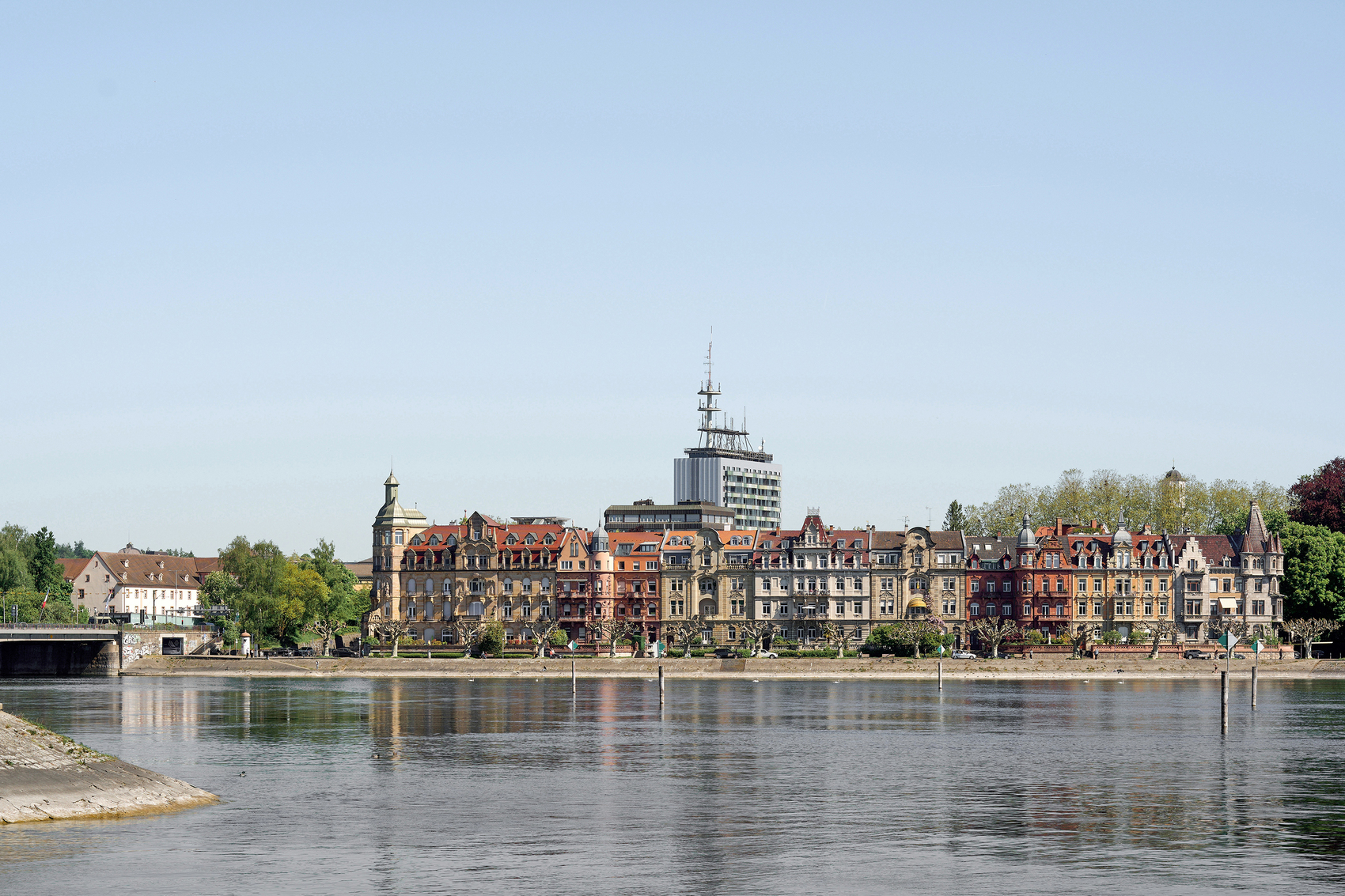
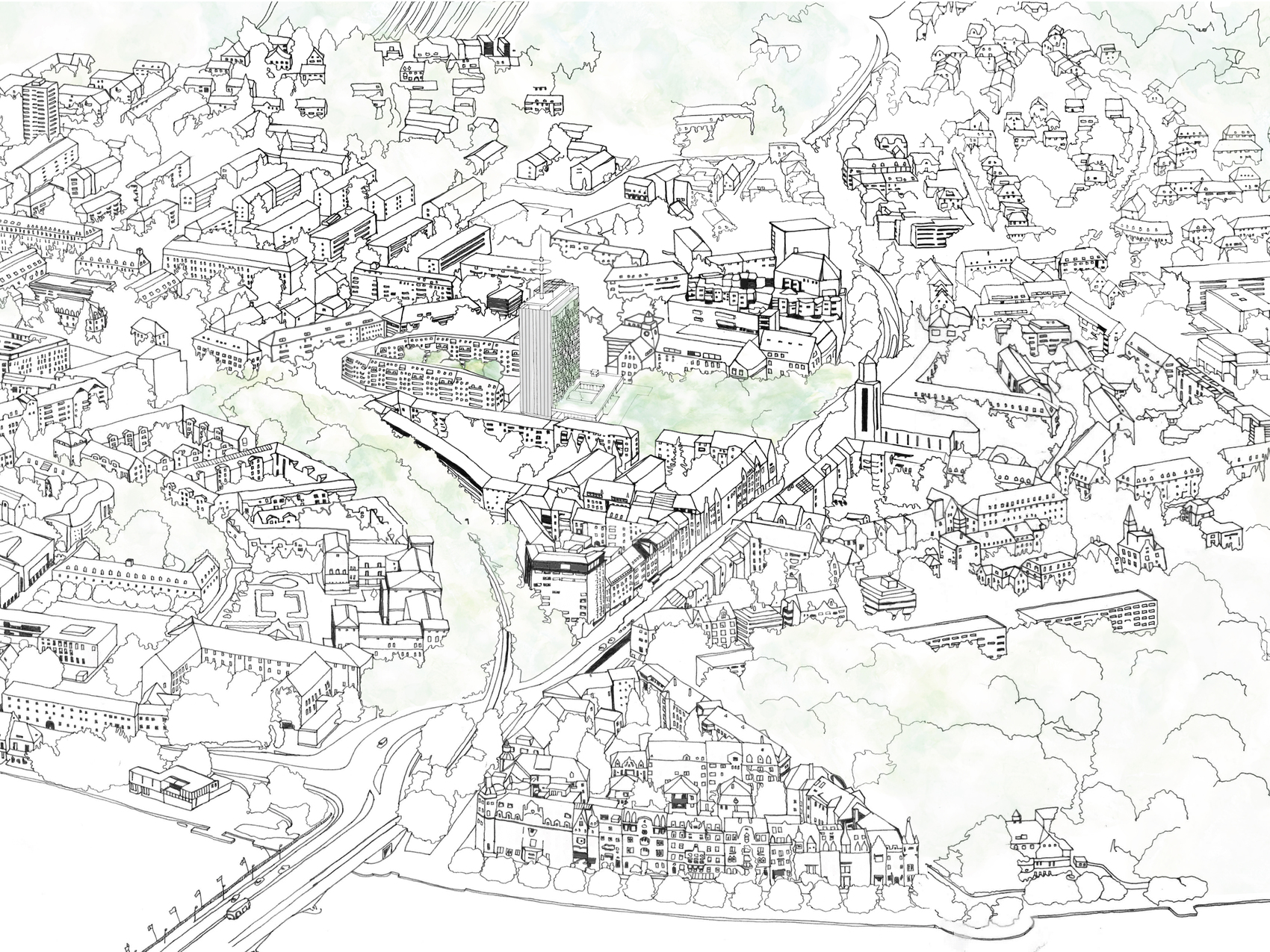
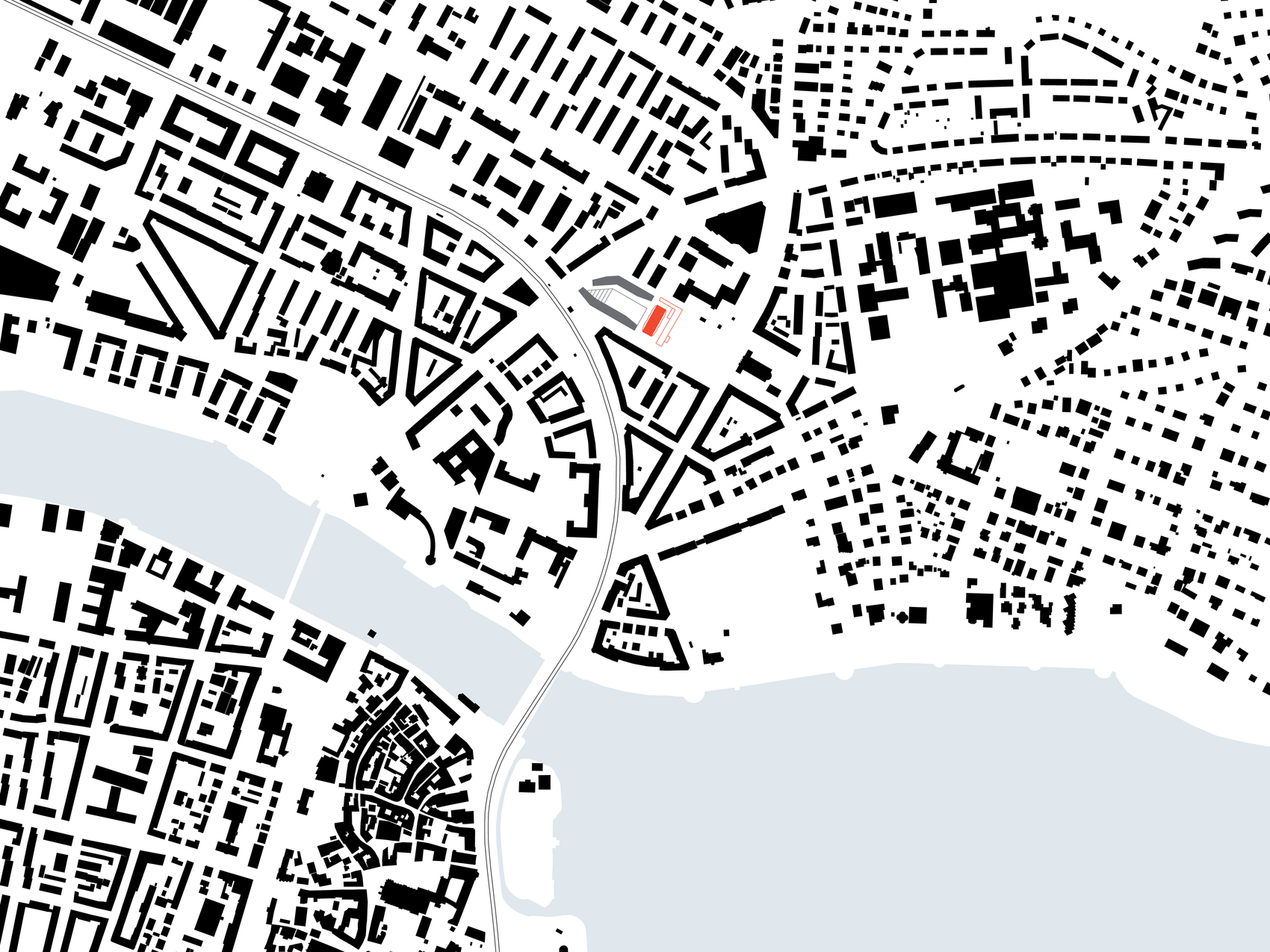
The redevelopment of the Telekom Tower addresses a long-standing urban issue in Konstanz. Rising southeast of the historic city center, the former office building had existed for decades as an isolated object whose scale and architectural language contrasted sharply with its surroundings. Rather than viewing the tower as obsolete, Sauerbruch Hutton approached the conversion as an opportunity to repair its relationship with the city. The project reframes the high-rise as an integral urban component, demonstrating how existing structures can be adapted to contemporary needs while contributing to broader processes of urban renewal.
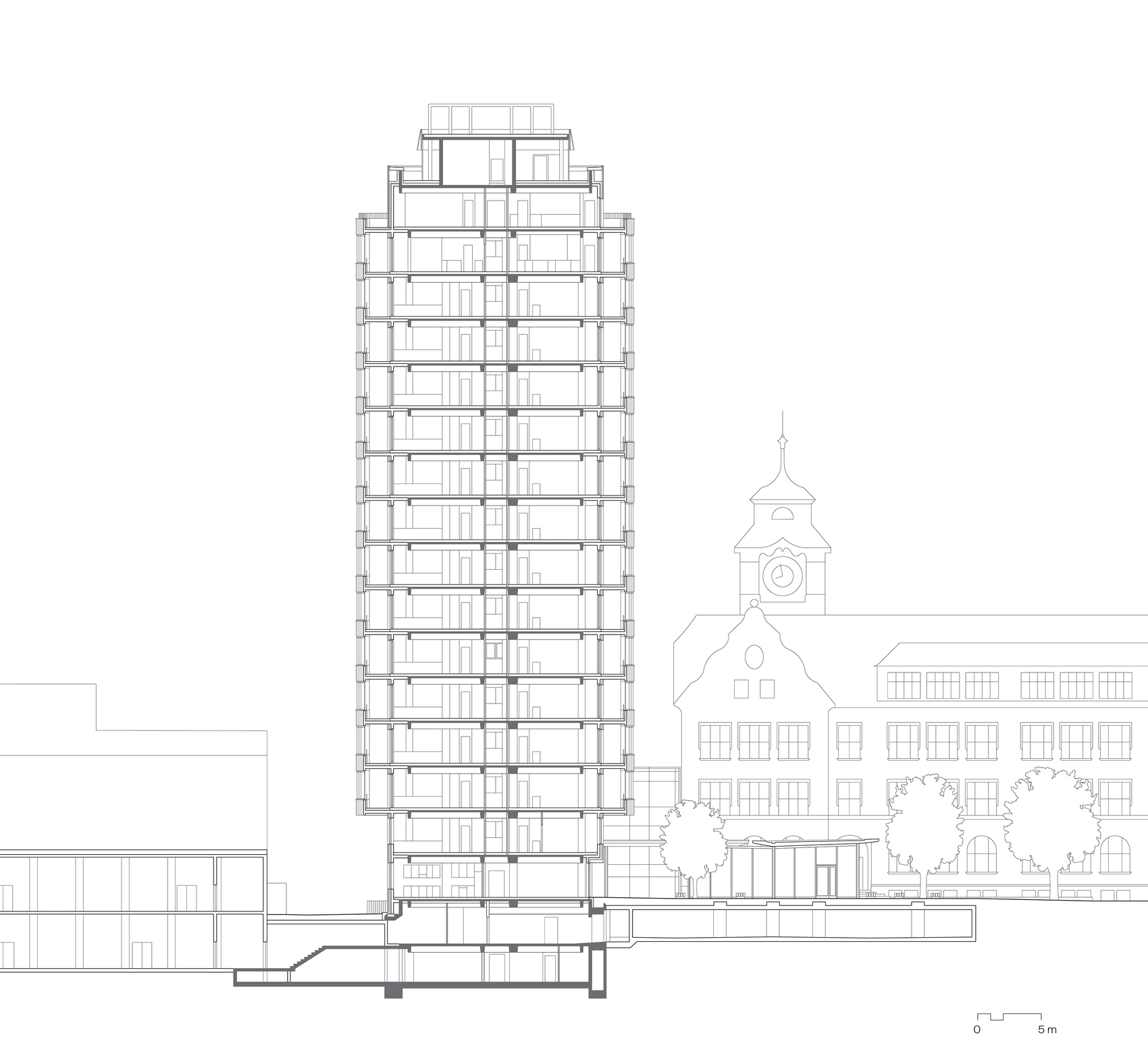
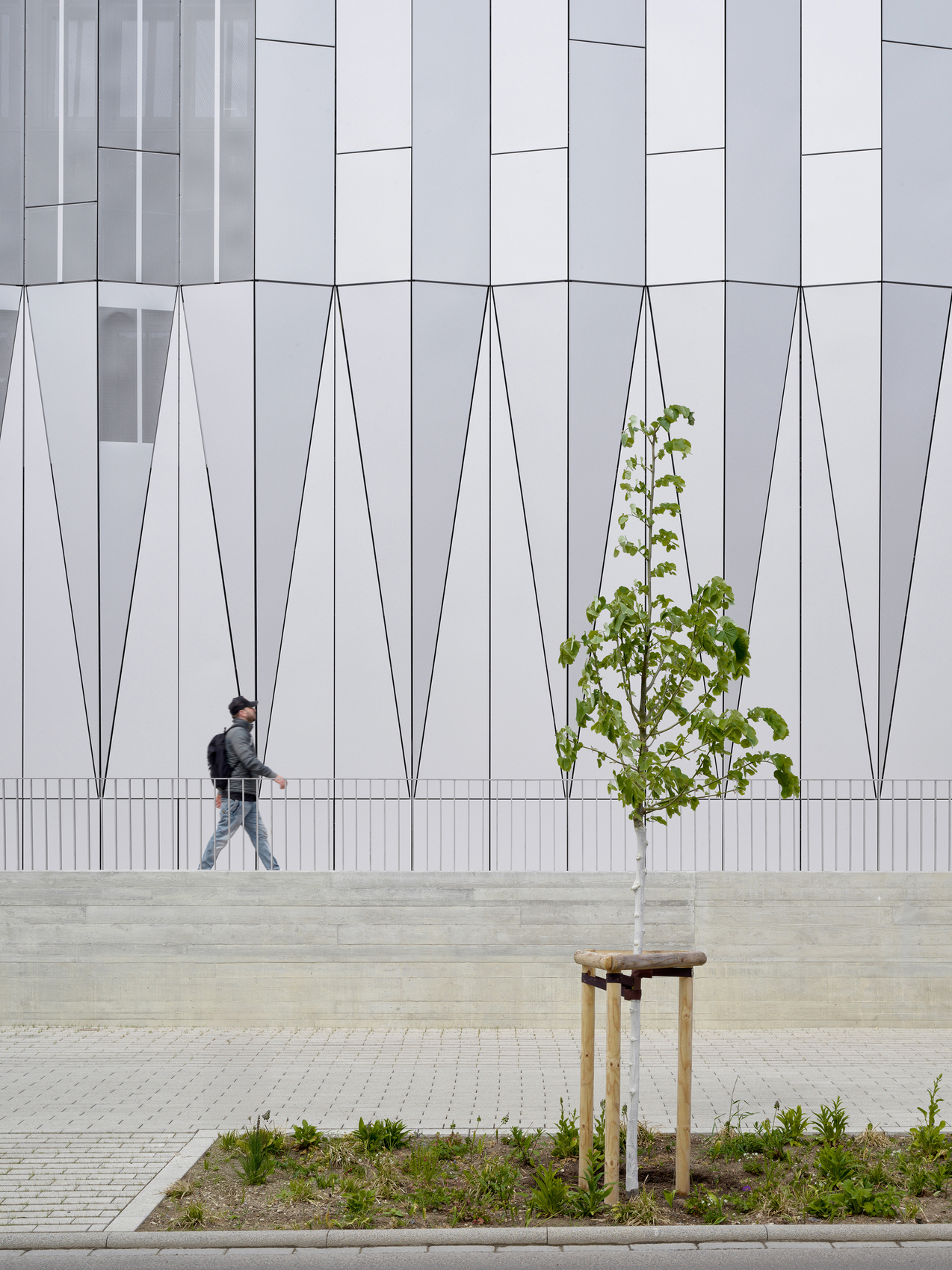
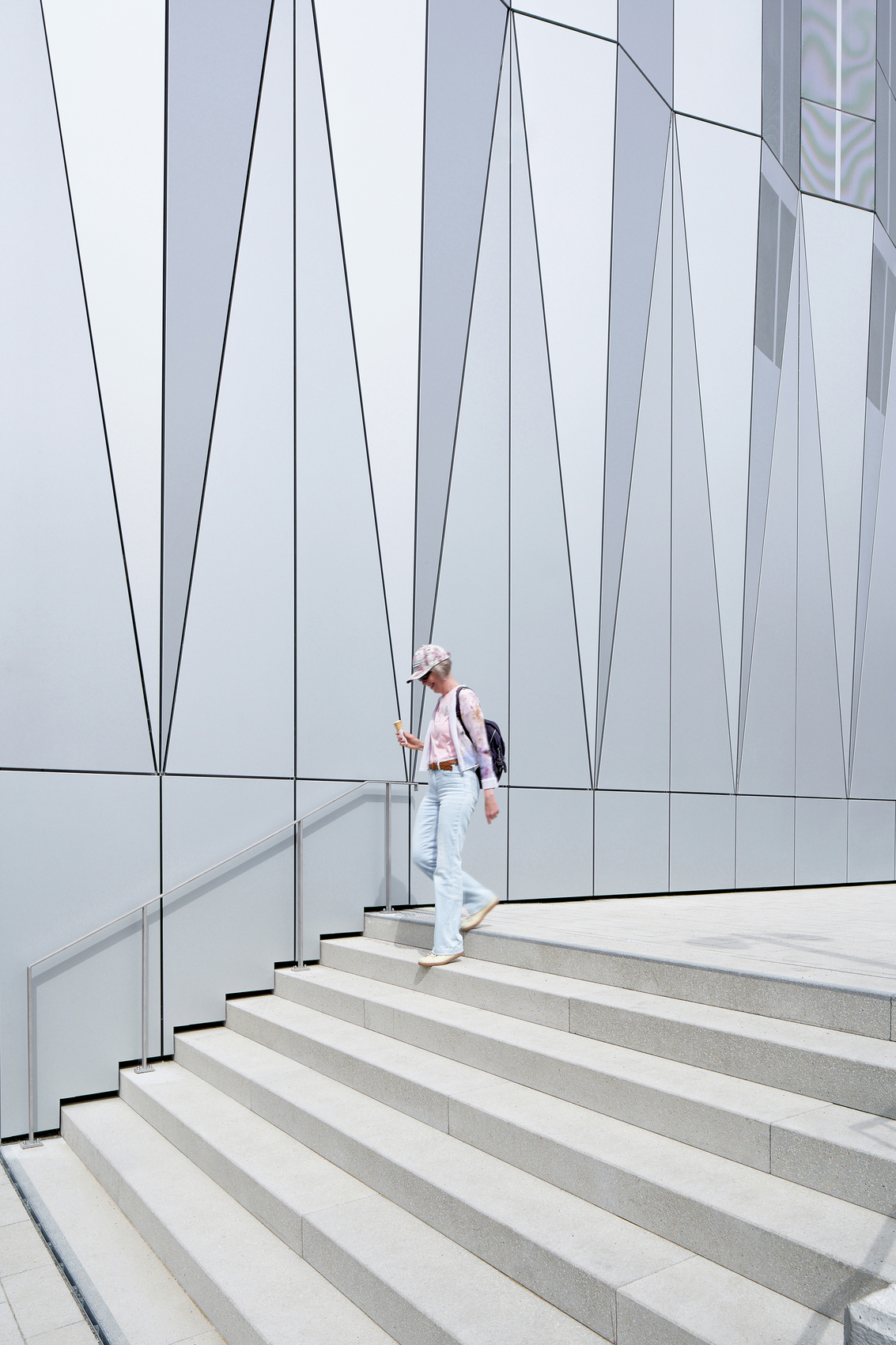
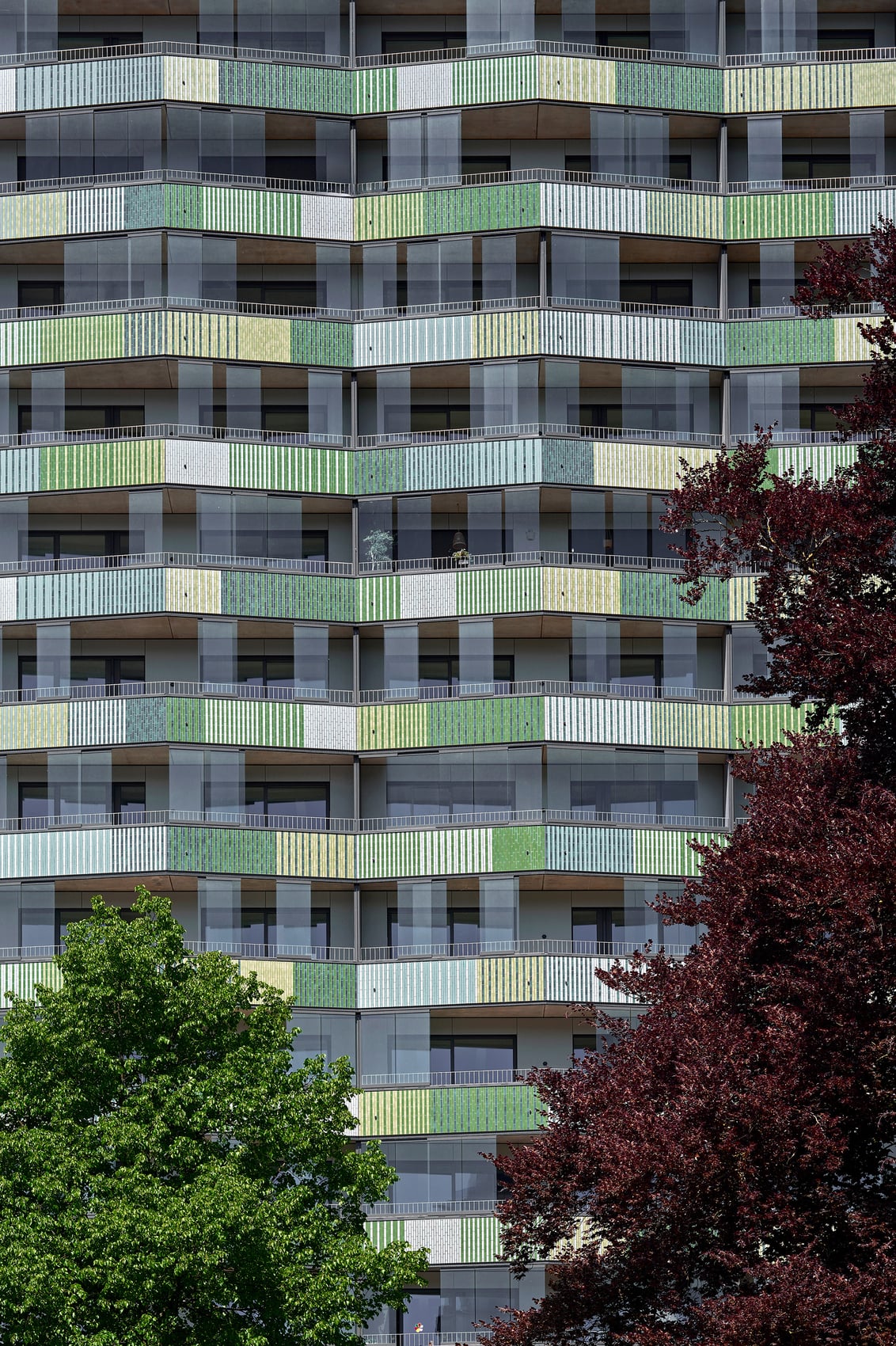
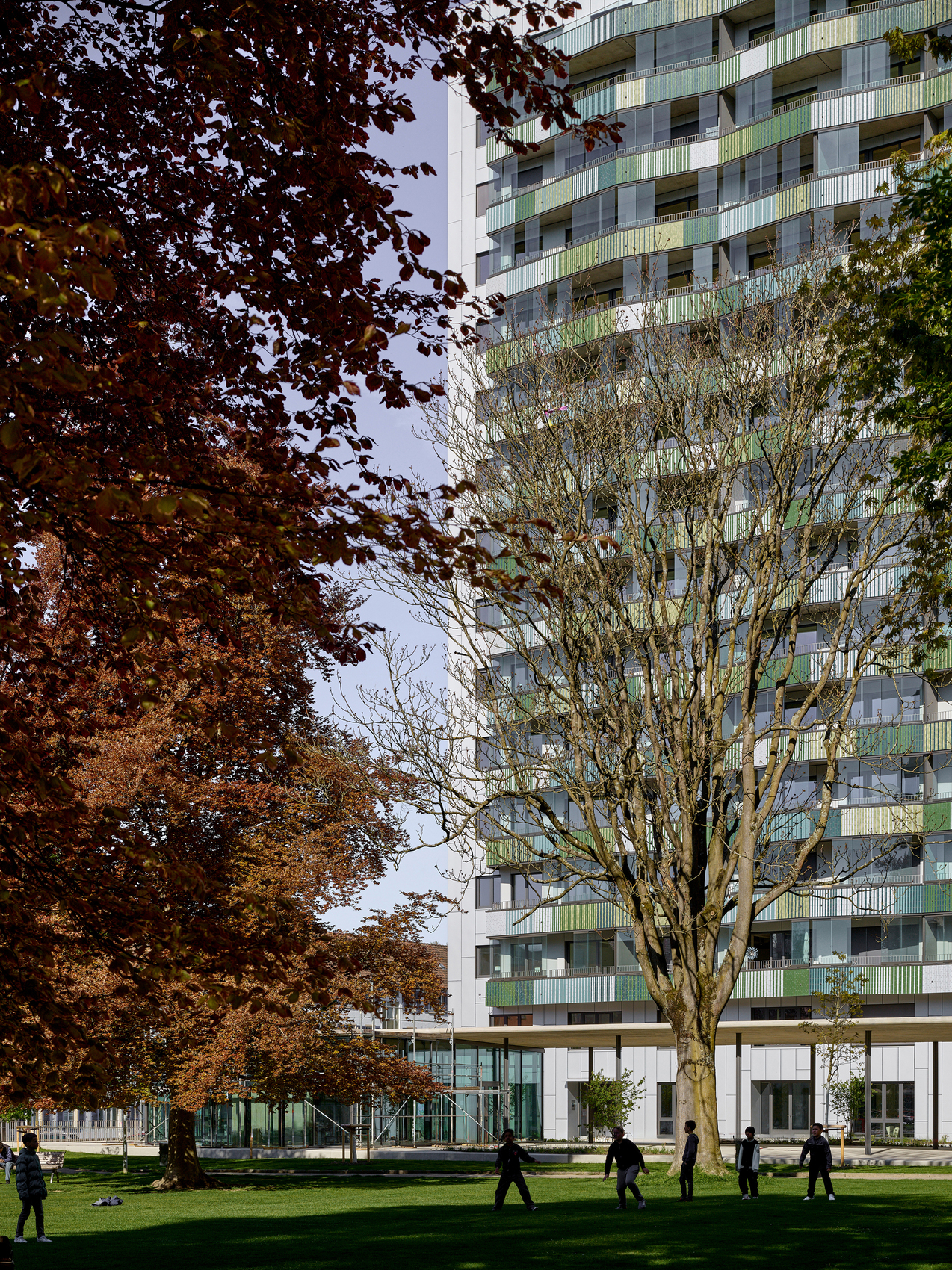
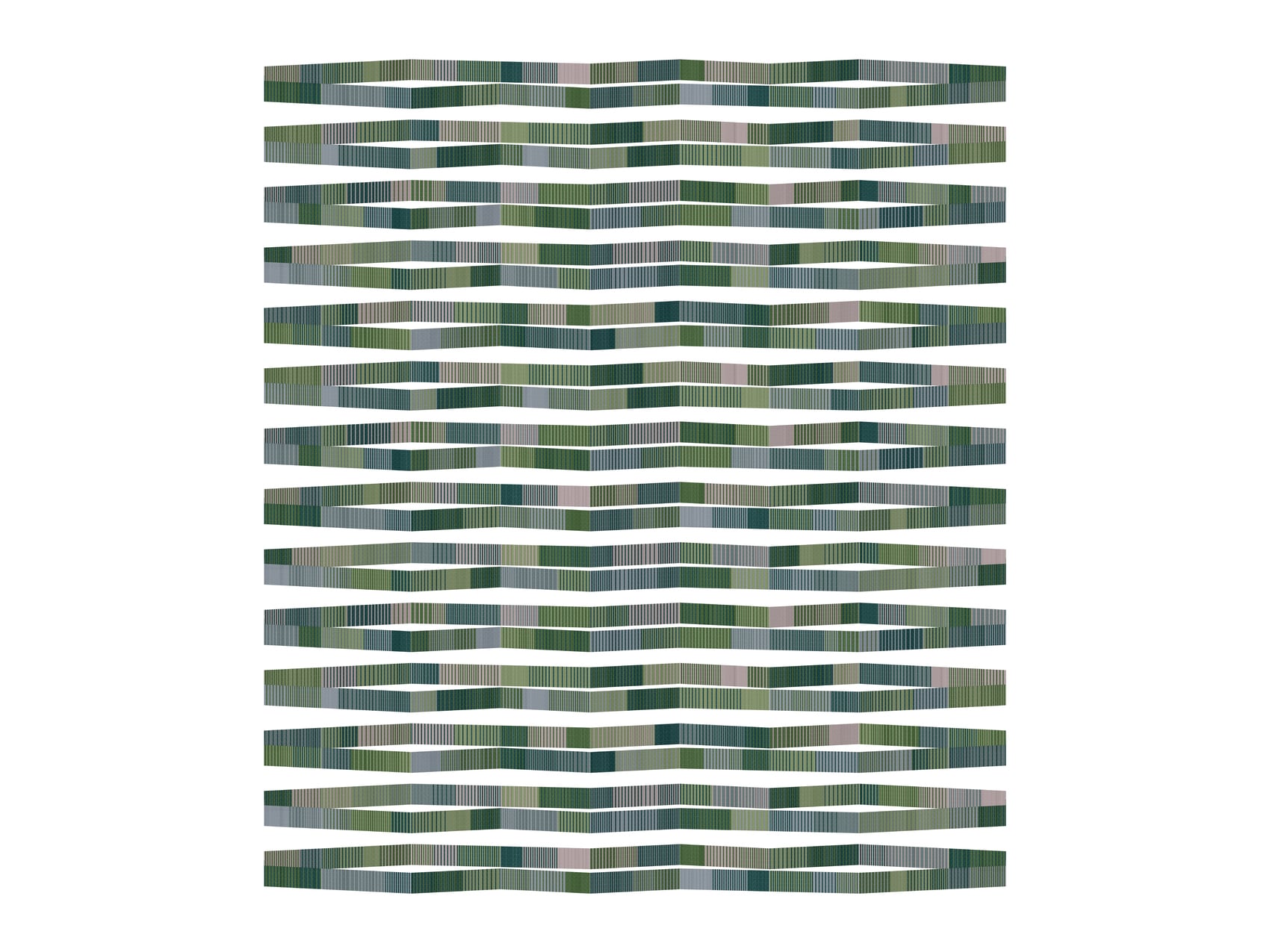
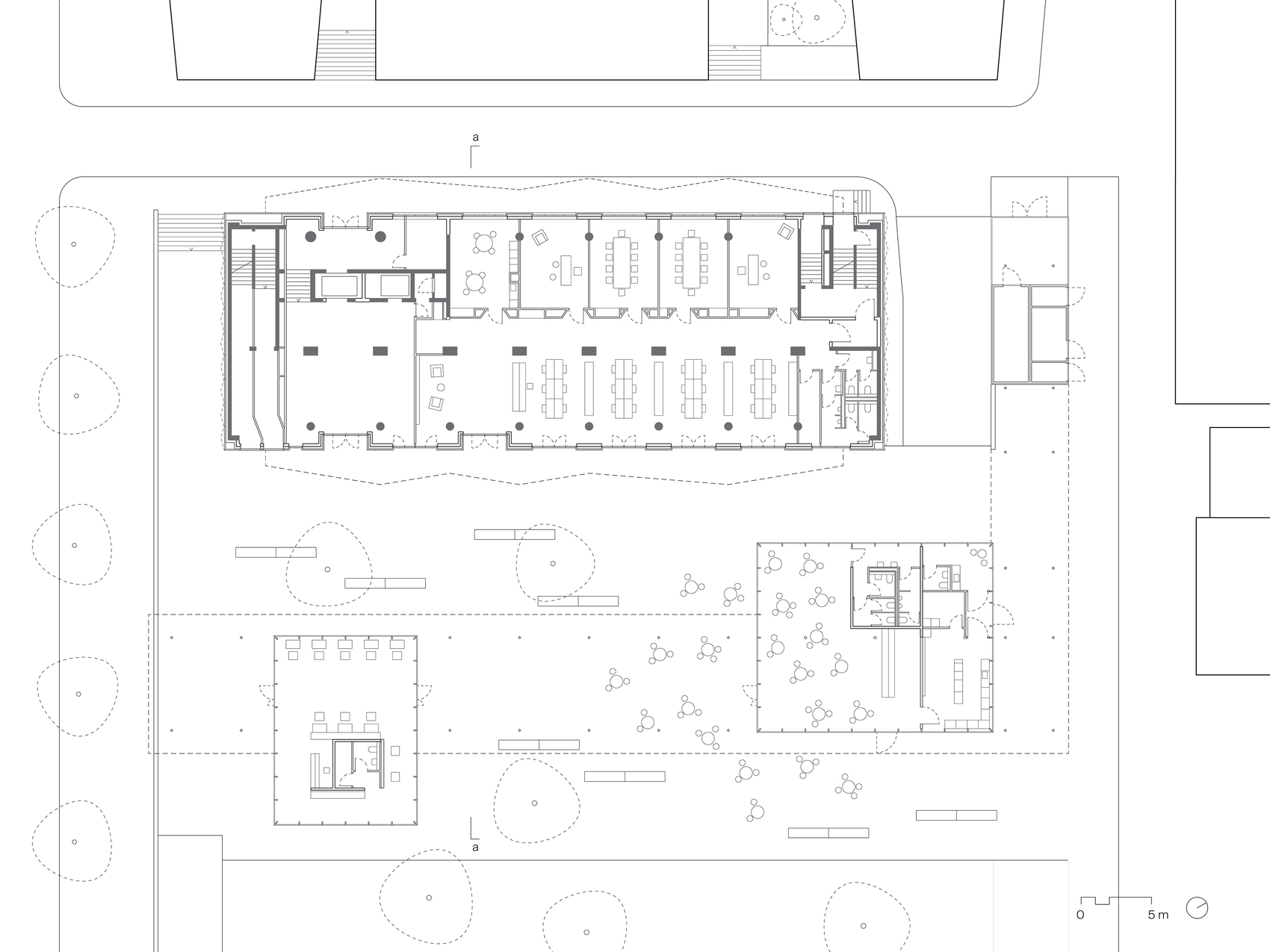
This transformation is most visible in the redesign of the façade and ground plane. New loggias extend the tower along its longitudinal elevations, introducing depth, color, and outdoor living spaces. Ceramic parapets draw inspiration from the vegetation of the neighboring park at Saint Gebhard Square, while folded aluminum surfaces provide a restrained counterbalance. At the base, transparent pavilion structures beneath a finely detailed concrete roof establish a more open and welcoming presence. Housing a restaurant and a Pilates studio, these additions activate the site throughout the day and strengthen connections between the building and the public realm.
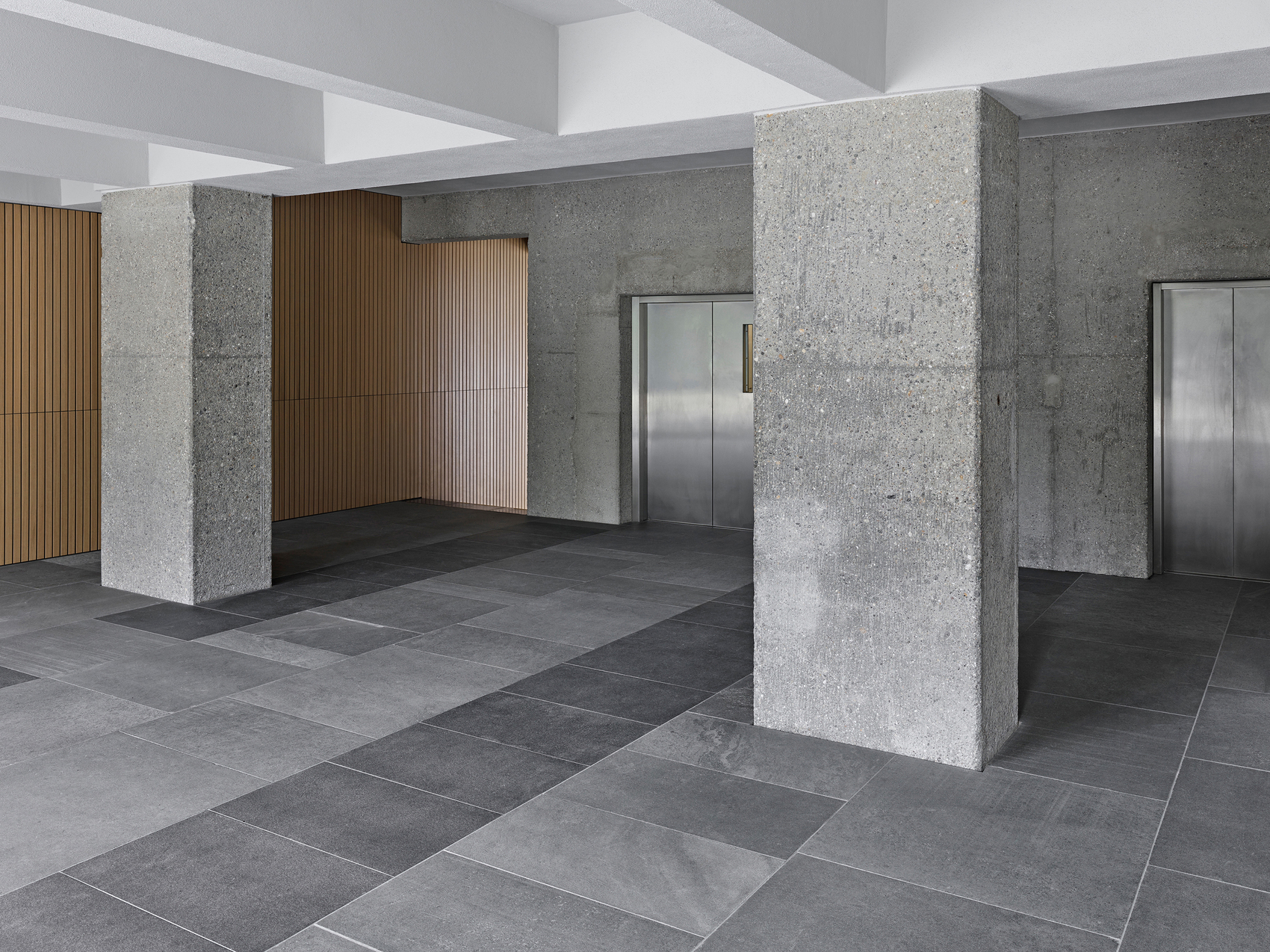
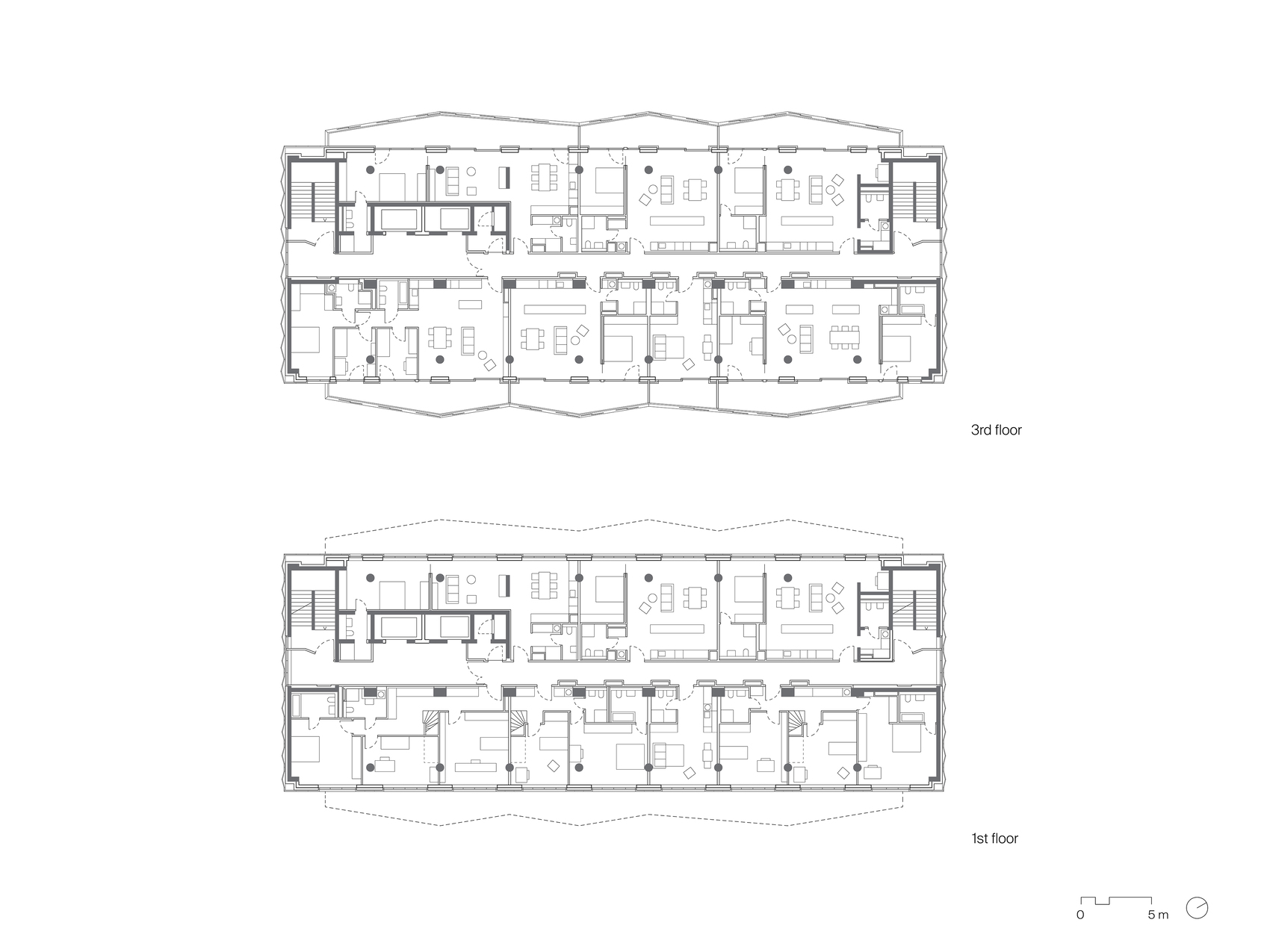
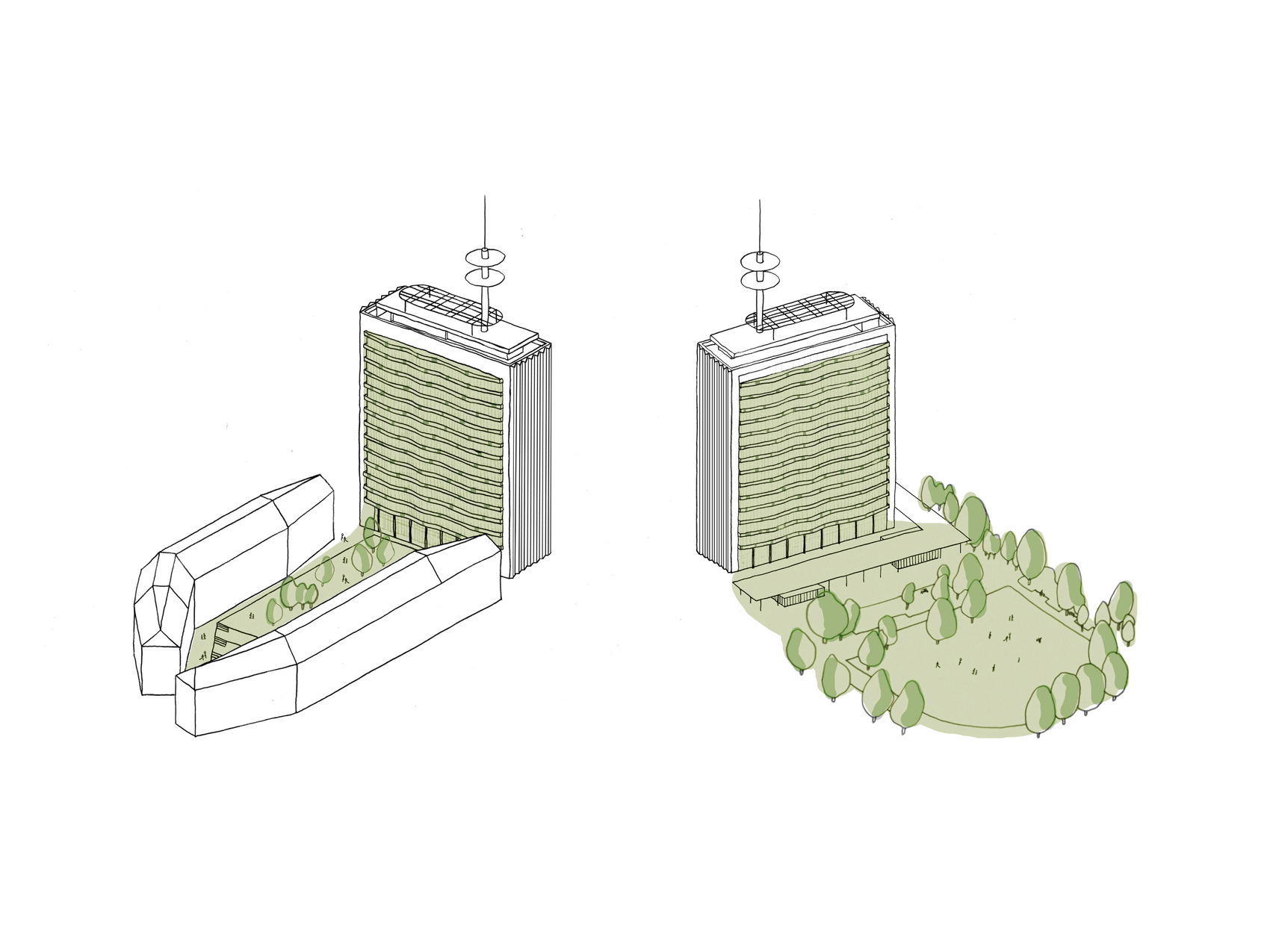
The urban strategy extends beyond the tower itself. Landscaped public spaces weave vegetation into the plaza, blurring the boundary between architecture and parkland while creating opportunities for gathering and recreation. On the opposite side of the site, two freestanding residential buildings mediate between the high-rise and neighboring developments, helping to integrate the complex into its surroundings. Through these carefully calibrated interventions, the project transforms a formerly detached structure into a participant in the everyday life of the city.
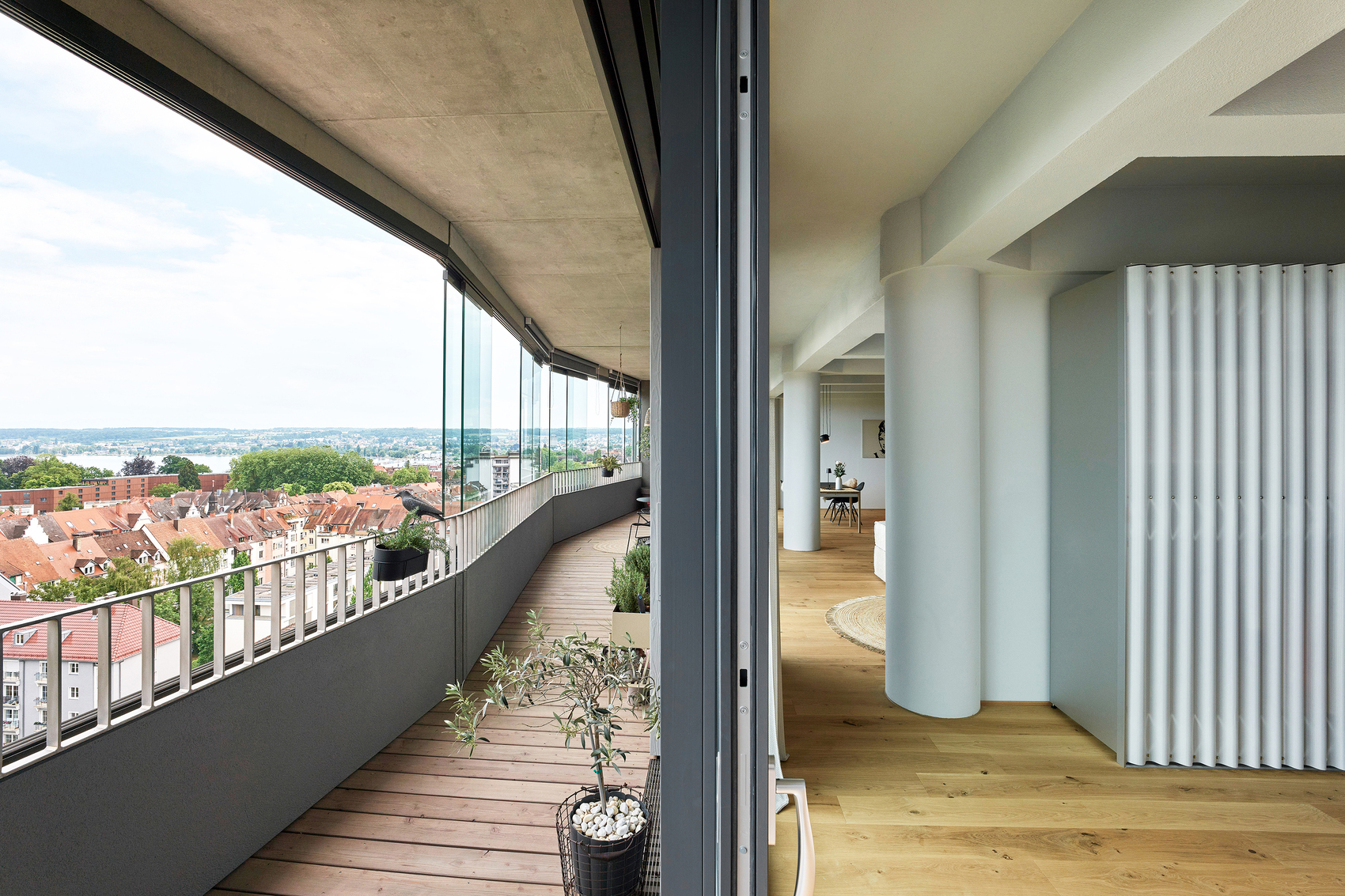
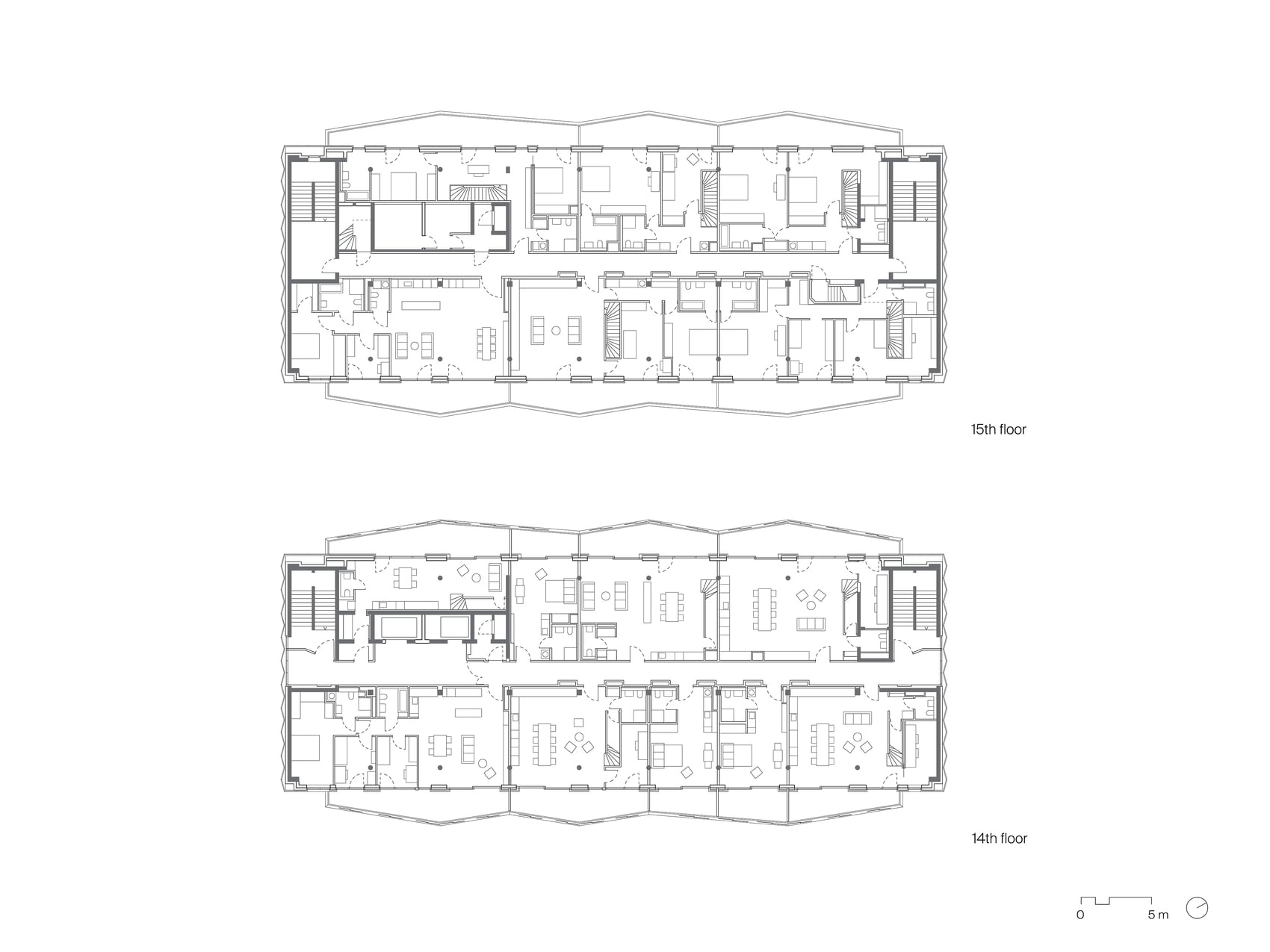
Within the tower, the architectural approach is guided by the logic of the existing building. The original structural grid proved highly adaptable, allowing a broad range of apartment layouts without significant alteration to the primary framework. Generous floor-to-floor heights and existing load-bearing capacities provided favorable conditions for conversion, enabling spacious residential environments that exceed many contemporary housing standards. Central living areas are conceived as open, loft-like spaces, while sliding partitions allow rooms to be configured according to changing needs and patterns of occupation.
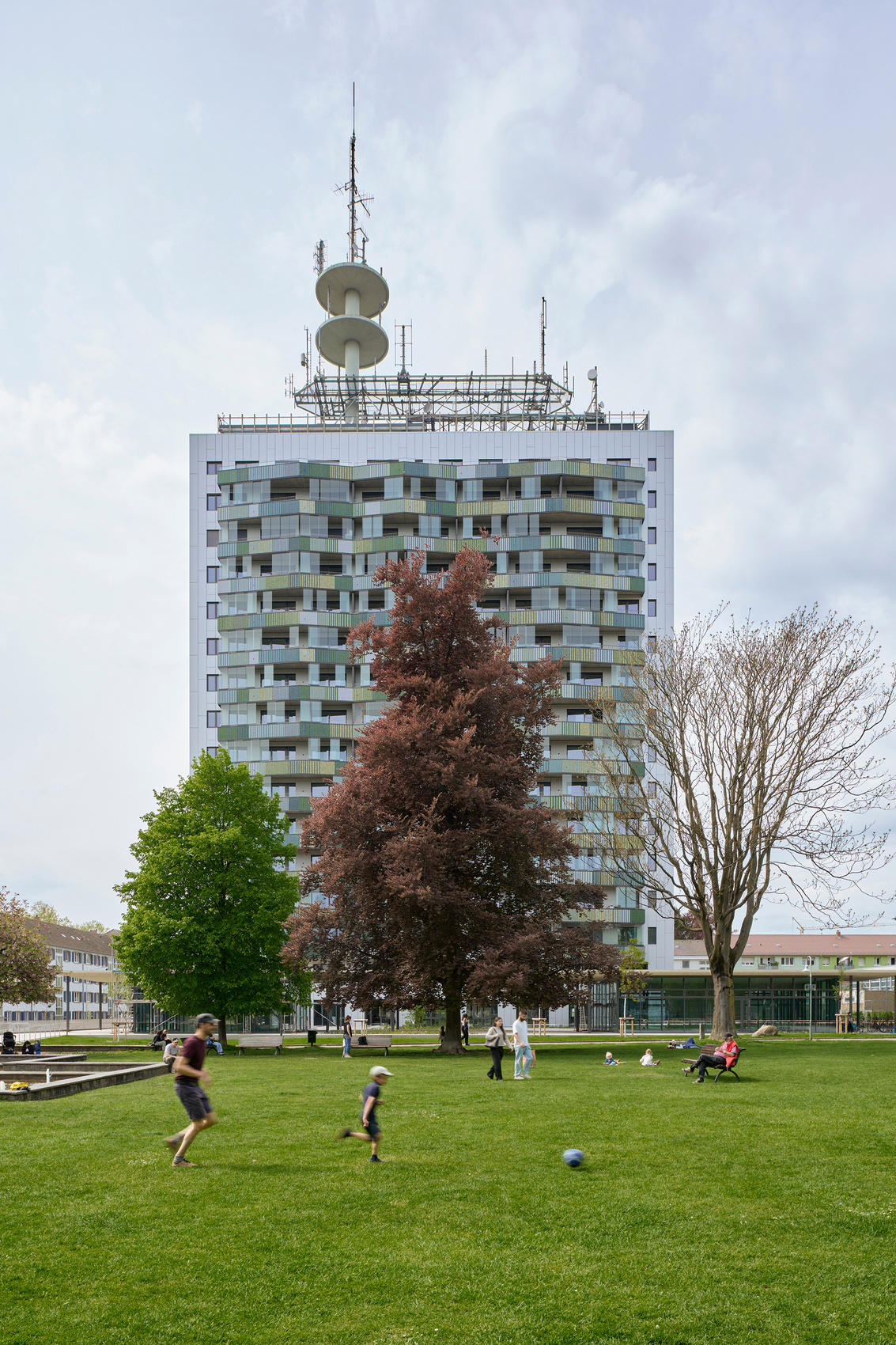
The project ultimately demonstrates the architectural potential of working with what already exists. Inspired by the Japanese concept of kintsugi, the design embraces rather than conceals traces of transformation, allowing original materials and contemporary interventions to coexist visibly. Exposed concrete surfaces, restored slate elements, and new additions reveal the building’s evolution while preserving its character. Combined with heat pumps, photovoltaic systems, and the extensive retention of existing fabric, these measures position sustainability as both a technical and cultural endeavor. Telekom Tower emerges as a compelling example of adaptive reuse, showing how architectural continuity can generate environmental value, social relevance, and a renewed sense of place.
Project Gallery
Project Location
Address: Moltkestraße 4, 78467 Konstanz, Baden-Württemberg, Germany
The location specified is intended for general reference and may denote a city or country, but it does not identify a precise address.

