

Architects: Grimshaw Architects
Area: 10,500 m²
Year: 2019
Photography: Matt Browne
Associate Architect: Newenham Mulligan & Associates (NMA)
Contractor: John Sisk and Son
Structural Engineering: AECOM
Mechanical and Electrical Engineering: AECOM
Façade Engineering: AECOM
Quantity Surveyor: AECOM
Landscape Architect: Dermot Foley
Access Consultant: OHAC
Transport: Momentum
Project Management: Lafferty
Client: Curragh Racecourse Ltd
Location: Kildare
Country: Ireland
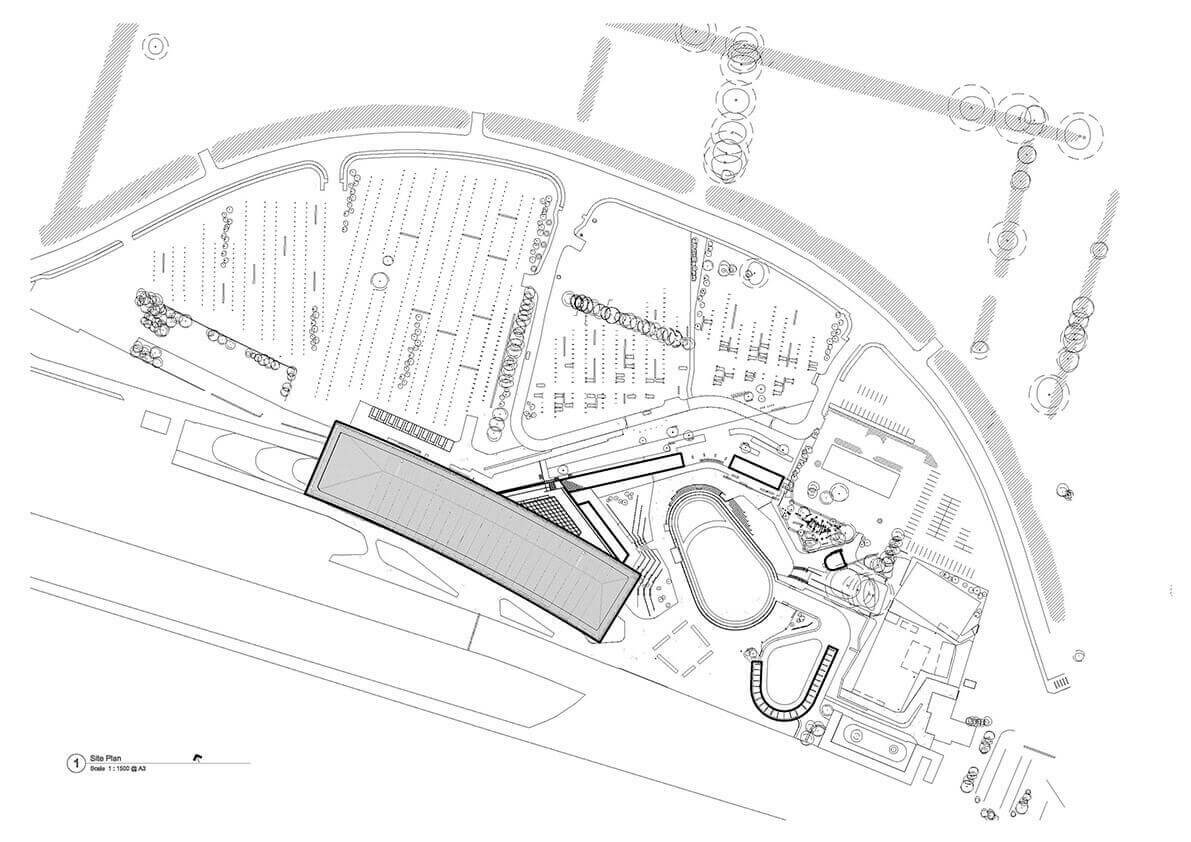
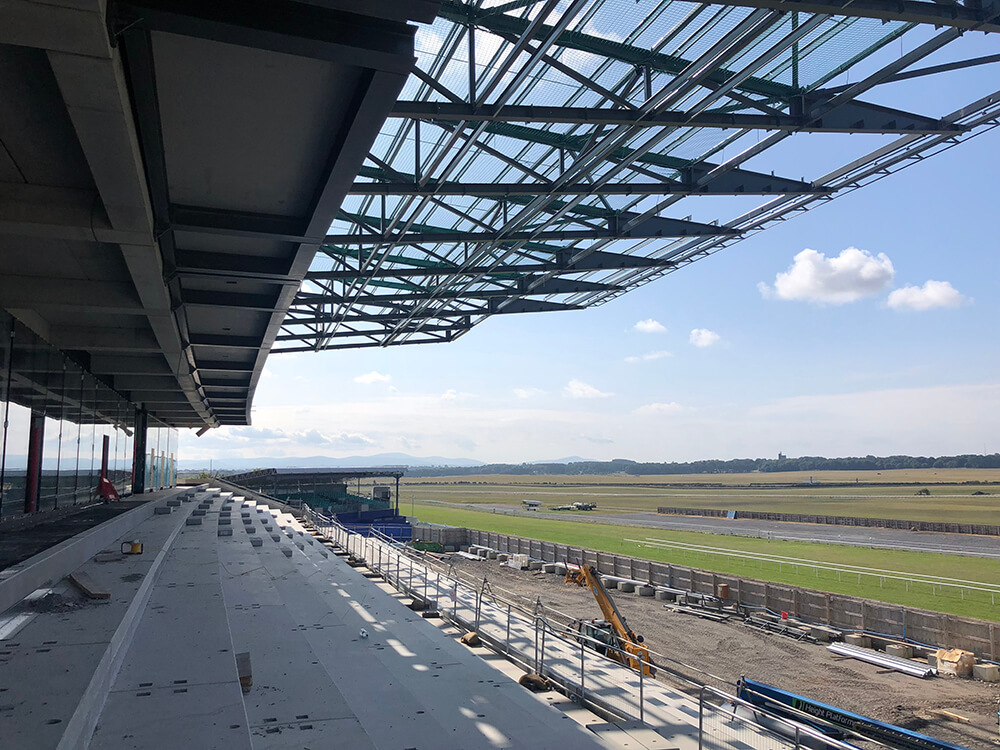
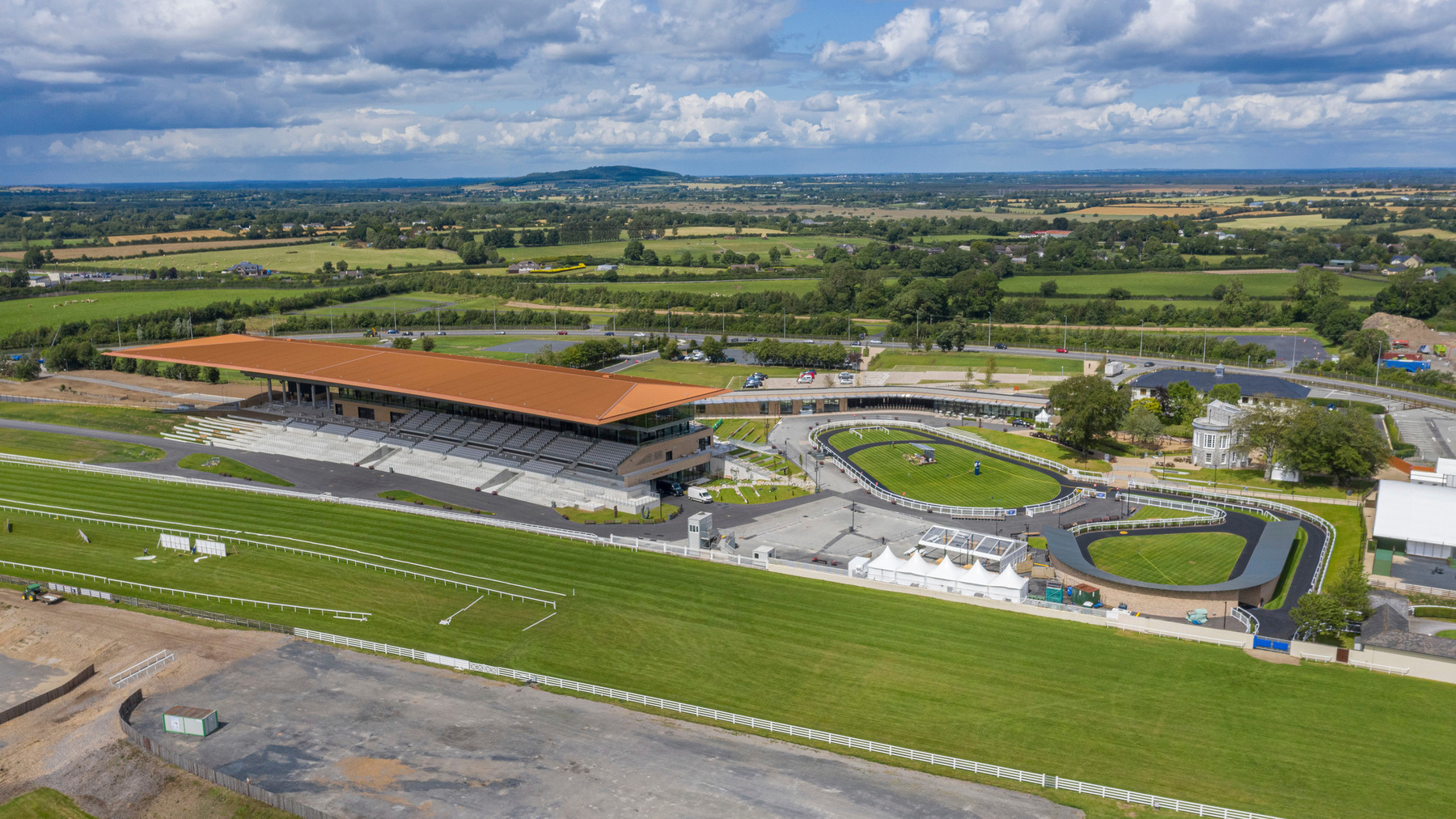
The redevelopment of The Curragh Racecourse introduces a contemporary grandstand and supporting infrastructure that redefines one of Ireland’s most prominent sporting venues. Designed by Grimshaw Architects, the project accommodates 6,000 spectators within a wider masterplan capable of hosting up to 30,000 visitors. The new grandstand integrates hospitality, viewing, and circulation into a unified architectural framework, offering restaurants, bars, and corporate suites alongside tiered viewing terraces. Its design responds to the surrounding plains through a restrained material palette and a distinctive cantilevered roof that establishes a strong visual identity. Environmental strategies, including natural ventilation, efficient material use, and water management systems, are embedded throughout the scheme. Completed in 2019, the project enhances both the operational performance and international profile of the racecourse.

Positioned within the open landscape of County Kildare, the project engages with the legacy of Irish flat racing while redefining the spatial and experiential qualities of the venue. The intervention considers the racecourse not simply as a site for events but as a cultural landscape, where architecture frames collective rituals and seasonal gatherings. This perspective informs a design approach that balances monumentality with sensitivity to context.

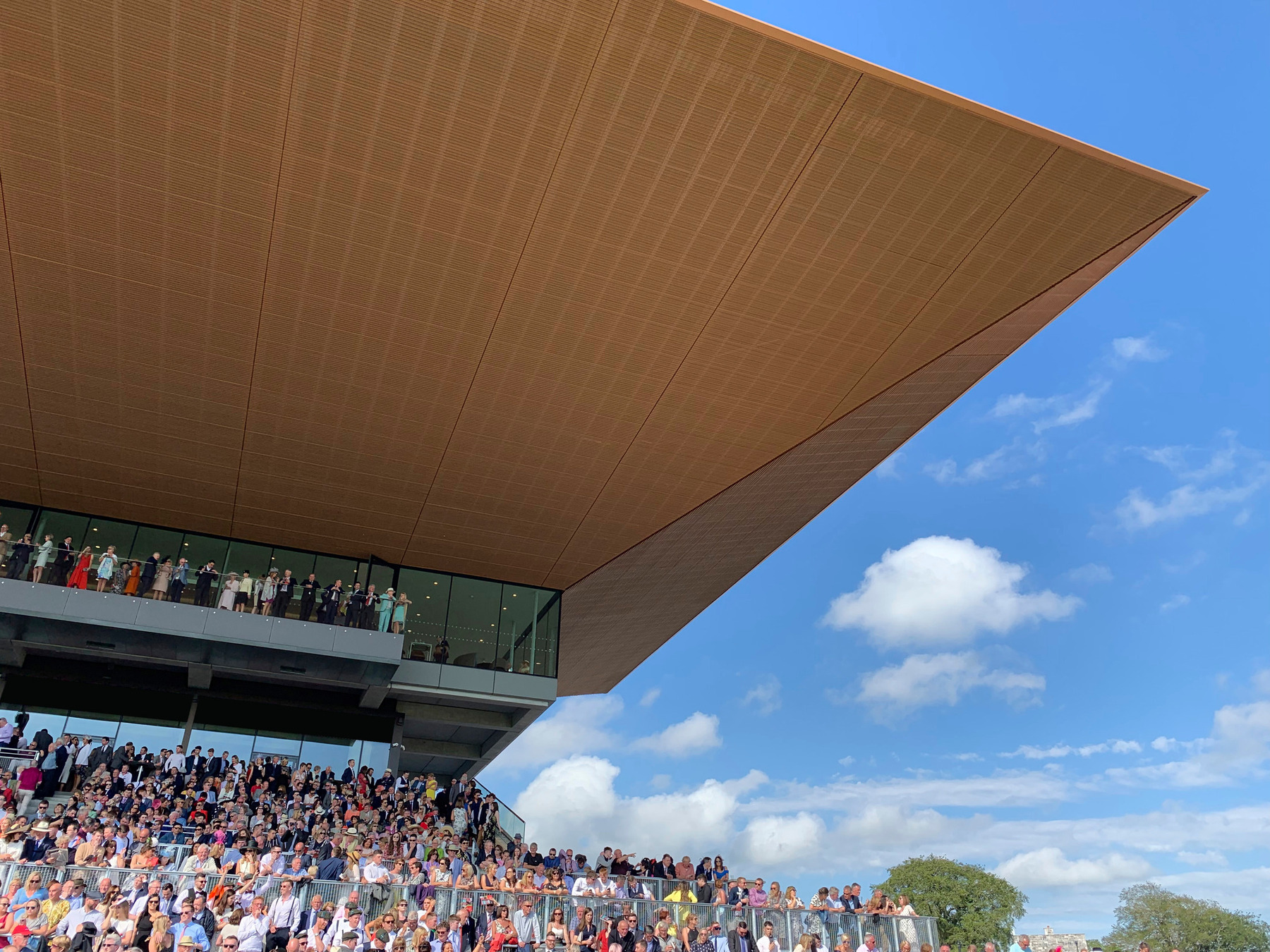
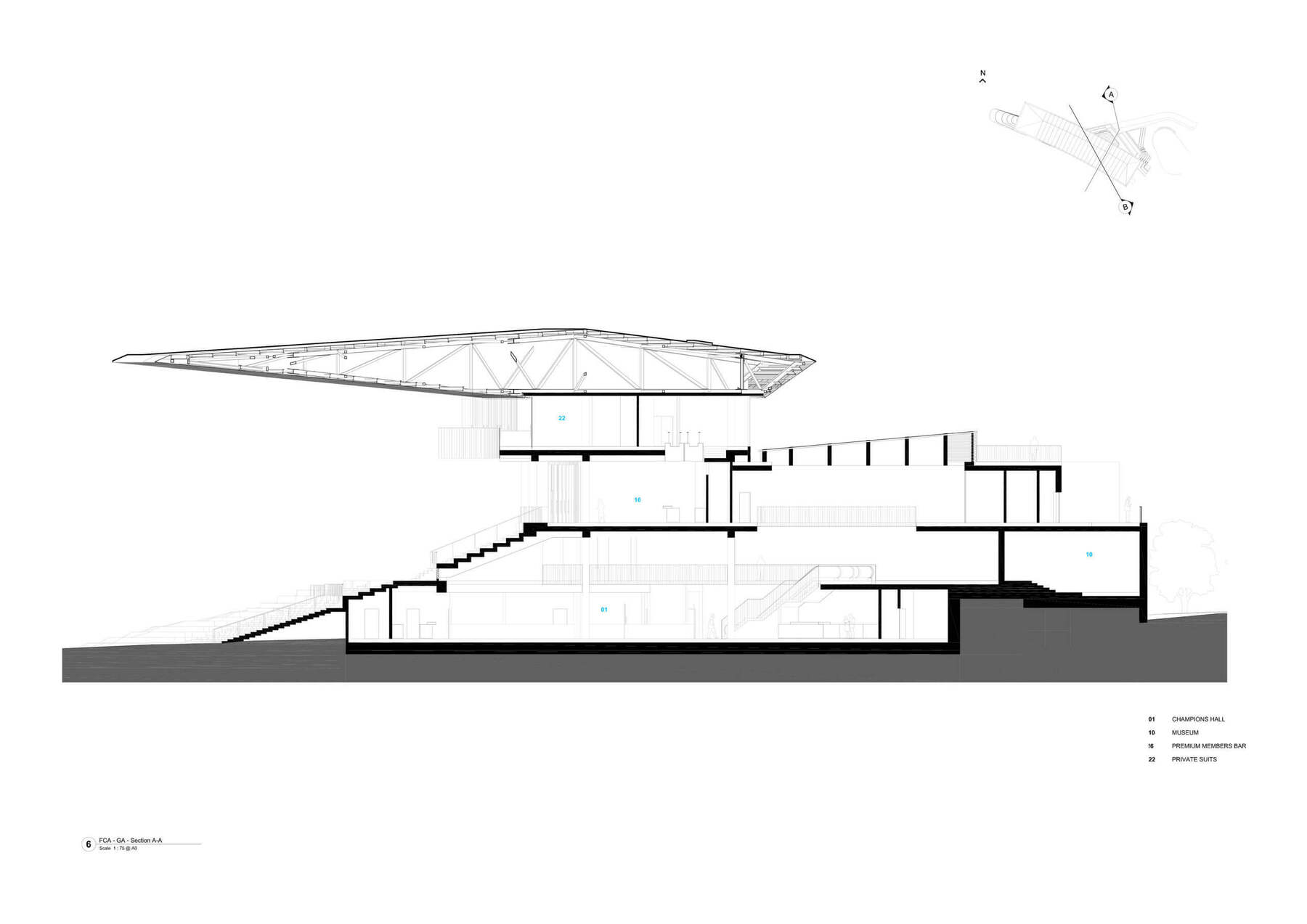
The grandstand is conceived as a composition of three primary elements unified by a dramatic horizontal roof structure. Its cantilevered form stretches across the site, creating a powerful visual marker that contrasts with the natural undulations of the surrounding plains. The roof’s sculptural presence establishes a sense of arrival while maintaining a low, elongated profile that preserves key sightlines across the landscape.
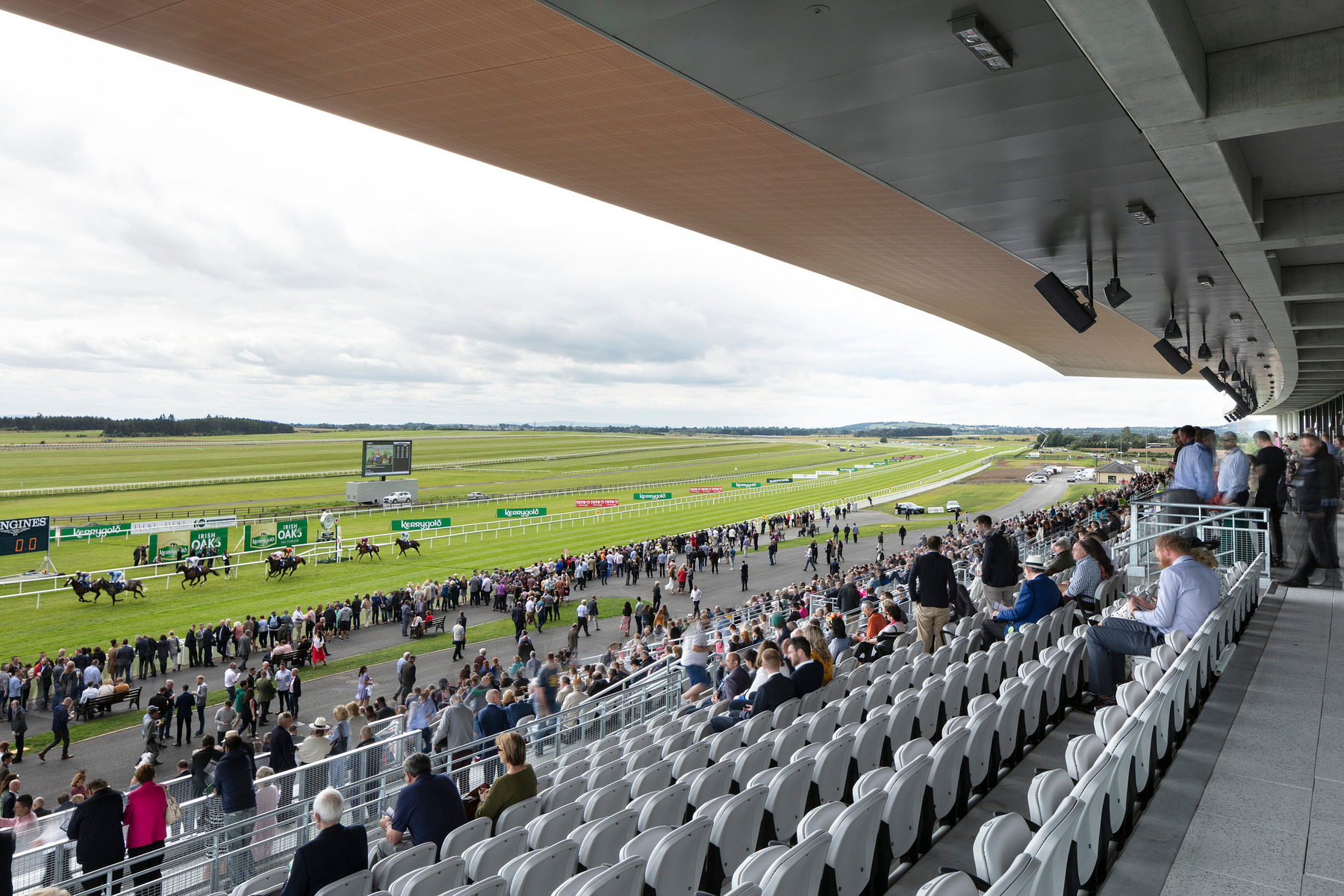
Material selection reinforces this dialogue with the environment. The use of aluminium sinusoidal panels in a copper-toned finish references the hues of local agricultural structures and the broader rural vernacular. This choice allows the building to sit comfortably within its setting while maintaining a contemporary architectural language that distinguishes it as a civic landmark.
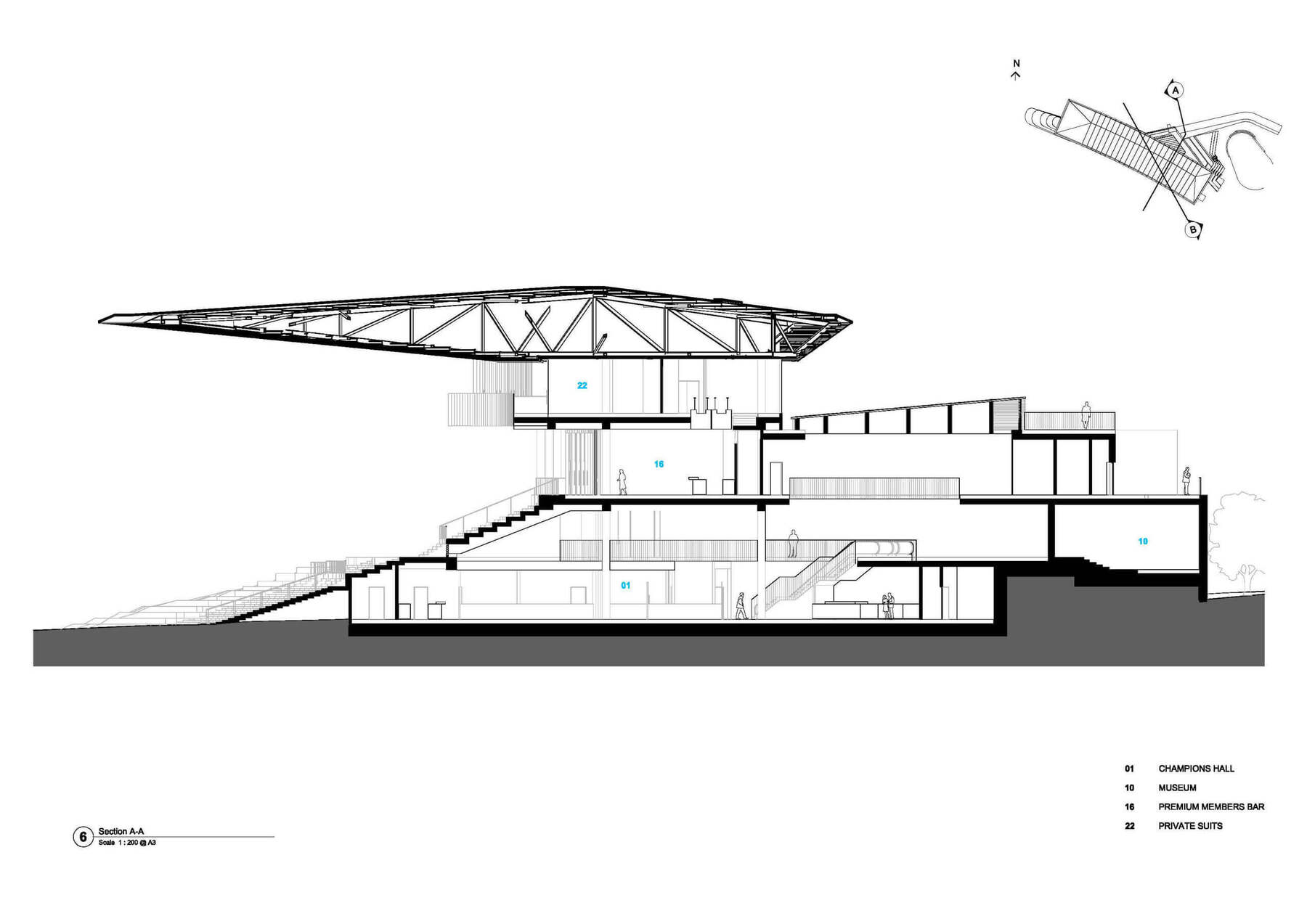
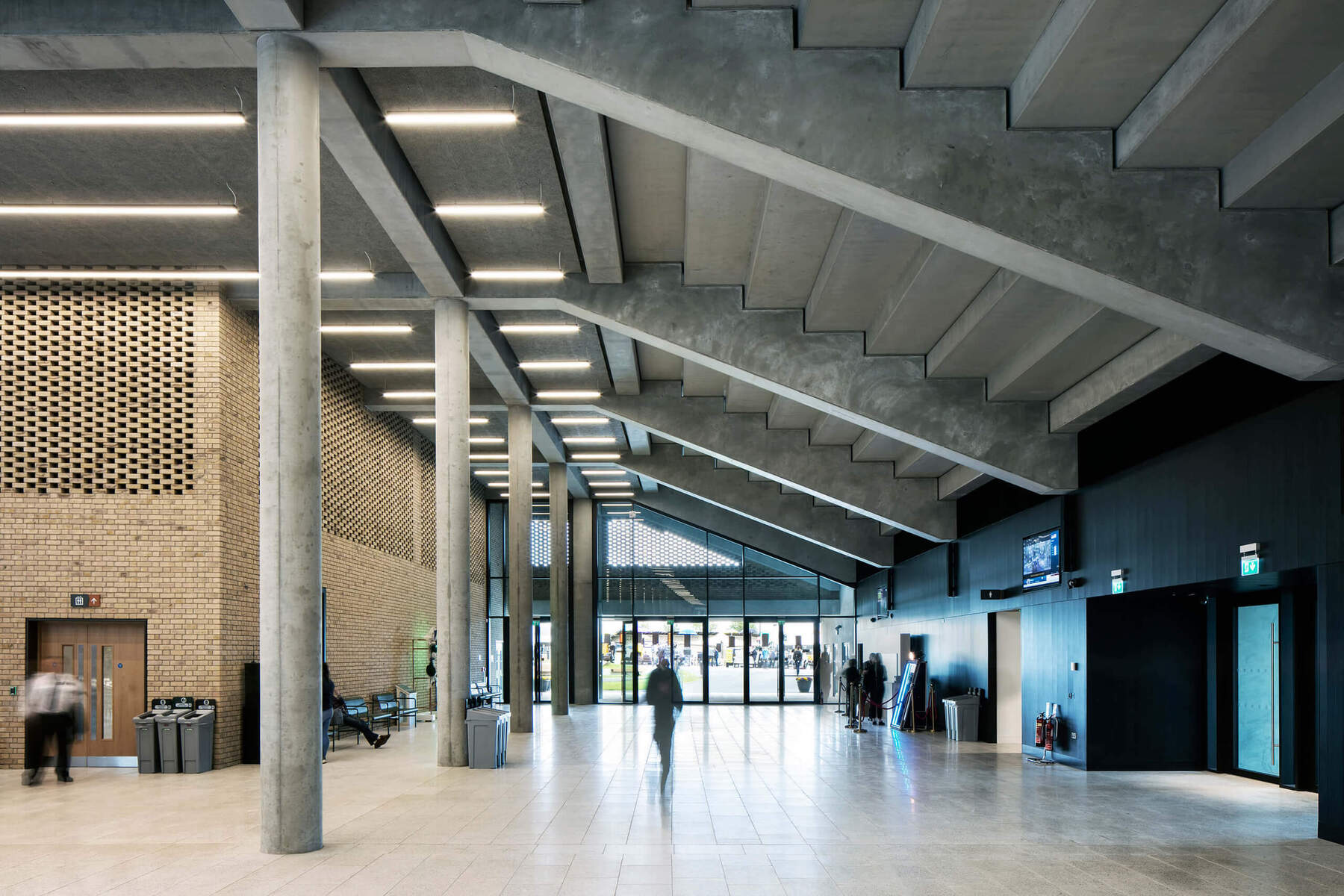
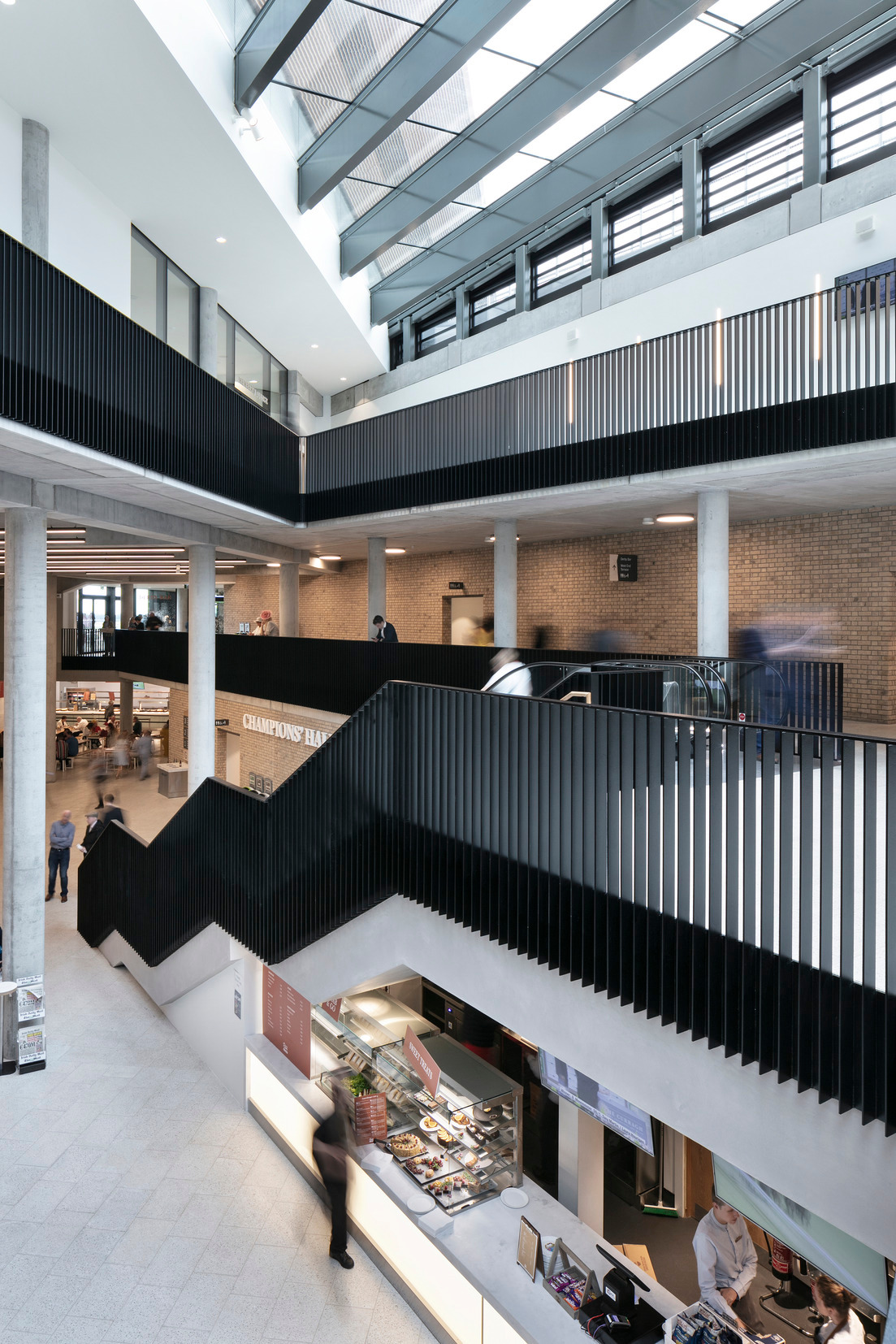
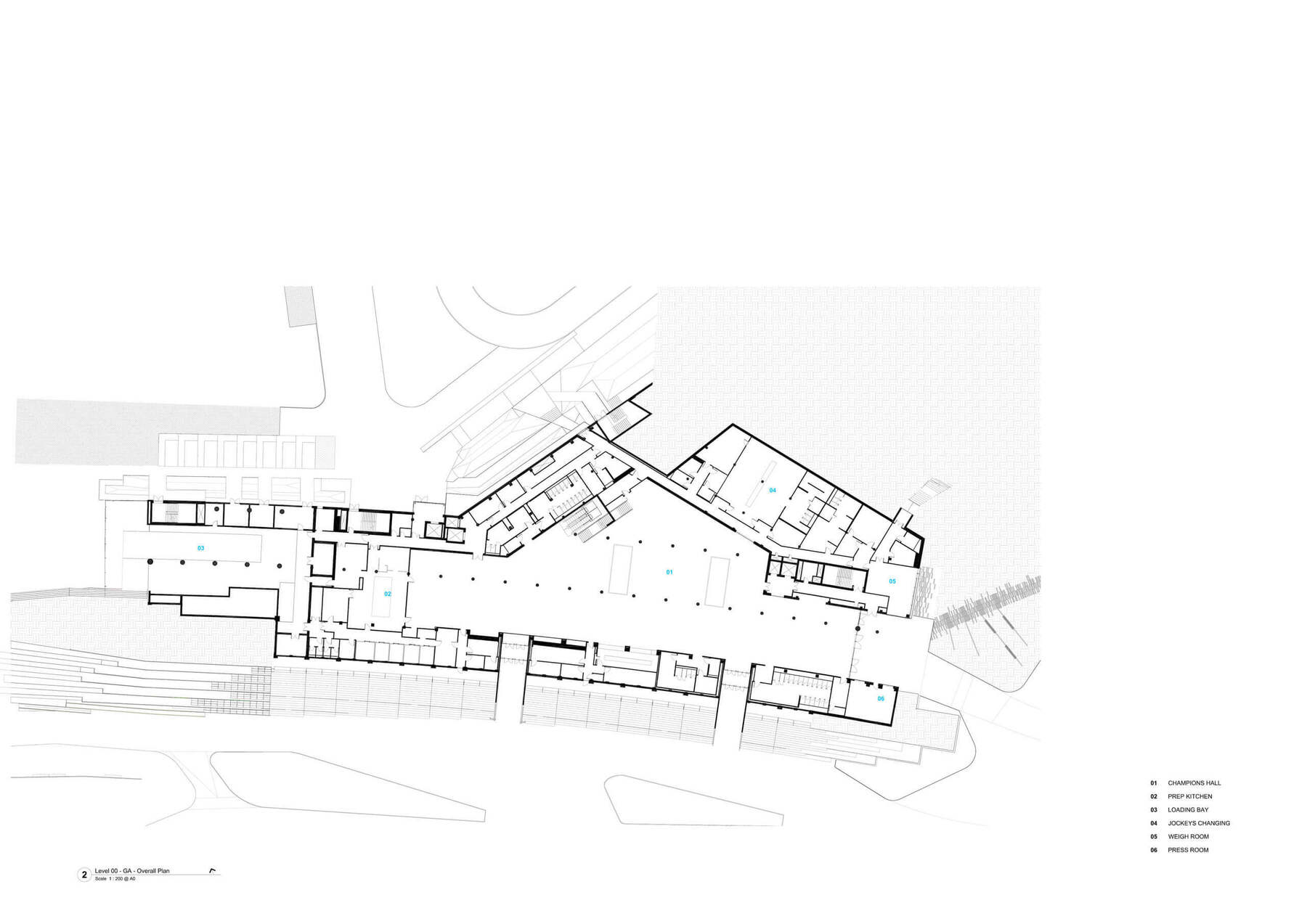
Internally, the spatial organization is anchored by the Champions Hall, a double-height volume that acts as the social core of the building. Designed as an extension of the public realm, it facilitates visual and physical connections between key areas such as the parade ring and trackside. The openness of this space encourages fluid movement and continuous engagement, particularly during race events when the building operates at peak capacity.

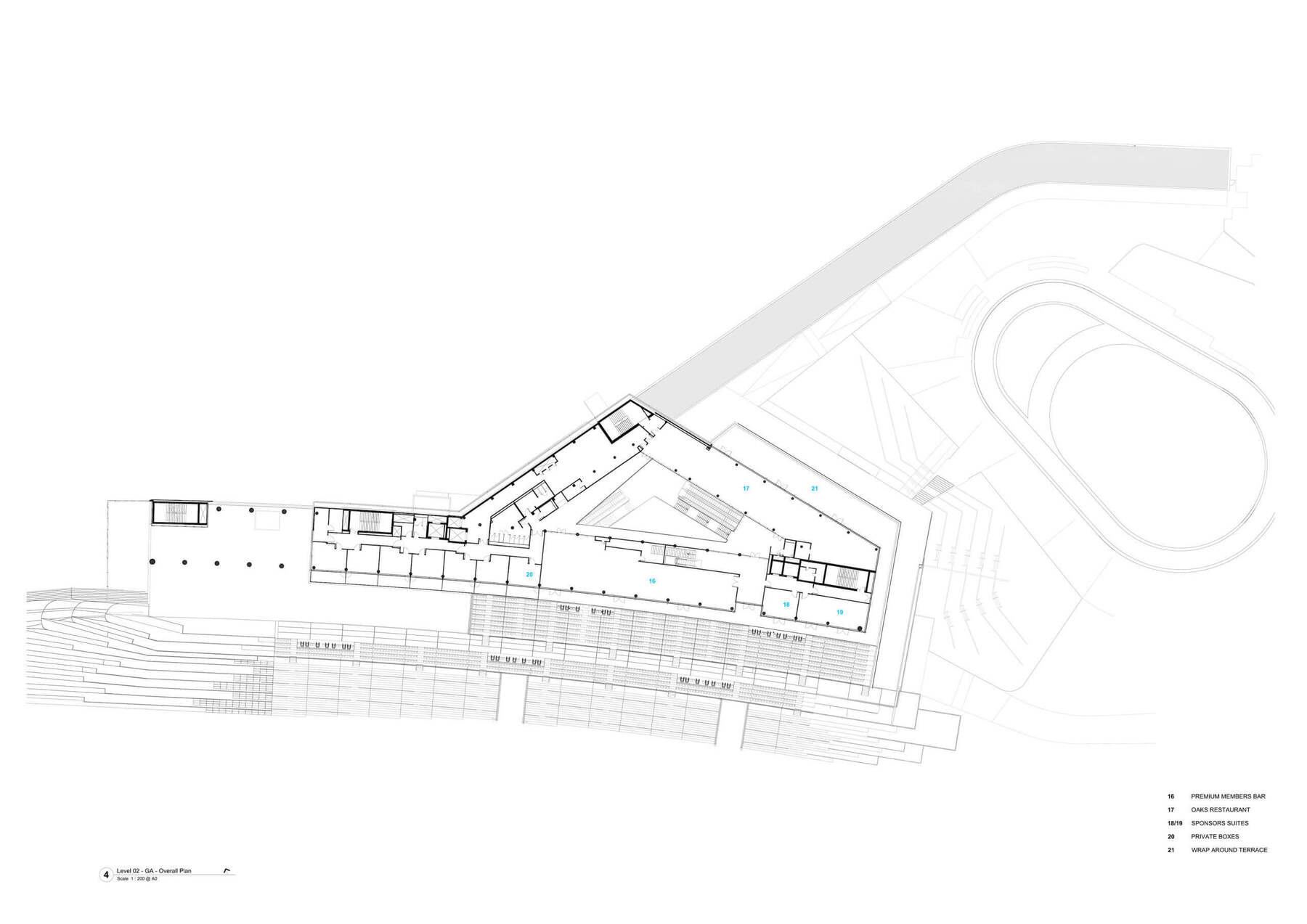
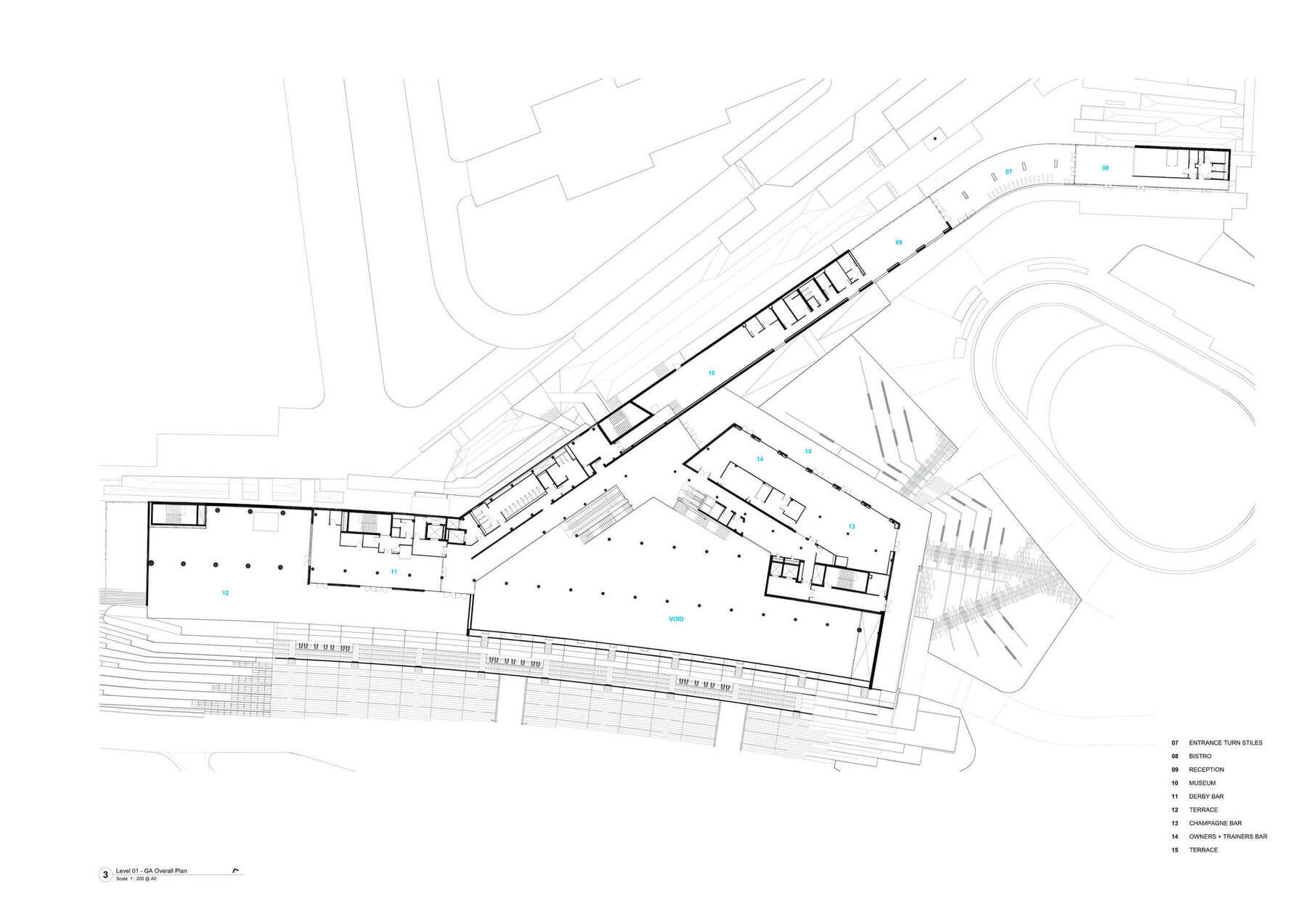
Circulation and connectivity are central to the overall planning strategy, ensuring intuitive movement across the complex. A network of interconnected routes links hospitality areas, viewing terraces, and public amenities, extending into the wider grounds to integrate the building within the masterplan. Environmental considerations underpin the design, with passive strategies such as natural ventilation, daylight optimization, and thermal mass complemented by water management systems, contributing to a sustainable and resilient architectural solution.

Project Gallery


Project Location
Address: Kildare, Ireland
The location specified is intended for general reference and may denote a city or country, but it does not identify a precise address.

