

Architects: Erich Mendelsohn
Year: 1924
Photography: Erich Mendelsohn, Benjamin Joel Isaacs, Trevor Patt, Gary Catchen, Daniela Christmann, Gili Merin, aip.de, R. Arlt, Wikimedia Commons, Marcus Winter, Shy halatzi, A.Savin, architecture-history.org
Collaborators: Richard Neutra (project team), Erwin Finlay-Freundlich (scientific collaborator)
City: Postdam
Country: Germany
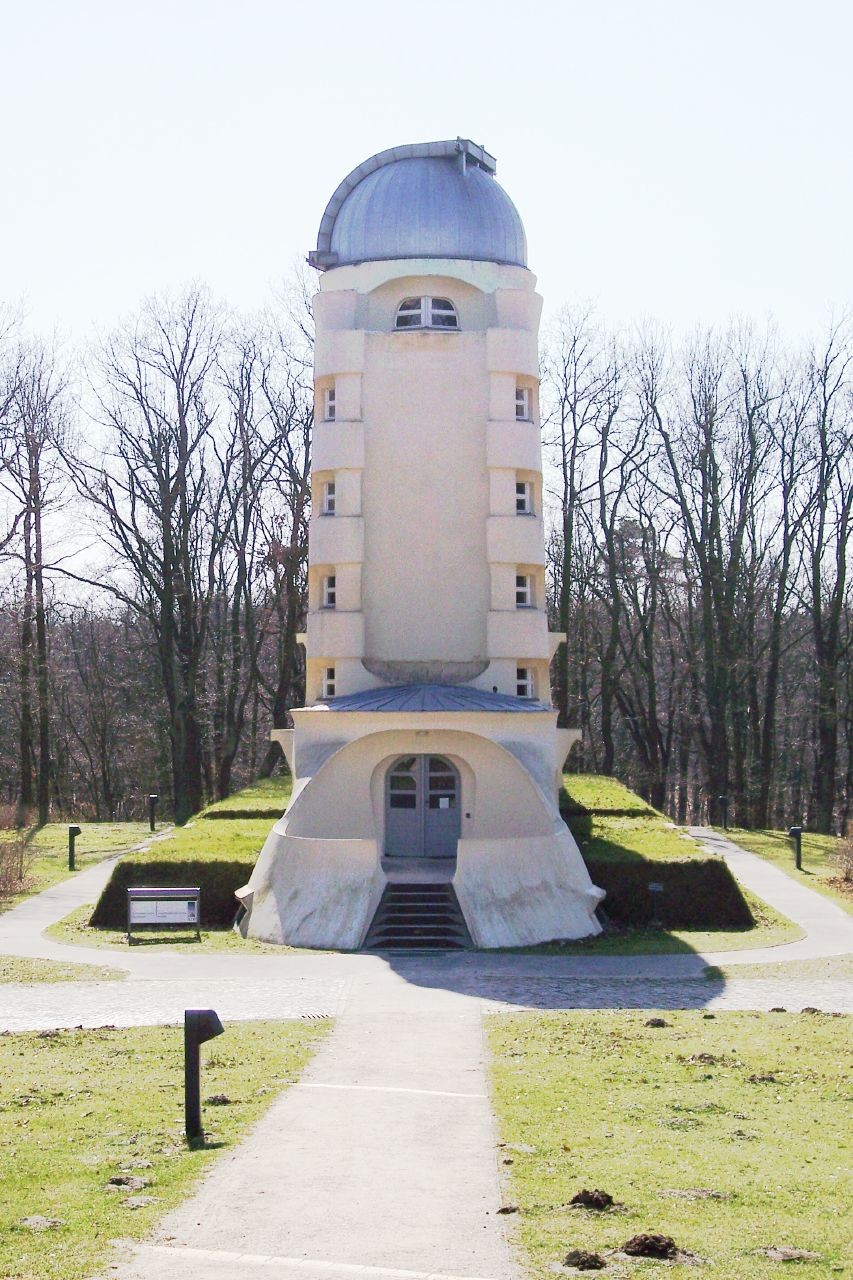
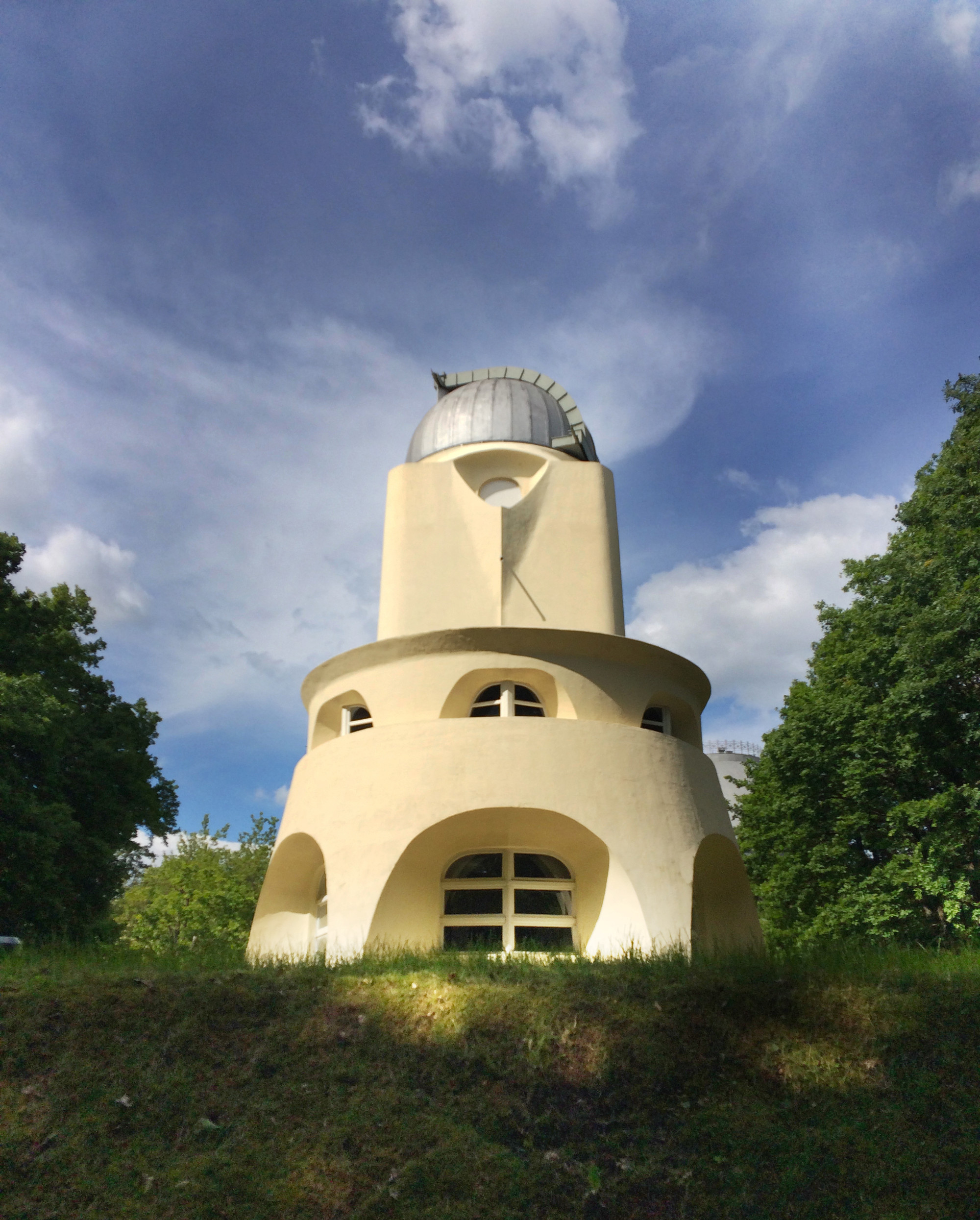
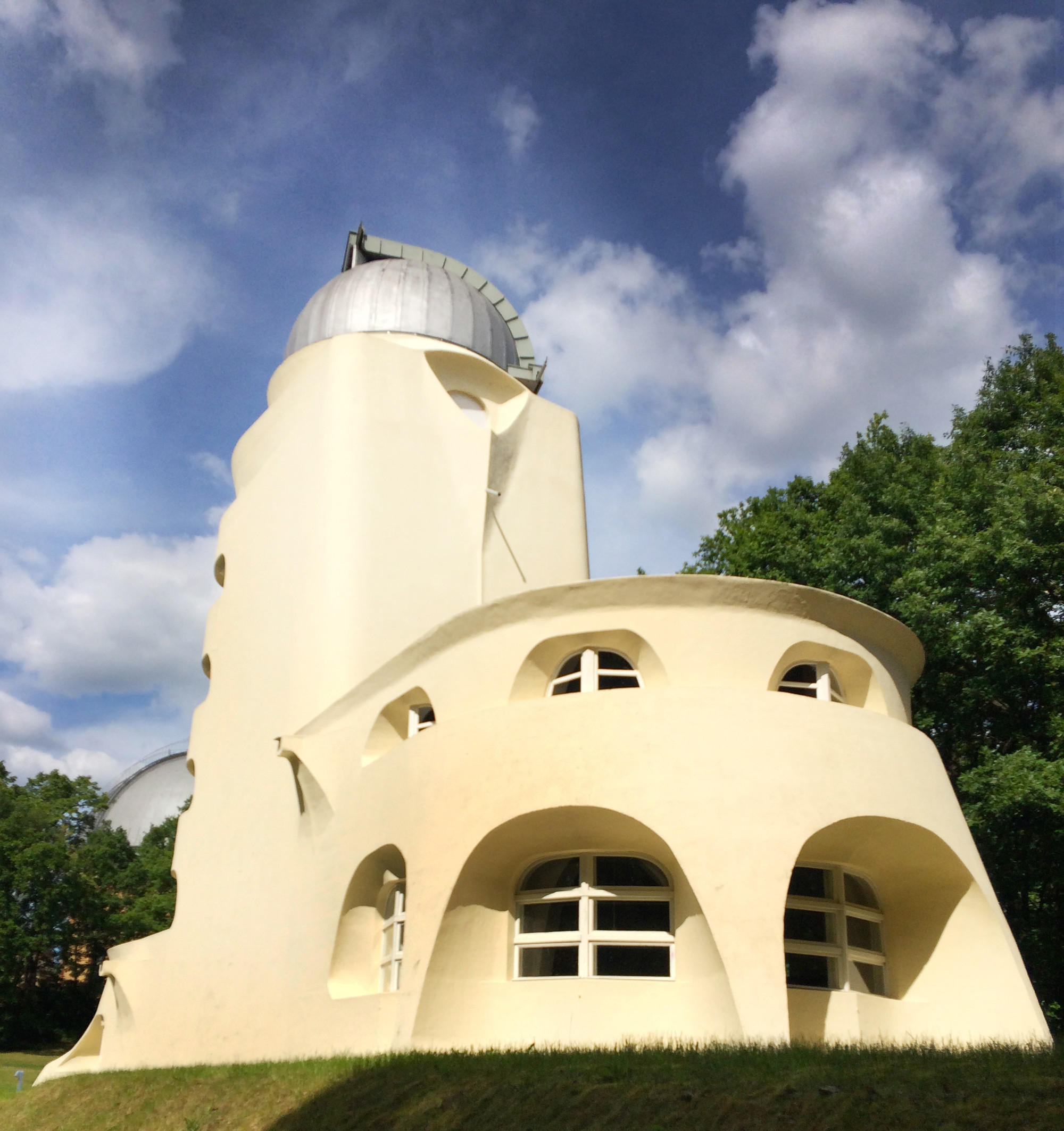
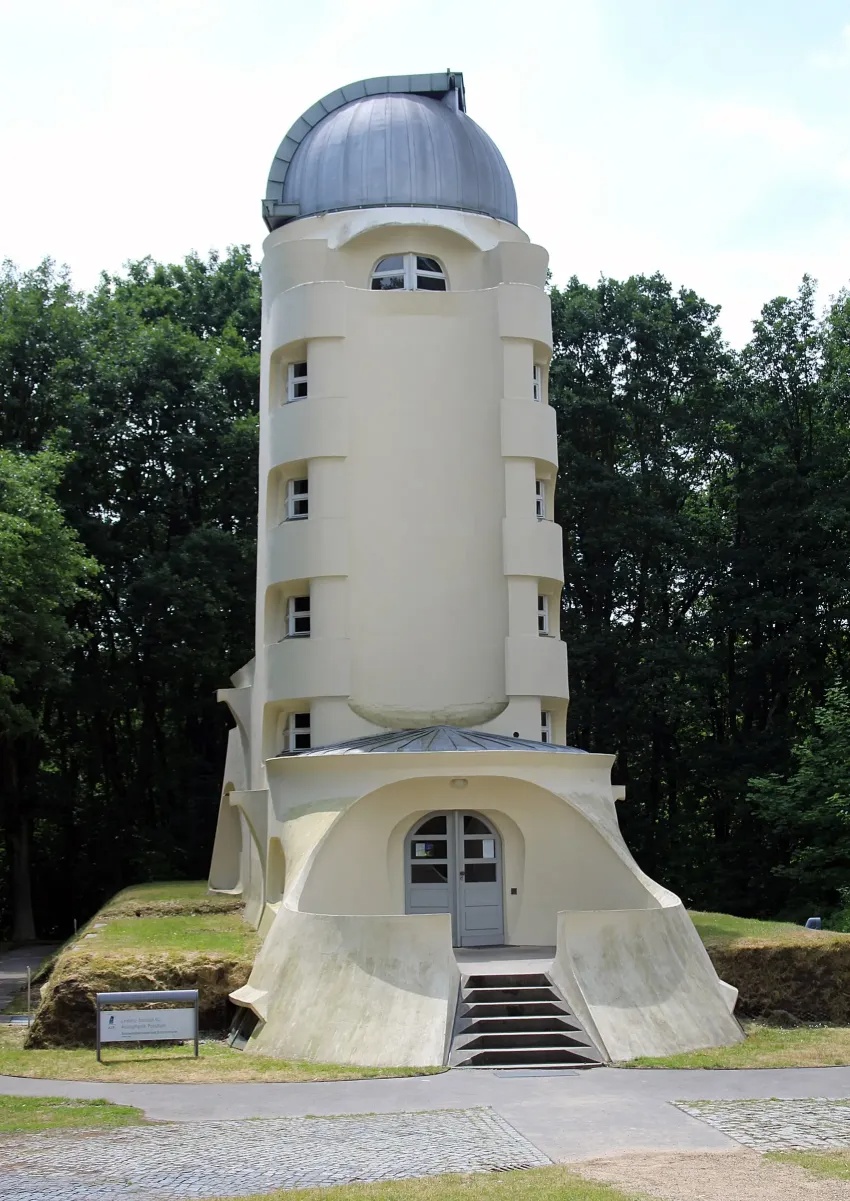
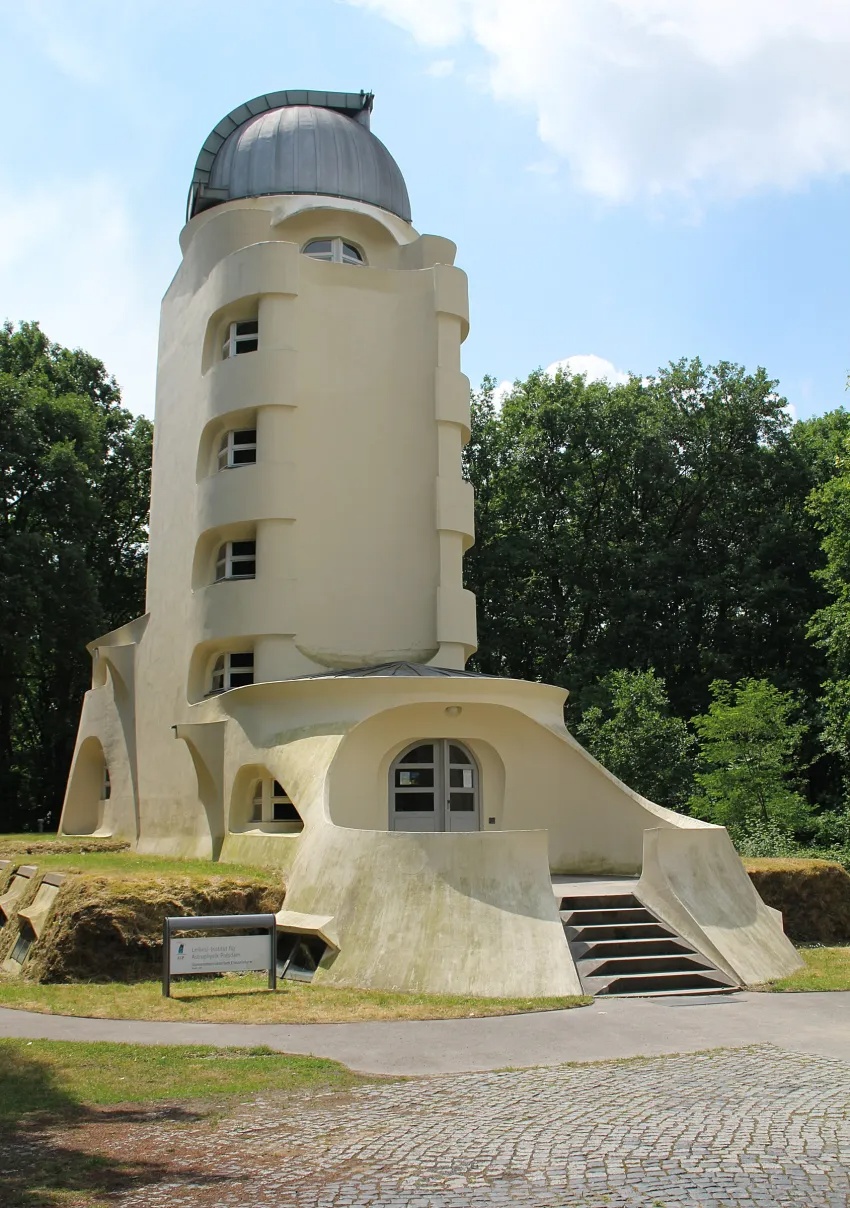
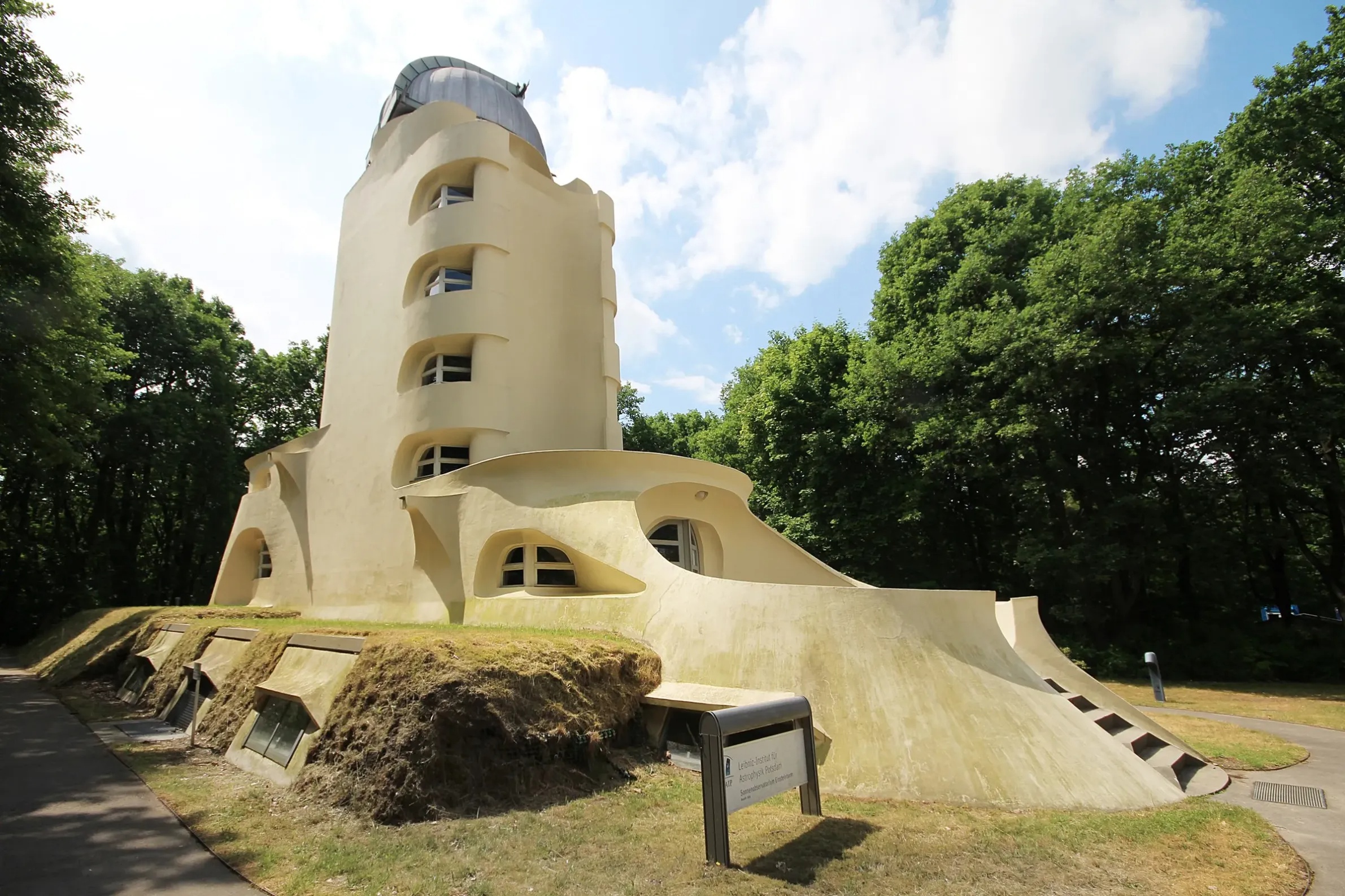
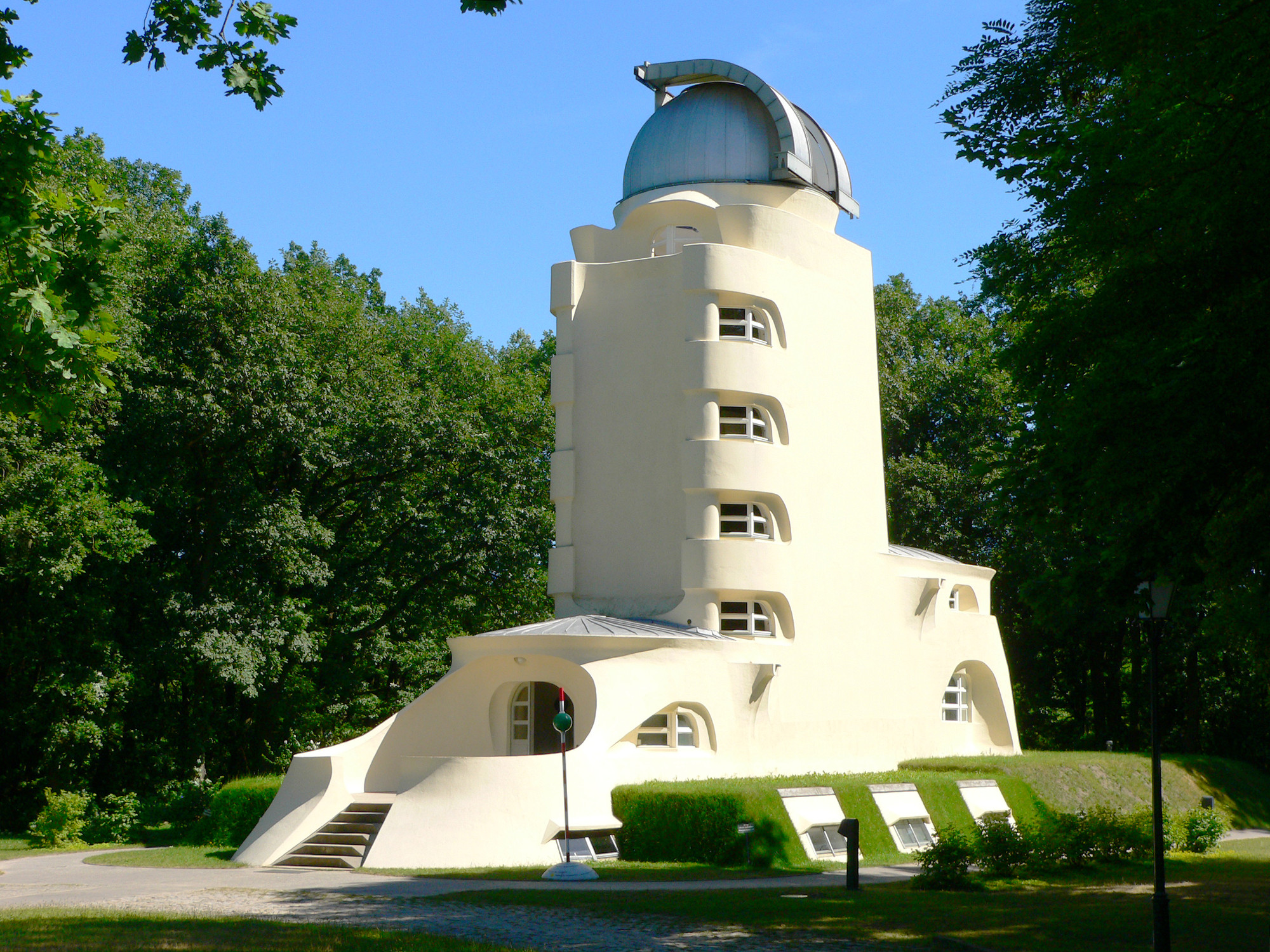
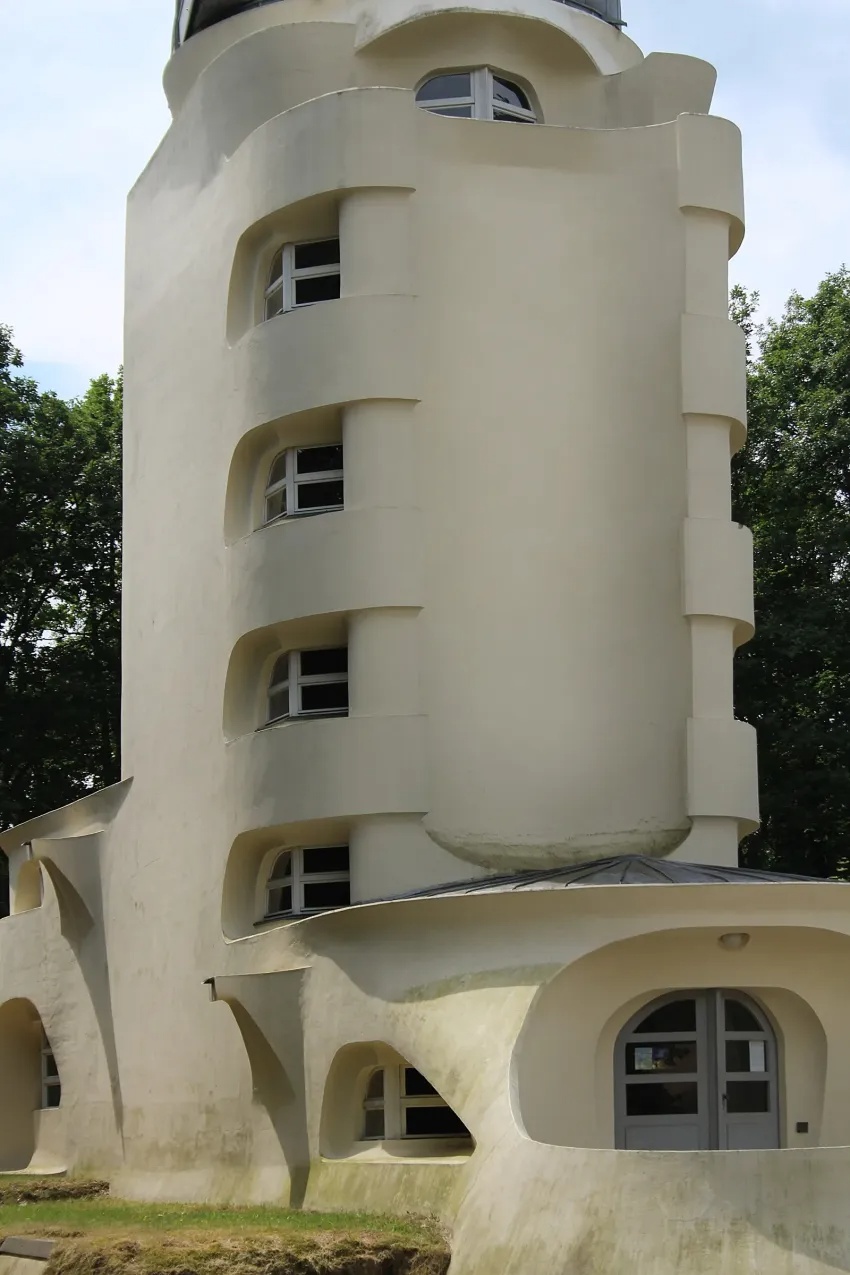
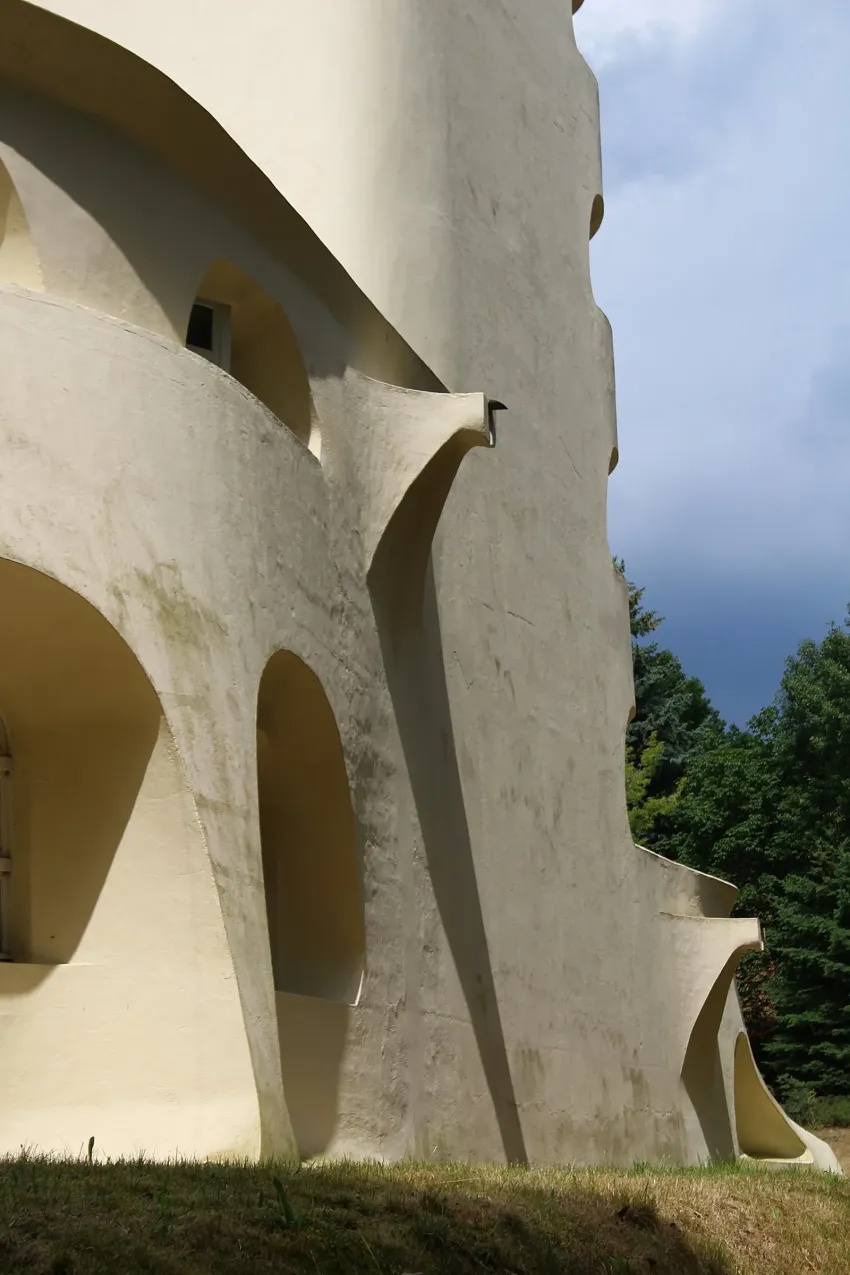
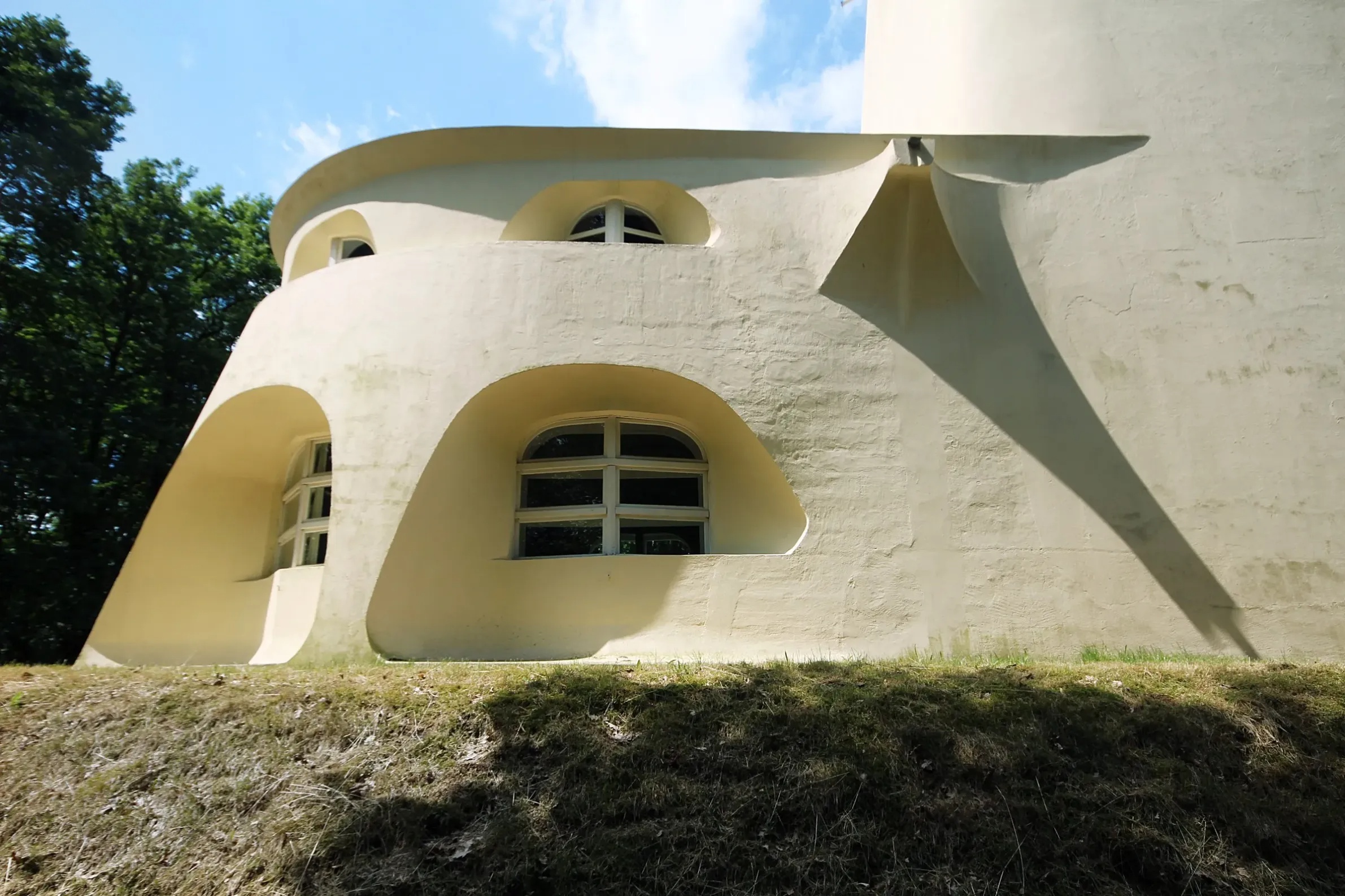
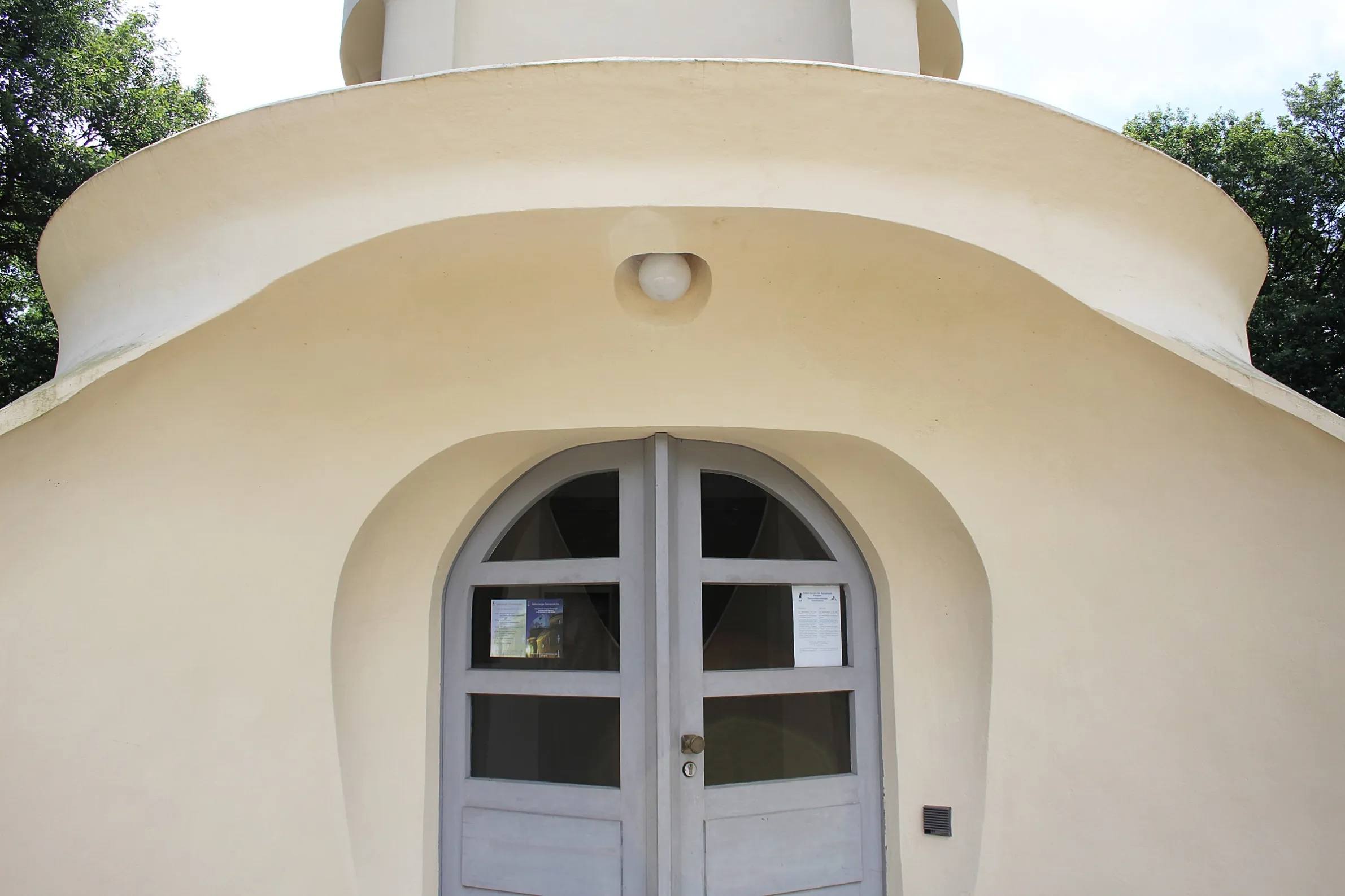
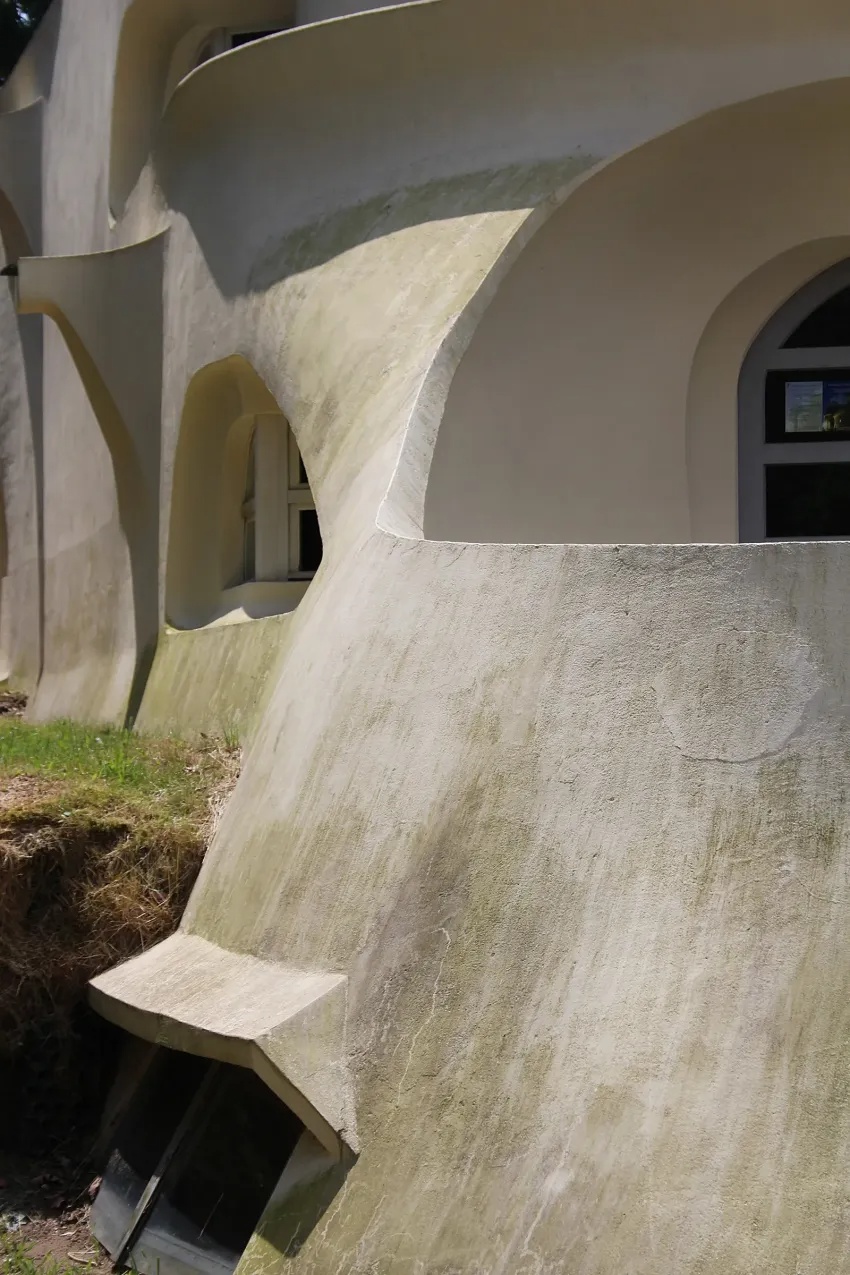
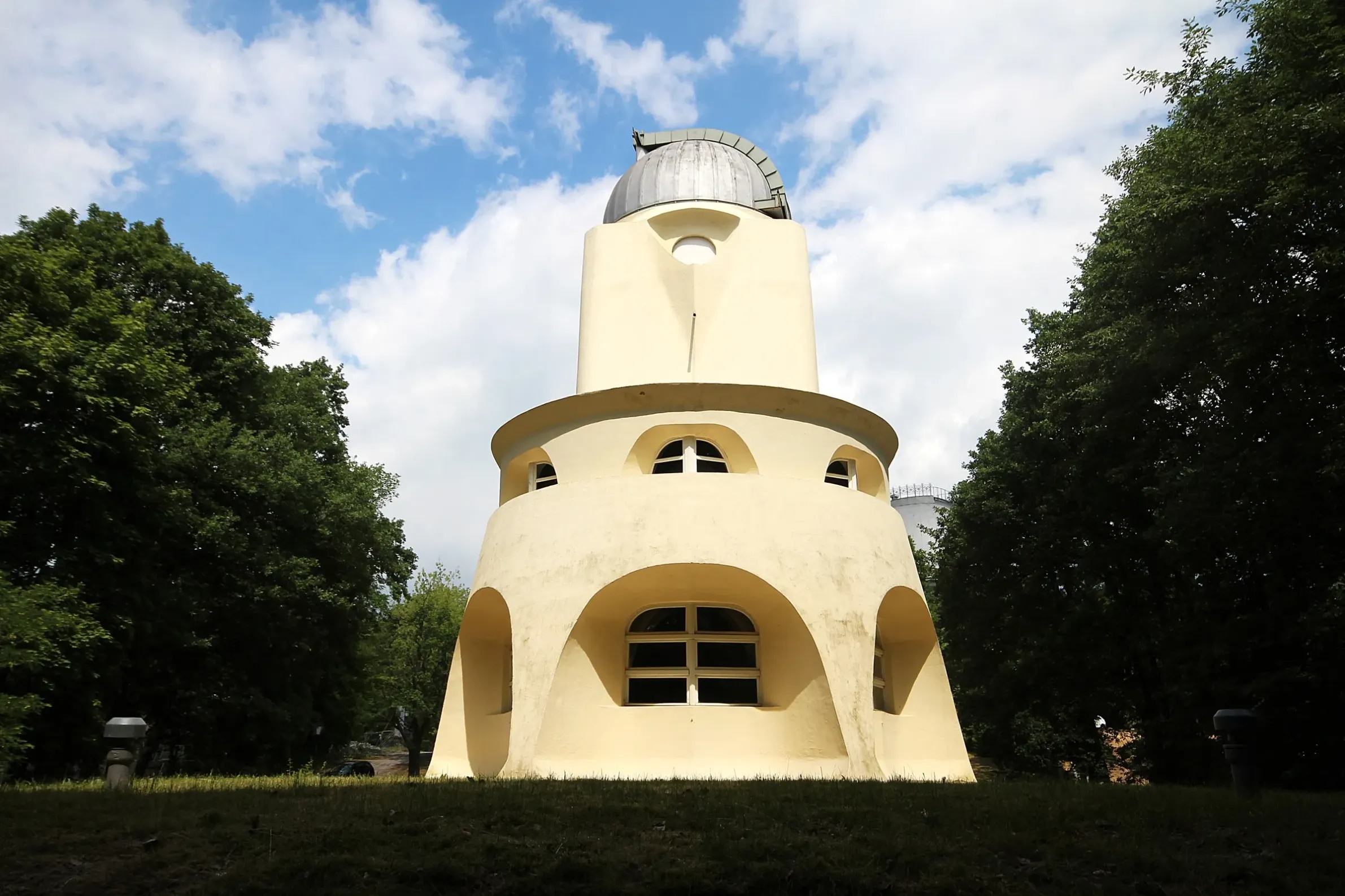
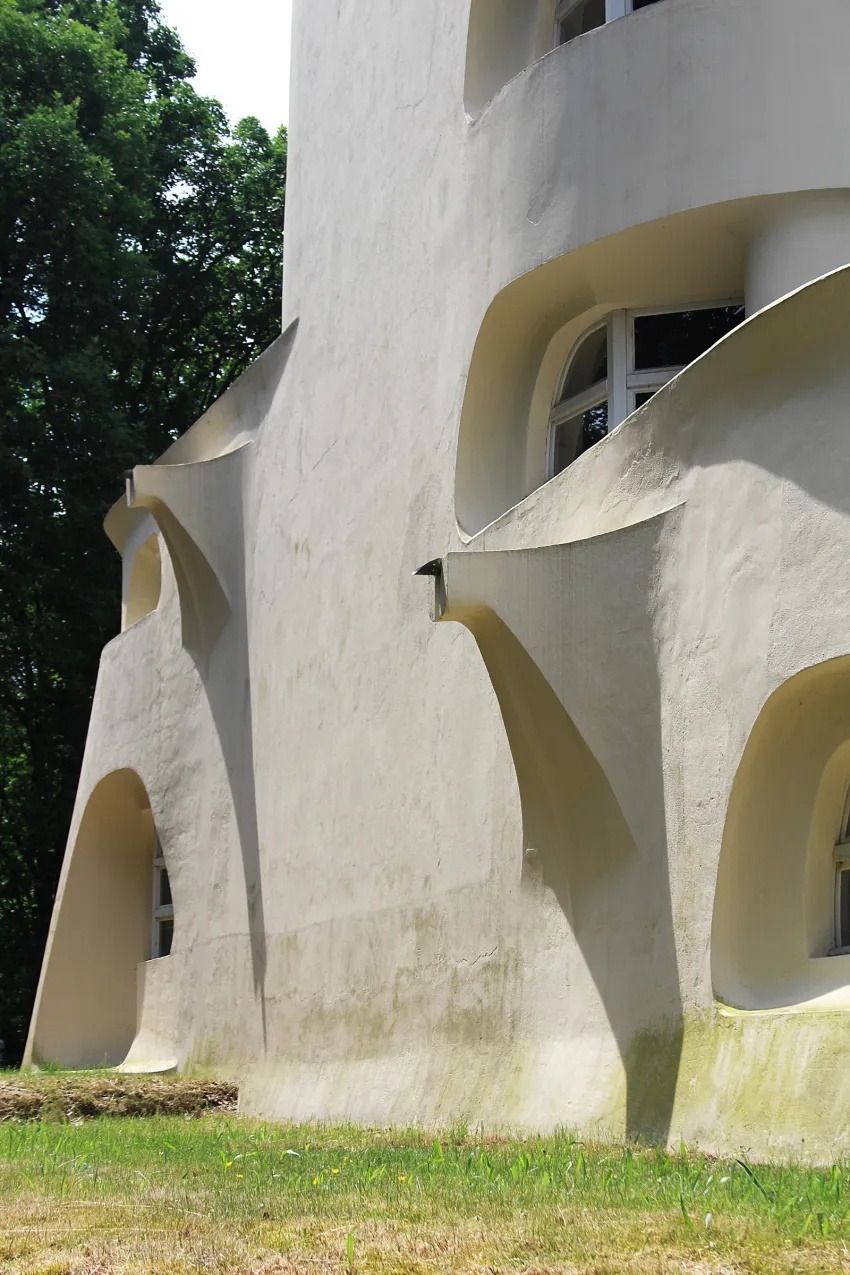
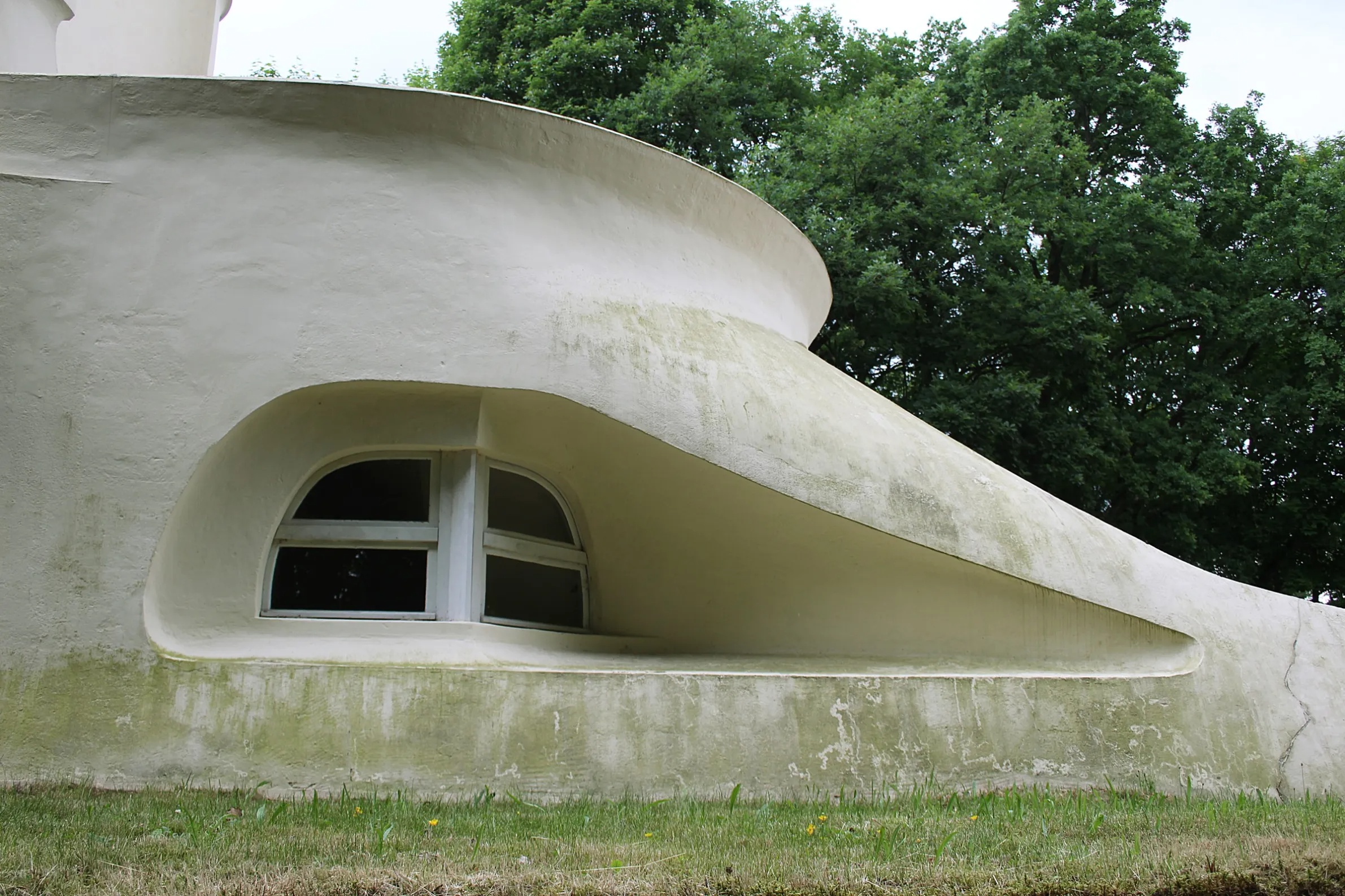
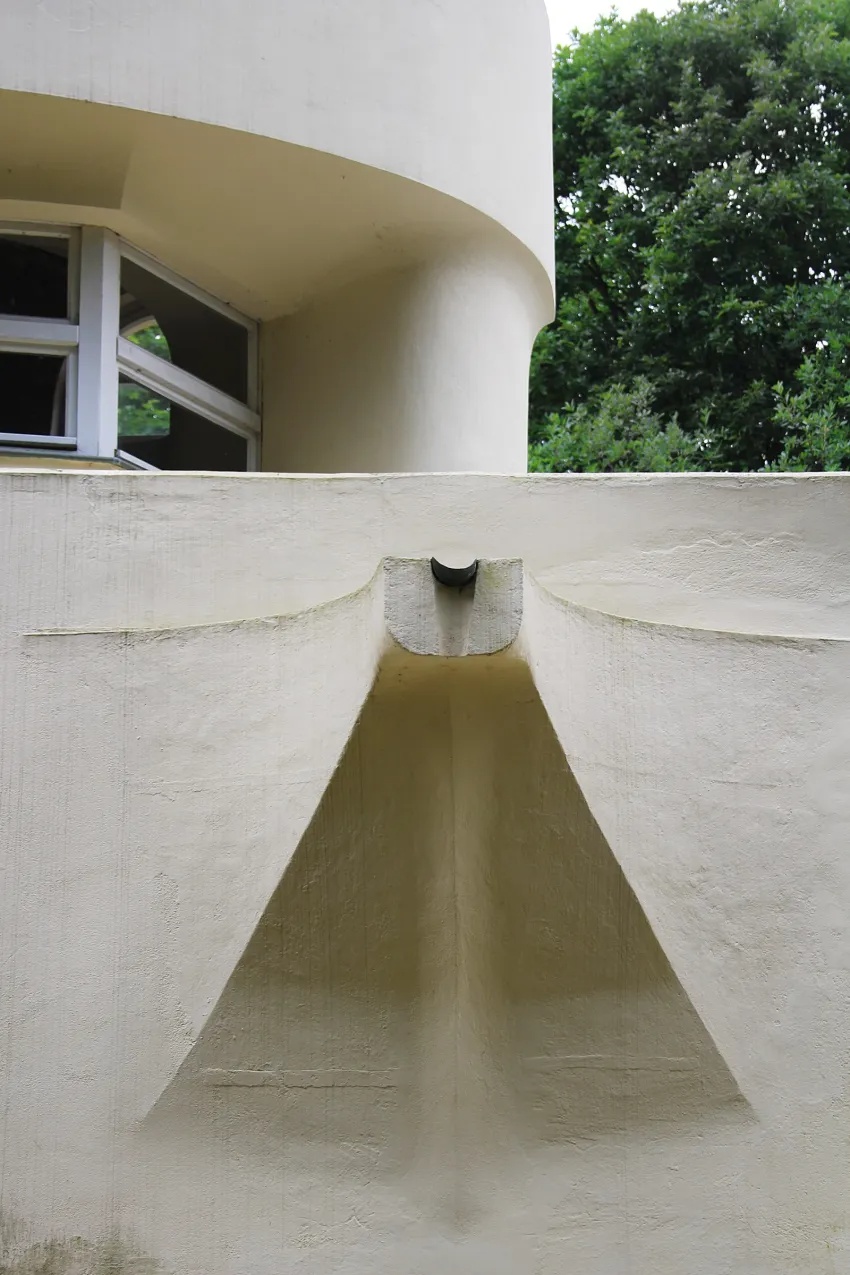
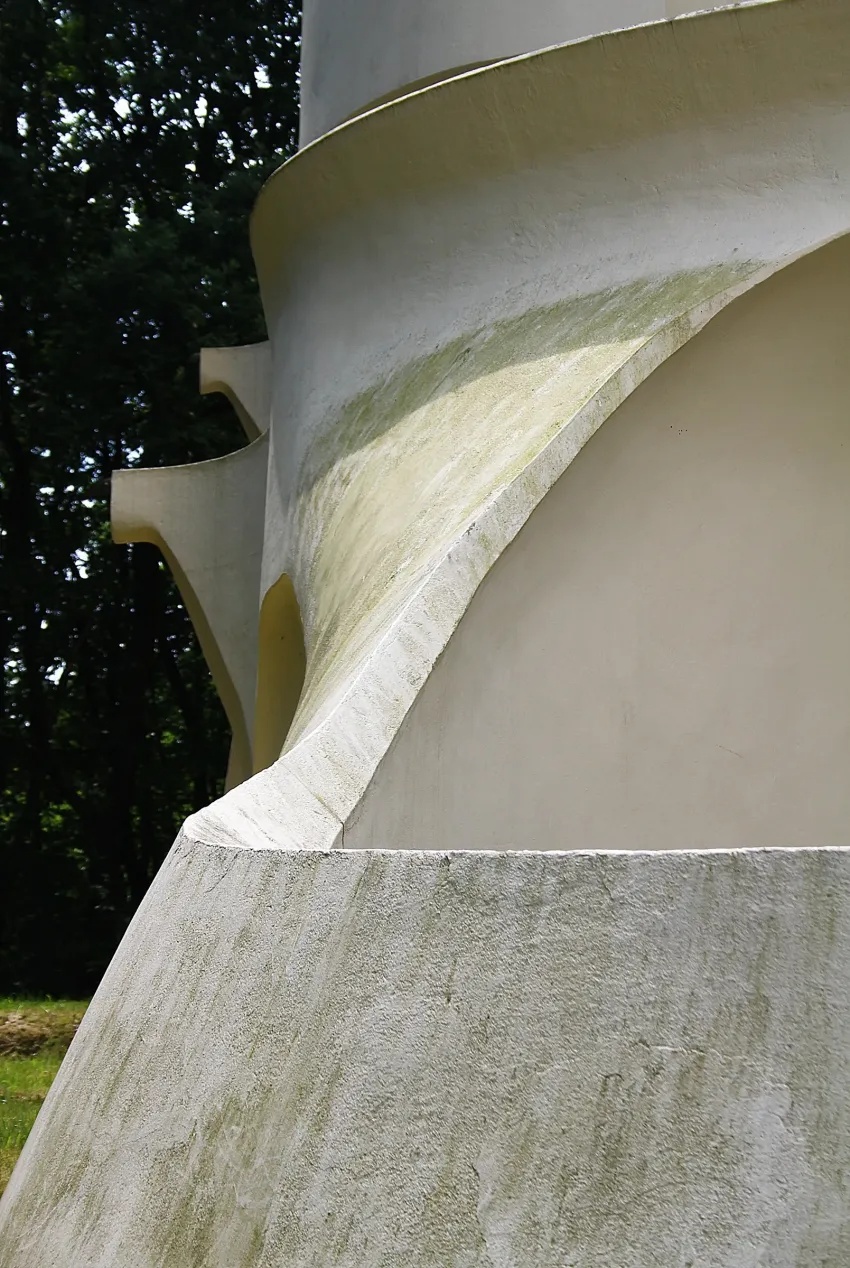
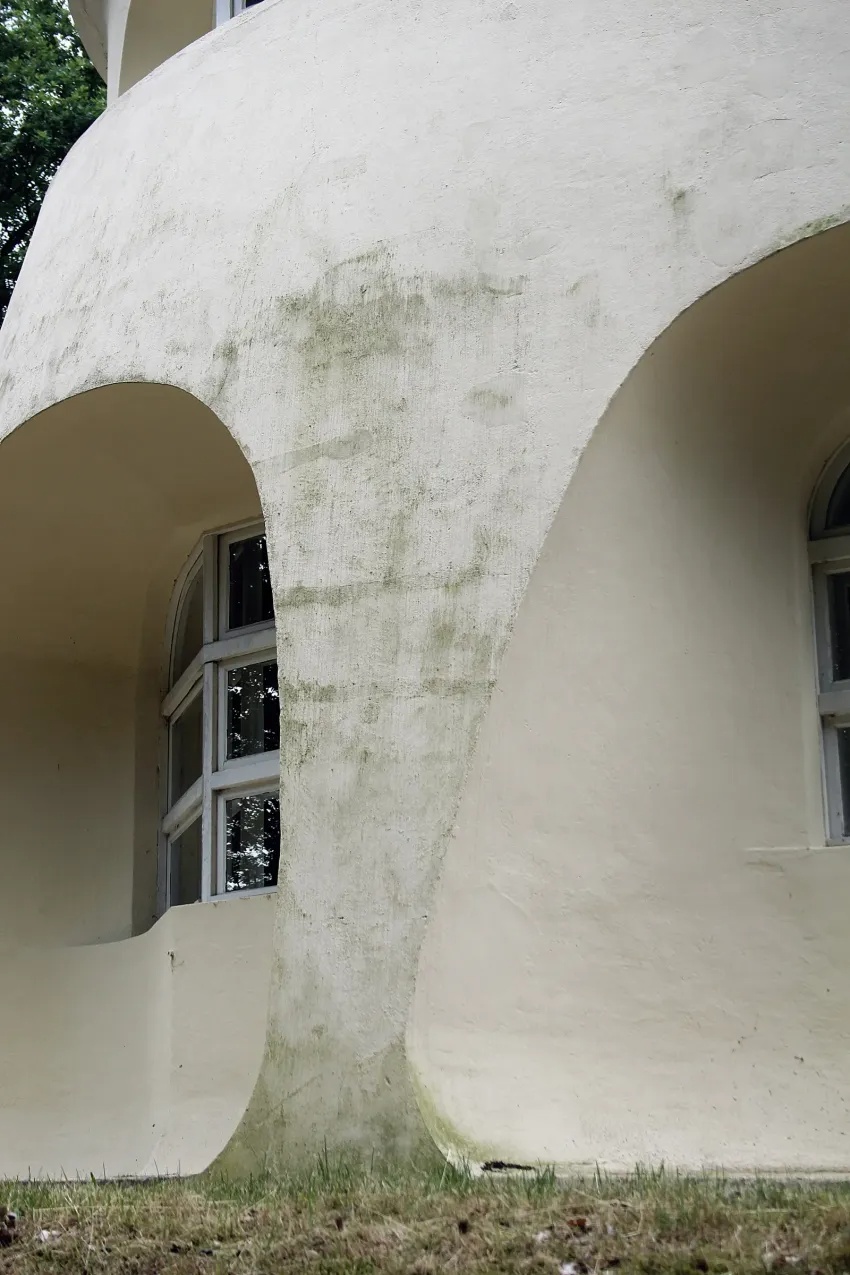
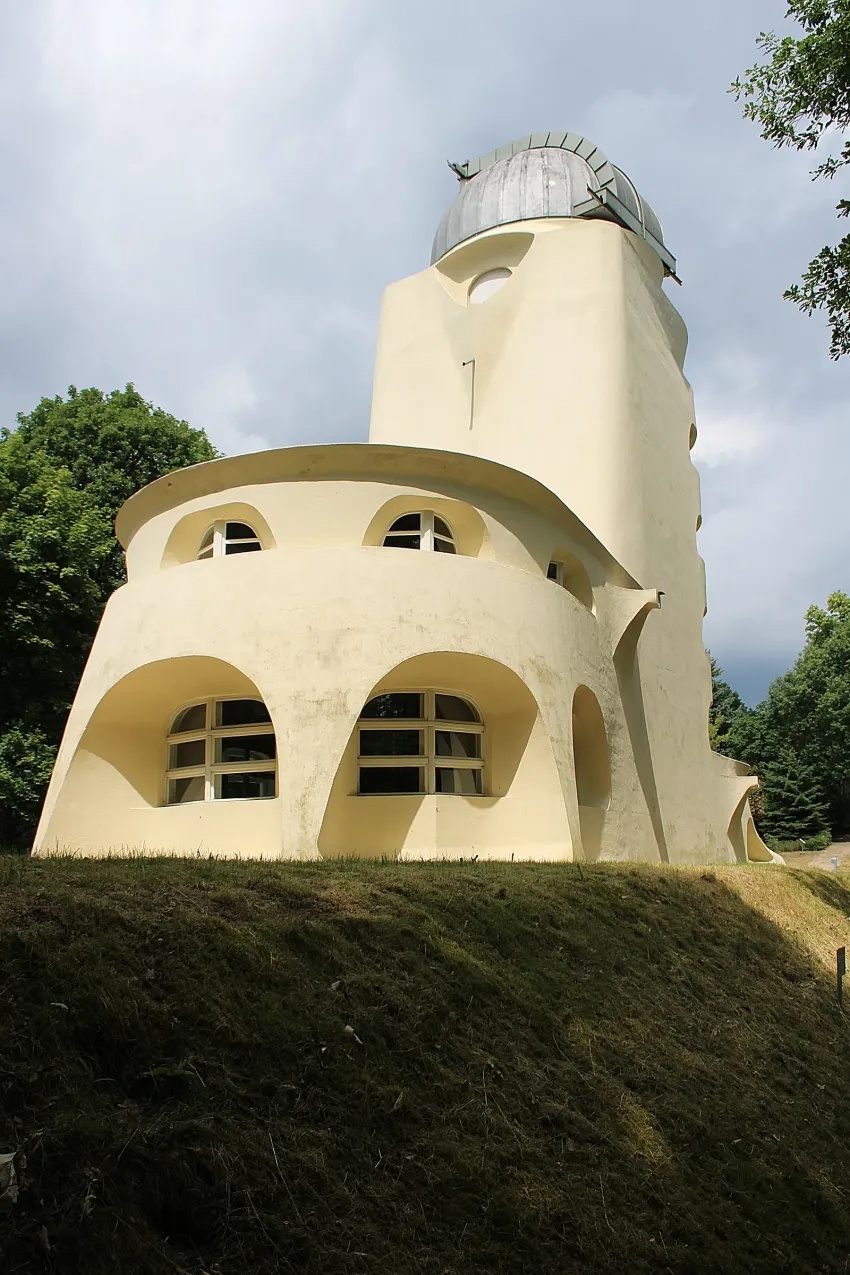
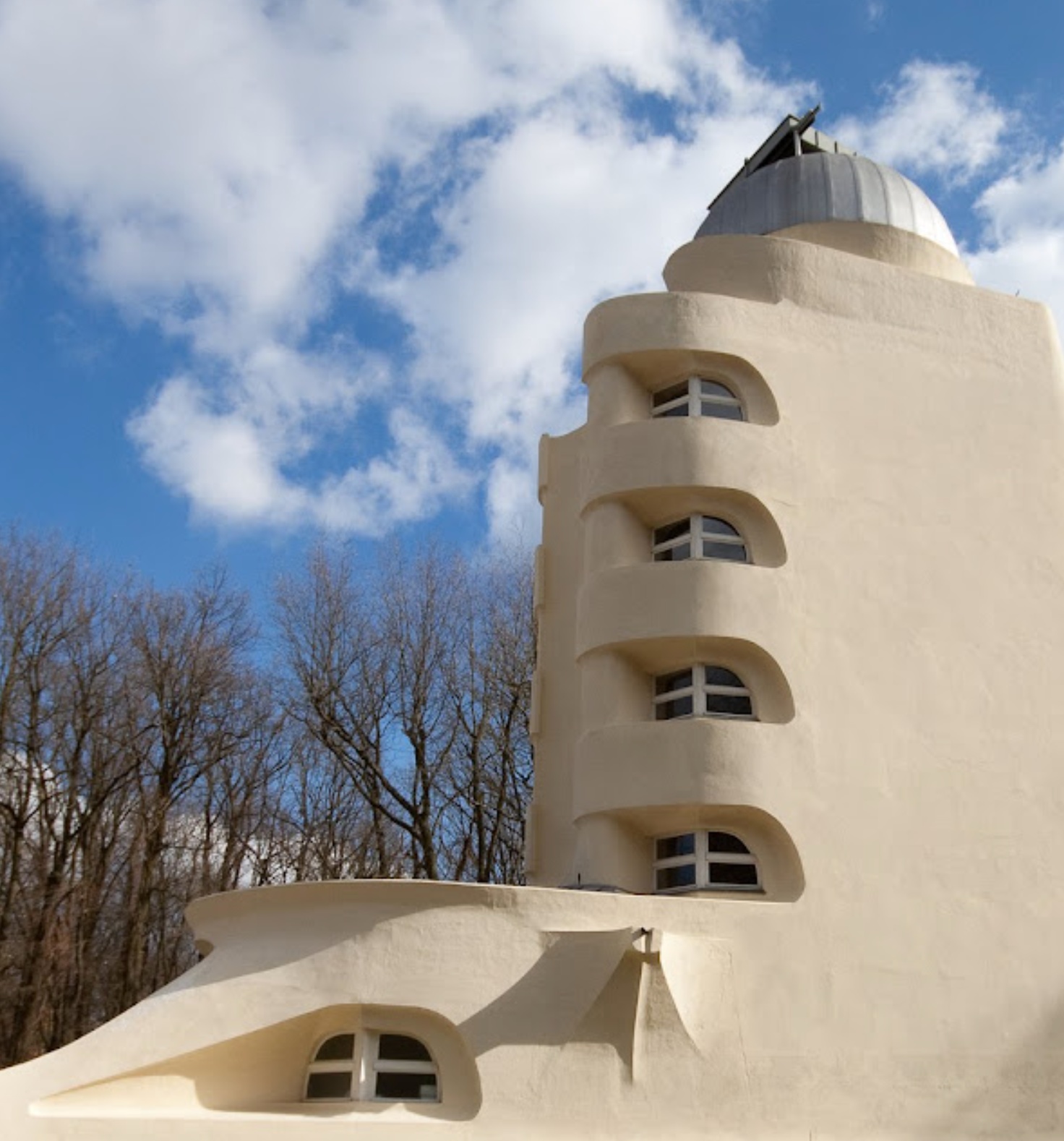
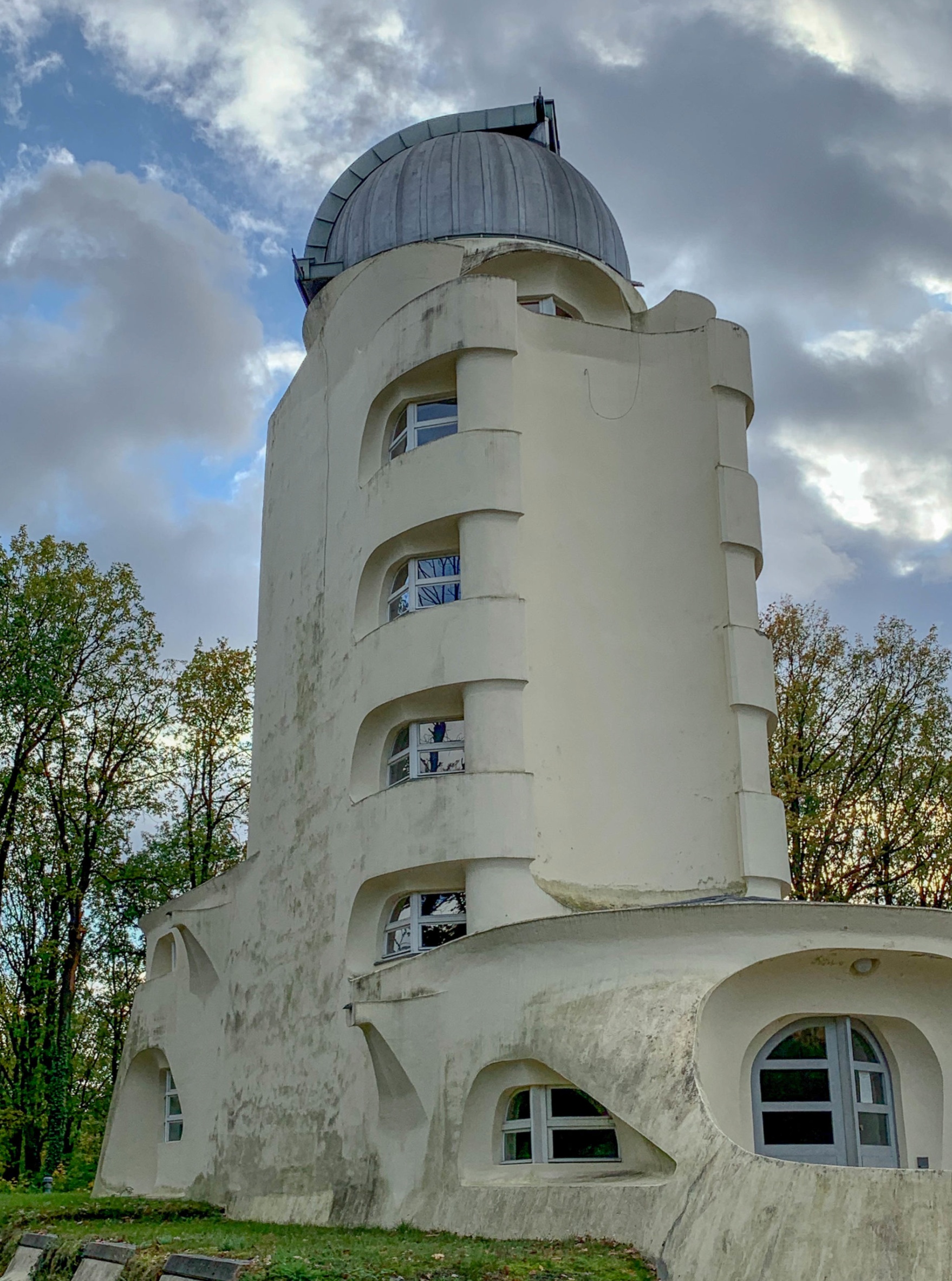
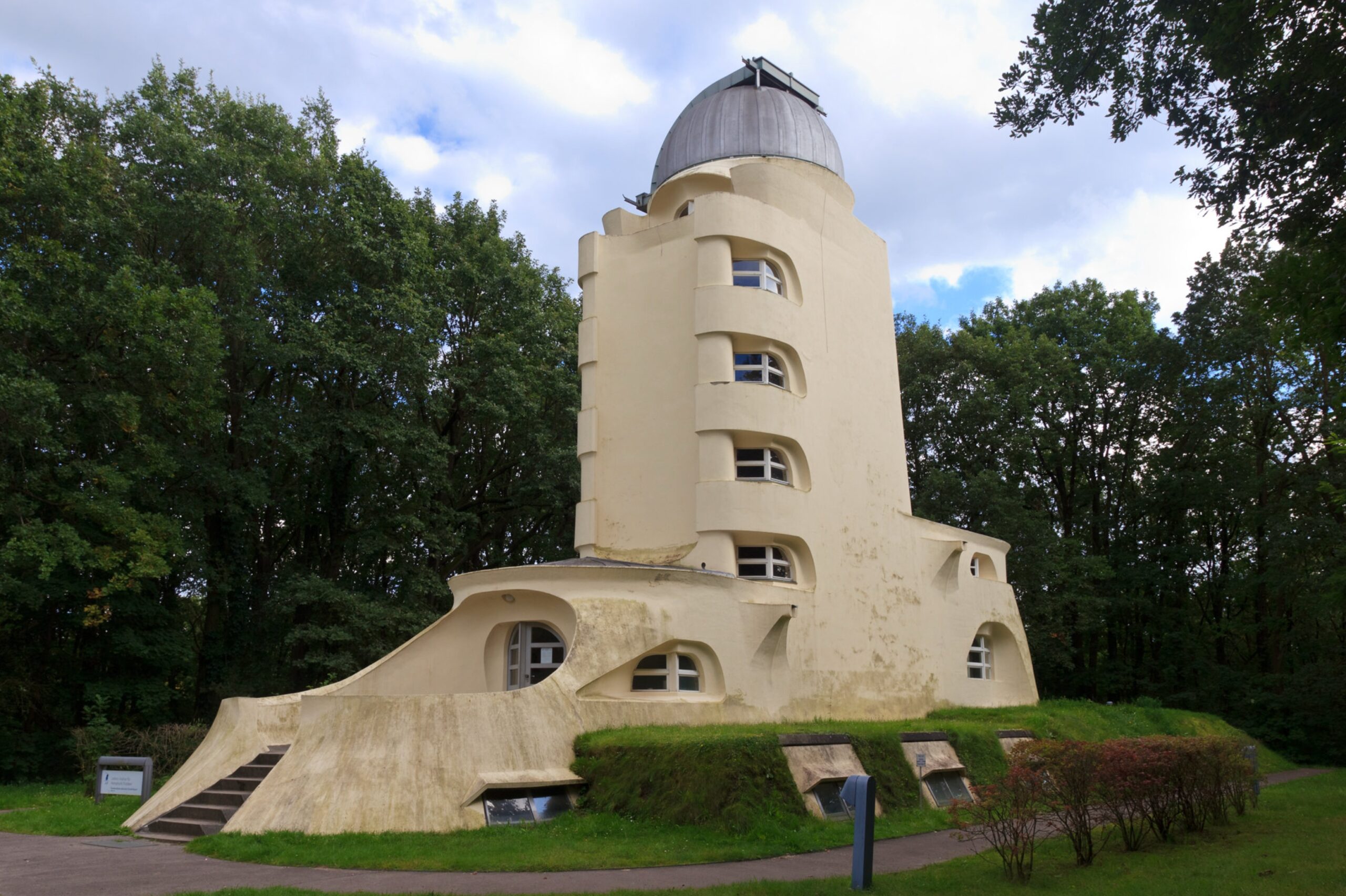
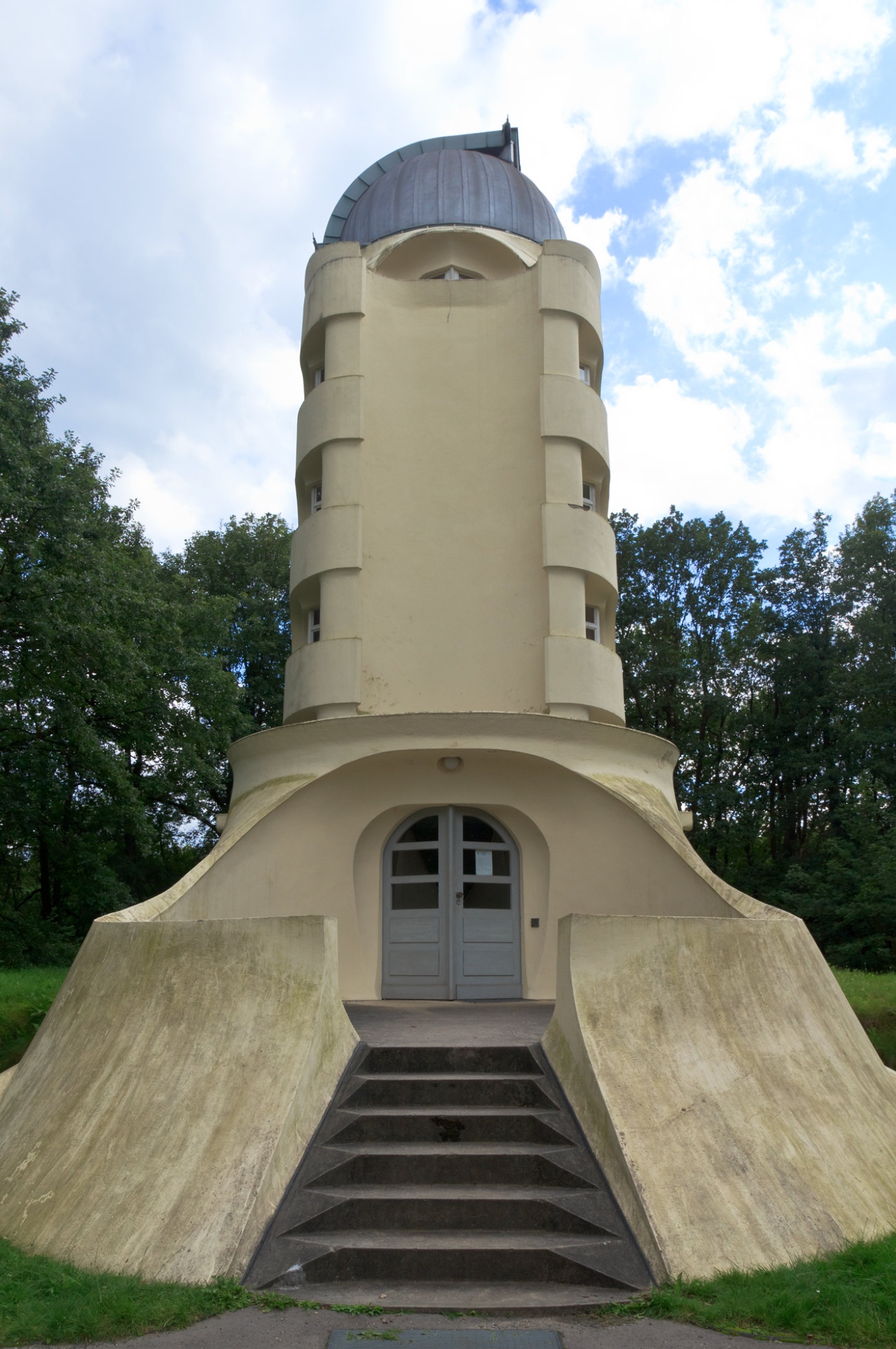
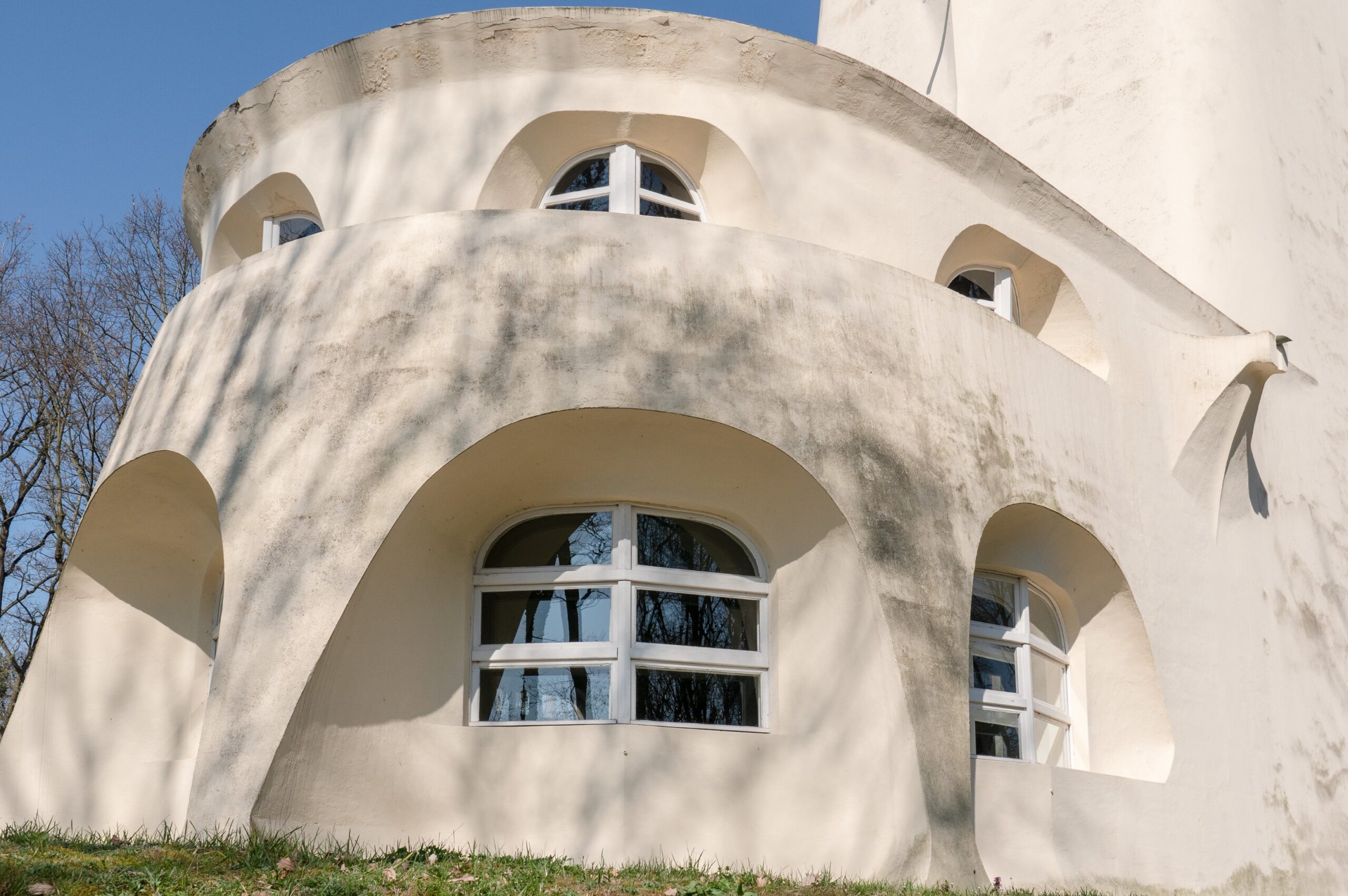
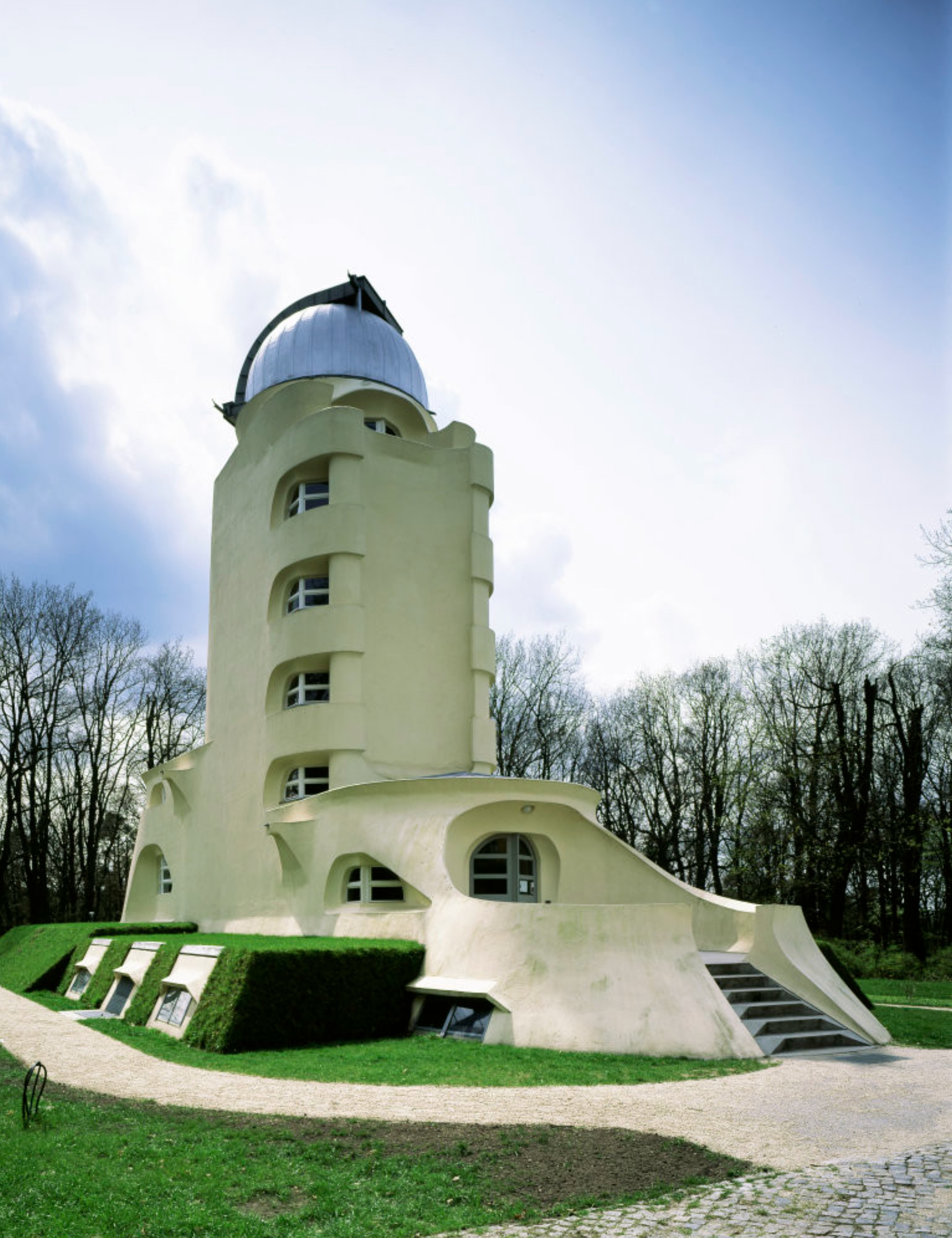
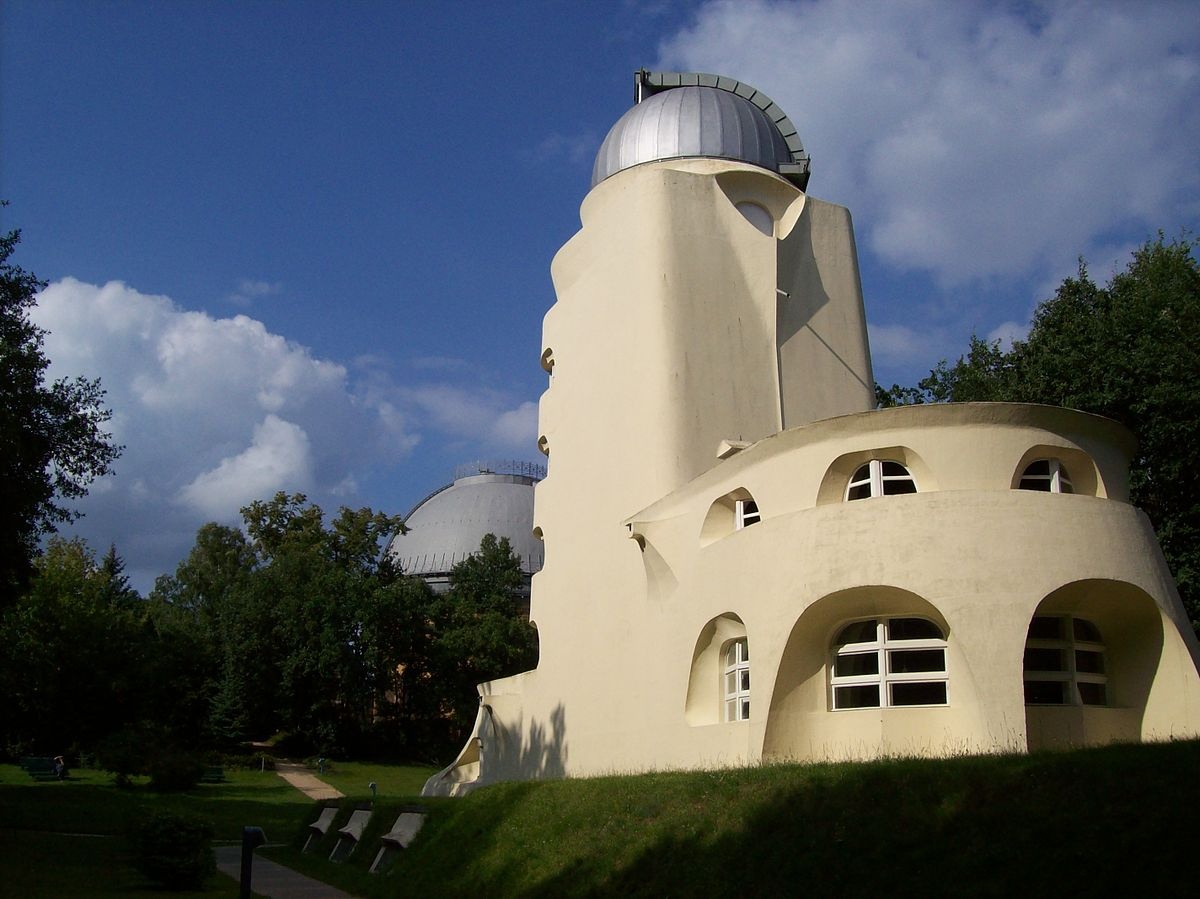
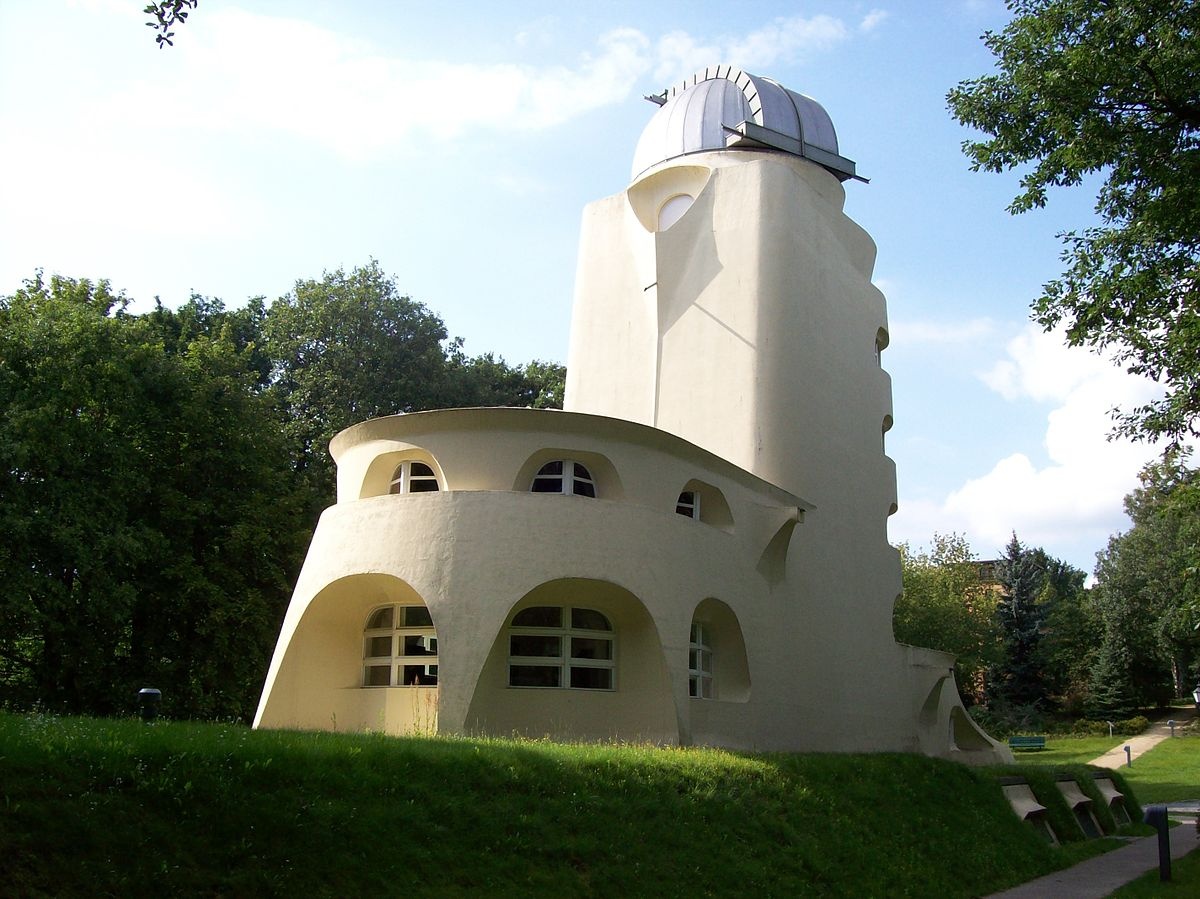
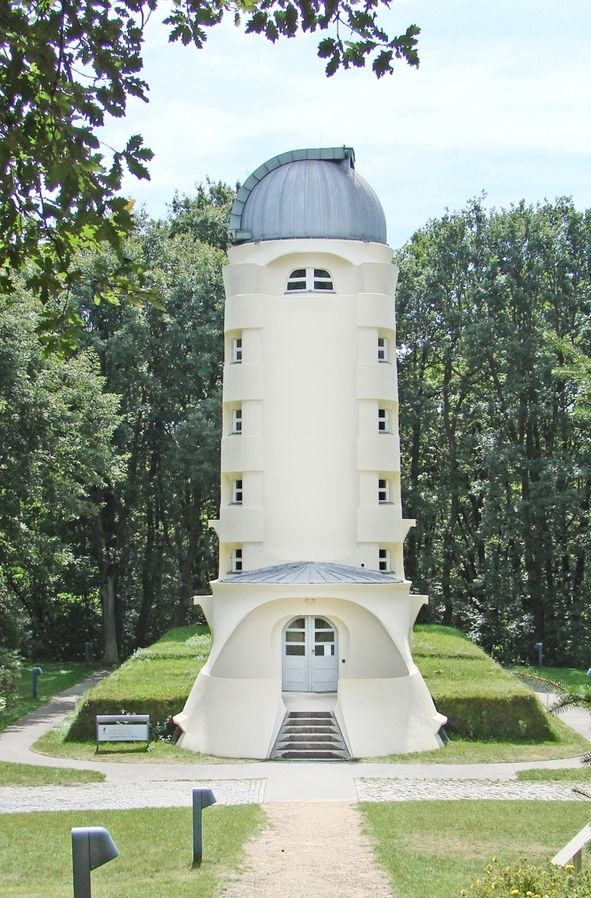
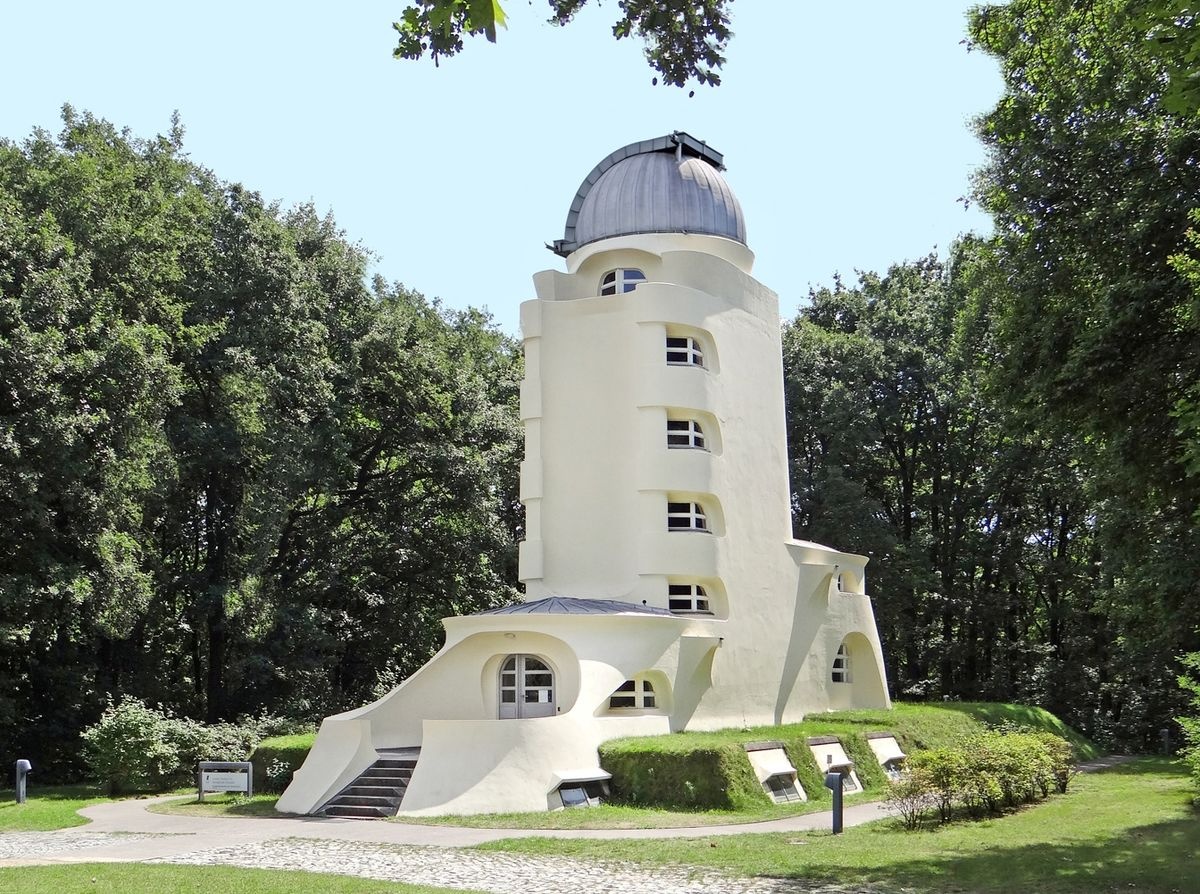
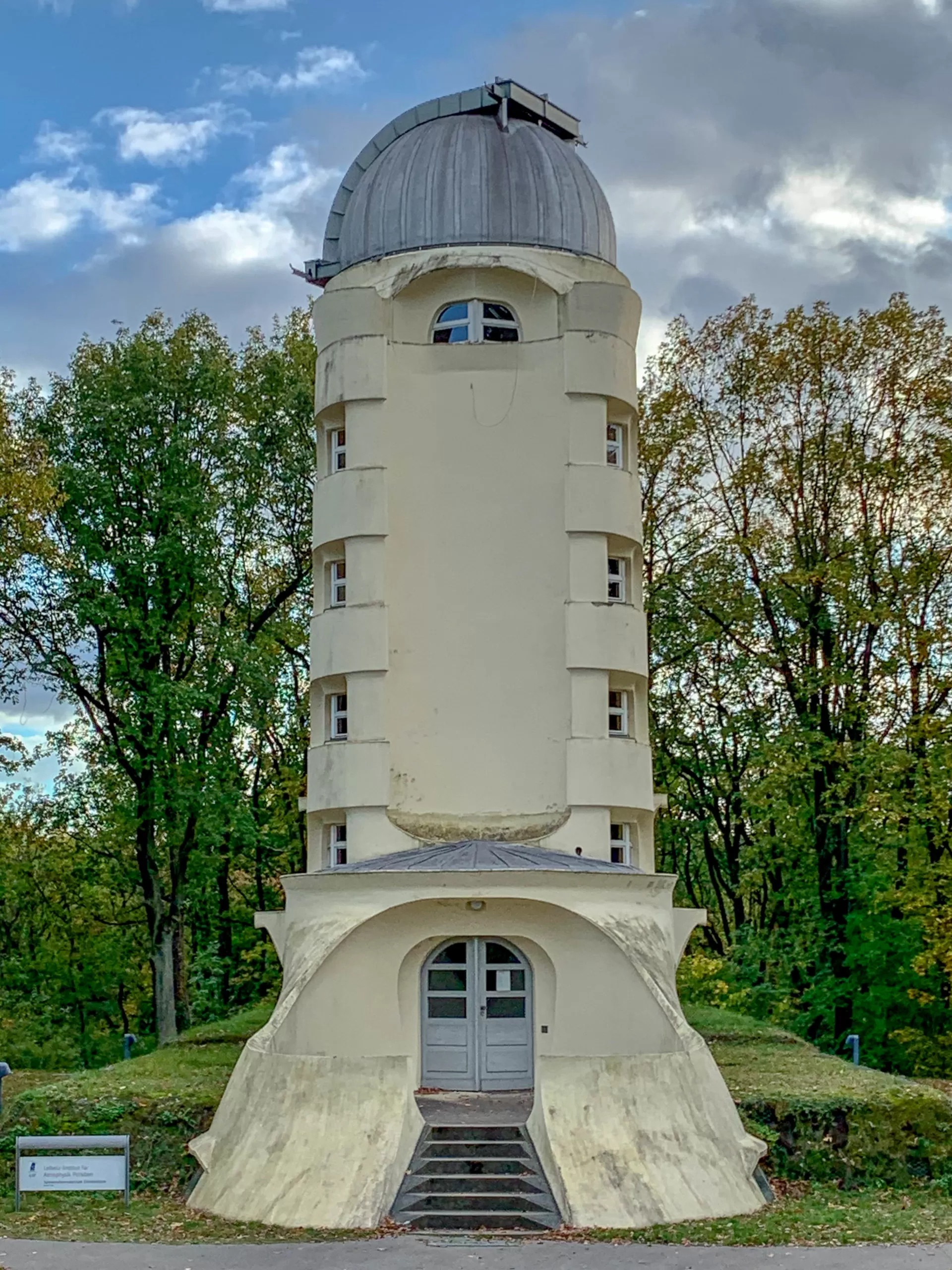
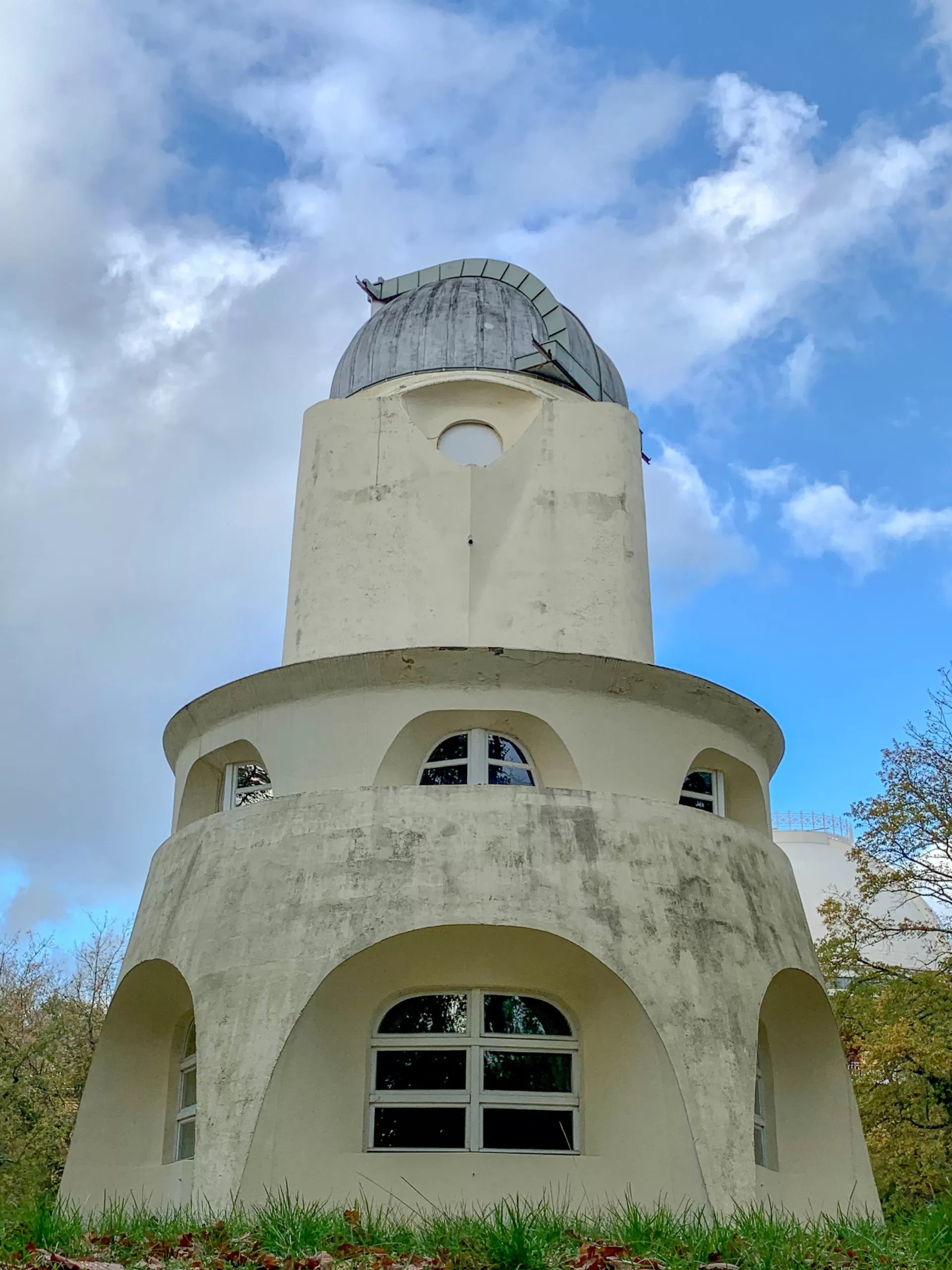
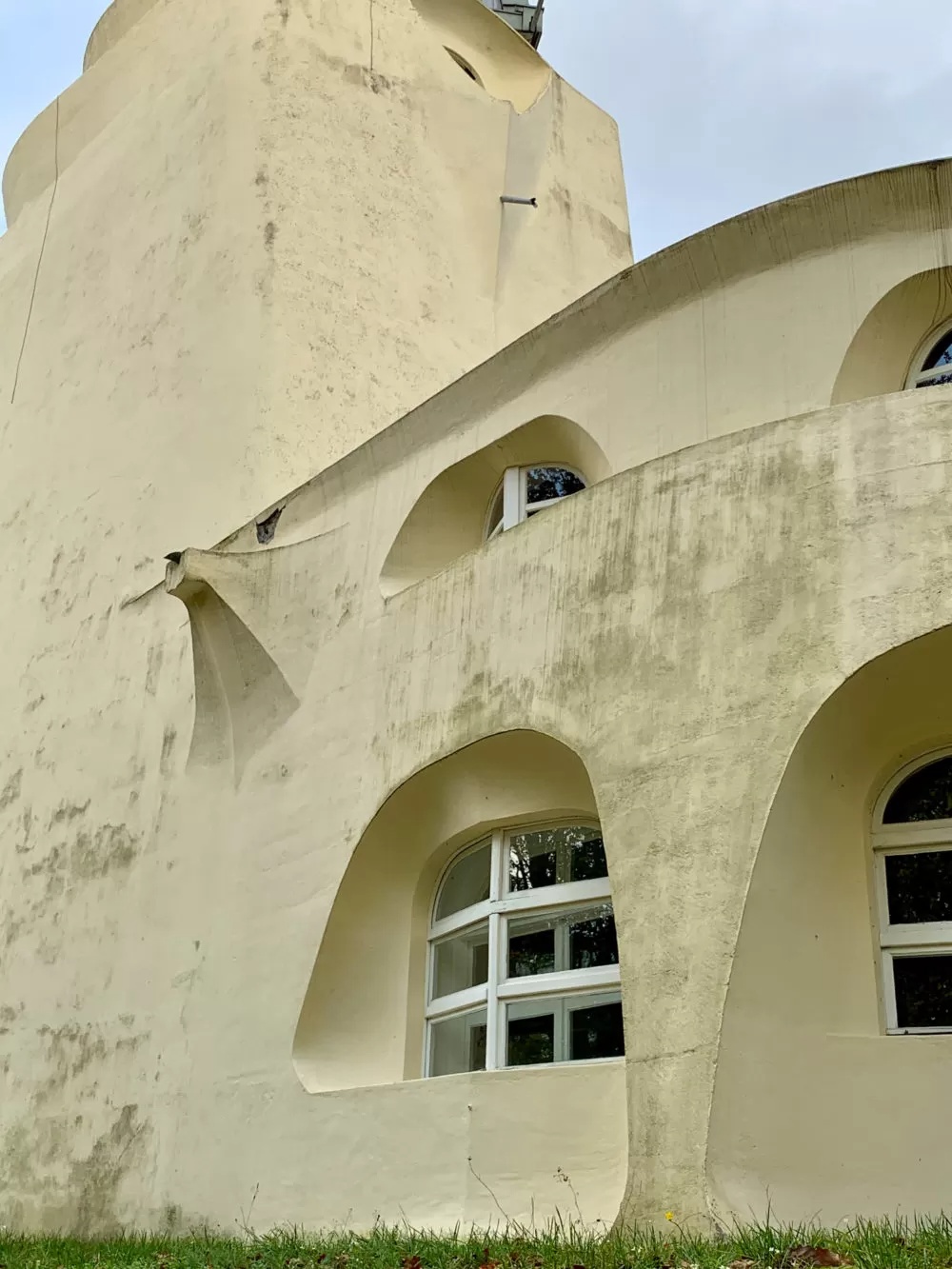
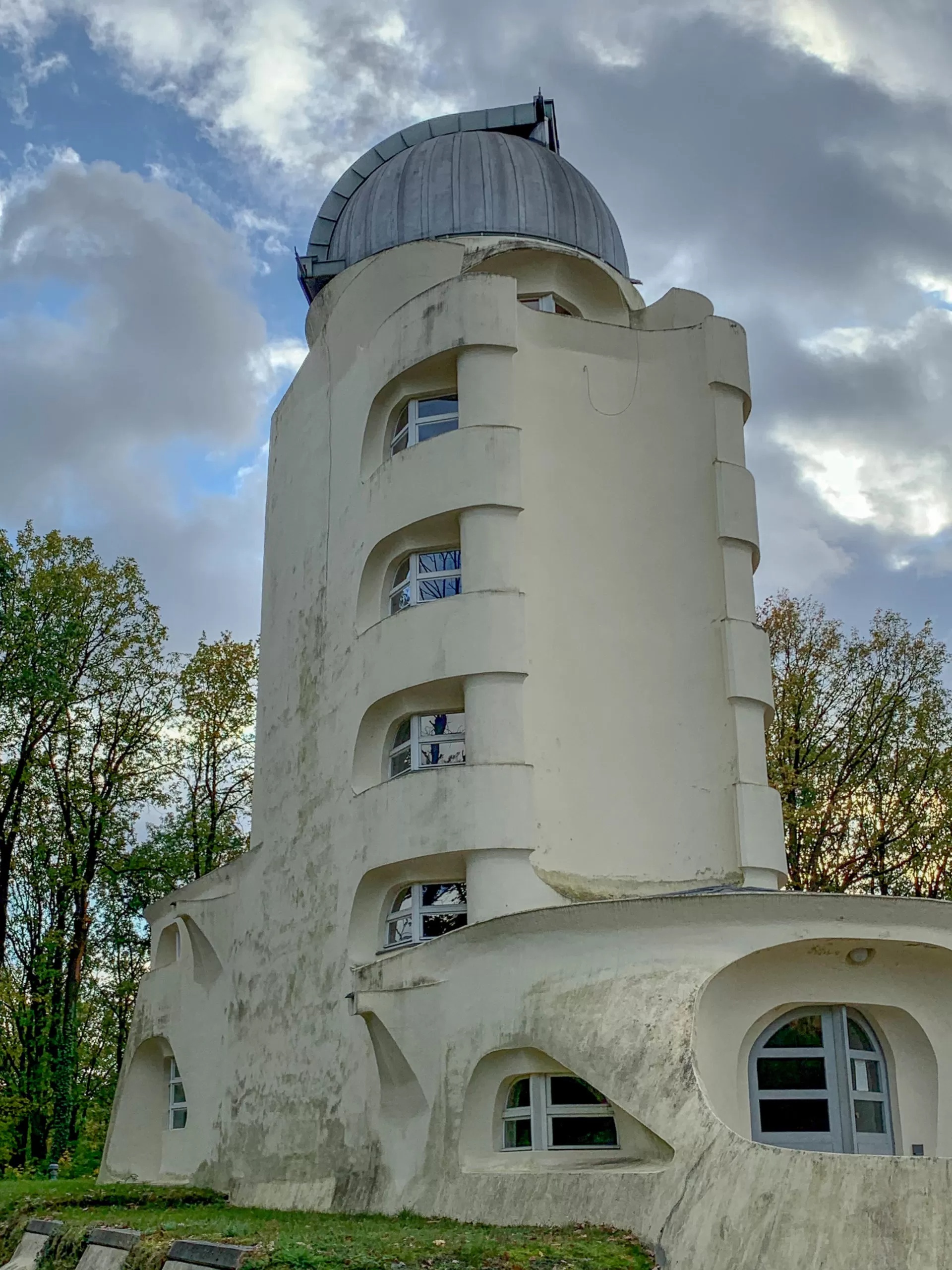
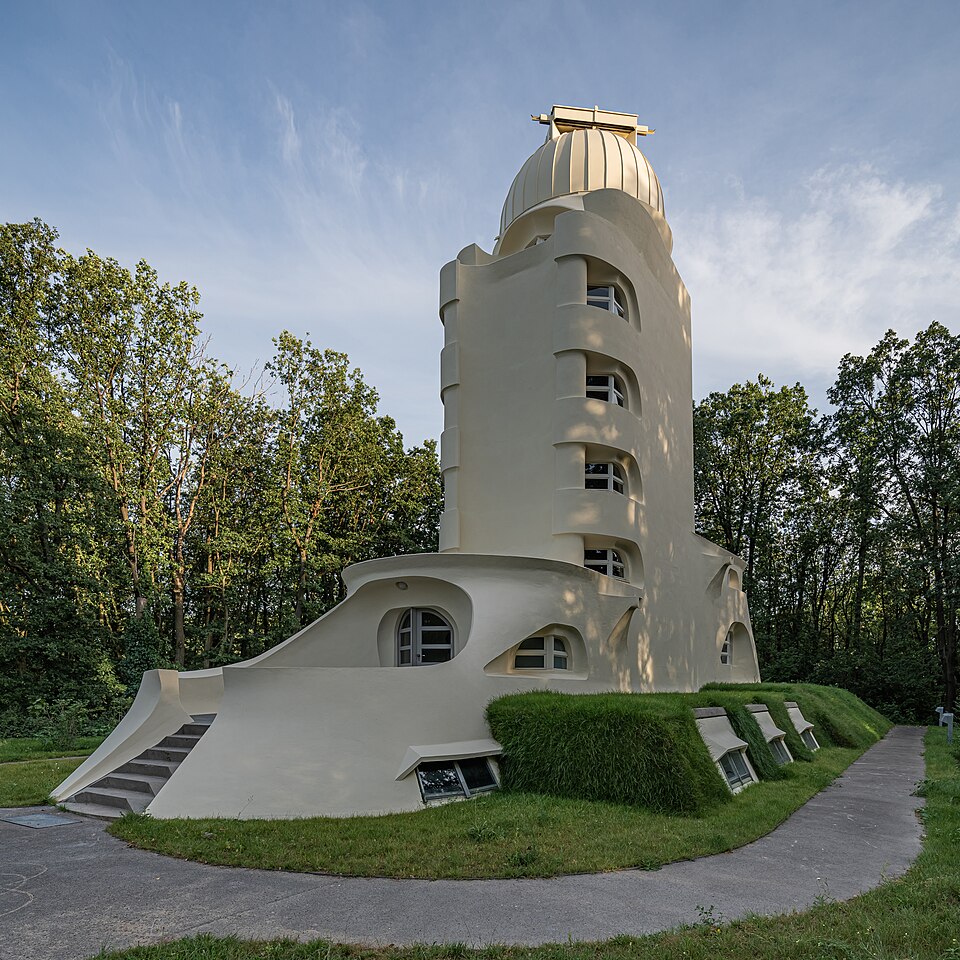
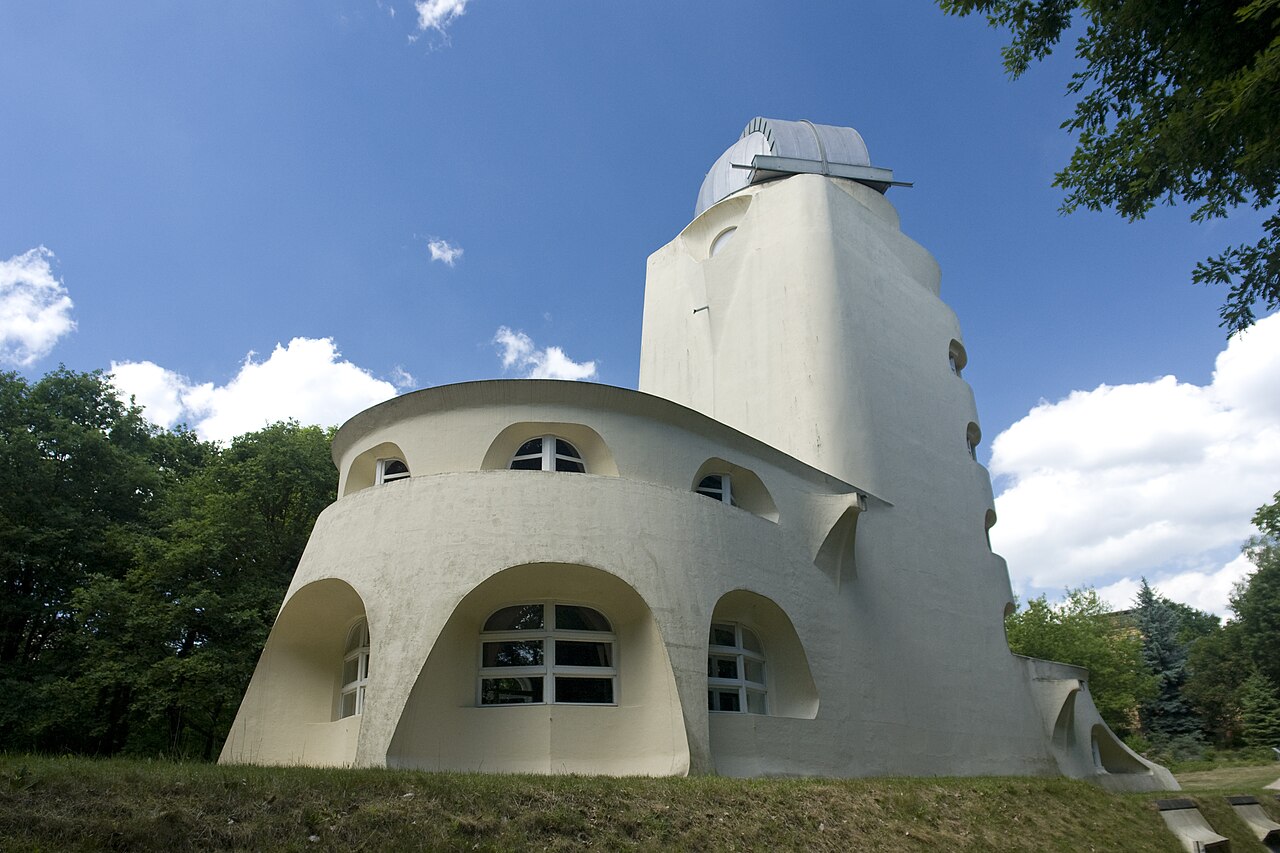
Einstein Tower observatory designed by Erich Mendelsohn in Potsdam, Germany, advanced solar research and provided a purpose-built facility for investigating phenomena associated with Albert Einstein’s theory of relativity. Developed between 1917 and 1924 in collaboration with astrophysicist Erwin Finlay-Freundlich, the project united scientific requirements with architectural experimentation. Conceived as a solar observatory within what is now the Albert Einstein Science Park, the building translated the optical demands of a tower telescope into a distinctive architectural form. Its sculpted massing, flowing surfaces, and integration of laboratory spaces established it as one of the most significant works of German Expressionist architecture. The observatory was designed to support solar observation and spectrographic research while reflecting the intellectual climate that emerged around Einstein’s theories of space, time, and energy. Although originally envisioned as a continuous reinforced-concrete structure, material shortages and construction challenges led to a hybrid system of concrete, brick, and plaster. The resulting form nevertheless achieved the appearance of a unified sculptural object. The Einstein Tower remains notable for its synthesis of architecture, science, engineering, and environmental control, where the observatory itself functions as part of the scientific instrument. Despite recurring maintenance challenges and wartime damage, the building has undergone several restoration campaigns, including a major renovation completed in 1999. Today, the Einstein Tower continues to operate as a solar observatory under the Leibniz Institute for Astrophysics Potsdam, preserving its role in scientific research while remaining a landmark of twentieth-century architecture.
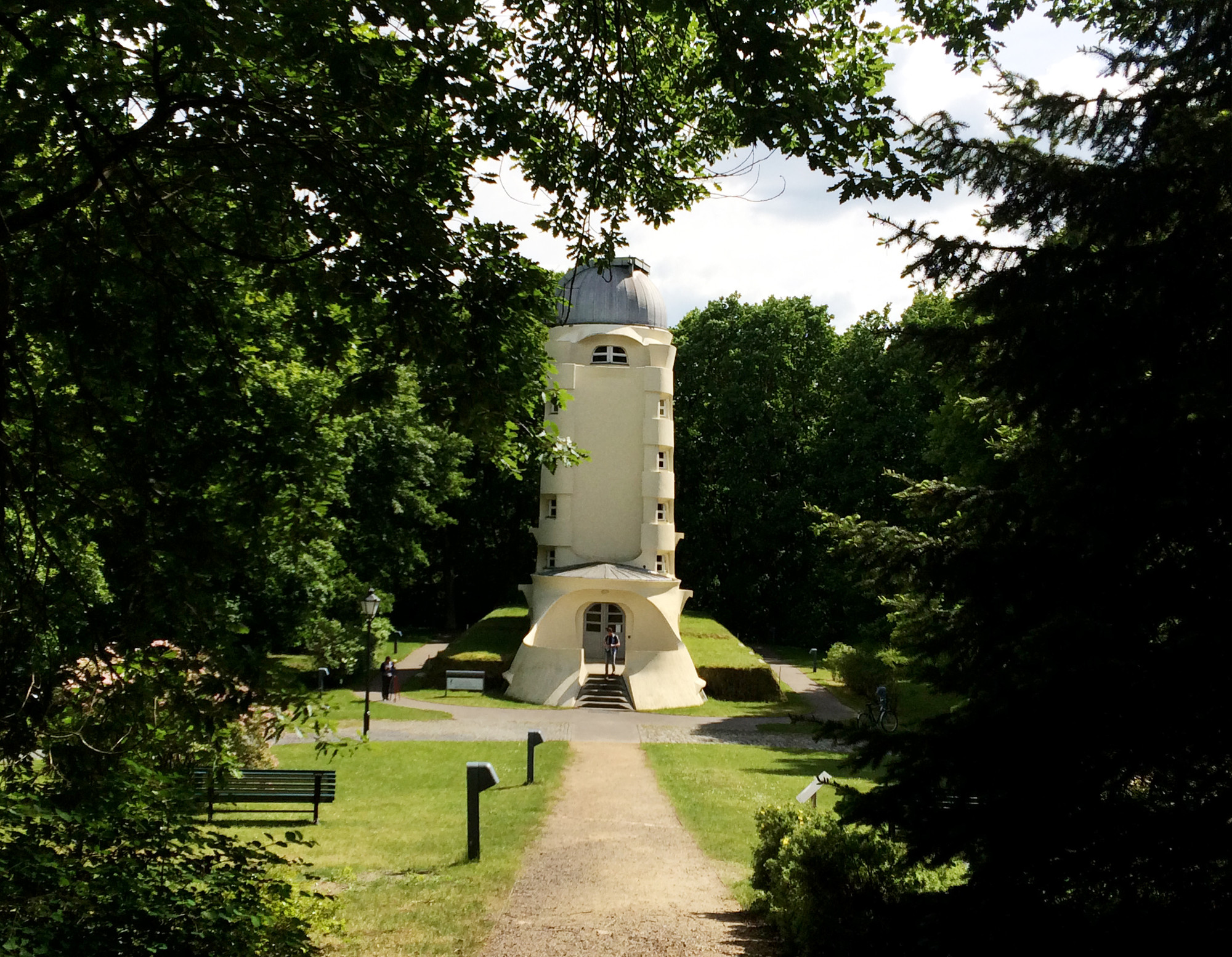
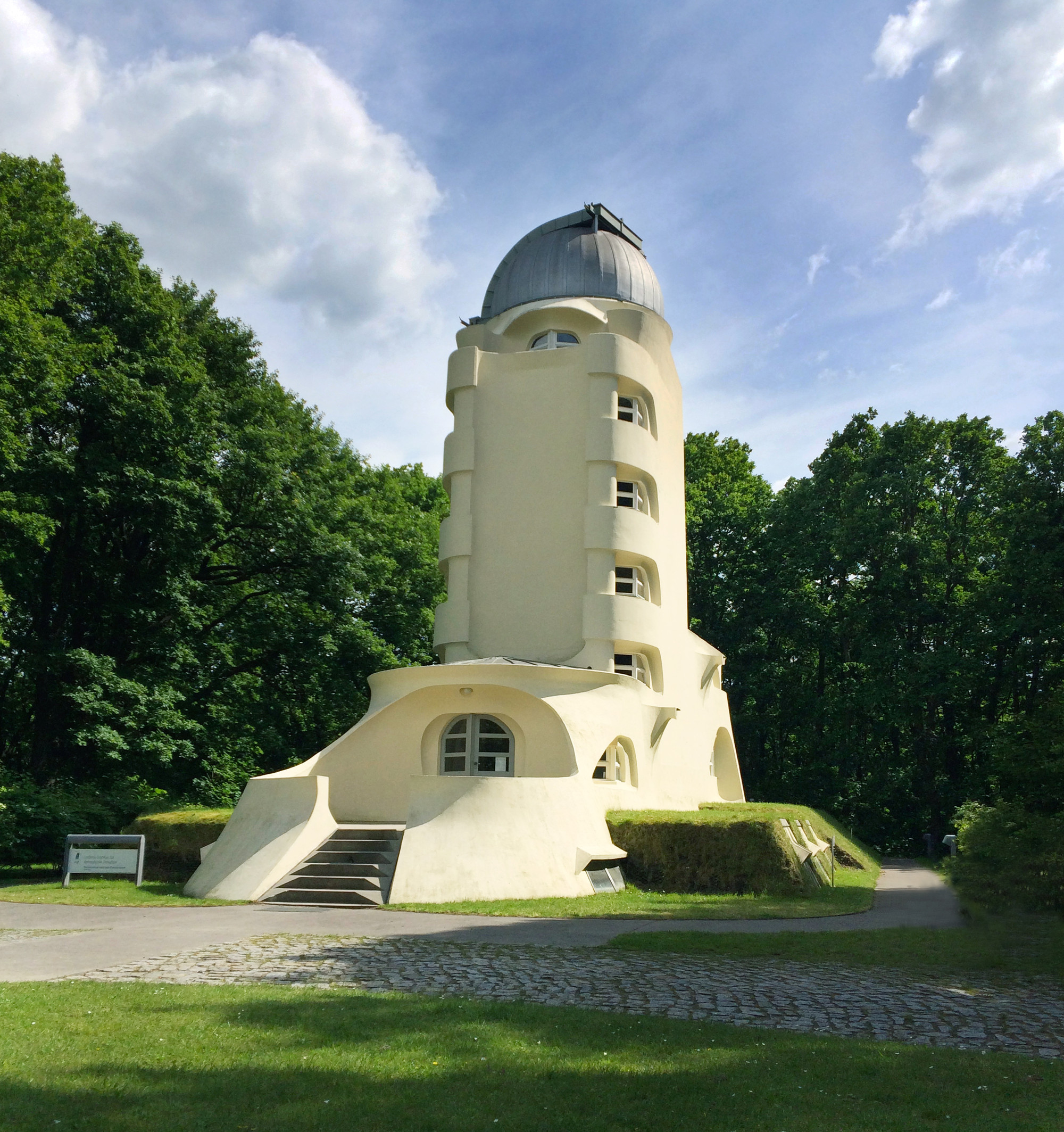
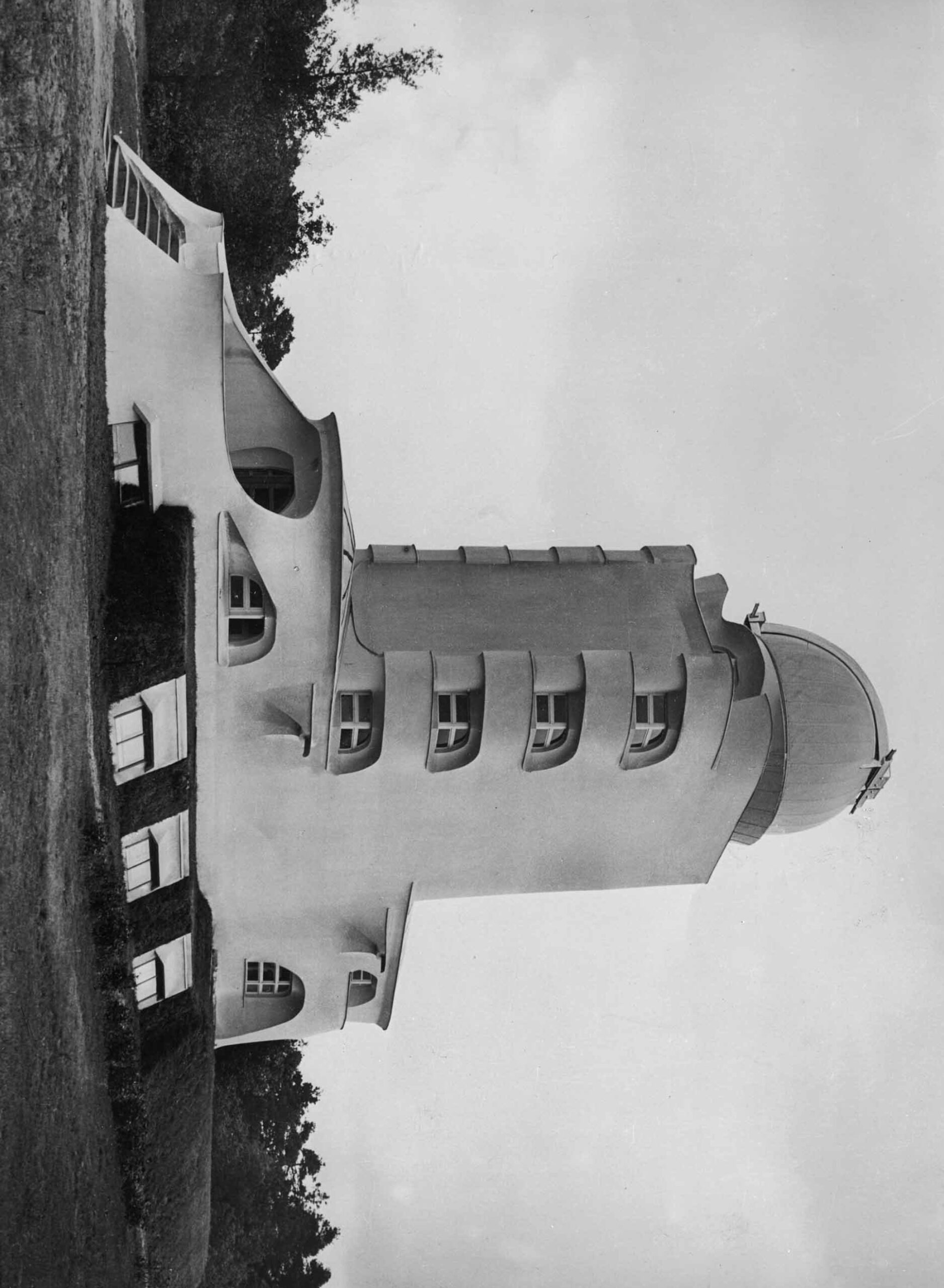
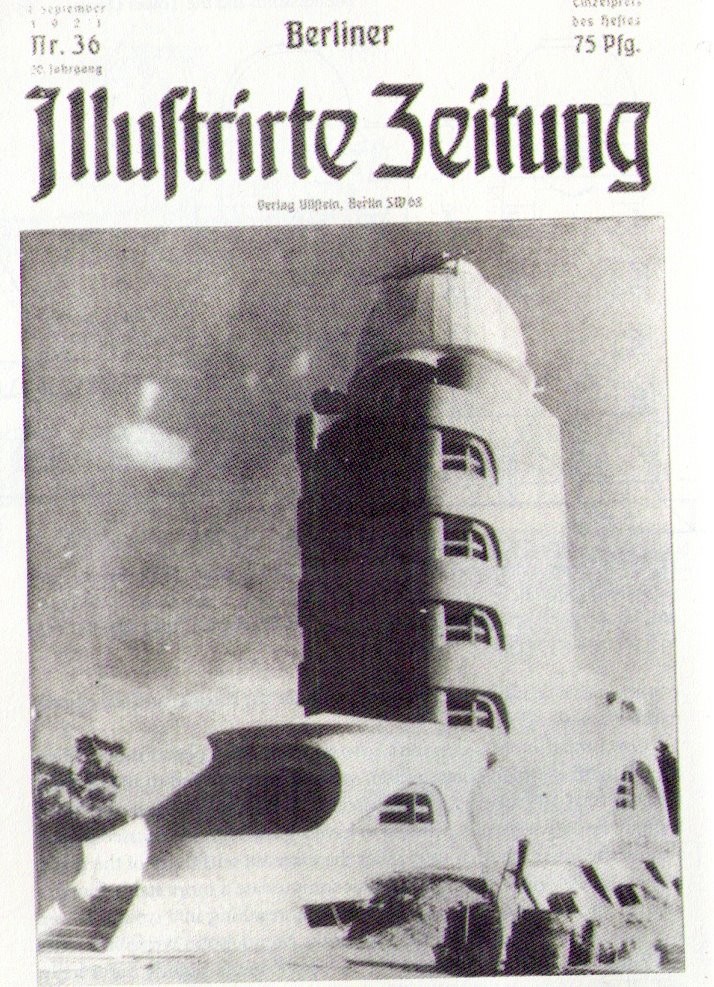
The Einstein Tower, designed by German architect Erich Mendelsohn, is one of the best-known examples of German Expressionist architecture. Conceived as a sculptural observatory intended to appear as a continuous reinforced-concrete form, the building was ultimately realized through a combination of concrete, brick, and plaster. Mendelsohn sought to create an architectural form that supported scientific observation while reflecting the intellectual context surrounding Albert Einstein’s theory of relativity.
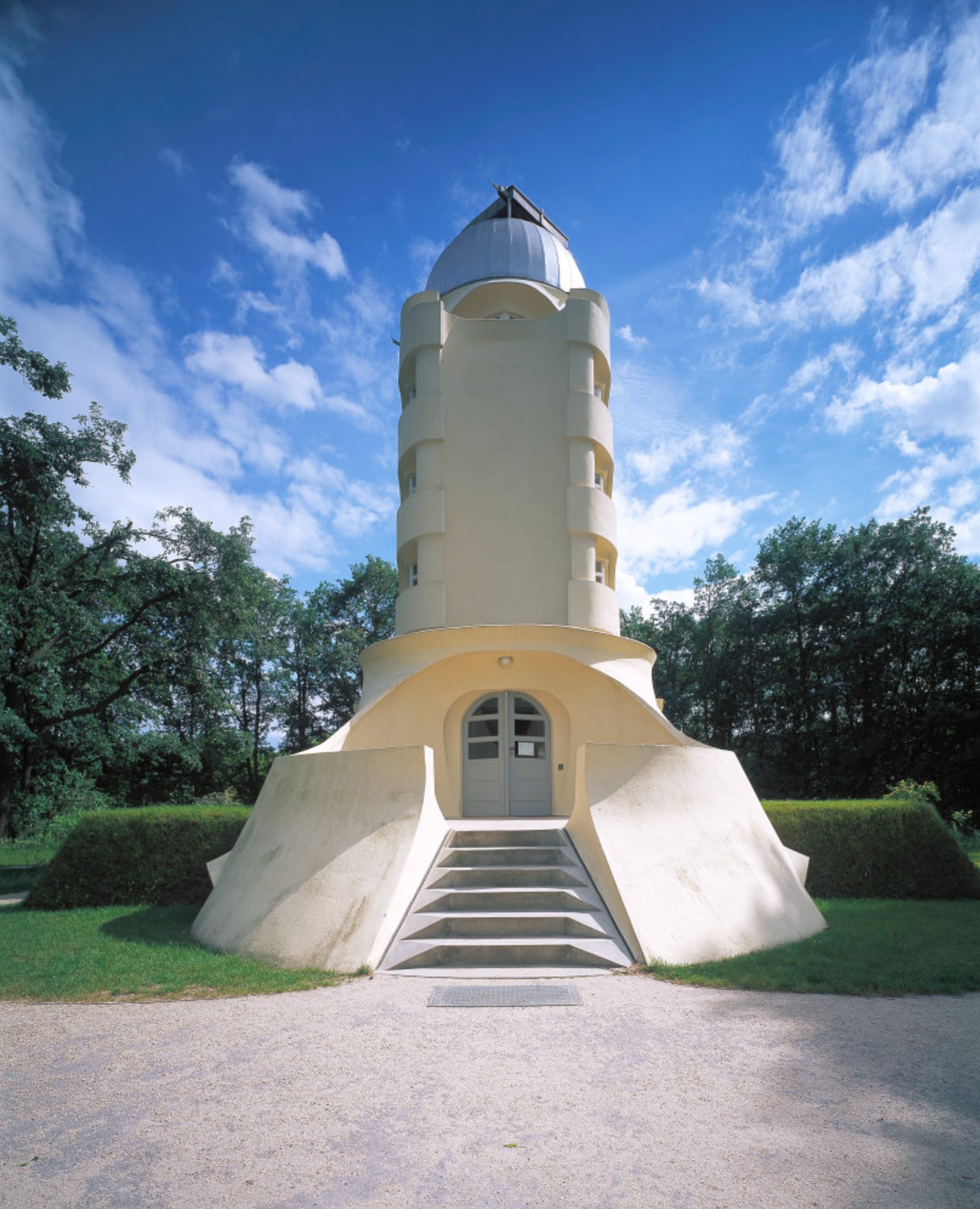
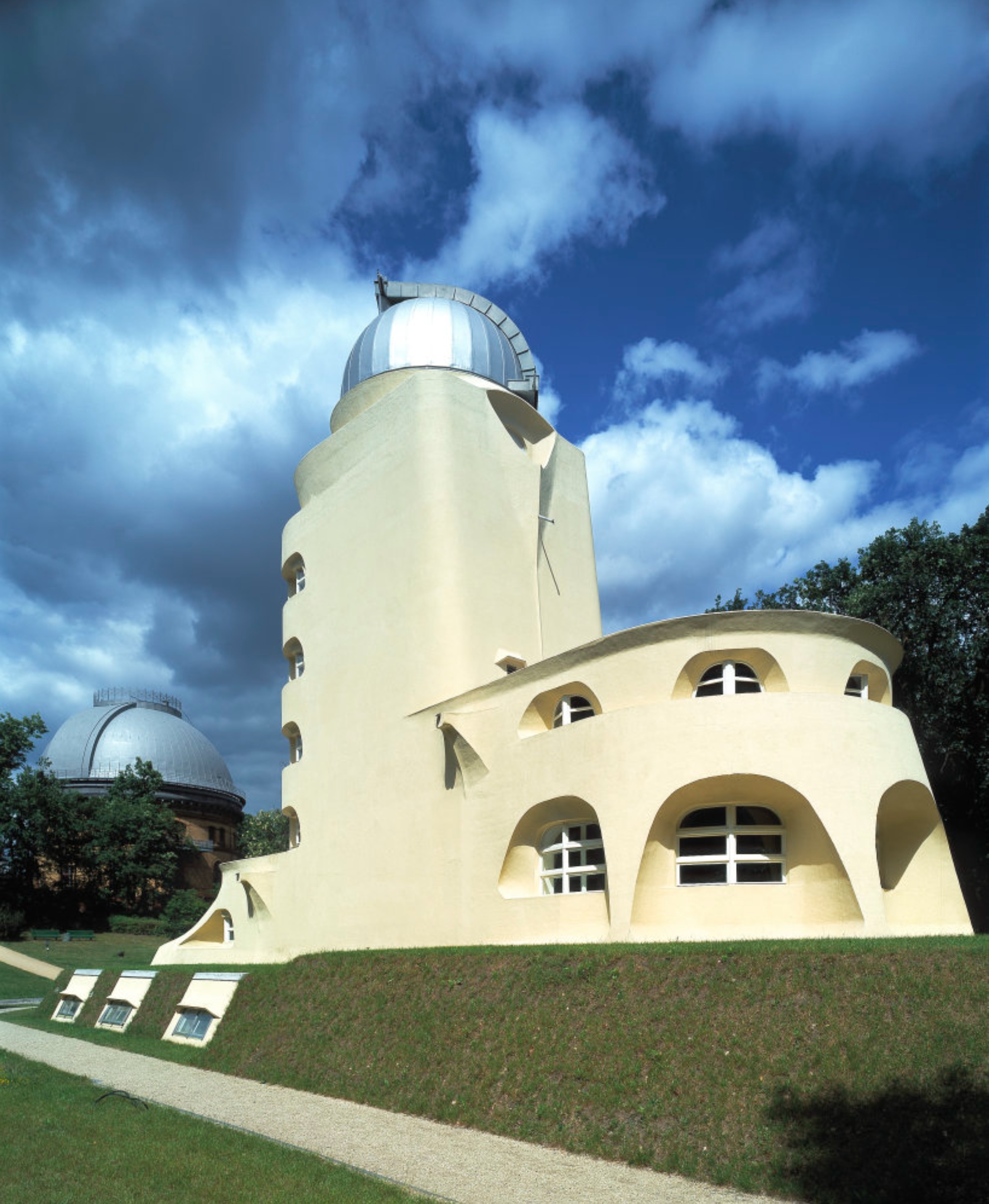
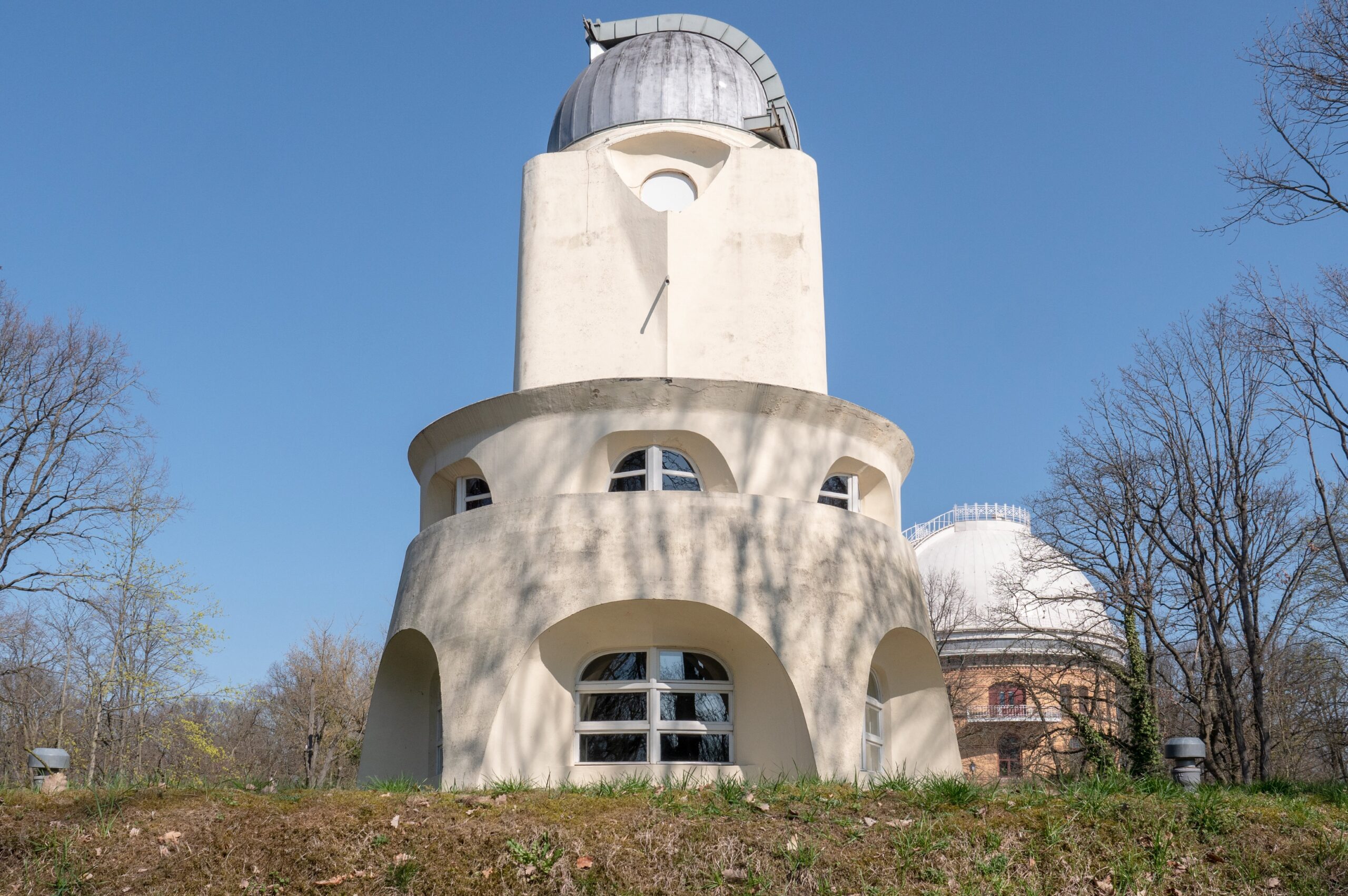
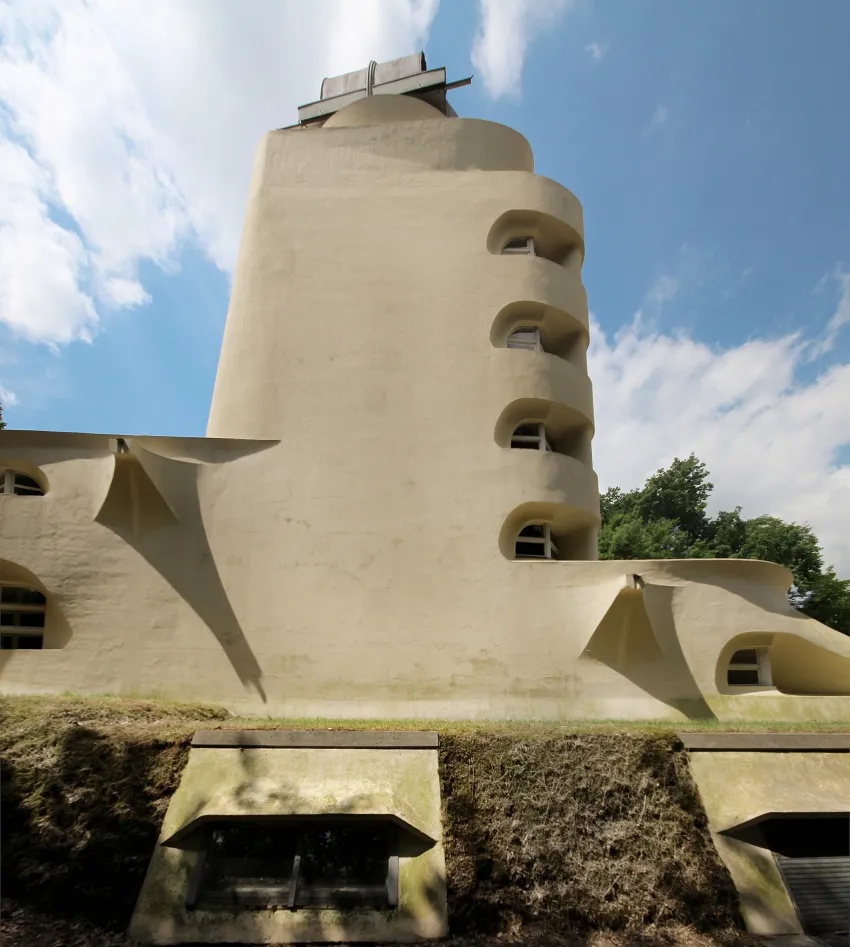
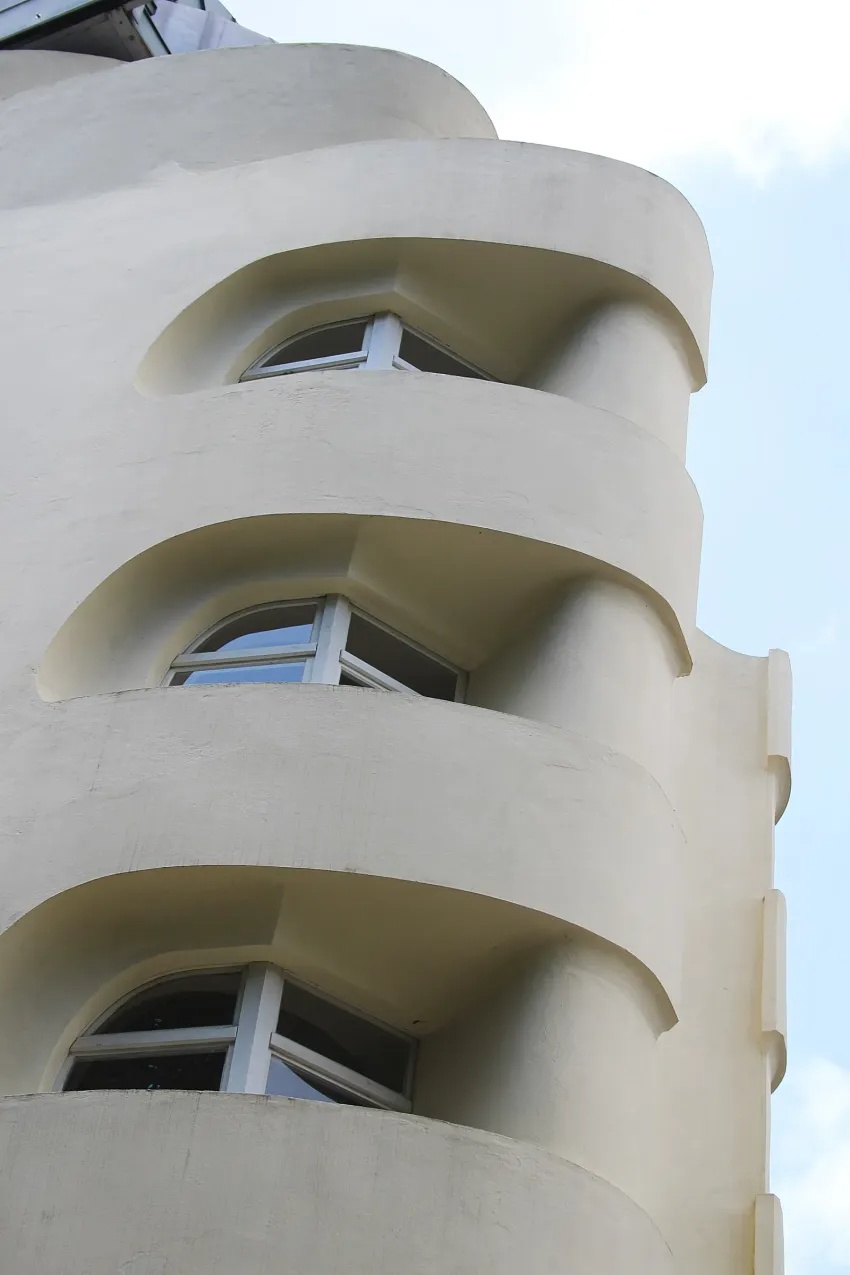
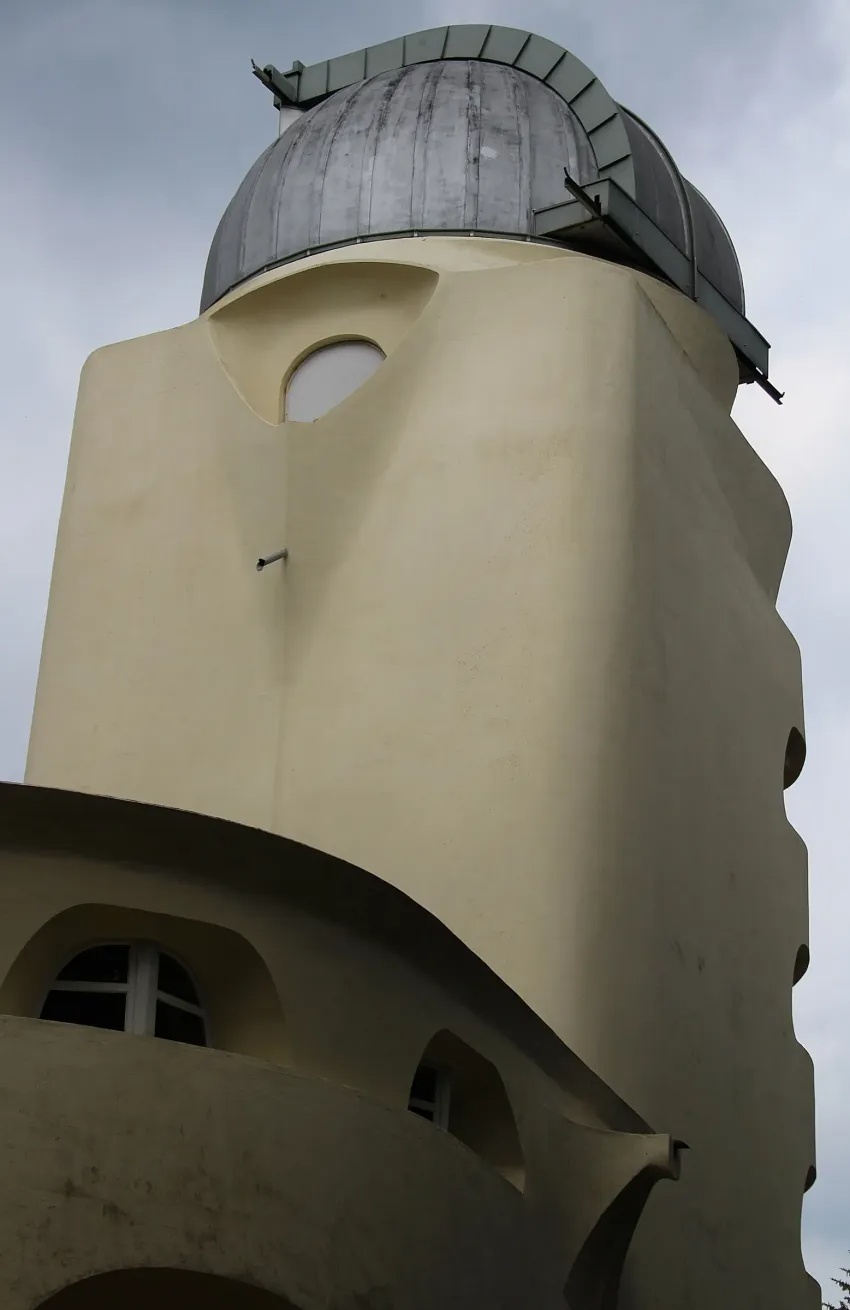
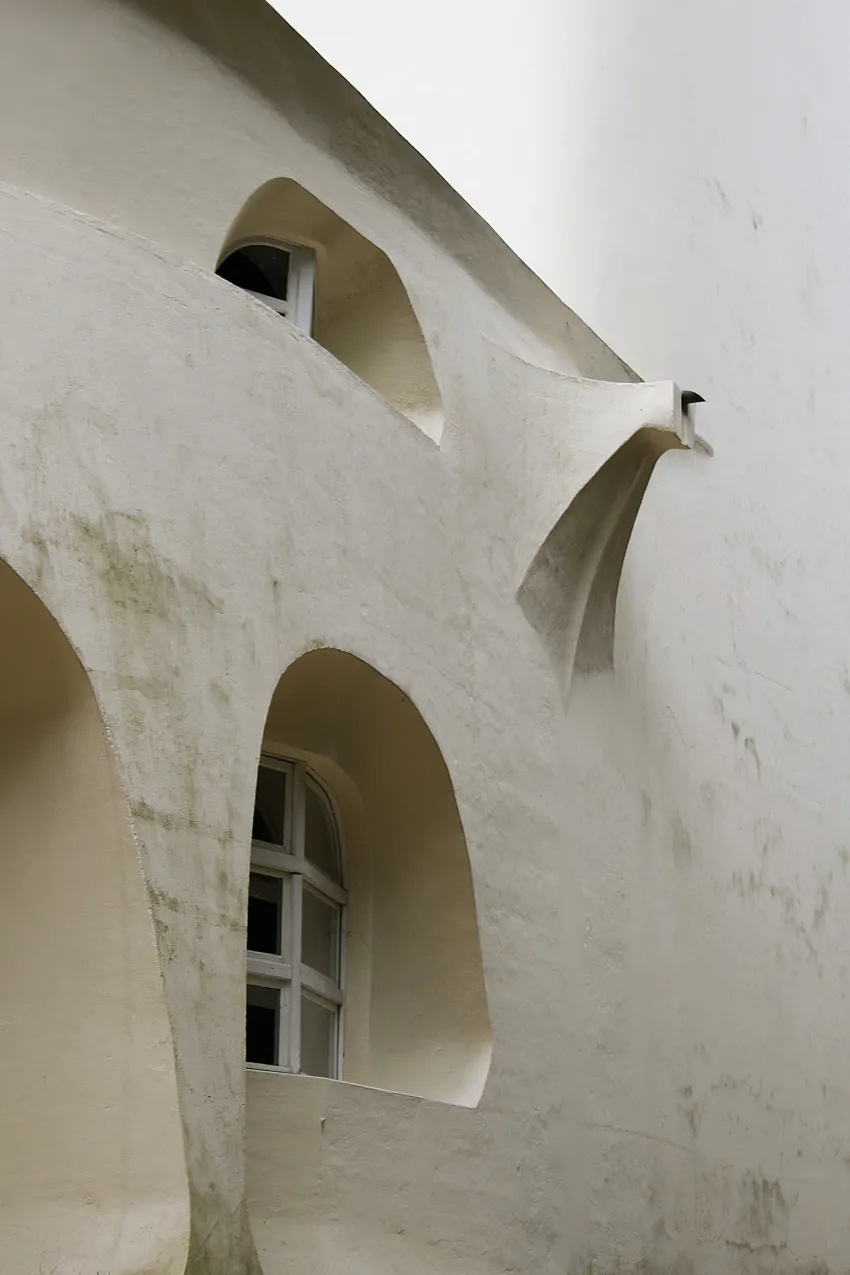
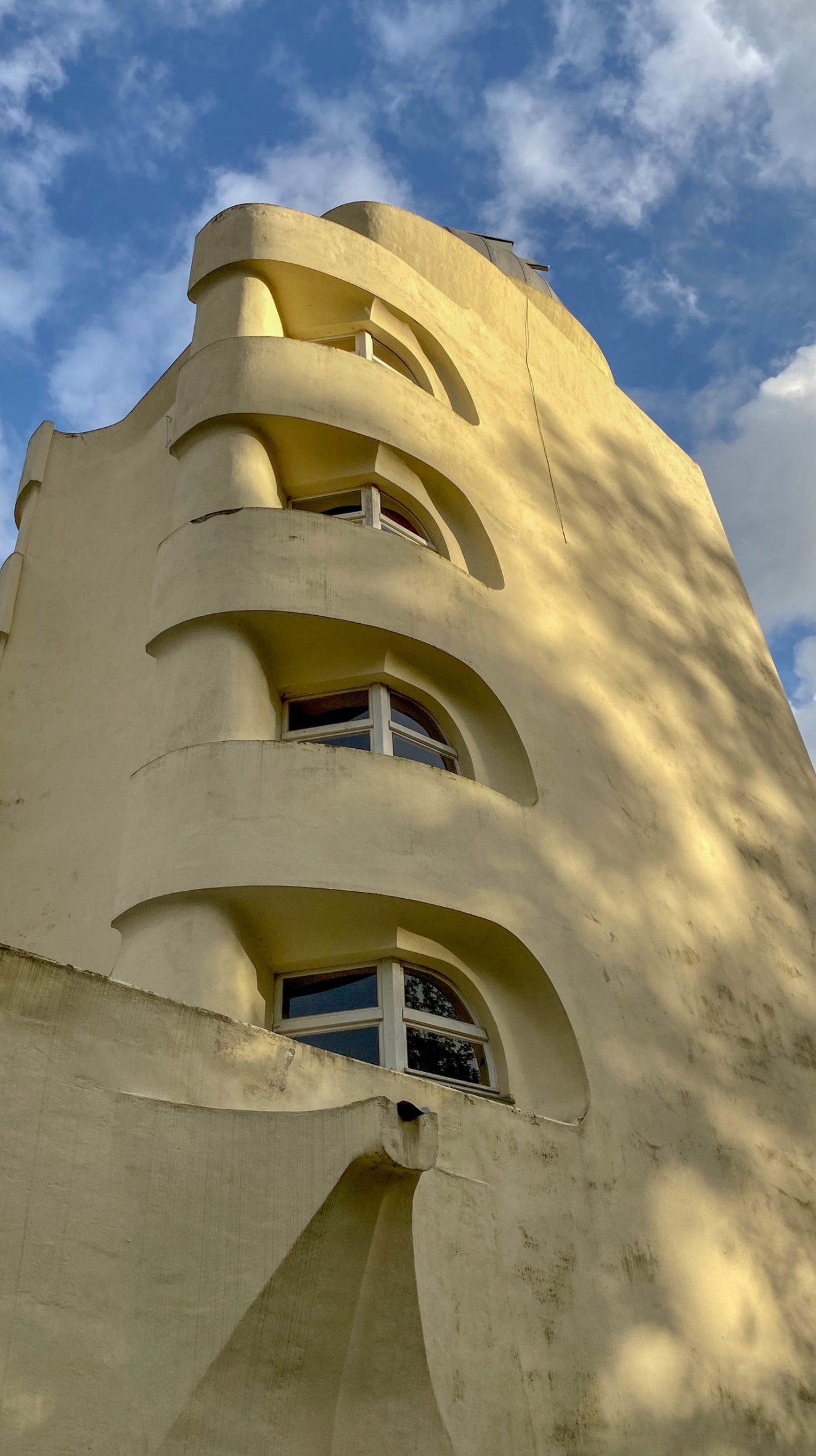
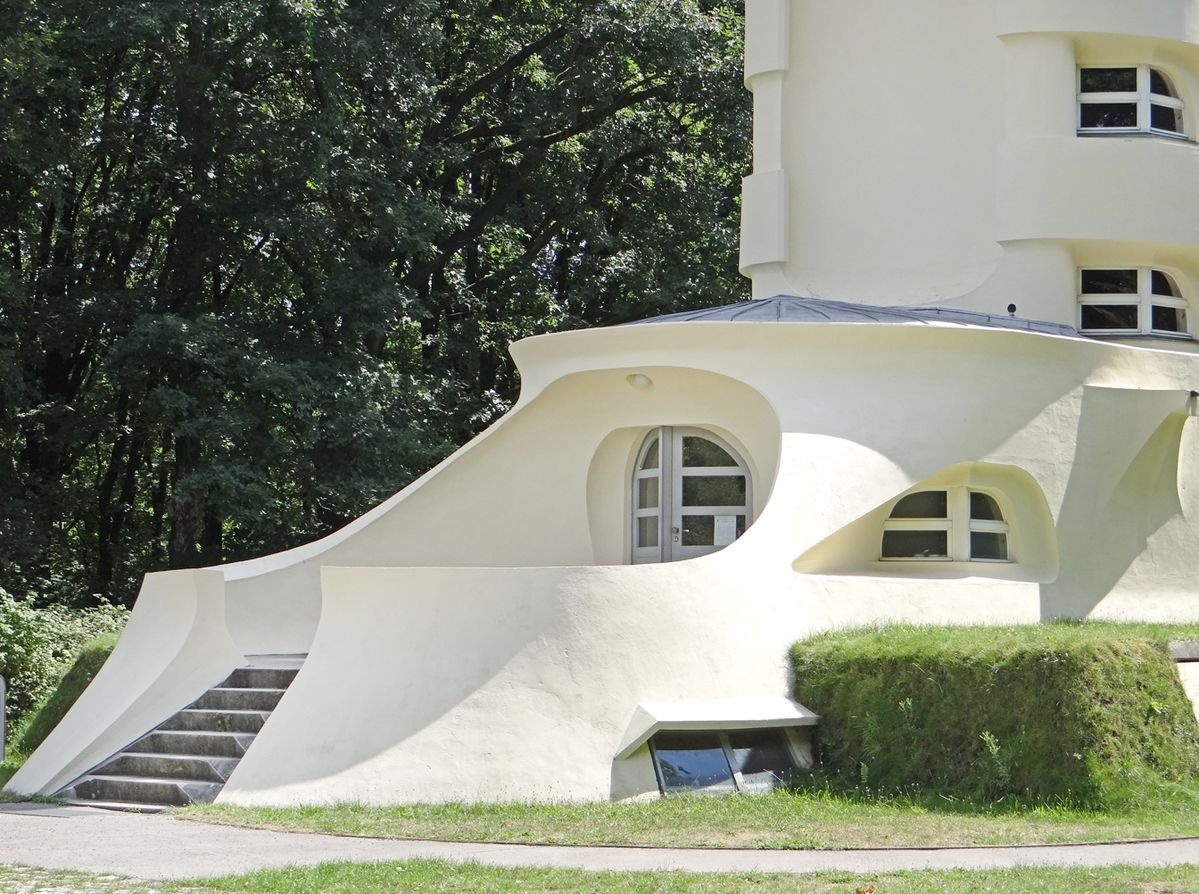
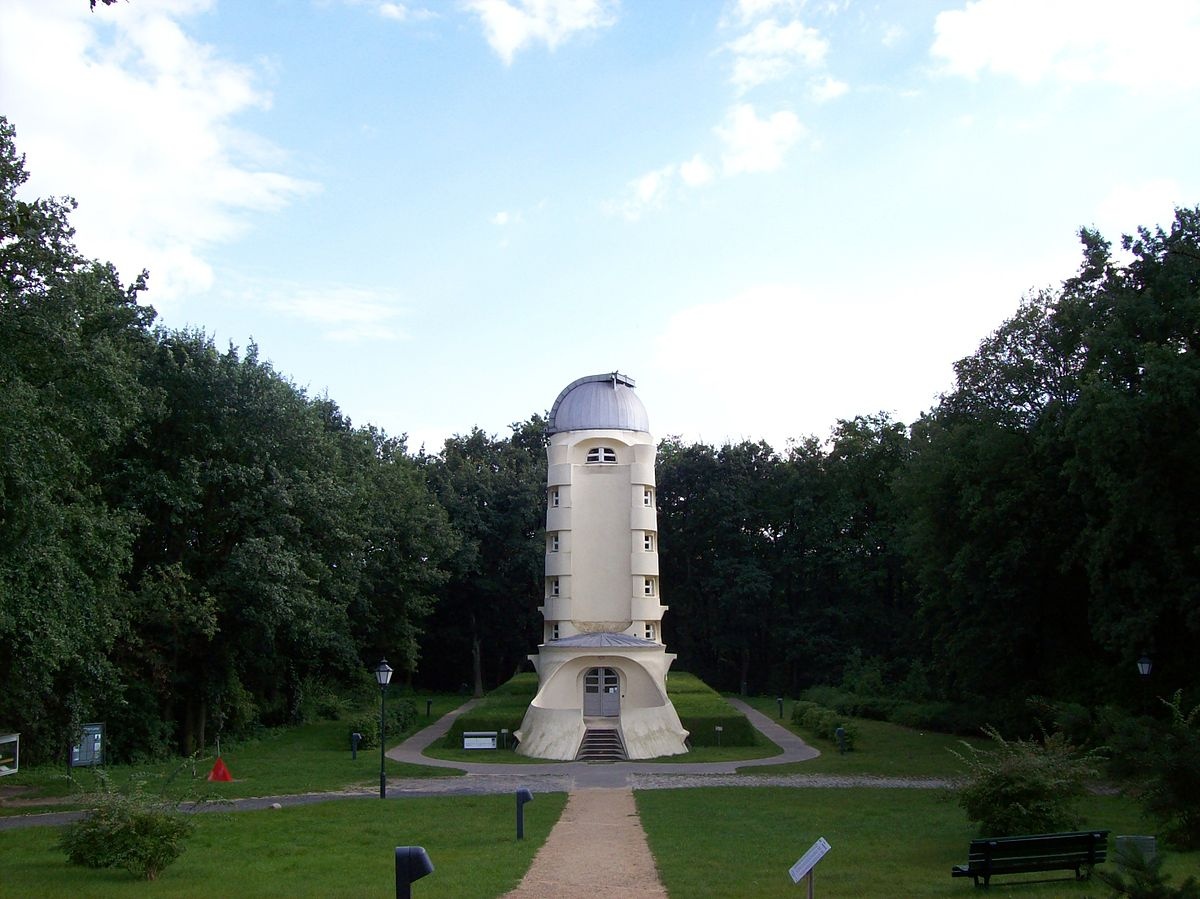
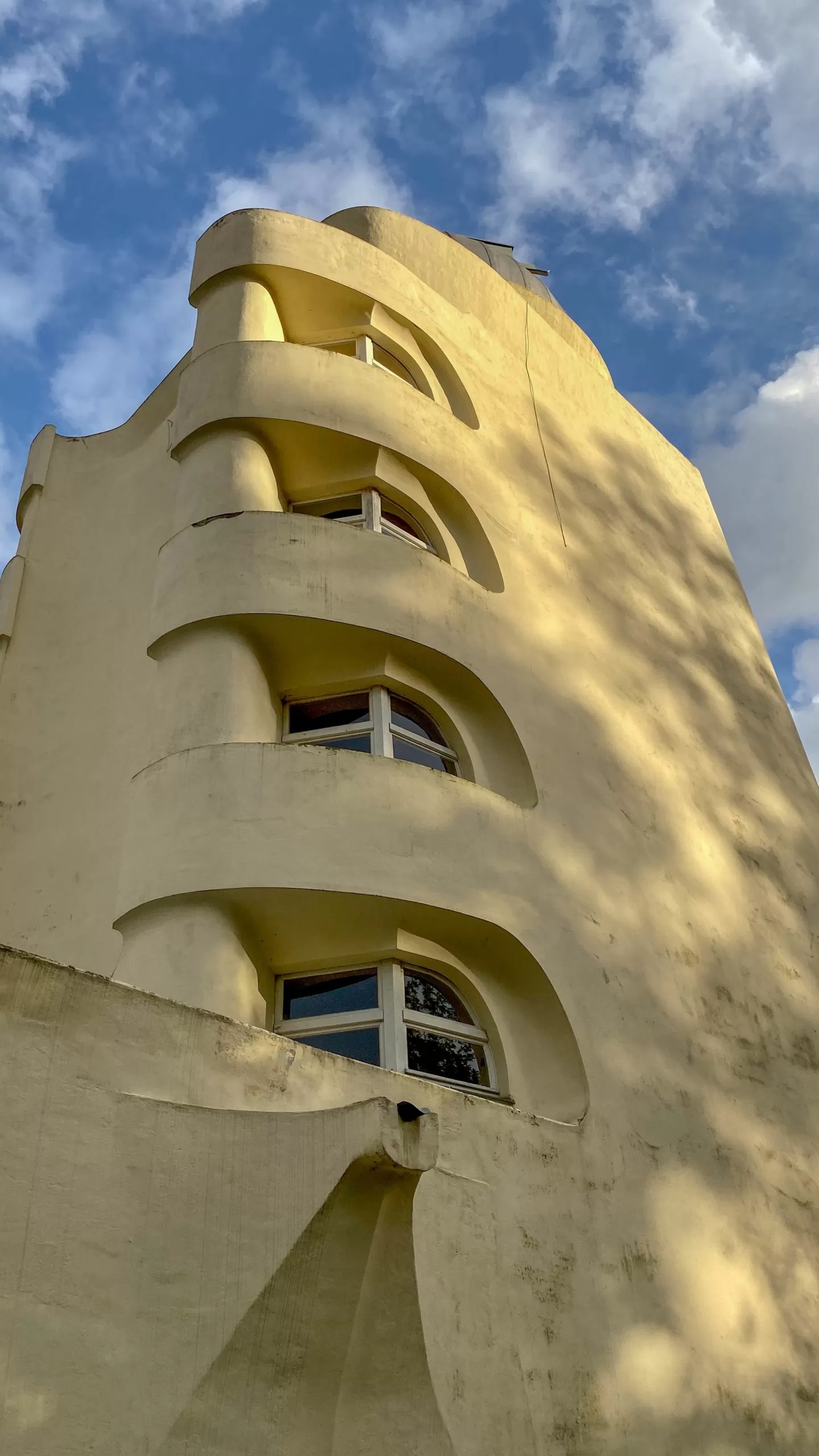
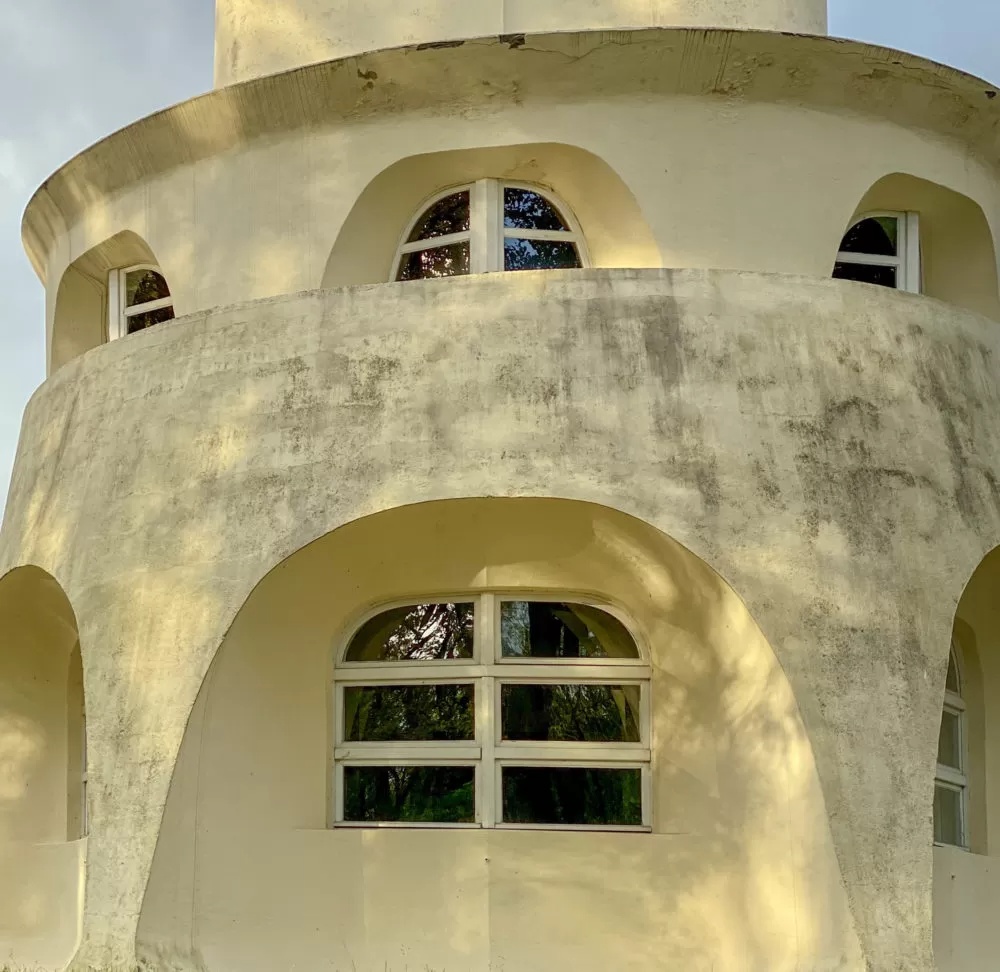
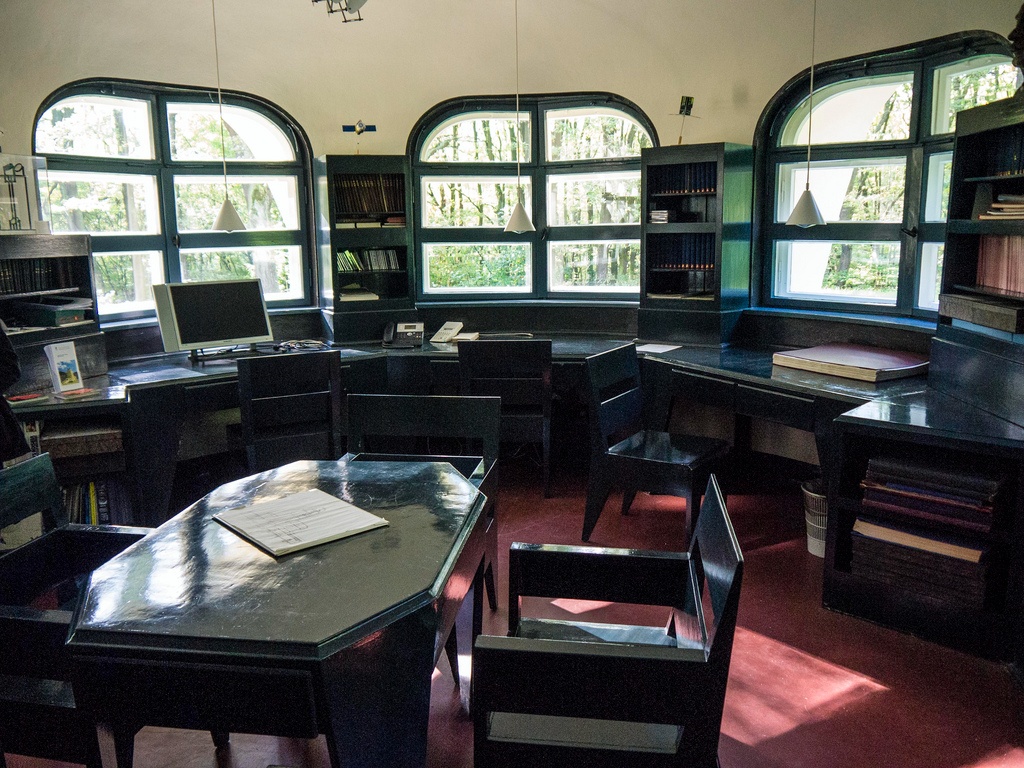
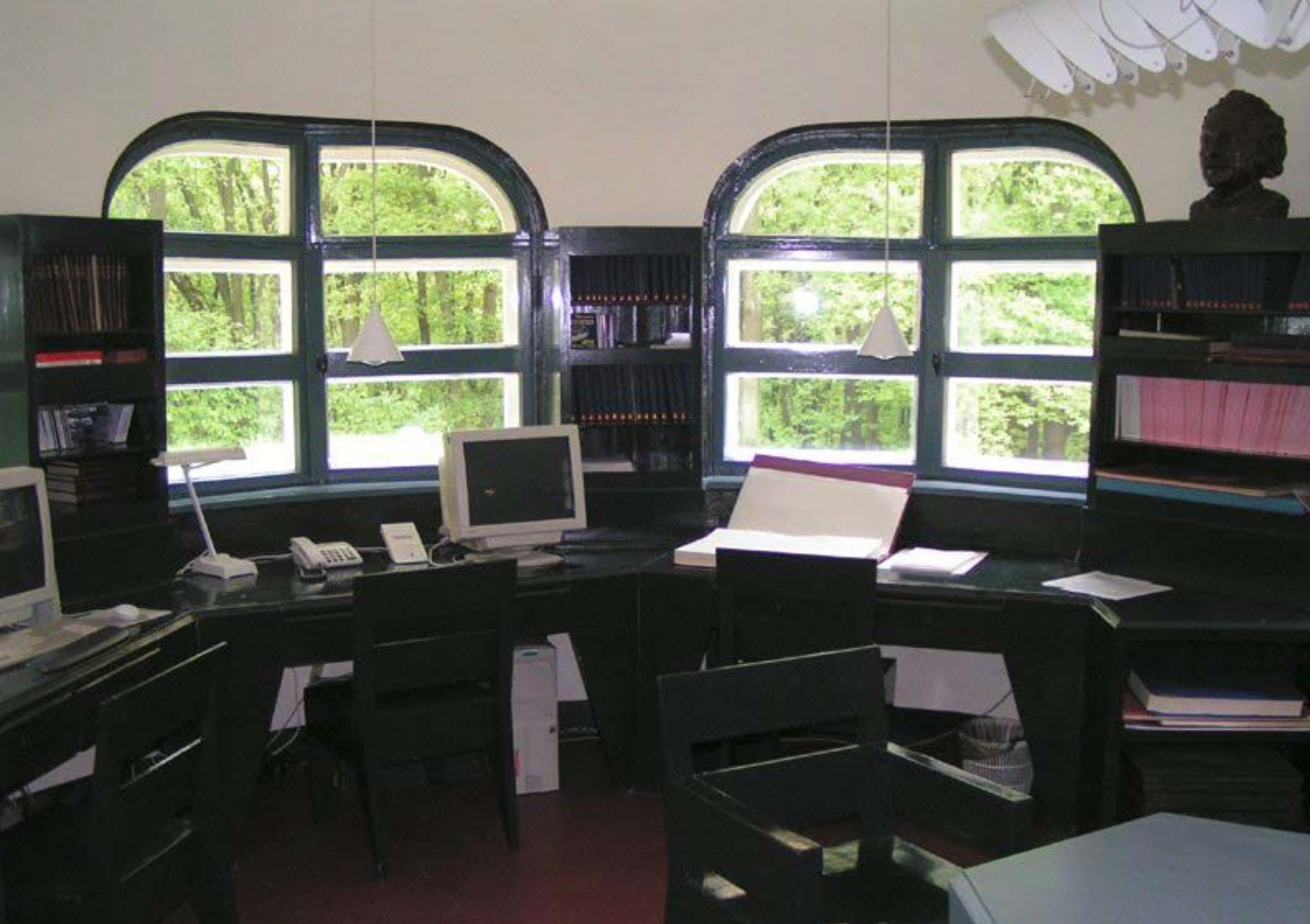
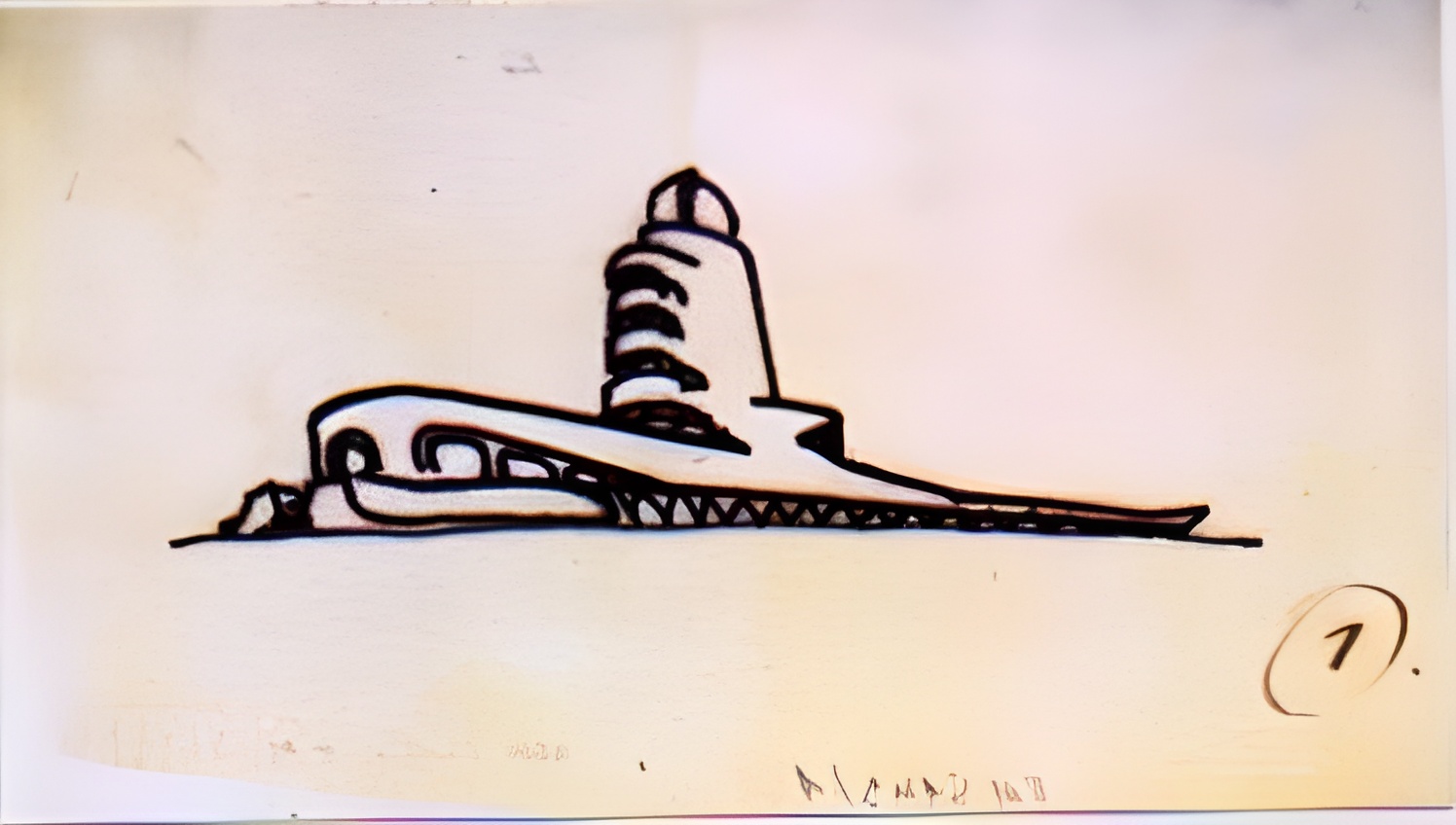
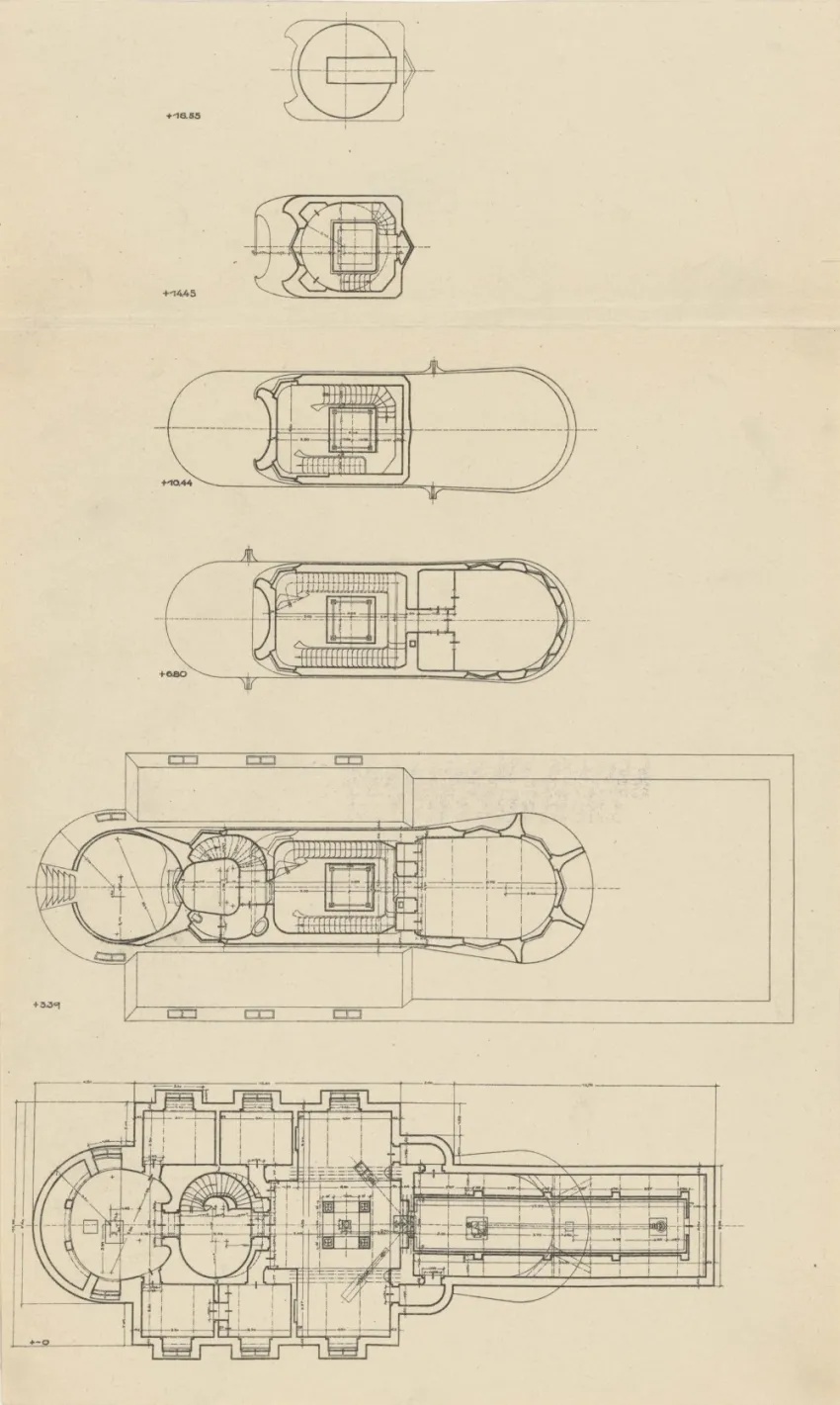
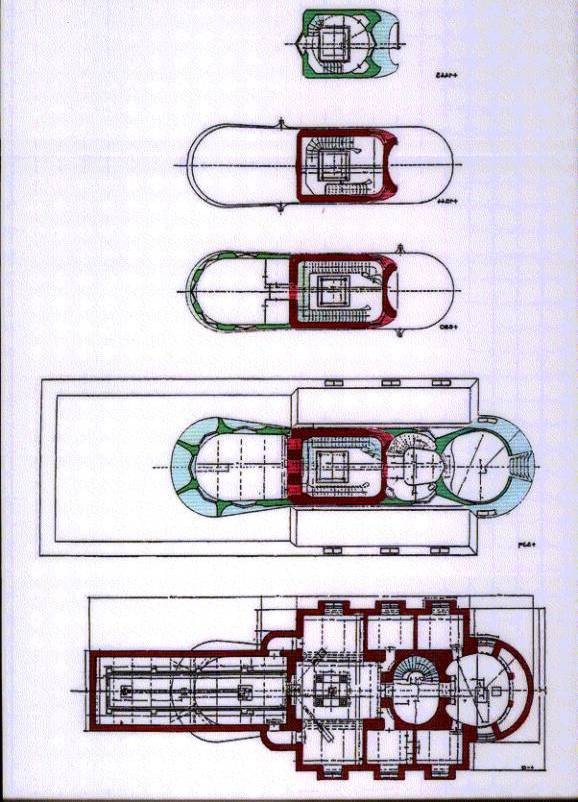
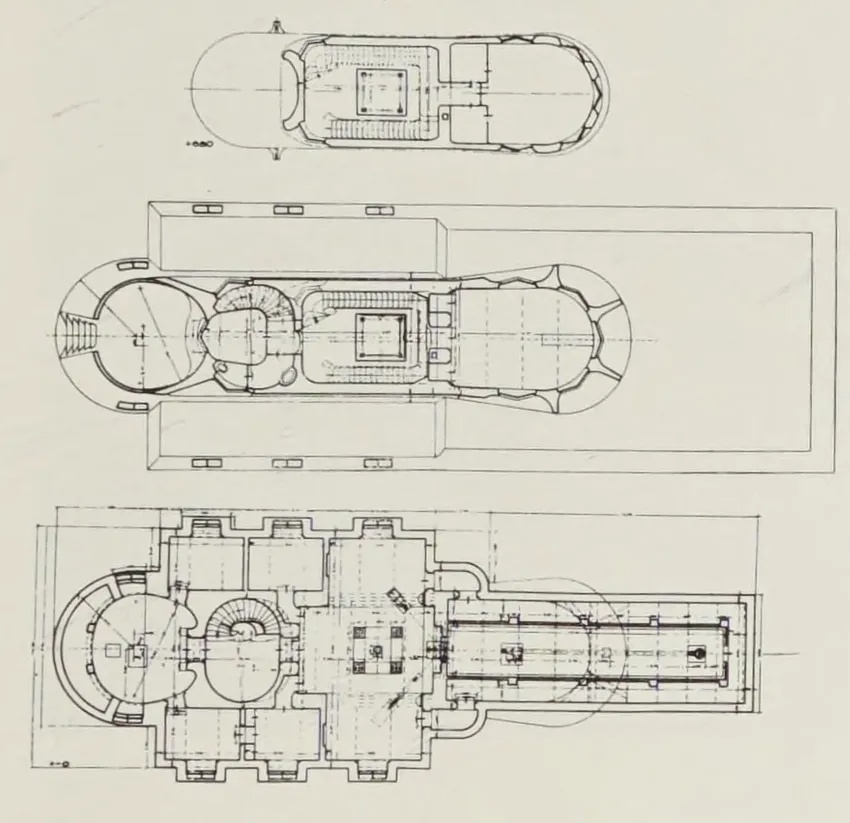
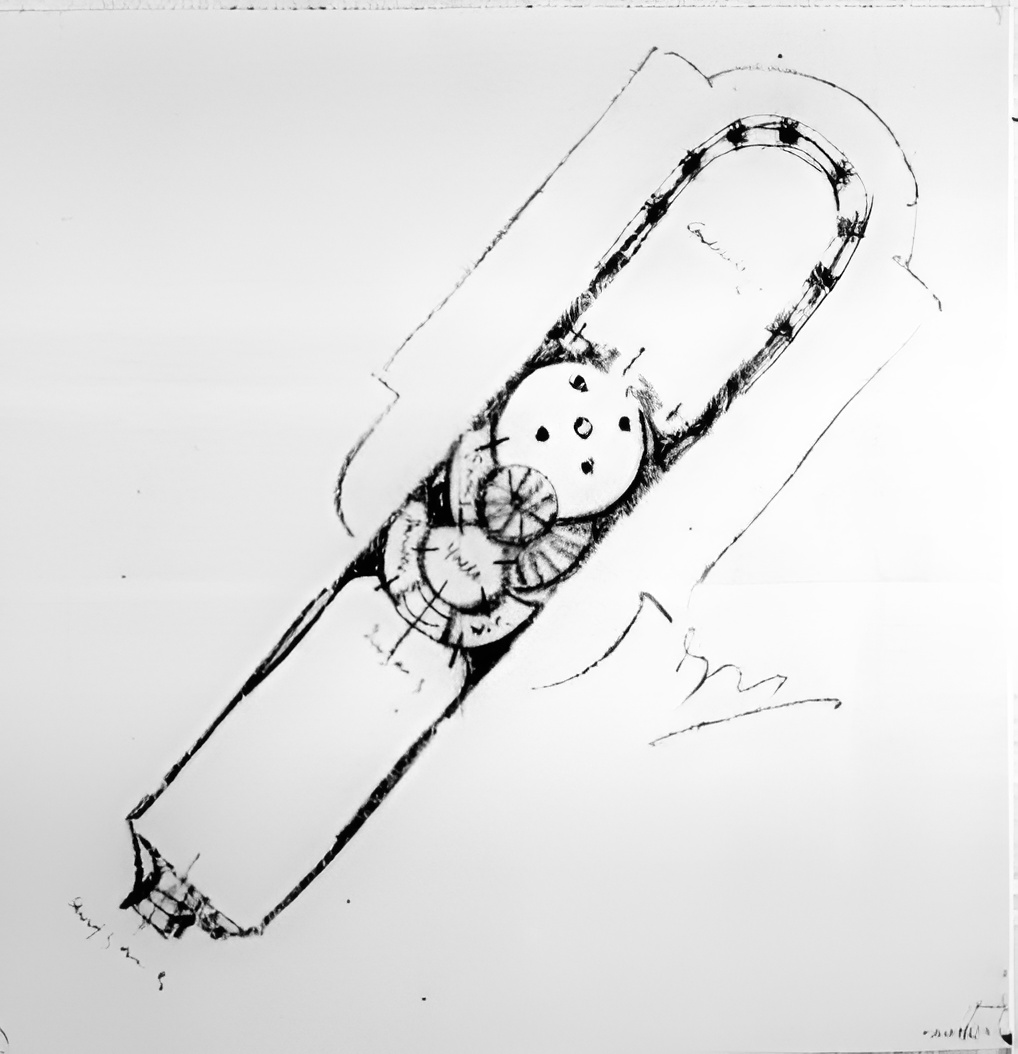
Astrophysicist Erwin Finlay-Freundlich commissioned Mendelsohn, whose team included a young Richard Neutra, to design a research facility dedicated to solar observation and relativity studies. Between 1917 and 1920, Mendelsohn produced numerous sketches that explored how architecture might convey the dynamic ideas associated with Einstein’s work. The resulting design featured a central observatory tower marked by horizontal window bands rising from a flowing base that accommodated laboratories and research spaces.
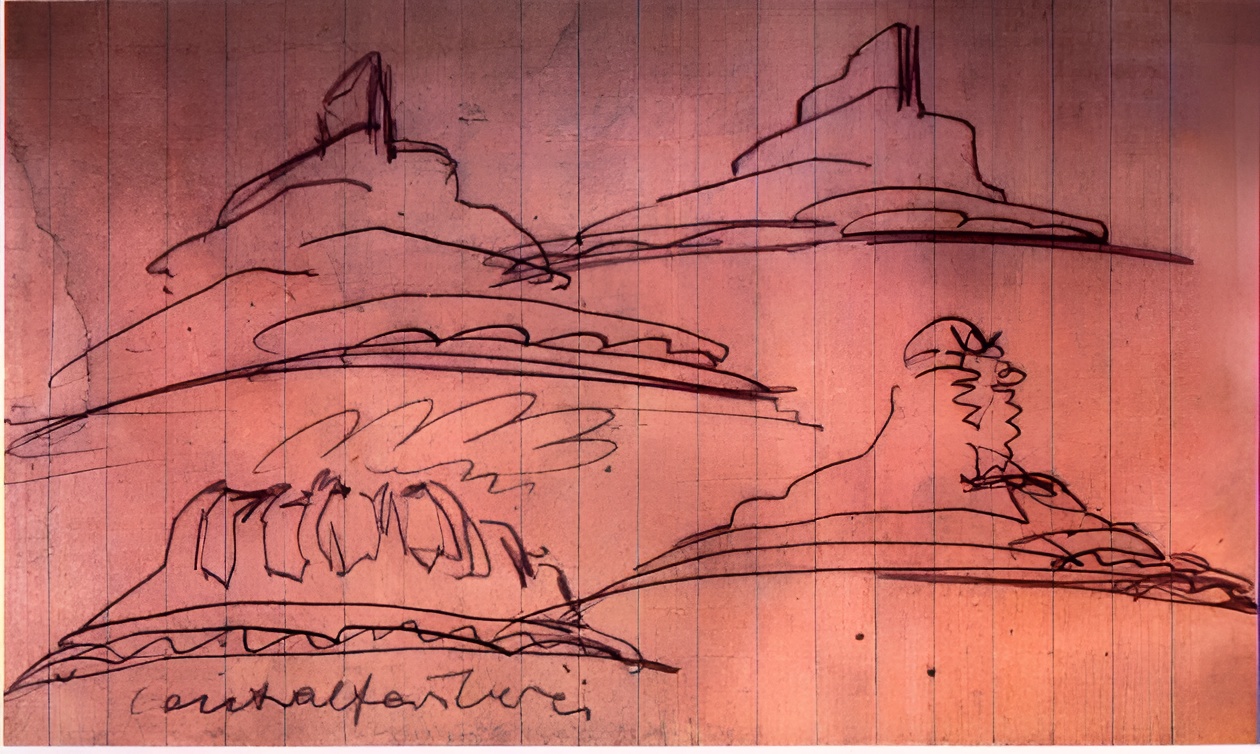
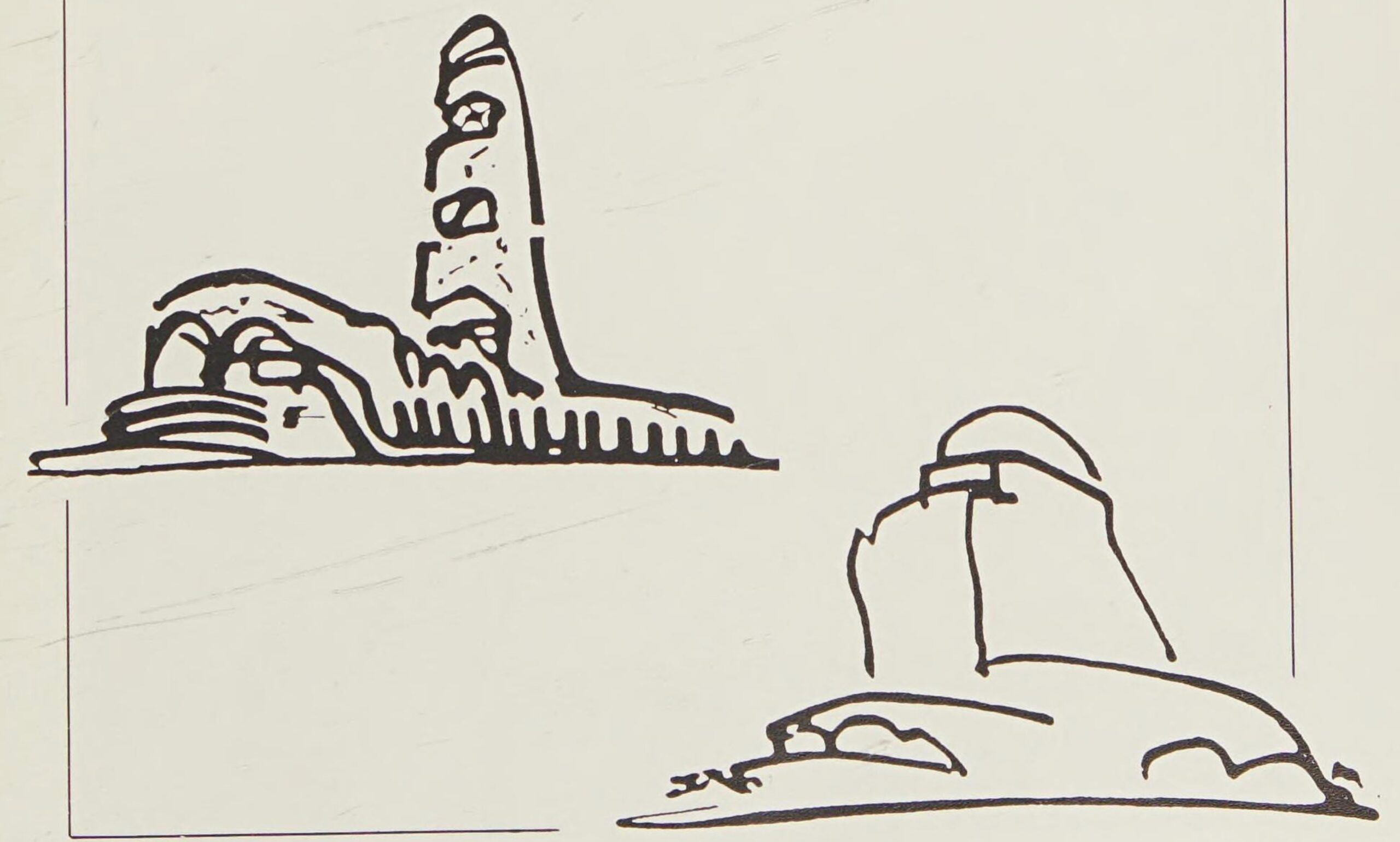
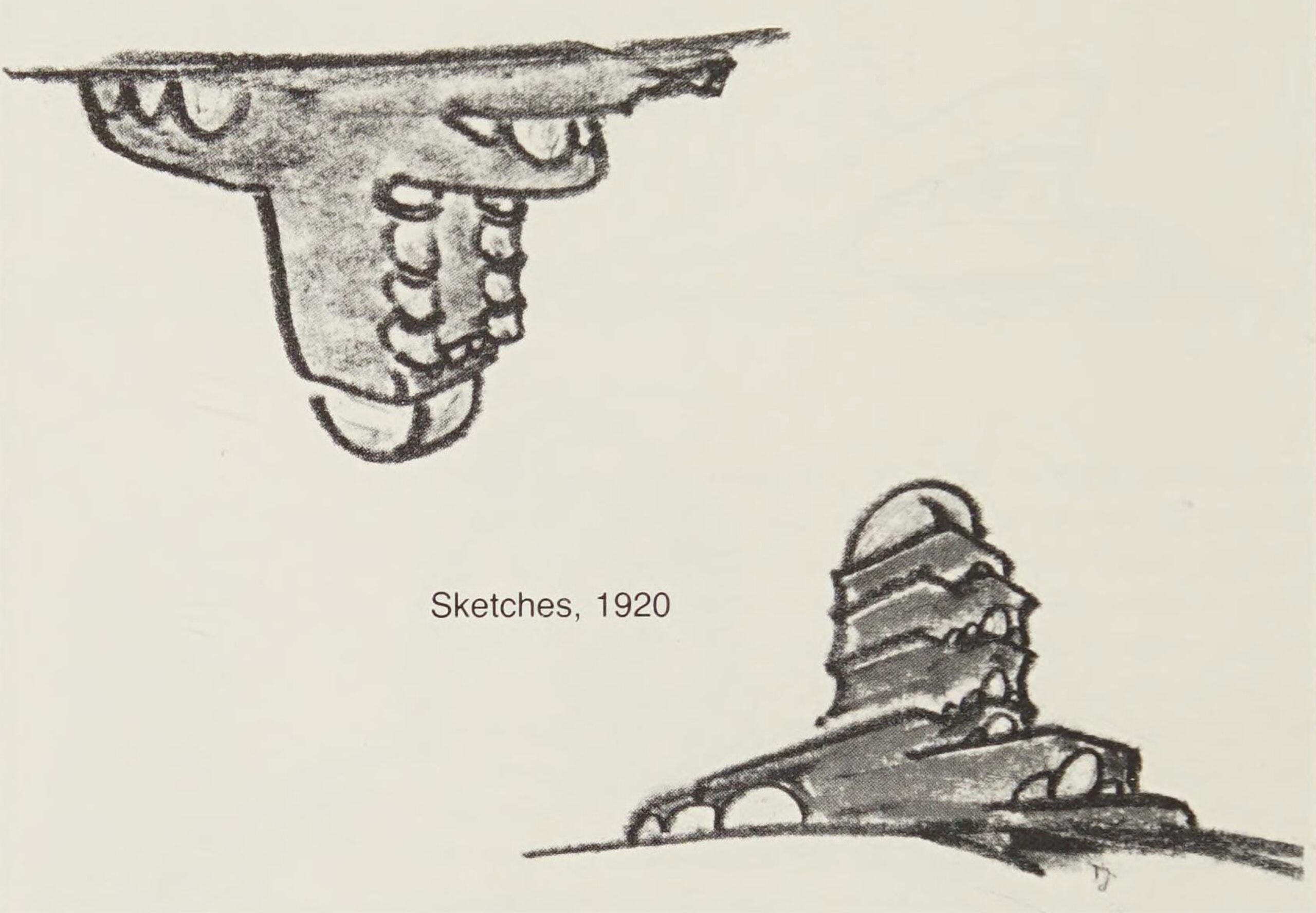
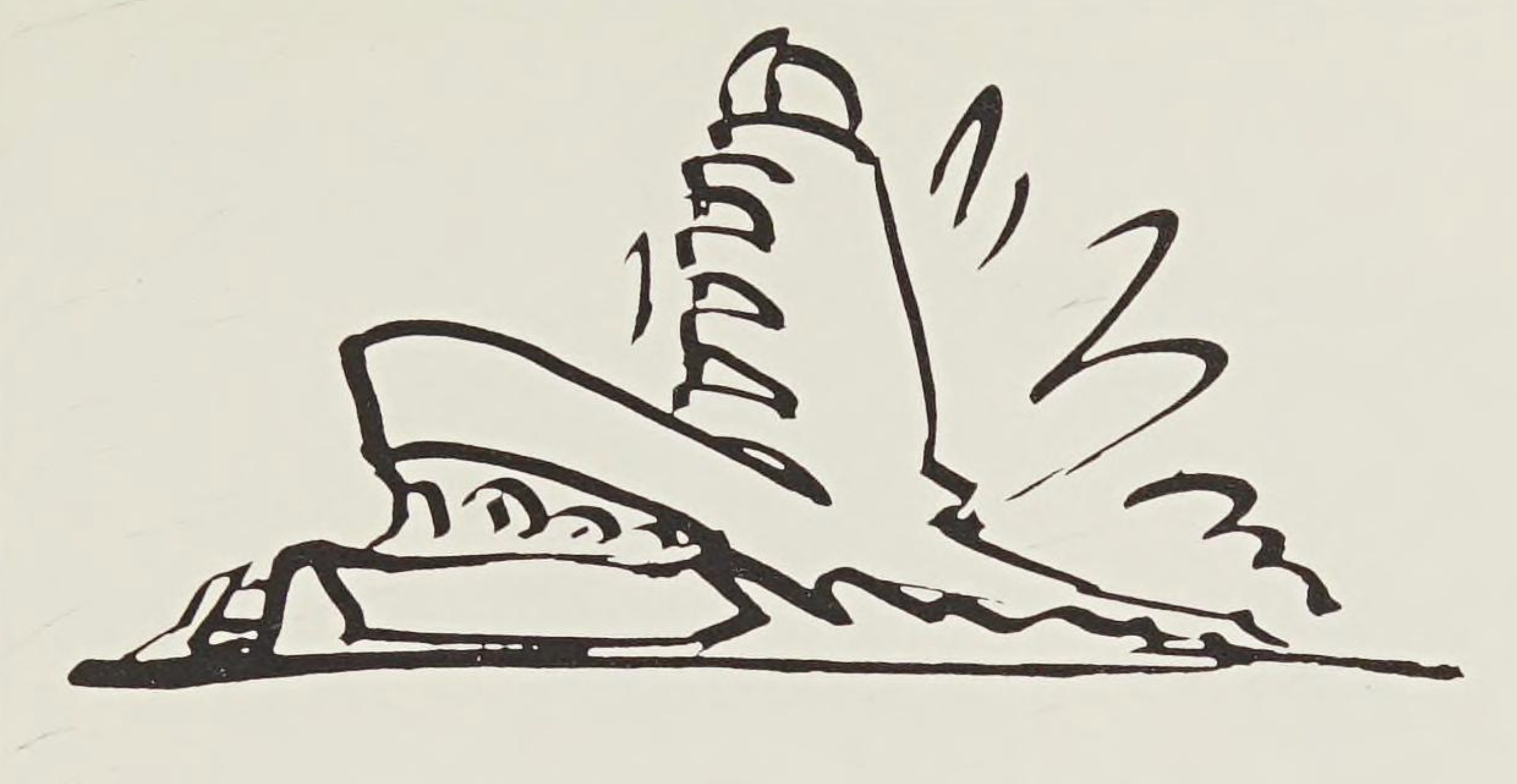

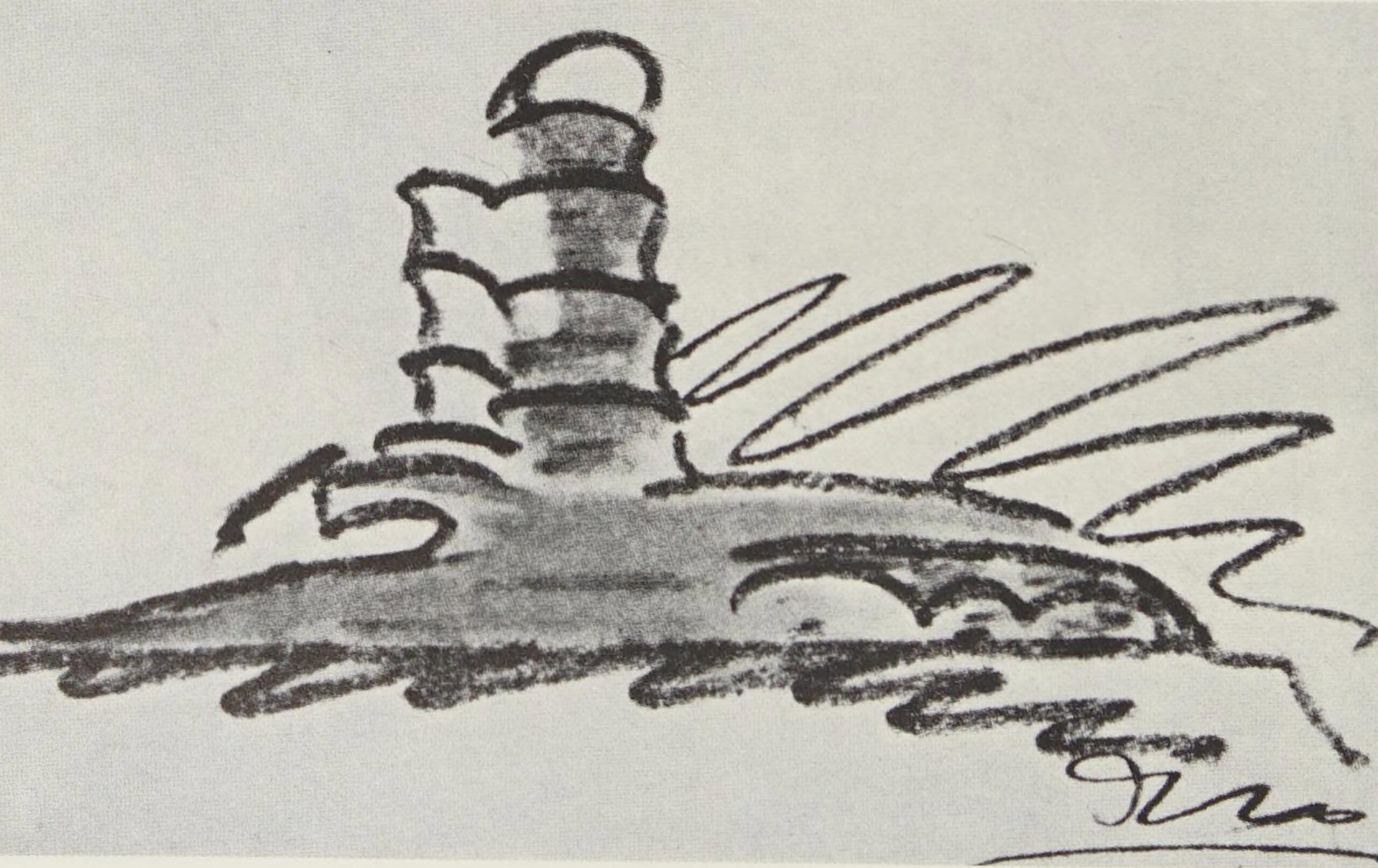
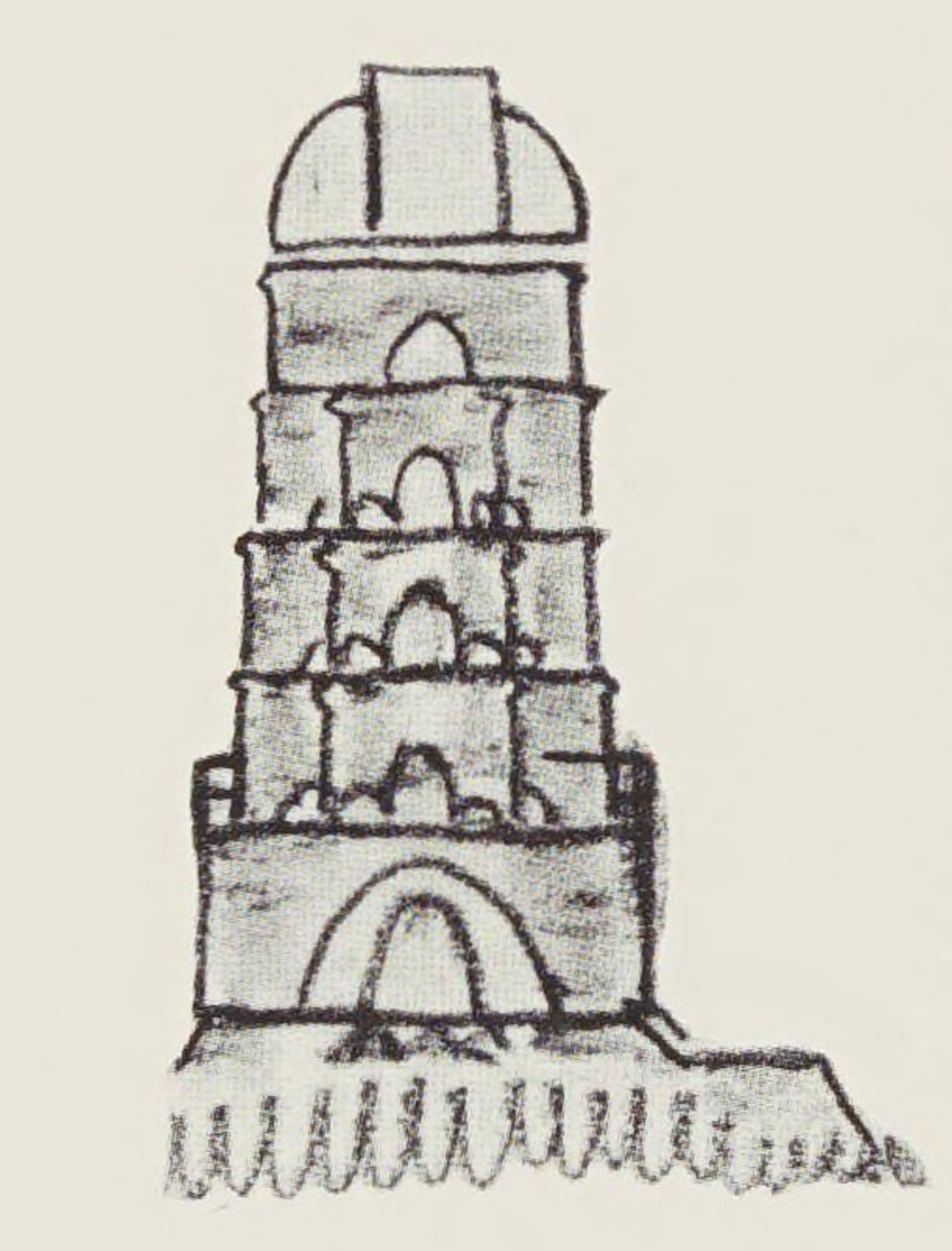
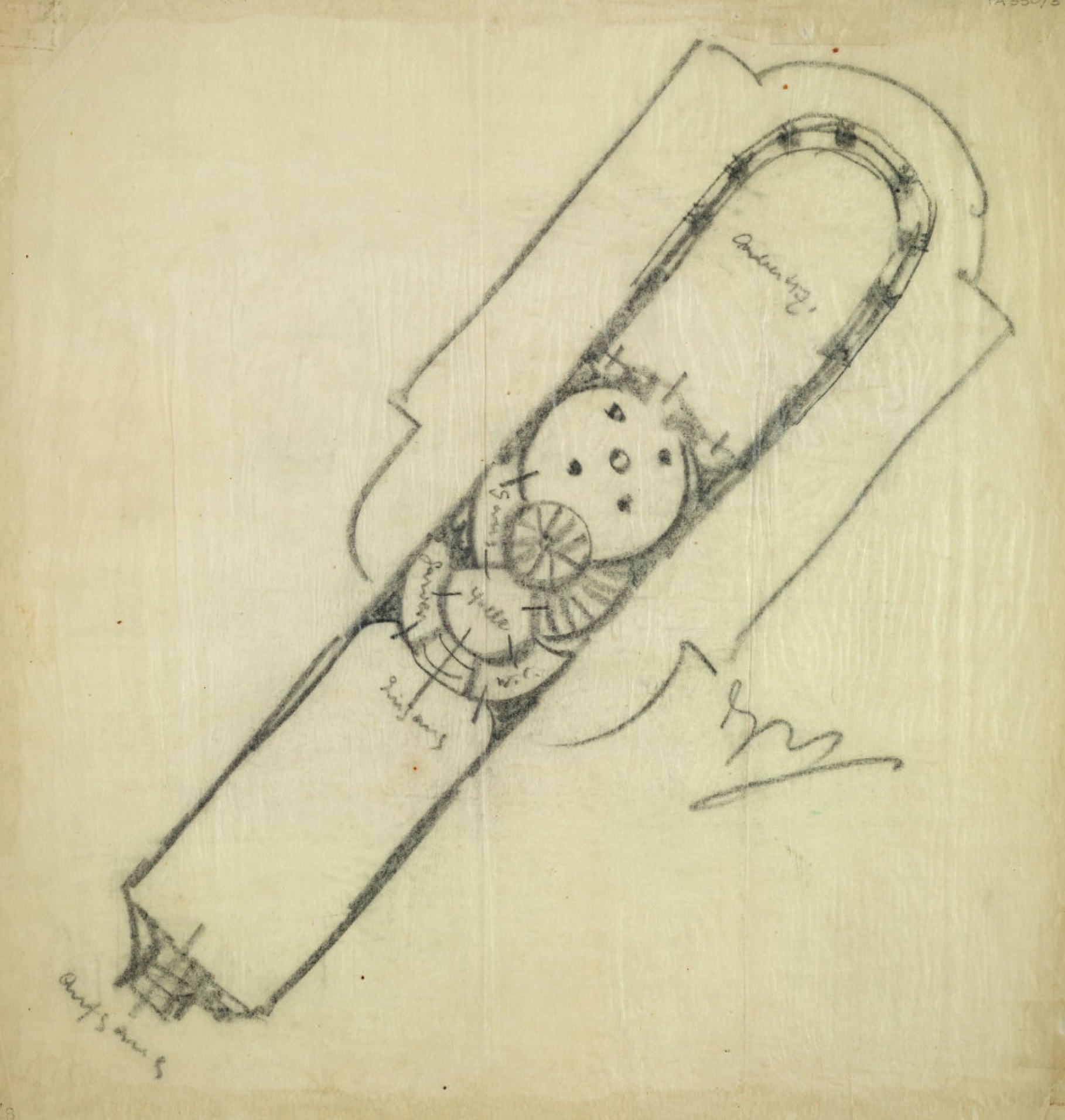
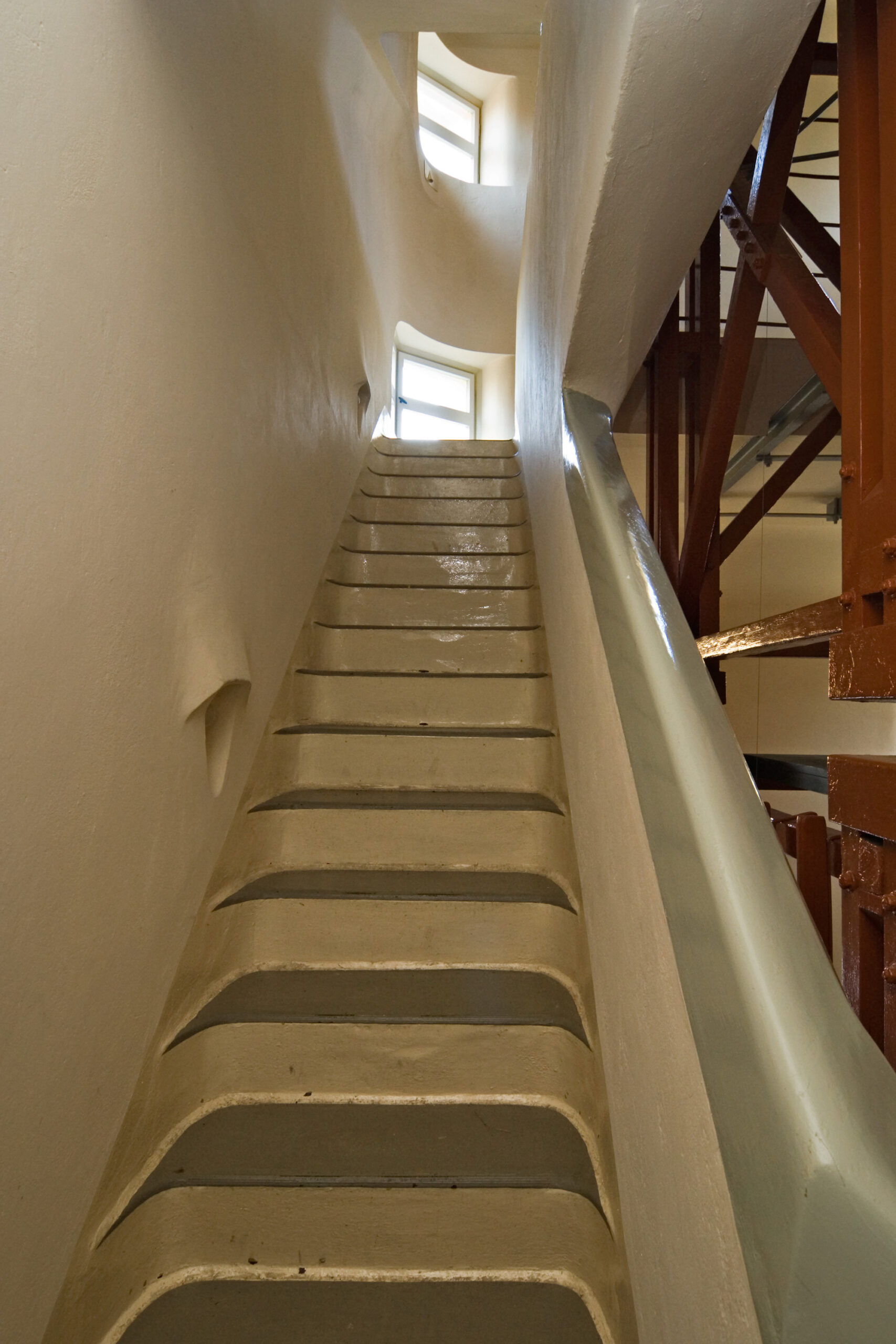
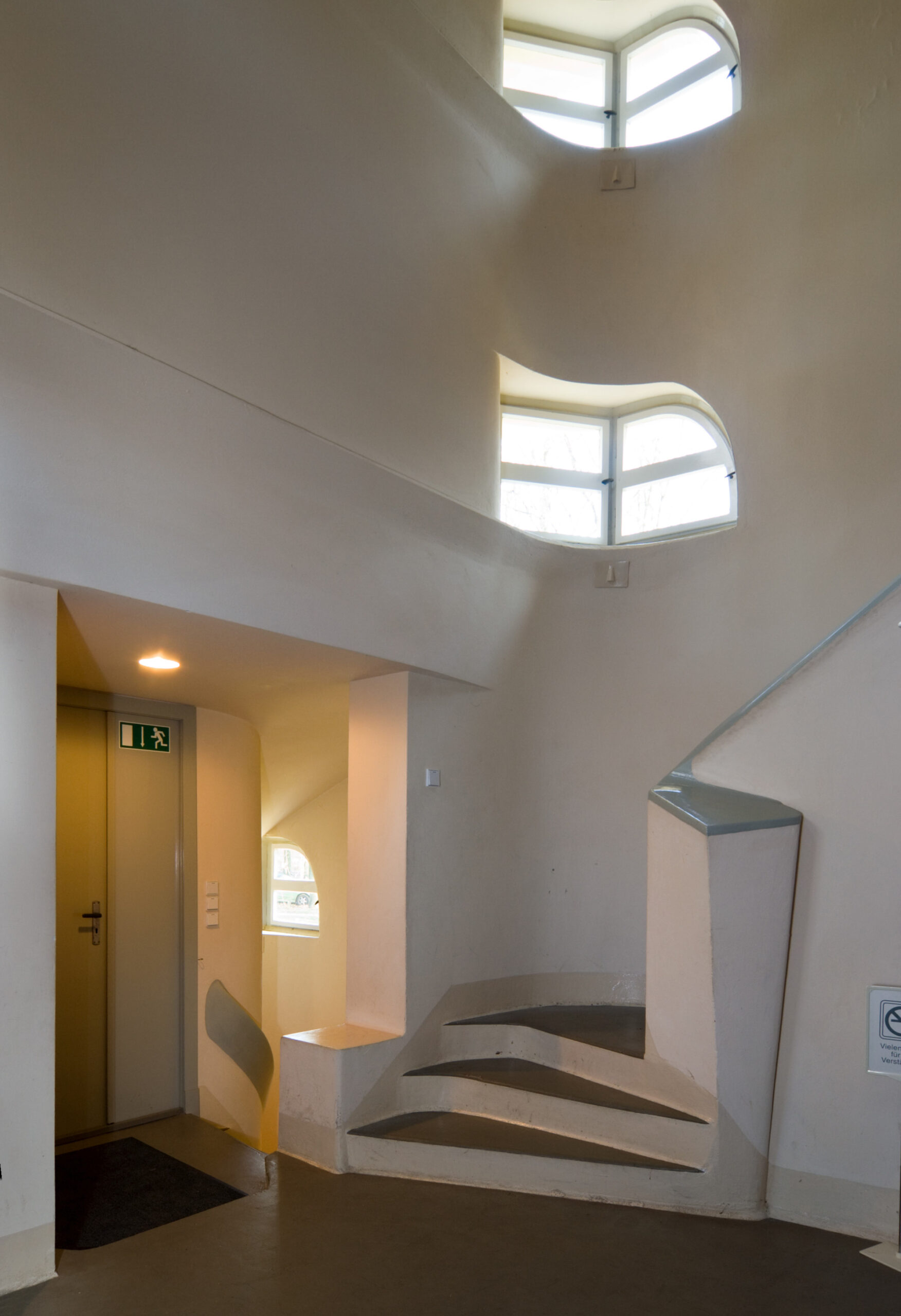
Influenced by contemporary Expressionist artists such as Wassily Kandinsky and Hermann Obrist, Mendelsohn searched for construction methods that would provide greater formal freedom. Reinforced concrete was viewed as a material capable of generating new architectural possibilities and expressing the technological ambitions of the period. The project reflected Mendelsohn’s interest in moving beyond conventional architectural forms and creating a building that embodied movement, energy, and transformation.
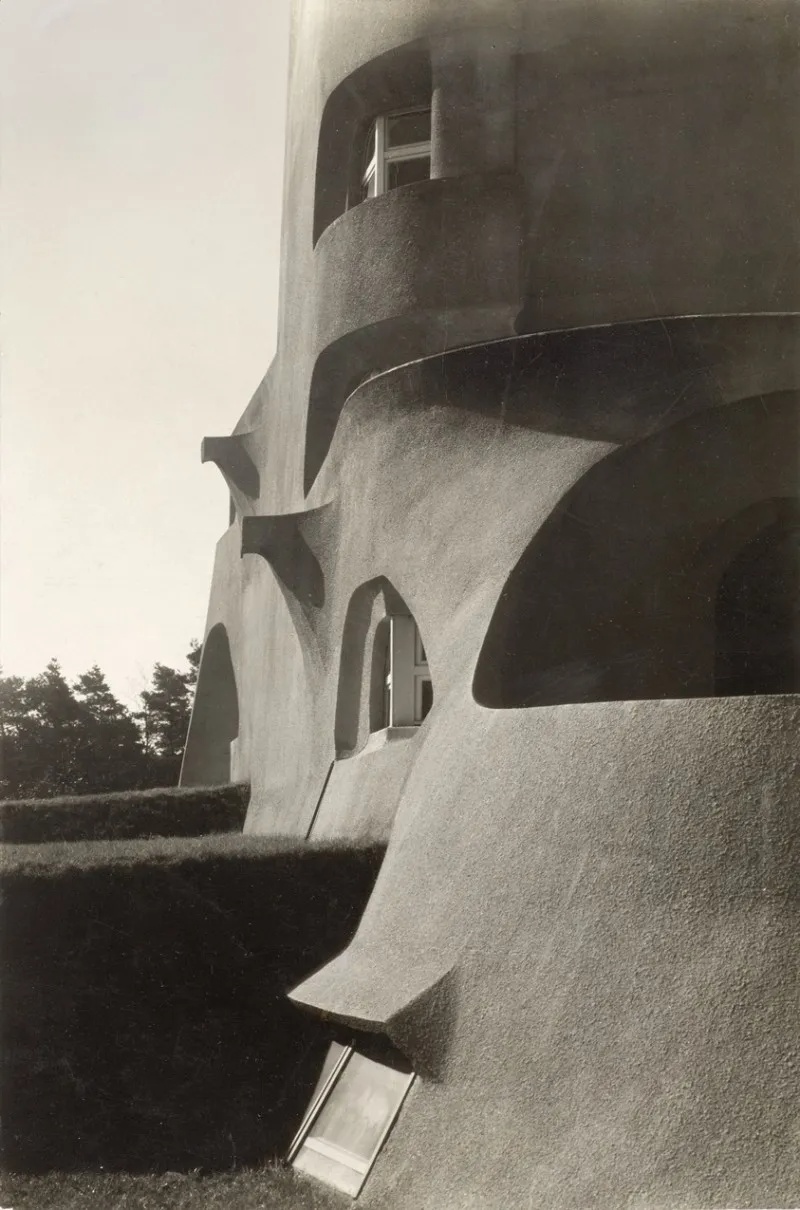
Construction began on the Telegrafenberg in Potsdam in 1920. Although the project was initially intended as a seamless concrete structure, technological limitations and postwar shortages resulted in much of the tower being constructed in brick and finished with plaster to achieve the desired appearance. These compromises later contributed to recurring issues with cracking and moisture, requiring restoration work throughout the building’s history.
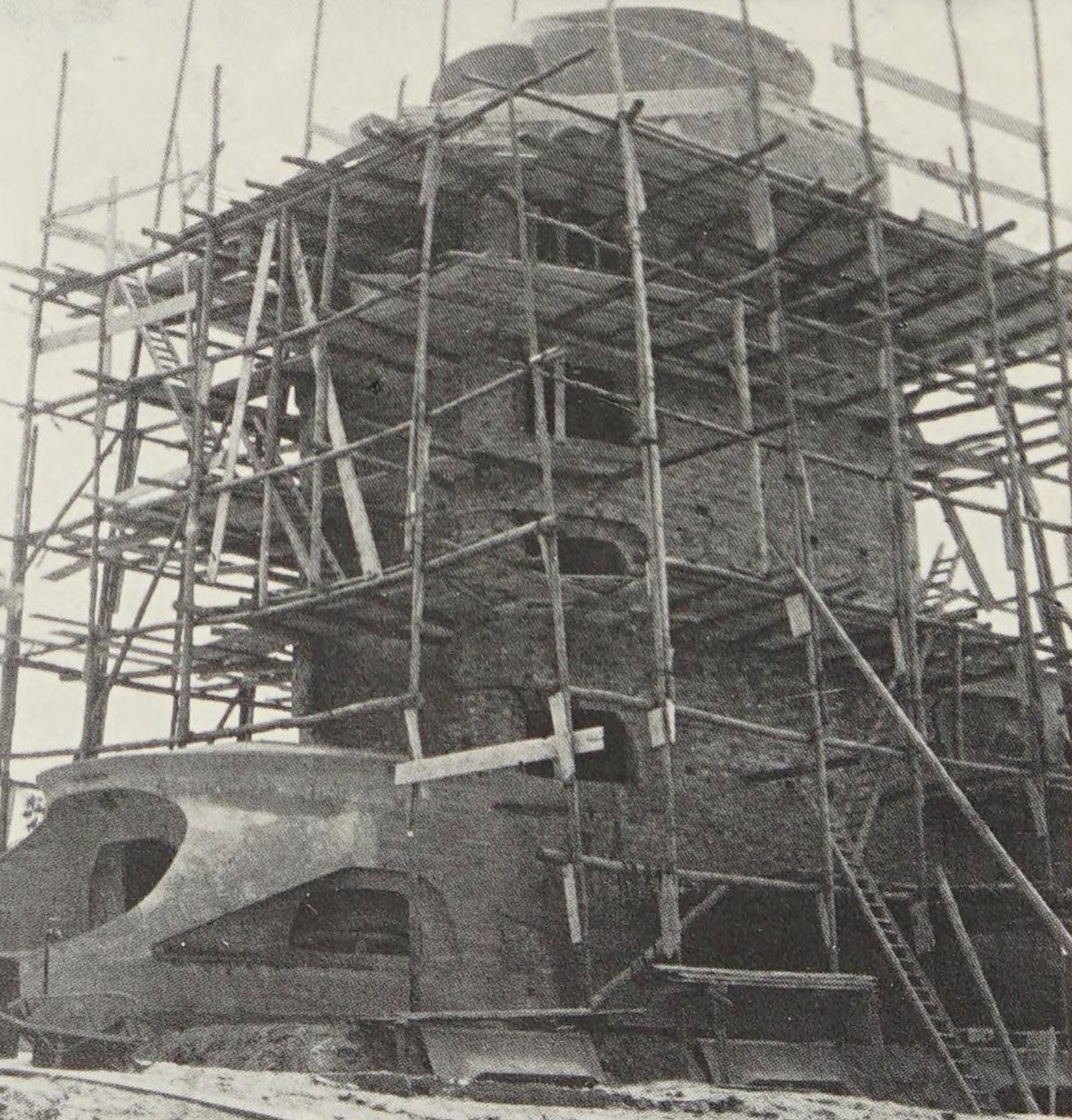
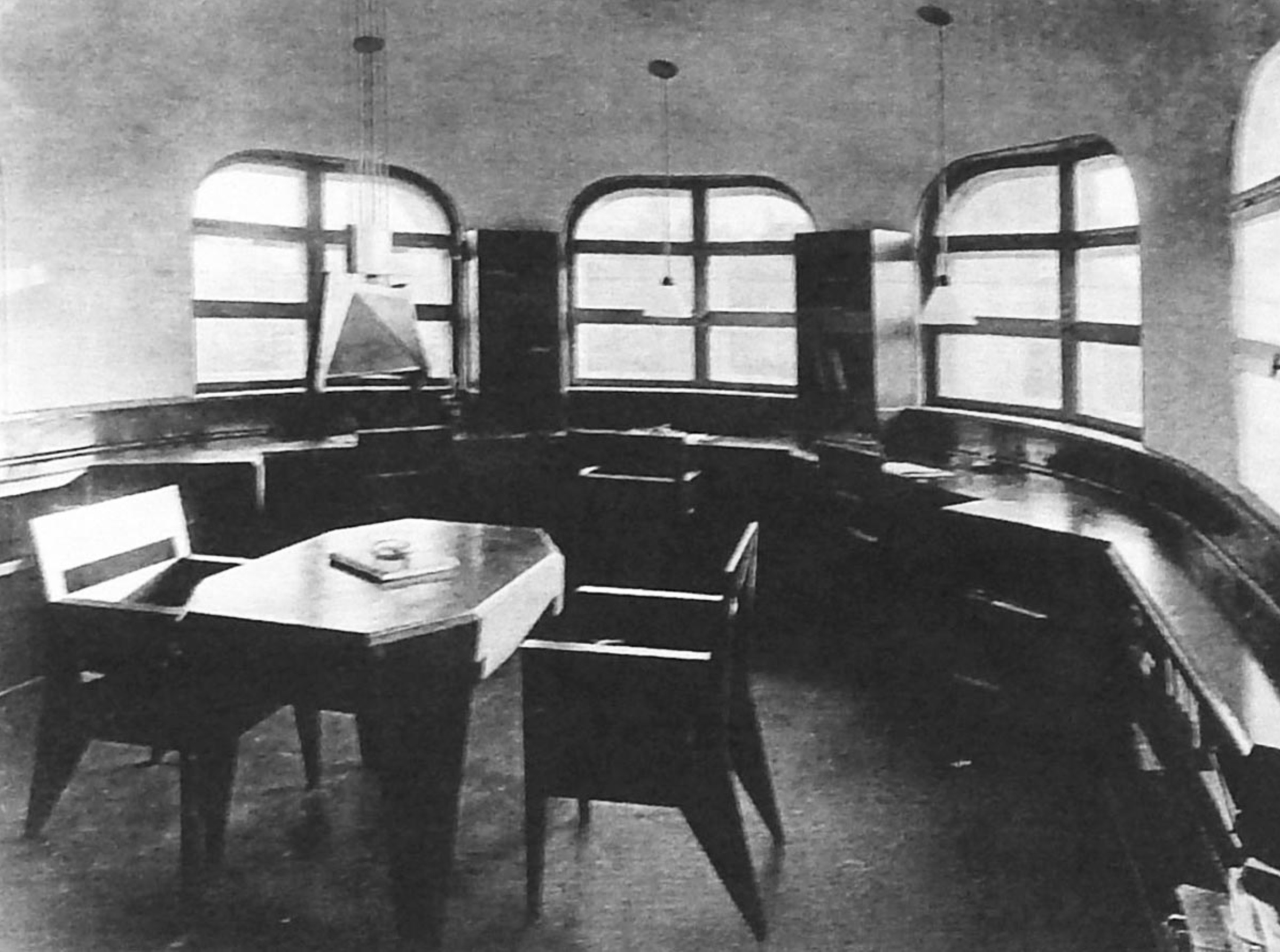
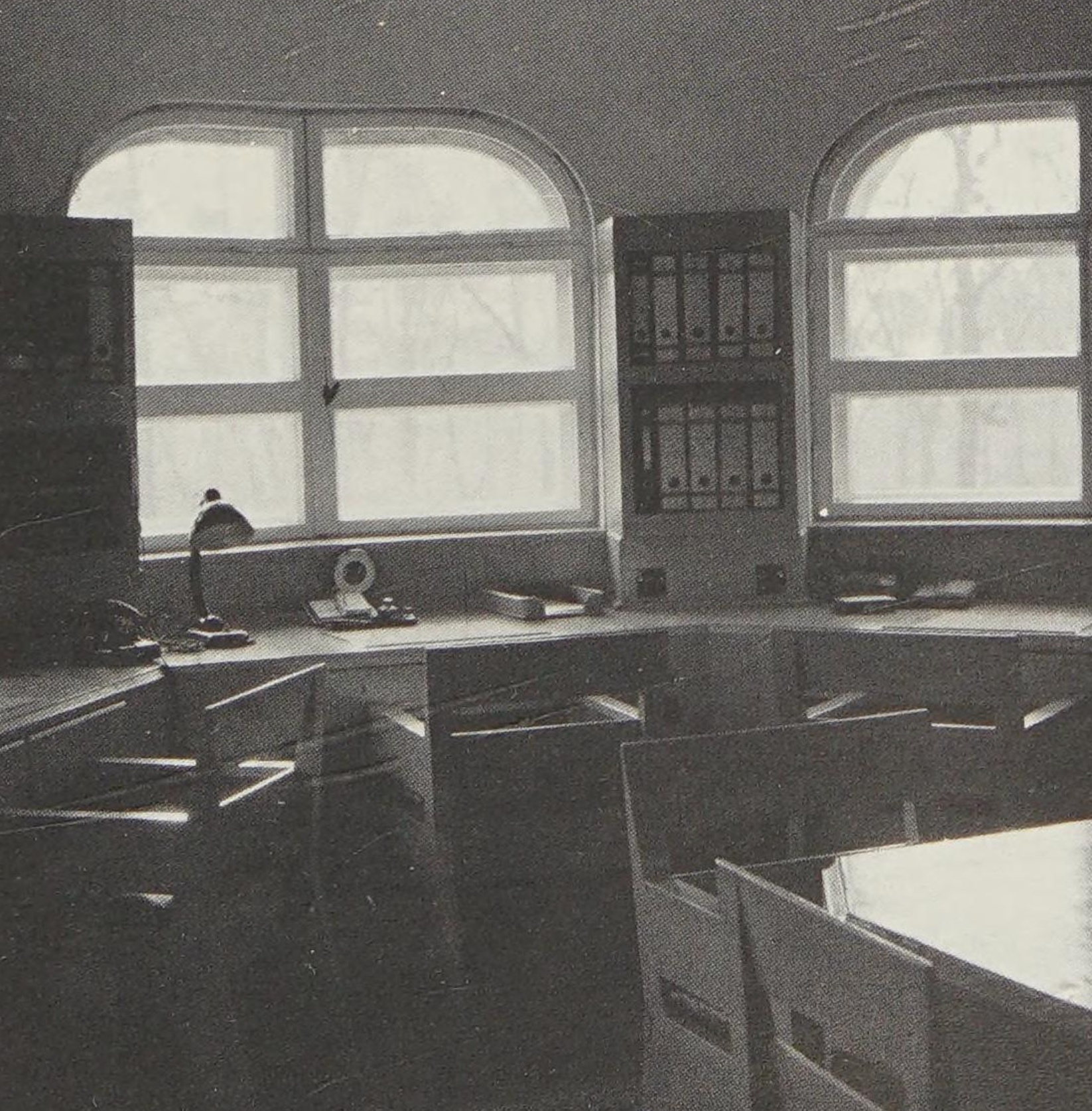
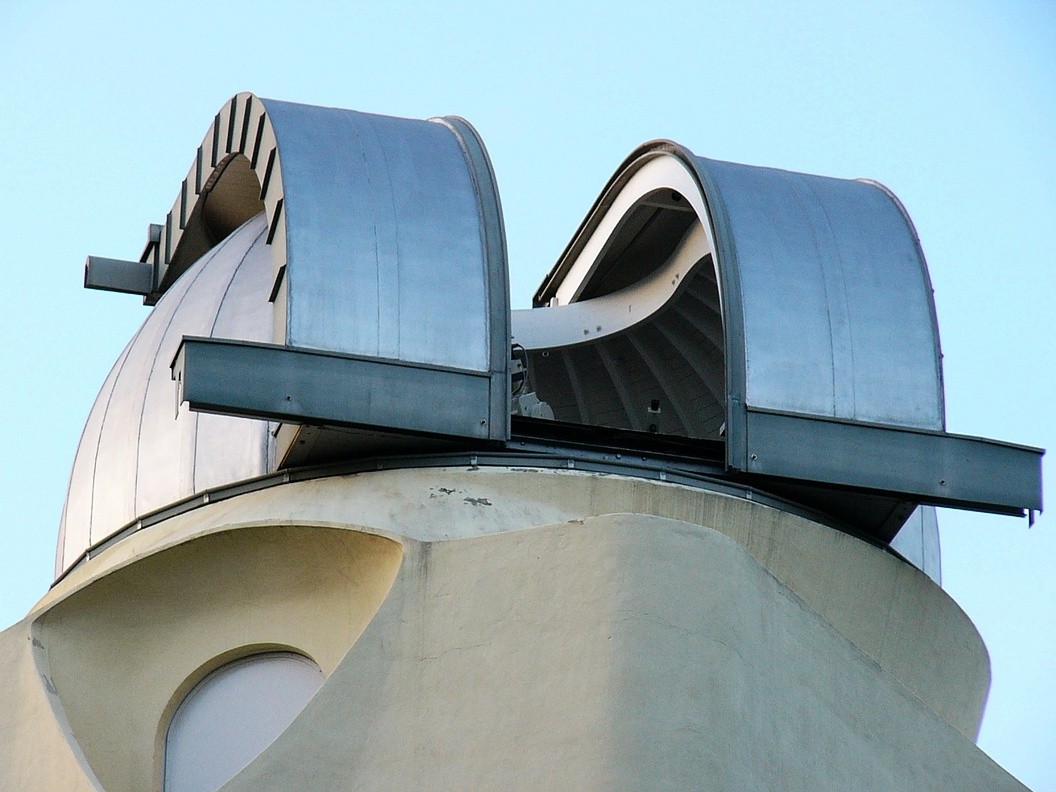
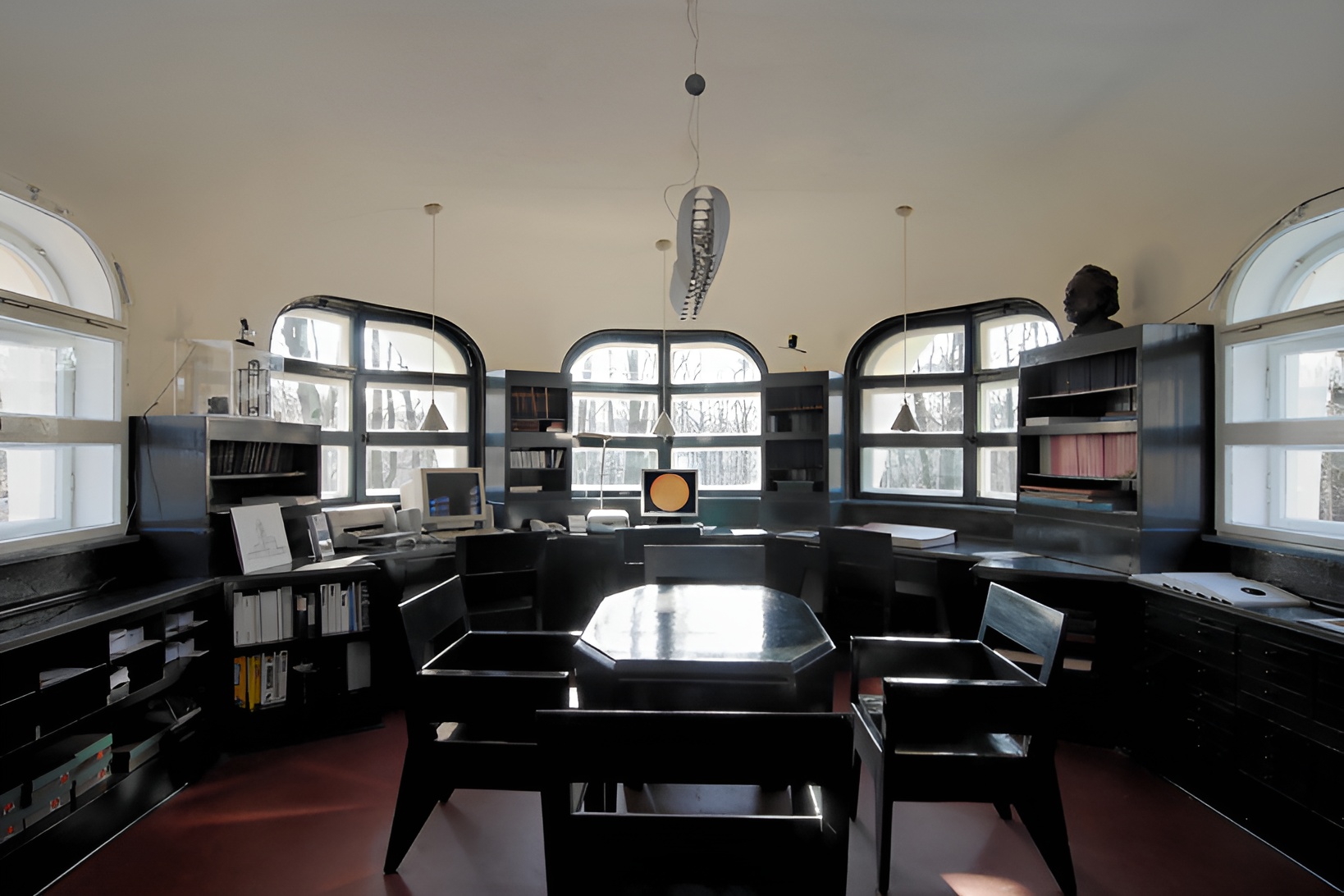
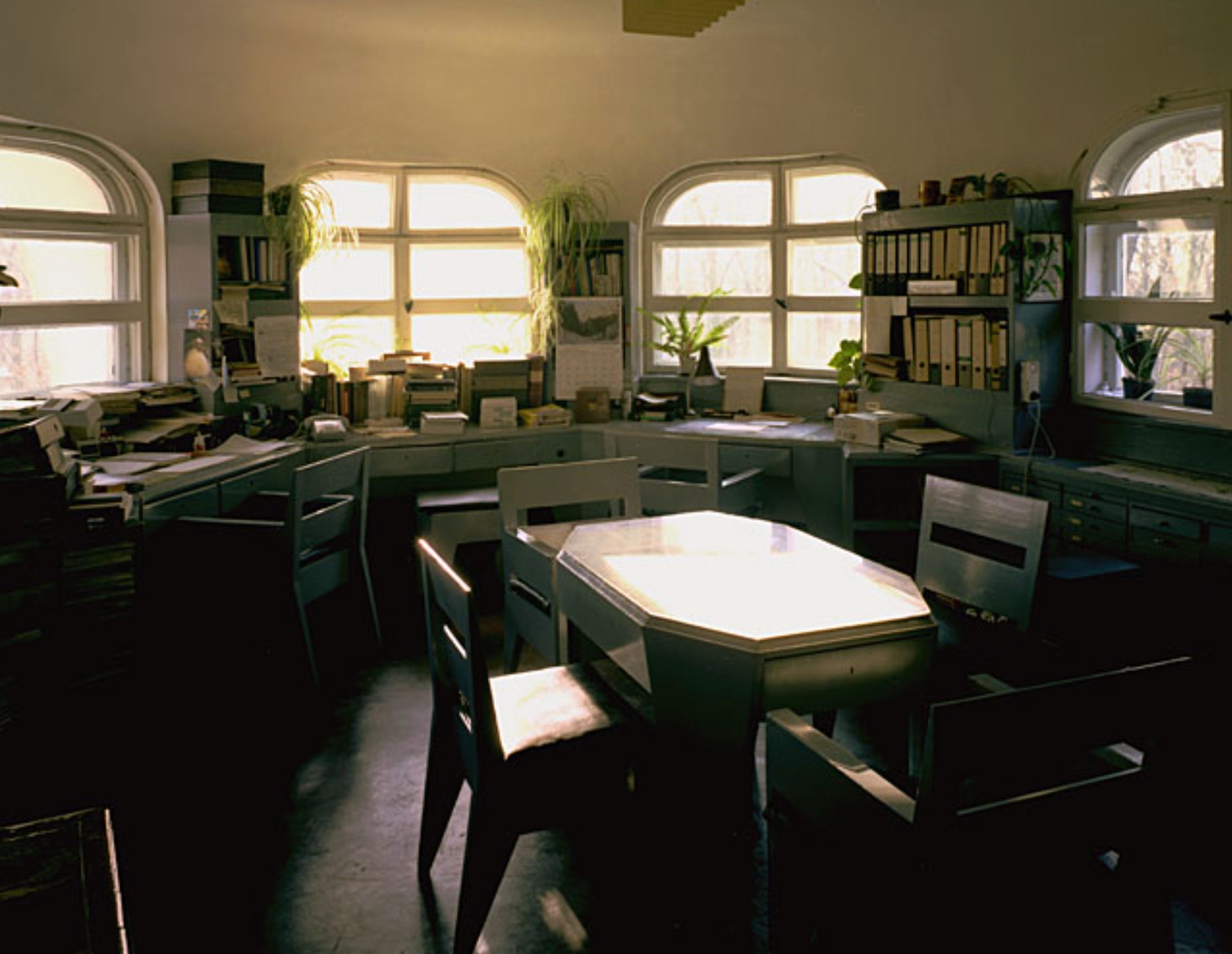
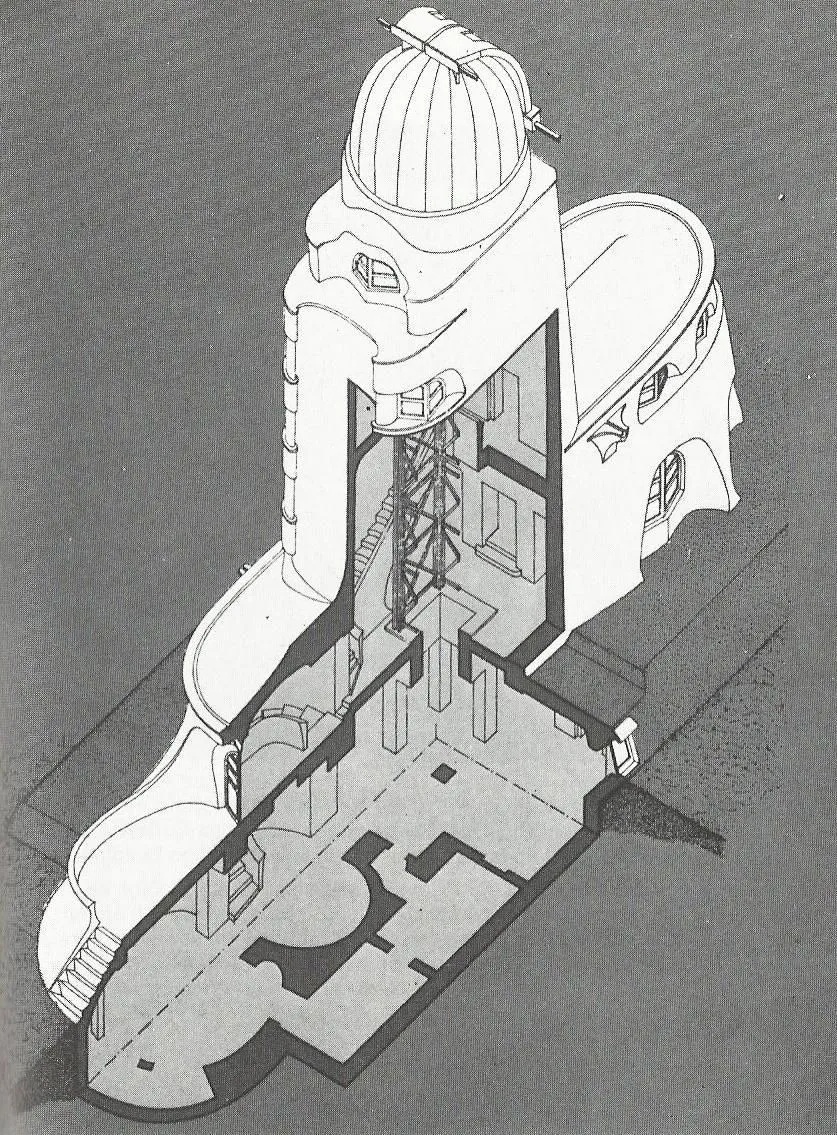
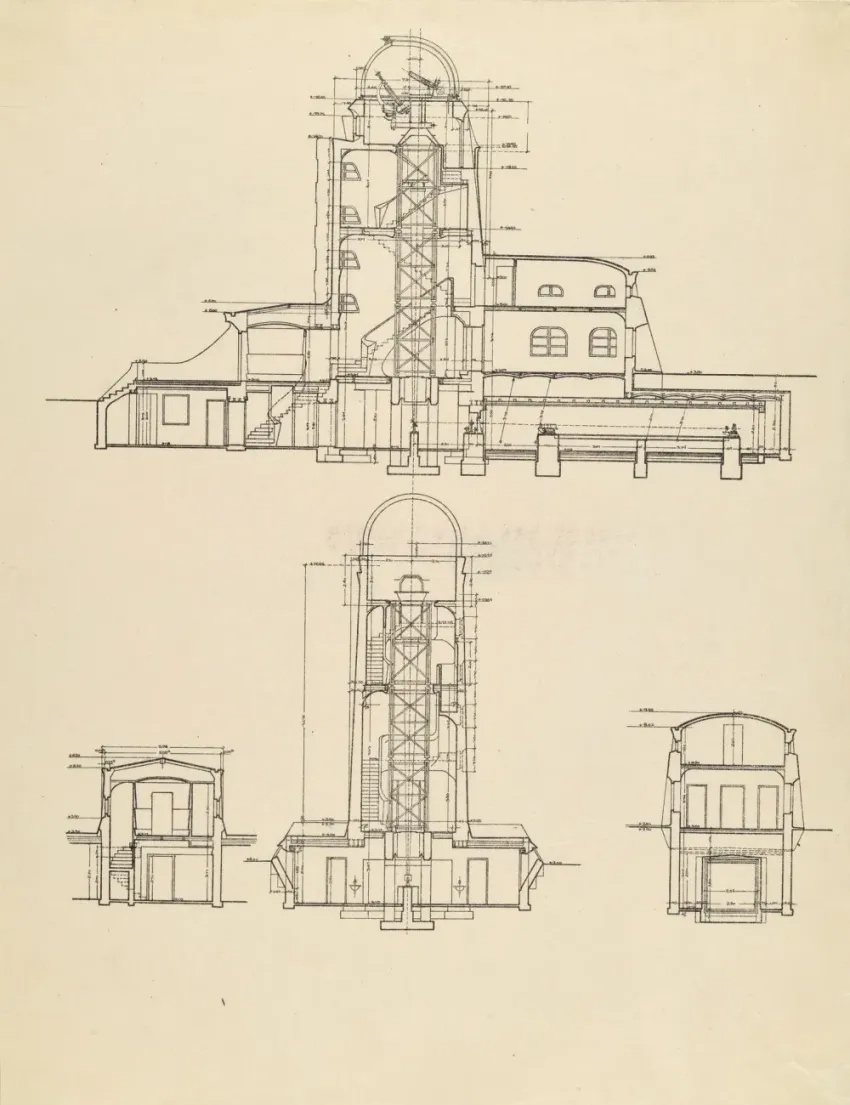
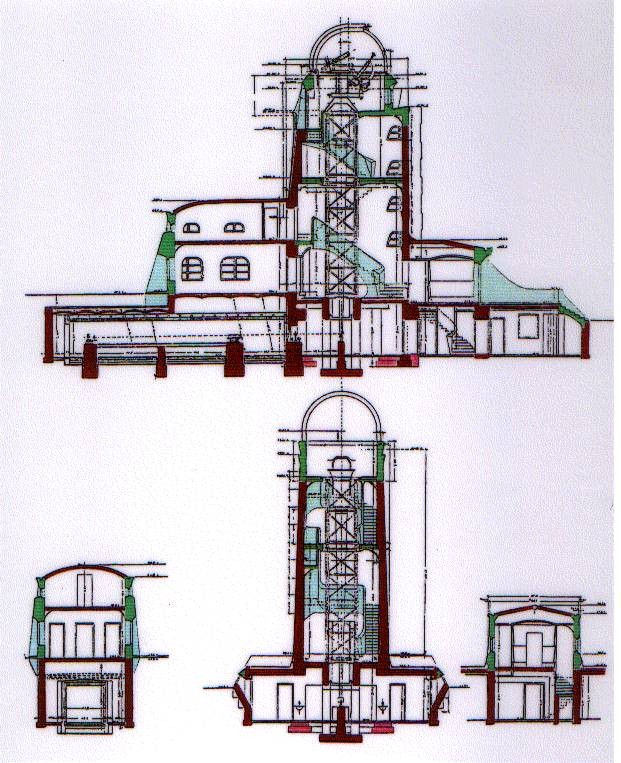
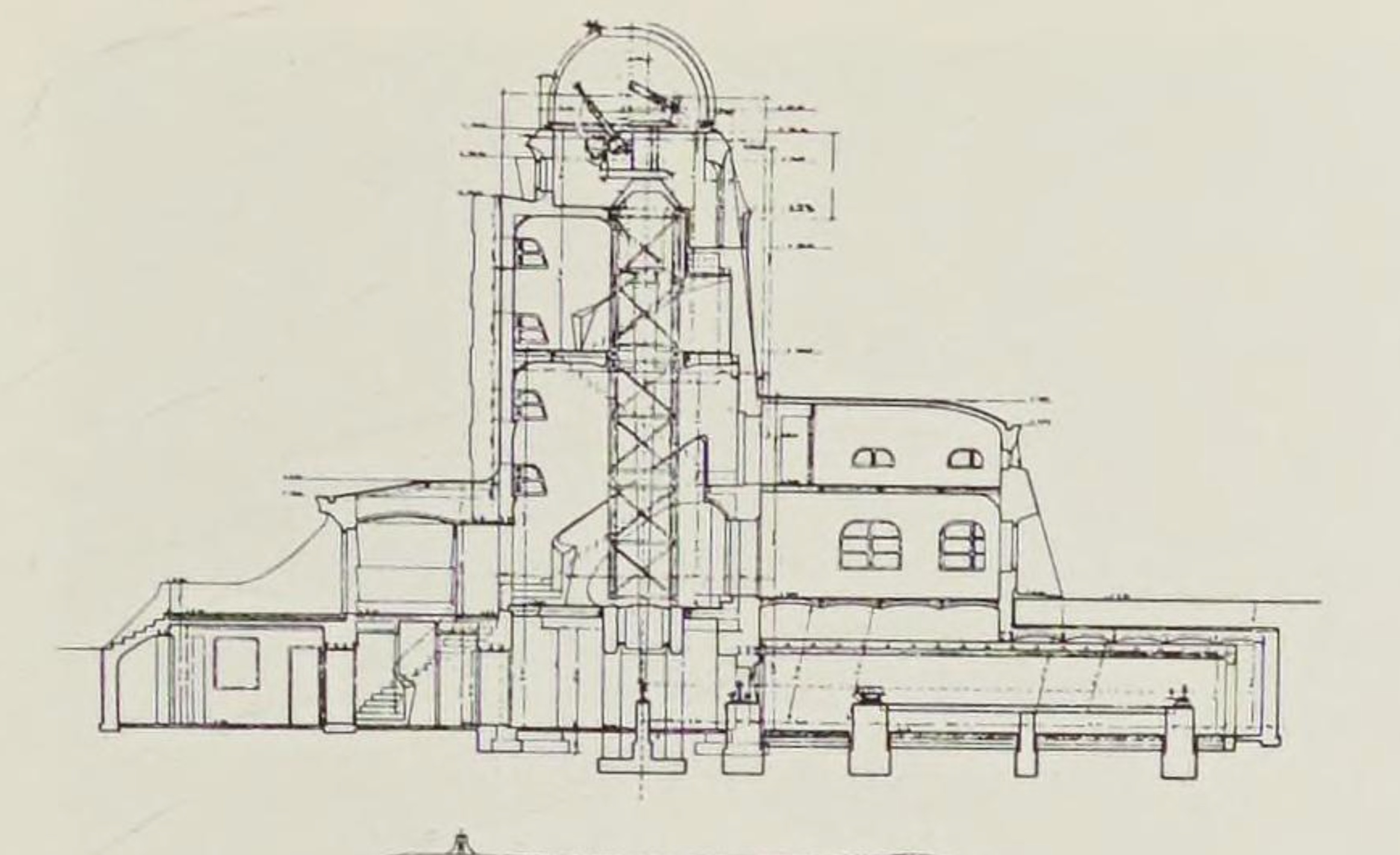
The observatory became operational in 1924. Its primary instrument was a solar telescope designed to investigate the gravitational redshift predicted by Einstein’s theory of relativity. Sunlight is directed through mirrors at the top of the tower and transmitted downward through a vertical shaft before entering a spectrograph laboratory embedded within the hillside. Although the original objective of verifying gravitational redshift proved more difficult than anticipated, the facility became an important center for solar physics research. Research at the observatory eventually focused on solar activity, magnetic fields, and the behavior of the solar atmosphere.
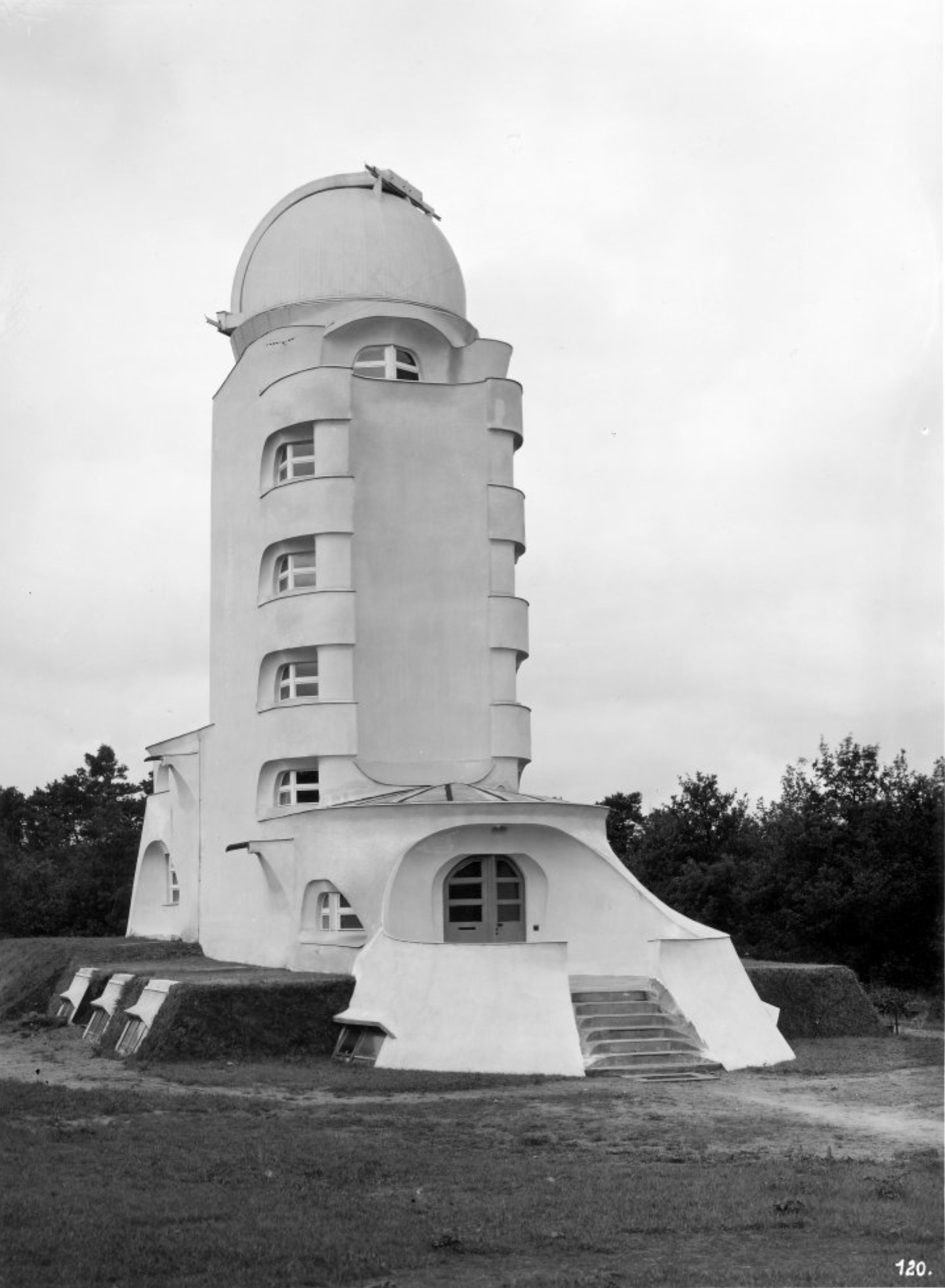
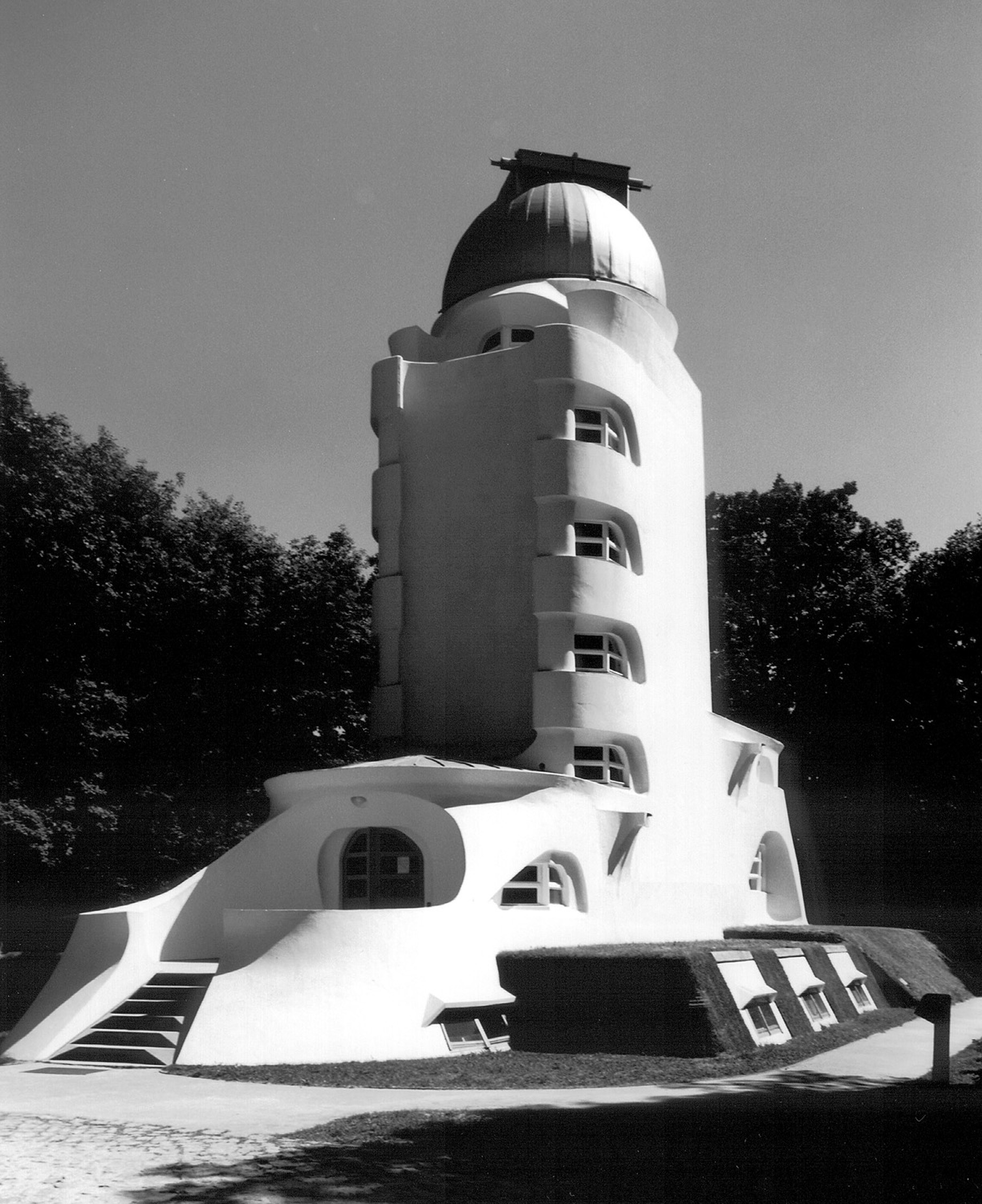
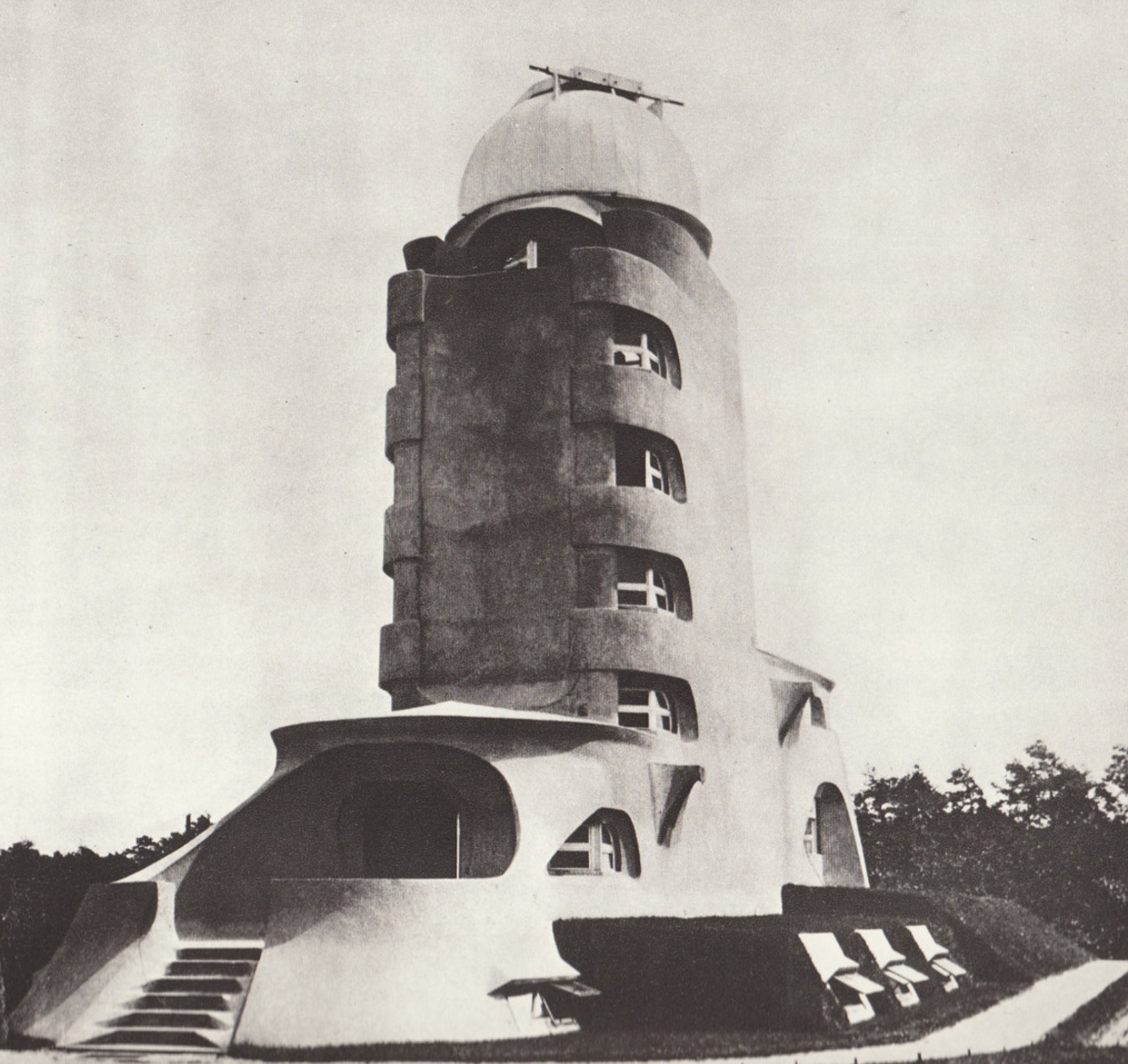
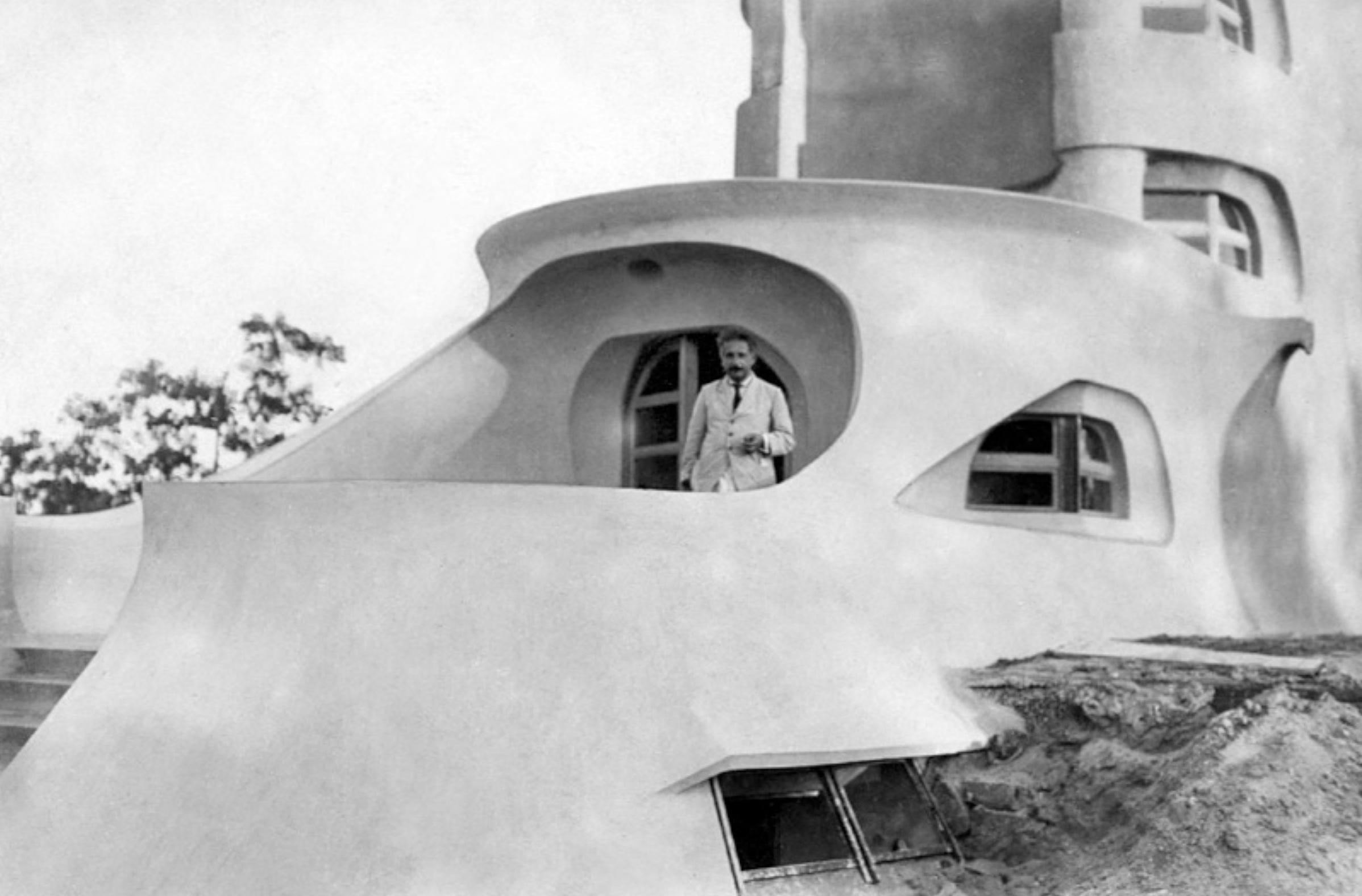
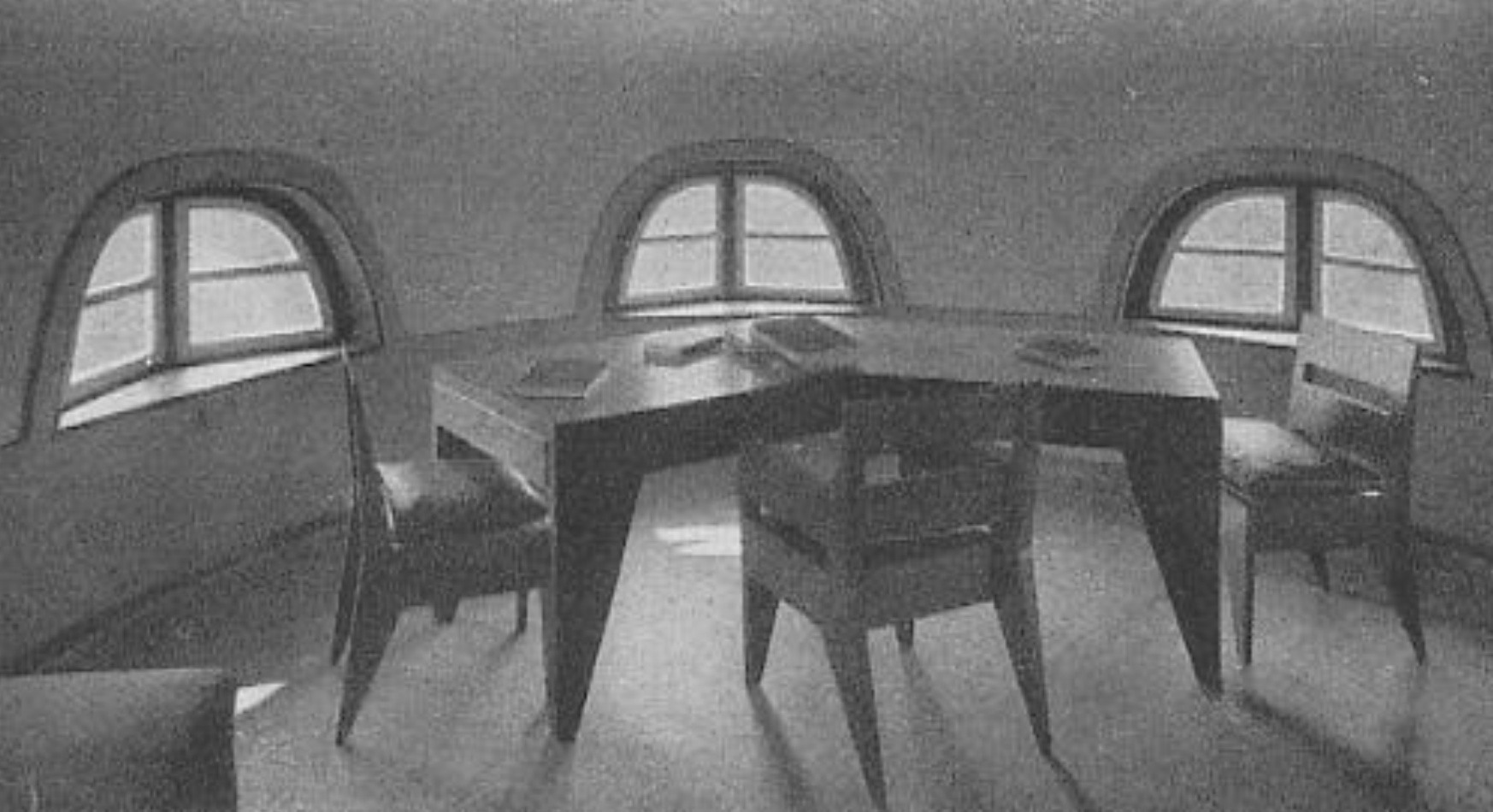
The building sustained significant damage during World War II but remained in use afterward. Repeated restoration campaigns addressed structural deterioration caused by moisture infiltration and material aging. A major conservation effort carried out between 1997 and 1999 restored the building and improved its long-term performance while preserving its historic character. The observatory reopened in 1999 during celebrations marking its seventy-fifth anniversary.
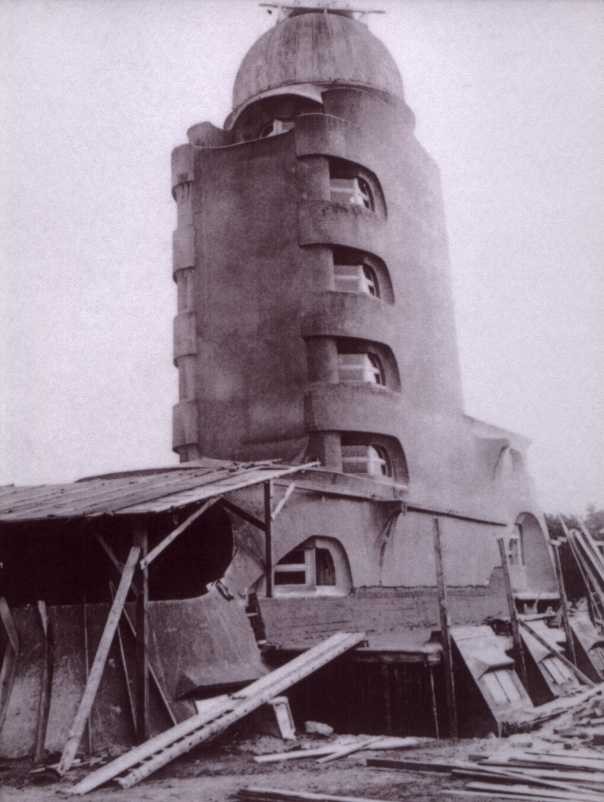
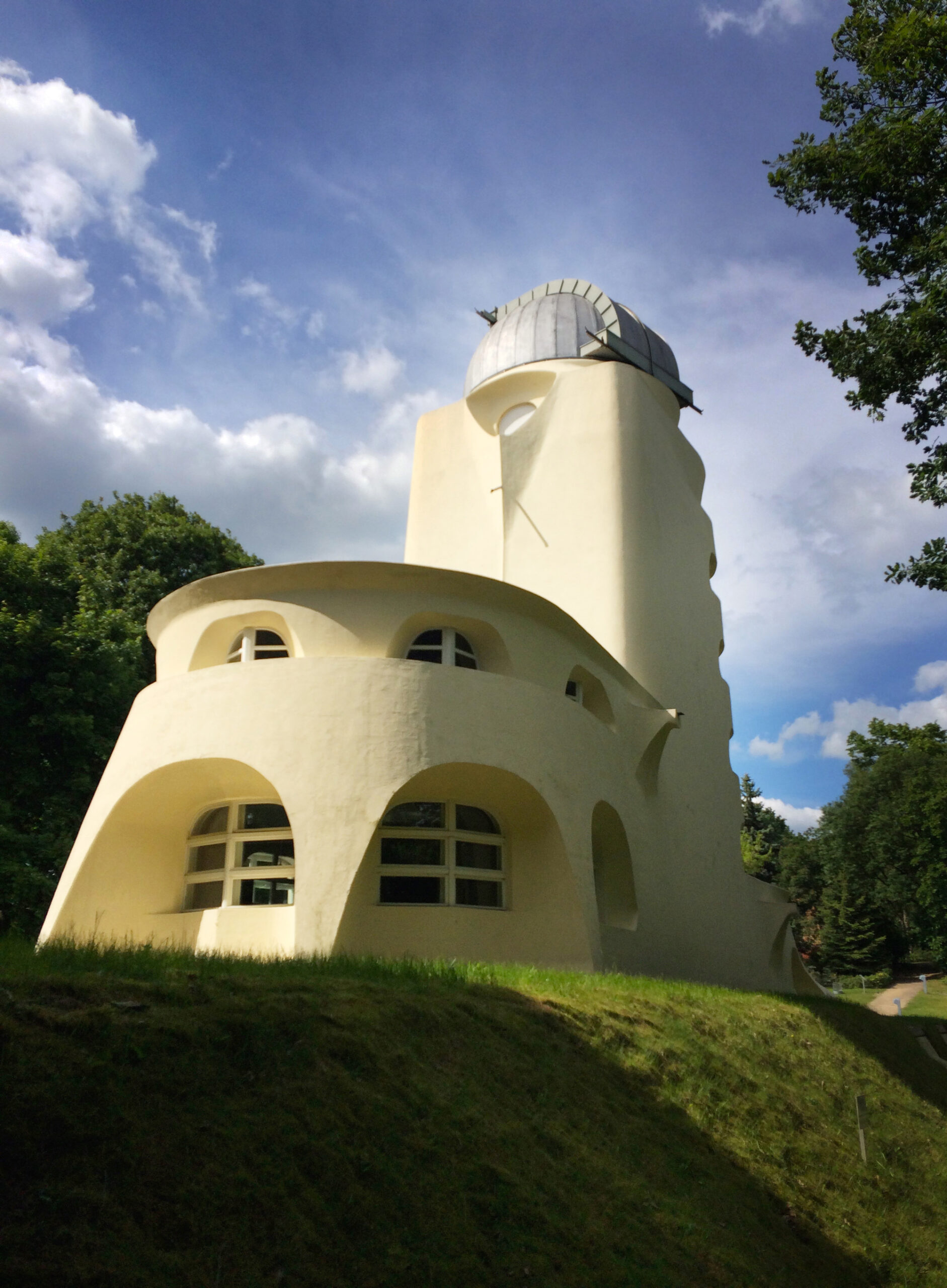
Today, the Einstein Tower continues to operate as a working solar observatory under the Leibniz Institute for Astrophysics Potsdam. The facility remains active in solar research and serves as a testing ground for observational instruments used in contemporary astronomical programs.
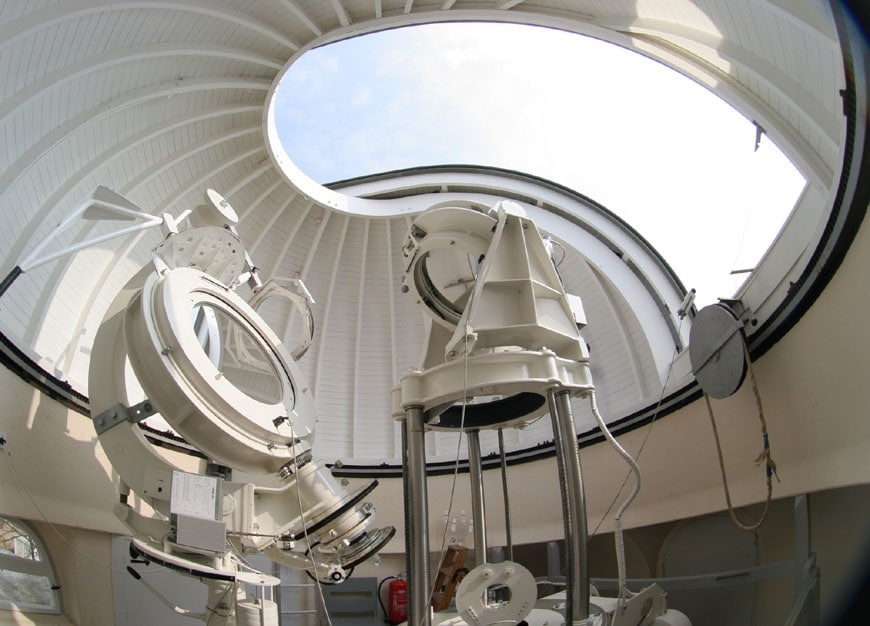
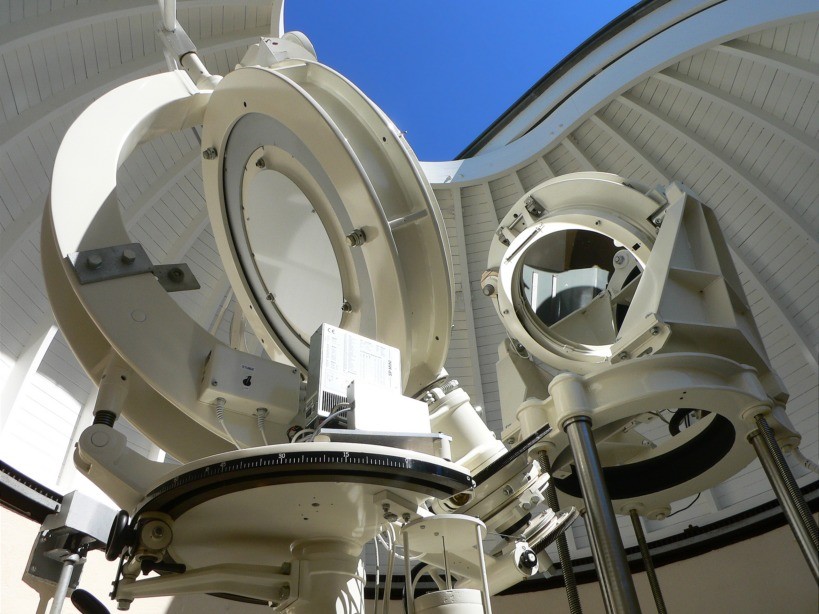
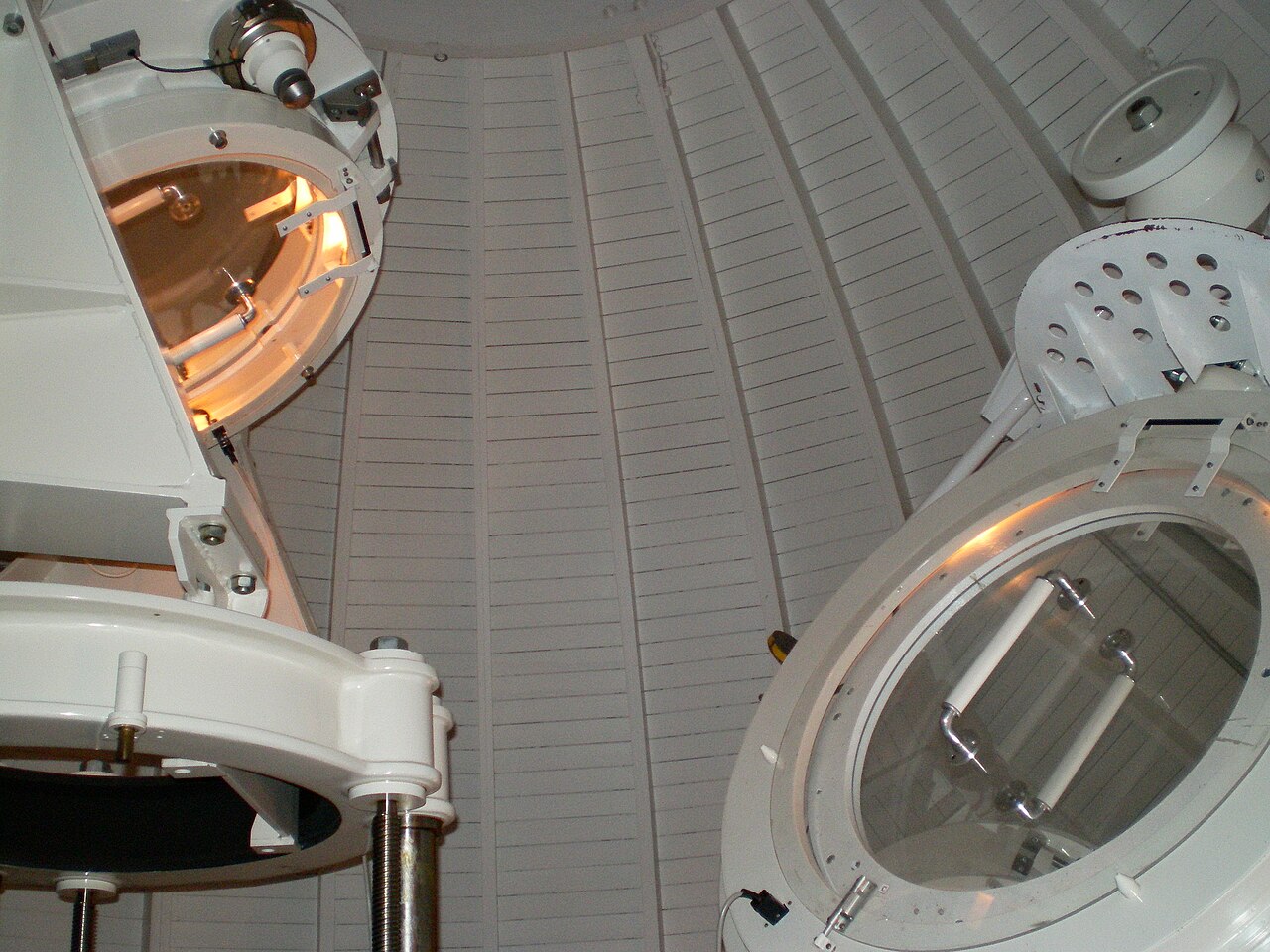
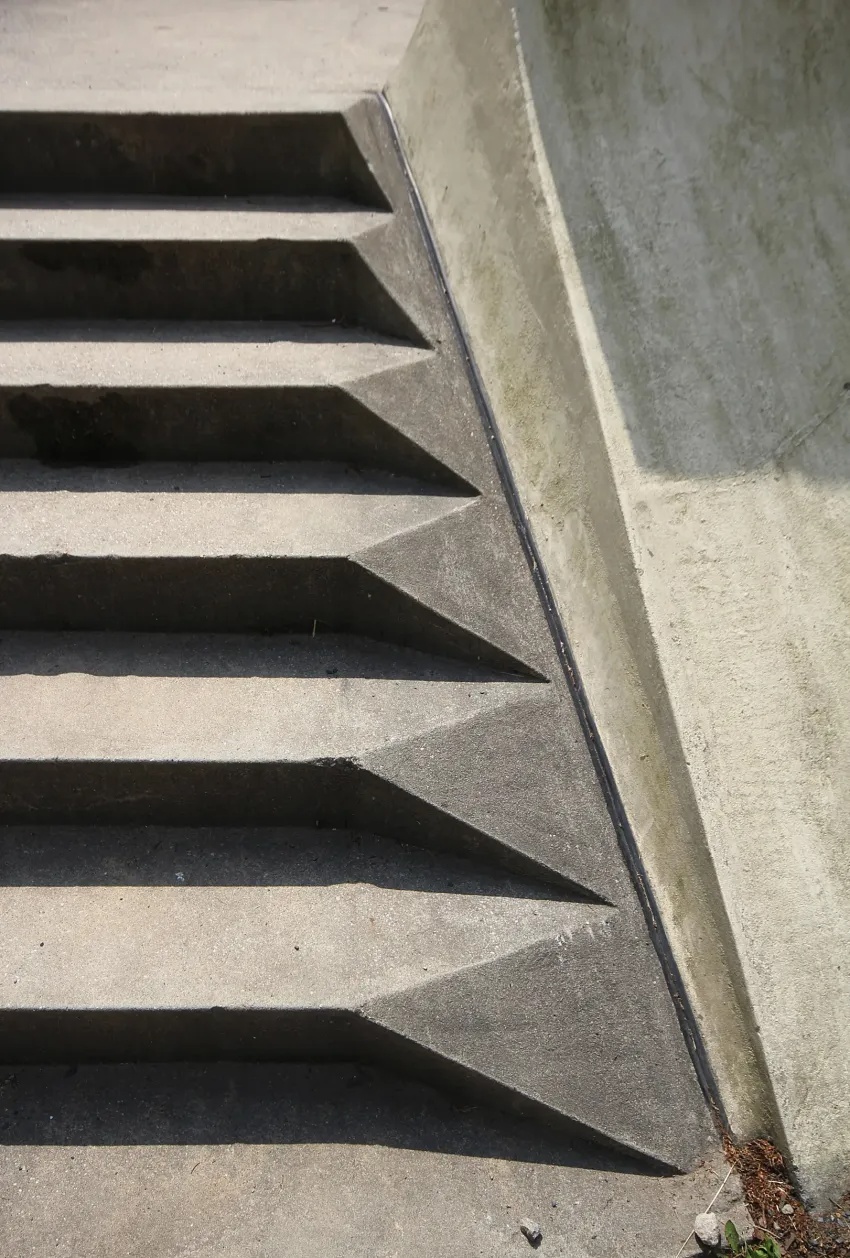
The Einstein Tower remains a landmark of German Expressionism and occupies a distinct place in architectural history. Its curved forms, sculptural surfaces, and integration of scientific function continue to stand apart from the more restrained forms that later characterized International Style modernism. While functionalist architecture came to dominate much of Europe’s built environment, the Einstein Tower endures as a rare example of architecture that merges scientific purpose, technical innovation, and formal experimentation into a single work.
Project Gallery
Project Location
Address: Telegrafenberg 1, 14473 Potsdam, Brandenburg, Germanym, Germany
Location is for general reference and may represent a city or country, not necessarily a precise address.

