

Architects: INJ Architects
Area: 5,800 m²
Year: 2026
Lead Architect: Ibrahim Nawaf Joharji
City: Jeddah
Country: Saudi Arabia
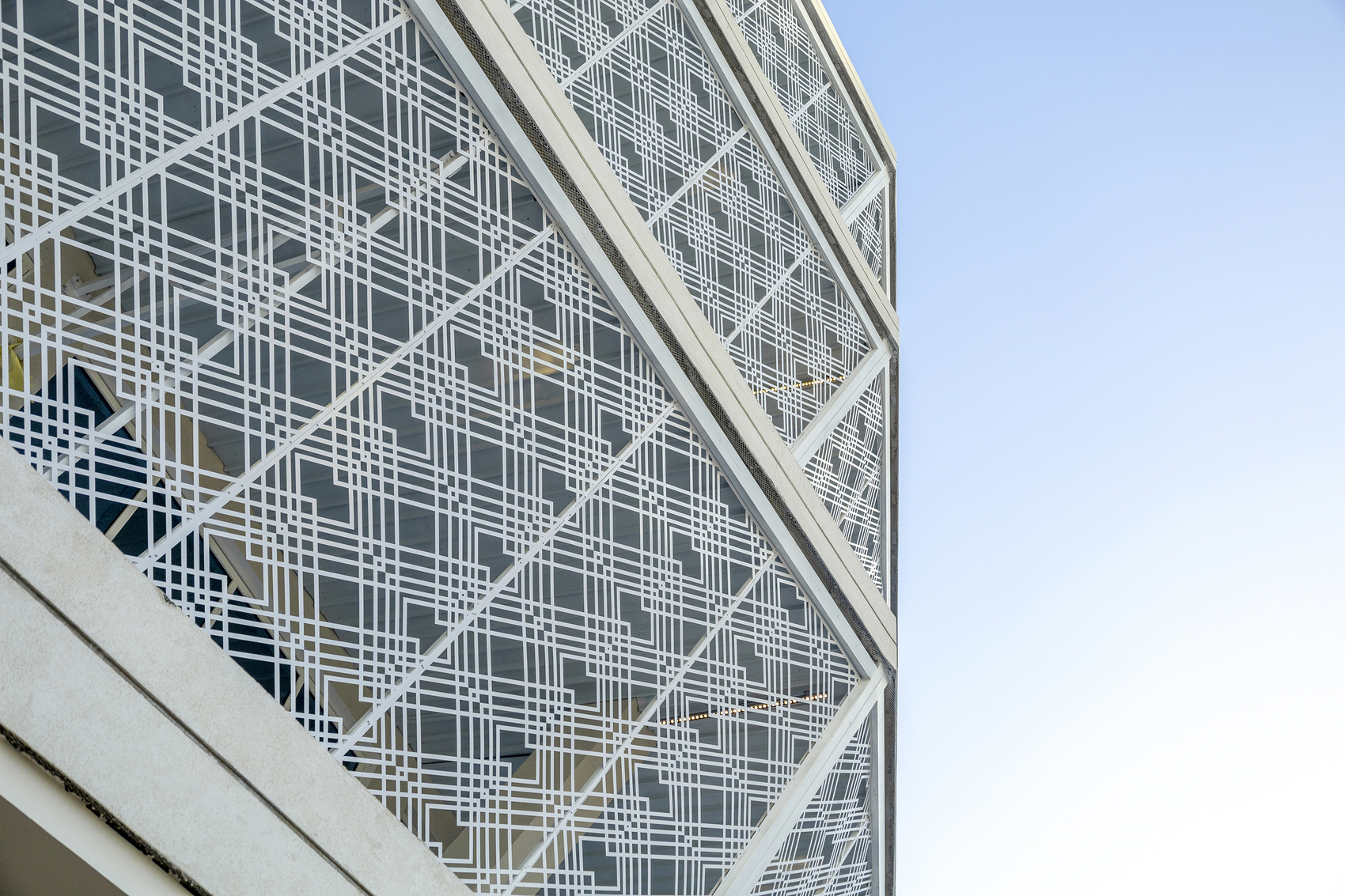
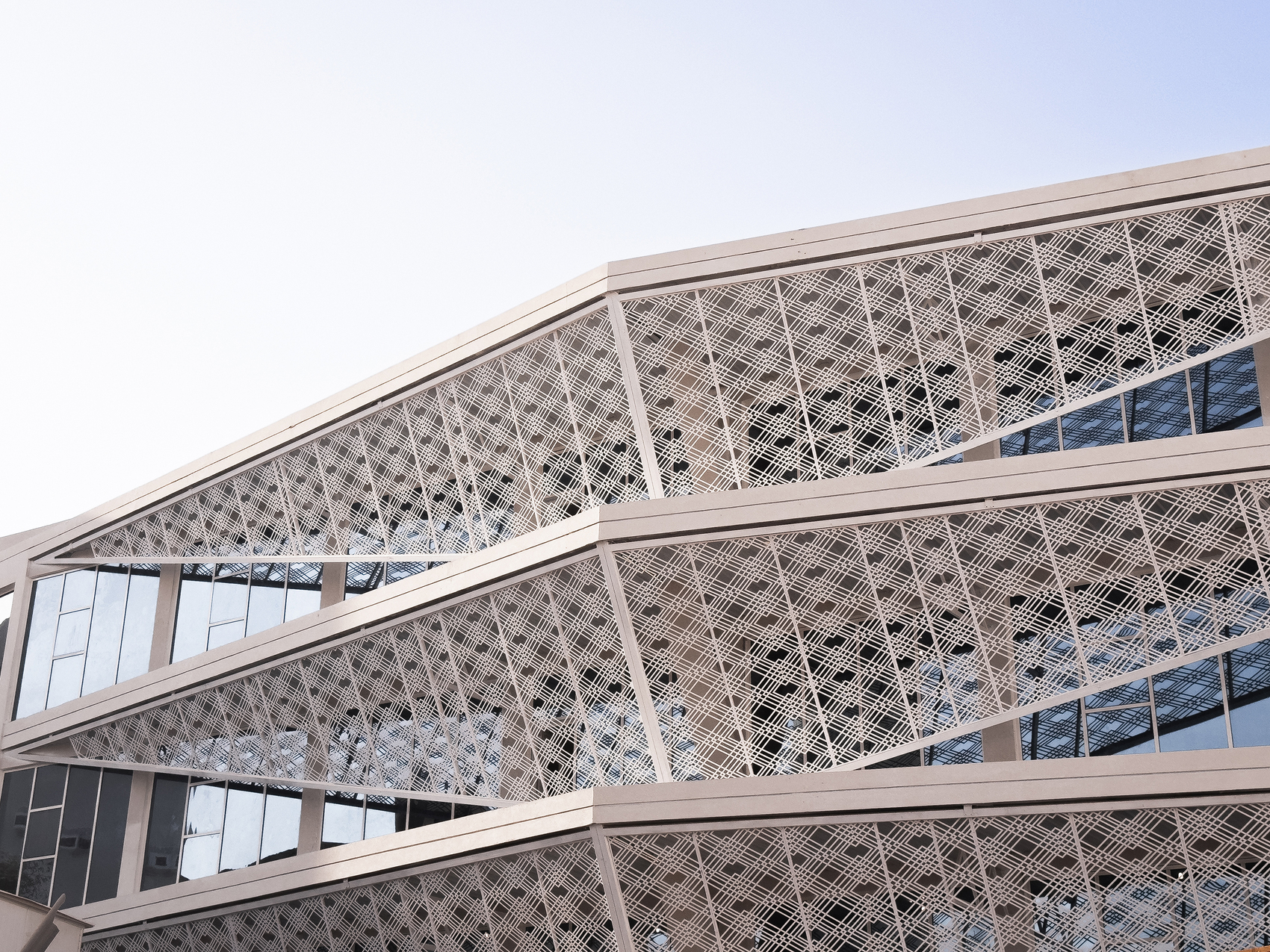
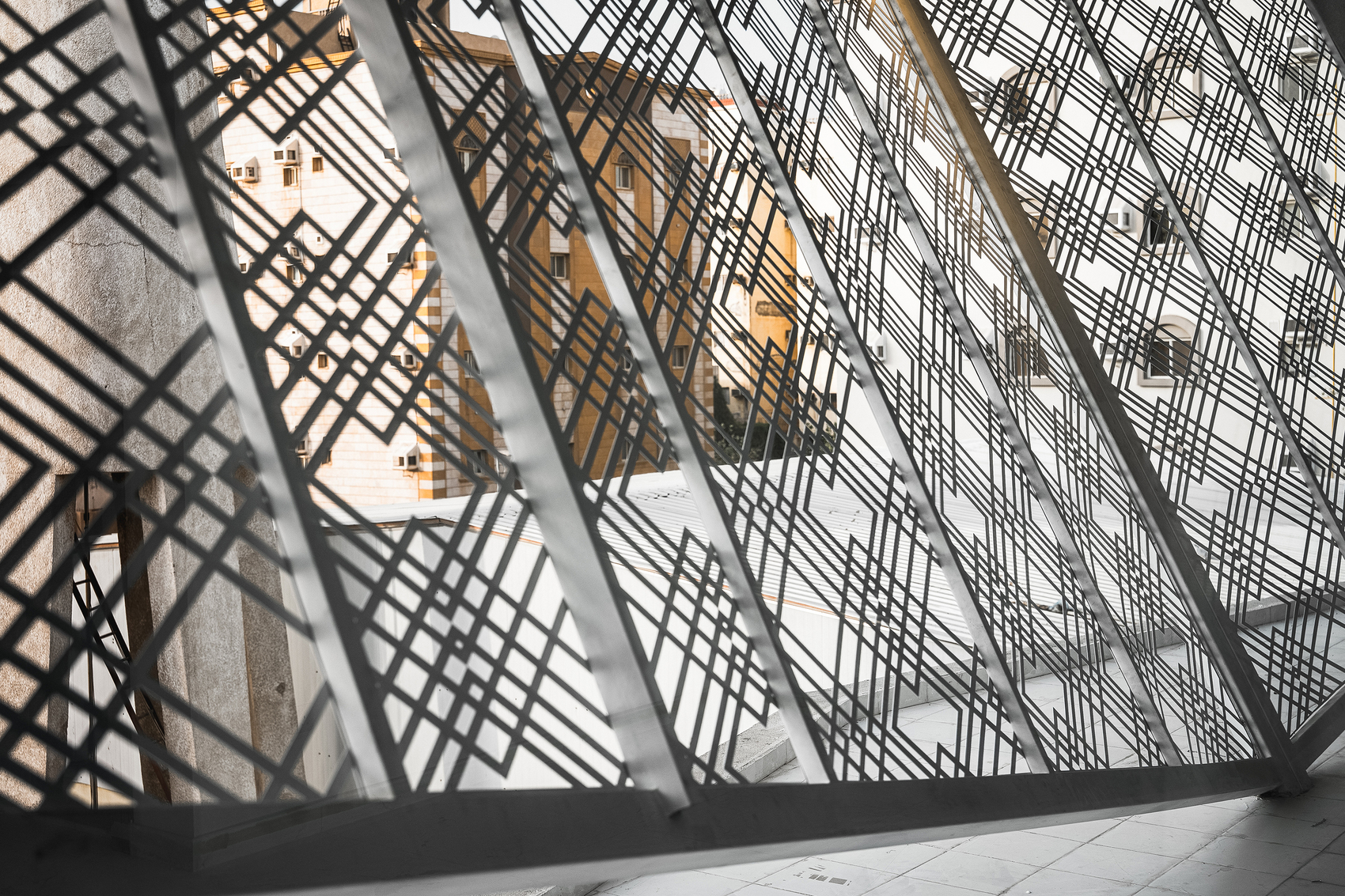
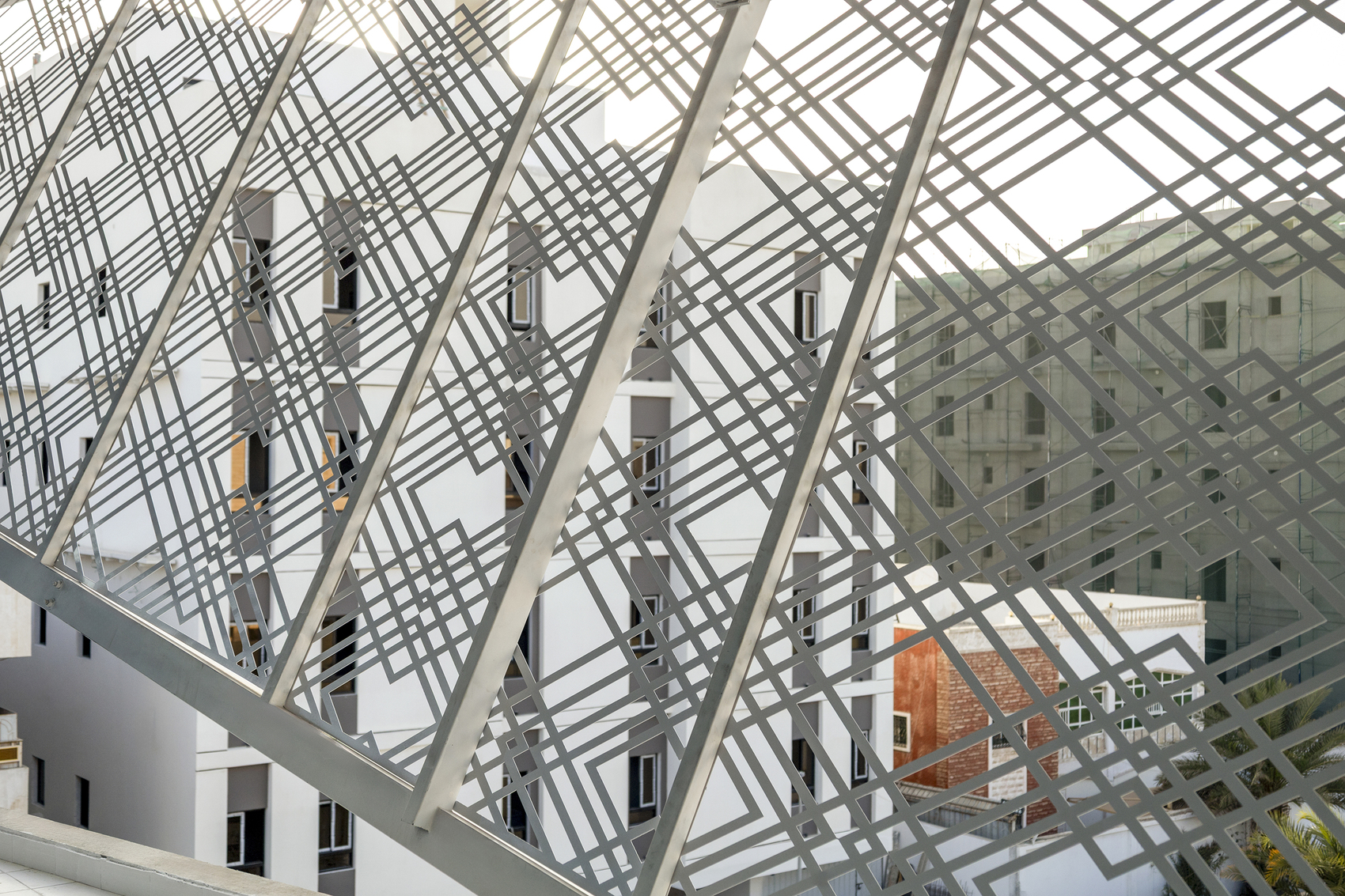
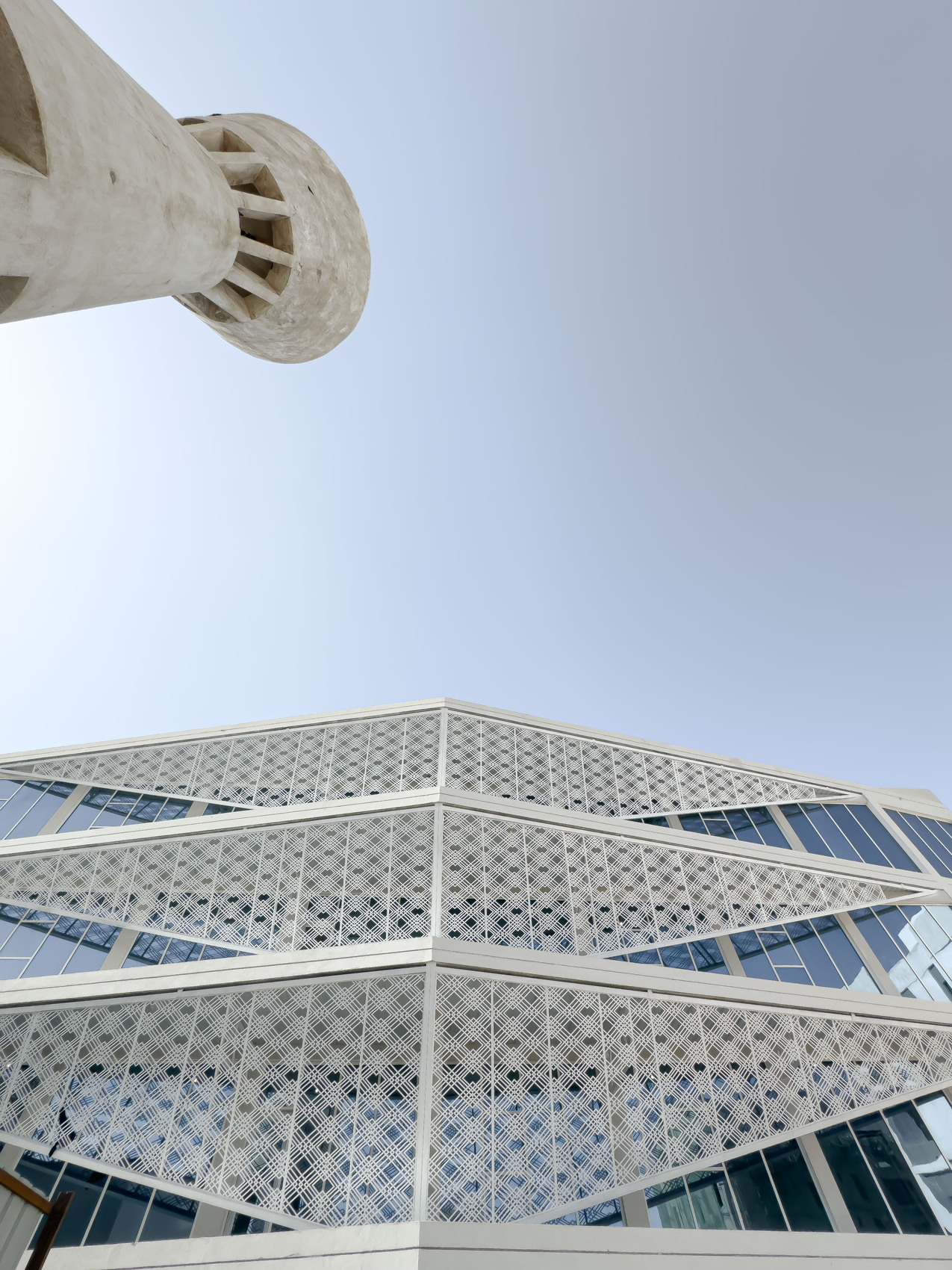
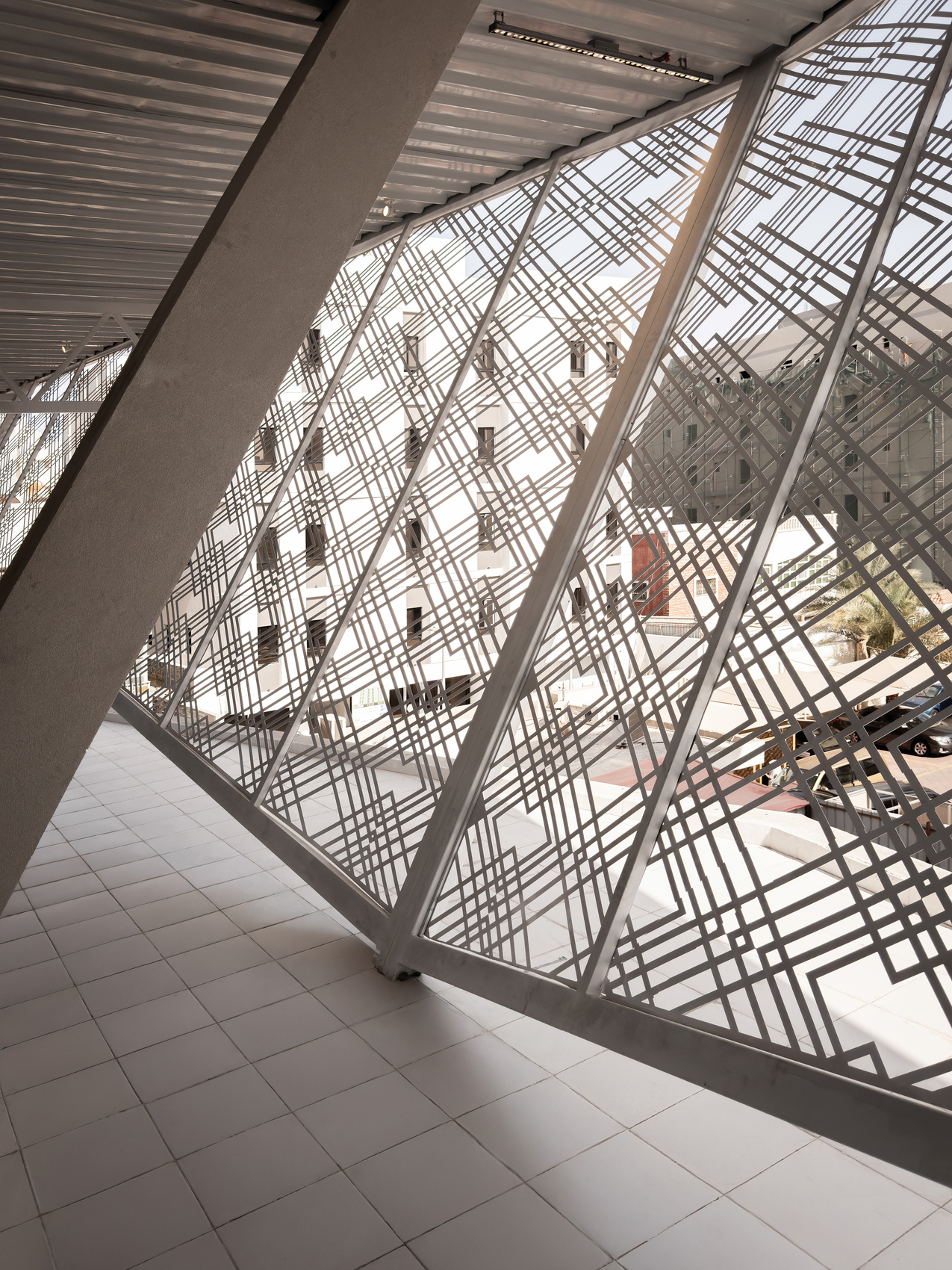
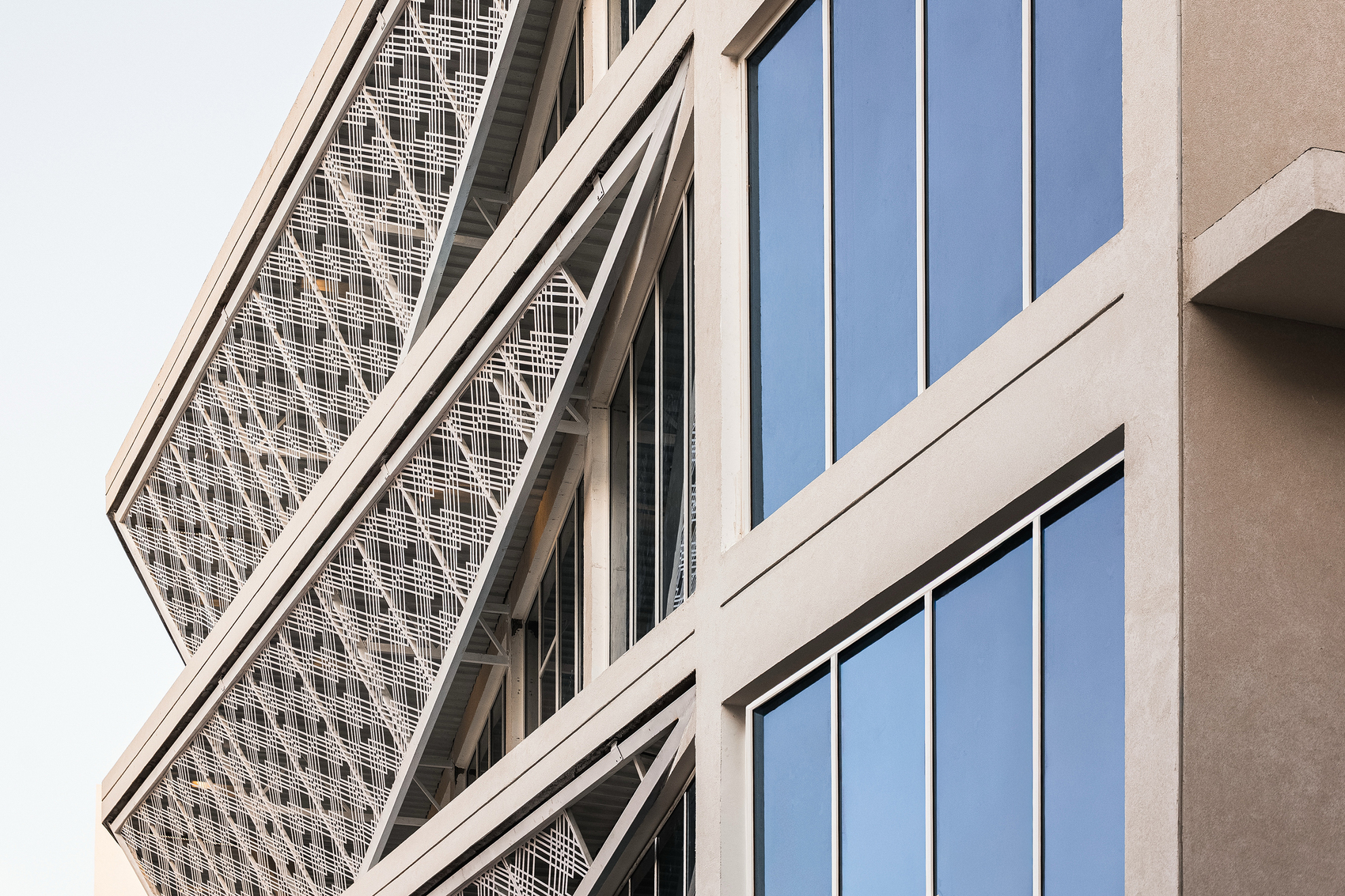
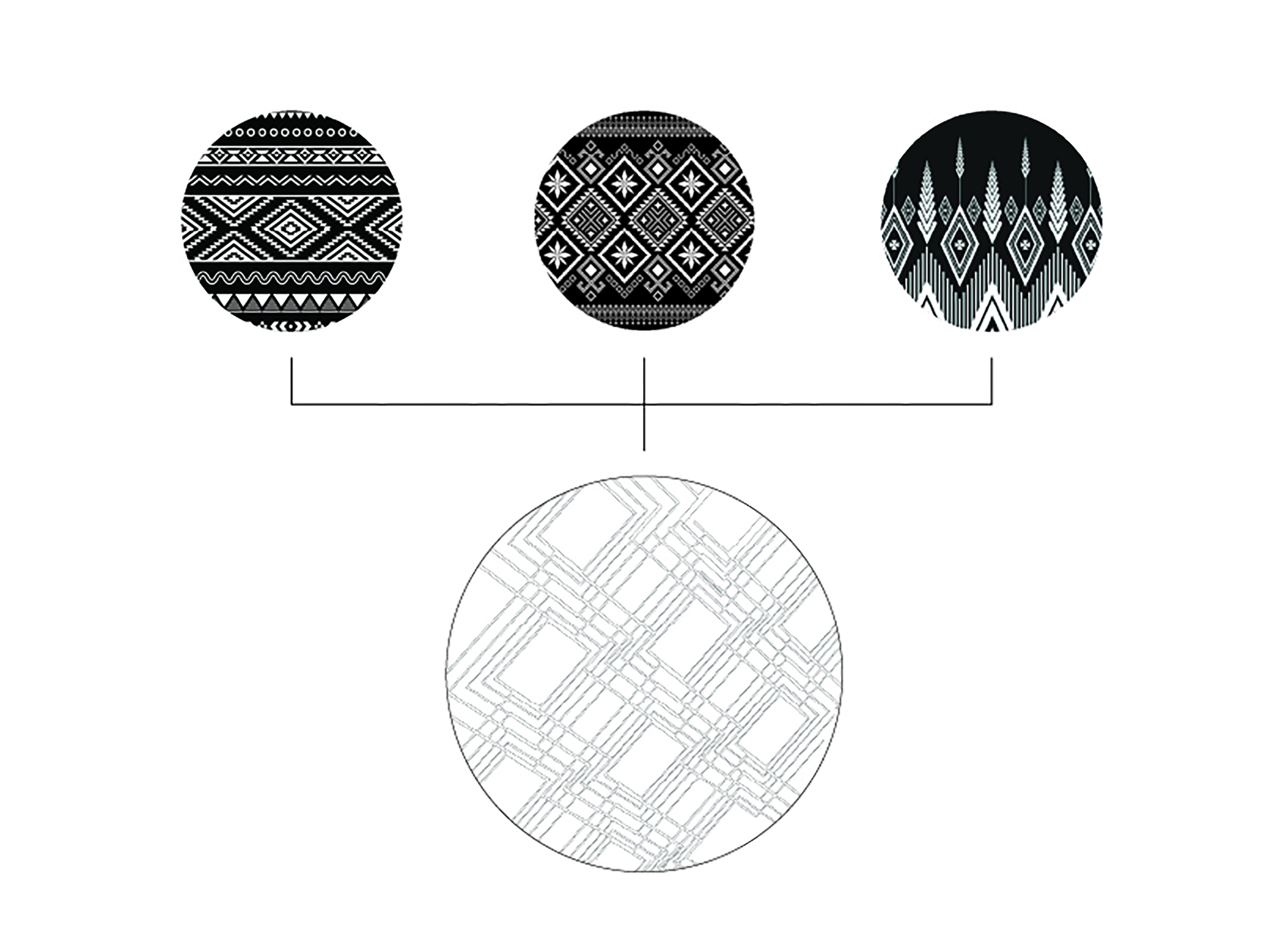
The Indonesian Consulate in Jeddah transforms a 50-year-old private compound into a contemporary diplomatic complex through an adaptive reuse strategy that preserves the site’s architectural character while meeting present-day institutional requirements. Rather than replacing the existing structures, INJ Architects retained the original structural footprint and integrated the existing water tower into the renewed composition, establishing continuity between the site’s history and its new diplomatic function. A climate-responsive parametric façade, developed through Grasshopper, interprets Indonesian Batik motifs as a perforated metallic screen optimized for the building’s solar orientation along the Red Sea coast. The design also references the traditional Hijazi Rawshan, creating a dialogue between Indonesian cultural identity and Jeddah’s architectural heritage. The compound accommodates administrative offices, diplomatic residences, and a dedicated Indonesian Hajj Mission facility organized through independent circulation systems that support operational efficiency and security. Complementing its adaptive reuse approach, the project sourced nearly all construction materials and systems locally within Saudi Arabia, reinforcing environmental responsibility while improving resilience throughout construction.
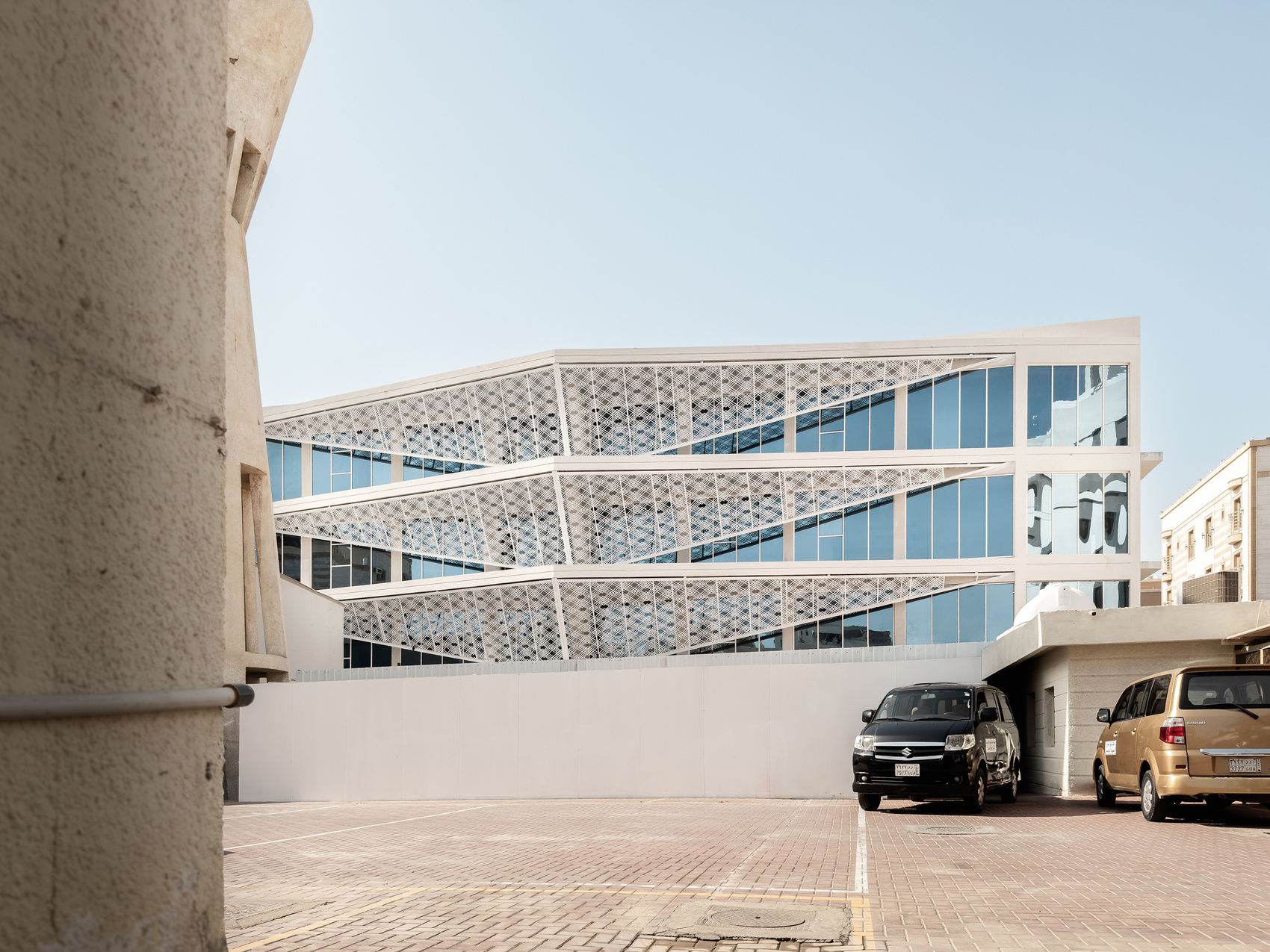
The Indonesian Consulate in Jeddah illustrates that diplomatic architecture is often defined less by formal expression than by the ability to reconcile complex institutional, cultural, and regulatory demands. Rather than beginning with an empty site, INJ Architects approached an existing property as an architectural asset whose physical history could become part of the project’s identity. The result is a diplomatic compound that demonstrates how transformation, rather than replacement, can produce architecture that responds equally to heritage, function, and long-term civic responsibility.
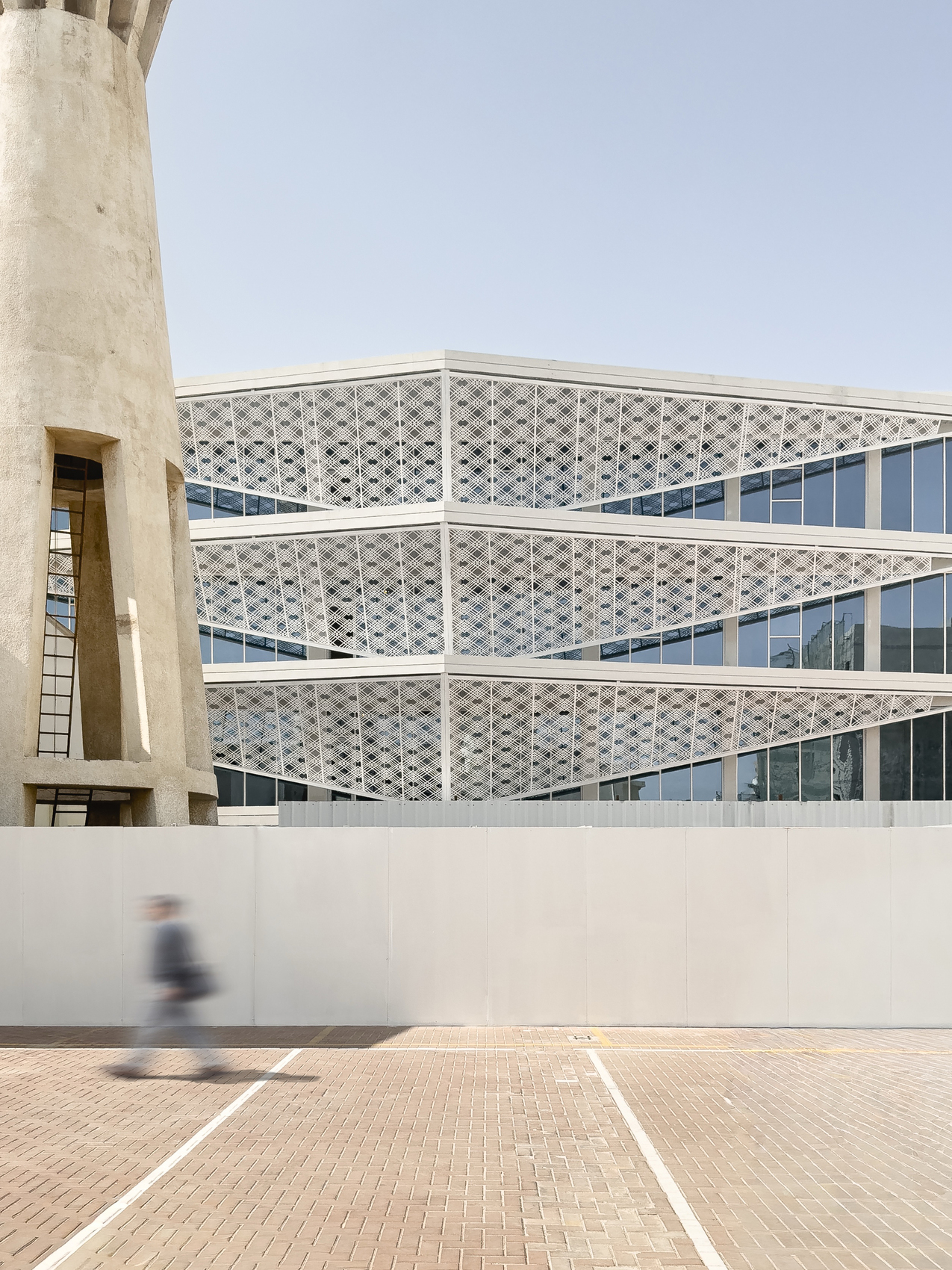
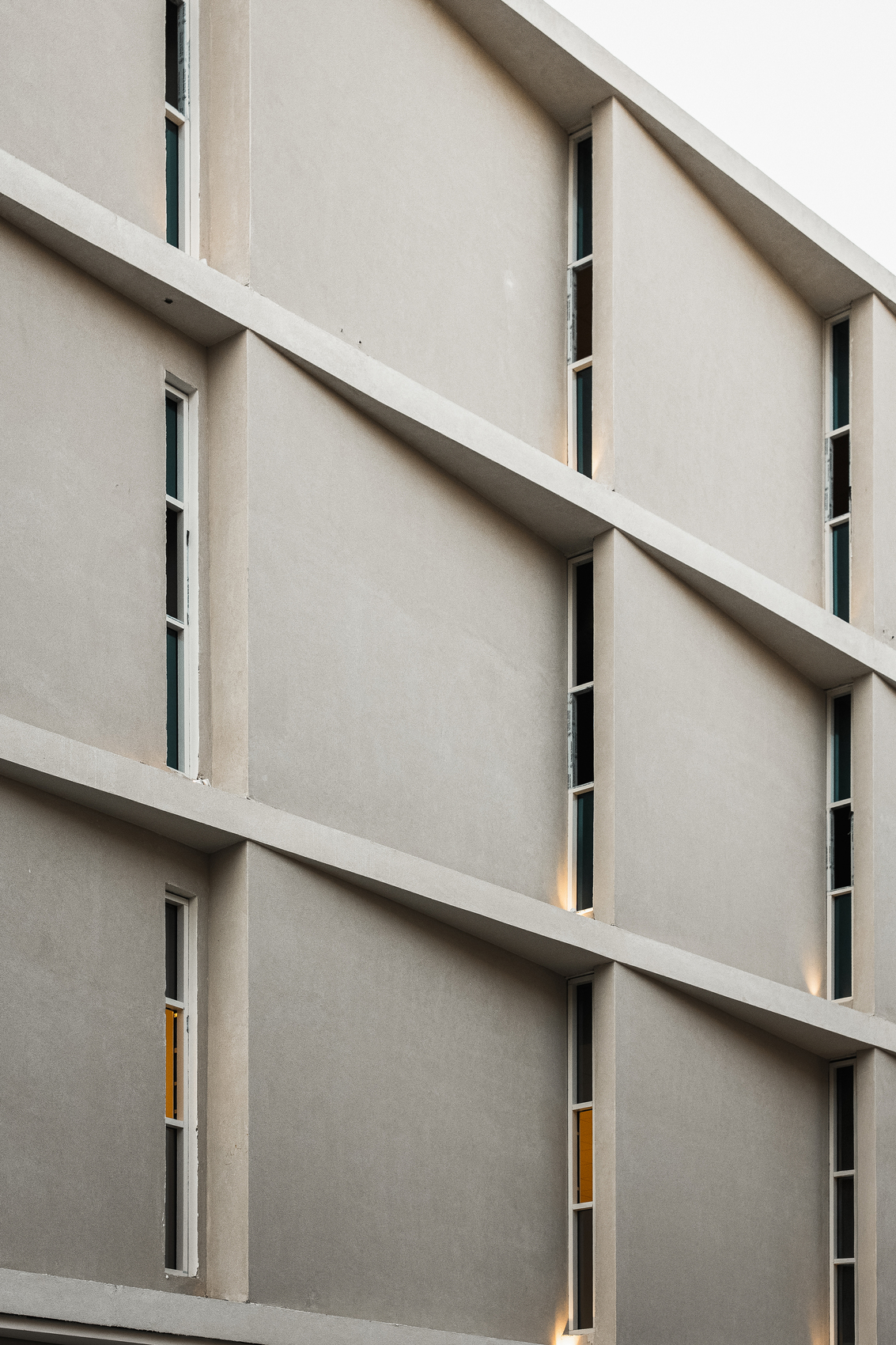
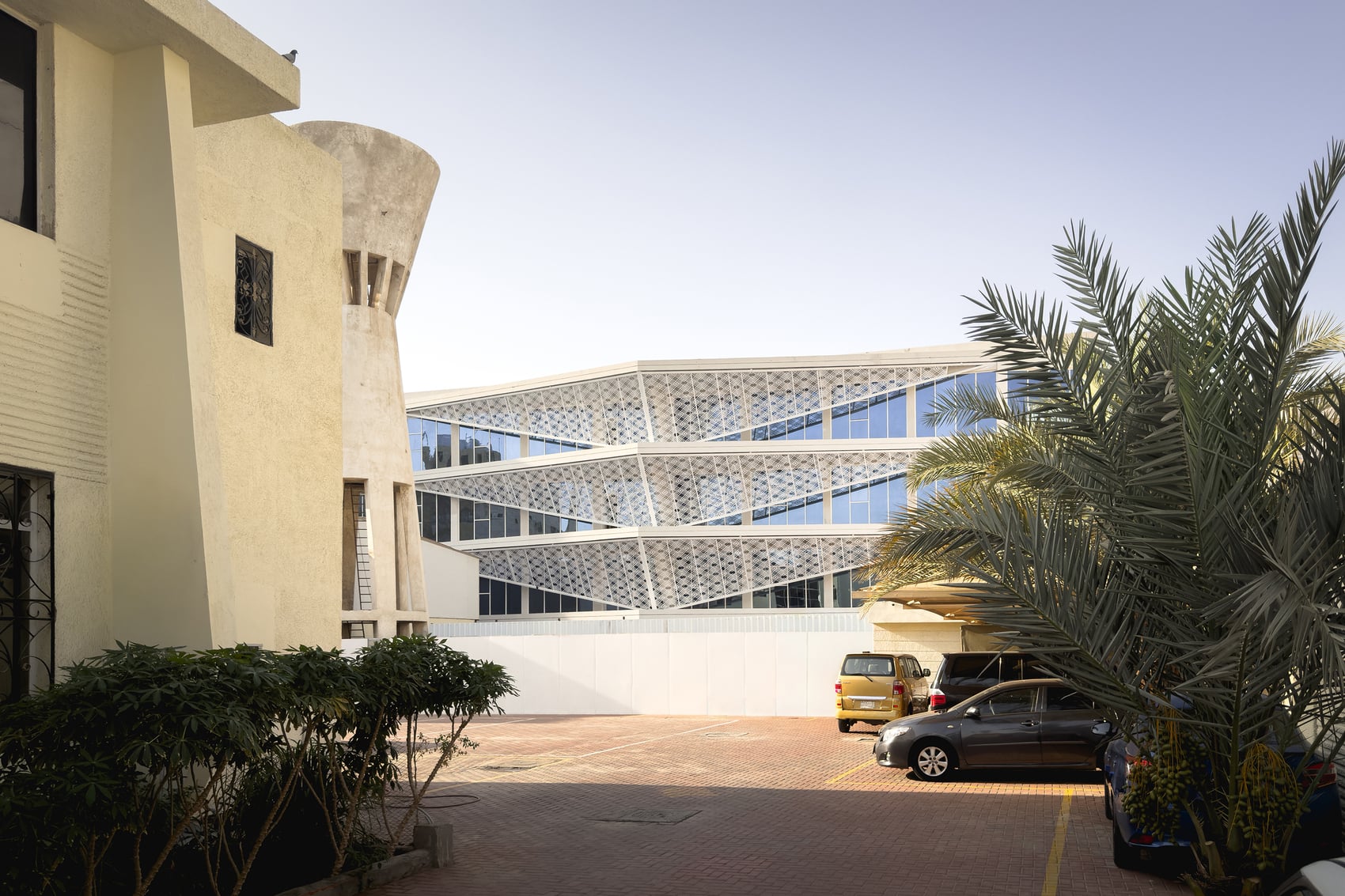
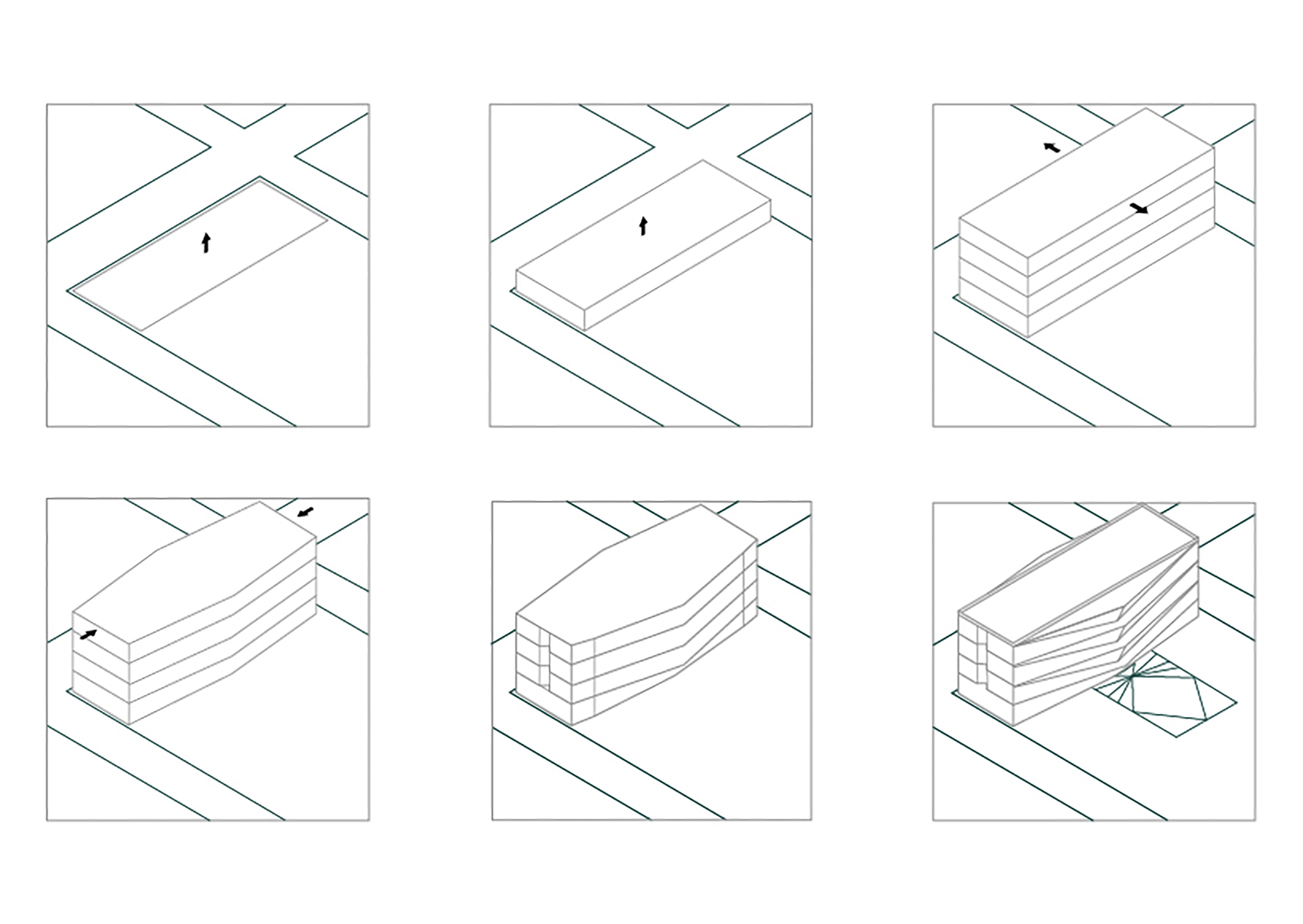
Occupying a 5,832-square-meter site within one of Jeddah’s long-established urban districts, the project preserves the original structural framework and existing water tower as integral components of the redevelopment. These retained elements were carefully integrated into a contemporary diplomatic program, allowing the compound to satisfy current operational and security requirements while maintaining a tangible connection to its past. The intervention reflects a measured architectural approach in which existing structures become active participants in the new institutional narrative instead of obstacles to redevelopment.
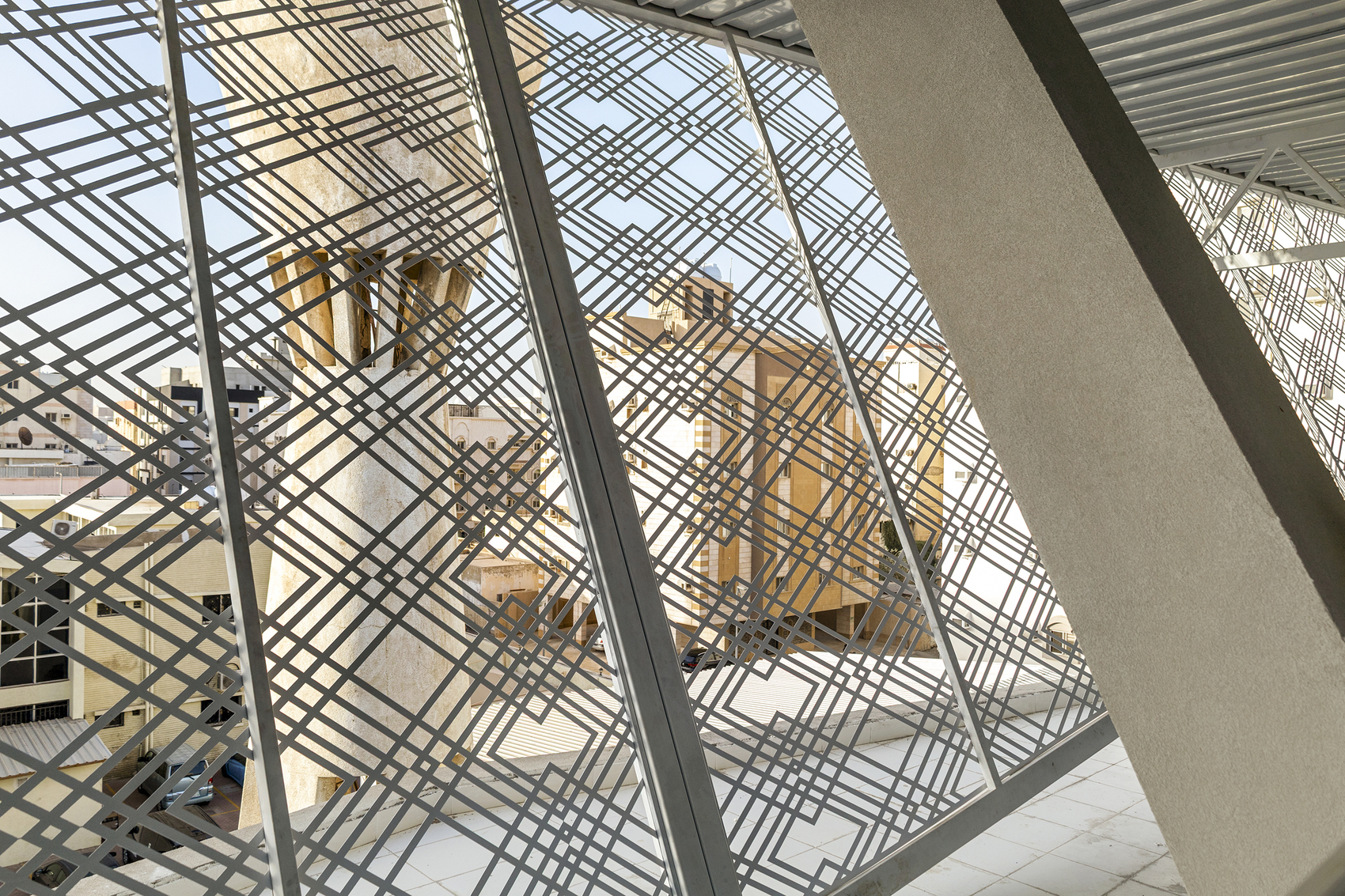
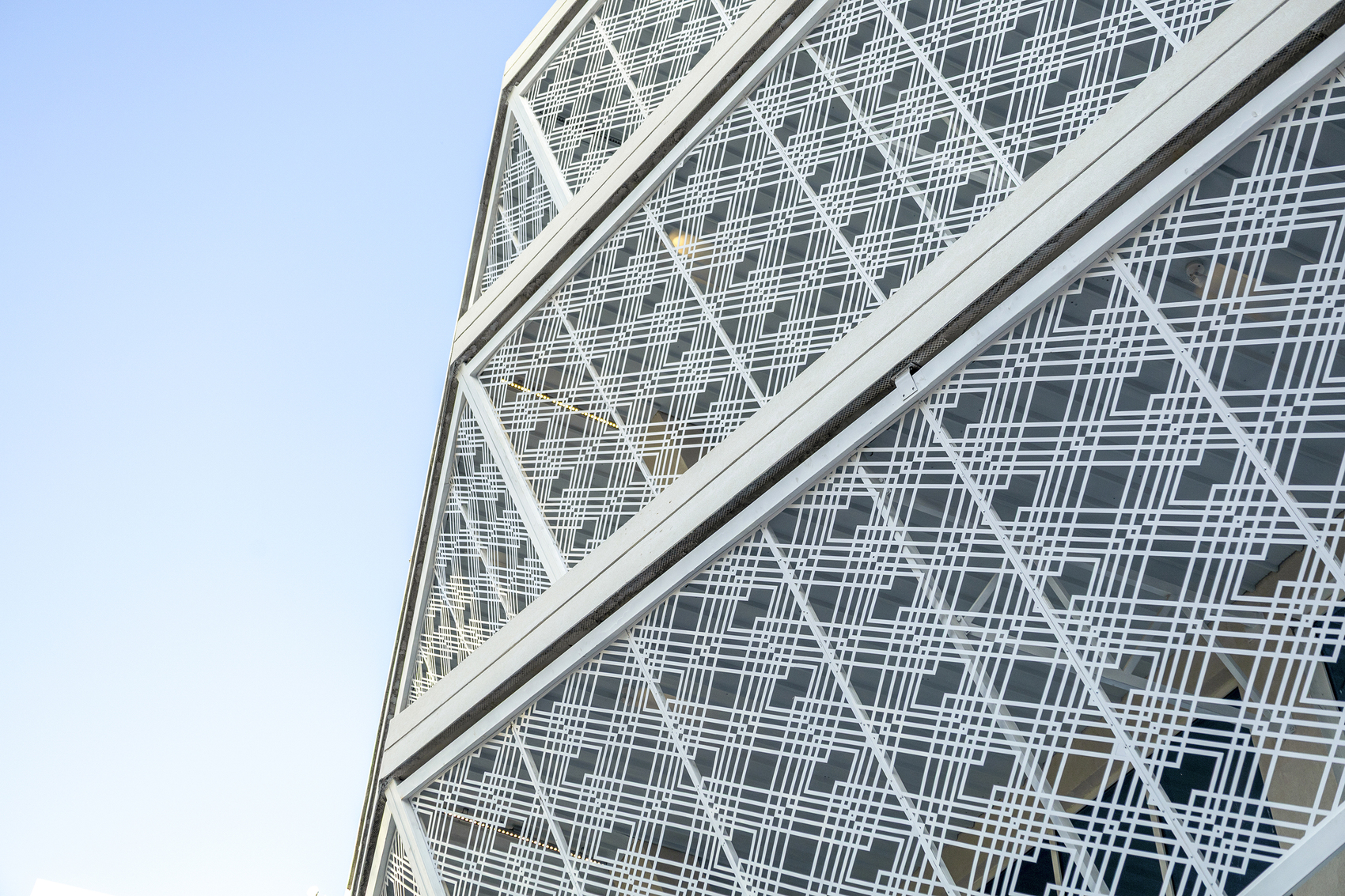
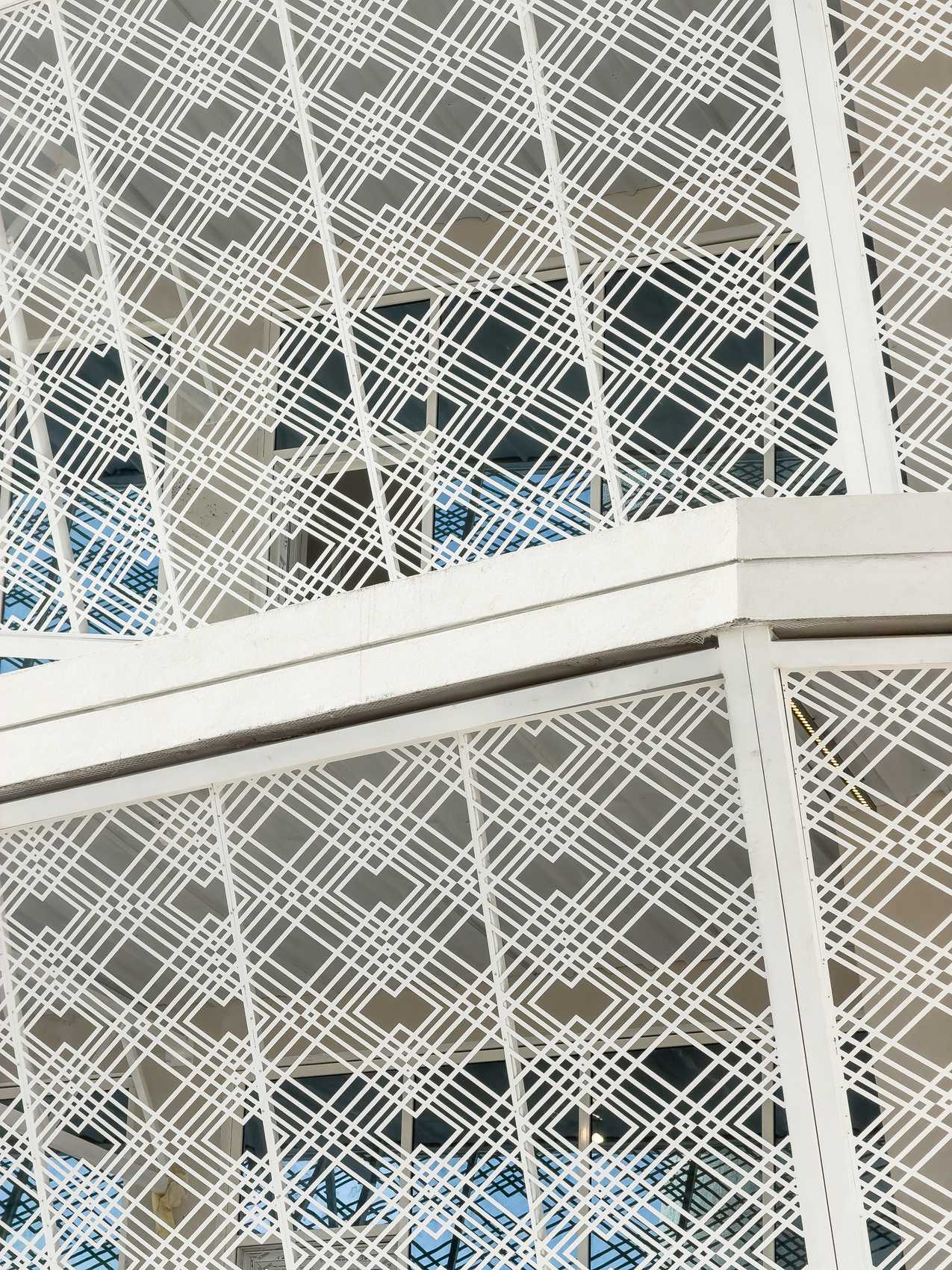
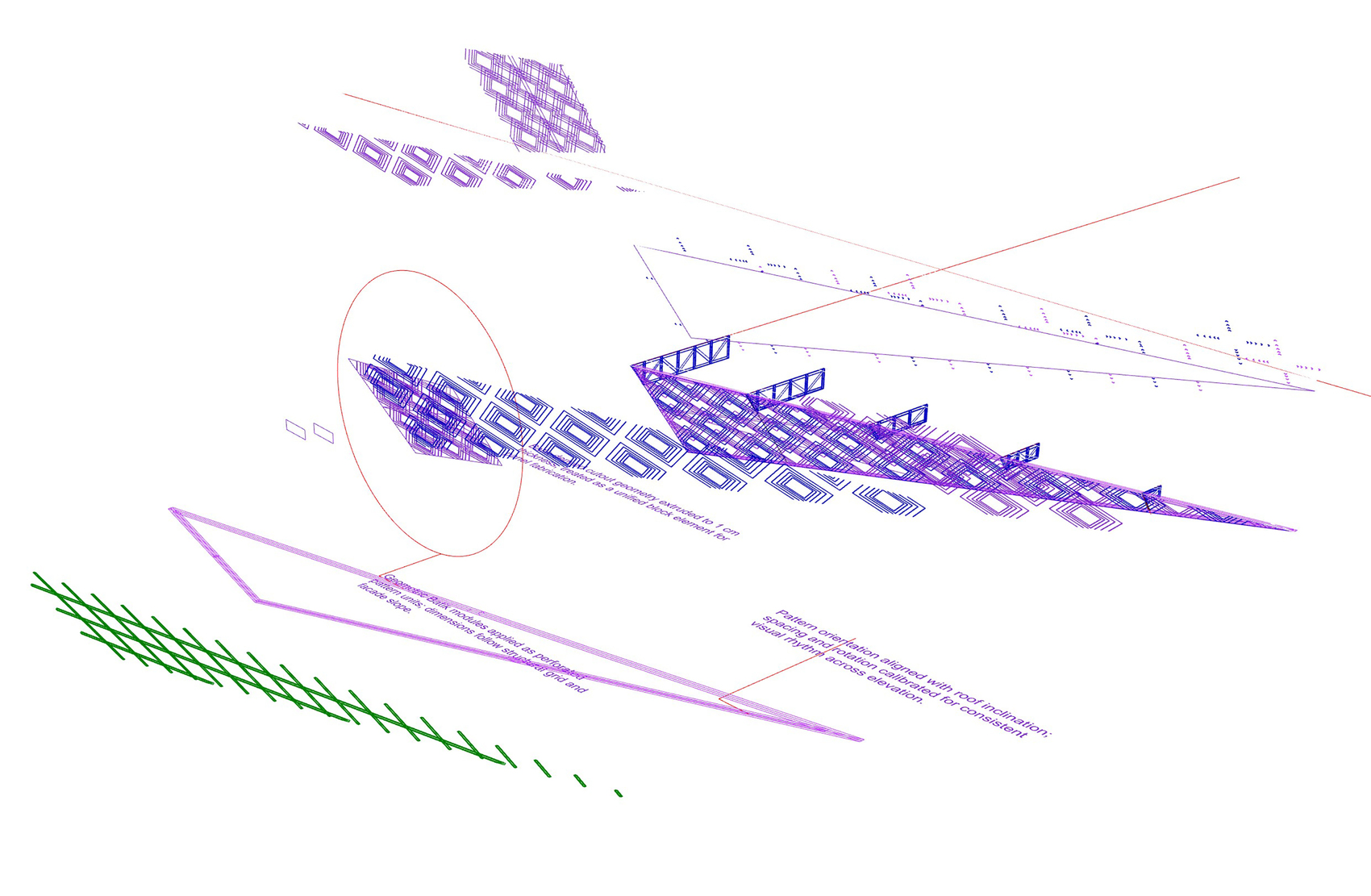
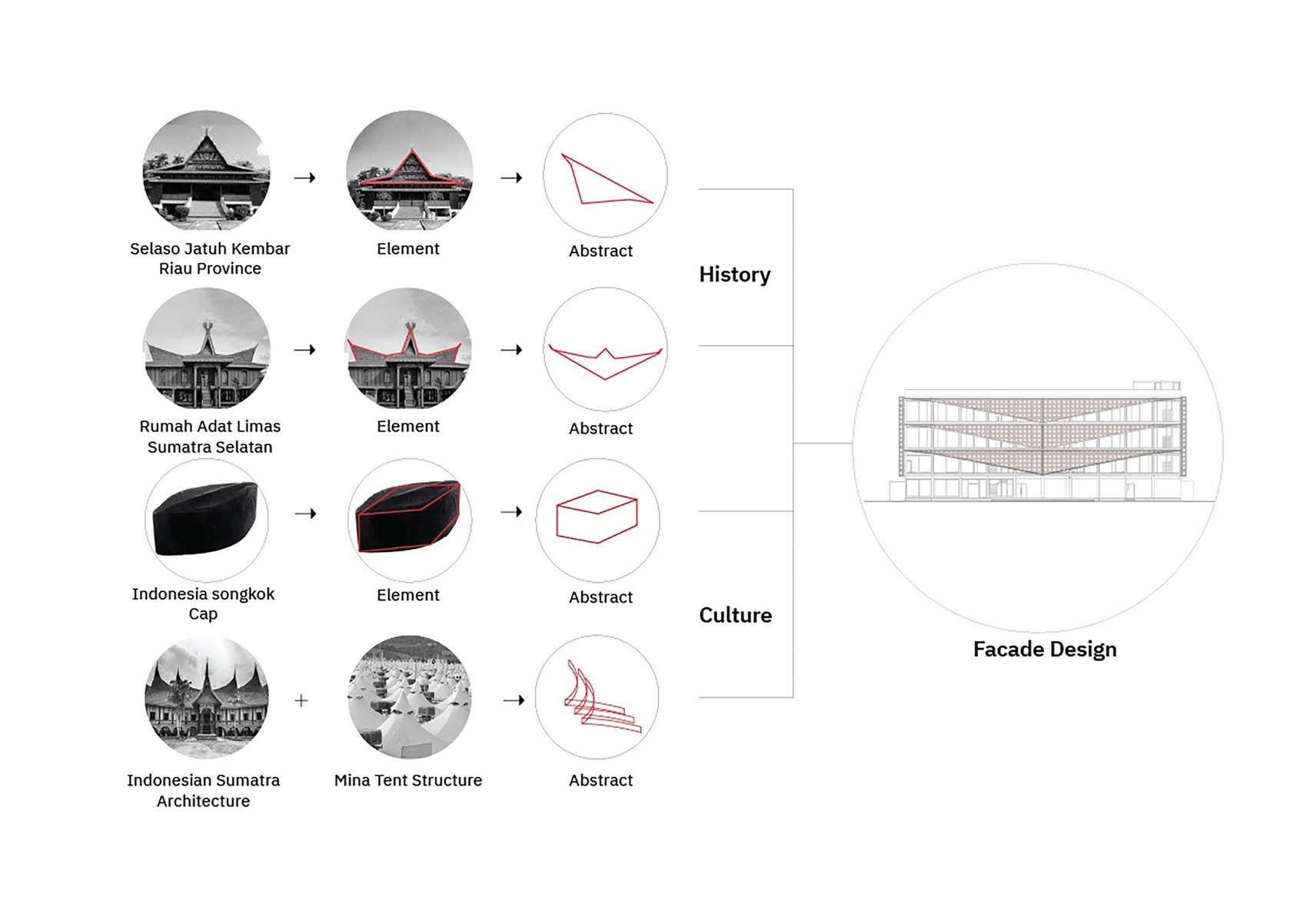
Environmental performance and cultural identity converge in the building’s parametric façade, developed through Grasshopper as a perforated metallic envelope informed by Indonesian Batik geometry. The depth and spacing of the panels were calibrated according to the building’s solar orientation and peak radiation conditions along the Red Sea coast, reducing solar gain while creating a dynamic architectural surface. At the same time, the screen recalls the traditional Hijazi Rawshan that characterizes the historic architecture of Jeddah, establishing a dialogue between Indonesian craftsmanship and regional architectural heritage. This cultural synthesis continues in the roofline, which reinterprets the upward-curving silhouette of the Rumah Gadang within the technical requirements of the Saudi Building Code.
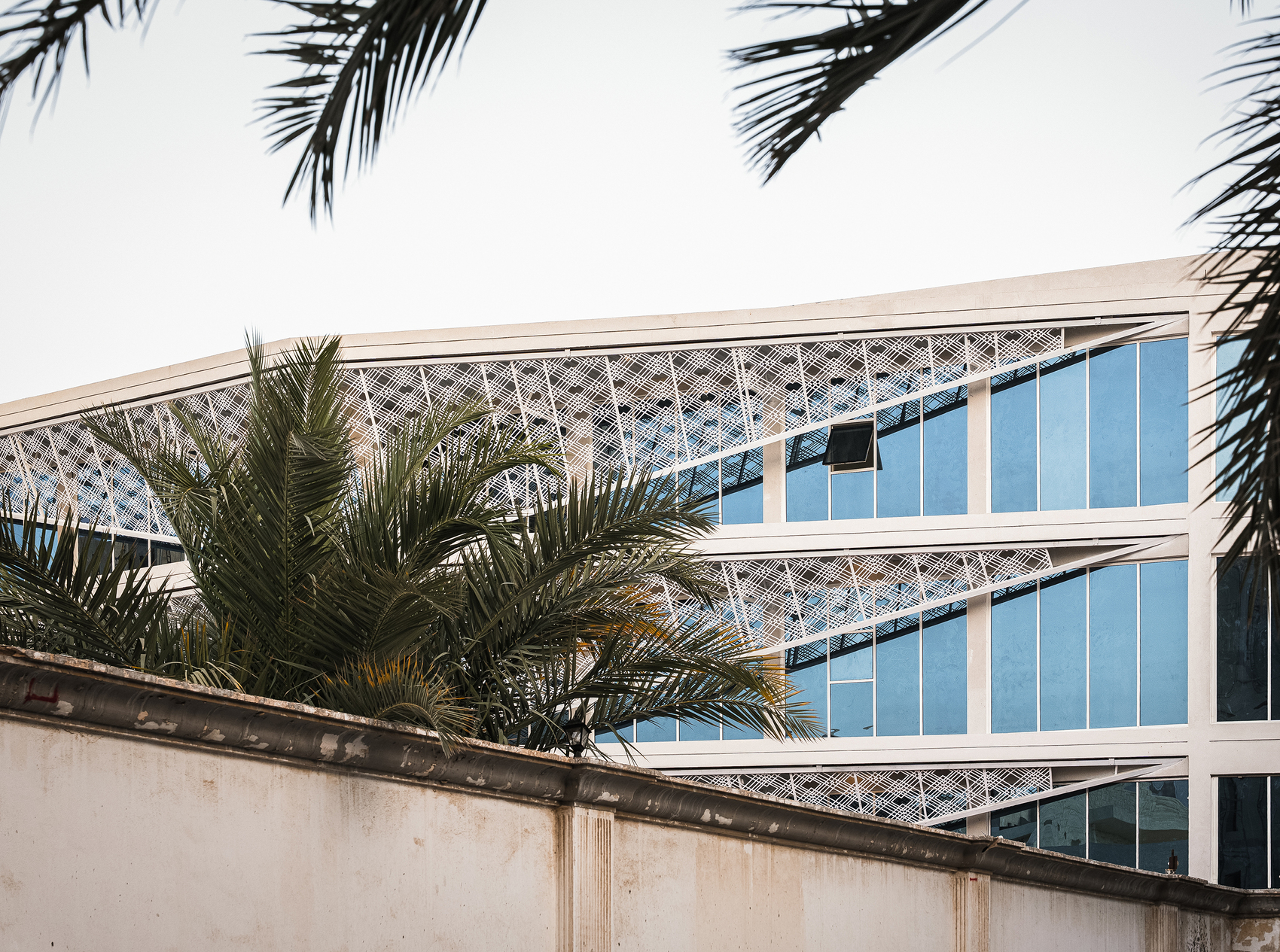
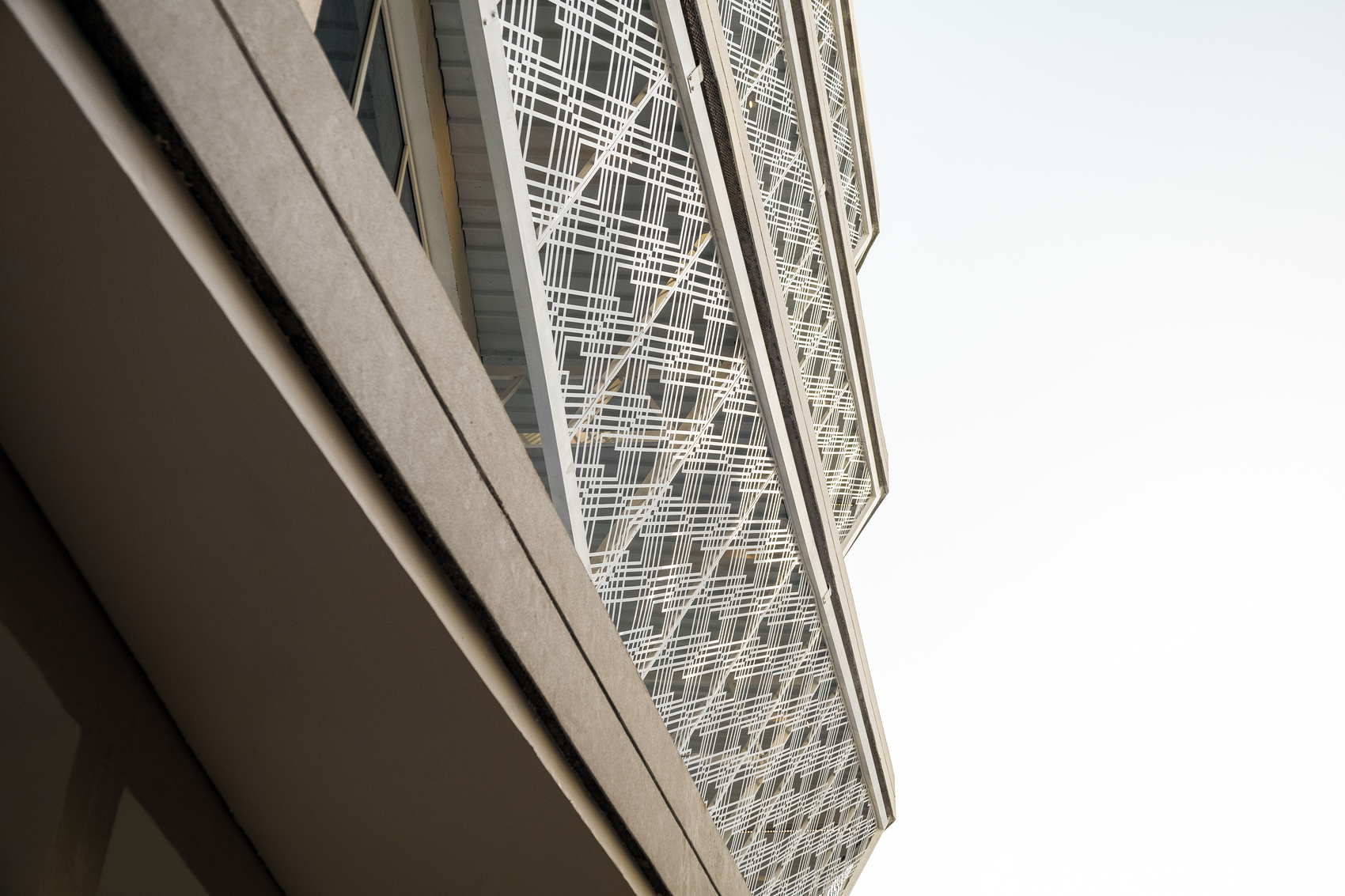
The internal organization responds to the operational realities of a diplomatic institution serving both everyday consular activities and seasonal pilgrimage demands. Administrative offices, diplomatic residential quarters, and a dedicated Indonesian Hajj Mission facility are arranged as three interconnected yet distinct functional zones supported by separated circulation systems. This organization enables the compound to accommodate significant fluctuations in visitor numbers during Hajj while preserving security protocols and ensuring uninterrupted daily operations. The project’s emphasis on local procurement further reinforces its contextual approach, with nearly 99 percent of construction materials and systems sourced within Saudi Arabia to reduce transportation impacts and strengthen resilience against supply chain disruptions.
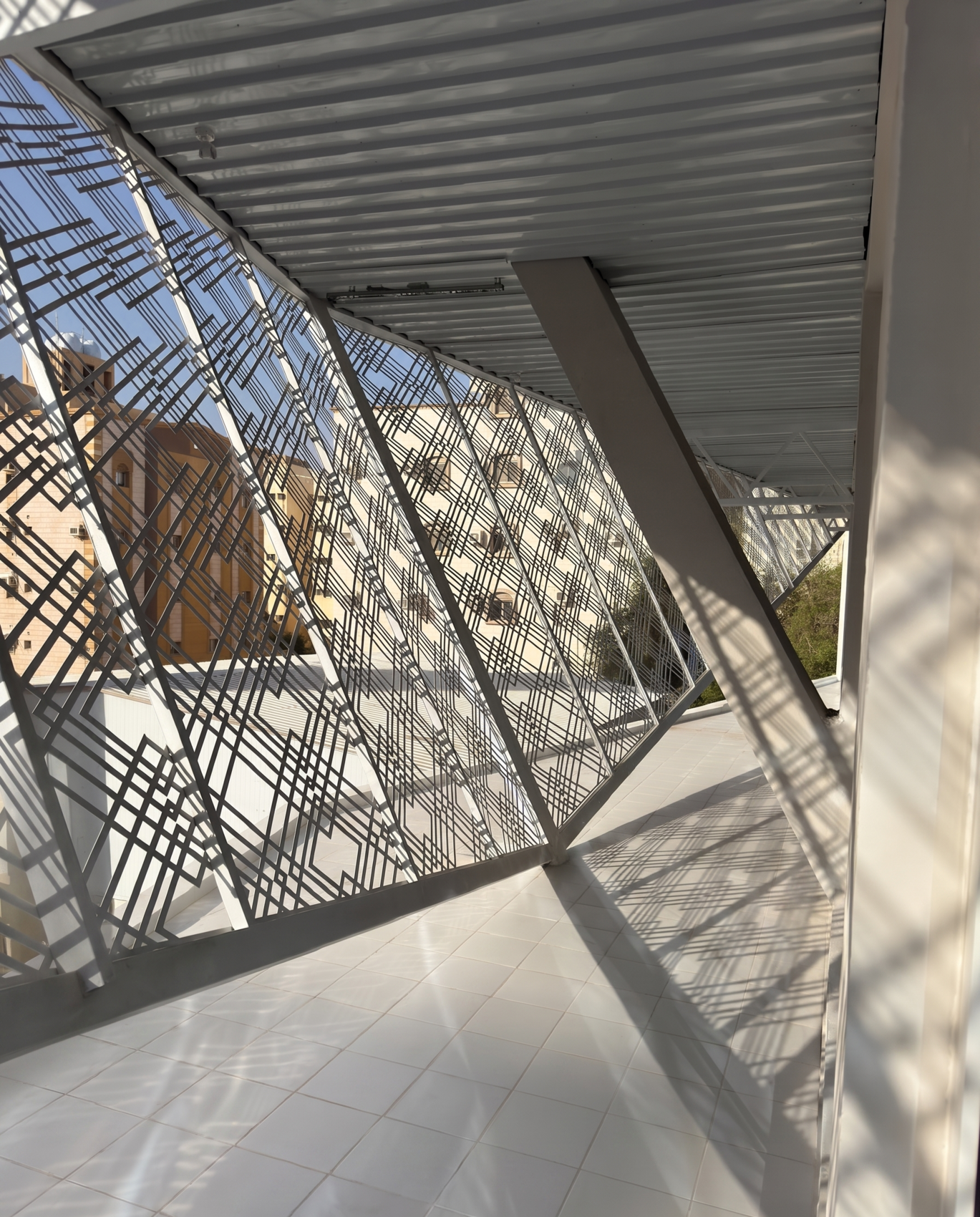
The completed consulate demonstrates that diplomatic architecture extends beyond symbolic representation to encompass durability, adaptability, and operational performance. Its photographic documentation intentionally presents the compound in active use, with official vehicles, surrounding streets, and the everyday conditions of a working diplomatic facility remaining visible rather than concealed. These images reinforce the project’s architectural intentions by acknowledging the building as a functioning sovereign institution rather than an isolated object of design. Through adaptive reuse, environmental responsiveness, and cultural integration, the Indonesian Consulate in Jeddah establishes a diplomatic environment capable of serving two nations while remaining firmly rooted in its historical and urban context.

Project Gallery
Project Location
Address: 4653 Al-Muallifin Street, Al Rehab District 5, P.O. Box 10, Jeddah 23344, Makkah Province, Saudi Arabia
The location specified is intended for general reference and may denote a city or country, but it does not identify a precise address.

