

Architects: Tiago do Vale Arquitectos
Area: 165 m²
Year: 2013
Photography: João Morgado
Contractor: Constantino & Costa
Materials: Local yellow granite, wood, southern yellow pine, Portuguese white Estremoz marble, iron, Marseille roof tiles
City: Sé, Braga
Country: Portugal
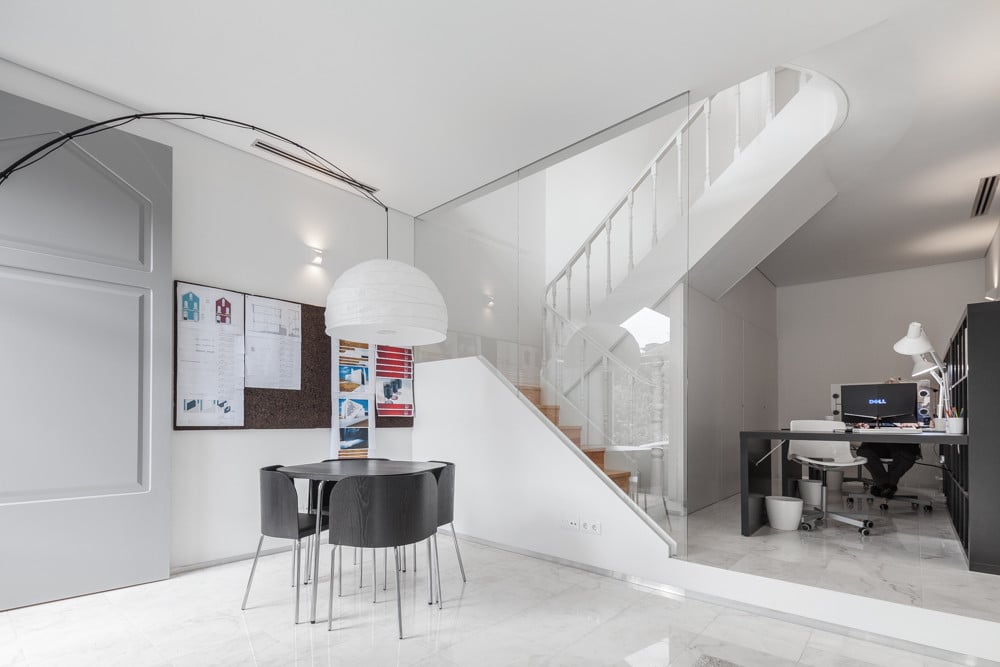
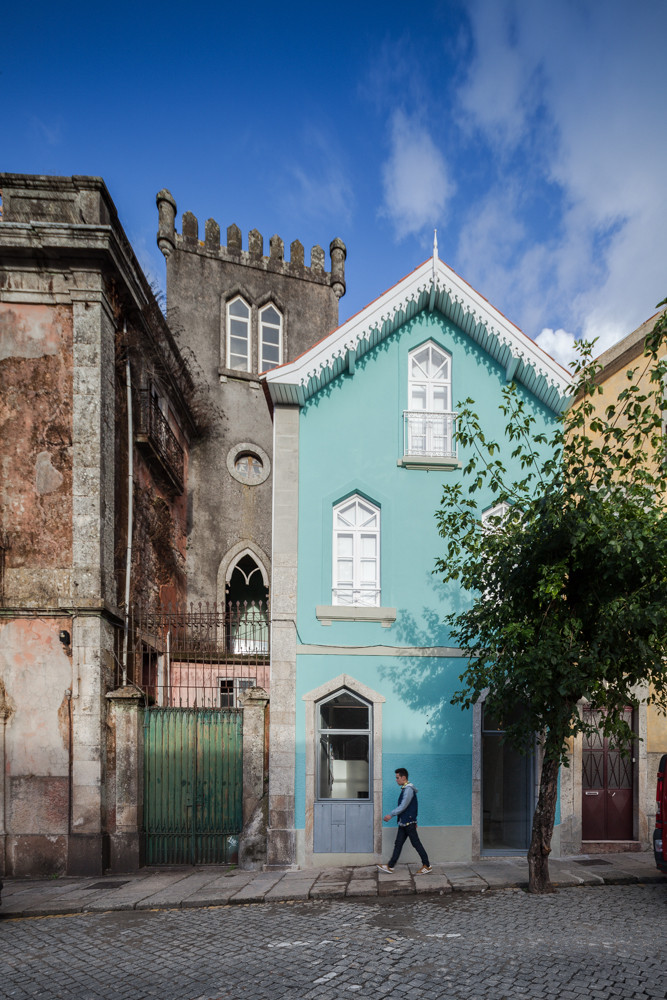
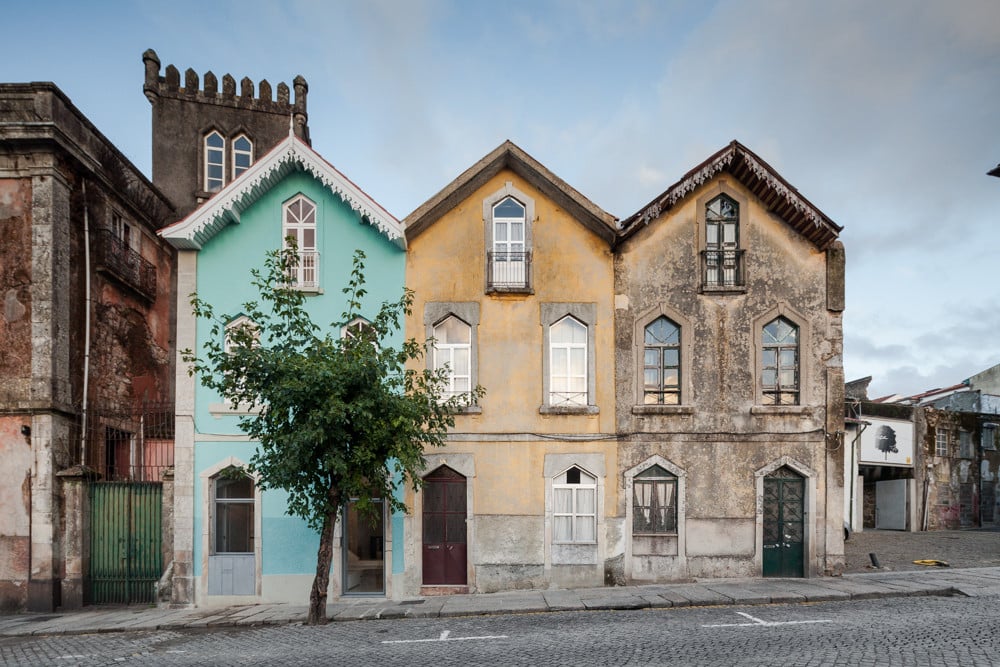
Three Cusps Chalet restores a rare 19th-century building in Sé, Braga, designed by Tiago do Vale Arquitectos as both a residence and work studio. Set near Braga Cathedral, within the city’s Roman and medieval walls, the project revives a compact chalet influenced by Brazilian architectural culture and originally linked to a neighboring palace as a service structure. The intervention clarifies the building’s vertical organization, with the studio at street level, social spaces above, and sleeping quarters on the top floor. A central staircase organizes the plan and gradually marks the transition from public to private areas. The restoration emphasizes daylight, transparency, and spatial continuity while preserving historic elements such as granite walls, timber frames, Marseille roof tiles, and decorated eaves. New materials, including Portuguese white Estremoz marble, are introduced with restraint, allowing the project to reconcile heritage, contemporary use, and the building’s distinctive urban identity.
The Three Cusps Chalet was already a remarkable object before our intervention. It carried a very specific story: a Portuguese urban building from the nineteenth century, marked by an unexpected alpine influence that arrived through the cultural exchanges between Portugal and Brazil. It was modest, but full of identity.
When we found it, much of that identity had been obscured by successive unqualified interventions. Our inspiration was not to invent a new character for the building, but to recover the strength of the one it already had.
The project was therefore about balance: restoring without freezing, transforming without erasing, and making the house suitable for contemporary life while allowing its previous life to remain legible.
Interview with Tiago do Vale Tiago do Vale Architects
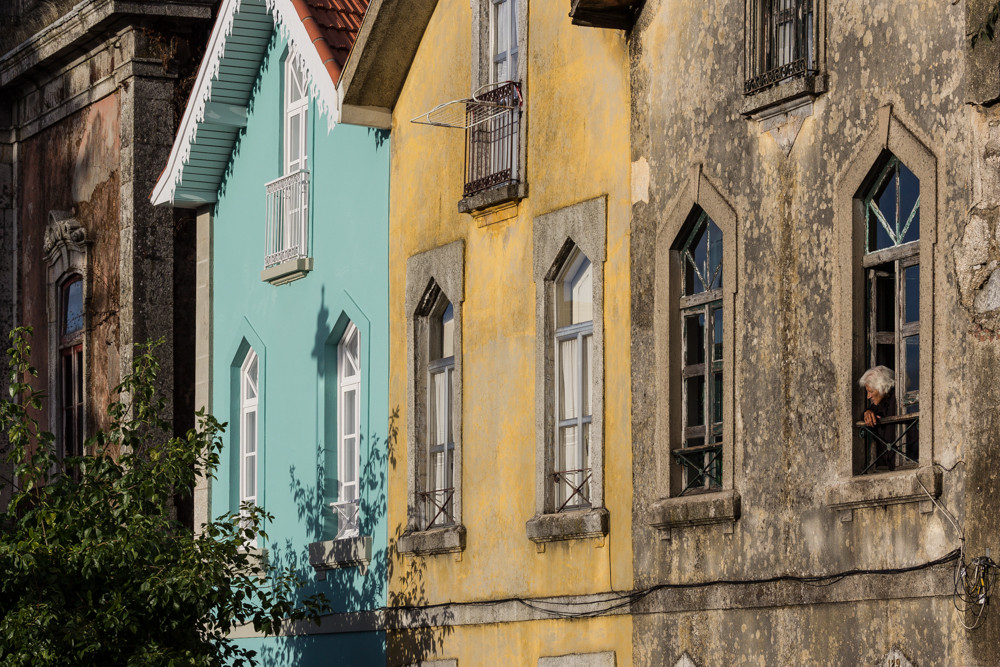
Three Cusps Chalet occupies a modest but historically charged position within Braga’s urban fabric, where its value lies not in monumentality but in the singularity of its origin. Tiago do Vale Arquitectos treated the project as an opportunity to recover the dignity of a small service building whose architectural character had been obscured by more than a century of alterations, while also adapting it to a contemporary way of living and working.
The house belongs to a broader cultural episode in northern Portugal during the second half of the 19th century, when Portuguese emigrants returned from Brazil with fortunes made through trade and industry. Their return brought new architectural ambitions to the Douro and Minho regions, combining European references with the taste and cosmopolitanism formed in 19th-century Brazil. Within this context, Three Cusps Chalet stands as an unusual example of Brazilian influence translated into a compact Portuguese urban dwelling.
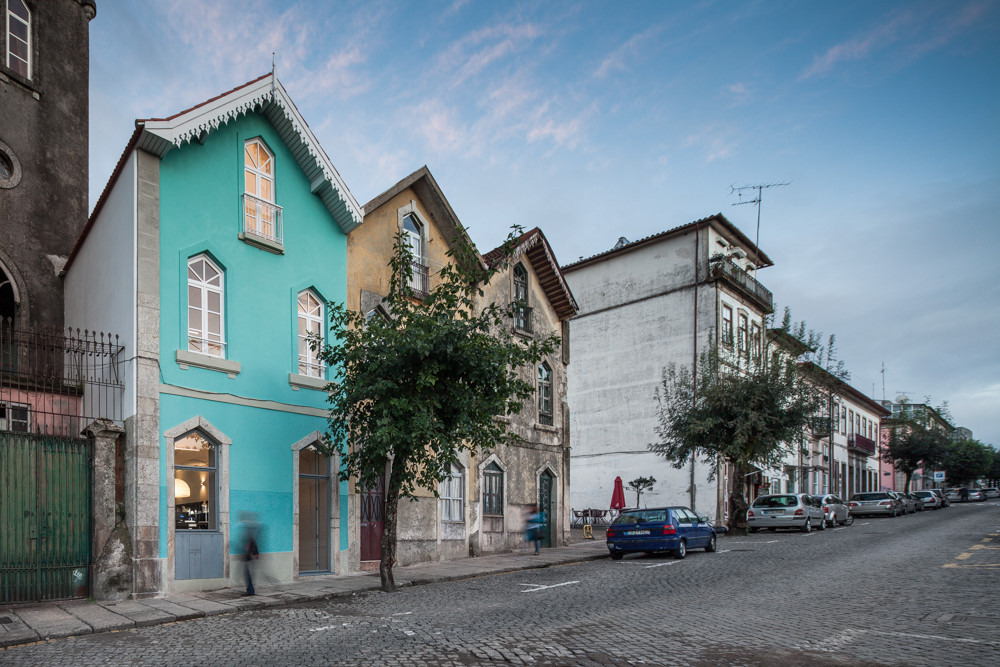
The building was constructed beside a small palace at the corner of Dom Frei Caetano Brandão Street and the Cathedral’s square. While the palace contained high ceilings, frescoes, stonework, stucco reliefs, and exotic timber carpentry, the chalet accommodated the more practical areas of the estate, including the kitchen, laundry, larders, and staff quarters. Rather than being hidden in basements or attics, these functions were placed in a separate contiguous structure, built with a more restrained character.
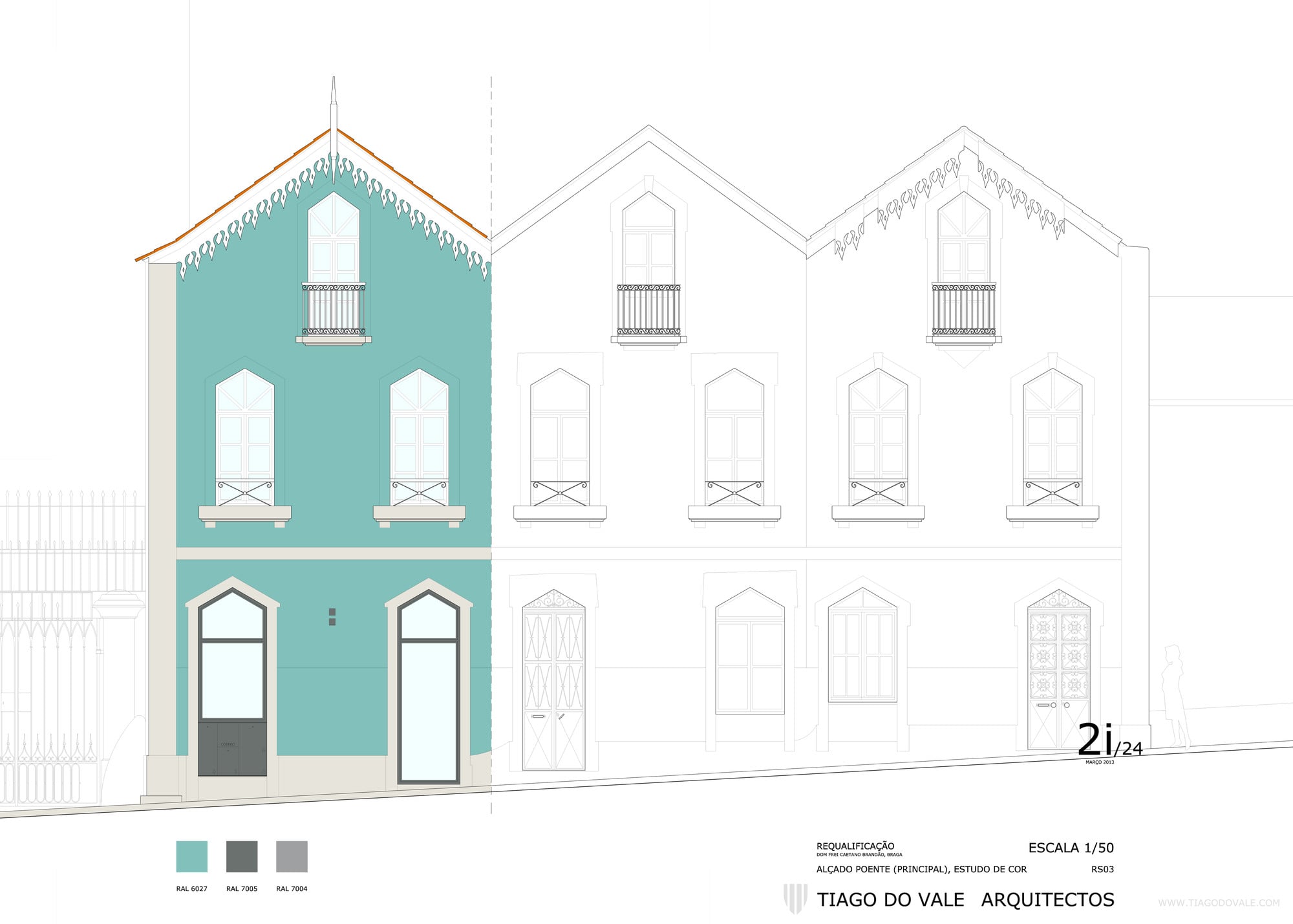
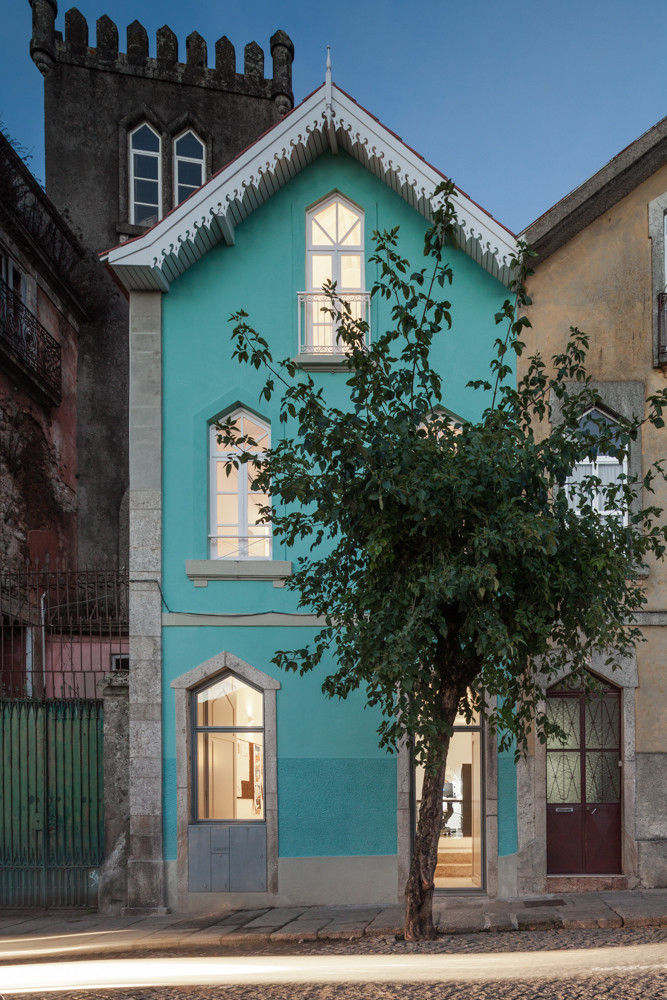
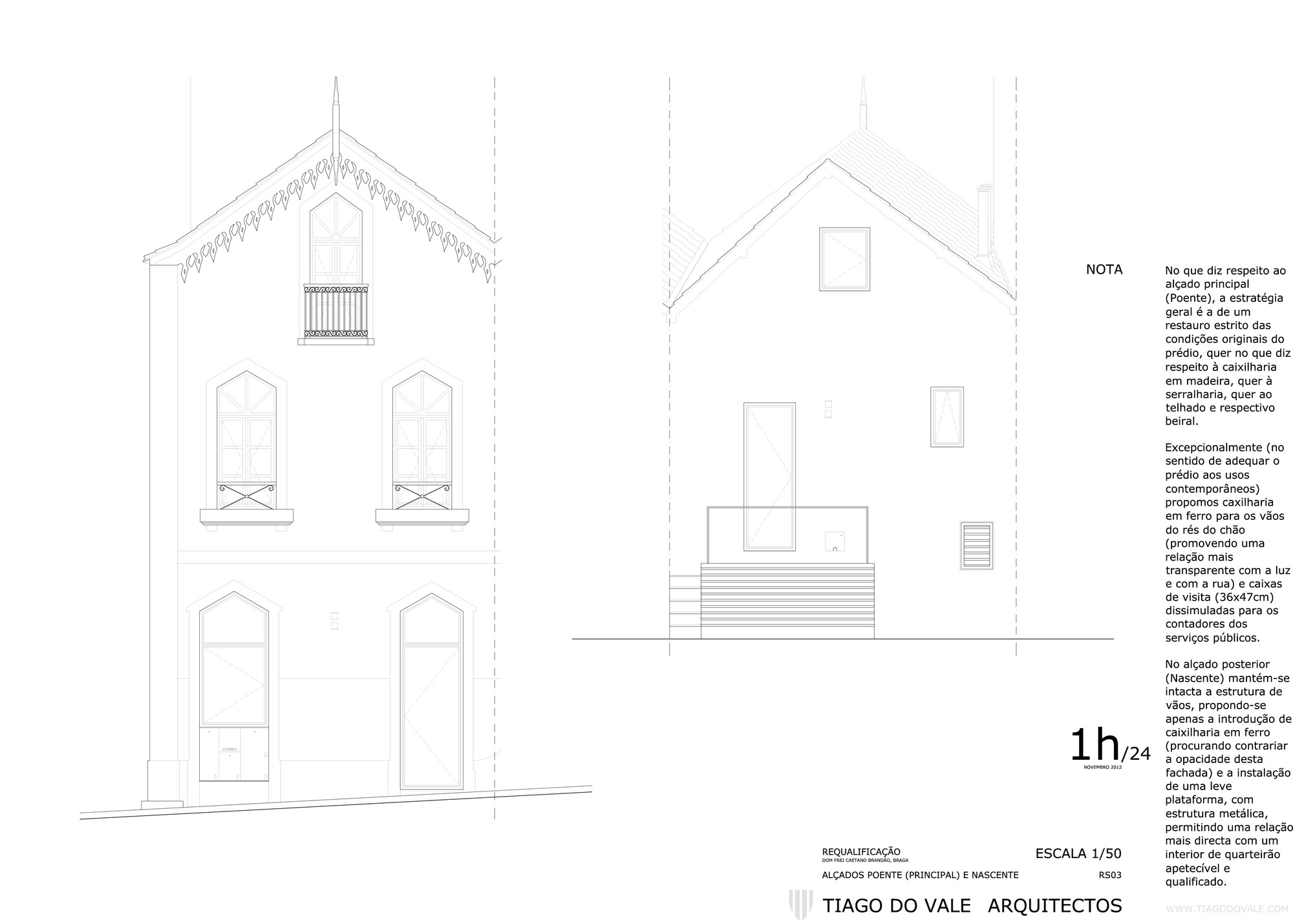
Modeled after the alpine chalet type popular in 19th-century Brazil, the building was defined by narrow proportions, tall windows, a pitched roof, and decorated eaves. Its position near Braga Cathedral, one of the Iberian Peninsula’s historically significant religious buildings, gave it an exceptional urban setting. With two fronts, one facing west toward the street and the other east toward an interior plaza, the house benefits from daylight throughout the day.
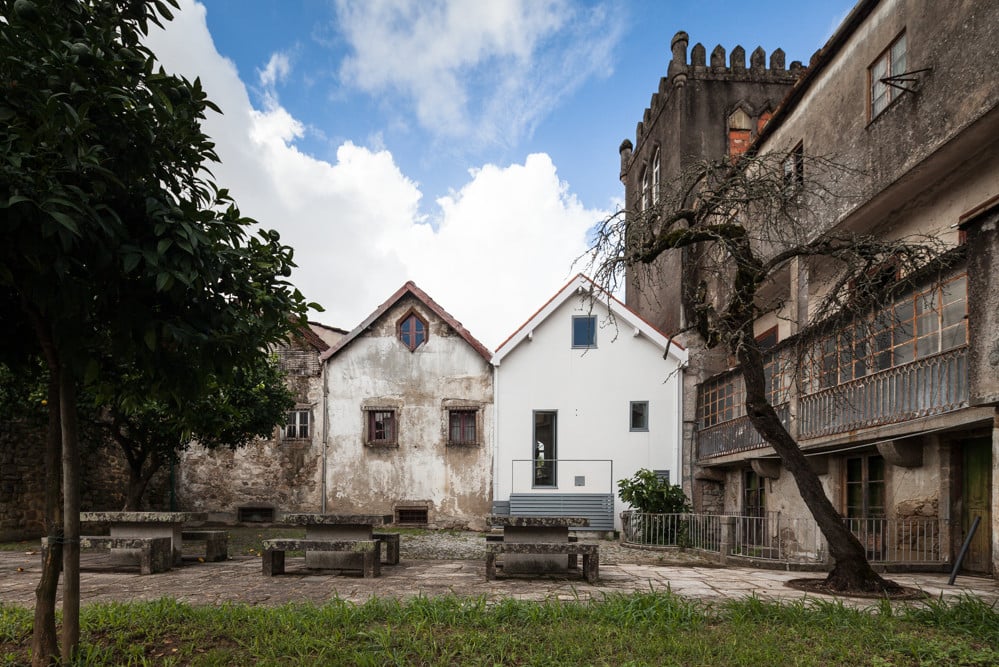
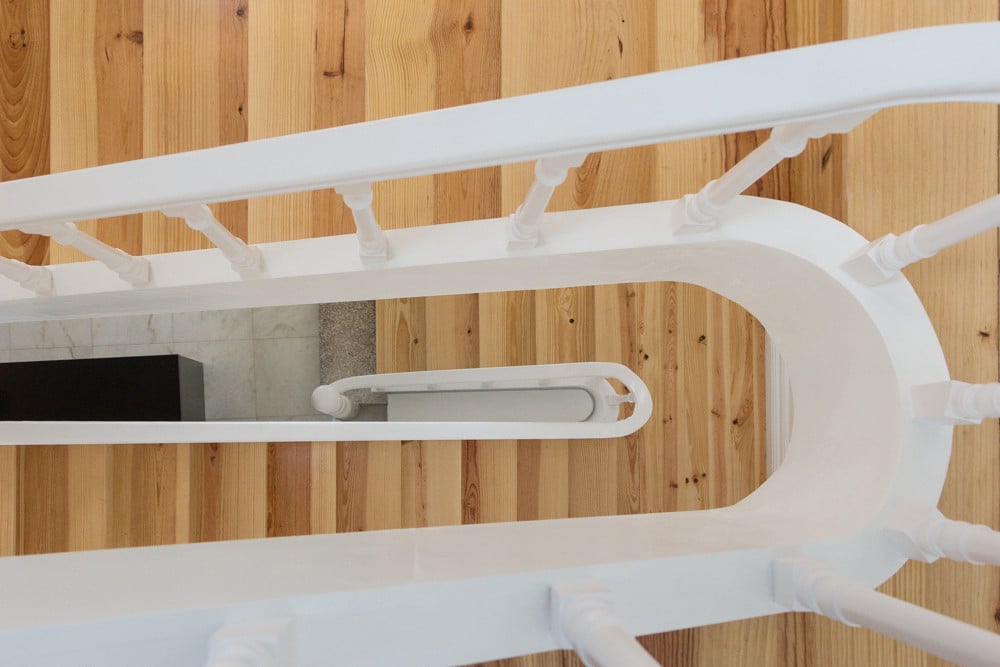
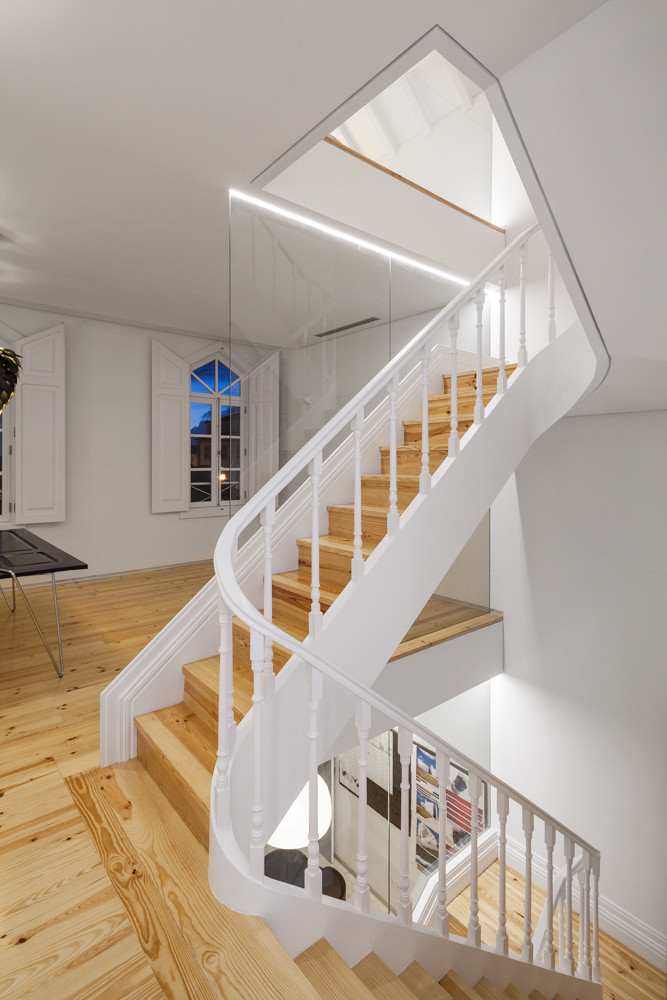
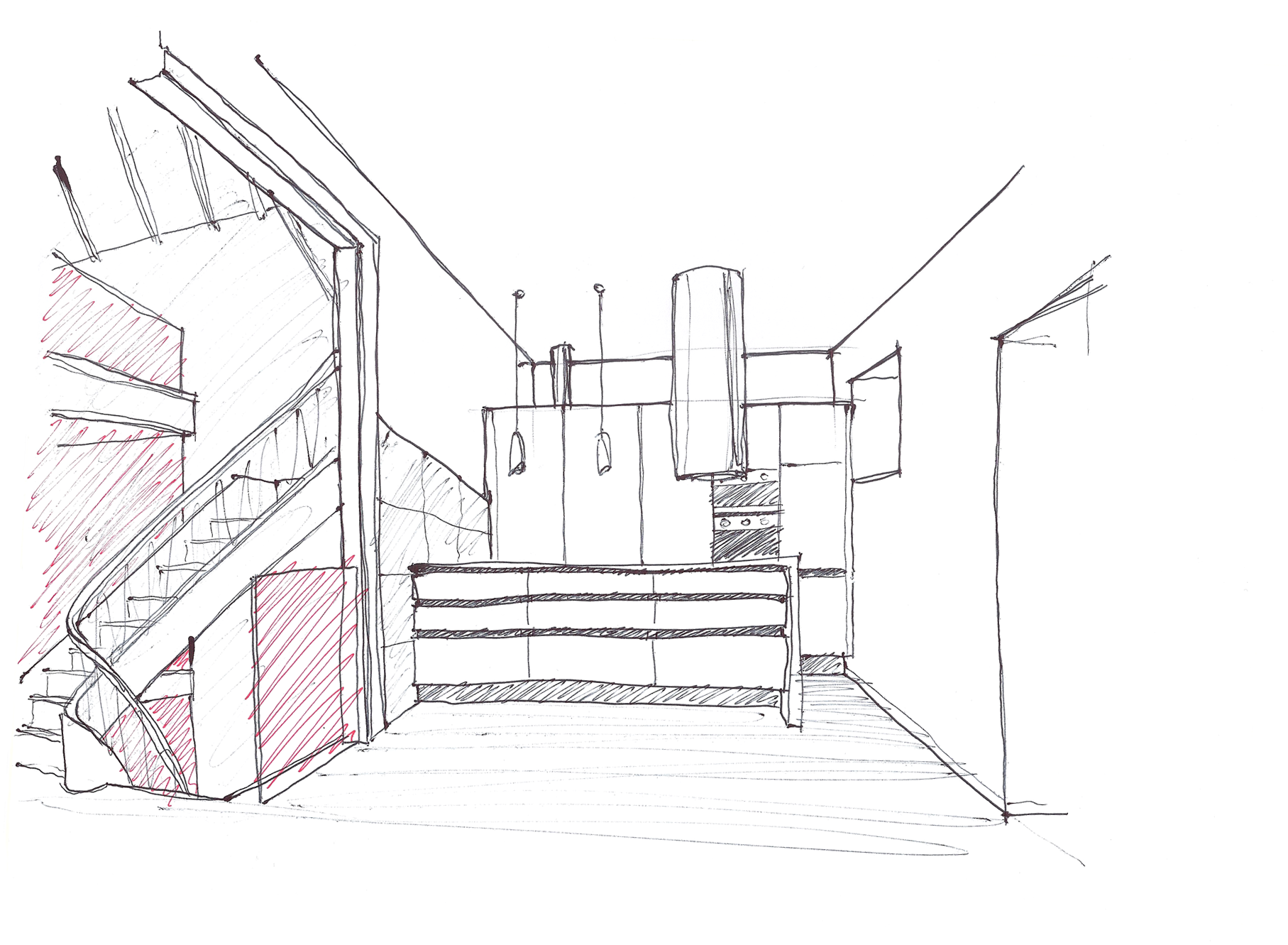
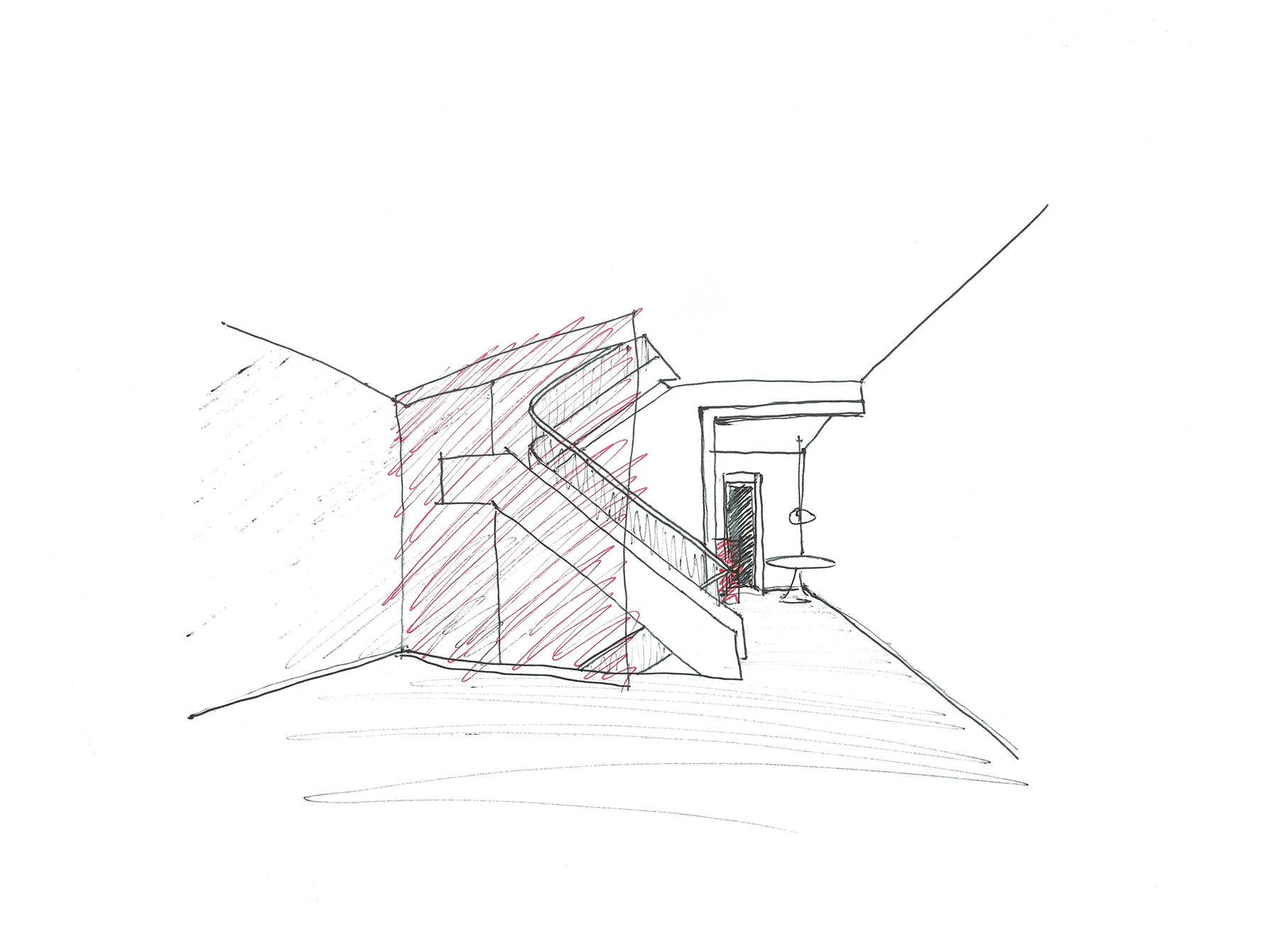
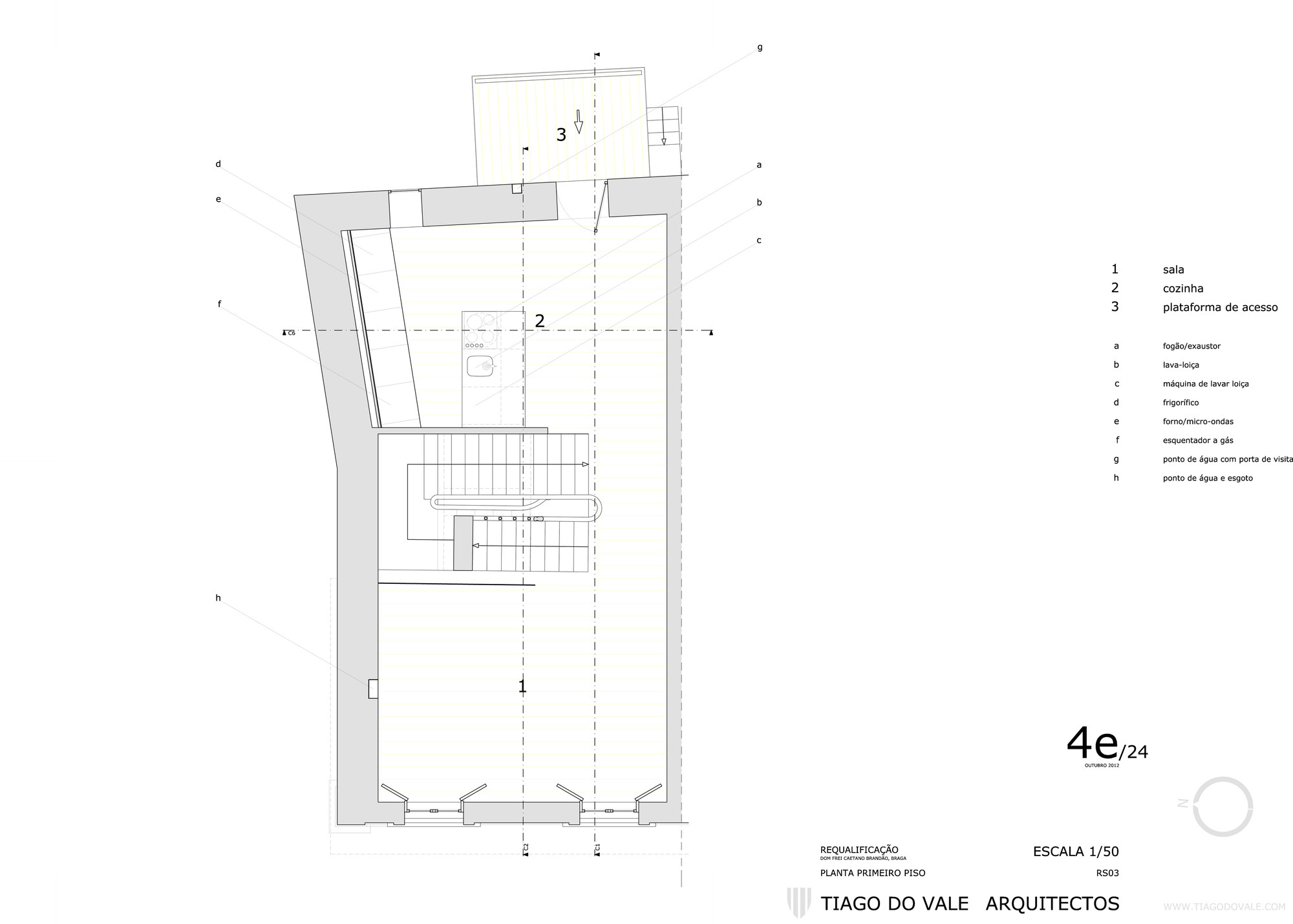
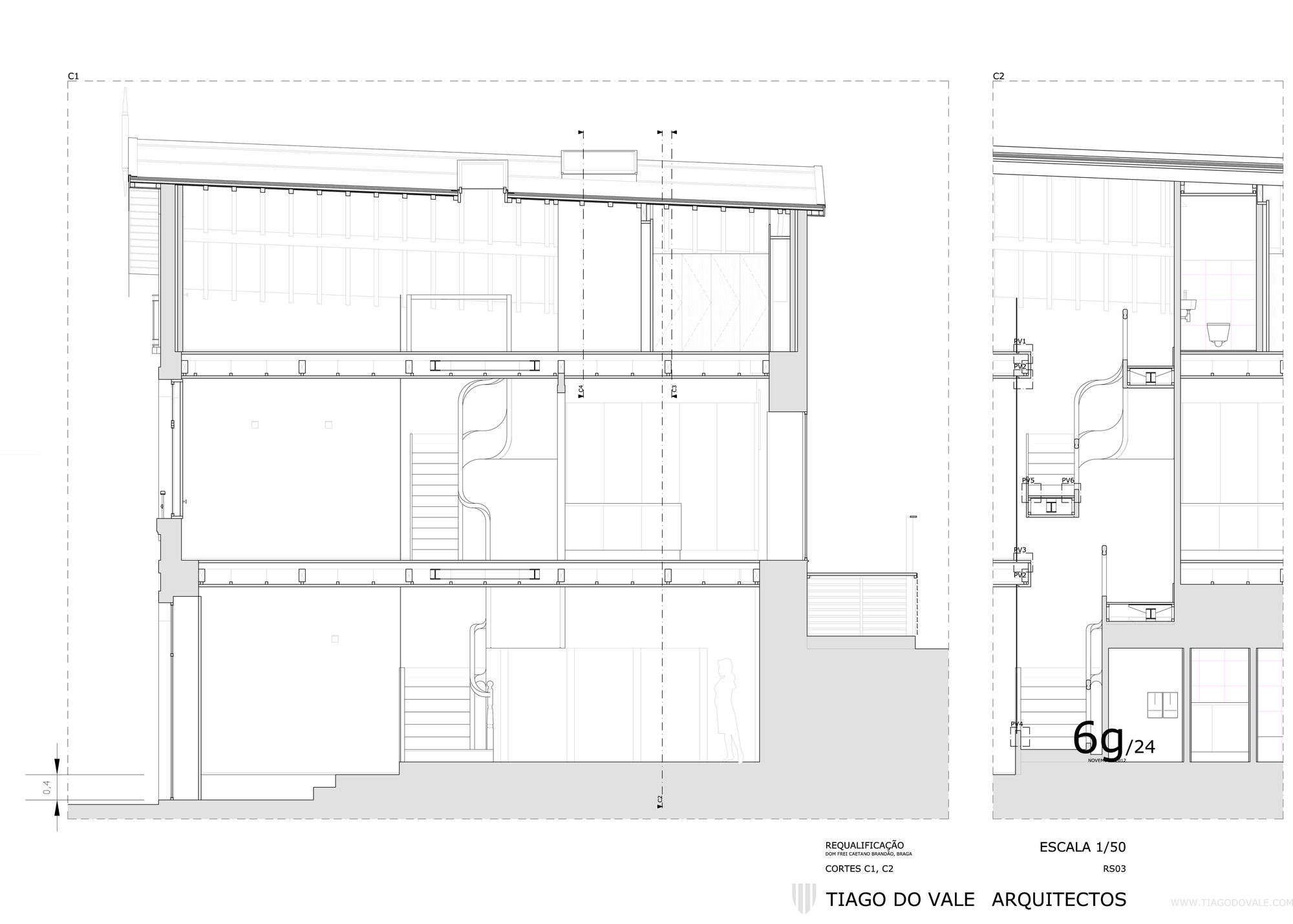
By the time of the architects’ survey, the building was organized around a central staircase lit by a skylight. The stairs divided each floor into two comparable spaces, one to the east and one to the west. The vertical arrangement already suggested a gradual shift in privacy, beginning with the street-level area, continuing through the living and kitchen spaces, and ending with the sleeping quarters above.
The architects’ intervention focused on recovering the building’s identity after decades of incremental and unqualified modifications. As Tiago do Vale stated, “Even as we visited it for the first time, it became quite apparent what this building was desperately asking for. On one hand, it had to be free from all the gratuitous add-ons that suffocated it and compromised the clarity and logic of its original spaces. And on the other hand (even if it is, in many ways, a symptom of the same malady), to allow light to permeate its spaces. Darkness ended up as the ultimate consequence of the systematic compartmentalization that the building was subjected to. We needed to maximize both transparency and light to allow it to breathe.”
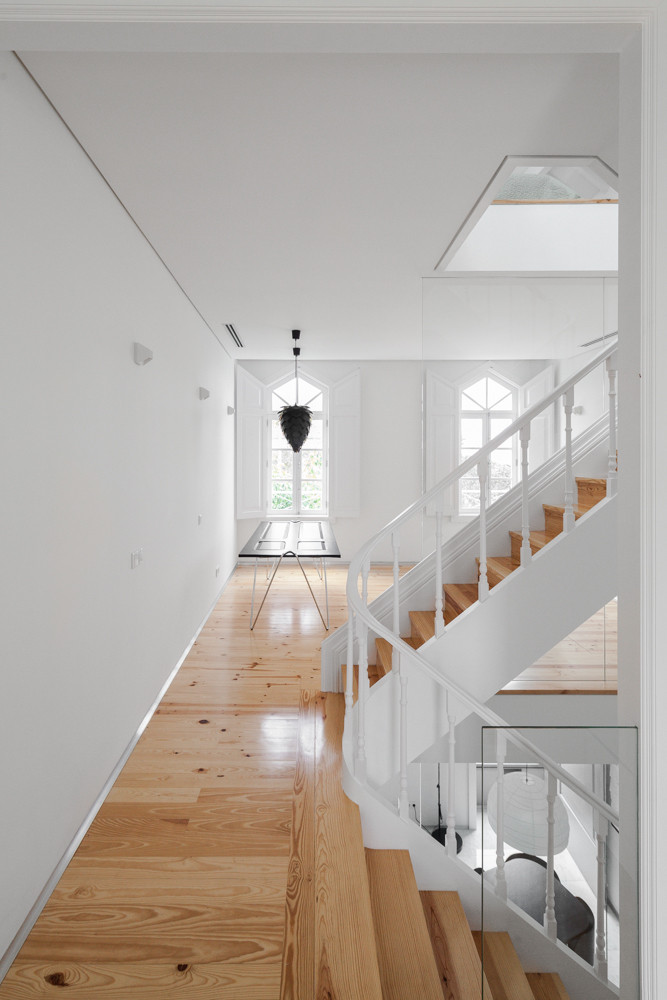
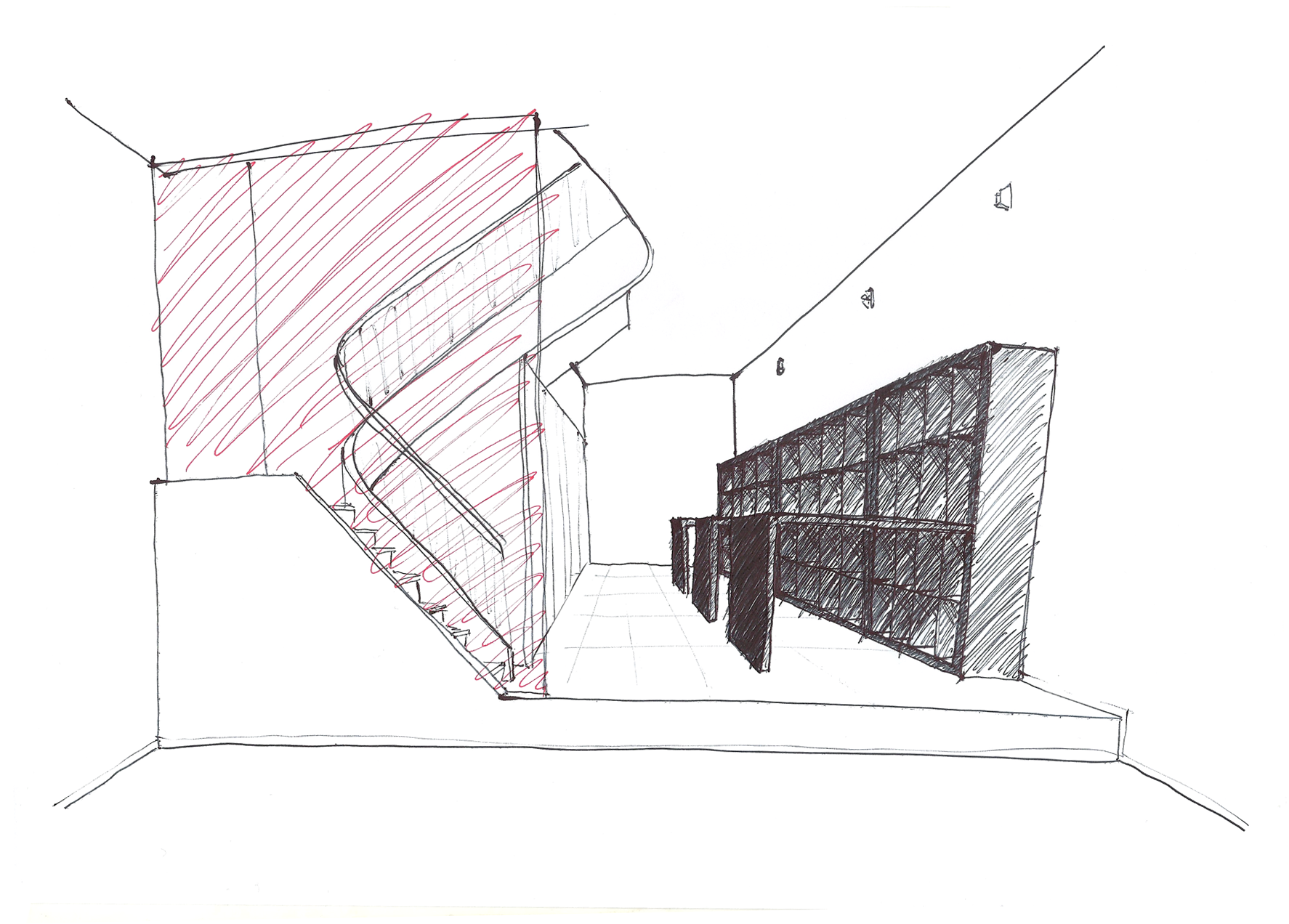
The program required the coexistence of a work studio and a home within a limited area. Rather than imposing a new layout, the architects followed the original logic of organizing functions by floor. Privacy increases as one ascends, and the stair narrows with each flight, subtly reinforcing the changing character of the spaces it connects. This approach enabled the project to preserve the building’s vertical structure while providing it with renewed functional clarity.
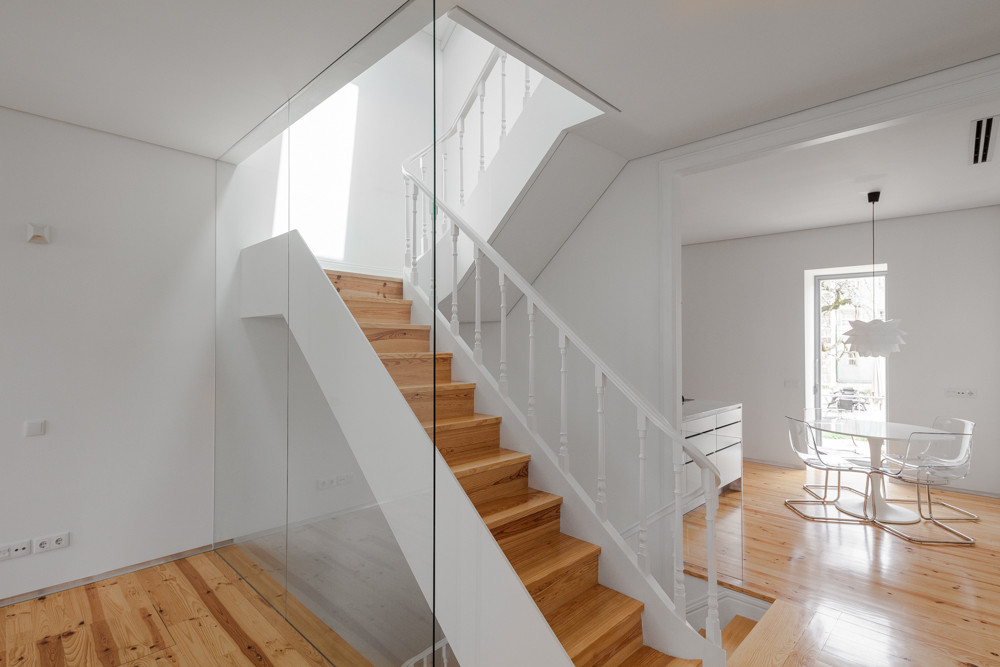
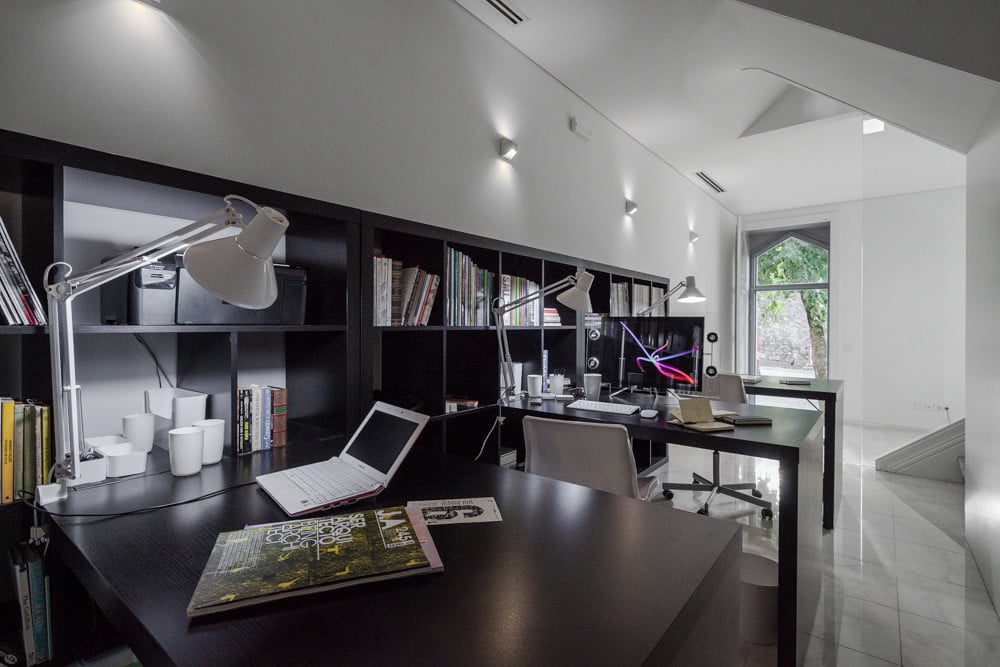
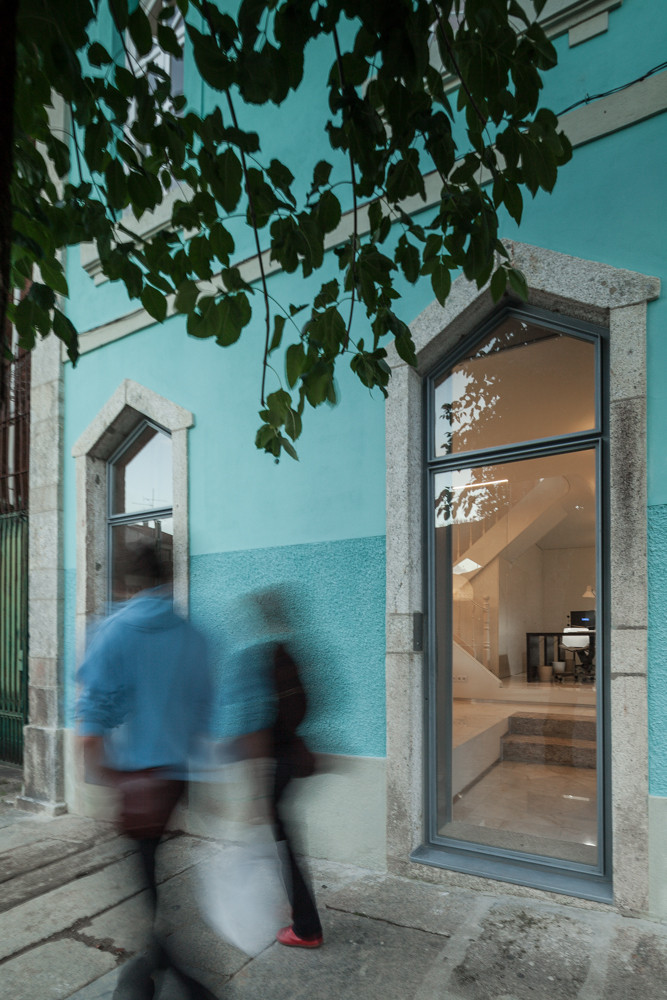
Daylight became one of the guiding principles of the restoration. The house was conceived almost as a vertical loft, with partitions and visual connections arranged to allow light to move from front to back and from top to bottom. The 1.5-meter height difference between the street and the interior plaza was used to separate the studio from the domestic program. The workspace faces west and relates directly to the street, while the home opens eastward toward the quieter plaza and morning light.
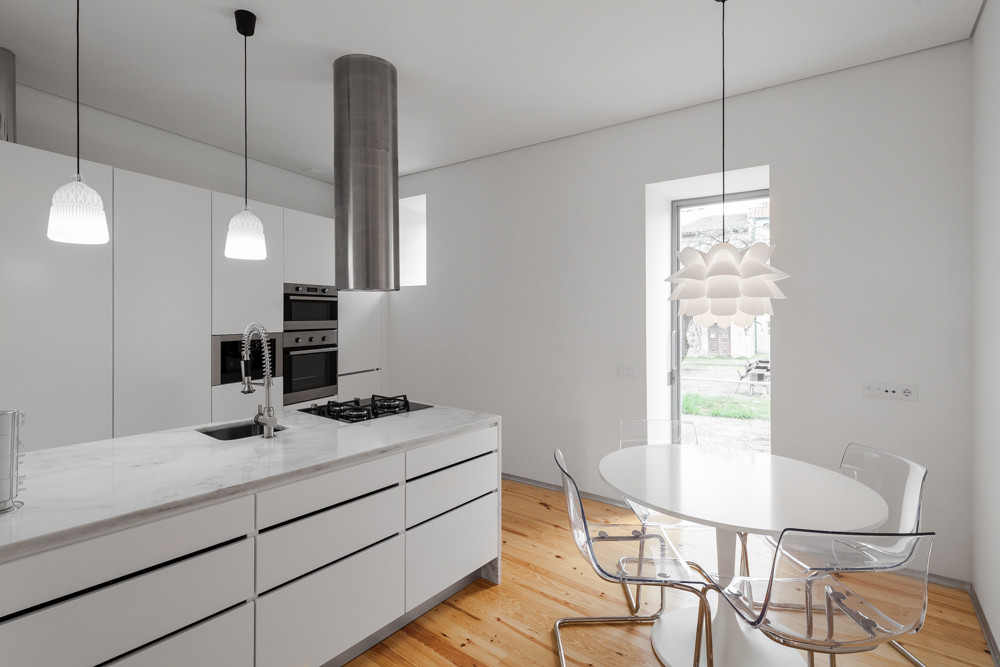
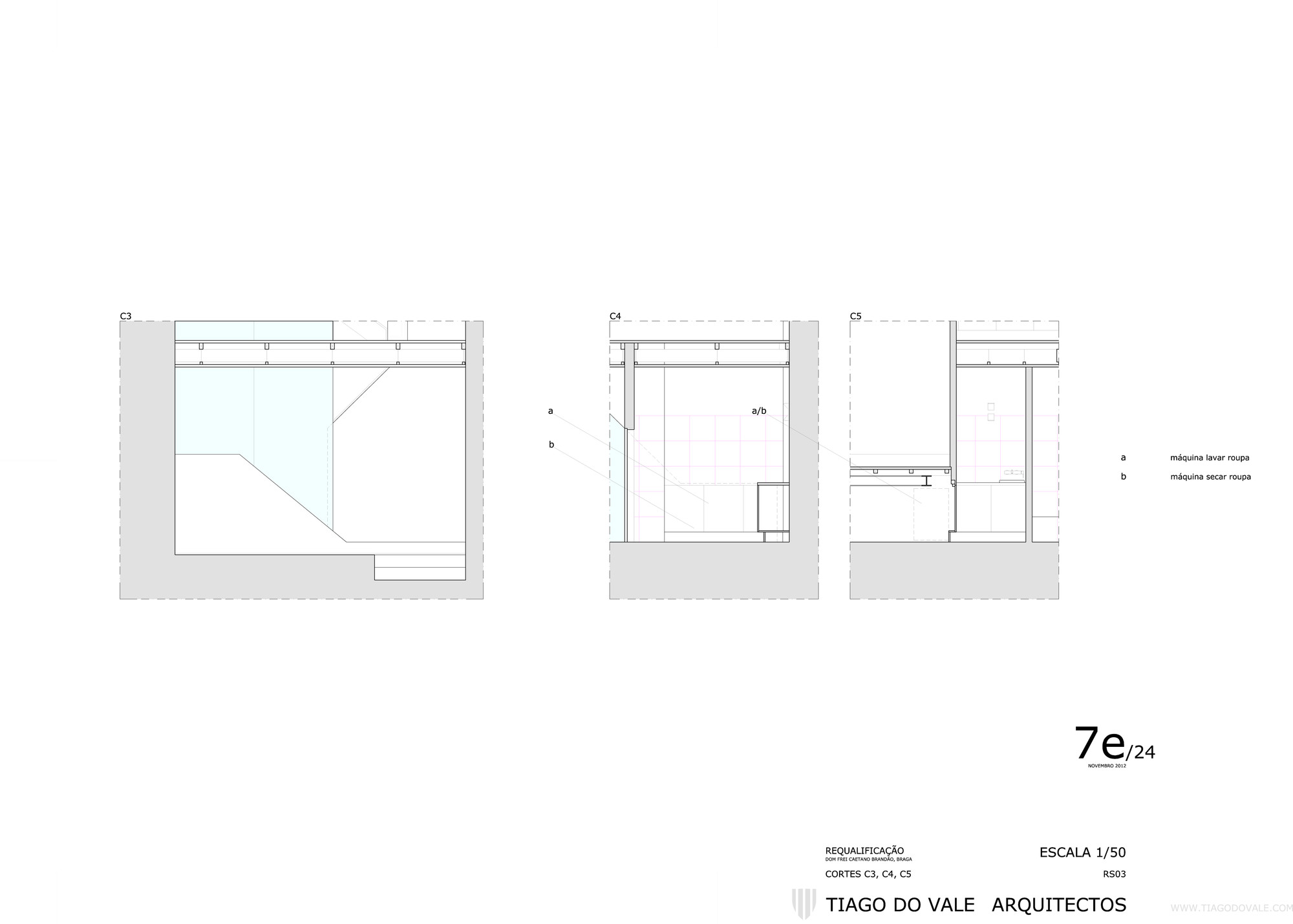
On the second floor, the social areas are arranged as an open plan rather than a series of enclosed rooms. The staircase defines the relationship between the kitchen and living room without severing their connection. Morning light enters from the kitchen, overhead light filters through the stair skylight, and afternoon light reaches the living room from the west. This sequence restores a sense of openness to a building that had previously suffered from excessive compartmentalization.
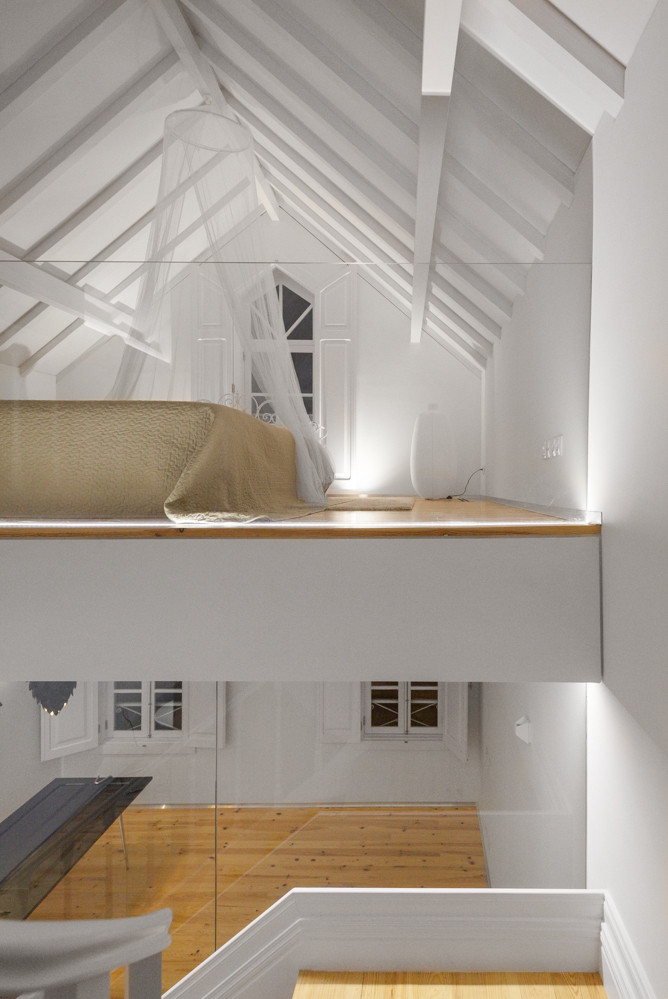
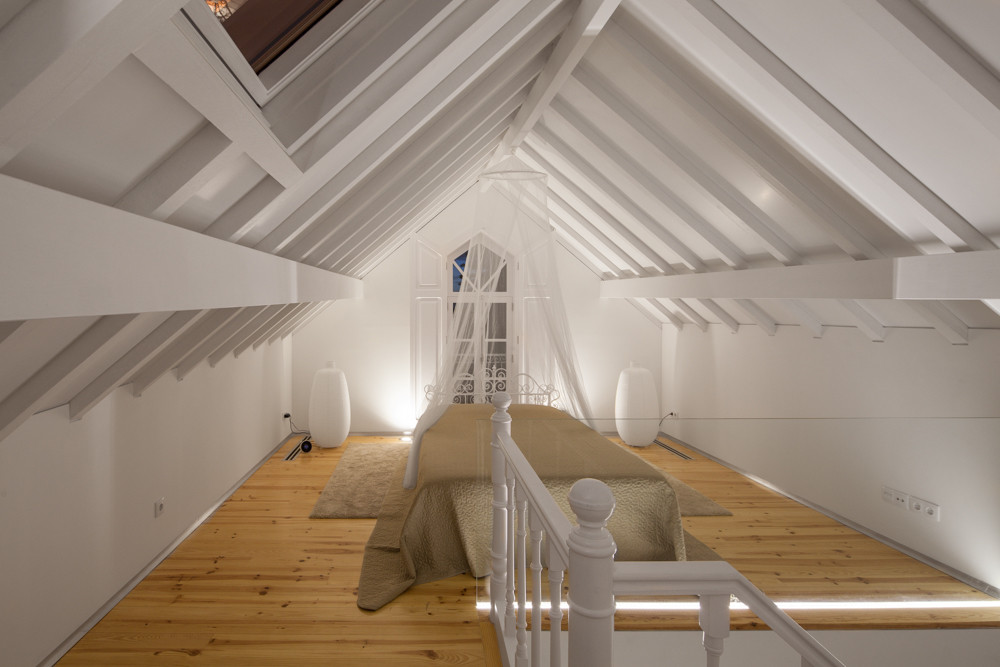
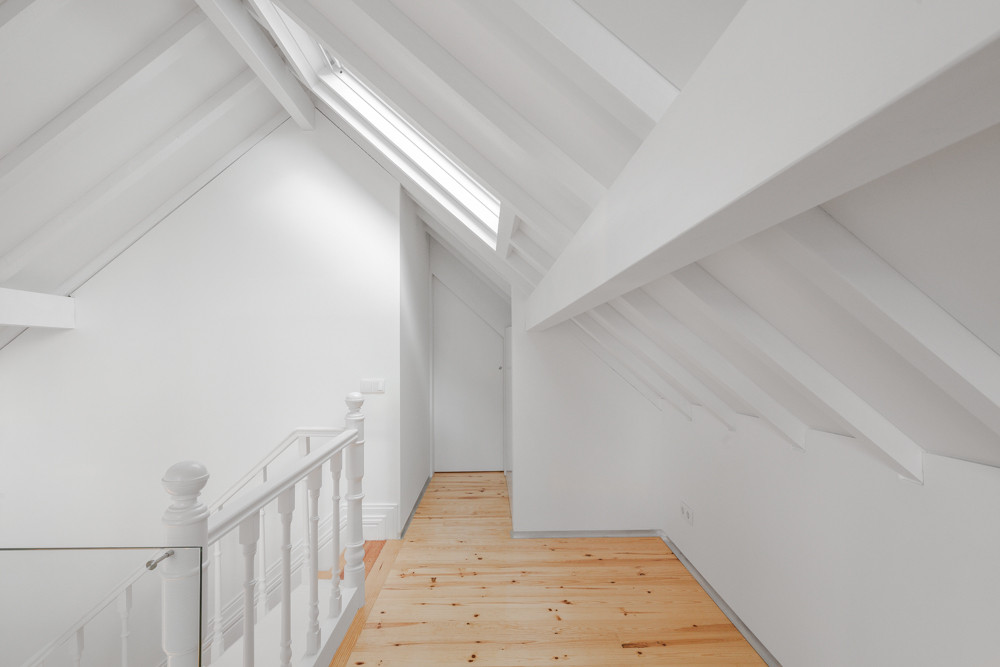
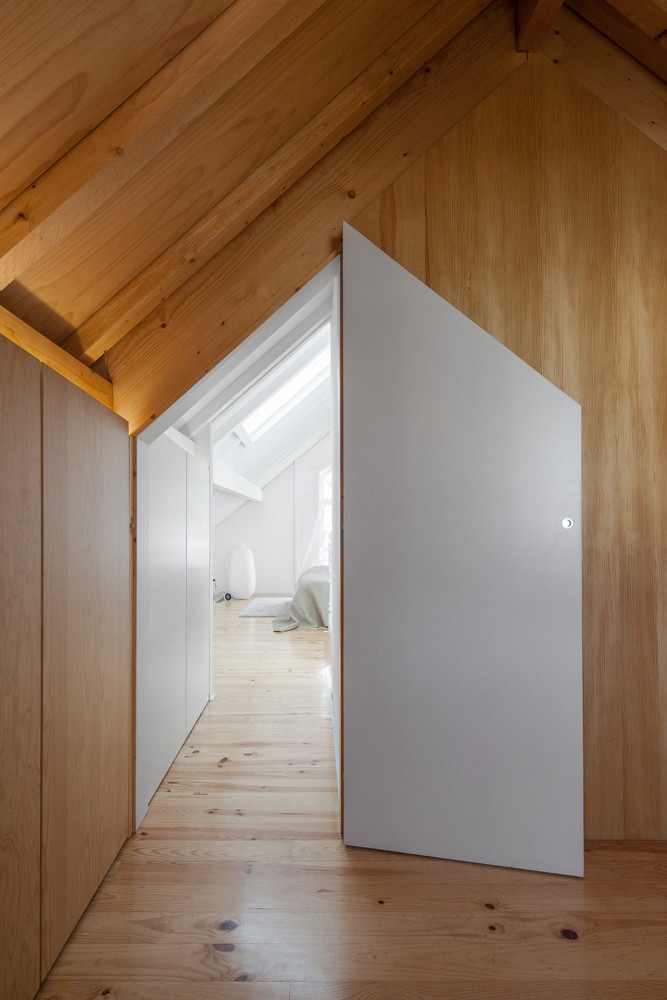
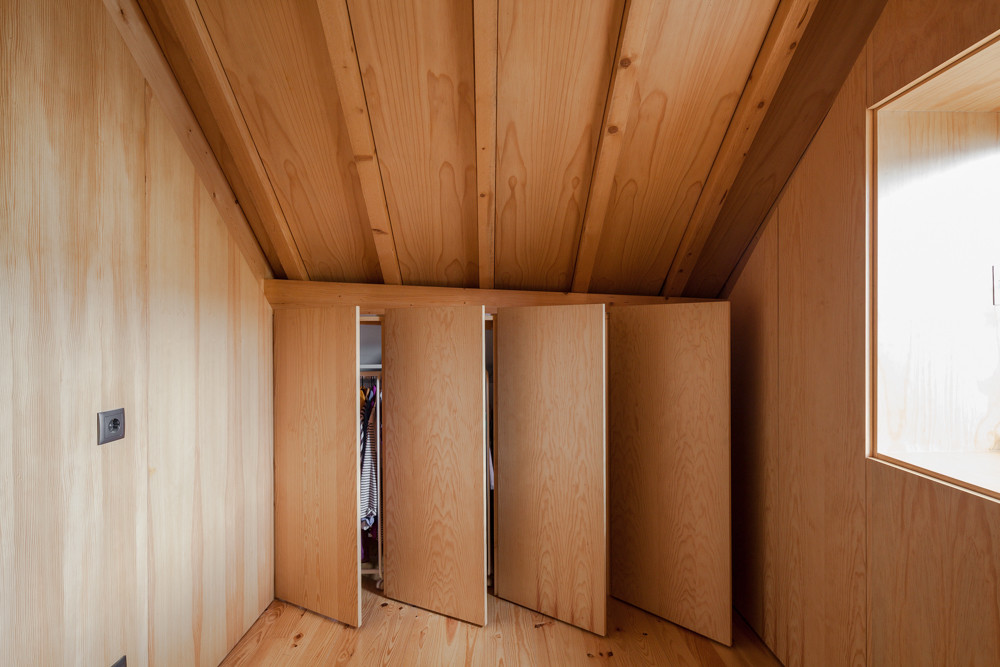
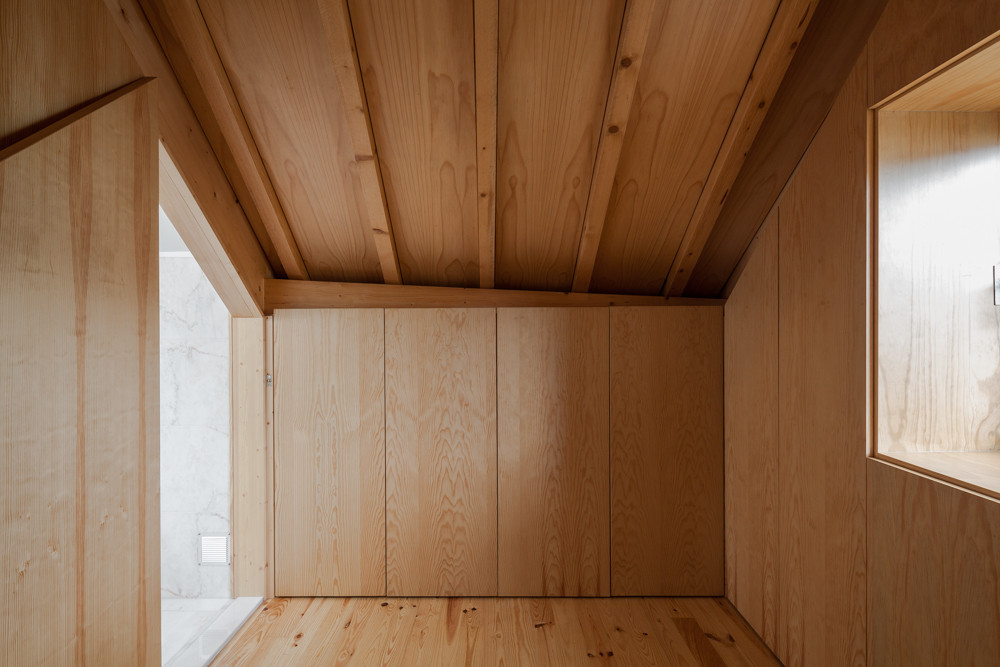
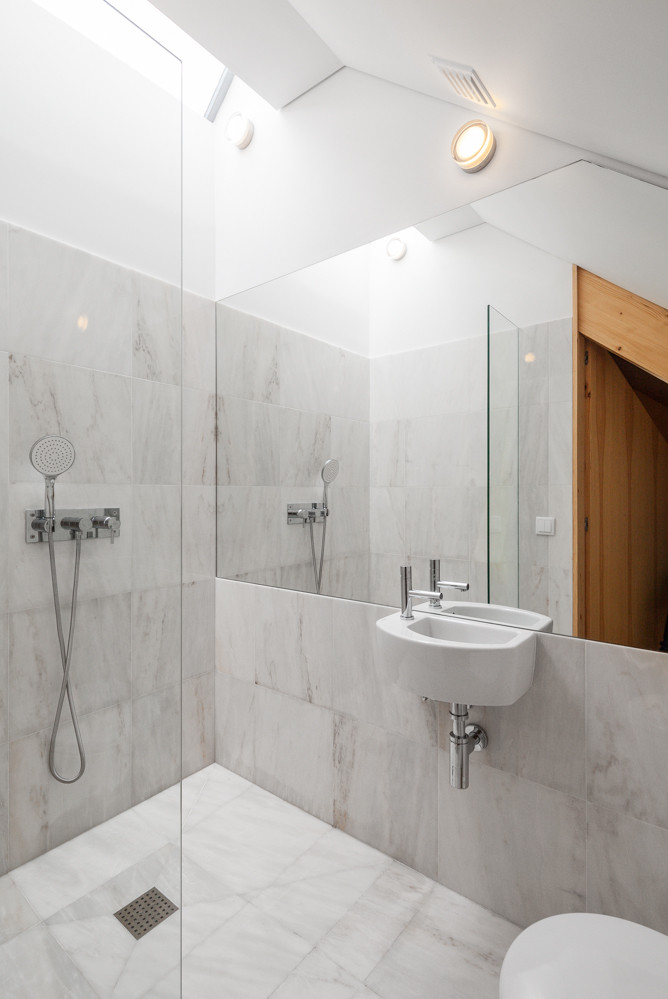
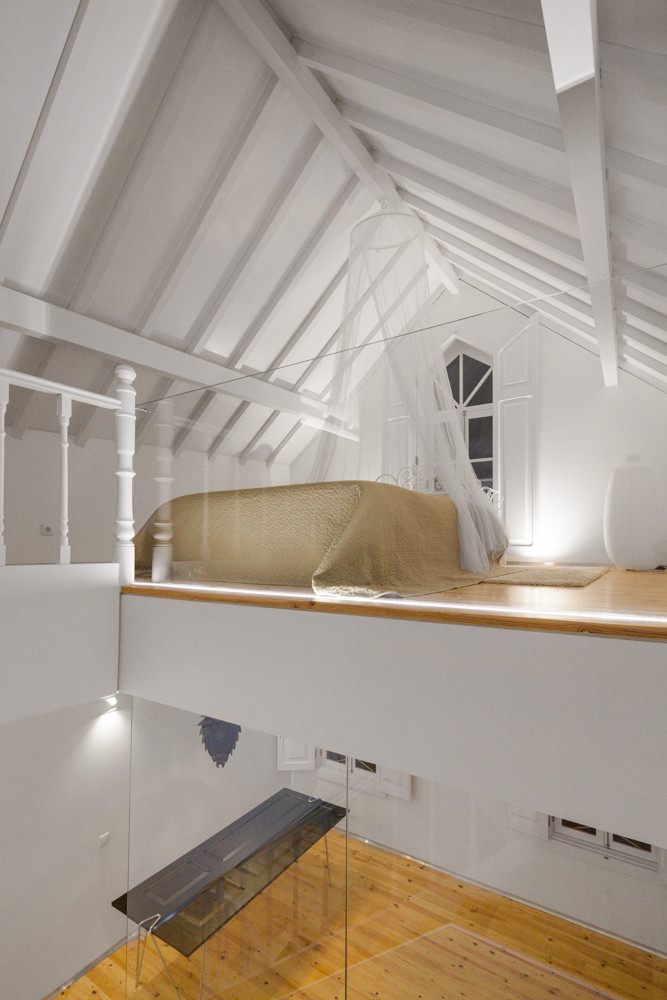
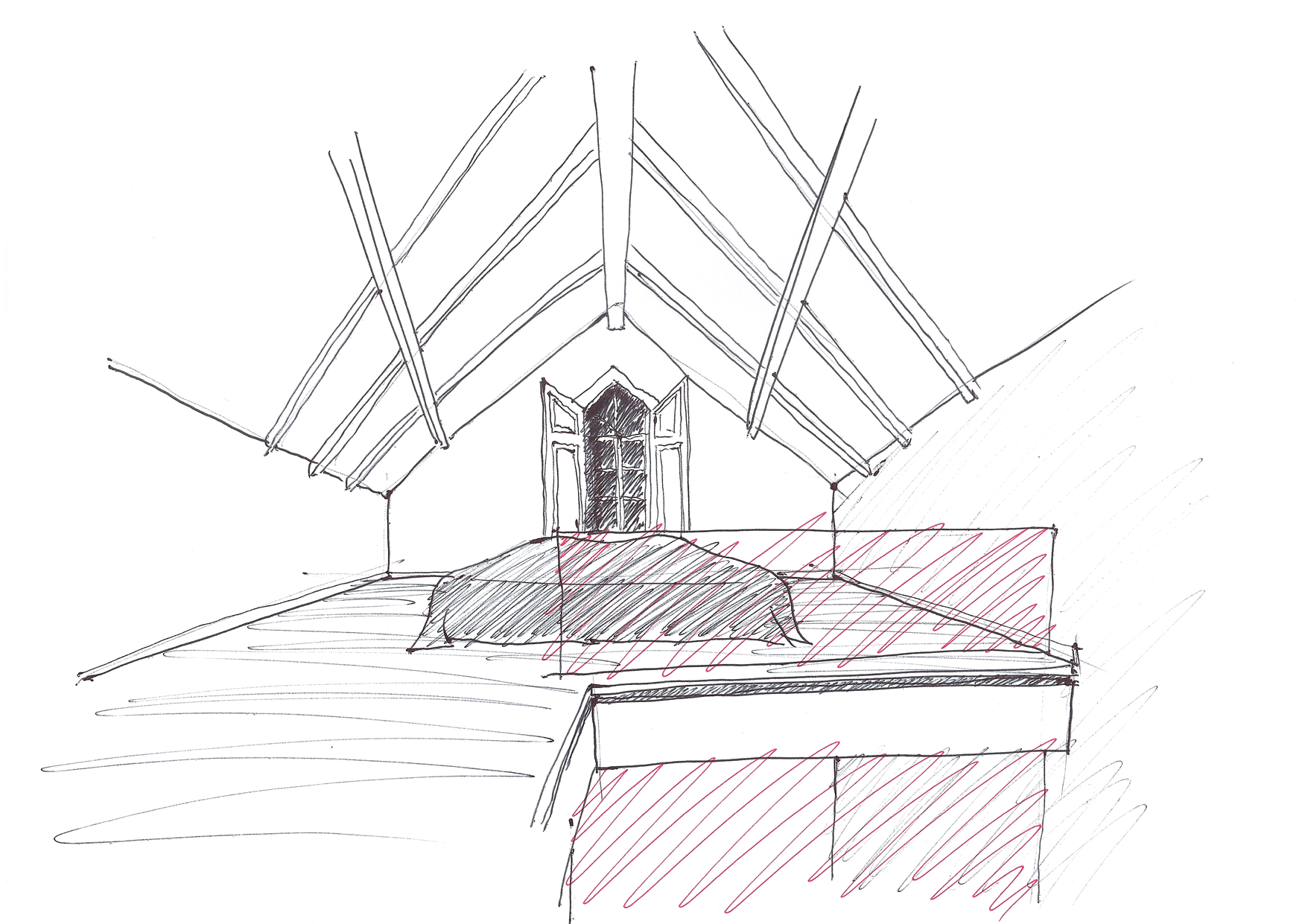
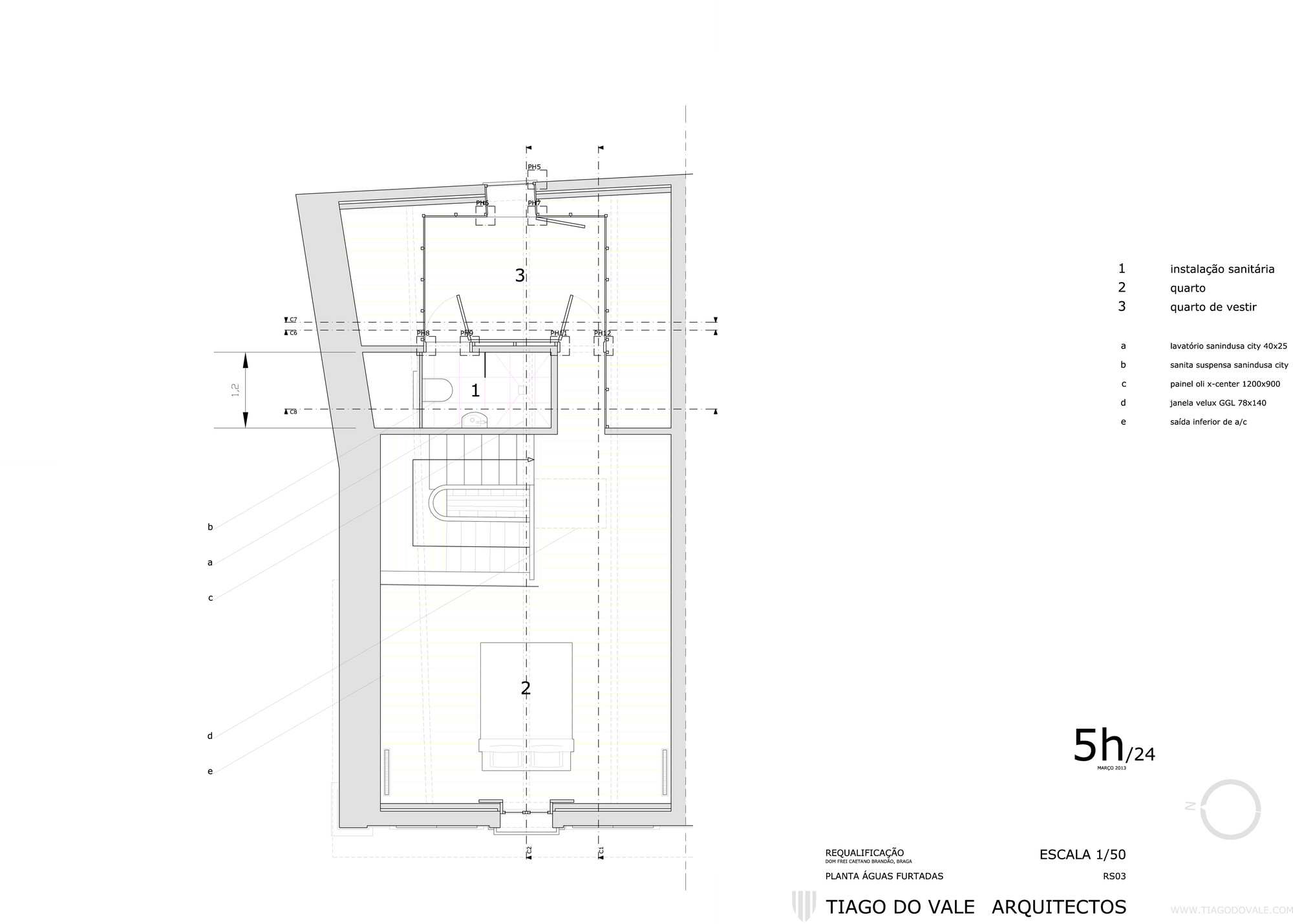
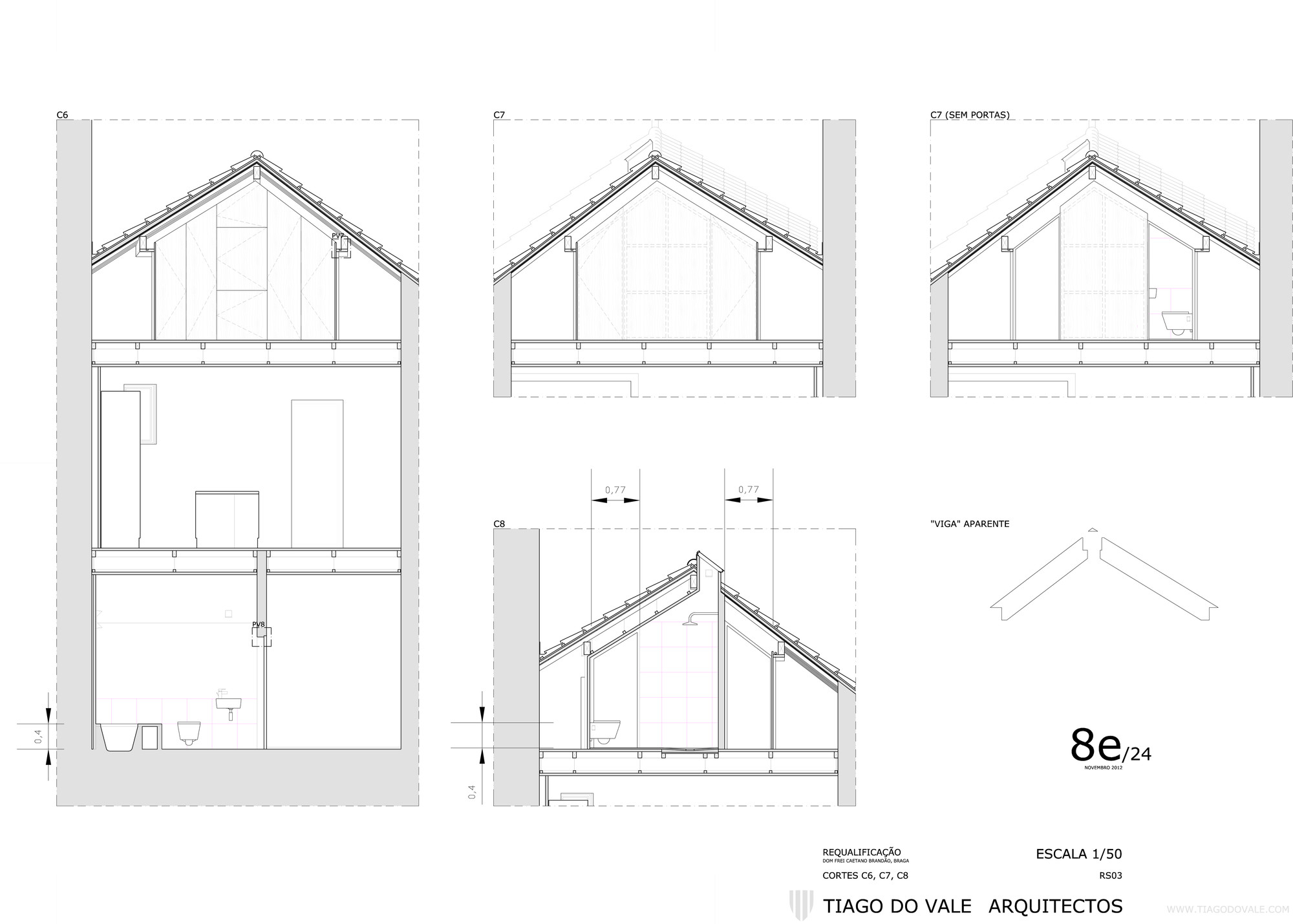
The upper level contains the sleeping quarters, where the roof structure becomes the dominant architectural element. Its timber frame was kept visible and painted white, reinforcing the project’s overall visual continuity. Across the staircase, the dressing room introduces a different atmosphere, with natural wood used for the floor, roof structure, and closet doors. This compact wooden volume contrasts with the home’s broader white surfaces and with the marble-lined bathroom nearby.
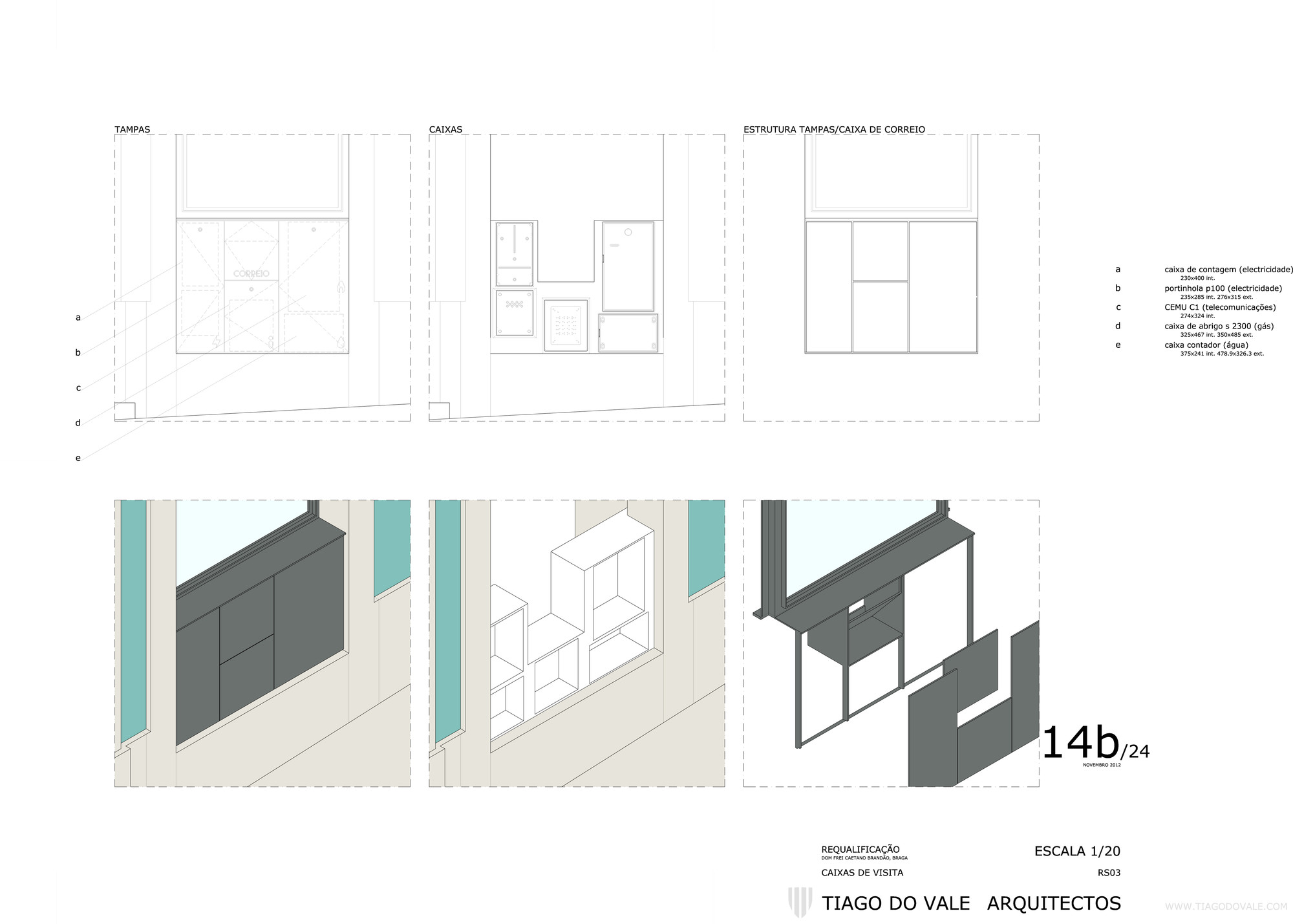
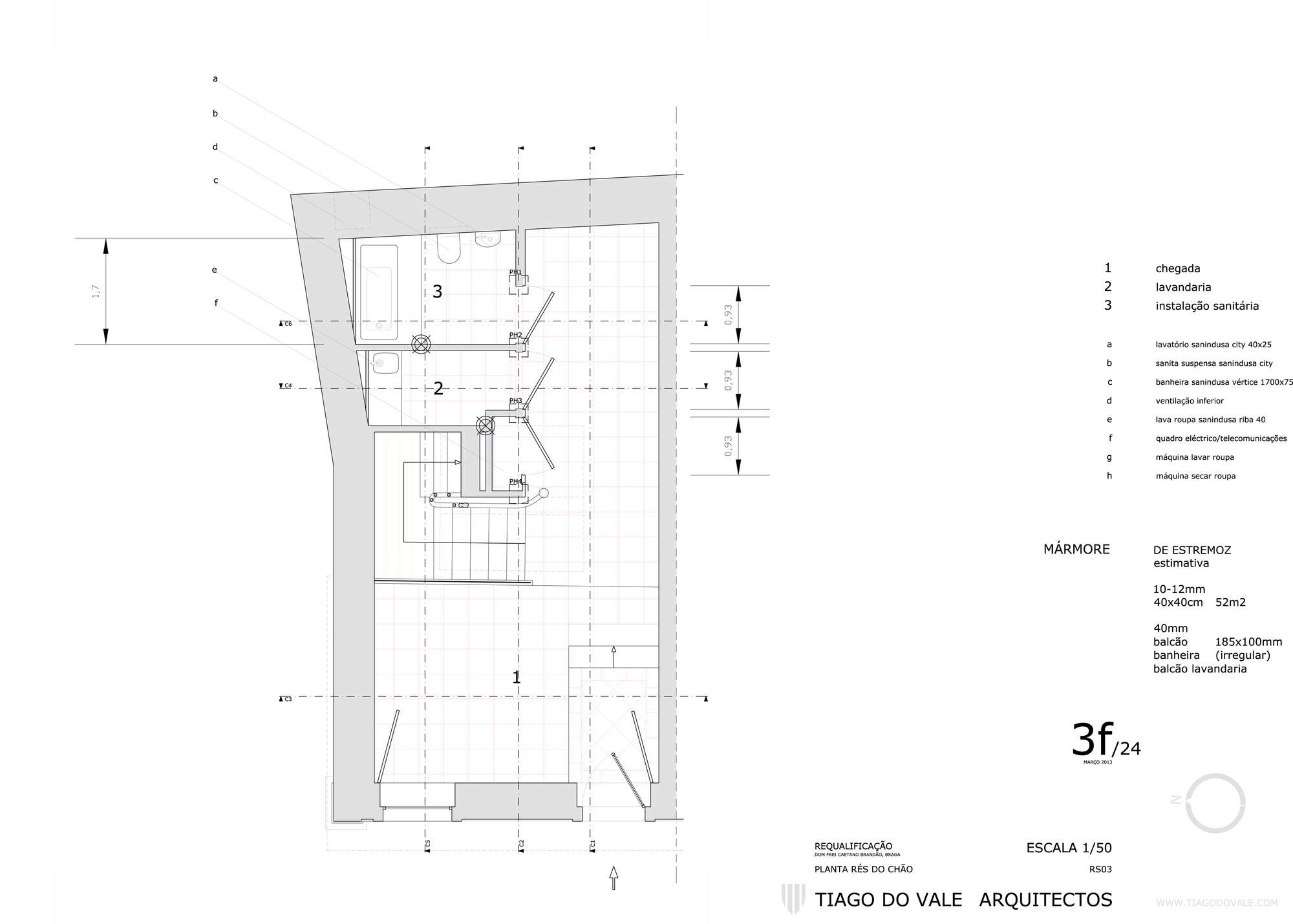
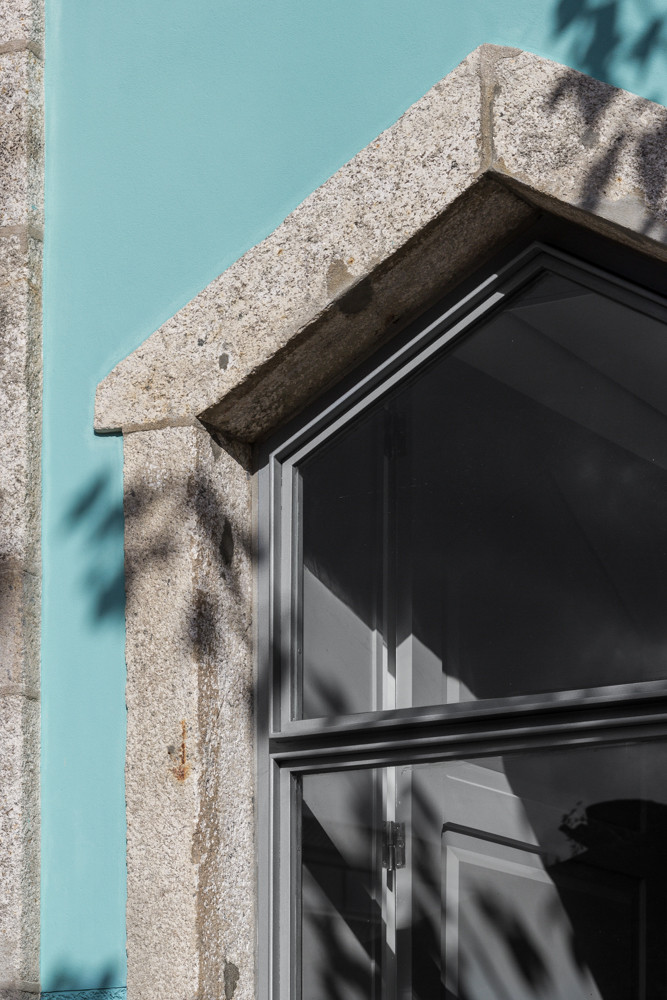
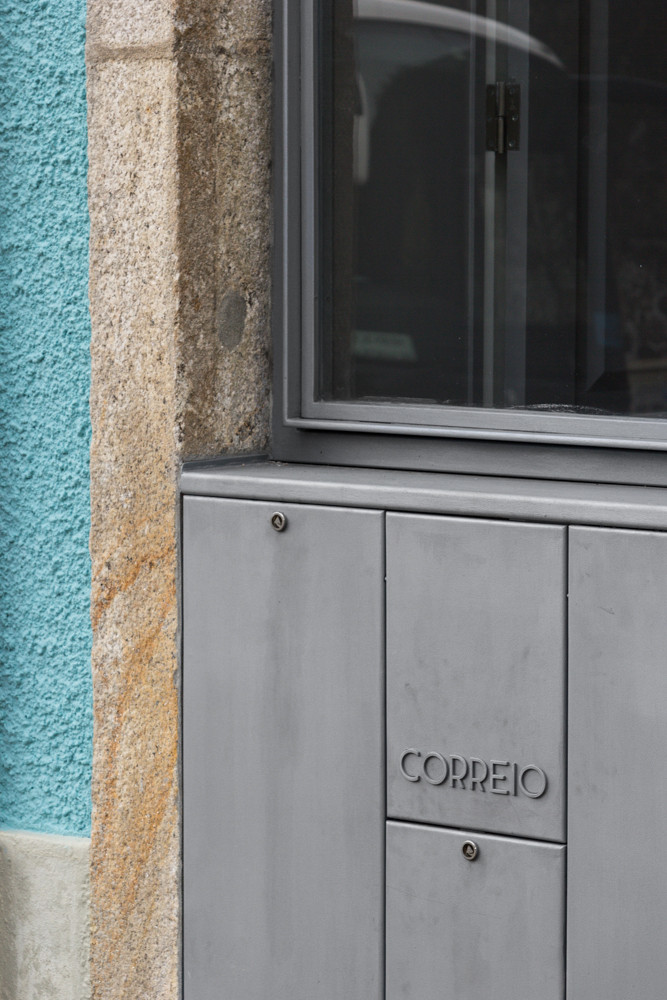
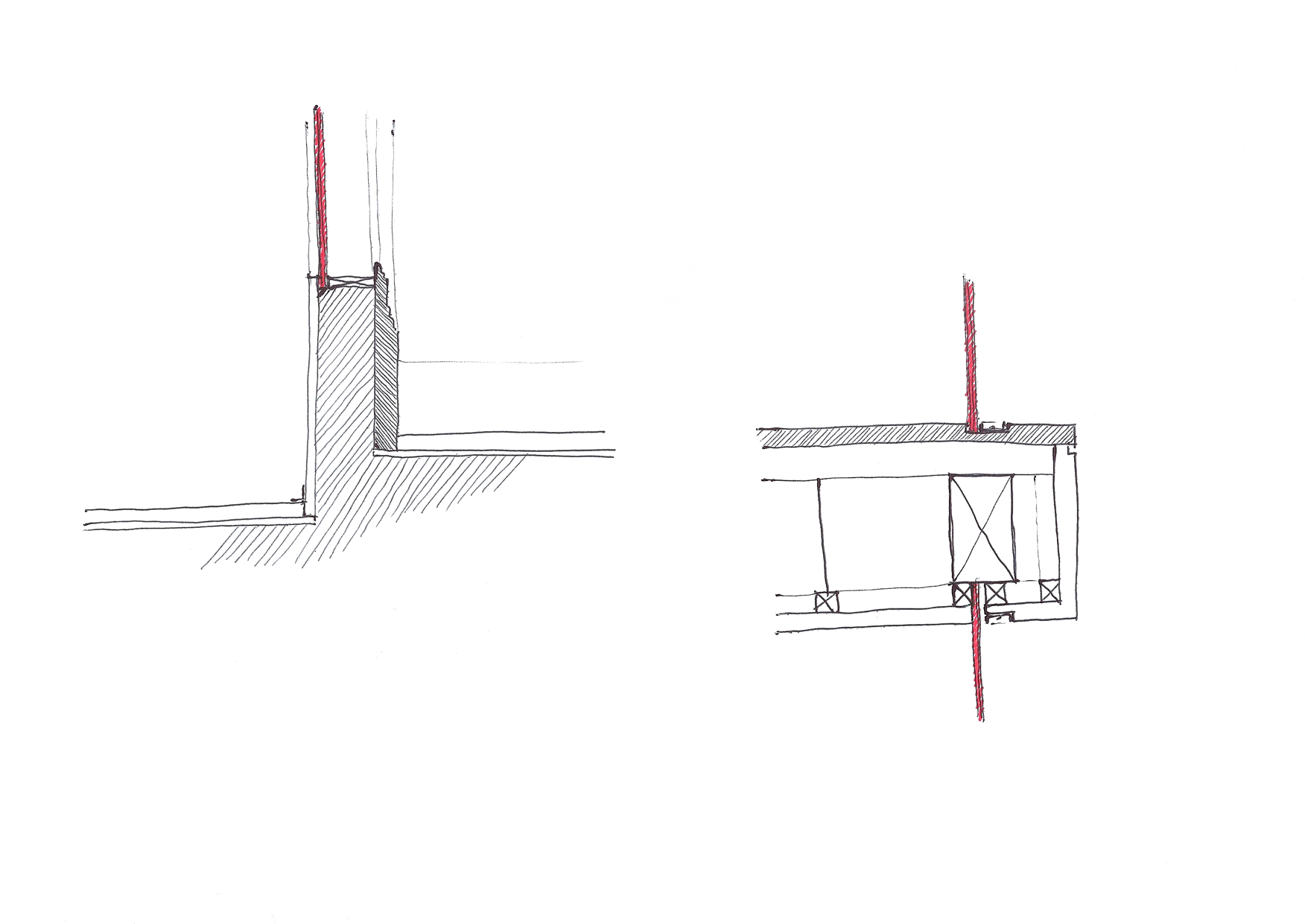
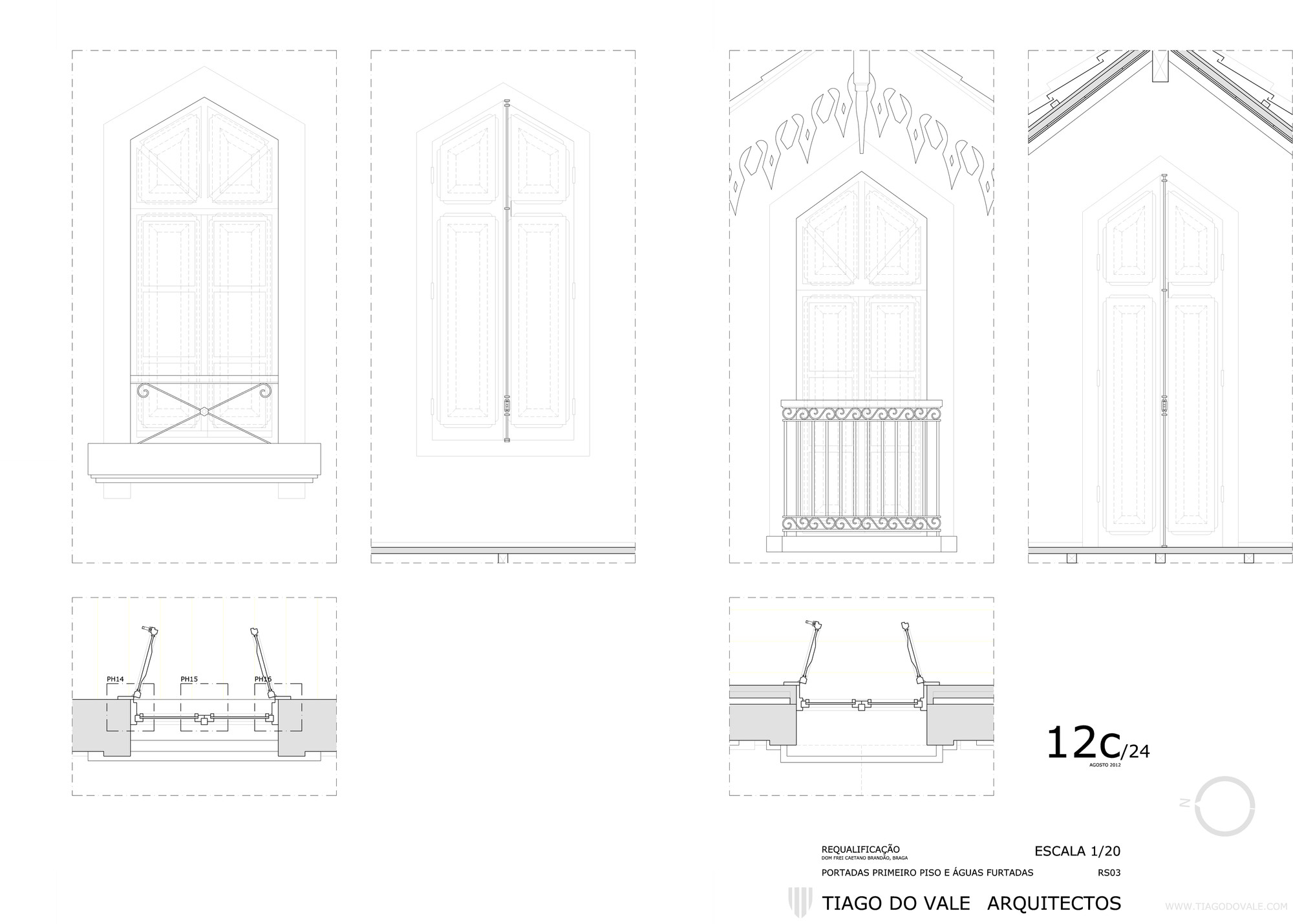
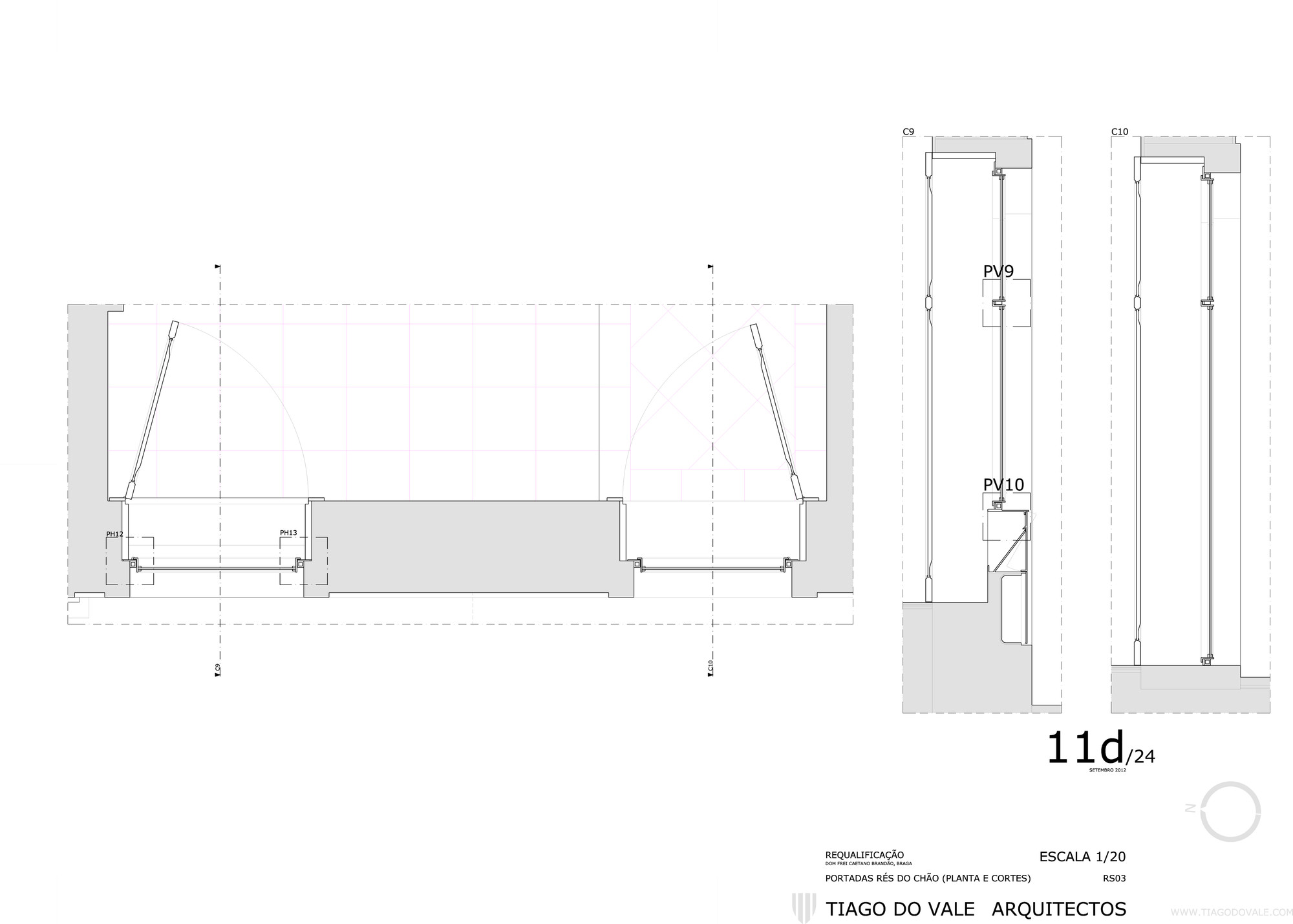
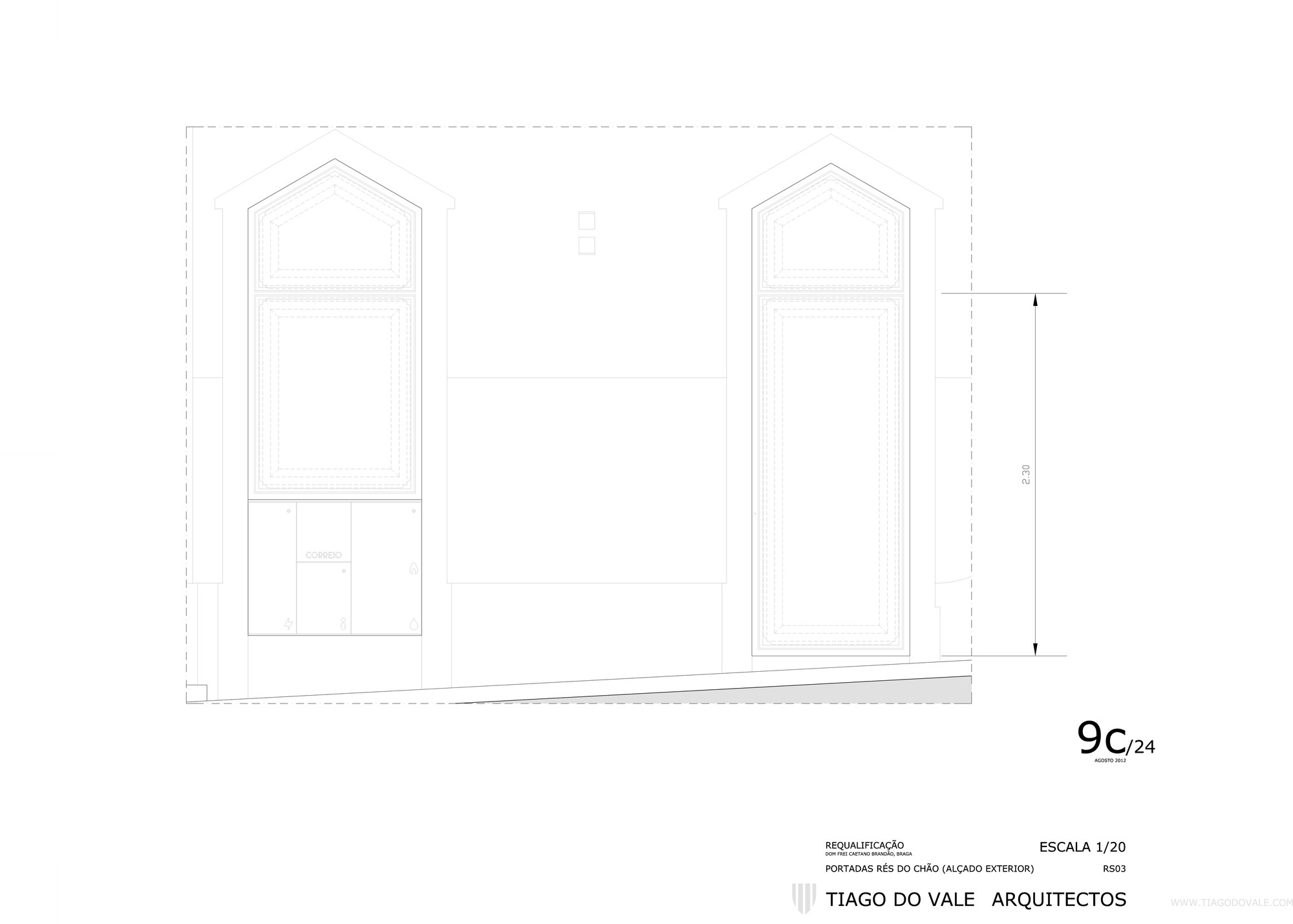
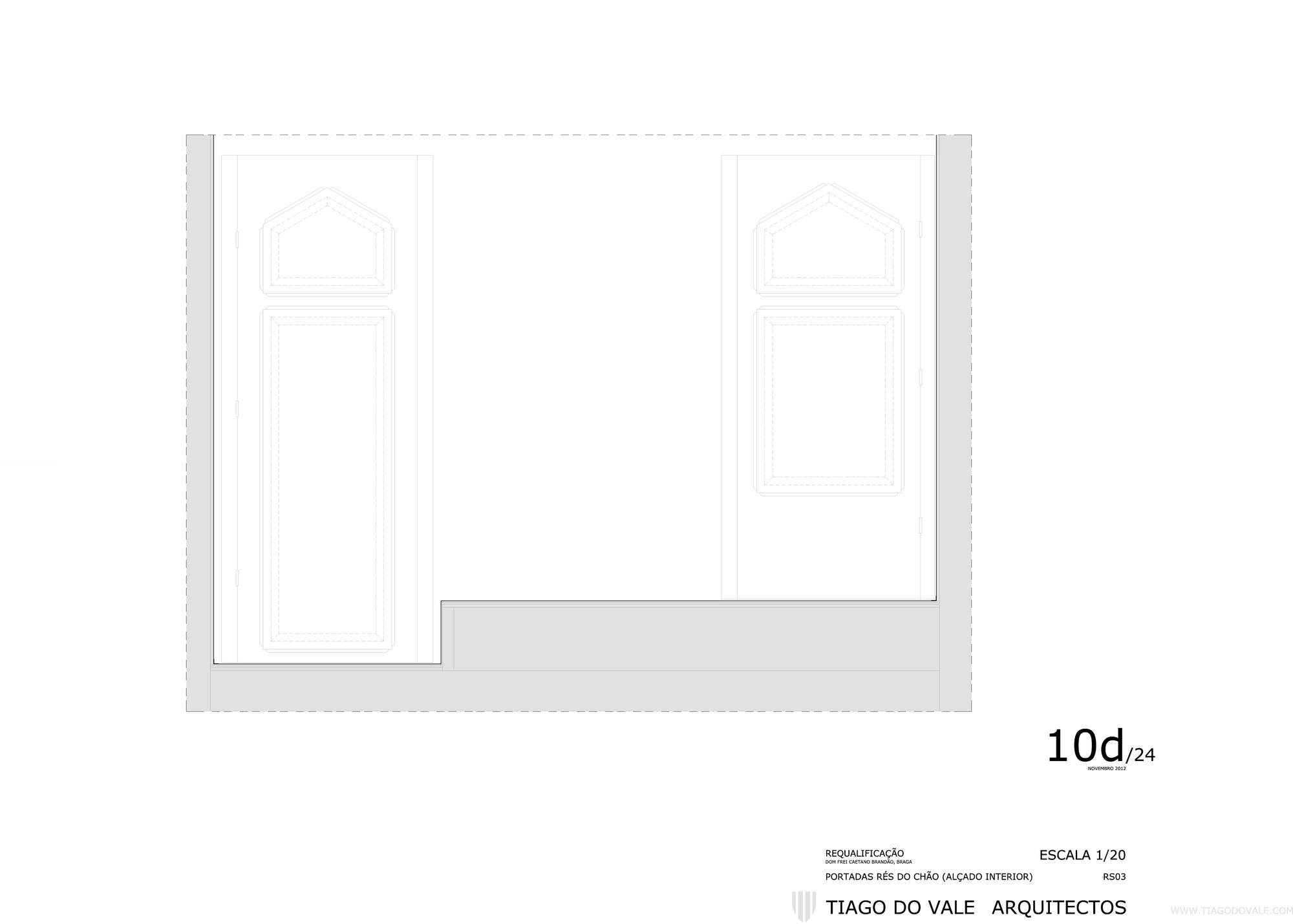
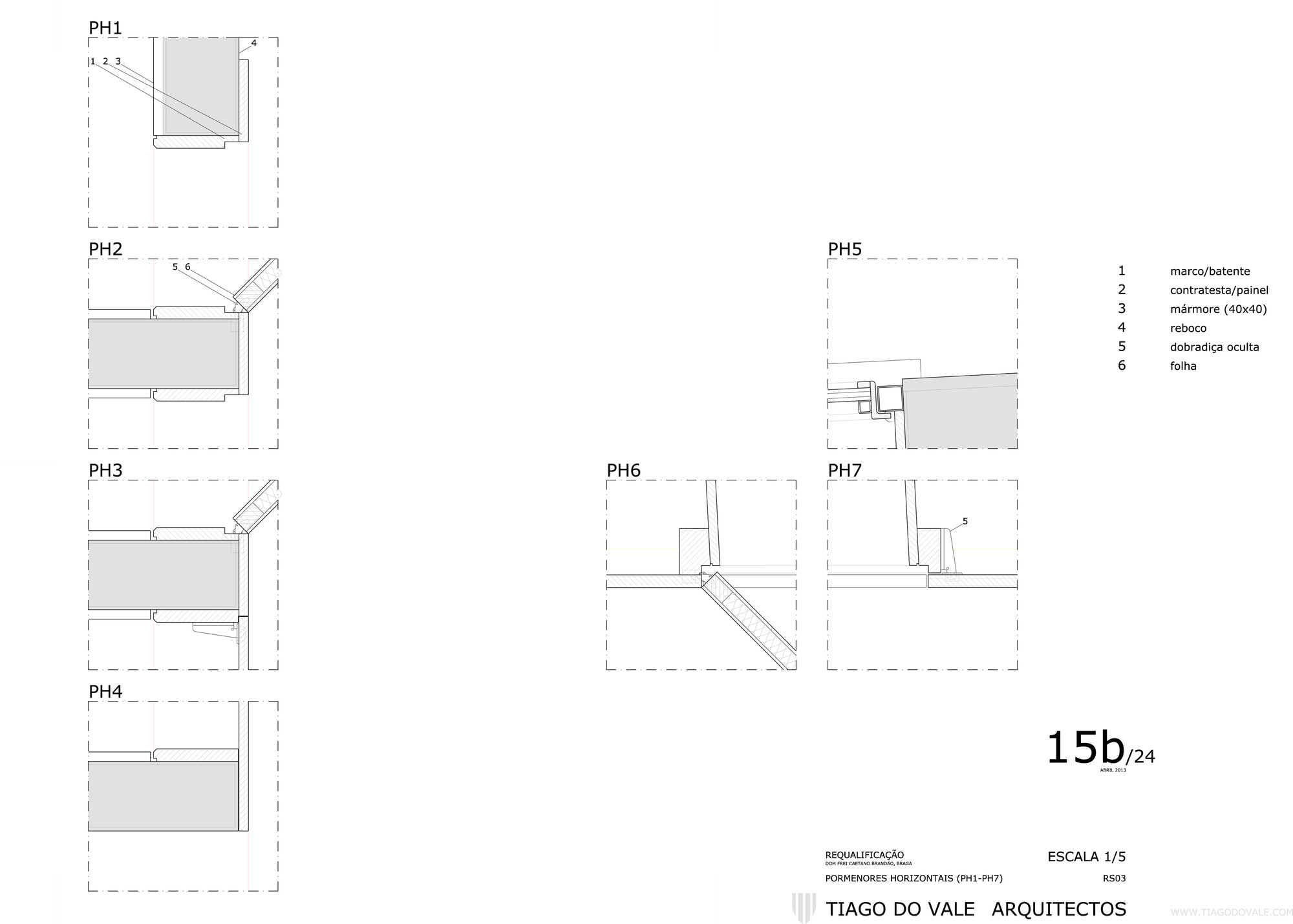
Material restraint is central to the project. White walls, ceilings, carpentry, and marble surfaces enhance light and spatial clarity. Natural wood provides warmth in the floors and dressing room, while Portuguese white Estremoz marble is used on the ground floor, countertops, bathrooms, laundry areas, and other surfaces requiring waterproofing. The original timber window frames of the main façade were recovered, the roof was rebuilt with Marseille tiles over a pine structure, and the decorated eave was restored. The ground-floor iron frames were also remade in keeping with the original character, while redesigned to improve natural illumination.
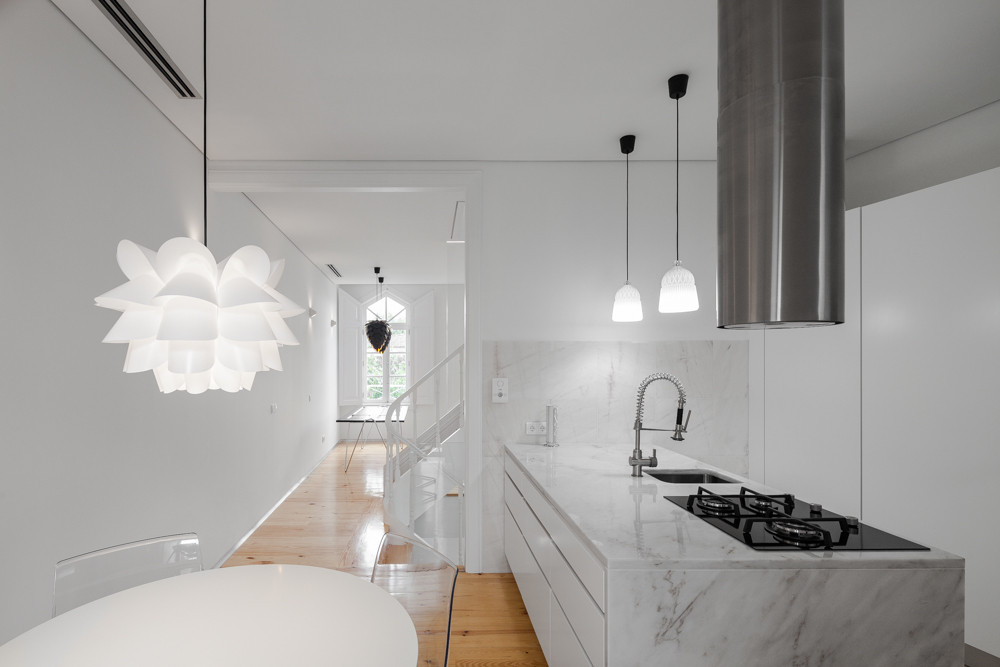
Tiago do Vale described the restoration as an effort to remain faithful to the building’s nature while allowing it to continue living in the present: “The building’s original typology, typical of the eight-hundreds -and considering that the building was already designed with flexibility of use in mind- is, in itself, quite permissive and open, fit to answer almost any kind of architectural program. Being so, we never thought of another path besides being faithful to the building’s original nature, as much on its architecture as on its technical solutions and spatial and programmatic distribution. We recovered not only the original materials but also the original uses of each space. And even when we introduced new materials such as the Estremoz marble, we did it with the criteria of it being right for the building’s nature and historic context.”
The project avoids the rigidity of a purely archaeological restoration while rejecting an intervention that would erase historical evidence. Instead, it occupies a careful middle ground, where recovered materials, restored spatial logic, and contemporary adaptations work together. As the architect noted, “At its most basic, our option was to reclaim the original intent and conditions of the building but with the (fundamental) subtlety of providing an added something beyond a blind restoration. Something that could return the building to a function, to a use (whereby people could inhabit it and live a life of genuine quality), to the present day, to the street, to the city, and with enough flexibility to keep it going for an extra 120 years.”
Three Cusps Chalet shows how a small historic building can be returned to active urban life through precision rather than spectacle. By recovering its original clarity, restoring its material character, and opening its compact interior to light, Tiago do Vale Arquitectos transformed a degraded structure into a contemporary home and studio that remains deeply connected to Braga’s architectural memory.
Project Gallery
Project Location
Address: Sé, Braga, Portugal
Location is for general reference and may represent a city or country, not necessarily a precise address.

