

Architects: The Miller Hull Partnership
Year: 2026
Photography: Nic Lehoux
Lead Architects: The Miller Hull Partnership
Contractor: B.L. Harbert International
Client: U.S. Department of State Bureau of Overseas Buildings Operations (OBO)
City: Mérida
Country: Mexico
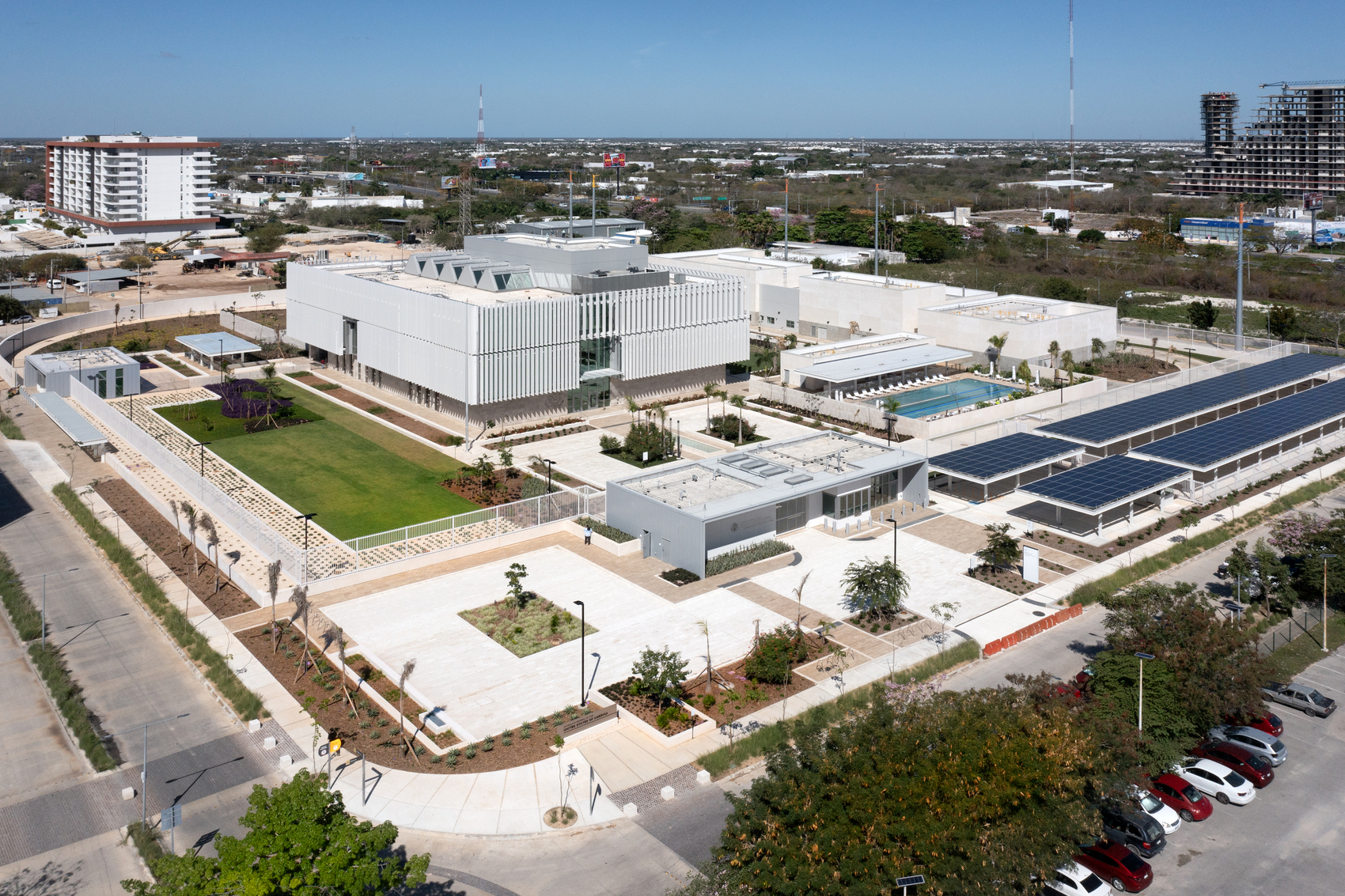
Designed by The Miller Hull Partnership for the U.S. Department of State Bureau of Overseas Buildings Operations, the new U.S. Consulate General Mérida establishes a contemporary diplomatic campus that responds to the environmental, cultural, and architectural context of Mexico’s Yucatán Peninsula. Occupying a seven-acre site, the facility combines secure diplomatic functions with a design informed by regional traditions and contemporary sustainability goals. References to Maya and colonial architecture are expressed through the use of limestone, shaded outdoor spaces, water features, and locally inspired material selections, while a central skylit atrium serves as an organizing element for circulation and community interaction. The project achieved LEED Gold certification in 2026, exceeding federal performance objectives through energy-efficient systems, extensive daylighting, onsite renewable energy generation, and comprehensive stormwater management strategies. Traditional materials such as chukum plaster contribute to the building’s resilience and regional identity, reinforcing the connection between contemporary architecture and local construction heritage. Through its balance of performance, security, and cultural responsiveness, the consulate provides a lasting platform for diplomatic operations while reflecting the enduring relationship between the United States and Mexico.
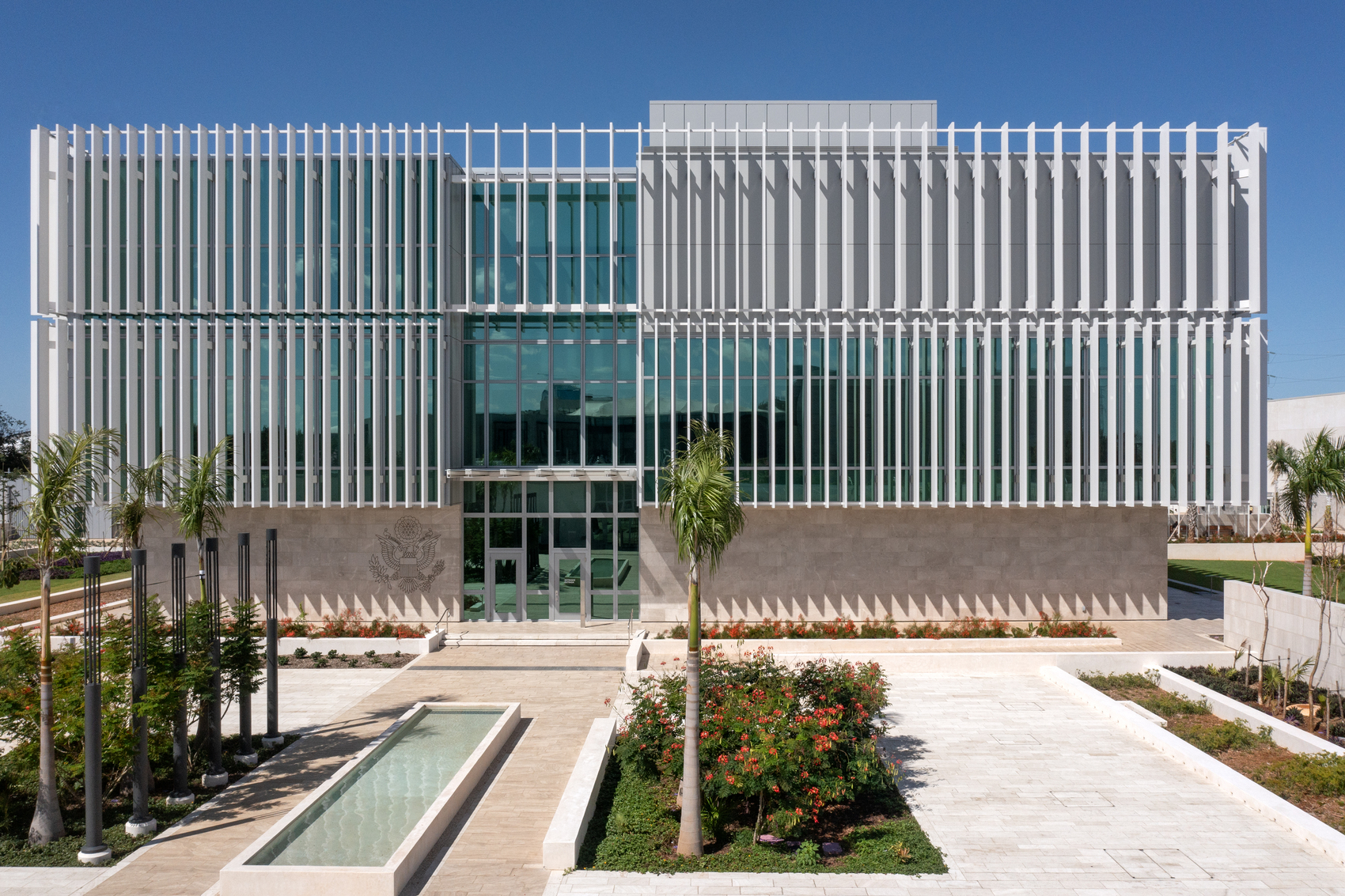
Diplomatic facilities are often defined by security and operational requirements, yet the new U.S. Consulate General Mérida demonstrates how these demands can coexist with a strong sense of place. Designed as a physical expression of the relationship between the United States and the Yucatán region, the project embraces local architectural traditions and environmental conditions to create a campus that feels integrated with its surroundings rather than isolated from them. The design presents an atmosphere that is restrained and welcoming, reflecting both the civic role of the institution and the cultural character of Mérida.
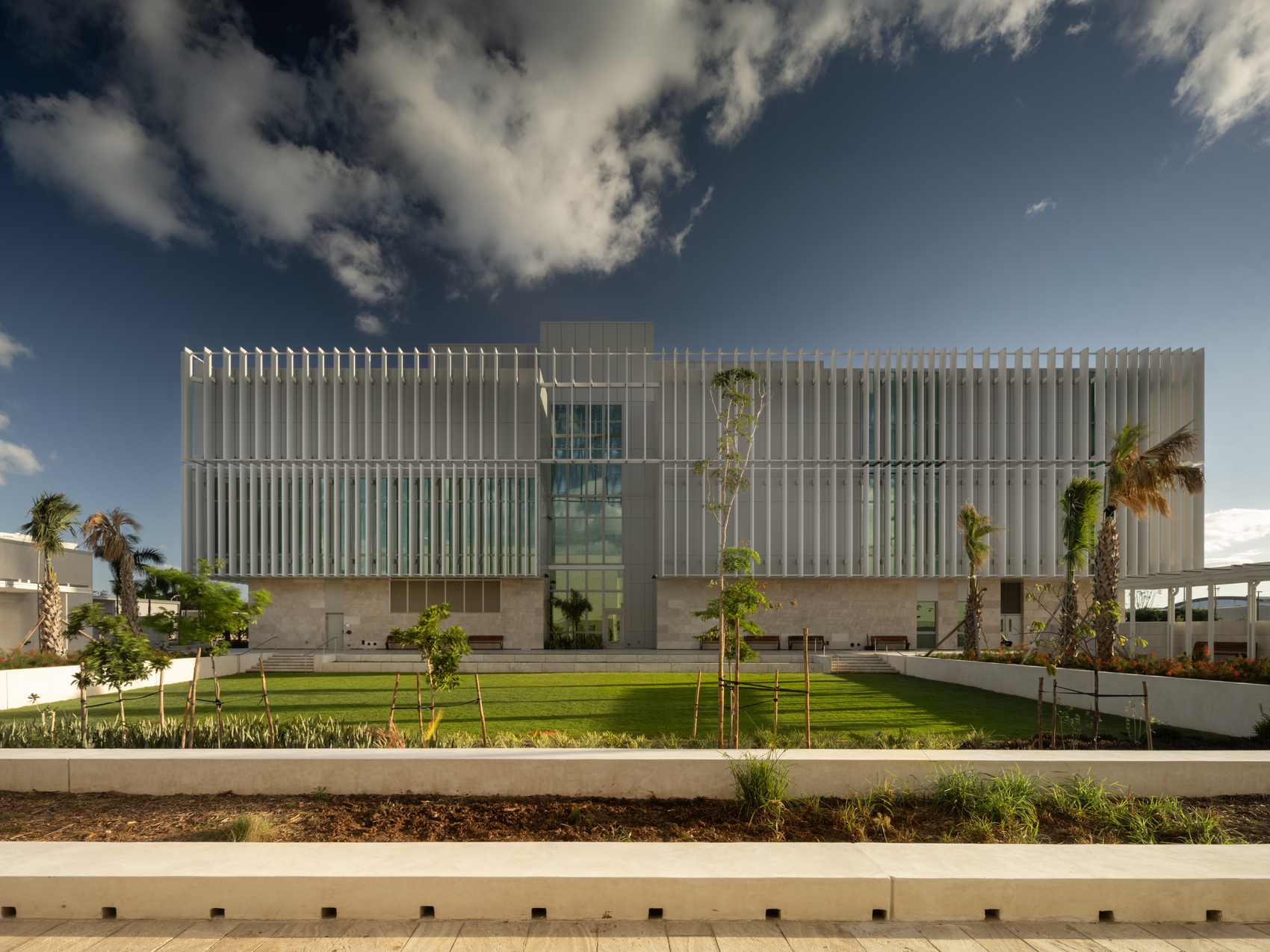
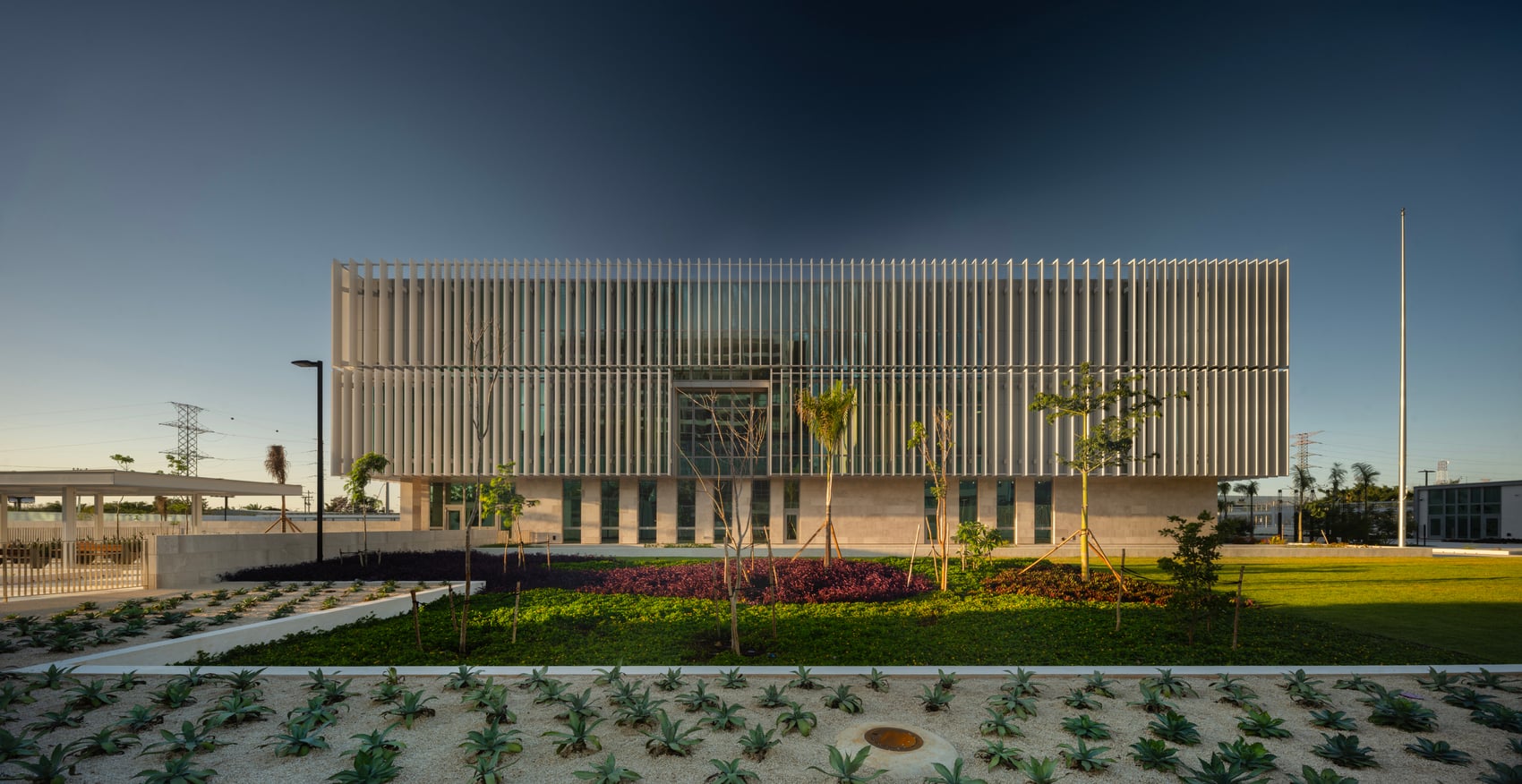
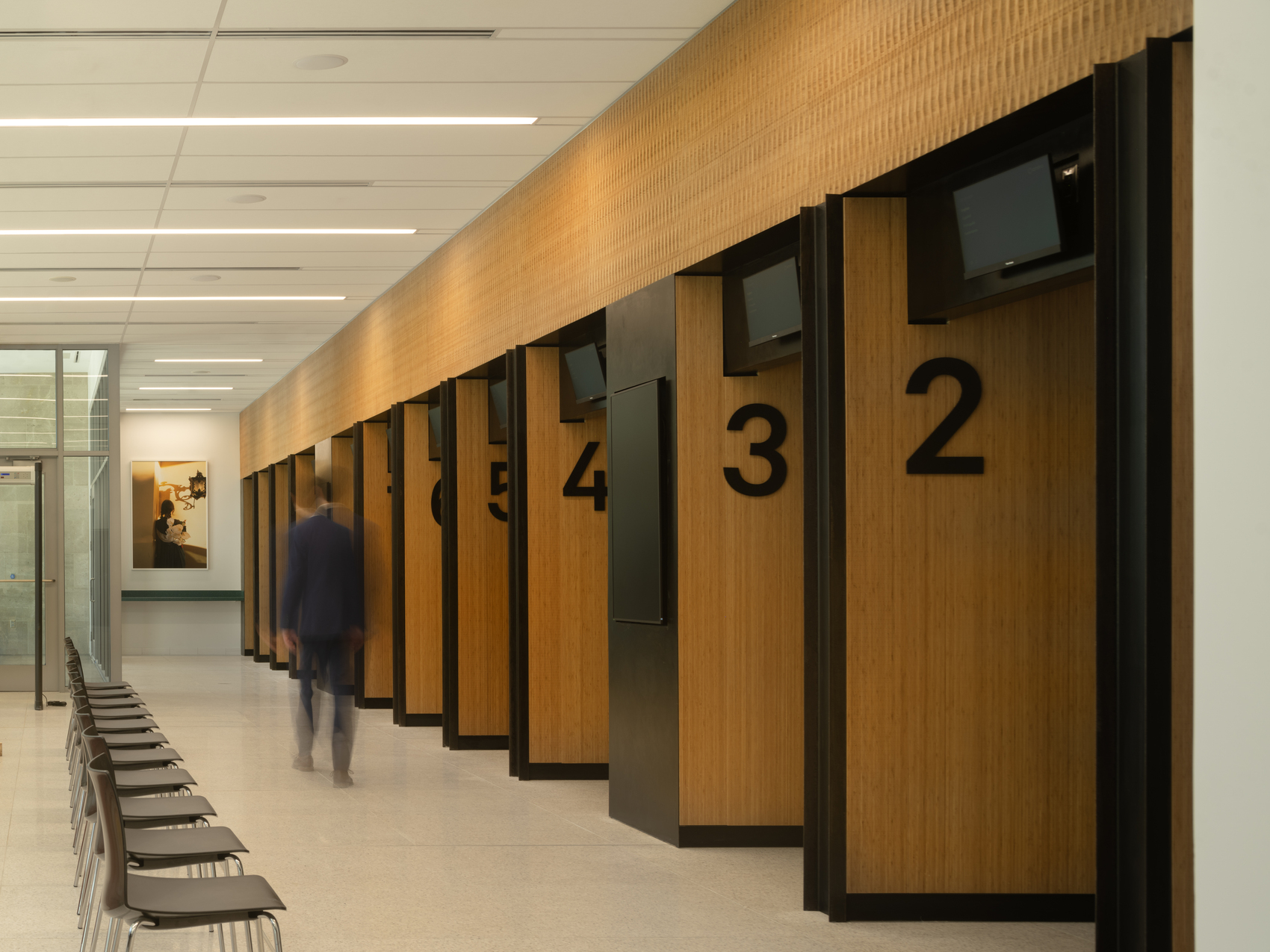
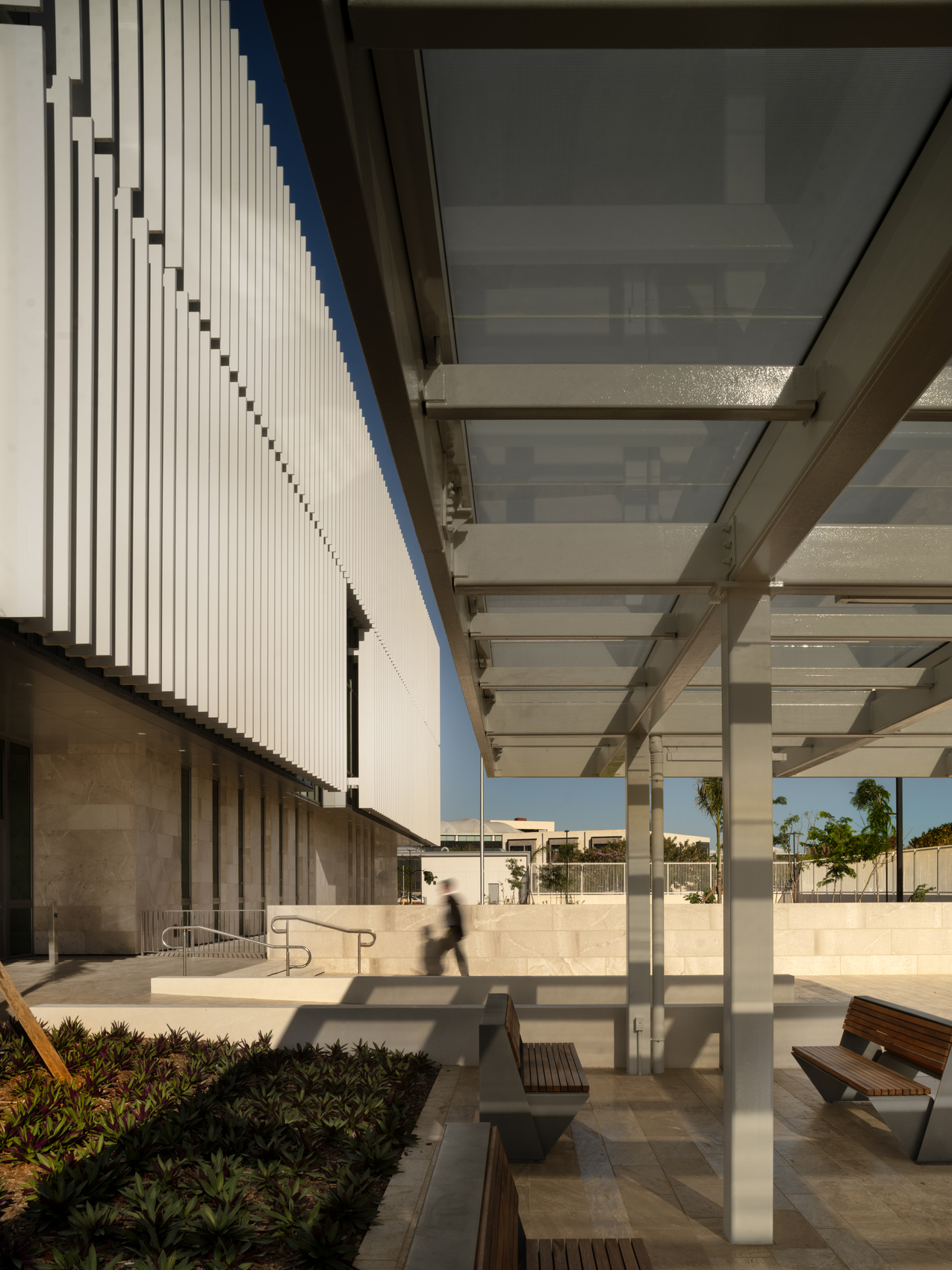
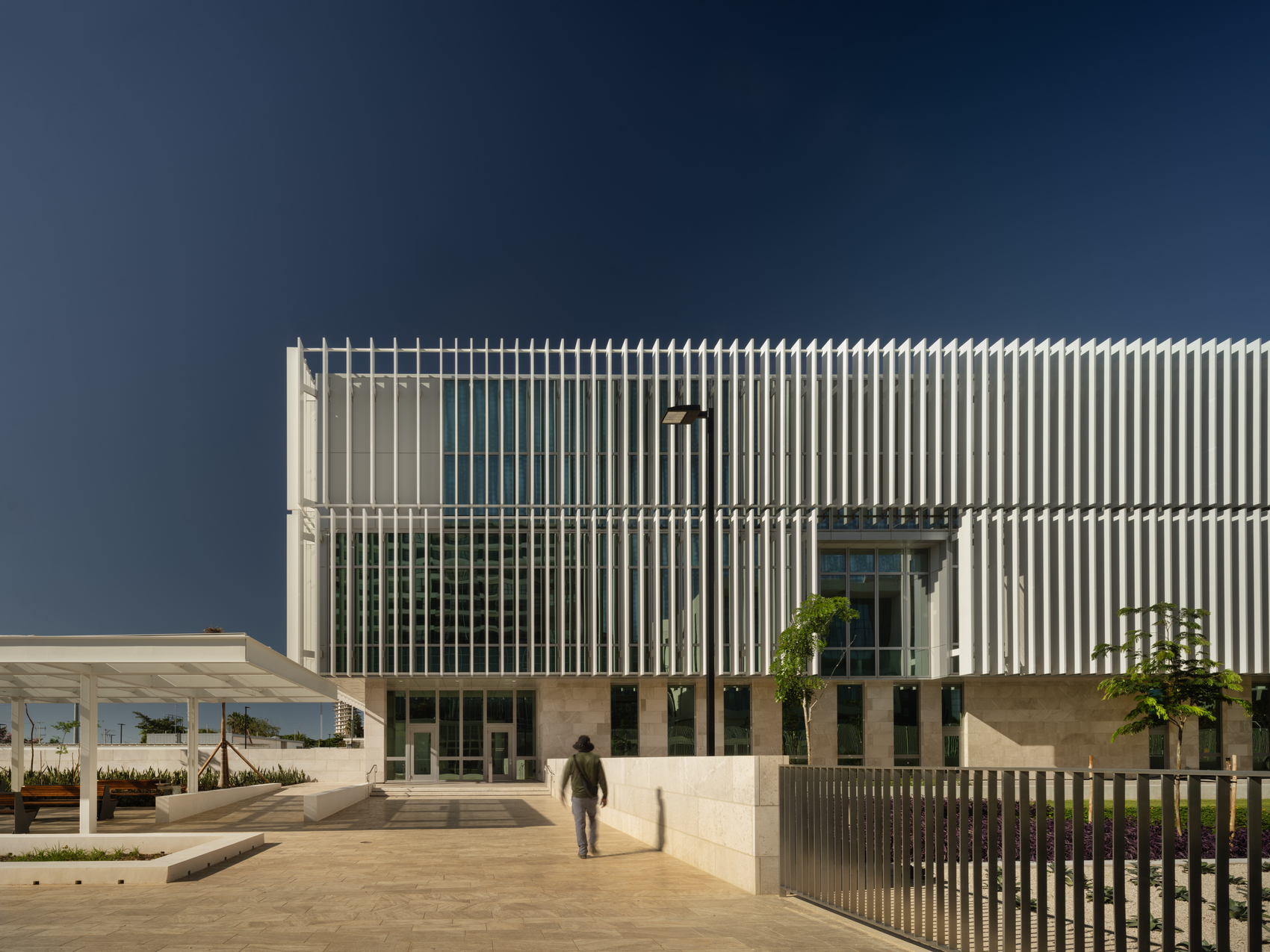
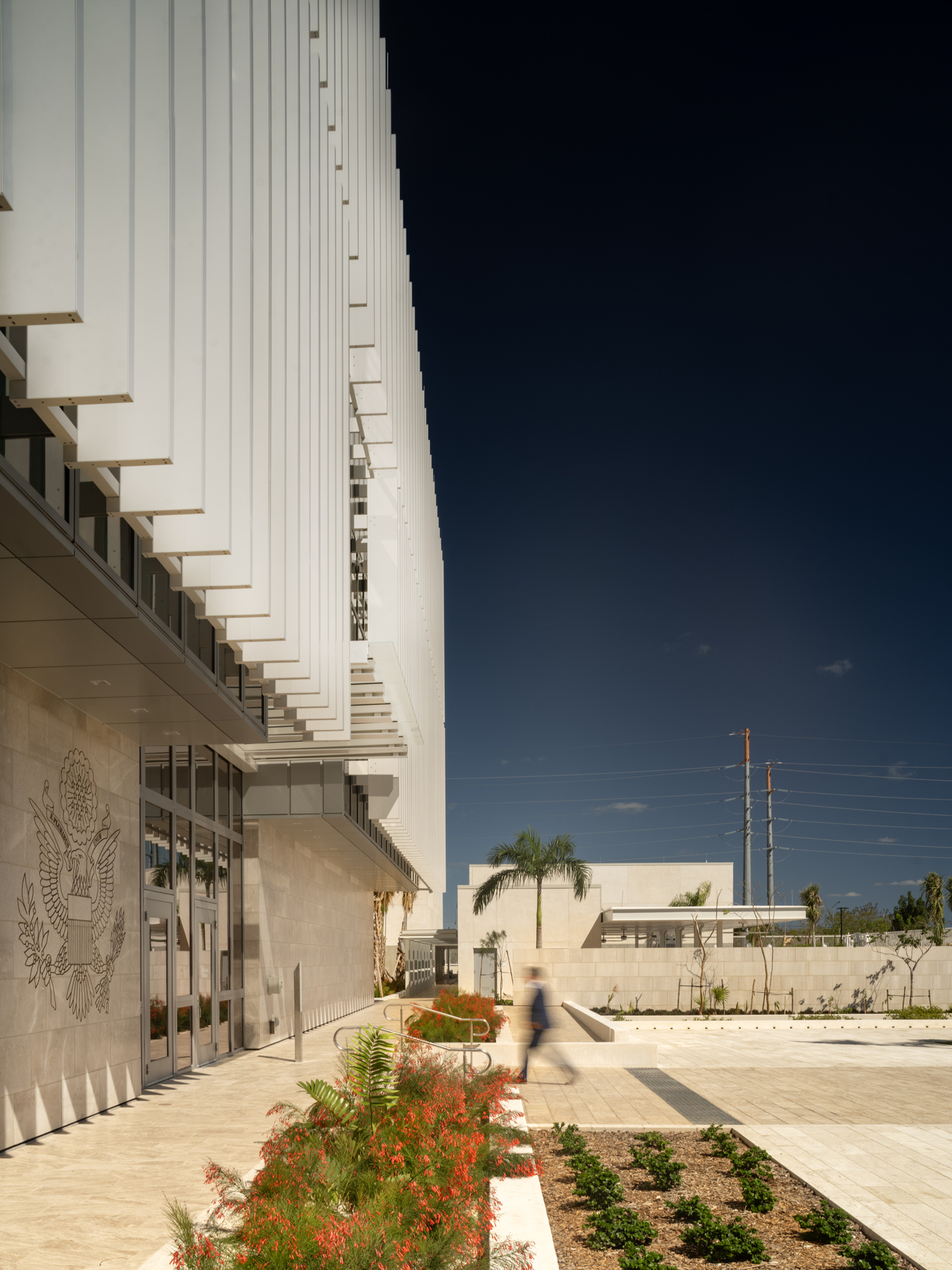
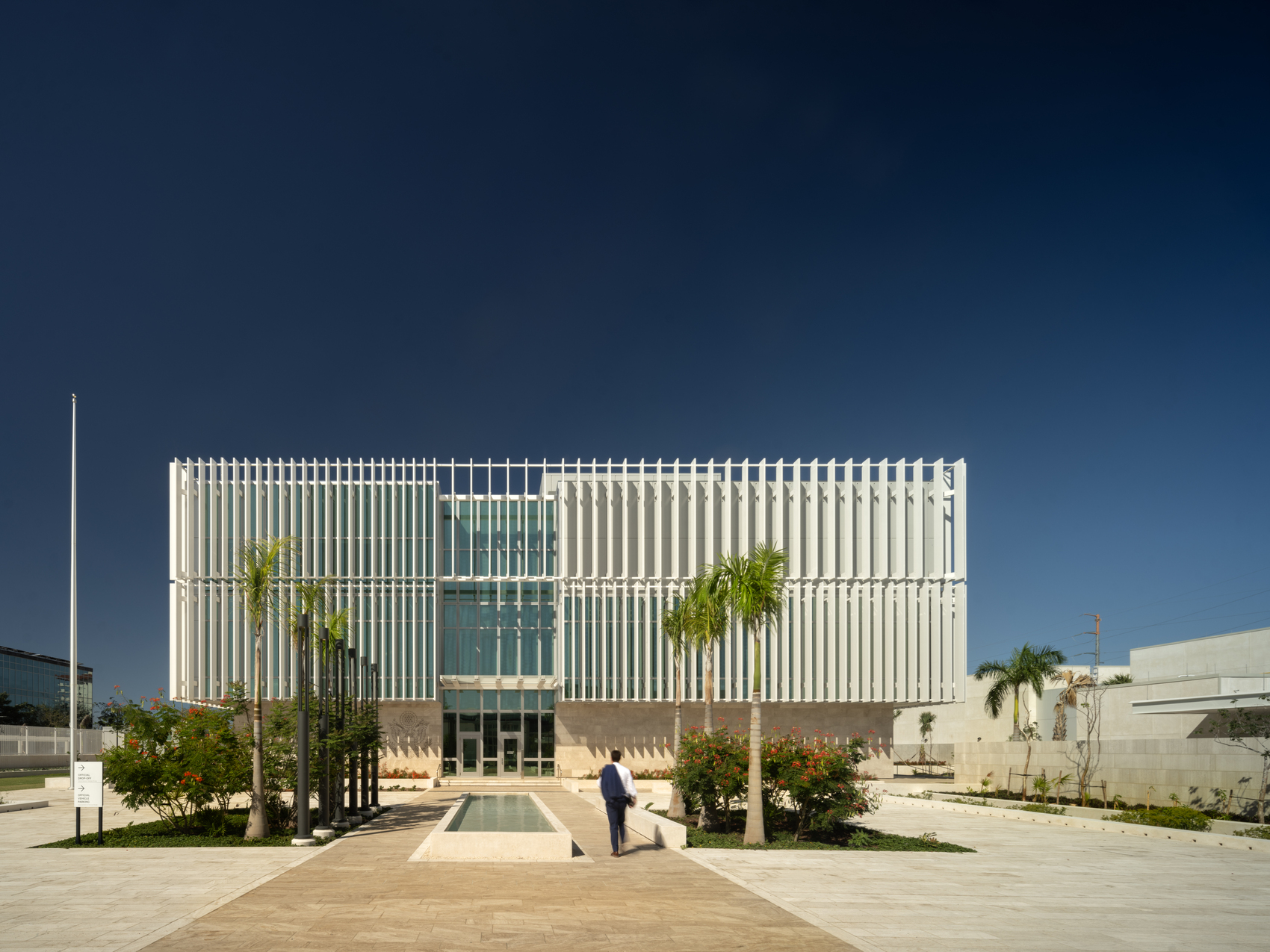
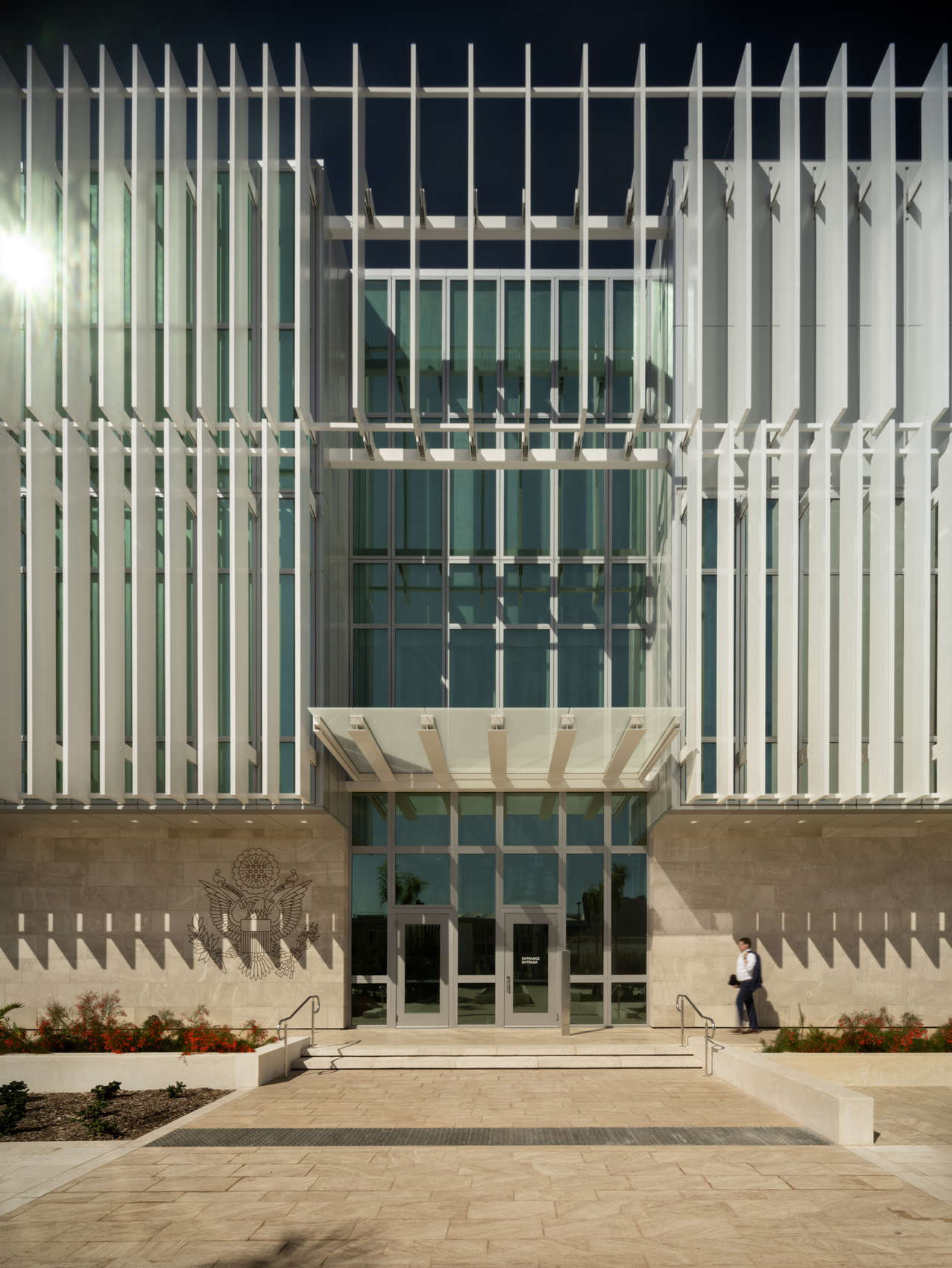
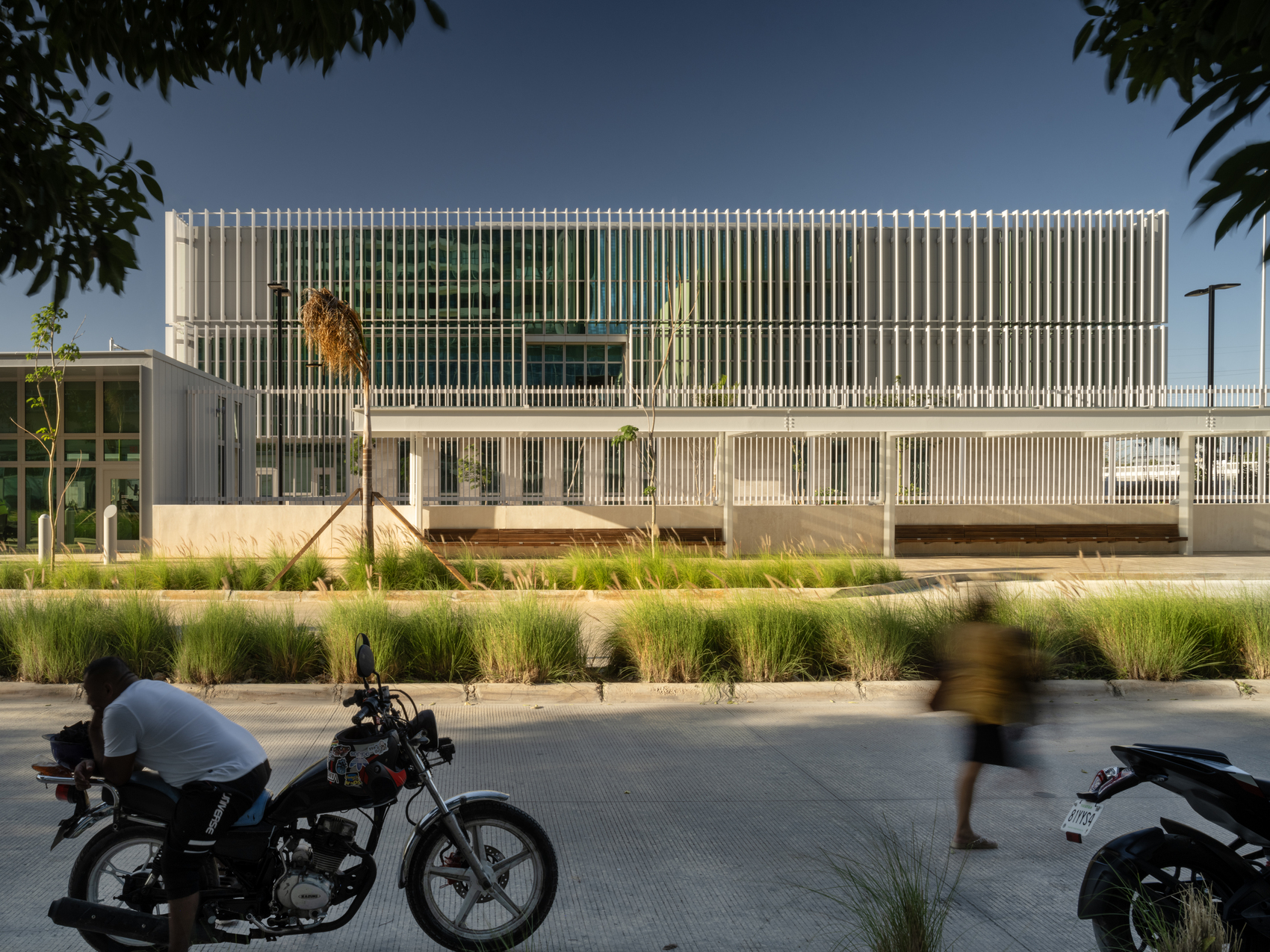
The seven-acre campus draws inspiration from the region’s layered history, particularly the architectural legacy of the Maya civilization and the colonial-era haciendas that remain prominent throughout the peninsula. Landscape elements, including limestone walls, stone edging, and water features, establish a sequence of arrival spaces that connect visitors to the site’s cultural context. The main entrance is approached along a low limestone wall that guides movement toward the building, while the stone-clad base extends into the interior, visually linking architecture and landscape. A separate consular entrance provides a direct and efficient route for visitors, framed by gardens and a shaded waiting pavilion designed to improve comfort within the tropical climate.
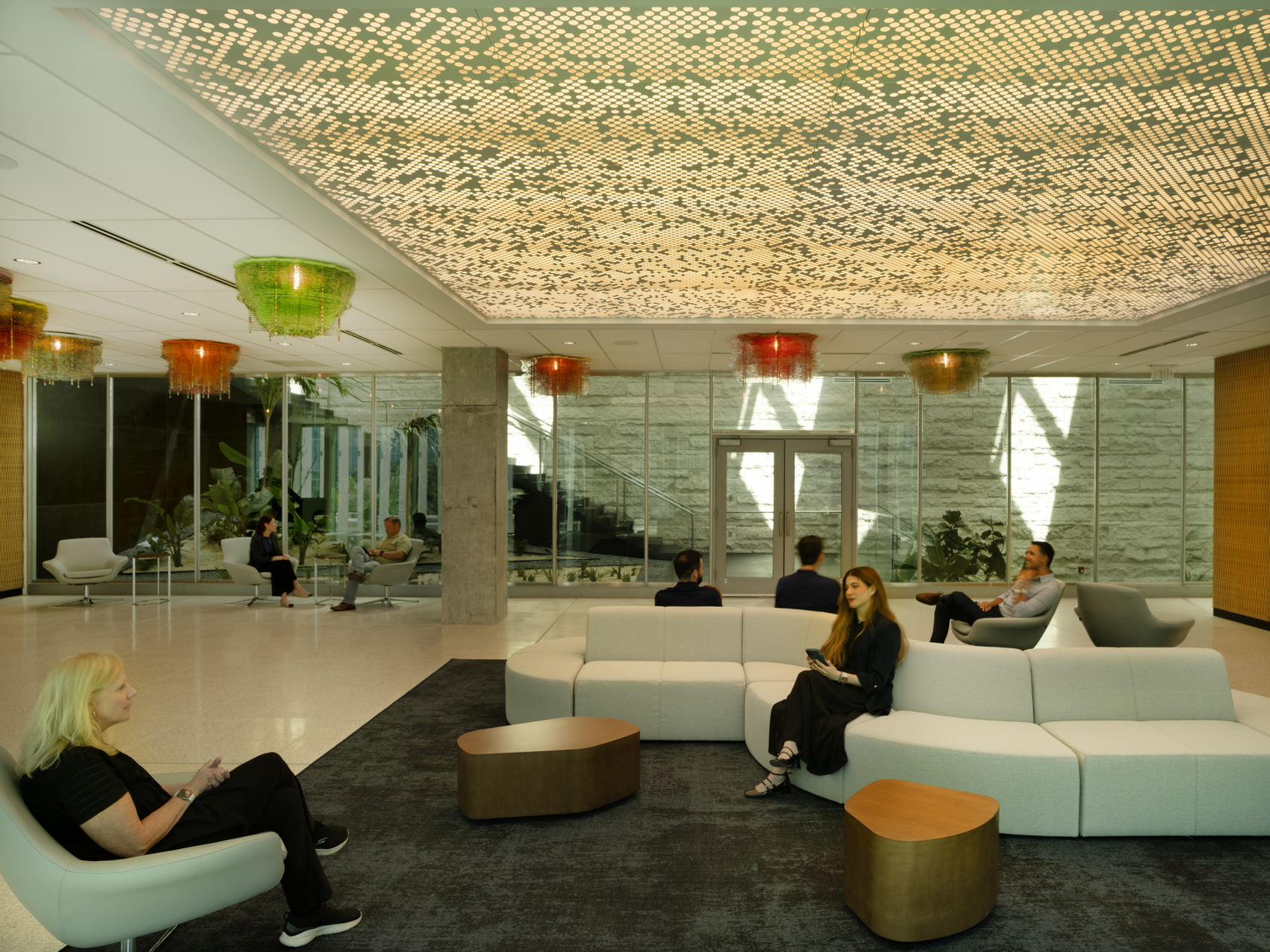
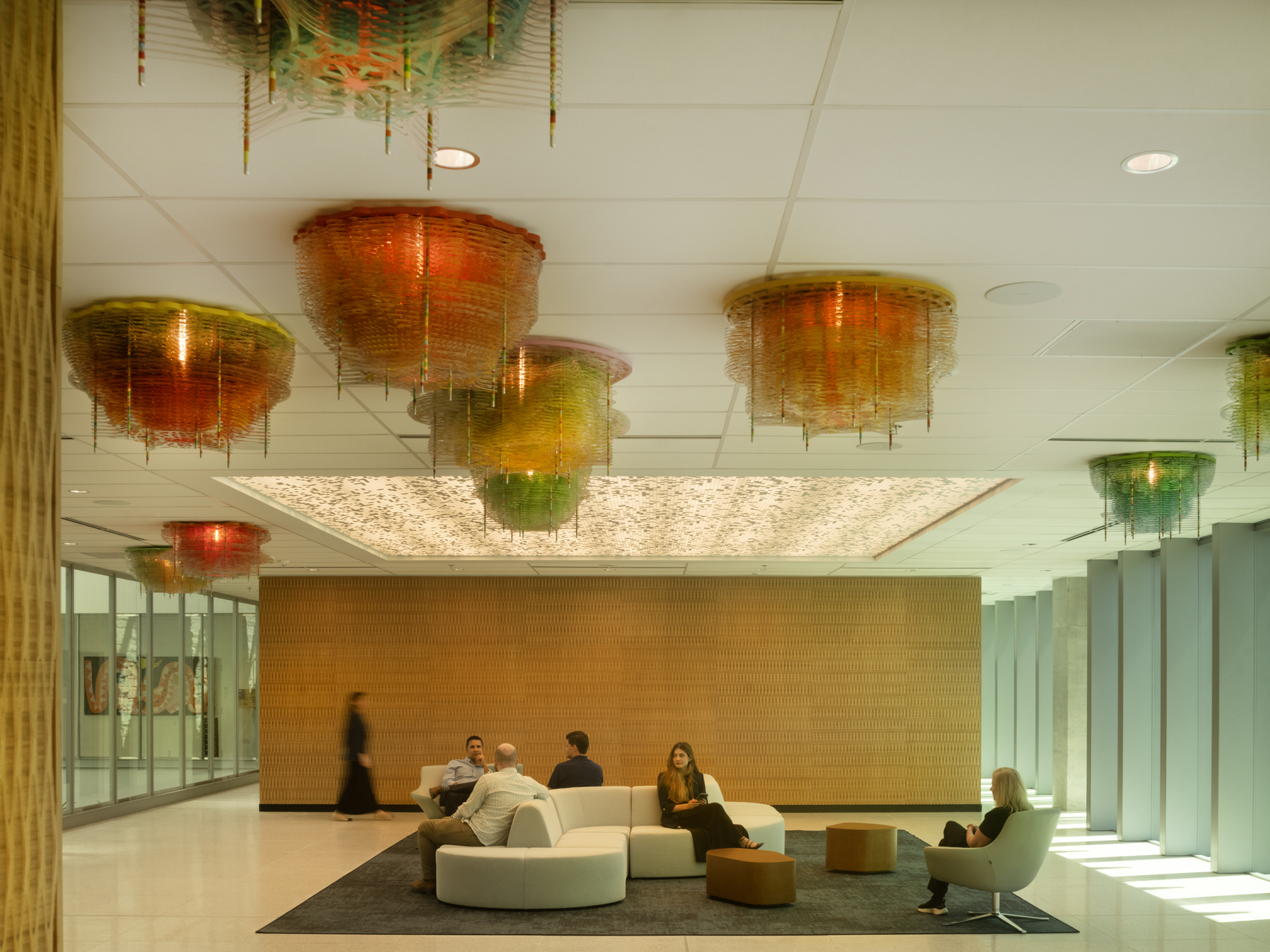
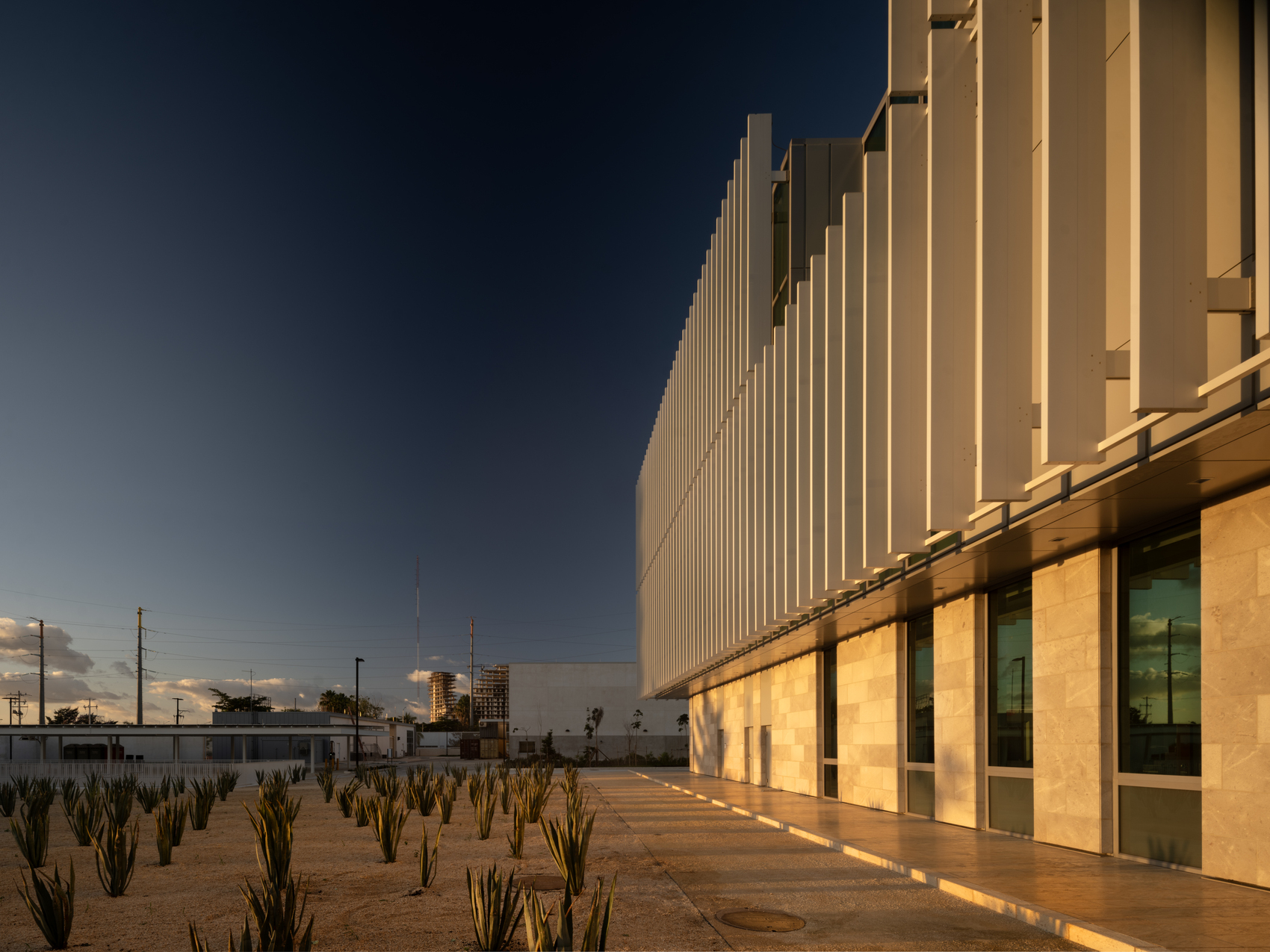
Architecturally, the building balances permanence and environmental responsiveness through a composition of solid and lightweight elements. A limestone base anchors the structure to the site, while upper levels clad in glass and metal panels project outward to create shaded circulation routes. Deep vertical fins wrap the building as a continuous solar screen, mitigating glare and reducing heat gain while maintaining access to daylight. These passive design strategies contribute significantly to occupant comfort and energy performance, demonstrating how climatic considerations can shape both appearance and function.
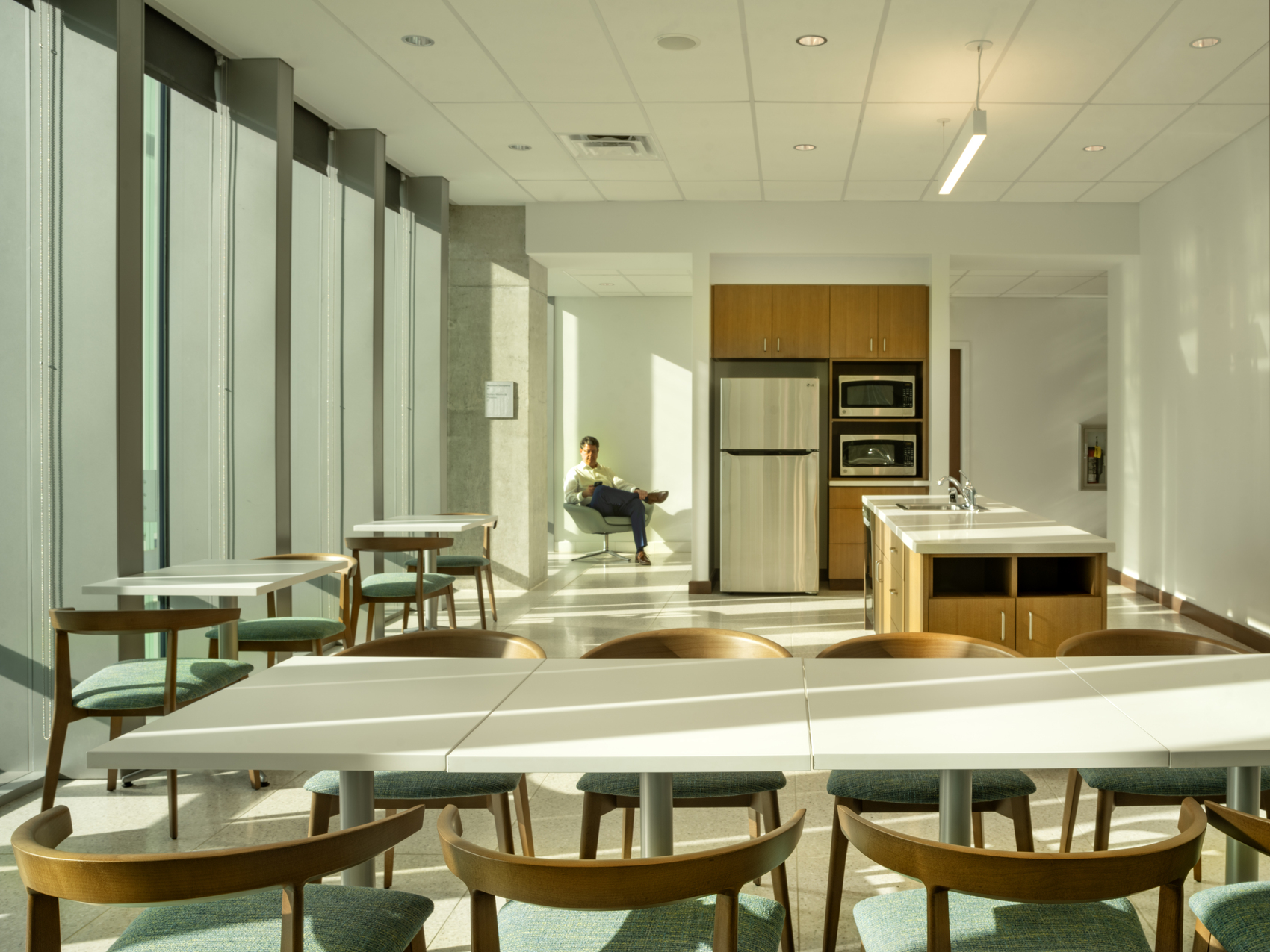
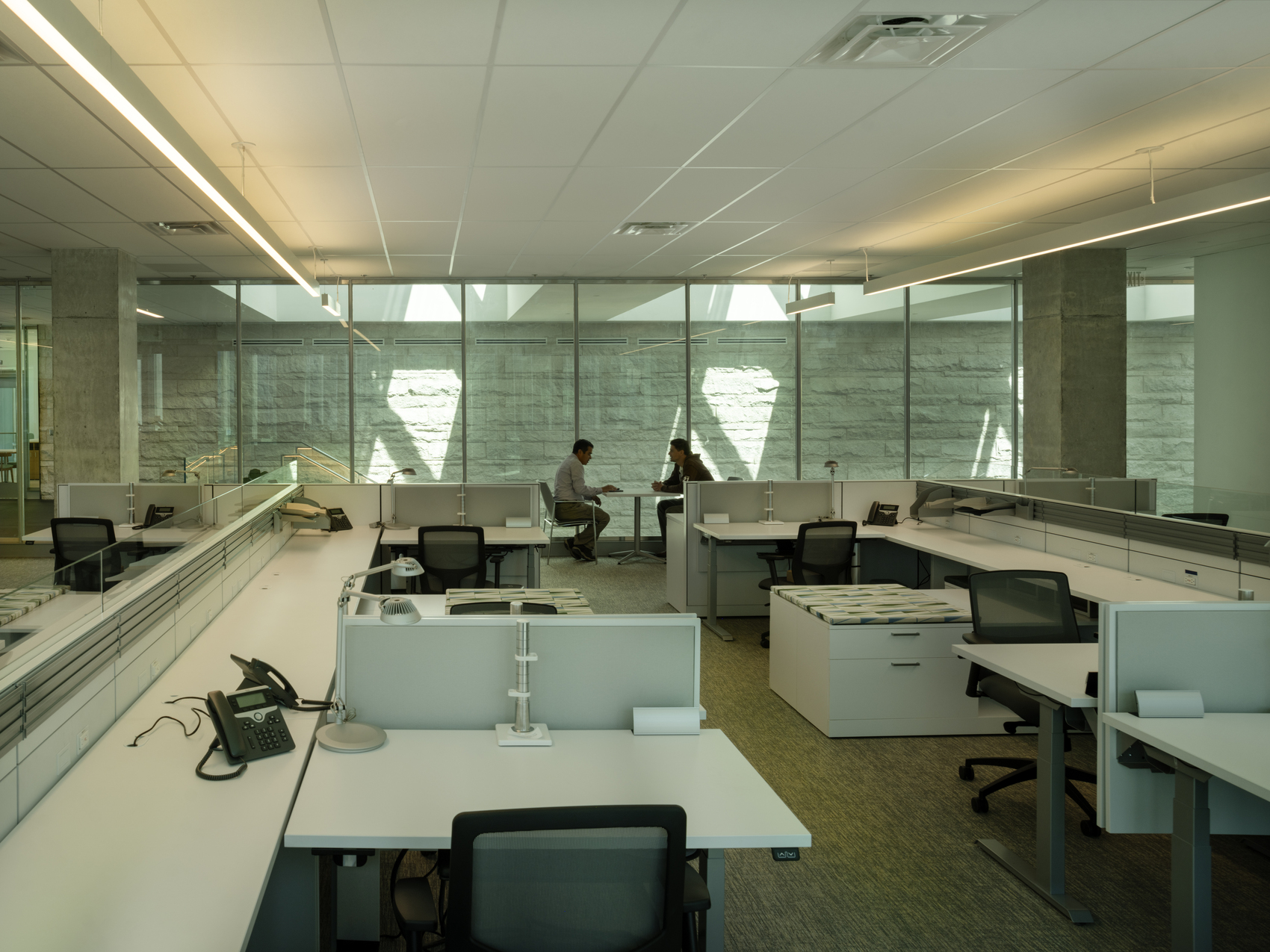
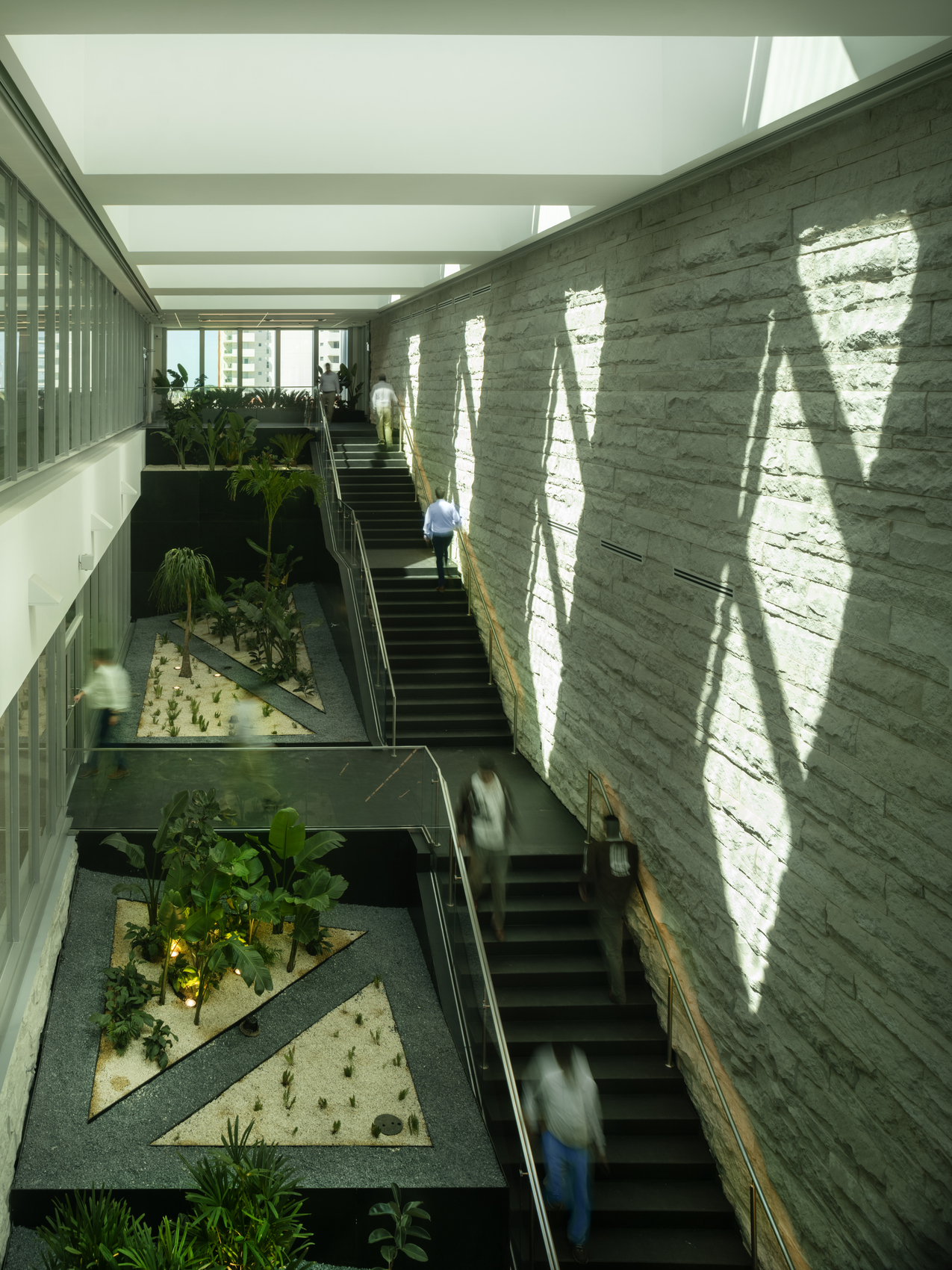
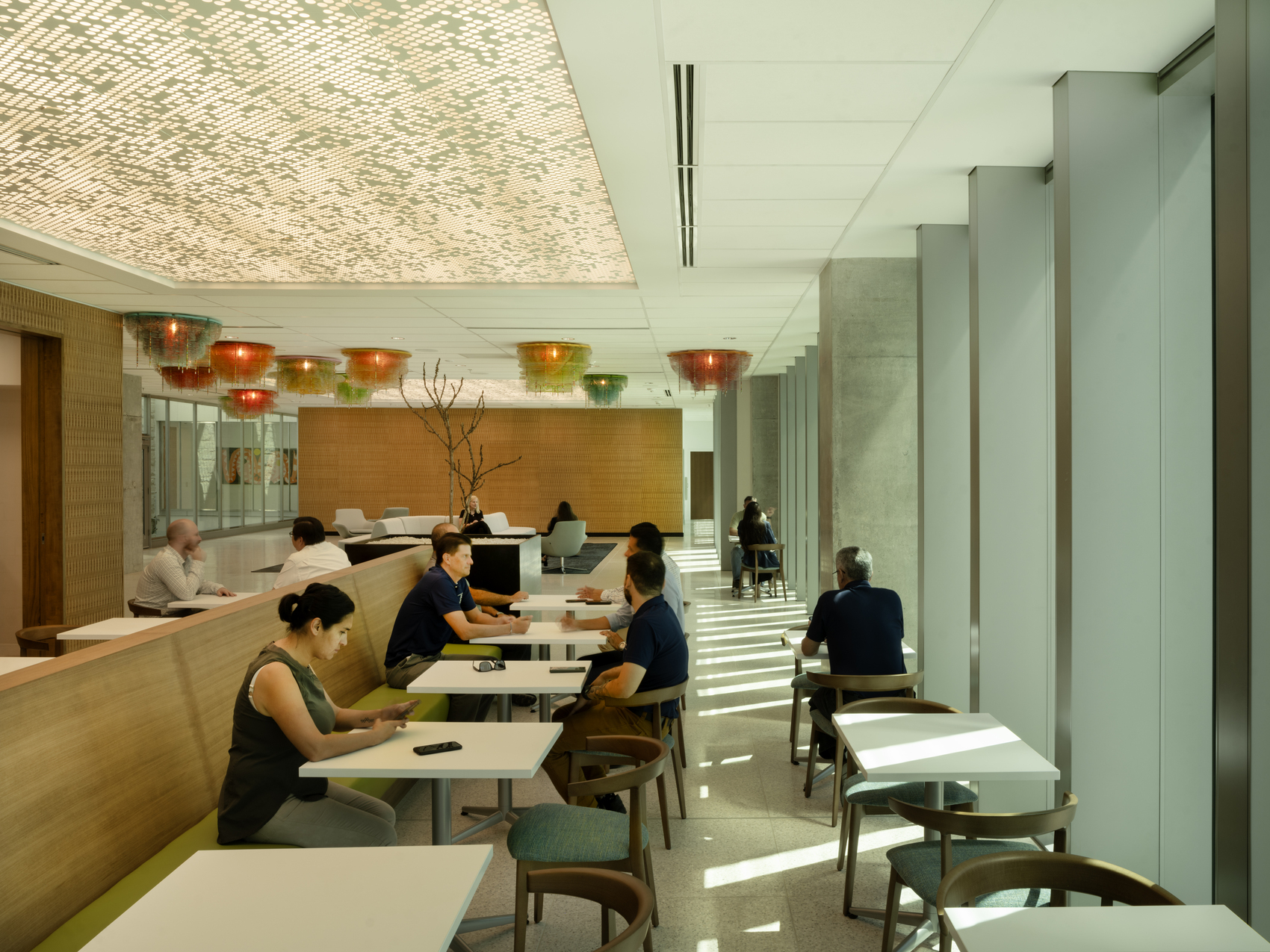
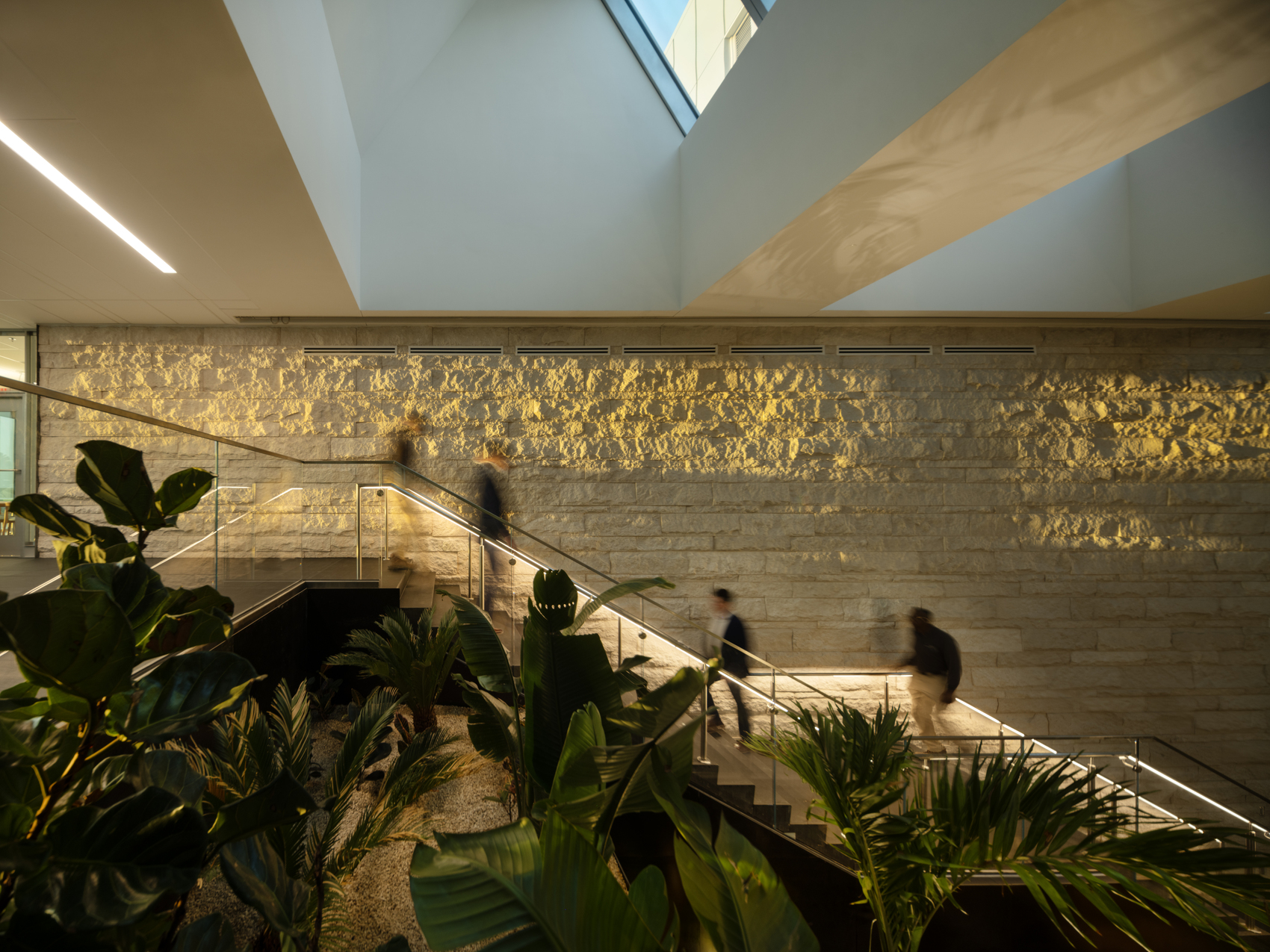
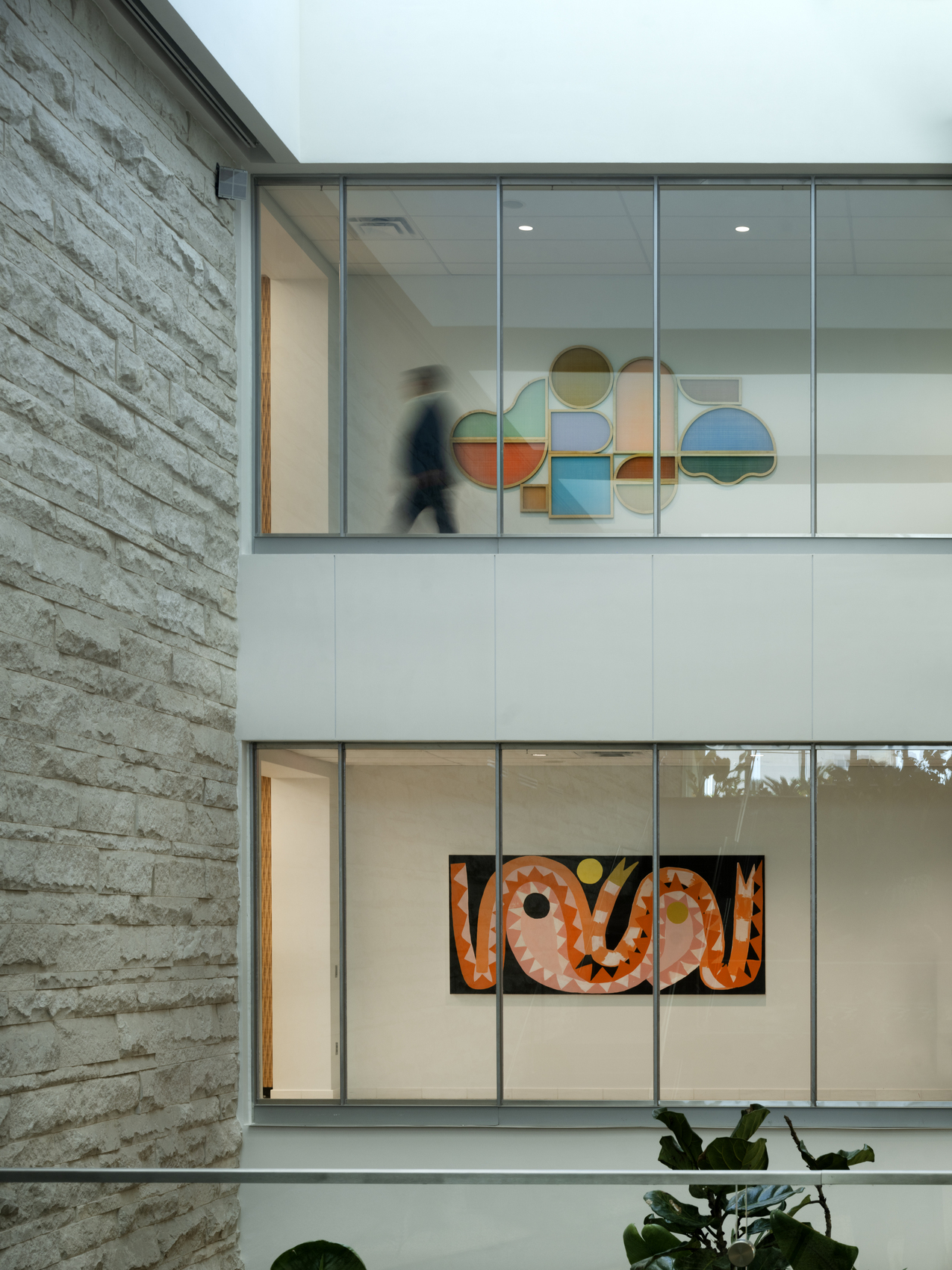
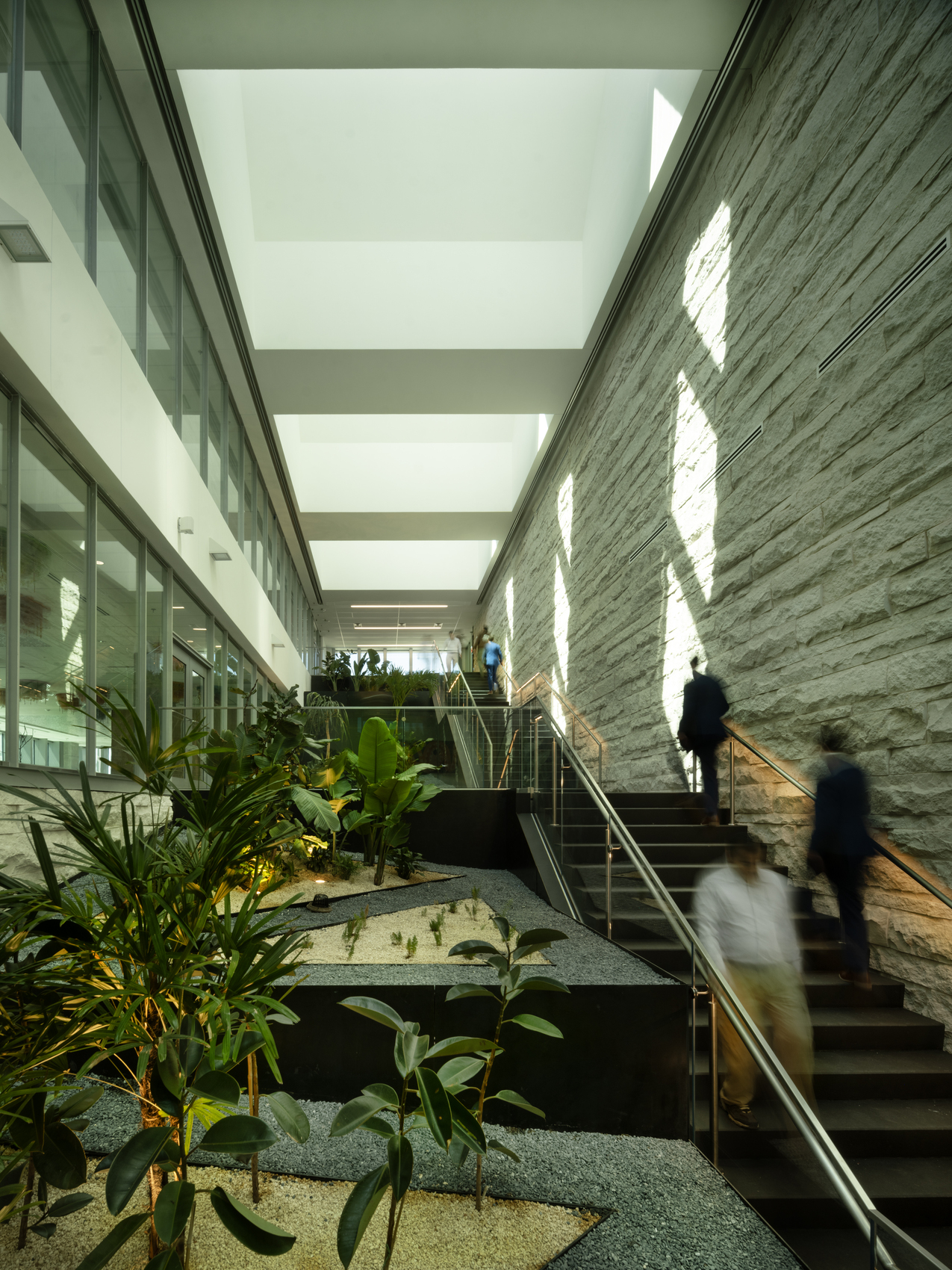
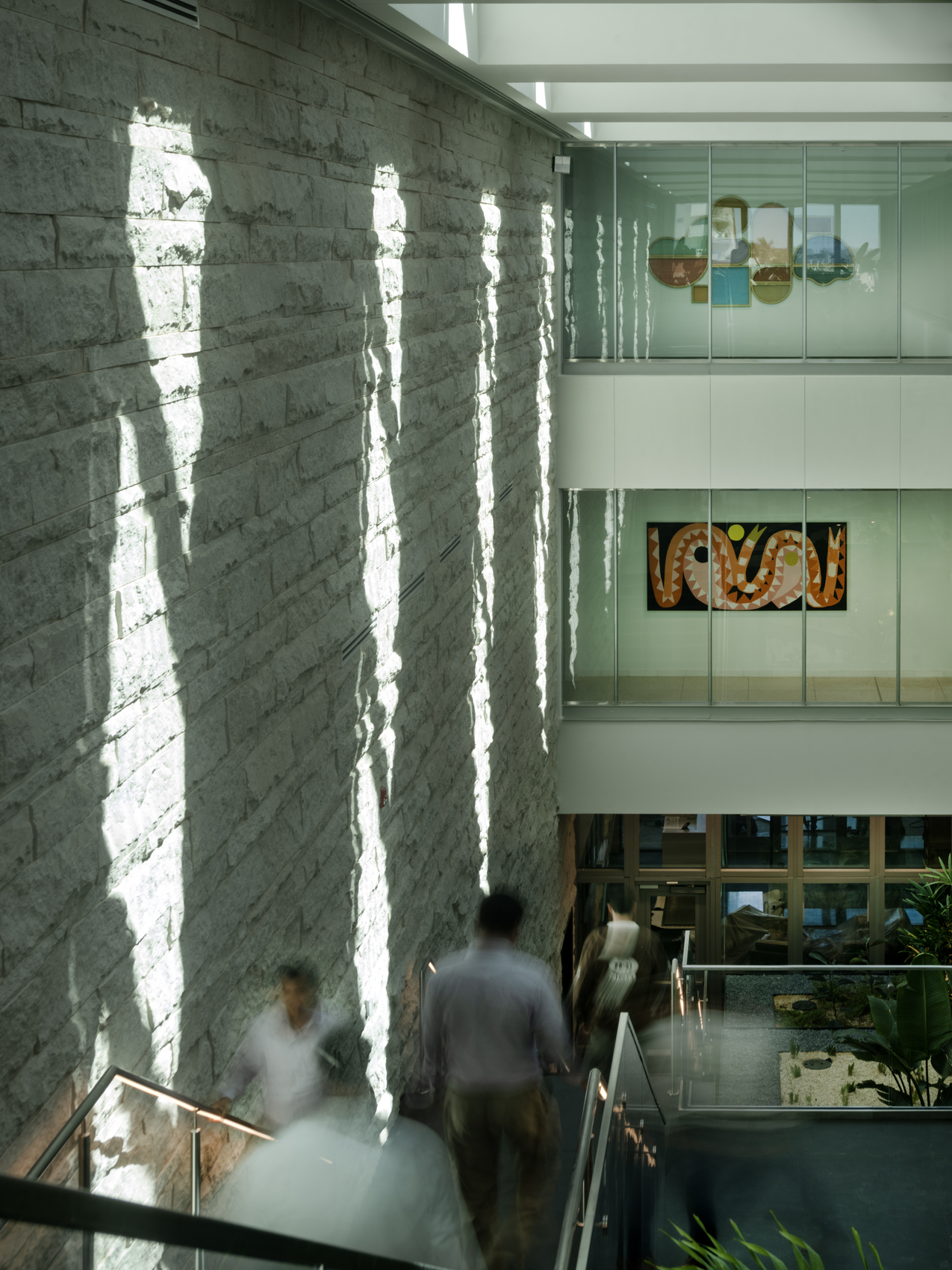
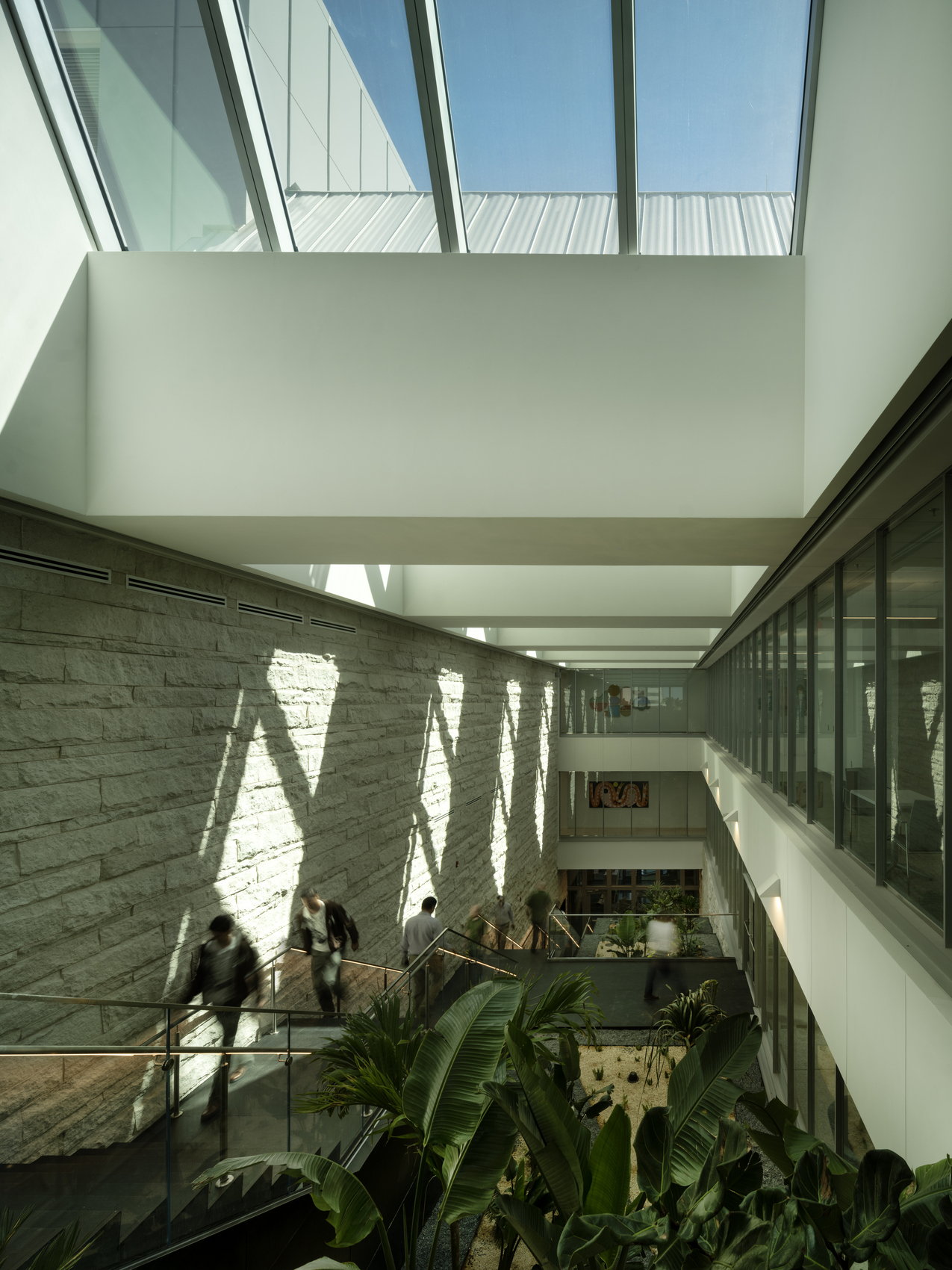
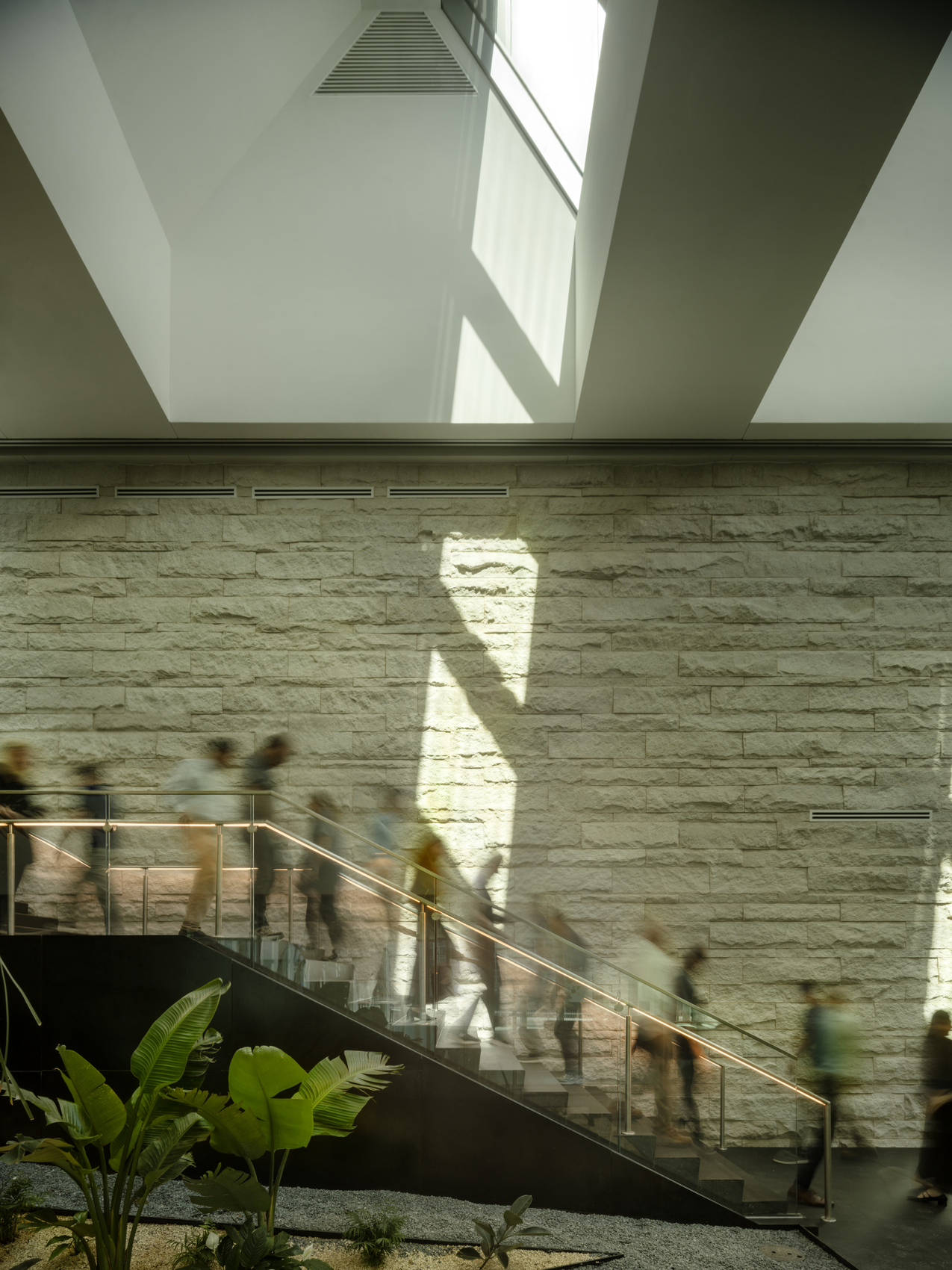
At the center of the facility, a skylit atrium inspired by the peninsula’s cenotes serves as the primary organizational element of the building. Filled with planting and natural light, the atrium functions as a communal spine that connects offices, gathering spaces, and circulation routes. An open stair rises through the space, encouraging movement and informal interaction among staff while creating visual connections across multiple levels. Surrounding workspaces are designed to maximize daylight and views, supporting a flexible workplace environment, while a second-floor gallery accommodates diplomatic events, community engagement activities, and artwork by Cuban American artist Jorge Pardo as part of the Art in Embassies program.
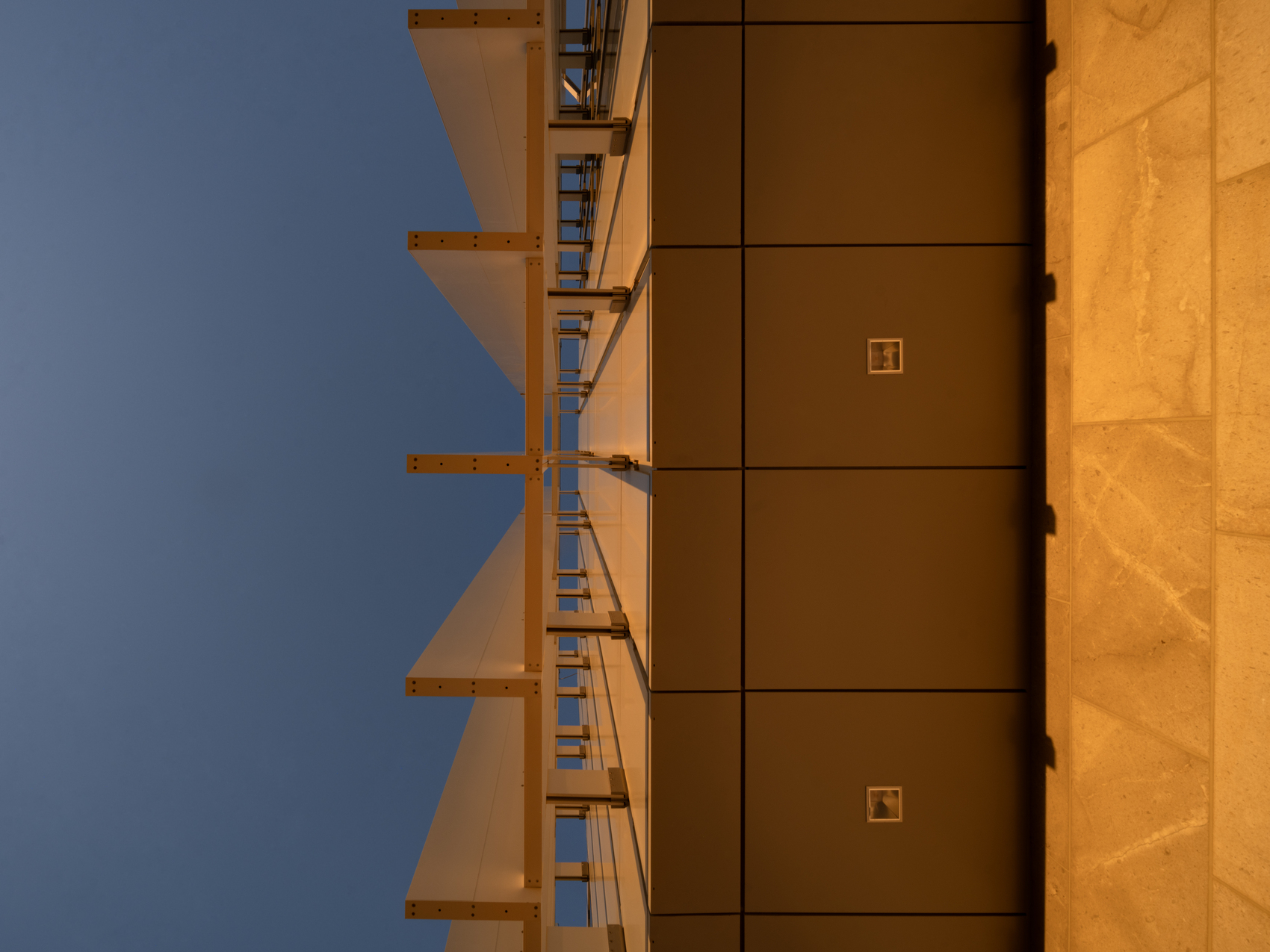
Environmental performance and resilience are central to the project’s long-term vision. The consulate achieved LEED Gold certification with 67 LEED points and is designed to conserve 49 percent of projected energy use through efficient mechanical systems, daylighting strategies, and onsite renewable energy generation that supplies 29 percent of the building’s energy demand. The site also addresses the region’s intense seasonal rainfall through stormwater treatment troughs, sunken landscape areas, and injection wells that manage runoff responsibly. Across the campus, traditional chukum plaster, made from local tree resin and limestone plaster, provides durable protection against moisture while reinforcing the project’s connection to regional building traditions. Together, these strategies establish a diplomatic facility that balances security, sustainability, and architectural identity while serving as a lasting presence in the Yucatán Peninsula.
Project Gallery
Project Location
Address: Calle 60 Avenida Prolongación No. 01, Departamento VM01-D, Vía Montejo, 97204 Mérida, Yucatán, México
The specified location is intended for general reference and may denote a city or country, but it does not identify a specific address.

