

Architects: Le Corbusier (Charles-Édouard Jeanneret)
Year: 1952
Photography: FLC, ADAGP, Paul Kozlowski, Gili Merin, Steve de Vriendt, Rik Moran, Vincent Desjardins, Guzman Lozano, dom dada, saragoldsmith, Wojtek Gurak, Louis Redstone, Karmakolle, Michel-georges bernard, A.Savin, Fred Romero, Pymouss44, Iantomferry, Cemal Emden
Collaborators: André Wogenscky, Vladimir Bodiansky, ATBAT (Atelier des Bâtisseurs)
Design Contributors: Charlotte Perriand, Jean Prouvé
Client: Ministry of Reconstruction and Urbanism, France
City: Marseille
Country: France
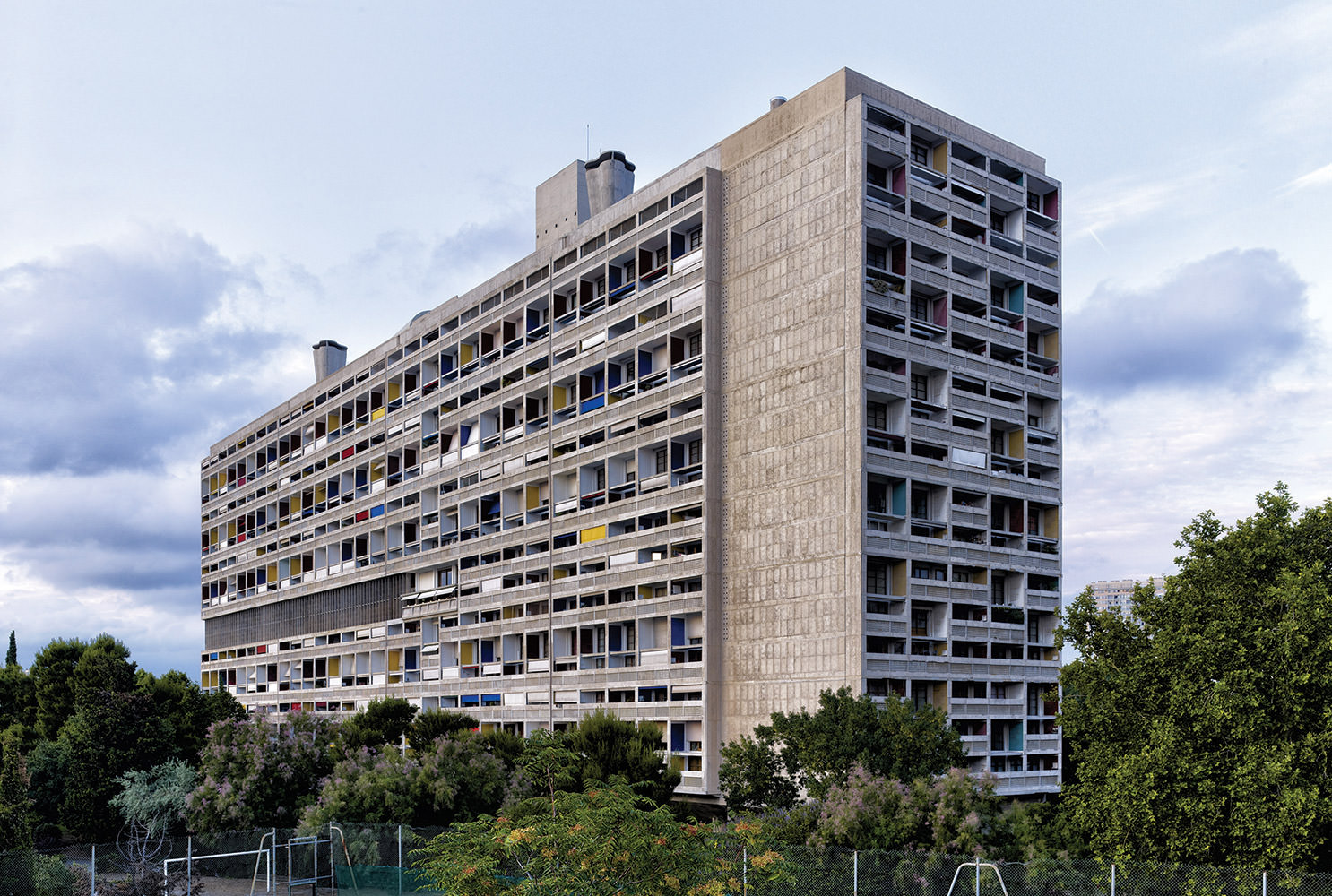
Unité d’Habitation residential building designed by Le Corbusier in Marseille responded to post–Second World War reconstruction needs after its 1945 commission by the French Ministry of Reconstruction and was completed in 1952 as a prototype for high-density collective housing. The building at 280 Boulevard Michelet measures approximately 135 meters long, 24 meters wide, and 56 meters high and stands on reinforced-concrete pilotis with exposed béton brut surfaces that influenced Brutalist architecture. The structure contains 330 apartments in 23 dwelling types organized through the “bottle rack” system of interlocking duplex units served by interior streets (rues intérieures) every third floor. The apartments follow the Modulor proportional system, provide dual orientation, and include double-height living spaces with loggias and brise-soleil. Collective functions are integrated within the block through internal commercial streets with shops and services forming a vertical city. The roof terrace contains communal facilities including a running track, gymnasium, nursery school with paddling pool, and sculptural ventilation towers. The Marseille Unité became a defining project of post-war modern architecture and served as the prototype for later Unité buildings in Nantes-Rezé, Berlin, Briey-en-Forêt, and Firminy-Vert.

Unité d’Habitation residential building designed by Le Corbusier in Marseille emerged from the reconstruction conditions that followed the Second World War. The commission was issued on July 20, 1945, by Raoul Dautry, Minister of Reconstruction and Urbanism, in response to widespread destruction across the city. The project synthesized more than two decades of research by Le Corbusier on collective housing, linking earlier ideas such as the Maison Dom-ino system and the Radiant City to a built prototype for high-density living.
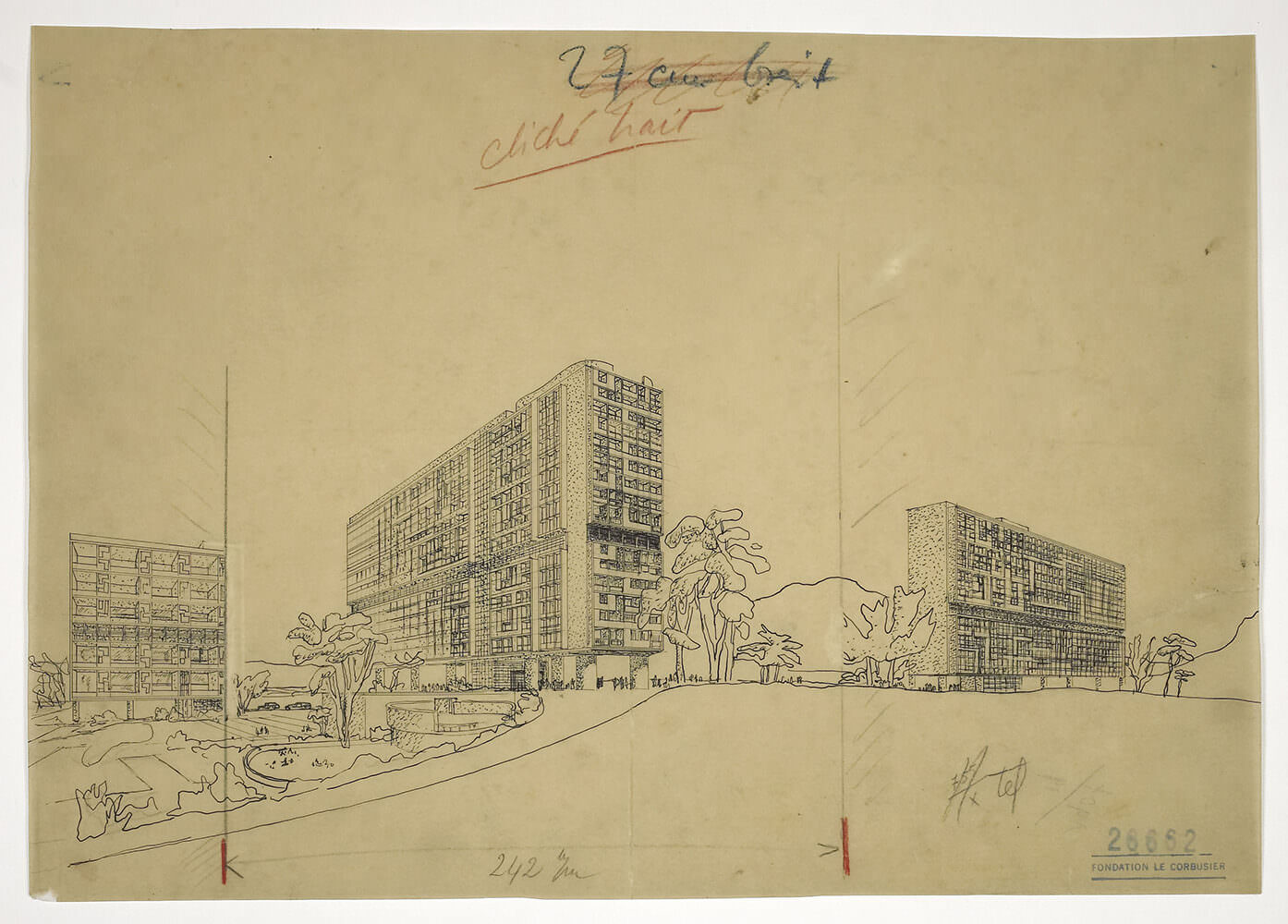
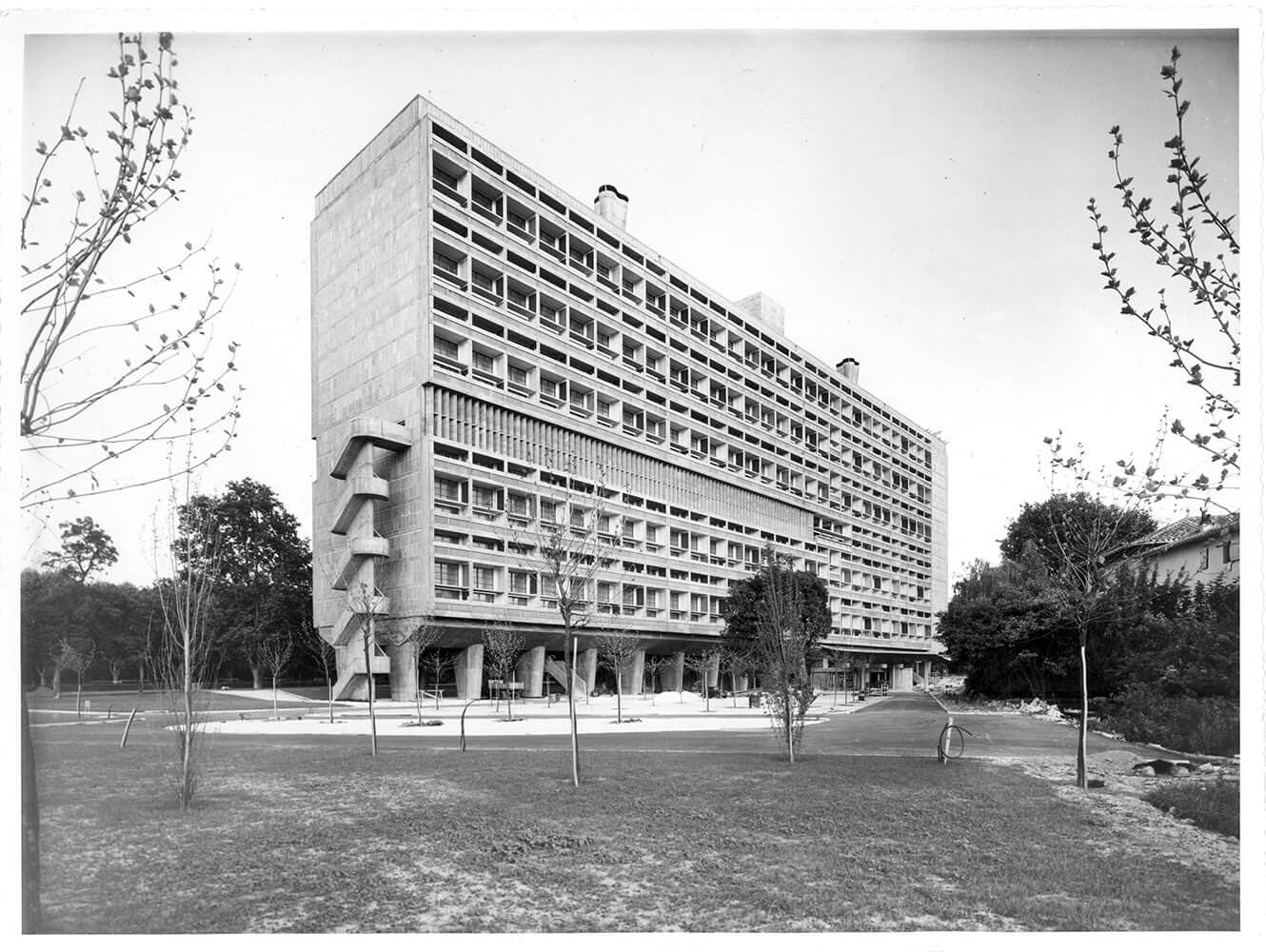
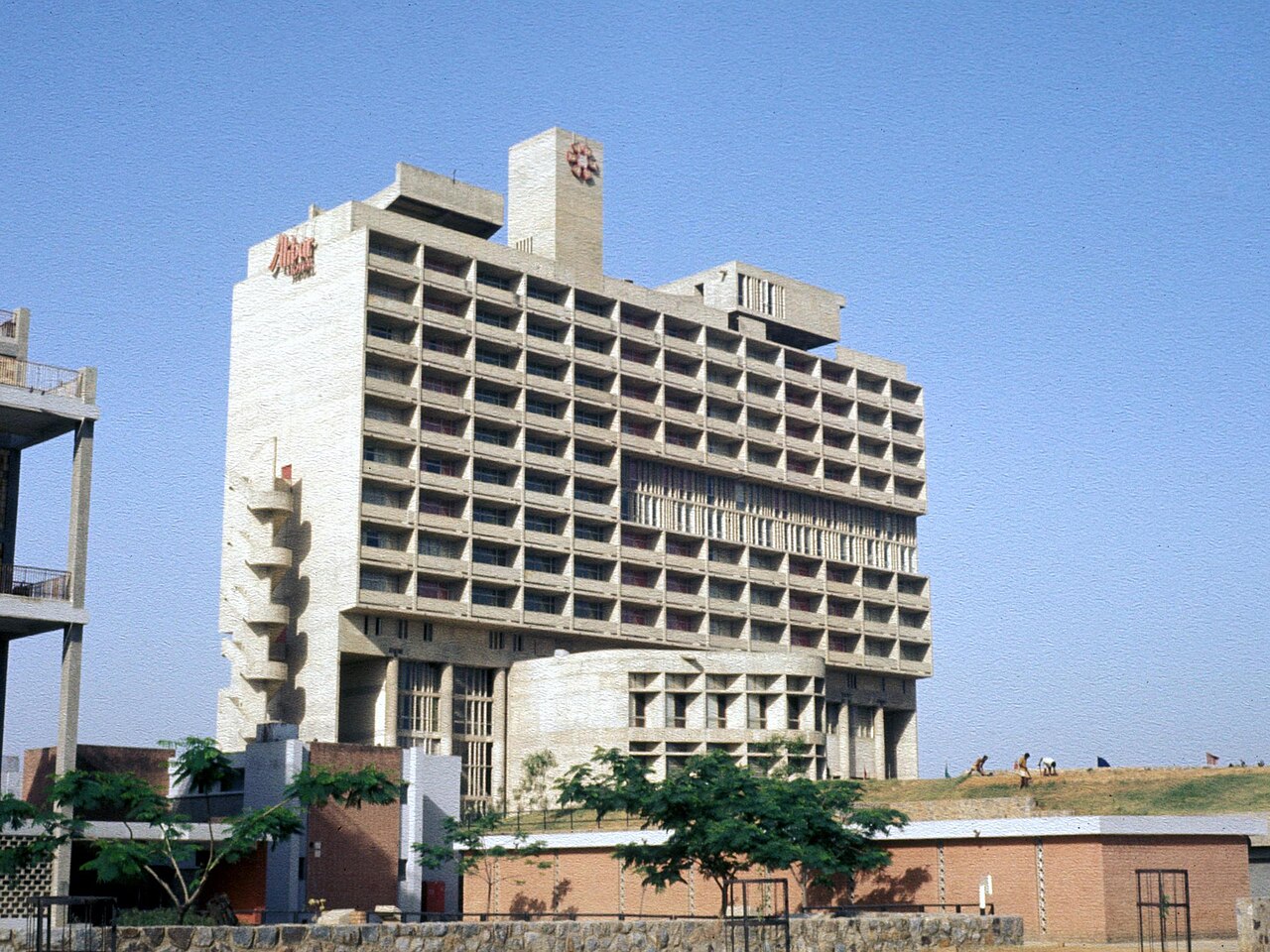
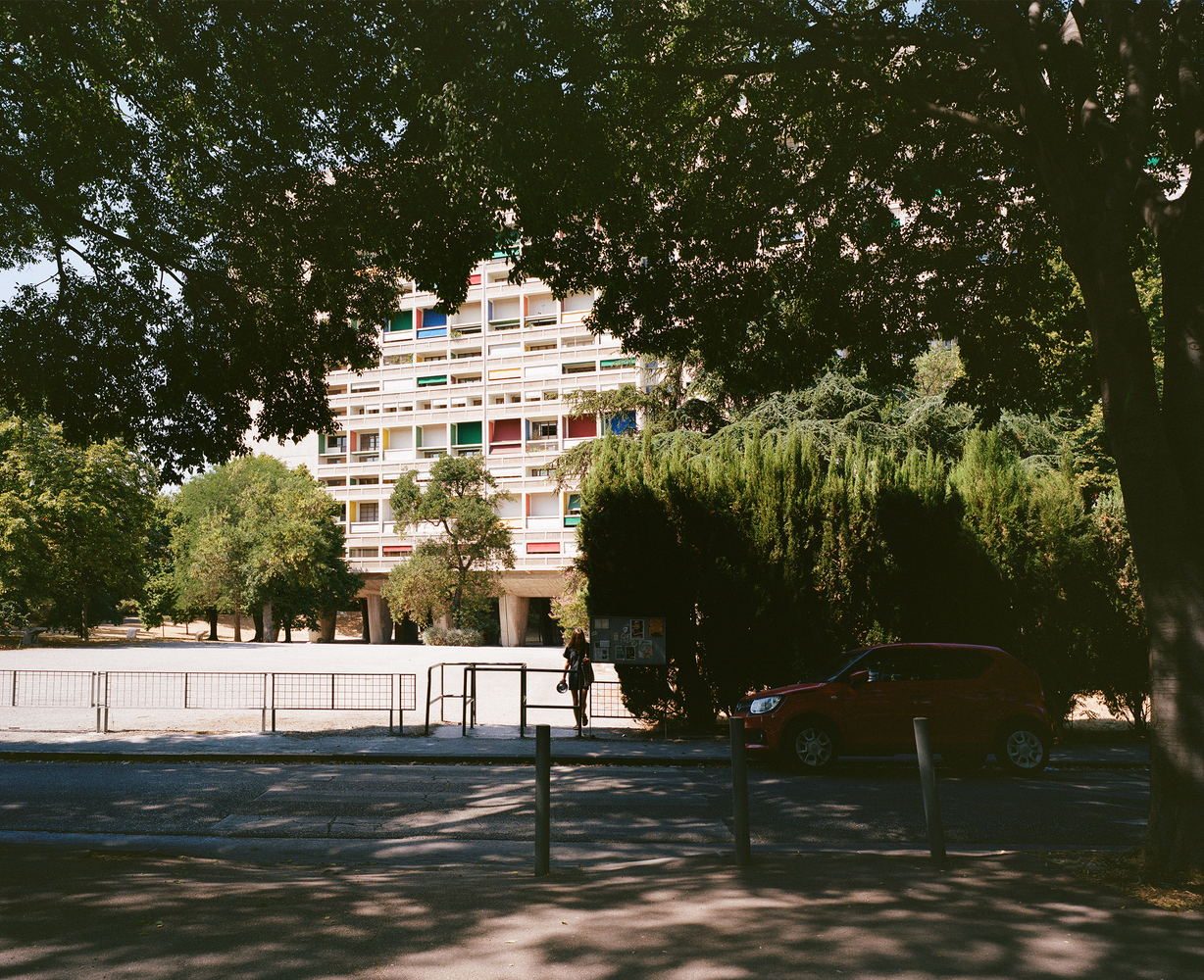
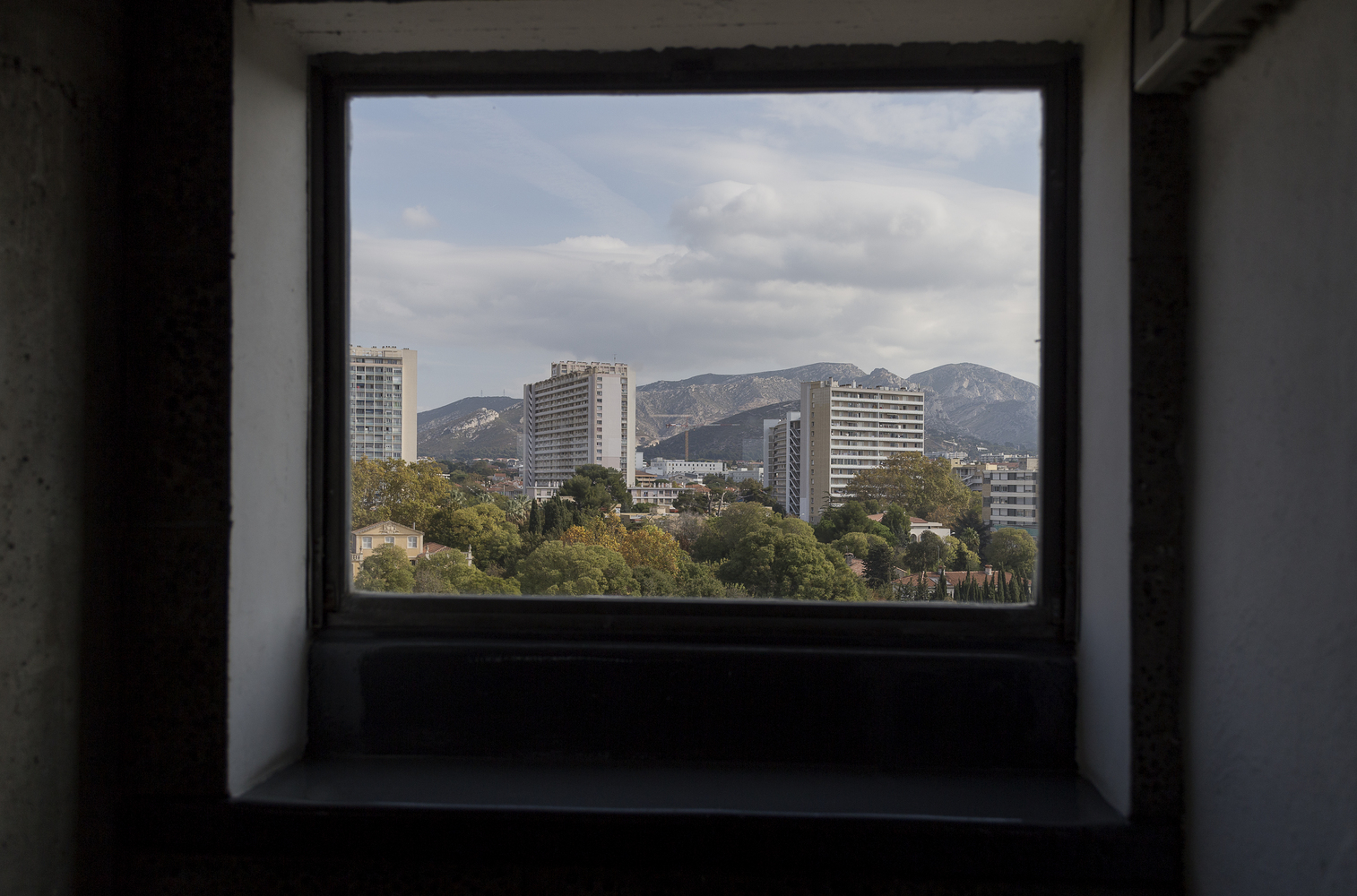
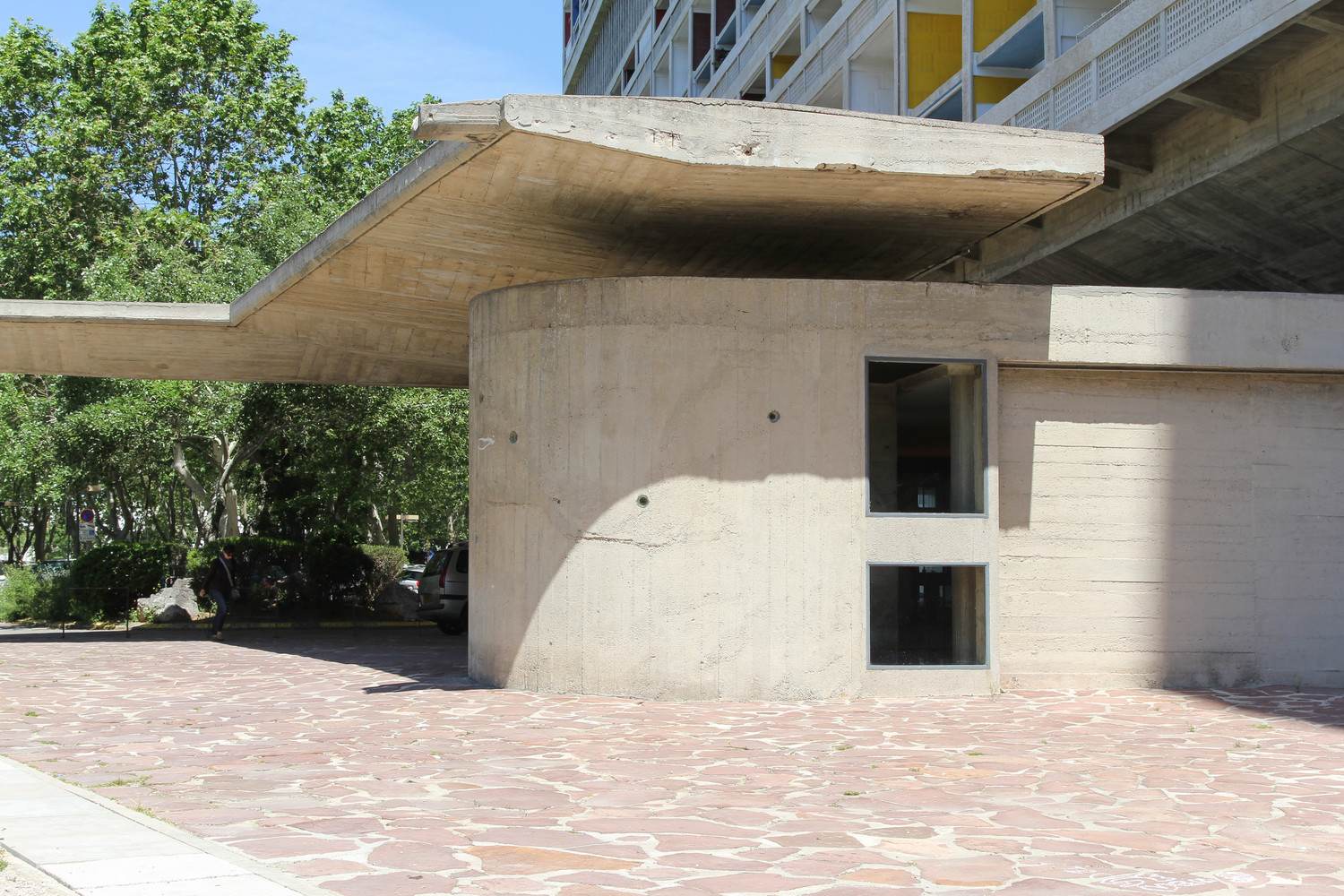
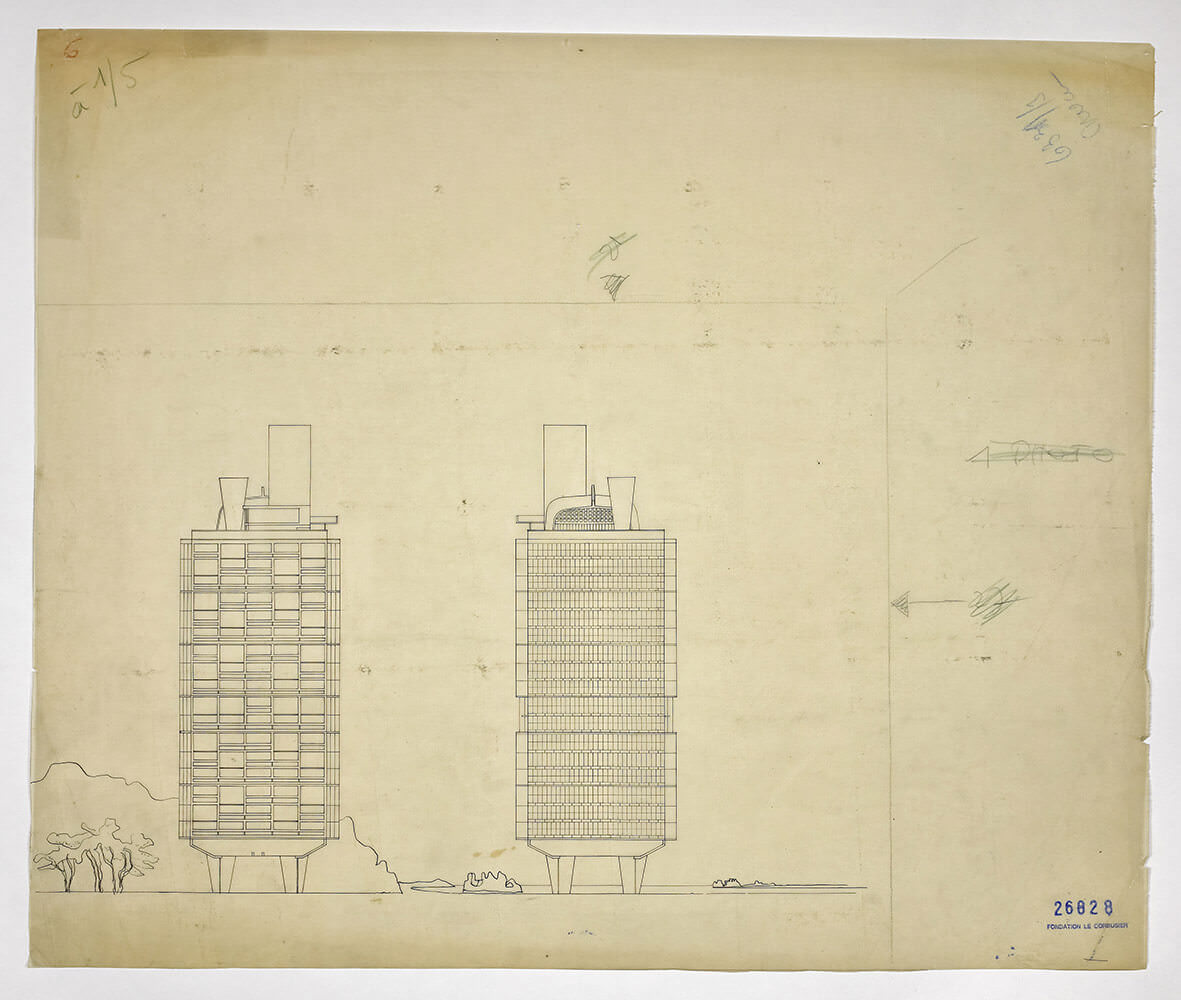
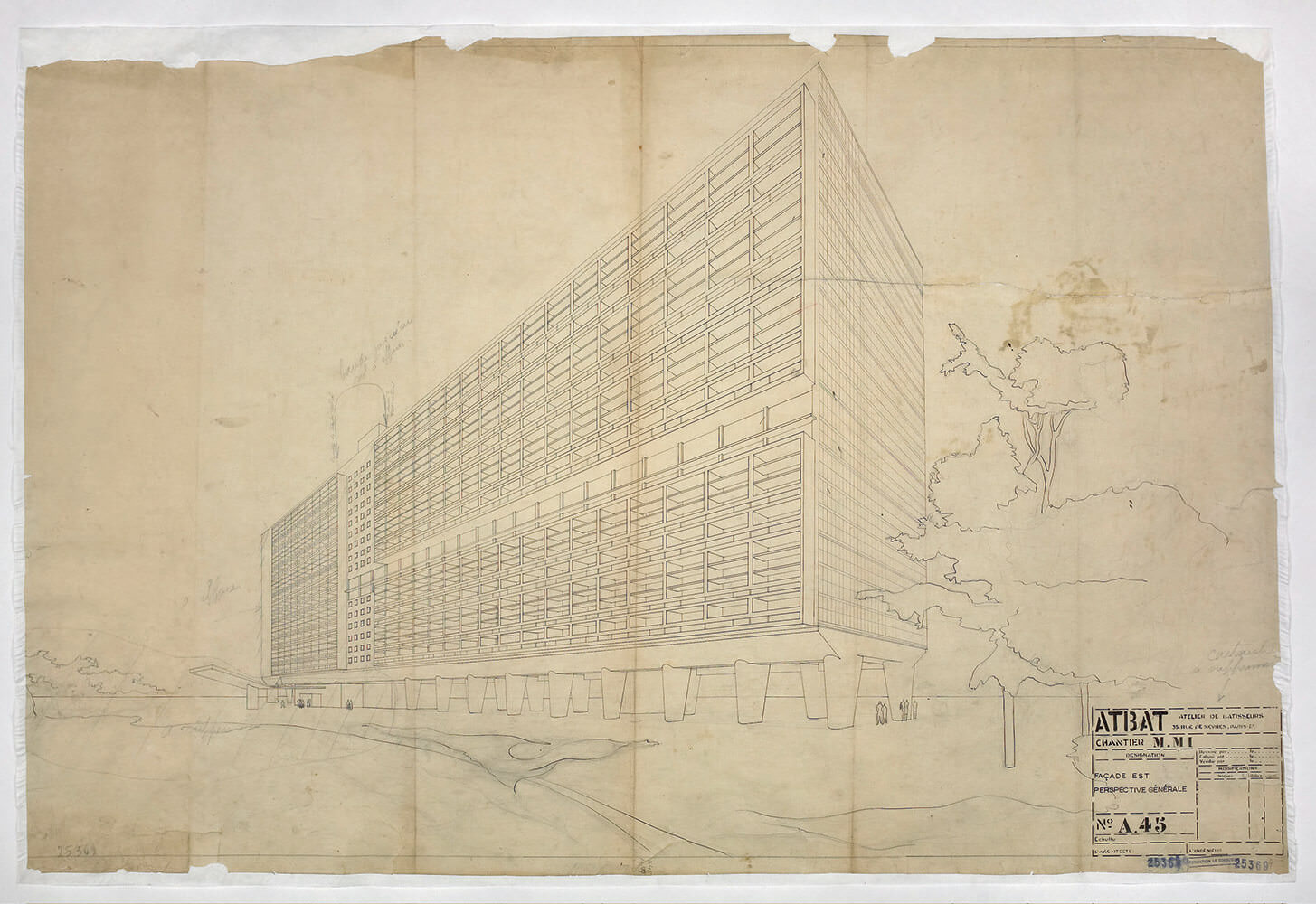
The building stands at 280 Boulevard Michelet between the hills and the Mediterranean Sea. The structure measures approximately 135 meters in length, 24 meters in width, and 56 meters in height. Massive reinforced-concrete pilotis lift the housing block above the ground plane, allowing circulation and landscape beneath the structure. Reinforced concrete cast in situ replaced an earlier steel proposal due to post-war shortages, producing the exposed béton brut surfaces that later influenced Brutalist architecture.

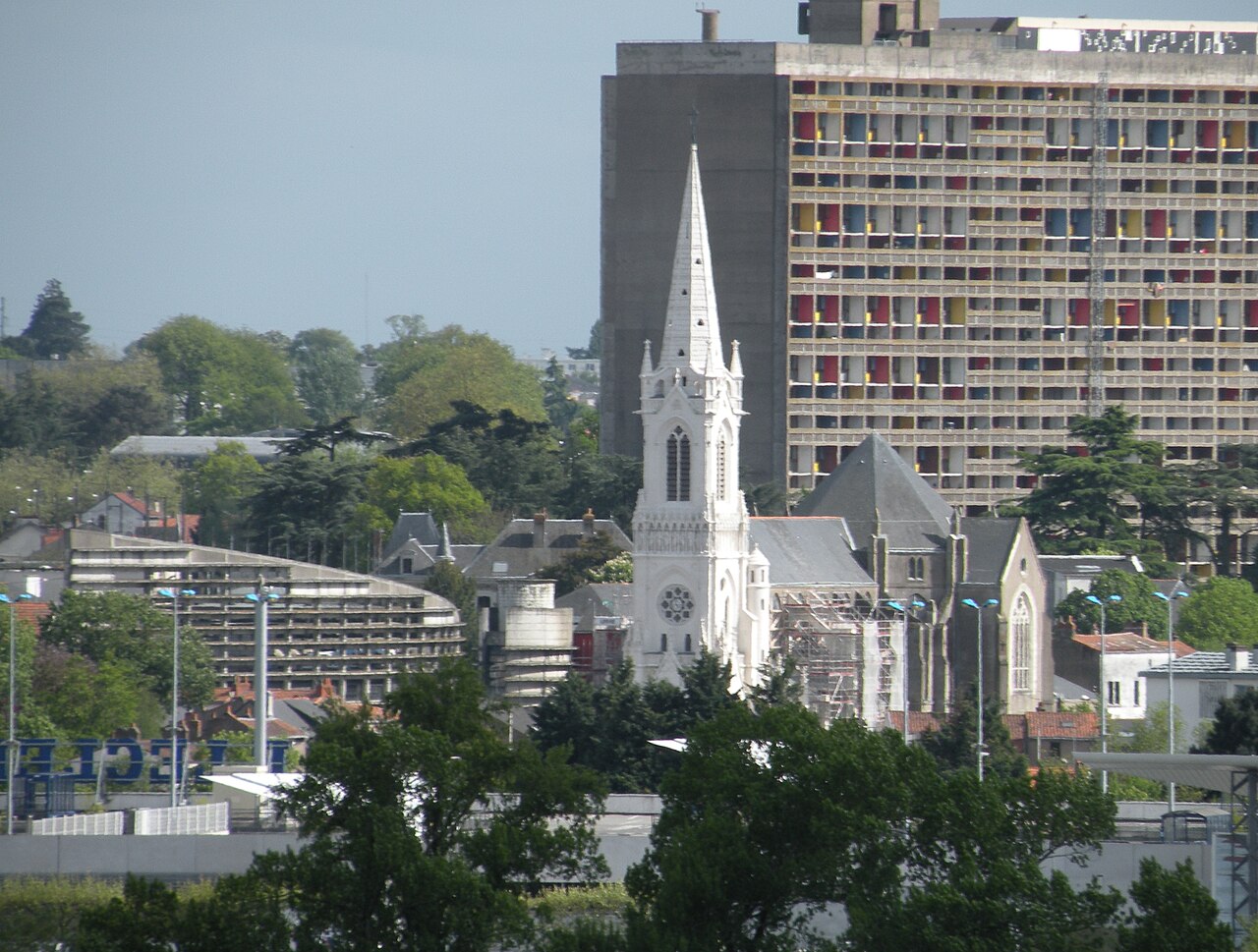
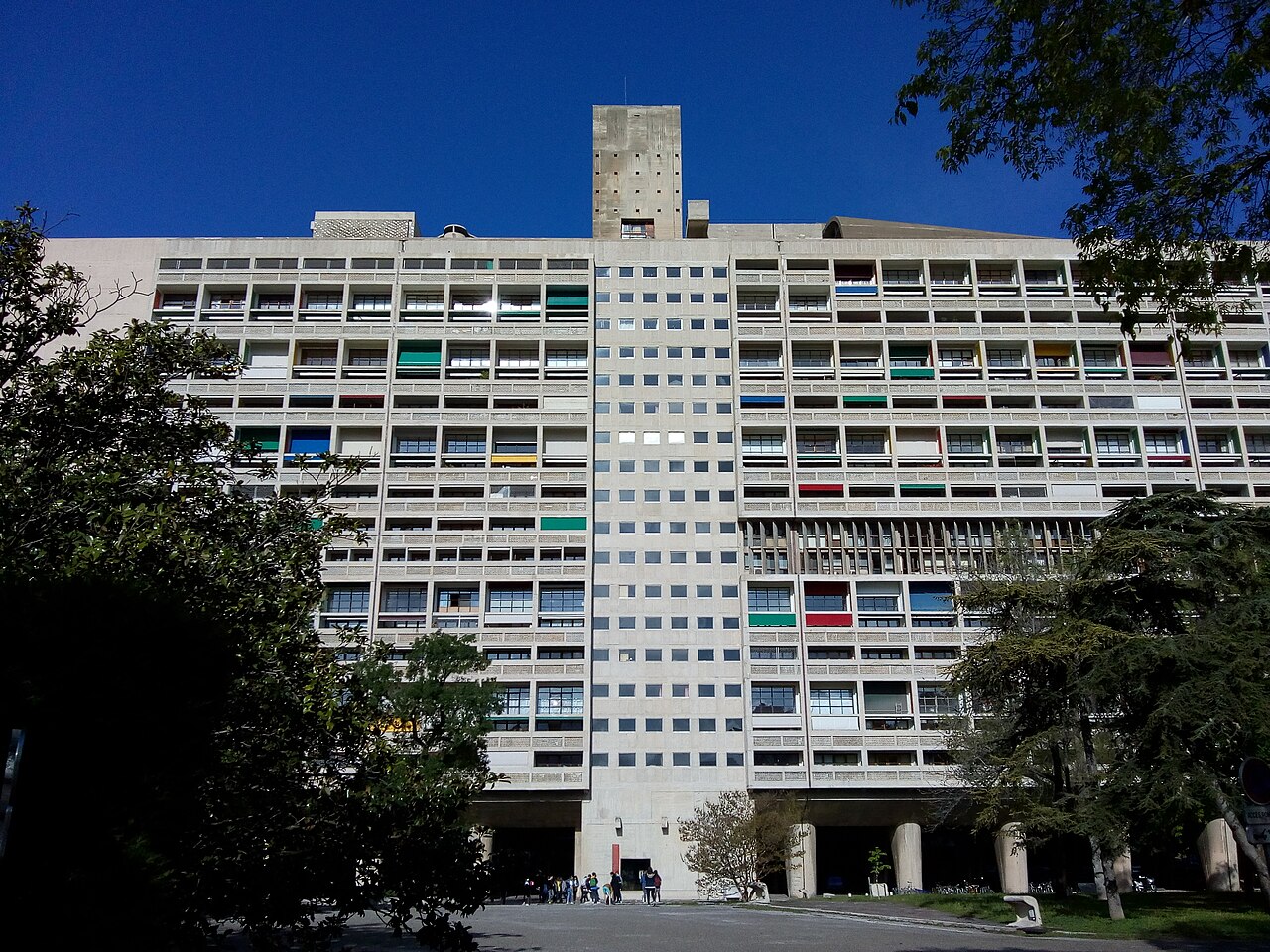
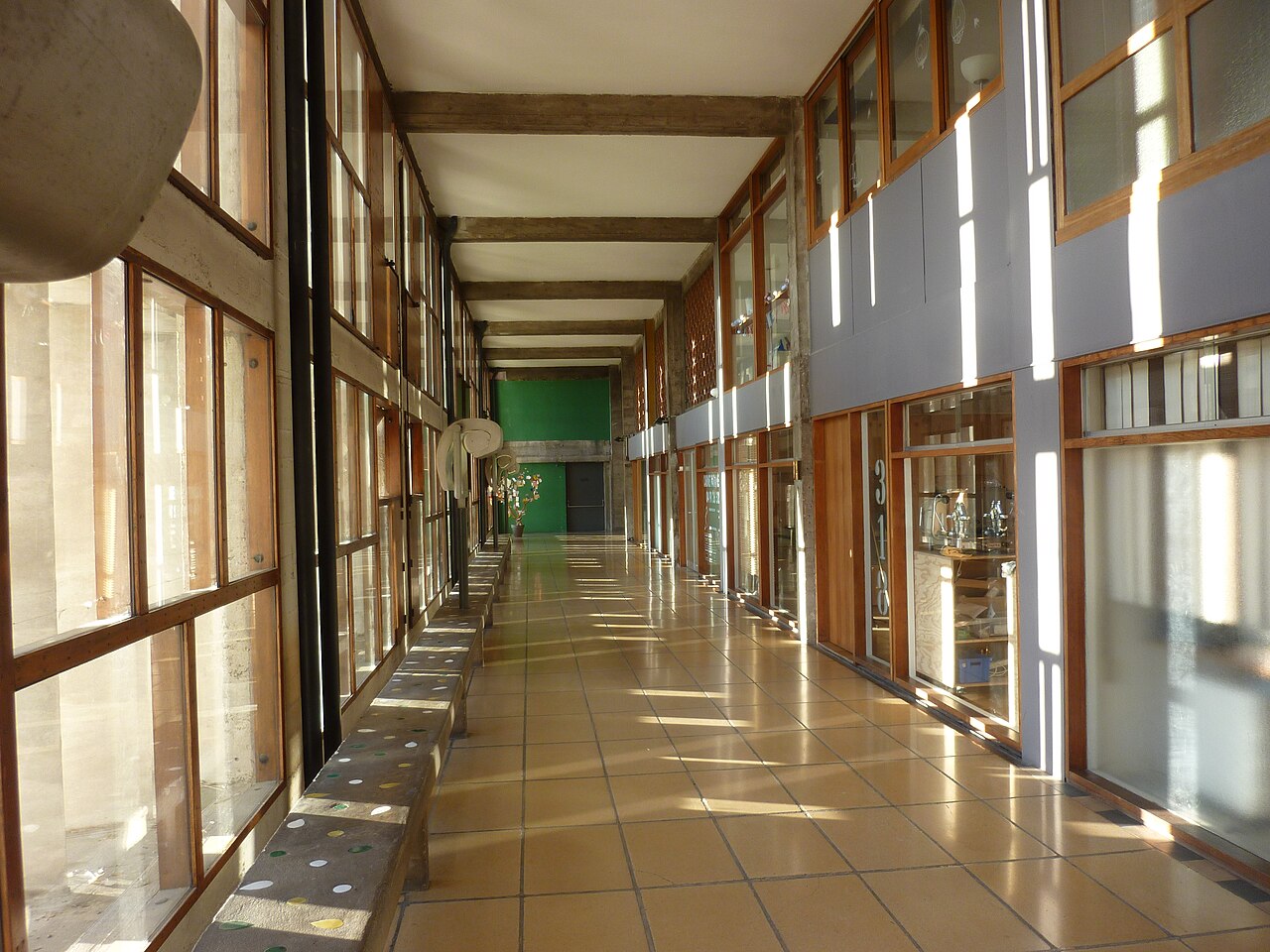
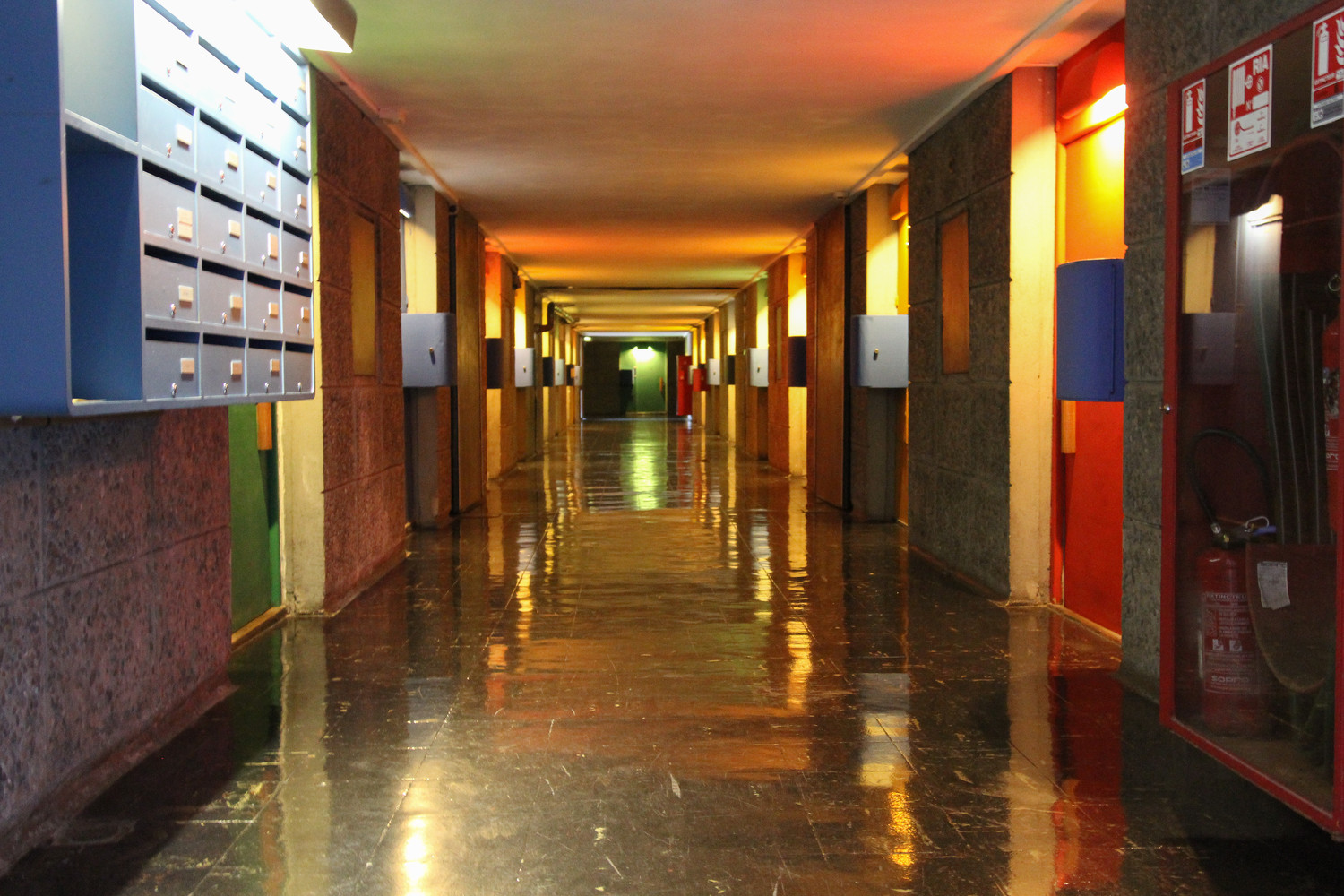
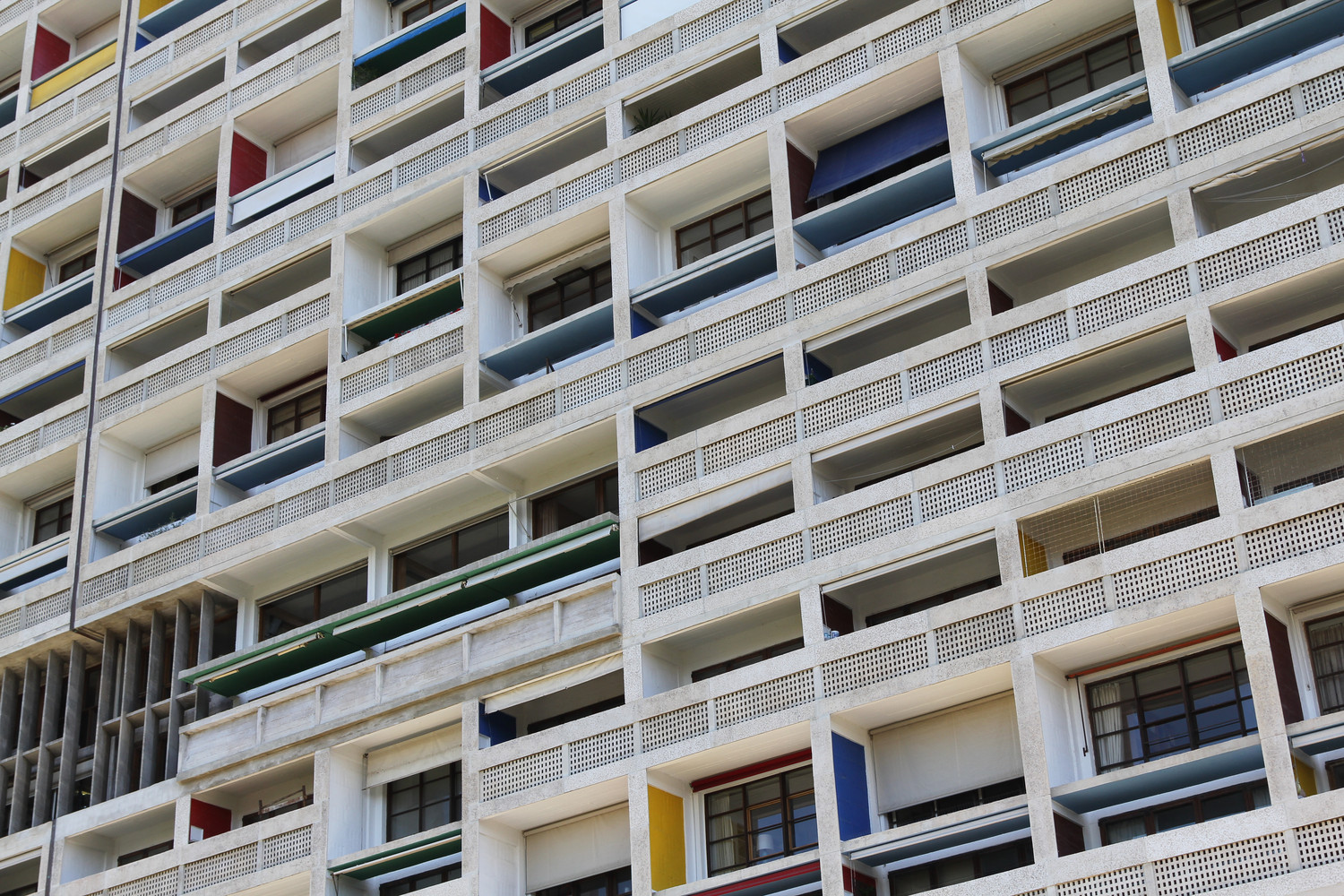
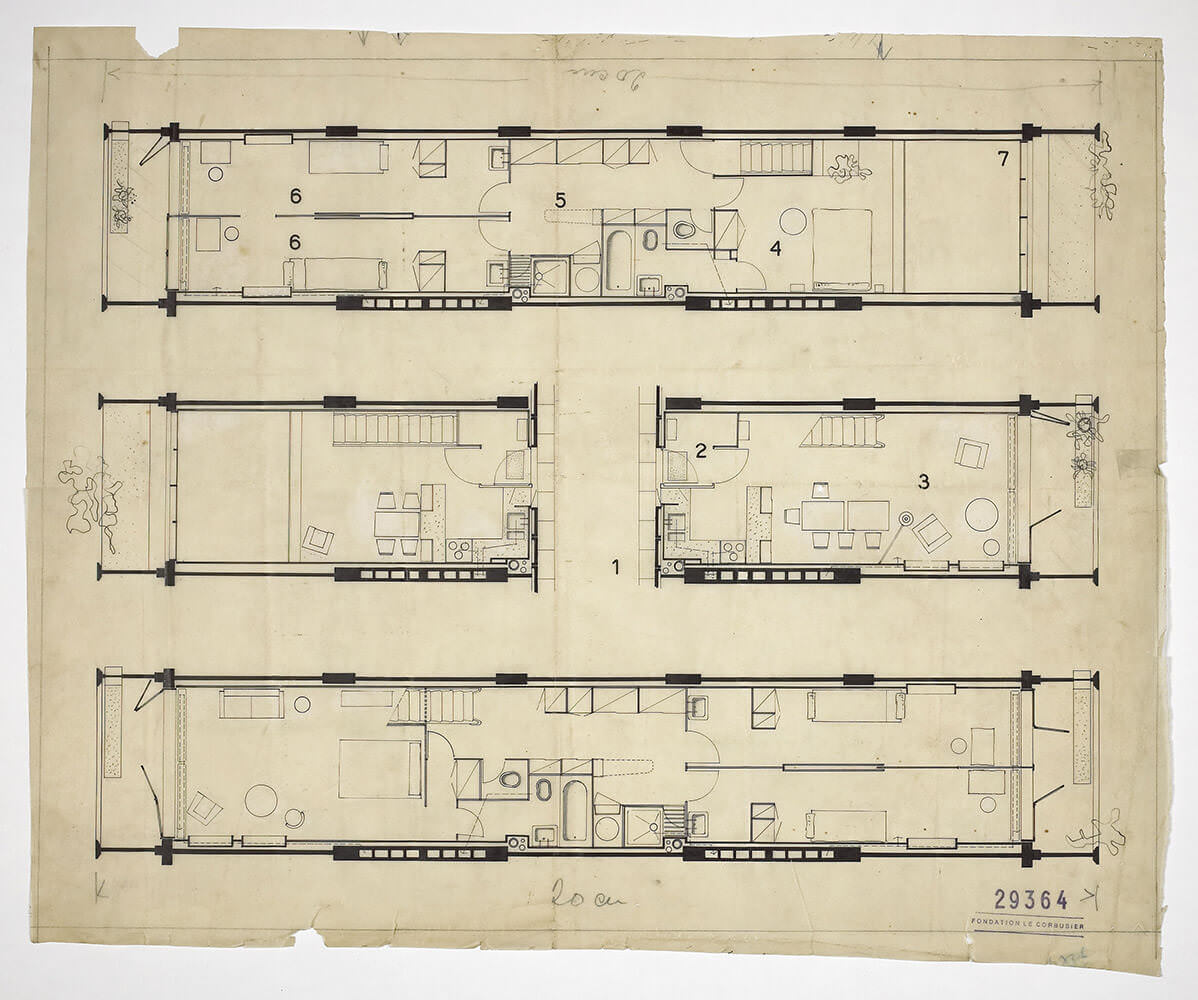
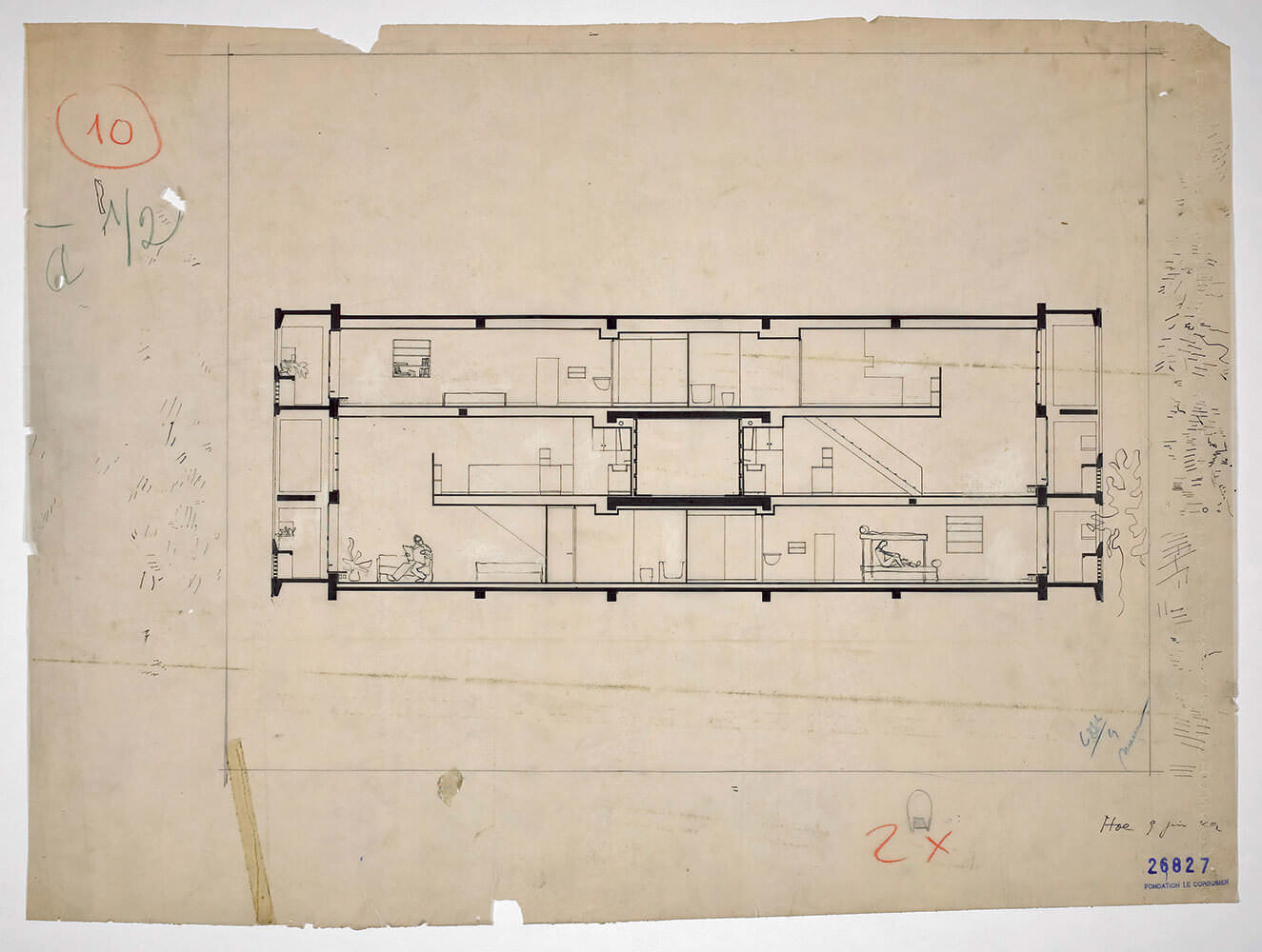
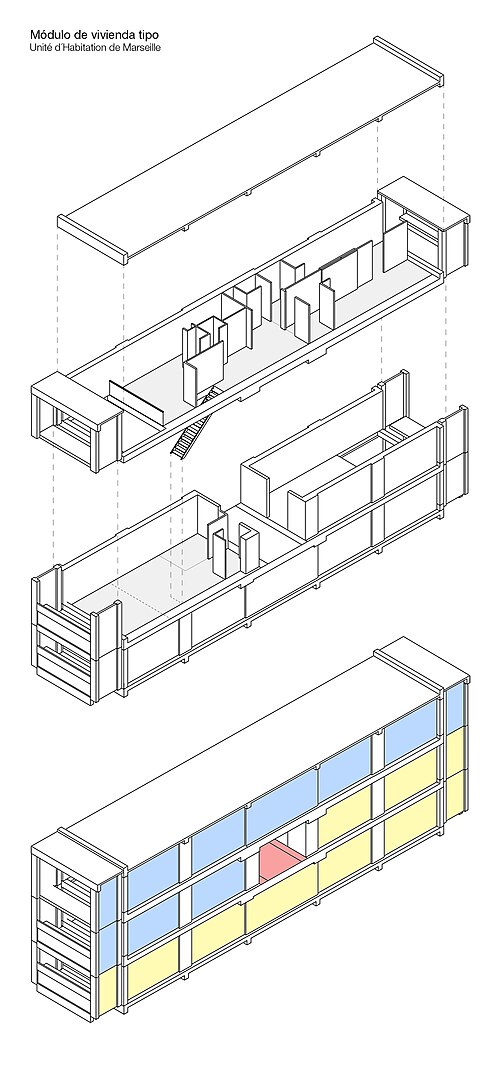
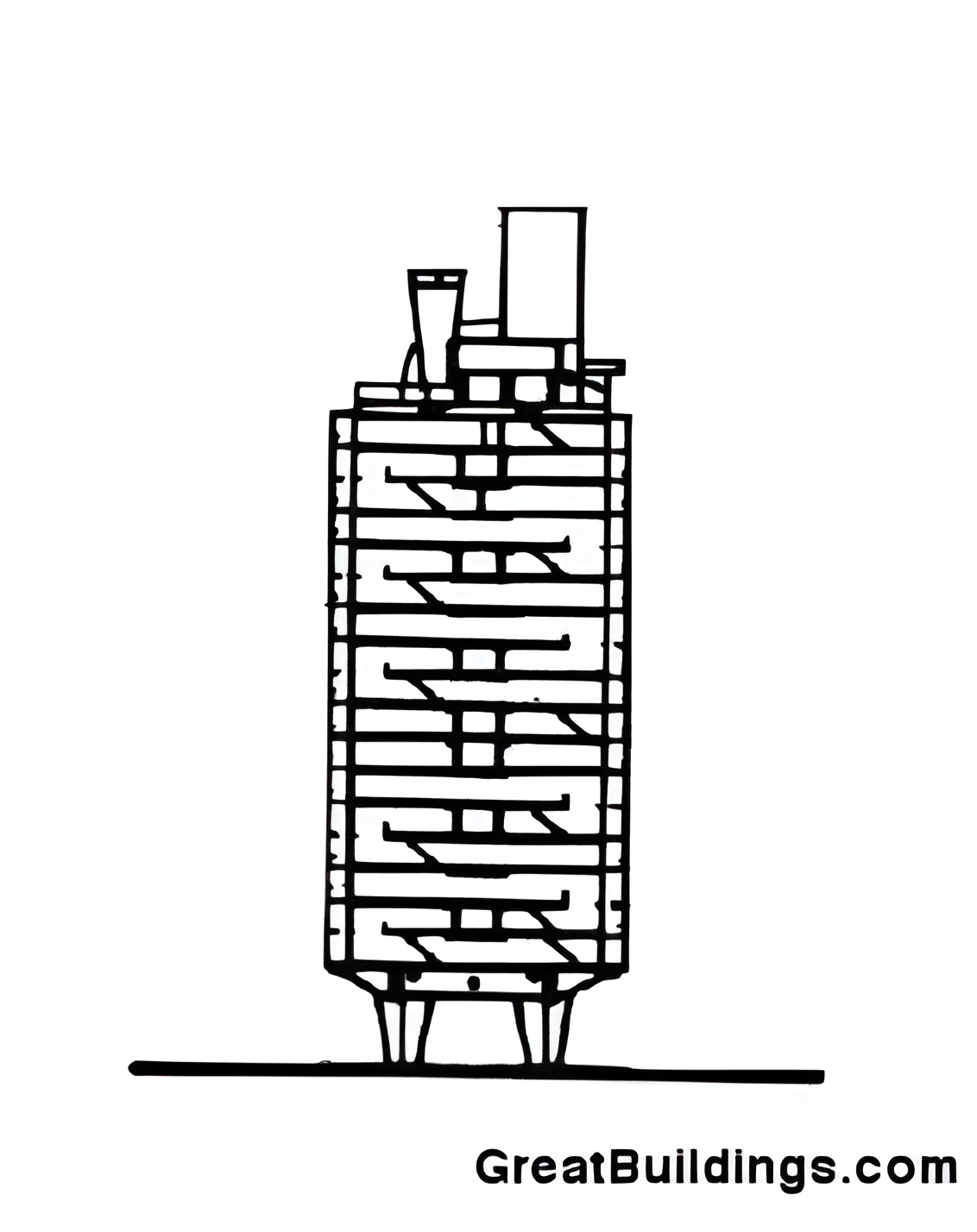
The residential complex contains 330 apartments organized into 23 dwelling types. The apartments follow the “bottle rack” principle in which duplex units interlock within an independent structural frame of reinforced-concrete posts and beams. Each dwelling occupies the full width of the building on one level and half the width on the other, reducing circulation to interior streets located every third floor. These corridors, described by Le Corbusier as rues intérieures, form the primary circulation spine through the structure.

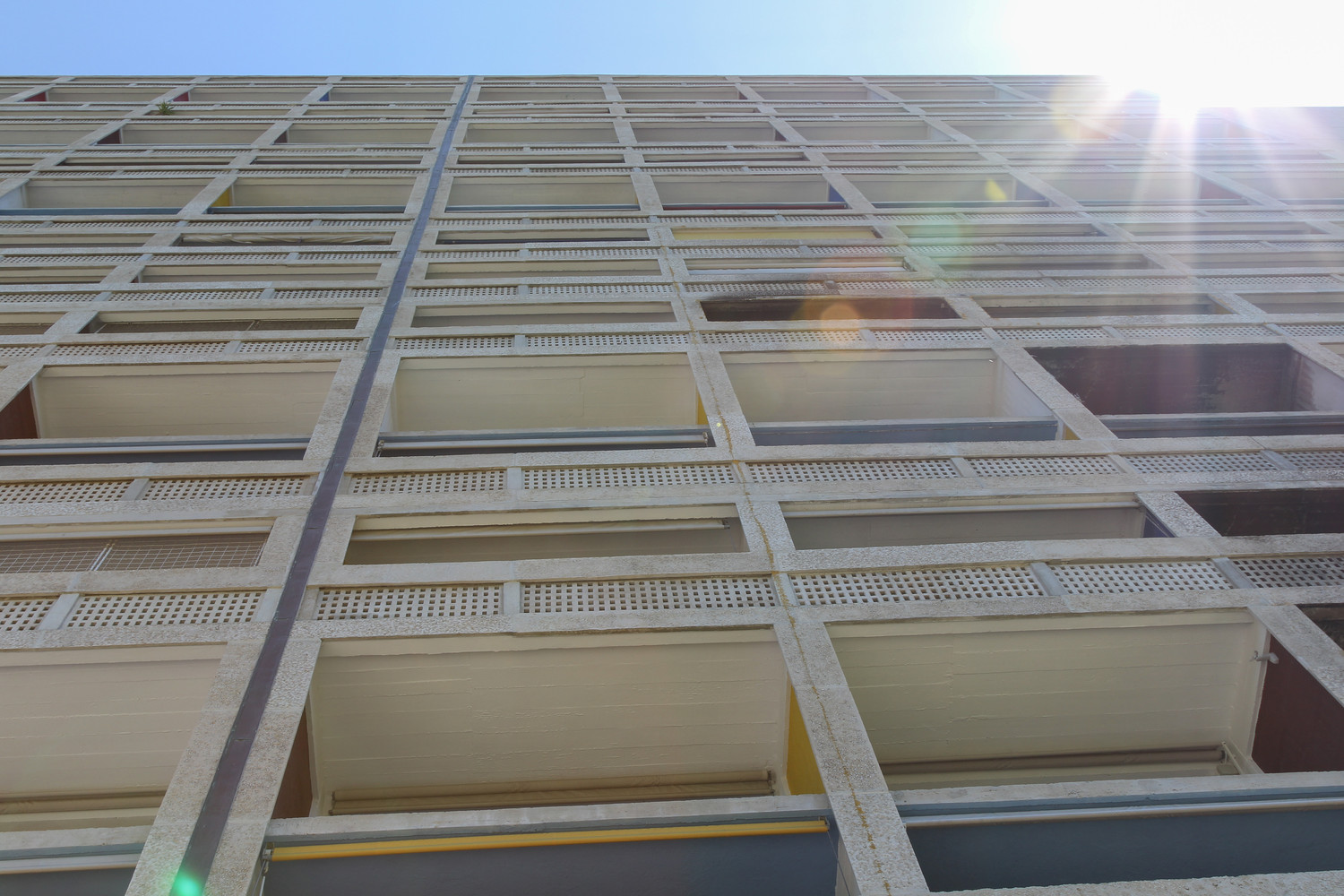


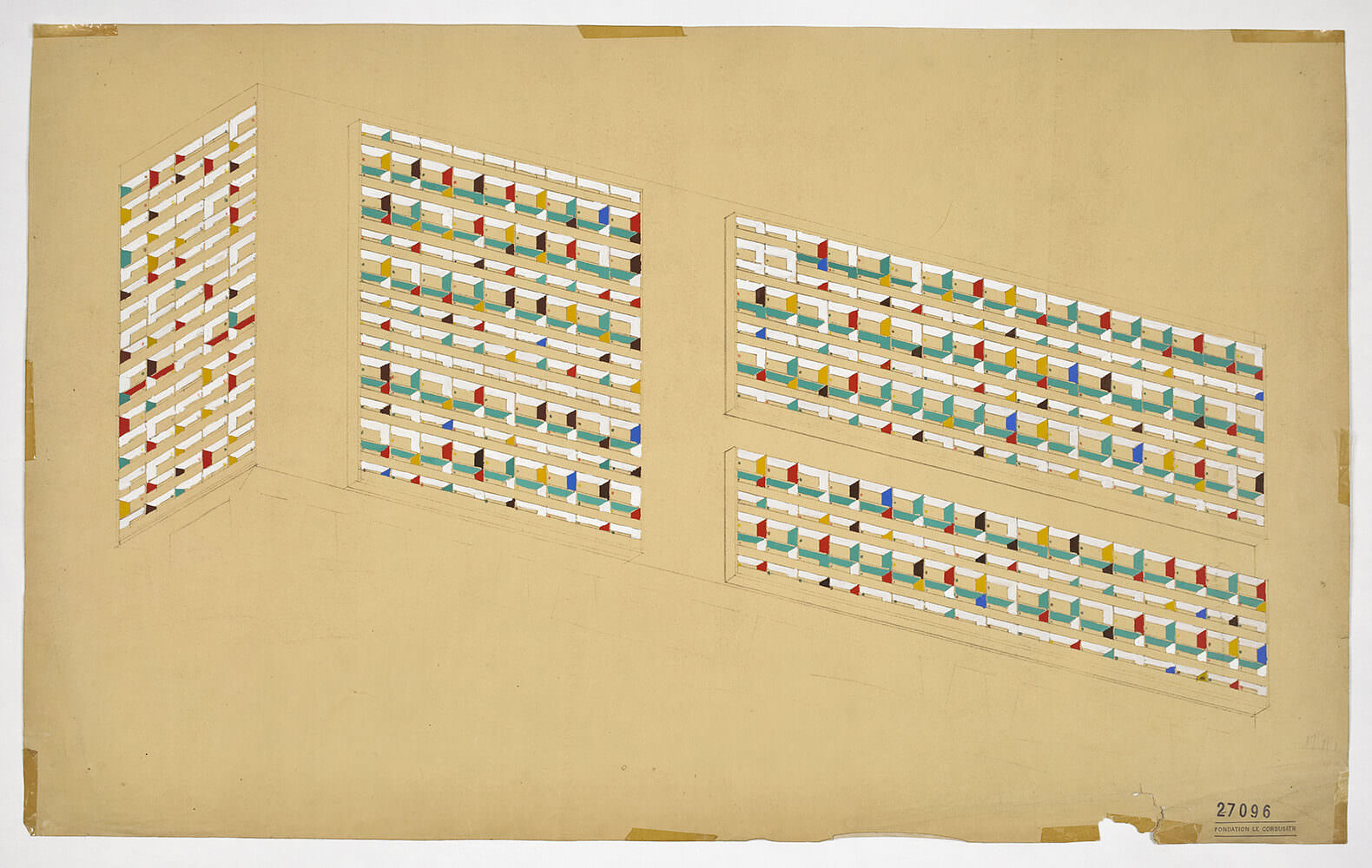
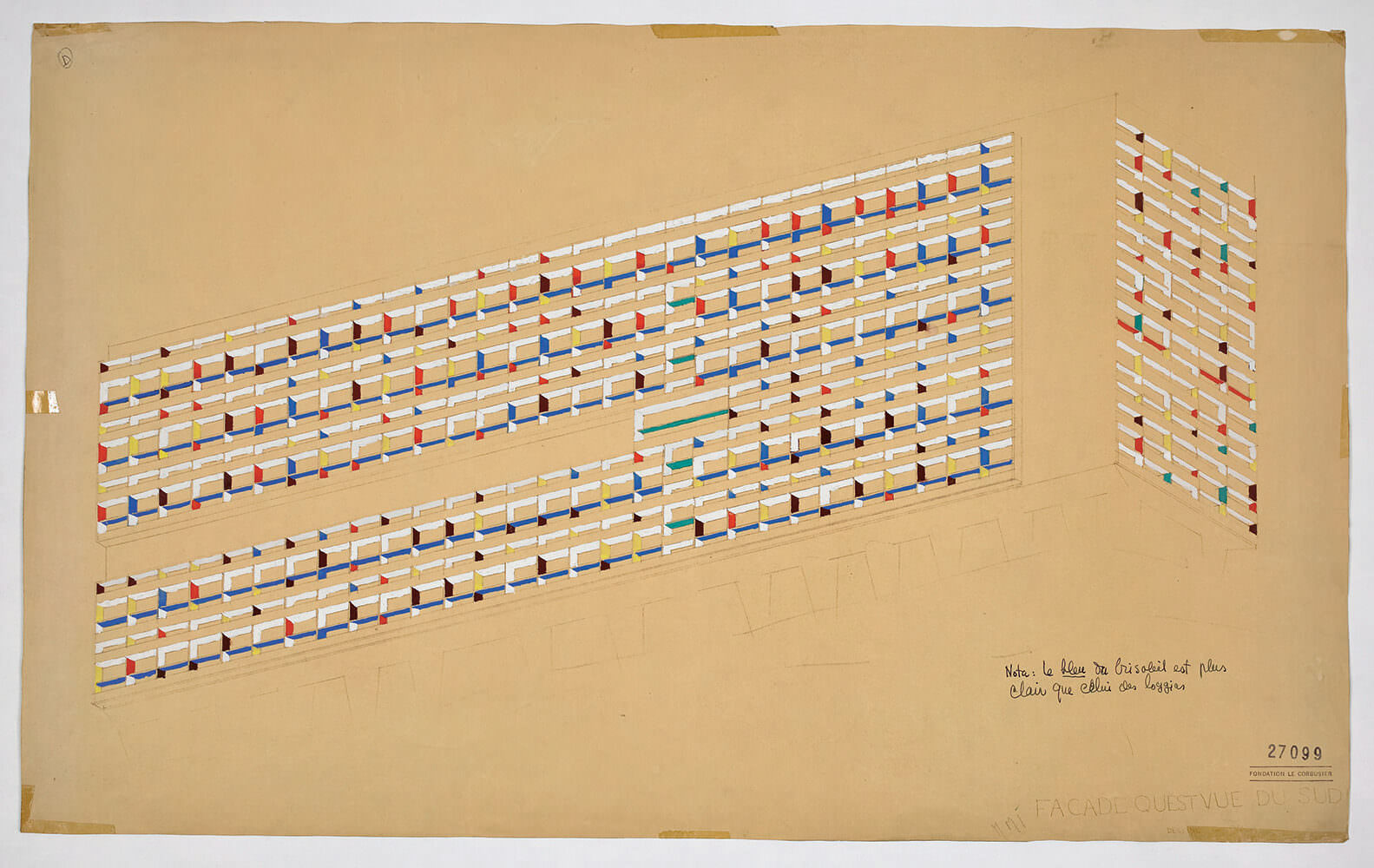
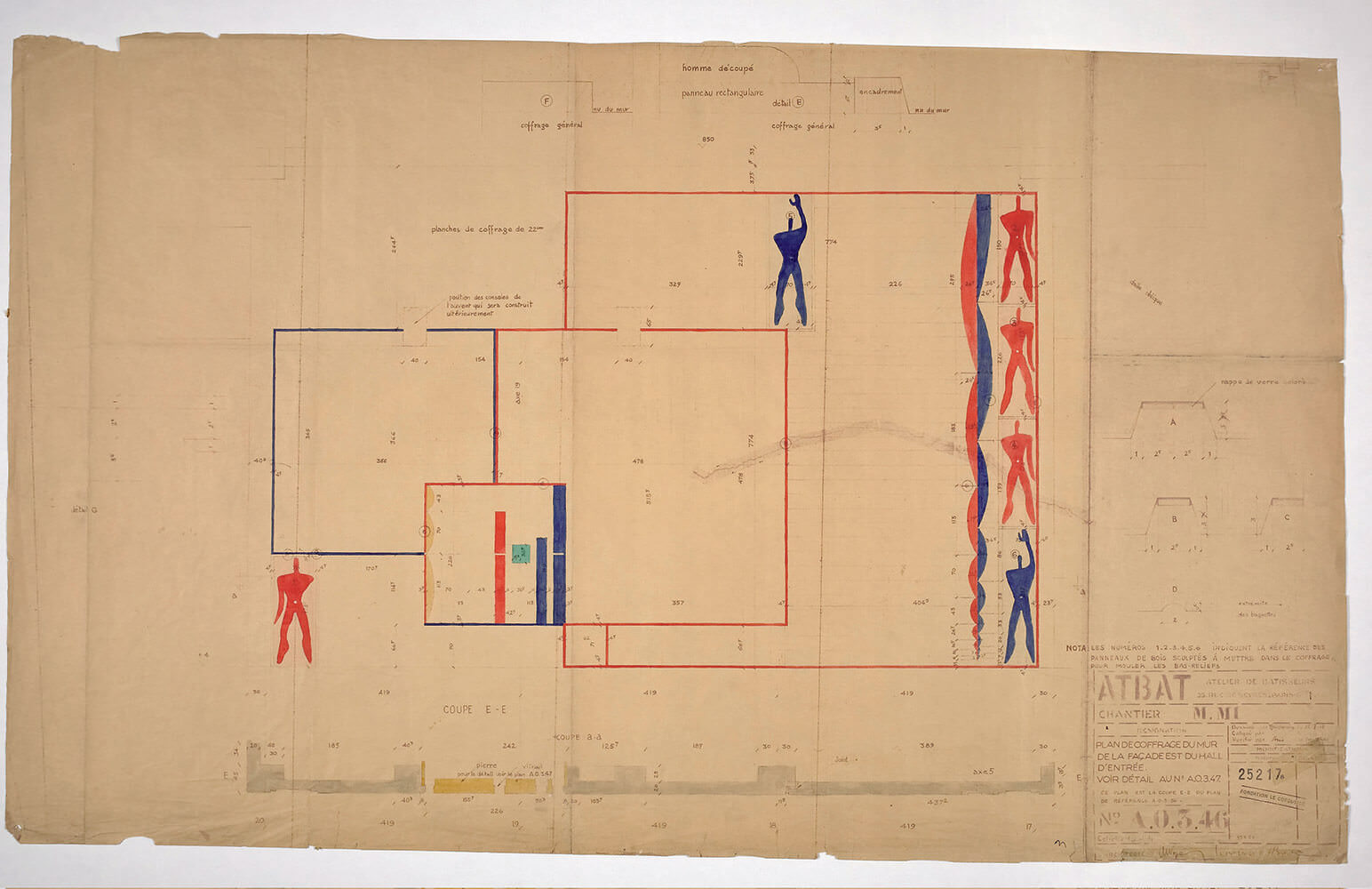
The Marseille housing block organizes its apartments according to the Modulor proportional system developed by Le Corbusier. The structural frame forms an “artificial ground” composed of transverse and longitudinal beams supporting standardized dwelling modules. Most apartments are dual-aspect, allowing cross-ventilation and daylight. Double-height living rooms open to loggias equipped with brise-soleil that regulate solar exposure.


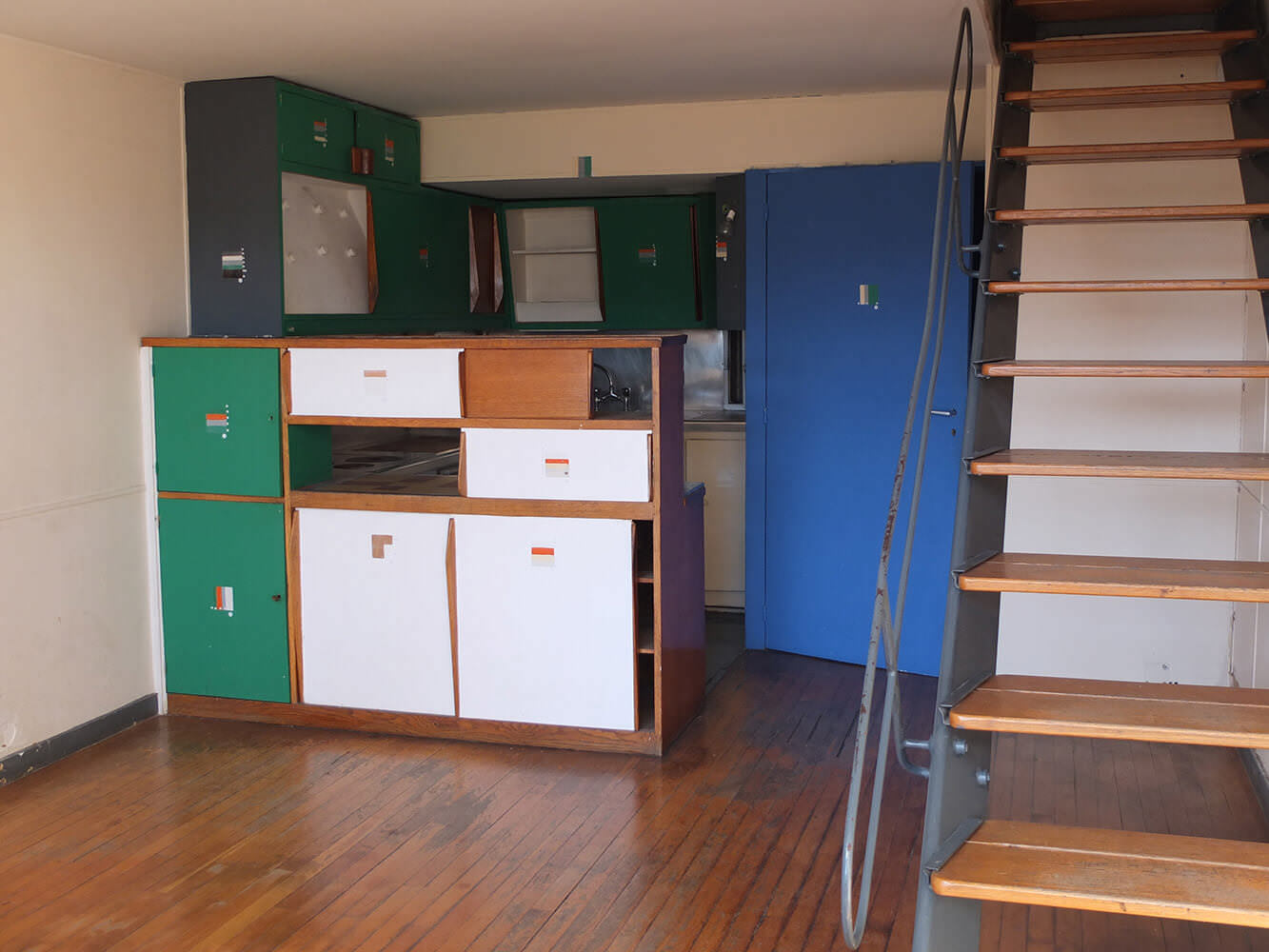


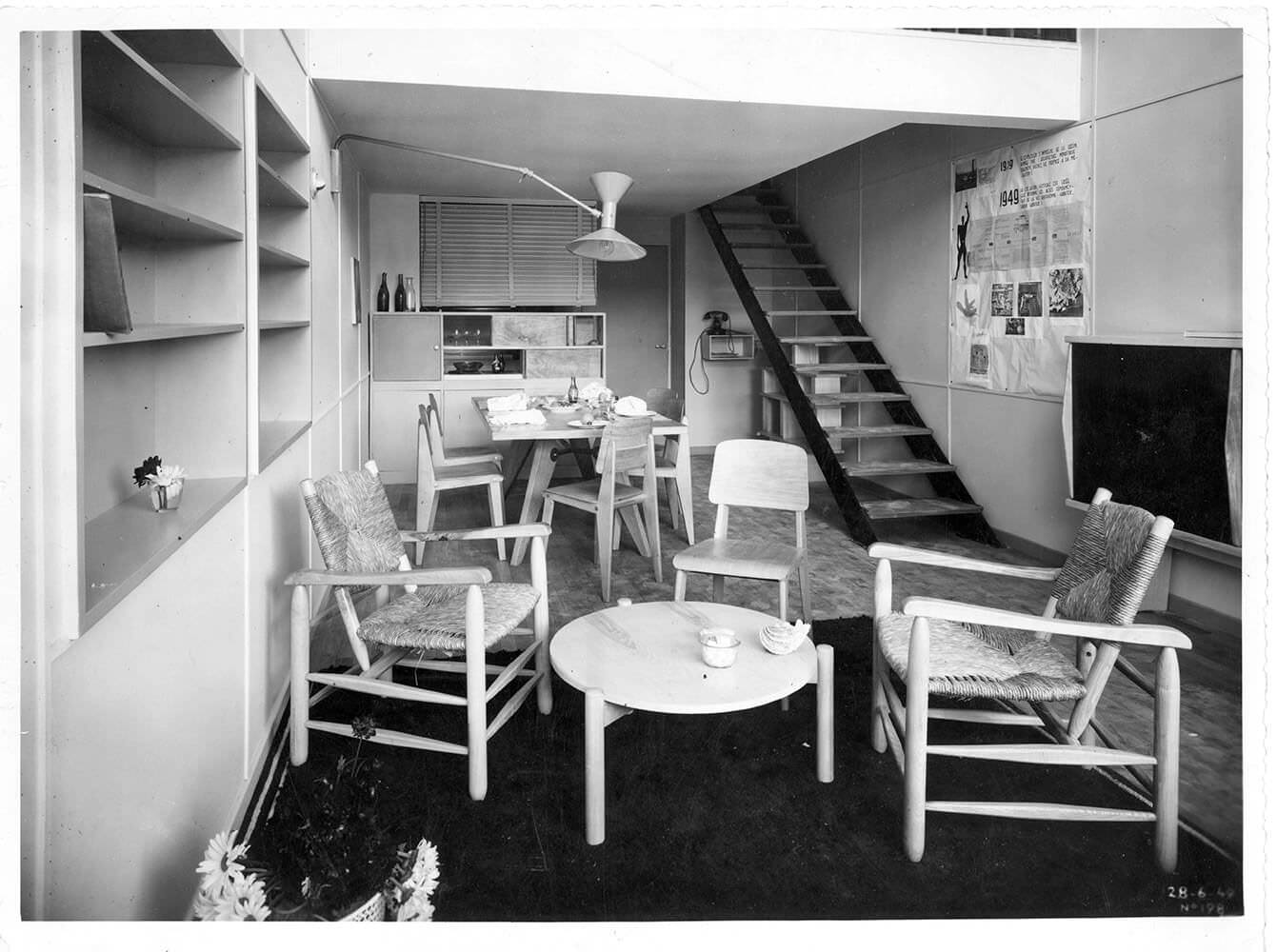
Collective facilities form a central component of the design. Two levels near the middle of the building contain shops and services that function as an internal commercial street. Additional facilities include a hotel and communal amenities intended to support everyday life within the complex. The arrangement reflects Le Corbusier’s concept of a “vertical city” combining housing and urban services.


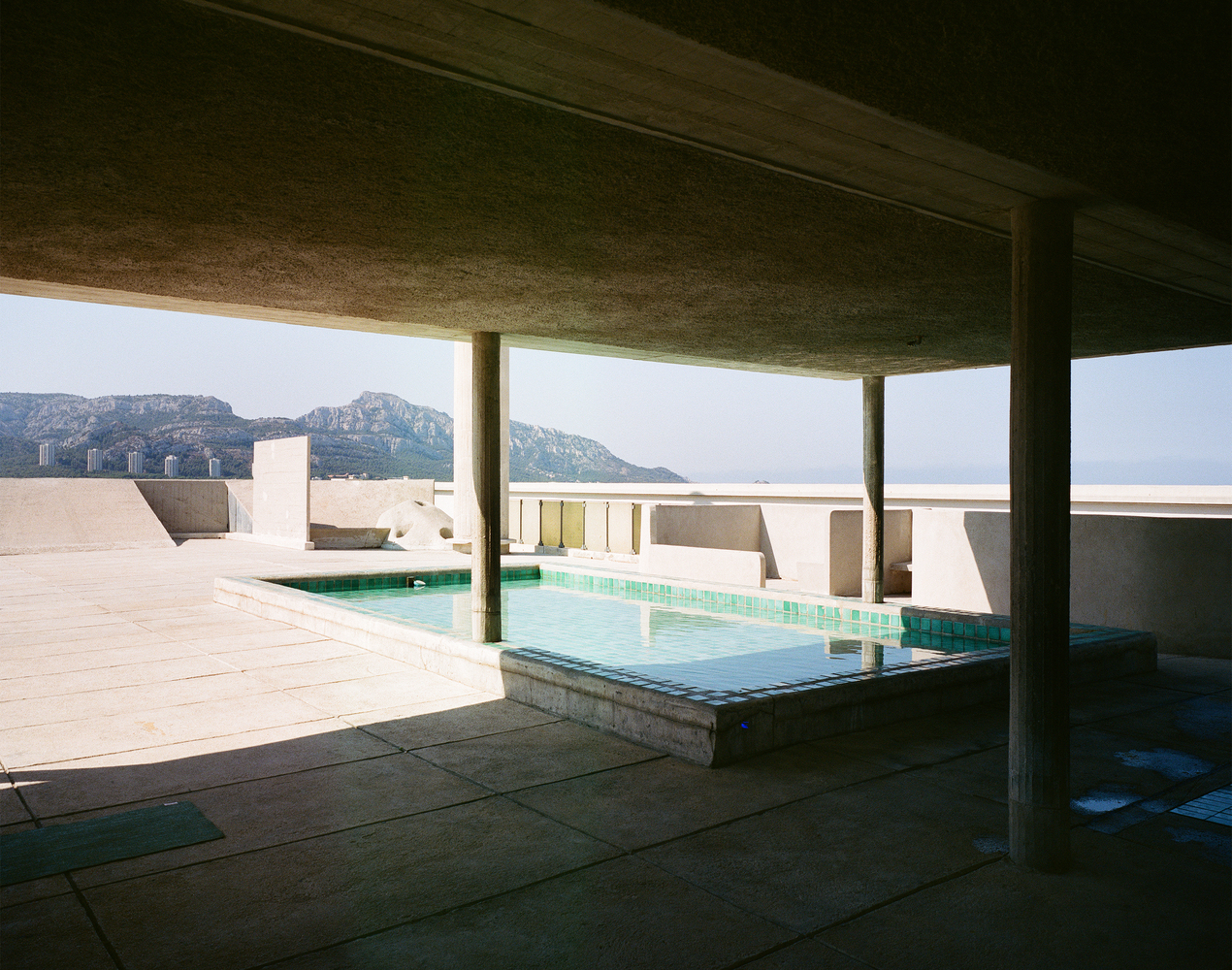
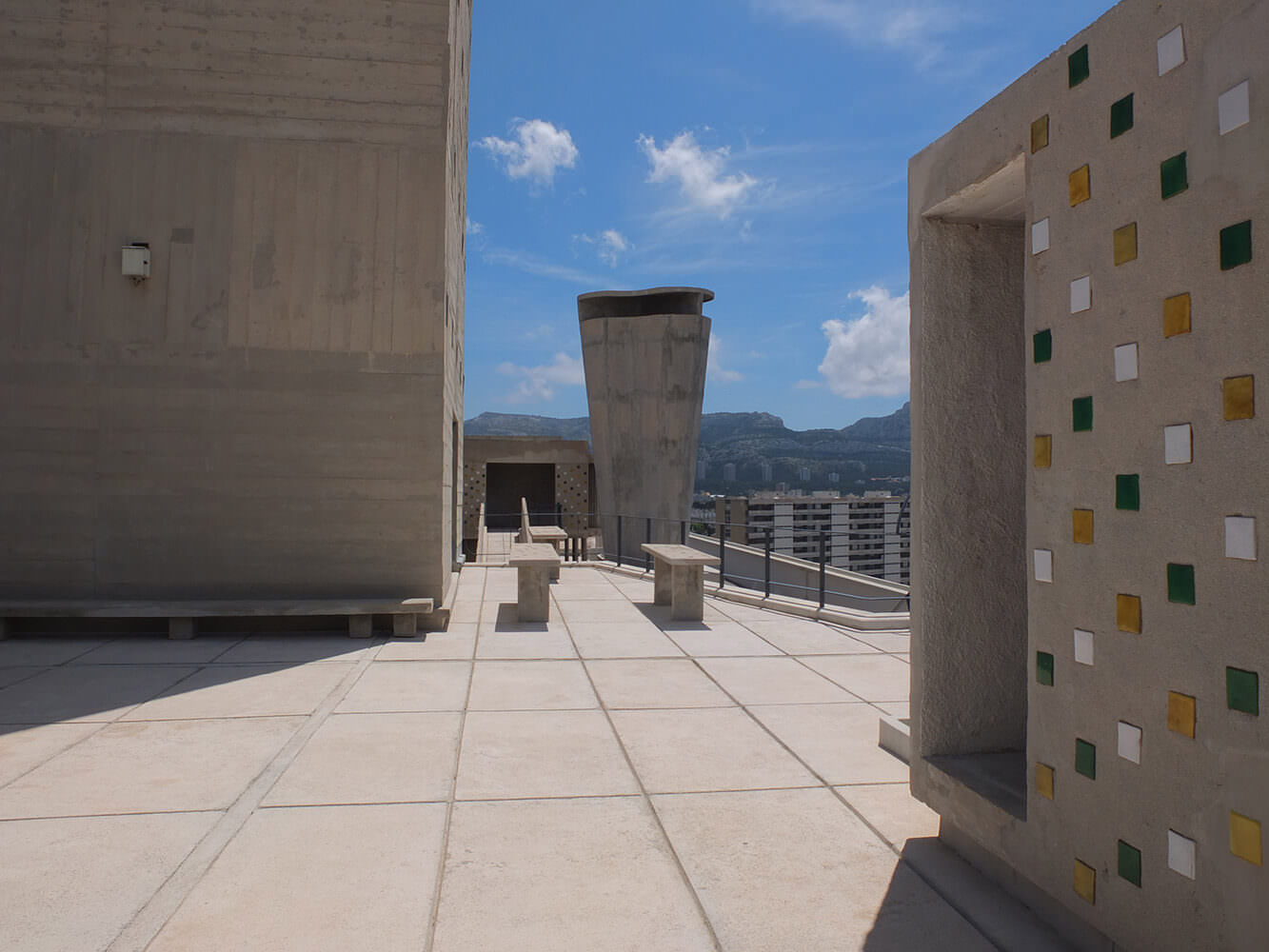
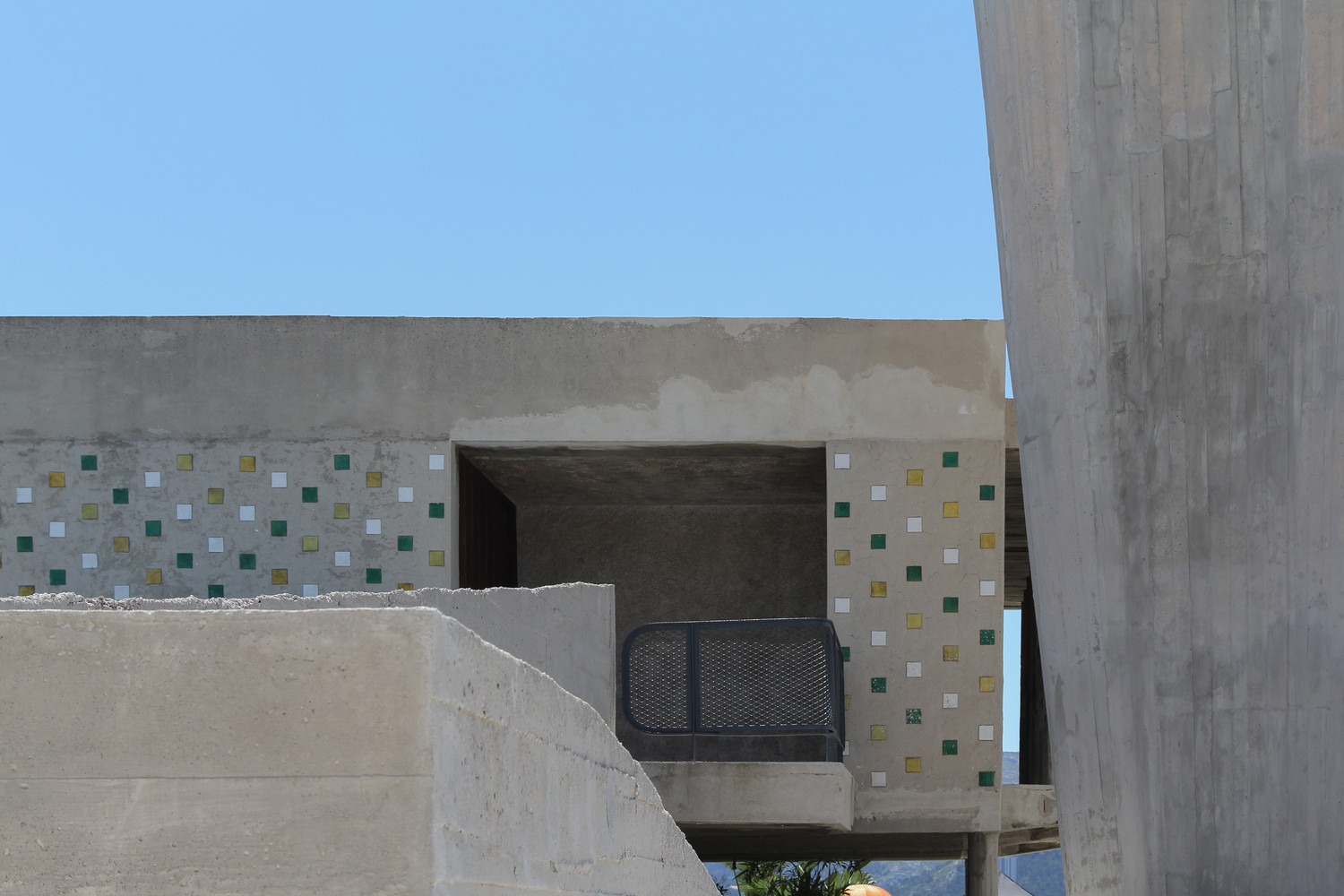
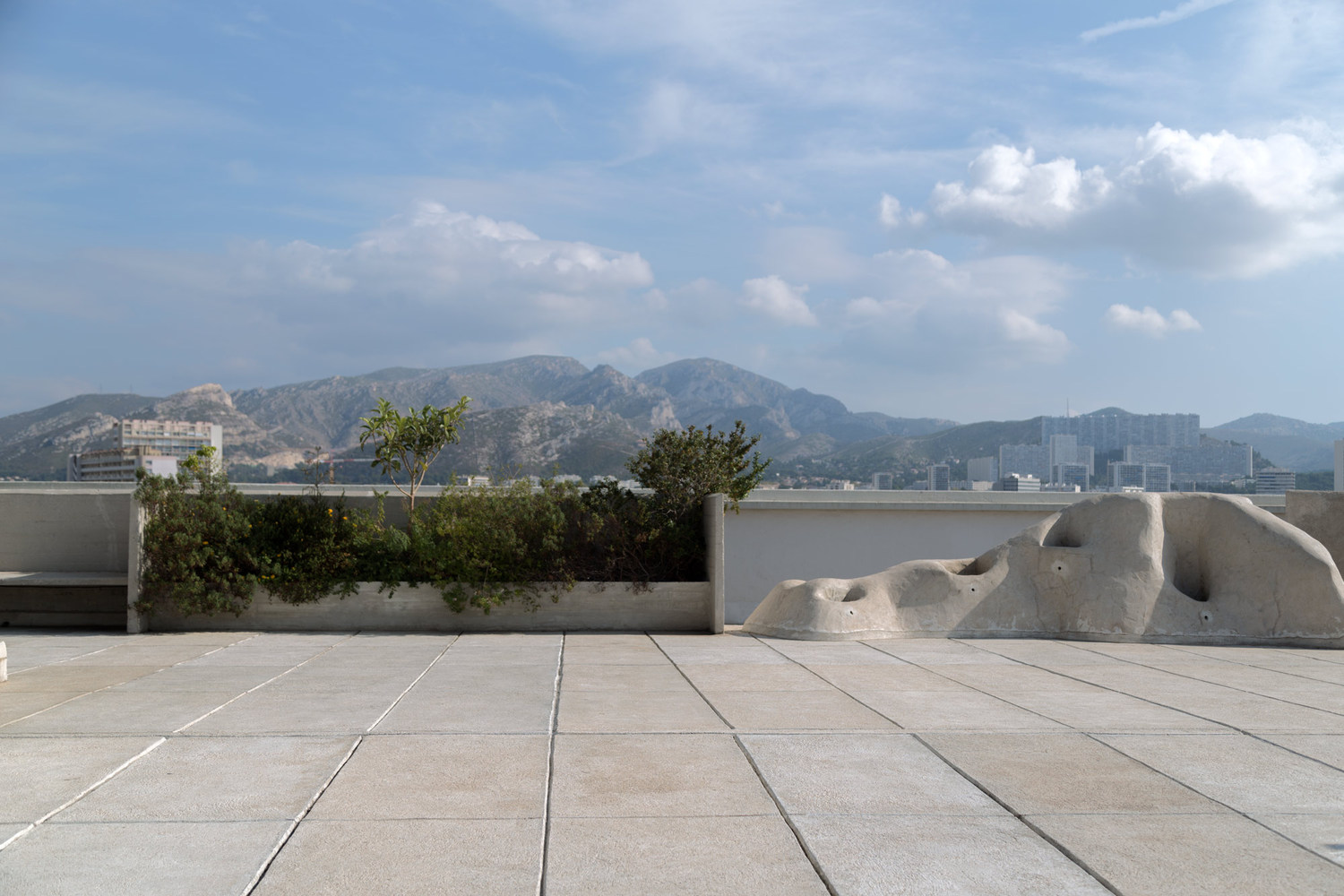
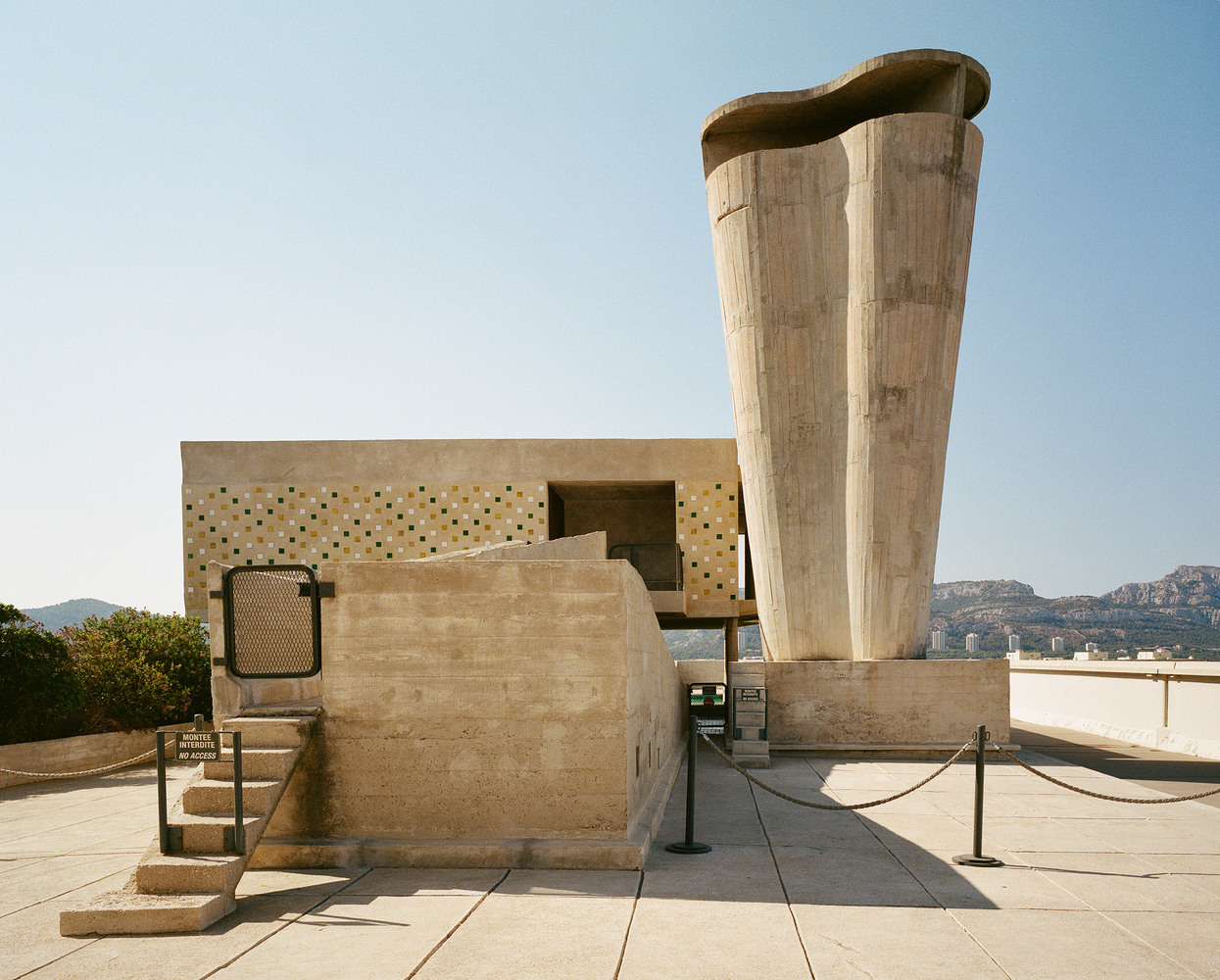
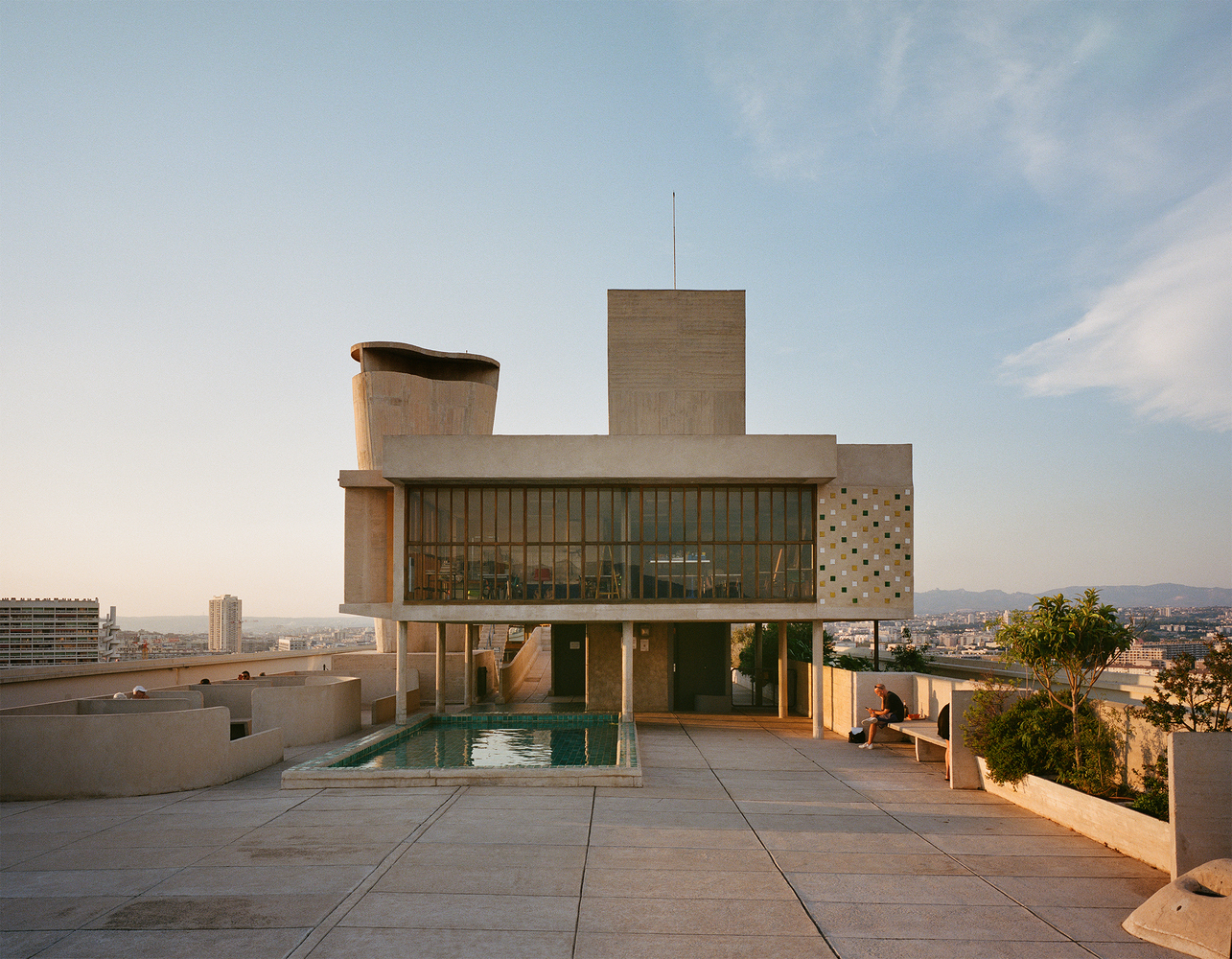
The roof terrace functions as the primary communal space. The rooftop contains a running track, gymnasium, nursery school with a paddling pool, and sculptural ventilation towers. These elements create a distinctive architectural landscape above the residential block and reinforce the horizontal roof plane.

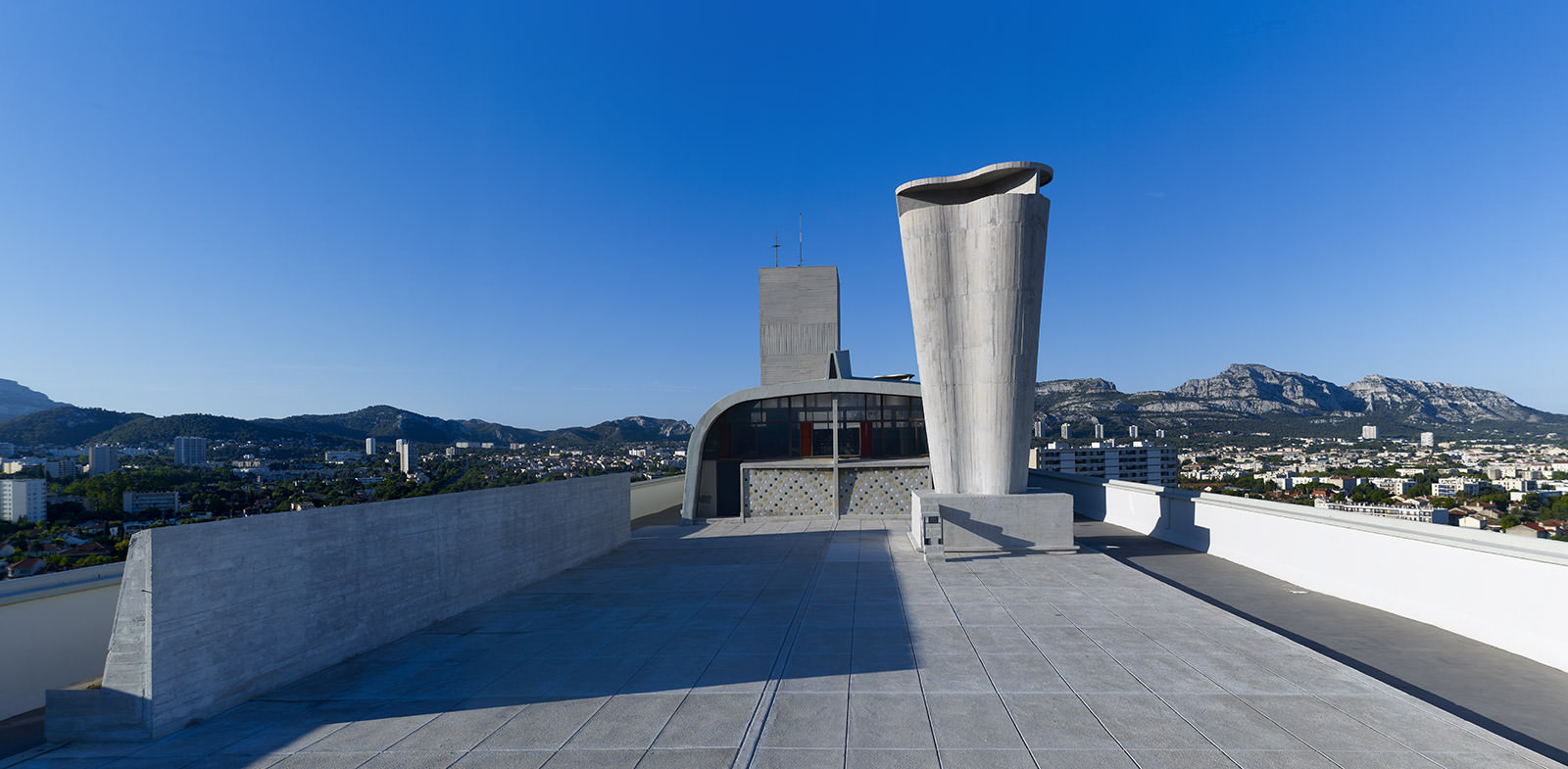
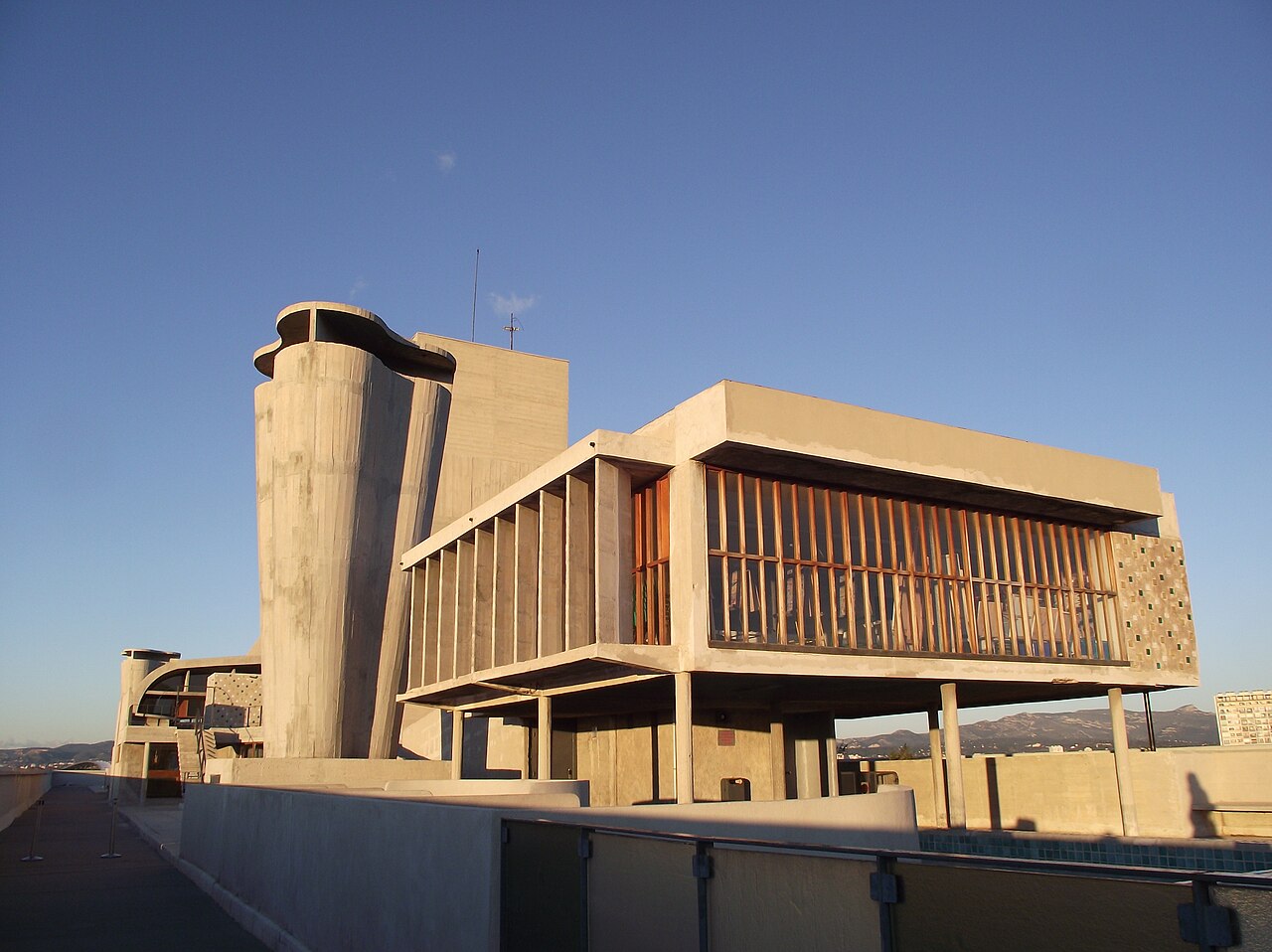

The Marseille Unité was inaugurated on October 14, 1952, and became a defining work of post-war modern architecture. The building served as the prototype for later Unité projects constructed in Nantes-Rezé, Berlin, Briey-en-Forêt, and Firminy-Vert. The structure remains occupied as residential housing and continues to serve as an influential reference for collective housing and Brutalist architecture.

Project Gallery


















Project Location
Address: 280 Boulevard Michelet, 13008 Marseille, France
Location is for general reference and may represent a city or country, not necessarily a precise address.

