Architects: Alvar Aalto Area: 2,500 m² (26,910 ft²) Year: 1935 Photography: Alvar Aalto Foundation, The Finnish Committee for the Restoration of Viipuri Library, Gustaf Welin, Maija Holma, Petri Neuvonen, Denis Esakov, architecture-history.org, Ilya Varlamov, vartamov.ru, filcat, pastvu.com/441148, Liz Waytkus, ninara, Wikimedia Commons, Ninaraas, Ninaras, Ludvig14 Client: City of Viipuri Restoration: 1994–2013 Restoration Architect: Tapani Mustonen Restoration Consultants: Maija Kairamo, Eric Adlercreutz, Vazio Nava, Leif Englund City: Vyborg Country: Russia
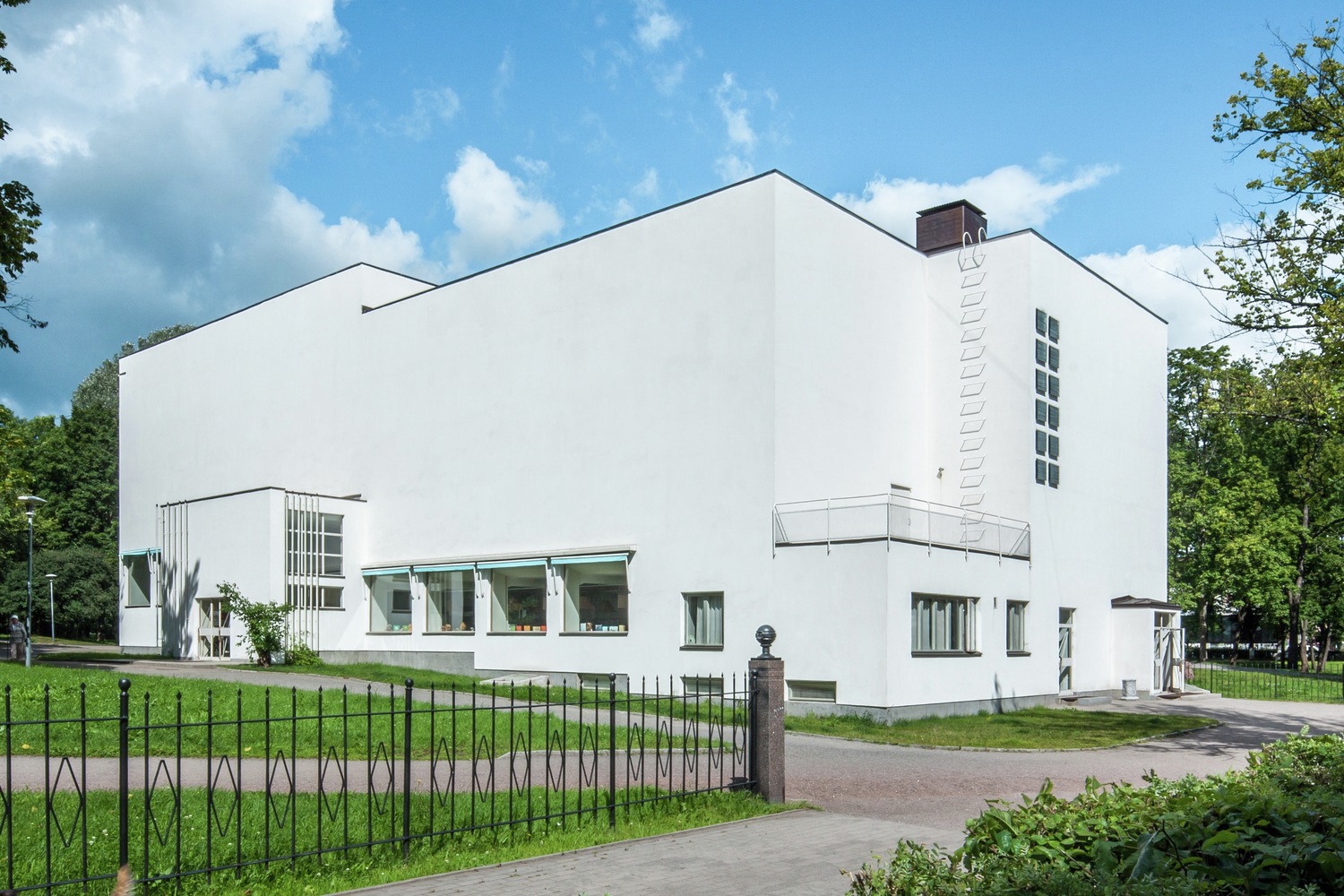
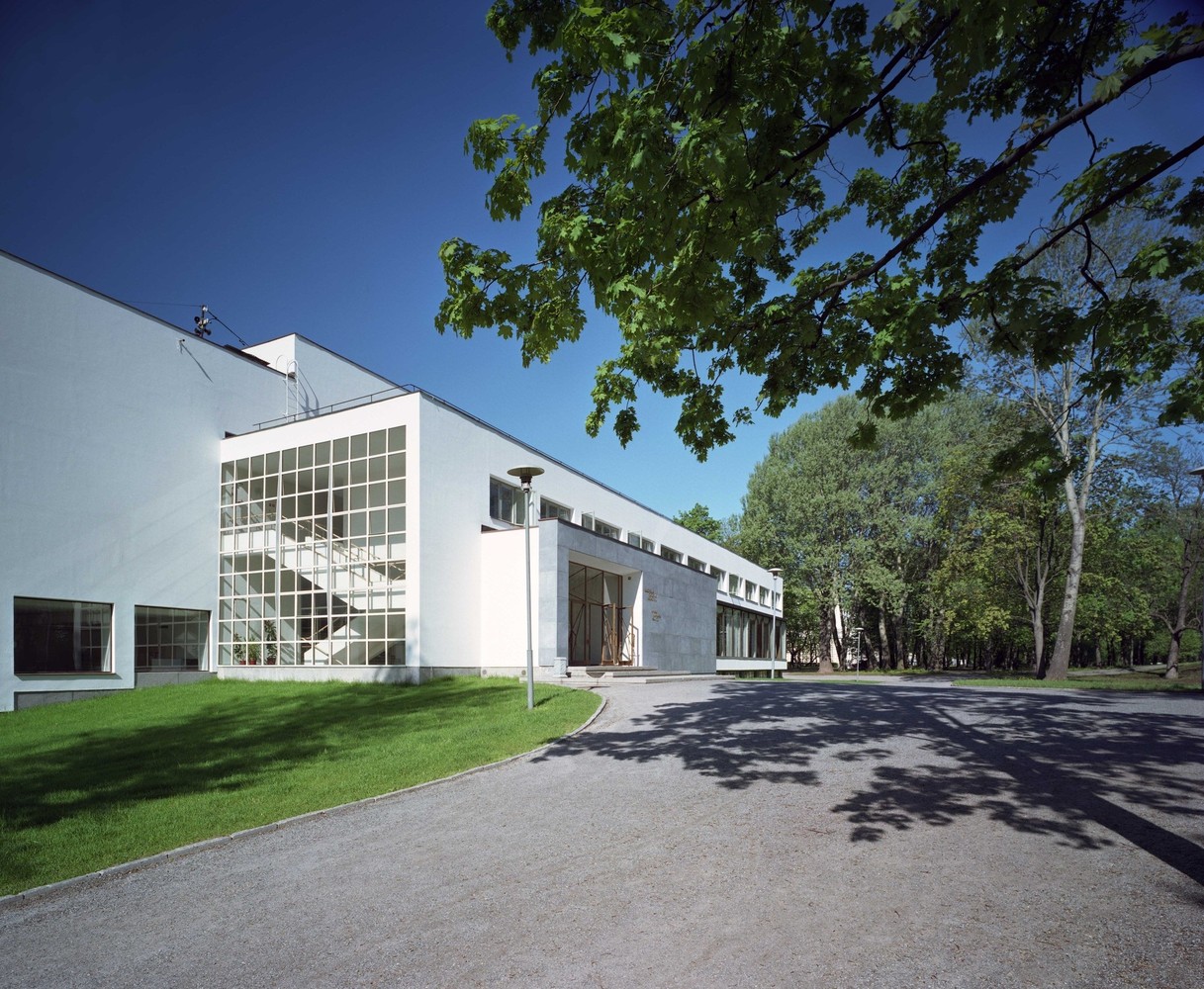
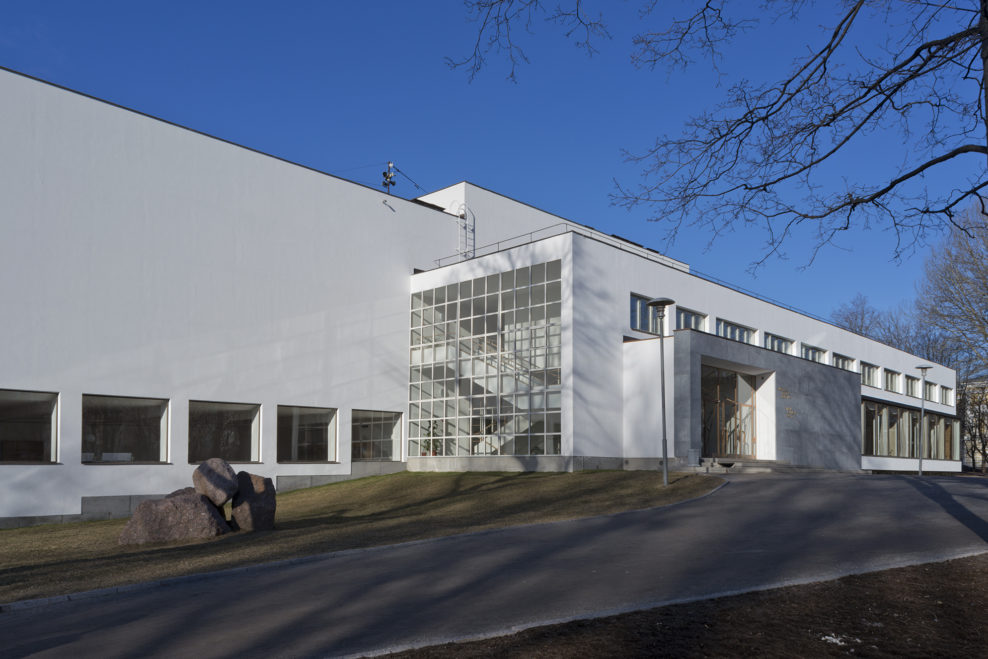
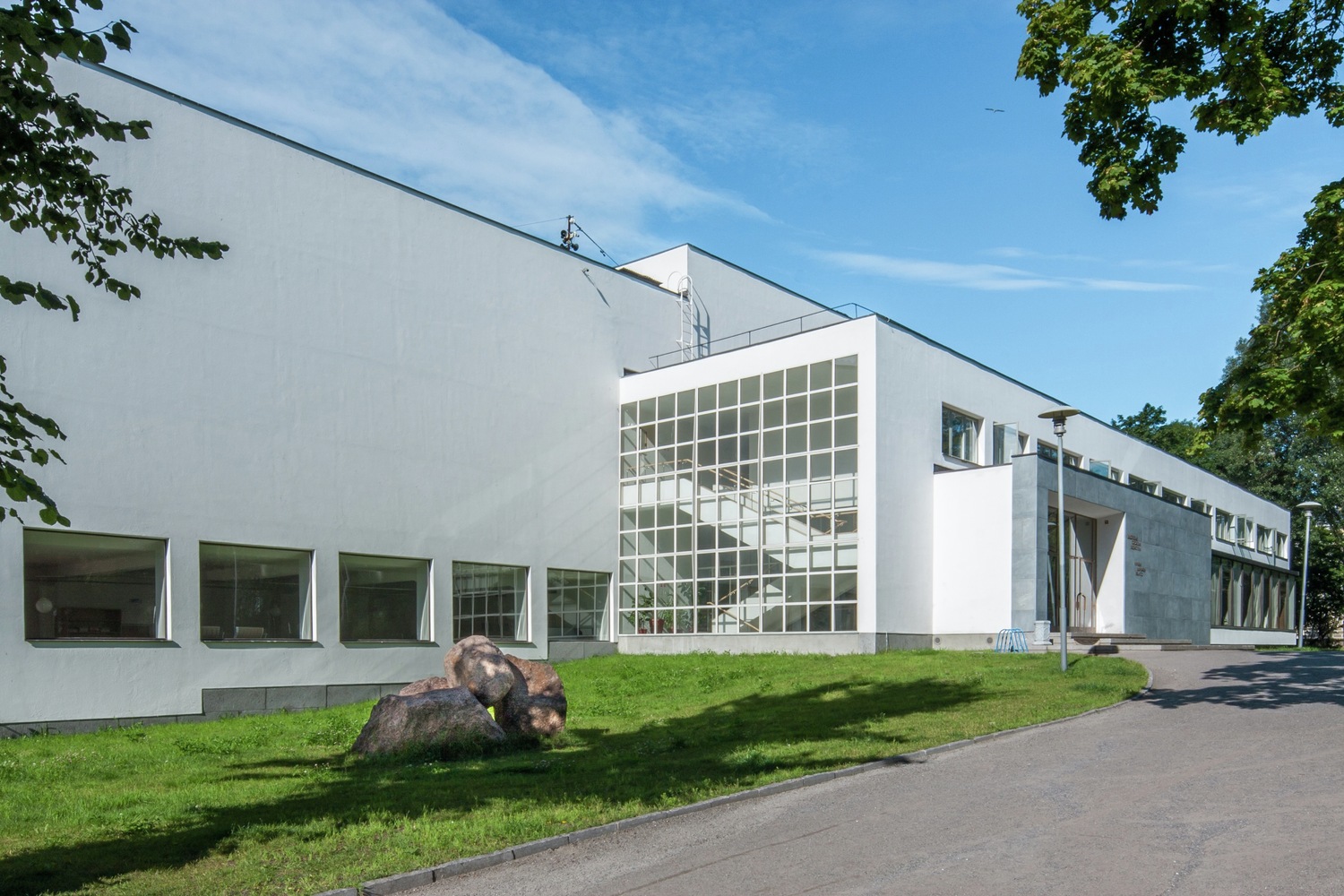
Viipuri Library, a civic library designed by Alvar Aalto in Vyborg, has redefined modern library architecture through the integration of spatial complexity, natural light, and human-centered functionalism, completed in 1935. The project organizes reading rooms, administrative areas, and a lecture hall through an interwoven sectional strategy rather than a conventional stacked plan. The building combines two offset rectangular volumes while developing a complex internal sequence shaped by changes in level. Viipuri Library advances architectural design through conical skylights, acoustic ceiling systems, and a material palette that integrates wood within a modernist framework. The building reflects an early form of regional modernism, where functionalist principles are adapted through local material sensibility and environmental response.
Viipuri Library originated from a 1927 competition won by Alvar Aalto, marking a transition in his work from Nordic Classicism toward functionalist modernism. The design underwent extensive development before construction began in 1934 and concluded in 1935. Viipuri, then part of Finland, later became Vyborg following territorial changes after World War II, placing the building within a shifting political context that shaped its history.
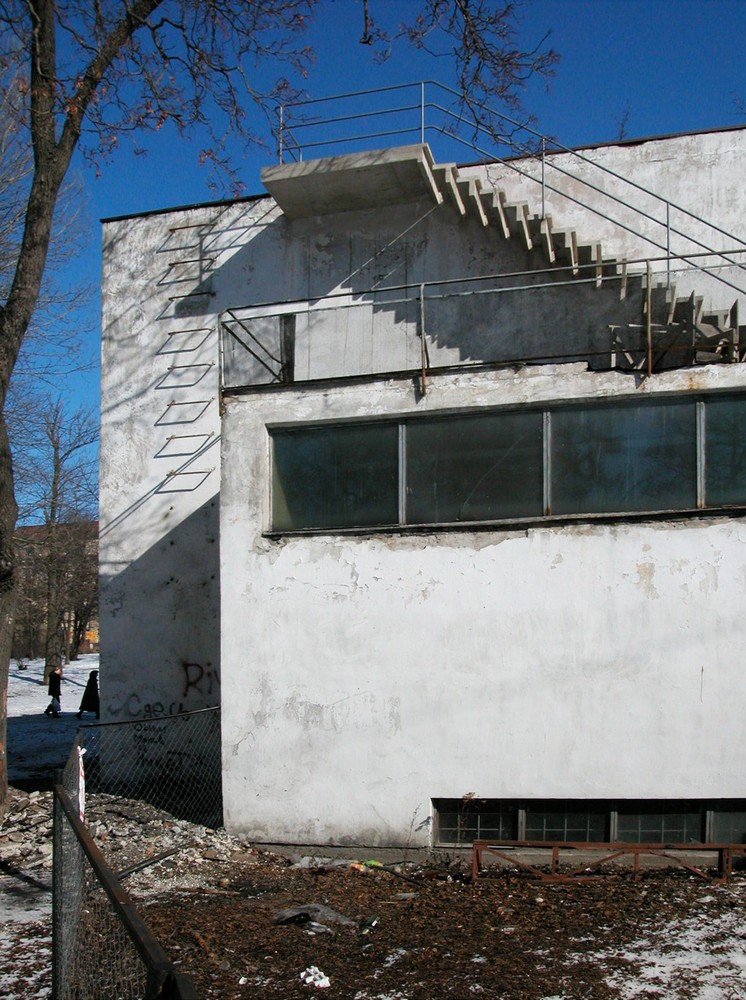
Viipuri Library endured wartime damage and decades of neglect after the city’s transfer to the Soviet Union. The building remained in use with limited alterations but gradually deteriorated. A long-term restoration process began in the 1990s and concluded in 2013, supported through cooperation between Finnish and Russian institutions. This restoration reinstated original spatial qualities, material finishes, and technical details, returning the building to its intended architectural condition.
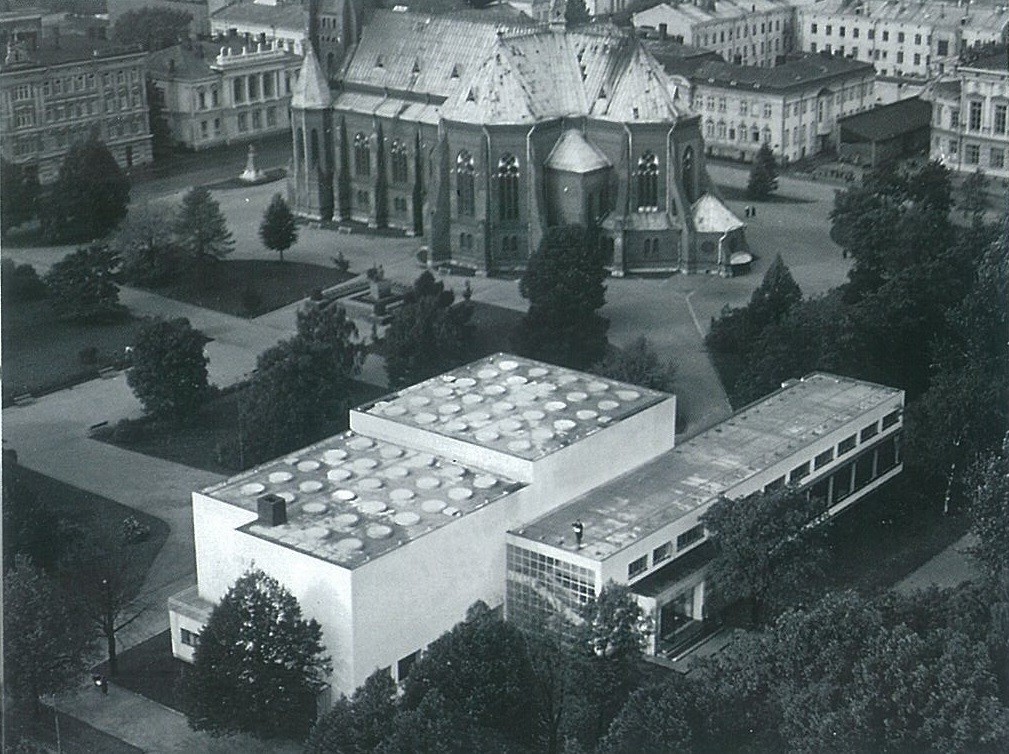
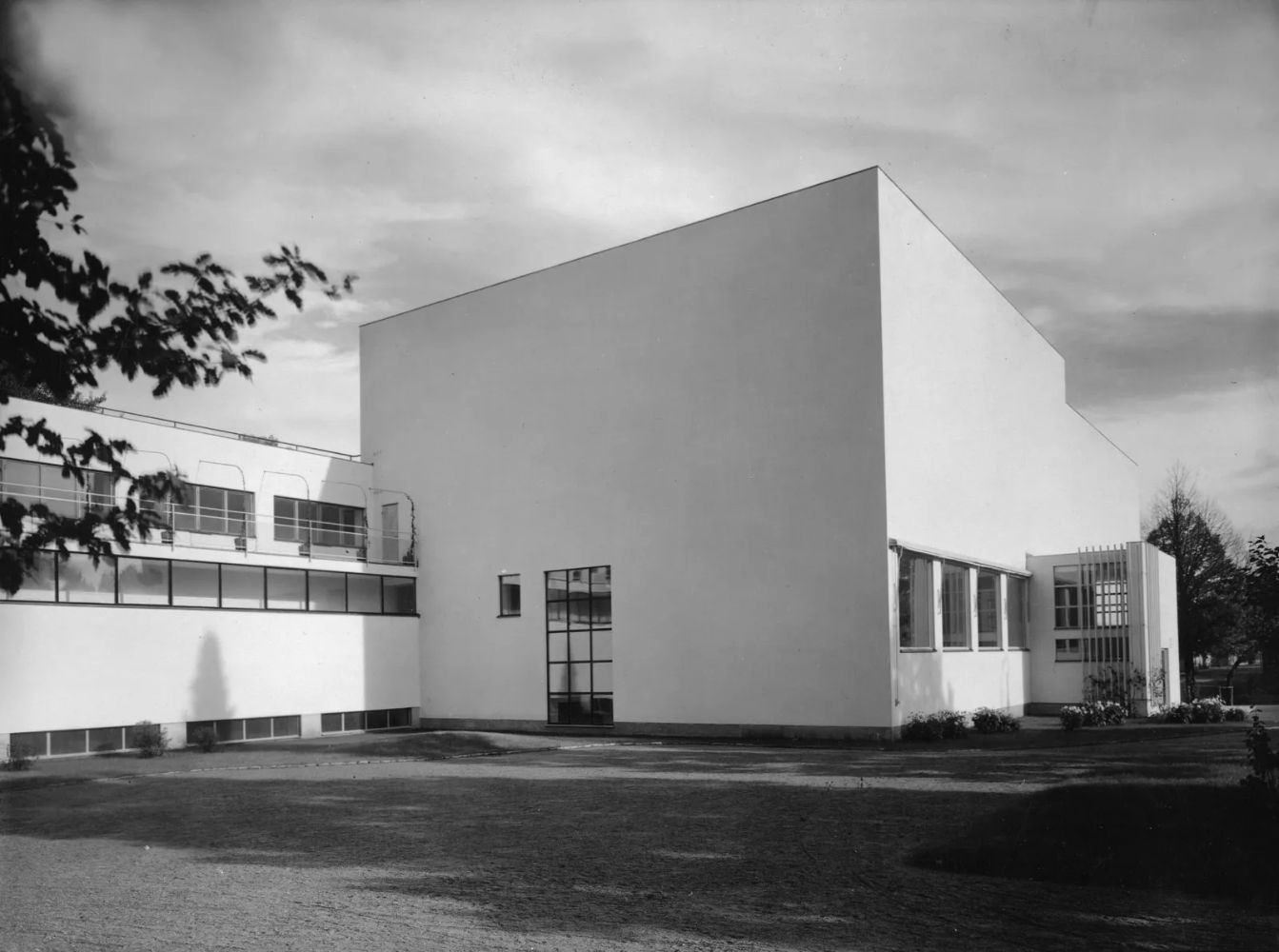
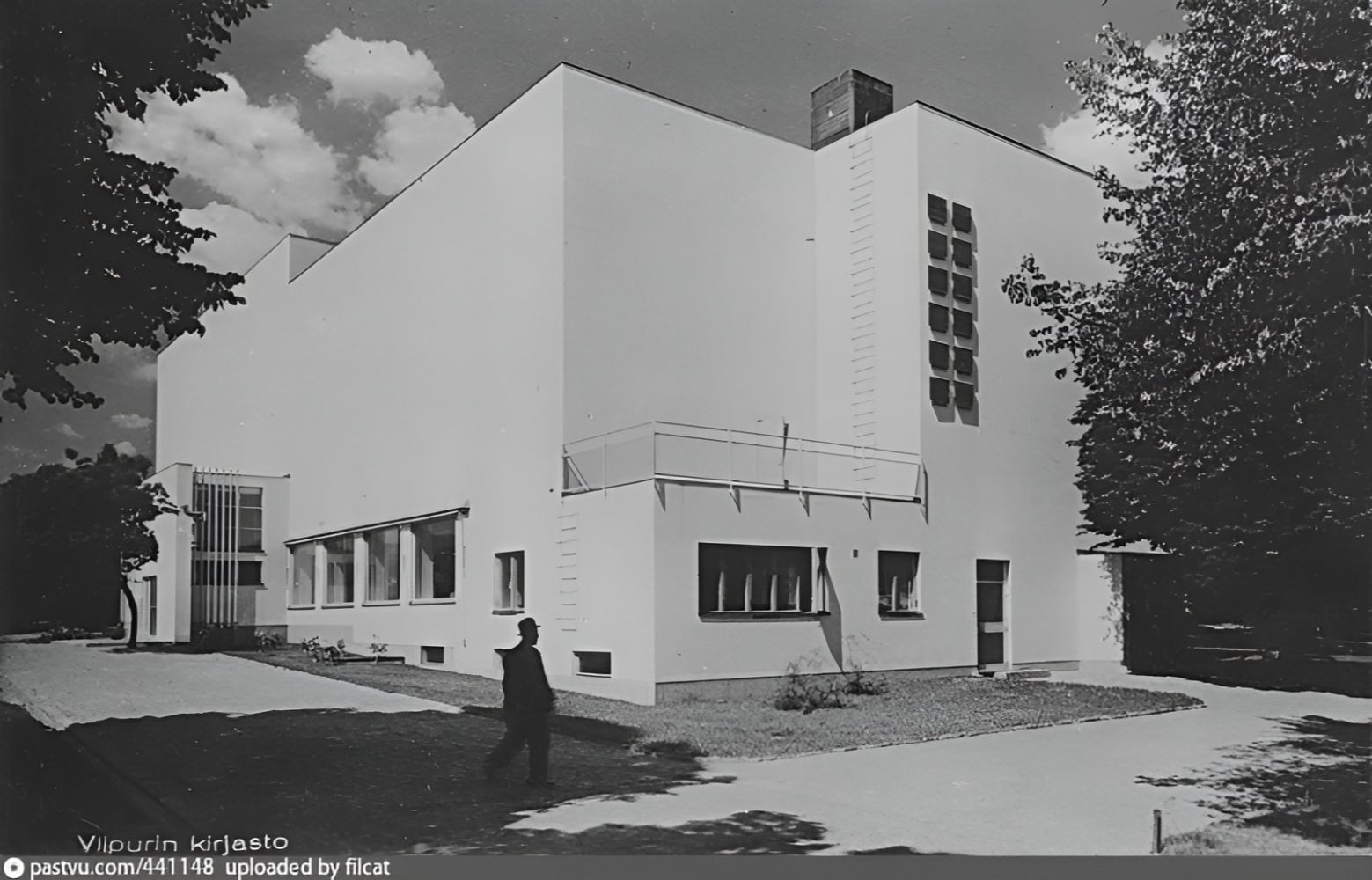
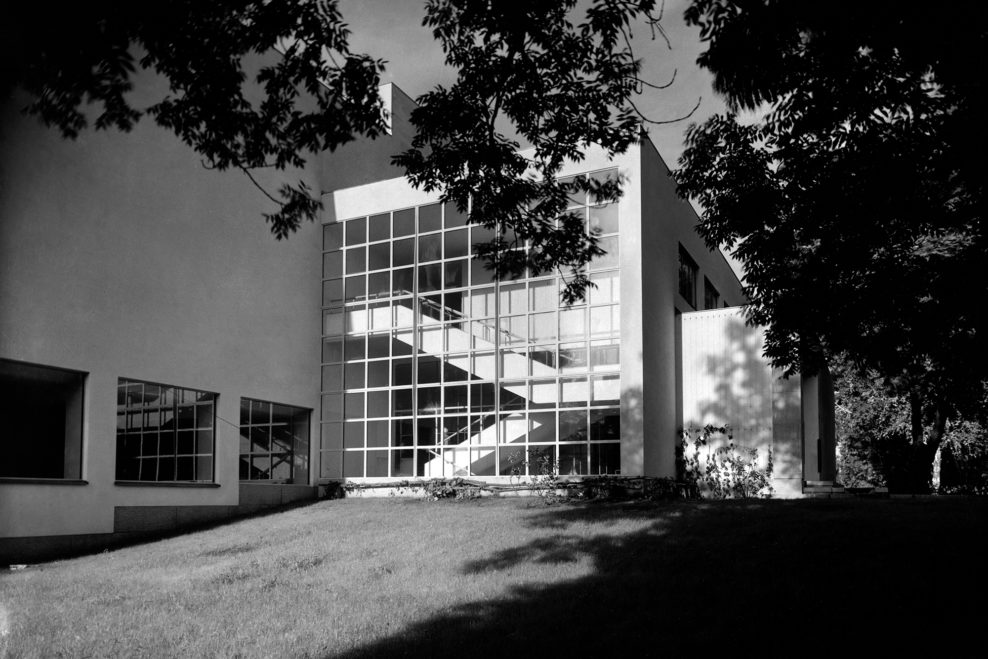
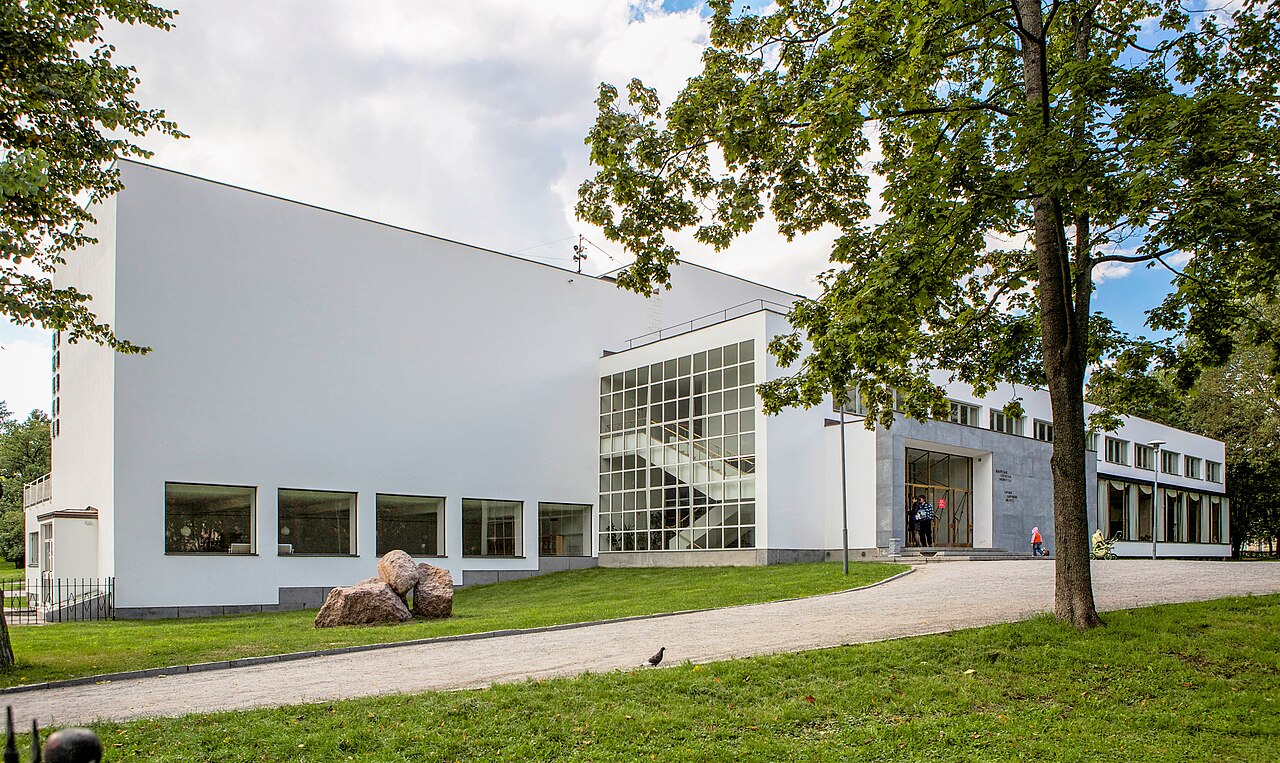
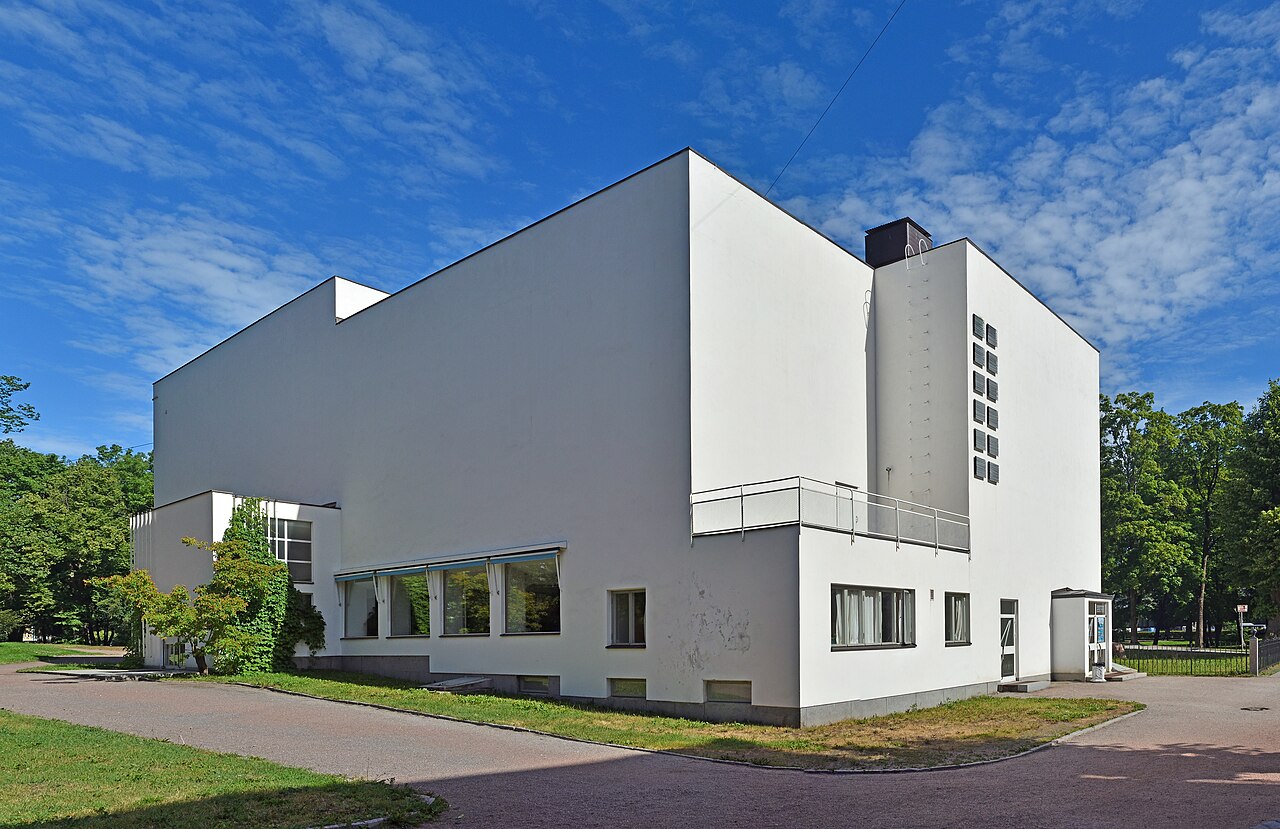
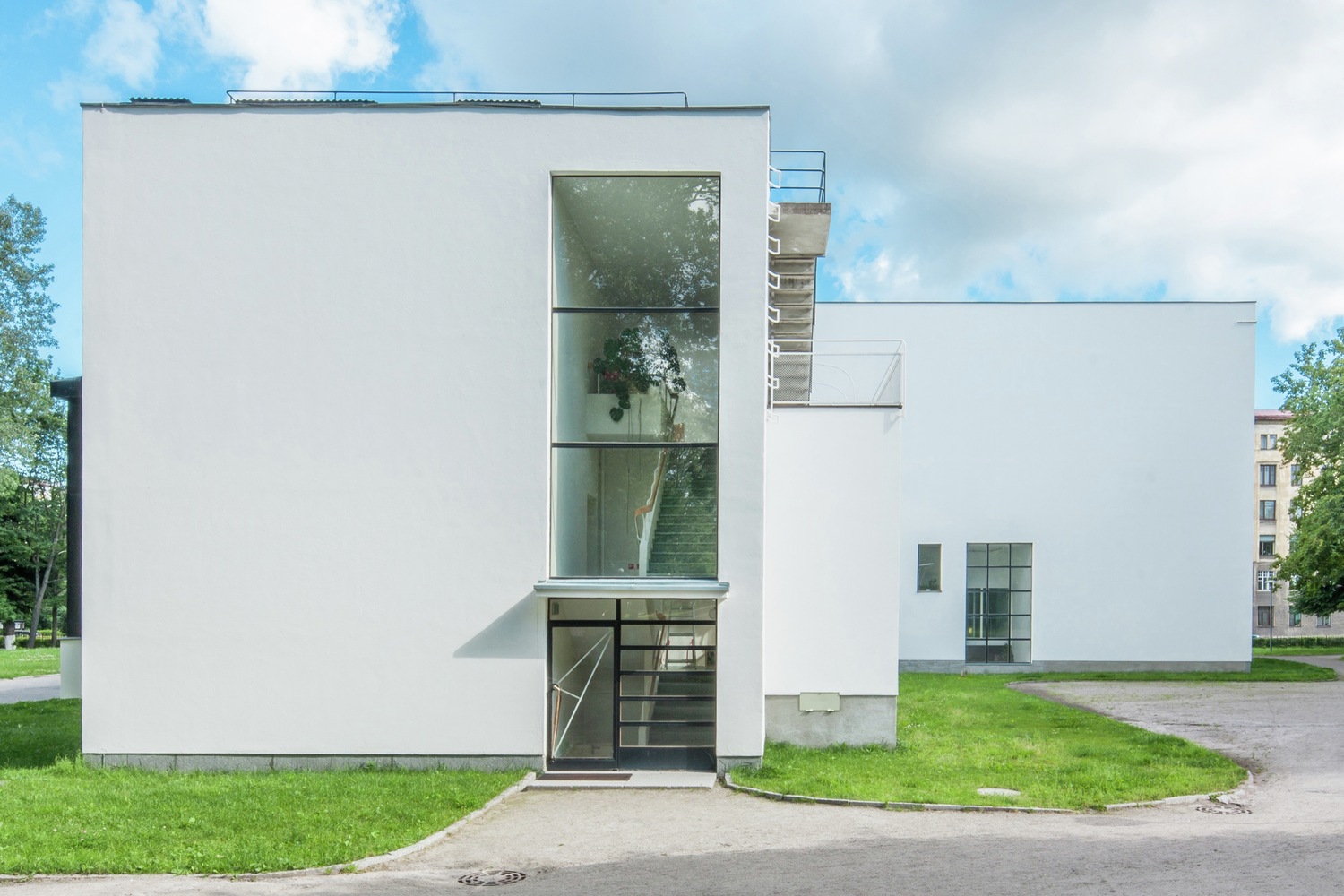
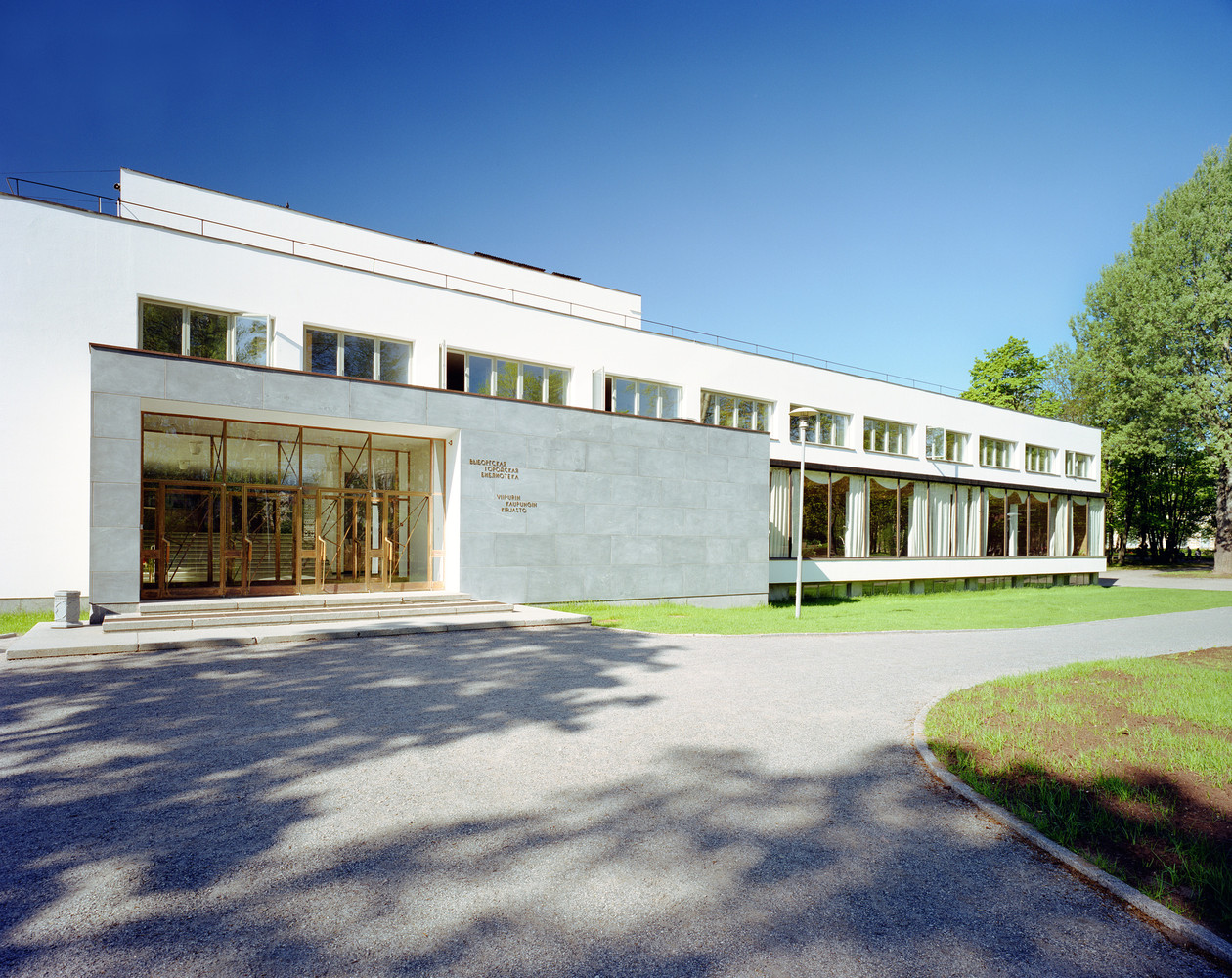
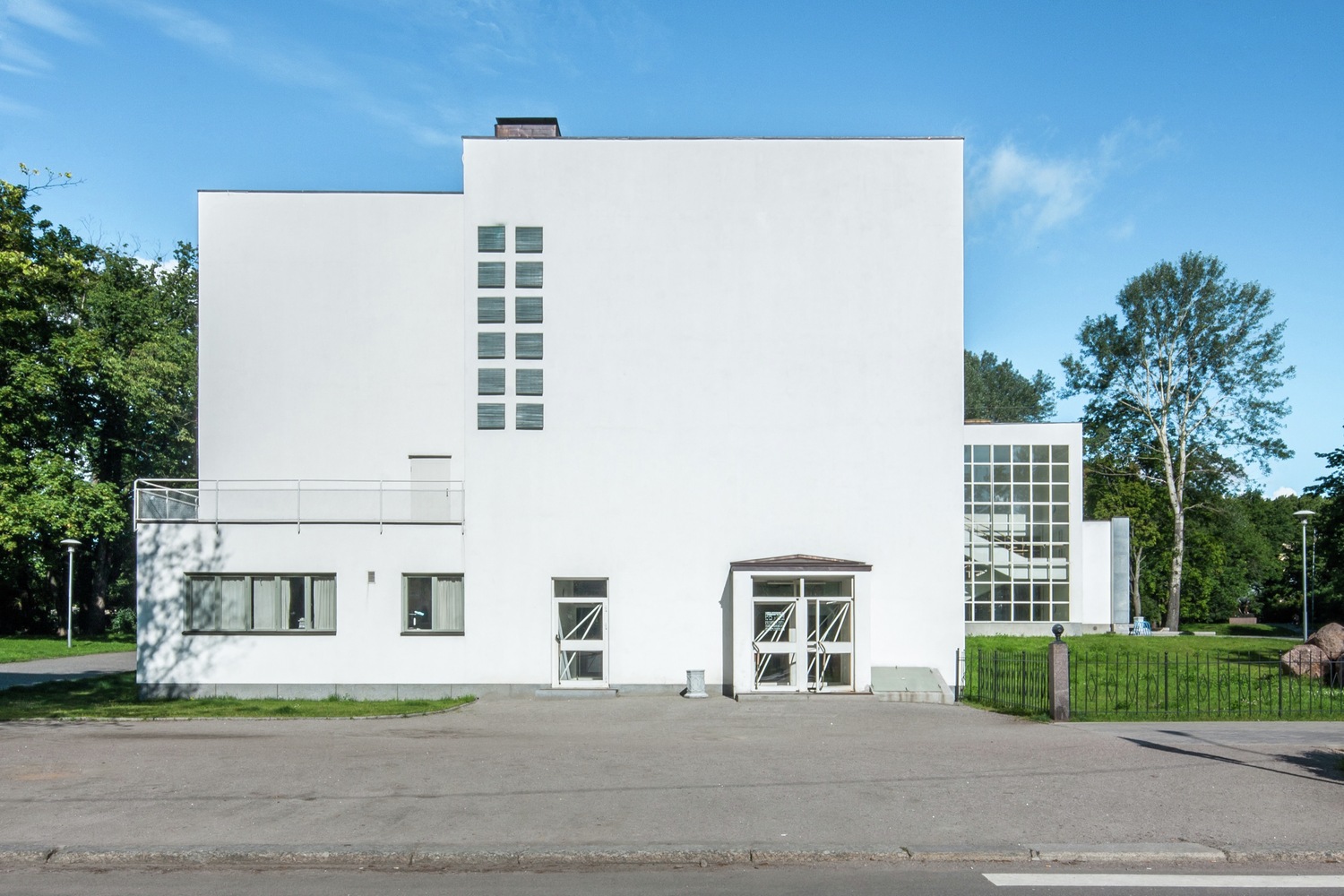
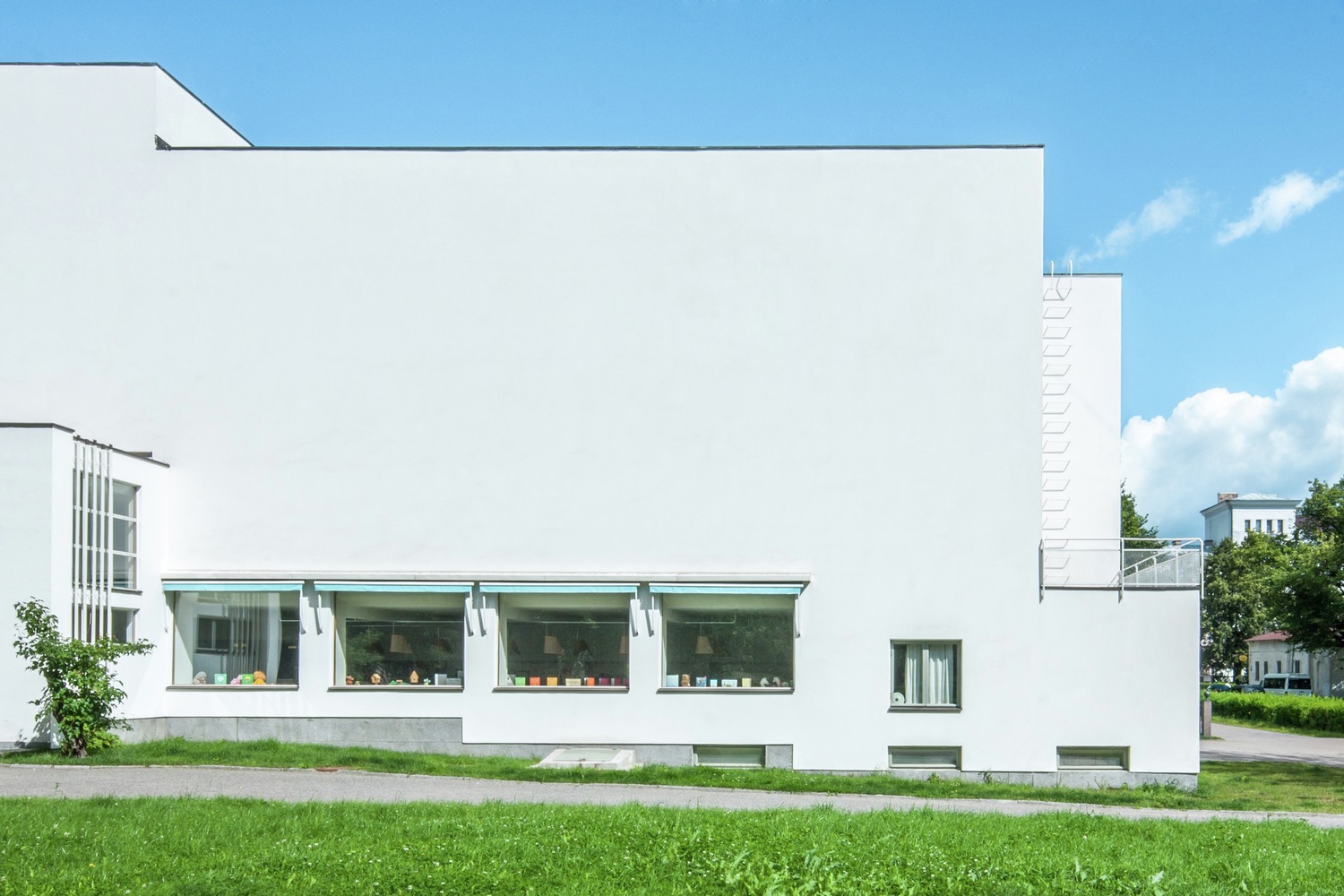
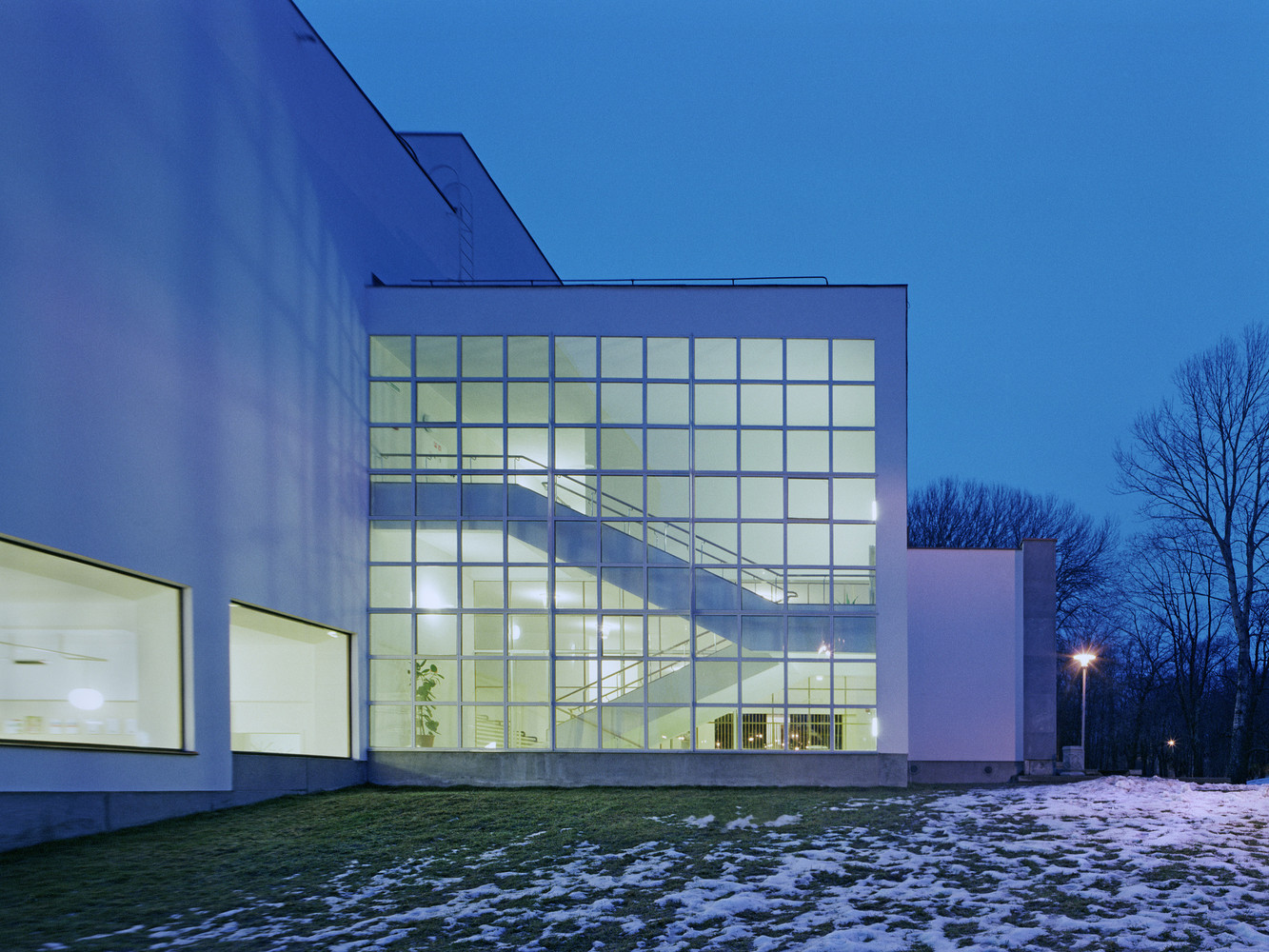
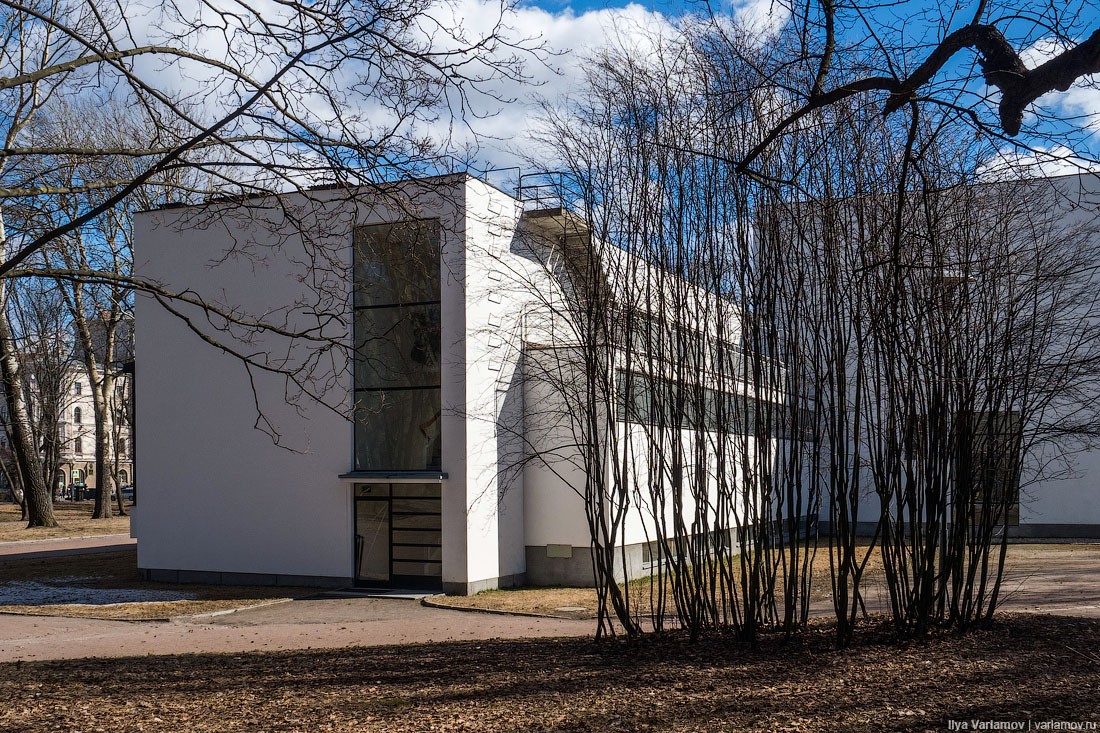
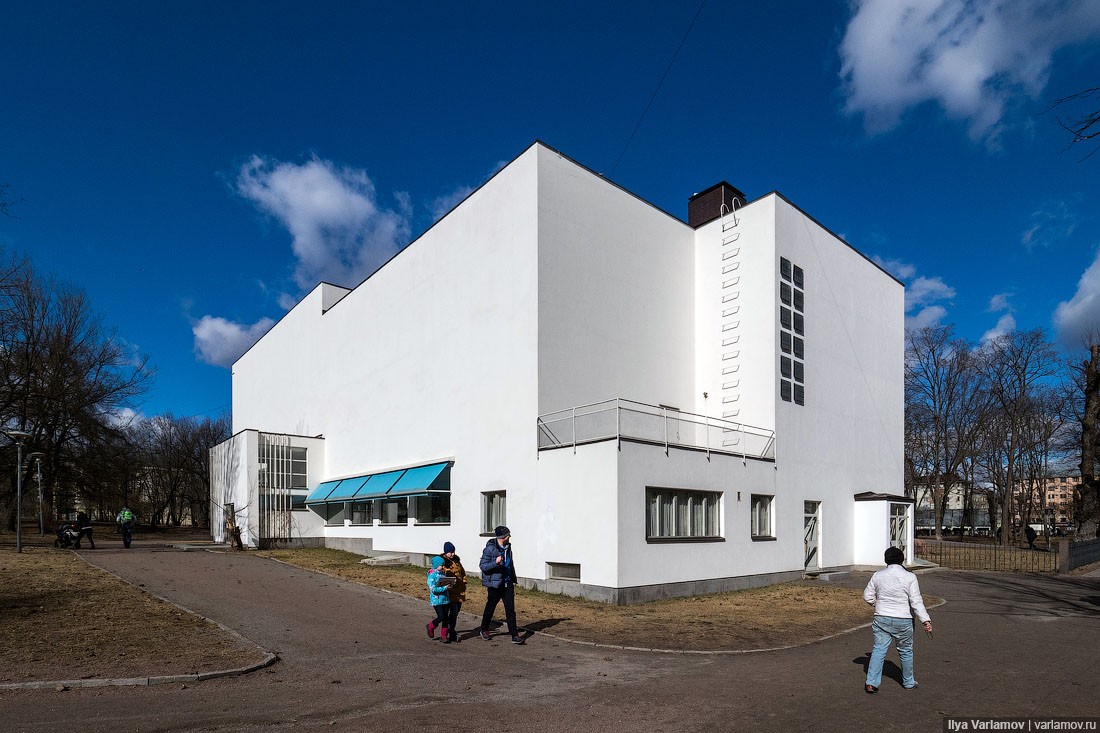
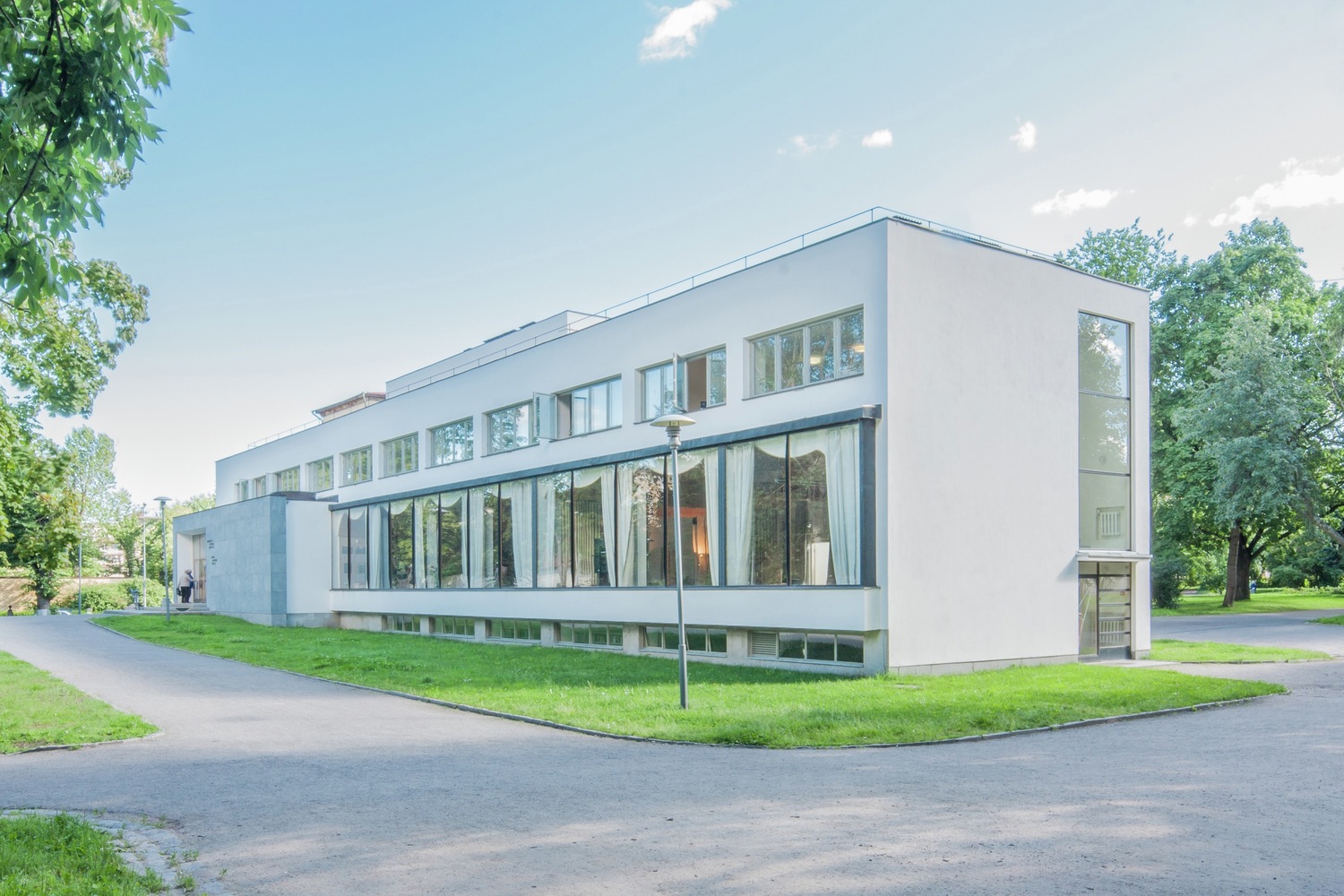
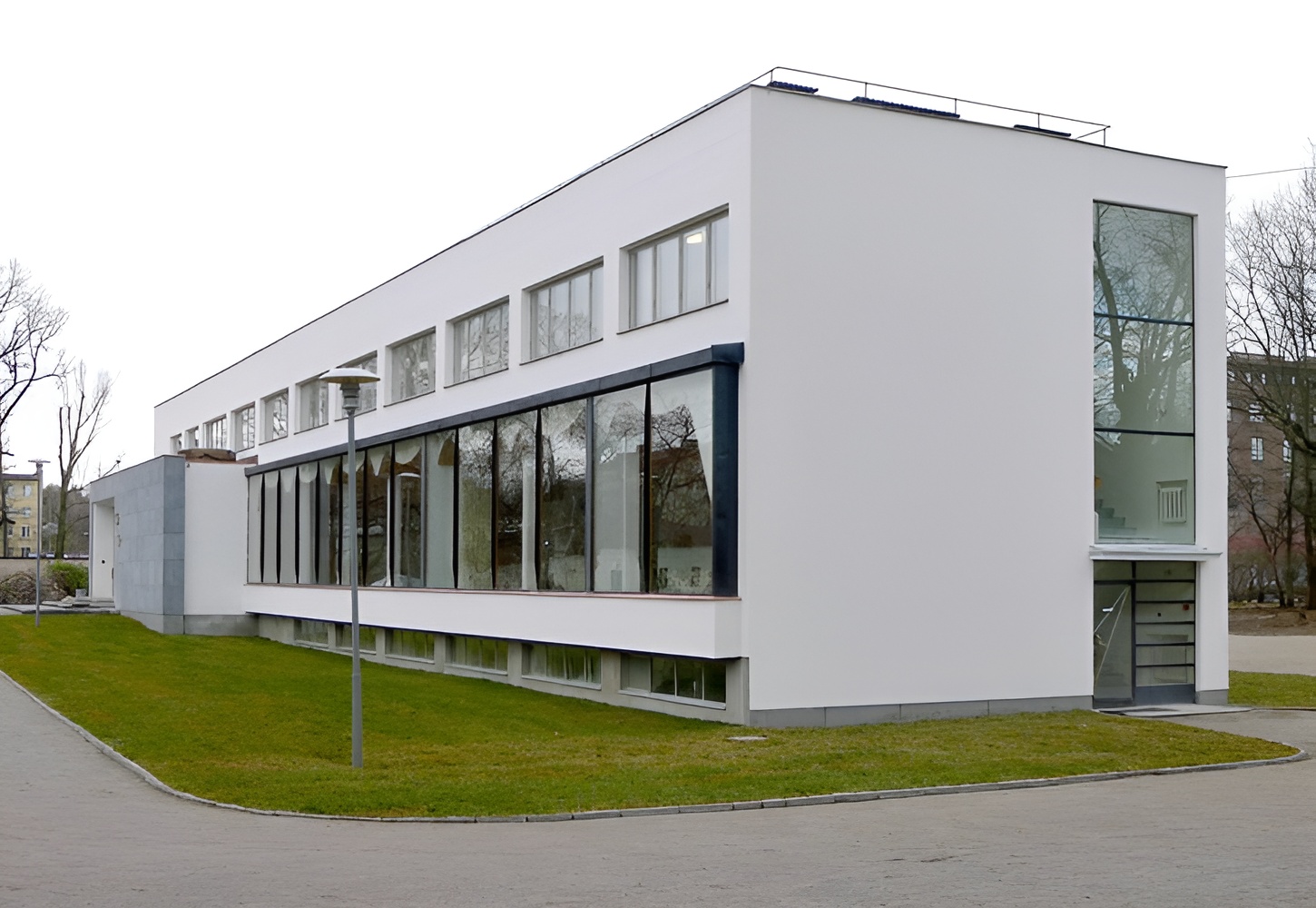
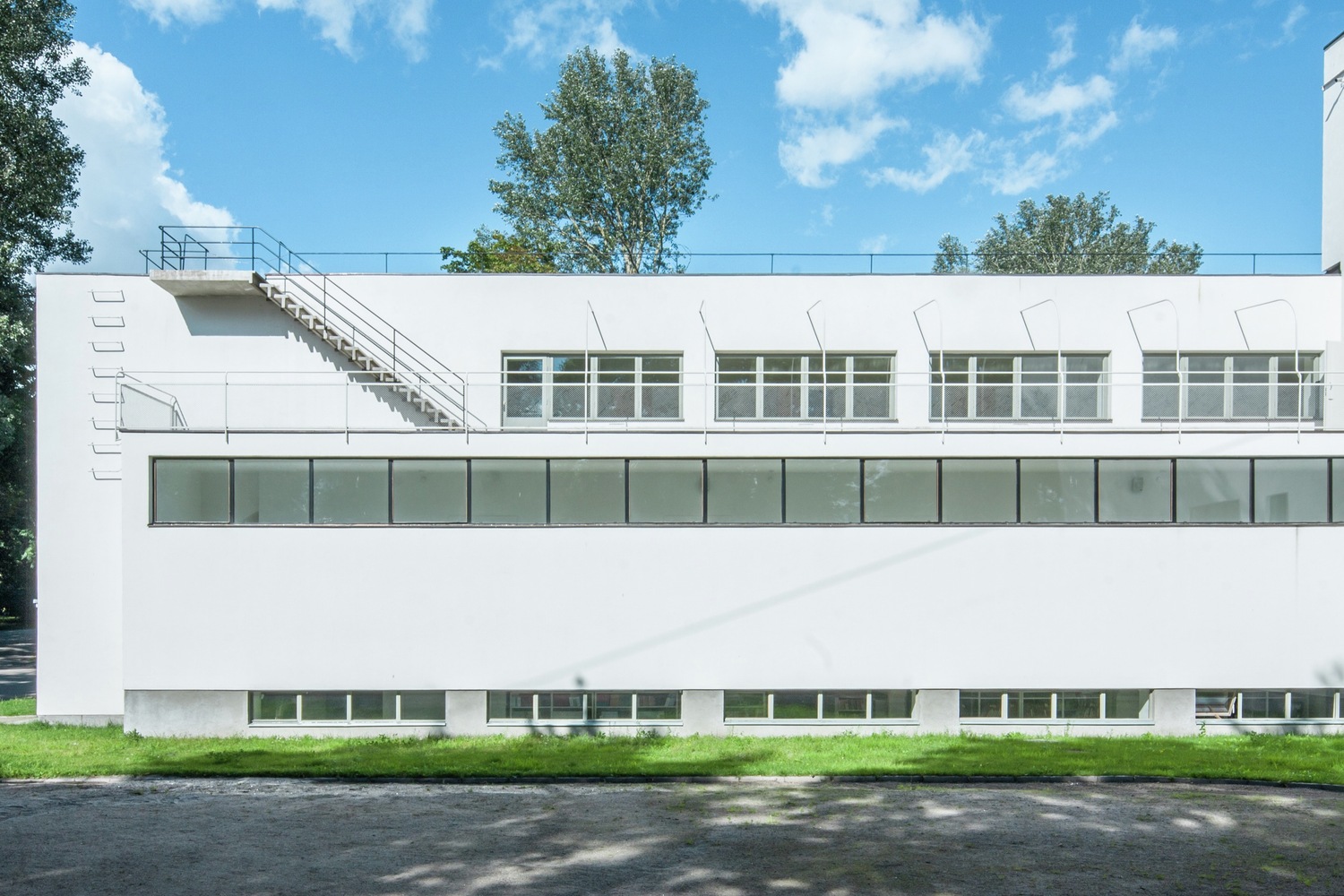
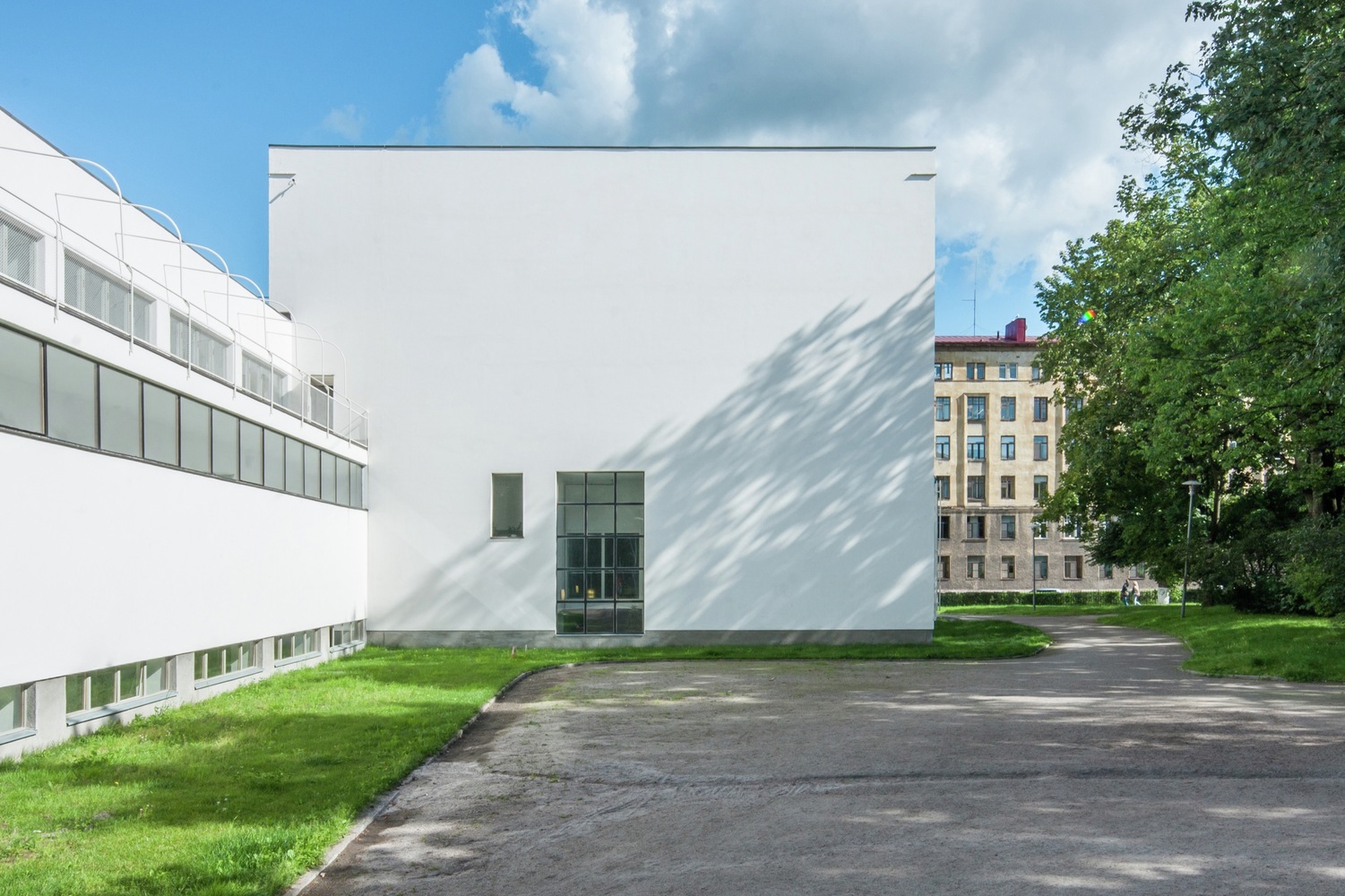
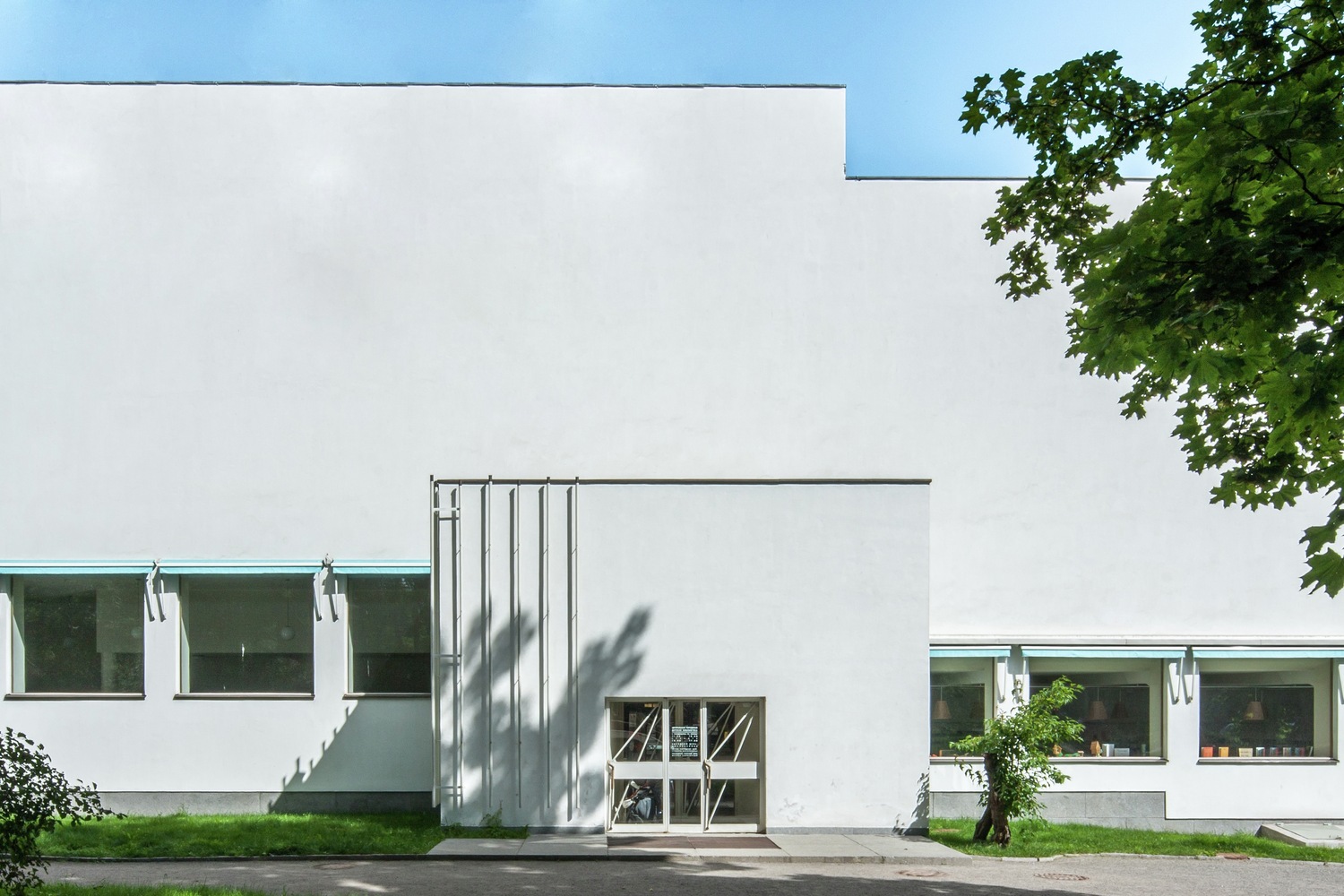
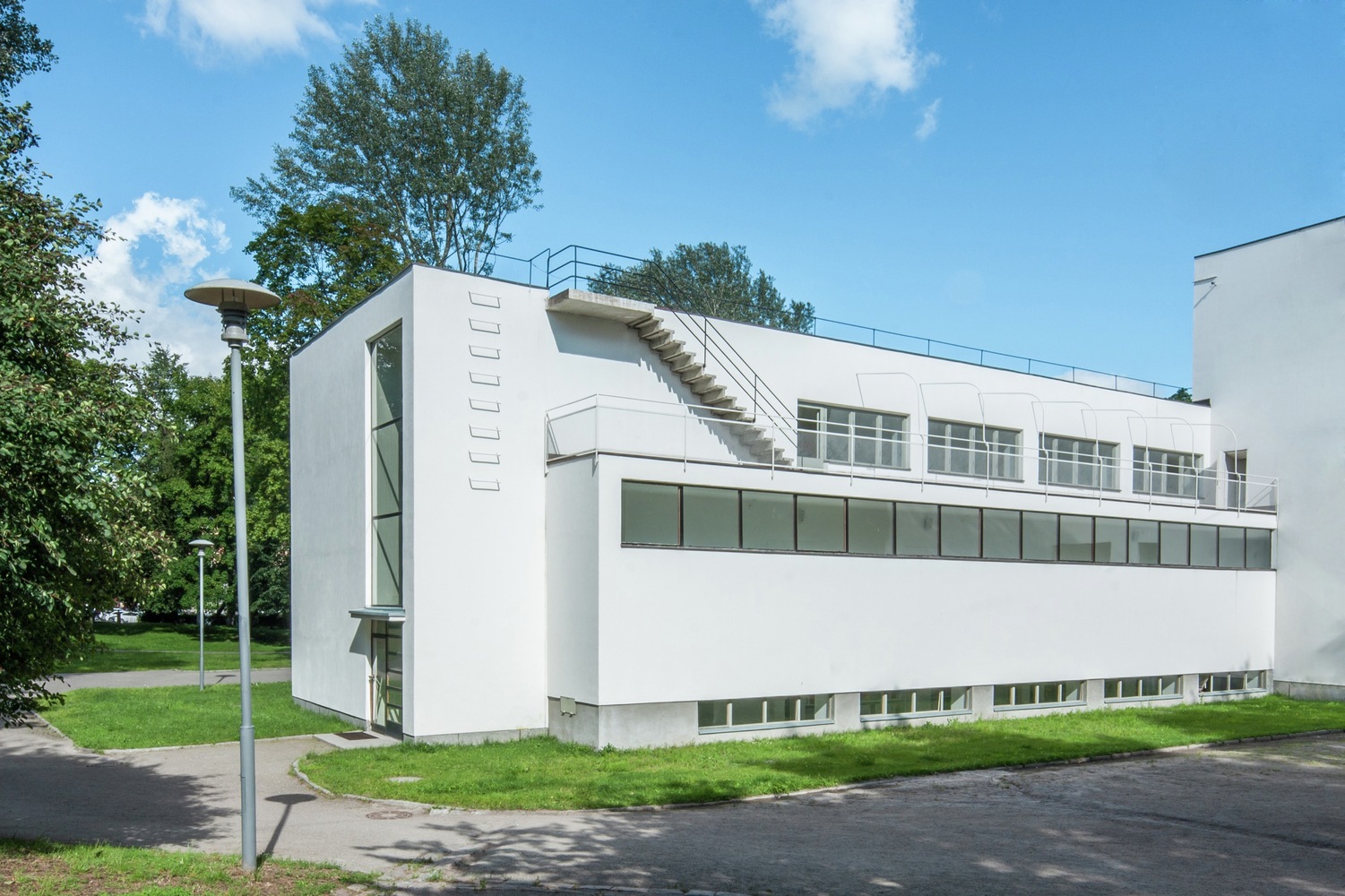
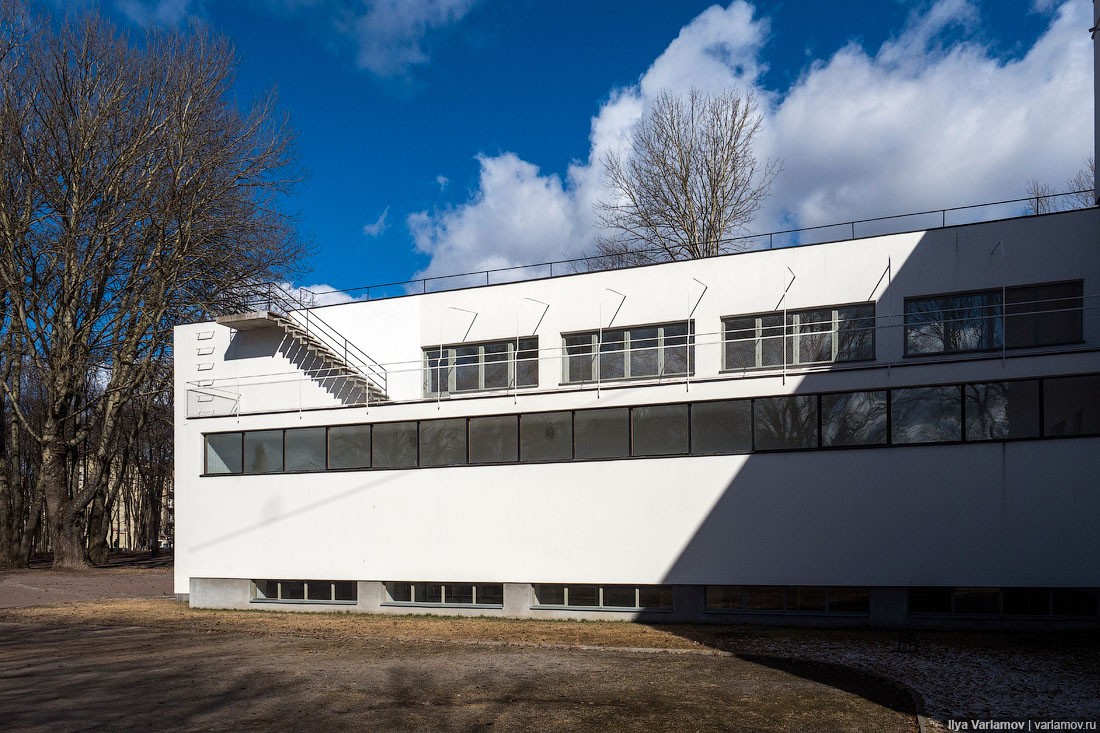
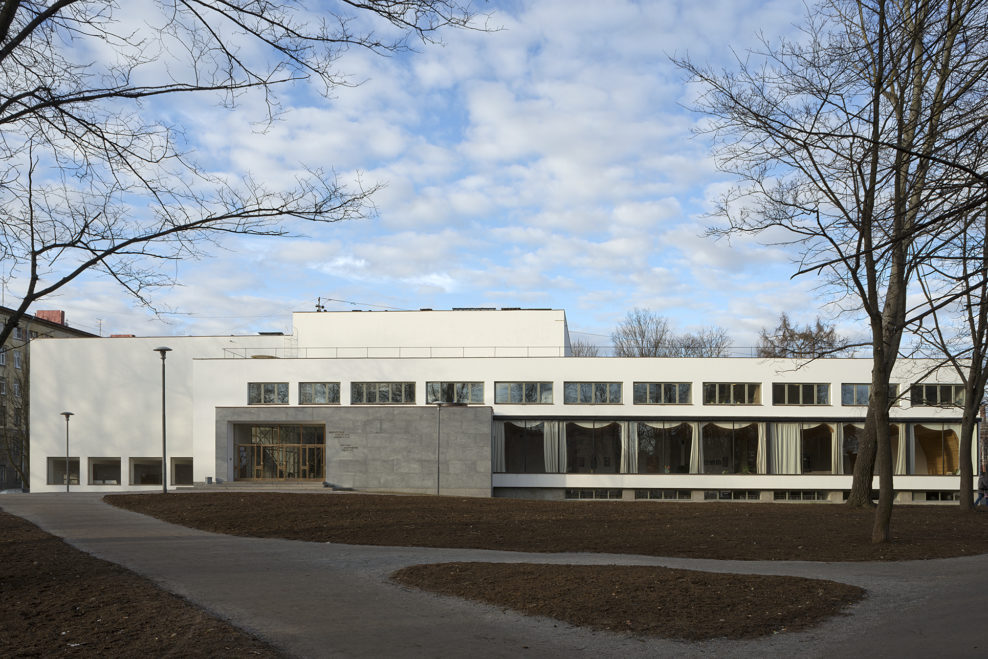
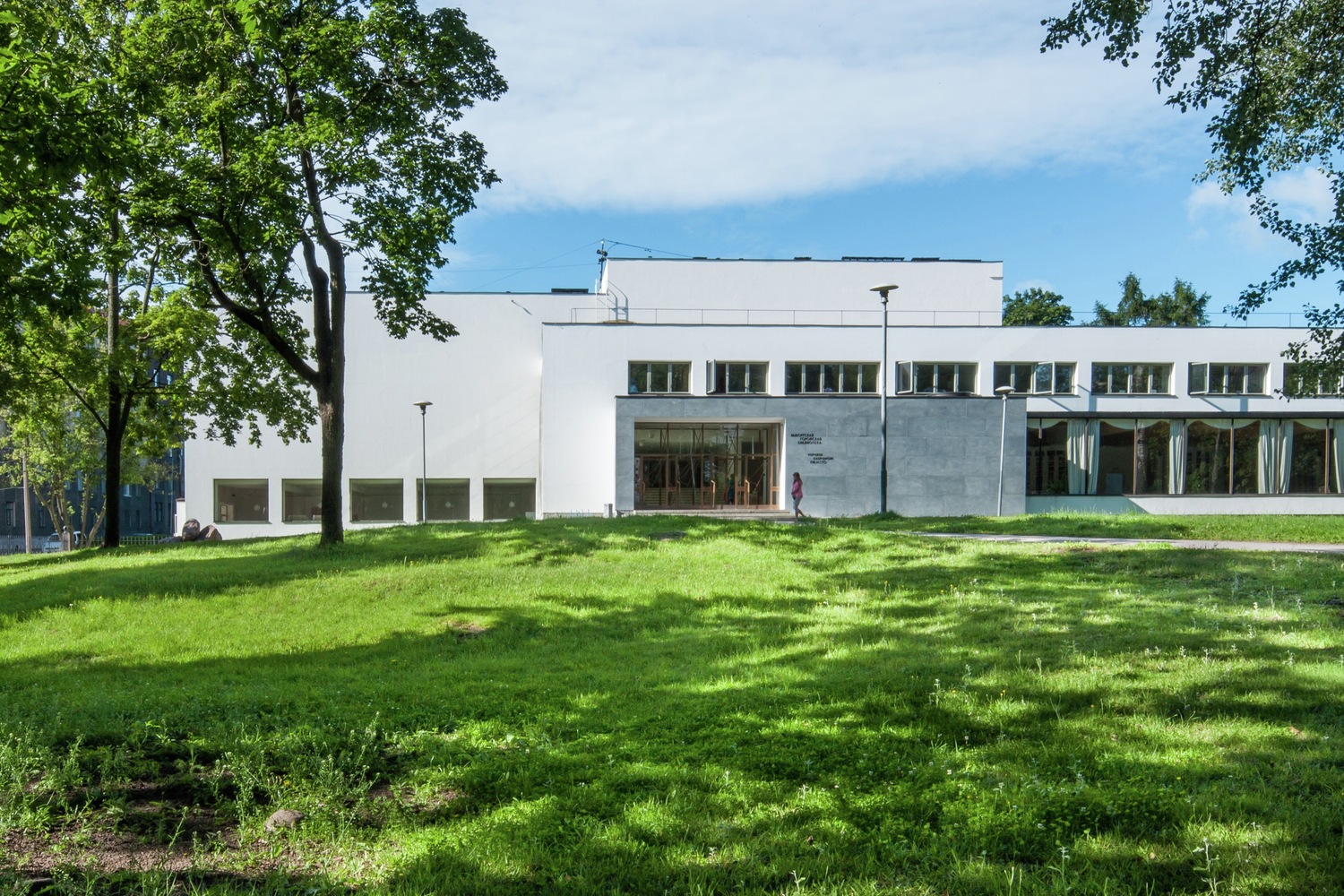
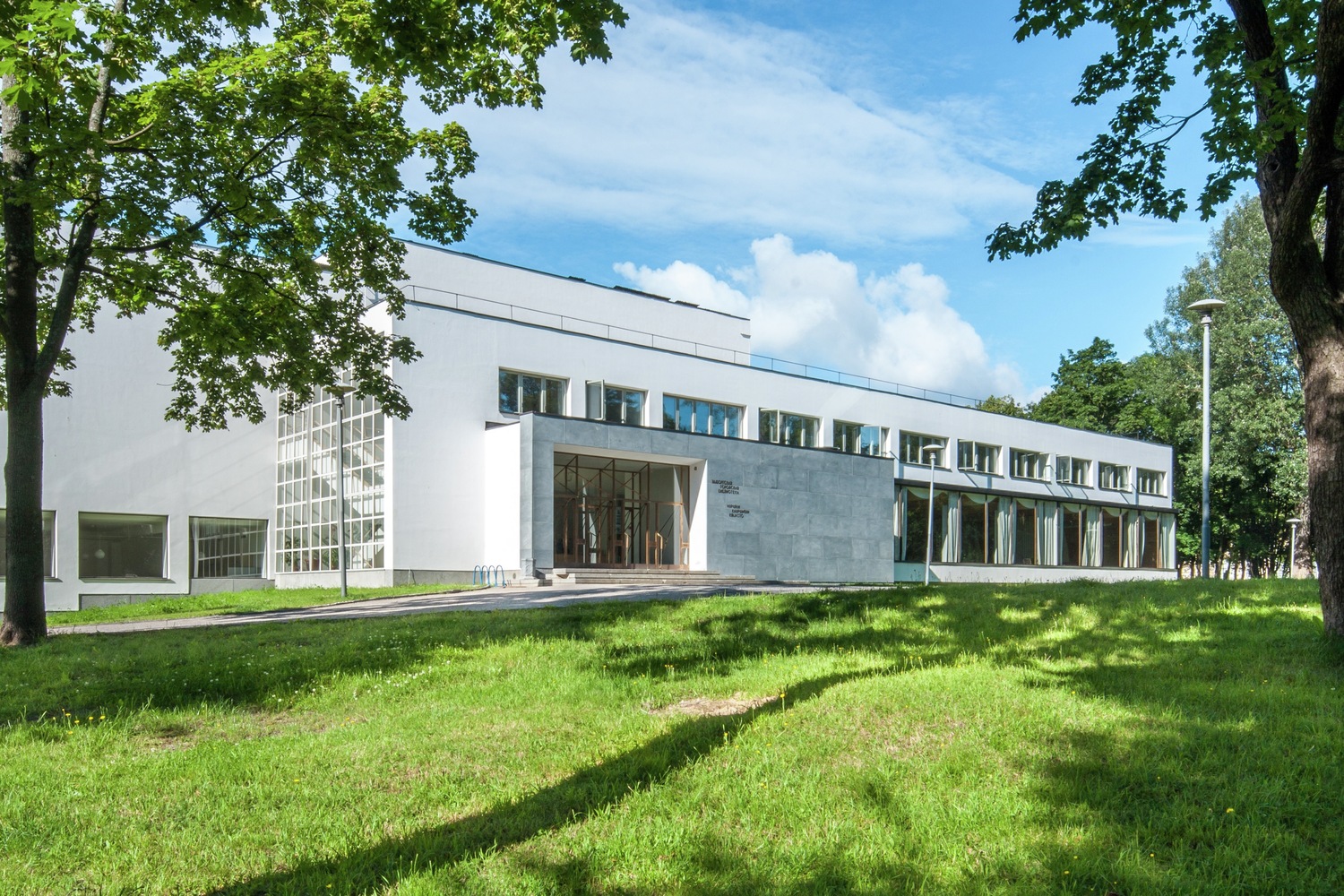
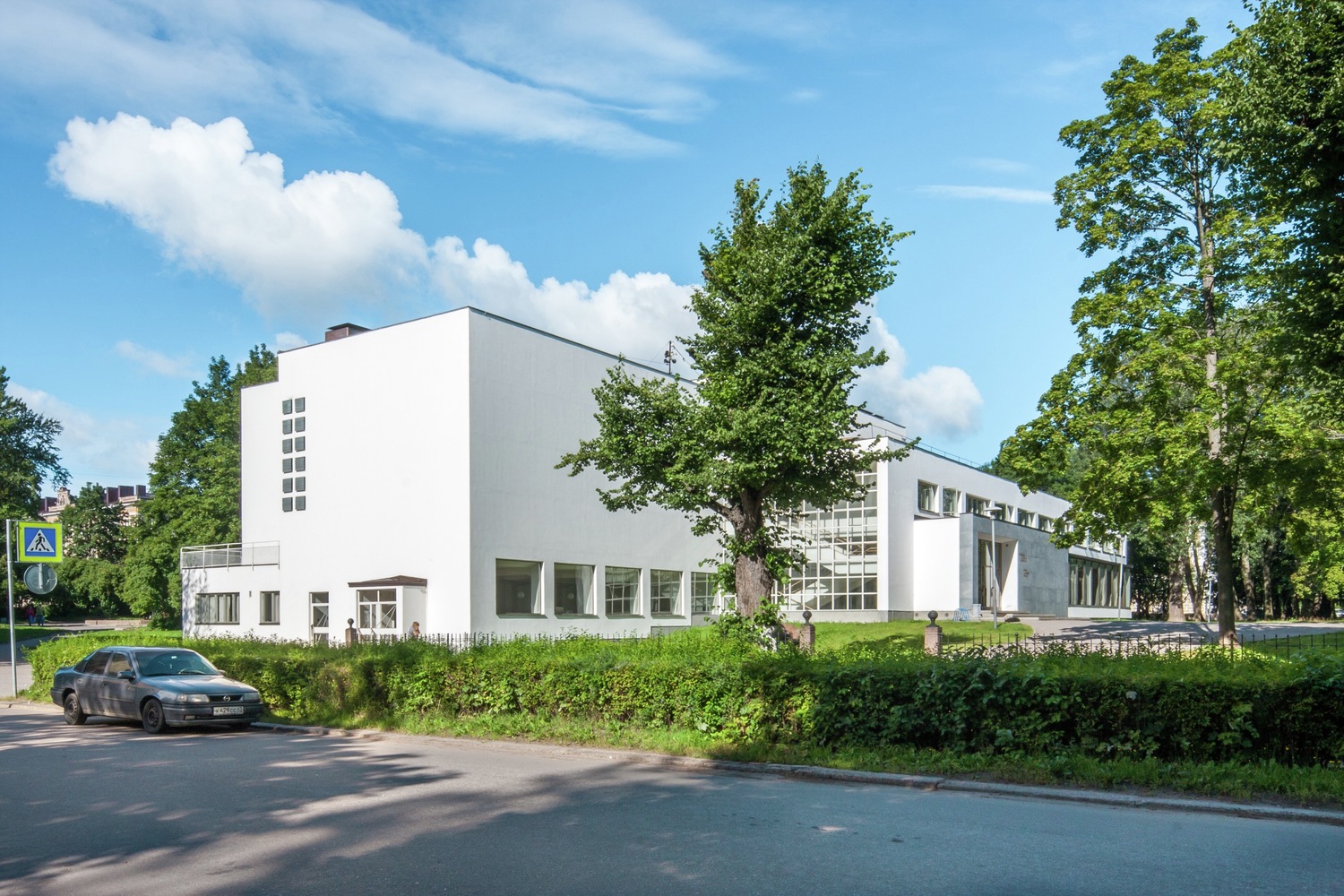
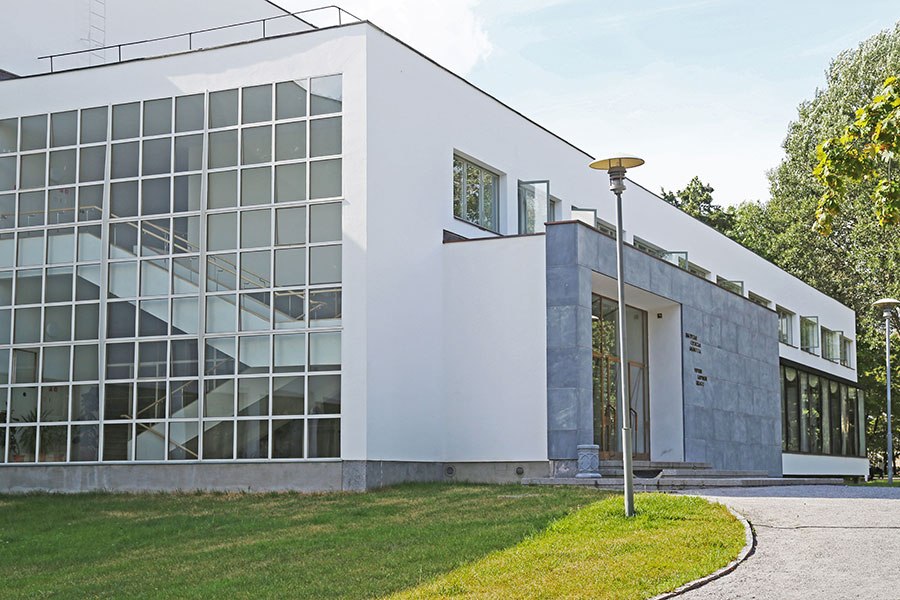
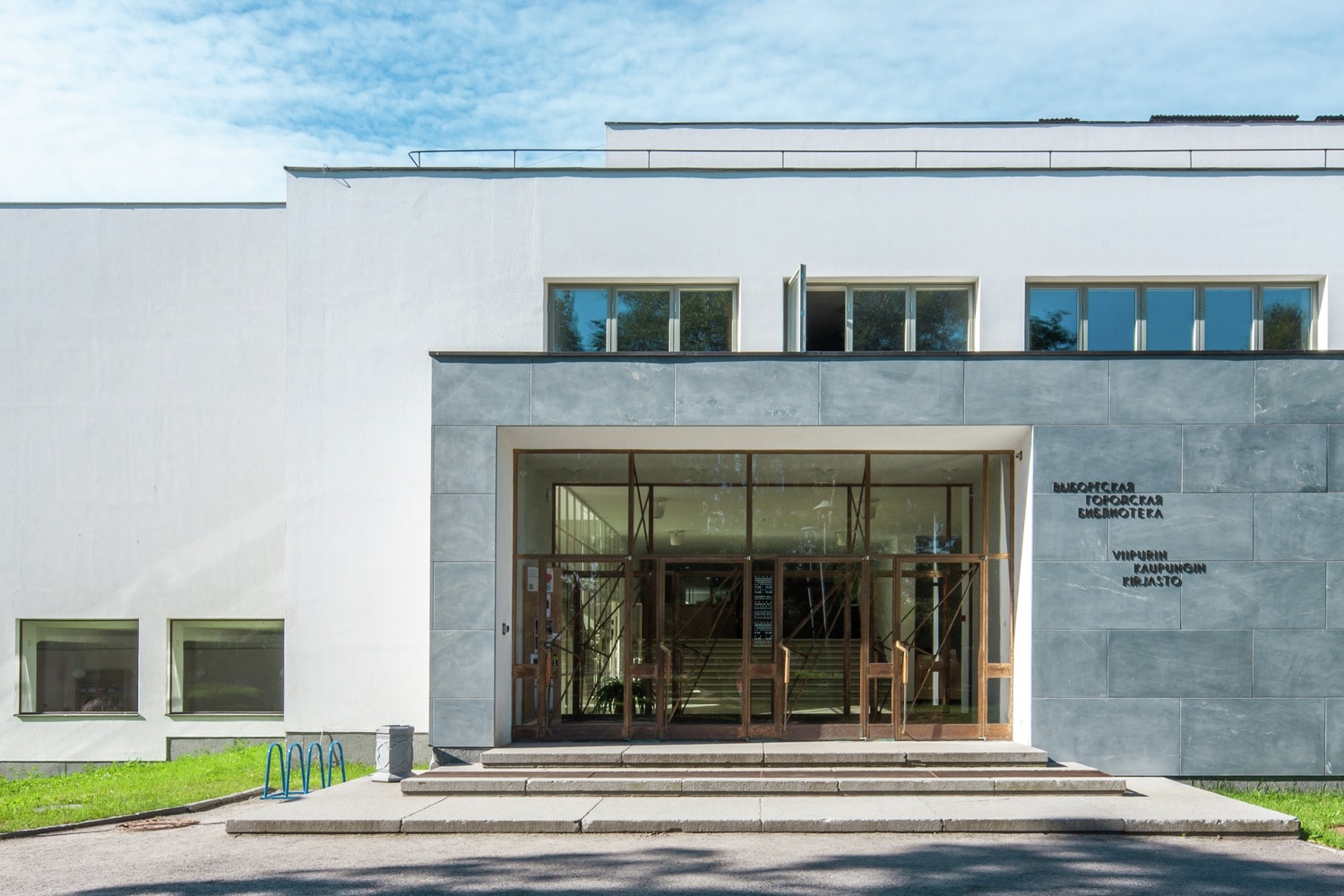
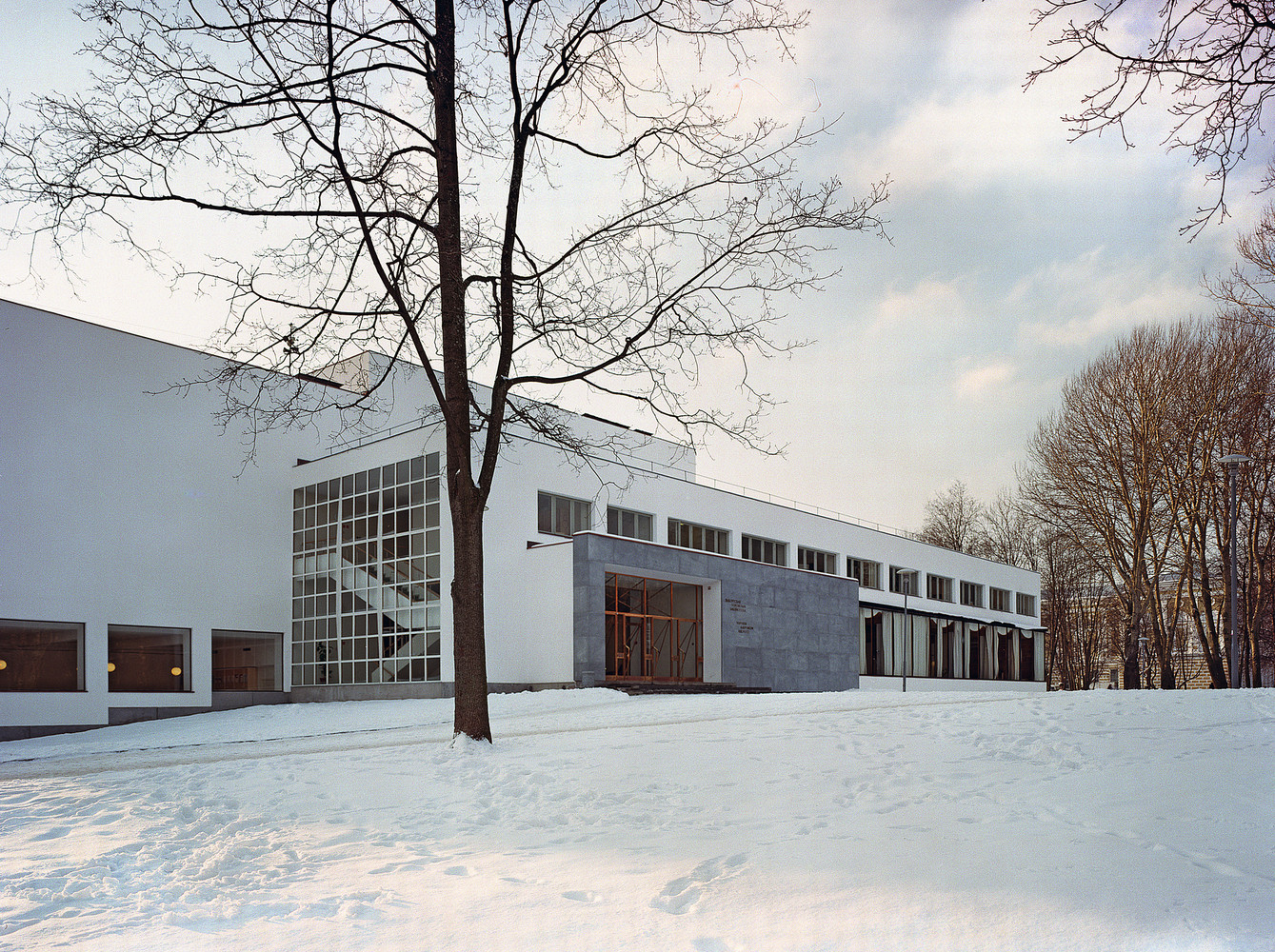
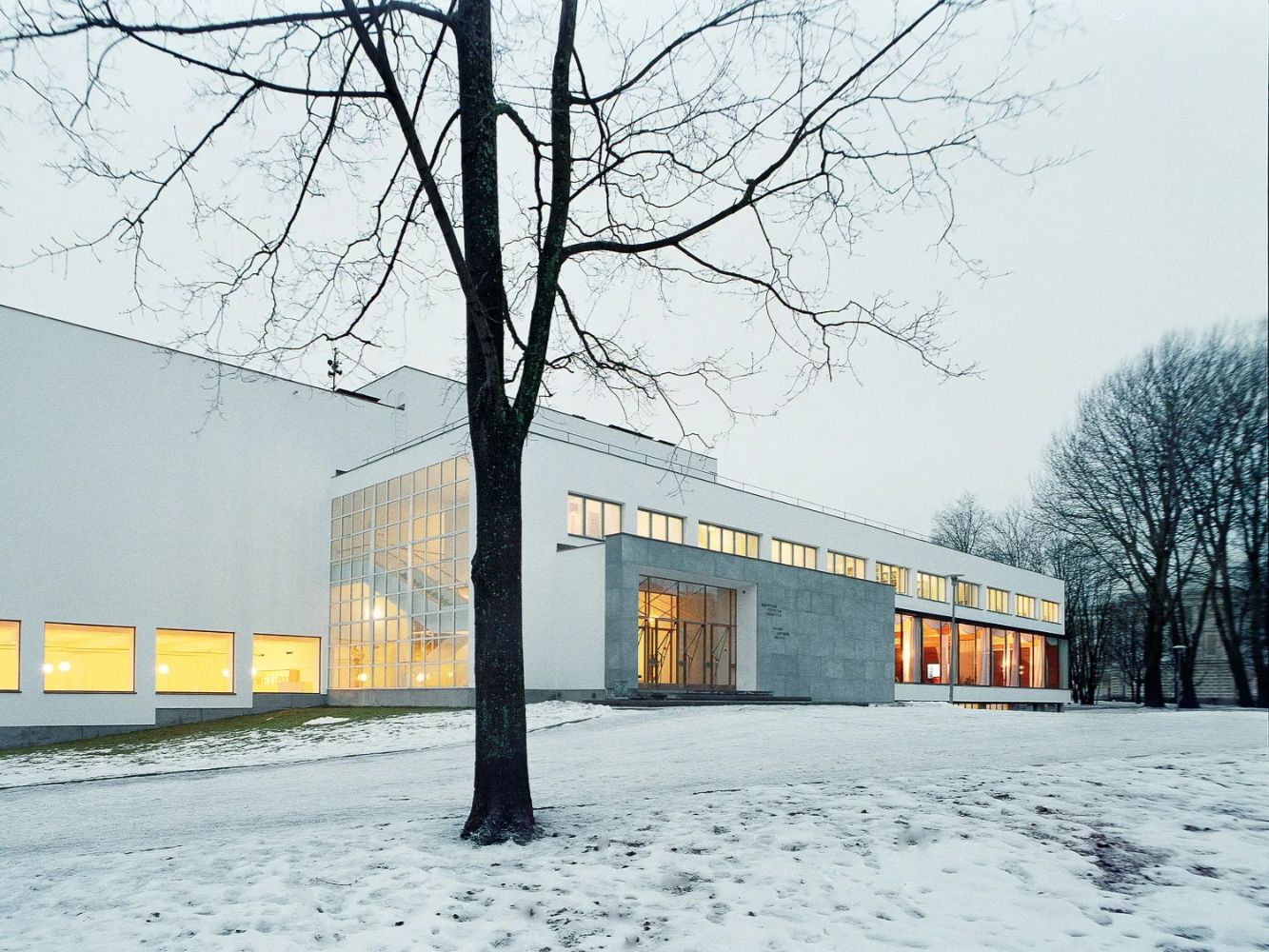
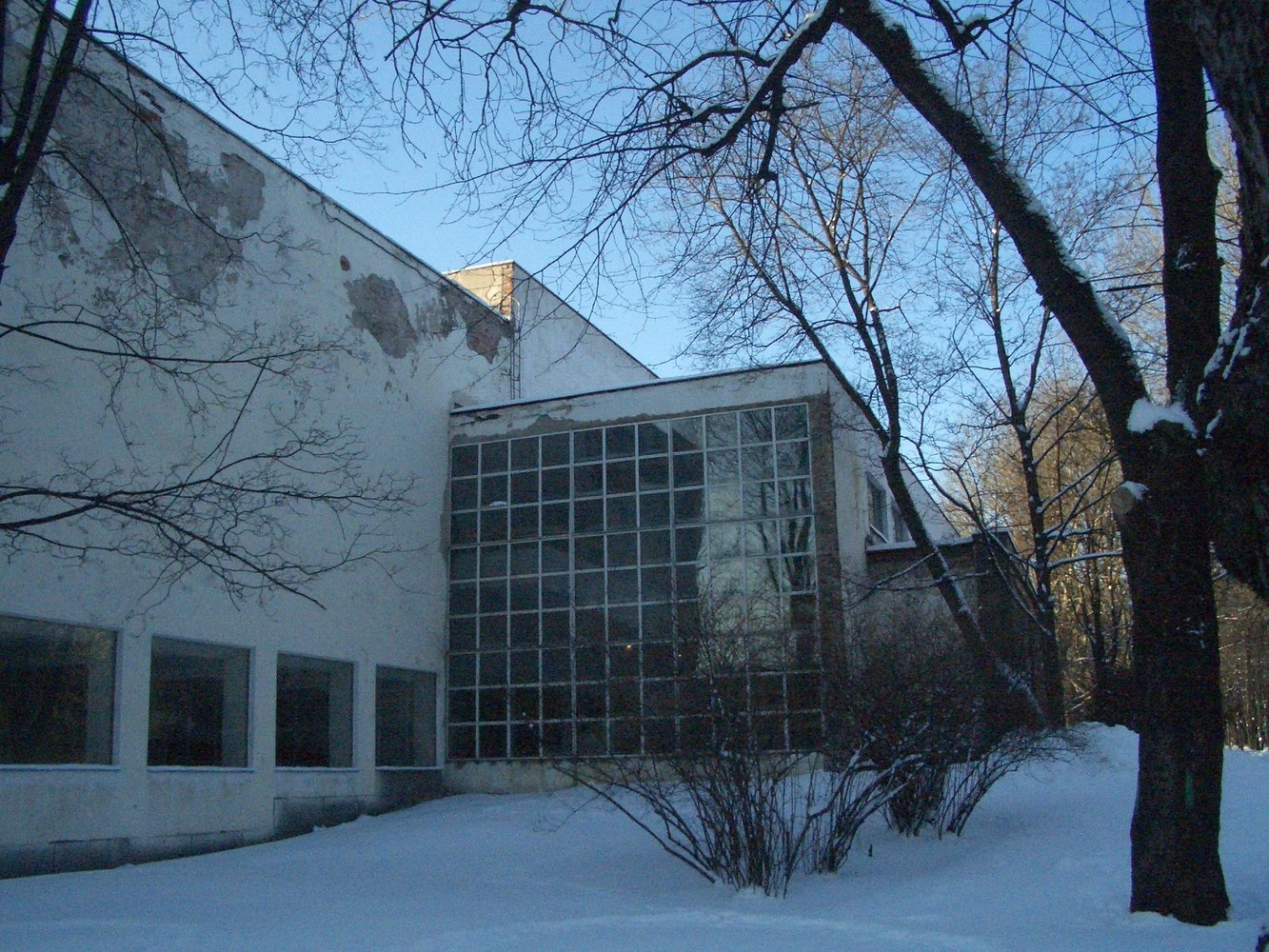
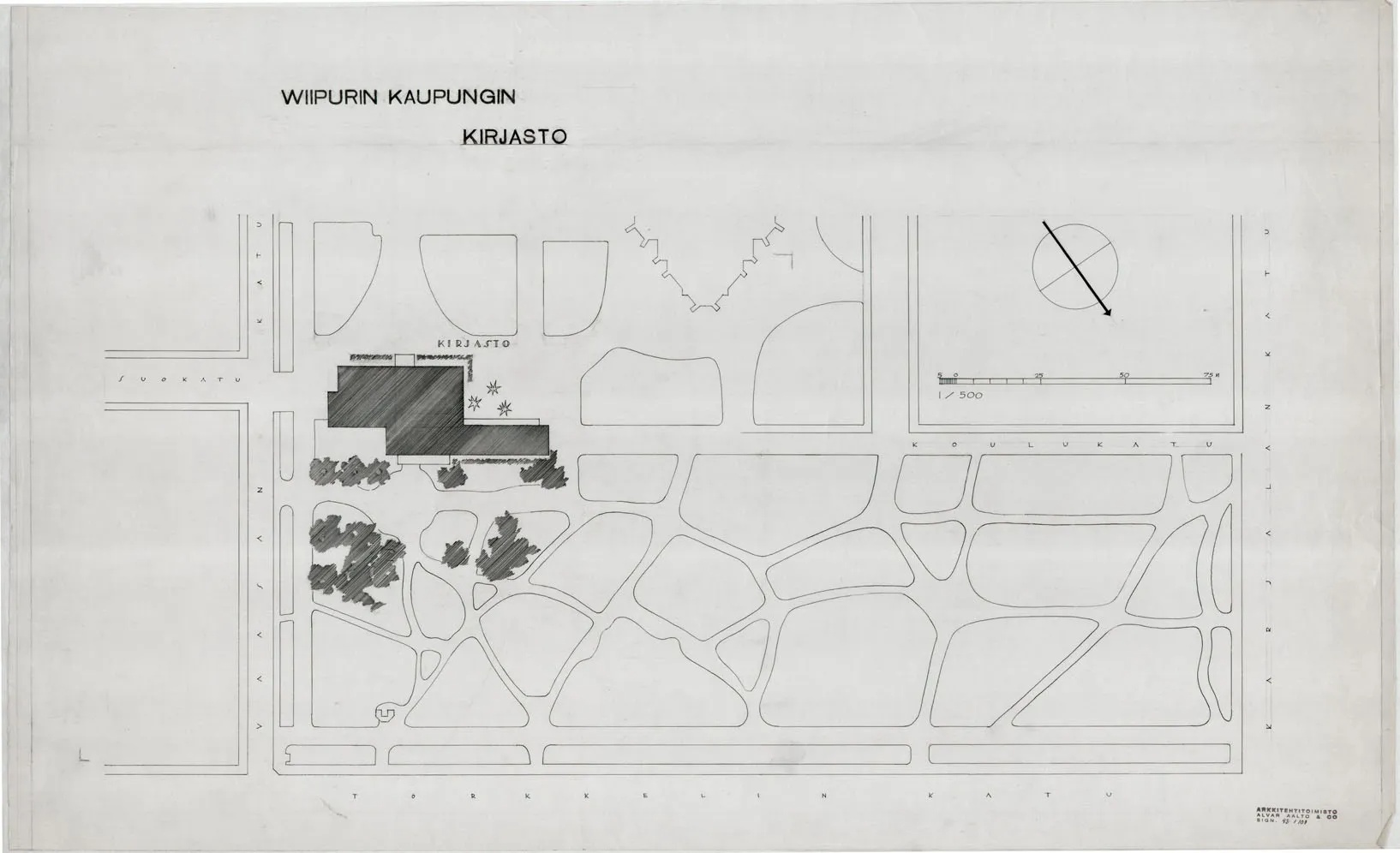
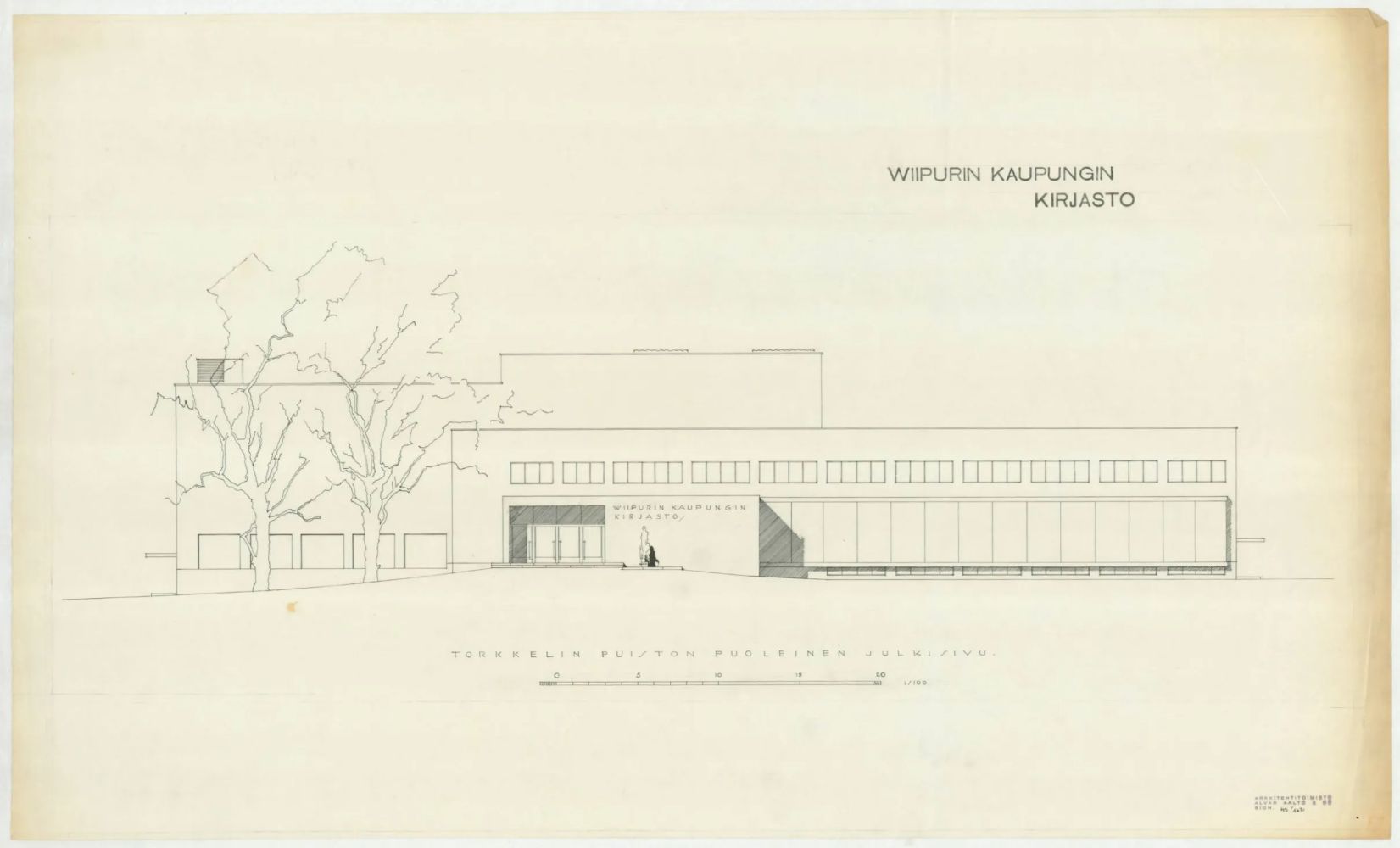
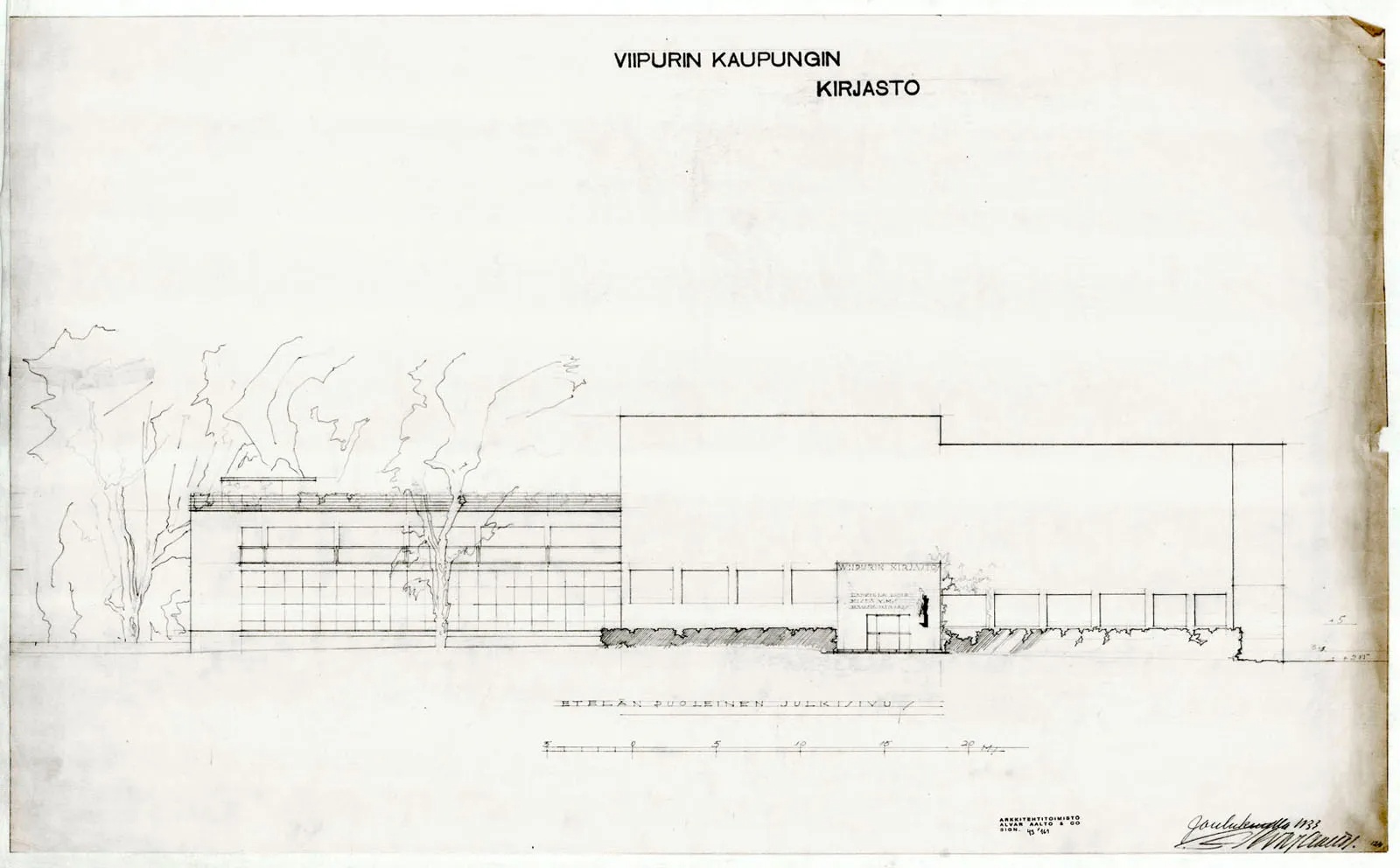
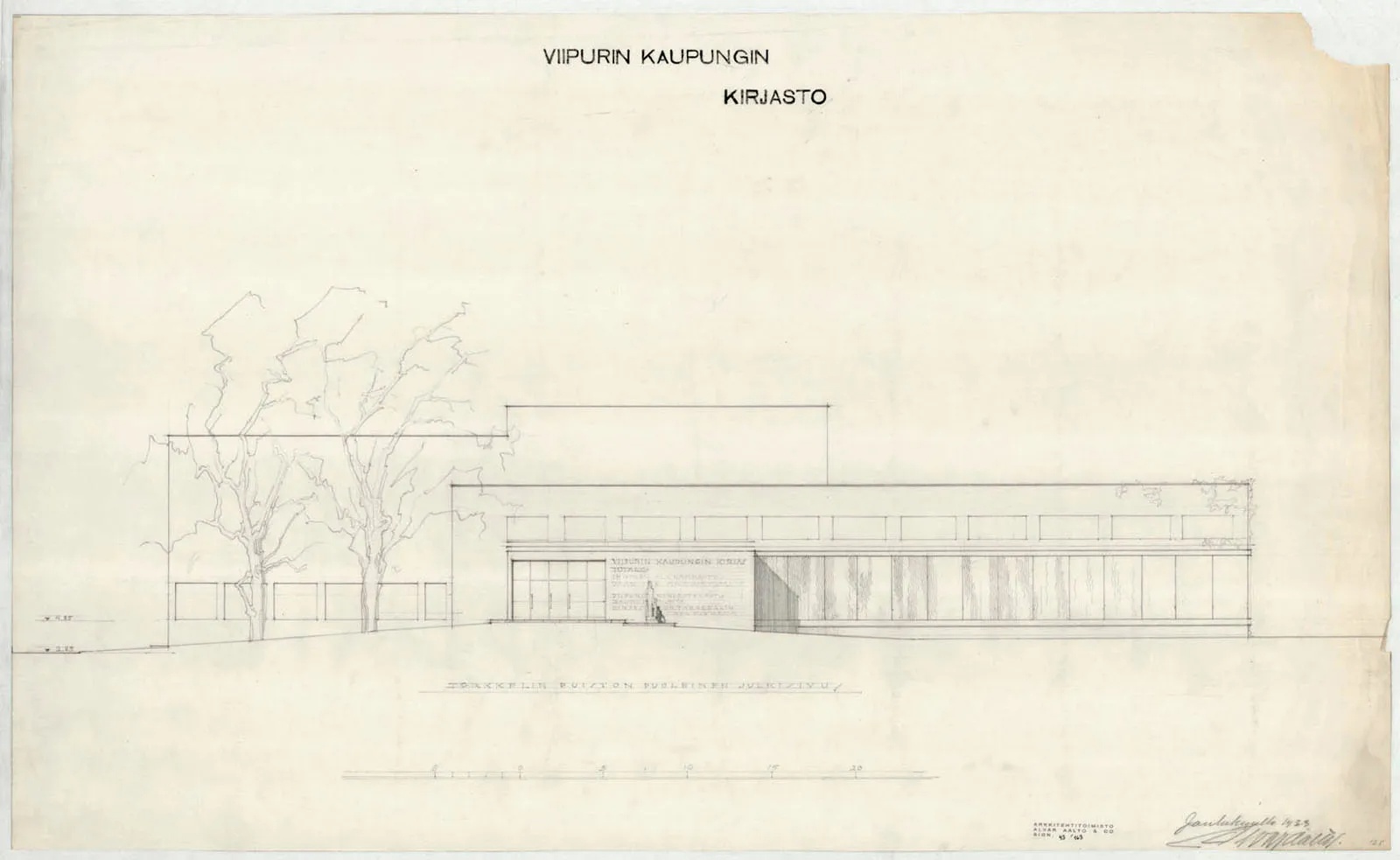
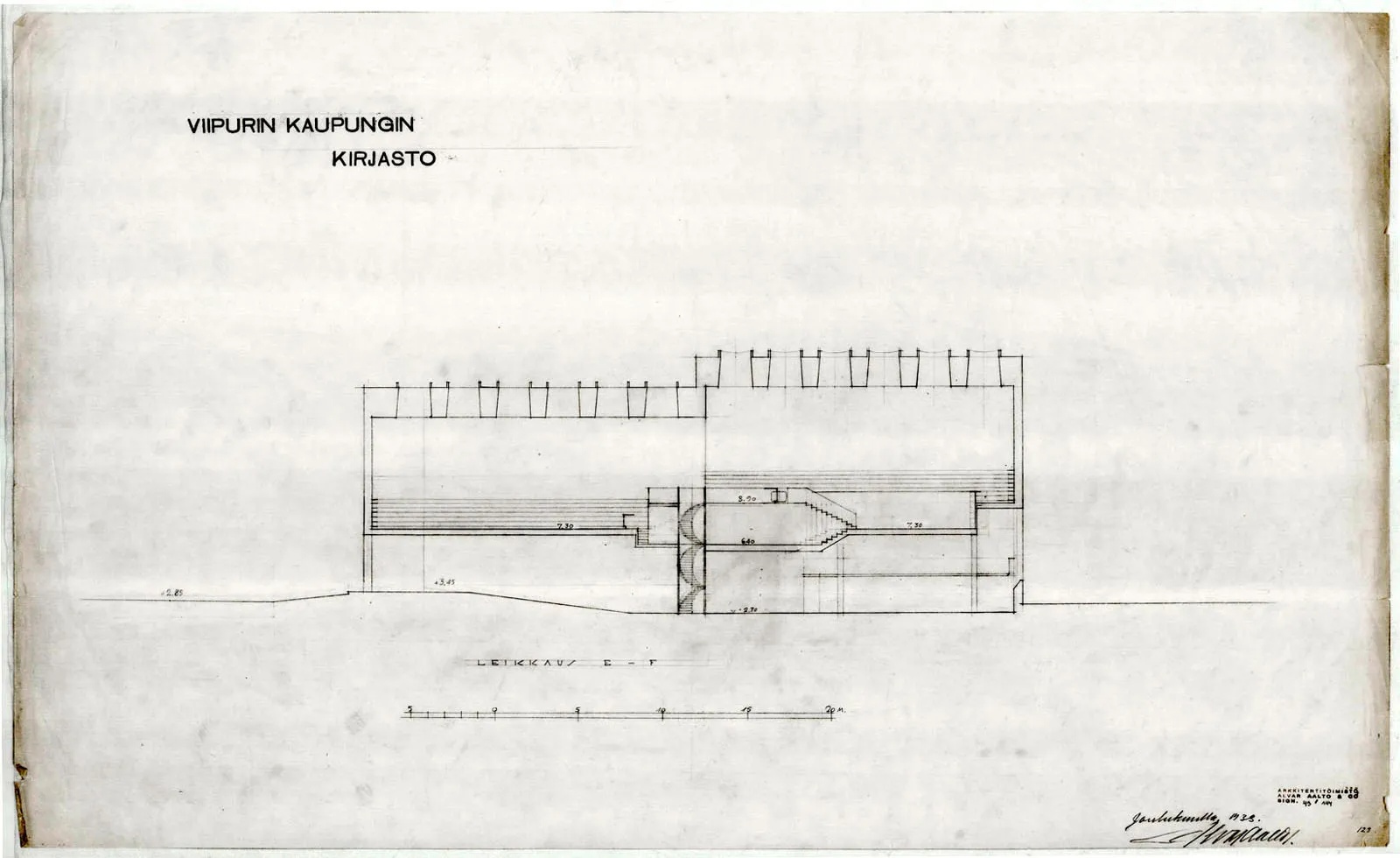
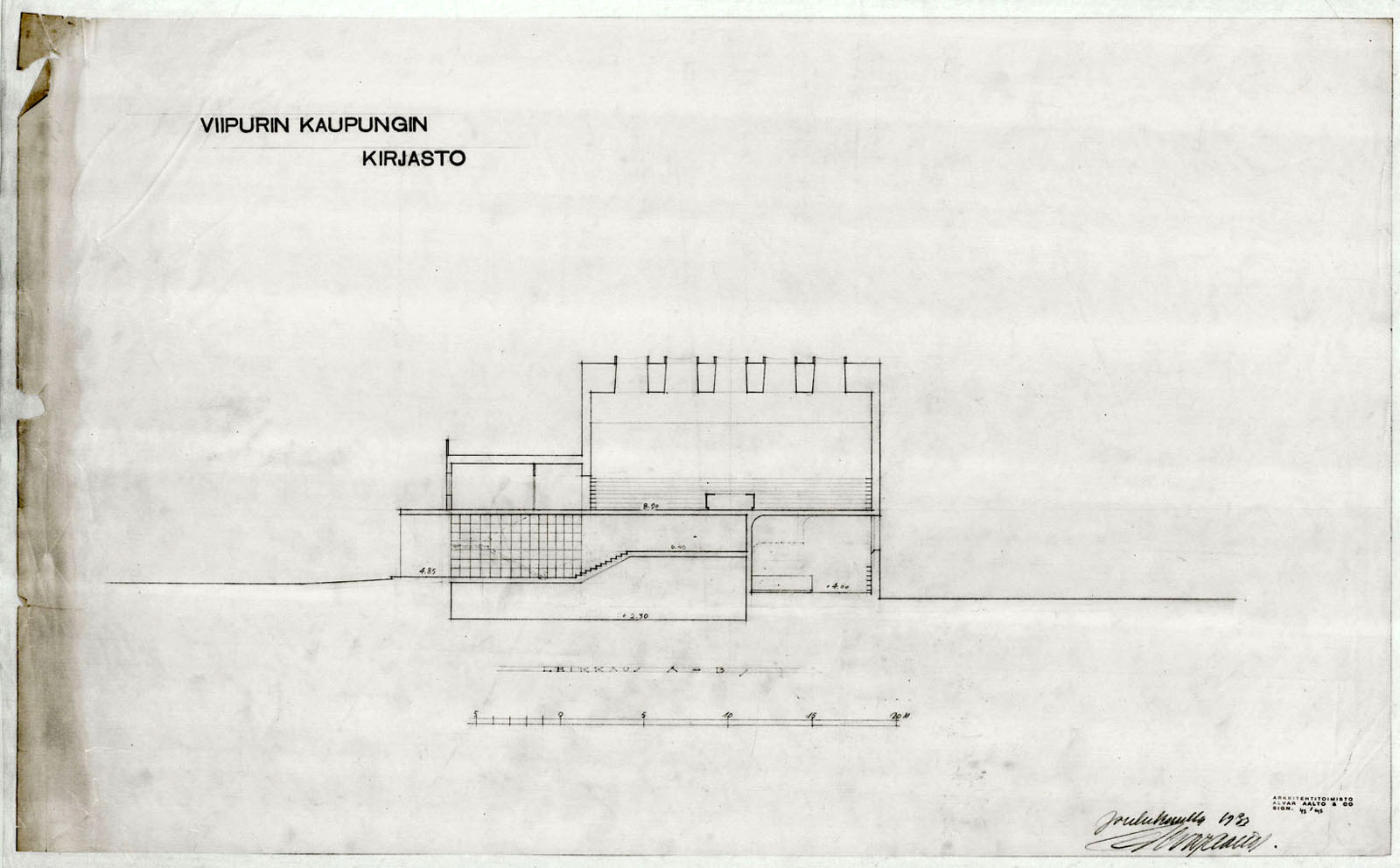
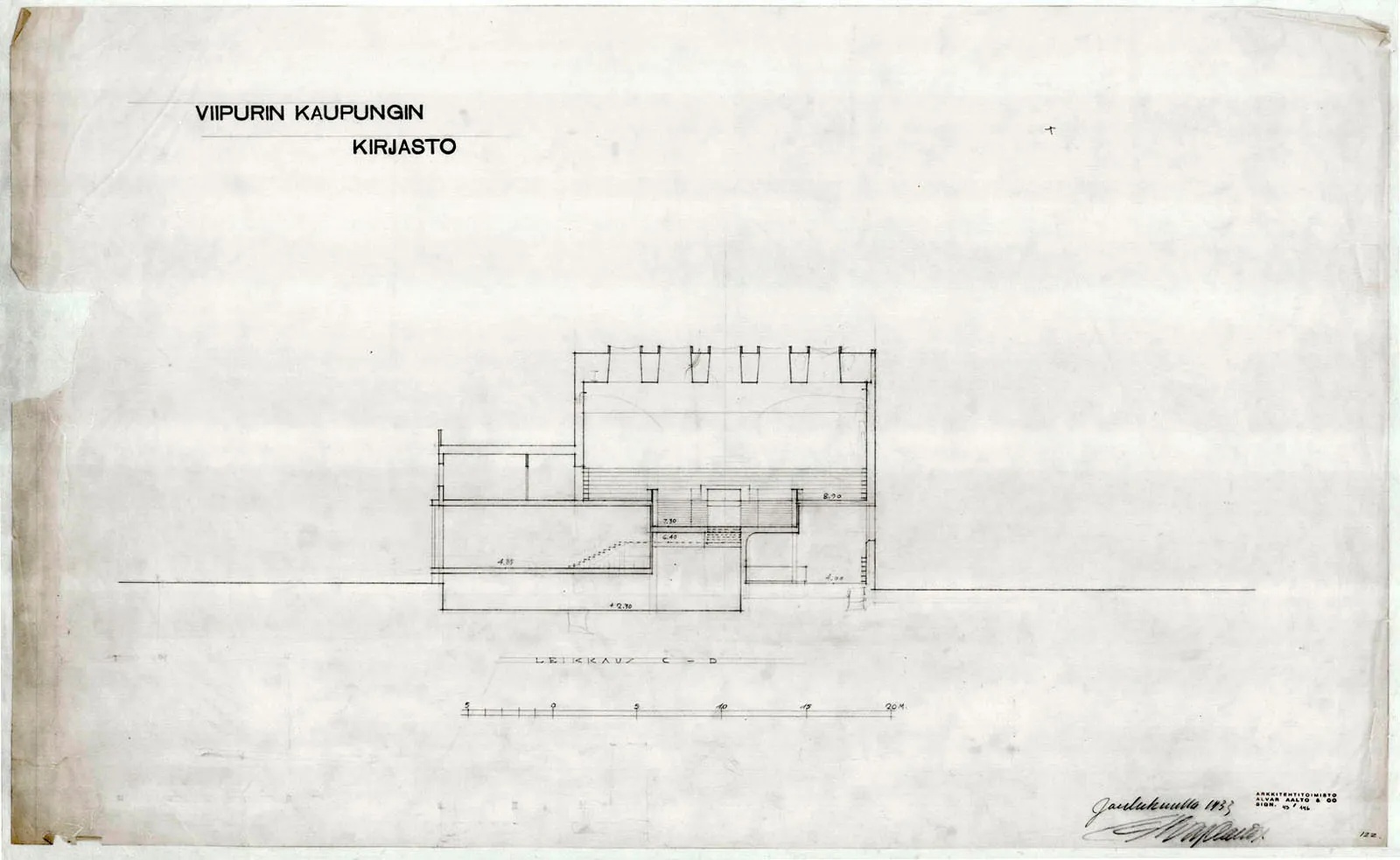
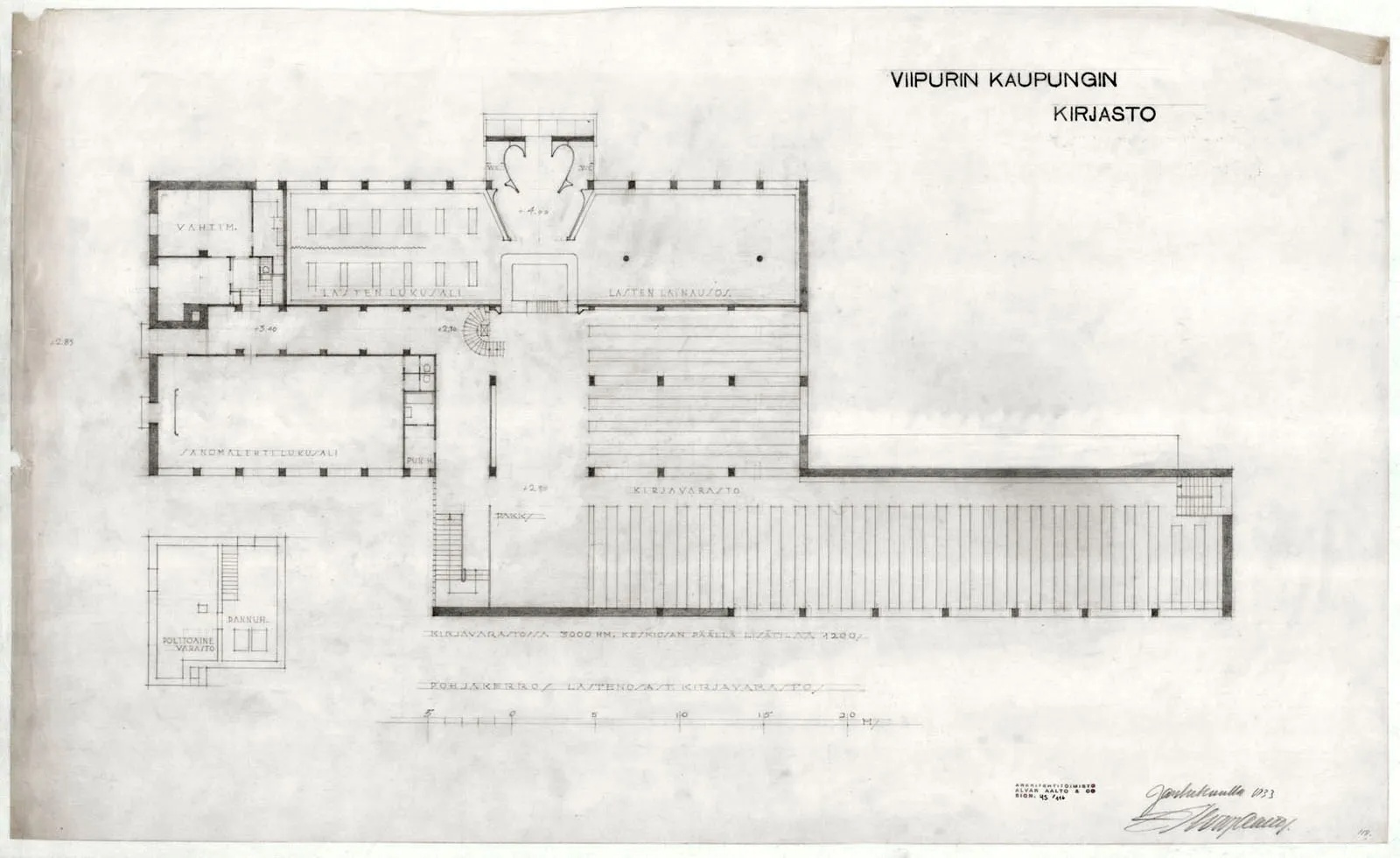
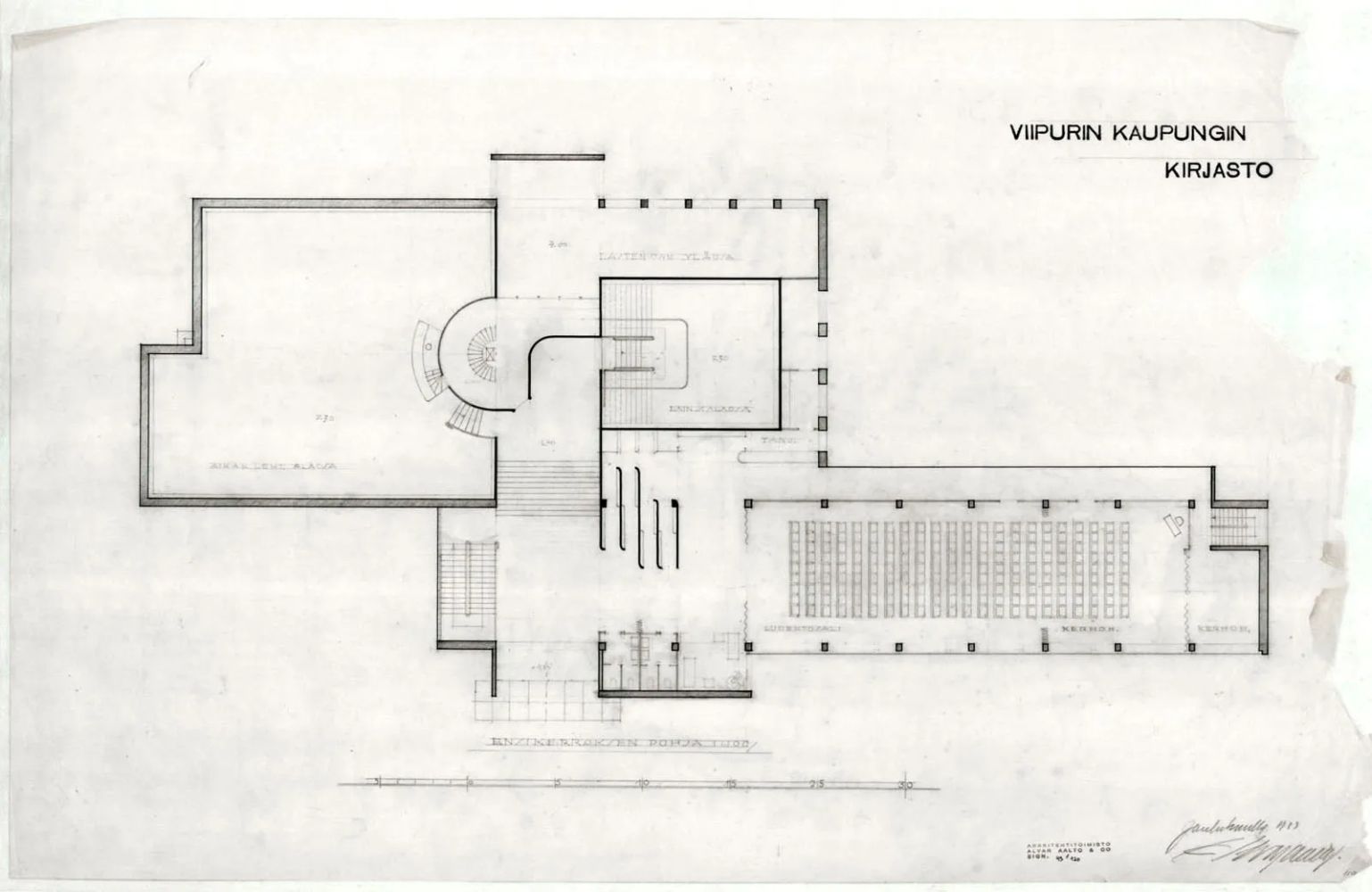
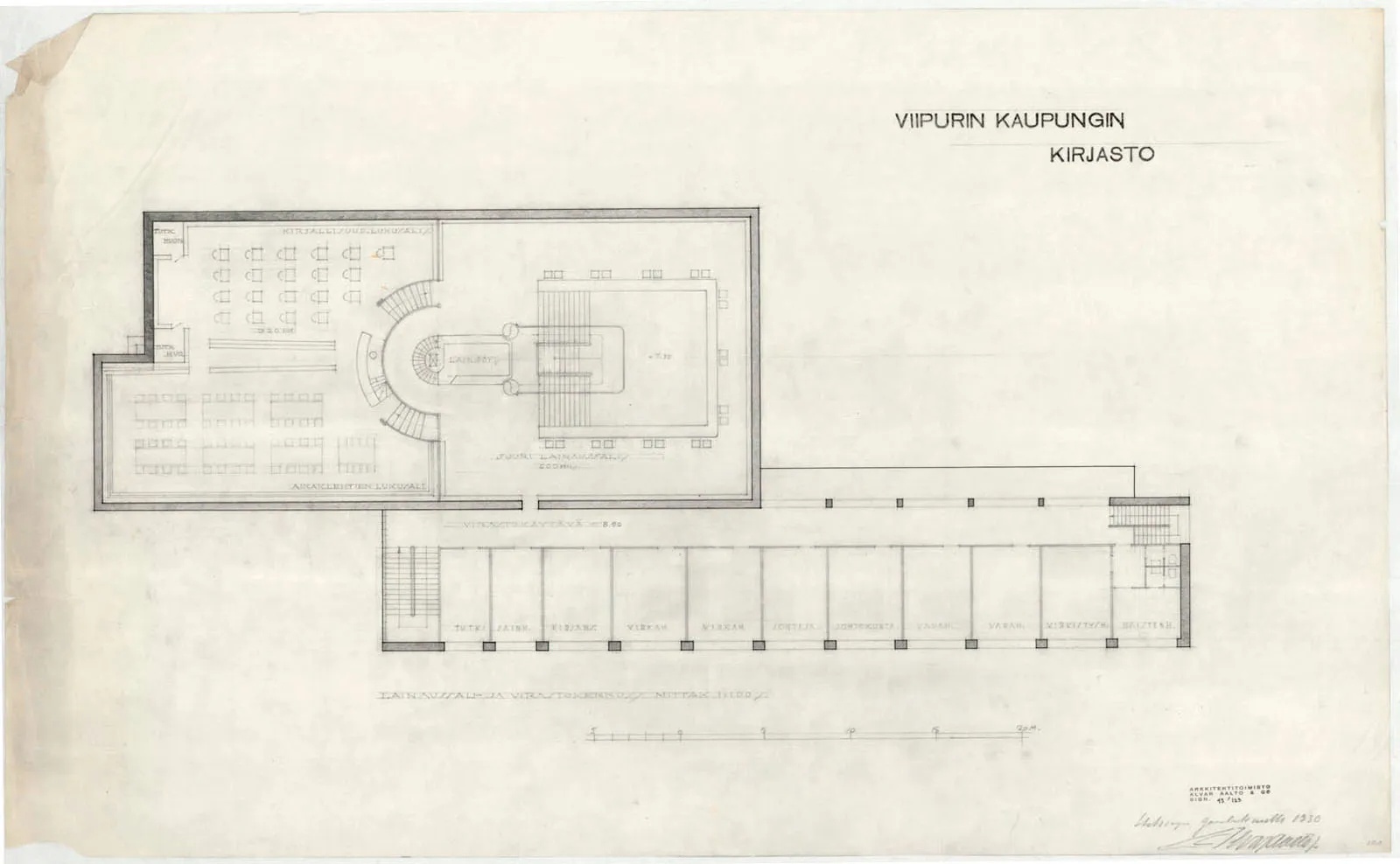
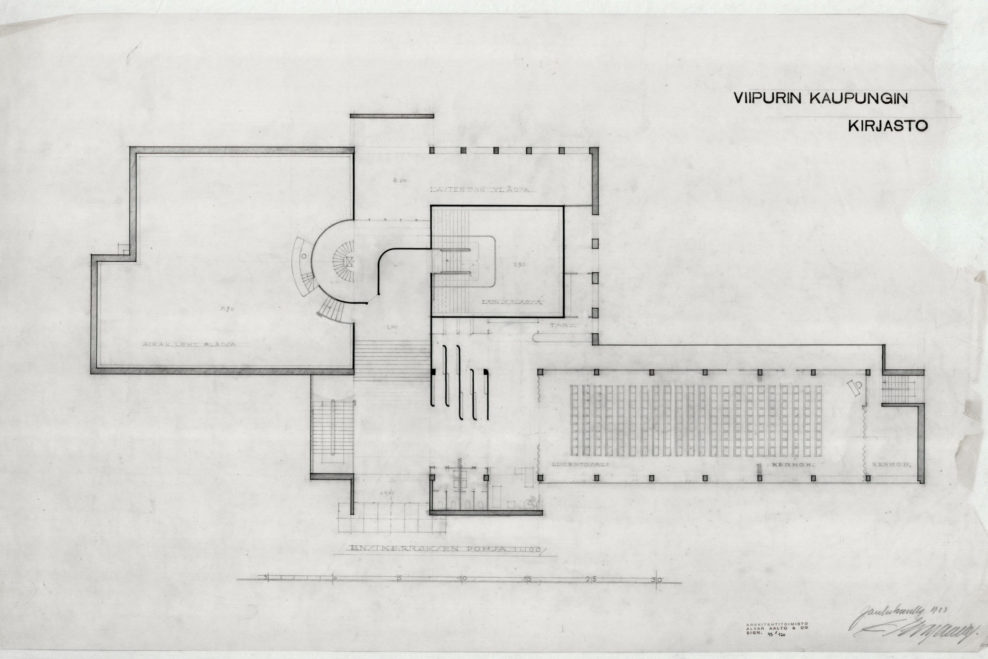
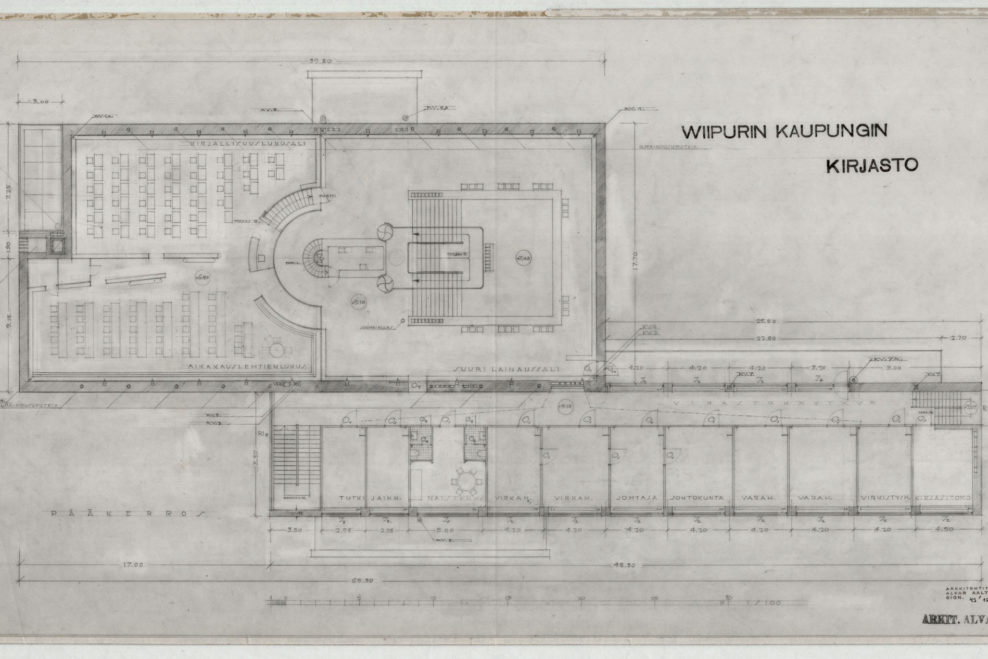
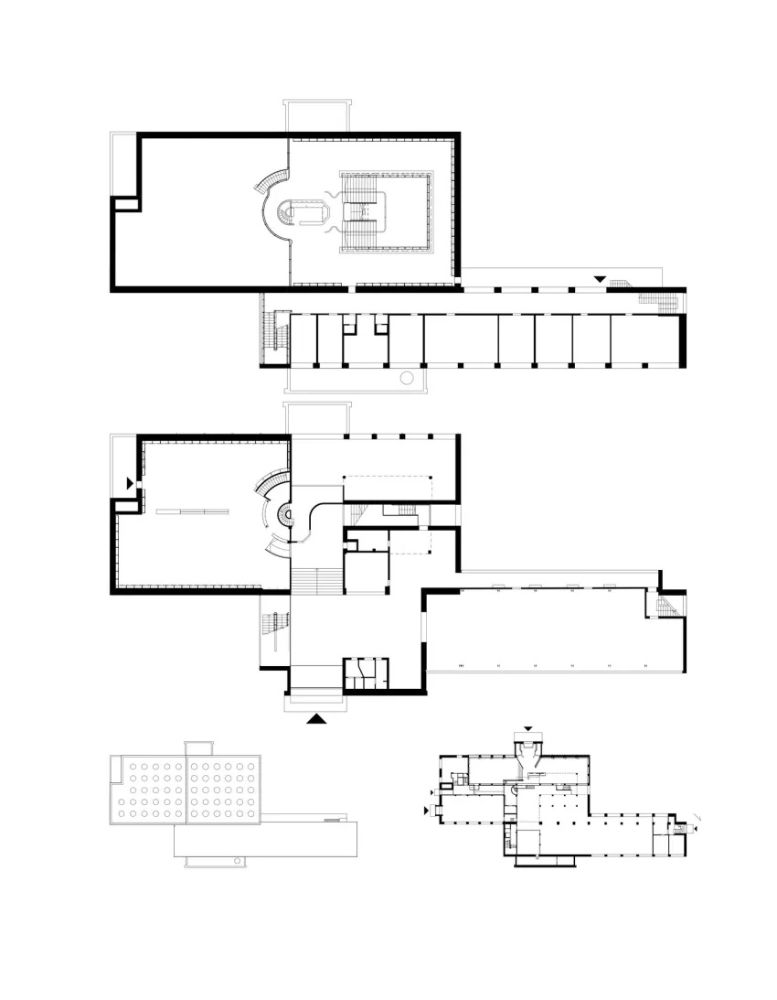
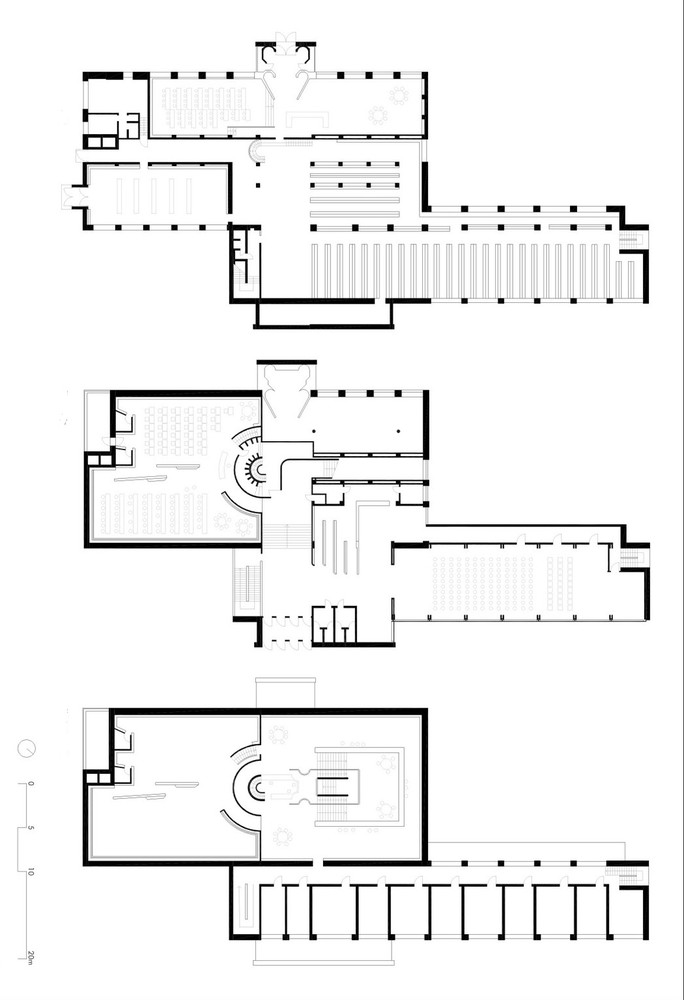
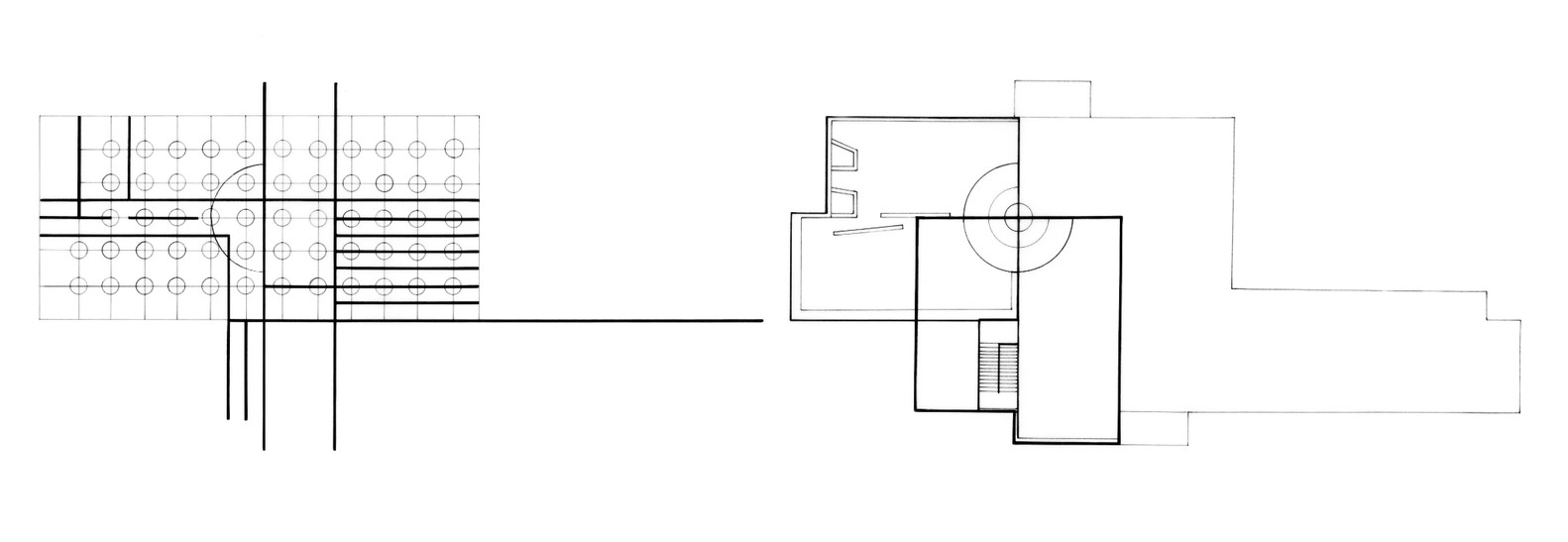
Viipuri Library massing is defined by two horizontally offset rectangular volumes that distinguish programmatic zones. The entrance block contains administrative and civic functions, while the larger volume accommodates reading rooms and book collections. This arrangement establishes a clear external form while concealing a more complex internal organization.
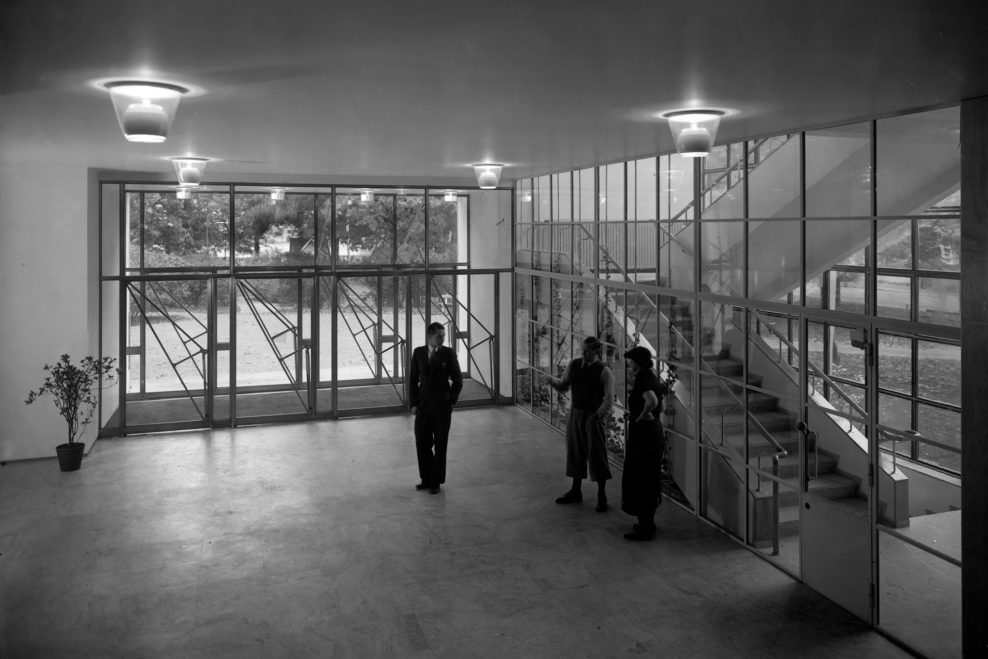
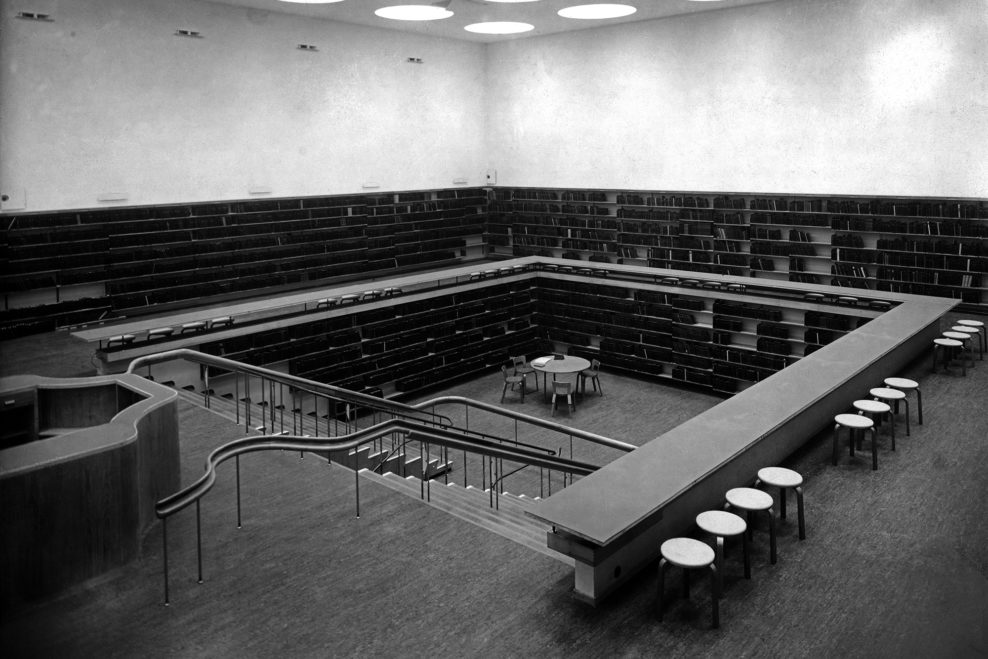
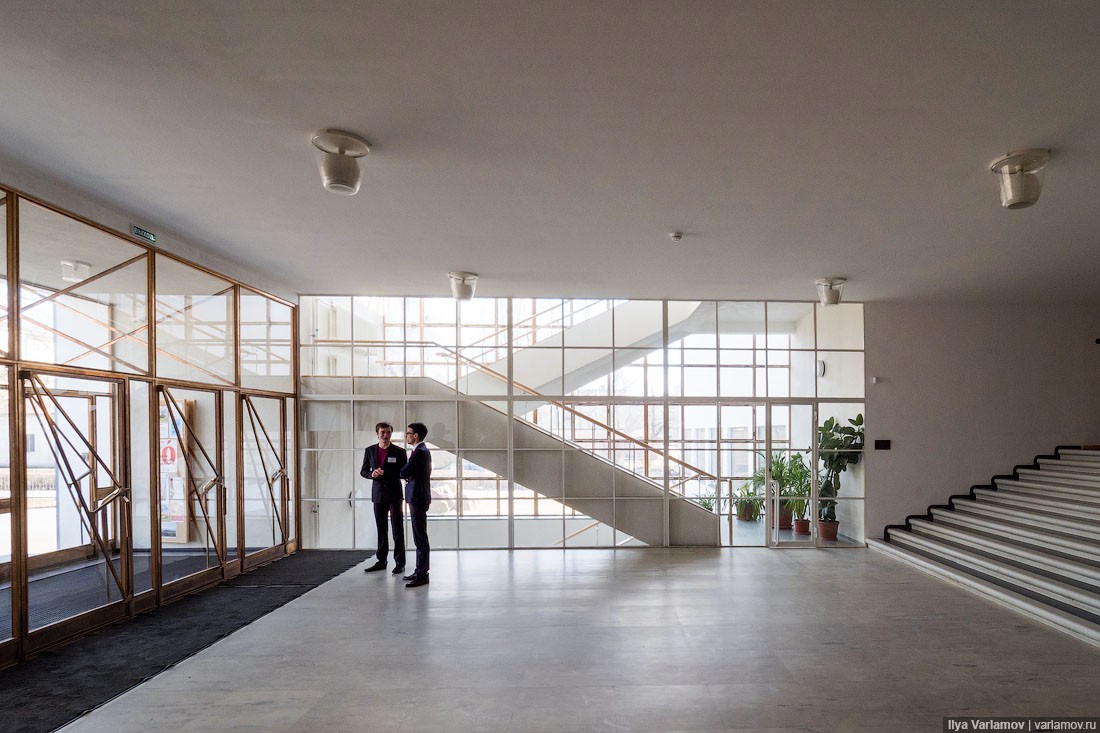
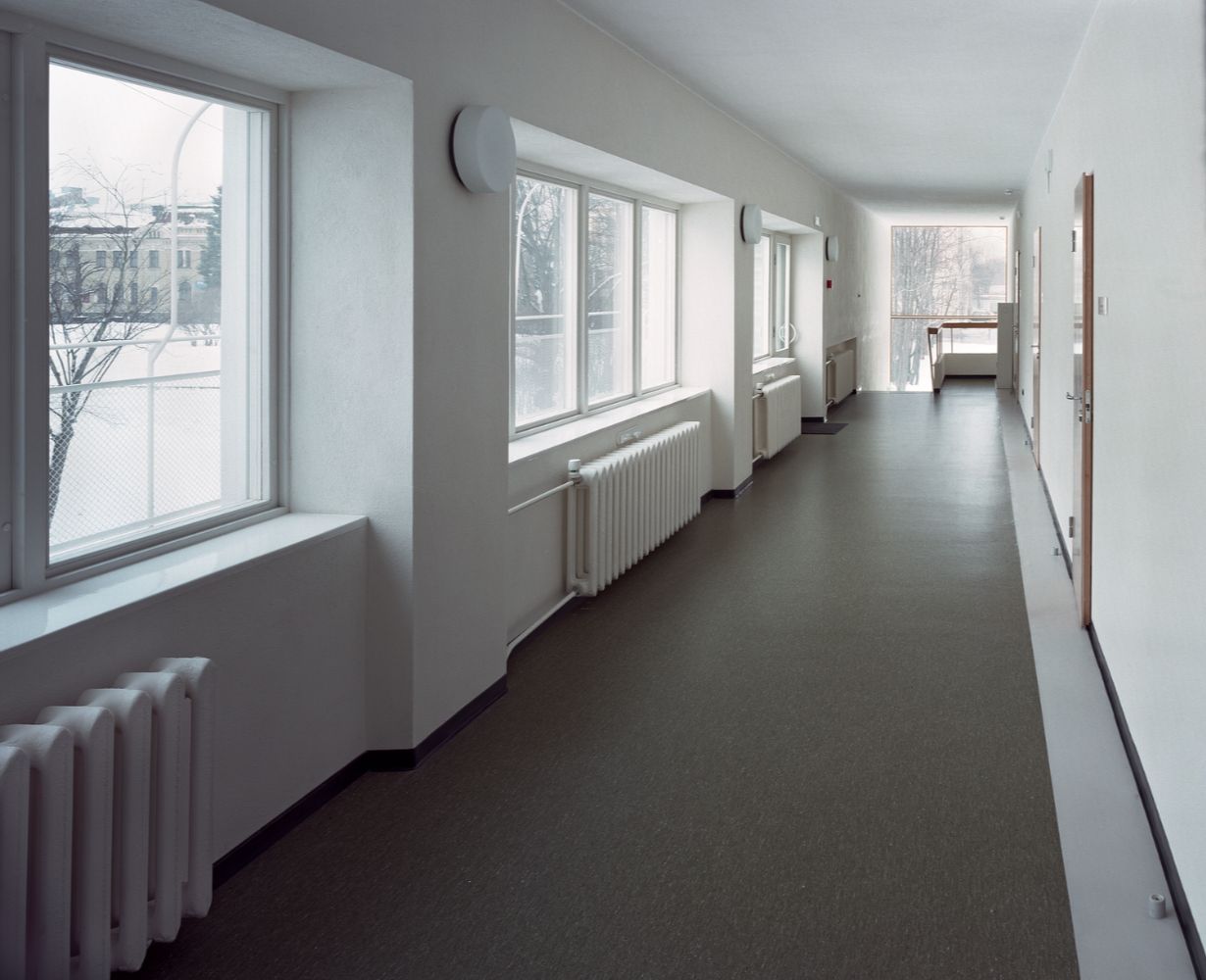
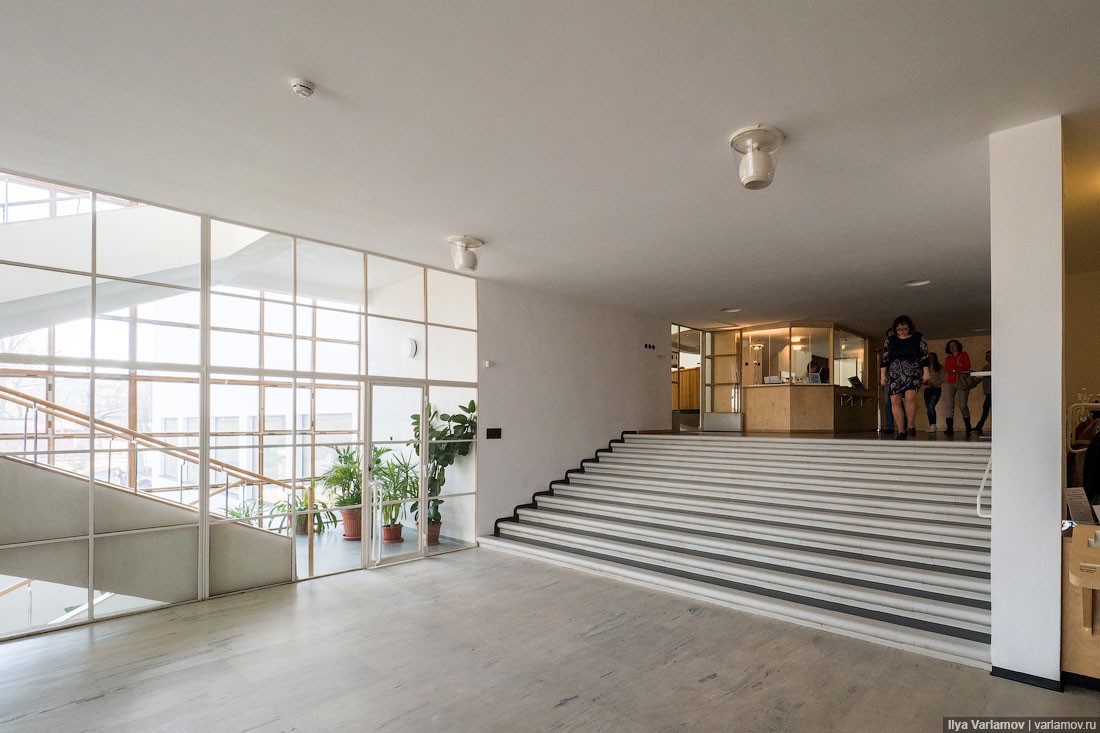
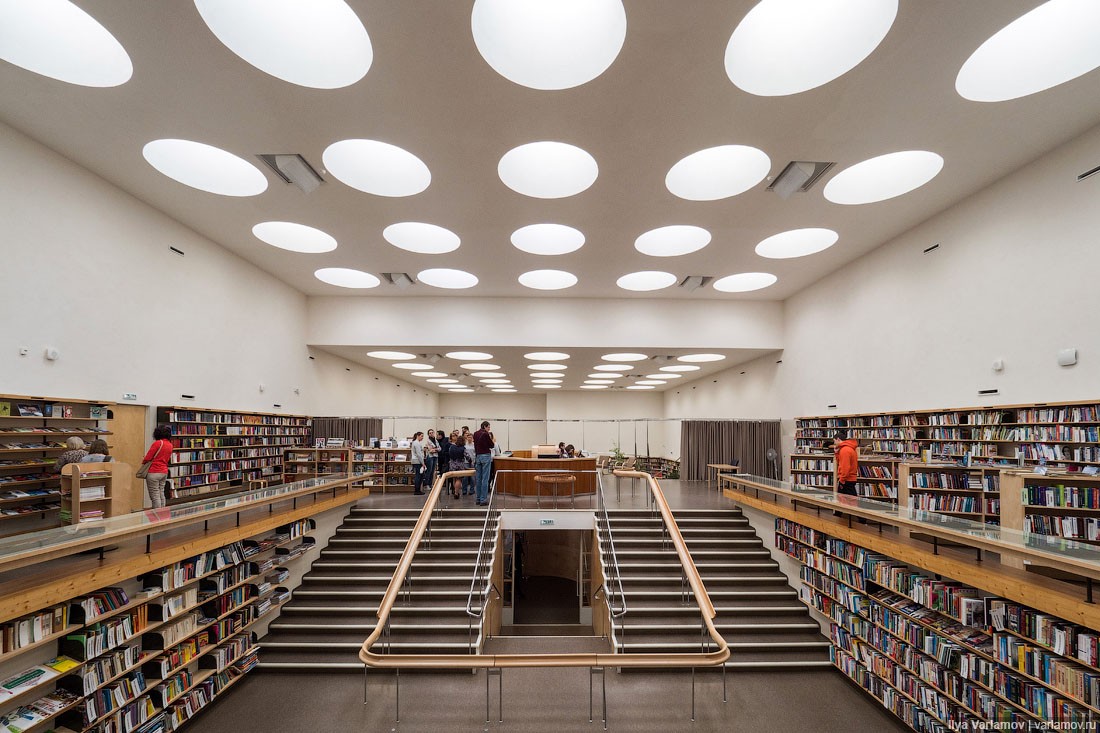
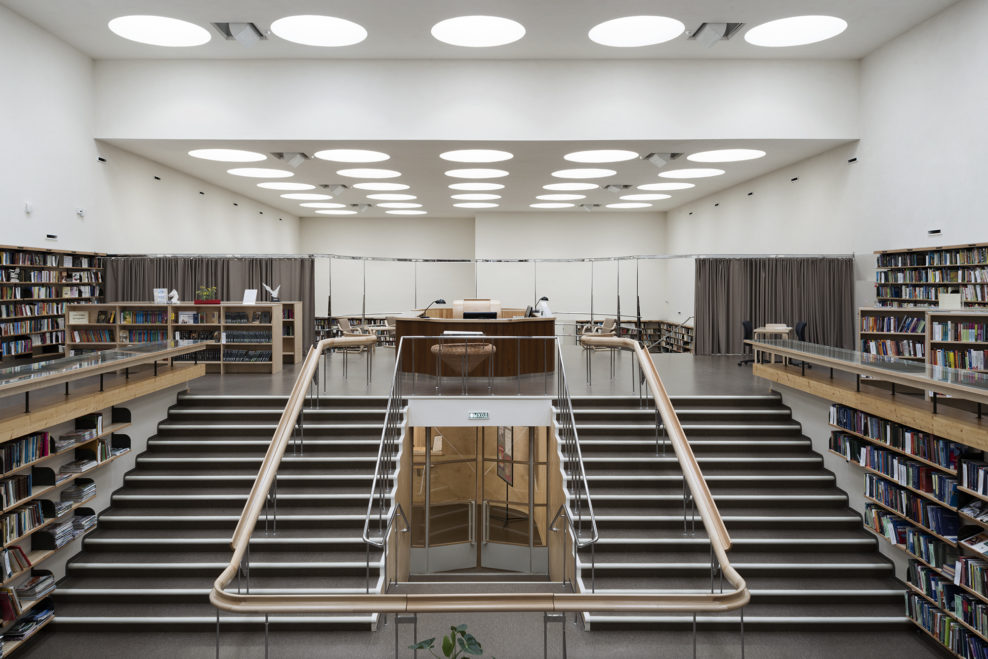
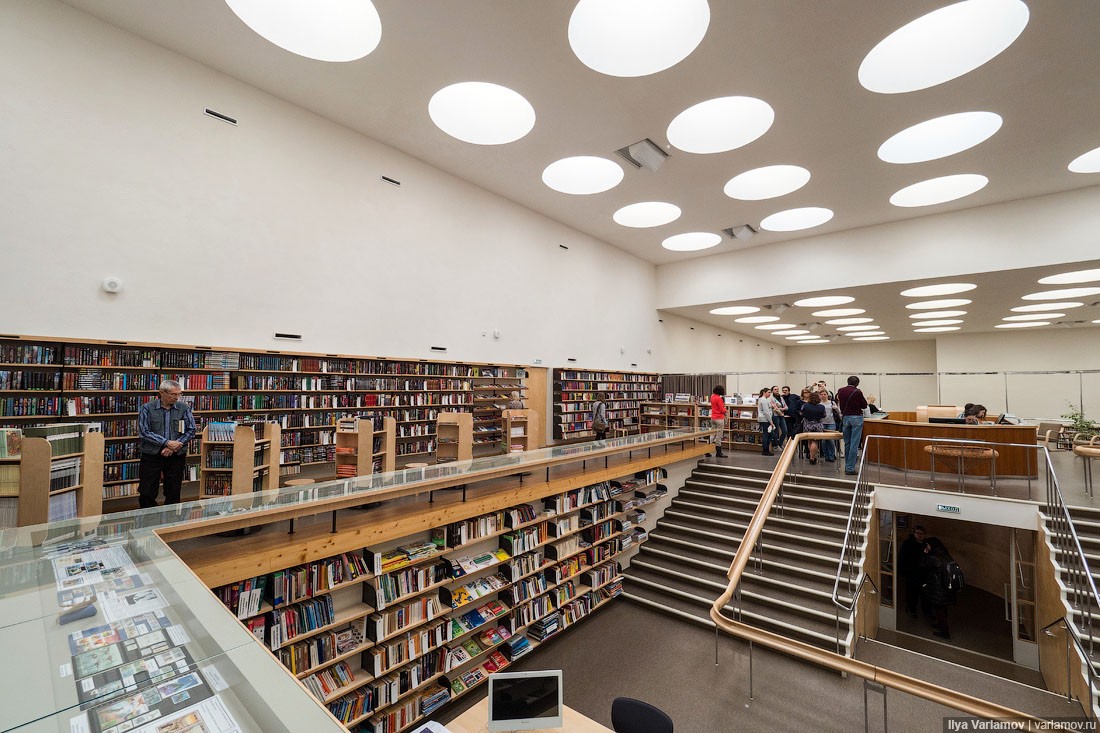
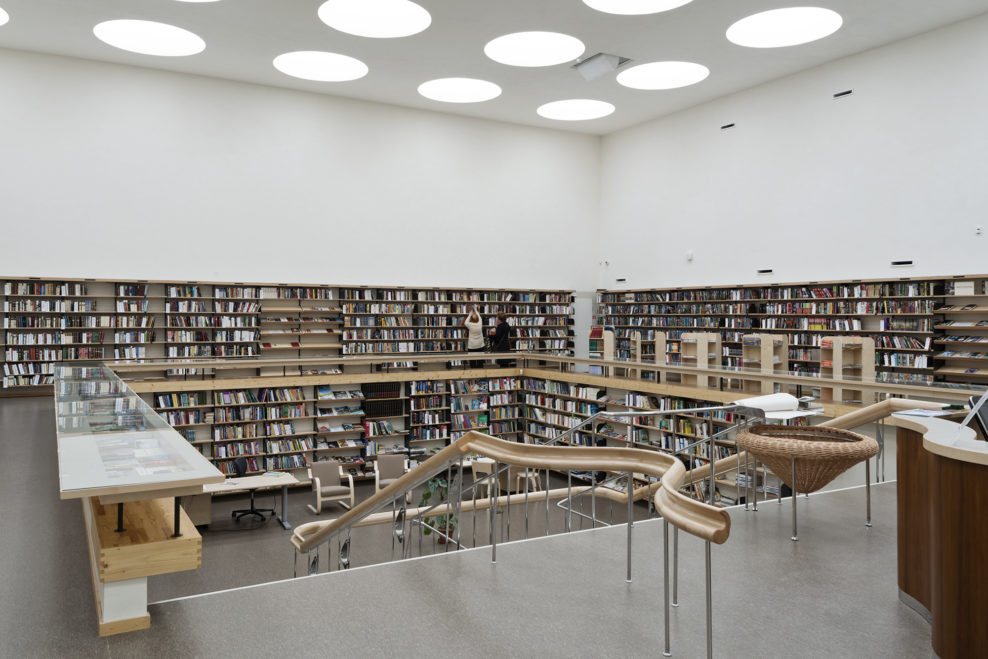
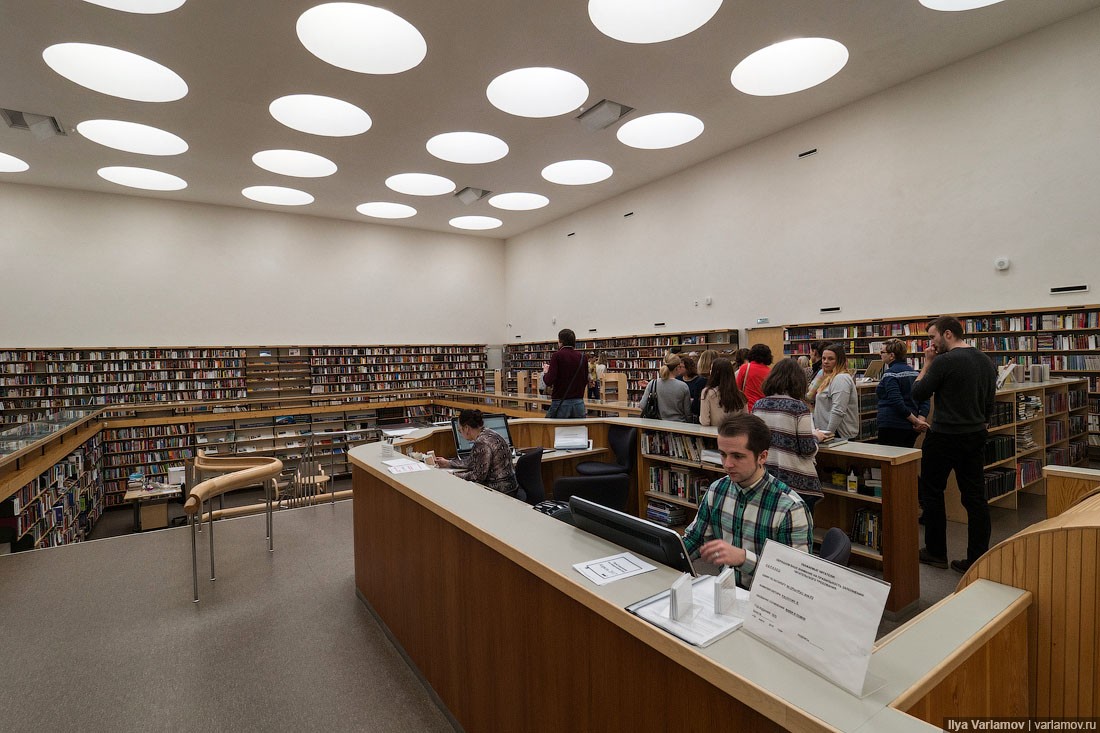
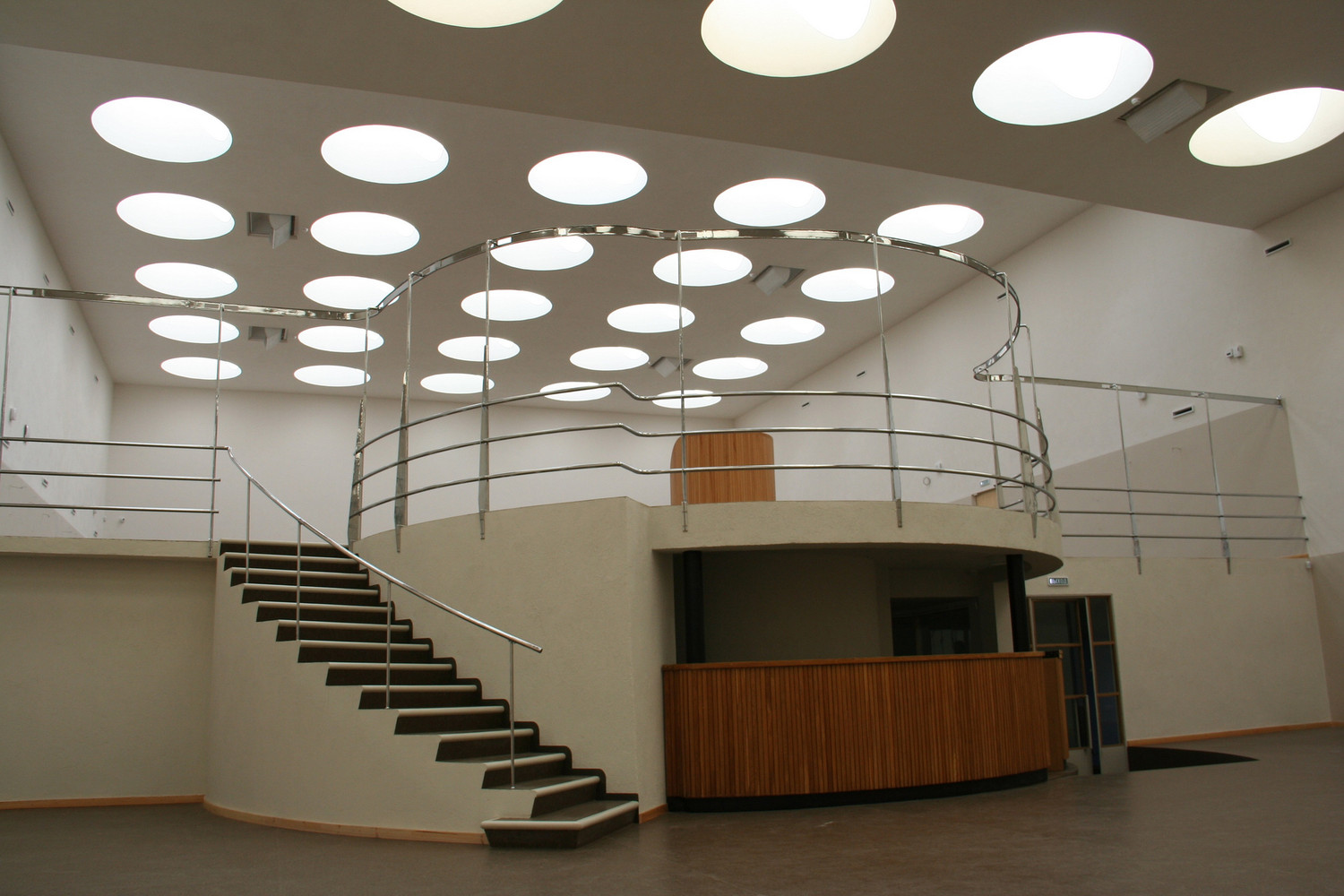
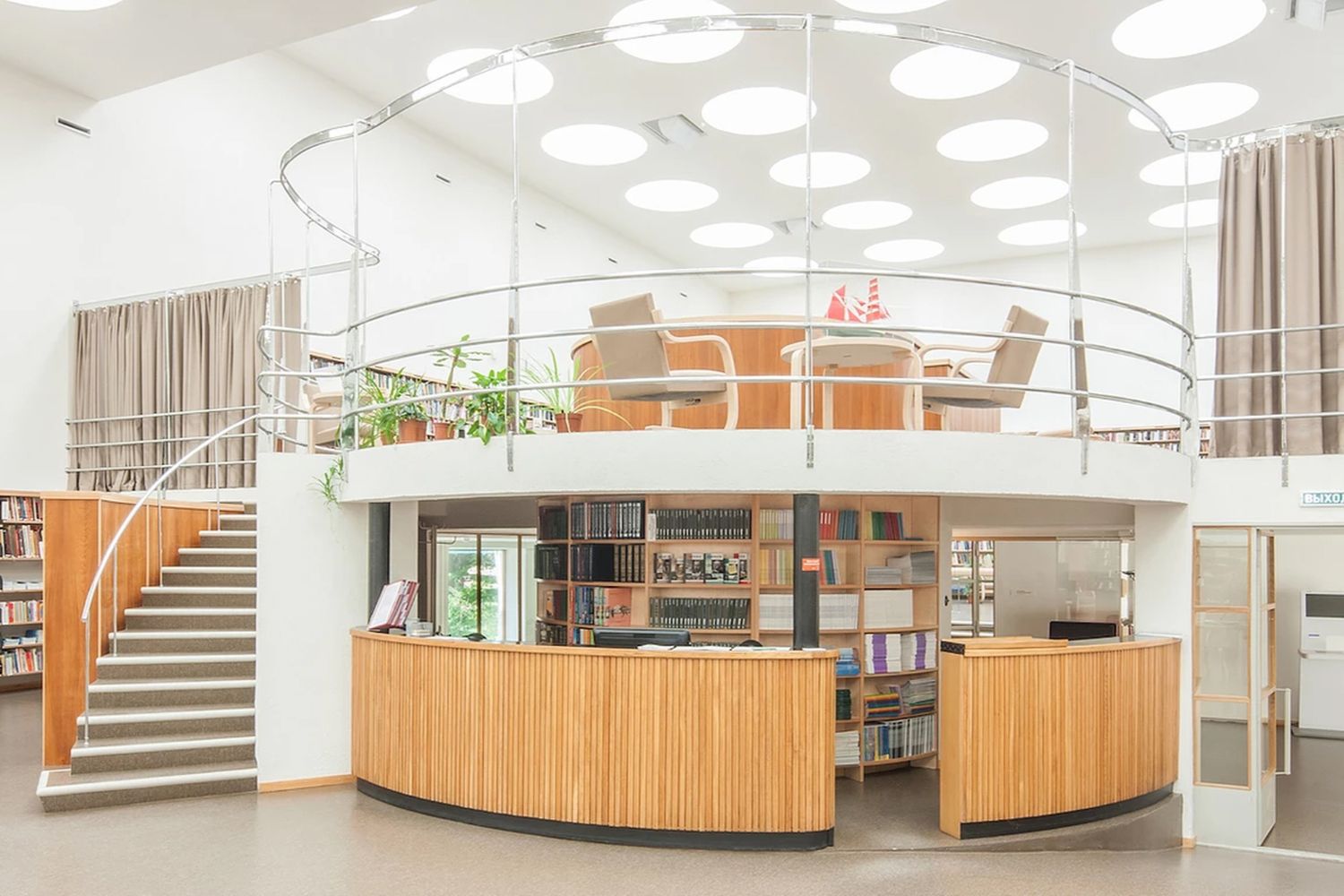
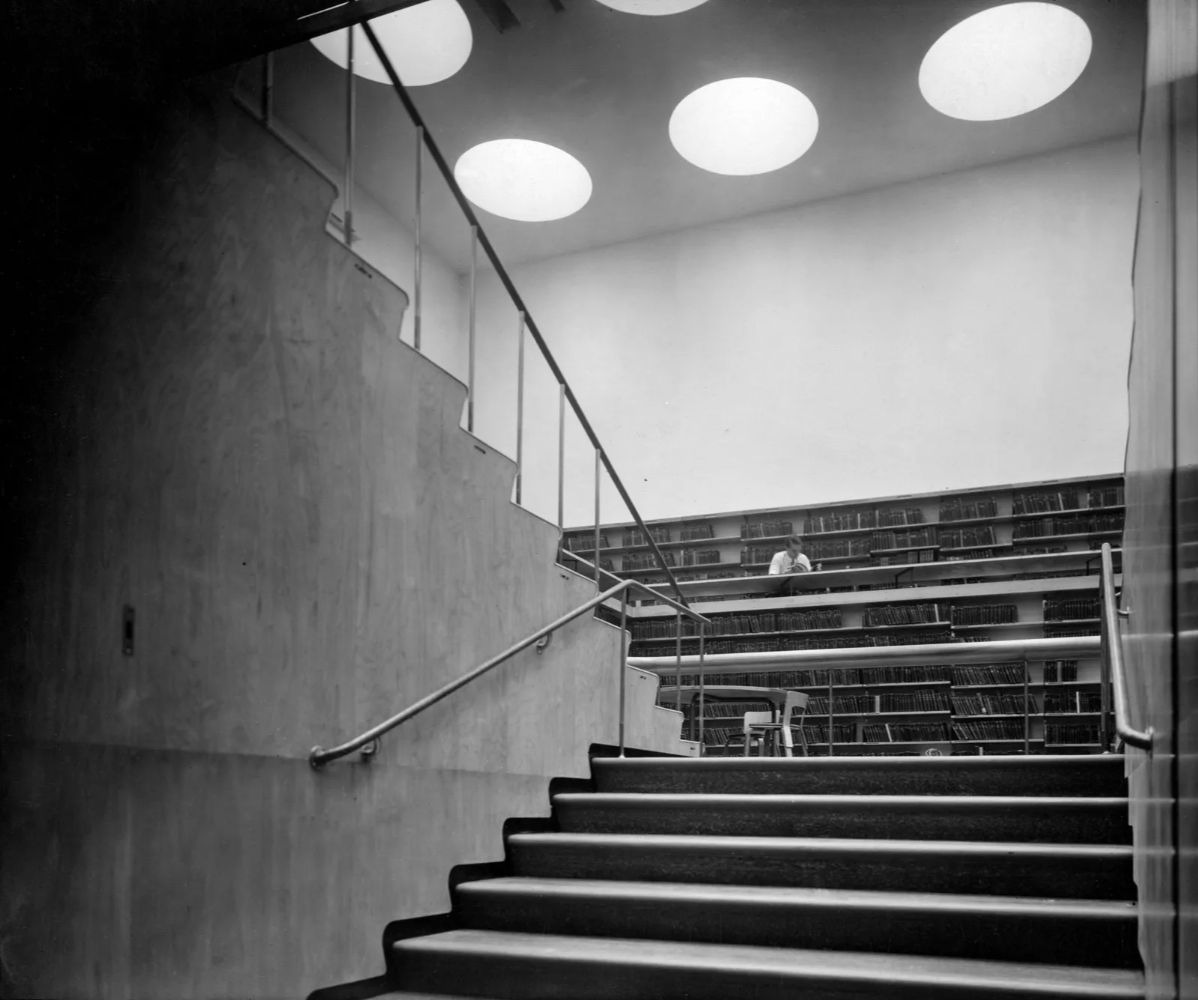
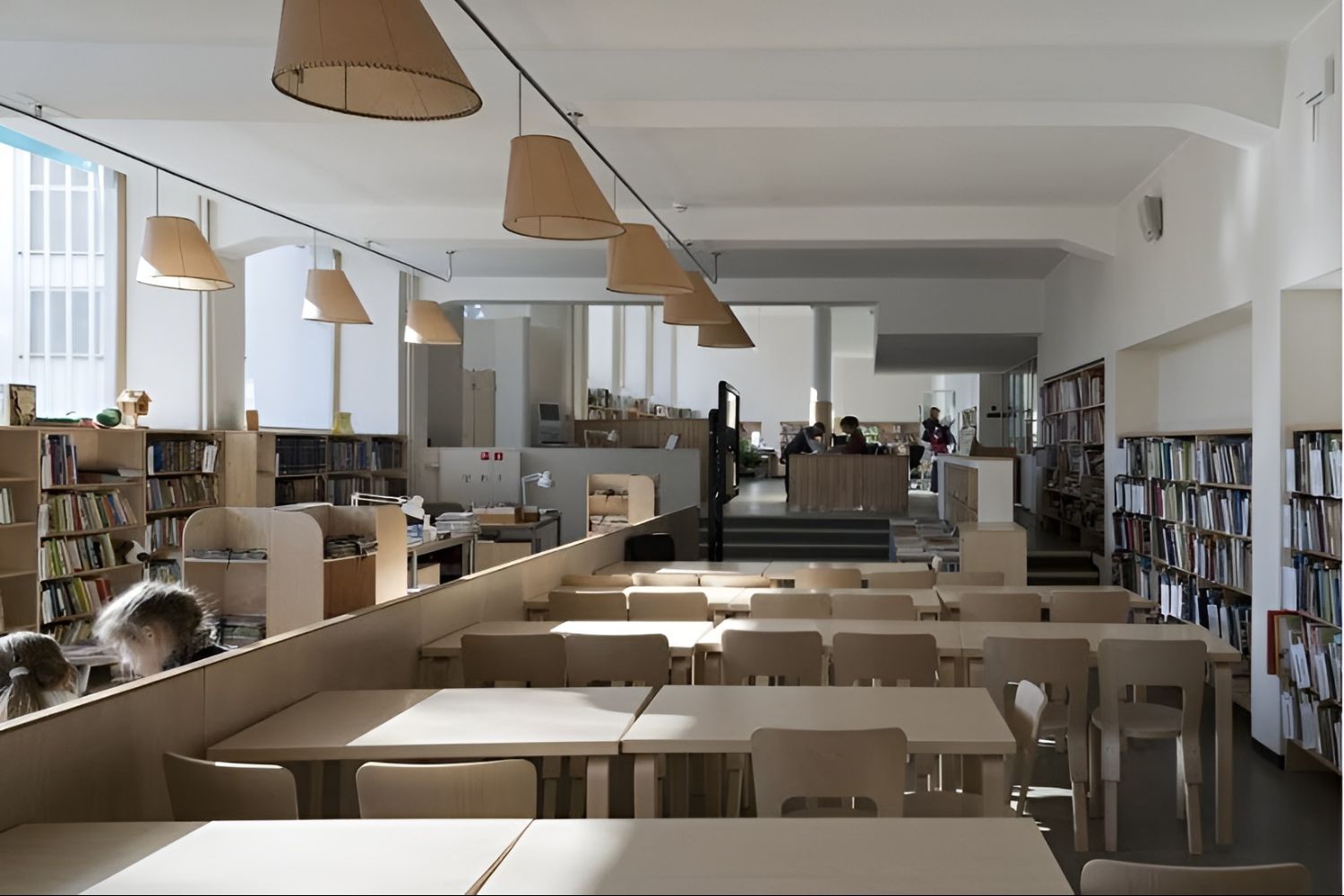
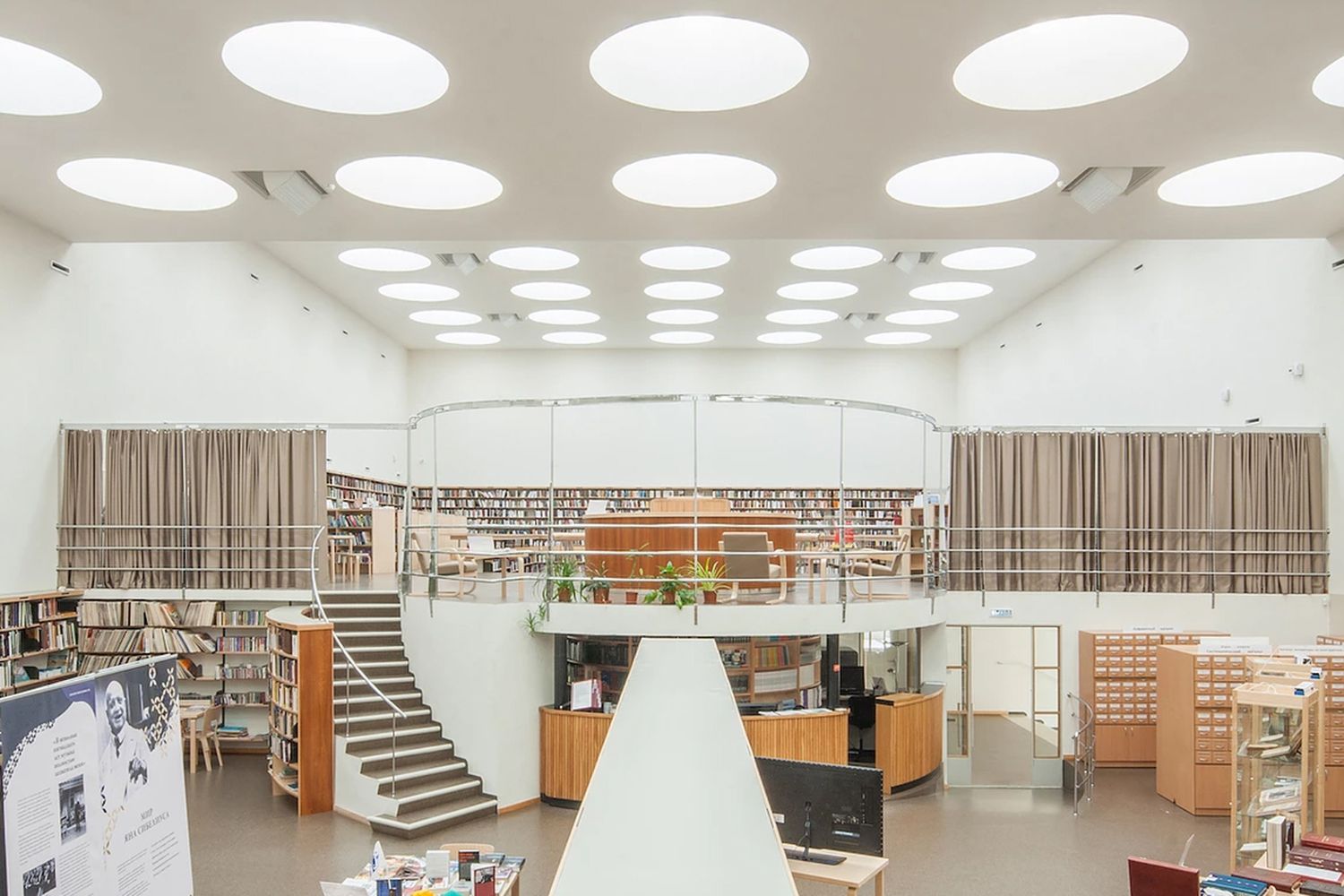
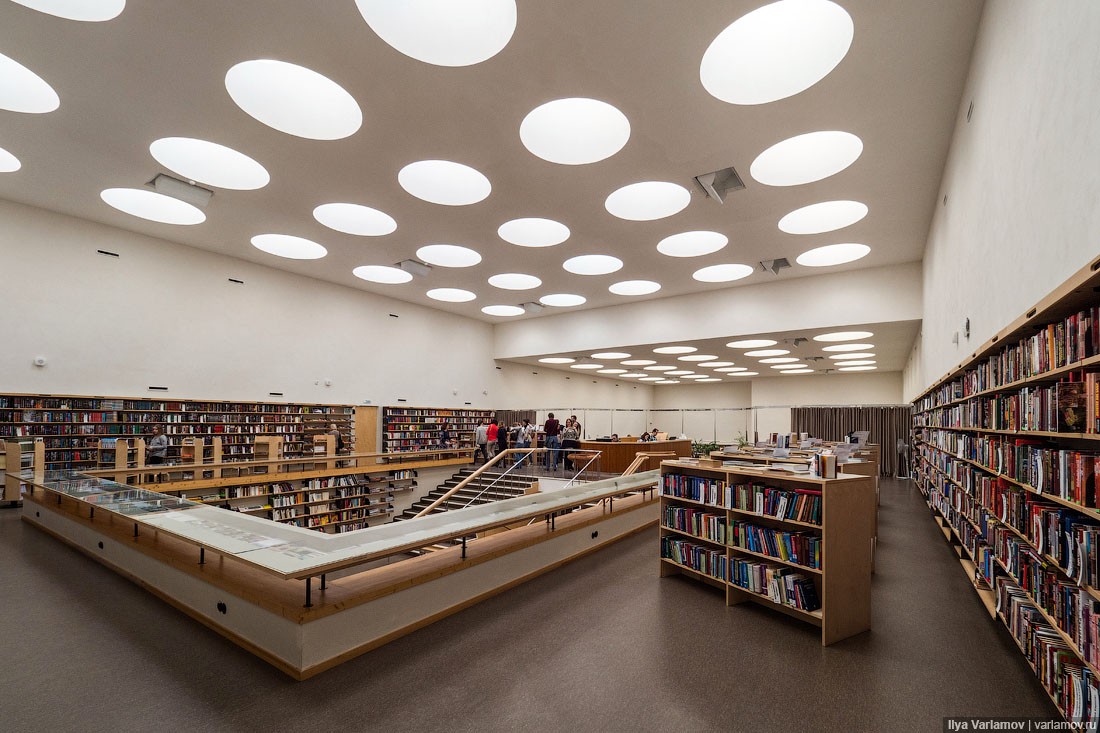
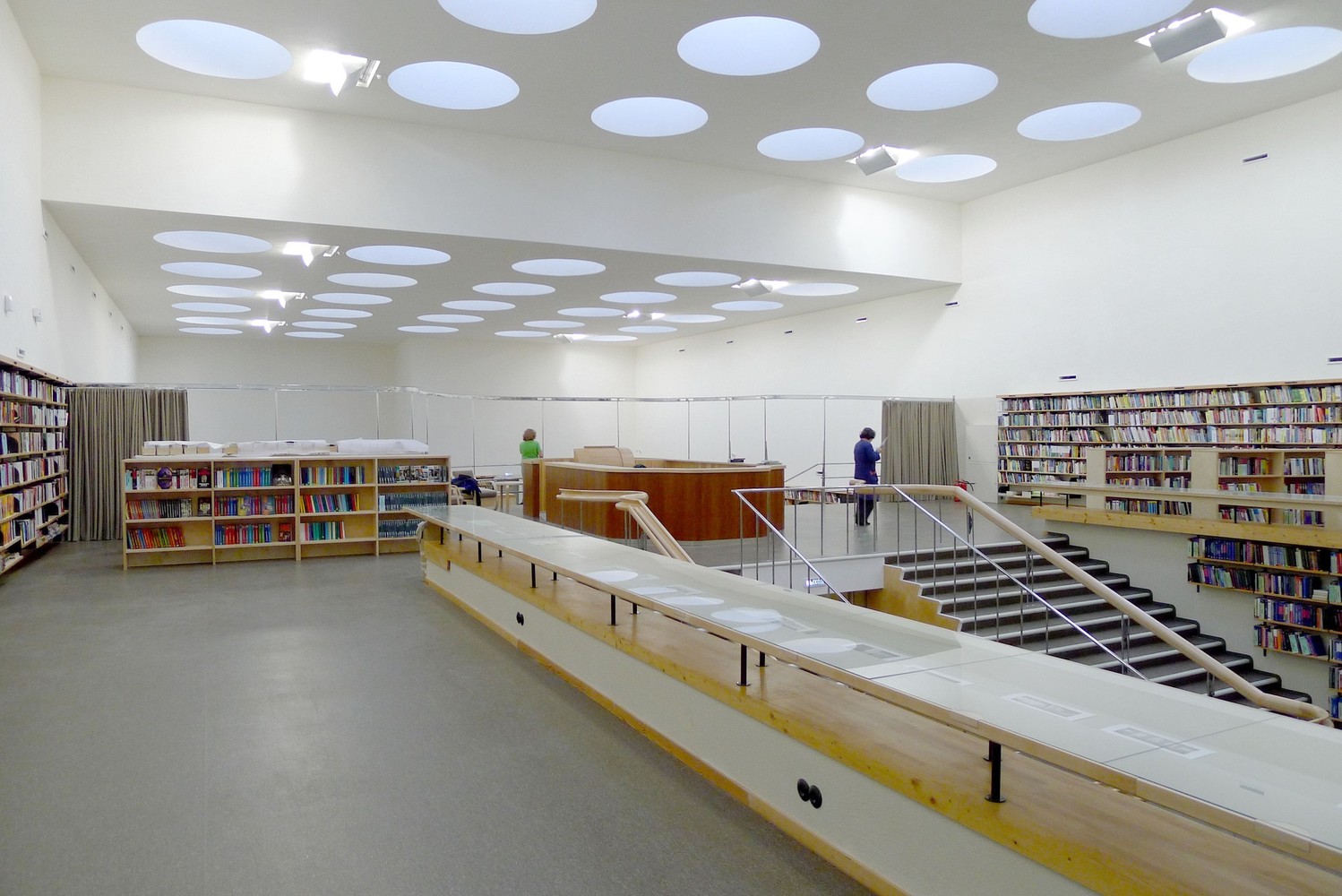
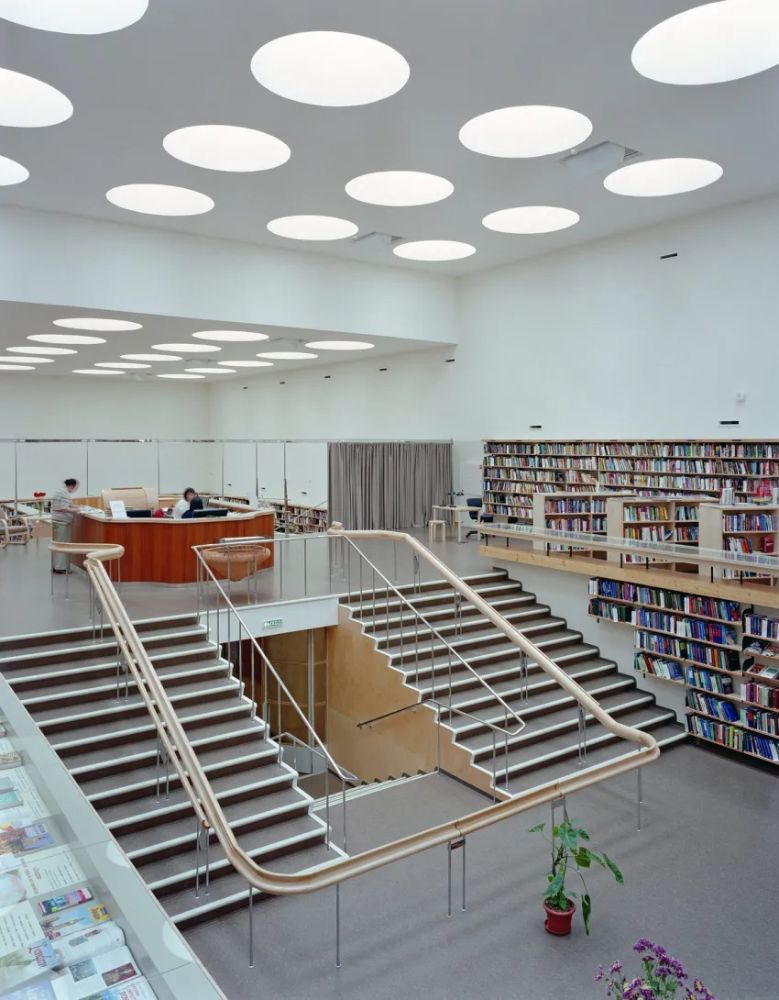
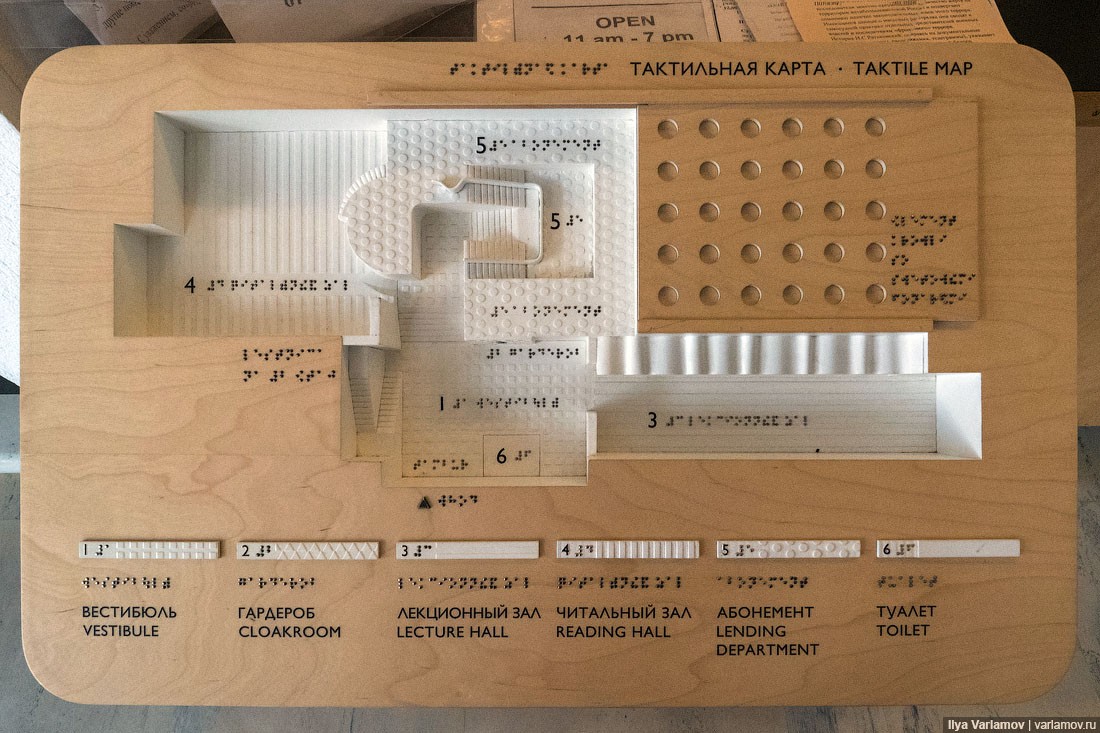
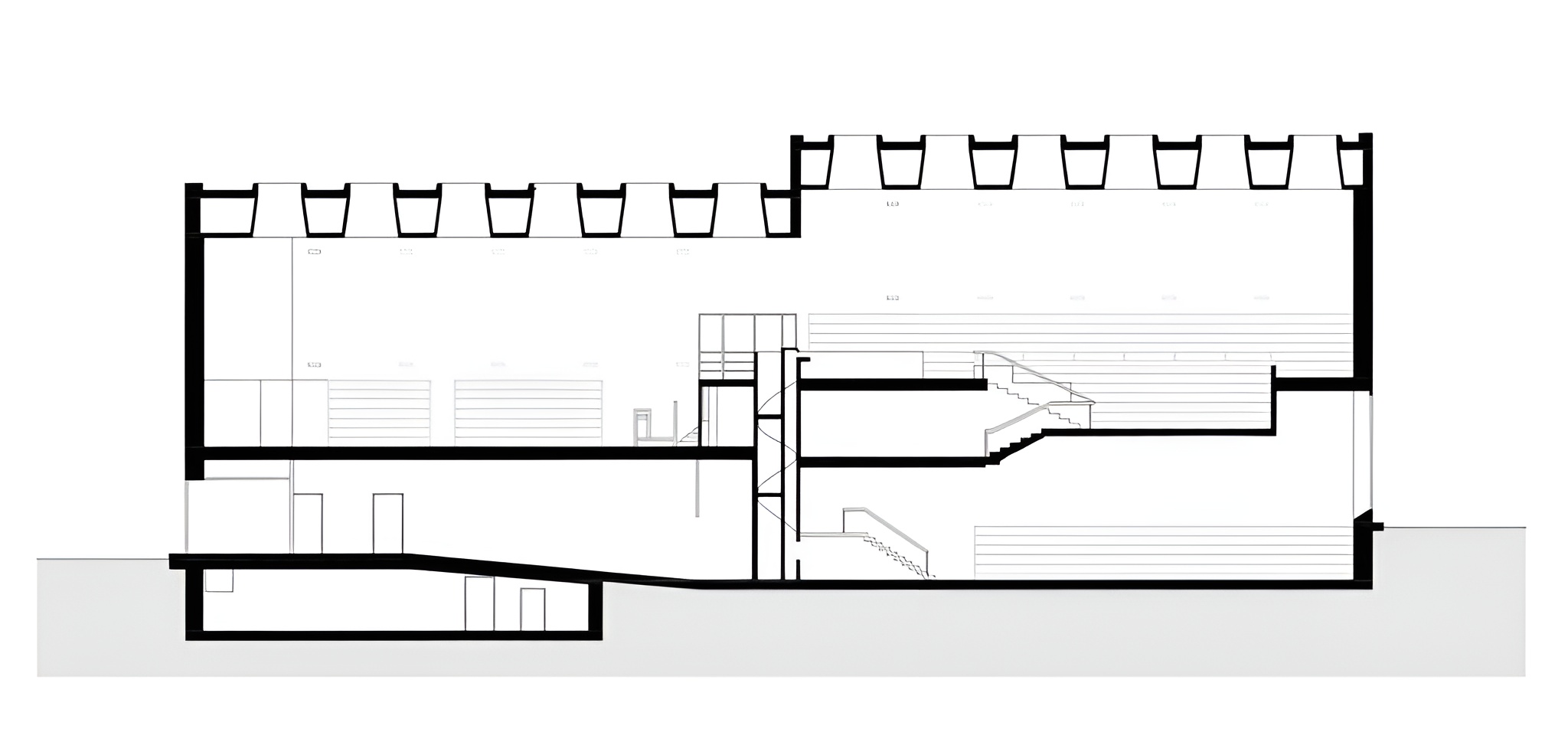
The internal structure departs from a simple floor-by-floor arrangement. Sectional variation produces multiple levels within what appears as a limited number of floors, creating a sequence of interconnected spaces. Circulation follows a gradual progression through shifting elevations, culminating at a central administrative point that organizes movement and orientation.
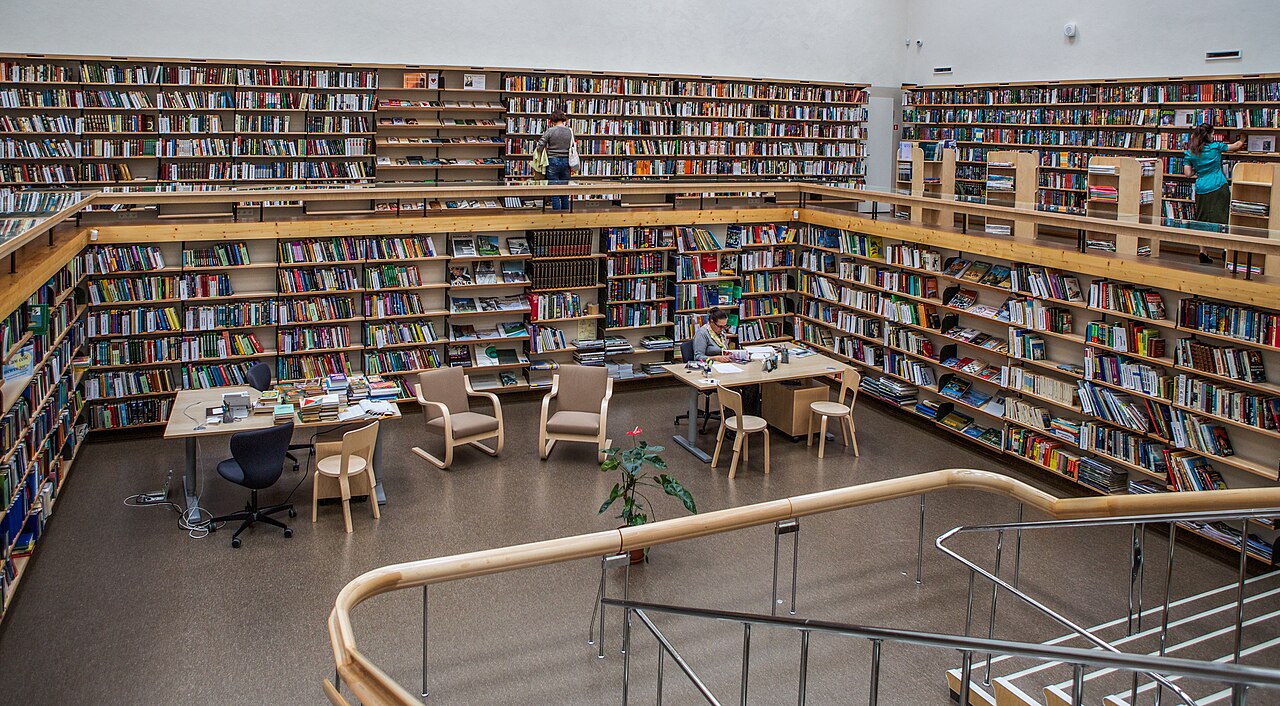
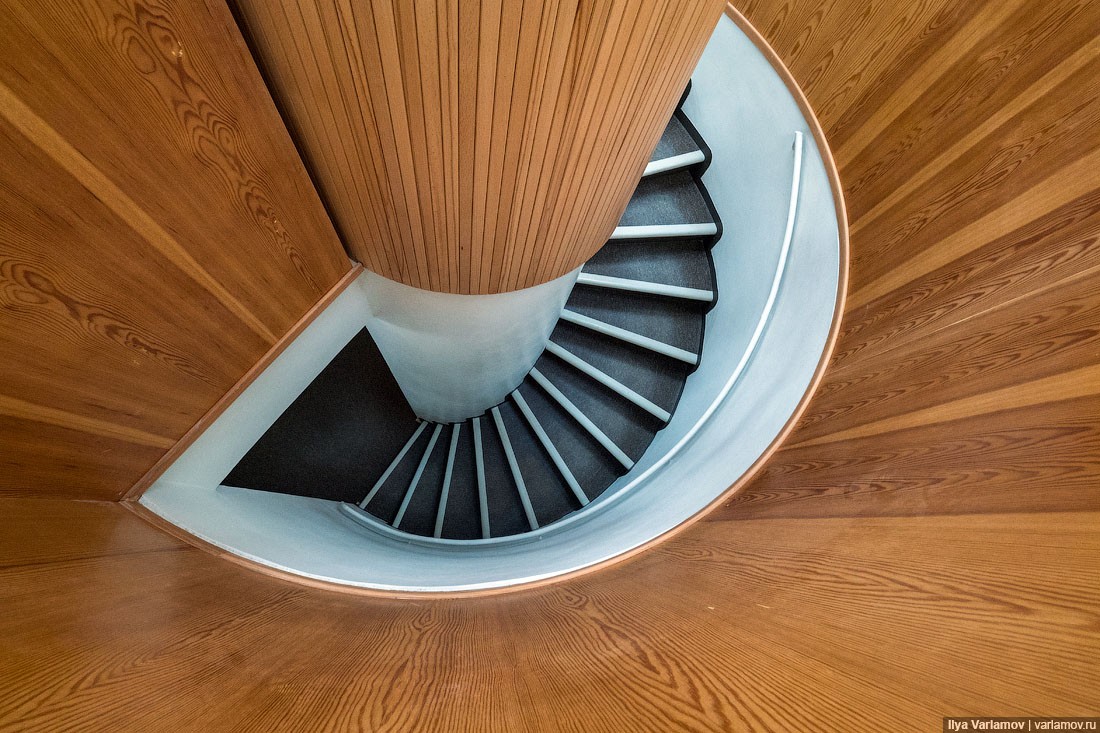
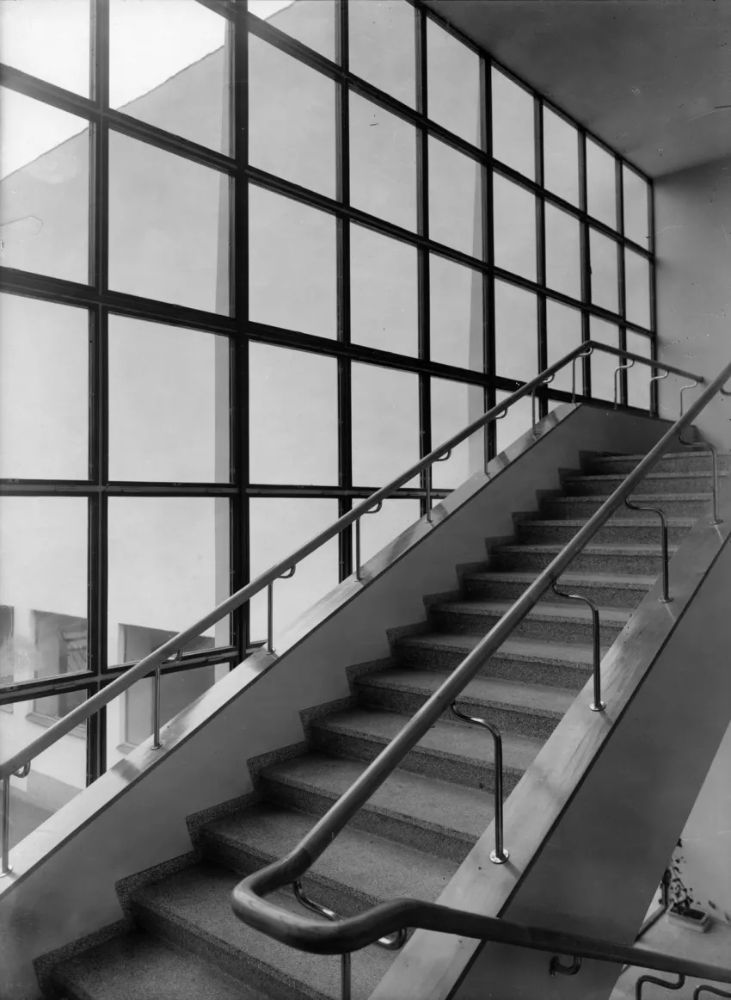
Spatial continuity is reinforced through transitions that merge circulation and program. Landings expand into reading areas, and vertical connections integrate shelving and movement paths. This approach establishes a continuous interior landscape, where spatial hierarchy emerges through level changes rather than partition.
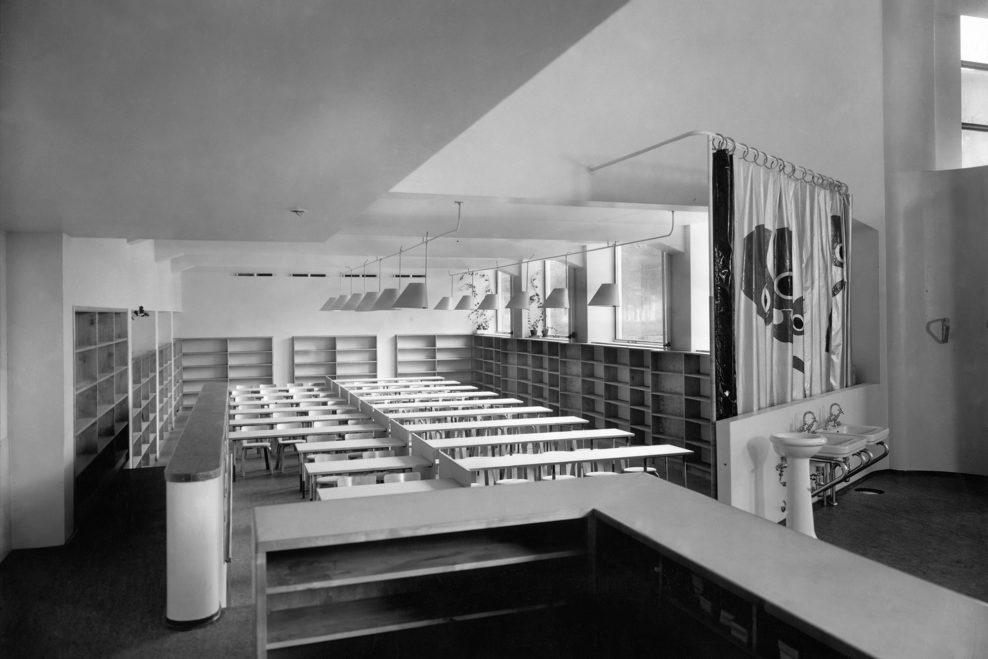
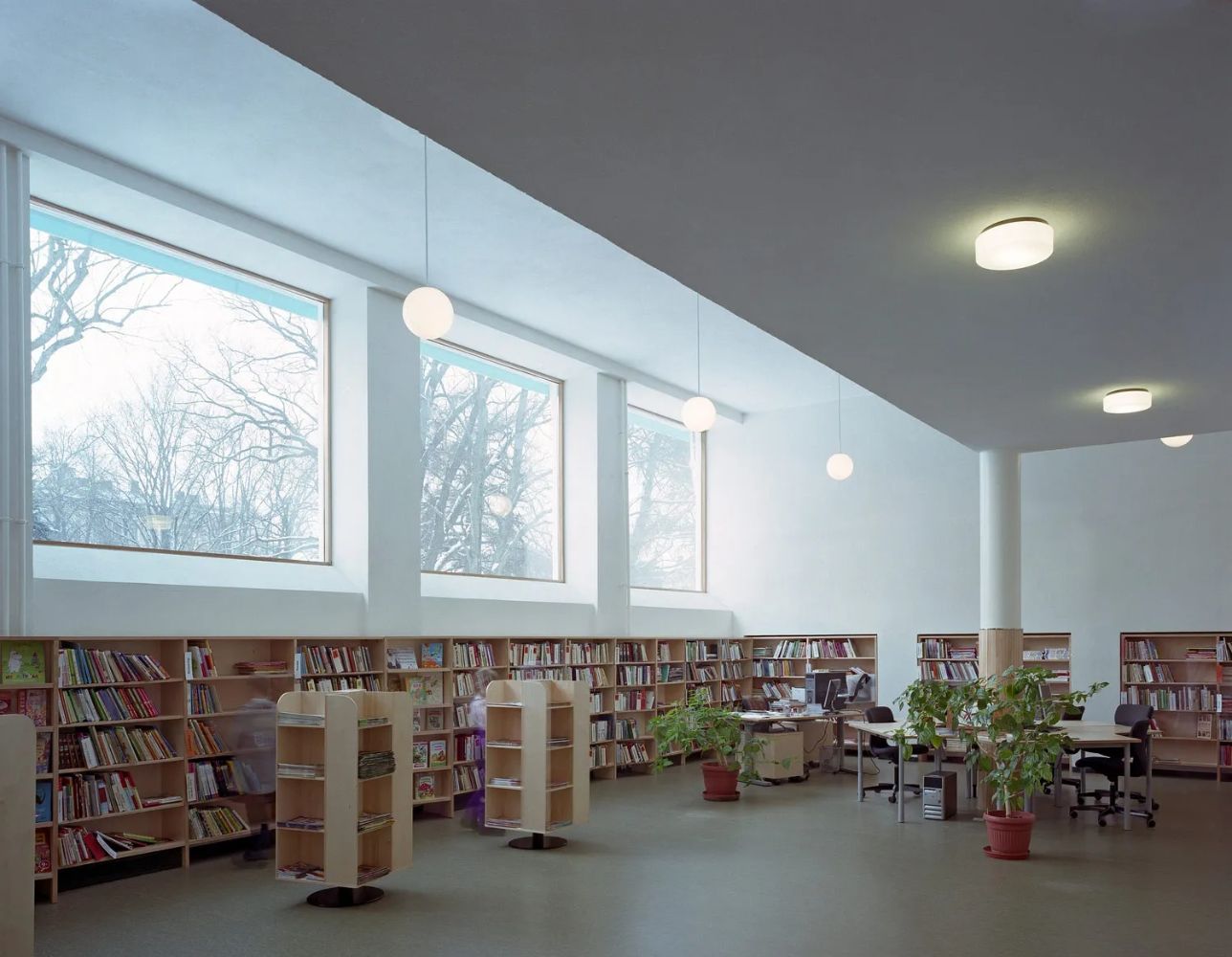
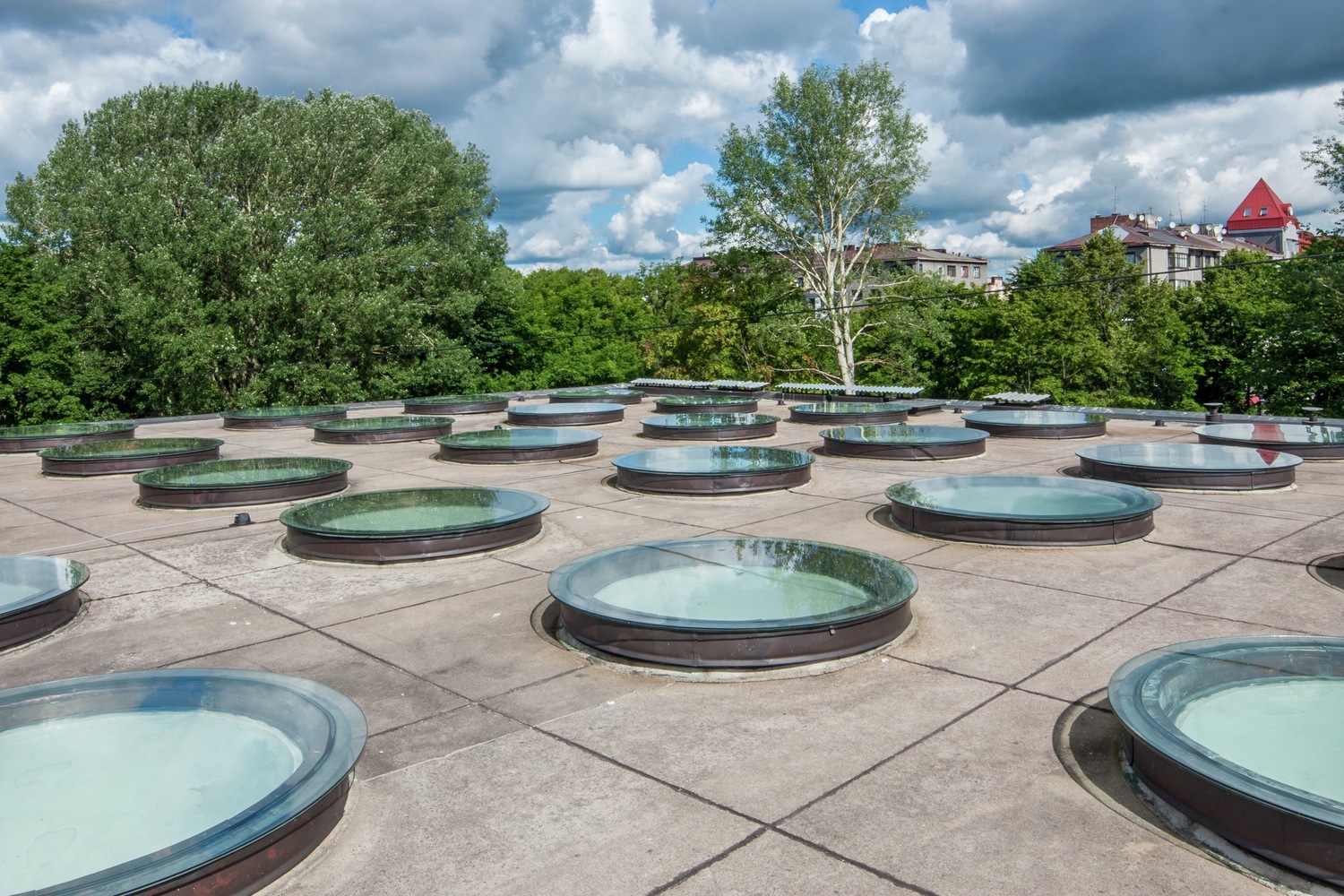
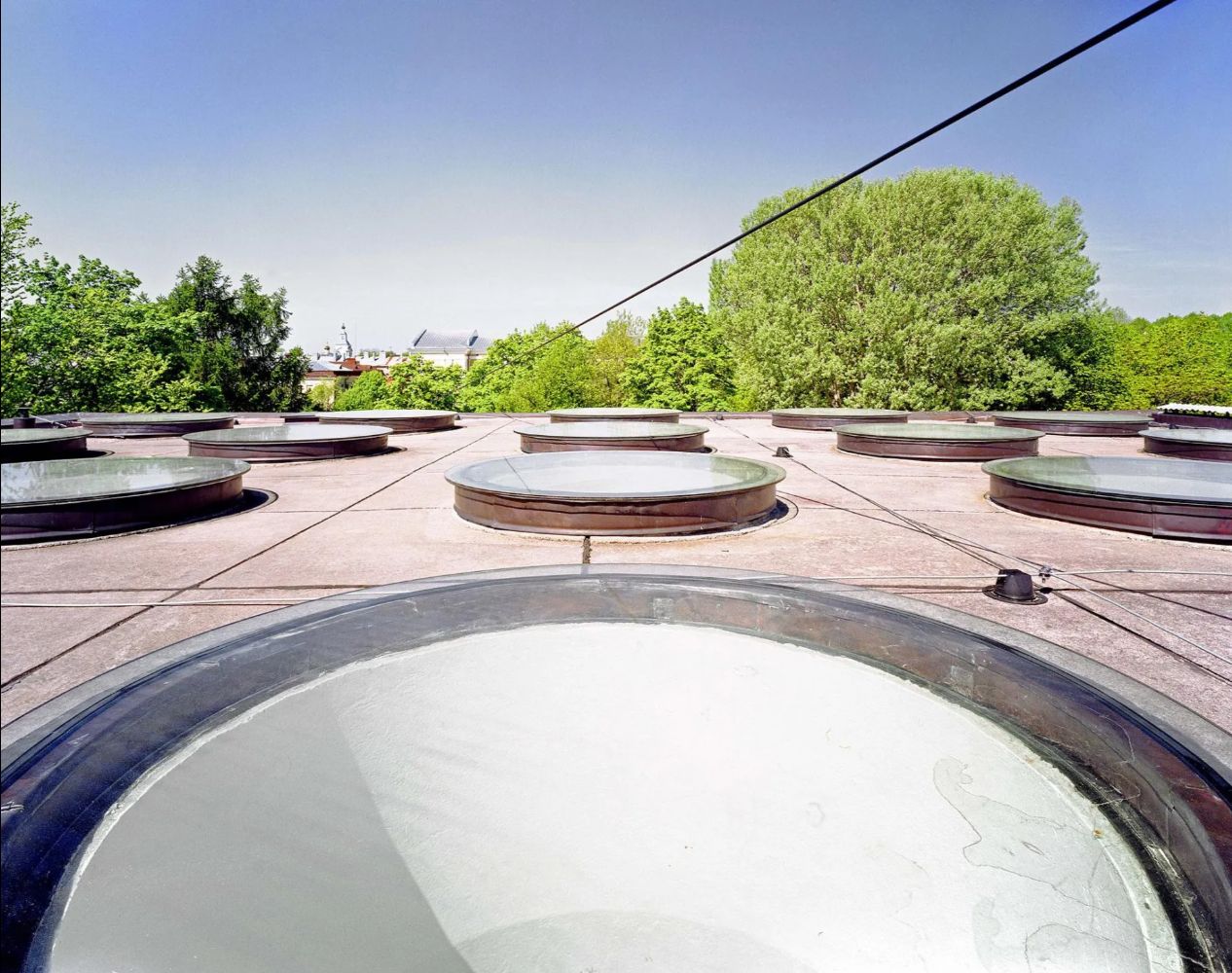
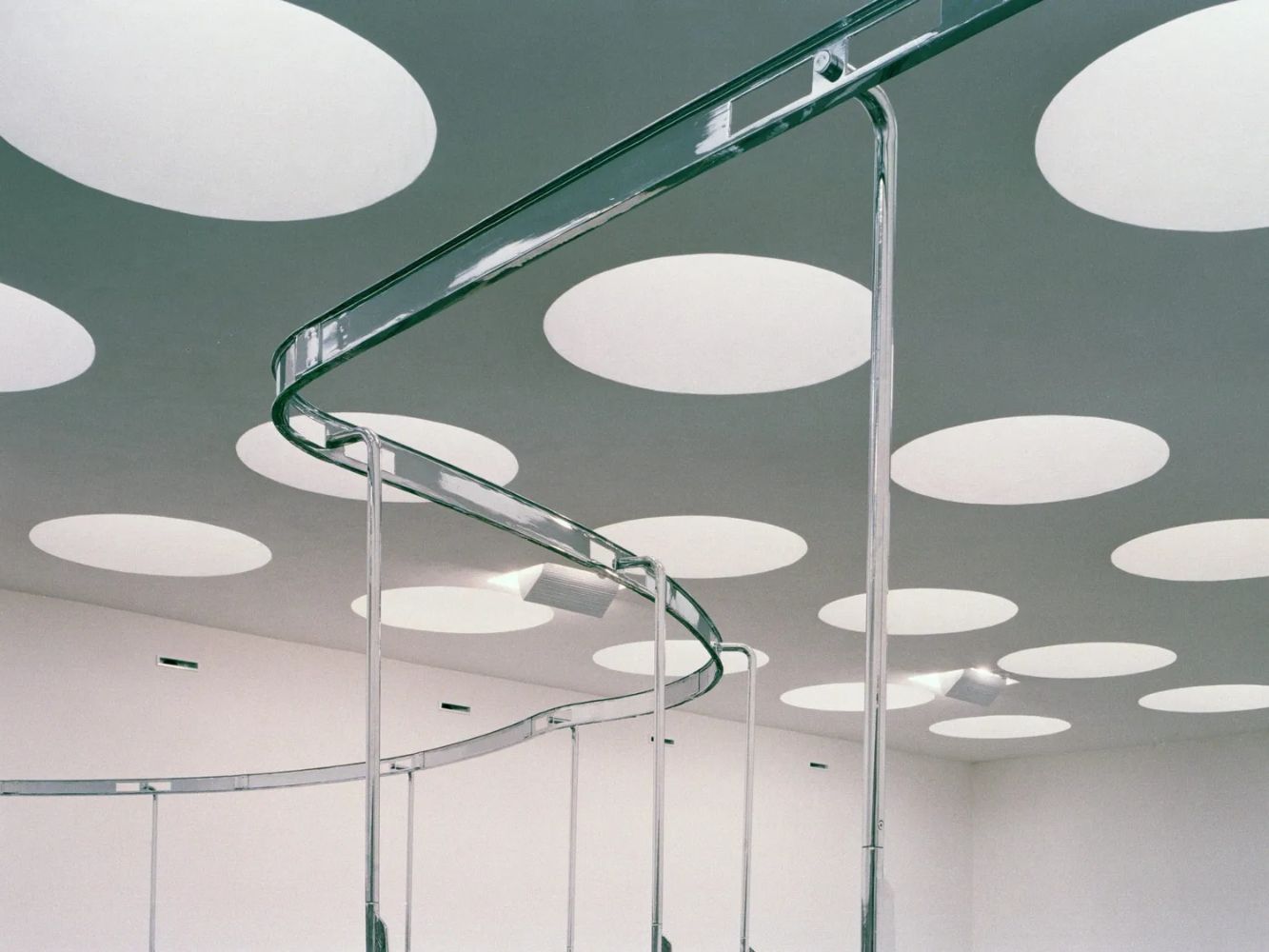
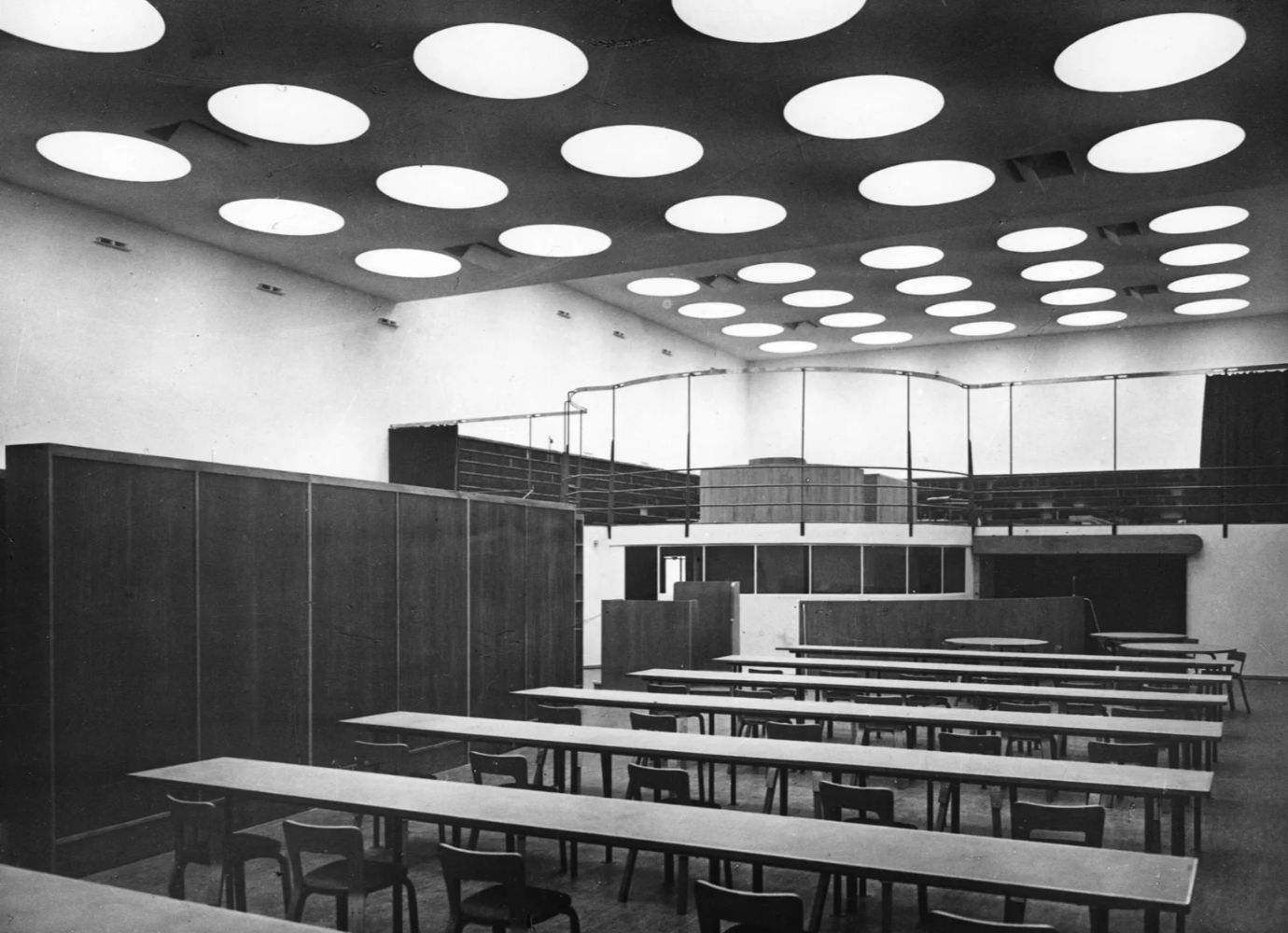
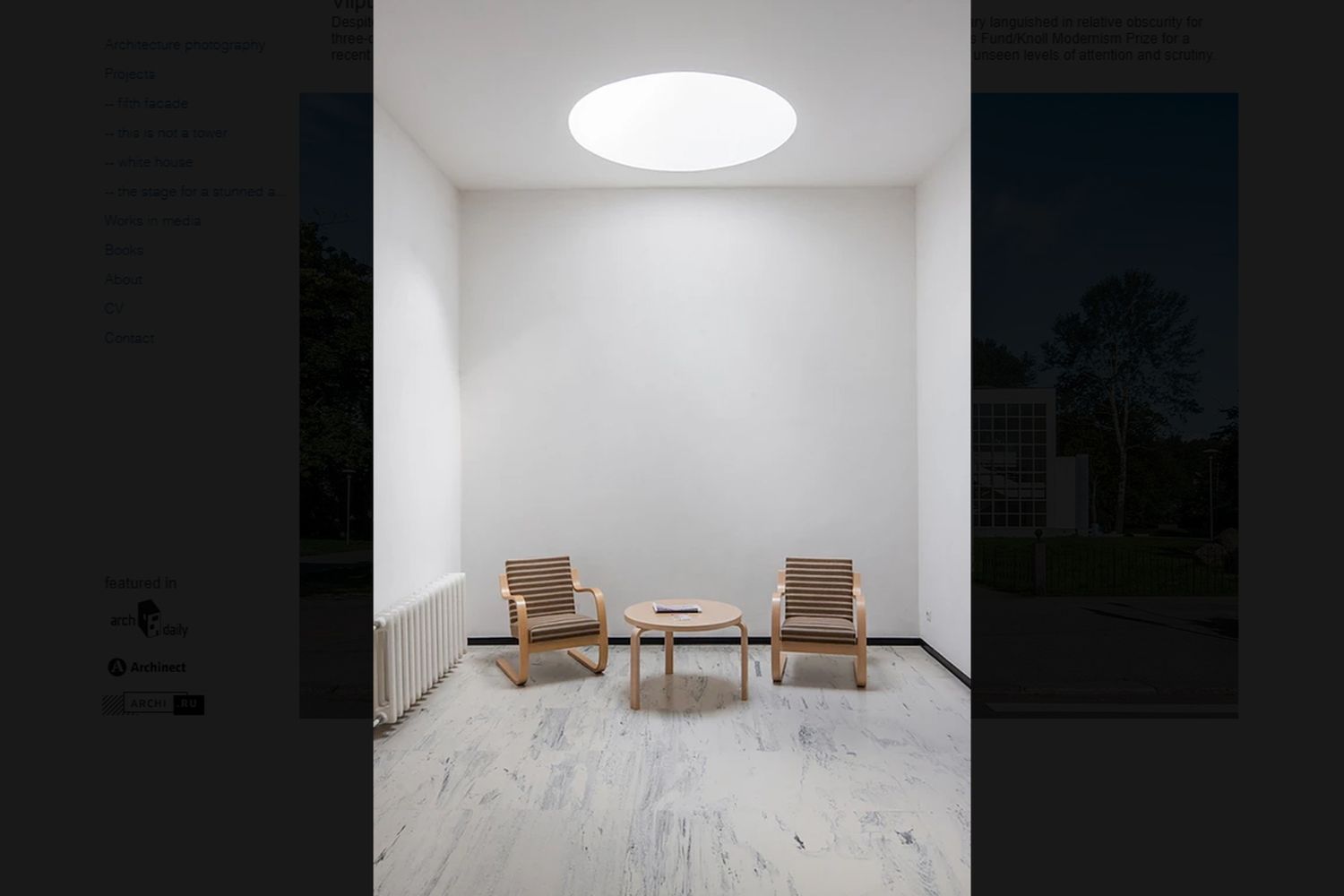
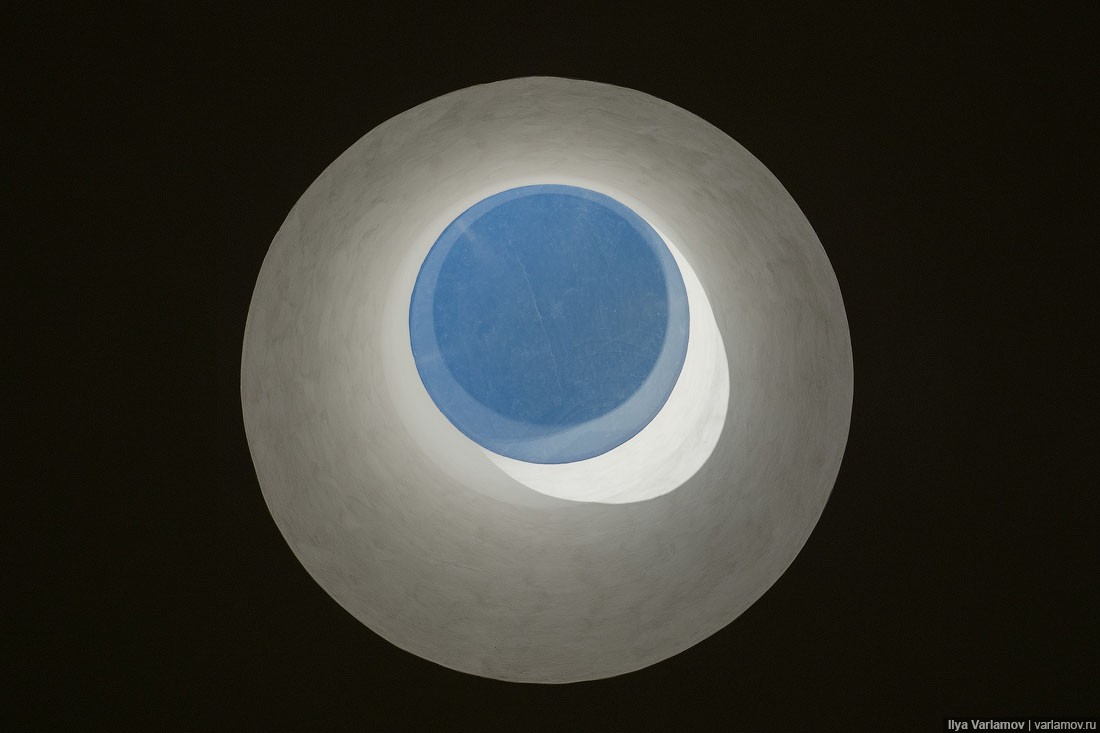
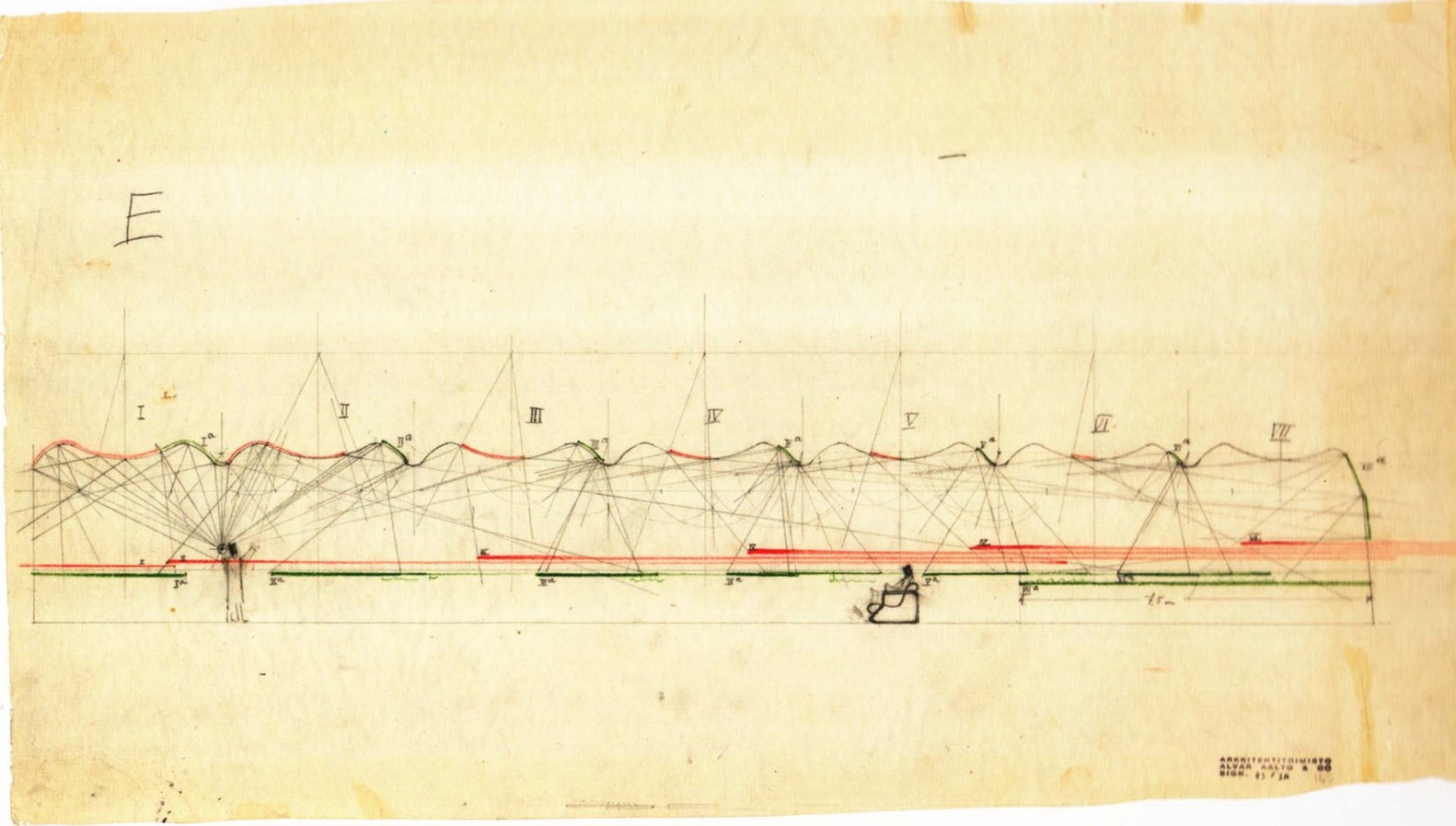
Natural light plays a defining role in the reading rooms. Aalto introduced conical skylights that diffuse daylight while preventing direct solar penetration. These openings distribute consistent illumination across the interior, reducing glare and protecting books. The systematic placement of skylights follows a geometric order that aligns with the structural and spatial grid.
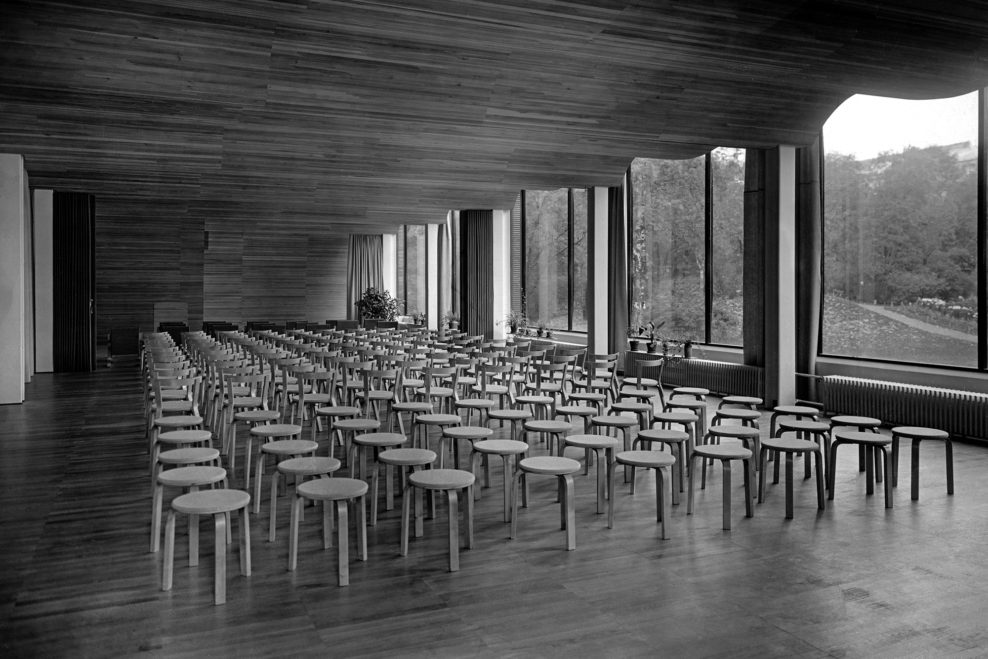
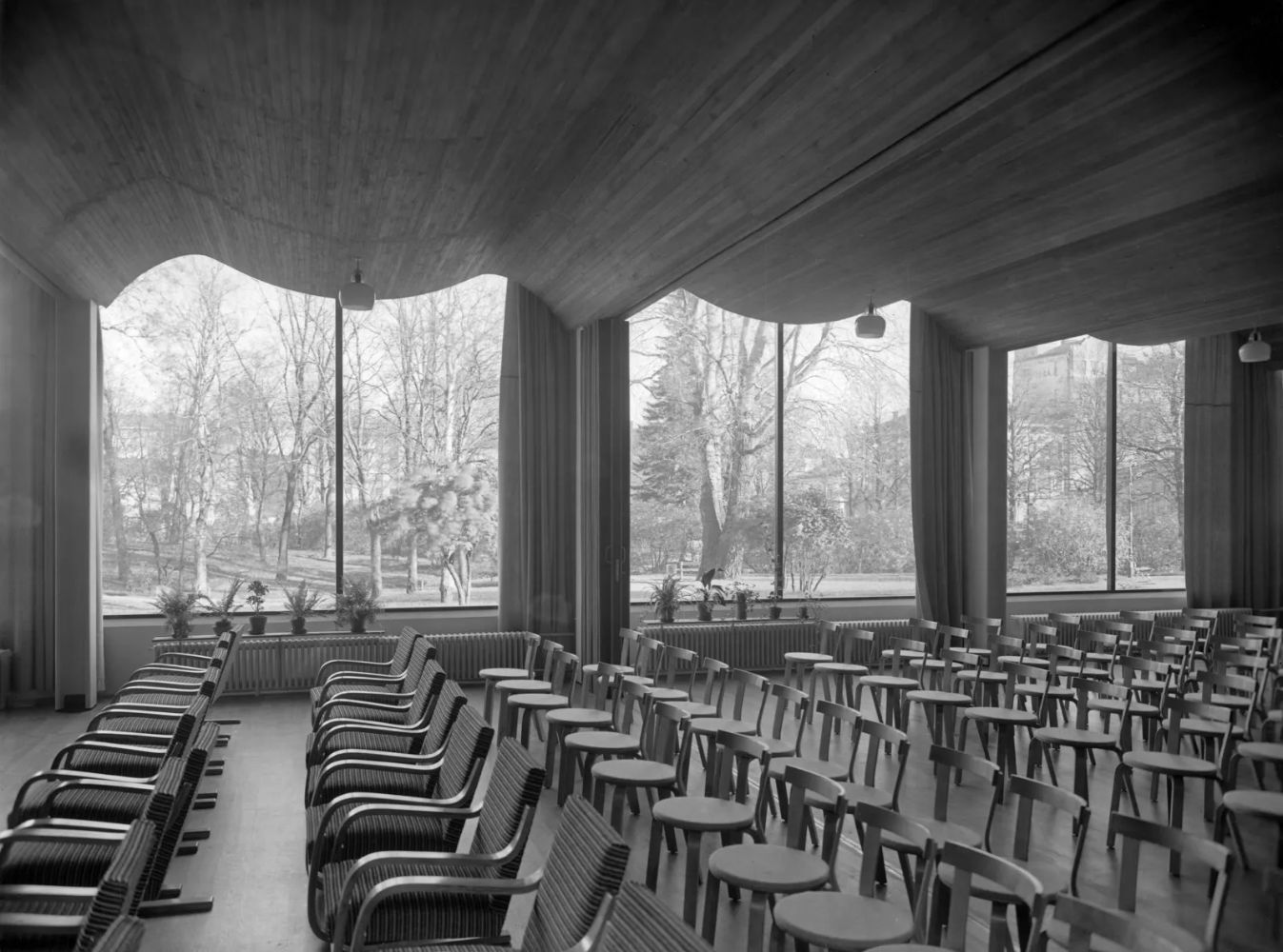
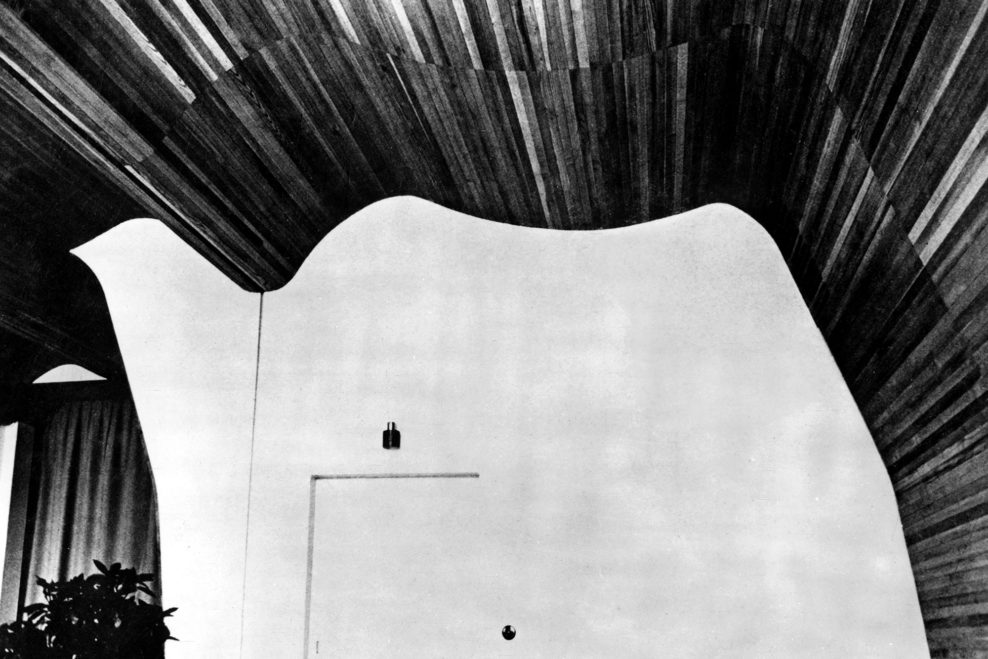
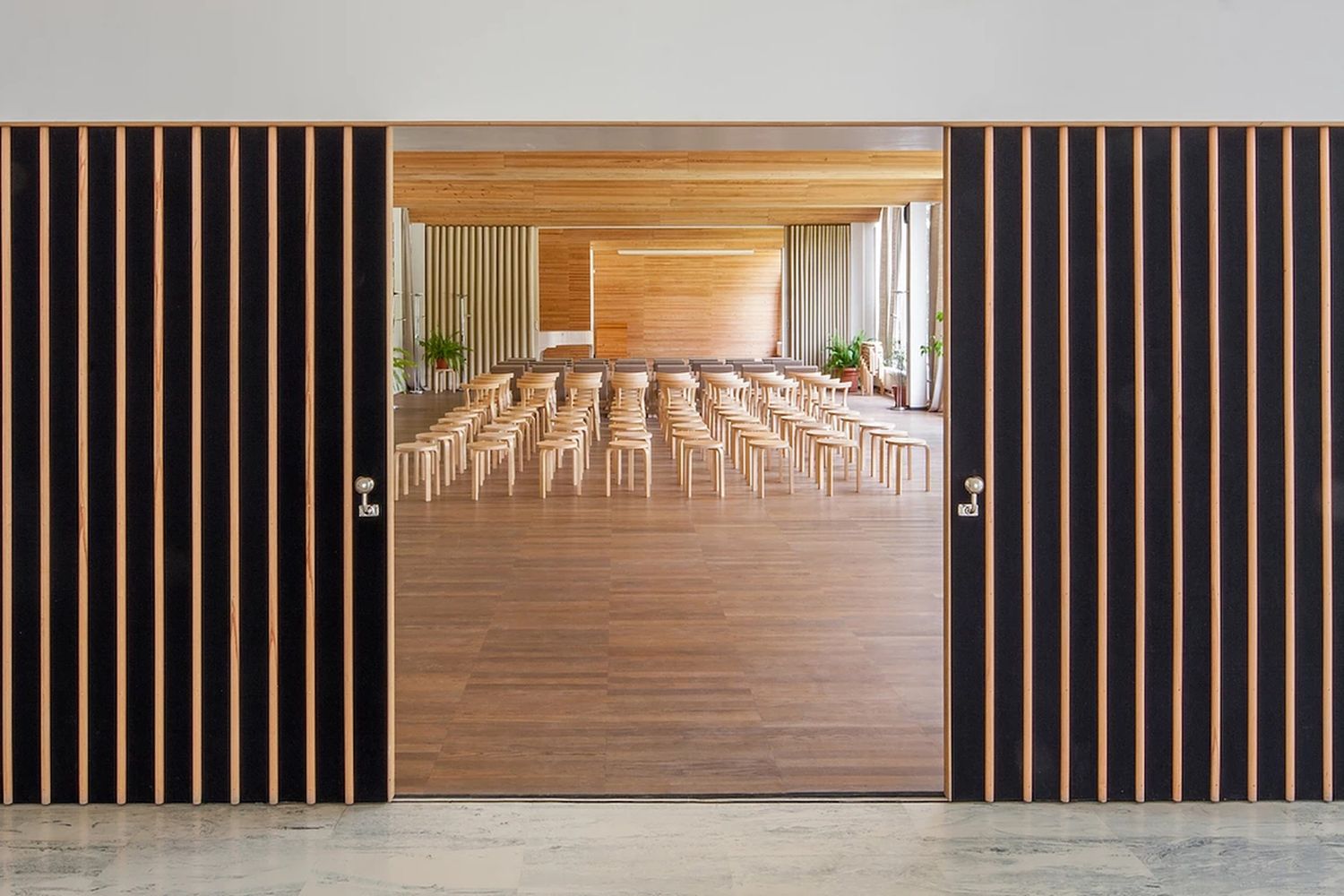
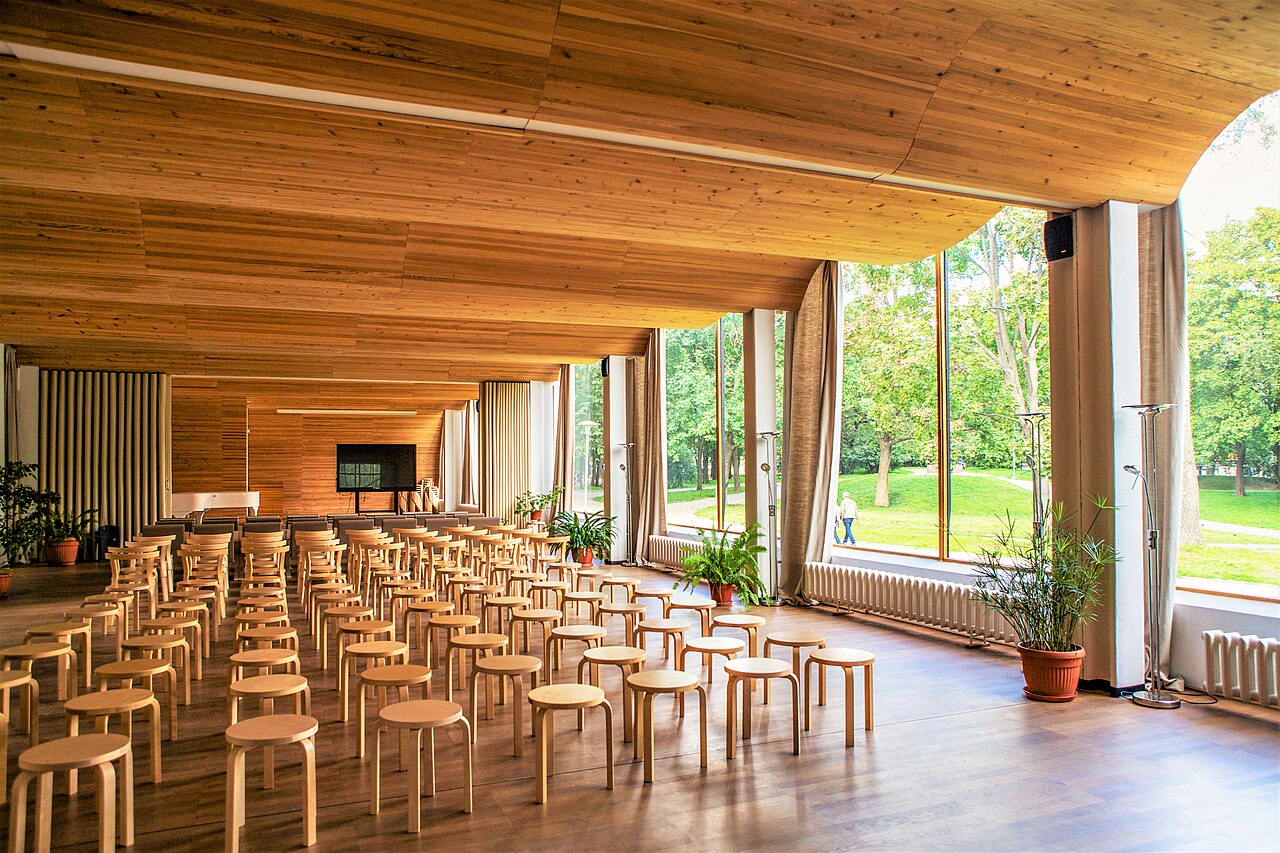
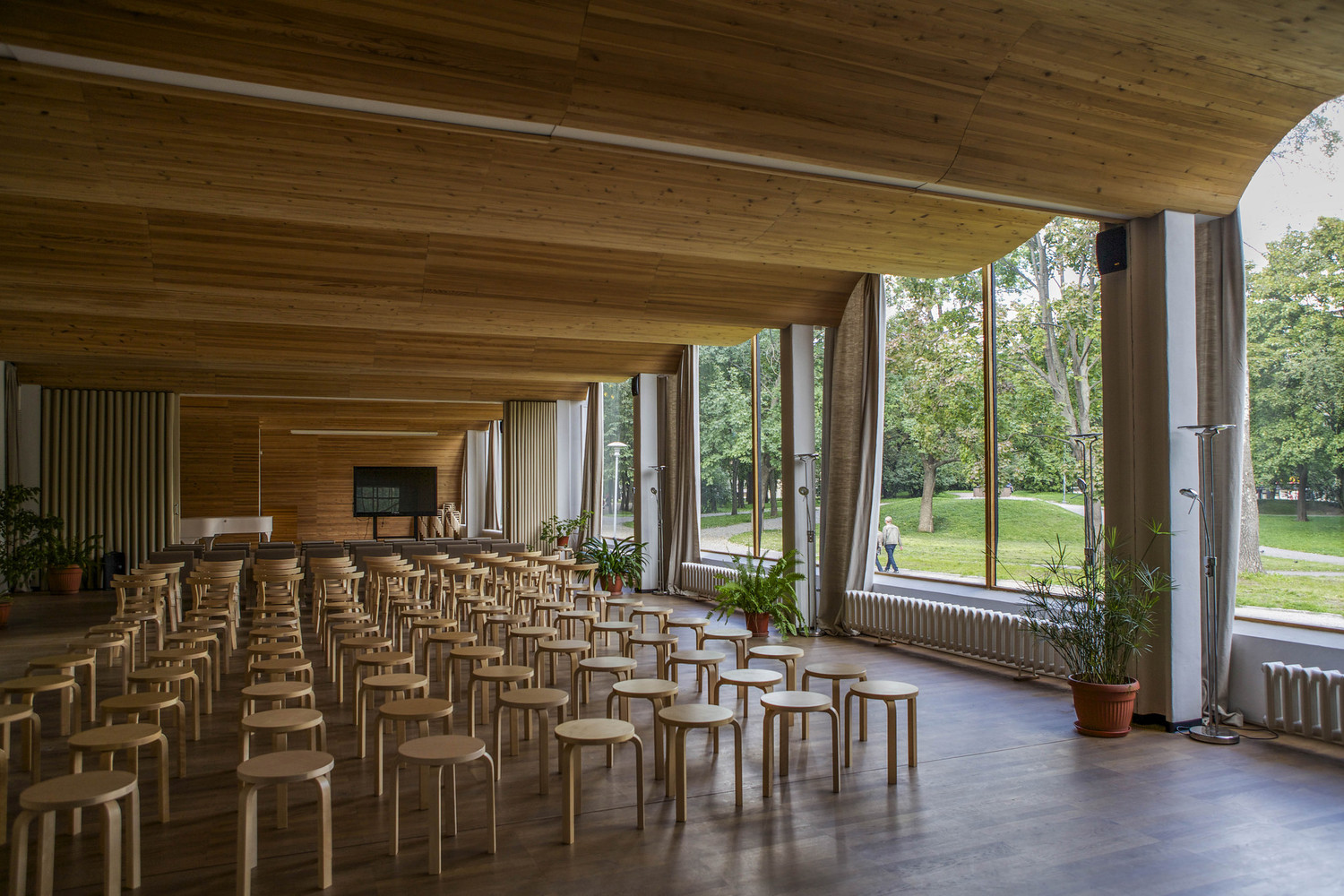
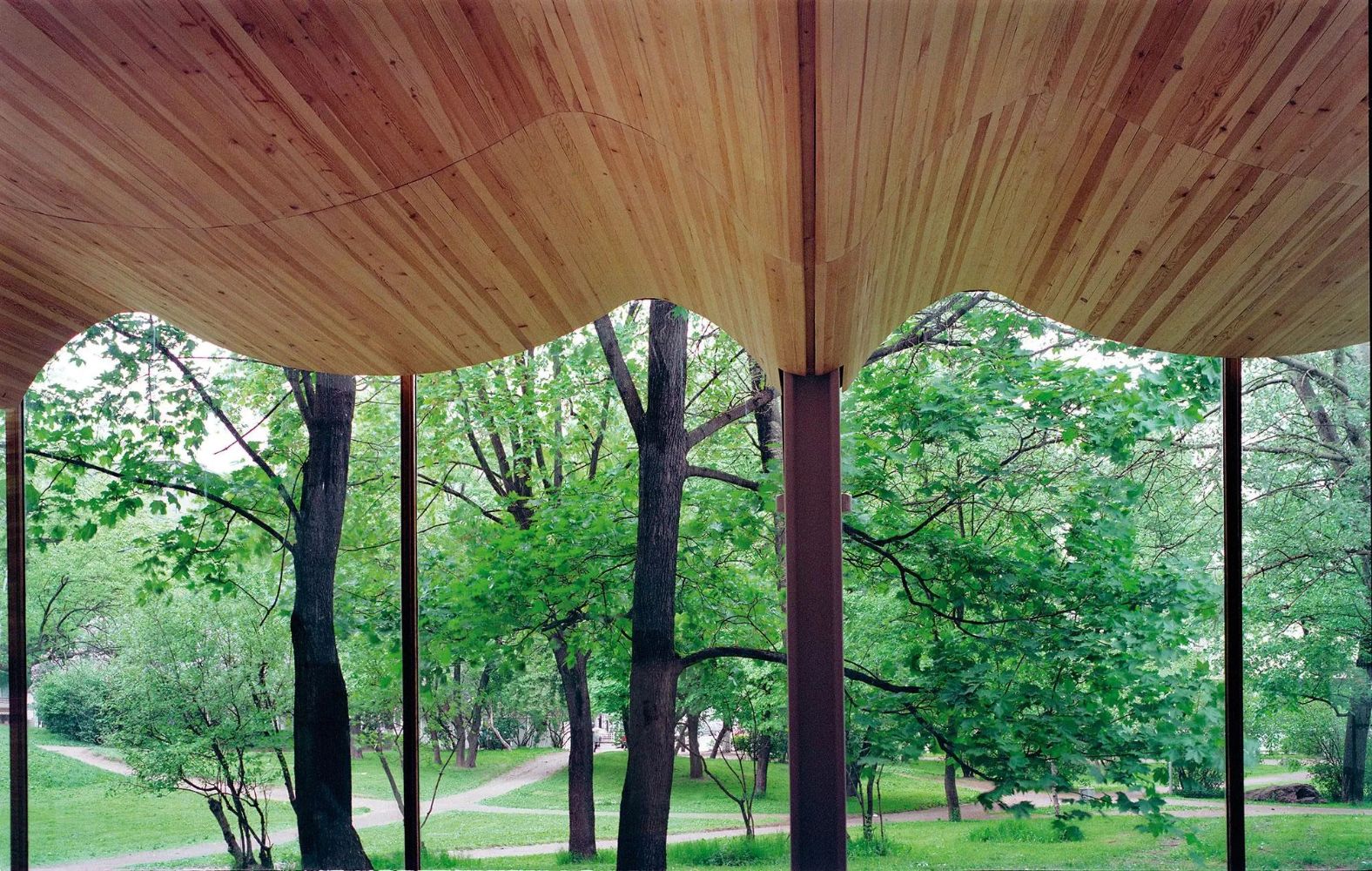
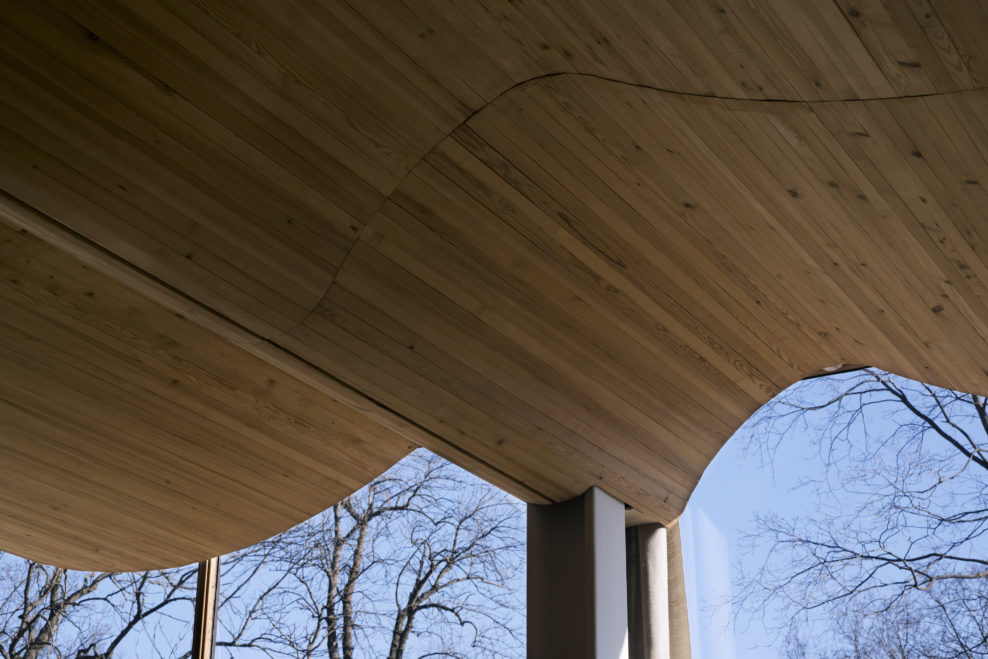
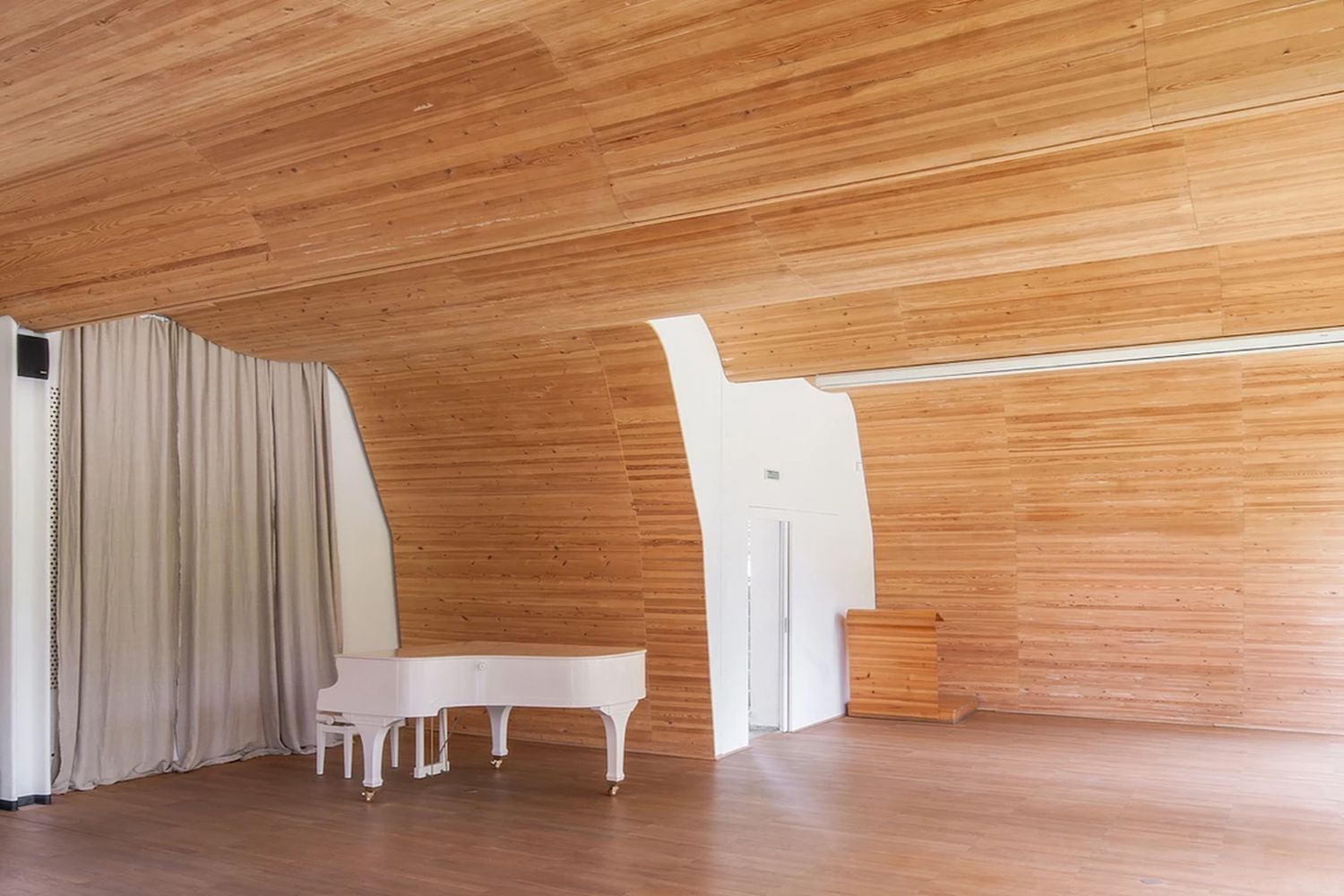
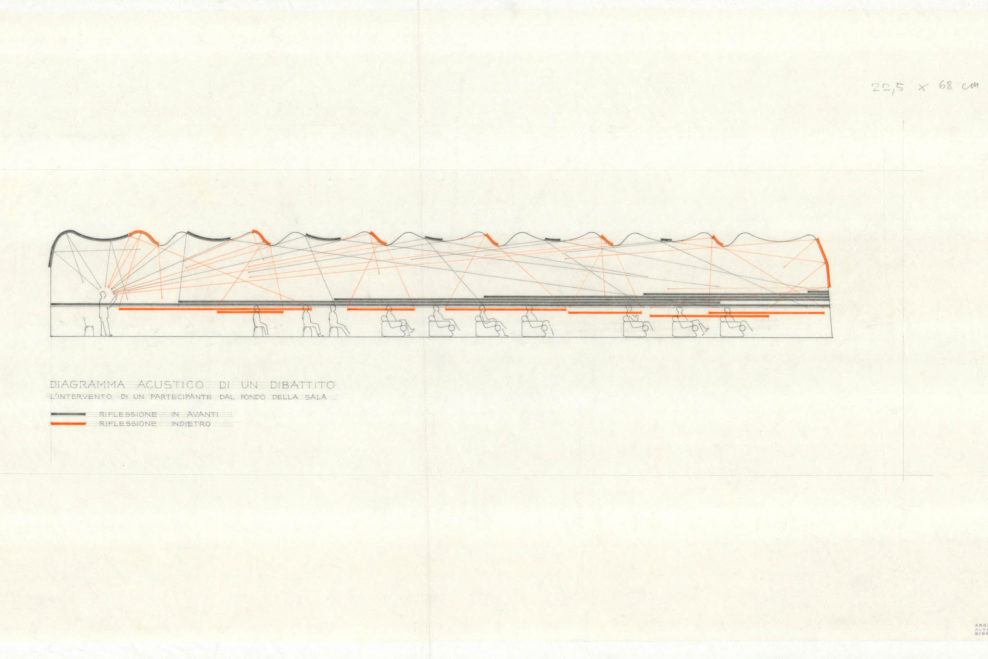
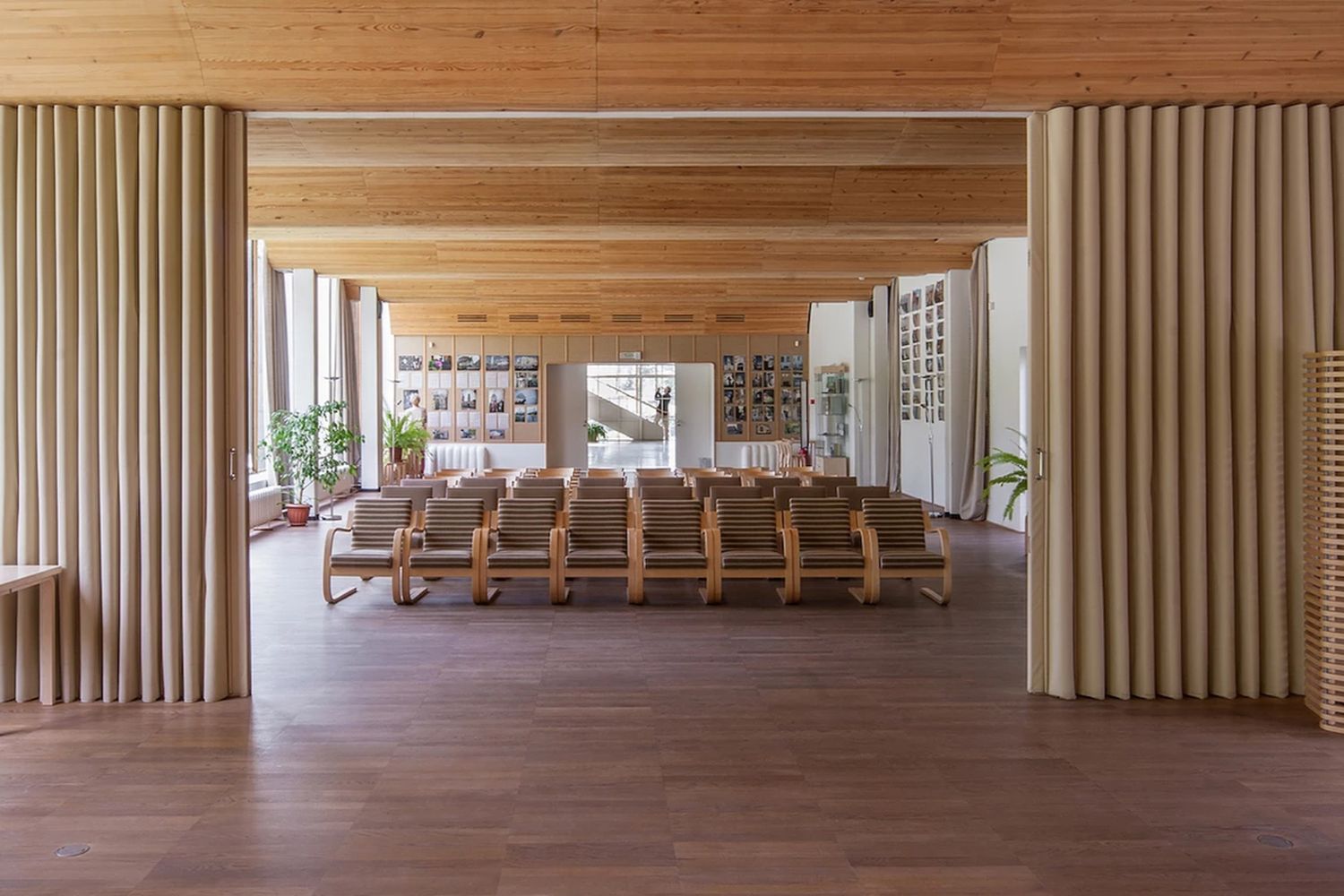
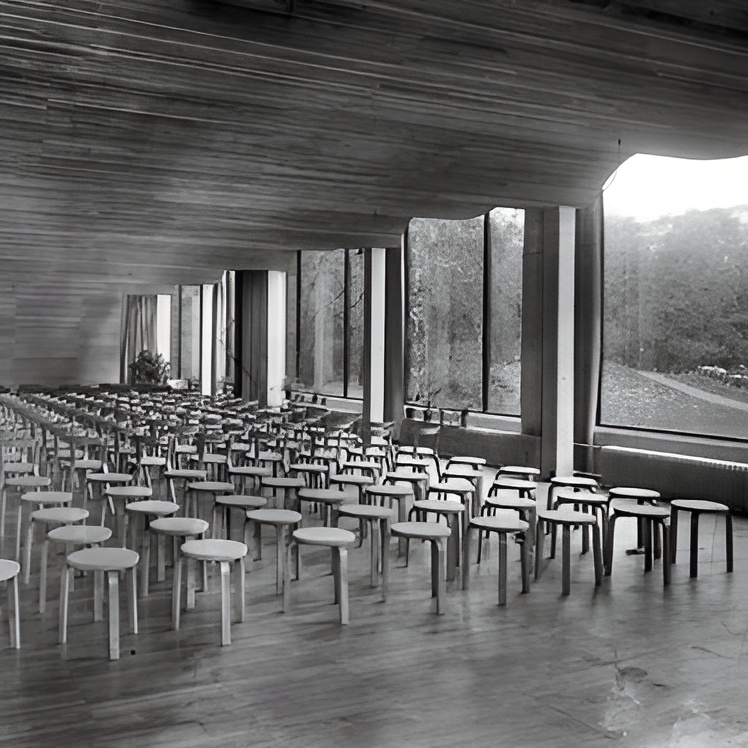
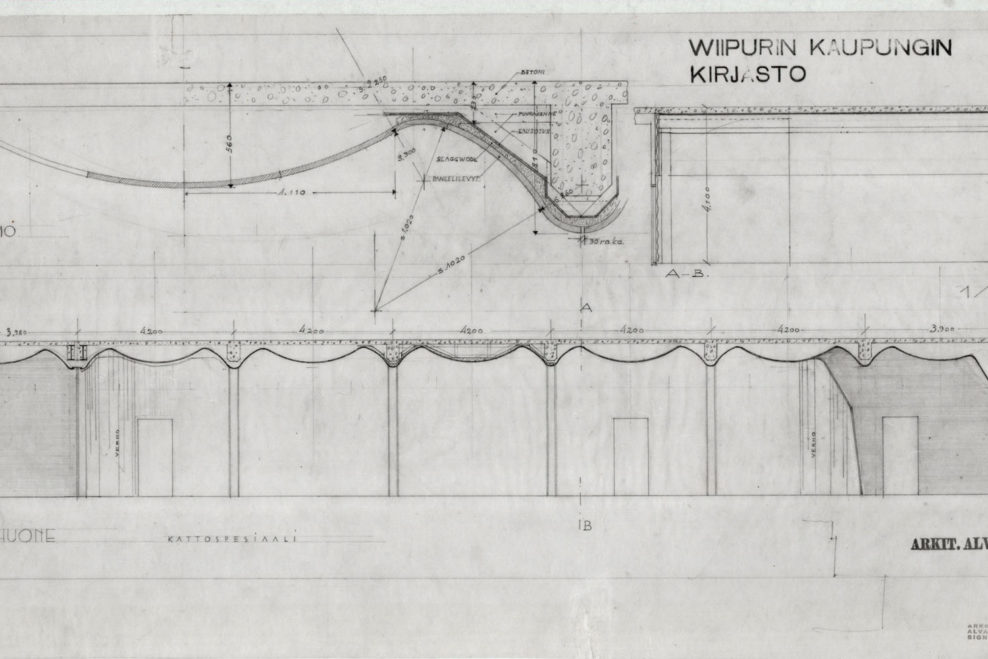
Acoustic performance is addressed through the undulating wooden ceiling of the lecture hall. The form disperses sound evenly across the space, supporting speech clarity without relying on mechanical systems. This integration of acoustic design with architectural form reflects Aalto’s emphasis on sensory experience.
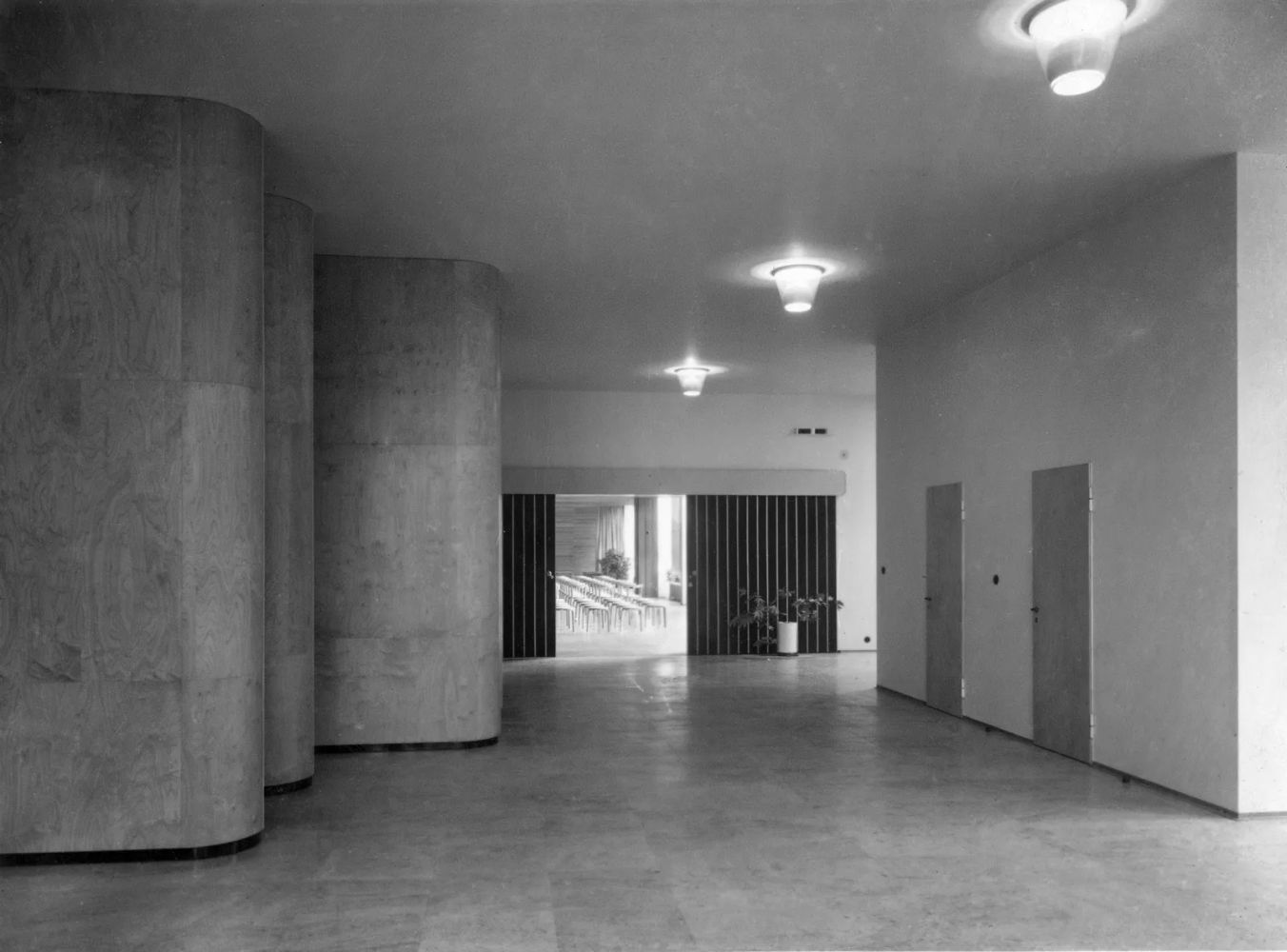
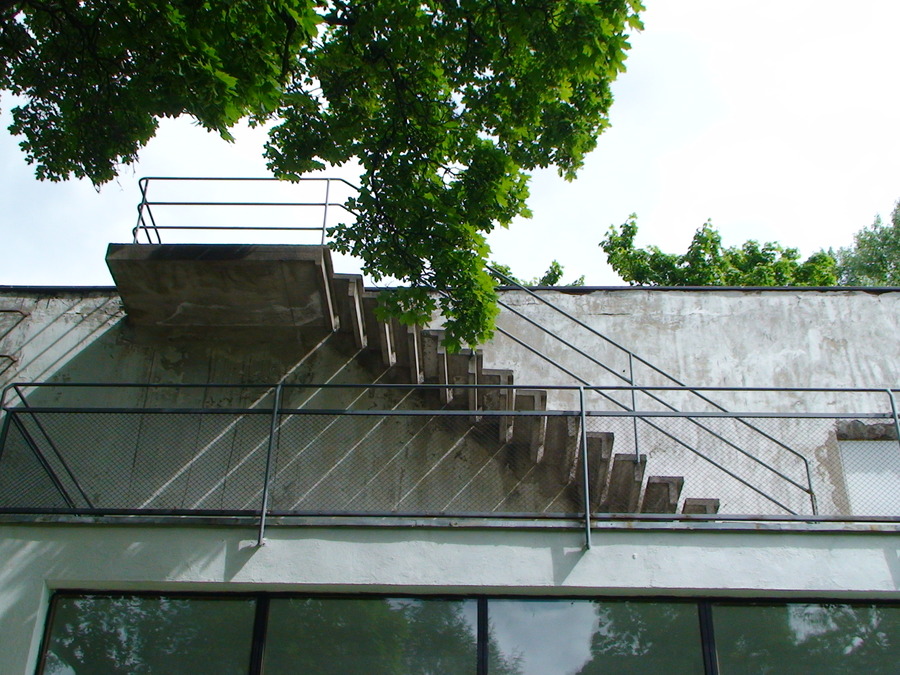
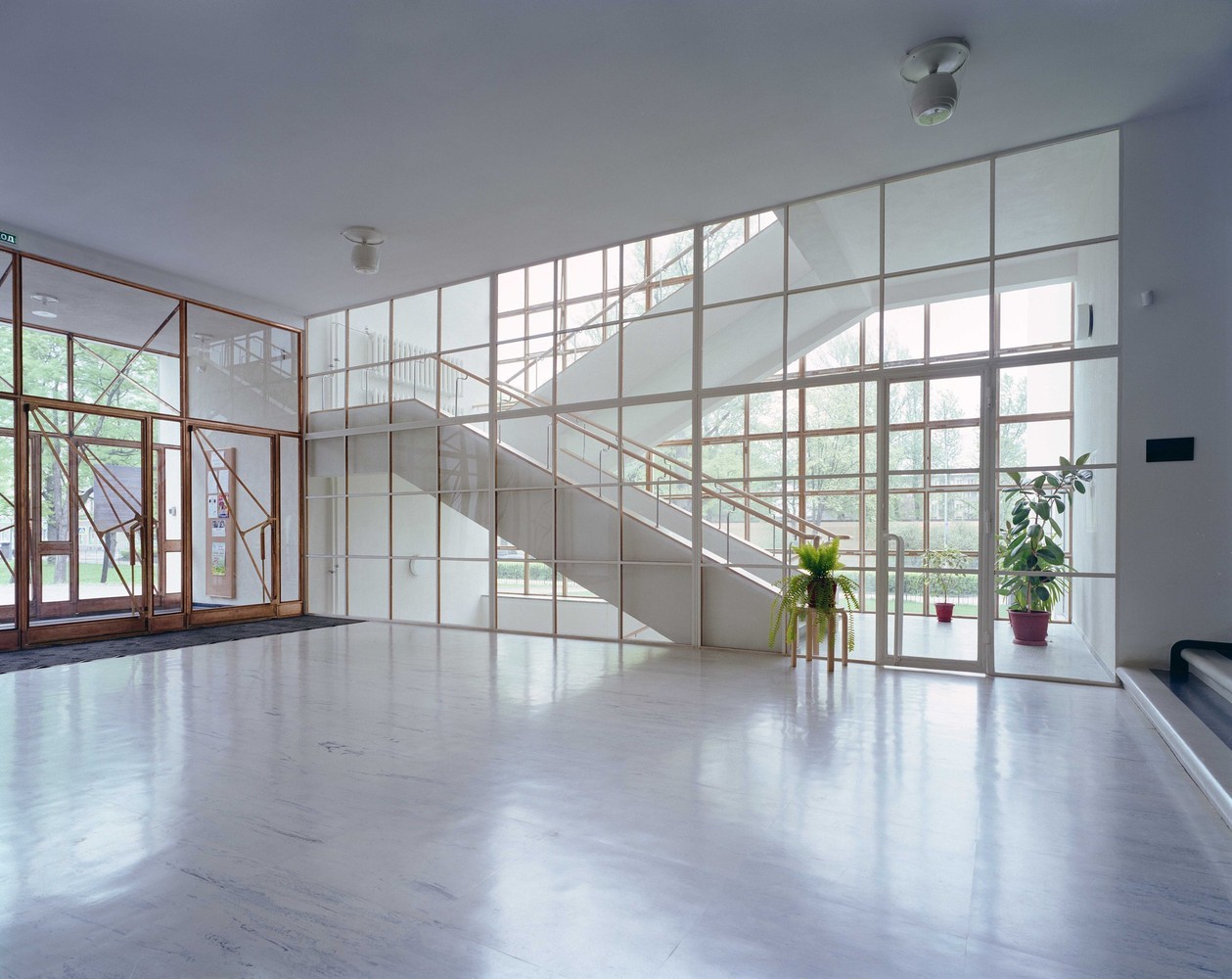
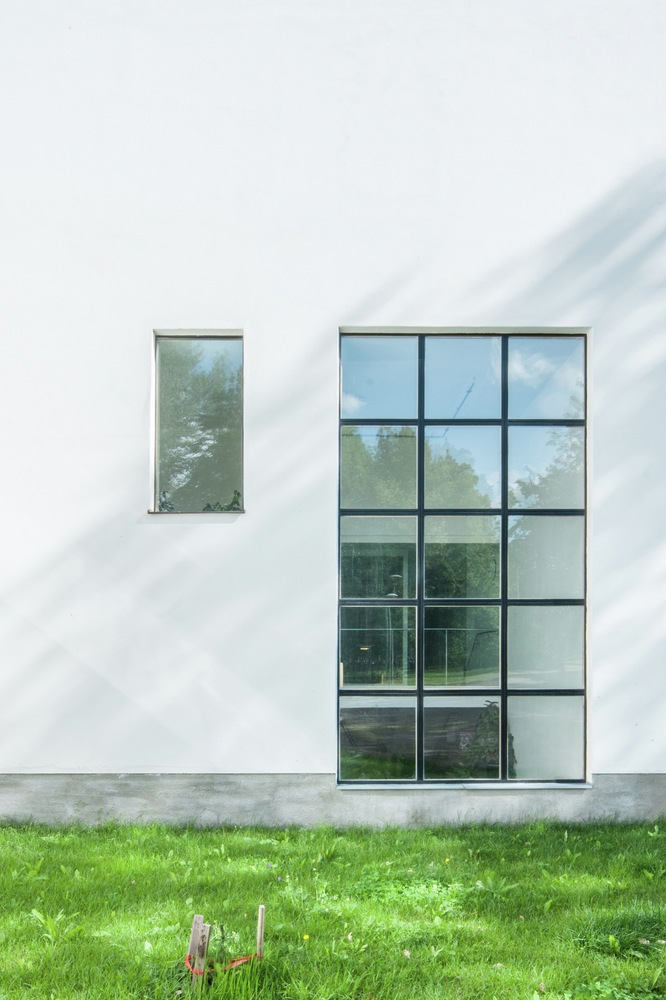
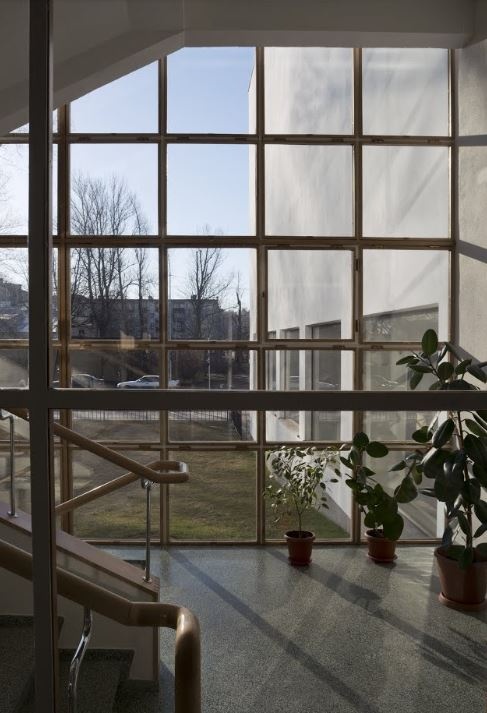
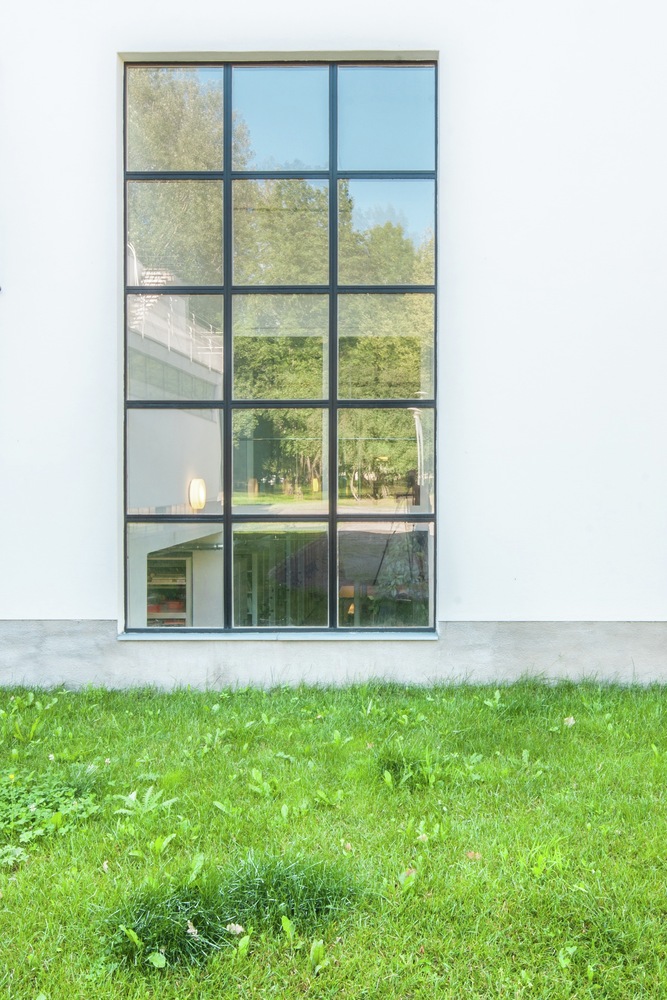
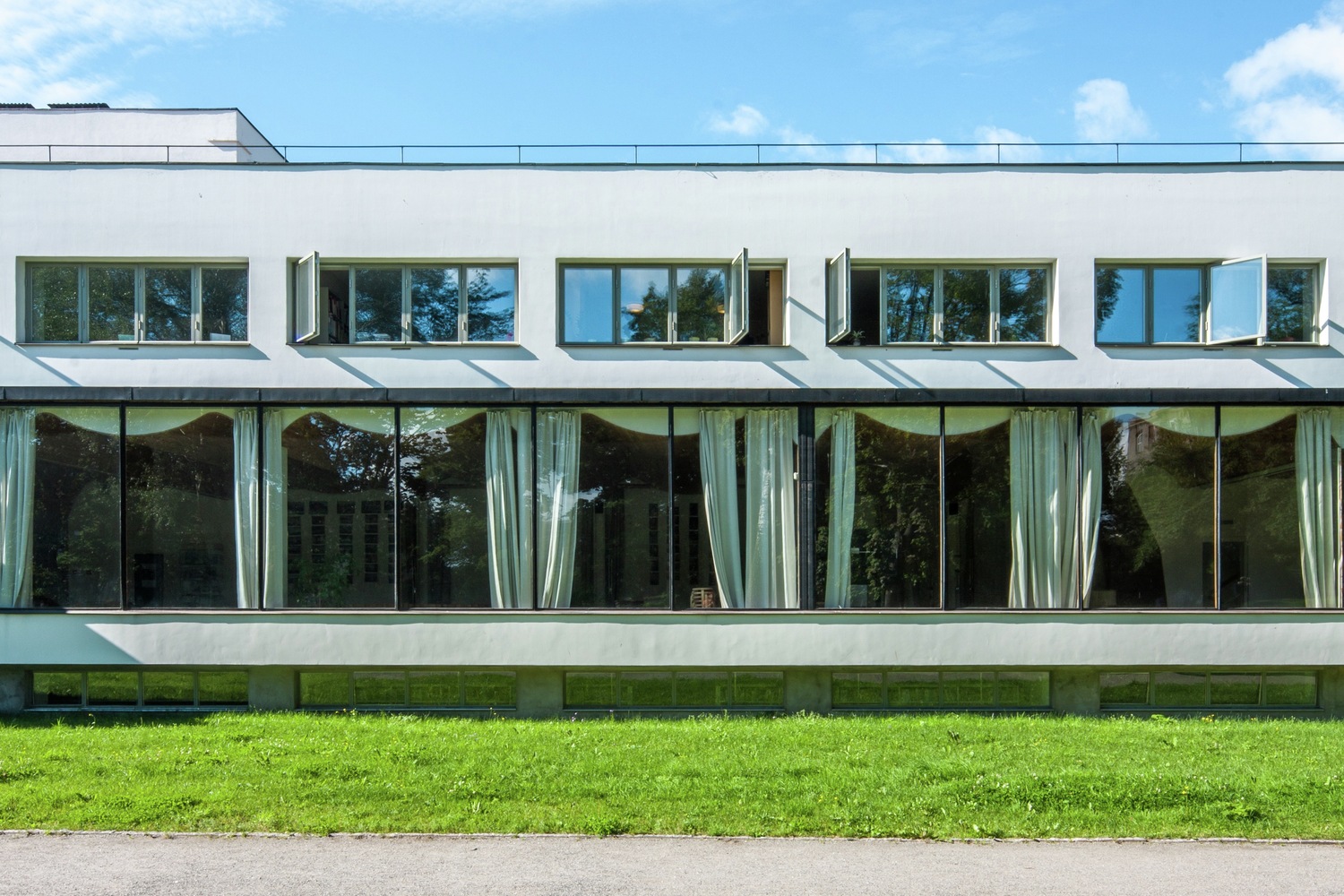
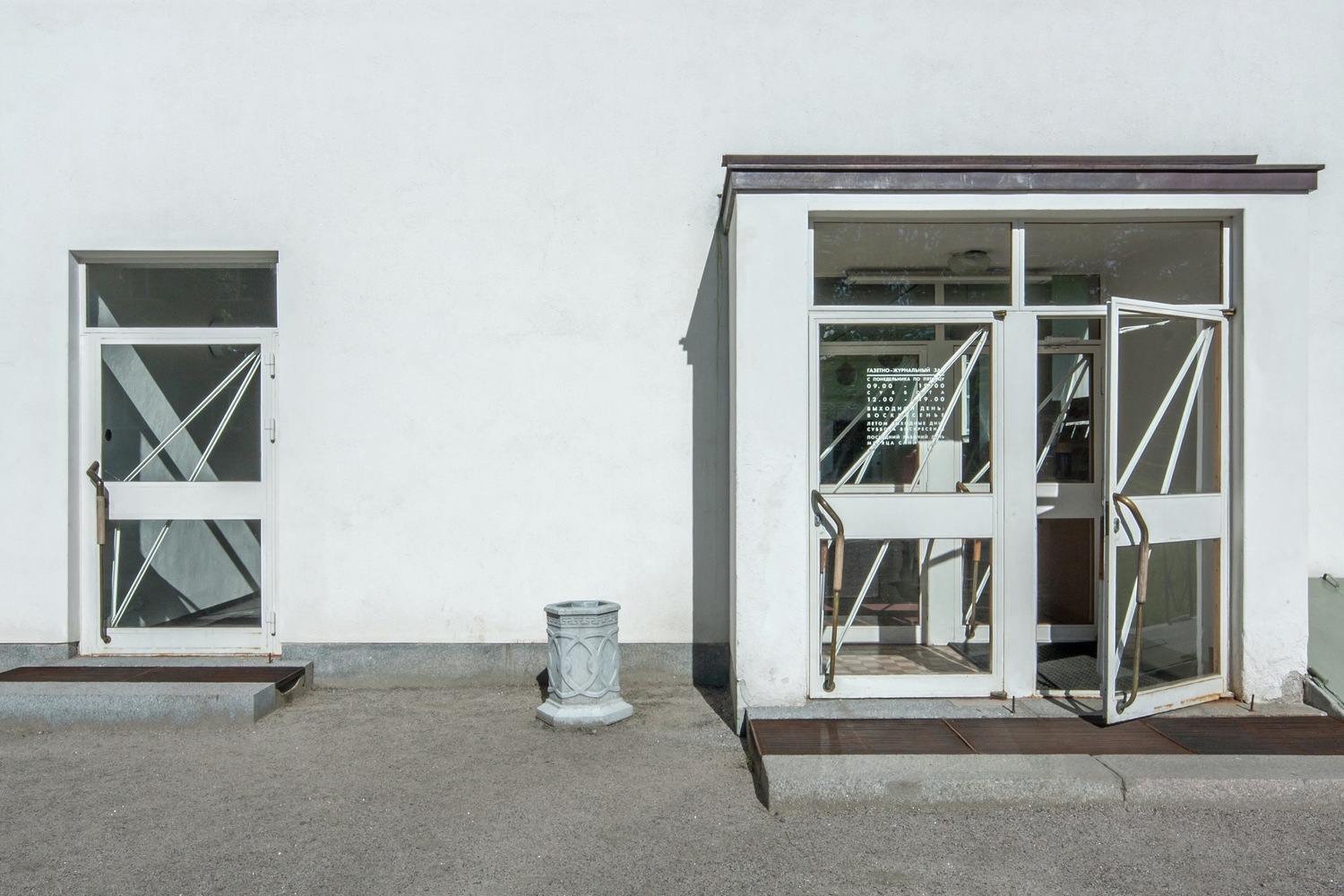
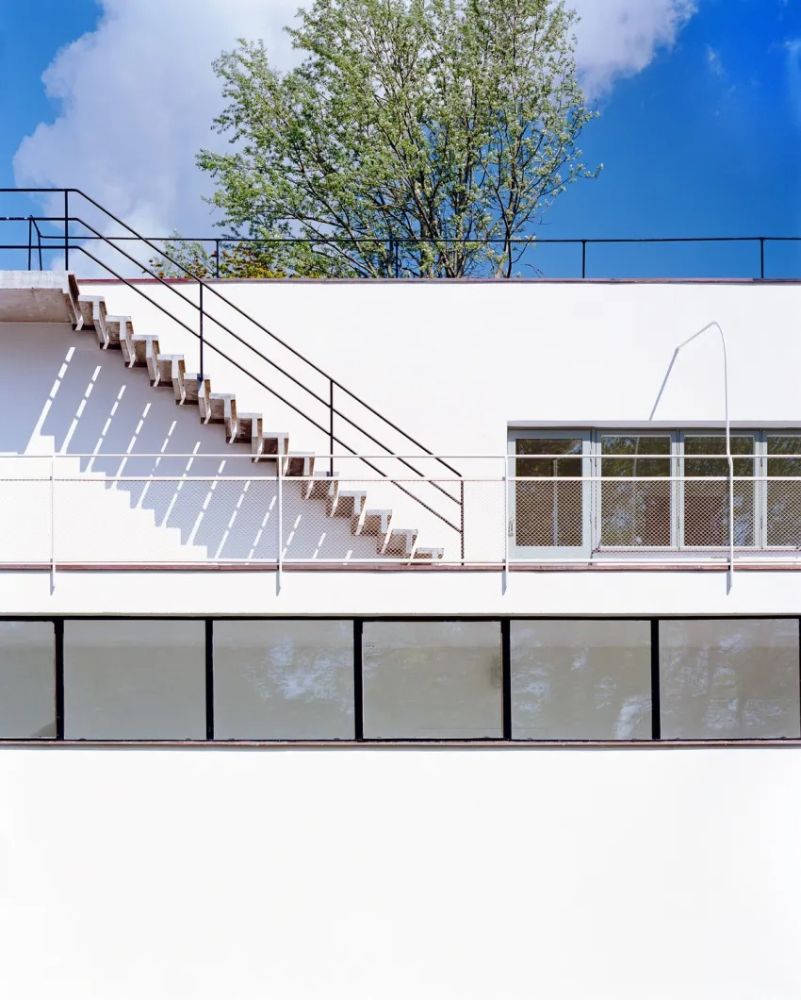
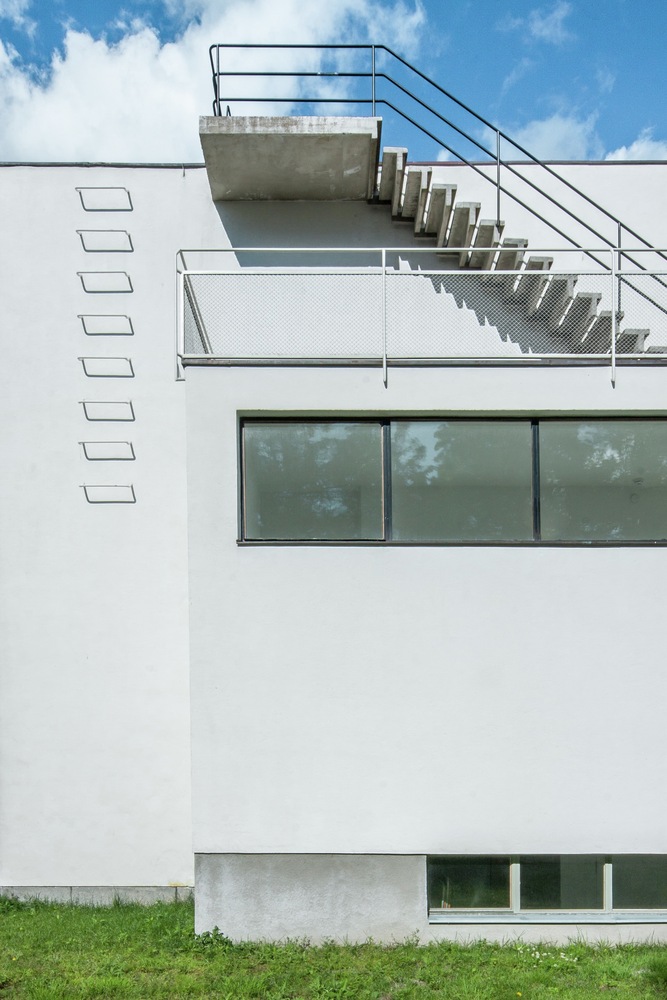
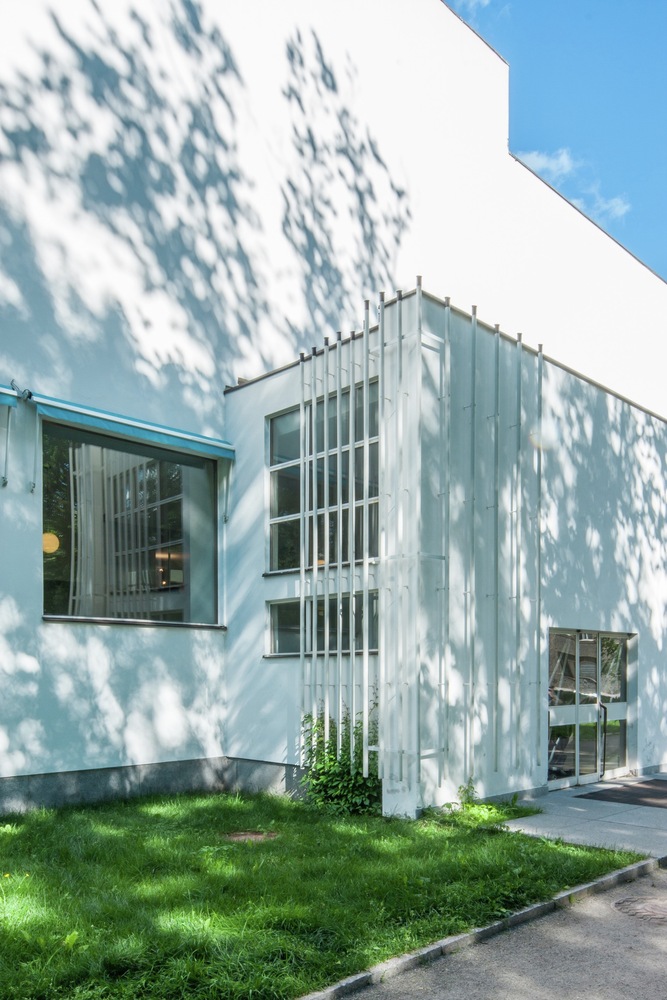
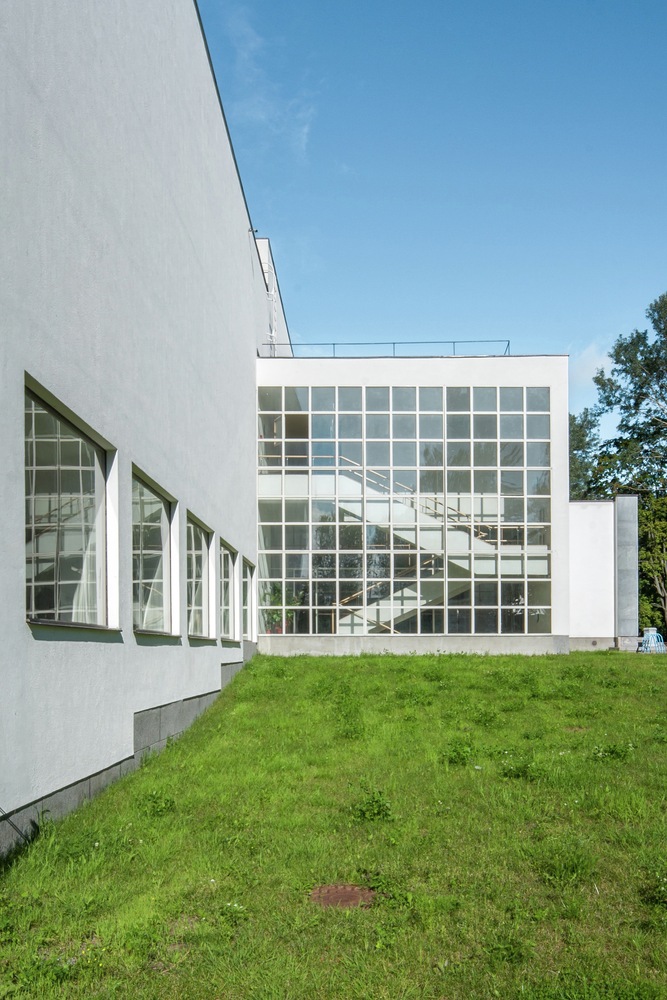
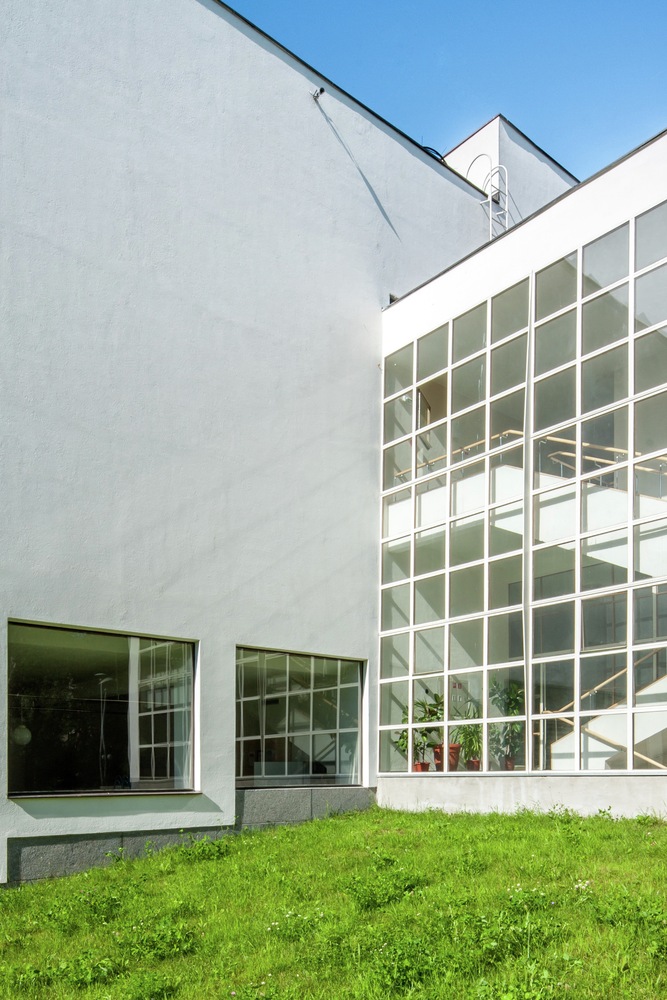
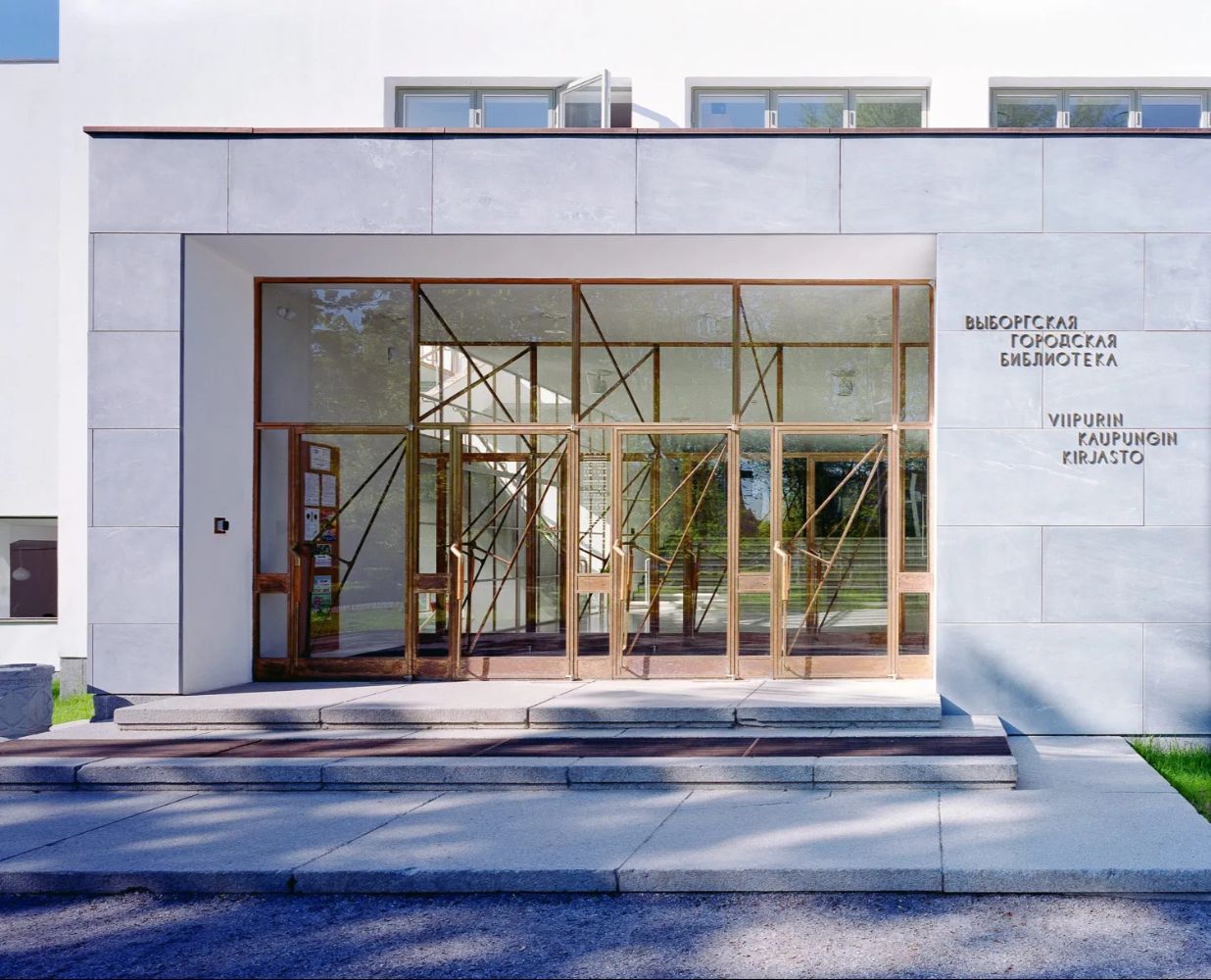
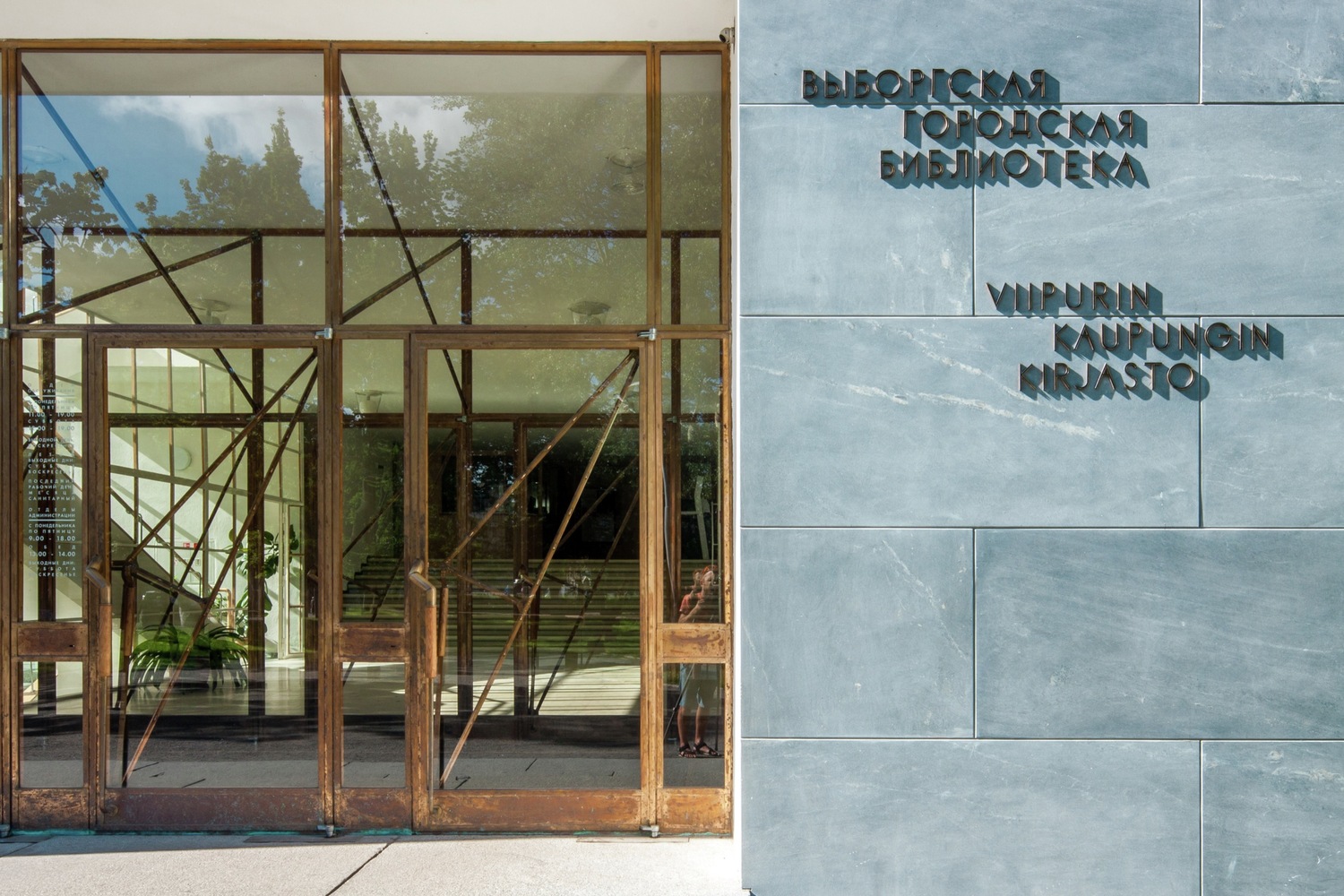
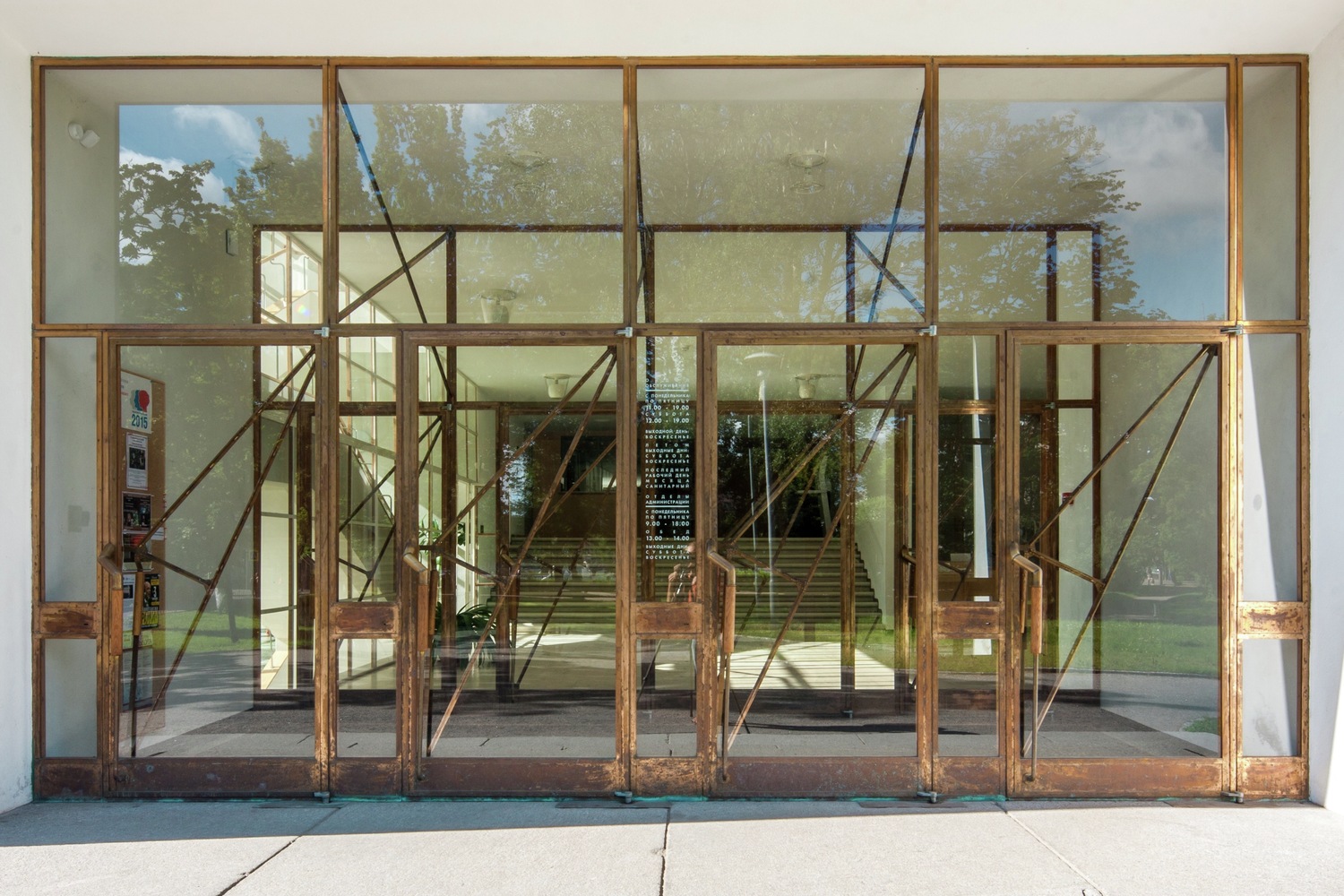
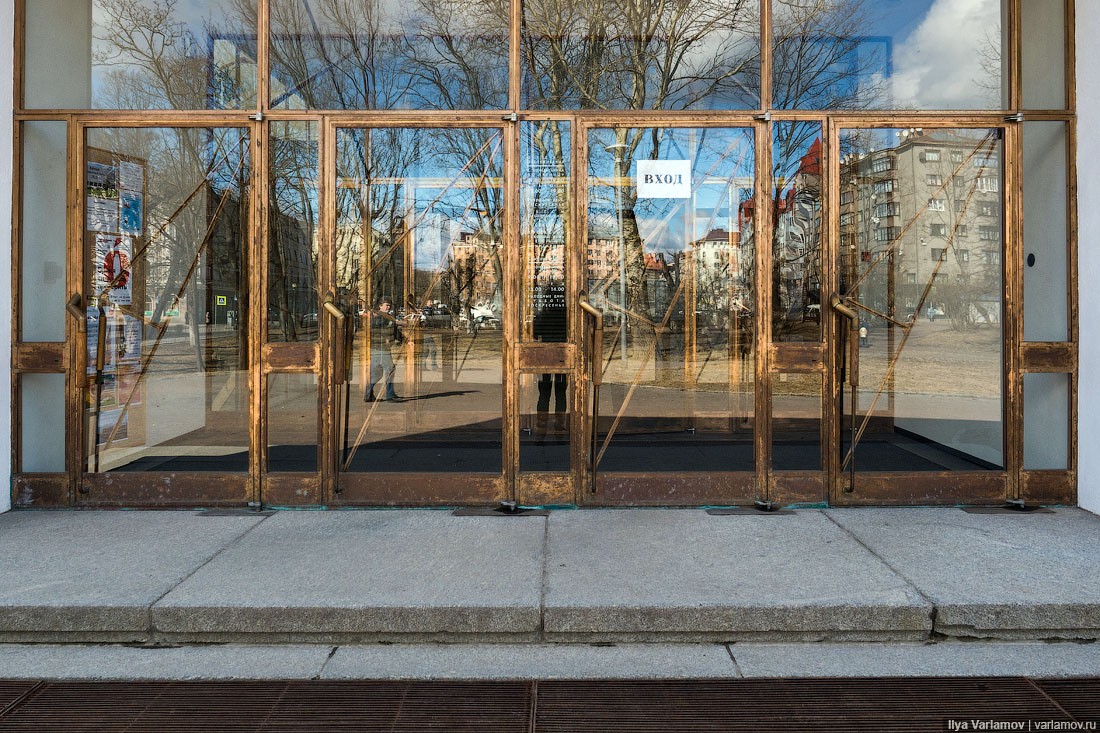
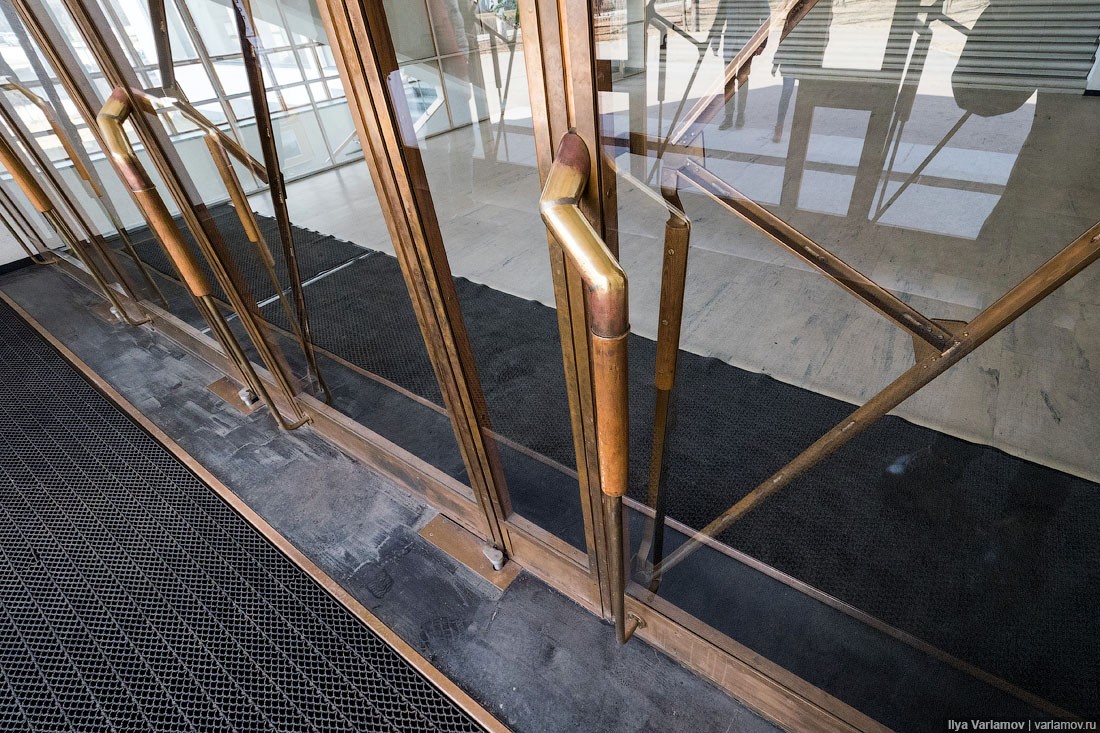
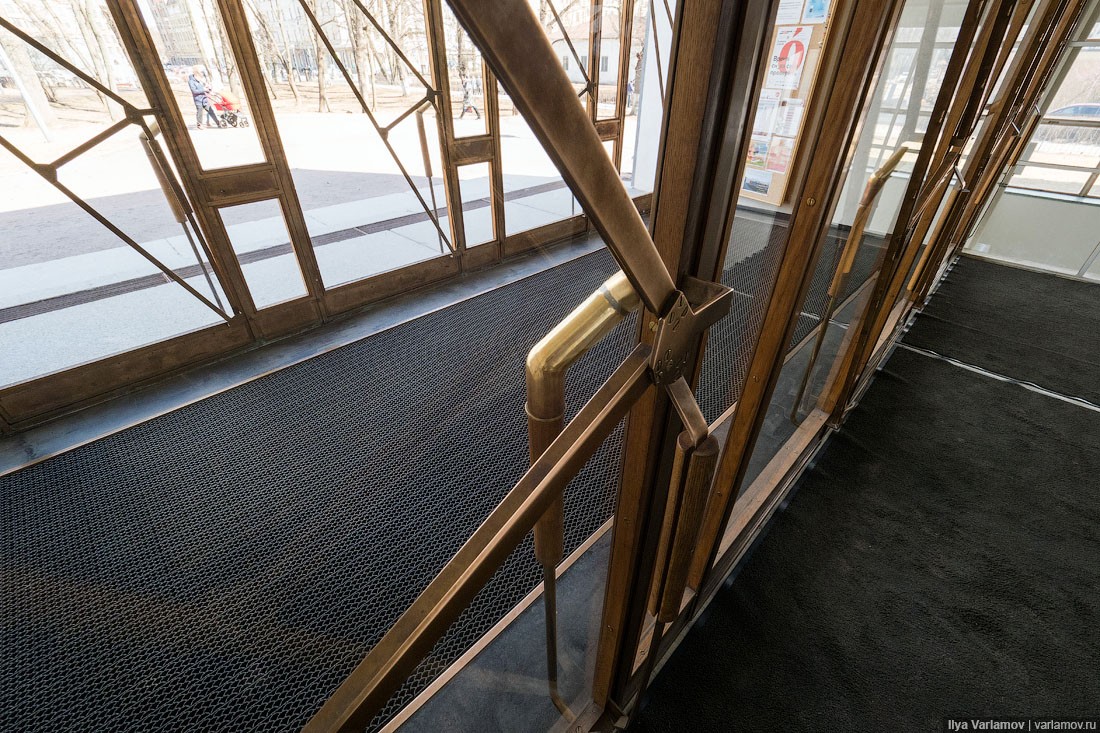
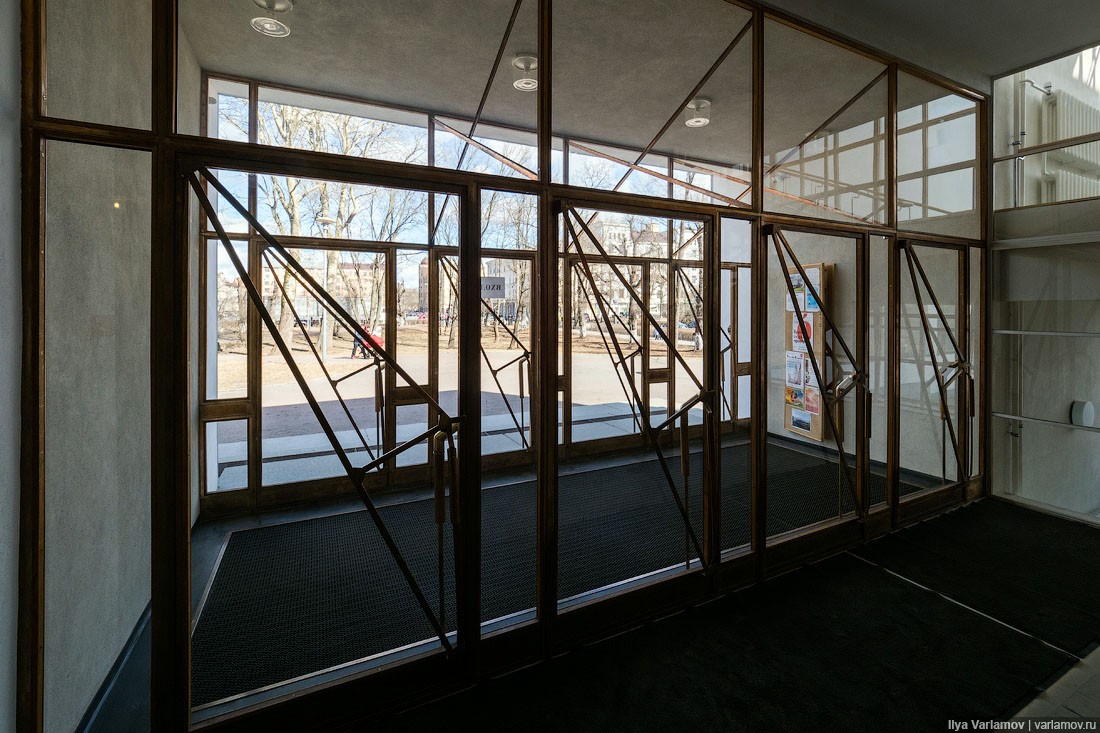
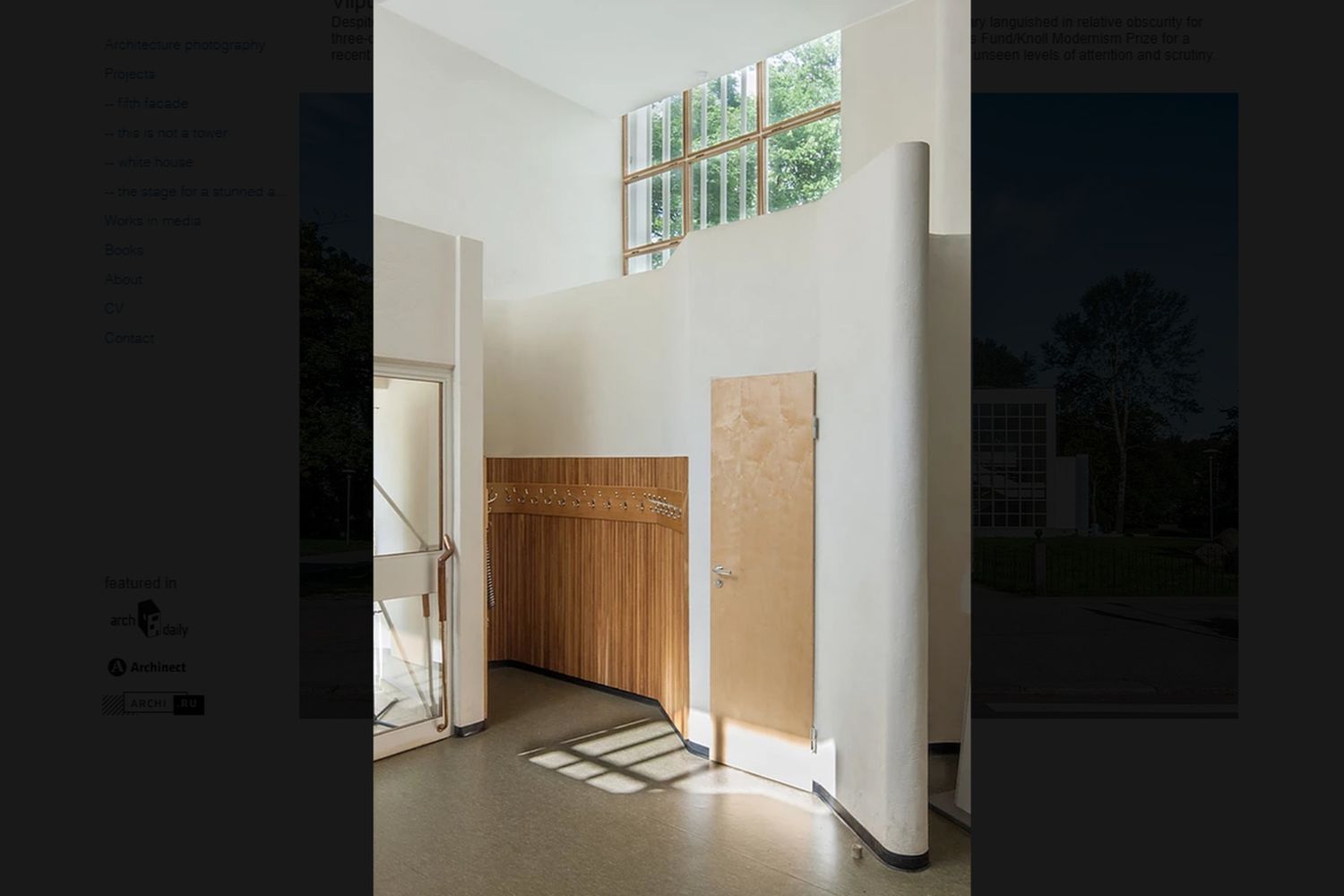
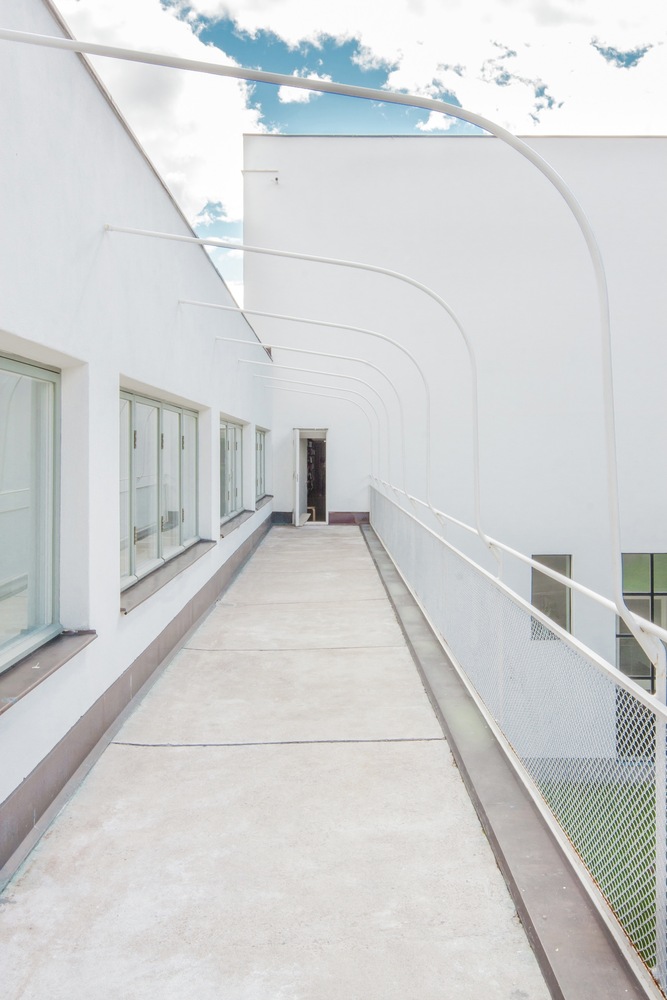
Material selection reinforces the building’s dual identity. The exterior employs white stucco, concrete, and glass in line with modernist principles, while the interior introduces wood surfaces that provide warmth and tactile variation. This combination situates the project within an early regional modernist approach, where international ideas are adapted to local context.
Viipuri Library demonstrates a synthesis of geometry, light, material, and movement developed as a unified architectural system. The project remains a critical reference in the evolution of modern architecture, linking functionalist principles with spatial and environmental refinement.
Address: Prospekt Suvorova 4, 188800 Vyborg, Leningrad Oblast, Russia
Location is for general reference and may represent a city or country, not necessarily a precise address.
Architect
Anton Giuroiu
Anton is a RIBA accredited architect, when he's offline, he spends his time with the sculpta.ba architecture practice or in the MKR.S crafting studio, laser engraving and laser cutting architecture models. In his free time he geeks over taking care of his pencil and mechanical pencil collection.
Expertises: Architecture, Interior design, Home improvement, Drawing, Laser machining