

Architects: Le Corbusier, Pierre Jeanneret
Area: 500 m² (5,382 ft²)
Year: 1925
Photography: Le Corbusier, Steve Cadman, Harold Hollingsworth, Rory Hyde, Amaury Henderick, Jaques, Oliver Martin Gambier, Hiepler Brunier, Monceau, Hans Jan Dürr, Cemal Emden, Andy Marshall, soft machine, Wikimedia Commons, Radomir Cernoch, WikiArquitectura, architecture-history.org
Client: Raoul La Roche
UNESCO World Heritage Site: 2016
City: Paris
Country: France
Villa La Roche house and gallery by Le Corbusier and Pierre Jeanneret in Paris, France redefined the relationship between domestic space, art collection, and architectural promenade between 1923 and 1925. Designed for Swiss banker and collector Raoul La Roche, the project combines a private residence with a gallery for avant-garde art within a carefully organized sequence of spaces. The house forms part of the La Roche–Jeanneret complex and represents an important stage in the development of Le Corbusier’s architectural ideas before Villa Savoye. Reinforced concrete construction allowed free spatial organization, long windows, roof terraces, and a composition of interconnected volumes. The interior is structured through the architectural promenade, guiding visitors through changing perspectives, varying ceiling heights, controlled natural light, and curated views of artworks. The gallery spaces, ramps, stairs, balconies, and double-height volumes establish a continuous sequence that links movement and perception. Polychromatic interior surfaces further define spatial relationships and emphasize the interaction between light, color, and form. Villa La Roche introduced many principles that would later become central to modern architecture while exploring the relationship between architecture, art, and movement. Today, the building houses the Fondation Le Corbusier and preserves one of the most important collections of drawings, archives, and artworks related to the architect. The house was included within the UNESCO World Heritage listing of Le Corbusier’s architectural work in 2016.
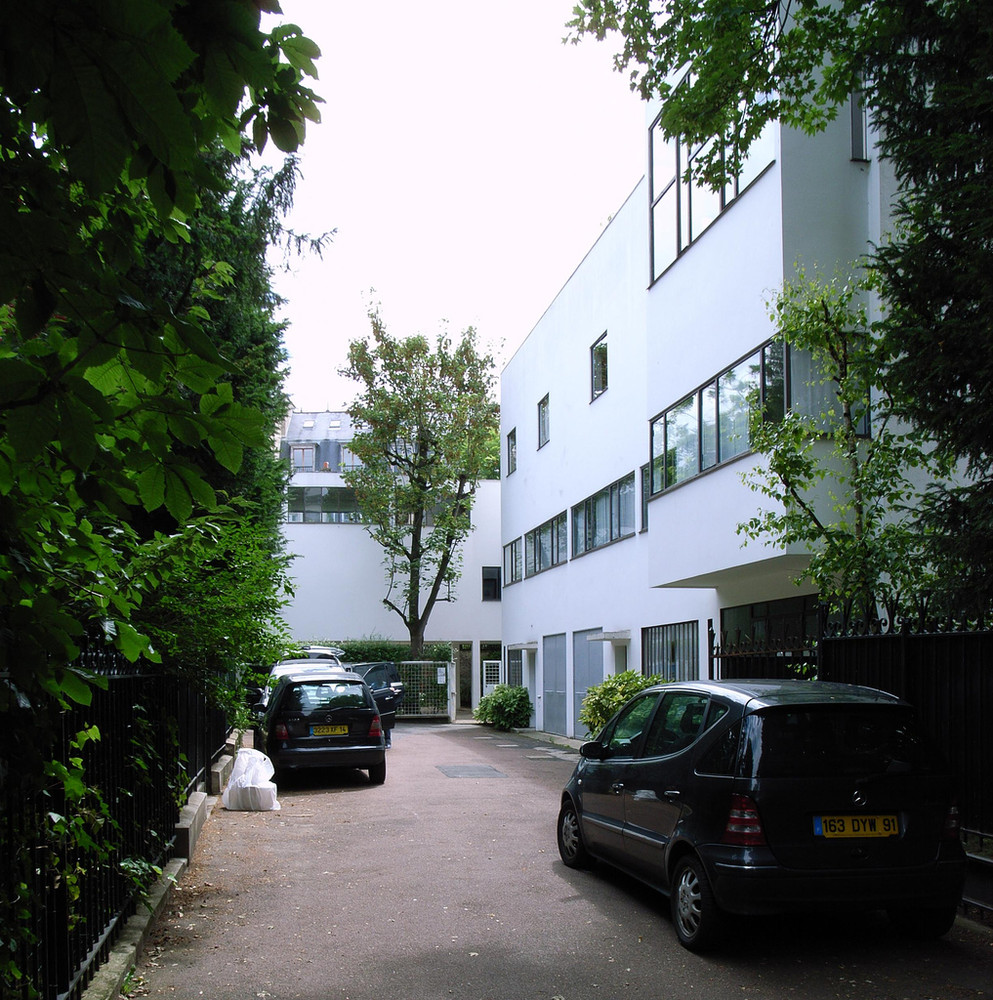
Villa La Roche was designed between 1923 and 1925 by Le Corbusier and Pierre Jeanneret for Raoul La Roche, a Swiss banker and collector of avant-garde art. The commission required both a private residence and a gallery capable of displaying La Roche’s growing collection. The resulting project combined domestic and exhibition functions within a single architectural composition and became one of the most significant early works of modern architecture.
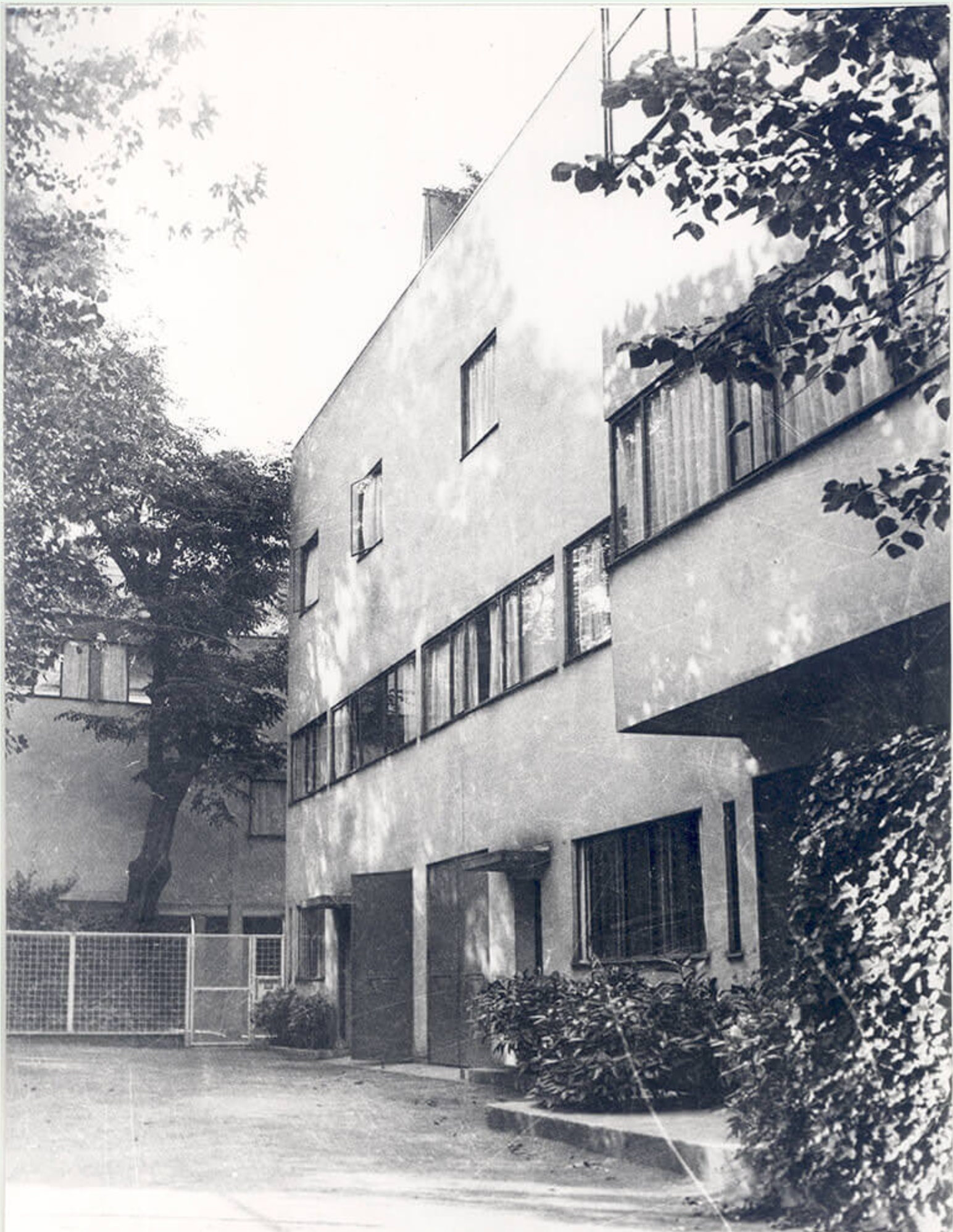
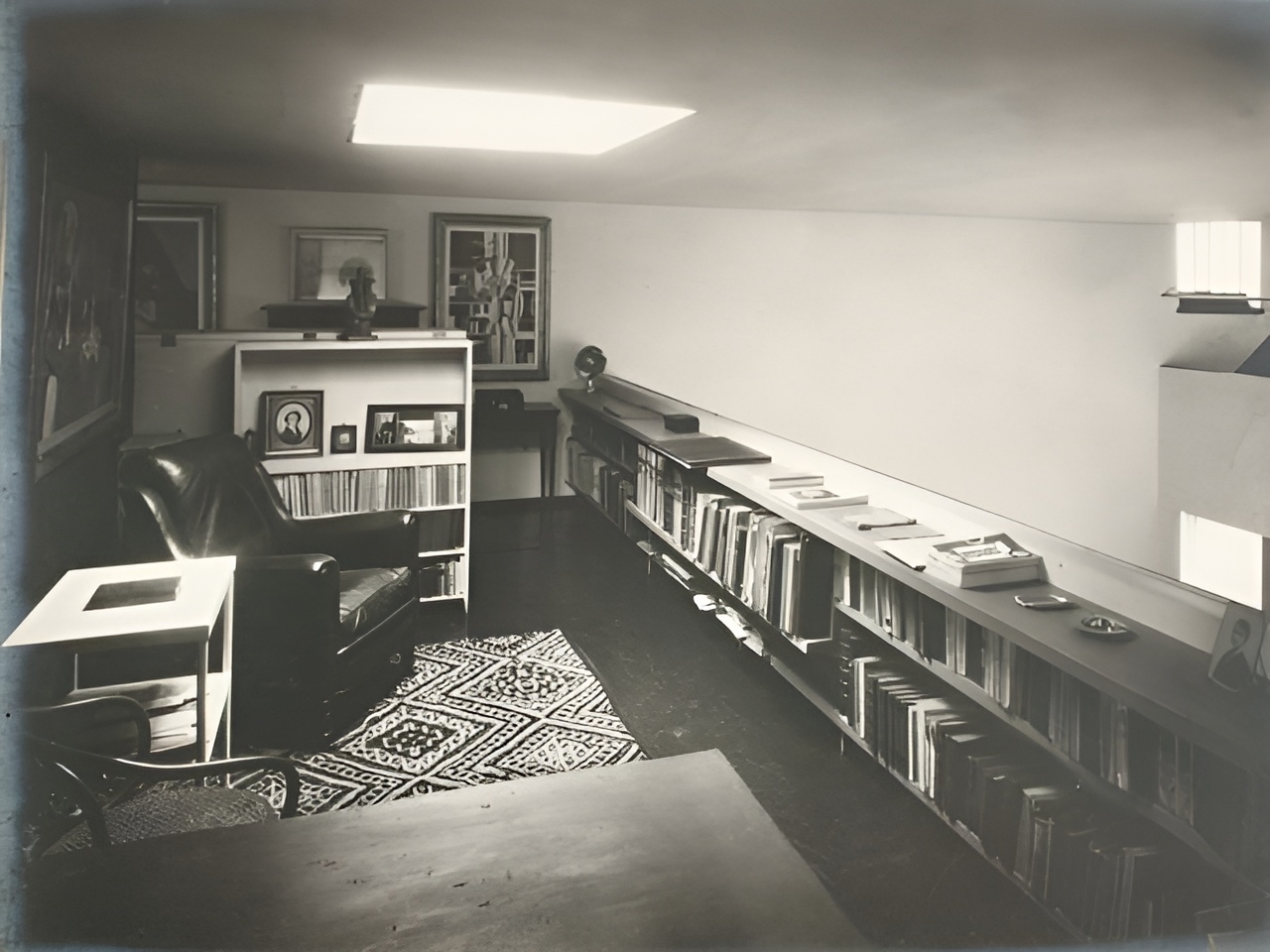
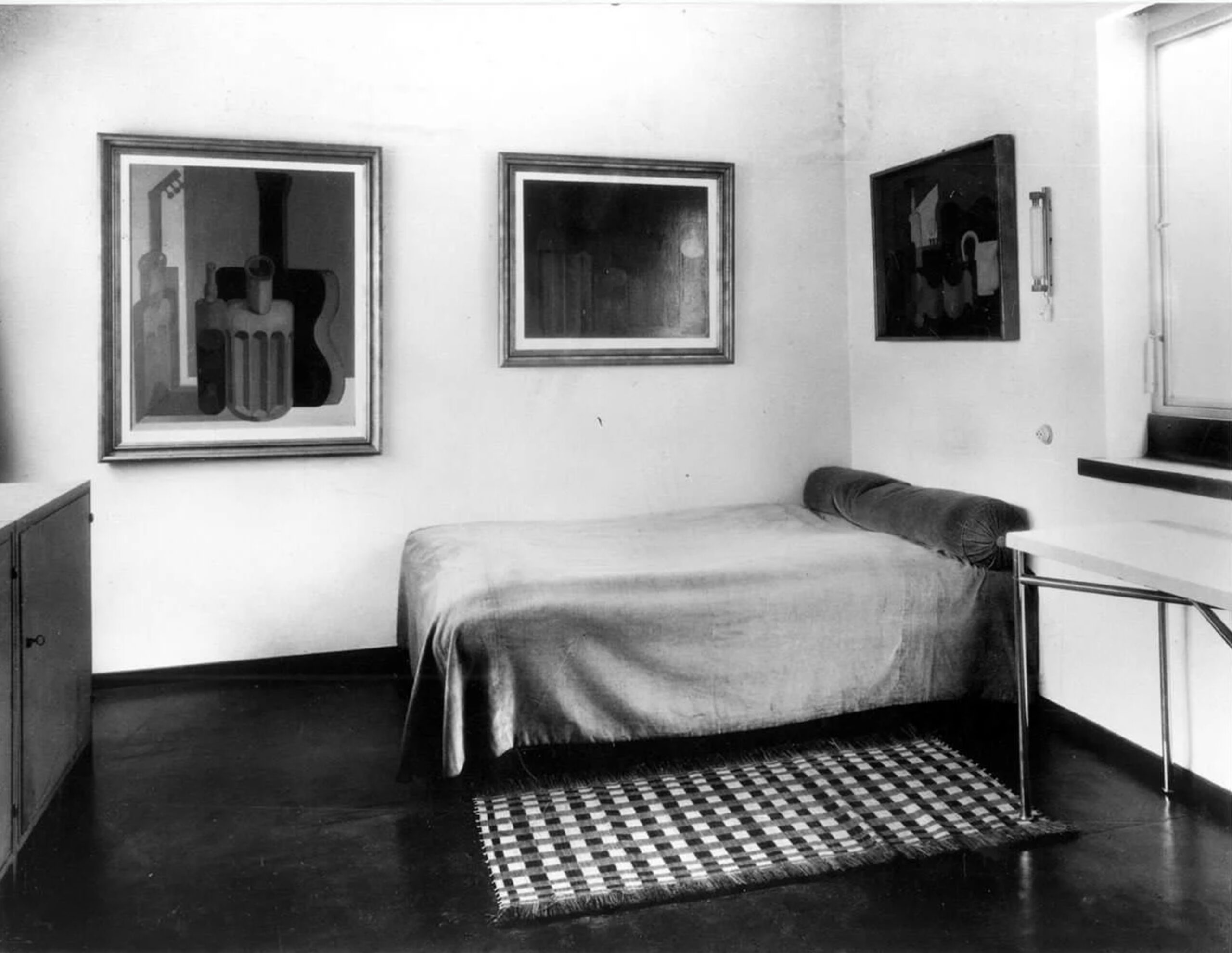
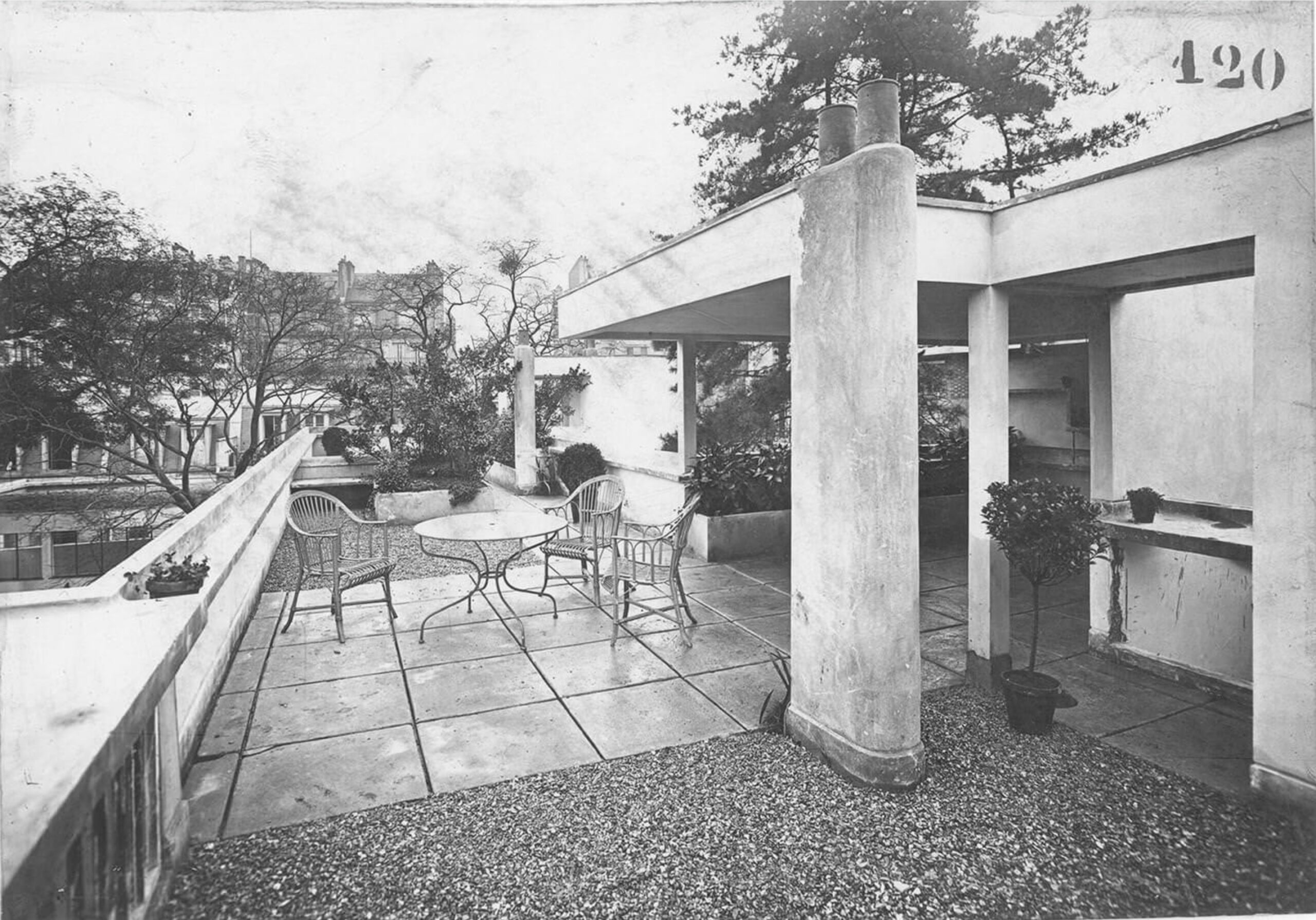
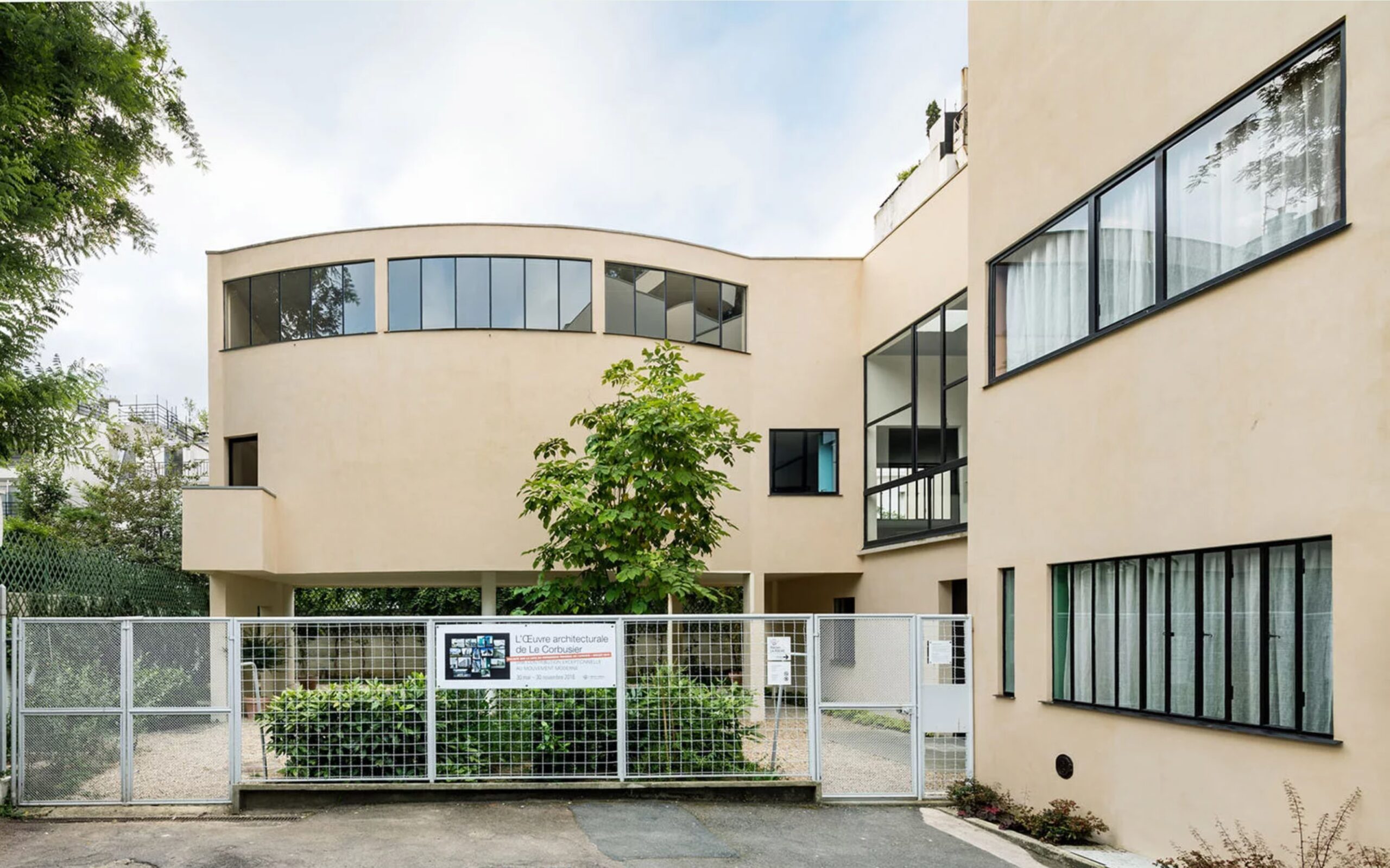
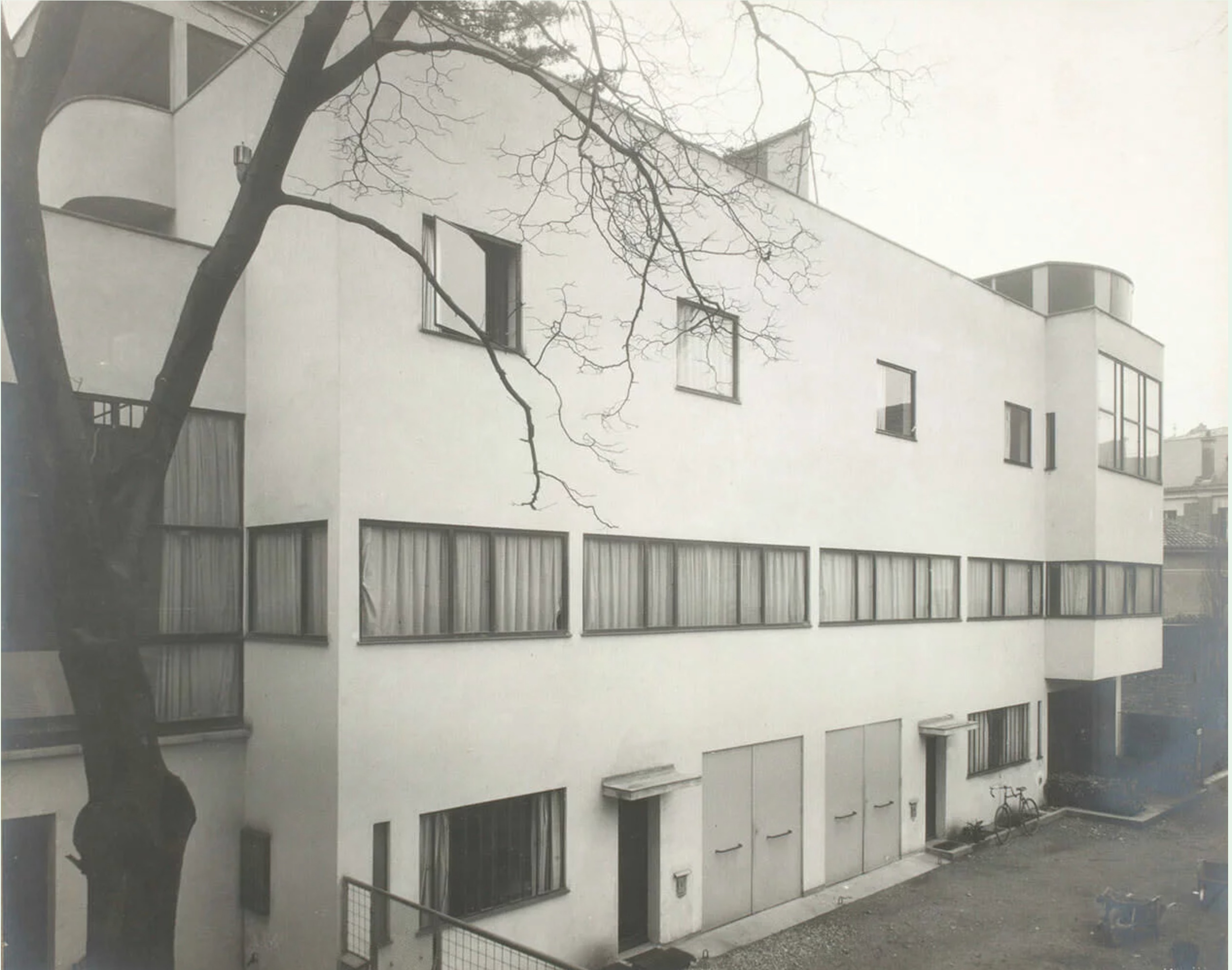
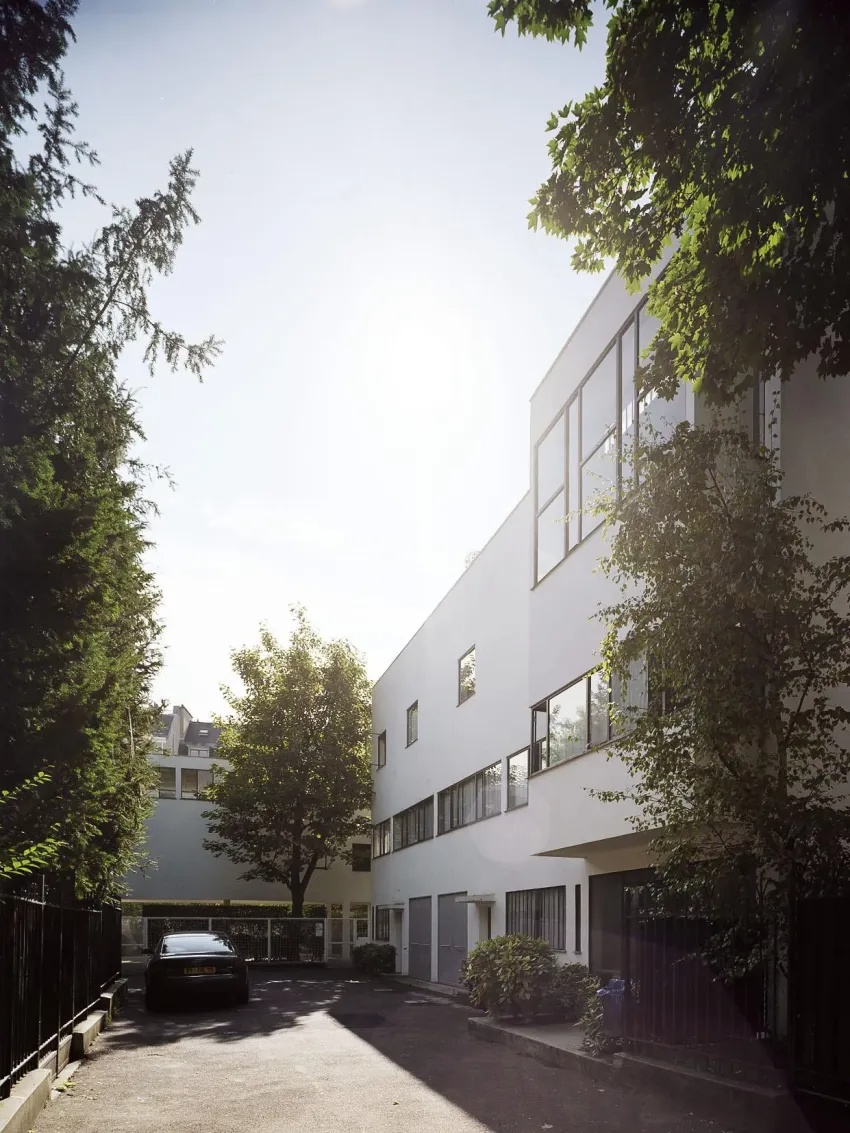
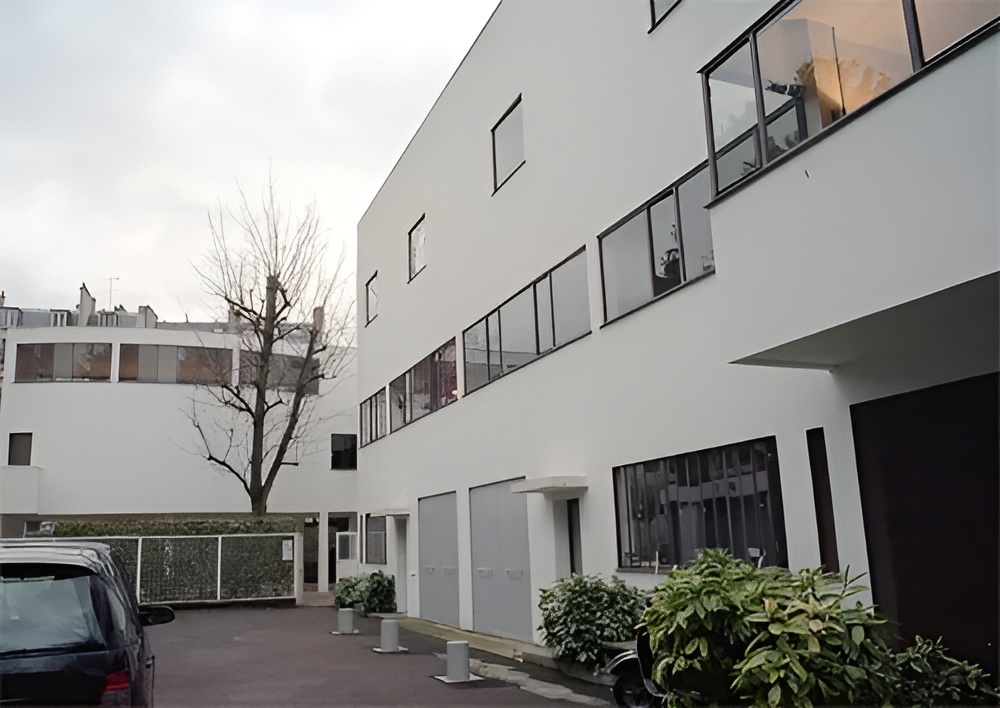
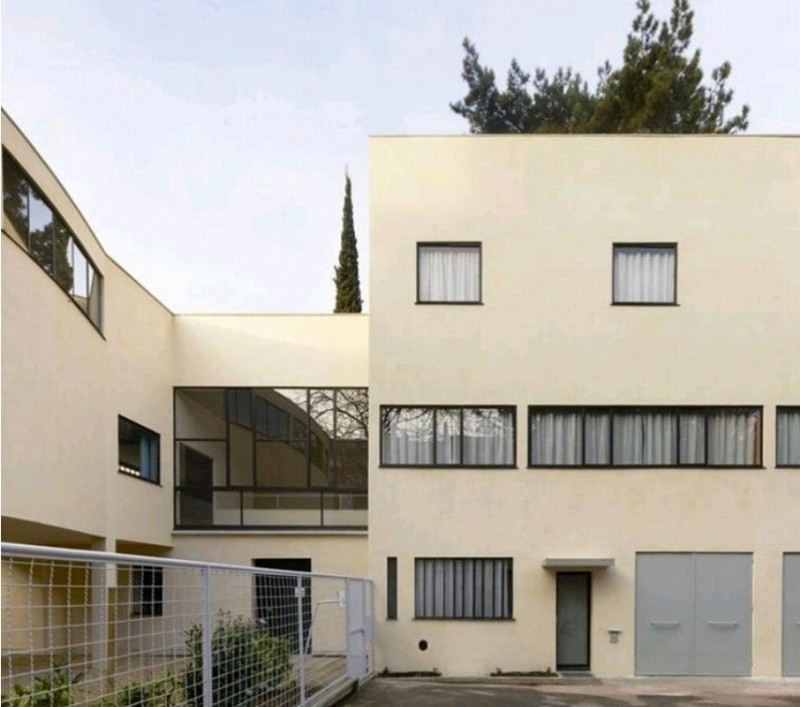
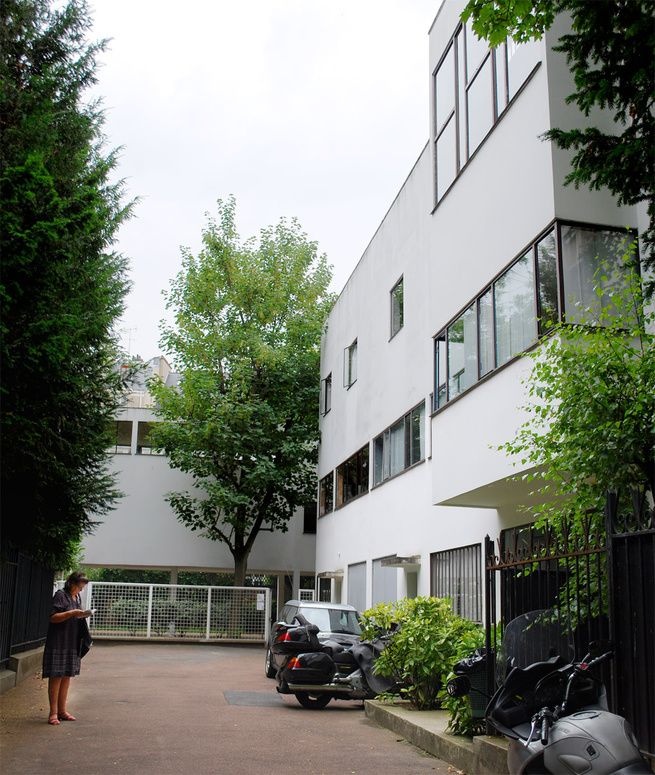
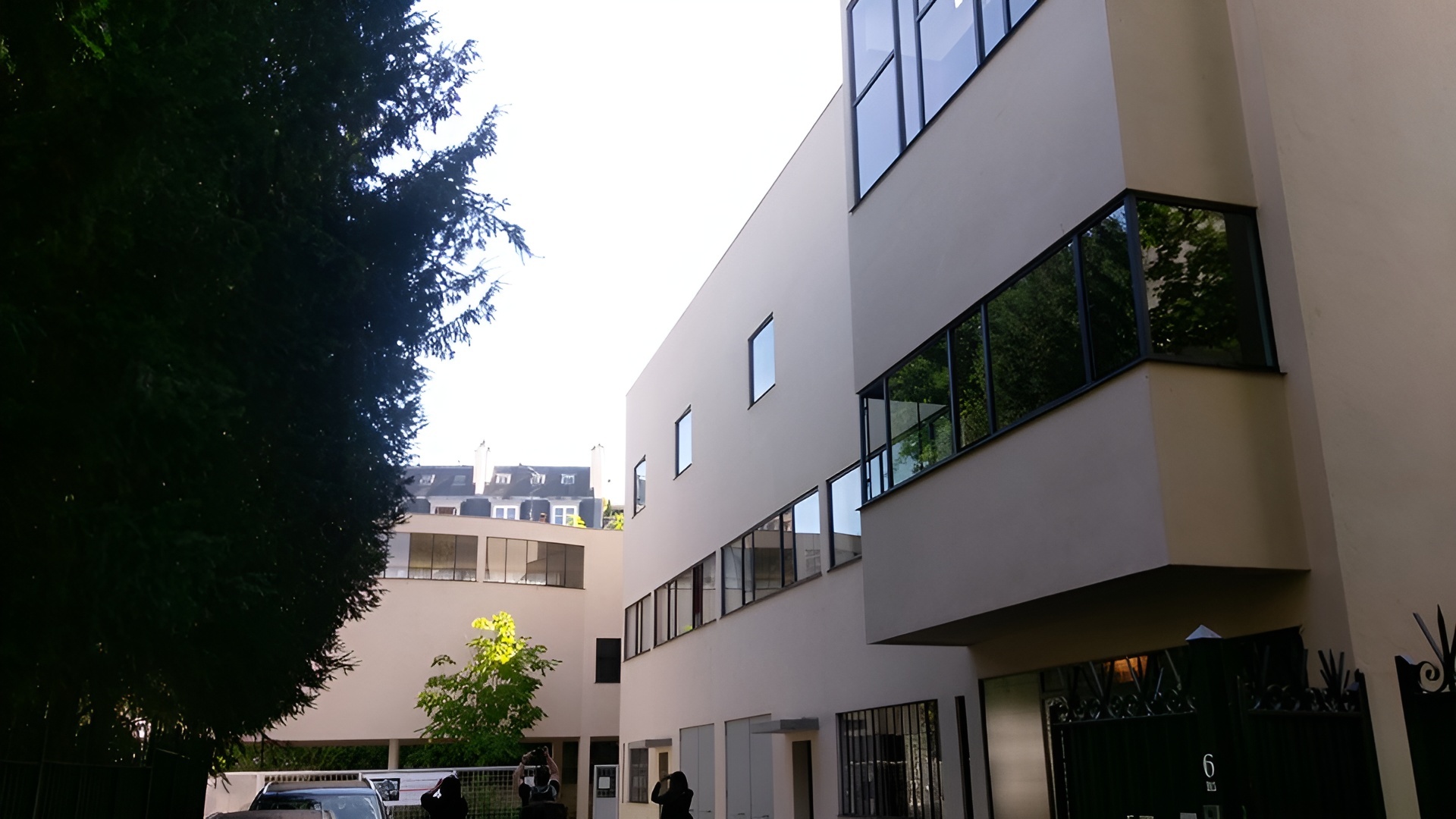
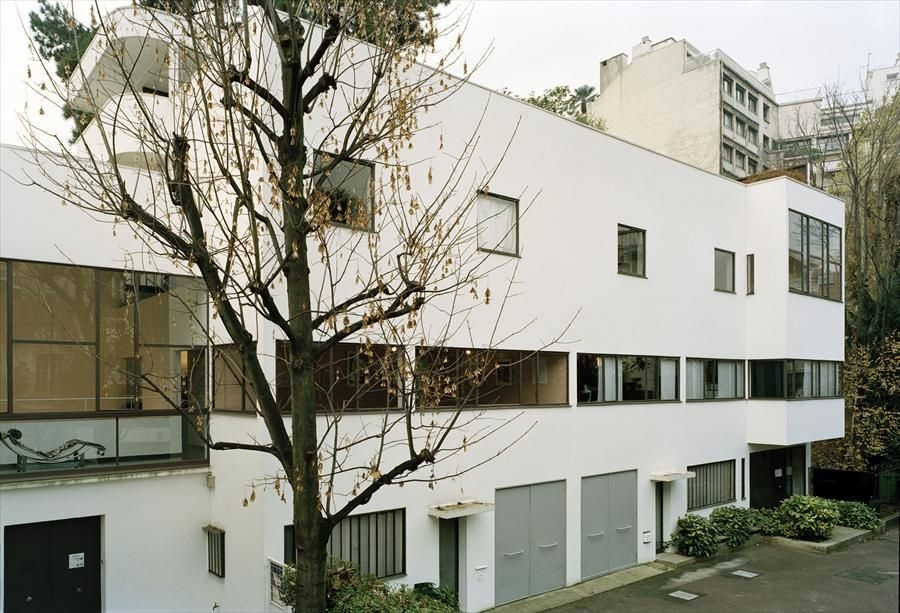
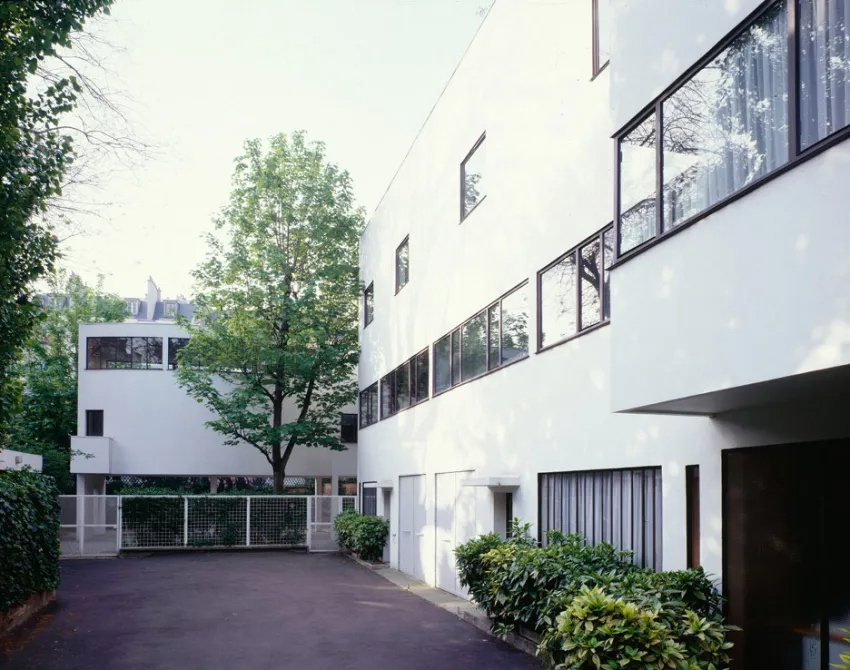
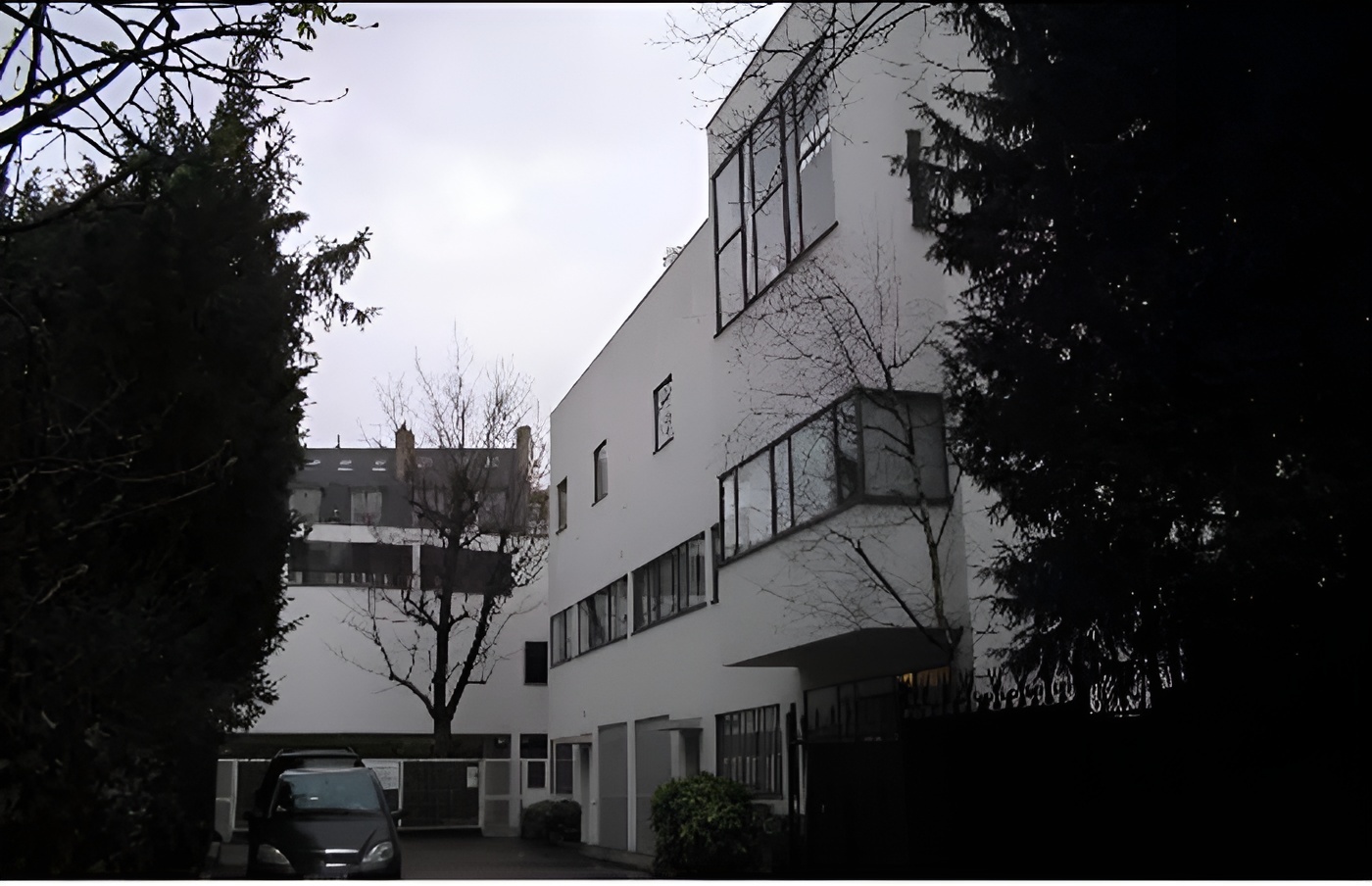
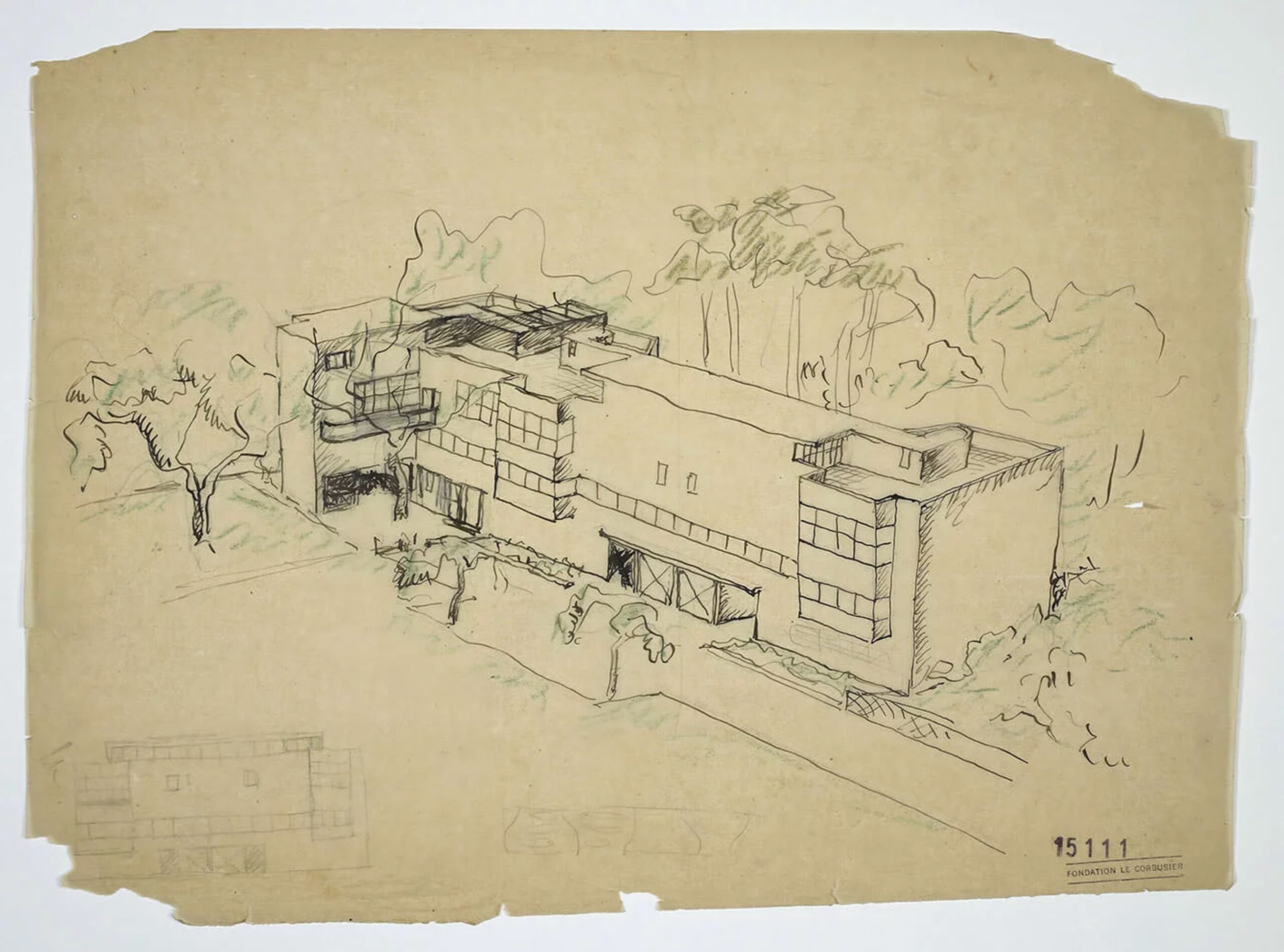
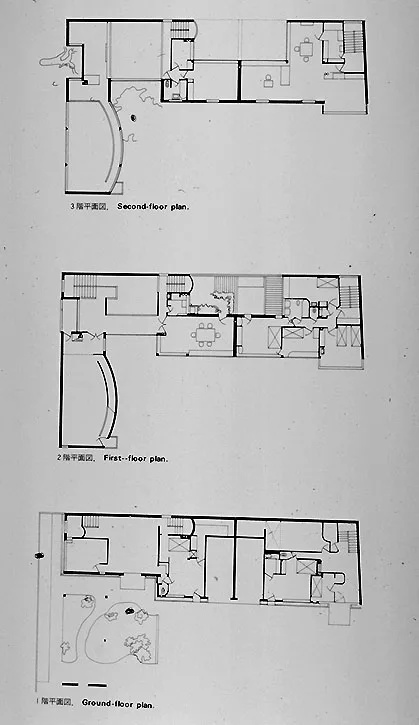
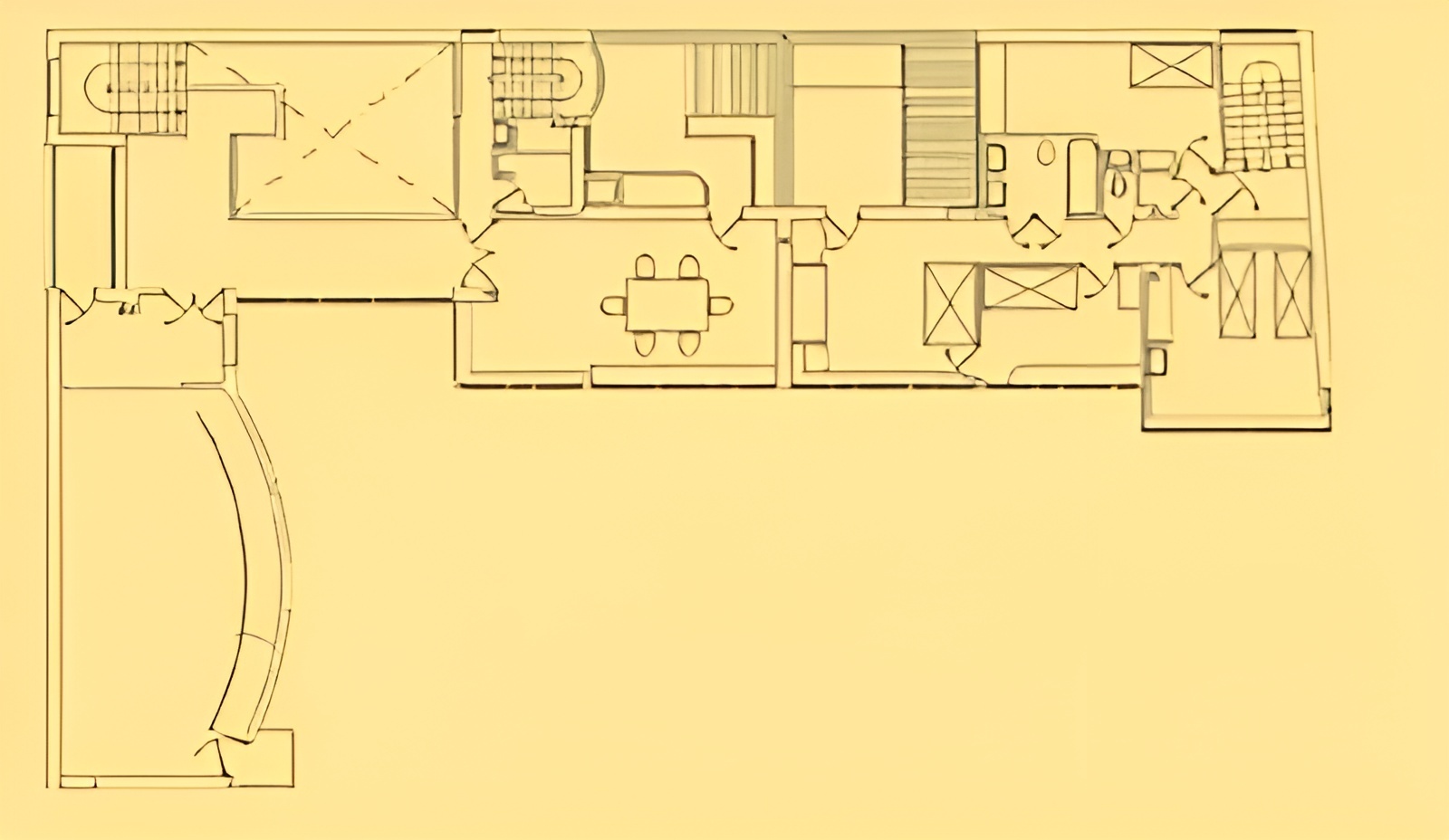
The house forms part of the La Roche–Jeanneret complex in the Auteuil district of Paris. The two connected houses are arranged at right angles and occupy a constrained urban site at the end of Square du Docteur Blanche. The project provided Le Corbusier with an opportunity to explore spatial organization, movement, and the relationship between architecture and art.
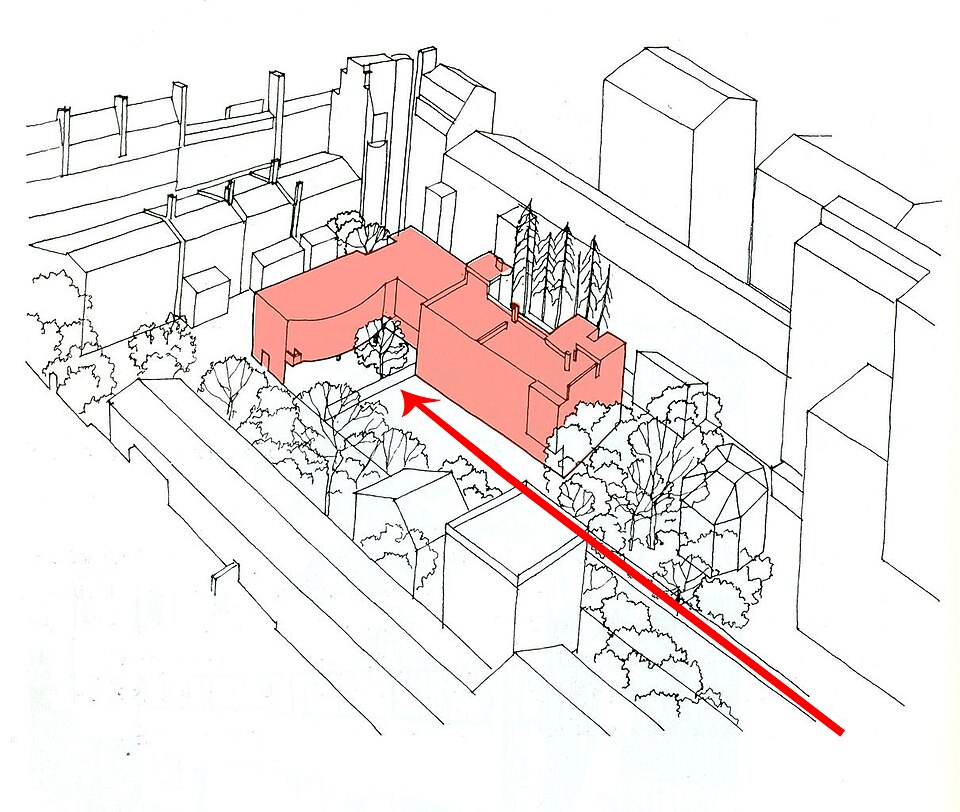
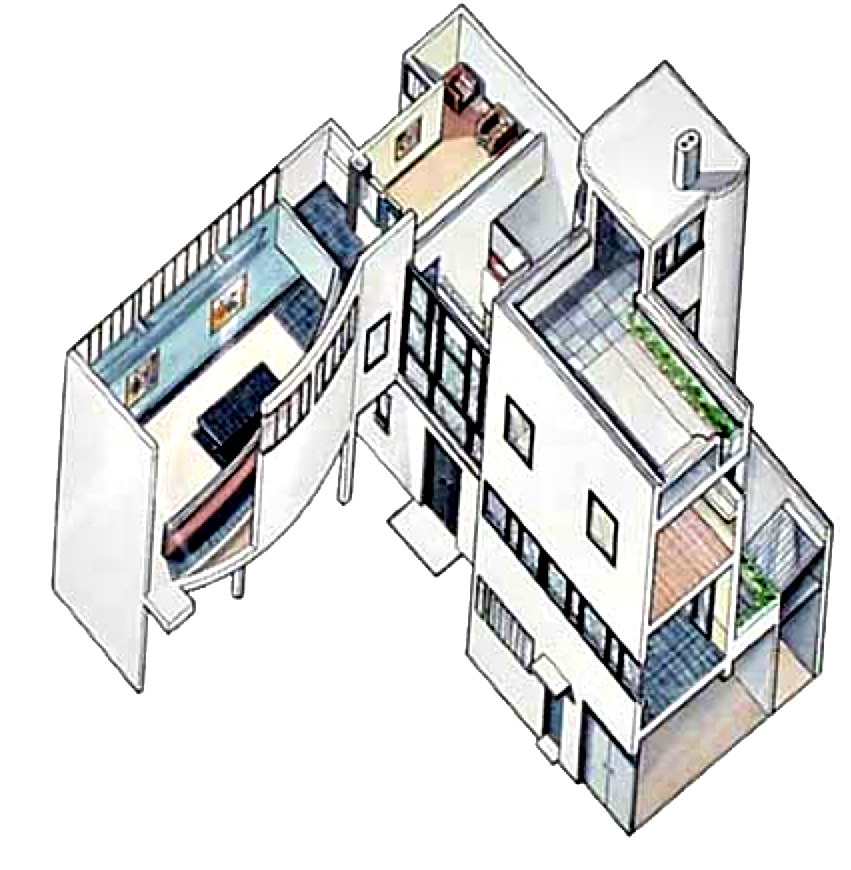
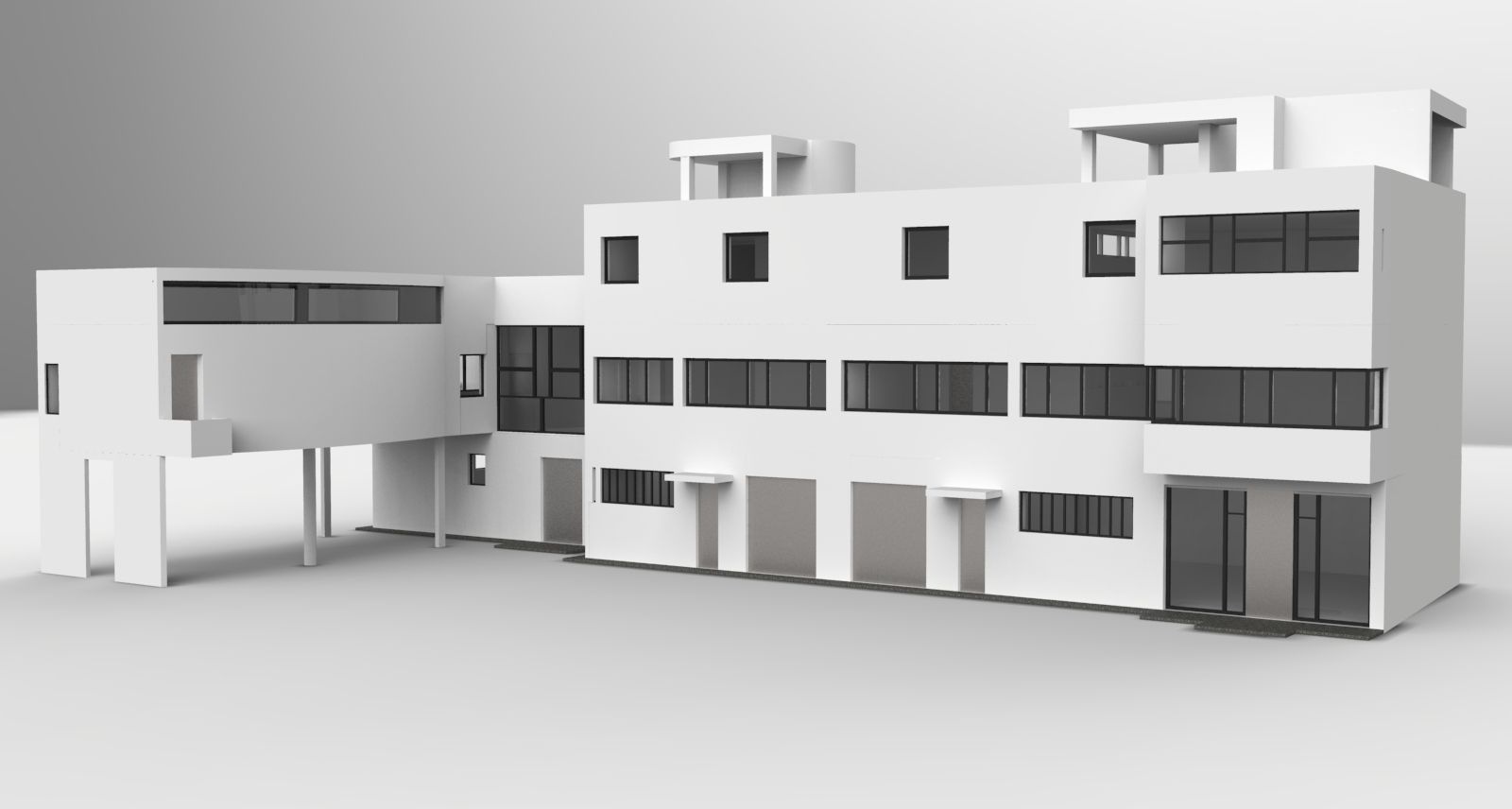
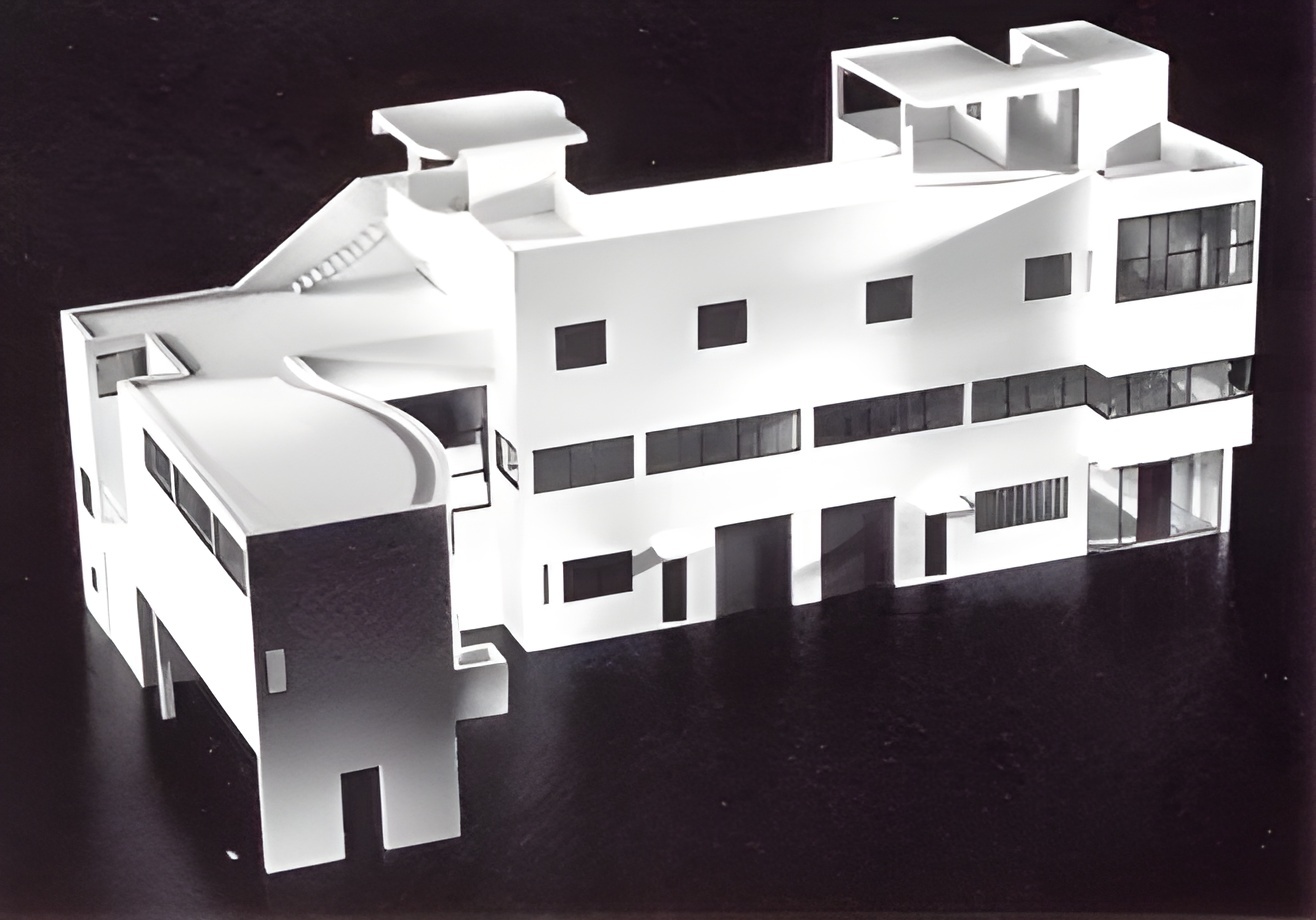
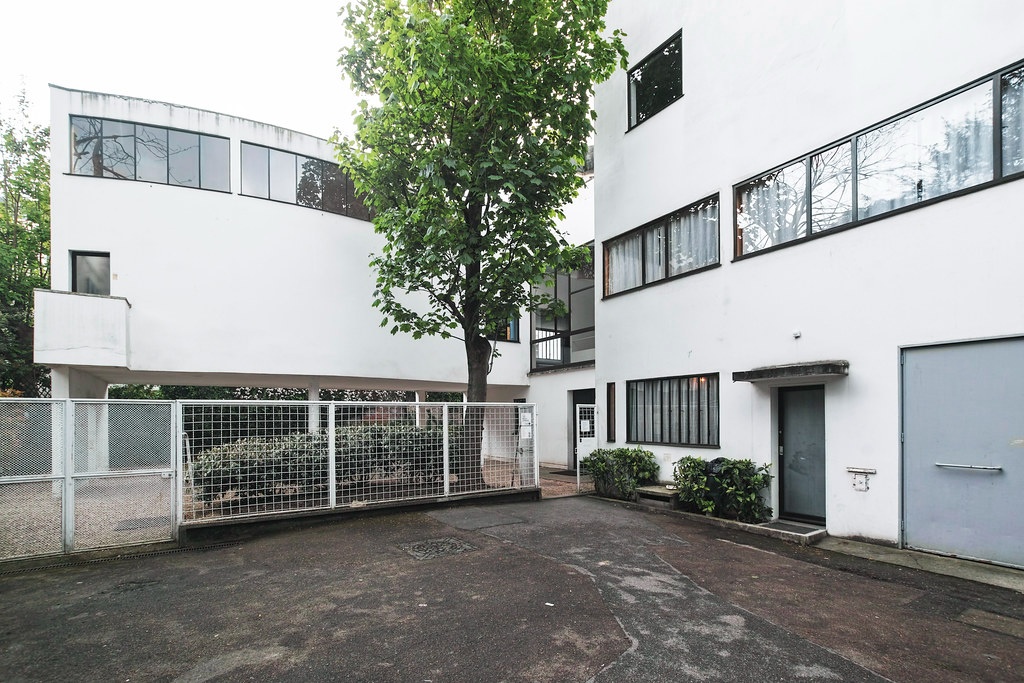
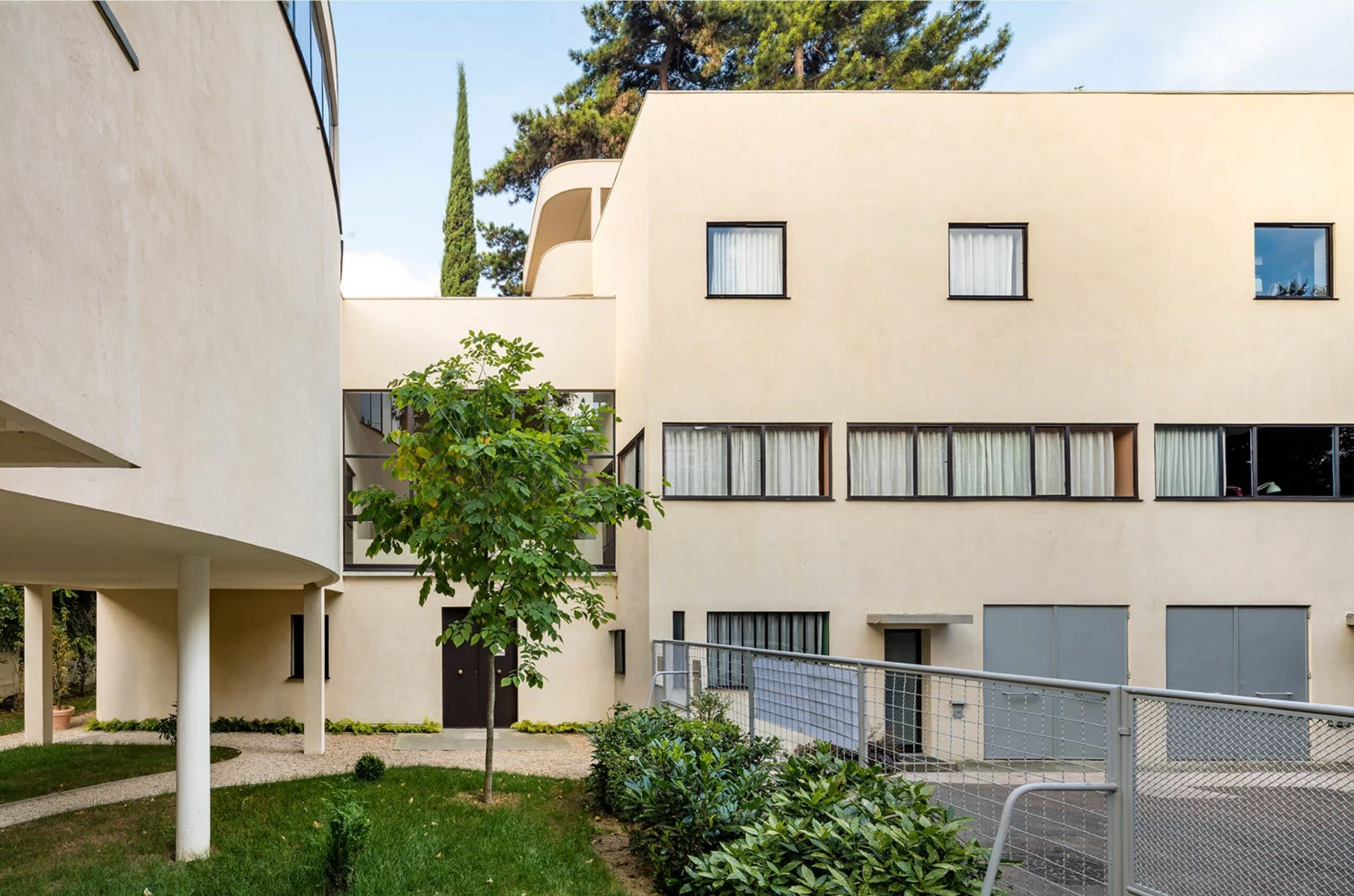
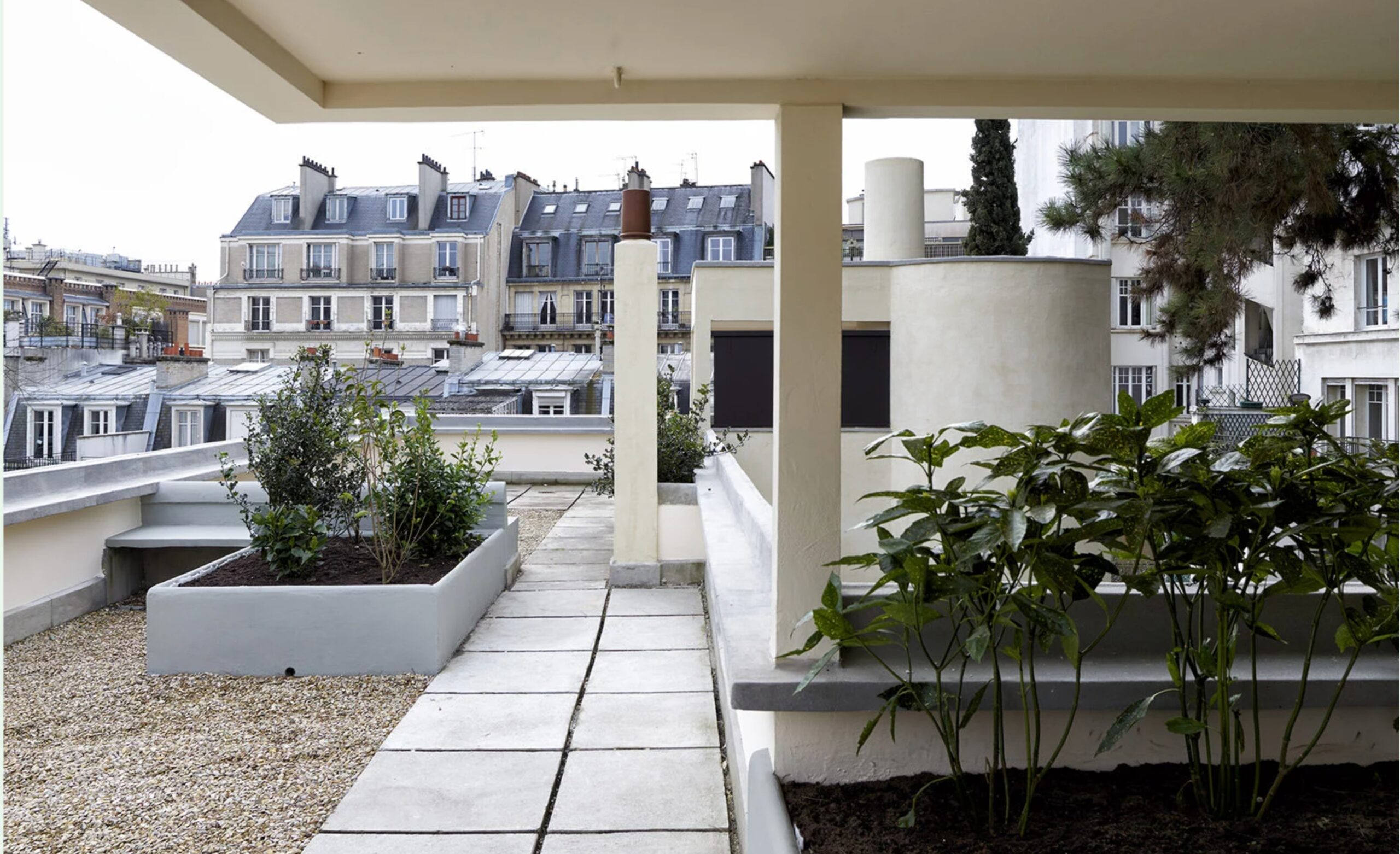
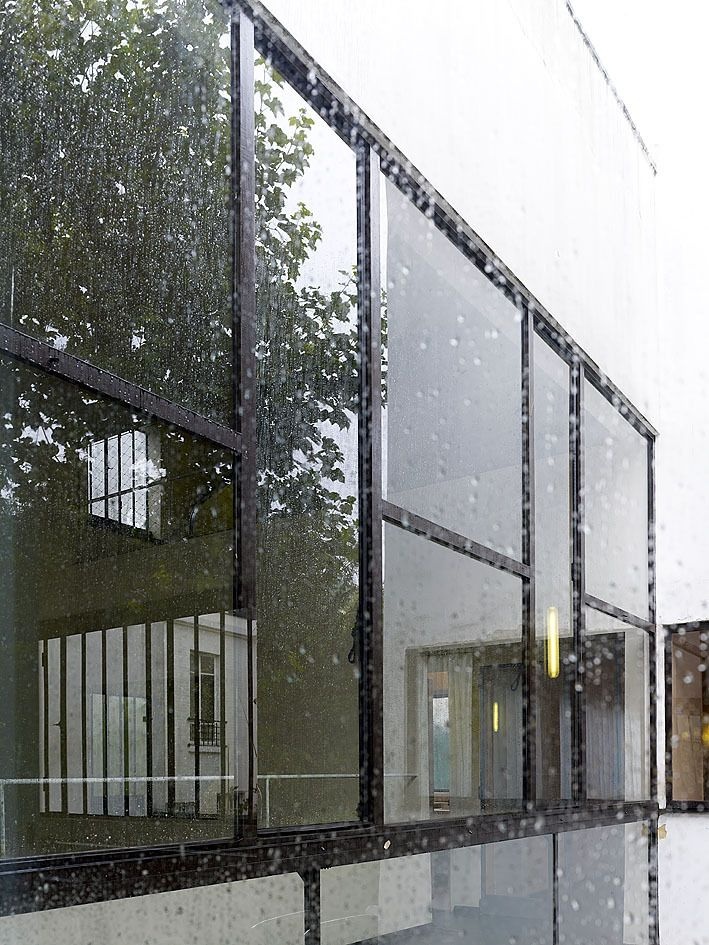
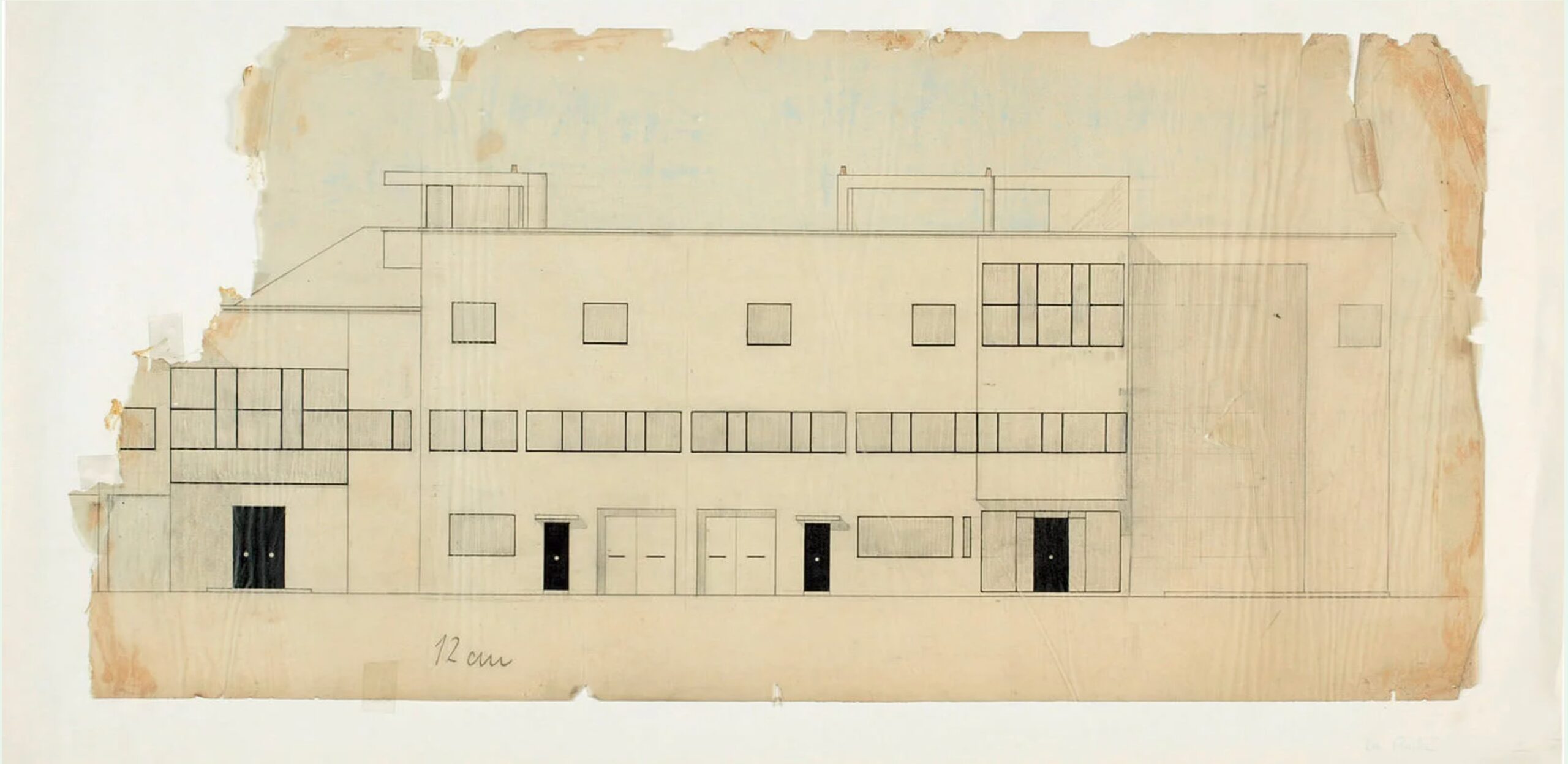
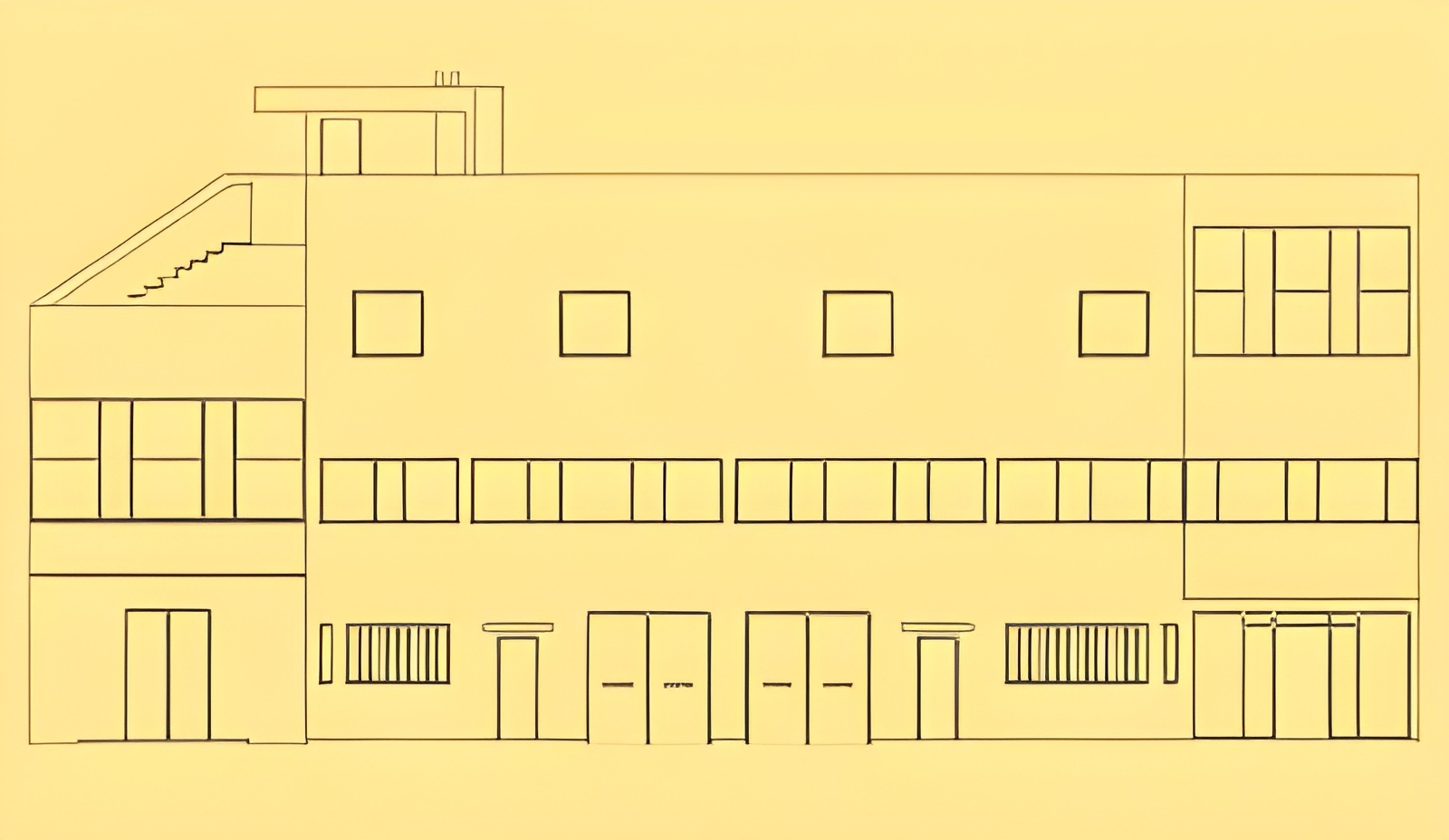
Villa La Roche represents an important stage in the development of the architectural language that would later culminate in Villa Savoye. Reinforced concrete construction allowed a degree of formal freedom that departed from traditional domestic design. The structure made possible long horizontal openings, roof terraces, free interior arrangements, and the separation of structural and enclosure systems.
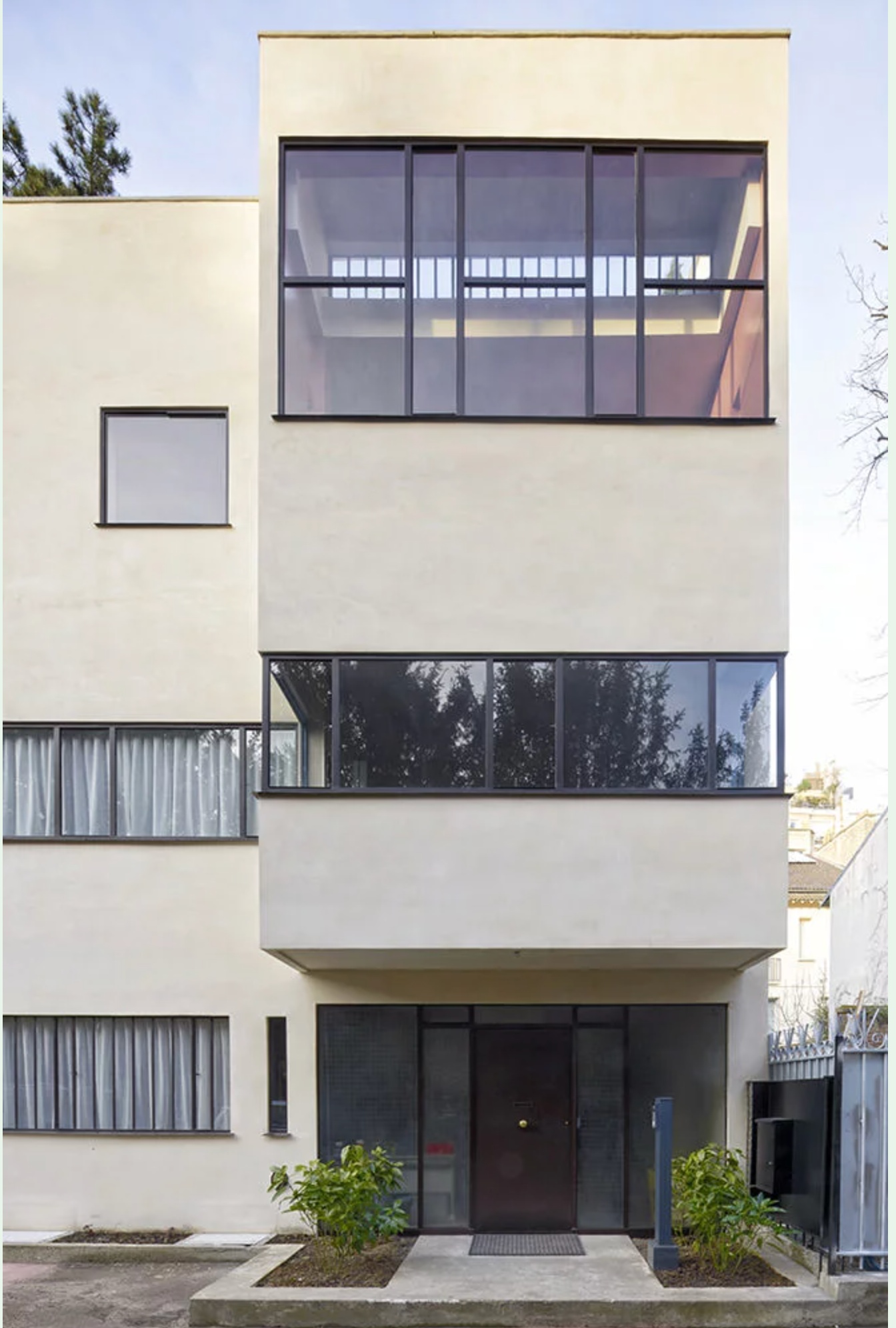
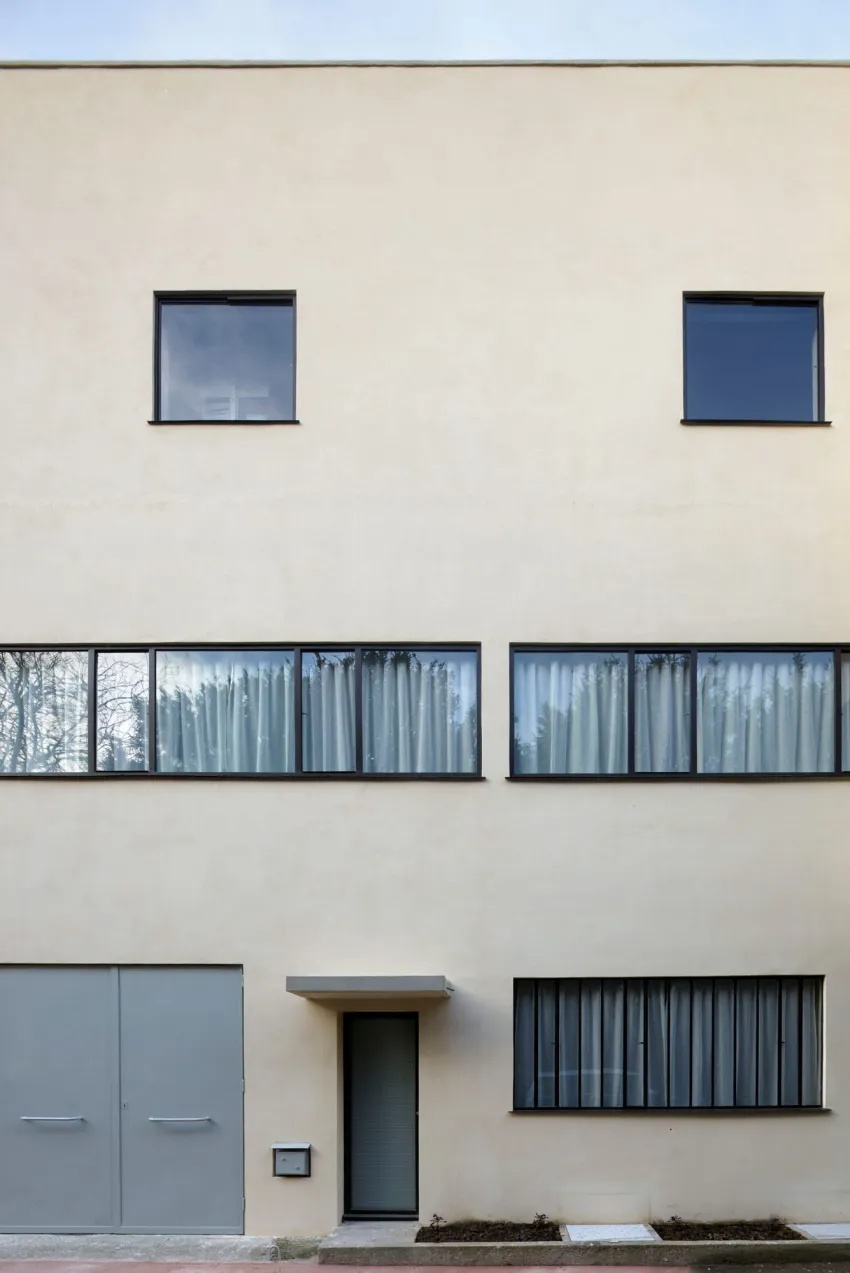
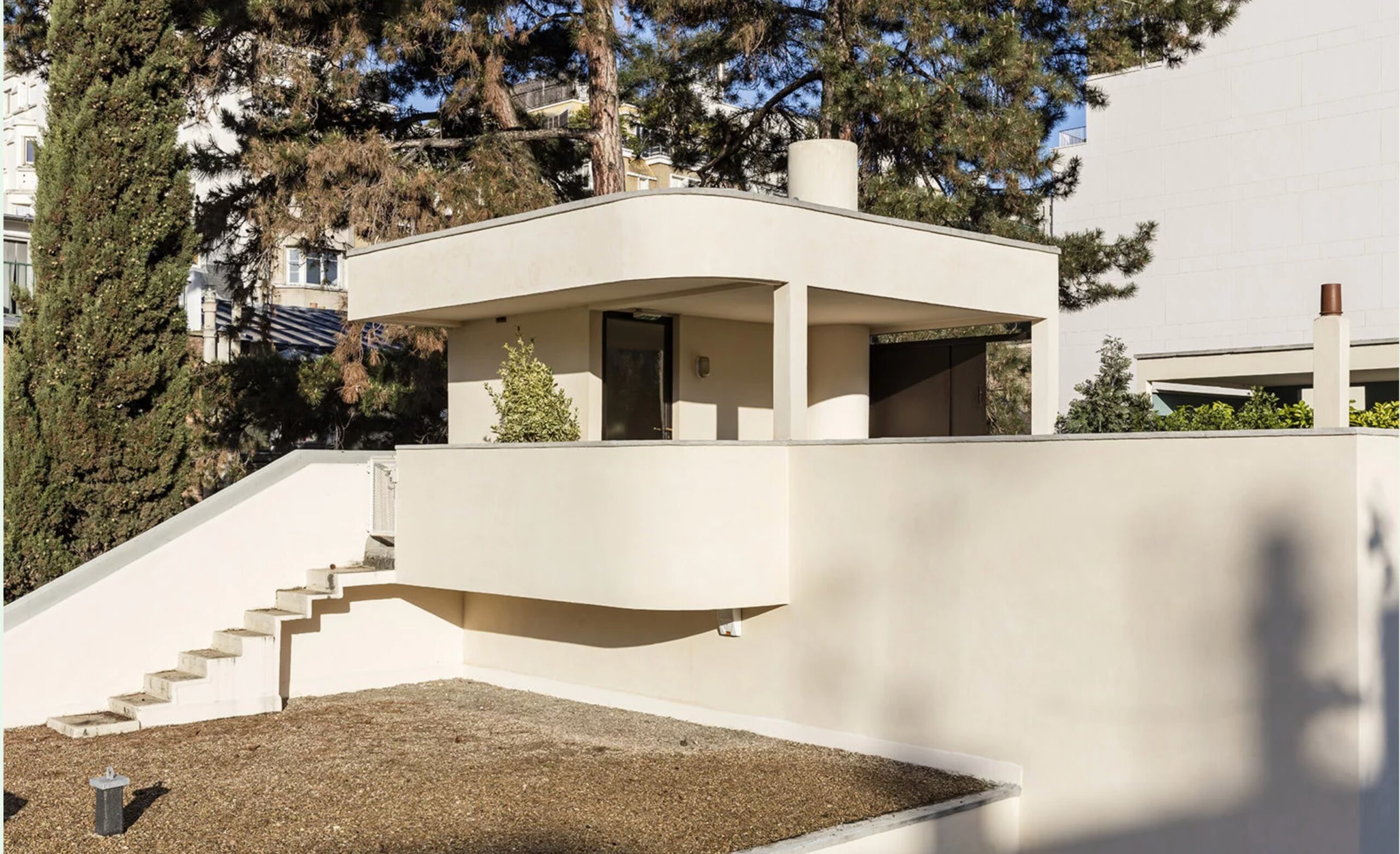
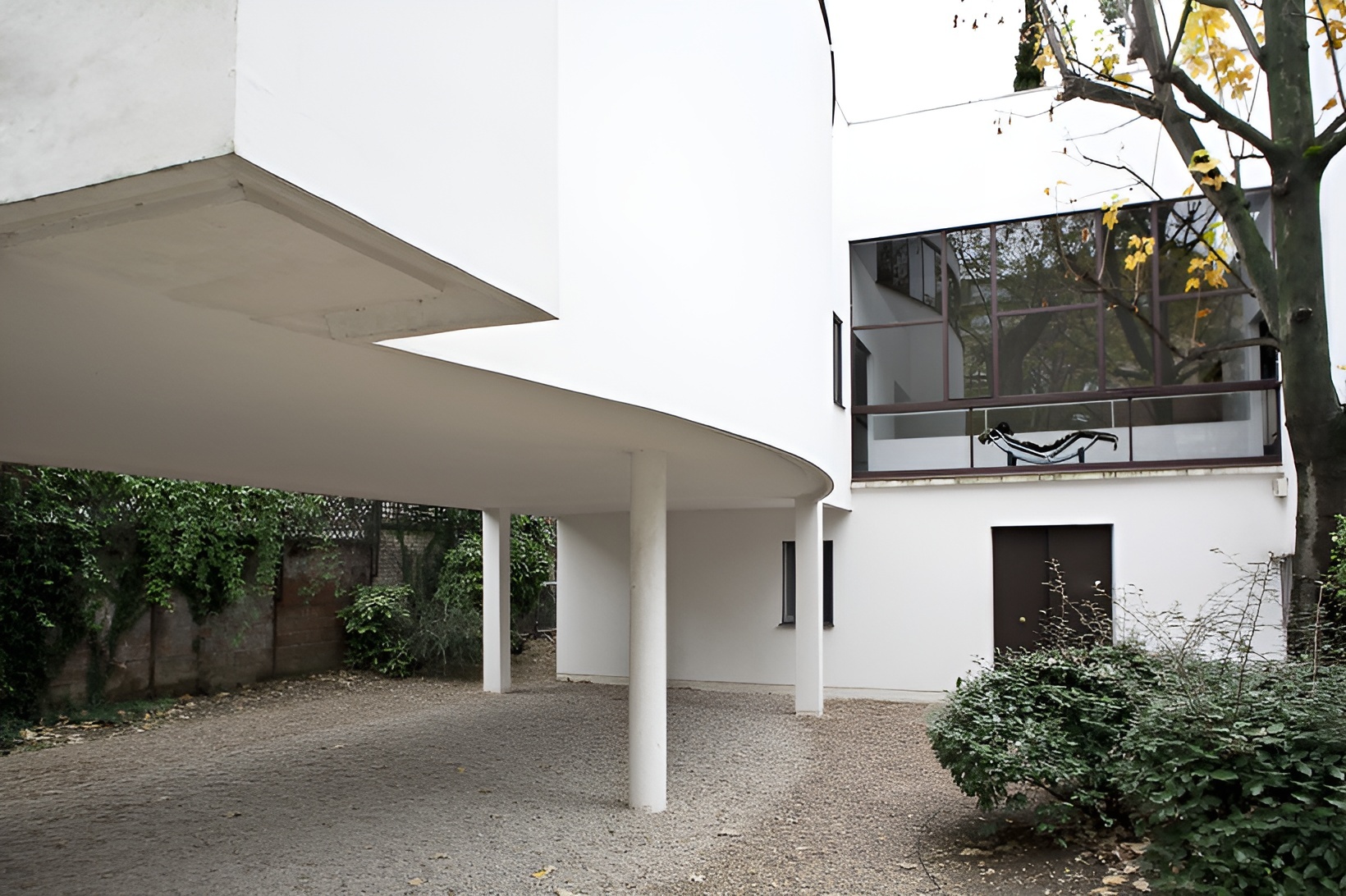
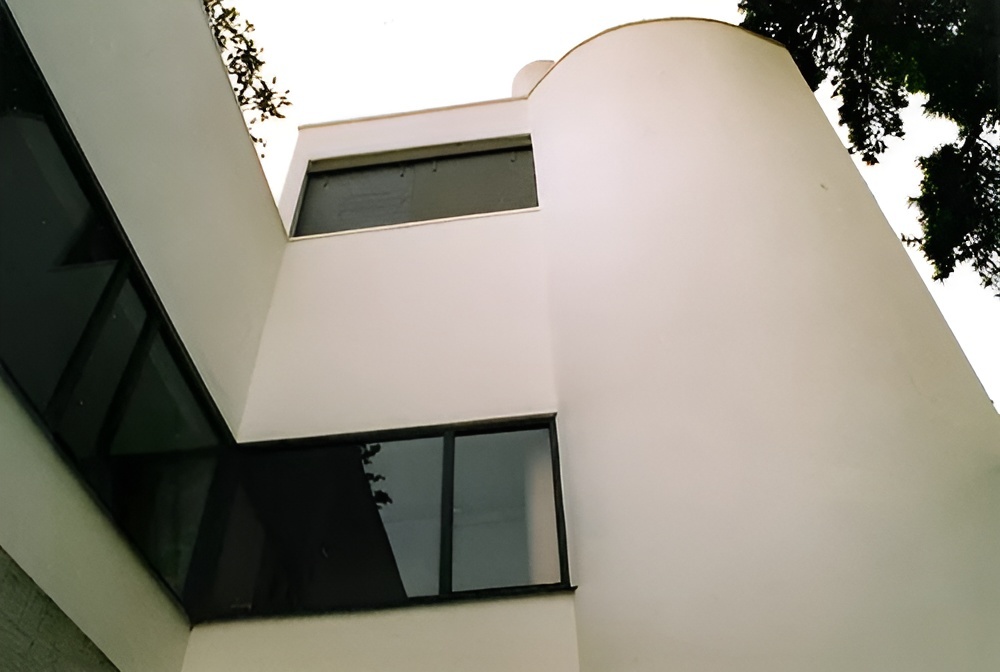
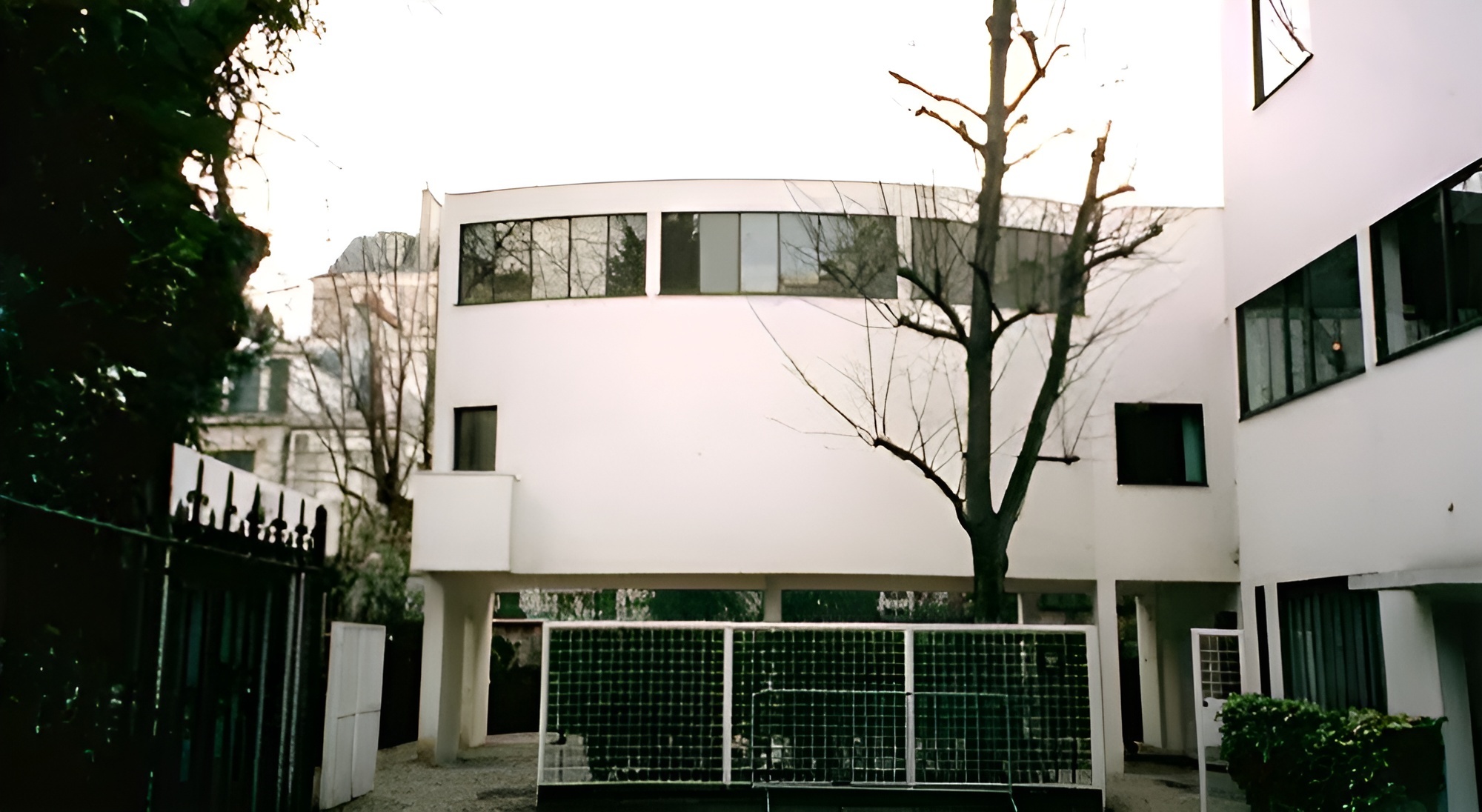
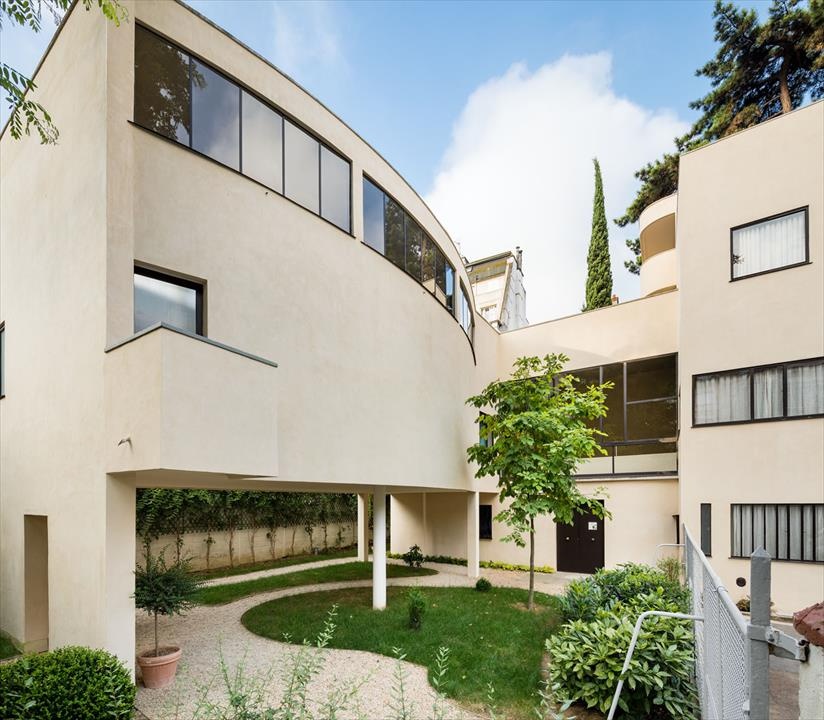
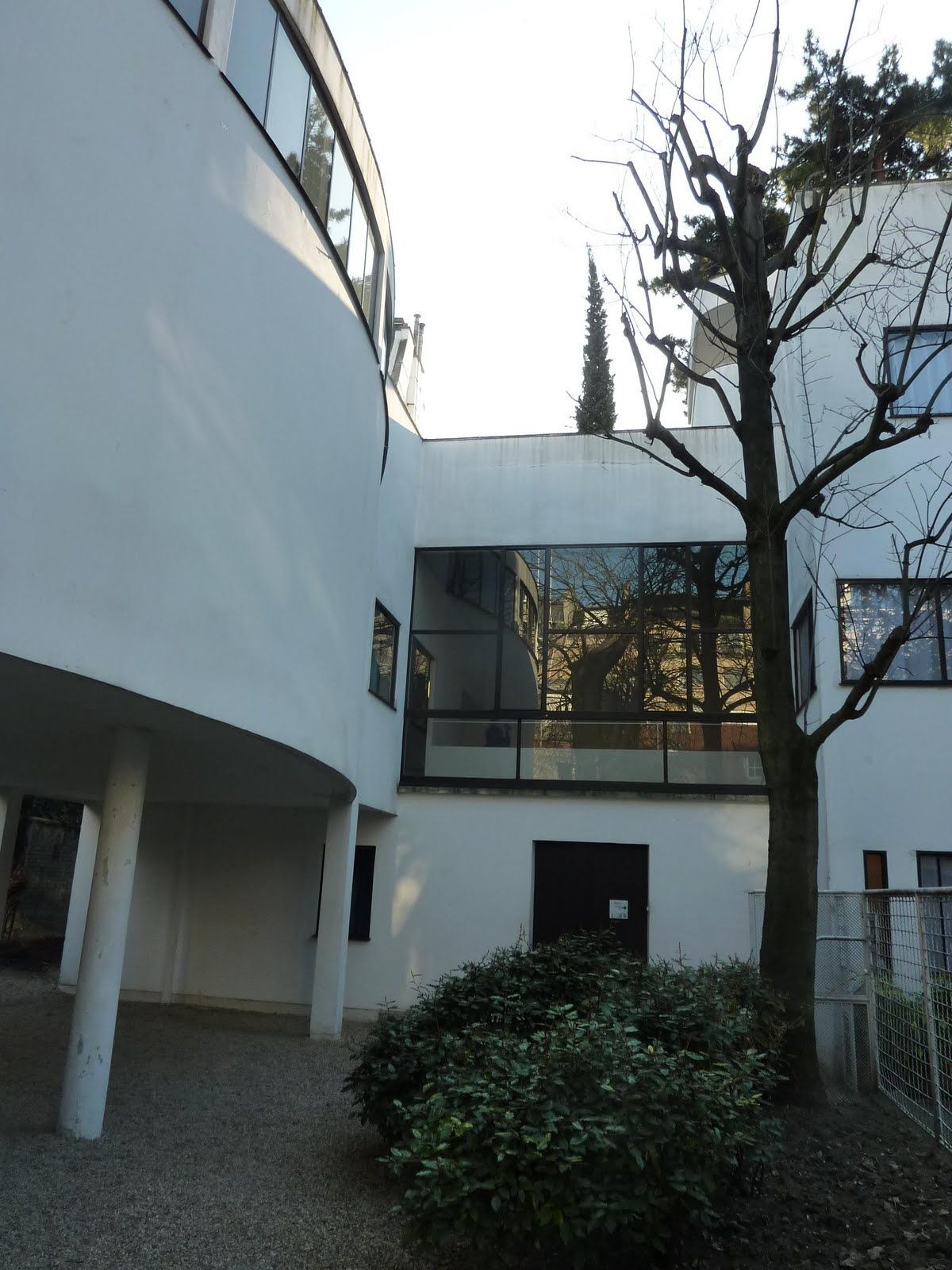
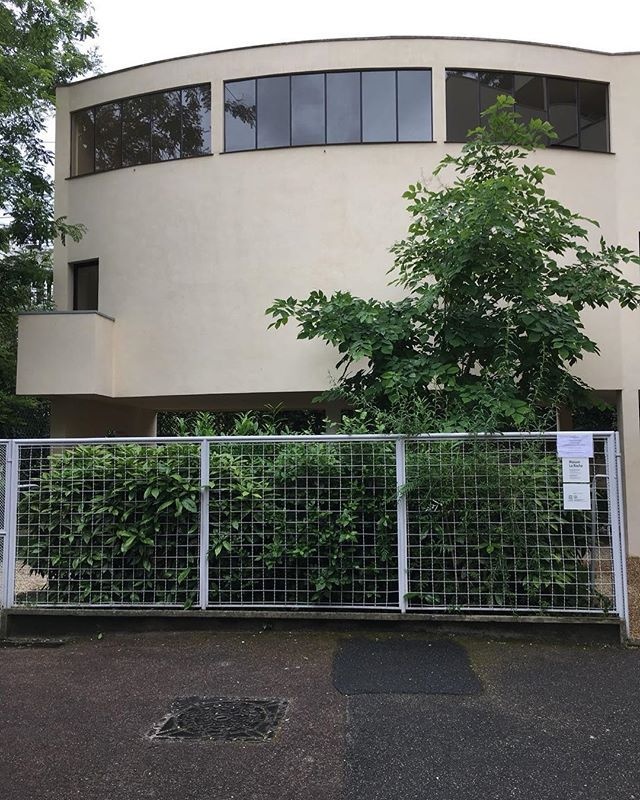
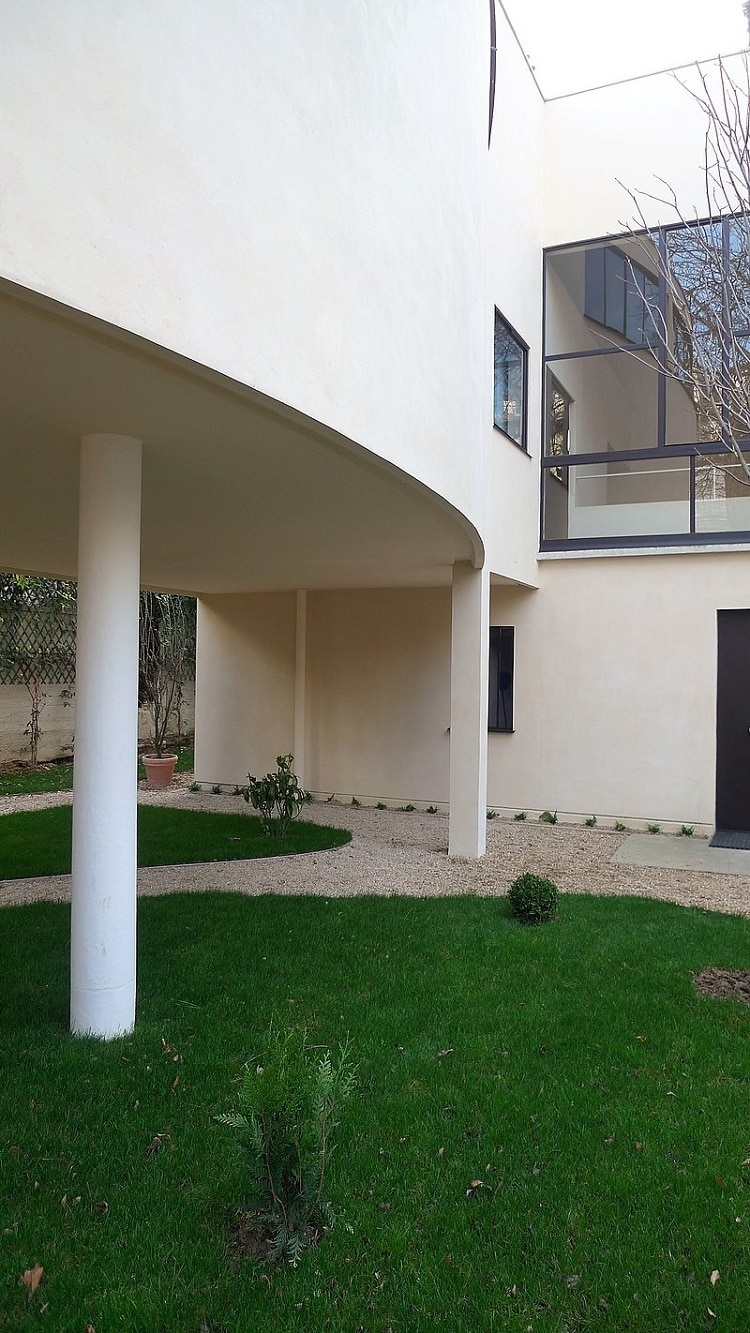
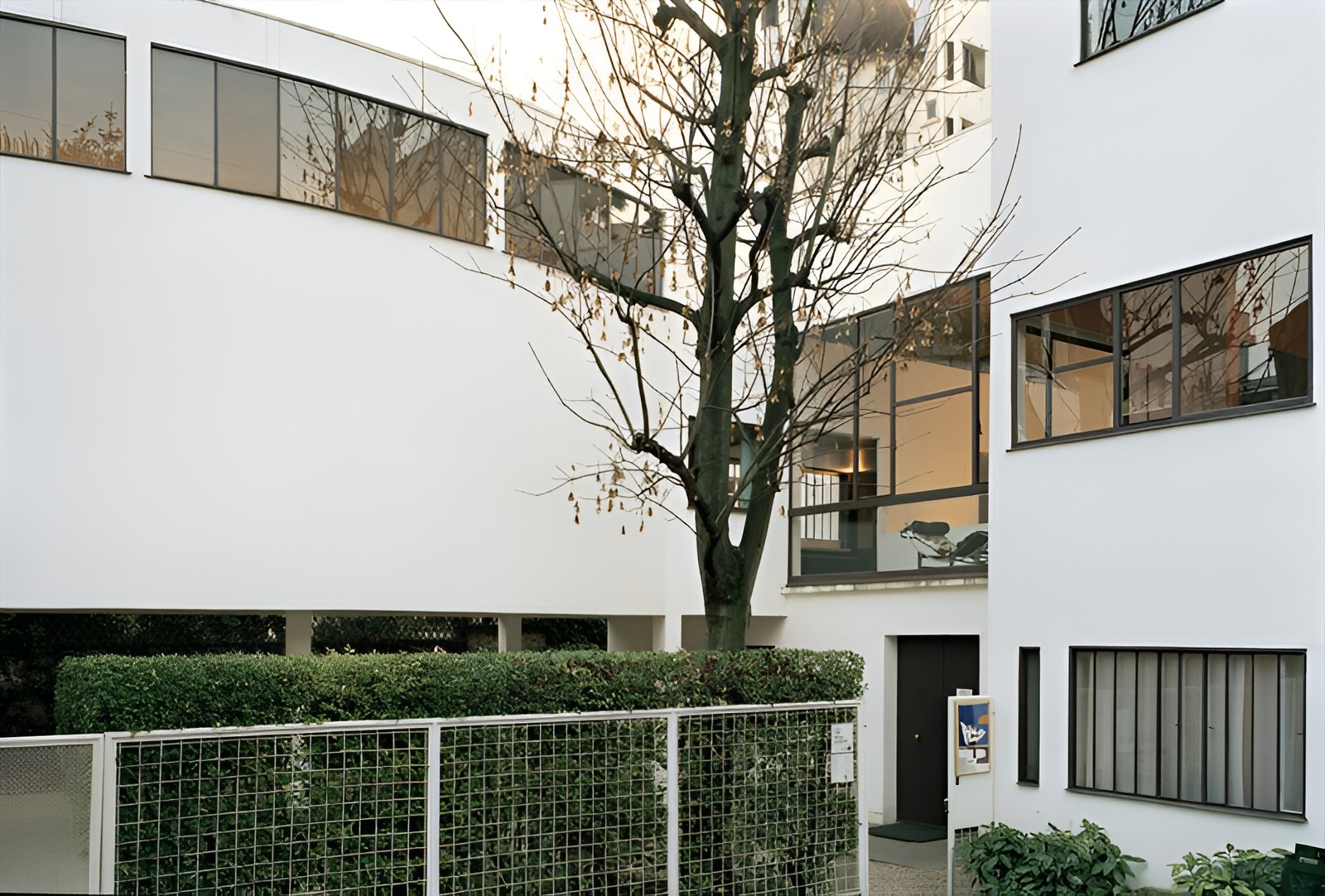
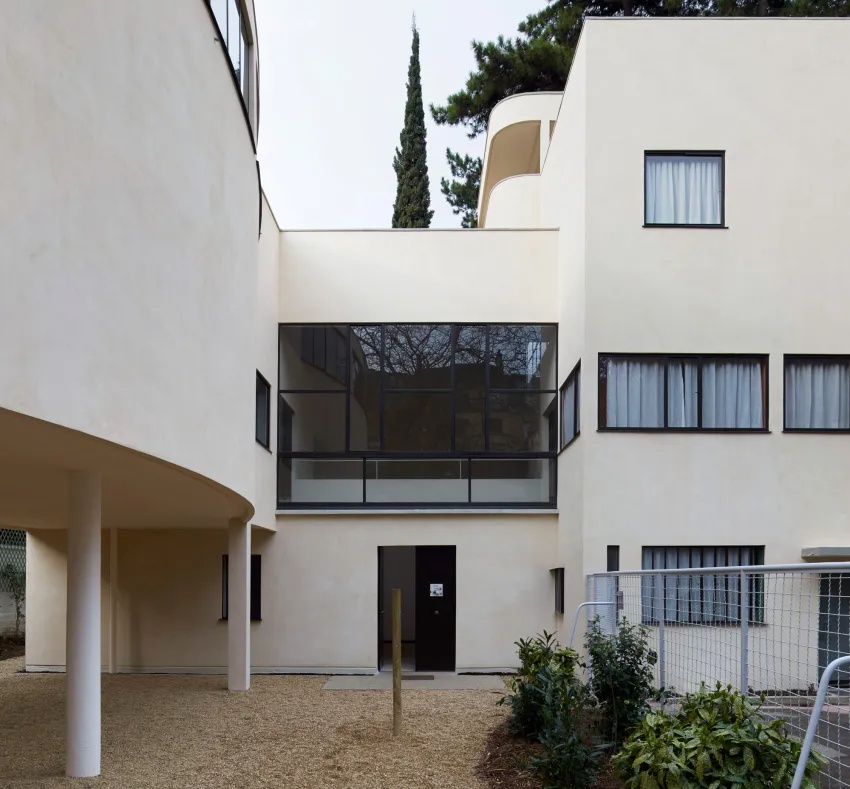
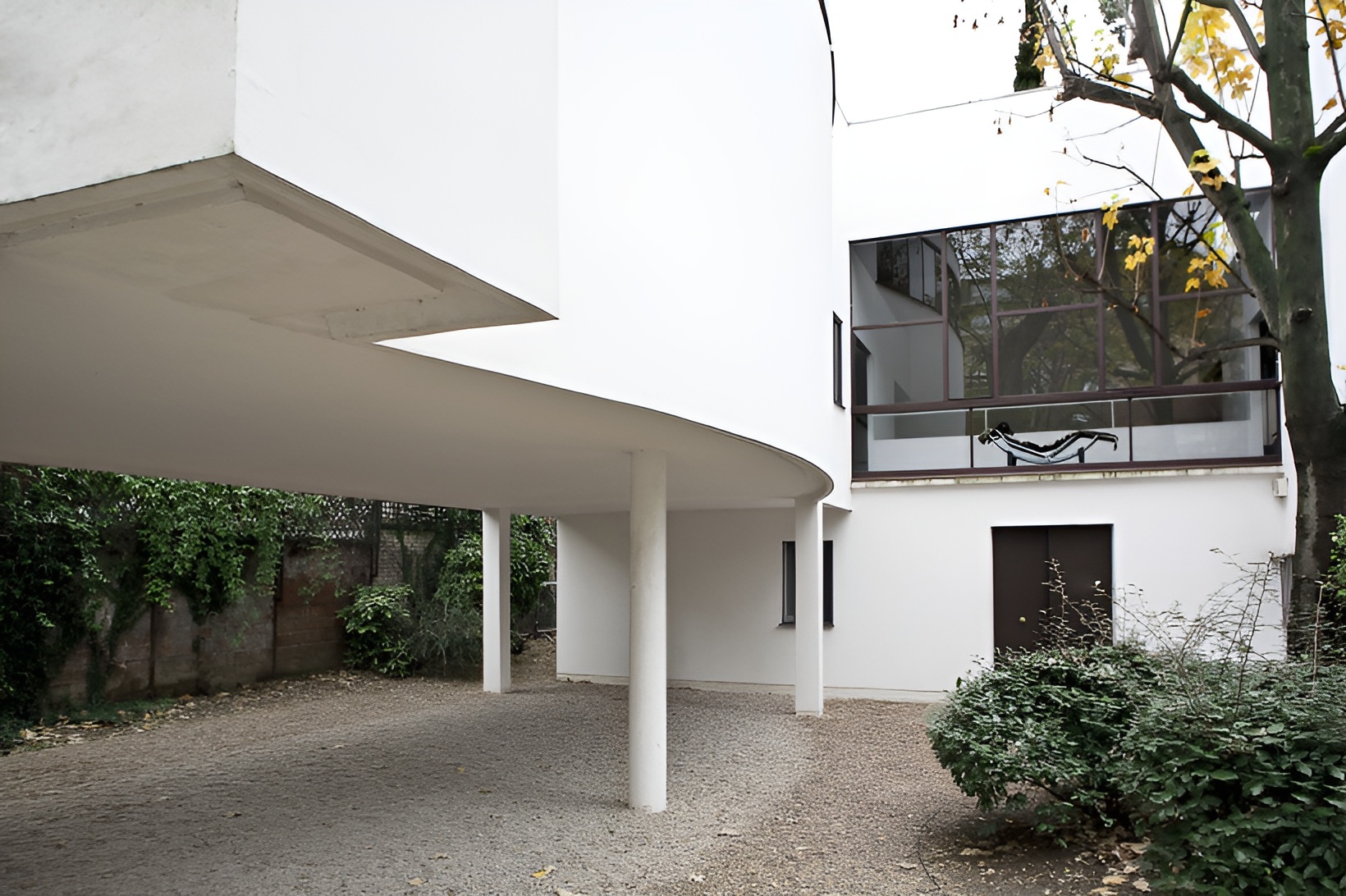
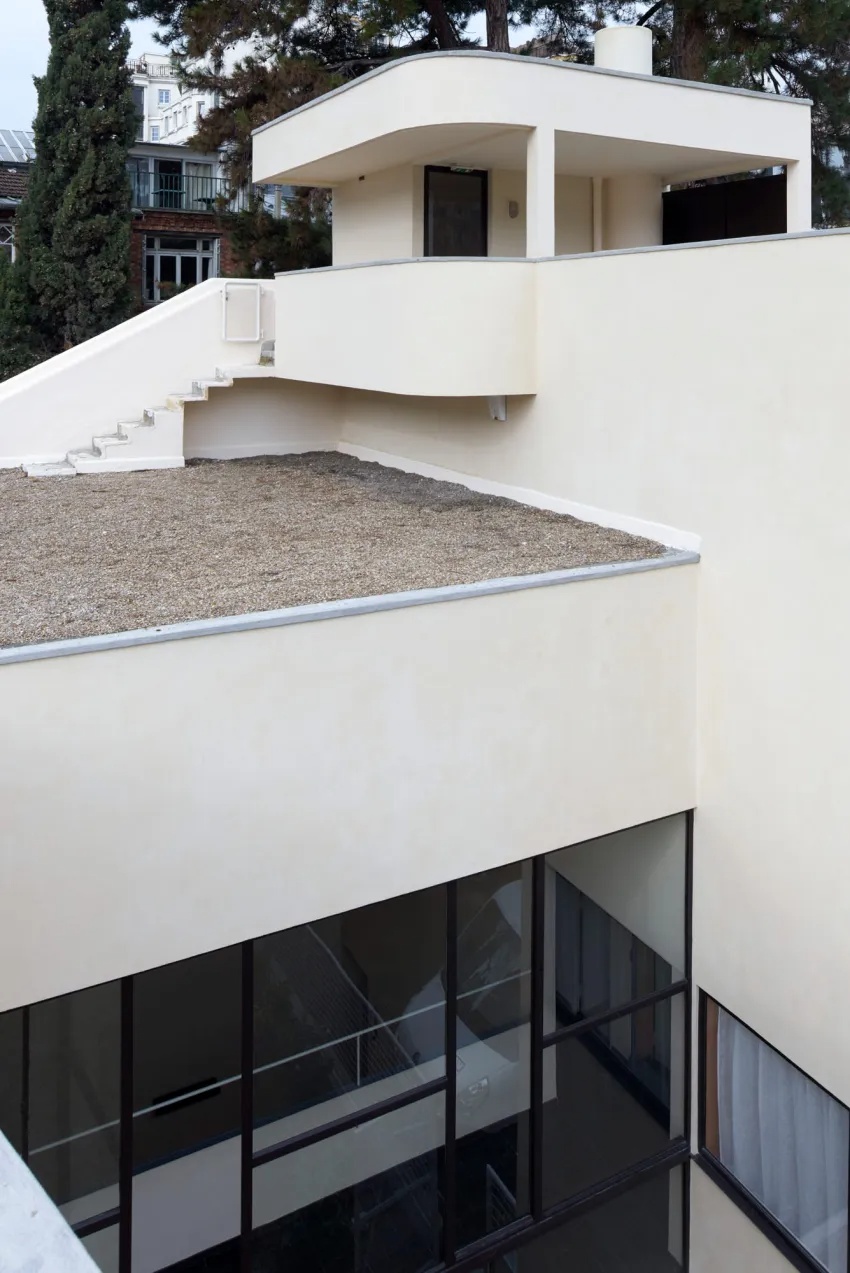
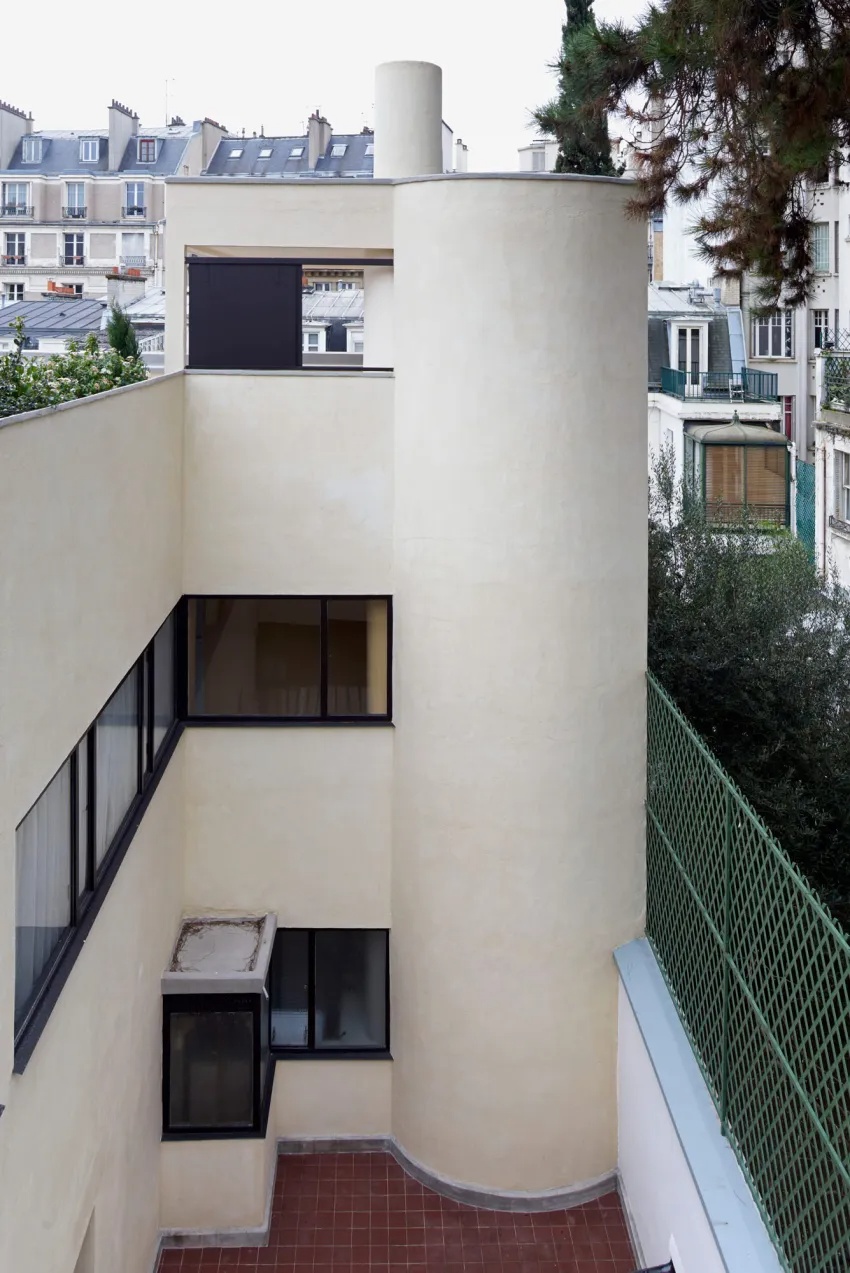
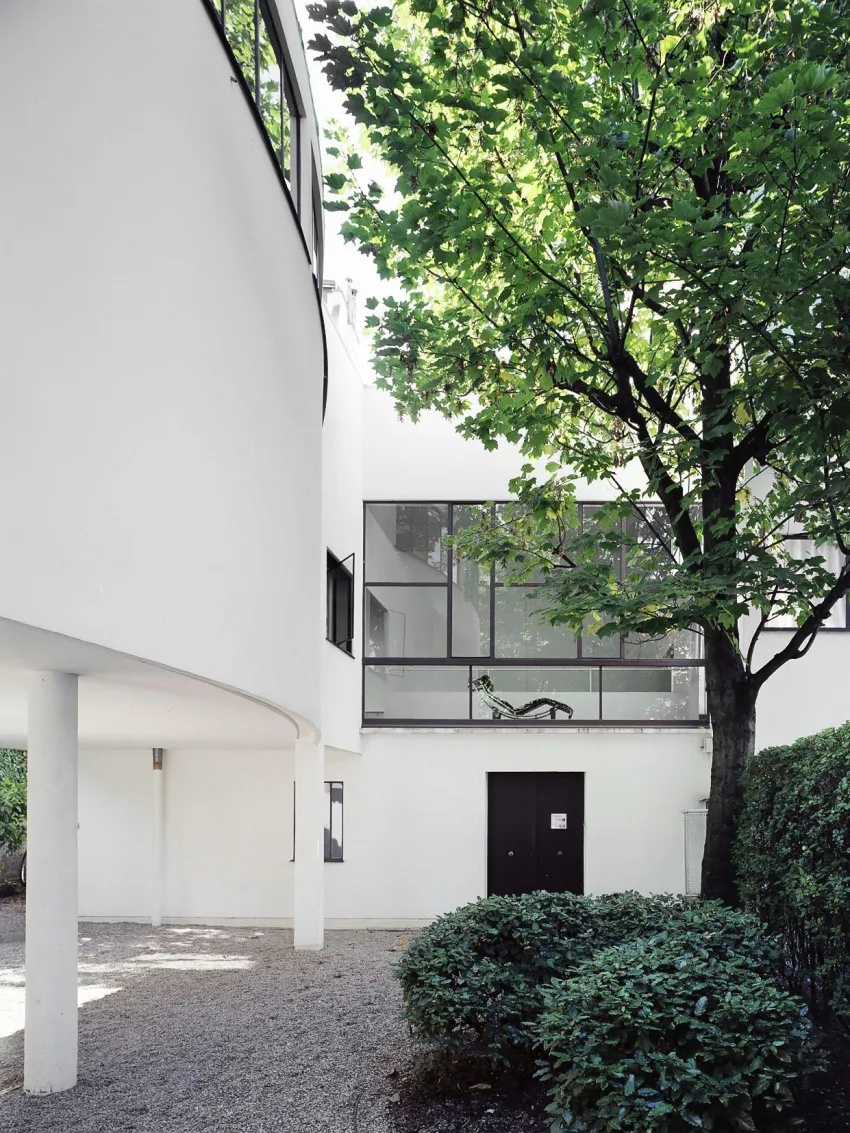
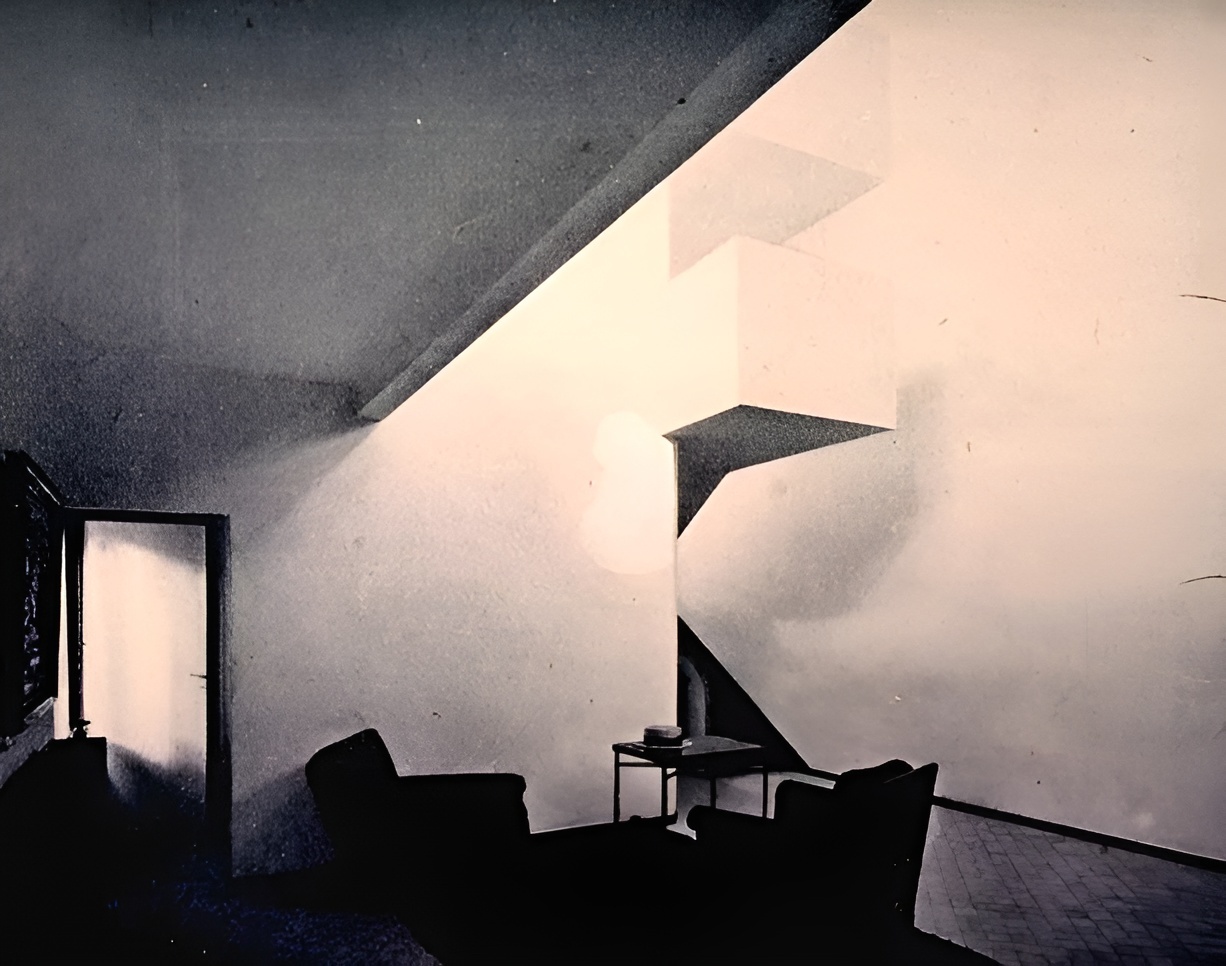
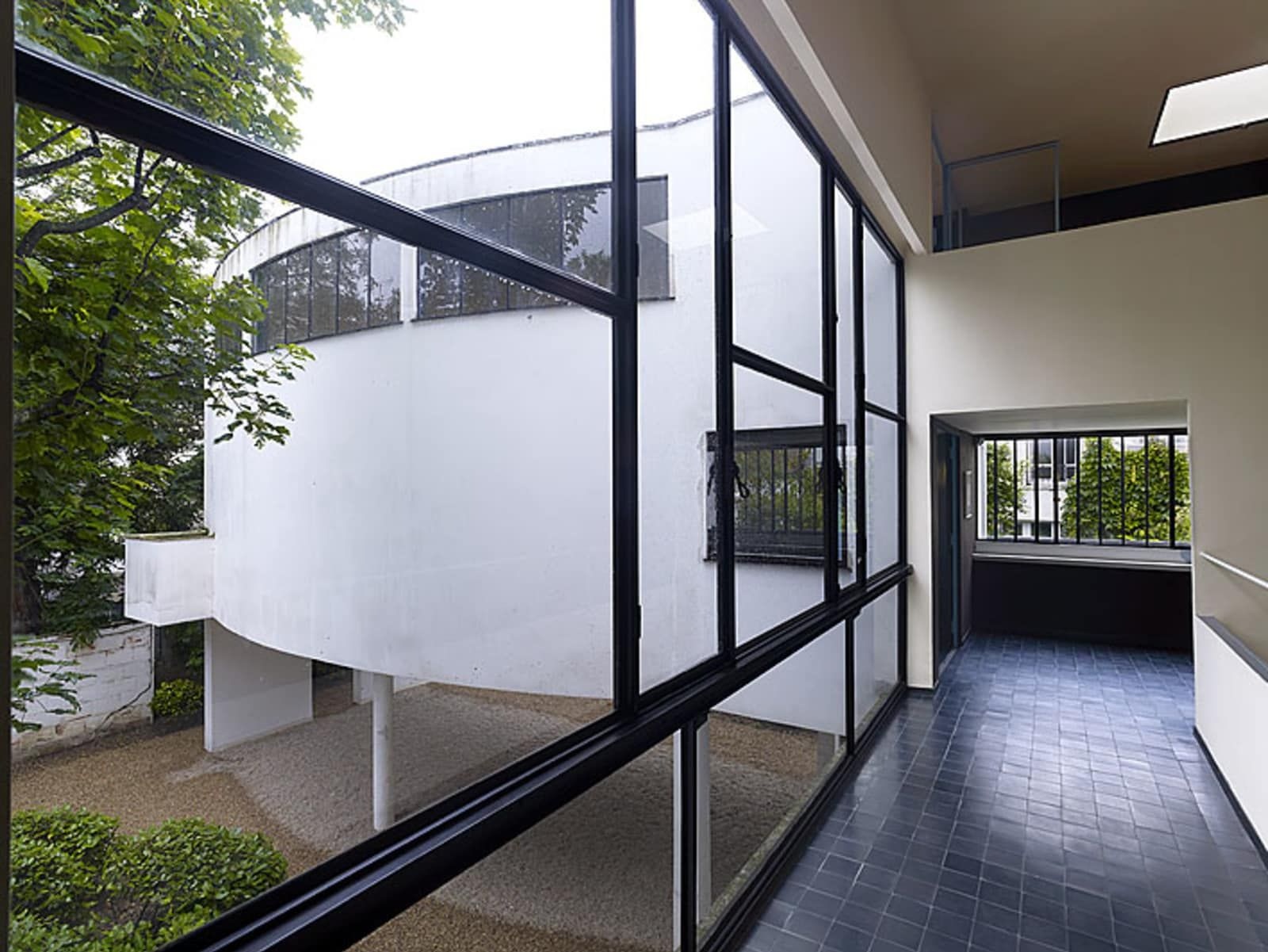
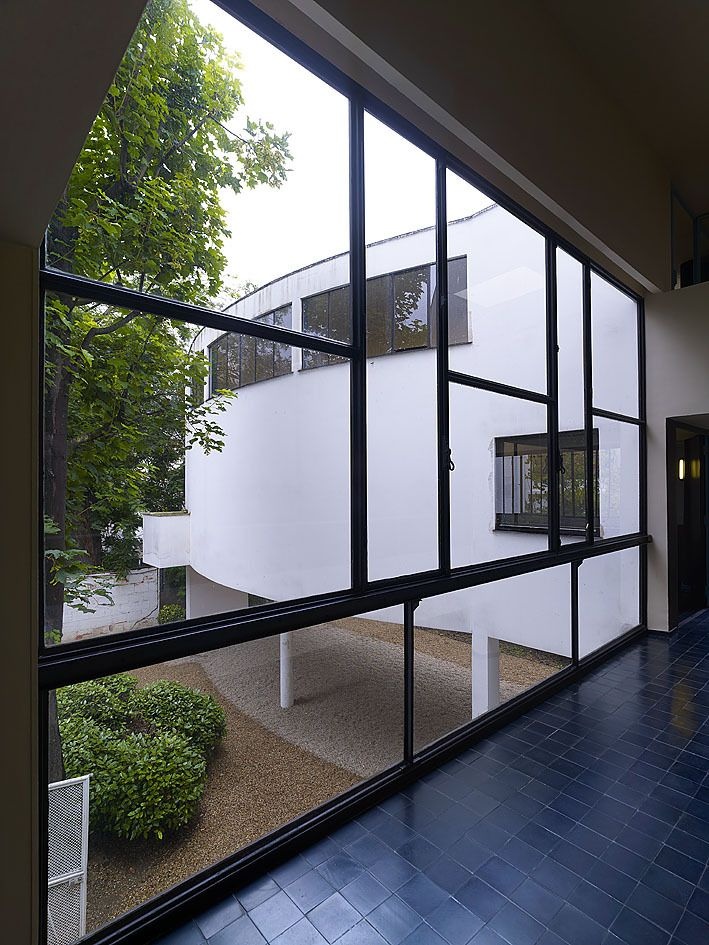
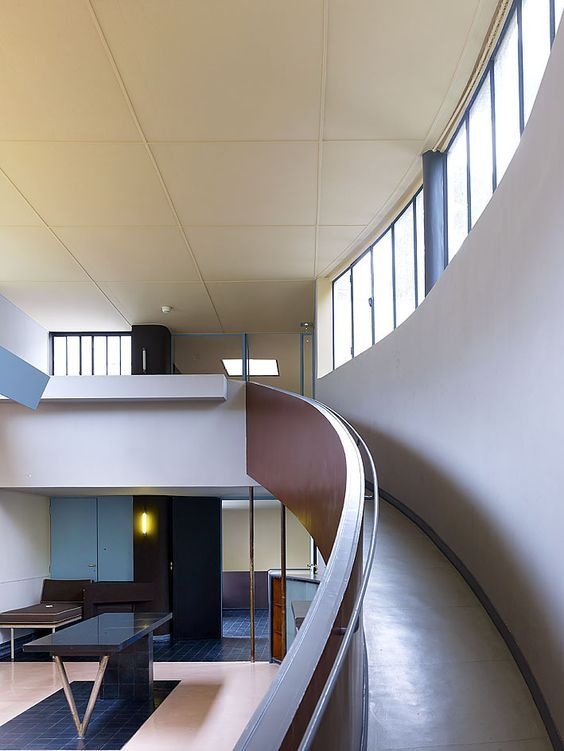
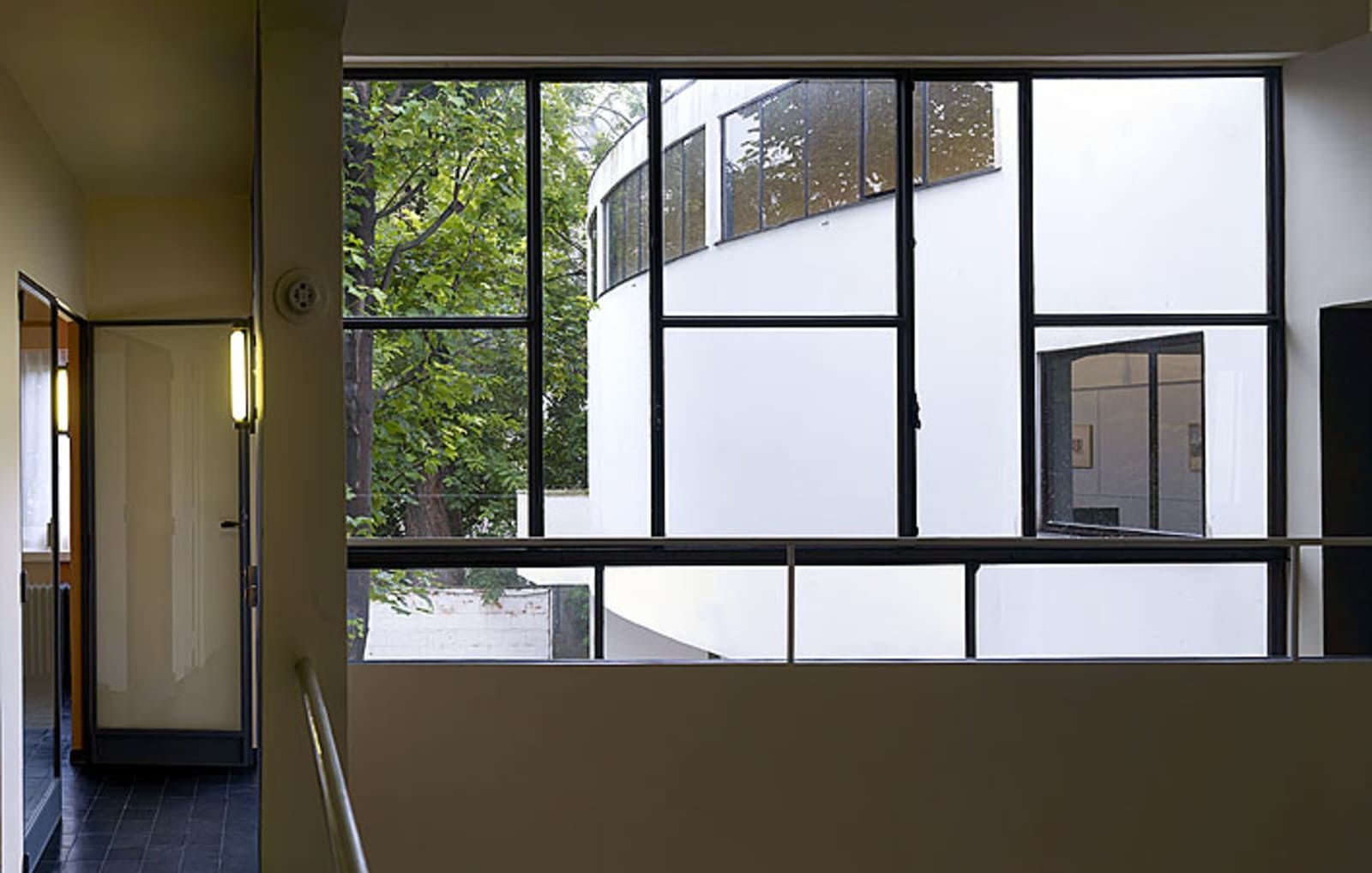
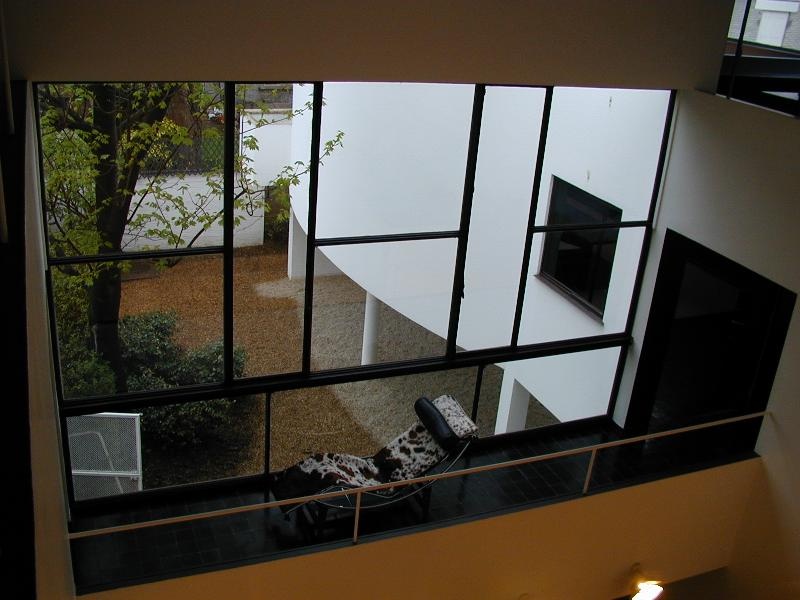
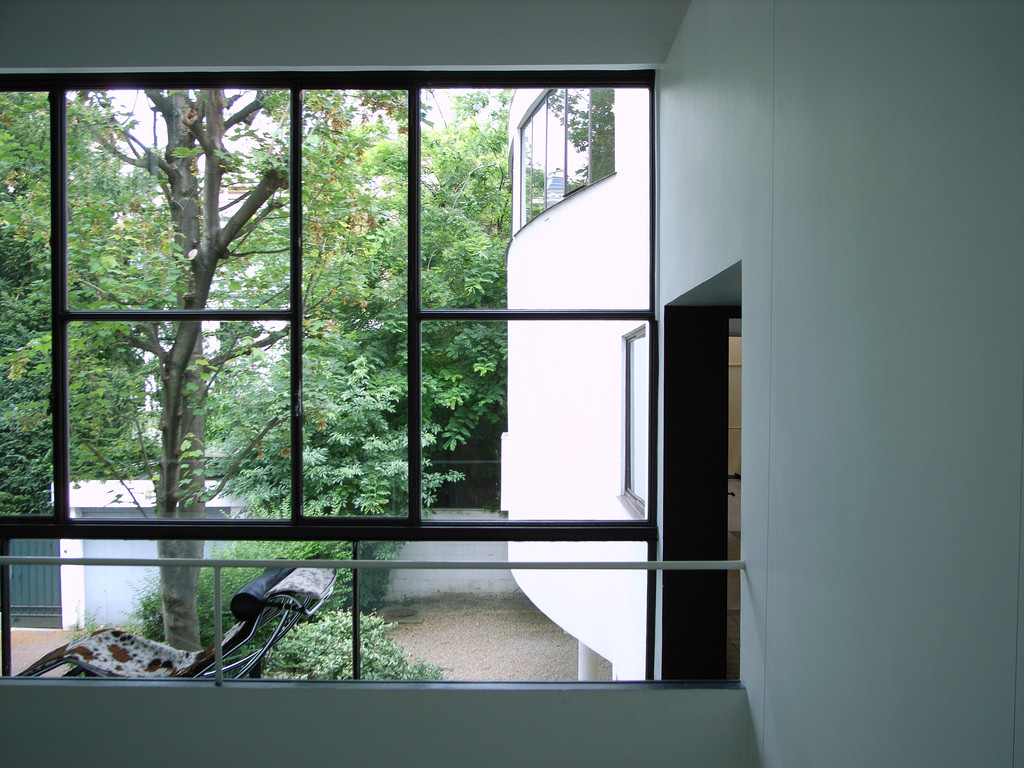
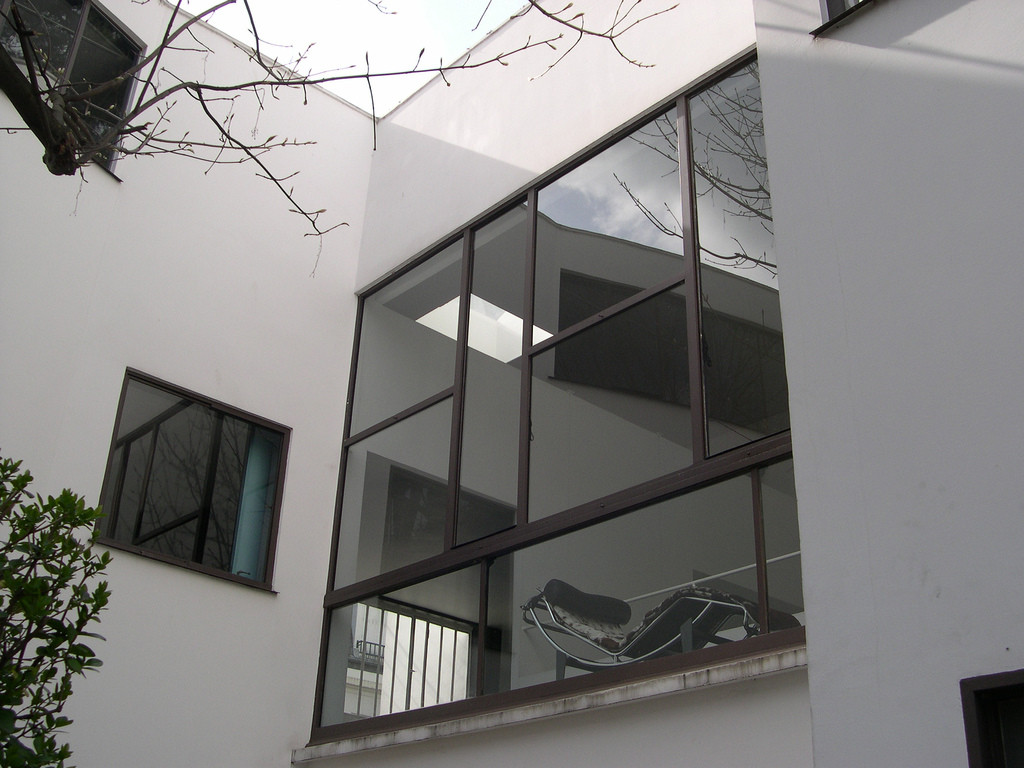
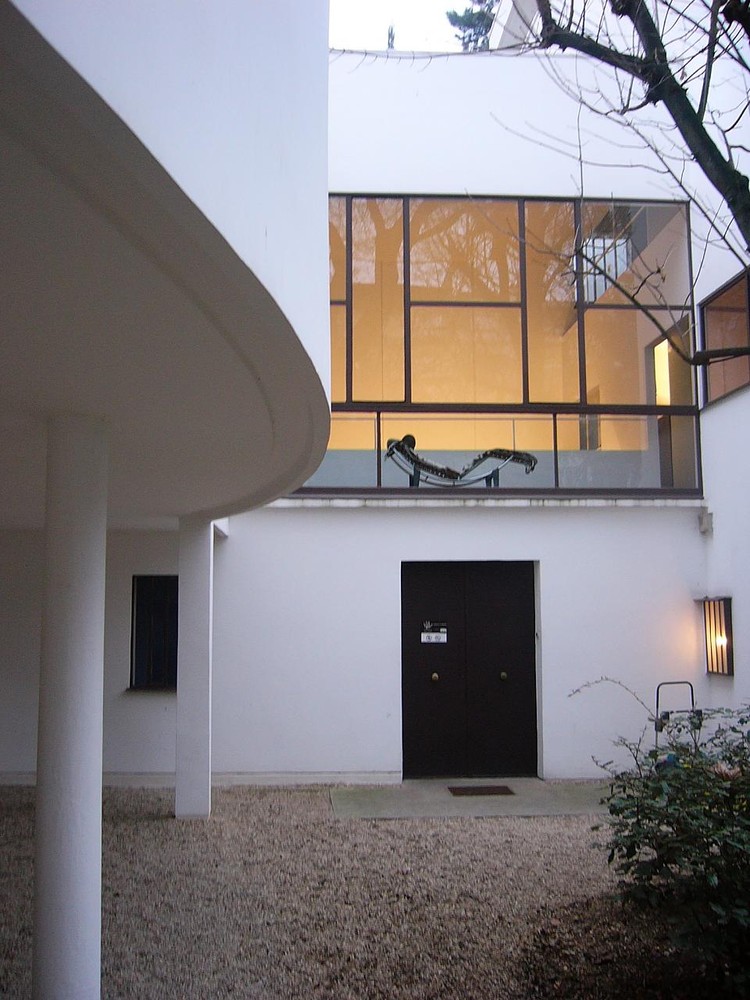
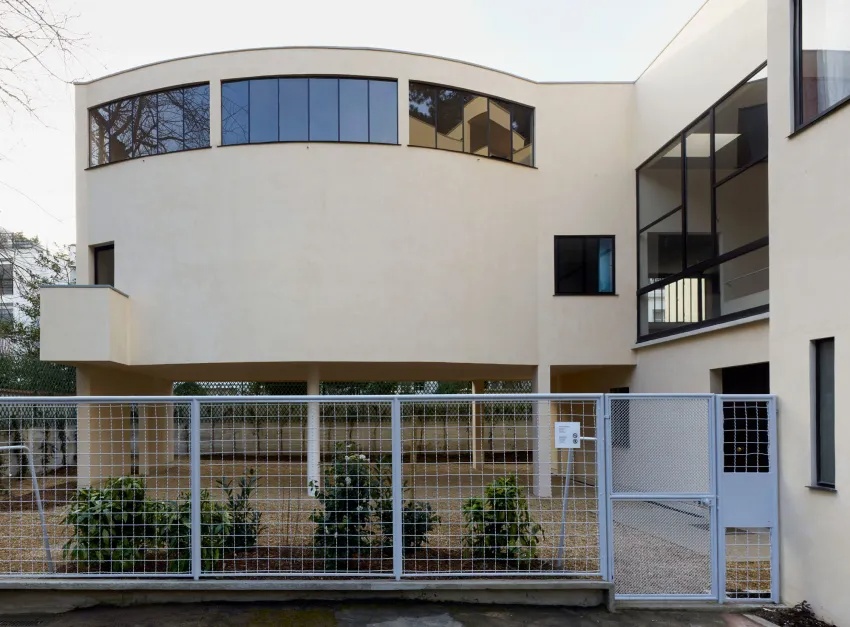
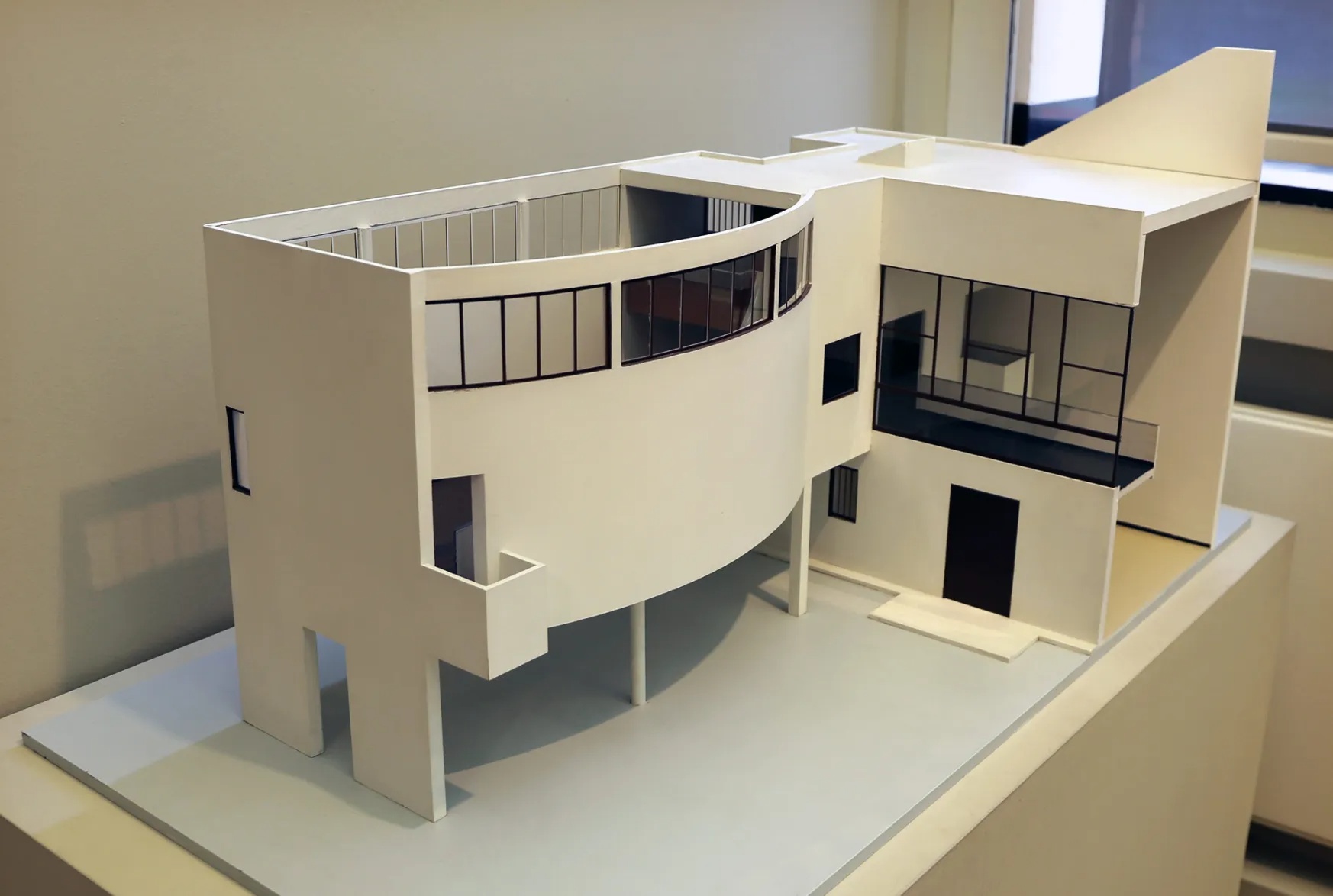
The composition of the house departs from a simple geometric volume. Instead, the project consists of intersecting forms, curved surfaces, projecting elements, and interconnected spaces. A long rectangular volume intersects with the gallery wing, whose curved wall became one of the defining features of the project. The irregular composition establishes multiple spatial relationships while maintaining an underlying geometric order.
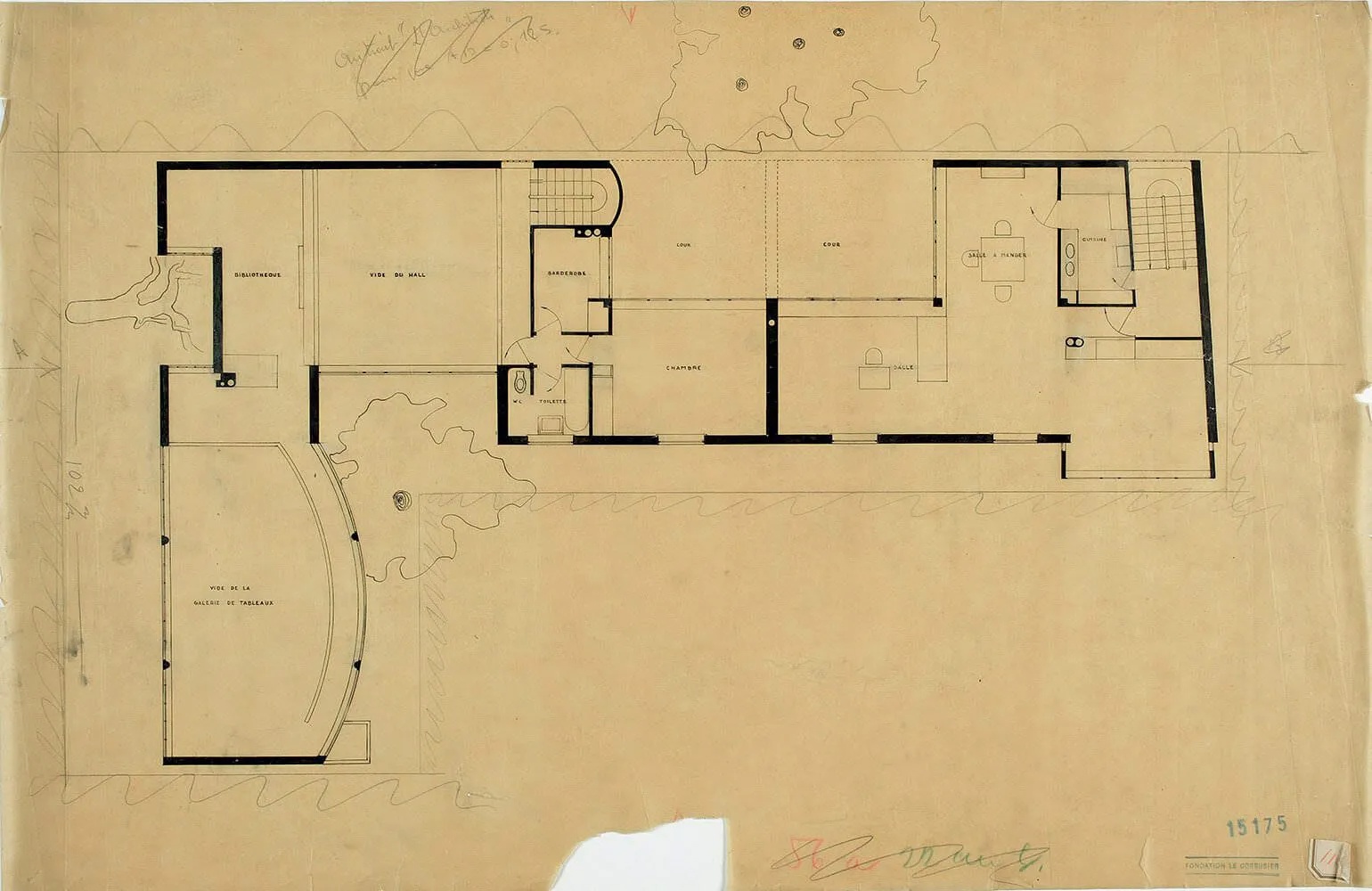
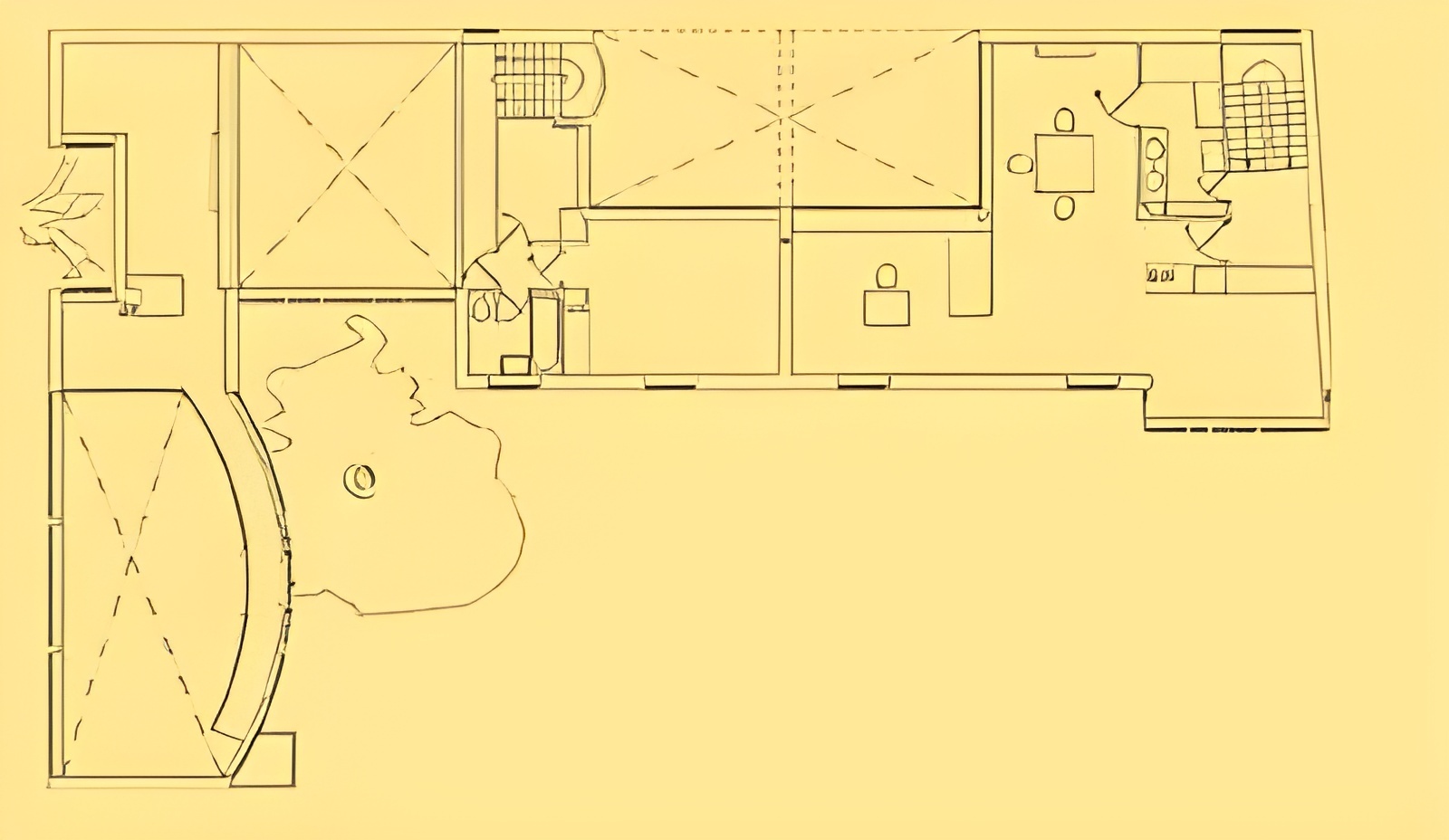
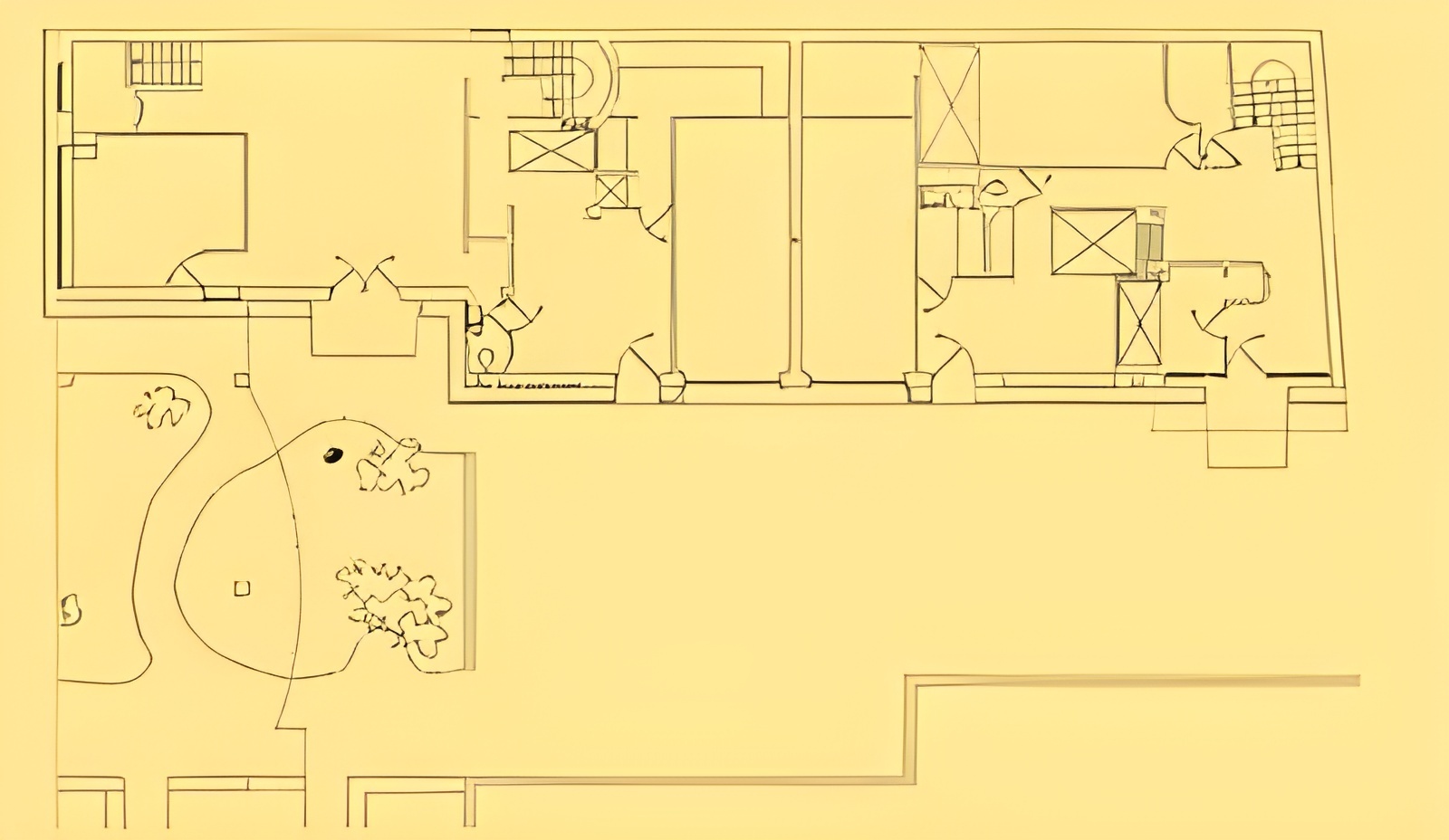
The architectural promenade forms the central organizing principle of Villa La Roche. The sequence of movement through the building was carefully designed to produce changing perspectives, controlled views, and gradual revelations of space. Le Corbusier later identified this concept as one of the essential components of his architecture.
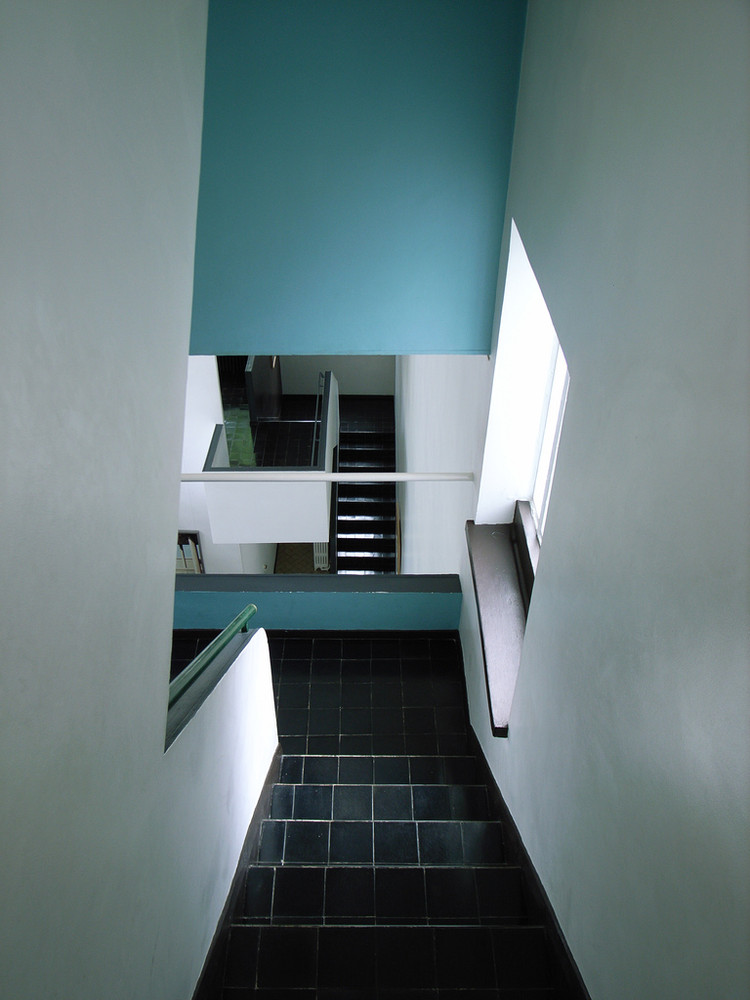
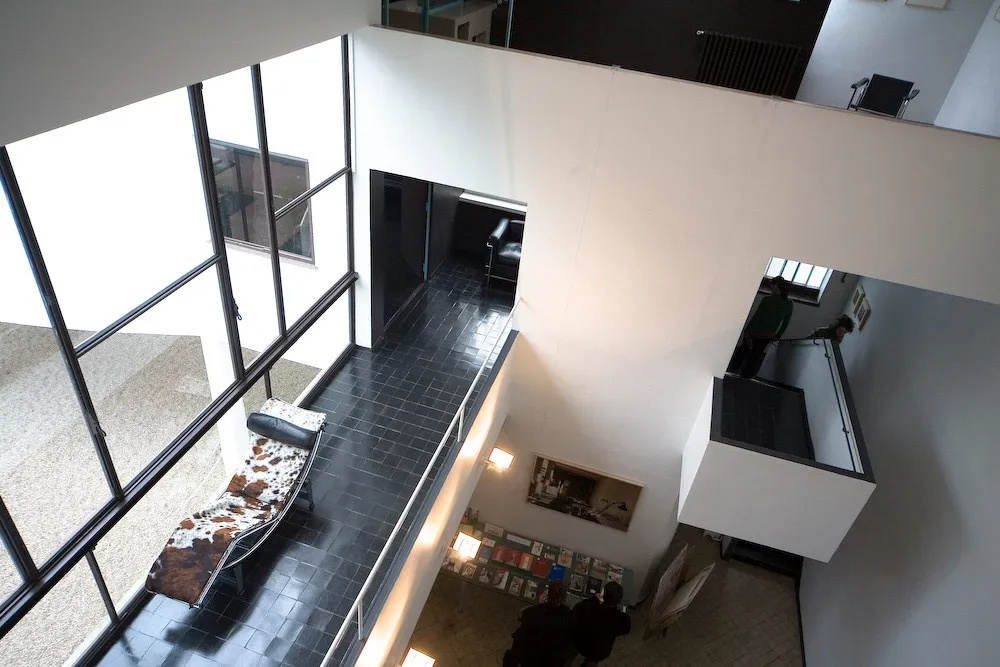
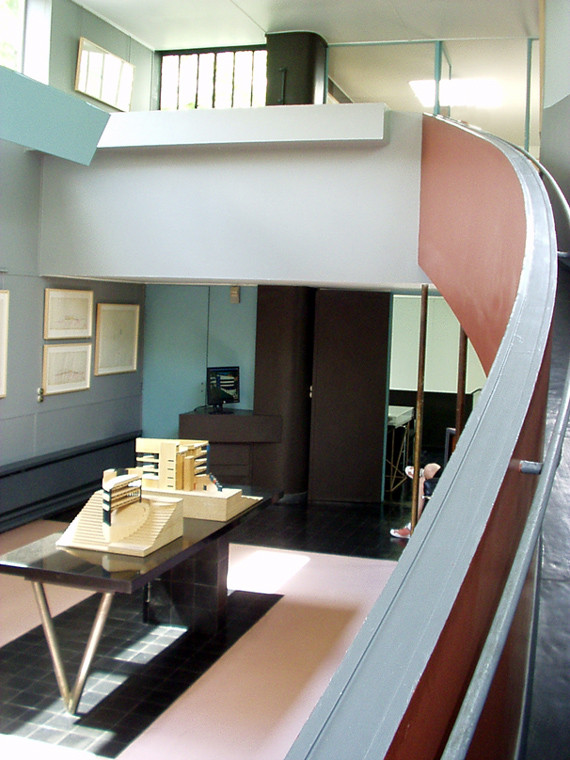
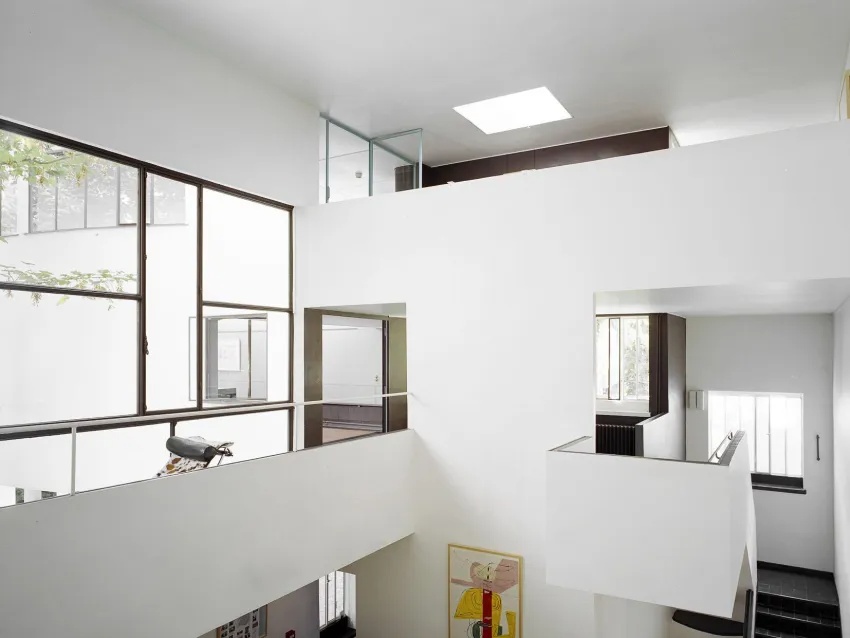
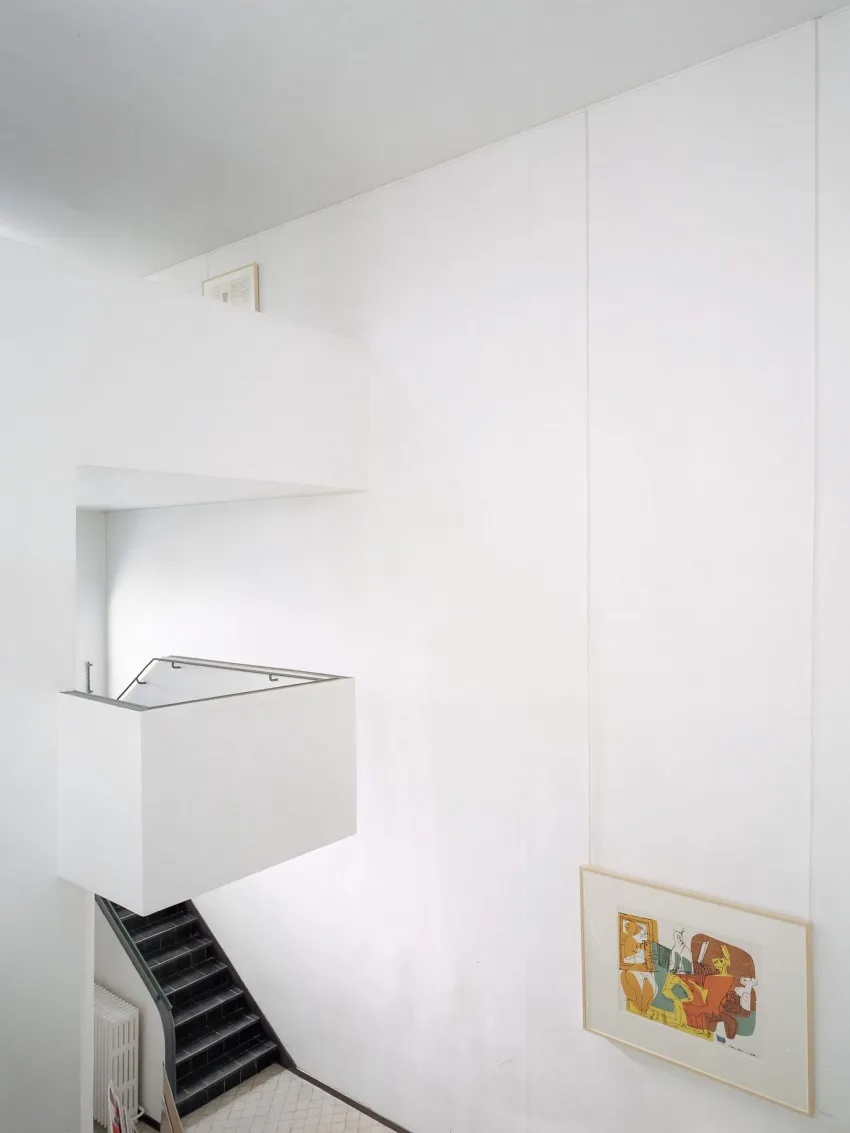
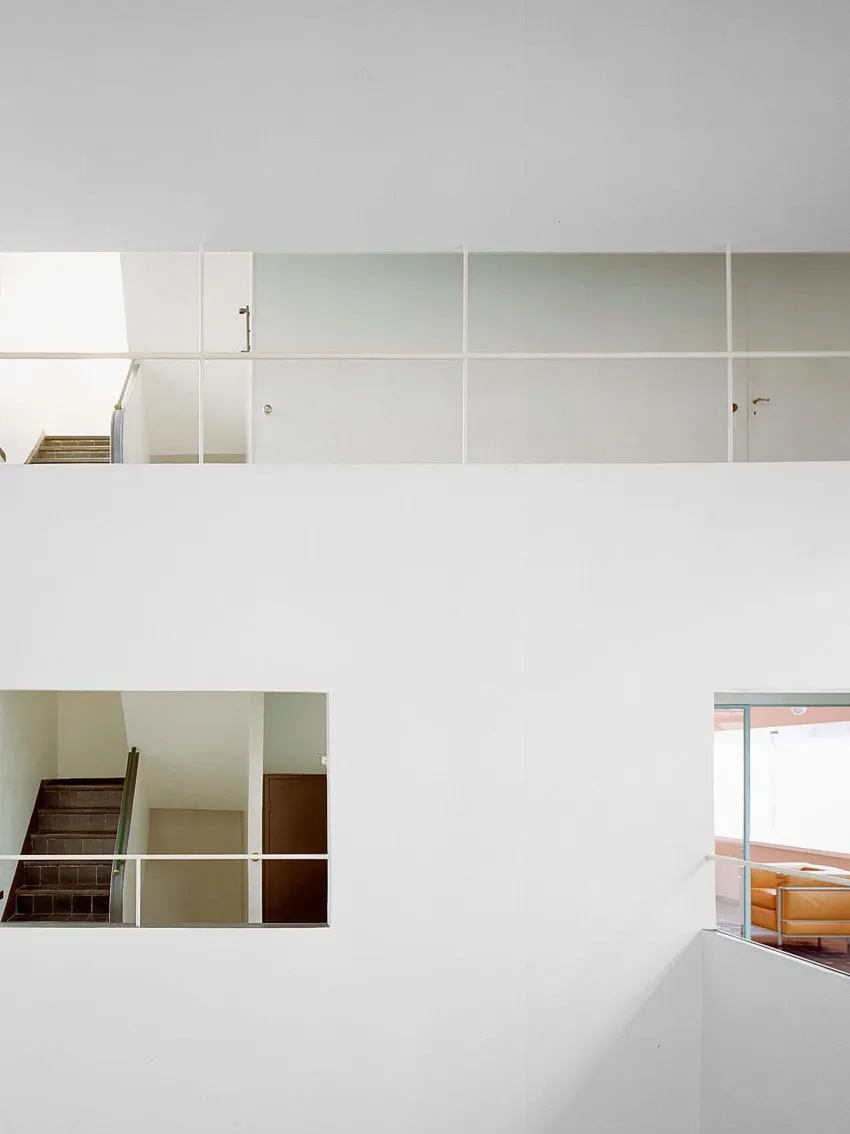
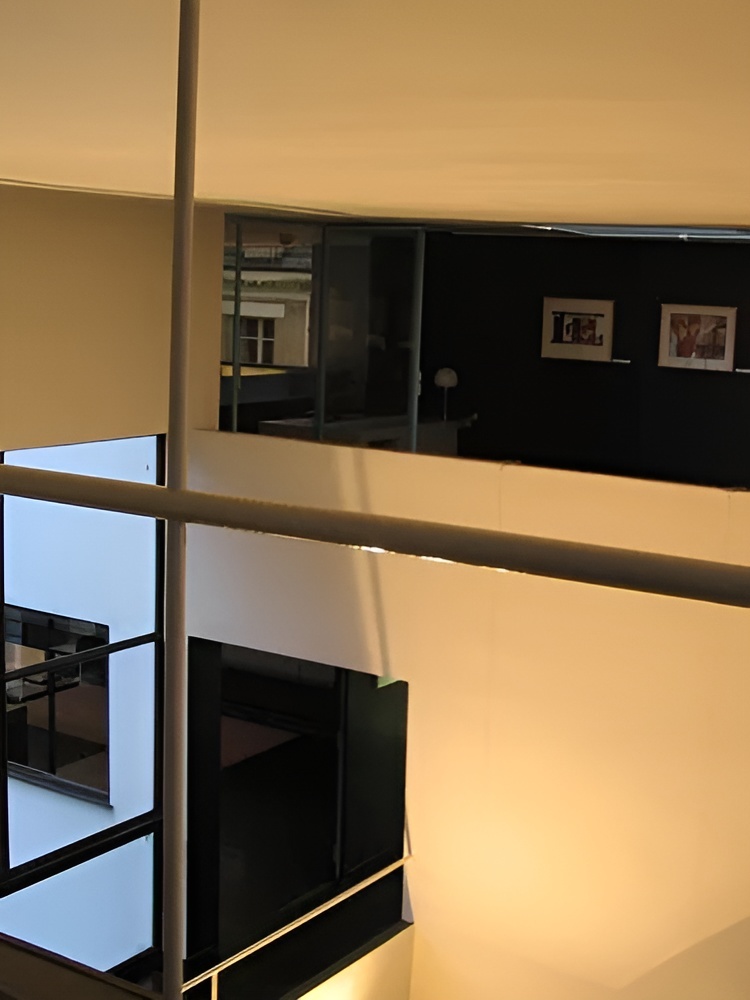
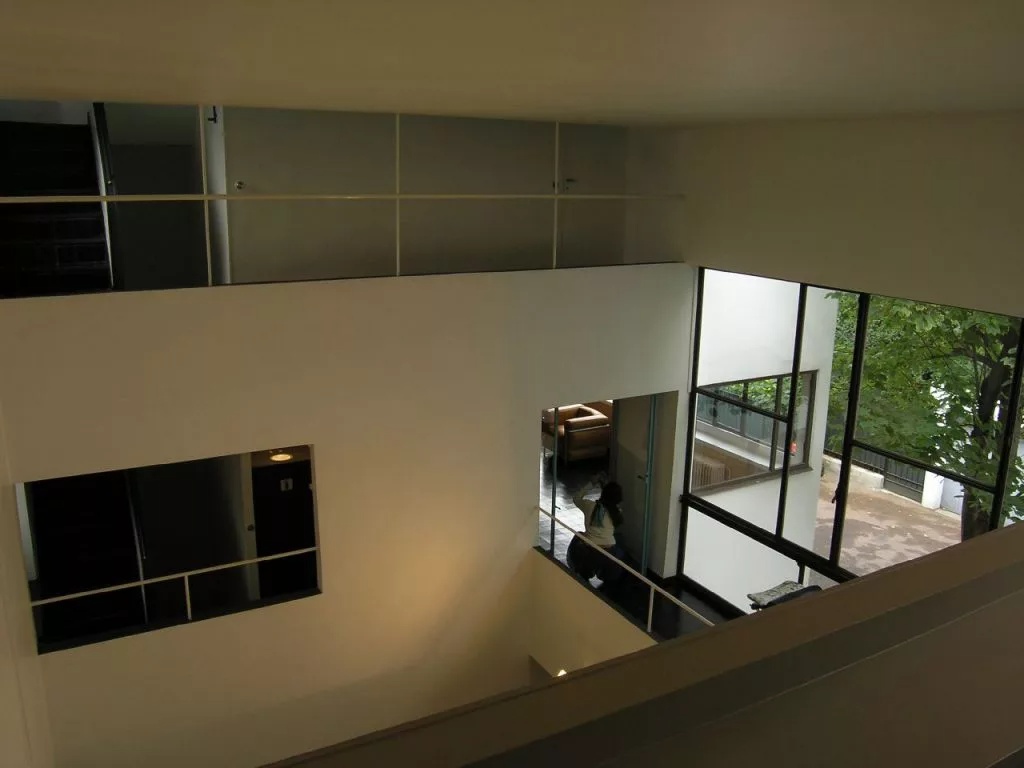
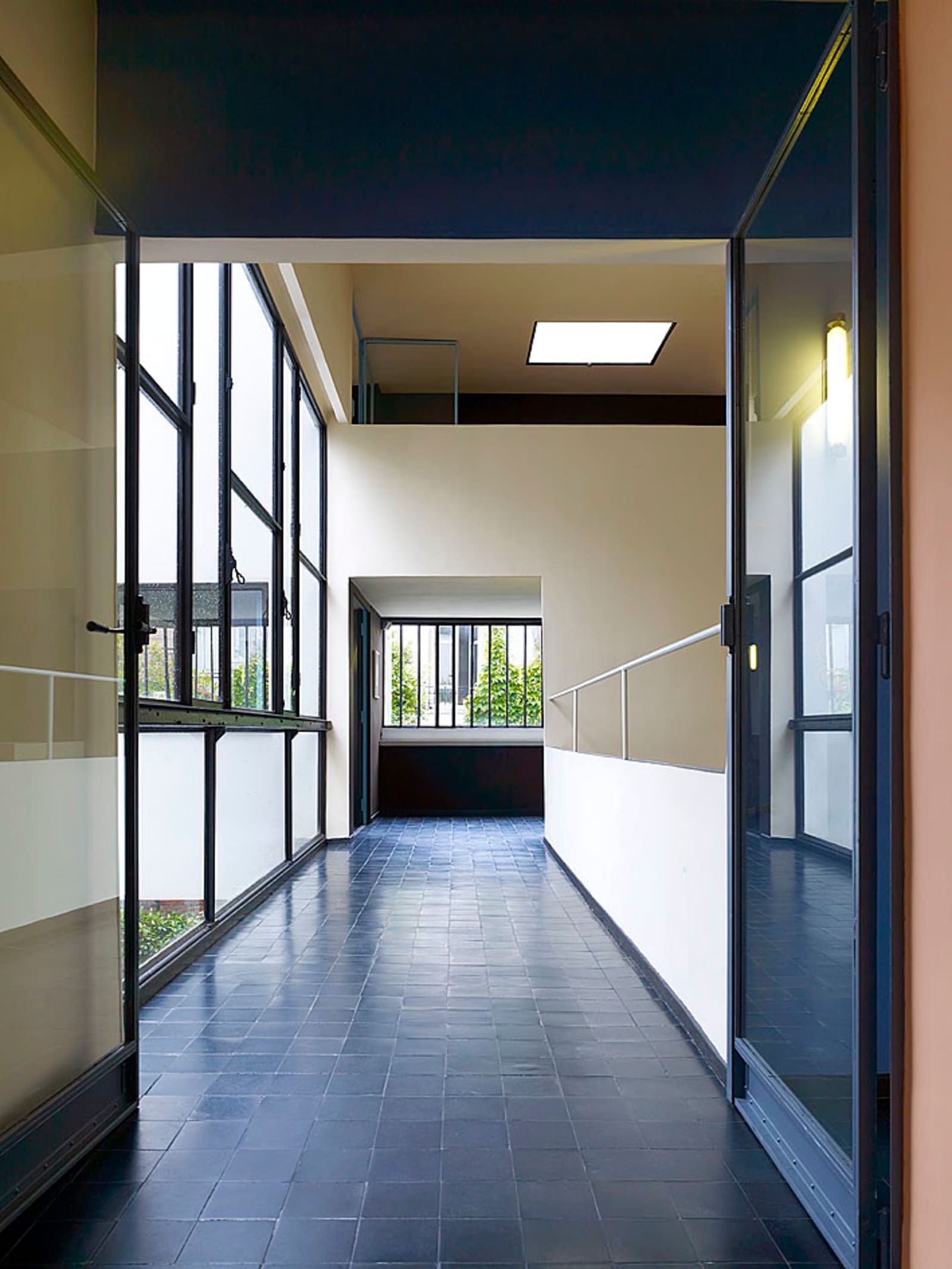
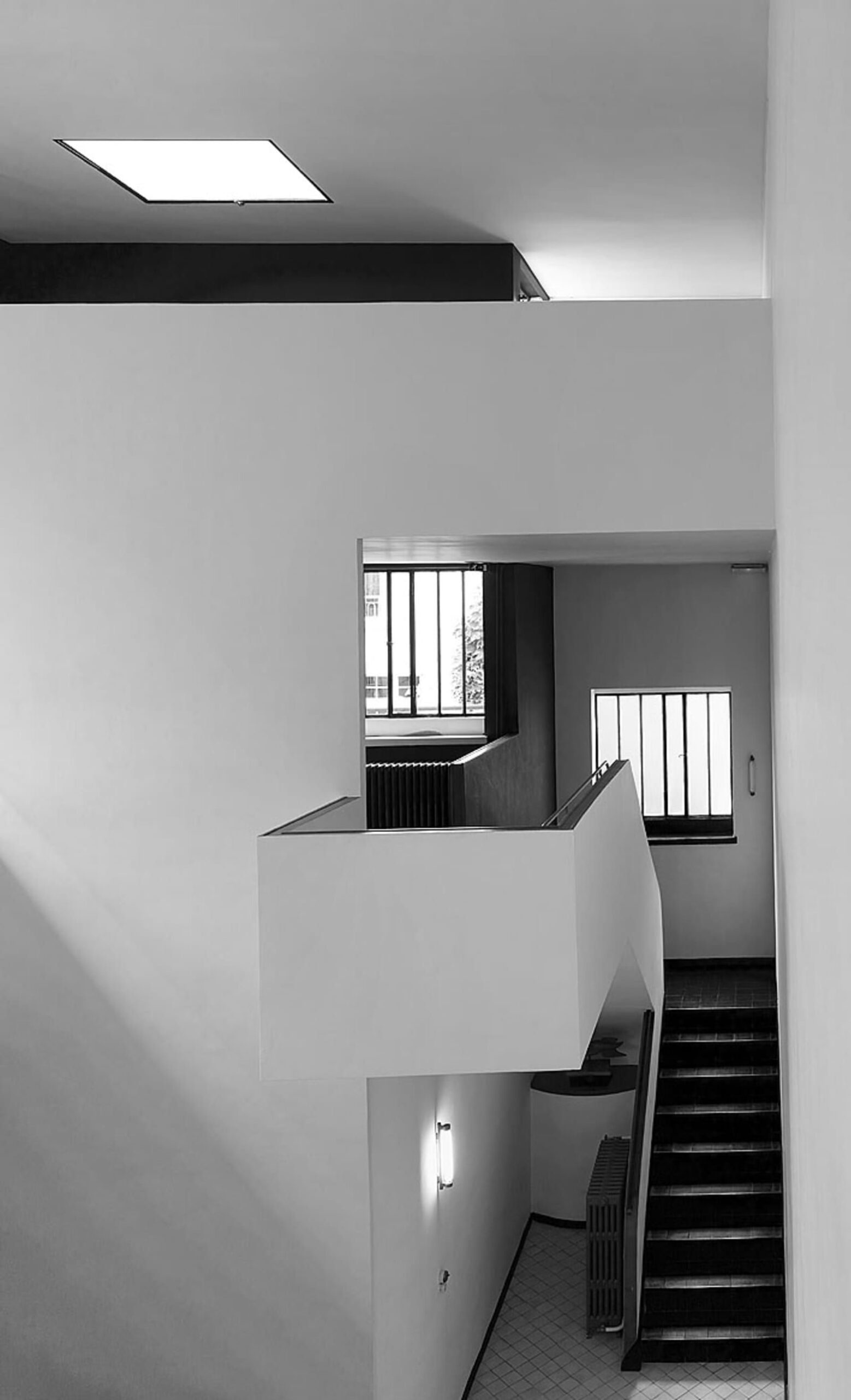
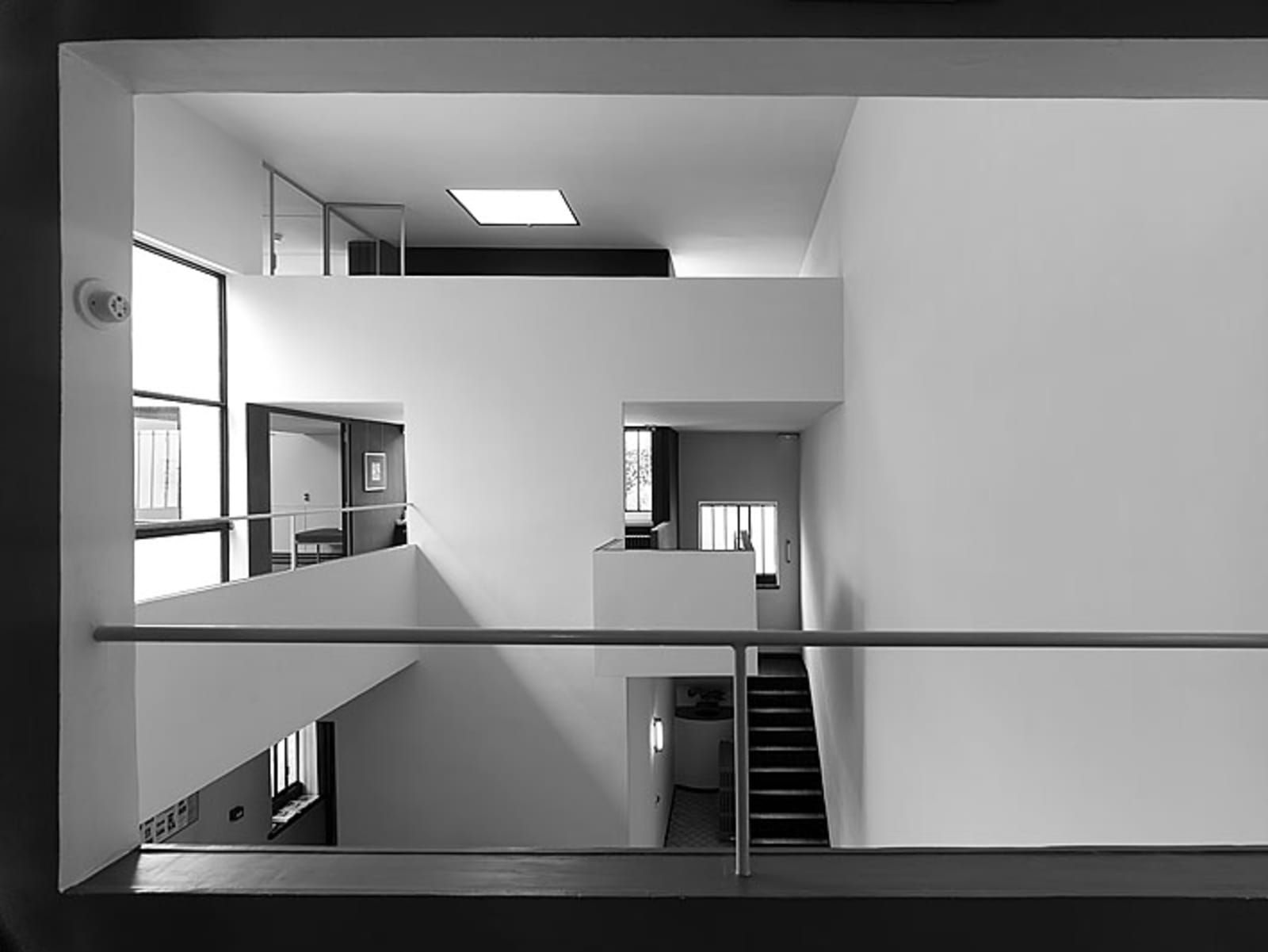
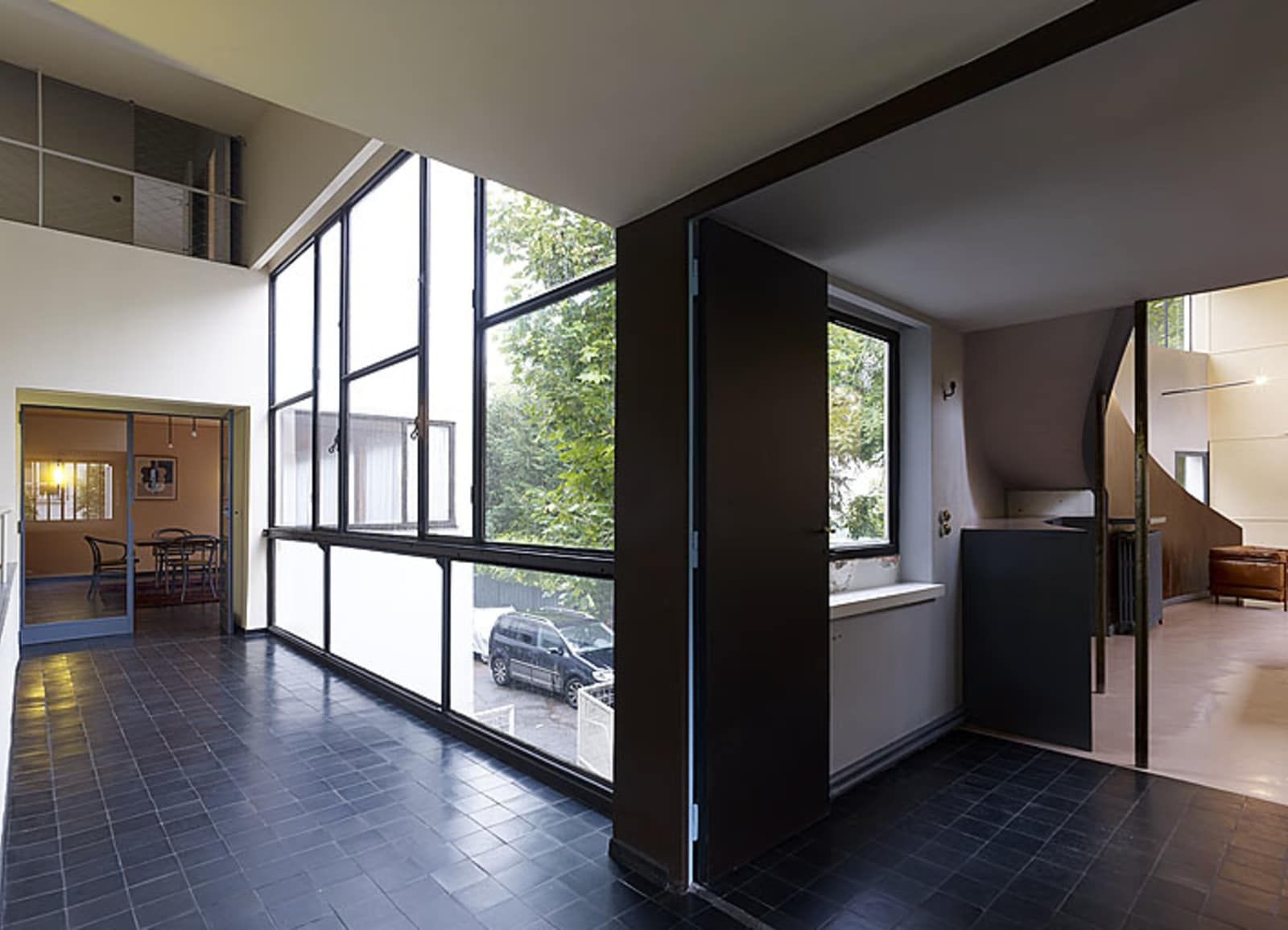
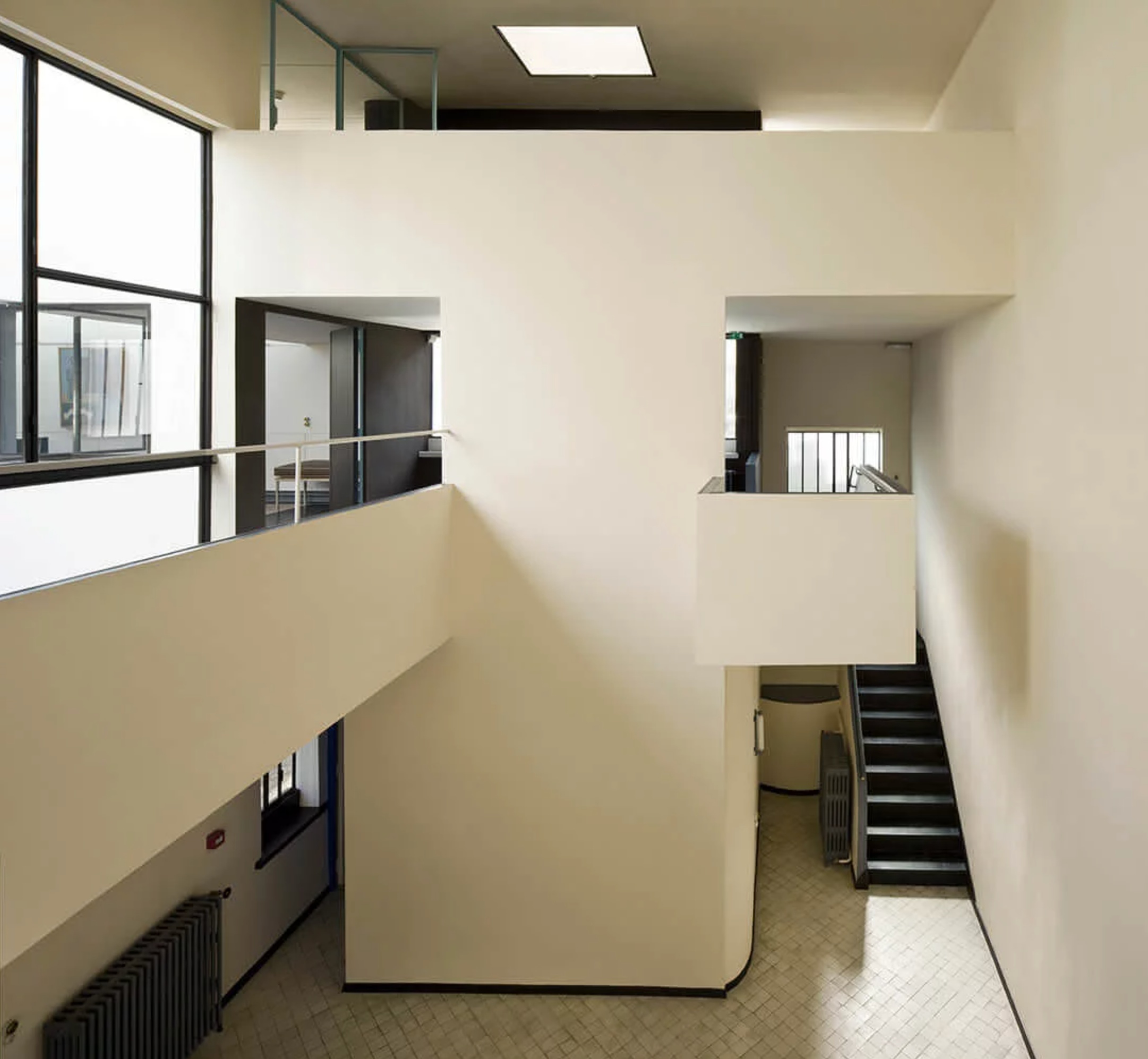
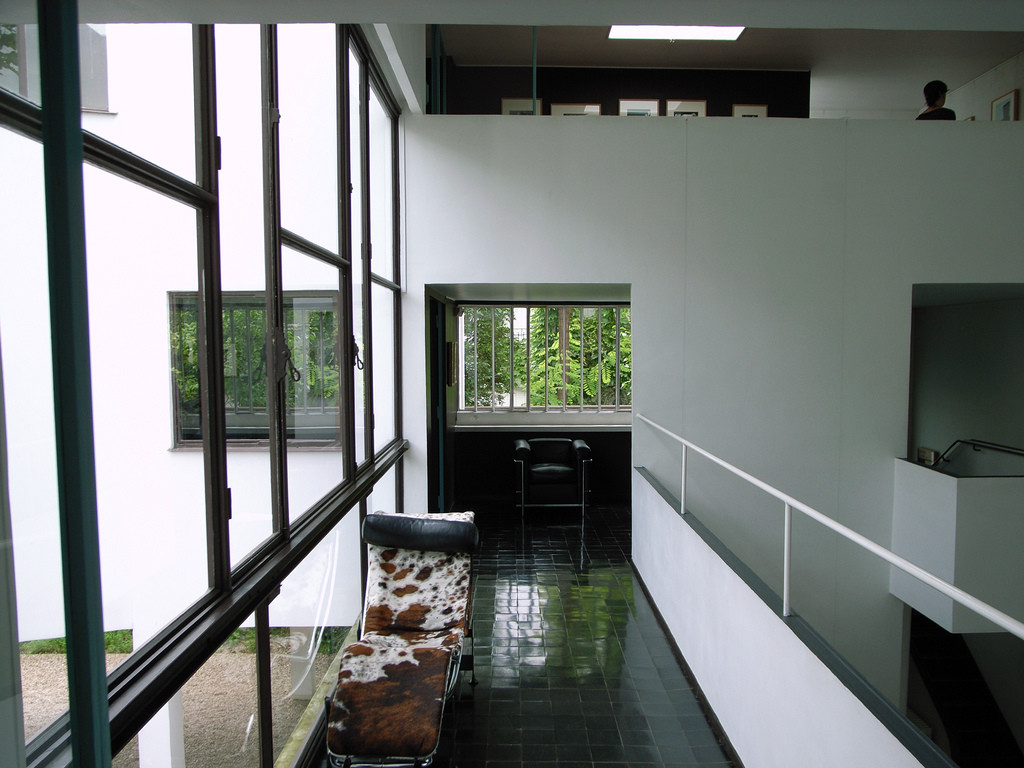
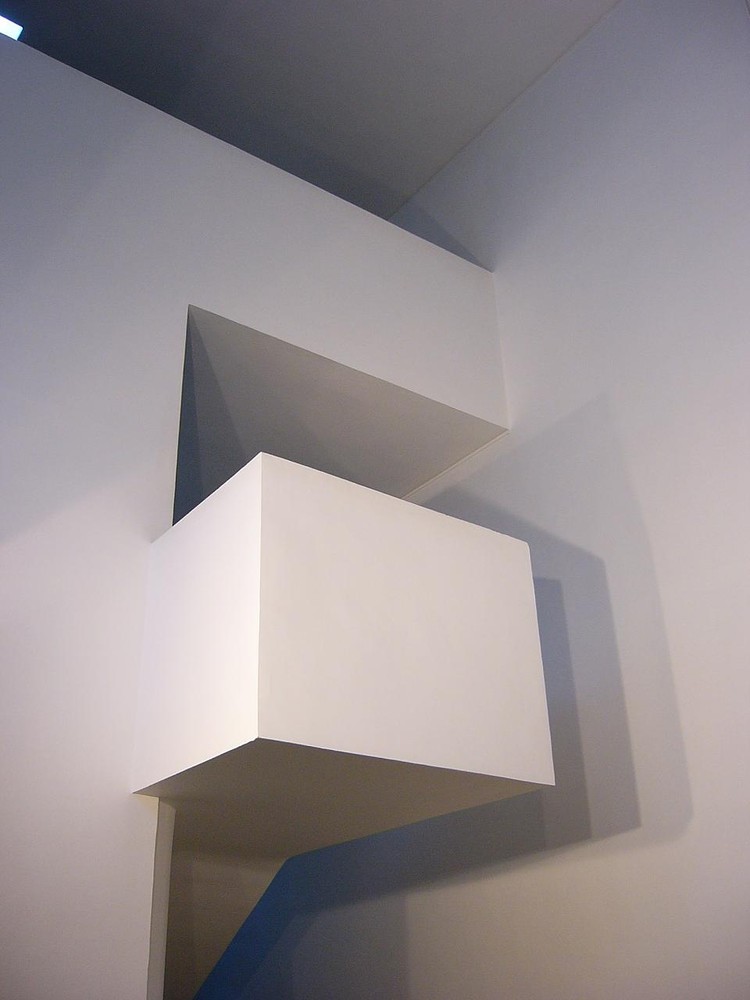
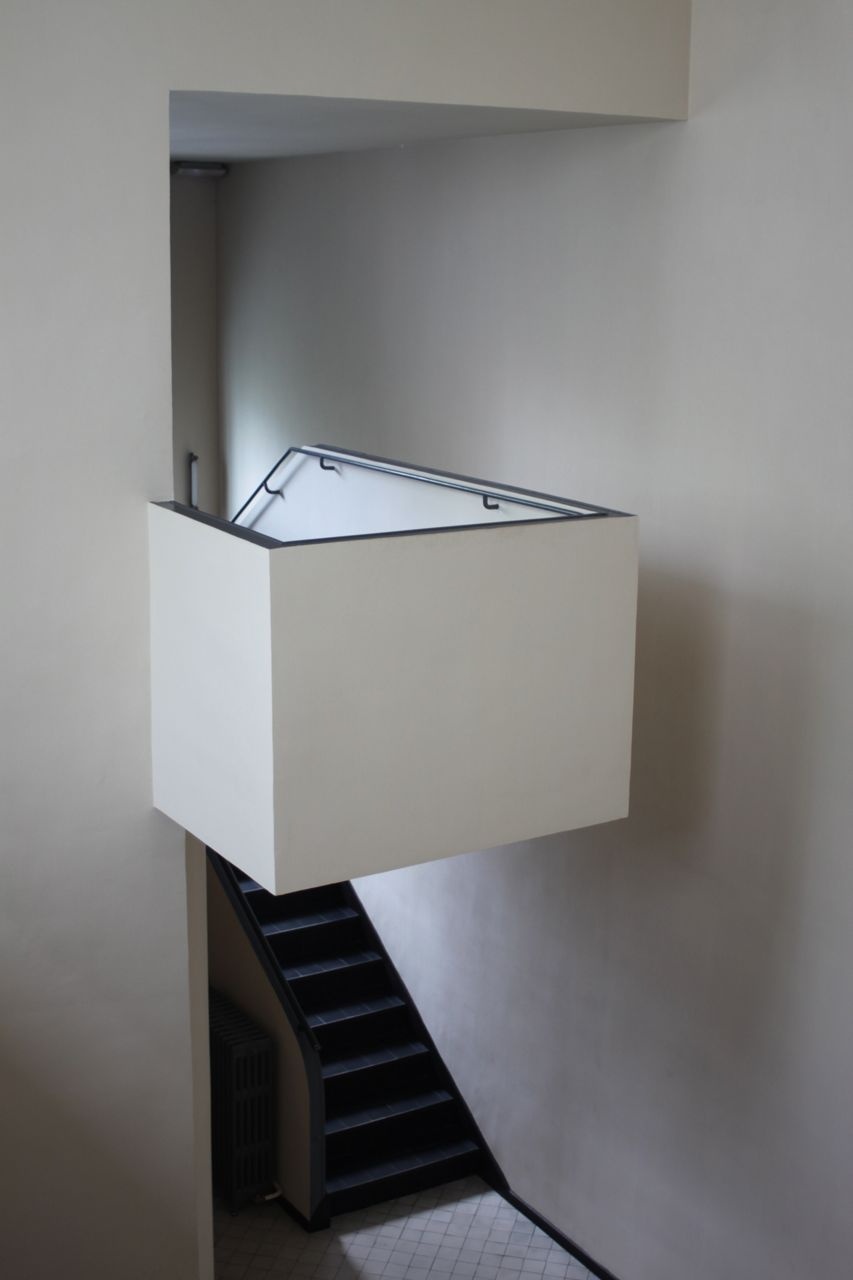
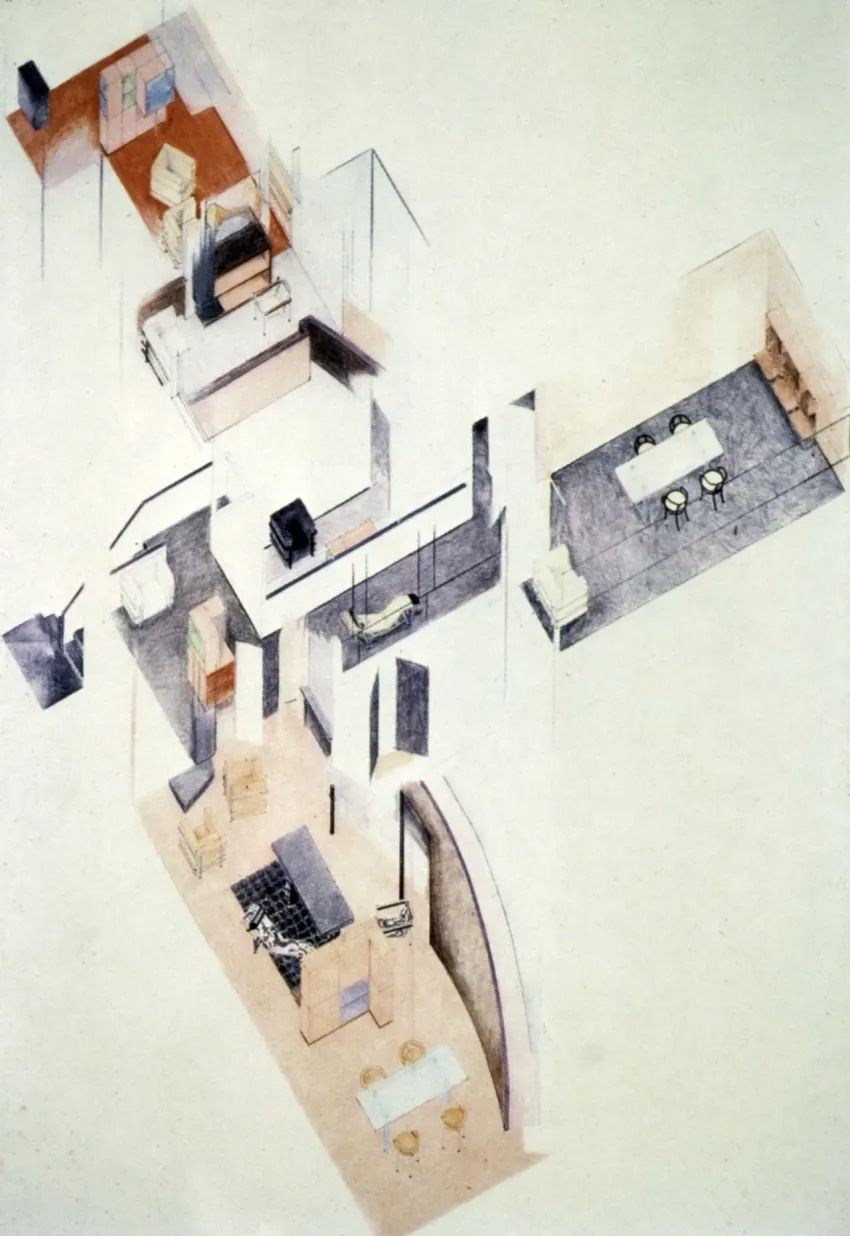
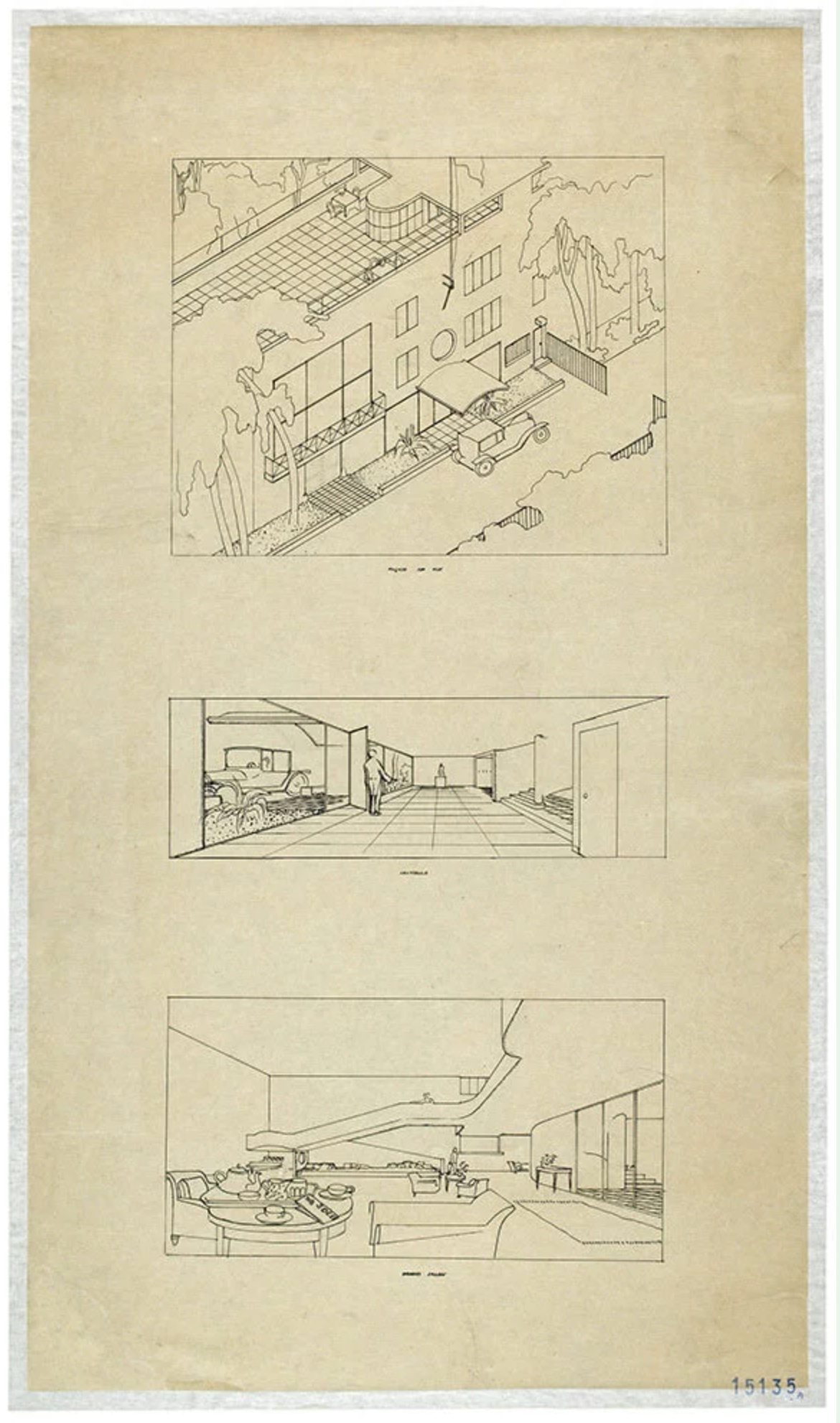
The route begins at the entrance and unfolds through a series of stairs, balconies, ramps, and double-height spaces. Visitors encounter the house as a sequence of spatial experiences rather than as a collection of individual rooms. Views develop upward, downward, and horizontally, producing constantly changing relationships between spaces.
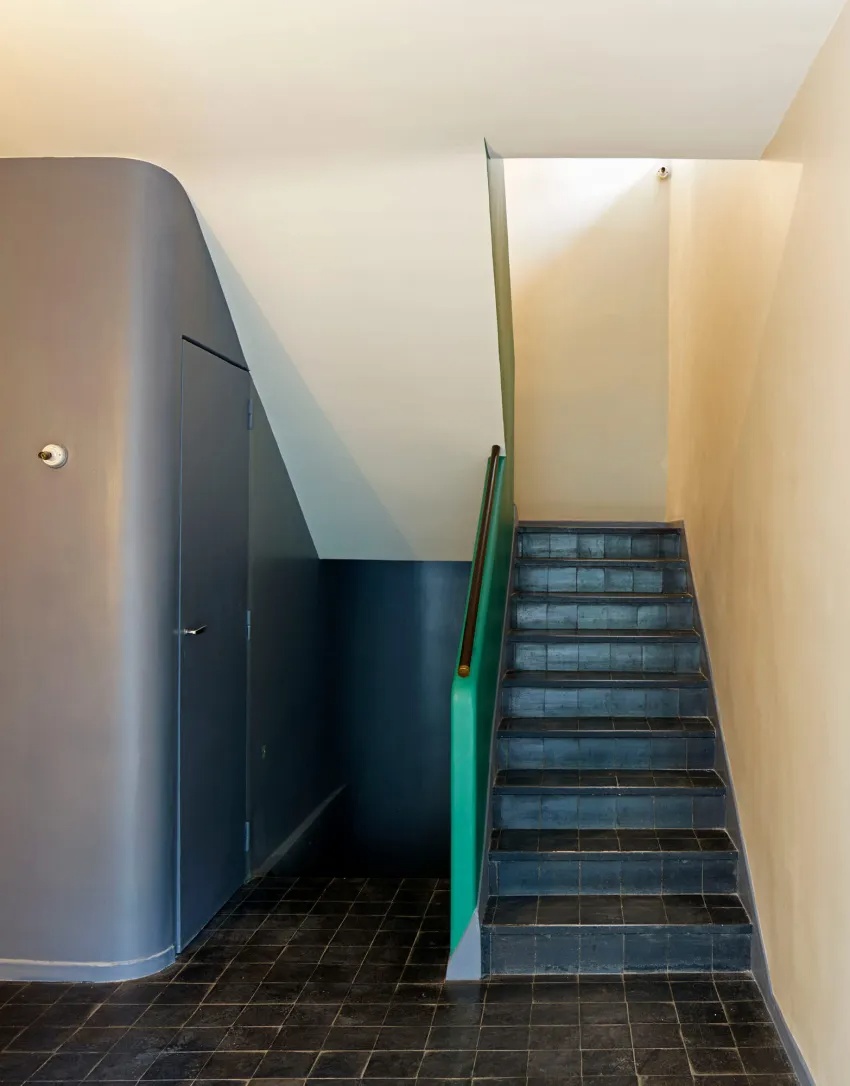
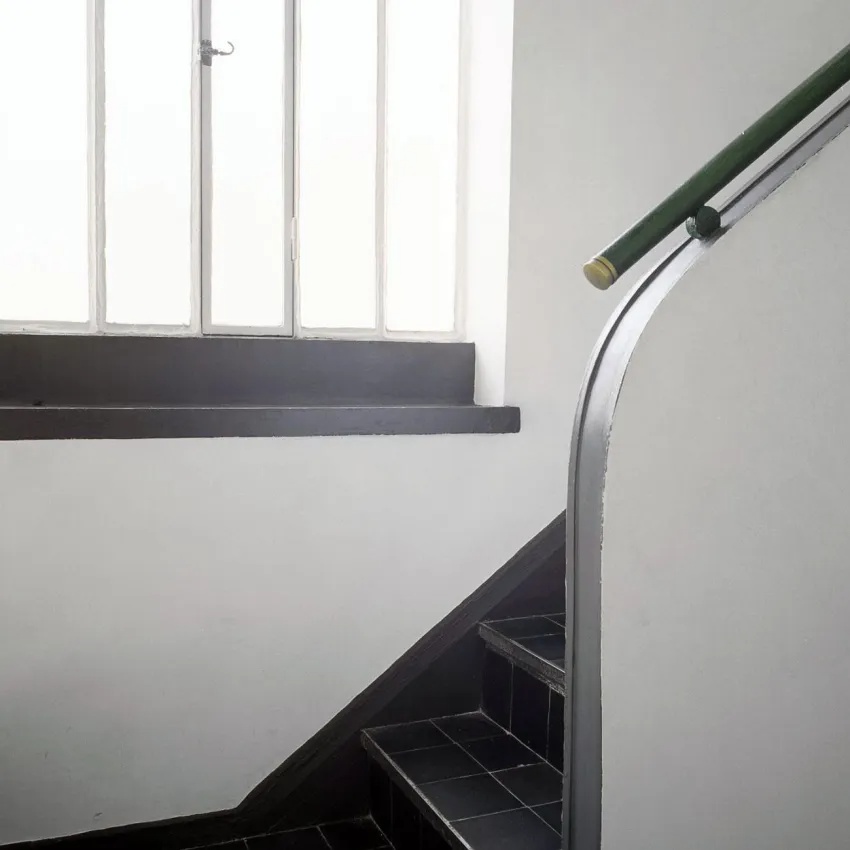
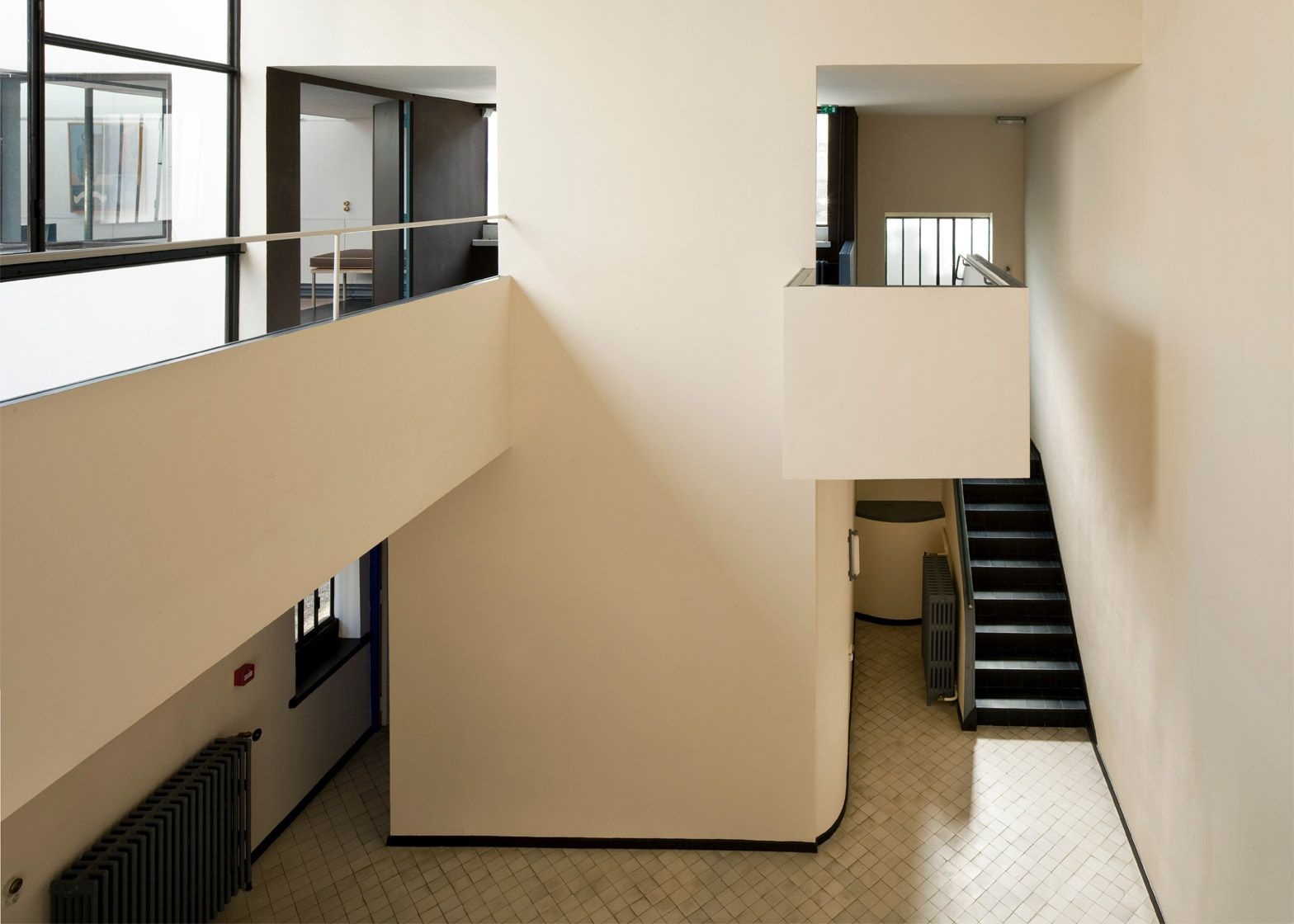
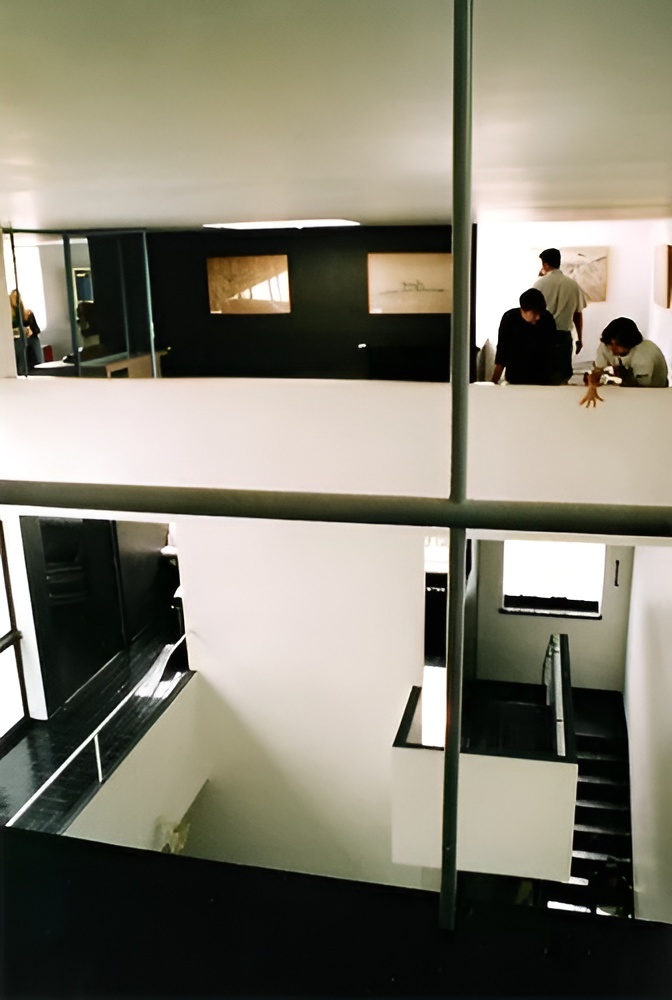
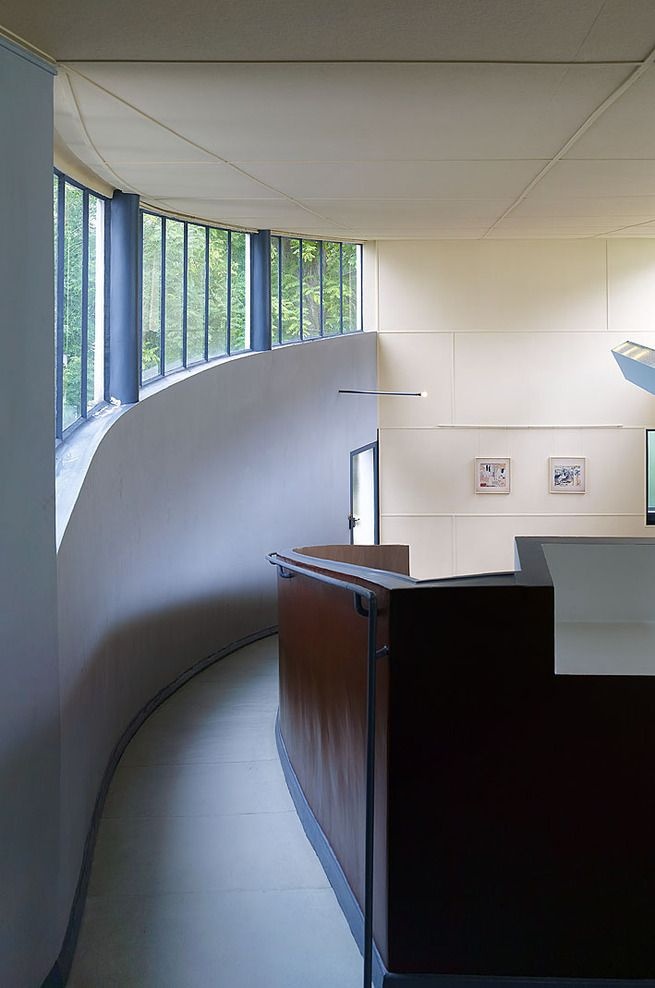
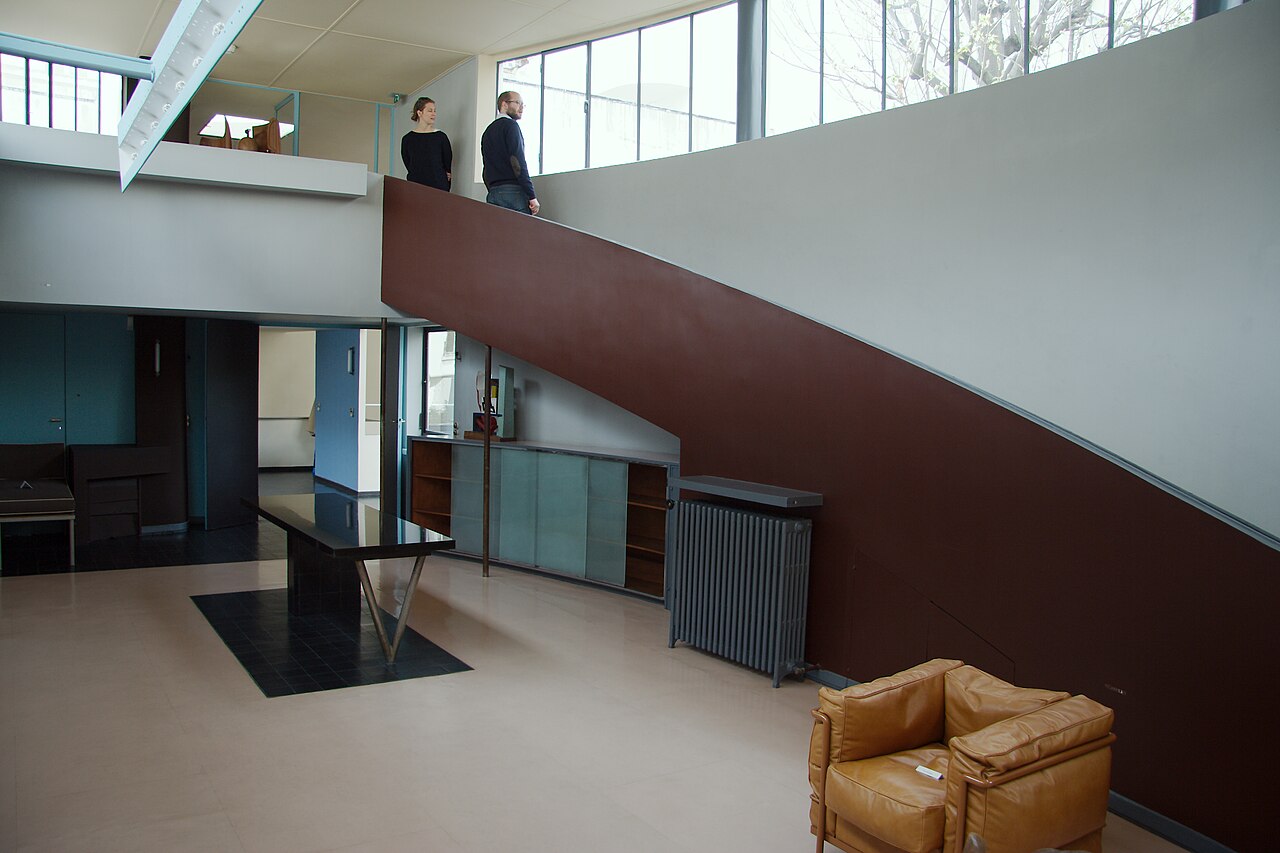
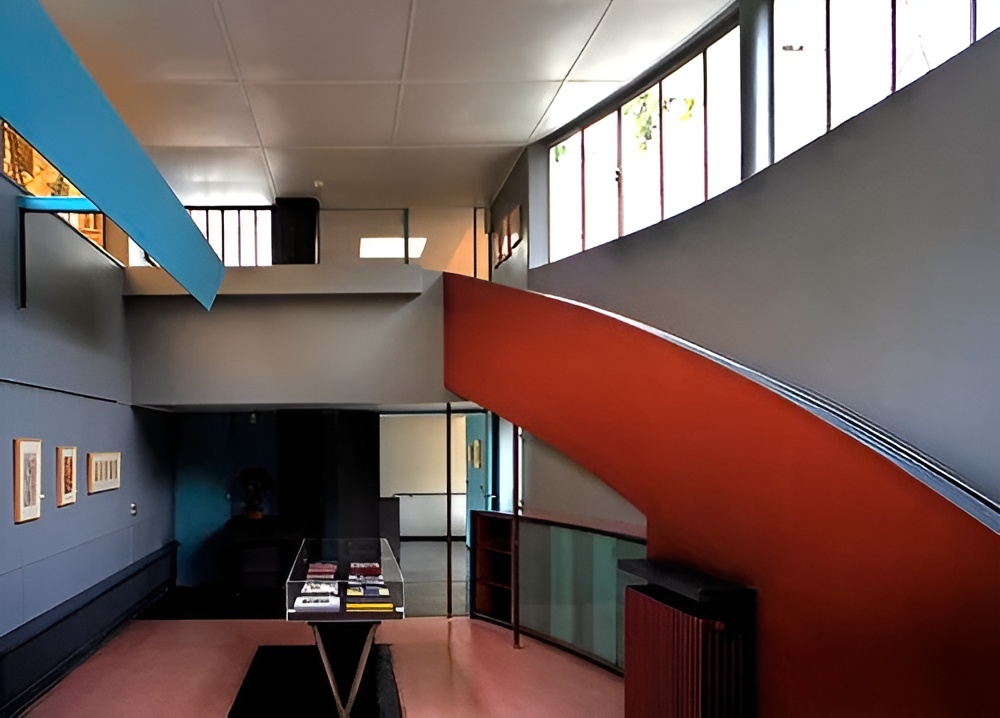
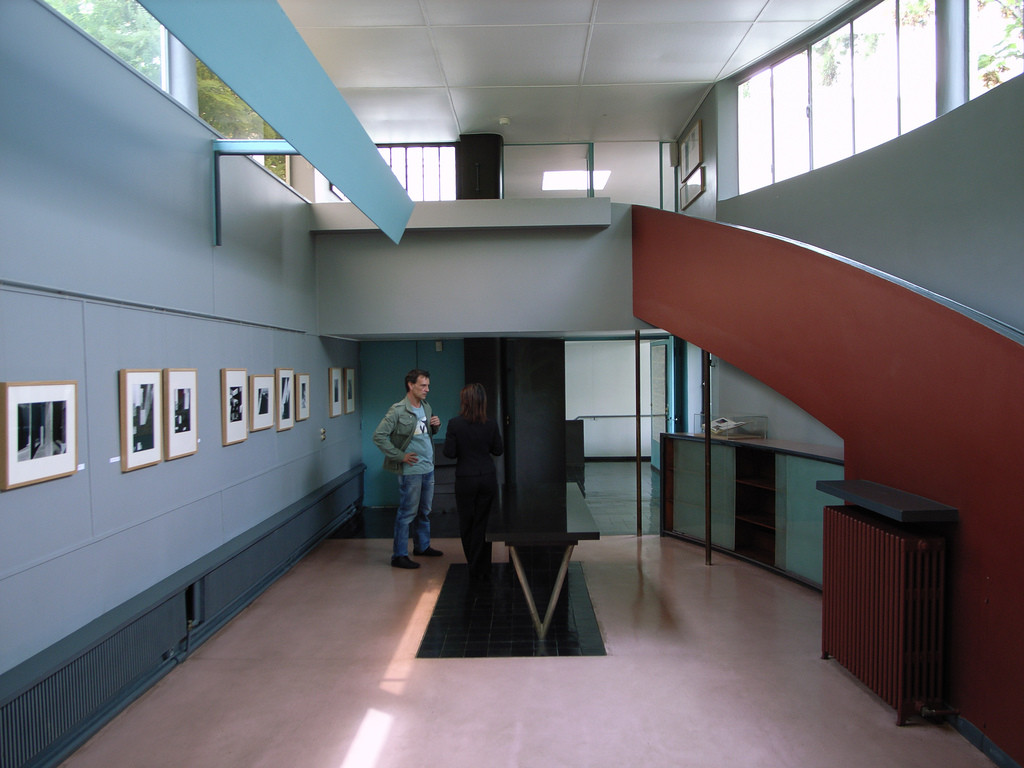
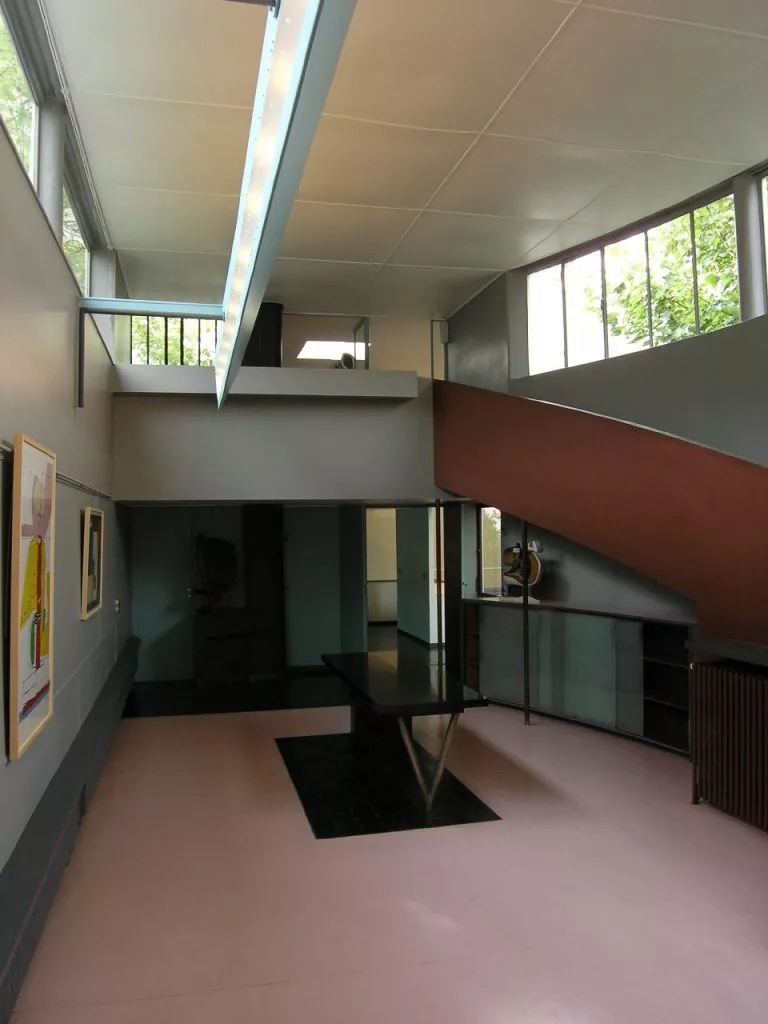
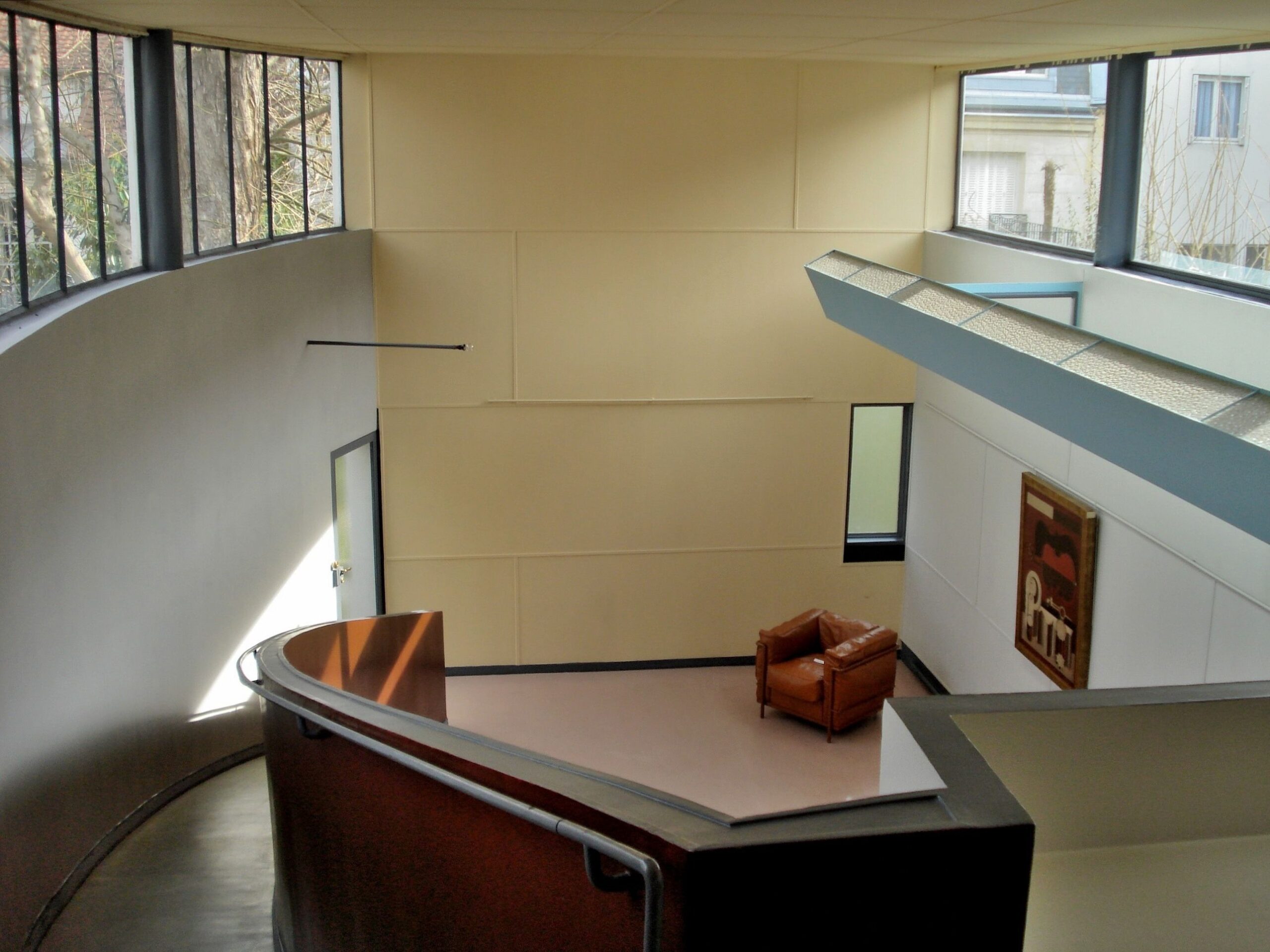
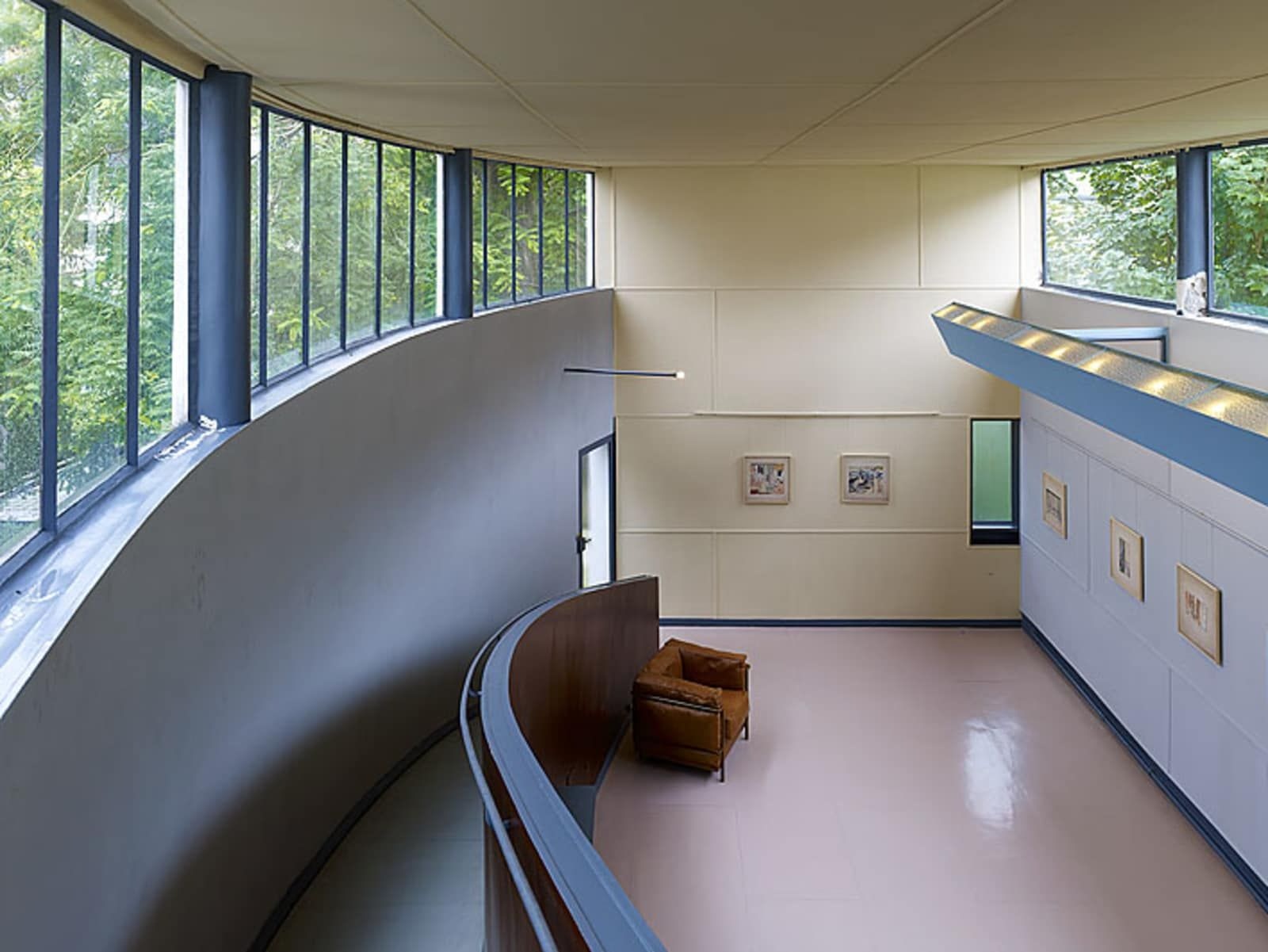
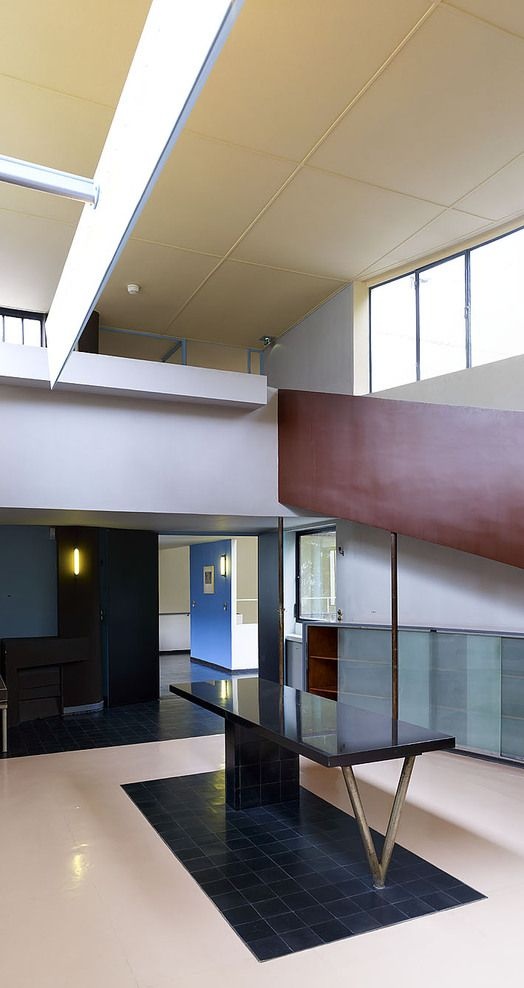
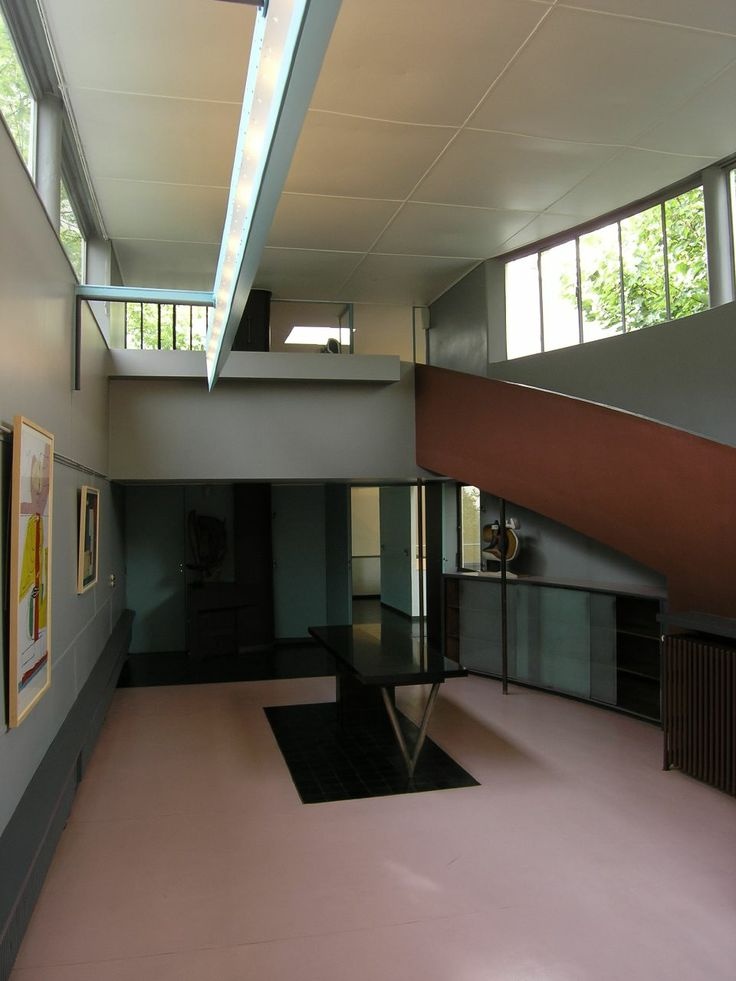
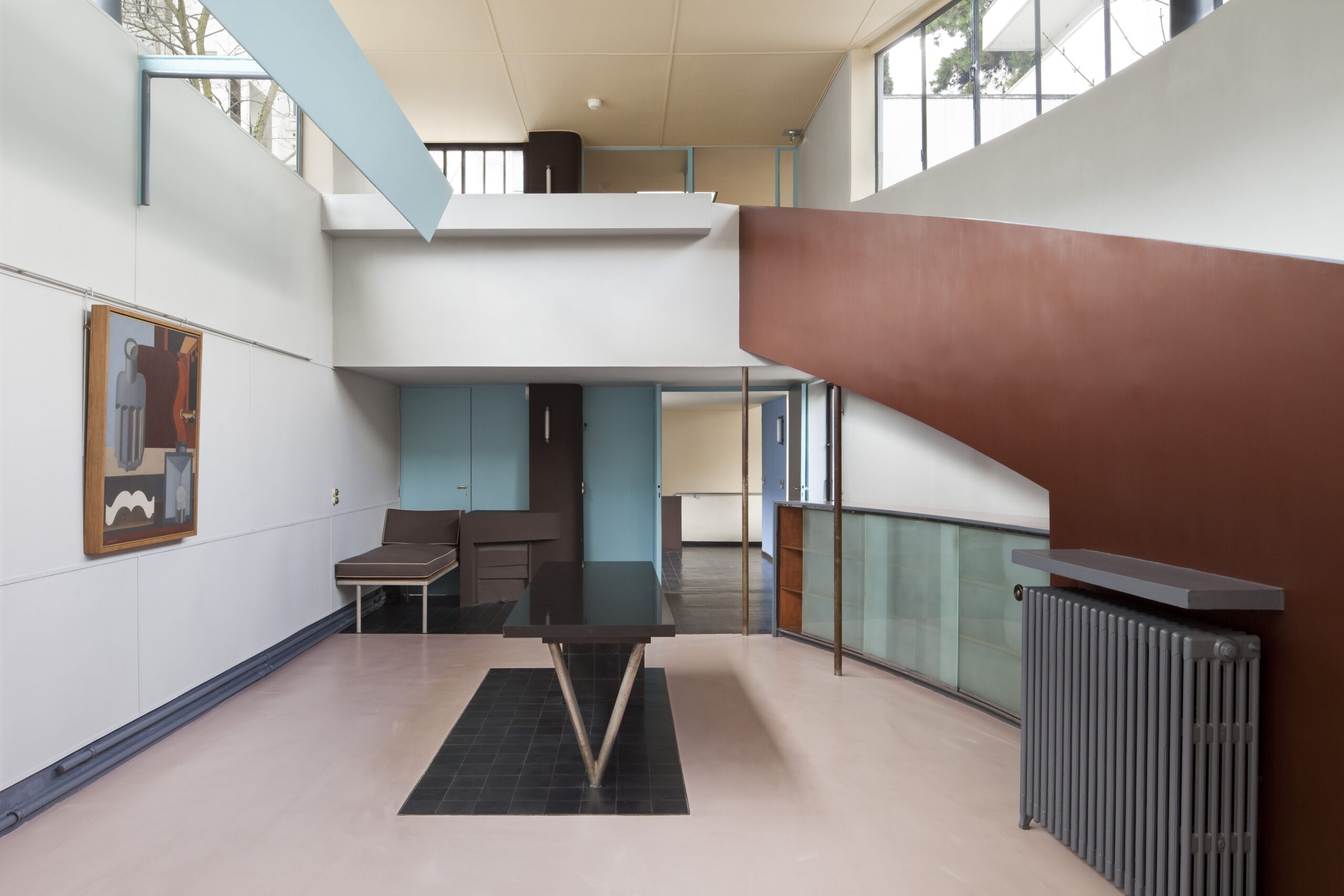
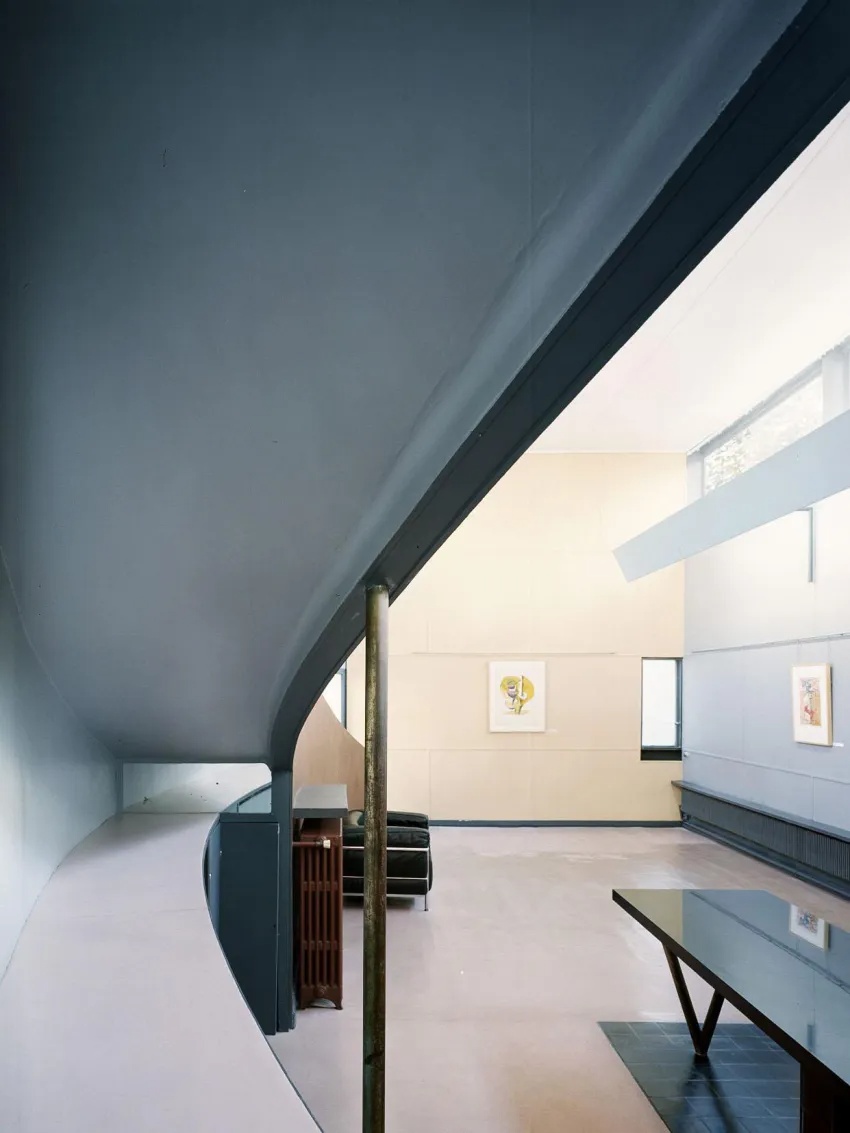
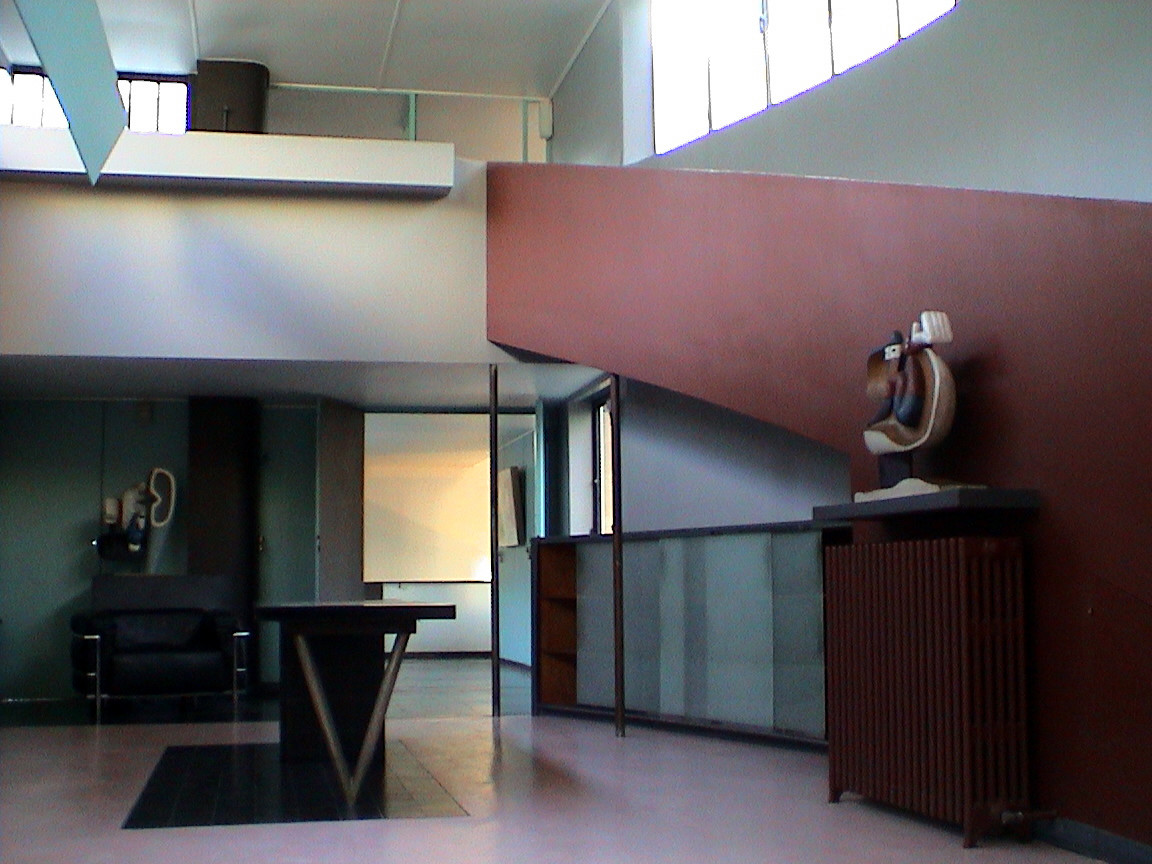
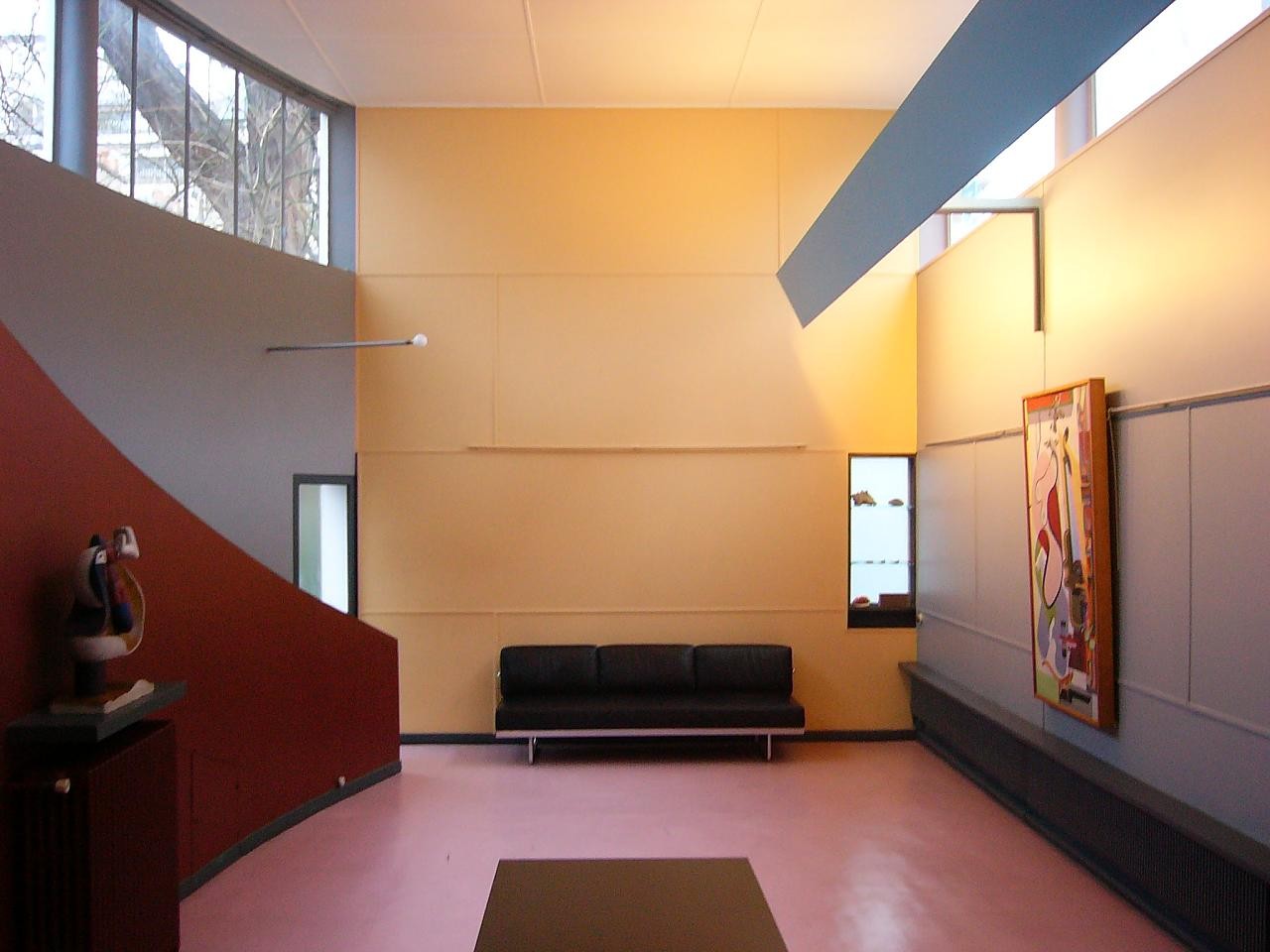
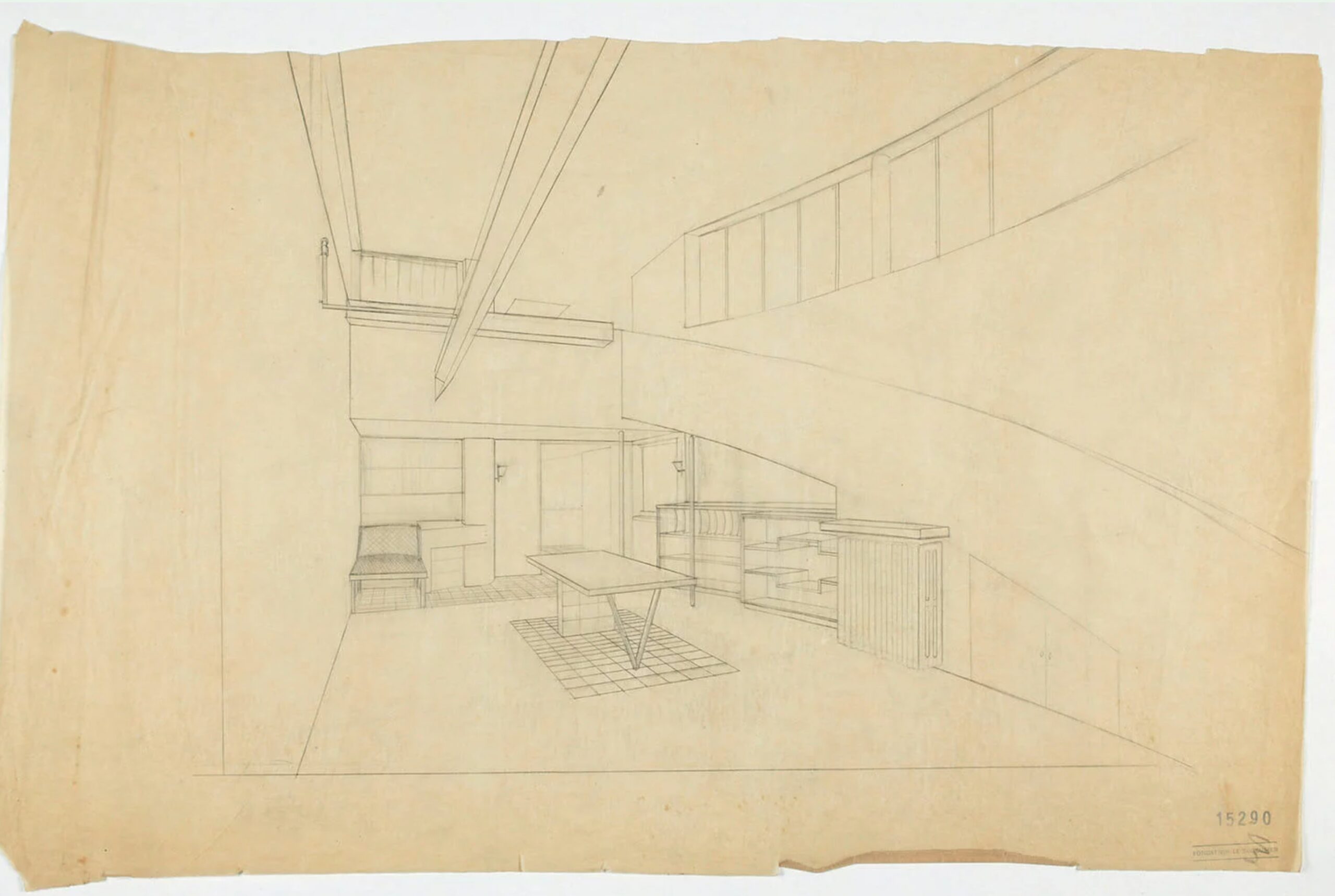
The gallery occupies a central position within the composition. The double-height volume provides a setting for Raoul La Roche’s collection of Cubist and Purist paintings while establishing one of the principal spaces of the promenade. The curved wall of the gallery supports the ramp leading toward the roof terrace and creates a gradual transition between levels.
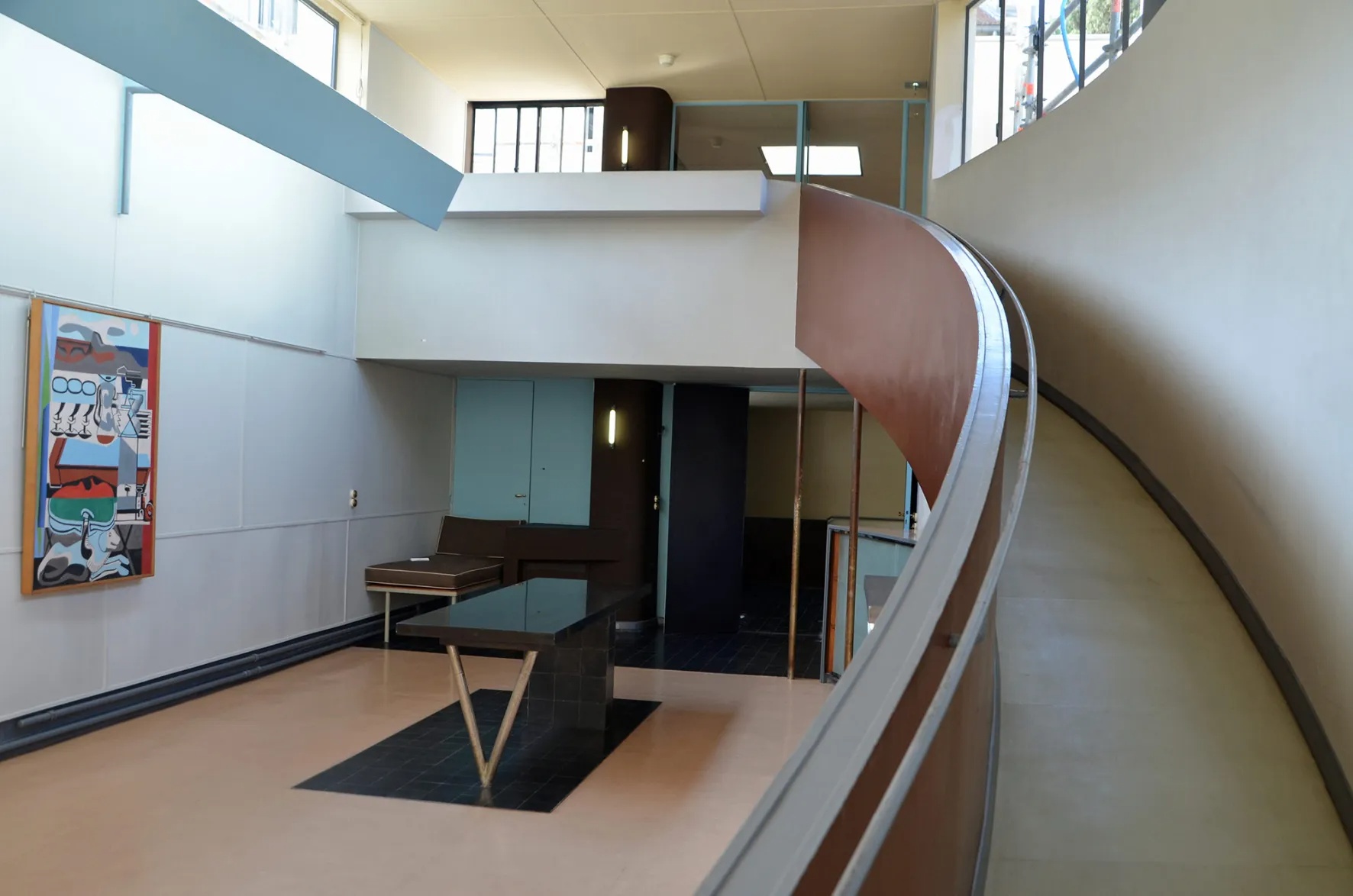
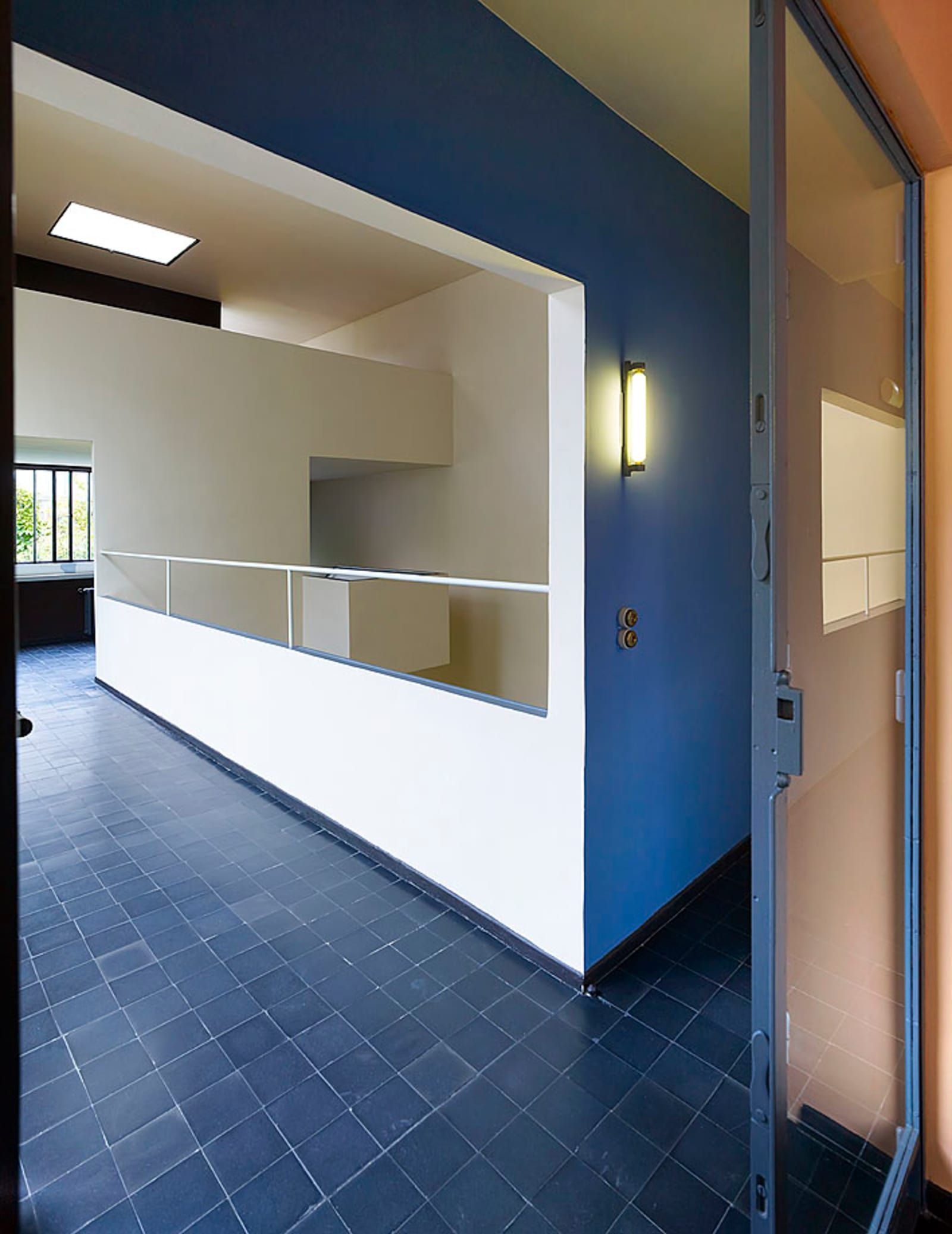
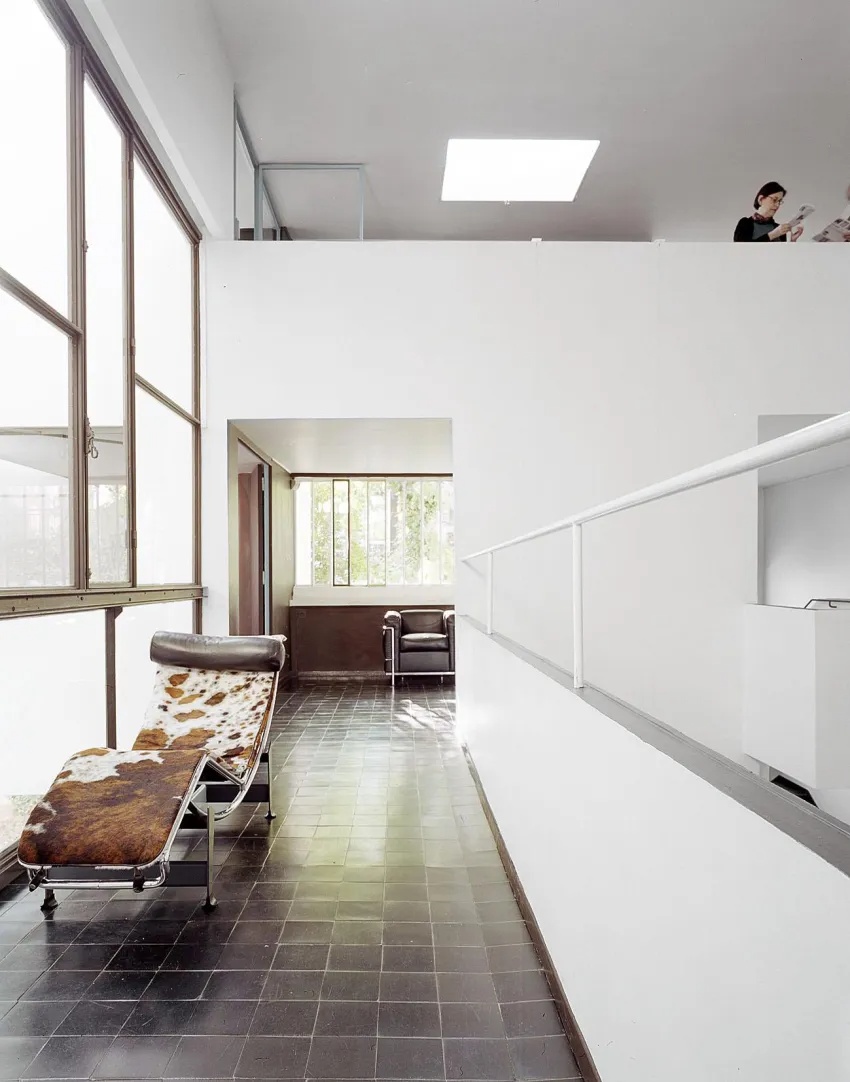
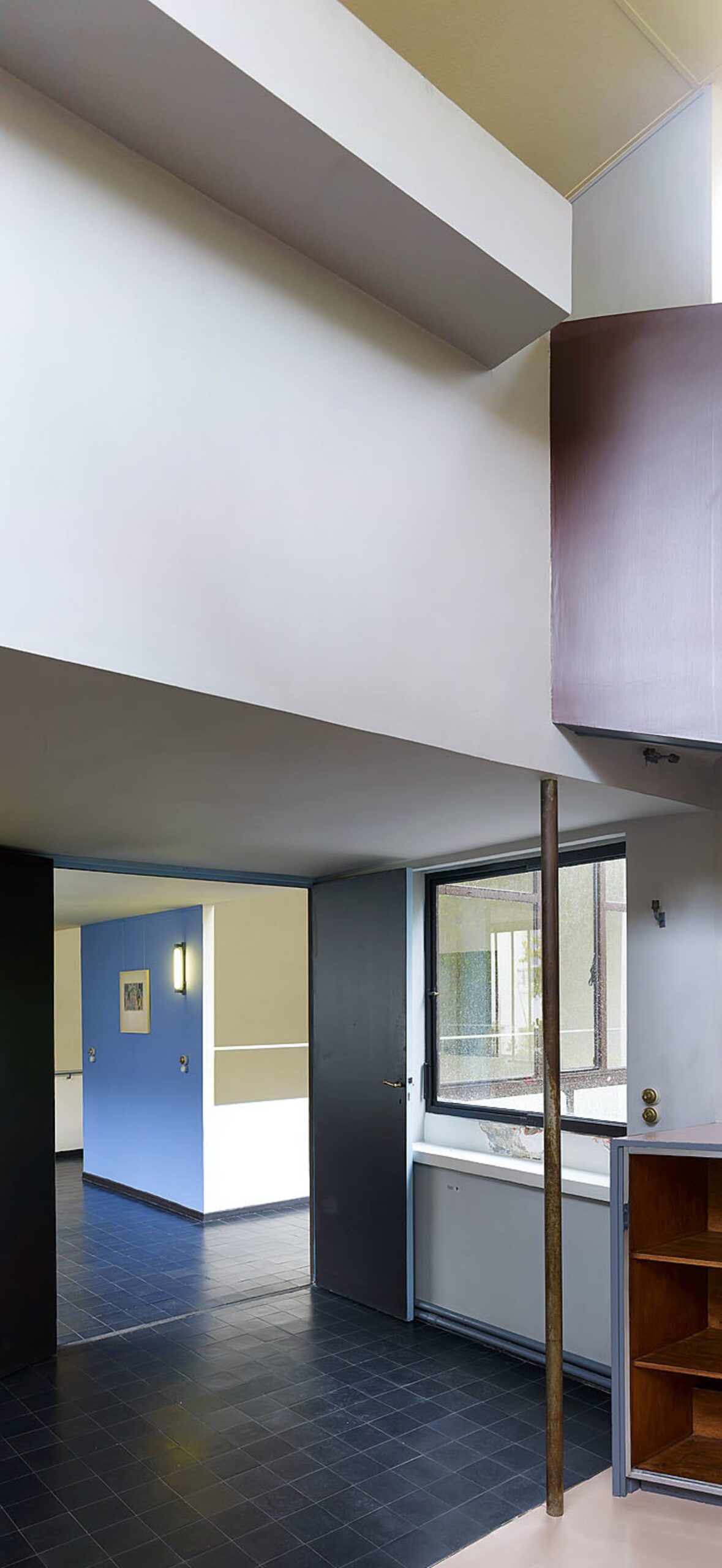
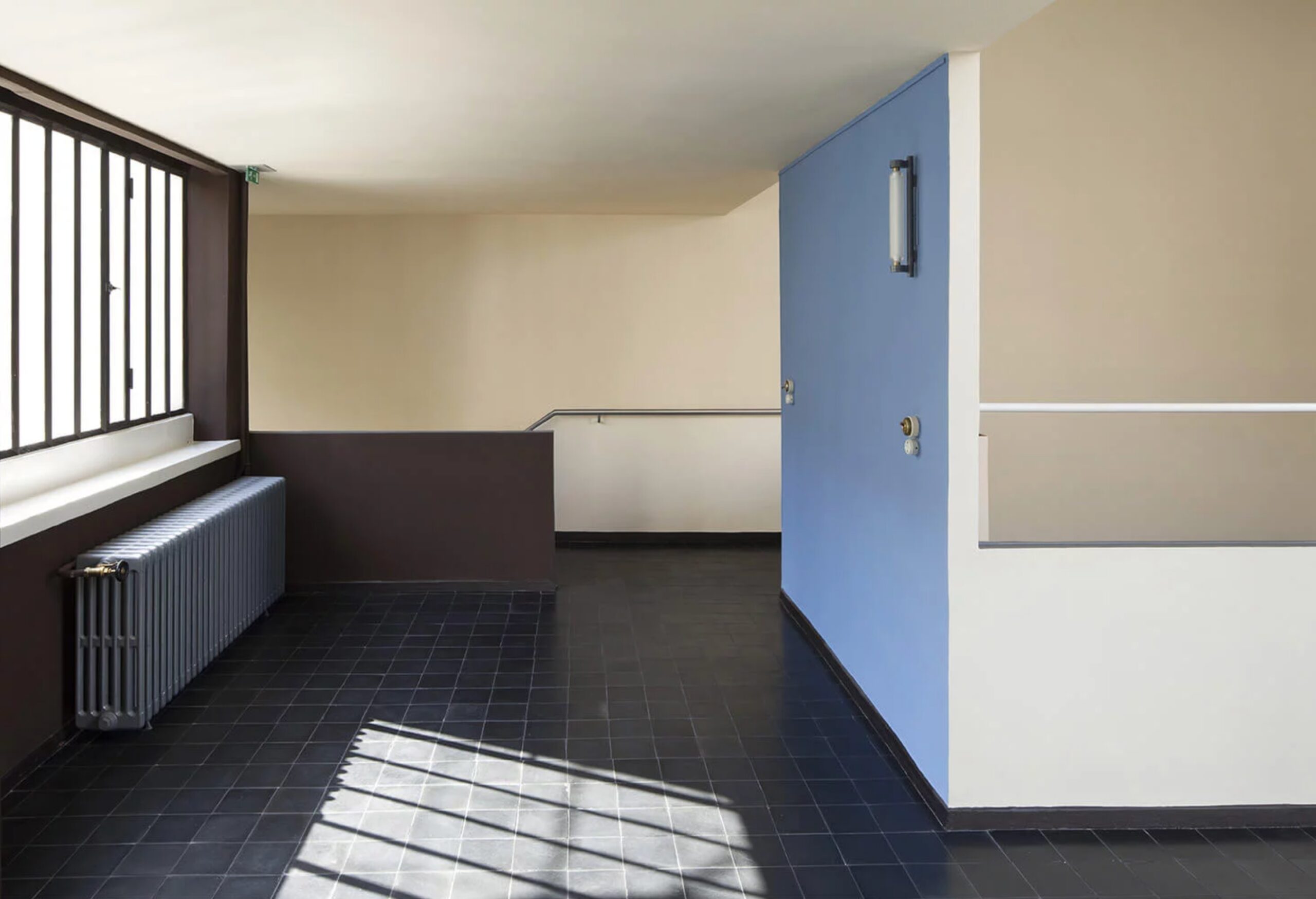
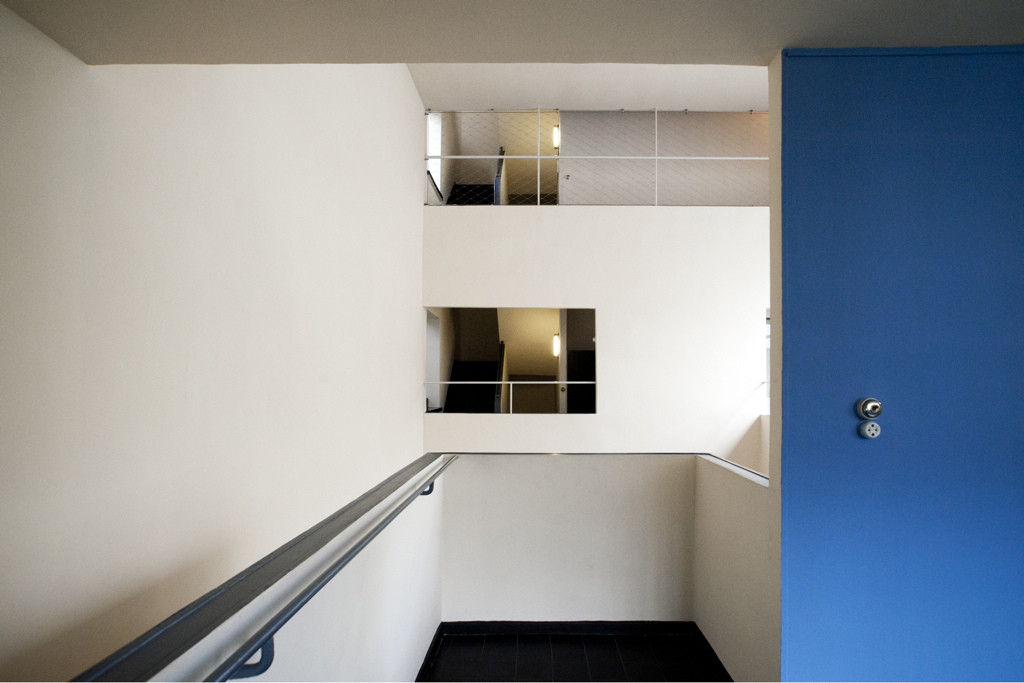
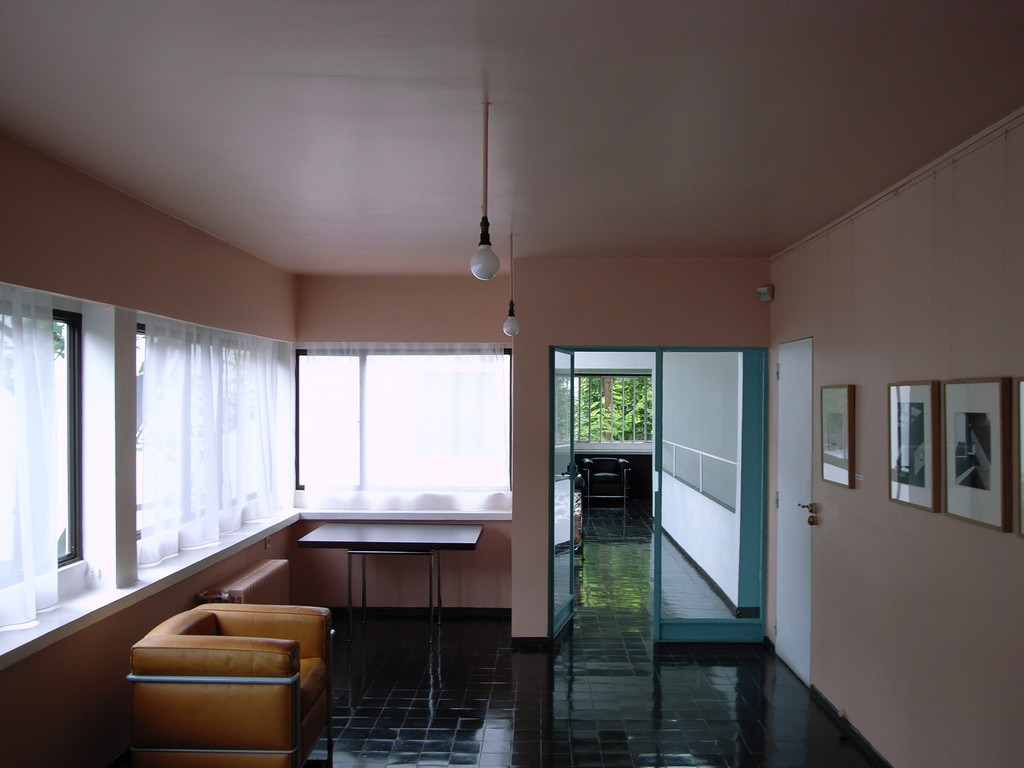
The arrangement of the interior emphasizes movement and perception. Contracting and expanding corridors alternate with larger volumes, while carefully positioned openings establish visual connections between different parts of the house. Balconies and bridges overlook adjacent spaces, allowing occupants to experience multiple viewpoints simultaneously.
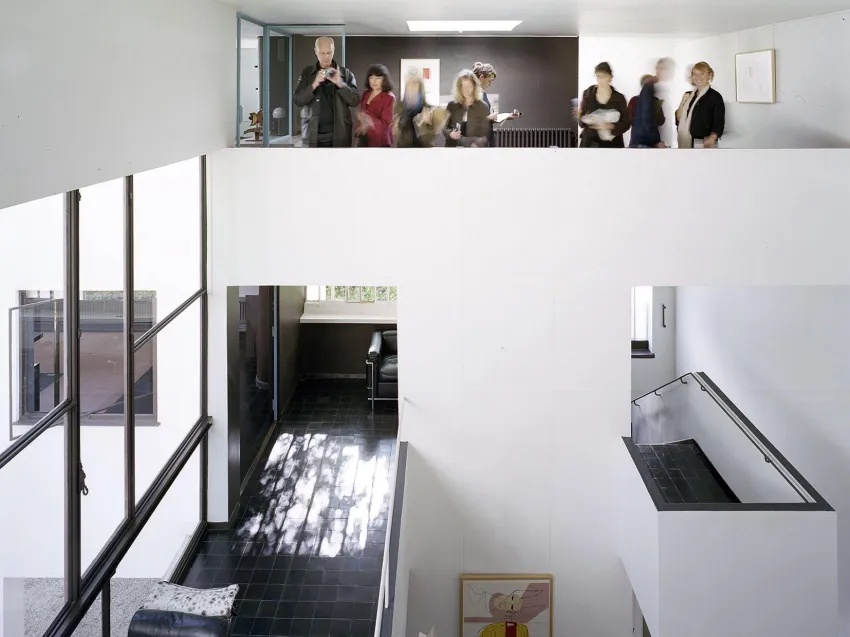
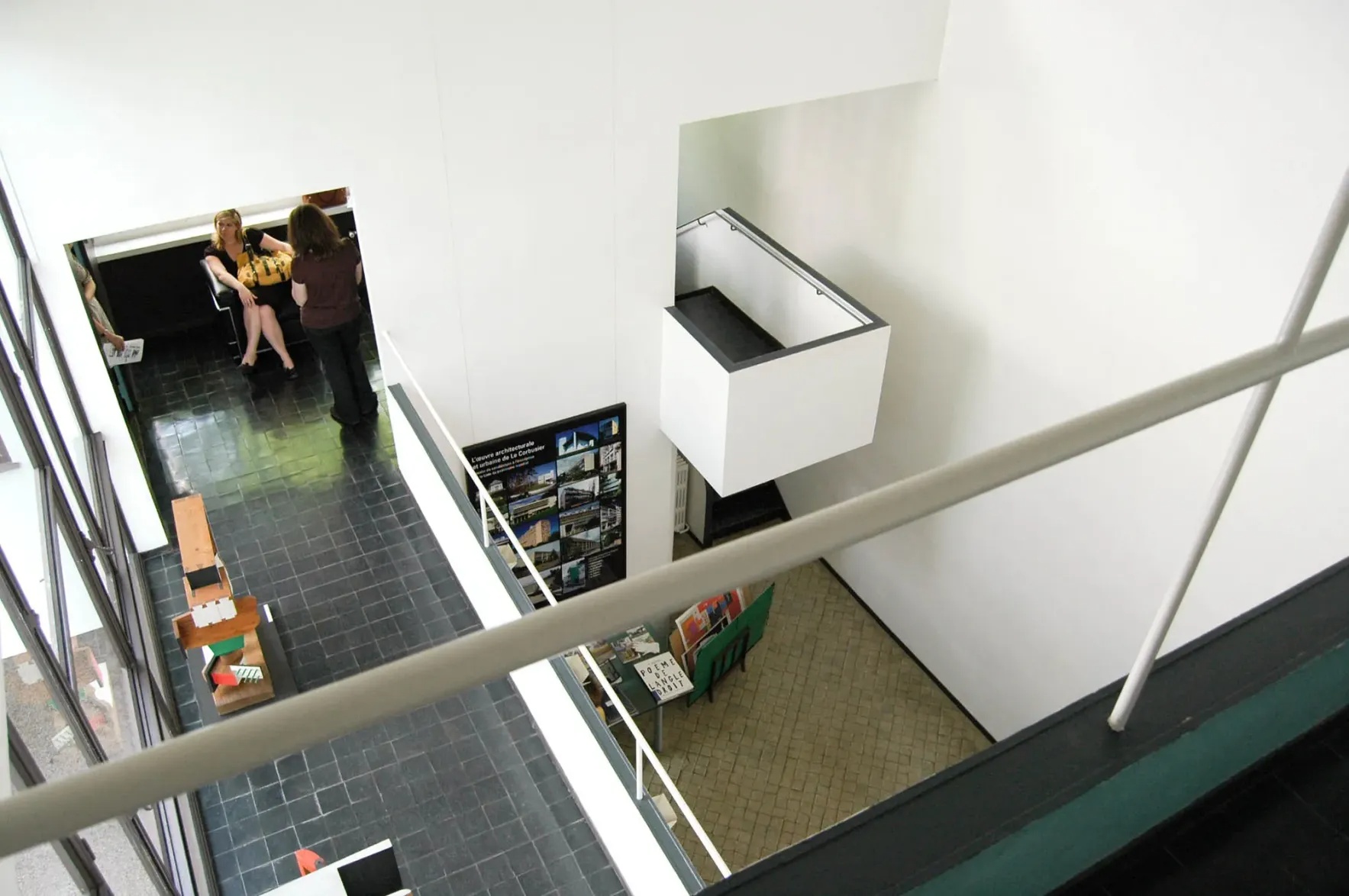
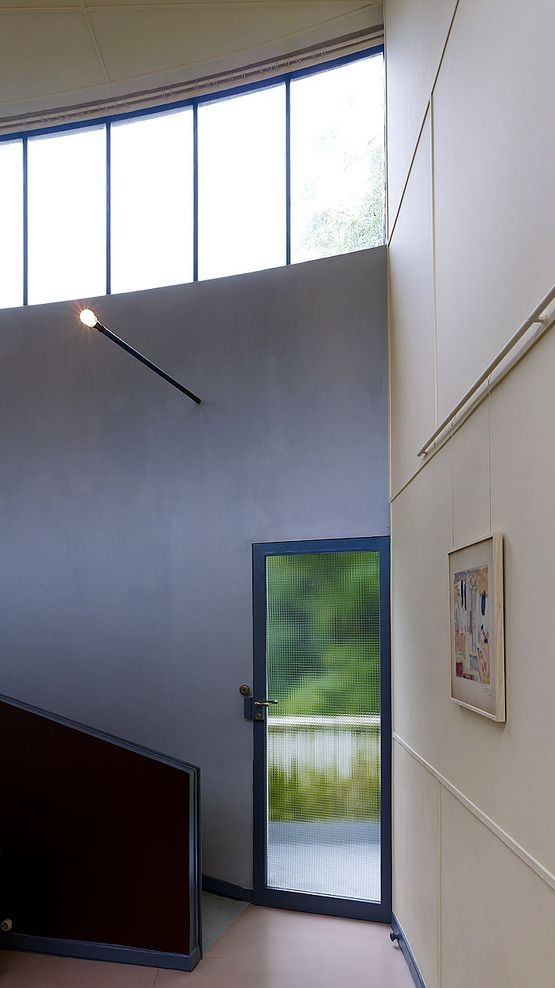
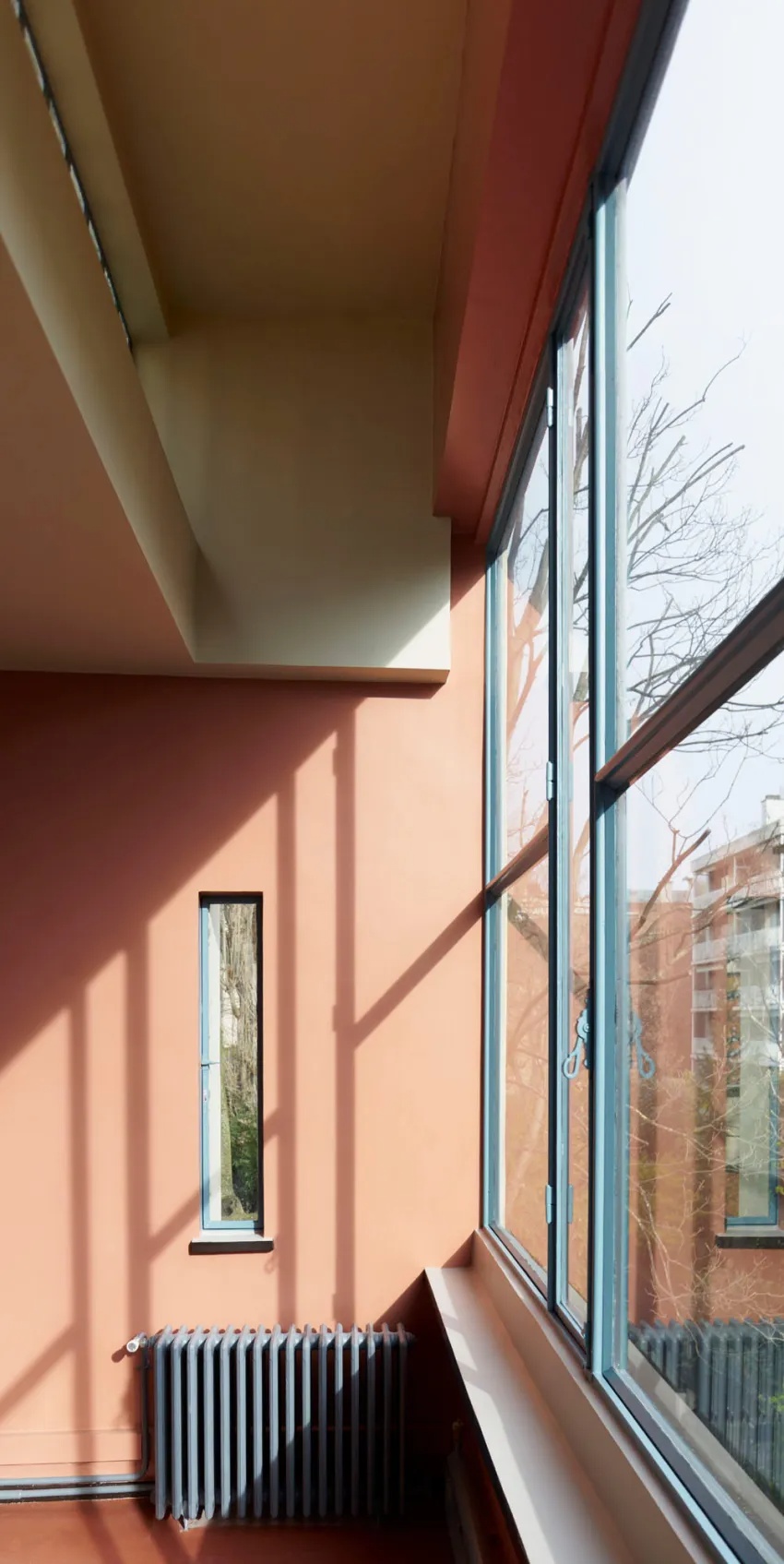
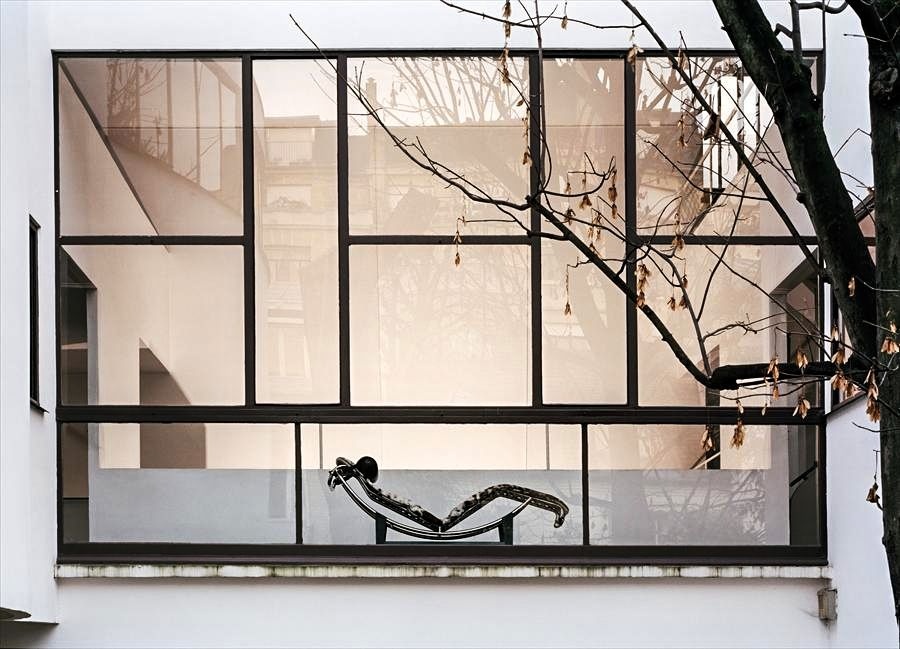
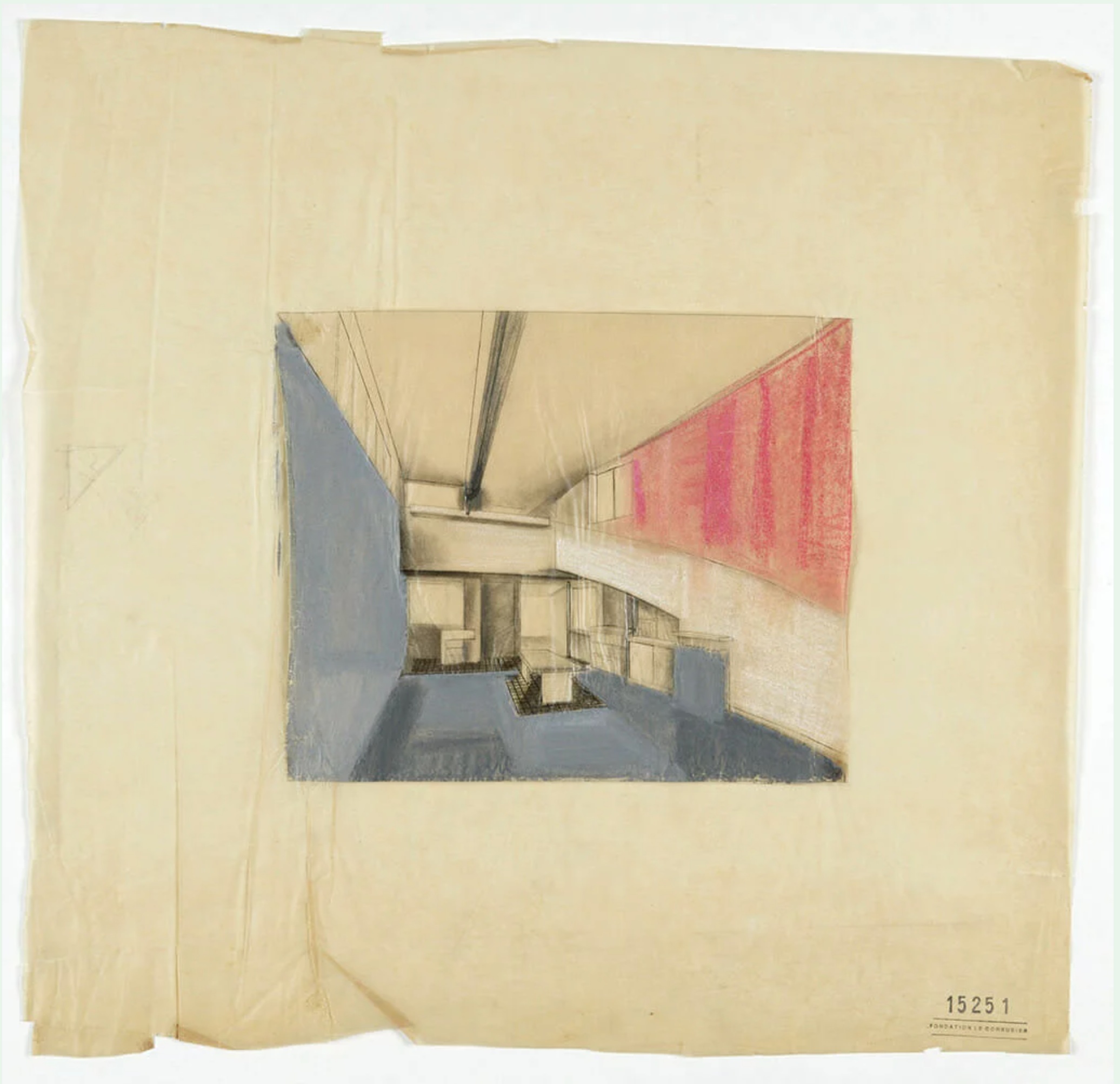
Natural light plays a fundamental role in the organization of the interior. Long windows, carefully positioned openings, and double-height spaces distribute daylight throughout the building. The changing quality of light reinforces the sequence of movement and contributes to the perception of depth and volume.
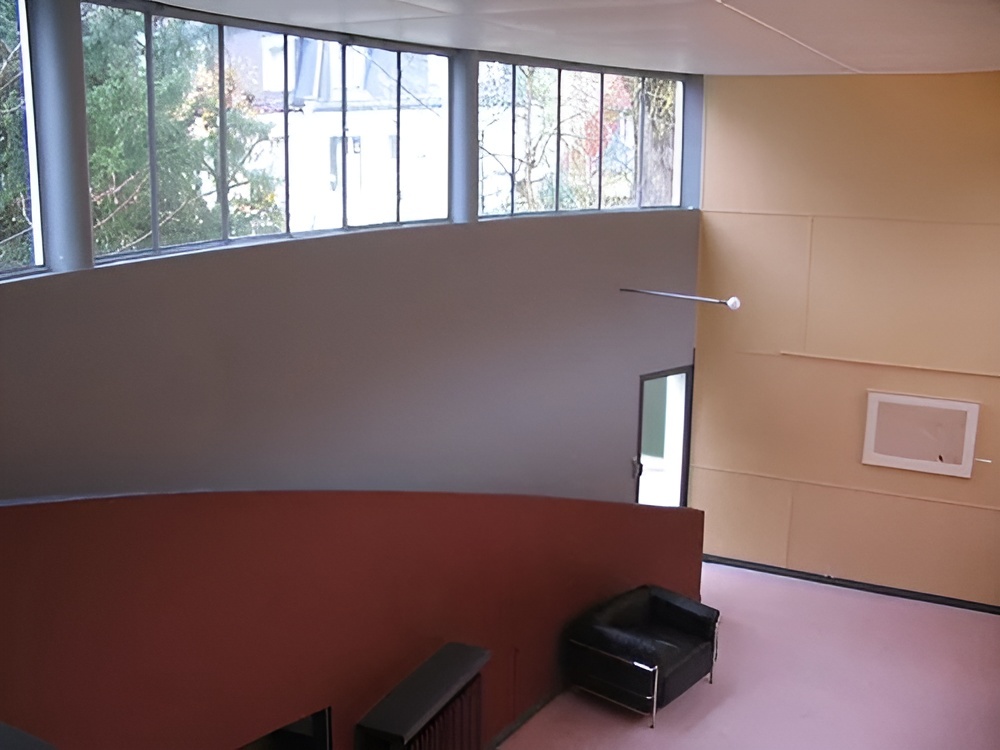
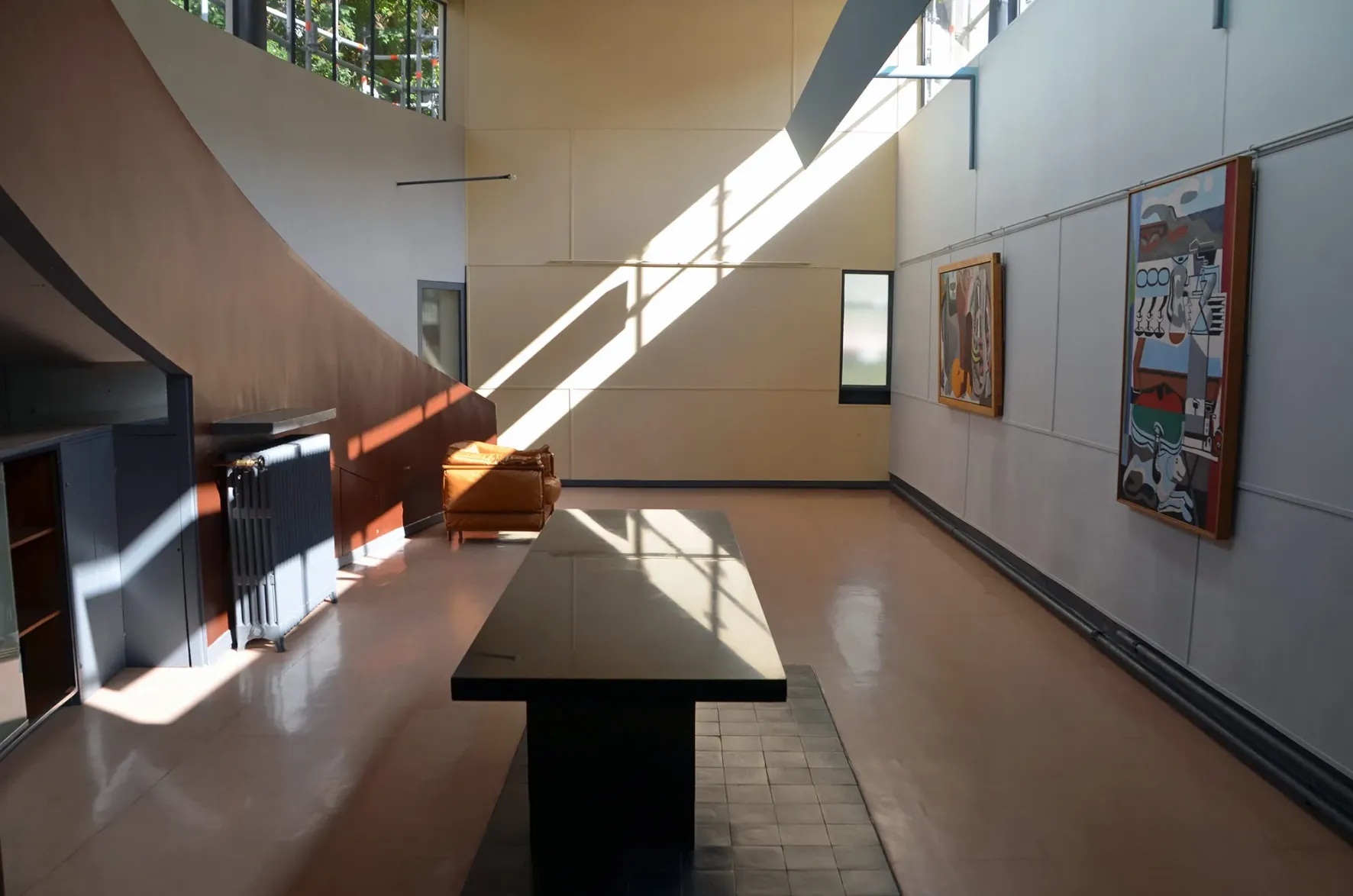
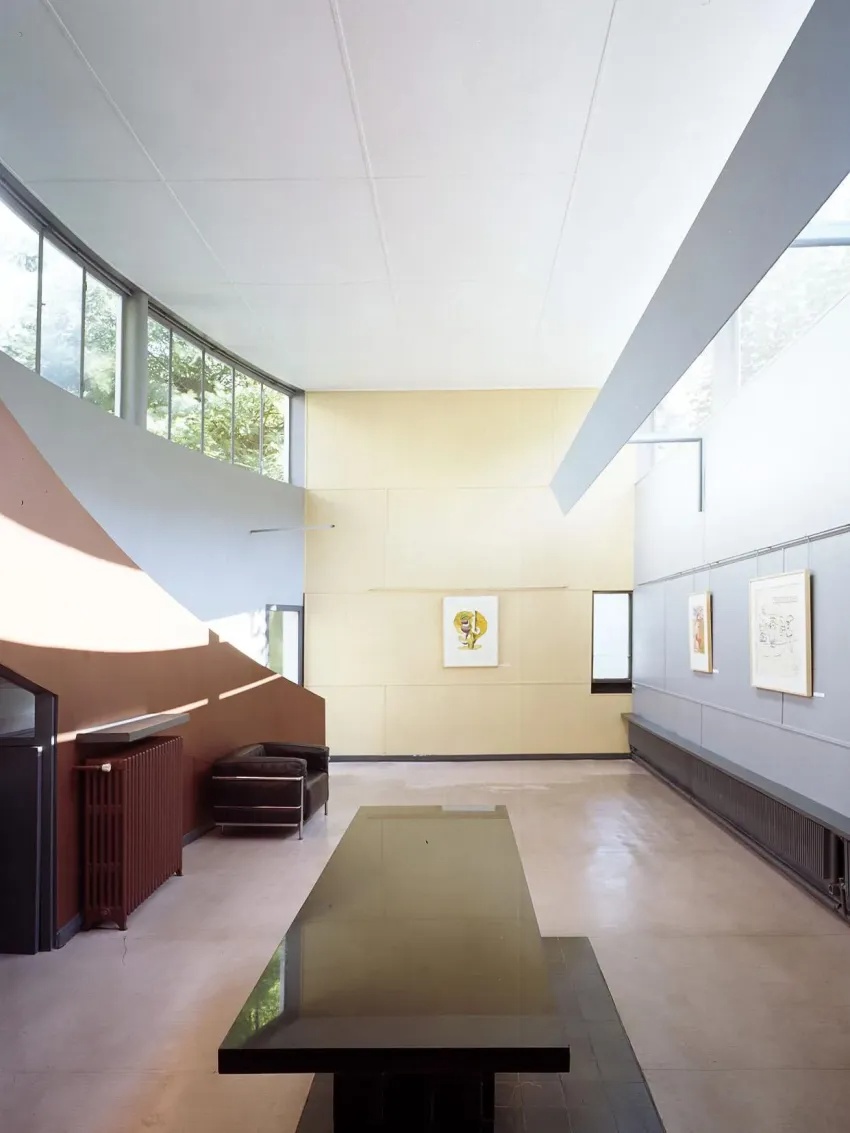
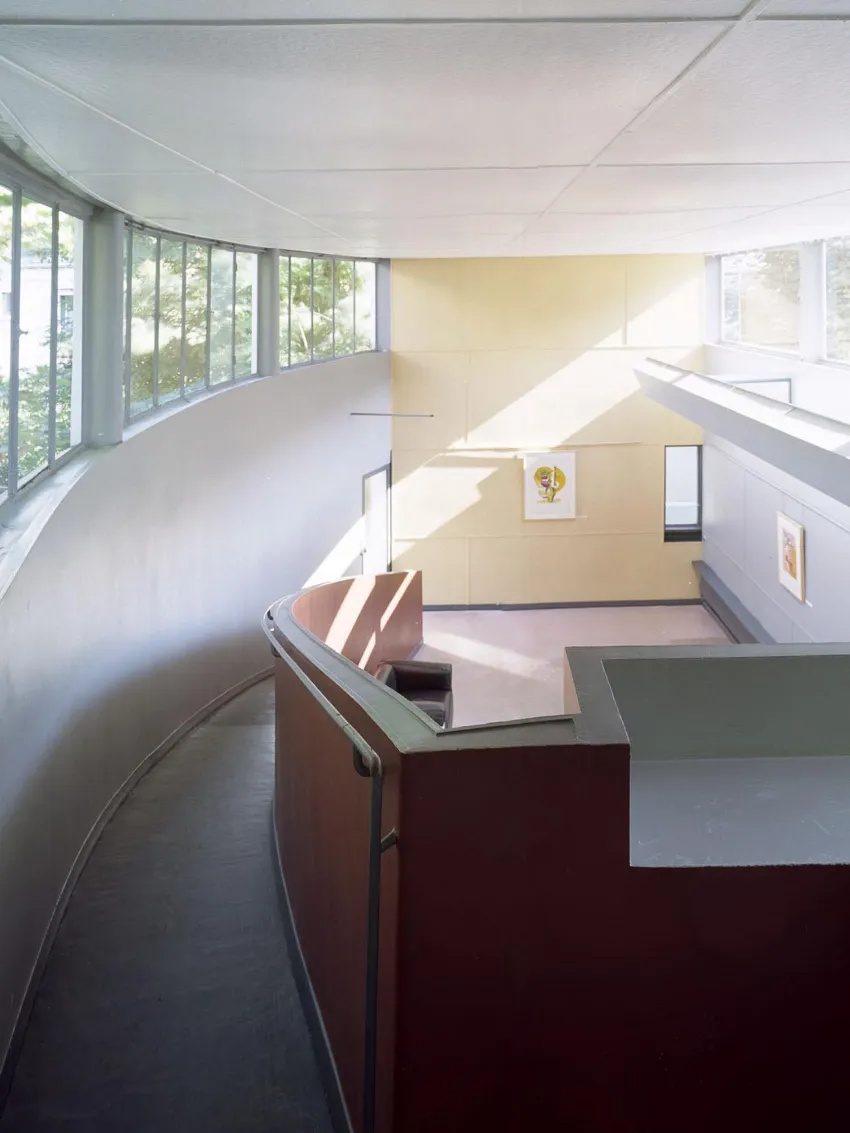
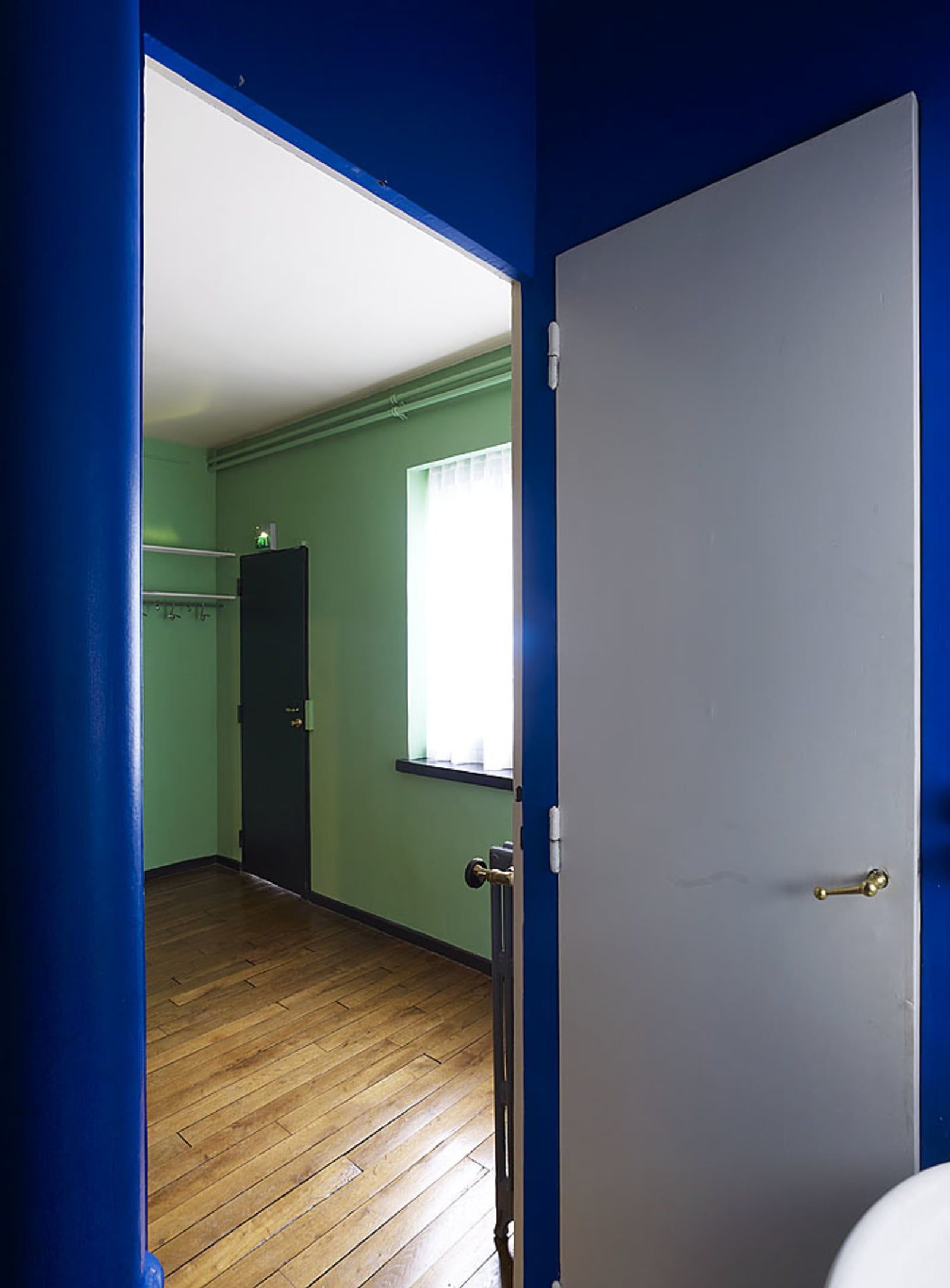
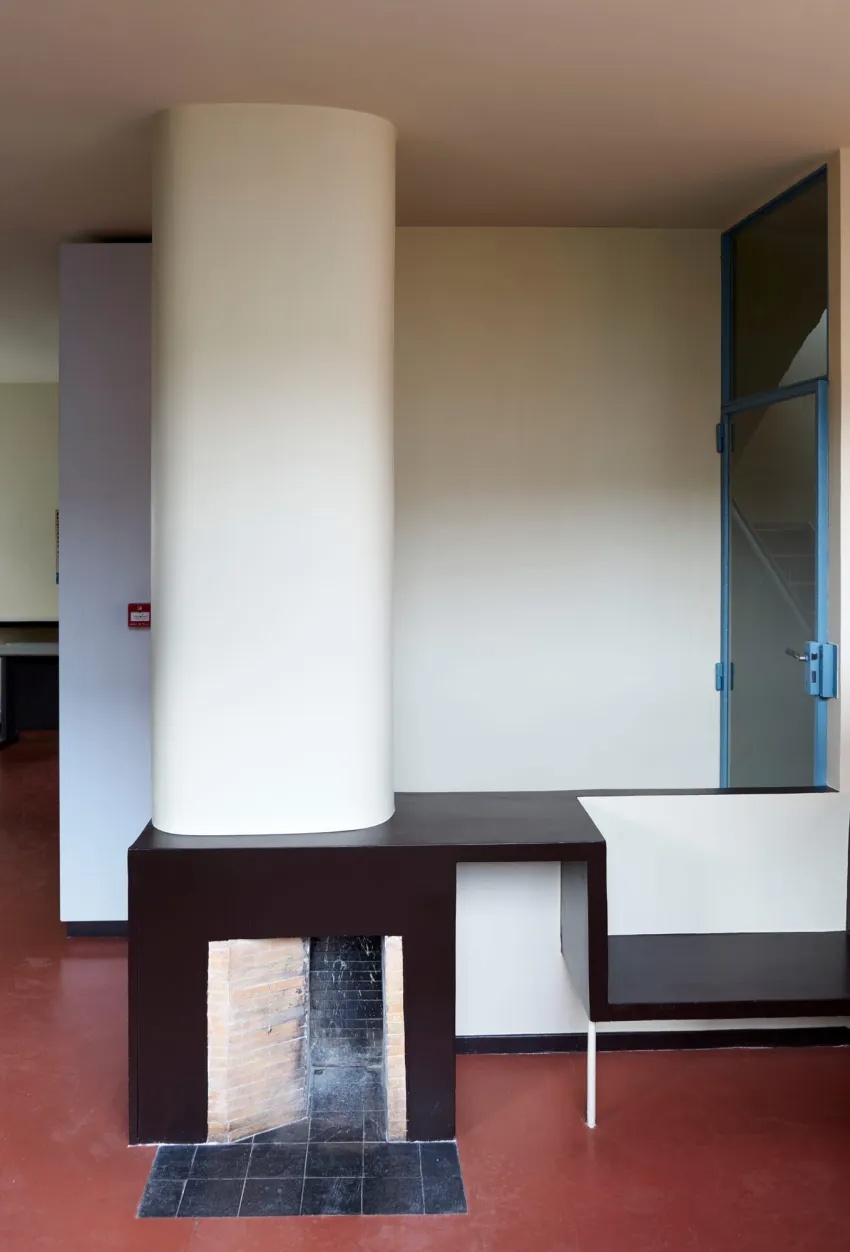
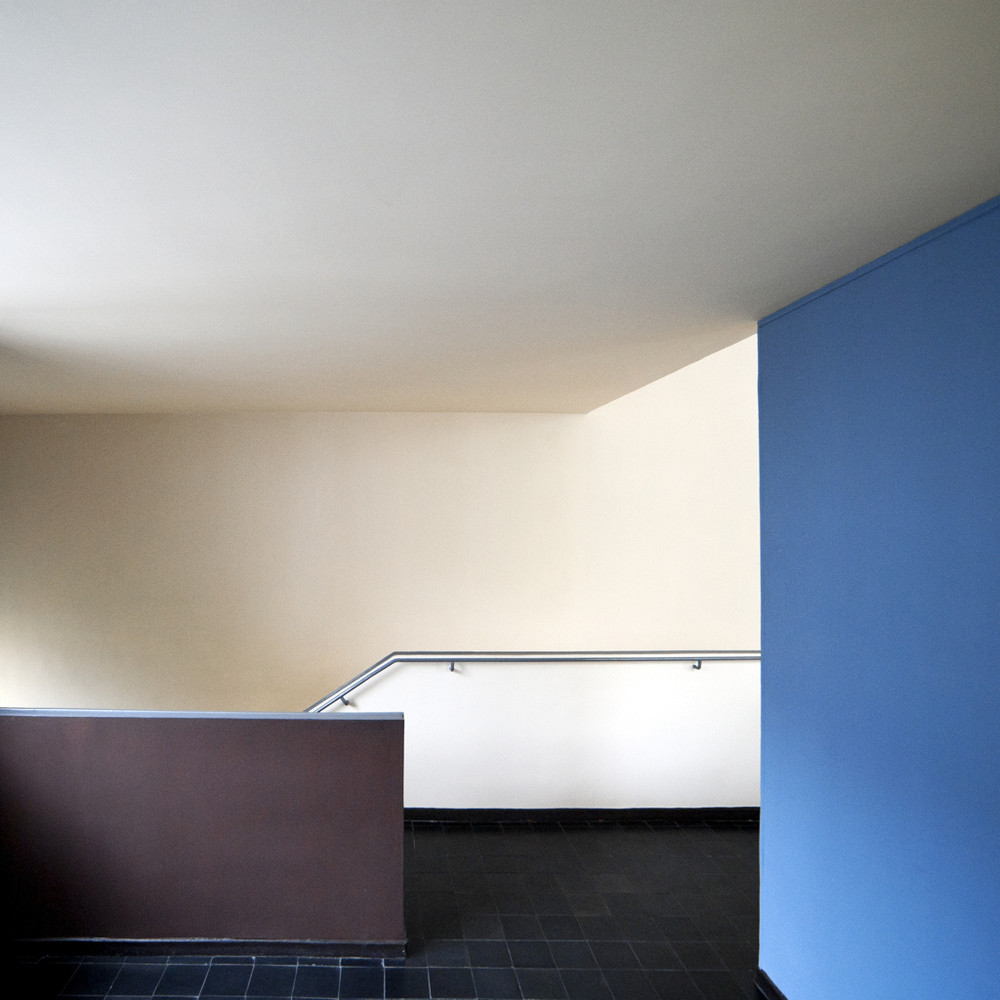
The interior color scheme forms another important aspect of the project. Le Corbusier employed a polychromatic palette that included shades of gray, blue, and sienna. These colors define surfaces, influence spatial perception, and emphasize particular architectural elements. The interior colors contrast with the white exterior surfaces and contribute to the organization of the interior spaces.
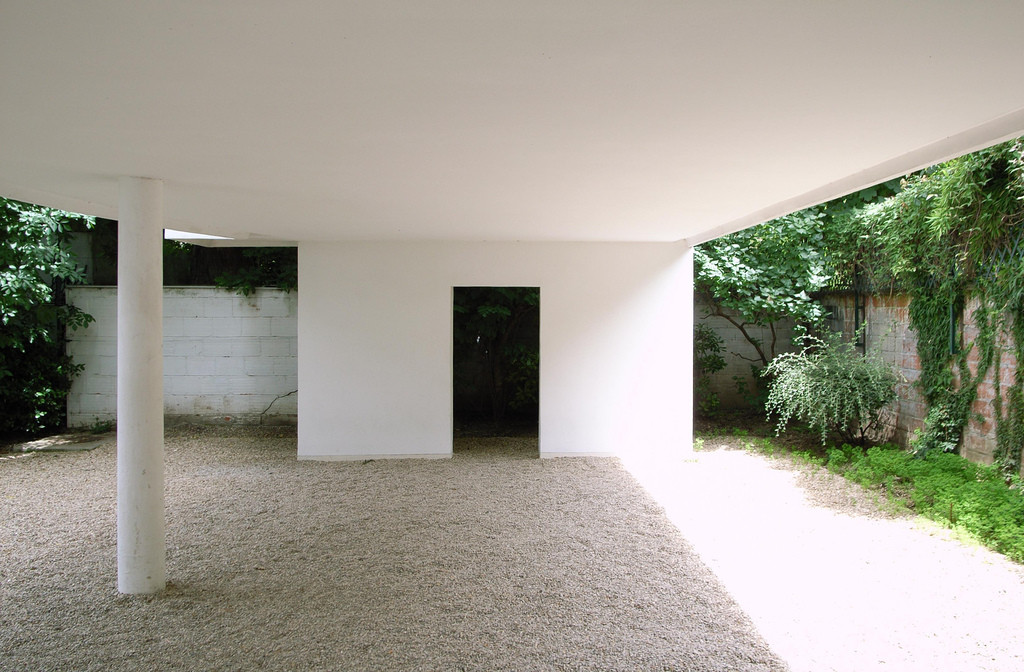
Several principles later associated with the Five Points of a New Architecture appear within the project. Pilotis, roof terraces, long windows, and free spatial arrangements are present, although Villa La Roche predates the complete formulation of these ideas. The house therefore represents a transitional stage in Le Corbusier’s architectural development.
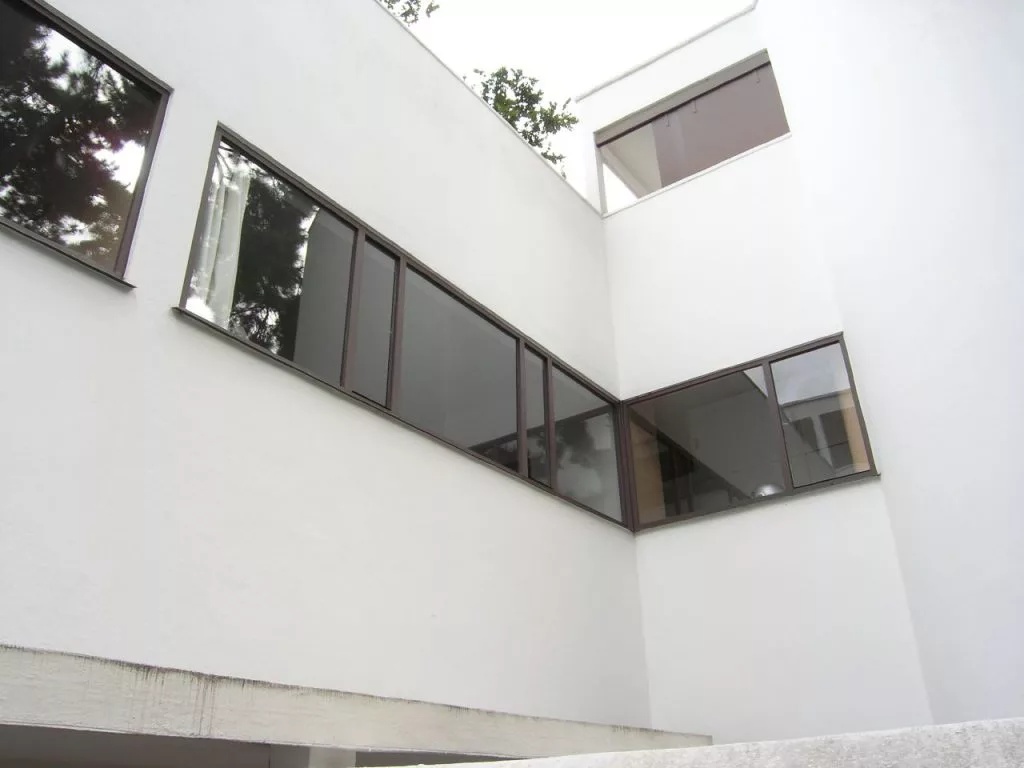
The project demonstrates the influence of contemporary artistic movements, particularly Purism and Cubism. The arrangement of planes, volumes, and surfaces reflects Le Corbusier’s interest in abstraction and composition. Architecture and painting are closely connected within the house, both through the display of artworks and through the spatial organization itself.
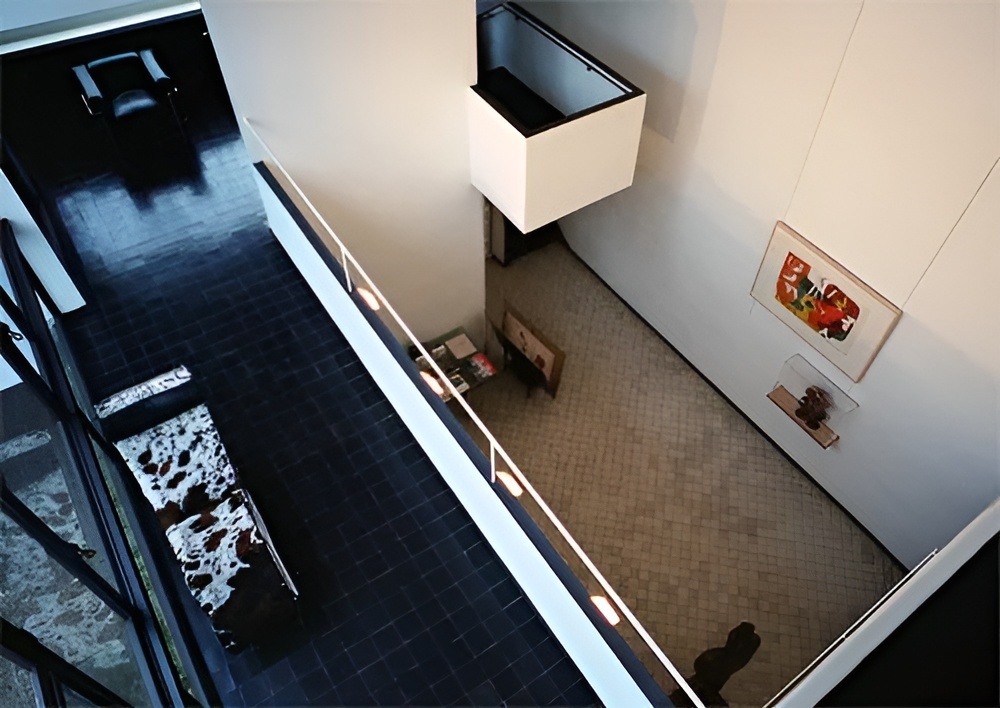
The relationship between architecture and movement was influenced by Le Corbusier’s studies of the Acropolis and his interest in ceremonial processions. The promenade transforms the act of moving through the house into an architectural experience, where perception unfolds over time rather than from a single viewpoint.
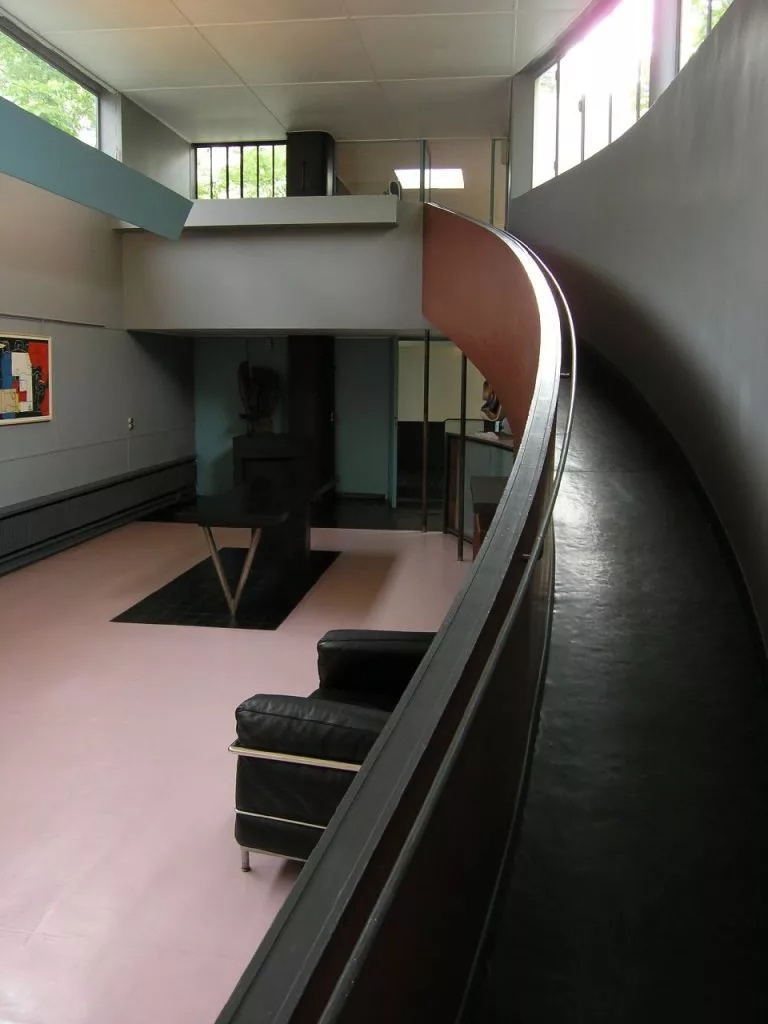
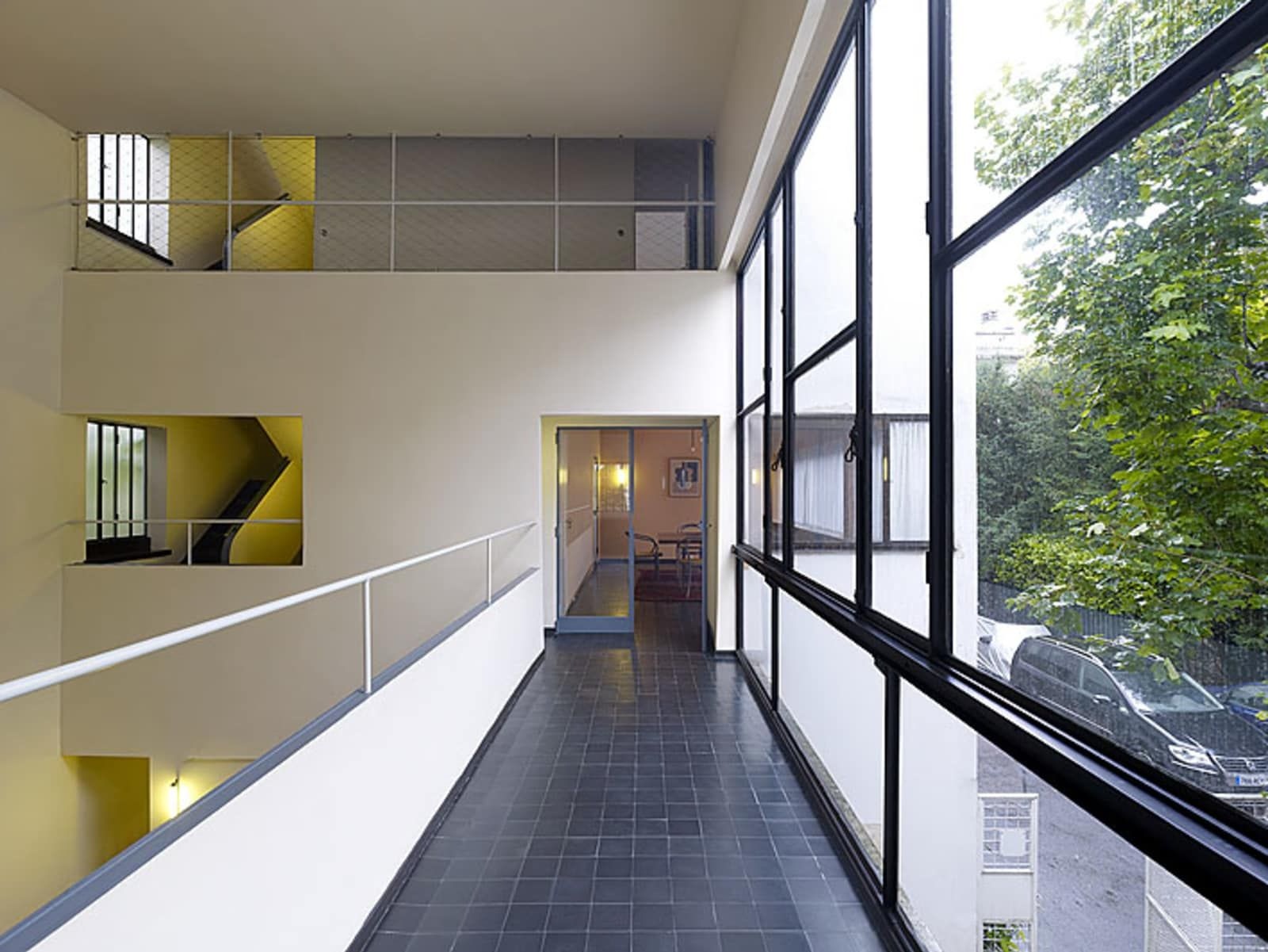
Villa La Roche later became the headquarters of the Fondation Le Corbusier. The building now houses approximately 8,000 drawings, studies, and plans, together with paintings, photographs, archives, and documents related to Le Corbusier and Pierre Jeanneret. Restoration work began during the 1970s to preserve the building and its collections.
The house was listed as a historic monument in France in 1996. In 2016, Villa La Roche and sixteen other works by Le Corbusier were inscribed on the UNESCO World Heritage List as part of The Architectural Work of Le Corbusier, an Outstanding Contribution to the Modern Movement.
Villa La Roche remains one of the clearest demonstrations of Le Corbusier’s early architectural thinking. The integration of domestic space, art gallery, movement, light, and color established principles that would continue to influence modern architecture throughout the twentieth century.
Project Gallery
Project Location
Address: 8-10 Square du Docteur Blanche, 75016 Paris, France
Location is for general reference and may represent a city or country, not necessarily a precise address.

