

Architects: Zaha Hadid
Area: 852 m² (9,170 ft²)
Year: 1993
Photography: Zaha Hadid Architects, Zaha Hadid Foundation, Christian Ritchers, Hélène Binet, Wikimedia Commons, Sandstein, TheBernFiles, Calips, Marsupium, Andreas Schwarzkopf, Mondo79, Fred Romero, vitra.com, WikiArquitectura
Project Architect: Patrik Schumacher
Manufacturers: Nuprotec
Client: Vitra
City: Weil am Rhein
Country: Germany
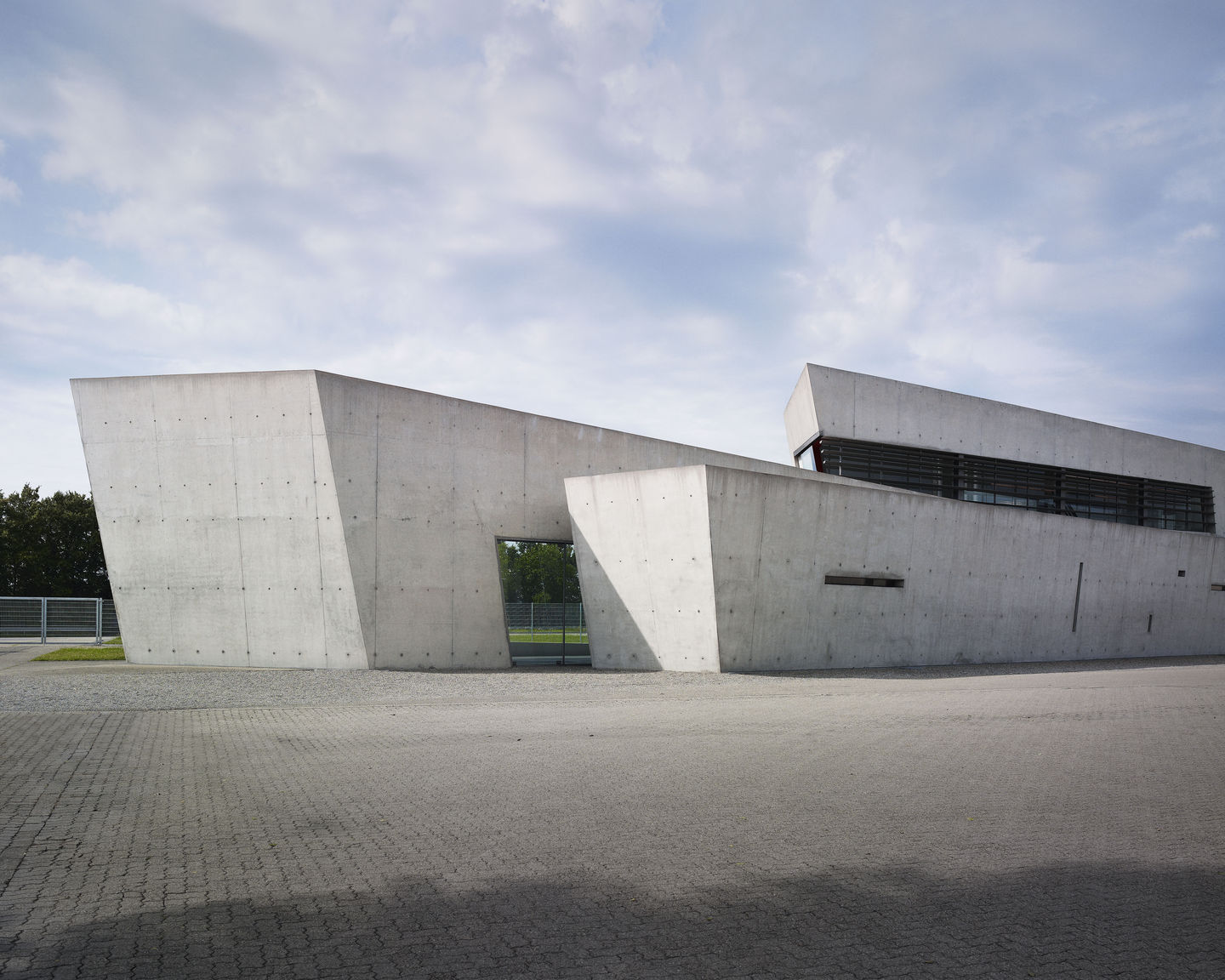
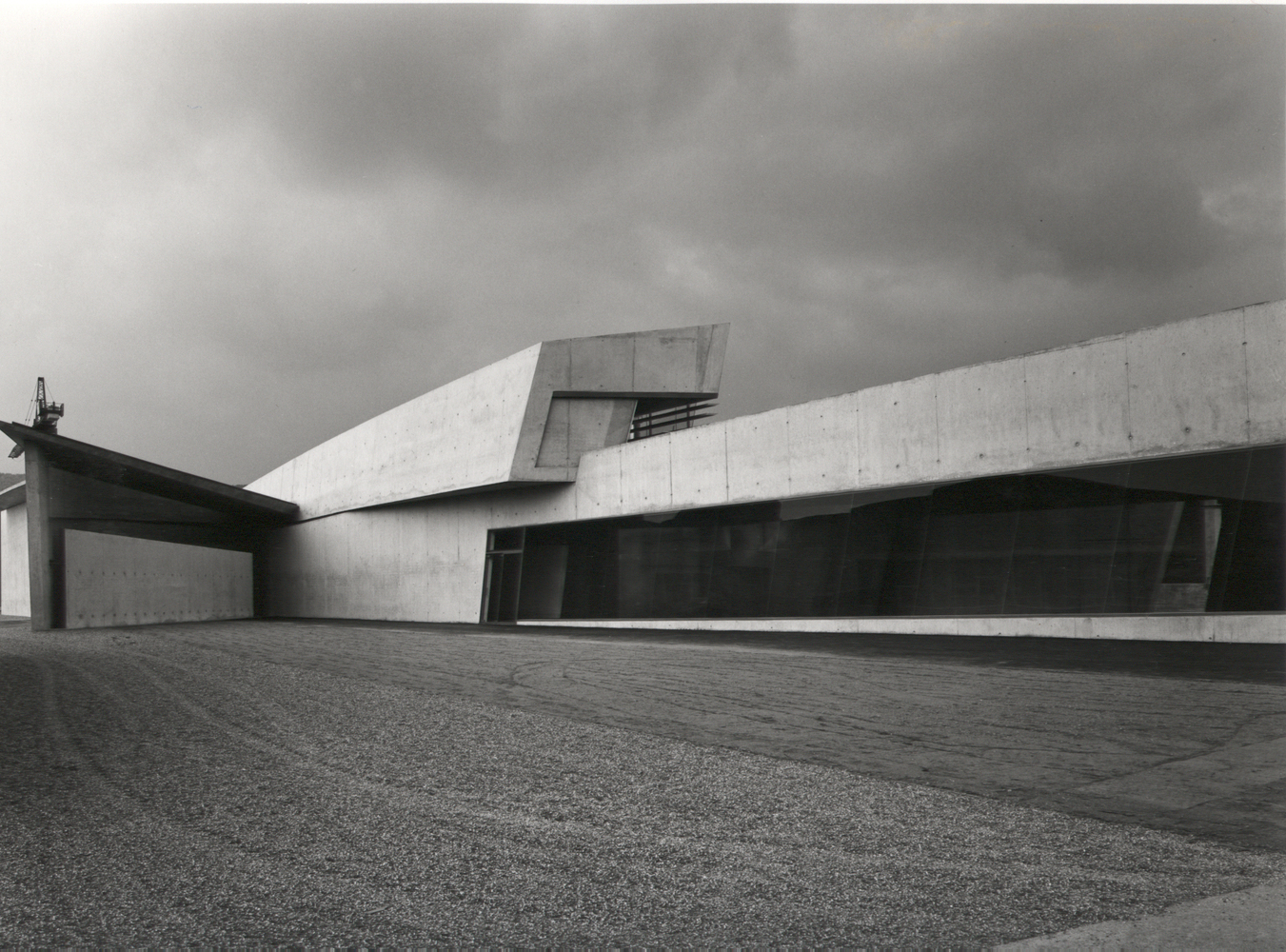
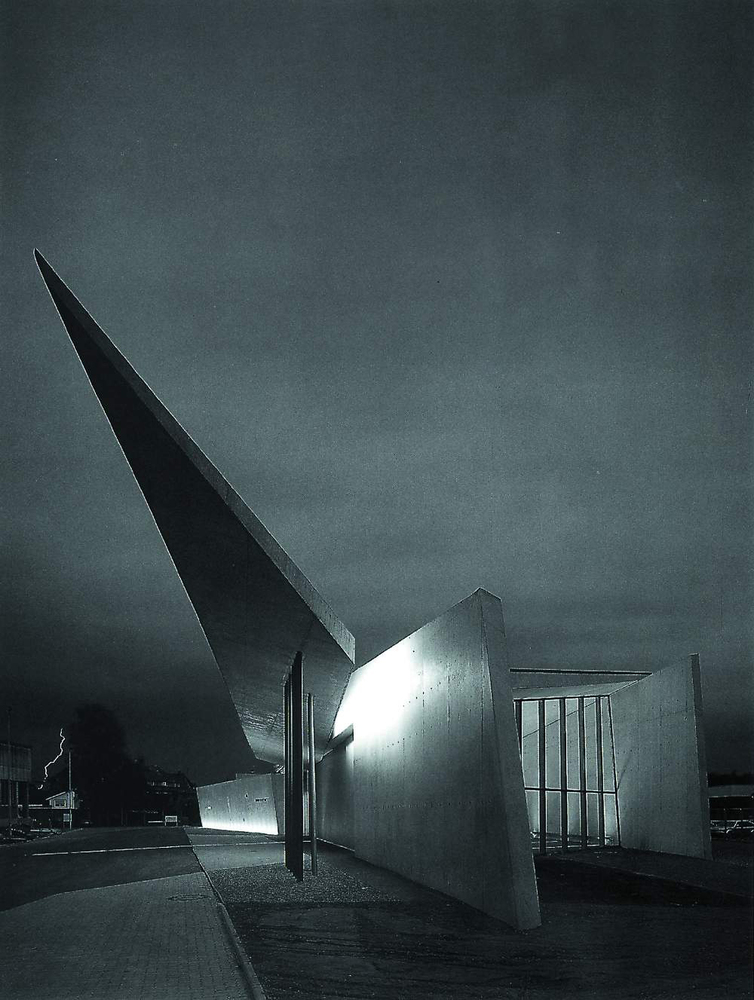
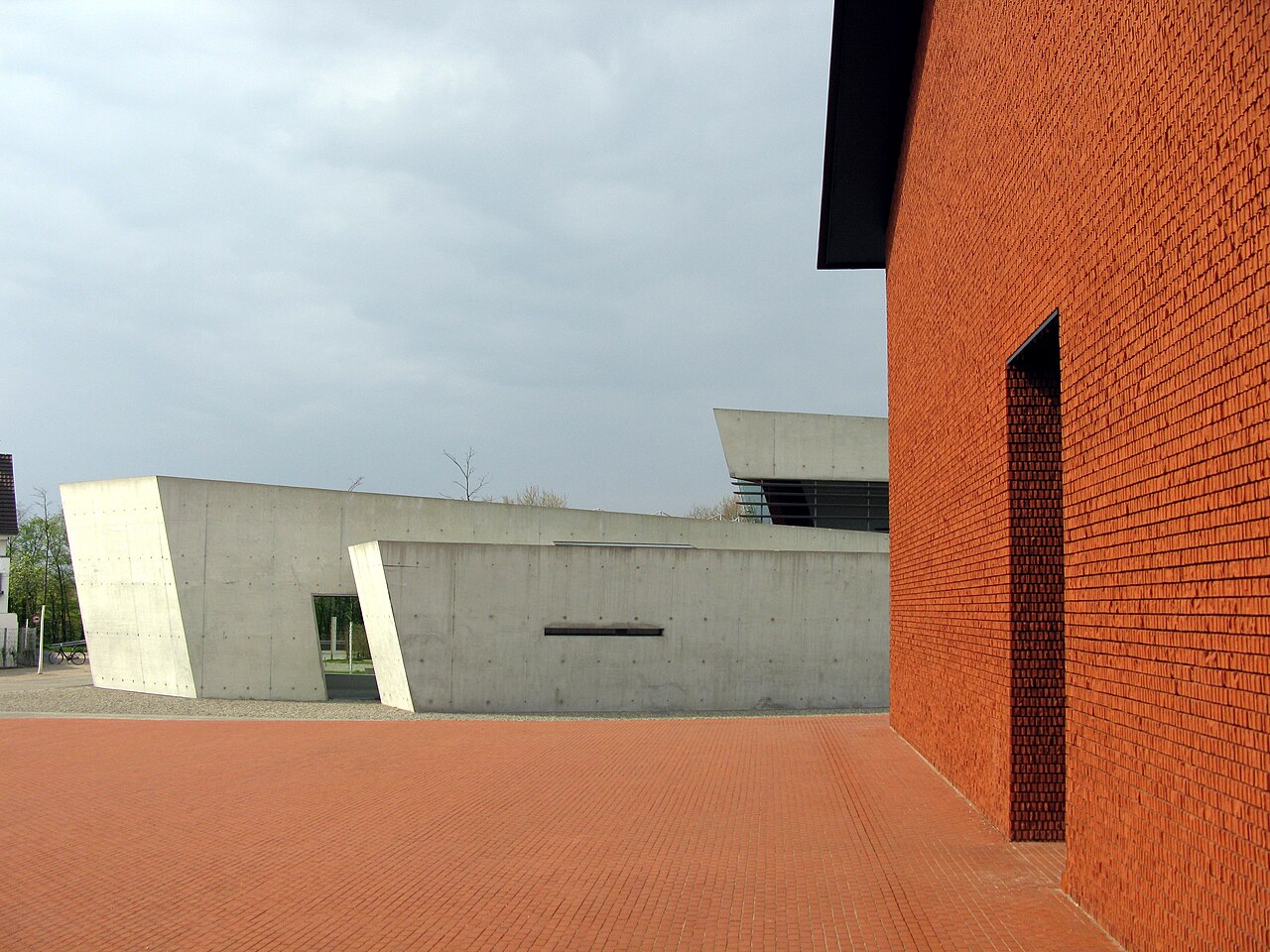
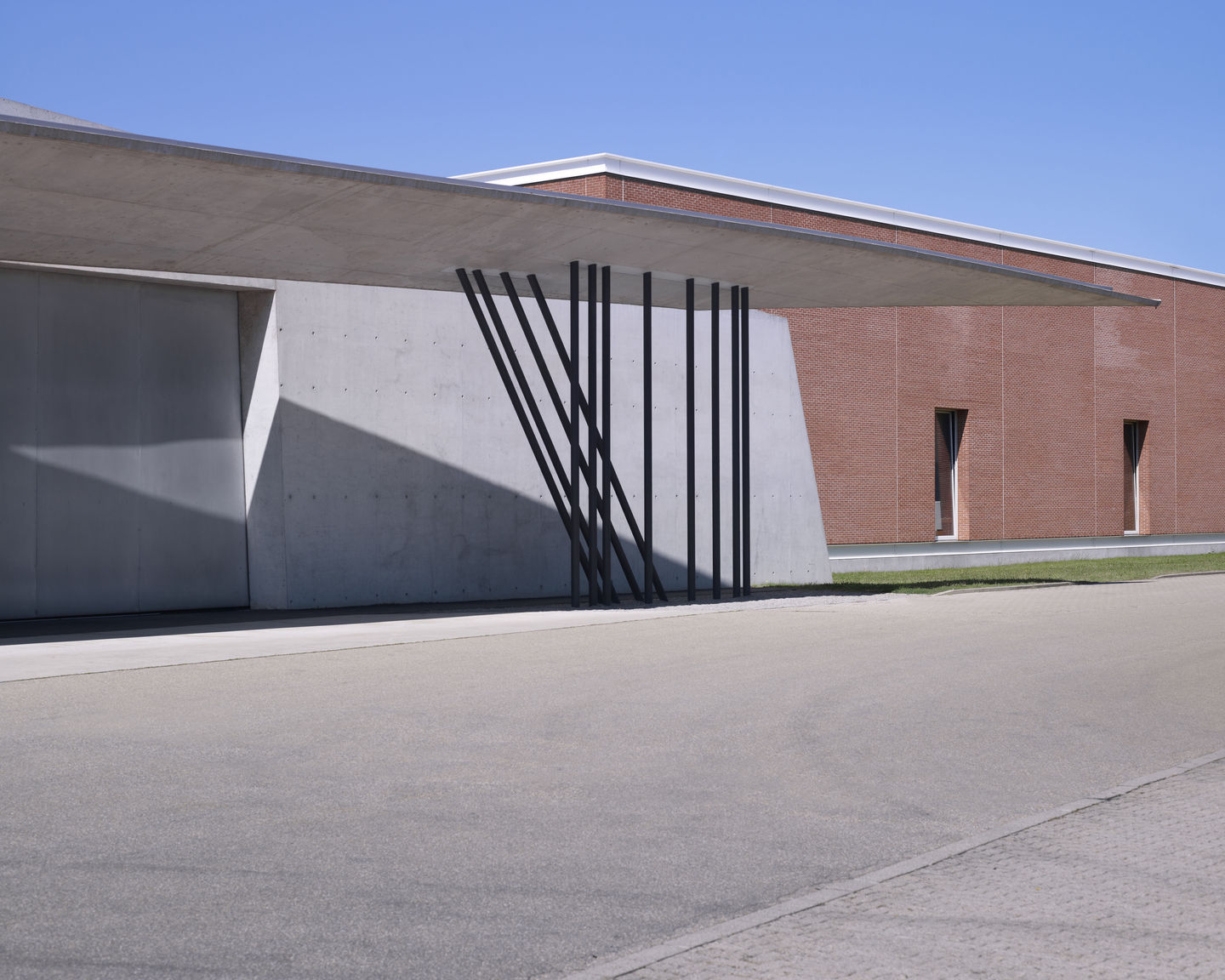
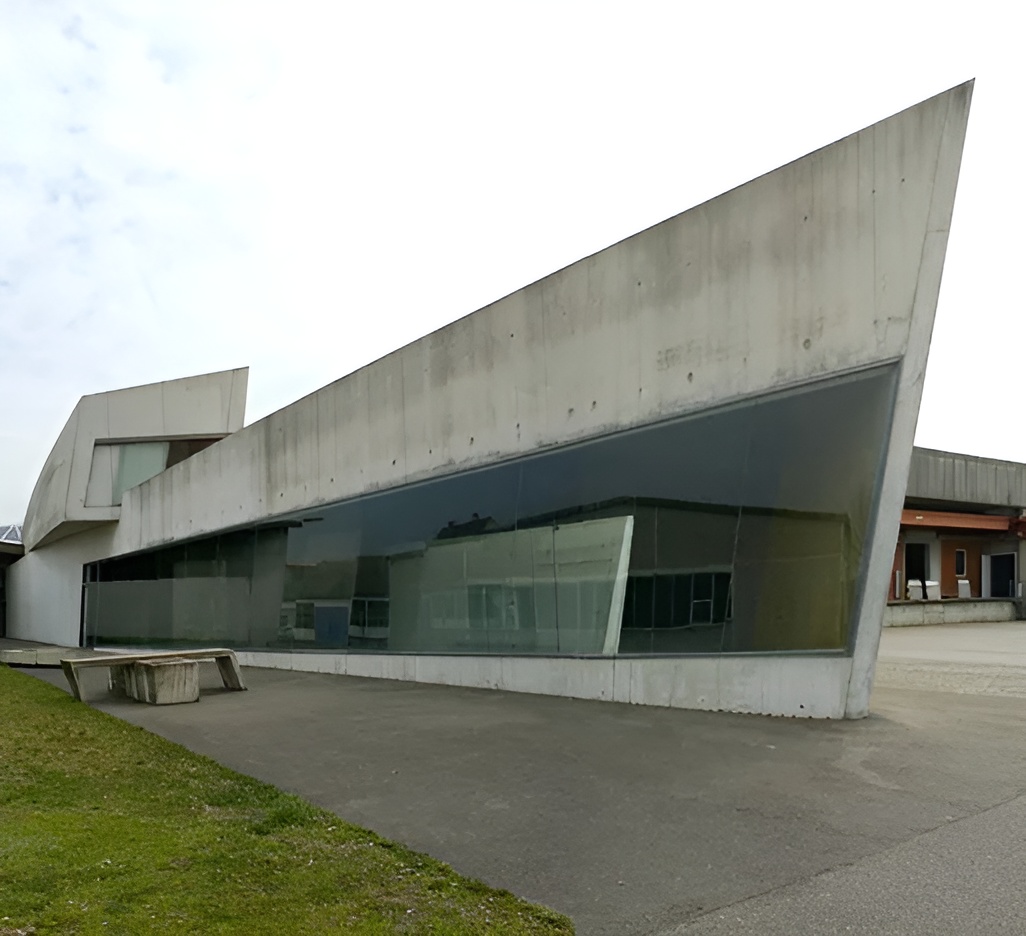
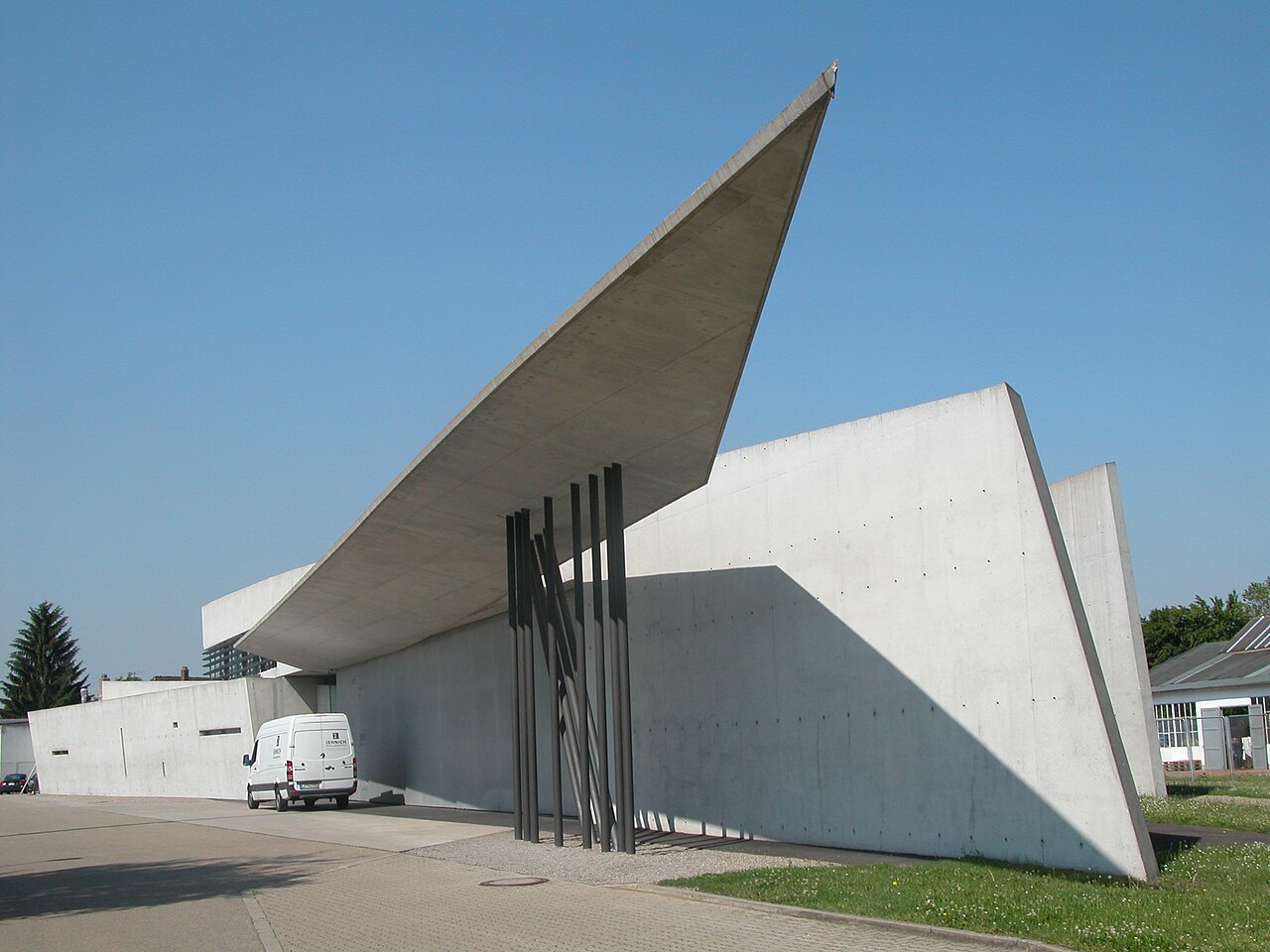
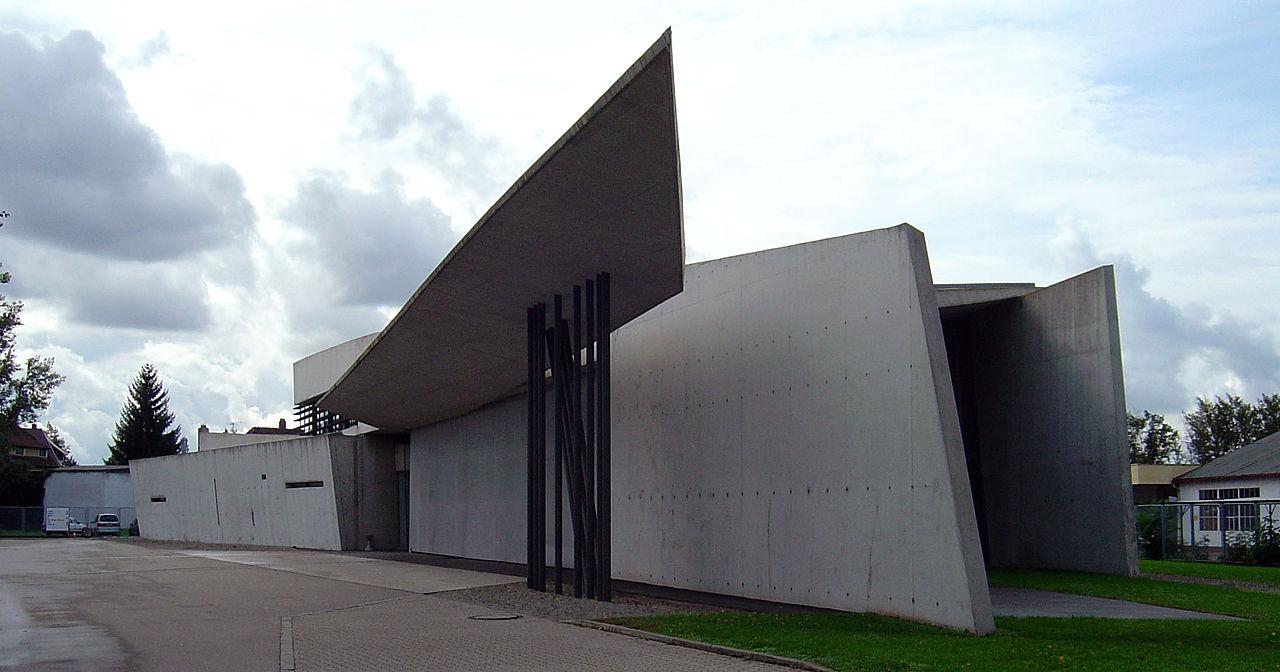
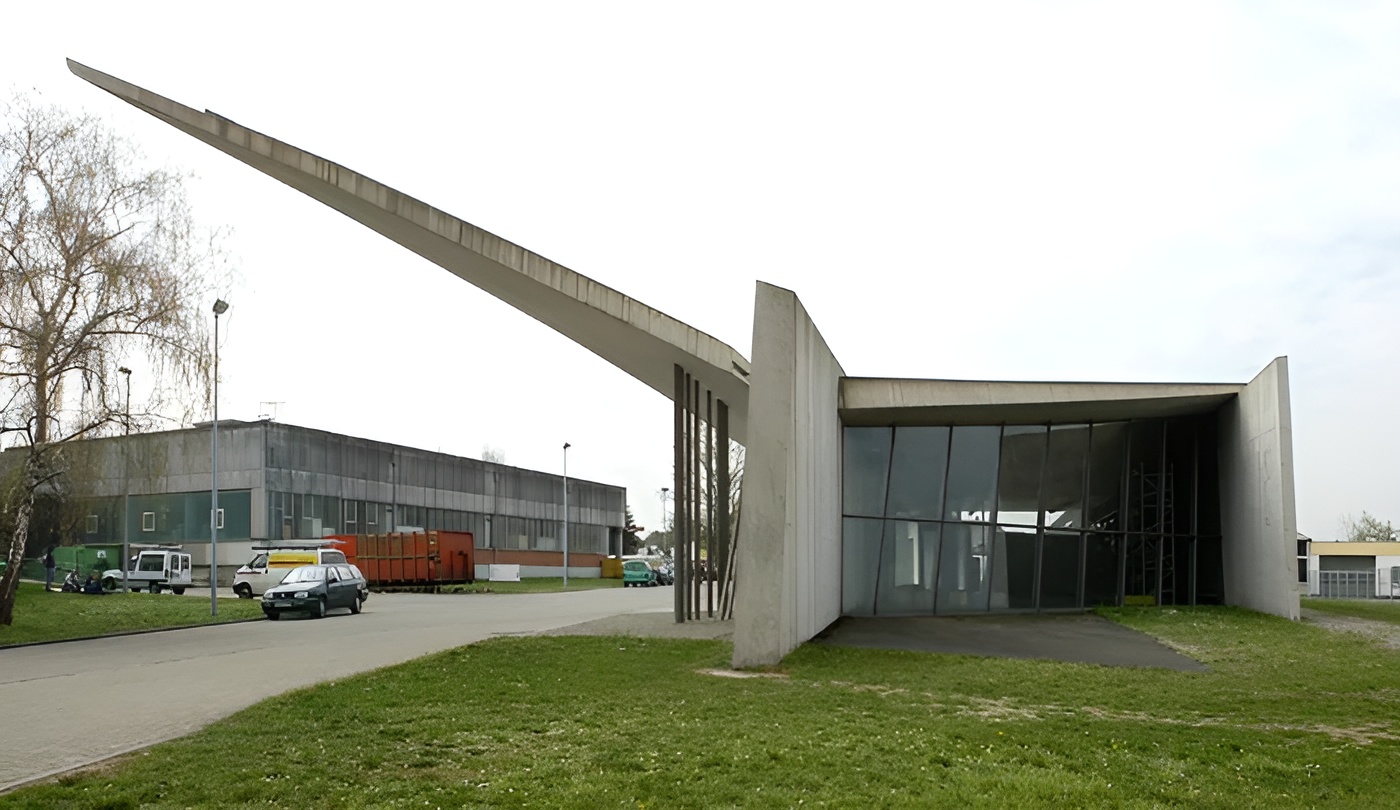
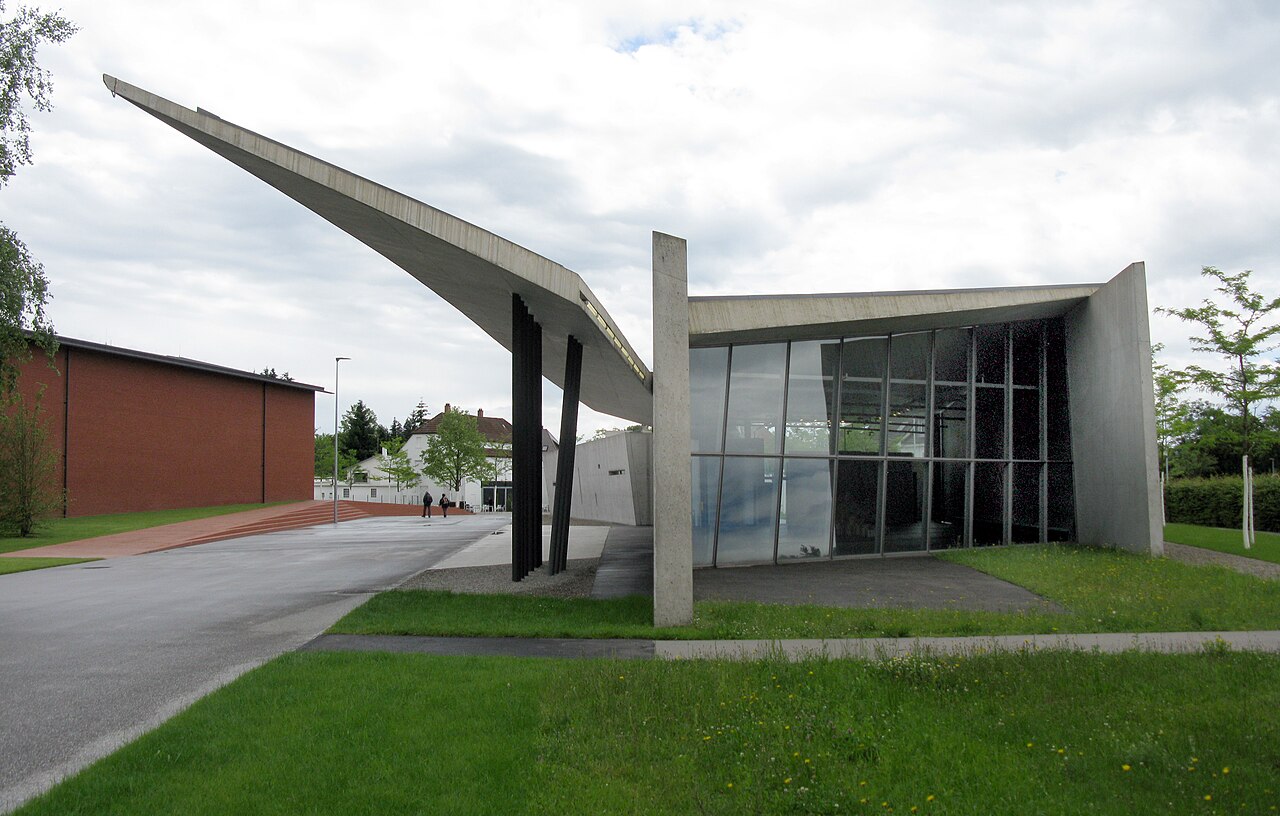
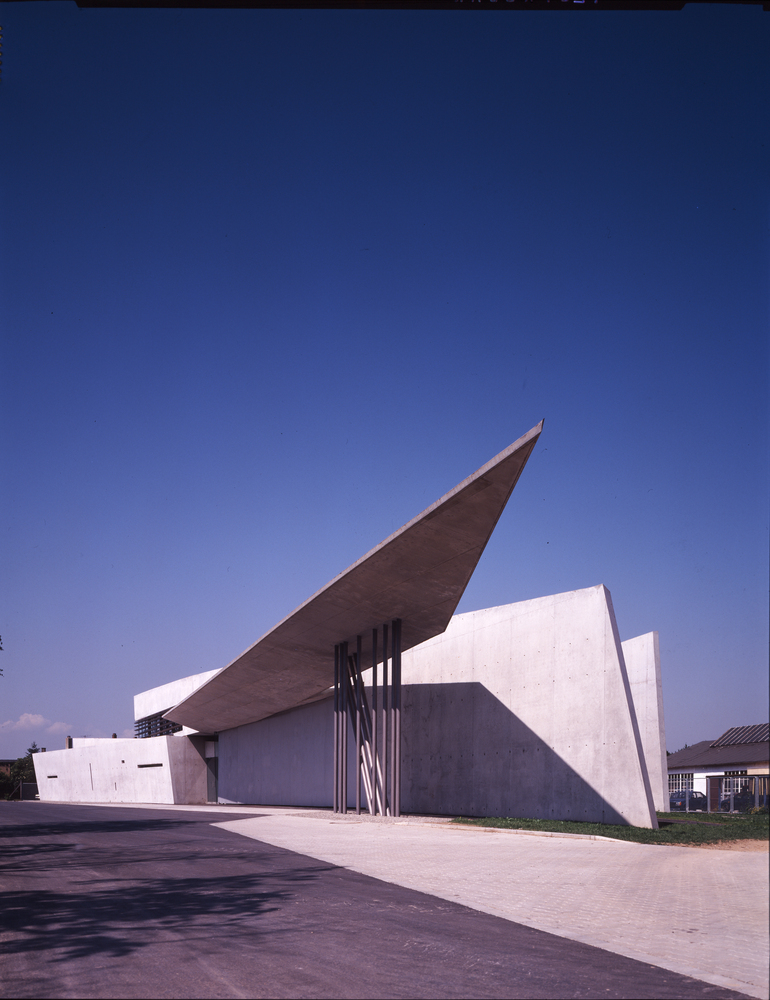
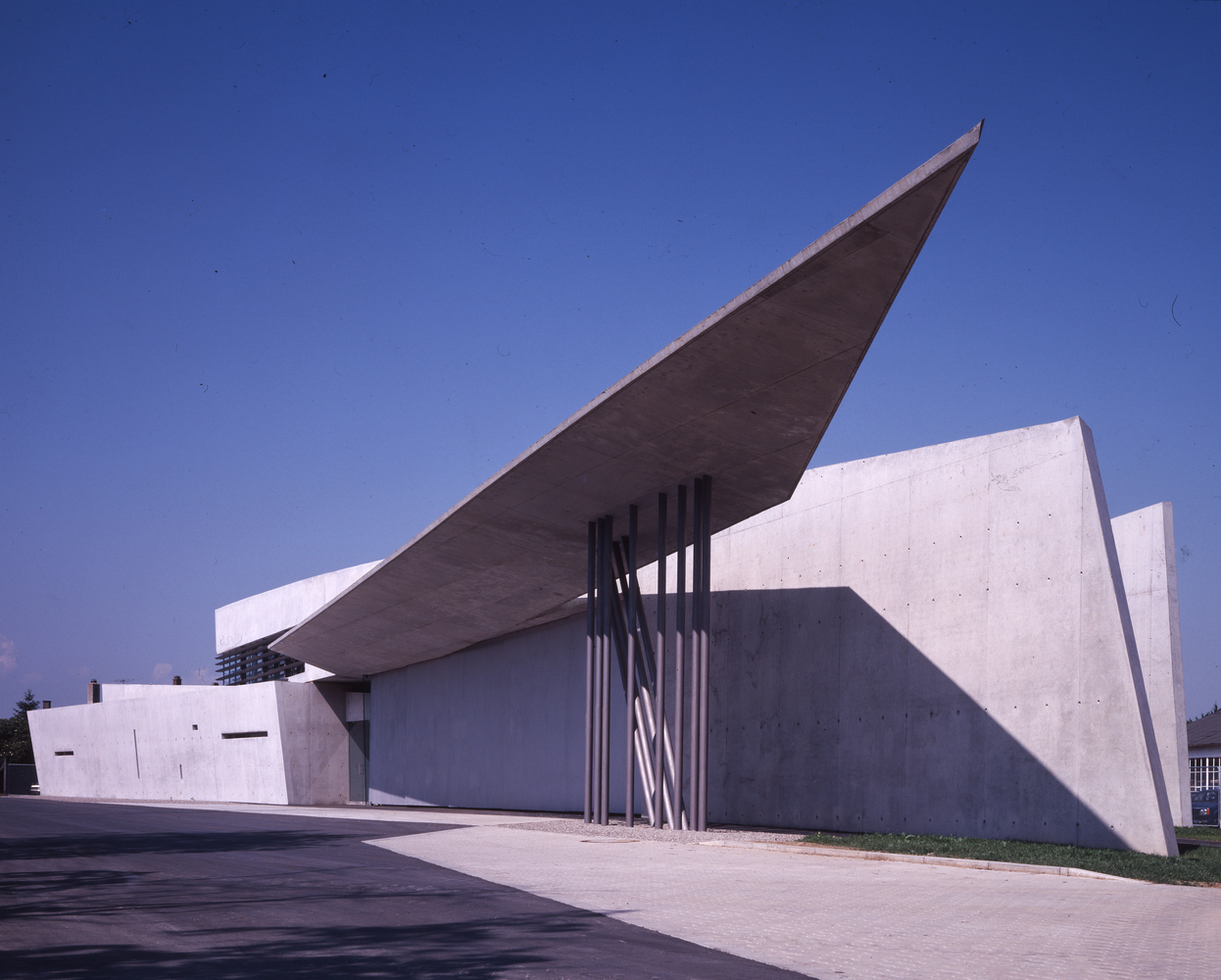
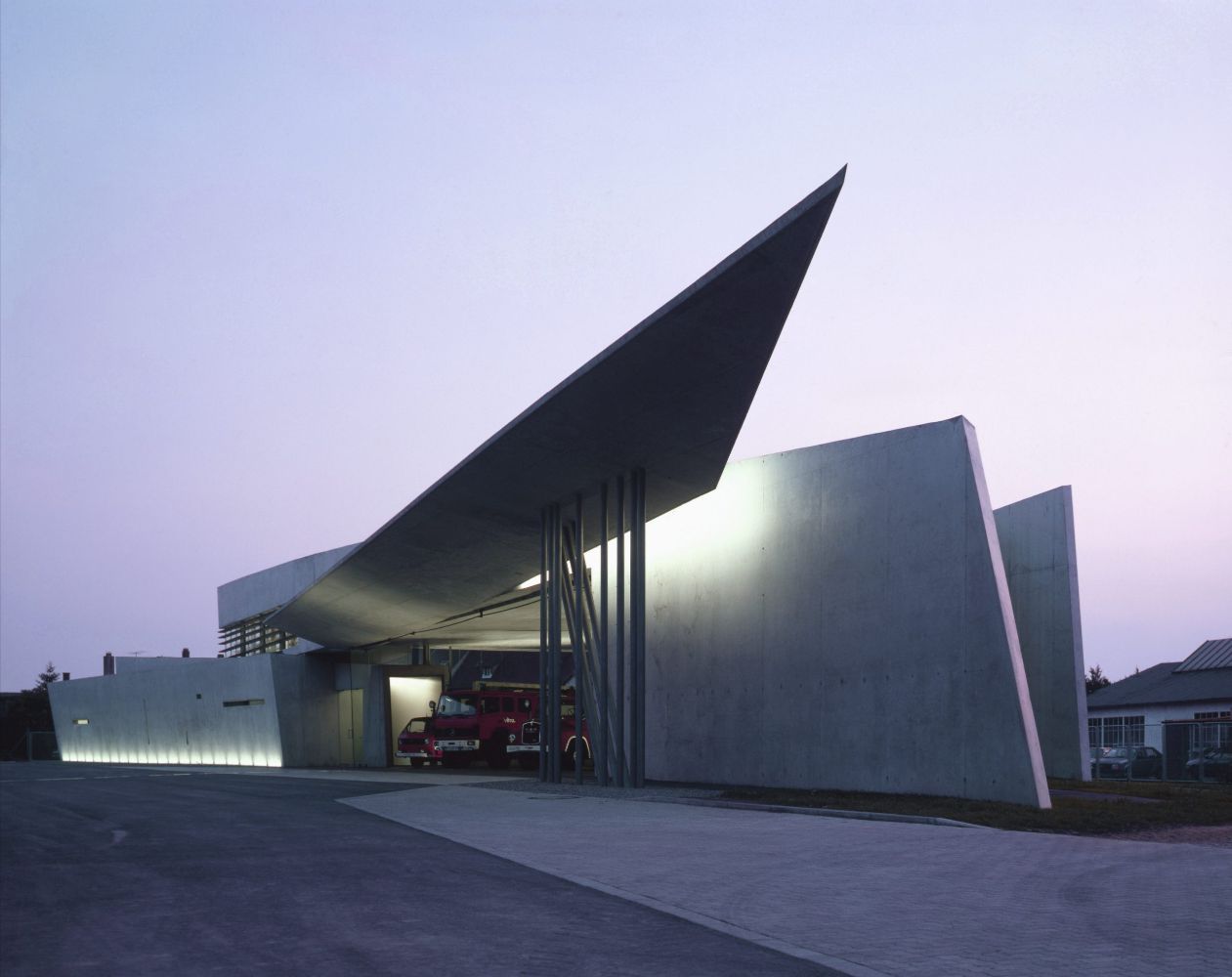
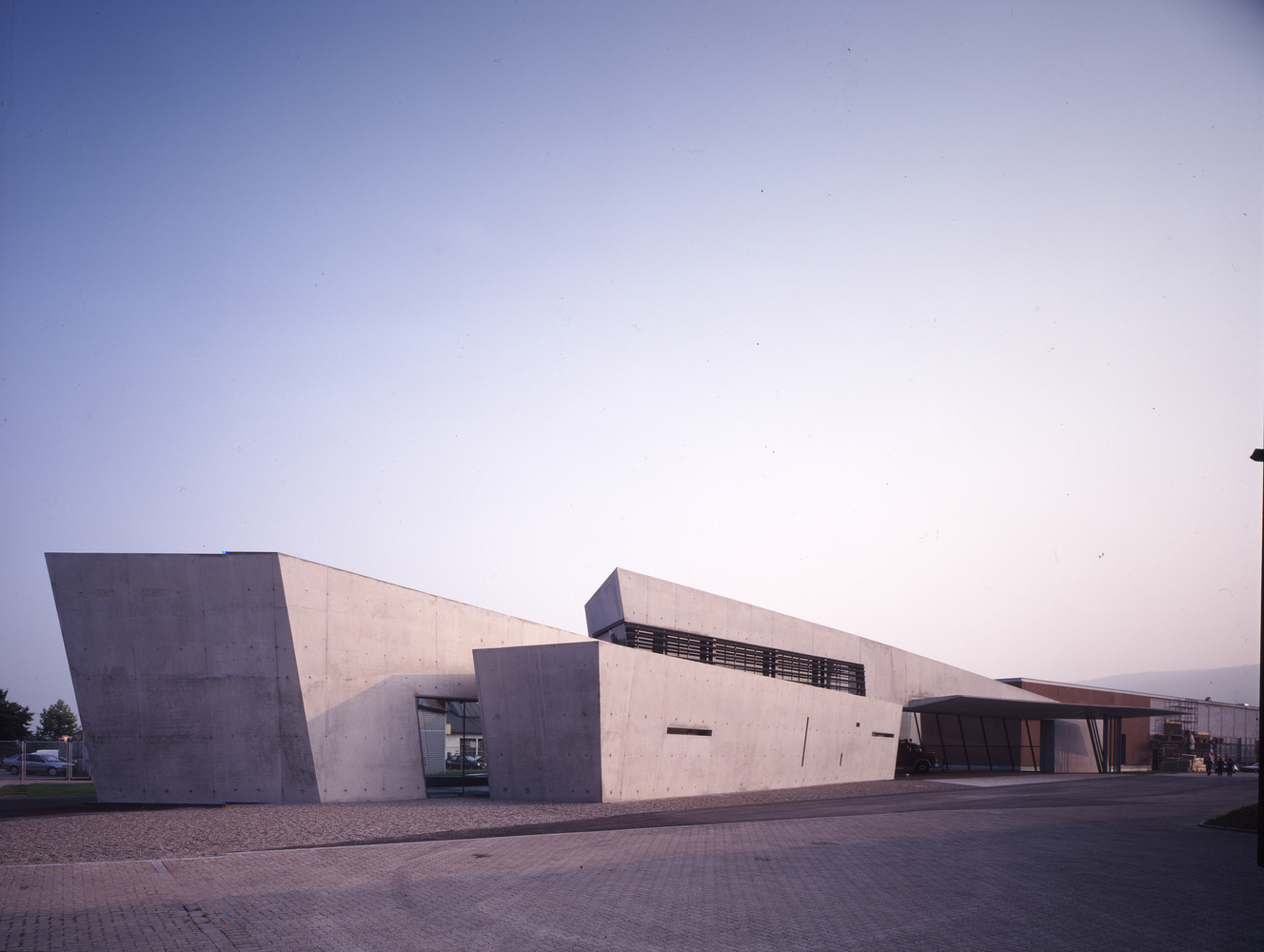
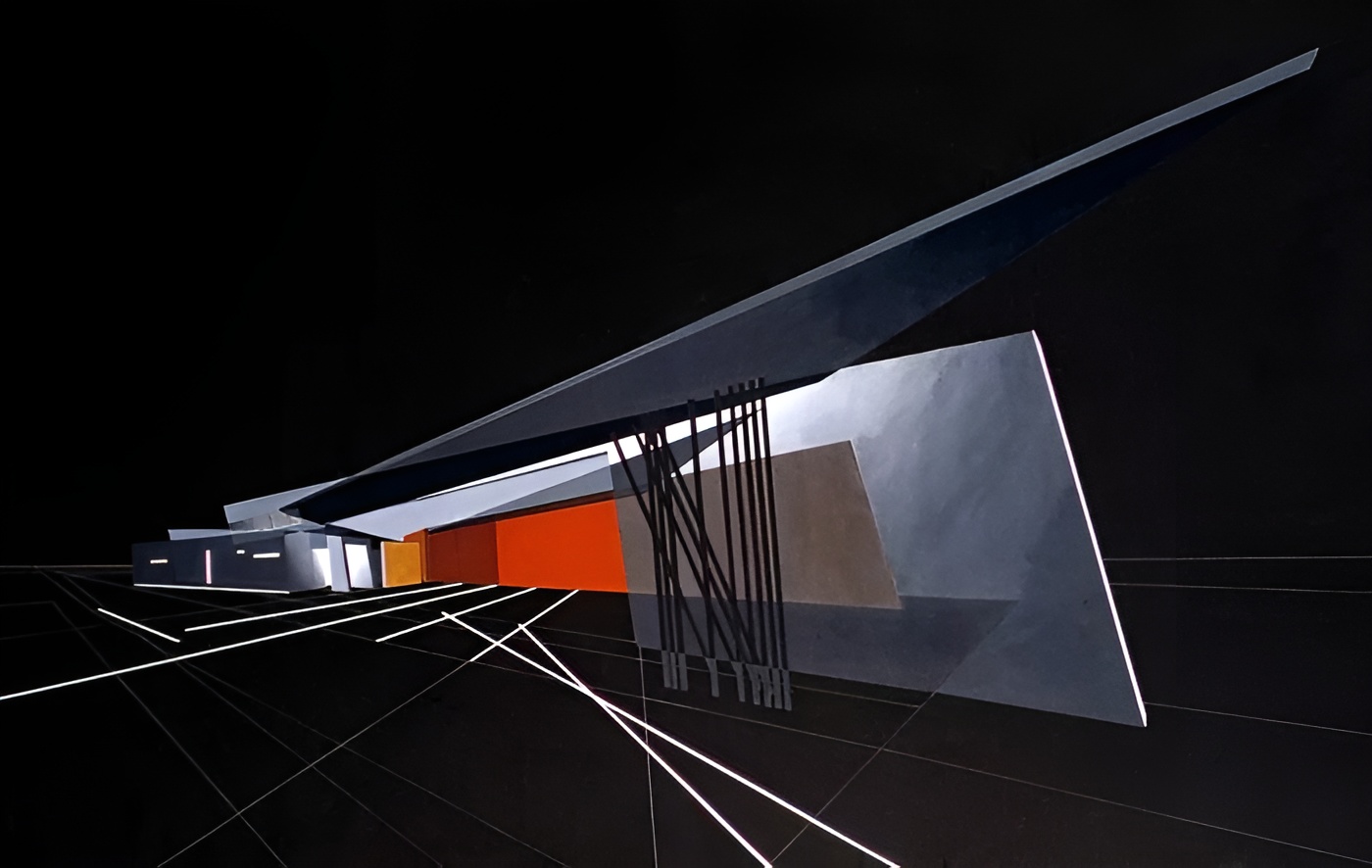
Vitra Fire Station fire station designed by Zaha Hadid in Weil am Rhein, Germany transformed the edge of the Vitra Campus into a linear architectural landscape and marked the architect’s first completed building in 1993. Developed after the destruction of part of the Vitra factory complex by fire in 1981, the project combined emergency infrastructure with site planning and landscape organization. The building introduced Hadid’s experimental spatial language into built form through a composition of cast-in-place concrete walls, sharp geometries, and layered circulation sequences. The elongated structure defined the main street of the Vitra Campus while functioning as a protective edge along the industrial site. Program spaces for fire engines, changing rooms, meeting facilities, and support areas were inserted between inclined concrete planes that generated movement and directional tension. The project translated ideas previously explored in Hadid’s drawings and paintings into architecture and established important themes that would continue throughout her later work. Although the fire brigade was eventually disbanded, the building remains in use as an exhibition and event space and continues to occupy a significant position within the Vitra Campus and contemporary architectural discourse.
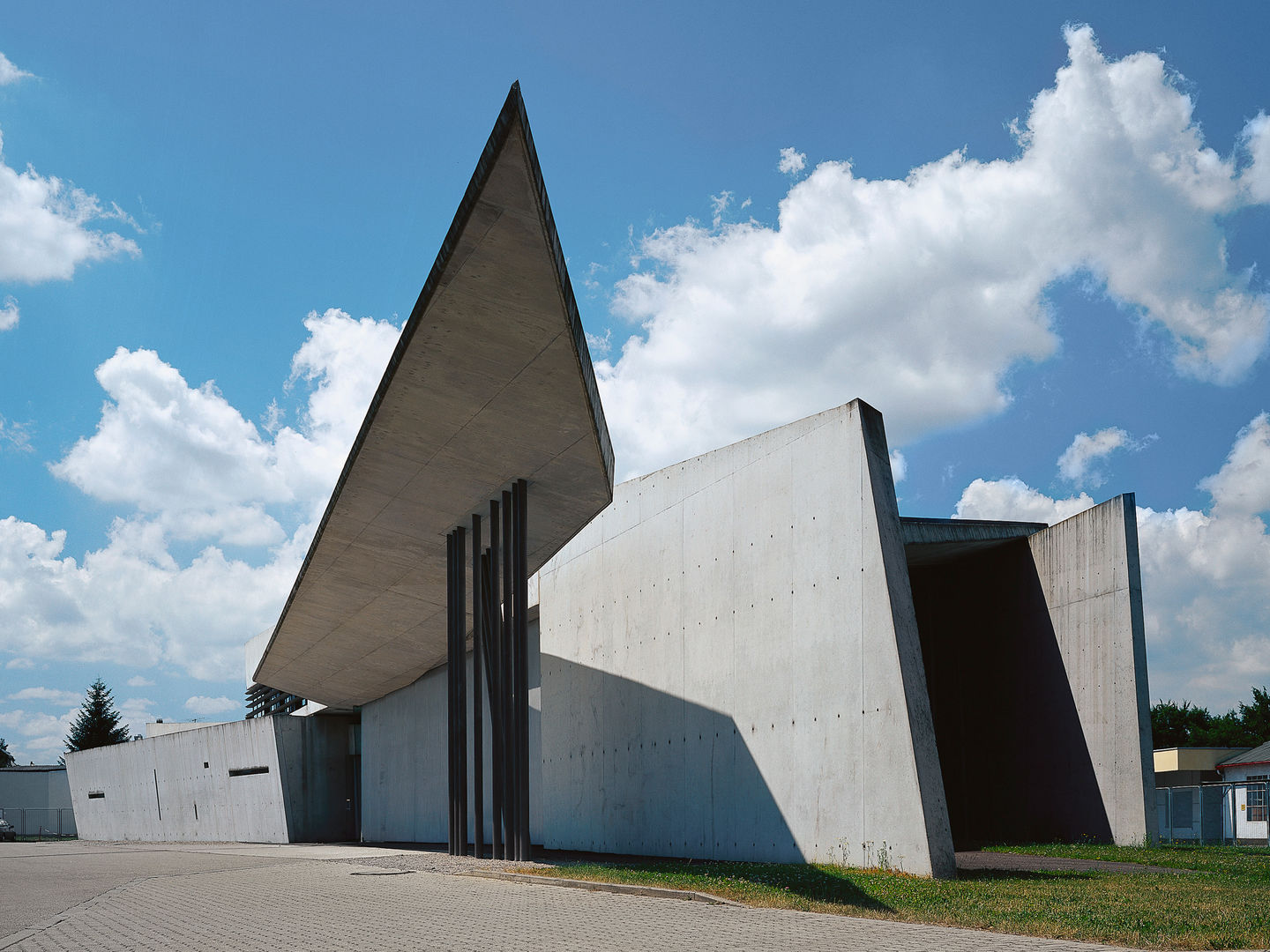
The Vitra Fire Station was commissioned following a fire that damaged large portions of the Vitra factory complex in 1981. As the company redeveloped its campus in Weil am Rhein, Vitra invited several architects to contribute new buildings to the site. Zaha Hadid was initially commissioned to design a fire station for the factory’s internal fire brigade, although the project later expanded to include boundary walls, an exercise area, and a bicycle shelter.
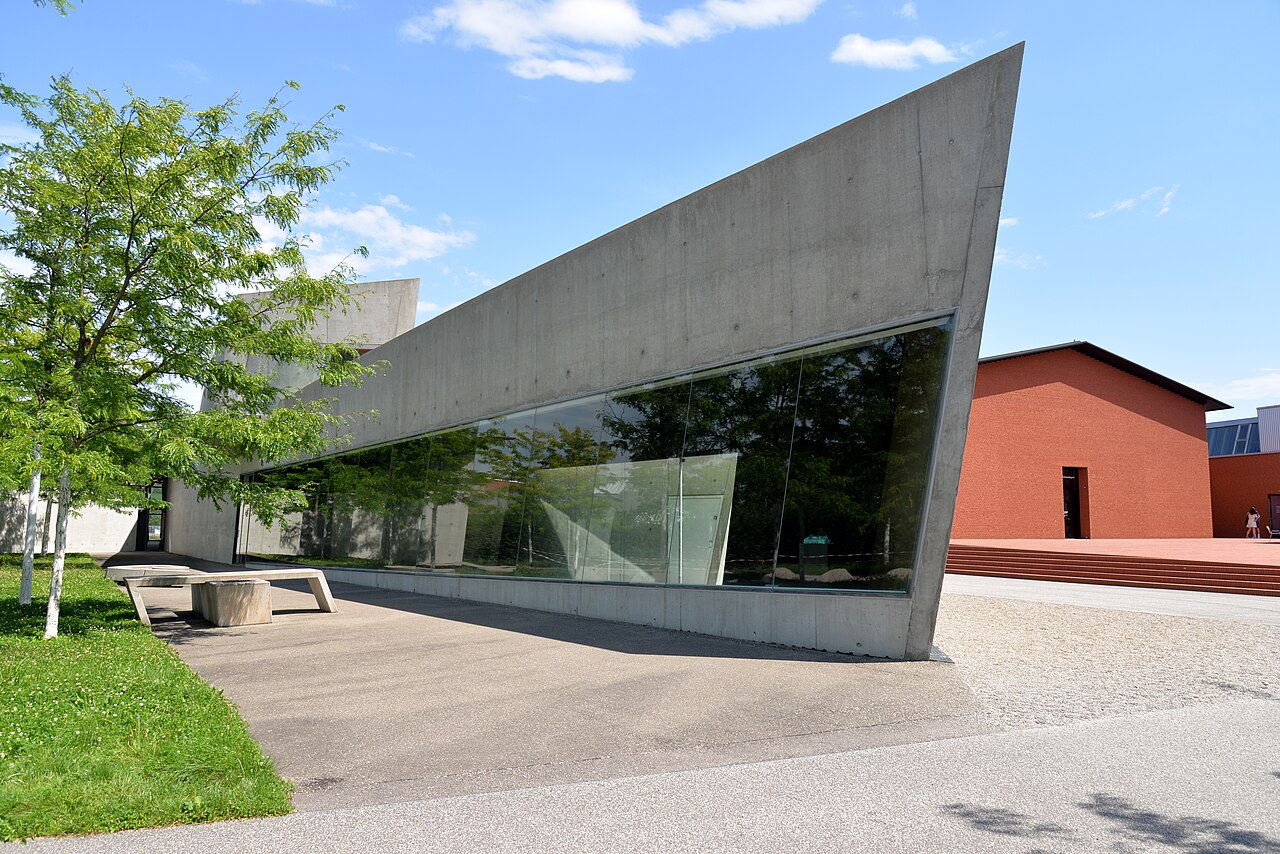
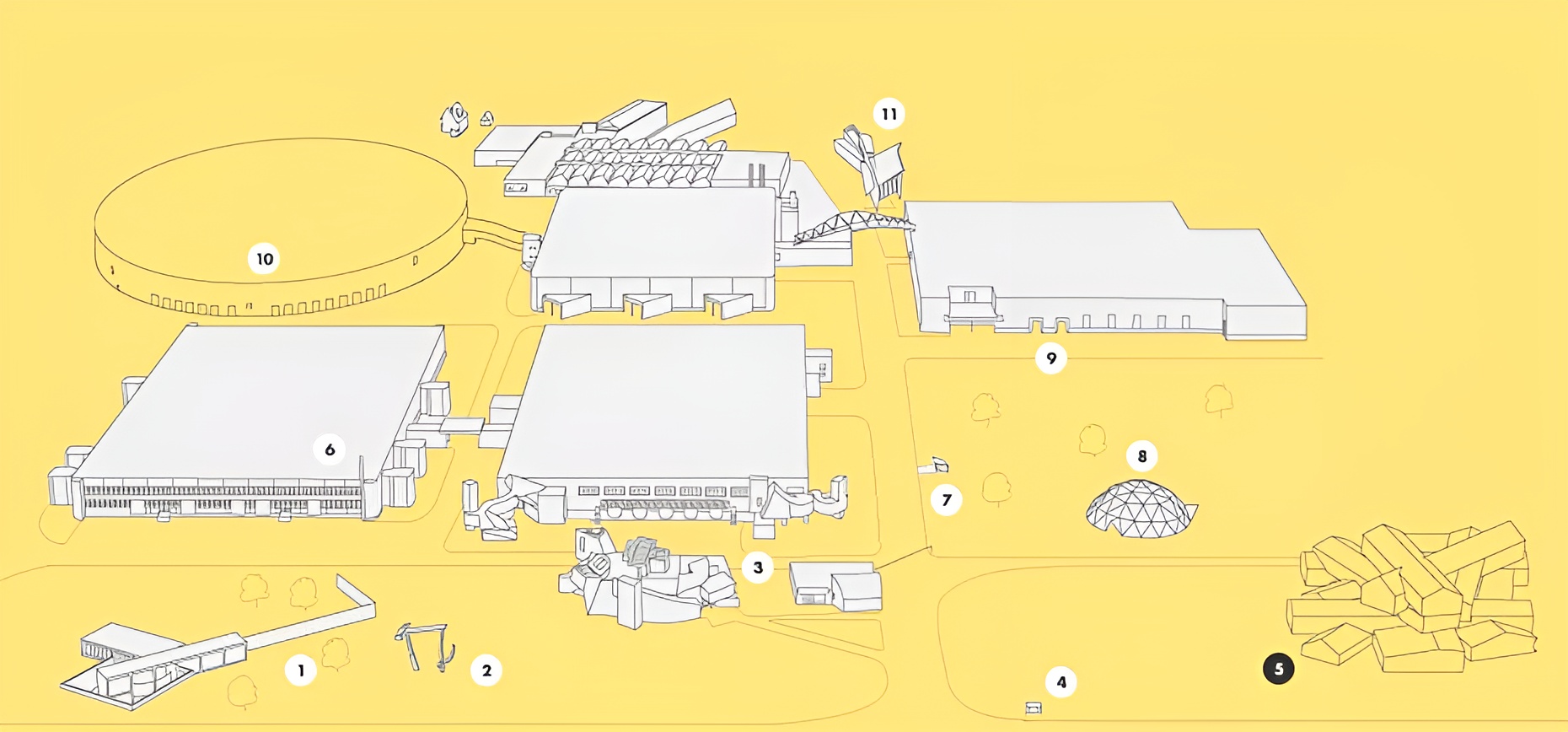
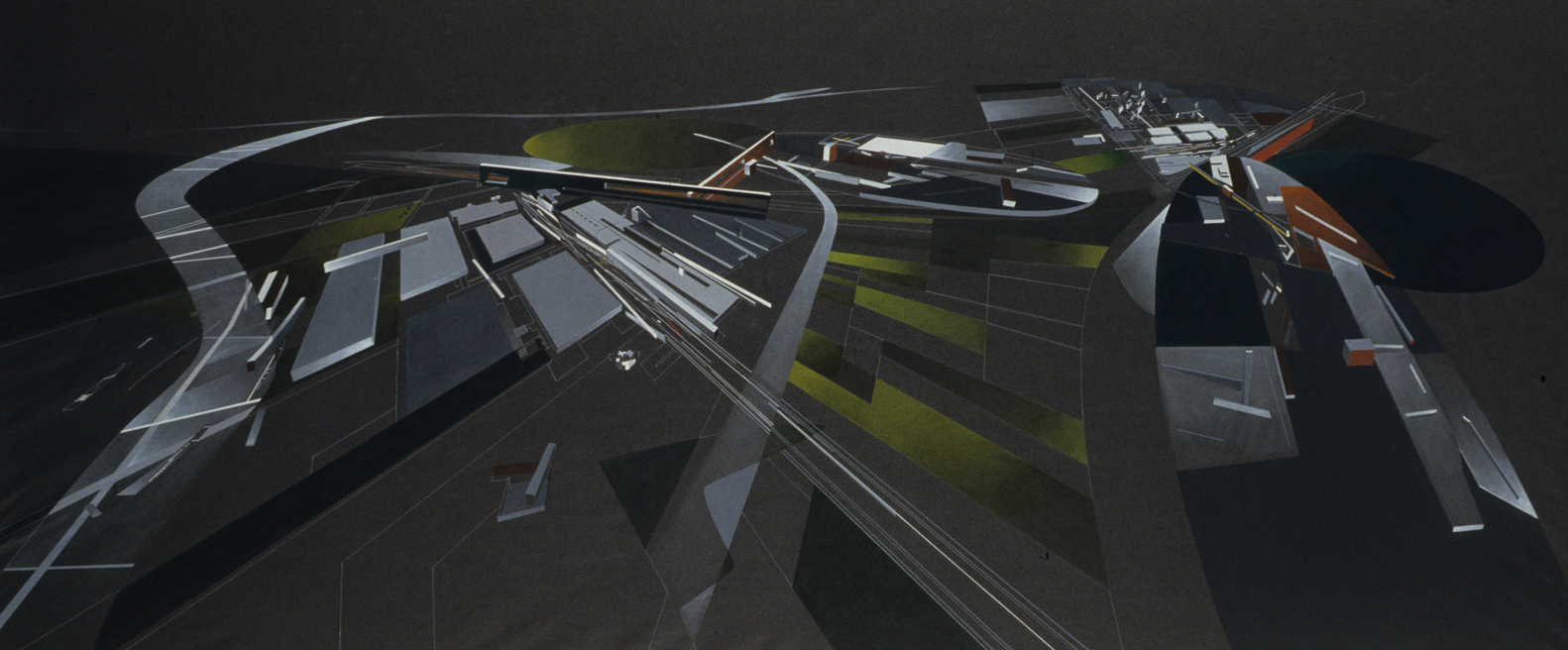
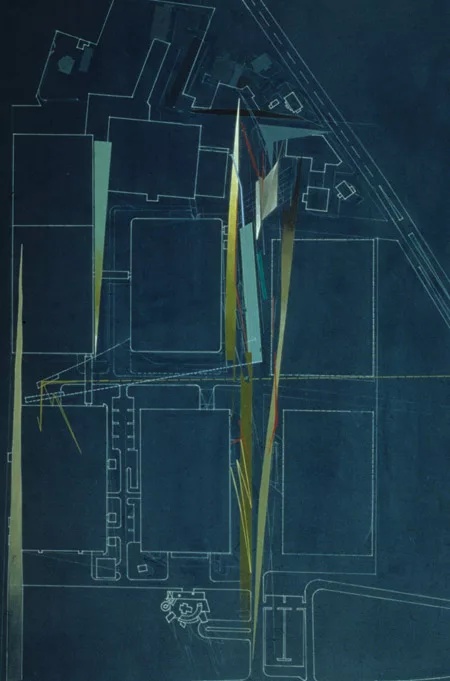
The building occupies the edge of the Vitra Campus along the main internal road. Rather than designing the fire station as an isolated object, the project was conceived as part of a larger site strategy. The building establishes the boundary of a linear landscaped zone that extends through the campus and responds to the geometry of the surrounding agricultural fields and vineyards. Its elongated form defines the street while screening the industrial complex from neighboring buildings.
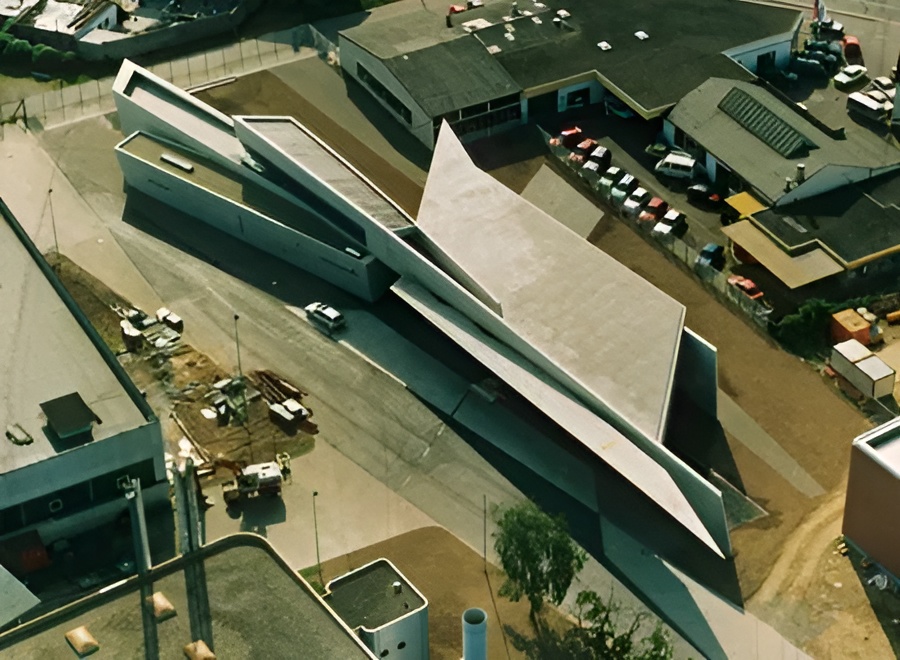
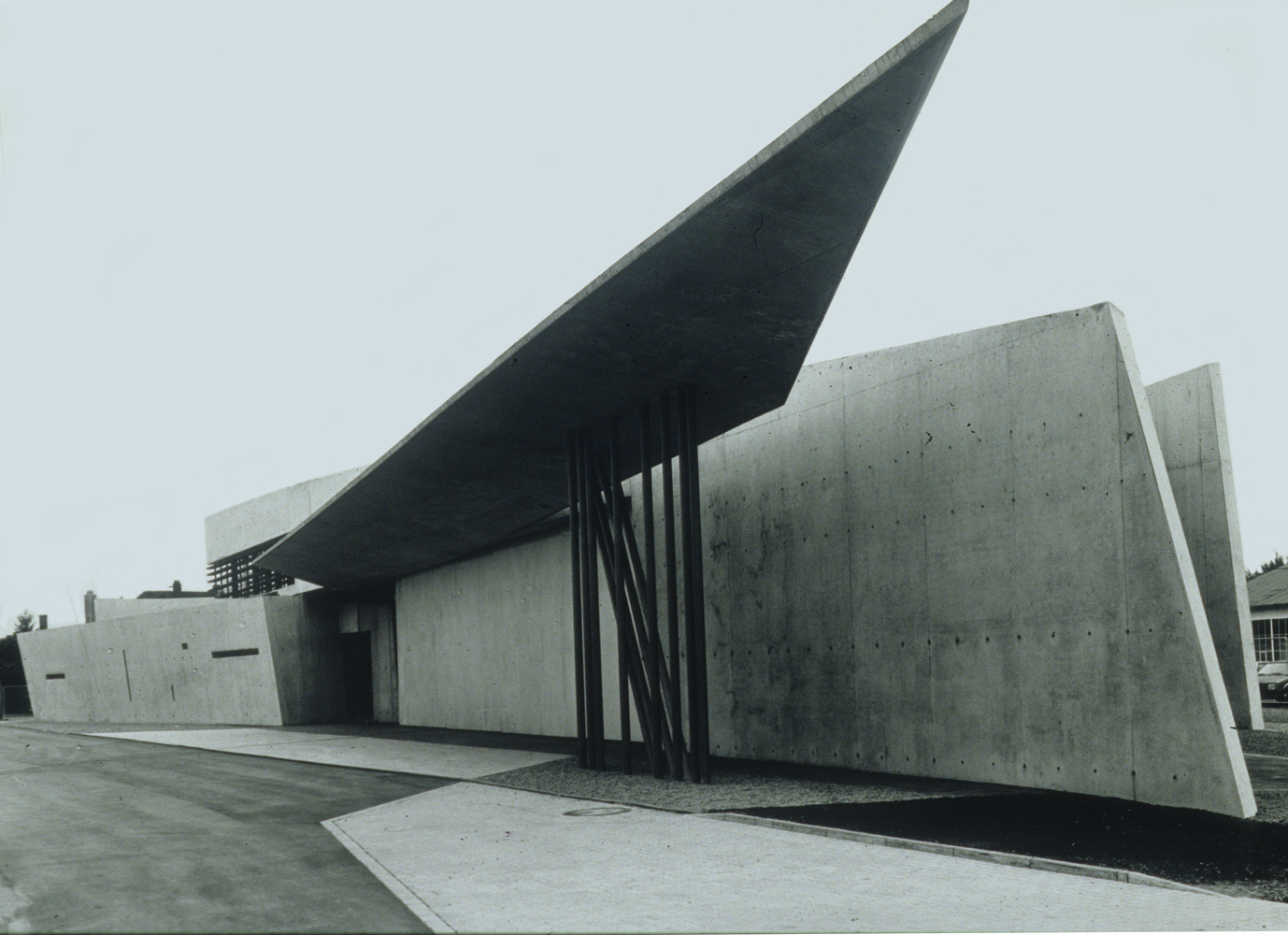
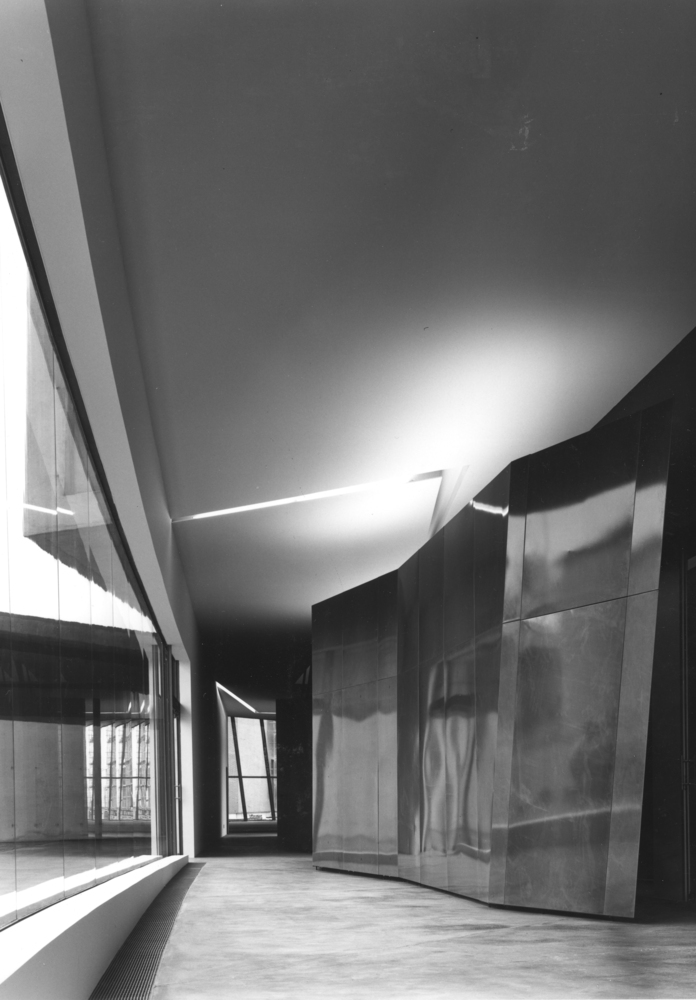
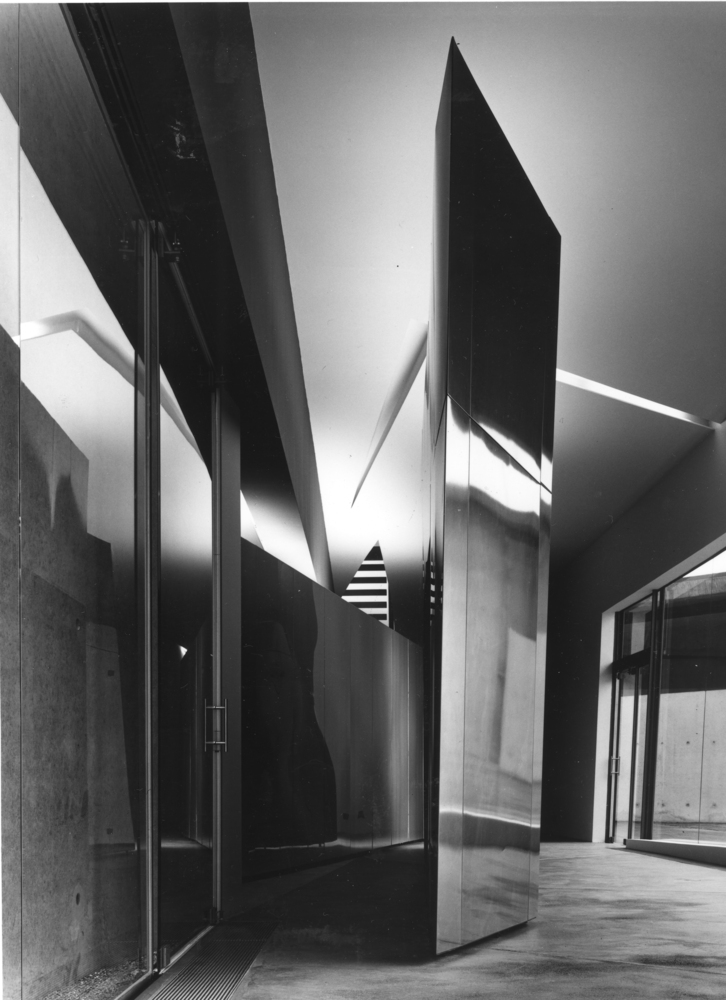
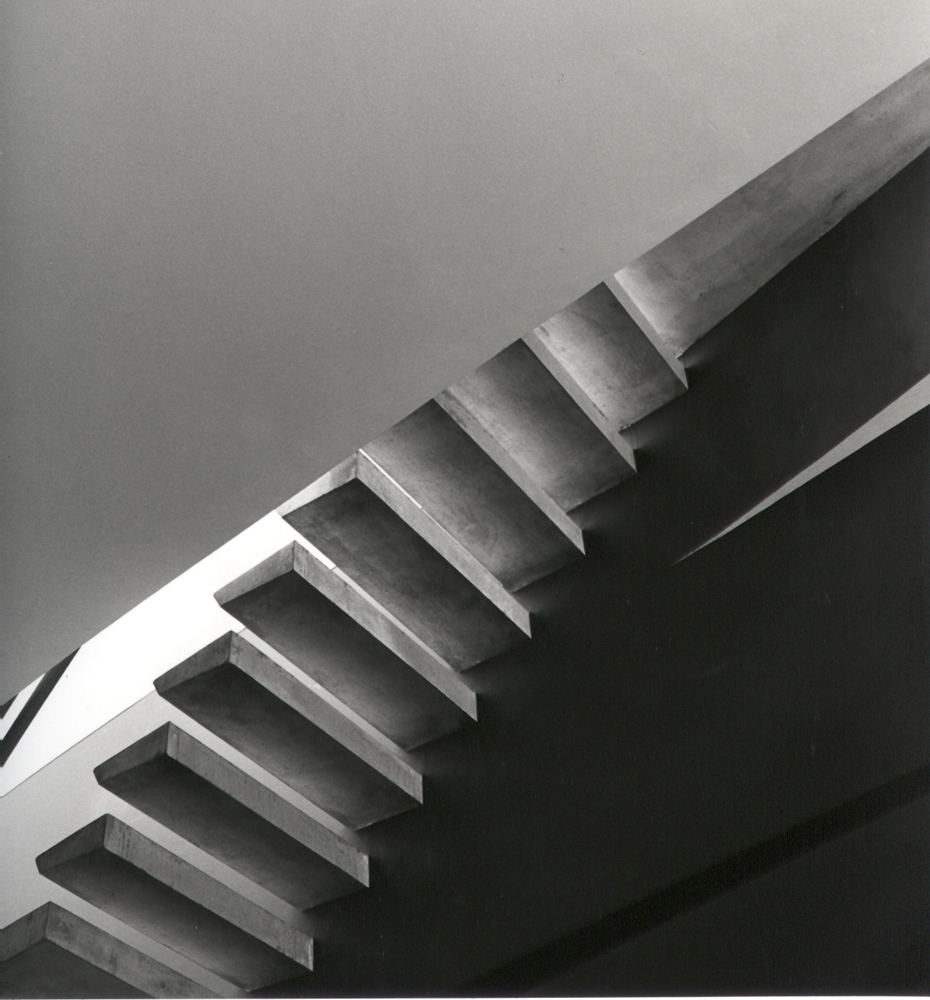
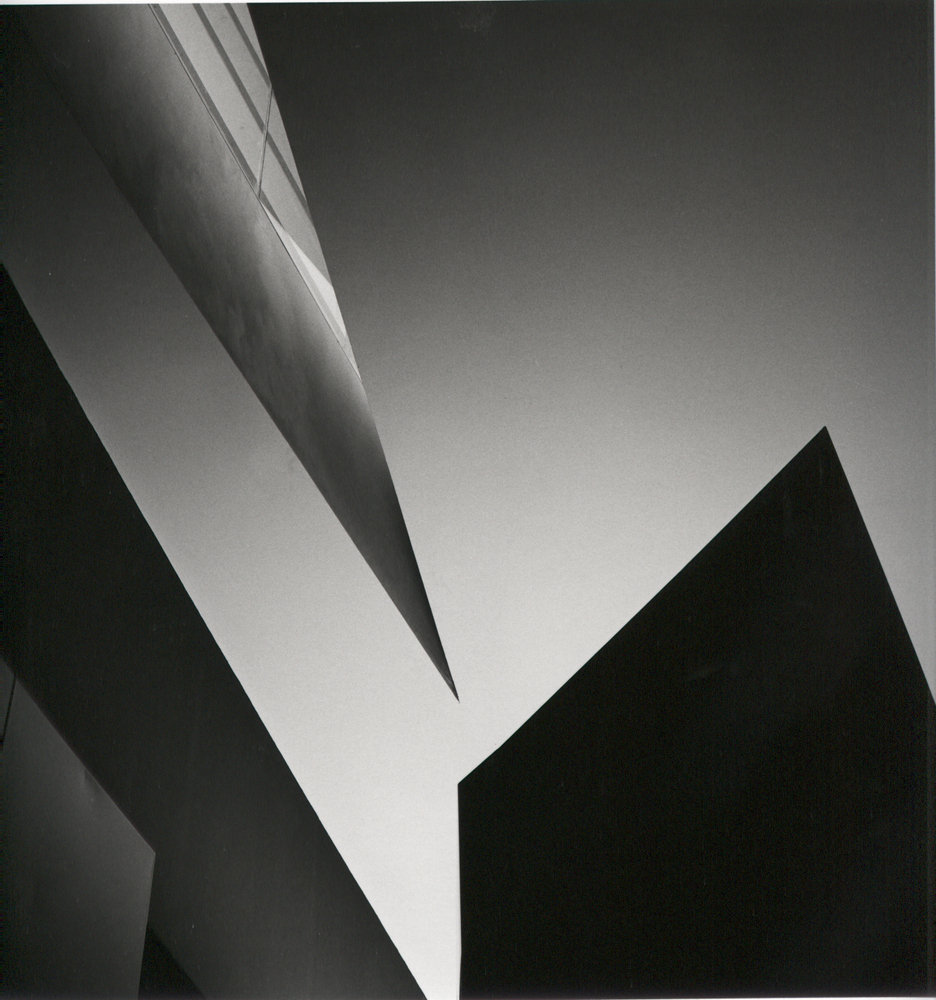
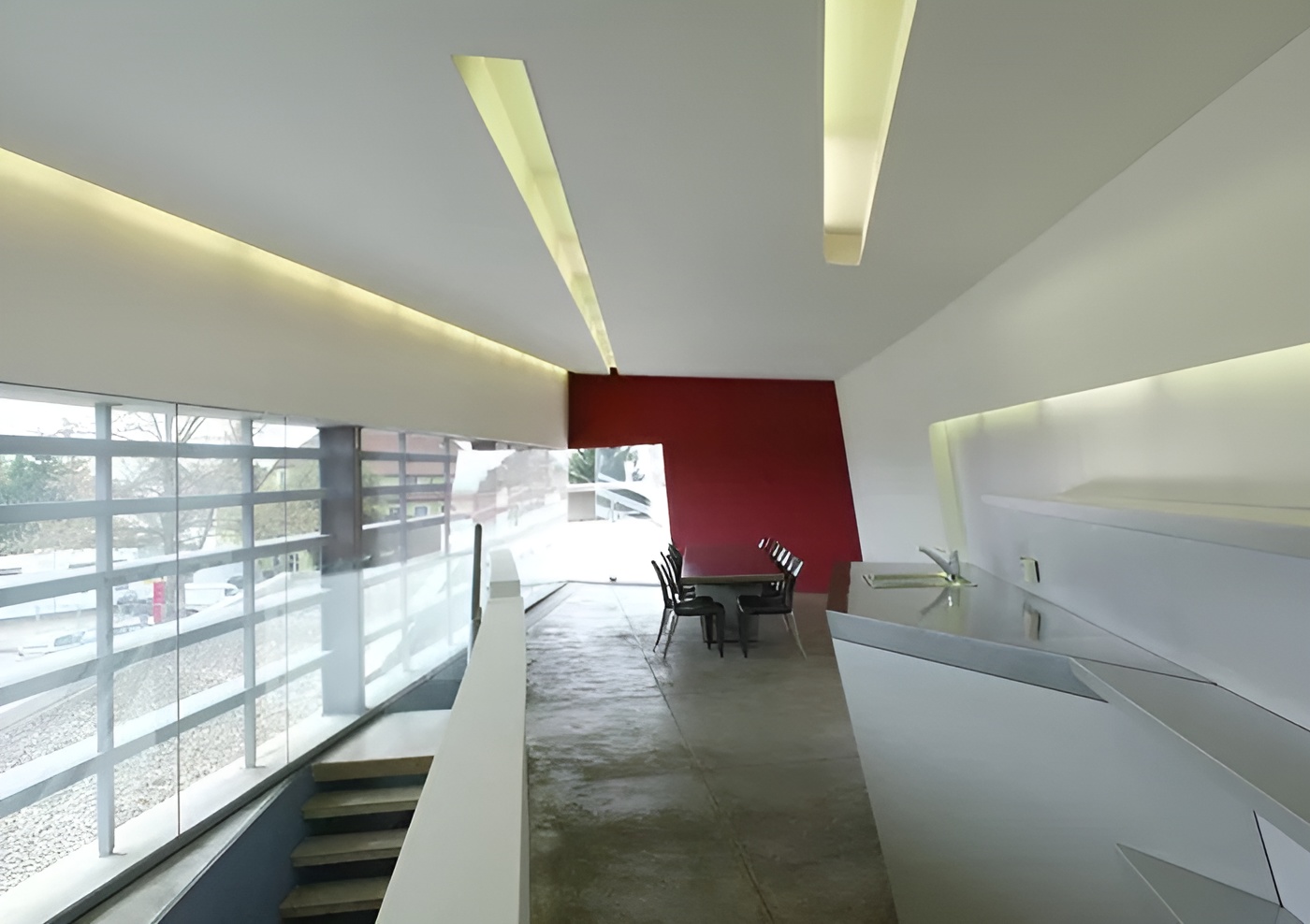
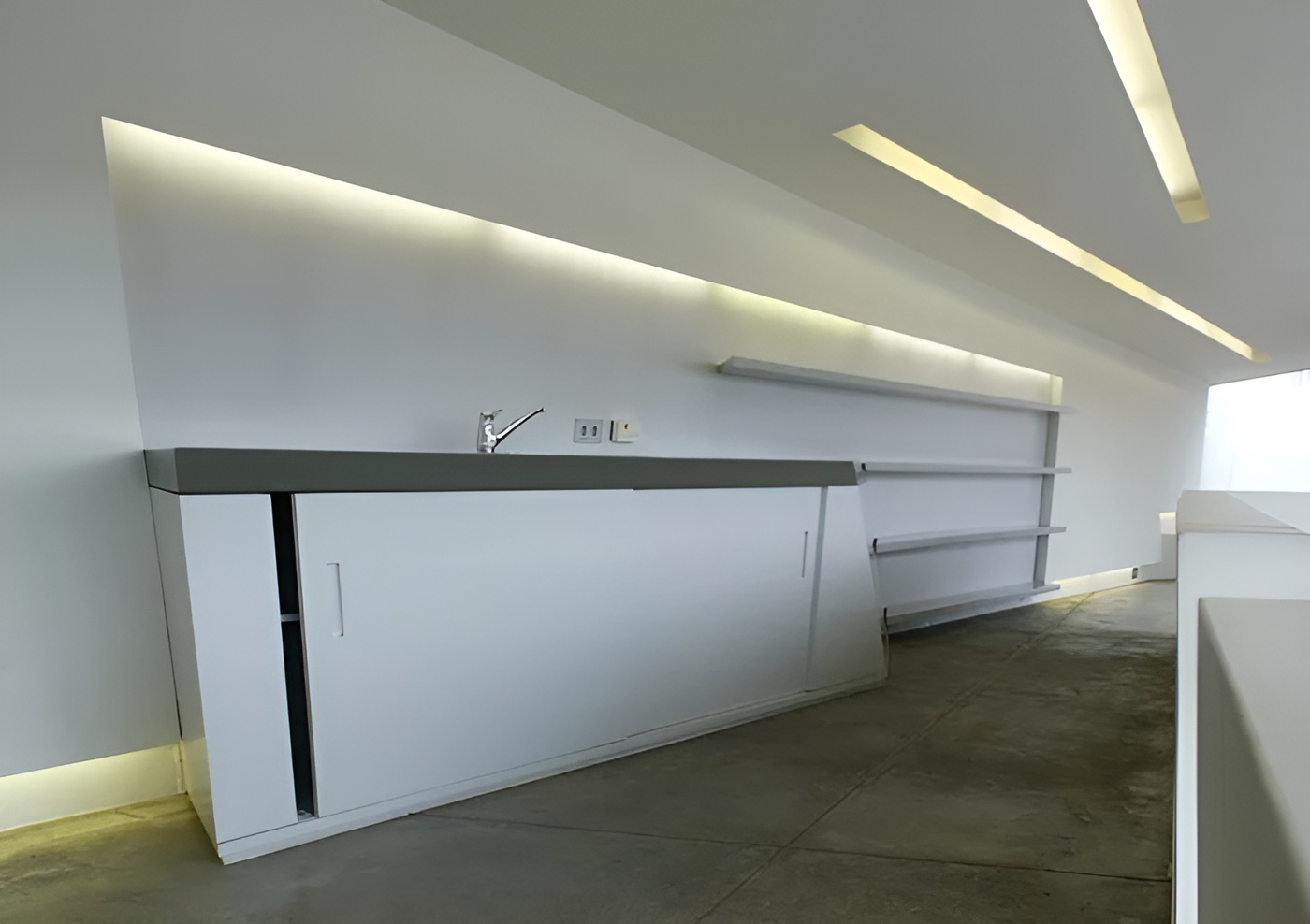
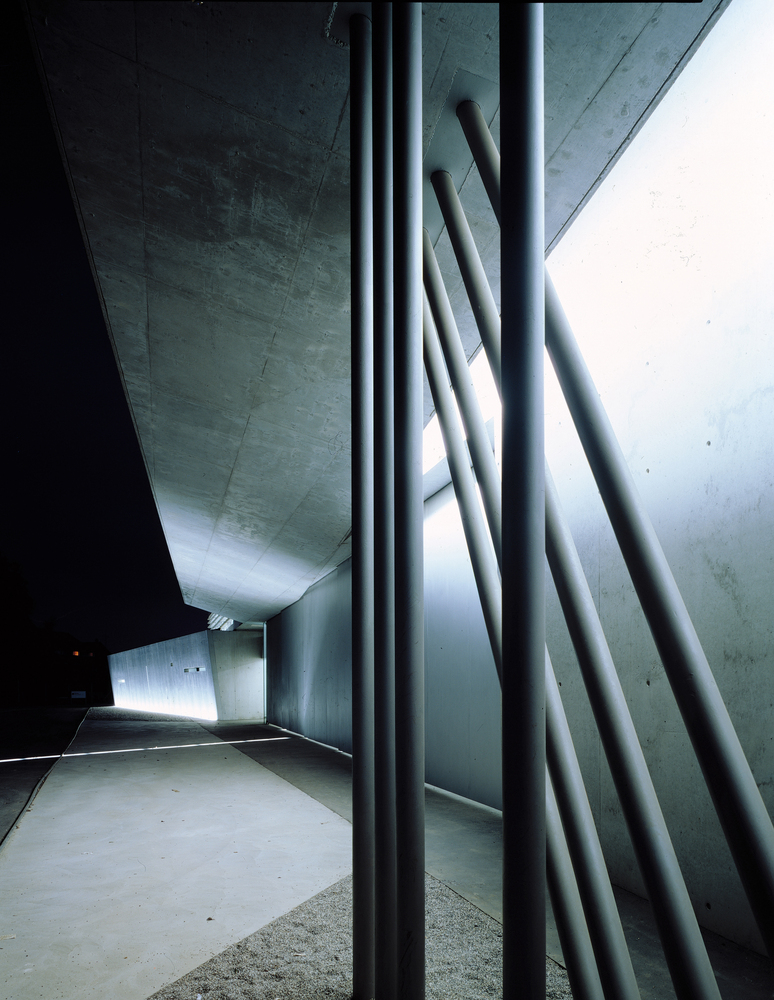
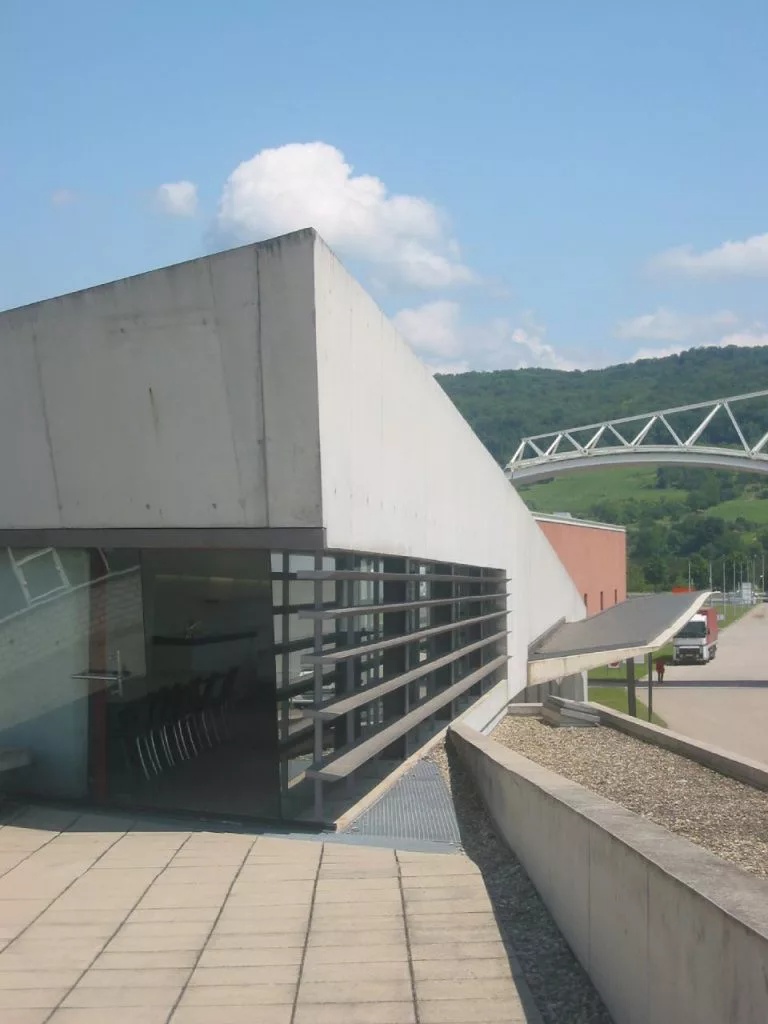
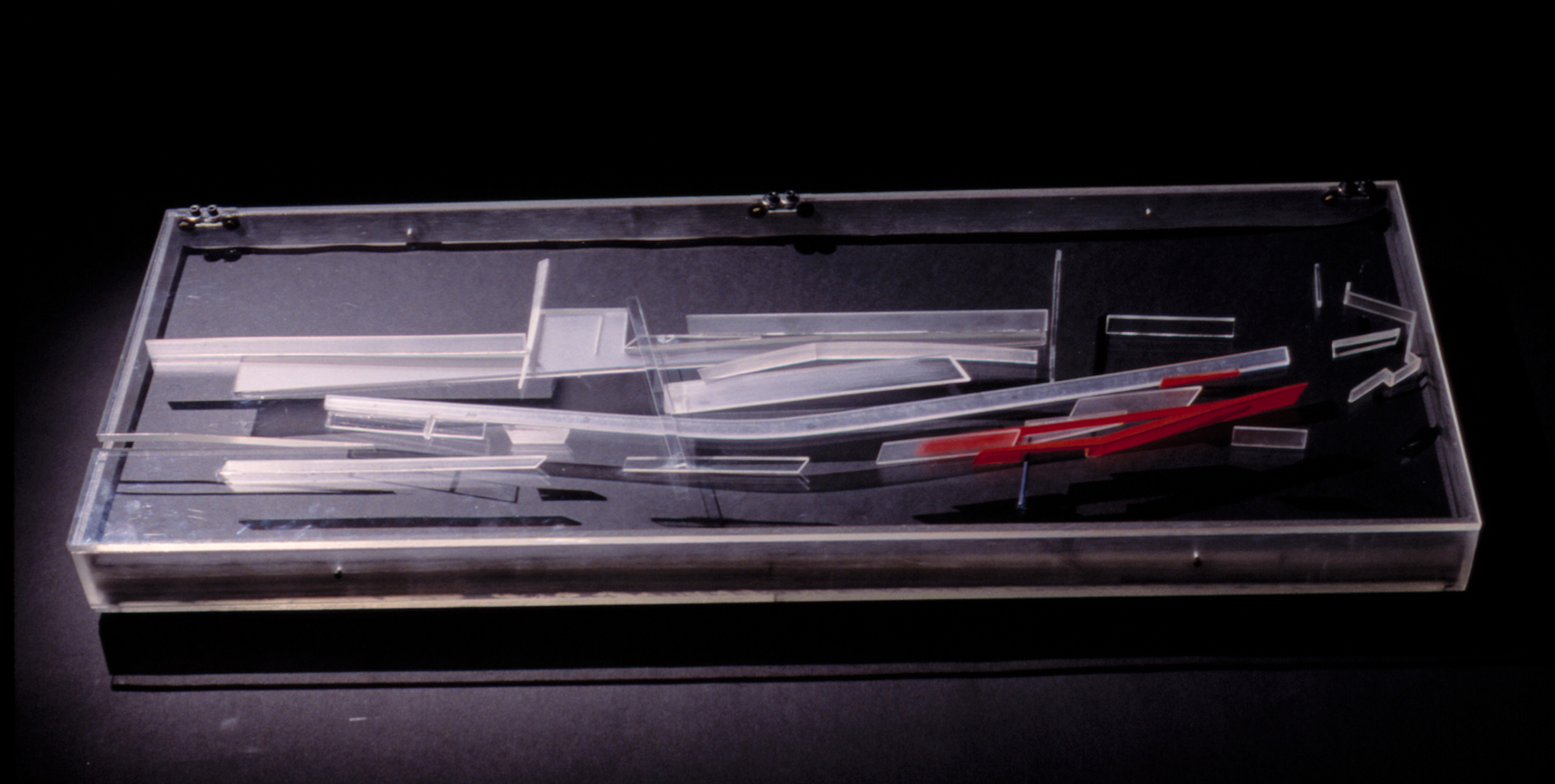
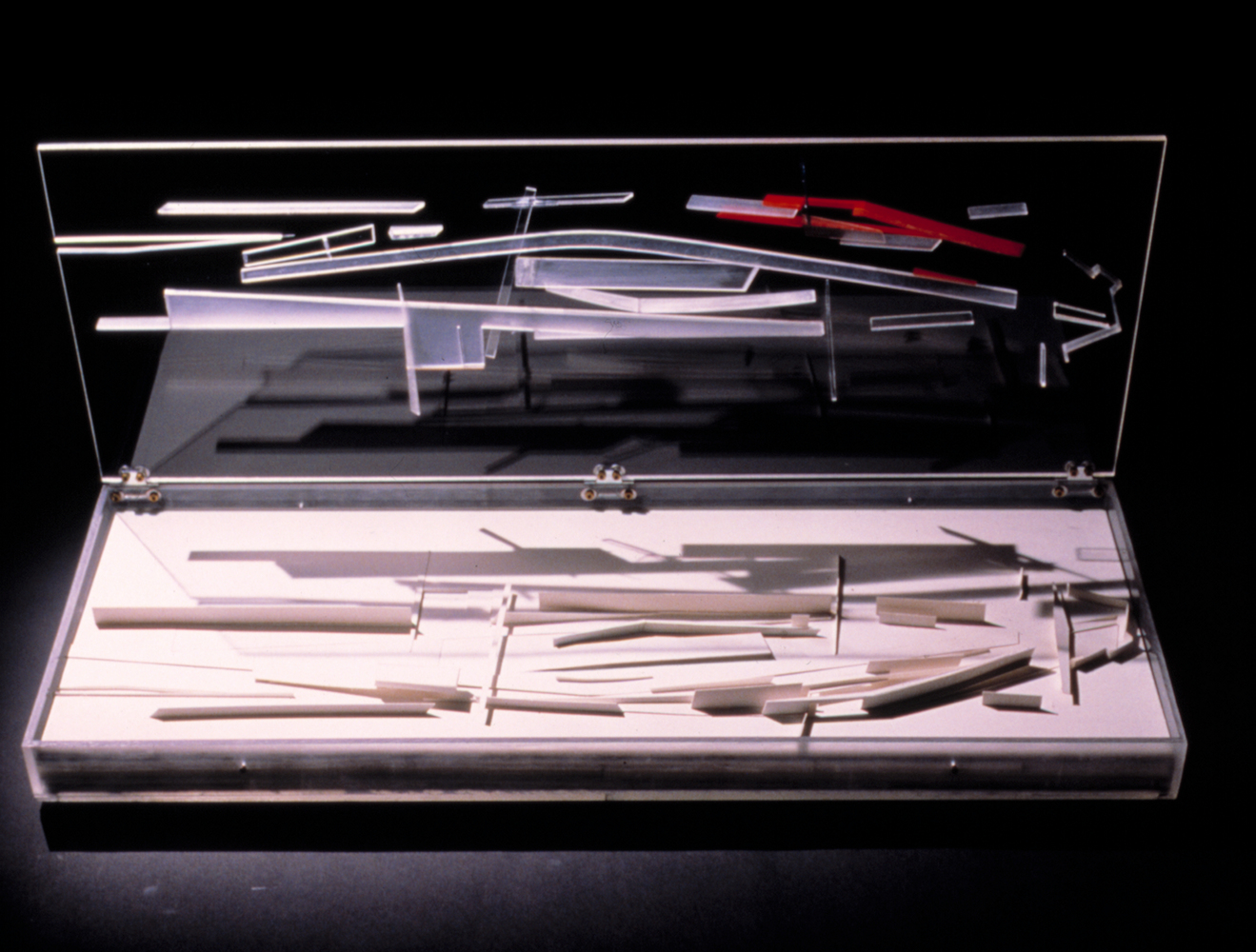
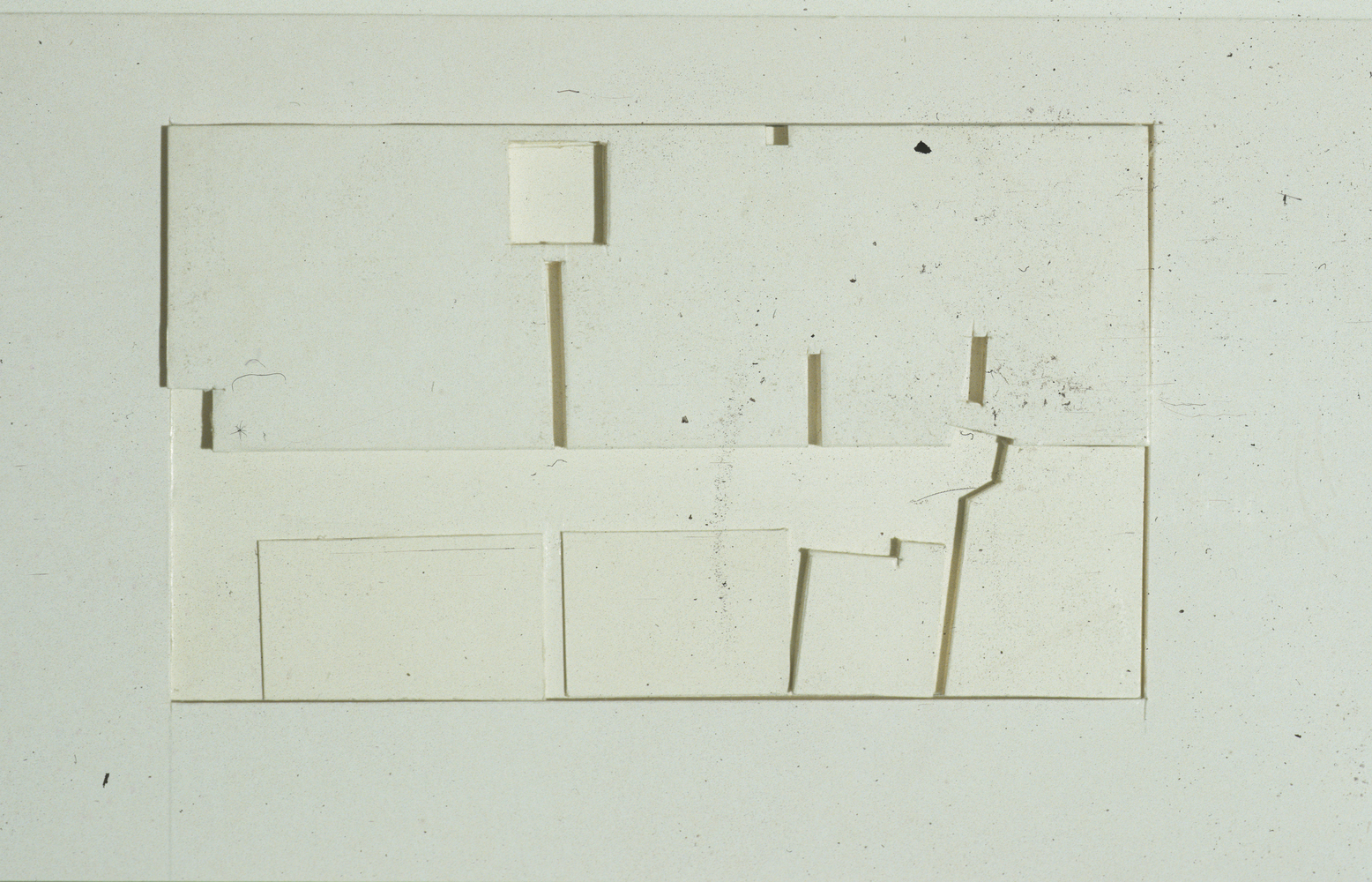
The architectural concept developed as a layered composition of concrete walls. Program spaces are inserted between these walls, which tilt, fold, and shift according to functional requirements. The fire engine garage, changing rooms, showers, conference room, kitchenette, and support spaces occupy the narrow zones created between the concrete planes.
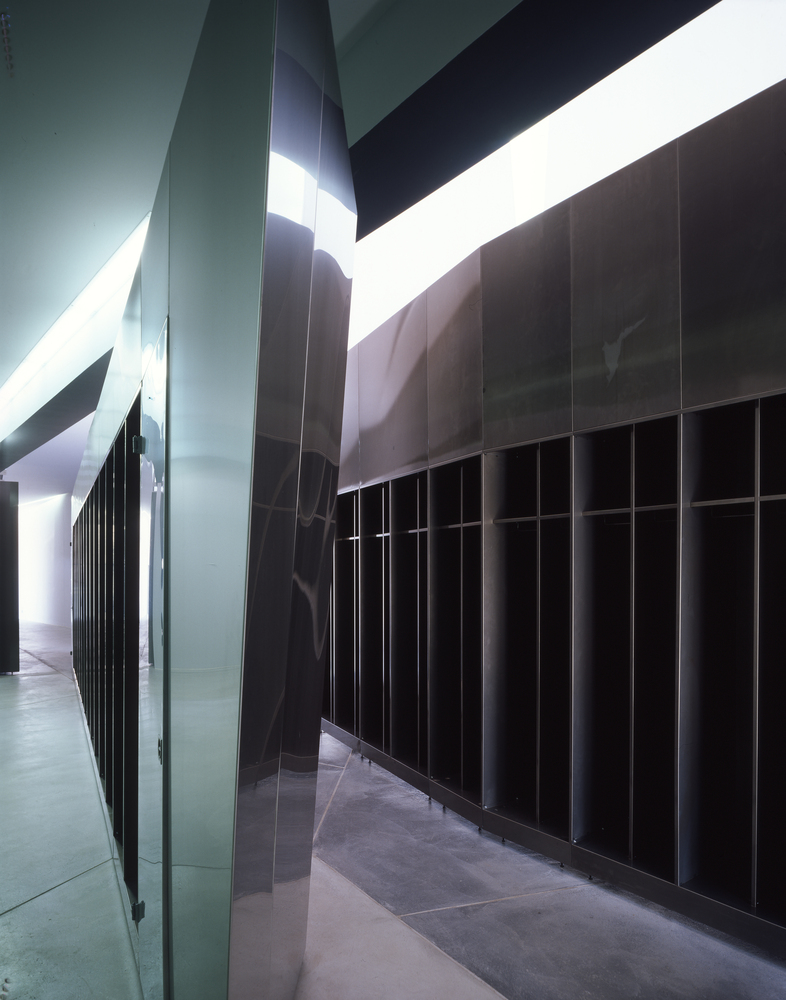
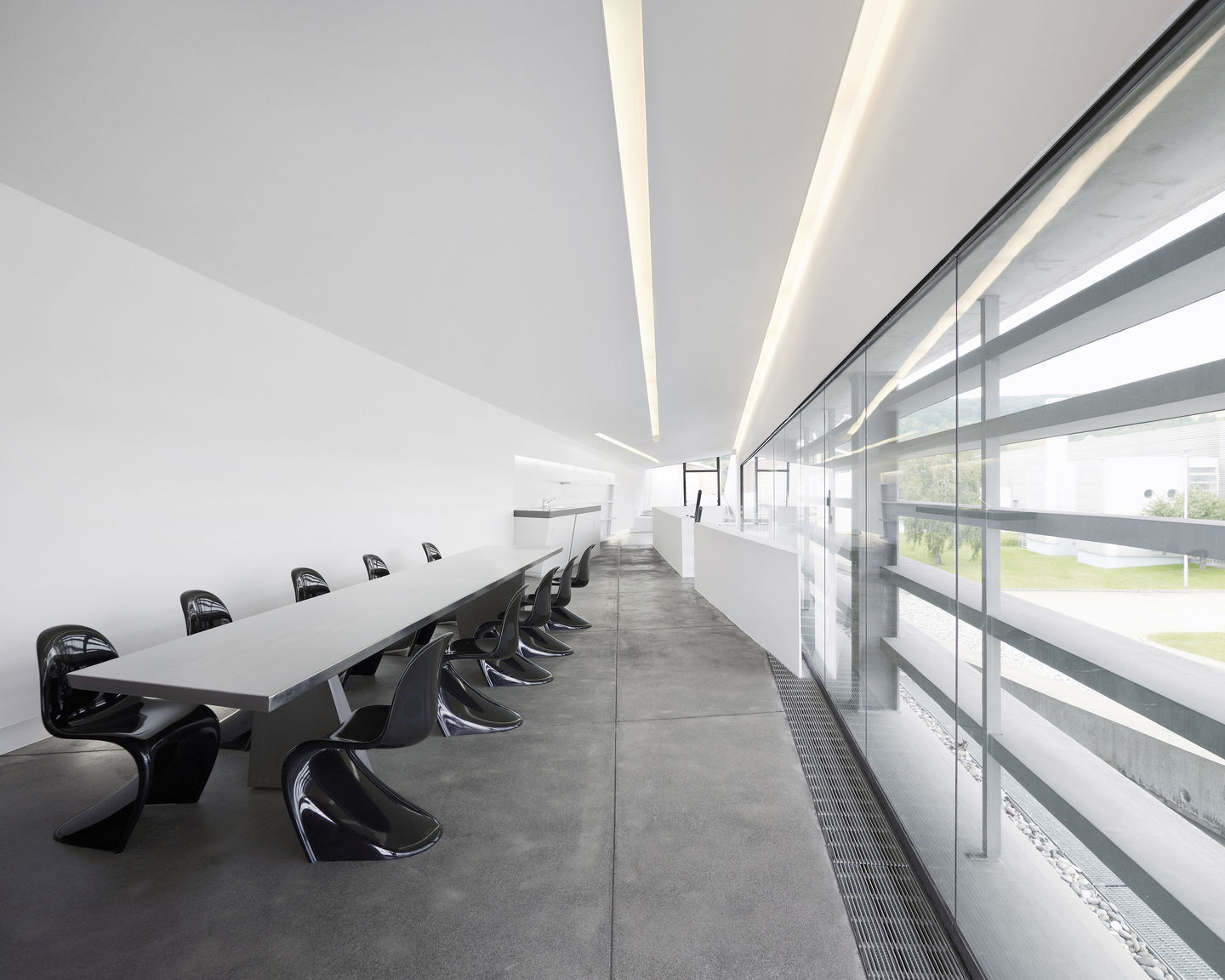
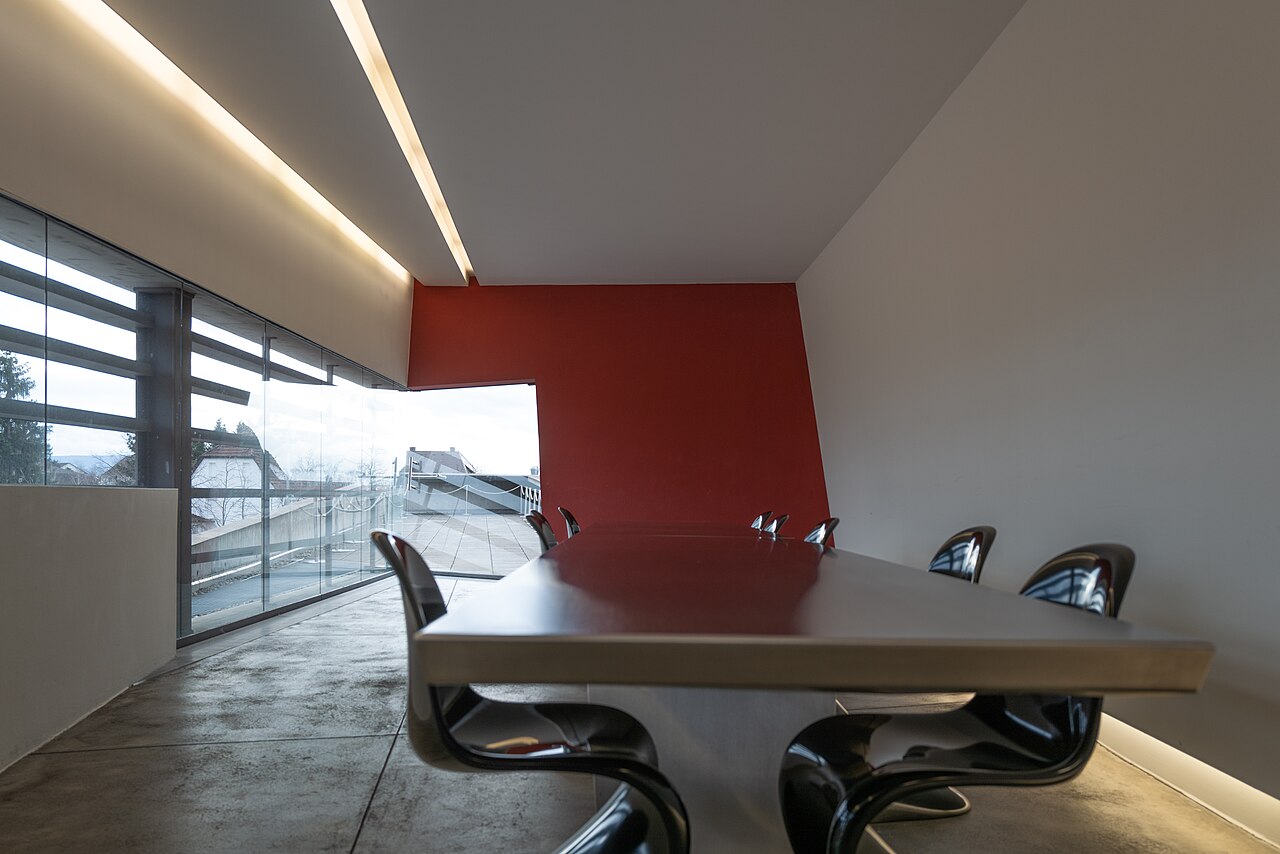
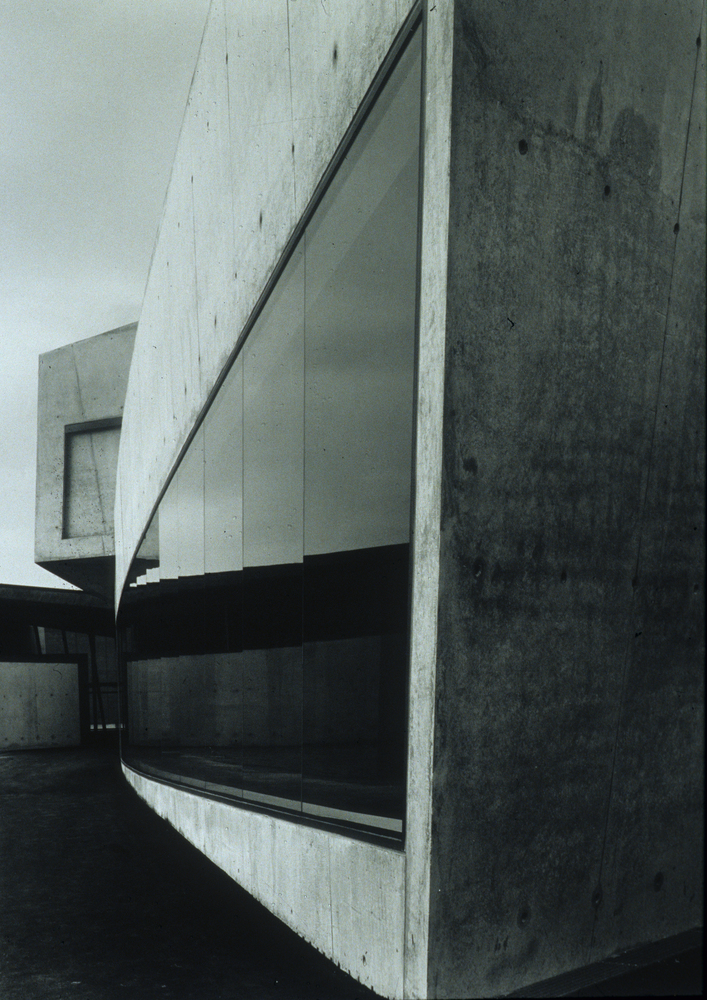
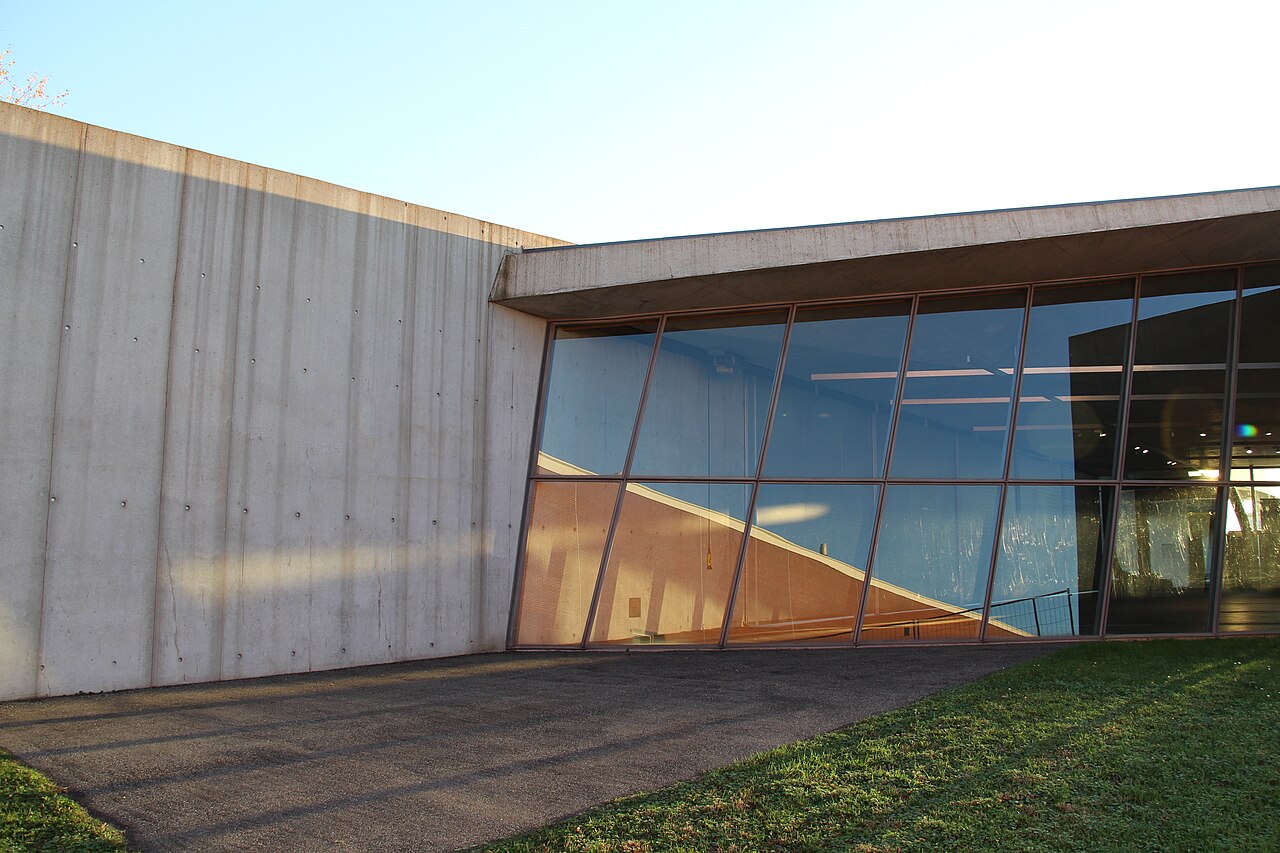
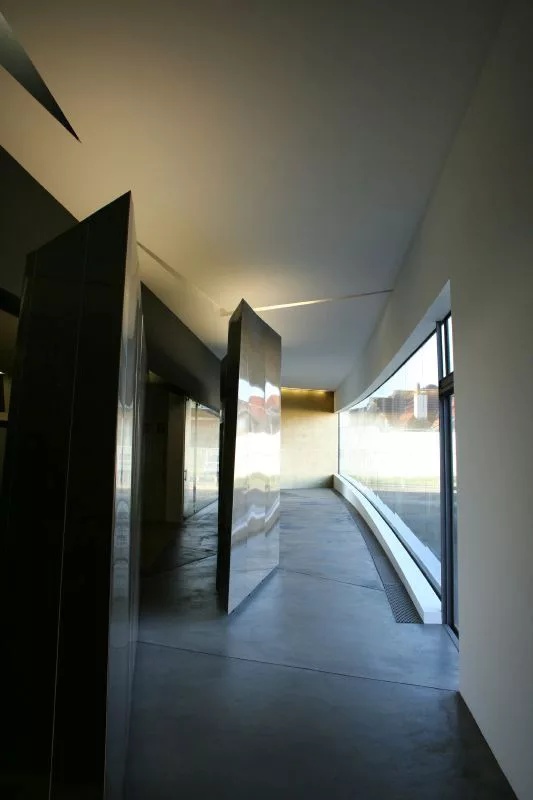
The building appears closed when viewed from oblique angles, while perpendicular views reveal the interior spaces through openings and glazing. This controlled visibility reinforces the building’s relationship to movement and circulation. The garage openings, circulation routes, and exterior paving trace the movement of vehicles and personnel across the site.
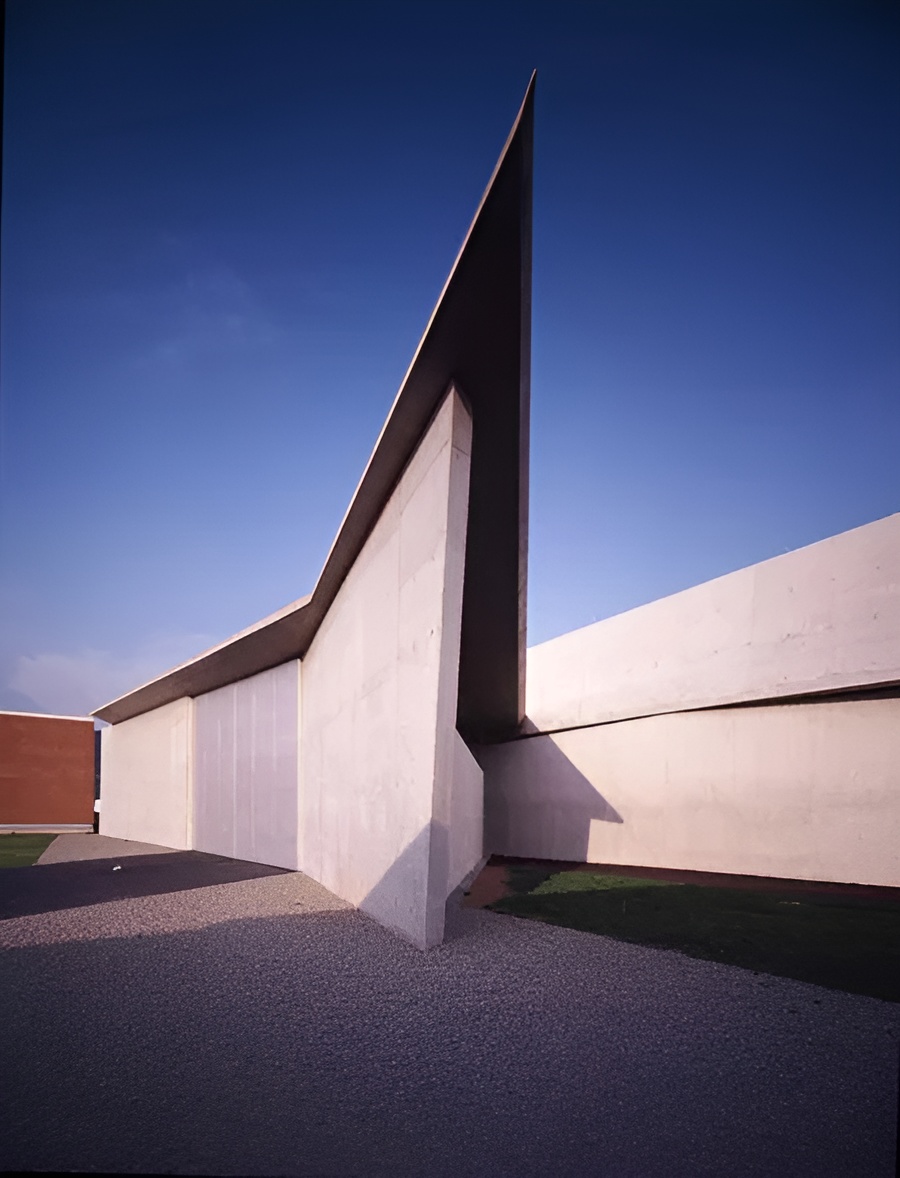
The structure is constructed from exposed reinforced cast-in-place concrete. Walls and roof planes were designed as continuous elements with carefully controlled edges. Roof flashings, cladding elements, and unnecessary detailing were avoided in order to preserve the clarity of the composition. Frameless glazing and minimal interior detailing reinforce the abstract quality of the building.
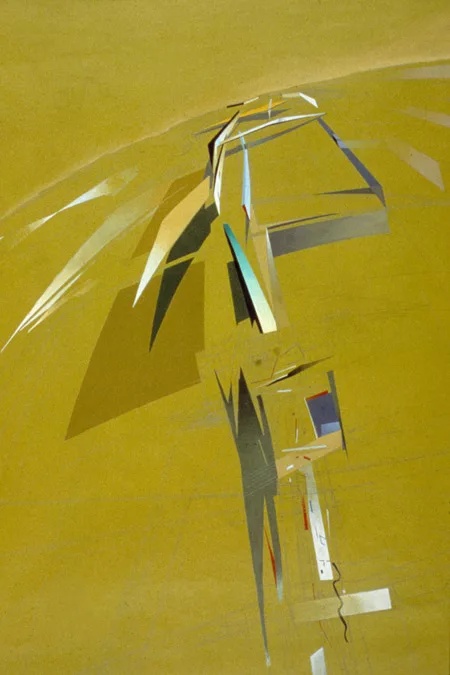
The project translated many ideas that Hadid had previously explored in her paintings and competition proposals into physical form. The fragmented planes, shifting perspectives, and layered spaces recall earlier projects such as The Peak and demonstrate the influence of Suprematist compositions. The building introduced spatial concepts that would later become central to Hadid’s architectural work.
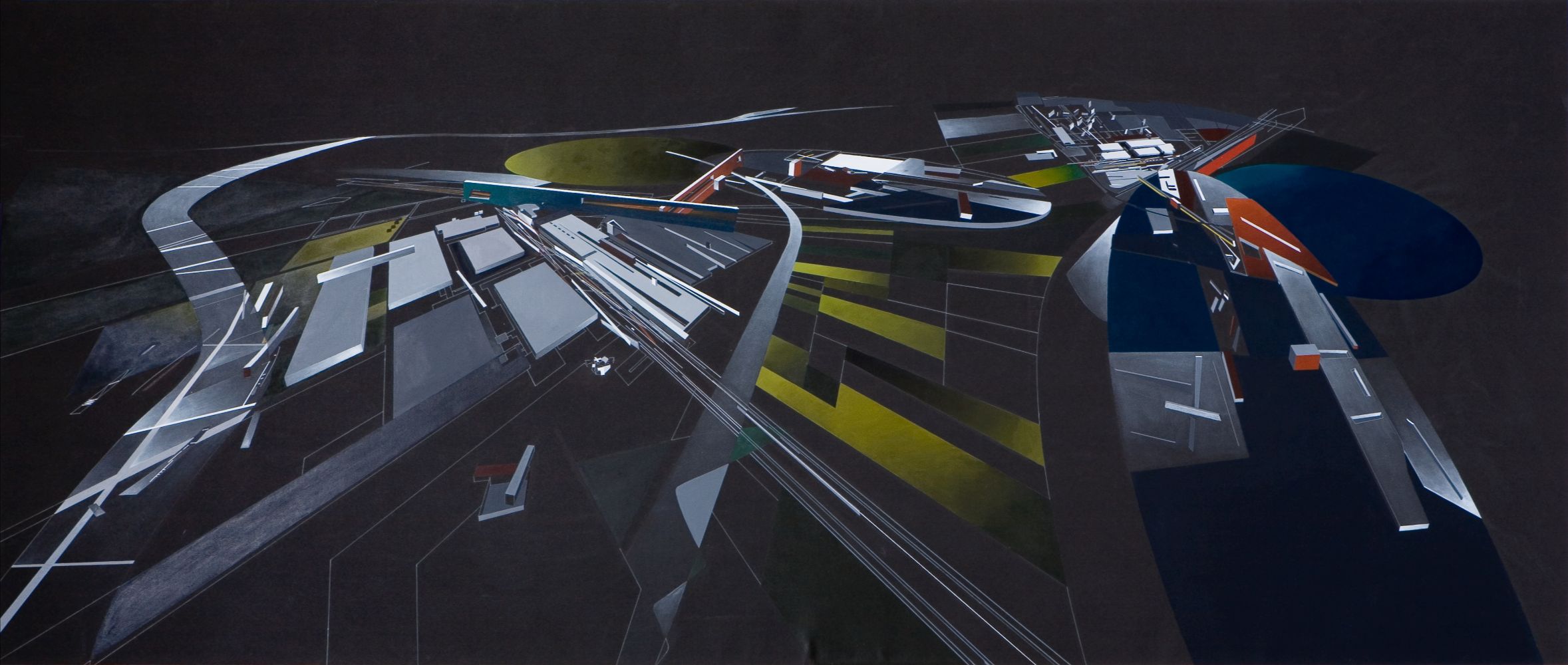
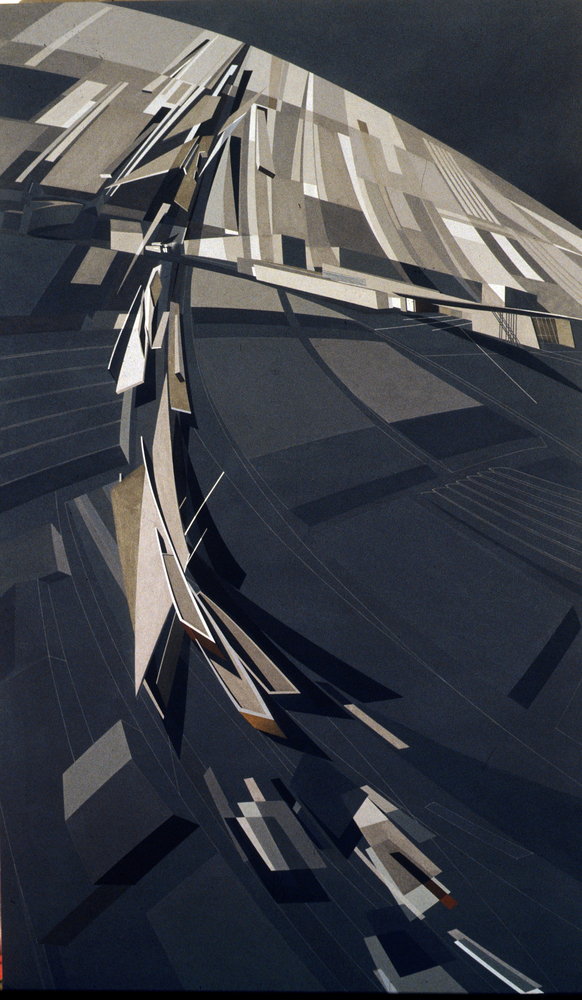
Movement remains a central theme throughout the project. The concrete walls appear to slide past one another, while the large garage doors operate as moving planes within the composition. The changing perspectives experienced while walking alongside the building generate a sense of tension and anticipation that reflects the operational character of a fire station.
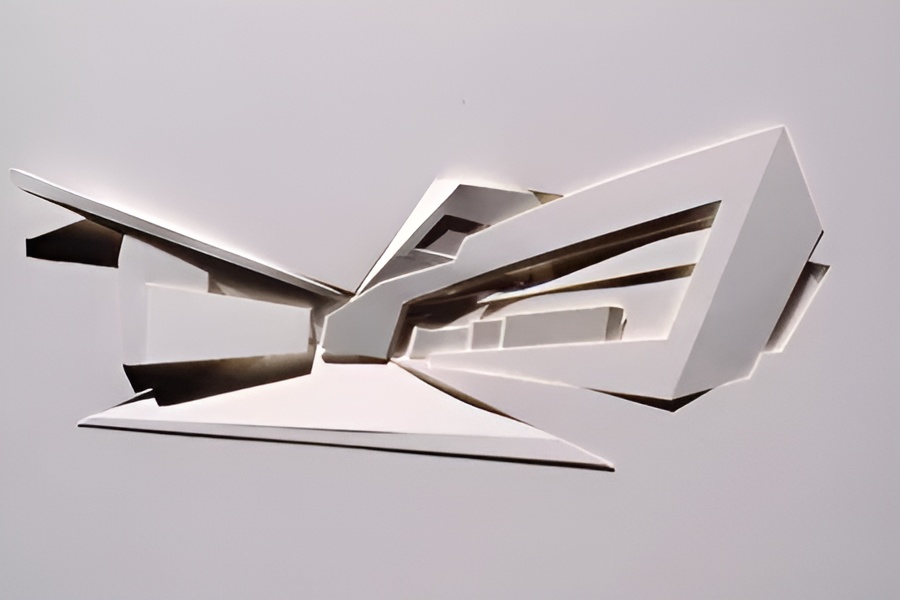
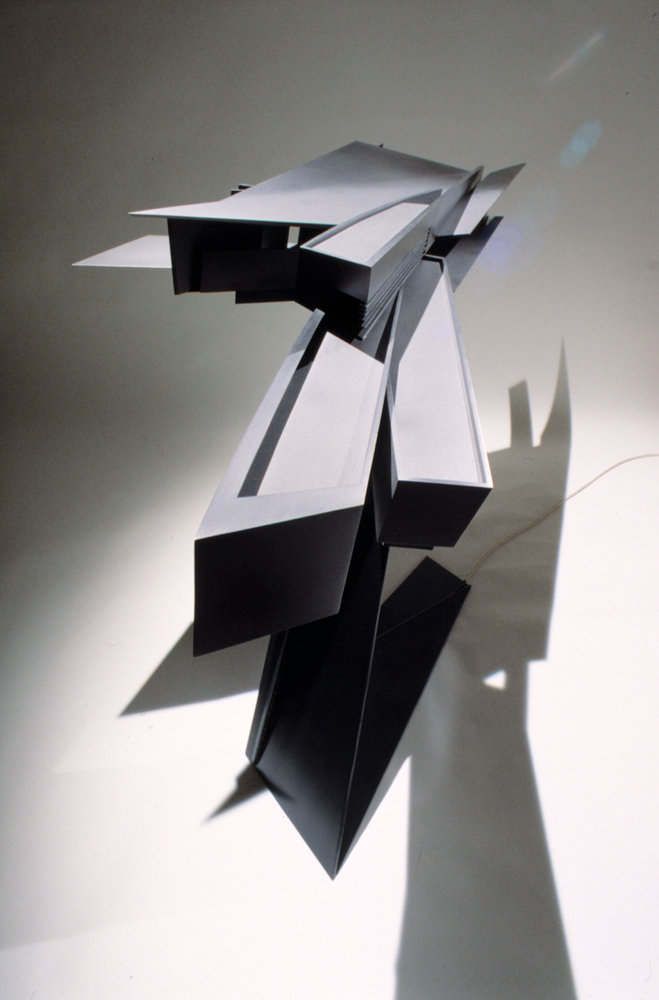
Construction began in 1991 and was completed in 1993, making the Vitra Fire Station the first completed building by Zaha Hadid. The project demonstrated that the formal investigations developed in her drawings could be translated into built architecture while maintaining their spatial and conceptual intensity.
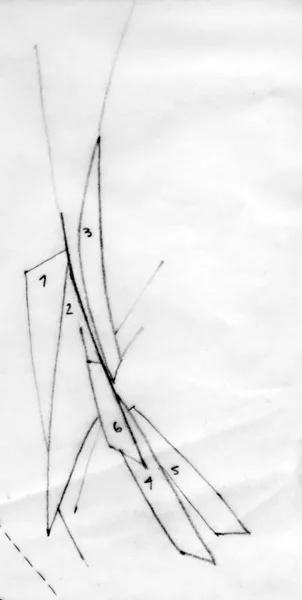
Only a few years after completion, Vitra disbanded its internal fire brigade. The building subsequently became an exhibition and event space operated by the Vitra Design Museum. Despite its relatively short period of service as a functioning fire station, the building remains one of the most significant projects of Hadid’s early career.
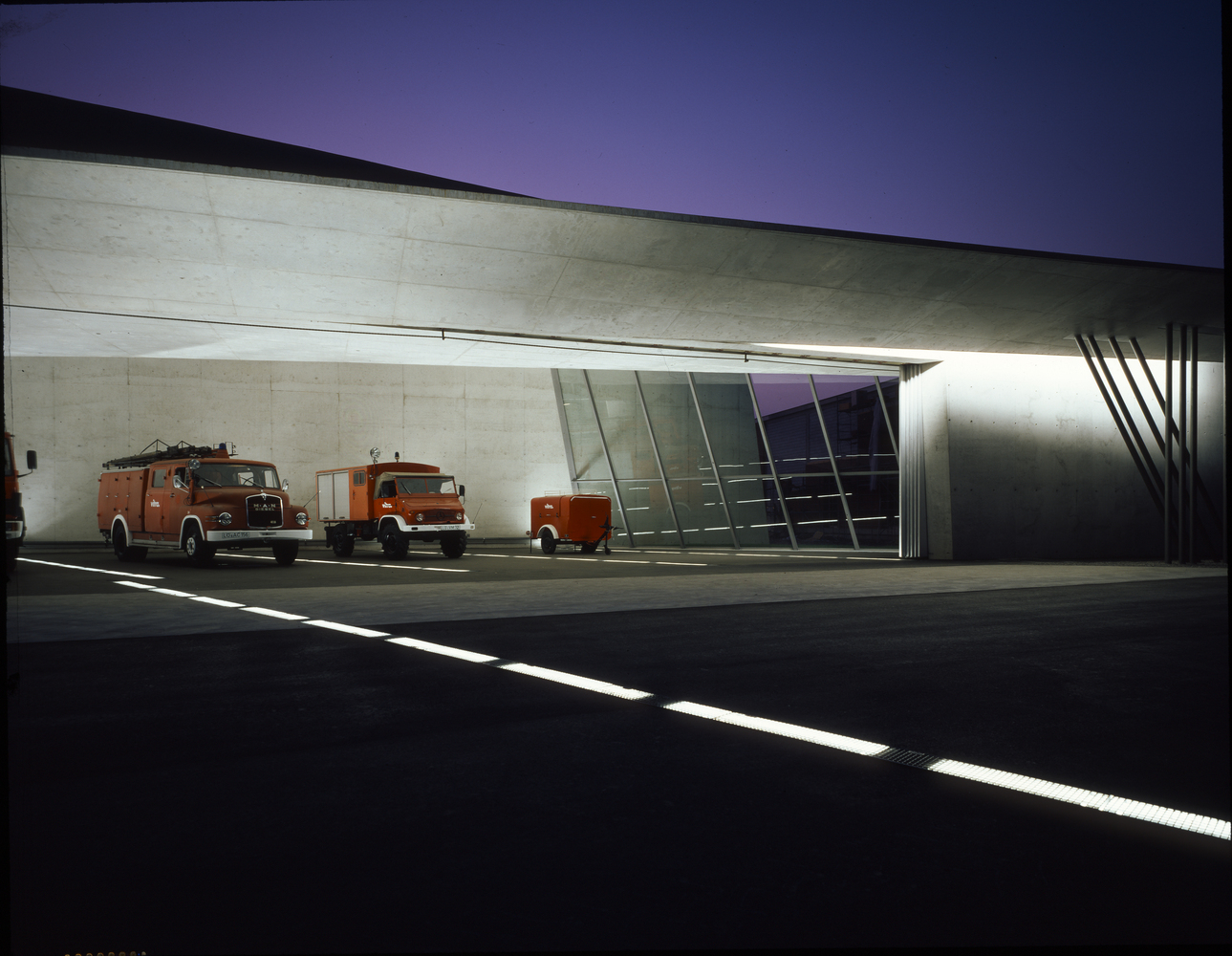
The Vitra Fire Station established important themes that continued throughout Zaha Hadid’s later work, including fluid spatial organization, dynamic geometries, and the integration of movement into architectural form. As the architect’s first completed building, it marked the transition from conceptual investigations to built architecture and remains one of the defining works of late twentieth-century architecture.
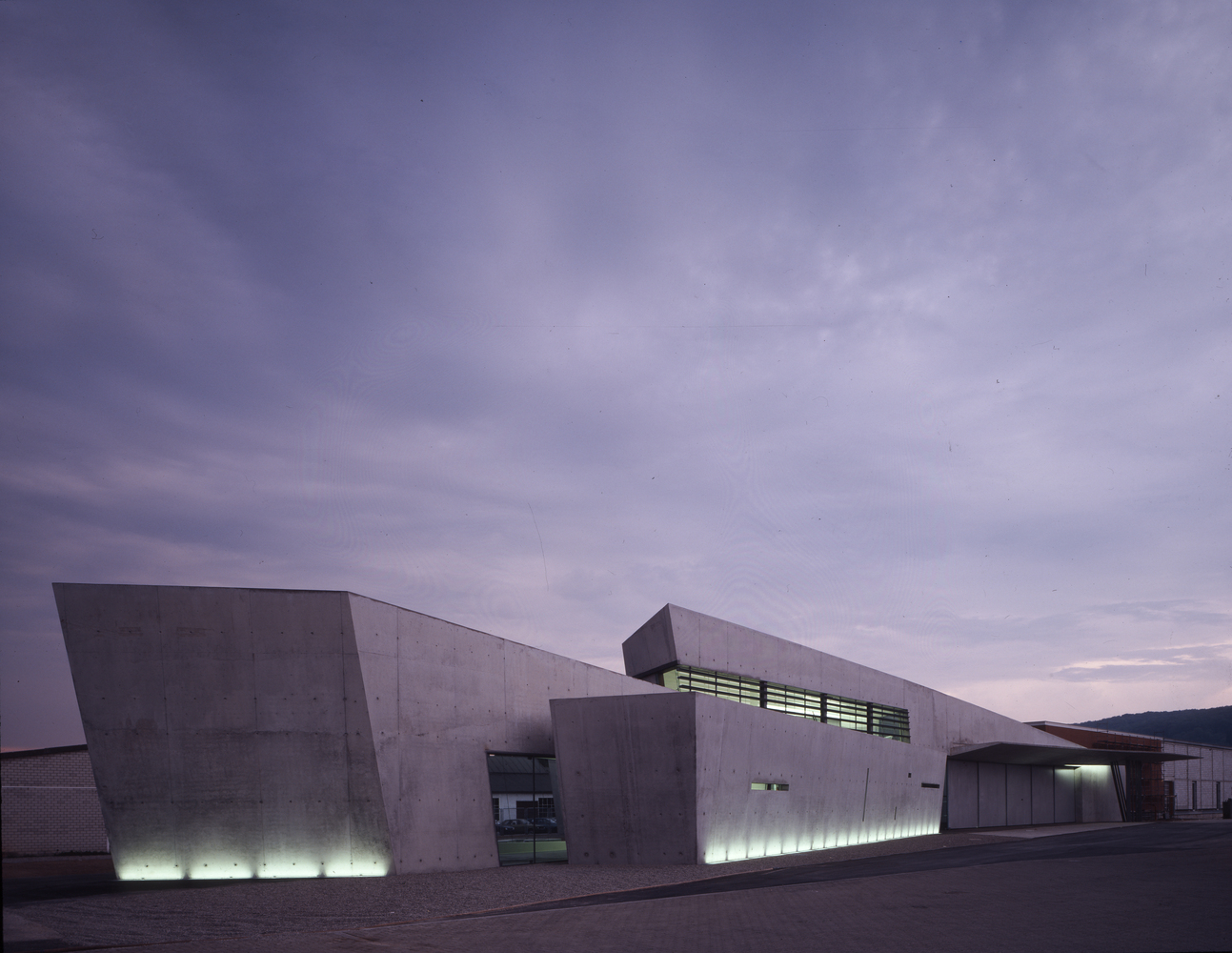
Project Gallery


Project Location
Address: Vitra Campus, Müllheimer Str. 56, 79576 Weil am Rhein, Baden-Württemberg, Germany
Location is for general reference and may represent a city or country, not necessarily a precise address.

