Architects: Gehry Partners Area: (18,581 m²) 200,000 ft² Year: 2003 Photography: Gehry Partners, LLP, Los Angeles Philharmonic Association, Federico Zignani, Vern Evans, Ashim D. Silva, Eddie Rivera, Tobias Keller, Tim Cheung, Tom Morbey, Vanessa Werder, Venti Views, Yana Marudova, David Chan, Melanie Lazarow, Sympodius, Tero Saarinen, Johnathan Kaufman, Linda Pomerantz Zhang, Elena Takmakova, Michael, Ranjith Alingal, Shiku Wangombe, Michael Muraz, Cara Willenbrock, Tanutama, Juan Carlos Becerra, Lalo Zepeda, Anthony Fomin, Michelle, G. Hanami, Andrew Barber, Carlos Eduardo Seo, Dave Toussaint, Stephen Bird, Jayson Oertel, Michael Smith, Kwong Yee Cheng, Matt Blanchard, Philipp Rümmele, Roberto Lo Russo, Wikimedia Commons, Carol M. Highsmith, Aaron Logan, Michael J Fromholtz, David G. Gordon, Jon Sullivan, Geographer, Tuxyso, Bobak Ha’Eri, Daniel Hartwig, Cygnusloop99, Kkmd / Kelvin Kay, Hurling7, Lando47, jjron / John O’Neill, Justefrain, Pag293, Oth11, “Ilpo’s Sojourn”, DVD R W Manufacturers: Clark Pacific, St. Cloud Window City: Los Angeles Country: United States
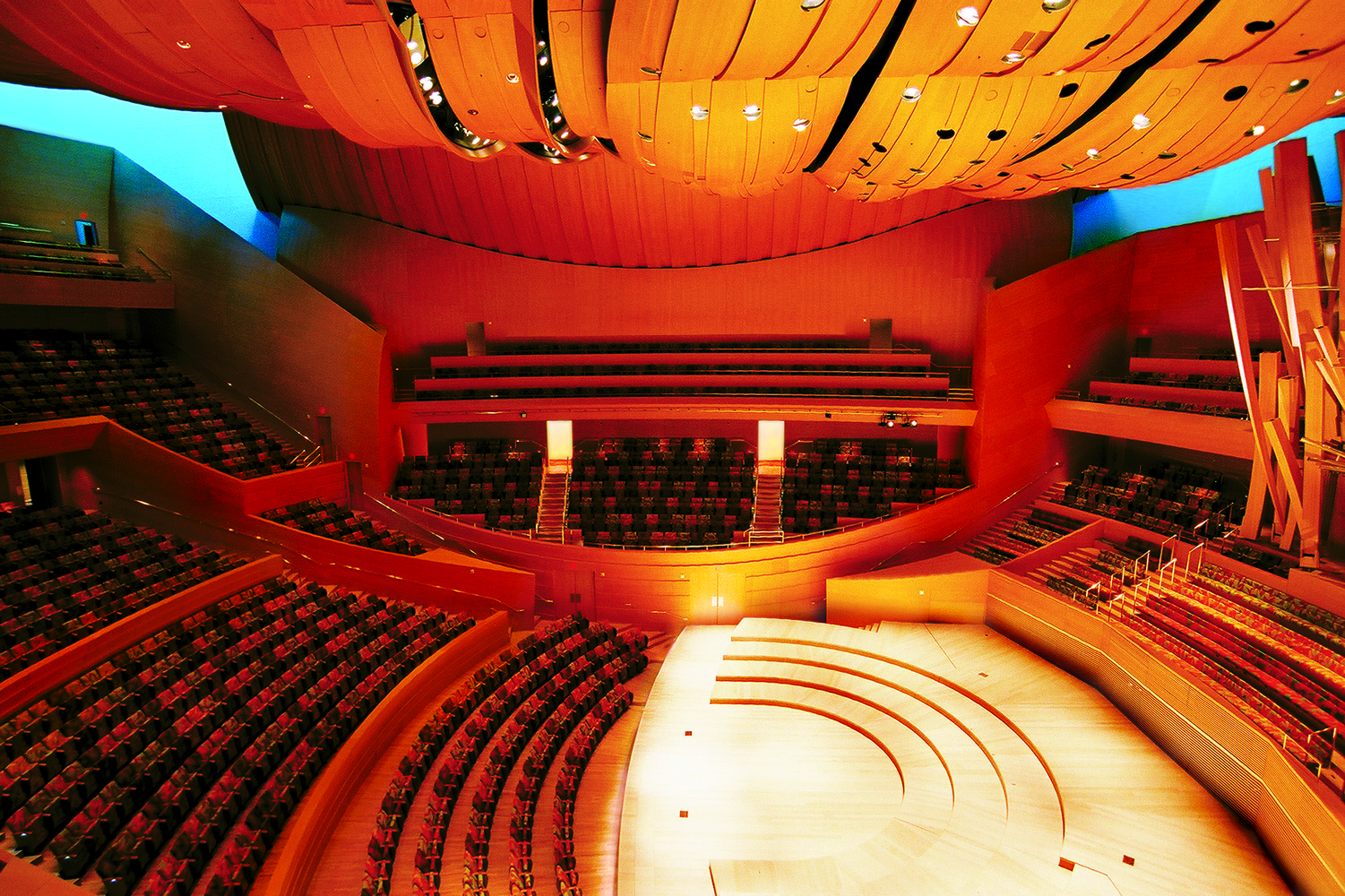
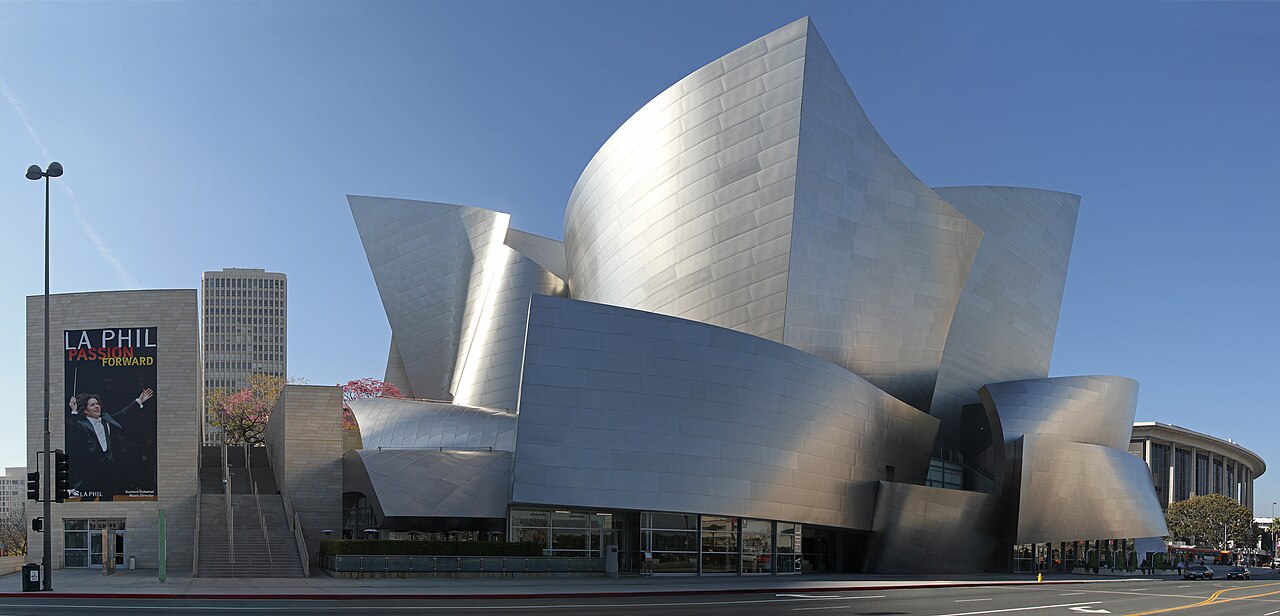
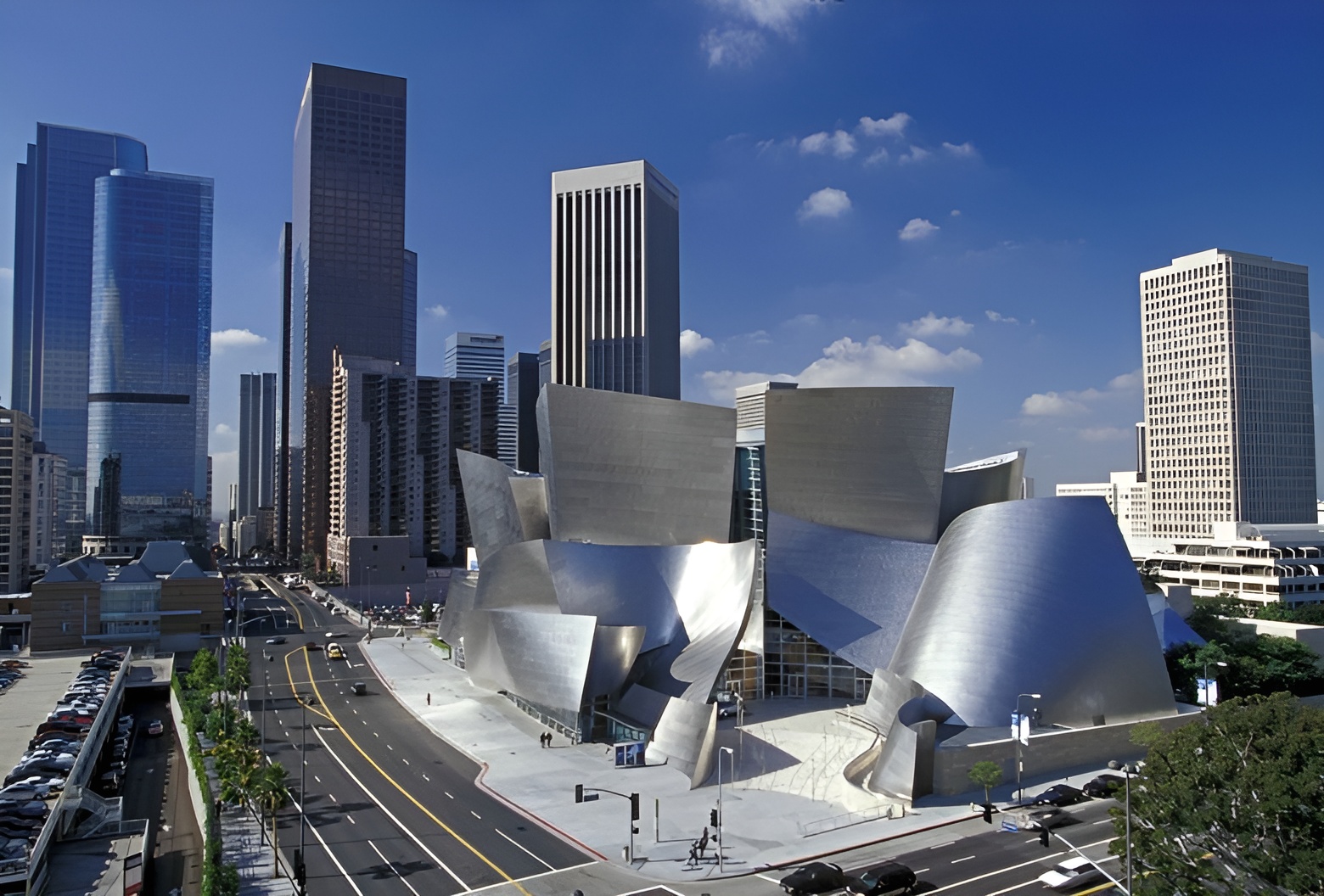
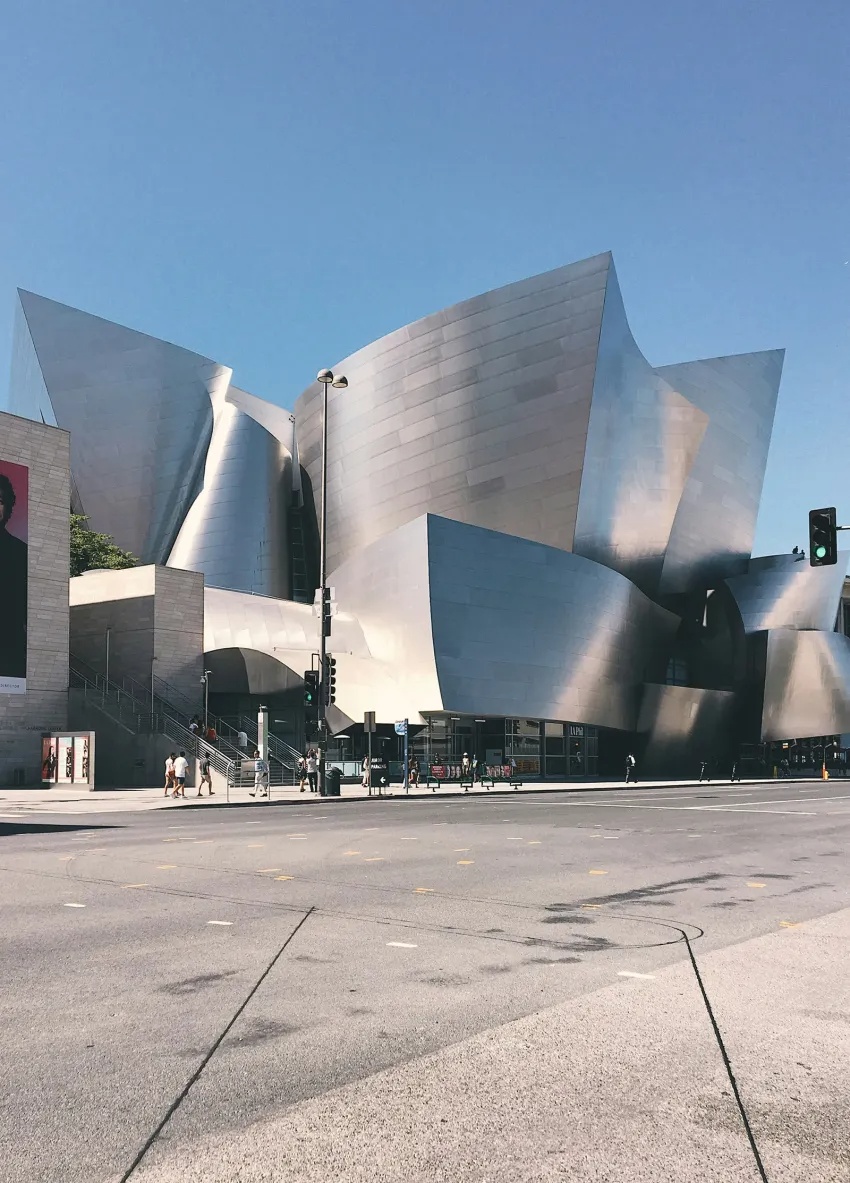
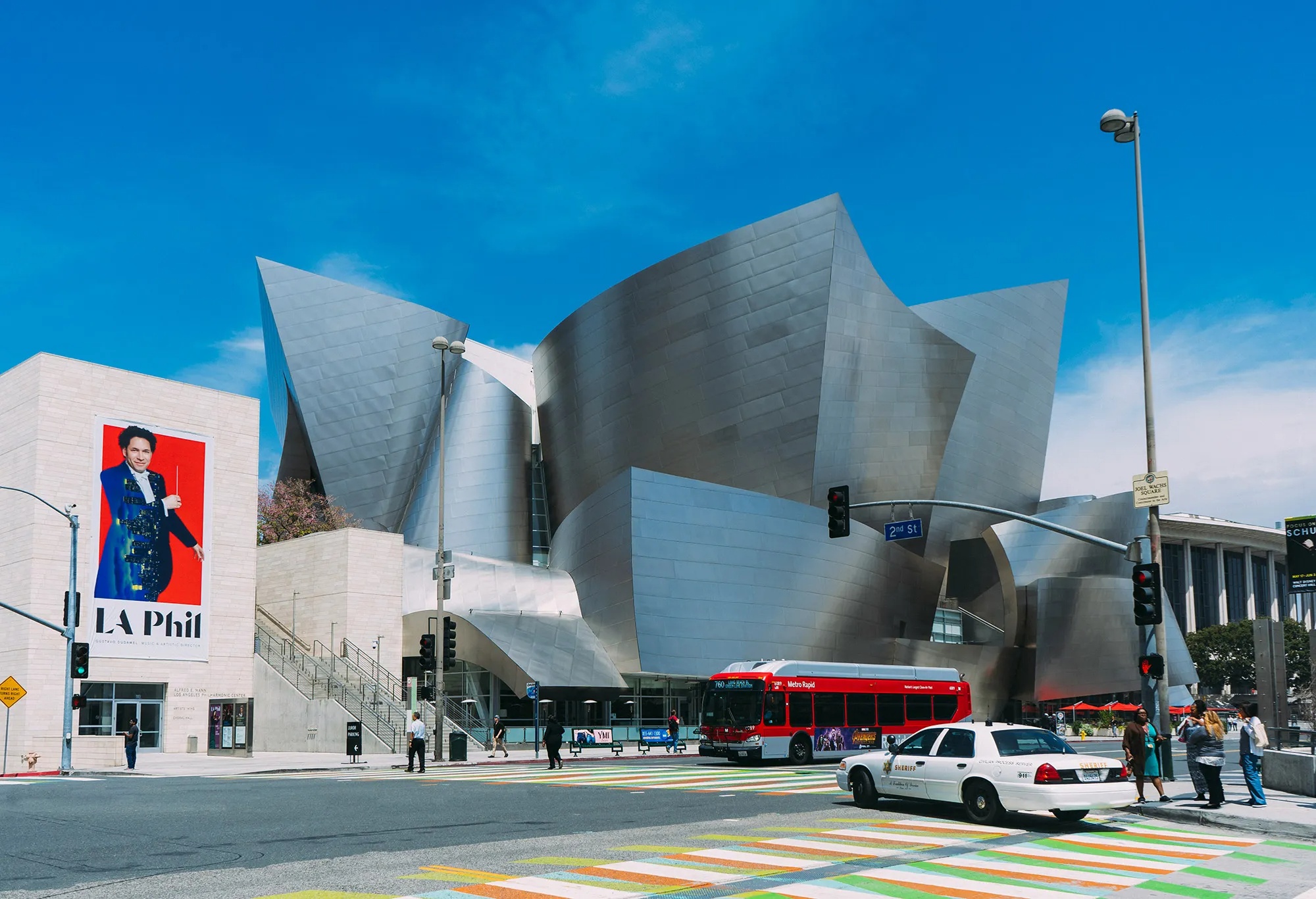
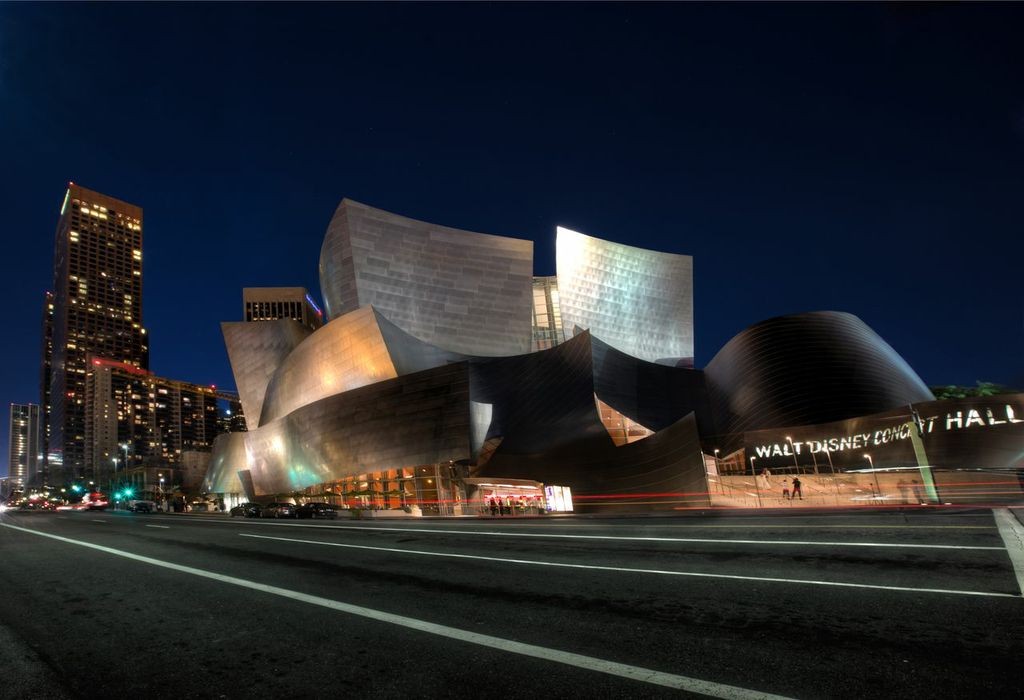
Walt Disney Concert Hall concert hall designed by Gehry Partners in Los Angeles has redefined civic cultural architecture through the integration of advanced acoustics, sculptural form, and public urban space, completed in 2003. Walt Disney Concert Hall serves as the home of the Los Angeles Philharmonic and introduces a spatial model that combines a vineyard seating arrangement with a unified performance volume, reducing hierarchy between audience and orchestra. Walt Disney Concert Hall organizes its interior around a central stage, where curved Douglas fir surfaces and a column-free steel roof structure shape both spatial continuity and acoustic performance. Walt Disney Concert Hall develops its acoustic precision through collaboration with Yasuhisa Toyota, including the use of a 1:10 scale model to calibrate sound behavior, material response, and reverberation conditions. Walt Disney Concert Hall expresses its exterior through stainless steel panels, replacing an earlier stone proposal to enable complex curvature and digital fabrication using CATIA software. Walt Disney Concert Hall establishes a strong relationship with the city through plazas, gardens, and transparent lobby spaces that extend public use beyond performance. Walt Disney Concert Hall integrates structure, acoustics, and material into a coordinated system while contributing to the transformation of downtown Los Angeles as a cultural center within the Music Center complex.
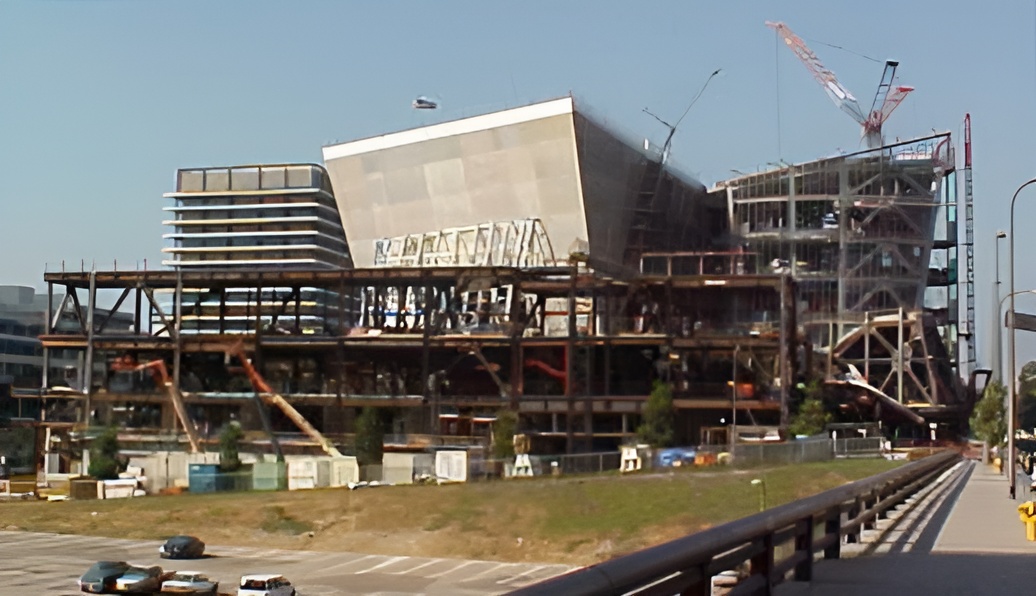
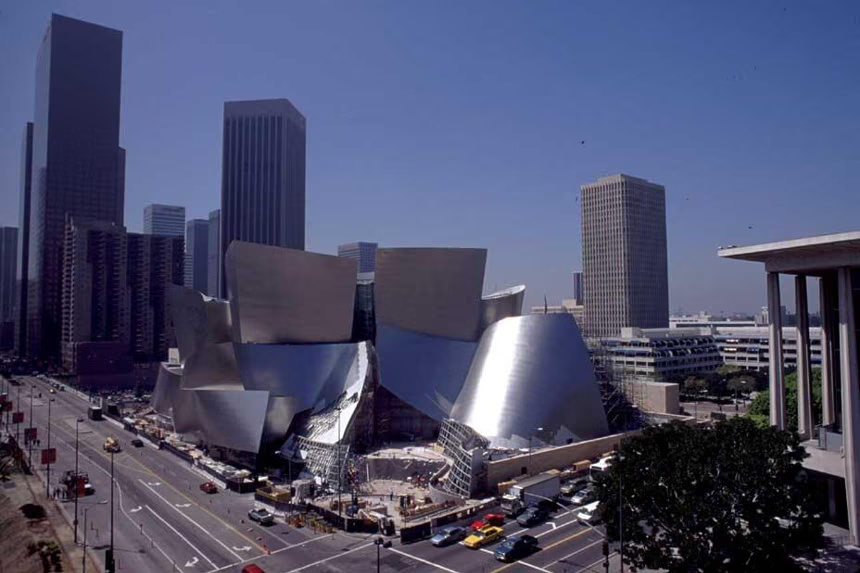
Walt Disney Concert Hall, designed by Gehry Partners, originated from a 1987 donation by Lillian Disney to establish a cultural venue in honor of Walt Disney. A design competition selected Frank Gehry in 1988, initiating a development process shaped by financial constraints, political delays, and technical revisions. Construction of an underground parking structure began in 1992 and was completed in 1996, forming an essential phase before the main building progressed. A suspension of the project in 1994 halted construction, before renewed fundraising efforts led to its continuation and eventual completion in 2003 at a total cost of approximately 274$ million.
Walt Disney Concert Hall / Gehry Partners | Classics on Architecture Lab 153Walt Disney Concert Hall / Gehry Partners | Classics on Architecture Lab 154Walt Disney Concert Hall / Gehry Partners | Classics on Architecture Lab 155Walt Disney Concert Hall / Gehry Partners | Classics on Architecture Lab 156Walt Disney Concert Hall / Gehry Partners | Classics on Architecture Lab 157Walt Disney Concert Hall / Gehry Partners | Classics on Architecture Lab 158Walt Disney Concert Hall / Gehry Partners | Classics on Architecture Lab 159Walt Disney Concert Hall / Gehry Partners | Classics on Architecture Lab 160
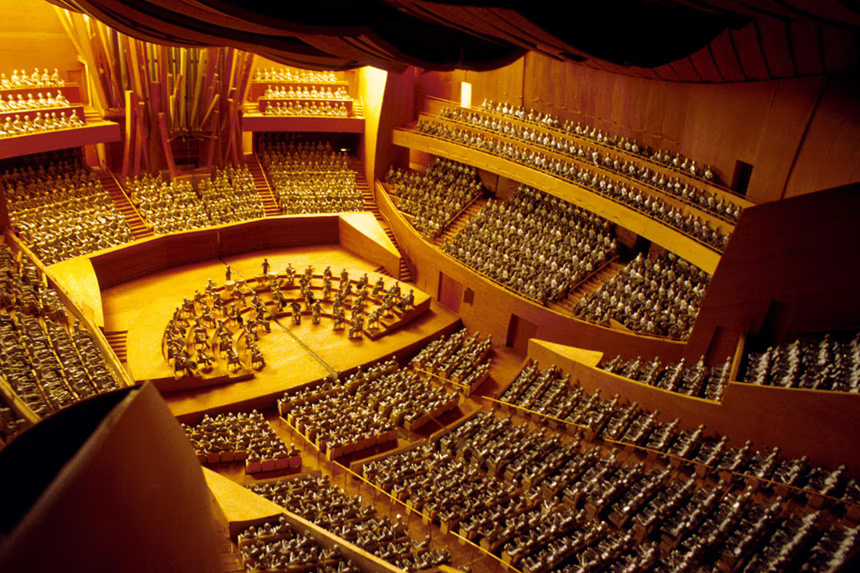
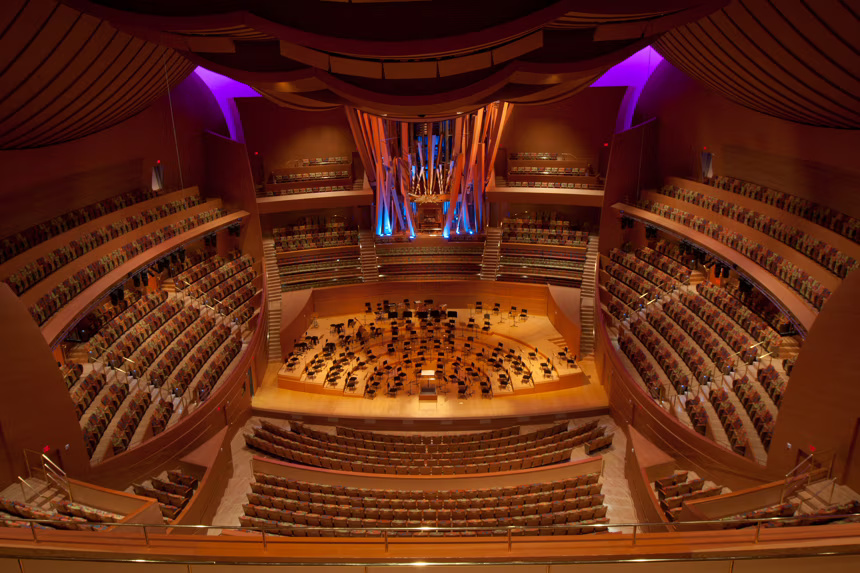
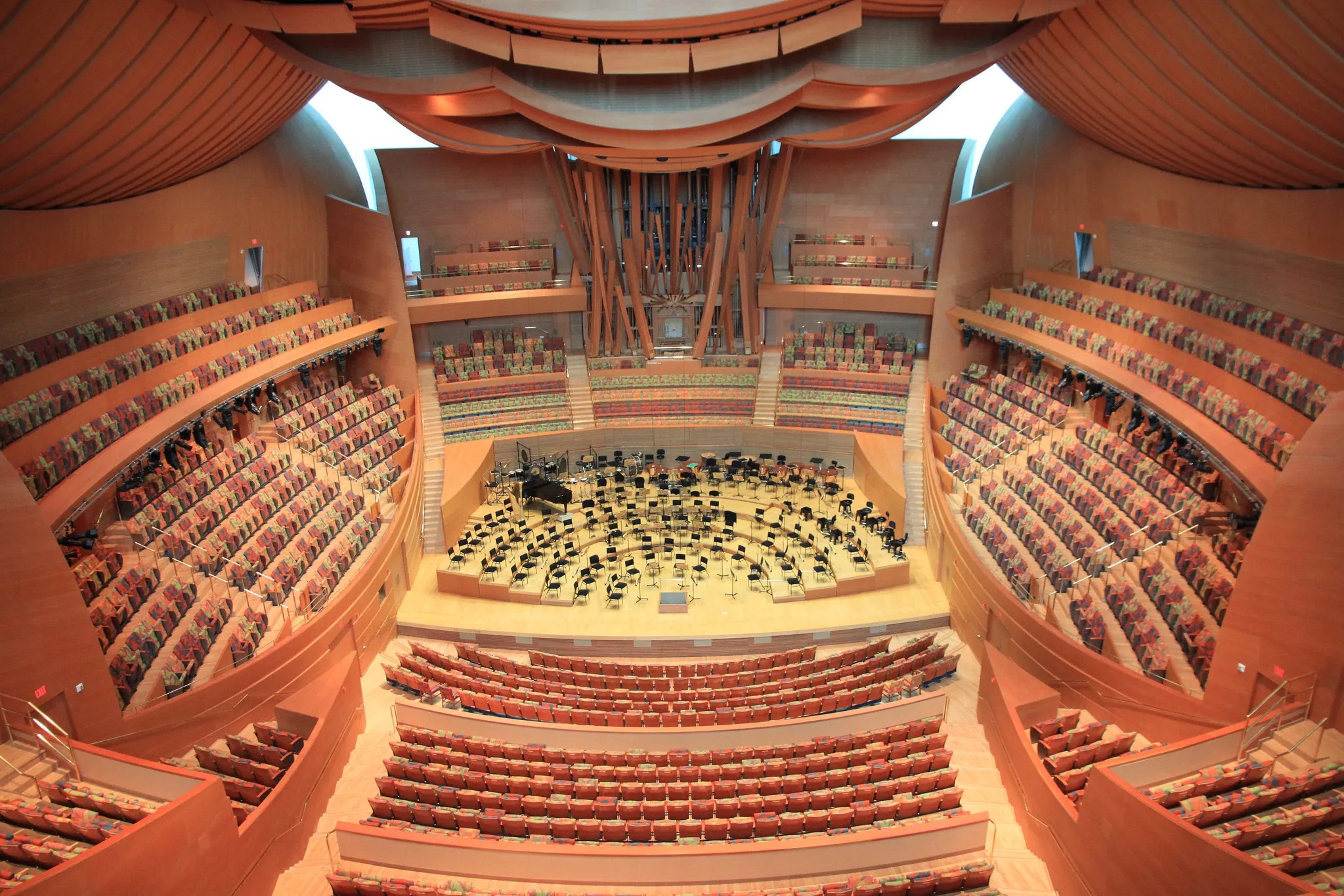
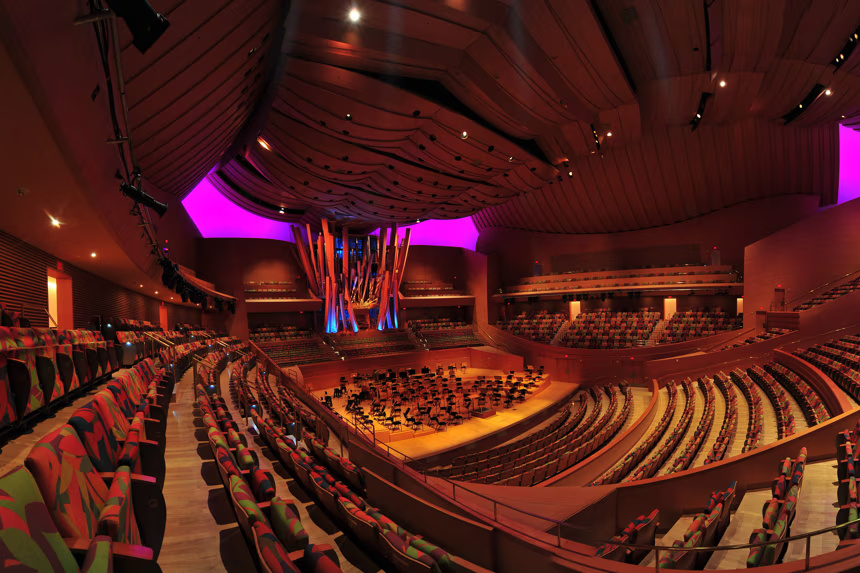
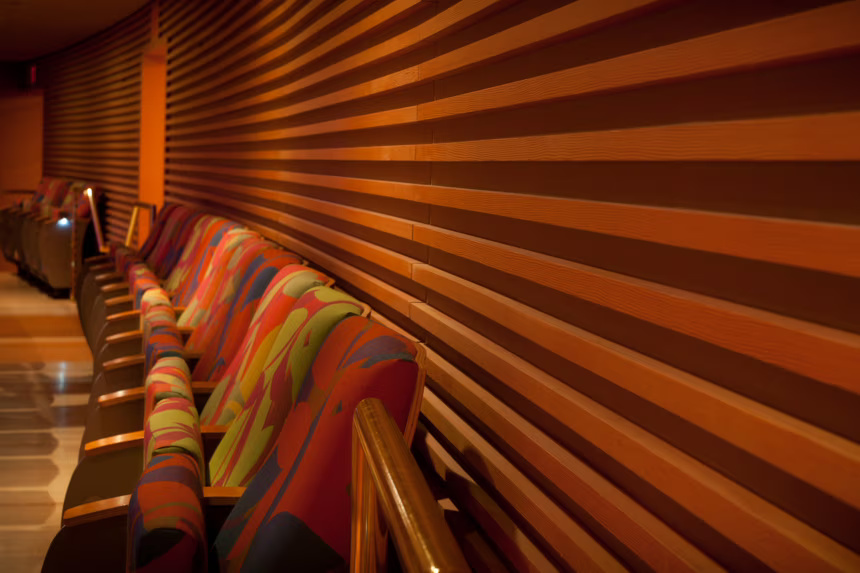
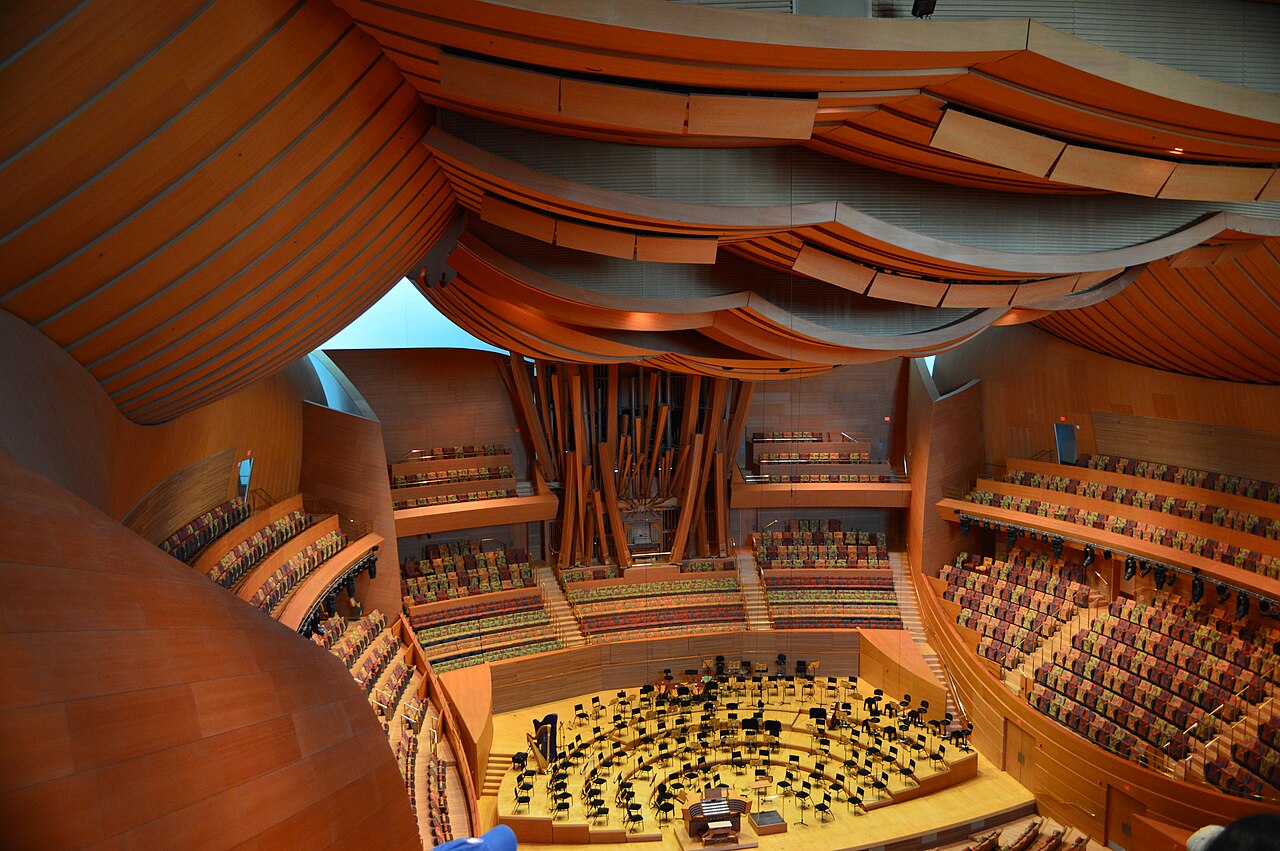
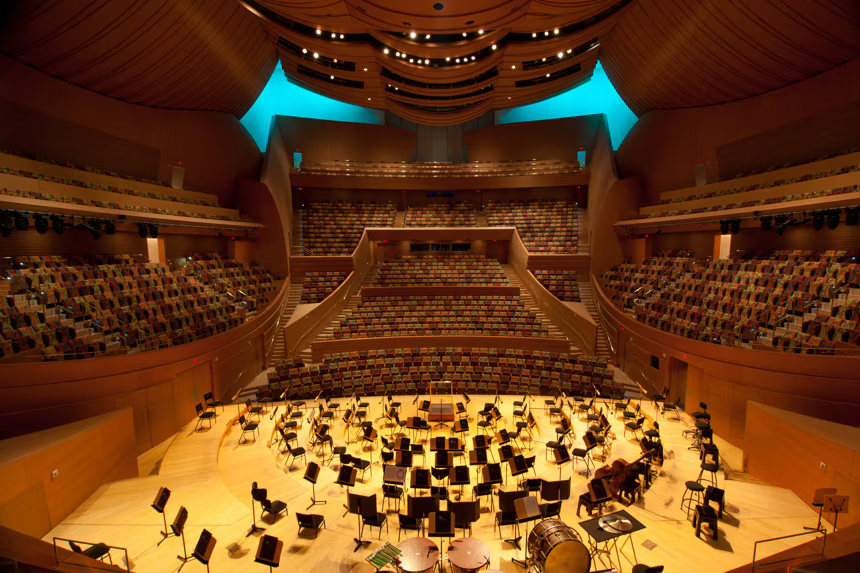
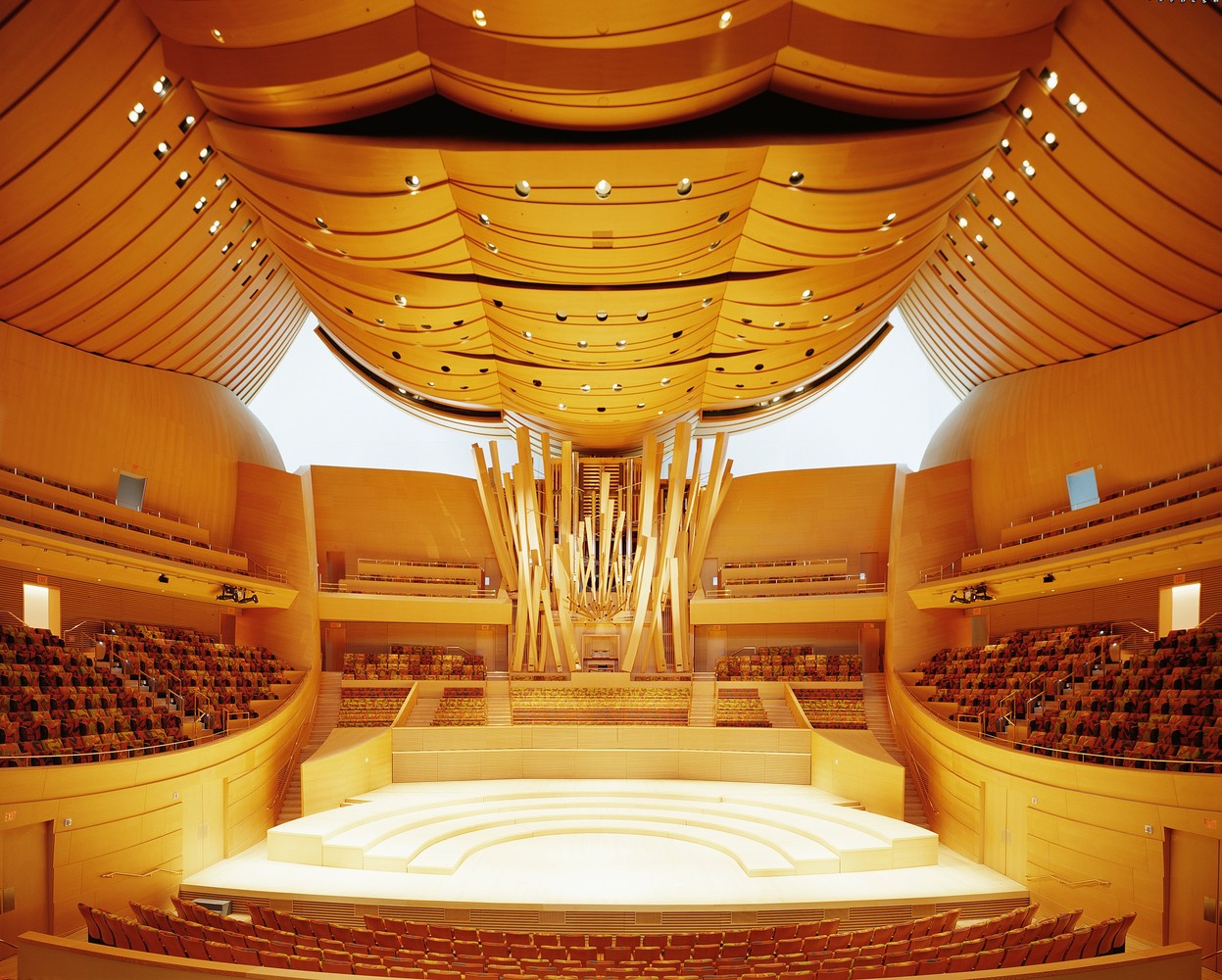
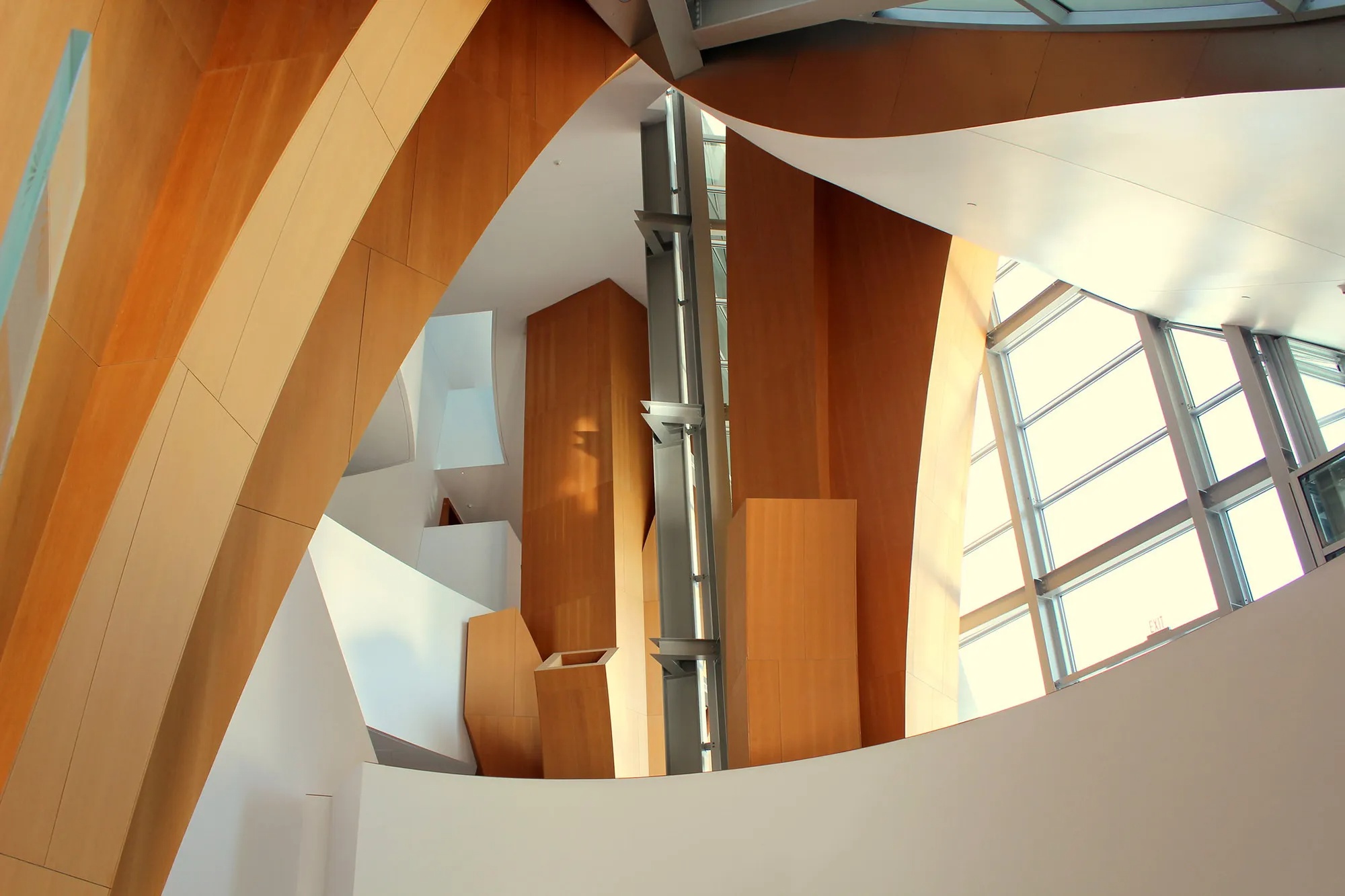
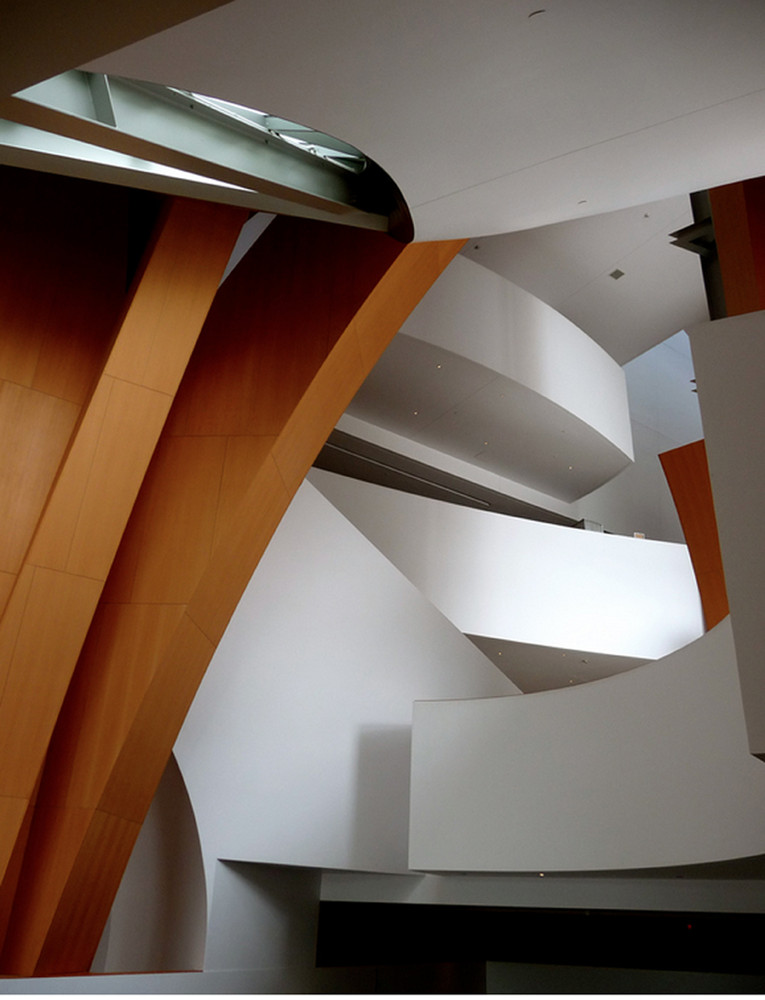
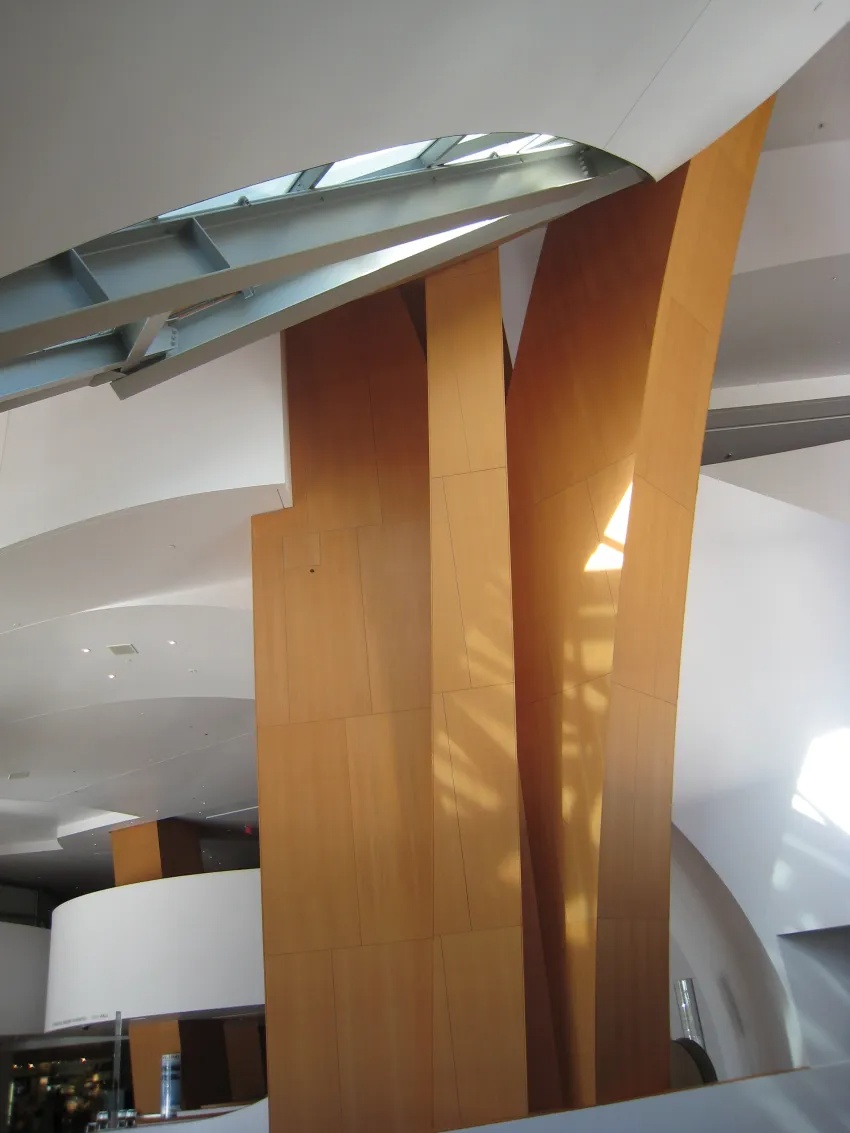
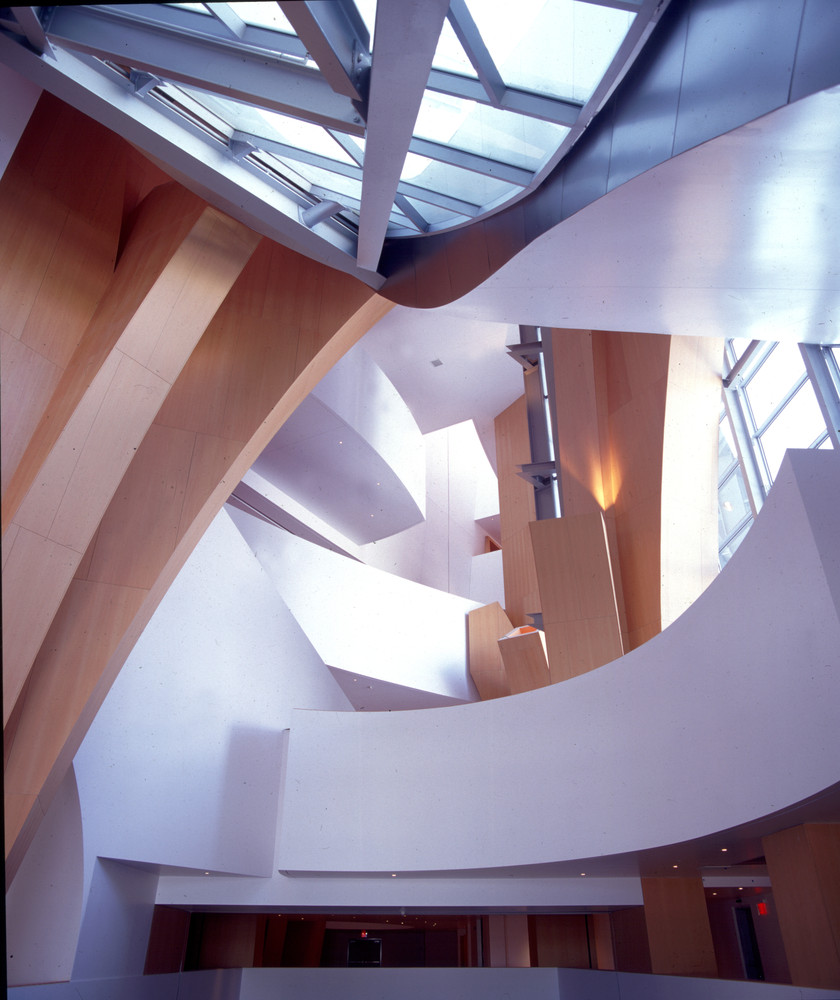
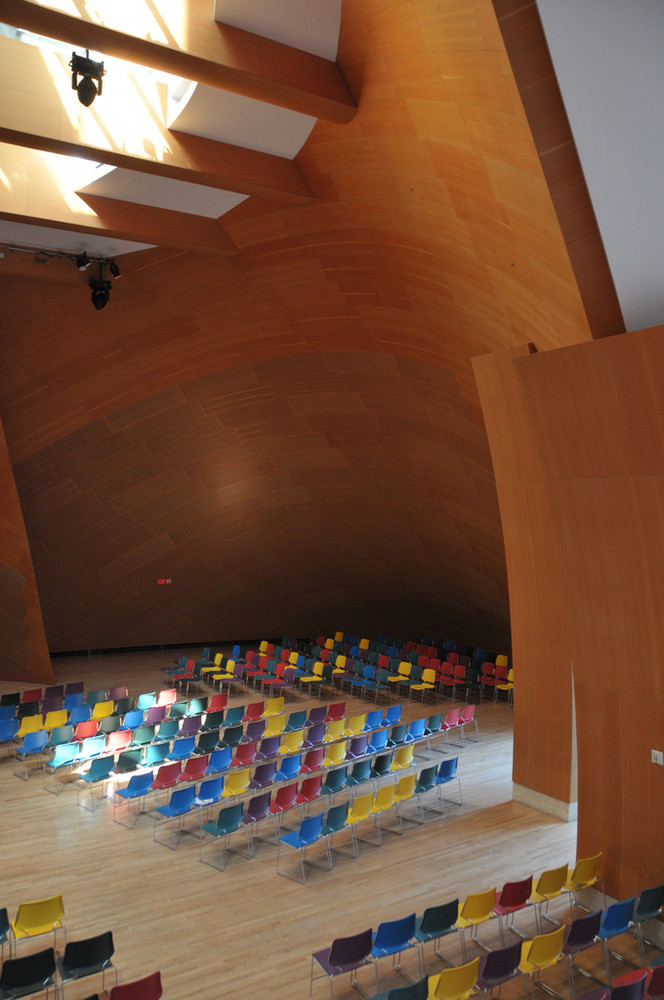
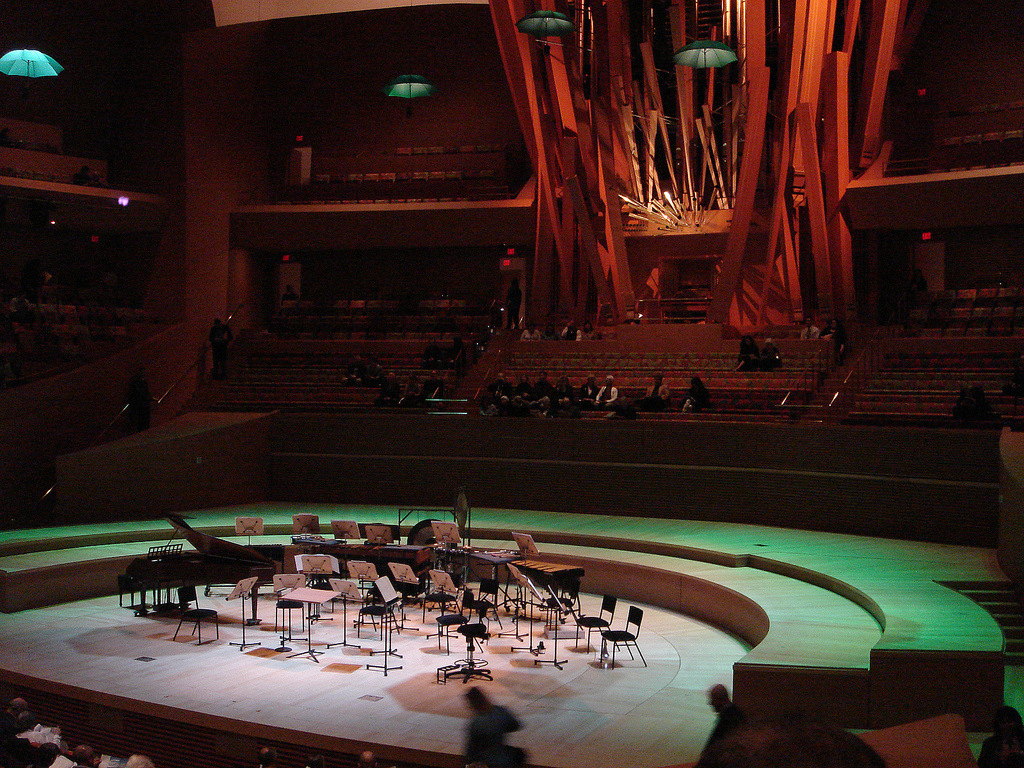
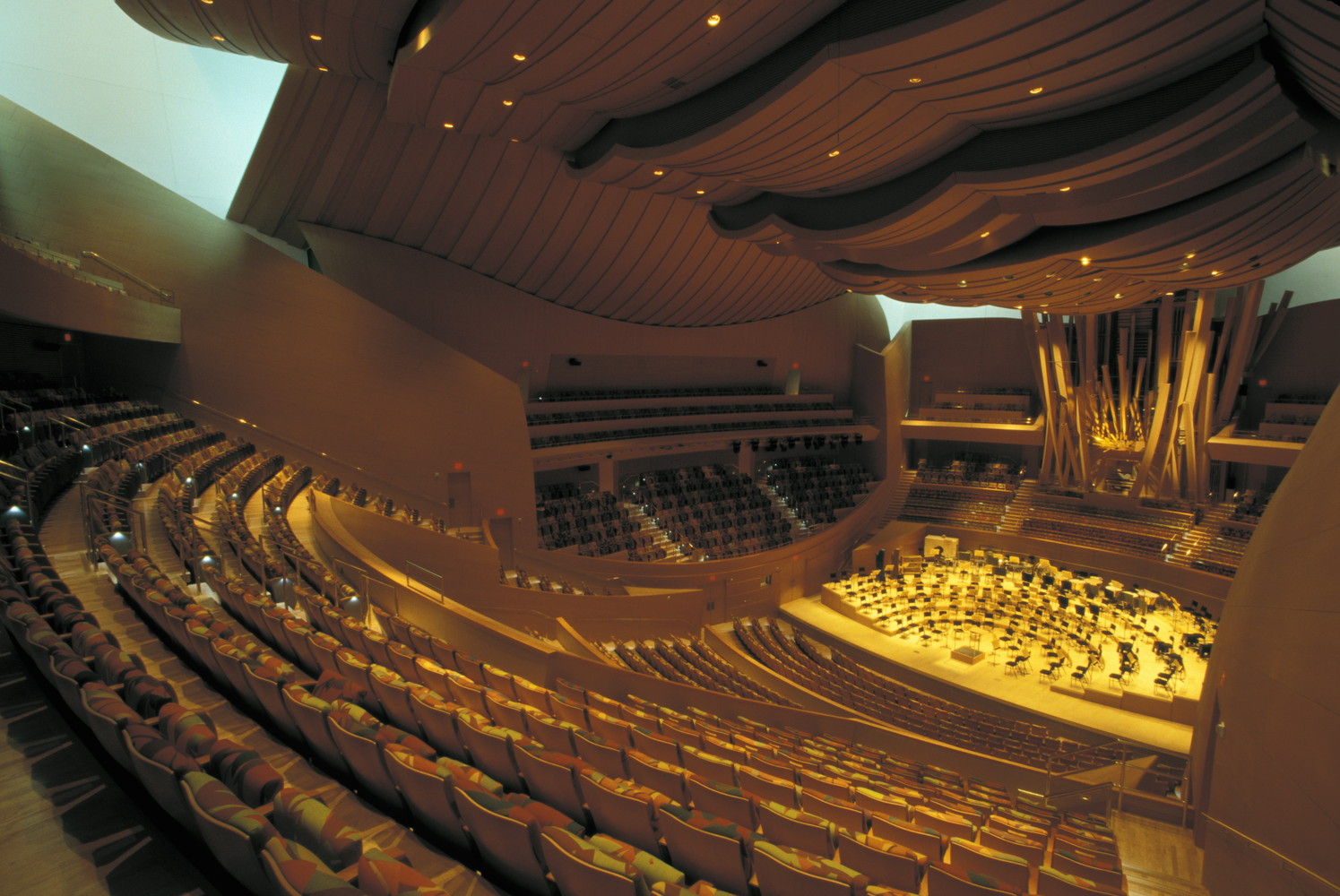
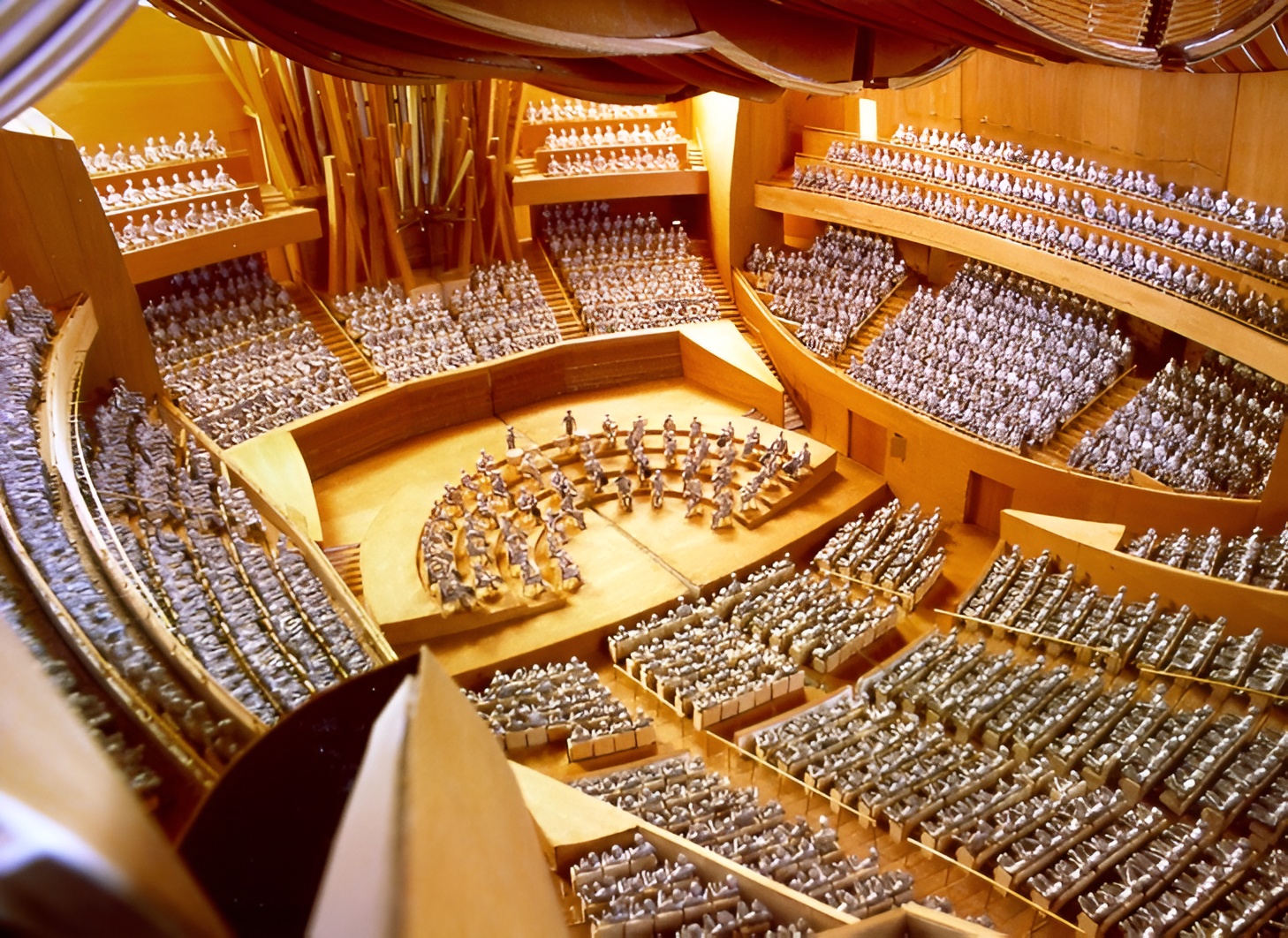
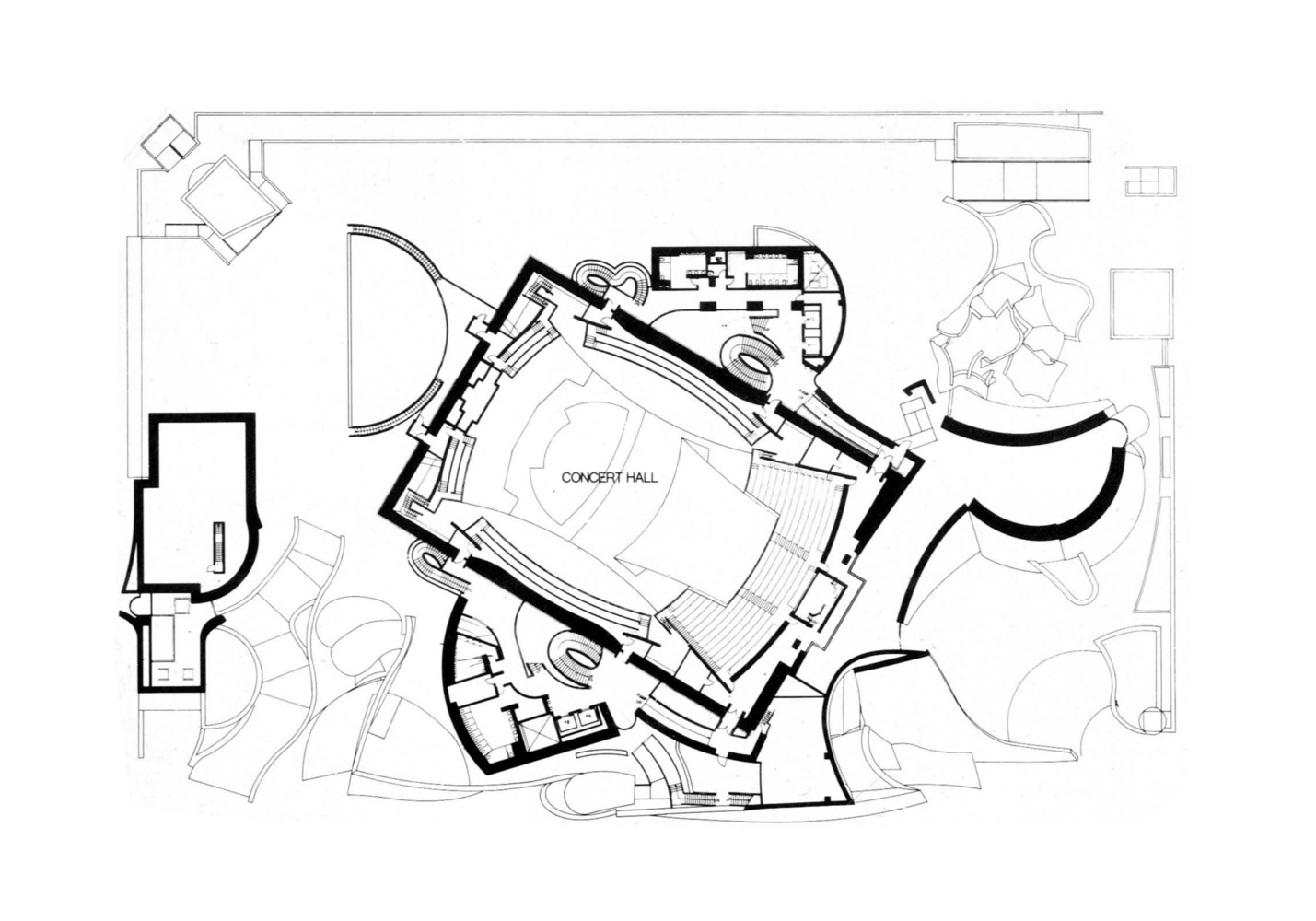
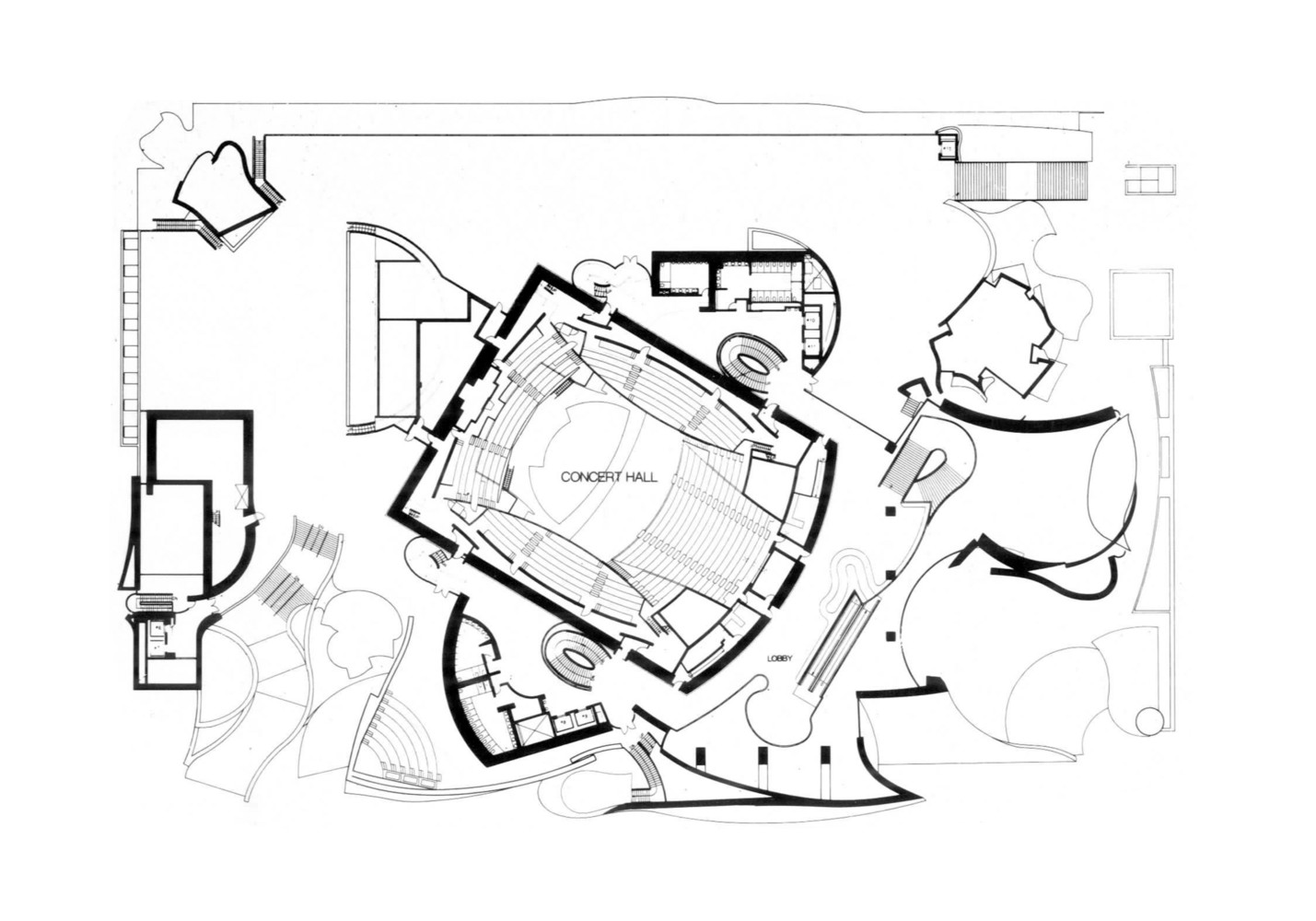
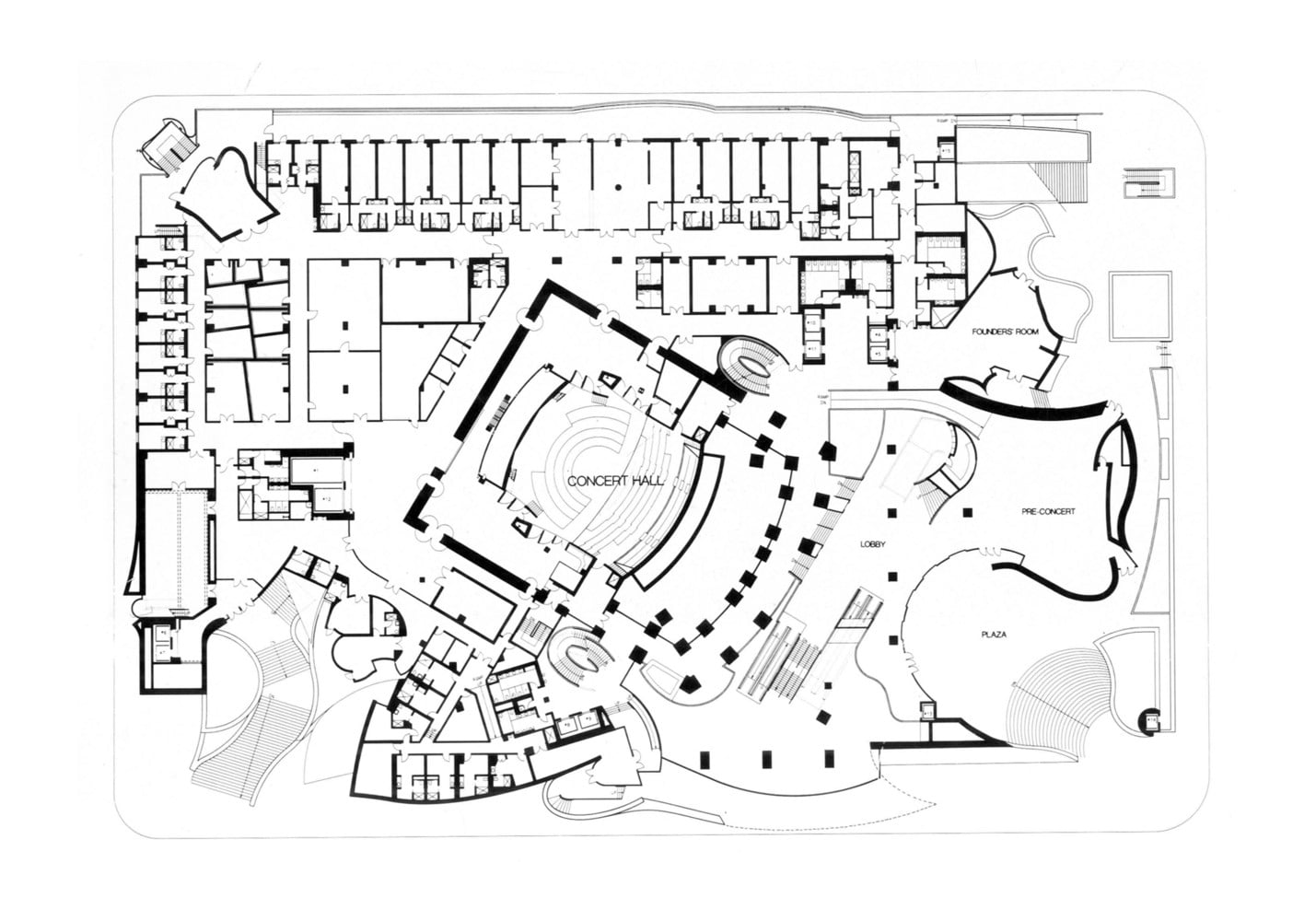
The project organizes the concert hall as a single volume where the orchestra and audience occupy the same spatial field. A vineyard seating configuration surrounds the stage, reducing hierarchy and eliminating traditional boxes and balconies. Curved Douglas fir elements define seating zones without obstructing views, while a steel roof structure spans the hall to eliminate interior columns. The auditorium accommodates 2,265 seats and maintains visual and acoustic continuity across all positions.
Walt Disney Concert Hall / Gehry Partners | Classics on Architecture Lab 161Walt Disney Concert Hall / Gehry Partners | Classics on Architecture Lab 162Walt Disney Concert Hall / Gehry Partners | Classics on Architecture Lab 163Walt Disney Concert Hall / Gehry Partners | Classics on Architecture Lab 164
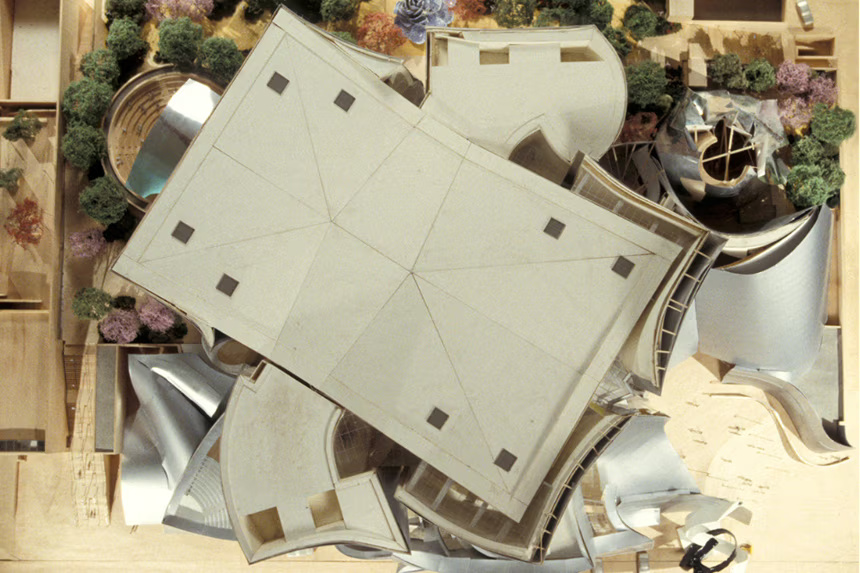
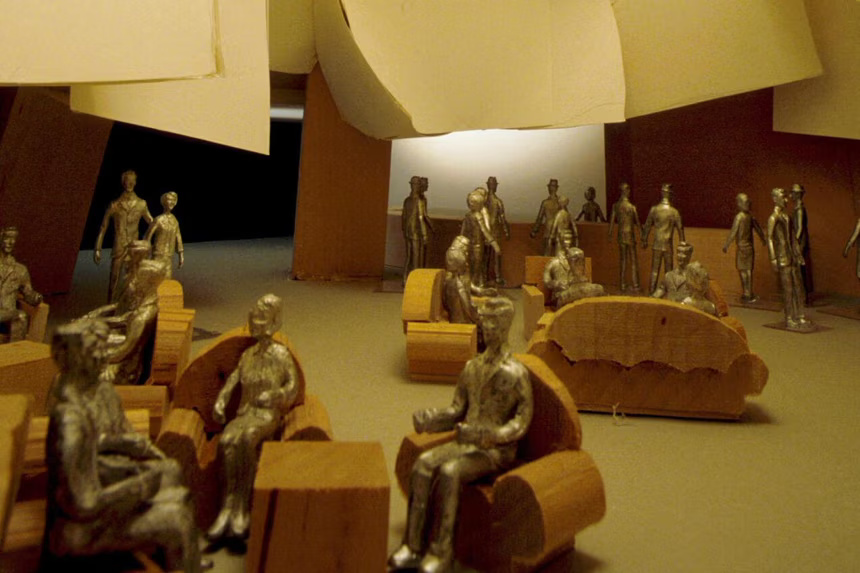
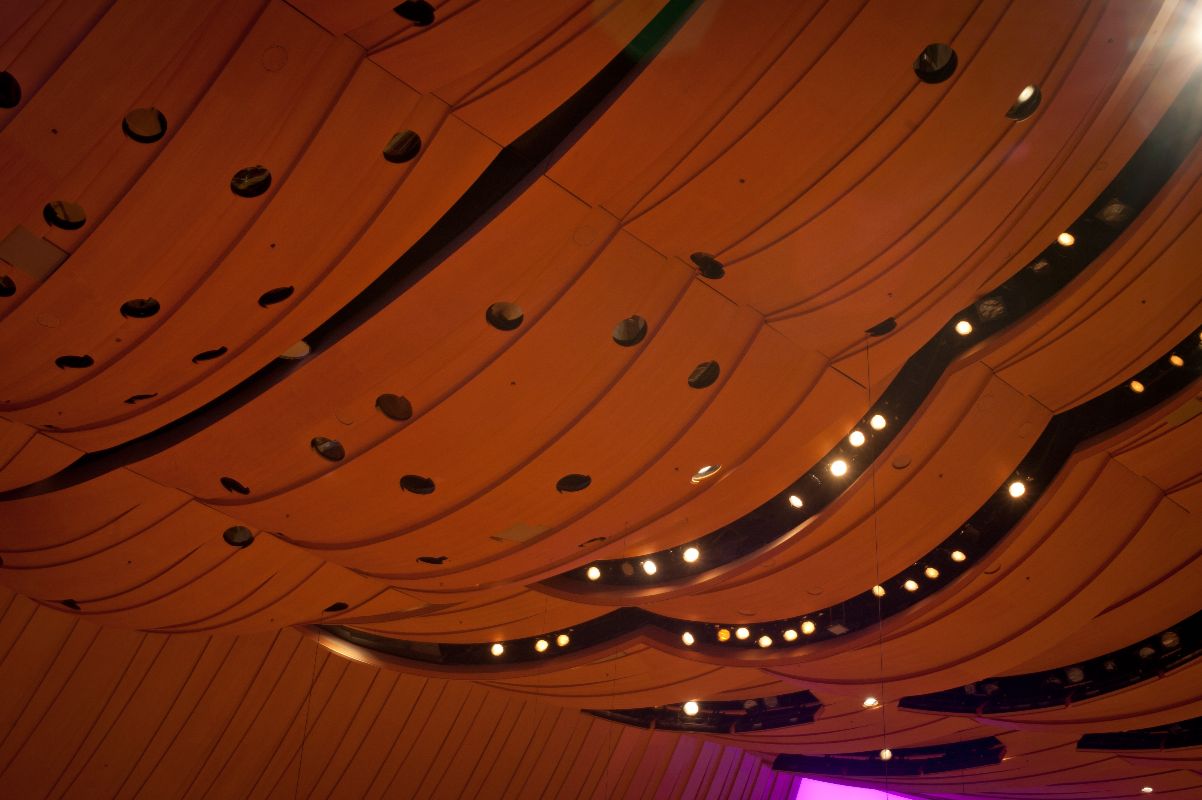
Acoustic design developed in collaboration with Yasuhisa Toyota, following earlier work by Minoru Nagata. A 1:10 scale model enabled precise testing of sound behavior, requiring proportional adjustment of all components, including sound frequency. Suspended wood surfaces and curved ceiling forms operate as acoustic reflectors, producing controlled reverberation and clarity. A rehearsal period prior to opening allowed performers to adjust to the new acoustic conditions, confirming the hall’s performance through direct use.
Walt Disney Concert Hall / Gehry Partners | Classics on Architecture Lab 165Walt Disney Concert Hall / Gehry Partners | Classics on Architecture Lab 166
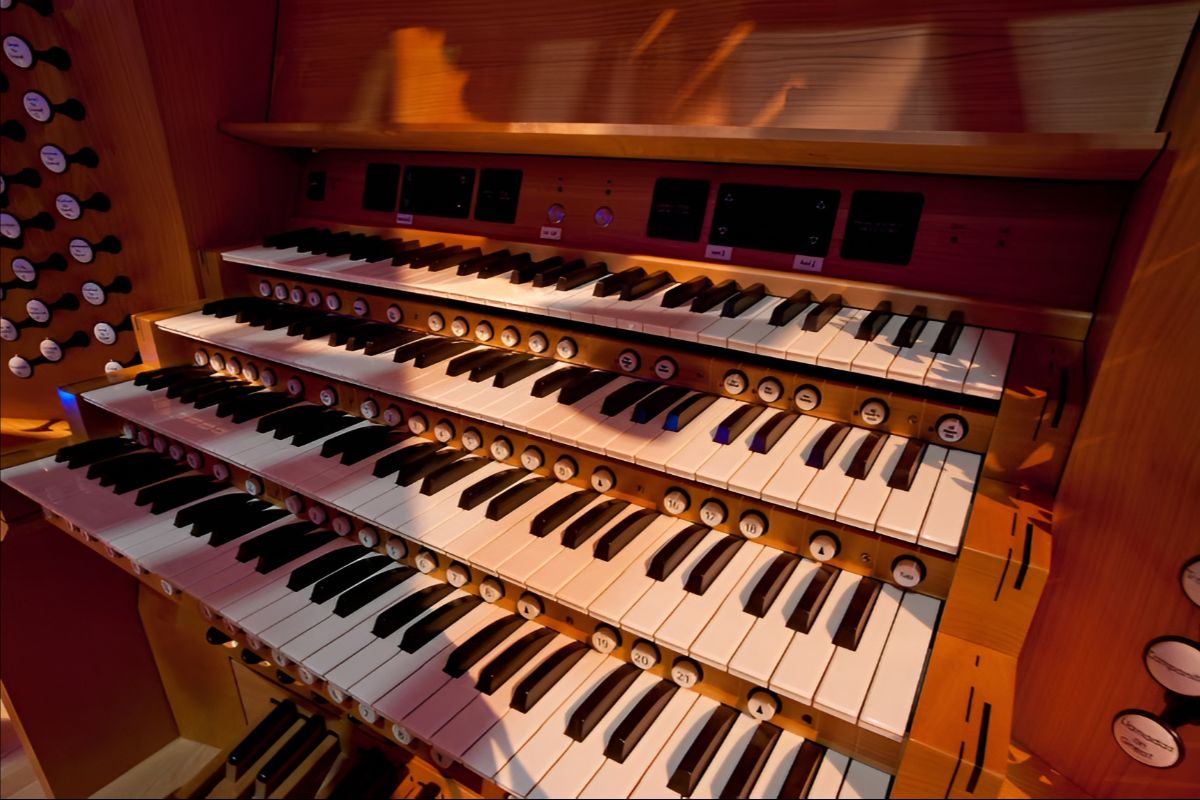
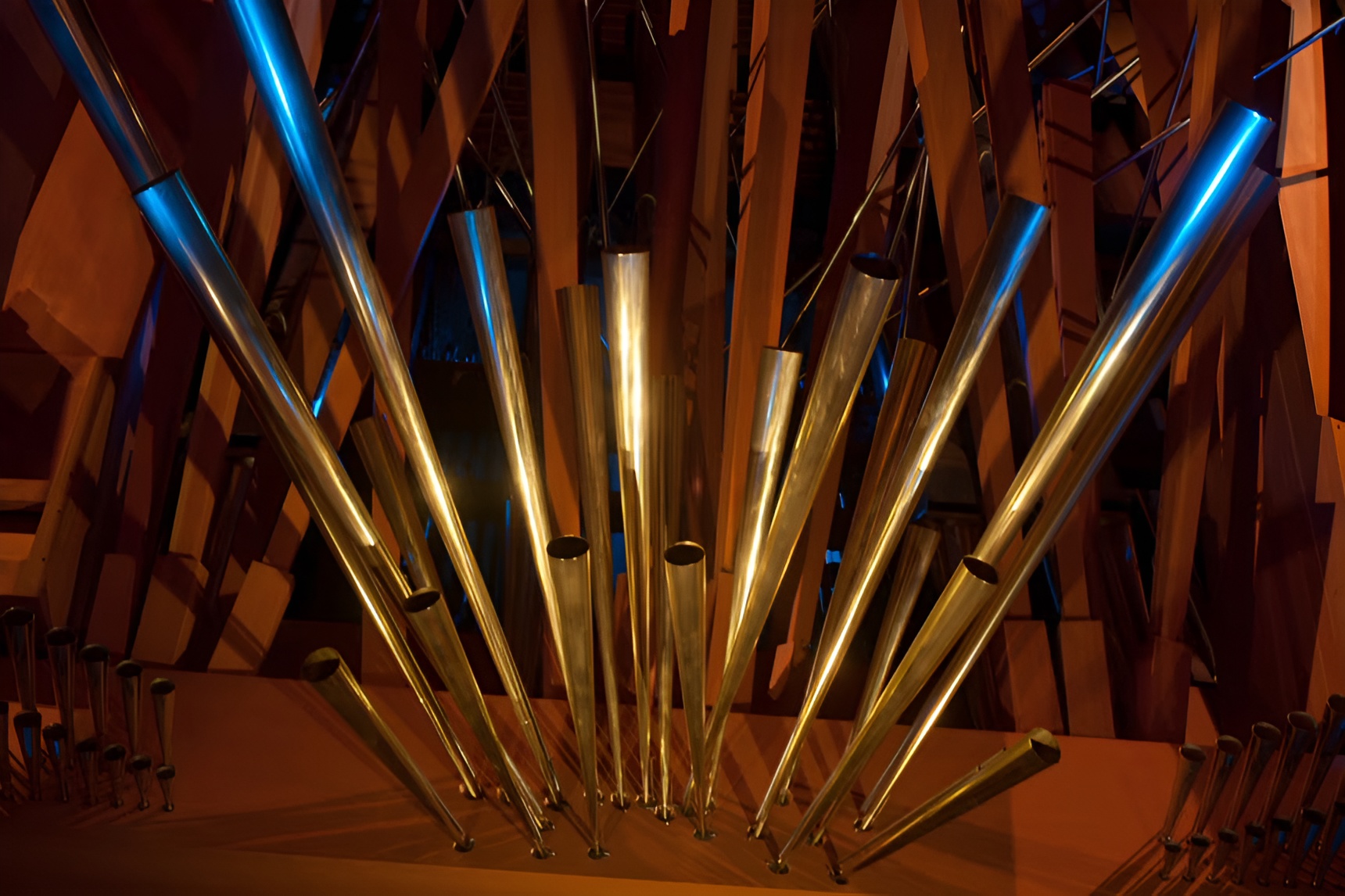
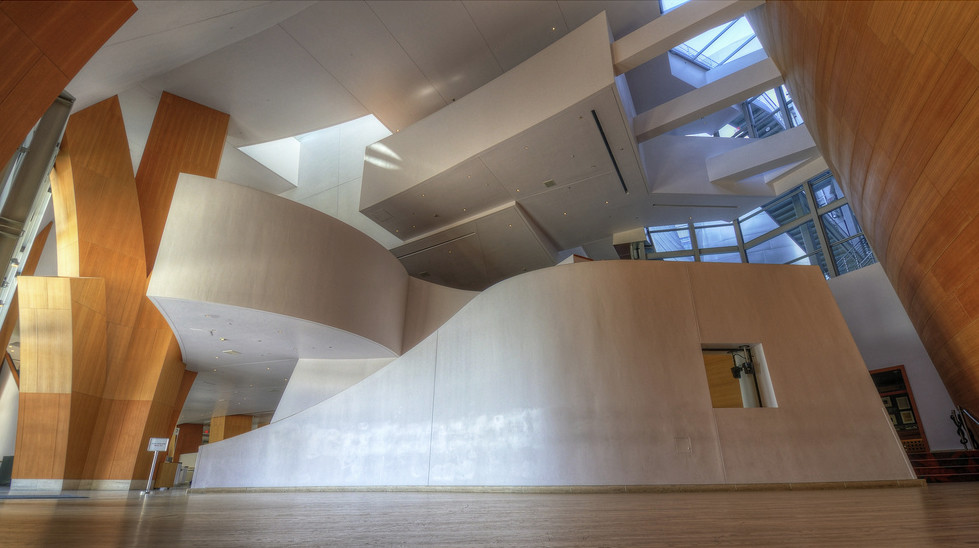
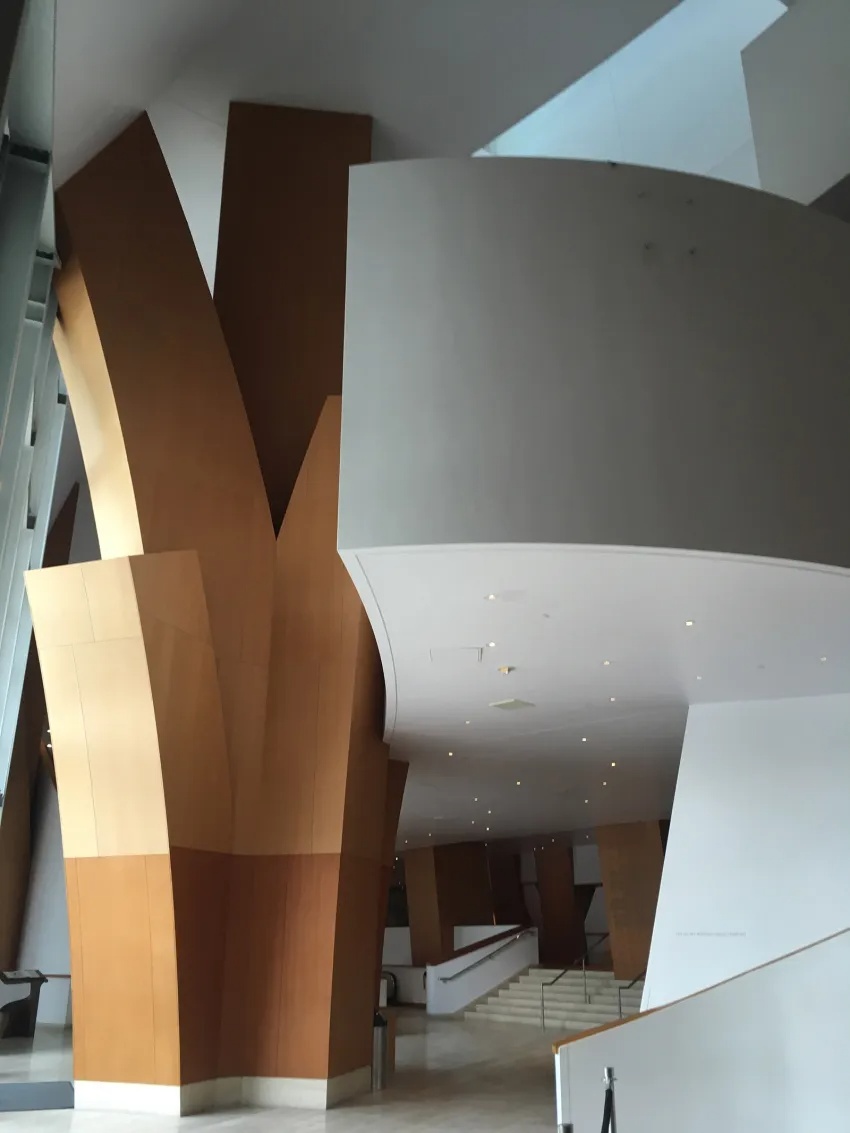
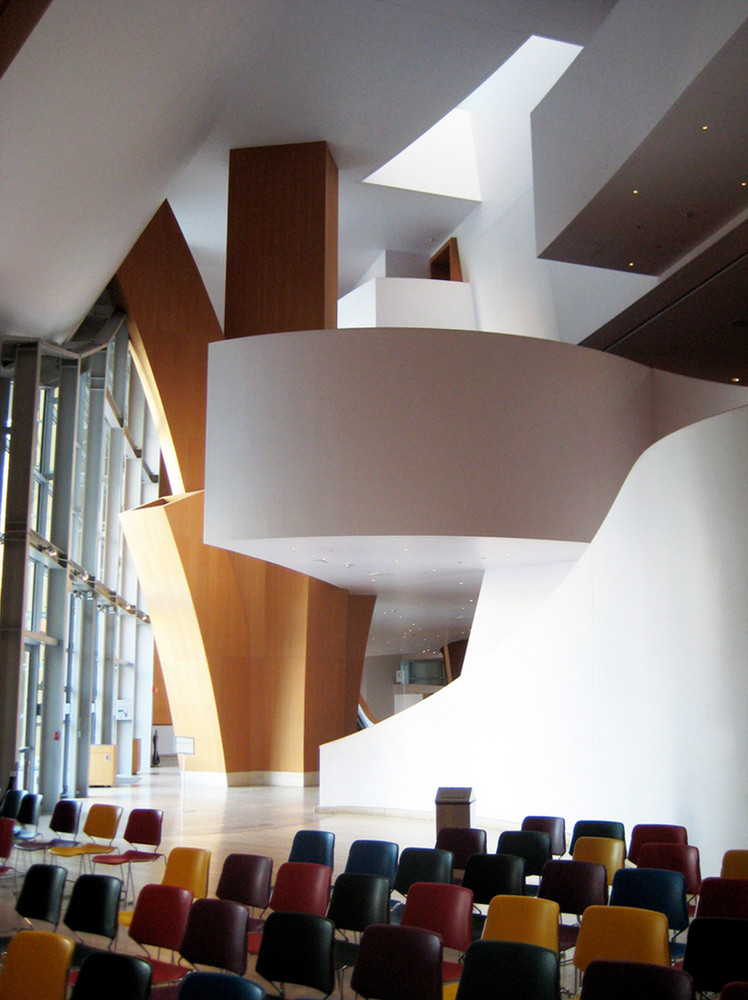
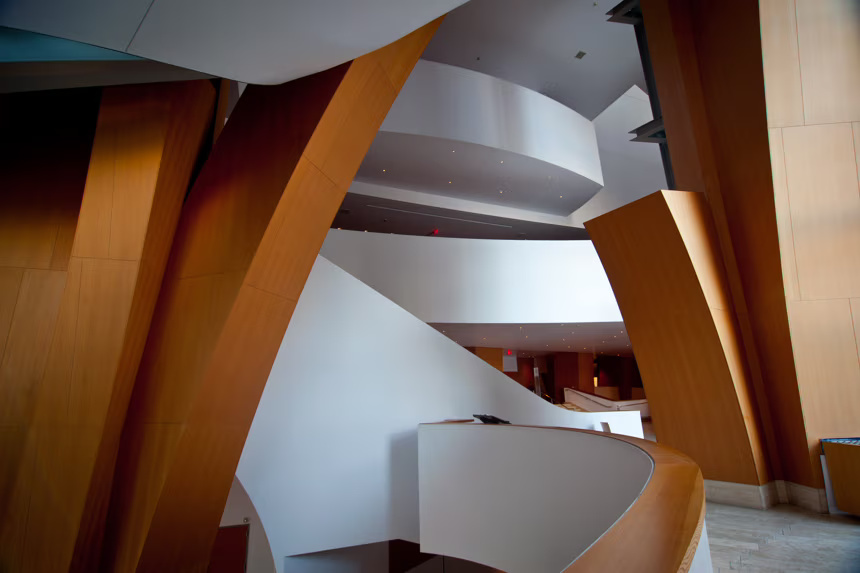
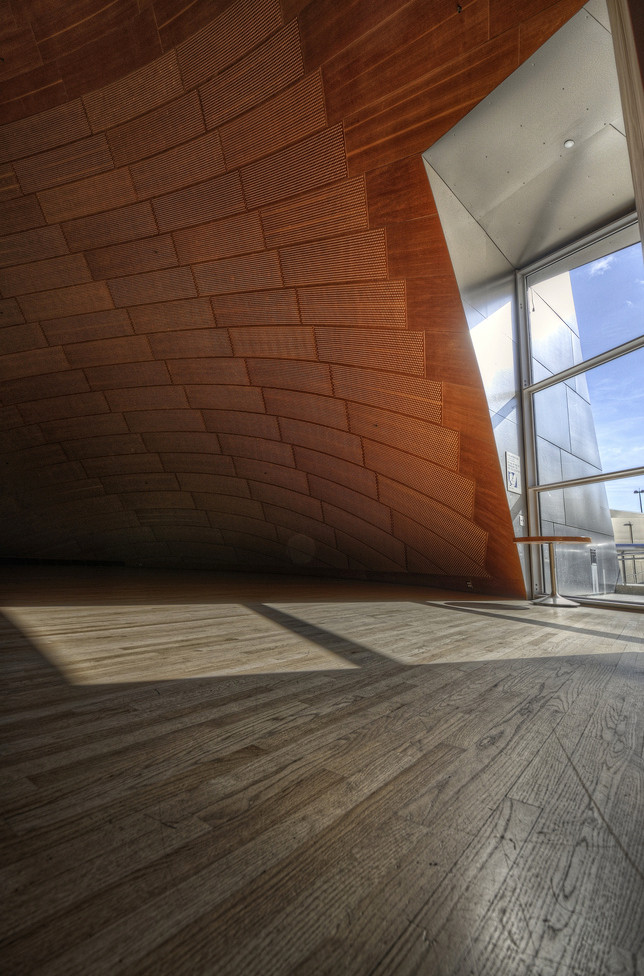
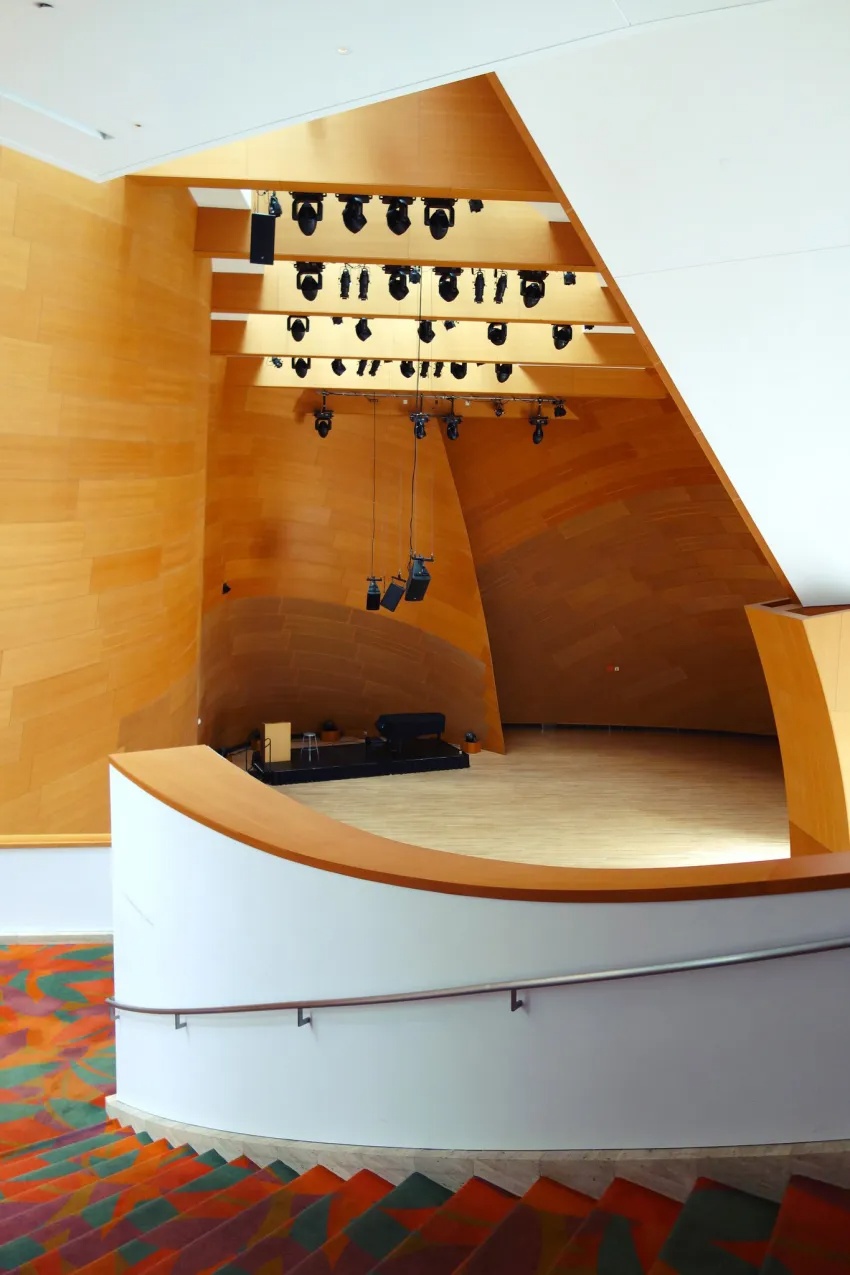
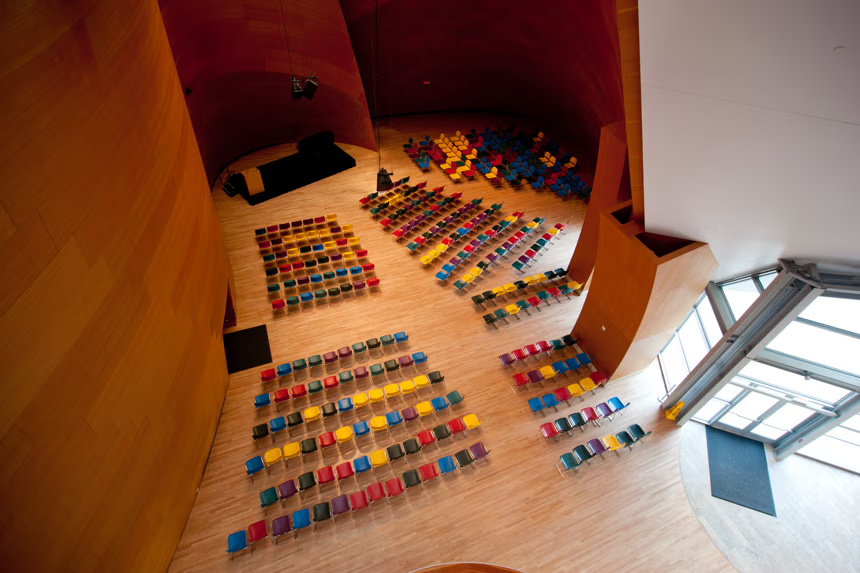
The interior material palette relies on Douglas fir and oak to introduce warmth and tactile consistency. The stage uses Alaskan yellow cedar to enhance resonance, while the organ, developed with Manuel J. Rosales and built by Caspar Glatter-Götz, forms a central visual and acoustic element. The instrument contains over 6,000 pipes arranged in a non-linear composition that integrates with the spatial language of the hall.
Walt Disney Concert Hall / Gehry Partners | Classics on Architecture Lab 167Walt Disney Concert Hall / Gehry Partners | Classics on Architecture Lab 168Walt Disney Concert Hall / Gehry Partners | Classics on Architecture Lab 169Walt Disney Concert Hall / Gehry Partners | Classics on Architecture Lab 170Walt Disney Concert Hall / Gehry Partners | Classics on Architecture Lab 171
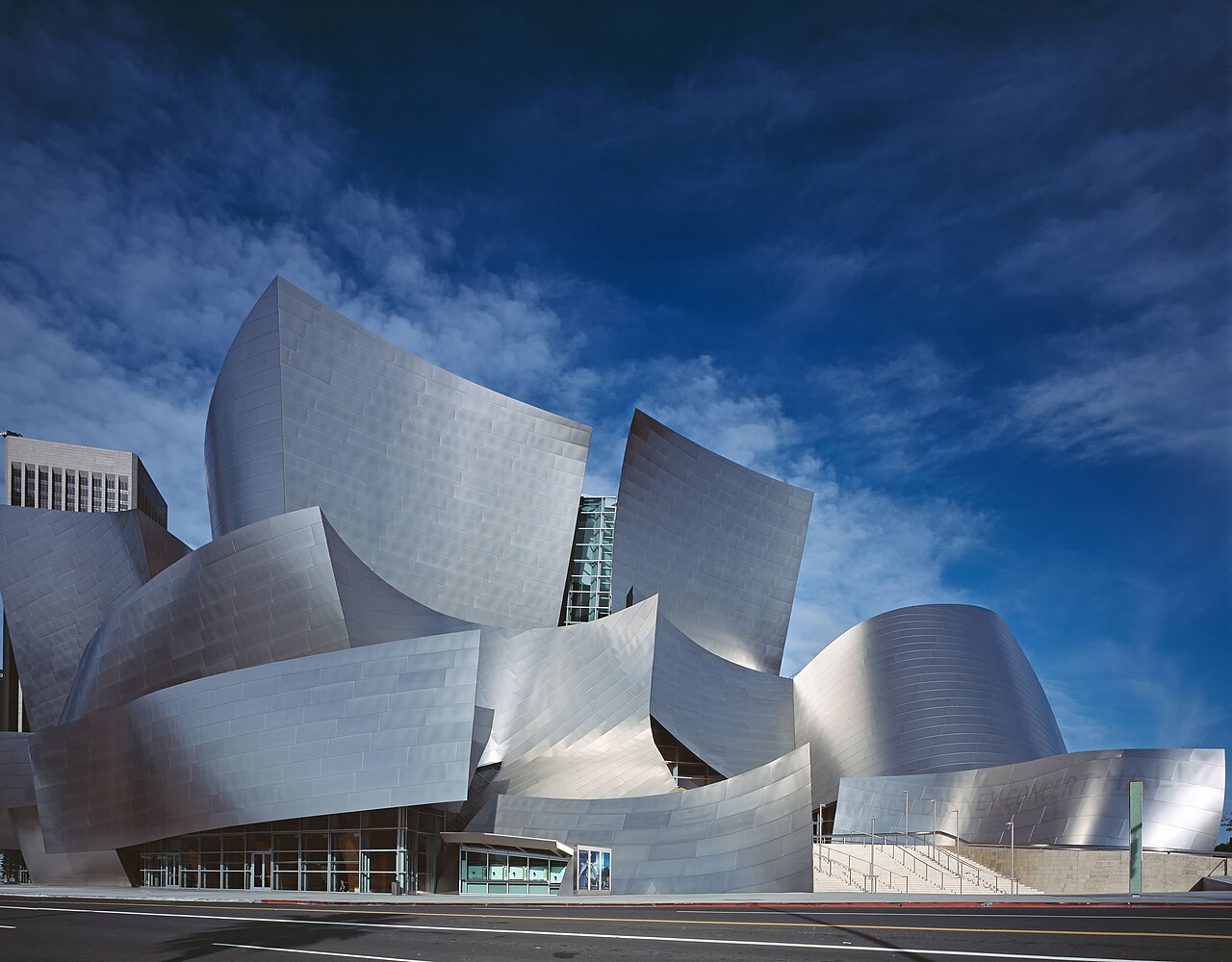
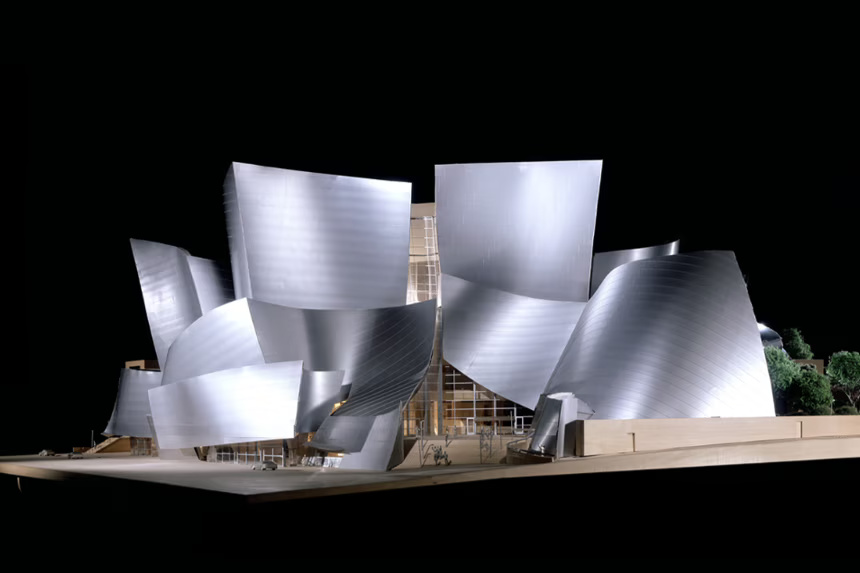
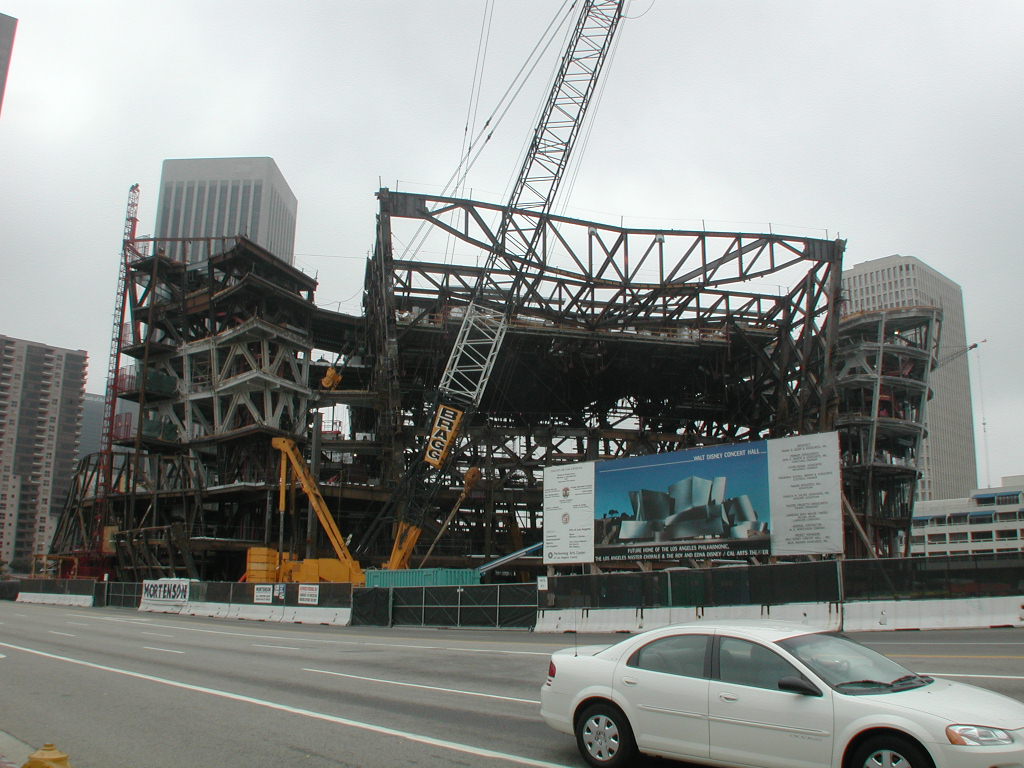
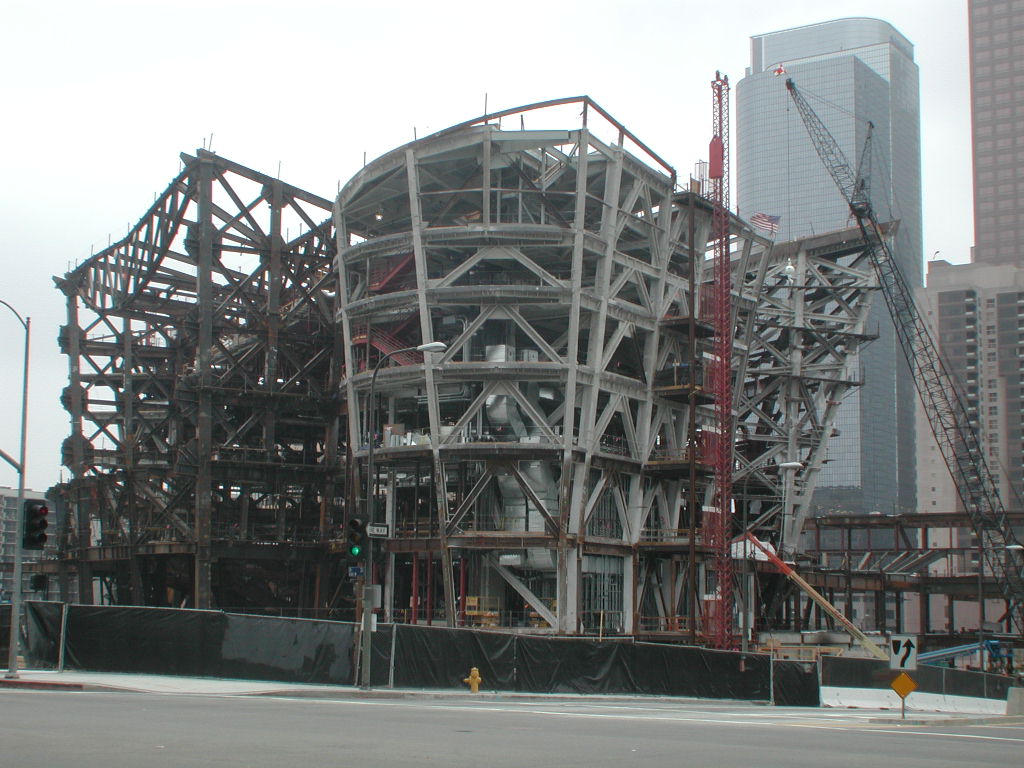
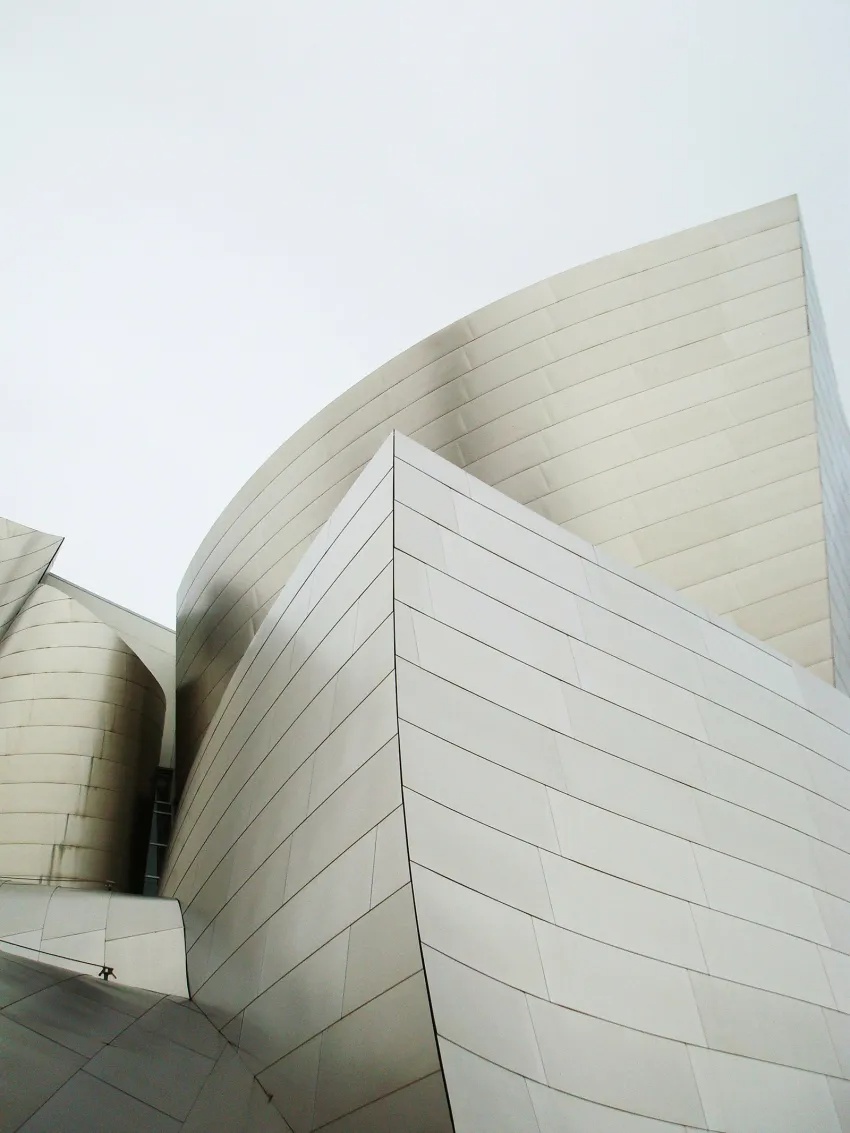
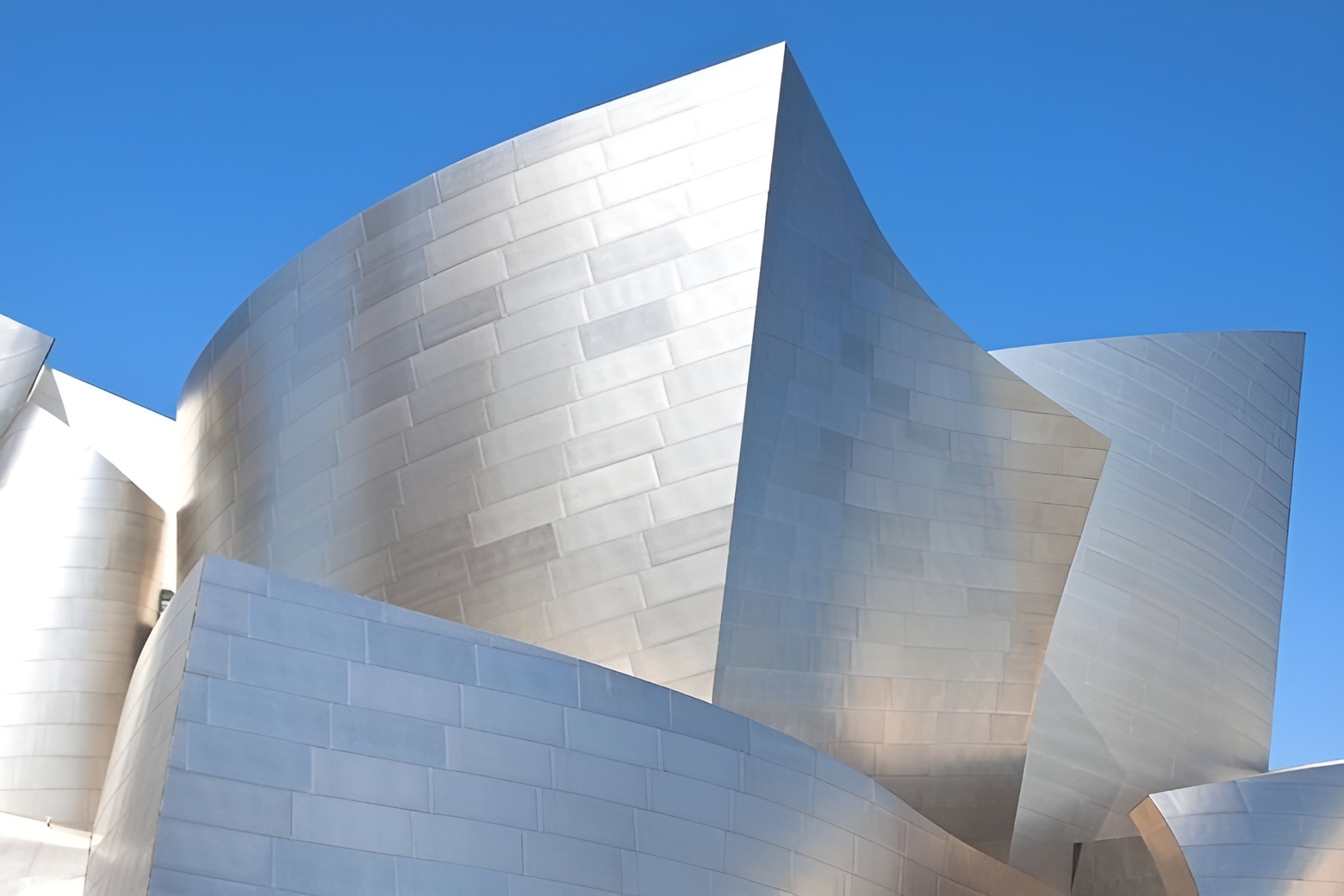
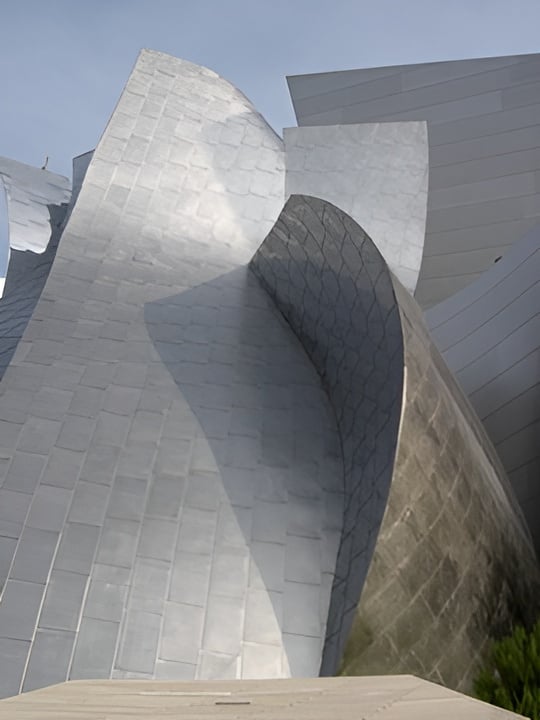
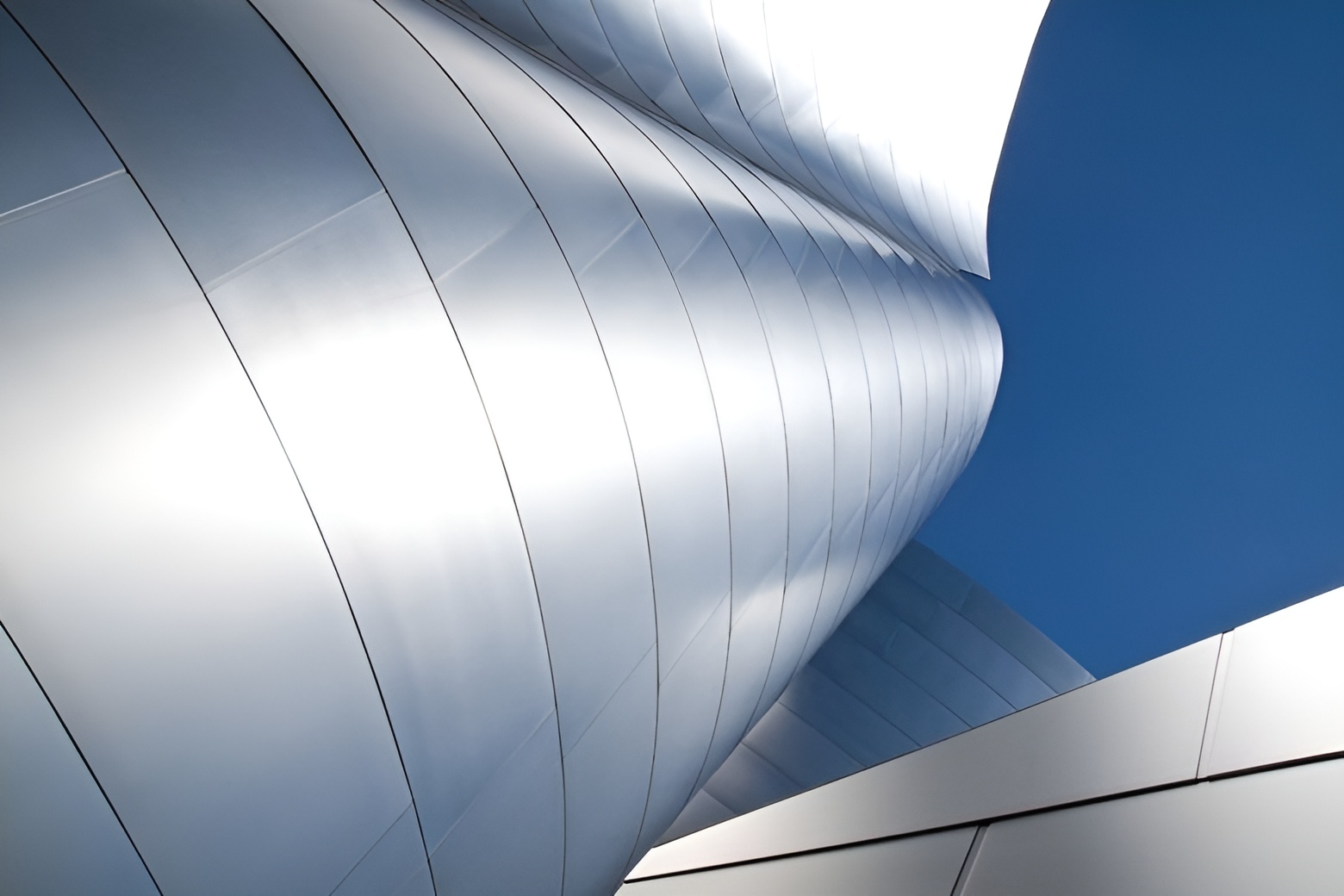
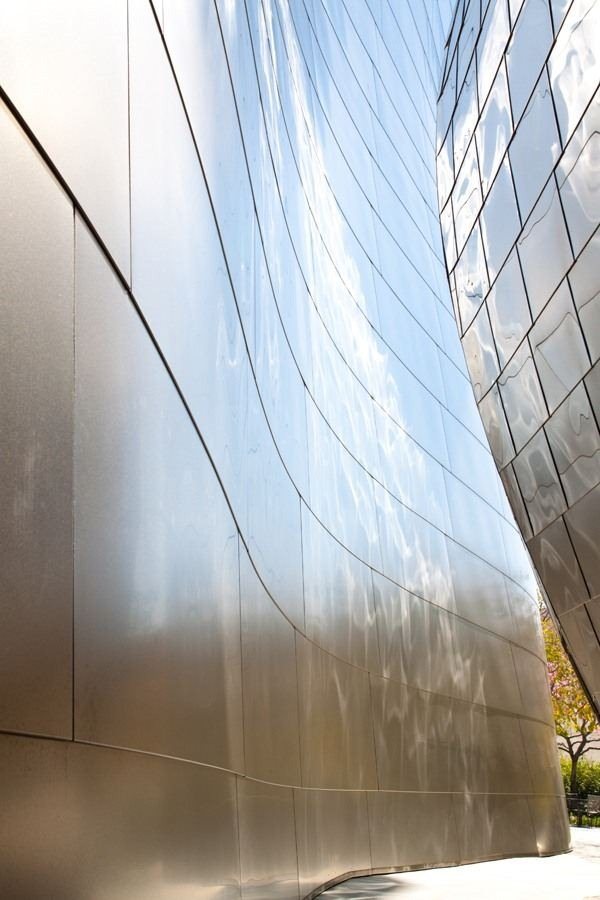
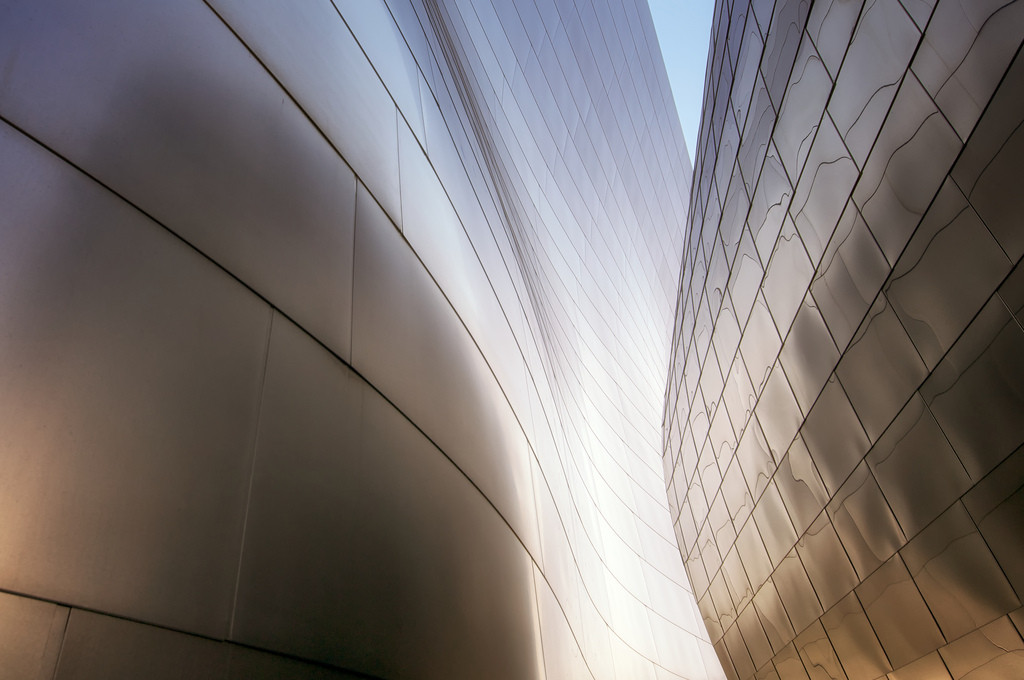
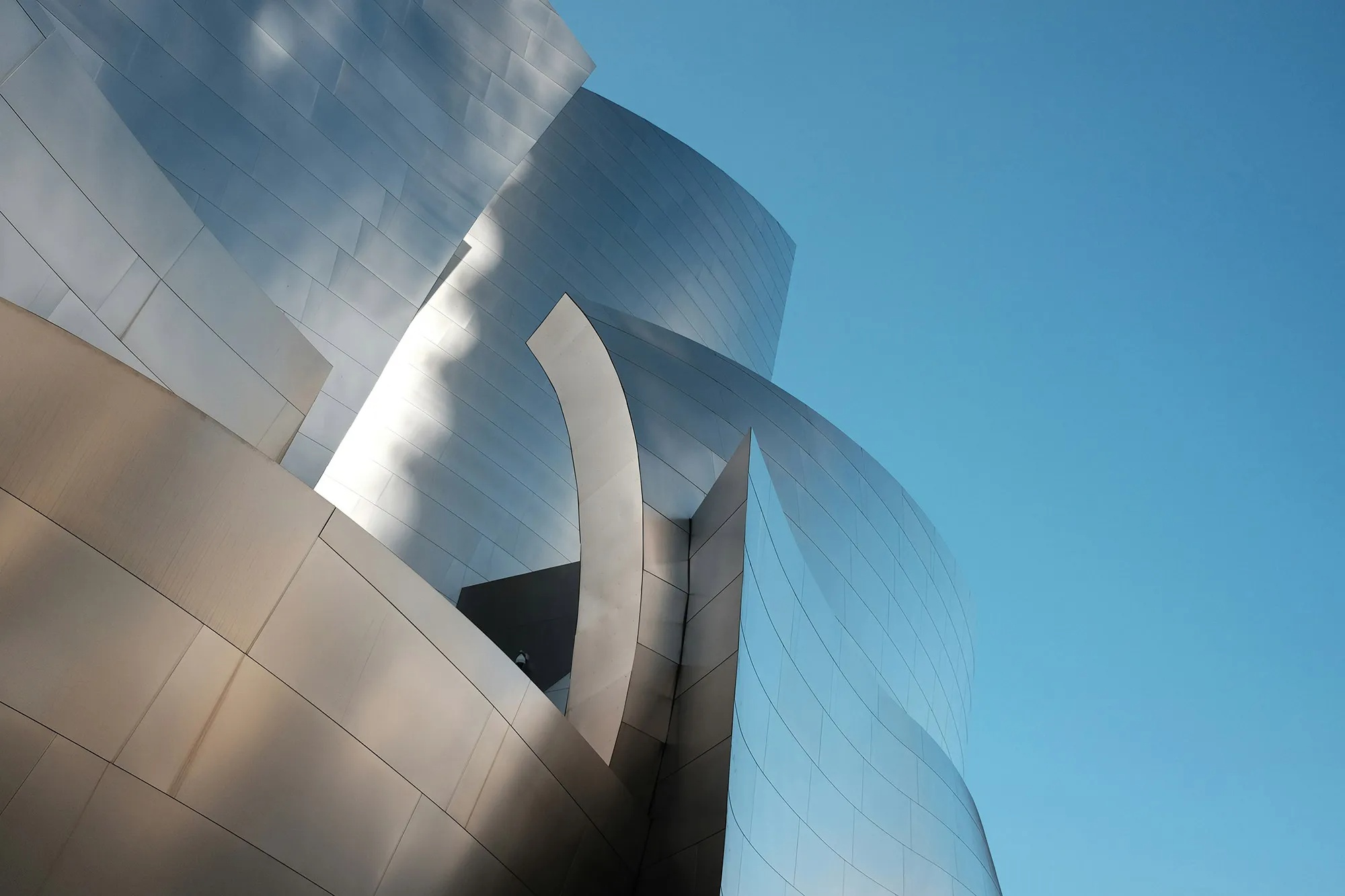
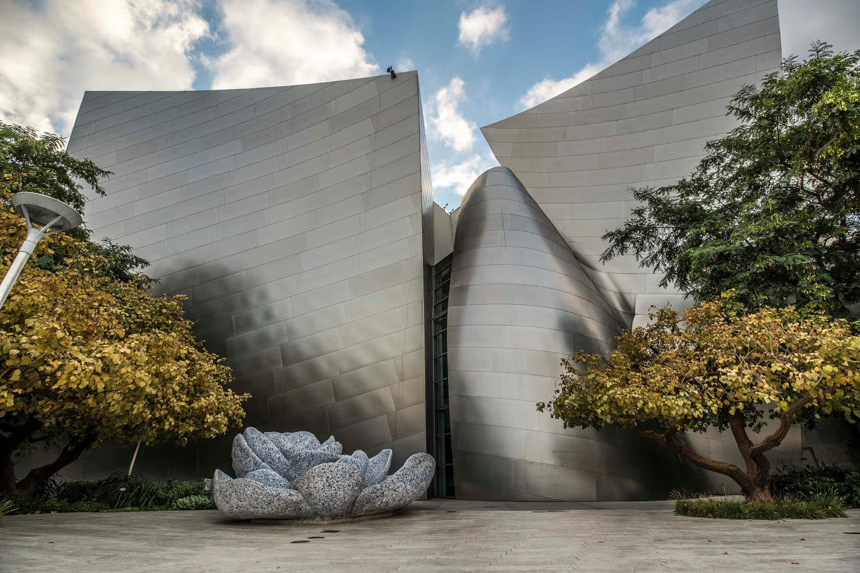
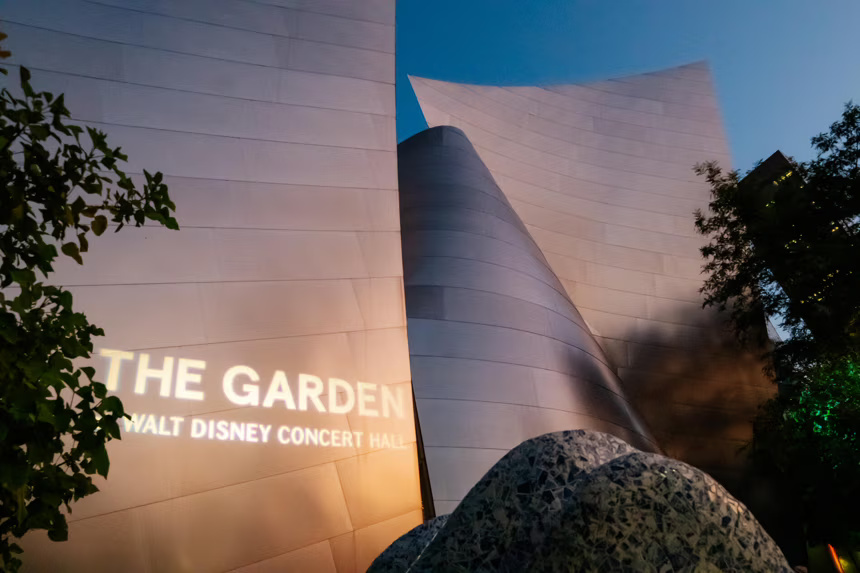
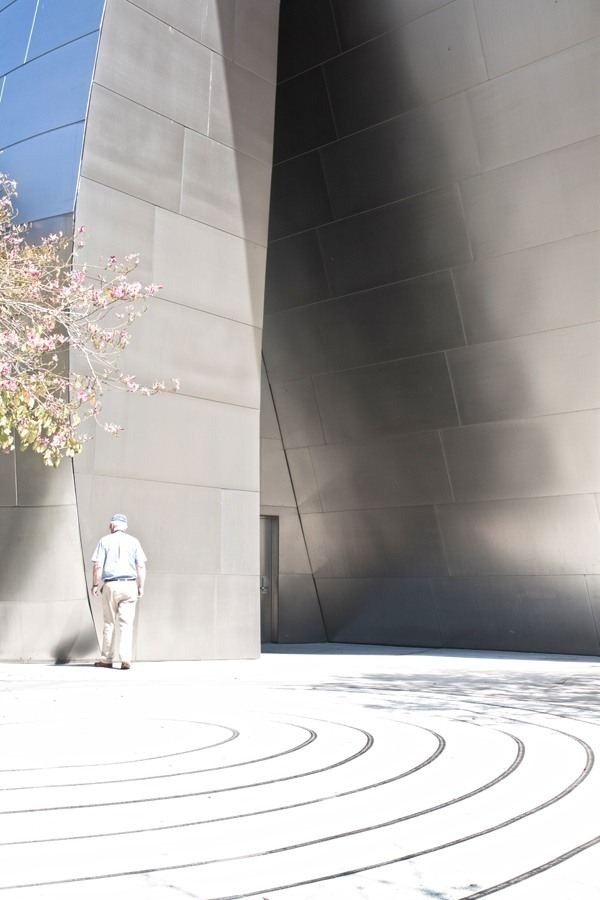
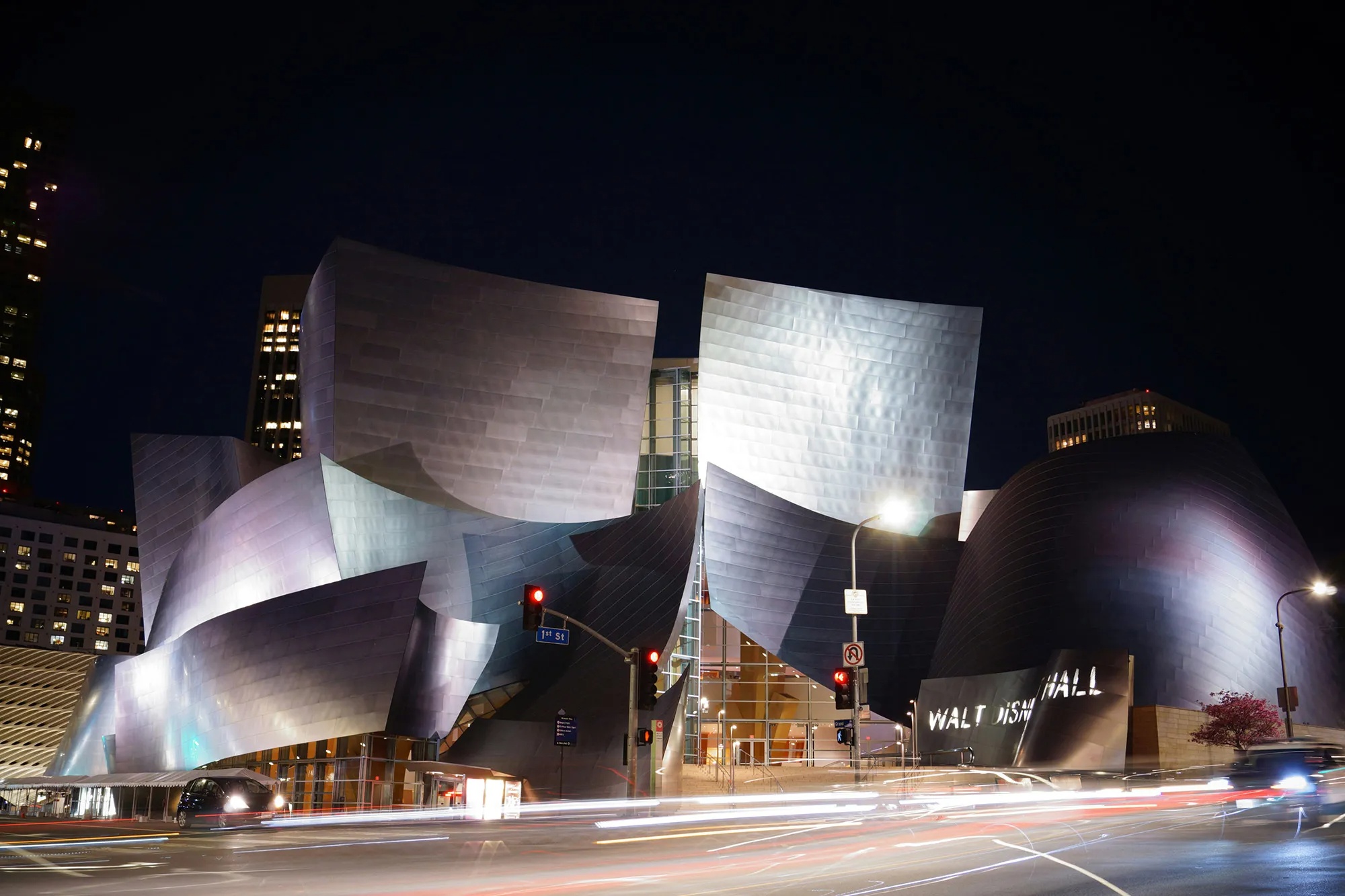
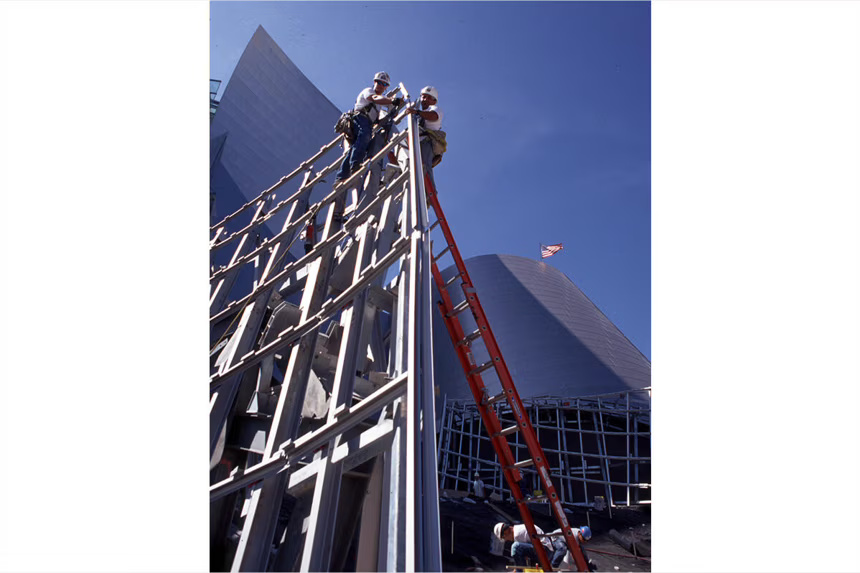
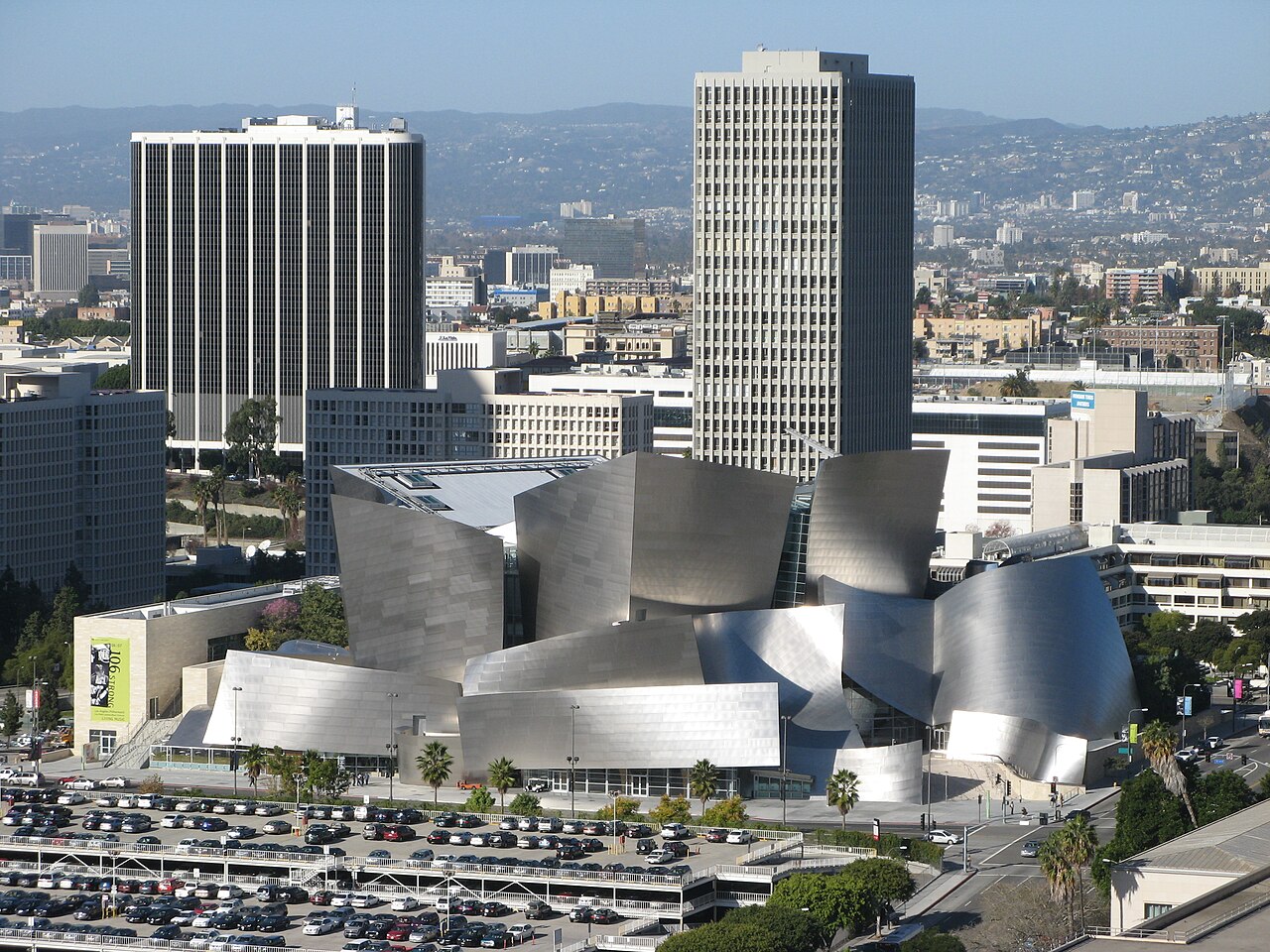
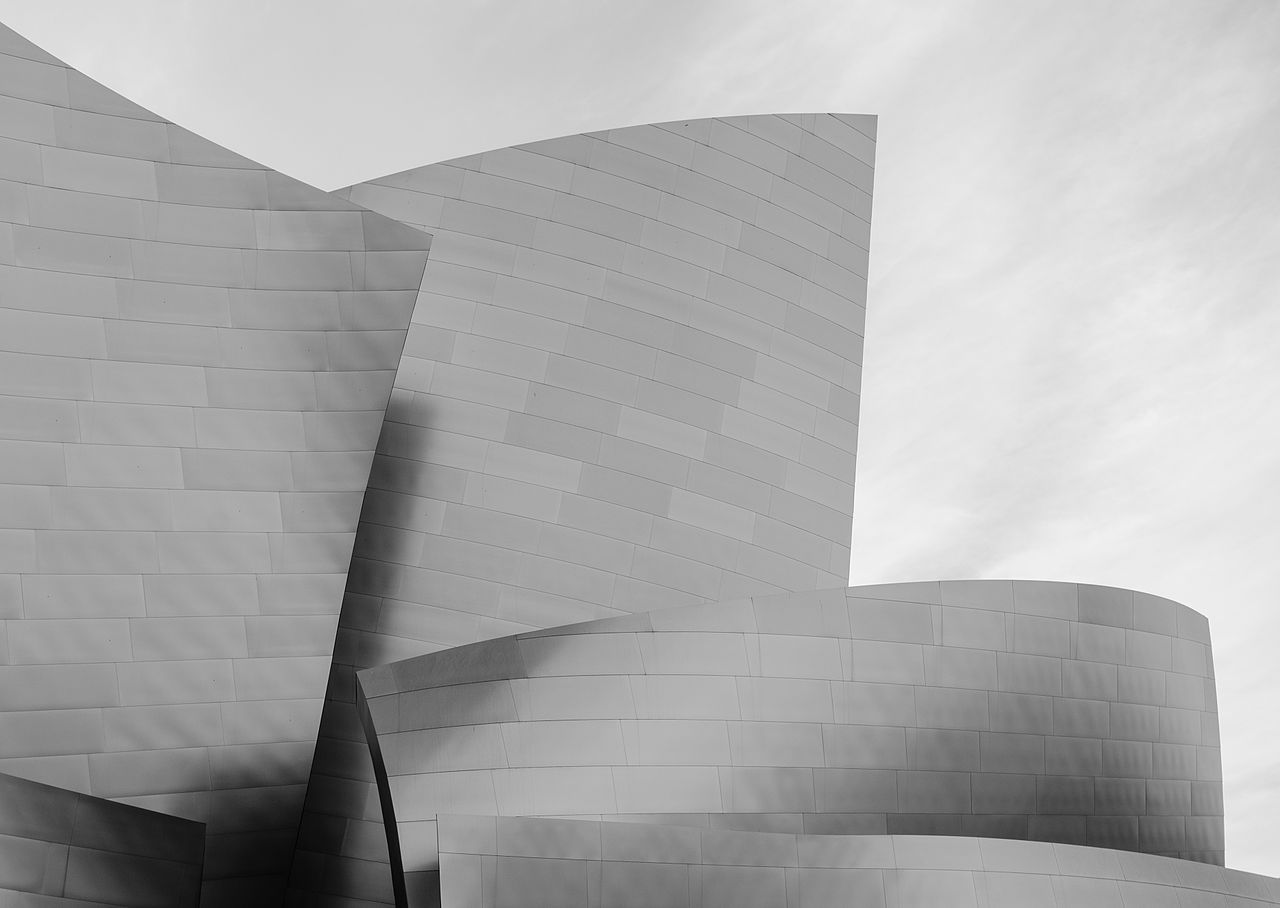
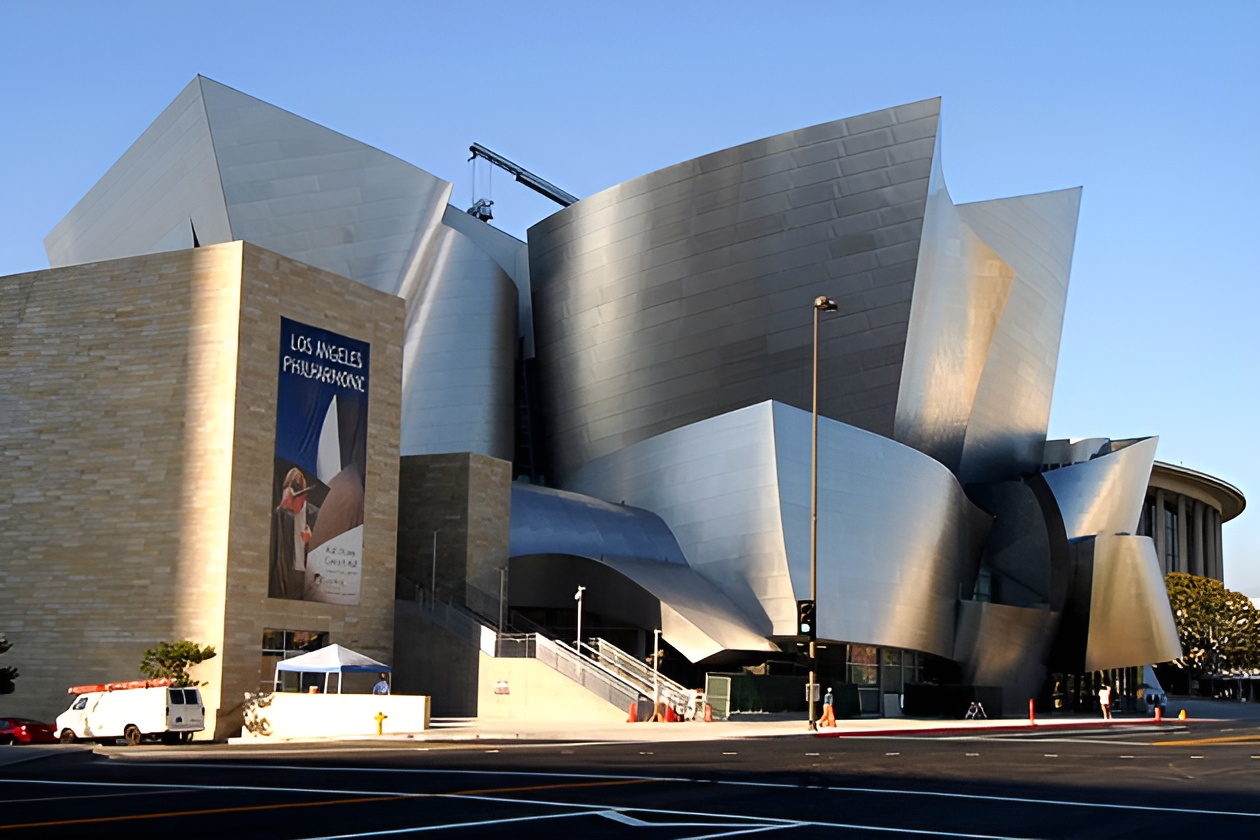
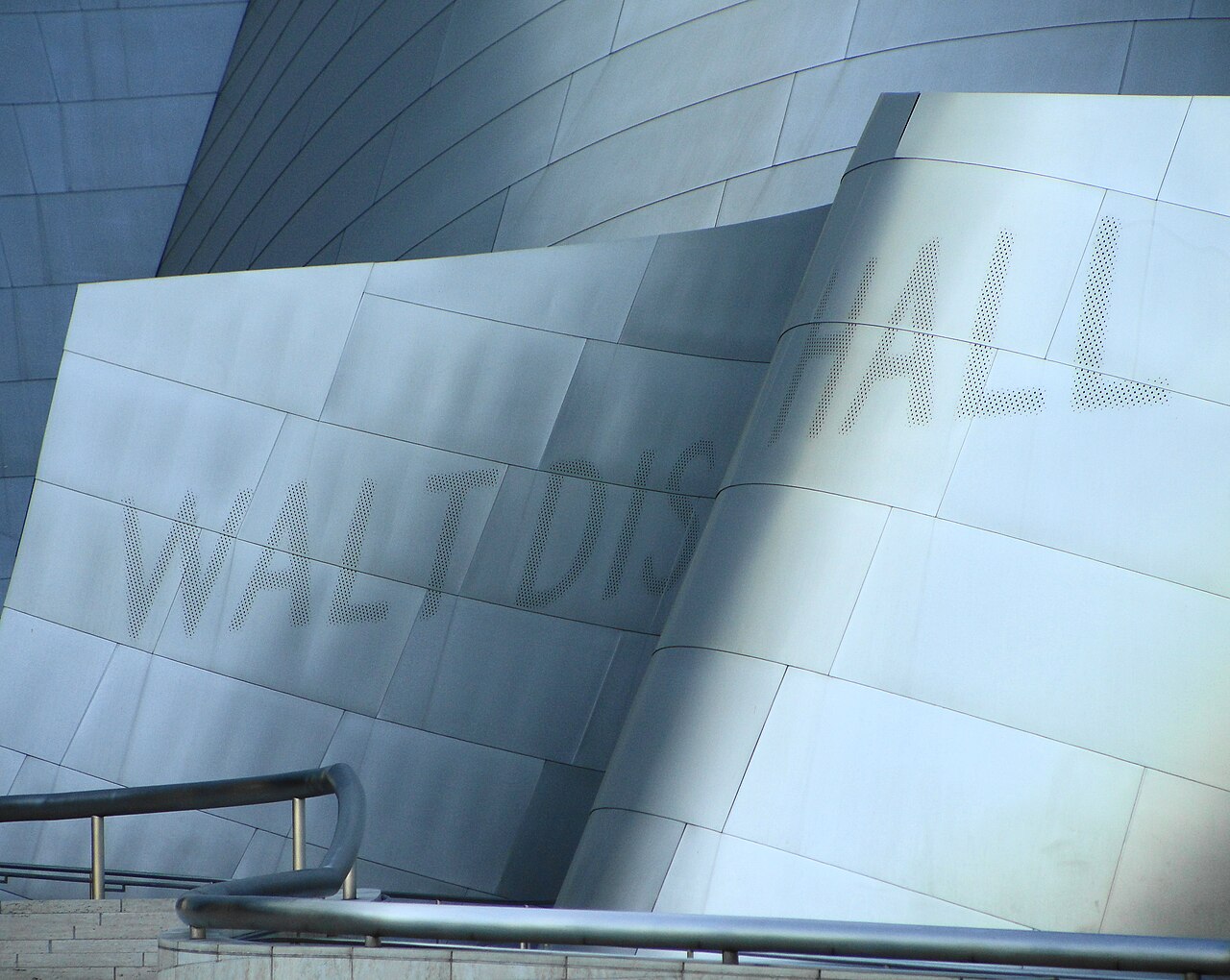
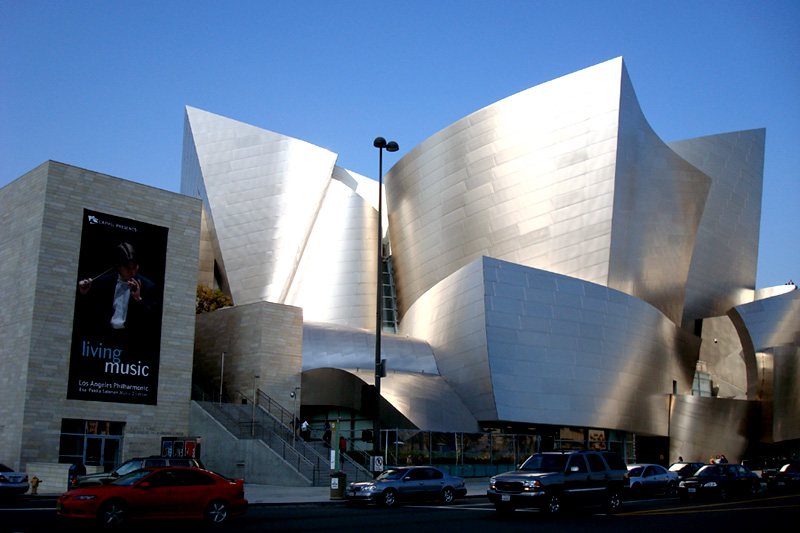
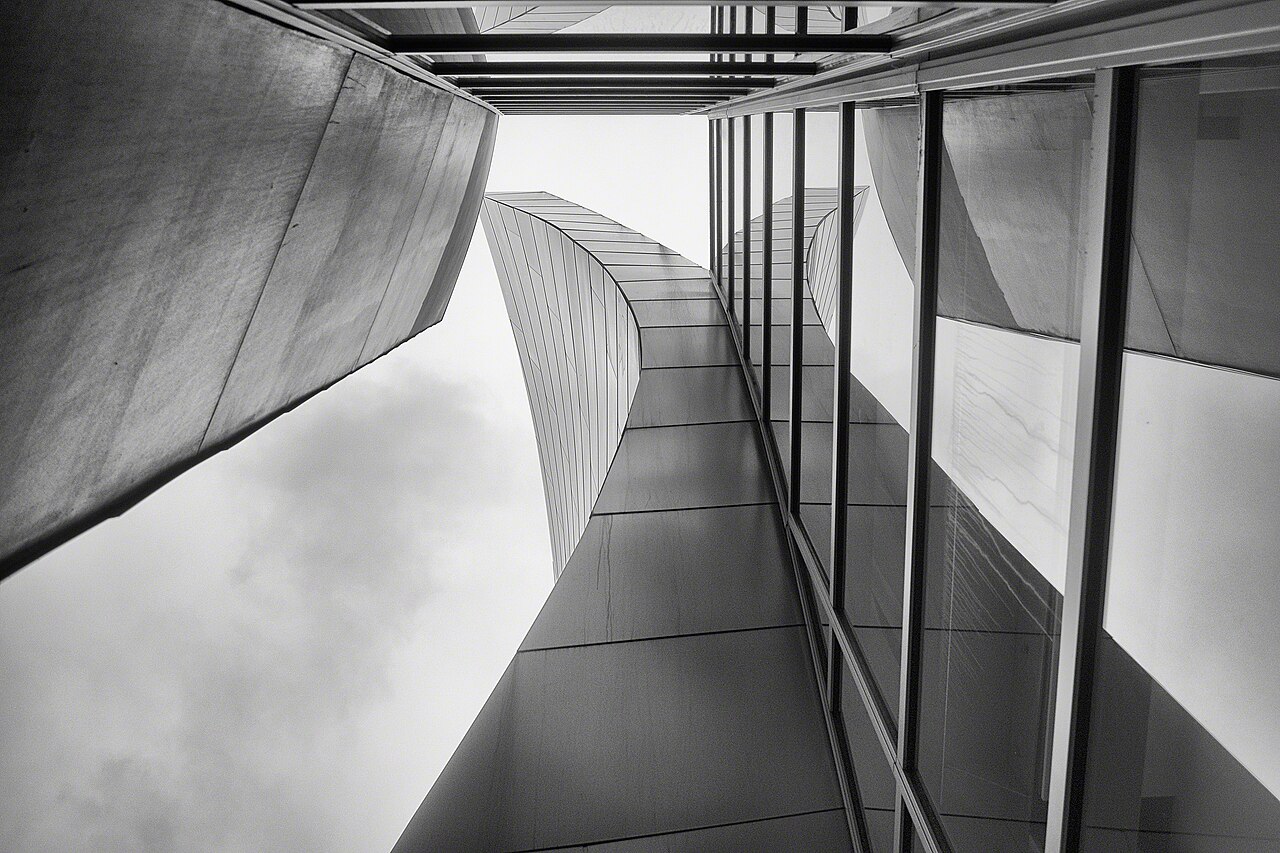
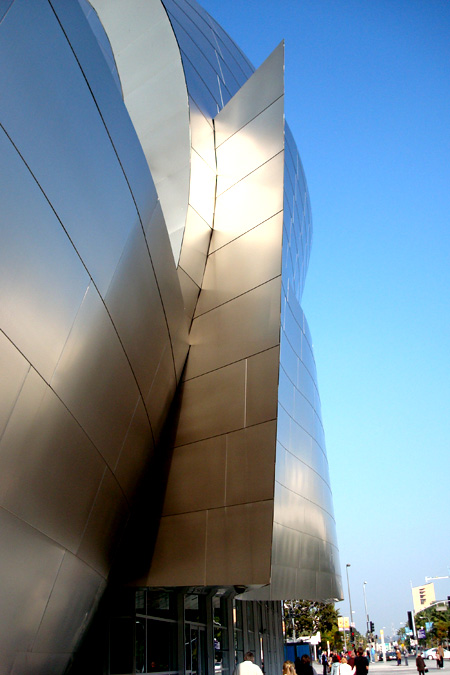
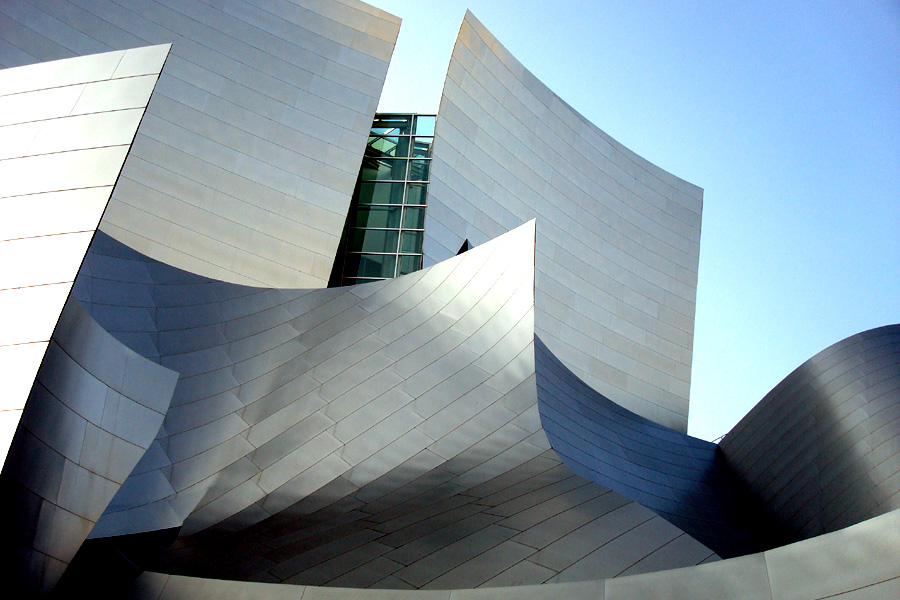
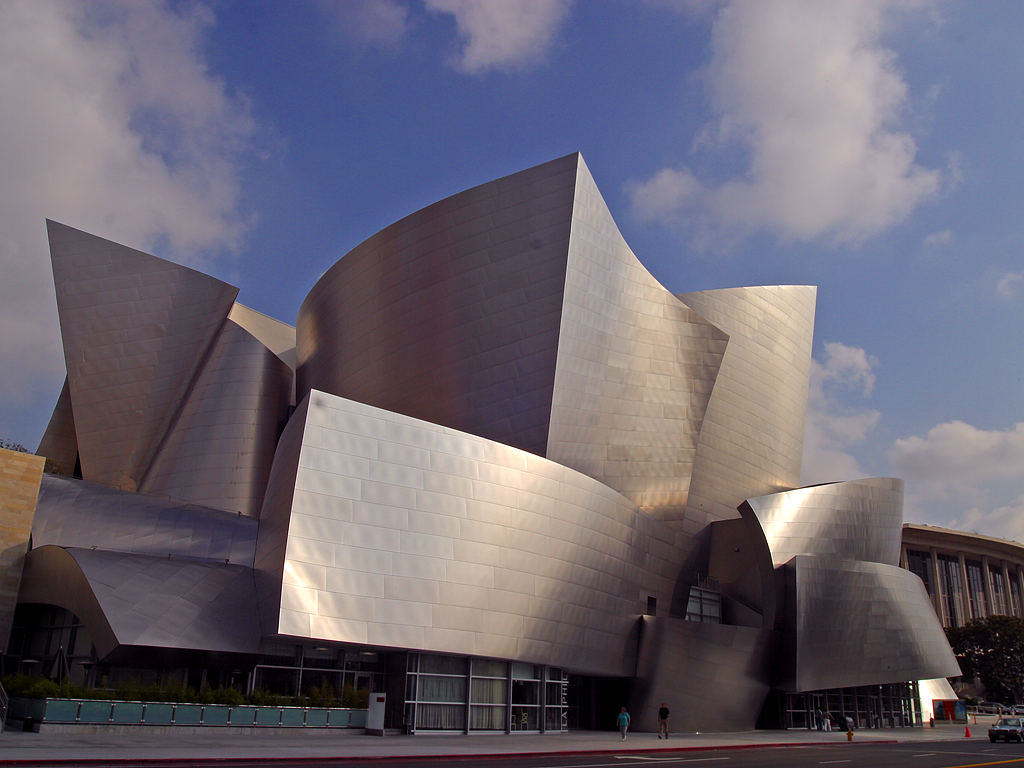
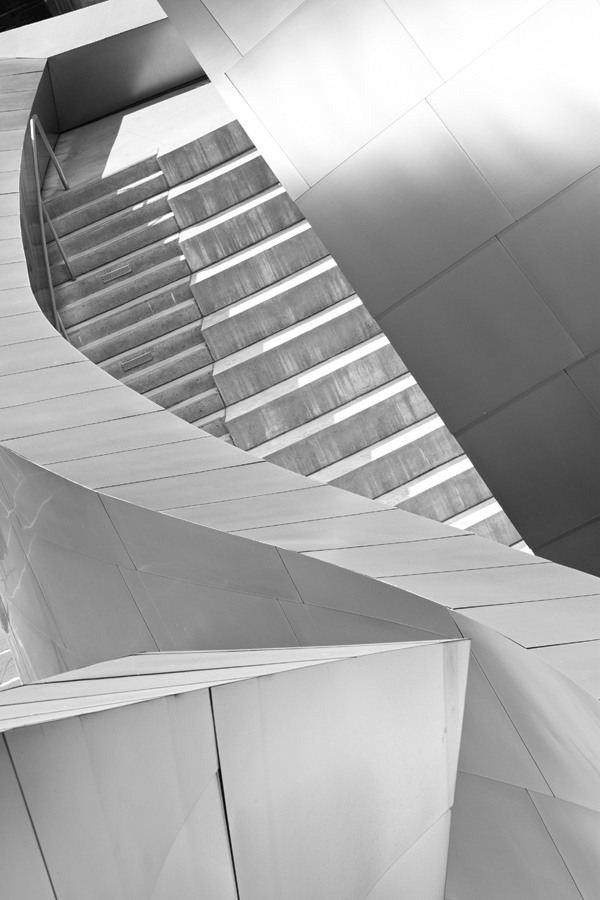
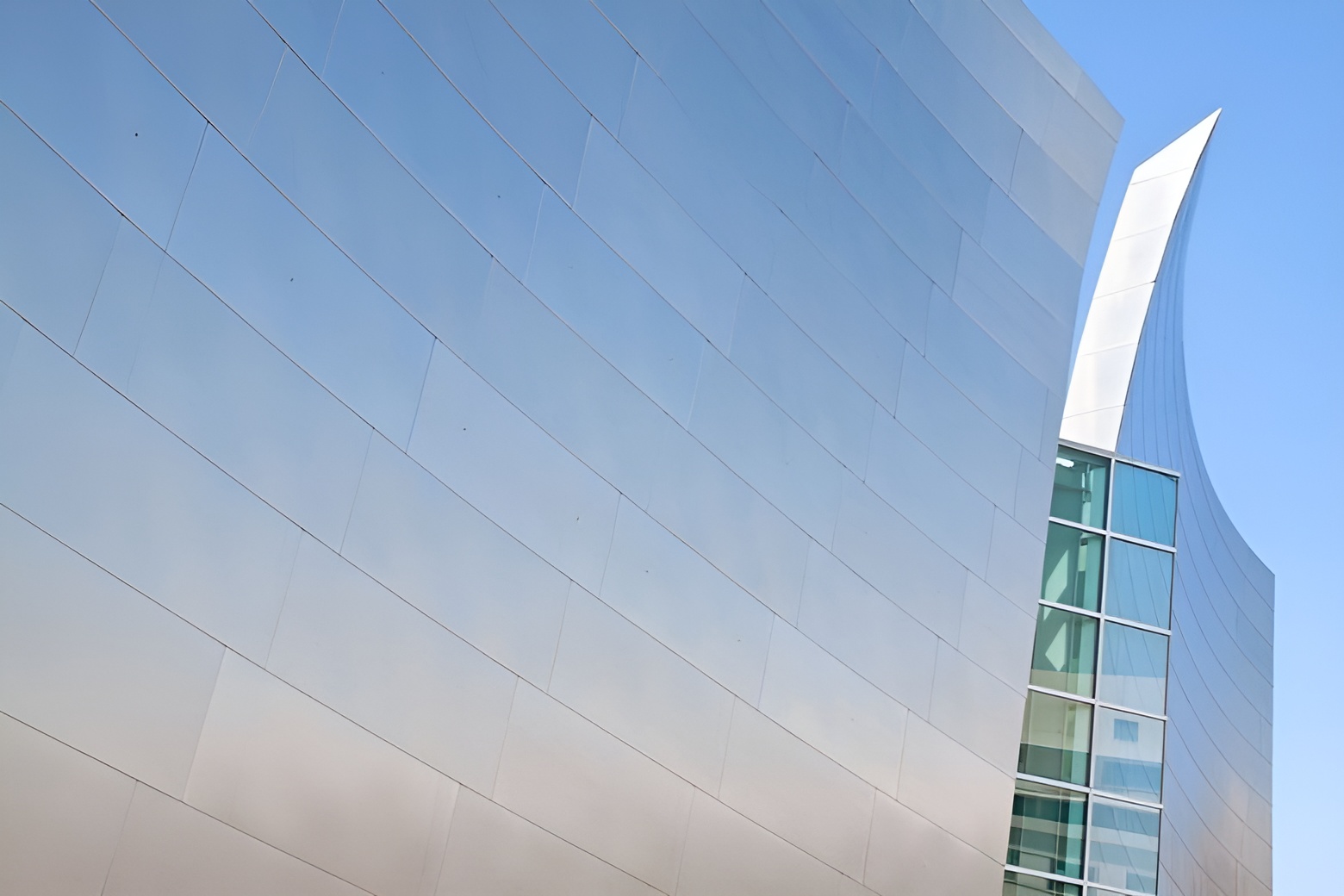
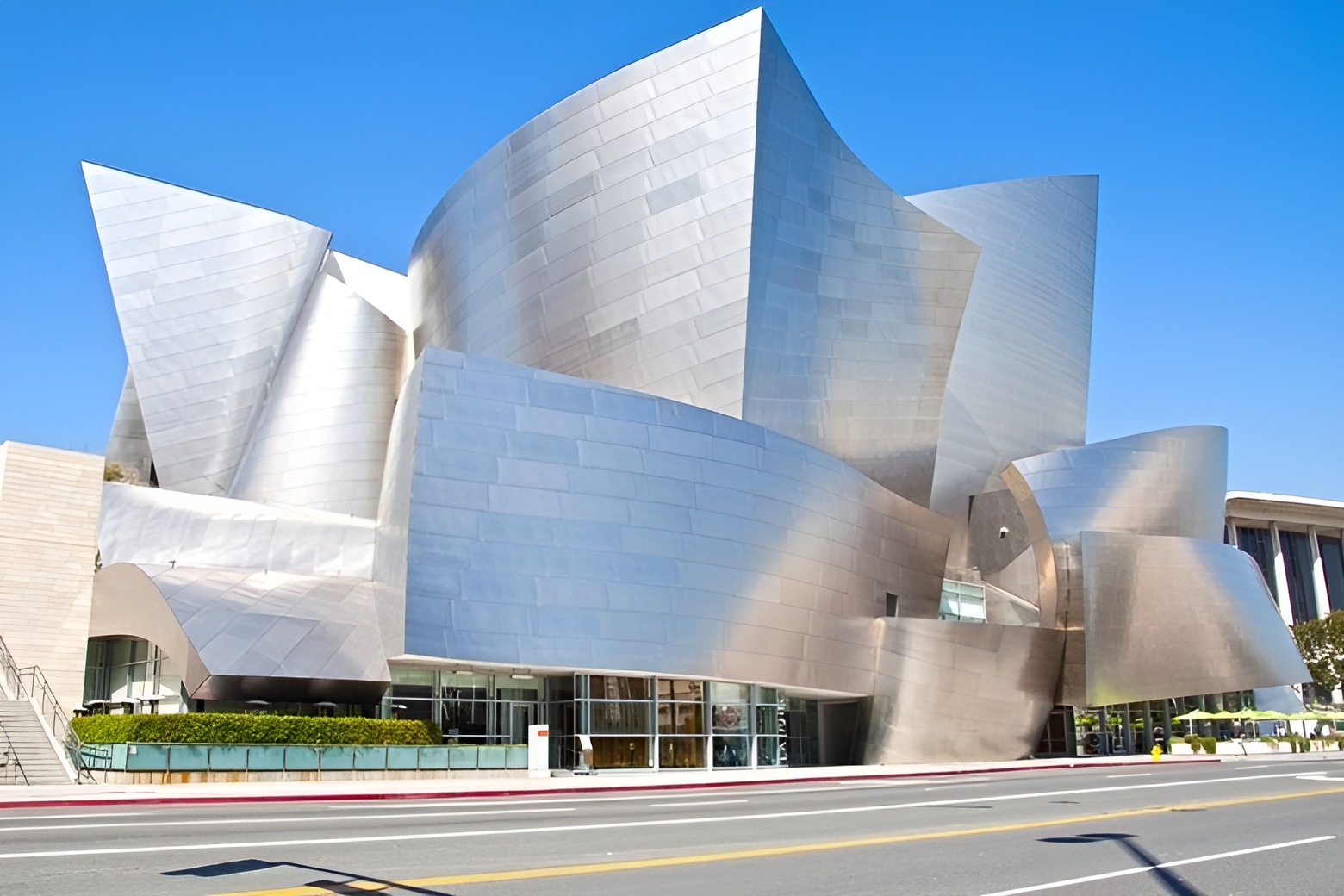
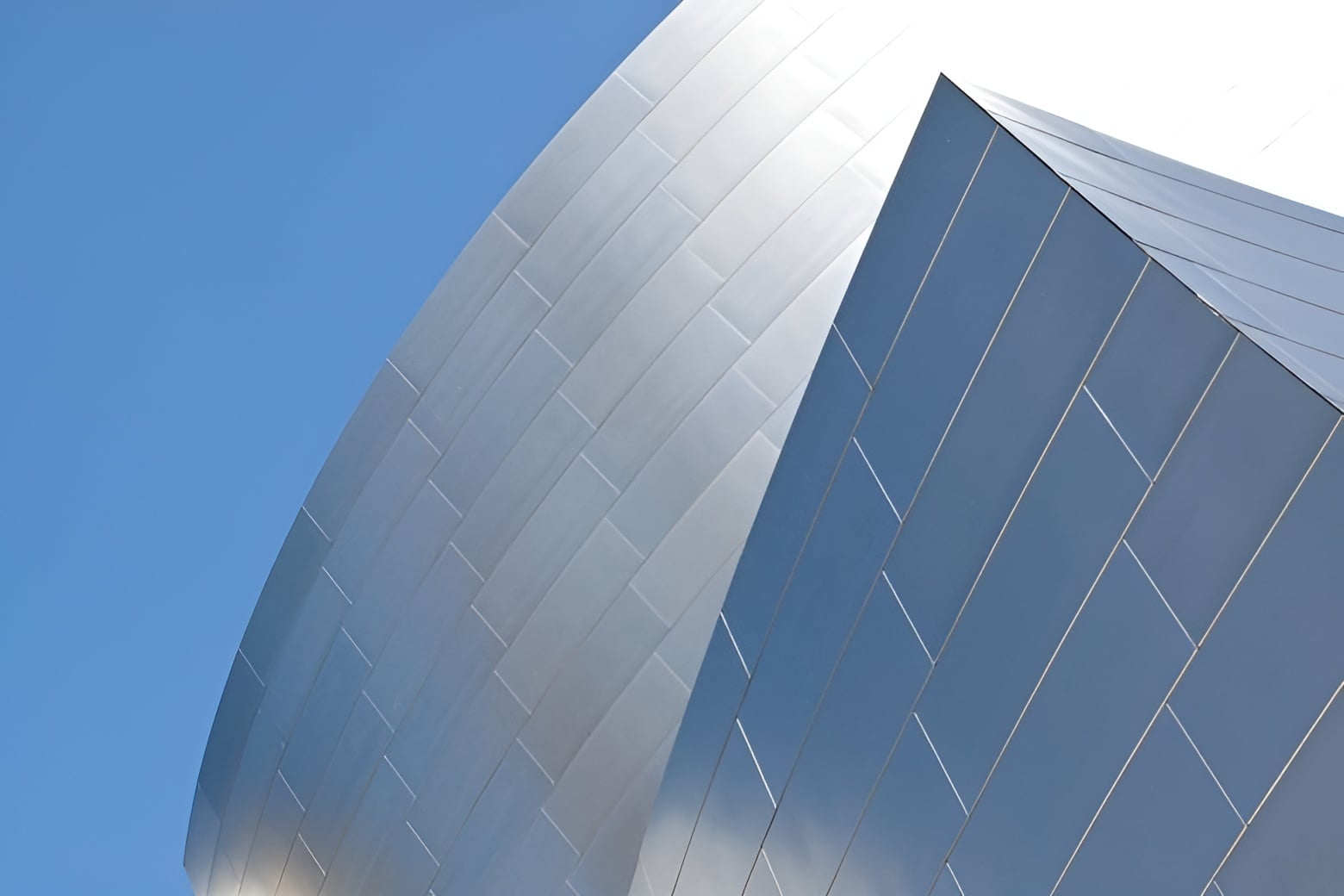
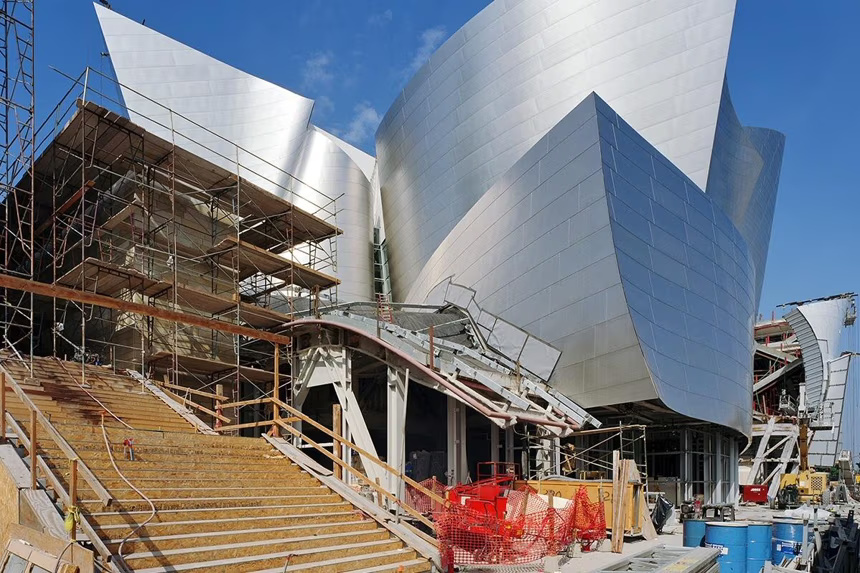
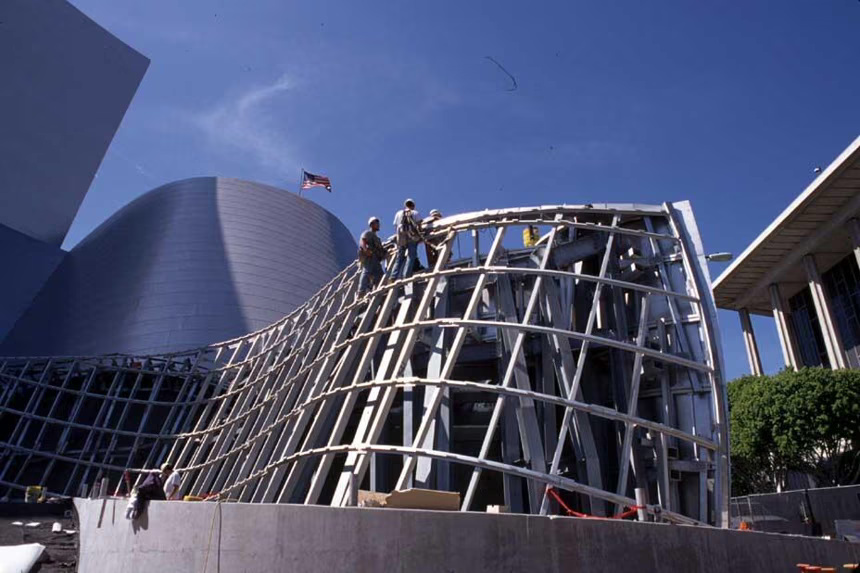
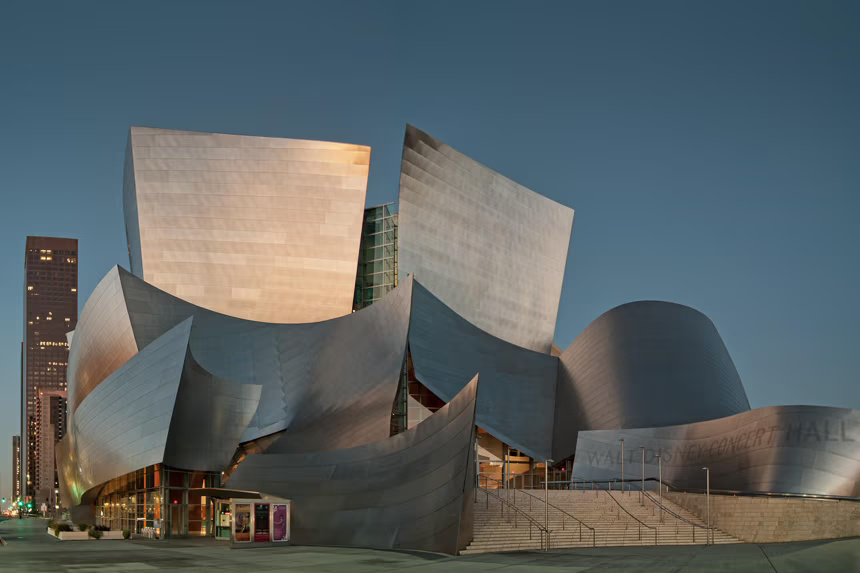
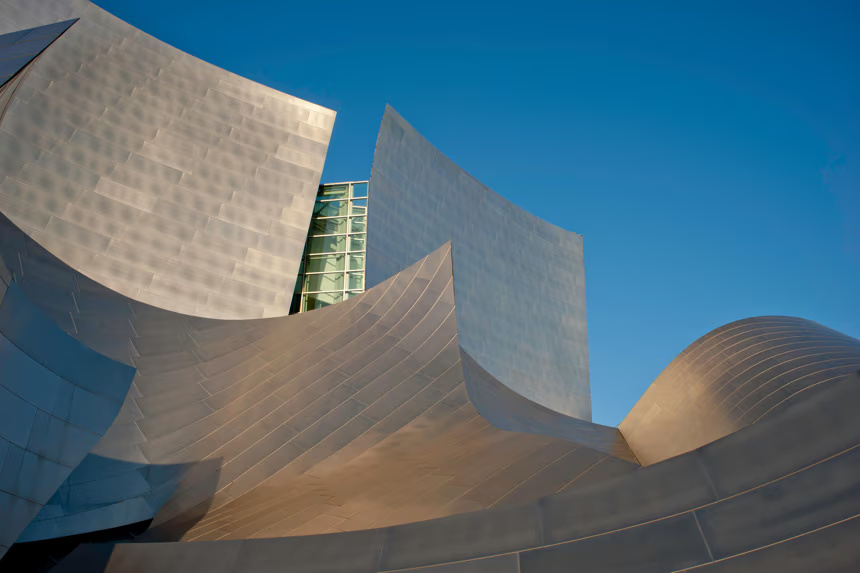
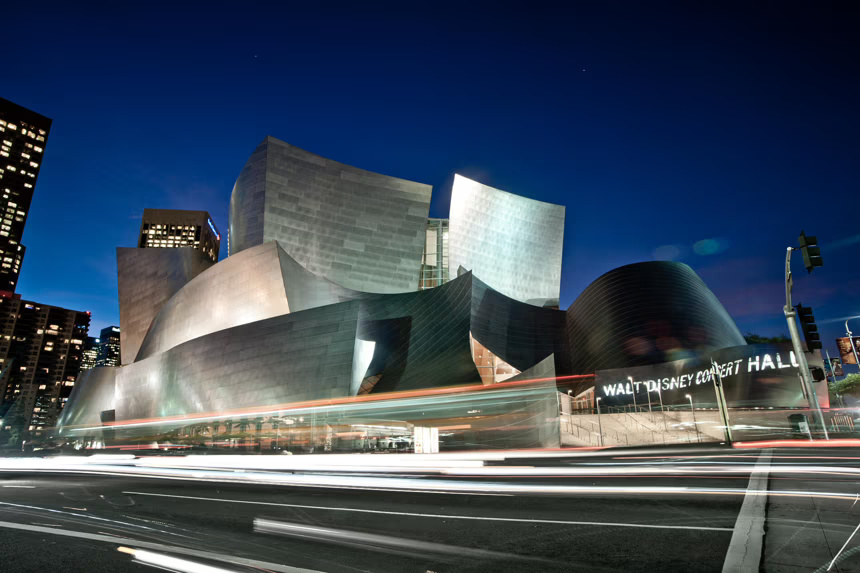
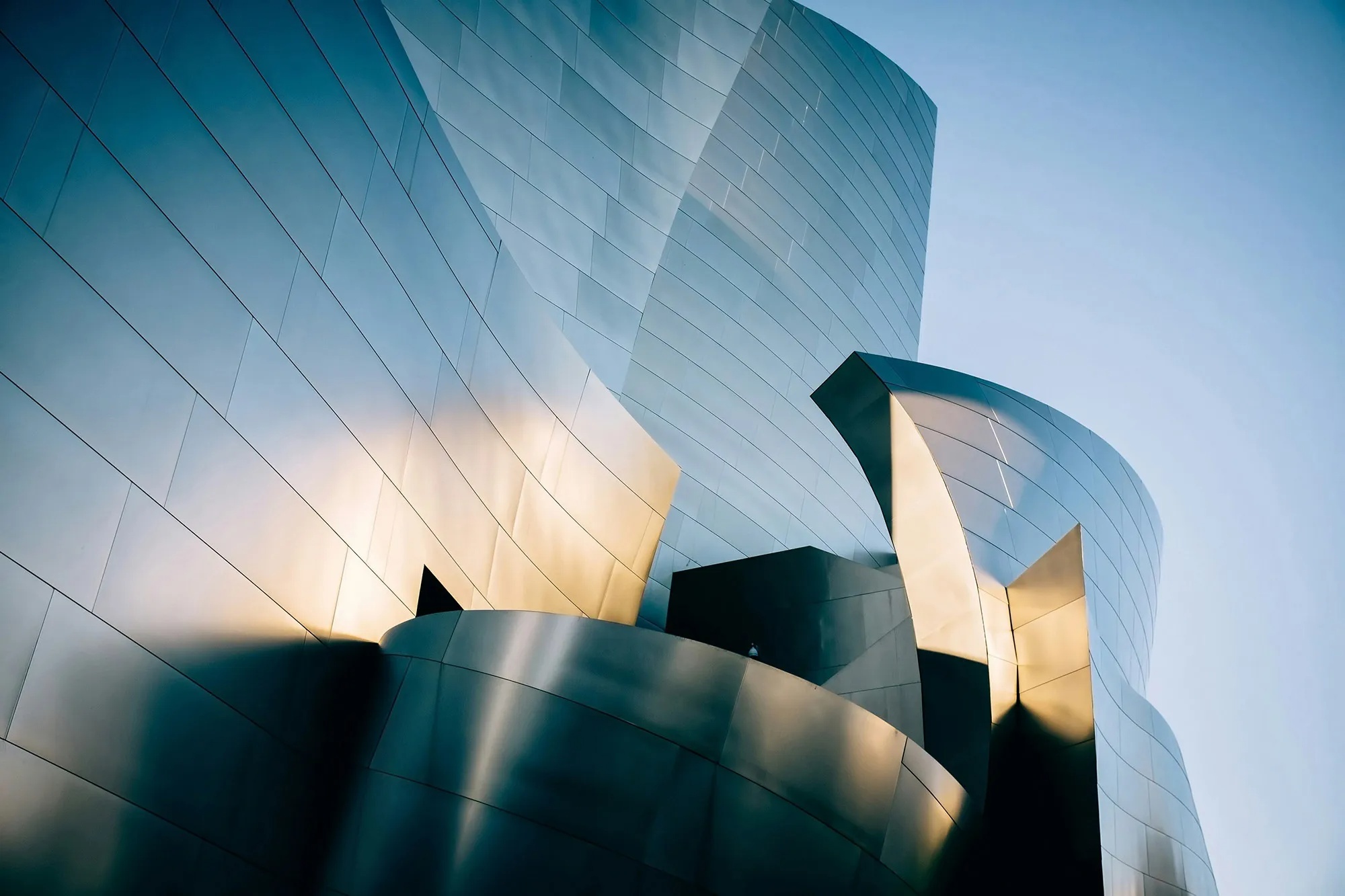
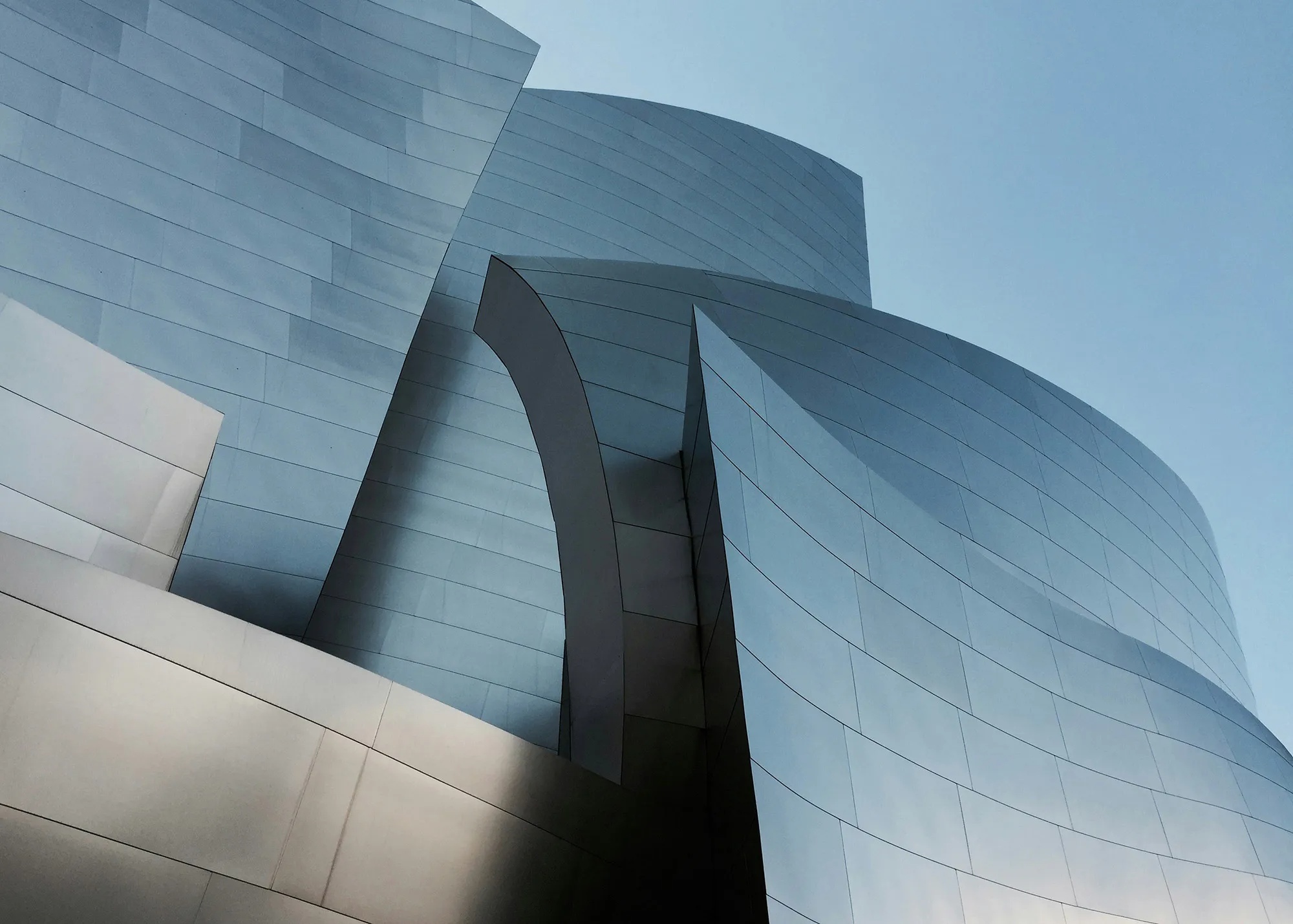
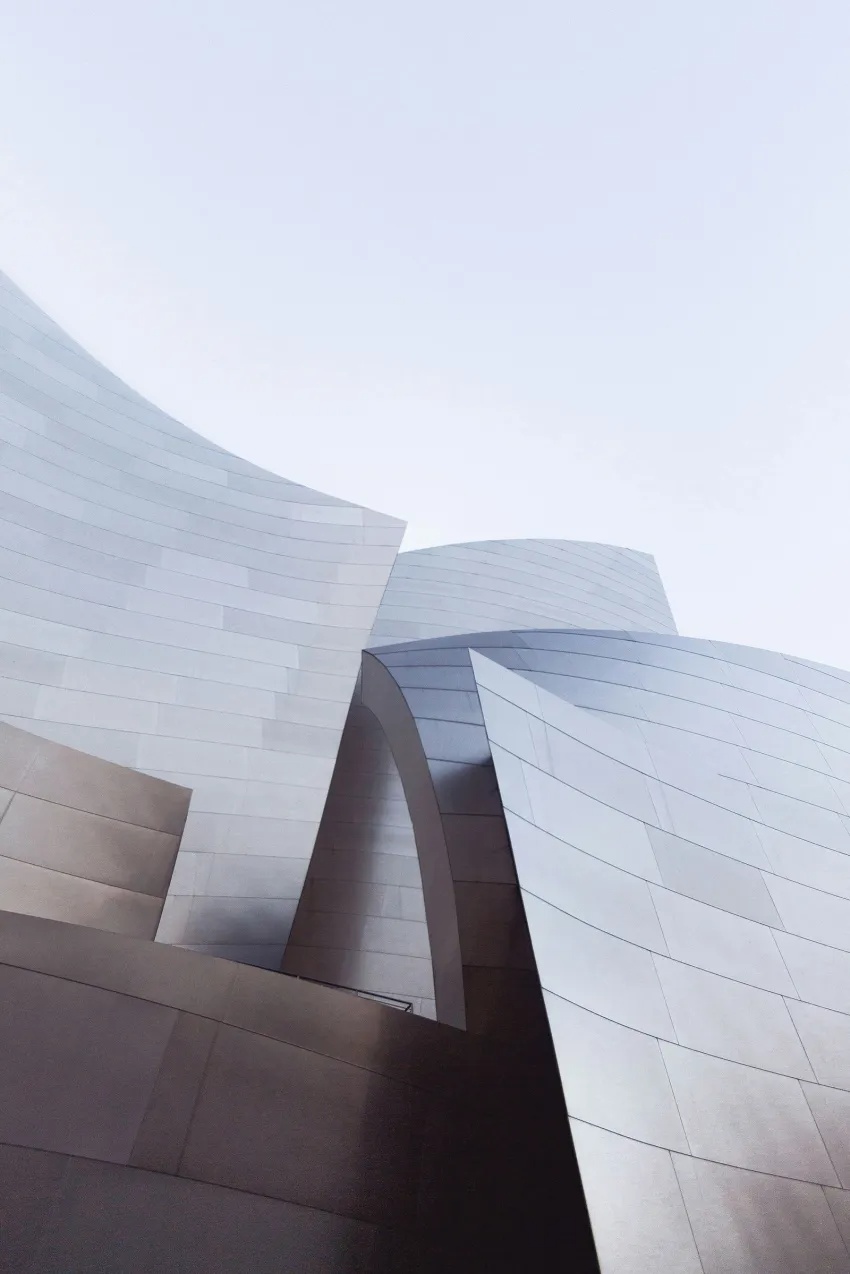
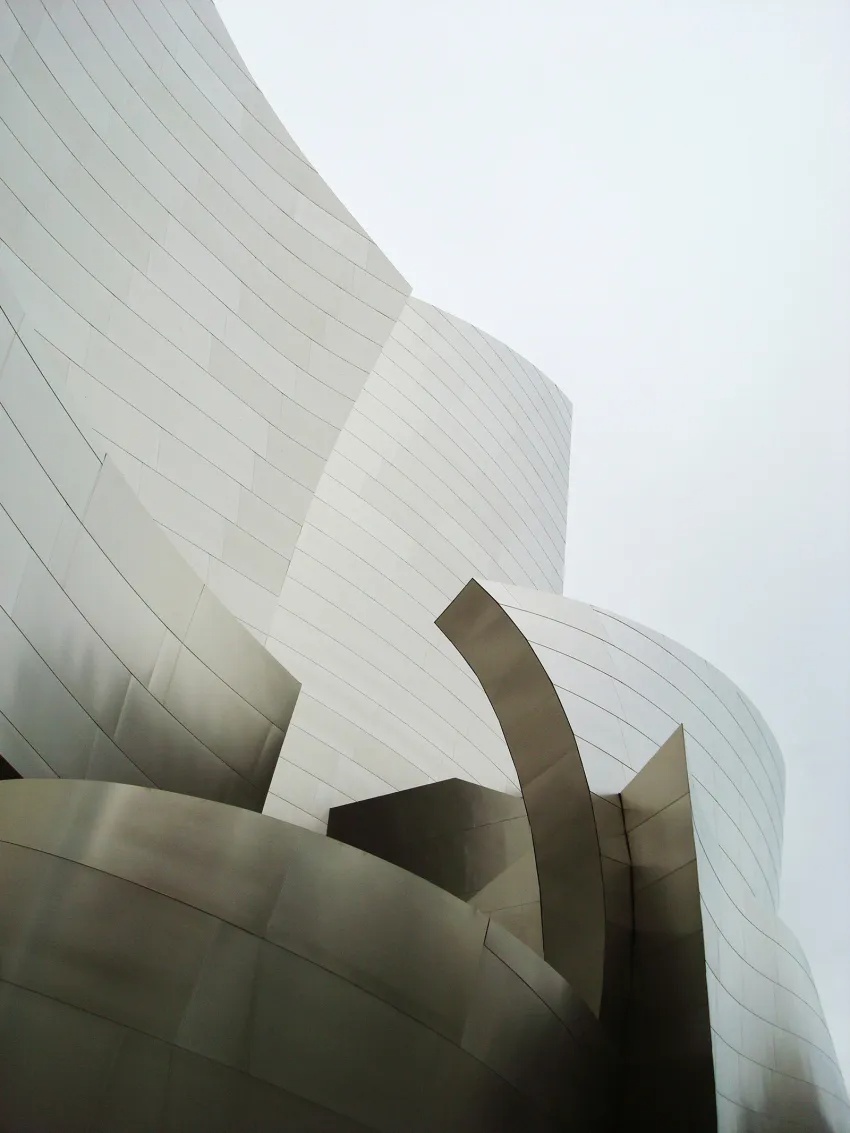
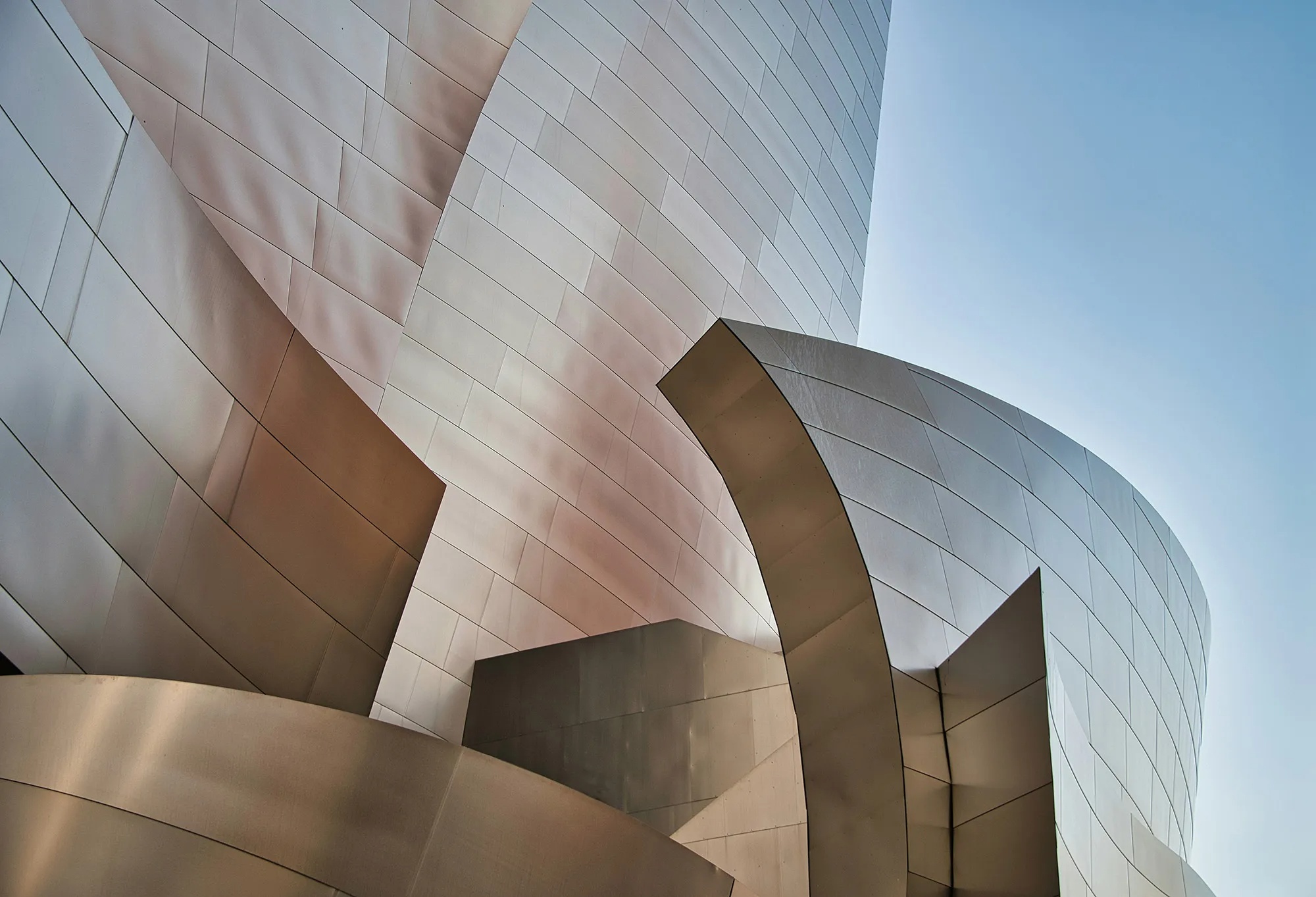
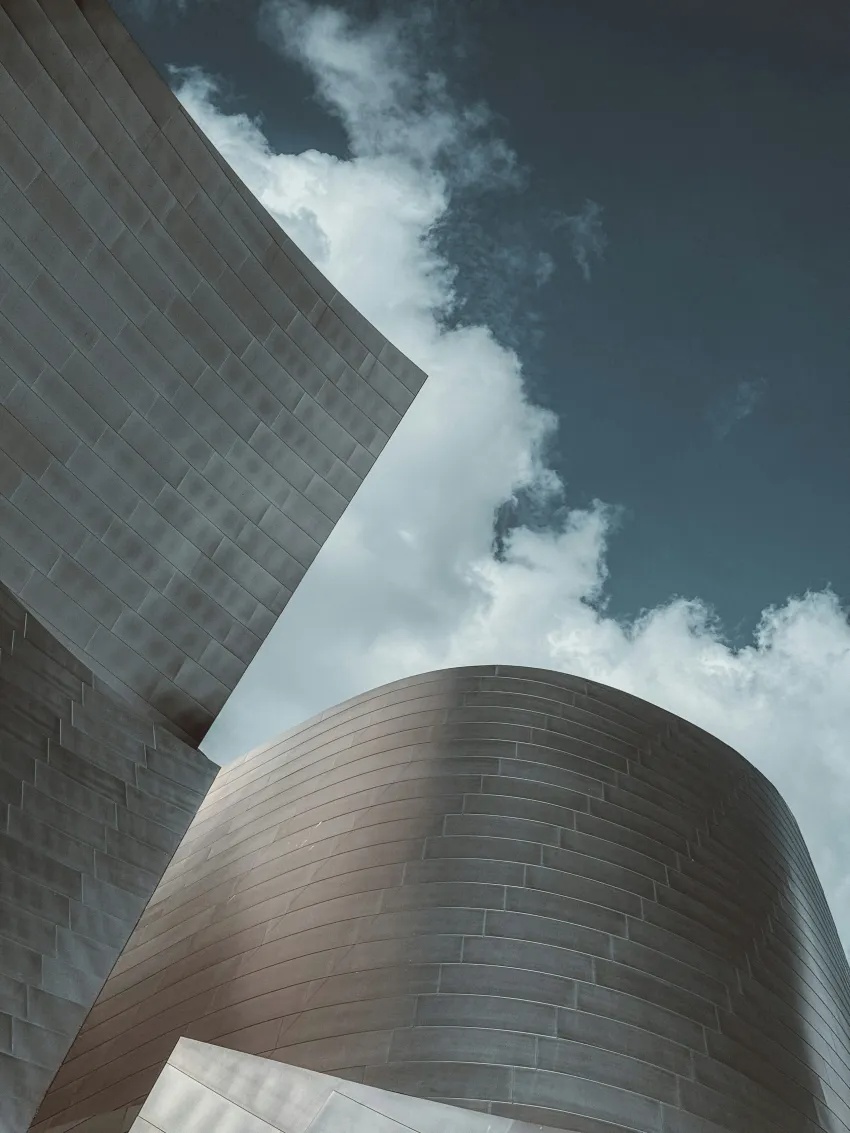
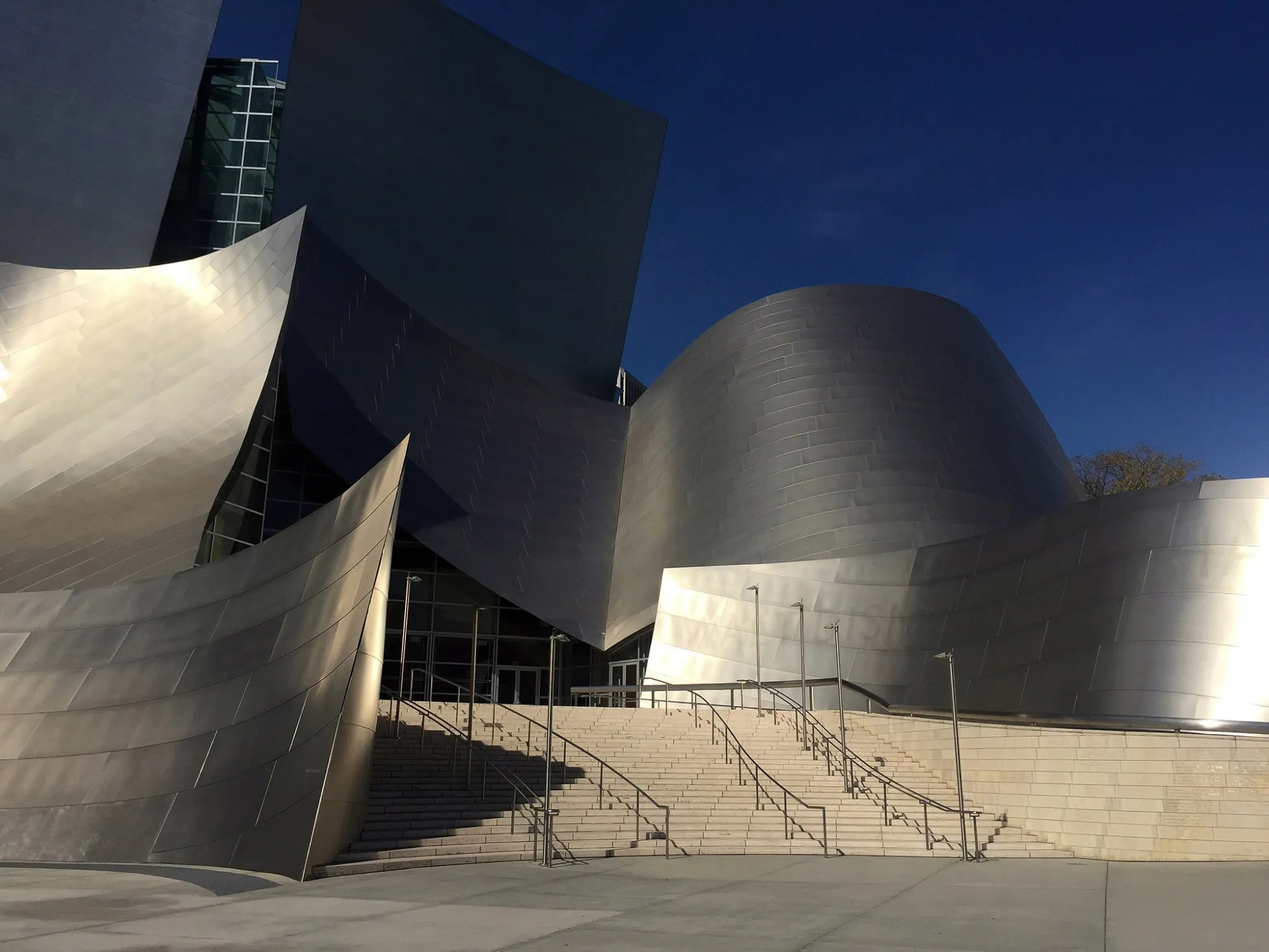
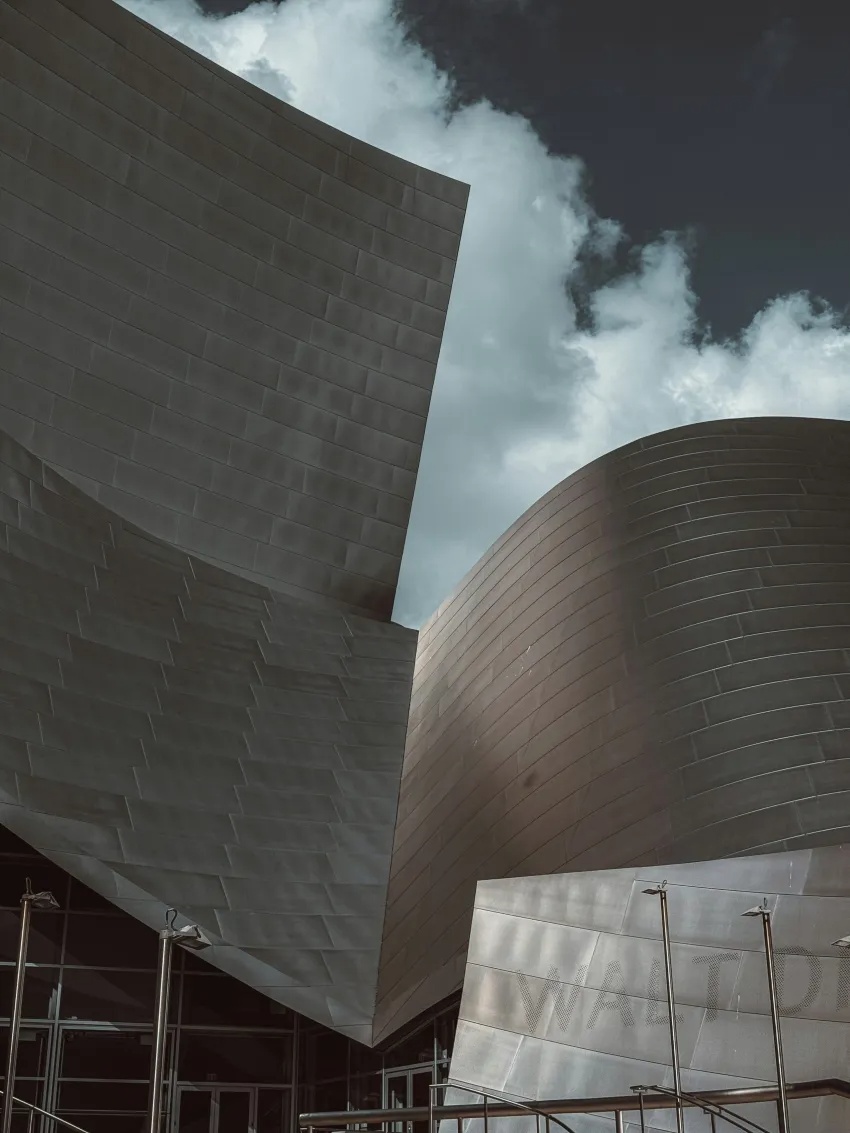
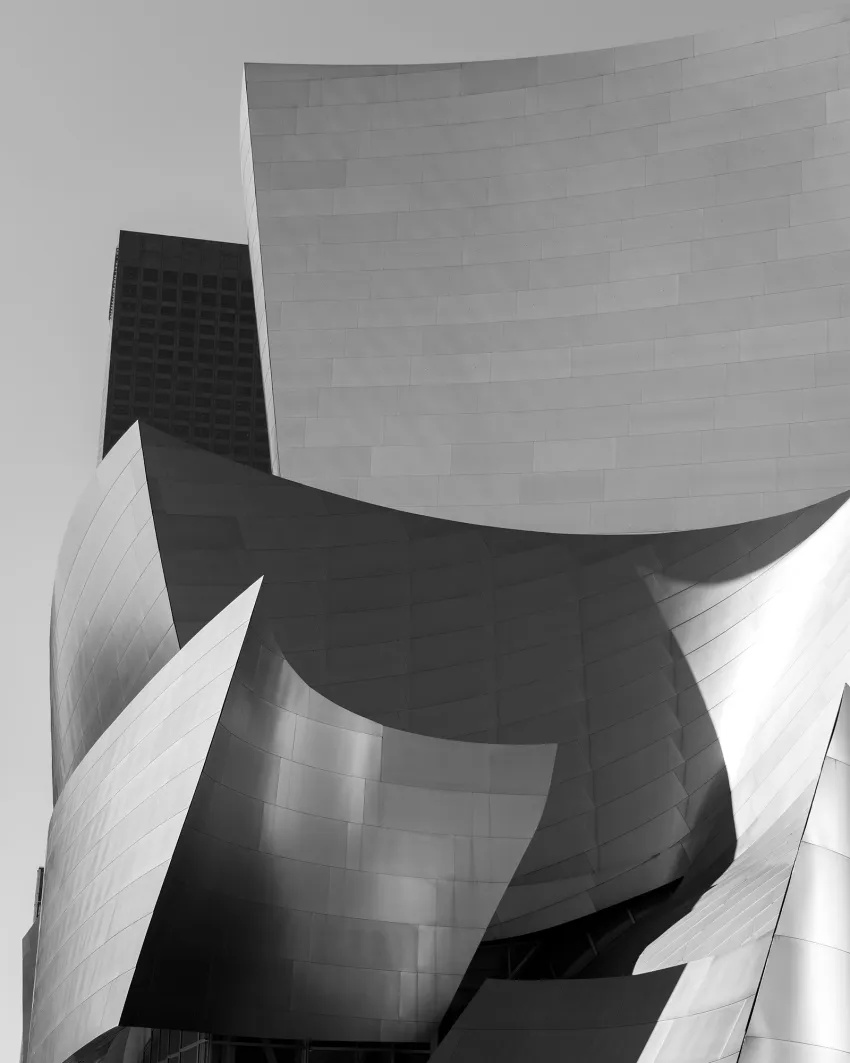
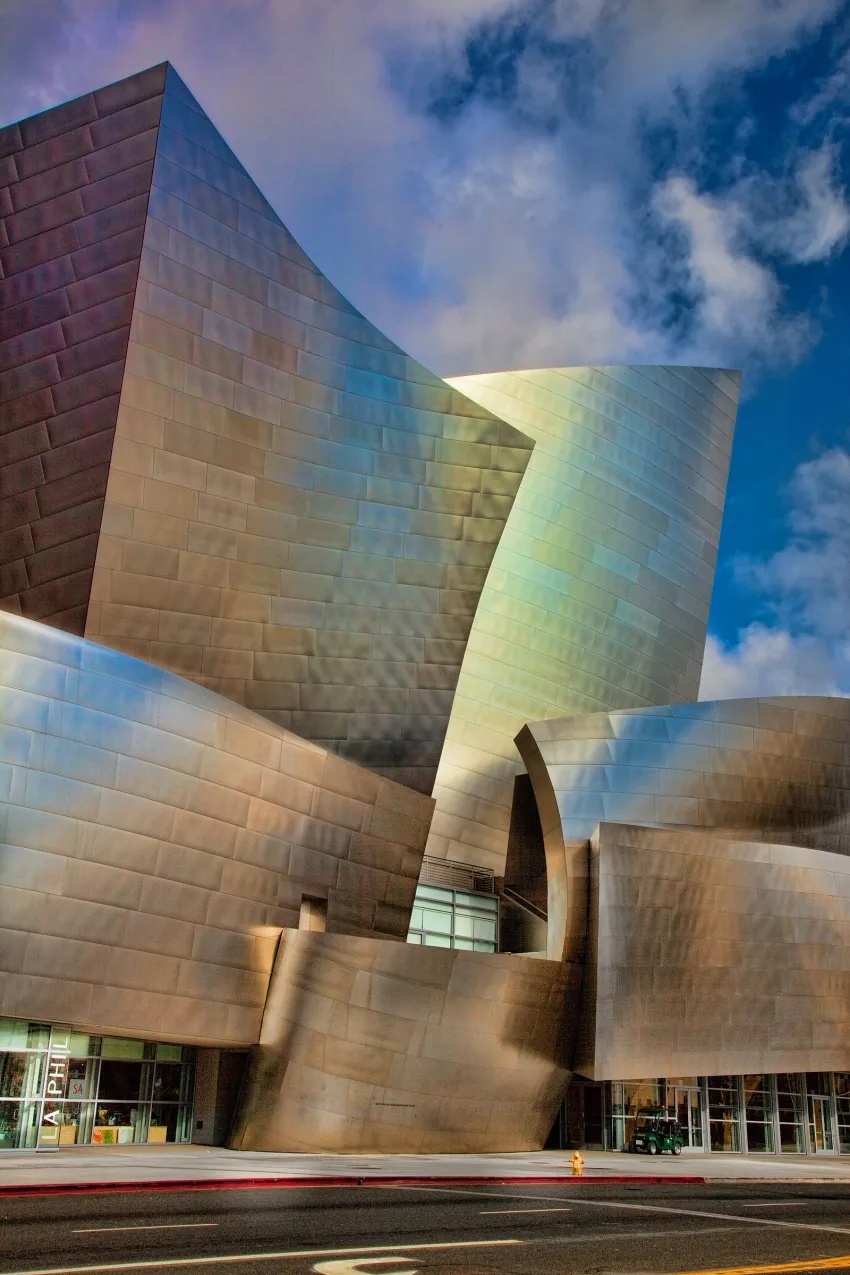
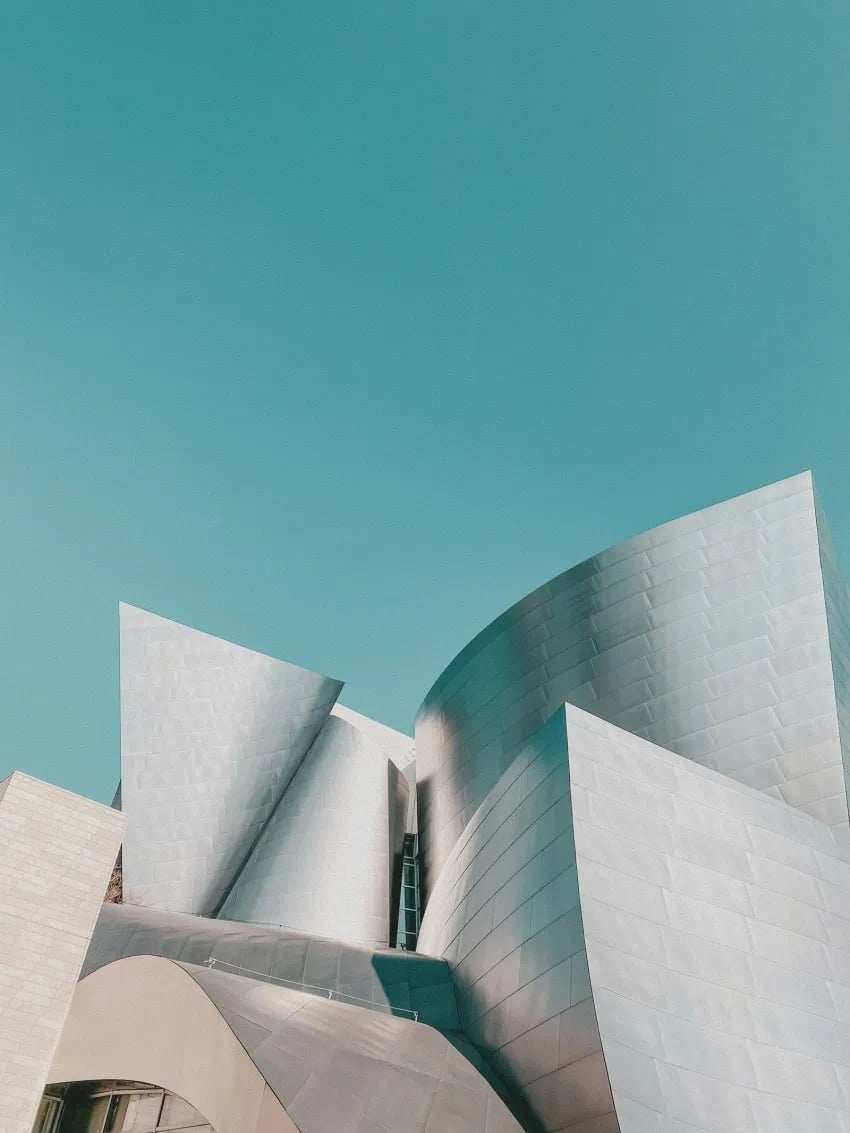
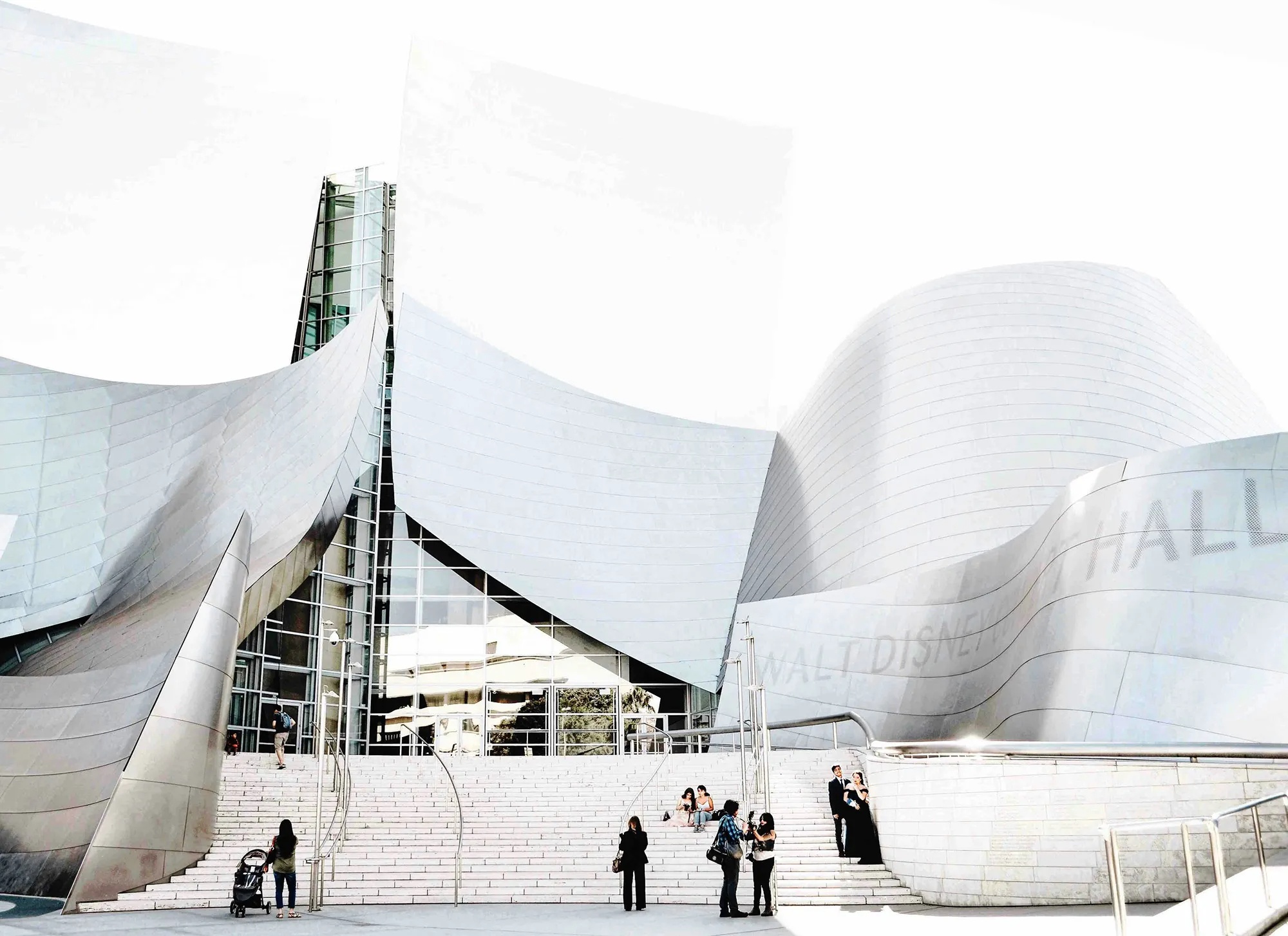
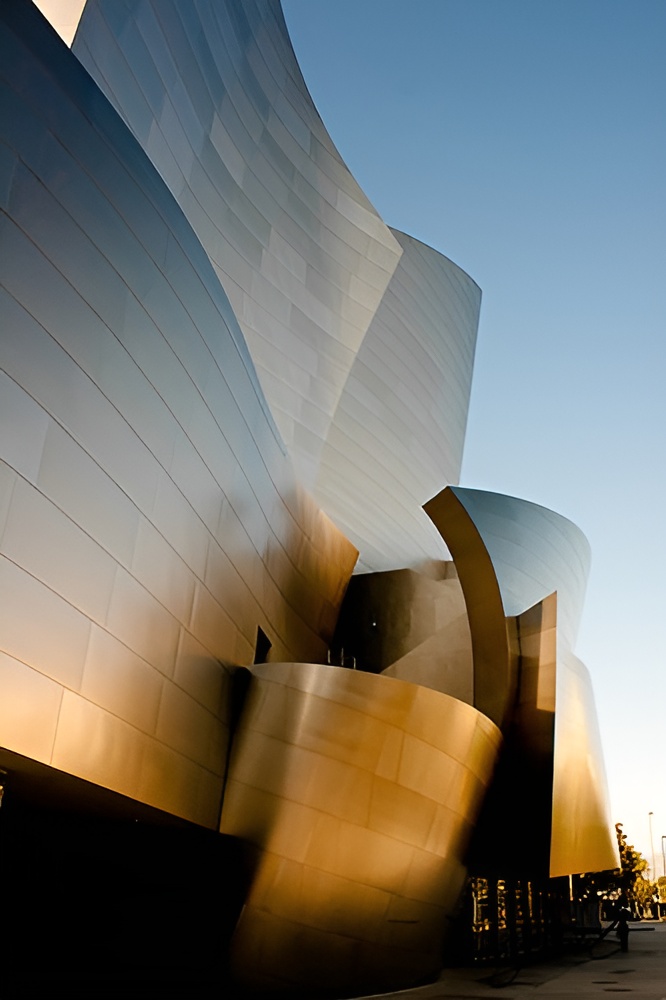
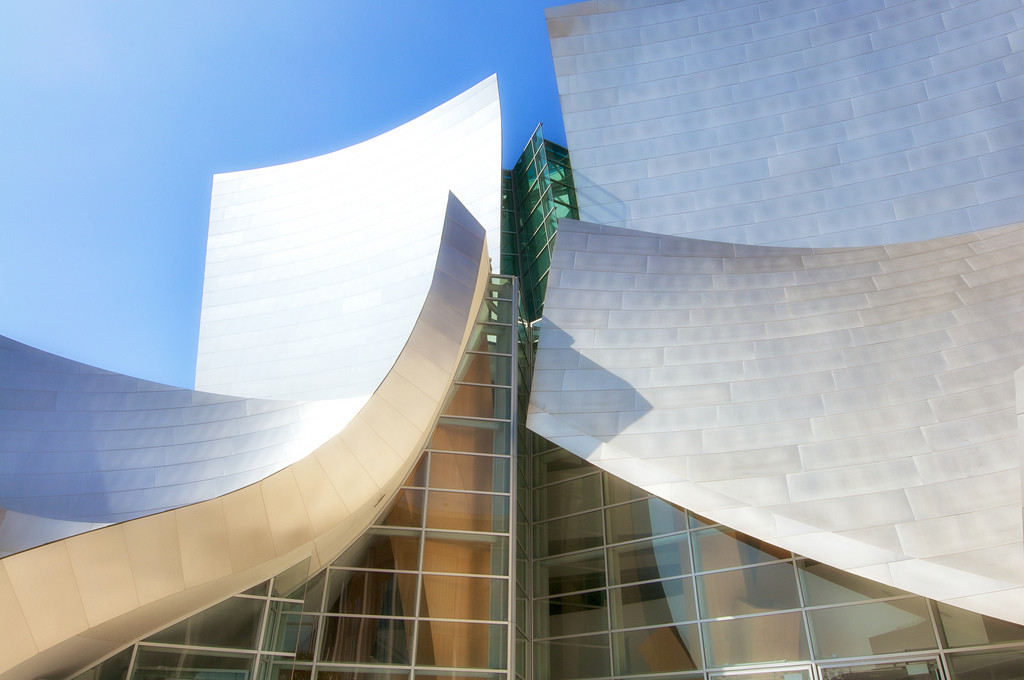
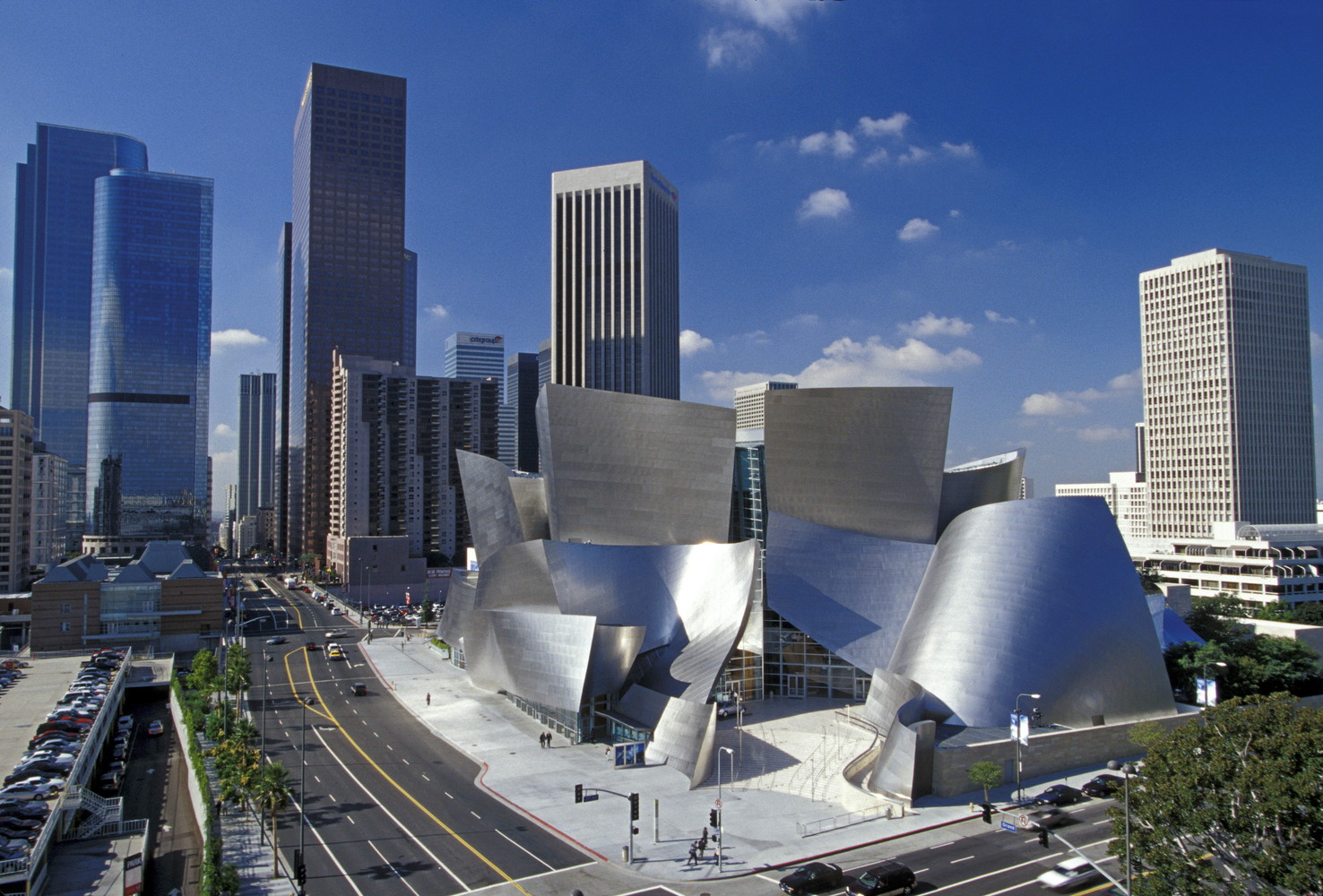
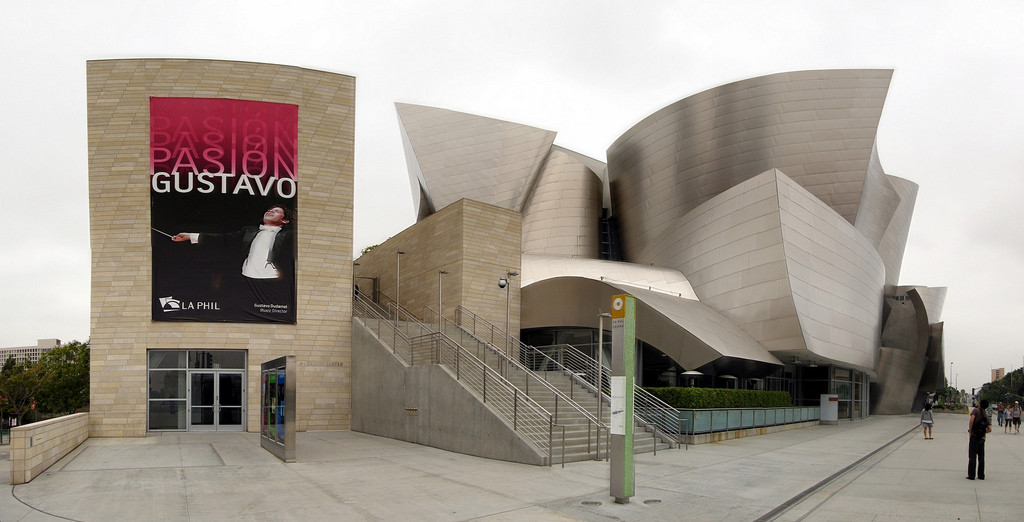
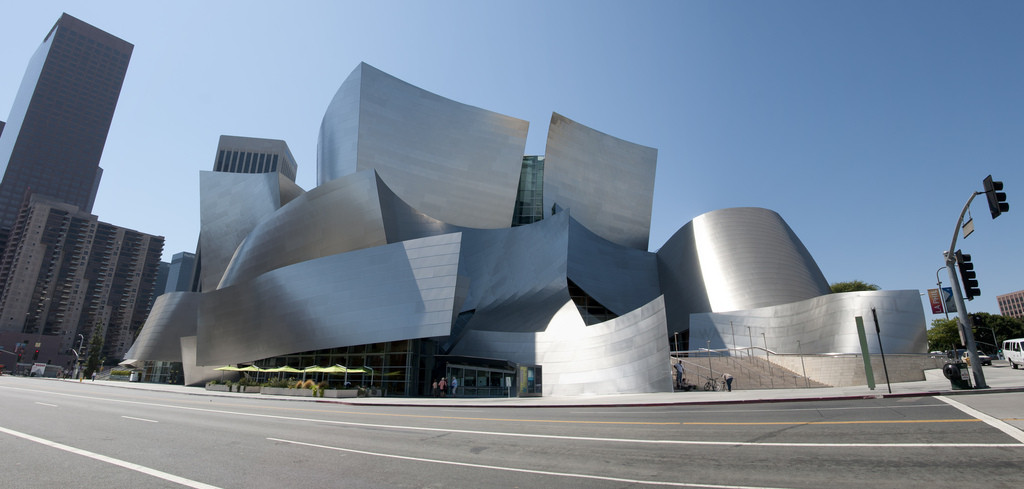
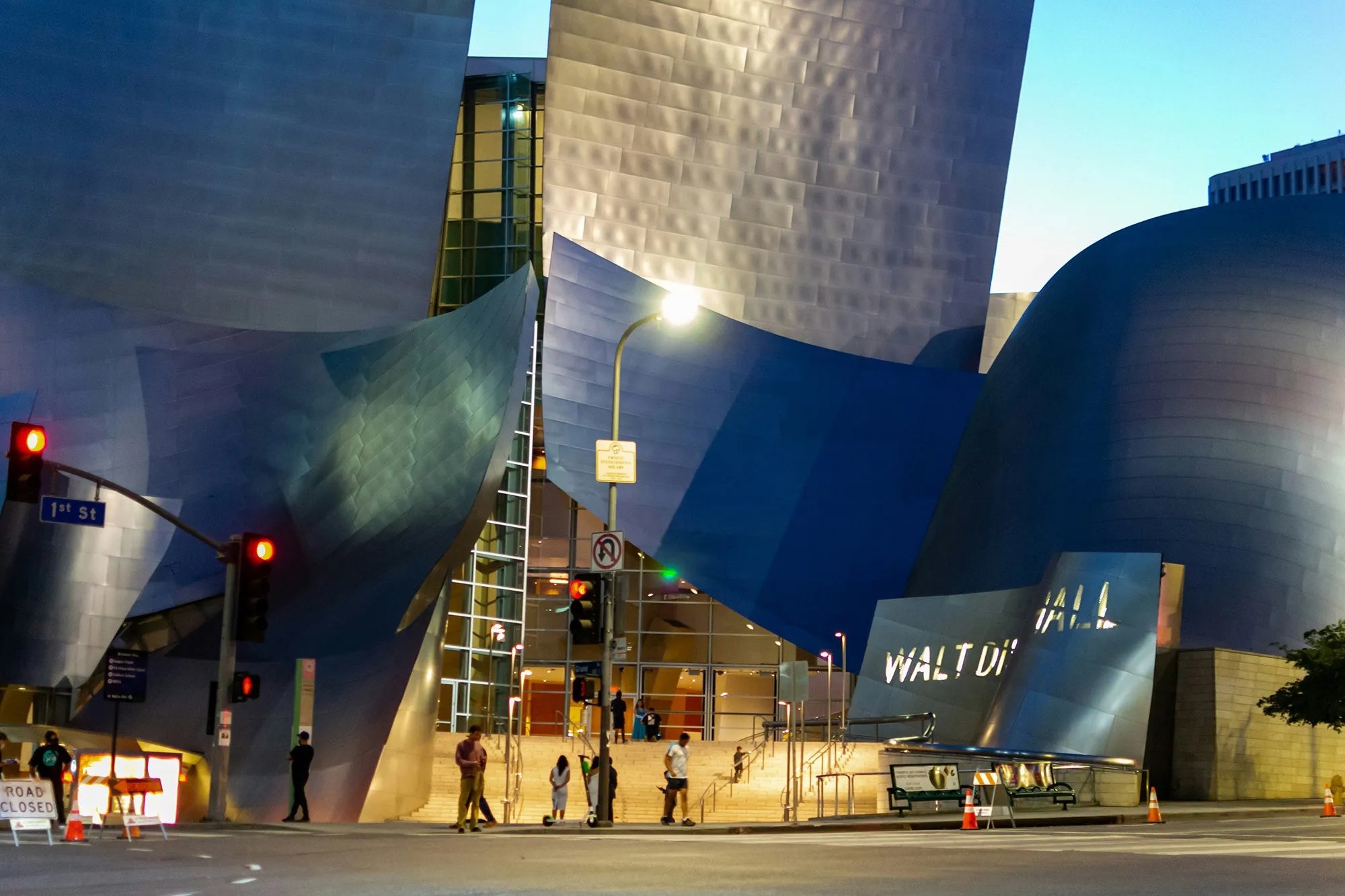
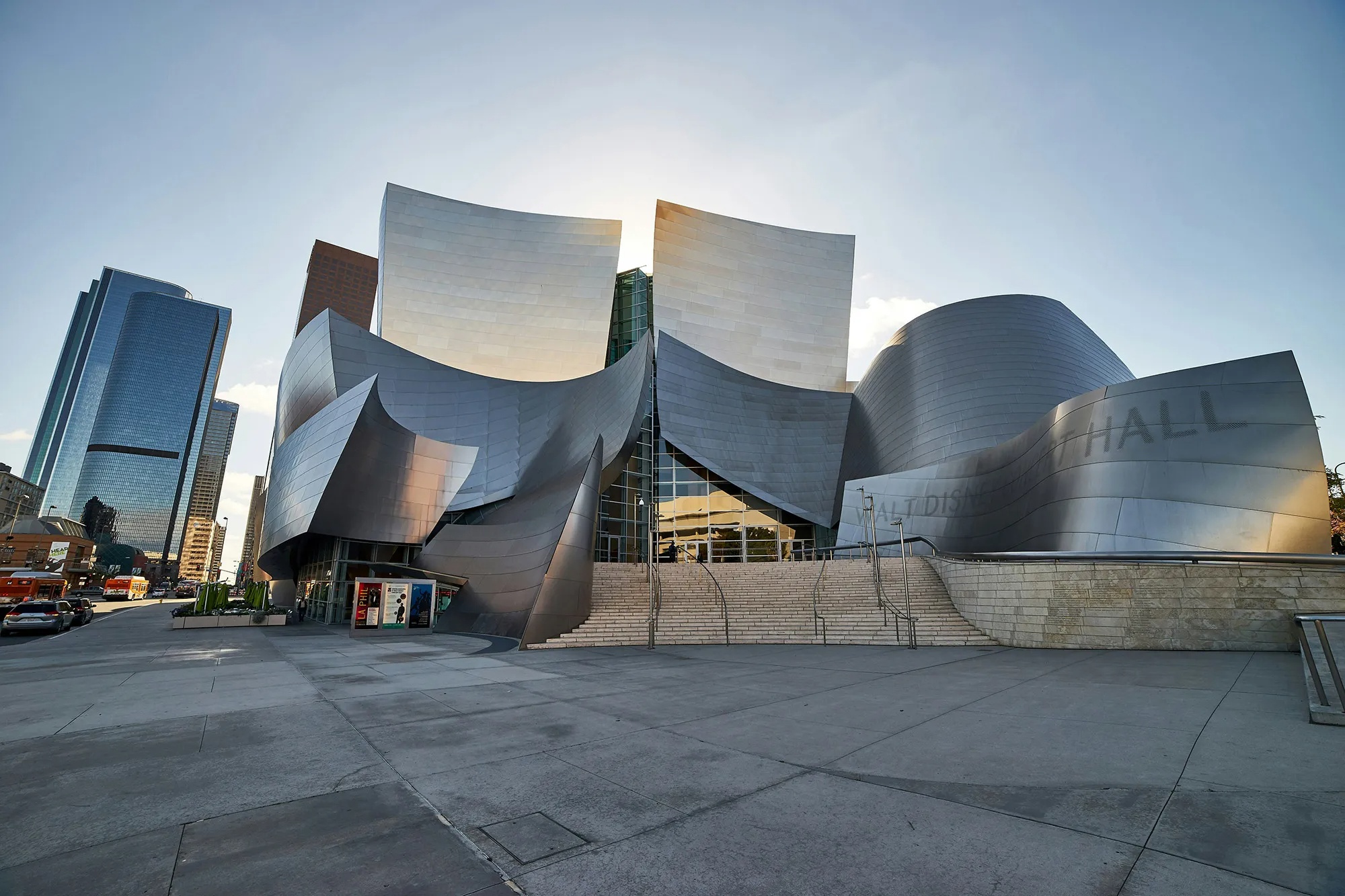
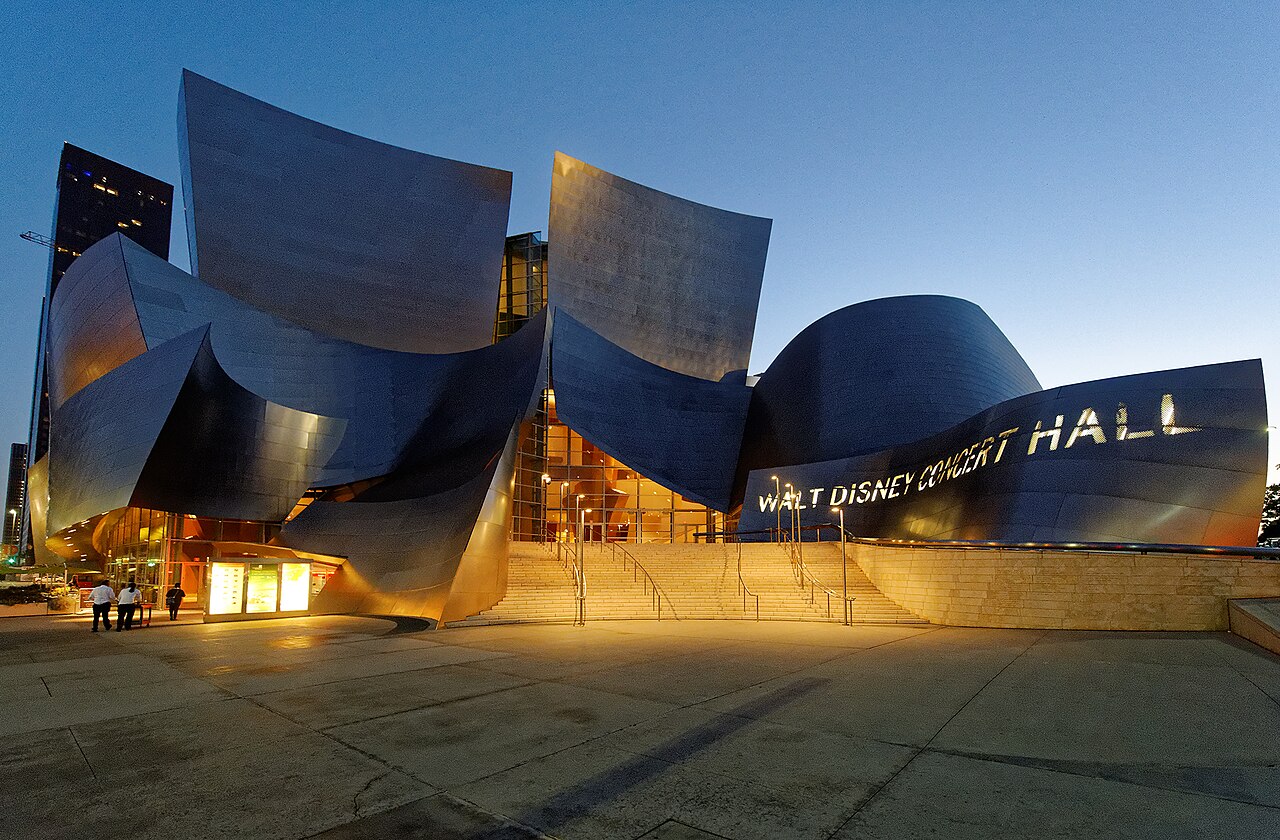
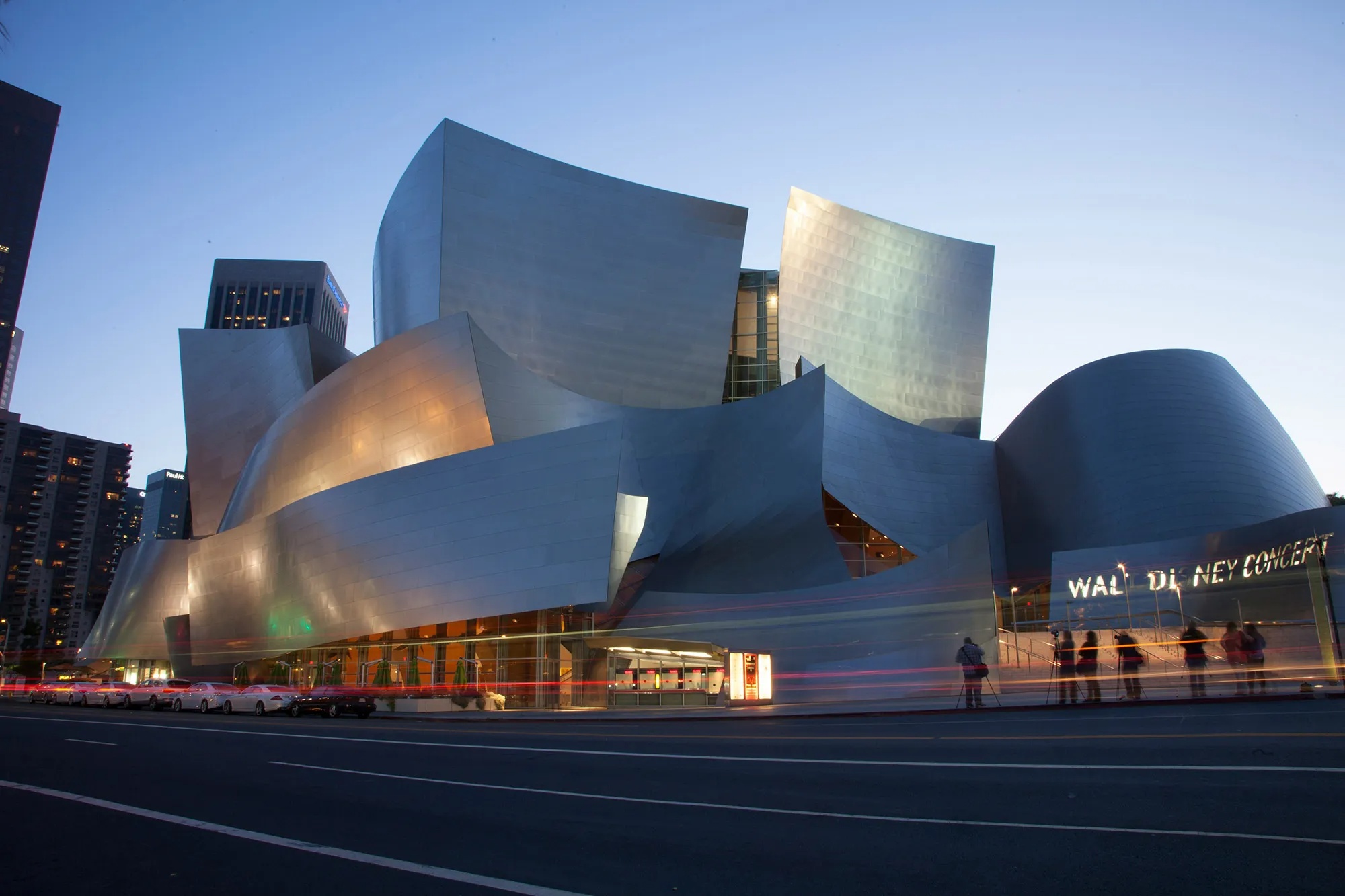
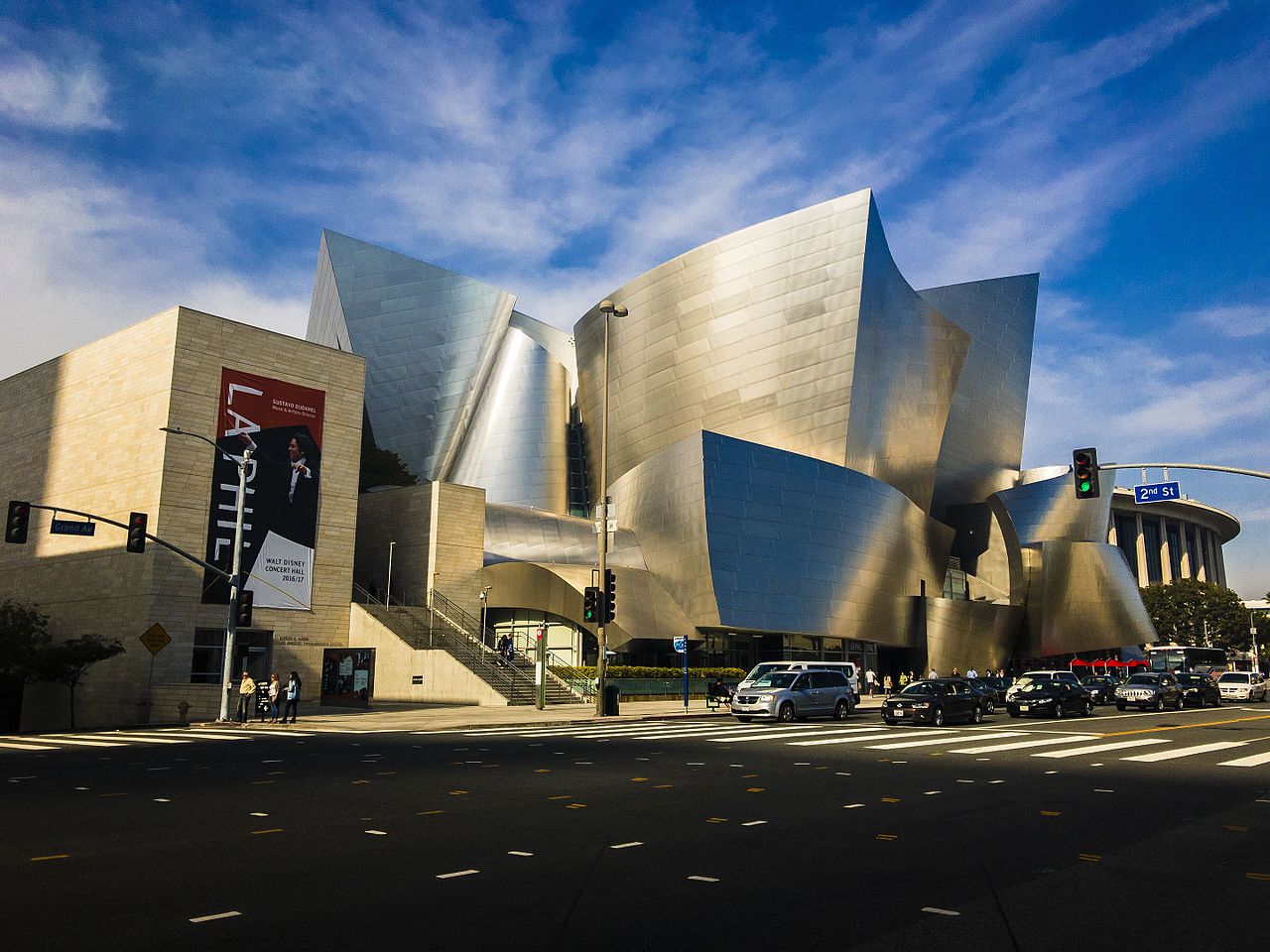
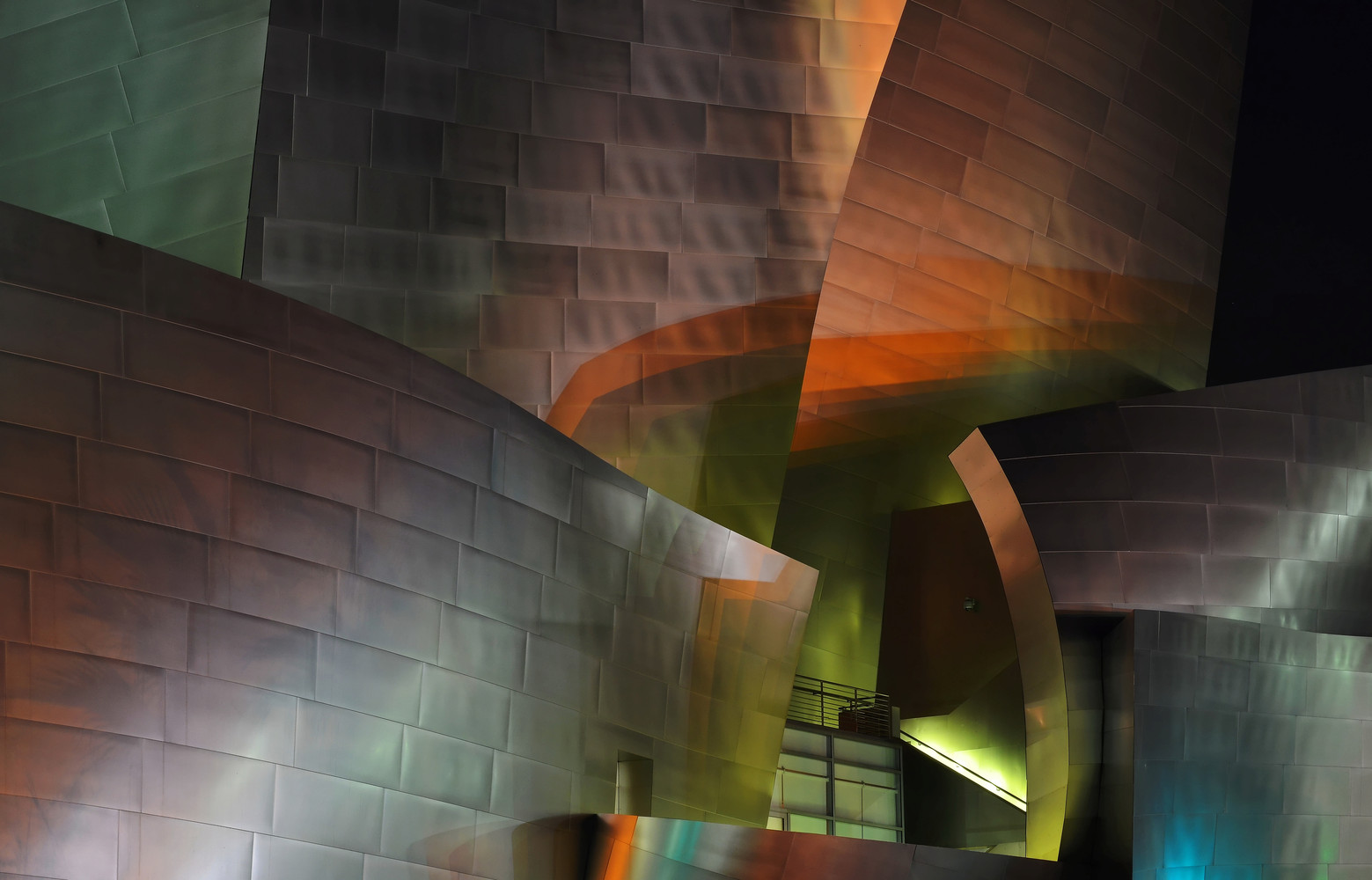
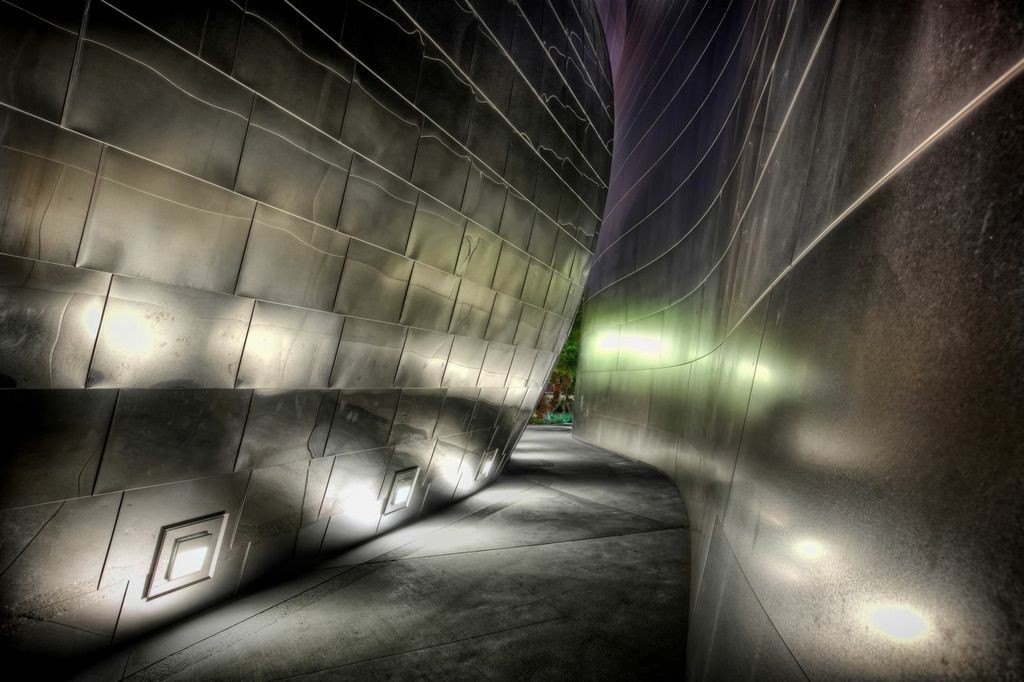
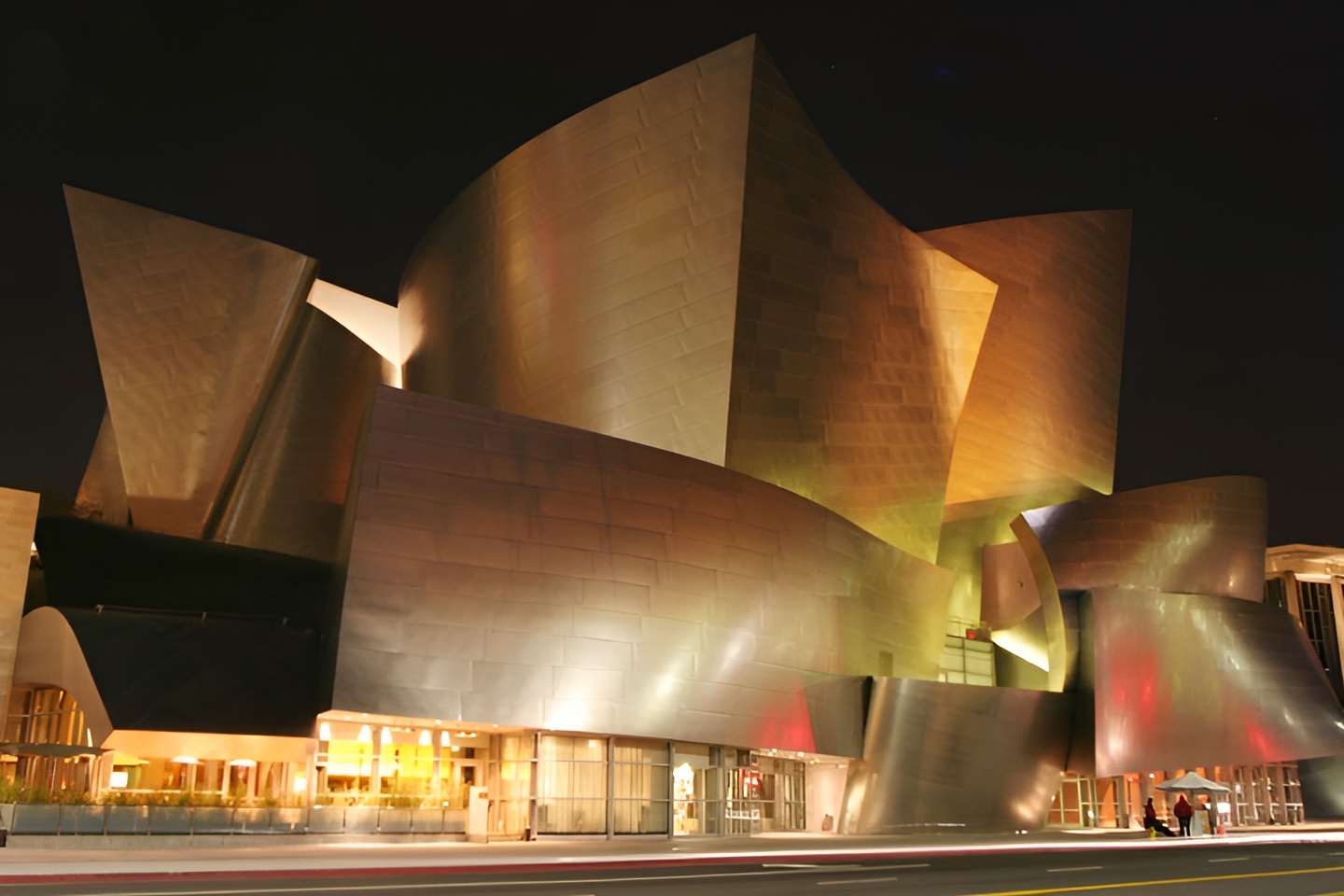
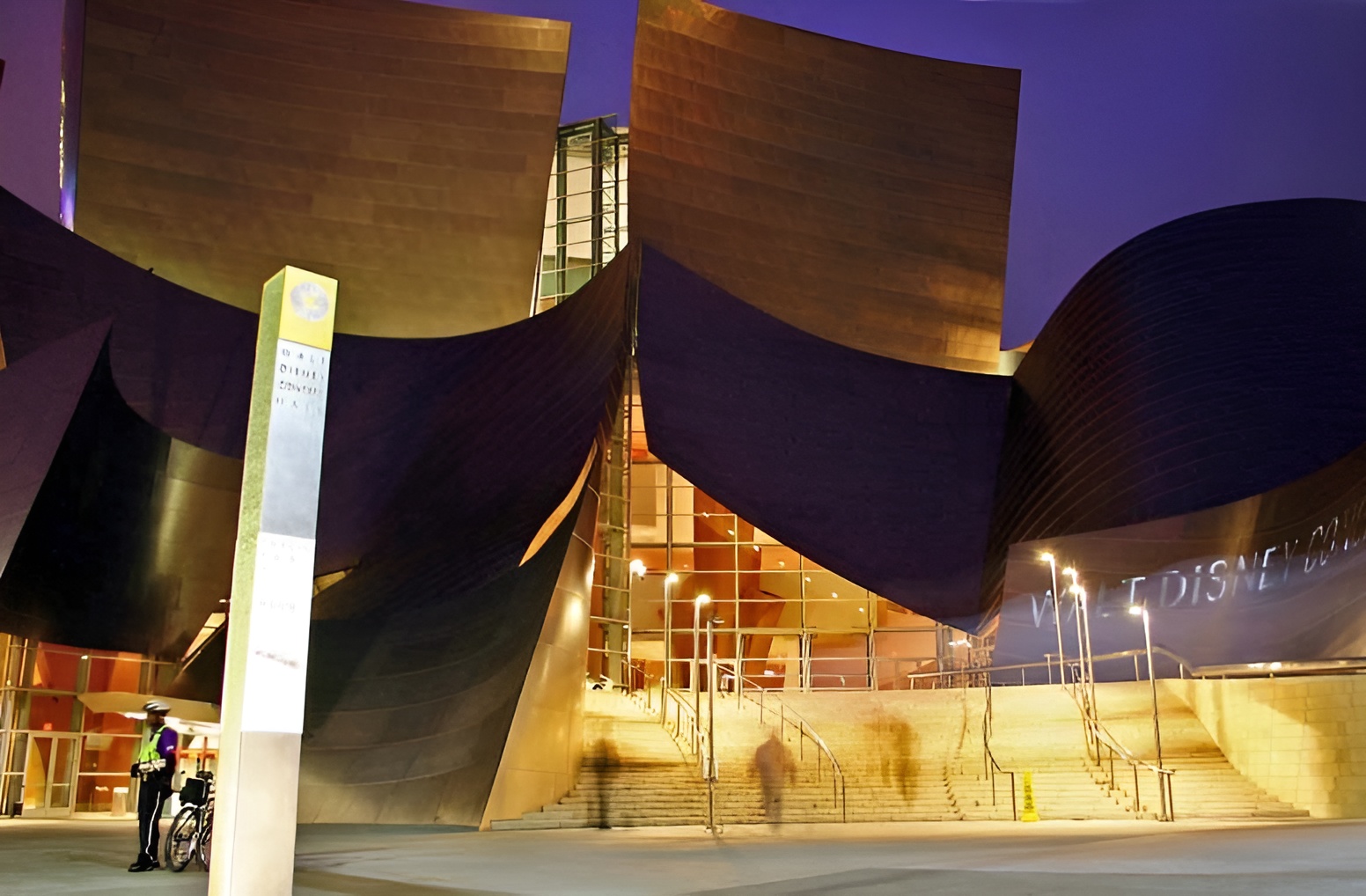
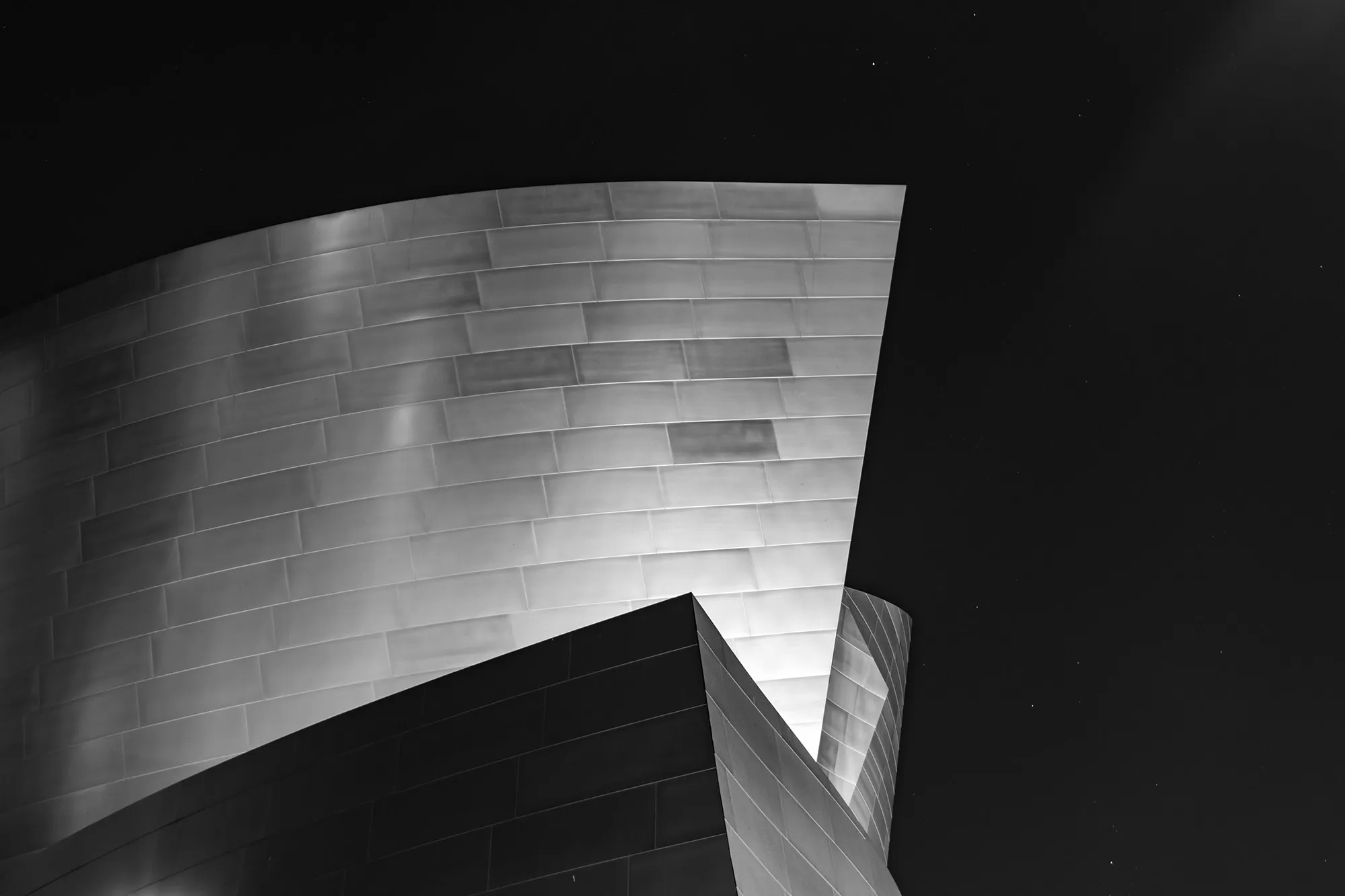
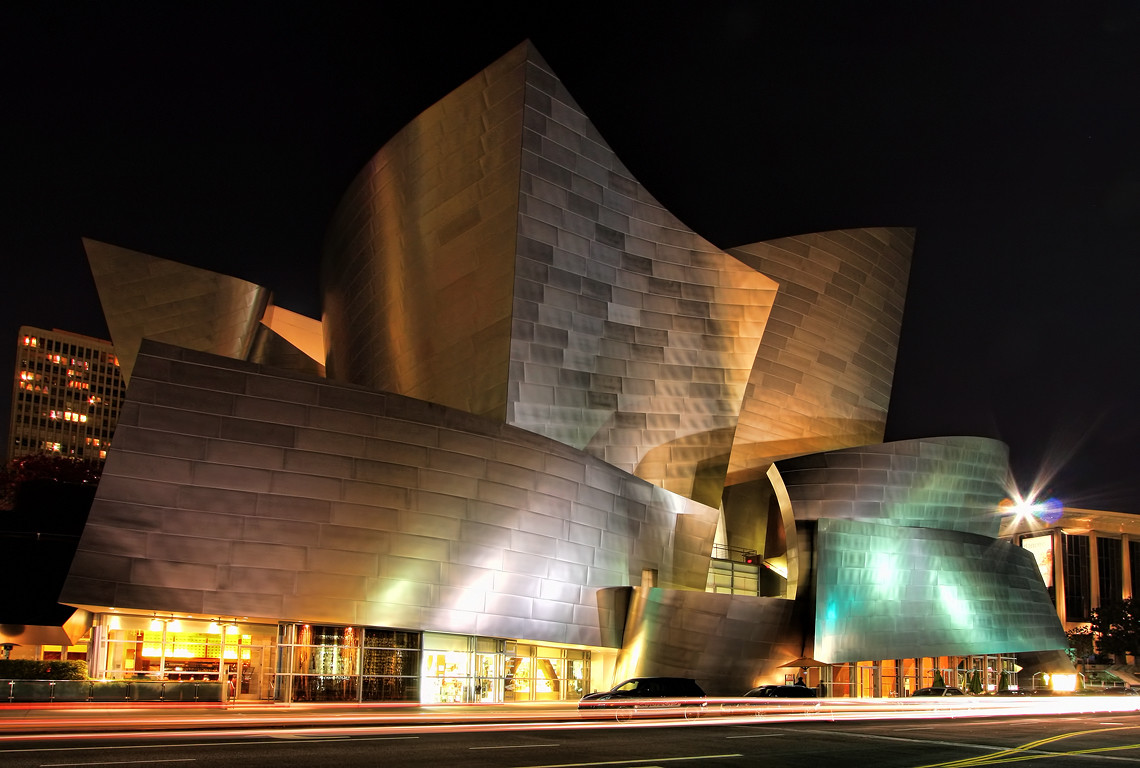
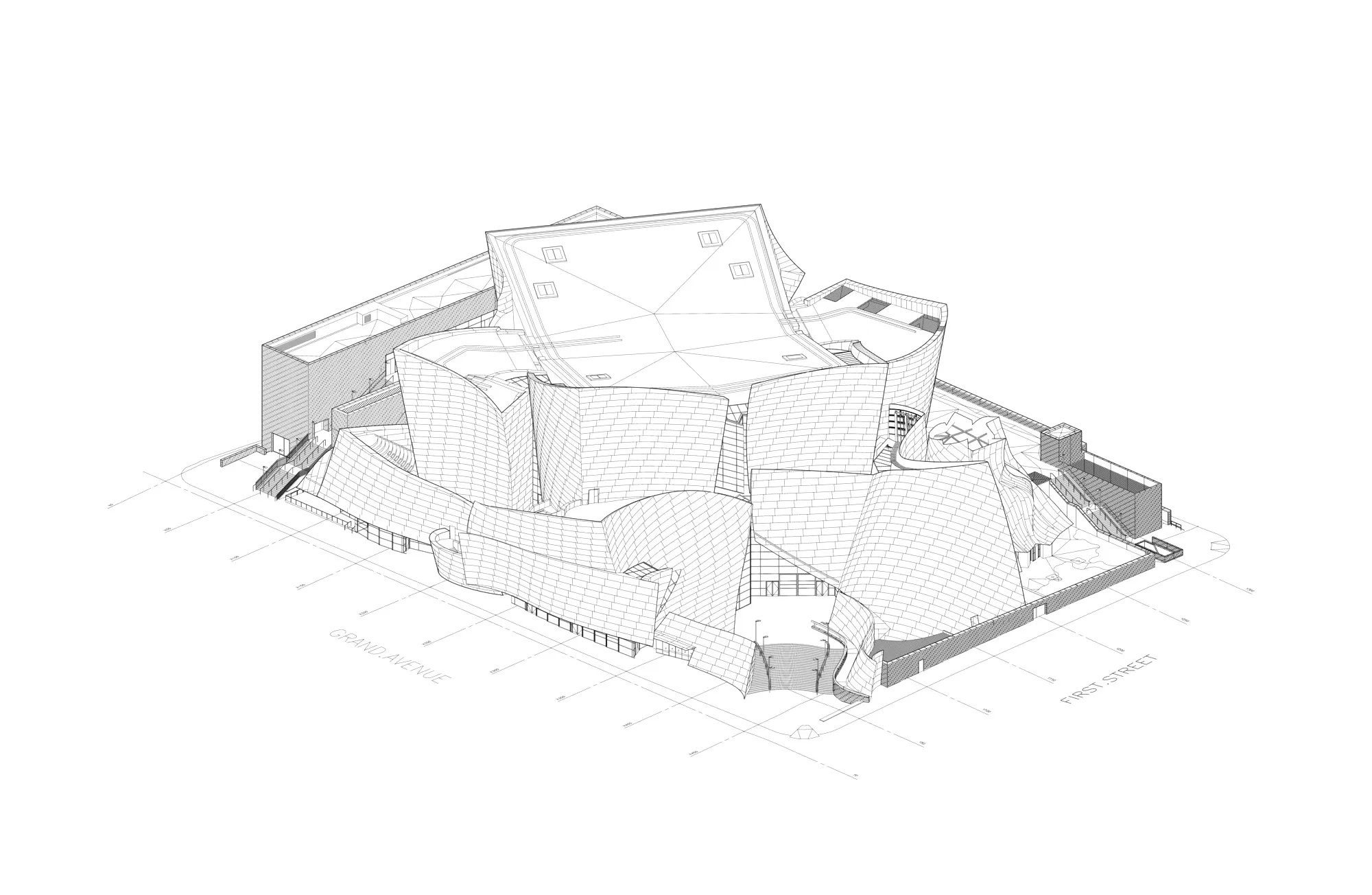
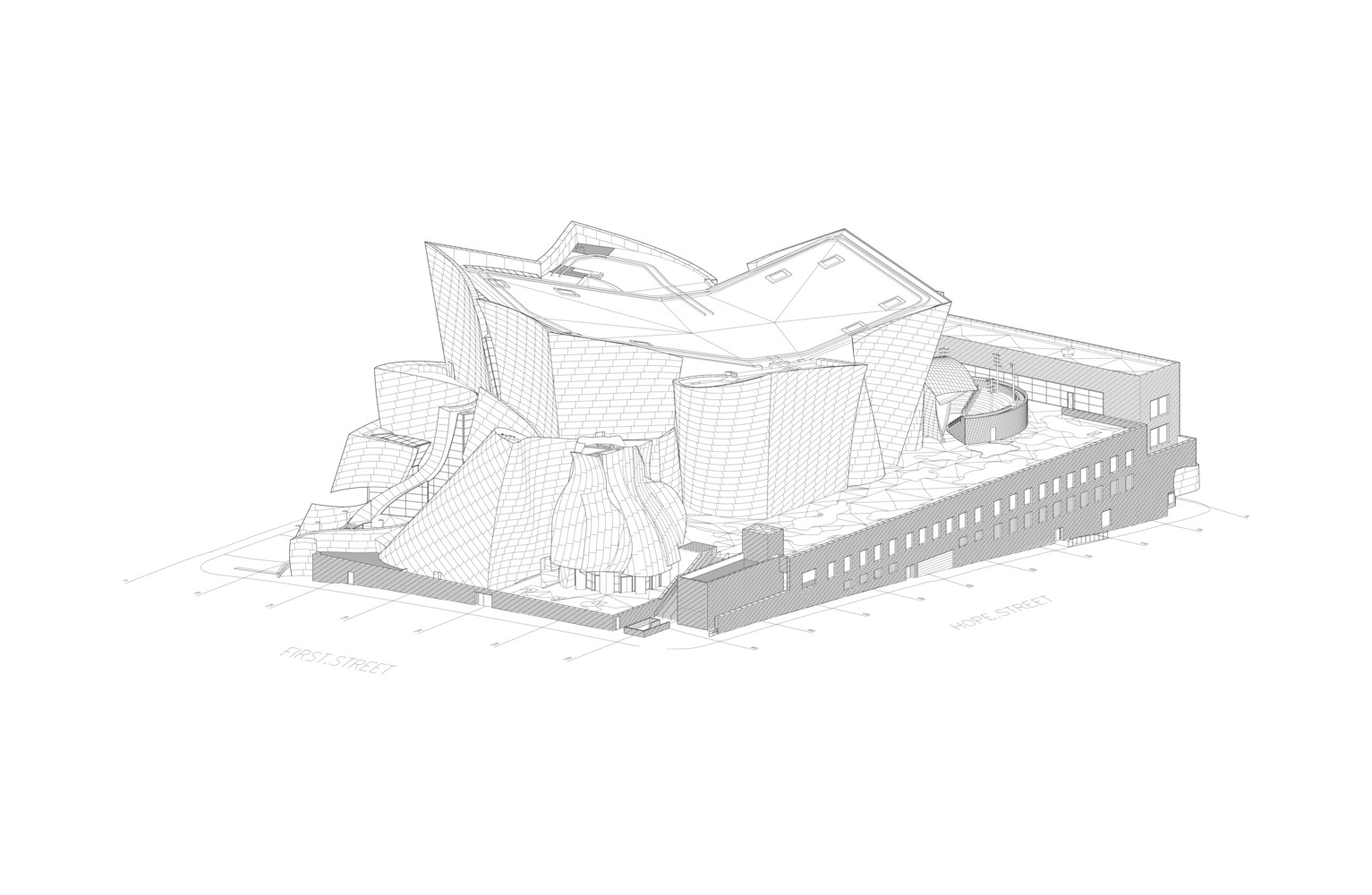
The exterior presents a composition of curved and angled stainless steel panels. A shift from an initial stone proposal enabled greater formal flexibility and responded to advancements in digital fabrication. CATIA software supported the translation of complex geometry into buildable components, including structural elements such as box columns inclined at 17 degrees.
Walt Disney Concert Hall / Gehry Partners | Classics on Architecture Lab 172Walt Disney Concert Hall / Gehry Partners | Classics on Architecture Lab 173Walt Disney Concert Hall / Gehry Partners | Classics on Architecture Lab 174Walt Disney Concert Hall / Gehry Partners | Classics on Architecture Lab 175Walt Disney Concert Hall / Gehry Partners | Classics on Architecture Lab 176Walt Disney Concert Hall / Gehry Partners | Classics on Architecture Lab 177Walt Disney Concert Hall / Gehry Partners | Classics on Architecture Lab 178Walt Disney Concert Hall / Gehry Partners | Classics on Architecture Lab 179
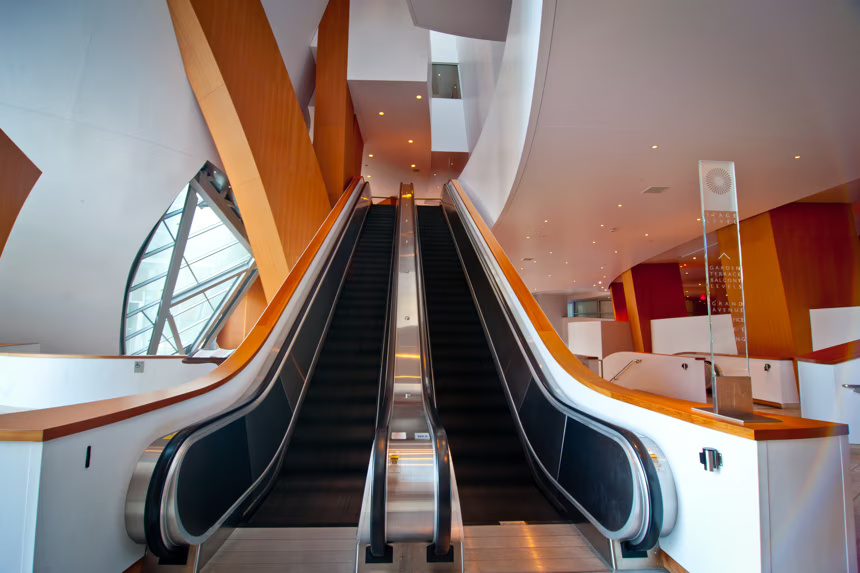
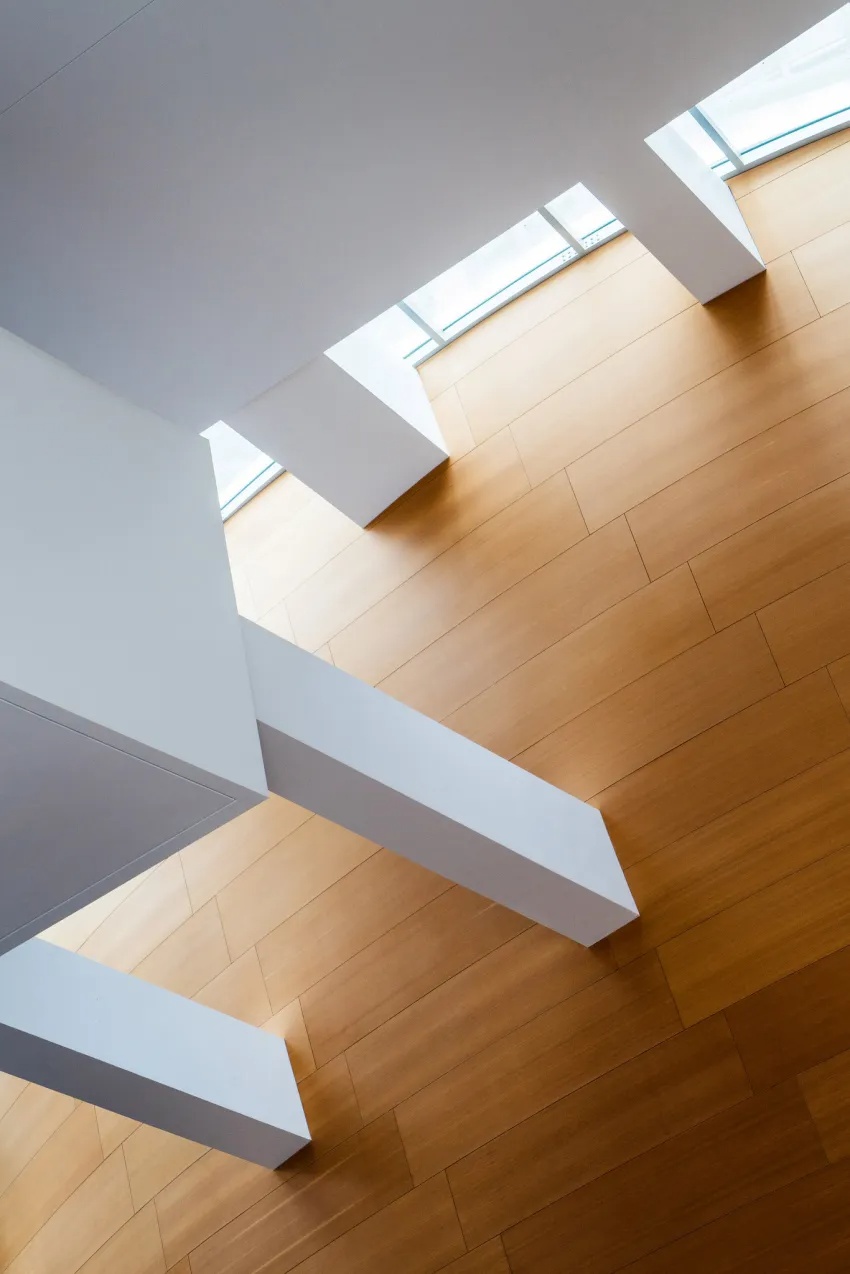
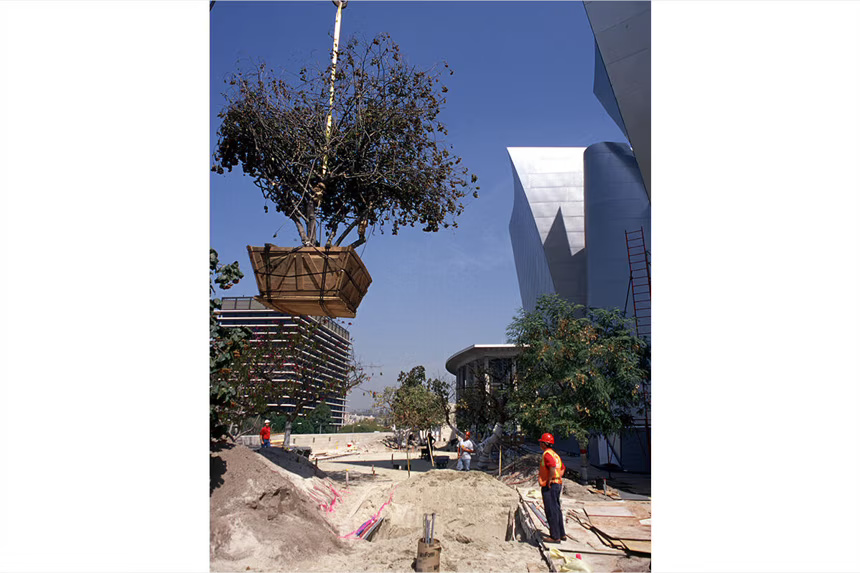
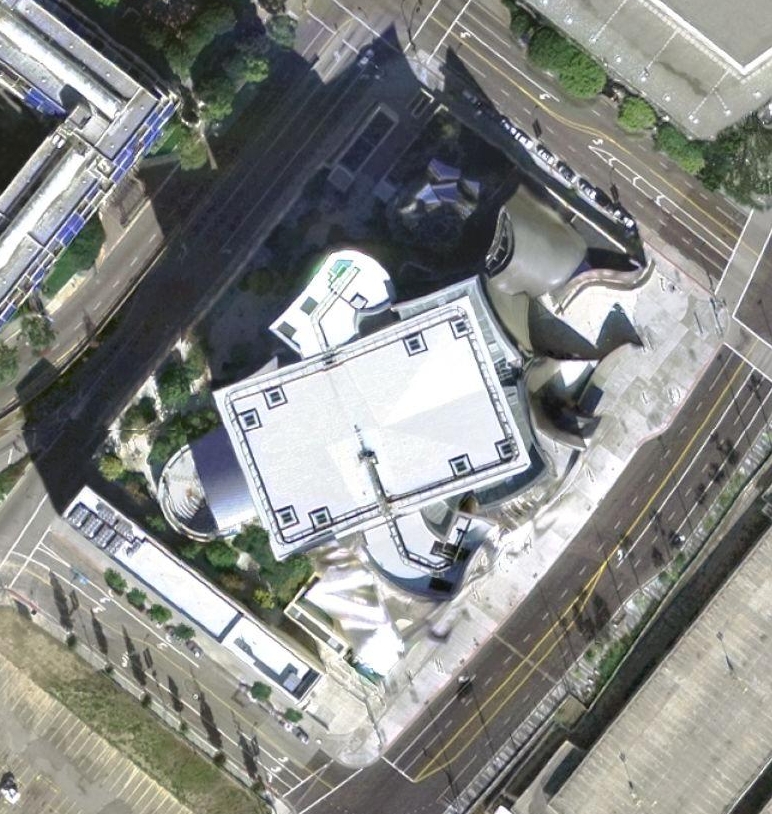
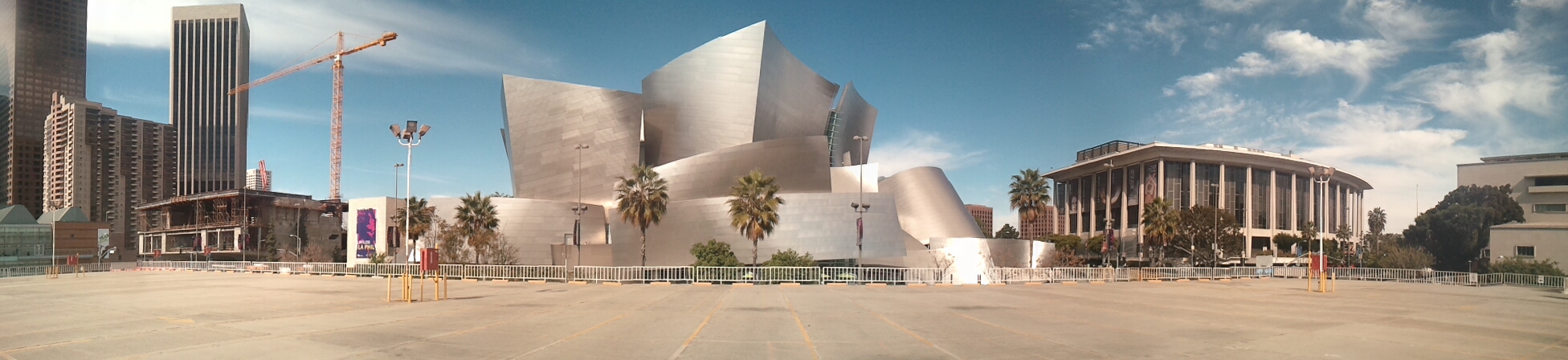
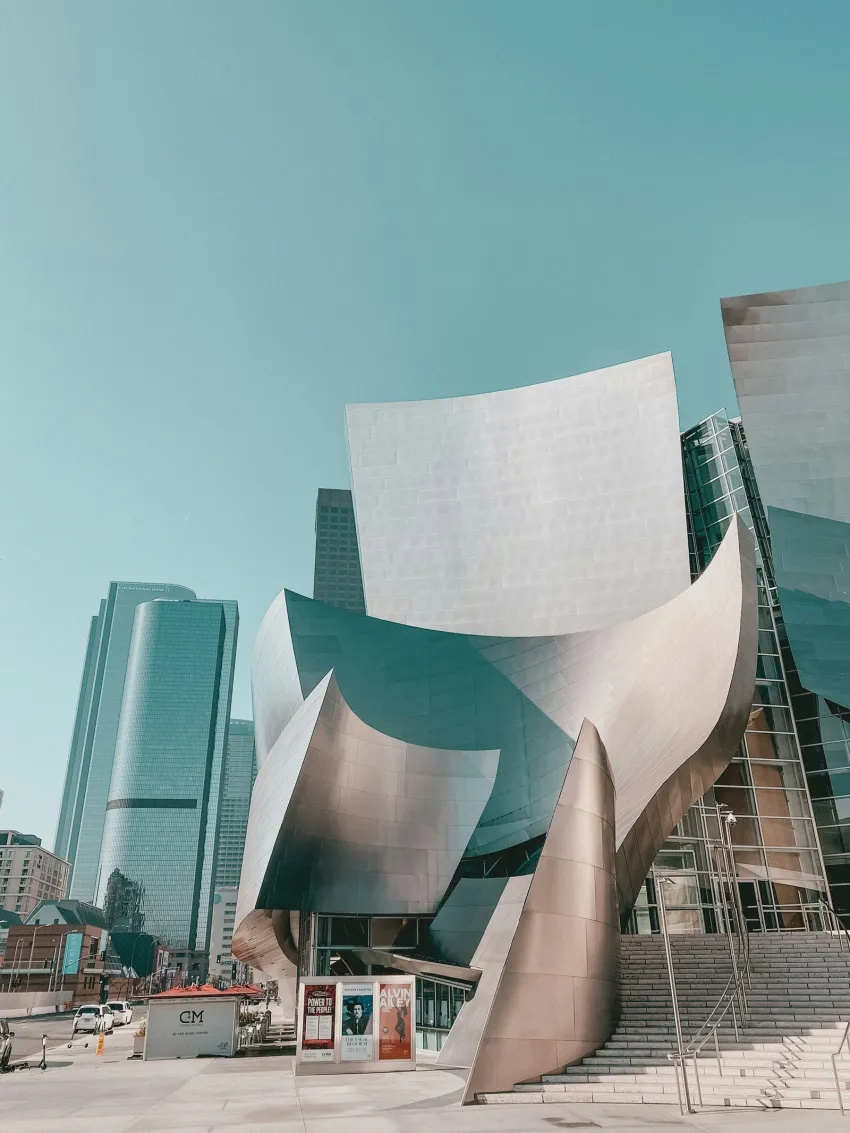
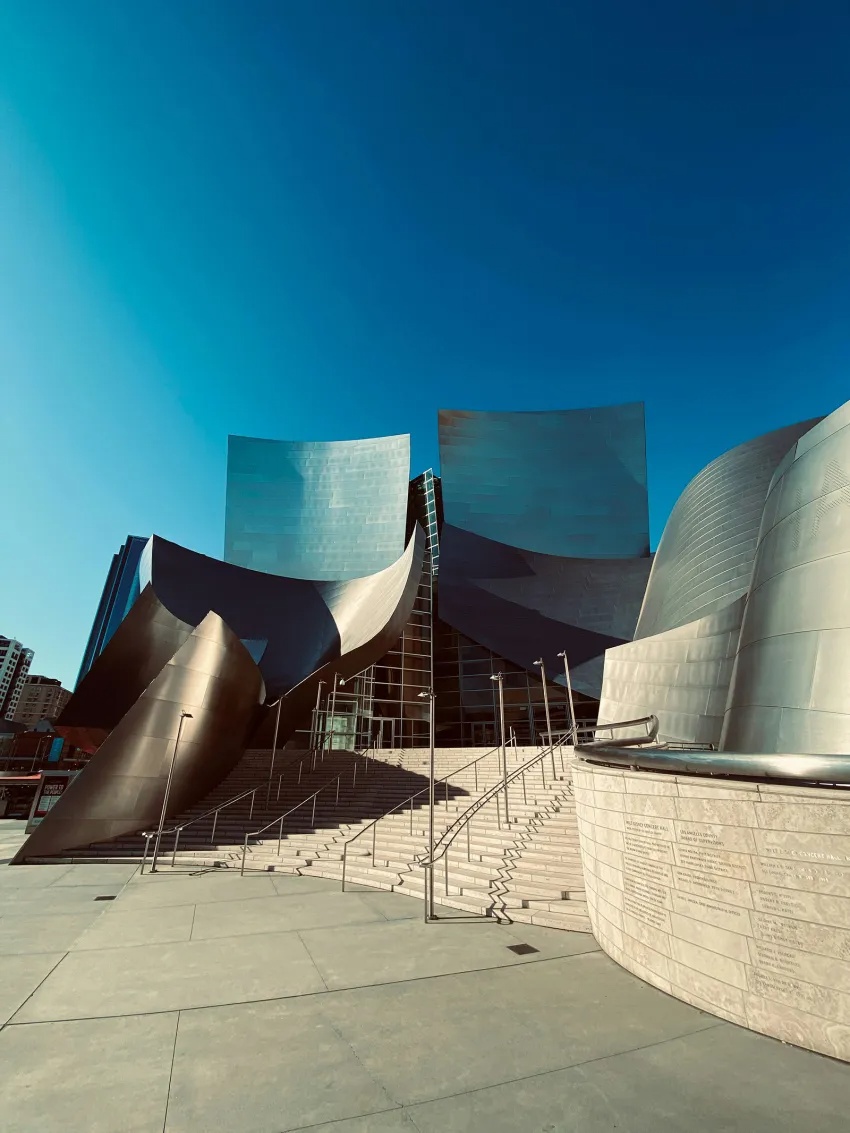
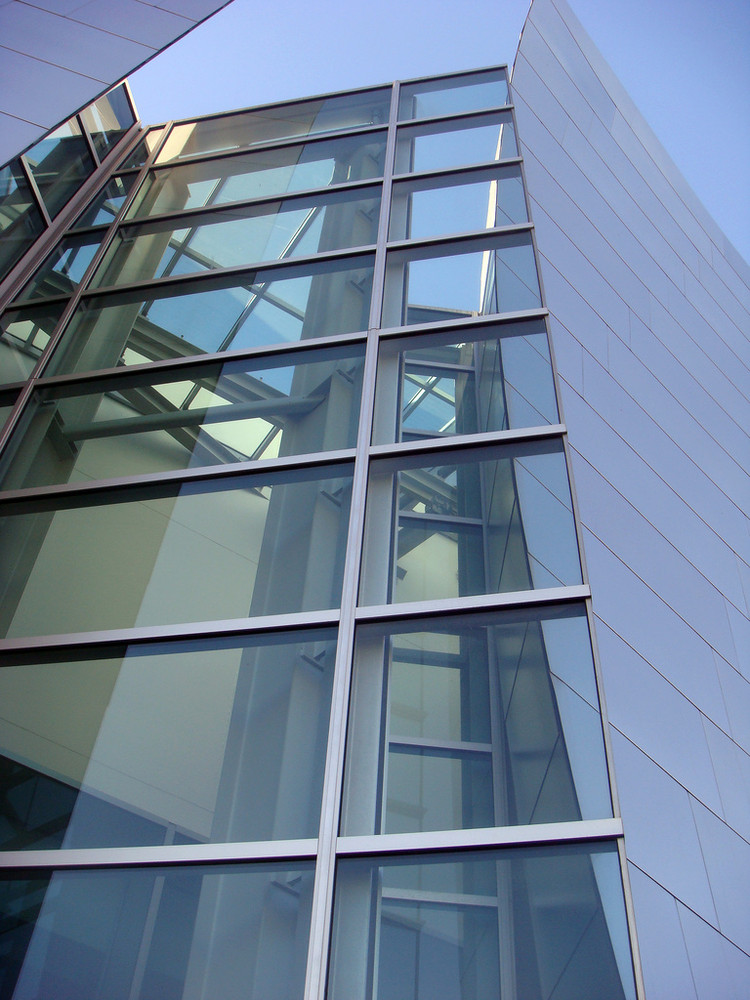
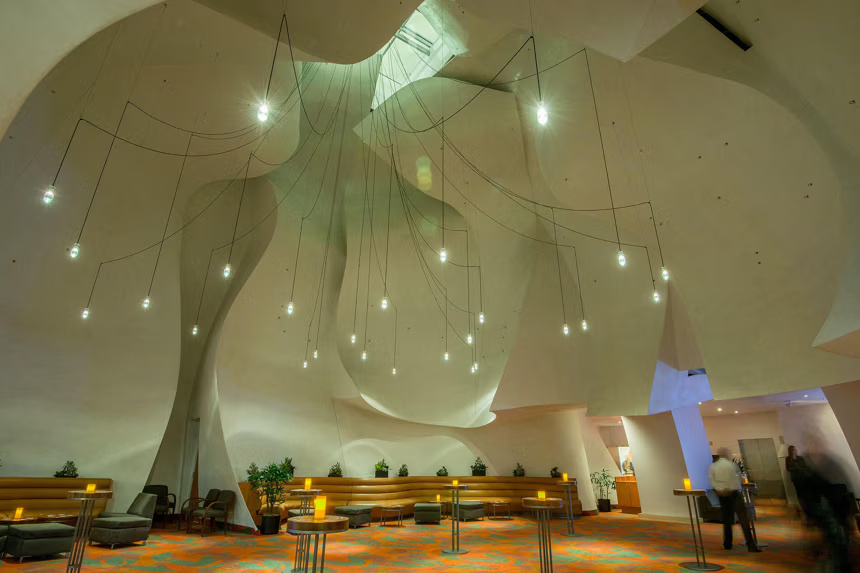
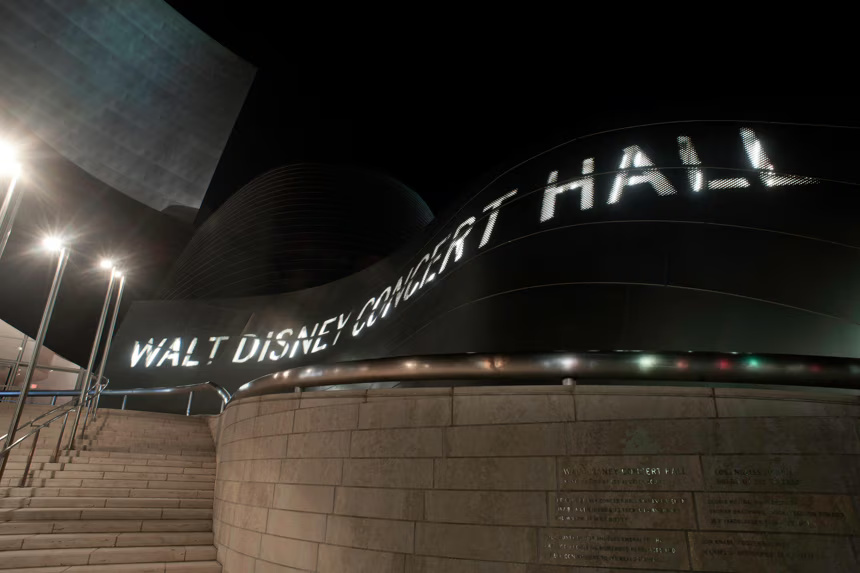
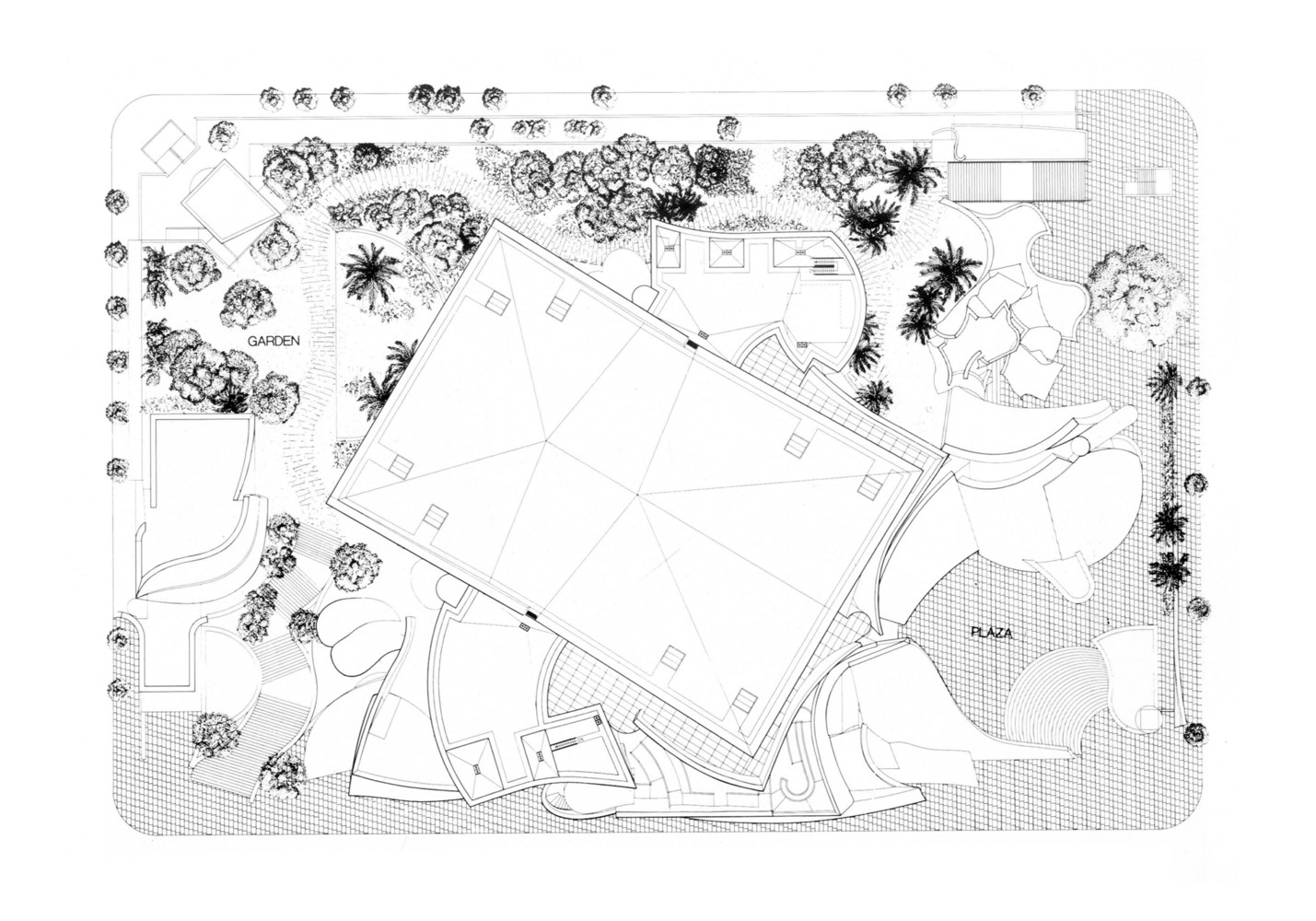
The building engages the city through a sequence of public spaces, including gardens, terraces, and a transparent lobby that extends activity beyond performance hours. The hall forms part of the Los Angeles Music Center, positioned near the Dorothy Chandler Pavilion and contributing to the cultural development of Grand Avenue. An asymmetrical glazed base separates the metal volumes from the ground, while openings in the facade introduce natural light into circulation areas.
Walt Disney Concert Hall / Gehry Partners | Classics on Architecture Lab 180Walt Disney Concert Hall / Gehry Partners | Classics on Architecture Lab 181Walt Disney Concert Hall / Gehry Partners | Classics on Architecture Lab 182Walt Disney Concert Hall / Gehry Partners | Classics on Architecture Lab 183Walt Disney Concert Hall / Gehry Partners | Classics on Architecture Lab 184Walt Disney Concert Hall / Gehry Partners | Classics on Architecture Lab 185Walt Disney Concert Hall / Gehry Partners | Classics on Architecture Lab 186Walt Disney Concert Hall / Gehry Partners | Classics on Architecture Lab 187
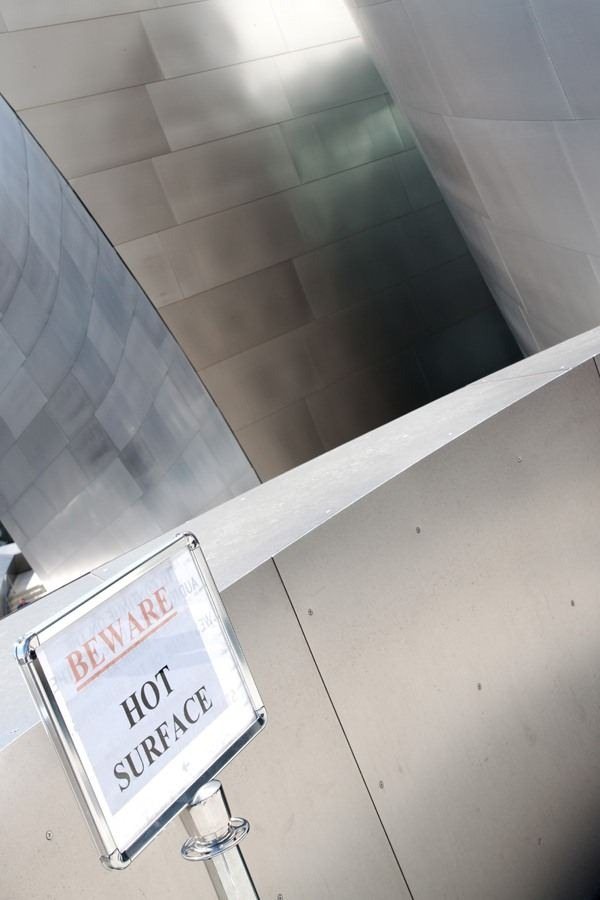
The reflective stainless steel surface created localized glare and heat after completion, requiring targeted surface treatment to reduce reflectivity while preserving the original design intent. Infrastructure considerations extended below grade, where a subway tunnel was constructed with vibration control measures to prevent acoustic disruption within the hall.
Walt Disney Concert Hall / Gehry Partners | Classics on Architecture Lab 188Walt Disney Concert Hall / Gehry Partners | Classics on Architecture Lab 189Walt Disney Concert Hall / Gehry Partners | Classics on Architecture Lab 190
The project integrates structural logic, acoustic performance, and material strategy into a coordinated architectural system. The steel framework supports complex geometry, wood surfaces regulate sound, and the exterior envelope mediates light and urban presence while maintaining the building’s role as both cultural venue and civic infrastructure.
Address: 111 South Grand Avenue, Los Angeles, California 90012, United States
Location is for general reference and may represent a city or country, not necessarily a precise address.
Architect
Anton Giuroiu
Anton is a RIBA accredited architect, when he's offline, he spends his time with the sculpta.ba architecture practice or in the MKR.S crafting studio, laser engraving and laser cutting architecture models. In his free time he geeks over taking care of his pencil and mechanical pencil collection.
Expertises: Architecture, Interior design, Home improvement, Drawing, Laser machining