

Architects: Louis Kahn
Year: 1953
Photography: Yale University Art Gallery, Xavier de Jauréguiberry, Petr Kratochvíl, Elizabeth Felicella, Samuel Ludwig, Ennead Architects, Wikimedia Commons, Nick Allen, Gunnar Klack, Wombatjpw, Ragesoss
Manufacturers: Zone Display Cases
Restoration Architect: Polshek Partnership Architects (now Ennead Architects)
City: New Haven
Country: United States
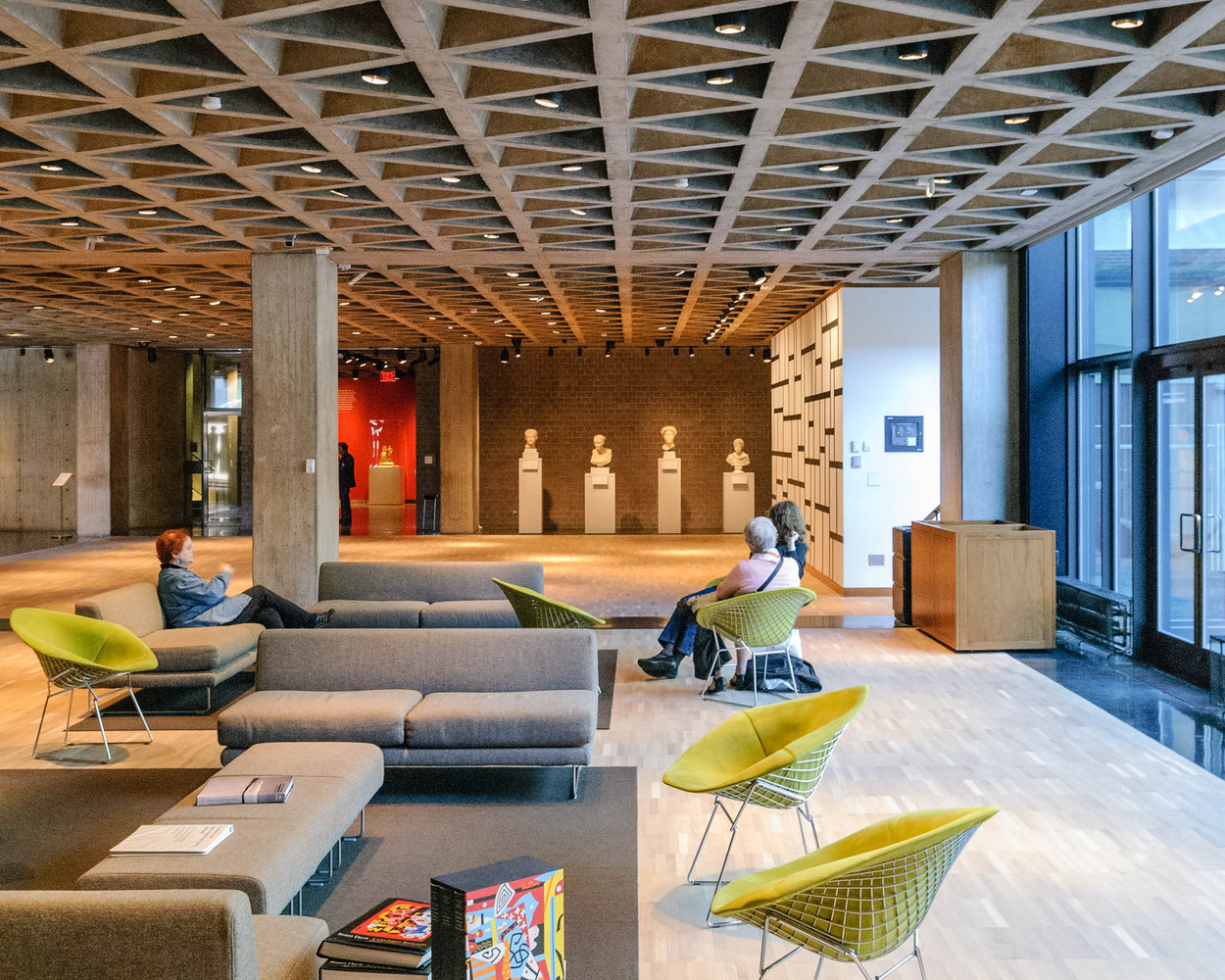
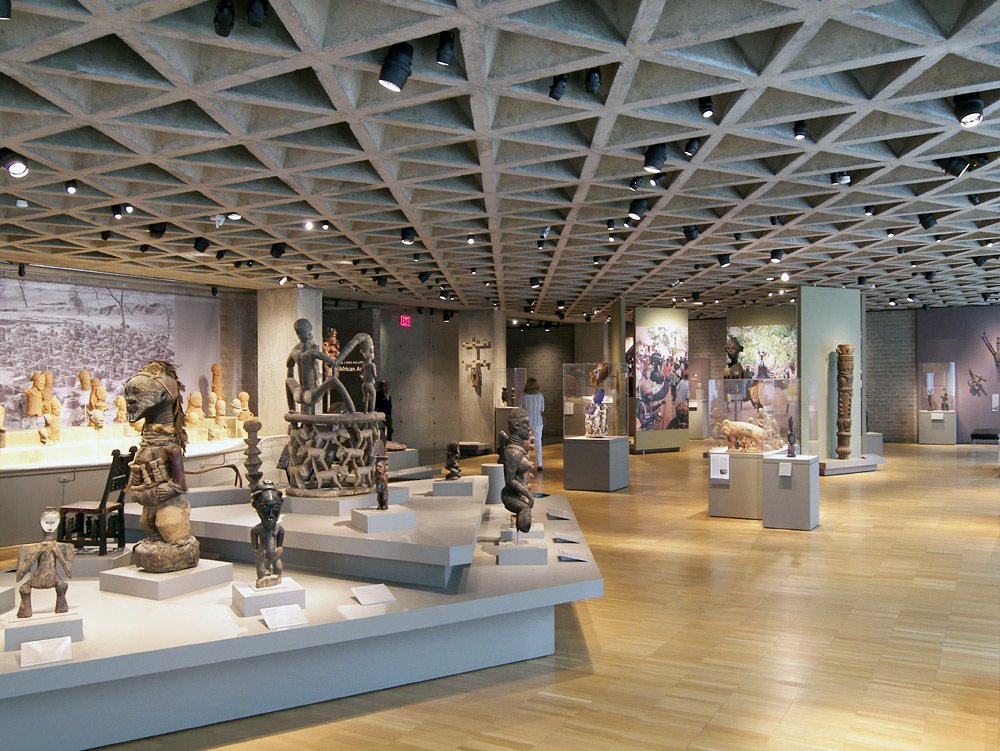
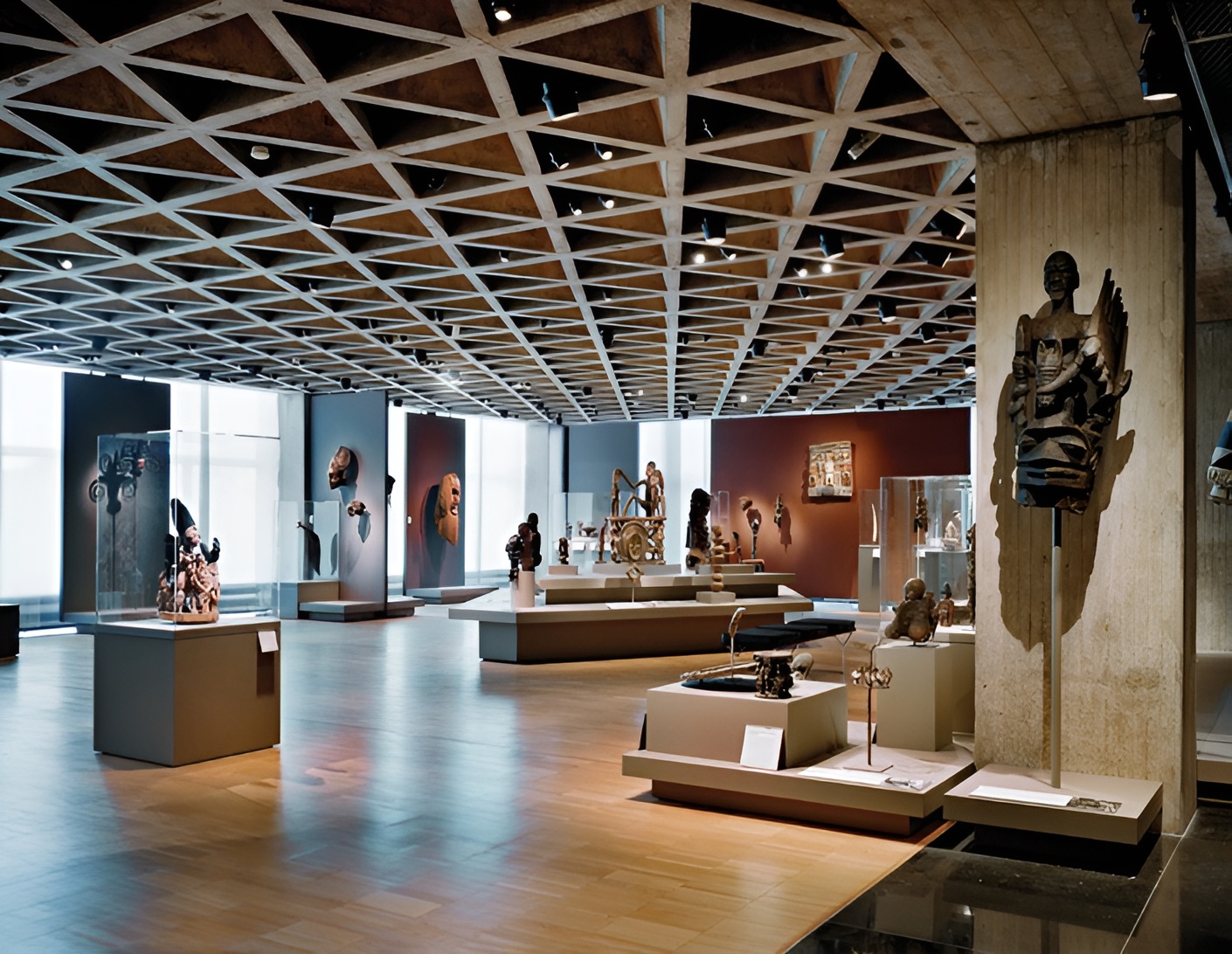
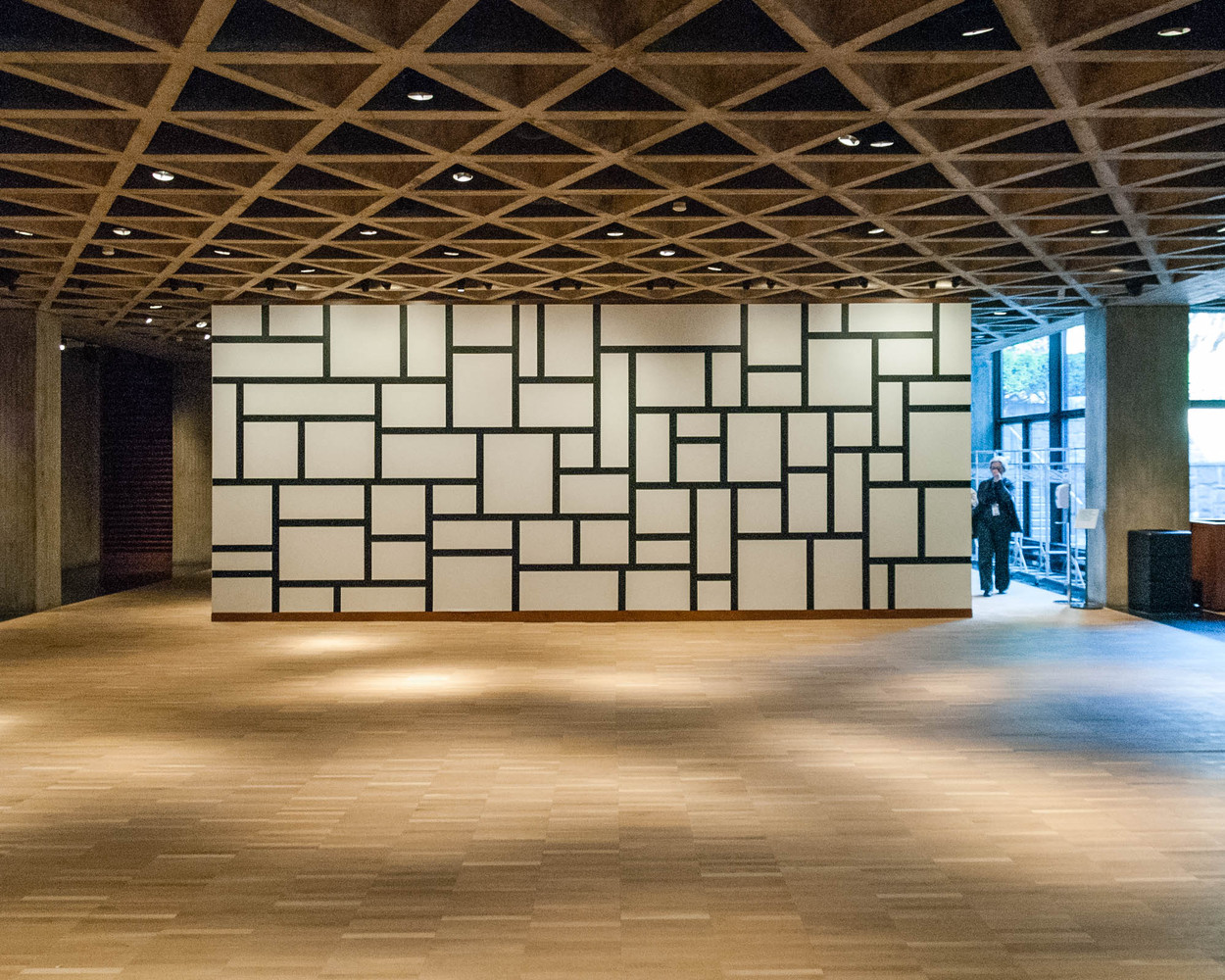
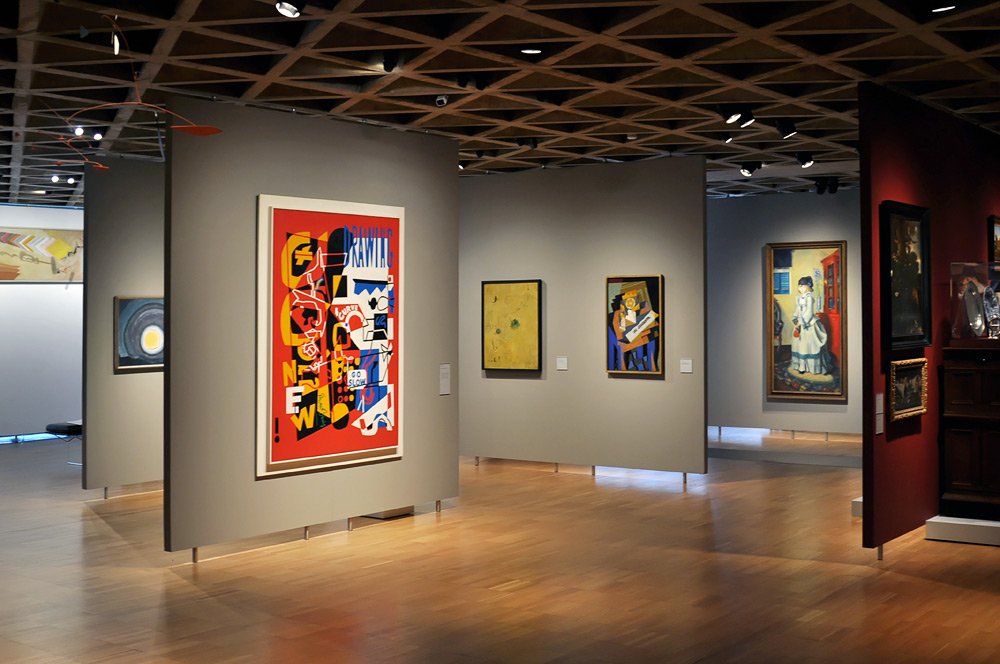
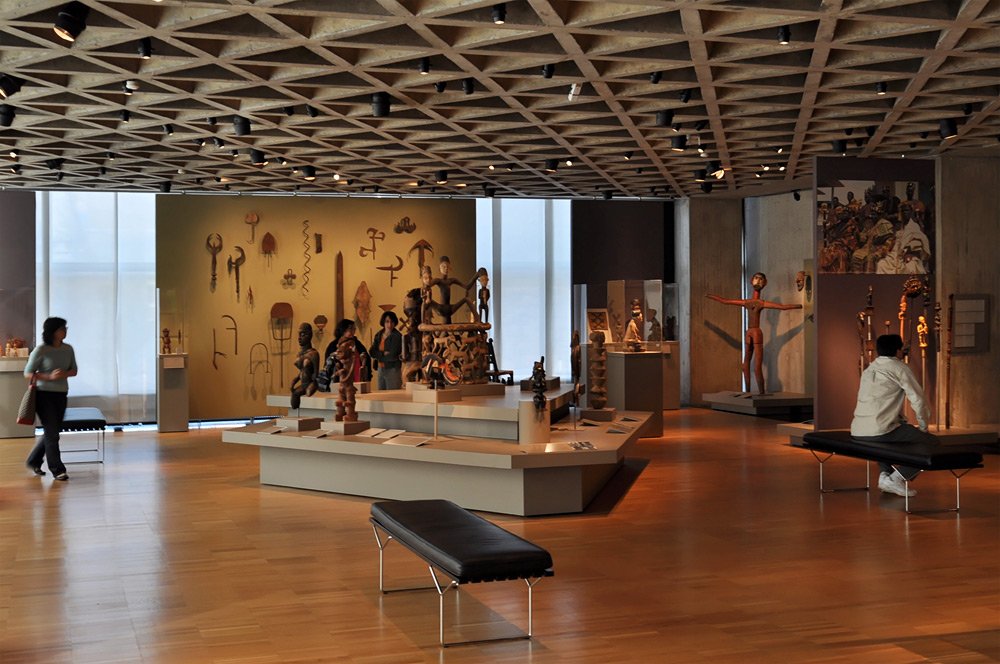
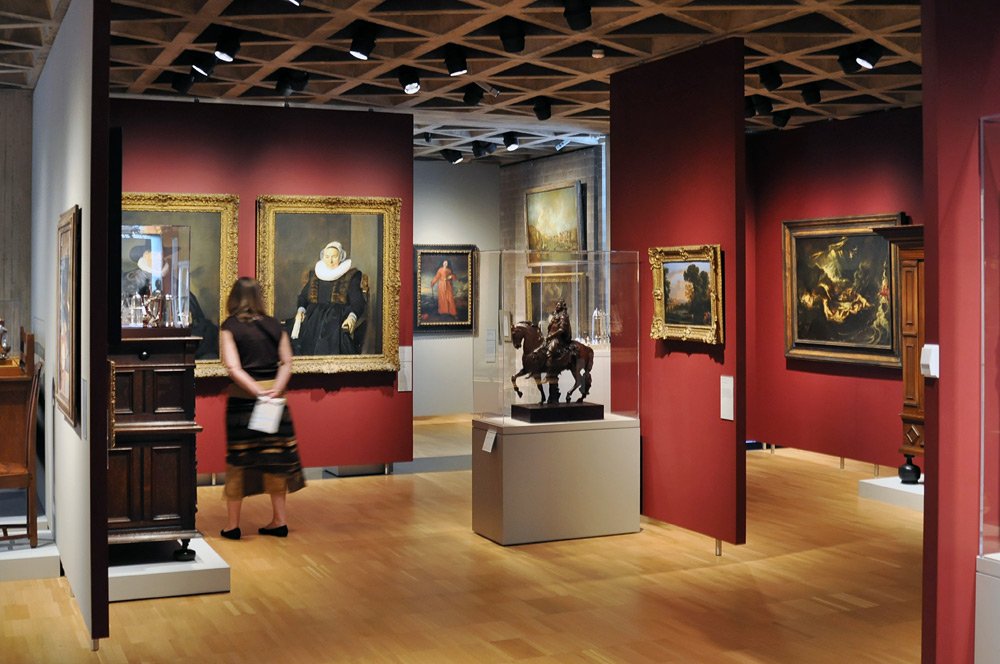
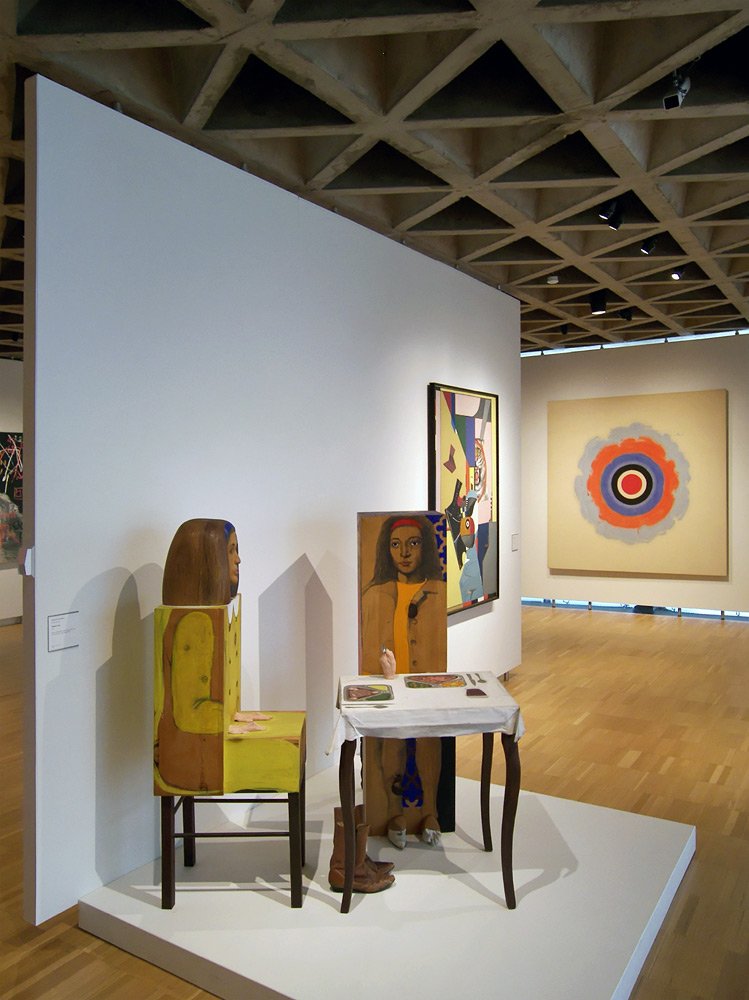
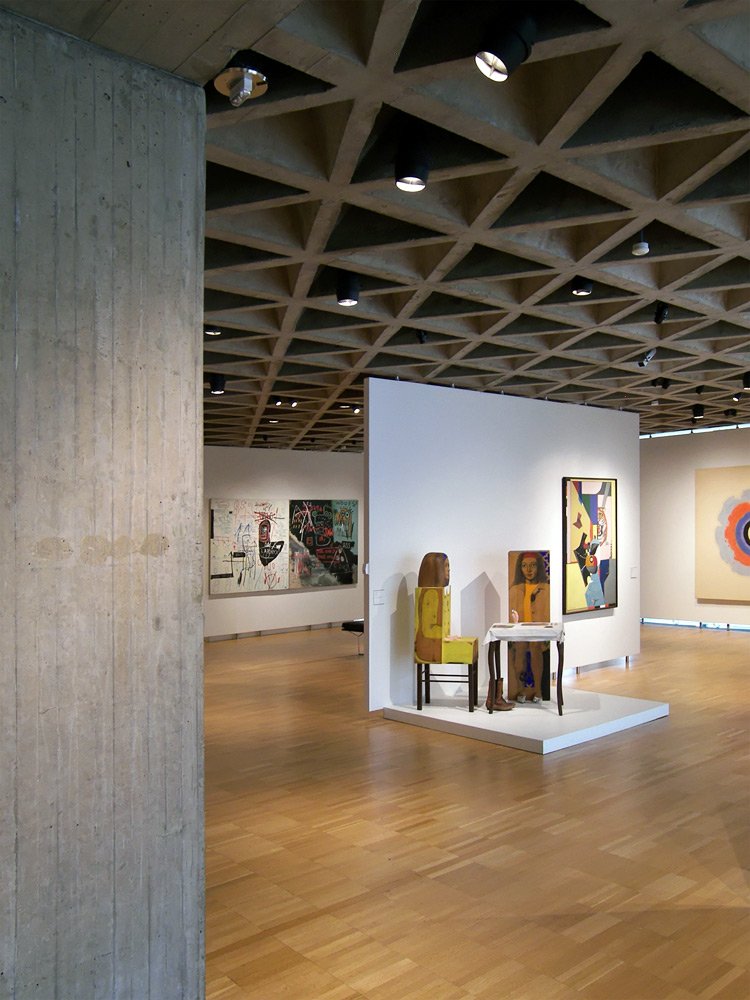
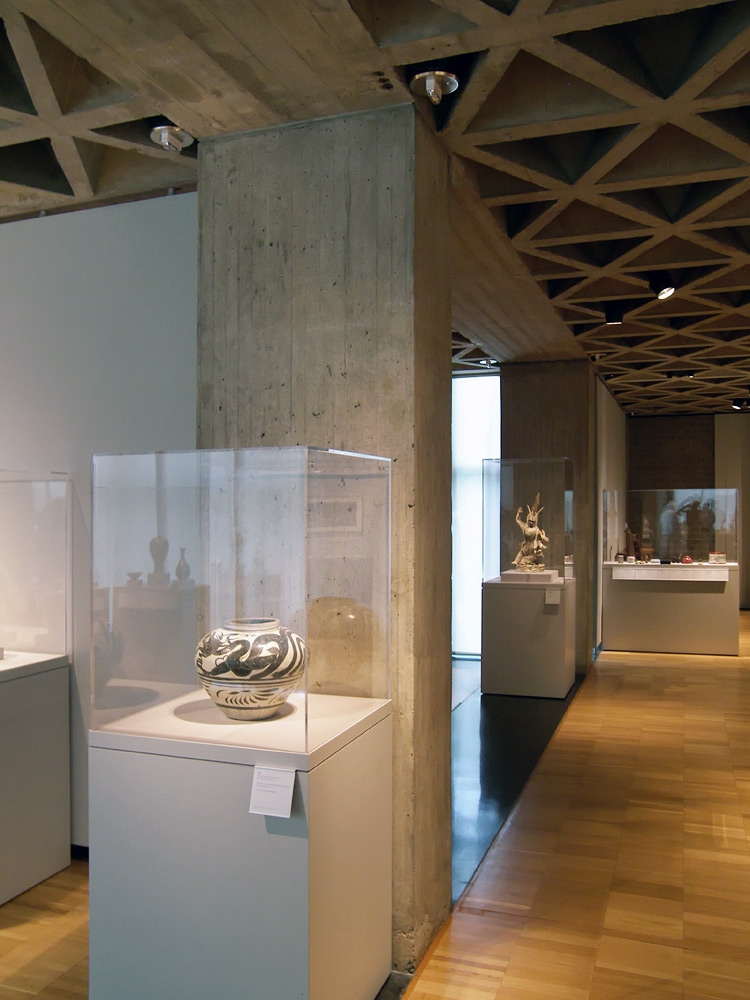
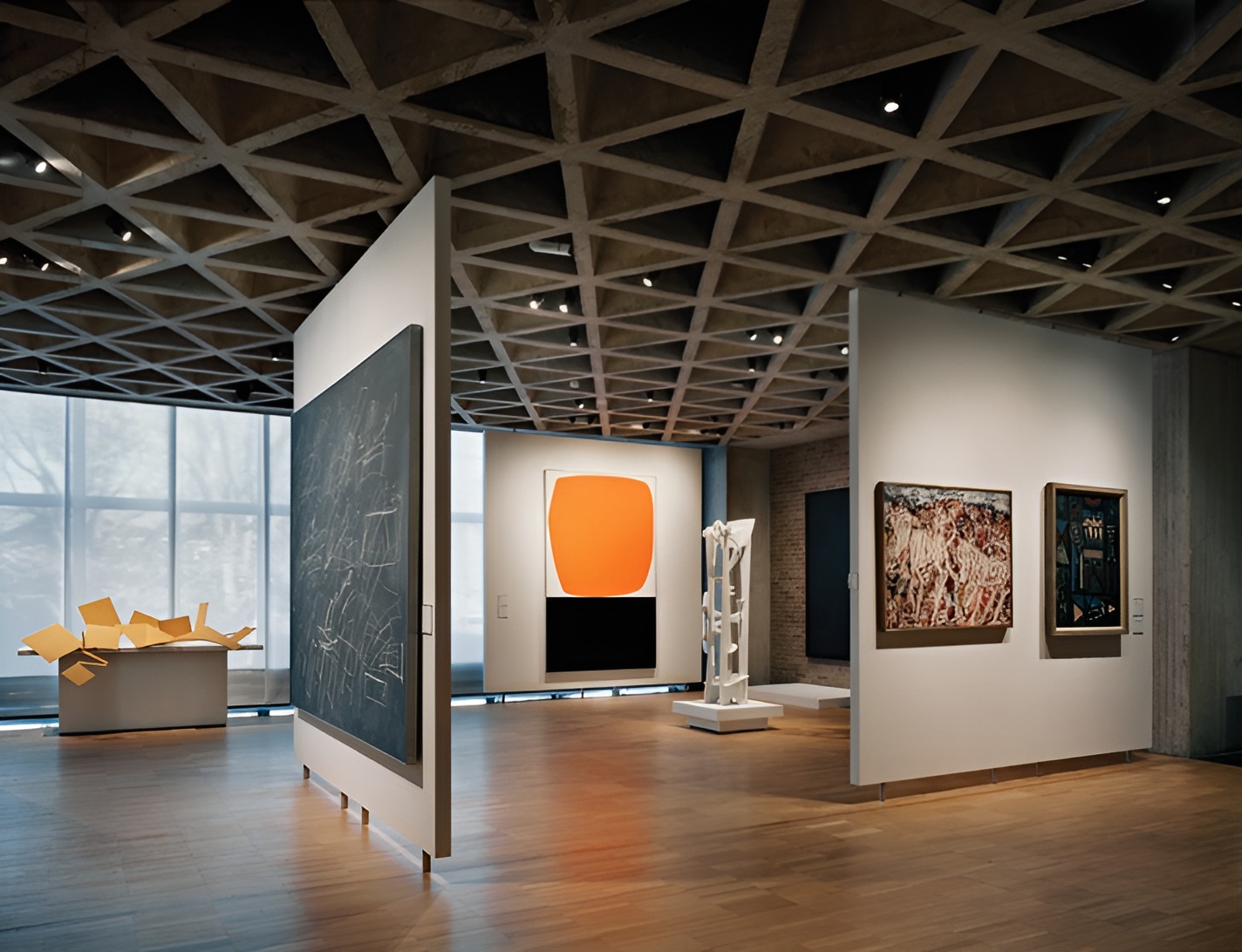
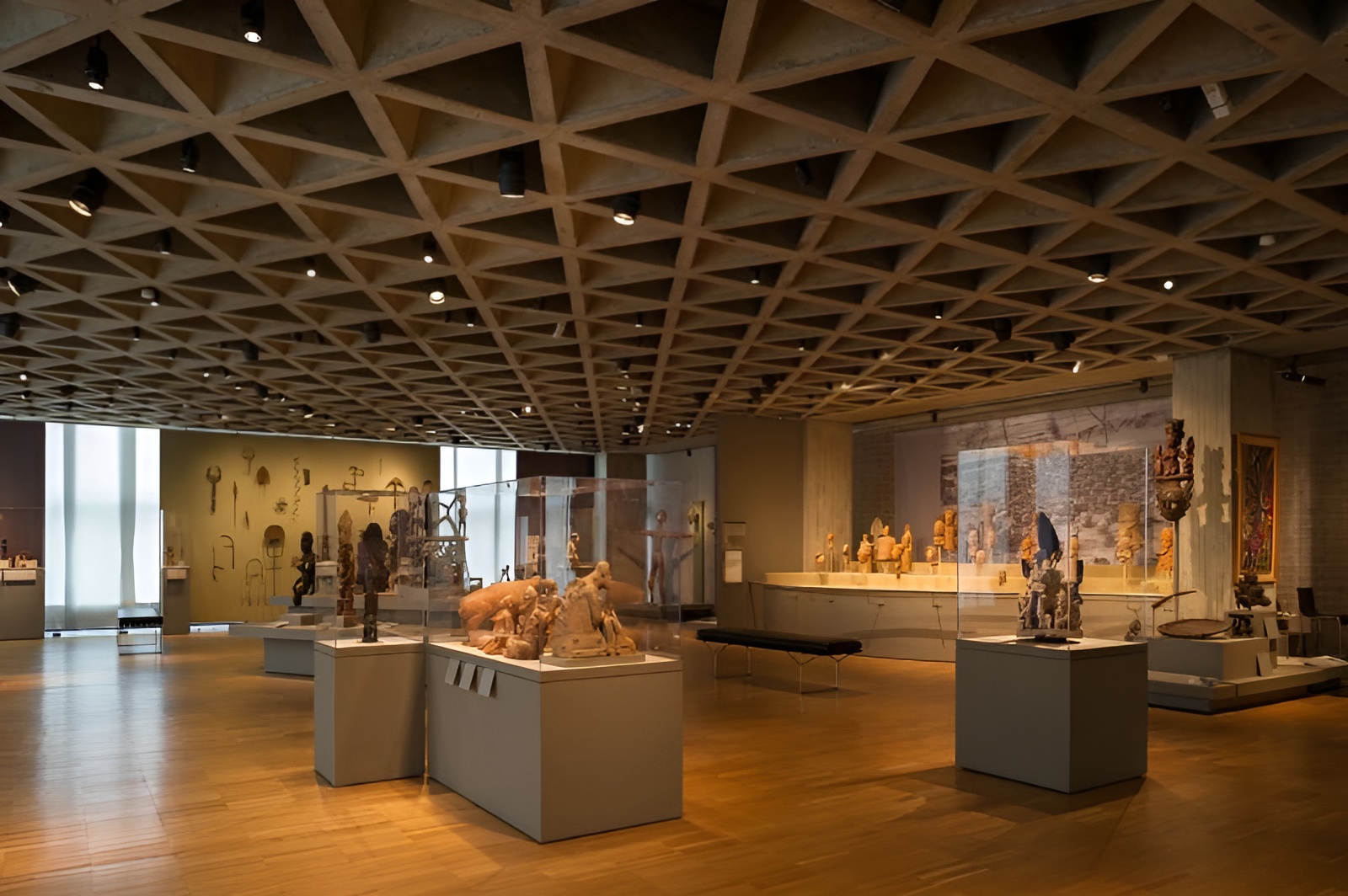
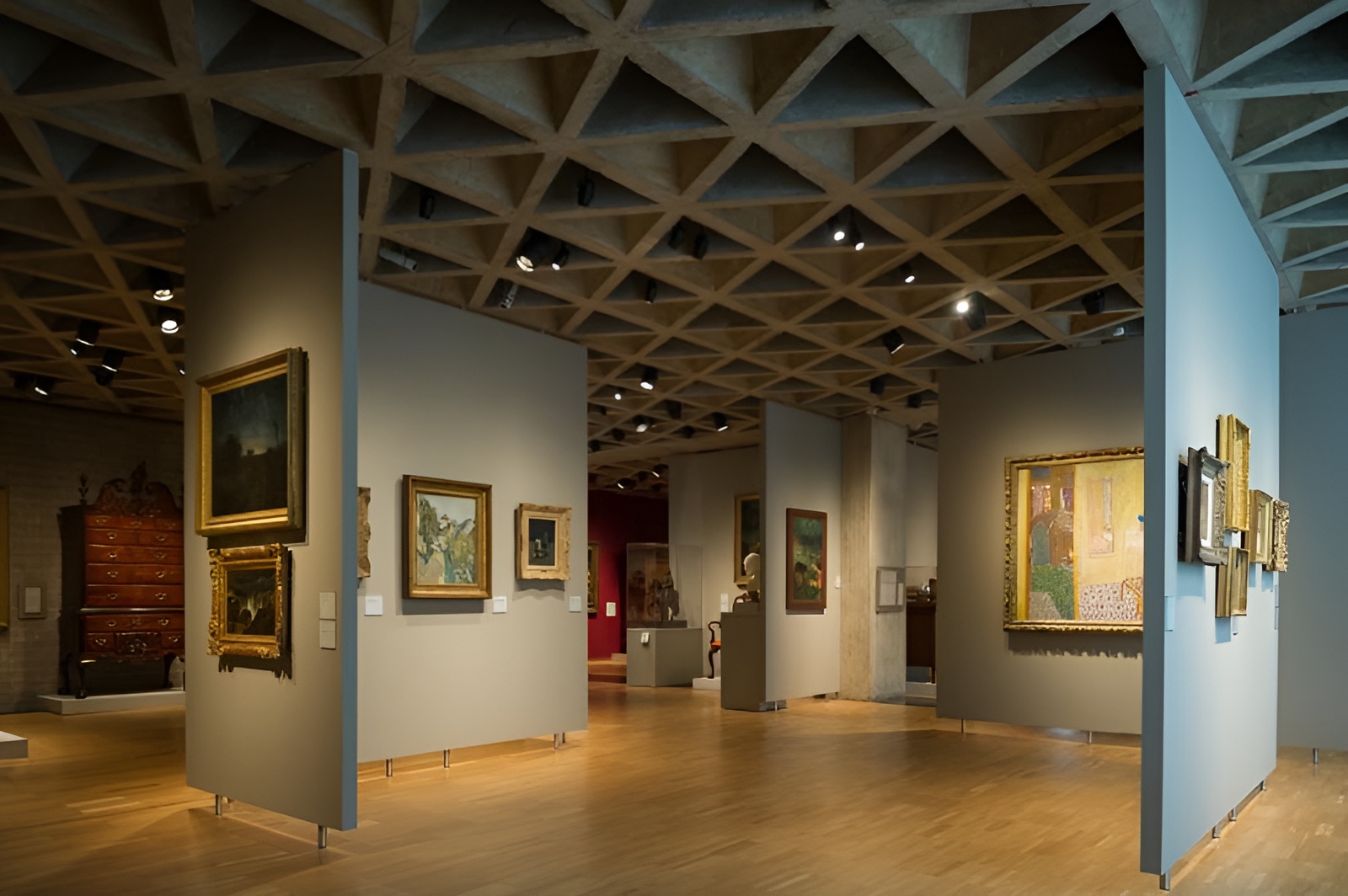
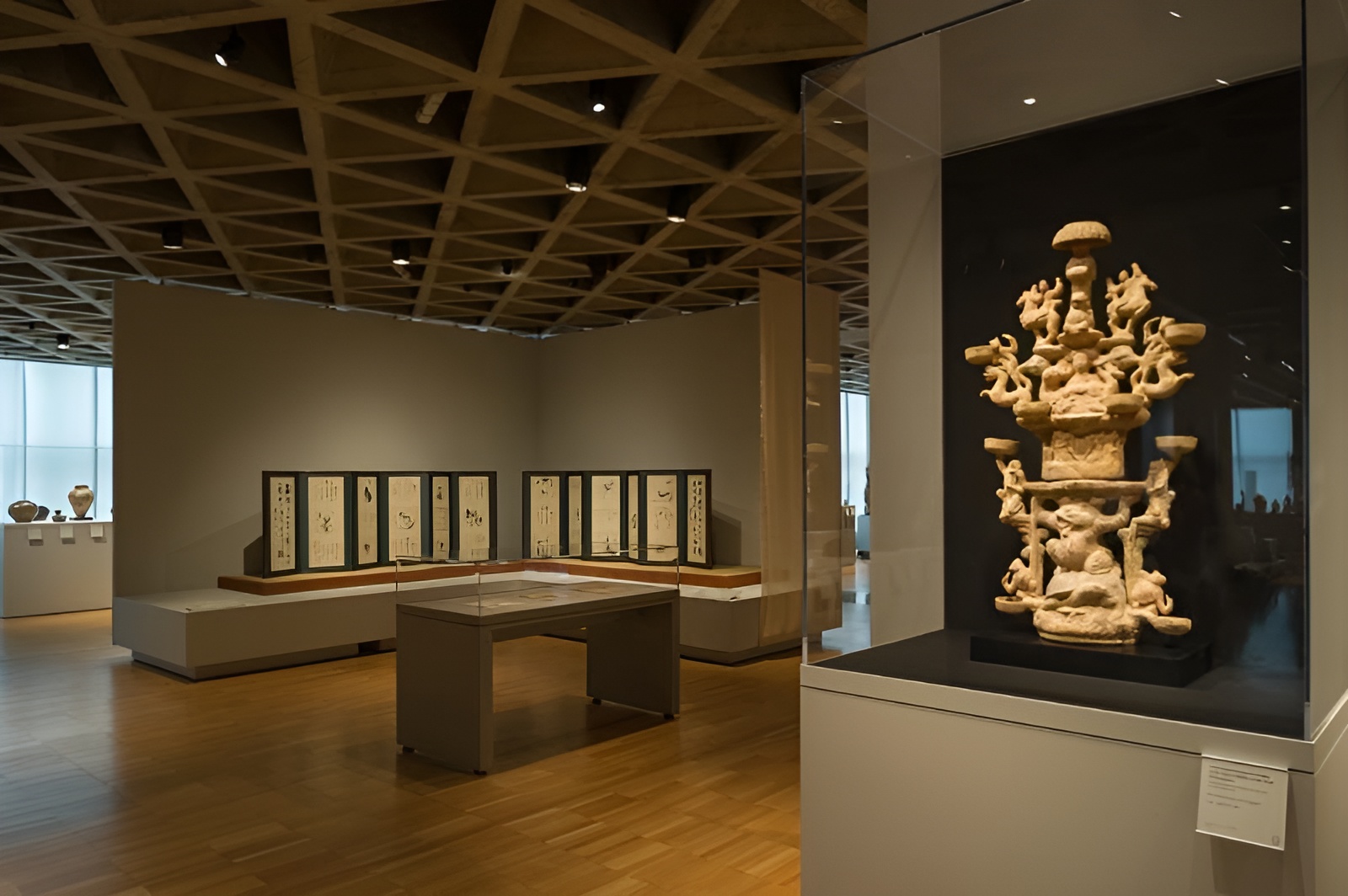
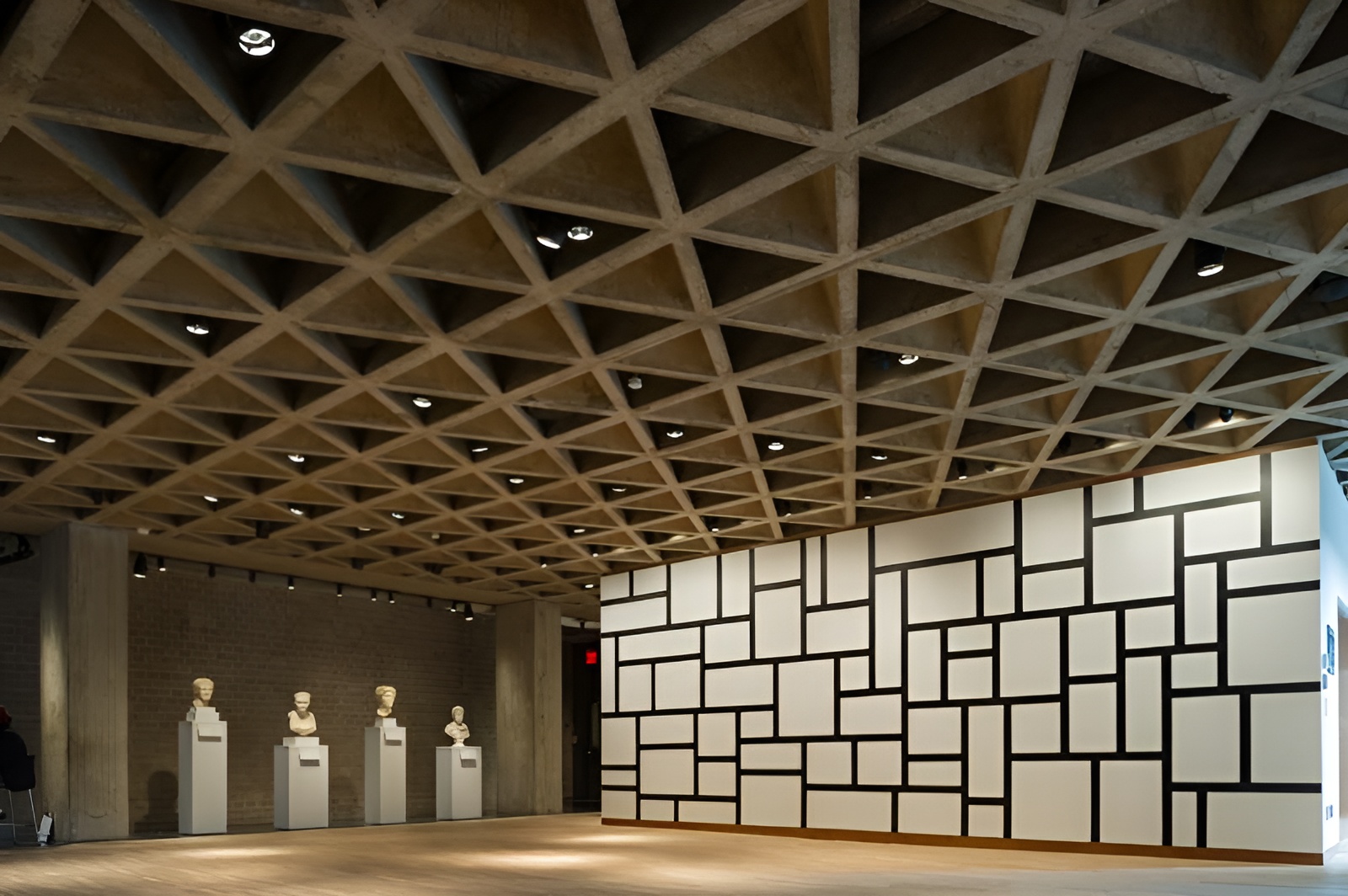
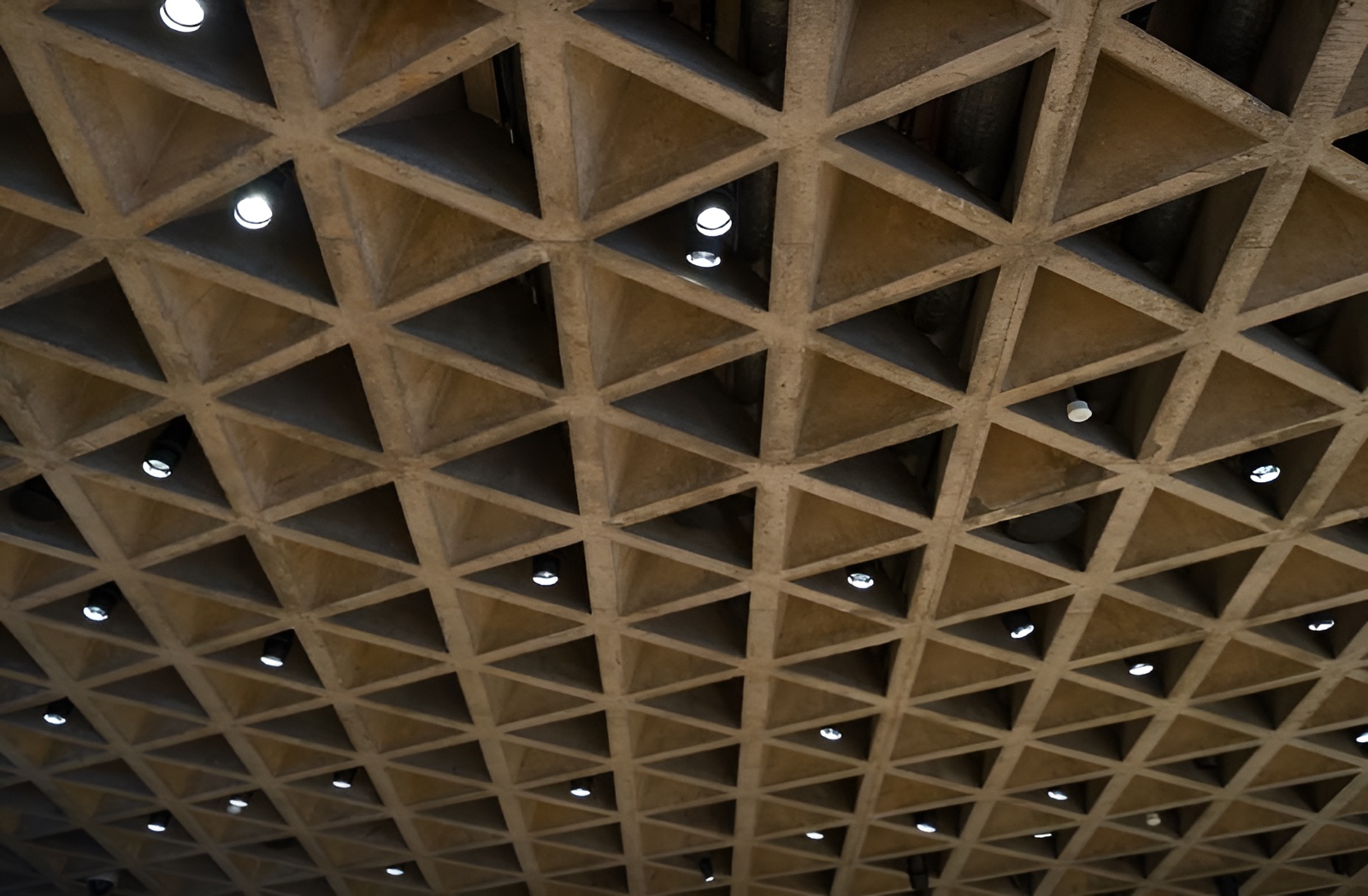
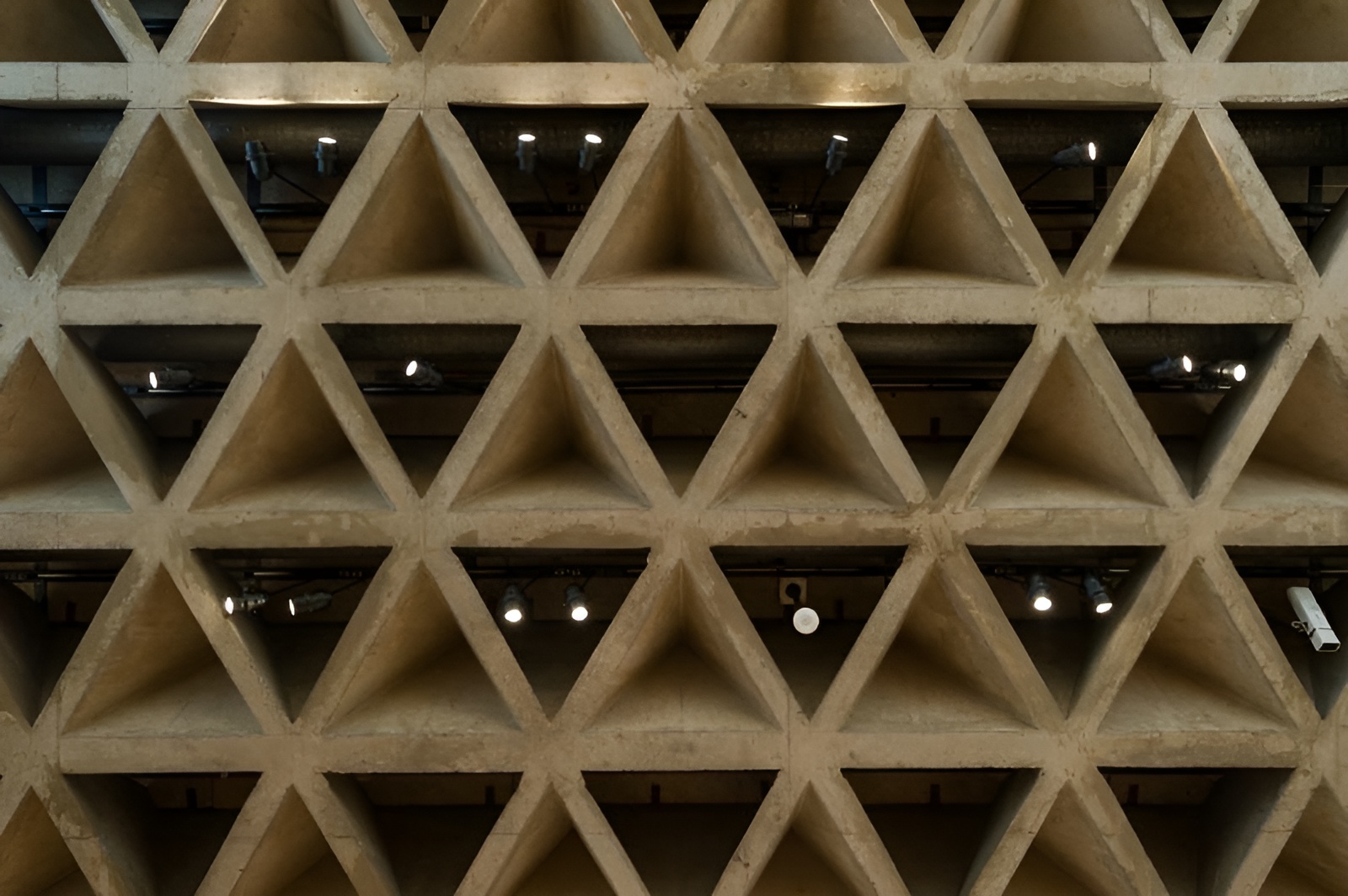
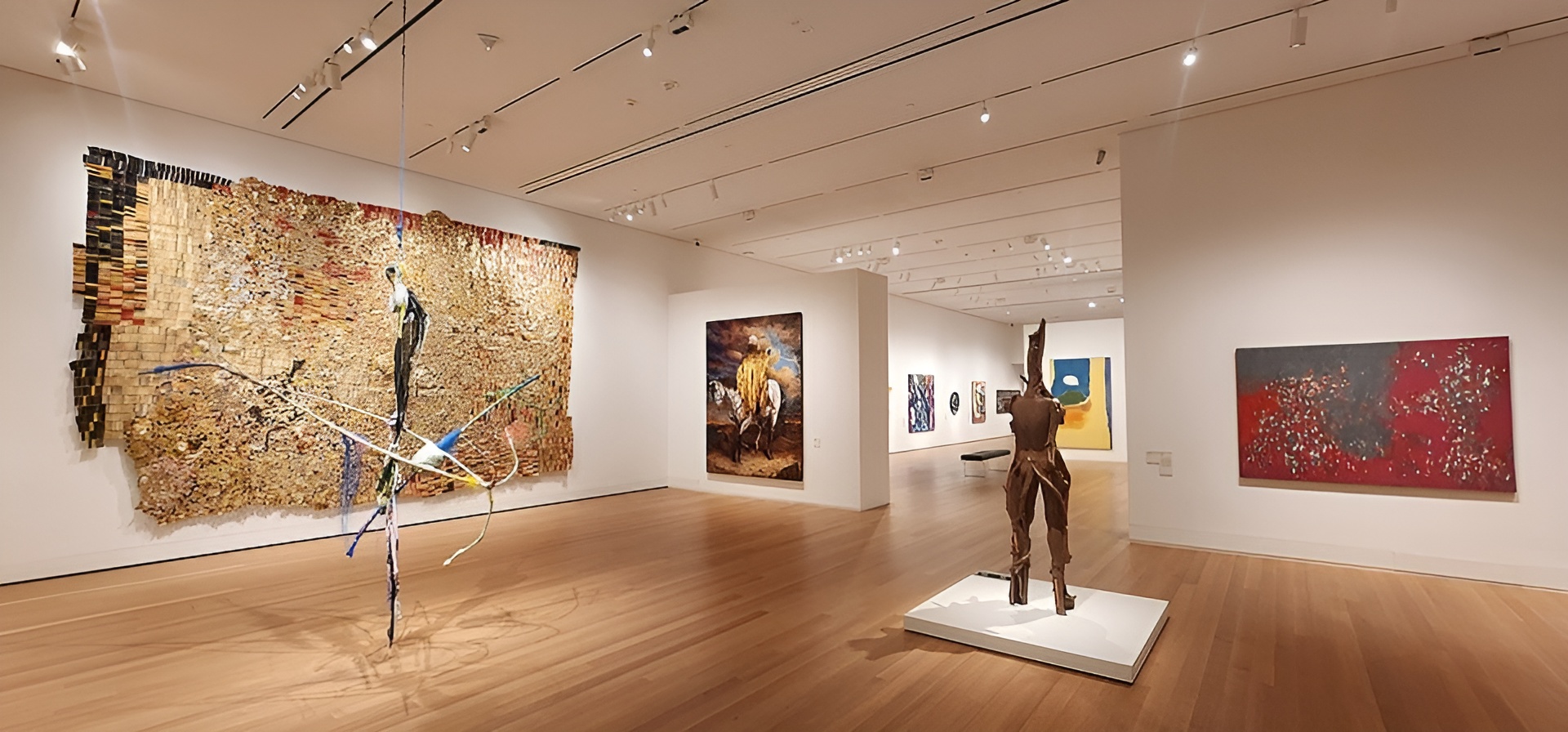
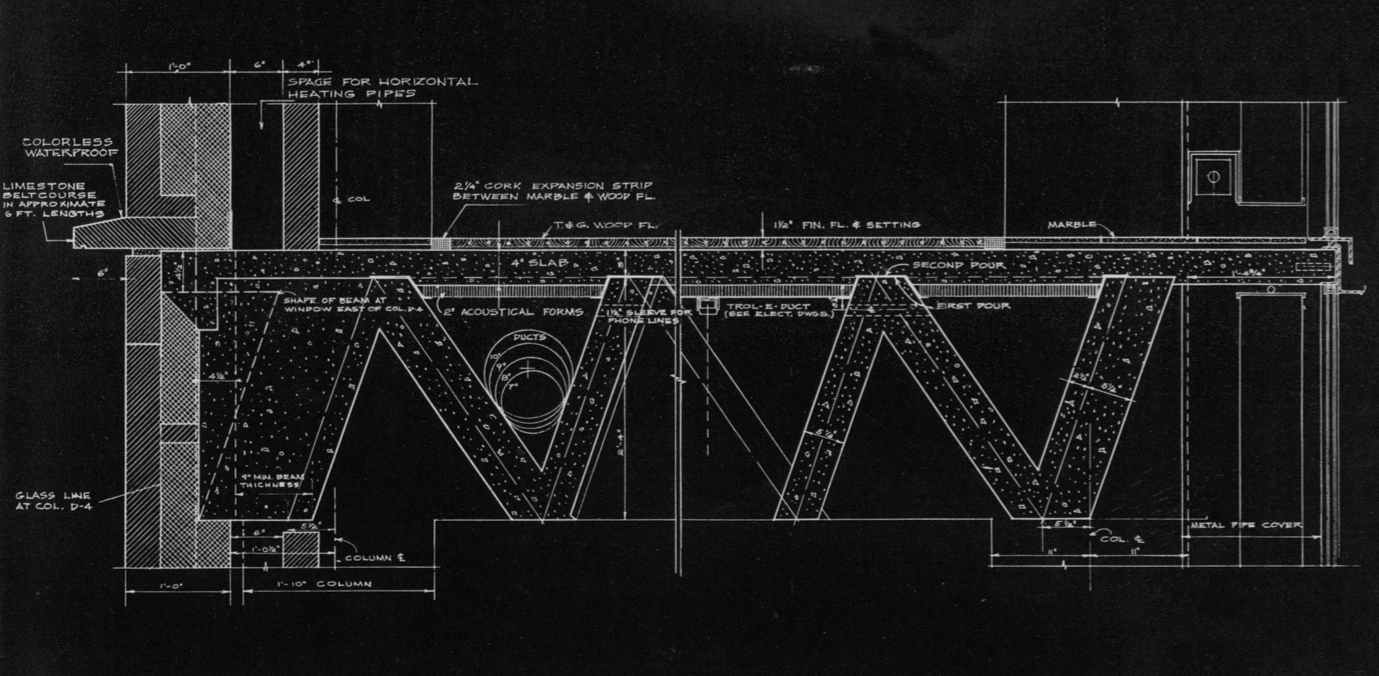
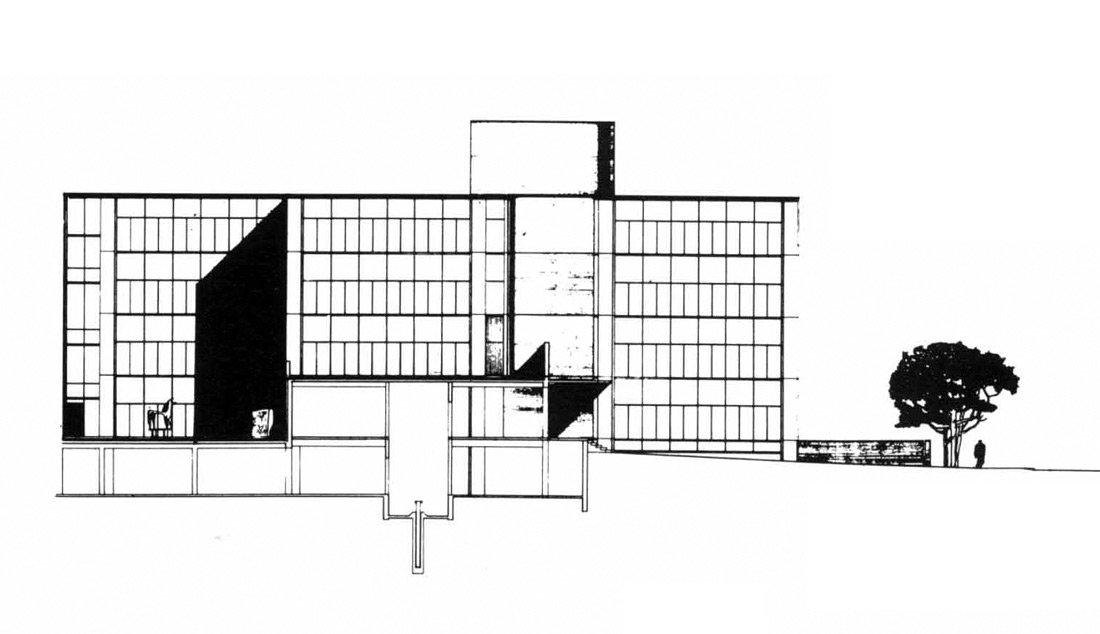
Yale University Art Gallery museum designed by Louis Kahn in New Haven has redefined modern museum architecture through structural clarity, spatial hierarchy, and the integration of light and construction, completed in 1953. The project organizes flexible gallery and academic spaces through a centralized service core that enables open floor plates. The design establishes a distinction between served and service spaces, forming a clear functional hierarchy. A tetrahedral concrete ceiling system integrates structure, lighting, and mechanical distribution, demonstrating how geometry, material, and program operate as a unified architectural system.
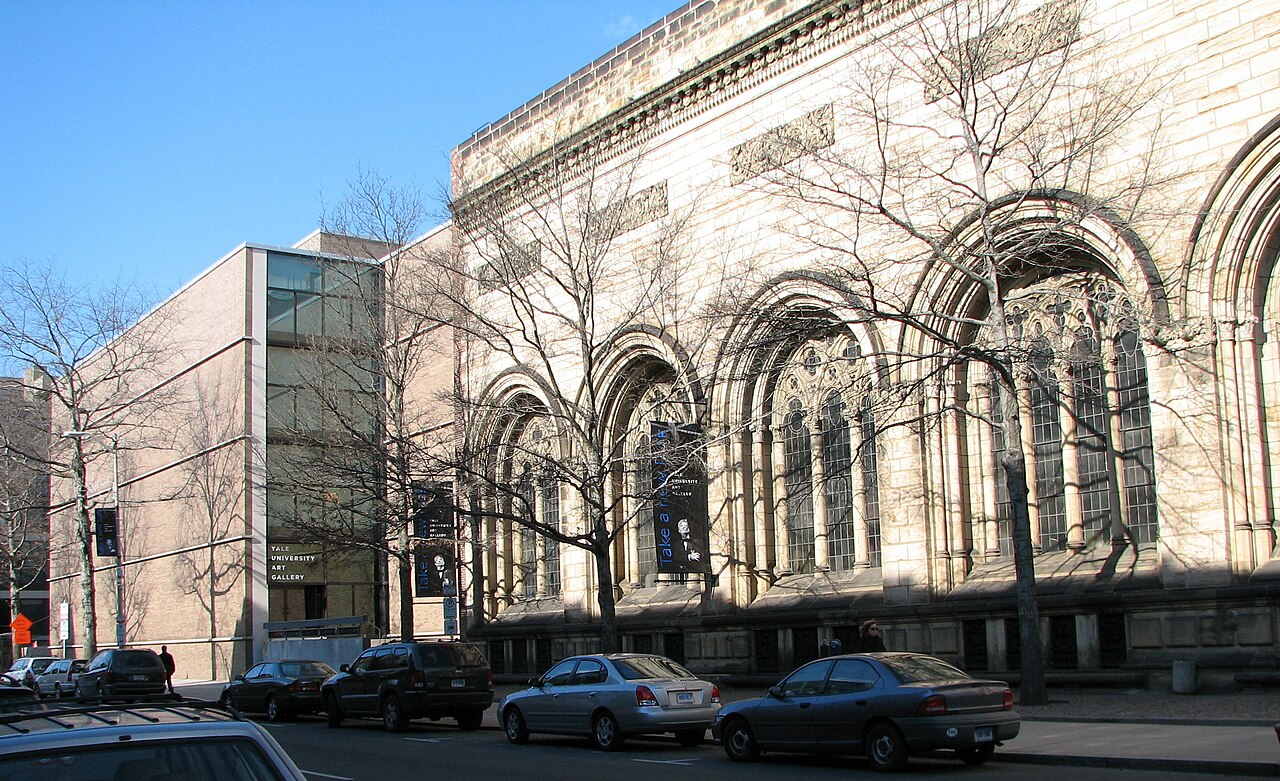
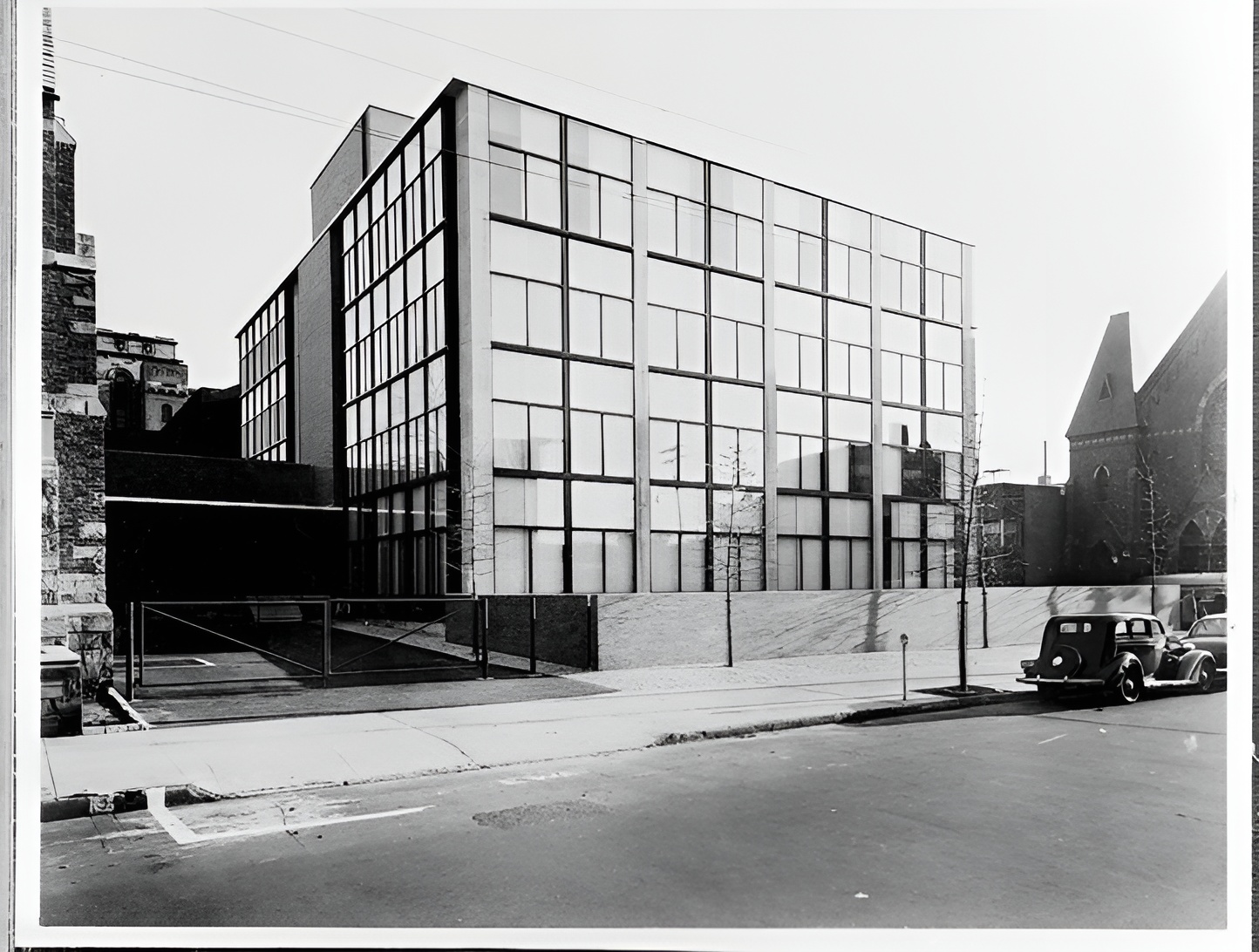
The project emerged during a shift in architectural education at Yale, where modernist approaches replaced Beaux-Arts traditions. The commission required adaptable spaces capable of functioning as both galleries and classrooms, defining flexibility as a primary design driver.
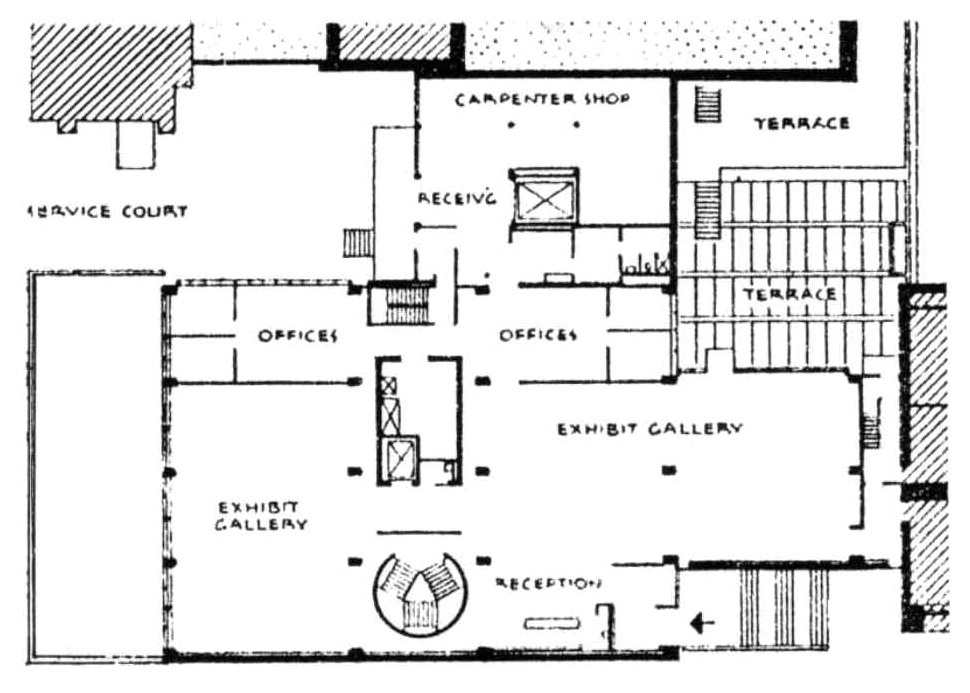
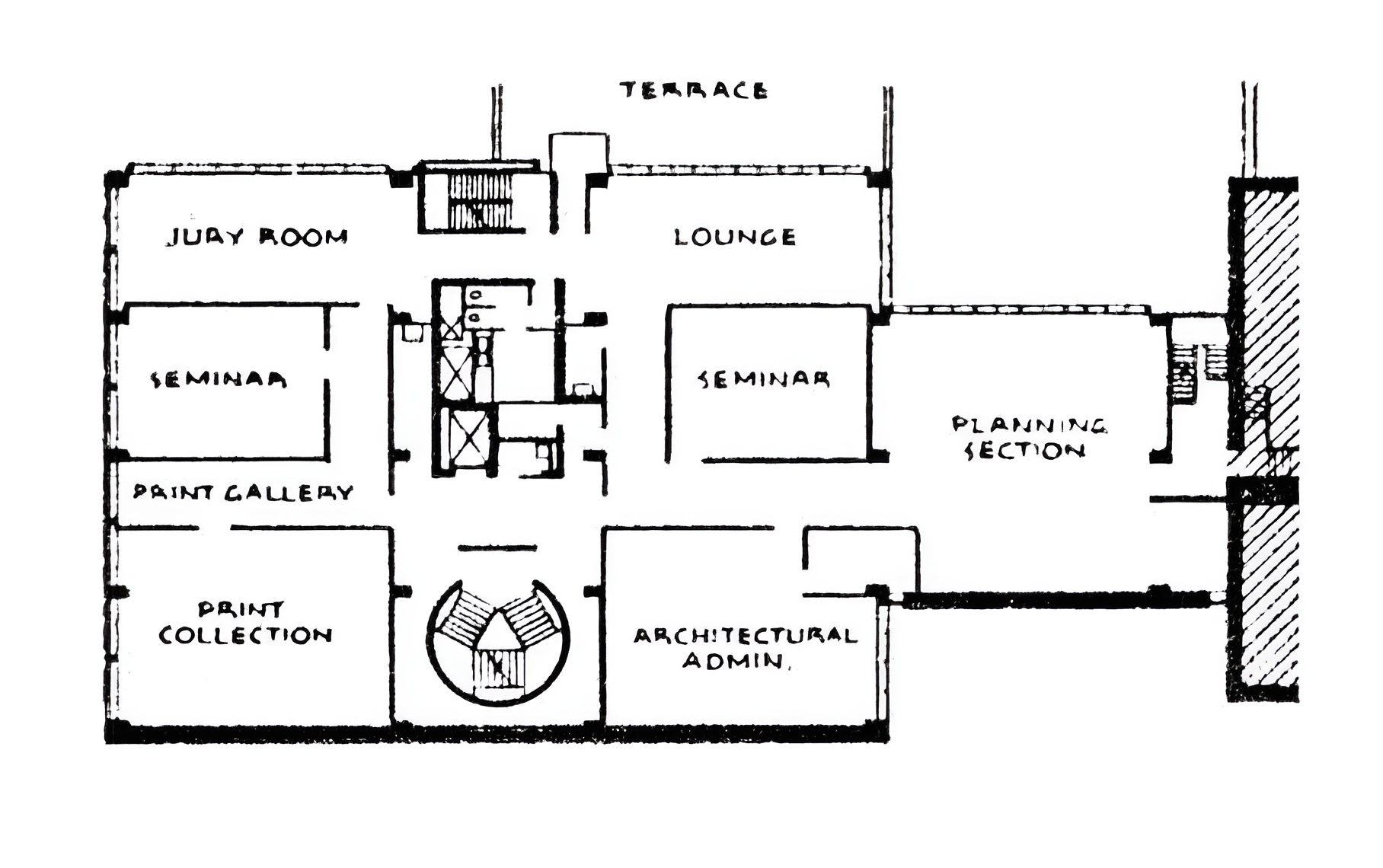
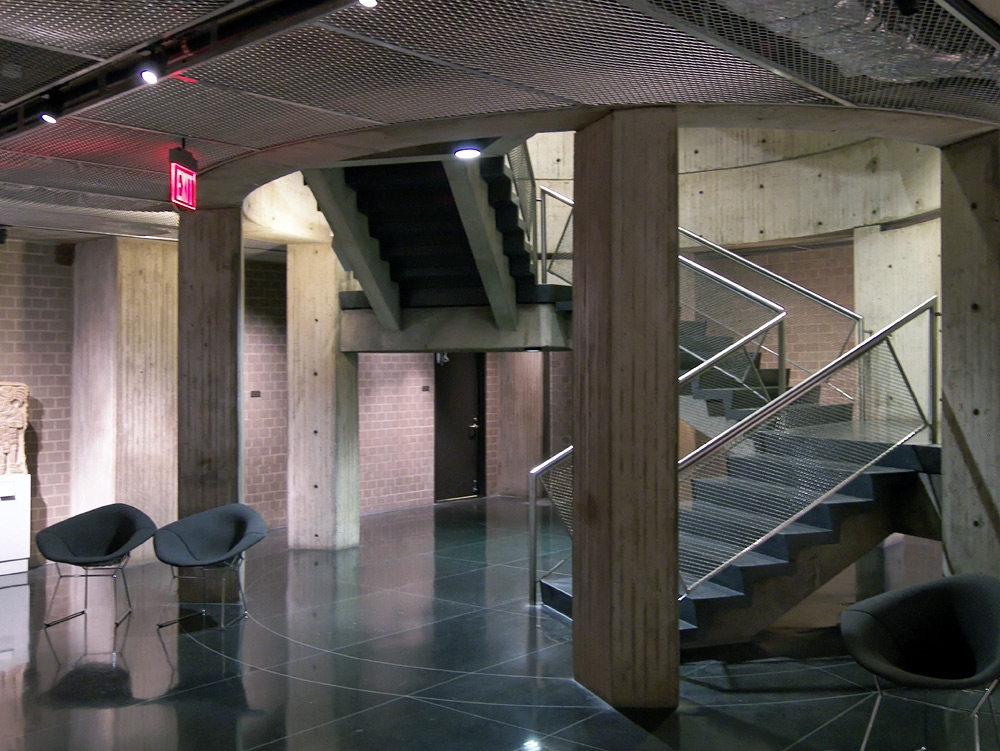
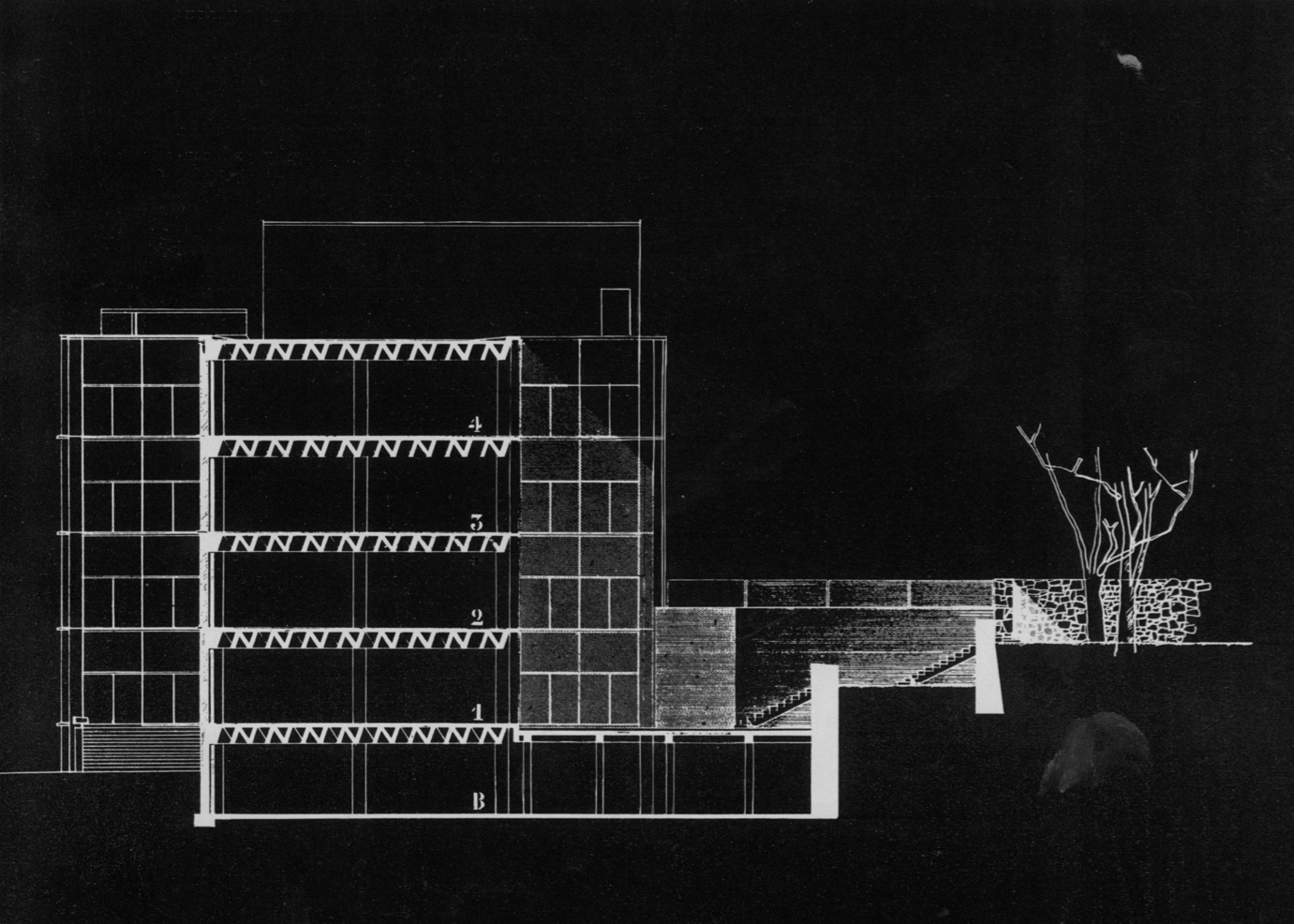
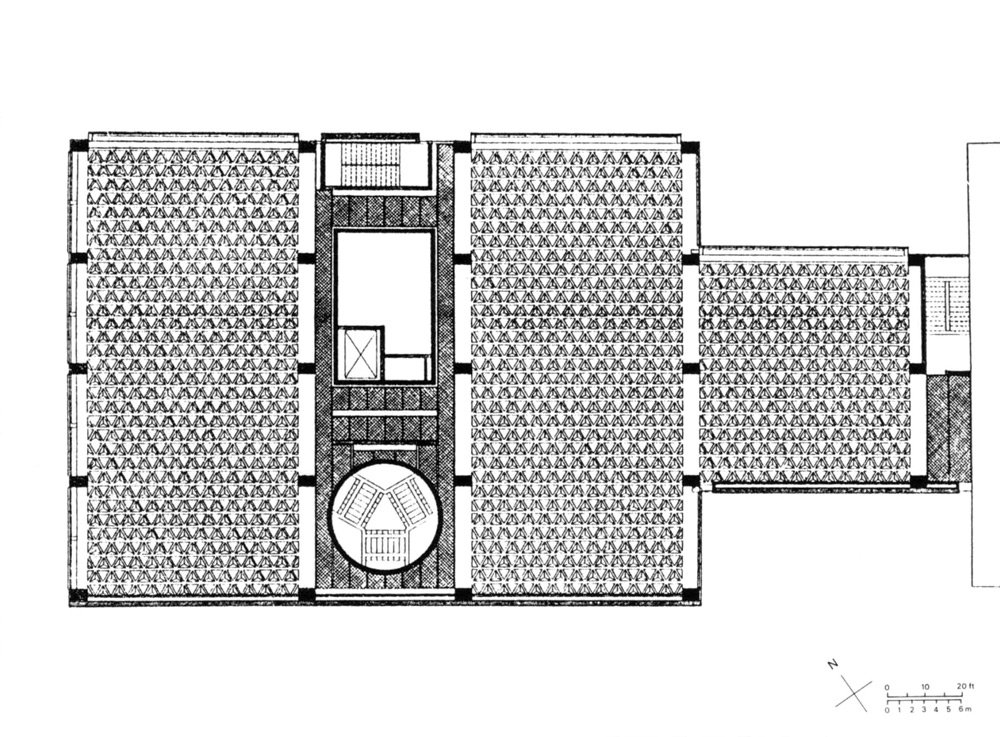
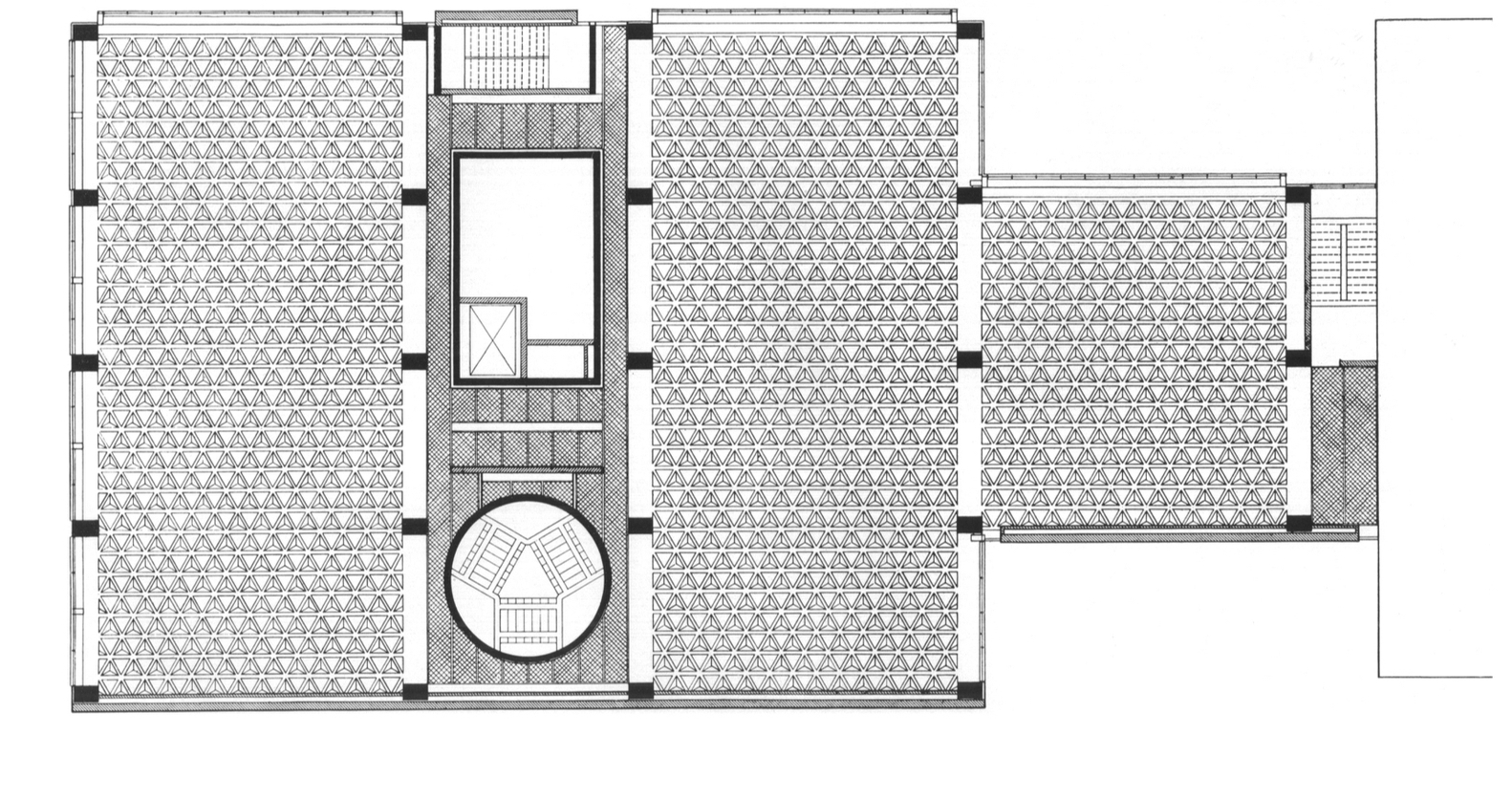
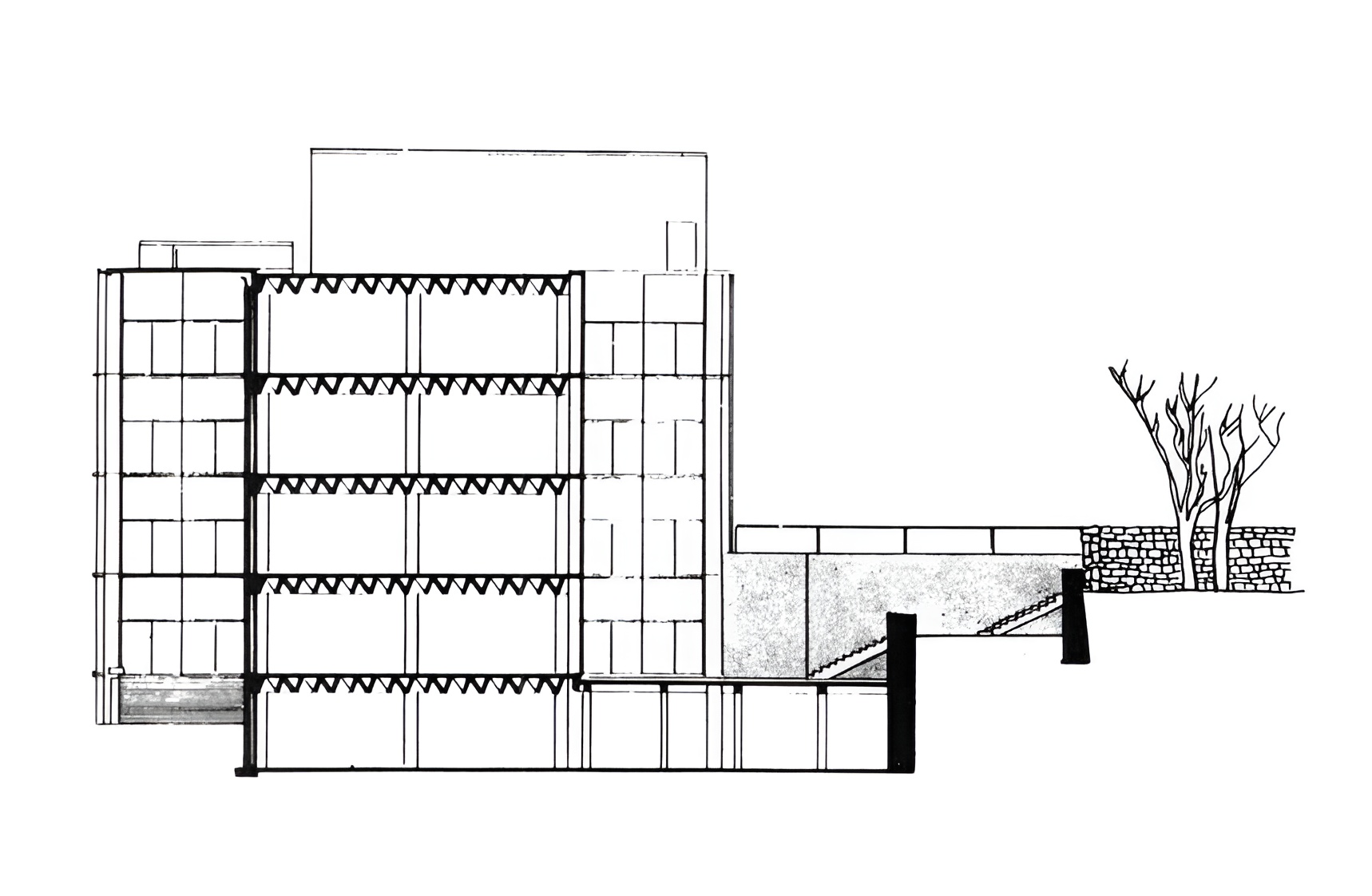
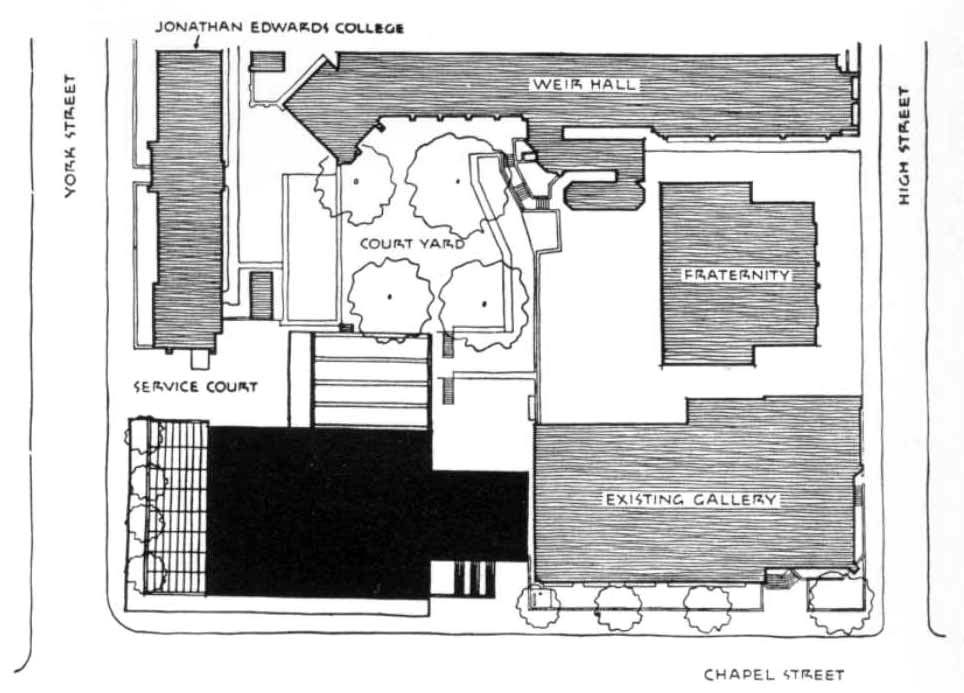
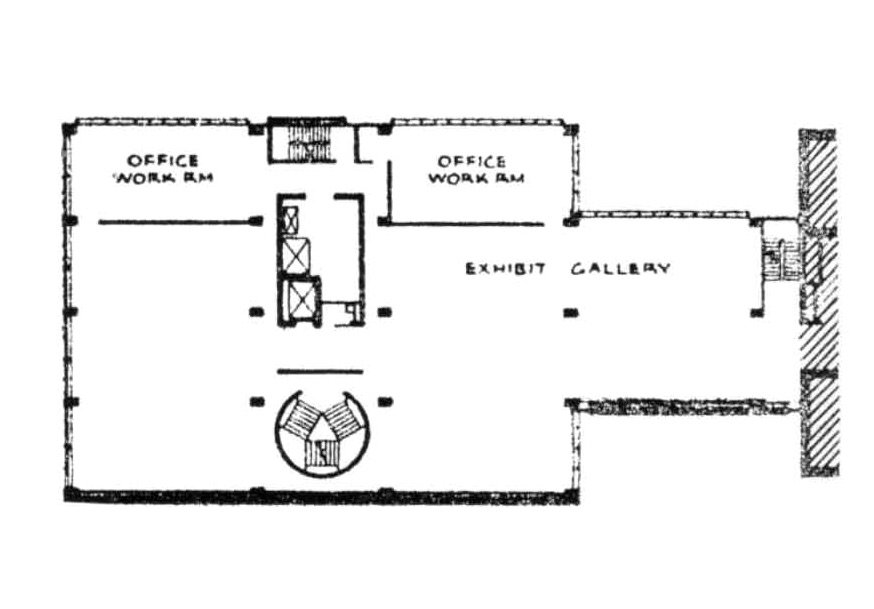
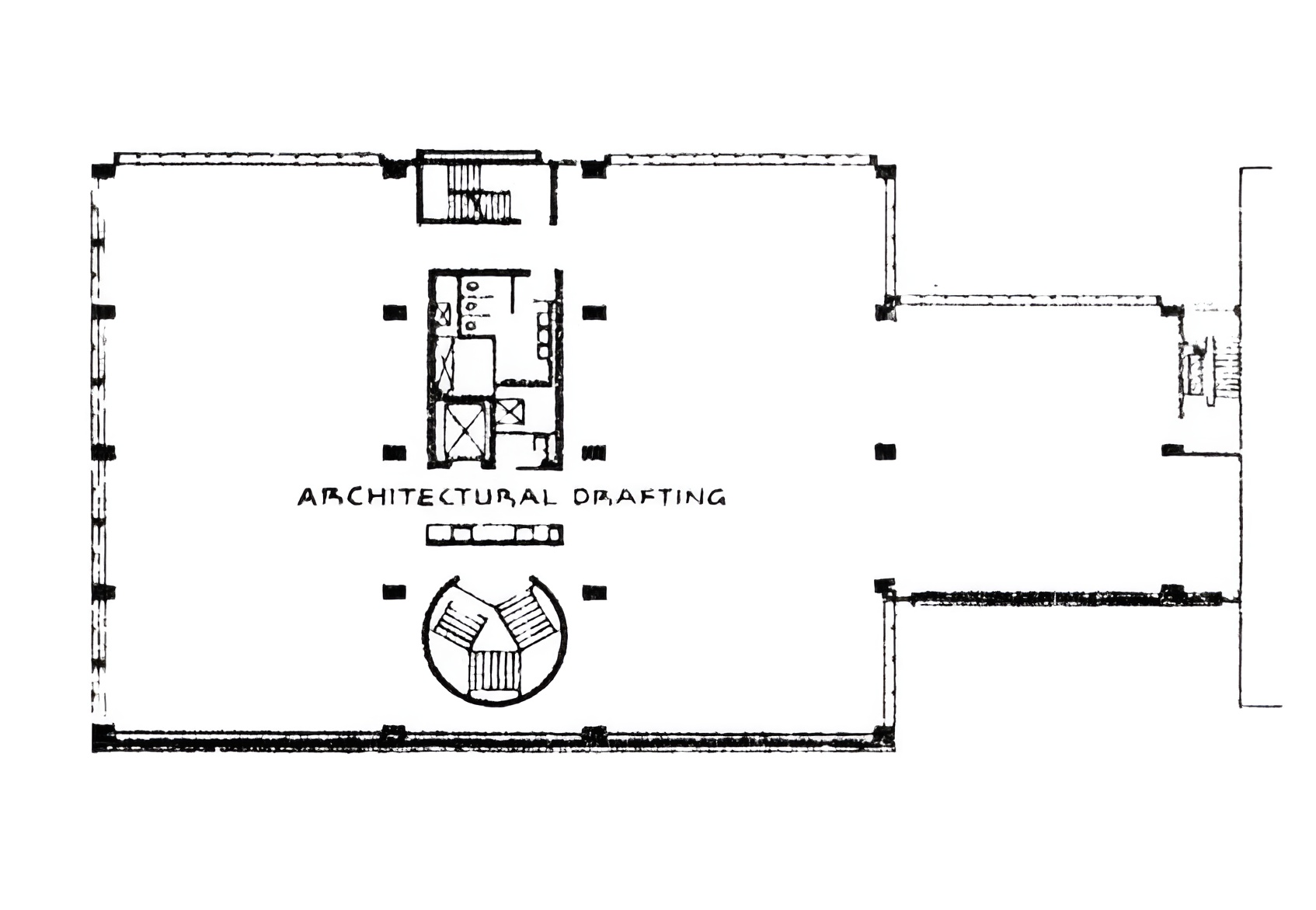
The plan is organized around a centralized core containing stairs, utilities, and services. This arrangement frees the surrounding areas and allows uninterrupted spatial continuity. The configuration reinforces the relationship between primary exhibition spaces and supporting functions.
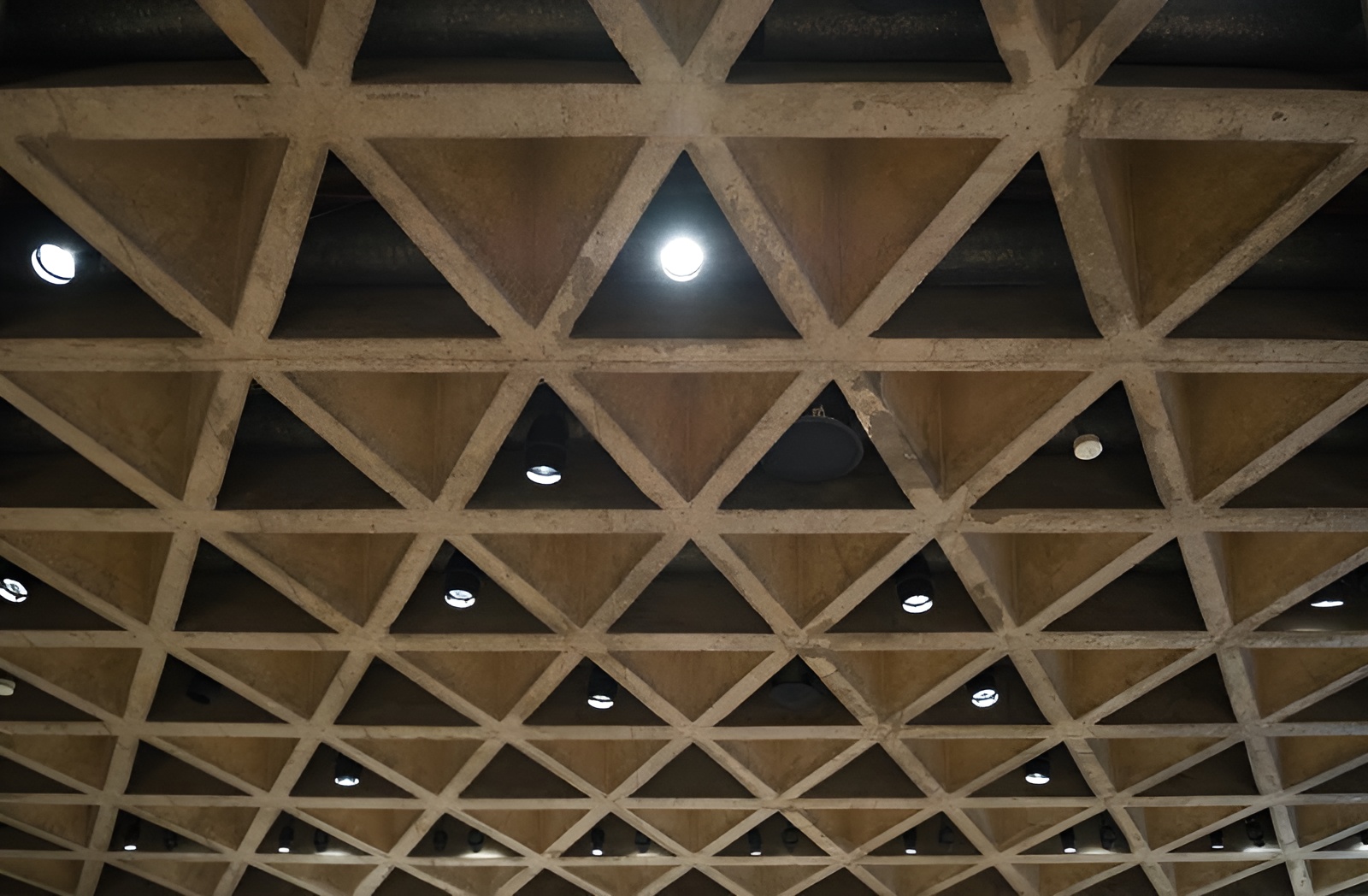
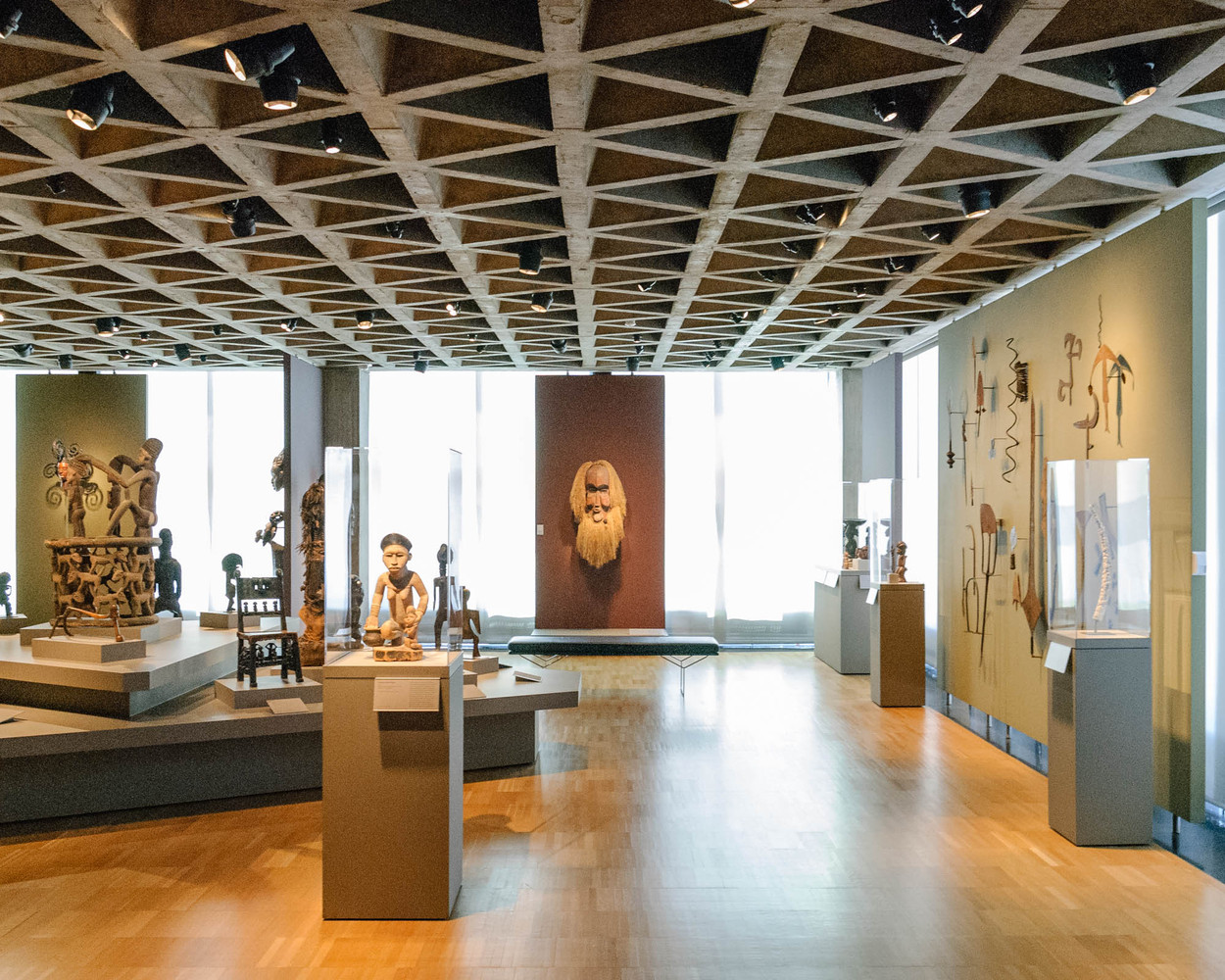
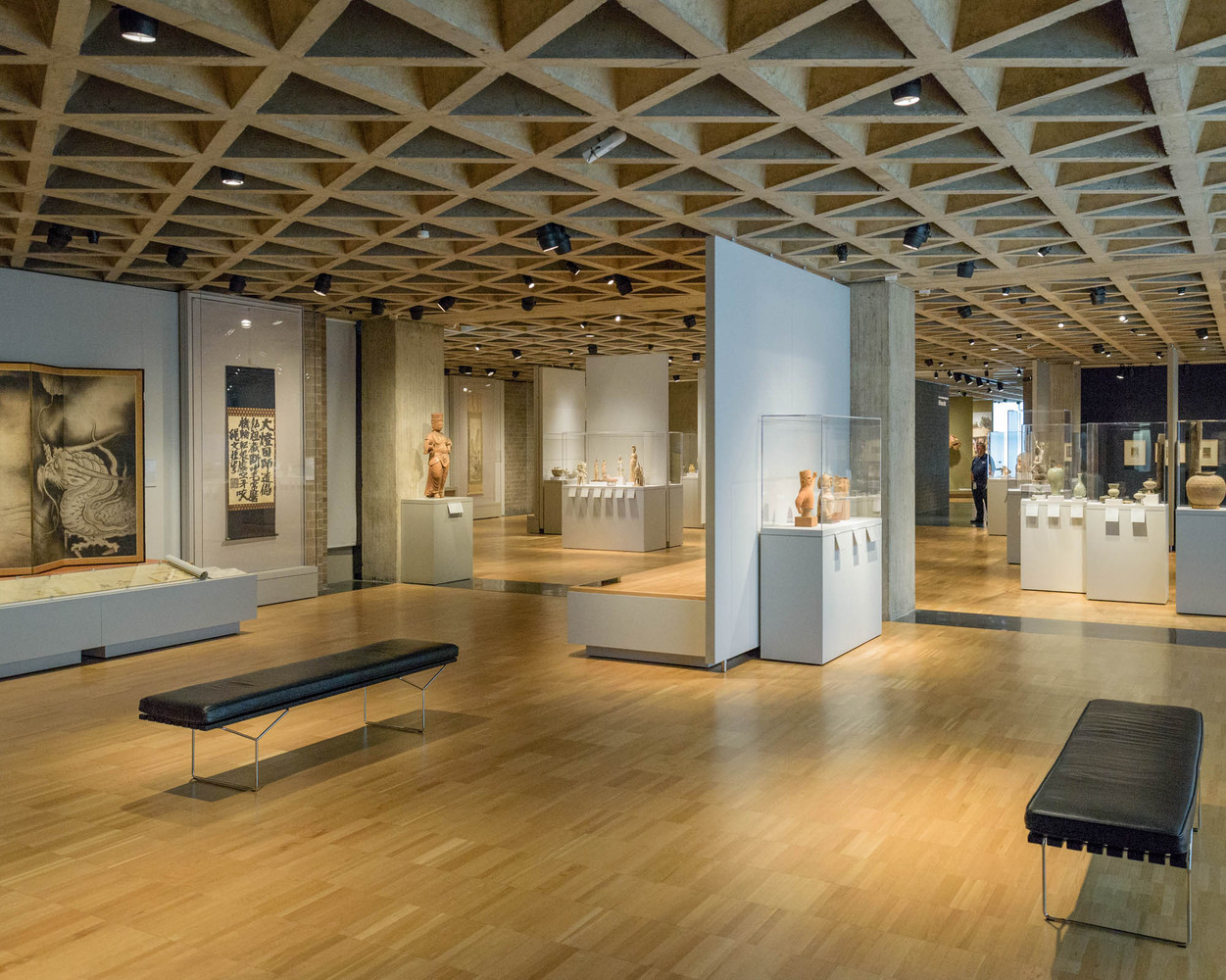
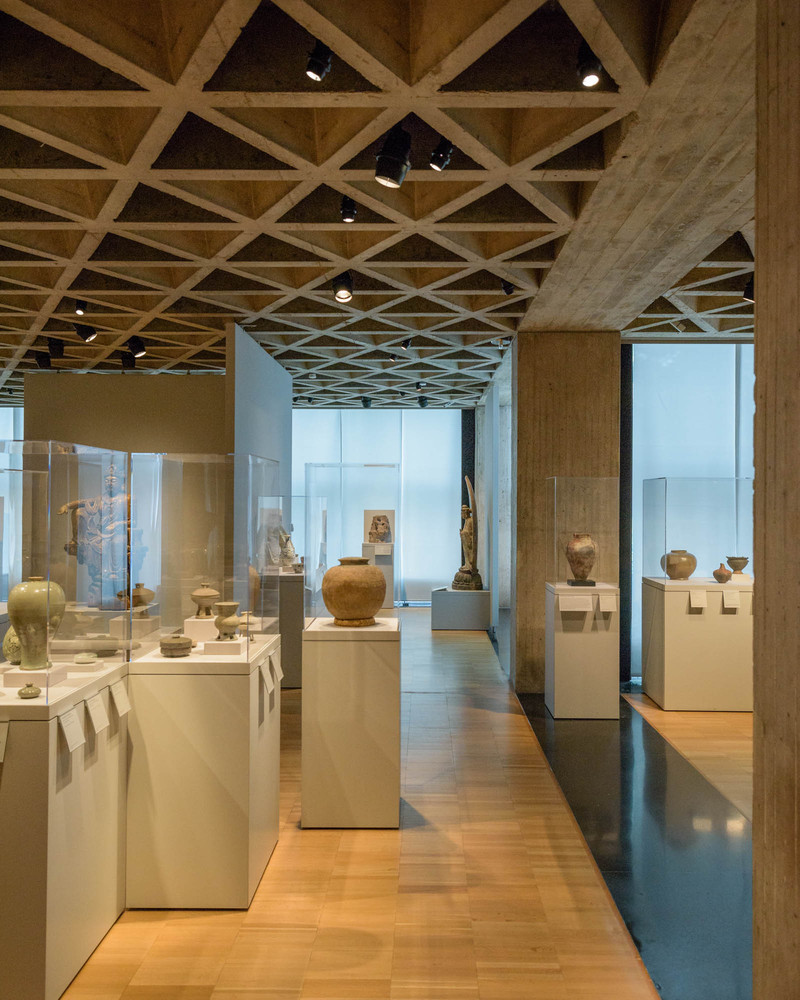
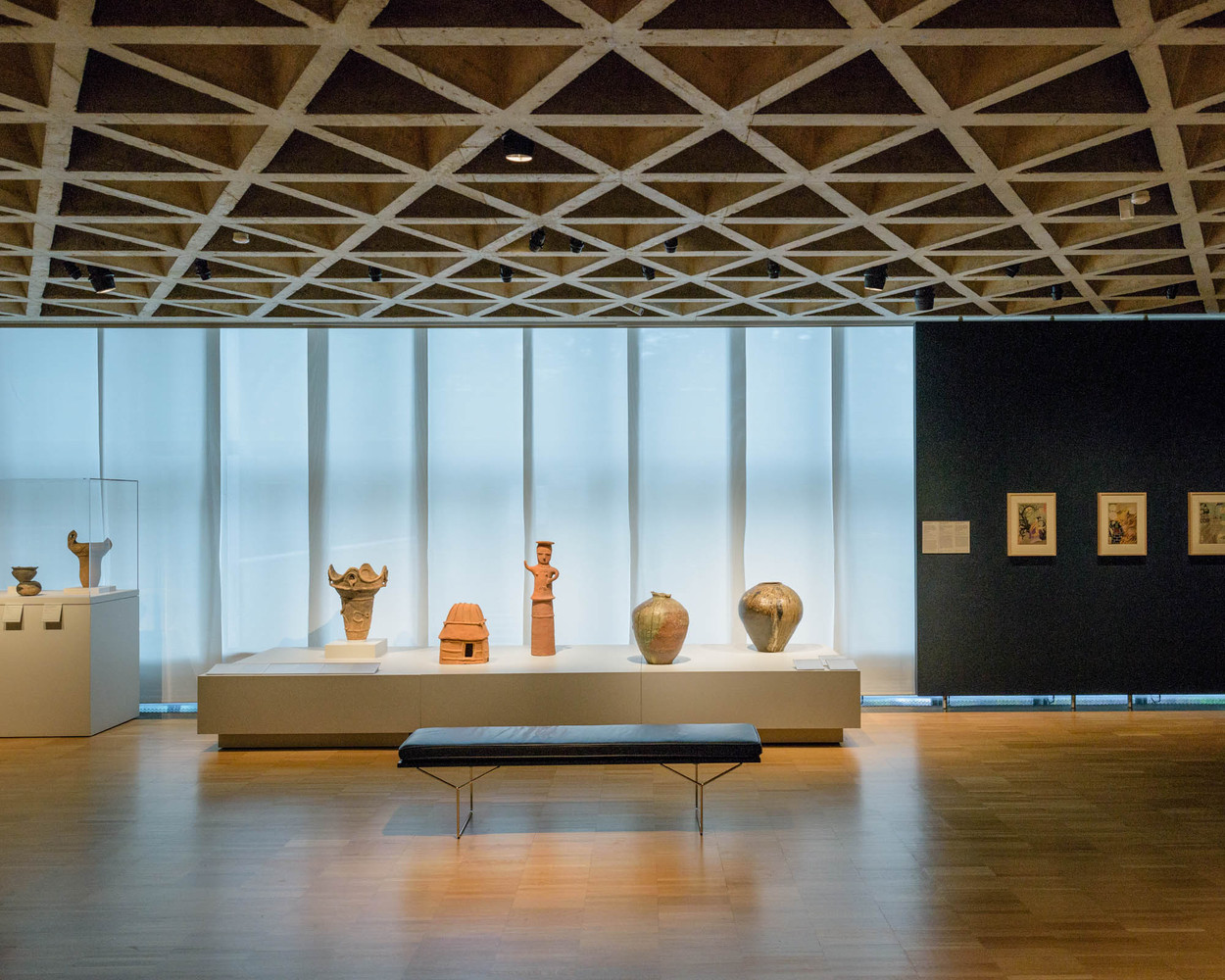
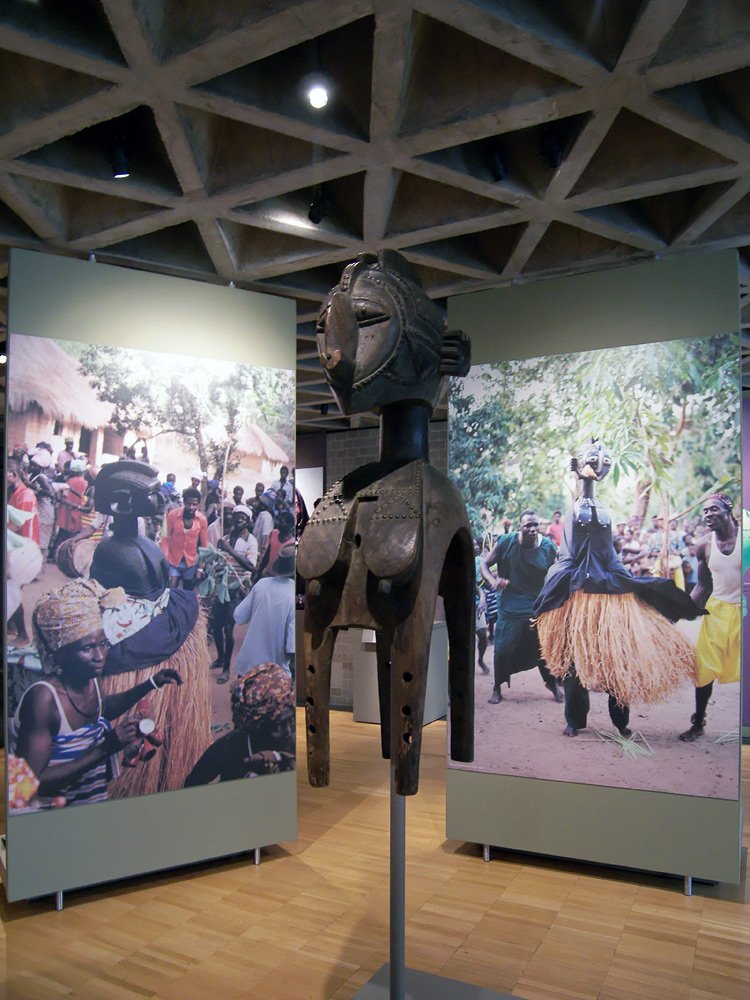
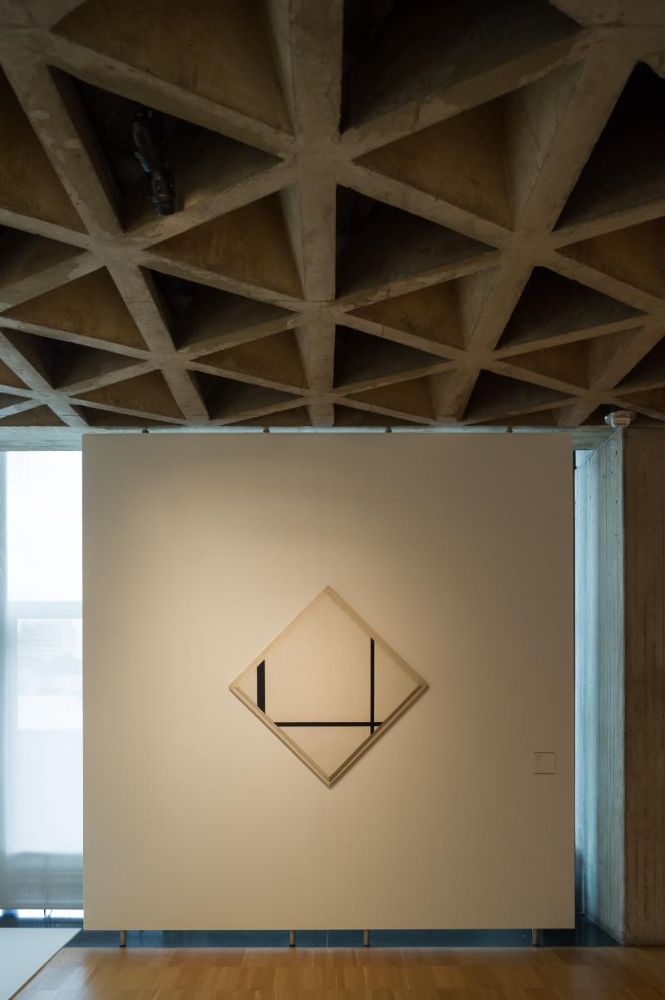
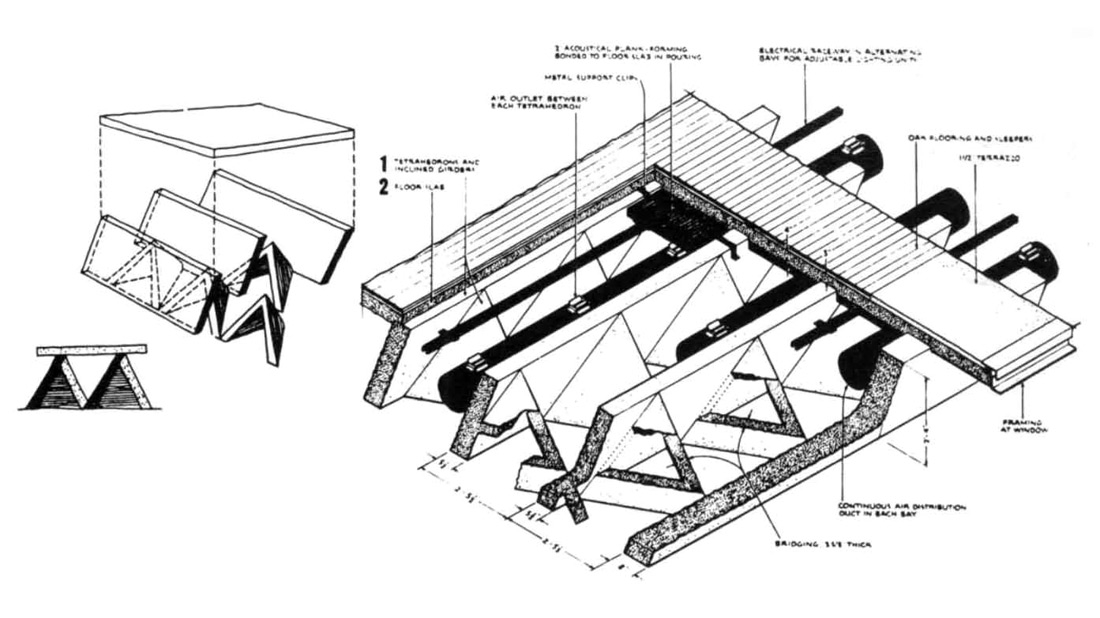
The structural system is defined by a concrete tetrahedral ceiling developed with Anne Tyng and engineer Henry A. Pfisterer. Hollow geometric modules provide structural support while integrating lighting and mechanical systems. The system enables column-free interiors and introduces a consistent geometric order.
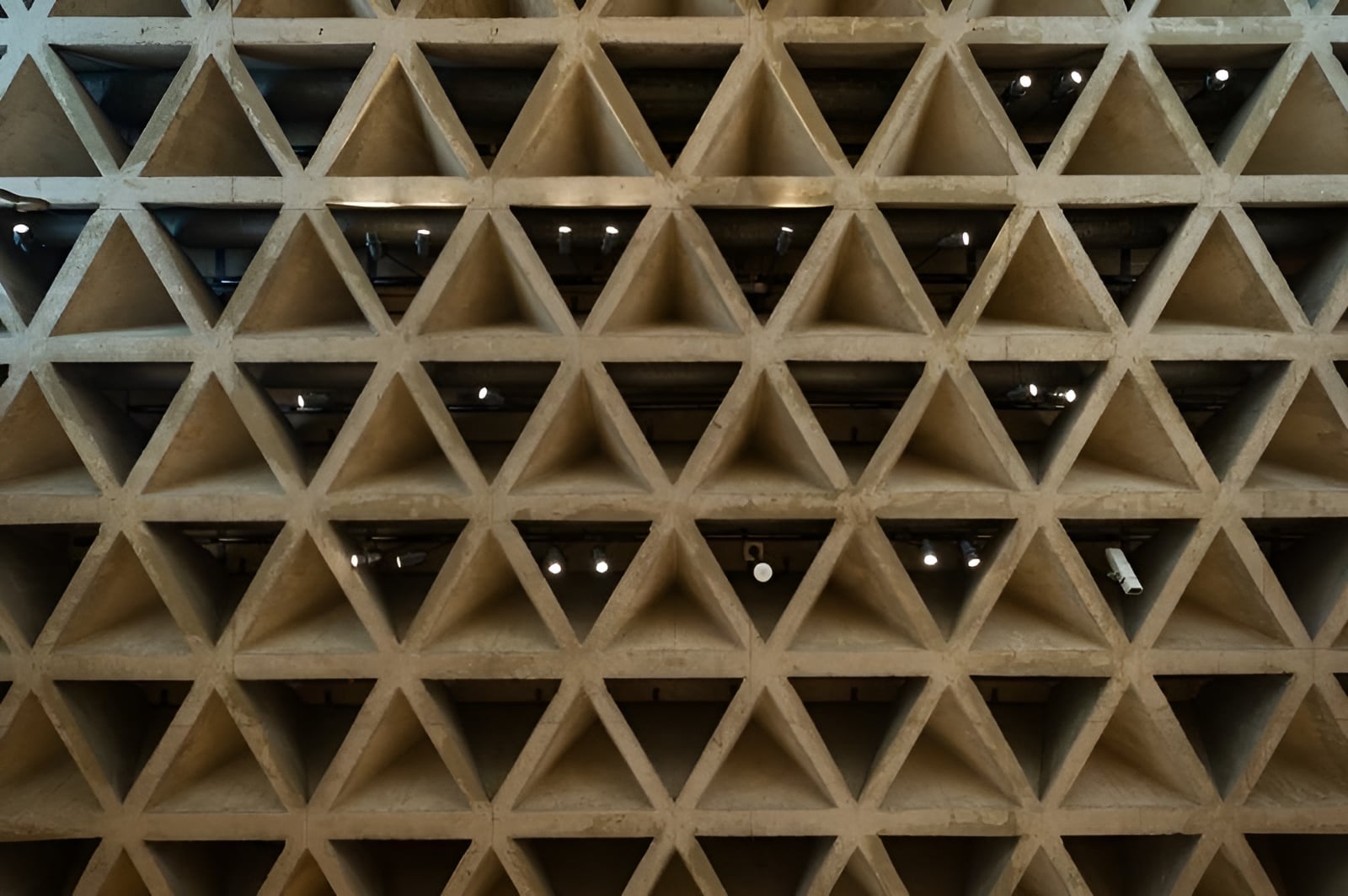
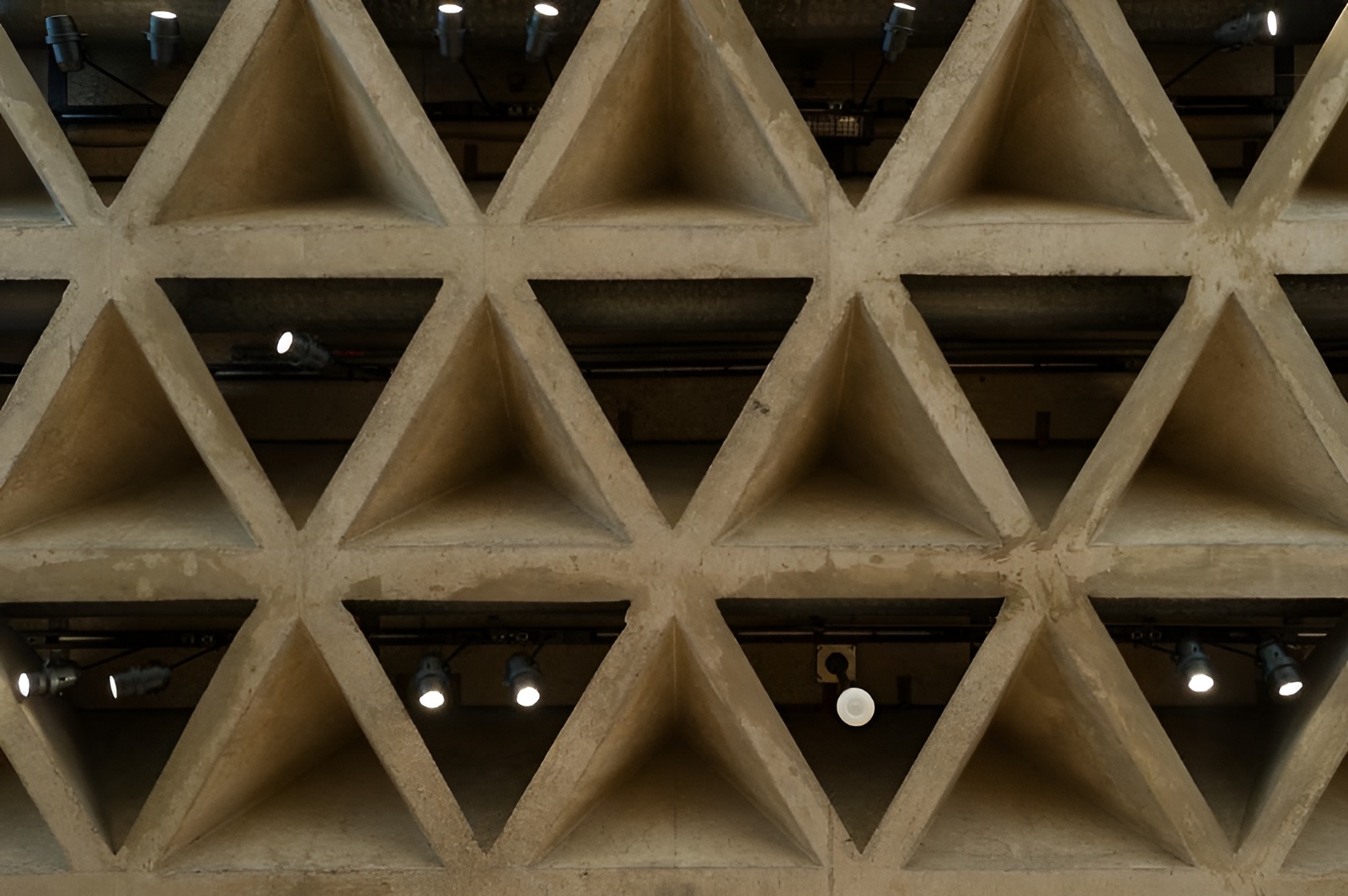
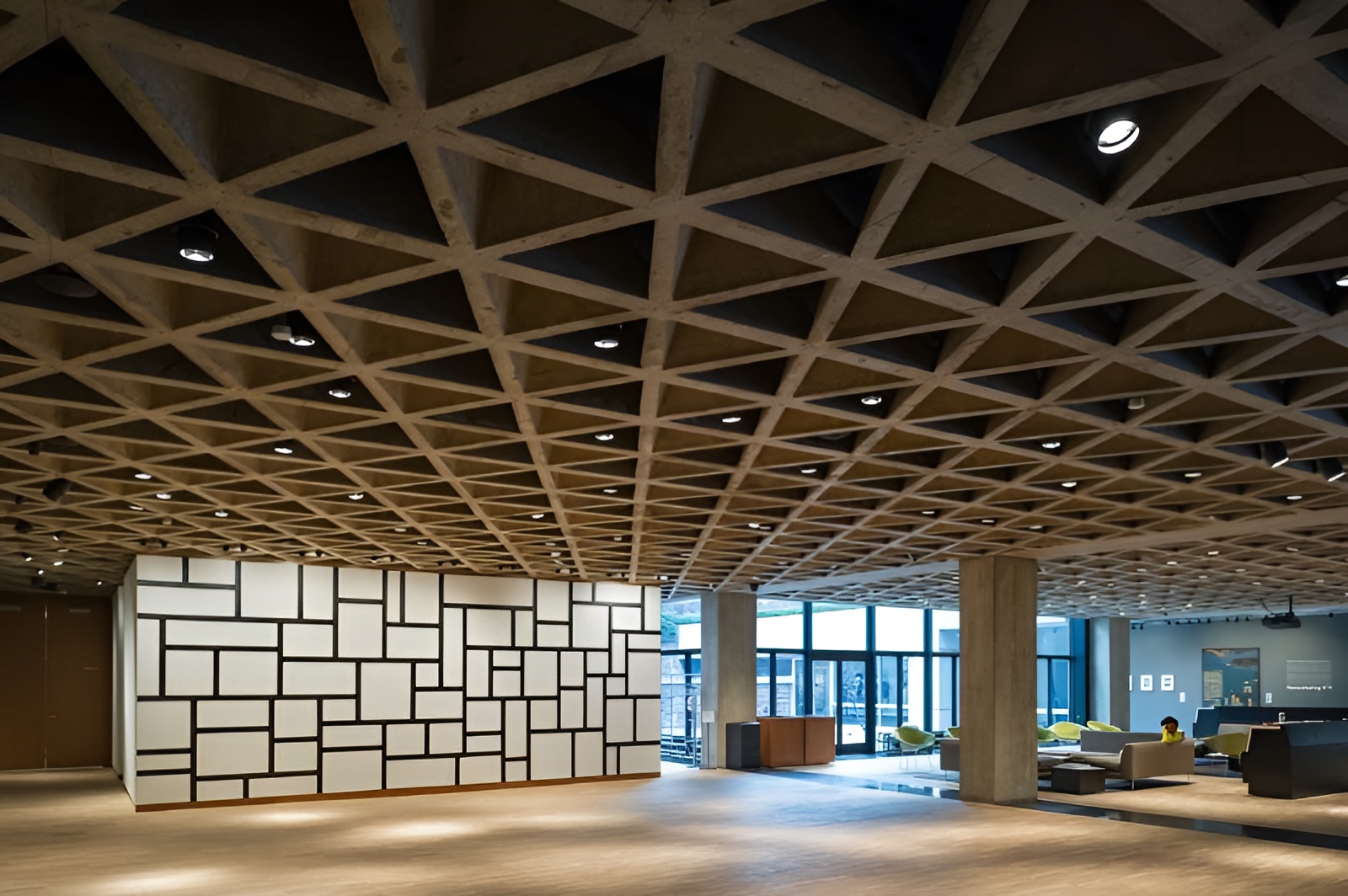
Light is treated as a primary architectural element. Electrical systems are embedded within the ceiling geometry, producing diffuse illumination across gallery spaces. This approach reduces glare and maintains controlled lighting conditions for exhibitions.
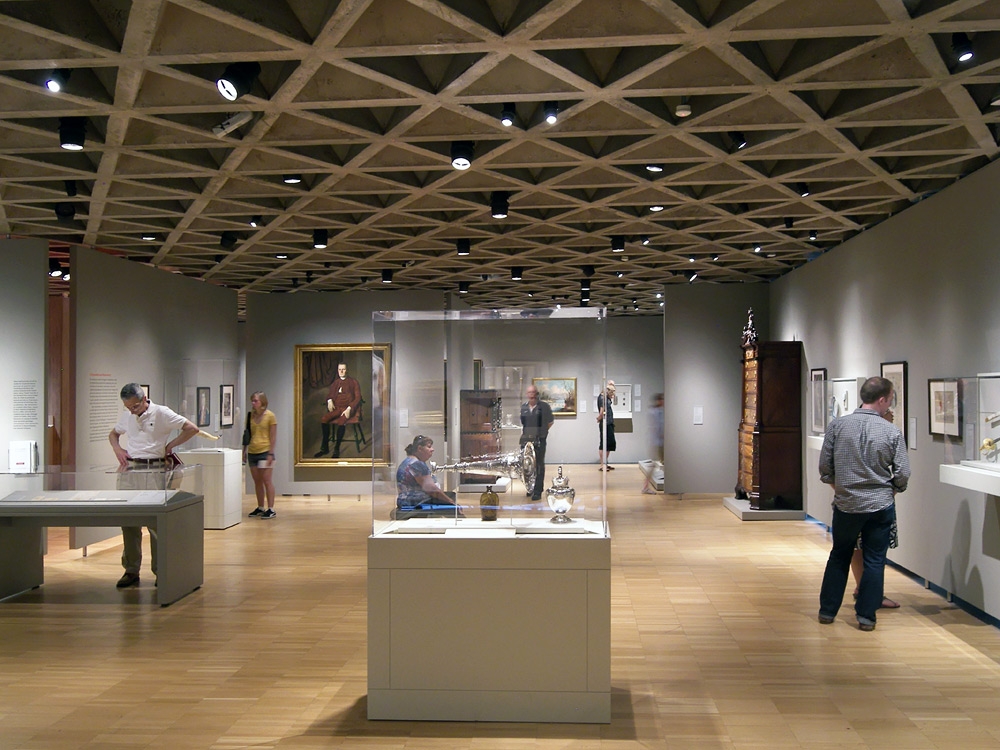
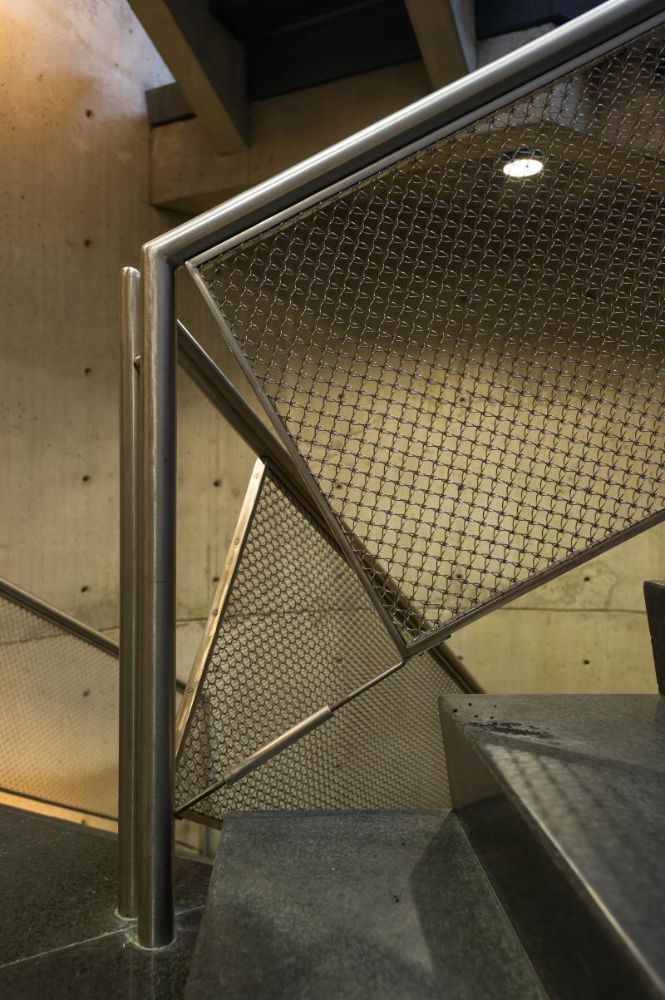
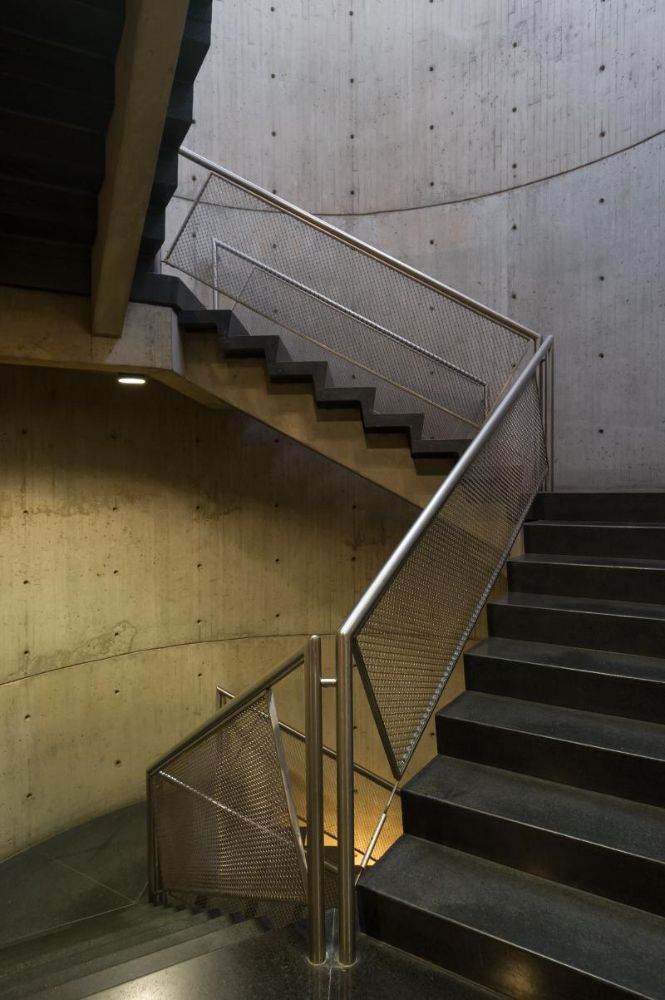
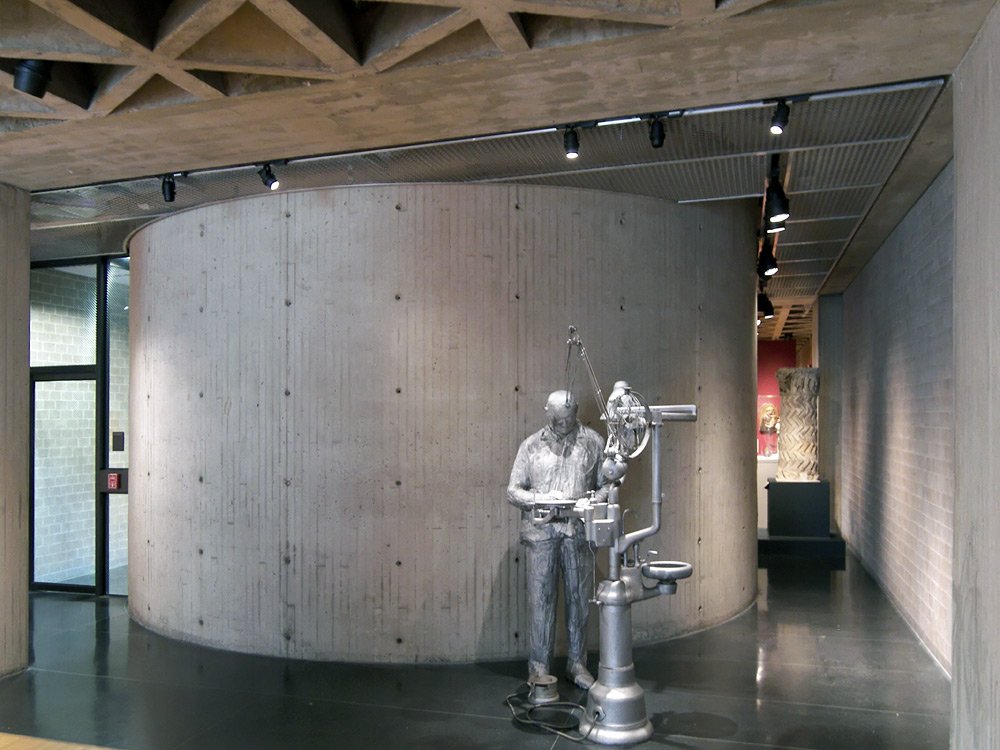
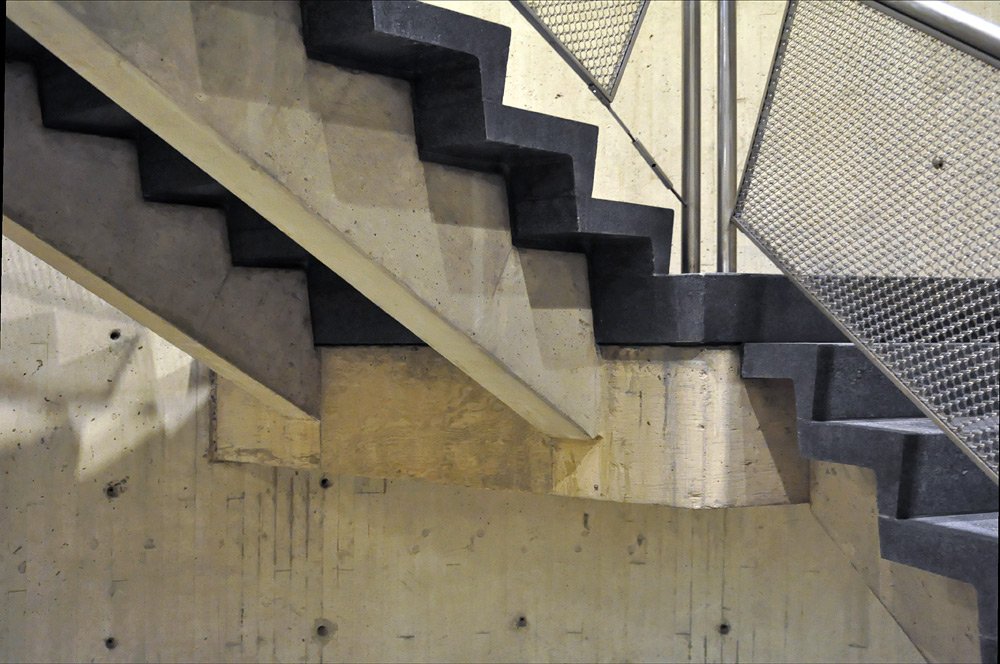
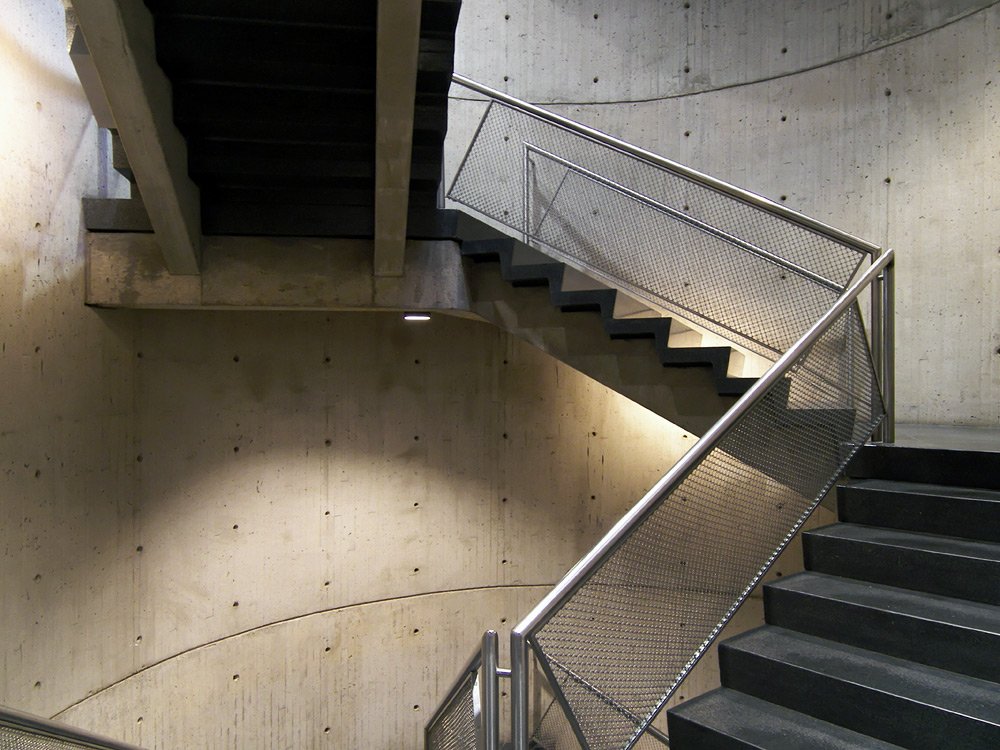
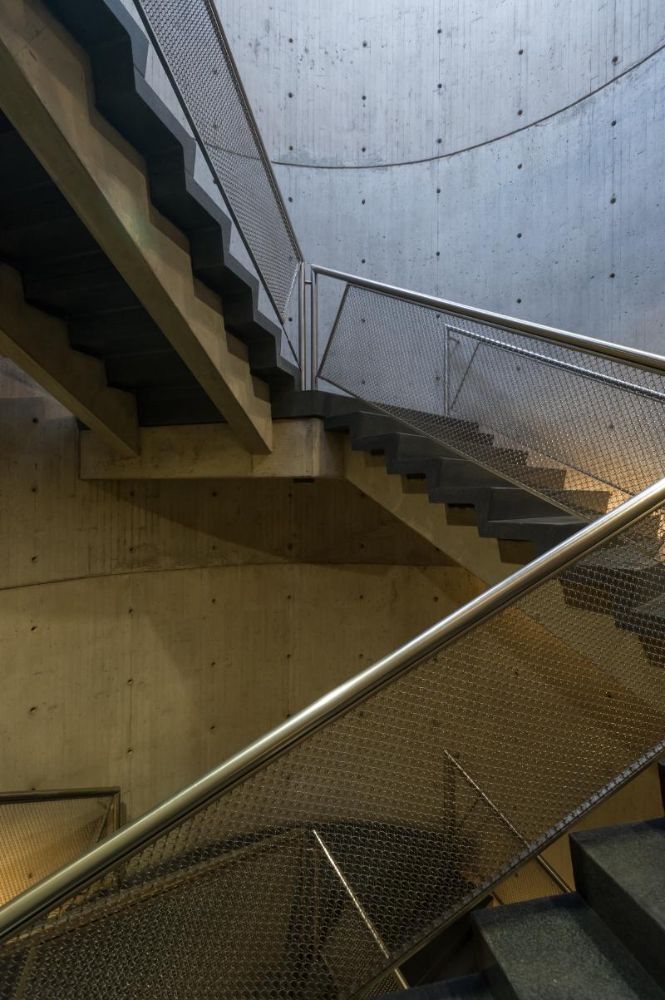
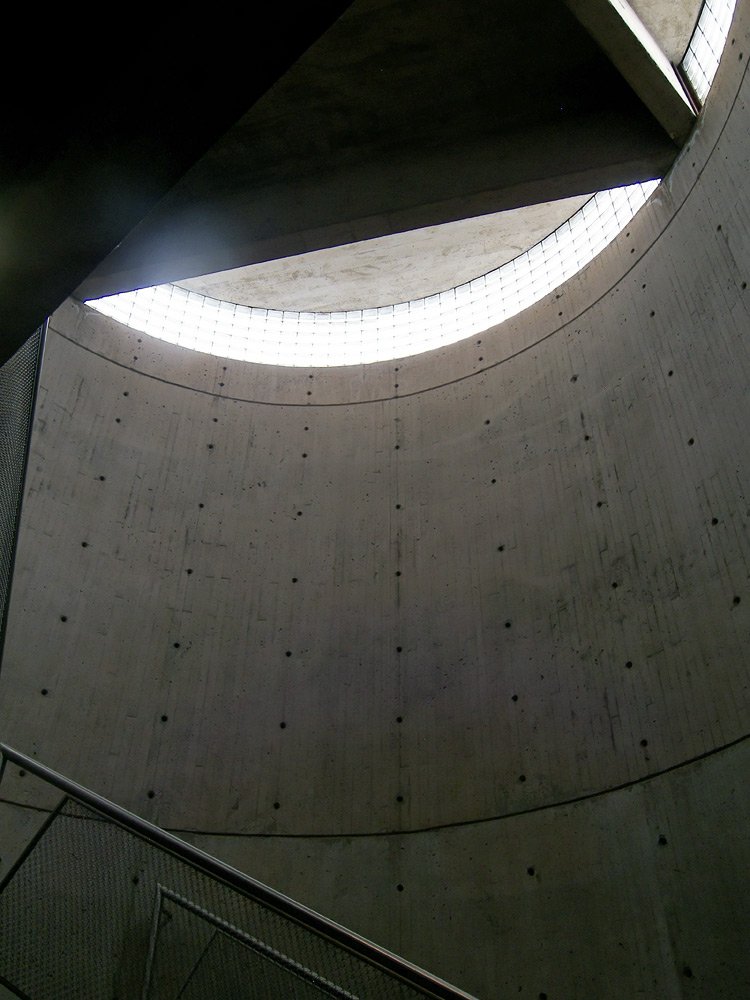
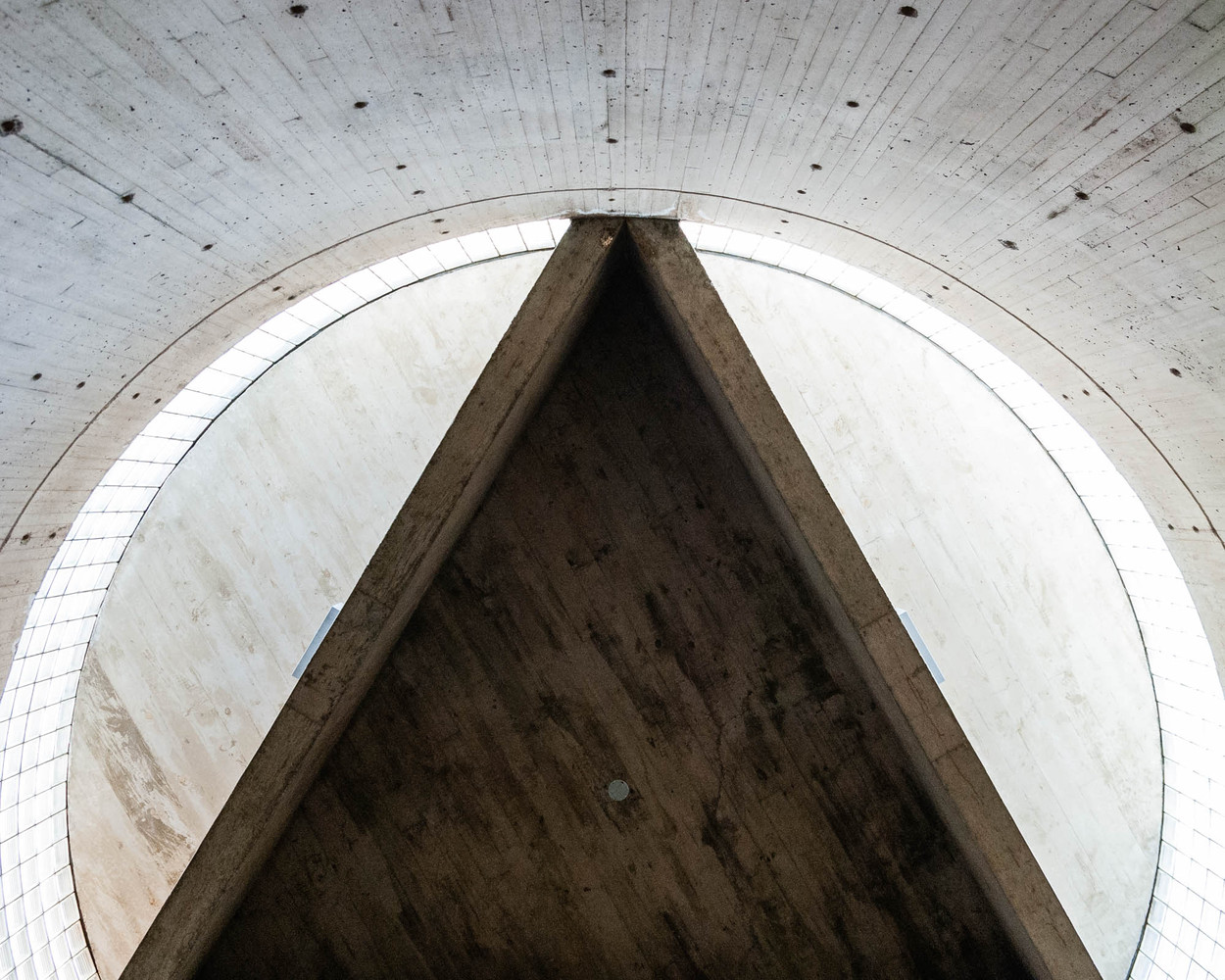
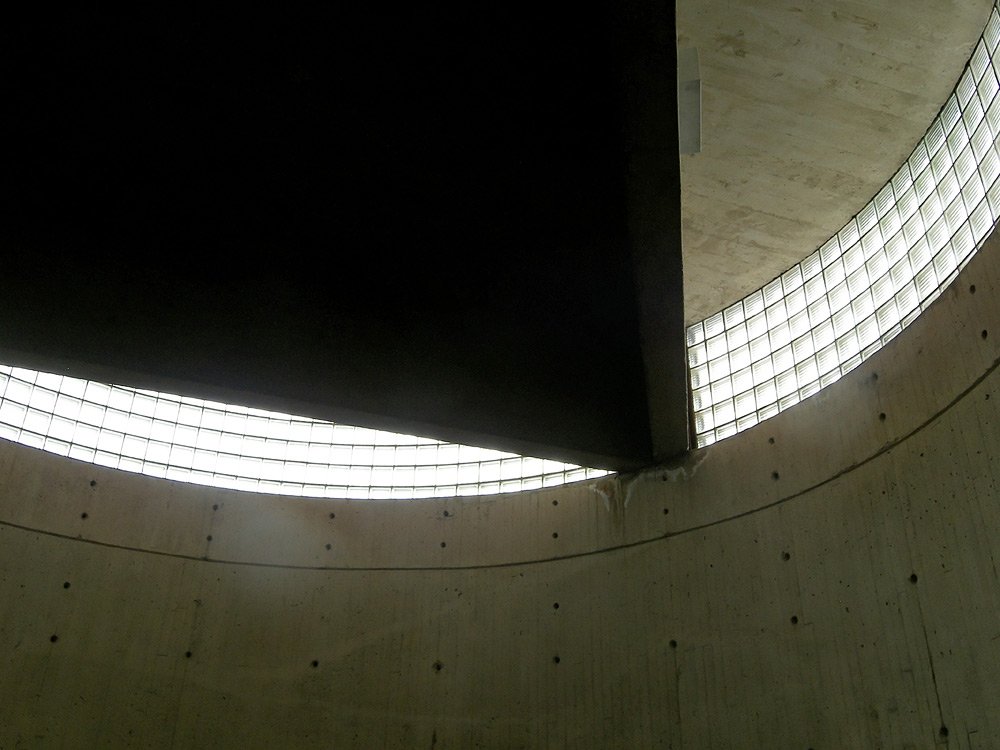
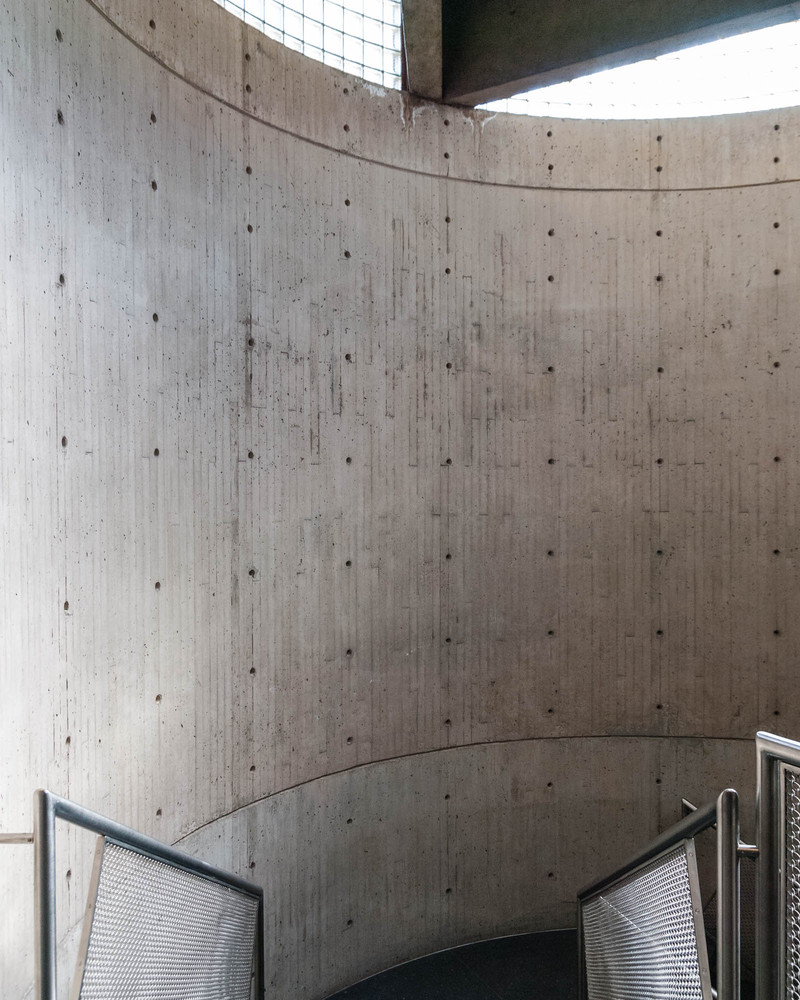
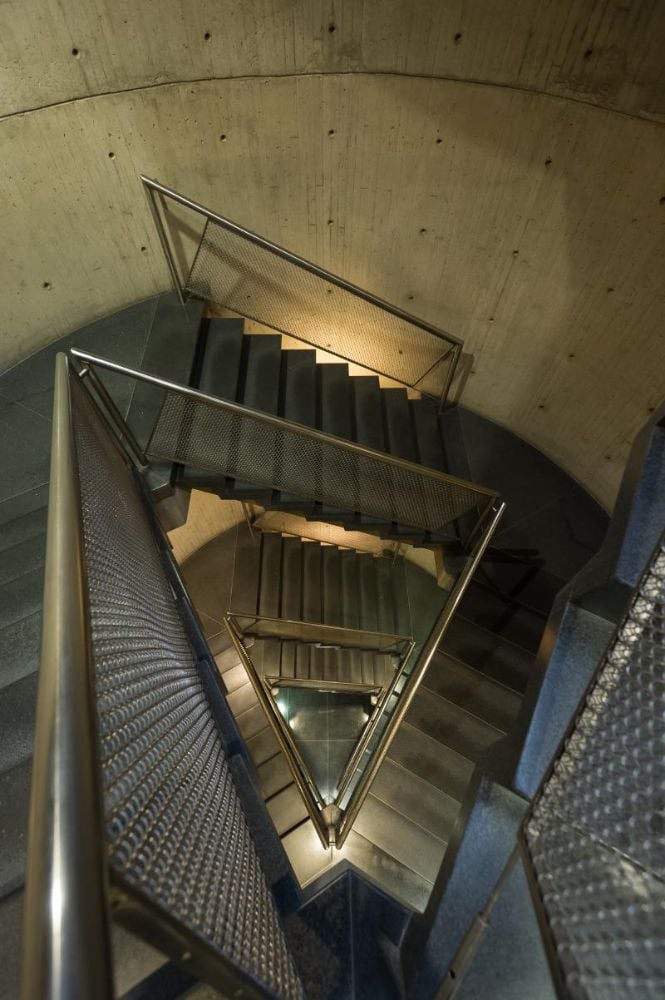
Circulation is structured through a cylindrical concrete stair positioned within the central core. The stair operates as both a functional and spatial element, reinforcing the relationship between structure and movement. Its form references industrial construction while maintaining geometric continuity with the ceiling.
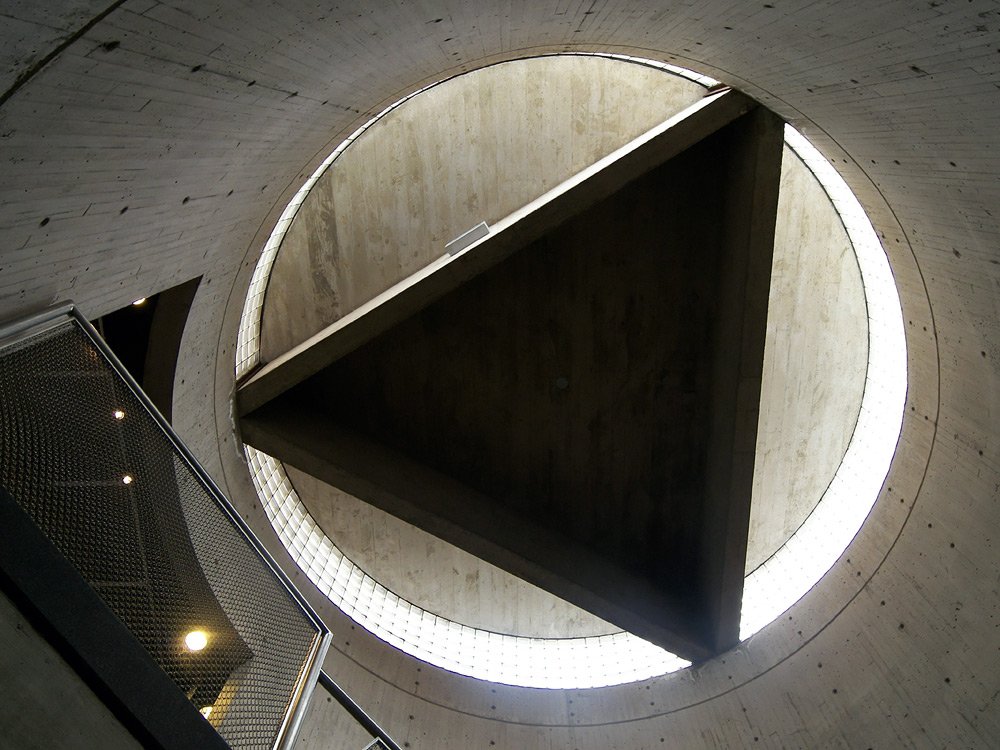
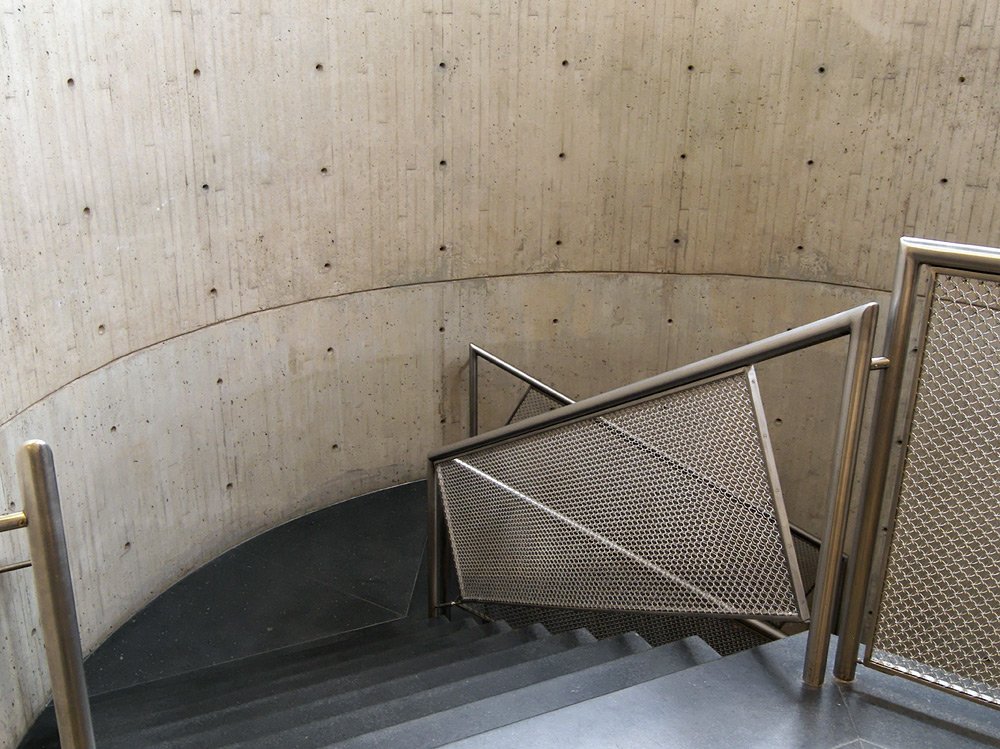
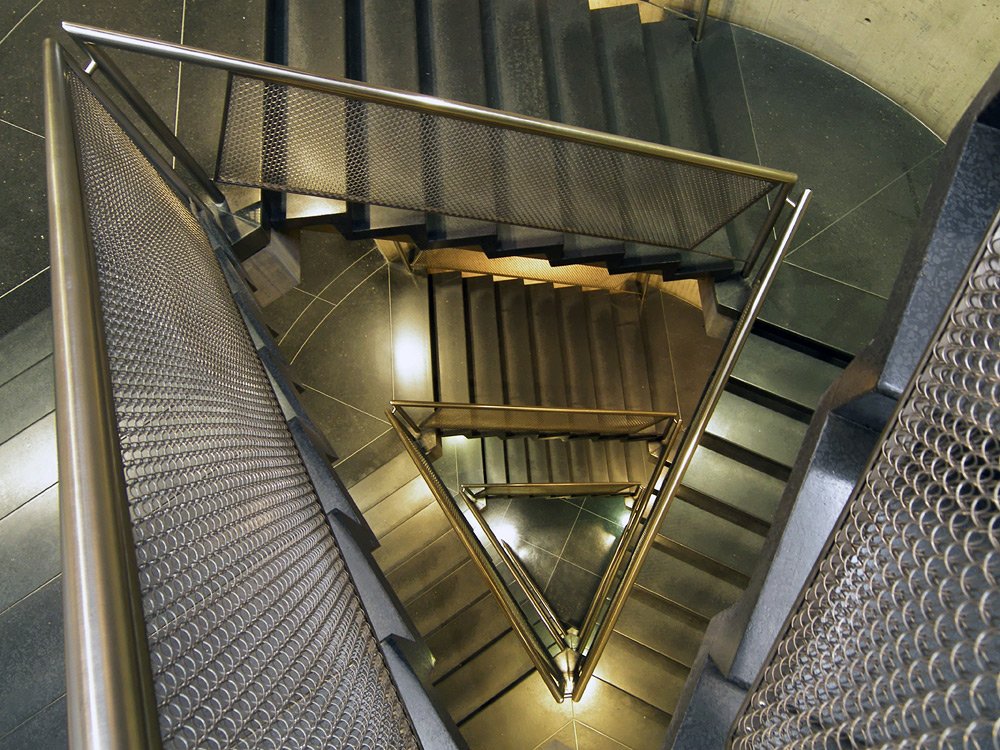
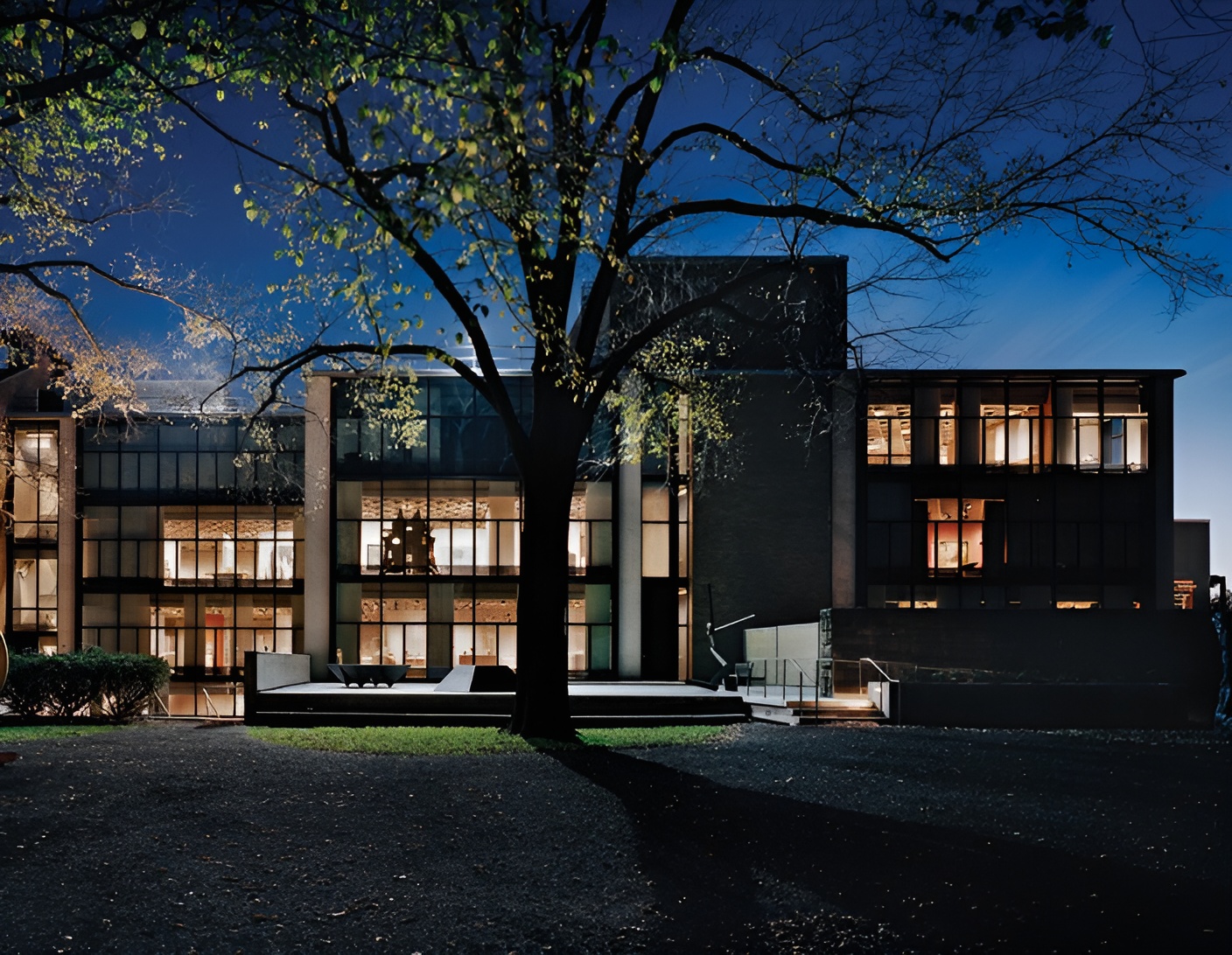
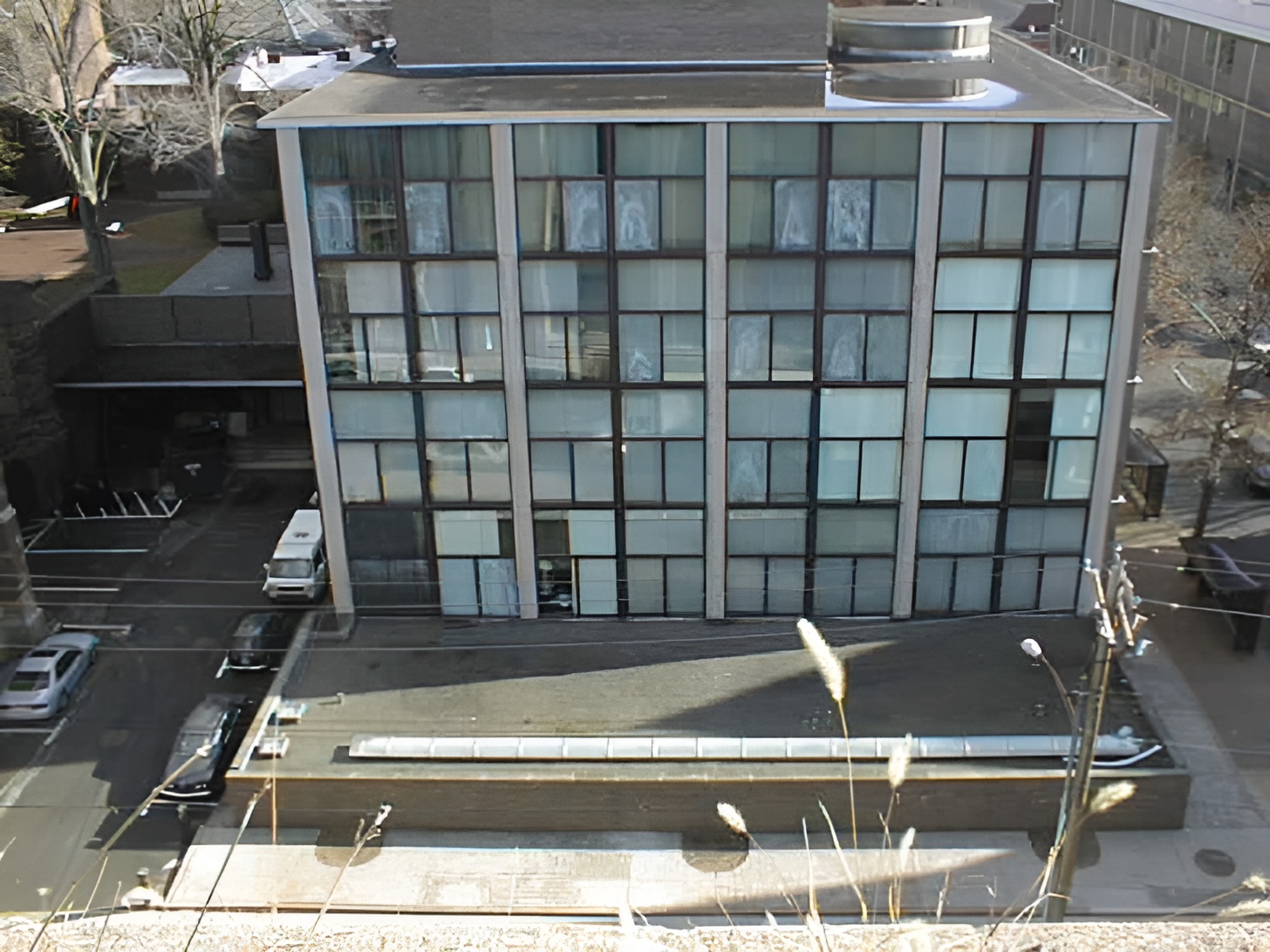
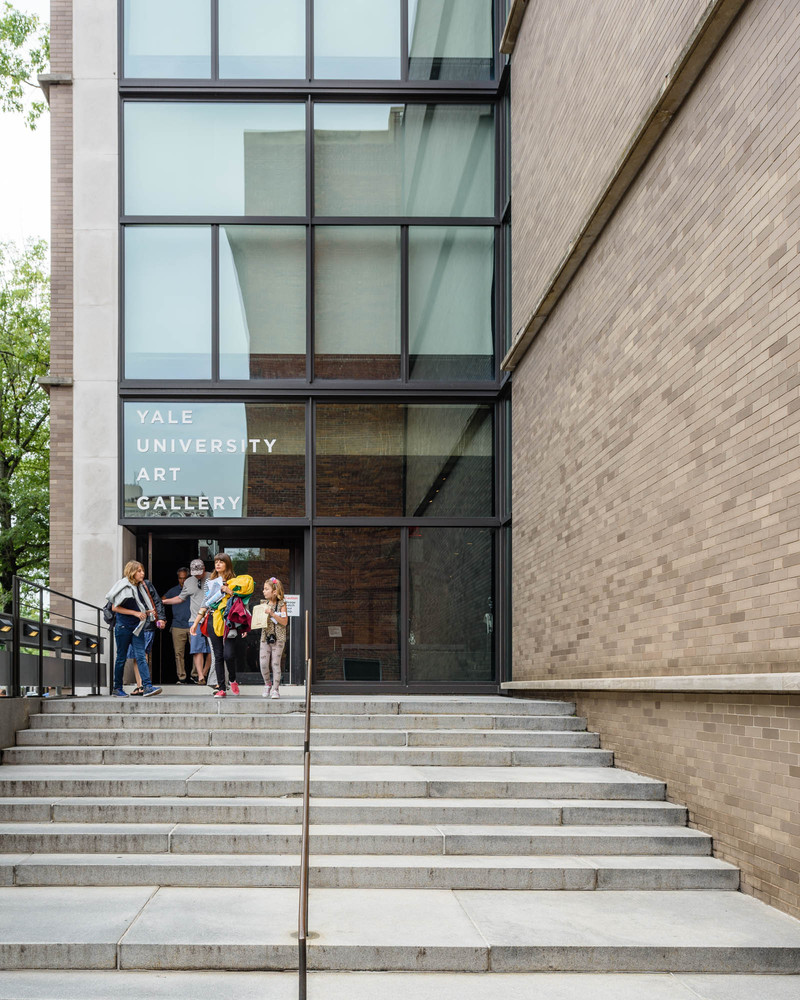
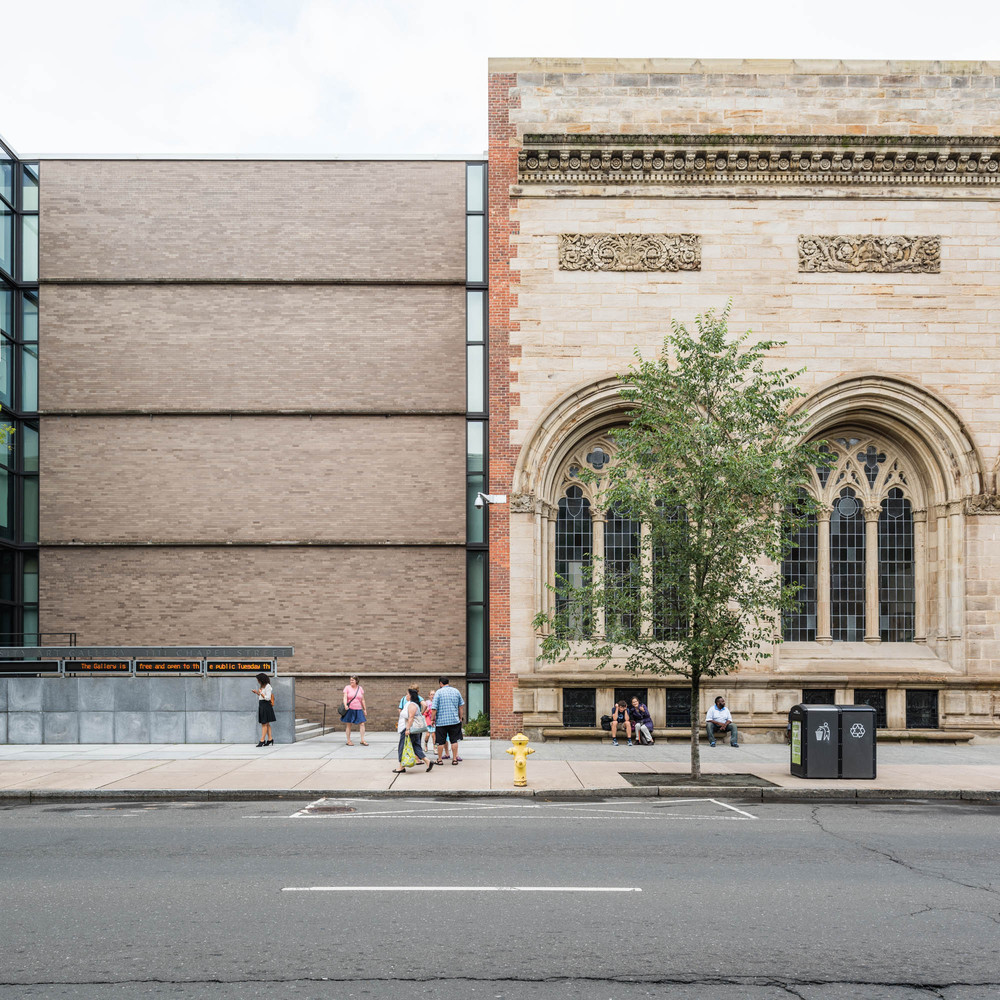
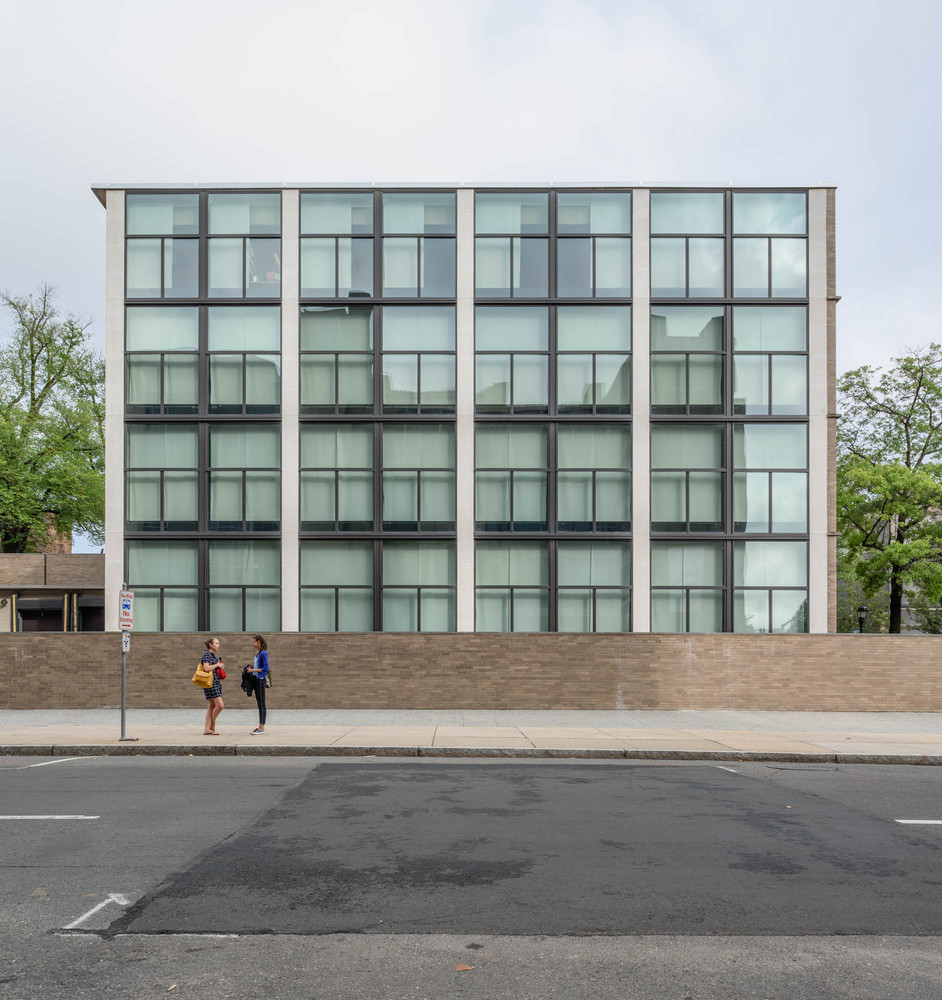
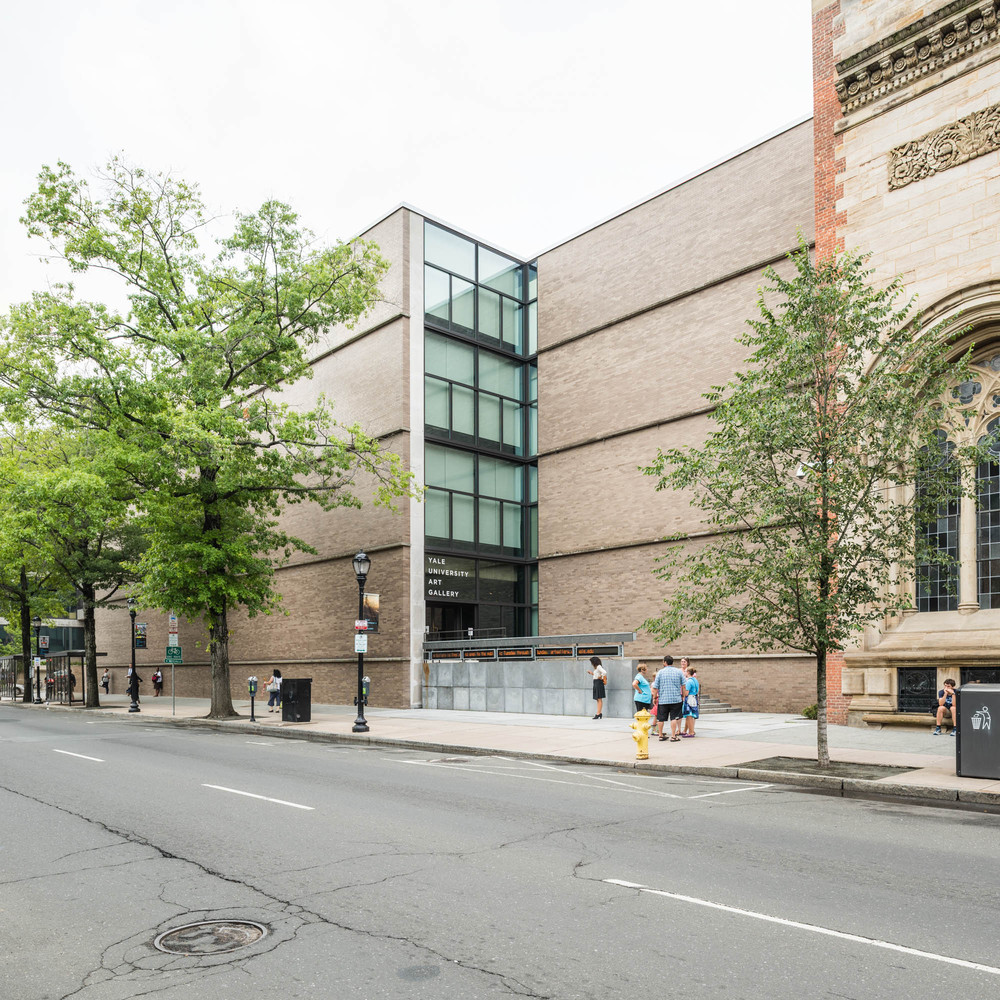
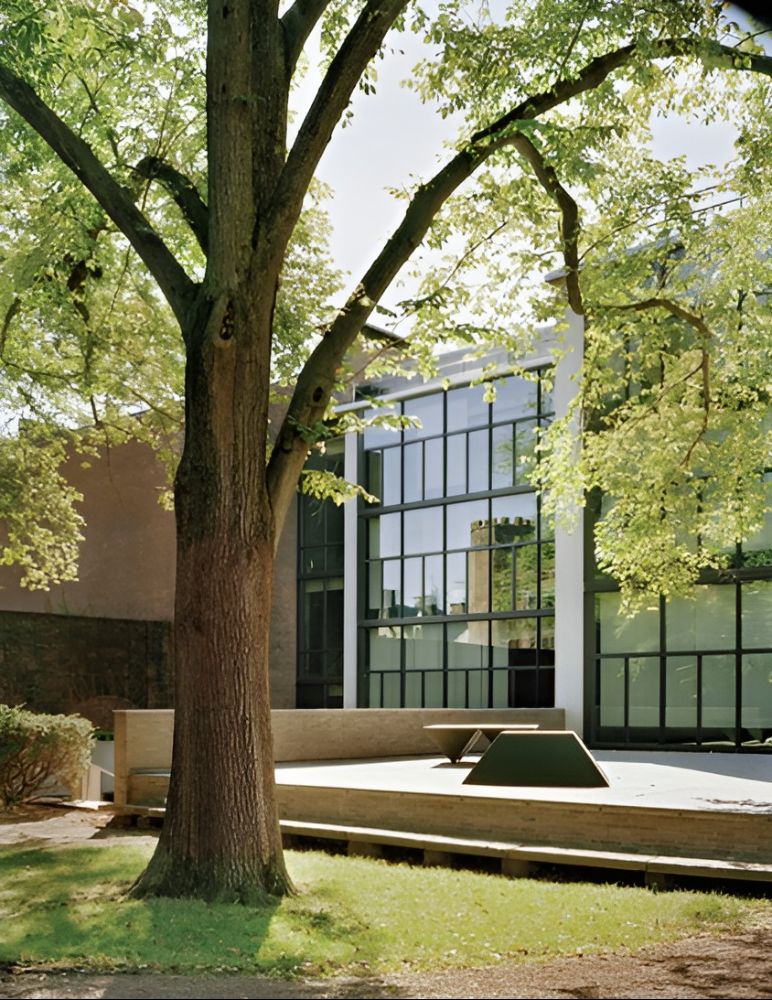
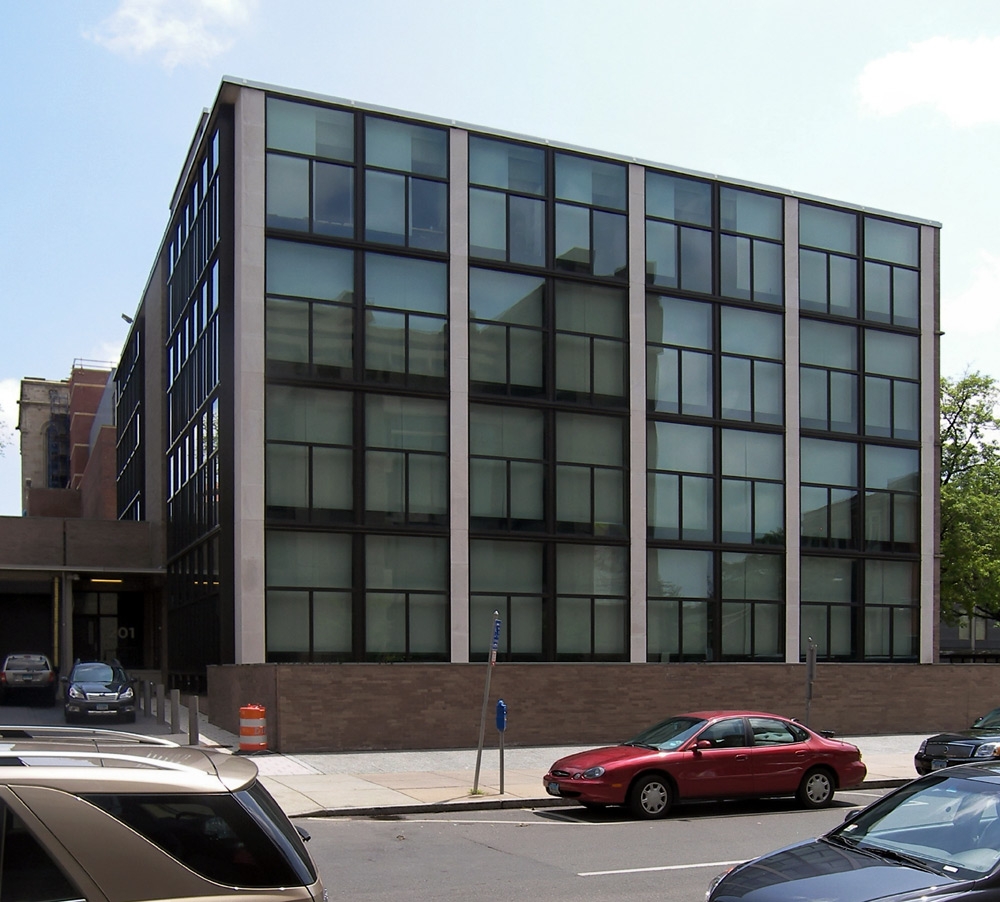
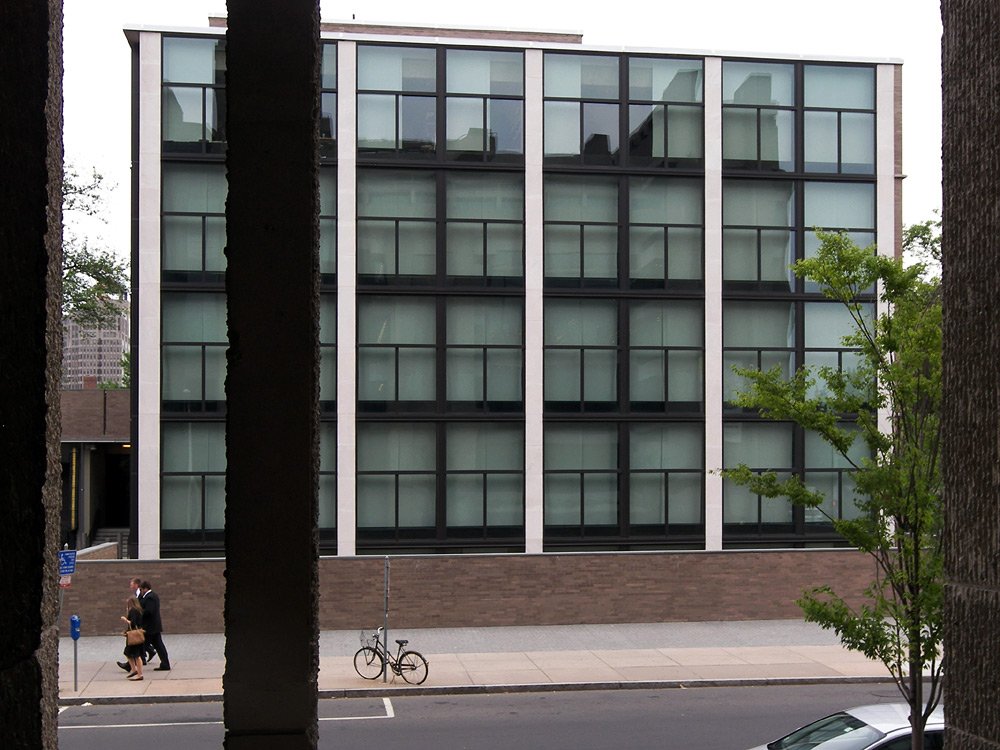
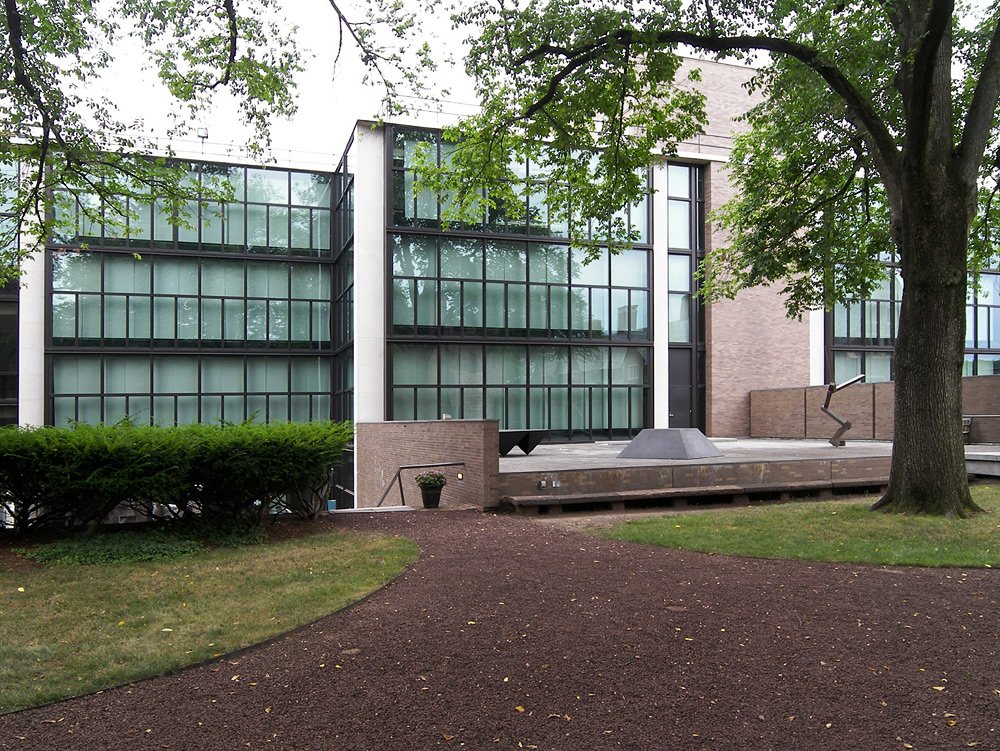
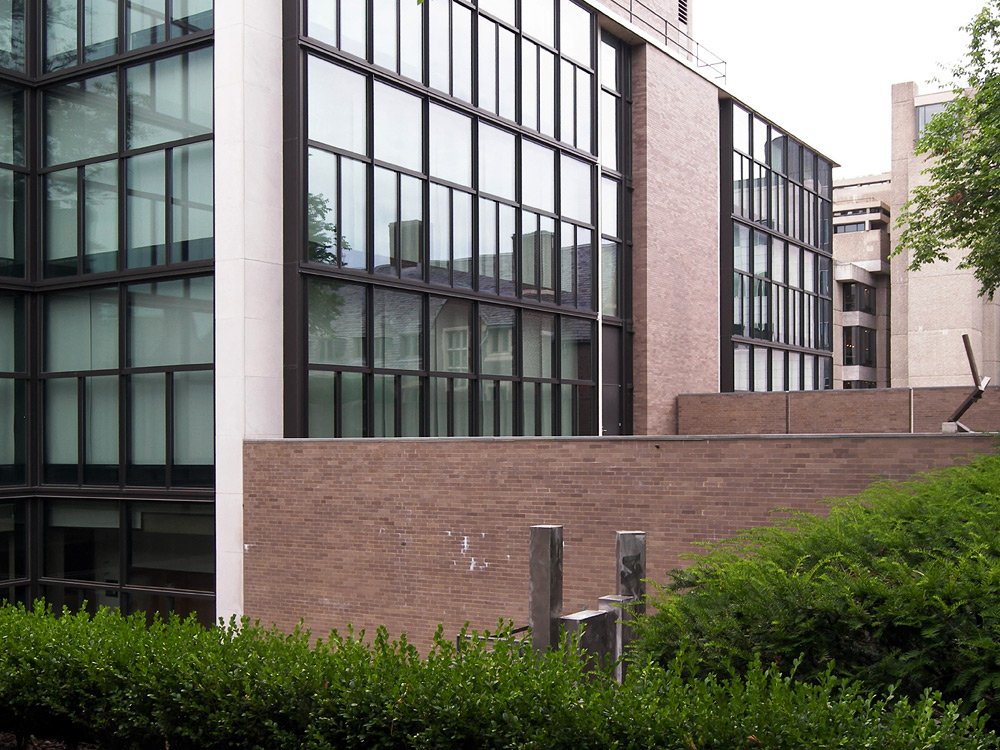
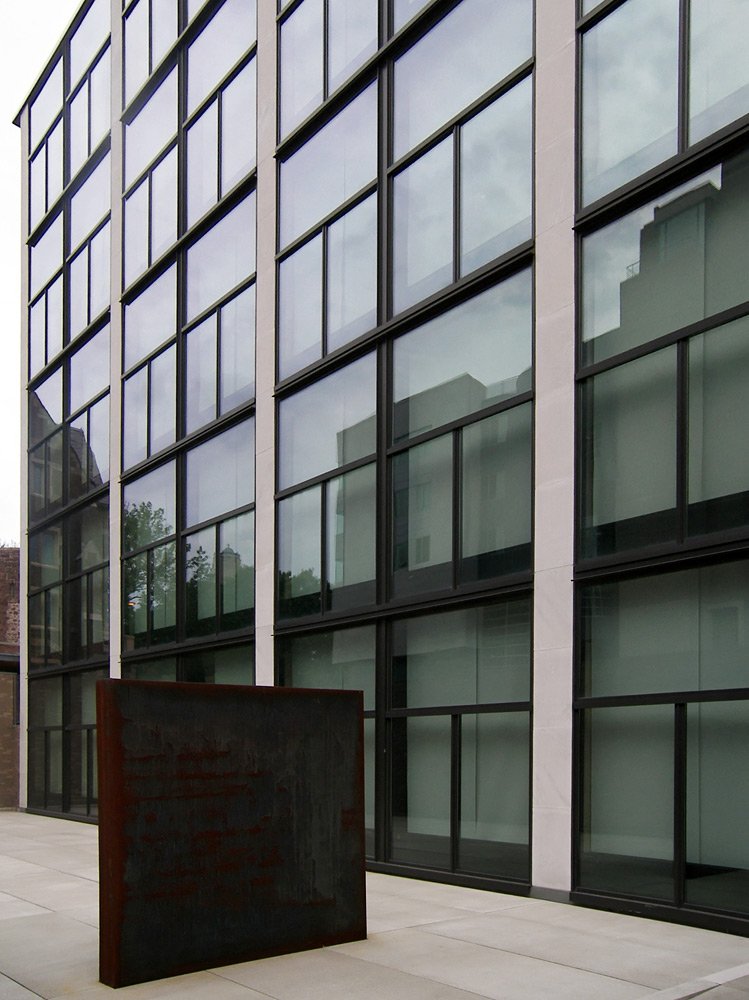
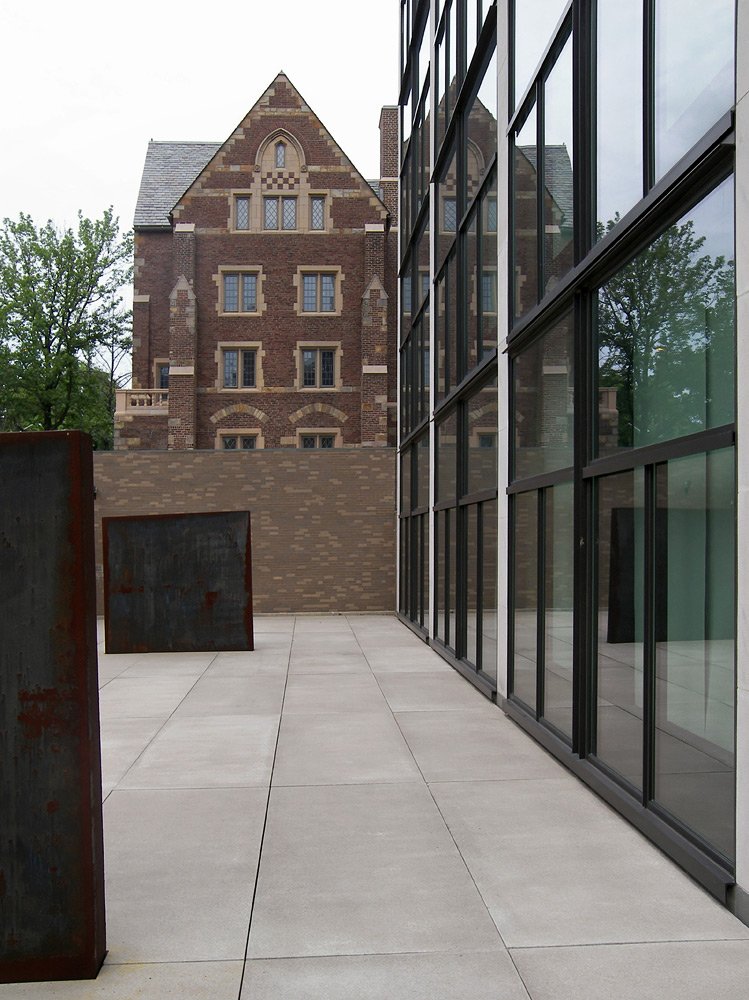
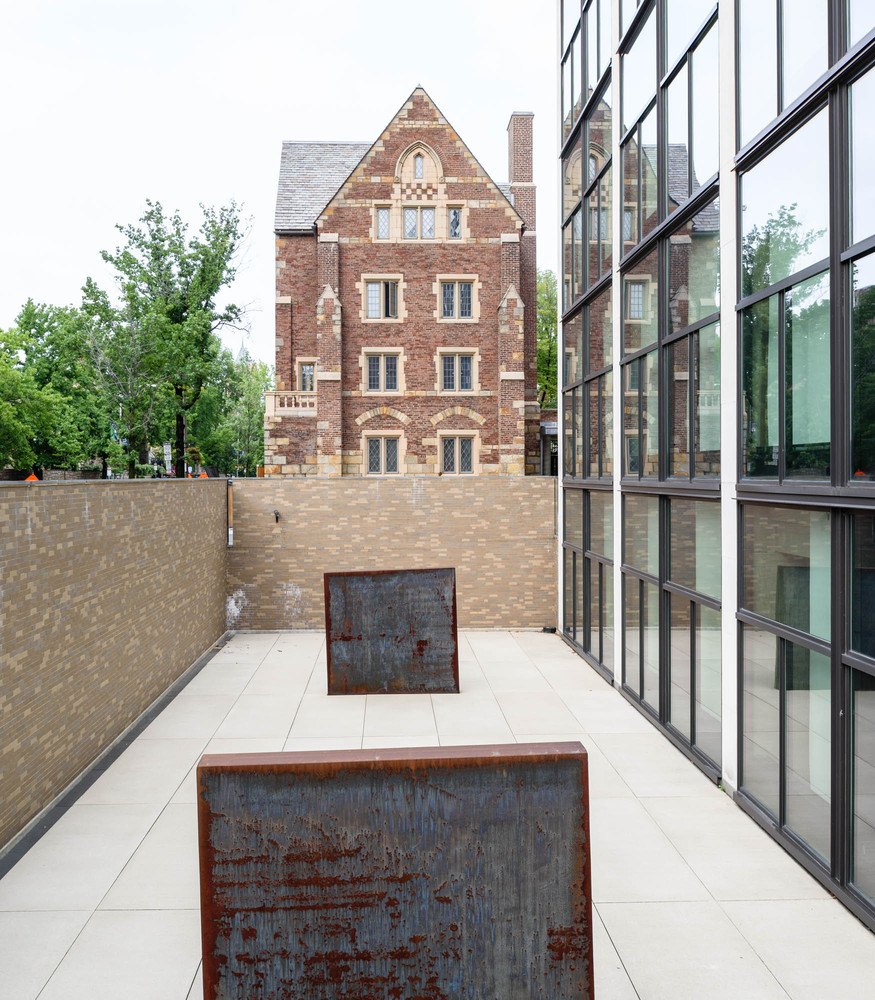
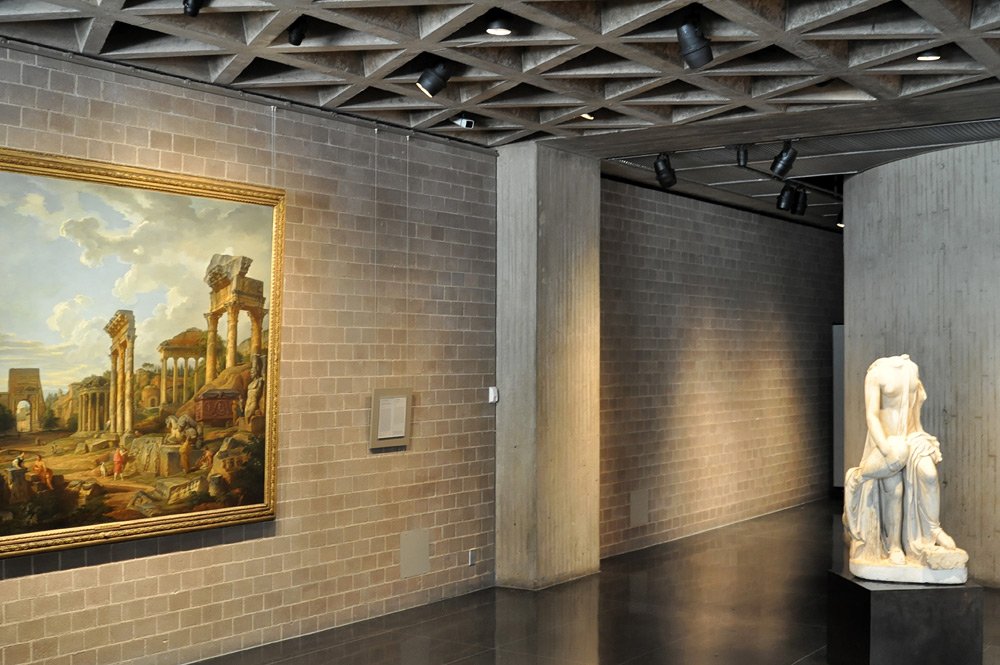
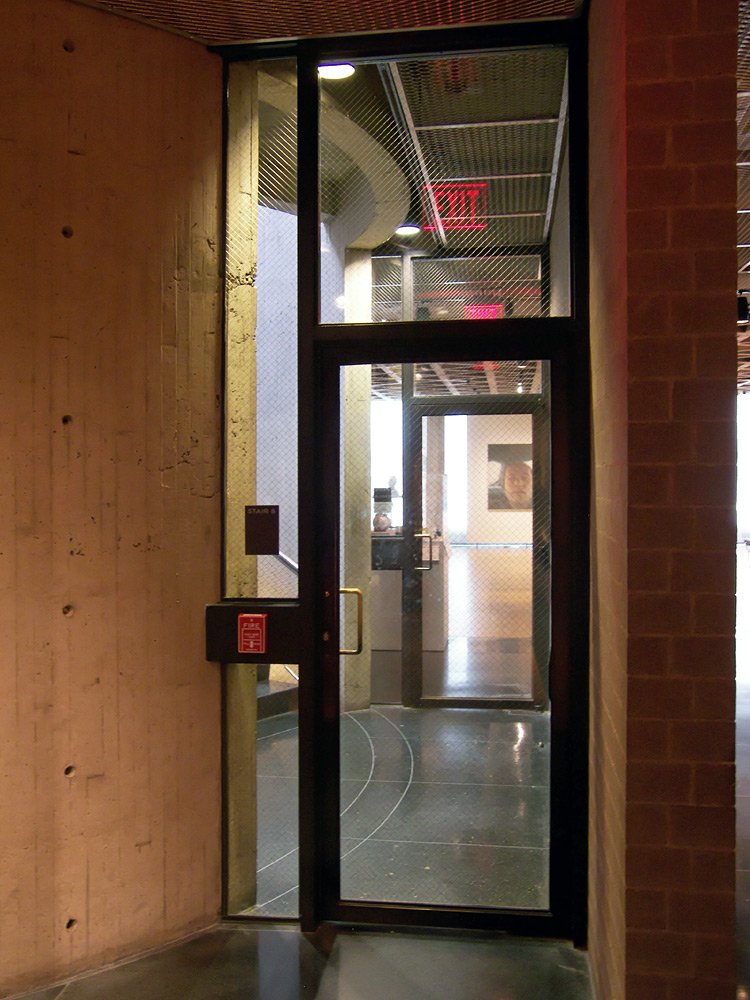
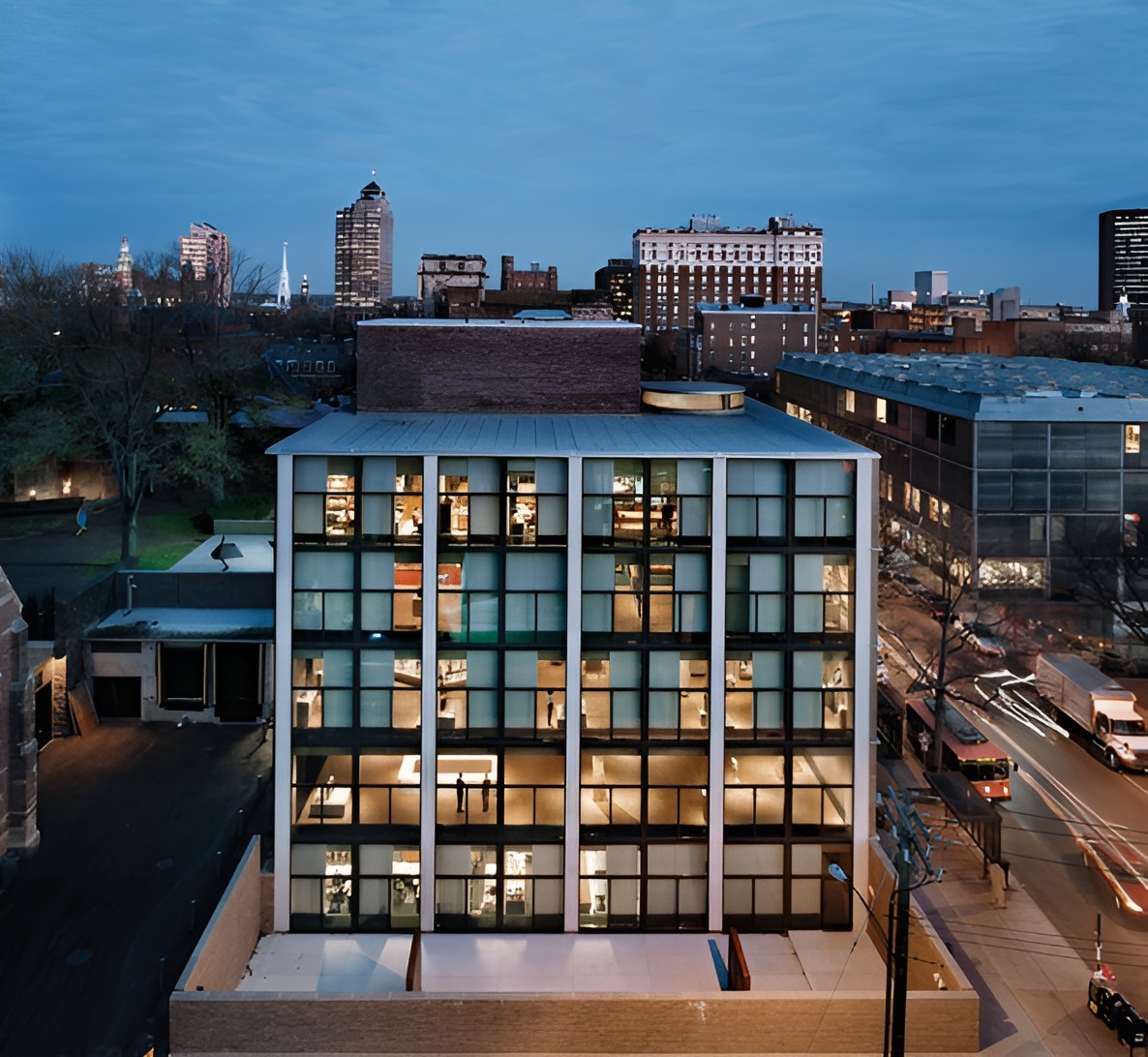
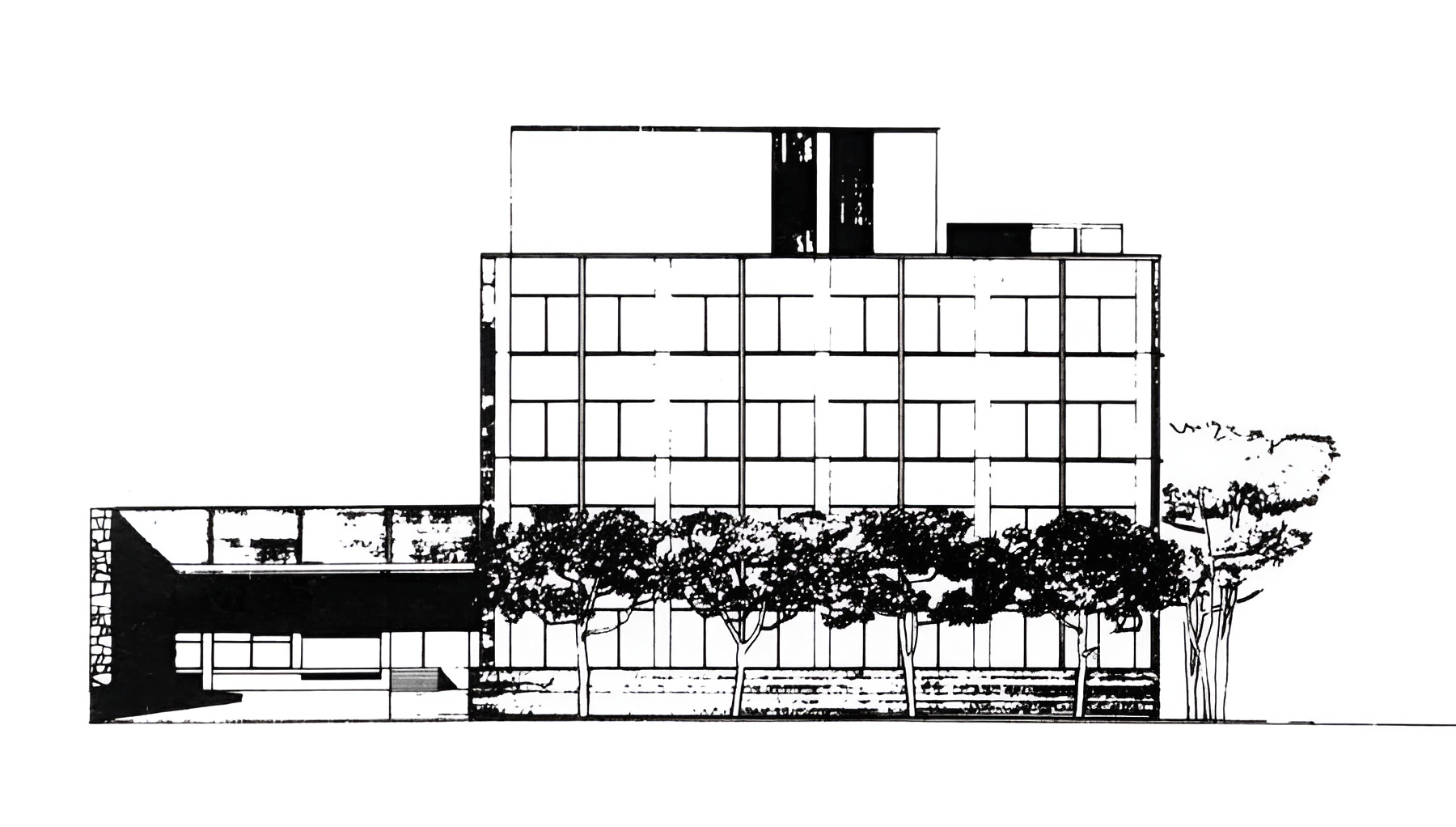
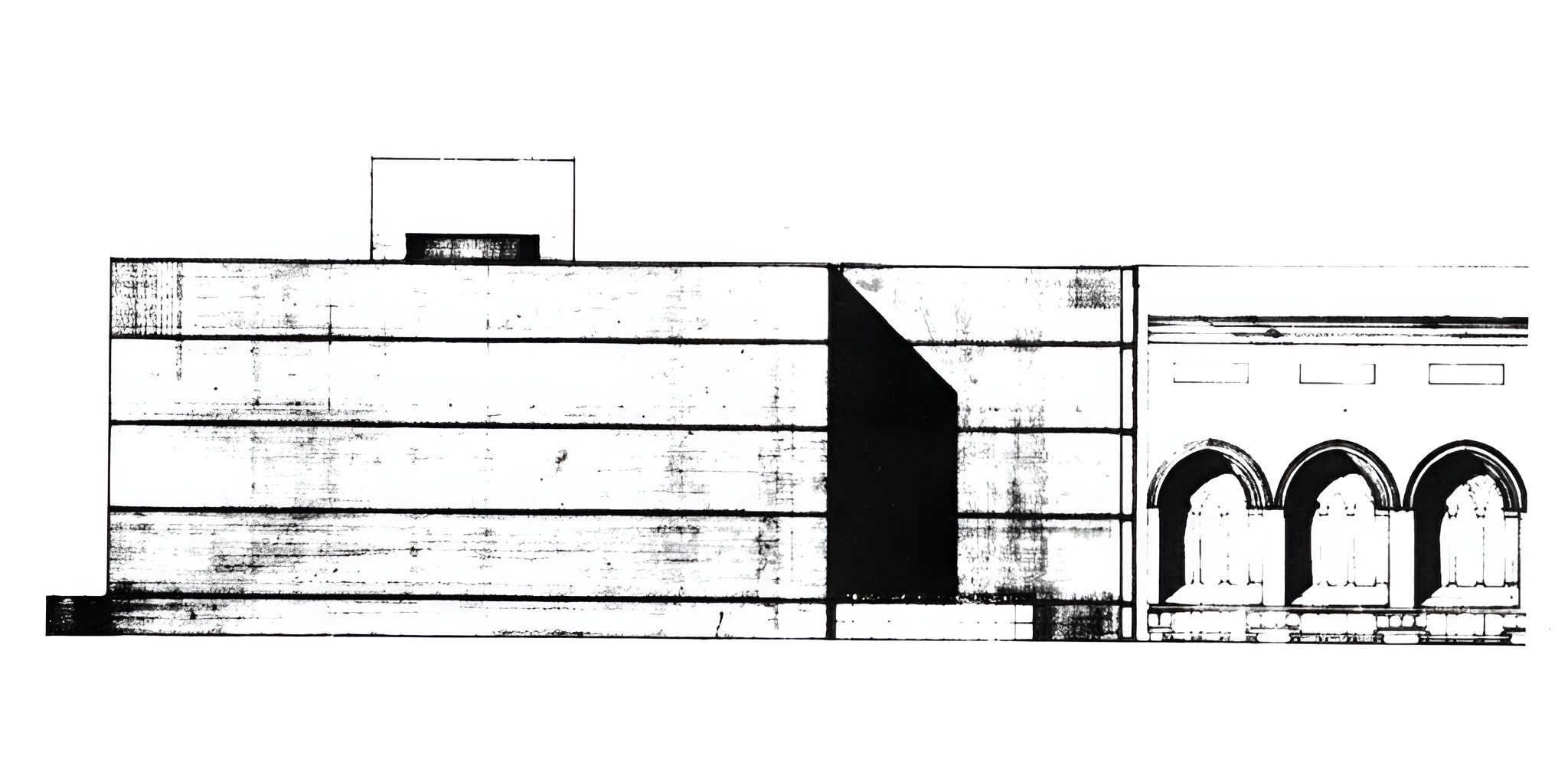
The façade combines glass, steel, concrete, and brick. North and west elevations incorporate glazing to admit controlled daylight, while the south façade remains more solid to regulate exposure. This strategy reflects a calibrated response to orientation and context.
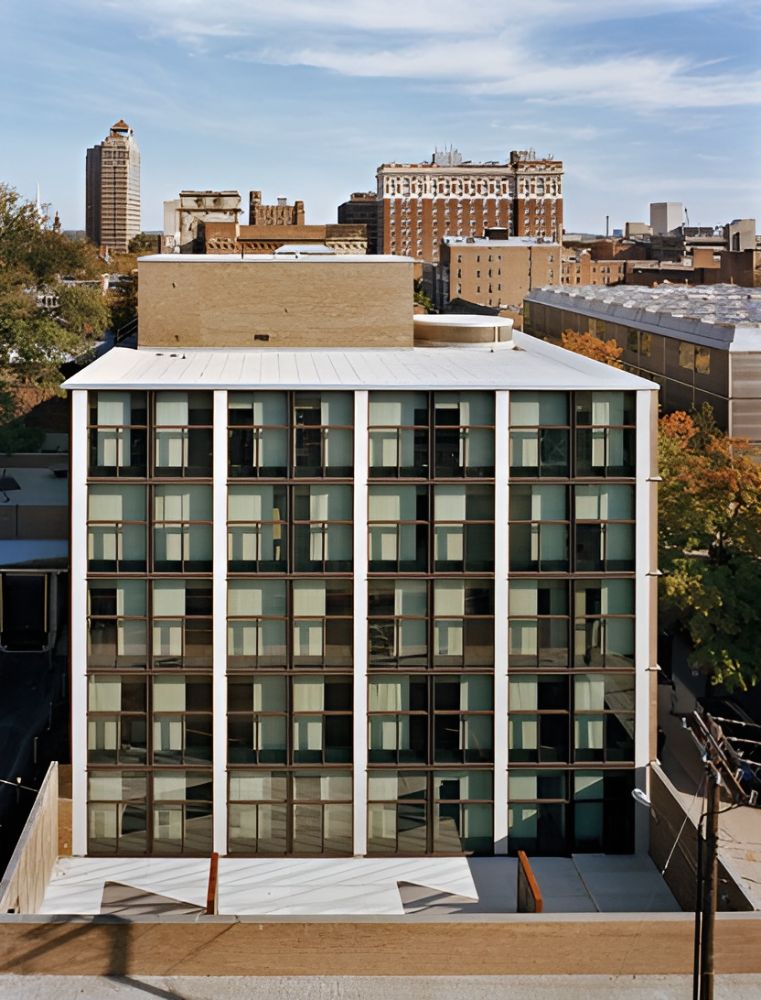
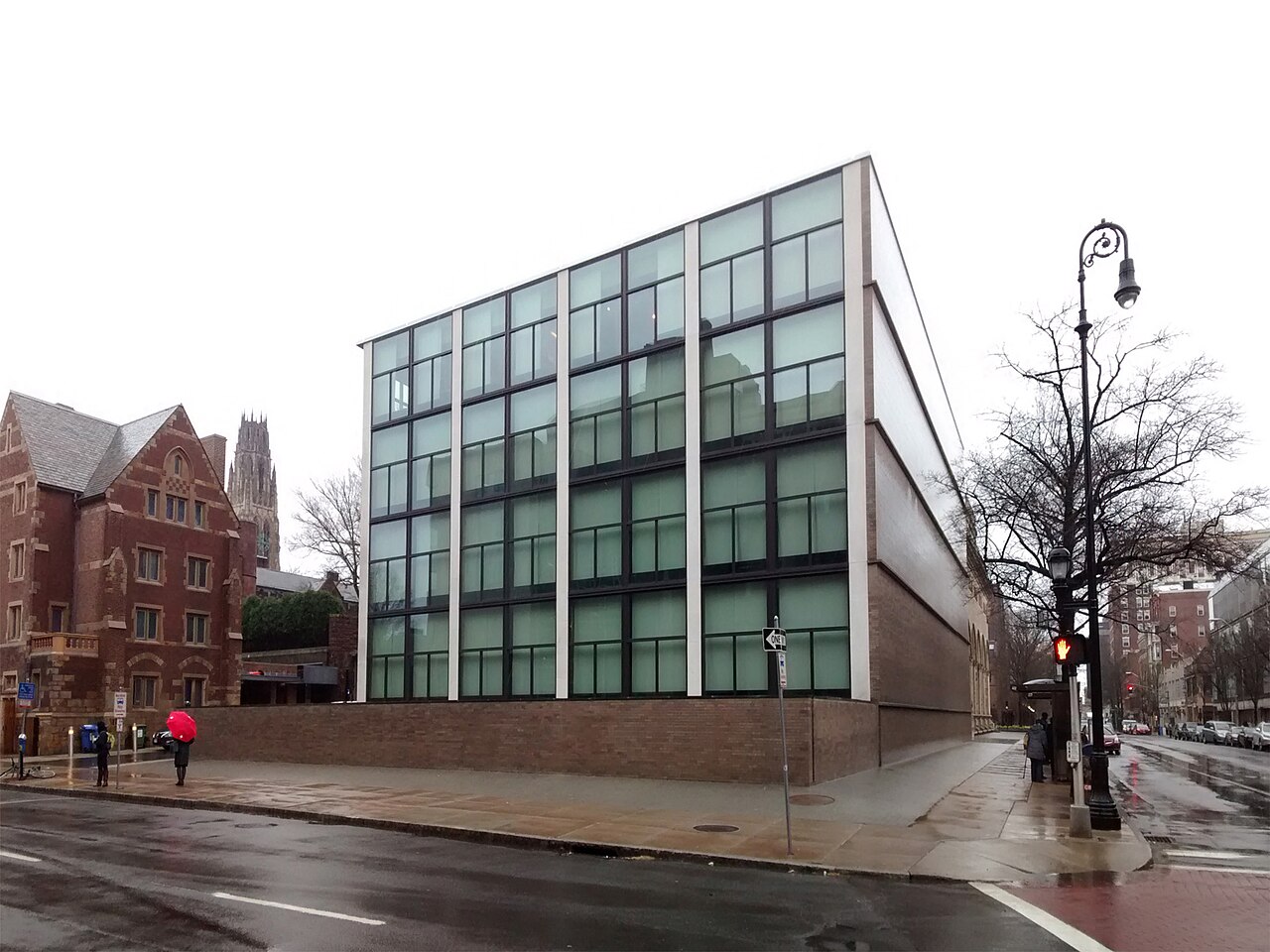
A restoration completed in 2006 reinstated the original spatial qualities and upgraded environmental systems. The intervention replaced the curtain wall system and removed later alterations that had obscured the initial design intent.
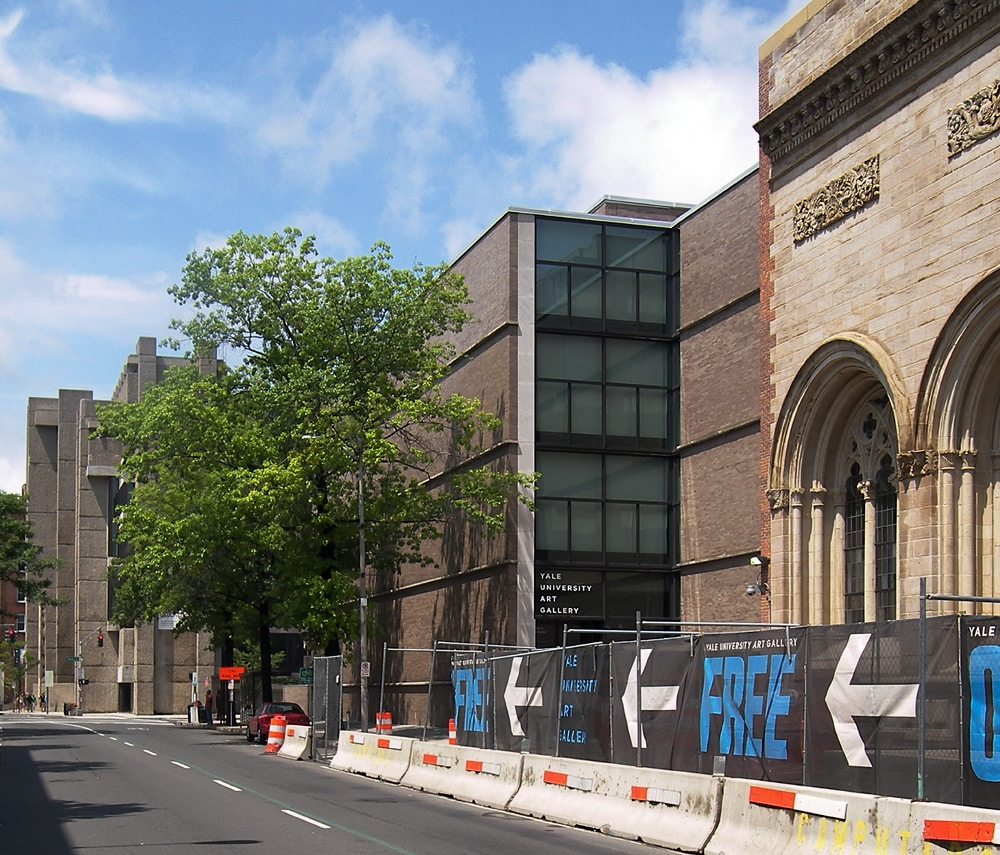
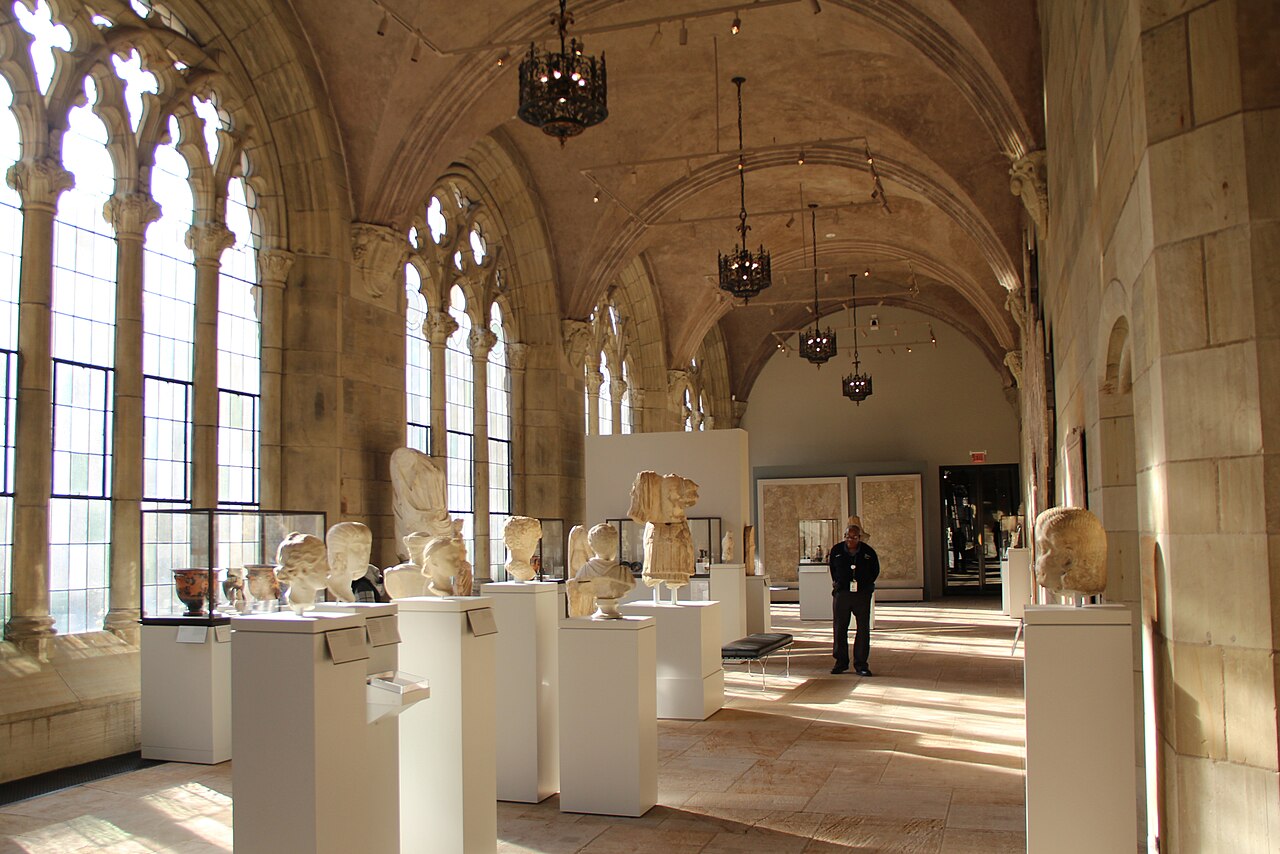
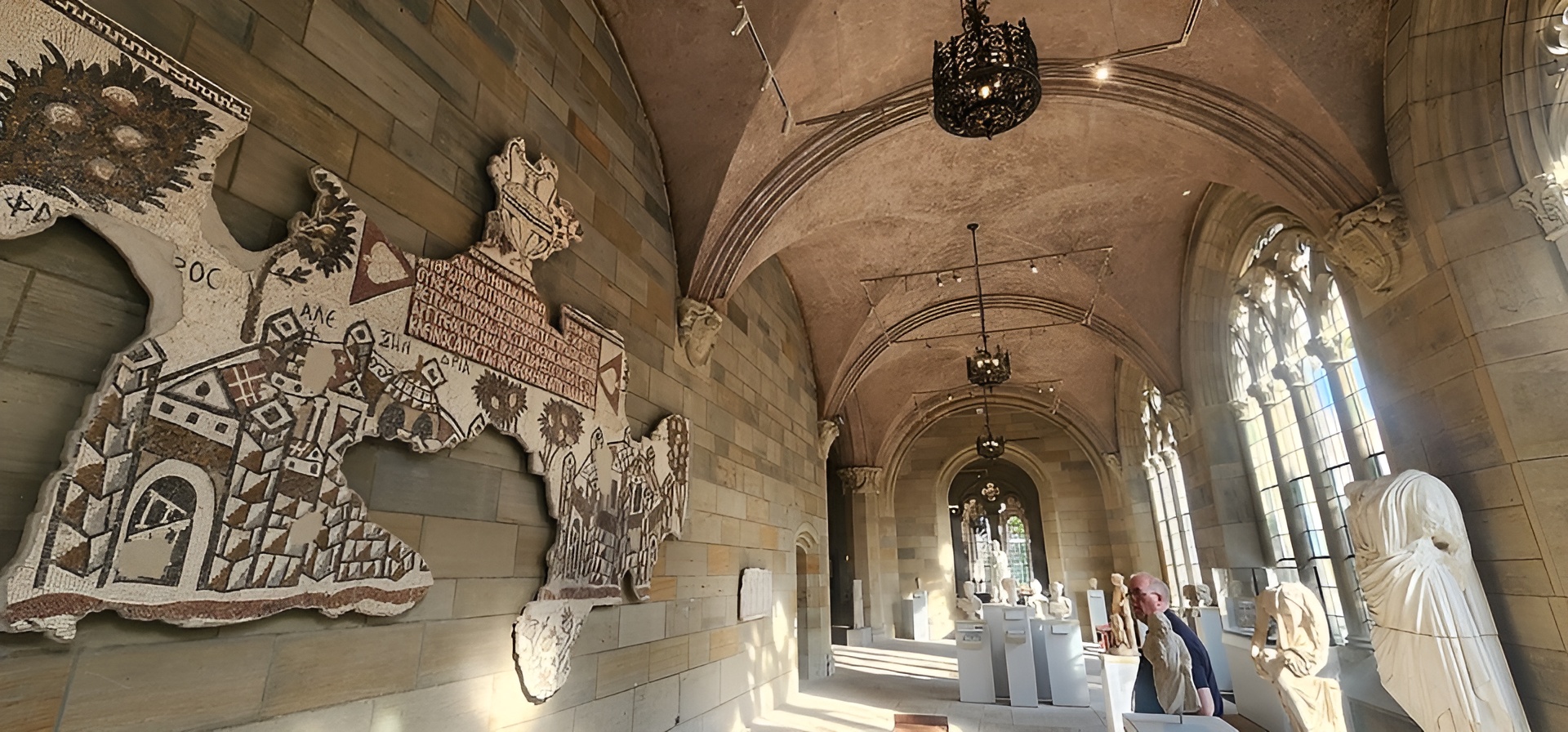
The project establishes principles that continue throughout Kahn’s work, including the articulation of structure, integration of services, and definition of space through geometry and light.
Project Gallery
Project Location
Address: 1111 Chapel Street, New Haven, Connecticut 06510, United States
Location is for general reference and may represent a city or country, not necessarily a precise address.

