

Kazuyo Sejima, born in 1956 in Ibaraki Prefecture, Japan, is a Japanese architect whose minimalism and spatial concepts have made her a defining figure in contemporary architecture. She rose to prominence as modern architecture moved beyond the high-tech and postmodern experiments of the late 20th century into a renewed focus on simplicity and human experience. Sejima’s designs are known for simplicity, transparency, and integration with surroundings, continuing modernist ideals while establishing new directions. After studying architecture in Tokyo and apprenticing under architect Toyo Ito, she co-founded SANAA (Sejima and Nishizawa and Associates) in 1995 with Ryue Nishizawa. Over a four-decade career, Kazuyo Sejima shaped skylines and cultural landscapes worldwide with works defined by light-filled openness and fluid spatial layouts. Her portfolio spans museums, academic campuses, and civic structures across Asia, Europe, and North America, including the 21st Century Museum of Contemporary Art in Kanazawa, the New Museum of Contemporary Art in New York, the Rolex Learning Center in Lausanne, the Louvre-Lens in France, and the Glass Pavilion in Toledo. In 2010, Sejima became one of the few women to win the Pritzker Architecture Prize, and in 2025, she and Nishizawa received the RIBA Royal Gold Medal, honors that underscore her global impact. As a professor and curator, including directing the 2010 Venice Architecture Biennale, Sejima influenced practice and discourse while advancing minimalist design. Her work merges form and function in direct ways, demonstrating that architecture can appear gentle yet remain effective, securing her position as a transformative figure in modern architecture.
Who is Kazuyo Sejima?
Kazuyo Sejima is a Japanese architect born on October 29, 1956, who became a prominent figure in contemporary design through her approach to space and light. She grew up in Japan’s Ibaraki Prefecture, northeast of Tokyo, and developed an early interest in architecture after seeing modern designs by architects like Kazuo Shinohara. Sejima pursued architecture at Japan Women’s University in Tokyo, earning her bachelor’s degree in 1979 and a master’s degree in 1981. Upon graduating, Kazuyo Sejima worked in the office of Toyo Ito, an influential modern architect in Japan. Under Ito’s mentorship from 1981 to 1987, she absorbed an ethos of experimentation and lightness that shaped her style. In 1987, Sejima established her practice, Kazuyo Sejima & Associates, and gained recognition in Japan for projects defined by geometry and transparent materials. In 1992, she received the Young Architect of the Year award from the Japan Institute of Architects. In 1995, Sejima partnered with Ryue Nishizawa to found the Tokyo-based firm SANAA (Sejima and Nishizawa and Associates). Through SANAA, she expanded her work globally, designing buildings across Europe and the United States while continuing projects in Japan. Over the years, Kazuyo Sejima taught at institutions like Princeton University and ETH Zurich and served as the first female director of the Venice Architecture Biennale in 2010. She remains active in architecture, leading projects that range from art museums to community centers. Kazuyo Sejima is regarded for her context-sensitive designs and for breaking barriers as a woman in a field long dominated by men, influencing a new generation of architects.
What type of architecture does Kazuyo Sejima represent?
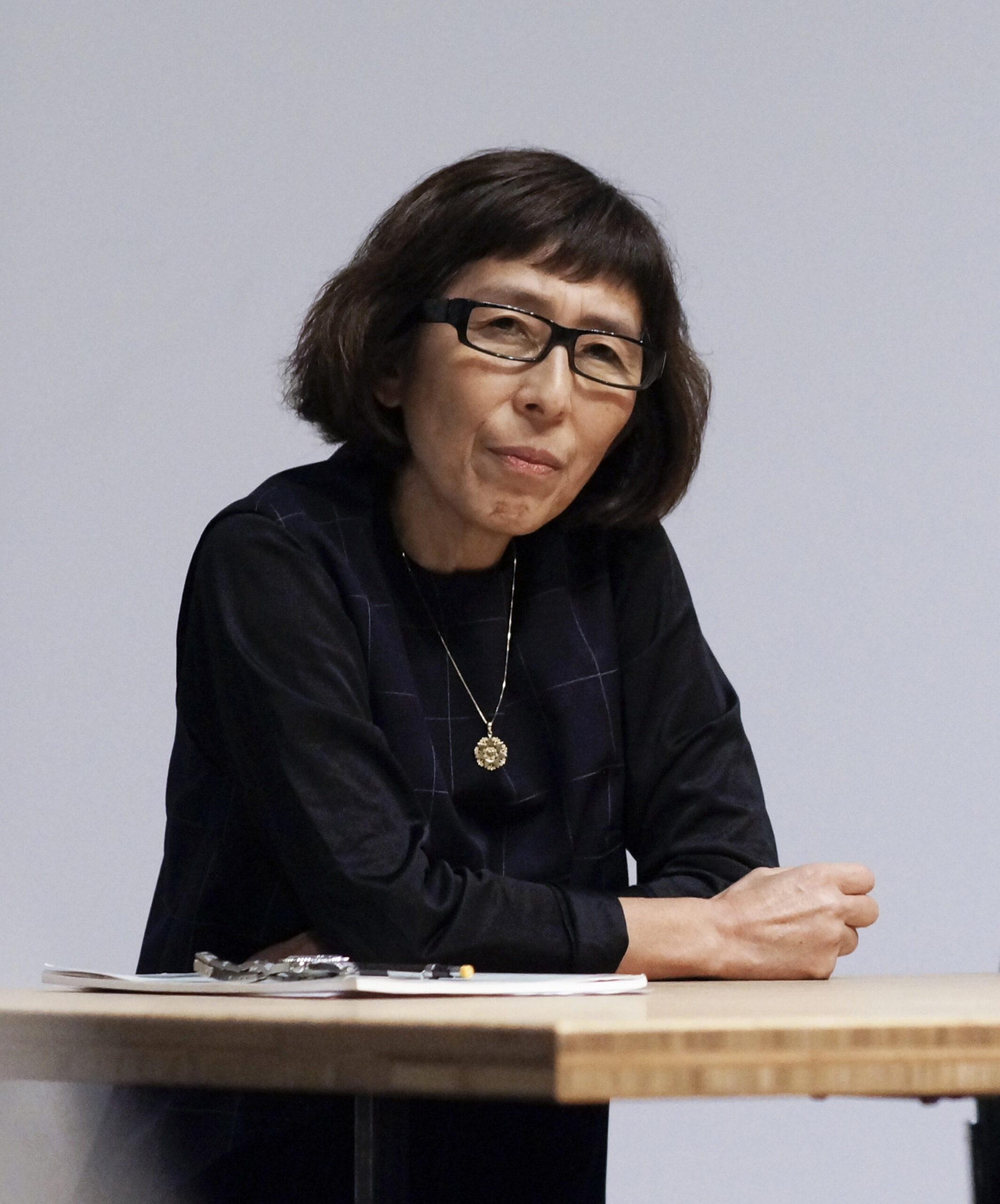
Kazuyo Sejima is known for representing a contemporary minimalist architectural style that emphasizes light, clarity, and the blending of interior and exterior spaces. Her work is often described as delicate yet direct, a style rooted in modernist simplicity but reinterpreted for the 21st century. Sejima’s buildings feature clean lines, open plans, and extensive use of glass, reflecting a philosophy of transparency and fluidity. Rather than bold ornament or imposing forms, she focuses on creating transitions between spaces and allowing environments to flow together. This approach can be seen as part of the post-modern minimalist movement in architecture, which emerged as a response to the complexity of postmodernism and the high-tech aesthetic. In Sejima’s hands, minimalism is not cold or abstract; it becomes a tool to structure human interaction and adaptability. Exposed materials like glass, white steel, and smooth concrete are used in a restrained way to capture natural light and reflections. Her buildings often appear lightweight, with thin structural elements and planes that give an impression of effortlessness. Kazuyo Sejima’s style integrates buildings with their surroundings, where gardens, courtyards, and urban contexts become part of the architectural experience. This integration of nature, people, and structure echoes Japanese architectural traditions of blurring indoors and outdoors while aligning with international modernist ideals of functional purity. From museums to campus buildings, Sejima’s architecture represents a human-centered minimalism that is technically focused and attentive to spatial behavior.
What is Kazuyo Sejima’s great accomplishment?
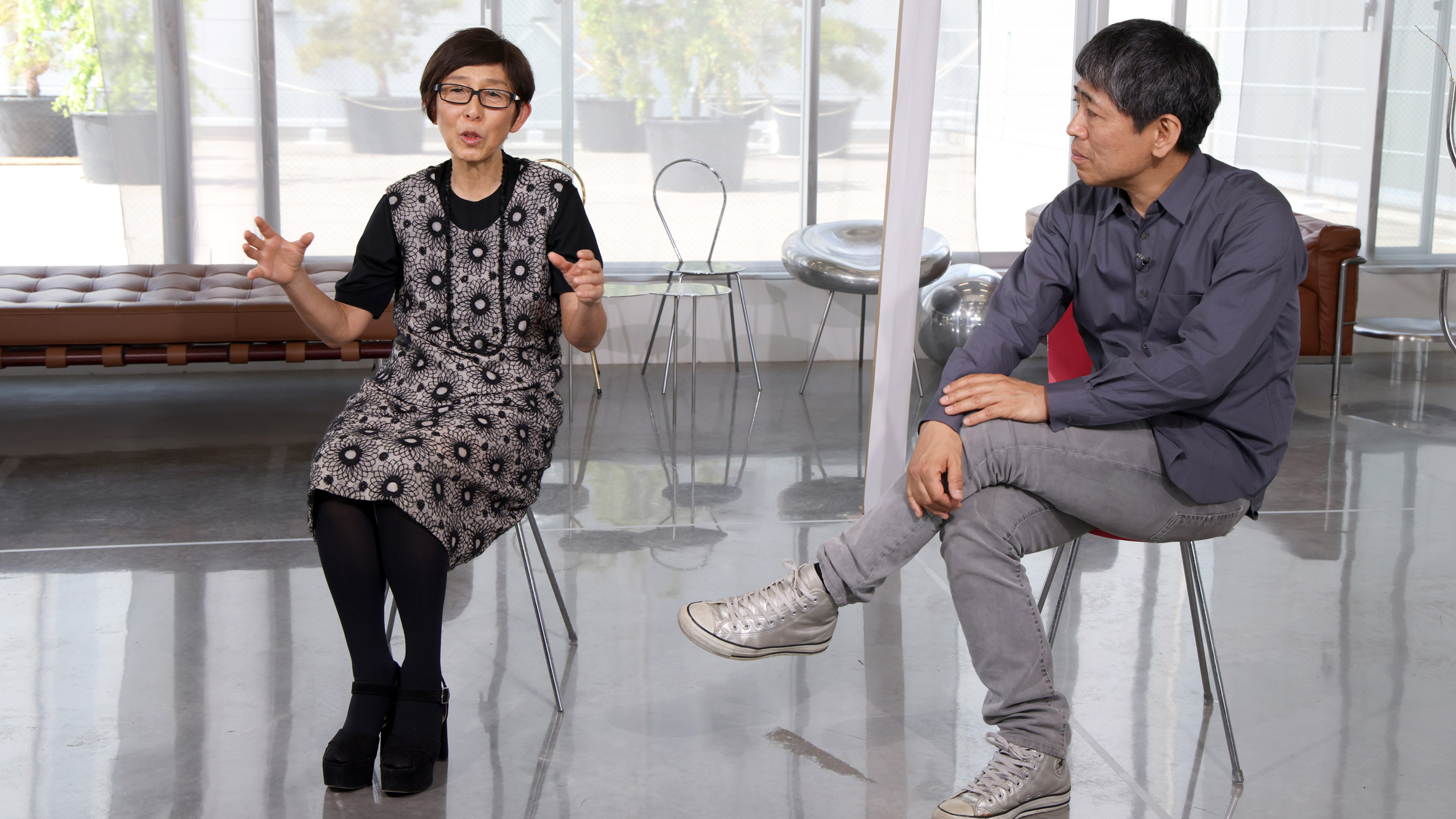
Kazuyo Sejima’s accomplishment is redefining aspects of modern architecture through a minimalist approach, recognized by major honors. She demonstrated that buildings can be understated and effective, shifting architects’ understanding of space and form. One measure of this work was her receipt of the Pritzker Architecture Prize in 2010 with Ryue Nishizawa. This prize recognized how Sejima influenced design thinking at a global level. By the early 2000s, she introduced approaches in museums, educational centers, and homes that used transparency, light, and open plans to support social interaction and flexibility. Her impact is clear in museum architecture, where projects like the 21st Century Museum of Contemporary Art in Kanazawa removed hierarchical layouts and reduced boundaries between galleries and public space. This design received the Golden Lion at the 2004 Venice Architecture Biennale. Kazuyo Sejima’s role as a female leader in architecture is another significant aspect of her career. She became one of the first women, and the first Japanese woman, to win the Pritzker Prize, supporting wider recognition of women architects. Her work includes several “firsts,” such as heading the Venice Biennale and designing projects across multiple continents, produced through a restrained design language that contrasted with expressive landmark buildings of the period.
What are Kazuyo Sejima’s most important works?
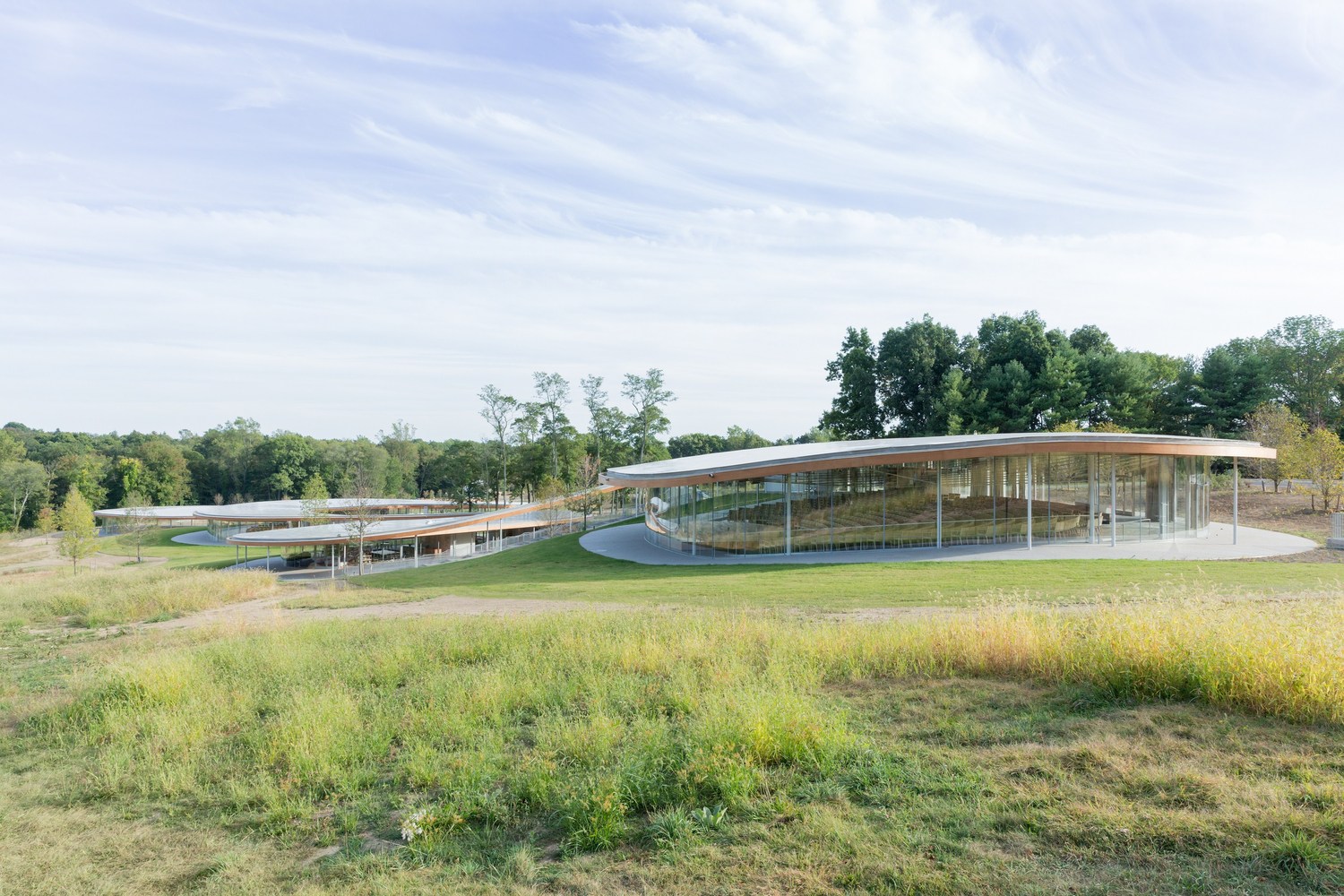
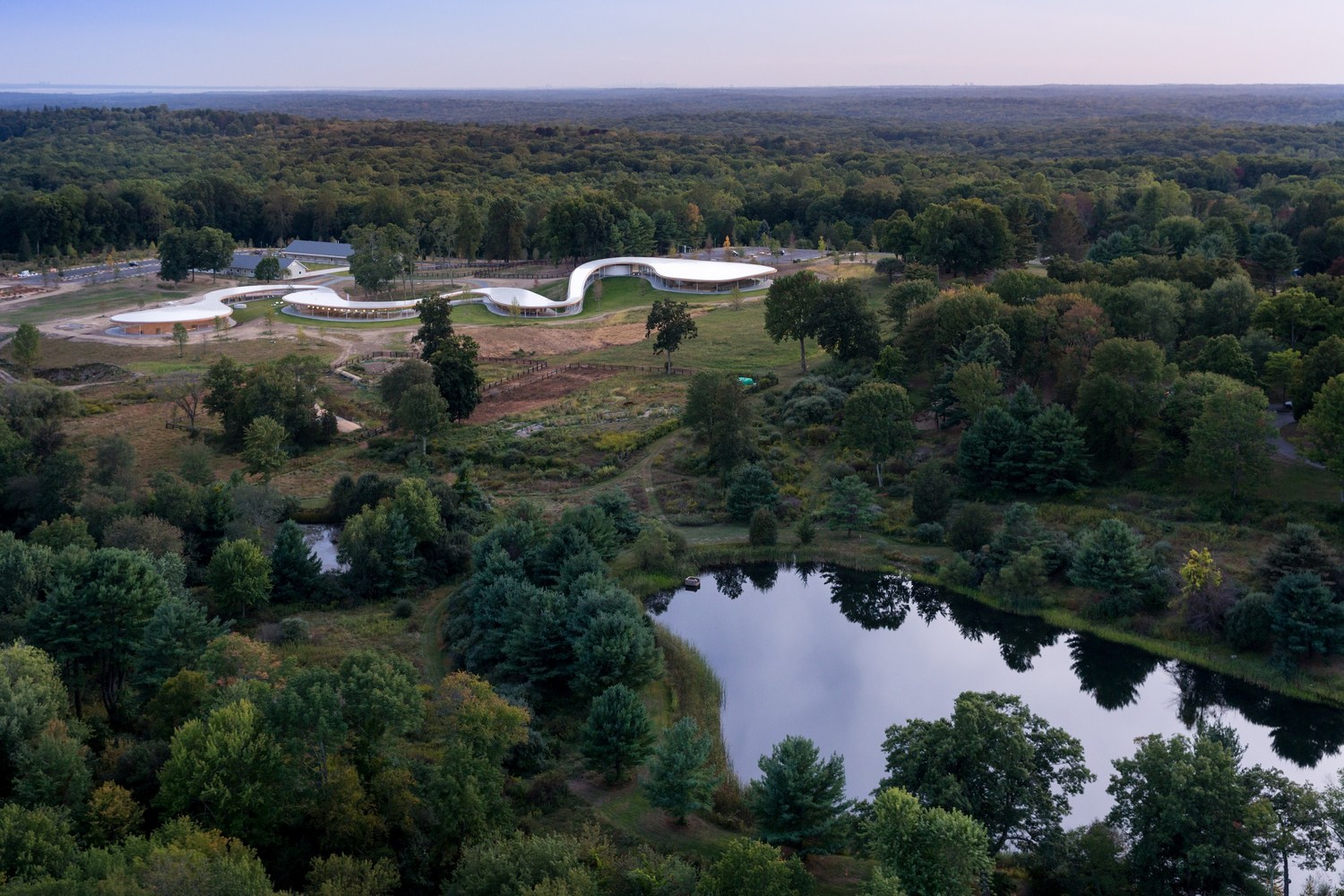
Kazuyo Sejima’s most important works encompass art museums, educational campuses, and civic buildings, including the 21st Century Museum of Contemporary Art in Kanazawa, a circular glass-walled museum organized around inner courtyards; the New Museum of Contemporary Art in New York, a stacked composition of shifted box volumes clad in expanded aluminum mesh; the Rolex Learning Center in Lausanne, a one-story undulating interior landscape formed as a continuous open plane; the Louvre-Lens museum in France, a sequence of low glass and aluminum pavilions arranged as a curved linear composition across a former mining site; the Glass Pavilion at the Toledo Museum of Art, a clear-glass structure of curving internal partitions supported by slender columns; and Grace Farms in New Canaan, a long sinuous roof structure that shelters transparent pavilions integrated into a rolling landscape.
01. 21st Century Museum of Contemporary Art, Kanazawa
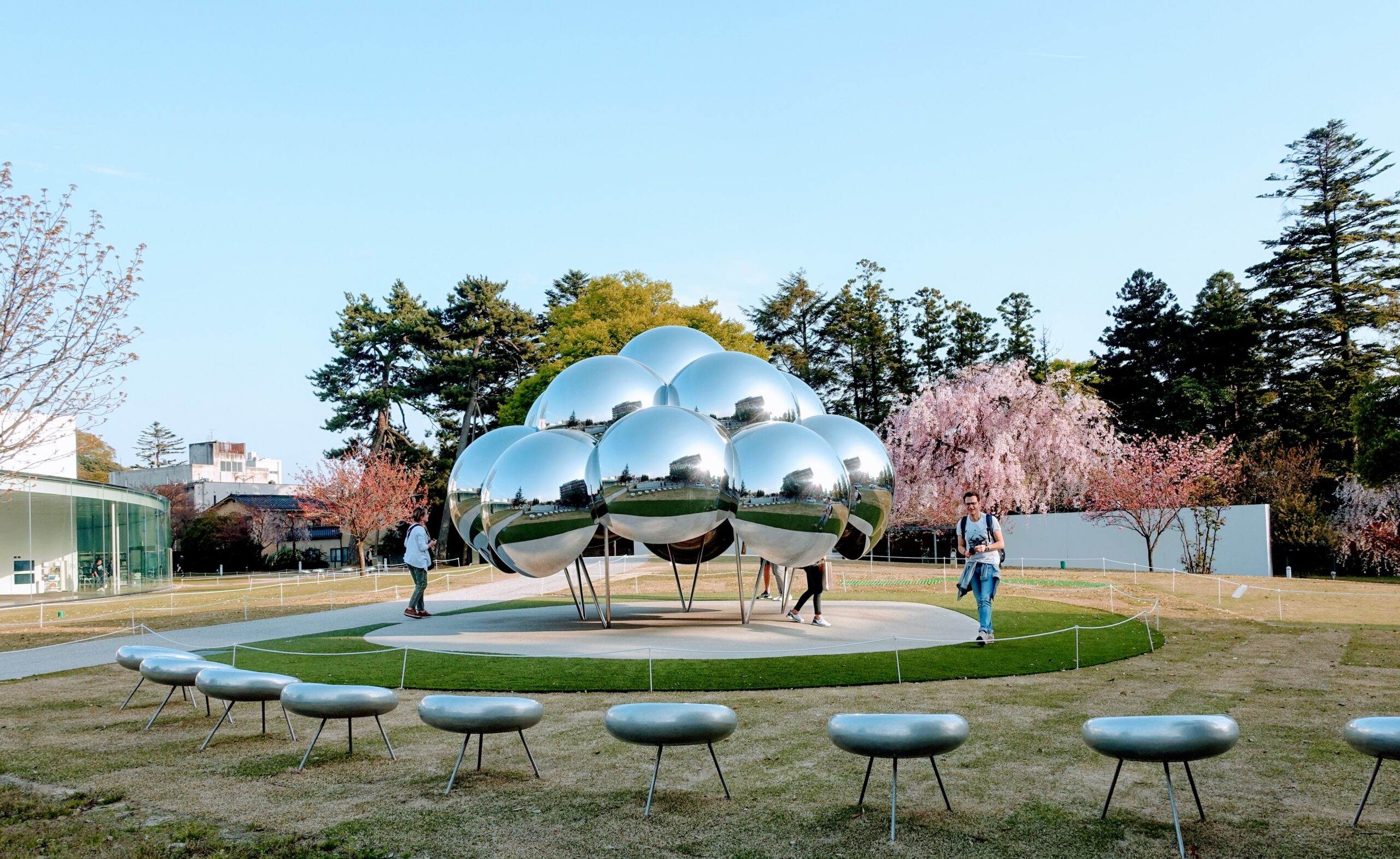
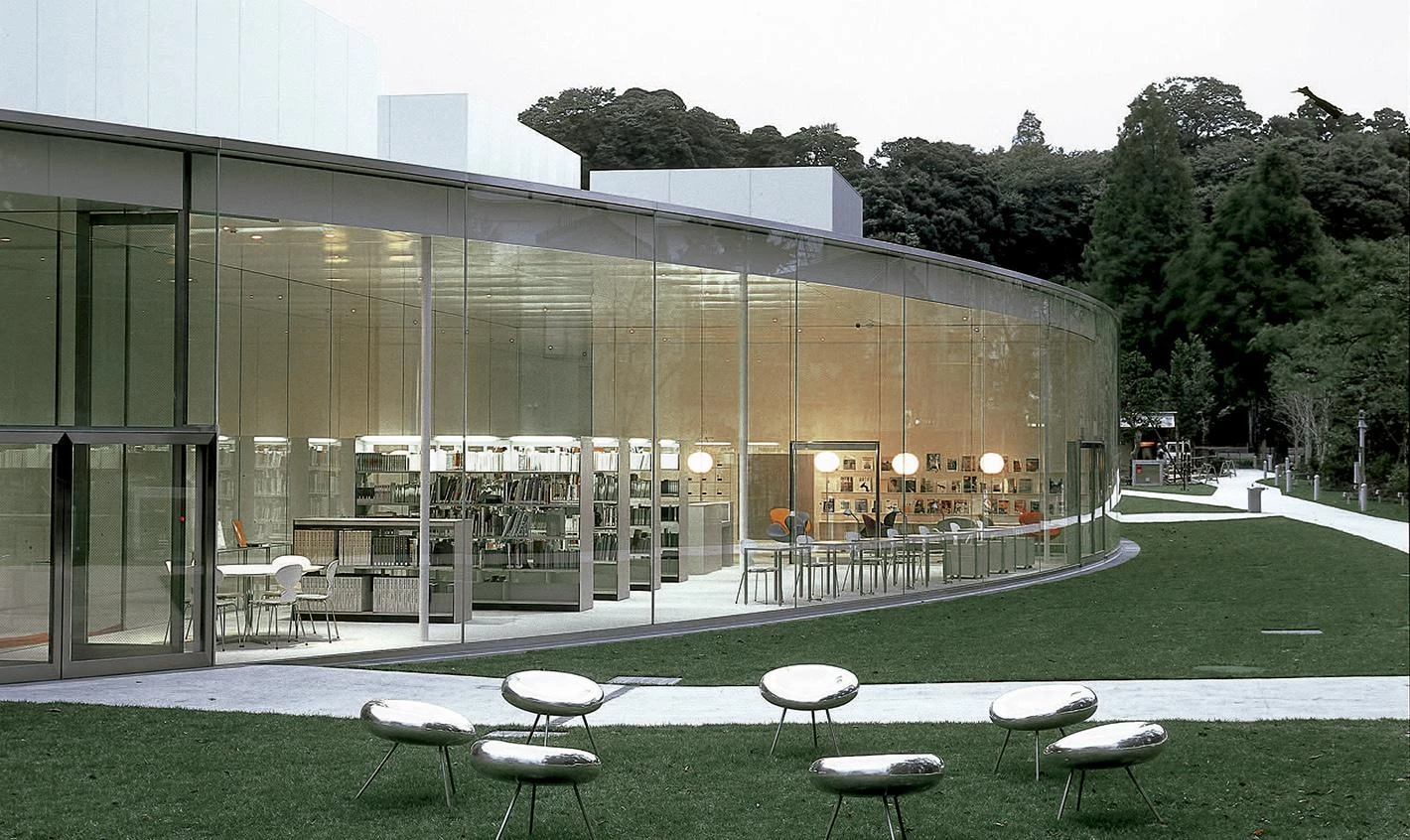
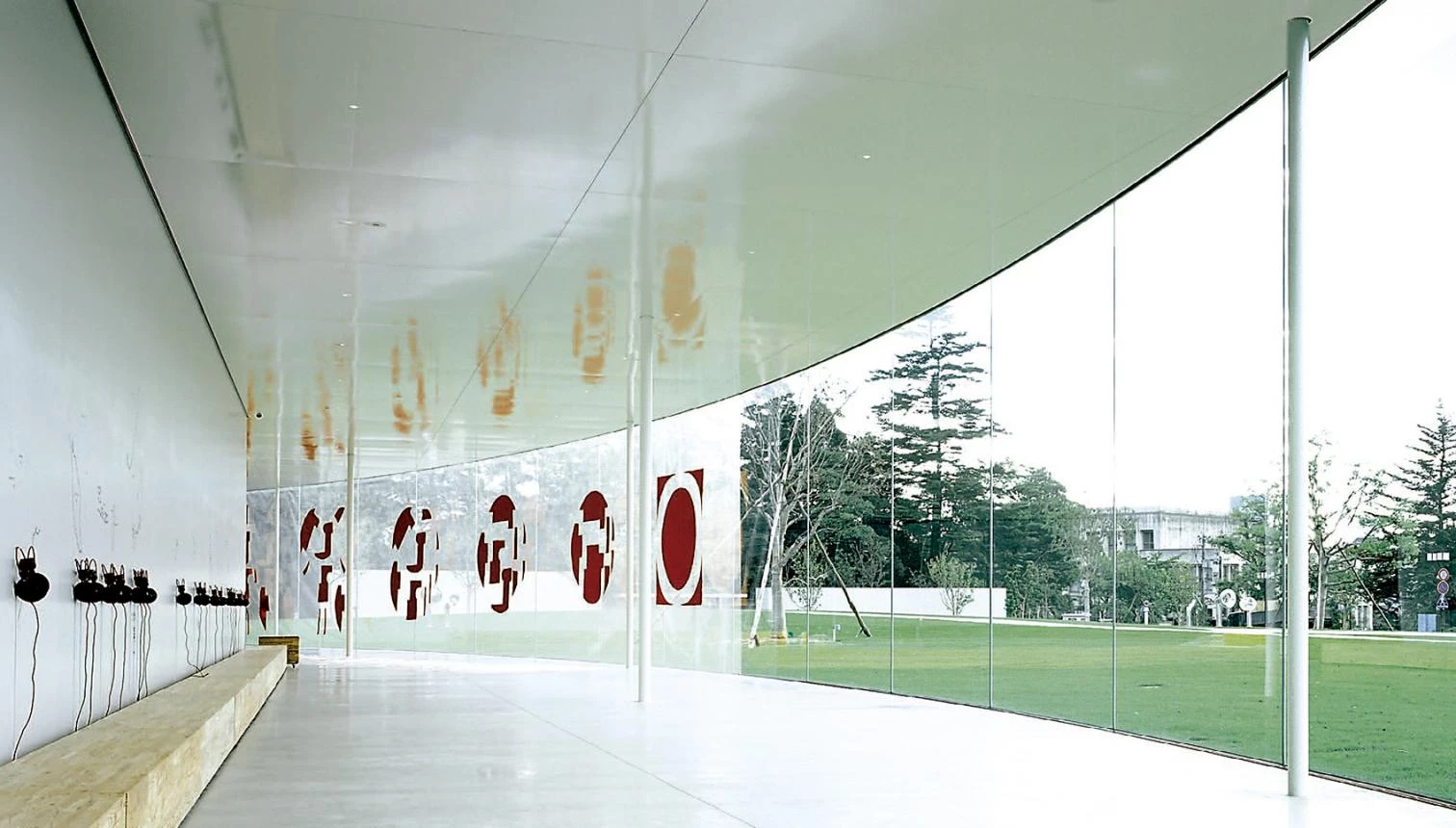
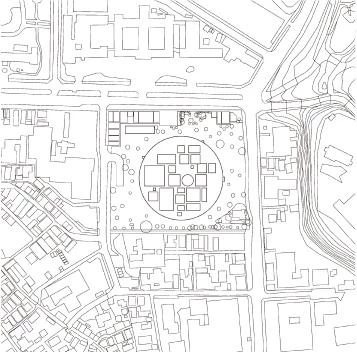
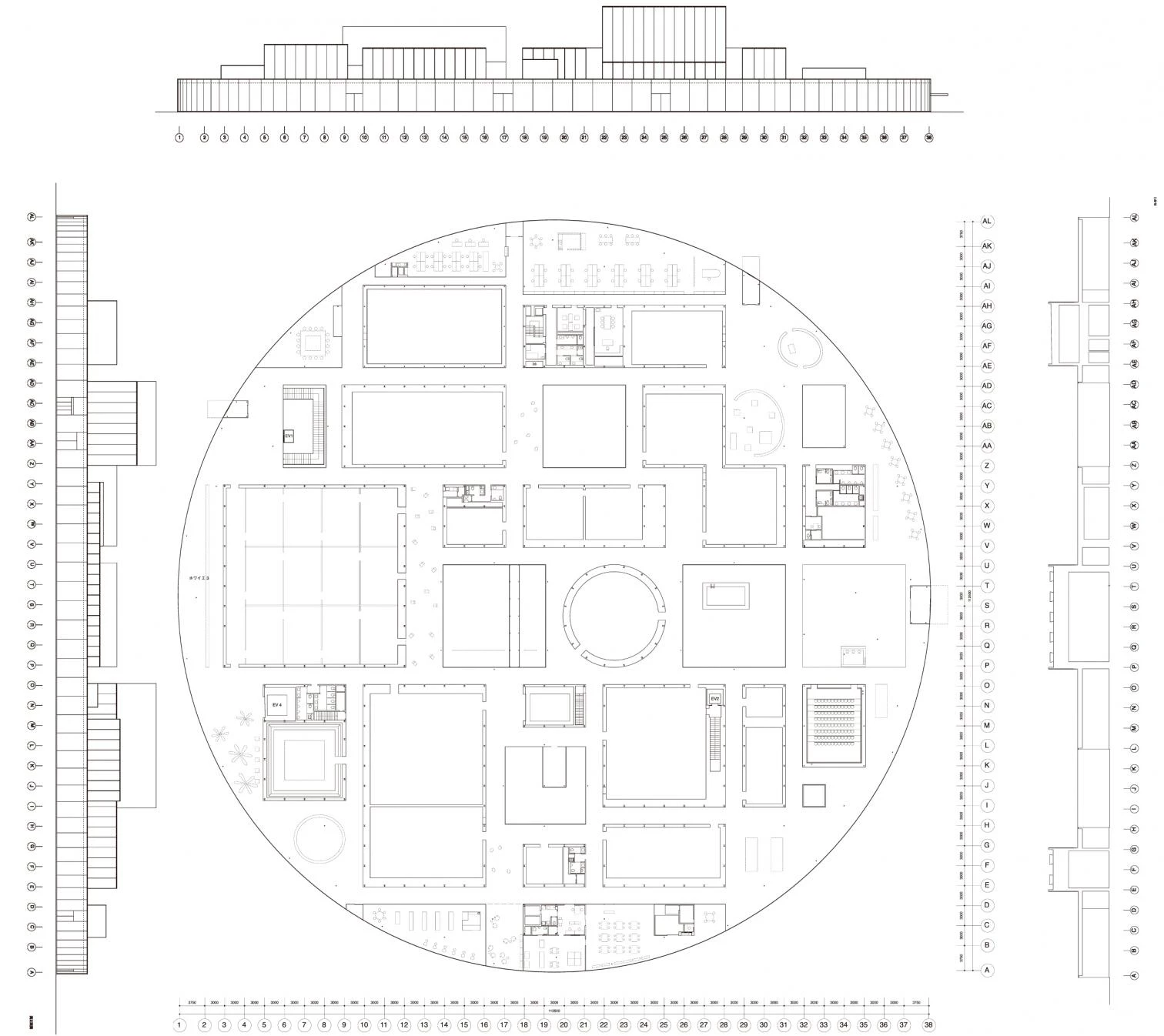
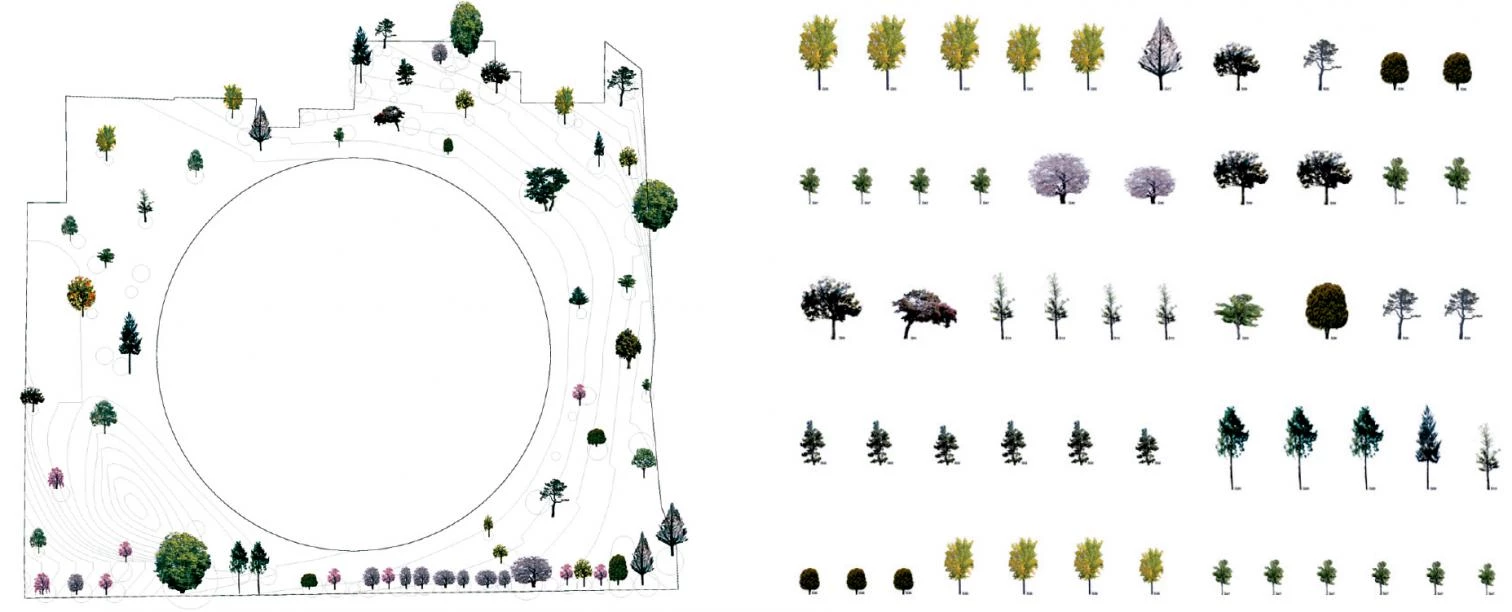
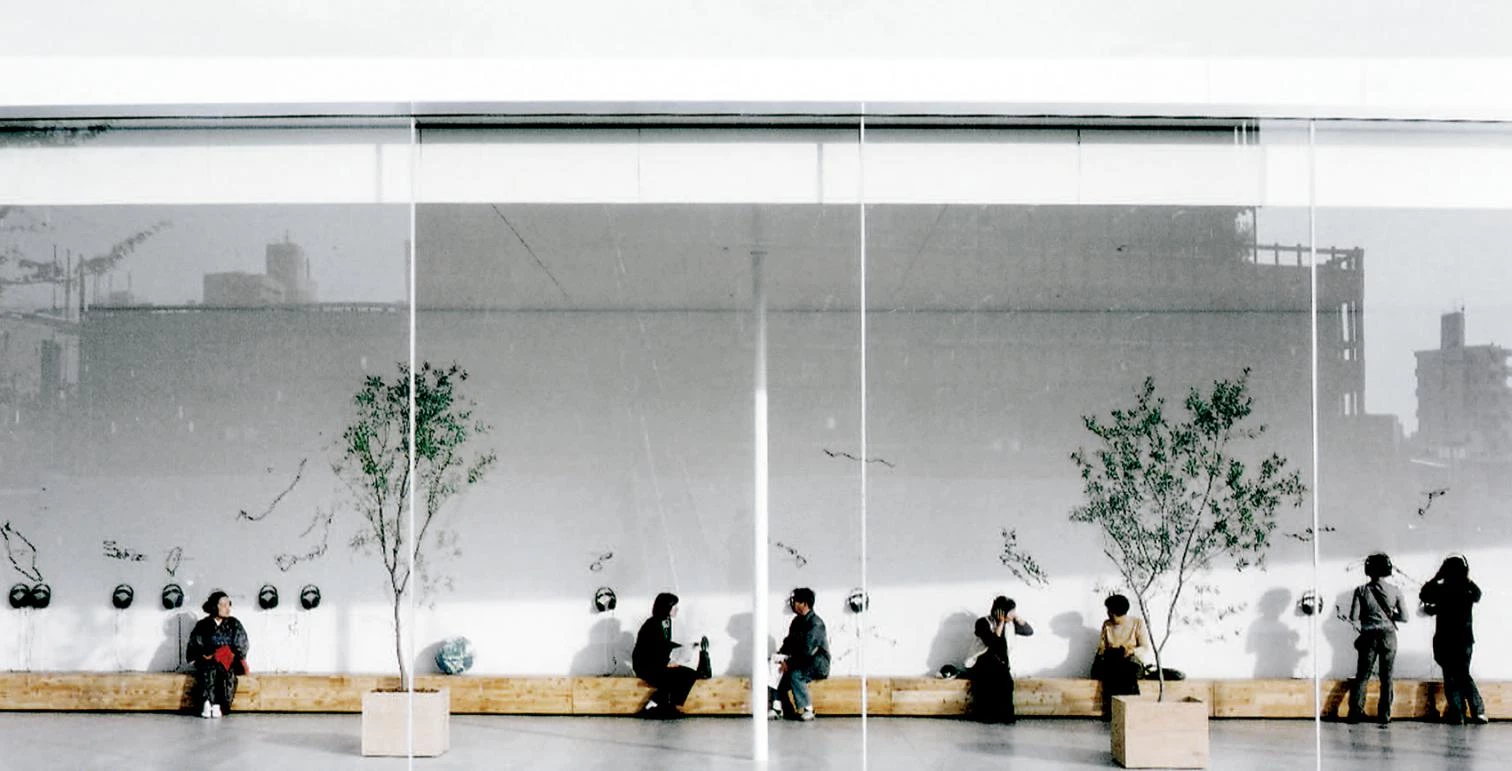
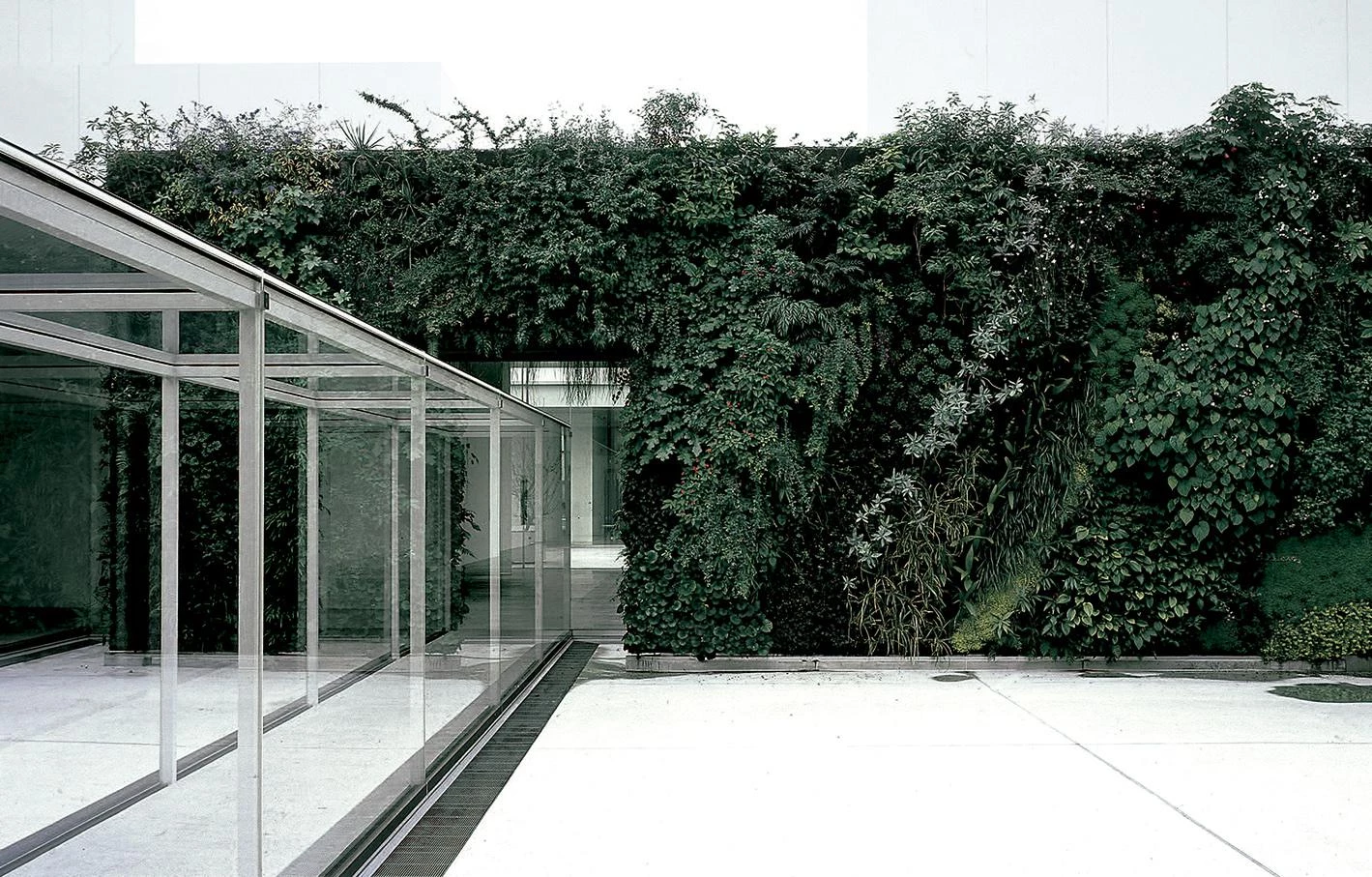
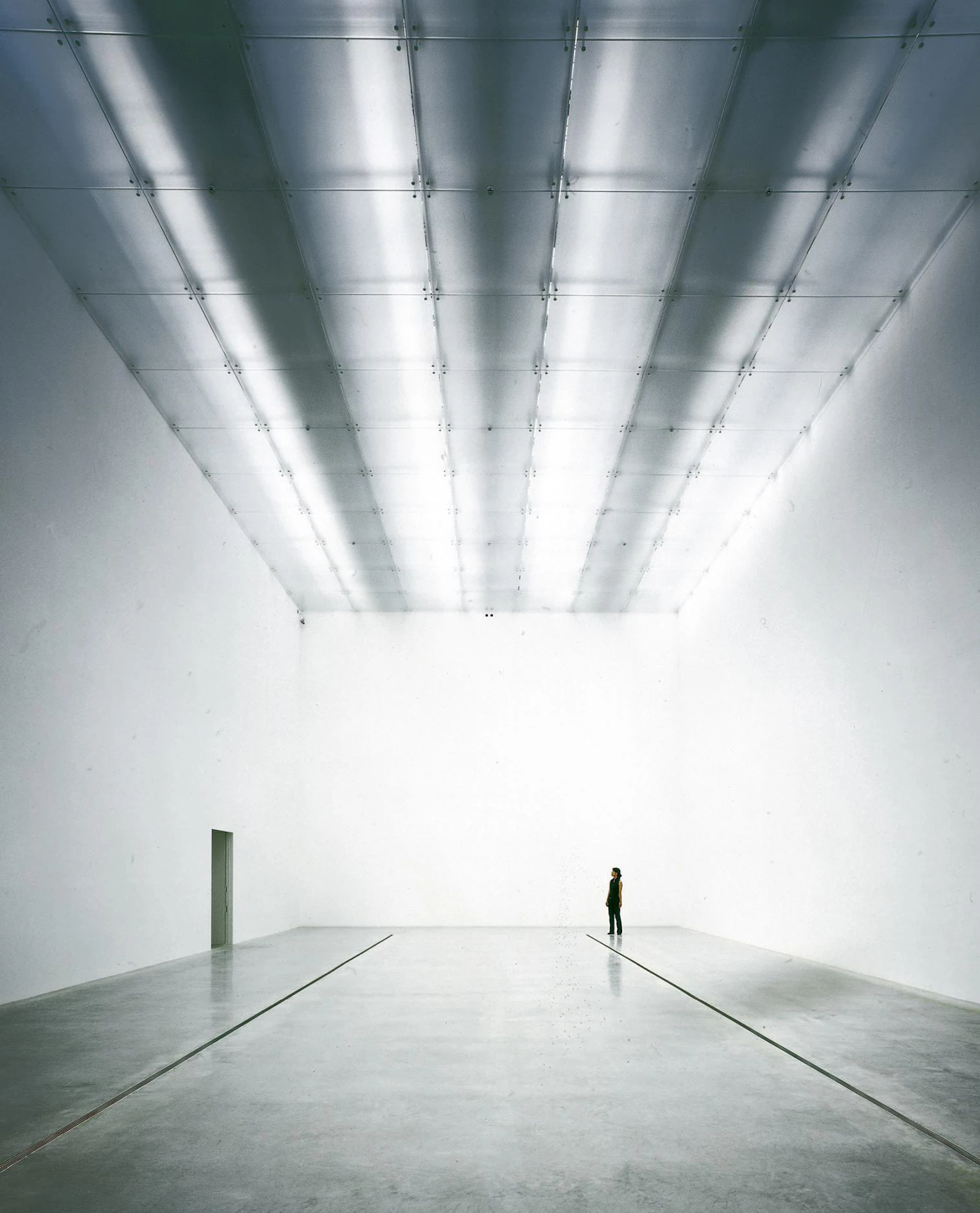
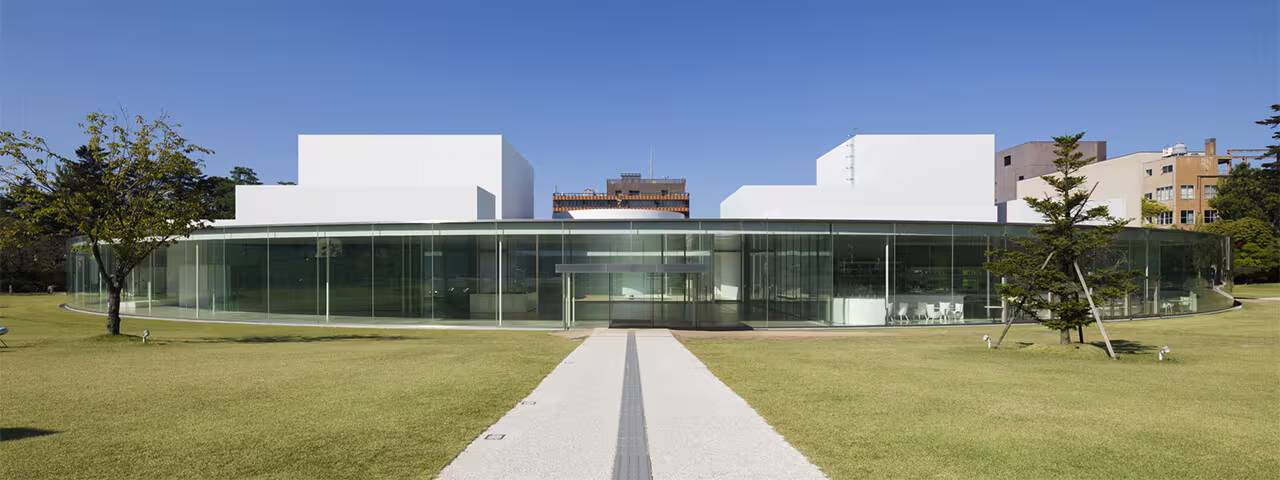
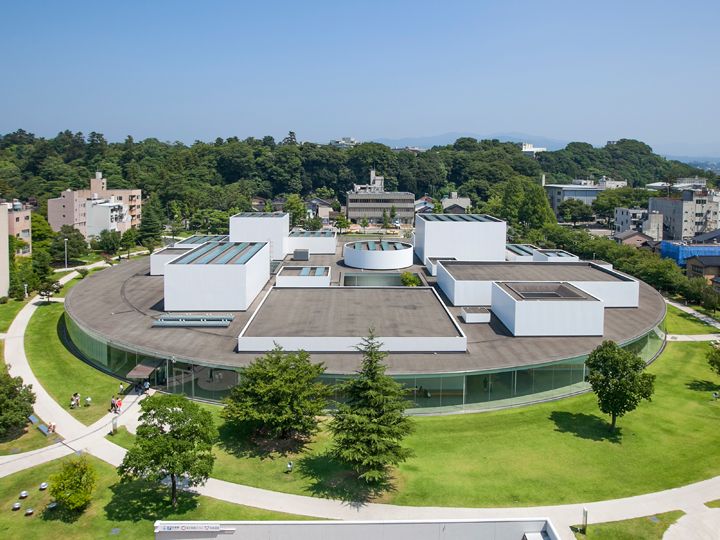
The 21st Century Museum of Contemporary Art in Kanazawa, Japan, is a circular museum completed in 2004 and located in the city’s historic center. The building is a low structure 112.5 meters in diameter, sited in a public park, with a round plan that allows approach from any direction. Inside, Kazuyo Sejima and Ryue Nishizawa organized the museum around inner courtyards and glass-walled galleries. Four courtyards bring daylight into the interior and create outdoor spaces connected to exhibition areas. The galleries are housed in white cube and cylinder volumes that sit as freestanding structures under the roof. This layout reduces boundaries between exhibition areas and circulation, with corridors that function as additional gallery space. A glass perimeter facade wraps the building, reducing the visual boundary between interior and exterior and maintaining views to the city and gardens. The structure uses glass, steel, and white aluminum panels, and the low profile keeps the building open to its surroundings. The museum includes public zones such as a library, lecture hall, and children’s workshops positioned along the outer ring so that residents can use them without entering ticketed areas. This organization integrates public programs with exhibition spaces. The project received the Golden Lion at the 2004 Venice Architecture Biennale. Today, the museum is a reference point in contemporary museum design, showing how a circular form and non-linear interior plan can structure public access and art display in Kanazawa.
02. New Museum of Contemporary Art, New York City
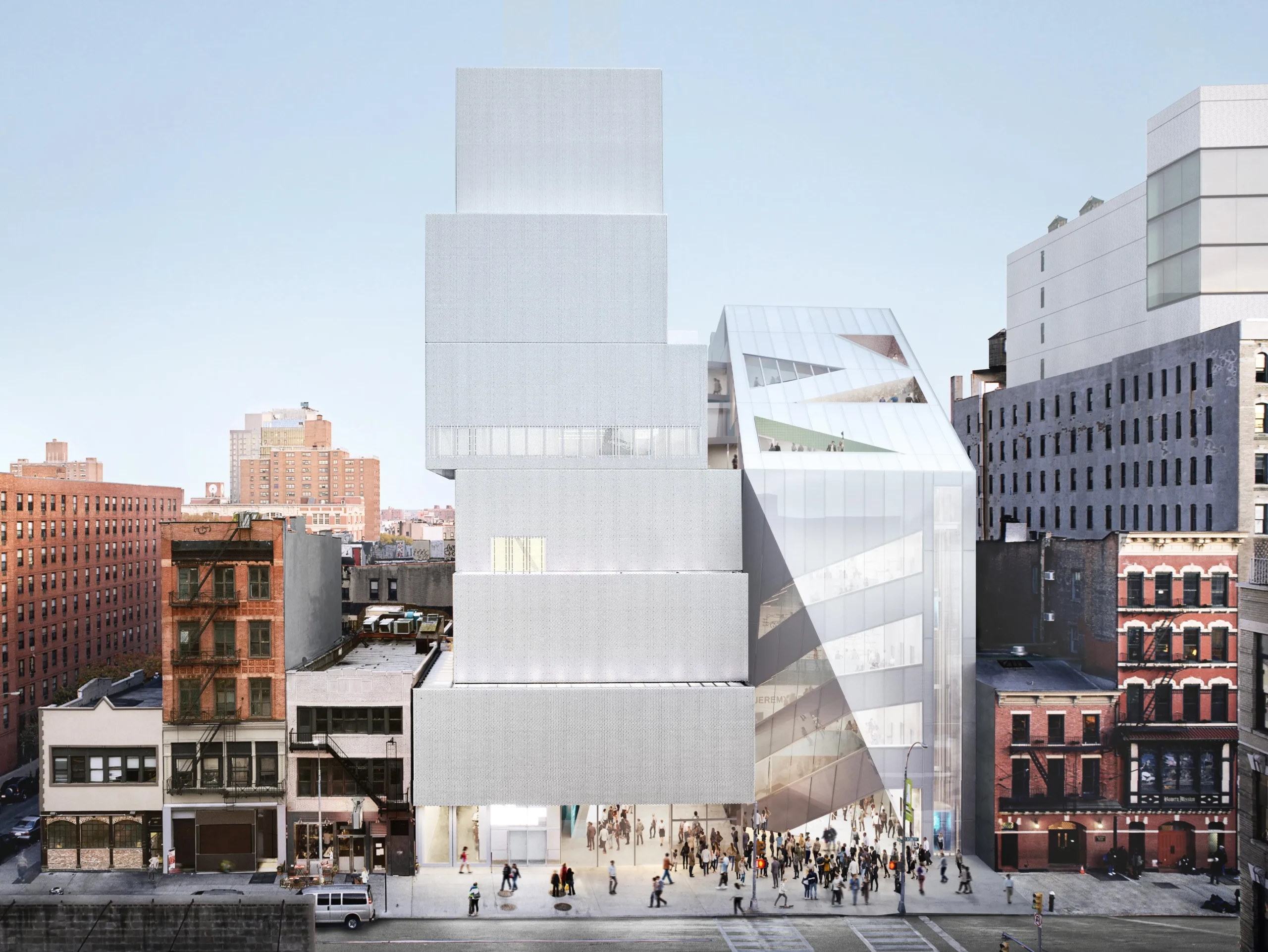
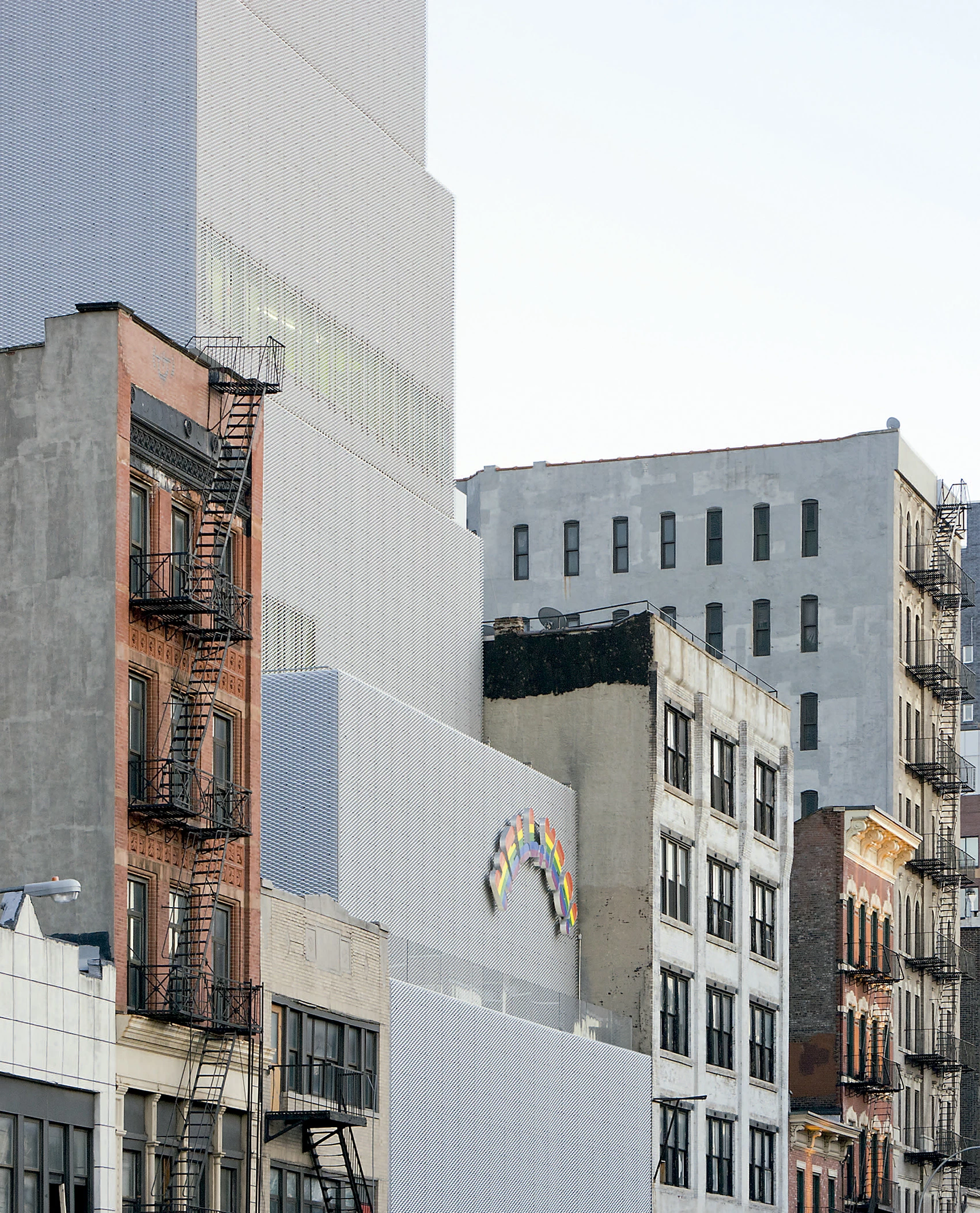
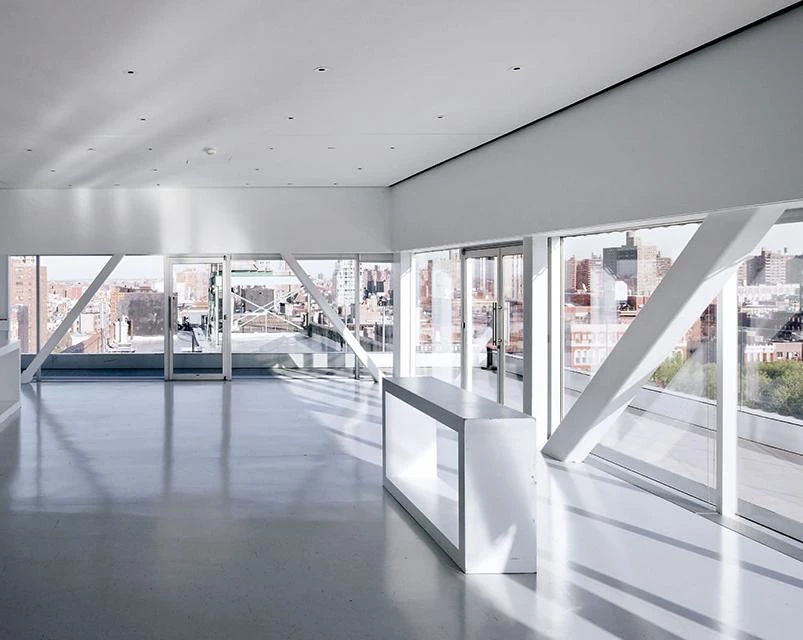
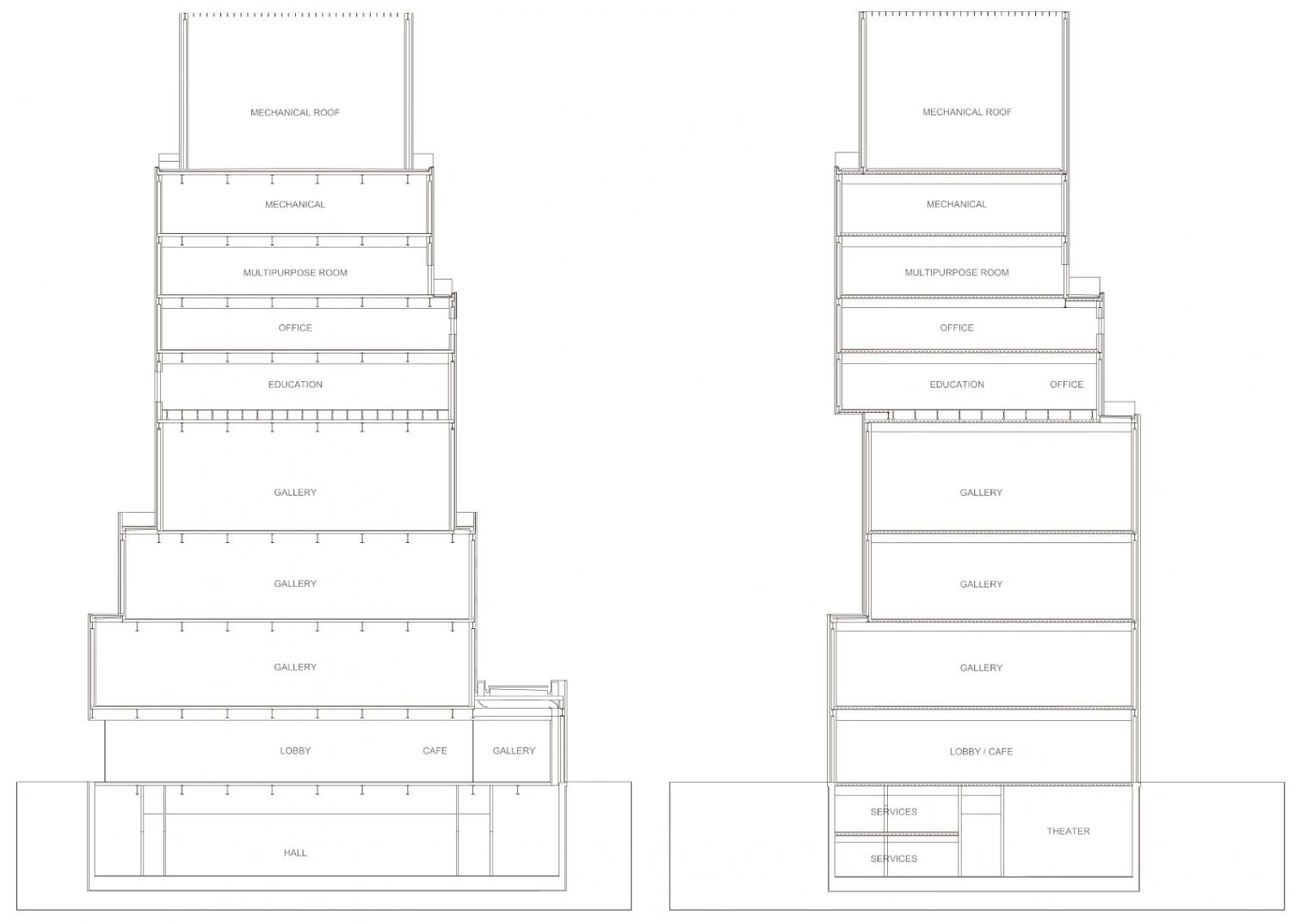
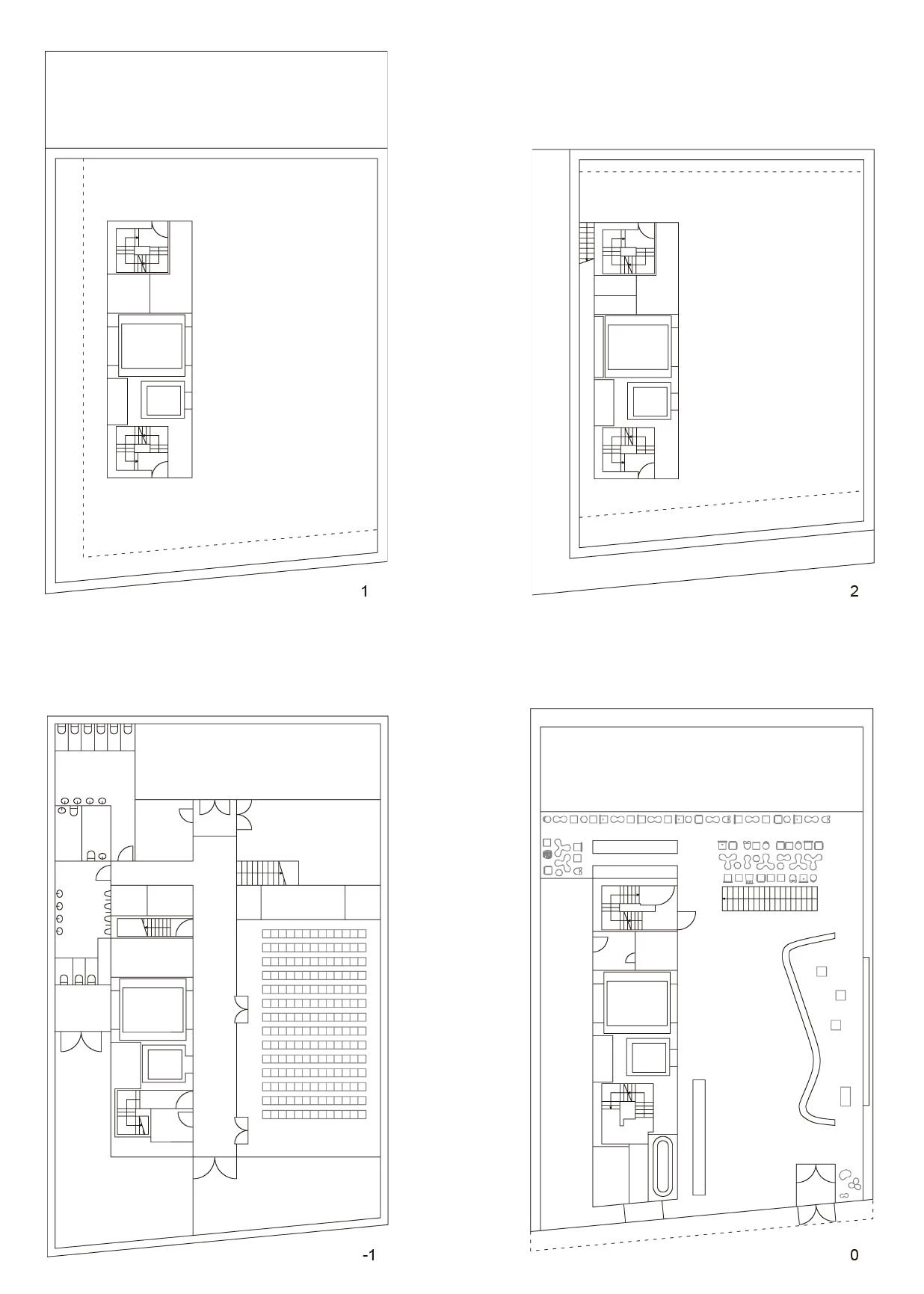
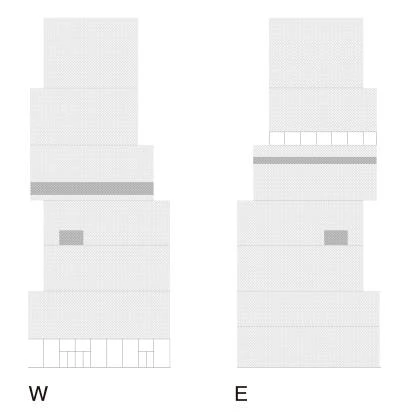
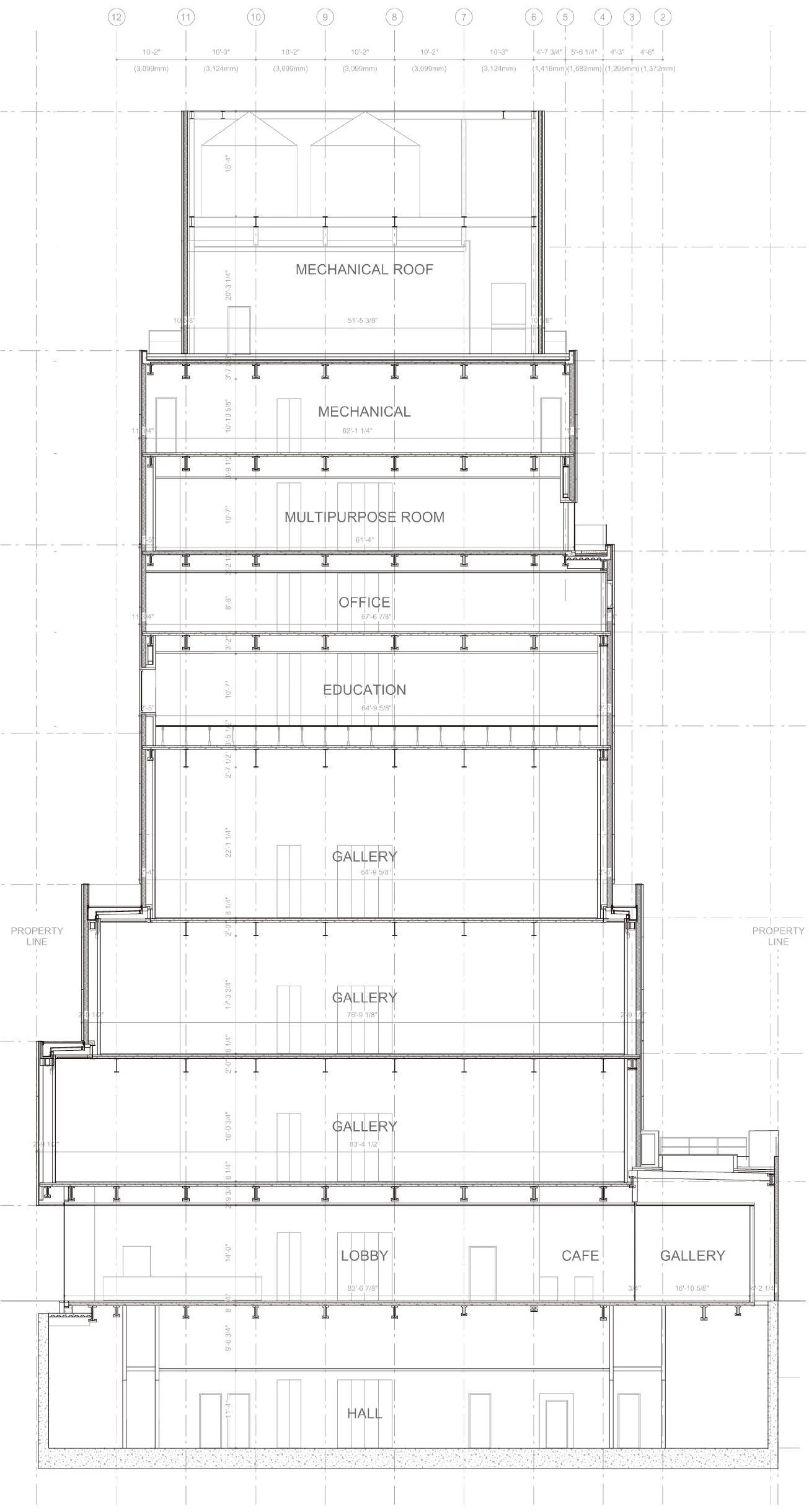
The New Museum of Contemporary Art in New York City, completed in 2007, is a museum designed by Kazuyo Sejima and Ryue Nishizawa as SANAA. Located at 235 Bowery in Lower Manhattan, the building was SANAA’s first major project in the United States. The structure appears as a stack of seven rectangular boxes shifted off-axis from one another, forming a 54-meter-tall composition. Each floor is a simple box, slightly misaligned, creating setbacks that form terraces and overhangs. The exterior is clad in expanded aluminum mesh that creates a uniform, textured surface and diffuses light. This cladding conceals windows and gives the building a consistent appearance by day, with illumination visible from within at night. The interior consists of approximately 60,000 square feet of space for exhibitions and events. Inside, most floors function as open-plan galleries without columns, supported by a central steel core and perimeter walls. The off-axis stacking permits skylights and clerestory windows on the upper volumes to bring daylight into the galleries. The ground level contains a glass-walled lobby and bookstore that face the street. The design uses a limited palette of materials and a clear organizational concept. In the context of its Bowery surroundings, the building’s scale and textured facade align with nearby structures. The New Museum has become a reference in contemporary museum design for its stacked massing and column-free gallery layouts.
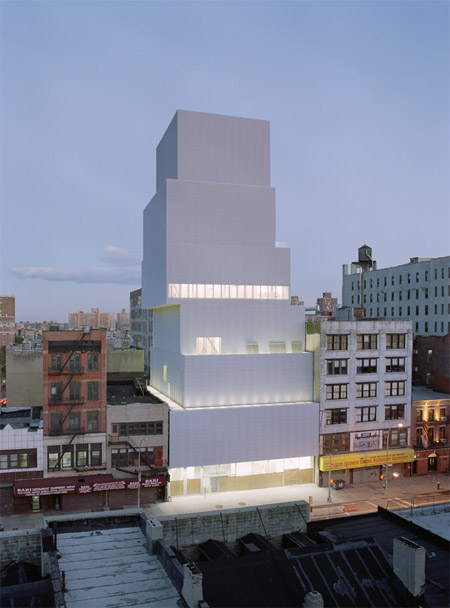
03. Rolex Learning Center, Lausanne
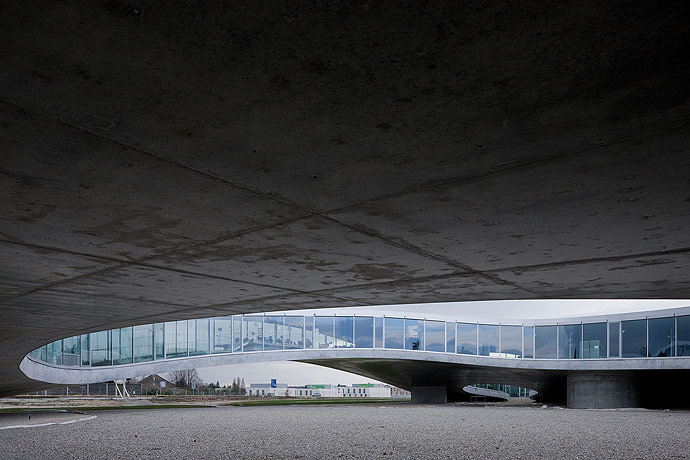
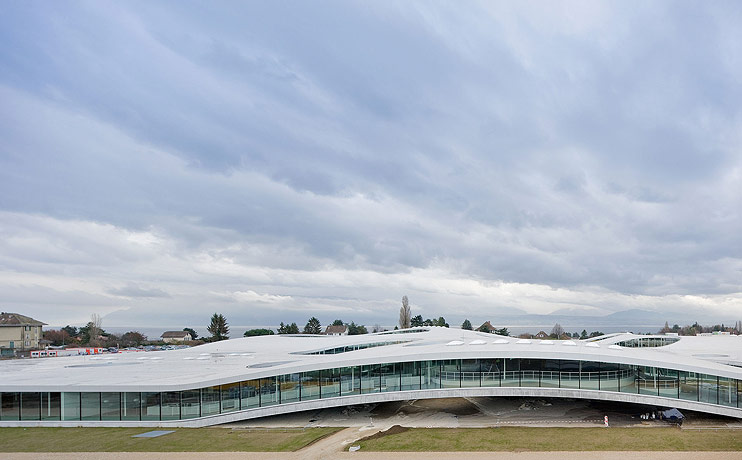
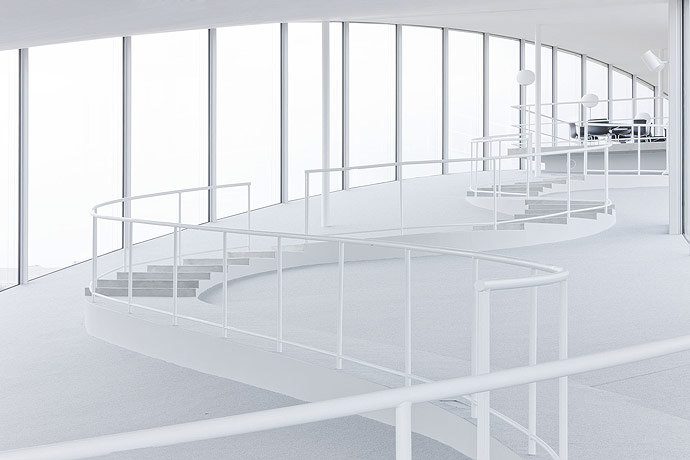
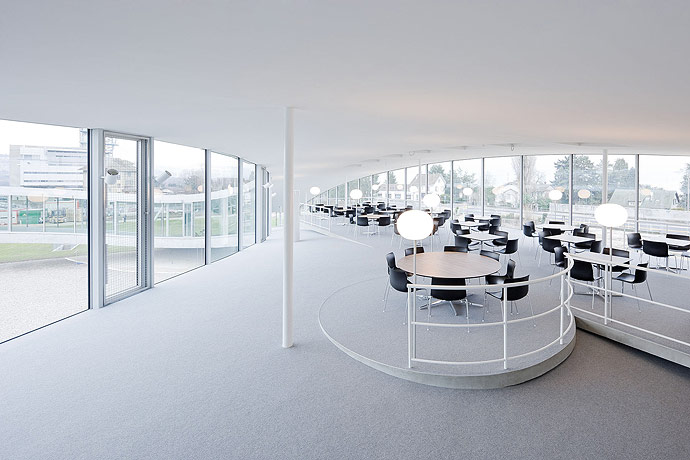
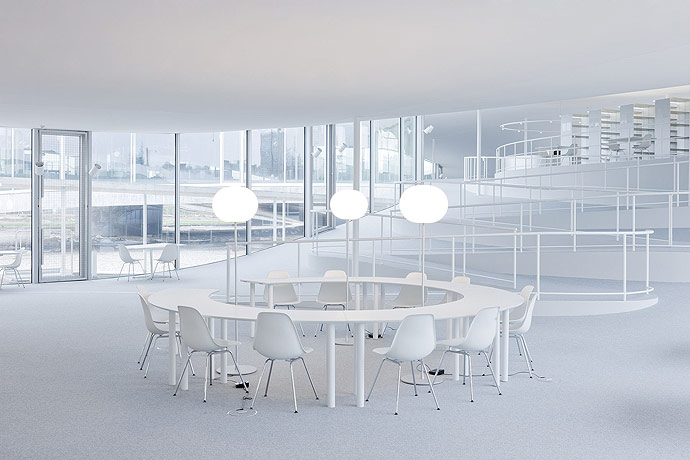
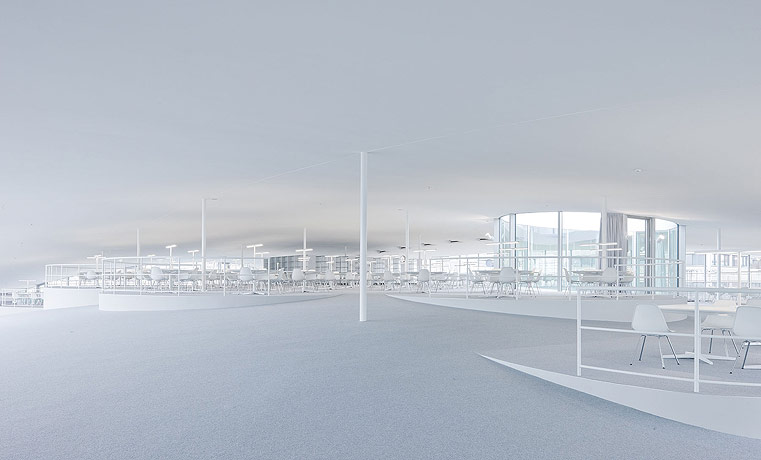
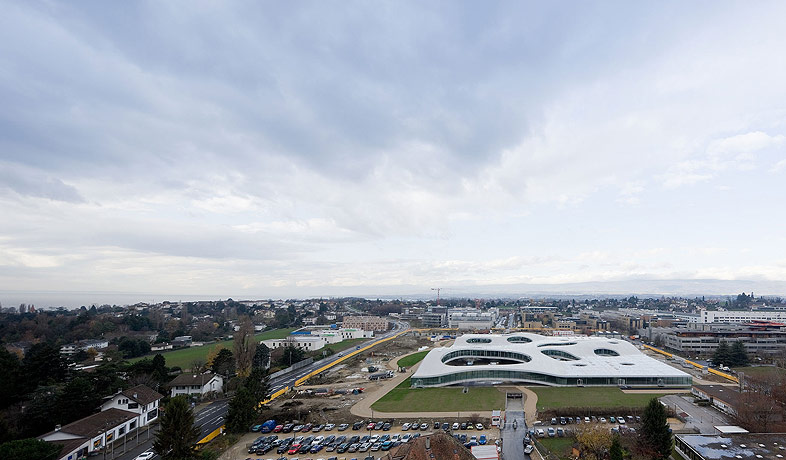
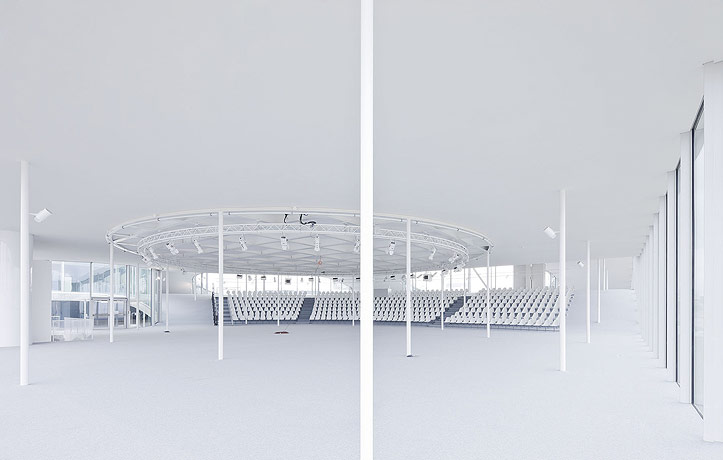
The Rolex Learning Center in Lausanne, Switzerland, is a one-story university building designed by Kazuyo Sejima and Ryue Nishizawa and opened in 2010. The project is on the campus of the École Polytechnique Fédérale de Lausanne (EPFL) and is conceived as a continuous interior landscape. The building is a single plane that undulates with gradual slopes and has few interior walls. Covering 20,000 square meters, the Rolex Learning Center functions as a library, study space, student center, and social facility for the university. The interior is one large open space with low partitions and elliptical courtyards open to the sky. The floor slopes in wave-like forms that create distinct zones, such as a raised study area and a lower lounge. The continuous floor is made of polished concrete and uses inclines of up to 1.5 meters to bring natural light through courtyards and skylights. The roof is a thin concrete shell supported by an irregular grid of steel columns and perimeter beams, enabling spans of up to 20 meters without interior columns. A glass facade wraps around the perimeter in a curving shape so that the building reads as a low form placed on the site. Inside, the center contains a library, study areas, cafes, offices, and an auditorium. Accessibility is provided through lifts placed within the inclined areas. The project uses a limited palette of materials and merges structural and spatial strategies to support circulation and learning. The building is recognized in contemporary educational architecture for its open plan, continuous interior topography, and structural system.
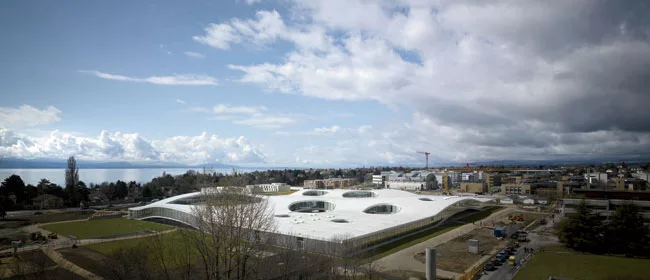
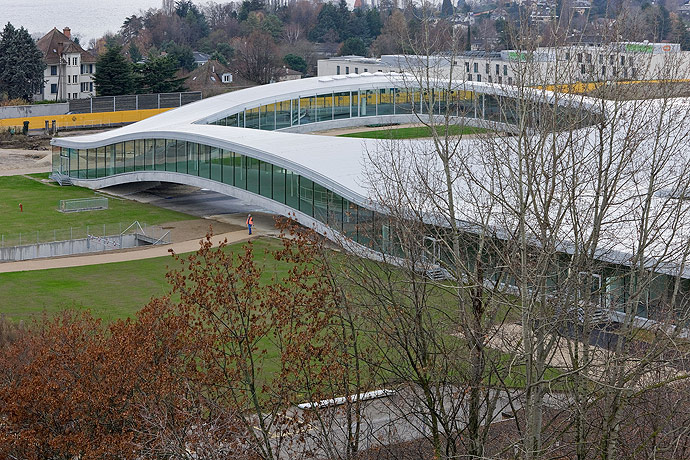
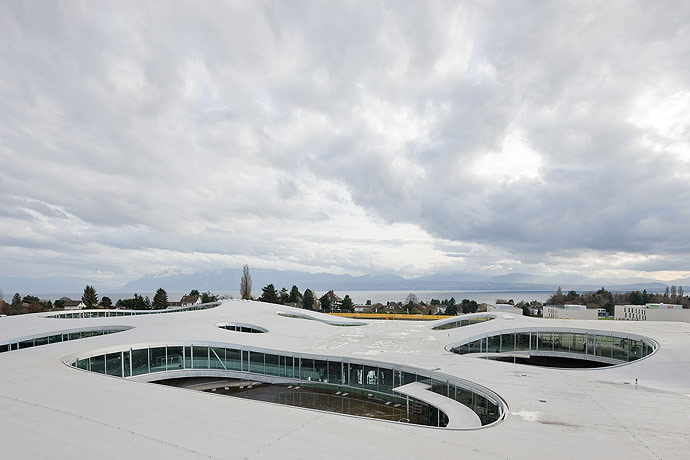
04. Louvre-Lens, France
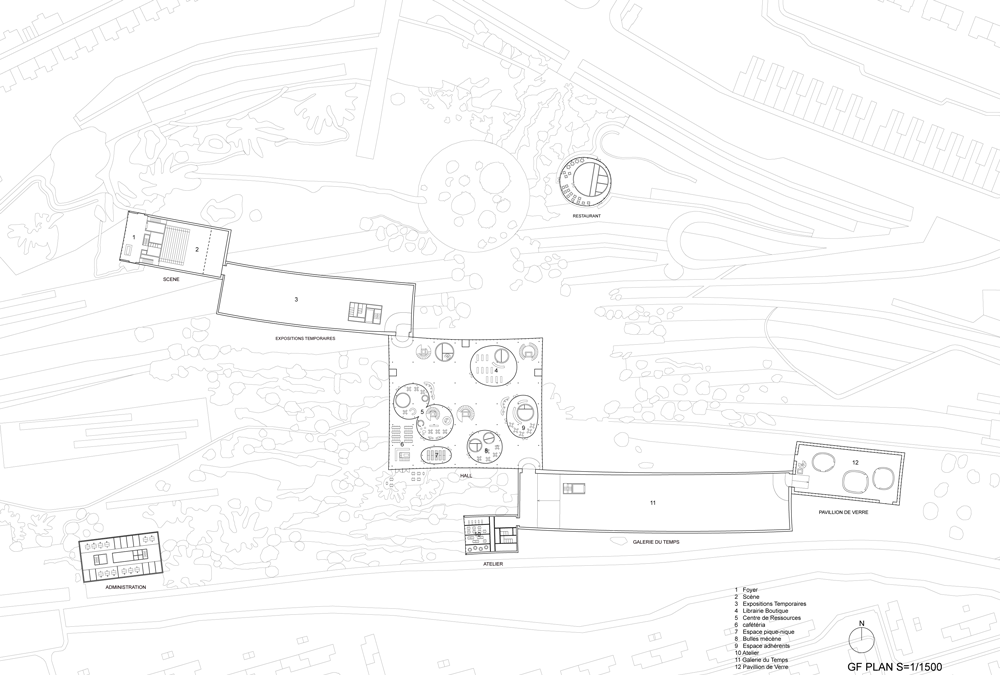
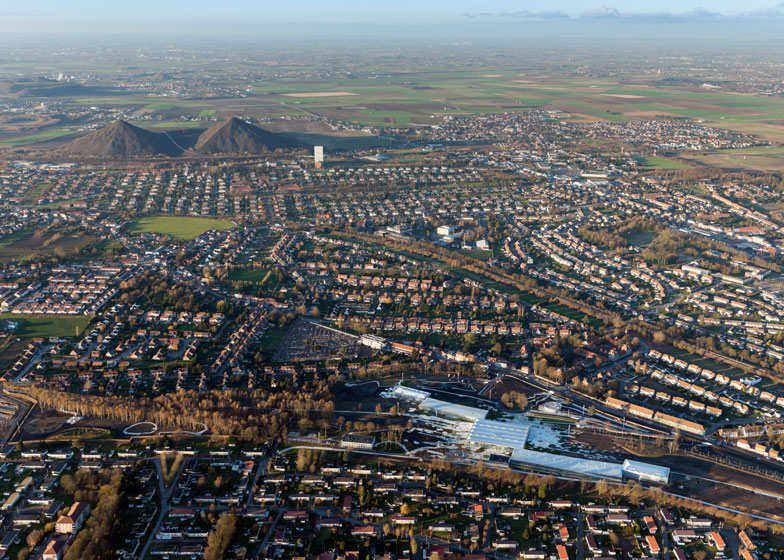
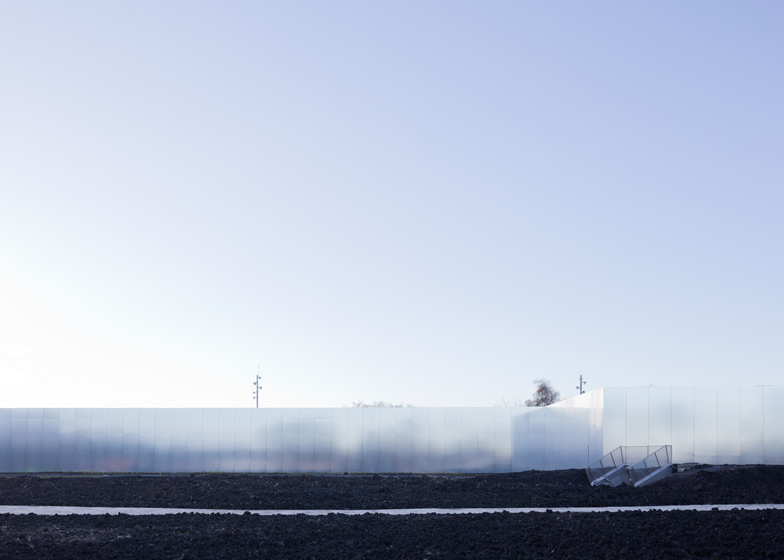
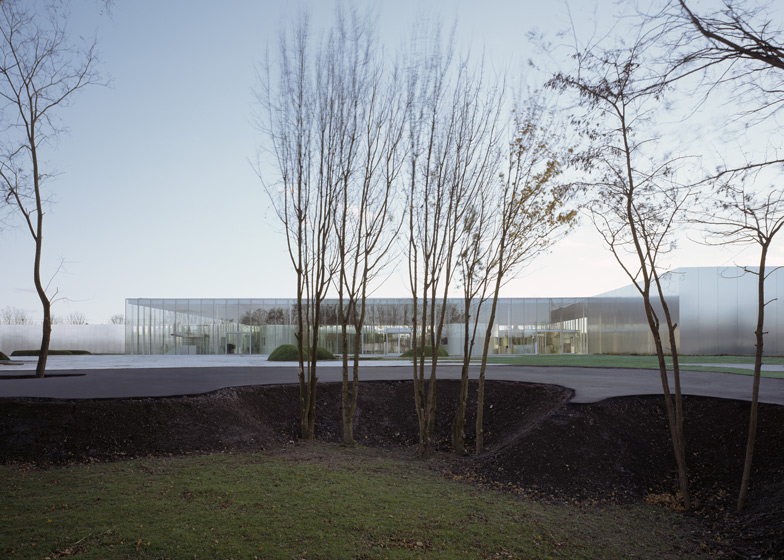
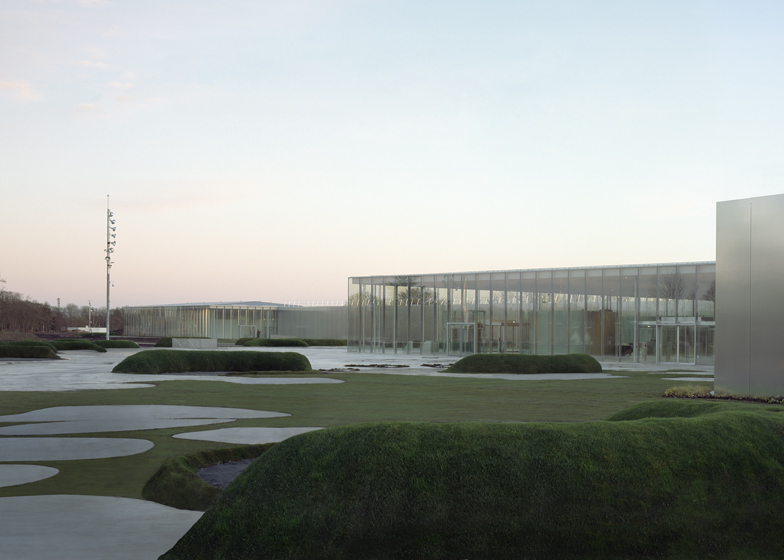
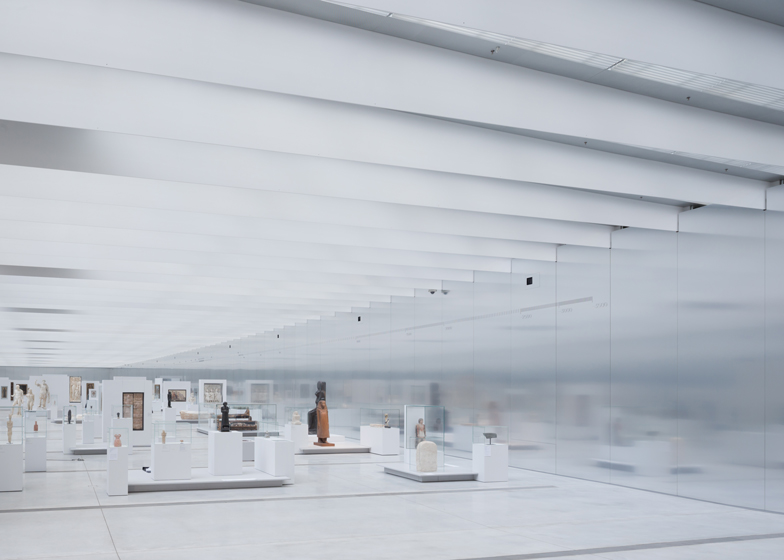
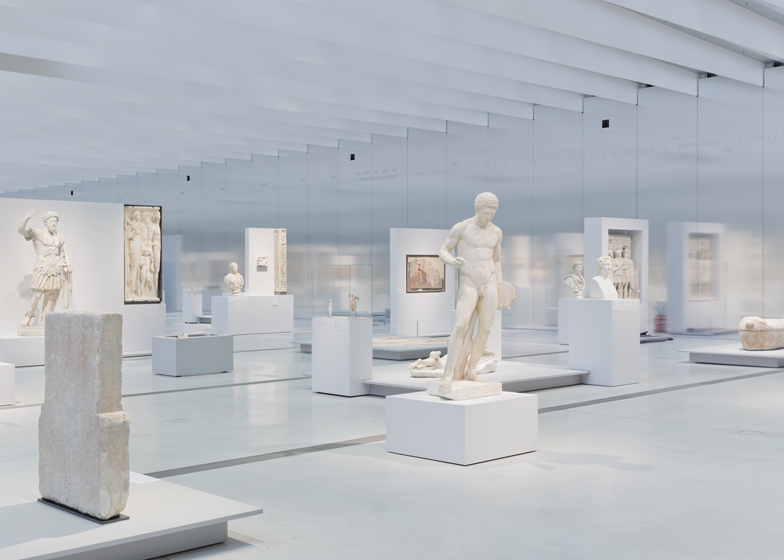
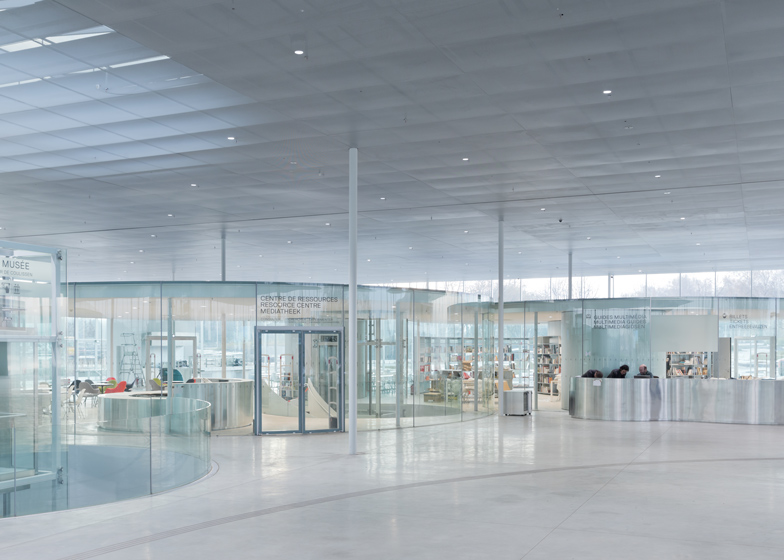
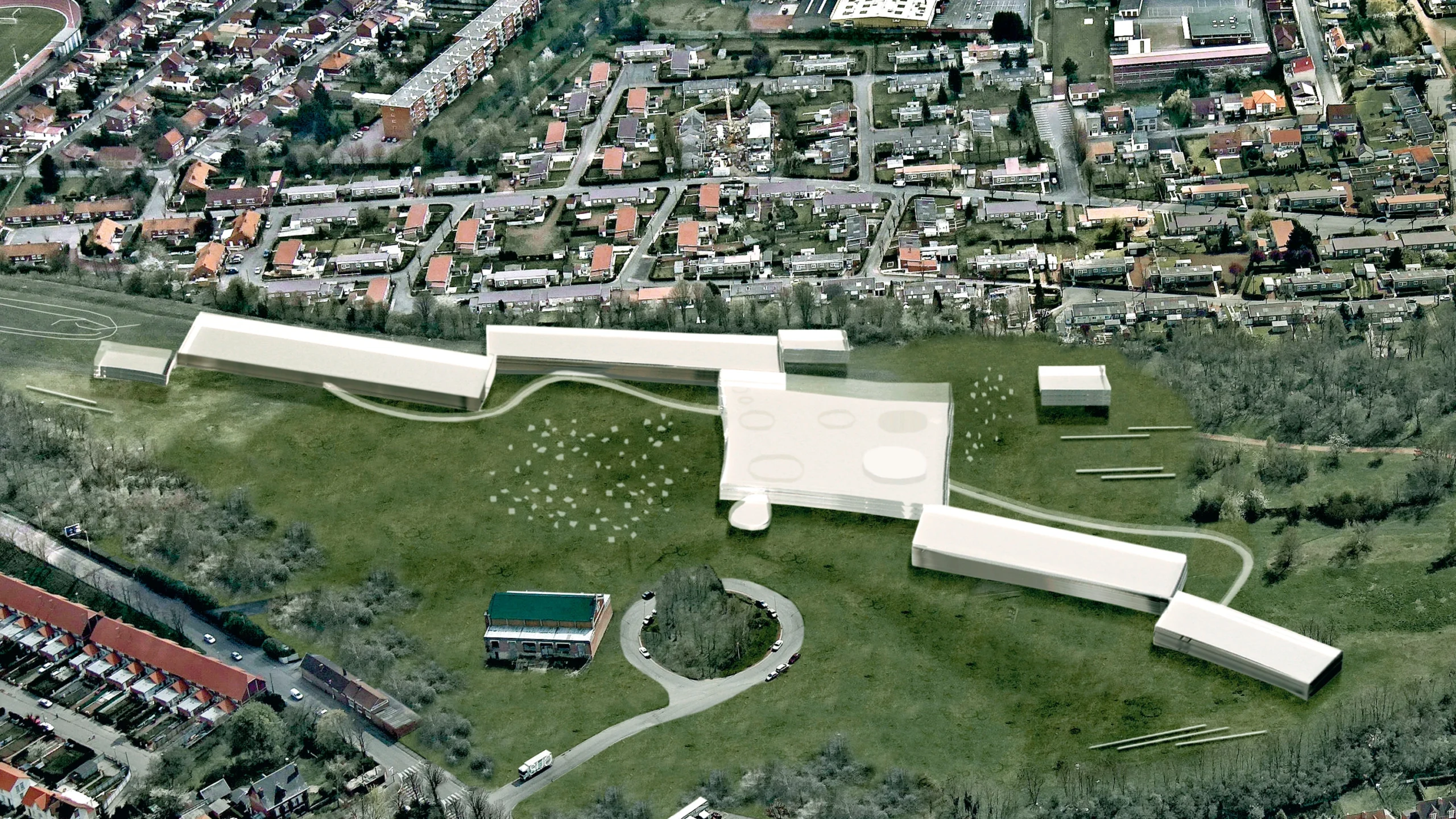
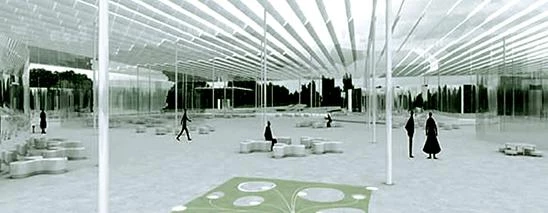
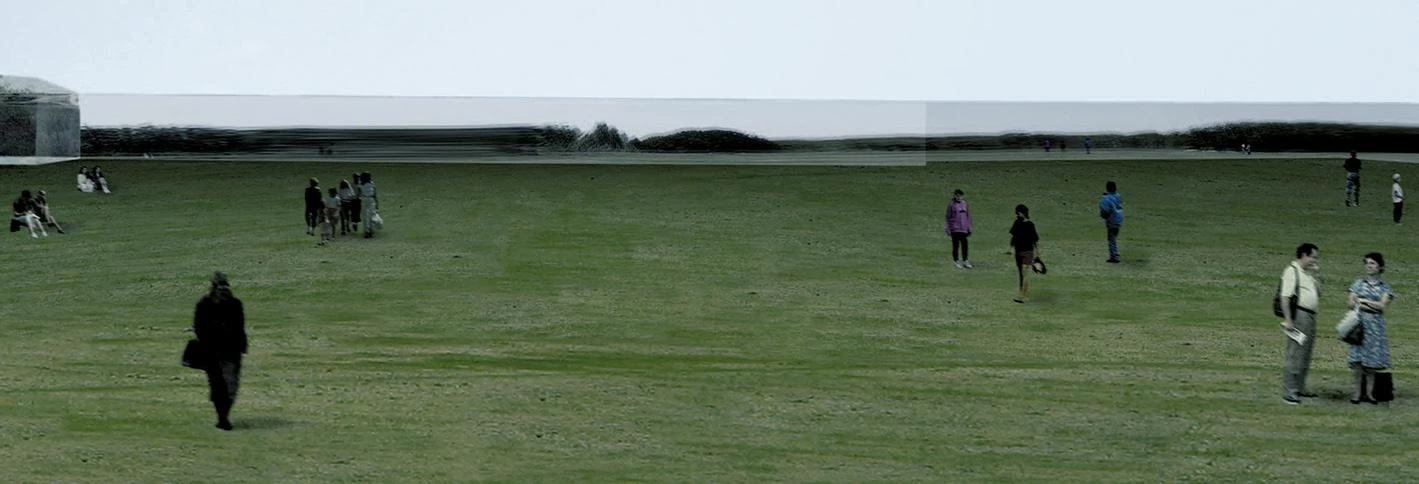
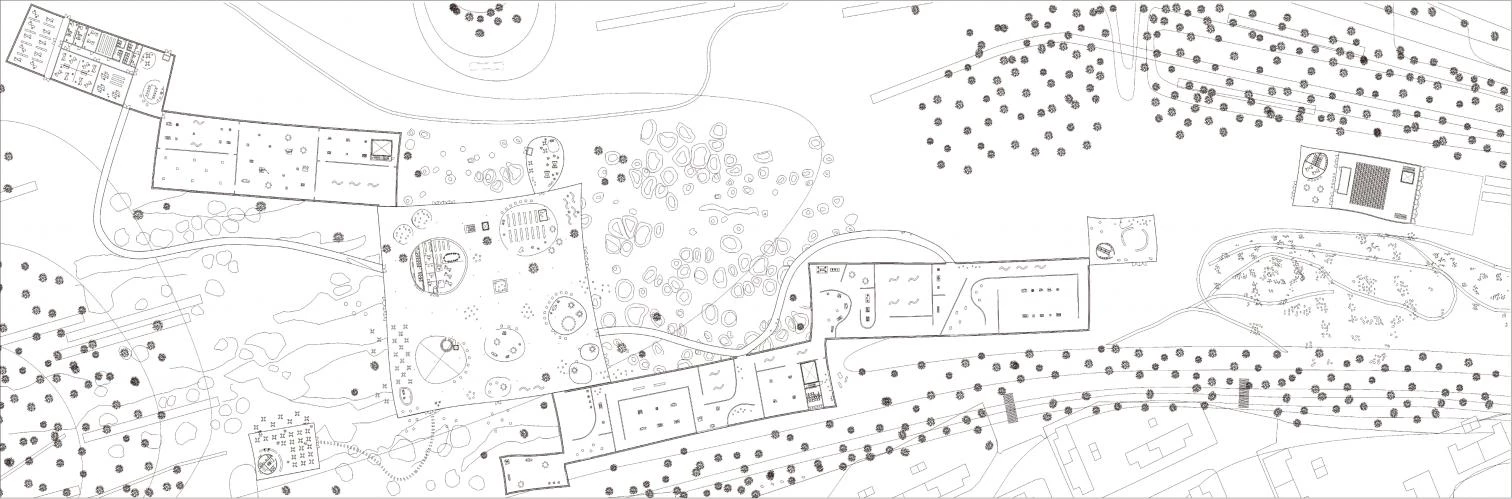
The Louvre-Lens in Lens, France, is a museum designed by Kazuyo Sejima and Ryue Nishizawa (SANAA) with Imrey Culbert and opened in 2012. The project is a satellite of the Louvre Museum in Paris and is situated on a former coal-mining site in northern France. The design consists of five low rectangular pavilions arranged in a slight curve across the 50-hectare site. The pavilions vary in size and are connected in a linear sequence that allows movement from multiple approach points. The architecture uses glass and brushed aluminum, with two pavilions having fully glazed facades and others clad in reflective aluminum panels. The arrangement creates filtered views of the surrounding landscape. The interior includes the Grande Galerie, a 120-meter-long column-free exhibition hall with daylight entering through a north-facing glass wall and ceiling. Floors are polished concrete, and interior partitions are minimal and often movable to support flexible layouts. The complex contains additional functions such as a welcome center, auditorium, and conservation facilities, each housed in separate pavilions linked by transparent walkways. The landscape around the museum includes lawns, reflecting pools, and gardens referencing the site’s industrial history. The design uses low forms, transparency, and reflective surfaces to maintain a consistent profile across the site. Louvre-Lens is noted in contemporary museum architecture for its pavilion structure, column-free gallery, and landscape integration.
05. Glass Pavilion, Toledo
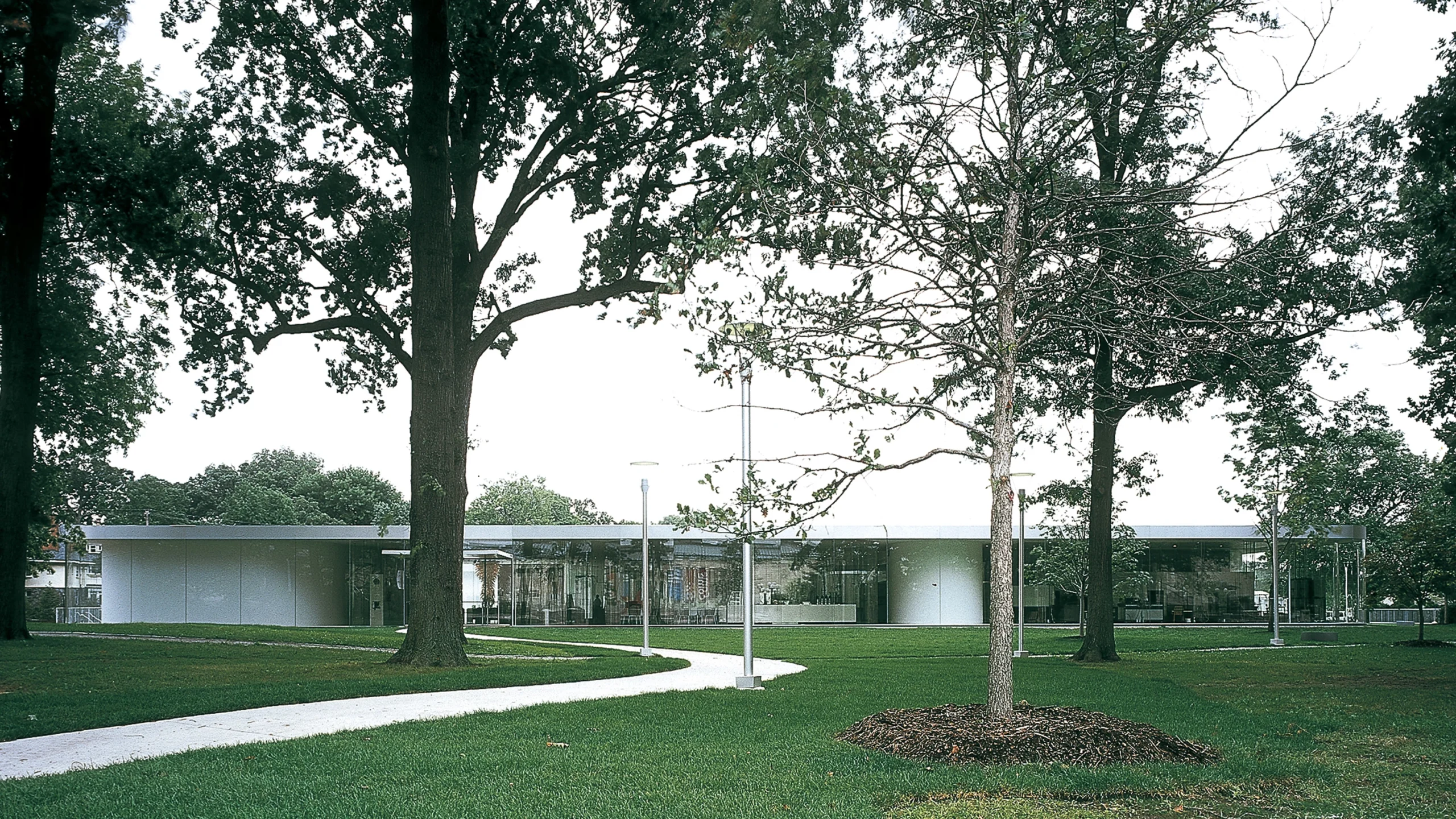
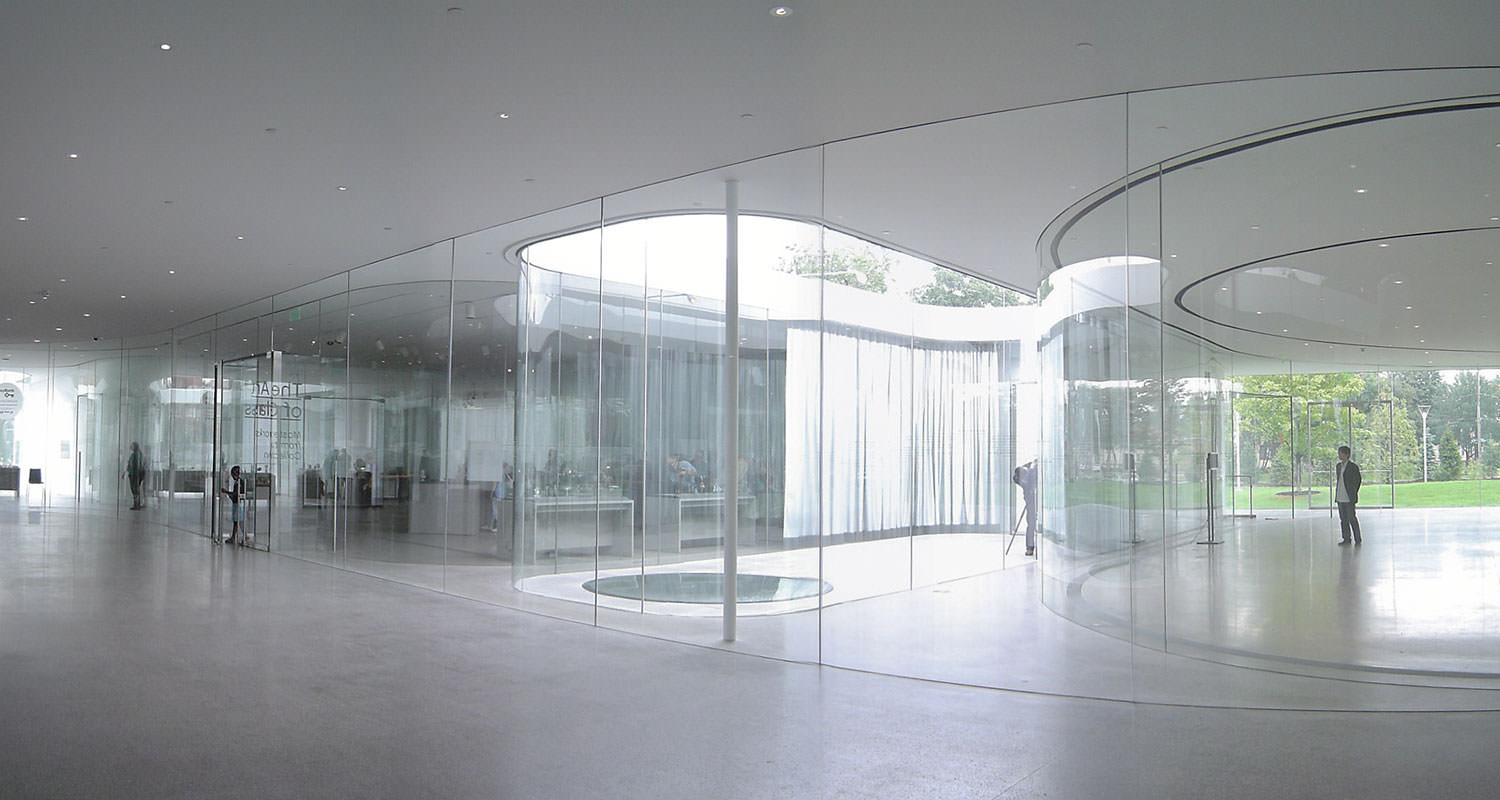
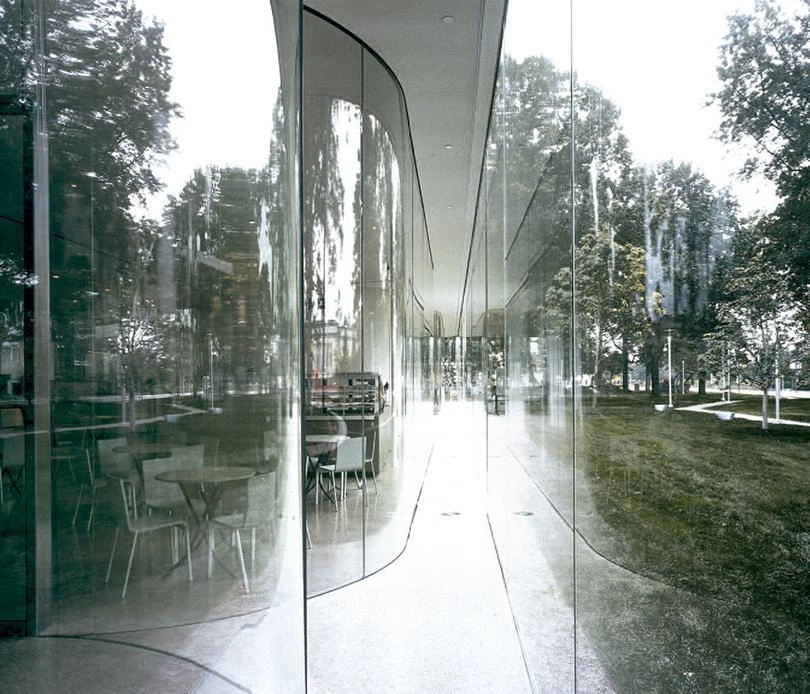
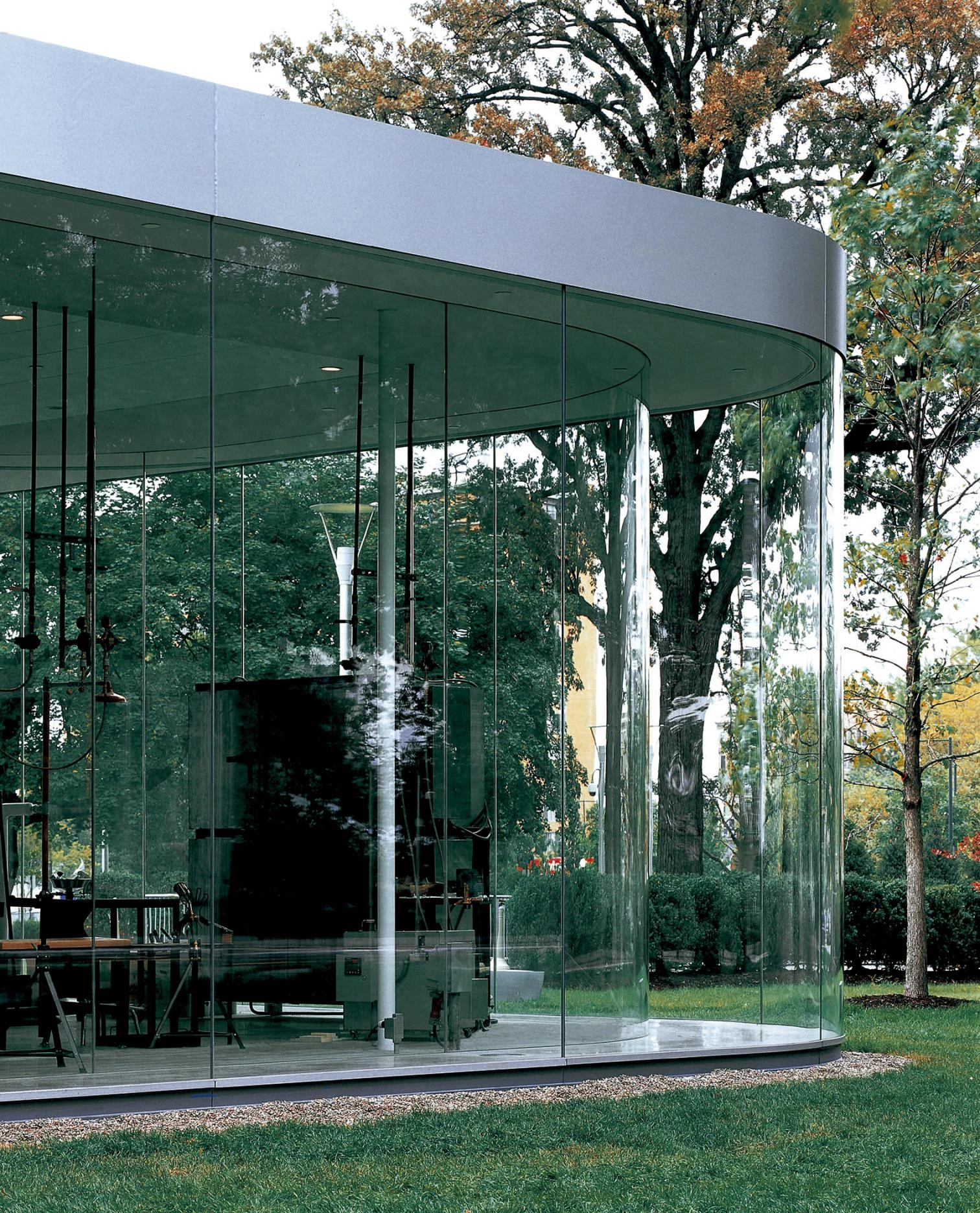
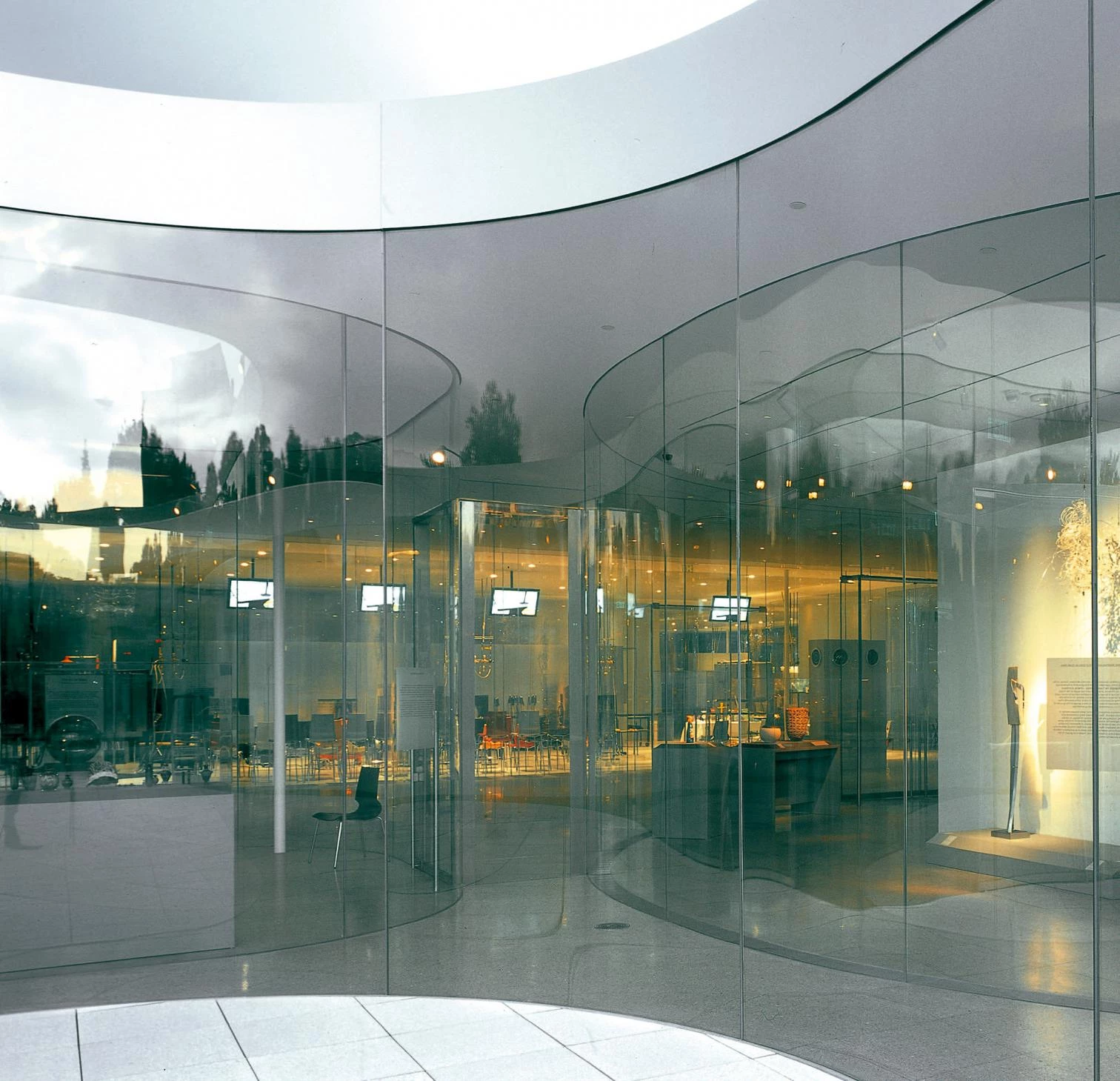
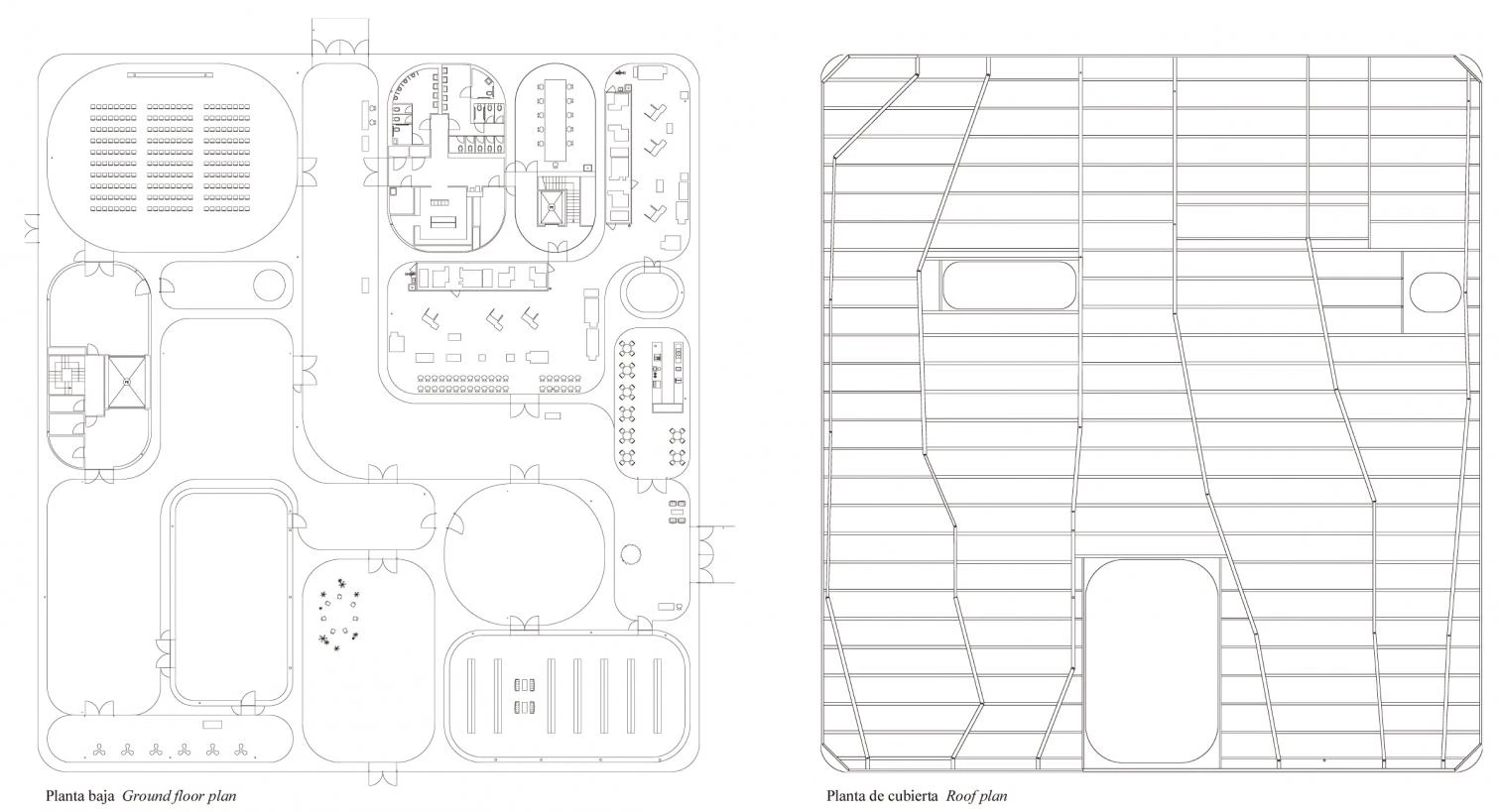
The Glass Pavilion at the Toledo Museum of Art in Ohio, USA, is a museum building designed by Kazuyo Sejima and Ryue Nishizawa and completed in 2006. The pavilion uses extensive glass in its structure and serves as both a gallery for the museum’s glass art collection and a working glass studio. The building is a rectangular form of approximately 5,000 square meters, set within the museum’s grounds. Its exterior consists of large glass panels joined to create a continuous curving facade with rounded corners. Inside, Sejima organized the space with curved glass partitions. Freestanding transparent and frosted glass walls delineate galleries, demonstration areas, and visitor spaces without opaque enclosures. These partitions allow extended sightlines through the building and outward to the surrounding landscape. The roof is a thin white plate supported by a grid of slender steel columns. Daylight enters the pavilion through the glass walls and controlled openings in the ceilings above selected areas. The materials include clear glass, steel, and white plaster. One wing contains furnaces and studios for glass-blowing, visible through glass walls, and other areas house exhibition galleries for historic and contemporary glass. Transparency is managed through double-glazed walls, selective translucent glass, and engineered curves that stabilize long spans of glass. Climate control and acoustics are addressed through concealed systems at roof and floor junctions. The Glass Pavilion is noted in contemporary museum design for its glass enclosure, interior partitions, and integrated workshop and gallery functions.
06. Grace Farms (The River), New Canaan
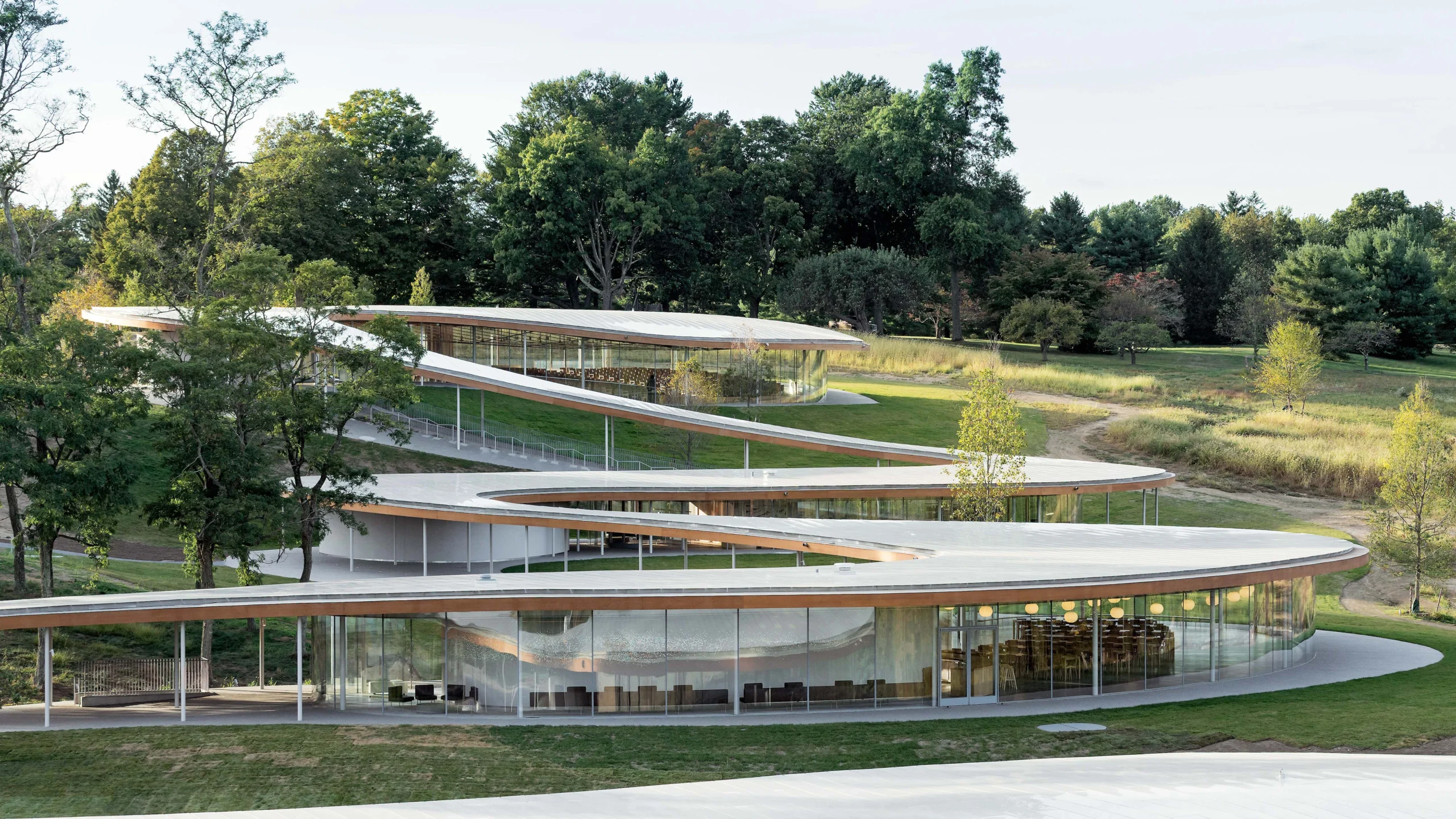
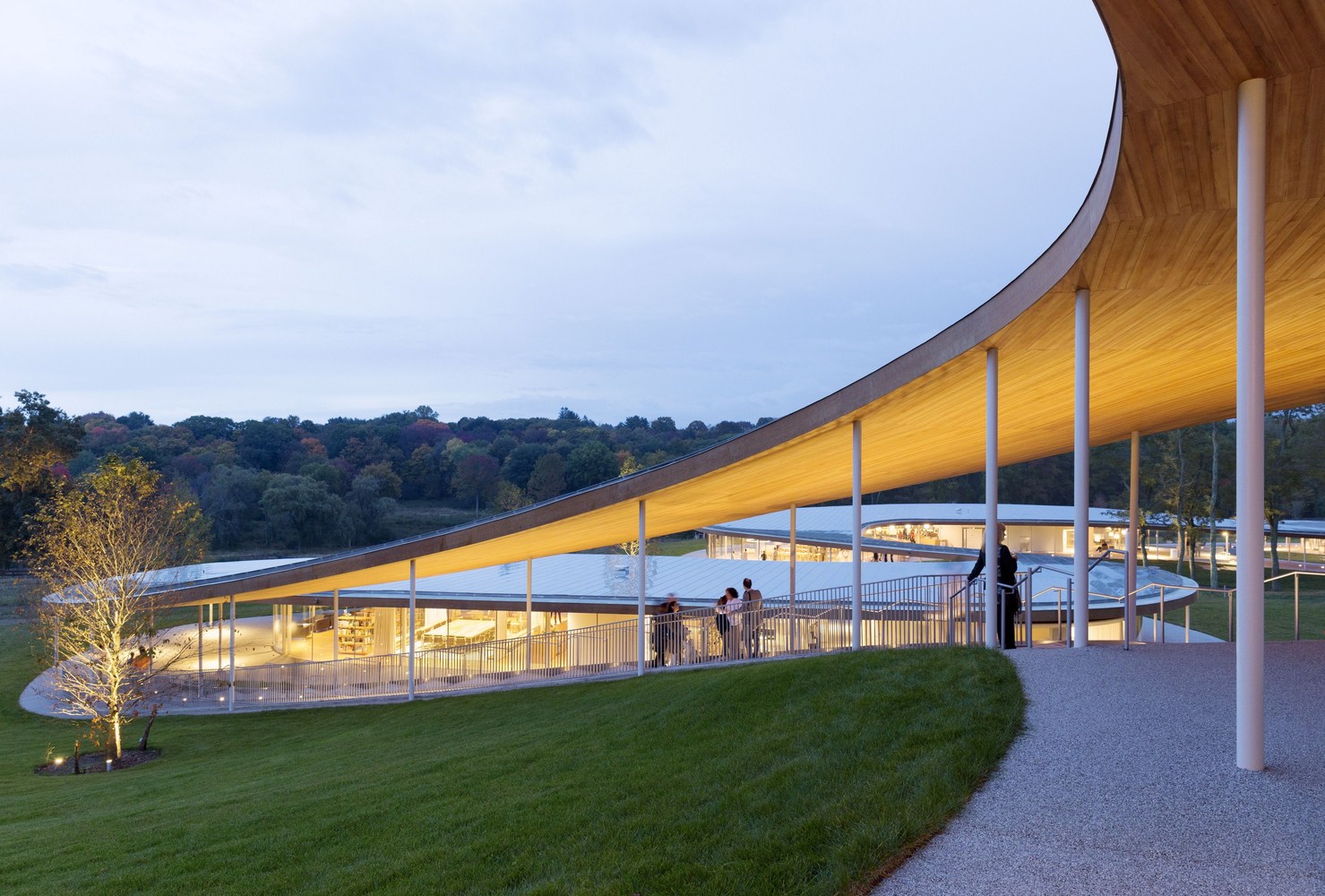
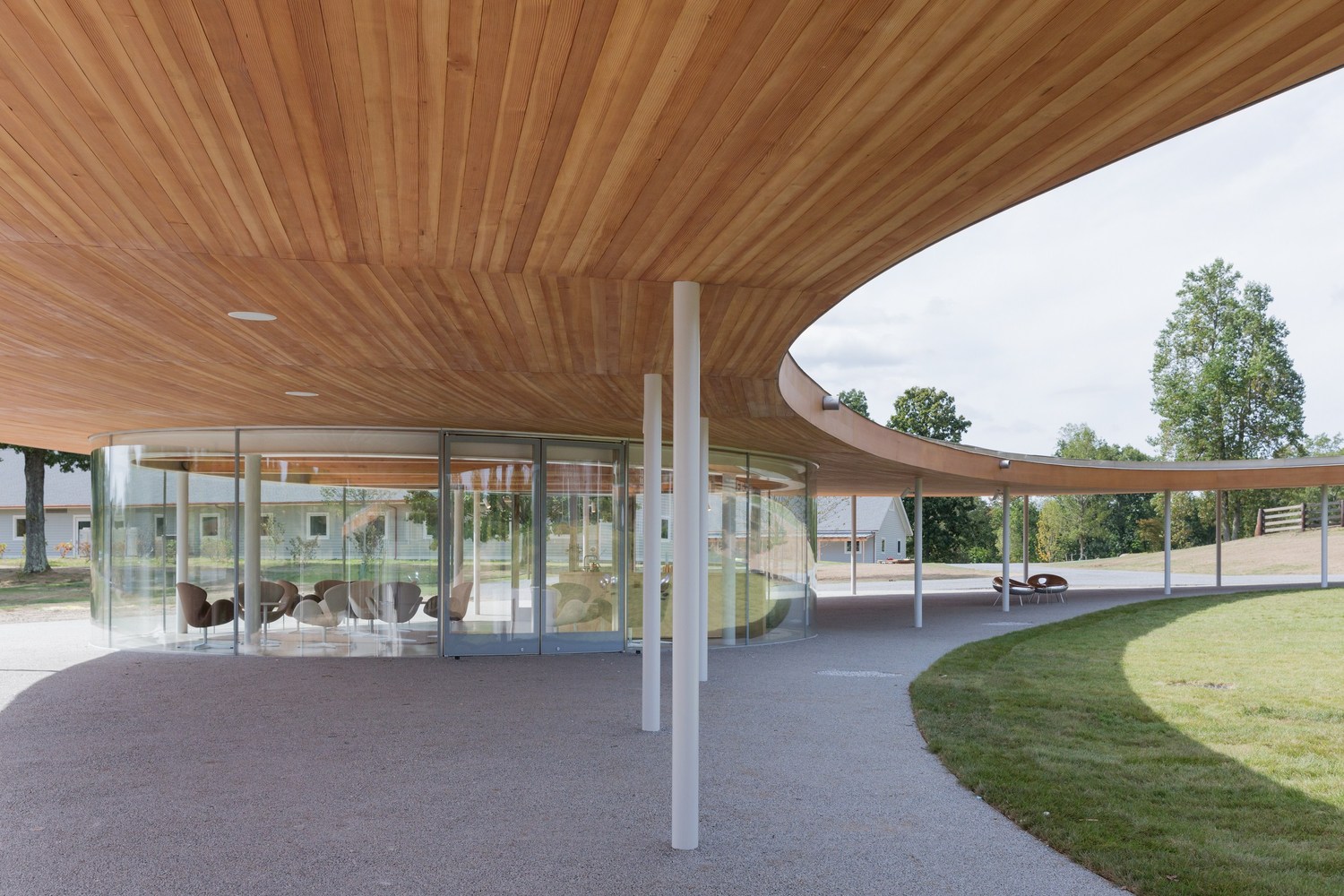
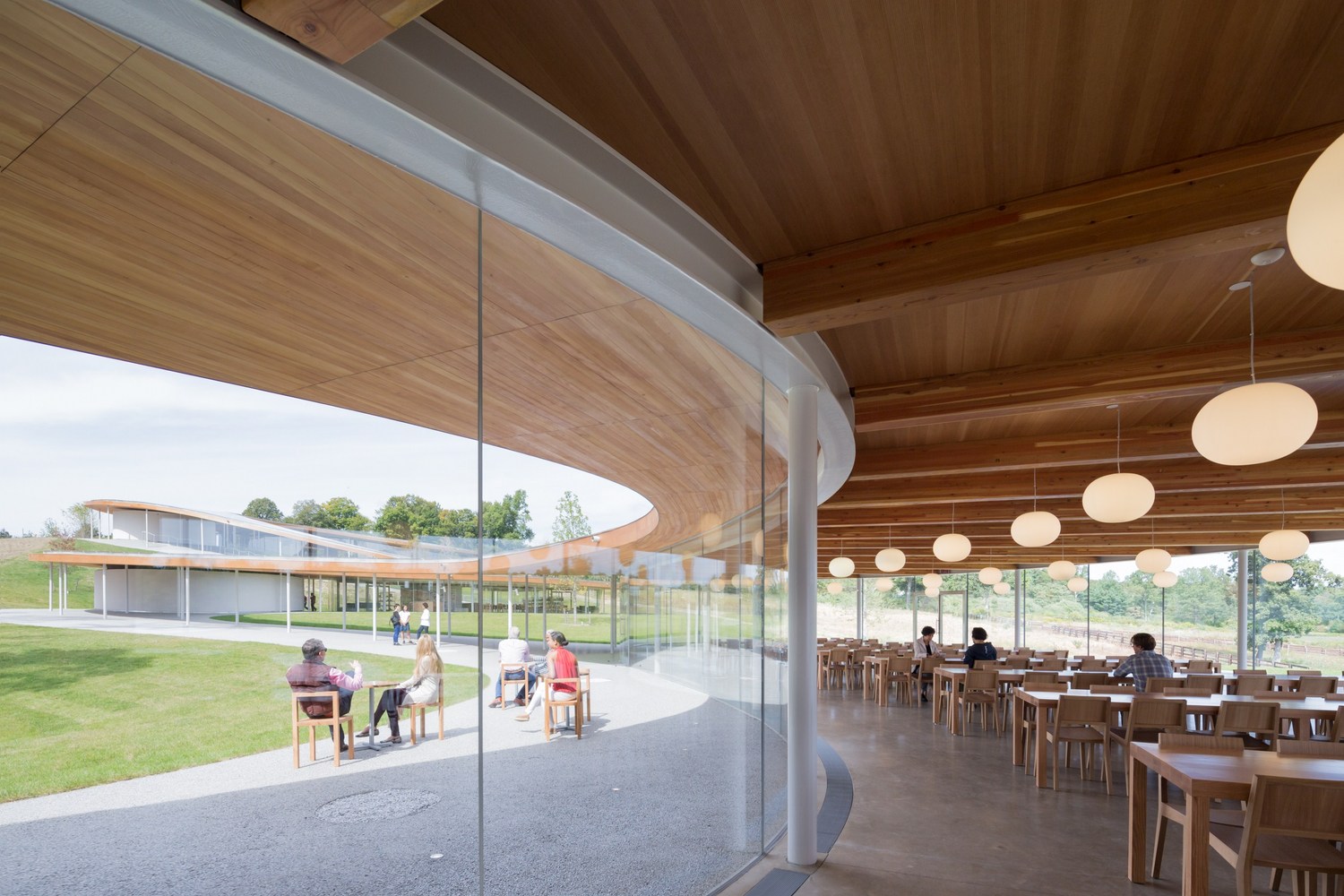
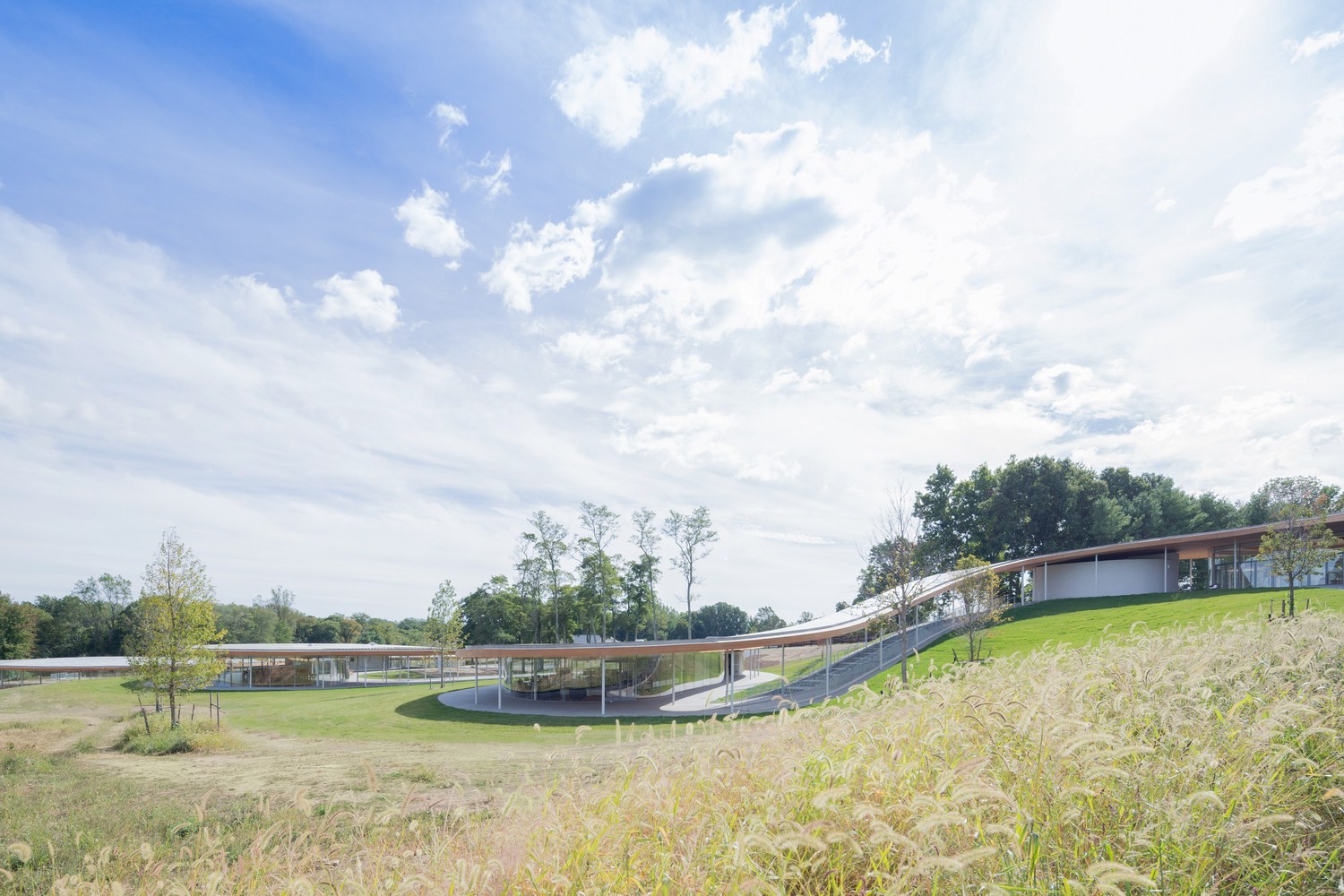
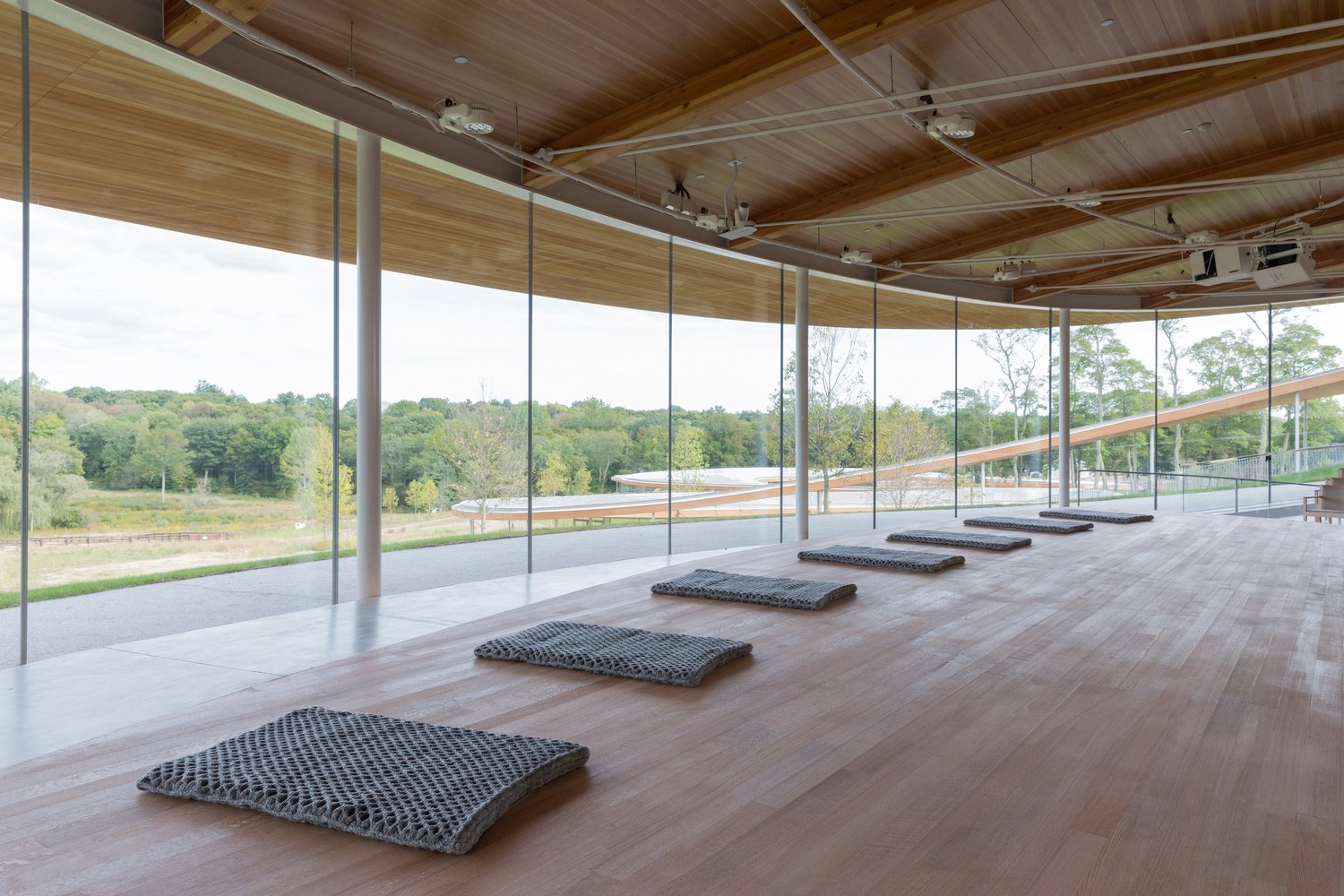
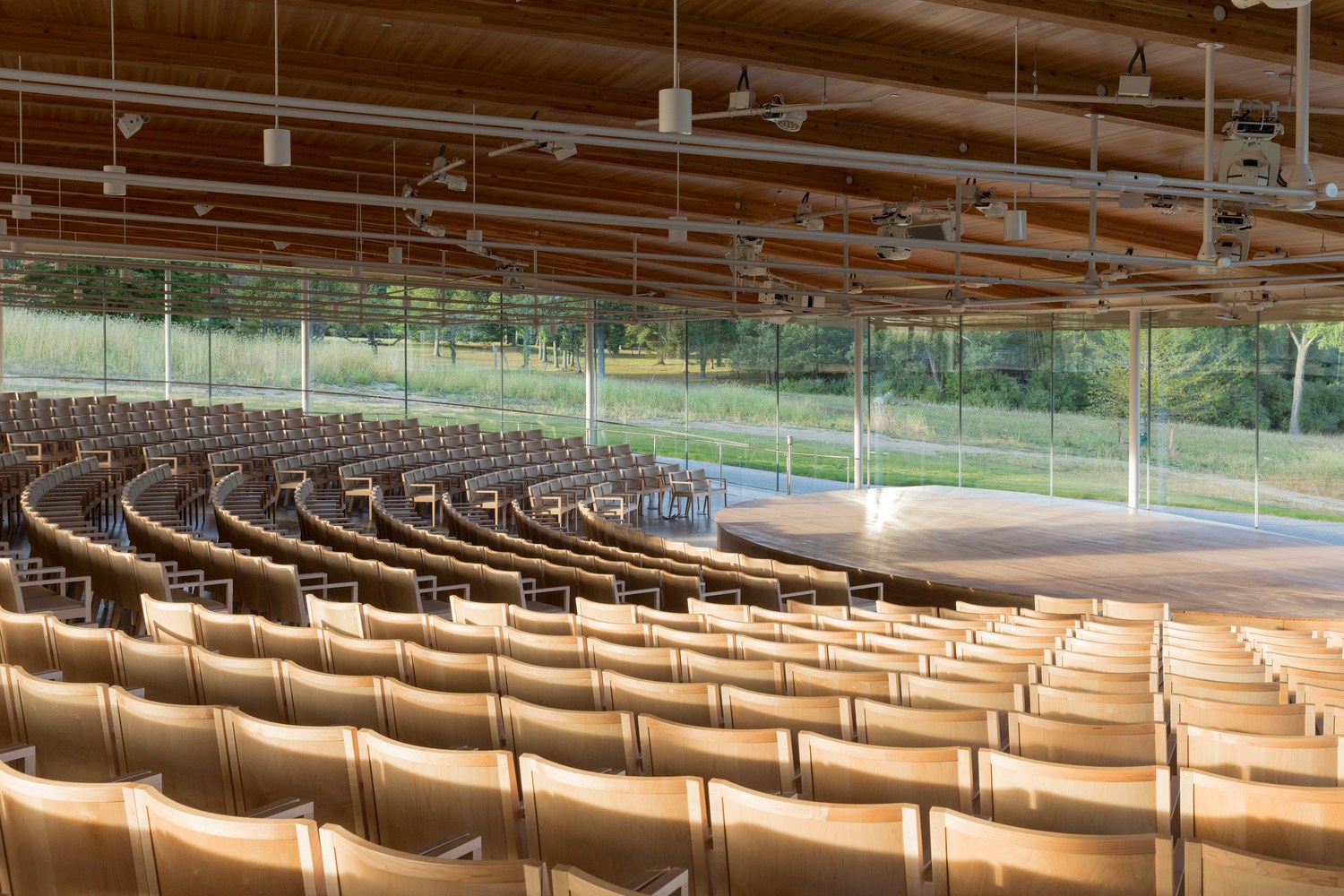
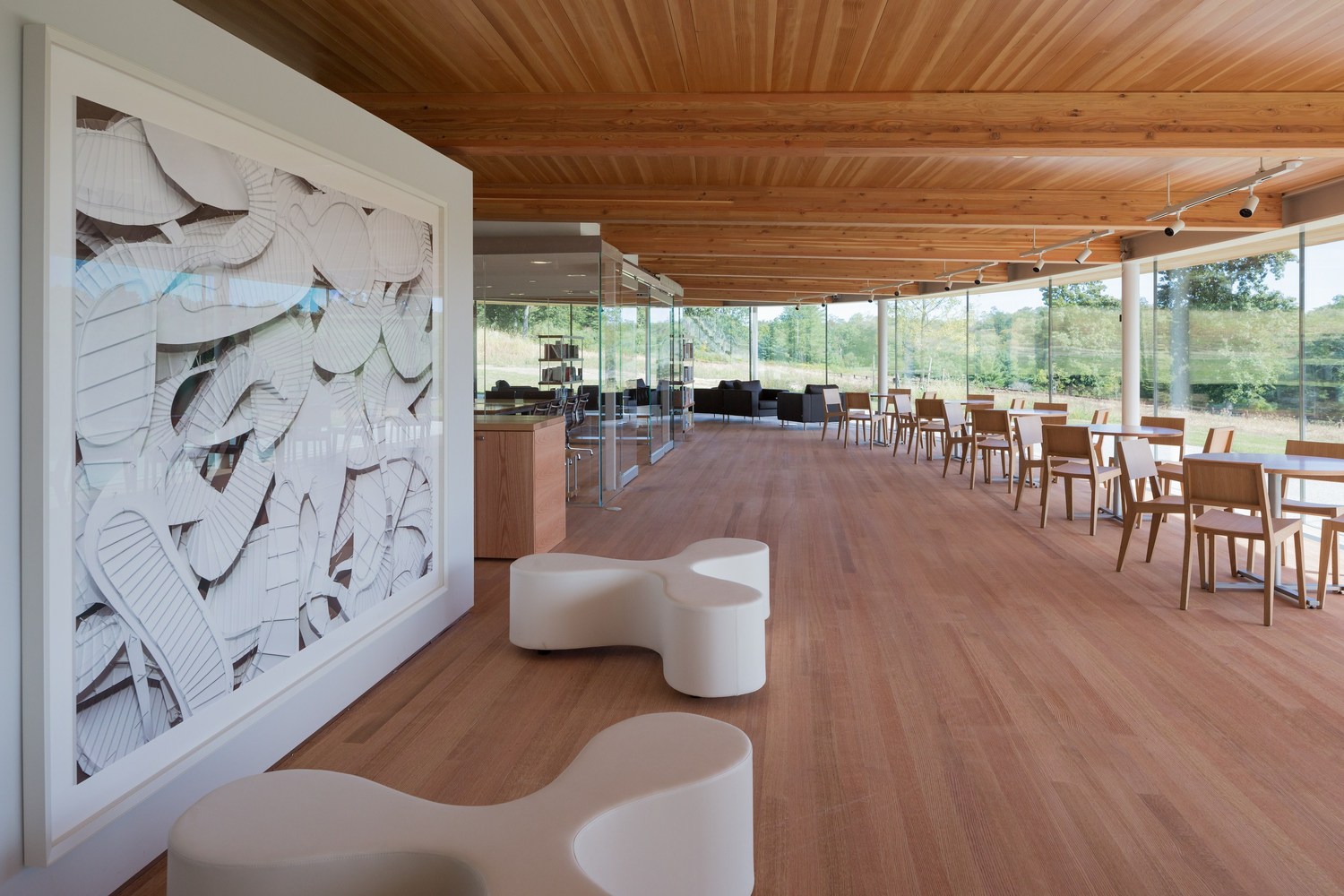
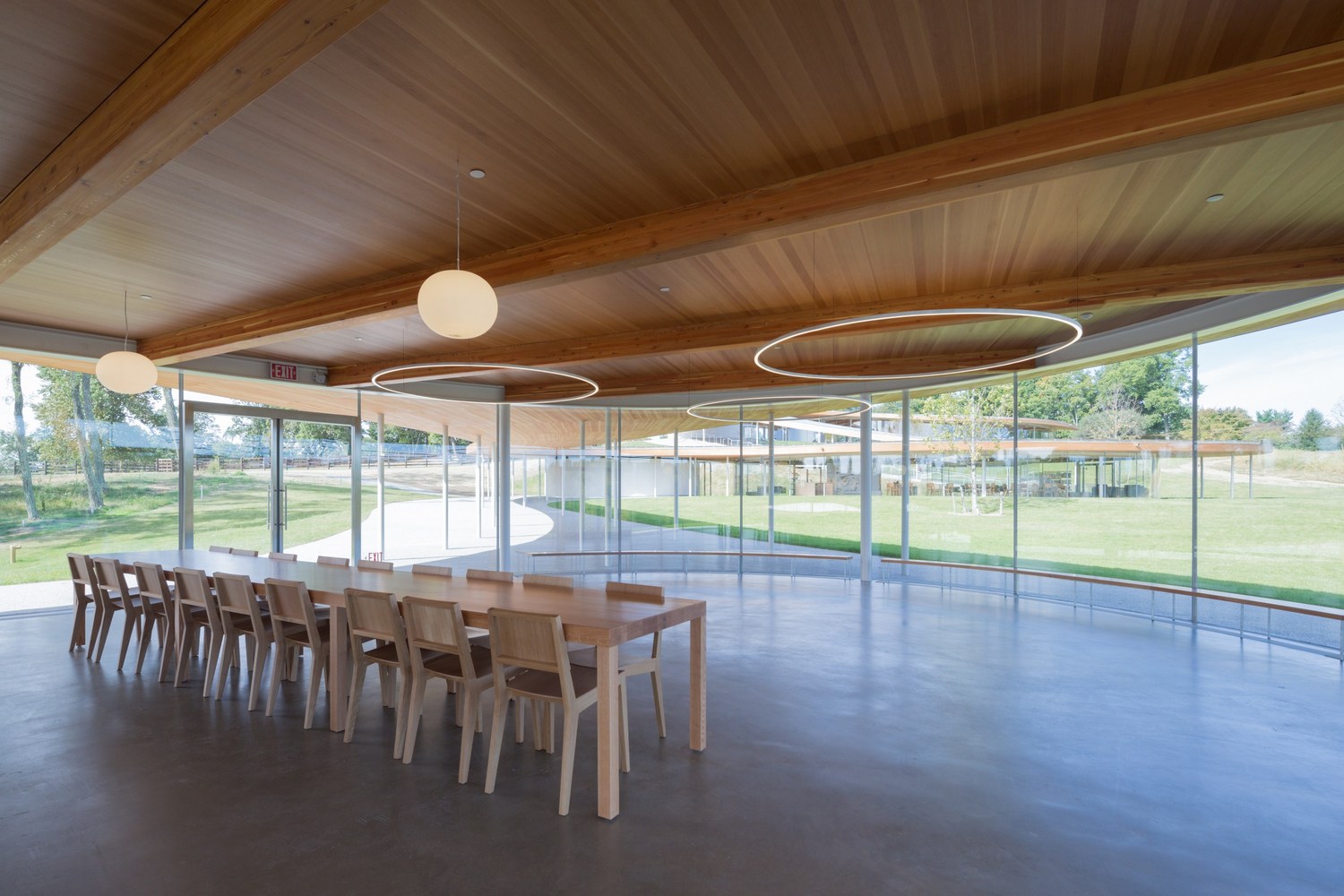
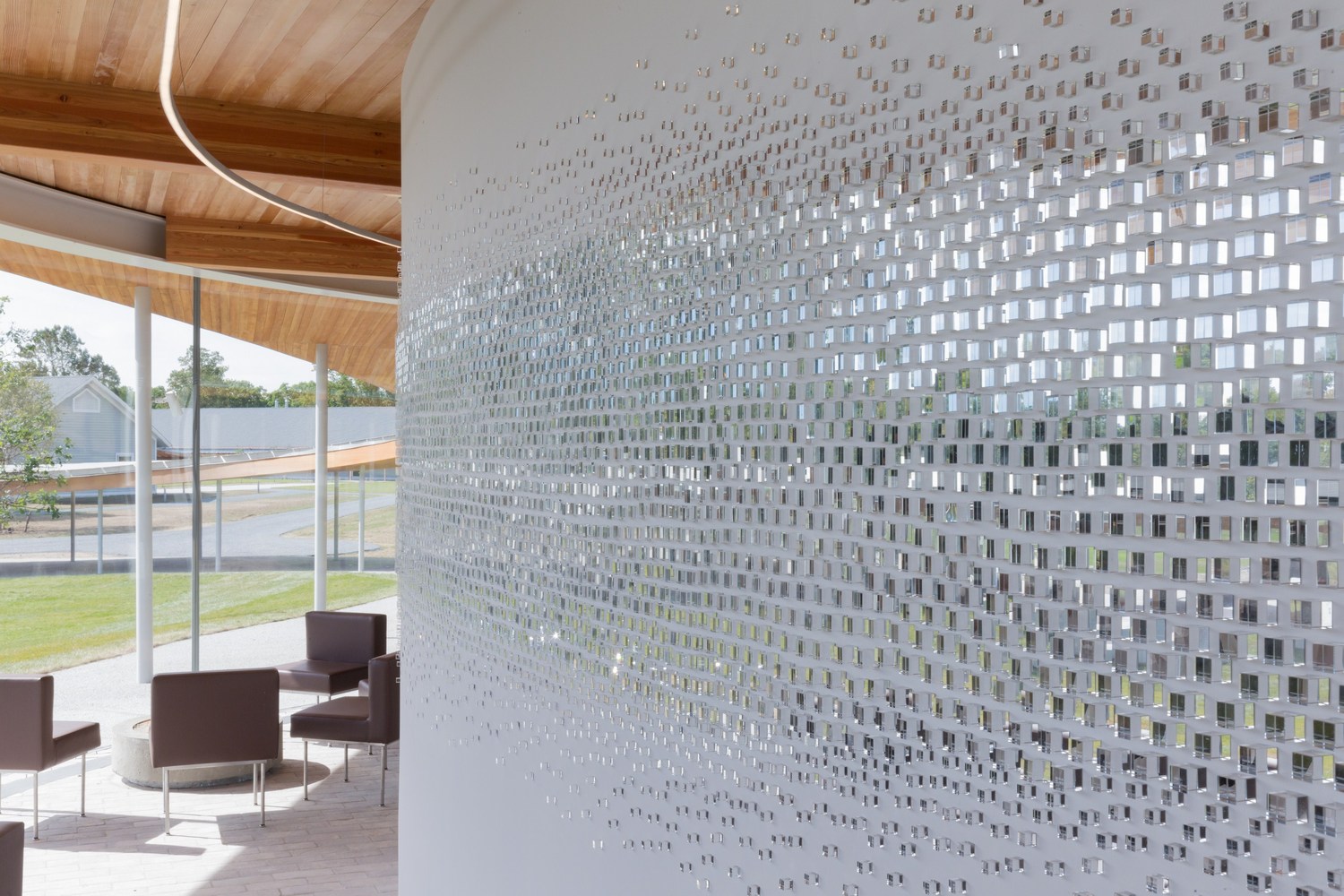
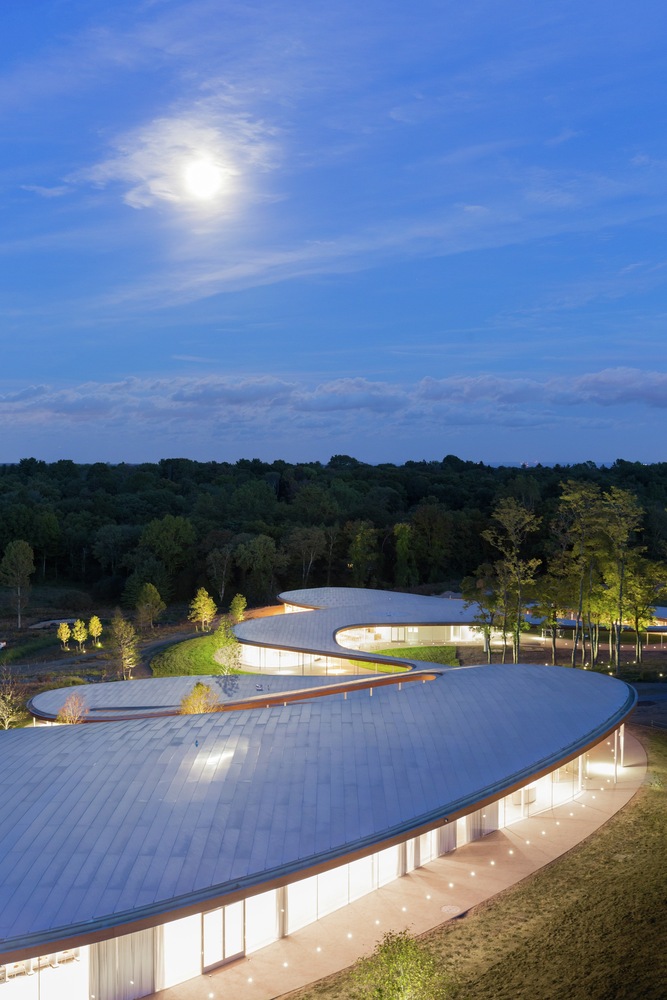
Grace Farms, also known as “The River,” is a project in New Canaan, Connecticut, designed by Kazuyo Sejima and Ryue Nishizawa and completed in 2015. The project is conceived as a long roof structure integrated into a rolling landscape. The roof extends for nearly 1,400 feet across the site and follows the terrain with gradual elevation changes. Beneath the continuous roof are transparent pavilions that contain a sanctuary for events, a library, a dining room, a gymnasium, and art studios. Each pavilion is enclosed with curved glass walls and remains open to views across the 80-acre property. The roof is a thin plane of wood and steel supported by slender columns. Its form rises and lowers to accommodate different interior heights. The material palette includes wood on the roof’s underside and polished concrete floors that continue outdoors. The building has no opaque perimeter walls, and the roof and glass enclosures maintain visual connections to the landscape. The project addresses long-span engineering through structural columns placed along the roof’s irregular path and through insulated and translucent glass assemblies. Environmental control systems are integrated at the roof and floor junctions. Grace Farms contains pavilions used for community programs and public activities, and its organization combines circulation, views, and landscape access within a continuous sheltered route.
How did Kazuyo Sejima contribute to architecture?
Kazuyo Sejima contributed to architecture by developing approaches to minimalism that emphasize transparency, open spatial organization, and integration with context. Her work applies interior continuity, reduced partitions, and clear material systems to support circulation and adaptable layouts. In projects such as the 21st Century Museum of Contemporary Art in Kanazawa and the Rolex Learning Center in Lausanne, she used open plans, courtyards, and continuous floor structures to reduce boundaries between interior and exterior areas and between different program zones. These strategies influenced architects working with open-plan galleries, flexible circulation, and landscape-connected interiors. Sejima’s projects use glass, steel, and thin structural systems to achieve long spans and light enclosures. Her collaborations with engineers produced structural solutions such as thin concrete shells, column grids, and stabilizing glass assemblies. She also contributed to architectural practice through teaching and studio leadership at SANAA, where she worked with younger architects in model-based design and collaborative development. As director of the 2010 Venice Architecture Biennale, she shaped discussions on spatial relationships and public use in architecture. Her career has increased visibility for women in architectural leadership.
What awards and honors has Kazuyo Sejima received?
Kazuyo Sejima has received awards and honors in recognition of her work in architecture, including:
- Pritzker Architecture Prize (2010) – Awarded to Sejima and Ryue Nishizawa for their work at SANAA.
- RIBA Royal Gold Medal (2025) – Conferred by the Royal Institute of British Architects to Sejima and Nishizawa for their contribution to architecture.
- Praemium Imperiale (2022) – Presented by the Japan Art Association to Sejima and Nishizawa in the architecture category.
- Lion d’Or (Golden Lion) at Venice Biennale (2004) – Awarded for the 21st Century Museum of Contemporary Art in Kanazawa during the Ninth Architecture Exhibition.
- AIJ Prize (2006) – Granted by the Architectural Institute of Japan for the 21st Century Museum of Contemporary Art in Kanazawa, a SANAA project.
- Arnold W. Brunner Memorial Prize (2002) – Presented by the American Academy of Arts and Letters to Sejima and Nishizawa for their work in architecture.
Kazuyo Sejima has received honorary fellowships and academic distinctions, including Honorary Fellowship of the American Institute of Architects (Hon. FAIA) and honorary degrees from several institutions. She has received Japan Architecture Awards such as the Yoshioka Prize, and SANAA received the Moriyama RAIC International Prize in 2019 and the Mies Crown Hall Americas Prize for the Grace Farms project.
Did Kazuyo Sejima change the architecture industry?
Yes, Kazuyo Sejima changed aspects of architectural practice by developing approaches to open spatial organization, transparency, and collaborative design processes. Her projects demonstrated alternatives to late-20th-century large-form architectural expression by using reduced partitions, glass enclosures, and landscape-connected interiors. These strategies contributed to shifts toward open-plan museums, threshold-free circulation, and interiors that connect directly with their surroundings. Sejima’s work encouraged architects to explore transparent structures, daylight-based layouts, and non-hierarchical interior plans. At SANAA, she worked with Ryue Nishizawa and project teams through model-based development and iterative collaboration, influencing practices that adopt collective design methods. Her prominence increased visibility for women in architecture at a time when few women led major projects or firms. Her directorship of the 2010 Venice Architecture Biennale focused on spatial relationships and public use, contributing to broader discussions on architecture’s role in daily life.
Was Kazuyo Sejima ever controversial in any way?
Kazuyo Sejima has not been associated with personal controversies or professional misconduct. Some of her projects have generated debate related to design decisions and contextual fit. At the Rolex Learning Center, early questions focused on the practicality of its sloped interior and accessibility, and technical adjustments were made during development to address circulation on the inclined surfaces. The New Museum in New York prompted discussion about the building’s shifted-box form within its low-rise Bowery context. Louvre-Lens in France prompted comments on its low glass and aluminum pavilions being introduced on former industrial land. These discussions were limited to project-specific considerations and generally diminished once the buildings were in use. Sejima has not been involved in broader public disputes or political conflicts related to her work.
Who are the most famous architects in modern history besides Kazuyo Sejima?
Aside from Kazuyo Sejima, Frank Lloyd Wright, Frank Gehry, and Zaha Hadid are architects whose work has influenced modern architecture. Wright (American, 1867–1959) developed principles of Organic Architecture, using open floor plans, integrated landscape connections, and site-specific design strategies in projects such as Fallingwater in Pennsylvania and the Guggenheim Museum in New York. Gehry (Canadian-American, born 1929) has produced buildings associated with Deconstructivist geometry, including the Guggenheim Museum Bilbao in Spain, the Walt Disney Concert Hall in Los Angeles, and the Dancing House in Prague, using titanium, stainless steel, and non-linear forms. Hadid (Iraqi-British, 1950–2016) worked with parametric geometry and computational design, producing structures such as the London Aquatics Centre, the Guangzhou Opera House in China, and the MAXXI Museum in Rome. Wright, Gehry, and Hadid each introduced approaches that shaped architectural practice through material experimentation, spatial configuration, and formal development. Their work appears frequently in architectural education and reference literature. Beyond these architects, figures including Le Corbusier, Ludwig Mies van der Rohe, and Norman Foster hold significant positions in the history of modern architecture.
What did Kazuyo Sejima mostly design?
Kazuyo Sejima’s body of work includes museums, cultural buildings, educational facilities, institutional structures, residential projects, and pavilions. Her designs can be grouped as follows:
- Museums and Cultural Buildings: Sejima has designed museums and exhibition facilities such as the 21st Century Museum of Contemporary Art in Kanazawa, the New Museum in New York, and the Louvre-Lens in France. These buildings use open gallery layouts, minimal partitions, and circulation paths connected to exterior views. Cultural buildings such as the De Kunstlinie Theater and Cultural Center in Almere and the Tsuruoka Cultural Hall in Japan use similar spatial strategies.
- Educational and Institutional Buildings: Sejima has worked on university and institutional architecture, including the Rolex Learning Center at EPFL in Switzerland and the Zollverein School of Management and Design in Germany. These buildings use continuous interior spaces, open study areas, and visual connections to outdoor courtyards. Other projects include research and school facilities that use natural light and open plans for circulation and program flexibility.
- Residential and Housing Projects: Sejima has produced residential work ranging from single-family houses to collective housing. Projects such as the House in a Plum Grove in Tokyo and the Gifu Kitagata Apartments in Japan use open interiors, large windows, and defined zones for privacy. Her residential work maintains visual connections to courtyards or external spaces.
- Pavilions and Public Installations: Sejima has designed temporary pavilions and small public structures, including the Serpentine Gallery Pavilion 2009 in London and the Naoshima Ferry Terminal in Japan. These projects use transparent enclosures, curved geometries, and simplified structural systems to test spatial ideas that appear in her larger buildings.
Kazuyo Sejima’s work across these categories uses minimal partitions, open circulation, and direct visual links to exterior spaces. She frequently designs buildings for public or collective use, with residential projects that maintain continuity between interior rooms and outdoor areas.
Where did Kazuyo Sejima study?
Kazuyo Sejima studied architecture at Japan Women’s University in Tokyo, where she completed her undergraduate degree in 1979 and her Master of Architecture in 1981. She enrolled in the university’s architecture program in the late 1970s, a period when Japanese architecture was transitioning from Metabolist approaches toward smaller-scale and minimal spatial strategies. At the university, she received training in modernist architectural theory and design methods, with instruction that emphasized spatial organization and detail. After completing her graduate studies, Sejima joined Toyo Ito and Associates in 1981. Her work in Ito’s office functioned as an apprenticeship in conceptual design and construction techniques. She worked there until 1987, gaining experience in lightweight structures, open spatial planning, and model-based design processes.
Did Kazuyo Sejima have any famous teachers or students?
Yes, Kazuyo Sejima’s development as an architect was shaped by teachers in Japan and by early professional training. After completing her studies, she worked at Toyo Ito and Associates in the 1980s. Ito’s office provided instruction in conceptual design, lightweight structures, and spatial planning. Sejima was also exposed to the work of architects such as Kazuo Shinohara during her academic years, connecting her training to strands of Japanese modernism. Kazuyo Sejima has influenced younger architects through teaching and through her practice at SANAA. Several architects who worked at SANAA in the 2000s, including Junya Ishigami, continued into independent careers. Ishigami worked in the office for several years before establishing his own practice. Other architects, including Sou Fujimoto and curator Yuko Hasegawa, have engaged with Sejima’s work in academic or professional settings. Sejima has held visiting teaching positions at Princeton University, Yale University, and the École Polytechnique Fédérale de Lausanne. In these design studios, she worked directly with students on model-based architectural exercises and spatial development methods. Within SANAA, she has maintained a collaborative environment where junior architects participate in iterative design processes. Ryue Nishizawa began his career in Sejima’s office and later became her partner at SANAA.
How can students learn from Kazuyo Sejima’s work?
Yes, students can learn from Kazuyo Sejima’s work by examining the spatial methods, material strategies, and organizational systems present in her buildings. A direct way to study her approach is to analyze plans and sections of projects such as the 21st Century Museum of Contemporary Art in Kanazawa, where interior layouts connect to courtyards and exterior views. Observing circulation paths, daylight entry points, and transitions between program areas provides information on how Sejima structures interior continuity. Students can study buildings such as the Rolex Learning Center in Lausanne or the Glass Pavilion in Toledo to understand how floor slopes, column grids, and glass partitions define circulation and program zoning. Attention to structural supports, façade assemblies, and environmental control systems reveals how technical requirements are integrated into minimal spatial frameworks. Model-making and digital simulation are additional methods for studying Sejima’s design strategies. Reproducing elements of the New Museum’s stacked volumes or the roof geometry at Grace Farms allows students to understand proportion, scale, and structural logic. Reading interviews and statements by Sejima provides context for how she organizes design processes, including the use of models and iterative development. Students may also examine collaborative workflows in Sejima’s practice, including coordination among architects, engineers, and consultants on projects with long spans or large roof plates. Reviewing prototype studies such as glazing tests at Louvre-Lens or floor-slope refinements at the Rolex Learning Center offers insight into how design ideas are evaluated against structural and environmental performance. By combining drawing analysis, model-based study, and review of project documentation, students can understand how Kazuyo Sejima organizes space, integrates structure, and uses materials to support circulation and programmatic clarity.

