

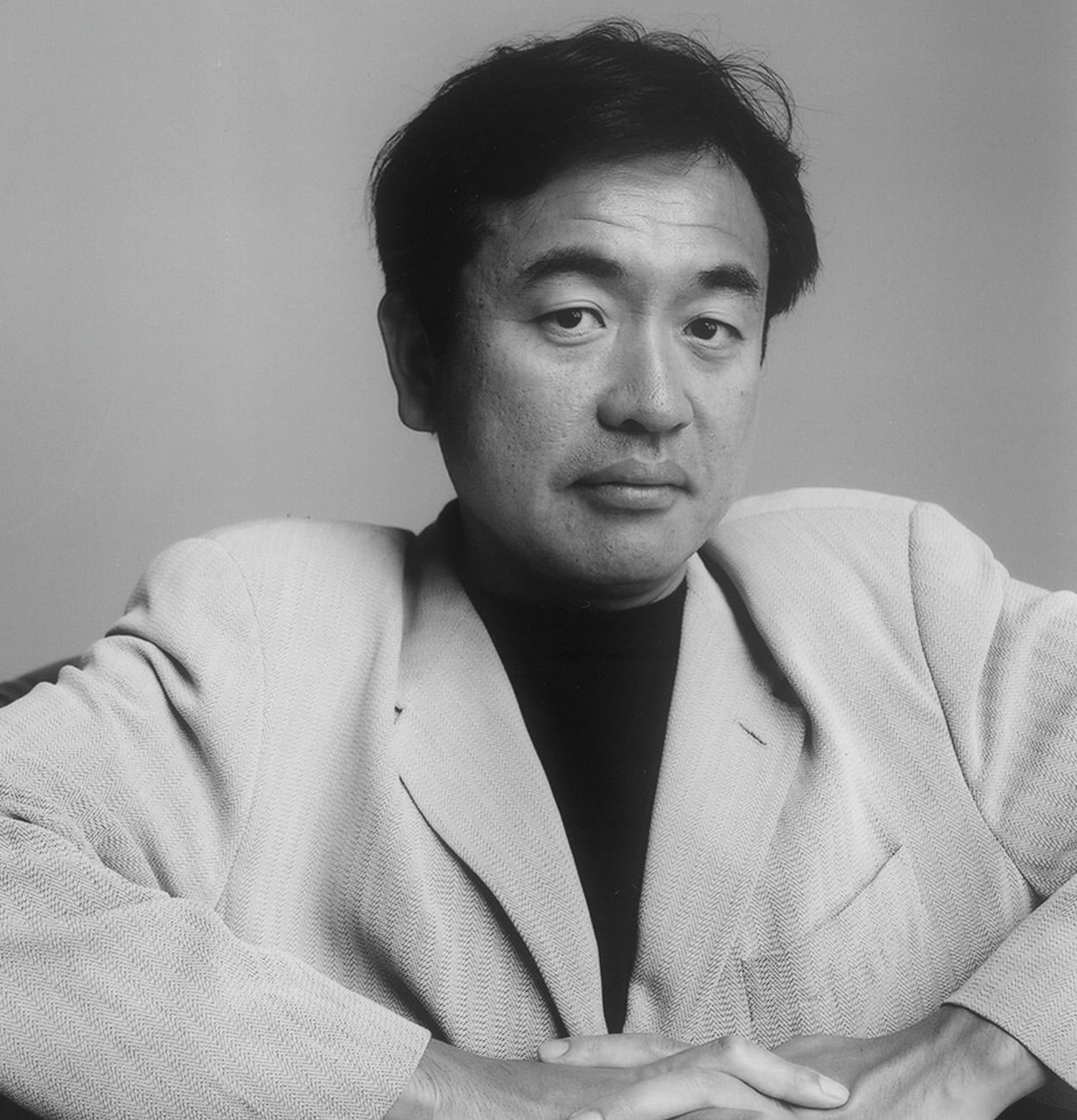
Kengo Kuma, born in Yokohama, Japan, in 1954, is a renowned Japanese architect recognized for seamlessly blending traditional design with contemporary innovation. He studied architecture at the University of Tokyo and later conducted research at Columbia University in New York before establishing Kengo Kuma & Associates in 1990. Kuma’s architectural style is defined by a philosophy he calls “Anti-Object,” emphasizing natural materials, light, and harmony with the environment rather than imposing forms. His greatest achievement is designing the Japan National Stadium for the 2020 Olympics in Tokyo, a project that showcased his wood-and-steel, nature-based approach on the world stage and solidified his global stature. Kengo Kuma’s works span continents and scales from the Asakusa Culture Tourist Center in Tokyo and the V&A Dundee museum in Scotland to the GC Prostho Museum in Japan and the Yusuhara Wooden Bridge Museum, each demonstrating his use of materials and sensitivity to context. Through these projects, Kuma reintroduced traditional craftsmanship and sustainable practices into modern architecture, influencing architects to design buildings that respect their surroundings. He has earned honors, including the Architectural Institute of Japan Award in 1997 and the Global Award for Sustainable Architecture in 2016, underscoring his impact on the field. While Kuma has avoided personal controversy, some designs in historic settings have sparked debate – notably the replacement of Zaha Hadid’s original Olympic stadium proposal with his own, which led to discussions about originality and context. Kengo Kuma designs cultural institutions, public buildings, and installations that integrate nature and community, steering modern architecture toward a more human-centered and environmentally conscious direction. Educated in Japan and the United States under mentors from Kenzo Tange’s modernist legacy to theorist Kenneth Frampton, Kuma teaches and mentors young architects, spreading his ethos that architecture should be quietly groundbreaking: modern yet rooted in tradition and place.
Who is Kengo Kuma?
Kengo Kuma is a Japanese architect born in 1954, recognized for his role in redefining modern Japanese architecture through projects that merge tradition with innovation. He grew up in Yokohama and developed an early interest in traditional buildings and craftsmanship. Kuma studied architecture at the University of Tokyo, graduating in 1979, and later worked as a visiting researcher at Columbia University in New York in the mid-1980s. In 1990, he founded Kengo Kuma & Associates, which has grown to employ hundreds of architects and complete projects worldwide. Over a career spanning several decades, Kuma has designed buildings across Asia, Europe, and North America. He is a professor at the University of Tokyo’s Department of Architecture and a writer on design theory. Known for merging Japanese heritage with contemporary design, Kuma has become one of the defining figures in modern architecture, creating works that are culturally grounded and technologically refined.
What type of architecture does Kengo Kuma represent?
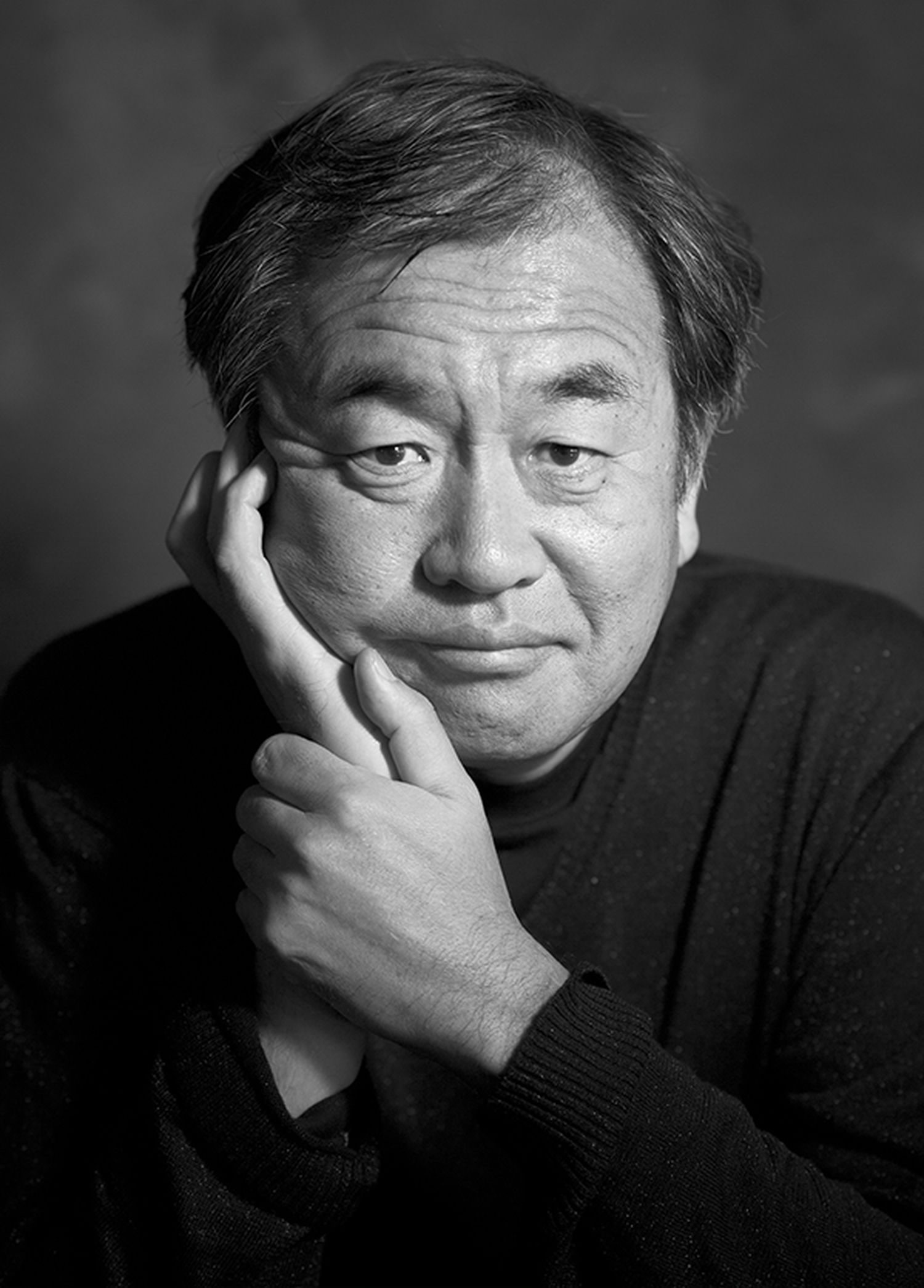
Kengo Kuma represents a contemporary architectural approach grounded in harmony with nature, context, and tradition. Rather than adhering to a fixed formal style, Kuma’s work follows the principles of organic modernism and critical regionalism. He uses natural materials such as wood, stone, and bamboo in original ways, drawing from Japanese traditions like joinery and translucent screens. Kuma’s designs often dissolve boundaries between interior and exterior, creating spaces defined by light and openness. He coined the concept of “Anti-Object” architecture, which rejects monumental, object-like forms in favor of structures that integrate with their surroundings. This philosophy yields buildings with fragmented volumes, layered facades, and textures that reflect the local environment.
What is Kengo Kuma’s great accomplishment?
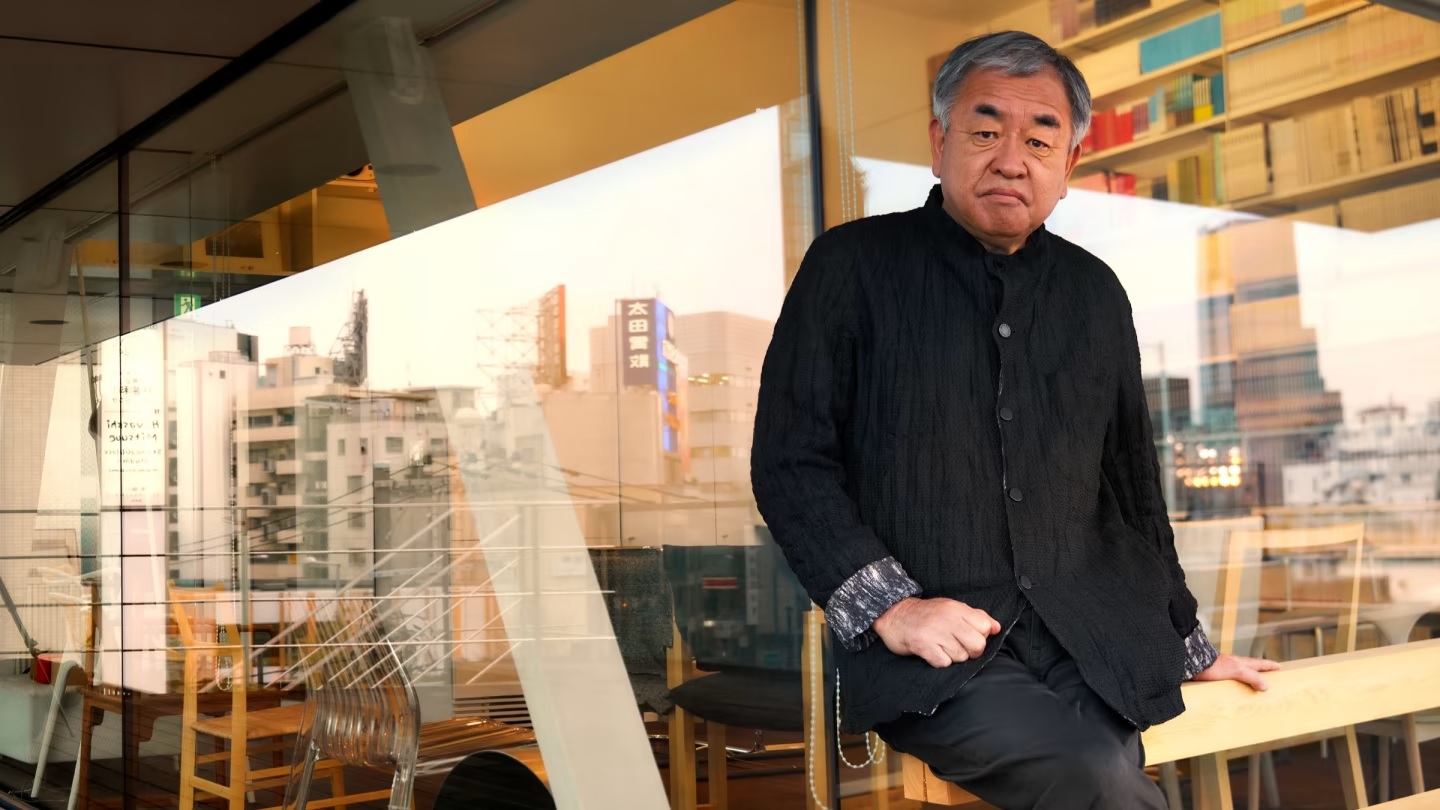
Kengo Kuma’s great accomplishment is redefining contemporary architecture by bringing Japanese traditional principles into a modern global context, most clearly expressed in the design of Japan’s National Stadium for the Tokyo 2020 Olympics. Completed in 2019, the stadium represents a culmination of Kuma’s philosophy on an international scale. It features overlapping wooden eaves and integrated greenery, merging advanced engineering with Japanese aesthetics. The project’s recognition as both an Olympic centerpiece and an architectural landmark demonstrated Kuma’s capacity to align modern performance with cultural authenticity. Beyond this project, Kuma’s broader accomplishment lies in shaping a global shift toward sustainable, context-driven design. He received Japan’s Architectural Institute of Japan Award in 1997 and was named an Officer of France’s Order of Arts and Letters in 2009, reflecting his influence. Through works and writings such as “Anti-Object” (2008), Kuma has promoted architecture that challenges the monumentality and abstraction of late modernism. His realization of this vision across major projects, and its adoption by others, defines his greatest contribution: enriching modern architecture with renewed respect for tradition, environment, and human experience.

What are Kengo Kuma’s most important works?
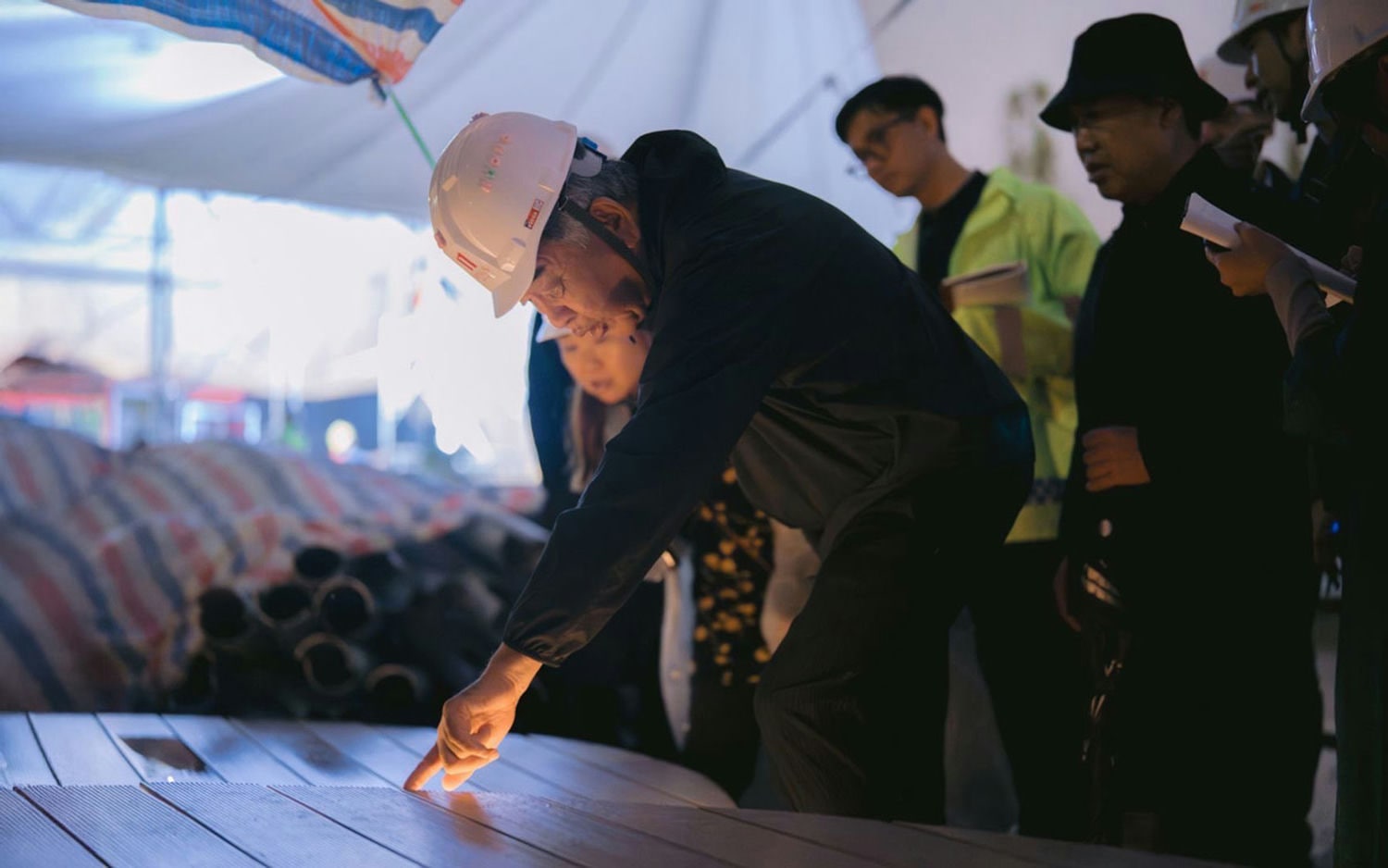
Kengo Kuma’s most important works reflect a broad portfolio of cultural and civic projects that demonstrate his commitment to natural materials and contextual design. His projects range from small museums to major public buildings, exemplified by works such as the Asakusa Culture Tourist Information Center in Tokyo, a layered timber structure in a historic district; thje Xinjin Zhi Museum in Chengdu, China; the V&A Dundee in Scotland, a waterfront museum inspired by local cliffs; the Japan National Stadium in Tokyo, an Olympic venue combining wood and greenery; the GC Prostho Museum Research Center in Aichi, a compact museum built with interlocking wooden lattice; and the Yusuhara Wooden Bridge Museum in Shikoku, which functions as both bridge and gallery, reviving traditional timber construction.
01. Asakusa Culture Tourist Information Center, Tokyo
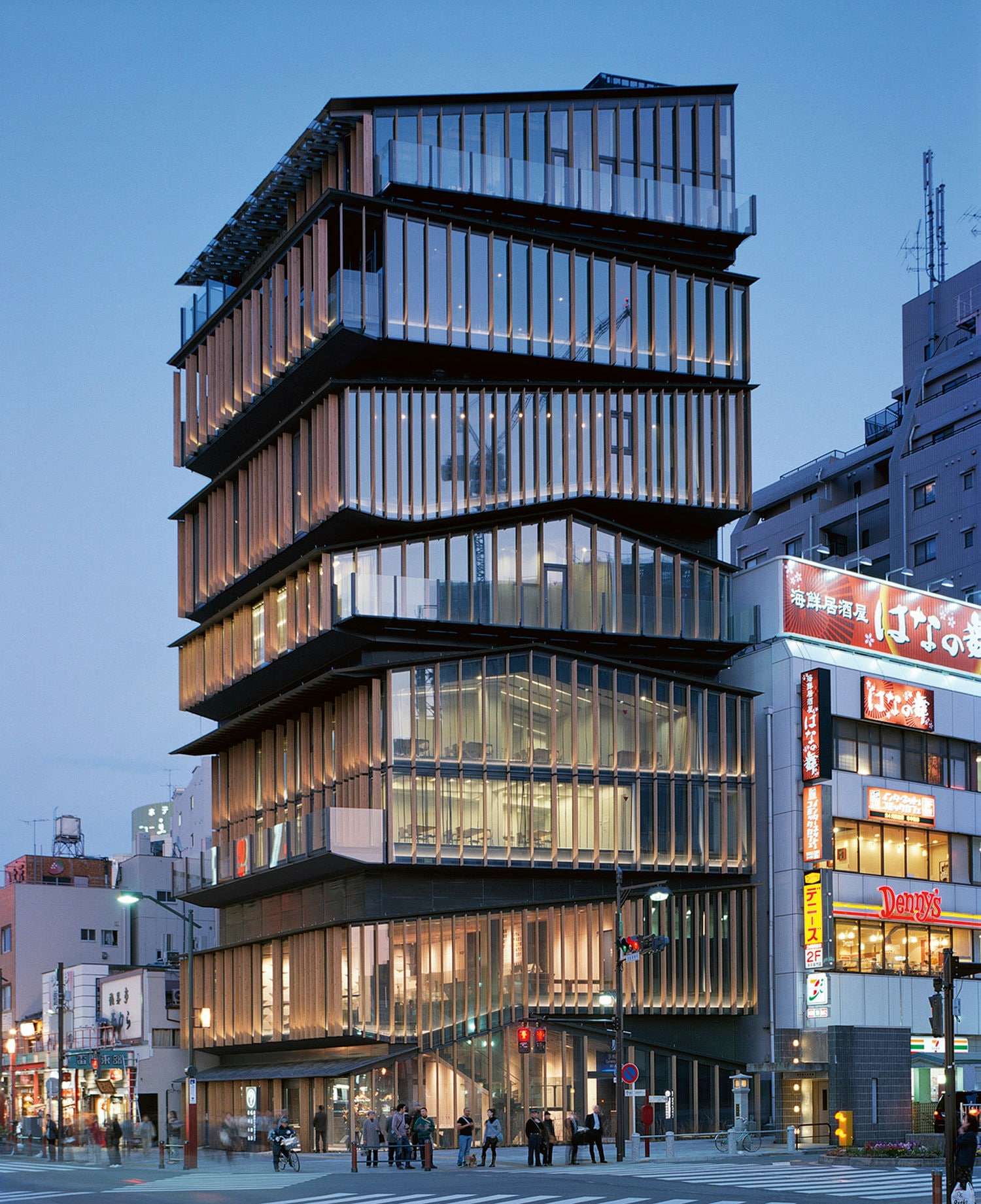
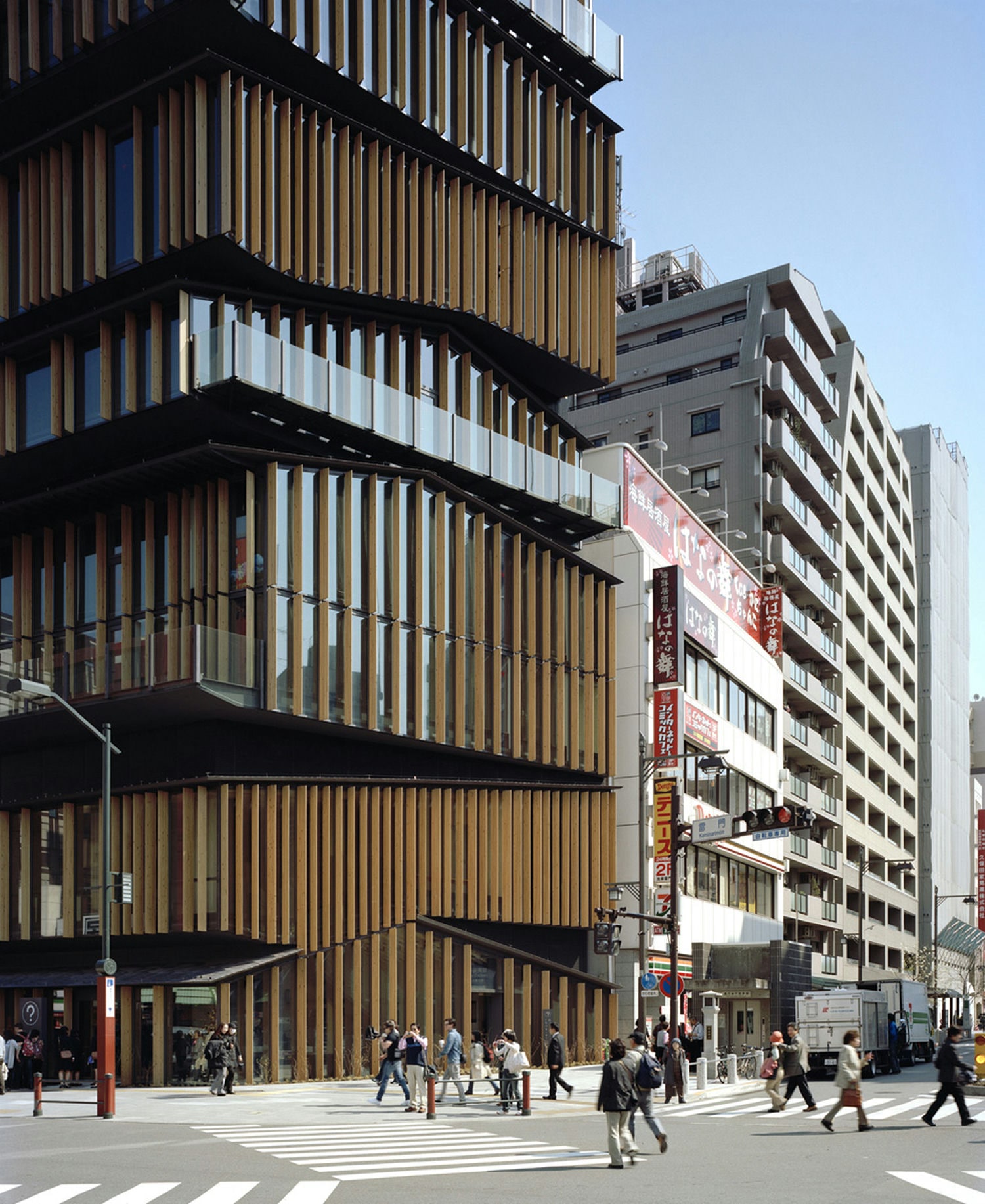
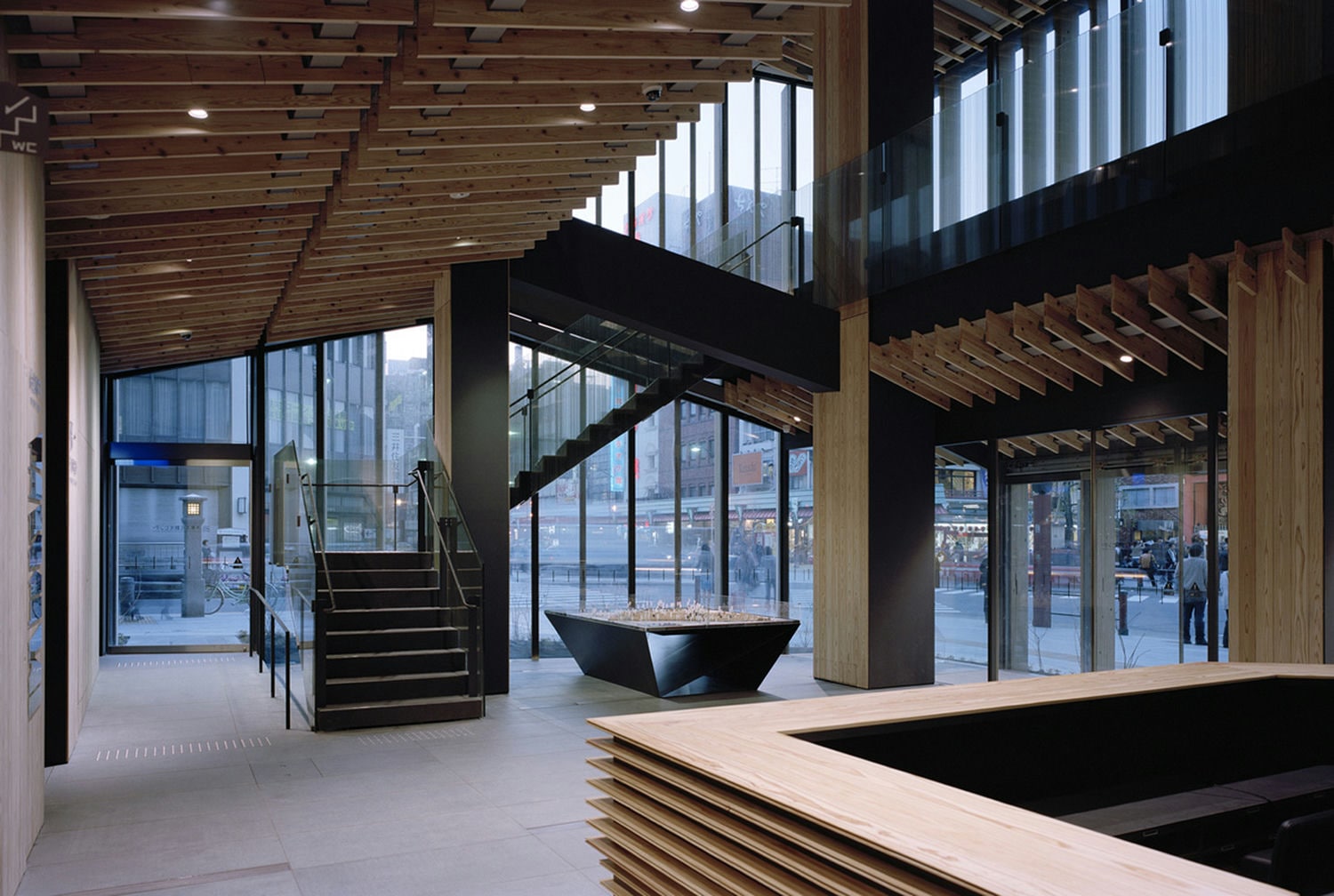
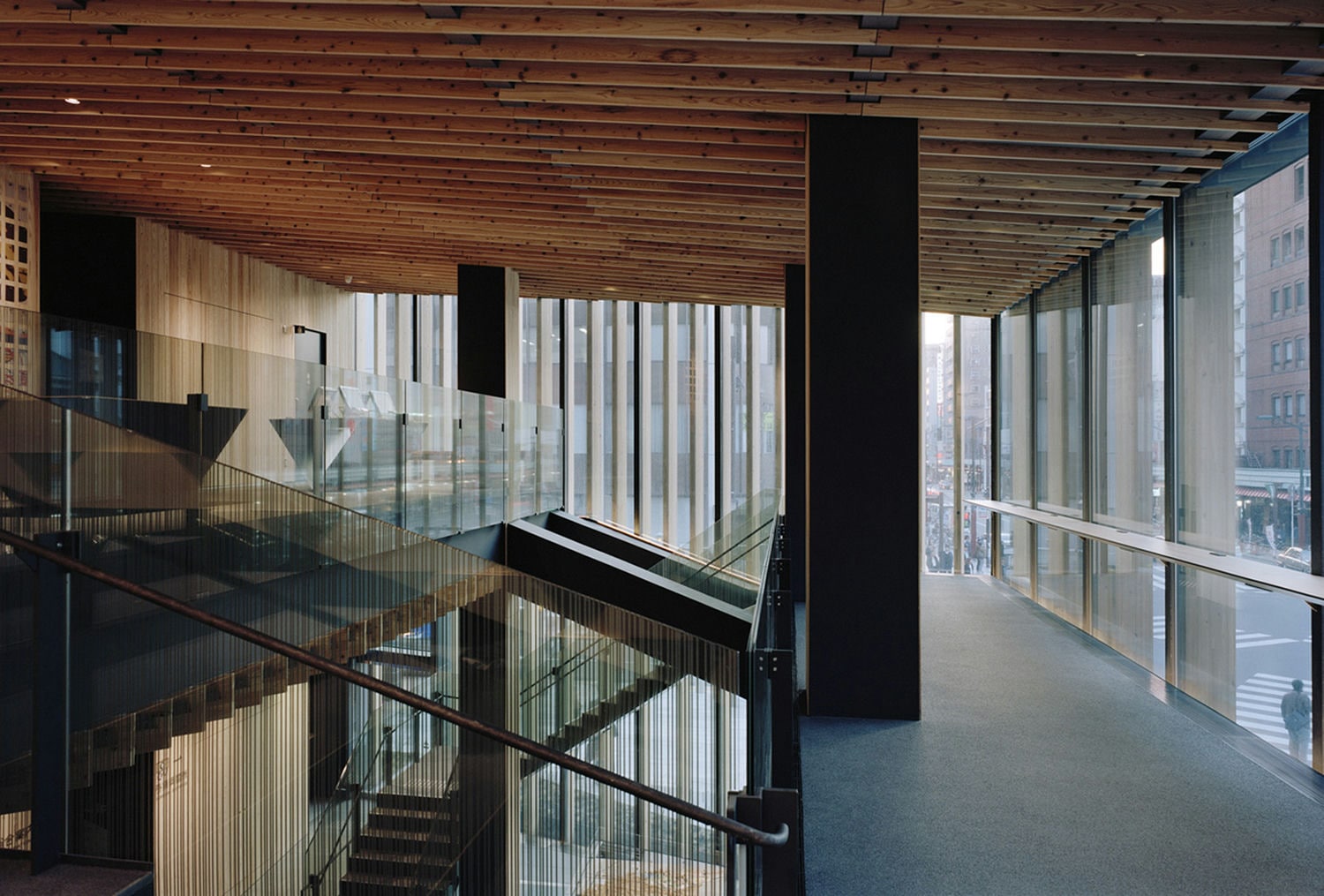
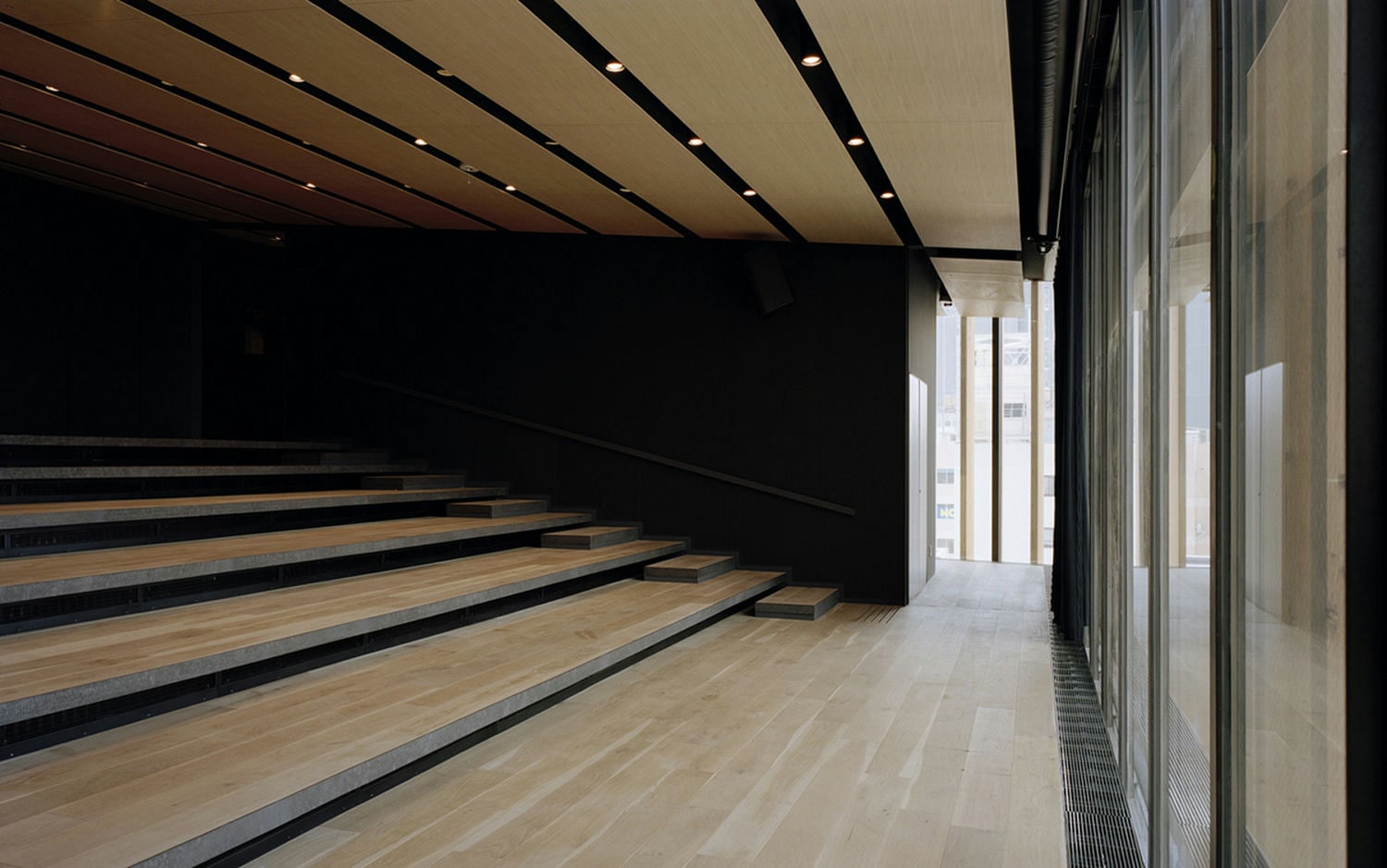
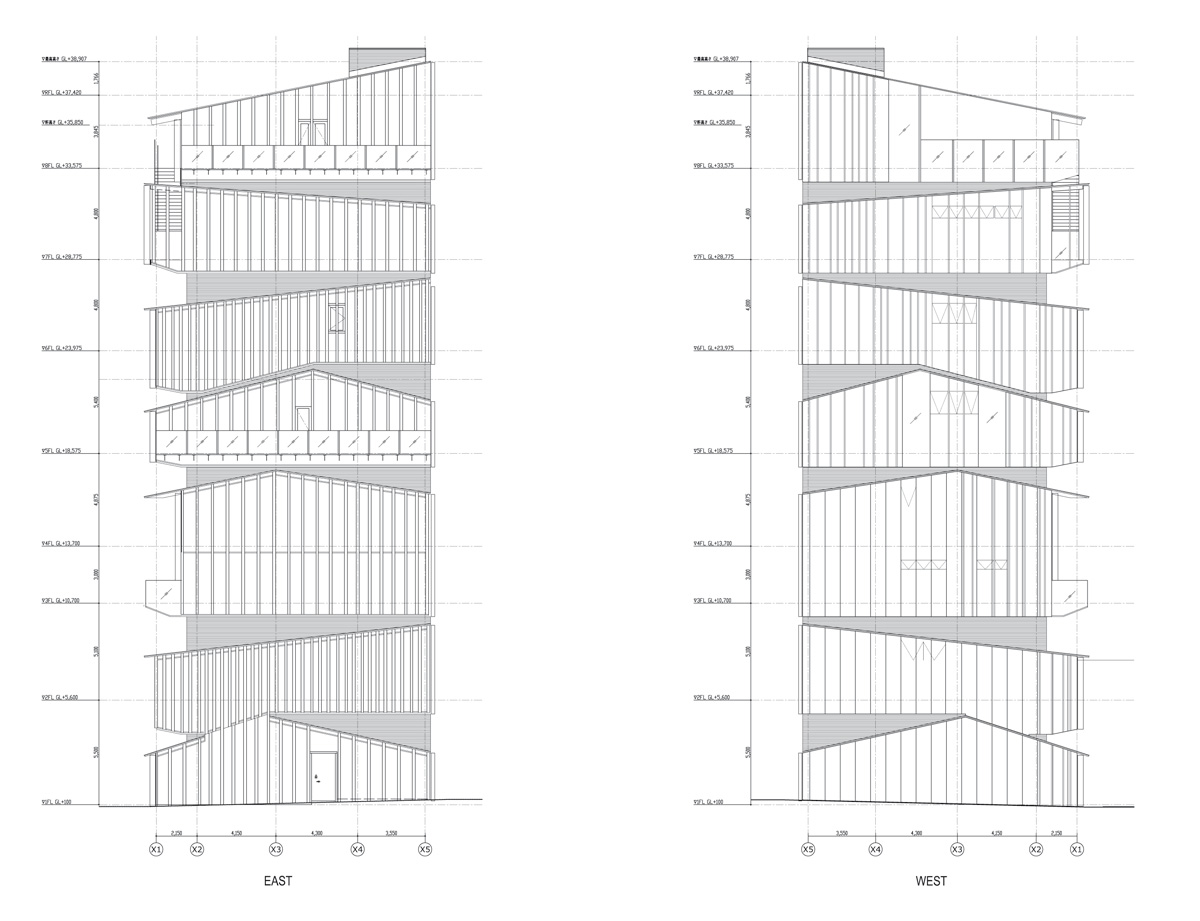
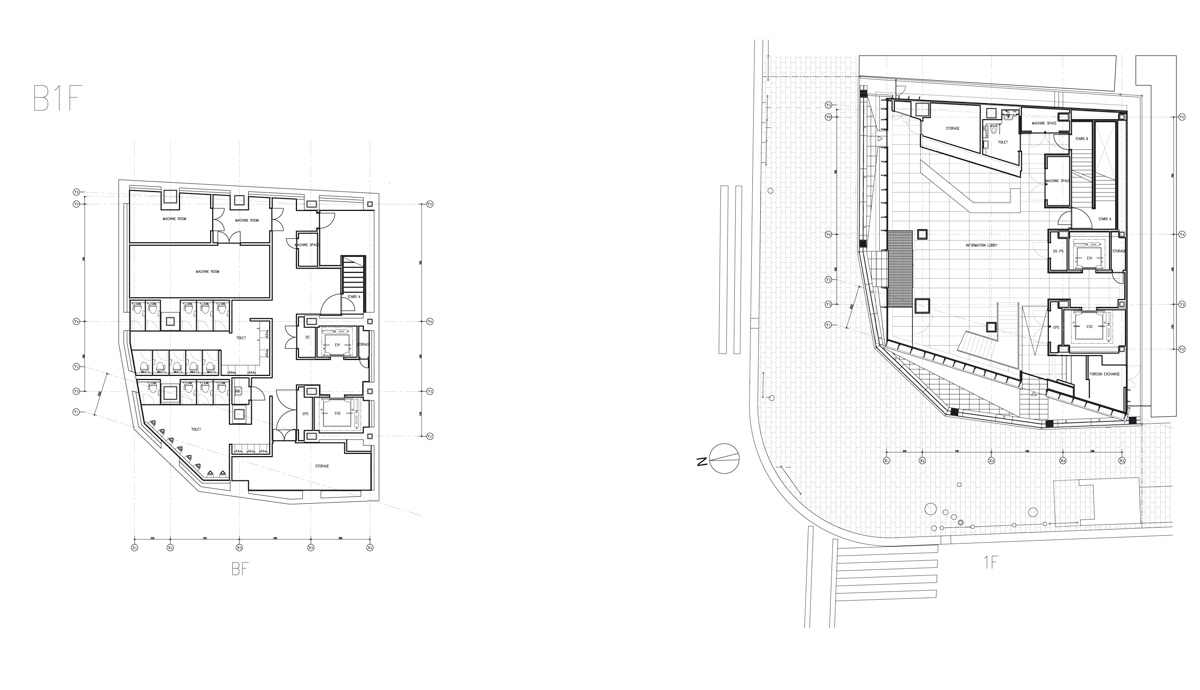
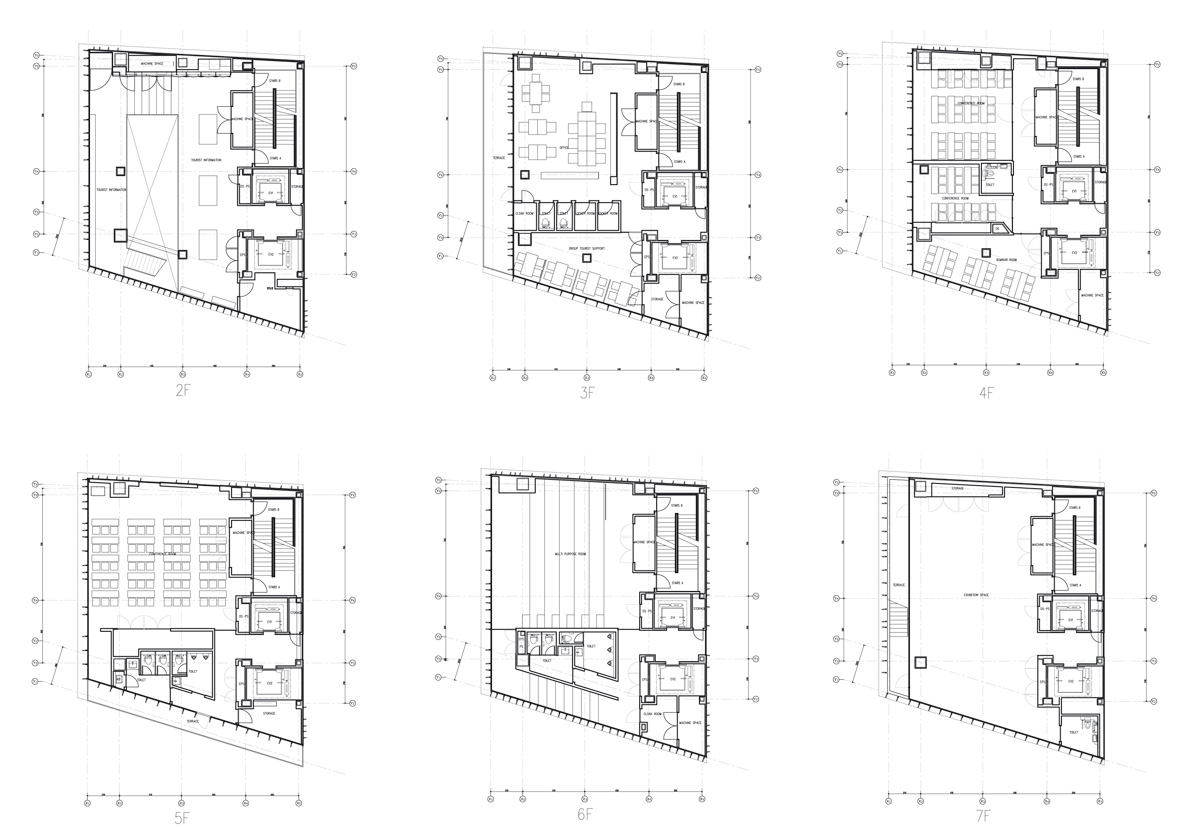
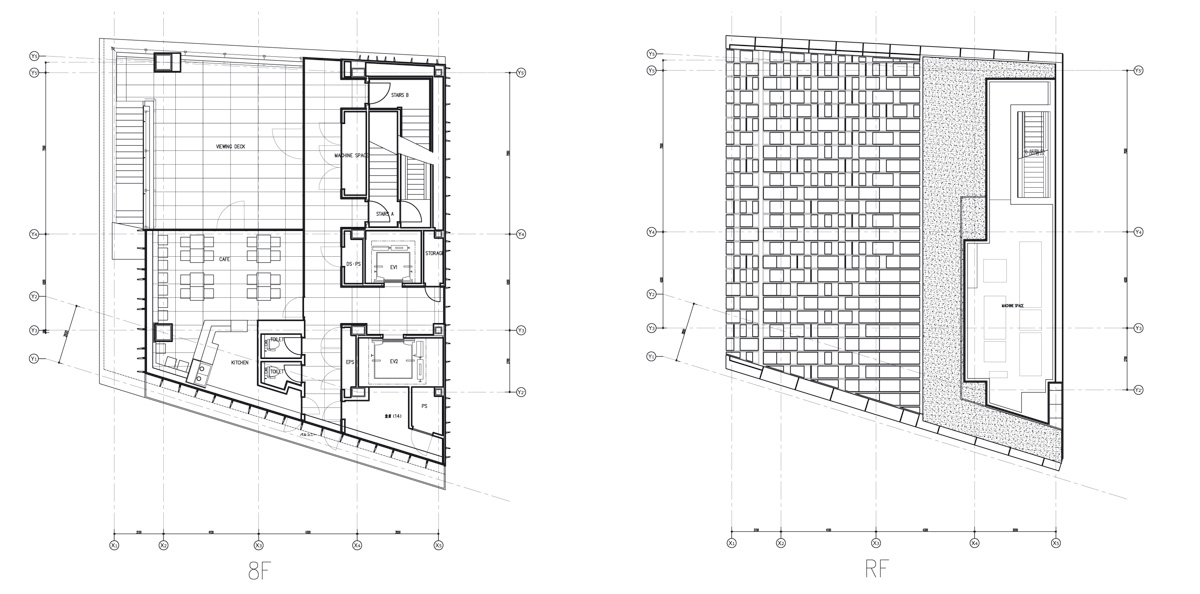
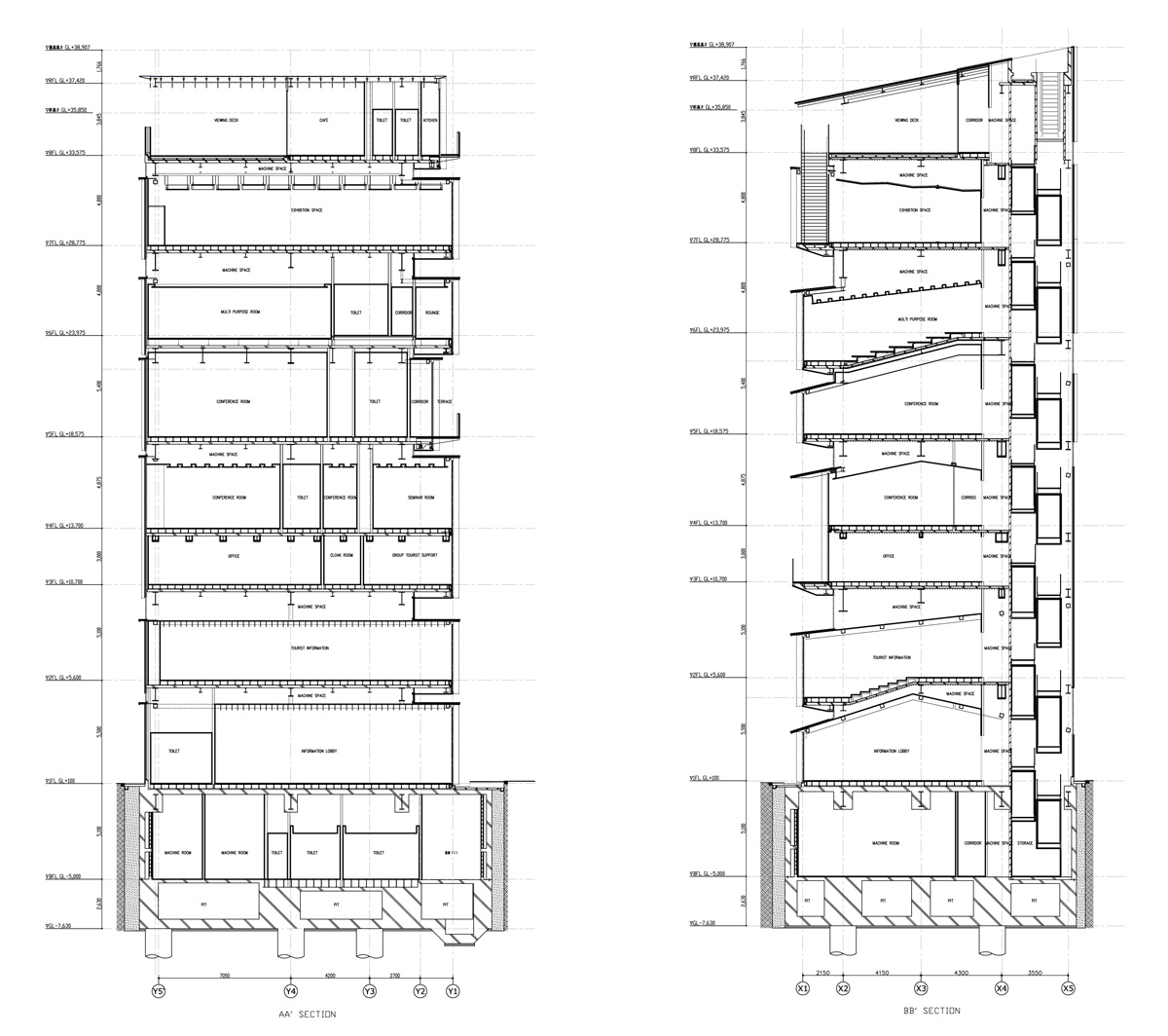
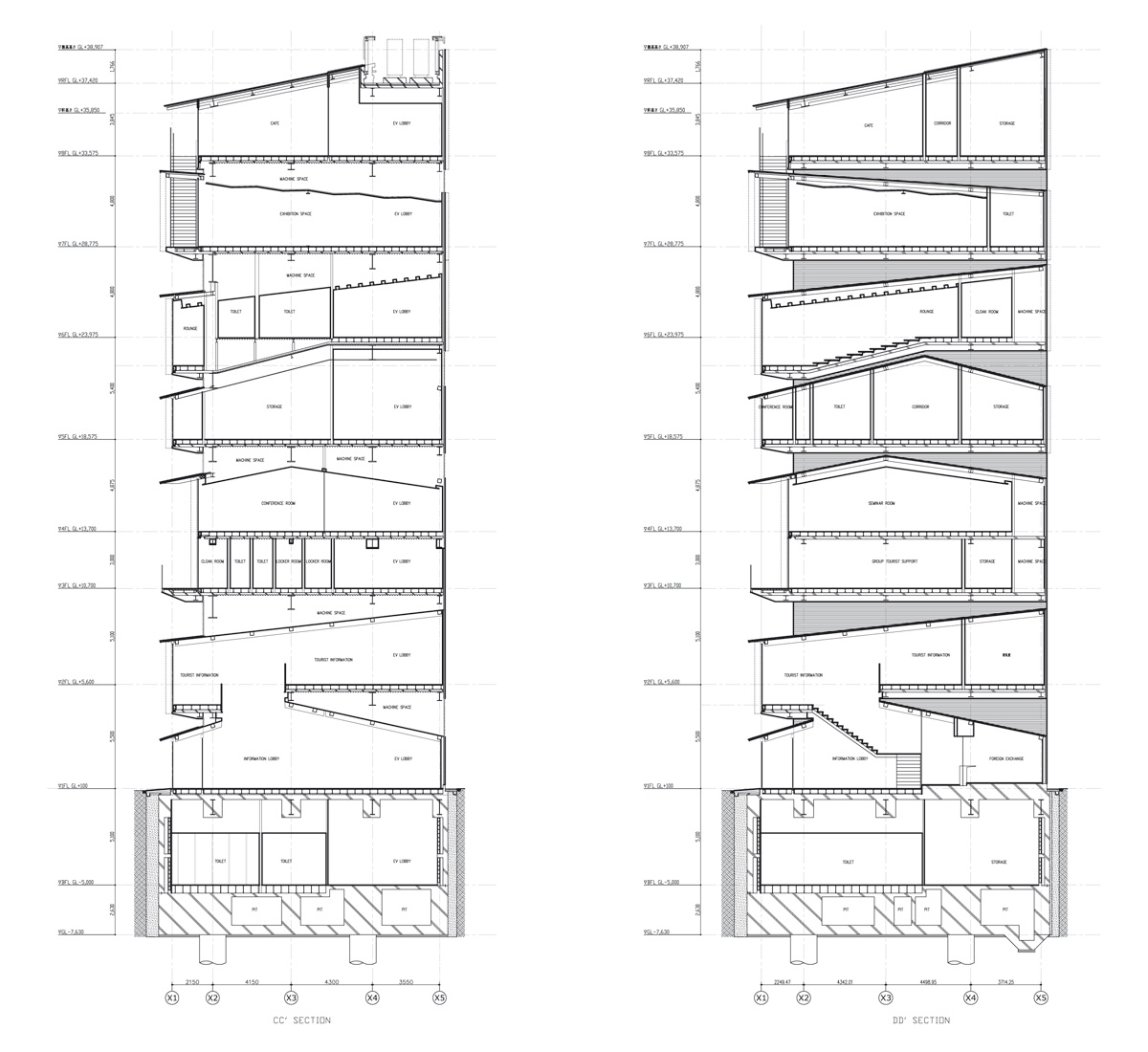
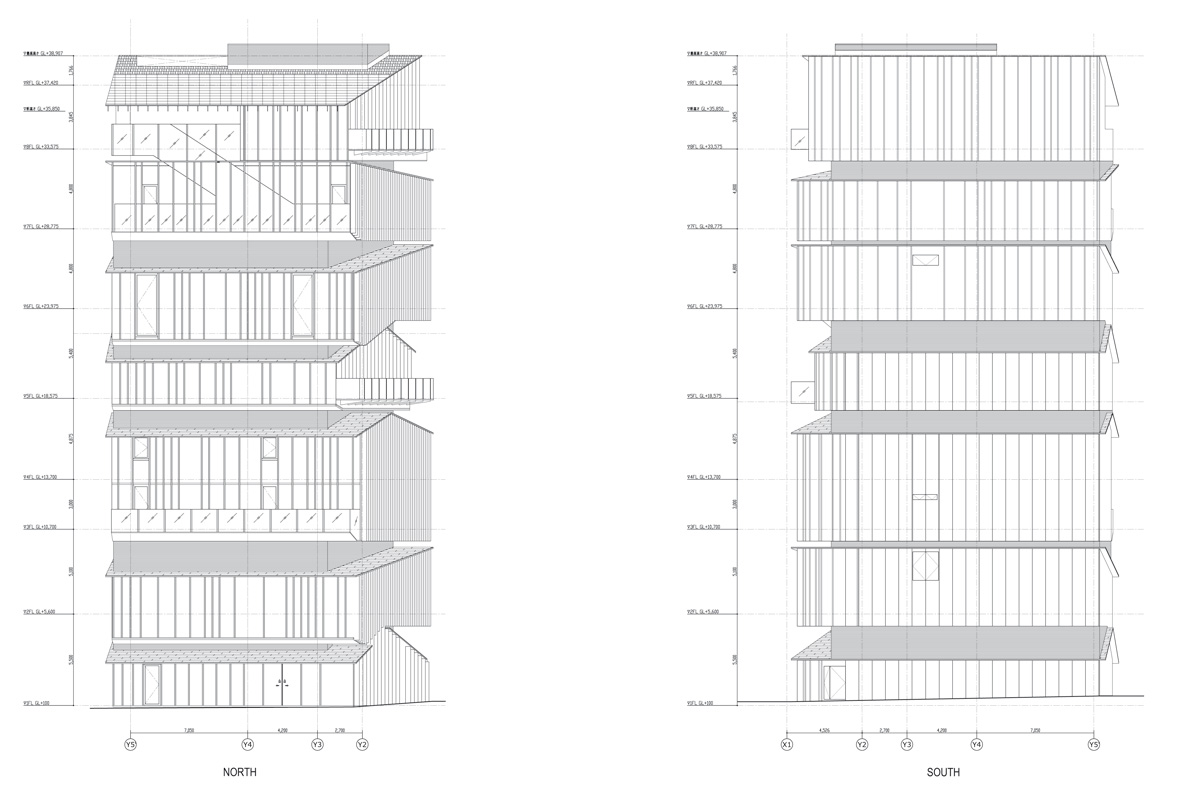
The Asakusa Culture Tourist Information Center in Tokyo is a public building designed by Kengo Kuma that has become a key architectural work in its historic district. Completed in 2012 across from Sensō-ji Temple’s Kaminarimon Gate, it functions as a tourist hub, conference venue, and exhibition space. The seven-story building is defined by its stacked form: Kuma divided the structure into volumes resembling small traditional houses placed one atop another. Each layer features a sloping roof set at slightly different angles, reducing visual mass and aligning with Asakusa’s low-rise skyline. The facade combines cedar wood slats and glass, with the wooden screens referencing Japanese houses while regulating sunlight. At night, the structure emits a subtle glow through the slatted exterior. The interior contains an information center on the ground floor, galleries and meeting rooms on the middle floors, and a lounge with city views above. The building is a cultural public facility executed in a contemporary Japanese style that incorporates vernacular elements. By employing timber and a fragmented composition, Kuma produced a modern building integrated into its historic setting. The Asakusa Tourist Center gained recognition for its contextual design and is now a notable destination for architecture visitors in Tokyo.

02. V&A Dundee, Scotland
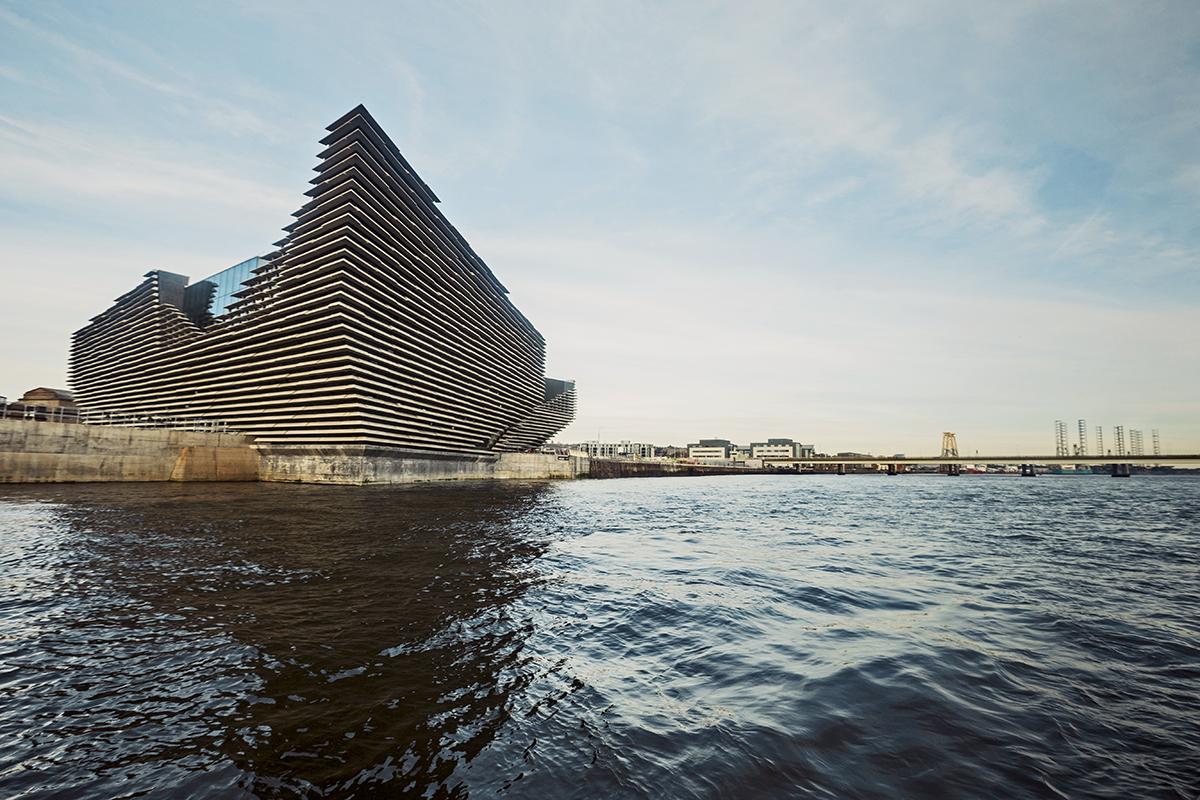
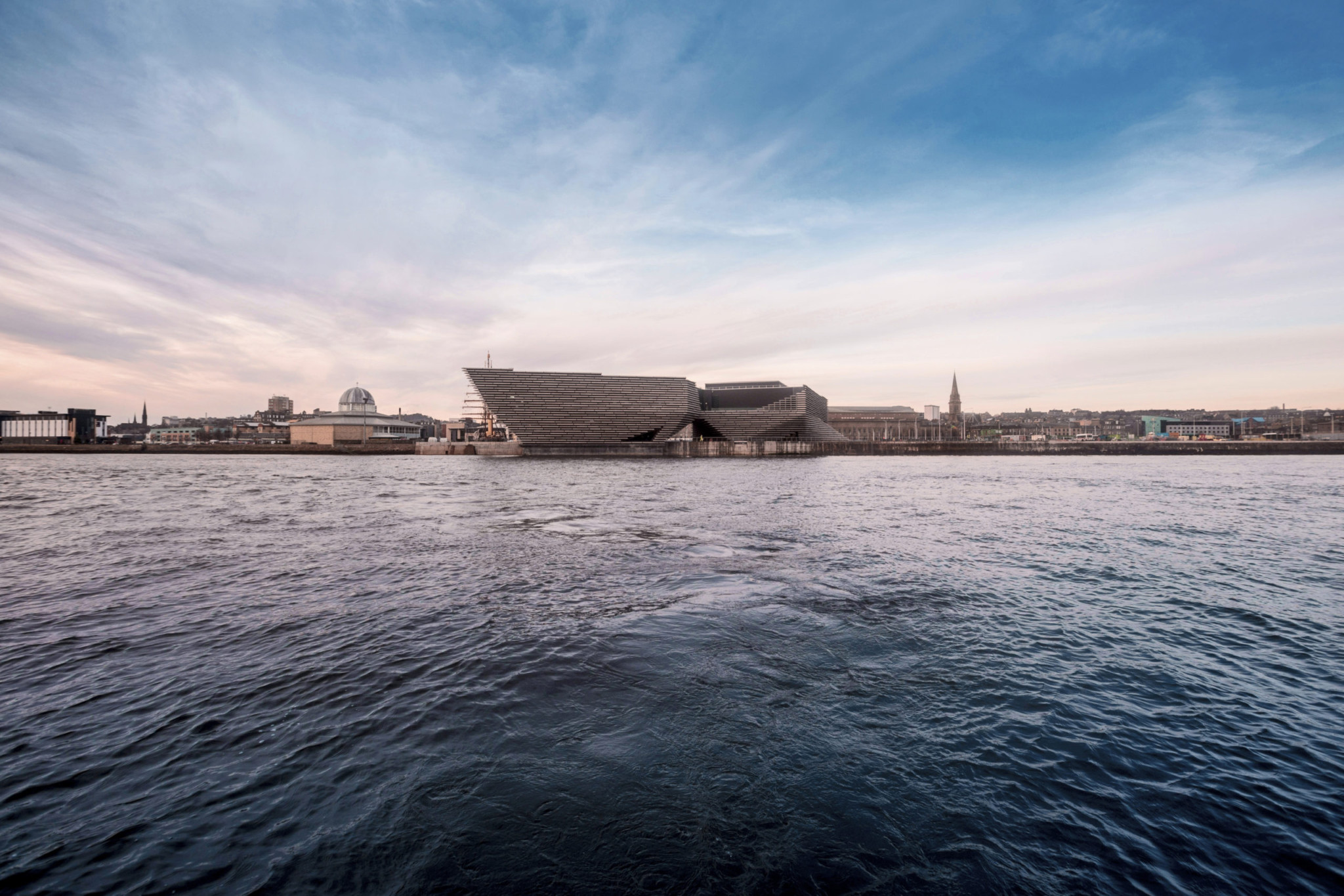
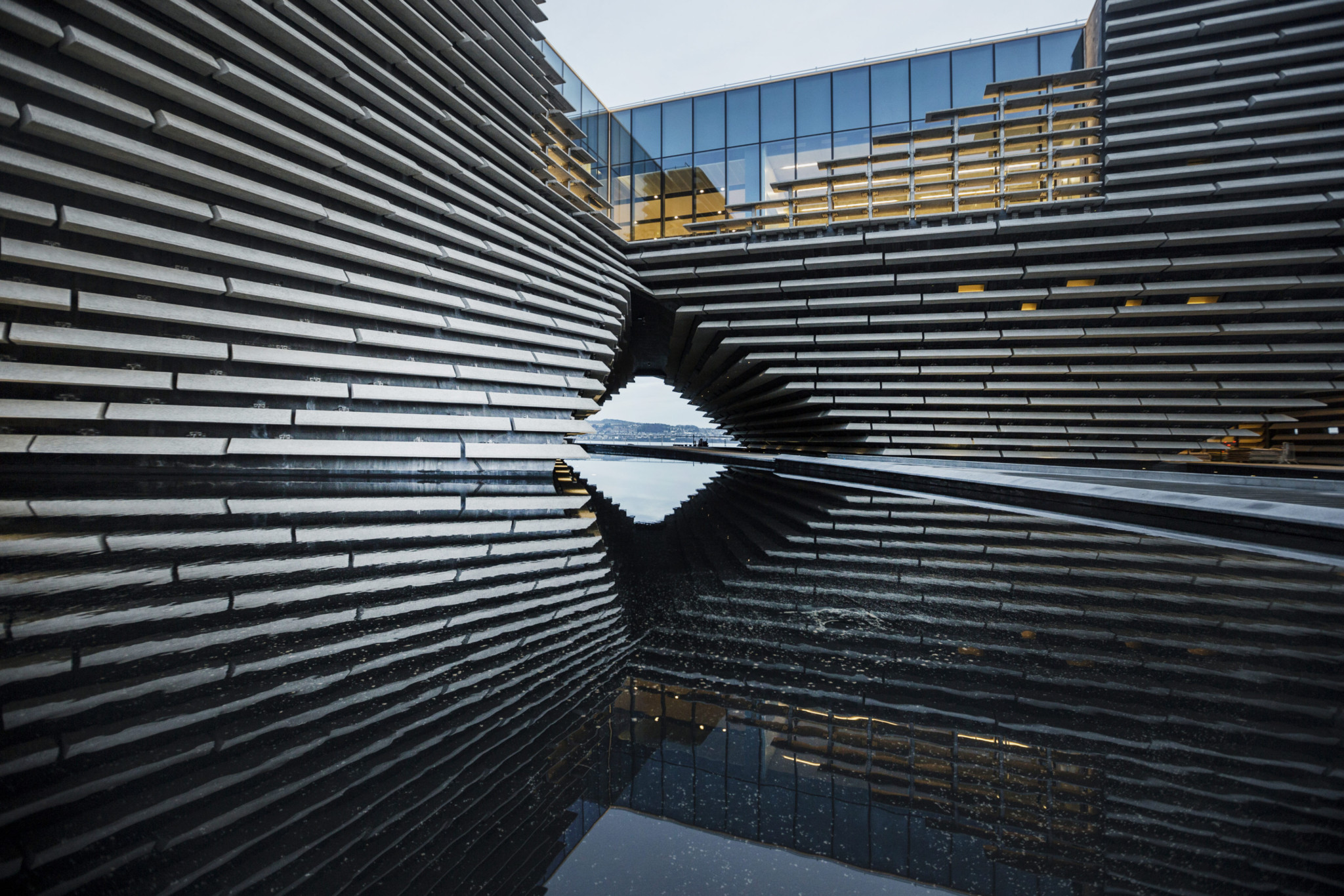
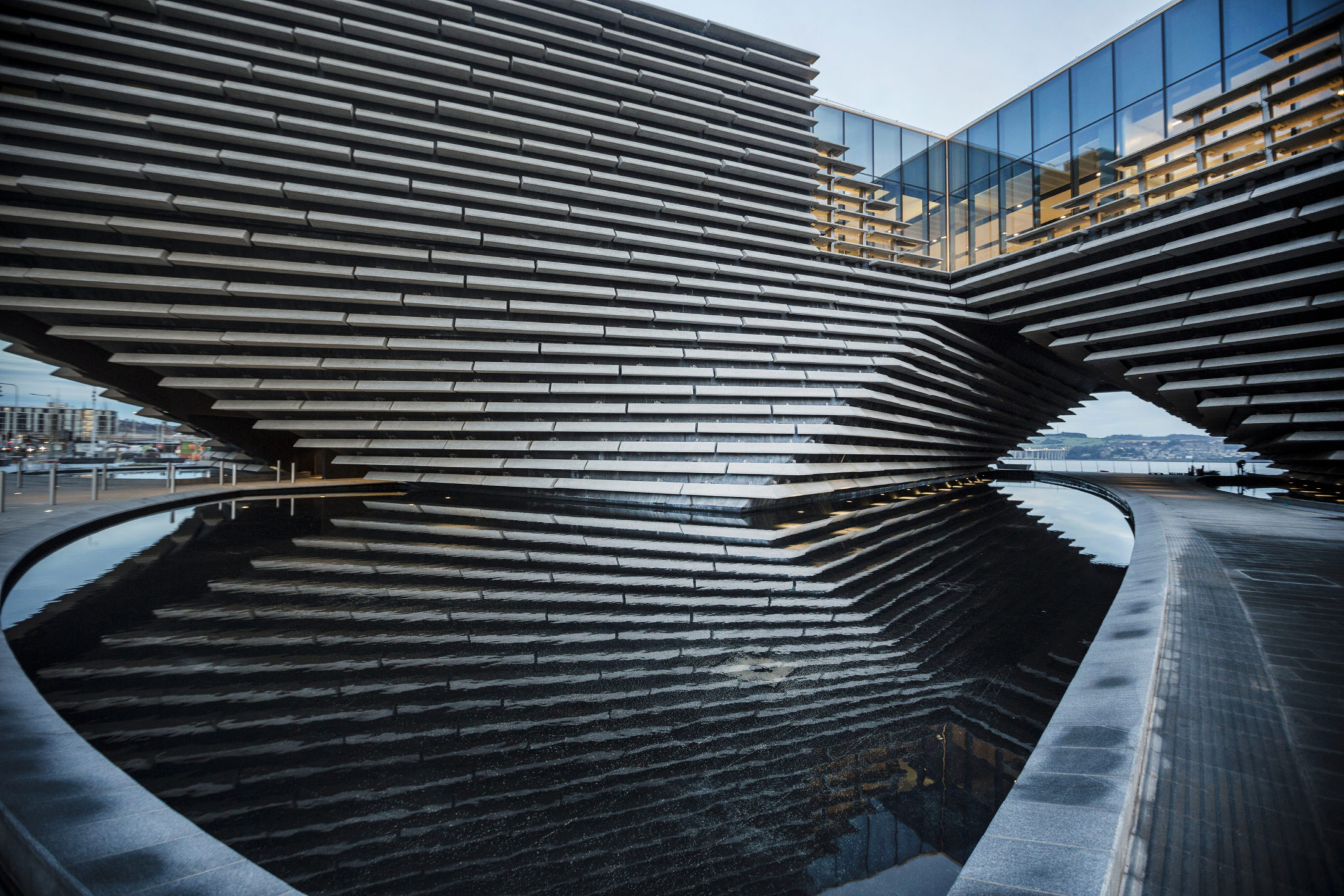
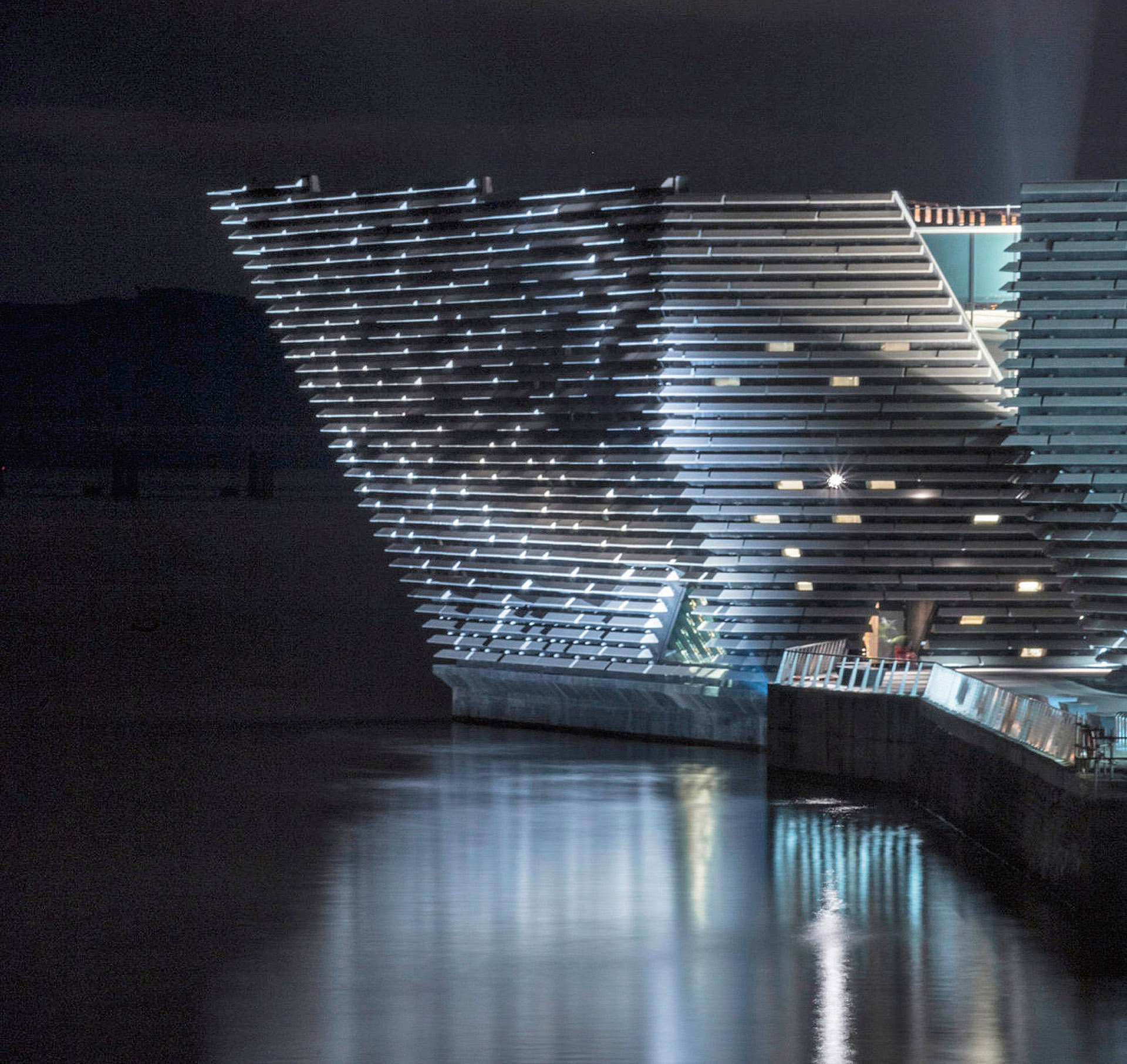
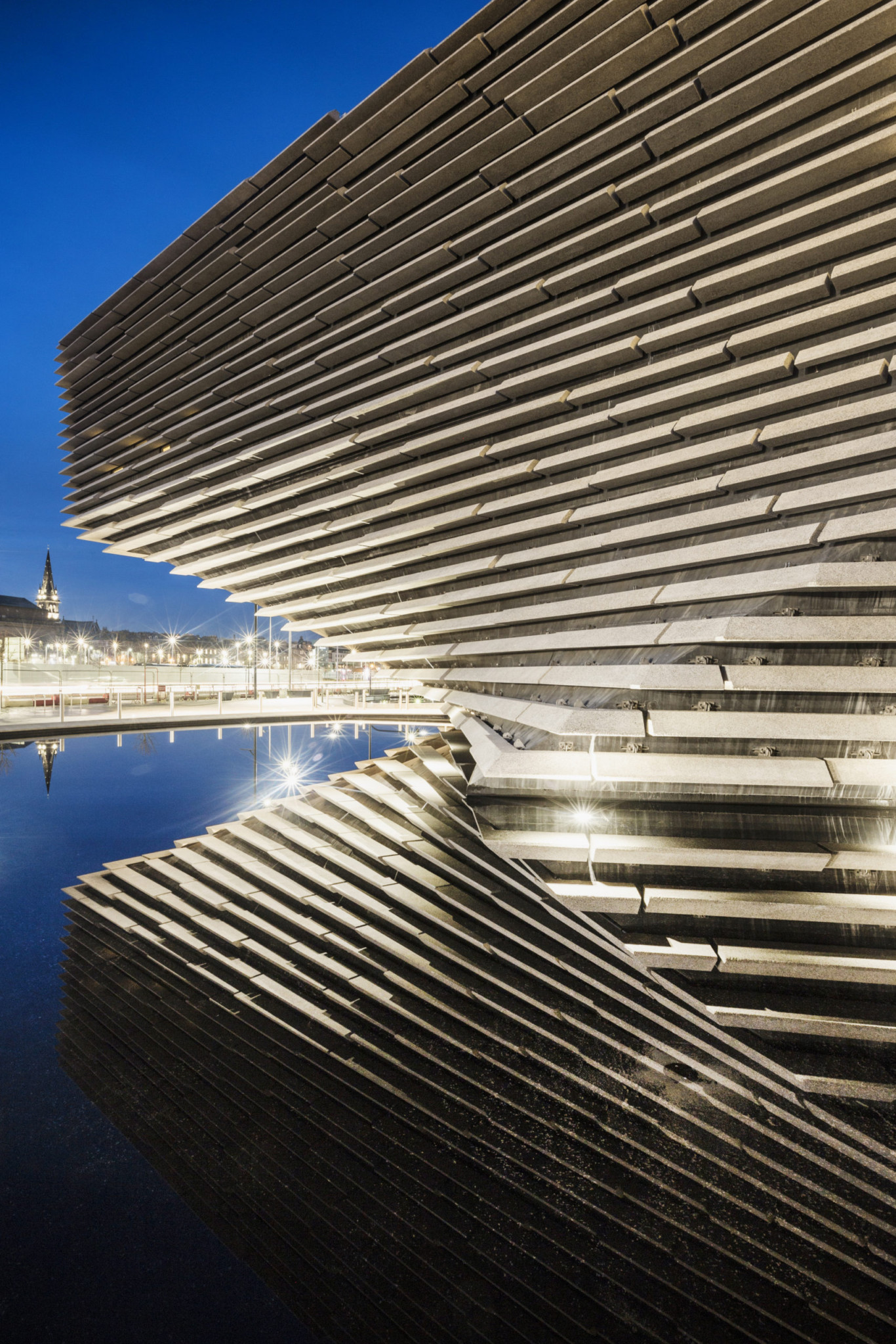
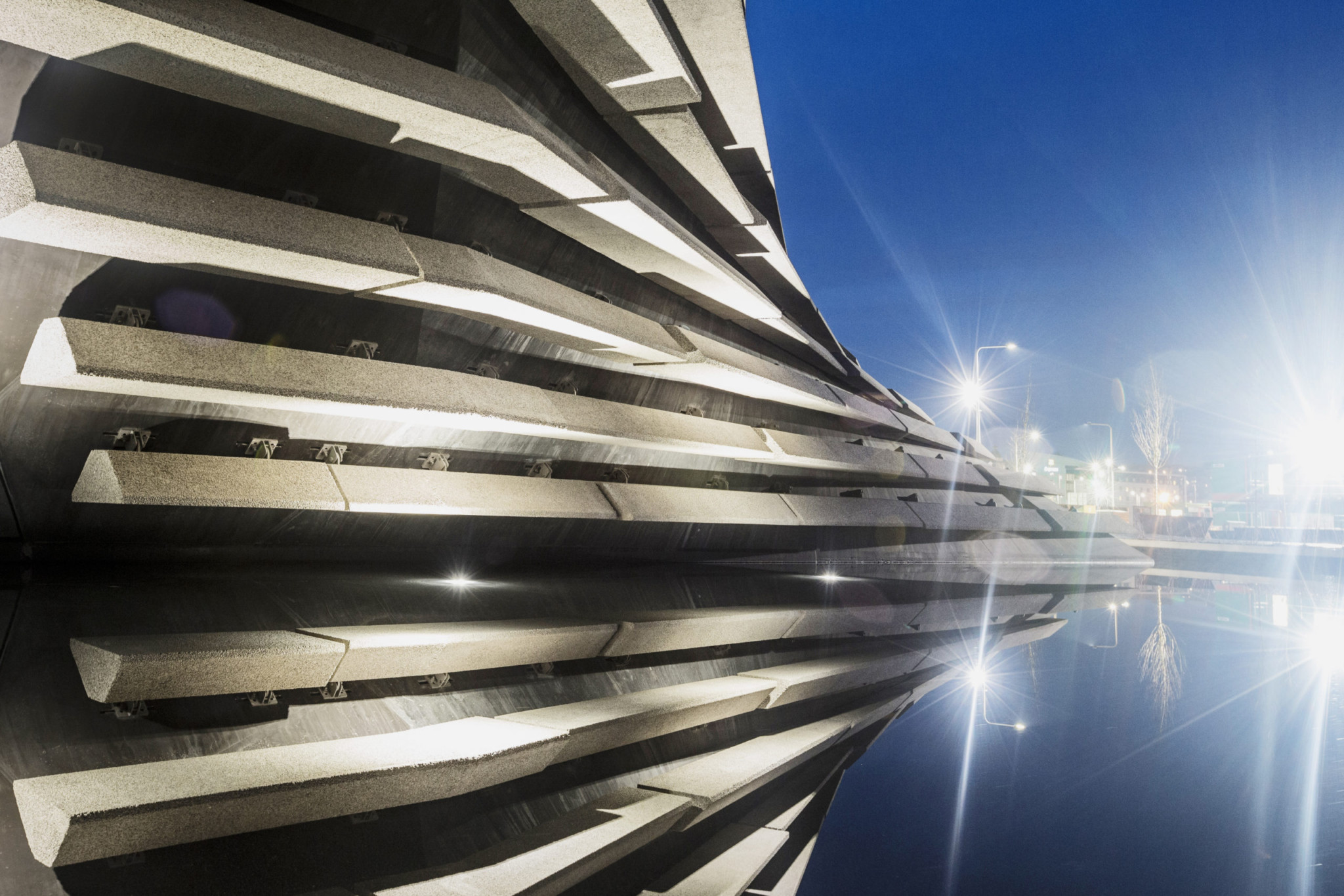
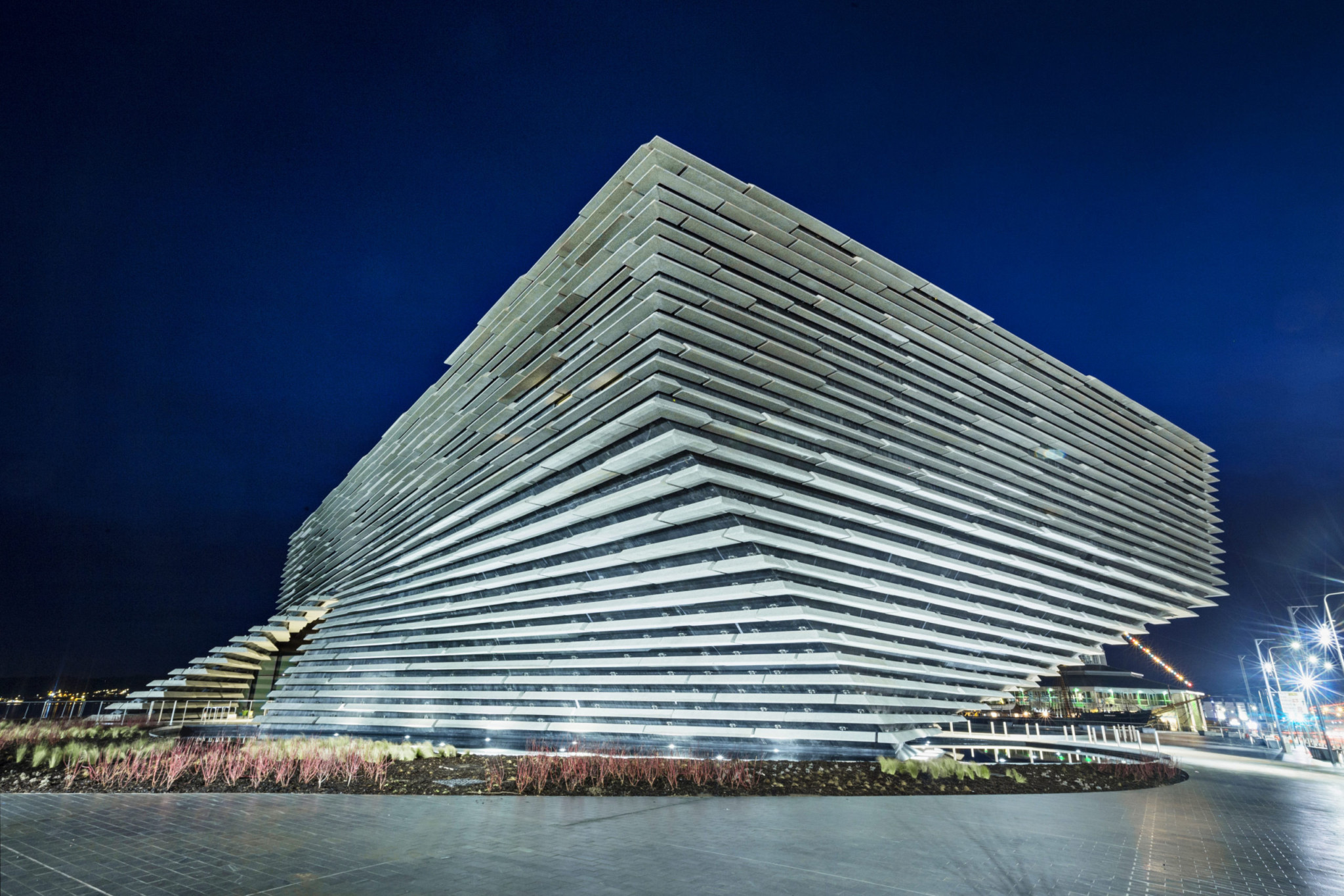
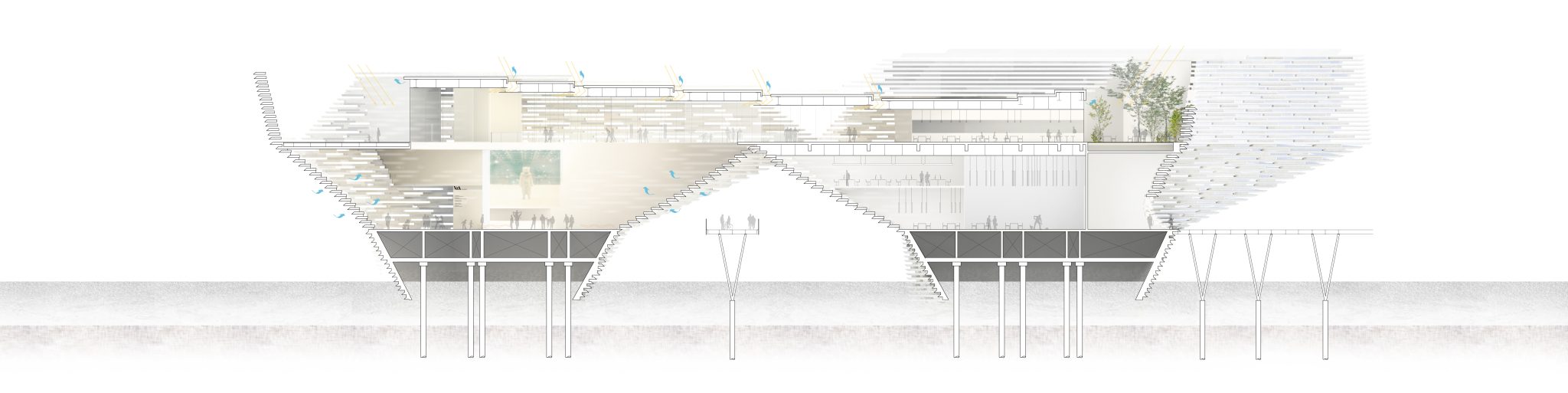
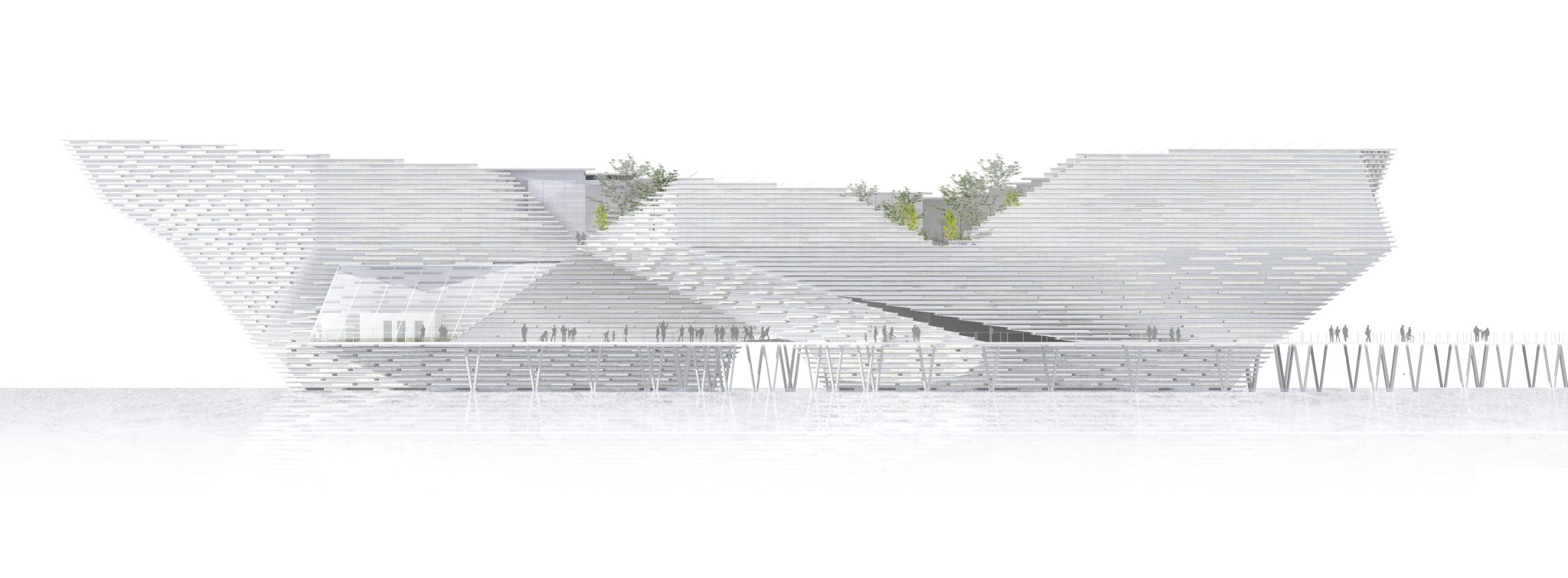
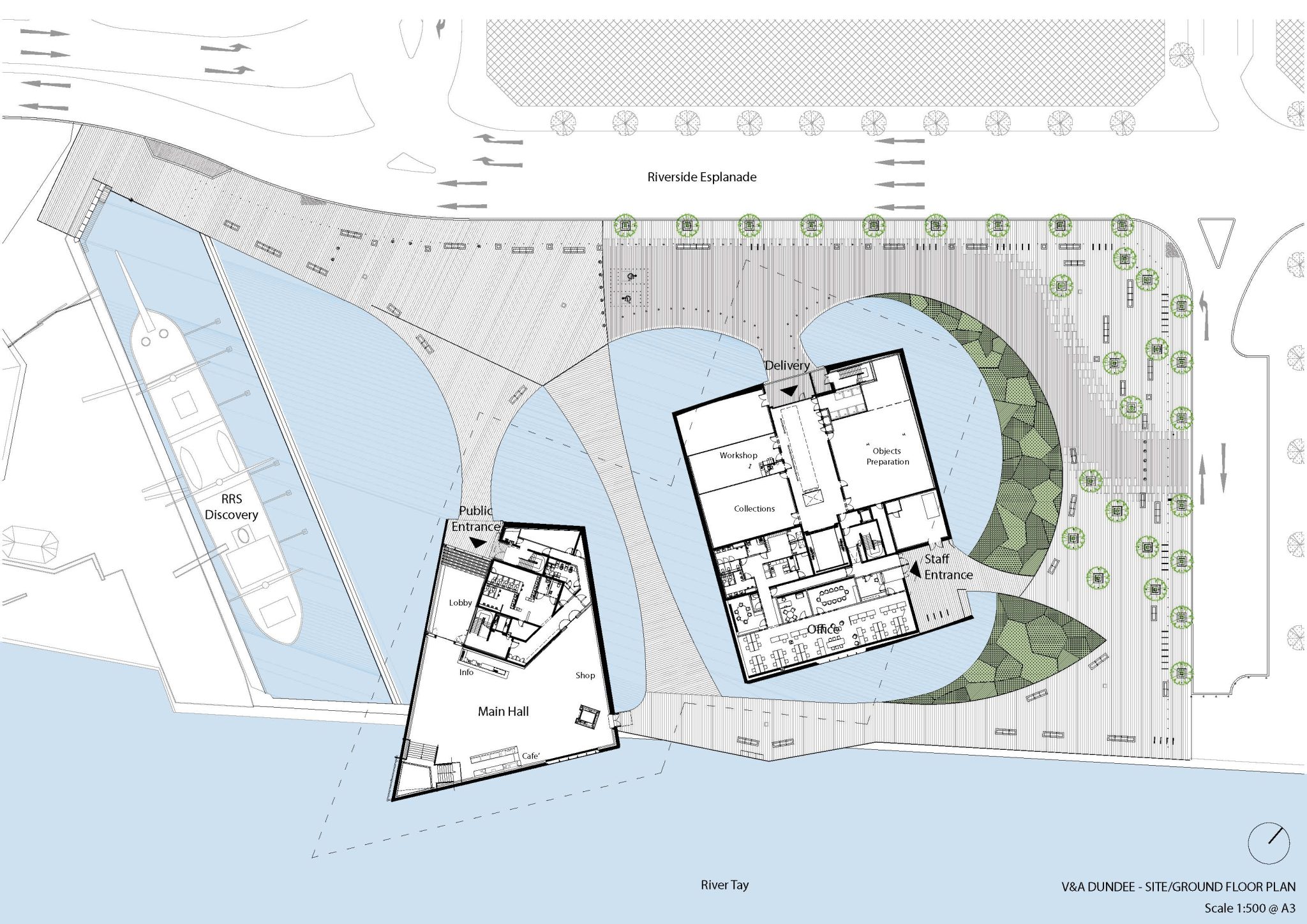
V&A Dundee is a design museum in Dundee, Scotland, and one of Kengo Kuma’s major works outside Japan. Opened in 2018 as an extension of London’s Victoria and Albert Museum, it was Kuma’s first major UK project and part of the city’s waterfront redevelopment. The museum’s form consists of two inverted pyramids or ship-like hulls joined above and separated at ground level to create an entrance and open courtyard facing the River Tay. Kuma drew inspiration from Scotland’s coastal cliffs, particularly those along the northeast coast. The facade is made of about 2,500 precast concrete panels arranged in horizontal layers that project outward, resembling stratified rock formations. This exterior produces shadow and depth, shifting appearance with light and weather. Positioned on the river’s edge, part of the building cantilevers above the water, reinforcing its connection to the site. At the center, an open passage runs through the structure, linking the city to the waterfront. Inside, the museum contains design galleries and a central atrium clad in wood panels. The building type is a cultural museum constructed from concrete for the shell, locally sourced stone, and wood for the interior. V&A Dundee demonstrates Kuma’s ability to combine structural clarity with sensitivity to context, serving both as architecture and public space that contributes to the city’s cultural renewal.

03. Japan National Stadium, Tokyo
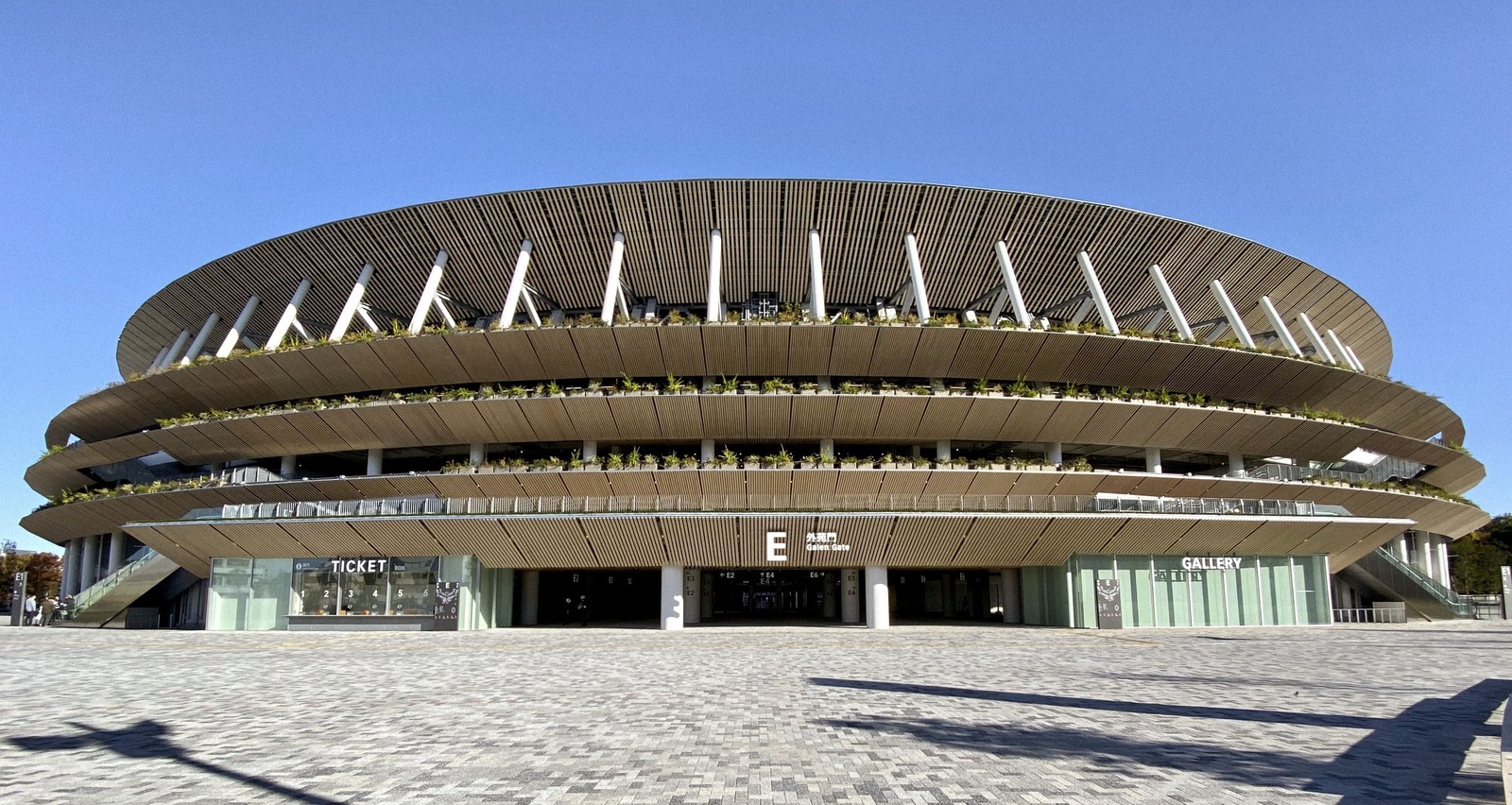
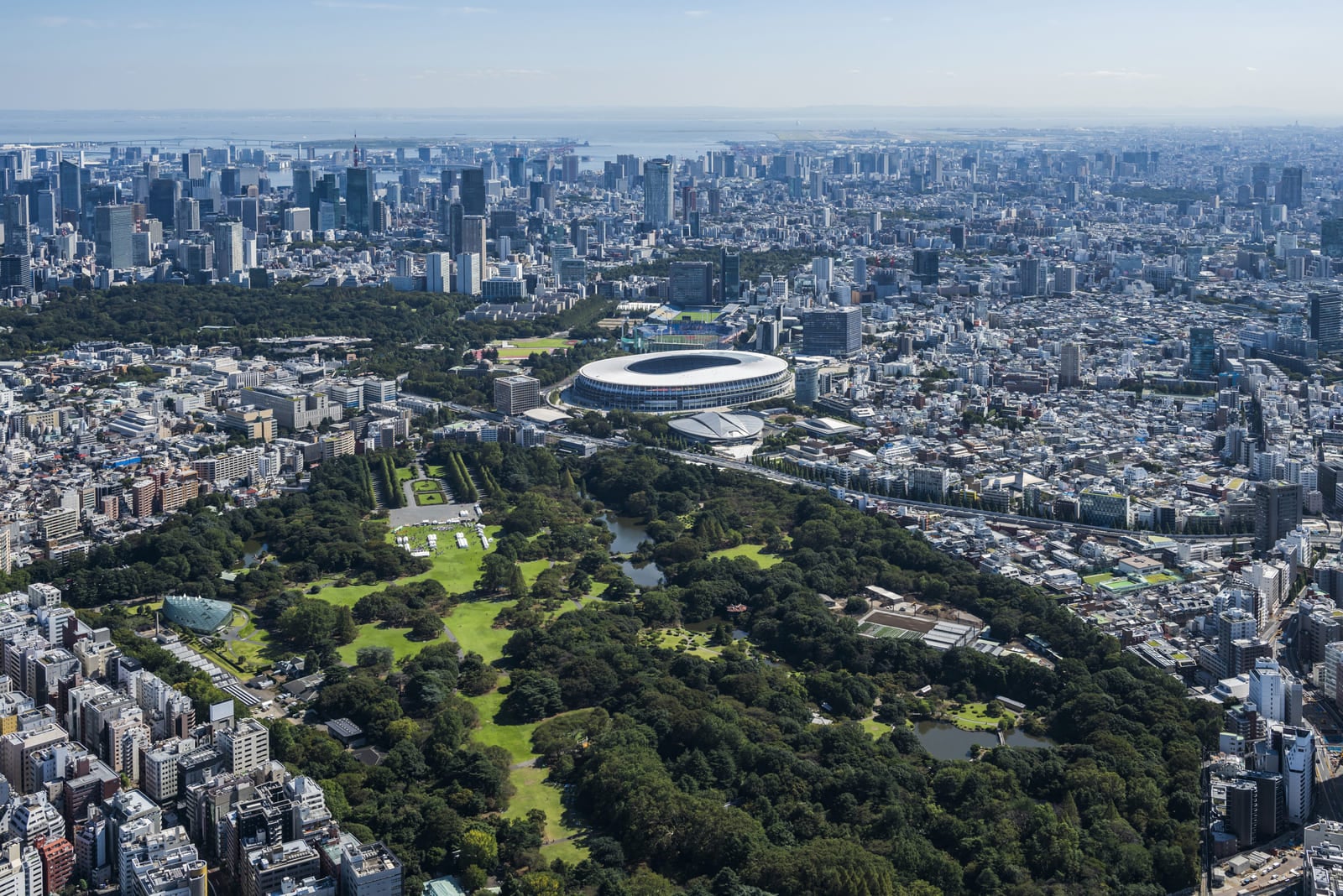
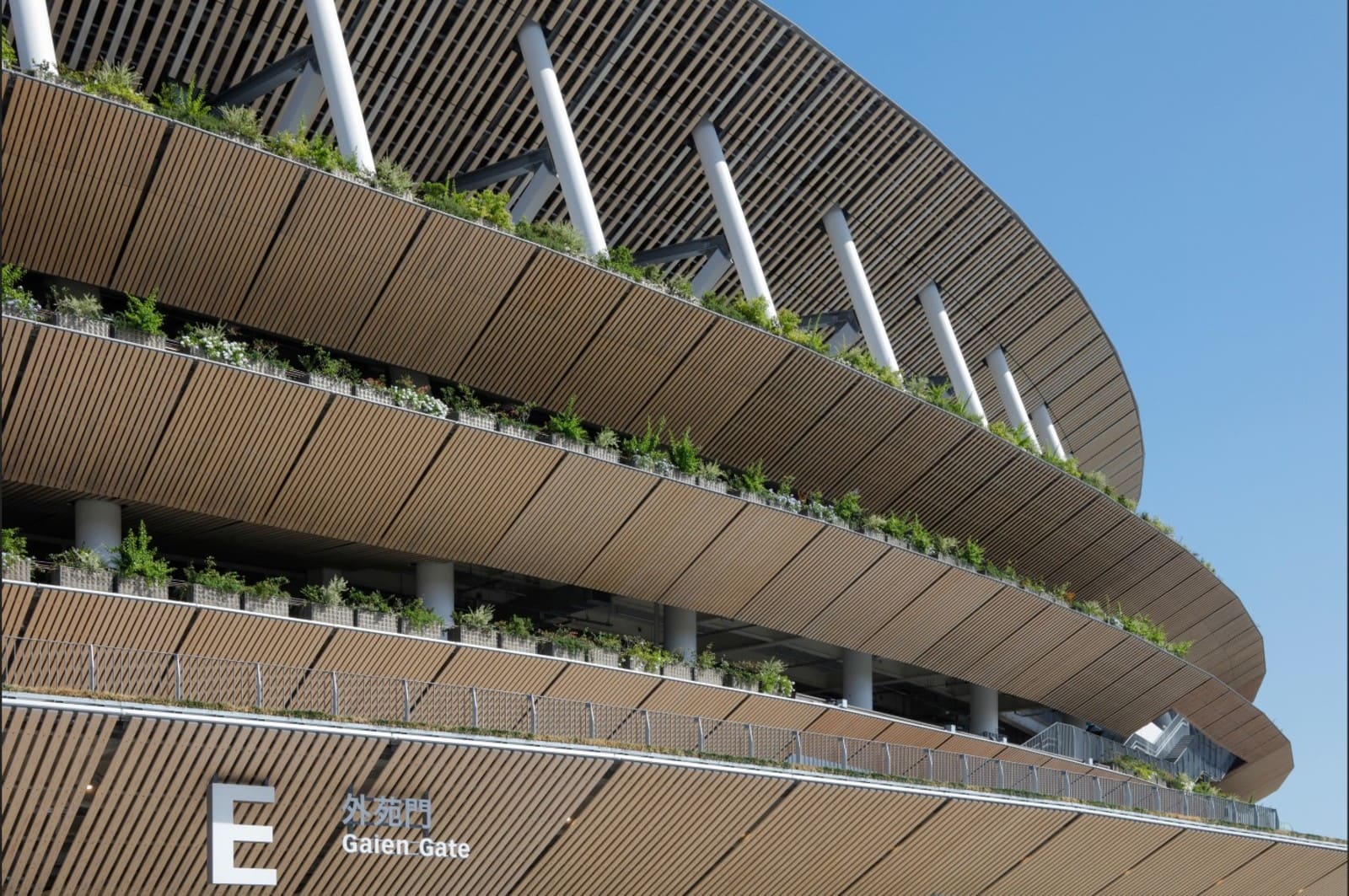
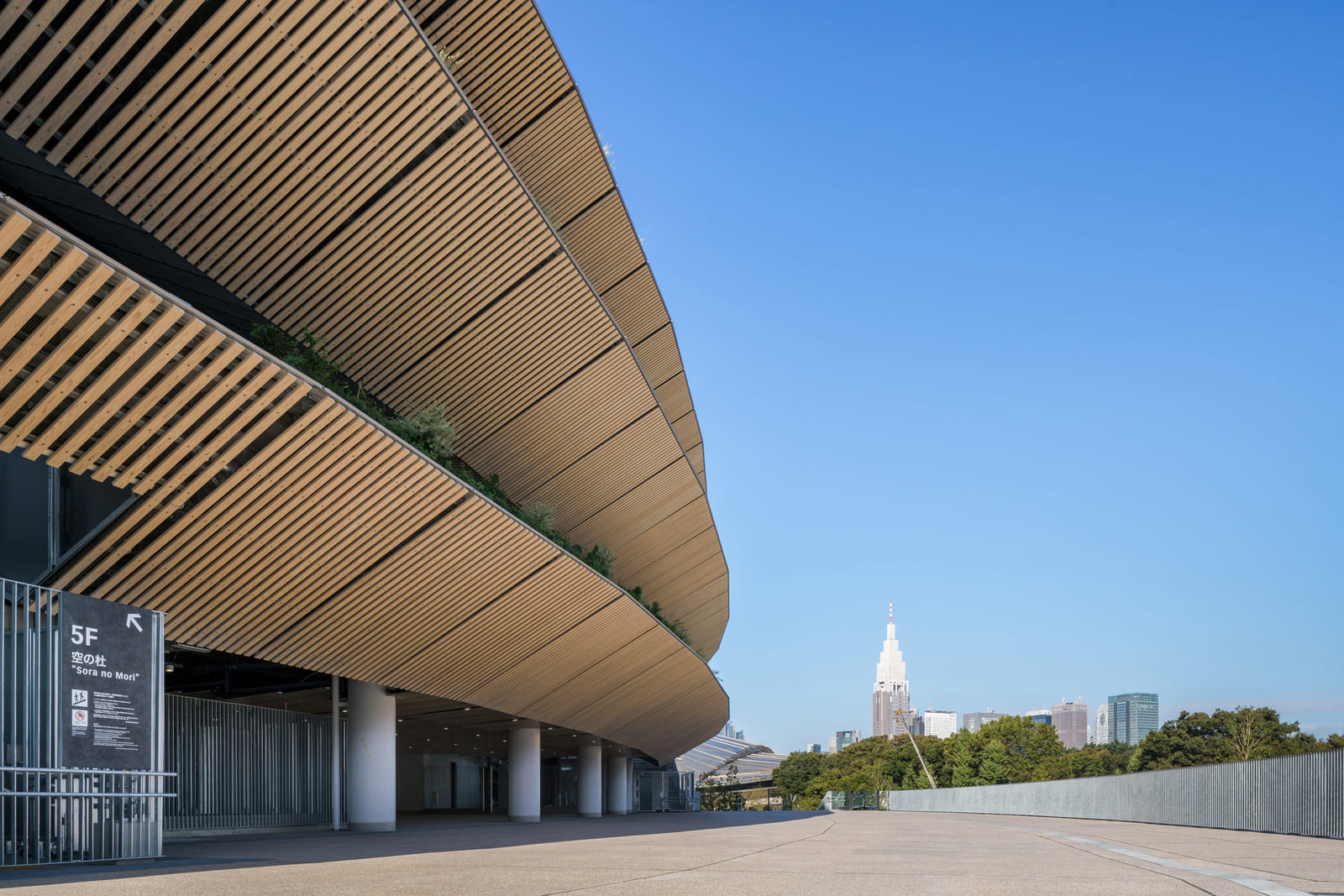
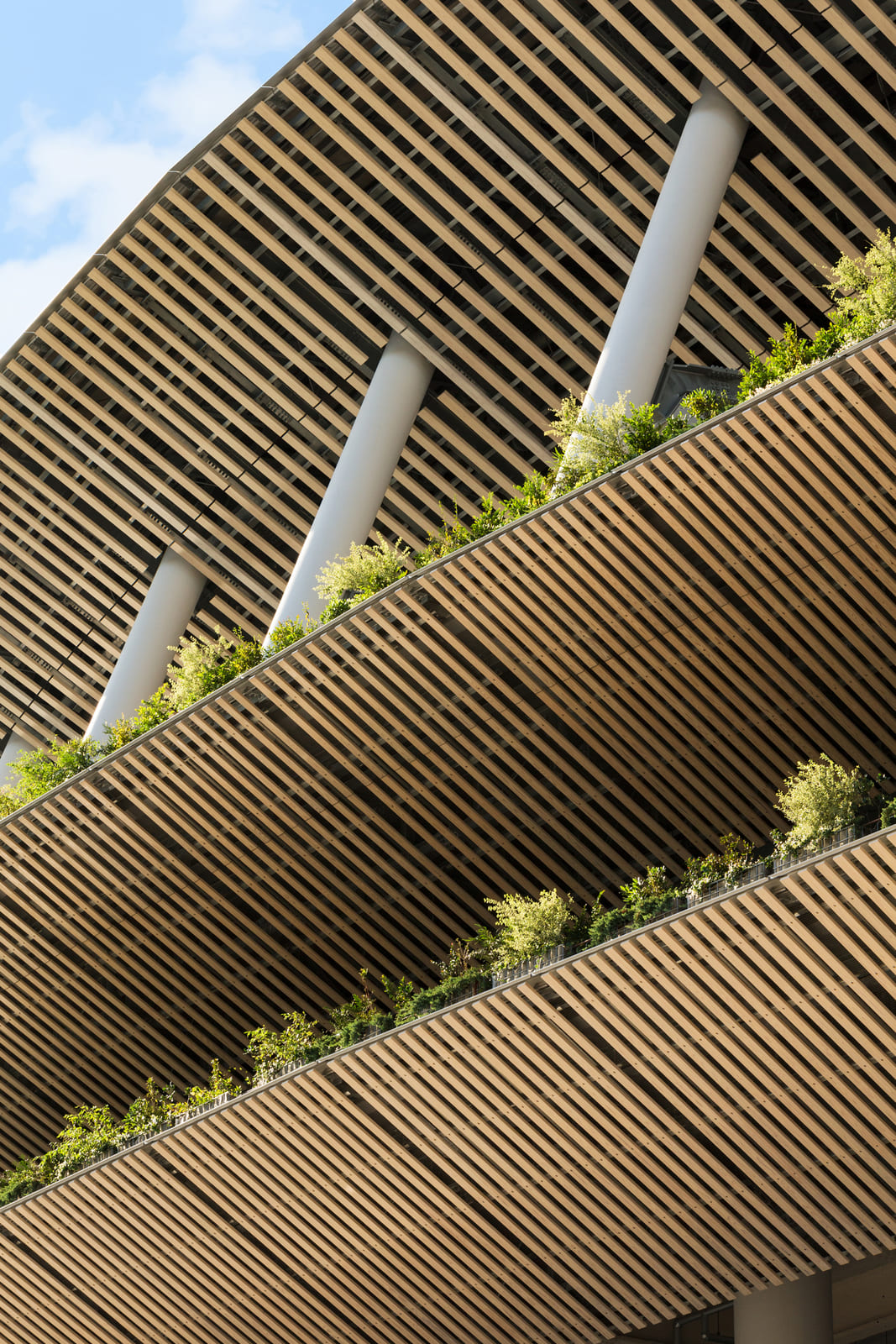
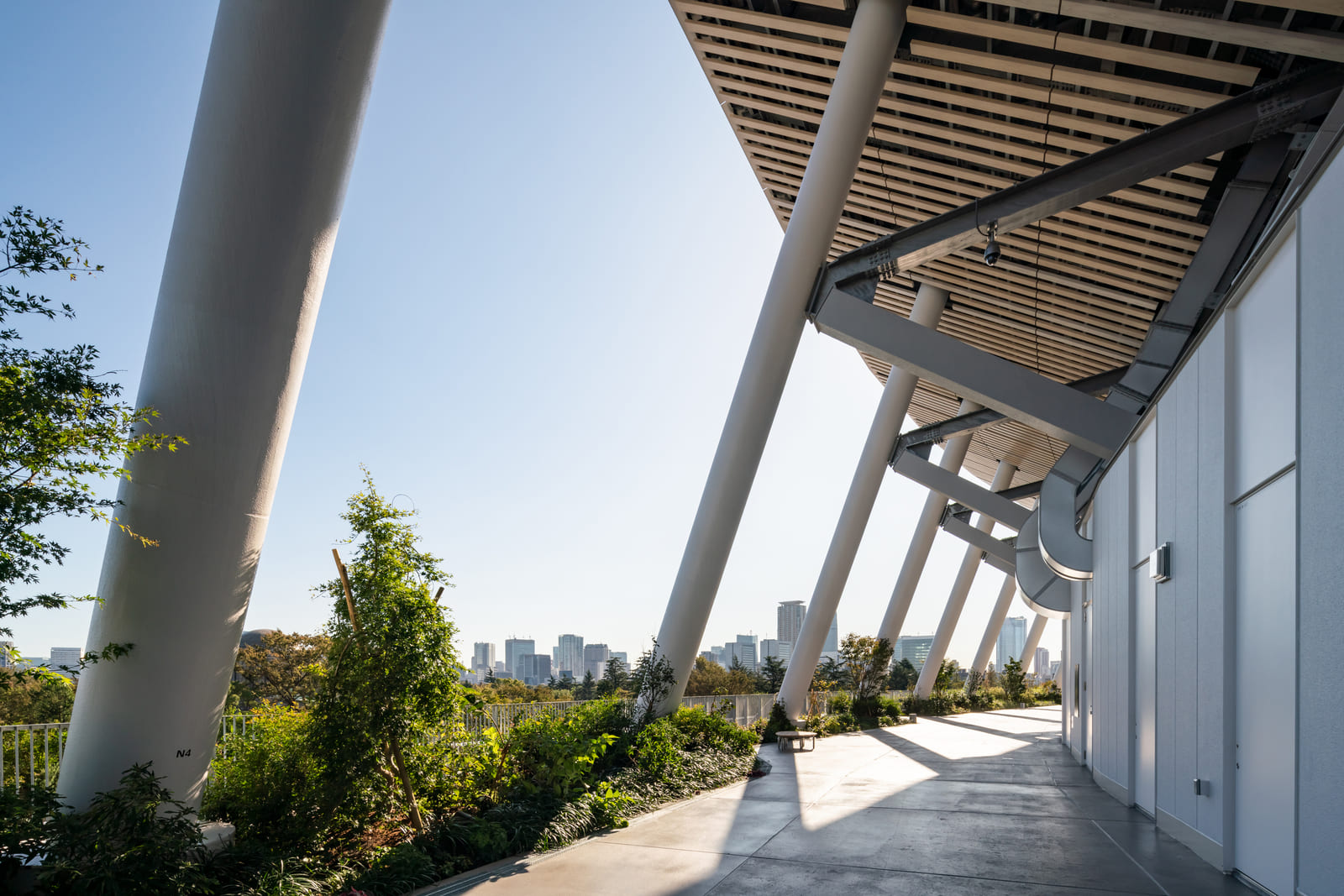
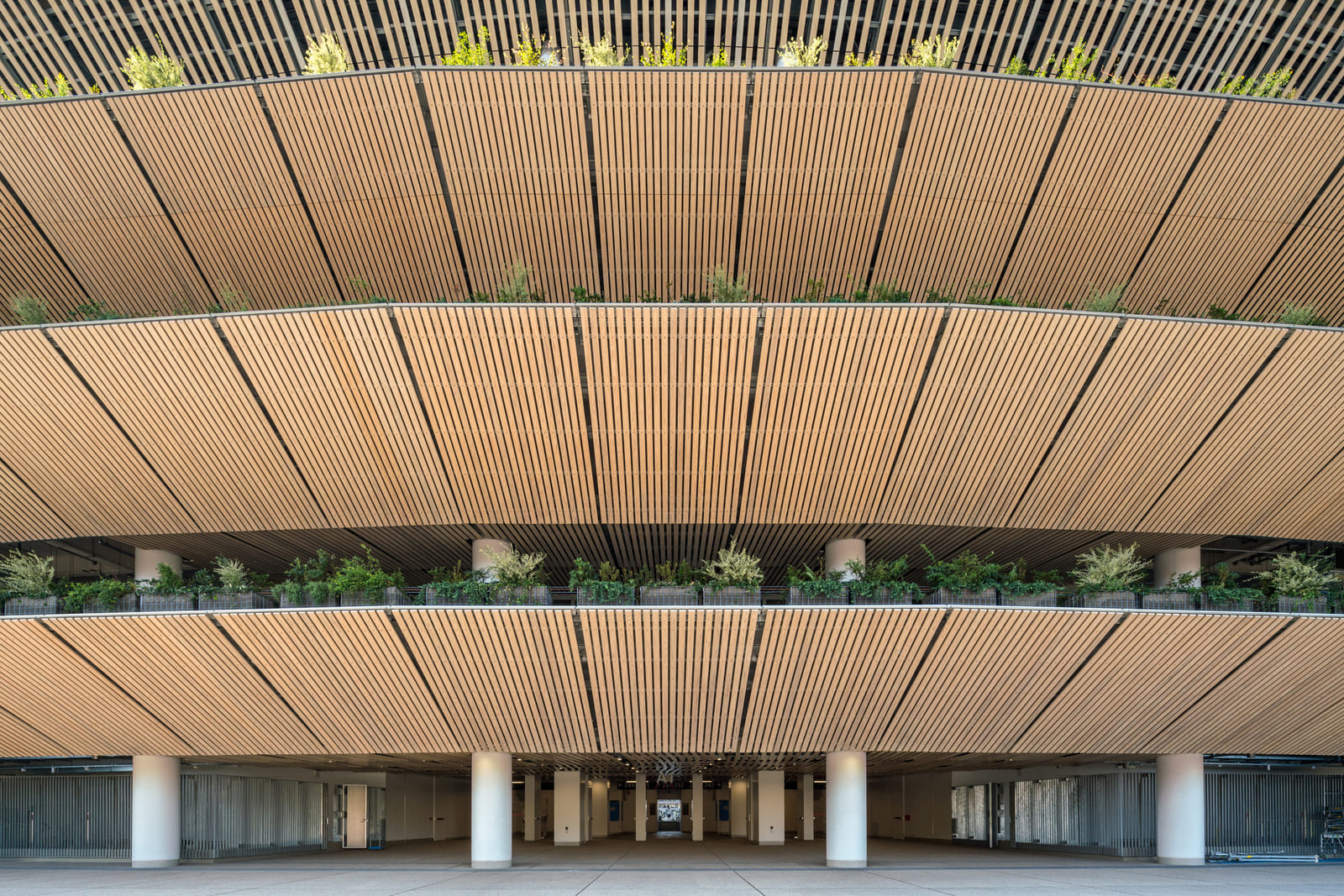
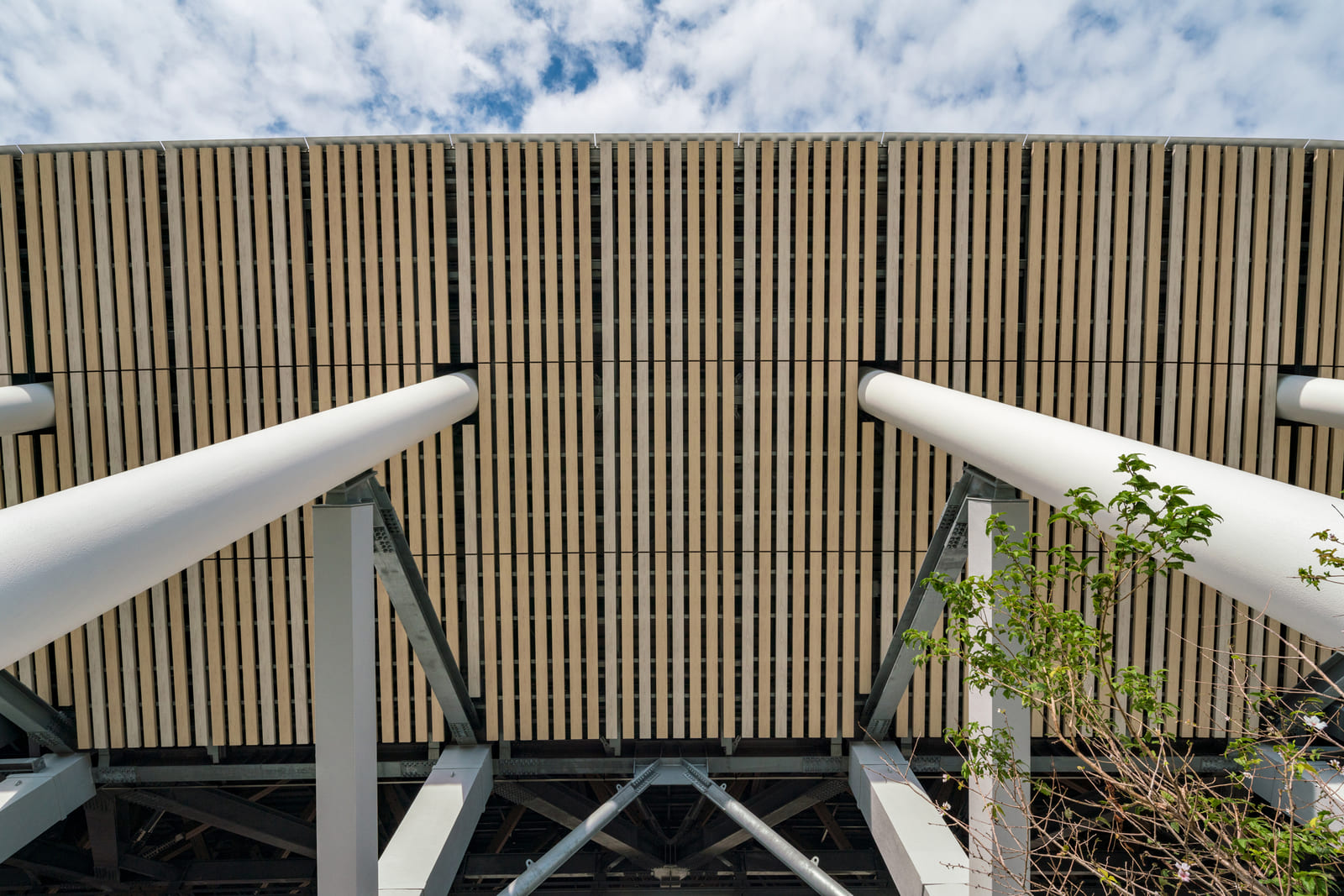
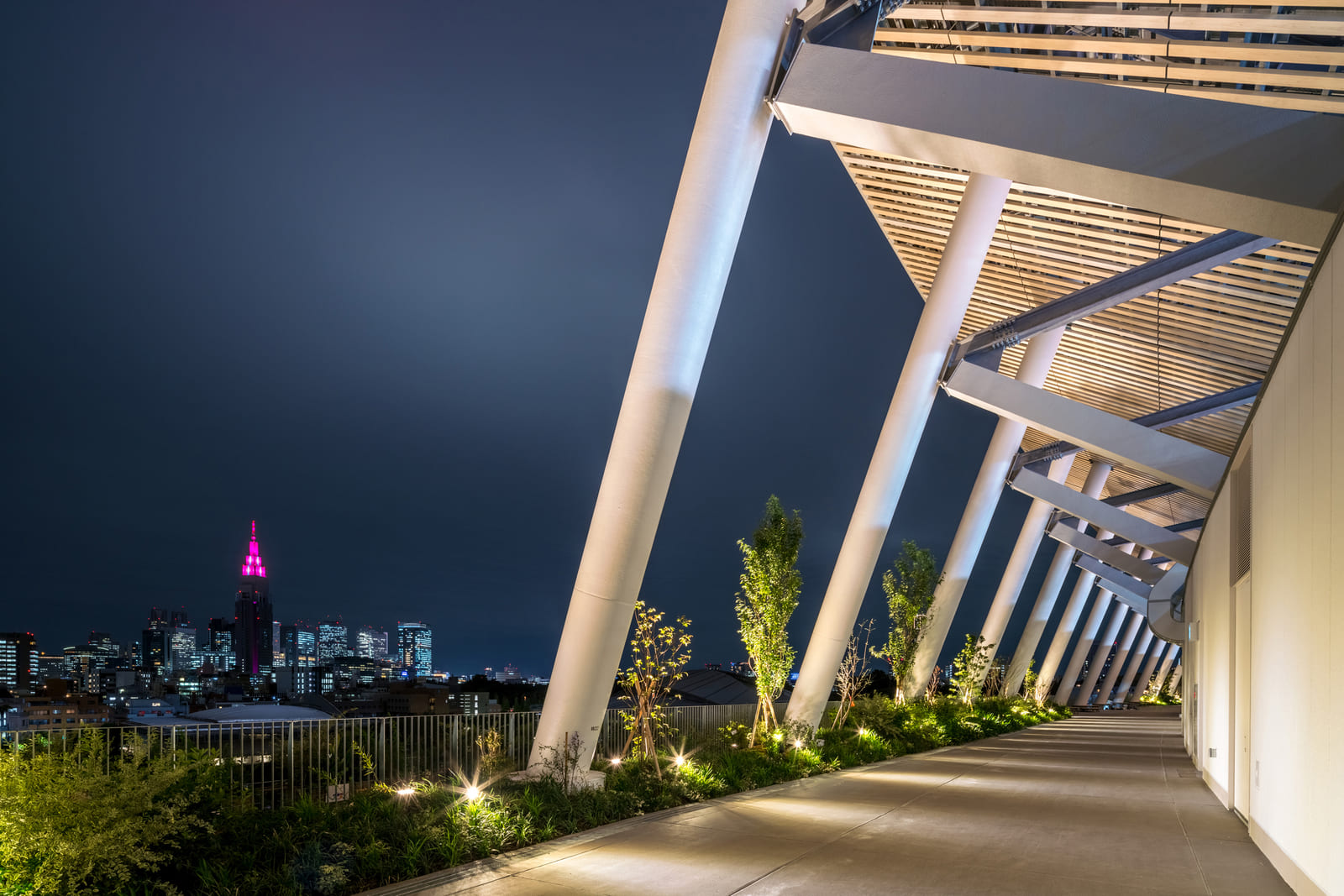
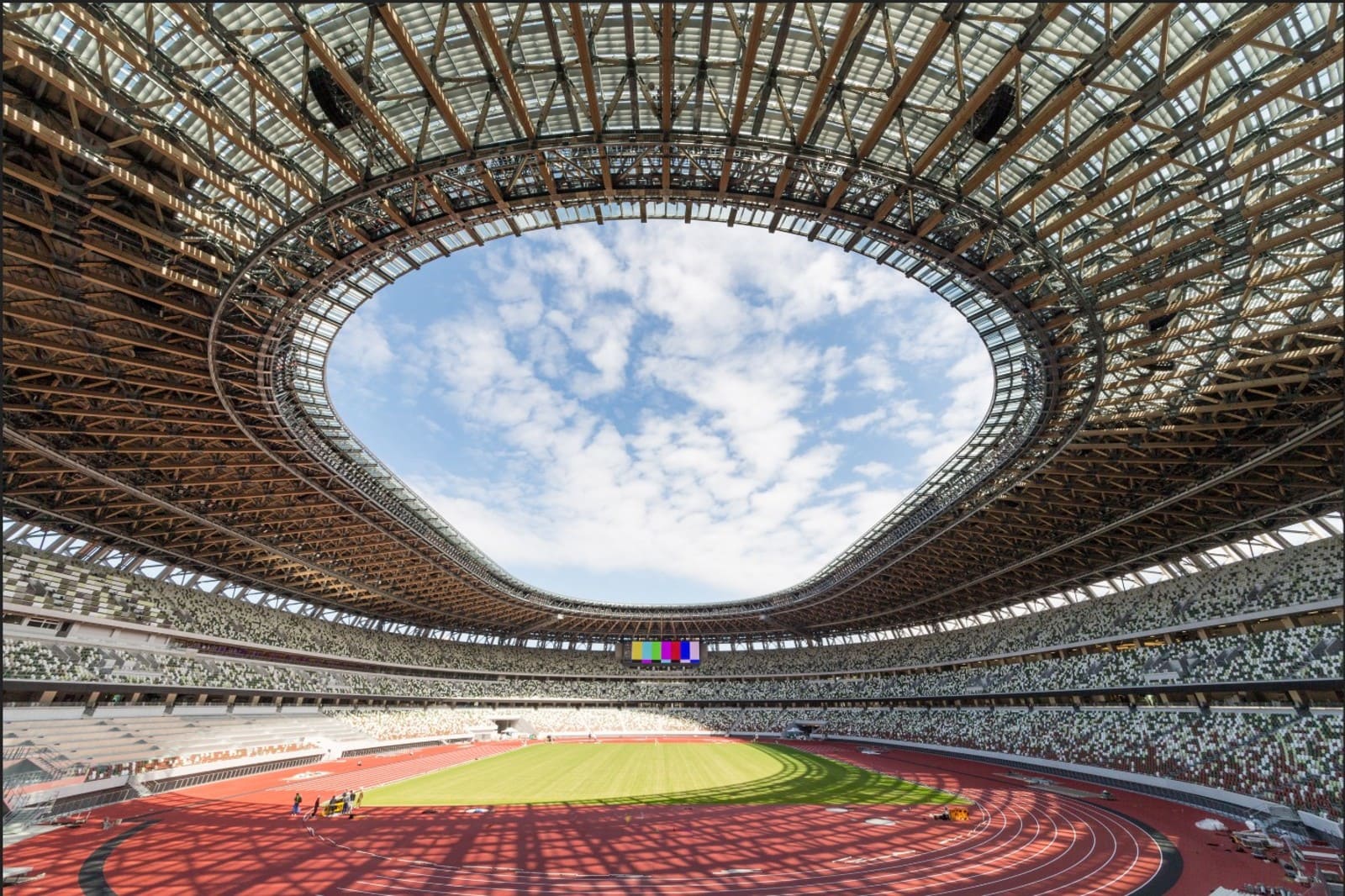
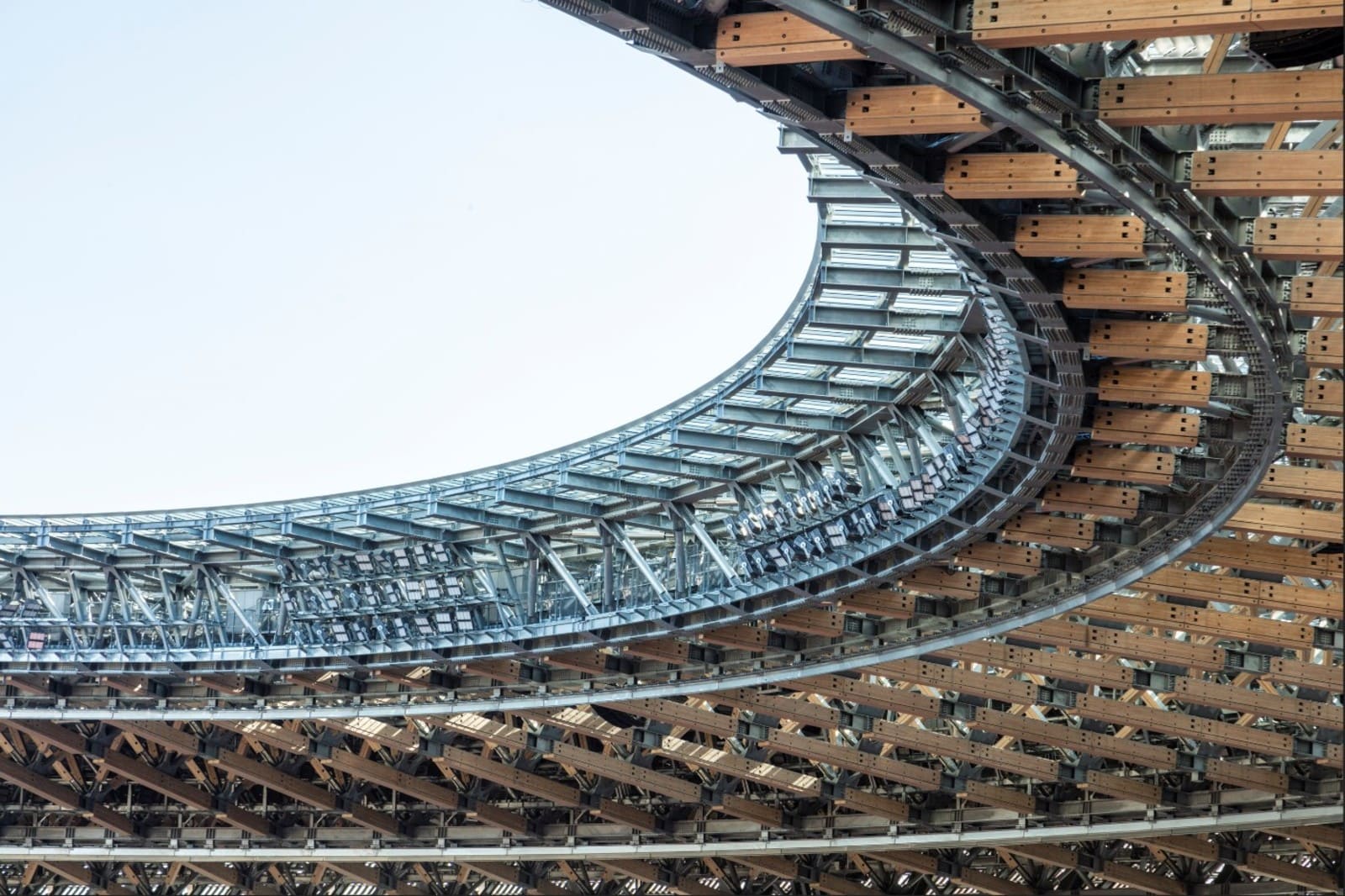
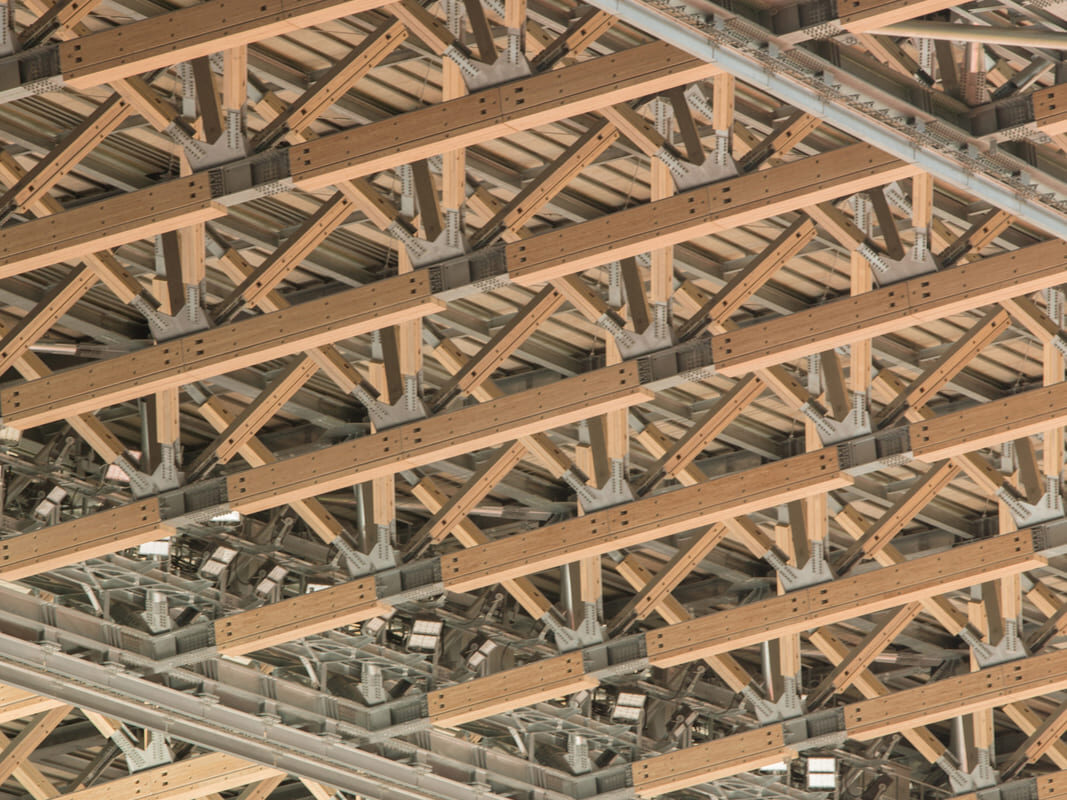
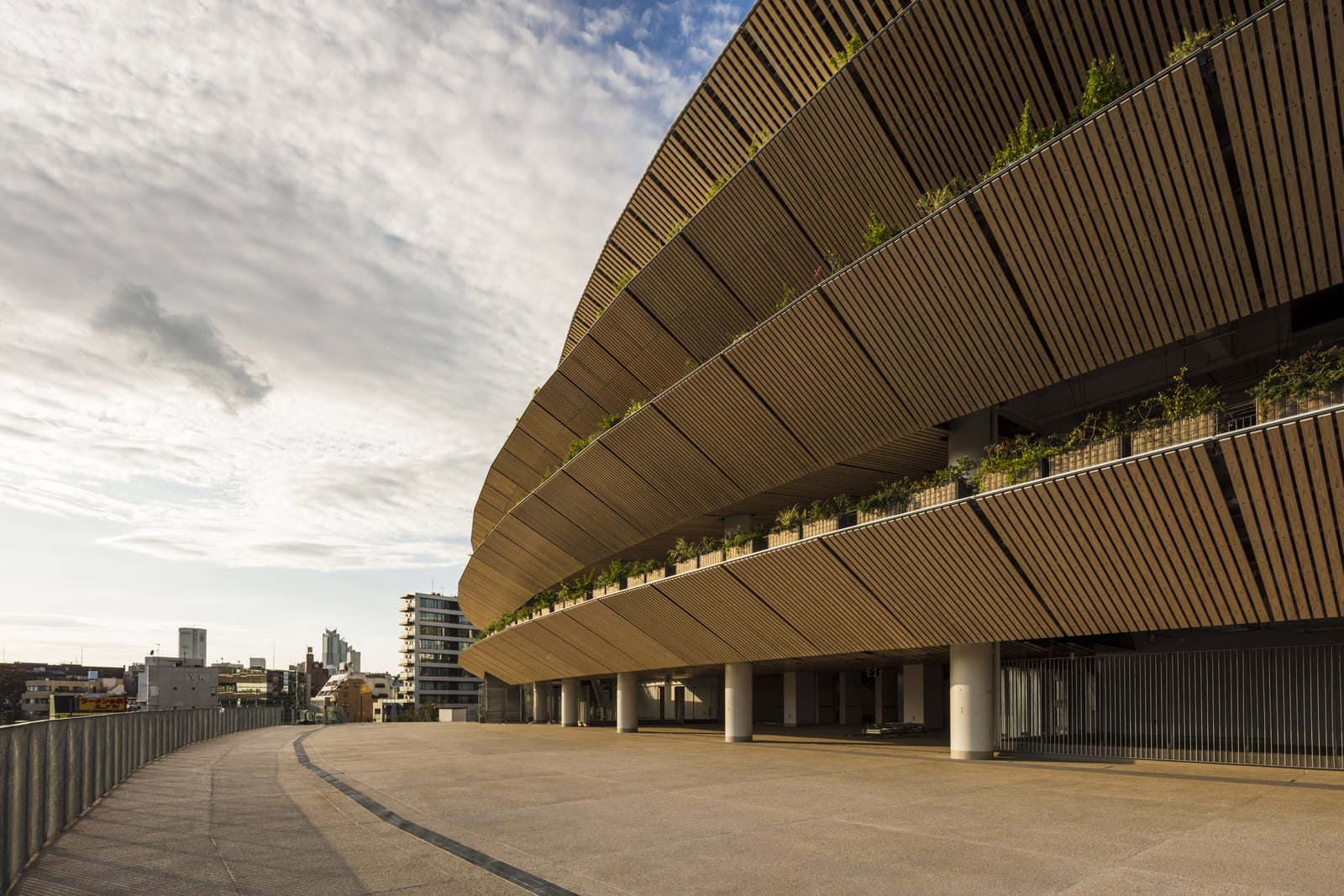
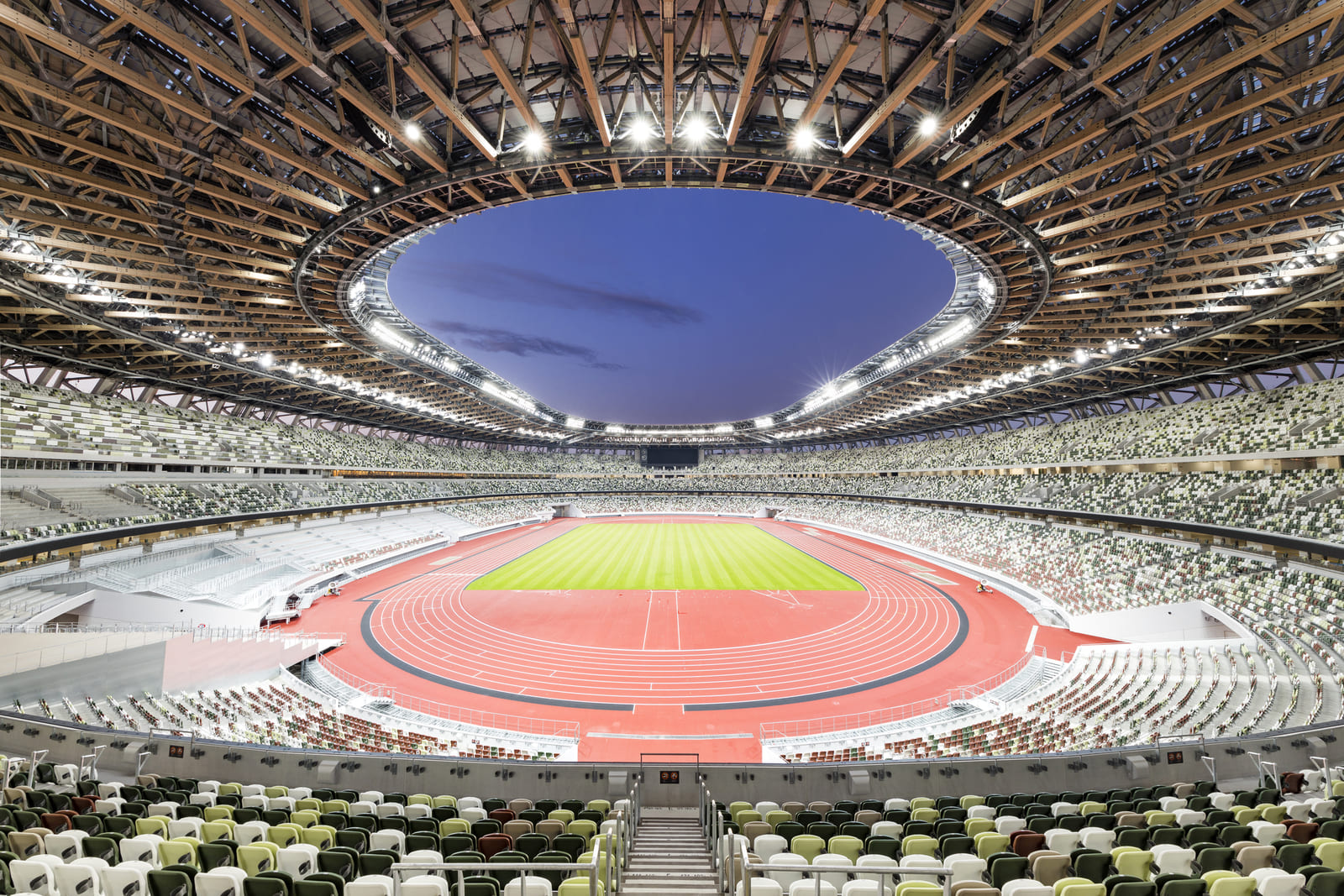
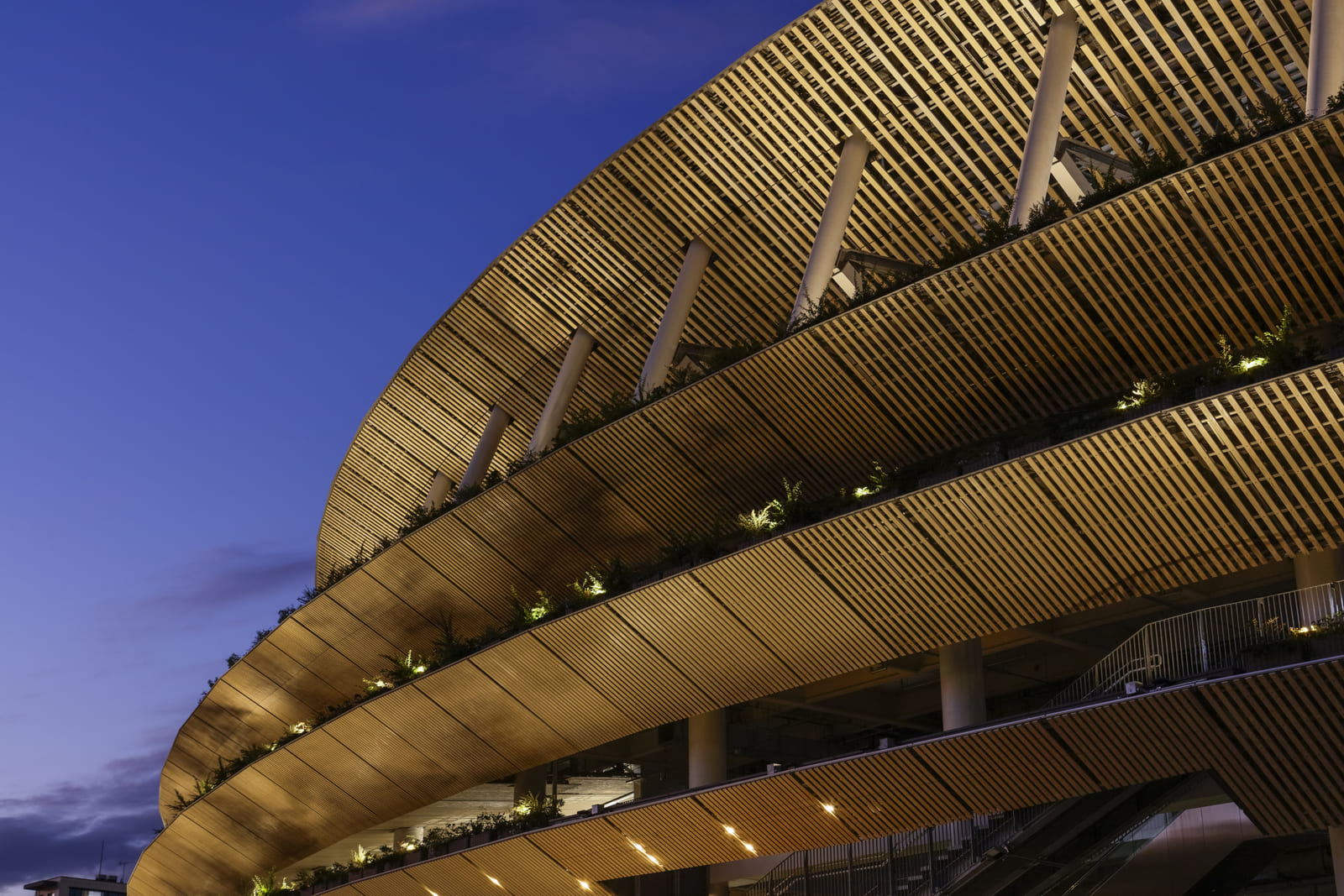
Japan National Stadium in Tokyo is a sports arena designed by Kengo Kuma and served as the main venue for the 2020 Summer Olympics, held in 2021. Completed in 2019 on the site of the 1964 Olympic Stadium, it is one of Kuma’s largest works and a synthesis of modern engineering with traditional Japanese aesthetics. The stadium accommodates about 68,000 spectators and follows an elliptical plan. Kuma’s design features extensive use of wood and greenery to bring warmth and a distinctly Japanese identity to a structure type typically dominated by steel and concrete. The facade consists of layered eaves built with steel and laminated larch wood, under which plants and small trees create ring-like gardens around the building’s perimeter. These planted tiers visually reduce the stadium’s scale and connect it to the surrounding park and Meiji Shrine forest. The roof is a lightweight lattice of wood and steel that provides shade and ventilation. Architecturally, the stadium reflects contemporary Japanese design with sustainable principles — using over 70,000 cubic feet of domestic timber sourced from all 47 prefectures. Functionally, it is a multi-event stadium adaptable for athletics, football, and cultural events. The project was developed with engineers and contractors, including Taisei Corporation and Azusa Sekkei. Japan National Stadium demonstrates Kuma’s ability to integrate architecture with landscape and material heritage, providing a natural alternative to the technological aesthetic common in recent Olympic venues.
04. GC Prostho Museum Research Center, Aichi
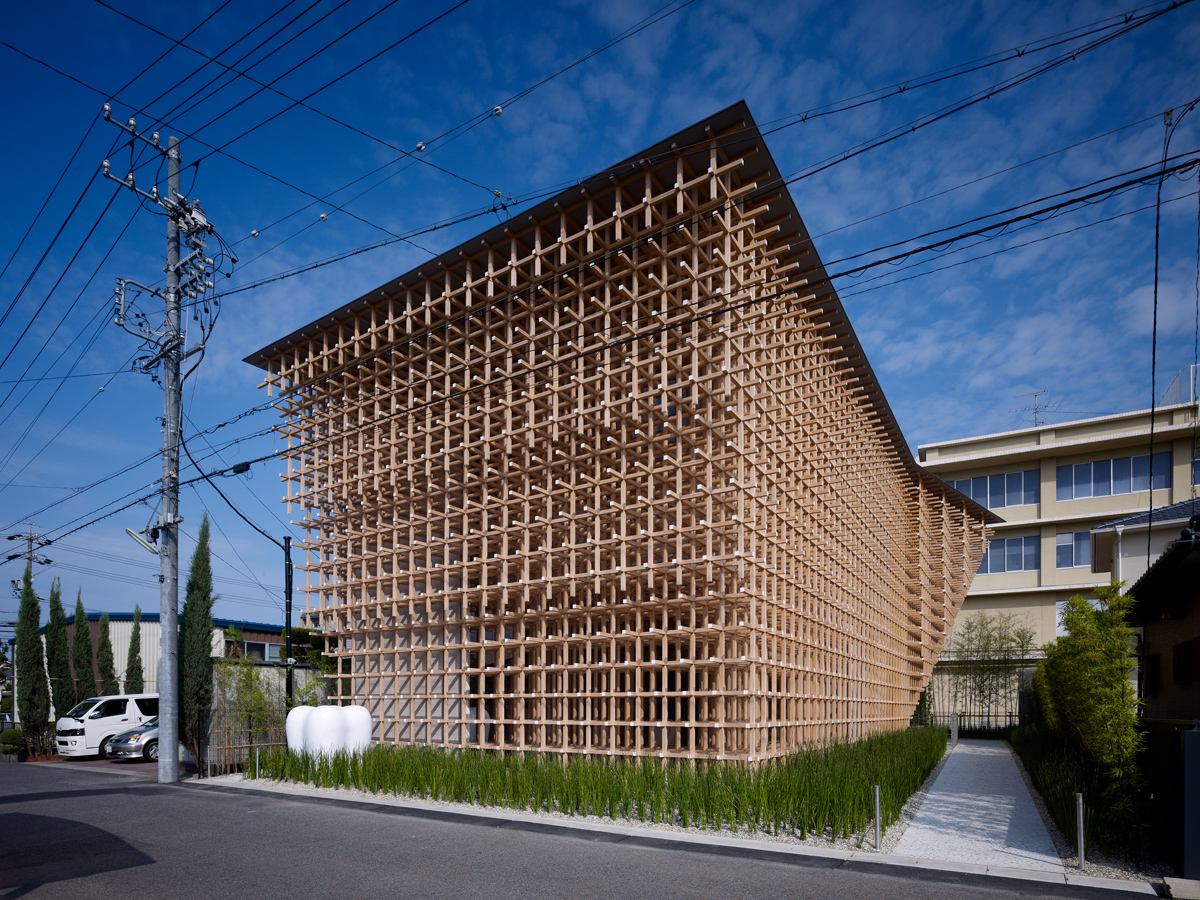
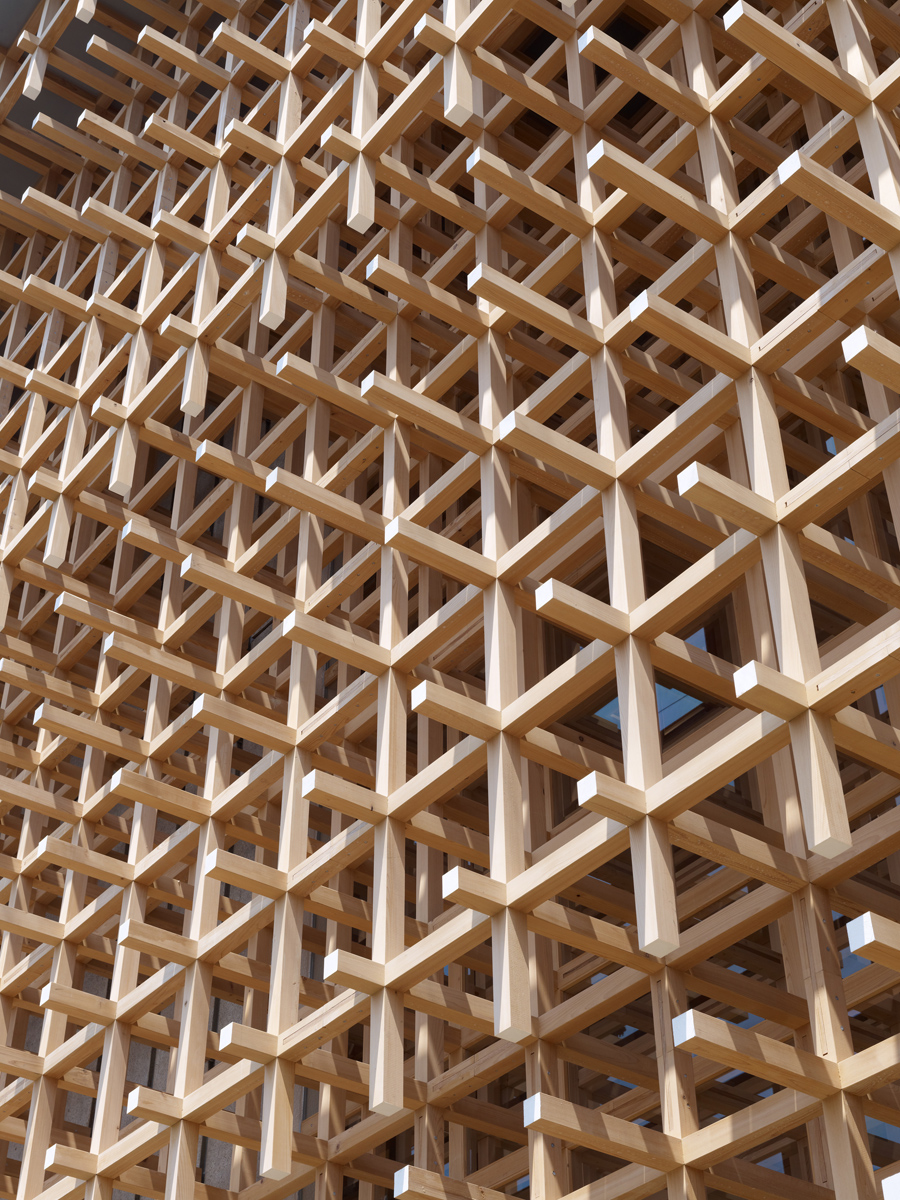
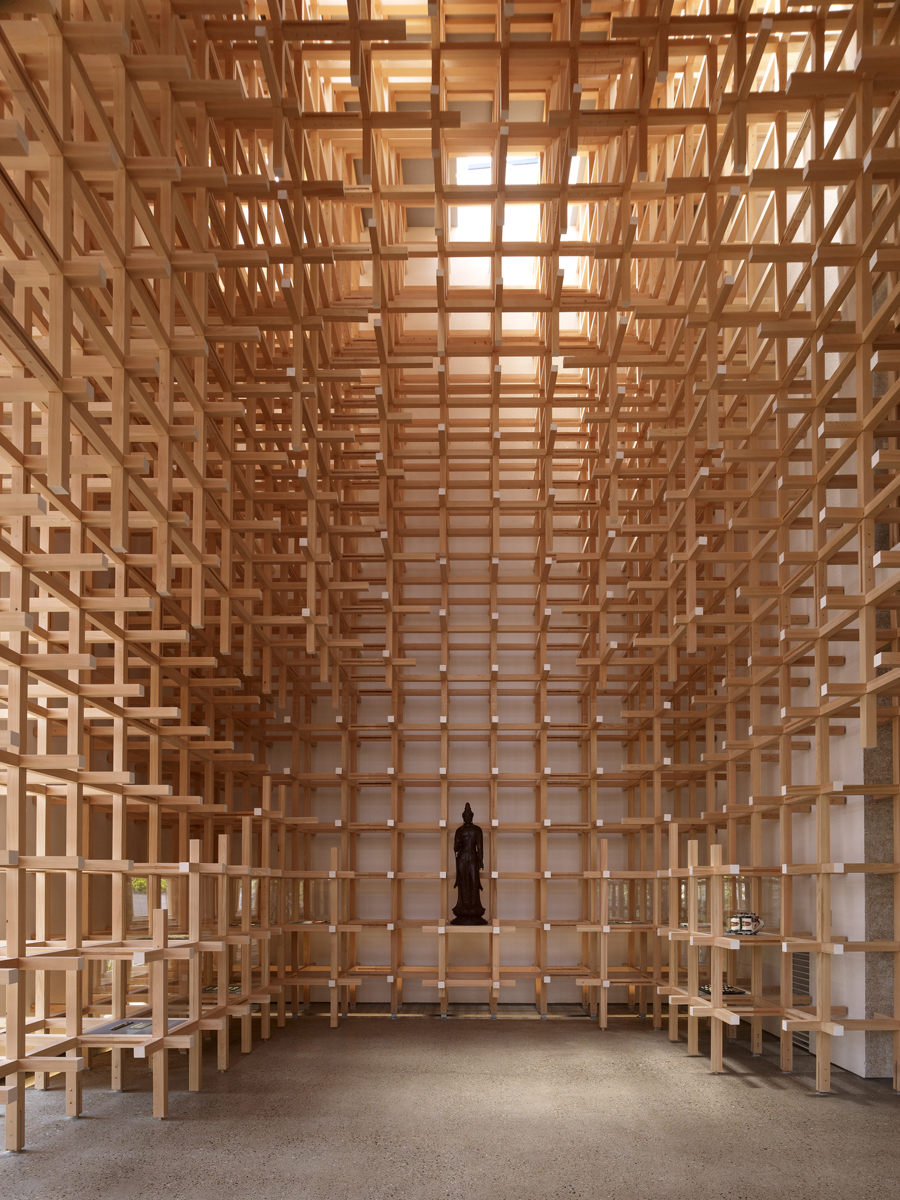
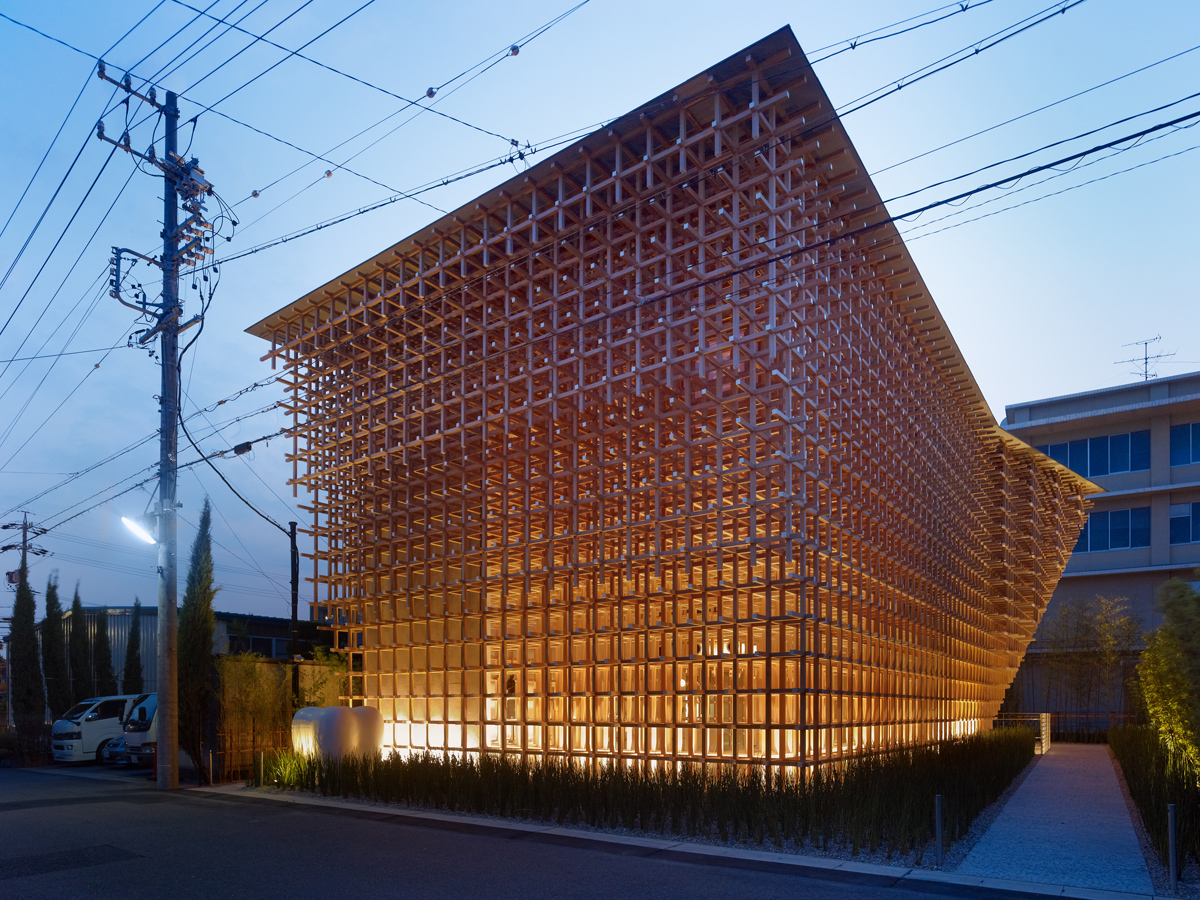
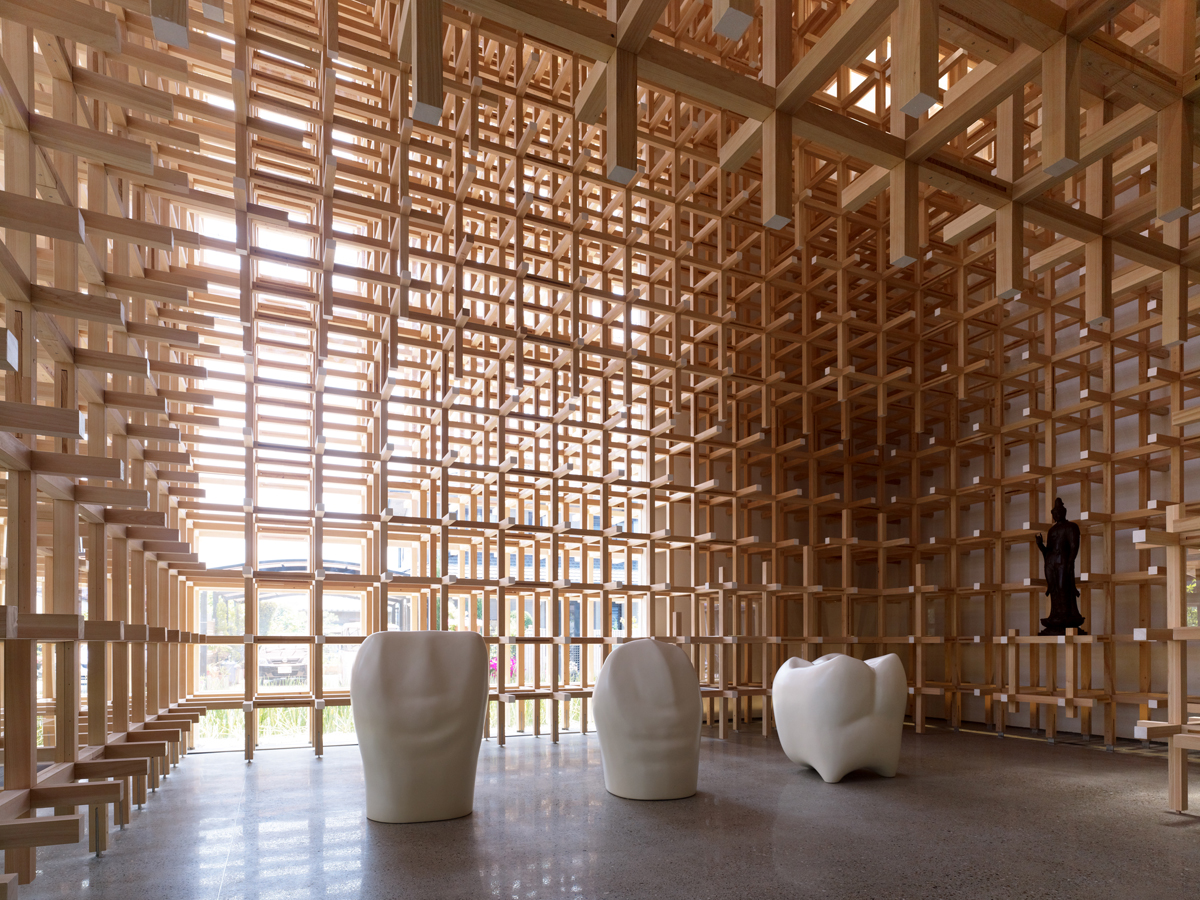
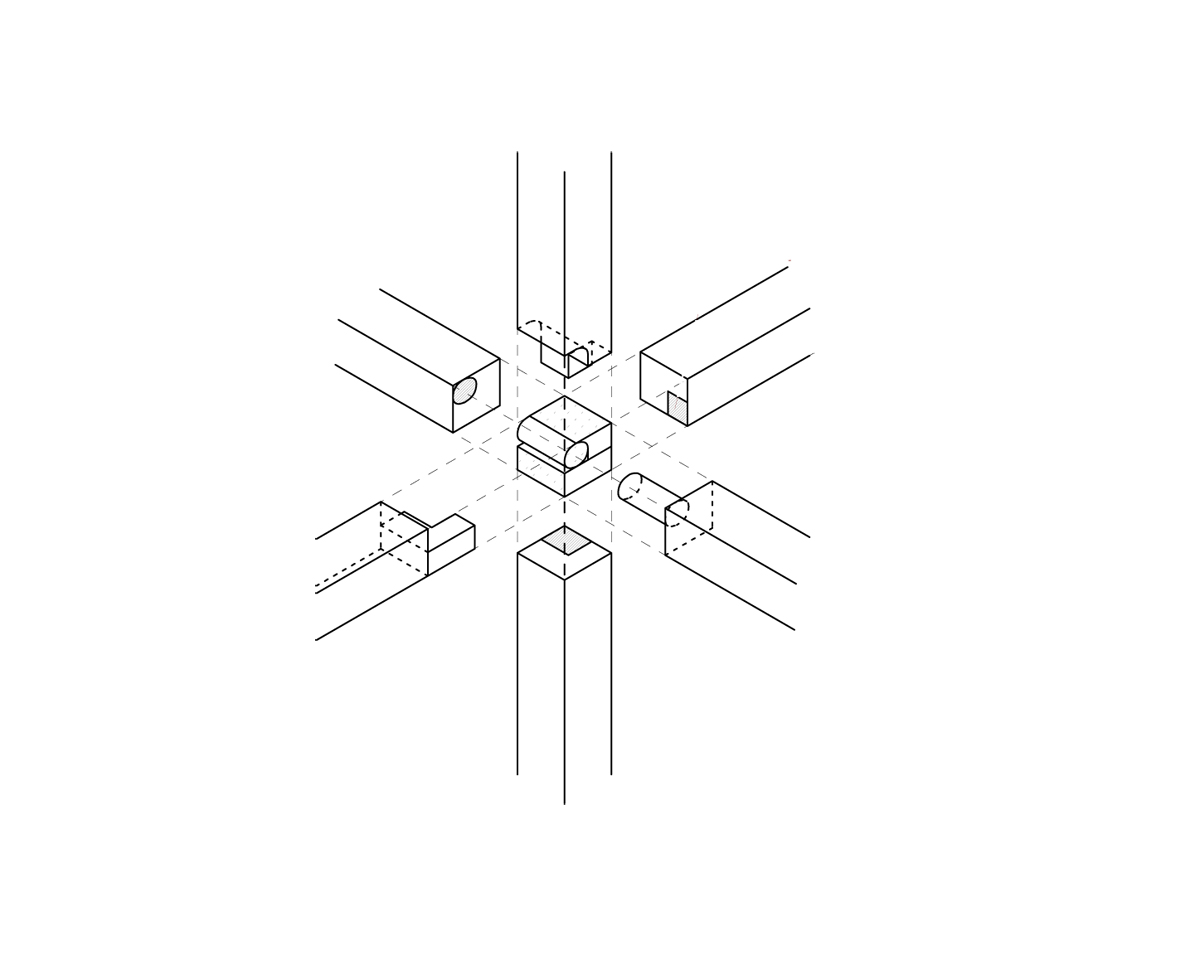
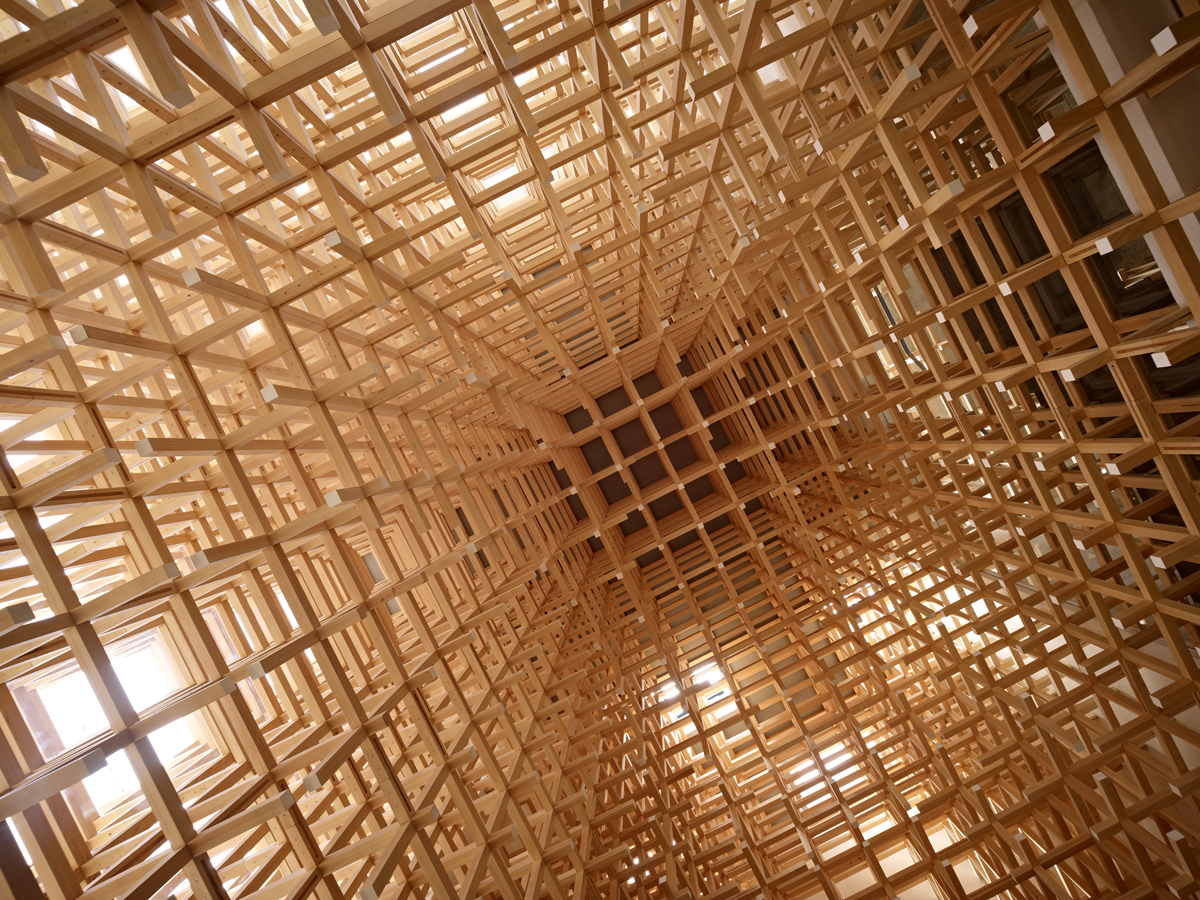
The GC Prostho Museum Research Center is a compact building in Kasugai, Aichi Prefecture, Japan, designed by Kengo Kuma and completed in 2010. The project combines a museum and research facility for a dental company (GC, a dental products manufacturer) and is noted for its wooden facade and structural system. Although modest in scale at about 421 m², Kuma used the building to explore craftsmanship and modular design. Its defining feature is the lattice exterior composed of thousands of interlocking wooden members. The design was inspired by the traditional Japanese toy “Chidori,” a wooden puzzle assembled without nails or glue. In this building, small cypress elements measuring 6 cm by 6 cm are notched and fitted into a three-dimensional grid that wraps the exterior and continues inside. The lattice functions both as an architectural screen and a partial structural system, demonstrating how joinery traditions can inform contemporary construction. The project is a private museum and gallery space combined with a research center. Materials include wood for the lattice and concrete and steel for the concealed core. Inside, the grid doubles as shelving and partitions, integrating the exhibits with the architectural framework. Kuma intended to demonstrate that a small-scale building can embody sustainable and human-centered principles: the wooden grid filters natural light and produces a calm interior atmosphere. The GC Prostho Museum Research Center is frequently cited as an example of adapting traditional methods to modern design, reinforcing Kuma’s role in advancing material innovation through craft.
05. Yusuhara Wooden Bridge Museum, Kochi
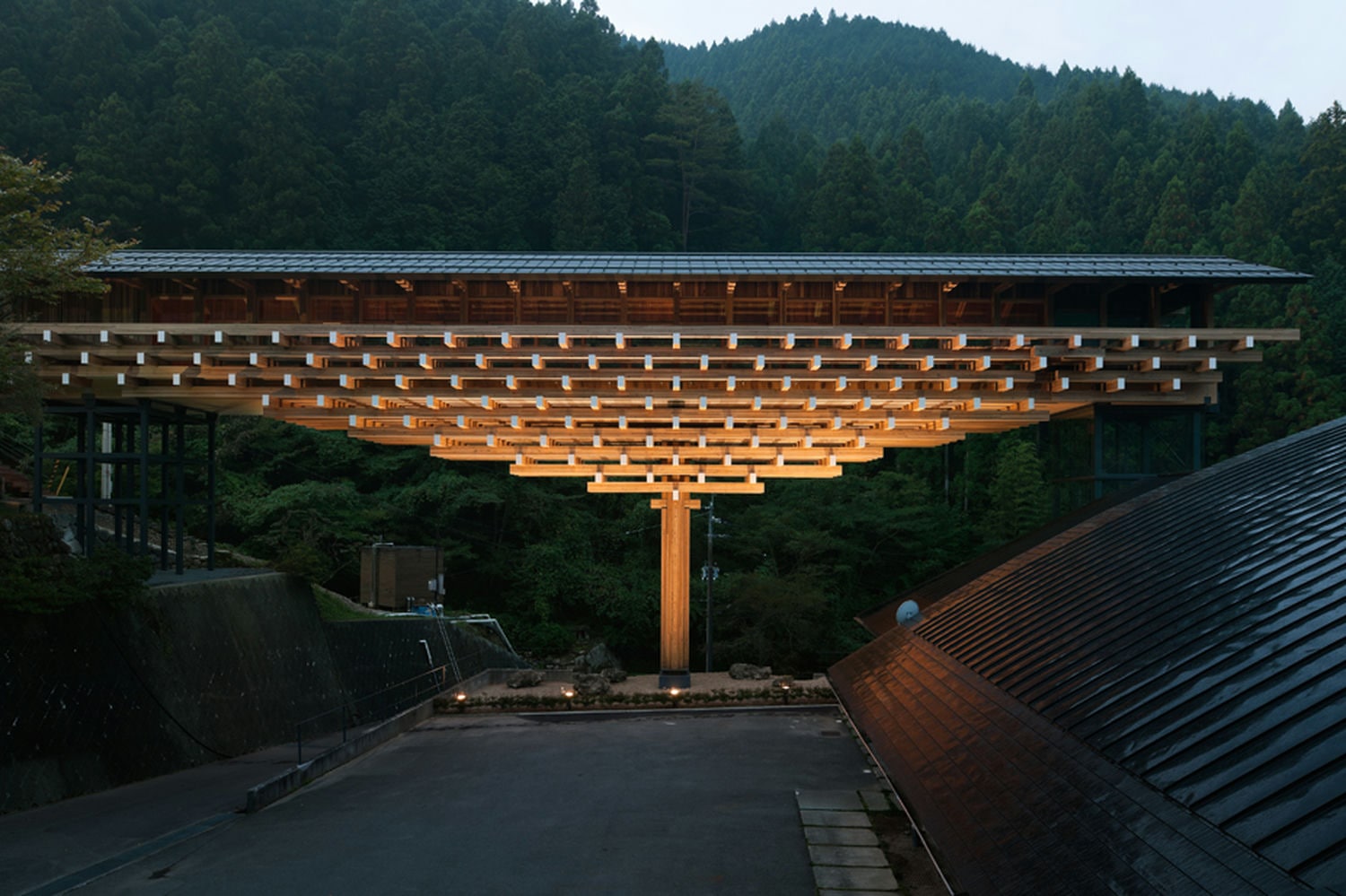
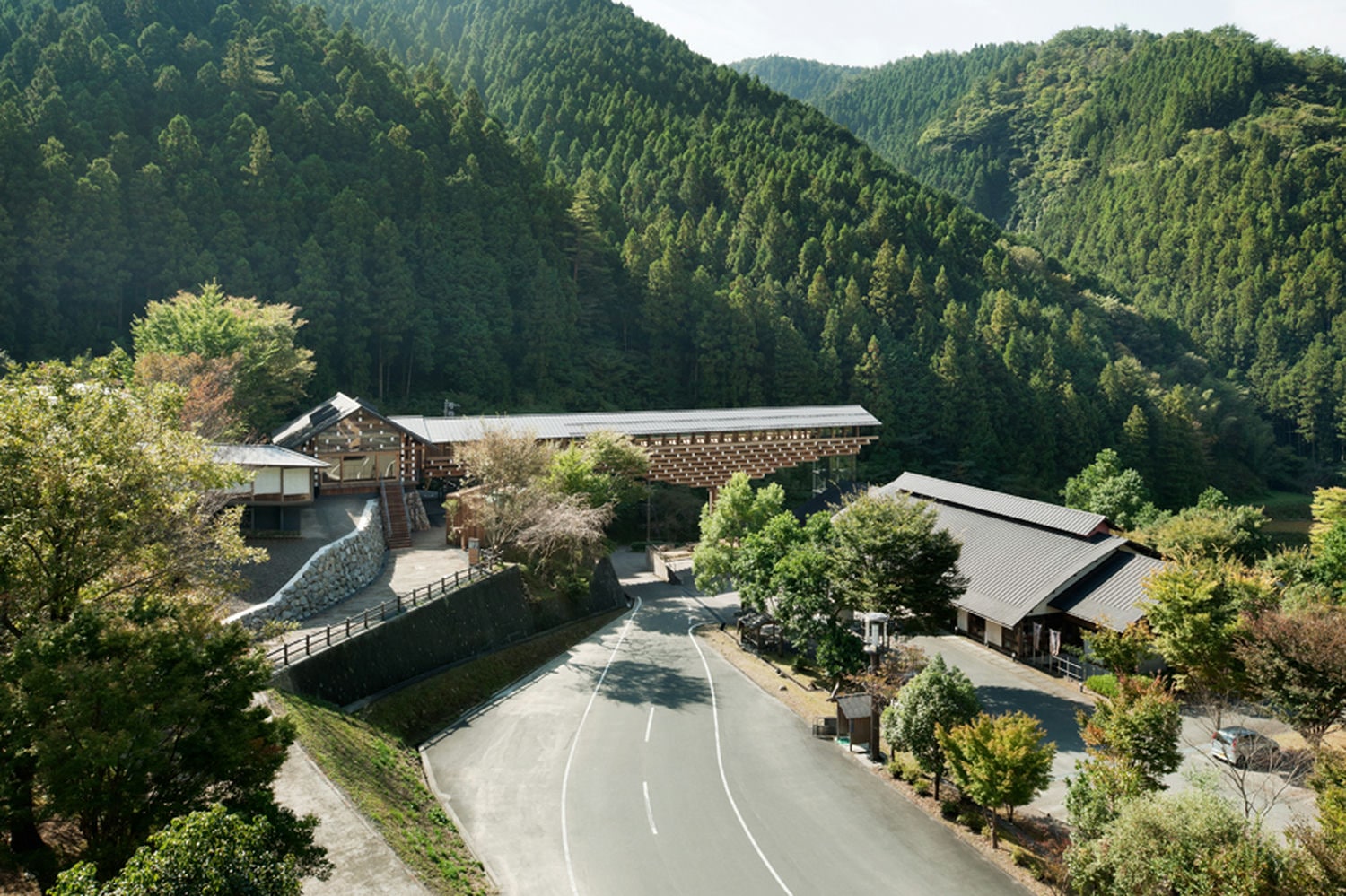
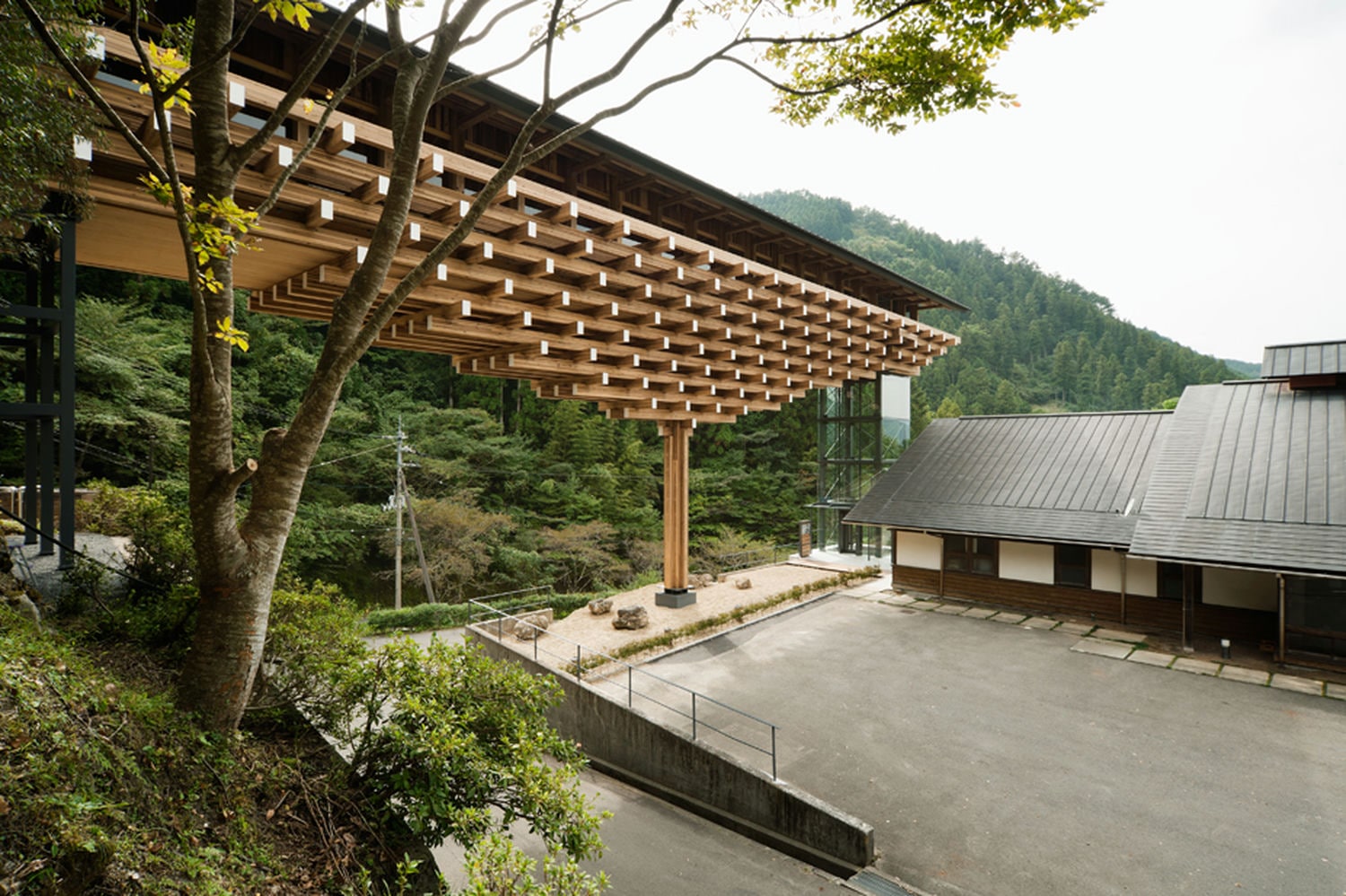
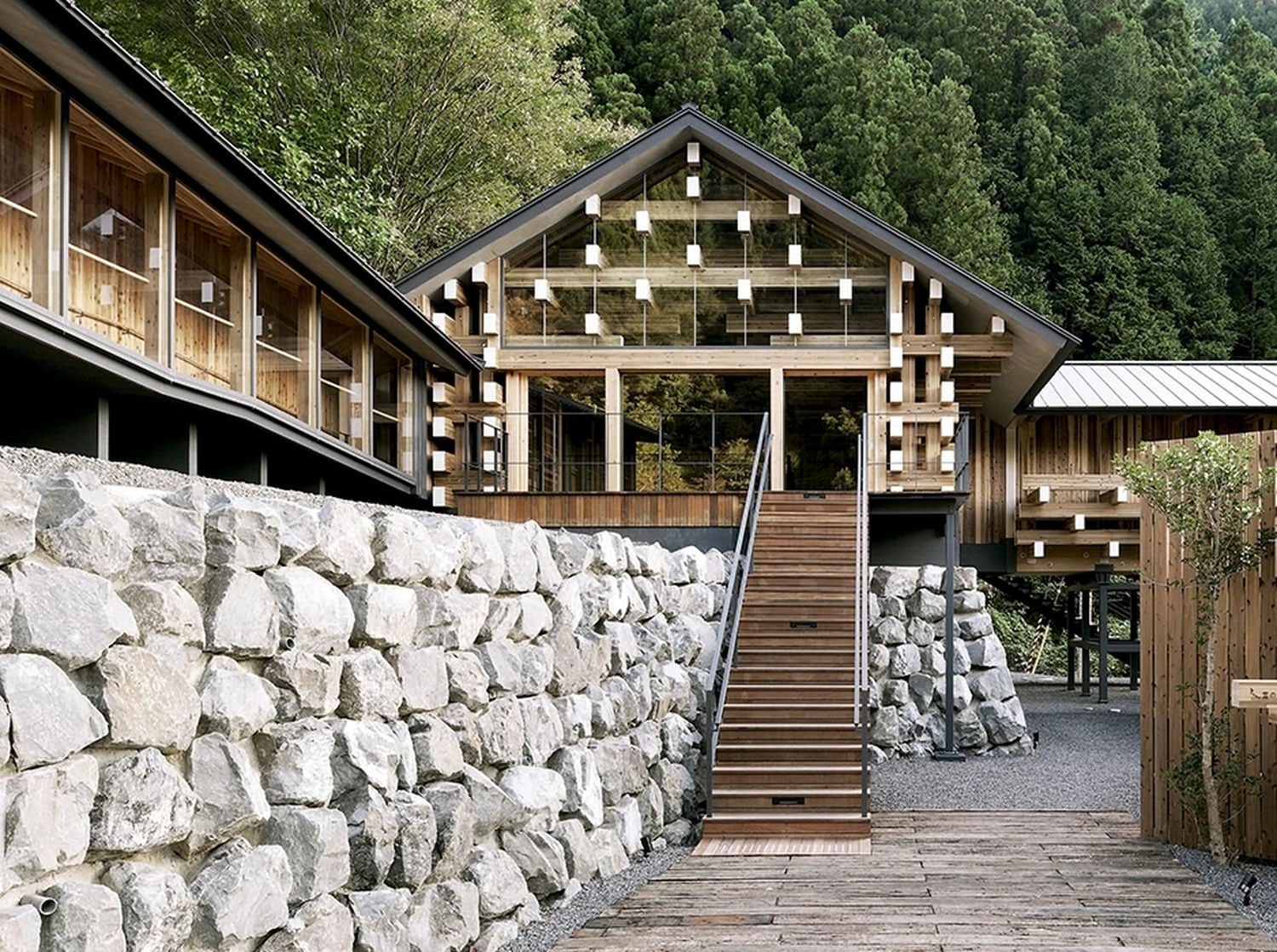
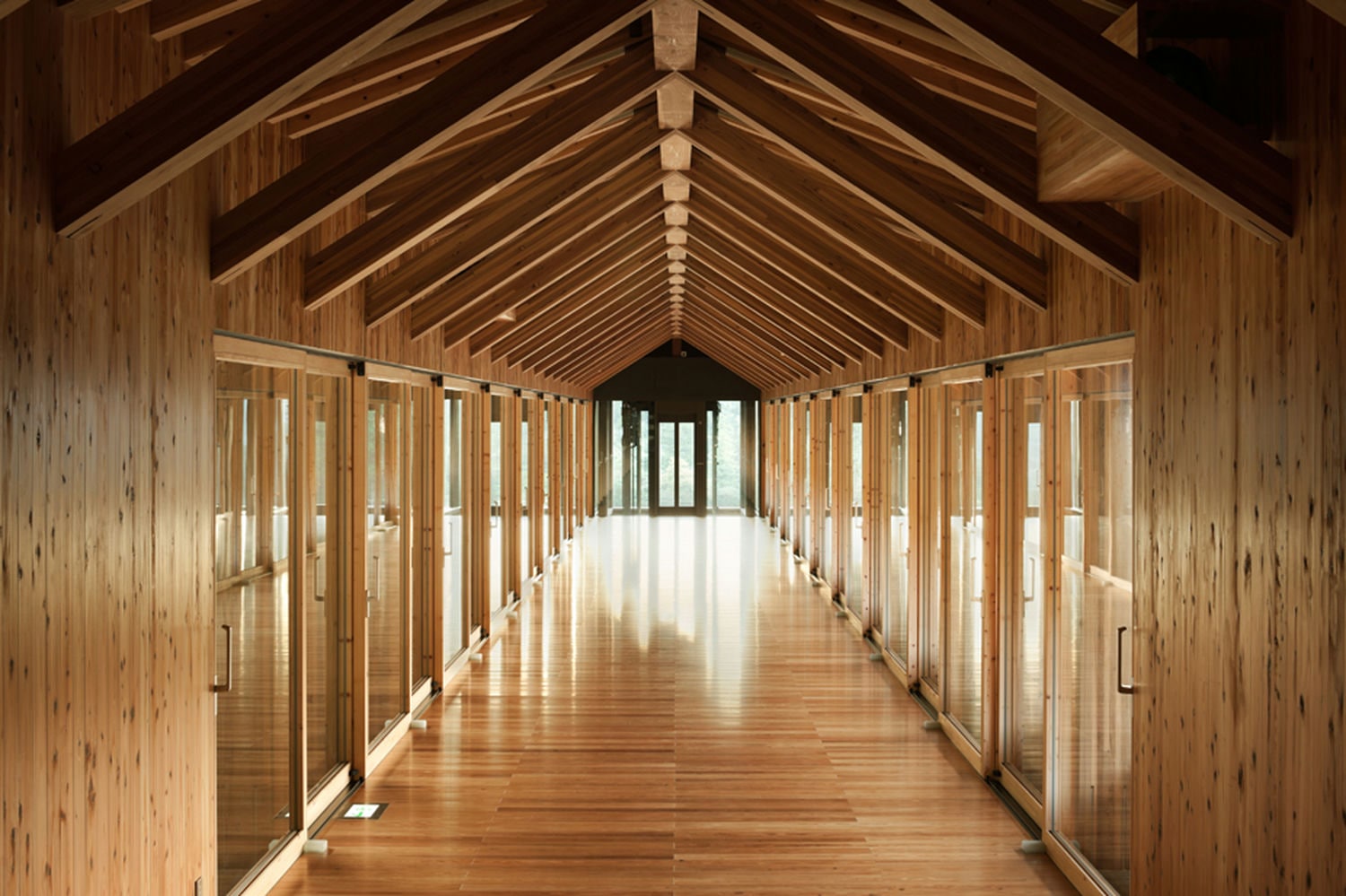
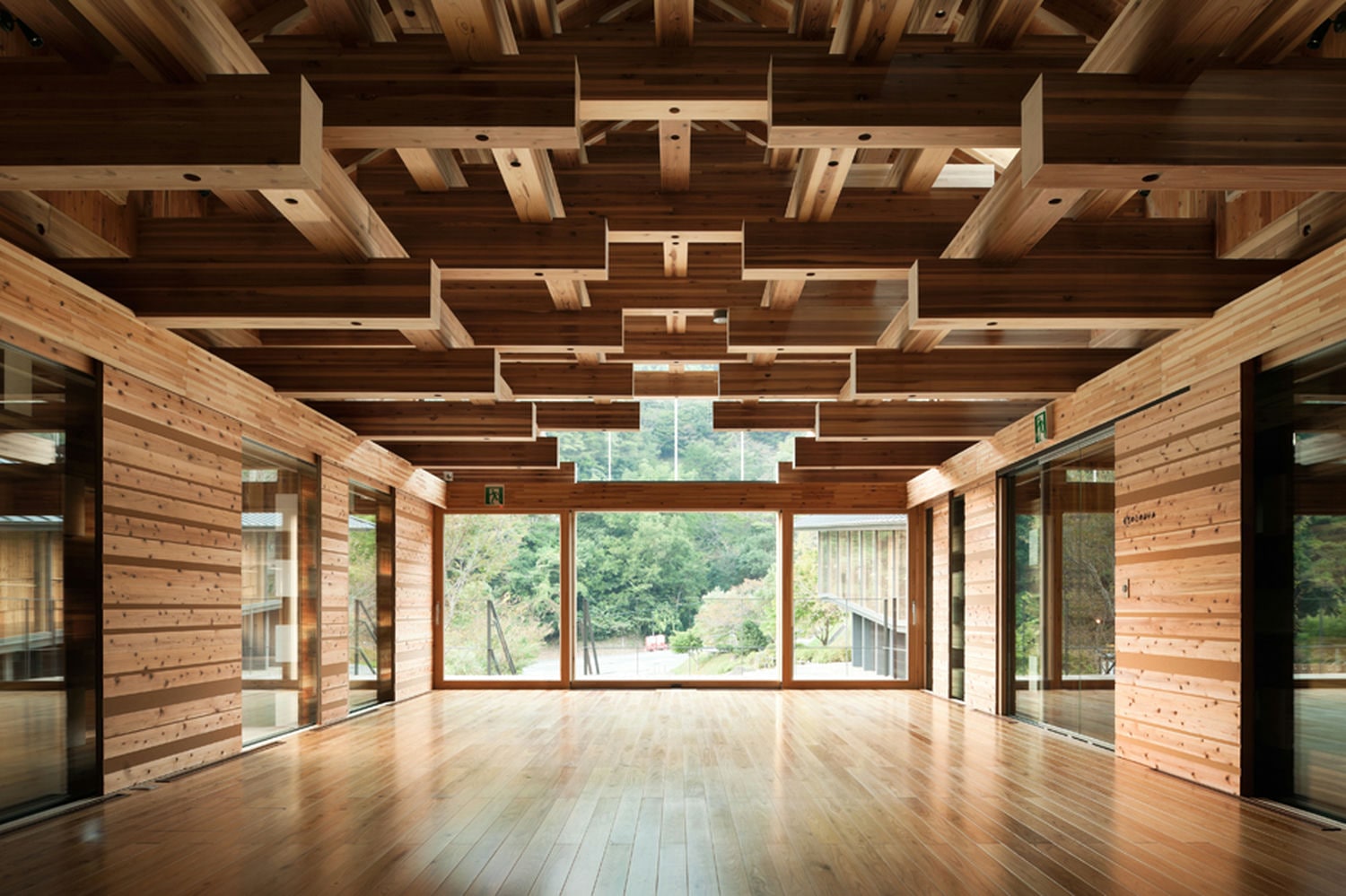
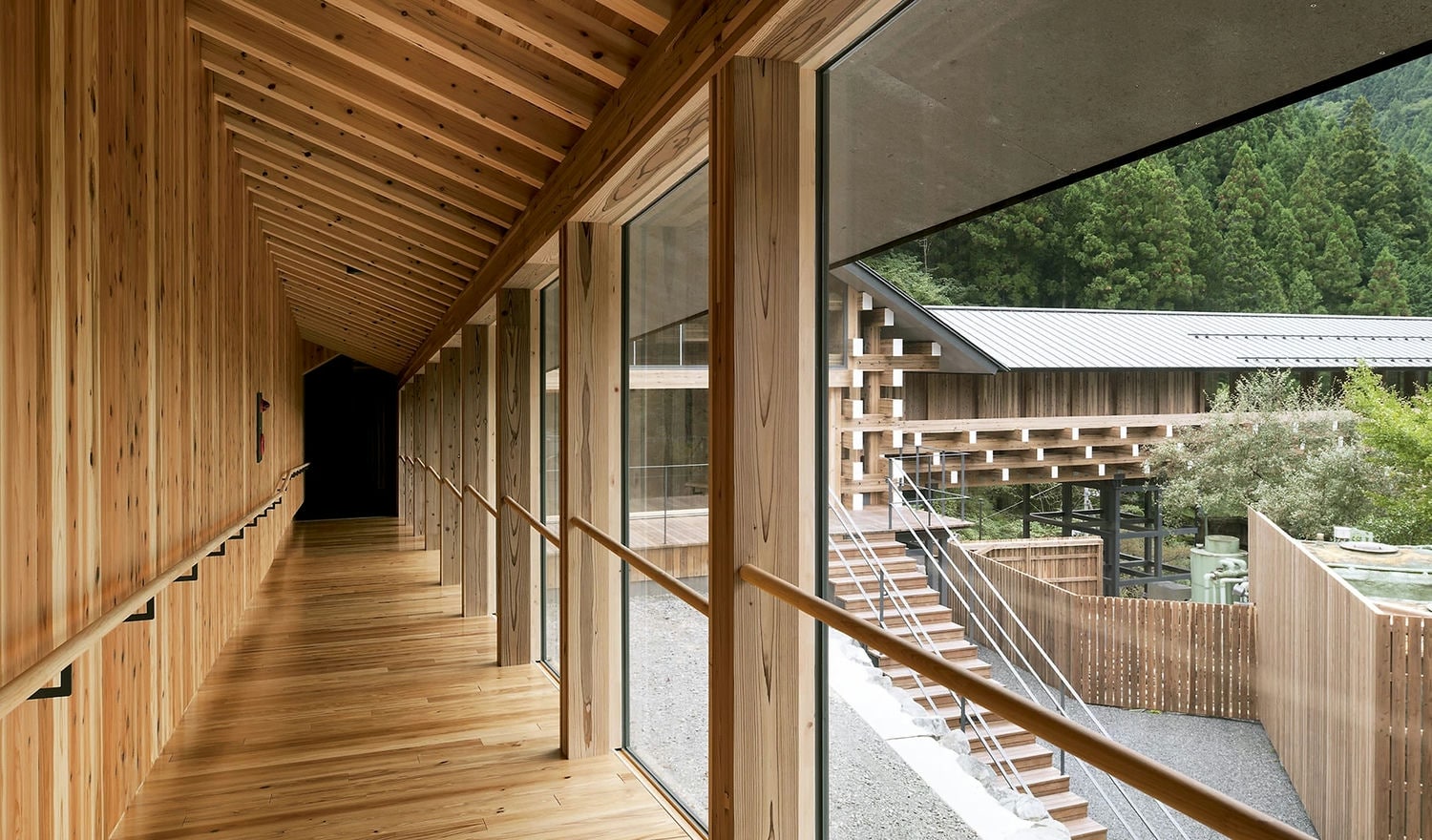
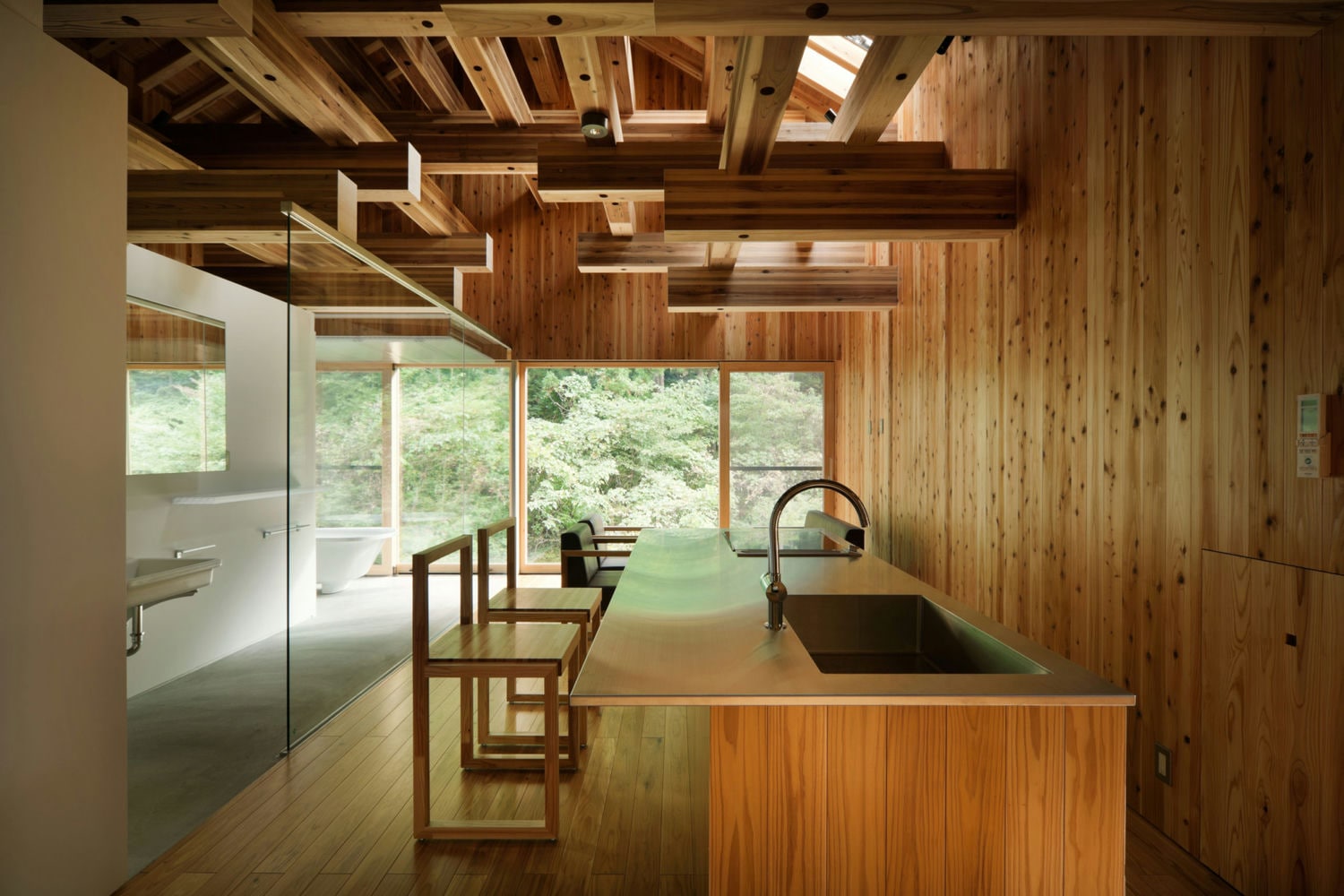
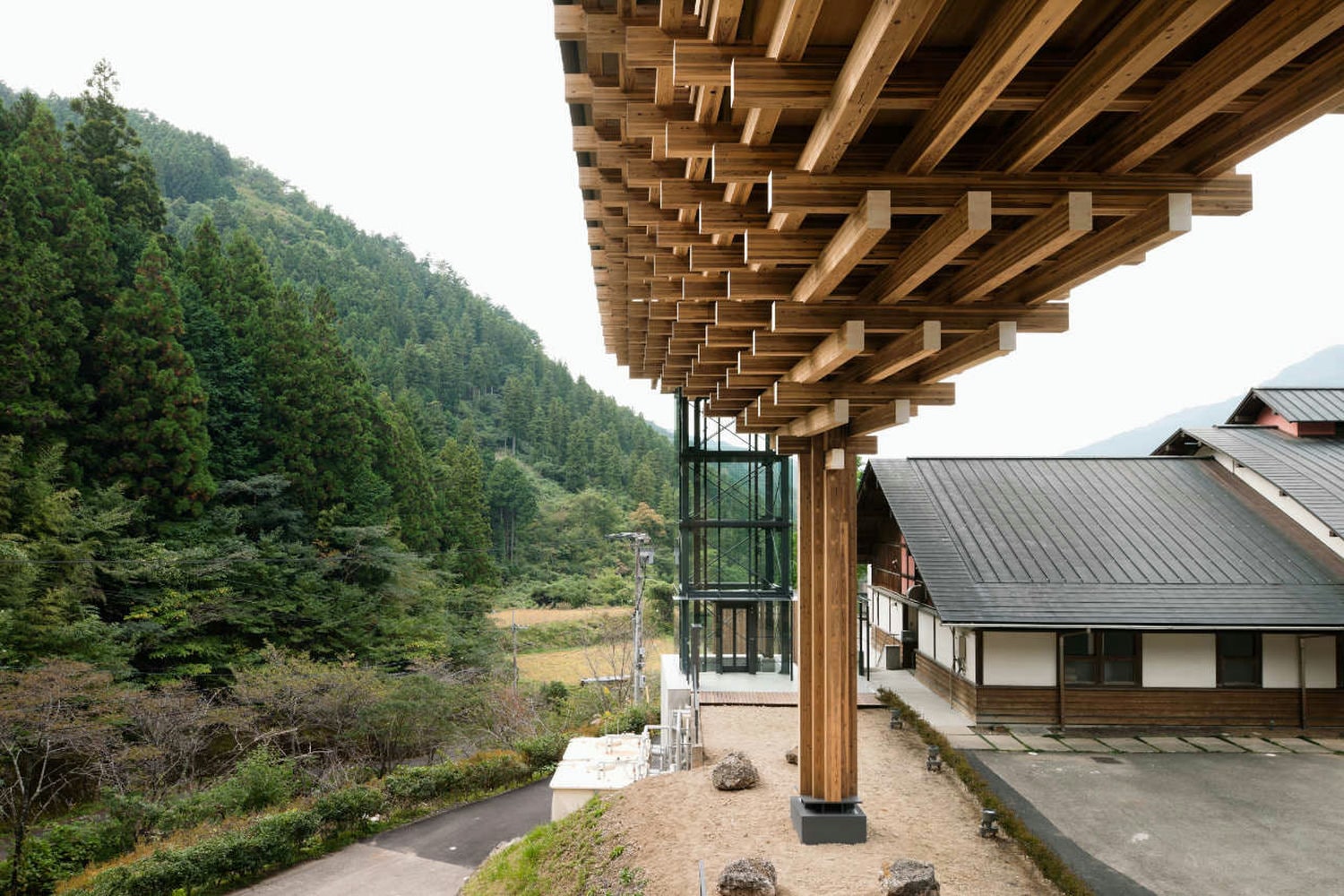
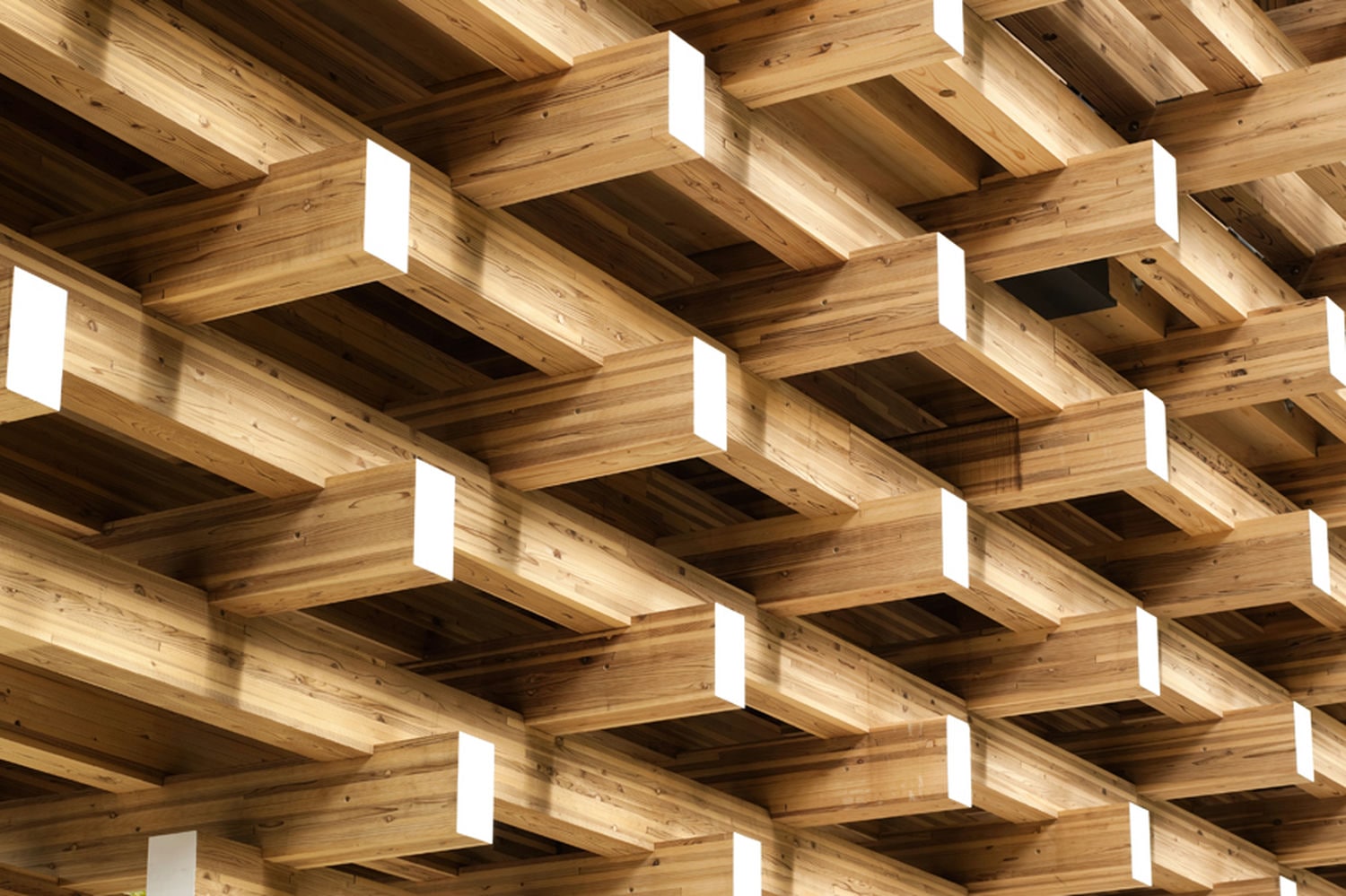
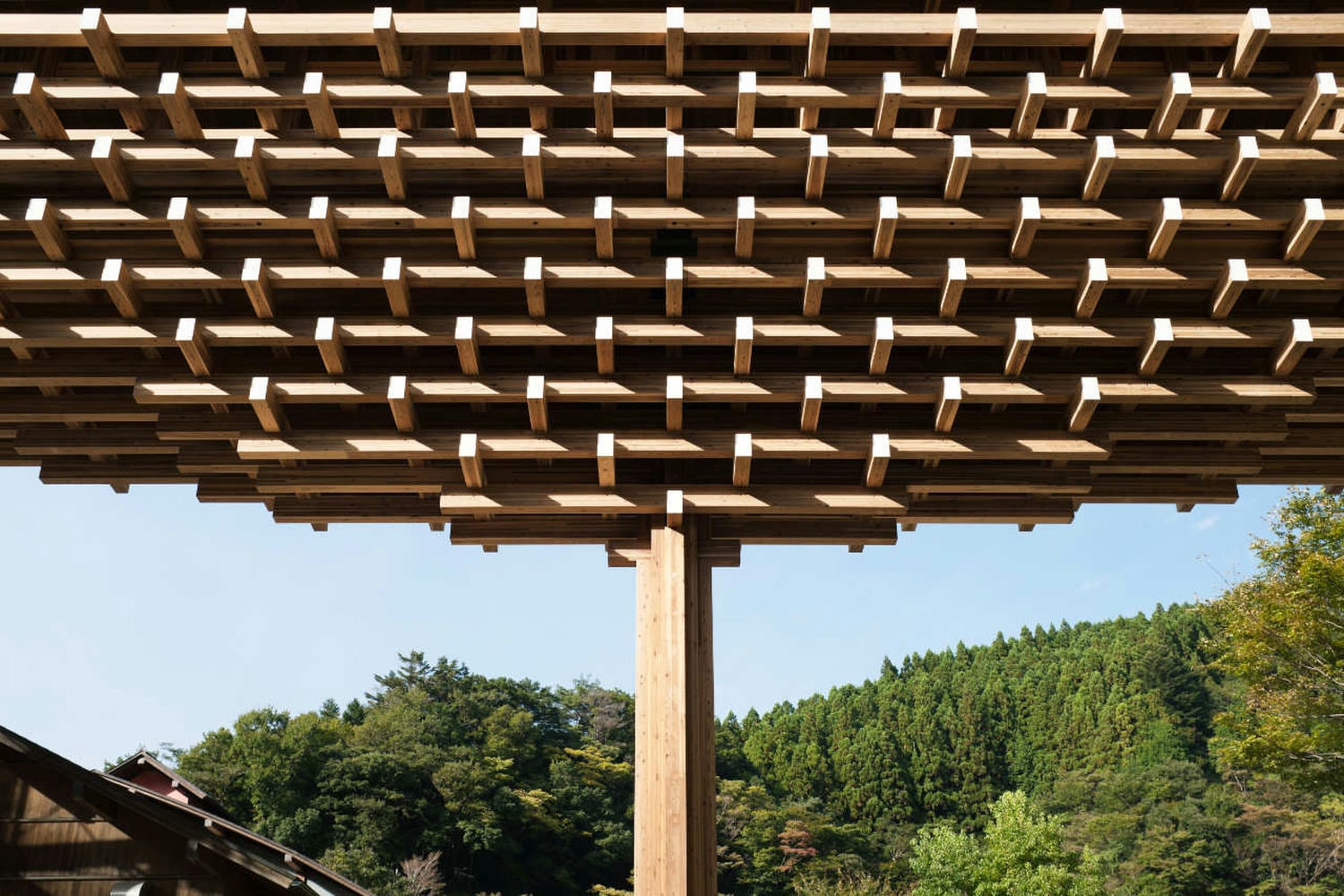
The Yusuhara Wooden Bridge Museum is a cultural building in Yusuhara, Kochi Prefecture, Japan, designed by Kengo Kuma and completed in 2011. The project functions both as a pedestrian bridge and as a small museum, reflecting Kuma’s focus on multifunctional architecture and environmental integration. Yusuhara, a mountain town where Kuma has completed several works, required a connection between two public buildings, a community center and a hotel with hot springs, separated by a road and a change in level. Kuma’s solution was a covered wooden bridge that also serves as a gallery and artist residence. The structure uses a traditional method of cantilevered timber construction reminiscent of historic Japanese kakehashi and Chinese Zhao bridges. It consists of numerous small cedar and cypress members arranged in a stepped, modular pattern that allows the bridge to span about 47 meters without large structural components. This system demonstrates resource efficiency and sustainability through the use of smaller timber sections. Architecturally, the bridge presents a light profile over the road, containing a sheltered walkway and interior exhibition spaces. The project serves as both an infrastructure and a cultural facility. Materials include wood for the superstructure, concealed steel reinforcements at joints, and a tiled roof referencing local farmhouses. Inside, the bridge contains exhibition areas and accommodation for artists. The Yusuhara Wooden Bridge Museum exemplifies Kuma’s approach to reviving traditional construction methods within contemporary design, and it received Japan’s Art Encouragement Prize in 2011 for its contribution to modern architecture.
How did Kengo Kuma contribute to architecture?
Kengo Kuma contributed to architecture by expanding modern design through a renewed engagement with tradition, material, and place. Throughout his career, he has advanced an approach where buildings “recover the place,” meaning architecture should work with its environment and cultural context rather than dominate it. He pioneered the use of locally sourced natural materials during a period when glass, steel, and concrete modernism defined skylines, reintroducing craftsmanship and tactile quality to large-scale construction. His projects often involve local artisans and traditional techniques, such as joinery and weaving, reinterpreted in contemporary forms. This has encouraged architects globally to incorporate regional and sustainable materials in modern design. Kuma also promoted architectural transparency and lightness—both physical and conceptual. His buildings use filtered light, porous boundaries, and layered structures to create openness and adaptability. In practice, he influenced urban architecture by demonstrating that large public or corporate buildings can be environmentally responsive and contextually integrated. Through teaching at the University of Tokyo and international lectures, Kuma has guided younger architects to prioritize collaboration with engineers and communities from the earliest design stages.
What awards and honors has Kengo Kuma received?
Kengo Kuma has received awards and honors recognizing his architectural contributions and influence, including:
- Architectural Institute of Japan Award (1997) – Awarded for Noh Stage in the Forest, this honor marked his emergence as a leading architect in Japan. That same year, he received the AIA DuPont Benedictus Award (USA) for his Water/Glass villa, a glass structure.
- Togo Murano Award (2001) – Granted for the Nakagawa-machi Bato Hiroshige Museum, acknowledging Kuma’s mastery in museum design and interpretation of cultural heritage.
- Spirit of Nature Wood Architecture Award (2002) – An international award from Finland recognizing his extensive and inventive use of wood, exemplified in works like the GC Prostho Museum.
- Officier de l’Ordre des Arts et des Lettres (2009) – Conferred by the French Ministry of Culture for his global influence and contribution to cross-cultural dialogue through architecture.
- Mainichi Art Award (2010) – Presented by the Nezu Museum in Tokyo, recognized for its architectural harmony with its surrounding landscape and integration of traditional Japanese elements.
- Global Award for Sustainable Architecture (2016) – Awarded by the Cité de l’Architecture in Paris, honoring his commitment to sustainability and human-centered design.
- John D. Rockefeller 3rd Award (2019) – Presented by the Asian Cultural Council in the United States for his contribution to international cultural exchange through architecture.
- TIME 100 Most Influential People (2021) – Included in Time magazine’s list of 100 most influential individuals, acknowledging his impact on global architectural discourse.
- Jan Kaplický Lifetime Achievement Award (2024) – Acknowledged his lifelong contribution to architecture, celebrating the enduring influence of his philosophy and body of work.
Kengo Kuma also received distinctions such as the Imperial Prize and Japan Art Academy Prize (2024) for V&A Dundee, the ICONIC Awards “Architects of the Year” (2020) from the German Design Council, and the IFI PRIZE (2024) for lifetime contribution to architecture and design.
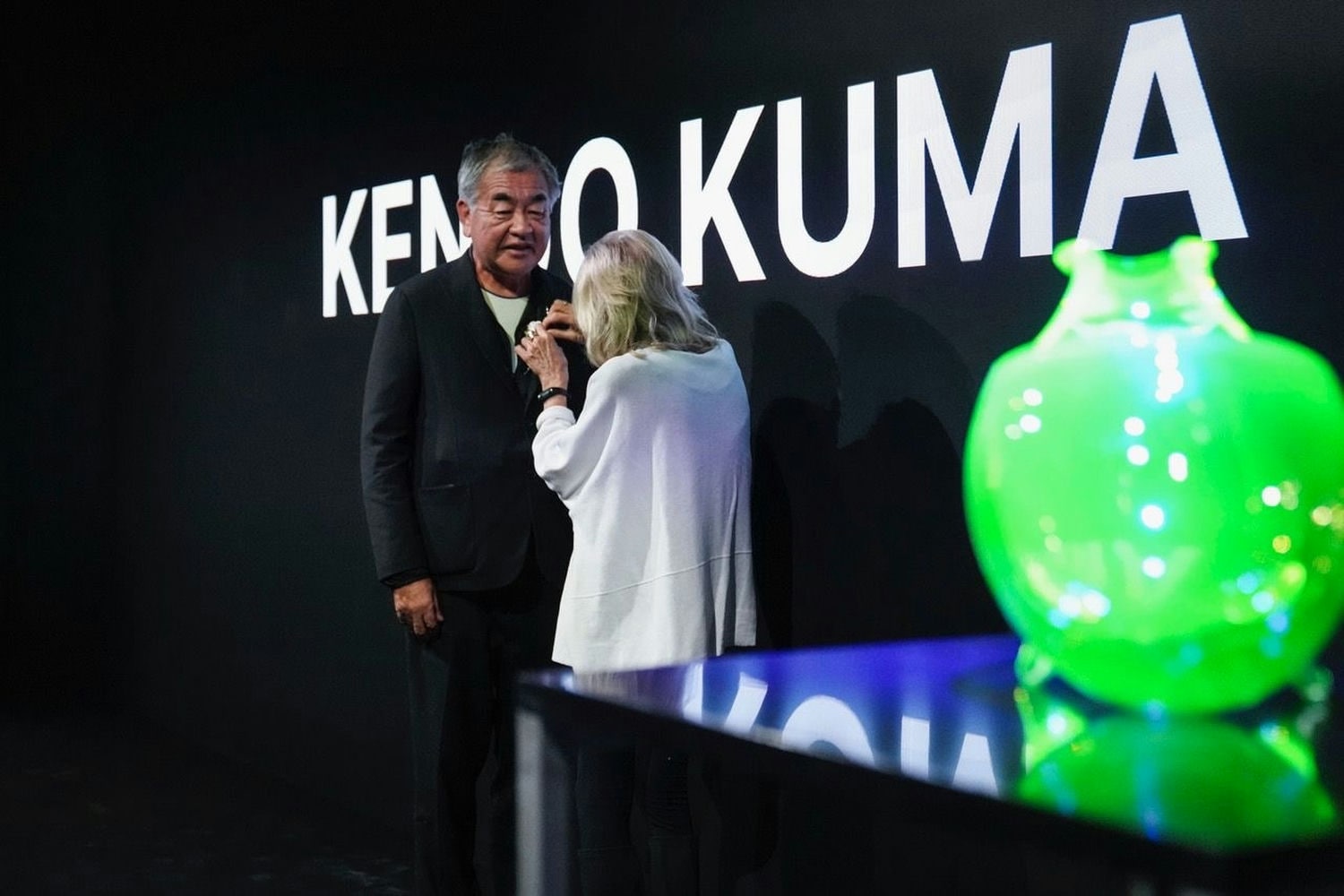
Did Kengo Kuma change the architecture industry?
Kengo Kuma changed the architecture industry by promoting a sustainable and context-driven design ethos. When many architects pursued monumental and sculptural “statement” buildings, Kuma proposed an alternative that prioritized environmental relationship over iconic form. Through major projects, he demonstrated that modern buildings need not rely on glass and steel; traditional materials such as wood can meet contemporary demands. His work encouraged architects and clients to value local culture and ecology in design. Kuma’s architecture also contributed to a broader shift toward humanizing public buildings. His use of open spatial layouts and integration of nature set new standards for museums, tourist centers, and stadiums, focusing on visitor experience rather than spectacle. By incorporating energy-efficient and climate-responsive elements such as wooden screens for shading and passive ventilation, his projects anticipated and modeled sustainable design trends. Through teaching and writing, Kuma advanced the idea of “small architecture,” advocating that large projects be conceived as collections of human-scale components. The industry has increasingly adopted this principle, favoring architecture that is approachable and adaptive. Although one among several advocates for sustainability, Kuma’s global reputation and executed works have accelerated the acceptance of these principles.
Was Kengo Kuma ever controversial in any way?
Kengo Kuma has maintained a positive reputation and is not associated with personal controversy, though some of his projects have generated debate in the architectural community. One notable case was the Tokyo Olympic Stadium: after the original design by Zaha Hadid was canceled for cost reasons, Kuma’s proposal was selected as its replacement in 2015. Zaha Hadid’s team later claimed that Kuma’s design showed “remarkable similarities” to their own, implying appropriation. Kuma denied any plagiarism, stating that his concept derived from traditional Japanese design and budget constraints. The issue eventually subsided, but it prompted discussion about intellectual property and national preference in major projects. Beyond this, debates occasionally arise regarding Kuma’s contemporary buildings in historic or sensitive contexts. For instance, when the Asakusa Culture Tourist Center opened near the 7th-century Sensō-ji Temple, some critics questioned whether its wooden design suited the old-town setting, though many later acknowledged its dialogue with local tradition. Similar concerns have surfaced when his proposals were considered bold for their surroundings, yet his restrained approach generally prevents significant backlash. Kuma has avoided scandals or misconduct in his personal and professional life. Controversy surrounding him has mainly involved architectural philosophy balancing modern design with cultural heritage, rather than ethical issues. Kuma is regarded as a conciliatory architect whose disputes remain limited and typically resolved through dialogue and design adjustment.
Who are the most famous architects in modern history besides Kengo Kuma?
Aside from Kengo Kuma, Richard Rogers, Frank Gehry, and Zaha Hadid are among the most influential architects to have shaped modern architecture. Rogers (British, 1933–2021), a contemporary of Kuma, pioneered high-tech architecture with projects such as the Centre Pompidou in Paris (with Renzo Piano) and the Lloyd’s Building in London. Recipient of the Pritzker Prize in 2007, he advanced the principle of transparency by exposing a building’s structure and services, a method often termed “inside-out” architecture. Gehry (Canadian-American, born 1929) redefined architectural form through deconstructivism and digital fabrication, producing works like the Guggenheim Museum Bilbao in Spain and the Walt Disney Concert Hall in Los Angeles. His fragmented geometries and engineering innovation earned him the Pritzker Prize in 1989 and made him one of the most recognized figures in contemporary design. Hadid (Iraqi-British, 1950–2016), the first woman to win the Pritzker Prize (2004), transformed architectural language through fluid geometries and parametric design. Her projects, including the Guangzhou Opera House in China and the Heydar Aliyev Center in Azerbaijan, exemplify her distinctive synthesis of technology and form. Beyond these global figures, the field includes architects recognized by institutions such as the Architecture Foundation for their influence across generations. In the United Kingdom, the Foundation’s “49 Architects” initiative highlights leading practitioners in four categories. Among the established architects (over 20 years of practice) are David Adjaye, designer of the Smithsonian National Museum of African American History and Culture in Washington, D.C.; Alison Brooks, whose Accordia housing in Cambridge won the Stirling Prize in 2008; and Norman Foster, known for The Gherkin in London and the Reichstag Dome in Berlin. In the mid-career group (10–20 years of practice) are Amanda Levete, responsible for the MAAT Museum in Lisbon; Sadie Morgan, co-founder of dRMM and designer of the 2017 Stirling Prize–winning Hastings Pier; and Alex de Rijke, noted for his timber architecture, including the Endless Stair installation in London. Emerging architects (under 10 years of practice) include Asif Khan, designer of the Coca-Cola Beatbox Pavilion at the 2012 London Olympics; Mary Duggan, whose firm redesigned the Garden Museum in London; and David Kohn, known for the Skyroom pavilion at the Architecture Foundation. The “ones to watch” category features younger architects such as Jack Richards, designer of the Floating Church in London; Hikaru Nissanke, co-founder of OMMX; and Sarah Izod, creator of the Liminal Space pavilion.
What did Kengo Kuma mostly design?
Kengo Kuma mostly designed cultural and public buildings with an emphasis on integrating architecture with its surroundings. His extensive portfolio spans several categories that reflect his philosophy and contemporary needs:
- Museums and Cultural Centers: Kuma has designed numerous museums, galleries, and cultural institutions, including the Nezu Museum in Tokyo, The Audeum, H.C. Andersen Hus Museum, Whitestone Gallery, Kadokawa Culture Museum, and the V&A Dundee in Scotland. These works often serve as civic anchors, using local materials and spatial continuity to connect the architecture with the landscape or urban context.
- Public Buildings and Infrastructure: From tourist centers to Olympic venues, Kuma has developed public projects serving large communities. In works such as the Asakusa Tourist Information Center, Kibi Kogen N Square, Kusugibashi Bridge, AEAJ Green Terrace, and Japan National Stadium, he applies human-centered, environmentally responsive principles, ensuring that even large-scale structures like bridges or arenas maintain a human scale and relationship to place.
- Commercial and Retail Spaces: Though less central to his output, Kuma has produced designs for offices, retail environments, and installations, including Bamboo Ring and Shiwa Shiwa. These include headquarters such as the LVMH building in Japan and various flagship stores. His commercial architecture emphasizes crafted material expression and spatial warmth uncommon in corporate environments.
- Residential and Hospitality Projects: Kuma’s residential and hospitality works include private homes, hotels, and lodges. Whether a compact residence or boutique hotel, his approach uses natural materials and spatial transparency to connect interiors with nature. Examples include the Great (Bamboo) Wall House near Beijing, which employs bamboo screens, Meditation House in the Forest, Birch Moss Chapel, Sauna Sazae, and the Ace Hotel in Kyoto, combining modern design with traditional motifs.
Across all these types, Kuma’s work demonstrates a modern sensibility grounded in tradition and human scale. His architecture avoids monumentality, focusing instead on light, texture, and continuity with context, qualities also evident in interior interventions such as the new interior for Casa Batlló’s stairs and atrium. With over 300 projects worldwide, including major cultural institutions such as the Centro de Arte Moderna Gulbenkian, Yama-Tani Housing, Kuma’s practice centers on spaces for gathering, learning, and living, refined through a restrained and material-driven approach.
Where did Kengo Kuma study?
Kengo Kuma studied architecture at the University of Tokyo, where he completed his degree in 1979. His education at the University of Tokyo, known as Todai, combined technical and artistic training, exposing him to Japan’s modernist tradition and classical building crafts. After several years of professional work in Japan, Kuma expanded his academic perspective abroad. In 1985, he joined Columbia University in New York City as a visiting researcher at the Graduate School of Architecture. During 1985–1986, he studied architectural theory and research in an international context that introduced him to global design discourse. At Columbia, he encountered architectural historian Kenneth Frampton, whose theory of critical regionalism, rooted in culture and climate, strongly influenced his thinking. This experience deepened Kuma’s commitment to architecture that connects modern practice with historical and local contexts. Returning to Japan, he founded Kengo Kuma & Associates in 1990, applying ideas shaped by both Eastern and Western education. In later years, Kuma became an academic himself, earning a Ph.D. from Keio University in 2008 and serving as a professor at the University of Tokyo, completing a full academic and professional cycle at his alma mater.
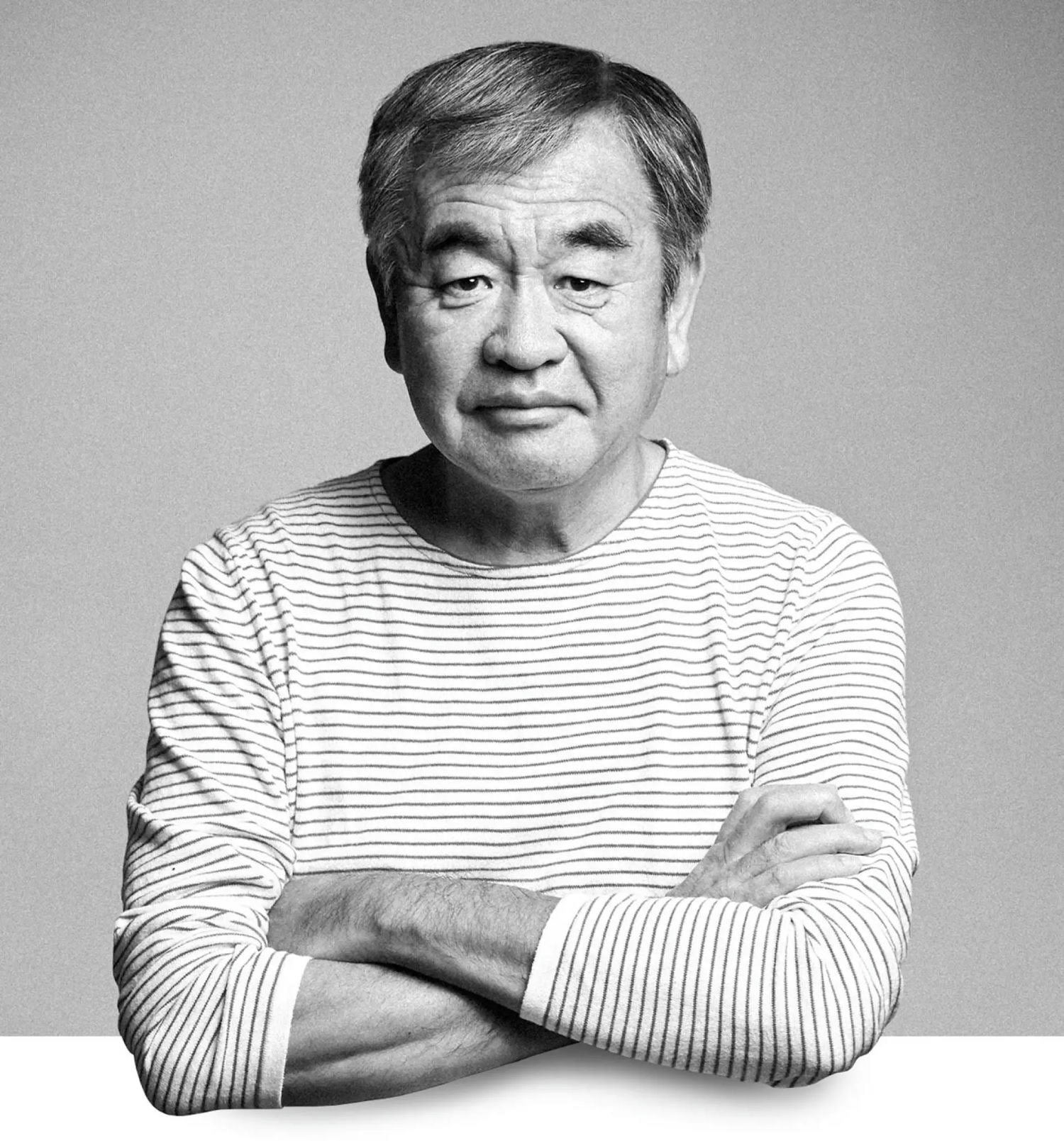
– Kengo Kuma © Frederico Martins / KKAA
Did Kengo Kuma have any famous teachers or students?
Kengo Kuma had notable influences during his education and has inspired many students and collaborators, though he is not associated with a single “master-apprentice” relationship. During his studies, particularly in New York, Kuma was influenced by Kenneth Frampton, a theorist at Columbia University whose ideas on contextual and regional architecture shaped Kuma’s thinking. In Japan, his formative years were indirectly influenced by the legacy of Kenzo Tange, a key figure in modern Japanese architecture whom Kuma has described as an inspirational mentor. As a child, Kuma visited Tange’s Yoyogi Gymnasium, built for the 1964 Olympics, and later studied in an environment at the University of Tokyo still marked by Tange’s modernist ideas. As an educator, Kuma has been a professor at the University of Tokyo since 2009 and has lectured internationally. Through these roles, he has mentored a generation of architects who integrate his focus on materiality and context into their own practices. His firm, Kengo Kuma & Associates, with offices in Tokyo, Beijing, and Paris, has also served as a training ground for hundreds of architects. Alumni of the studio now work globally, many founding their own practices or leading major projects informed by Kuma’s approach to craftsmanship, materials, and site-specific design.
How can students learn from Kengo Kuma’s work?
Students can learn from Kengo Kuma’s work by examining both his design process and his completed projects to understand how tradition and innovation coexist in architecture. A productive approach is to study his material strategies: for instance, analyzing his use of wood in the GC Prostho Museum or bamboo and paper in smaller pavilions shows how structural beauty can be achieved without reliance on steel-and-glass construction. Students should observe Kuma’s collaborations with craftsmen; this practice encourages architects to explore local techniques and integrate them into contemporary design. Visiting or virtually exploring buildings such as the Nezu Museum in Tokyo or the V&A Dundee in Scotland helps reveal how Kuma choreographs spatial experience through light, movement, and transitions between interior and exterior. Reading Kuma’s writings provides additional insight. His book Anti-Object: The Dissolution and Disintegration of Architecture defines his view that architecture should recede into its surroundings rather than dominate them. Students can reflect on this position and contrast it with more object-driven practices. In design studios, a useful exercise is to begin with site analysis, understanding local culture, climate, and history, and allow these conditions to shape form and material selection. Kuma’s architecture also demonstrates sustainability through passive methods, such as shading from deep eaves and ventilation via porous facades, illustrating environmentally responsive design without technological dependence. His interdisciplinary method offers another lesson: close collaboration with engineers, environmental consultants, and artists produces architecture that unites structure, landscape, and human experience. Ultimately, learning from Kuma’s work means recognizing that architecture is not about sculptural form but about creating meaningful, contextually grounded spaces. By practicing restraint, engaging all the senses, and honoring tradition, students can apply Kuma’s quiet but transformative approach in their own designs.

