

Architects: Institute for Advanced Architecture of Catalonia (IAAC)
Area: 20 m²
Year: 2026
Photography: Adrià Goula, Alexander Herbig, Nina Poort
Lead Architects: Vicente Guallart, Daniel Ibañez, Michael Salka
Architects Team: Alexander Bruce Herbig, Ateet Singh, Atticus Cummings, Breno Teixeira Martinelli, Dammes de Zoeten, Georgia Ann Hoyer, Isabel Flores, Jasper Runge, Magdalena Kurdzialek, Nina Poort, Pragyna Madhav Thondapu, Reuben Diamond, Shivani Edukulla, Shanon Shahan, Santosh Shyamsundar, Sipan Celiker Sporidis
Project Coordination: Esin Aydemir
Valldaura Management: Laia Pifarré
Structural Assembly: Fustes Sebastia; Tallfusta
Advisors: Miquel Rodriguez; Elena Orte; Guillermo Sevillano; Firas Safieddine; Rian van Dijk
Client: Fundació Catalunya La Pedrera
Host: MónNatura Pirineus
City: Lleida
Country: Spain
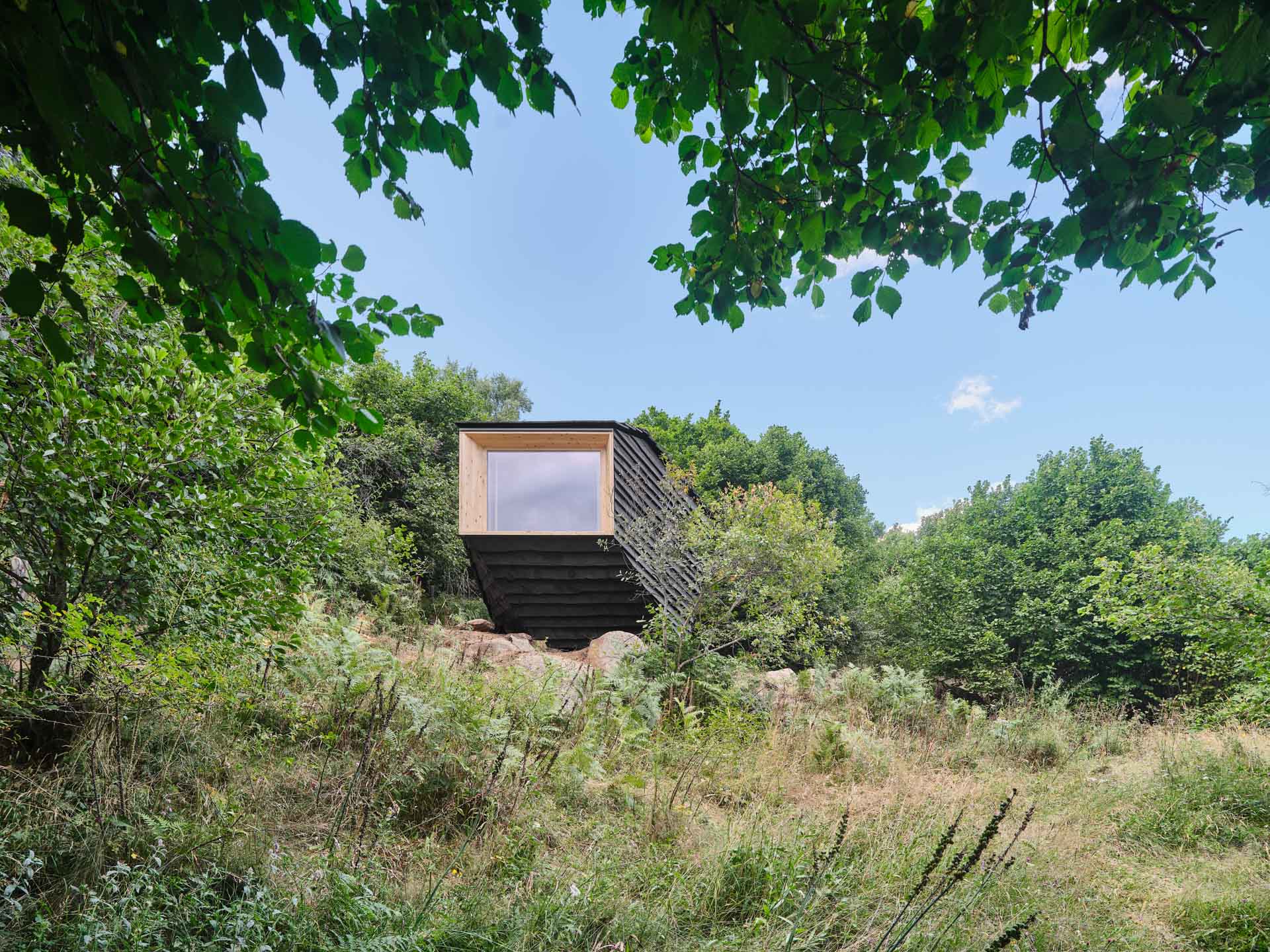
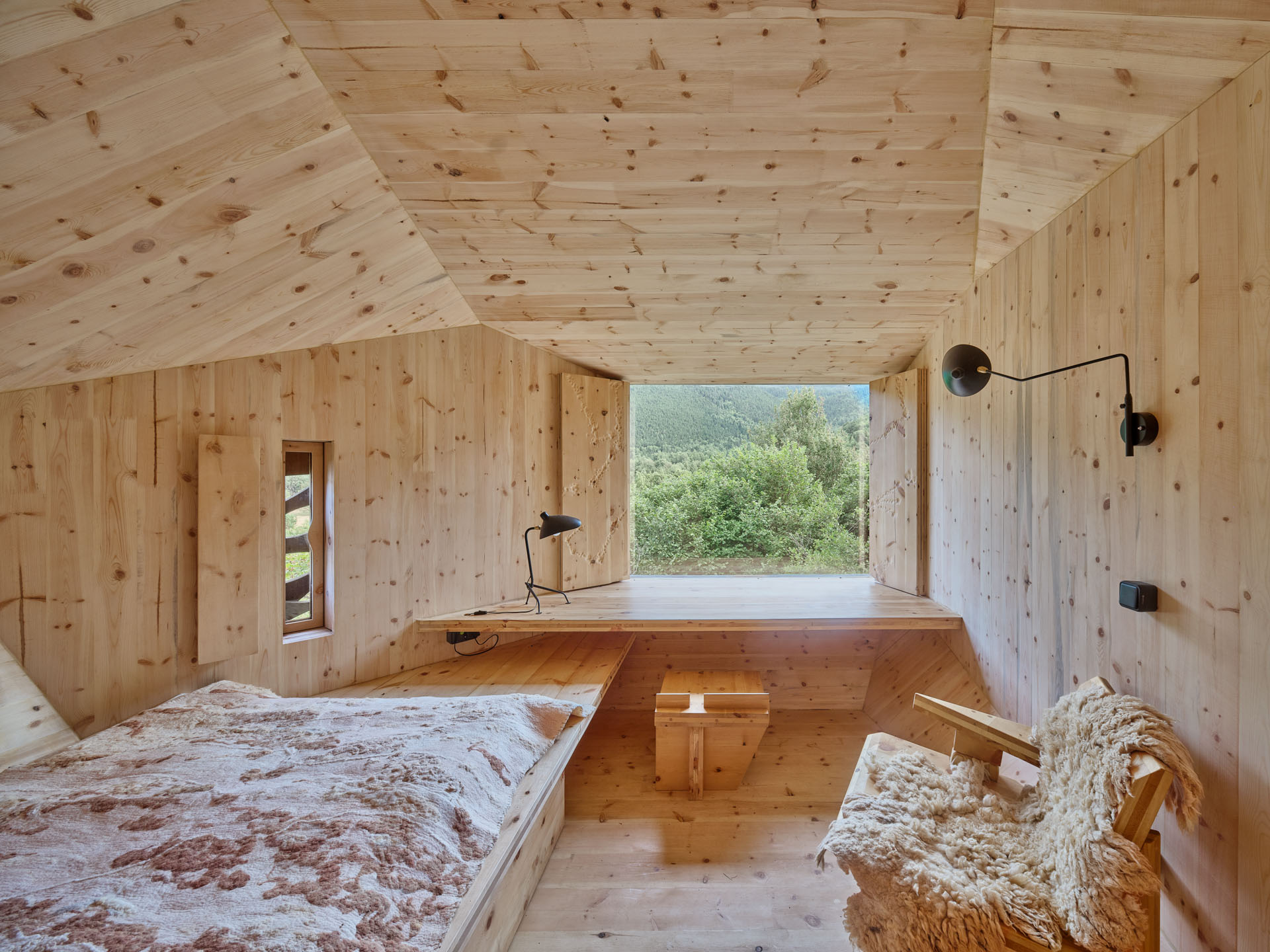
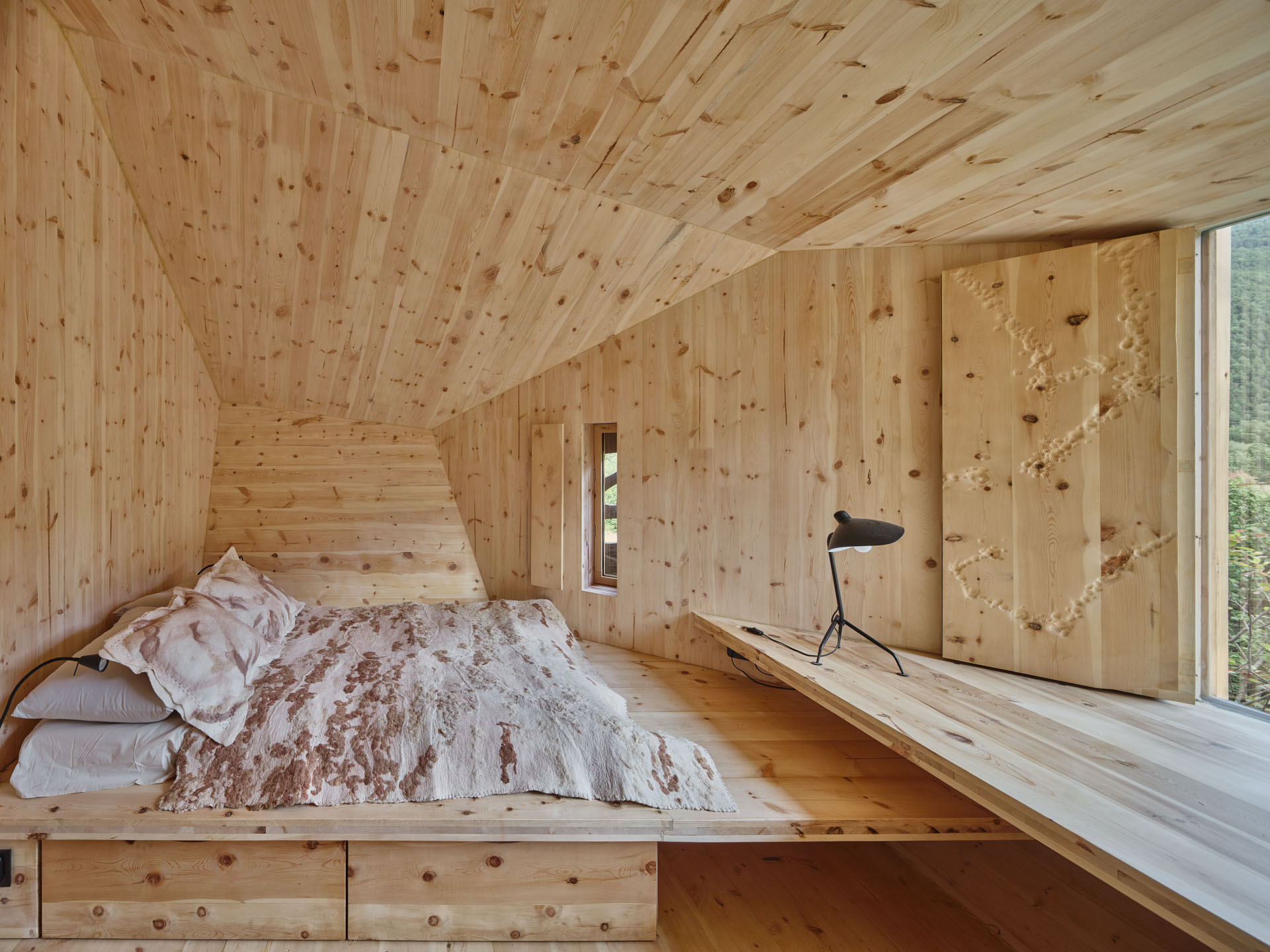
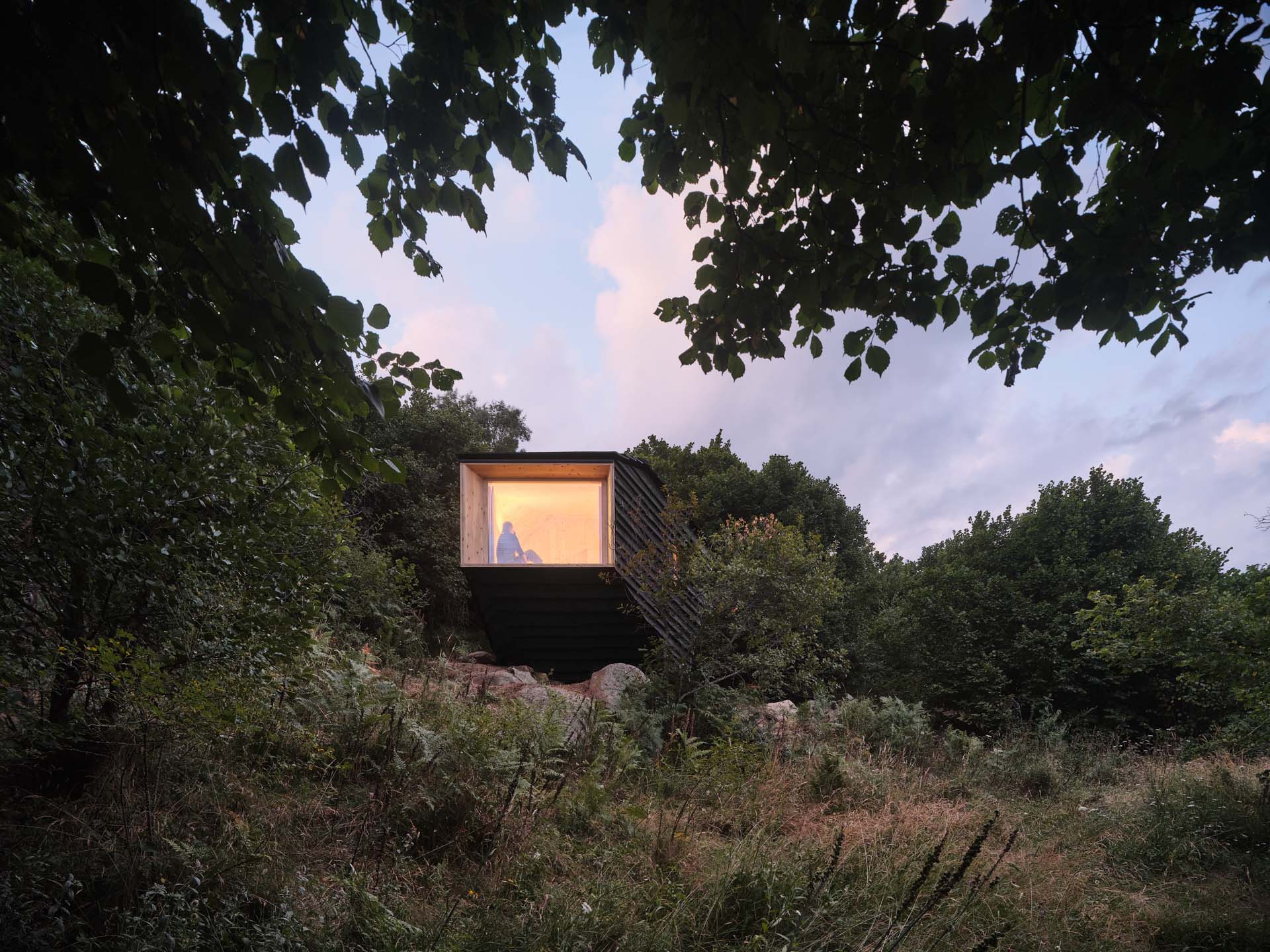
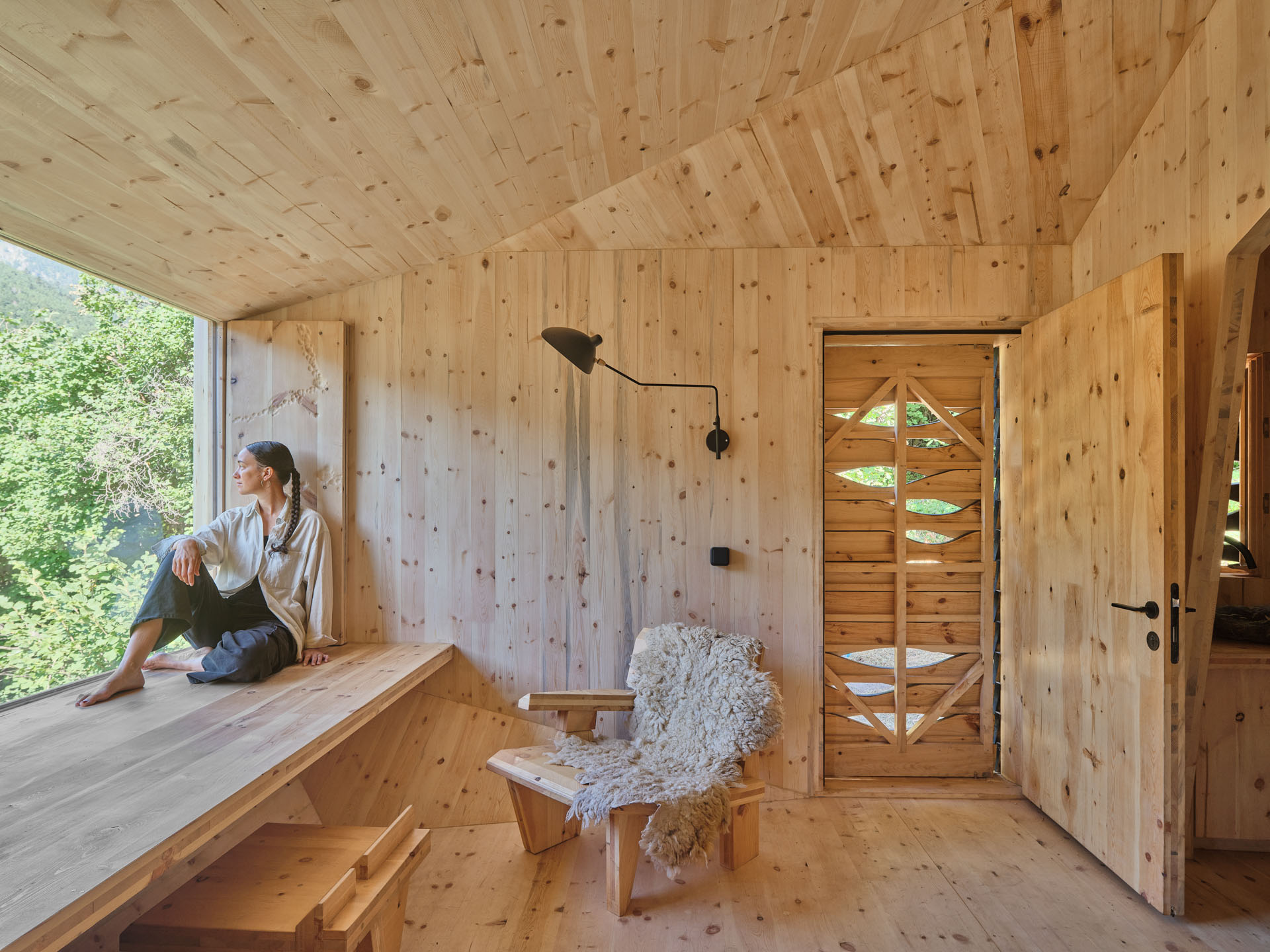
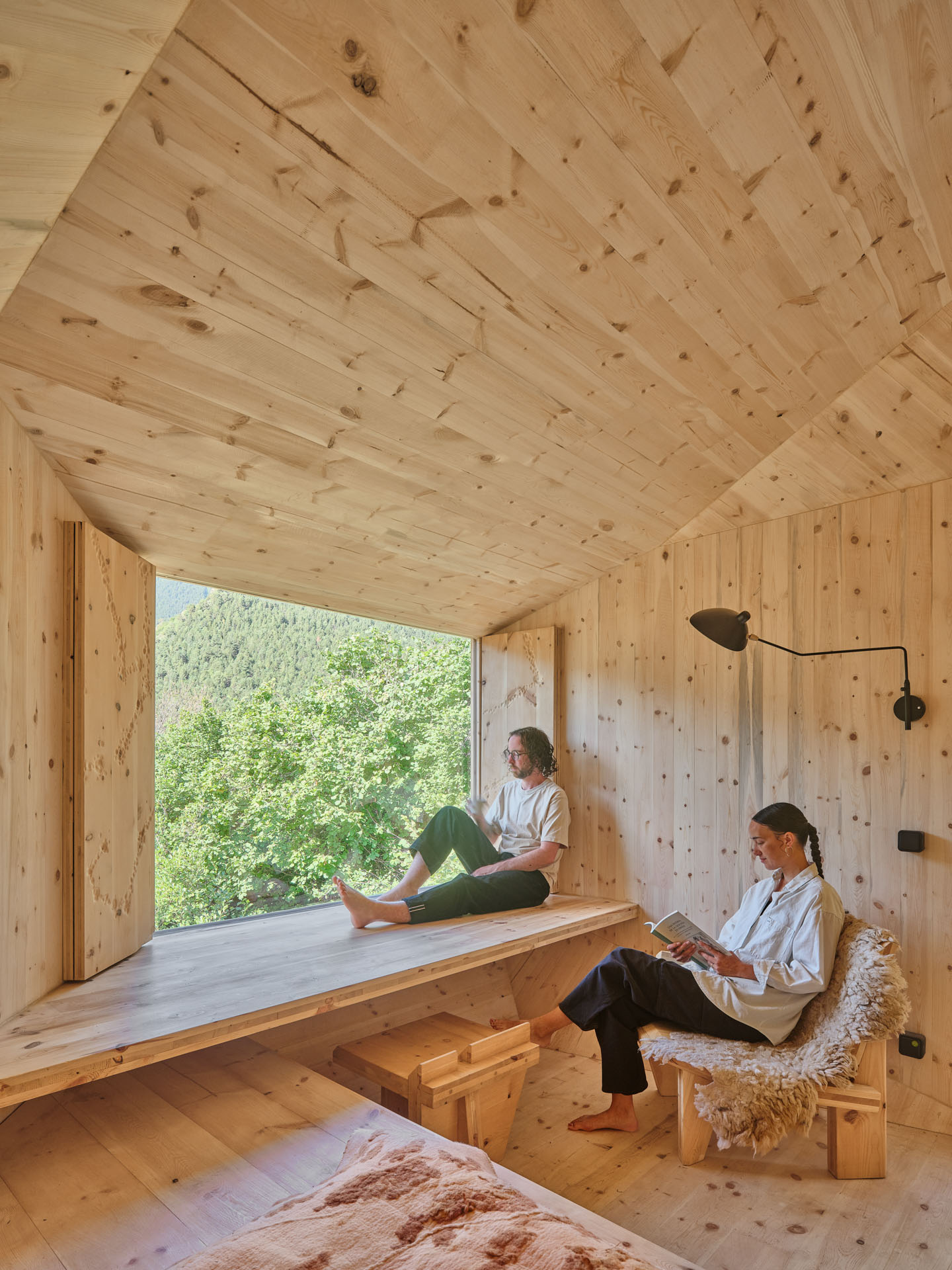
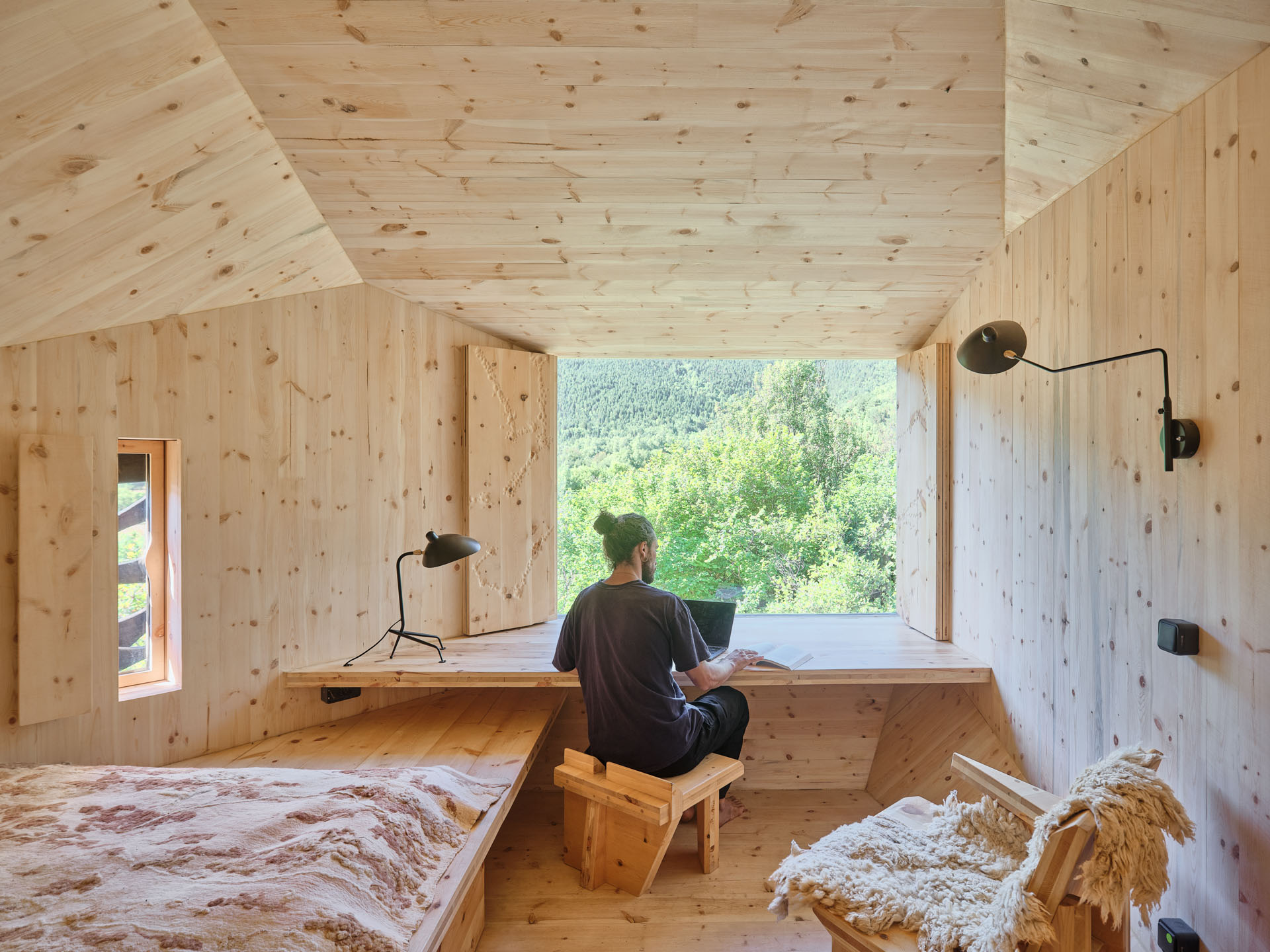
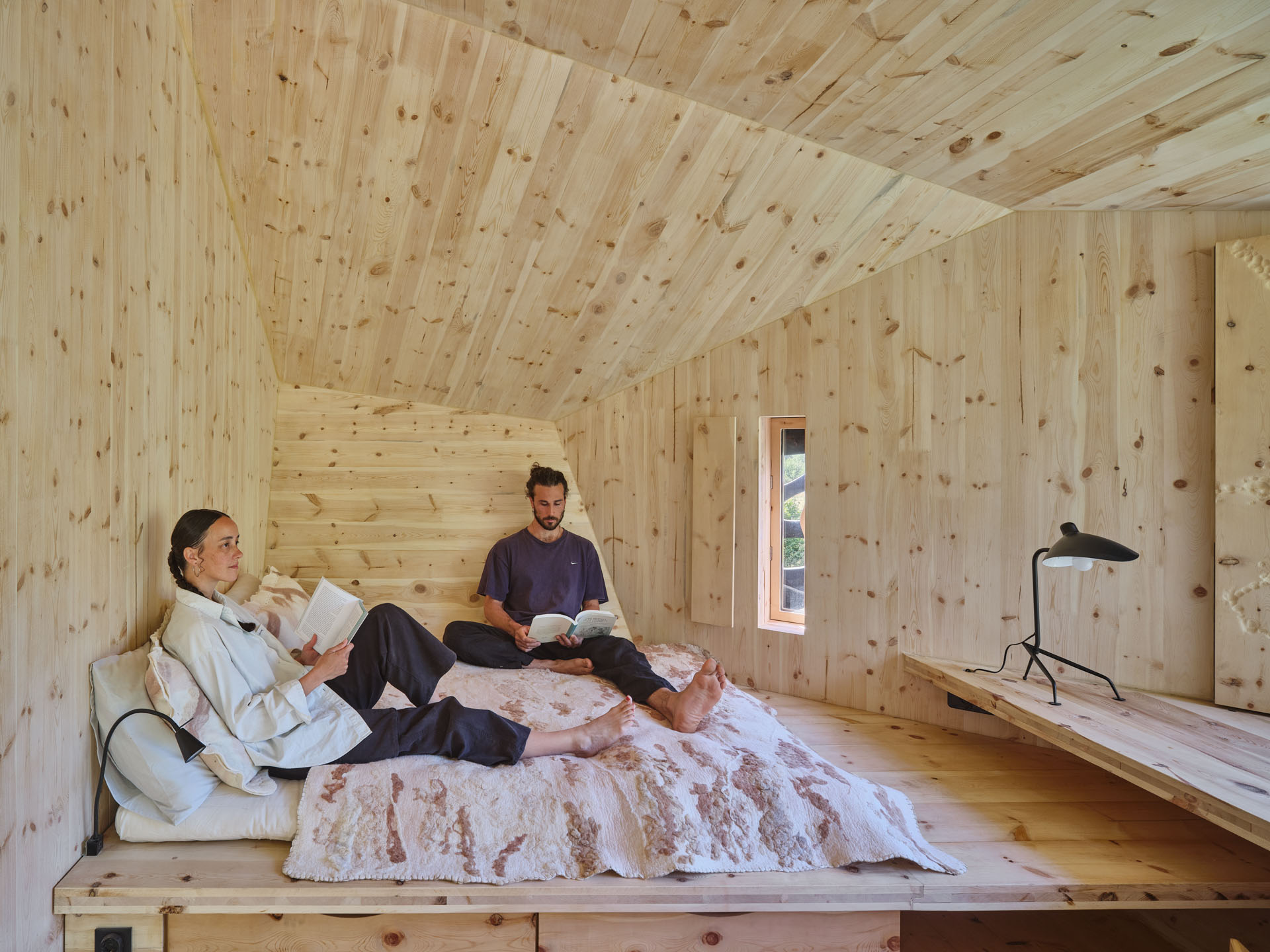
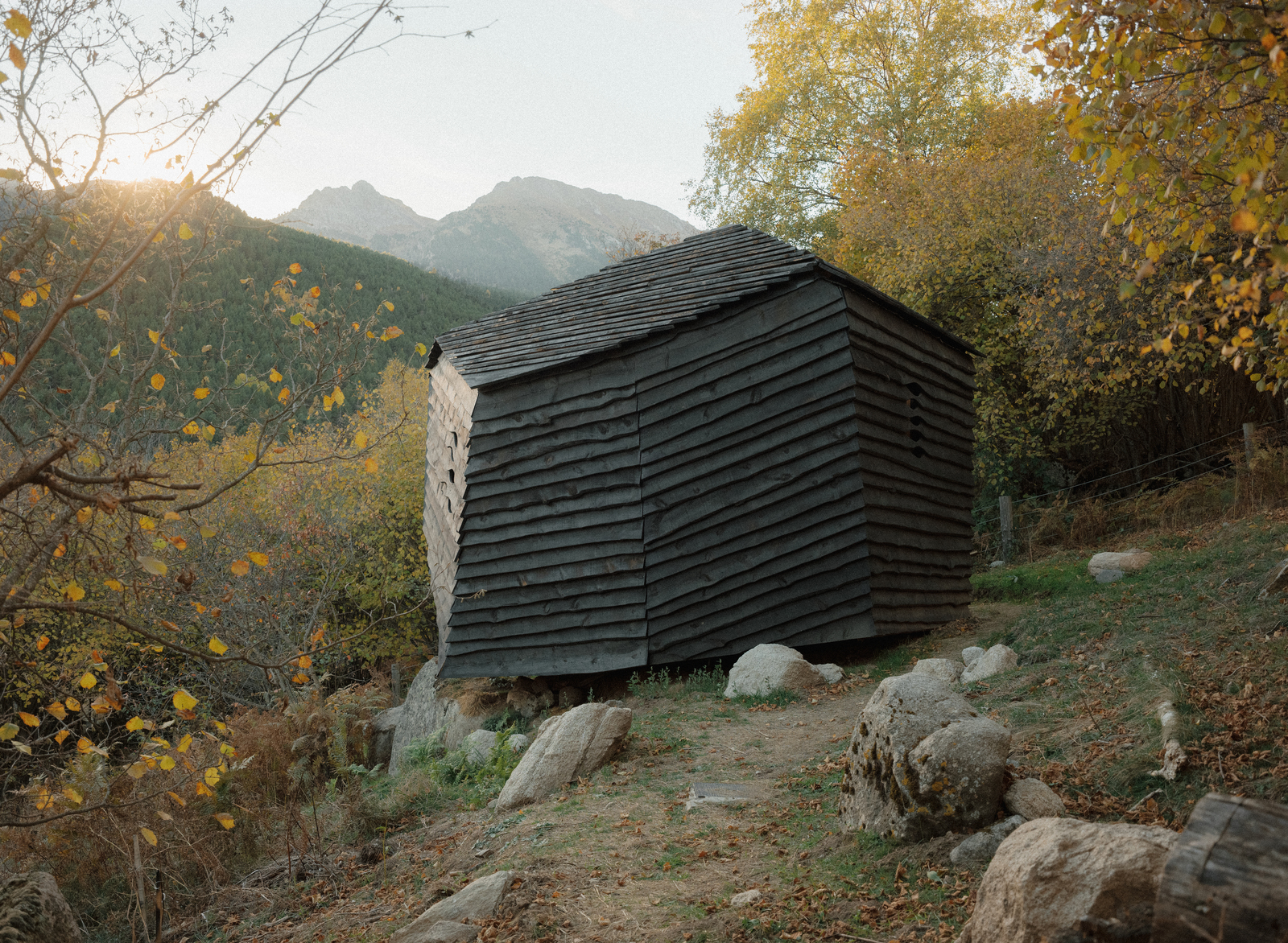
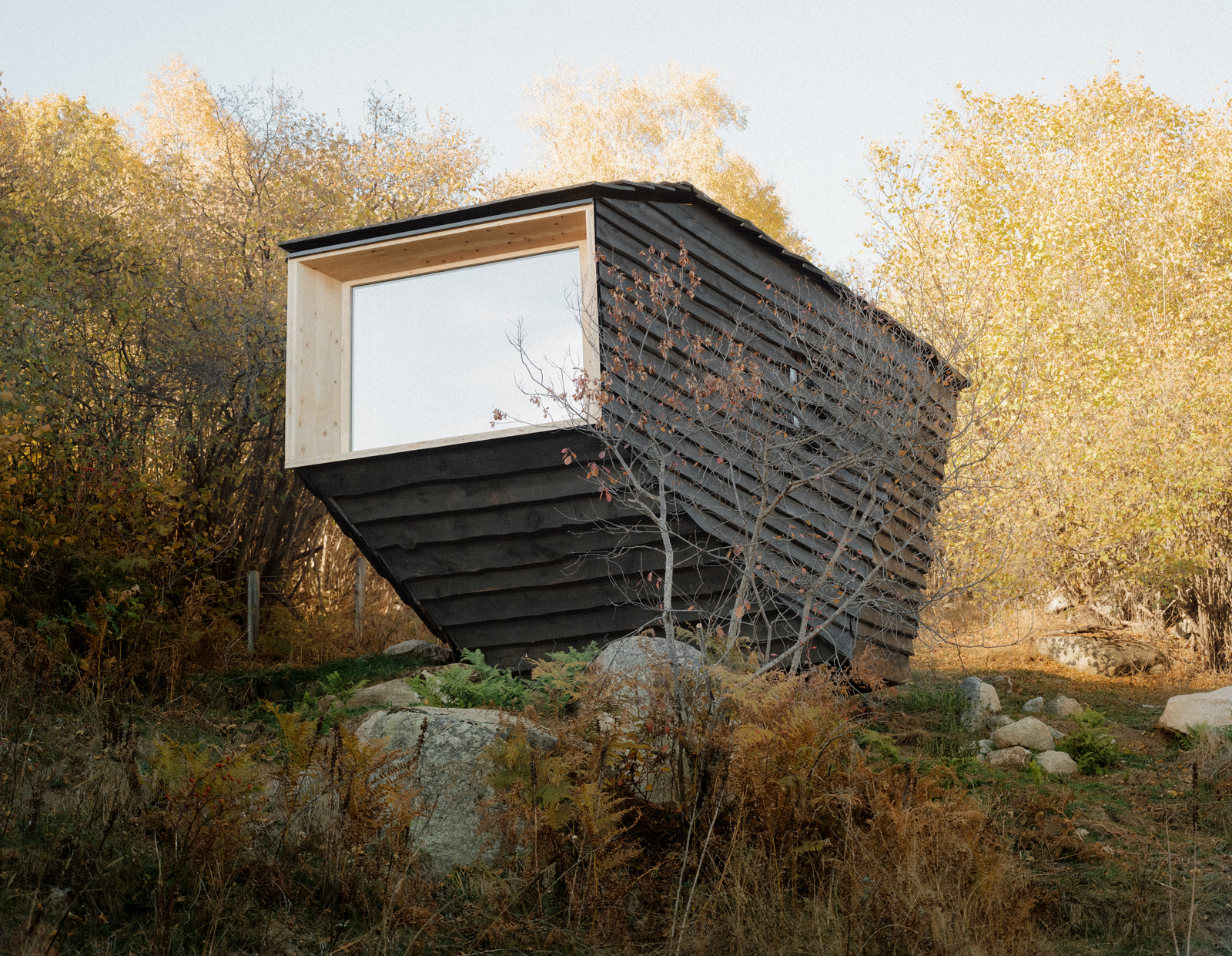
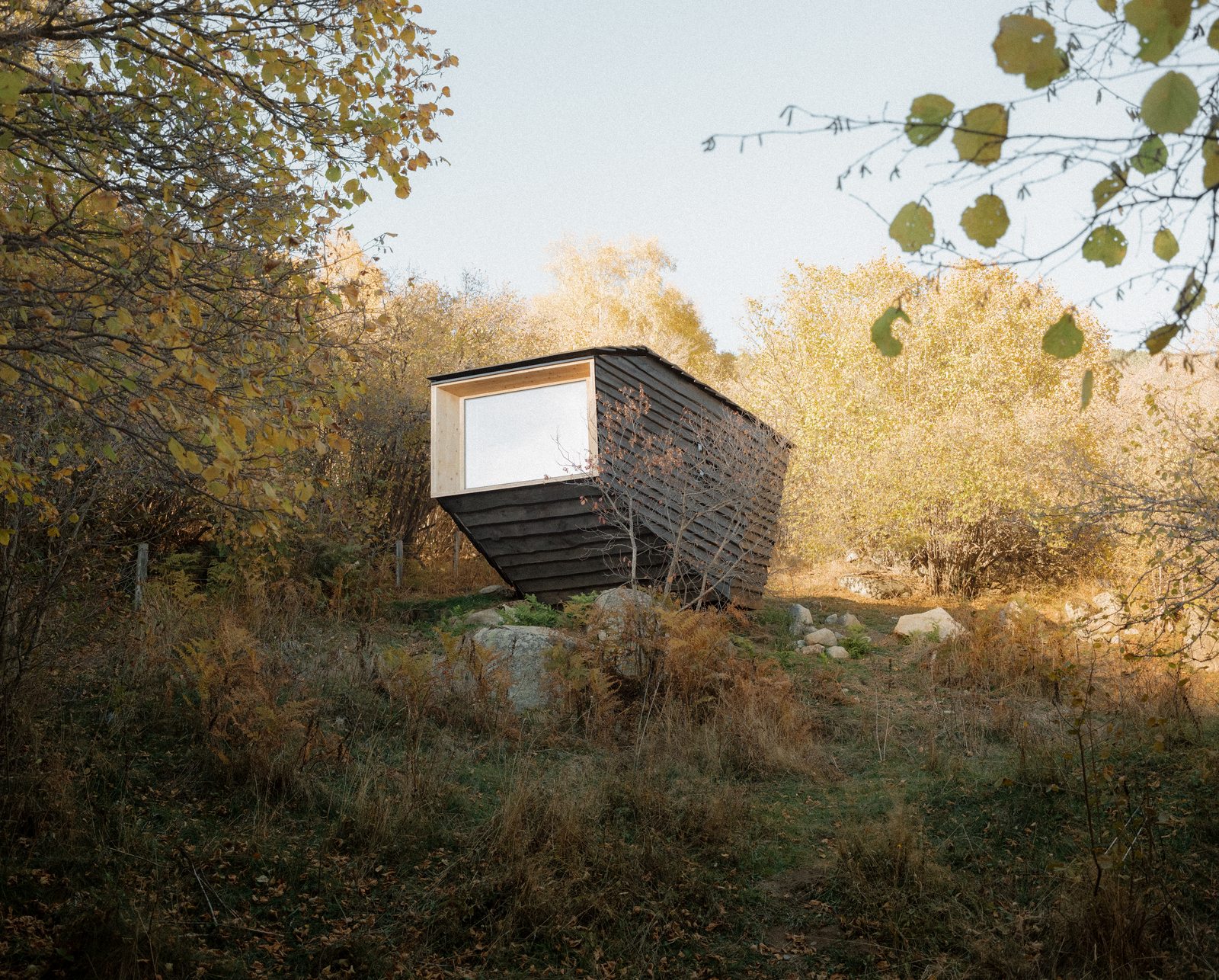
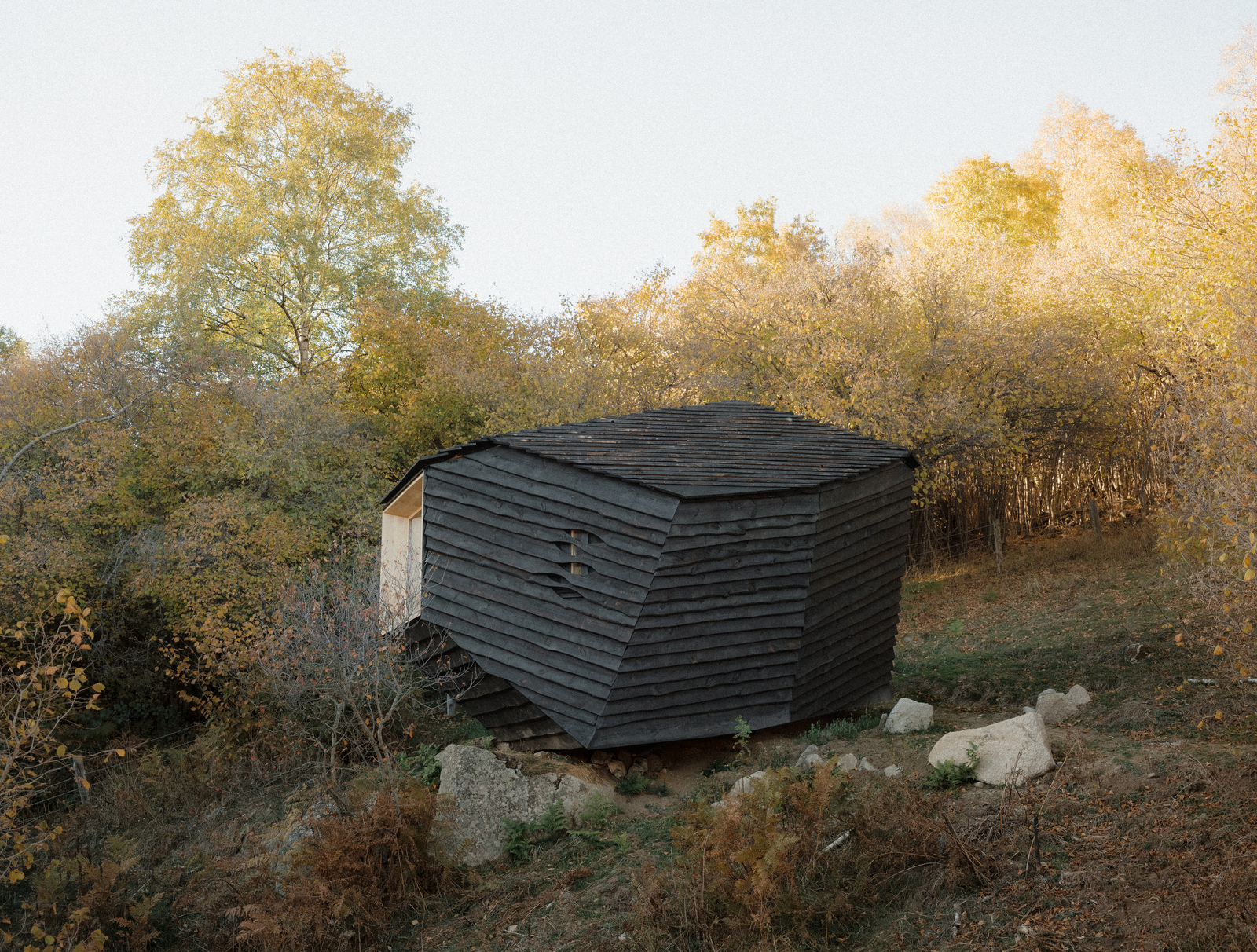
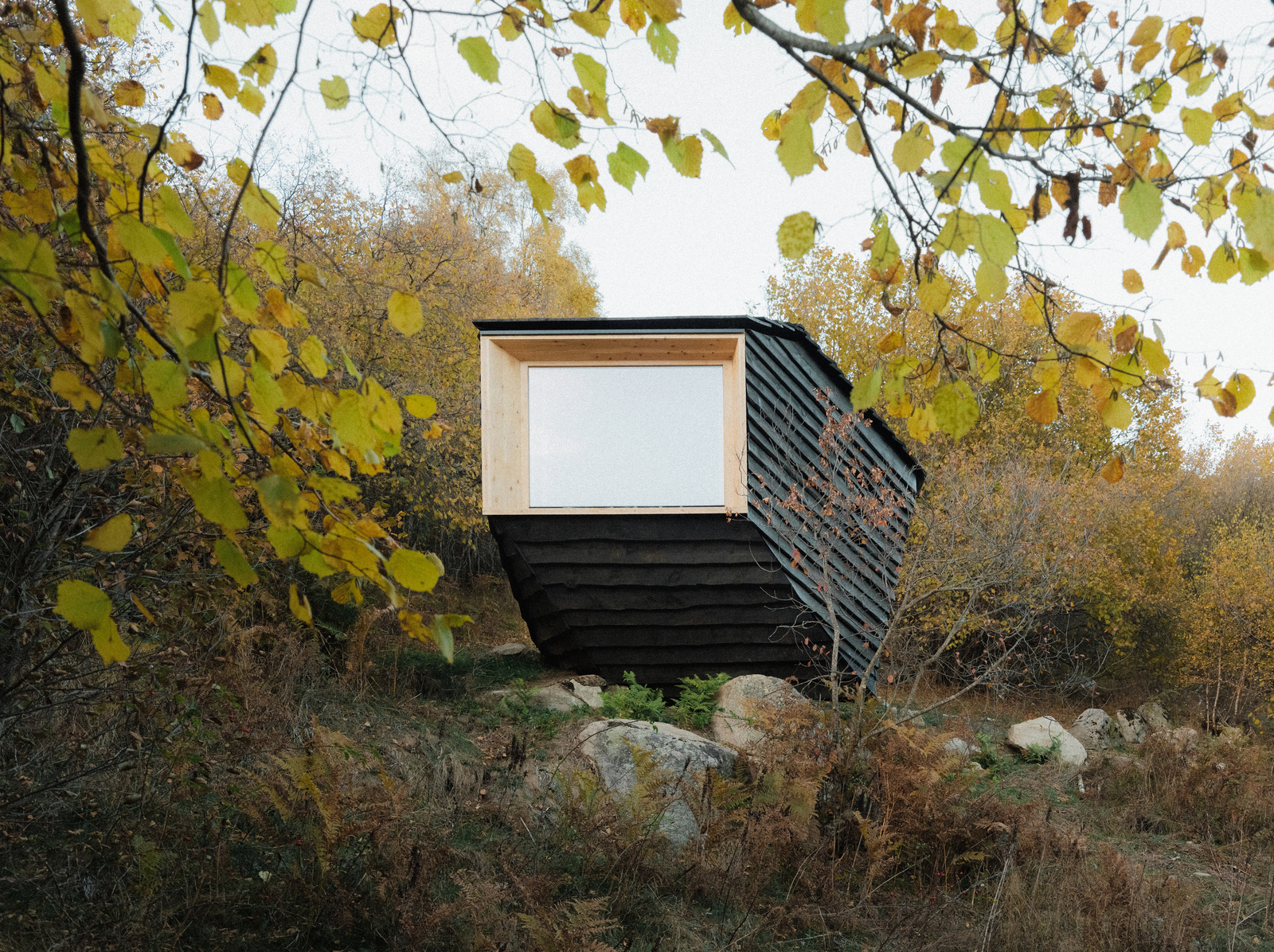
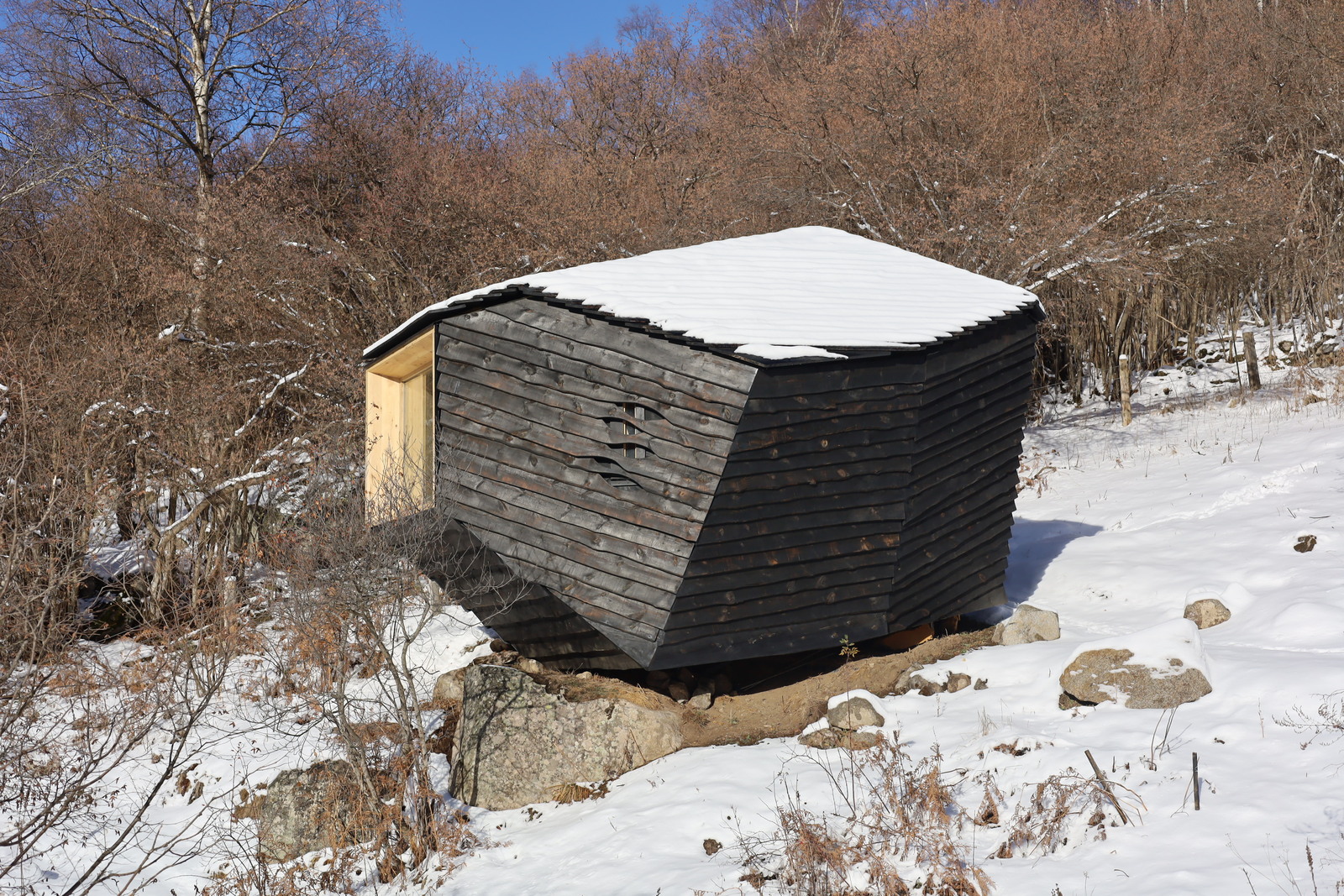
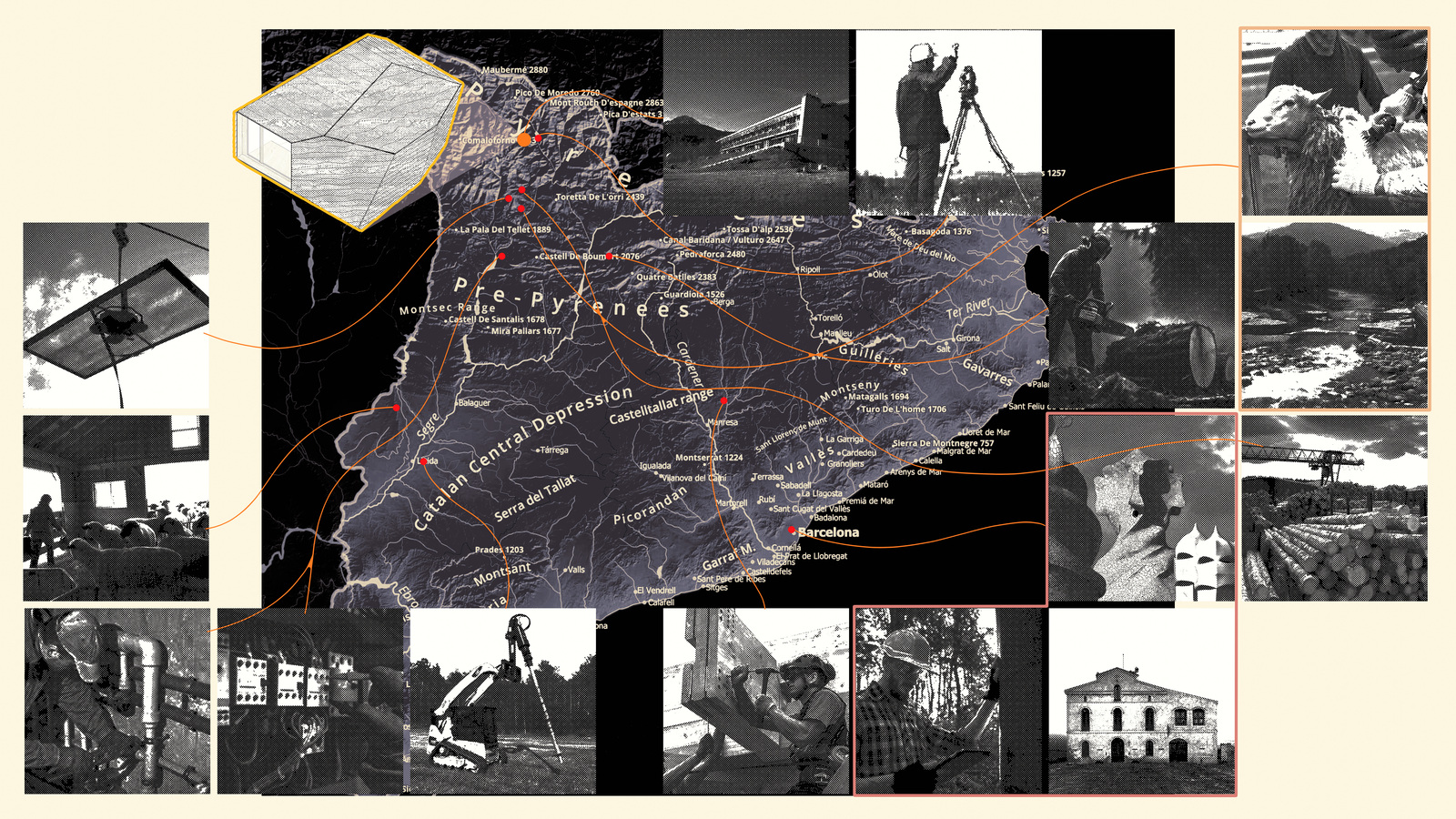
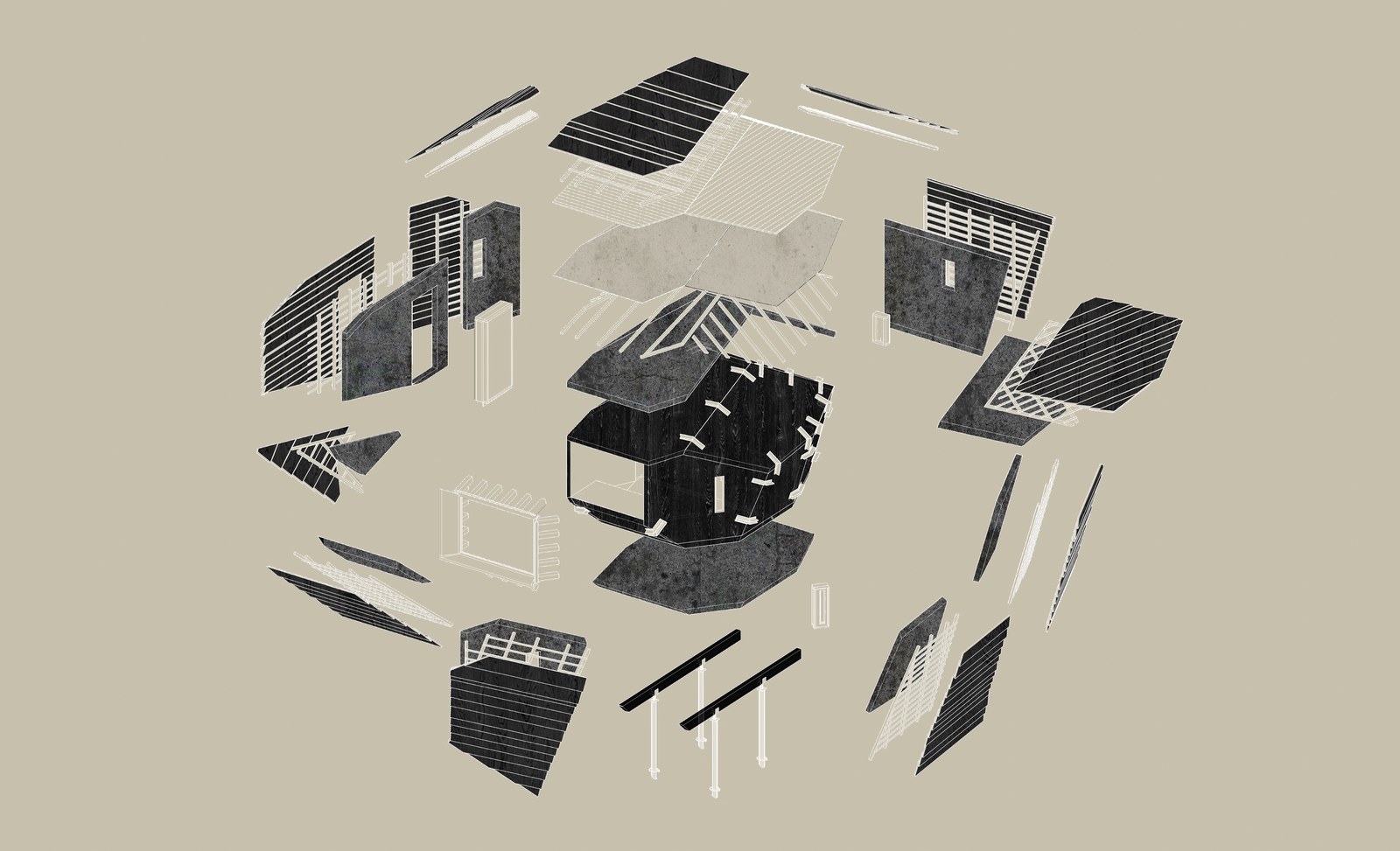
Forestone Cabin is a 20-square-meter experimental dwelling developed by the Institute for Advanced Architecture of Catalonia as part of the Bio for Piri initiative, which promotes regenerative forestry and the sustainable use of local timber in the Pyrenees. Designed and constructed by the 2025 cohort of the Master’s in Ecological Architecture and Advanced Construction, the prototype demonstrates how small-scale architecture can integrate regional materials, low-impact construction techniques, and educational research. Built from locally sourced cross-laminated timber panels and clad in charred pine boards, the cabin employs dry-assembly methods to allow for potential disassembly or replication. Its compact program accommodates temporary lodging for two people, incorporating a sleeping area, workspace, and bathroom. Interior elements, including custom CLT furniture, wool textiles produced from local sheep, and a hand-carved stone washbasin, reinforce the project’s material continuity and connection to place. Open to visitors from January 2026, the cabin operates as both an inhabitable prototype and a demonstration of sustainable forest stewardship.
Nature serves as a foundational reference, guiding our exploration of bio-based materials, regenerative processes, and digital fabrication. Our faculty and students operate within a highly interdisciplinary ecosystem, fostering an avant-garde approach that continually challenges architectural conventions and anticipates the built environment’s evolution.
Interview with Daniel Ibañez of IAAC – Institute for Advanced Architecture of Catalonia
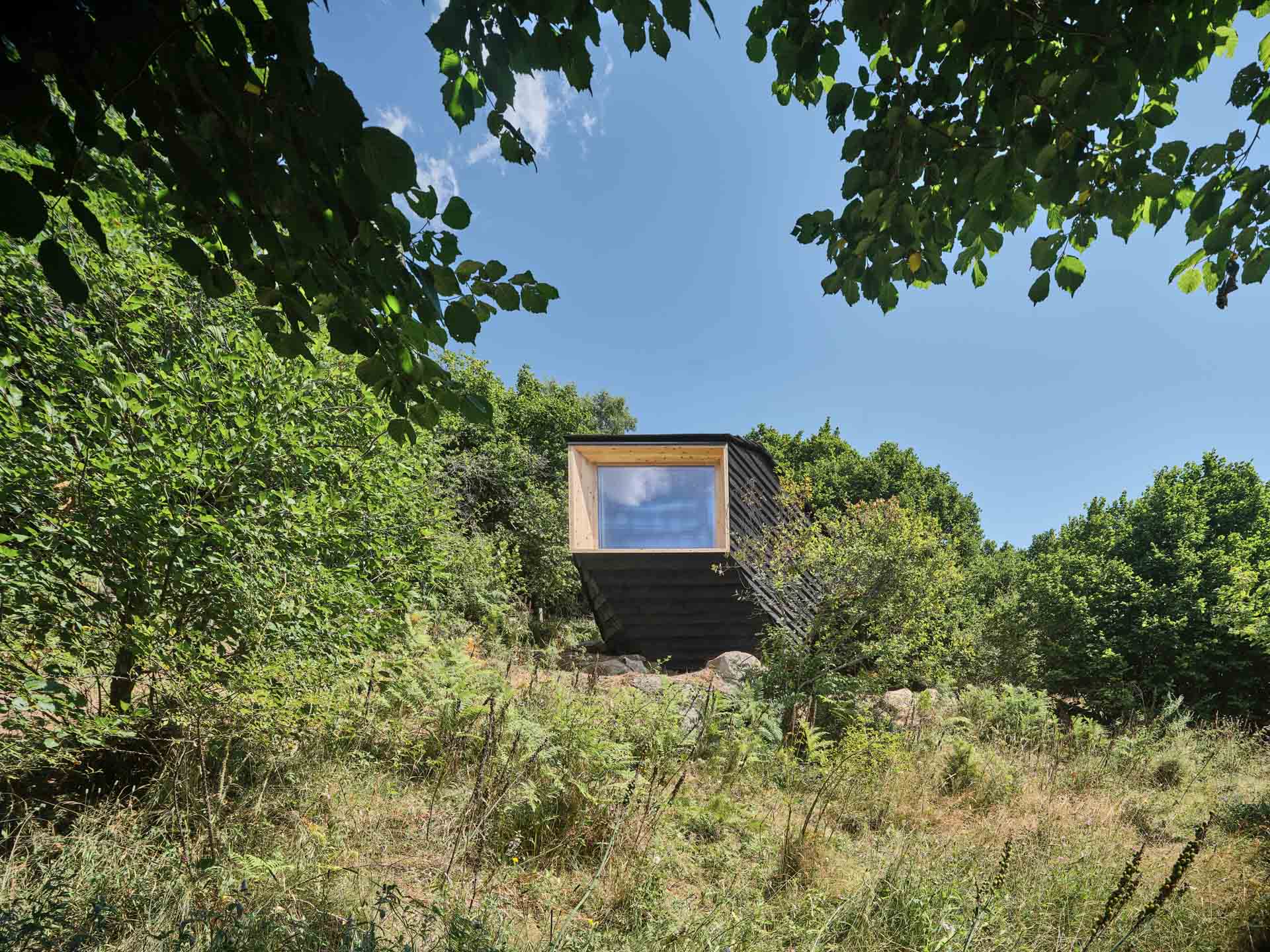
Set within the mountainous landscape of the Catalan Pyrenees, Forestone Cabin advances a proposition that architecture can operate as both shelter and forestry instrument. Developed at Valldaura Labs by the 2025 class of IAAC’s Master’s in Ecological Architecture and Advanced Construction, the project extends beyond a pedagogical exercise to position construction as an active participant in regenerative land management.
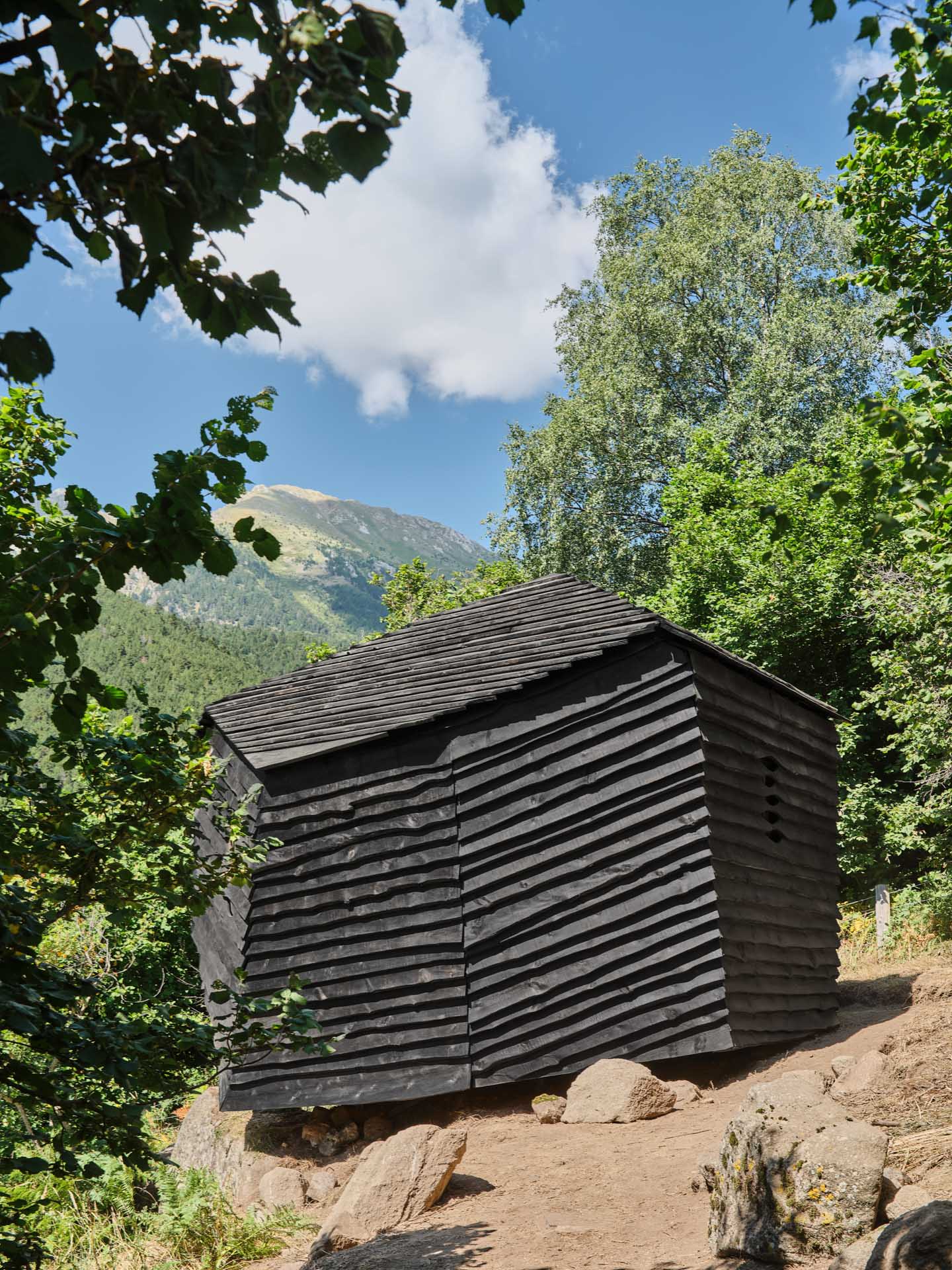
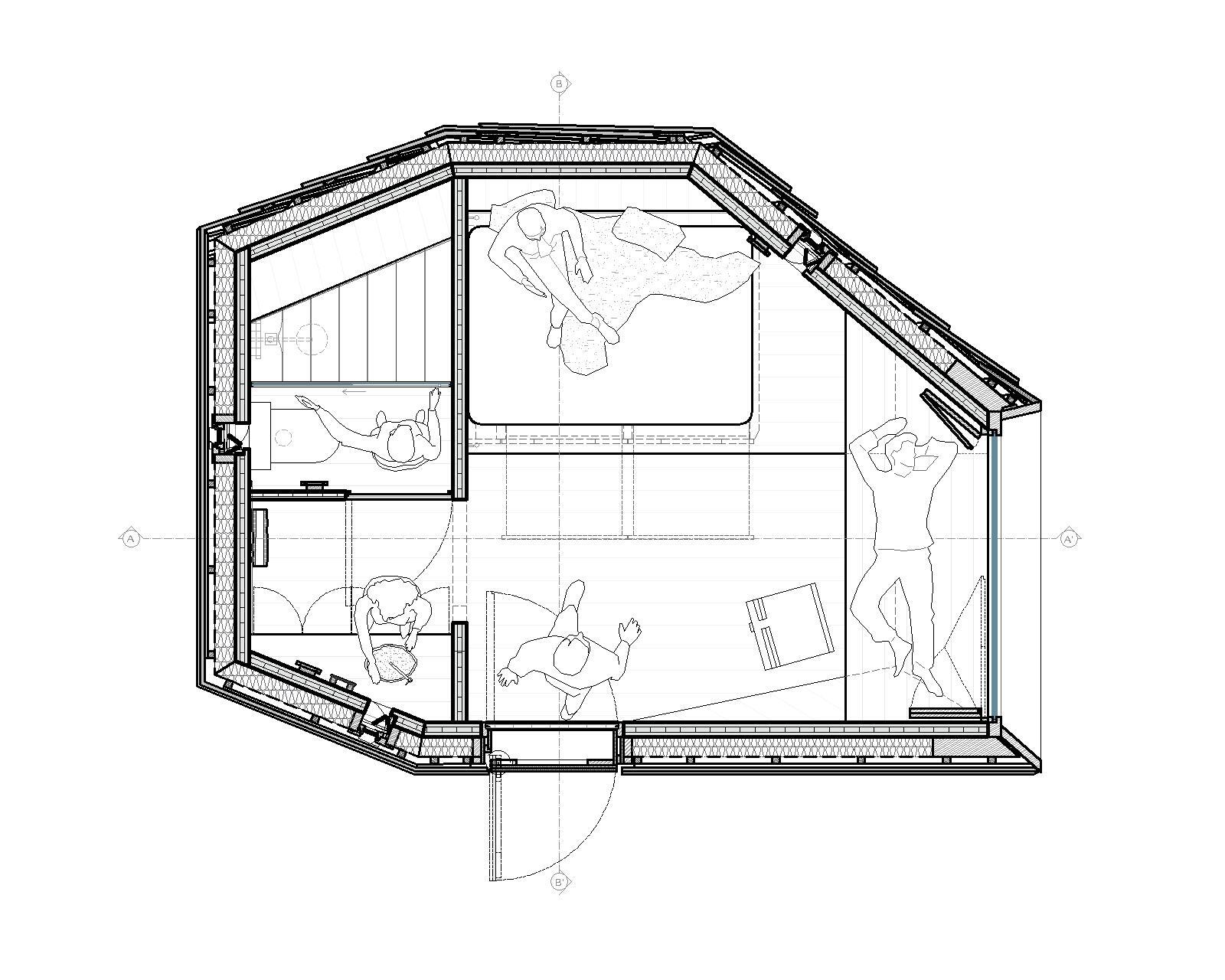
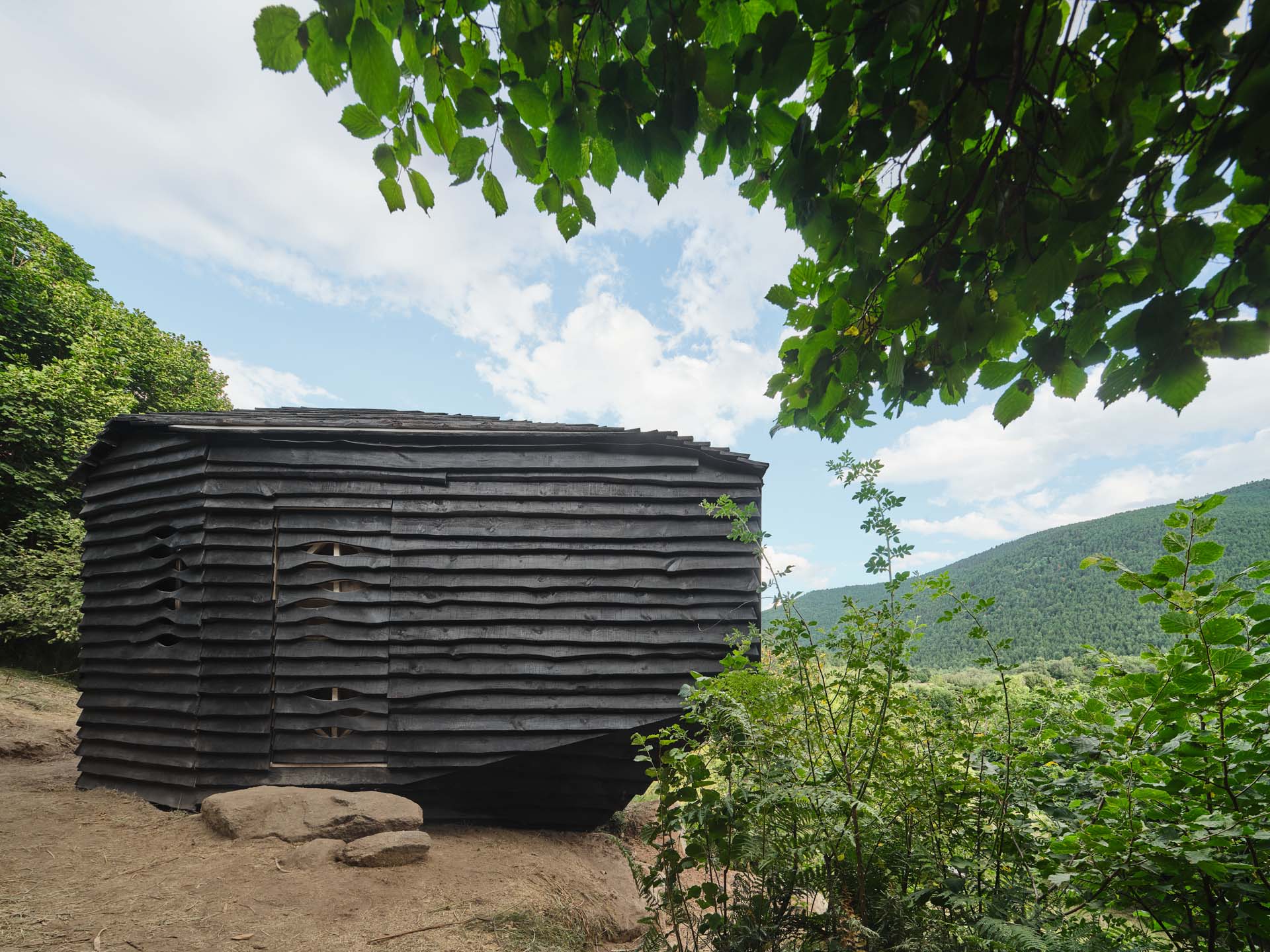
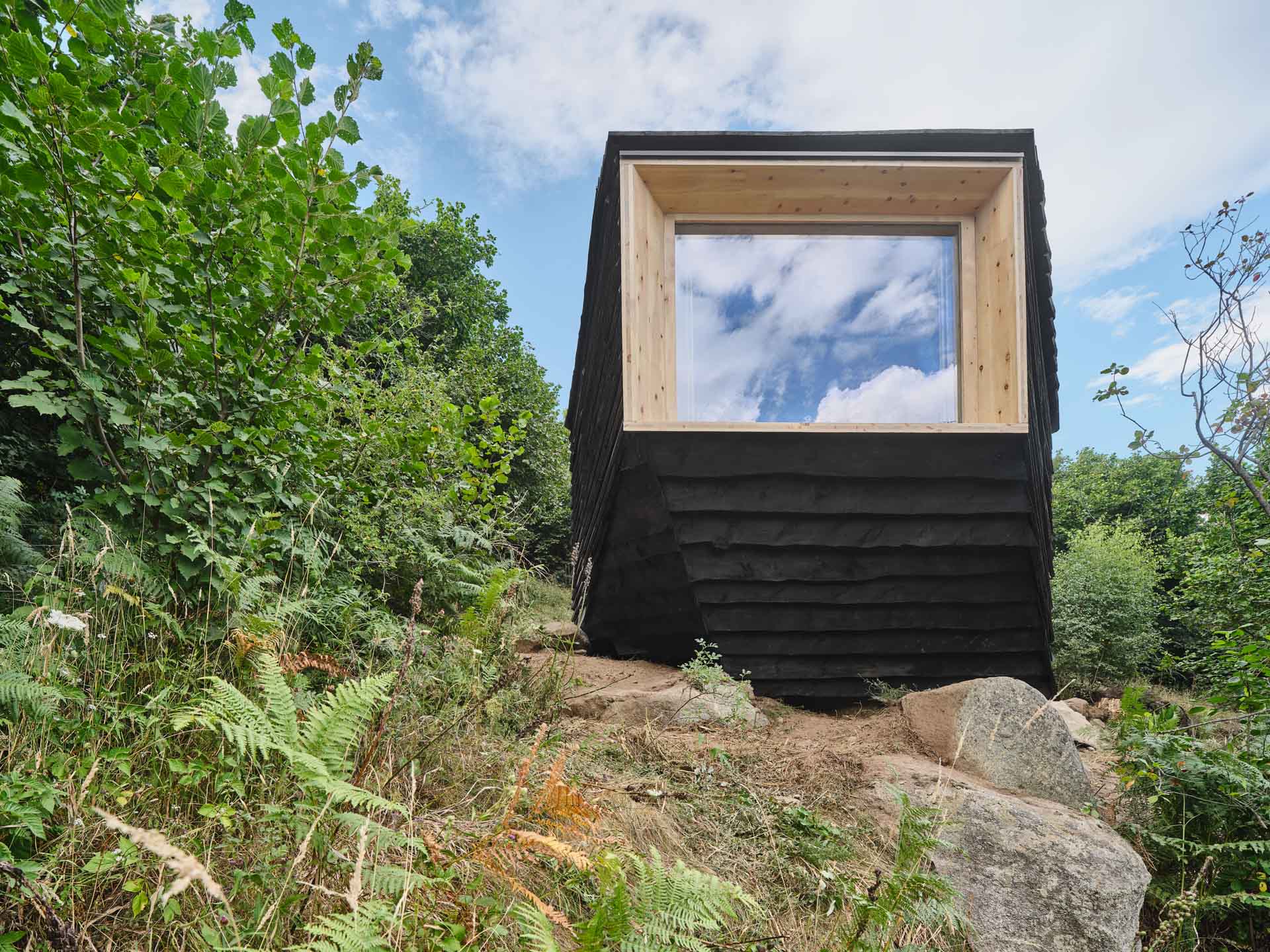
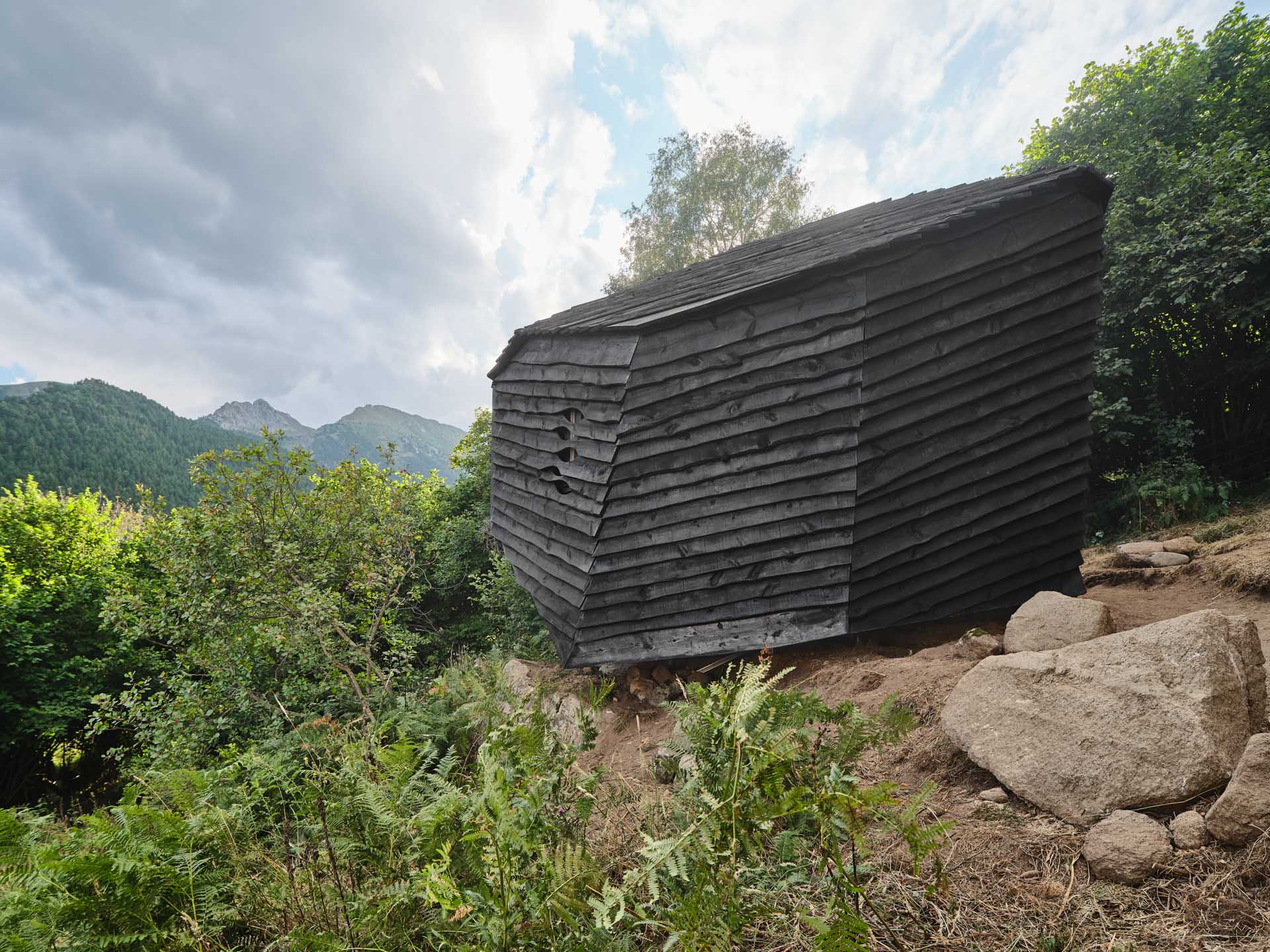
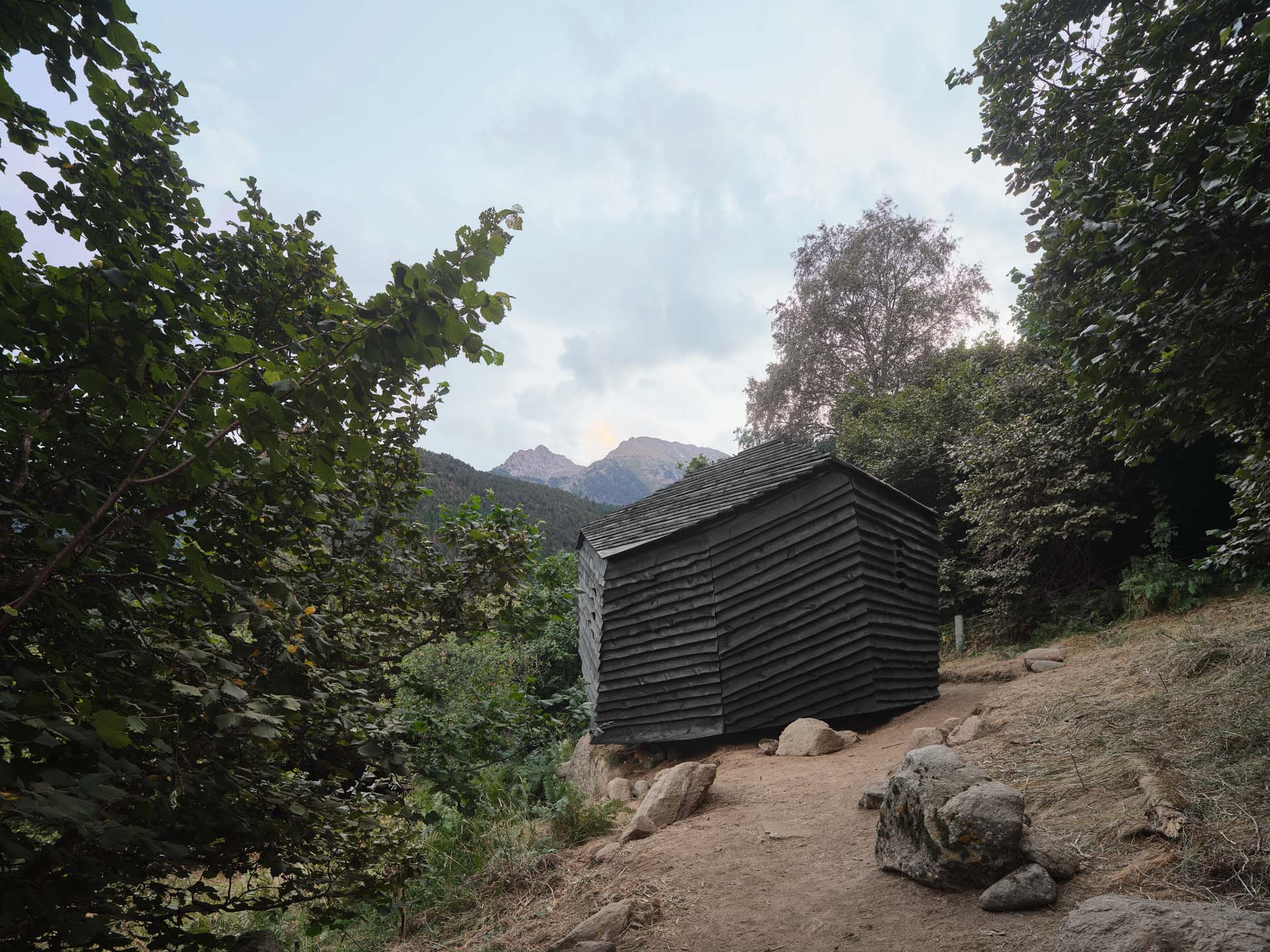
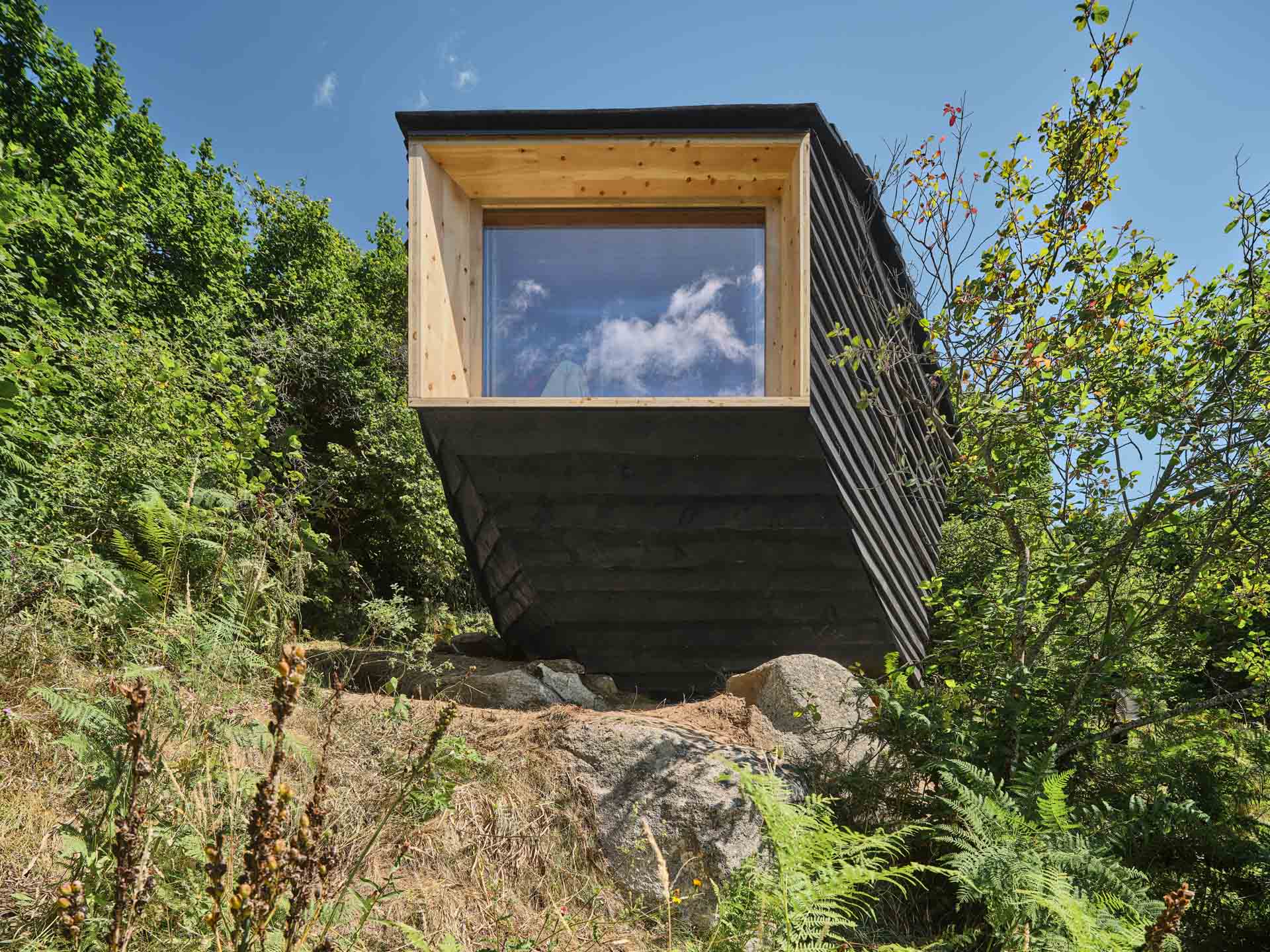
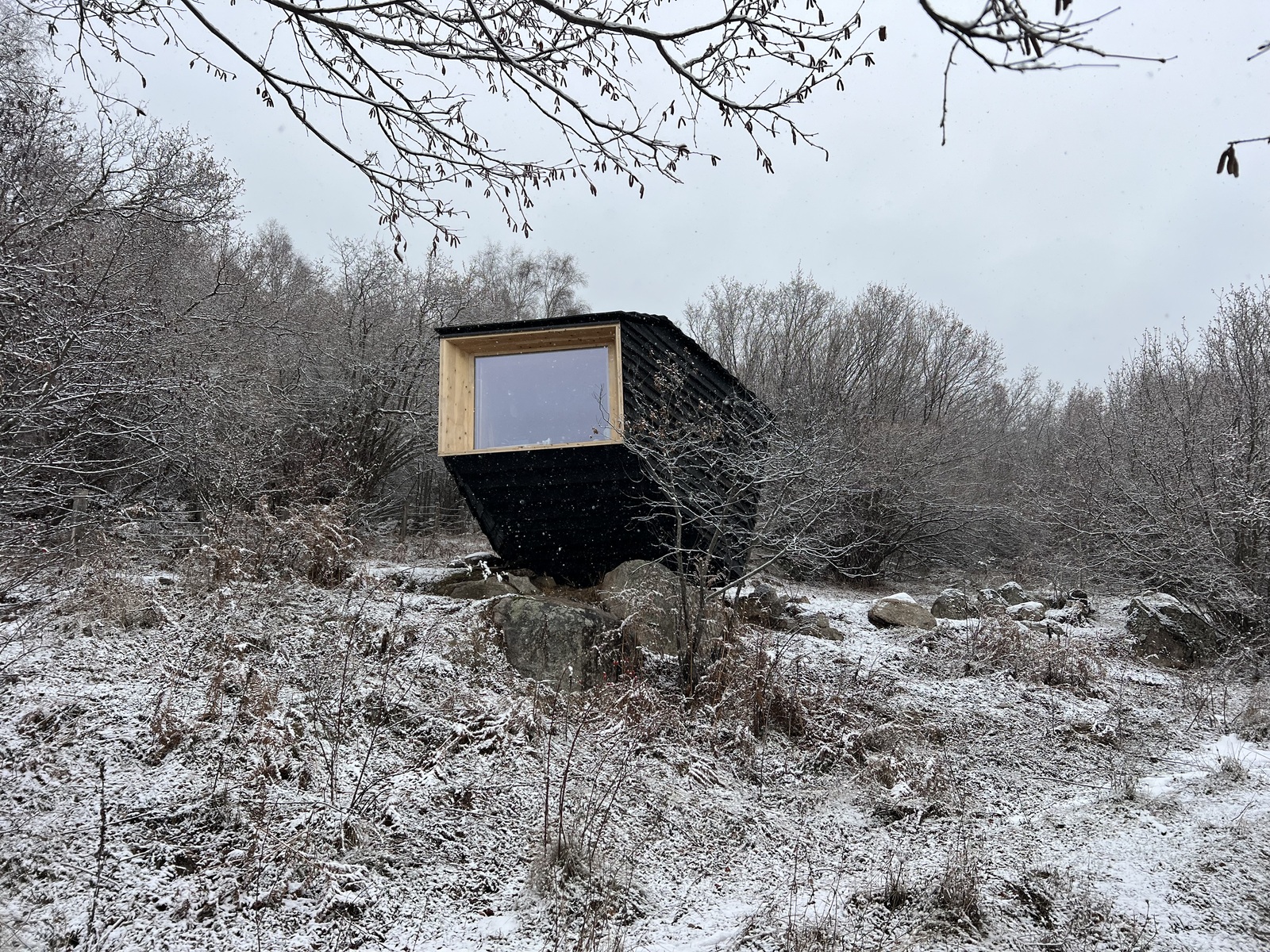
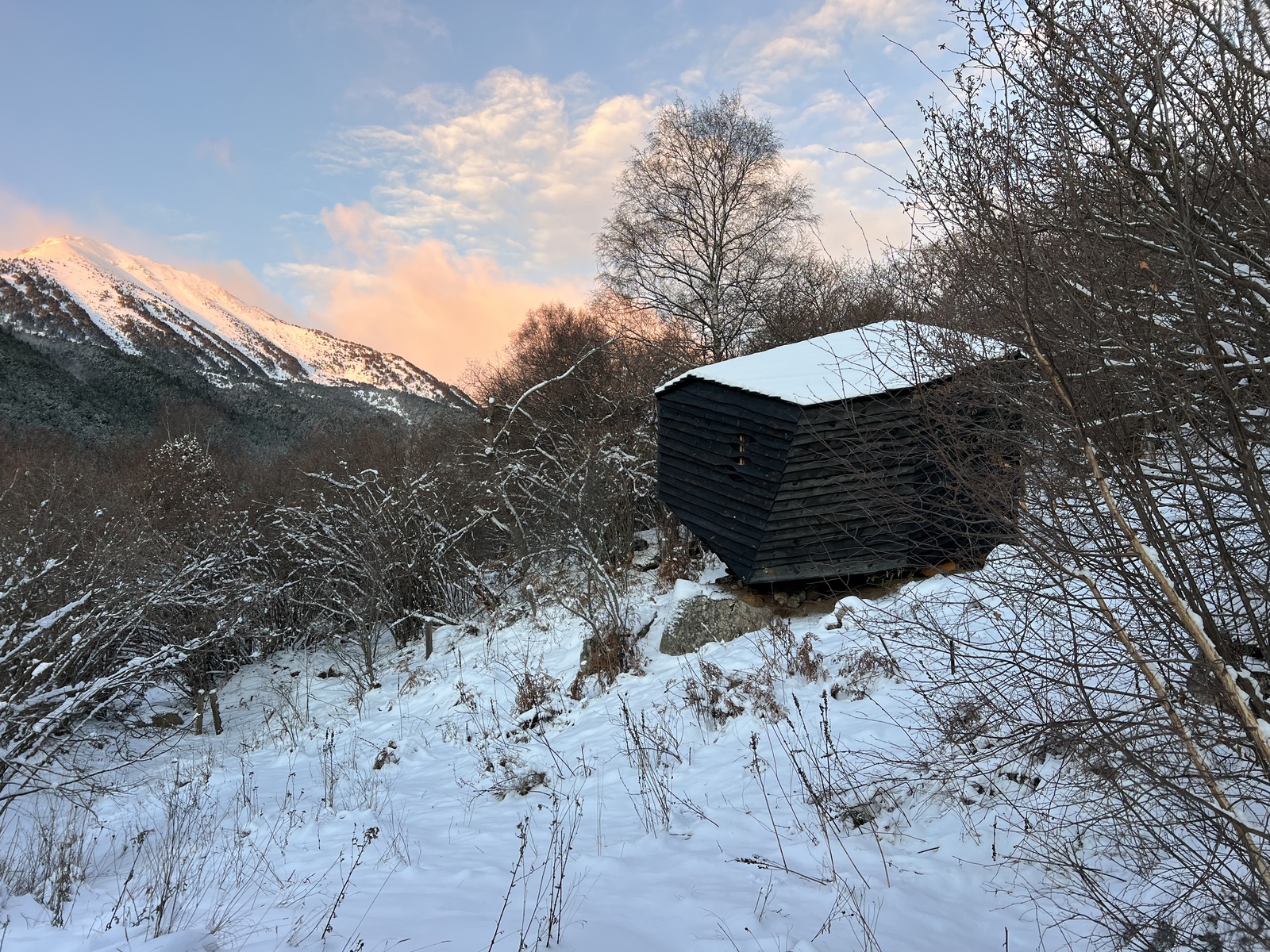
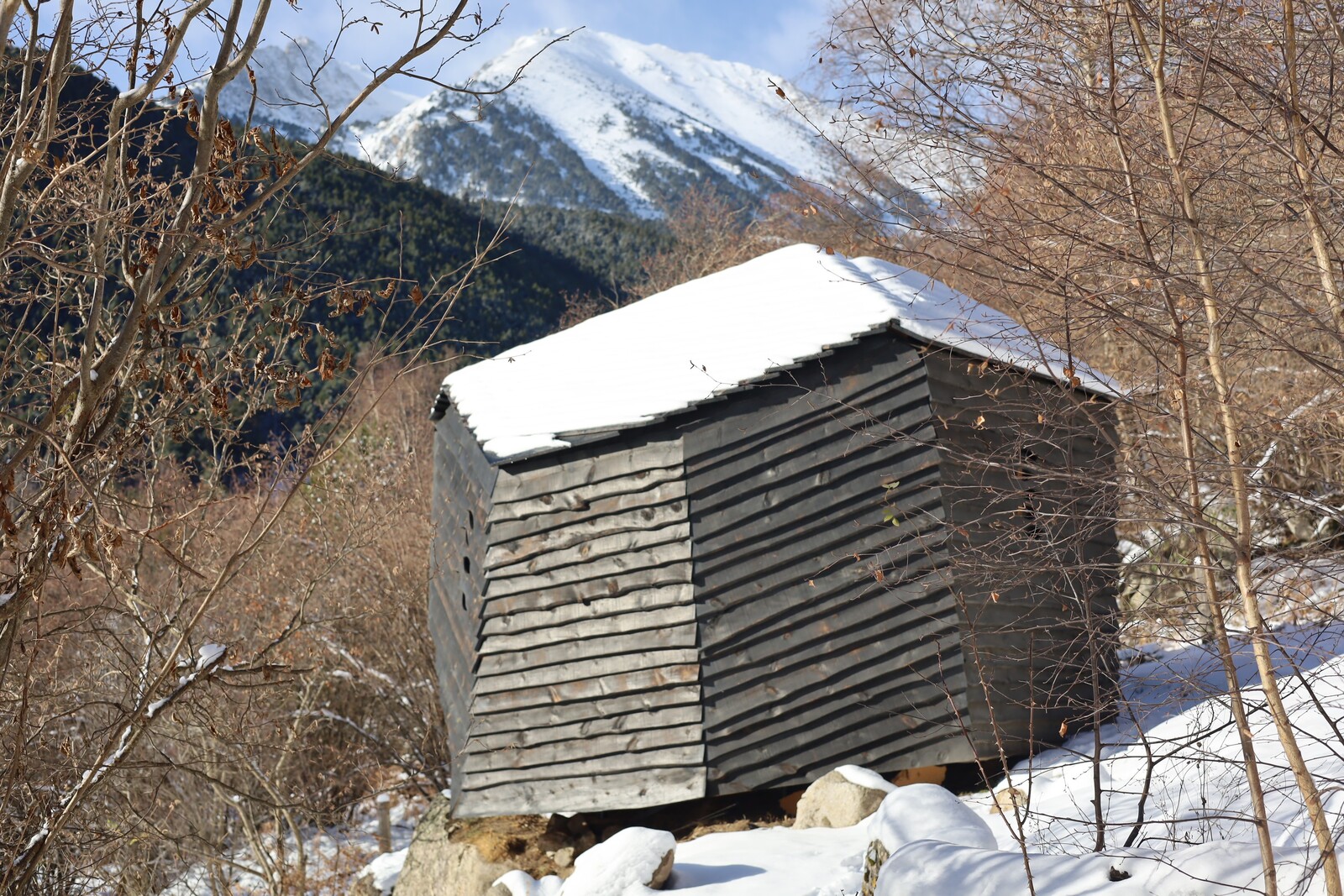
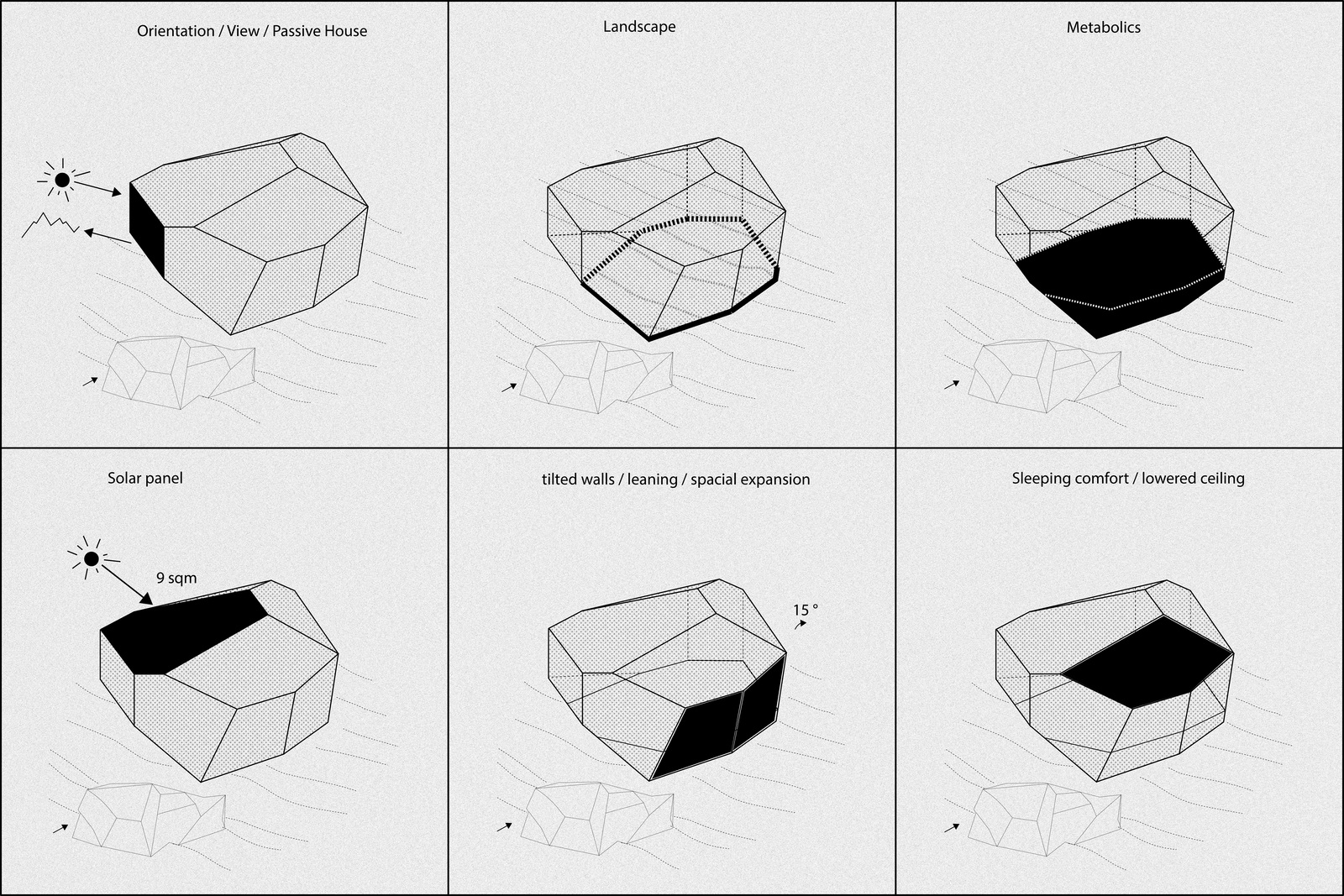
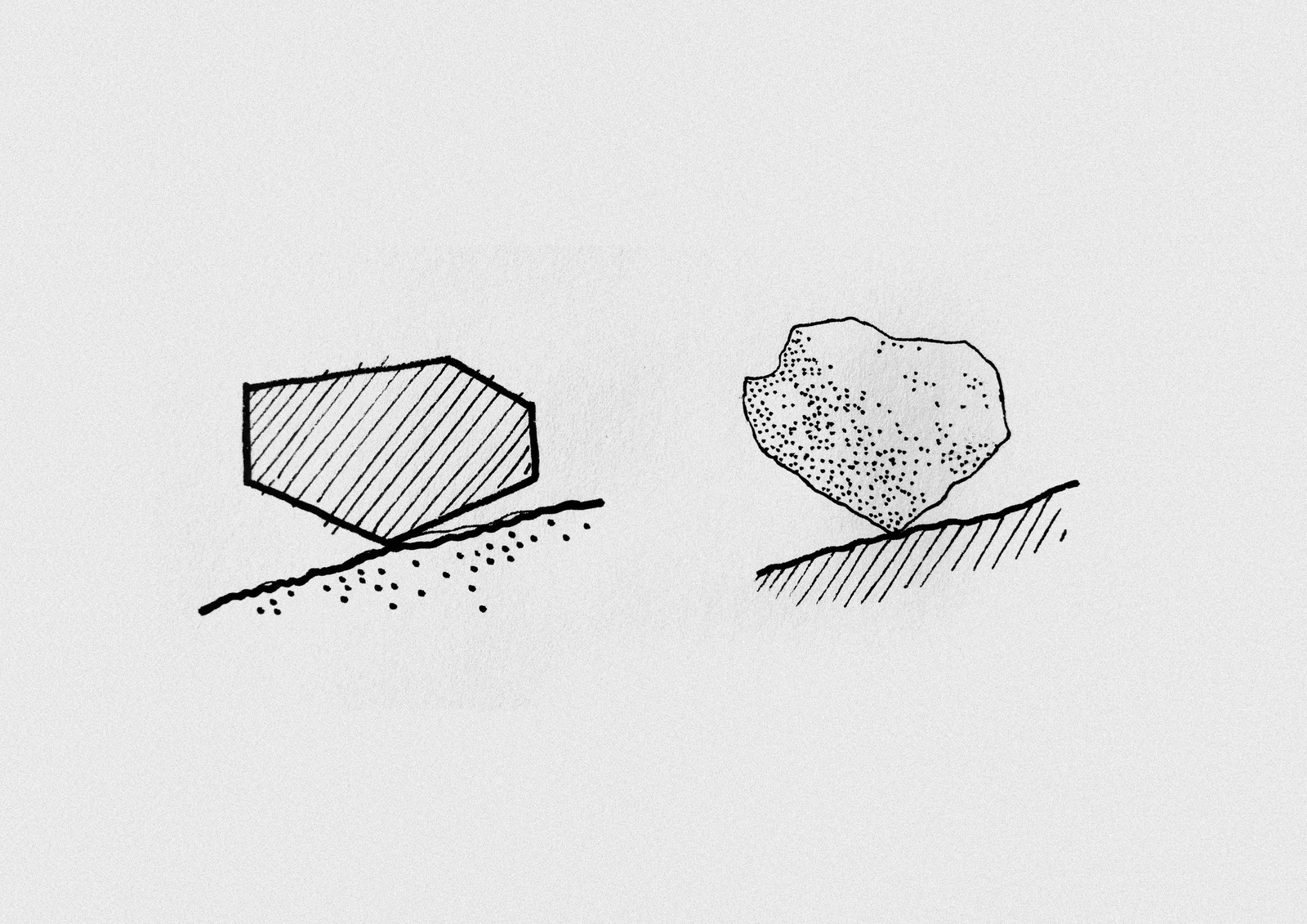
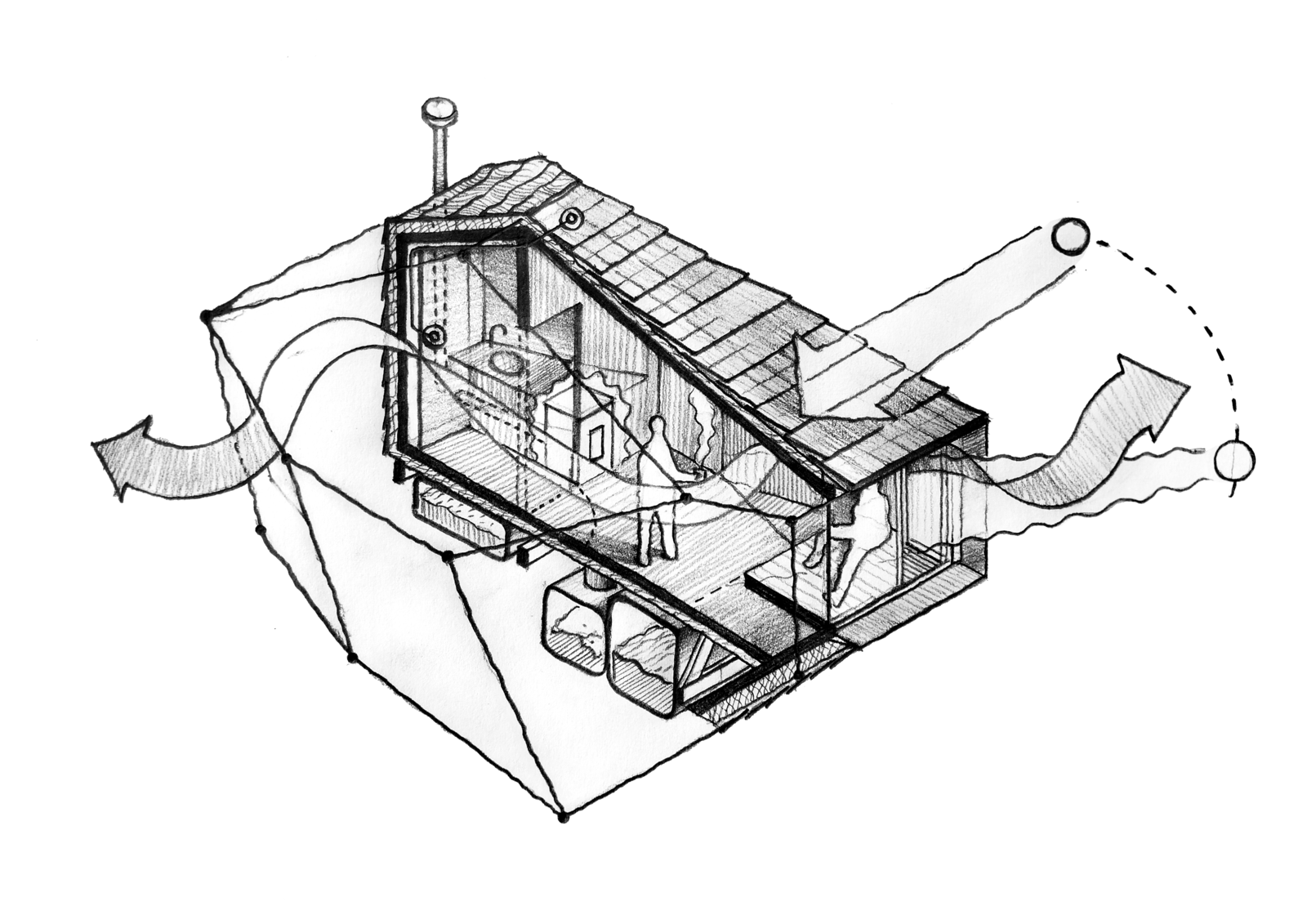
The cabin occupies a sloping site near an existing hostel at MónNatura Pirineus, where it serves as temporary accommodation for two guests. Its faceted geometry evokes a stone displaced from the mountainside, appearing to rest naturally on the terrain. Inclined walls and a sloped roof respond to climatic exposure and interior requirements, subtly calibrating ceiling heights to differentiate areas for sleeping, working, and bathing within a compact footprint. Precisely positioned openings frame views of the surrounding peaks while facilitating cross-ventilation. Operable wooden shutters eliminate artificial light spill, preserving the darkness required for the site’s astronomical activities.
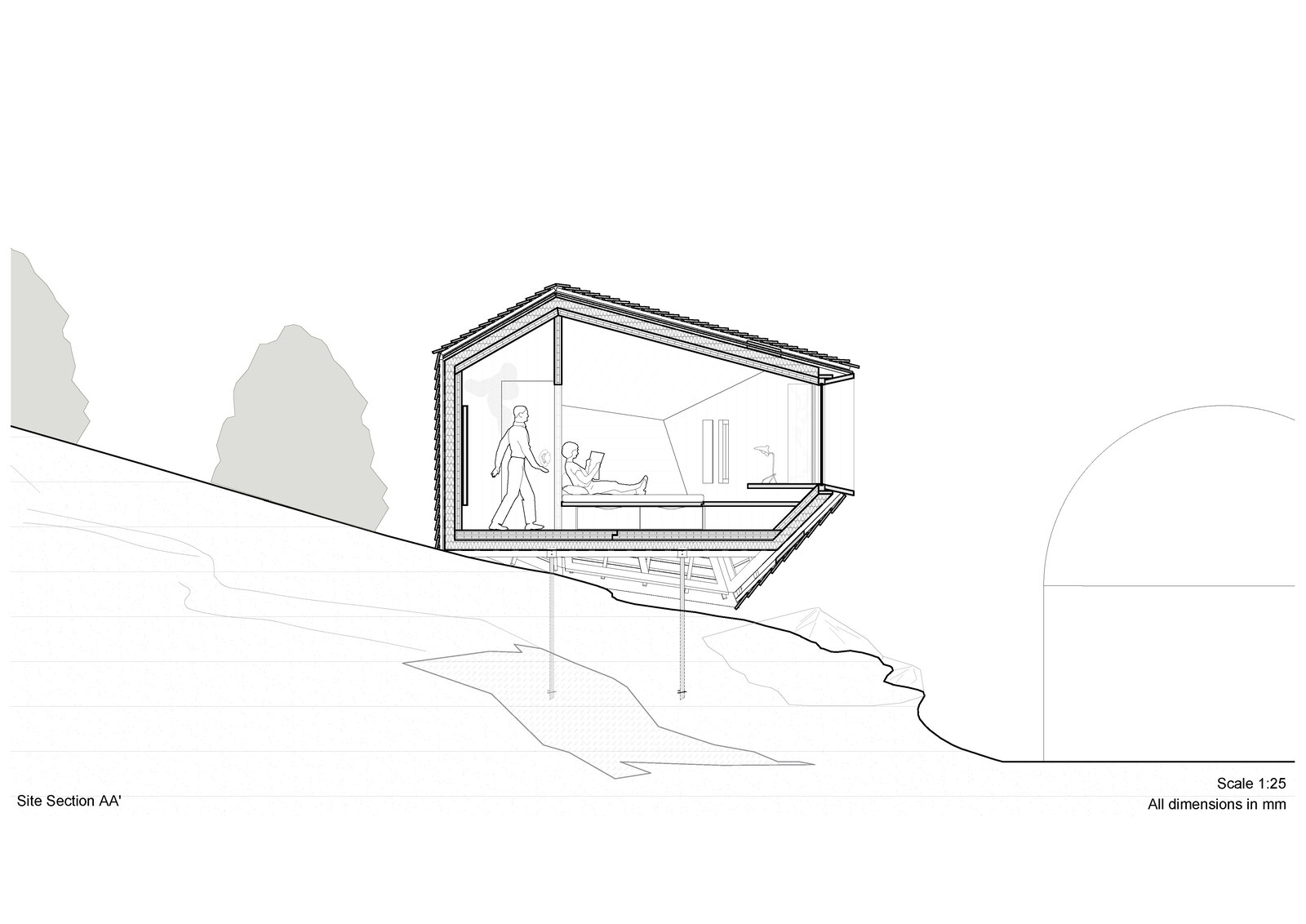
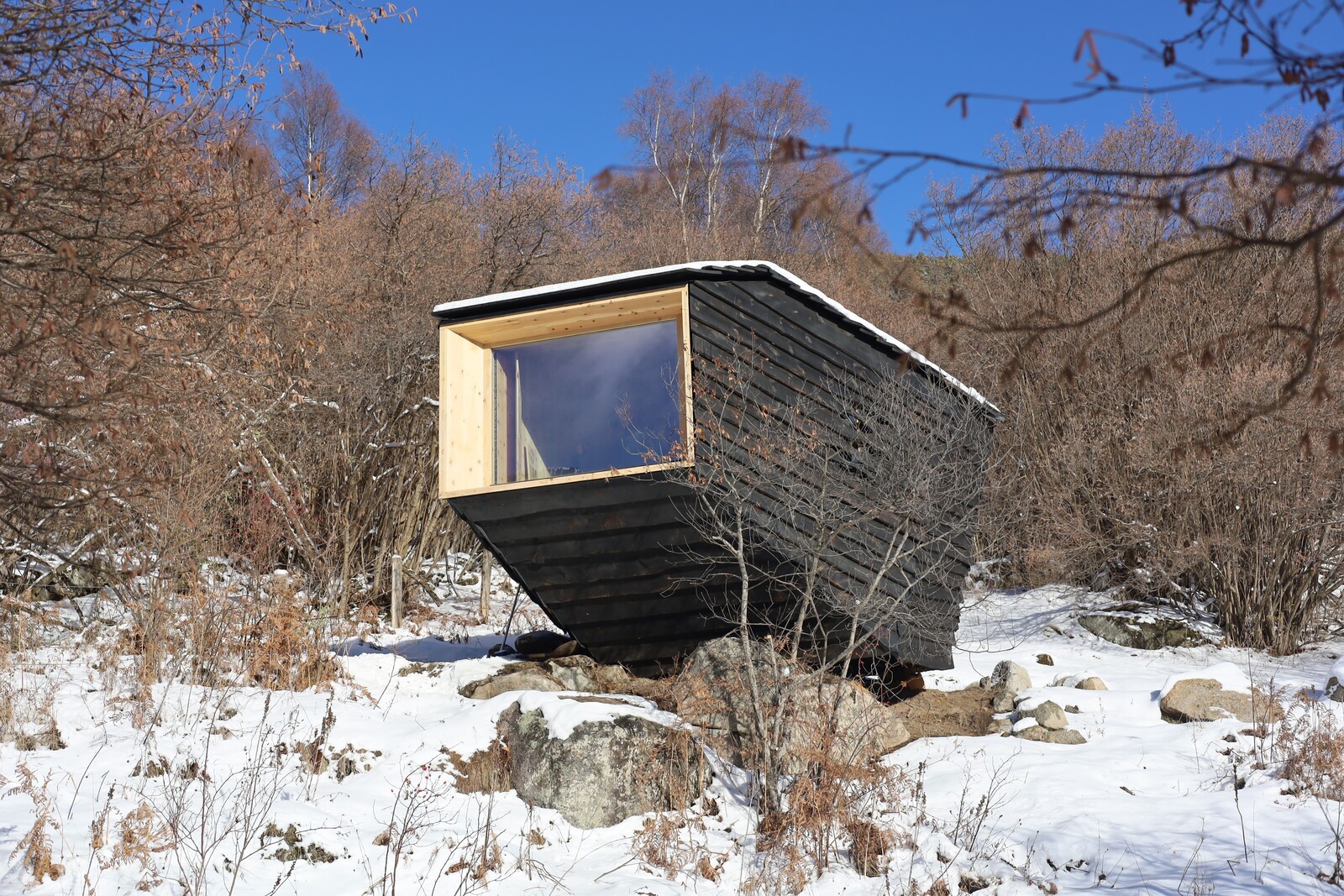
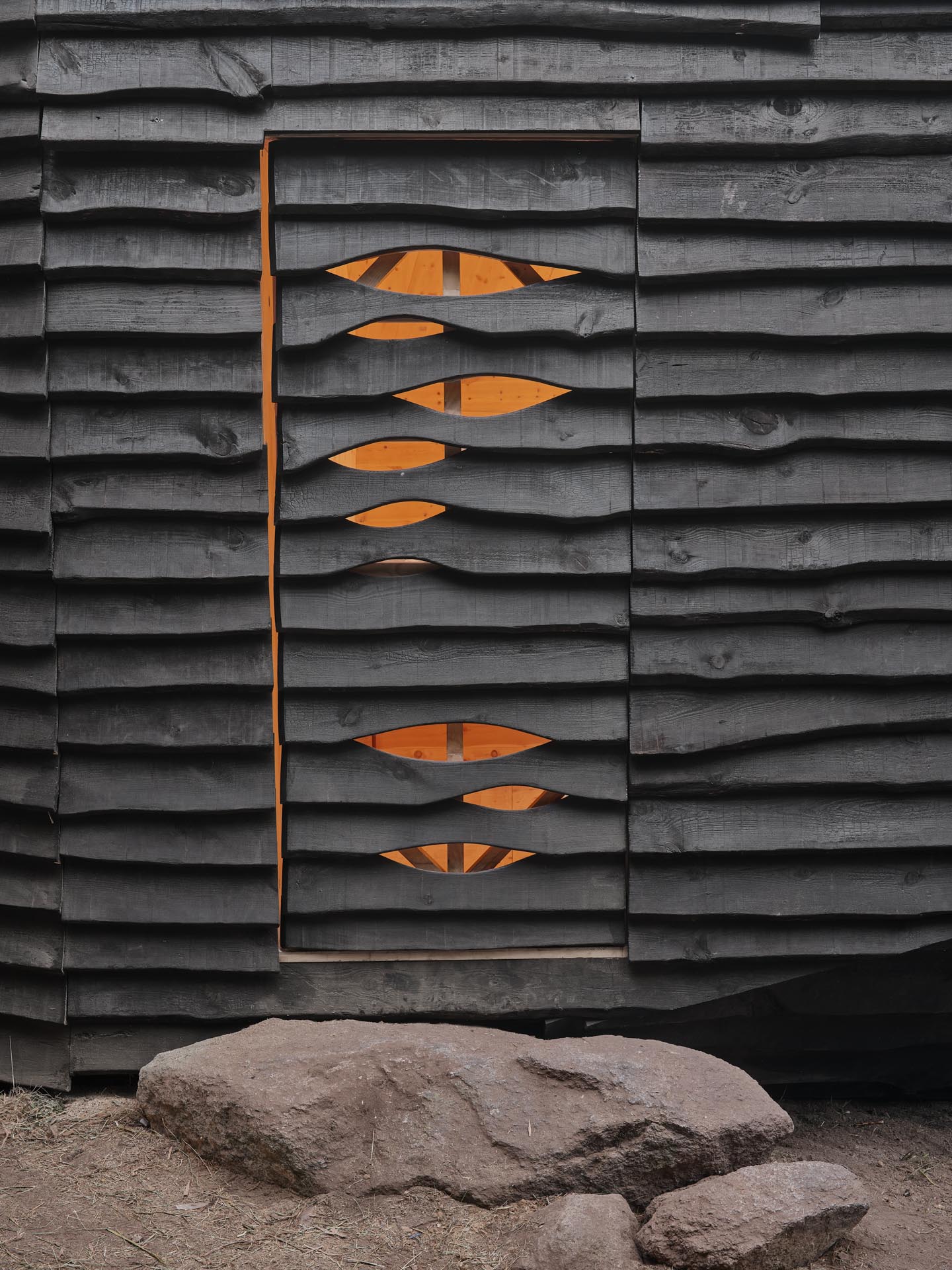
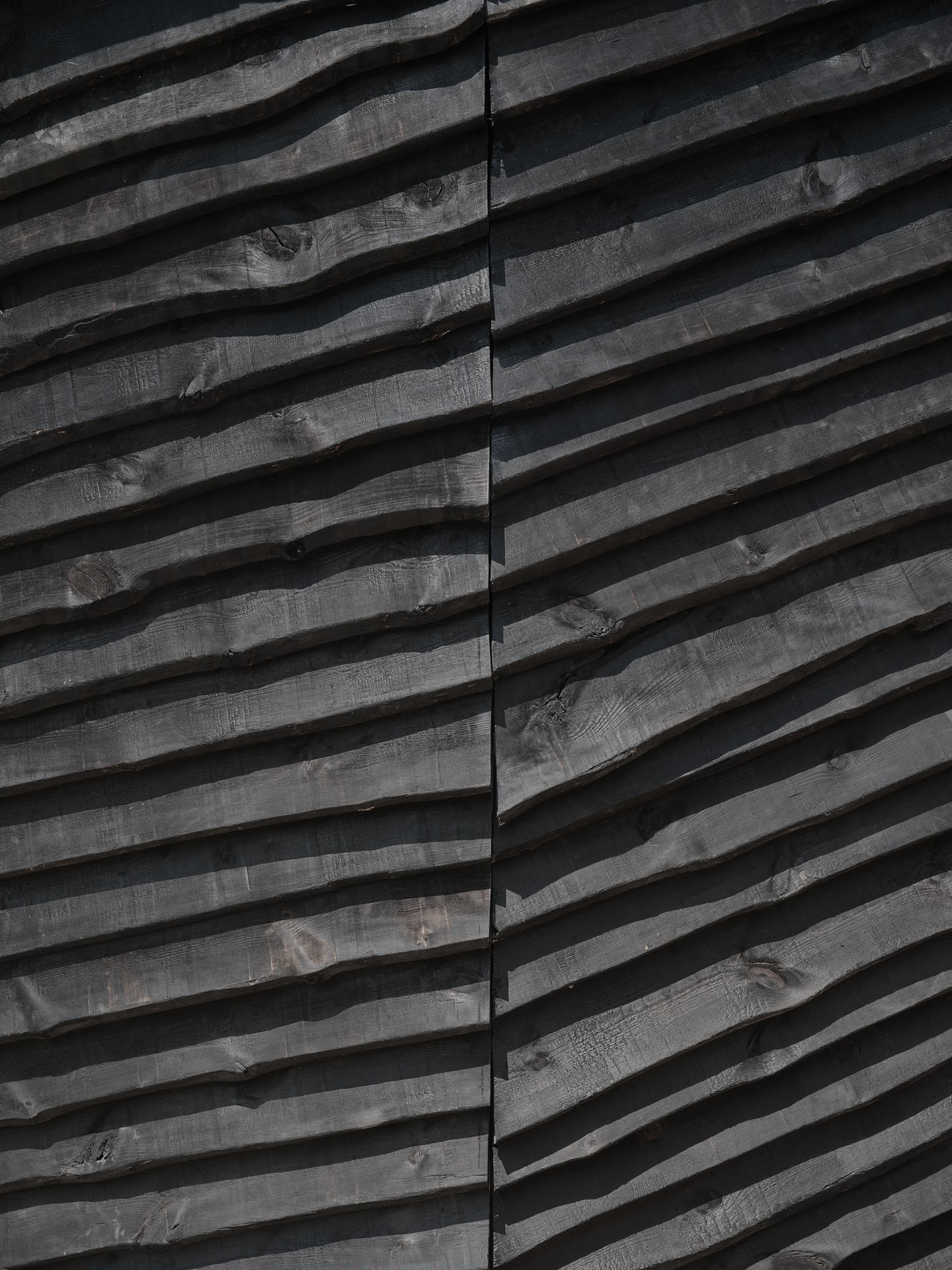
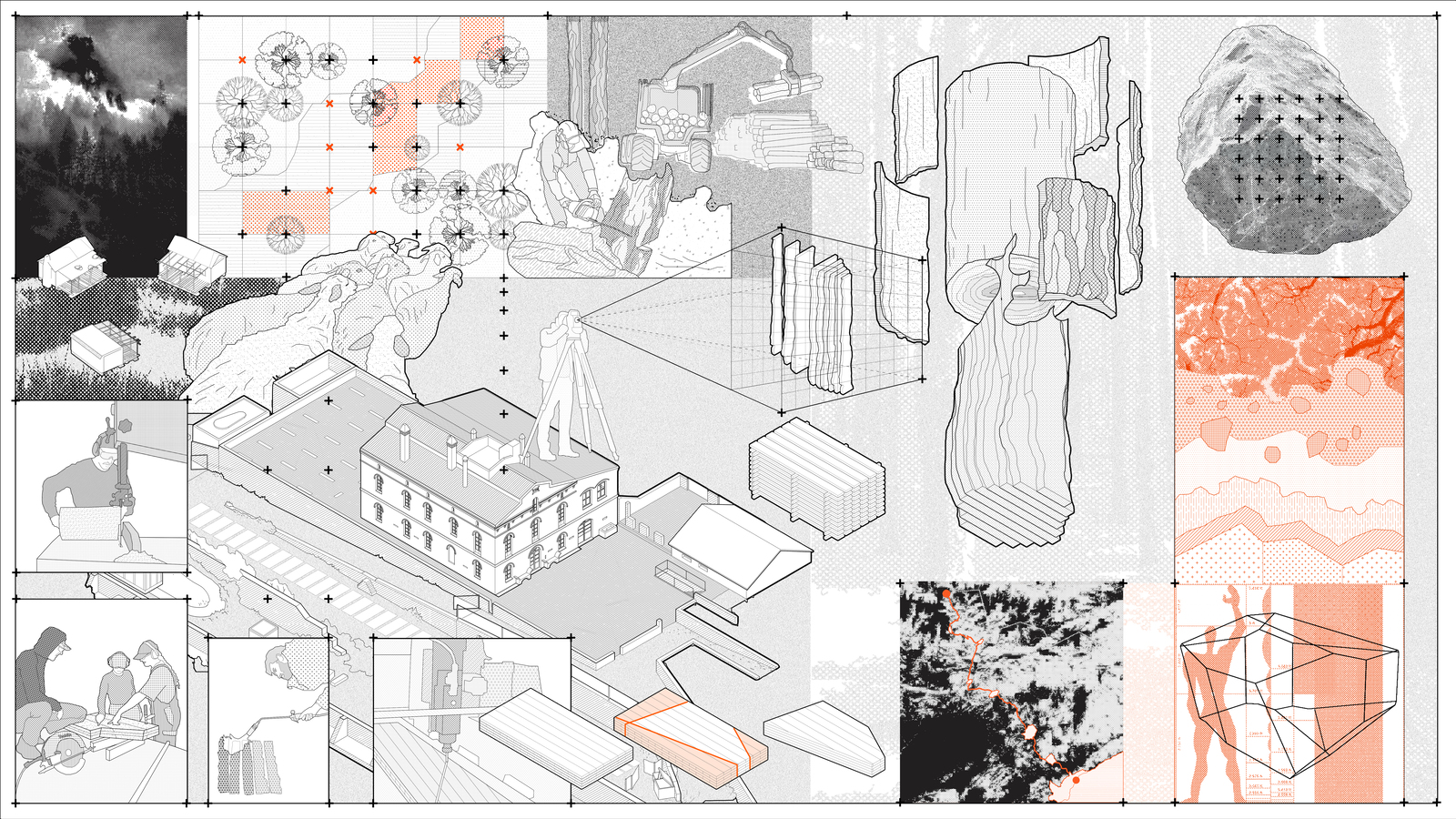
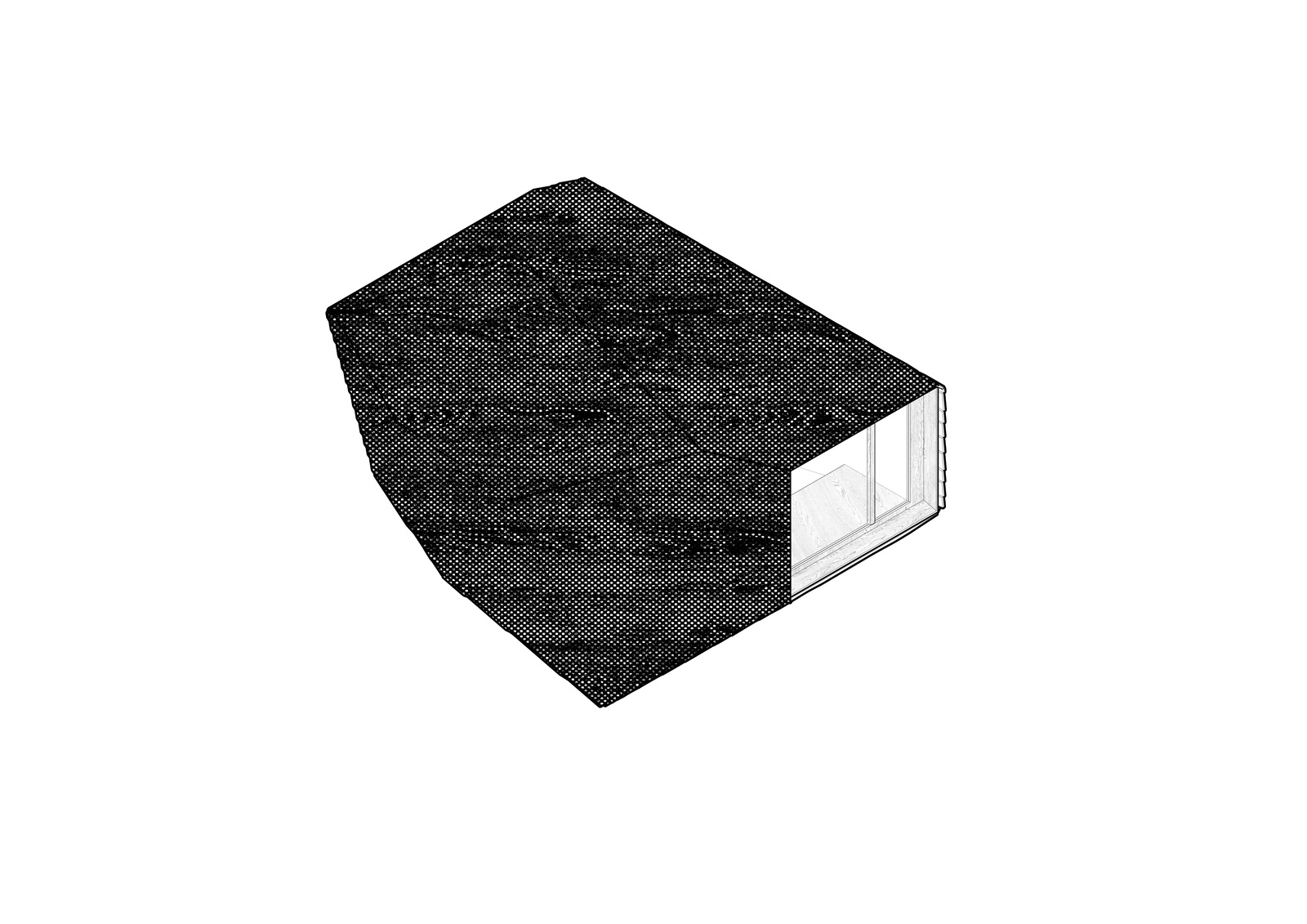
Material strategy forms the conceptual core of the project. The structure and envelope are composed of locally sourced cross-laminated timber panels, reinforcing the Bio for Piri initiative’s focus on sustainable forestry in Alinyà. The exterior is clad in pine boards treated using the Japanese Yakisugi technique, in which the surface of the wood is charred to improve resistance to moisture, insects, and fire. Executed by the students themselves, the process acquires symbolic resonance in a region historically shaped by fire, transforming a destructive force into a protective layer.
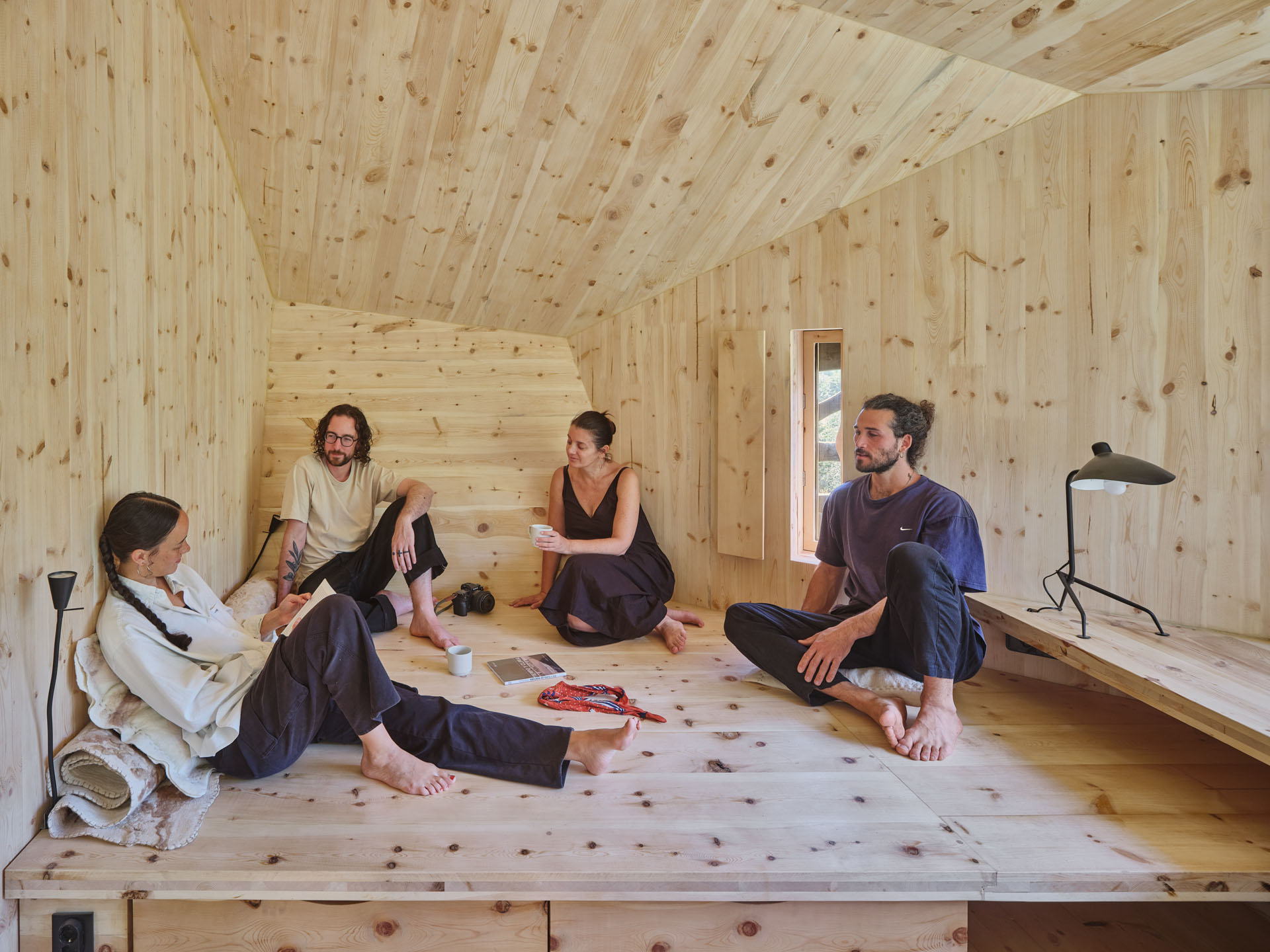
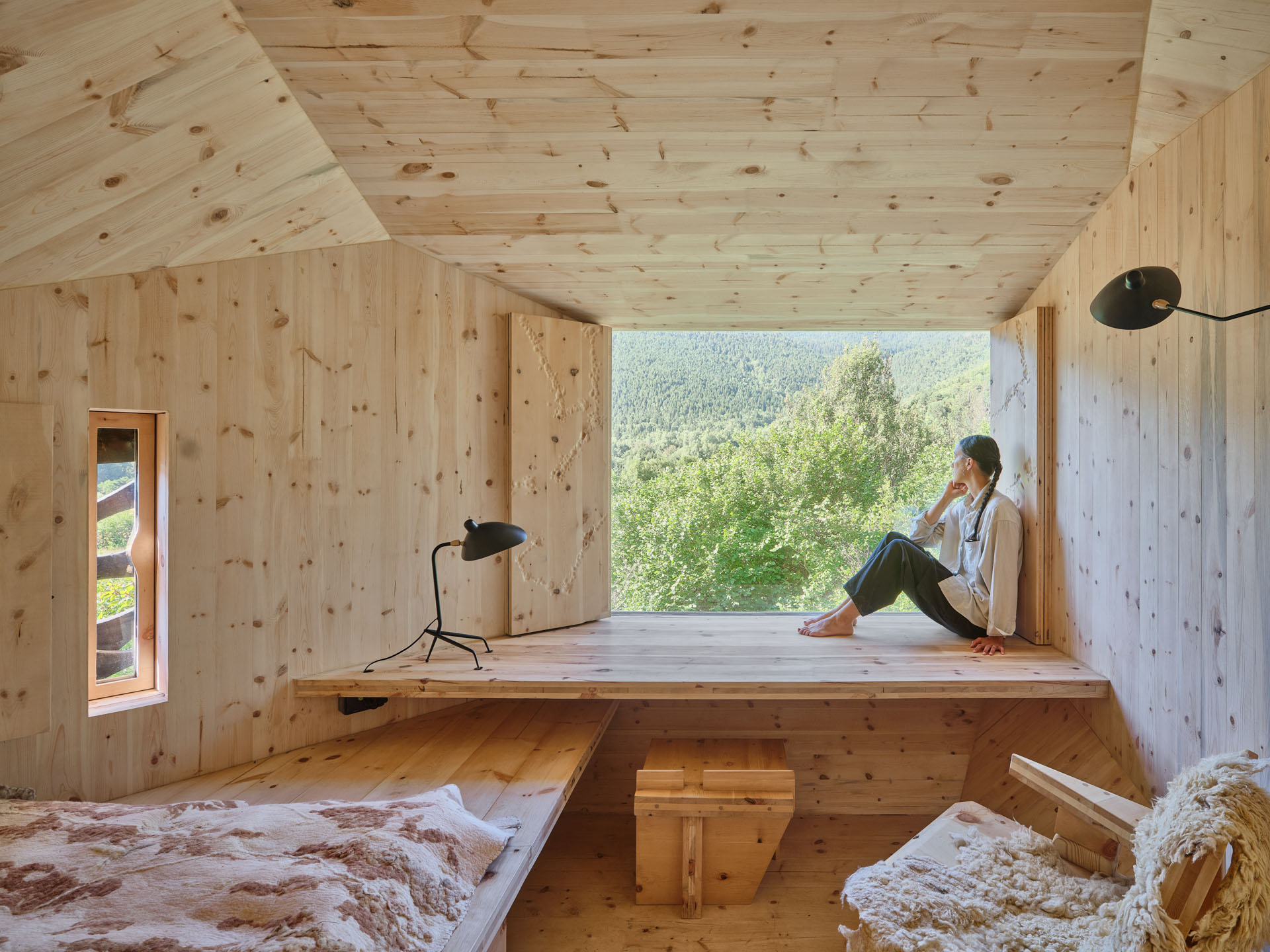
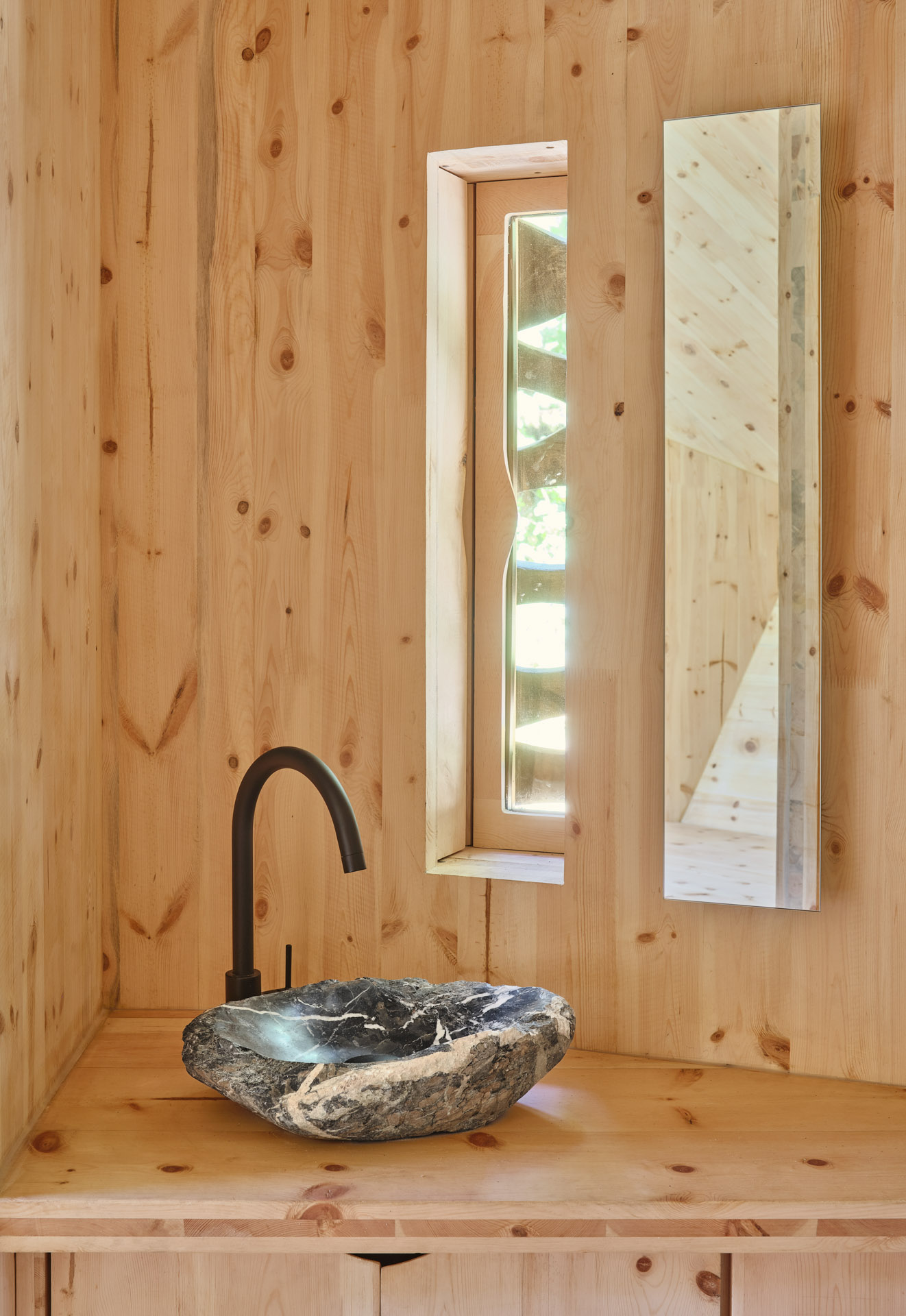
Inside, architecture and furniture merge into a single constructive language. Custom CLT components, fabricated on site, integrate bed platforms, seating, storage, and washbasin counters into the structural system. The material narrative extends further through collaboration with local farmers in the nearby town of Sort, where sheep’s wool was collected, processed, and transformed into felt textiles with the guidance of artist Rian van Dijk. Blankets, rugs, and cushions produced from this wool furnish the interior, embedding agricultural by-products into the architectural fabric. A stone gathered from the surrounding landscape was manually carved to form the washbasin, reinforcing the dialogue between terrain and habitation.
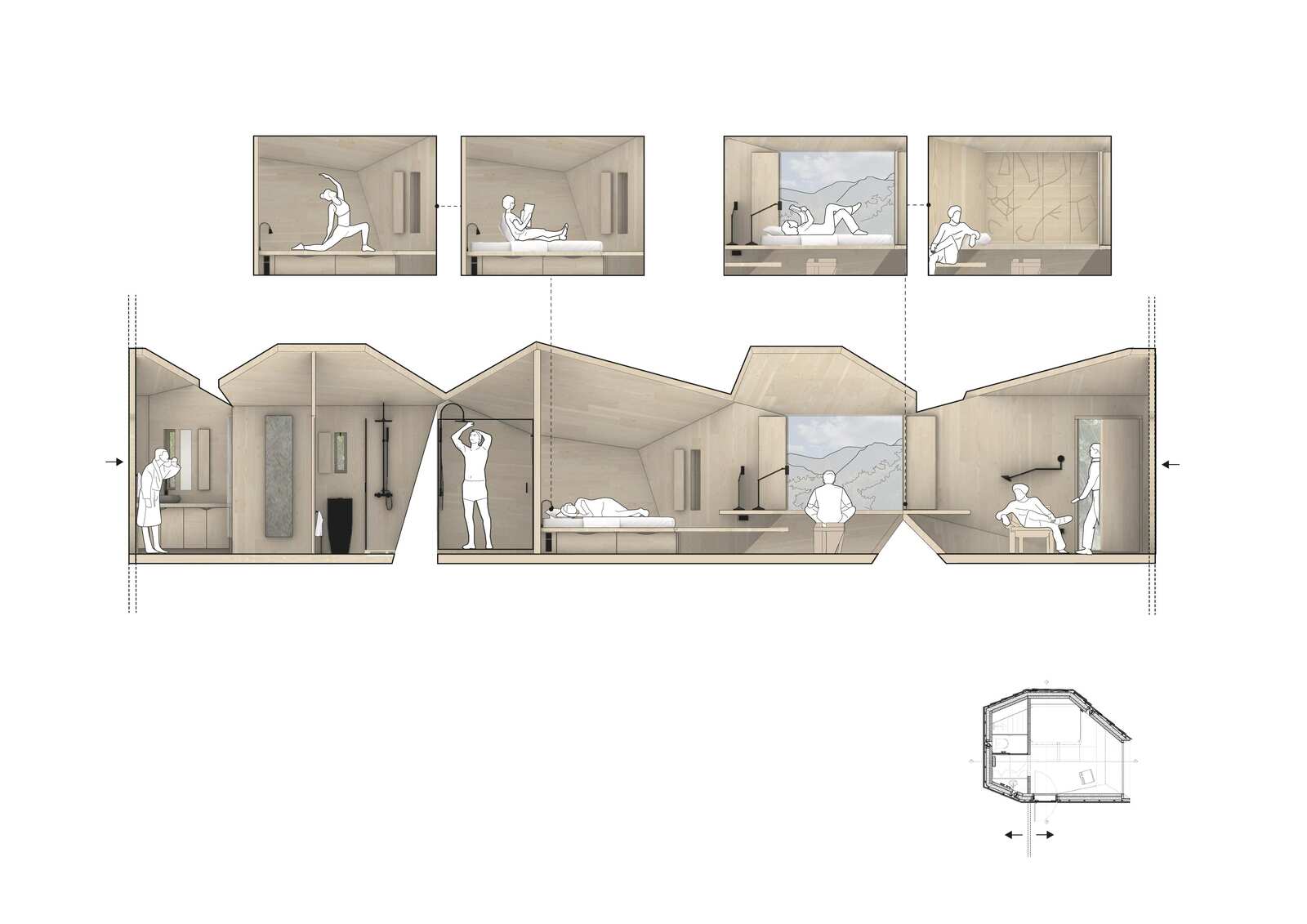
Designed for replicability, Forestone Cabin employs modular elements and dry-assembly techniques that enable adaptation or disassembly with minimal ecological disturbance. The project demonstrates how educational institutions can engage directly with regional industries and ecosystems, aligning architectural production with long-term environmental stewardship. By synthesizing local resources, craftsmanship, and contemporary fabrication methods, the cabin articulates a model for inhabiting forested landscapes that privileges restraint, reversibility, and material accountability.

Project Gallery
Project Location
Address: Planes de Son, Lleida, Spain
The location specified is intended for general reference and may denote a city or country, but it does not identify a precise address.


Hello…I’m looking for architect in Spain to build my home with an Asian aesthetic. Any suggestions?