Carlos Faci and Marina Leboreiro are Mexican architects and co-founders of Faci Leboreiro, a Mexico City–based architecture and interior design practice established in 2011. Educated at Universidad Anáhuac, with additional studies at Parsons The New School, the Universidad Politécnica de Madrid, and the Harvard Graduate School of Design, they have developed a body of work spanning hospitality, residential, commercial, and workplace projects, characterized by a strong emphasis on atmosphere, materiality, and user experience. Their projects, including Argentalia, La Mallorquina, Green Grass Masaryk, and ASICS Offices, explore the relationship between architecture, interiors, craftsmanship, and narrative, creating spaces that combine functional clarity with rich spatial experiences. The studio has received recognitions including the Interceramic Award, the National Interior Design Award (AAI), and the Europe 40 Under 40® distinction, and its work has been featured by Architecture Lab, ArchDaily, Archello, Designboom, AD México, and other international design publications.
What inspires you?
People inspire us. Every client, every story, every way of living offers a new perspective. We are also inspired by travel, art, gastronomy, nature, and the experiences we encounter along the way.
What inspired you to become a designer?
Design became a way to translate creativity into something tangible. We were drawn to the possibility of transforming ideas, emotions, and memories into spaces that can be lived, experienced, and shared.
How would you describe your design philosophy?
We believe architecture should create meaningful experiences. Every project is approached as a complete narrative where architecture, interior design, lighting, materials, and furniture work together to tell a coherent story and improve the way people experience a space.
What is your favorite project?
Our favorite project is always the next one. Every project teaches us something new and challenges us to grow as designers and as people.
What is your favorite detail?
The moment when a space reveals itself. We pay special attention to transitions, sequences, light, and the small details that shape how a user discovers and experiences a project.
Do you have a favorite material?
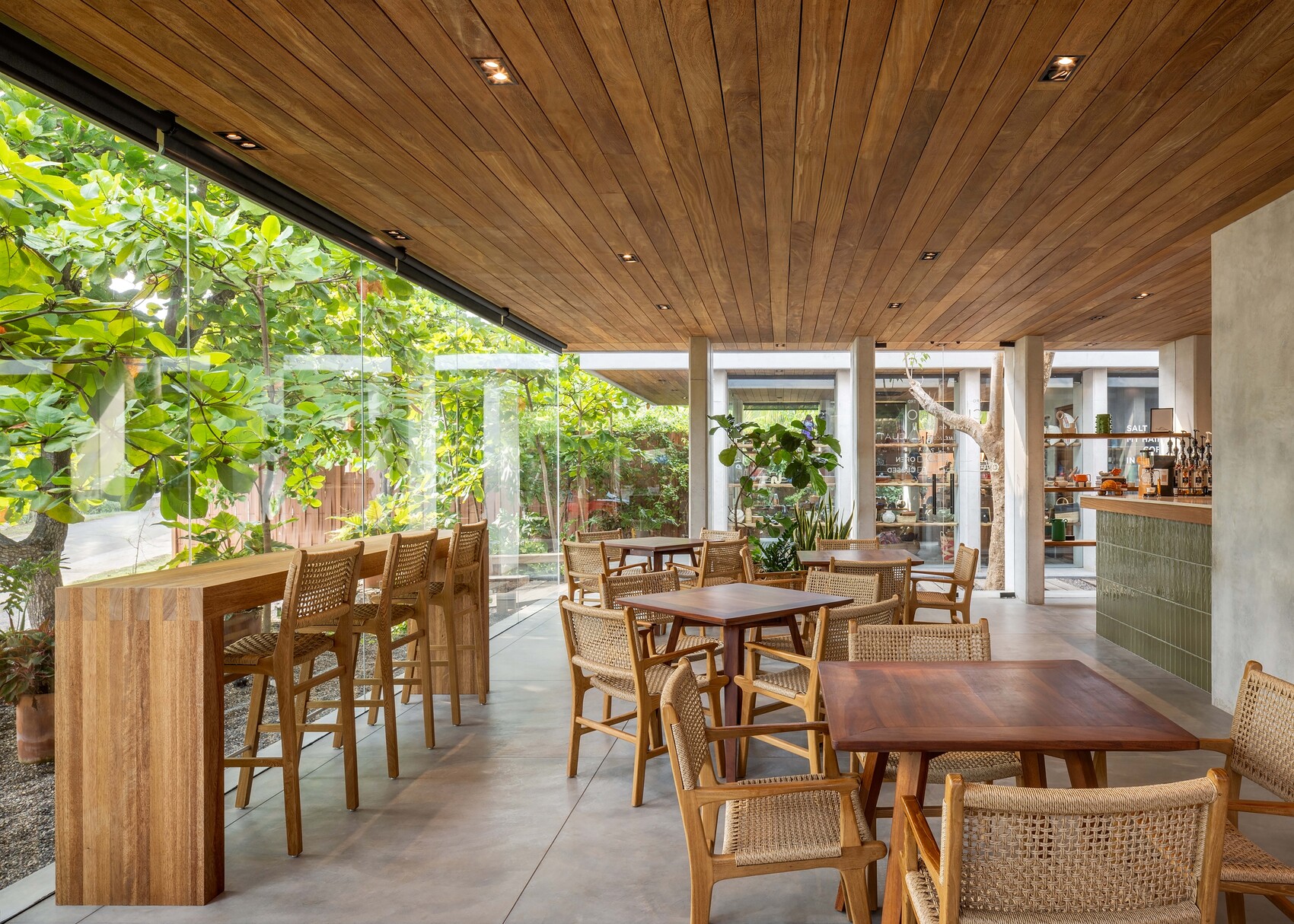
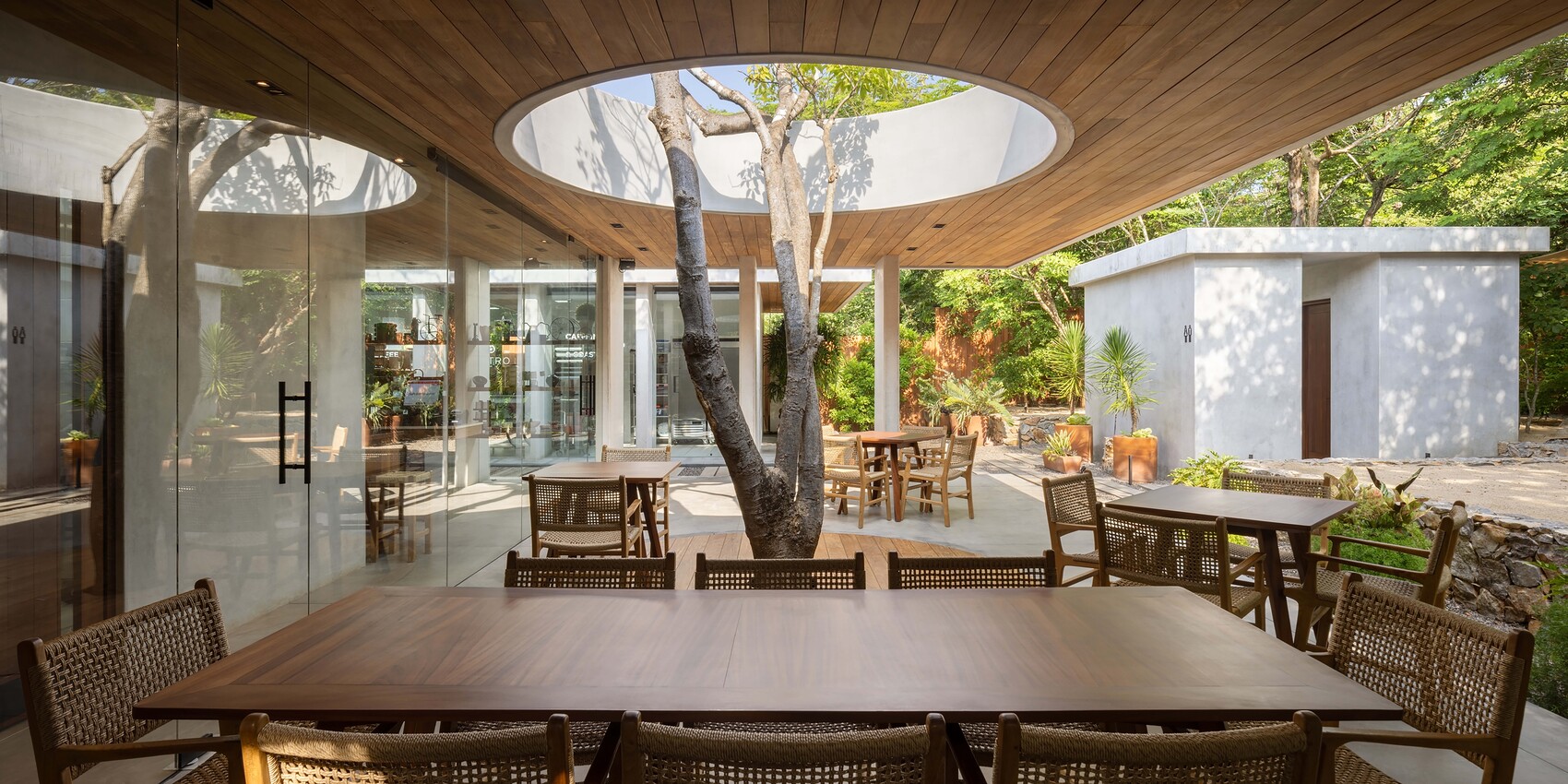
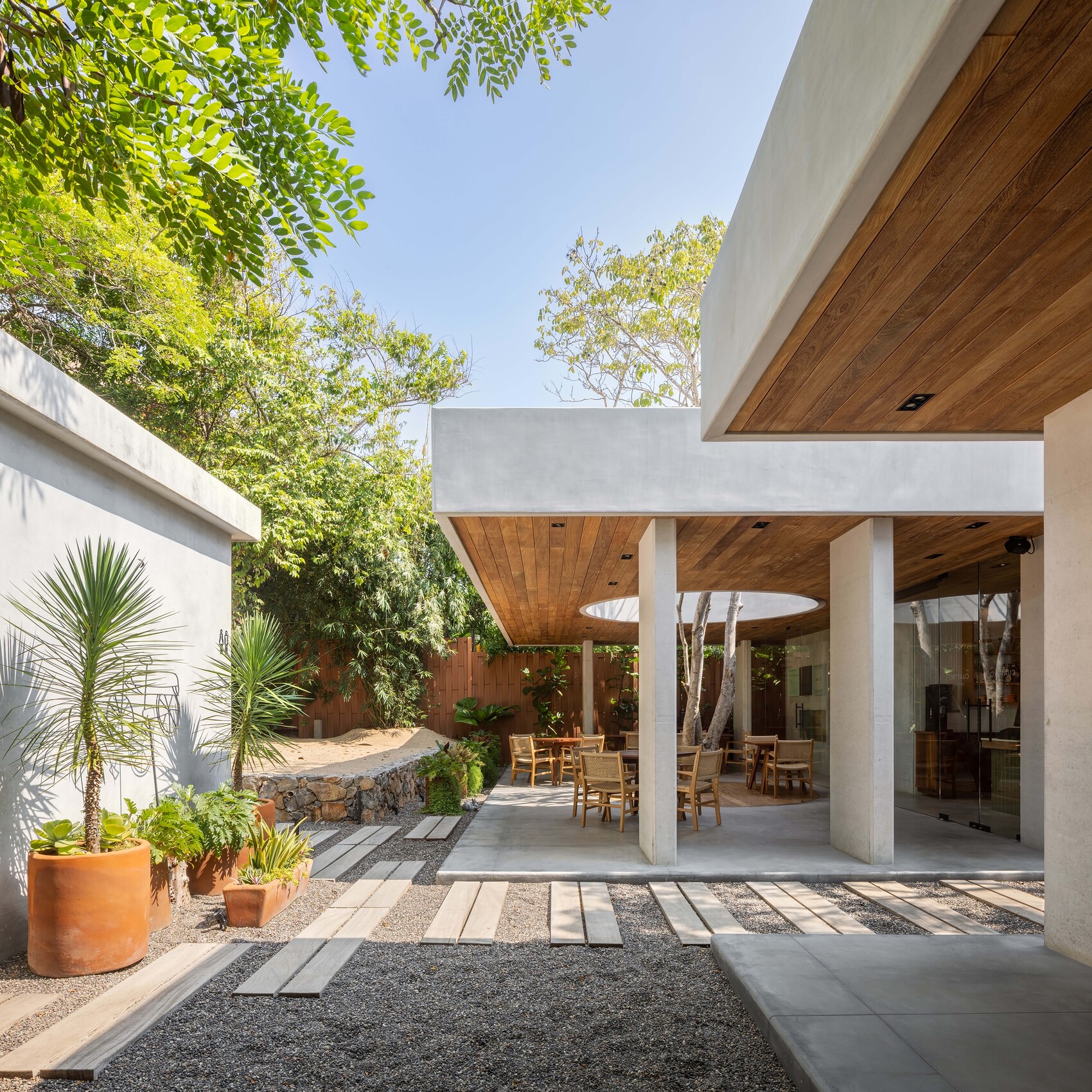
We do not have a favorite material, but we are drawn to materials that age gracefully and tell a story. We often work with wood, stone, brick, and handcrafted finishes because they bring warmth, authenticity, and a strong sense of place to our projects.
What is your process for starting a new project?
We begin by listening. Understanding our clients, their lifestyle, aspirations, and the context of the project is fundamental. From there, we develop a concept that becomes the guiding thread for every design decision.
How do you fuel your creativity?
By staying curious. Traveling, visiting restaurants, museums, cities, talking to people, reading, and simply paying attention to everyday experiences constantly enriches our creative process.
What inspired Argentalia?
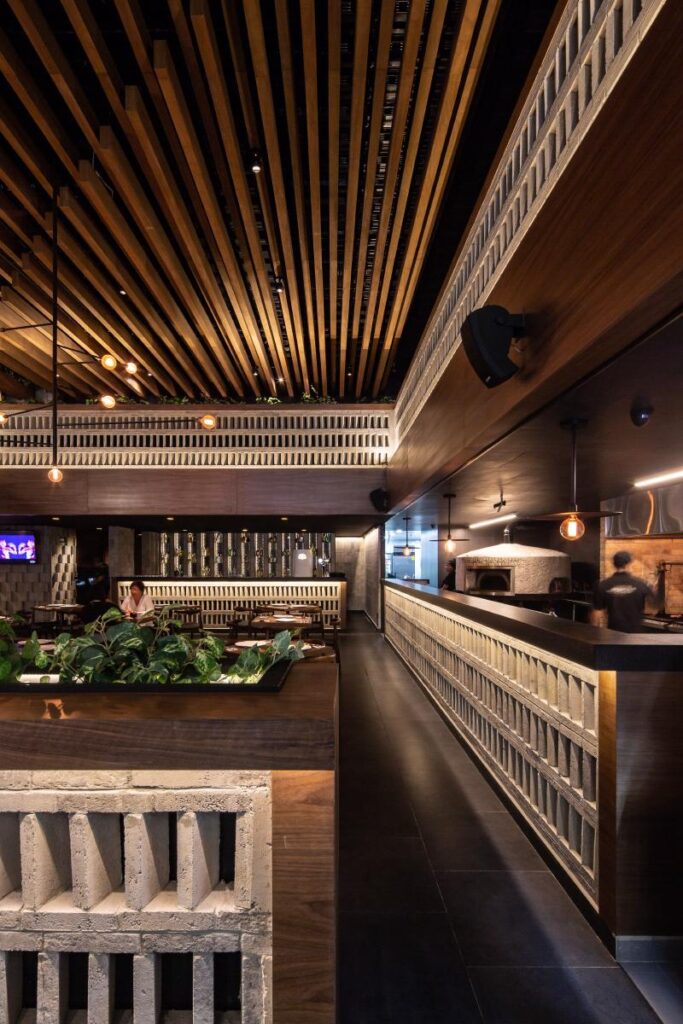
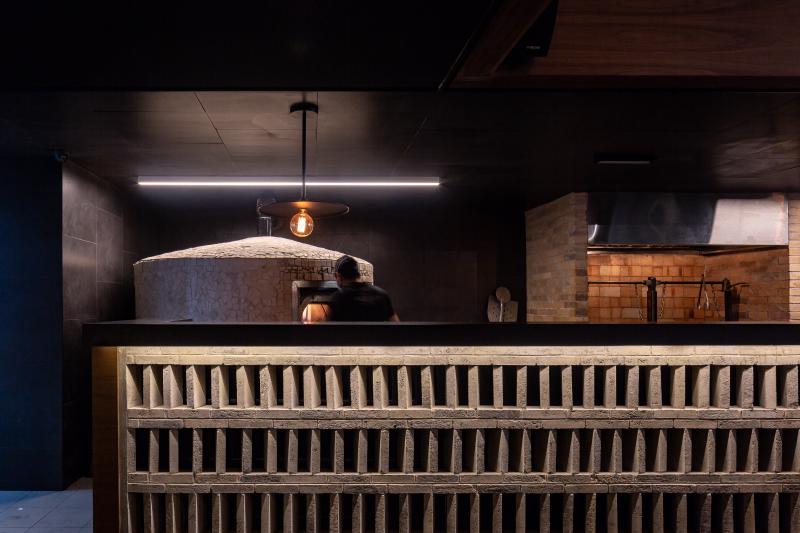
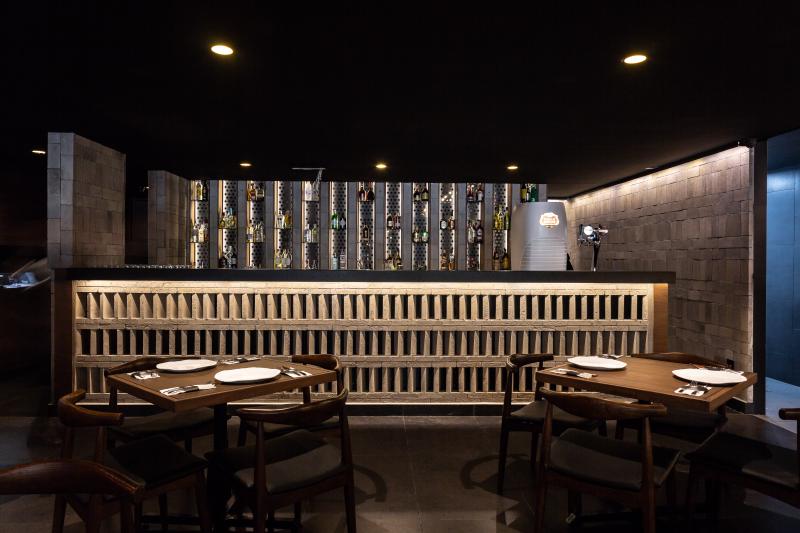
Argentalia was inspired by two memorable landscapes: the travertine-lined streets of Rome and the vineyards of Mendoza framed by the Andes Mountains. We wanted to translate the warmth, textures, colors, and traditions of Italian and Argentine culture into a contemporary dining experience. The project was conceived as a journey through different atmospheres, where architecture, gastronomy, and storytelling come together to immerse guests in the spirit of both places.
How did materiality shape Argentalia?
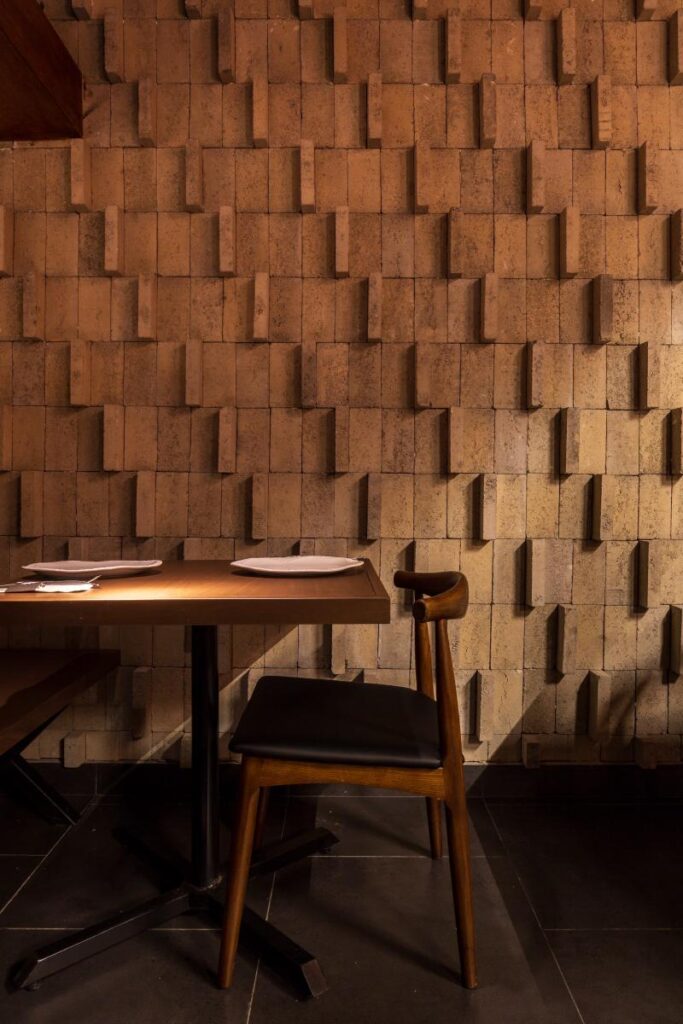
Materiality was fundamental to the project. We selected beige brick as the main design element because of its warmth, texture, and versatility. It is repeated throughout the space in walls, screens, railings, bars, and architectural features, creating rhythm and continuity. Combined with wood, copper reflections, earthy tones, and handcrafted details, the materials help create a layered and welcoming atmosphere that evokes the character of traditional Italian-Argentine cuisine while giving the restaurant a strong and memorable identity.
What advice would you give to young architects?
Never stop learning and never underestimate the value of construction experience. Understanding how a project moves from drawings to reality is one of the most important lessons an architect can learn. Site work teaches patience, problem-solving, and adaptability, while helping you become a better designer. Stay curious, travel, observe, and remember that great architecture comes from understanding both people and the process of building for them.