

Carol Phillips is a Canadian architect, Partner at Moriyama Teshima Architects, a Toronto-based practice founded by Raymond Moriyama and Ted Teshima, recognized for its civic, cultural, educational, and institutional architecture. A graduate of the University of Waterloo School of Architecture and a Fellow of the Royal Architectural Institute of Canada, Phillips has led many of the practice’s most significant contemporary projects, including the University of Toronto Multi-Faith Centre, Surrey City Hall, the Toronto Reference Library Revitalization, and Limberlost Place for George Brown Polytechnic, developed in collaboration with Acton Ostry Architects. Her work combines civic responsibility, environmental leadership, and a deep sensitivity to materiality, light, and public life, with a particular focus on mass timber construction and low-carbon design. Alongside professional practice, Phillips teaches at the graduate level at the University of Toronto and contributes to design review panels, research initiatives, and public advocacy advancing architecture as a social and environmental act. Moriyama Teshima Architects’ work has been widely published, including by Architecture Lab, ArchDaily, Azure, Canadian Architect, and other international architectural publications.
What inspires you?
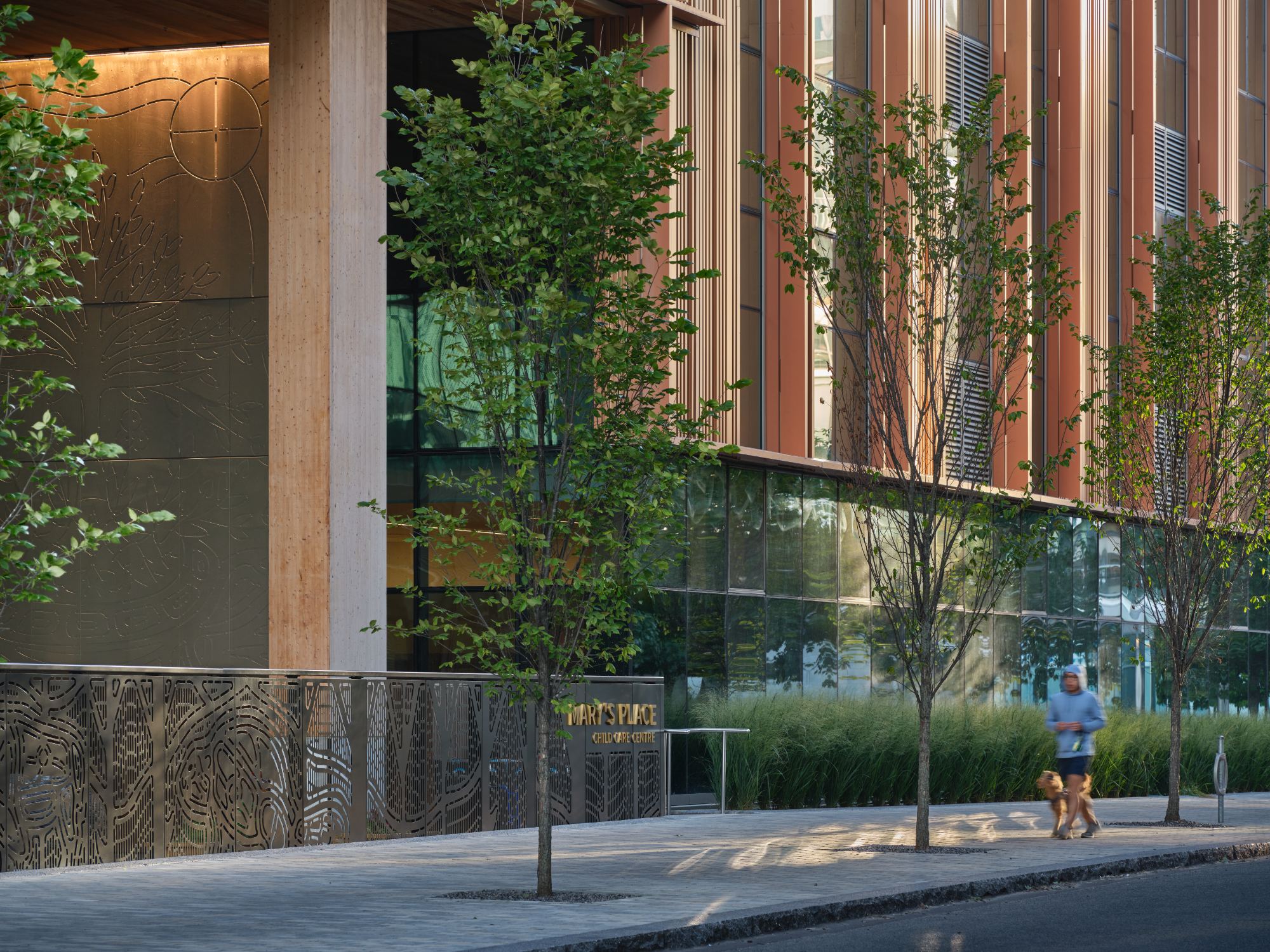
Our inspiration comes from the place that we design for. It excites and humbles us. Primarily working in North America, civic culture is not always that legible because our cities and communities are younger than other places, so we often must look back to the essence of a place in its geology, paleo-history, its natural history and that unlocks our understanding of why communities settled where they did and makes obvious the layers of urban overlay that become the urban context. Within this contextual understanding, the stories of those who speak for the project add layers for us to reveal and instill a deep sense of responsibility to the land and the people.
What inspired you to become a architect?
While I chose to study architecture for several reasons, it was a year spent in Europe, working in Barcelona and studying in Rome when I truly fell in love with the work of architecture and came to trust and believe in how crafting space and careful use of materials can define a place, reinforce identity, inspire behaviour and reveal our relationship to the planet.
How would you describe your design philosophy?
We are driven to reconnect people through the frame of architecture to nature and believe this ultimately reconnects us to each other.
What is your favourite project?
There are many places in the world that I consider favourites, but if I had to choose one, it would be the Chapel at Ronchamp. To me, it is a masterpiece of sensual modernism—an architecture that engages the body as much as the mind, from the experience of approaching the building to the intimate moments within its interior.
Beyond its remarkable phenomenological qualities, the chapel offers an experience of profound emotional and spiritual depth. Its power lies in its ability to transcend the individual, connecting a singular personal encounter to something universal. It is a truly transcendent work, one that fosters a deep sense of connection between the individual and the collective human experience.
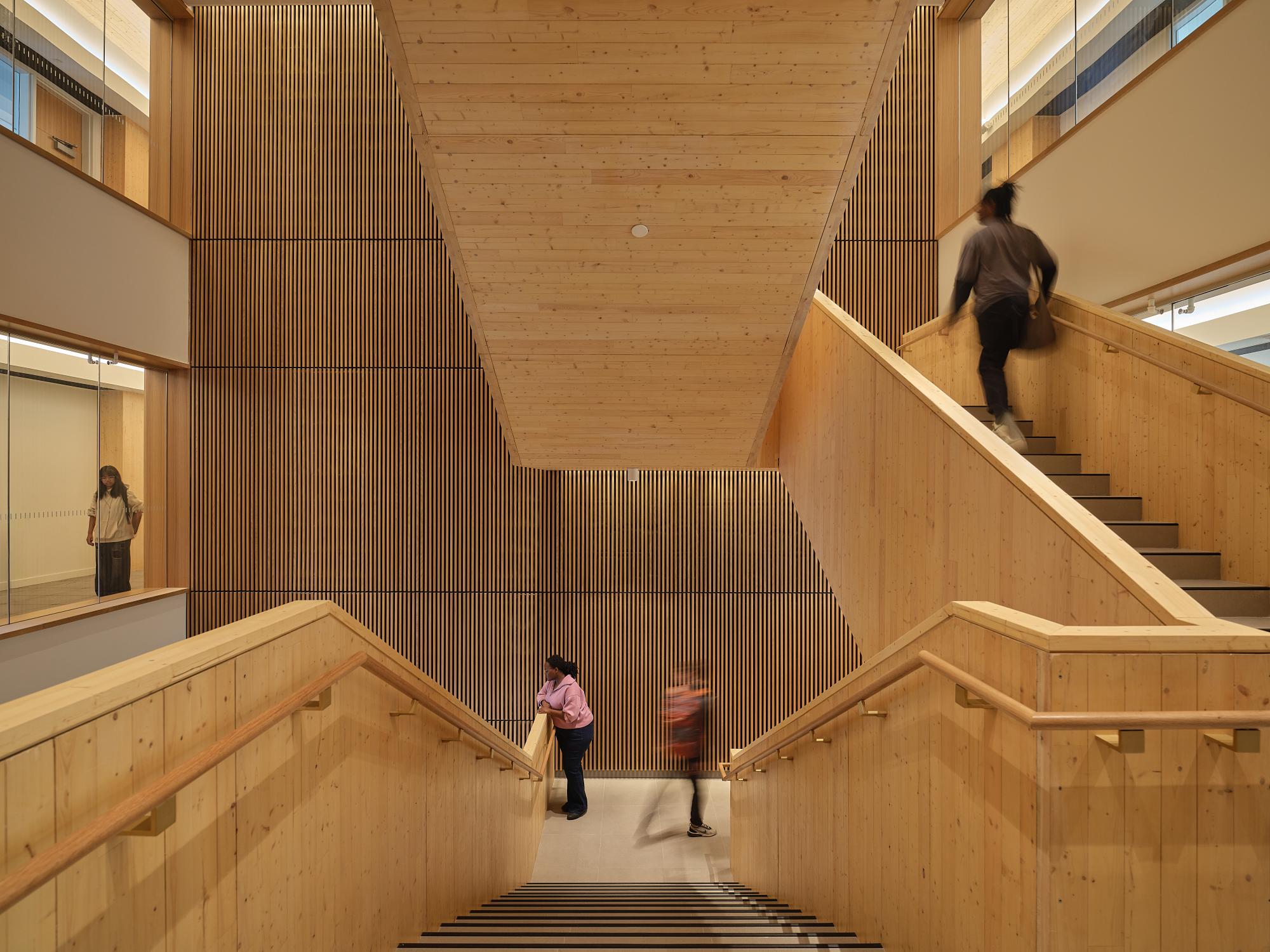
If the question is focused on my own work, I would have to say Limberlost Place for George Brown Polytechnic. The project has reaffirmed what we believe architecture can and should do: not only reflect society as it exists, but also express what it aspires to become.
Its ambitions are profound, both in terms of sustainability and community-building. The project has helped advance the conversation around the use of bio-based and renewable materials in Canada’s largest city, while placing equal emphasis on creating inspiring, welcoming, and deeply human experiences for the people who will use the building. For me, its significance lies in demonstrating that environmental responsibility and architectural quality are not competing priorities, but can be mutually reinforcing aspirations.
What is your favorite detail?
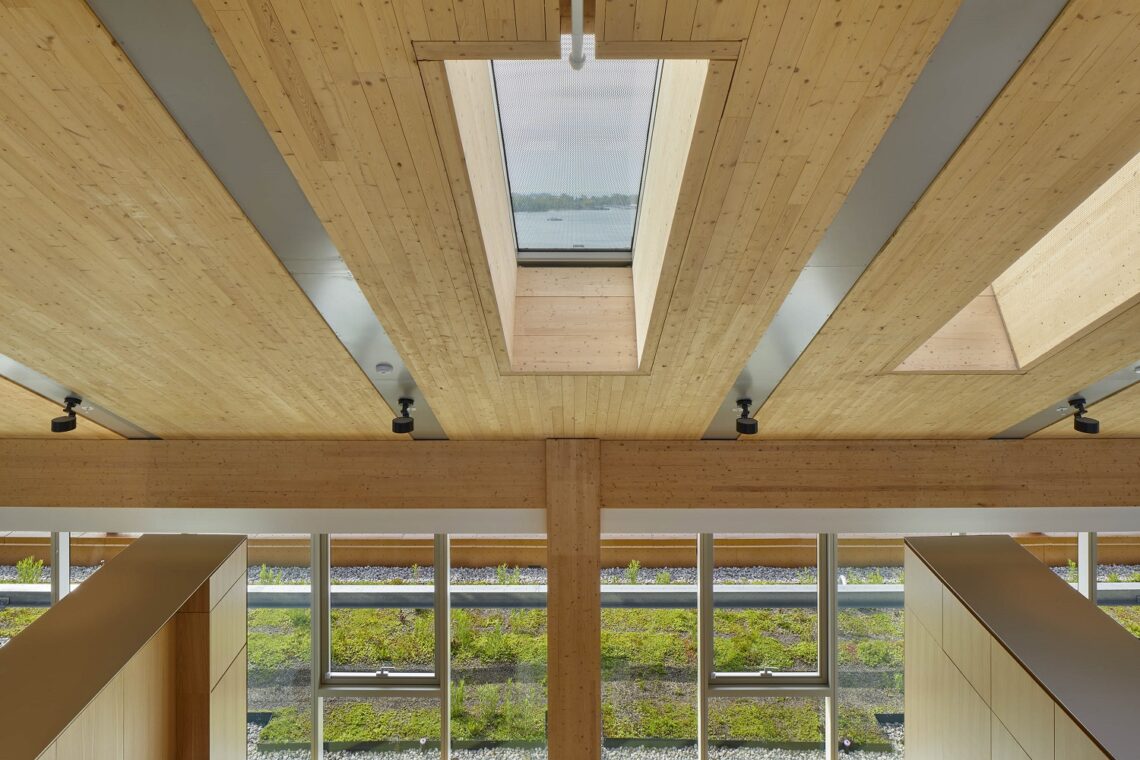
A difficult question, but my favourite building element to explore is the integration of ceiling structure with spatial expression. At its most fundamental level, architecture is about shelter, and there is something compelling about the act of simply covering a space with a roof or ceiling. Yet the ceiling is also where many of a building’s essential systems converge—structure, mechanical services, lighting, sprinklers, and acoustics all require careful coordination.
Throughout our work, we have used the ceiling as an opportunity to shape both performance and experience. We have explored shallow domes, groin vaults, diagrids, integrated large-scale skylights, triangulated acoustic ceiling systems, deeply angled forms that support natural ventilation, and even backlit stone surfaces. These elements do more than resolve technical requirements; they help define the character of a space and create memorable architectural experiences.
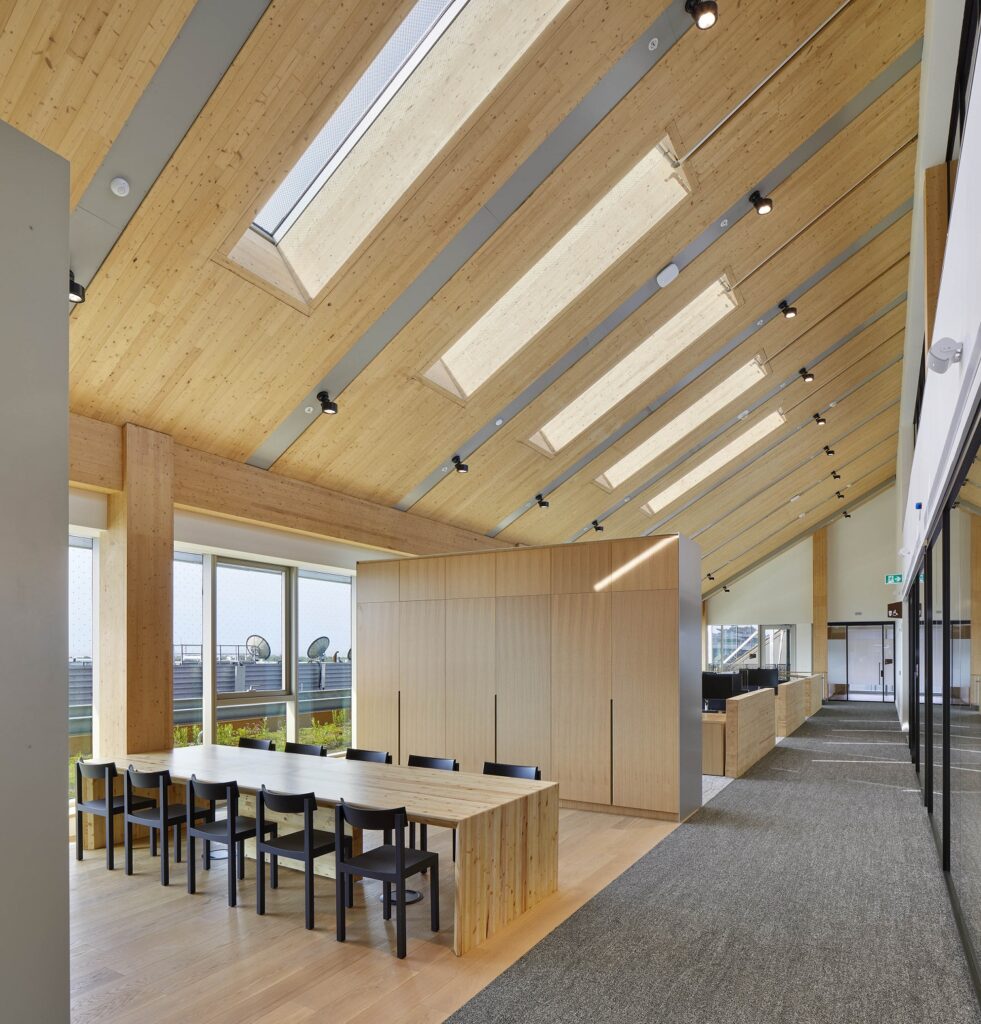
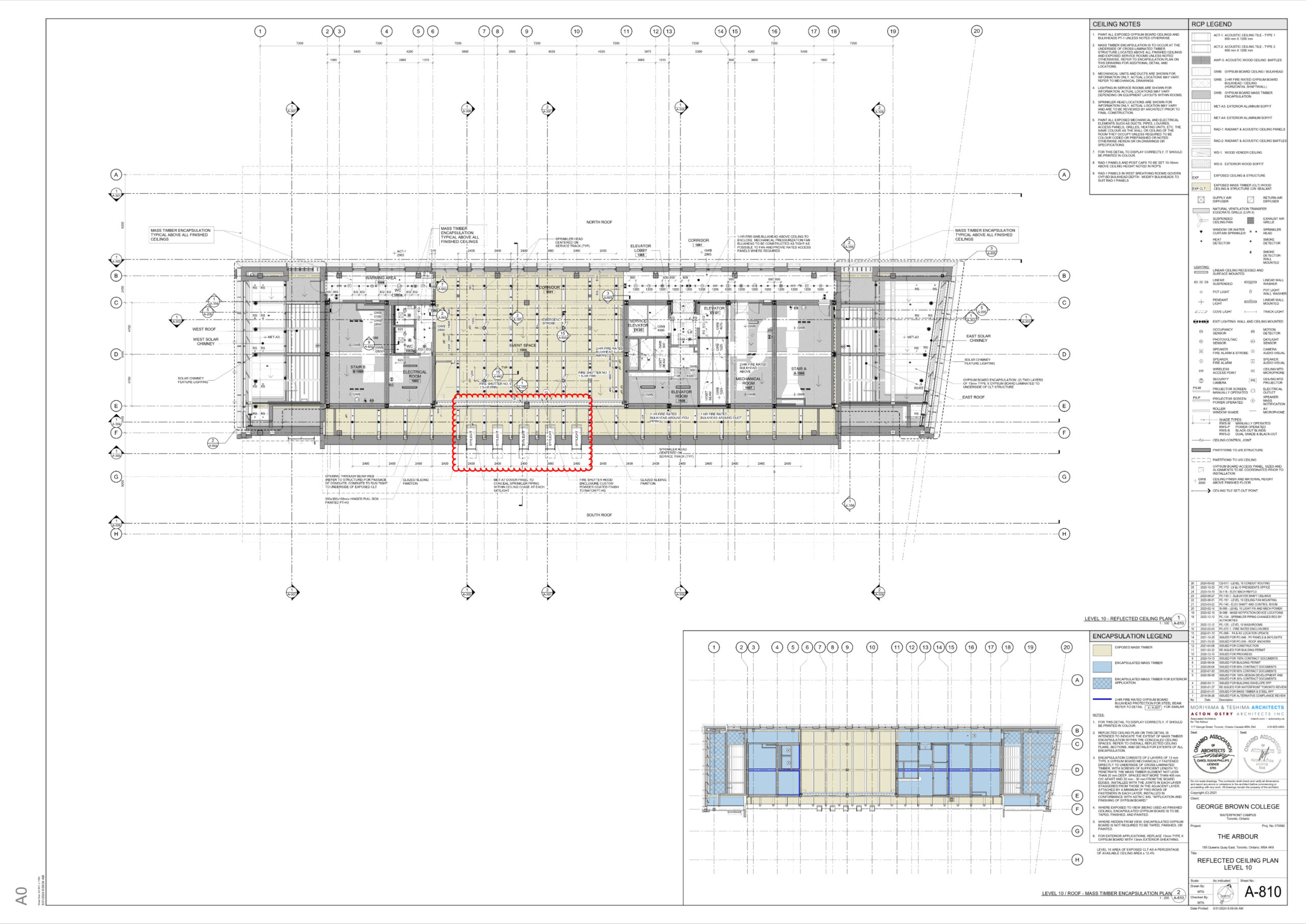
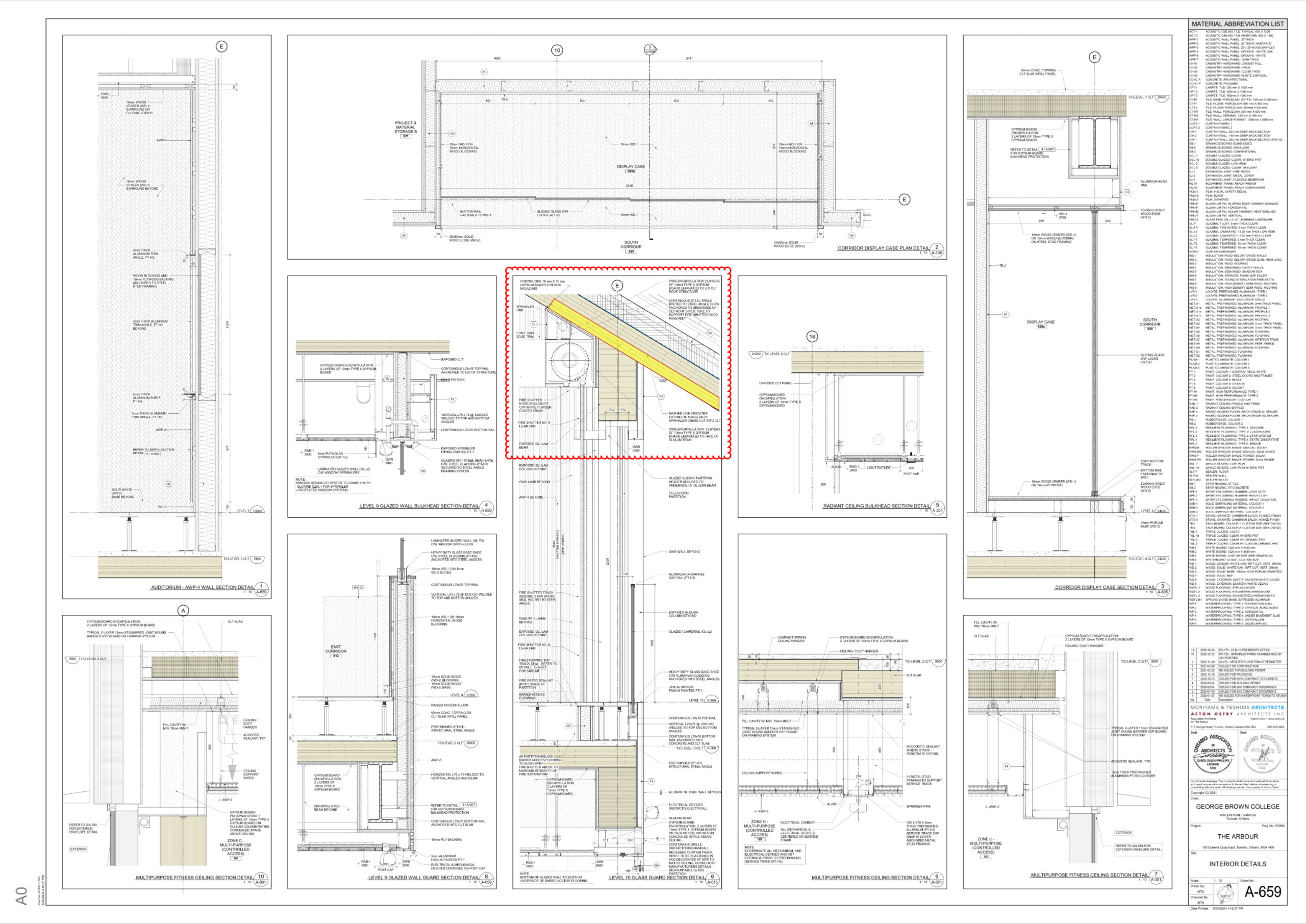
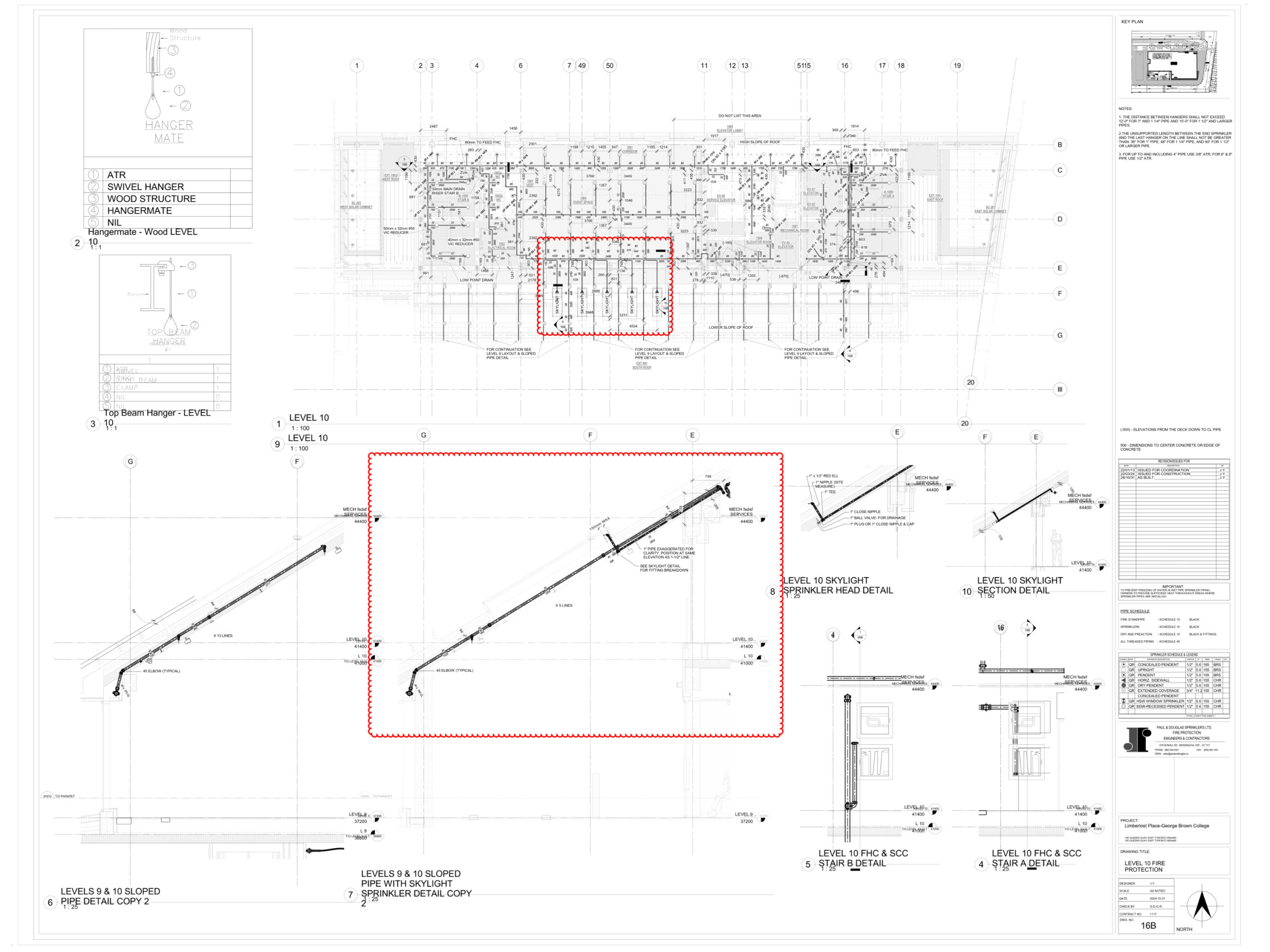
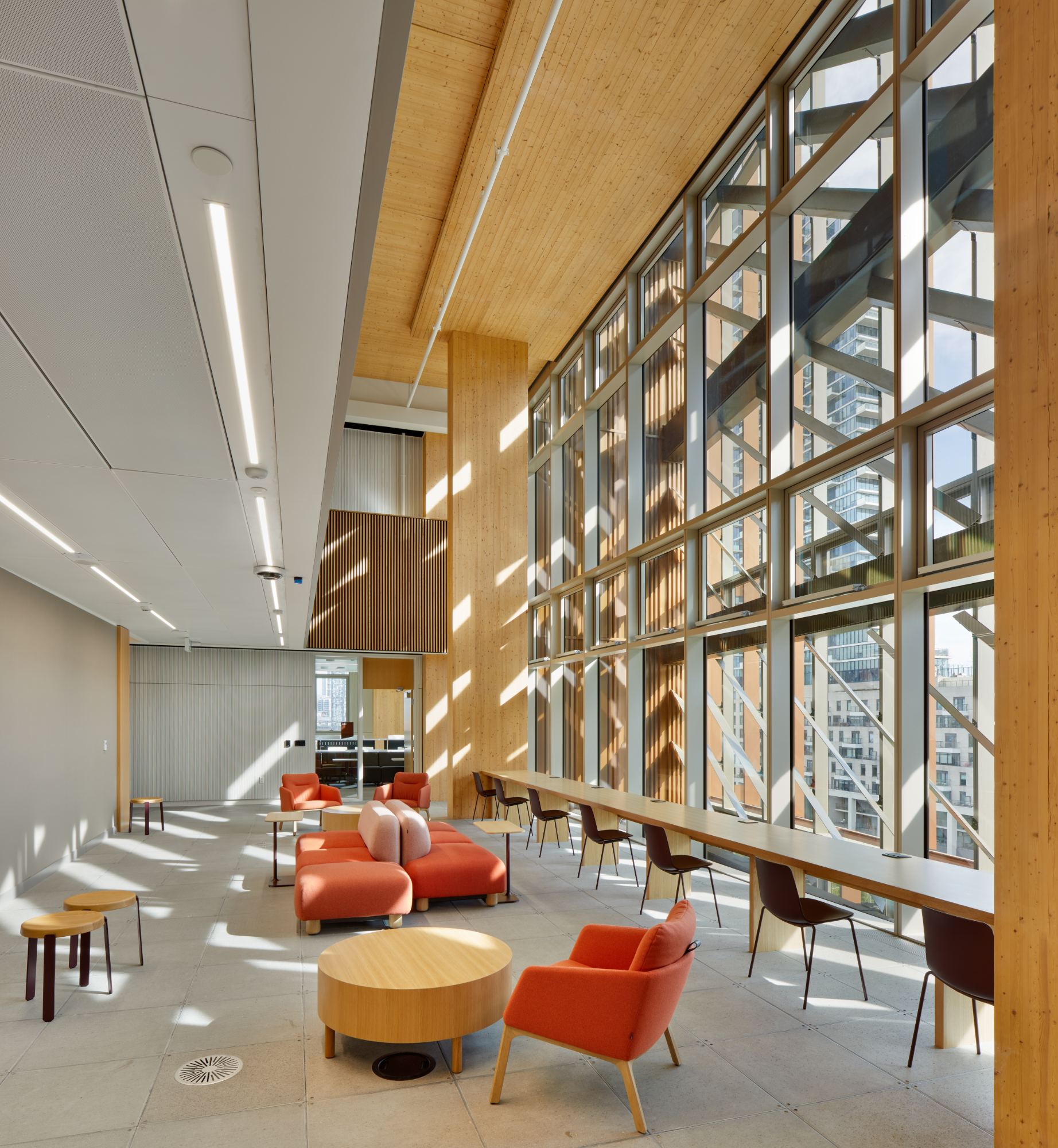
As such, my favourite architectural detail at Limberlost Place is the careful coordination of the roof and ceiling within the Event Space. The exposed long-span CLT structure is set at a dramatic angle, creating a distinctive and memorable spatial experience. What gives the space its elegance, however, is the seamless integration of lighting, sprinkler systems, and skylights within that structural expression.
Together, these elements frame curated views toward the lake and shape the character of the room, while the technical systems that support the space remain quietly embedded within the architecture. The result is a space where considerable complexity has been carefully resolved to feel effortless, allowing the experience of the structure, light, and landscape to take center stage.
The accompanying drawings demonstrate the level of coordination required to integrate the building’s acoustic, mechanical, and life safety systems in order to fully realize the essential experience of the space. The intent of the design was to create a dramatic interior defined by the steeply sloped roofline. The final result is deceptively simple and has an effortless expression while requiring careful study and detailing to minimize the impact of these services.
Do you have a favorite material?
Yes – wood.
What is your process for starting a new project?
Our process begins with developing a deep understanding of context. For us, that means identifying and interpreting the forces, cultural, historical, social, and environmental, that have shaped a place and its community. We undertake research, interviews, and extensive background study to understand the origins and evolution of a place and the stories that define its identity.
Ultimately, our goal is to make that identity legible, helping communities see themselves reflected in the built environment. The process is not about imposing a personal style or signature; it is about listening, learning, and creating architecture that resonates authentically with the people and place it serves.
How do you fuel your creativity?
Spending time in nature is one of the most important ways I renew my creativity. It provides both inspiration and perspective, reminding me of the larger systems of which we are a part and grounding our work in a sense of purpose and humility.
Nature reinforces the responsibility we have as architects, not only to serve the needs and aspirations of people, but also to act with respect for the environment. Some of the most meaningful lessons about resilience, beauty, and stewardship can be found in the natural world, and those lessons continually inform the way I think about design.
What inspired Limberlost Place?
Limberlost Place was inspired by a shared ambition among the client, design team, engineers, and builders to demonstrate that large-scale, high-density architecture can be both environmentally responsible and inspiring. From the outset, we were motivated by a challenge that had never been fully realized before: creating a tall academic building that pushed the possibilities of mass timber while maintaining the performance, flexibility, and efficiency expected of a contemporary urban building.
The project’s constraints became a source of inspiration. Rather than viewing them as limitations, we saw them as opportunities to develop solutions that could be replicated and adapted by others. We wanted the building to serve not only its users, but also as a model that could help shift the broader conversation about how cities grow and how buildings are made.
The structural system became the foundation for that thinking. Its elegance and clarity shaped an architectural approach that celebrates simplicity, demonstrating that impactful design does not always require complexity. In many ways, the building embodies the idea that sometimes the most powerful solutions are the quietest ones. Features such as its ability to operate in a largely passive mode reflect that philosophy, achieving significant environmental performance through thoughtful design rather than technological excess.
How did materiality shape the Limberlost Place?
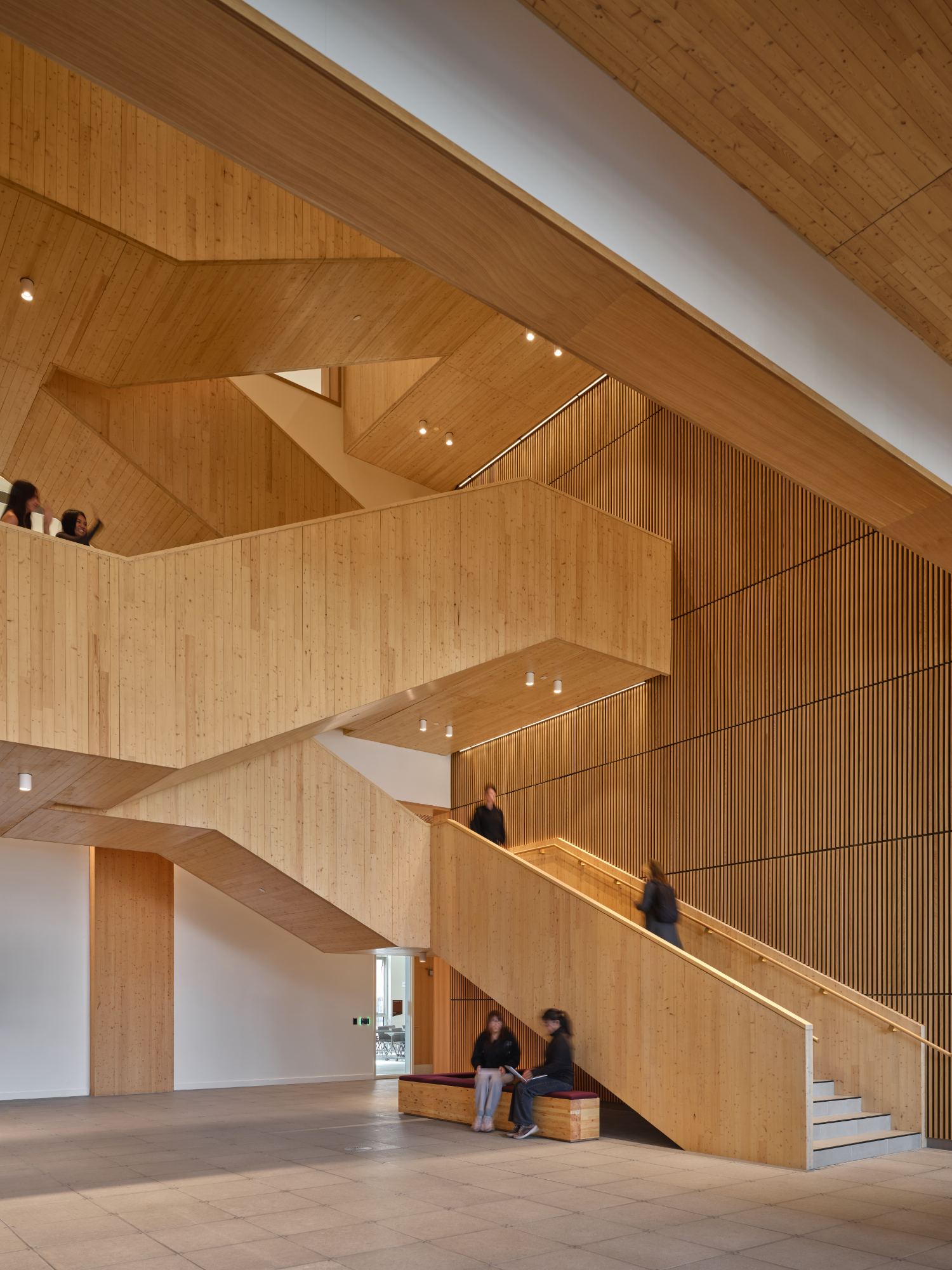
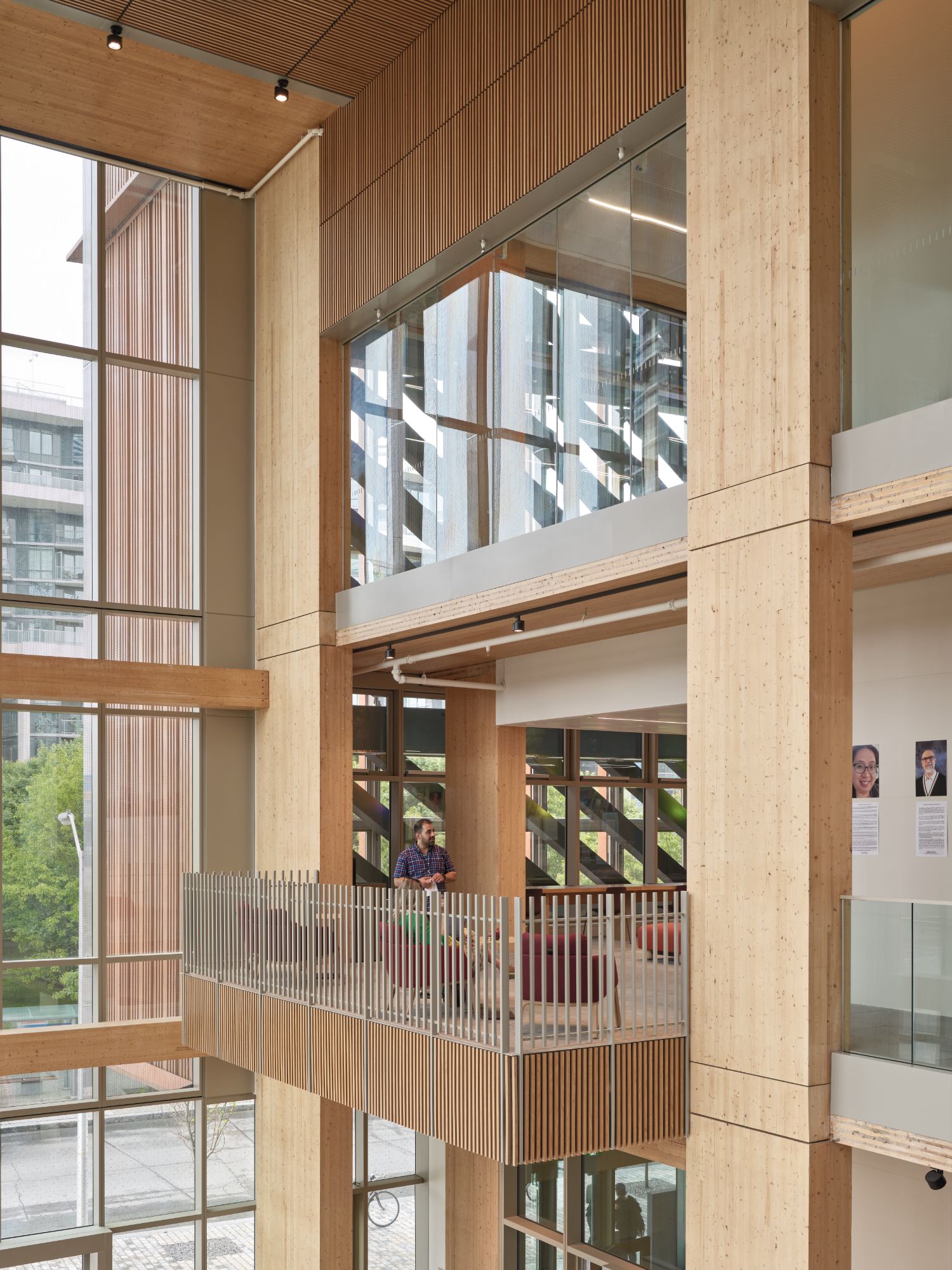
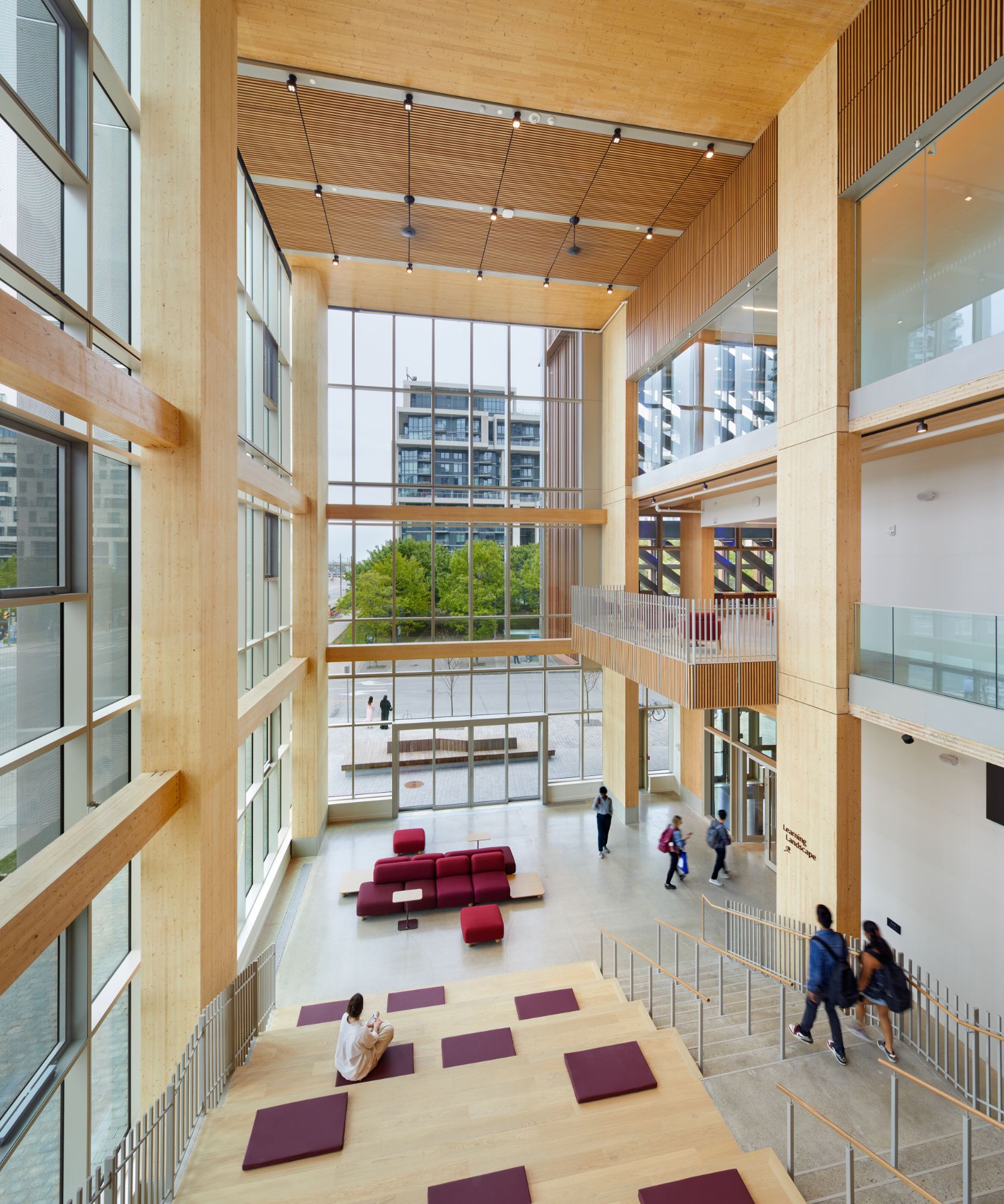
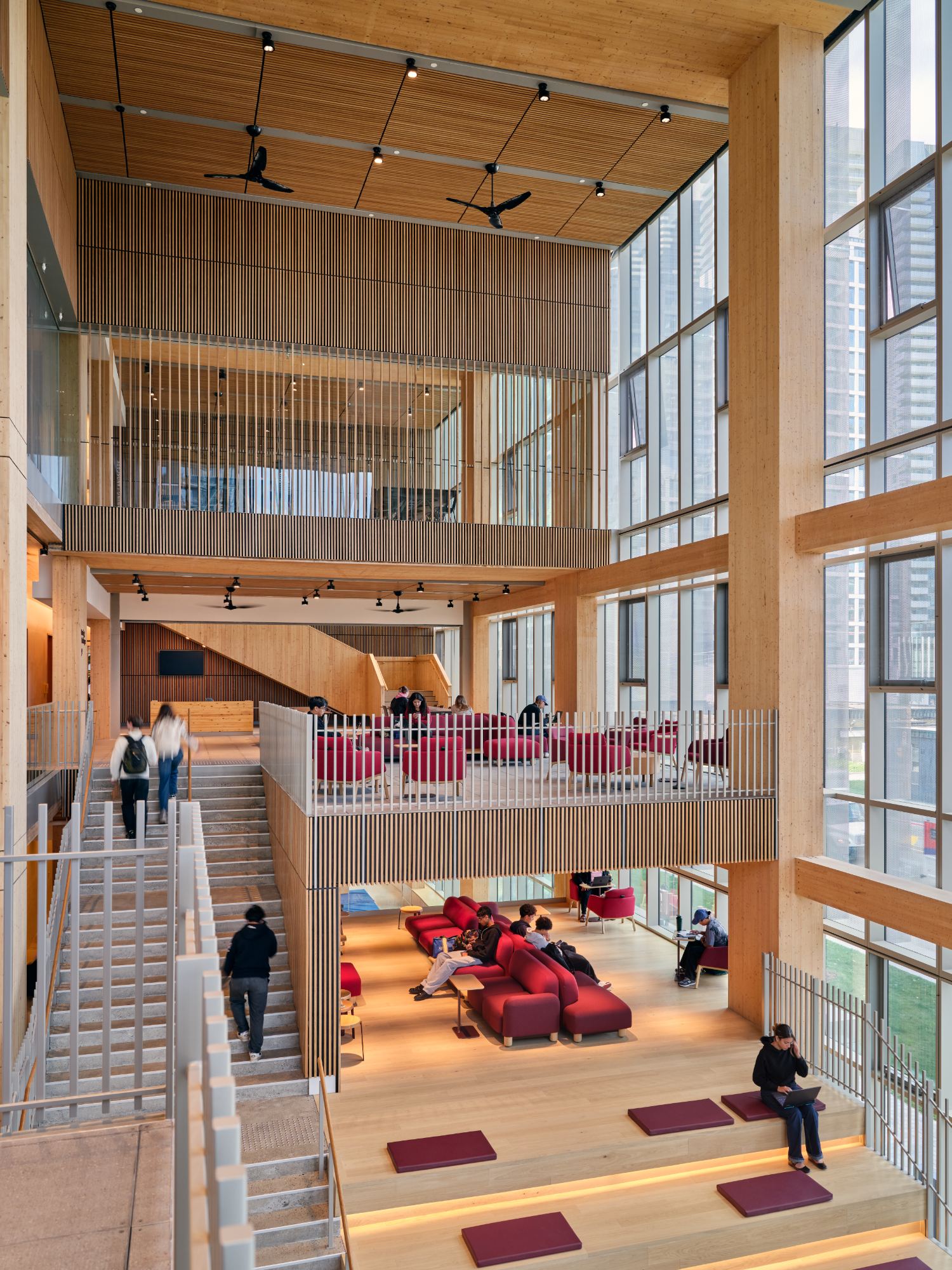
The form and character of Limberlost Place are inseparable from its use of mass timber. Timber shaped not only the building itself, but also the way the project was realized, fostering a highly integrated process among architects, engineers, fabricators, and builders.
Beyond its structural role, timber inspired the experiential qualities of the building. We looked to the varied spatial experiences found in forests: intimate and sheltered places, clearings that create a sense of vertical uplift, and pathways that encourage exploration and discovery. These ideas informed the building’s spatial expression and the way people move through it.
The material also prompted a renewed focus on craft and precision. From the structural concept to the detailing, the design was guided by the inherent qualities of the mass timber, particularly the Black Spruce used throughout the project. In this way, materiality was not simply a finish or aesthetic choice; it became a driving force behind the building’s architecture, atmosphere, and construction.
What advice would you give to young architects?
As the mother of three sons and a teacher at the master’s level at the University of Toronto, I often find myself reflecting on what advice is most valuable for the next generation. The guidance I consistently return to is to seek purpose in what you do and to cultivate a genuine belief in the value of your work.
Practice with both rigour and joy. Develop your craft but also remain curious about the world beyond architecture. Travel, observe, listen, and experience places firsthand. Architecture is ultimately about people and our shared environment, and there is no substitute for engaging directly with the richness and complexity of the world around us.
Above all, recognize the privilege and responsibility that come with the profession. As architects, we can contribute in meaningful ways, helping to shape places that reflect our values and aspirations for the future.

