

Jamie Anderson is a Scottish architect and director at Pend Architects, an Edinburgh-based practice working across residential architecture, adaptive reuse, and small-scale urban interventions. The studio engages with the specific conditions of the Scottish built environment, including historic fabric, constrained plots, and layered urban contexts, developing architecture through precise material strategies and spatial clarity. Projects such as Canon Mews reflect an approach that balances contemporary insertion with contextual continuity, often employing reclaimed materials, courtyard typologies, and carefully controlled daylight to shape domestic environments.
What inspires you?
I find there is a particular calm that comes from entering a beautifully designed building. You instinctively slow down, becoming more aware of your surroundings and the care that has gone into shaping them. To work in a profession that strives to create that feeling for others is a privilege. Architecture can be incredibly demanding and complex, but that challenge is part of what makes the process so rewarding.
What inspired you to become an architect?
My mother is an artist, and my father is a quantity surveyor, so I grew up somewhere between creativity and construction. To my twelve-year-old mind, architecture seemed like the perfect meeting point between the two. Once that idea took hold, it never really left me.
How would you describe your design philosophy?
We are passionate about delivering architecture that is both joyful and pragmatic, striking a healthy balance between beauty and practicality. Collaboration sits at the heart of our process, within our team, with our clients, and alongside a wider network of creatives. We aim to create designs that are sensitive to their context, while also shaped by the people and ideas that help bring them to life.
What is your favorite project?
I’ve been fortunate to visit several projects by Louis Kahn, but the Kimbell Art Museum remains a standout. It is a building of great clarity and quiet beauty. The section detail and its manipulation of natural light are masterful, and those qualities have long resonated with me in practice.
What is your favorite detail?
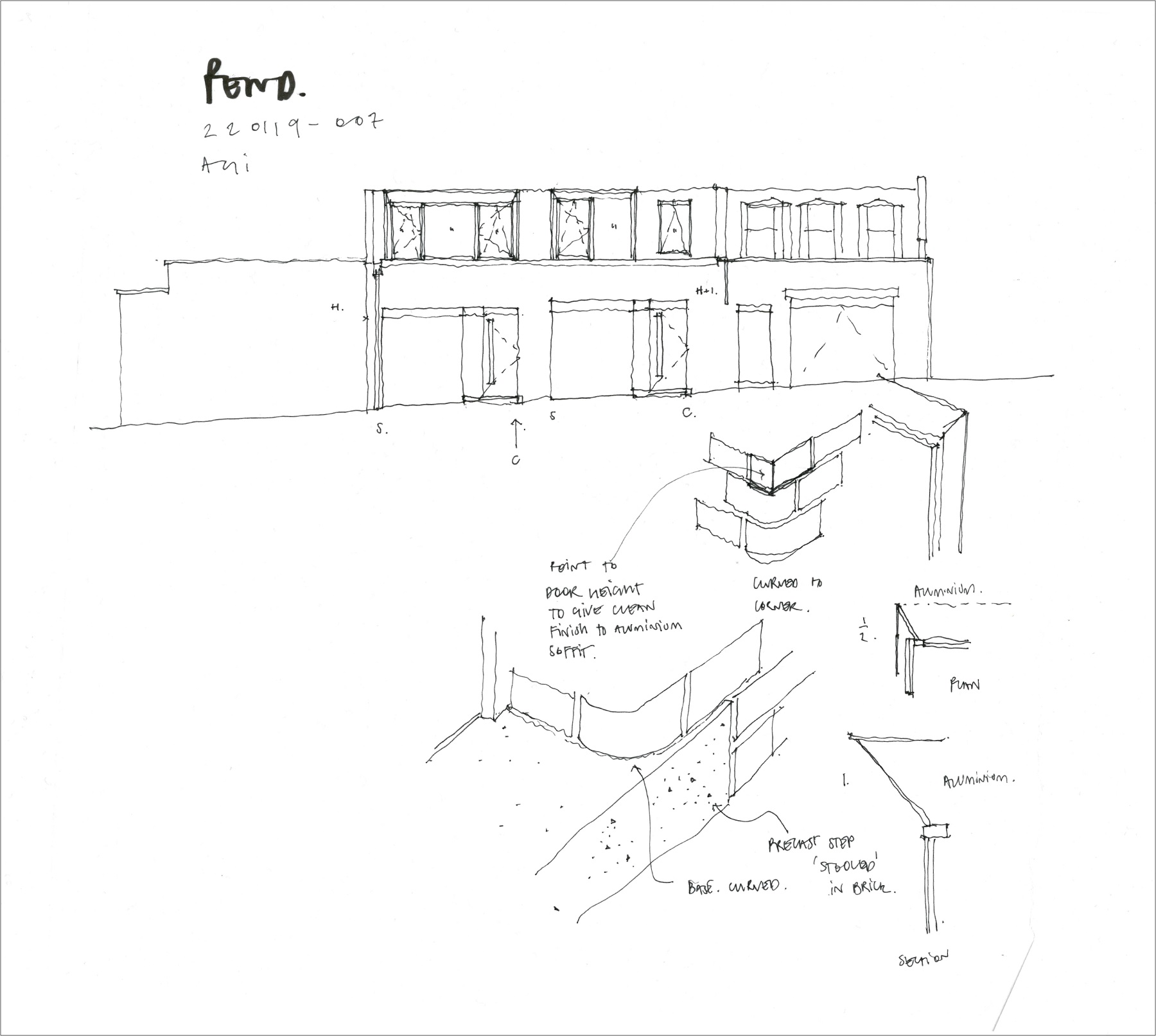
At Canon Mews, early sketches for the project were developed by our late friend and colleague, Andrew Gillespie. Andrew was an incredible Architect and he proposed reusing existing bullnose bricks found on site to signify the entrance to each property. The result is a softening of the brickwork that marks the transition into the homes. It is a subtle intervention, but one that carries deep significance for us. It speaks both to Andrew’s legacy within our practice and to our belief that a level of care over the small details is what ultimately defines the quality and character of a home.

Do you have a favorite material?
We enjoy working with materials that are local to each project, helping to ground the design in its context. Working in Scotland, this often involves working closely with stone and timber. Our favourite materials are ‘found’ rather than made, and this natural-material first approach is not only sustainable but we find adds greater character and material depth to a project. We find great pleasure in trying to find innovative new ways to use/detail these materials, advancing them into a contemporary architectural language.
What is your process for starting a new project?
Our process involves a thorough interrogation of a brief and of a site, undertaking all the ‘standard’ analysis that all architects are taught through university, but also hopeful of stumbling across something that evokes an emotional response from us that we can then build upon and shape into a theme/moment/inspiration for the project. Once this process of listening and absorbing is complete, we respond by sketching out ideas on a large table together, developing by hand through repetition and trial until we’re satisfied that an idea has legs.
How do you fuel your creativity?
As a studio, creativity is often fuelled through conversation. We regularly pause what we are doing to discuss an article, book, film or idea that someone has brought into the room. Those exchanges challenge our thinking and often open up new perspectives. We also believe creativity benefits from space rather than pressure. A walk, run or time outdoors can often provide the distance needed for a solution to quietly reveal itself.
What inspired the Canon Mews?
Canon Mews was unlocked for us by looking at Tadao Ando’s Row House in Osaka, which demonstrates how a tight footprint within an urban setting can be opened through an internal courtyard. Located on a constrained brownfield site, Canon Mews offered limited frontage and no opportunity for dual aspect. With a particular study on the plan and section of Ando’s example, we turned the scheme inward, carving out a sequence of courtyards and terraces that draw daylight deep into the plan and organise the two homes spatially.


How did materiality shape the Canon Mews?
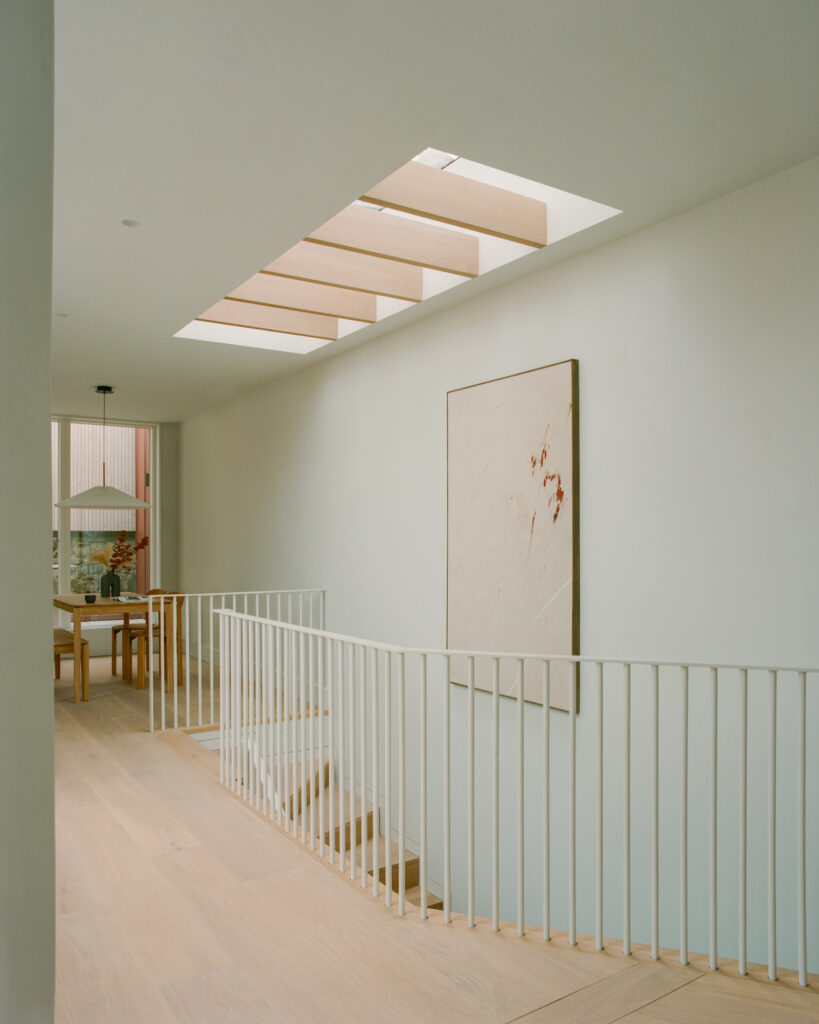
Materiality was fundamental to the project. The outer envelope of each home is formed from reclaimed brick found on site, carefully removed, cleaned and reinstated in a new arrangement. Set slightly back from the brick façade, red zinc defines the upper storey and roofline, providing a warm contemporary counterpoint to the masonry. Garages and recessed entrance vestibules are expressed in finely detailed timber cladding, continuing the rhythm of timber-clad garages along the mews lane. Internally, the ground floor is finished in durable porcelain tile with underfloor heating. Solid timber treads form a sculptural stair with a bespoke metal balustrade, leading to a bright open-plan kitchen and dining space with a roof terrace beyond. Existing brick and masonry are left exposed within the courtyards, creating a rich and tactile palette that celebrates the site’s history.


What advice would you give to young architects?
Start small, think big, be patient.

