

Architects: Anomalia Studio LLP
Year: 2025
Photography: Silvia Miralles Perez
Lead Architects: Bhakti V Loonawat, Suyash Sawant
Design and Research: Anomalia
Research and Production: MYCL
Research Team: Robbi Zidna IIman, Ronaldiaz Hartantyo, Rizqi Paradila Akbarianti, M Yusuf Nurhadi
Materials: Mushroom mycelium, agricultural waste, concrete, timber dowel joinery
City: Venice
Country: Italy
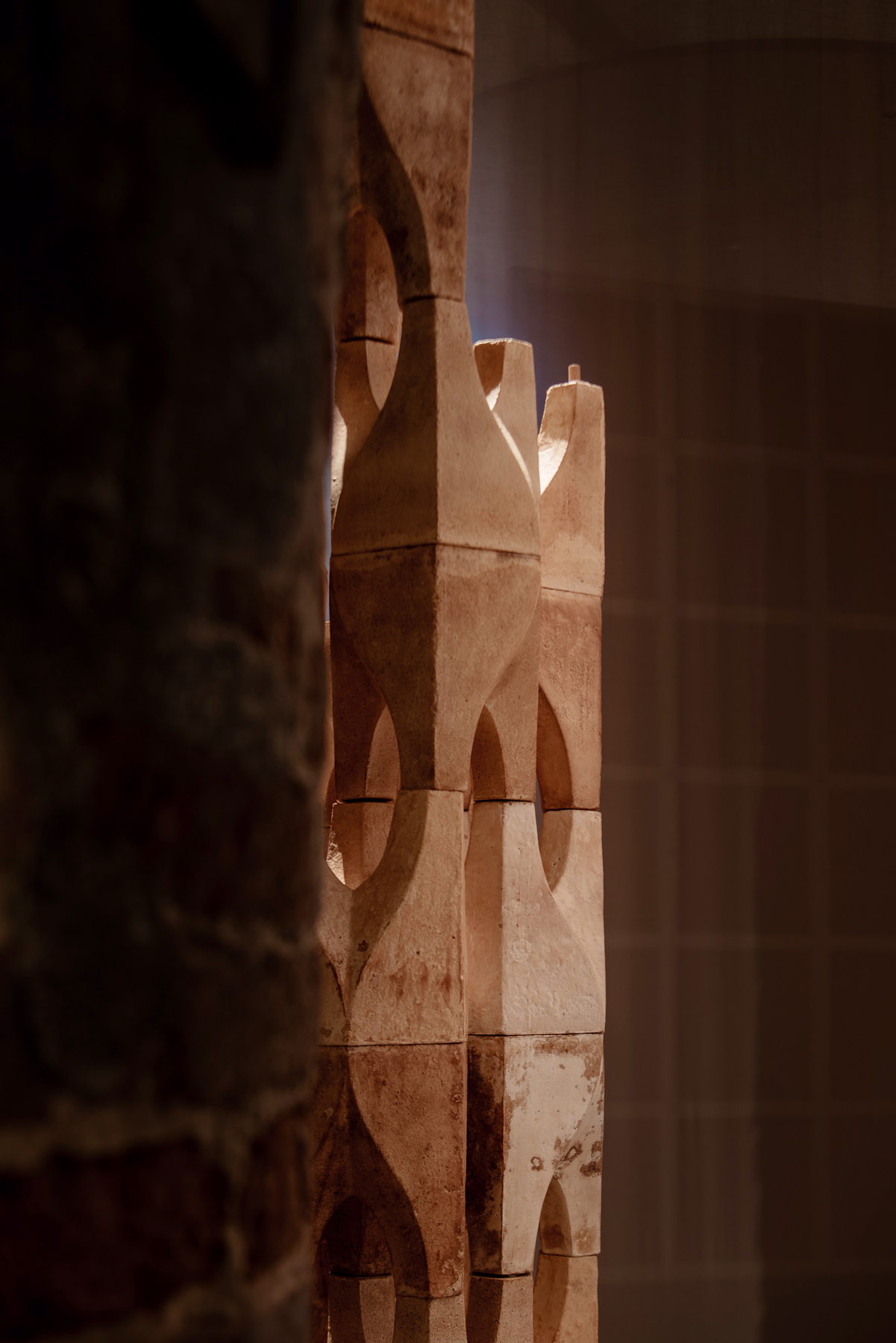
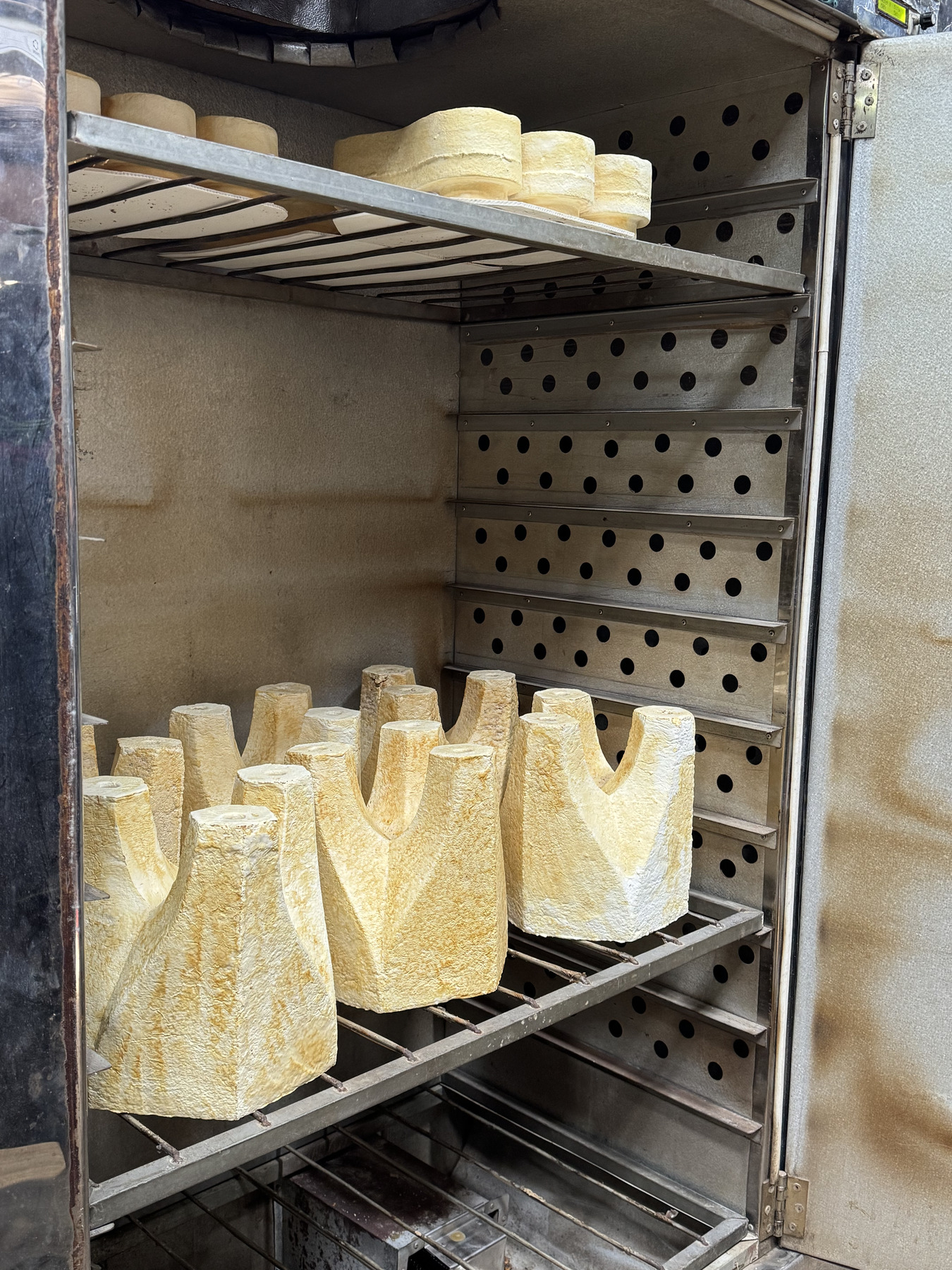
MycoMuseum is an experimental architectural installation presented at the 19th International Architecture Exhibition of La Biennale di Venezia in 2025, within the Material Bank: Matters Make Sense section. Developed through a collaboration between Anomalia in India and MYCL in Indonesia, the project investigates the architectural potential of mycelium as a regenerative building material. Its modular MycoBlox units measure 25 cm by 25 cm by 25 cm and are grown from mushroom mycelium and agricultural waste. The installation combines biological research, material testing, modular design, and circular construction strategies to propose an alternative to traditional extractive material systems. Using 142 kilograms of agricultural waste, the work prevented an estimated 522 kgCO₂-e emissions from crop burning and sequestered 50.2 kgCO₂-e of carbon. Each 1.6-kilogram block can withstand 1.55 tons of compressive force, positioning the installation as both a speculative exhibit and a technical prototype for low-impact construction.
The idea behind MycoMuseum was to imagine a global collaborative platform around fungi and bio-based design. A place where designers, scientists, architects, students, makers, and communities could come together to explore how living materials can shape the future of the built environment.
Interview with Bhakti V Loonawat and Suyash Sawant of Anomalia Studio LLP
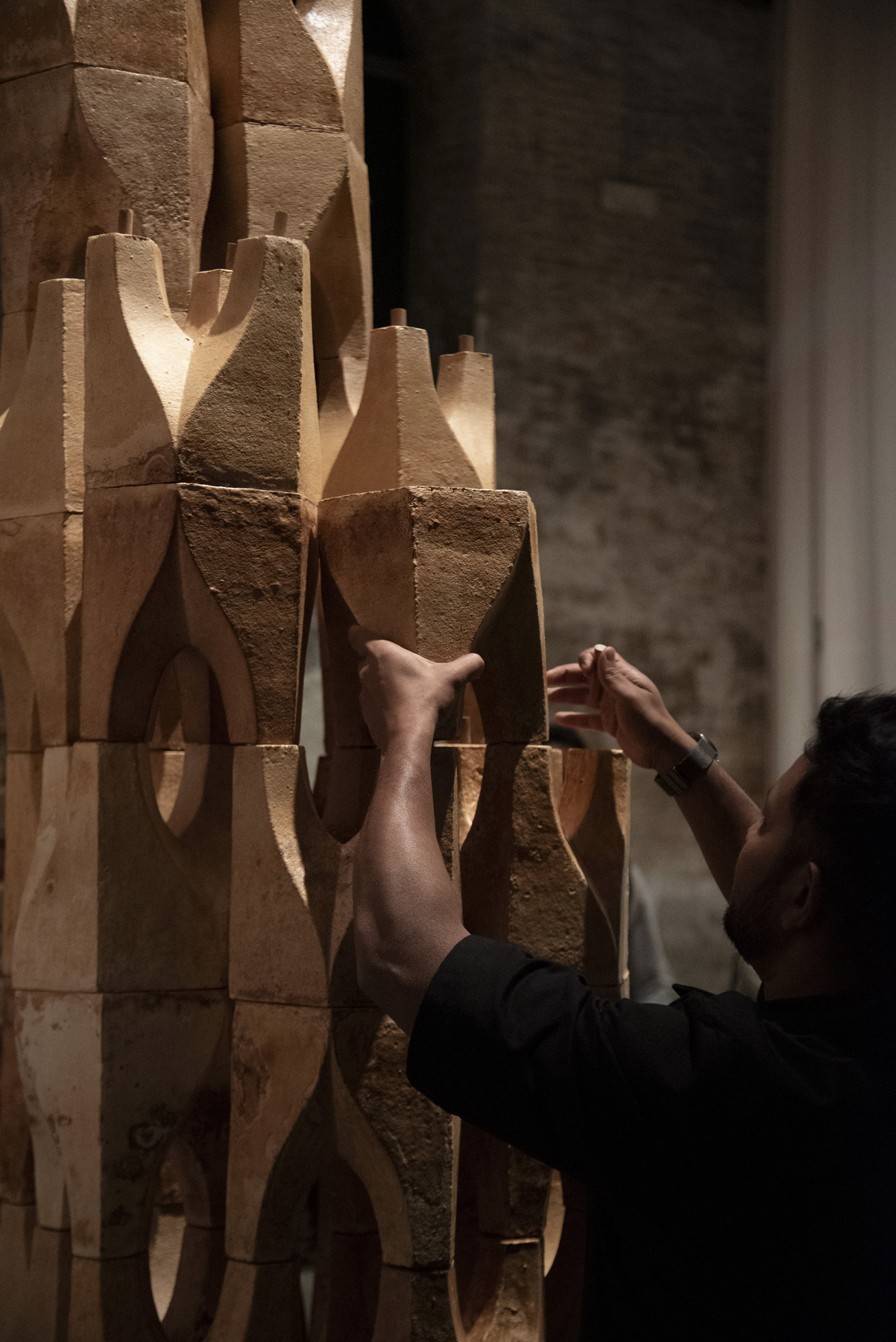
MycoMuseum arrives at the Venice Architecture Biennale as a challenge to architecture’s longstanding attachment to permanence. Rather than treating durability as an unquestioned measure of value, the installation proposes temporality, regeneration, and biological integration as equally valid architectural ambitions. This conceptual shift reframes architecture not as a discipline of static objects, but as one capable of participating in environmental cycles of growth, transformation, and return. In doing so, the project introduces a compelling alternative to extractive material systems at a moment when ecological constraints are reshaping the boundaries of architectural experimentation.
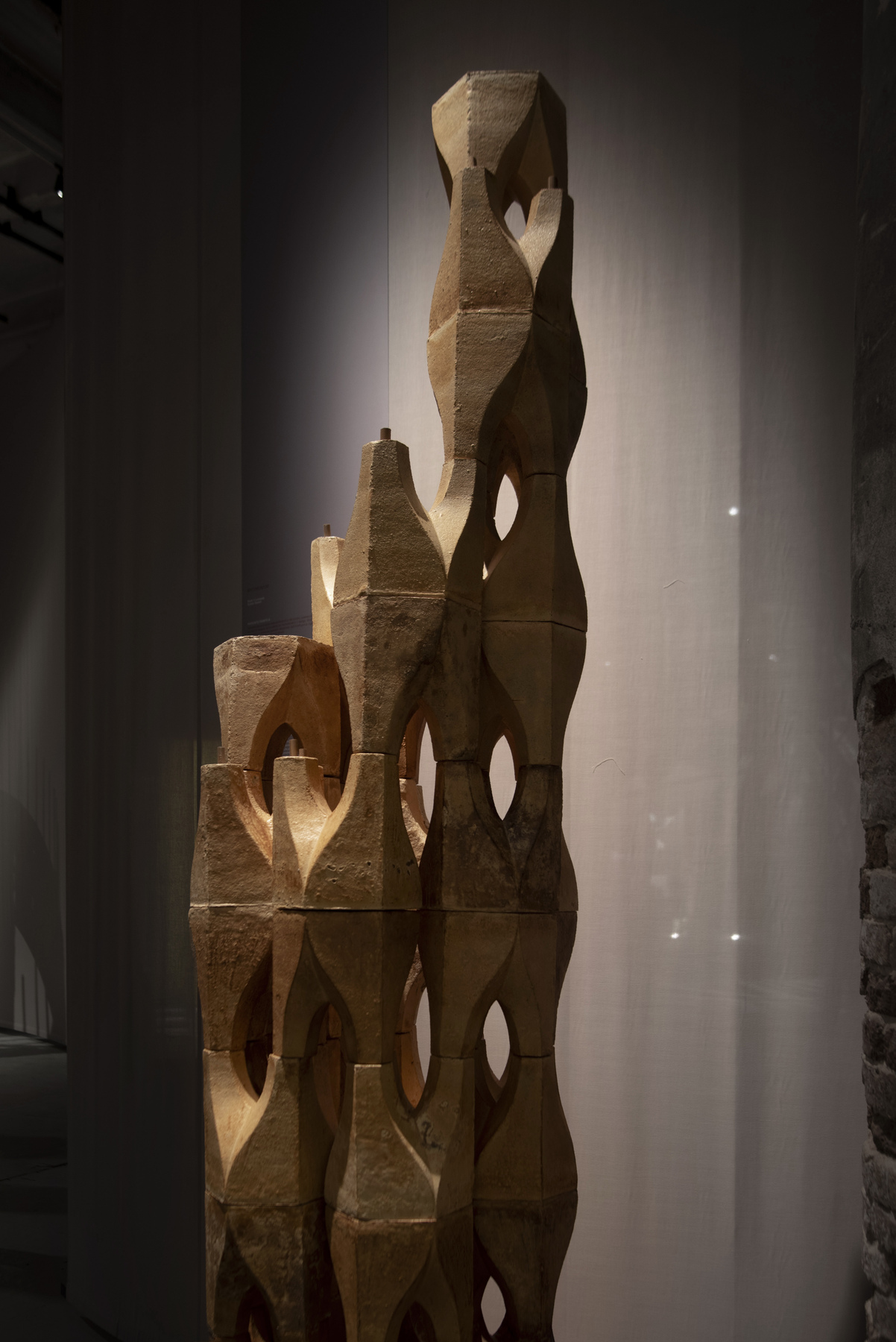
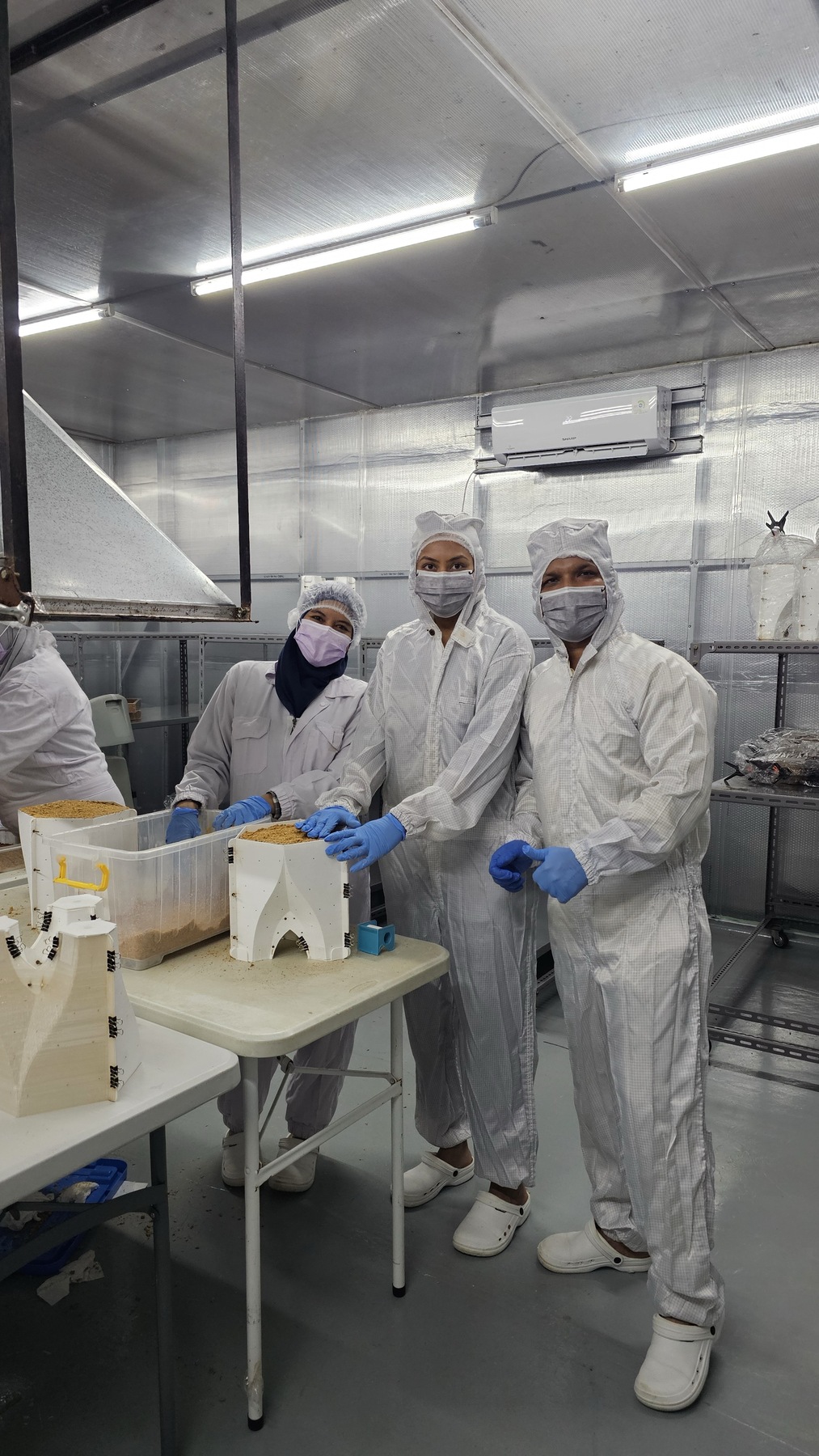
Developed by India-based Anomalia with Indonesian biomaterial innovators MYCL, the installation gains further significance through its collaborative Global South perspective. Presented in a Biennale lacking national representation from either India or Indonesia, MycoMuseum asserts the relevance of decentralized design research beyond formal pavilion structures. The project reflects a model of architectural production grounded in distributed expertise and shared inquiry, bringing together architects, material scientists, and production specialists to investigate mycelium as a viable construction medium. Its inclusion through the Space for Ideas Open Call underscores the emergence of alternative architectural voices operating outside conventional institutional frameworks.
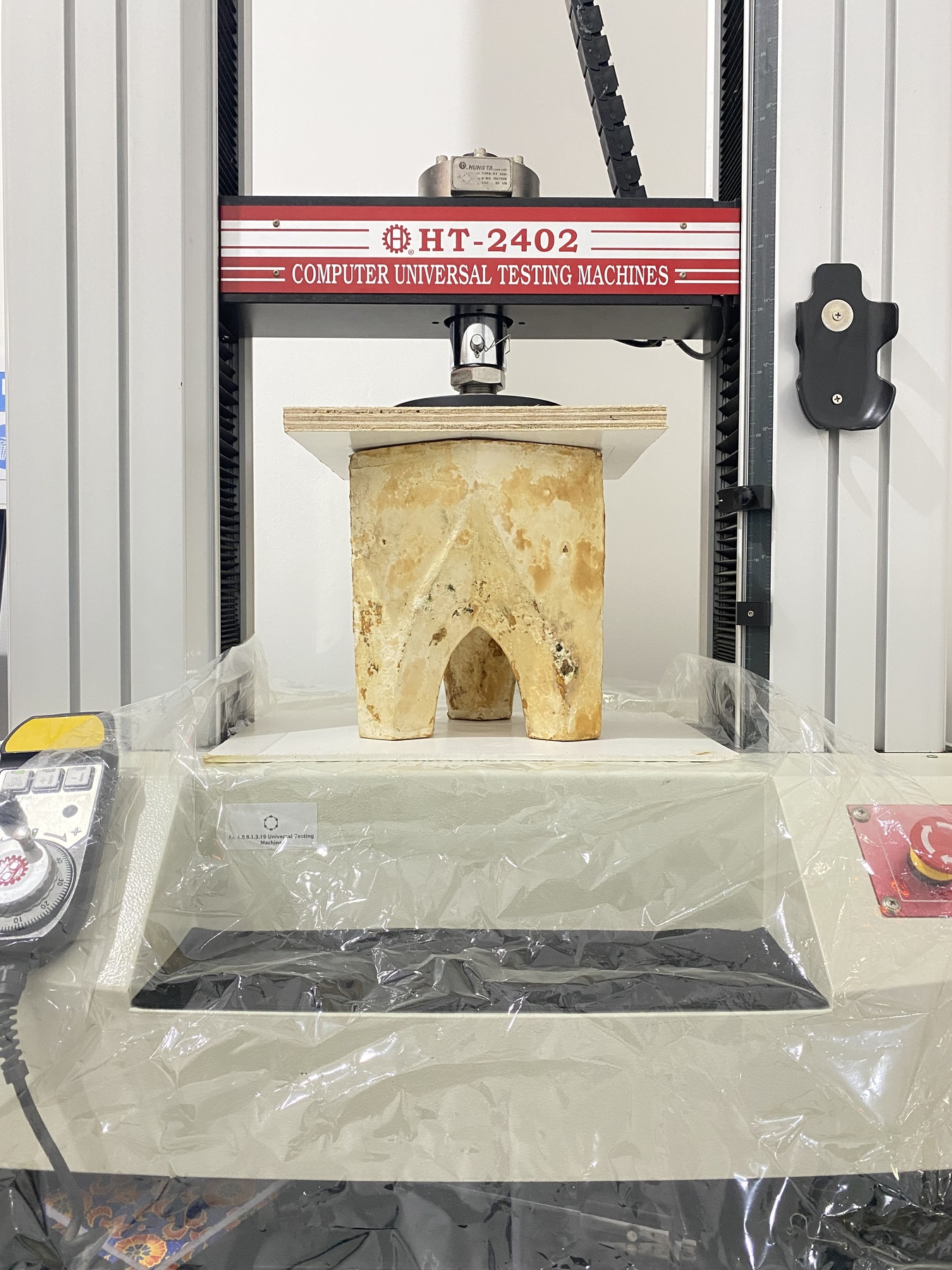
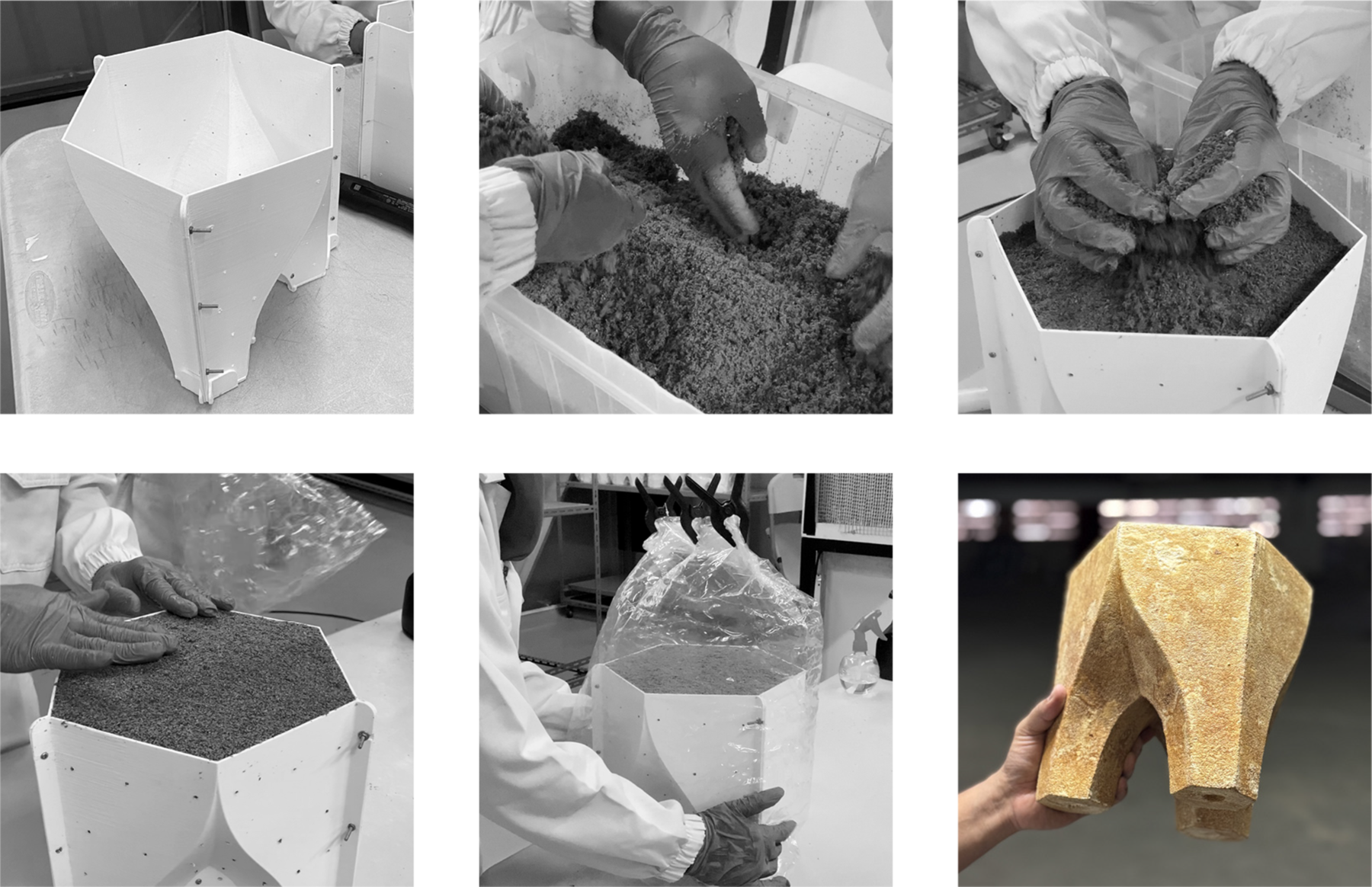
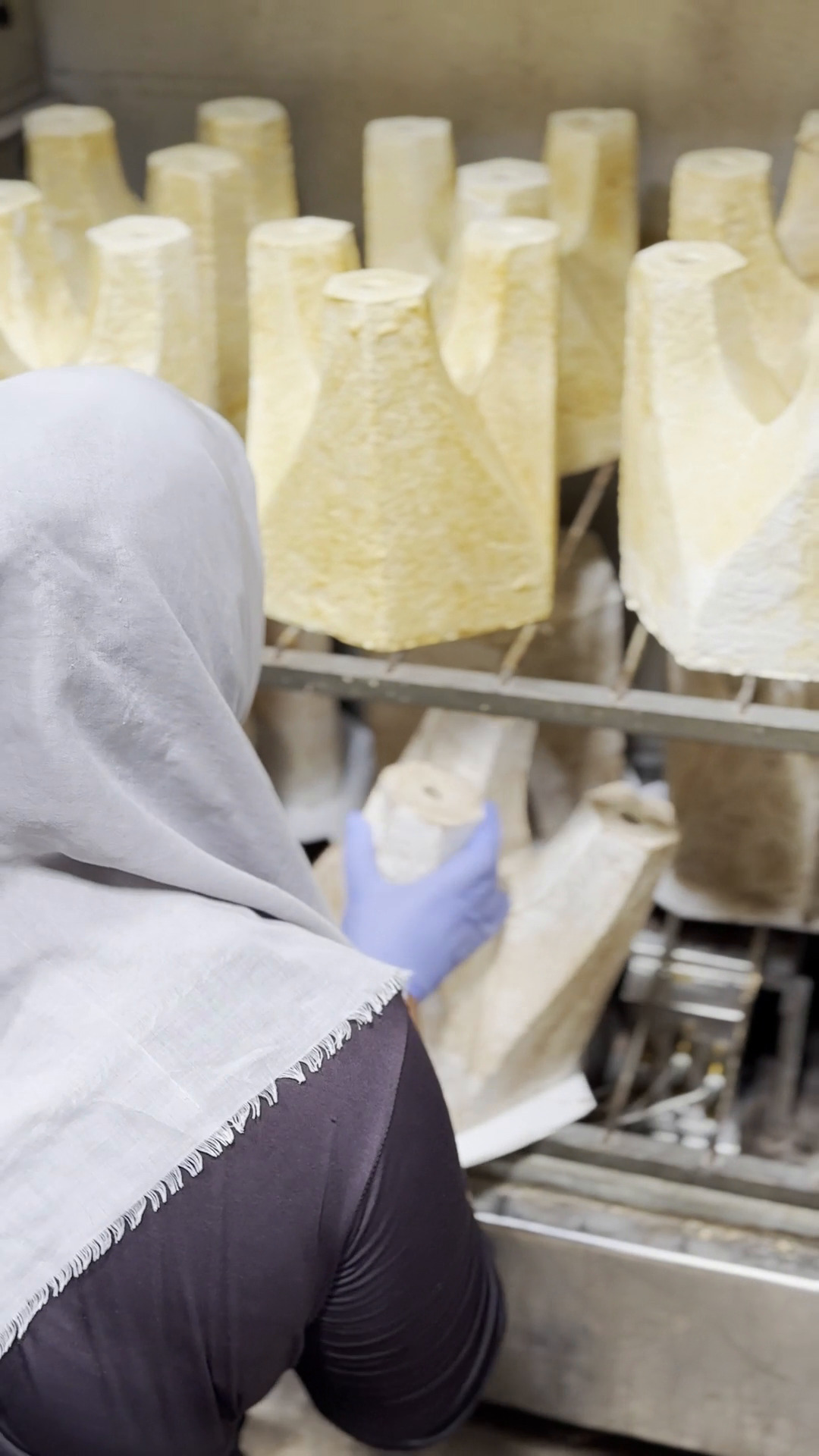
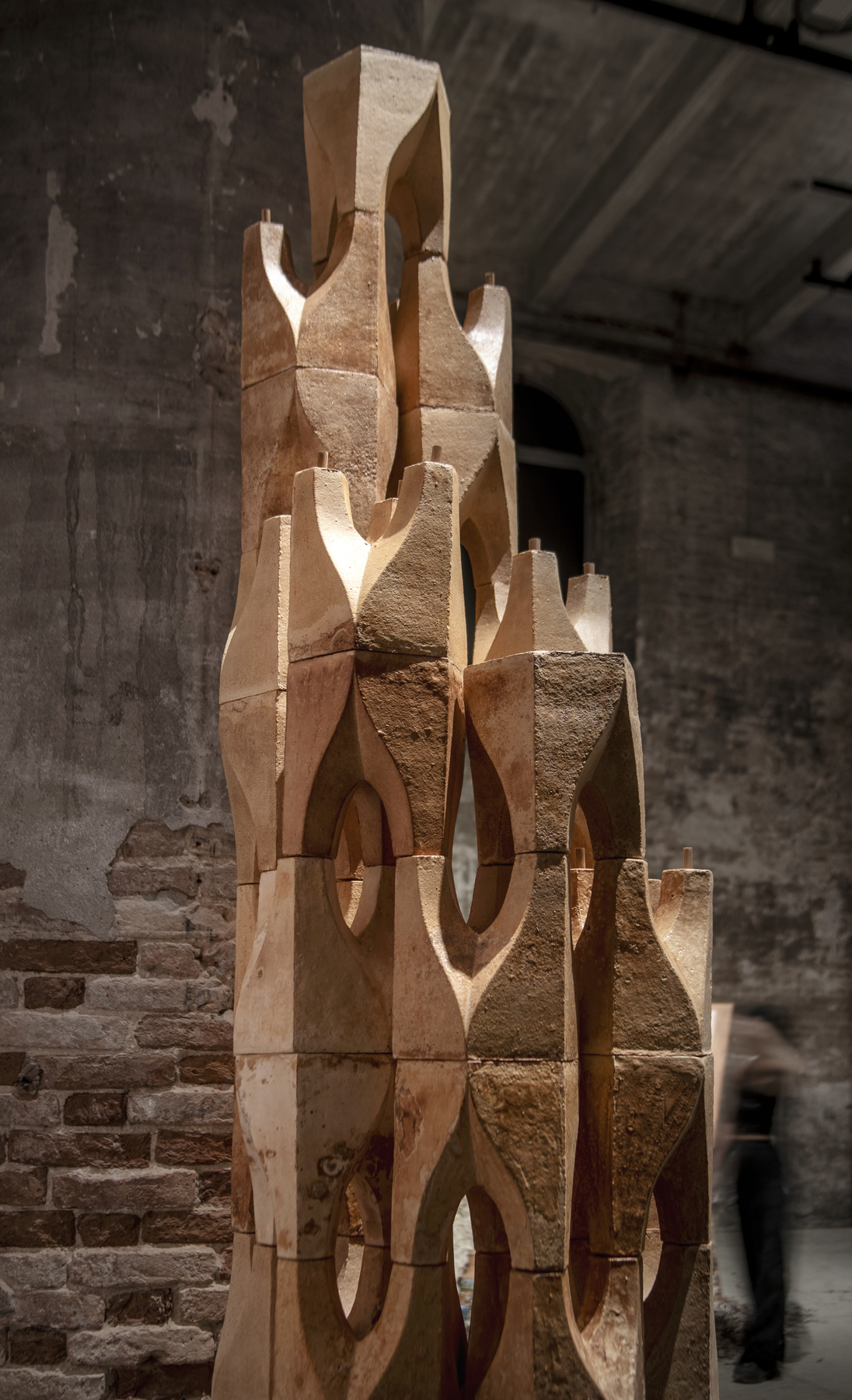
At the core of the installation are MycoBlox, modular cubes measuring 25 by 25 by 25 centimeters and cultivated from fungal mycelium bonded with agricultural residue. These lightweight units, each weighing only 1.6 kilograms, are capable of withstanding compressive loads of up to 1.55 tons, demonstrating the structural promise of biologically grown materials. The installation’s design unfolds through four research trajectories: observation of mycelium’s natural growth behavior, scientific validation for architectural use, explorations in modular formal systems, and investigations into lifecycle circularity. A hybrid assembly of mycelium and concrete components creates a deliberate dialogue between industrial material legacies and emerging regenerative alternatives, while timber dowel joinery allows for efficient disassembly and eventual composting.
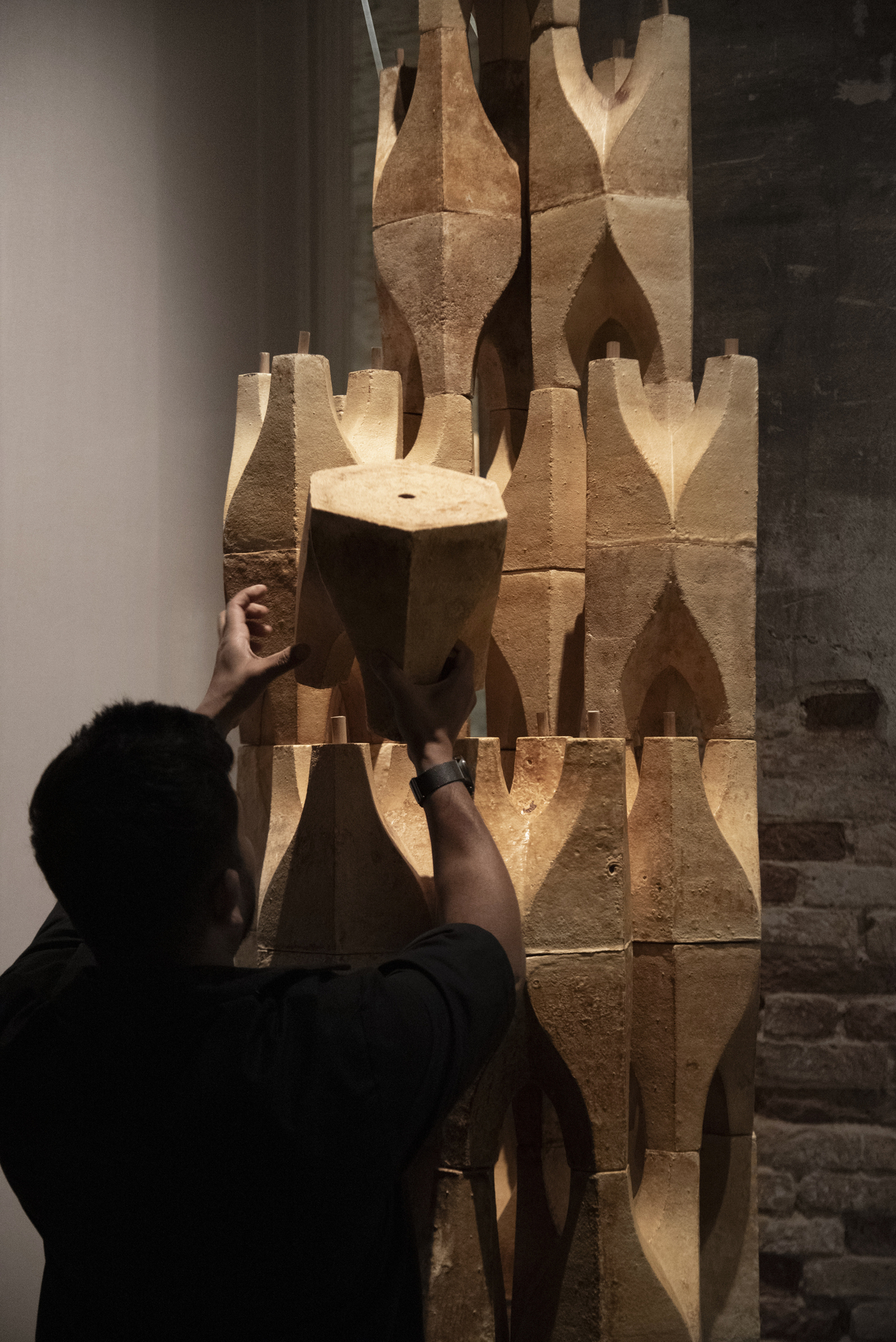
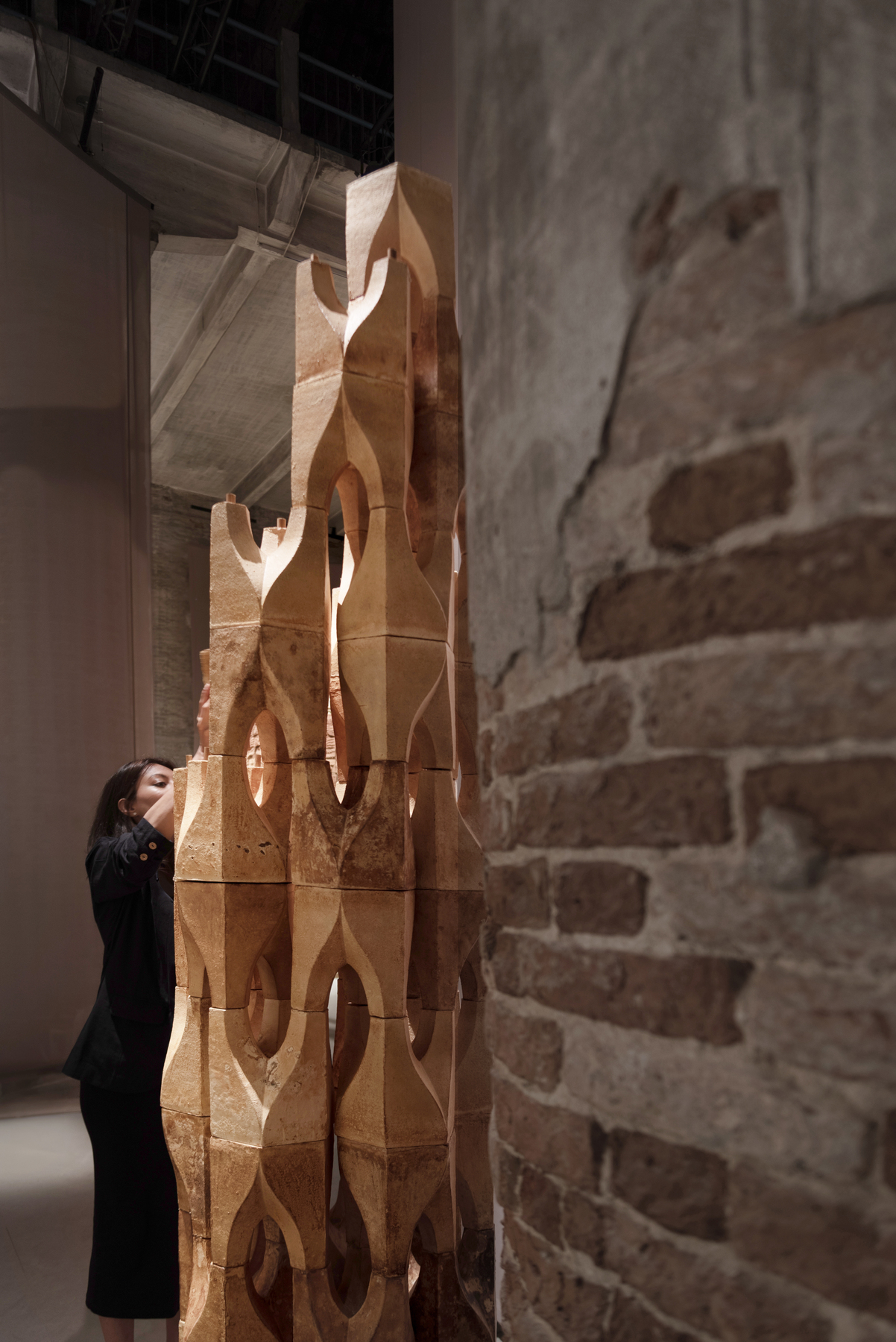
The project’s ecological performance grounds its speculative ambitions in measurable impact. By repurposing 142 kilograms of agricultural waste, MycoMuseum prevents an estimated 522 kilograms of carbon dioxide equivalent emissions from crop burning while sequestering an additional 50.2 kilograms through biological growth processes. These figures reinforce its broader proposition that material innovation must move beyond mitigation toward active ecological regeneration. Exhibited at the Arsenale from May 10 to November 23, 2025, the installation ultimately presents architecture as a living system rather than a fixed artifact. Its vision is neither purely experimental nor symbolic, but a pragmatic exploration of how buildings might one day be cultivated, assembled, and returned to the earth as part of architecture’s renewed relationship with natural intelligence.

Project Gallery


Project Location
Address: Venice, Italy
The location specified is intended for general reference and may denote a city or country, but it does not identify a precise address.

