

Smart thermostats that learn your schedule, refrigerators that text you when you’re out of milk, doorbells that recognize visitors – modern homes are brimming with “smart” devices that make life easier. In sustainable architecture, the rise of smart passive houses – ultra-efficient homes built to Passive House standards but augmented with automation – promises comfort with minimal environmental impact. Yet alongside the convenience and energy savings, these connected devices introduce invisible security risks. Many of the gadgets quietly collect detailed data about our lives, and if poorly secured, they can become gateways for cyber intruders. As we weave the Internet of Things (IoT) into our homes’ design, it’s crucial to understand the privacy and security challenges lurking in the background.
The Allure of Smart, Sustainable Homes
Technology and architecture are converging to create homes that are both green and intelligent. Passive design principles (such as orientation for solar gain, super-insulated walls, and airtight construction) drastically reduce a building’s energy needs. Add a layer of smart home systems – sensors, automated ventilation, app-controlled lighting, and appliances – and you get a house that not only saves energy but also thinks for you. From Germany to North America, thousands of Passive House projects worldwide are now incorporating IoT controls for heating, cooling, and security. Smart homes have quickly moved from novelty to mainstream: the average household now has around 20 connected devices, from smart TVs to Wi-Fi thermostats. Homeowners are embracing these gadgets for the efficiency and convenience they offer. A smart passive home can automatically adjust window shades to prevent overheating, or ventilate only when needed to maintain air quality – all great for sustainability.
However, every new device added to a home is also a new node in a vast digital network. Each “smart” appliance or sensor doesn’t just respond to your commands – it also often phones home to its manufacturer or cloud service. In doing so, it may be sending out information about your daily routines and personal habits. The modern smart home, for all its benefits, has essentially become a data generator. This reality sets the stage for some serious privacy considerations.

Data Collection: Your Devices Are Watching
It’s not a conspiracy theory to say that many smart devices in your home are monitoring you – it’s a documented fact. Smart gadgets routinely collect far more data than most of us realize. Televisions, for example, often use Automatic Content Recognition (ACR) software that literally watches what you watch. When you turn on your smart TV, it may begin taking rapid screenshots of whatever is on the screen – whether it’s a cable show, a Netflix movie, or a video from your HDMI-connected laptop. Those snapshots are analyzed to identify the content and then sent back to the TV manufacturer or its partners. In one study, researchers likened ACR to having a camera in your living room silently recording your screen time. Televisions can capture and transmit your viewing habits multiple times per minute, compiling a remarkably intimate profile of your interests. Unless you dive into the settings to opt out, this tracking likely runs by default. (In fact, even if you disconnect the TV from the internet, some will store the data and upload it later once re-connected.)
Smart TVs are just one example. Nearly any internet-connected appliance – smart speakers, security cameras, refrigerators, thermostats, light bulbs, even “smart” beds – can be a data-harvesting device. Voice assistants like Amazon Echo, Google Nest, or Apple HomePod constantly listen for “wake words,” and while their makers insist they only record when activated, they still log every request you make. Over time, those voice queries reveal a lot: your musical tastes, shopping lists, questions and interests, even snippets of private home conversations caught by accident. All of this information is saved to improve the service (and, not coincidentally, to target ads and products to you more effectively). The next generation of voice assistants promises to be even more personalized: new AI-powered helpers (such as Amazon’s upcoming Alexa “GenAI” or Google’s Gemini assistant) will learn detailed facts about you – from your food allergies to your favorite film genres – so they can proactively tailor their suggestions. That means even more of your personal data is being collected and stored in the cloud.
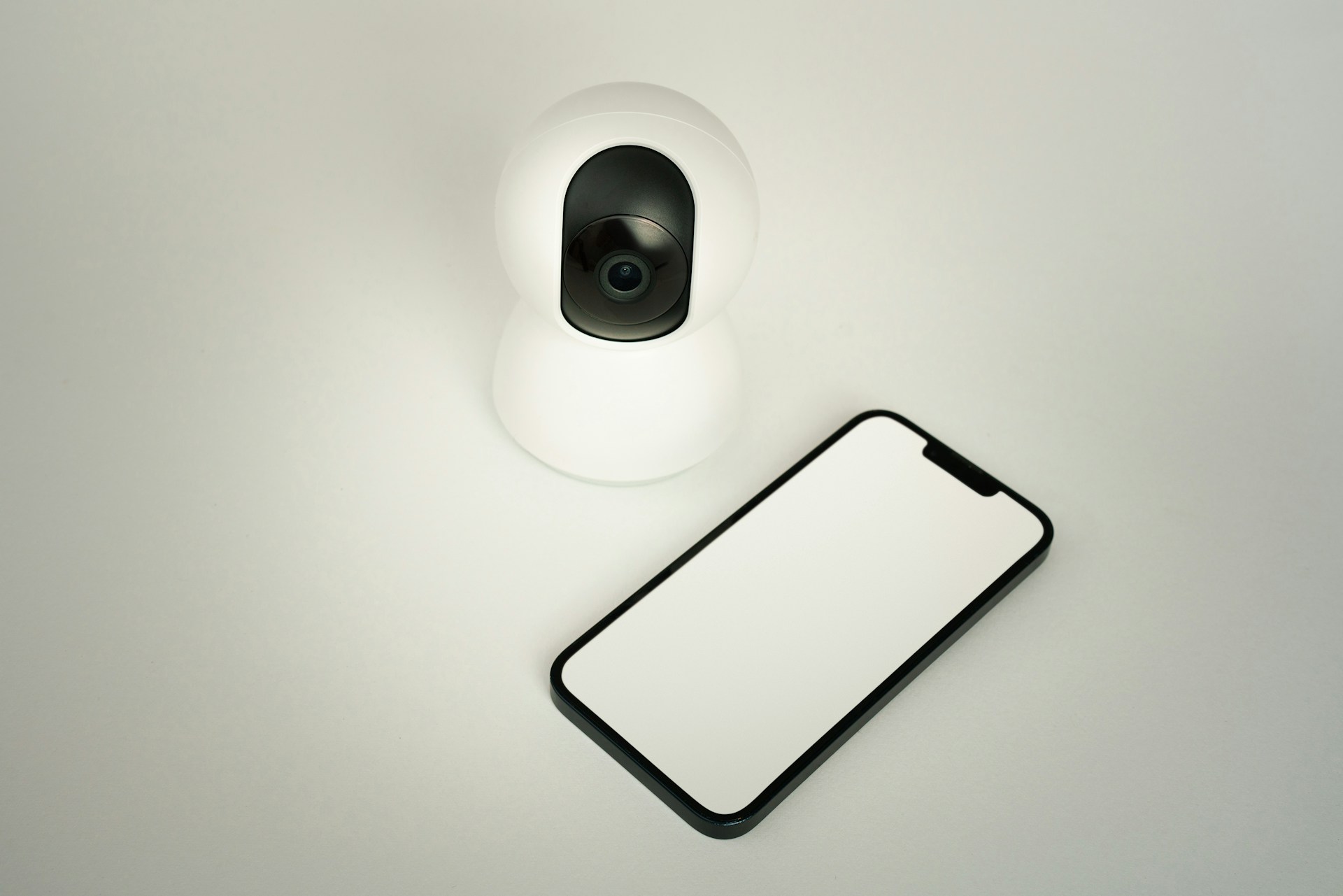
Less obvious devices are busy collecting data too. Smart thermostats know when you’re home or away based on motion sensors and your manual adjustments. Robotic vacuums might map out your floor plan as they clean. Video doorbells not only capture every visitor’s face, but also pick up street traffic and neighbors’ comings and goings. Individually, each device’s data might seem trivial; collectively, it forms a detailed portrait of your daily life.
Where does all this information end up? Often, in the hands of companies you’ve never heard of. A booming data broker industry exists to buy and sell consumer data behind the scenes. More than a thousand companies in the U.S. alone specialize in compiling dossiers on individuals, using everything from your online browsing and shopping to data from smart home devices. They might know your age, health issues, energy usage patterns, and the model of car you drive – and sell those insights to advertisers, insurance firms, or even political campaigns. One 2021 analysis of major data brokers found they openly offered extremely sensitive details about millions of people, including real-time smartphone locations and profiles of personal interests and habits. It’s a wild west of data, largely unregulated in many countries. The smart home data flowing out of your living room or kitchen – what TV show you watched, or how often you opened the fridge – can become just another commodity in this marketplace.
Even the apps on your phone that control these gadgets may be part of the privacy problem. Studies have found that the vast majority of popular mobile apps (free smart-home apps included) contain third-party trackers. For instance, a recent DuckDuckGo report revealed over 96% of top Android apps have hidden trackers collecting usage data; nearly 87% of those send data to Google’s servers, and 68% send data to Facebook. So when you use a smart lightbulb’s app or your security camera’s app—whether at home or while traveling and relying on a traveling VPN to protect your connection—it might be quietly feeding information to advertising networks. The bottom line is that our interconnected devices often trade convenience for personal data. Manufacturers use data to improve products and create new features, yes – but they may also monetize that data in ways users wouldn’t expect.

Cyber Threats in the IoT Era
Apart from privacy concerns, the spread of Internet of Things devices has opened up new frontiers for cyber attacks. Each smart bulb, smart lock, or Wi-Fi camera is essentially a small computer on your home network – and if it’s not secured properly, hackers see an open door. Unfortunately, security has lagged behind the explosive growth of smart home tech. Many IoT gadgets ship with weak default passwords or no encryption, and owners often never change those factory settings. Others stop receiving software updates just a year or two after purchase, leaving known vulnerabilities unpatched. This has made home networks an appealing target for cybercriminals.
How serious is the threat? Security researchers and law enforcement have observed a sharp rise in attacks on consumer devices. According to one 2025 industry report, the average connected household (with roughly 22 IoT devices) is bombarded by nearly 30 hacking attempts every day on its devices. These are often not targeted at a specific person, but rather automated attacks – bots scanning the internet for any vulnerable smart gadgets they can latch onto. In 2022 alone, analysts recorded over 100 million attempted attacks on smart home devices worldwide, and that number has only grown since.
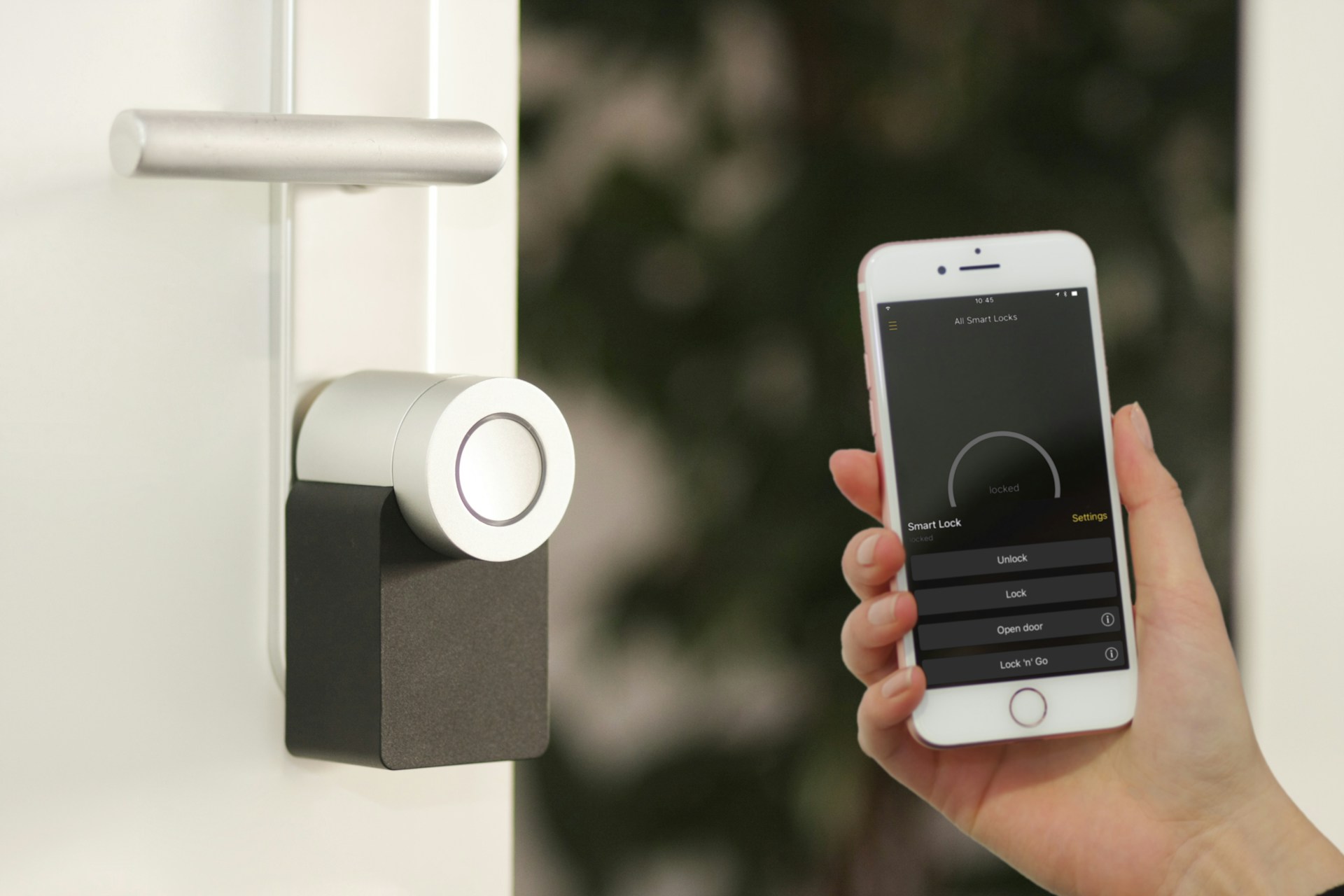
When a hacker finds a poorly secured device, the consequences can range from creepy to outright dangerous. Privacy invasion is one risk: There have been chilling cases of attackers hijacking insecure IP cameras and baby monitors to spy on households – even streaming live video feeds of unsuspecting people to dark corners of the internet. In one incident, hundreds of private security cameras in homes and stores were compromised, and their footage was broadcast on a public Telegram channel, all because the devices had default passwords. Similarly, burglars do not need to pick a lock if they can hack into your “smart” door lock’s app; security researchers have shown it’s possible when devices lack proper authentication.
Beyond spying, a hacked home device can jeopardize safety or finances. Imagine an attacker gaining control of your smart thermostat in the dead of winter – they could shut off the heat as a form of extortion. Or someone breaching your smart oven or alarm system. There’s also a collective threat: cybercriminals often recruit armies of compromised IoT devices to form botnets, which are then used to carry out massive cyberattacks on websites or infrastructure. In 2025, a record-breaking Distributed Denial of Service (DDoS) attack – over 22 terabits per second – was fueled largely by enslaved home routers and gadgets, flooding targets with traffic. Some of those unwitting “zombie” devices were likely sitting in living rooms and bedrooms around the world, turned into tools of cyber warfare without their owners’ knowledge.
One particularly sneaky case involved a smart bed – yes, even a high-tech bed can be hacked. The internet-connected bed was designed to adjust firmness and temperature for a perfect sleep, but a purchaser discovered it had a hidden backdoor accessible over the network. Essentially, anyone with the technical know-how could infiltrate the bed’s controls and thereby the home network. It turned out the bed’s manufacturer had prioritized nifty features over basic security. This story is a cautionary tale: even innocuous appliances can introduce vulnerabilities. Likewise, security analysts were alarmed to find that some cheap Android-based streaming TV boxes came pre-loaded with malware – malicious code embedded at the factory – which meant they started acting as hacking tools the minute they were plugged in.
The IoT threat landscape is global and constantly evolving. New malware strains target popular smart home brands, and hackers trade exploits for common devices on underground forums. A major driver of risk is that many devices share the same few operating systems (like a stripped-down Linux) and hardware chipsets. If a flaw is discovered in one webcam model, it might affect dozens of look-alike models sold under different names. Attackers move quickly to exploit these weaknesses before manufacturers can push out patches (if they ever do). All this paints a sobering picture: without precautions, a connected home can become a digital playground for criminals.
Architecture’s New Challenge: Integrating Tech Safely
As homes become smarter and greener, architects face a new challenge: integrating technology securely. In smart passive houses, architecture and digital systems merge. The building itself manages comfort and energy, but also becomes a digital entity—subject to cyber risks. Cybersecurity now belongs alongside life safety and structural integrity in responsible design.
Architects are designing with tech infrastructure in mind. Decisions about where to place routers, sensors, and network equipment affect both performance and security. Some homes now include a dedicated tech hub or server closet—a protected, climate-controlled space for routers, hubs, and smart controllers. Centralizing this infrastructure helps manage updates, firewalls, and access.
Privacy-by-design is emerging as a best practice. Instead of sending occupancy data to the cloud, systems can process it locally via edge computing. Smart homes can report only anonymized energy data to grids, instead of granular usage patterns. These strategies reduce data exposure.
Resident control is critical. Smart homes should allow for easy override or shutdown of systems—whether through physical switches for microphones and cameras or centralized dashboards that show collected data. Interconnected platforms complicate data flows—e.g., linking a smart bulb with Alexa might permit cross-platform data sharing. Designers and manufacturers must ensure users understand these integrations.
Governments are beginning to respond. The UK’s PSTI Act now requires smart devices to have unique passwords and defined support timelines. The EU’s upcoming Cyber Resilience Act will impose stricter requirements. In the U.S., the FCC’s Cyber Trust Mark will signal devices that meet stronger security standards—guidance that architects and builders can use when selecting systems.
Cross-disciplinary collaboration is key. Architects may now need to work alongside security experts and network engineers during design. When tech becomes part of walls, glass, or lighting, both disciplines must align. True sustainability demands both energy efficiency and digital safety. A home that saves power but leaks personal data is not truly sustainable.
Building a Secure and Private Smart Home
Whether you are an architect planning a high-tech residence or a homeowner adding a few smart gadgets, several best practices can dramatically improve security and privacy. By adopting a proactive approach, you can enjoy the perks of a smart home while minimizing the risks:
- Change Default Passwords and Use Strong Authentication: The simplest but most crucial step is to set unique, strong passwords for each device’s admin account or Wi-Fi connection. Don’t stick with the “admin/admin” that came from the factory. Wherever possible, enable two-factor authentication on your device accounts or apps – this adds an extra verification (like a code on your phone) to prevent unauthorized access, even if a password leaks.
- Keep Device Software Updated: Smart devices receive firmware updates to patch security holes and improve functionality. Make sure to install those updates. Many gadgets can auto-update if you turn that setting on. Outdated software is an open invitation to attackers, since malware often exploits known flaws that developers have already fixed in later versions. If a device no longer gets support from its manufacturer (common after a few years), consider upgrading to a newer model that does.
- Segment Your Home Network: A savvy way to protect your most personal data is to isolate your smart devices on a separate network. Nearly all wireless routers today let you set up a “guest” network – you can dedicate that for IoT devices. This means even if a hacker manages to breach one gadget, they can’t easily hop over to your laptops, phones, or work computers on the main network. It contains a threat to a sandbox. Using strong encryption (WPA3 security) on your Wi-Fi and changing the default router login are also important here.
- Disable Unnecessary Features: Many devices come out-of-the-box with features active that you might not use – like remote access from outside your home, voice control, or data-sharing with partner services. If you’re not actively using a feature, turn it off. Fewer open doors mean fewer ways for intruders to exploit the device. For instance, if your smart camera allows accessing its feed over the internet but you only check it while at home, disable its cloud viewing option. Likewise, cover or turn off cameras and mics during sensitive moments if they’re not needed.
- Mind Your Privacy Settings: Take time to delve into the privacy options of your gadgets and their apps. Opt out of data collection where you can – for example, most smart TVs have a setting to disable the ACR tracking of what you watch. In voice assistant apps, you can usually find options to delete voice recordings or prevent them from being saved long-term. Only grant smartphone apps the permissions they really require (does a smart light app need your precise GPS location? Often it doesn’t). By limiting data at the source, you reduce what could leak out.
- Choose Trusted Brands and Secure Devices: Not all smart devices are created equal. Do a bit of research before buying that discount smart plug or camera from an unknown brand. Reputable manufacturers tend to issue updates more often and build in better security from the start. Look for products that explicitly mention security features like encryption and privacy controls. As new certification labels (like the Cyber Trust Mark) become available, use them as a guide. It might be worth spending a little more on a product with a strong security reputation – it can save you from trouble down the line.
- Use a VPN for Remote Access: If you need to access your home network or smart devices while you’re away (say you want to view your security camera feed or adjust the thermostat remotely), consider setting up a Virtual Private Network. A home VPN allows you to securely connect to your own network as if you were at home, encrypting the connection. This way, you don’t have to expose your devices directly to the open internet with port forwarding, which can be risky. Similarly, when using public Wi-Fi outside, having a VPN on your phone or laptop can protect any smart home app usage from prying eyes.
- Educate and Stay Informed: Finally, a cultural shift is needed alongside the technology. Homeowners should make it a habit to understand the smart products they use – read privacy notices (at least the highlights) and stay aware of any reported vulnerabilities or recalls. For architects and builders, it’s important to include clients in the conversation about smart home features: inform them how their new high-tech systems work and what they can do to maintain security. Awareness is a powerful tool; many breaches can be prevented by informed users who follow good digital hygiene.
By following these practices, the goal is to enjoy the benefits of smart homes without the nasty surprises. Just as you wouldn’t leave your front door unlocked in a busy neighborhood, you shouldn’t leave your home network wide open or your devices running unguarded. Simple steps like robust passwords, network segmentation, and mindful data settings act like the locks, deadbolts, and curtains of the digital world – keeping your private life private.

Toward Trustworthy Smart Living
As architecture evolves, smart homes must protect both the environment and the occupants’ digital lives. A truly smart passive house optimizes comfort and energy use while ensuring user privacy. Achieving this doesn’t mean rejecting technology—it means embedding security awareness at every level, from product design and architectural planning to installation and user habits.
Future buildings may sense structural strain, trade energy with neighbors, or learn user routines. These innovations can coexist with privacy—if designers, engineers, manufacturers, and users demand it. Smart homes should remain private, secure, and under the control of their residents—not become data mines or hacker targets. With thoughtful design today, homes of tomorrow can stay both efficient and safe.
Resources
- Cericola, Rachel; Chase, Jon; Neikirk, Lee. “Yes, Your TV Is Probably Spying on You. Your Fridge, Too. Here’s What They Know.” Wirecutter – The New York Times, updated June 25, 2025.
- Amos, Zachary. “Smart home devices are an easy backdoor for cyber attackers.” IoT Insider, March 24, 2025.
- Comeau, Zachary. “Report: Average Smart Home Faces 29 Cybersecurity Attacks Daily.” CE Pro Magazine, Oct 29, 2025.
- “How to Balance Privacy Concerns in Smart Home Design.” Rethinking The Future, Architecture Magazine, 2024.
- “The Next Generation of Smart Homes: Where Architecture Meets Automated Energy Management.” Rethinking The Future, 2025.

