

Architects: Renzo Piano Building Workshop
Year: 2012
Photography: Ben Marshall, Rob Telford, Sam Roberts, Nikolas Ventourakis, Michel Denancé
Collaborator: Adamson Associates
Design Team Phase One (2000–2003): J. Moolhuijzen, N. Mecattaf, W. Matthews with D. Drouin, A. Eris, S. Fowler, H. Lee, J. Rousseau, R. Stampton, M. van der Staay, K. Doerr, M. Gomes, J. Nakagawa, K. Rottova, C. Shortle, O. Aubert, C. Colson, Y. Kyrkos
Design Team Phase Two (2004–2012): J. Moolhuijzen, W. Matthews, B. Akkerhuis, G. Bannatyne, E. Chen, G. Reid with O. Barthe, J. Carter, V. Delfaud, M. Durand, E. Fitzpatrick, S. Joly, G. Longoni, C. Maxwell-Mahon, J. B. Mothes, M. Paré, J. Rousseau, I. Tristrant, A. Vachette, J. Winrow, O. Doule, J. Leroy, L. Petermann, O. Aubert, C. Colson, Y. Kyrkos
Phase One Consultants: Arup (structure and services); Lerch, Bates & Associates (vertical transportation); Broadway Malyan (consulting architect)
Phase Two Consultants: WSP Cantor Seinuk (structure); Arup (building services); Lerch, Bates & Associates (vertical transportation); Davis Langdon (cost consultant); Townshend Architects (landscape); Pascall+Watson (executive architect for the station)
Manufacturers: Dyson, Giacomini, Klaus Multiparking, Lignacite, Orluna, SAS International, Selo UK, Sonogamma
City: London
Country: United Kingdom
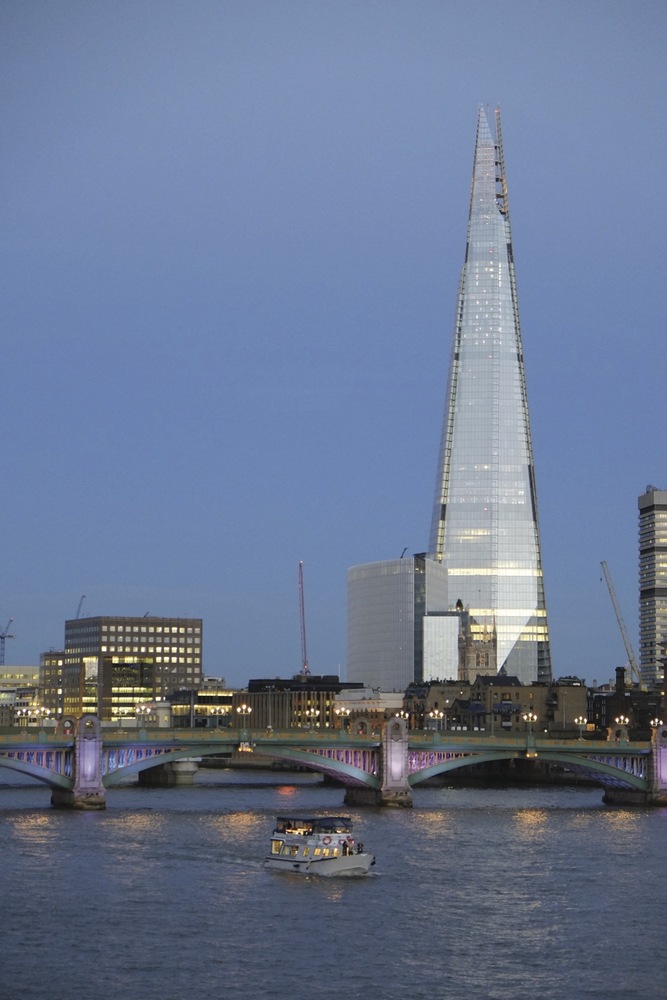
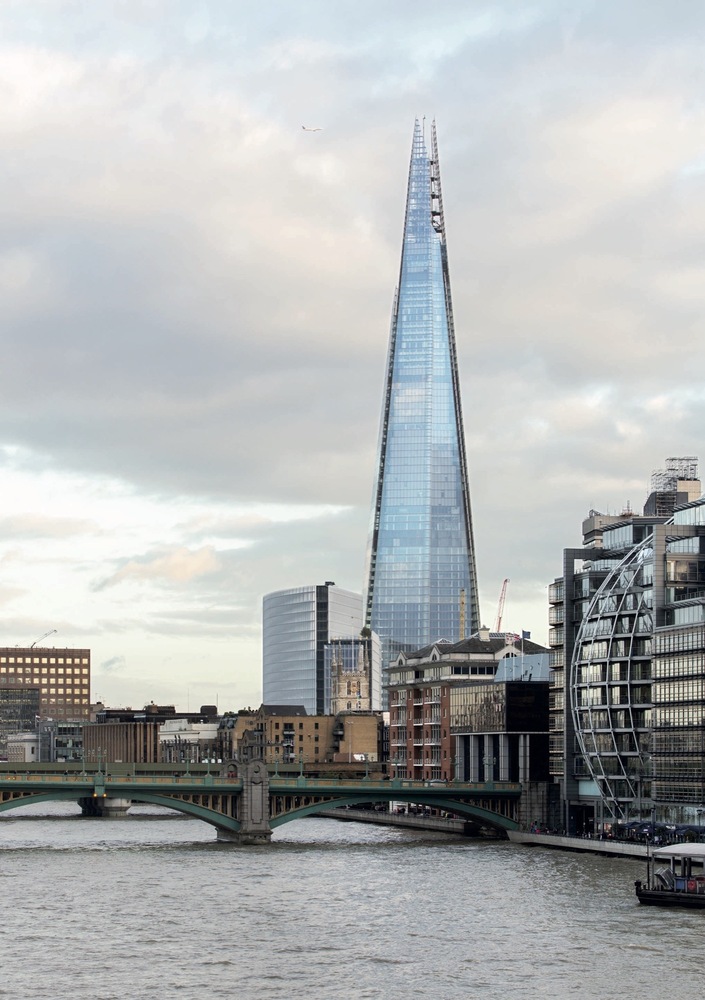
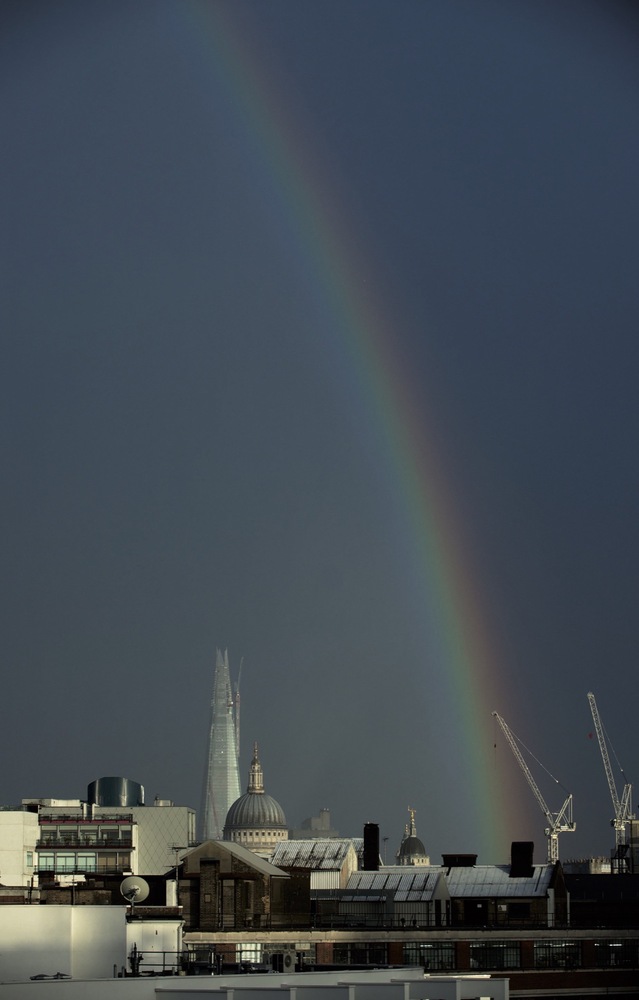
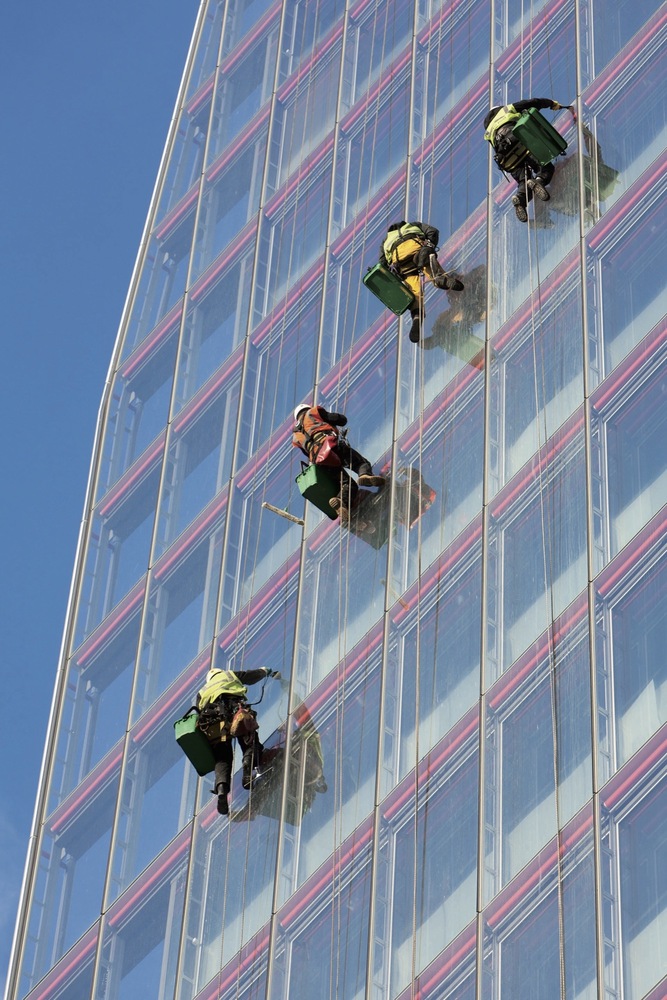
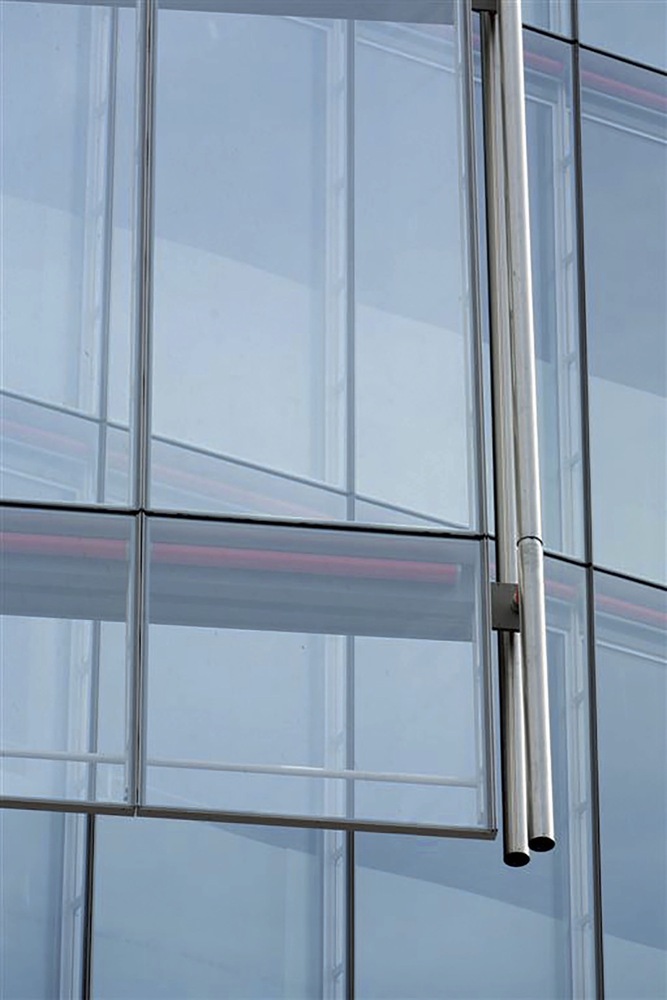
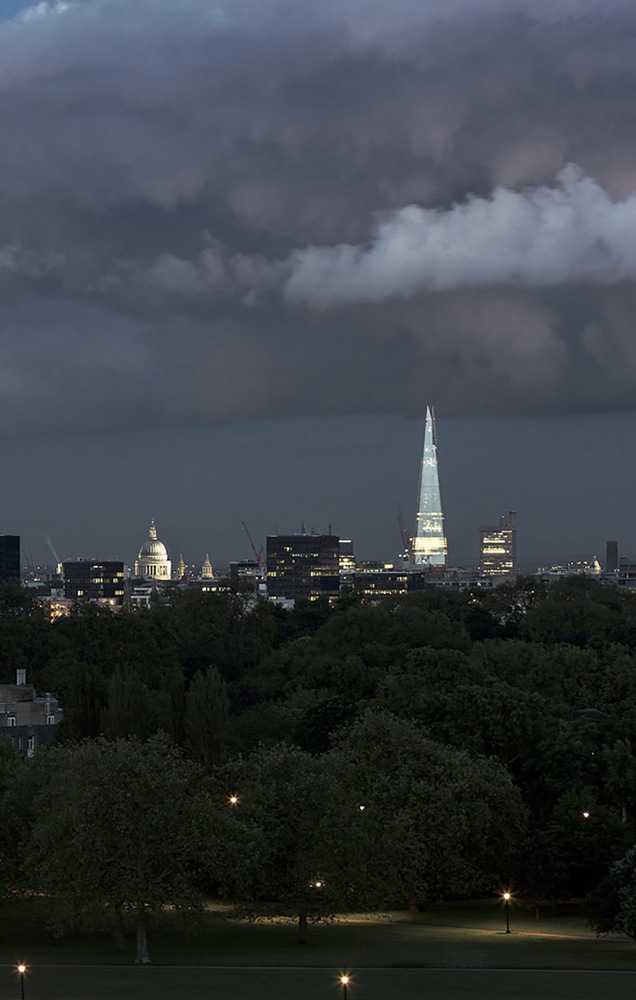
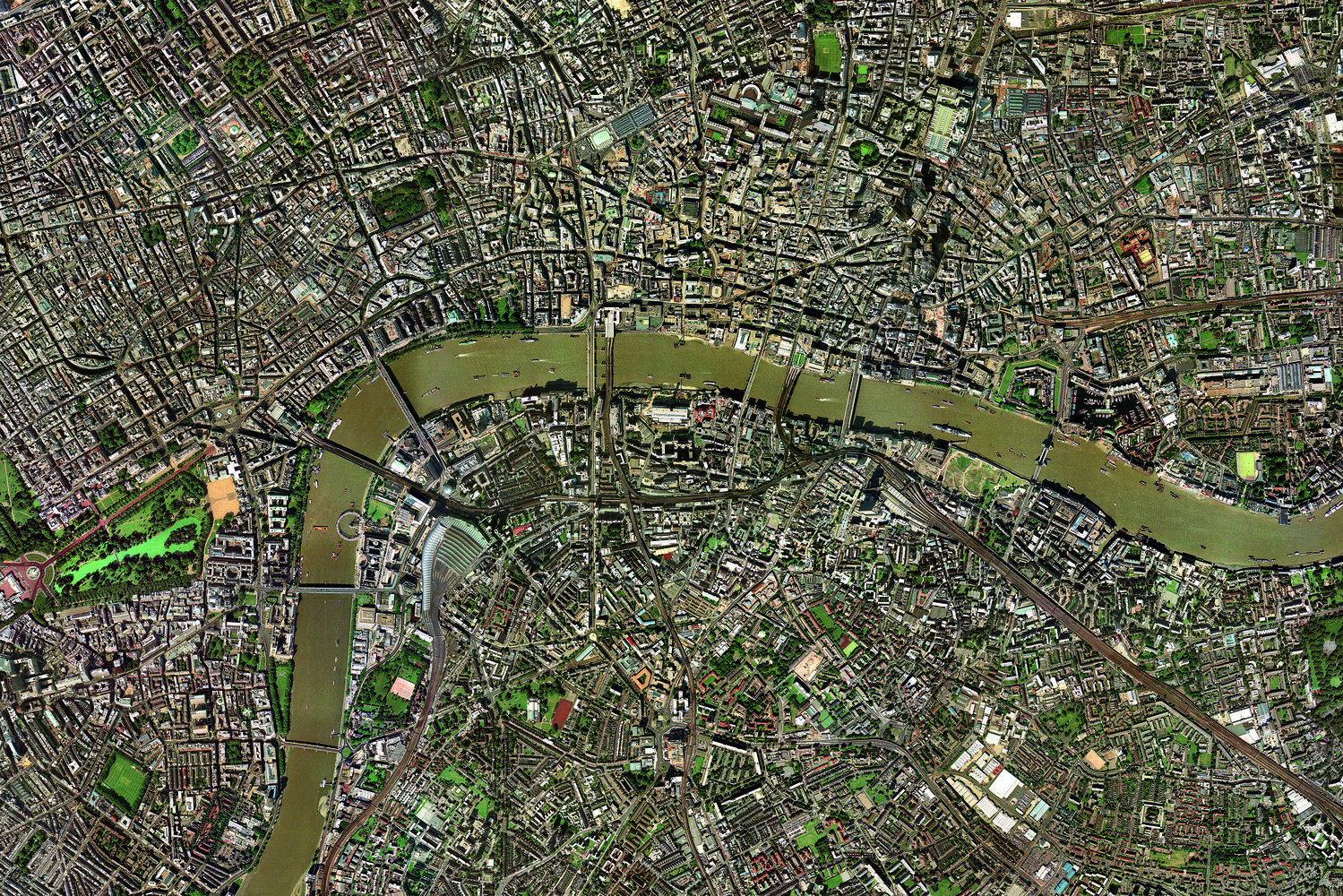
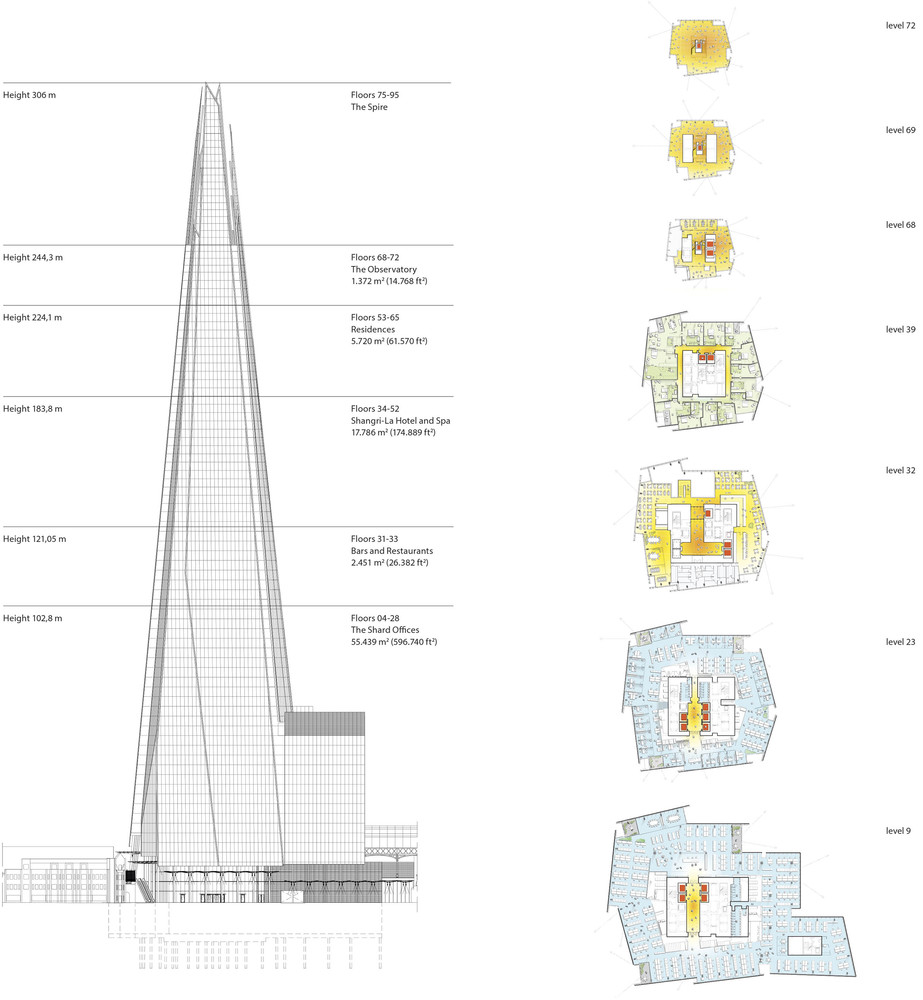
Completed in 2012, The Shard is a 72-storey mixed-use tower located adjacent to London Bridge Station in central London, developed within a major transport-oriented regeneration zone. The project consolidates offices, residential units, hospitality functions, and public amenities into a vertically stratified structure that reflects increasing urban density and the strategic value of infrastructure-led development. Its internal organization distributes programmatic functions according to elevation, with commercial spaces positioned at the base, hotel and cultural uses occupying the middle levels, and private residences located toward the upper floors. A publicly accessible viewing gallery crowns the composition, reinforcing its civic presence within the city. The building’s architectural identity is defined by a faceted glazed envelope that reduces visual mass and creates a fragmented reflection of the surrounding environment. Environmental performance is addressed through a double-skin façade system incorporating naturally ventilated buffer zones and automated shading devices. Integrated with the redevelopment of the London Bridge Quarter, the project has contributed to the transformation of the surrounding district into a high-density mixed-use urban environment.
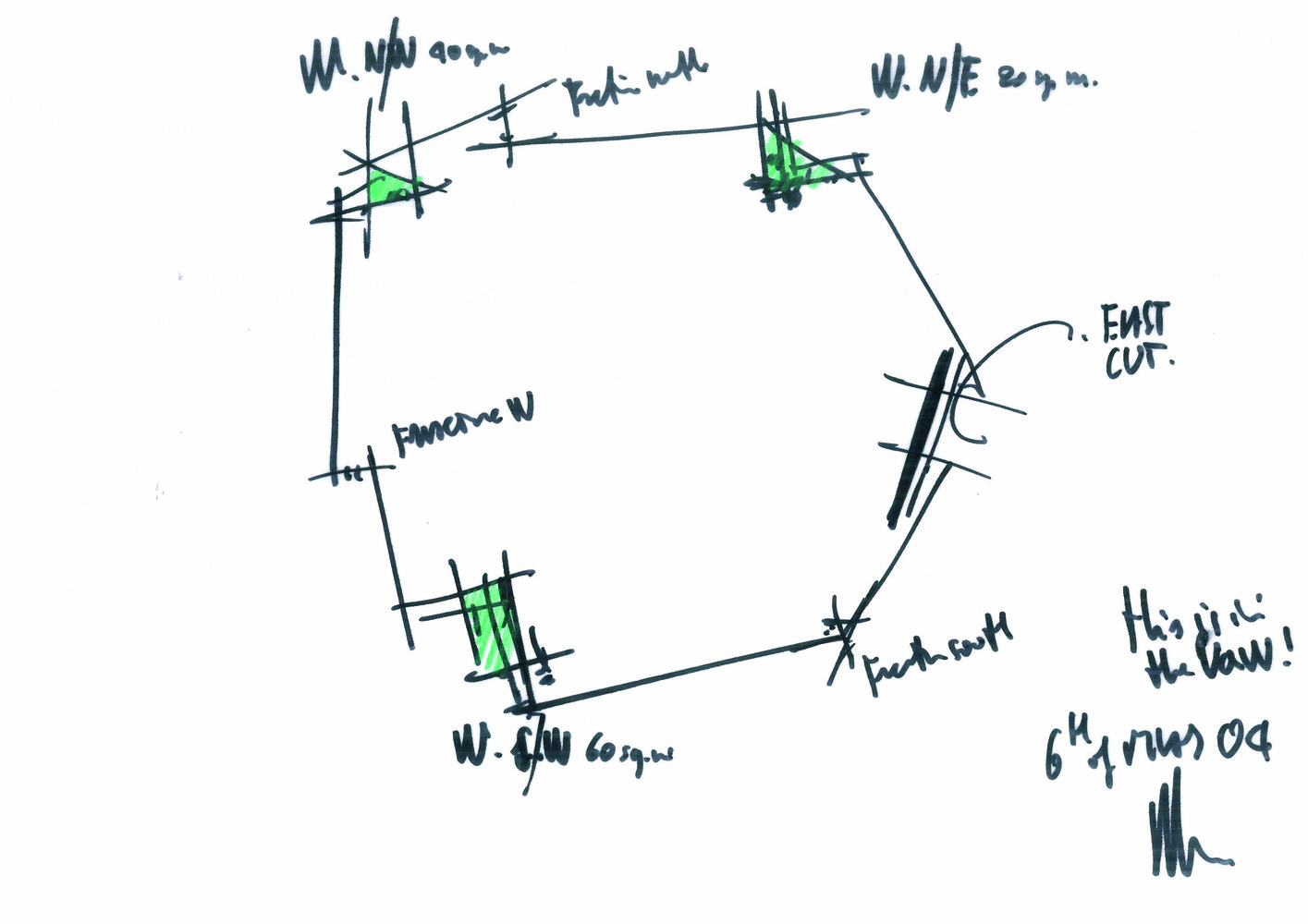
In the Shard, the form responds directly to the need for larger floor plates for offices at the base and progressively smaller ones above for hotel rooms and apartments. Creativity acts as the vehicle that brings these functional constraints together into a coherent architectural response.
Interview with Albert Giralt of Renzo Piano Building Workshop [RPBW]
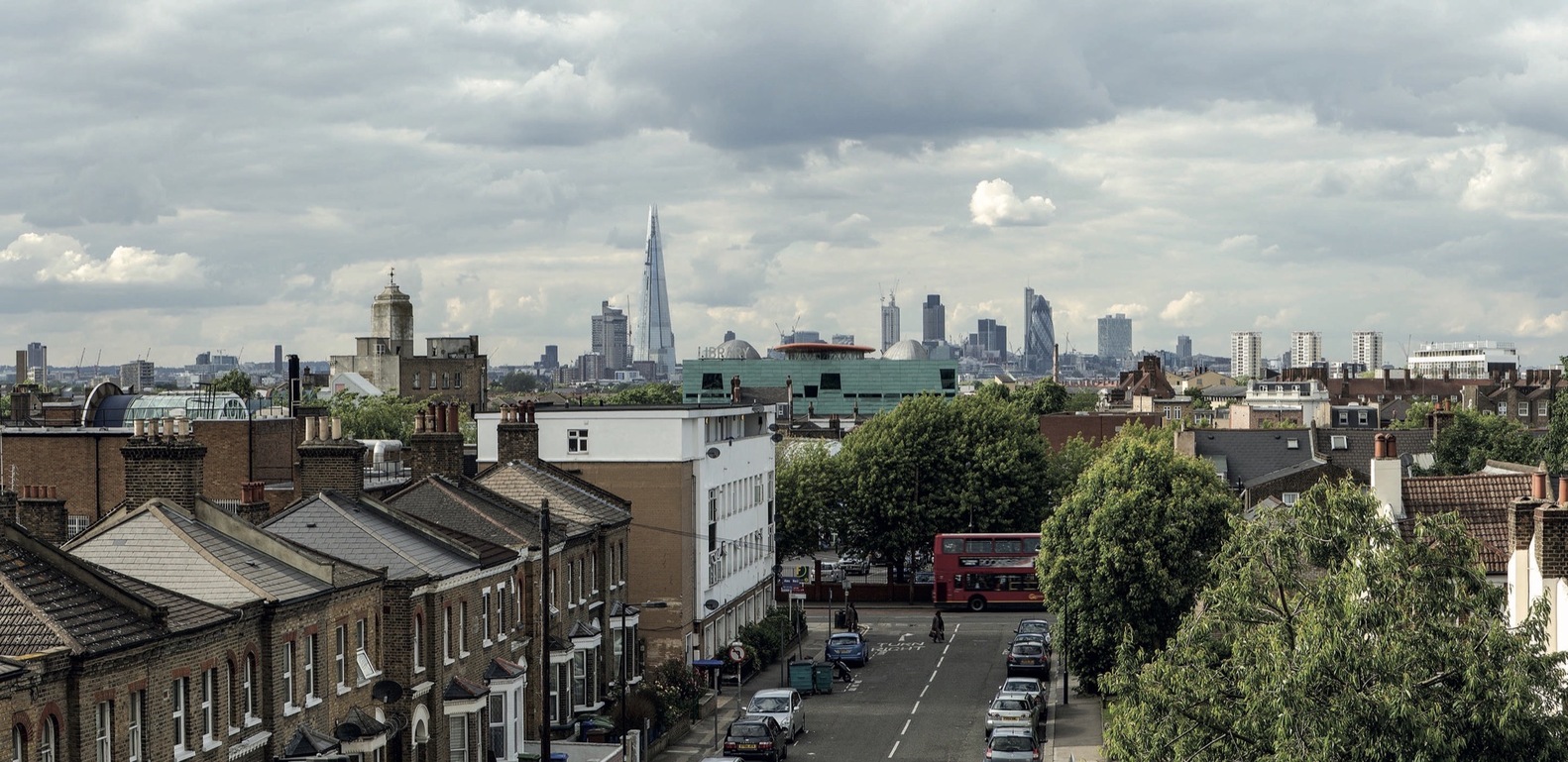
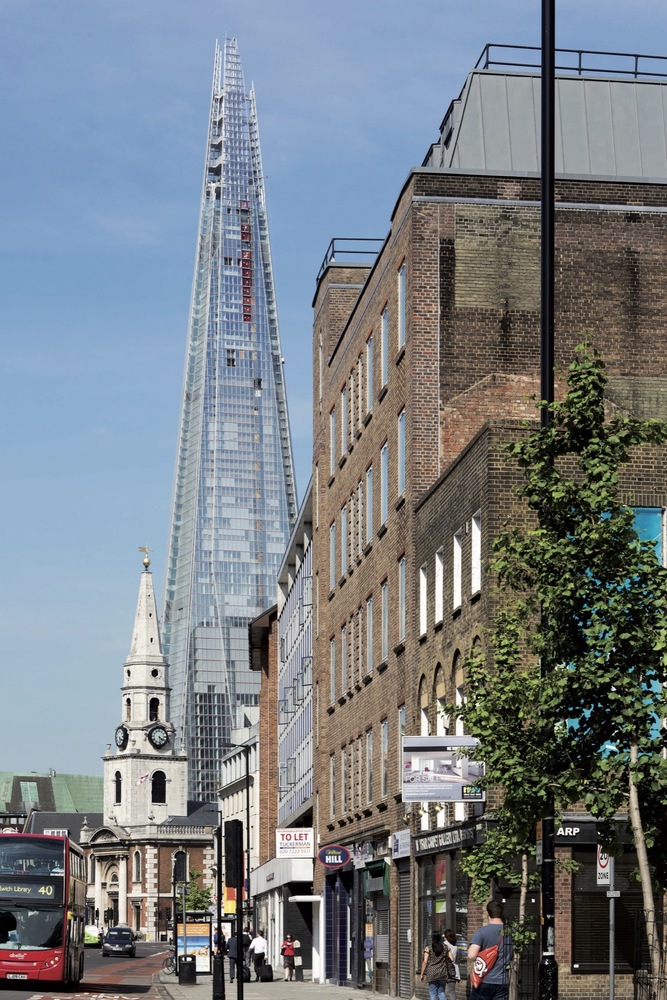
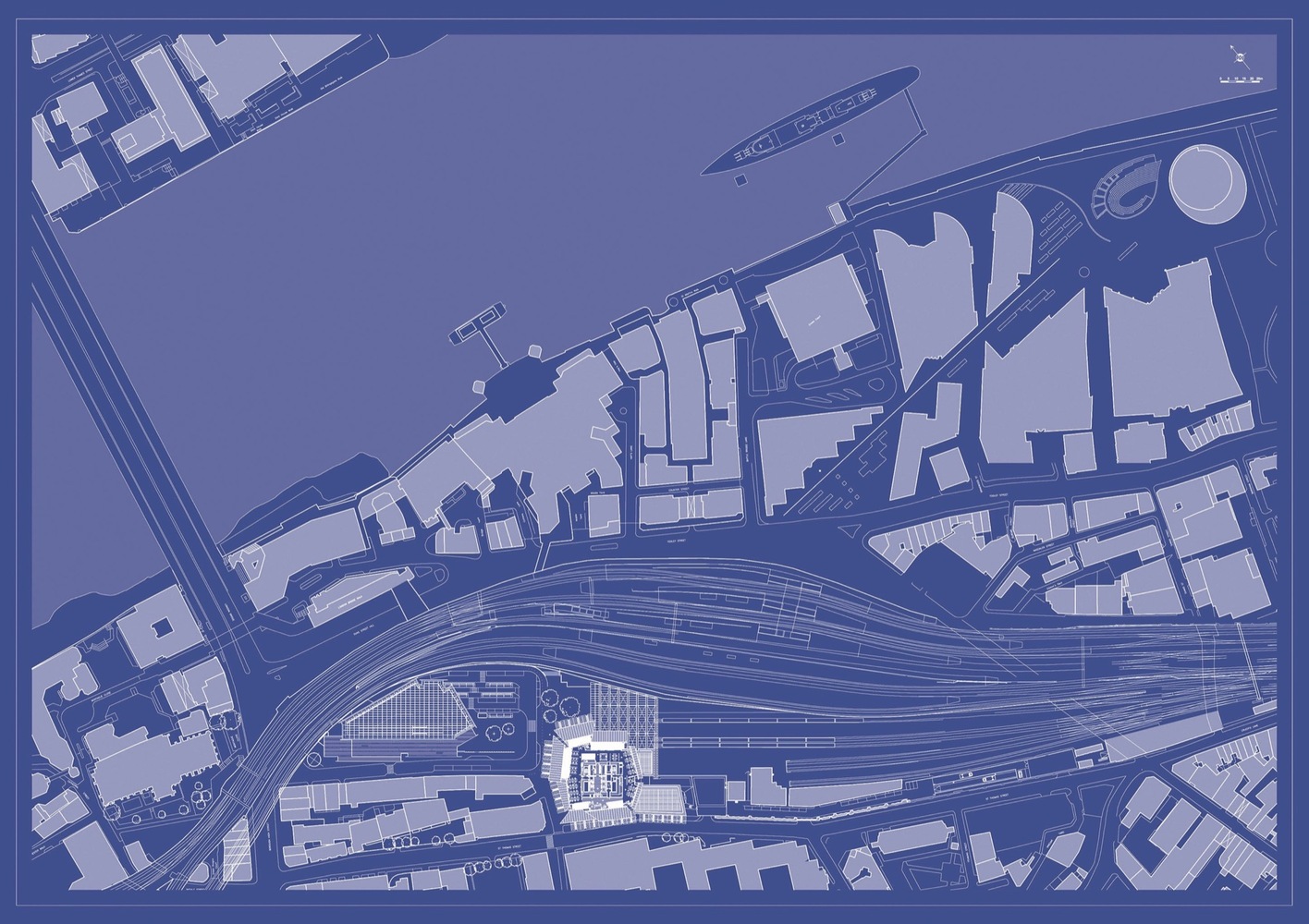
The Shard introduces a vertical logic that reinterprets high-rise construction as a layered urban system rather than a singular object. Its presence beside London Bridge Station situates it within a dense infrastructural context where mobility, commerce, and dwelling converge, positioning the tower as an extension of the city’s operational framework rather than an isolated landmark.
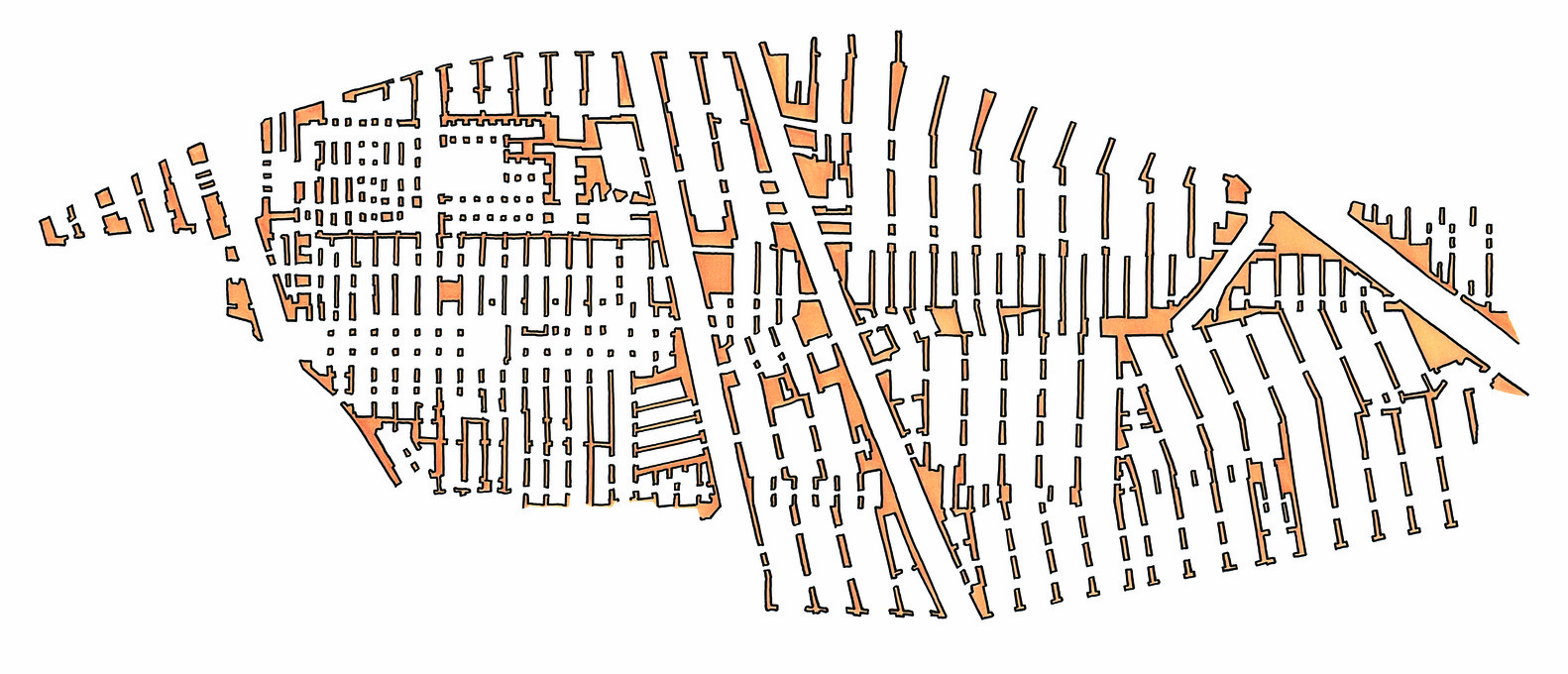
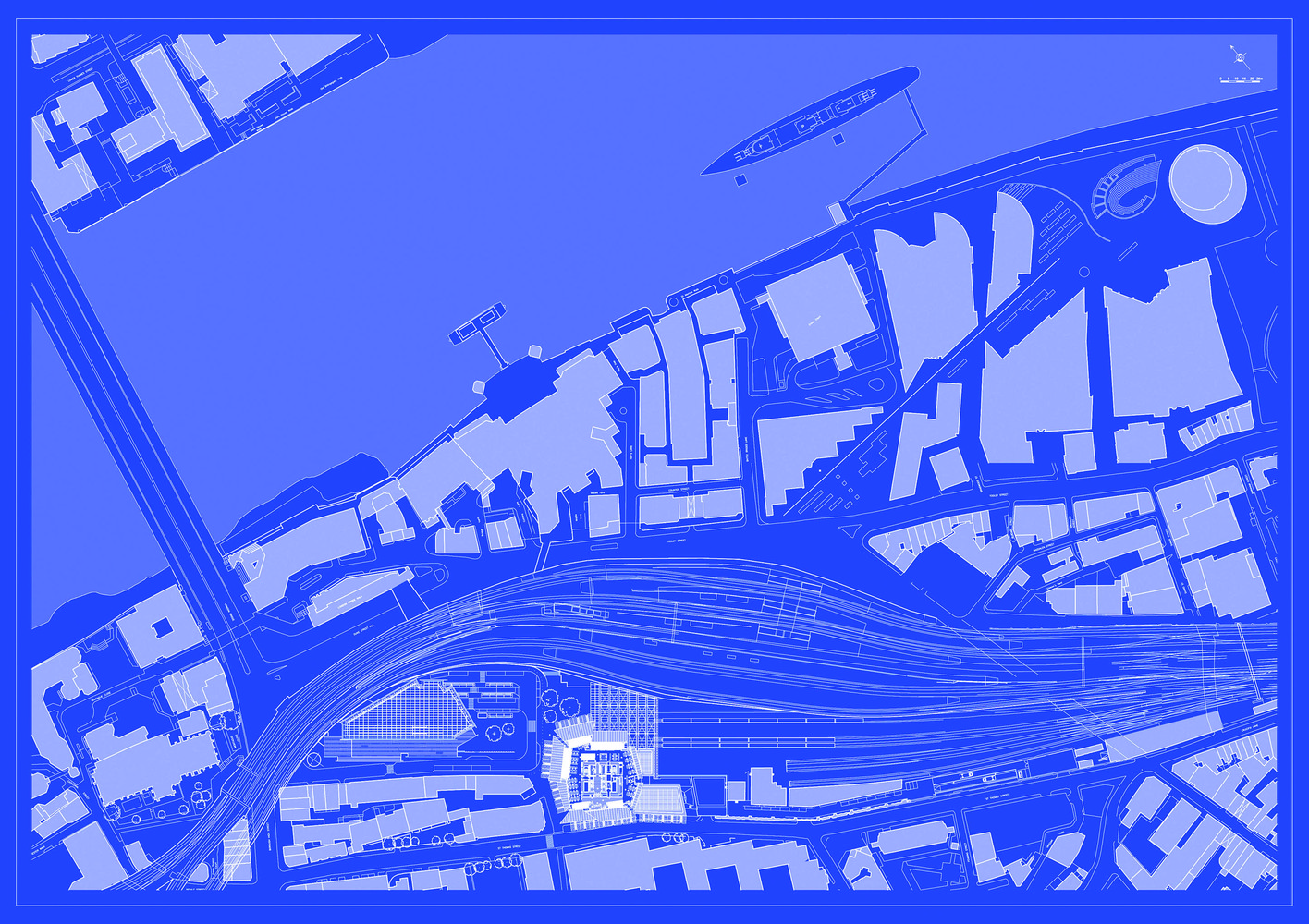
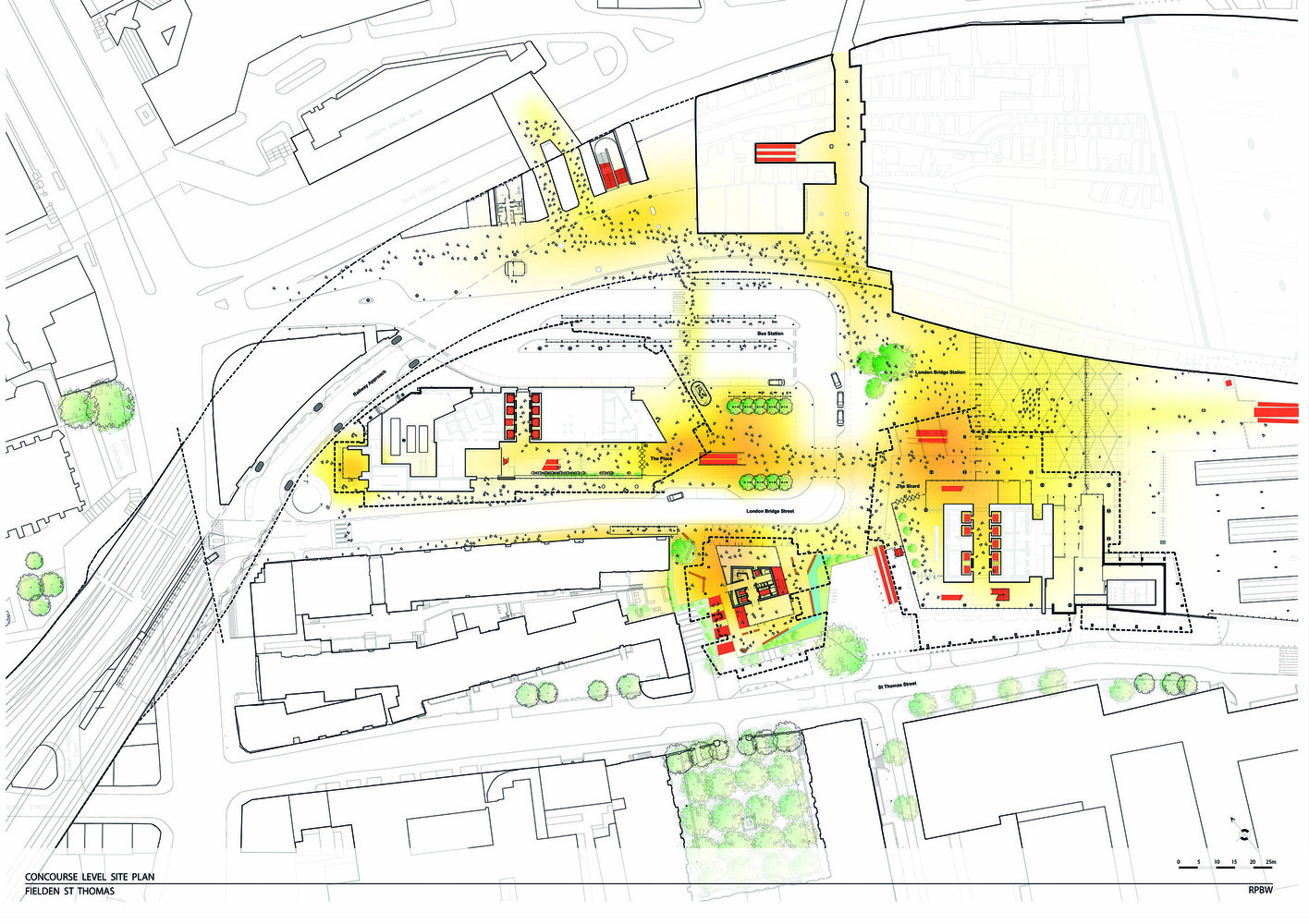
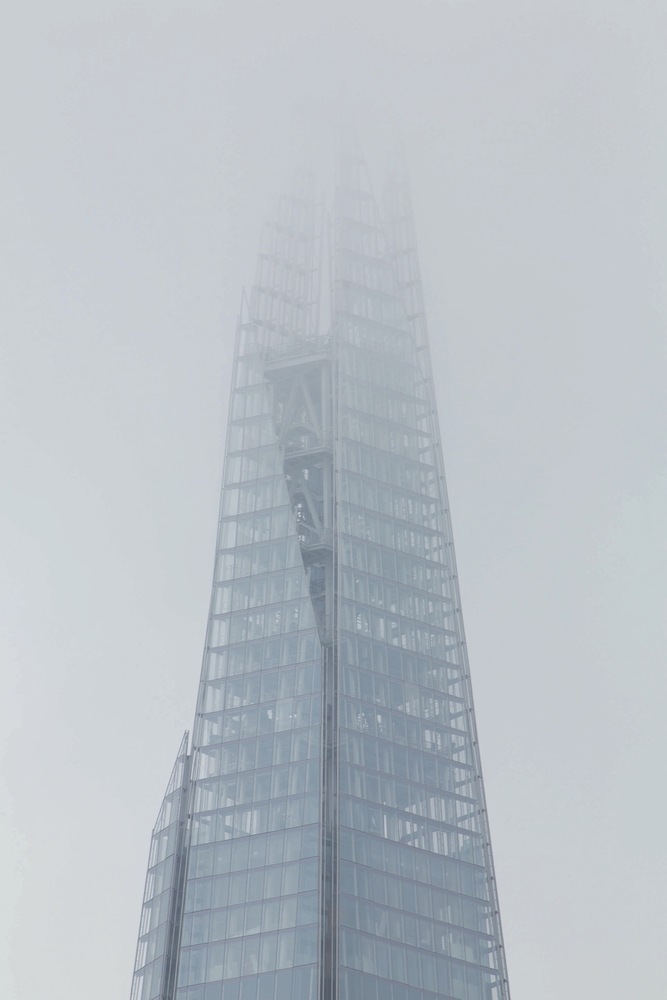
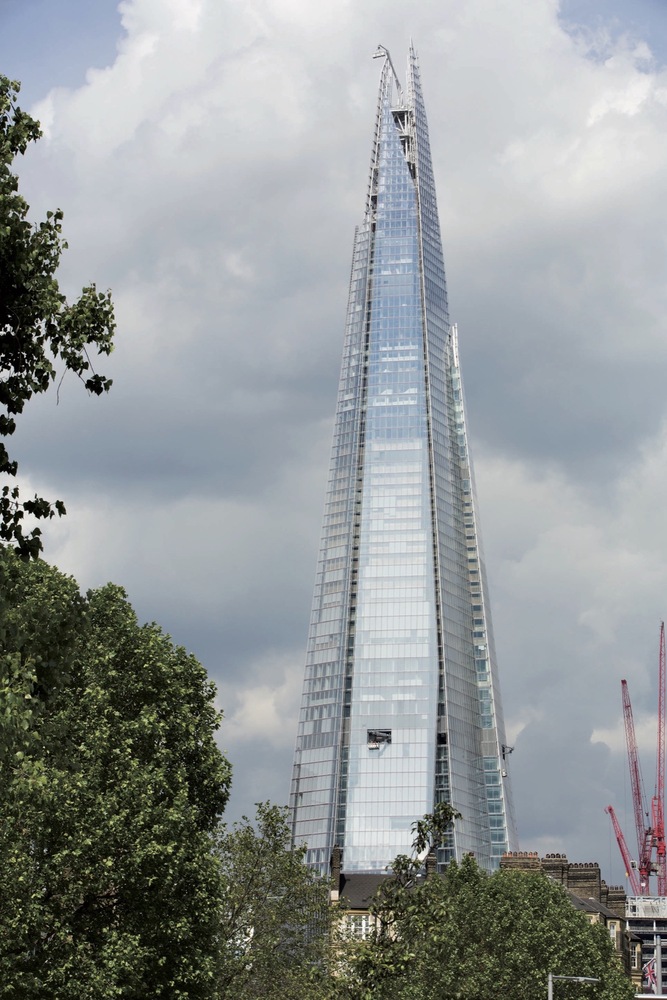
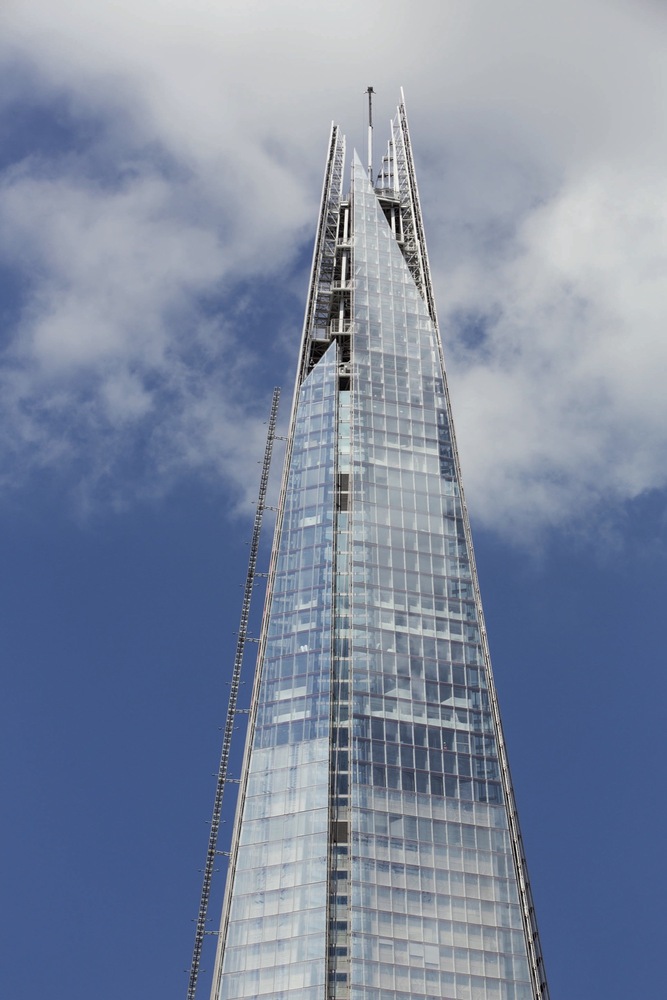
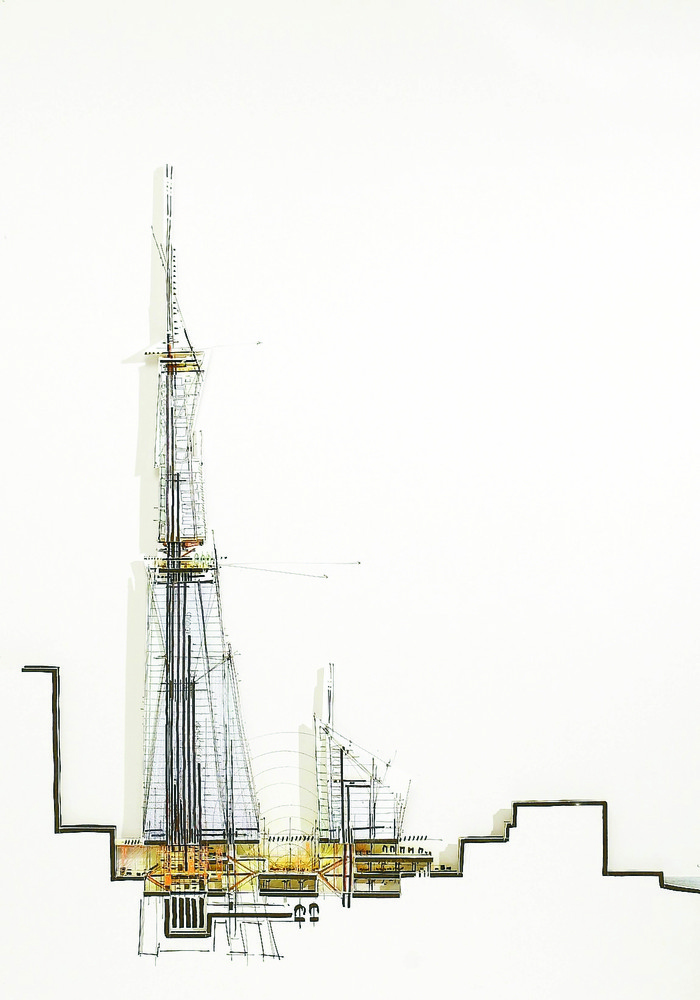
The architectural expression is defined by a series of inclined glass planes that form a fragmented external envelope. This composition reduces the perceived bulk of the tower while generating a constantly shifting relationship with light and atmosphere. The building’s silhouette is designed to taper gradually, allowing it to dissolve visually into the sky while maintaining a strong presence at street level.
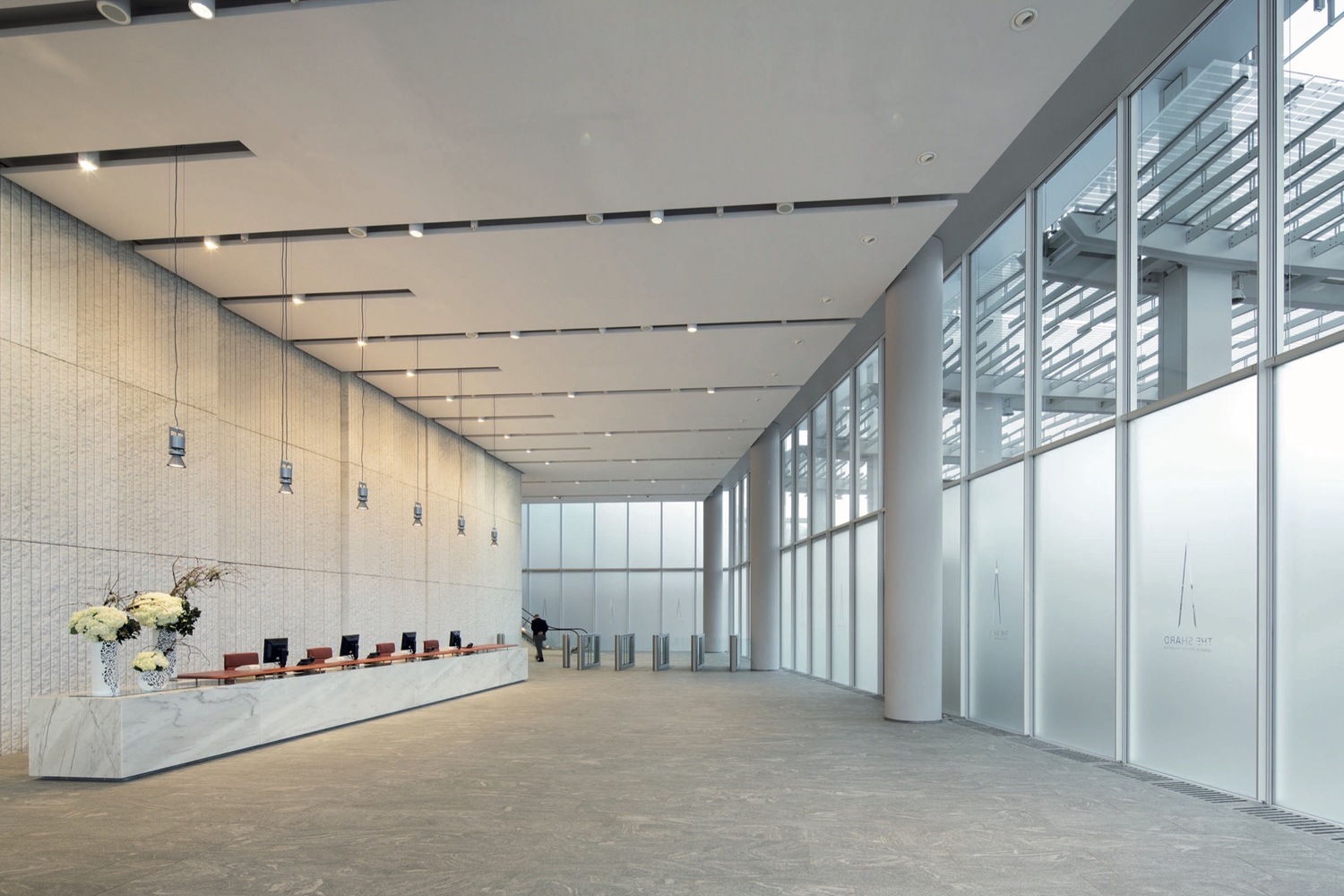
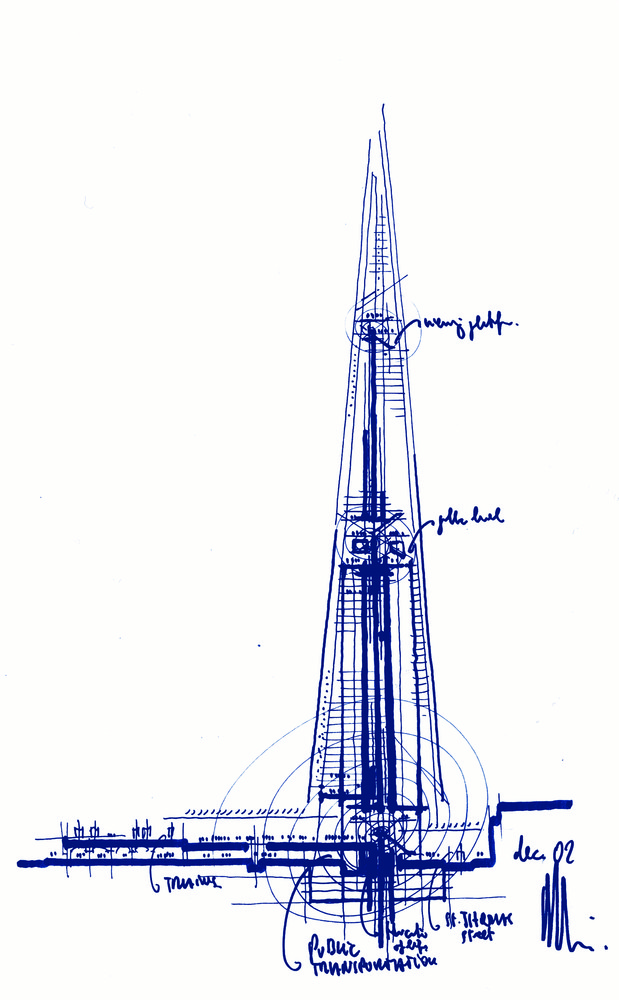
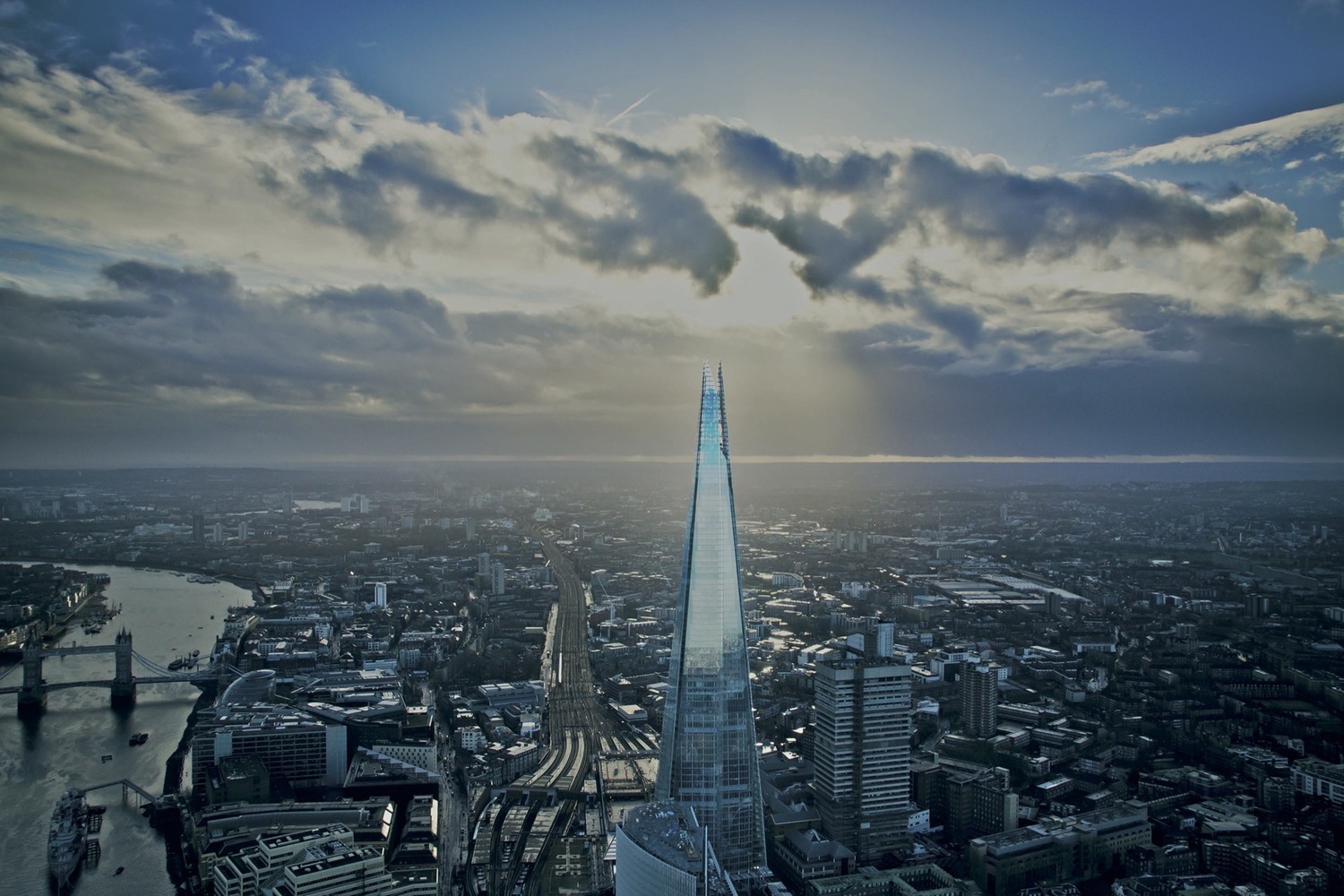
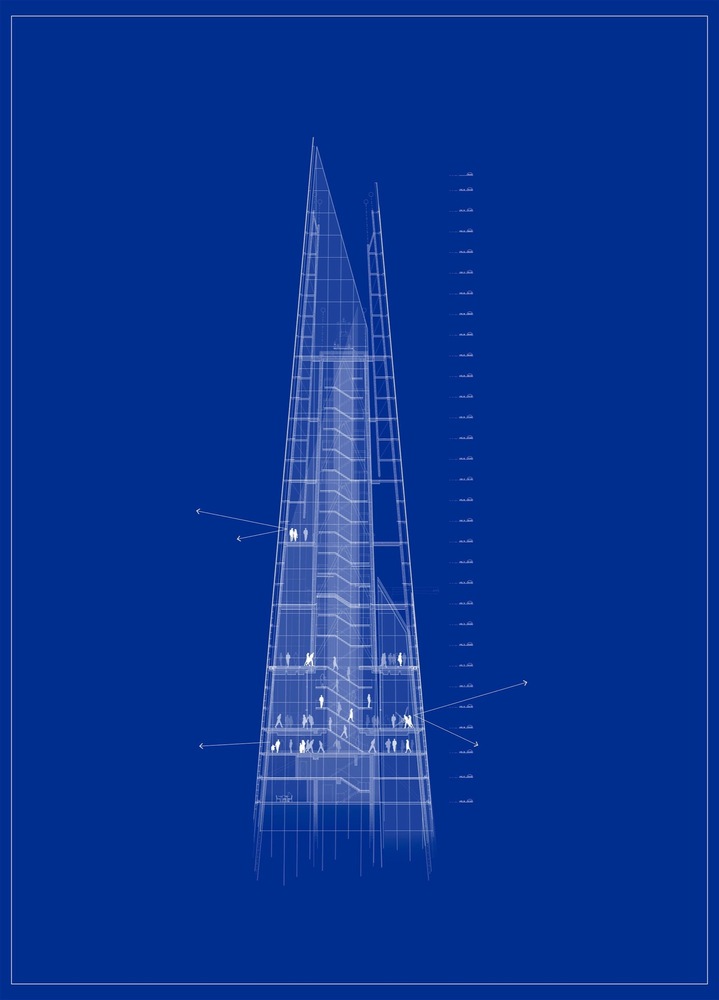
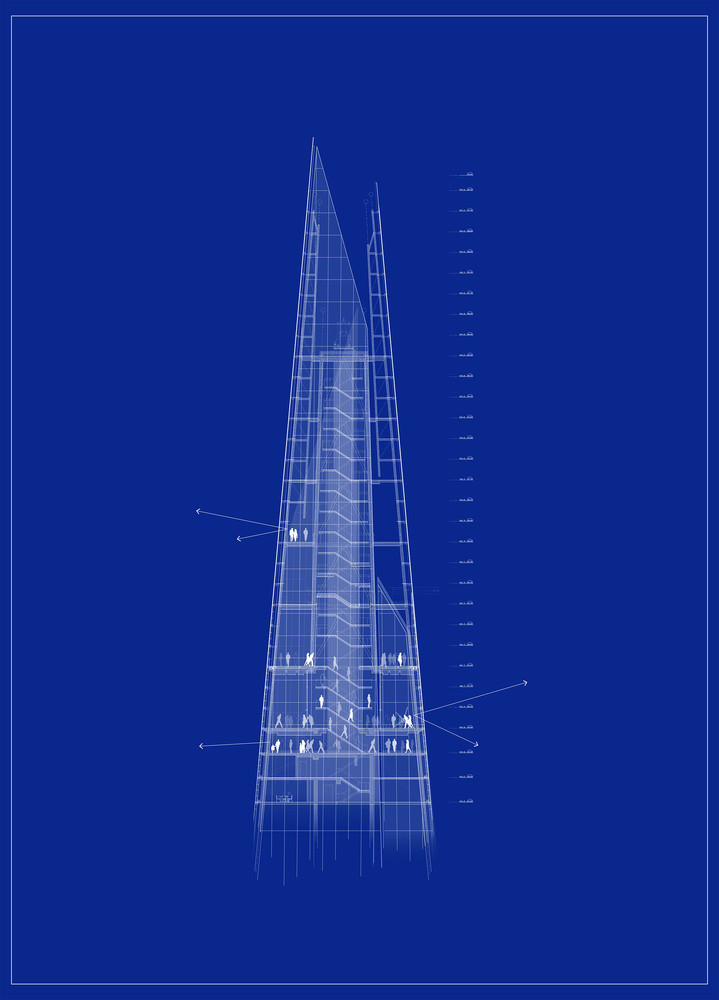
Programmatically, the tower is organized through a clear vertical stratification that aligns function with elevation. Lower floors accommodate office uses with large, efficient floorplates, while the midsection supports hospitality and cultural programs. Residential units occupy the uppermost levels, establishing a gradient of privacy that culminates in a public viewing gallery positioned high above the city, extending the building’s function into the civic realm.
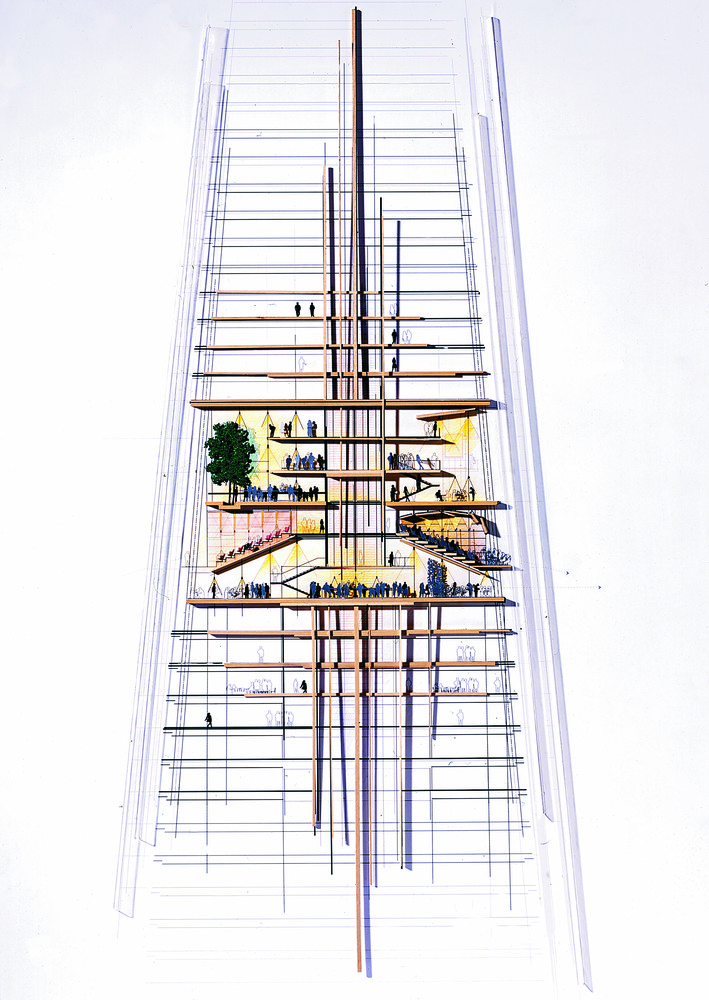
The façade system integrates performance and expression through a double-skin configuration that mediates environmental conditions. Ventilated cavities and winter garden zones introduce breathable intervals within the glazed envelope, while automated shading systems regulate solar gain and daylight. This technical framework supports both energy efficiency and the visual clarity of the exterior, reinforcing the tower’s identity as a finely tuned environmental structure embedded within the evolving urban fabric of London.
Project Gallery
Project Location
Address: 32 London Bridge Street, London SE1 9SG, United Kingdom
The location specified is intended for general reference and may denote a city or country, but it does not identify a precise address.

