

Architects: Henning Grahn Architektur
Area: 180 m²
Year: 2022
Photography: David Schreyer
Design: Henning Grahn
Materials: Mineral wool, OSB, steel gratings, wood, glass
City: Klein-Winternheim
Country: Germany
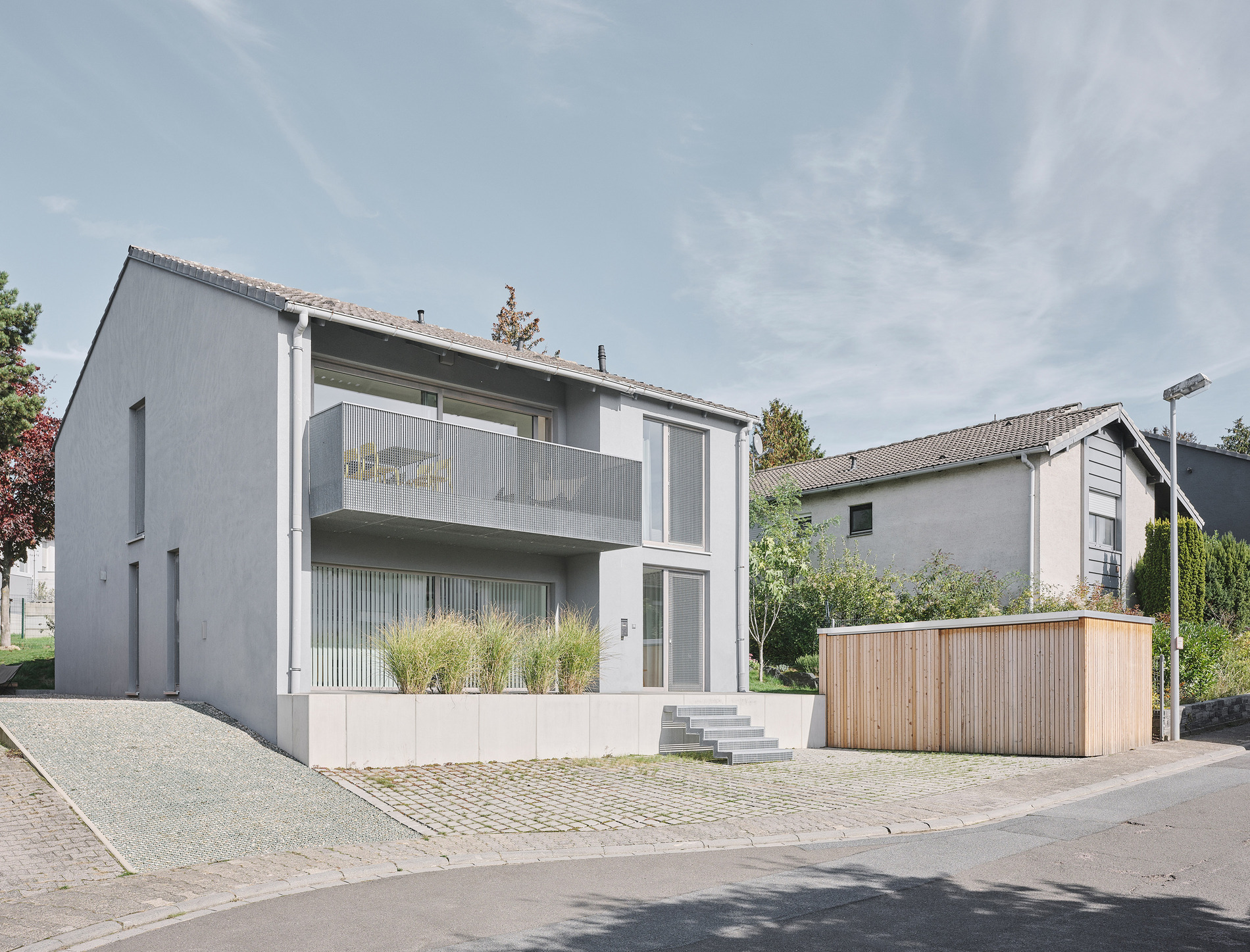
The Transformation House by Henning Grahn Architektur reinterprets a standardized 1970s dwelling through a series of precise and economical interventions. Located within a suburban settlement defined by repetitive housing typologies, the project addresses spatial inefficiencies, poor orientation, and limited connections to outdoor spaces. Rather than expanding the structure, the design focuses on reconfiguring existing volumes to improve functionality and environmental quality. Key strategies include reorganizing circulation, enlarging openings to enhance natural light, and redefining the relationship between interior and exterior areas. The material approach emphasizes durability and simplicity, reinforcing the clarity of the architectural concept. Through targeted modifications, the project demonstrates how an outdated residential model can be adapted to meet contemporary living standards while remaining within budgetary constraints and maintaining construction efficiency.
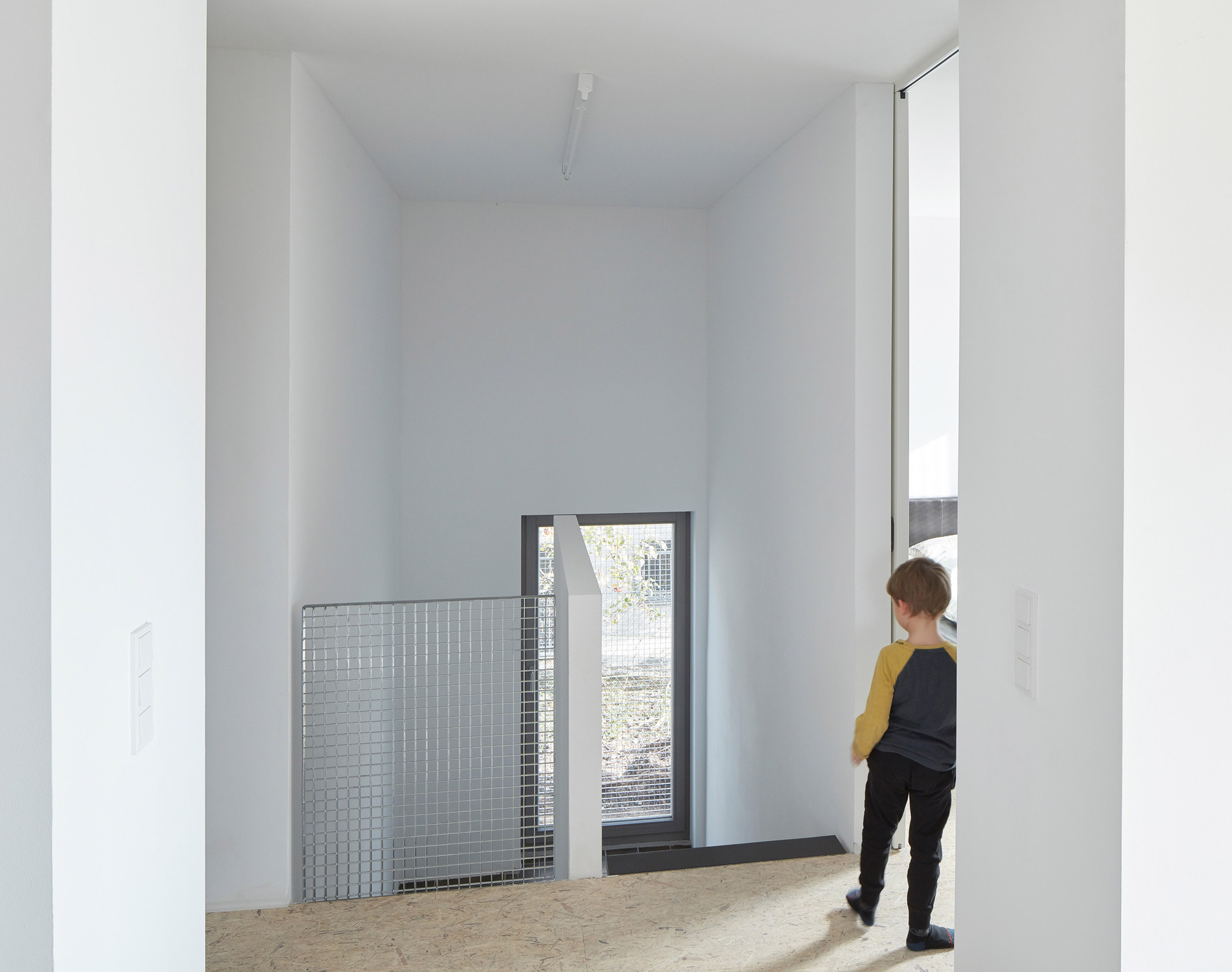
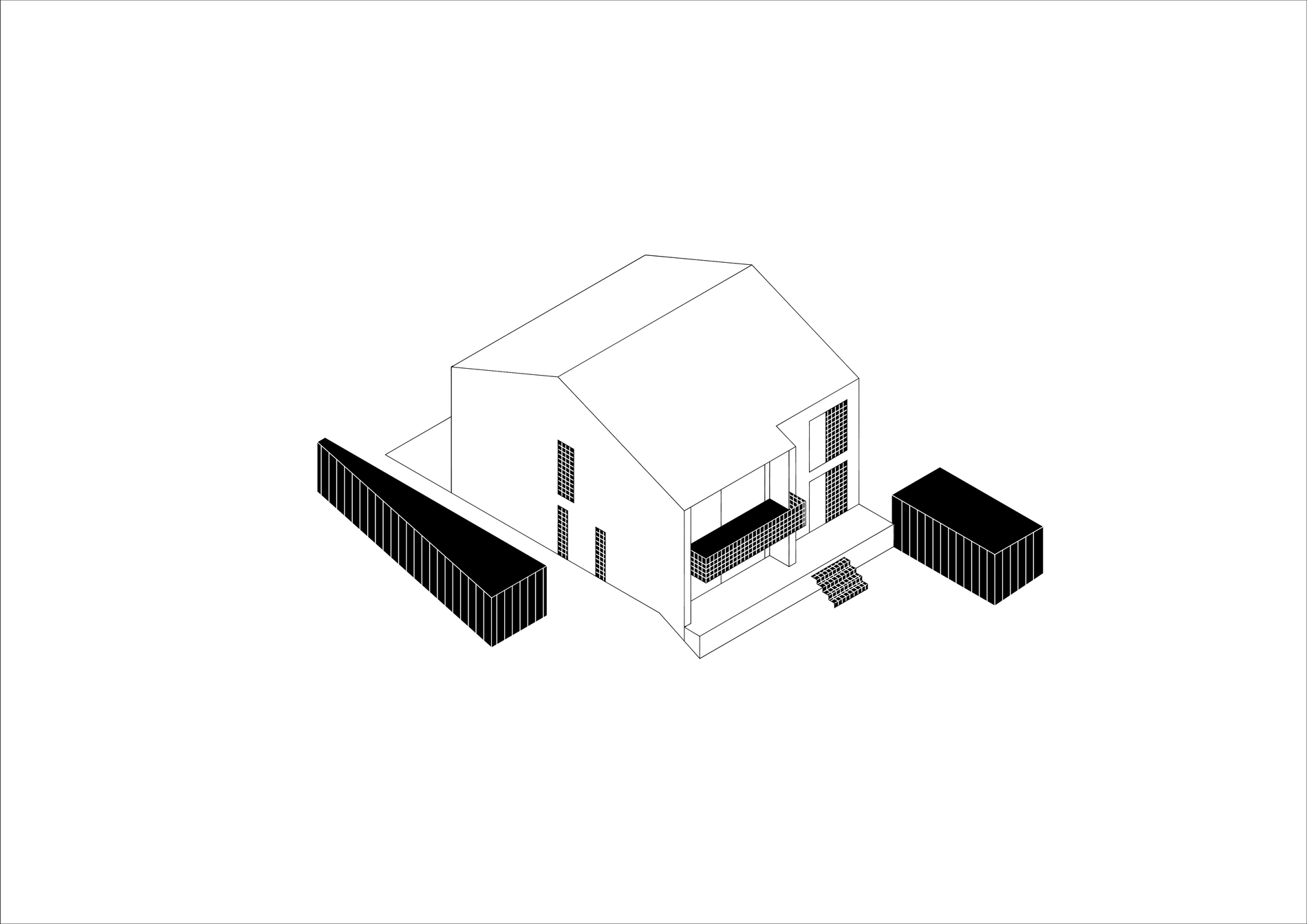
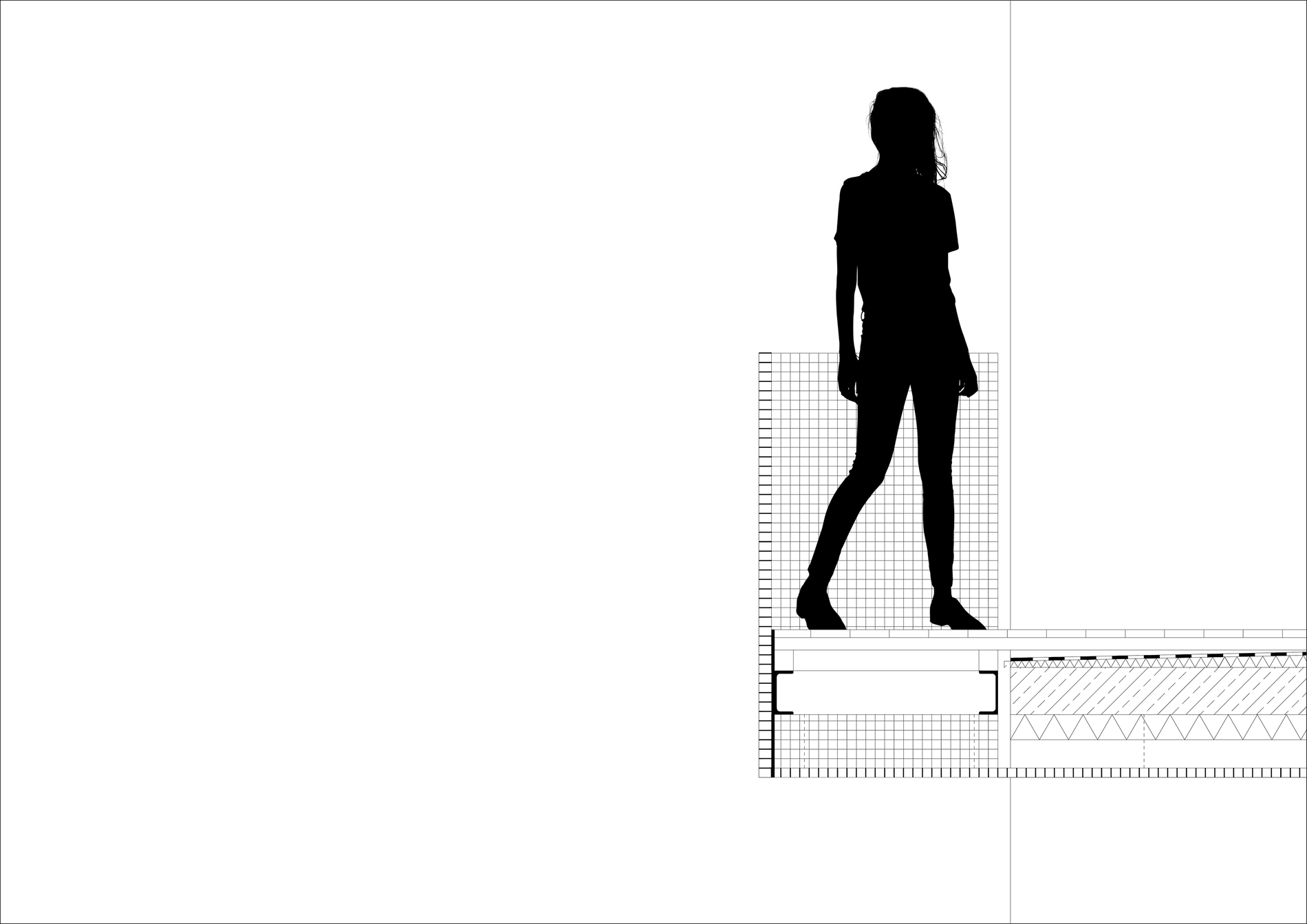
Construction costs also play a major role, so we like to combine standard products with some special details and materials, for example… where galvanized grating was used for various components.
Interview with Henning Grahn of Henning Grahn Architektur
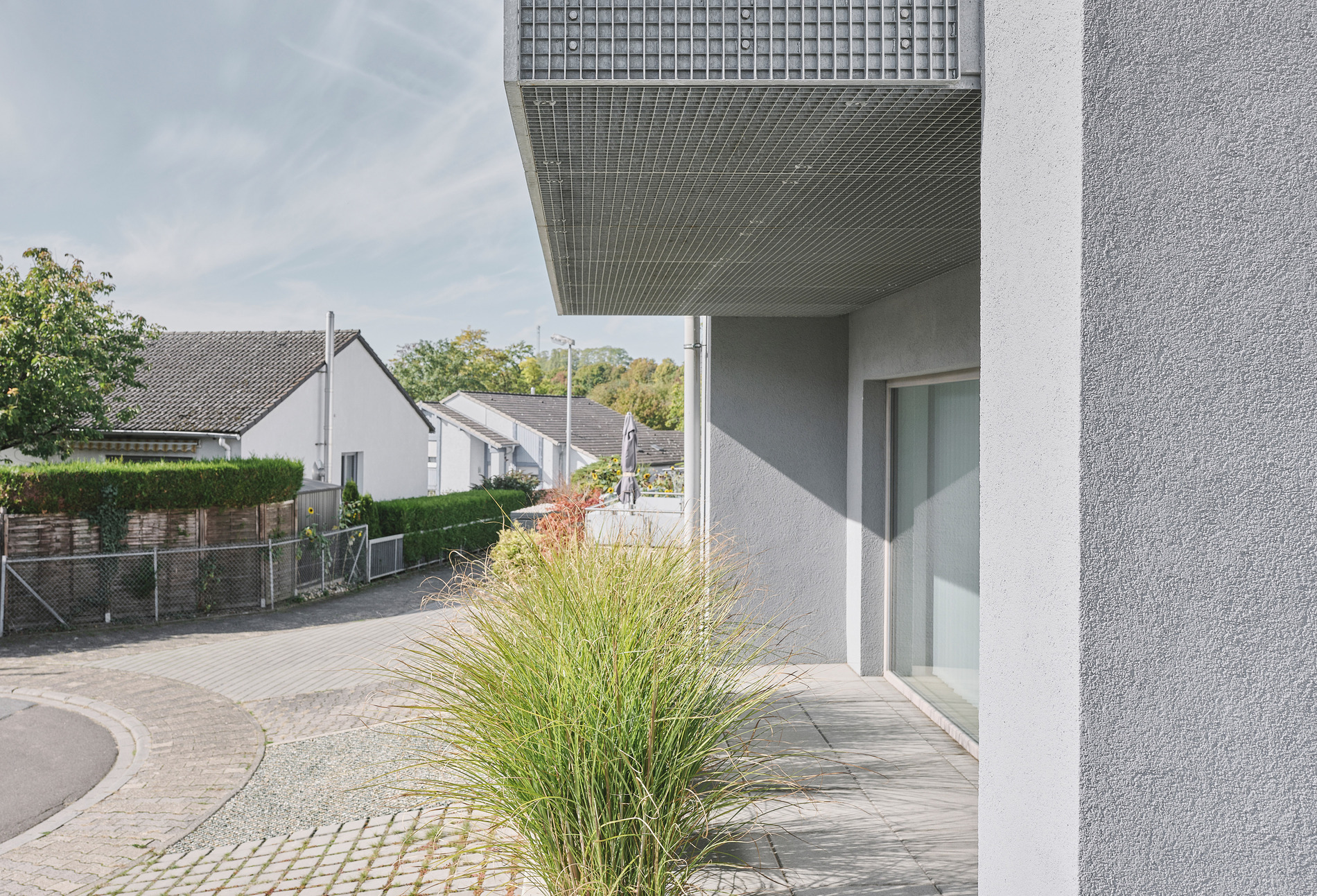
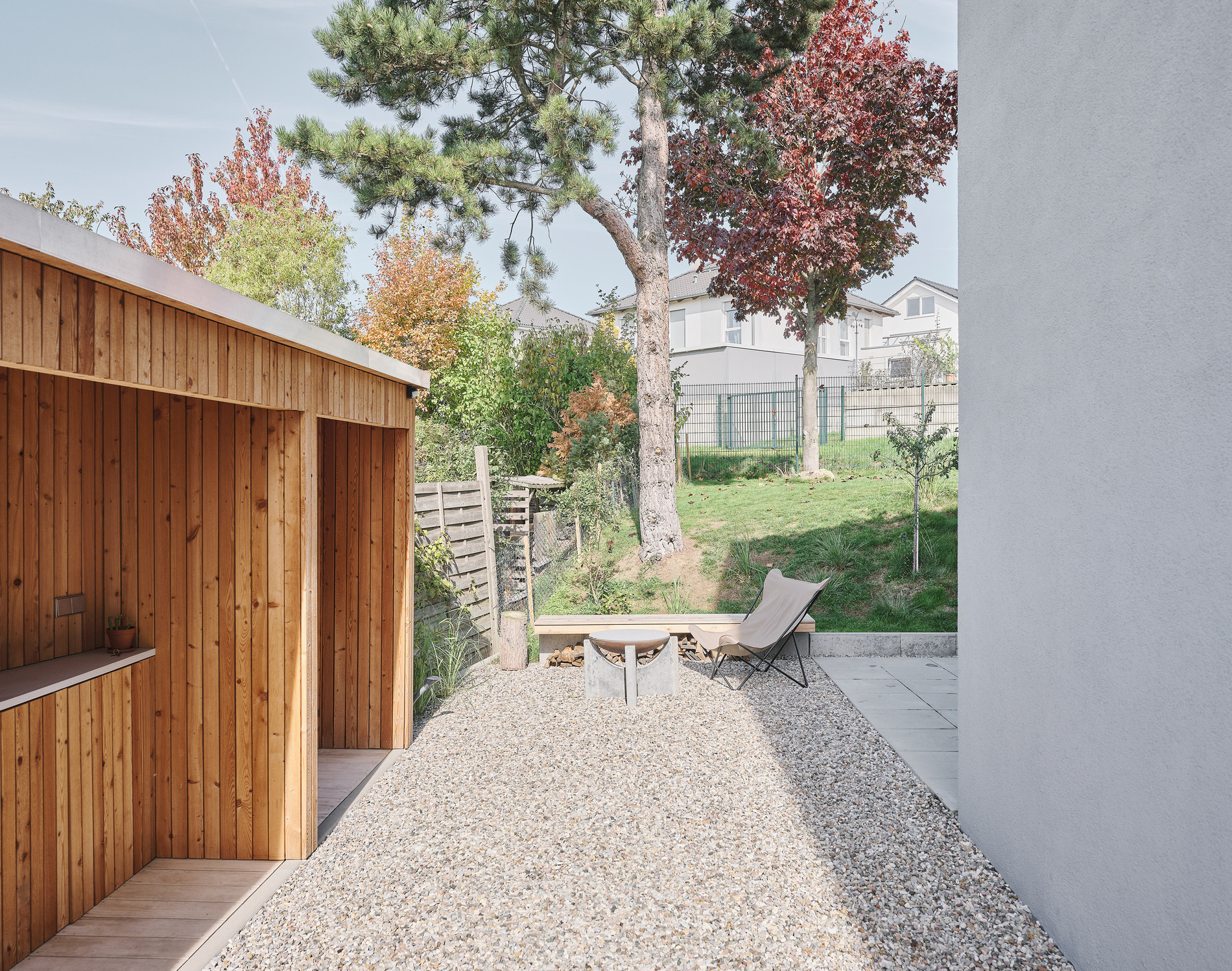
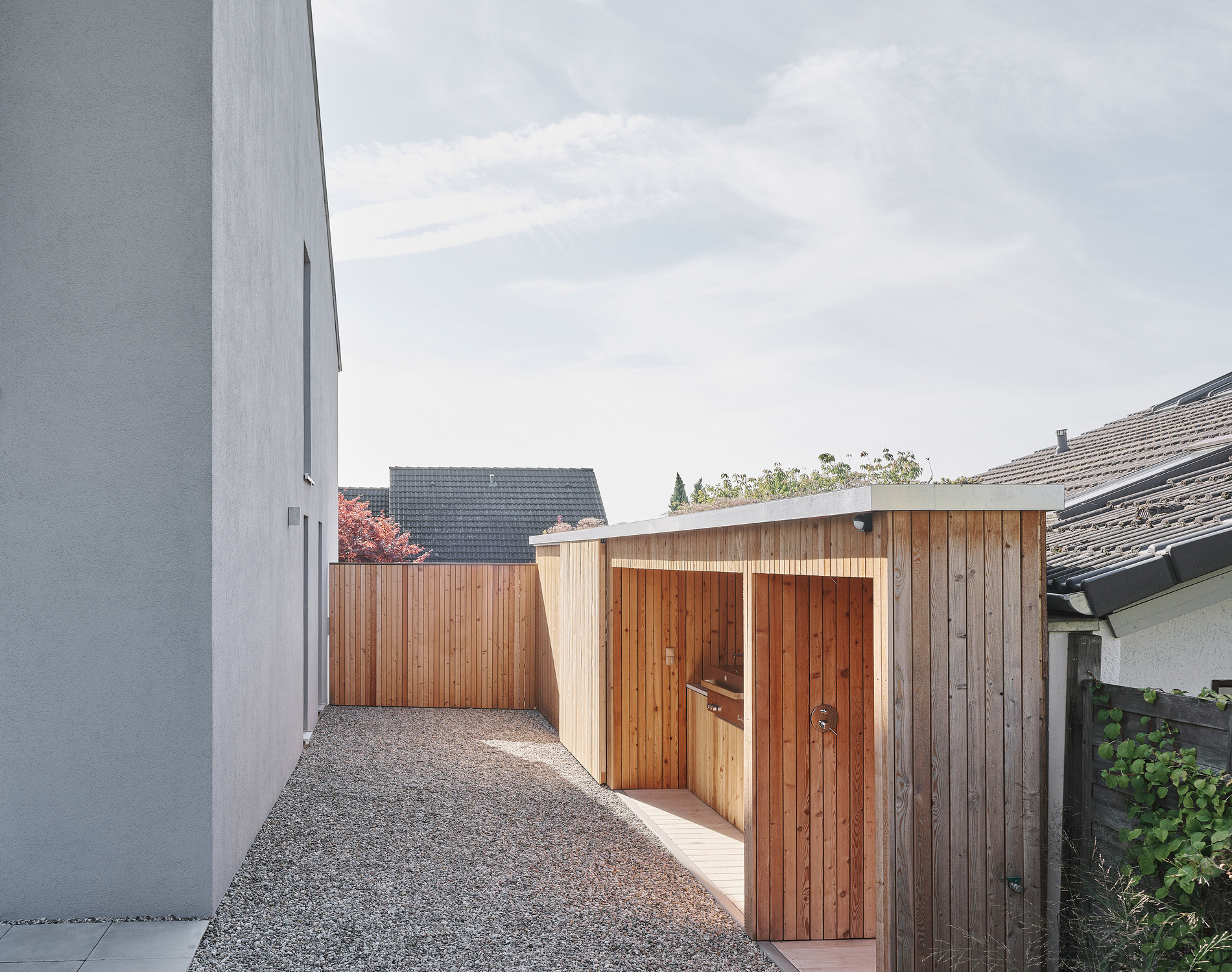
The Transformation House is situated within a neighborhood of uniform houses that lack sensitivity to orientation or context; the Transformation House positions itself as a critical response to the inherited suburban planning. The original structure presented inward-looking spaces, blank facades, and a fragmented interior arrangement that limited both usability and spatial continuity. These constraints established the basis for a design approach centered on subtraction and reorganization rather than expansion.
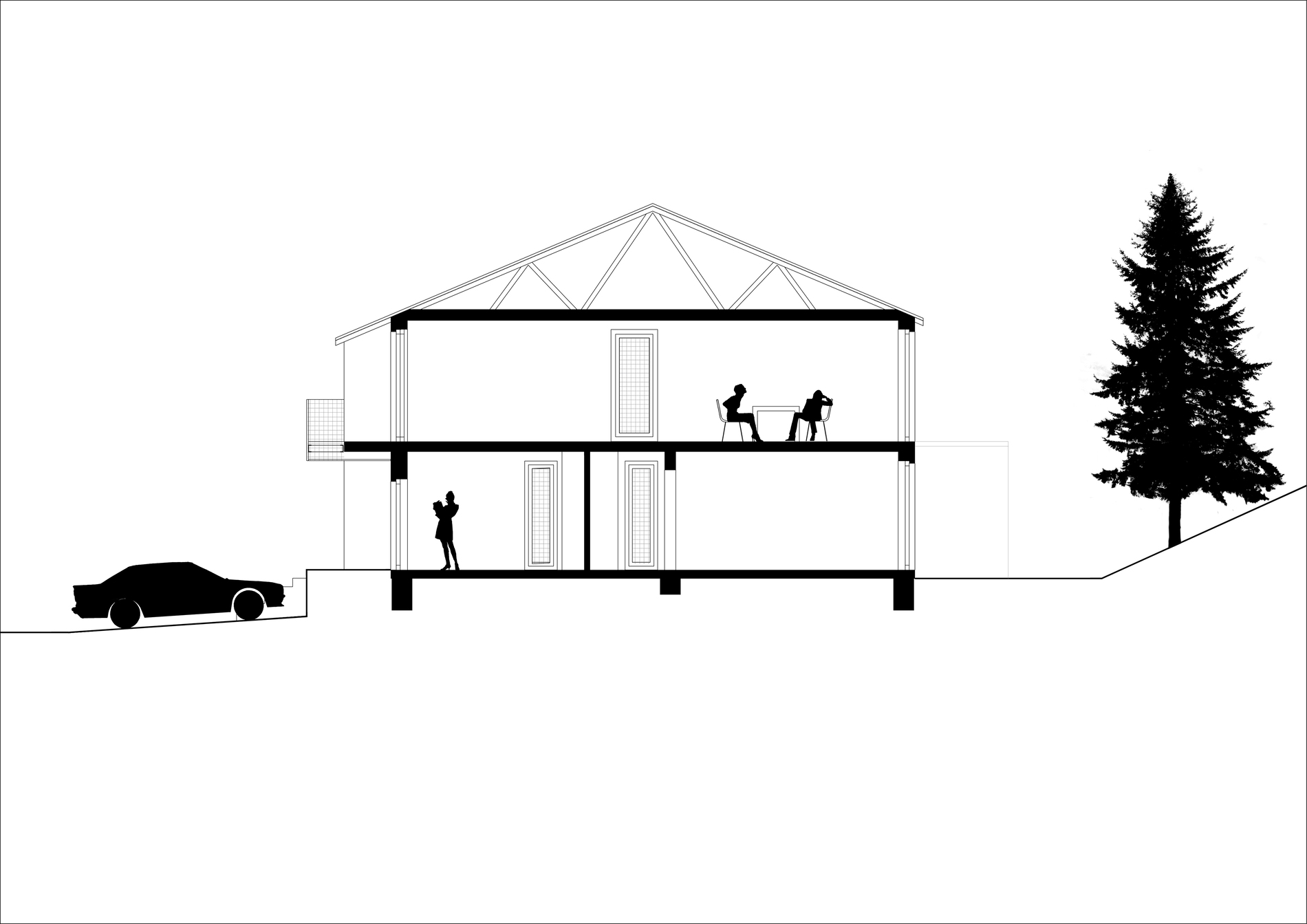
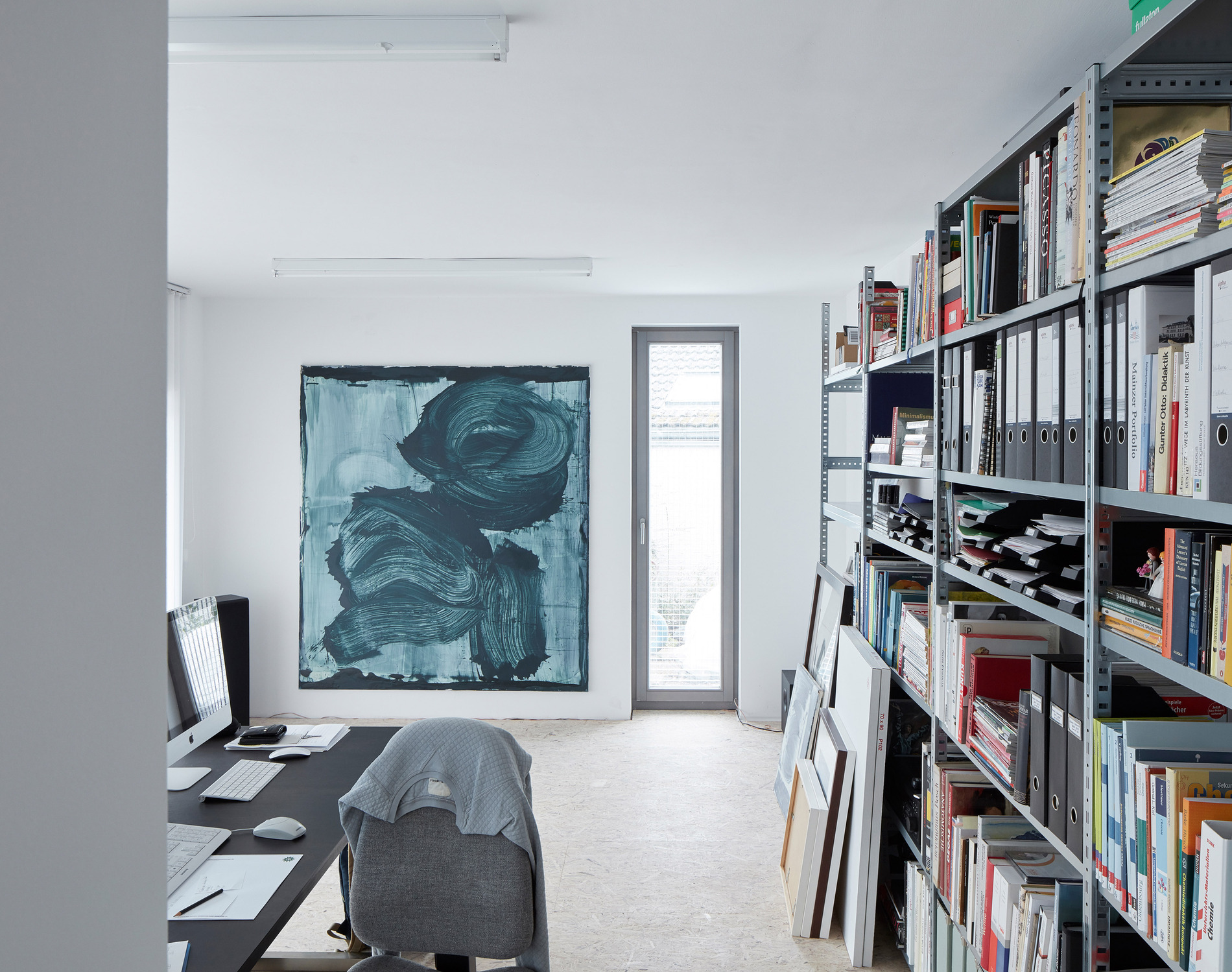
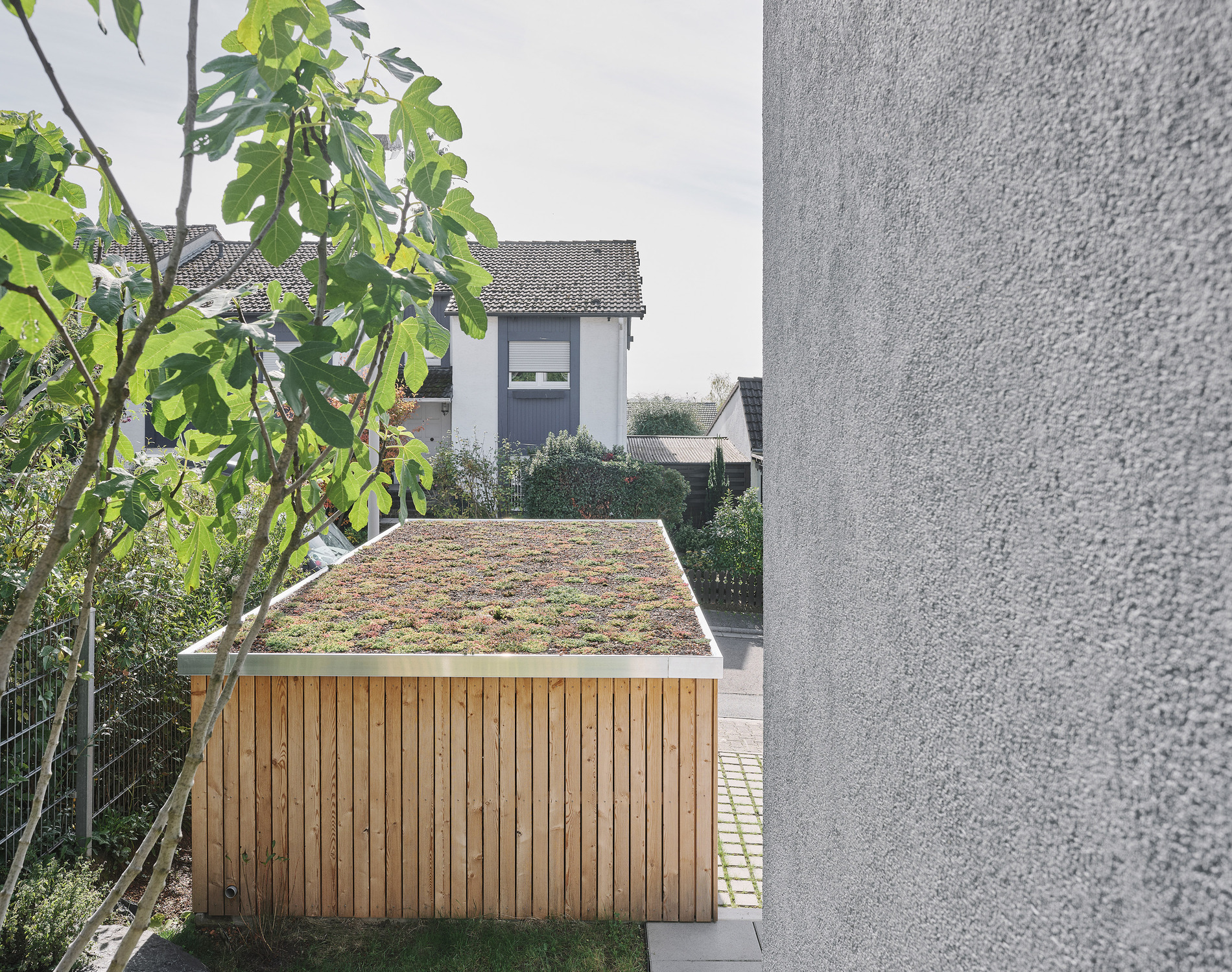
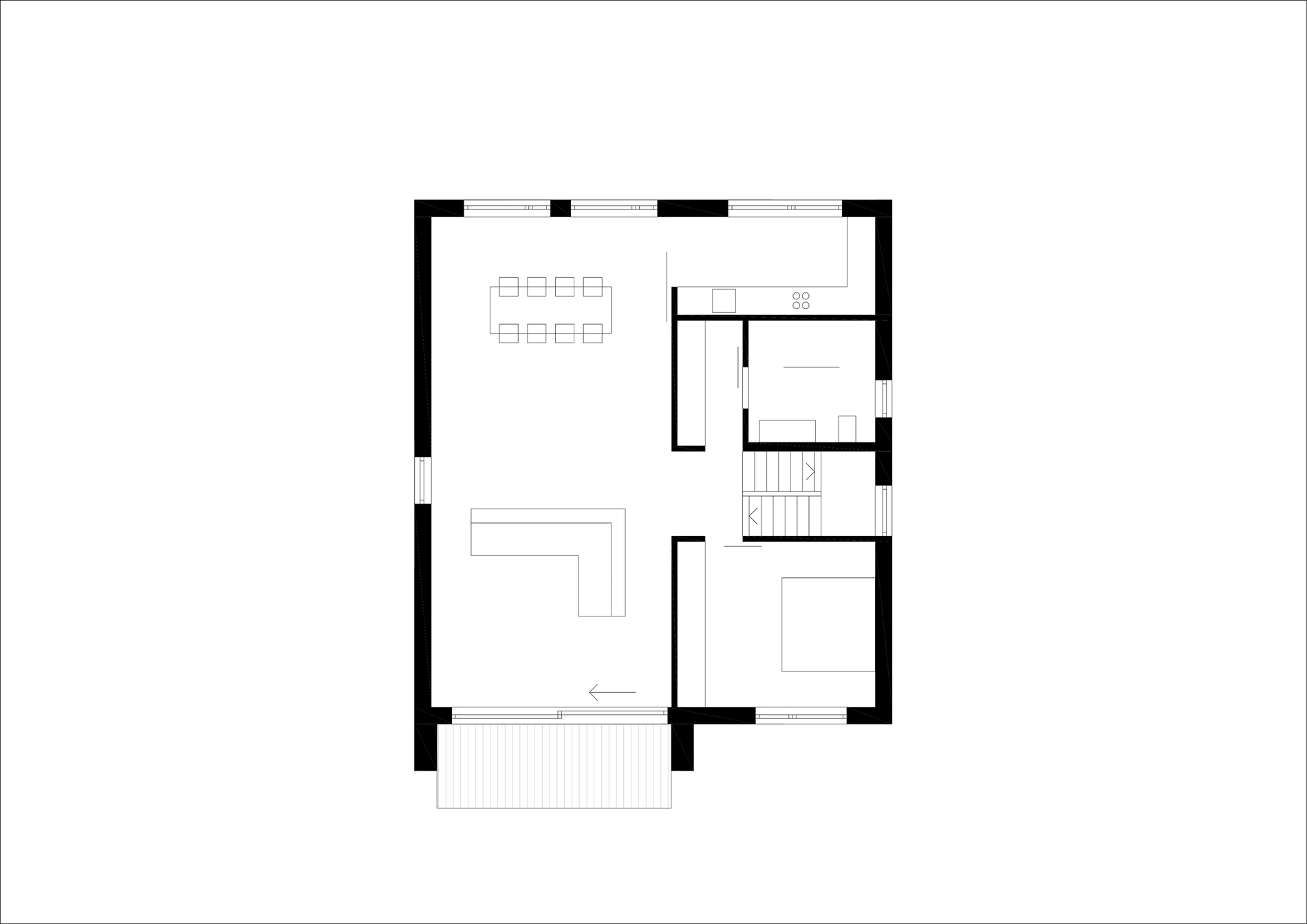
The transformation begins with a reconsideration of program and access. The removal of the internal garage, a feature increasingly obsolete in contemporary domestic life, allows for the introduction of a studio space. Simultaneously, the entrance is relocated to the south, creating a more legible and generous point of arrival that aligns with natural light and outdoor conditions.
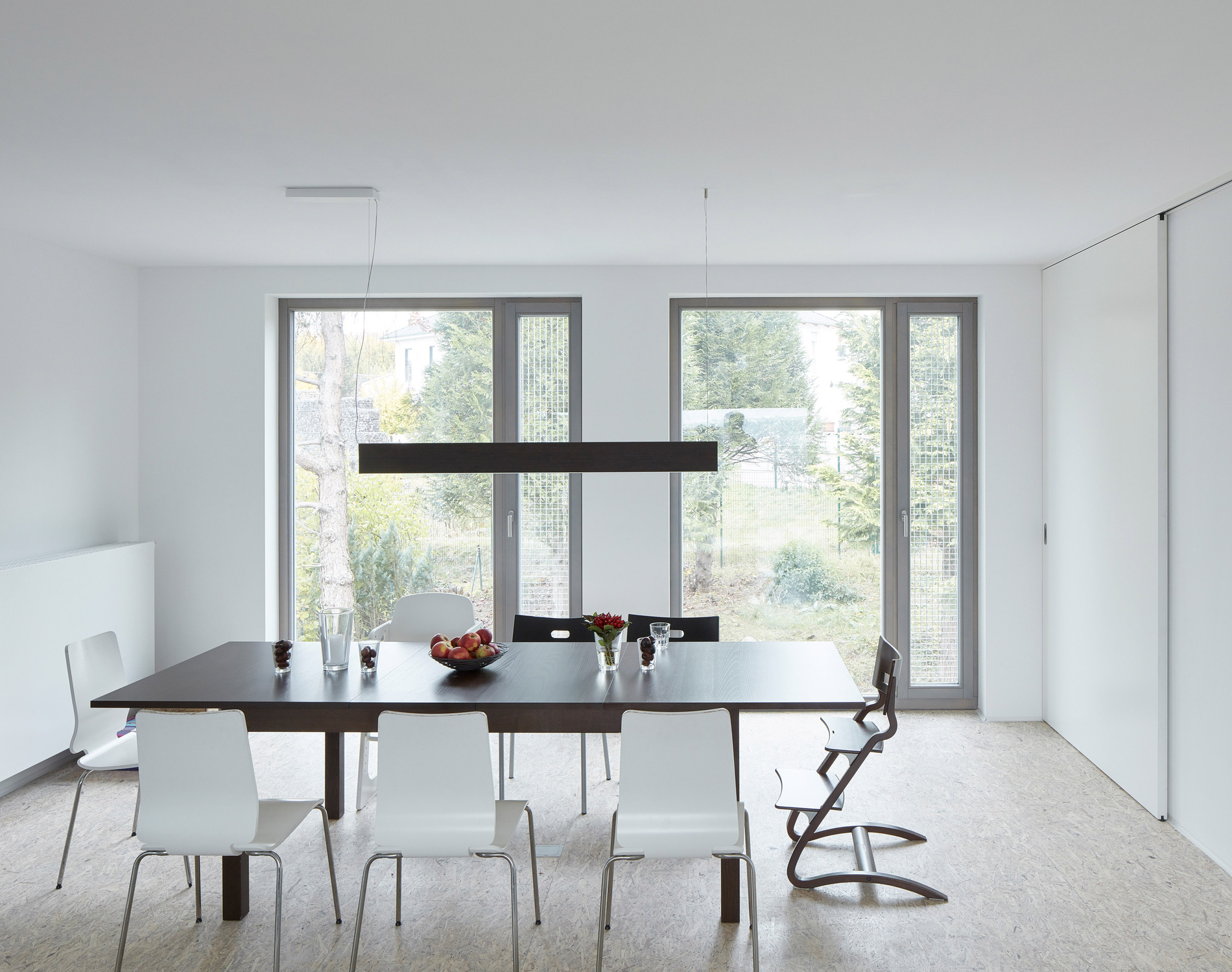
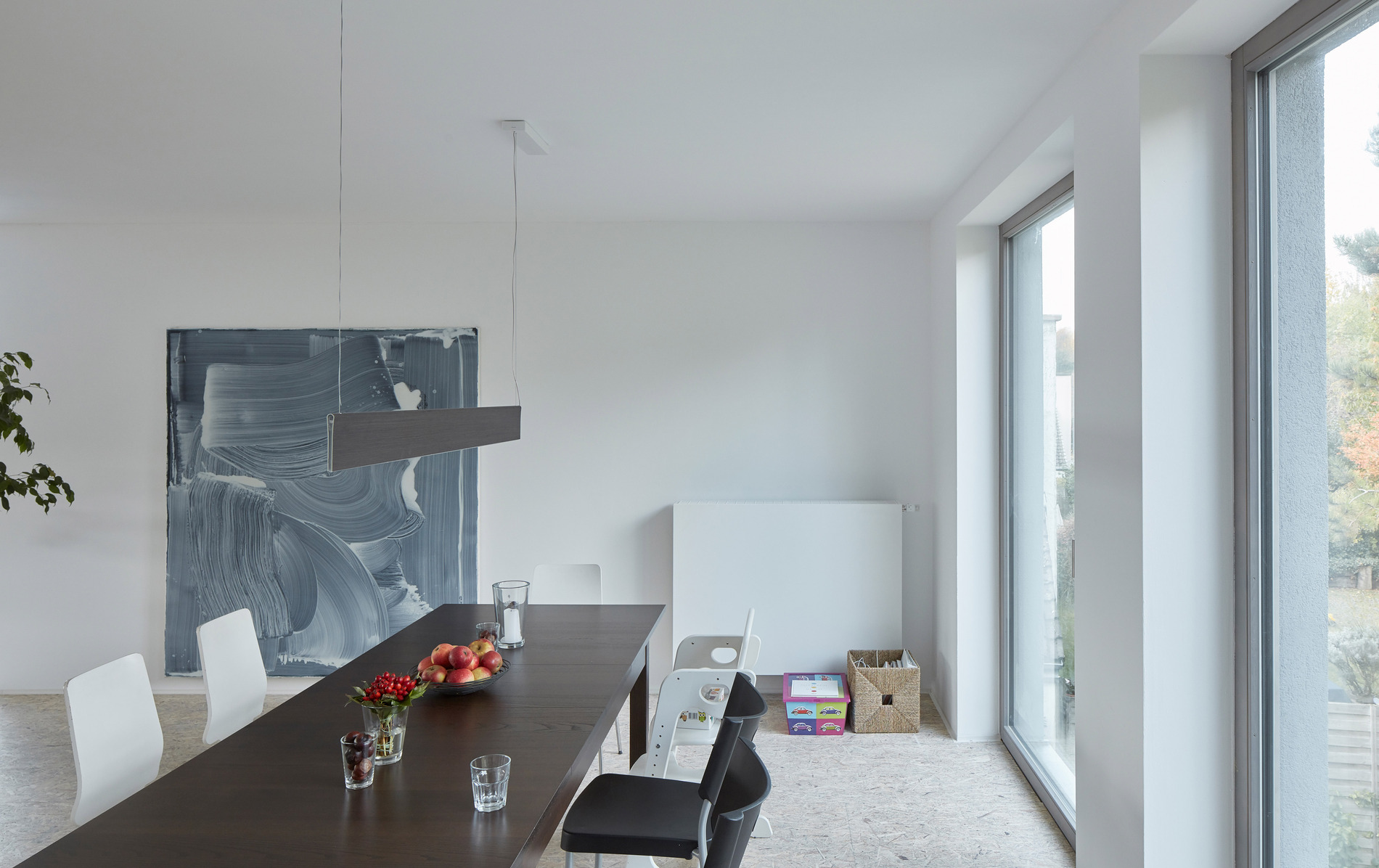
A significant spatial shift occurs on the upper floor, where structural adjustments enable the elimination of load-bearing walls. This intervention allows for a continuous living area that connects the previously isolated balcony to views of the northern garden. The result is a more fluid domestic environment that seamlessly bridges interior and exterior spaces, thereby enhancing spatial coherence.
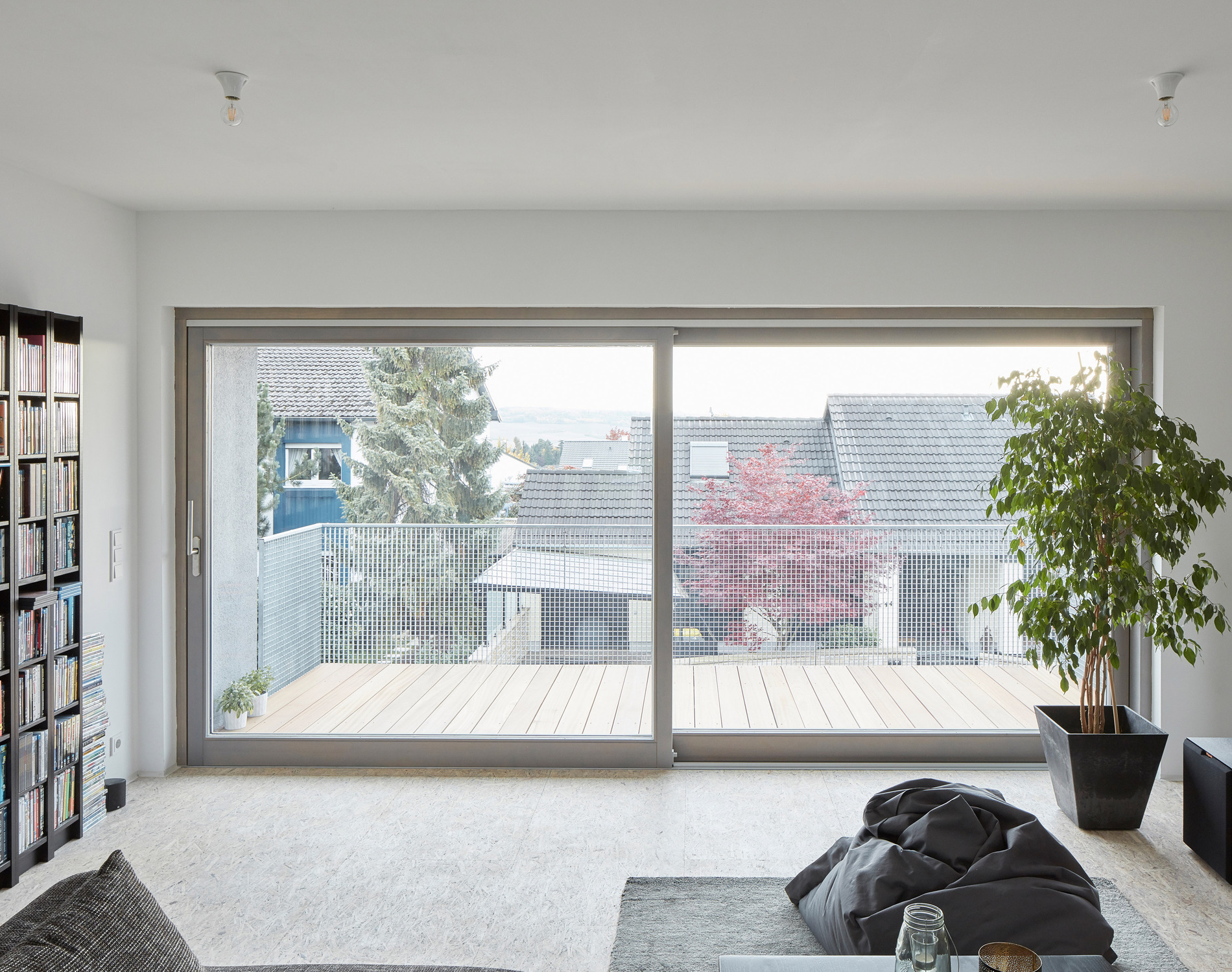
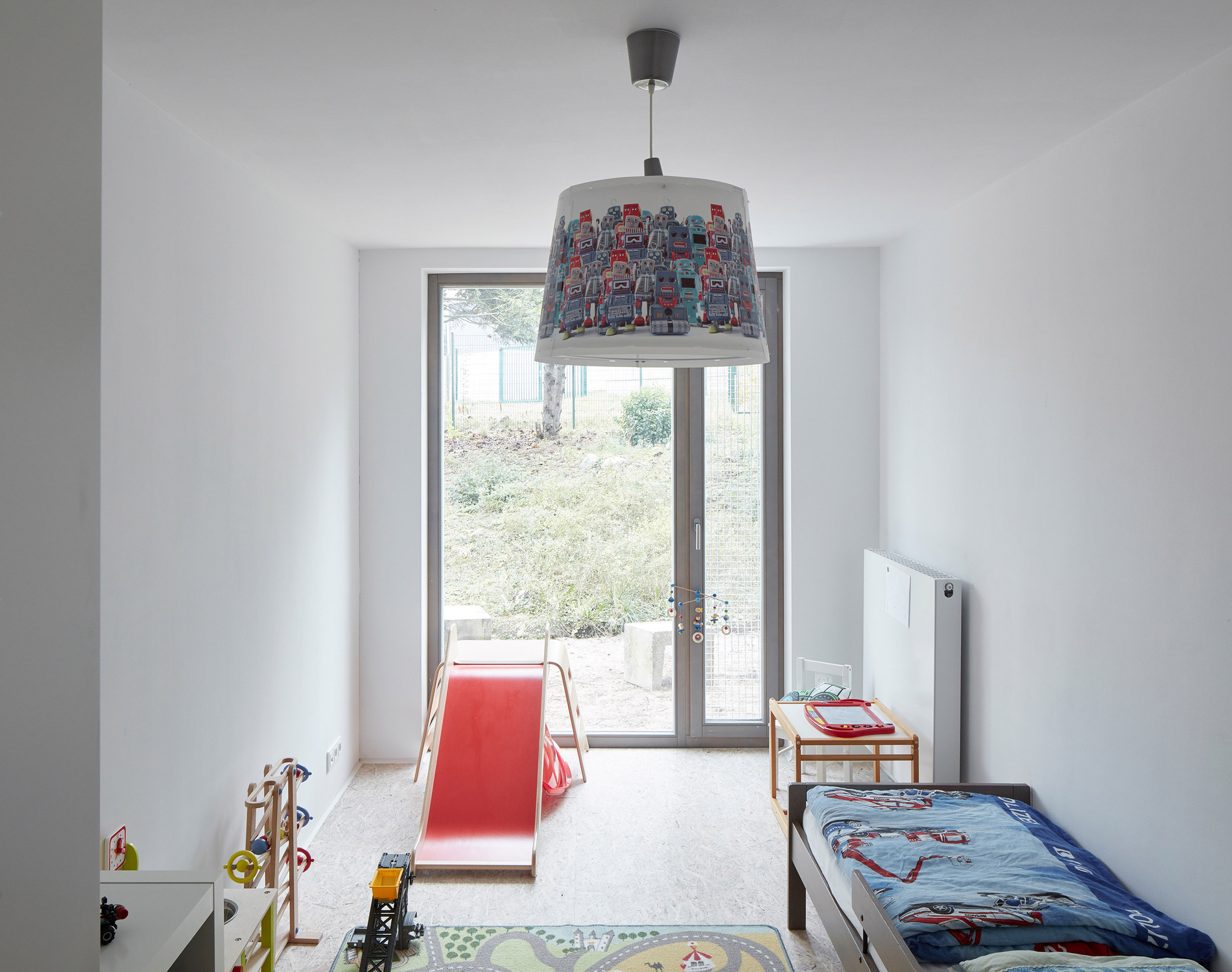
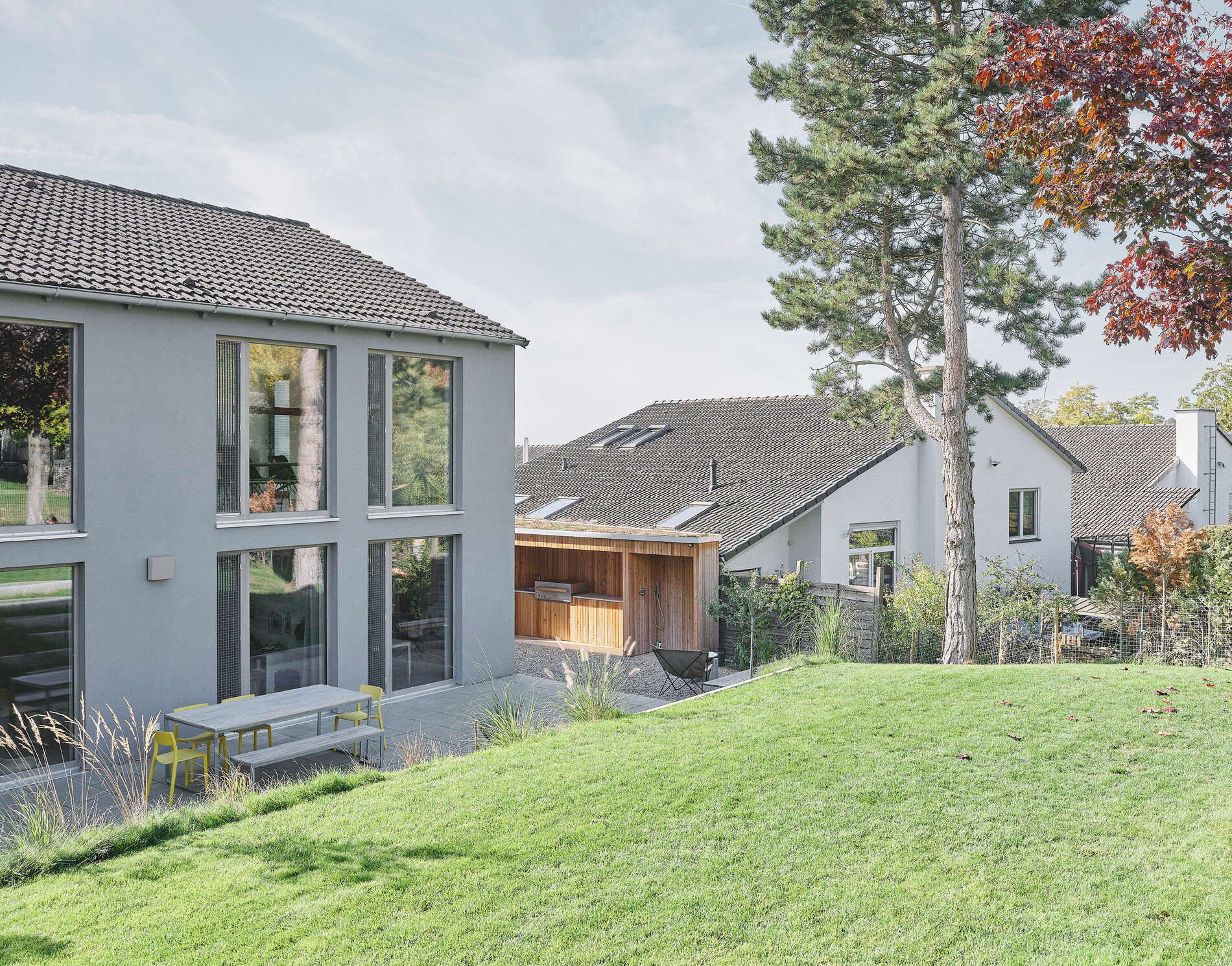
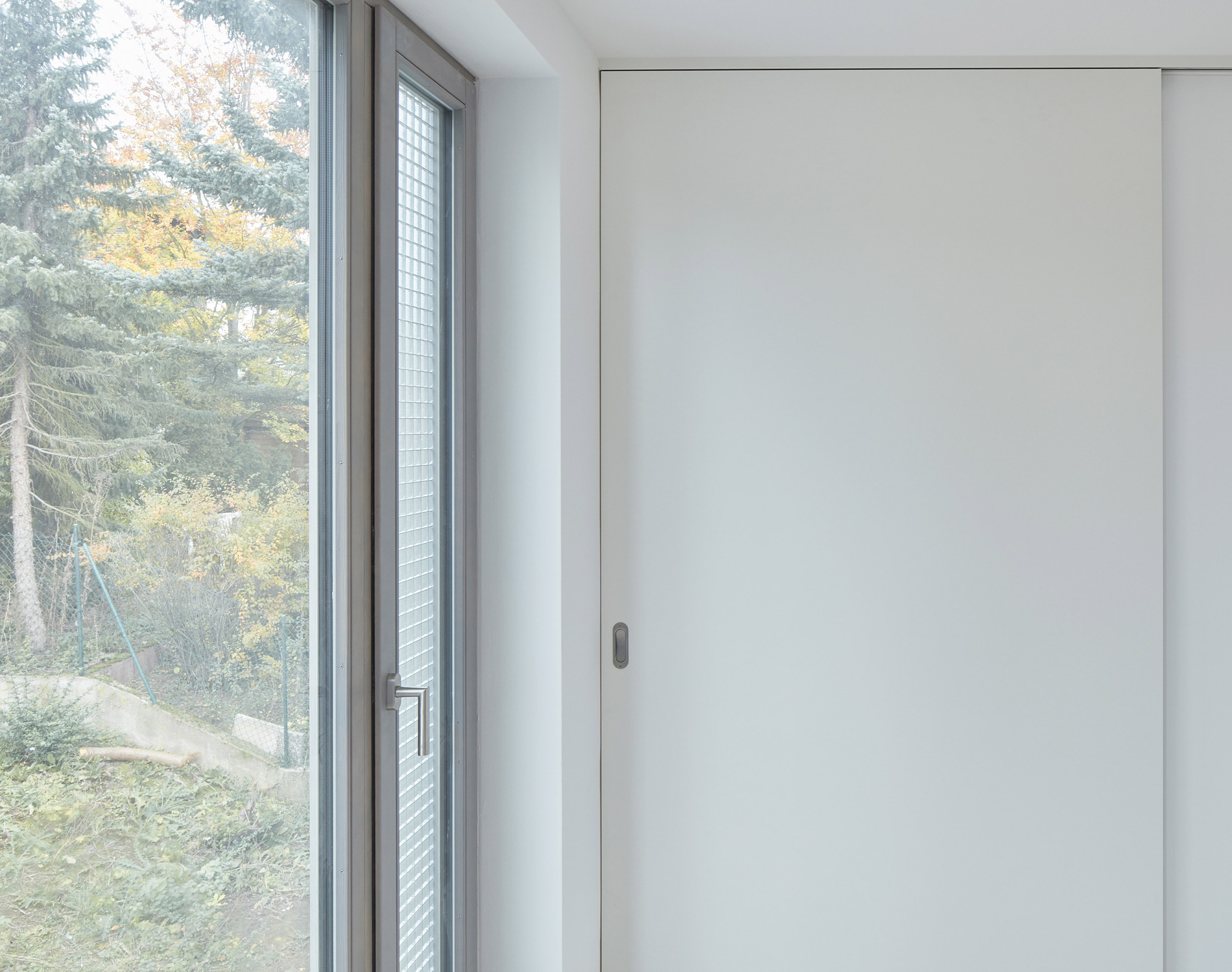
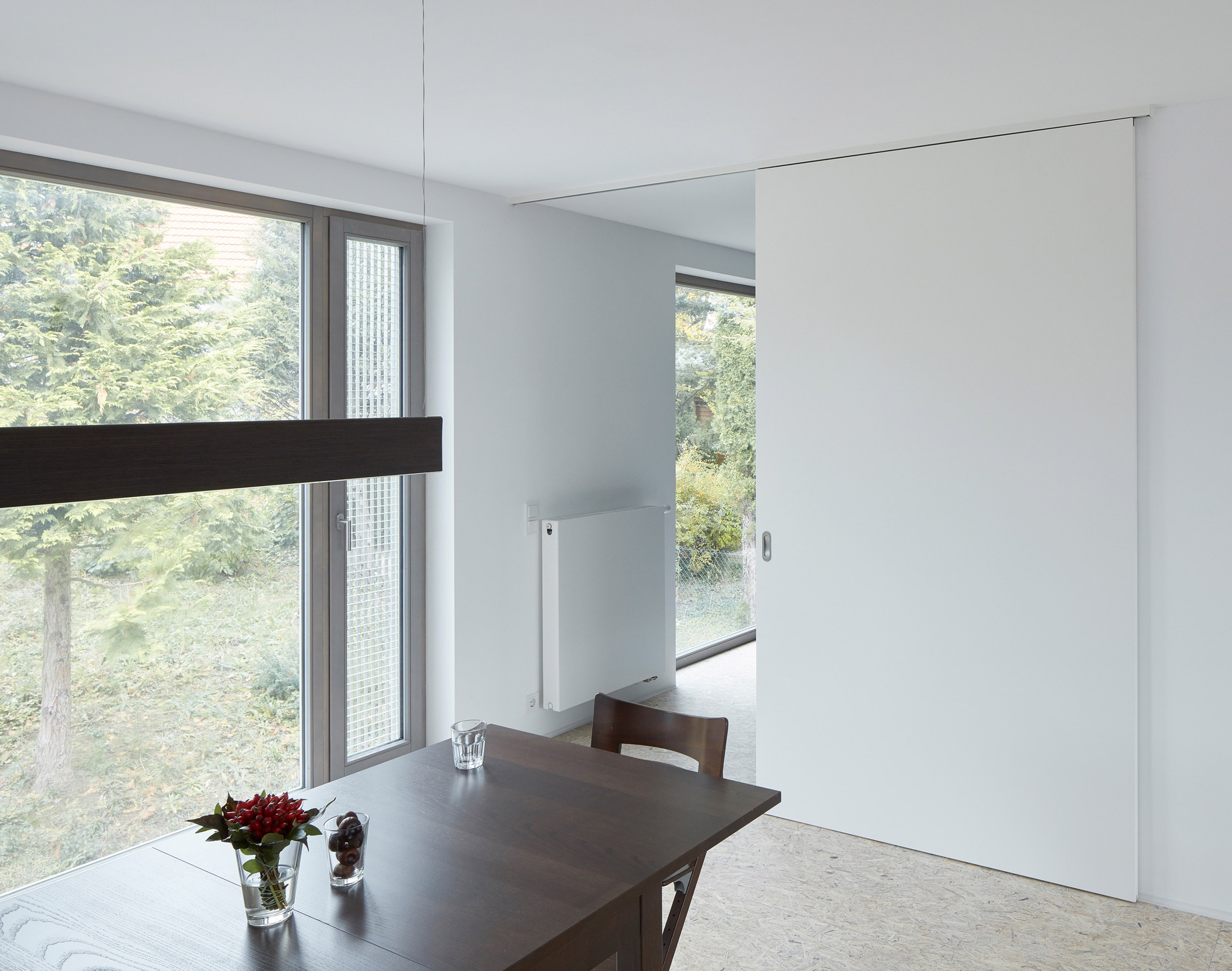
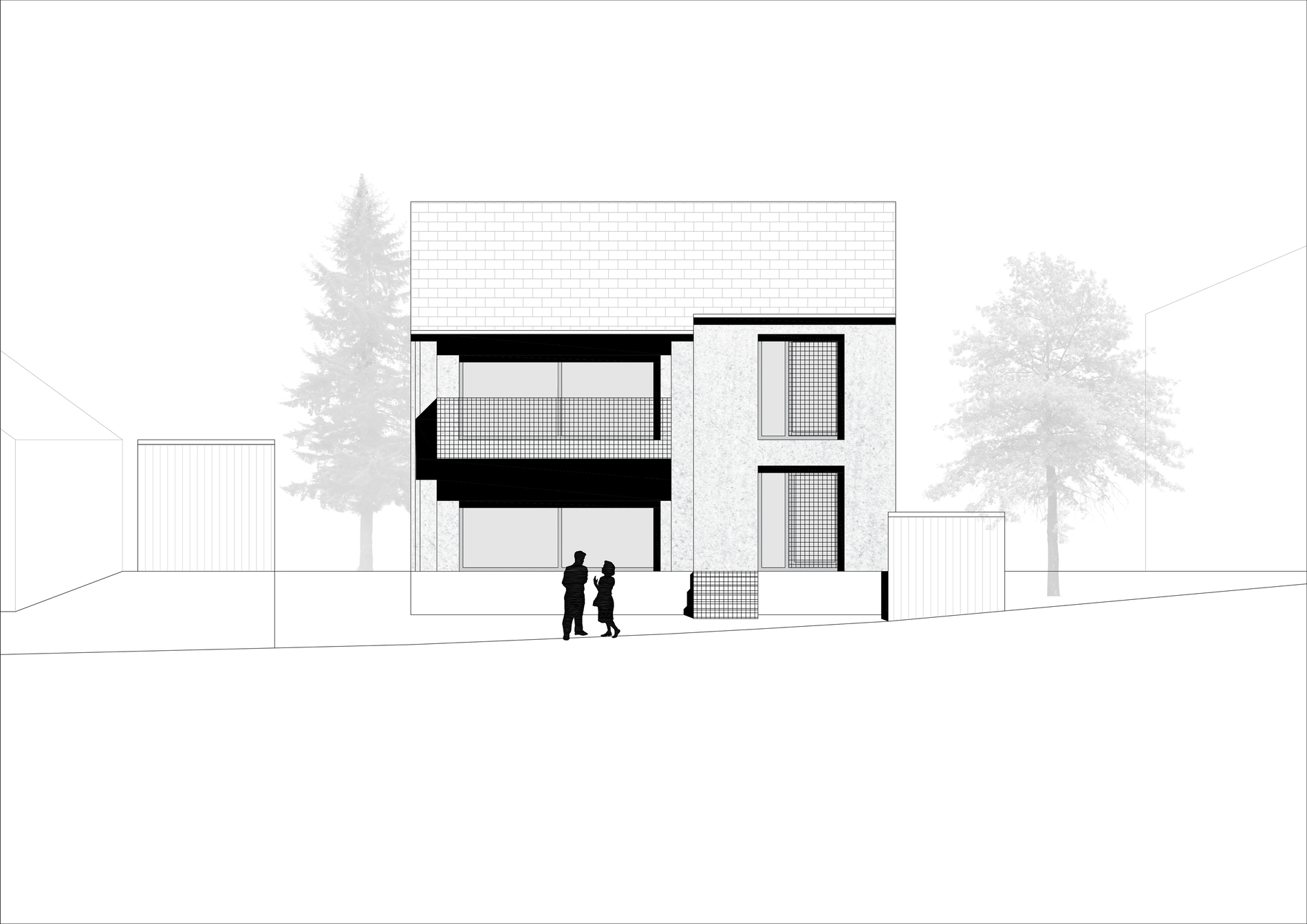
Openings play a central role in redefining the house. The removal of parapets and insertion of large, vertically proportioned windows maximizes daylight penetration and reinforces the vertical articulation of the facade. This vertical emphasis extends indoors through full-height sliding doors, establishing a consistent architectural language across scales.
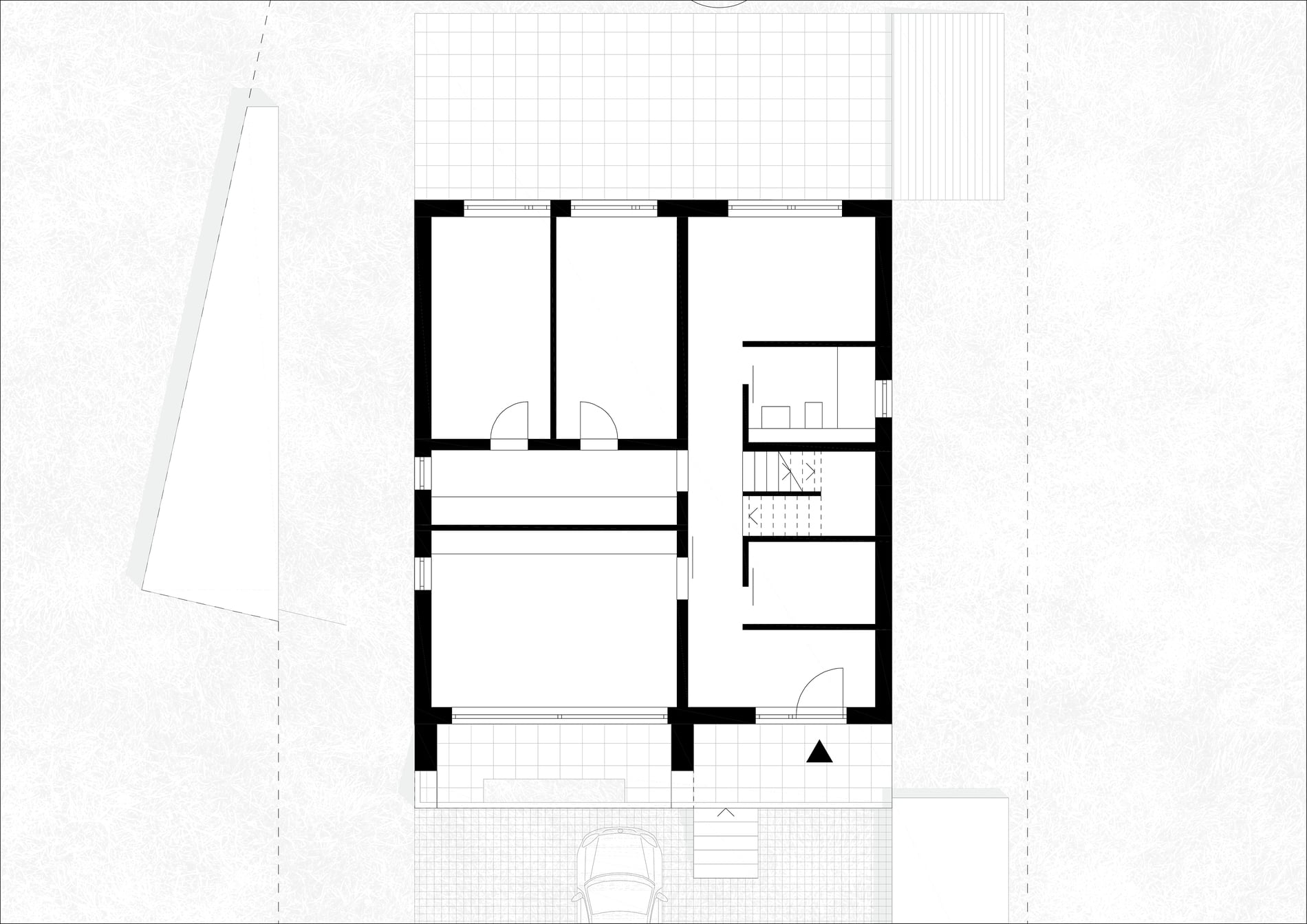
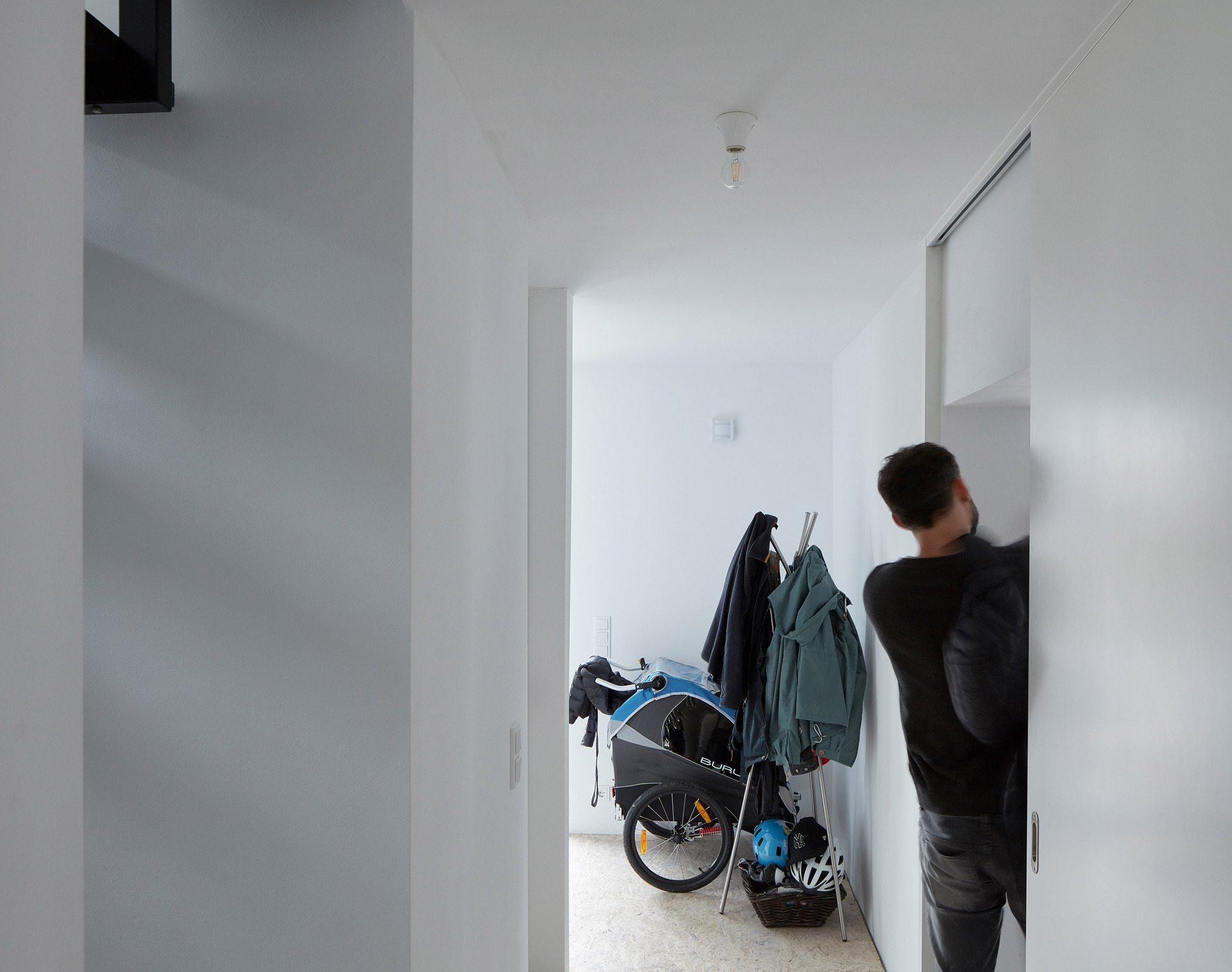
Material choices further underscore the project’s conceptual clarity. OSB flooring, steel gratings, and grey-glazed wooden frames contribute to a restrained and robust aesthetic that contrasts with the surrounding environment. These elements serve practical functions while expressing the building’s transformation, demonstrating how modest, well-considered interventions can generate a renewed architectural identity within tight constraints and a limited construction timeline.
Project Gallery

Project Location
Address: Klein-Winternheim, Germany
The location specified is intended for general reference and may denote a city or country, but it does not identify a precise address.

