

Architects: Renzo Piano Building Workshop
Year: 2015
Photography: Enrico Cano
Lead Architects: P. Vincent, A.H. Temenides
Architects Team: W. Matthews, C. Pilara, J. Carter, T. Nguyên, T. Sahlmann, V. Delfaud, A. Amakasu, V. Serafini, A. Alborghetti, M. Arlunno, C. Devizzi, G. Marot, J. Pattinson, D. Phillips, L. Raimondi, D. Rat, M. Sirvin, M. Milanese, A. Olivier, J. Vargas
Design Team: O. Aubert, C. Colson, Y. Kyrkos, A. Pacé
Partner and Associate in Charge: P. Vincent, A.H. Temenides
Environmental Studies: Éléments Ingénieries, CSTB, RWDI
Structural Engineering: Expedition Engineering, Studio Ossola, M. Majowiecki
Façade Engineering: RFR
Vertical Transportation: Lerch Bates, Bates & Associates
Interior Design: Pierluigi Copat Architecture, Michele De Lucchi
Acoustics: Peutz & Associes, Onleco
Landscape Architecture: Atelier Corajoud, Studio Giorgetta
Lighting: Cosil
Manufacturers: UniFor
Cost Consultant: Tekne
Site Supervision: Jacobs
Fire Prevention: GAE Engineering
Security: SecurComp
Building Services: Manens-Tifs
Client: Intesa Sanpaolo
Materials: Glass, lacquered aluminum, opalescent glass, photovoltaic panels, double-skin façade system
City: Turin
Country: Italy
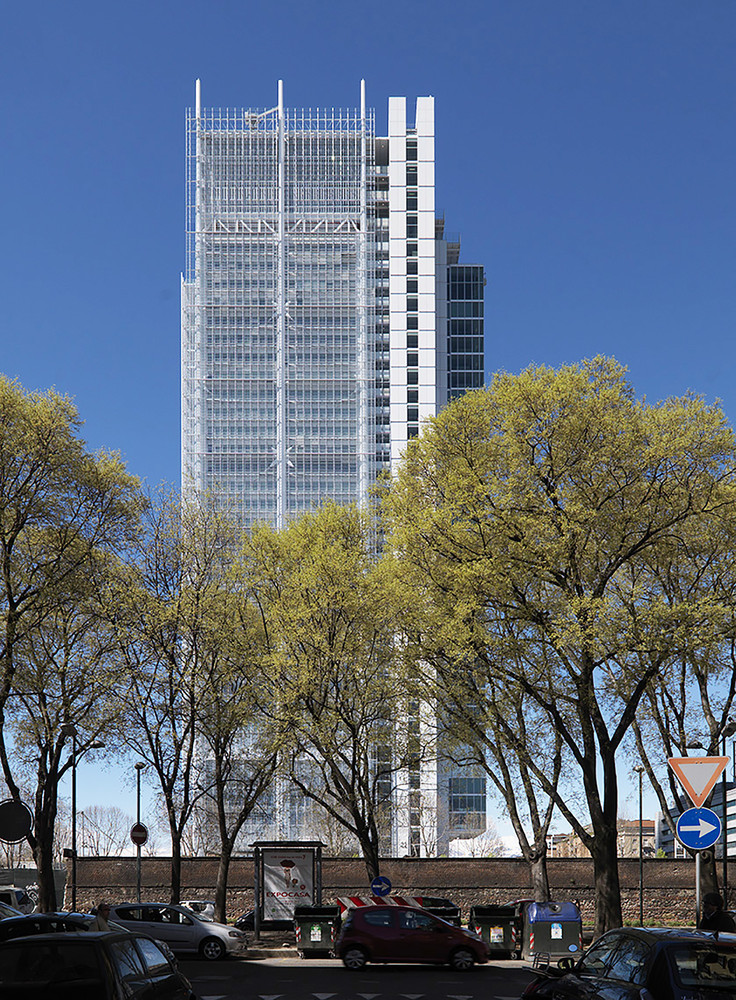
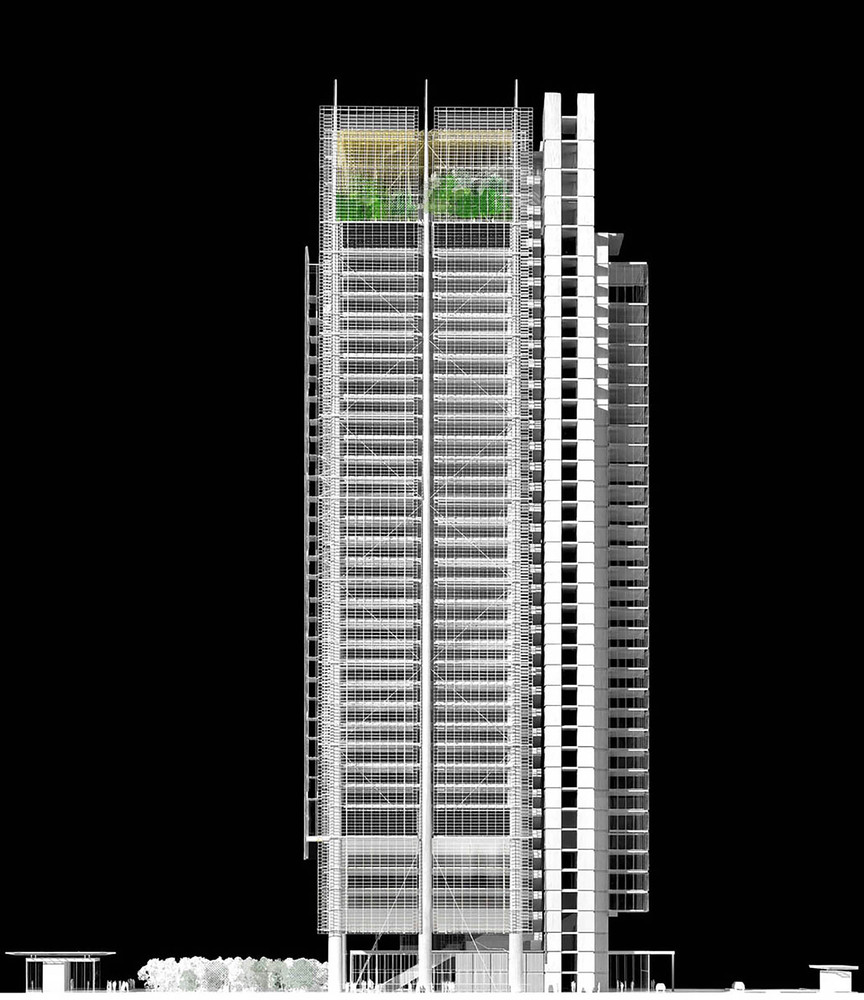
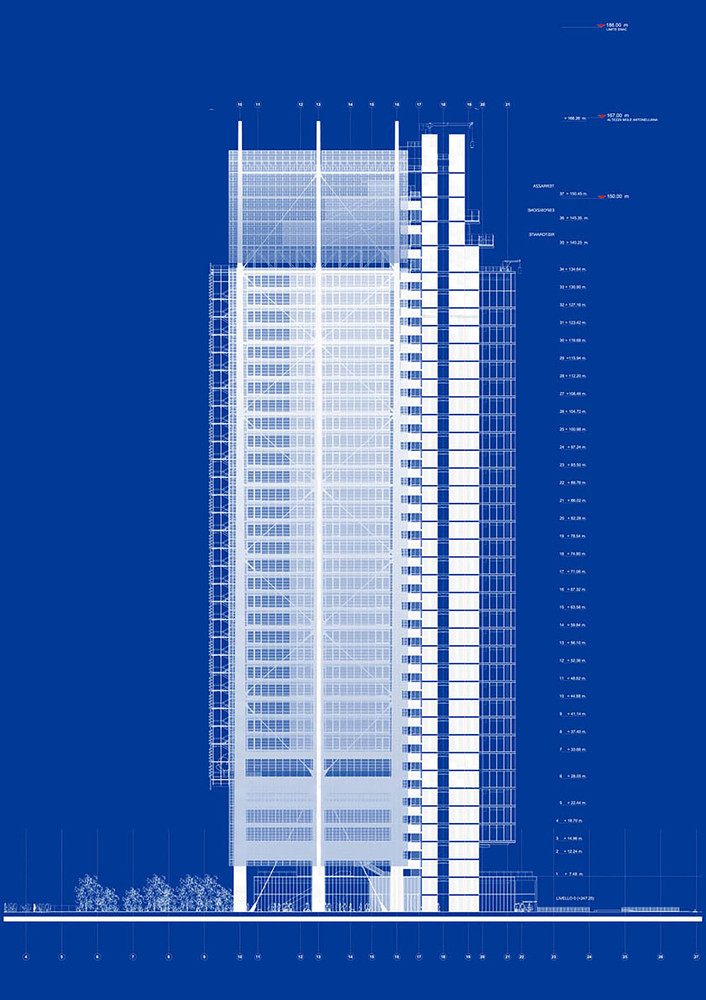
Intesa Sanpaolo Head Office in Turin rethinks the corporate tower as a civic and environmental structure embedded in the life of the city. Designed by Renzo Piano Building Workshop, the 166-meter building occupies a strategic site near Porta Susa Station, where it combines office space with public functions and landscaped connections. The program includes twenty-six floors of offices, training spaces, a company restaurant, a kindergarten, conference facilities, exhibition areas, and a publicly accessible bioclimatic greenhouse with a roof terrace. The project also extends into the surrounding urban fabric through the enhancement of Giardino Nicola Grosa, strengthening the relationship between the building and its neighborhood. Environmental performance is central to the design, with groundwater cooling, photovoltaic panels integrated into the south façade, a double-skin envelope, and automated climate-control systems working together to reduce energy use and improve comfort. The tower’s pale material palette of glass, lacquered aluminum, and opalescent surfaces gives it a luminous, almost immaterial presence within Turin’s skyline.
Architecture is the natural way to reconcile technical rigour with creative expression and an understanding of people, culture, and place.
Interview With Albert Giralt Of Renzo Piano Building Workshop [RPBW]
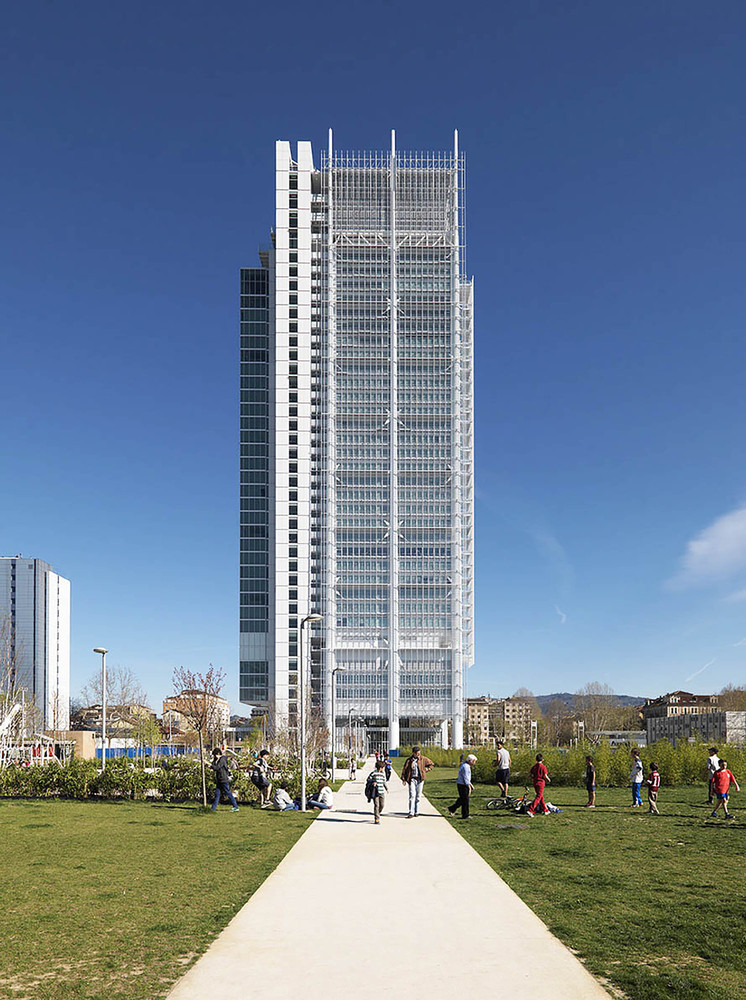
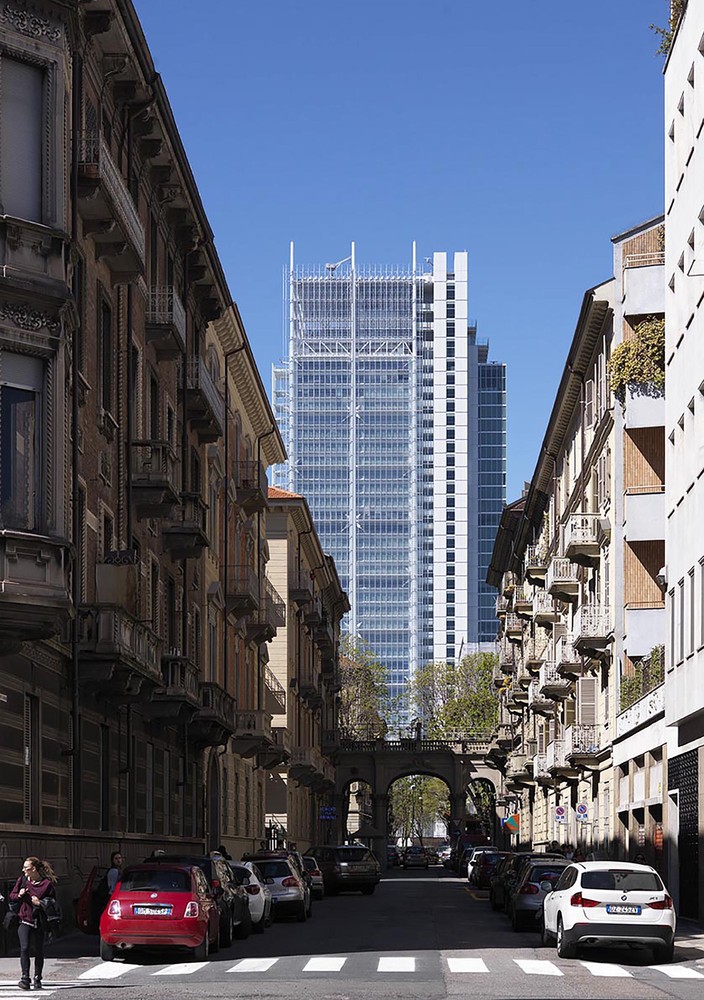
At a moment when many headquarters seek distinction through image alone, Intesa Sanpaolo Head Office proposes a different model, one grounded in access, permeability, and urban reciprocity. Positioned at the northeastern intersection of Corso Inghilterra and Corso Vittorio Emanuele II, near Turin’s Porta Susa Station and at the edge of the historic center, the building is conceived not as a sealed corporate object but as an active participant in metropolitan life. Its presence is deliberate yet restrained, aligning with Renzo Piano Building Workshop’s preference for an architecture that contributes to the city through measured clarity rather than excess.
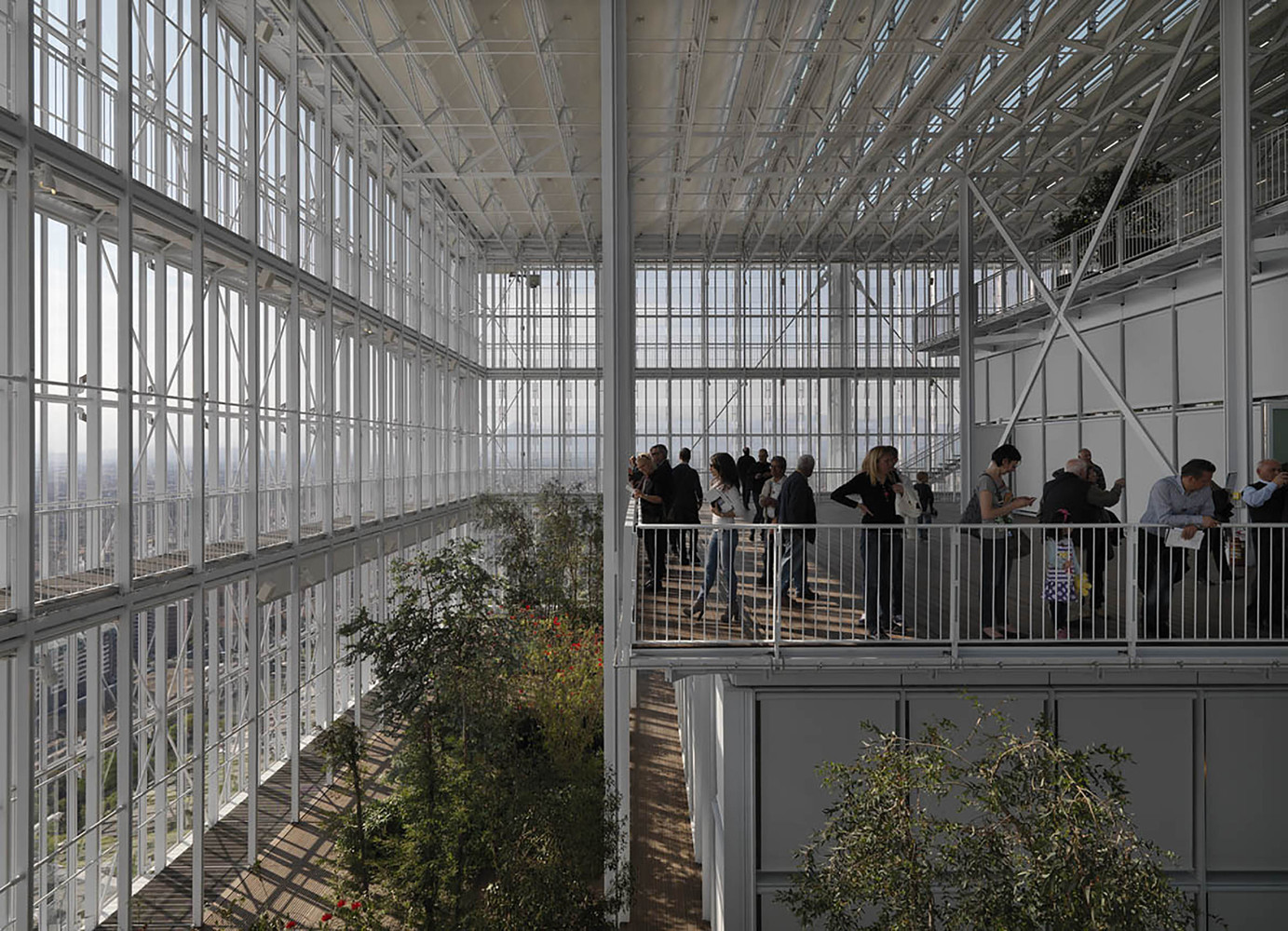
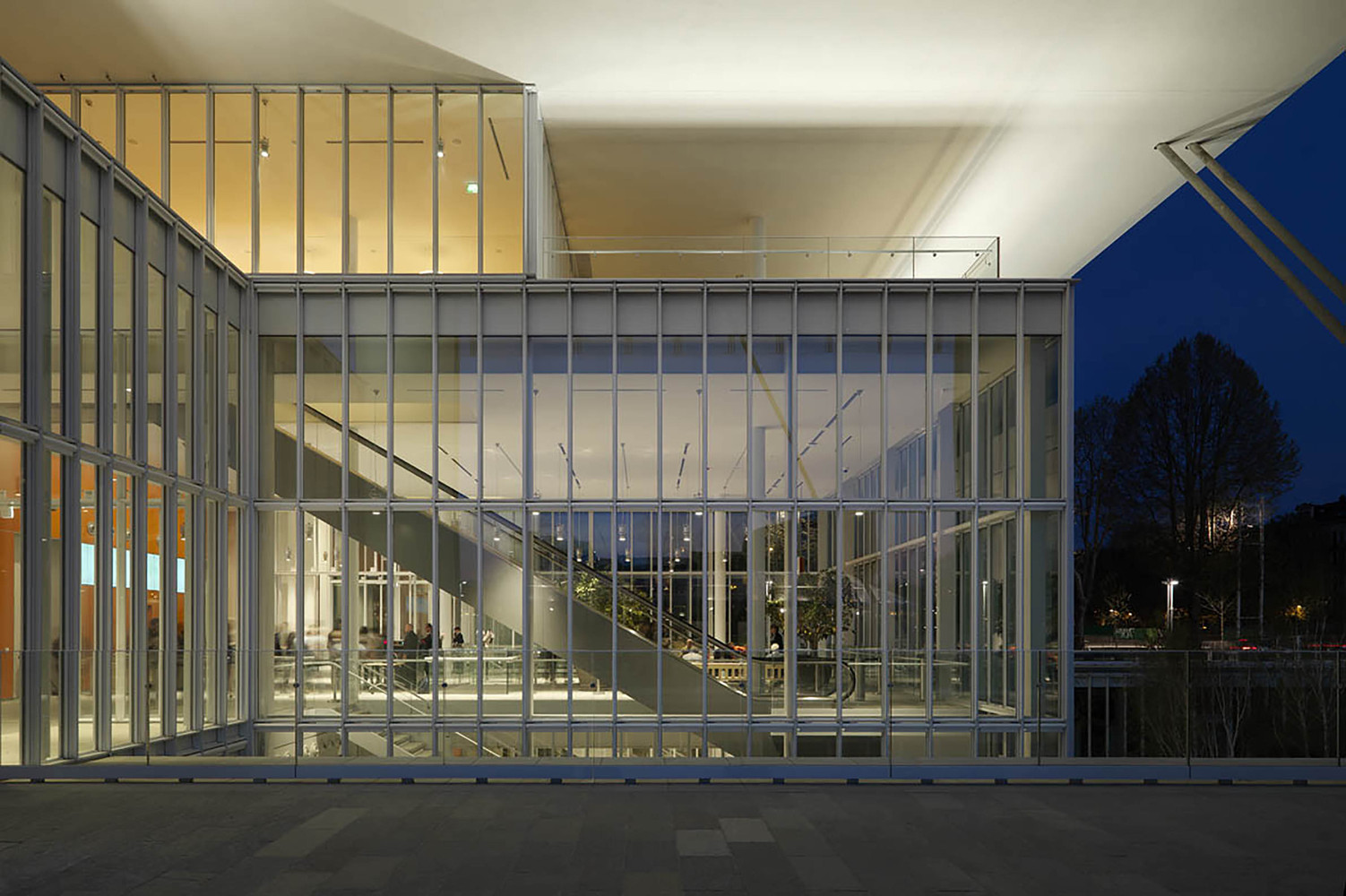
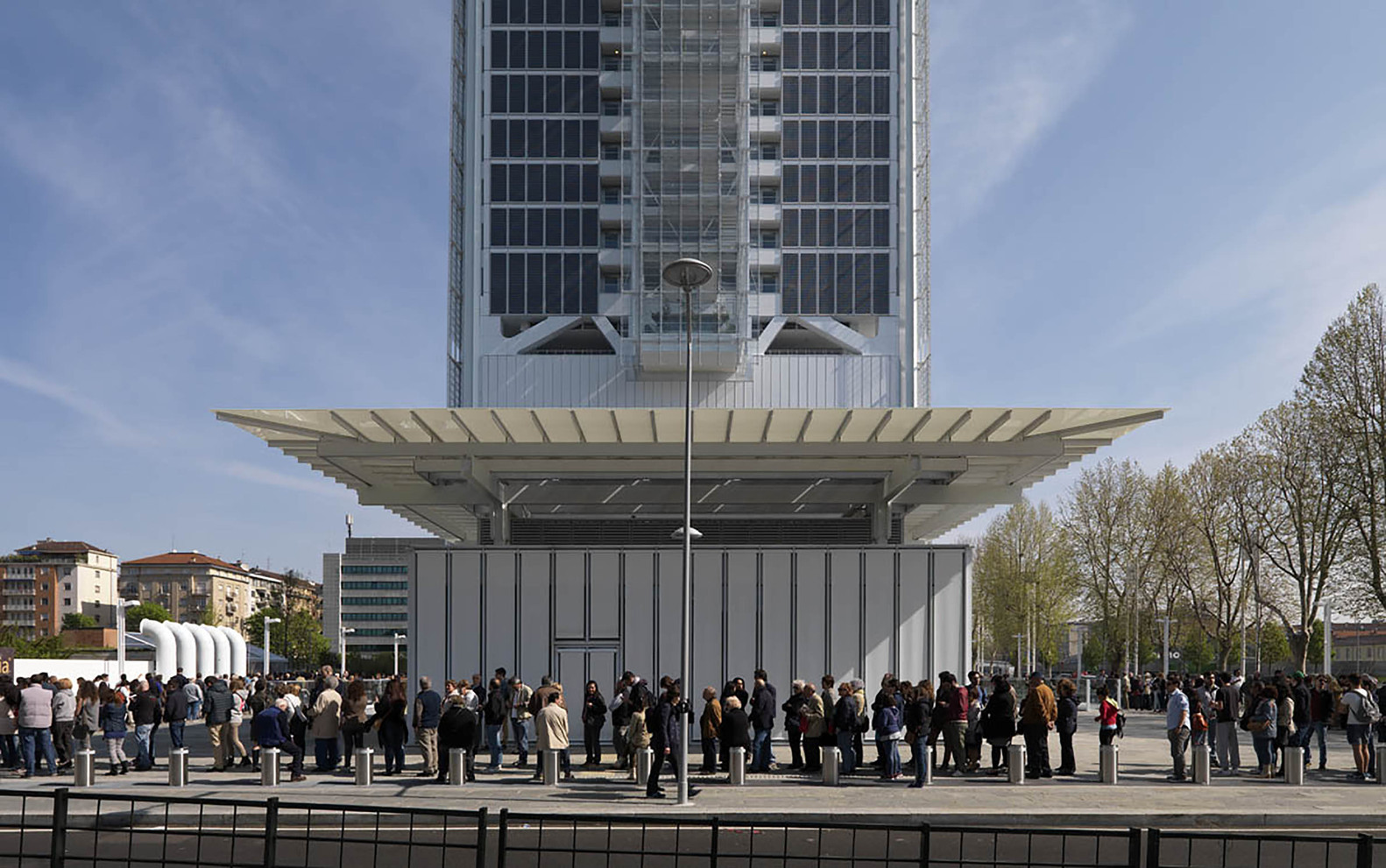
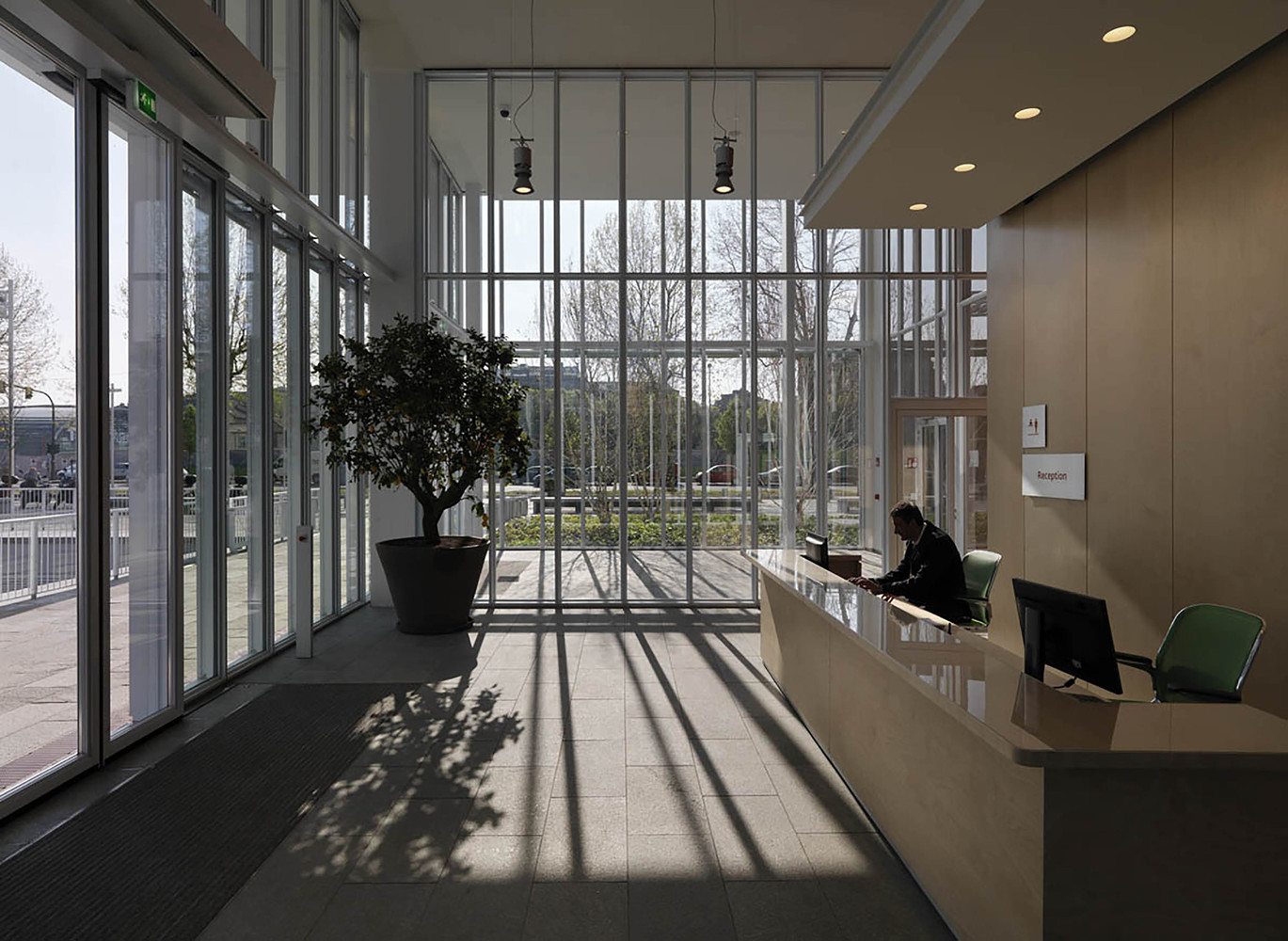
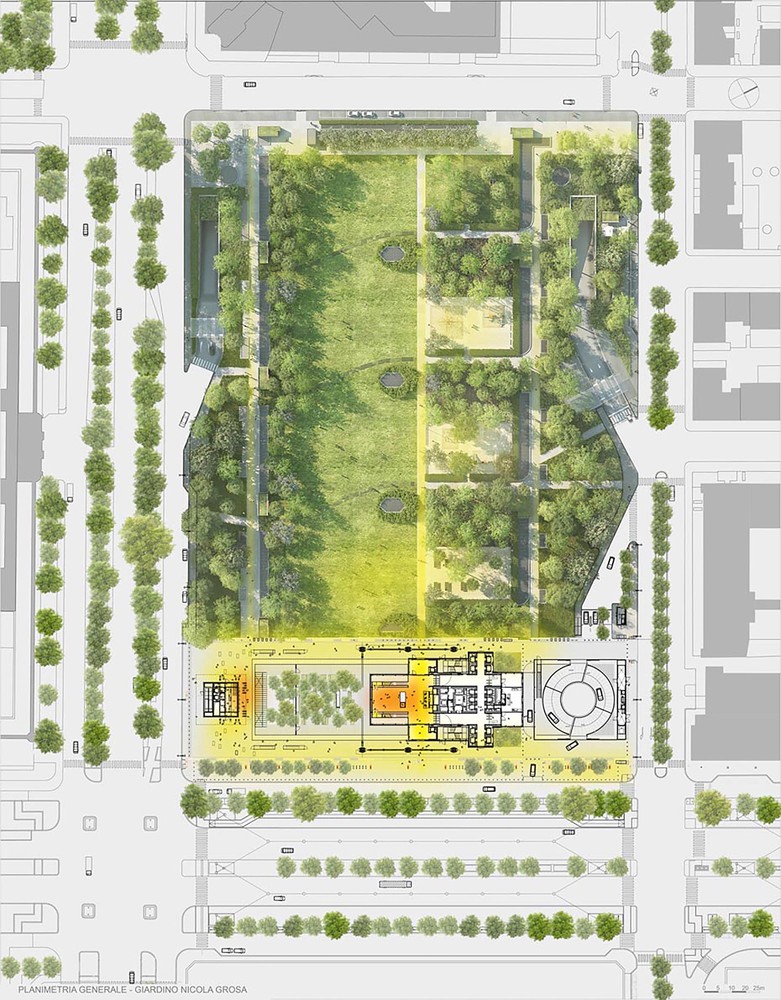
That disposition is most evident at ground level, where the project opens itself to public movement and shared use. A gallery passing through the entrance hall creates direct access to the adjoining Giardino Nicola Grosa, which was upgraded as part of the intervention and reimagined as a neighborhood landscape with lawns, trees of varied heights, and spaces for everyday social activity. This extension into the public realm is not incidental. It establishes the headquarters as an urban connector, tying corporate identity to civic generosity and suggesting that the value of a tall building lies as much in what it gives back to the city as in the space it contains.
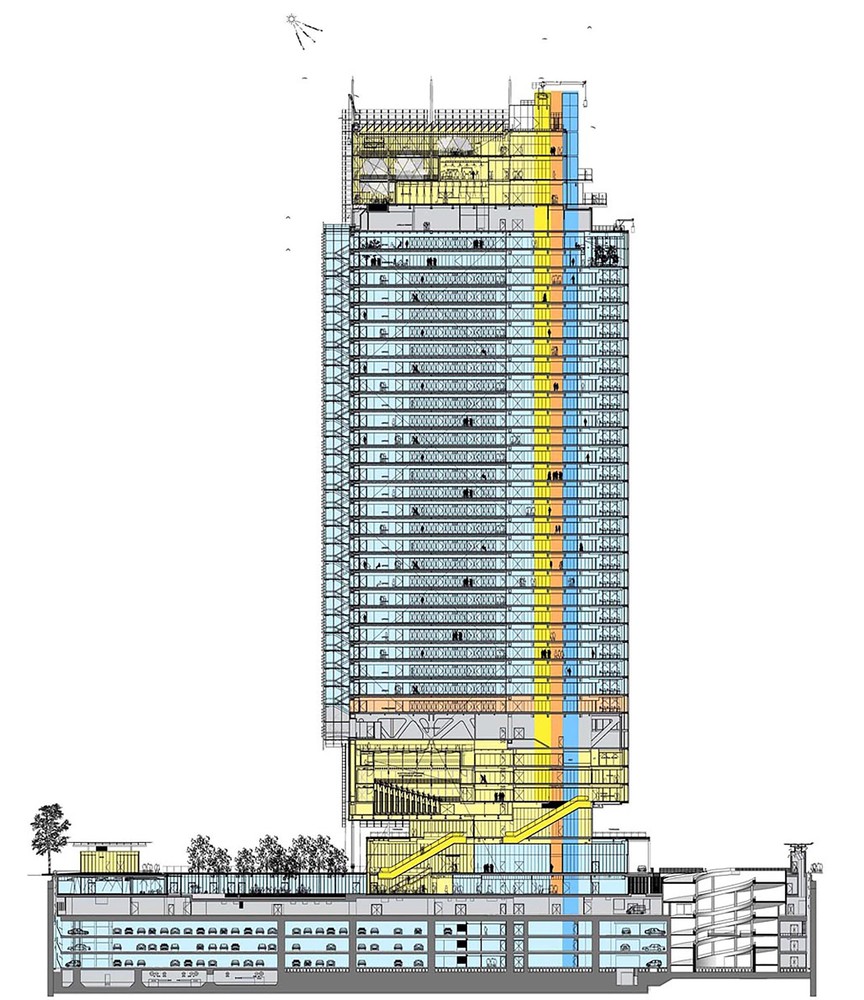
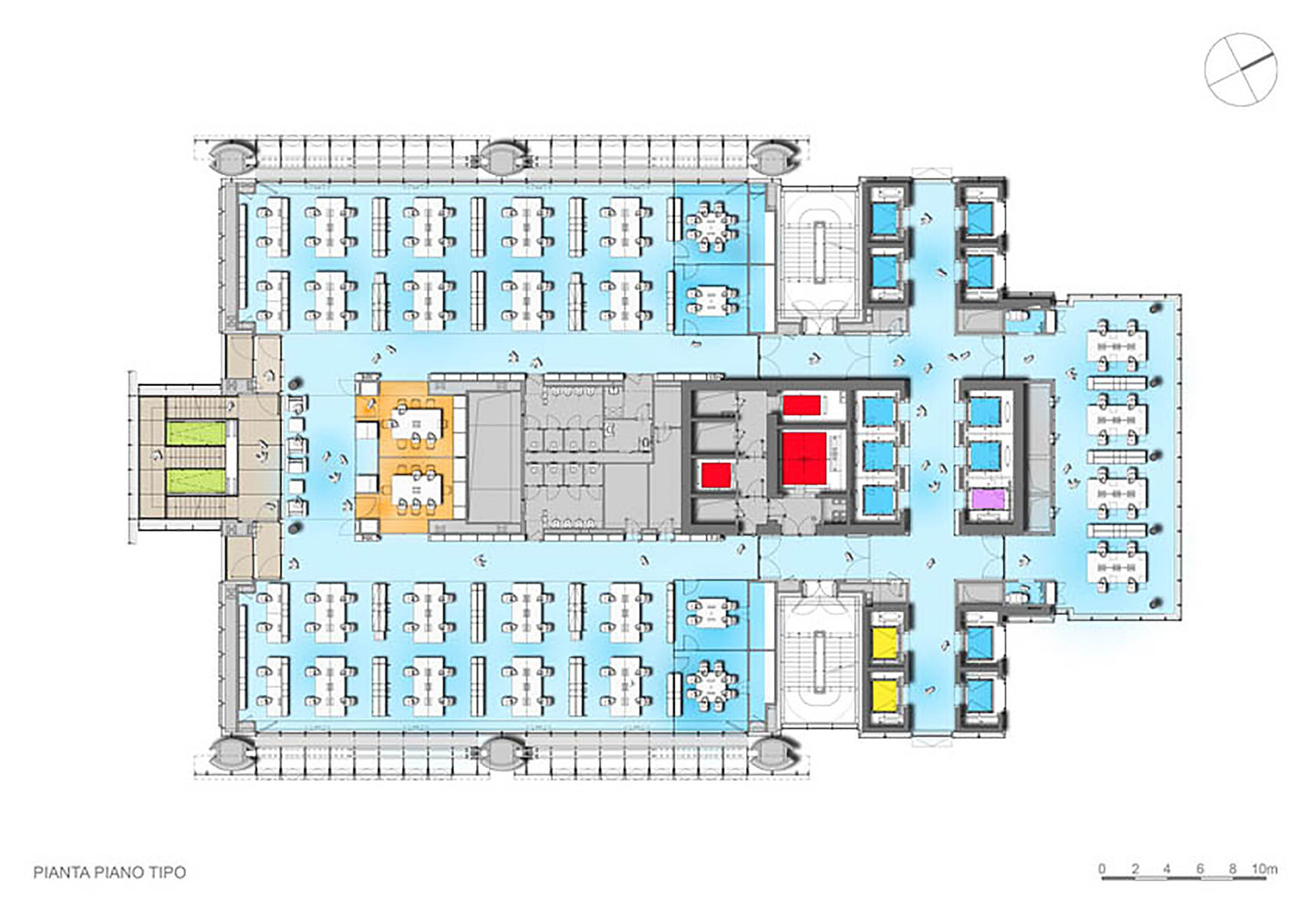
The internal organization reinforces this idea of a mixed civic and professional environment. Beneath the tower, infrastructure supports parking and utility functions, while a lower garden level accommodates the company restaurant and kindergarten. Above, office floors are complemented by spaces intended for gathering, learning, and public engagement. Two volumes are especially significant in defining this broader vocation.
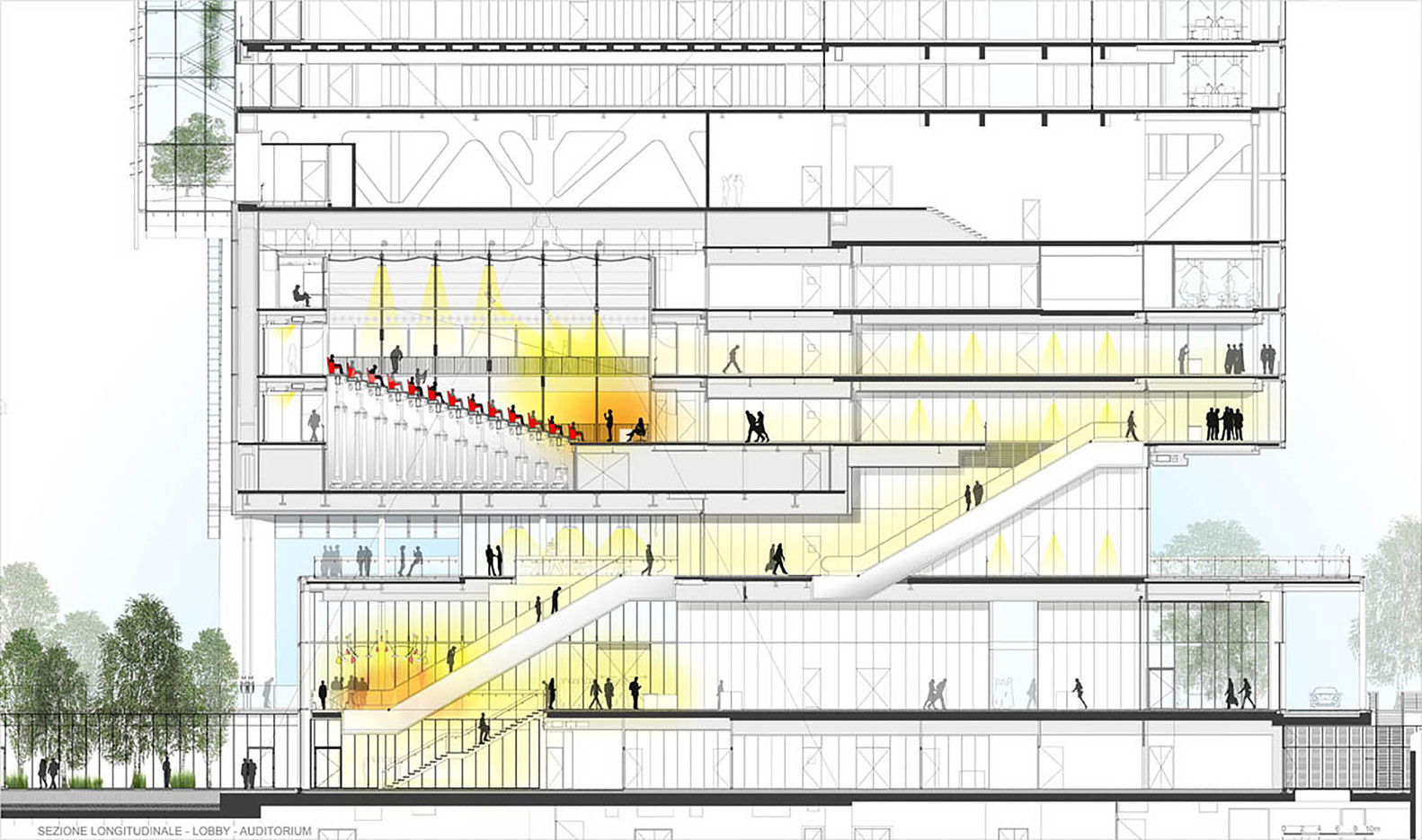
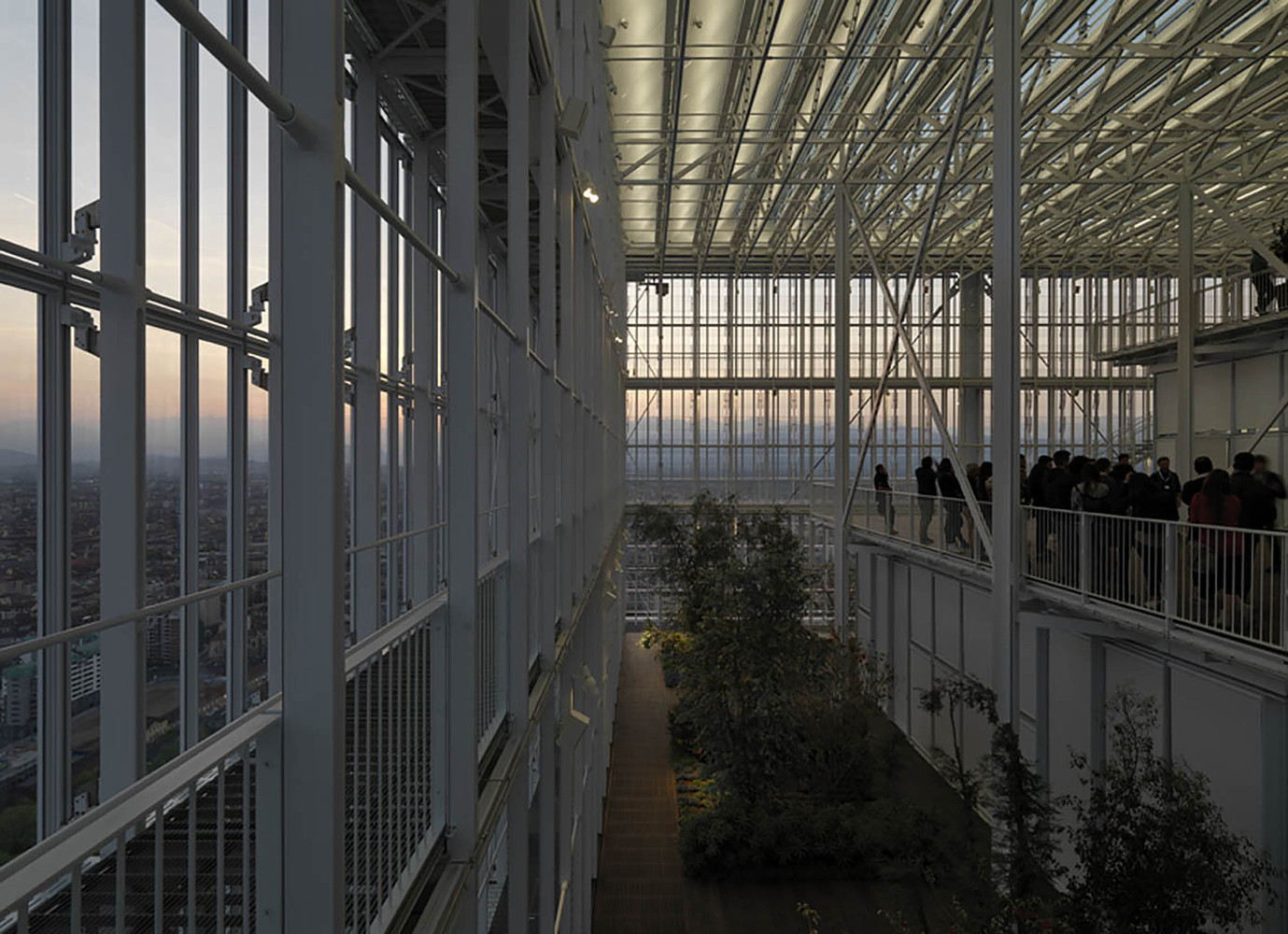
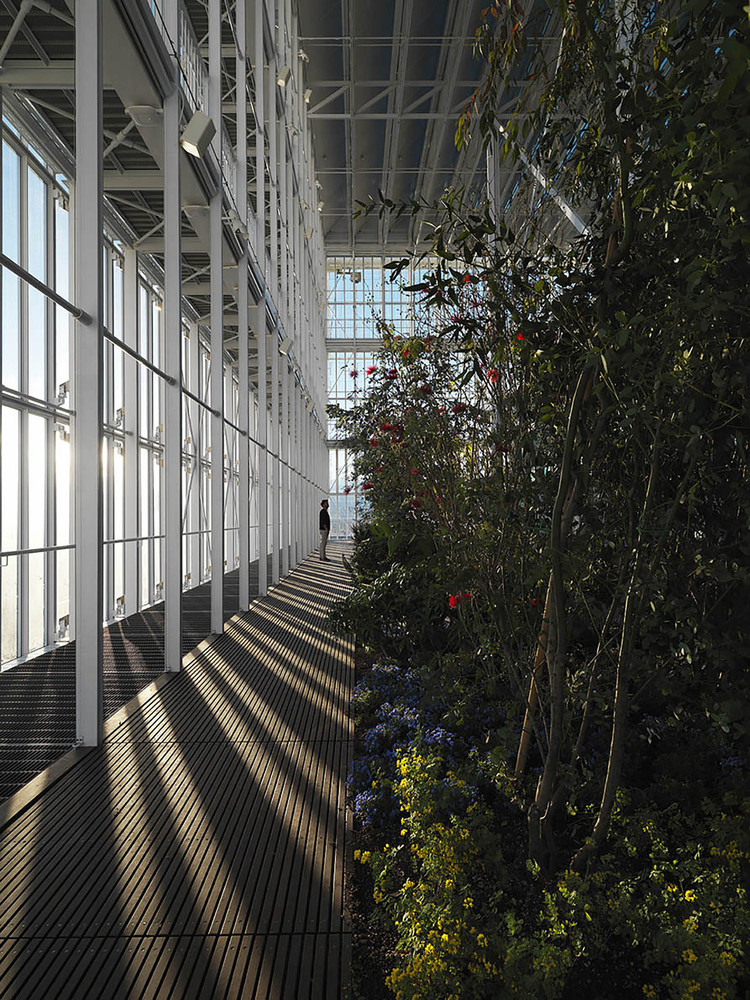
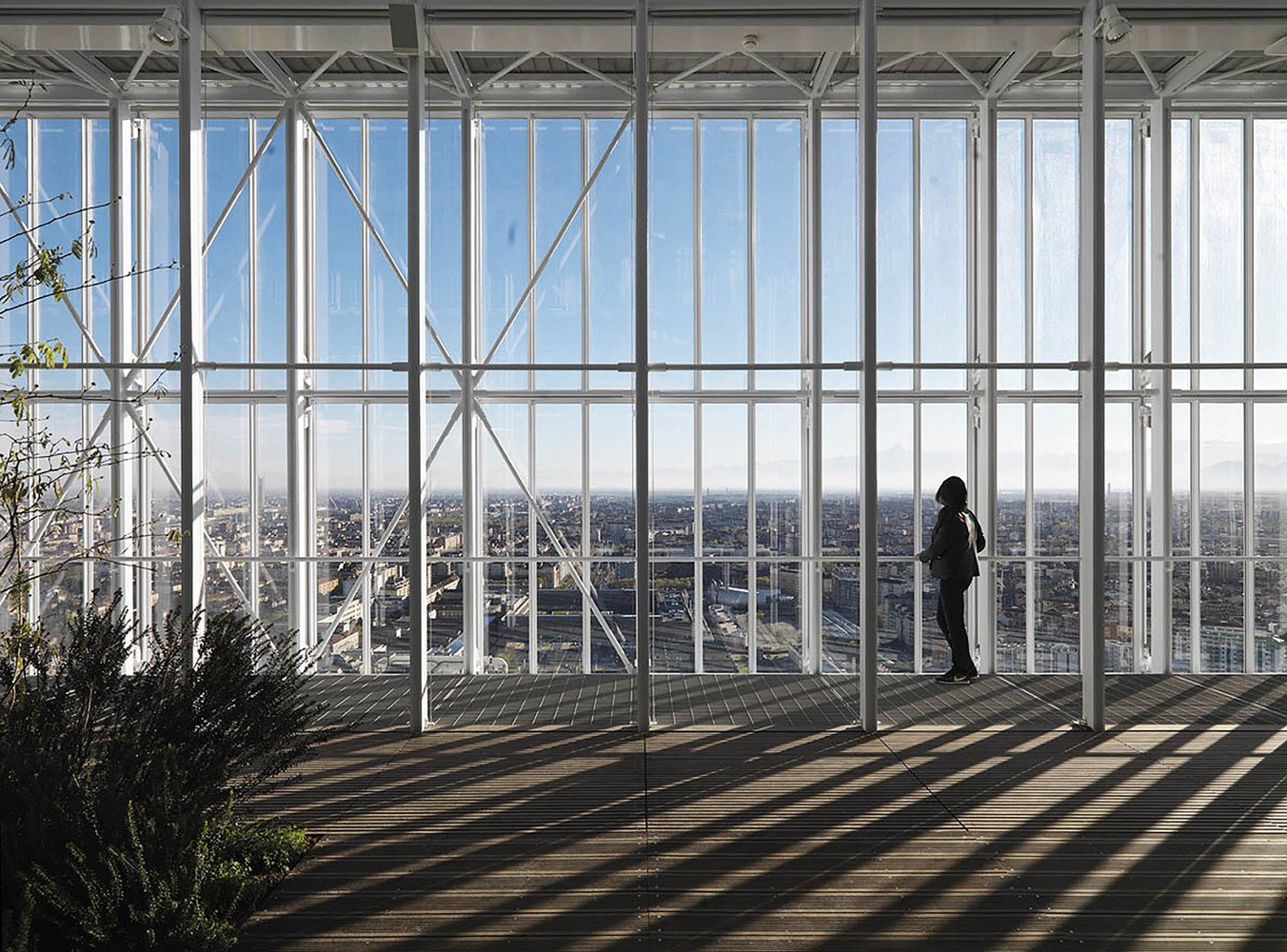
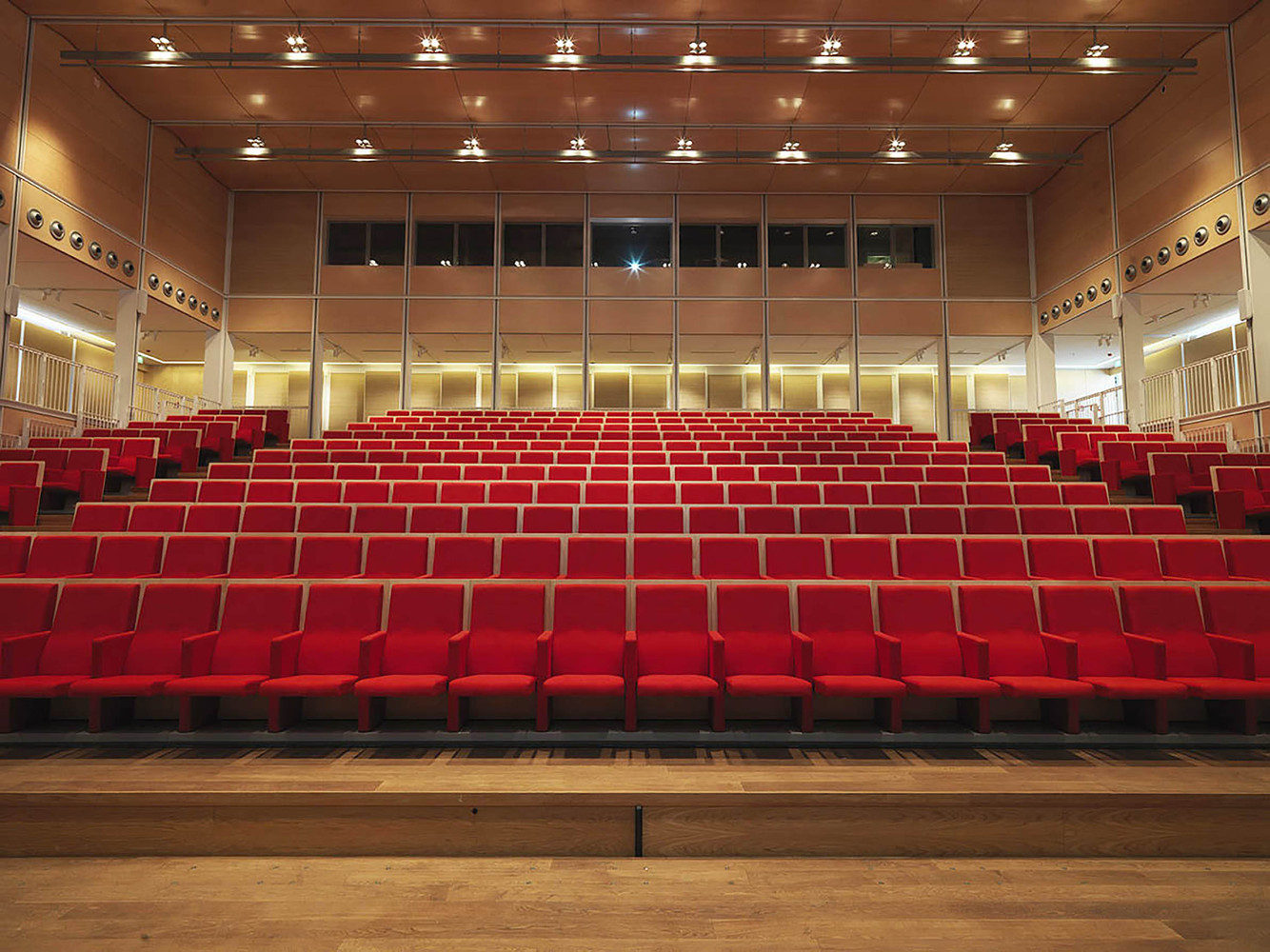
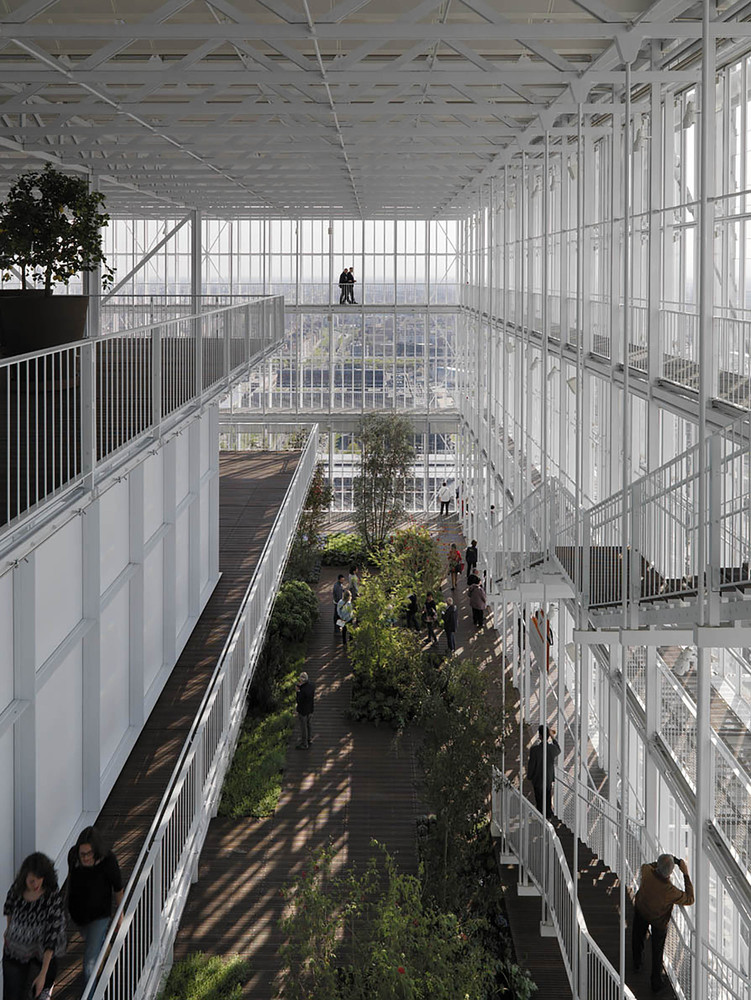
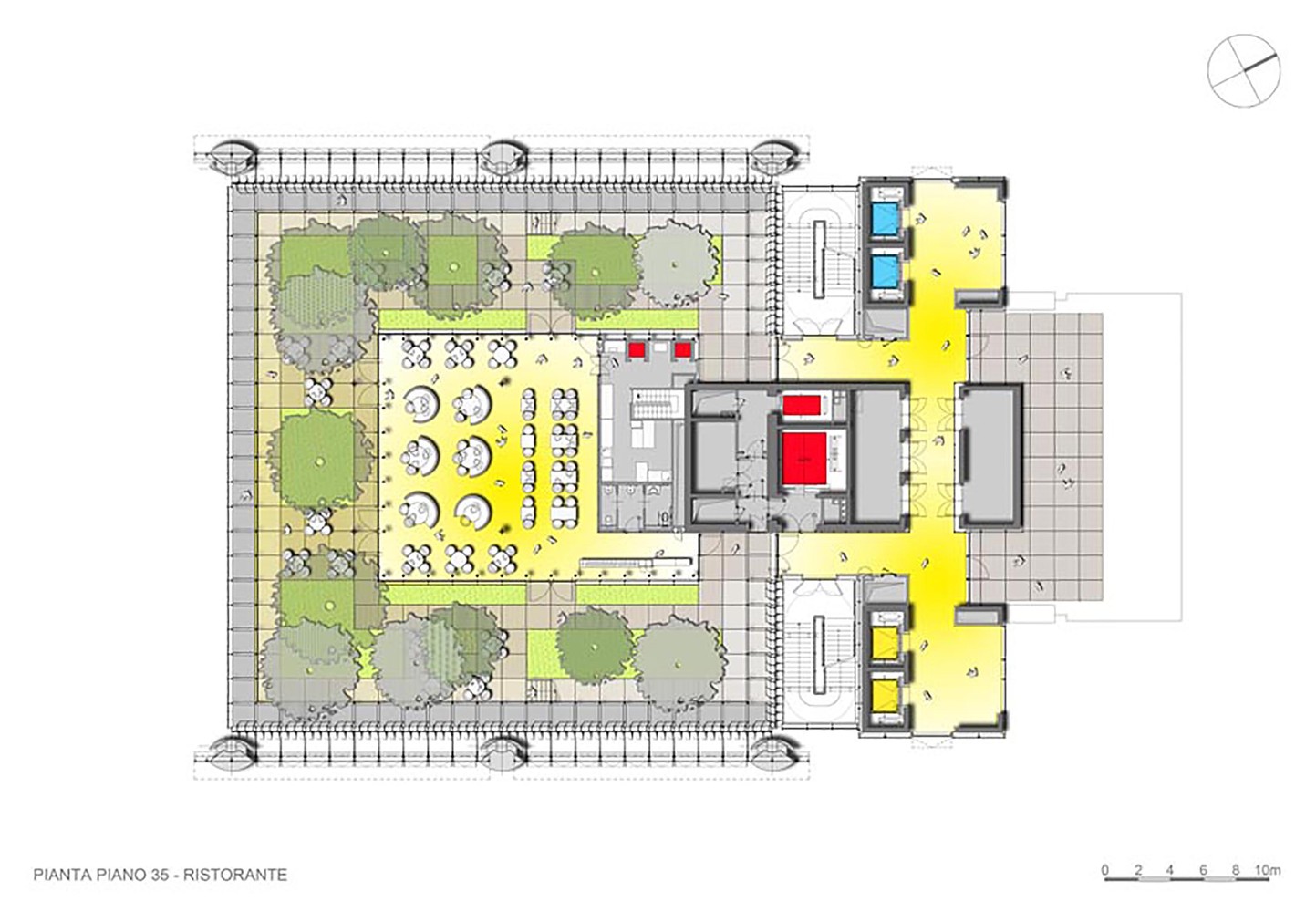
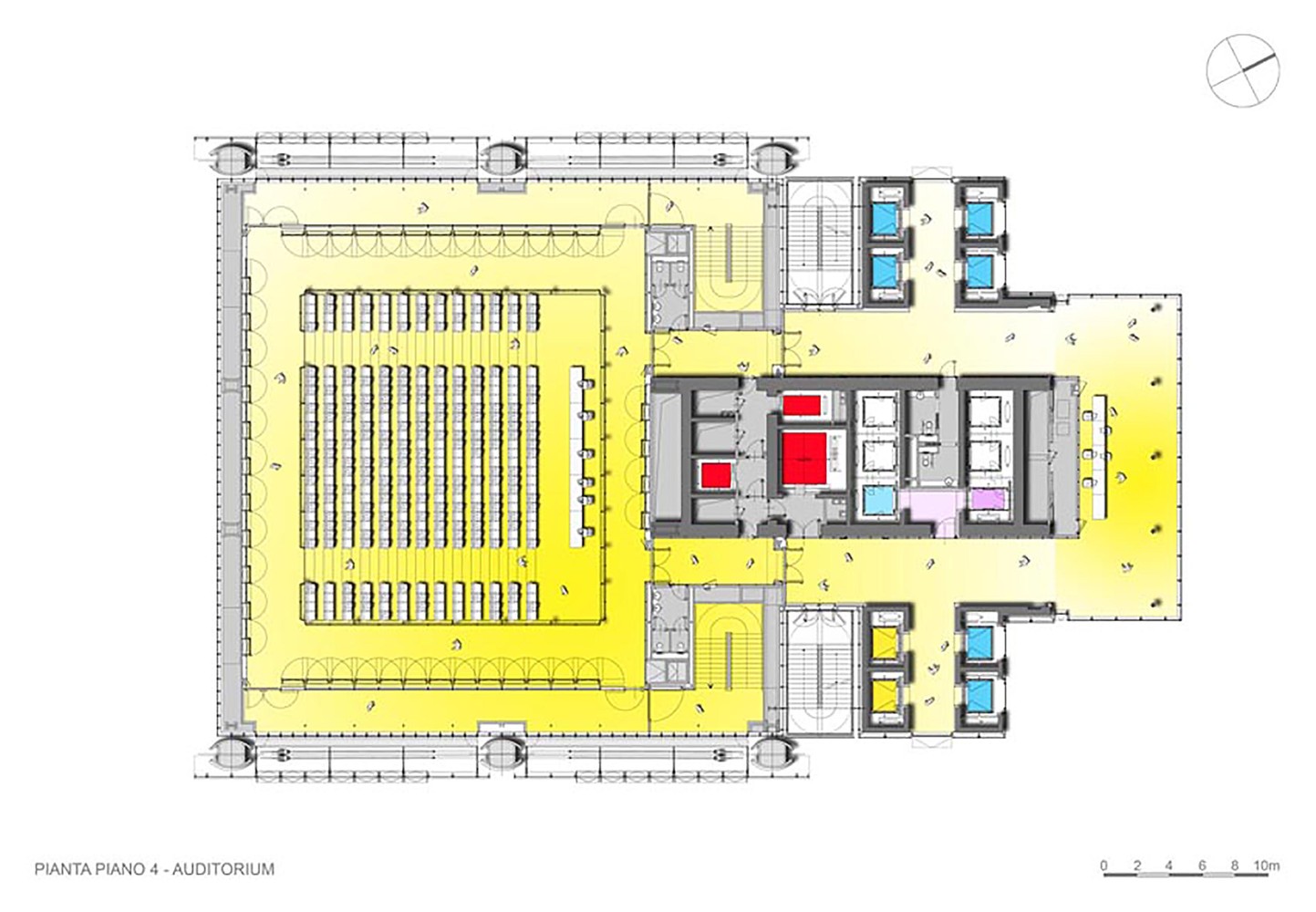
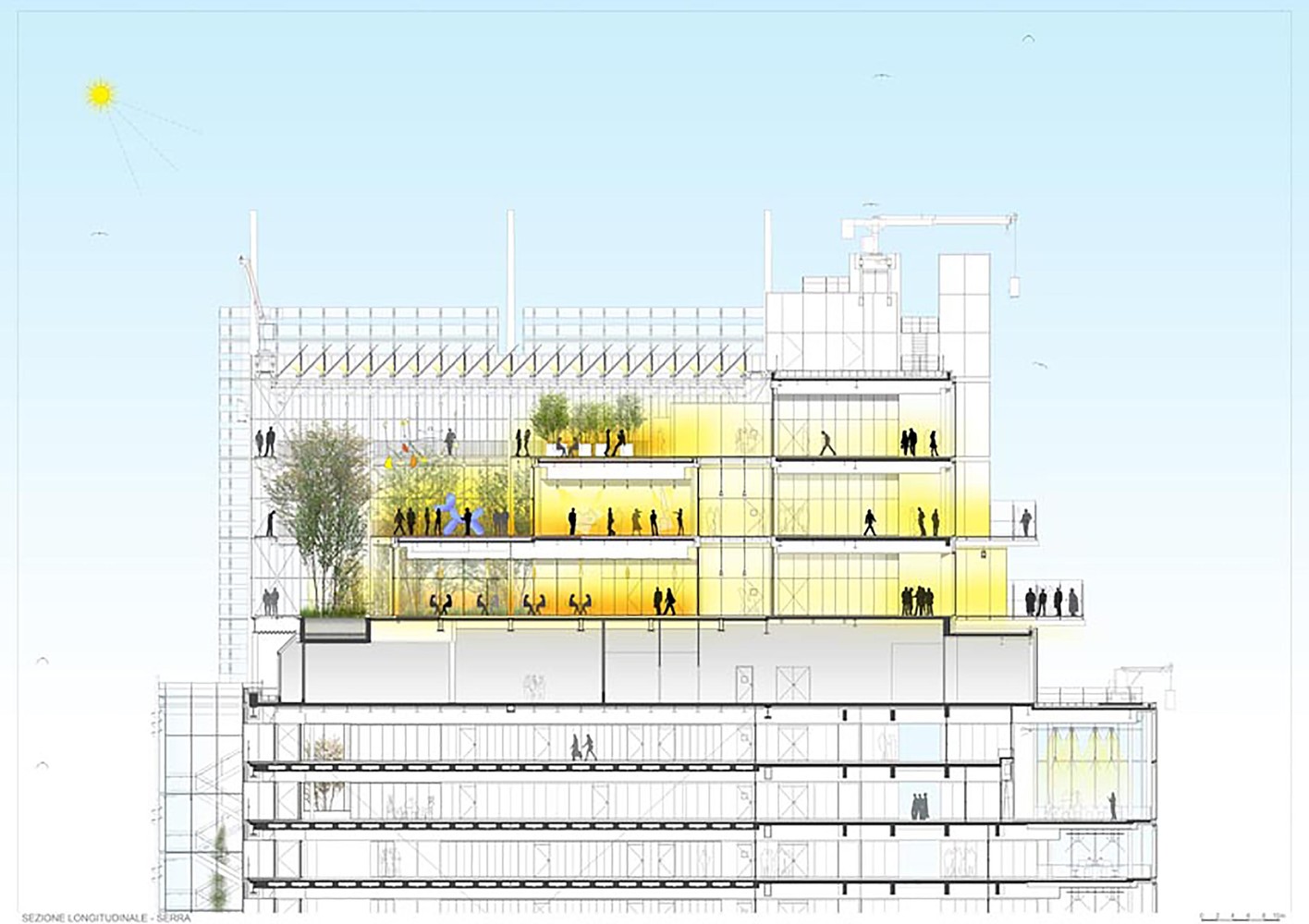
The first is a flexible conference room designed to host lectures, exhibitions, concerts, and performances through adaptable spatial and acoustic systems. The second is the bioclimatic greenhouse higher in the tower, a naturally ventilated sequence of public levels that includes a restaurant, exhibition hall, and roof terrace. Together, these spaces shift the project beyond the conventions of a commercial high-rise and toward a more hybrid civic institution.
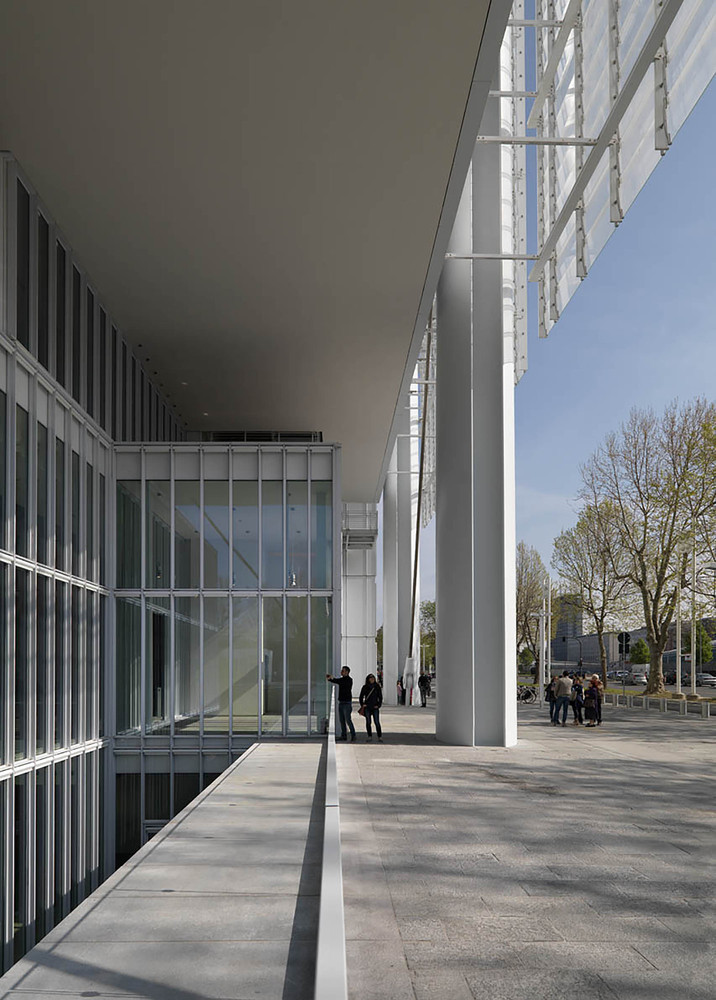
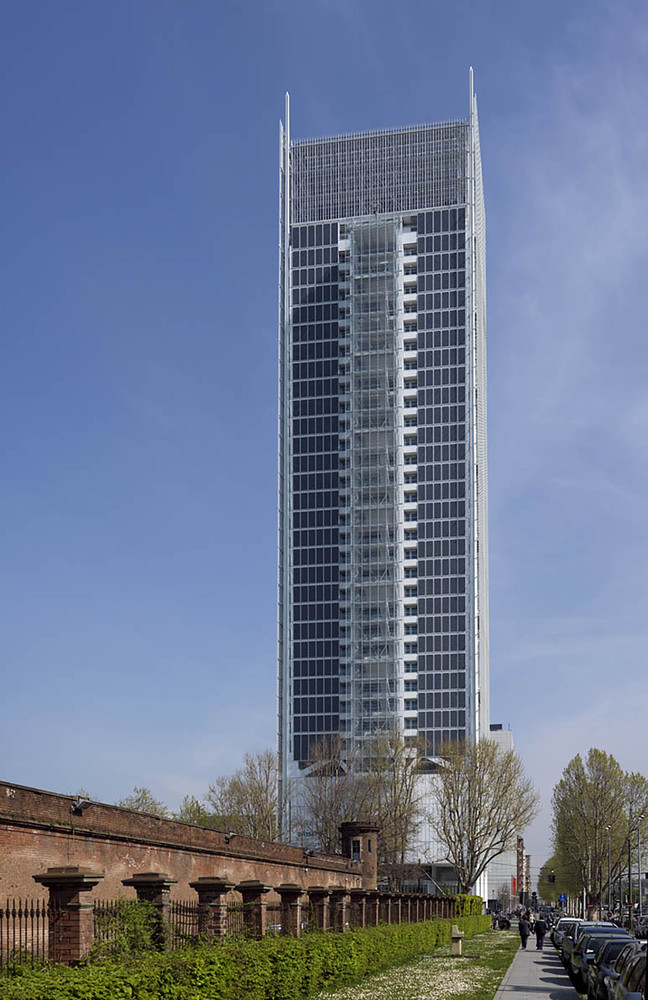
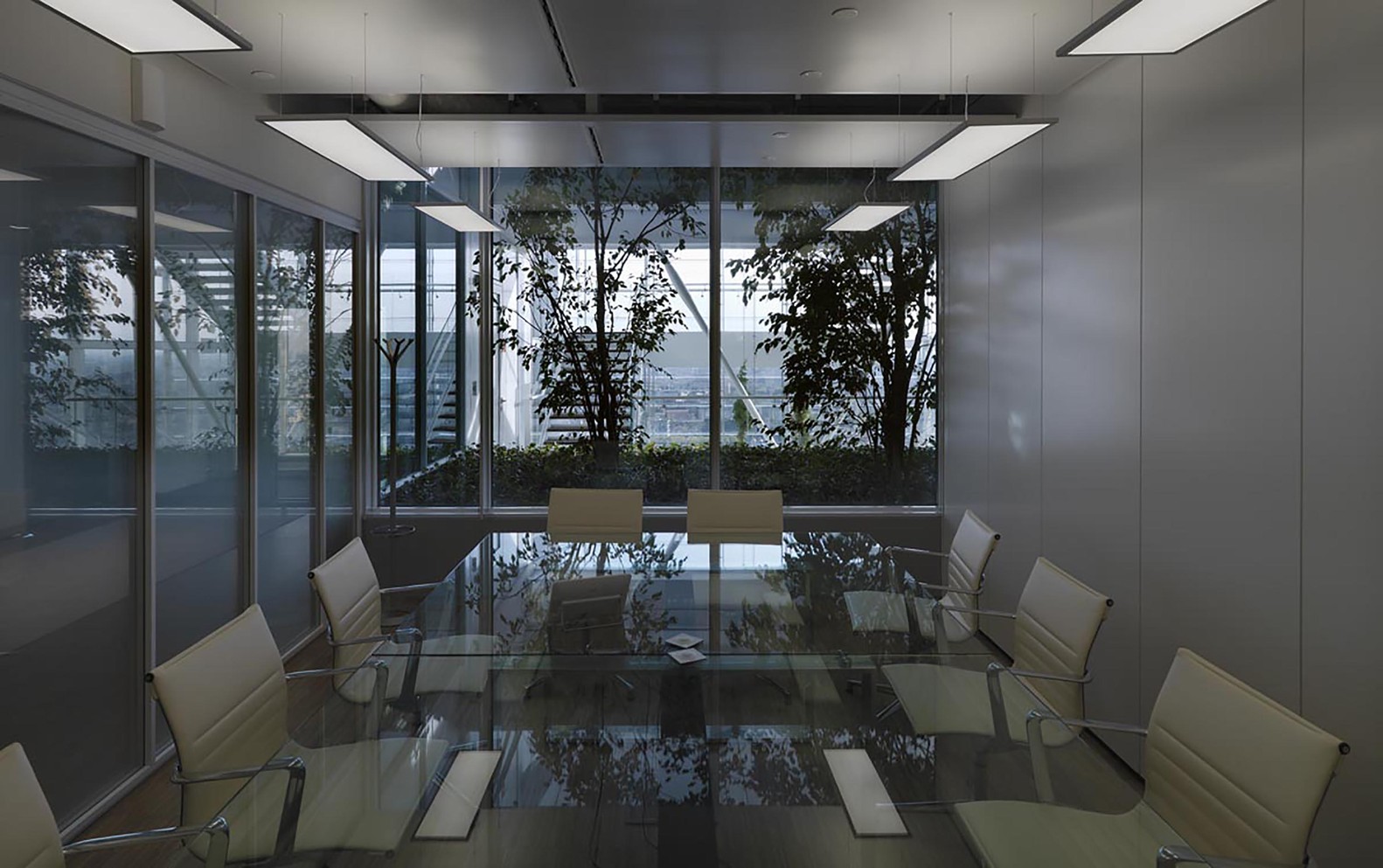
Its architectural expression is equally bound to experience and use. The building’s circulation cores are distributed along the east and west sides, where elevators and stairs contribute to a dynamic sectional life rather than remaining hidden service elements. On the south side, a staircase linking the floors incorporates a vertical winter garden in which climbing plants temper the light behind motorized façades. This gesture introduces vegetation into the daily rhythm of the workplace while mediating between enclosure, climate, and visual atmosphere. The result is a tower that treats internal movement not merely as logistics but as part of the spatial identity of the building.
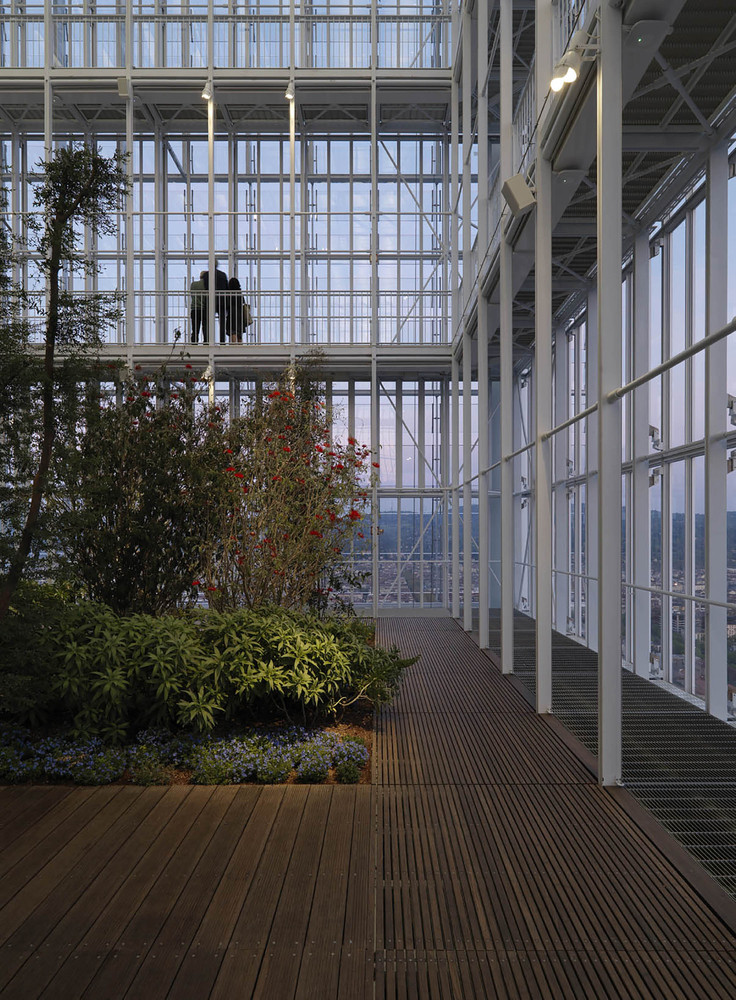
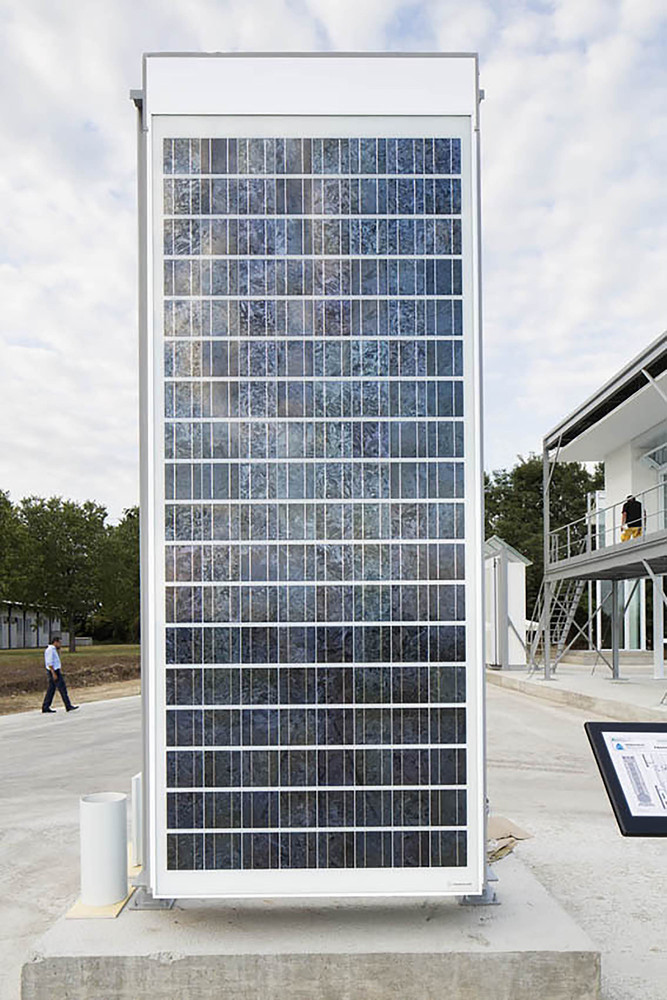
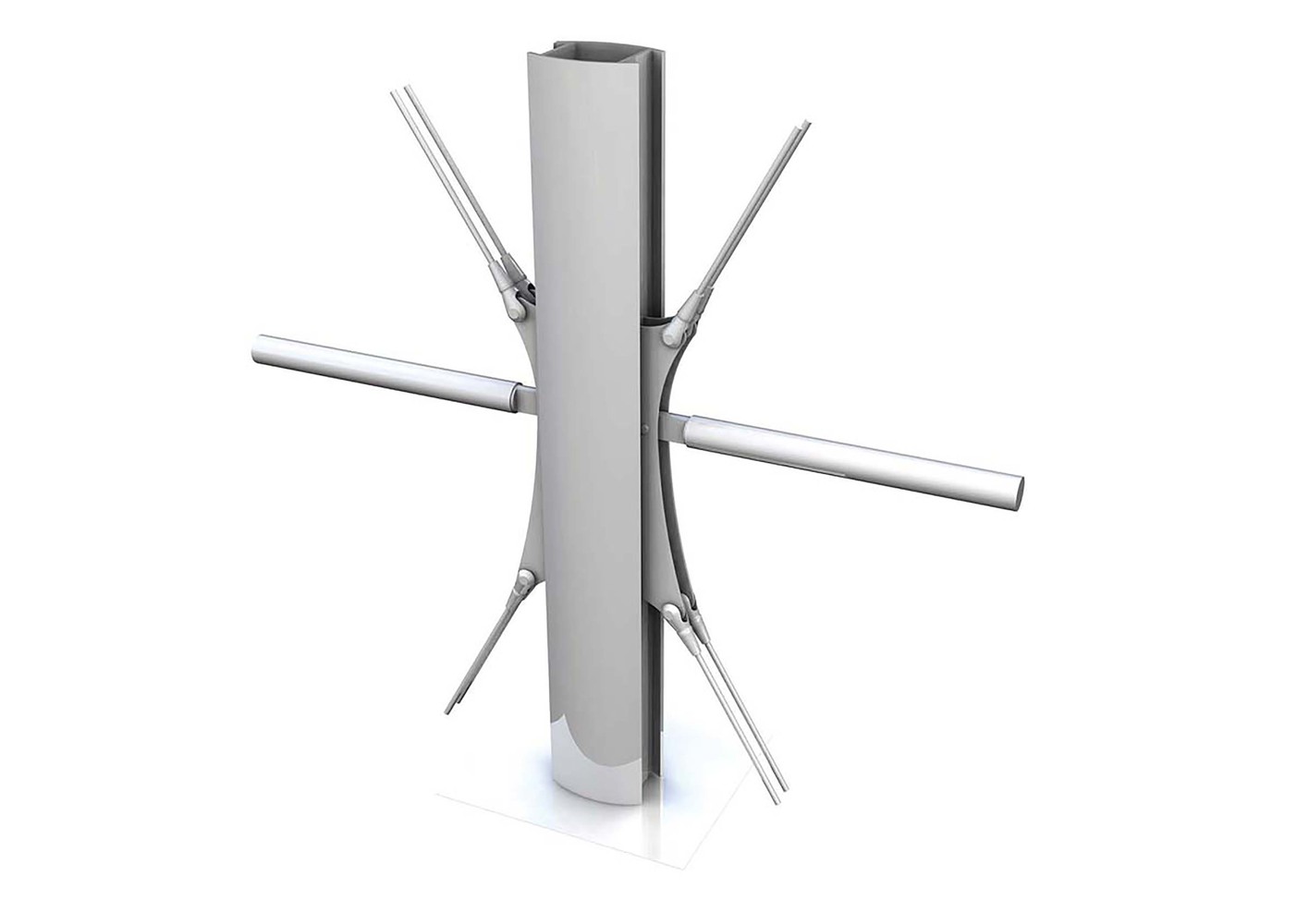
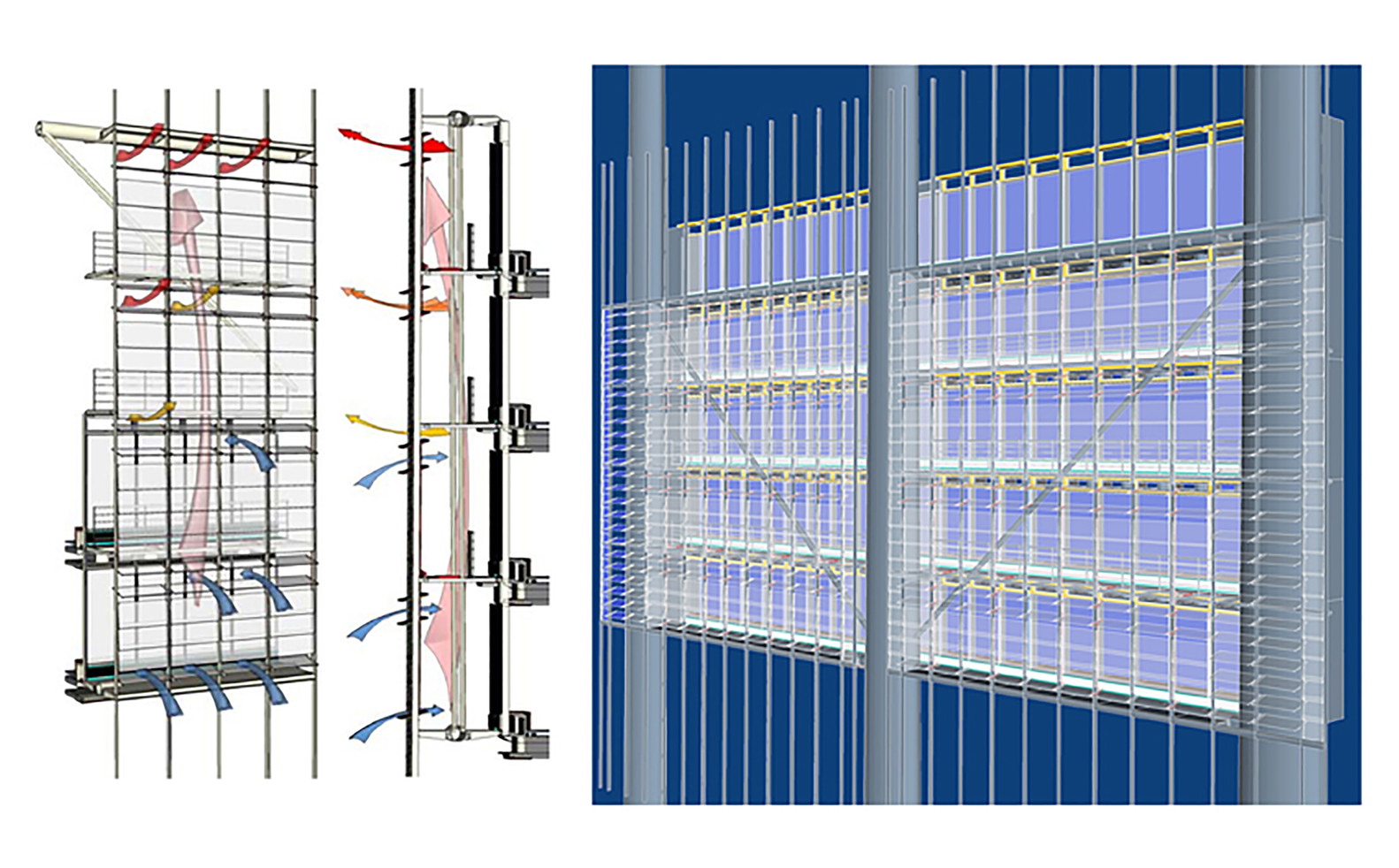
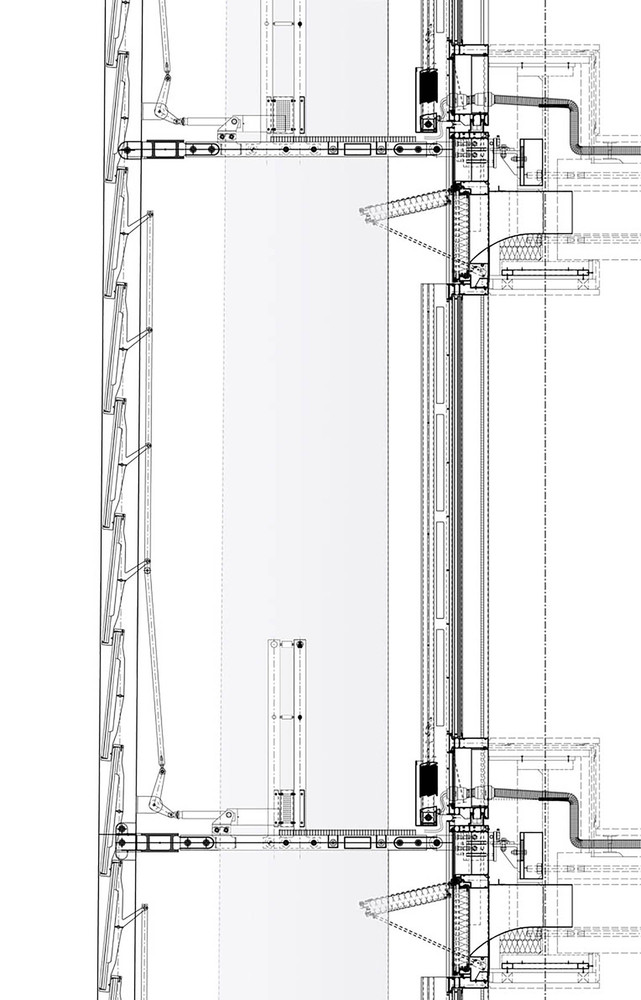
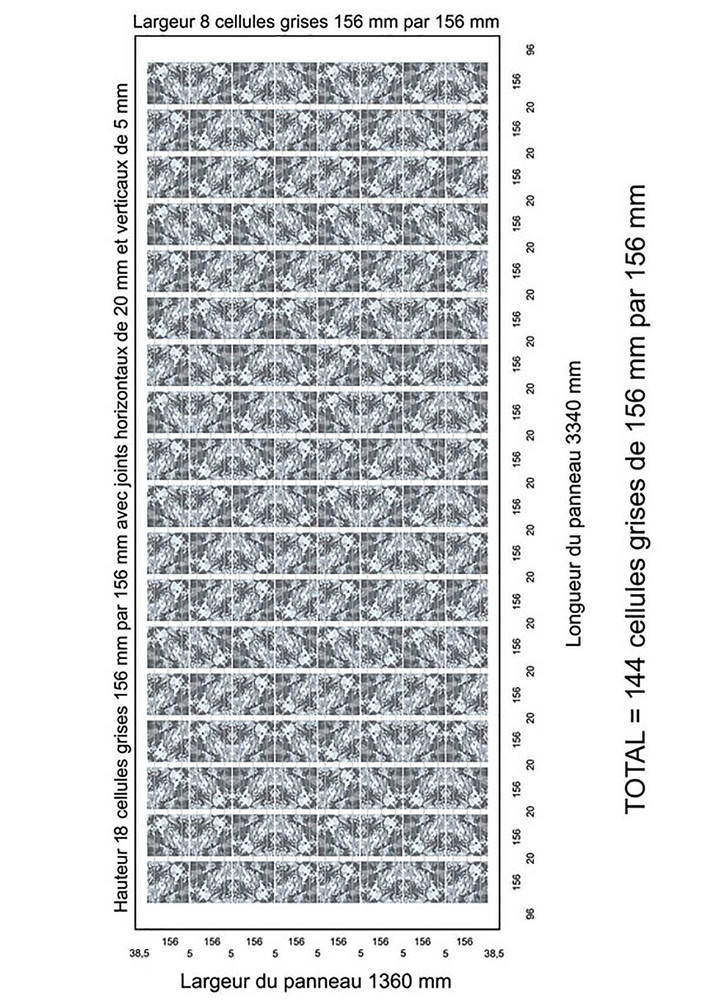
Environmental strategy is integral to that identity. The project draws on advanced research into the use of surrounding natural resources, aiming to reduce overall consumption while improving interior conditions. Groundwater is used to cool the offices, and solar energy is harvested through photovoltaic panels covering the entire south façade. The double-skin glass envelope is designed to minimize heat loss in winter and regulate solar gain through apertures, shading devices, and motorized louvers calibrated to changing conditions.
In warmer months, cool night air is drawn through the concrete floor slabs, which absorb and release stored coolness during the day with the support of radiant panels. These systems are coordinated by probes connected to an advanced building management system, giving the tower a responsive environmental intelligence rather than a static technical solution.
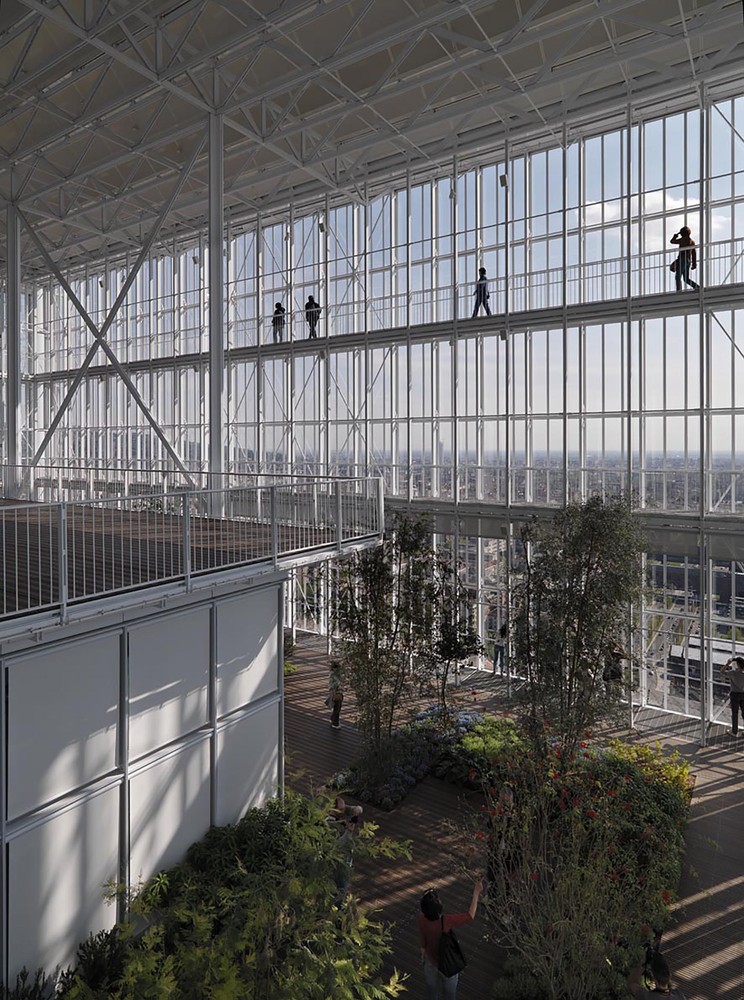
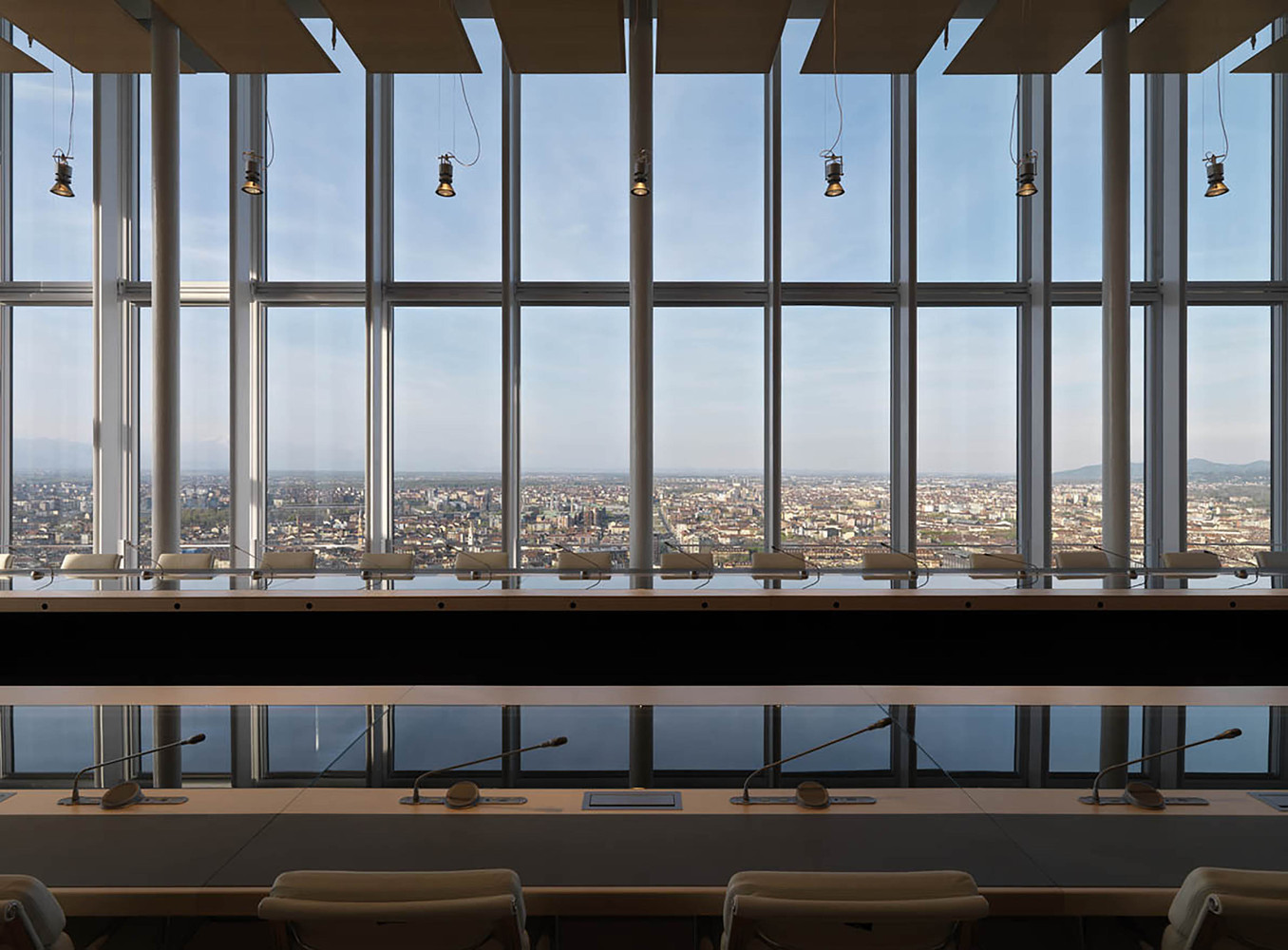
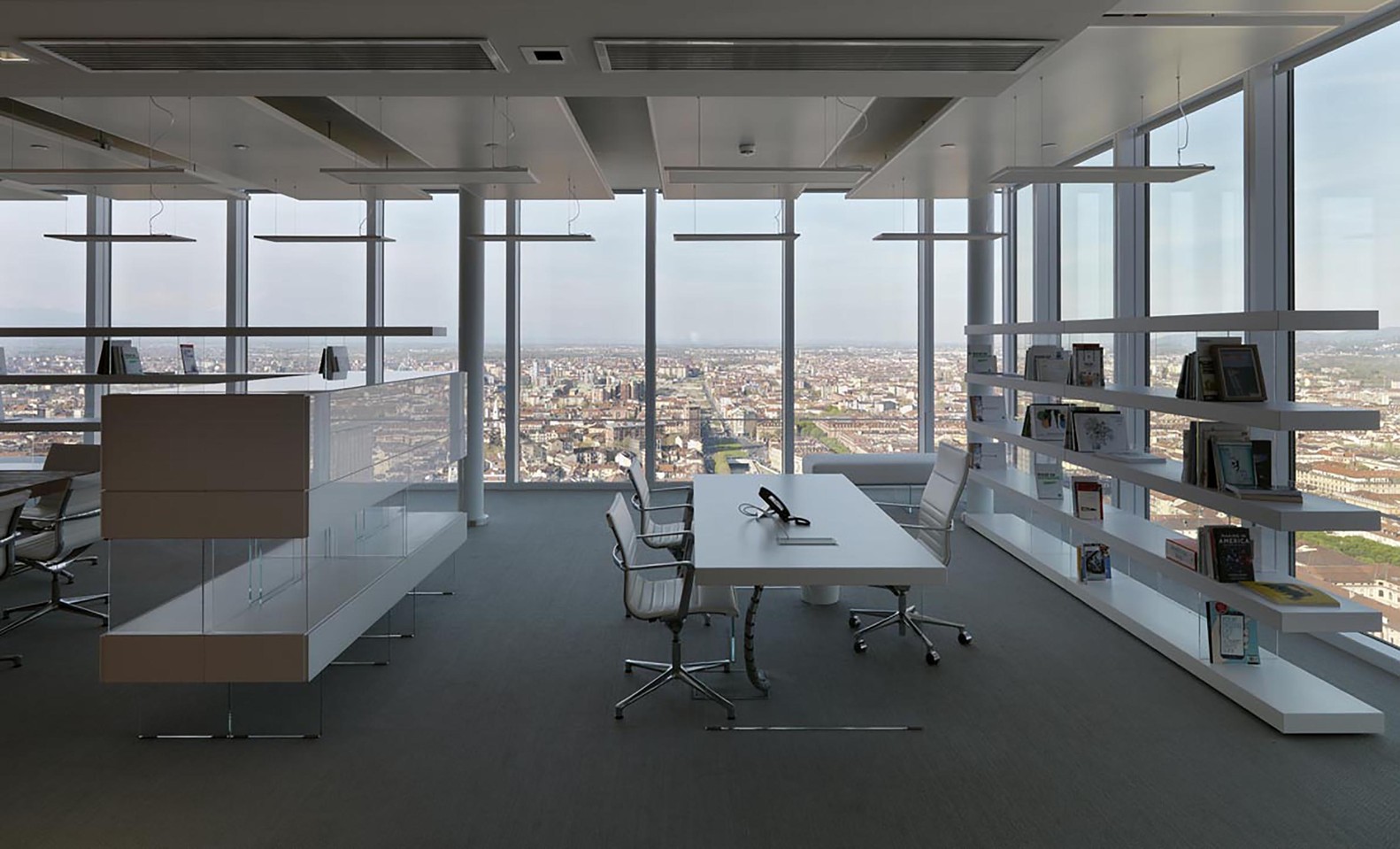
Attention to workplace quality remains central throughout. Office floors with ceiling heights of 3.20 meters are paired with optimized indirect lighting and carefully managed thermal comfort, emphasizing the human dimension of performance-led design. Rather than treating sustainability as a purely mechanical exercise, the building links it to space, light, and well-being, framing employee comfort as an architectural concern. This is especially important in a headquarters of such scale, where the character of the daily environment can easily be reduced to repetition.
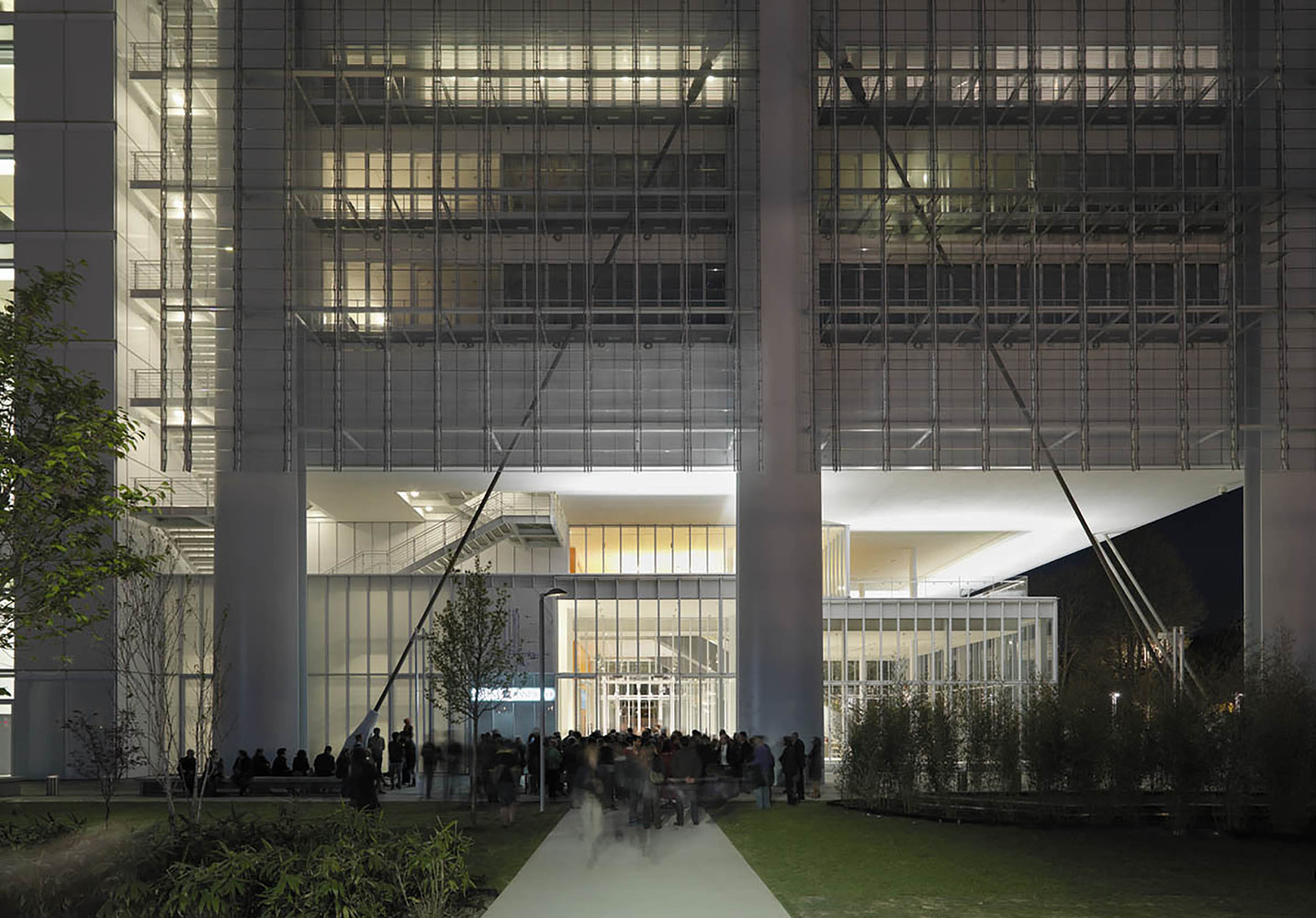
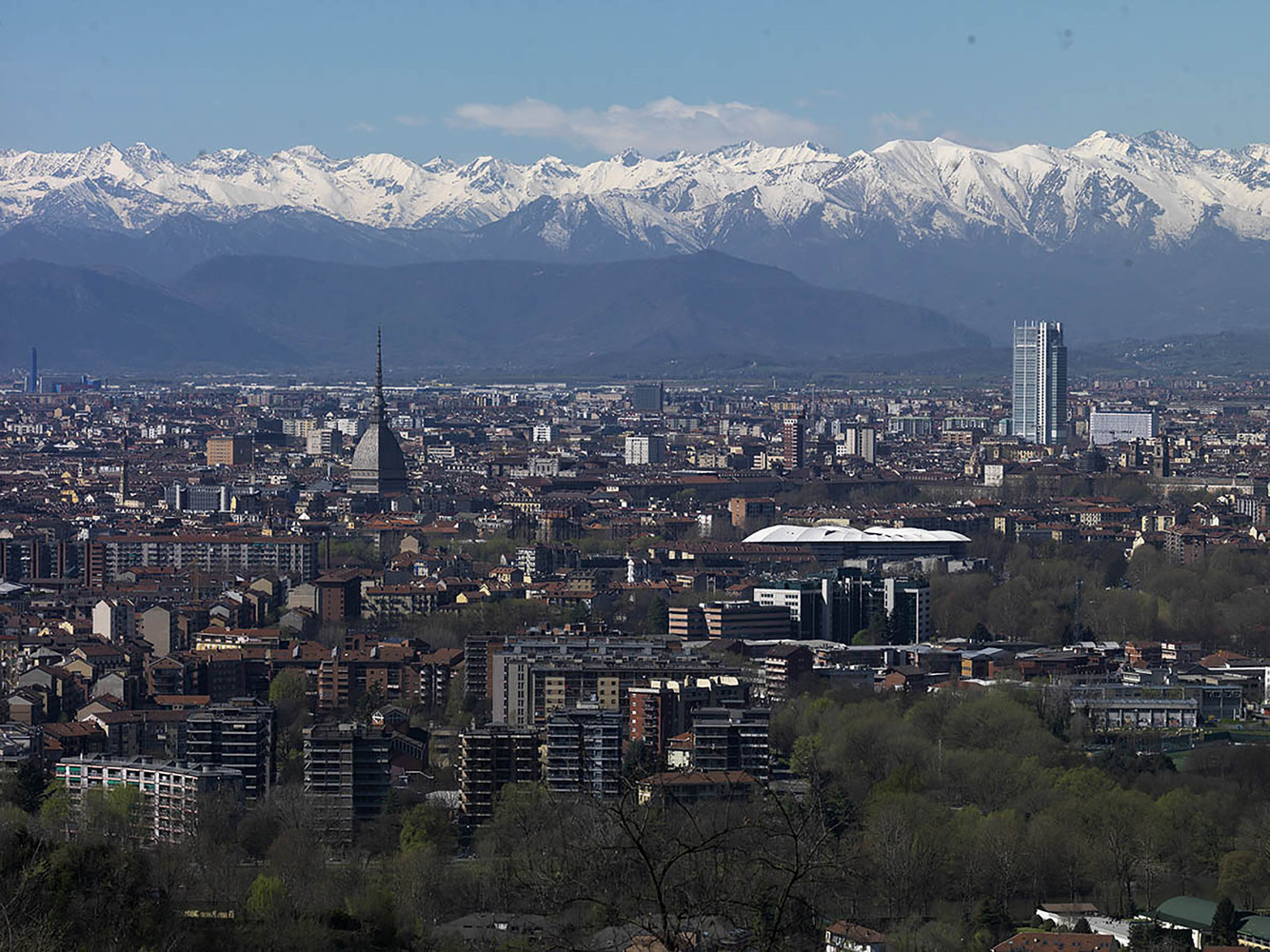
Materially, the tower is defined by restraint and luminosity. Its exterior of glass, lacquered aluminum, and opalescent panels produces a shifting white surface that changes with daylight and season. The effect recalls the snow-covered Alpine backdrop that frames Turin, allowing the building to register as light and almost immaterial despite its height. In this way, the headquarters avoids monumentality in any heavy-handed sense. Instead, it achieves presence through refinement, environmental precision, and an unusually open relationship to the city.
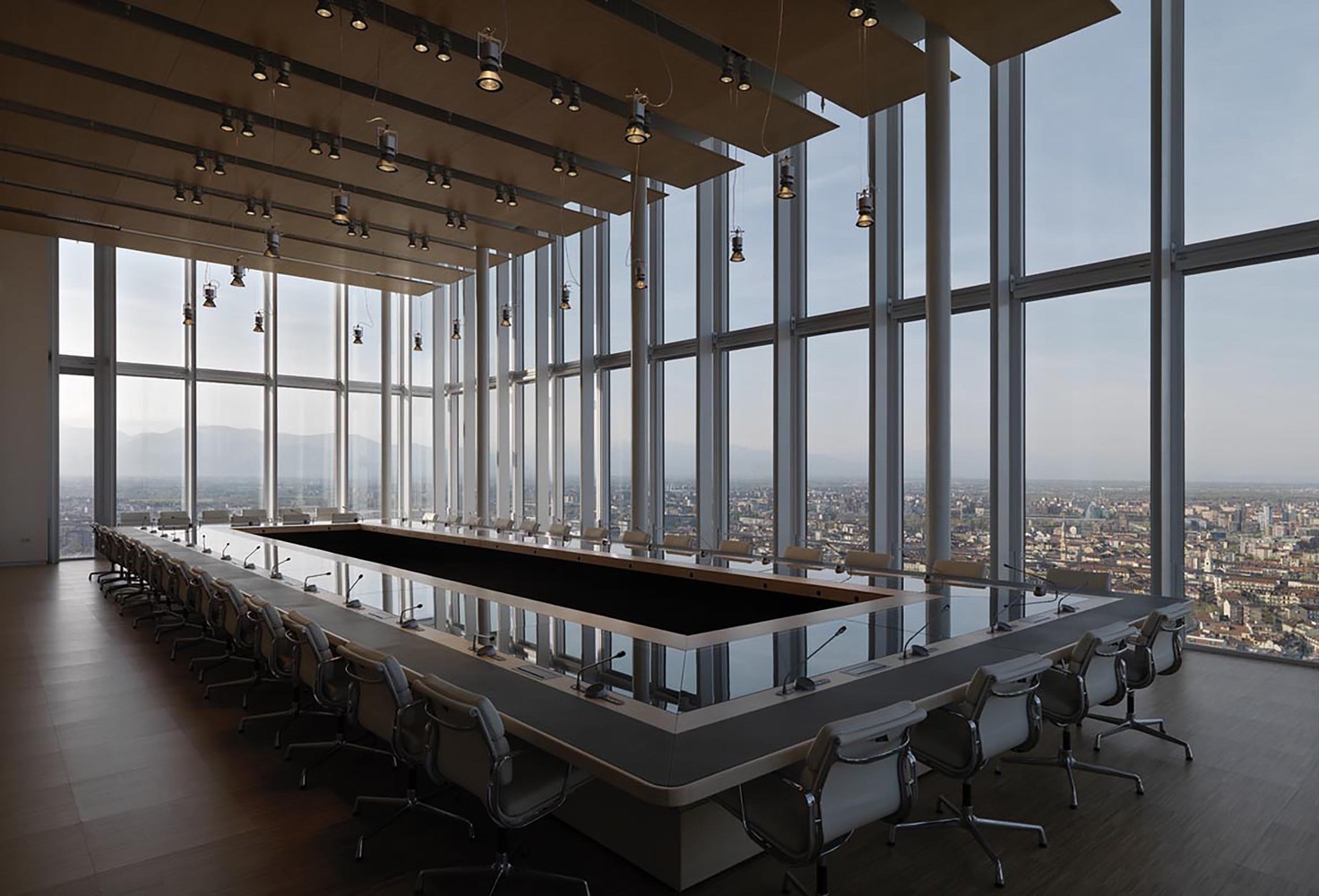
Intesa Sanpaolo Head Office stands as a corporate building that reconsiders what urban responsibility can look like in vertical form, balancing symbolic visibility with public use, technical rigor, and a distinct sense of place.
Project Gallery
Project Location
Address: Corso Inghilterra 3, 10138 Turin, Piedmont, Italy
The location specified is intended for general reference and may denote a city or country, but it does not identify a precise address.


It evident that the architecture controls to the success of the Olympics this year