

Architects: Le Corbusier
Photographs: land8.com, FLC/Adagp, Paris, 2007, iamyouasheisme.wordpress.com, labourbanisticaventura.voila.net, guerrillasemiotics.com, Nicholas Iyadurai, The Pruitt-Igoe Myth, Marcel Gauthero, Vincent Desjardins
Ville Radieuse (The Radiant City), envisioned by Le Corbusier in 1924 and published in 1933, proposed a future city that prioritized efficient transport, green spaces, and sunlight to enhance residents’ lives and promote societal progress. Strictly designed with symmetrical, standardized high-density skyscrapers, the plan aimed to replace traditional cities with zones for business, residential, and civic spaces. Central zoning included mega-skyscrapers housing hundreds of thousands and underground transport, while residential Unités offered “vertical villages” with integrated amenities. Though unrealized, Ville Radieuse influenced Chandigarh and Brasília, where zoning and geometric design sought equality and order. The concept also inspired Brutalist architecture, seen in Le Corbusier’s Unité d’Habitation in Marseille, addressing post-war housing needs. Today, while his built projects have faced critique, Le Corbusier’s vision for orderly urban planning and healthy living remains significant in contemporary city design.
Ville Radieuse (The Radiant City) is an unbuilt urban masterplan by Le Corbusier, initially presented in 1924 and published in a book by the same name in 1933. Conceived to integrate efficient transportation systems alongside plentiful green spaces and sunlight, Le Corbusier’s vision aimed to enhance residents’ quality of life while fostering a better society. Despite its radical, highly structured, and nearly authoritarian focus on order, symmetry, and standardization, the principles behind Ville Radieuse profoundly influenced modern urban planning, giving rise to new high-density housing typologies.
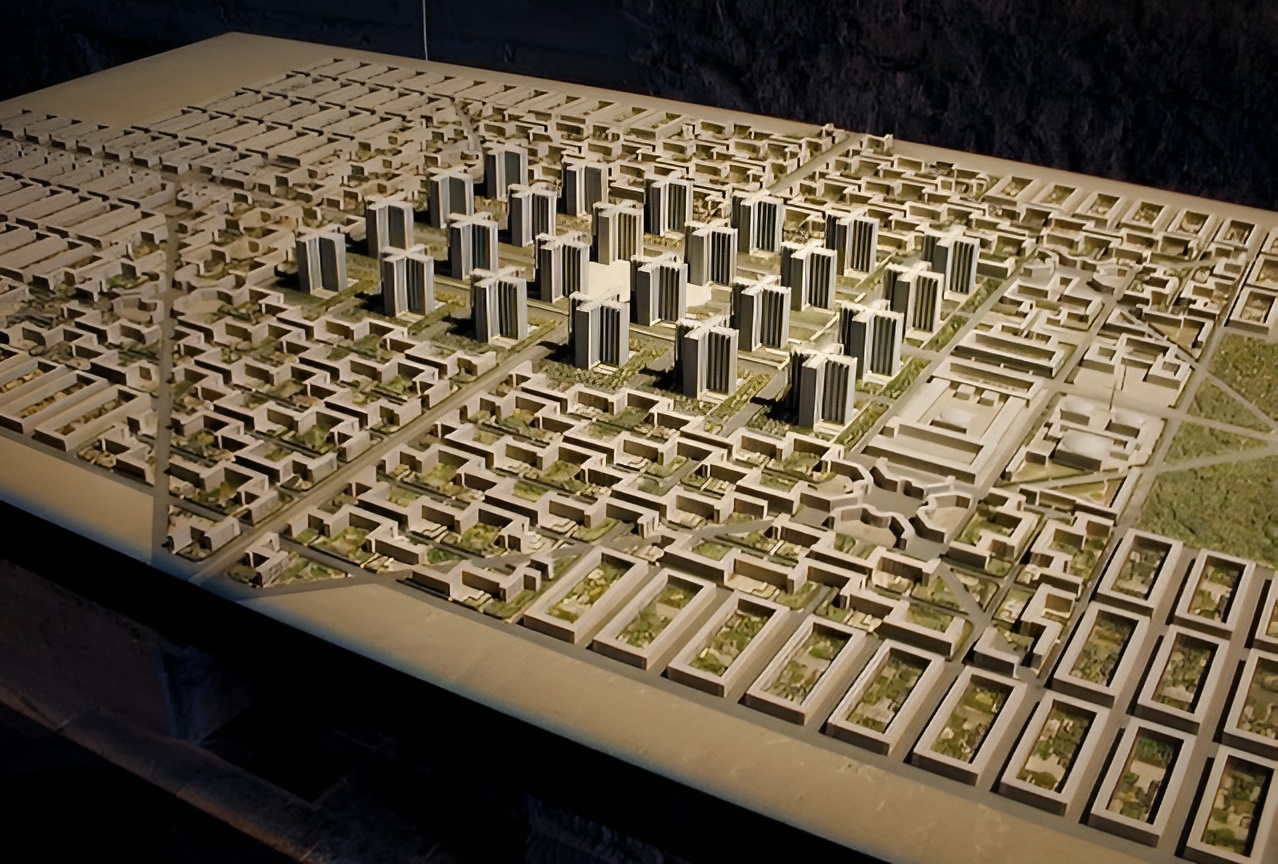
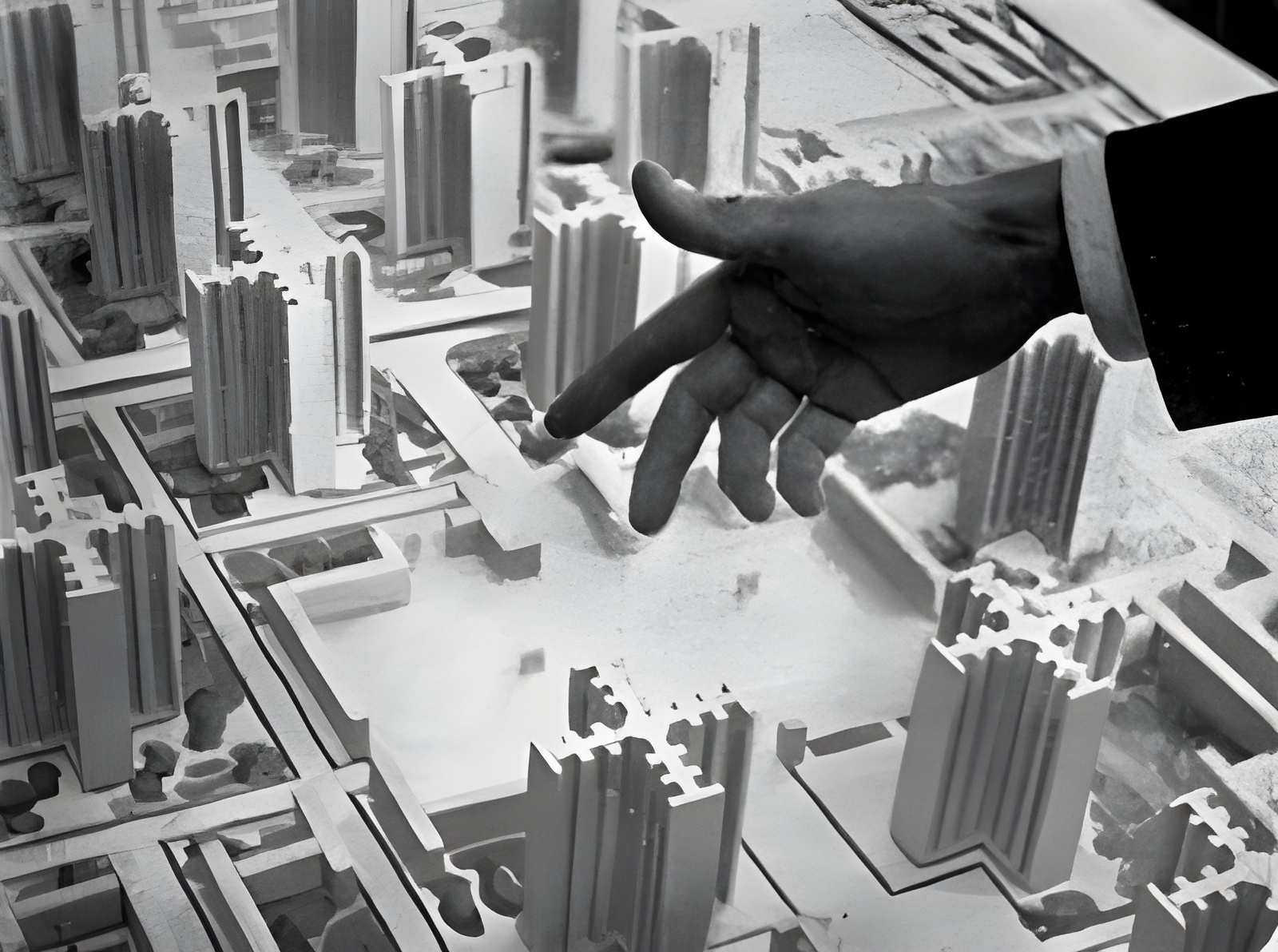


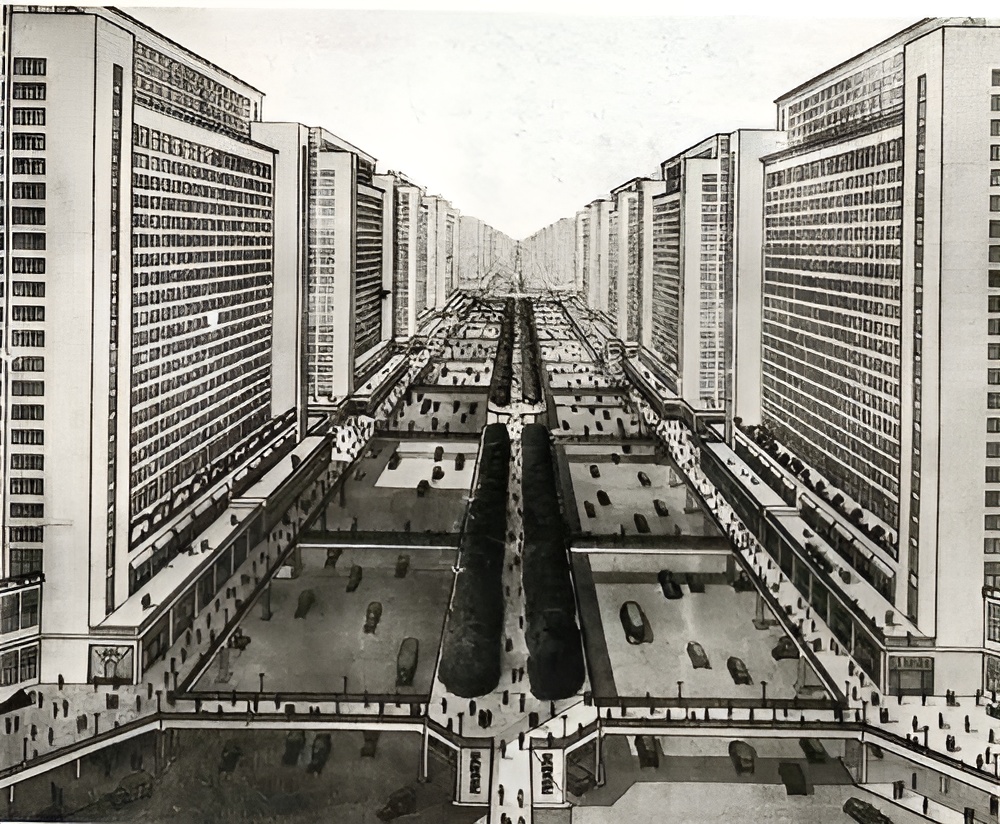
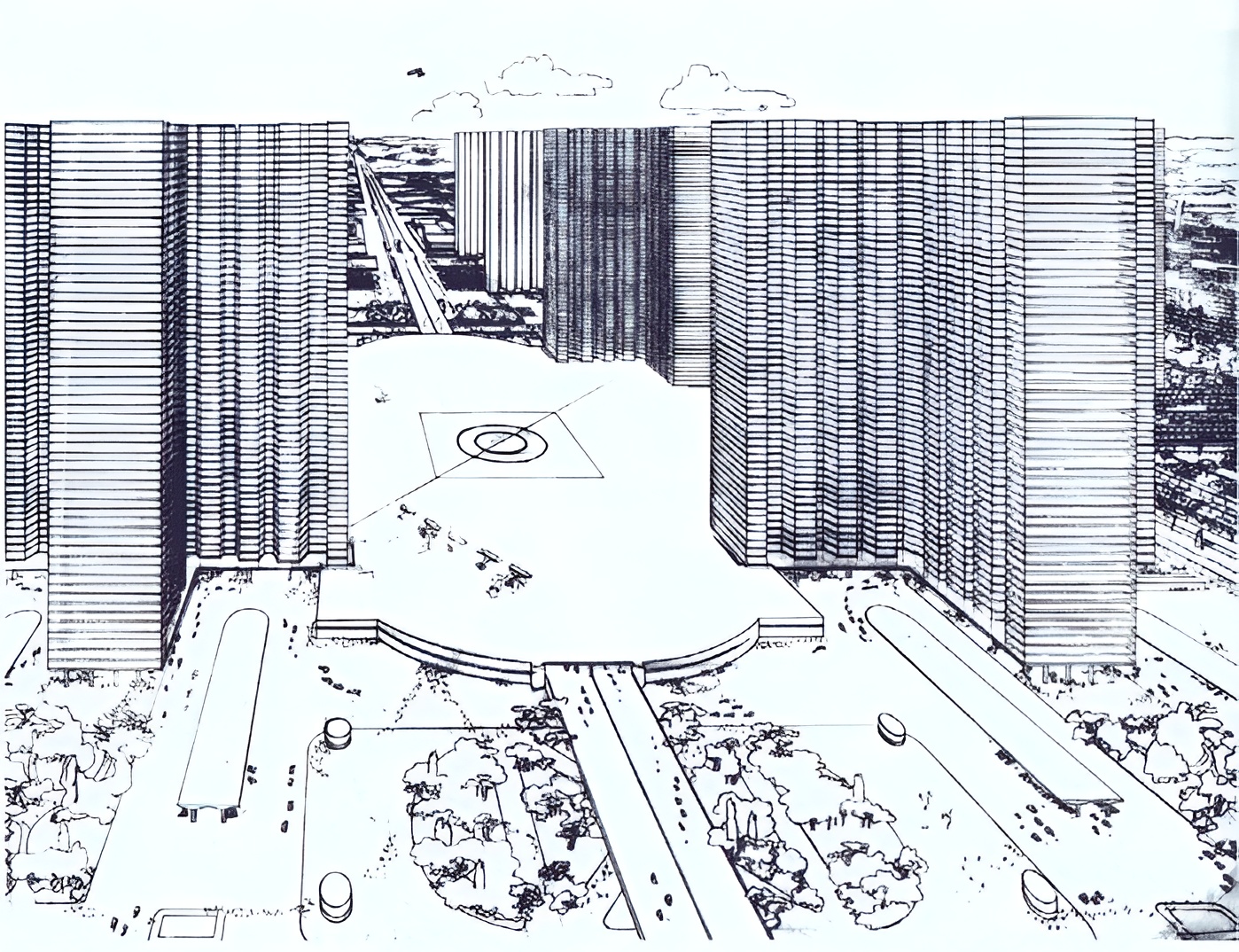
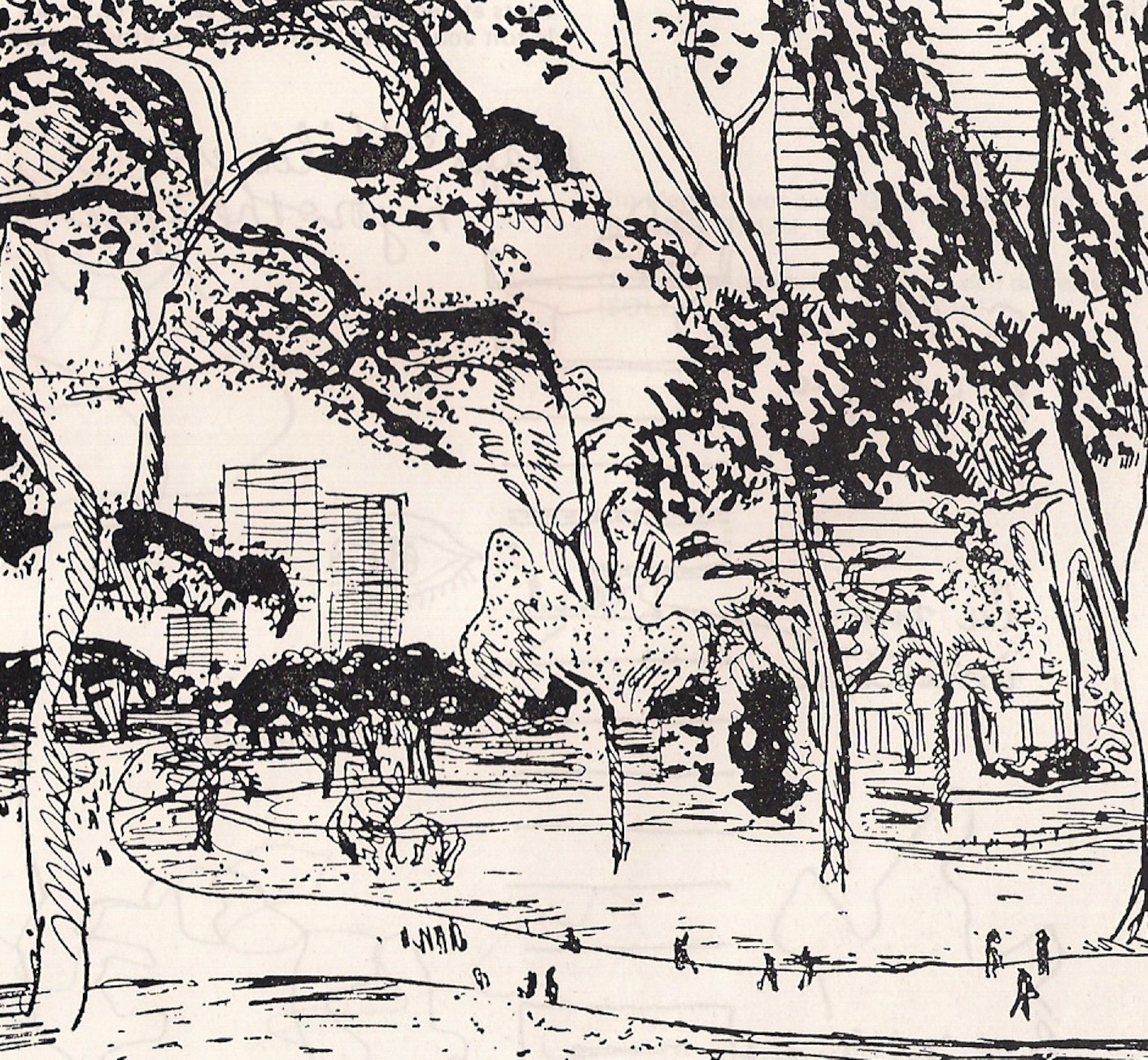
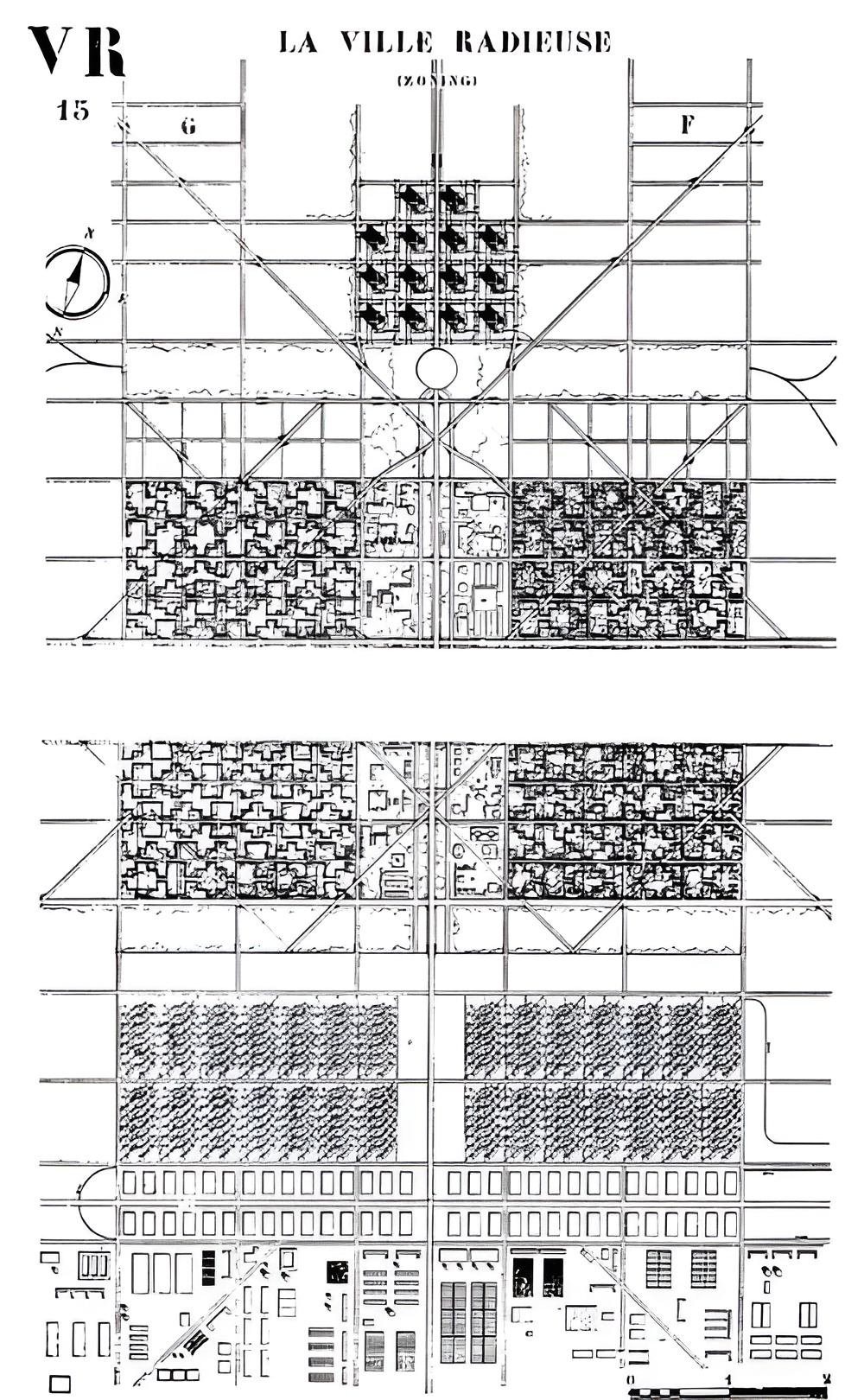
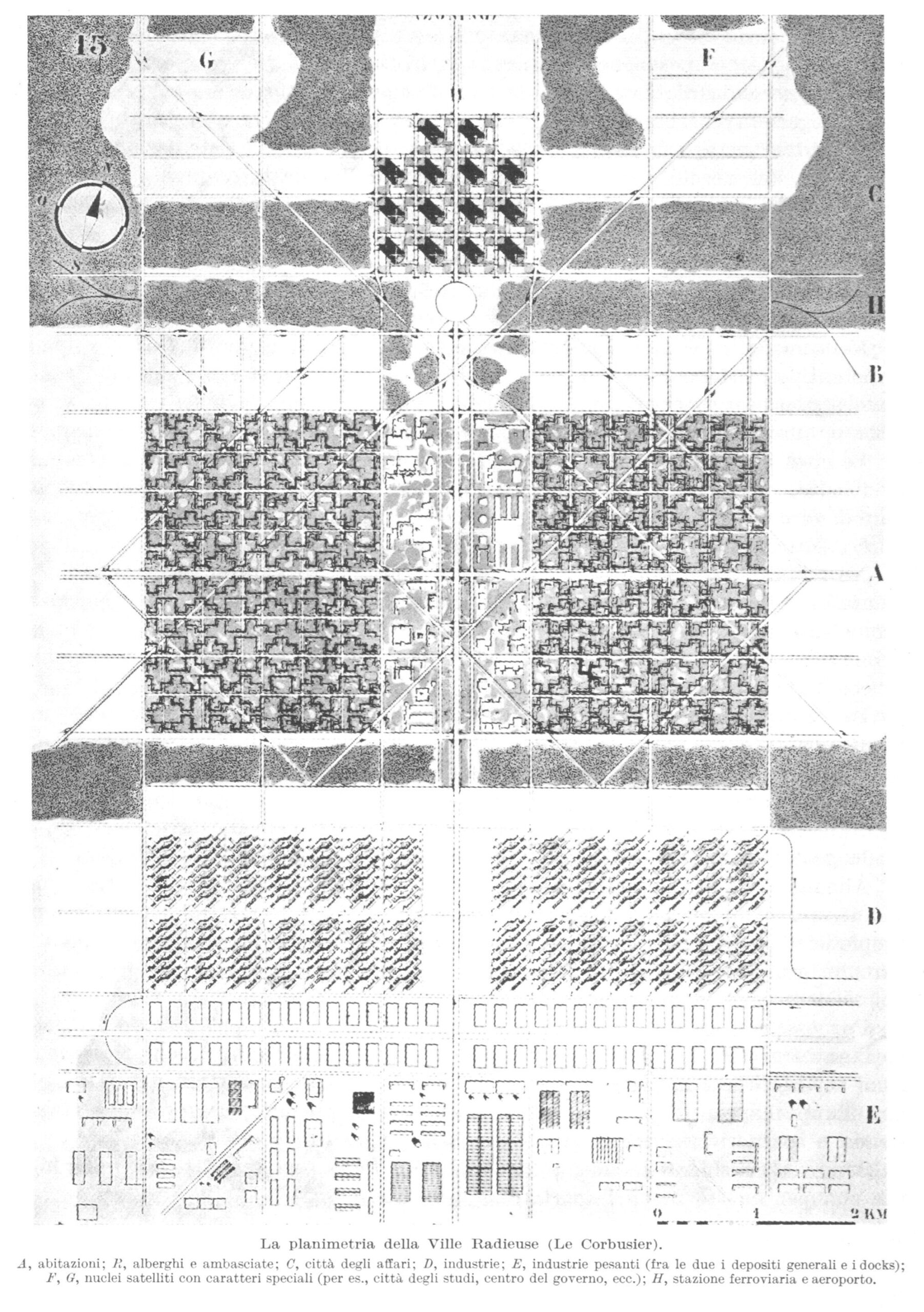
Aligned with modernist ideals of progress—which advocated erasing tradition—The Radiant City was envisioned as a tabula rasa, built upon cleared sites of vernacular European cities. This new city would feature prefabricated, uniform high-density skyscrapers, dispersed across a vast green landscape and organized in a Cartesian grid, enabling it to operate as a “living machine.” As Le Corbusier articulated, “The city of today is a dying thing because its planning is not in the proportion of geometrical one-fourth. The result of a true geometrical layout is repetition. The result of repetition is a standard. The perfect form.”
Central to Le Corbusier’s plan was the concept of zoning—a strict division of the city into designated commercial, business, entertainment, and residential sectors. The business district, positioned at the city’s center, featured monumental skyscrapers rising 200 meters, each housing between 500,000 and 800,000 people. At the heart of this civic district was the primary transportation hub, connected to an extensive underground train system that would carry residents to and from the surrounding residential zones.
The housing districts would consist of prefabricated apartment buildings called “Unités.” Each Unité, standing fifty meters tall, could house 2,700 residents and function as a vertical village, with catering and laundry services on the ground floor and a kindergarten and pool on the roof. Parks positioned between the Unités would provide residents with ample natural light, minimal noise, and easy access to recreational spaces.
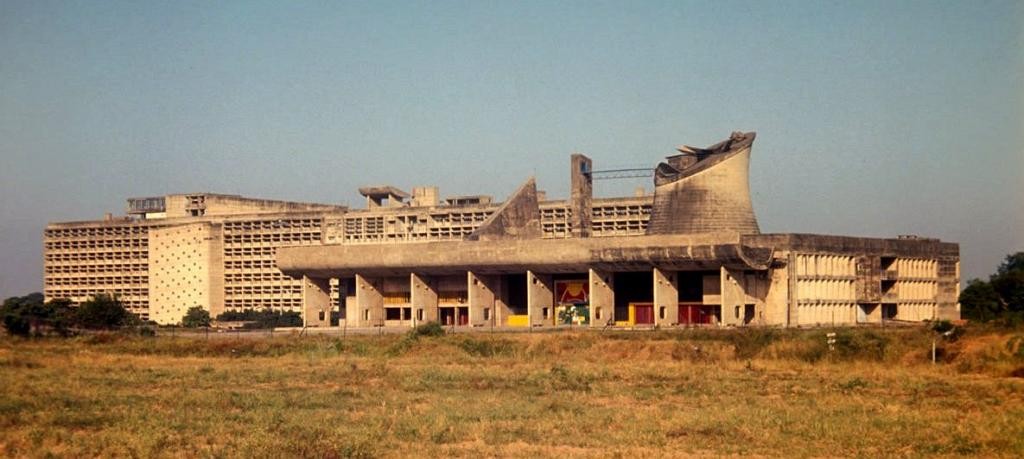
Le Corbusier further developed these radical ideas through drafts for various city schemes, including Paris, Antwerp, Moscow, Algiers, and Morocco. In 1949, he finally found a state authority that granted him complete freedom to implement his vision—the government of Punjab in newly independent India. In Chandigarh, India’s first planned city, Le Corbusier applied his rigorous zoning principles and designed the central Capitol Complex, which included the High Court, Legislative Assembly, and Secretariat.
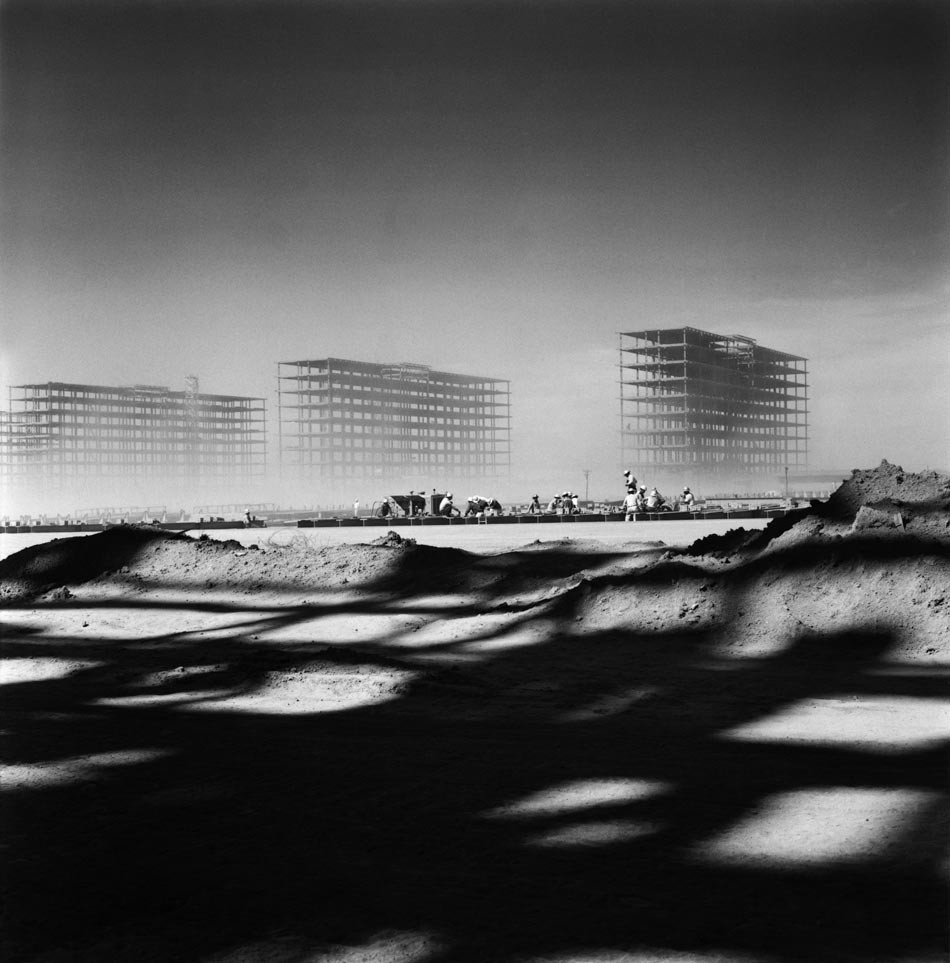
The most extensive realization of Le Corbusier’s concepts can be seen in the design of Brasília, Brazil’s capital, built on a vacant site allocated by the country’s president. On this tabula rasa—a setting Le Corbusier himself would have favored—Lúcio Costa and Oscar Niemeyer created a geometrically organized city with distinct administrative zones and uniform government-owned housing districts. By applying Le Corbusier’s principles, Costa and Niemeyer sought to construct a city that embodied ideals of equality and justice.
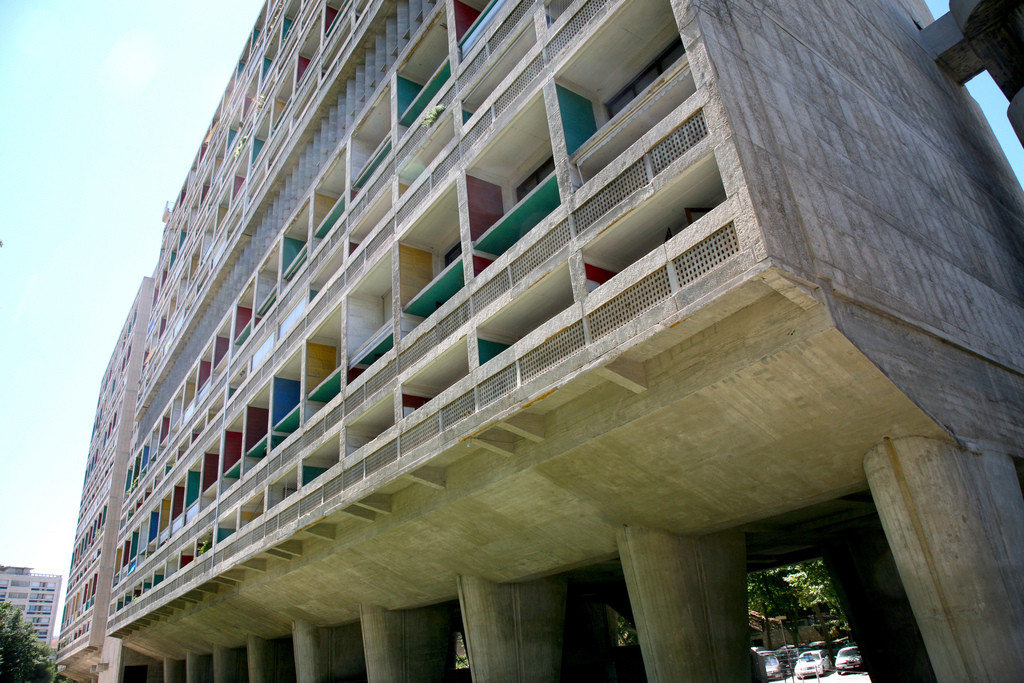
The Radiant City’s impact extended beyond urban planning. In 1947, Le Corbusier designed the Unité d’Habitation in Marseille, inspired by the Radiant City’s Unités concept. This building housed 337 apartments in a single structure, with public facilities on both the roof and ground floor. Due to the high cost of steel in the post-war economy, the Unité d’Habitation was constructed with exposed concrete, marking the beginning of Brutalist architecture. In subsequent years, four similar buildings were built in France and Germany. This typology, which addressed the post-war housing shortage, was widely adopted in housing projects around the world.
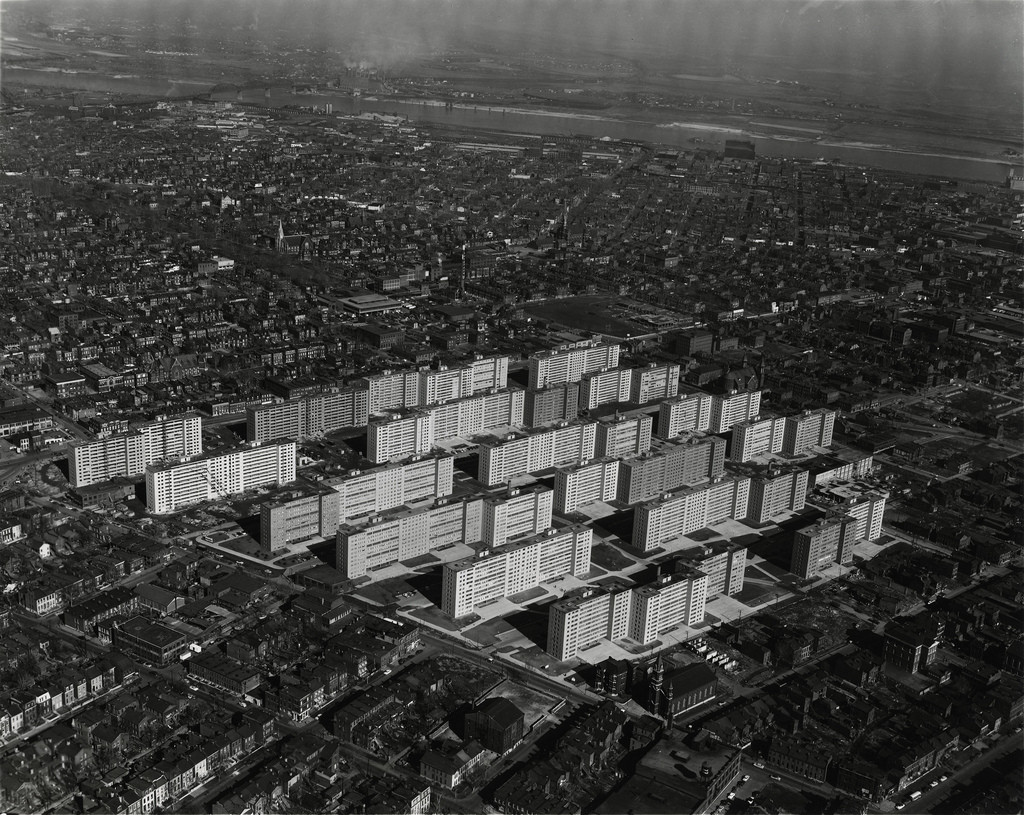
Today, in the post-modernist era, Le Corbusier’s constructed cities are rarely seen as Utopian ideals. Brasília, for instance, faces significant criticism for disregarding residents’ needs and lacking public spaces for social interaction. Similarly, Unité-inspired apartment blocks, now common on the outskirts of many major cities, have often become centers of poverty and crime, with many undergoing extensive remodeling or demolition.
Nonetheless, the concept of establishing order through meticulous planning remains as relevant today as when Le Corbusier introduced The Radiant City. Issues like healthy living, traffic management, noise control, public spaces, and transportation—areas Le Corbusier uniquely approached in a comprehensive way—continue to be central concerns for contemporary urban planners.
Project Gallery

